Needlepoint live im Konzert! Die wohl beste Progressive-Rock-Band Europas präsentiert ein fantastisches Live-Medley-Album, das klingt, als wäre es direkt aus den 1970er Jahren transportiert worden. 'In Concert' ist eine Reihe von Live-Aufnahmen, die nahtlos miteinander verbunden sind und einige Albumausschnitte der letzten paar Platten sowie neue Jams und musikalische Erkundungen zeigen.
"…Needlepoint präsentieren sich mit nordischem Leichtmut und lassen sanften aber abwechslungsreichen Canterbury Sound sprechen. Musikalische Grenzen sind nicht gesetzt, wenn zwischen Psychedelic Folk, Progressive Folk und Jazz auf und ab getanzt wird. Dabei geben sich Needlepoint melodisch, reflektiert und überlegt." (BetreutesProggen.de)
Following Far Out’s reissue of Agustin Pereyra Lucena Quartet’s La Rana, the label continues its memorialisation of the late, great Argentinian guitarist’s music, with the first ever direct from tape, audiophile reissue of Pereyra Lucena’s self-titled debut album from 1970.
One of the outstanding South American guitarists, Agustin Pereyra Lucena commanded a unique position in Latin music history. He hailed from Buenos Aires, but was obsessed with the music of Brazil. A disciple of Antônio Carlos Jobim, Baden Powell and Vinicius De Moraes, the nature of Agustin’s Argentinian roots combined with the nurture of Brazil and its music to give Agustin a sound entirely his own.
After being scouted in a nightclub, by musician and guitar craftsman Jorge Demonte, Agustin was invited for an audition at Argenitinian label Tonodisc. Before he knew it, aged 22, he was in the studio recording his first album.
Agustin enlisted fellow Argentinian Brazilophiles Mario "Mojarra" Fernandez who played bass and drummer Enrique "Zurdo" Roizner. He had first heard the duo backing Vinicius de Moraes, Toquinho and Maria Creuza on their legendary La Fusa live album, also recorded in Buenos Aires. For vocals, Agustin brought in his old friend, a French teacher called Helena Uriburu, who at the time had (unbelievably) never sung in a studio before.
The atypical bossas and spiritual swinging sambas, composed by many of Agustin’s aforementioned heroes, were elevated to new heights by Agustin’s dazzling arrangements and phenomenal guitar playing. The almost cosmic reaches Agustin achieved with his sound are balanced against the stylish sophistication and breezy nature of the music.
Moments of calm serenity include Agustin’s own composition “Nina No Divagues”, Durval Ferreira and Pedro Camargo’s “Chuva” and the Brazilian bossa classic “Tristeza Nos Dois”, which feels like it draws equally upon exotica and early library records. Accompanied by Roizner’s shuffling samba jazz drums, opener “O Astronauta” is Agustin’s cover of the Brazilian guitar standard composed by Baden Powell. Another Baden Powell classic, “Consolacao” is an extended full-band set, which features Agustin’s crisp guitar dancing around a hypnotic rhythm section. Upright bass is swapped out for a big, round-sounding electric one, which sits loud in the mix for almost seven minutes of deep, groovy, distinctively early-seventies magic.
Agustin passed away in 2019, and it is only in recent years that he is starting to gain his plaudits as one of South America’s greats. On the liner notes of the album Vinicius De Moraes writes: “I think I never saw, with the exception of Baden Powell and Toquinho, anyone more linked to his instrument than Agustín Pereyra Lucena. It would give the impression that if the guitar were taken away from him, he would fade into music as one dies from the amputation of an arm.”
Agustin Pereyra Lucena will be released on audiophile vinyl LP, CD and digitally on the 26th January 2024 via Far Out Recordings.
Contradictory accounts of Miles Davis’ creation of the soundtrack to Louis Malle’s film noir Ascenseur pour l'Échafaud have all become part of its legend. Rarely has a soundtrack been so decisive. Nearly seventy years on, beyond the myth, this taut, feverish recording, imbued with extreme dramatic tension, remains one of the Miles’ finest records. The basic outline remains: Jean-Paul Rappeneau suggested to Malle asking Miles Davis to create the film's soundtrack who agreed to record the music after attending a private screening. Davis was performing at the Club Saint-Germain in Paris in November 1957 and on December 4, he brought his four sidemen to the recording studio without having had them prepare anything. Davis only gave the musicians a few rudimentary harmonic sequences he had assembled in his hotel room, and, once the plot was explained, the band improvised without any precomposed theme, while edited loops of the musically relevant film sequences were projected in the background. Bassist Pierre Michelot recalled in 1988 that “Miles just asked us to play two chords, D minor and C7, 4 bars of each, ad lib.” Typically, Miles planned very little but know exactly what he wanted. François Leterrier, the film’s Second Assistant Director picks up the story: “The session started at around ten o’clock and went on until dawn. The screen in the auditorium was showing the scenes for which Miles had devised some harmonies, and they were edited into a loop. And that’s what makes this music unique: it was entirely improvised in conditions that went back to the days of silent films, while watching frames shot in black and white by cinematographer Henri Decaë: tracking shots of Jeanne Moreau wandering down the Champs-Elysées at night, passing in front of lit window displays or going into bars, while looking for her lover/murderer alias Maurice Ronet … All of us there in the dark auditorium were aware that something extraordinary was taking place, something that had definitely never happened before. … In the small hours we all met up again at the Pied de Cochon in Les Halles, and Louis was looking at Miles with the disbelieving eyes of a child … as if he couldn’t believe the gift he’d just received. Even in his wildest dreams he had probably never imagined what his film would be like once it had been as if illuminated by the trumpet of Miles, incisive or wrapped softly in cotton.” The music was released on 10” by Fontana and received the Grand Prix from France’s Académie Charles Cros. It was released in the USA on Columbia as the A-side of the 12” LP Jazz Track, which received a 1960 Grammy nomination for Best Jazz Performance, Solo or Small Group. This beautiful re-issue of the original recording is pressed on 180g vinyl at GZ, and packaged in a deluxe gatefold tip-on jacket with Boris Vian’s original liner notes and Jean-Pierre Leloir’s iconic studio photo of Miles and Jeanne Moreau, and an essay on the circumstances that led to this out-of-the ordinary music by Franck Bergerot.
BEN plg's music is an accurate reflection of reality, with no smoke and mirrors: harsh but tinged with luminous notes of hope. Those little nothings that imprint themselves on our memories, those "diamonds in the retina". The man from Lille has delivered an intense, intimate, authentic and universal debut album. Faut pas oublier de dire je t'aime. With contributions from Niro, Georgio, B.B. Jacques and Loud.
Will Long is an American artist. He curates and manages the label Two Acorns, as well as producing music since 2005, in various forms under his own name for Terre Thaemiltz's Comatonse Recordings, and as Celer for his own label and many others.
Here he joins the perfectly aligned Scissor and Thread label of Francis Harris and Anthony Collins for the Too Much EP.
"Too Much" is a deep cut from the same grooves as the Long Trax series," says Will Long, "a further entry for the downtrodden, the overwhelmed, and those that think change has come. A midnight meditation of intentional simplicity, strained, and on that night train."
The title track is lush, loose deep jam that combines wistful, warm pads with an insistent groove and choice samples.
Francis Harris steps up to provide one of his signature reforms, adding a little more percussion and drive to the track, while DJ Aakmael (Greg Stewart) offers up another version that takes the track somehow even deeper, adding some additional instrumentation and raw sounds.
out of Stock
Last delivered 3 months ago available to reorder, subject to availability
Mit "Duet for Guitars #2" machte M. Ward durch sein charakteristisches Raspeln und seine Fingerpicking-Fähigkeiten auf sich aufmerksam. Die Songs sind weniger umfangreich als spätere Platten und die Bandbreite reicht von Wiegenliedern bis hin zu rockigen Liebeserklärungen. Erstmals erschienen 1999 bei Co-Dependent Records, fand eines der ersten 1.000 Exemplare seinen Weg zu Howe Gelb, der "Duet for Guitars #2" im Jahr 2000 bei Ow Om wiederveröffentlichte. Es wurde danach nicht mehr aufgelegt und blieb ein schwer zu findendes Stück des M. Ward-Katalogs bis 2007, als es mit drei neuen Tracks auf Merge wiederveröffentlicht wurde. Mehr als eine Entstehungsgeschichte, ist "Duet for Guitars #2" ein wunderschönes Album, das Lo-Fi und Americana-Liebhaber in Ohnmacht fallen lassen wird, ganz zu schweigen von neuen und alten M. Ward-Fans.
Im Jahr 2003 kam der Durchbruch für M. Ward mit der Veröffentlichung von "Transfiguration of Vincent". Pitchfork lobte es als ein Album, das "Zeitlosigkeit ausstrahlt und sich über Genregrenzen hinwegsetzt", und Slant setzte es auf ihre Liste der besten Alben der 2000er Jahre. Auf "Transfiguration of Vincent" ist Wards elegantes Fingerpicking, sein beschwörender Gesang und seine herzzerreißende Lyrik in voller Blüte. Selbst ein so universeller Song wie David Bowies "Let's Dance" klingt nicht nur neu, sondern unwiderruflich als wäre es sein eigener. Als eine der meistgeschätzten Platten im Merge-Katalog ist "Transfiguration of Vincent" sowohl ein großartiger Ort, um die Liebesbeziehung zu M. Ward zu beginnen, als auch ein tiefes, atemberaubend realisiertes Werk, zu dem die Hörer seit 20 Jahren immer wieder zurückkehren.
Always traveling, El Gato Negro, the moniker of "nomadic" singer/songwriter and multi-instrumentalist, stopped this time in Dakar, Senegal to record his new album “Tigre qui pleure” (“Crying Tiger”). In a combination of West African and Cuban musicians, under El Gato's Colombian flute, Jazz blends with Hip-Hop, traditional with digital, French with Wolof and Spanish. In this third album, produced by GUTS, El Gato Negro invited his musical family (Florian Pellissier, Kumar, Orchestra Baobab, Cucurucho Valdés, Pat Kalla, Cyril Atef, iZem, Djeuhdjoah & Lieutenant Nicholson...) and dropped his festive mask to let Axel, the melancholic, express himself.
Umweltfreundliches, recyceltes Vinyl. Jede recycelte Schallplatte ist individuell und erhält durch den Recyclingprozess ein eigenes Aussehen. Die aufstrebende Indie-Rock-Band KAFFKIEZ aus Rosenheim schlägt ein neues Kapitel auf: Ab sofort können Fans das zweite Album "EKSTASE" vorbestellen. Sänger Johannes Eisner dazu: "EKSTASE" beschreibt unser aktuelles Leben ganz gut. Es passiert alles. Unser Traum, die Zweifel, die großen Bühnen, die langen Nächte im Studio, alles prasselt auf uns ein und wir lieben es. Das neue Album soll das erzählen." Zwischen Studio, Interviewterminen, Festivalbühnen, Tourbus und mit über 70 Millionen Streams, hunderttausenden Tiktok und Spotify-Follower*innen, der Auszeichnung als MTV PUSH Artist 2022, Auftritten auf renommierten Festivals wie dem Southside, Hurricane und Highfield Festival hat sich KAFFKIEZ als eine der aufstrebendsten Indie-Bands der Musikszene etabliert. Die große Tour im März 2024 ist bereits in vielen Städten ausverkauft, unter anderem in renommierten Hallen wie der Columbiahalle in Berlin, Tonhalle in München, Große Freiheit (2x) in Hamburg oder dem Palladium in Köln. Die Single "Sommer Mit Dir" zeigt eine völlig neue Facette der Band. Ruhig wabernde Key-Flächen, ein emotionaler Text und ein starker, verletzlicher Song, der die Fans abermals begeistert. Die Attitüde der 5 Rosenheimer Jungs, die mitten in die Ungewissheit 2020 ihre Karriere starteten und sich immer nur auf ihren eigenen "fucking Mut" und ihre mitreißenden Songs verlassen haben, ist sonst die einer der mitreißendsten Bands der letzten Jahre. Optimistisch, eingängig, treibend. Dass sie damit offensichtlich einen Nerv getroffen haben zeigt der Erfolg ihres Debüt-Albums "Alles Auf Anfang" 2022 und die Zahlen neuer Hits wie der ersten Vorab- Singles "Alles Nur Gelogen", "Mut", "Scooter" oder Schrei es Raus" die in wenigen Monaten schon weit über 11 (!) Millionen Streams und das Cover der "Wilden Herzen" auf Spotify erreichte. Ein Indie-Märchen. "EKSTASE" liefert eine einzigartige musikalische Reise, die von KAFFKIEZ' unverkennbarem Stil geprägt ist - erdige, raue und begeisternde Indie-Hits, die immer tanzbar, aber nie langweilig sind. Immer zum Mitsingen, egal ob im Radio, dem Festivalslot oder nachts in der Kneipe. Produziert wird das Album wieder von Johann Seiffert. Das zweite Album wird das Ergebnis von KAFFKIEZ' eindrucksvollen Erfahrungen und der steilen Bergauffahrt im Musikbusiness der letzten drei Jahre, darunter die Herausforderungen der Pandemie und der Stress einer neuen Welt, in der sich die Mittzwanziger auf einmal in ein neues Leben als Musiker manövriert haben. In den vergangenen 3 Jahren haben Sänger Johannes Eisner, Keyboarder Johannes "Gotti" Gottwald, Bene Vodermaier, Niki Mayer und Florian "Weiny" Weinberger bewiesen, dass es sich lohnt, an Träume zu glauben. Aus einem Kaff sind sie wortwörtlich zu einer der gehyptesten Indie-Bands des Landes herangewachsen, die im letzten Jahr auf ausverkauften eigenen Konzerten und vollen Festival-Slots bewiesen haben, dass sie gekommen sind, um zu bleiben. "EKSTASE" erzählt diese Geschichte einer Band, die die Gedanken, Sorgen, Aängste, aber vor allem die guten Dinge des Lebens so energetisch vertont, konsequent weiter. Und das tun vor allem die Fans, Medienmacher*innen und Konzertliebhaber*innen des Landes. KAFFKIEZ sind bereit, ihr Publikum mit ihrer mitreißenden Live-Performance zu begeistern. Die jetzt schon zu weiten Teilen ausverkaufte Tour im März 2024 zeigt das: Eines ist sicher: KAFFKIEZ haben noch viel zu erzählen. Wir dürfen uns freuen, dass es endlich wieder eine Band gibt, die ohne großen Schnickschnack einfach mit guten Songs begeistert.
Es zirkulieren wenige LPs, die über die gesamte Albumlänge die Schönheit und Wärme des "Balearic Sound" widerspiegeln. Man kann das auch dem Genre "Cosmic" zuordnen. Arno E Mathieu aus Südfrankreich schafft auf "Contemplation" das einzigartige flimmernde Licht des "Mediterranen" einzufangen, und in einem modernen Sound die Stimmungen der Natur des Mittemeerraumes rüber zu bringen. Die Songtitel und das Cover Image ergänzen das abgerundete Stimmungsbild. Es kommt nicht von Ungefähr, dass DJ Harvey großer Fan von Arno E Mathieu ist und viele seiner Tunes spielt. Wer auch in diesen Kosmos passt, ist Joe Claussell, der neben Franck Roger, I:Cube, Beanfield, Julien Jabre, Mark E, Simoncino, Woolfy, DJ Deep, Gigi Testa, Next Evidence, Max Essa jeder für sich einen tollen Remix abliefert. Fast jeder Track des Albums wurde geremixt.
out of Stock
Last delivered 2 years ago available to reorder, subject to availability
Aus der Asche von DAWN OF DISEASE ist eine Melodic Death Metal Band entstiegen, die bereit ist, alles unter Feuer zu setzen: HIRAES. Alle vier
Instrumentalisten von DOD (Lukas Kerk, Oliver Kirchner, Christian Wösten und Mathias Blässe) haben ihre Kräfte gemeinsam mit Sängerin Britta Görtz
(CRITICAL MESS, ex-CRIPPER) gebündelt, um Musik zu erschaffen, die zwischen hymnenhaften Melodien und packenden Gitarrenriffs pendelt:
atemberaubende Hooklines kombiniert mit gnadenlosem Drumming sowie einem allgegenwärtigen melancholischen Spirit und variantenreichen und
eingängigen Growls
Mit der Veröffentlichung des Albums 'Kalakuta Show' rächte sich Fela unerschrocken an dem Militärregime, das ihn 1974 angegriffen und brutal behandelt hatte. Die 'Kalakuta Show' war der zweite Angriff dieser Art innerhalb von acht Monaten und ein Versuch der nigerianischen Polizei, die Cause of Justice zu beeinflussen. Nach der ersten Polizeirazzia in Kalakuta im April 1974 wurde Fela vor Gericht angeklagt wegen Besitzes von gefährlichen Drogen und Entführung von "Minderjährigen". Die von der Staatsanwaltschaft vorgelegten Beweise konnten jedoch von der Verteidigung leicht entkräftet werden, die aussagte, dass die in den Räumlichkeiten gefundenen Drogen zur Junction Clinic gehörten, einer staatlich zugelassenen Klinik innerhalb der Republik Kalakuta, die von Felas jüngerem Bruder, Dr. Beko Ransome Kuti, geleitet wurde. Was den Vorwurf der Entführung von Minderjährigen betrifft, so bestritten alle jungen Mädchen, die in Felas Haus verhaftet wurden, minderjährig zu sein und entführt worden zu sein, und sie sagten vor Gericht aus, sie seien aus eigenem Antrieb zu Felas Haus gegangen. Da es keine stichhaltigen Beweise gab, um Fela in diesem vielbeachteten Prozess zu verurteilen, beschloss die Polizei, eine Woche vor der Urteilsverkündung eine zweite Razzia in Felas Haus durchzuführen, in der Hoffnung, dieses Mal Beweise zu finden. Das Ergebnis ist die Schilderung der zermürbenden und brutalen Art und Weise, wie die Polizei ihre Opfer behandelte. Sie führen den Fall auf, und Fela, der mit Kopfwunden und einem gebrochenen Arm vor Gericht erschien, erregte beim Richter mehr Mitleid als das Gegenteil. Eine Menschenmenge von mehr als fünfzigtausend Lagos-Jugendlichen trug Fela vom Gerichtsgebäude im Apapa-Gebiet von Lagos zur Kalakuta Republic - eine Entfernung von etwa sechs Kilometern. Während dieses Jubels kam der Verkehr im zentralen Teil des Festlandes von Lagos für mehrere Stunden zum Stillstand.
out of Stock
Last delivered 2 years ago available to reorder, subject to availability
Ba Da Bing is releasing the soundtrack to 2022’s paeon to cuisine prep, Flux Gourmet. A vibrant, four-coursed, 23-track double album, Flux Gourmet includes contributions by Heather Trost, Jeremy Barnes, Marta Salogni, Cavern of Anti-Matter, and Roj (Broadcast), as well as Strickland’s own compositions as part of The Sonic Catering Band. British Director and sonic pioneer, Peter Strickland, known for The Duke of Burgundy (2014), Berberian Sound Studio (2012) and Björk: Biophilia Live (2014), has always pushed visuals and narrative to absurd heights. In Flux Gourmet, performance artists taking part in a residency dedicated to sonic catering combining cooking, sound and theater. Food is amplified, microphones are jammed against blenders, and the sizzling sound of the frier turns becomes an ominous rattle. The film’s soundtrack is equally as process oriented, experimental, and kaleidoscopic as its protagonists’ practice. Contributors are Cavern of Anti-Matter, Jeremy Barnes, Heather Trost, Roj (formerly of Broadcast), Tim Harrison, Dan Hayhurst and Nurse With Wound.
Wildacre & Qindek have teamed up, both hailing from the east of Holland, with 5 cuts of straight up, modulair analog techno. You'll hear 25 years of experience which created this forward driven, staggering, killer EP. Strongly recommend to play in a warehouse techno rave!!
From the outskirts of the Netherlands!
out of Stock
Last delivered 2 years ago available to reorder, subject to availability
With her captivating voice and richly detailed songwriting, Sarah Jarosz has emerged as one of the most compelling musicians of her generation. A four-time Grammy Award-winner and ten-time nominee at the age of 30, the Texas native started singing as a young girl and became an accomplished multi-instrumentalist by her early teens. After releasing her full-length debut Song Up in Her Headat 18-years-old, she went on to deliver such critically lauded albums as Follow Me Down, Build Me Up From Bones, and Undercurrent, in addition to joining forces with Sara Watkins and Aoife O’Donovan to form the acclaimed folk trio I’m With Her. Her fifth studio album, World On The Ground, produced by John Leventhal, went on to win the Grammy award for Best Americana Album. In 2021 Jarosz released the Grammy-nominated Blue Heron Suite, a much-anticipated song cycle which she composed after being the recipient of the FreshGrass Composition Commission.
The seventh album from Sarah Jarosz finds the highly decorated songwriter at the apex of change. A Texas native, she’s spent most of her adult life living in New York City, but shortly before writing the album Jarosz left her adopted home to join her soon-to-be husband in Nashville, TN. The geographic shake-up led to a sonic one as well for Polaroid Lovers. For the first time in her career she opened herself up to collaborators, leading to writing sessions with Daniel Tashian, Ruston Kelly and Natalie Hemby. The creative reorganization of her writing process evolved to include a much richer and more electric sound in the studio and being in Nashville meant access to a world of hot shot players. She tapped guitarist Rob McNelley (Miranda Lambert, Carrie Underwood), Tom Bukovac (Tom Petty, Vince Gill) on guitar and organ, her husband- bassist Jeff Picker (Nickel Creek), and drummer Fred Eltringham (Sheryl Crow, Lucinda Williams) for the album recording. Tashian took the helm as producer and the whole album was laid down at the legendary Sound Emporium.
As it goes with all change, Jarosz’s major life events had her feeling contemplative. While sitting on the precipice of adulthood, Polaroid Lovers finds her reflecting on past loves, childhood dreams, the places she lived in and all the versions of herself that she’s been. Although the listener experiences the sonic shift forward, the album’s subject matter is a photo album of the past. Jarosz has never sounded more assured. Polaroid Lovers is filled with the kind of confidence that comes from hard won life experiences and the conviction of someone who truly knows herself.
Studio One was founded by Clement "Coxsone" Dodd1 in 1954, and the first recordings were cut in 1963 on Brentford Road in Kingston.1[2] Amongst its earliest records were "Easy Snappin" by Theophilus Beckford, backed by Clue J & His Blues Blasters, and "This Man is Back" by trombonist Don Drummond. Dodd had previously issued music on a series of other labels, including World Disc, and had run Sir Coxsone the Downbeat, one of the largest and most reputable sound systems in the Kingston ghettos.
In the early 1960s, the house band providing backing for the vocalists were the Skatalites[3] (1964–65), whose members (including Roland Alphonso, Don Drummond, Tommy McCook, Jackie Mittoo, Lester Sterling and Lloyd Brevett) were recruited from the Kingston jazz scene by Dodd. The Skatalites split up in 1965 after Drummond was jailed for murder, and Dodd formed new house band the Soul Brothers (1965–66), later named the Soul Vendors (1967) and Sound Dimension (1967-). From 1965 to 1968 they played 9 a.m. to 5 p.m., 5 days a week, 12 rhythms a day (about 60 rhythms a week) with Jackie Mittoo as music director, Brian Atkinson (1965–1968) on bass, Hux Brown on guitar, Harry Haughton (guitar), Joe Isaacs on drums (1966–1968), Denzel Laing on percussion, and on horns (some initially and some throughout): Roland Alphonso, Dennis 'Ska' Campbell, Bobby Ellis, Lester Sterling, among others on horns during the era of Rock Steady. Headley Bennett, Ernest Ranglin, Vin Gordon and Leroy Sibbles were included among a fluid line-up, to record tracks directed by Jackie Mittoo at Studio One from 1966-1968.
During the night hours at Studio One from 1965-1968, singers like Bob Marley, Burning Spear, The Heptones, The Ethiopians, Ken Boothe, Rita Marley, Marcia Griffiths, Judy Mowatt, Alton Ellis, Delroy Wilson, Bunny Wailer[4] and Johnny Nash, among others, would put on headphones to sing lyrics to original tracks recorded by the Soul Brothers earlier each day. These seminal recordings included "Real Rock" (by Sound Dimension), "Heavy Rock", "Jamaica Underground", "Wakie Wakie", "Lemon Tree", "Hot Shot", "I'm Still In Love With You", "Dancing Mood", and "Creation Rebel".
Jackie Mittoo, Joe Isaacs, and Brian Atkinson left Studio One in 1968, recorded drums and bass for Desmond Dekker's and Toots' biggest hits at other Kingston studios, then moved to Canada. Hux Brown stayed in Jamaica to record on the soundtrack The Harder They Come, The Harder They Fall, and toured in Nigeria with Toots and the Maytals and Fela Kuti. The Soul Brothers (a.k.a. Sound Dimension) formed the basis of reggae music in the late 1960s, being versioned and re-versioned time after time over decades by musicians like Shaggy, Sean Paul, Snoop Lion, The Clash, String Cheese Incident, UB40, Sublime, and countless other Billboard originals and remakes trying to emulate their original Rock Steady sound at Coxsone's Studio One.
The label and studio were closed when Dodd relocated to New York City in the 1980s.
Studio One was founded by Clement "Coxsone" Dodd1 in 1954, and the first recordings were cut in 1963 on Brentford Road in Kingston.1[2] Amongst its earliest records were "Easy Snappin" by Theophilus Beckford, backed by Clue J & His Blues Blasters, and "This Man is Back" by trombonist Don Drummond. Dodd had previously issued music on a series of other labels, including World Disc, and had run Sir Coxsone the Downbeat, one of the largest and most reputable sound systems in the Kingston ghettos.
In the early 1960s, the house band providing backing for the vocalists were the Skatalites[3] (1964–65), whose members (including Roland Alphonso, Don Drummond, Tommy McCook, Jackie Mittoo, Lester Sterling and Lloyd Brevett) were recruited from the Kingston jazz scene by Dodd. The Skatalites split up in 1965 after Drummond was jailed for murder, and Dodd formed new house band the Soul Brothers (1965–66), later named the Soul Vendors (1967) and Sound Dimension (1967-). From 1965 to 1968 they played 9 a.m. to 5 p.m., 5 days a week, 12 rhythms a day (about 60 rhythms a week) with Jackie Mittoo as music director, Brian Atkinson (1965–1968) on bass, Hux Brown on guitar, Harry Haughton (guitar), Joe Isaacs on drums (1966–1968), Denzel Laing on percussion, and on horns (some initially and some throughout): Roland Alphonso, Dennis 'Ska' Campbell, Bobby Ellis, Lester Sterling, among others on horns during the era of Rock Steady. Headley Bennett, Ernest Ranglin, Vin Gordon and Leroy Sibbles were included among a fluid line-up, to record tracks directed by Jackie Mittoo at Studio One from 1966-1968.
During the night hours at Studio One from 1965-1968, singers like Bob Marley, Burning Spear, The Heptones, The Ethiopians, Ken Boothe, Rita Marley, Marcia Griffiths, Judy Mowatt, Alton Ellis, Delroy Wilson, Bunny Wailer[4] and Johnny Nash, among others, would put on headphones to sing lyrics to original tracks recorded by the Soul Brothers earlier each day. These seminal recordings included "Real Rock" (by Sound Dimension), "Heavy Rock", "Jamaica Underground", "Wakie Wakie", "Lemon Tree", "Hot Shot", "I'm Still In Love With You", "Dancing Mood", and "Creation Rebel".
Jackie Mittoo, Joe Isaacs, and Brian Atkinson left Studio One in 1968, recorded drums and bass for Desmond Dekker's and Toots' biggest hits at other Kingston studios, then moved to Canada. Hux Brown stayed in Jamaica to record on the soundtrack The Harder They Come, The Harder They Fall, and toured in Nigeria with Toots and the Maytals and Fela Kuti. The Soul Brothers (a.k.a. Sound Dimension) formed the basis of reggae music in the late 1960s, being versioned and re-versioned time after time over decades by musicians like Shaggy, Sean Paul, Snoop Lion, The Clash, String Cheese Incident, UB40, Sublime, and countless other Billboard originals and remakes trying to emulate their original Rock Steady sound at Coxsone's Studio One.
The label and studio were closed when Dodd relocated to New York City in the 1980s.
Comes with a biographical interview insert telling the fascinating story behind Fantasy Train and the creation of their unique 1984 album for the first time.
File together with: Donnie & Joe Emerson - Dreamin' Wild and Jr. & His Soulettes - Psychodelic Sounds albums.
"From a southern small town this after school project is hard to describe other than there's nothing else like it. Teens exploring soul, funk and rock and this album is their interpretation of all three. Catchy tunes, plenty of effects and earnest vocals. Fantasy Train is one of the freshest sounds I've heard in many years of digging." Rich Haupt (Rockadelic).
"Cool teen rock meets DIY modern soul laden with psyched guitars, weird sci-fi effects, and alternate male/female vocals. There's also cheesy synth-wave realms and dreamy late night gospel overtones." Taro Miyasugi (Vinyl Anaconda).
"Fantasy Train is a unique, genre-bending album cooked up in the sweltering Southern heat that impresses me with a special kind of style and panache. It is an amazing venture - their sound is clearly rooted in the soul of the '60s and the funk of the '70s but flourishes even further with the added electro-swagger of the '80s, and there is a certain genius to its fluidity. I don't really believe in genres anyway. The band's wild imagination and their excellent musical use of a laser pistol made clear to me that this album was one of a kind." Sam Swig (Mystery Brew).
Listed as one of Record Collector's "100 Greatest Psychedelic Records" 1968's Five Day Week Straw People, which relates the imagined "typical weekend of the average nine-to-five worker" is now released on 180g Straw coloured vinyl.
The album is often considered a cult classic and a collector's item among psychedelic rock enthusiasts, featuring a blend of psychedelic and folk- rock influences and includes songs like "Sunday Morning," and "Carwash." While the band didn't achieve widespread commercial success, they are remembered for their unique sound and contribution to the psychedelic music scene of the late '60s. The Straw coloured 180- gram vinyl is re- issued on Morgan Blue Town including sleeve notes
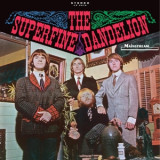
"Flower power psych pop that’ll blow you away! Exploring the jangly folk and garage sounds of the late ‘60s, the Superfine Dandelion picks a wide variety of colorful folk, country and jug band influences and puts a psychedelic tint on their all-original compositions. Our favored stereo mix, pressed on blue vinyl!
Formed in 1967, this Phoenix, AZ band would only last for a year before parting ways, leaving behind just one album – a fate many Mainstream artists ultimately faced, no matter how quality their style and sound was. The Superfine Dandelion features Mike McFadden (formerly of the garage rockin’ Mile Ends) and Rick Anderson (founding member of the Tubes) showcasing the sound of the Summer of Love – kaleidoscopic, sunny & groovy!
“While the cheeriest cuts have the sunny folk-pop/rock feel of, say, some of the L.A. folk-rock issued by the Dunhill label (‘Don't Try to Call Me’ recalls P.F. Sloan) or the Monkees, their self-titled LP had a good deal of sub-Jefferson Airplane folk-psych-rock, with plenty of minor chords, harmonies, and wistful lyrics. Then ‘Janie's Tomb’ and ‘It's Raining’ have a jokey jug band vibe, like a cross between the Charlatans and the Lovin' Spoonful.” – Richie Unterberger (AllMusic)"
Wewantsounds is delighted to reissue Brion Gysin"s cult avant funk album produced by Ramuntcho Matta in the early 80"s. The hugely influential Gysin who, with his friend William Burroughs, was revered by the likes of David Bowie, Brian Jones, Laurie Anderson, Genesis P-Orridge, is accompanied here by Matta - on his return from a two-year spell in New York - and French post punk stalwarts Yann Le Ker (from the group Modern Guy) and Frederic Cousseau (from Suicide Romeo) plus special guests including Don Cherry, Elli Medeiros, Lizzy Mercier Descloux, Caroline Loeb and Senegalese drummer Prosper Niang (Xalam). This is the first time the album is reissued on vinyl, newly remastered from the original tapes, augmented with bonus tracks and a 2 page colour insert featuring new liner notes by Gysin scholar Jason Weiss.
out of Stock
Last delivered 2 years ago available to reorder, subject to availability
GOUTLAW, 4 piece rock and roll band, filthy and unhinged, as it should be, hailing from Melbourne Australia. Crystal visions. A moment captured in time. Picture Howlin' Wolf with Girl Trouble. The Virgin Mary, hooked on cough syrup, staring down the end of the line. Think Stooges, Beasts of Bourbon, Chrome Cranks and the Flesh Eaters. Elvis is dead and I'm not feeling too well myself. GOUTLAW to visit European shores in 2024 to showcase their self titled album, watch out!
All true improvisation involves an element of chance: the coming together of a nexus of influences impulses and actions that result in spontaneous creation. Often in the world of jazz these creative sparks blaze briefly in performance, and then disappear as the sonic vibrations fade from the air, but sometimes chance intervenes again, and moments thought to be gone forever can resurface in unexpected ways. As master drummer Jeff Williams sorted through his archive of cassette tapes from his extensive international career, he had no idea that hidden within it would be a recording of a 1991 evening when he joined storied NYC legend David Liebman for a set of spontaneous performances. Reunited together fifteen years after the breakup of their seminal band Lookout Farm in 1976, the two players reaffirmed their deep musical bond with a set of free-flowing exploratory dialogues in front of a receptive audience. Believed lost for many years, these performances can now be experienced again, with all their fearless freshness and pure committed musicianship undimmed by the passage of time.
Jeff Williams has established a formidable reputation as a drummer, composer, educator and bandleader on both sides of the Atlantic. His relationship with Liebman was forged in the exciting, expansive atmosphere of the New York scene in the early 70s: the meeting of Williams, the laid back Midwesterner, and Liebman, the mercurial, quintessential New Yorker, was an inspired coming together of opposites that always made the creative sparks fly. Williams remembers the journey that led to the Bar Room 432 on that 1991 evening:
“Just as I was leaving my home town of Oberlin, Ohio to move to New York City in 1971, I was given David Liebman’s phone number by someone who told me that Dave had started an organisation for jazz musicians there. I knew of Dave, from Ten Wheel Drive and John McLaughin’s My Goals Beyond, but I couldn’t have imagined what a significant role he would play in my musical life. Shortly afterwards, Dave would leave Elvin Jones and Miles Davis to start his own band, with Richie Beirach, Frank Tusa, and myself, (later adding Badal Roy), naming it Lookout Farm. We released two albums on ECM and one on A&M to wide critical acclaim, and toured across Europe, Japan, India and the US.”
“Following the dissolution of Lookout Farm, Dave and I embarked on a short duo tour opening for Gary Burton. That would be the last time the two of us would play until the occasion of this recording, fifteen years later.”
“Fast forward to 1991 when I discovered an attractive bar located on the far West Side of 14th Street in Manhattan. Bar Room 432 would become a six night a week jazz club for a few years, providing me, and many others, with the opportunity to perform our music. Catching wind of this, Dave suggested we do a duo performance there.”
“Luckily, I recorded it.There was no preparation, no set music to be played - we simply improvised, picking up where we’d left off. David’s mastery of the soprano saxophone is in full bloom here, as well as his incredibly resourceful musical mind.”
The performances are revelatory, moving in pure improvisation from clear, songlike melody to furious density, from ambience to pulsing groove, from light into darkness and back again. Cleaned up and remastered by Alex Bonney, the sound of the tape captures the warm, wood-lined ambience of the room, allowing the full power and dynamics of William’s drums and the warmth and fullness of Liebmans’ soprano sax to sing out, engaging the contemporary listener just as it engaged the hip Manhattan crowd thirty three years ago.
Finnogun’s Wake is the delightful portmanteau of a band fronted by Shogun (vocalist of Royal Headache, and later Shogun and the Sheets) and newcomer Finn Berzin. Decades apart in age but united in tutelage and outlook, they have mitigated the Joycean tome of What To Do Now, and crafted the four debut songs of the Stay Young EP from the inside out, sharing the spotlight for a riveting, deafening smear of melodic pop and buzzsaw guitars.
Mourning the departure of his best mate to a life overseas, Shogun started hanging out with his friend’s younger brother, Finn. The two of them started spending their free time together, one having seen a fair chunk of the world through music, the other just starting to figure it all out. They went through the essential lessons that could be gleaned from Definitely Maybe and Hüsker Dü, Finn got himself a guitar, and the songs simply fell out of both of them, with this initial batch as the result. Shogun sings on “Blue Skies” and “Strawberry Avalanche,” and Finn takes the lead on “So Nice” and “Lovers All,” and while there’s no mistaking Shogun’s striking delivery and fatalistic lyrics, Finn proves himself as a carousing foil, holding his ground like the natural he’s become.
Taking into account the fevered, quick-burning success of Royal Headache, this group is the most likely candidate to do it all again, giving the sense that some people can write bounding guitar leads that stick to you like burrs from the brush, and sing so effortlessly you’re embarrassed and a little mad about how great it all sounds. Backed on these recordings by keyboardist Gabrielle De Giorgio (a longtime collaborator of Shogun’s from back in the Sheets era), bassist Campbell Troy (who was in Shogun’s first hardcore band Nintendo Police back in the mid ‘90s), and DMA’s drummer Liam Hoskins (on some COVID-enforced boredom with no tour-dom), Finn and Shogun stare down a changed world from two very distinct poles, and aim to fill it with glorious songs just like these.
Cam Cameron appears to be another one of those performers from an infinite list of Black American artists that cut a solitary 45 single and then disappear into obscurity never to be seen or heard from again. Couple this with the passing of any of the relevant protagonists from the time along with any of the surviving ones ever diminishing memories and the job of collating events and artists back stories from over 50 years ago becomes that much harder.
Cam Cameron appears to be one of those artists (although our investigations are ongoing). Therefore, from the information currently gleaned, the artist Cam Cameron was none other than Alvin Cameron the writer of the featured song “You Say”, with Cam being a kind of nickname. The string arrangements on both “They Say” and “I’m A Lonely Man” were provided by the late John Andrew Cameron a hugely respected arranger, producer and songwriter within the Chicago music scene of the 1960’s and early 70’s, more often credited as Johnny Cameron. Johnny’s credits can be found on many recordings of the time often working with fellow Chicago music scene producer Clarence Johnson, some of the highlights from this liaison being the song “I Really Love You” recorded by both Jimmy Burns (Erica) and Bobby James (Karol) and the girl group, ‘The Lovelites’, on their acclaimed album “With Love From The Lovelites” (Uni). Johnny’s involvement with the Scott Brothers goes as far back as 1965 when he provided the musical arrangements on The Howard Scott penned song “I’ve Got To Get Over” recorded by Syl Johnson for the TMP-Ting label. Although they share the same surname, Alvin (Cam) Cameron is believed to be of no relation to Johnny Cameron.
“You Say” would gain a release on the independent Capri label owned by Sephus Howard Scott who together with brother Walter Scott composed the 45’s flipside “I’m A Lonely Man”. Howard also featured as one of the songs producers alongside the mysterious Edgar Mullins (a name which has been found on a couple of other tape boxes, the investigations continue).
Musical accompaniment was provided by The Scott Brothers Band, with both songs being recorded at RCA Victor’s Chicago number 2 Recording Studio at 445 North Lake Shore Drive, in the Navy Pier section. on the 10th of August 1967 and released on Capri Records during the month of February 1968.
Cameron’s “You Say” was another 45 that was first introduced to UK Soul Collectors via those much lamented and fondly remembered soul packs, always regarded as a quality collector’s 45 the only regular turntable action remembered was provided by Northampton’s very own discerning DJ Cliff Steele at venues such as ‘Detroit Academicals’, ‘Bretby Country Club’ and later ‘Albrighton’ during the leaner days of the UK Rare Soul Scene?! Hopefully a wider appreciation of both sides of this soulful Windy City 45 beckons! The second release in Soul Junction’s Capri series.
Der legendäre Blues-Mundharmonika-Frontmann Junior Wells nimmt uns mit auf eine gefühlvolle Reise in die Vergangenheit mit dieser Neuauflage von In My Younger Days, einer vom Label Red Lightnin' zusammengestellten Sammlung von frühen Chicago-Blues-Stücken. Die hier vorgestellten Stücke gehören zu den erdigsten von Juniors obskurer Aufnahmekarriere, bevor er bei einem großen Label unterschrieb. Völlig geradlinige und geradezu erfrischende Bluesmusik,
Mista Sinista officially started DJing in 1986 and joined the X-Men in 1992. They later became the X-ecutioners and released two albums. Mista Sinista toured the world several times with the X-ecutioners and was a tour DJ for Common, Beatnuts, Joe Fatal and Lauryn Hill just to name a few. Some of his album credits include The Beatnuts Street Level LP and Common’s Resurrection LP. His work was also highlighted on Fat Joe’s sophomore release, Jealous One’s Envy. He continues to perform worldwide and is featured on The Rewind with DJ Safire which airs weekly on Beatminerz Radio. Mista Sinista’s debut LP is a mix of well-produced tracks along with live turntablism. The project features emcees Mr. VooDoo, Ill Bill, Vinnie Paz, The One Chadio, U.G. & The former MC Jean Grae to name a few. This album also features Rugged One, Q-Bert, The Cut Lieutenant, Ace & Rob Swift. Production credits on the project include Mista Sinista, Steve Dee, Nick Wiz, Statick, Eitan Noyze, Cee da Cuban & DJ Safire
Karl-Marx-Stadt (now Chemnitz) was one of the GDR’s subcultural hubs in the late 1970s and 80s. The industrial city in Saxony produced an impressively wide informal cultural programme beyond state structures. Bands such as Die Gehirne, Knut Baltz Formation, Die Arroganten Sorben, Kartoffelschälmaschine, AG Geige or the projects of cassette label klangFarBe created a complex artistic environment, in which Tropenkoller ran its spiritual exercises from 1986 to 1989. The “introverted experiment” remained distinct yet was exemplary of a KarlMarx-Stadt sound that considered dissonance a non-ideological form of harmonics. A first and only tape appeared in 1988. The extravagant packaging illustrated the edition’s exclusive nature; no more than twenty-five copies were released by Tropenkoller into the limited coterie of its open circle. tapetopia is a series of vinyl releases based on cassettes from East Germany’s 80s underground, particularly from the East Berlin "Mauerstadt" music scene, featuring original layouts and track lists. For over 30 years after their initial “release” the music on these tapes was neither available on vinyl nor CD, but they were important statements in the canon of the GDR subculture. Contrary to the small print runs of the time, many of the bands were considered cult in the underground,but suspect in the higher floors.
tapetopia 010 FO 32 extra hart arbeitendes rastermaterial für kontakt did not emerge from the usual underground milieu – their setting was the base of the 4th Flotilla of the GDR People’s Navy! The propaganda unit PrK 18 had among its recruits some who turned the logistics for agitation against the intentions of the system. Inside a barracks, but under the state radar, the paramilitary music corps FO 32 boarded an NVA studio and recorded industrial tracks and dark ambient. The experimental military band gave an illegal concert; they had previously been heard on the radio programme “Parocktikum”, a pirate gig from the ranks of the People’s Navy on GDR radio. In 1989, a first FO-32 tape was shared among just a few friends. Shortly after, an abridged mix of material was released on the illegal Trash Tape label in an edition of no more than one hundred copies. The vinyl version on tapetopia is based on the original tape. The tapetopia series, using the original layouts and track lists, publishes cassette editions from the GDR underground of the 1980s, especially from the “walled-in” scene in East Berlin. More than three decades after their initial “release”, these tapes have yet to be heard on either vinyl or CD, even though they made an audible mark in the canon of GDR subculture. Despite the tiny original editions of the time, many of the bands were considered cult in countercultural circles, which made them highly suspect in informed circles.
Heinz & Franz was a home recording project by Heinz Havemeister and Frank Bretschneider. The recordings took place in 1987 and ’88 in the DIY studio “Sonnenklang” in Karl-Marx-Stadt (now Chemnitz), always at night. The mixing desk was self-built. 50 copies of the tape were released on Bretschneider’s label klangFarBe. Heinz Havemeister was a guitarist with the Bolschewistische Kurkapelle and co-editor of the art samizdat “LIANE”. Frank Bretschneider is considered an electronic pioneer of the GDR underground scene. He worked in a range of projects, including with the legendary band AG Geige. In 1995, Bretschneider co-founded the Rastermusic label, which cooperated with musician Carsten Nicolai’s noton label. Both labels merged in 1999 to form Raster-Noton, an influential label for experimental music in Germany. Bretschneider’s work has appeared on labels such as Mille Plateaux, Quatermass or Staalplaat.
Some Female:Pressure right here with the latest NVST release; Silence Itself Is Noise! This is her debut for SSPB delivering a 6 track ep which are a reflection of her adventurous club sets, a well-balanced mix of powerful beats and expansive atmospheres haunted by skittering echoes of the dancefloor. Each track feels like fleeting memories of the club filtered through the human experience - flickering moments illuminated by strobes and shrouded in smoke, laced with the tang of sweat and psychedelics. Opener "Tiny Mistakes Feeling HOT (Hellisnotamyth version)" coalesces from curling vapors into infernal acid lines and rhythmic fragments that evaporate almost as soon as they appear. "The Devil Loves The Detail (Lucifer's Fire Version)" builds into an inescapable pulse amidst frayed synthesizers, pressure building to fever pitch before "The Danger Zone Of GFY (Freedom Version)" opens out into icy, astral synths. "Monster of Business (Style Edition)" shifts closer to the dancefloor with a slinking, syncopated groove, conversations from the smoking area or studio creeping in at the edges, before erupting into the frazzled bounce of "The Goat and the Night." "The Silence Itself is Noise (Nonstop Bass Version)" loops back once again to more cavernous atmospheres, warped bells and strafing melodic flourishes ringing out amidst fizzing distortion and skeletal percussion. Silence Itself is Noise doesn't clamour for attention, it necessitates it. Once again, NVST proves herself unafraid to challenge club orthodoxy, and unwilling to patronize listeners, instead making deft use of tension and release to create genuine moments of surprise and transcendence.
out of Stock
Last delivered 23 months ago available to reorder, subject to availability
"Javelin" verbindet musikalischen Schwung mit emotionaler Weite. Manchmal hat man das Gefühl, dass das Album von einem großen Team produziert wurde - aber das ist es ganz und gar nicht: Fast jeder Sound hier ist das Ergebnis von Stevens zu Hause, der selbst etwas geschaffen hat, das sich manchmal wie ein Zeugnis der Studio-Opulenz der 70er Jahre in Los Angeles anfühlt. Die Beiträge stammen von einem engen Freundeskreis - Adrienne Maree Brown, Hannah Cohen, Pauline Delassus, Megan Lui und Nedelle Torrisi -, die bei vielen Songs Harmonien beisteuern, sowie von Bryce Dessner, der bei "Shit Talk" akustische und elektrische Gitarre spielt. Der zärtliche und mystische Abschluss des Albums, "There's A World", wurde von Neil Young geschrieben. Während "The Ascension", das von der New York Times als "ein Schrei der Verzweiflung und ein Gebet um Erlösung" gelobt wurde, eine kunstvolle, aber dringliche Elektronik verwendet, um sich dem Moment zu nähern, beginnt "Javelin" wie ein Selbstporträt, detailliert und doch schlicht. Dies ist Stevens' intimstes Werk, das an "Seven Swans" oder "Carrie & Lowell" erinnert und den Hörer in die Nähe seiner inneren Abrechnung ruft. "Javelin" wird von einem 48-seitigen Booklet mit Kunst und Essays begleitet, die alle von Stevens geschaffen wurden, darunter eine Reihe von akribischen Collagen, zerschnittenen Katalogfantasien, Puff-Paint-Wortwolken und sich wiederholenden Farbfeldern. Die 10 kurzen Essays - abwechselnd lustig, tragisch, ergreifend, stumpfsinnig und spezifisch - bieten kleine Einblicke in Lieben und Verluste, die ihn und diese Lieder geprägt haben.
out of Stock
Last delivered 2 years ago available to reorder, subject to availability
"Javelin" verbindet musikalischen Schwung mit emotionaler Weite. Manchmal hat man das Gefühl, dass das Album von einem großen Team produziert wurde - aber das ist es ganz und gar nicht: Fast jeder Sound hier ist das Ergebnis von Stevens zu Hause, der selbst etwas geschaffen hat, das sich manchmal wie ein Zeugnis der Studio-Opulenz der 70er Jahre in Los Angeles anfühlt. Die Beiträge stammen von einem engen Freundeskreis - Adrienne Maree Brown, Hannah Cohen, Pauline Delassus, Megan Lui und Nedelle Torrisi -, die bei vielen Songs Harmonien beisteuern, sowie von Bryce Dessner, der bei "Shit Talk" akustische und elektrische Gitarre spielt. Der zärtliche und mystische Abschluss des Albums, "There's A World", wurde von Neil Young geschrieben. Während "The Ascension", das von der New York Times als "ein Schrei der Verzweiflung und ein Gebet um Erlösung" gelobt wurde, eine kunstvolle, aber dringliche Elektronik verwendet, um sich dem Moment zu nähern, beginnt "Javelin" wie ein Selbstporträt, detailliert und doch schlicht. Dies ist Stevens' intimstes Werk, das an "Seven Swans" oder "Carrie & Lowell" erinnert und den Hörer in die Nähe seiner inneren Abrechnung ruft. "Javelin" wird von einem 48-seitigen Booklet mit Kunst und Essays begleitet, die alle von Stevens geschaffen wurden, darunter eine Reihe von akribischen Collagen, zerschnittenen Katalogfantasien, Puff-Paint-Wortwolken und sich wiederholenden Farbfeldern. Die 10 kurzen Essays - abwechselnd lustig, tragisch, ergreifend, stumpfsinnig und spezifisch - bieten kleine Einblicke in Lieben und Verluste, die ihn und diese Lieder geprägt haben.
out of Stock
Last delivered 2 years ago available to reorder, subject to availability
Föllakzoid wächst durch Entschlackung und versucht mit jeder Platte, längere Zeiträume mit immer weniger Elementen zu füllen. Und wie der beste Techno, Kraut und Psychedelia im Laufe der Zeit bewiesen haben, ist manchmal der minimalste Rahmen das stärkste Gefäß für Transzendenz. Das ist es, was Föllakzoid mit V erreicht haben, ein immersives Werk, das den Hörer auf eine verführerische Reise direkt auf die Tanzfläche mitnimmt. Die kreative Perspektive der Band bestand schon immer darin, die narrativen, musikalischen und visuellen Paradigmen, die physische und digitale Vorstellungen prägen, zu verlernen, um eine metrische Zeit-Raum-Struktur zu schaffen, die sowohl den Autor als auch die Erzählung auflöst. Als kreatives Projekt der queeren und transsexuellen Künstlerin Domingæ hat die Band eine einzigartige Erfahrung in der Psychedelic-Rock-Szene gemacht. Im Gegensatz zu früheren Föllakzoid-Platten, die in einzelnen Takes mit der gesamten Band aufgenommen wurden, dauerte es einen Monat, um ihr neuestes Album V aus mehr als 70 einzelnen Stems zu erstellen. Gitarren, Bass, Schlagzeug, Synthesizer und Gesang wurden isoliert aufgenommen, und der Produzent Atom TM, der bei den Aufnahmen nicht anwesend war, wurde dann gebeten, die vier Sequenzen der Stems ohne jegliche Länge, strukturelle Einschränkungen oder Richtlinien neu zu organisieren. Die dem Spiel innewohnenden Möglichkeiten waren endlos und wurden doch durch die innere Logik des Spiels selbst und durch den Geist der Spieler zusammengehalten. V ist eine Übung, bei der es darum geht, mit der kleinstmöglichen Anzahl von Wörtern eine ausführliche Geschichte über nichts zu erzählen. Es ist eine Geschichte über die Elektrizität und den Code, den wir bewohnen - oder der uns bewohnen könnte - und die man sich mit herzzerreißenden Bässen, flirrenden Beats, kopfschüttelnden Melodien und einer unheilvollen Anziehungskraft vorstellen kann, die sich manchmal wie echte Hypnose anfühlt.
out of Stock
Last delivered 2 years ago available to reorder, subject to availability
Night Trains were formed in 1987 by bassist, producer and DJ Hugh Brooker and along with Galliano became part of the first wave of acts to sign to Acid Jazz Records.
Originally a sax and Hammond organ-led 5 piece, Blue Note inspired instrumental combo, the band first cut their teeth at Soho's legendary Wag Club's Monday night Acid Jazz sessions, along with DJs and label founders Eddie Piller and Giles Peterson.
Hugh Brooker currently DJs globally and has been co-writing with and remixing and producing for artists.
out of Stock
Last delivered 2 years ago available to reorder, subject to availability
Kepler is free” represent the brand new Athenian Urban Jazz scene in full. You may say that they actually started the whole scene with their debut album "Teegarden" by Veego Records, an instant sold out! Voted by local music portals as one of the best albums of 2020 and probably one of the best debuts ever when it comes to the Greek jazz game. “Kepler Is Free” jazz rock ensemble makes expansive music that straddles the line between '70s soul-jazz, alternative hip-hop, and experimental electronica.
The name of the band is inspired by a retired space telescope launched by NASA to discover Earth-size planets orbiting other stars. Named after astronomer Johannes Kepler. Founded in November of 2018 by Sokratis Tsentoglou (drums) who gathered George Migdanis (electric guitar), Nikiforos Nugent (keys), Spyros Zardas (trumpet) and Vasilis Alexopoulos (bass guitar), they all came together from different musical backgrounds in order to create original and groundbreaking material.
Commuting over their shared love of jazz and hip-hop, they composed their debut album, “Kepler”, with five tracks that highlighted their love for the music of GoGo Penguin, Badbadnotgood and Alfa Mist.
The fact that all the members were young and had not played in other Jazz bands before was something that shook the Greek Jazz community. ''Second Light'' was recorded in difficult conditions and was delayed quite a while until it was finished due to the pandemic.
The band played a handful of sold out shows in Athens over the last few months proving with their performance and the attendance that the band created a crossover from Jazz to pop audience. "Juno" track was a smash hit on legendary "En Lefko'' Radio station over the last two years. Worth to mention that just a month before the release of their second album Kepler is Free collaborated with LEX, one of the most famous rappers in Greece with the "Spike Lee" track.
out of Stock
Last delivered 2 years ago available to reorder, subject to availability
Betty & The Code Red is a life and creative partnership between Benin-born Tunde Obazee and his girlfriend Betty. The pair grew up in Nigeria and would play all manner of instruments to entertain people at the local school before staying together as they went on to live in Italy and the US. Obazee performed at colleges and universities despite no formal training and eventually recorded a selection of tunes together including a small album on relatively new bits of gear like the Yamaha RX7. Especial has collated some of their best work across two new EPs, this being one of them.
out of Stock
Last delivered 2 years ago available to reorder, subject to availability
The Vinyl Only label rolls on towards its 20th release here with Mar De Novo serving up the irresistible Apericena EP. 'Quantity Check' is a low-slung funker with noodling baselines and nice loose percussive rhythms under some exotic vocals. 'Blue Eyes Clear' is a more lavish and downtempo number of chilling by the Med come sundown and then comes Ryu's Rub of 'Quantity Check' which is more funky and fat-bottomed. 'Nao Fazer Nado' rounds out an escapist EP with some dreamy melodic chill-out sounds that will have you gazing off to the stars.
out of Stock
Last delivered 2 years ago available to reorder, subject to availability
In den Jahren 1961 und 1962 hätte sich der Gitarrist Grant Green eigentlich auch gleich in Rudy Van Gelders Tonstudio in Englewood Cliffs als Untermieter einquartieren können. Denn in diesem Zeitraum war er dort an mehr als zwei Dutzend Einspielungen für Blue Note Records beteiligt. Die eine Hälfte machte er unter eigenem Namen, die andere Hälfte als Sideman von Größen wie Stanley Turrentine, Lou Donaldson, Hank Mobley, Ike Quebec, Horace Parlan und Baby Face Willette.
Um den Markt nicht zu übersättigen, sah sich Alfred Lion dazu gezwungen, einige von Greens Aufnahmen zu archivieren. Fünf von ihnen erschienen erstmals in den 1980ern. Darunter auch das im Januar 1962 entstandene Album “Nigeria”, das zu den unterbewerteten Juwelen des Gitarristen gehört. Zu erleben ist Grant Green auf ihm mit einer wirklich erstklassigen Band und einem ebenso exzellenten Repertoire (mit dem Sonny-Rollins-Klassiker “Airegin” und vier zeitlosen Standards).
BLUE NOTE TONE POET EDITION: Stereo, produziert von Joe Harley, komplett analog von Kevin Gray von den Originalbändern gemastert, RTI-Pressung (180g), stabiles deluxe tip-on jacket, wattierte Innenhülle.