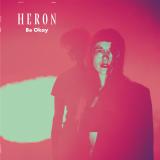
Three years after their debut, the synth-pop duo HERON is back: On September 25, the Leipzig-based band’s second album will be released on the O*RS Label. With “Be Okay,” the band shows itself to be more experimental than before and strikes a critical note—without losing its signature sound. Dancefloor euphoria meets synthwave drama; big sounds meet big themes: social criticism, sexual oppression, the struggle with one’s own demons, and moments of political powerlessness. But the album is also shaped by a courage to embrace tenderness and a commitment to longing—all underscored by a melancholy that you can dance to. With a playful spirit, the duo fully explores the space between anthemic pop and darkwave moments, thereby revealing their inner selves (even more) to the outside world
This year, Prohibition reissues their landmark 1996 album Towncrier on vinyl. A cult classic that once took them across Europe and onto the iconic French TV show Nulle Part Ailleurs, the record remains a defining moment in their career. To mark the occasion, the Paris-based quartet returns once again for a series of live performances at the end of 2026. "Prohibition is undoubtedly one of the most important rock bands France has ever produced." - MOWNO Formed in 1989, Prohibition emerged from the underground veins of the French post-punk scene-a time when the movement survived through a handful of fanzines, crumbling venues, and a sparse network of independent record stores. Their sound was raw, urban, and tightly wound, still reverberating with echoes of hardcore and skate culture. A jagged, abrasive form of rock, driven by atonal guitars, surgically precise bass lines, off-kilter rhythms, and biting vocals. What set Prohibition apart was its singular instrumentation: a saxophone unleashed and the hypnotic drone of a sitar cutting through the noise. Their reputation quickly spread across Europe and the United States, leading to relentless touring and shared stages with the likes of Blonde Redhead, Fugazi, David Grubbs, Condense, and Chokebore. The band came to a close in 1999, following the release of their fifth and final album, the enduring 14 Ups & Downs. In 2015, Prohibition reunited for a special tour marking the 20th anniversary of Prohibited Records, including a standout performance at the Teriaki Festival, later captured by Mowno. Celebrating 30 years in 2025, the band released a reimagined version of Cobweb-day, titled Cobweb-day (Revisited), and returned to the stage for a series of powerful, memorable shows. Now, in 2026, Prohibition reissues their landmark 1996 album Towncrier on vinyl. A cult classic that once took them across Europe and onto the iconic French TV show Nulle Part Ailleurs, the record remains a defining moment in their career. To mark the occasion, the Paris-based quartet returns once again for a series of live performances at the end of 2026. For fans of: The Ex, Fugazi, The Jesus Lizard
Life Creates Itself is the new album by Bill Baird, releasing September 25th, 2026 on Royal Oakie Records. After years of restless wandering that took him from the Bay Area to India to Abbey Road and back again, Baird has returned home to San Antonio, Texas. Inspired by Lone Star legends Doug Sahm and Roky Erickson, the album inhabits a world where outsider country, avant-garde pop, and psychedelic folk dissolve into one.
Produced by longtime collaborator Jasper Leach (Tony Molina, Color Green) and mastered by indie-rock legend KRAMER (Galaxie 500, Daniel Johnston, Will Oldham), Life Creates Itself was recorded at Sear Sound in New York City in a single remarkable day — fitting for an album as indebted to Arthur Russell and Captain Beefheart as it is to Sir Douglas Quintet and Townes Van Zandt. The sessions brought together a constellation of collaborators around Baird and Leach, including Pedrum Siadatian (Allah-Las, PAINT), Phil Carluzzo, Austin Day, Oliver O'Haver, Jordan Johns, Michael Vattuone, Clara Kennedy, and Carluzzo’s dog Ernie.
Lead single "Yanaguana" — the original Payaya name for San Antonio, meaning either "land of many waters" or simply "where I am right now" — serves as a thesis statement for the album, a restless soul reckoning with what it means to finally come home. Meanwhile, "Karma Loan" is a fuzzy, sprawling psych track that spilled out of Baird during a deep immersion in Bach that features cello by Clara Kennedy and closes with a sound collage of spiritual gurus hawking easy paths to enlightenment. Then there's "Horse Moon" — built around pedal steel that shimmers like rays of moonlight, drifting through vignettes from a late night walk across New York City, with Pedrum Siadatian's lead guitar lending the whole thing an unhurried, dreaming quality. The night they tracked it, Baird climbed to the roof of Sear Sound and watched a full moon wash the city in a warm glow.
Baird has never sounded more at home, and Life Creates Itself may be his most cohesive record yet – a songwriter record through and through that stands apart from the rest of his discography. Royal Oakie Records is proud to release Life Creates Itself on September 25th, 2026, available on vinyl LP, CD, and digital download/streaming worldwide.
The word ‘Tystnad’ – literally translated – means silence. In this case, the Silence is less that of zen buddhism or that of John Cage, rather the name of the studio where Flowers Must Die – carriers of the torch of Swedish psychedelia for now nearly 20 years – retreated to make their most head-expanding album to date. Located near the Norwegian border in the verdant rural Värmland region, Silence Studios has been a countercultural hub for decades, attaining a legendary status as a residential outpost where bands can retreat to stretch out creatively and focus their psychic powers.
From just such origins, Flowers Must Die have crafted a collection of expansive and incandescent jams that maps out a lysergic trajectory between the idealistic, anything-goes mania of early ‘70s psychedelia and the 21st century. Tystnad is the sound of a band buoyed by the afterglow of their last Rocket release, 2017’s Kompost and its attendant touring, and expanding into extrapolations that marry the wildest free improv with haunting melody.
If Tystnad, as the band claim, is to be their last recording made in one room at the same time, then it displays a formidable escape velocity. Who’s to say whether Flowers Must Die have tapped into a Swedish continuum, one including the like of Pärson Sound, Dungen or Goat. What’s clear is that Tystnad is a timeless treatise, and a potent channeling of spirits –transcending genre in search of enlightenment anew.
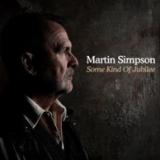
For acclaimed folk artist Martin Simpson, this release reflects not just a remarkable 50-year recording career, but over six decades shaped by song, tradition, and continual artistic growth. Yet this is not a retrospective, it's a forward-looking work, carrying the depth, skill, and passion of a lifetime into the present. Marking 50 years since his debut album Golden Vanity, Simpson describes Some Kind of Jubilee as "my best work to date." To realise this landmark project, he brings together an exceptional group of collaborators drawn from across his long and distinguished career. Among them are renowned pedal steel guitarist Greg Leisz, guitarist Zac Hobbs, cellist Liz Hanks, guitarist Louis Campbell, and double bassist Ben Nicholls. Together, they create a rich and textured soundscape that honours tradition while embracing fresh perspectives. Recorded at Groovemaster Studio in Santa Monica and completed in Yorkshire, the album blends newly written songs with reimagined traditional material and inspired reinterpretations from Simpson's own catalogue. The result is a deeply rooted yet vibrant collection that reflects both heritage and innovation. As Greg Leisz puts it, "This music has some profoundly deep roots - so dig in." With Some Kind of Jubilee, Martin Simpson honours his past while continuing to shape the future of folk music, reaffirming his place as one of the genre's most respected and enduring voices.
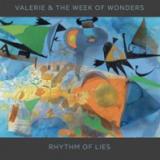
Burns with brothers Brian and Ewan Mcfie at Glasgow School of Art in the early 1980s. Drawing comparisons to Simple Minds, U2 and R.E.M, their post-punk sound attracted attention from John Peel who aired their single Too Late in 1984. The band signed to A&M and released Real Surprise in 1985 which became a BBC Radio 1 Single of the Week. However, like many bands of the time, their recording deal collapsed. For decades, all that remained were those two singles and a box of unreleased demos. During lockdown, the band revisited the tapes, finally bringing a remarkable lost chapter of Scottish post- punk back to life. In 2025 the band decamped to Beetroot Studios in Airdrie with producer Stuart MacLeod to work on new material. Rhythm of Lies is released by Last Night From Glasgow on blue vinyl and CD. This album is a must have for new and returning fans alike.
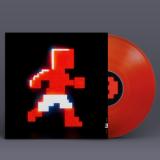
Featuring Nicholas Semrad (Empire of the Sun), Stu Brooks (Nine Inch Nails, Danny Elfman), Tim Lefebvre (David Bowie) and vocalist Gretchen Parlato, this new hardhitting, synth-fueled album distills Guiliana's vision into eight cinematic compositions that fuse retro production with futuristic playing. Transmitted through an original 8-bit visual universe created by artist and long-term collaborator Steve Wall, BEAT MUSIC 2.0 draws inspiration from early gaming culture and electronic music, looking both to the past and the future for answers. Guiliana's compositional voice is on full display alongside the energetic and precise grooves that define his singular approach. In an age increasingly shaped by automation, BEAT MUSIC 2.0 keeps its focus on human connection and collaboration.
Released 50 years on from the bands' formation, the forthcoming Psycho Tornado features 10 blistering new tracks recorded in 2025. Psycho Tornado will be unleashed on coloured vinyl and CD, and will rumble into your home in September 2026. The Rezillos are a new wave/ punk band formed in Edinburgh, Scotland in 1976. Known for their colourful, retro-futuristic style and playful attitude, they stood out from the darker punk acts of the time. Their music blended fast punk rhythms with pop melodies, sci- fi themes and a sense of humor. Their debut album, Can't Stand The Rezillos (1978) is considered a classic of the era. The band initially split in 1978 and with some members going on to form The Revillos, with a similar name and sound. But The Rezillos later reunited in 2001 and continue to perform live, maintaining a cult following for their energetic performances and distinctive style.
Released 50 years on from the bands' formation, the forthcoming Psycho Tornado features 10 blistering new tracks recorded in 2025. Psycho Tornado will be unleashed on coloured vinyl and CD, and will rumble into your home in September 2026. The Rezillos are a new wave/ punk band formed in Edinburgh, Scotland in 1976. Known for their colourful, retro-futuristic style and playful attitude, they stood out from the darker punk acts of the time. Their music blended fast punk rhythms with pop melodies, sci- fi themes and a sense of humor. Their debut album, Can't Stand The Rezillos (1978) is considered a classic of the era. The band initially split in 1978 and with some members going on to form The Revillos, with a similar name and sound. But The Rezillos later reunited in 2001 and continue to perform live, maintaining a cult following for their energetic performances and distinctive style.
L’Eclisse is the third studio album by Garden City Movement. Drawing from psychedelia, alternative R&B, leftfield electronic music and lo-fi indie songcraft, the album weaves together guitars, synthesizers, layered vocal arrangements and groove driven rhythms into a richly detailed collection of songs. Bringing together different facets of the band's sound into a cohesive body of work, the album reflects a decade of musical exploration while further developing Garden City Movement's distinctive musical language.
Garden City Movement are the duo of Roy Avital and Johnny Sharoni. Over the past decade, they have built an international audience through a distinctive blend of dream pop, electronic music and immersive production. Their releases have received support from Pitchfork, The FADER, Clash, Stereogum and KCRW, while their music has appeared in FIFA 22 and major television productions. Alongside extensive international touring, the band has performed at festivals including Glastonbury, Primavera Sound, Pukkelpop and Lollapalooza India, and shared stages with artists such as Alt J, RÜFÜS DU SOL, SOHN and Cults.
»Pipe Dreams II & III« presents two new, side-long organ works by Mary Jane Leach, extending the sonic investigations of her 1989 landmark »Pipe Dreams«. Recorded in Ghent and Cologne, the two side-long pieces use shifting stops, resonance and beating tones to turn the pipe organ into a vivid, physical field of sound.
When »Pipe Dreams« was issued on vinyl for the first time by Blume in 2017, it was effectively the first time many of us encountered Mary Jane Leach’s music, finally placing her work in its proper historical context amid the searching Downtown milieu of Julius Eastman, Arthur Russell, Arnold Dreyblatt, Ellen Fullman, Philip Corner, Daniel Goode, and Peter Zummo. Leach collaborated with most of these artists at one point or another, either in Downtown Ensemble or as a guest on their records.
Now »Pipe Dreams II« and »Pipe Dreams III« arrive, recorded in 2023 and 2024 at Miry Concertzaal in Ghent, Belgium, and Kunst-Station Sankt Peter in Cologne, respectively.
»When I was a young child, my family lived next door to a church, where my mother was the organist. I spent many hours lying on the floor of the sanctuary listening to the music, letting the sound of the organ envelop me. I also liked to play the piano loudly with the pedal down, producing clouds of sound, much to my family’s annoyance. These two organ pieces explore some of my earliest musical interests and aesthetics.
In 1989, I lived in a tower attached to St Peter’s Church in Cologne, where I had access to its organ. It had two sets of pipes, front and back, which could create antiphonal effects. I spent countless hours exploring the possibilities of all the permutations of notes, space, and the resulting sound phenomena. I wrote »Pipe Dreams« for that organ. Fast forward to 2023, when I was asked to create a piece for organ for a concert at the Miry Concertzaal in Ghent, Belgium: »Pipe Dreams II«. I had a few days to familiarise myself with the organ, its available stops, and the layout of the console. I choreographed stop changes for a volunteer, as I couldn’t reach them myself. Some amazing sounds began to happen, and at one point the sound was so visceral that I felt as though I were taming a wild beast.
»Pipe Dreams III« was performed in 2024 on the organ that I had spent so much time playing in 1989–90. One big difference, though, was that the console was totally new and computerised. Having access to the organ for only a few hours before the concert, I decided that I did not have enough time to feel comfortable with the console and should not attempt to recreate the piece I had written in 1989. I would instead use the same sequence of stops and perform an improvised piece. I loved the sounds that were being created, and I was having so much fun that at one point I even started to laugh quietly. I began to visualise the beating notes as if they were atoms, opening them up to expose their innards, with the beating, higher-pitched notes — neutrons and protons — shimmering at the top, and the lower notes — the electrons — throbbing away at the bottom. I was playing notes not so much for their pitch value, but for how they affected the notes and sound phenomena already being played. Instead of a time signature, I timed the entries by listening to the beating patterns, waiting for the right moment to enter. And no, I wasn’t hallucinating.«
Founded in 2019 by Nick Whaley and Luca Tantari, Piss Drunk Records was born in Northern California from a shared passion for underground electronic music and the DIY ethos that has always driven independent scenes.
Rather than waiting for opportunities, the label was created with a simple philosophy: if nobody releases the music you believe in, do it yourself. Every release represents that independent spirit, putting artistic freedom before commercial expectations.
Nick Whaley has been an active figure in the Northern California underground electronic scene for many years, continuously releasing music, cutting lathe records, and performing live sets while keeping the local DIY spirit alive. Luca Tantari, originally from Italy, lived in California where the idea for Piss Drunk Records was born. After returning to Italy, he continued developing the label, expanding its international reach while preserving its original vision and underground identity.
Although founded in California, Piss Drunk Records has always maintained strong roots in both the United States and Italy, creating a bridge between two underground communities.
The label embraces a broad spectrum of electronic music, from raw industrial techno, experimental electronics and noise to old-school hardcore, gabber and more dancefloor-oriented productions. Style is never the priority—authenticity is.
The first five releases were issued as hand-cut lathe records and a limited cassette, reflecting the label's commitment to small-run, handcrafted formats. PDR006 marks Piss Drunk Records' first professionally pressed vinyl release, representing a new milestone while remaining true to the DIY philosophy that inspired the project from day one.
Piss Drunk Records exists for one reason only: to release music that deserves to exist—without compromise, without trends, and without waiting for permission.
out of Stock
Last delivered 21 days ago available to reorder, subject to availability
"Solaris", das zwölfte Studioalbum von The Ocean, würdigt die bisherige Entwicklung der Band und verleiht ihr eine neue, intensive Note. Mit Mitgliedern aus sechs verschiedenen Ländern im Kern-Line-up kehrt The Ocean zu einer kollektiven Besetzung zurück und schöpft aus dem Erfahrungsschatz und Talent eines Pools außergewöhnlicher Musiker. Nachdem man mit dem Vorgängeralbum "Holocene" einen anderen Weg eingeschlagen hatte, zeichnet für den weitläufigen, organischen Klang von "Solaris" erneut der schwedische Produzent Jens Bogren verantwortlich, der bereits die beliebtesten Alben der Band - "Pelagial" sowie "Phanerozoic I" & "II" - gemischt hat. Das neue Album stellt die Sänger*innen Lane Shi und Enrico Tiberi sowie die Gitarristen Emmanuel Jessua und Marco Gennaro vor. Sie ergänzen den Gründungs-Gitarristen Robin Staps, den langjährigen Bassisten Mattias Hägerstrand und Schlagzeuger Jordi Farré. Jeder von ihnen bringt seine ganz eigene Note ein, um dieses fast 70-minütige Opus zum Leben zu erwecken. Für die Aufnahmen wurde der Kreis der Mitwirkenden noch weiter gefasst: Thorsten Quaeschning (Tangerine Dream) steuerte modulare Synthesizer bei, der griechische Komponist Orestis Zafiriou (Playgrounded) lieferte ebenfalls Elektronik- und Synthie-Elemente, und Simen Eifring von der norwegischen Post-Rock-Band Spurv übernahm den Posaunenpart. Aufgenommen wurde das Album in den legendären Berliner Hansa Studios, wo bereits Klassiker wie David Bowies Low und Heroes, Iggy Pops Lust For Life und Depeche Modes Construction Time Again entstanden. Innerhalb dieser Studiowände entwickelte sich "Solaris" zu einem lebendigen Zeugnis für die Kraft von Entdeckergeist und Teamarbeit. Da der neue Sänger Tiberi zudem ein versierter Pianist und Multiinstrumentalist ist, wurden Klänge von Celesta, Flügel, Rhodes-Piano und Hammond-Orgel zu einem integralen und unverwechselbaren Bestandteil des Solaris-Sounds. Der für The Ocean typische, atmosphärische Post-Metal wird durch den experimentierfreudigen Geist der neuen Mitglieder sowie die Beiträge der exzellenten Gastmusiker bereichert. Ein Werk, das für The Ocean hinsichtlich Ambition und erzählerischer Tiefe einen neuen Höhepunkt darstellt. Das CD- und 2LP Gatefold-Sleeve ist jeweils aus 360g Spezial-Karton gefertigt und auf Vorder- wie Rückseite mit roter Metallic-Heißfolien-Prägung veredelt. CD mit 6seitigem Fold-Out-Booklet, die 2LP in bedruckten Innenhüllen kommt zusätzlich mit A2-Poster.
out of Stock
Last delivered 21 days ago available to reorder, subject to availability
Colorize presents 22, the debut album from California-based producer, DJ and yoga teacher mölly, a deeply personal body of work shaped by connection, surrender and healing.
out of Stock
Last delivered 21 days ago available to reorder, subject to availability
Zum 30-jährigen Bestehen gönnt sich das Hamburger Dub-Label Echo Beach ein multidimensionales Porträt seiner Heimat- und Hansestadt Hamburg. Musikalisch hat das Label bereits die ganze Welt bereist und Dub-Sets aus UK, Südafrika, Neuseeland, New York, Jamaika und Germany veröffentlicht. King Size Dub - Hamburg ist die erste Album-Compilation, die sich exklusiv der Dub-Musik aus Hamburg widmet. Schon als das Label mit einer Compilation mit UK Dub die Bühne betrat, gab es mit Soundhaudegen wie Silly Walks und Dub Me Ruff, Projekten um den Producer Matthias Arfmann sowie Bands wie Dub Division und Di Iries eine vitale Dub-Szene in Hamburg, die im Lauf der Jahrzehnte ebenso wilde Blüten trieb wie outernational das Echo Beach Label, wobei es durchaus zu Überschneidungen und Kreuzungen kam. Nun ist die Zeit der Ernte gekommen: Für die Vinyl-Version hat sich das erste Dub-Label am Platz mit dem nicht nur für Dub-Heads besten Plattenladen der Stadt zusammengetan und jeweils eine Rille voller Versions, Specials und Exclusives aus den Hamburger Studios gepresst.
out of Stock
Last delivered 21 days ago available to reorder, subject to availability
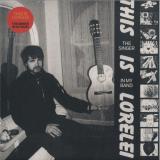
In den vergangenen Jahren hat Nate Amos einen bemerkenswerten Aufstieg erlebt. Ob als Solokünstler unter dem Namen This Is Lorelei oder mit seiner Band Water From Your Eyes - aus gefeierten Veröffentlichungen wurden ausverkaufte Tourneen rund um den Globus, während seine Songs von einigen der einflussreichsten Künstler der Gegenwart neu interpretiert wurden. Mit The Singer in My Band, seinem ersten Album für das renommierte Label Matador Records, legt Amos nun ein Werk vor, das seinen Status als eine der spannendsten Stimmen der modernen Indie-Musik untermauert. Das Album greift die Tradition des Great American Songbook auf und übersetzt deren grundlegende Stärken (starke Melodien, prägnante Texte und zeitlose Songstrukturen) in eine moderne, eigenwillige Klangsprache. Entstanden während ausgedehnter Tourneen, ist The Singer in My Band zugleich das erste echte "Road Album" in Amos" Diskografie. Viele Ideen entwickelten sich unterwegs, fernab von Instrumenten und Studios, geprägt von den Eindrücken des ständigen Reisens. Die Vorabsingle "Billy Came Back" verkörpert diesen kreativen Ansatz beispielhaft. Der Song begleitete Amos über Monate hinweg, verschwand immer wieder aus seinem Bewusstsein und kehrte dennoch ständig zurück, bis er schließlich vollendet wurde. Wie viele Stücke des Albums verbindet er eingängige Melodien mit einer erzählerischen Offenheit, die Raum für eigene Interpretationen lässt. Bevölkert wird das Album von Figuren wie Billy, Joey, Genevieve, Sarah und Buddy, die durch ein Panorama amerikanischer Schauplätze wandern. Ihre Geschichten bewegen sich zwischen Realität und Fiktion und spiegeln die flüchtigen, oft widersprüchlichen Erfahrungen des Unterwegsseins wider. Musikalisch setzt Amos auf Reduktion und die Stärke klassischer Songkunst. Der Einfluss seiner lebenslangen Verbundenheit zur Bluegrass-Musik zeigt sich weniger im Klang als in den kompositorischen Prinzipien: Ein Song muss durch Melodie, Text und Harmonie überzeugen. Mit The Singer in My Band gelingt Amos ein Album, das Tradition und Gegenwart verbindet und seinen wachsenden Einfluss innerhalb der internationalen Indie- und Songwriter-Szene eindrucksvoll bestätigt.
out of Stock
Last delivered 21 days ago available to reorder, subject to availability
Space Afrika, das in Manchester und Berlin ansässige Duo aus Joshua Tarelle Reid und Joshua Inyang, schafft rohe, detailreiche und eindringliche Musik mit Anklängen an Ambient, Trip-Hop, Techno und moderne Klassik, wobei es aus den Konturen seiner Stadt weitläufige urbane Dub-Landschaften entwirft. ,Quiet Storm" erweitert ihren Klang und ihre Bandbreite zu einer weitläufigen, kollaborativen Vision, die mit tiefer Geduld und Absicht geformt wurde und ihre eigene Coming-of-Age-Geschichte in eine bewegende Suite kathartischer Abstraktion einbettet. Die Songs spielen auf Spiritualität und die conditio humana an, auf die Spannung zwischen Kühnheit und Sanftheit, Ehrgeiz und hartnäckigen inneren Dämonen. ,Quiet Storm" ist eine Antwort auf den Werdegang des Duos seit der Veröffentlichung von ,Honest Labour" im Jahr 2021. ,Wir haben uns selbst und unsere eigenen Vorstellungen von Identität herausgefordert, insbesondere in Bezug auf Klasse und Diaspora, und wie dies in verschiedenen Musikgenres dargestellt wird. Wir wollten die Charakteristika unseres Projekts durch die Menschen zeigen, mit denen wir zusammenarbeiten wollten", sagt Reid. Inyang merkt an: ,Bei der Entstehung dieses Albums haben wir keine Kompromisse gemacht. Die Idee begann als eine Hommage an die Kunst der Schwarzen. Unsere Kooperationen waren sehr bewusst gewählt, als wir die Grundpfeiler der Geschichte entdeckten." Von der multidisziplinären Natur des Projekts zeugt die Beteiligung des gefeierten Künstlers Glenn Ligon, dessen Werk sich mit schwarzer Identität und Queerness befasst. Ligon, der zu Beginn der Aufnahmen eine zentrale Inspirationsquelle darstellte, stellte sein Werk ,Figure #30" (2009) für das Cover-Artwork zur Verfügung und erklärte sich nach Abschluss der Aufnahmen bereit, dem Projekt seinen Namen zu geben - eine beispiellose Geste dieses wegweisenden Künstlers. Beim Anhören der endgültigen Fassung dachte Ligon an ,Quiet Storm", das Radioformat der 1970er Jahre, das für seine sanfte Late-Night-Programmgestaltung mit Themen rund um Leben und Liebe bekannt war. ,Quiet Storm" führt den Hörer durch verschiedene Szenen, Zwischenspiele und Handlungsbögen, geprägt von dem Gefühl, dass seine Bewegung fließend und seine Figuren flüchtig sind. Monologe vor dem Spiegel setzen sich mit dem Existentiellen und dem Unmittelbaren auseinander: Überleben, Autonomie, Sinn. Das Album beginnt mit dem explosiven, von Streichern begleiteten ,Vanity", bei dem die Grammy-Preisträgerin Axelle Fanyo zu hören ist. Zunächst auf die Spalten eines stillen Raumes fixiert, entfaltet sich ,Vanity" unter Fanyos ausdrucksstarkem Sopran und durchläuft ein breites emotionales Spektrum von erhabener Kontemplation bis hin zu ergreifendem, herzzerreißendem Schmerz. Auf dem gesamten Album werden gesprochene und gesungene Worte sparsam eingesetzt, um eine kraftvolle Wirkung zu erzielen. Die Schönheit und Katharsis von ,MLN" ist ein kollektiver, langsamer Marsch, bei dem der britisch-nigerianische Künstler Tony Njoku mitwirkt, begleitet von Gabriel Evans an Gitarre und Lead-Bass, PIKE aus London am Schlagzeug und GB aus Kopenhagen an Keyboards und Streichern. Der letzte Satz verleiht ,Quiet Storm" seinen krönenden Höhepunkt. ,If This Is Hell" ist in einem einzigen Take als Bewusstseinsstrom des New Yorkers Deuén aufgenommen, dessen nachvollziehbare Spirale geistiger Aktivität von jazzigen, frenetischen Percussion-Klängen begleitet wird. Das Druckventil öffnet sich, als die phasenverschobenen Drums und die scharf beobachtenden, dialogartigen Phrasen abrupt nach der Zeile ,I wonder if that's what heaven's like?" abbrechen. Wir bleiben in der Behaglichkeit des Album-Closers ,Regards" zurück. Regentropfen treffen auf Orgel, Drone, Streicher und Keyboards, während das Nachladen von Waffen dem ruhigen Summen gegenübergestellt wird. Schwer und doch hoffnungsvoll erinnern Joshua Tarelle Reid und Joshua Inyang an ihre bisherige Reise. Als passend geheimnisvolles und mitreißendes Outro für ihr offenes Opus ist ,Quiet Storm" ein Meilenstein: selbst produziert, selbst finanziert und aus purer Tatkraft und Überzeugung entstanden. Durch verzerrte Zeit und schummrigen Dunst ist Space Afrika zweifellos angekommen
out of Stock
Last delivered 4 days ago available to reorder, subject to availability
Es war ein Coup, als Gründer und Bassist Lee Payne vor drei Jahren ankündigte, dass Harry „The Tyrant“ Conklin, der nach Griechenland gezogen war, seiner Band Cloven Hoof beitreten würde. Der ehemalige Jag-Panzer-Frontmann war der perfekte Nachfolger für Russ North, der für die Fans bis dahin als der ultimative Cloven-Hoof-Sänger galt – leider weilt er nicht mehr unter uns. Daher waren die Reaktionen auf das erste Album der Band mit Harry Conklin am Mikrofon herausragend. »Heathen Cross« wurde 2024 bei High Roller Records veröffentlicht.
Nun folgt Cloven Hoofs zehntes Studioalbum mit dem Titel »Never A Prophet In Your Own Land«. Wieder einmal ist die Gesangsleistung vom „Tyrant“ absolute Weltklasse. Lee Payne grinst: „Das Lob gebührt einzig und allein Harry. Wir können uns glücklich schätzen, einen so brillanten Sänger und Frontmann in der Band zu haben.“
Kontinuität ist für jede Band wichtig, und Cloven Hoof hatten in der Vergangenheit mehr als einen Besetzungswechsel zu verzeichnen. Diesmal nicht, wie der Bassist nicht ohne Stolz erklärt: „Wir haben dieselbe feste Besetzung wie auf »Heathen Cross«, das kann ich mit Freude sagen. Am Gesang der einzig wahre Harry Conklin und an den Gitarren Luke Hatton sowie Chris Coss. Dazu Ash Baker am Schlagzeug. Luke, Chris und Ash sind nun seit über zehn Jahren bei Cloven Hoof; sie kennen ihre Rollen in- und auswendig. Ich selbst bin seit 1979 in der Band, also sollte ich inzwischen eine Vorstellung davon haben, was ich mache (lacht).“
„»Never A Prophet In Your Own Land« ist keine direkte Fortsetzung von »Heathen Cross«“, fährt Payne fort. „»Heathen Cross« hatte seine eigene schwere und düstere Atmosphäre. »Never A Prophet In Your Own Land« ähnelt eher »A Sultan‘s Ransom«, doch diese Ähnlichkeit war weder konstruiert noch geplant. Es ist einfach so gekommen.“
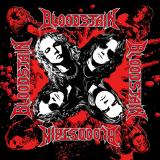
Bloodstain gehört zu den vielversprechendsten jungen Heavy-Metal-Bands, die in den letzten Jahren aus Schweden hervorgegangen sind. Die Ende 2023 in Stockholm gegründete Band hat sich schnell einen Namen gemacht, indem sie die Grundlagen des klassischen Metal und Hard Rock mit der Dringlichkeit, dem Selbstbewusstsein und dem Bühneninstinkt einer modernen Live-Band verbindet. Anstatt sich auf einen eng gefassten Revivalismus zu verlassen, schöpft Bloodstain aus einer breiteren Heavy-Metal-Tradition – kraftvolle Riffs, einprägsame Hooks, dynamisches Songwriting und ein klares Verständnis dafür, wie Songs sowohl auf Platte als auch auf größeren Bühnen rüberkommen müssen.
Ihr selbstbetiteltes Debütalbum „Bloodstain“ ist das erste umfassende Statement zur Identität der Band. Es präsentiert eine junge Band mit klarer Ausrichtung: diszipliniertes Songwriting, ein unverwechselbares visuelles Profil und ein Ehrgeiz, der bereits über die Clubebene hinausreicht. Während das Material die Wucht und Direktheit klassischer Heavy-Musik in sich trägt, verleihen die Entscheidungen bei Produktion und Arrangement der Platte eine zeitgemäße Kraft, die sie fest in der Gegenwart und nicht in der Vergangenheit verankert.
Das von Alex Hellid, Per Aldeheim und der Band selbst produzierte Album erscheint mit einer Geschichte, die in Presse, Handel und Exportkanälen großen Anklang findet. Bloodstain ist nicht einfach nur eine Band mit starken Songs, sondern eine Band mit Schwung. Frühe Veröffentlichungen sorgten sofort für Aufmerksamkeit, ihre visuelle Identität ist bereits klar definiert, und ihre Live-Präsenz wächst durch immer präsentere Auftritte und strategisch gewählte Vorgruppen-Slots weiter. Beim Sweden Rock Festival und beim Hellfest reagierte das Publikum bereits auf unveröffentlichtes Material, was unterstreicht, dass die Musik der Band in Echtzeit ankommt und sich nicht allein auf ihre Positionierung verlässt.
Was Bloodstain in dieser Phase auszeichnet, ist die Kombination aus Jugend, Klarheit und Bereitschaft. Die Band wirkt frisch, agiert jedoch mit einem Maß an Organisation und Zielstrebigkeit, das das Vertrauen der Branche weckt. Es entwickelt sich bereits eine Sammlermentalität rund um das Projekt, ein wachsender Direktkanal zu den Fans und eine klare Fähigkeit, zu skalieren, ohne dabei die Identität zu verlieren.
Damit ist „Bloodstain“ nicht nur ein starkes künstlerisches Debüt, sondern auch ein strategisch bedeutendes Album, das ein Publikum aus den Bereichen Hard Rock, Heavy Metal und moderner, riffgetriebener Metal-Musik erreichen kann, ohne durch eine enge Genre-Schublade eingeschränkt zu sein.
Bloodstain gehört zu den vielversprechendsten jungen Heavy-Metal-Bands, die in den letzten Jahren aus Schweden hervorgegangen sind. Die Ende 2023 in Stockholm gegründete Band hat sich schnell einen Namen gemacht, indem sie die Grundlagen des klassischen Metal und Hard Rock mit der Dringlichkeit, dem Selbstbewusstsein und dem Bühneninstinkt einer modernen Live-Band verbindet. Anstatt sich auf einen eng gefassten Revivalismus zu verlassen, schöpft Bloodstain aus einer breiteren Heavy-Metal-Tradition – kraftvolle Riffs, einprägsame Hooks, dynamisches Songwriting und ein klares Verständnis dafür, wie Songs sowohl auf Platte als auch auf größeren Bühnen rüberkommen müssen.
Ihr selbstbetiteltes Debütalbum „Bloodstain“ ist das erste umfassende Statement zur Identität der Band. Es präsentiert eine junge Band mit klarer Ausrichtung: diszipliniertes Songwriting, ein unverwechselbares visuelles Profil und ein Ehrgeiz, der bereits über die Clubebene hinausreicht. Während das Material die Wucht und Direktheit klassischer Heavy-Musik in sich trägt, verleihen die Entscheidungen bei Produktion und Arrangement der Platte eine zeitgemäße Kraft, die sie fest in der Gegenwart und nicht in der Vergangenheit verankert.
Das von Alex Hellid, Per Aldeheim und der Band selbst produzierte Album erscheint mit einer Geschichte, die in Presse, Handel und Exportkanälen großen Anklang findet. Bloodstain ist nicht einfach nur eine Band mit starken Songs, sondern eine Band mit Schwung. Frühe Veröffentlichungen sorgten sofort für Aufmerksamkeit, ihre visuelle Identität ist bereits klar definiert, und ihre Live-Präsenz wächst durch immer präsentere Auftritte und strategisch gewählte Vorgruppen-Slots weiter. Beim Sweden Rock Festival und beim Hellfest reagierte das Publikum bereits auf unveröffentlichtes Material, was unterstreicht, dass die Musik der Band in Echtzeit ankommt und sich nicht allein auf ihre Positionierung verlässt.
Was Bloodstain in dieser Phase auszeichnet, ist die Kombination aus Jugend, Klarheit und Bereitschaft. Die Band wirkt frisch, agiert jedoch mit einem Maß an Organisation und Zielstrebigkeit, das das Vertrauen der Branche weckt. Es entwickelt sich bereits eine Sammlermentalität rund um das Projekt, ein wachsender Direktkanal zu den Fans und eine klare Fähigkeit, zu skalieren, ohne dabei die Identität zu verlieren.
Damit ist „Bloodstain“ nicht nur ein starkes künstlerisches Debüt, sondern auch ein strategisch bedeutendes Album, das ein Publikum aus den Bereichen Hard Rock, Heavy Metal und moderner, riffgetriebener Metal-Musik erreichen kann, ohne durch eine enge Genre-Schublade eingeschränkt zu sein.
'Between Two Worlds' is the latest statement into Oscar Mulero prolific discography. This brand new LP expands the techno standards defined by the Spanish artist himself.
out of Stock
Last delivered 9 days ago available to reorder, subject to availability
The inaugural release from the fabled Baby Blue Records, run by Chris Simmonds between 1990-1993. Almost impossible to find, these tunes have become a thing of discogs legend, with flavours of breakbeat, house and bleep techno.
Following their critically acclaimed debut album, released earlier this year on Sir Runnin’ Records, the extraterrestrial dub explorers return with another heavyweight release. Once again, UFO Collectivedelivers their unique blend of deep roots and heavy dub—this time in the form of a brandnew 7” record on BCSM.
If you’re searching for a roots tune with an otherworldly twist, “Desert Roots” is exactly what you’ve been waiting for. Driven by a thunderous bassline and a rock-solid rhythm, the track rolls through an endless desert landscape in search of the next dub session. Deeply rooted in the traditions of classic soundsystem culture while reaching far beyond earthly boundaries, this production is made for selectors, soundsystems, and lovers of authentic dubwise music alike.
Prepare for another heavyweight submission as the infamous UFO Collective returns to lift you into higher dimensions. Buckle up, drop the needle, and let “Desert Roots” guide you on a cosmic dub journey.
out of Stock
Last delivered 24 days ago available to reorder, subject to availability
Some recordings herald the future in ways that are impossible to see in real time. Teodros Makonnen With His Organ (ቴዎድሮስ መኮንን ከኦርጋኑ ጋር), by the artist Teodros Makonnen, also known as Teddy Mak, is one of those. Today, electronic sounds, synthesizers, and digital production are taken for granted in Ethiopian music, but in the early 1980s, they were novelties that polarized opinion. Even to this day, the story of Teodros Makonnen’s legacy has never been properly told. He played a decisive role in defining the sound of the digital era of Ethiopian music that emerged in the 1980s and beyond, both as a keyboard player and as a producer, songwriter, performer, and sound designer.
Ethiopian music was at a crossroads in the early 1980s. Much like music in the rest of the world, technology and automation heralded either a quantum leap in musical development or the annihilation of musicianship, depending on who you’d ask. The changes were incremental nonetheless, but with the benefit of hindsight one can clearly see that the changes meant different things in different contexts. Drum machines and electric organs came to replace many hotel bands because, all of a sudden, one musician could control drums, melody, and accompaniment. Teodros was one of the first musicians in Ethiopia to explore the possibilities this opened up.
Teodros’ father, Captain Makonnen Beri, was a chief pilot at Ethiopian Airlines and a music enthusiast at that. This would prove important to his development, as Makonnen brought back a piano from Germany, which would lead to the first steps in Teodros’ long musical career. Captain Makonnen’s work as Head of Flight Operations and as a pilot exposed him to the wider world that was far from commonplace for most Ethiopians. In a house where music captivated the whole family, the piano gave Teodros’ talent an outlet. Not only was a piano at home rare in Ethiopian households, his father also brought an Indian teacher to their home to teach Teodros and his brother, Captain Samuel Makonnen, music theory (solfeggio or ear training) and piano. Teodros and his youngest brother, the late great Dereje, a member of both the legendary Ibex Band and the Ethiopian reggae group Dallol, took up music from that point onward, with Teodros beginning to develop his proficiency at the age of eight. His father encouraged him to practice tirelessly at home, and Teodros later received musical schooling at the German School in Addis Ababa. His obvious talent led to studies and formal education at the Yared School of Music, followed by continued studies in American jazz at Northern Virginia Community College in Virginia. Teodros cut his teeth professionally in his mid-teens, not only as a keyboardist, but also as an arranger for the Wabi Shebelle and Dahlak bands in the 1970s. He mastered electronic sequencing early, rising to prominence through the midnight recording sessions held during the military curfew. The pressures imposed by the curfew required precise and disciplined recordings, and Teodros delivered just that. This, in turn, led to collaborations with iconic artists such as Mulatu Astatke, Aster Aweke, Menelik Wossenachew, Tilahun Gessesse, Mahmoud Ahmed, and Alemayehu Eshete. In those days, he sat in as a keyboardist with the Dahlak Band when Dawit Yifru took a hiatus to study in Russia, and also with the Ethiostar Band. He secured a residency at the Wabi Shebelle Hotel with the Shebele Band, together with Zelalem Tadese (drums), later succeeded by Elias Bekele, Mulugeta Hailu (bass), Teferi ‘Bibisha’ Mengesha (guitar), Kumelachew G/Selassie (trumpet), and Teshome Deneke (saxophone). A friendly competition developed between the bands associated with the Ras Hotel (the Ibex Band), Ghion Hotel (the Dahlak Band), and Wabi Shebelle Hotel (the Shebele Band). The music scene at Wabi Shebelle saw teenagers commanding the spotlight in an industry otherwise dominated by musicians of an older generation. At the Wabi Shebelle Hotel, Teodros met a diplomat from Saudi Arabia and later visited him at his home in Addis Ababa, a meeting that had unexpected musical consequences. The man owned a Yamaha double-deck keyboard. That evening, they recorded Teodros Makonnen With His Organ (ቴዎድሮስ መኮንን ከኦርጋኑ ጋር) in one take. This recording, a cornerstone in the early digital sound of Ethiopian music, came about almost by chance, simply because Teodros got the opportunity. Traditional Ethiopian songs were cast in a wholly electronic style. Once freed from backing duties, Teodros’ keyboards could explore dreamlike soundscapes that took Ethiopian music in new directions. Even though the cassette contained well-known Ethiopian songs, they were given highly original arrangements, performed on an electric organ with drum machine backing and rhythm patterns that left the listener with suggestive, lingering sounds. “Libesh Kabashen” (also known as “Anchi Bale Game”) and “Odu Gol Golesa” wrap you in the very stuff that dreams are made of. Originally released on cassette only, this recording exudes a mystique that surpasses even some of the most obscure Ethiopian recordings of the day. It remained more or less unknown outside of Ethiopia until now. Some of the tracks, like “Addis Fikir,” are permeated with an almost naive buoyancy, free-floating sounds that lost contact with the ground the moment they were conceived. Others, like “Meche New Hageren Yemayew” and “Lelitu Alnega Alegn,” carry a moodier, quirkier timbre, with pulsating rhythms in the background. Yet even the darker pieces contain an unmistakable wave, something essentially Ethiopian. If most recordings of Teodros’s contemporaries at the time were teeming with atmosphere, his songs seem instead at home in the stratosphere, almost ethereal. Some of the music here could be filed under “lullabies,” were it not for the recurring, almost brooding feeling that engulfs the listener on the aforementioned tracks. You could easily be forgiven for drifting into a blissful haze as the music washes over you.
Up to the advent of electronic music production, Ethiopia was totally dominated by big bands on the one hand, and small groups on the other. The former were tied to large institutions such as the military, the latter emerged from the entertainment industry, in hotel bars and nightclubs. These groups were commercially driven, and bands ultimately had to foster a mercenary approach to employment, albeit not to the passion for music. In the light of this, Teodros’ musical legacy can be seen in two ways. On the one hand, he is a key player in Ethiopian music from the 1970s onwards, leaving an indelible mark through hundreds of compositions and arrangements, including soundtracks for numerous documentary films and advertisements for different companies. On the other hand, the way he and others employed electronics brought Ethiopian music onto a fork in the road.
The replacement of traditional instruments with electronic equipment was seen as impending doom by some. Others, like Teodros, saw new avenues for performance, production, and creativity. Just as later producers like Abegasu Shiota of Admas, Teodros was a trailblazer who opened paths that it took Ethiopian music as a whole more than a decade to rush into. The hotel scene had already been pushed toward electronic music by financial necessity and cost-cutting. Today’s revived global interest in Ethiopian music from the seventies and eighties, alongside a broader resurgence, has changed the reasons for using digital means of music production. They have become tools for musical dreaming. This is where the dreaming began.
out of Stock
Last delivered 11 days ago available to reorder, subject to availability
Children of Zeus return with their third studio album ‘As The World Burns…’
Five years on from their highly-acclaimed sophomore album ‘Balance’, Manchester’s kings of hip hop soul, Tyler Daley and Konny Kon, bring us a brand new 16-track opus.
Sonically the duo continue their story where they left off; crafting an amalgamation of street soul, alternative r&b and boom bap hip hop, with a sprinkle of flavours taken from their original multi-genre pirate radio influences, and a dash of forward-thinking new sounds, ensuring all tracks are destined to become future classics.
The features are sparing but powerful, enlisting the talents of revered UK rapper Knucks (‘Before We Drown’), Colorado-native Young Old Soul (‘Dopamine’), MCR family K S R (‘Do You Want To Get High’, & Australian/Mauritian up & comer Anieszka (‘Water & Vibes’).
As with previous projects, this album is largely produced by the duo themselves, though there are guest productions from previous collaborators too, including Grammy Award-winner Beat Butcha, Grammy-nominated Teo, and broken beat pioneer K15, along with an assortment of new players making moves in the underground neo-soul & beats circuit.
Conceptually, this project continues on with the story to date. An eternal search for sunsets and soulfood, as a respite to the anxieties of the modern world; personally, professionally and globally. Assertive swagger is matched with brutal but sincere candidity. As ever, it encapsulates the rough with the smooth, with reflections on where they’ve been, where they’re at and where they’re headed. There’s no preaching to be found here; just an acceptance of things as they are, an embrace of the environment and people they were nurtured by, and a celebration of some of the finer things in life; slow jams, weed & rum, water & vibes. Raps for listeners, blunt heads, fly ladies and prisoners. All packaged together as another perfect sonic love letter to sound system culture. 50 minutes of big people music.
Since the release of their anthemic debut single ‘Still Standing’ a decade ago, to the subsequent EP ‘The Story So Far’, and their critically-lauded debut album ‘Travel Light’, the duo have received numerous accolades, including nominations for AIM Awards & Worldwide Awards both, along with tons of ‘Album of the Year’ nods care of Clash Magazine, Bandcamp, Complex, Wordplay and many more. This along with huge swathes of support from DJs, radio stations, press outlets, tastemakers, luminaries & fellow artists across the globe.
Children of Zeus have performed sessions for COLORS, Soulection (Apple Music), DJ AG, Boiler Room, BBC 6 Music and at the infamous Maida Vale studios for BBC 1Xtra as well as touring across Europe, Australia and South Africa. This is in addition to collaborating & touring with Mercury Award Winner’s Ezra Collective, including a Wembley Arena show. Other collaborations over the years have included Shy FX, Juls, Goldie, Black Milk, Kofi Stone and the late great Lenzman.
From the Broke ’n’ English / Hoodman-era, to the present day, Children of Zeus have been omnipresent in the fabric of British black music. Proud ambassadors of Manchester music, and of UK soul, it really is “Zeus to the world”.
Children of Zeus have been adorned with plenty of flowers over their career. The unbridled quality and poignance of the music and the message on display throughout this project will see the algorithmic needle move some more. It’s undoubtedly set to be a Zeus Summer. As the world burns…
Available on all digital platforms and physical formats, Friday September 4th 2026.
t 07: Do You Want To Get High? (feat. K S R ) - Children of Zeus03:26
t 07: Do You Want To Get High? (feat. [ K S R ]) - Children of Zeus03:26
[t] 07: Do You Want To Get High? (feat. [ K S R ]) - Children of Zeus03:26
[g] B3 | Do You Want To Get High? (feat [ K S R ]) - Children of Zeus03:26
out of Stock
Last delivered 10 days ago available to reorder, subject to availability
Sun Ra is better known to most as a musician than a poet, but he identified equally as both. My Words Are Music provides direct access to the sentiments of a poet who never called Earth home. The spoken word album hosts an inspired array of artists who personally chose their favorite Sun Ra poems to recite. Freed from the page, his poetry acquires an unexpected simplicity and poignance it possessed all along.
This all-star and intergenerational lineup of artists conjure wisdom from his words: spoken word elder Abiodun Oweyole of The Last Poets; rapper, and singer-songwriter Saul Williams; jazz experimentalist Melanie Charles; British-Trinidadian poet, novelist and musician Anthony Joseph; poet Mahogany L. Browne; poet, playwright, and conceptual artist Carl Hancock Rux; musician/digital composer L’Rain; singer, actor, and director Tunde Adibempe of TV on the Radio singer; British DJ and BBC radio host Zakia Sewell; ballistic hip-hop poet Jive Poetic; and longtime members of the Sun Ra Arkestra, Marshall Allen, Knoel Scott, and Tara Middleton.
Punctuated by impish electronic interludes composed and played by Marshall Allen, these voices bless Sun Ra’s poetry with new life My Words Are Music offers the opportunity to follow Sun Ra into a
better future. “Prepare for the journey,” he writes in his poem “The Cosmic Age”, “You have a rendezvous / With the living wisdom.” My Words Are Music is a project developed in conjunction with Living Sky, the all-instrumental Sun Ra Arkestra album released on Omni Sound in 2022
je prie pour que la goutte ne tombe pas
(I pray that the drop does not fall) is the first international release by Japanese trio Chi To Shizuku. While they have released five albums and a 7” in Japan, their spectral, haunted rock songs haven’t yet reached a much wider audience overseas. With this album, then, a live recording taken at Koenji HIGH, Suginami, Tokyo on 23rd November 2021, the unique, quartz-like character of Chi To Shizuku’s music is writ large, the bleak bliss of their songs carved onto twelve-inch vinyl.
Perhaps the best-known member of Chi To Shizuku, at least for audiences with an ear turned to Japanese psychedelia, is drummer Takahashi Ikuro, known for his membership of almost every group worth a damn from that scene – Fushitsusha, Nagisa Ni Te, Ché-SHIZU, Kousokuya, High Rise, Maher Shalal Hash Baz, LSD March, the list goes on. But the core of Chi To Shizuku’s music is the collaboration between vocalist, bassist and lyricist Morikawa Seiichirou, and guitarist and arranger Yamagiwa Hideki. Morikawa is a member of long-running punk/goth group Z.O.A., and has also played with YBO , Zzzoo, and as collaborator with Takeshi and Atsuo of Boris in A/N; he’s also recently been performing with Mitsuru Tabata. Yamagiwa’s history takes in stints with Katsurei and Cock C’ Nell, and he also recently guested with la scene 裸身.
All this contextual information does relatively little, though, to prepare you for the unique vibration of Chi To Shizuku’s lustrous songs. They shimmer in the same half-light, perhaps, as Shizuka and the quieter moments of LSD March, sharing a similar poise and classicism, and there’s a tenderness and wracked poetry to Morikawa’s voice that reminds of the emotional intensities both of traditional Japanese folk, and of British folk music: on “Musuu No Nemuri No Naka De Kumo Wo Tukamu”, the combination of his singing, backed with gorgeously plangent guitar, reminds of no-one so much as it does The Pentangle or Spriguns Of Tolgus. Chi To Shizuku’s love for the ballad as form gifts their music an archaic, sometimes arcane resonance, and from what you can hear on this album, it’s clear they’re in love with graceful melancholy.
But this is not a folk album, by any means; it just shivers with the same eternal spirit. There are also hints of prog rock, and you can catch some passages of scratchy, distended free rock, on the extended spirit invocation of “Nanhito Hanhito”. je prie pour que la goutte ne tombe pas is an extraordinary album, a melancholy surprise, that reminds dedicated listeners of the seemingly bottomless well of great music to be found via the Japanese underground in its many forms. Perhaps Michel Henritzi says it best, though, in his liner notes, when he writes, “Chi To Shizuku’s music reminds us that our life is a dream that lasts only a season, and that oblivion will follow.”
Recorded at Koenji High Suginami, Tokyo, 23 November 2021
Mix & Mastering: Taku Unami, photography : Noriko Akiyama
Liner notes by Jon Dale Printed by Alan Sherry
The 2nd of 3 "promo only" 7"s re-interpreting some classic Chicago house cuts without regard to tempo or club appeal. The first 7" sold out quickly with support from GILLES PETERSON, ANTAL (RUSH HOUR), RAZOR N TAPE and many more. Vinyl only, no repress, and very limited.
out of Stock
Last delivered 22 days ago available to reorder, subject to availability
Spanning over 300 pages, the book documents vinyl releases from all of Pete Kember’s solo projects between 1989 and 2026.
Everything is covered, from his first 1989 12" single, ‘Angel’, released on Silvertone Records, through to the soon-to-be-released ‘A ? Of When’ LP with Panda Bear on Domino Records.
In addition to extensive vinyl photography, the book includes an exclusive flexi disc featuring an unreleased instrumental version of the Spectrum classic ‘How You Satisfy Me’. This flexi marks the 100th and final release from the Feral Child record label and will only be available with the book.
Alongside all this, the book also features three Pete Kember interviews, one for each of his aliases.
PLUS, the first print run of the book will also include an exclusive A3 poster and hype sticker.
Book spec
Paperback
Size - 215.9 X 279.4
Cover Weight - 300gsm
Insides Weight - 135gsm Silk
Pages – 33
Brazilian artist Rubel isn’t one to be pigeonholed and typecast into staying in one sound. Casas, the follow-up to his debut album Pearl from 2015, brought a bigger, more epic, and richer production quality to the table. Fusing the worlds of MPB and hip hop, Rubel’s sophomore LP built on the momentum of its predecessor, gaining a Latin-Grammy nomination along the way. Mr Bongo is proud to be giving Casas its first worldwide release on vinyl and CD outside of Brazil and Japan.
The cliché they say is that the second album is always the trickiest; however, Rubel doesn’t seem to have had any problems on Casas. It’s a fountain of creativity and originality, marking an artist in full flow.
Conceived after Rubel spent six months living in Los Angeles, Casas is MPB-leaning at its core but is also driven by a hip hop inspired pulse. There is a clear influence from hip hop’s aesthetic across the 2010s woven subtly but fundamentally throughout. Nods to Frank Ocean, Kendrick Lamar and Tyler, The Creator can be heard across an album full of playful edge and personality. Luscious string-led arrangements and tracks that explore the rich folkloric rhythms of Brazil, sit next to songs with low-fi drum machines and features from acclaimed Brazilian rappers.
One of the highlights of the album, ‘Mantra’, starts with a traditional Brazilian rhythm that morphs into a hazy hip hop beat. A sublime song with a hooky call and response chorus, it features a guest appearance and verse by the Brazilian MC Emicida. Another highlight is the epic ‘Colégio’ (College) which further showcases the melding of stripped back drum machine beats with cinematic, sweeping arrangements. Elsewhere, ‘Partilhar’ is a swaying, heartwarming hug. A tale of longing and love that has become a singalong fan favourite at Rubel’s concerts.
Casas also shines a light on a string of key players in Brazil’s new vanguard, such as Pedro Fonte, Gus Levy, and Brazilian rapper / poet Rincon Sapiência to name a handful. The record has pop sensibilities yet also feels underground. It beats with the heart of a singer-songwriter, a feeling that was felt so strongly on Pearl, yet this time is bolstered by a level of arrangement and richness of sound that take it to another dimension - soaring horn and string sections elevating the songs from home recording to stadium-ready anthems. Keeping that intrinsic beauty and simplicity of a well-constructed song yet reframing it within a pop context is the true gift of this album.
Casas cemented Rubel’s status as one of Brazil’s leading contemporary talents and a key figure enriching the country’s already effervescent scene.
You have to wonder why Railcard took so long to be born: their debut album feels like it should have been in your collection for years.
But it wasn’t until 2025 that Rachel Love (Dolly Mixture), Ian Button and Peter Momtchiloff (both Heavenly) met at a gig, realised that they were exactly the same age, and decided that this was an excellent reason to form a new band. The shared history, the same pop references, the parallel lives… Railcard had to happen, and there was no time to lose. Two Steps At A Time - the album title and theme song - express exactly how quickly Railcard have worked since then - jumping over pavement cracks and whistling past graveyards to get these songs written, recorded and released while they are still sweet and fresh.
The band released three digital EPs in early 2026, which were then gathered onto a CD and released by Skep Wax and Slumberland. They sold out very quickly. The critical response to a mail-order-only CD was far greater than anyone expected.
Railcard made their live debut in December 2025 and had by then recruited their fourth member: Allison Thomson (Trash Can Sinatras, The Love Band), whose flawless trumpet and swirly keyboard-playing complete the Railcard sound, allowing the band to fulfil the significant ambition and range of the songs, which are mostly co-written and often co-sung by Love and Button. “Flannelette” and “Sunday Sun”, delicate and swoony, could almost be Slapp Happy at their most Bacharach. “Foxy”, mysterious and charming, has more than a hint of Kate Bush December magic. The raucous duet “I’m A Disaster” is The Kinks meets deadpan Shangri-Las. The title track could have been an alternative theme tune for Whatever Happened To The Likely Lads. “Runaround” is like a school choir doing The Raincoats. “Unstable Neighbour” is mesmerising and insistent: it might make you think of Stereolab; we might imagine an indiepop Hawkwind. Peter Momtchiloff also contributes two wonderful songs on the album: the fragile and hallucinatory “Paper Thin” and the Love-meets-Undertones rush of “Hillman Minx”.
As with the first EPs, Railcard enlisted the sonic services of Medway psych expert Allan Crockford (of The Prisoners, James Taylor Quartet and many more) who has delivered mixes that pump with vintage valve energy and reverby depth.
Railcard have a string of UK dates through the summer and Autumn.
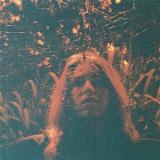
Celebrate a decade of Turnover's iconic sophomore album Peripheral Vision with this 10 Year Anniversary Edition. Retaining the album's iconic cover art, the packaging has been completely overhauled to include a new lyric poster & printed photo inner sleeve. This special limited edition is pressed on limited edition color vinyl also includes two bonus tracks from the era - "Humblest Pleasures" and "Change Irreversible." Released on May 4th, 2015 via Run For Cover Records, Turnover's second album Peripheral Vision is widely regarded as an essential body of the work in the band's discography, maturing its sound into a shoegaze-inflected post-punk direction following the band's 2013 debut record Magnolia. Described as "a tour de force" by Kerrang!, the album set the stage for an extensive and prolific touring history over the past decade and three subsequent albums, including their most recent LP, 2022's Myself in the Way.
Vom Internetphänomen zum außergewöhnlichen Singer-Songwriter: Der 23-jährige Amerikaner aron! präsentiert mit seinem Verve-Album eines der bemerkenswertesten Popdebüts der letzten Jahre. Bekannt wurde er
zunächst über Social Media, wo seine Performance-Videos auf TikTok und Instagram ein Millionenpublikum
erreichten. Mit Singles wie ”Cozy You“ und ”Wonderful Thing“ deutete er bereits sein außergewöhnliches
Gespür für große Melodien, raffnierte Harmonien und zeitloses Songwriting an. Auf ”Too Close For Running“ verbindet aron! jetzt klassischen Feelgood-Pop mit Einflüssen aus Jazz und dem Great American
Songbook mit der Leichtigkeit einer neuen Generation. Musikalisch steht er Künstlerinnen wie Laufey,
dodie und Mei Semones nahe – die beiden Letzteren sind auf seinem Debütalbum sogar als Gäste dabei.
Remastered limited edition double vinyl with double-sided screenprinted poster-cover (sleeve folds out to be one huge poster). A real collectors item!
When Off Off came out around June 1984, one couldn’t speak of an independent music scene in Portugal. Warm Records’ vague existence didn’t have any impact and Dansa do Som’s inaugural release appeared only in December. 10 years after the revolution, after two IMF interventions, a lot of political instability (not to say turmoil, in the first couple of years) and the natural excesses of a sudden burst of freedom, the Portuguese consumer had more choices but a generally poor standard of living. There was no entrepreneurial culture and serious second thoughts about investing private money in risky ventures.
After many complaints about the whole music scene (institutions, critics and record label executives, popular and classical music alike), something that would continue well beyond the end of the decade, Telectu decided to finance, record, produce, release and sell an album with complete independence from outside structures. Their karmic reward was profit. According to Vítor Rua, Off Off was the only album fully payed by the duo and the only one that really payed off. Not an easy accomplishment for a double LP housed in a large (also double-sided) screenprint with complicated cuts and folds. The artwork was conceived by António Palolo, a friend and multidisciplinary artist. It was based on a collage of heavily saturated and xeroxed polaroids framed in shocking pink and green. Palolo was considered the third member of Telectu, regularly producing slides, video and other visual support for their shows. The inspiration for the type of cover came from GRM’s Gramme series.
Off Off is divided in four distinct sides, each one corresponding to a “theme” or “function” related to Telectu’s manifold artistic interests and interactions. The titles are also gateways to influences and a small portion of Portuguese cultural life:
- Side 1 / “Diagonale” is dedicated to Egídio Álvaro, art critic and gallery director (he opened Diagonale in Paris). Performance art was arguably his main artistic concern over the years, so the music on this side is suggested for use by one or more performers in live or playback situations. The three tracks segue into each other, linked by a synth arpeggio much in the same way as Telectu’s previous “Belzebu” álbum (1983);
- Side 2 / “Anarké” is dedicated to the composer Filipe Pires, one of Jorge Lima Barreto’s recurring invocations when asked about worthwhile contemporary music in Portugal. It is subtitled “concert music”, proposing «a new form of listening». Three tracks also, and these are separated by “clap interludes”, which basically consisted in the following: JLB and VR each had a pair of headphones on, and they clapped their hands according to the rhythm of the music each one was listening. Both musicians were interacting with a different Steve Reich piece: Vítor with “Music for Mallet Instruments”, Jorge with “Six Pianos”. The result is disjointed clapping, an awkwardly deliberate celebration of their own music. Telectu applauded themselves.
- Side 3 / “Cornucópia” is subtitled “music for theatre” and dedicated to Luís Miguel Cintra and Luís Lima Barreto (JLB’s brother), both connected to the Cornucópia theatre company. The side consists of several short pieces previously used as interludes in the Cornucópia staging of “Mariana Espera Casamento” (1983). Field recordings, mood pieces, ambience and a numeric poem (“Soneto Soma 14x”, by E.M. de Melo e Castro) read by João Perry, a quite well-known stage actor. His voice is treated with a flanger effect;
- Side 4 / “Palolo” is “video music”. It’s a one-take mix recorded from cassette sources (Telectu studio experiences) and done live while watching António Palolo’s Om film (1978) projected on the living room wall. It’s a deep, immersive, quasi-mystical 20-minute piece perfectly suiting the meditative, abstract, fluid images created by Palolo by mixing paint and water inside a bathtub. One imagines the Cosmos, hardly suspecting the technique. The film is 90 minutes long, so the music on the LP is of course edited.
The six titles on sides 1 and 2 evoke demons, all of them with conflicting symbolism, since it varies from culture to culture, religion to religion. No explanation is given and Vítor Rua has no idea where this imagery comes from. During virtually the whole stretch of the 1980s, Jorge was the one in charge of titles and concepts, and Vítor didn’t bother too much even reading the liner notes :) In any case, when you synchronize the listening experience with the imagery, a powerful impression emerges, a feeling of being in the presence of these entities while placing yourself inside the sonic narrative.
Off Off is undoubtedly a seminal album in the history of electronic music, as much Heldon as Fripp & Eno, jazz and American minimalism, cosmic out-thereness, mantric miniatures. Telectu at the height of their powers, still very early on, delivering an album-manifesto advocating intermedia art and the fierce independence of Portuguese musicians «from the scum of capitalist music industry monopolies. It’s a path to follow, albeit one that requires enduring hardships and retaliation from music industry gangsters.» Despite a few journalists deemed «capable of being free», the media are «enslaved by the dominant and fascist imbecility of the speculators of light music.» Off Off is addressed to those journalists «and to an audience angry at the cultural misery imposed upon us ..., certain that this music will open new horizons of musical pleasure in the conception of Portuguese avant-garde music, and in the open consciousness of us all. OFF OFF repeats Freedom.»
Those two words are a direct lift from Alberto Arbasino’s 1968 book Off Off, the basis of which is a critical analysis of Theodor Adorno’s and Dwight MacDonald’s ideas concerning the stratification of culture in different levels (high, mid and low) and the pervasiveness of mass culture in the form of a culture industry. In very simplistic terms, and that is precisely the point that inspired Jorge, Arbasino argued that it was possible and desirable to effect a revolution from below, cultivating alternative circuits completely cut-off from what he termed the in-in reality. Telectu’s record was a deliberate demonstration that it could be done, displaying Freedom in the face of all the gatekeepers and other human obstacles.
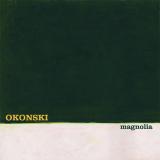
The studio at 122 West Loveland Avenue was not an unfamiliar space for Steve Okonski, the leader of his eponymous trio Okonski. Ever since the Colemine label set up shop in Loveland, Ohio it has been a host to a number of groups passing through town, including Durand Jones and the Indications who all of this trio's members have connections to. After setting aside some time in winter of 2020, Okonski, trained initially as a classical pianist, invited Michael Isvara "Ish" Montgomery and Aaron Frazer to work on an album that was initially planned to be beat driven and fully composed trio instrumentals.
After finishing this first session with some improvisations, a second week was booked in the summer of 2021 to try and capture some more of that spontaneous energy. During this session, the tracks were all improvised and recorded live to a Tascam 388 during several late nights at the Colemine HQ. They were structured to allow the group's collective intuition to fully shape the melodies and arcs of the music.
The album opens with Runner Up, where a triumphant yet melancholic melody in the piano leads to a more reserved B-section driven by the drums and bass of Frazer and Montgomery. As you journey through the remainder of the album you are met with a plethora of evoked and explored emotions. The calmness one has walking down a moonlit street after midnight, the connection one has for a person who comes into their world for just a moment or a lifetime, and the nerves and catharsis one feels when starting upon a new, unknown journey.
Magnolia closes with Sunday, a track that was recorded late into the night at the close of their first recording session. Without the spontaneity of Sunday, the remainder of Magnolia would likely have never come to fruition.
Magnolia was composed from the heart and from the spirit of those in the studio those late nights in Loveland. It is the culmination of an emotional and artistic release that was not afforded or recognized before the band sat at their instruments, and because of that it is introspective, meditative, spiritual, and new.
From Berlin to Lagos: Jembaa Groove expand their sound on "Be A Lover"
Berlin-based outfit Jembaa Groove return with "Be A Lover", a four-track EP set for full release on 18 September via global soul imprint Agogo Records. Following two critically acclaimed albums and an intensive period of touring across Europe and the US — including a SXSW showcase and a widely acclaimed KEXP session — this latest release marks a new chapter in the band’s trajectory. Built around highlife rhythms and shaped by Afro-jazz and the more organic edges of Afrobeats, "Be A Lover" unfolds with a warm, languid and deeply soulful feel, capturing different strands of today’s multifaceted Afrofusion scene.
Here, the band strips back from a seven-piece ensemble to its two founding members, while at the same time opening outward into a deeply collaborative space. At its centre is a close creative partnership with celebrated Nigerian highlife revivalists The Cavemen., alongside contributions from London-based, Nigerian born soul artist Azekel, Lagos vocalist Tim Lyre, and Malian icon Fatoumata Diawara.
“This record has a different flavour,” says Owusu. “It’s really about collaboration — different feelings, different thoughts, different energies coming together.” While centred around the Lagos contemporary scene, the record is shaped by a wider diasporic network stretching across London, Lagos, Berlin and Amsterdam, cities producer and bass player Yannick Nolting describes as “the pillars where everything that is happening in today’s highlife and Afro-fusion scene.”
Formed in Berlin in 2020, Jembaa Groove began after a chance meeting between bassist, producer and composer Yannick Nolting and percussionist, vocalist and songwriter Eric Owusu. Drawing on their respective musical journeys — Nolting’s years working with Lusophone artists in Lisbon and Owusu’s deep roots in Ghana’s highlife tradition, including work with Pat Thomas and late highlife legend Ebo Taylor — the project quickly took shape: their debut album Susuma established a powerful, poly-rhythmic sound grounded in highlife, jazz and soul, while 2024’s "Ye Ankasa | We Ourselves" expanded that vision through collaborations with artists across Ghana and its diaspora, including UK based Ghanaian singer, rapper, percussionist, and arranger K.O.G and legendary Ghanaian highlife musician Gyedu-Blay Ambolley.
The collaborative spirit continues on "Be A Lover", most of which grew out of a meeting with sibling duo The Cavemen. at Supersonic Jazz Festival in Amsterdam in 2023, leading to a sustained exchange of ideas between Berlin and Lagos. With two acclaimed albums behind them, The Cavemen. have emerged as central figures in both Lagos’ alternative music scene and the wider contemporary highlife revival, bringing the genre to a new generation through a stripped-back, melody-driven sound. “There was some kind of magnetism towards Lagos,” says Nolting; for Owusu, who is Ghanaian but spent much of his life in Nigeria, the connection runs even deeper. “I feel lucky to be able to bring different cultures together and make something really beautiful,” he says. A key part of that process was a close working exchange between Nolting and The Cavemen.’s Kingsley Okorie, who effectively stepped into a co-producing role on three out of four of the tracks.
The one exception is opener No Pain No Gain, which features Nigerian-born, East London-based Azekel, whose smooth, R&B-leaning vocal moves through a slow-burning arrangement of bright keys, gently rising horns and atmospheric synths, anchored by Owusu’s organic percussion.
The title track Be A Lover, featuring Afro-fusion Lagos artist Tim Lyre, distills the EP’s central message into its most immediate form. Backed by syncopated percussion and a gently smouldering arrangement, Lyre’s voice moves with a laid-back, melodic ease, delivering a simple refrain: “be a lover, not a fighter.” “It’s a very simple message,” says Nolting, “It’s about showing more love, on a personal level but also more broadly… just show love.” That same sense of warmth runs throughout the record, reflecting its core idea.
On Obi, The Cavemen. take centre stage, with Kingsley Okorie leading through melancholic, plaintive vocals rooted in classic highlife. In contrast, his brother Benjamin James punctuates the track with high-pitched vocal interjections, heightening the emotional tension against a backdrop of slow, restrained instrumentation.
Waka follows with a more melodic, hook-led refrain from Eric Owusu, whose loose, almost conversational delivery creates a striking contrast with Fatoumata Diawara’s unmistakably powerful, raspy vocal. The collaboration grew out of a chance meeting while Owusu was on tour, with ideas exchanged quickly and Diawara returning a finished vocal within days. “We are so proud to have her. It’s a privilege” says Owusu. "Be A Lover" is a record shaped by connections like these — between people, scenes, and cities. “It was partly intention, partly destiny,” says Nolting. “We met these people along the way, and somehow Lagos was meant to come into our path.”
Die deutsche Black-/Death-Metal-Kultband Ch’ahom opfert ihr zweites Album „Anthropic Rites of Sublimation“ auf dem Opferaltar – ein Konzeptalbum, das in einer fiktiven Welt spielt, die von den Ritualen, der Kunst und der Architektur vorspanischer Kulturen inspiriert ist. Anknüpfend an ihre EP „Ts’ono’ot“ entfaltet sich die Geschichte um eine Cenote von unvorstellbaren Ausmaßen, deren kosmischer Ruf die Verlorenen und Unsicheren zur Selbstaufopferung treibt. Vier Zivilisationen erheben sich an ihrem Rand, wobei jede ihre eigenen Riten, Hierarchien und Monumente entwickelt, um den tödlichen Ruf des Abgrunds in eine Grundlage für kollektives Dasein zu verwandeln.
Ch’ahom verleiht dieser imaginären Welt Gestalt durch höhlenartigen Death Metal, bestialische Ausbrüche und fieberhaft progressive Strukturen. Wilde Riffs winden sich durch erstickende Kammern rhythmischer Beschwörungen, während uralte Instrumentierung aus dem Tumult hervortritt wie Echos in einem verschütteten Tempel. „Anthropic ‚Rites of Sublimation‘“ bewegt sich wie die Cenote selbst und zieht den Hörer durch ein ekstatisches und sich immer weiter vertiefendes Gefühl des Unbekannten nach innen.
Inspiriert von einer bewusst wörtlichen Interpretation des Todestriebs und seiner Sublimierung untersucht Ch’ahom Kultur als Antwort auf ein unwiderstehliches Verlangen nach Selbstauslöschung. Verstümmelung, stellvertretendes Opfer, Versklavung und freiwillige Hingabe werden zu den Grundlagen konkurrierender Gesellschaften, die auf das regelmäßige Öffnen der Cenote warten. Ch’ahom verwandelt diese düstere Fiktion in ein gewaltiges Klangritual und porträtiert die Menschheit durch ihren erschreckenden Einfallsreichtum: Sie schafft Glauben, Schönheit und ganze Zivilisationen am Rande der Vernichtung.
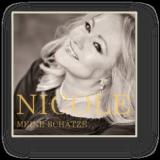
„Ein bisschen Frieden“, „Flieg nicht so hoch, mein kleiner Freund“, „Papillon“, „Ein leises Lied“, „Mit dir vielleicht“, „Allein in Griechenland“ oder „Ich bin zurück“. Diese Hits von Nicole kennt wohl jeder und kann jeder mitsingen.
Nicole ist die die Grande Dame der deutschen Popschlagerszene, seit vielen Jahren auf den größten, schillerndsten Bühnen unterwegs. Aber sie liebt auch die Zurückgezogenheit, um als klassische Singer-Songwriterin an ihrer Musik zu arbeiten. Sie schafft es ehrliche Einsichten und pures Gefühl, in bewegende Songs zu übersetzen, die gerade durch diesen Tiefgang so faszinierend und zeitlos sind.
Vor allem bleibt sie sich treu und weiß ihren unverkennbaren Sound immer wieder ganz behutsam neu und weiter zu denken: Unaufgeregt und immer absolut nah am eigenen Leben, gewährt sie Einblicke in ihr Leben und ihre Weltsicht - passend zu Ihrem schweren Kampf gegen die Krankheit. Sie möchte Mut machen und zeigen, dass es sich lohnt zu kämpfen, auch gegen eine scheinbar nicht zu besiegende Krankheit.
„Ein bisschen Frieden“ bescherte Nicole Millionenverkäufe und Top-Platzierungen in ganz Europa. In den vier Jahrzehnten, die seit diesen ersten Sensationserfolgen der Euro-Gold-Single vergangen sind, folgten zwei Dutzend weitere Longplayer, für die sie gleich 11 Goldene Stimmgabeln sowie 17-mal den ersten Platz bei der ZDF-Hitparade gewann. Auf die Zweitplatzierung beim World Popular Song Festival in Tokio (1983) folgten zudem ein ECHO-Pop in den Neunzigern, mehrfach die Goldene Europa und 2017 der smago! Award.
2024 feierte Nicole Ihren 60. Geburtstag und setzte diesen Trend fort. Das Album „Carpe Diem“ gilt als eines ihrer Besten und wurde mit einem Chart-Eintritt gekürt.
Stillstand hat es für Nicole nie gegeben – auch 2026, nach 45 Jahren auf der Bühne, nicht. Bereits die erste Single „Ich will mehr“ machte deutlich, wohin die Reise geht: nach vorne. Mit ihrem neuen Album „Meine Schätze“ blickt Nicole auf ihre außergewöhnliche Karriere zurück und setzt gleichzeitig ein kraftvolles Zeichen für Aufbruch, neue Wege und echte Lebensfreude.
„Meine Schätze“ produziert von ihrem kongenialen Produzententeam – Achim Meier, Zoran Grujovski und Jens Carstens, ist dabei kein klassisches Best-of-Album. Stattdessen hat Nicole ganz persönliche Songperlen aus 45 Jahren ausgewählt – Lieder, die sie geprägt, begleitet und inspiriert haben. Dazu gehört auch ihre gefühlvolle Interpretation des Don-McLean-Klassikers „And I Love You So“.
Teilweise neu arrangierte Akustikversionen verleihen den Songs eine besondere Intensität und zeigen ihre emotionale Tiefe ebenso wie ihre zeitlose Kraft. Gemeinsam mit musikalischen Weggefährten und Freunden wie Heinz Rudolf Kunze, John Kelly, Johnny Logan, Nino de Angelo und Mickie Krause entstand ein Album, das Mut macht, nach vorne zu blicken und das Leben bewusst zu genießen. Diese positive Energie trägt Nicole mit ihrer unverwechselbaren Stimme – kraftvoll, klar und berührend wie selten zuvor. Eine Nicole, die viele überraschen wird.
Die Botschaften der Songs haben auch nach 45 Jahren nichts von ihrer Aktualität verloren. Sie stehen für Hoffnung, Zuversicht und die Überzeugung, dass gute Musik Generationen verbindet.
Musikalisch präsentiert sich „Meine Schätze“ in einem modernen, frischen Soundgewand. Gefühlvolle Streicher des F.A.M.E.'S. Skopje Studio Orchestra treffen auf einen atmosphärischen Mix aus Folk, Pop und Schlager – eingängig, emotional und voller Tiefe. Ein Klangbild, das bewegt und lange nachhallt.
Besonders bemerkenswert: Die Produktion setzt bewusst auf echte, handgemachte Musik. Statt künstlicher Intelligenz stehen hier authentische Musikerinnen und Musiker, echte Instrumente und ehrliches musikalisches Handwerk im Mittelpunkt – ein klares Bekenntnis zu Qualität, Leidenschaft und echter Emotion.
Das in den USA ansässige Trio ist seit 2013 aktiv und besteht aus Ryan Lott, Ian Chang und Rafiq Bhatia. Getragen von Neugier und der Suche nach einem Gleichgewicht zwischen roher emotionaler Intimität und akribischen elektronischen Kompositionen lässt sich Son Lux, wenn nötig, den Genres Experimental Rock, Post-Rock und Electronic Rock zuordnen.
Ihren ersten Durchbruch erlebten sie mit dem Titel „Easy“, einschließlich Alternativversionen von Woodkid (2013) und Lorde (2014). Nominiert für den Oscar® und den BAFTA in der Kategorie „Beste Originalmusik“ für Everything Everywhere All at Once (2022 – Daniel Kwan). Son Lux traten bei den Oscars anlässlich ihrer Nominierung für den besten Song gemeinsam mit David Byrne und Stephanie Hsu auf. Weitere Filmmusiken: „Thunderbolts“ (Marvel).
Im Jahr 2026 arbeitete Son Lux mit Poppy und Harmony Korine an einem neuen Song und Video für Bungie Studios „Marathon“ (Videospiel). Zahlreiche Synchronisierungen, darunter „The Vow“ (HBO), „Skins“ (UK) (E4), „Baby“ (Netflix), „Good Girls“ (NBC) und „American Horror Story“ (FX)...
Lott und seine Bandkollegen – Gitarrist Rafiq Bhatia und Percussionist Ian Chang – stürzten sich in das rhythmisch opulenteste und textlich eindringlichste Son-Lux-Album, das es bisher gab. In fast zwei Jahrzehnten hat sich Son Lux einen Ruf für Pracht und Schwung erworben, doch 'Out Into' ist etwas anderes: eine kraftvolle Suite aus greifbaren, detailverliebten Songs, die aus schillernden Momenten kollektiver Improvisation entstanden sind.
Emma Ruth Rundles "These Killing Times" ist mitreißend, emotional und voller anti-patriarchaler feministischer Wut. Das sechste Studioalbum der Multi-Instrumentalistin, Songwriterin und multidisziplinären Künstlerin ist eine reaktive Anthologie, voller Energie, Lebensfreude und Widerstand; es stellt uns Fragen nach unseren Absichten und den Rollen, die wir in den Gemeinschaften spielen, in denen wir leben, und danach, wie wir dem Würgegriff des Kapitalismus begegnen wollen. Schlaflose Nächte, Momente des Grauens und Zeiten der Qual könnten über eine Zeitleiste der jüngsten gesellschaftspolitischen Ereignisse gelegt werden, um die Entstehung von "These Killing Times" nachzuzeichnen: die zunehmende Macht des christlichen Nationalismus, der groteske Zirkus des politischen Diskurses und das damit verbundene ontologische Unbehagen. Aber es gibt auch Liebe - als Balsam und Stärkungsmittel, als Mittel zur Flucht. Das Verlangen nach Gemeinschaft und Verbundenheit, während man mit den gewalttätigsten Seiten der Menschheit konfrontiert ist, bleibt eine ungelöste Spannung. Während sie Anfang 2025 aus der Ferne die verheerenden Auswirkungen einer weiteren Klimakatastrophe beobachtete, reflektierte Emma über die Wurzeln der systemischen Probleme, die sich direkt in so viele katastrophale globale Ereignisse niederschlagen, und traf die bewusste Entscheidung, ein hoffnungsvolles Album zu schaffen. Wo äußere Kräfte sie dazu verleiten wollten, sich nach innen zu wenden, in Richtung Isolation und Hoffnungslosigkeit, streckte sie sich stattdessen nach außen, um ein Album zu schaffen, das den Schmerz anerkennt, aber als Antwort darauf sowohl Gemeinschaft als auch Widerstandskraft bietet.