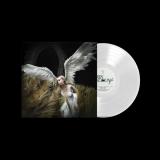
Im April 2026 bringt Eaves Wilder ihr heiß erwartetes Debütalbum ,Little Miss Sunshine" raus. Die Platte ist ein krasser Entwicklungssprung für die Singer-Songwriterin aus Nord-London, die 2020 mit 16 Jahren mit ihrem selbst aufgenommenen Lockdown-Release ,Won't You Be Happy" zum ersten Mal auf sich aufmerksam gemacht hat. Eaves begann mit der Arbeit an ,Little Miss Sunshine" nach einer Phase des Nachdenkens, in der sie sich fragte, ob sie der Musik in ihrem Kopf letztlich gerecht werden könnte. Wer sich mit dem Album beschäftigt, entdeckt zehn Songs, die sich an den Zyklen der Natur orientieren, um die emotionalen Stimmungen zu erklären und zu feiern, die uns zu Menschen machen. ,Als ich am Boden war", erinnert sich Eaves, die an einer Stelle sogar lacht, als sie sich daran erinnert, wie sie beschloss, die Musik ganz aufzugeben, um in ein Kloster einzutreten: ,Ich wollte einfach nur unmenschlich, gefühllos und unbewegt sein. Wie ein Berg oder ein Baum. Oder der Himmel. Das sind alles Dinge, die einen Zweck haben, aber ich wusste nicht, was mein Zweck war. Und so musste ich es herausfinden, Song für Song." Auf Little Miss Sunshine wird diese Geschichte in spannenden Episoden erzählt, angefangen mit den ersten Sekunden des Albums und der Lead-Single Hurricane Girl, einer sensationellen Synergie aus durchscheinenden Shoegaze-Harmonien und elementaren Rockgitarren, inspiriert durch Dokumentarfilme über Sturmjäger, wobei die Metapher verwendet wird, um ein Licht auf Freunde zu werfen, die gezwungen waren, stürmische Beziehungen zu suchen. ,Ich habe das Gefühl, dass dies mein Pearl-Jam-Song ist", erklärt sie. ,Das erste Mal, als ich Pearl Jam hörte, war ich auf einem riesigen Berg in Wales. In derselben Woche hörte ich auch zum ersten Mal Jagged Little Pill von Alanis Morissette." Von hier aus, bis hin zu seinem schmerzlich bewegenden Requiem an die Kindheit Summer Rolls fungiert jeder Song auf Little Miss Sunshine als leuchtender Koordinatenpunkt in einem Bogen der Selbstfindung. Da ist der hochfliegende Klangrausch Everybody Talks, mit seinem ansteigenden Crescendo aus aufdringlichen Stimmen, der auf beiden Seiten des Atlantiks große Unterstützung im Radio fand. Für Mountain Sized bezog sie sich auf Lily Allens Single The Fear aus dem Jahr 2009 - ,weil da diese eine Frau ist, die ganz beiläufig all die schlimmsten Dinge über sich selbst aufzählt, Dinge, die man sich eigentlich nicht trauen würde zuzugeben". In Eaves' Song wird diese aufkommende Angst jedoch durch einen panoramischen Refrain ausgelöscht, in dem sie die Grenzen ihrer realen Welt durchbricht, um zu verkünden: ,But in my mind/But in my mind/I am taller than the highest mountain sides." In dem schmerzlich melodiösen ,The Great Plains" hinterfragt Eaves ihre frühesten Erinnerungen, in denen sie ihre ältere Schwester Dora vergötterte. ,Sie war so zurückhaltend und wie eine Meerjungfrau", erinnert sich Eaves, ,und ich wurde von meinen Emotionen beherrscht - und je mehr ich versuchte, das nicht zu sein, desto mehr wurde mir klar, dass ich niemals wie sie sein könnte." In dem Song findet Eaves eine Art Selbstakzeptanz, indem sie auf die Natur schaut, um zu erfahren, dass es okay ist, so zu sein, wie sie ist: "As I erupt into a blaze / It's ok the sky will do the same/Let no-one bat an eye when / Every year I'll hibernate till May / Because no-one blames the clouds for rain / So take me as I am, tears down my face." Als die Sessions an Fahrt gewannen, fand Eaves Inspiration in zeitgenössischen Veröffentlichungen. Beispiele dafür waren Wolf Alice (,die einzige Band, die die Balance gefunden hat, die ich immer suche - die Kombination aus schweren Gitarren und hohen, ätherischen Vocals"), Mannequin Pussy (,sie gaben mir etwas von dem, was ich in der Ära von Riot Grrrl vermisst habe, als L7 und Babes In Toyland auf Tour waren") und CMATs ,geradlinig brillantes Songwriting". Weitere Highlights auf einem Album, das von ihnen geprägt ist, sind Daisy Chain Reaction, dessen glitzernder Power-Pop-Glanz einen Text über die Kultur des Wettbewerbs rund um Essstörungen verbirgt, und der unangenehme, mechanisierte Angriff von Just Say No, ein Song, der auf den brutalen Wahrheiten basiert, die Eaves und ihre Freundinnen in ihren Auseinandersetzungen mit missbräuchlichen Männern gesammelt haben. Zwei Jahre lang hat Eaves unermüdlich daran gearbeitet, jeden einzelnen Vers, Refrain, Pre-Chorus und Middle Eight auf Little Miss Sunshine zu verfeinern, bevor sie mit dem Co-Produzenten des Albums, Andy Savours (My Bloody Valentine, The Killers, The Horrors), ins Studio ging. Dies ist ein Album, auf dem jedes einzelne Detail seinen Platz verdient hat und das Zeugnis ablegt von der einzigartigen musikalischen Vision seiner Schöpferin.
That’s My Story“ ist das 1960 erschienene Album der Blues-Ikone John Lee Hooker, das ursprünglich bei
Riverside Records veröffentlicht wurde. Das Album zeichnet sich durch einen für einen Country-BluesSound rohen, reduzierten Ansatz aus. Hooker spielt Akustikgitarre in Titeln wie „I Need Some Money“
und „No More Doggin’“, um eine fesselnde Sammlung zu schaffen, die sein Können gekonnt zur Geltung
bringt. Diese Ausgabe wurde bei QRP auf 180-Gramm-Vinyl gepresst und von Matthew Lutthans bei The
Mastering Lab von den Originalbändern remastert (AAA).
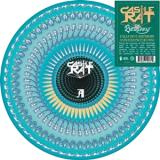
Eines der besten Metal-Alben des Jahres 2025 erhält eine hochwertige Zoetrope Vinylversion. Ein farbenfroh animiertes, detailreiches Sammlerstück für Musikliebhaber. Das Fantasy-Mittelalter-Metal-Phänomen CASTLE RAT präsentiert sein zweites Album! Castle Rat ist die NY Fantasy-Heavy-Metal-Band, die von der Rat Queen angeführt wird, welche die Mission verfolgt, ihr Refugium gegen diejenigen zu verteidigen, die es zerstören wollen. Ihr zur Seite stehen The Count, The Plague Doctor und The All-Seeing Druid. Gemeinsam stellen sie sich mit Heavy Magie dem unerbittlichen Zorn ihrer Erzfeindin - dem Tod in Form von The Rat Reaperess. The Bestiary ist ein riffgeladenes Kompendium mystischer Kreaturen und vorwarnender Erzählungen aus einer vergessenen Welt. Es erzählt 13 allegorische Geschichten von mythischen Bestien und dem Zauberer, der sie beschwört, und verwebt kraftvolle Heavy-Hymnen und dunkle Verzückungen zu einer betörenden und unvergesslichen Heavy-Metal-Odyssee. Als ob Grace Slick mit Black Sabbath ca. 1200 A.D. auf einem Kiss-Konzert Liebe macht. Aufgenommen von Randall Dunn (Sunn O))), Wolves in the Throne Room, Björk) und gemischt von Jonathan Nuñez (Torche, Restless Spirit), bietet das Album episches Heavy-Gemetzel und doomy Hard Rock. Hervorgegangen aus New Yorks abscheulichem, kreaturenverseuchtem Untergrund, schlugen die Fantasy-Heavy-Metaller zunächst mit ihren Live-Auftritten und später mit ihrem Debütalbum "Into The Realm" im Jahr 2024 große Wellen. Seit ihrer Gründung im Jahr 2019 haben CASTLE RAT ein lebendiges Labyrinth aus Erzählungen und Mythen geschaffen, welches sie nun rund um die Welt führt. Zoetrope-Vinyl kommt in durchsichtiger, halbfester PVC-Hülle mit Lasche (semi-rigid transparent PVC sleeve with flap),auch noch auf CD (aufklappbares Digipak), MC (mit gefaltetem Inlay) und auf LP (farbiges Vinyl, inklusive ausklappbarem Lyrics-Insert) erhältlich.
La Peste war Bostons erste echte Punkband und hat die Lücke zwischen der einflussreichen Proto-Punk-Szene der Stadt in den 1970er Jahren und dem College-Rock und Hardcore-Punk der 1980er und 1990er Jahre gefüllt. Diese Sammlung will die ganze Geschichte von La Peste erzählen und zeigt die unveröffentlichten Studio- und Loft-Aufnahmen der Band zusammen mit den beiden offiziell veröffentlichten Tracks. Diese Tracks stammen aus der Studio-Session, aus der die 7"-Single ,Better Off Dead" (die einzige offizielle Aufnahme der Band) hervorging, aus ihrer Session mit Ric Ocasek von The Cars aus dem Jahr 1978, aus einer Session in den Electro Acoustic Studios aus dem Jahr 1978 und aus 4-Spur-Loft-Aufnahmen, die 1977 von den Bostoner Punks Billy Dafodil und Dave Cola gemacht wurden. ,Wenn du dir ,I Don't Know Right From Wrong" anhörst, wage ich zu behaupten, dass du nicht mehr aufhören kannst, sobald du angefangen hast - stell dir vor, diese Songs wären verfügbar gewesen, als La Peste sie aufgenommen hat. Stell dir vor, die atomaren Songs dieses Trios hätten aus den Plattenläden und Autoradios in ganz Boston, an der gesamten Ostküste und in ganz Amerika gedröhnt. Ich habe kaum Zweifel, dass genau das passiert wäre, wenn diese Musik Ende der 70er Jahre auf Platte erschienen wäre. Stattdessen müssen wir uns damit begnügen, sie jetzt zu hören - und wow, was für ein Trostpreis! Alles auf diesem Album kommt aus den Lautsprechern geflogen, macht Spaß, ist intensiv und so voller kaum zu bändigender Energie, dass man sich fühlt, als hätte man sich gerade Koffein gespritzt. Johnny Angels Beschreibung von La Peste als ,Black Sabbath meets Wire" trifft jetzt voll ins Schwarze: große, fette, dreckige Riffs zu einem umwerfenden Beat. Zwischen Peter Daytons feuriger Gitarre und seinen kehligen Schreien, Mark Andreassons tiefem Bass und Roger Tripps kraftvollen Drums gibt es in ,I Don't Know Right From Wrong" so viel Klanggewalt, dass der Typ in der Maxell-Werbung dagegen wie eingeschlafen wirkt" - Marc Masters
To celebrate the year anniversary of its first release, Erin LeCount launches a limited edition transparent vinyl of her 2025 EP I Am Digital, I Am Divine. The tracklist includes viral hit Silver Spoon which amassed 300K Soundcloud streams before it had even been released, since amassing 21M streams in less than 12 months.
Available for pre-order on the 24th March and set for release on the 17th April 2026.
Erin LeCount is a 23-year-old self-taught artist and producer. A visionary sonic architect and the sole writer and producer of her music, her sound ranges from luscious baroque-pop arrangements to alluring gothic-pop.
At the foreground of her music are diaristic lyrics and captivating synths which offer an enchanting interplay of vulnerability and power. The themes within her music explore everything from identity to relationships and the meaning of life. Erin’s influences include Fiona Apple, Kate Bush, Lorde, Imogen Heap, Charli xcx, and Sampha.
In May 2026, Erin LeCount will embark on her biggest run of shows to date with her new UK tour, entitled the ‘PAREIDOLIA Tour’, which will see her play dates in Manchester, Glasgow, Bristol, and London, the latter of which will take place at the Roundhouse in what is Erin’s largest headline show so far.
This month, Erin was also announced on the line-up for Lorde’s All Points East date on Saturday 22nd August.
Mit "Alles und Nichts" veröffentlichen Eckstein am 17. April ihre erste EP - eine Sammlung, die das bisherige Schaffen des Wiener Duos bündelt und zugleich neue Kapitel aufschlägt. Die EP vereint die vier bereits erschienenen Singles "Einbruch","Reigen", "Ein Ganzes Leben" und "Zinnober" sowie die bisher unveröffentlichten Songs "Tyrann" und"Kirchenglocken". Ergänzt wird das Werk durch eine intime Akustik-Live-Session des Stücks "Hund". "Alles und Nichts" zeigt Eckstein in ihrer ganzen Spannweite: existenzielle Dringlichkeit, zarte Melancholie, eruptive Emotionalität. Sänger Hagen Eckstein verbindet poetische Bildsprache mit einer Stimme, die zwischen Verletzlichkeit und Wucht changiert. Multiinstrumentalist Jannik Rieß erschafft detailreiche Klangräume, die organisch, atmosphärisch und zugleich präzise komponiert sind. Eckstein stehen für eine spezielle Form deutschsprachiger Musik, die Ambiguität nicht auflöst, sondern zelebriert. "Alles und Nichts" ist mehr als eine EP - es ist ein Manifest ihres künstlerischen Selbstverständnisses und ein eindrucksvoller Beweis dafür, dass dieses Duo zu den aufregendsten neuen Projekten im deutschsprachigen Raum zählt.
Mit „Stabile Poesie“ liefert Bosse ein kraftvolles, emotionales Album, das seine unverkennbare Handschrift
zwischen Indie-Pop, Tiefgang und unmittelbarer Nahbarkeit einmal mehr unter Beweis stellt. 12 Songs voller
Haltung, Wärme und poetischer Direktheit, gemacht für große Bühnen und intime Momente gleichermaßen.
Zum Release stehen attraktive physische Konfigurationen für Fans und Sammler bereit:
Die Standard LP erscheint auf schwarzem Bio-Vinyl und vereint alle 12 Tracks in hochwertiger Ausstattung.
Ergänzt wird das Angebot durch die CD im Mintpack als kompakte Alternative.
Die Ltd. 2CD im Hardcoverbuch kombiniert das Album mit 10 Live-Tracks und punktet durch hochwertige
Verpackung.
To celebrate the year anniversary of its first release, Erin LeCount launches a limited edition transparent vinyl of her 2025 EP I Am Digital, I Am Divine. The tracklist includes viral hit Silver Spoon which amassed 300K Soundcloud streams before it had even been released, since amassing 21M streams in less than 12 months.
Available for pre-order on the 24th March and set for release on the 17th April 2026.
Erin LeCount is a 23-year-old self-taught artist and producer. A visionary sonic architect and the sole writer and producer of her music, her sound ranges from luscious baroque-pop arrangements to alluring gothic-pop. At the foreground of her music are diaristic lyrics and captivating synths which offer an enchanting interplay of vulnerability and power. The themes within her music explore everything from identity to relationships and the meaning of life. Erin’s influences include Fiona Apple, Kate Bush, Lorde, Imogen Heap, Charli xcx, and Sampha.
In May 2026, Erin LeCount will embark on her biggest run of shows to date with her new UK tour, entitled the ‘PAREIDOLIA Tour’, which will see her play dates in Manchester, Glasgow, Bristol, and London, the latter of which will take place at the Roundhouse in what is Erin’s largest headline show so far. This month, Erin was also announced on the line-up for Lorde’s All Points East date on Saturday 22nd August.
Phil Berg is back on the label, with his highly anticipated return. Four tracks that
continue to pave the way he laid in 2023 with his Raid EP.
Titled Iso, the EP is a study in reduction and discipline. Phil builds each track around a single guiding tension, rhythmic loops that breathe and shift injecting different emotions as each sound passes.
Phil Berg first appeared on SK11 in late 2023 with Raid, one of his biggest and most accomplished releases to date, an EP that made an immediate impression across techno fans worldwide. Iso's four productions here, each with their own identity, each showcasing the same commitment to craft and precision that defined his introduction to the label.
The EP is a statement of intent for Phil in 2026 and one of SK11's strongest releases of the year.
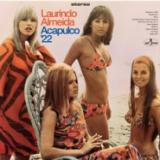
Brazilian guitarist Laurindo Almeida was the first artist to receive Grammy Awards for both classical and jazz performances. His discography encompasses more than a hundred recordings over five decades. On Acapulco '22, which includes two complete consecutive 1962 dates by the same formation, Almeida is accompanied by American jazz stars such as Bob Cooper , Jimmy Rowles, Don Fagerquist, Victor Feldman and Shelly Manne
With Dispersion, Loom & Thread return to the volatile architecture of the expanded piano trio - and quietly fracture it from within.
Daniel Klein (drums), Tobias Fröhlich (double bass) and Tom Schneider (keys, sampler) remain the sole agents on stage and in the final recording. The triangle holds. And yet, the field has expanded. For their second studio album, the trio fed their improvisations with the timbral signatures of guest saxophone and vibraphone players - not just as additional voices to be featured, but also as material to be absorbed, atomized and redistributed. The result is not augmentation but thorough refraction.
Where the debut album explored the recursive labyrinth of Schneider's live sampling of his own piano, Dispersion introduces an external grain into the feedback system. Breath and metal. Reed turbulence and struck resonance. The trio sampled extended improvisations by saxophone and vibes players: Victor Fox, Asger Nissen, Volker Heuken, and L&T's own Daniel Klein; dissected their attacks, overtones and decay curves, and integrated these fragments into the trio's internal circuitry. What emerges is a play of presences without bodies - instrumental ghosts circulating through the dense weave of rhythm and keys.
At first, one might hear the familiar relational tension: Klein's polyrhythmic elasticity interlocking with Fröhlich's tensile double bass figurations, Schneider poised at the hinge between tonal field and percussive impulse. But soon, the surface splinters - again. A vibraphone shimmer appears, yet no mallets are visible. A reed multiphonic surges through the texture, bending space between bass and drums. These events are neither quotations nor overlays; they are redistributed energies, dispersed across the trio's grammar. A digital multidimensional interplay ensues.
If the first album unfolded as a two-tiered game - live phrase and sampled reflection - Dispersion adds a further axis. The sampled materials from other improvisers are stripped of their erstwhile two-way interaction and reconstituted as malleable particles. Signifier detached from origin, resonance detached from gesture. The trio navigates a constantly shifting topology in which acoustic memory and electronic manipulation are indistinguishable.
Crucially, the album never abandons the physical urgency of three musicians reacting in real time. The additional timbral layers do not thicken the texture into opacity; rather, they introduce stark points and arrows of diffraction. Density opens into prismatic clarity. Lines splinter and regroup. What seems like a quartet or quintet collapses back into three bodies negotiating an expanded field.
Dispersion is not about addition but about distribution - of agency, of timbre, of temporal perspective. It is an album in which the trio setting becomes a site of multiplicity without surrendering its immediacy. A dissolution not only of the divide between present experience and memory, but between inside and outside, self and other.
Three musicians. Countless vectors. A music that fractures in order to cohere.
CREDITS:
Tom Schneider: piano & sampler
Tobi Fröhlich: double bass
Daniel Klein: drums & percussion
sample sources:
Victor Fox: tenor saxophone
Asger Nissen: alto saxophone
Volker Heuken: vibes
Daniel Klein: vibes
Recorded by Martin Dressler at Bauer Studios, Ludwigsburg.
Mixed & mastered by Martin Ruch.
Artwork by Viet Hoa Le.
out of Stock
Last delivered 6 months ago available to reorder, subject to availability
DJ support comes from Roger Sanchez, Bob Sinclar, Claptone, Purple Disco Machine, Audiojack, David Penn, Sam Divine, Laurent Garnier, Chloe Caillet, Nicole Moudaber, Carlita, Groove Armada, Barry Can’t Swim, Bakermat, Danny Howard, Gorgon City and more!
Toolroom’s next Sampler showcases 4 big releases from Jesus Fernandez, Alex Preston, CASSIMM and Jewel Kid.
out of Stock
Last delivered 3 days ago available to reorder, subject to availability
BCUC – Bantu Continua Uhuru Consciousness – have been channeling the spirit of Soweto for over twenty years. Indigenous funk, hip-hop consciousness, and punk rock energy fused into something utterly original and deeply rooted. Their mantra: Music for the people, by the people, with the people. From humble beginnings rehearsing in a shipping container, a stone's throw from the church where Desmond Tutu organized the escape of the most wanted anti-Apartheid activists, they kept believing in their dream of self-empowerment. Today they command festival stages worldwide: Glastonbury West Holts, Roskilde, Afropunk Brooklyn, WOMAD, Fusion, Sziget, FMM Sines, Beaches Brew, Boomtown, Colours of Ostrava, Couleur Café – to name just a few. In 2023, BCUC were honoured with the prestigious WOMEX Artist Award, an accolade usually reserved for more established artists, in recognition of their fearless work and transcendent live performances.
THE ROAD IS NEVER EASY
The Road Is Never Easy is BCUC's fifth album and their debut on Outhere Records. On this new offering, BCUC take listeners on another Afro-psychedelic journey into the soul of Soweto. It feels like a gospel sermon colliding with a punk concert, "guaranteed to touch untapped corners of your soul" (OkayAfrica). BCUC's music is deeply rooted in history and echoes the voices of the ones who came before. The road was never easy for the people of Soweto who originally came to work in the mines of Egoli, the City of Gold, Johannesburg. When apartheid finally ended after a long struggle, it was hoped that life would improve. But more than 30 years later, many of those initial hopes and dreams are still waiting to be fulfilled. This album is about that struggle. The album contains 10 brand new songs – a record for BCUC, whose previous albums featured an average of 3 songs. It represents the culmination of more than two decades of performing together and building a reputation as a powerful live act. These ten songs encapsulate that same live energy, each one building gradually and drawing you into BCUC's Afro-psychedelic stream of consciousness. It's a seismic tour de force through life in Soweto today. Songs like Amakhandela (Breaking All the Chains) connect history to daily life: "How is this precious metal inflicting so much pain in us," sing BCUC, "this government has been telling us we are free, but we don't benefit from being free." The album also talks about all the hopes and dreams that remain: "I have too many wishes and dreams in my head," BCUC sing in Um duma khanda, "I think I am losing my mind". The album ends with the soothing Matla a rona ke Bophelo, "our strength is life", praising the spirits and thanking the elders for protection. The Road Is Never Easy is about the harsh reality of life in Soweto, where "people always carry heavy loads". BCUC are street poets trying to deal with that burden: sometimes revolutionary, sometimes soothing, but always hopeful and compassionate. "When you are from Soweto you can't retreat nor surrender." (Sebenzela)
RECORDING
The album was largely recorded in Munich, Germany during tour breaks over two sessions, each three days long. It took place in a small studio located in a German WW II bunker converted into rehearsal spaces. The songs were recorded in one take altogether in one room, with only a few overdubs added, mainly backing vocals, by BCUC at Fourways studio in Johannesburg. BCUC have created their own distinctive way of writing, or rather, finding and creating their songs. The recording process is like an improvised live performance. They bring their ideas into a zone where the music, the rhythm and the spirits take over until the song starts to form. In this Afro-psychedelic zone BCUC create their unique poetry that feeds on the dreams still dreamt, the hopes, the fears and the temptations lingering everywhere. BCUC's songs need to breathe and time to build. The right take was the one when the song took over, and just like their live performances, no one knew beforehand where the song would take them. During the recording, BCUC just let it all flow out: inner turmoil, cries of rebellion, but also resilience and a search for healing, love, unity and compassion. You don't have to be from Soweto to feel the deep meaning and impact of this music. In these times of so much hate and division, BCUC are like a campfire for people to gather around.
PRODUCTION & ARTWORK
"BCUC have a unique magic," says Outhere's Jay Rutledge, who produced the album. "It blew our minds. It's like punk and pure gospel at the same time. Their music can make you dance and it can make you cry, all at the same time. And when the song is over, you feel you're not alone in this world anymore. We felt compelled to do this." The album cover is based on a matchbox design, matches being a common household item in South Africa even today. "These were the matches people used to burn government buildings and cars," explain BCUC. Little messages, addresses, or phone numbers used to be scribbled on the back of these boxes; each one a reminder of the strength, resilience, and resistance that once drove the struggle for freedom in Soweto. BCUC keep this flame burning. The Road Is Never Easy is a heavy spiritual road trip, a deep dive into the subconscious of Soweto and a quest for truth, justice and sanity in this crazy world. BCUC tackle the harsh realities of the voiceless, guided by the spirit world of their ancestors. Rather than reinforcing stereotypes of poverty, BCUC's portrayal of Africa is one rich in tradition, rituals and beliefs. "We bring fun and Afro-psychedelic fire from the hood," says vocalist Kgomotso Mokone.
out of Stock
Last delivered 5 months ago available to reorder, subject to availability
There’s this feeling that House Music is sometimes diluted into a pleasant, non-offensive and conformist formula. Well, Jackie Gritness - you may have heard of her big bro Gary - is bringin’ all the sweat, the attitude and the filth down - take it or leave it.
Jackie introduces herself from both sides on this well-strapped debut 12” - the slick swingin’ & sangin’
on the bass-heavy A side, and the raw clave trax and cunty snarls of the acid-laced B side.
No trace of over-production or tired sampling here: this is just Jackie, her mic and her lil’ groovebox -
gettin’ raw in the studio just like she does onstage. Only thing added is some wall-shaking mastering by New York OG Dietrich Schoenemann.
This is the kinda House that’s supposed to make regular folks wanna turn it off. This ain’t rated E for Everyone, it’s rated F for Freaks.
It’s music from the underground, for the underground - as it was first revealed on the runway of Glastonbury’s infamous NYC Downlow last summer.
And if that’s more than you can take - it’s alright. It’s not like Jackie will hold it against you.
Jackie Gritness
“Gary’s little sister.” His studio session resume reads like a House music who’s who - from David Morales to Fred P. He’s also been rockin’ clubs with the Playin’ 4 The City and MLIU crews - but she’s also been seen on Gideon’s fierce Homo-Centric Records. See, this bitch’s true feelings about House are stripped-down, bare-bones, and unapologetically sexual. With a radical ‘live’ attitude, she’s serving the realness with an irresistibly acidic zing.
out of Stock
Last delivered 6 months ago available to reorder, subject to availability
Die allererste 7"-Veröffentlichung von Sylvester ,Syl" Johnsons lebhaftem, groovigem ,Tripping on Your Love" und dem Titelsong ,Foxy Brown", der lange Zeit als Heiliger Gral der Funk-Sammler galt - nie neu aufgelegt, nie zusammengestellt und genau zwischen Boogie und Steppers angesiedelt, eine private Pressung, wie sie nur aus Chicago kommen kann. Diese 45er-Platte kommt in bester Klangqualität und greifbarster Form.
out of Stock
Last delivered 6 months ago available to reorder, subject to availability
Superb records at the Tribecore and Hardcore frontier, from 160 to 200 BPM, going Hard Doom to Hardcore industrial... Guitars are played and vocals are homemade... out of the second tunes and a little crowd sample, this is all played with machines. ENJOY !
out of Stock
Last delivered 6 months ago available to reorder, subject to availability
ROOTS RECORDINGS takes some of their stand out digital releases and drops them on this 4 track EP. LOVE ATHLETICS & SEAN MCNULTY's "QUEEN" is on here in two bumpin' tech house mixes b/w DAN LAINO's bumpin' house track "UNDER THE LIGHT", original mix and the CORY WELLS remix. Funky, jackin' and deep!
out of Stock
Last delivered 5 months ago available to reorder, subject to availability
Afterimages is the debut vinyl LP from experimental musician Urner. Across ten compositions, the album unfolds as an adventurous ambient record, inventively constructed yet warmly immersive. Speculative pasts and emergent futures intertwine through gestural manipulation and improvisatory sampling. The sound sources of Afterimages include Sanukite lithophone tones, VGM soundfonts, uncanny PCM loops, modular synthesis, and the artist’s voice, all converging into a shifting, tactile sound world. In a thriving experimental scene filled with fresh voices, Urner’s world proves surprisingly addictive.
The LP is released by adventurous electronic music label topo2 on April 3, 2026. The record is pressed on 180 grams of ICCS-certified bio-vinyl and housed in a heavy full-colour sleeve. Mastering is done by Ike Zwanikken and artwork by Rohan Chaurasia.
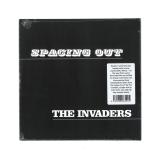
Rough n' wild funk jam loaded with insane psychedelic effects - all the way from sunny Bermuda! Reissueing now these two instrumental funk masterpieces taken from the mega rare LP by The Invaders. 'Spacing Out' is an instrumental funk masterpiece only ever issued in Bermuda at the turn of 1970, taken from an exceedingly rare album sought out by rock, funk, soul and hip hop sample fiends - and bootlegged - for decades. It lays out the band's funk bonafides: a relentlessly tight conga-filled groove, the punchy wall of intertwined horn leads, and raucous unintelligible background vocals adding extra mystique. Above all was the exaggerated deployment of reverb and echo (a decision most of the group's members credit to recording engineer Ian Marshall) which ricocheted off and reanimated every lick as an otherworldly transmission, infusing a vibe both earthy and interstellar. On the flip we find 'Latin Lips' a heavy funk cut with a jazzier vibe, also taken from the mega rare LP by The Invaders. 7" vinyl reissue of these essential funk masterpieces from Bermuda loaded with insane psychedelic effects!
out of Stock
Last delivered 6 months ago available to reorder, subject to availability
When we were thinking about making an EP for Rupture, the first few tracks happened to already be finished, and fit together really nicely - but getting that final track done ended up being a bit more of a challenge!
The vision was to convey our individual styles in collaboration as best as we could - with dance ready tracks that also carry emotion. Rum Runna, as the A1 of the EP, all started from a break we found that had one of the loudest subs cutting through. Instead of looking for something else, we decided to lean into this and maximise the energy, before finally breaking through with the 808s. Drifting Through The Mist is more of a rolling vibe, focussed on vocals and funk to lift spirits in the dance, all the while teasing an amen drop that leans into a ragga fusion.
Northwest Passage is one of the earliest tunes we got finished - being made quite soon into our first meeting I believe. The result is a darker tip that focusses on dissonance and sub pressure that really thrives in the bassbins. Our final tune on the EP, Original Secret, is the most emotionally charged on the EP, again utilising our love for unique percussion and bongo hits along with rolling breaks, carefully chopped snares, atmospheric pads and emotional vox samples.
We are more than proud to release this body of work on one of our all time favourite labels, and have had the utmost pleasure to work with the team every step of the way.
out of Stock
Last delivered 86 days ago available to reorder, subject to availability
Polytechnic Recordings - sublabel of Disctechno Music - presents a split EP of jacking house and psychedelic rhythms from Detroit’s DJ Slush and Dretraxx. Label co-founder DJ Slush follows up his Model Collapse EP with 2 jacking, sleazy, 80's-tinged house tracks with garbled vocal samples on A1 and B2. Dretraxx - head of Detroit’s acid-forward Body Worx party - delivers dubbed out modular grooves and on A2. On B1, Interdimensional Transmissions’ BMG remixes Dretraxx for the No Way Back Mix, with some freaky heart-pumping analog techno. Recommended for fans of Midwest rhythms.
out of Stock
Last delivered 3 months ago available to reorder, subject to availability
Raw afterhours house rooted in the early 90s New York warehouse sound.
Heavy MPC-driven drums, deep sampled pads and stripped grooves designed for long late-night sets. A functional 12" moving between raw house energy and deeper afterhours moods. Limited pressing of 200 hand-stamped copies. No repress. No digital.
out of Stock
Last delivered 5 months ago available to reorder, subject to availability
Nicaraguan-American artist Dagmar Zuniga makes music that feels both intimate and expansive: songs drift like disrupted signals, carried by harmony, tape hiss, and a strong sense of touch. Her debut solo album in filth your mystery is kingdom / far smile peasant in yellow music — written and recorded in New York, Norway, and Athens, Georgia over a period of five years on her longtime companion, the Tascam 424 — was uploaded to Bandcamp and YouTube in January 2025, quickly garnering over two hundred thousand views and the attention of artists such as Mount Eerie, who invited her to tour with them that summer. This year, what was once a jewel of tapped-in algorithms and message boards will meet the world at large, with in filth arriving digitally on March 4, and physically on April 10, via AD 93.
in filth is an atmospheric, devotional collage where one voice multiplies into a chorus of selves, sometimes delicate, sometimes severe; an effect created by Zuniga’s masterful layering of texture and complex harmonies. Synths glitter out like spears of sunlight from beneath clouds of moody, time-distorted guitars, and songs spin about themselves like tightly-wound music boxes, making use of a kind of hypnotic repetition, before melting apart into their components or slipping into the following track.
Zuniga began recording to tape as a teenager, drawn to the physicality of the medium — how a tape recording is fragile, mutable, and alive. Though her ethereal sound may draw easy comparisons to other female pioneers of psychedelic folk, she is influenced just as much by the darker sounds of Syd Barrett and The Fall. Like Barrett, Zuniga is a painter, and she is interested not only in recording music but in creating a full, self-contained artistic universe: she creates her own artwork, merchandise, music videos, and bootleg tapes of new and unfinished music that she exclusively sells at live shows (“If something is not material, it does not exist,” she insists). Her world has not gone unvisited, garnering her a monthly show on NTS Radio ‘World of Pain’, as well as a forthcoming appearance at Rewire Festival in April 2026.
Though Zuniga’s work explores themes of solitude and suffering, the suffering in her songs is not borrowed or displayed; it is held, then opened outward through empathy — an exacting practice of attention that insists on shared ground. Solitude, in her work, is not withdrawal but a starting point for connection. Likewise, over time, her recording process has become increasingly communal, with in filth featuring musicians Hayes Hoey, Austyn Wohlers (Tomato Flower), and Zach Phillips (Fievel Is Glauque). Newer recordings widen the circle even more. For Zuniga, collaboration is a way to “find a place between worlds,” echoing Badiou’s idea of love as a vision refracted through the prism of difference. Meaning emerges there — in the space between voices, between artist and listener. “I hope my music helps people work through difficult experiences,” she says. “The same way it helps me.”
Pariah’s cult debut re-issued! “The Kindred” brings you pure old school Thrash Metal fury! Satan changed their name to Pariah in 1988-1989. Satan’s evolution for the time being came to an end here with this band, Pariah, in 1988. What Satan were going for with “Suspended Sentence”, could definitely be seen as a hint to the direction they would take as Pariah. That raspy, ill-tempered, aggressive Michael Jackson (indeed) is still here on vocals and these guys really wanted to tear things apart with this album. The main lineup here is entirely the same from Satan and Blind Fury (vocalists aside).
Simply put, one could easily say they took “Suspended Sentence”’s interesting idea of “NWOBHM meets Thrash Metal” and basically focused on being even more aggressive this time. We might be throwing out the obvious here again, but if you are new to Pariah or perhaps Satan, familiarize yourself with the fact that guitarists Russ Tippins and Steve Ramsey are truly an insane duo. For the most part with “The Kindred” their guitar work is pretty thrashy and extremely melodic. Then out of nowhere those classic NWOBHM solo’s, dual harmonies, and majestic melodies come into play all over the place and they manage to make it work incredibly well in between the thrashy antics. The production and mix seems to be an improvement over “Suspended Sentence” and here the guitars tend to have more of a sharper edge, Jackson’s vocals are constantly in the clear and never overpowered by anything else, and overall there is a tougher vibe surrounding this.
Everything here is pretty damn heavy. While Tippins and Ramsey are really out there in a realm of their own, there’s great performances again by Graeme English on bass and Sean Taylor on drums. Overall you’ve got a whole package of virtuous musicians here that really mastered the beauty of balance. All in all “The Kindred” goes all the way with every track being fast and aggressive. Satan and Pariah are all typically made up of the same core members and definitely created some timeless and unique Heavy Metal.
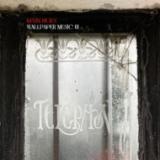
The album presents a distinctive artistic statement built around song, texture and collective exploration. Opening tracks such as 'Fair Weather' and 'The Big Flood' draw on the oblique lyricism of Henry Cow and the surreal songcraft of Robert Wyatt, with Beraha's voice at the centre of a sound world shaped by analogue radio collage and drifting, delayed saxophone lines. Punk-inflected rhythms emerge on 'Modern Times', while the reflective 'Into the Woods' blends lyrical song with collective improvisation, highlighting the ensemble's dynamic range. Across the album, tightly composed material sits alongside free improvisation, cinematic writing and storytelling. Tracks including 'February' and 'I the King' explore contemporary jazz, humour and surreal narrative, while groove- led pieces such as 'Dorian Gray's Bathroom Cabinet' and Morricone- inspired 'Same Time Next Week' showcase rhythmic drive and playfulness. The album closes with 'Strangers on a Train', where scripted text gives way to improvised spoken dialogue over a relentless pulse, uniting the record's themes of collaboration, narrative and spontaneity. Reflecting on the recording process, Kevin Figes describes Wallpaper Music III as "a joy to make", marking a return to Rockfield Studios and a collaborative experience with musicians whose sensitivity, imagination and improvisational skill shaped the music at every stage
Writings on the topic that go off in all directions, mind-numbing lectures given by academics, and testimonies, most of them heavily doctored, from those who “lived through that era”: so many people today fantasize about the early days of punk in our country… This blessed moment when no one had yet thought of flaunting a ridiculous green mohawk, taking Sid Vicious as a hero, or – even worse – making the so-called alternative scene both festive and boorish. There was no such thing in 1976 or 1977, when it wasn’t easy to get hold of the first 45s by the Pistols or the Clash. Few people were aware of what was happening on the fringes of the fringes at the time. Malcolm McLaren was virtually unknown, and having short hair made you seem strange. Who knew then that rock music, which had taken a very bad turn since the early 1970s, would once again become an essential element of liberation? That, thanks to short and fast songs, it would once again rediscover that primitive, social side that was so hated by older generations? Who knew that, besides a few loners who read the music press (it was even better if they read it in English) and frequented the right record stores? Many of these formed bands, because it was impossible to do otherwise. We quickly went from listening to the Velvet Underground to trying to play the Stooges’ intros. It’s a somewhat collective story, even though there weren’t many people to start it.
The Guilty Razors were among those who took part in this initial upheaval in Paris. They were far from being the worst. They had something special and even released a single that was well above the national average. They also had enough songs to fill an album, the one you’re holding. In everyone’s opinion, they were definitely not among the punk impostors that followed in their wake. They were, at least, genuine and credible.
Guilty Razors, Parisian punk band (1975-1978). To understand something about their somewhat linear but very energetic sound, we might need to talk about the context in which it was born and, more broadly, recall the boredom (a theme that would become capital in punk songs) coupled with the desire to blow everything off, which were the basis for the formation of bands playing a rejuvenated rock music ; about the passion for a few records by the Kinks or the early Who, by the Stooges, by the Velvet mostly, which set you apart from the crowd.
And of course, we should remember this new wave, which was promoted by a few articles in the specialized press and some cutting-edge record stores, coming from New York or London, whose small but powerful influence could be felt in Paris and in a handful of isolated places in the provinces, lulled to sleep by so many appalling things, from Tangerine Dream to President Giscard d’Estaing...
In 1975-76, French music was, as almost always, in a sorry state ; it was still dominated by Johnny Hallyday and Sylvie Vartan. Local rock music was also rather bleak, apart from Bijou and Little Bob who tried to revive this small scene with poorly sound-engineered gigs played to almost no one.
In the working class suburbs at the time, it was mainly hard rock music played to 11 that helped people forget about their gruelling shifts at the factory. Here and there, on the outskirts of major cities, you still could find a few rockers with sideburns wearing black armbands since the death of Gene Vincent, but it wasn’t a proper mass movement, just a source of real danger to anyone they came across who wasn't like them. In August 1976, a festival unlike any other took place in Mont-de-Marsan – the First European Punk Festival as the poster said – with almost as many people on stage as in the audience. Yet, on that day, a quasi historical event happened, when, under the blazing afternoon sun, a band of unknowns called The Damned made an unprecedented noise in the arena, reminiscent of the chaotic Stooges in their early adolescence. They were the first genuine punk band to perform in our country: from then on, anything was possible, almost anything seemed permissible.
It makes sense that the four+1 members of Guilty Razors, who initially amplified acoustic guitars with crappy tape recorder microphones, would adopt punk music (pronounced paink in French) naturally and instinctively, since it combines liberating noise with speed of execution and – crucially – a very healthy sense of rebellion (the protesters of May 1968 proclaimed, and it was even a slogan, that they weren’t against old people, but against what had made them grow old. In the mid-1970s, it seemed normal and obvious that old people should now ALSO be targeted!!!).
At the time, the desire to fight back, and break down authority and apathy, was either red or black, often taking the form of leafleting, tumultuous general assemblies in the schoolyard, and massive or shabby demonstrations, most of the time overflowing with an exciting vitality that sometimes turned into fights with the riot police. Indeed, soon after the end of the Vietnam War and following Pinochet’s coup in Chile, all over France, Trotskyist and anarcho-libertarian fervour was firmly entrenched among parts of the educated youth population, who were equally rebellious and troublemakers whenever they had the chance. It should also be noted that when the single "Anarchy in the UK" was first heard, even though not many of us had access to it, both the title and its explosive sound immediately resonated with some of those troublemakers crying out for ANARCHY!!! Meanwhile, the left-wing majority still equated punks with reckless young neo-Nazis. Of course, the widely circulated photos in the mainstream press of Siouxsie Sioux with her swastikas didn’t necessarily help to win over the theorists of the Great Revolution. It took Joe Strummer to introduce The Clash as an anti-racist, anti-fascist and anti-ignorance band for the rejection of old-school revolutionaries to fade a little.
The Lycée Jean-Baptiste Say at Porte d’Auteuil, despite being located in the very posh and very exclusive 16th arrondissement of Paris, didn’t escape these "committed" upheavals, which doubled as the perfect outlet for the less timid members of this generation.
“Back then, politics were fun,” says Tristam Nada, who studied there and went on to become Guilty Razors’ frontman. “Jean-Baptiste was the leftist high-school in the neighbourhood. When the far right guys from the GUD came down there, the Communist League guys from elsewhere helped us fight them off.”
Anything that could challenge authority was fair game and of course, strikes for just about any reason would lead to increasingly frequent truancy (with a definitive farewell to education that would soon follow). Tristam Nada spent his 10th and 11th unfinished grades with José Perez, who had come from Spain, where his father, a janitor, had been sentenced to death by Franco. “José steered my tastes towards solid acts such as The Who. Like most teenagers, I had previously absorbed just about everything that came my way, from Yes to Led Zeppelin to Genesis. I was exploring… And then one day, he told me that he and his brother Carlos wanted to start a rock band.” The Perez brothers already played guitar. “Of course, they were Spanish!”, jokes their singer. “Then, somewhat reluctantly, José took up the bass and we were soon joined by Jano – who called himself Jano Homicid – who took up the rhythm guitar.” Several drummers would later join this core of not easily intimidated young guys who didn’t let adversity get the better of them.
The first rehearsals of the newly named Guilty Razors took place in the bedroom of a Perez aunt. There, the three rookies tried to cover a few standards, songs that often were an integral part of their lives. During a first, short gig, in front of a bewildered audience of tough old-school rockers, they launched into a clunky version of the Velvet Underground's “Heroin”. Challenge or recklessness? A bit of both, probably… And then, step by step, their limited repertoire expanded as they decided to write their own songs, sung in a not always very accurate or academic English, but who cared about proper grammar or the right vocabulary, since what truly mattered was to make the words sound as good as possible while playing very, very fast music? And spitting out those words in a language that left no doubt as to what it conveyed mattered as well.
Trying their hand a the kind of rock music disliked by most of the neighbourhood, making noise, being fiercely provocative: they still belonged to a tiny clique who, at this very moment, had chosen to impose this difference. And there were very few places in France or elsewhere, where one could witness the first stirrings of something that wasn’t a trend yet, let alone a movement.
In the provinces, in late 1976 or early 1977, there couldn’t be more than thirty record stores that were a bit more discerning than average, where you could hear this new kind of short-haired rock music called “punk”. The old clientele, who previously had no problem coming in to buy the latest McCartney or Aerosmith LP, now felt a little less comfortable there…
In Paris, these enlightened places were quite rare and often located nex to what would become the Forum des Halles, a big shopping mall. Between three aging sex workers, a couple of second-hand clothes shops, sellers of hippie paraphernalia and small fashion designers, the good word was loudly spread in two pioneering places – propagators of what was still only a new underground movement. Historically, the first one was the Open Market, a kind of poorly, but tastefully stocked cave. Speakers blasted out the sound of sixties garage bands from the Nuggets compilation (a crucial reference for José Perez) or the badly dressed English kids of Eddie and the Hot Rods. This black-painted den was opened a few years earlier by Marc Zermati, a character who wasn’t always in a sunny disposition, but always quite radical in his (good) choices and his opinions. He founded the independent label Skydog and was one of the promoters of the Mont-de-Marsan punk festivals. Not far from there was Harry Cover, another store more in tune with the new New York scene, which was amply covered in the house fanzine, Rock News (even though it was in it that the photos of the Sex Pistols were first published in France).
It was a favorite hang-out of the Perez brothers and Tristam Nada, as the latter explained. “It’s at Harry Cover’s that we first heard the Pistols and Clash’s 45s, and after that, we decided to start writing our first songs. If they could do it, so could we!”
The sonic shocks that were “Anarchy in the UK”, “White Riot” or the Buzzcocks’s EP, “Spiral Scratch” – which Guilty Razors' sound is reminiscent of – were soon to be amplified by an unparalleled visual shock. In April 1977, right after the release of their first LP, The Clash performed at the Palais des Glaces in Paris, during a punk night organised by Marc Zermati. For many who were there, it was the gig of a lifetime…
Of course, Guilty Razors and Tristam were in the audience: “That concert was fabulous… We Parisian punks were almost all dressed in black and white, with white shirts, skinny leather ties, bikers jackets or light jackets, etc. The Clash, on the other hand, wore colourful clothes. Well, the next day, at the Gibus, you’d spot everyone who had been at this concert, but they weren’t wearing anything black, they were all wearing colours.”
It makes sense to mention the Gibus club, as Guilty Razors often played there (sometimes in front of a hostile audience). It was also the only place in Paris that regularly scheduled new Parisian or Anglo-Saxon acts, such as Generation X, Siouxsie and the Banshees, the Slits, and Johnny Thunders who would become a kind of messed-up mascot for the venue. A little later, in 1978, the Rose Bonbon – formerly the Nashville – also attracted nightly owls in search of electric thrills… In 1977, the iconic but not necessarily excellent Asphalt Jungle often played at the Gibus, sometimes sharing the bill with Metal Urbain, the only band whose aura would later transcend the French borders (“I saw them as the French Sex Pistols,” said Geoff Travis, head of their British label Rough Trade). Already established in this small scene, Metal Urbain helped the young and restless Guilty Razors who had just arrived. Guitarist for Metal Urbain Hermann Schwartz remembers it: “They were younger than us, we were a bit like their mentors even if it’s too strong a word… At least they were credible. We thought they were good, and they had good songs which reminded of the Buzzcocks that I liked a lot. But at some point, they started hanging out with the Hells Angels. That’s when we stopped following them.”
The break-up was mutual, since, Guilty Razors, for their part, were shocked when they saw a fringe element of the audience at Metal Urbain concerts who repeatedly shouted “Sieg Heil” and gave Nazi salutes. These provocations, even still minor (the bulk of the skinhead crowd would later make their presence felt during concerts), weren’t really to the liking of the Perez brothers, whose anti-fascist convictions were firmly rooted. Some things are non-negotiable.
A few months earlier (in July 1978), Guilty Razors had nevertheless opened very successfully for Metal Urbain at the Bus Palladium, a more traditonally old-school rock night-club. But, as was sometimes the case back then, the night turned into a mass brawl when suburban rockers came to “beat up punks”.
Back then, Parisian nights weren’t always sweet and serene.
So, after opening as best as they could for The Jam (their sound having been ruined by the PA system), our local heroes were – once again – met outside by a horde of greasers out to get them. “Thankfully,” says Tristam, “we were with our roadies, motorless bikers who acted as a protective barrier. We were chased in the neighbouring streets and the whole thing ended in front of a bar, with the owner coming out with a rifle…”
Although Tristam and the Perez brothers narrowly escaped various, potentially bloody, incidents, they weren’t completely innocent of wrongdoing either. They still find amusing their mugging of two strangers in the street for example (“We were broke and we simply wanted to buy tickets for the Heartbreakers concert that night,” says Tristam). It so happened that their victims were two key figures in the rock business at the time: radio presenter Alain Manneval and music publisher Philippe Constantin. They filed a complaint and sought monetary compensation, but somehow the band’s manager, the skilful but very controversial Alexis, managed to get the complaint withdrawn and Guilty Razors ended up signing with Constantin with a substantial advance.
They also signed with Polydor and the label released in 1978 their only three-track 45, featuring “I Don't Wanna be A Rich”, “Hurts and Noises” and “Provocate” (songs that exuded perpetual rebellion and an unquenchable desire for “class” confrontation). It was a very good record, but due to a lack of promotion (radio stations didn’t play French artists singing in English), it didn’t sell very well. Only 800 copies were allegedly sold and the rest of the stock was pulped… Initially, the three tracks were to be included on a LP that never came to be, since they were dropped by Polydor (“Let’s say we sometimes caused a ruckus in their offices!” laughs Tristam.) In order to perfect the long-awaited LP, the band recorded demos of other tracks. There was a cover of Pink Floyd's “Lucifer Sam” from the Syd Barrett era – proof of an enduring love for the sixties’ greats –, “Wake Up” a hangover tale and “Bad Heart” about the Baader-Meinhof gang, whose actions had a profound impact on the era and on a generation seeking extreme dissent... On the album you’re now discovering, you can also hear five previously unreleased tracks recorded a bit later during an extended and freezing stay in Madrid, in a makeshift studio with the invaluable help of a drummer also acting as sound engineer. He was both an enthusiastic old hippie and a proper whizz at sound engineering. Here too, certain influences from the fifties and sixties (Link Wray, the Troggs) are more than obvious in the band’s music.
Shortly after a final stormy and rather barbaric (on the audience’s side) “Punk night” at the Olympia in June 1978, Tristam left the band ; his bandmates continued without him for a short while.
But like most pioneering punk bands of the era, Guilty Razors eventually split up for good after three years (besides once in Spain, they’d only played in Paris). The reason for ceasing business activities were more or less the same for everyone: there were no venues outside one’s small circuit to play this kind of rock music, which was still frightening, unknown, or of little interest to most people. The chances of recording an LP were virtually null, since major labels were only signing unoriginal but reassuring sub-Téléphone clones, and the smaller ones were only interested in progressive rock or French chanson for youth clubs. And what about self-production? No one in our small safety-pinned world had thought about it yet. There wasn’t enough money to embark on that sort of venture anyway.
So yes, the early days of punk in France were truly No Future!
out of Stock
Last delivered 6 months ago available to reorder, subject to availability
Die Botschaft, das Wesentliche, das sich teilen lässt, ist Licht; es ist der Samen in der Erde, der zu einer Pflanze wird und dann zu einer Blume, die in voller Blüte steht und schließlich unvermeidlich verwelkt, damit der Zyklus von Neuem beginnen kann; es ist die Suche nach Schönheit im Chaos, aus dem Harmonie entsteht, um es zu überwinden. Auf Volume III kehren Mathieu David Gagnon und sein Projekt Flore Laurentienne zurück, um die Pracht des Flusses und seiner floralen und waldreichen Umgebung zu feiern.Volume III ist zudem eine tiefere Erkundung der Verbindung von akustischen und synthetischen Elementen, die den Charakter von Flore Laurentienne ausmachen. Anders als bei den ersten drei Alben wurden die meisten Stücke gemeinsam mit den Bandmitgliedern während Residenzen und Konzerten entwickelt, bevor sie aufgenommen wurden. Dies bereicherte die Kompositionen in einer Phase, in der sie sich noch im Wandel befanden. Die Band treibt das Projekt an und inspiriert Gagnons Schreibprozess, indem sie den Klang weiterentwickelt, nährt und ihm erlaubt, neue Wege zu gehen.Dieser neue Meilenstein markiert zugleich den Abschluss einer Trilogie, die 2019 mit Volume I begann - mit dem inhärenten und parallelen Bestreben, ein drittes Volume zu erreichen, um Volume 3 von L'Infonie (einem Kultkollektiv aus Québec, das Jazz, Prog, Kunstmusik und Poesie verband) zu würdigen. Letzteres beeinflusste die Musik von Flore Laurentienne nicht direkt, sondern vielmehr das Verständnis von Freiheit in der Komposition, die Klassik und Improvisation vereint.Die Entwicklung von Volume III folgt der Evolution des Projekts: Während der erste Track ,Fleurs" dem ähnelt, was Volume II bot, gibt uns der abschließende Titel ,(A travers les) Chablis" einen Vorgeschmack darauf, wie der nächste Schritt klingen könnte. Es ist ein Album, das man zusammen mit seinen beiden Vorgängern genießen sollte - und dabei gespannt auf das Kommende blickt. Flore Laurentienne entwickelt sich ständig weiter, doch die Vision ist seit Beginn dieselbe geblieben: Musik zu schaffen, die lebendig, wahrhaftig, menschlich und kompromisslos ist.
Die Botschaft, das Wesentliche, das sich teilen lässt, ist Licht; es ist der Samen in der Erde, der zu einer Pflanze wird und dann zu einer Blume, die in voller Blüte steht und schließlich unvermeidlich verwelkt, damit der Zyklus von Neuem beginnen kann; es ist die Suche nach Schönheit im Chaos, aus dem Harmonie entsteht, um es zu überwinden. Auf Volume III kehren Mathieu David Gagnon und sein Projekt Flore Laurentienne zurück, um die Pracht des Flusses und seiner floralen und waldreichen Umgebung zu feiern.Volume III ist zudem eine tiefere Erkundung der Verbindung von akustischen und synthetischen Elementen, die den Charakter von Flore Laurentienne ausmachen. Anders als bei den ersten drei Alben wurden die meisten Stücke gemeinsam mit den Bandmitgliedern während Residenzen und Konzerten entwickelt, bevor sie aufgenommen wurden. Dies bereicherte die Kompositionen in einer Phase, in der sie sich noch im Wandel befanden. Die Band treibt das Projekt an und inspiriert Gagnons Schreibprozess, indem sie den Klang weiterentwickelt, nährt und ihm erlaubt, neue Wege zu gehen.Dieser neue Meilenstein markiert zugleich den Abschluss einer Trilogie, die 2019 mit Volume I begann - mit dem inhärenten und parallelen Bestreben, ein drittes Volume zu erreichen, um Volume 3 von L'Infonie (einem Kultkollektiv aus Québec, das Jazz, Prog, Kunstmusik und Poesie verband) zu würdigen. Letzteres beeinflusste die Musik von Flore Laurentienne nicht direkt, sondern vielmehr das Verständnis von Freiheit in der Komposition, die Klassik und Improvisation vereint.Die Entwicklung von Volume III folgt der Evolution des Projekts: Während der erste Track ,Fleurs" dem ähnelt, was Volume II bot, gibt uns der abschließende Titel ,(A travers les) Chablis" einen Vorgeschmack darauf, wie der nächste Schritt klingen könnte. Es ist ein Album, das man zusammen mit seinen beiden Vorgängern genießen sollte - und dabei gespannt auf das Kommende blickt. Flore Laurentienne entwickelt sich ständig weiter, doch die Vision ist seit Beginn dieselbe geblieben: Musik zu schaffen, die lebendig, wahrhaftig, menschlich und kompromisslos ist.
Hard Texas Funk aus der renommierten Szene von San Antonio. Während Abe Epstein auf dem General McMullen Boulevard nach West Side Brown-Eyed Soul-Gruppen suchte, antworteten Mickey Foster und seine gemischtrassige Soul Generation Band auf Browns Aufruf, südlich des River Walk den richtigen Weg einzuschlagen. Hier sind ein Dutzend ihrer schwungvollsten und unkonventionellsten Instrumentalstücke versammelt, eine stimmungsvolle Übersicht über die Band von 1969 bis 1977, darunter der Hit ,Iron Leg". Entscheiden Sie sich hier für Ihr nächstes Sample.
Hard Texas Funk aus der renommierten Szene von San Antonio. Während Abe Epstein auf dem General McMullen Boulevard nach West Side Brown-Eyed Soul-Gruppen suchte, antworteten Mickey Foster und seine gemischtrassige Soul Generation Band auf Browns Aufruf, südlich des River Walk den richtigen Weg einzuschlagen. Hier sind ein Dutzend ihrer schwungvollsten und unkonventionellsten Instrumentalstücke versammelt, eine stimmungsvolle Übersicht über die Band von 1969 bis 1977, darunter der Hit ,Iron Leg". Entscheiden Sie sich hier für Ihr nächstes Sample.
How do losers dance? According to Helmut, almost weightlessly, with soft feet, warm gestures, sometimes alone, sometimes together. Content Creatures, Helmut's fourth album, evokes the pop archetype of the "beautiful loser", who had almost disappeared from view in so-called late capitalism. In a present in which even suffering is often similarly instrumentalised and tailored to clicks like a competitive sport, this album sets a counterpoint: those who listen to it suddenly want to be enchanting losers again, useless and joyfully messing up, losing something beloved, having their hearts broken, giving up a dream, sinking into beauty.
You don't sink alone. Comforting harmonies envelop you, the voices of friends appear, accompany you for a while and then disappear again. Warm grooves, floating synths and delicate guitar lines characterise an indie sound that remains open and breathes.
Self-produced for the first time in his home studio in Neukölln, 'Content Creatures' sounds thoughtful and light at the same time. The album will be released digitally and on vinyl on 10 April 2026 on Berlin-based label St.Vladimir. There are four songs on one side and four songs on the other. The cover is adorned with an exceptionally pretty guinea pig. Helmut shows the special in the seemingly ordinary: a child's pet, the most ordinary of all, is his cover star and headstrong protagonist.
Wie tanzen Verlierer? Wenn man nach Helmut geht, dann fast schwerelos, mit weichen Füßen, warmen Gesten, manchmal allein, manchmal gemeinsam. Content Creatures, Helmuts viertes Album, evoziert den Pop-Archetypus des "beautiful loser", der im sogenannten Spätkapitalismus fast aus dem Blick geraten war. In einer Gegenwart, in der sogar das Leid oft ähnlich durchinstrumentalisiert und auf Klicks getrimmt ist wie ein Leistungssport, setzt dieses Album einen Kontrapunkt: Wer es hört, möchte auf einmal gern wieder ein bezaubernder Verlierer sein, nutzlos und freudvoll abkacken, etwas Geliebtes verlieren, das Herz gebrochen bekommen, einen Traum aufgeben, in Schönheit versinken.
Man versinkt nicht allein. Tröstende Harmonien legen sich um einen, die Stimmen von Freundinnen tauchen auf, begleiten einen ein Stück weit und verschwinden wieder. Warme Grooves, schwebende Synths und feine Gitarrenlinien prägen einen Indie-Sound, der offen bleibt, atmet. Erstmals in seinem Neuköllner Homestudio selbst produziert, klingt "Content Creatures" bedacht und leicht zugleich.
Das Album erscheint digital und auf Vinyl am 10.04.2026 auf dem Berliner Label St.Vladimir. Es hat vier Songs auf der einen und vier Songs auf der anderen Seite. Das Cover ziert ein außergewöhnlich hübsches Meerschweinchen. Helmut zeigt das Besondere im scheinbar Gewöhnlichen: Ein Kinderhaustier, das normalste von allen, ist bei ihm Coverstar und eigensinnige Protagonistin.
Amulets is the solo project of Portland-based audio and visual artist Randall Taylor. Amulets employs handmade cassette tape loops and live processed guitar loops to create live, lush soundscapes and immersive drones. Through the recontextualisation of cassettes, sampling, field recording, and looping, these long-form compositions blur the genres of ambient, drone, noise, and electronic music. Amulets has steadily built a catalog defined by tactile intimacy and patient exploration. Deeply immersive, the album navigates the dreamy boundaries between the tangible and the ethereal, where sound behaves as memory itself: unstable, layered, and quietly transformative. Known for his ability to weave soundscapes that evoke powerful emotions with minimalistic instrumentation, Taylor's newest project is a masterful exploration of mood, atmosphere, and texture.Throughout the ambient soundscapes is introspection, melancholy, and an almost hypnotic calm. The album resists forward motion, instead inviting the listener to linger inside its evolving textures, to sit with what's left behind rather than rush toward resolution. Central to Amulets' identity is Taylor's insistence on working, quite literally, outside the box. While many contemporary experimental artists rely heavily on software, Taylor's process remains rooted in physical interaction with sound. "This album differs from previous albums because it's a lot of found sounds, song fragments, and other samples that I have that I wanted to fuse together. I also heavily relied on a lot of ambient guitar and live guitar recording to marry all the sounds together." (Randall Taylor) FOR FANS OF Tim Hecker * Ben Frost * Lawrence English * Alessandro Cortini * This Will Destroy You * Mono * Windy & Carl
66 pages, 175 x 129mm paperback w/ litho printed cover & french flaps.
The second outing for our short run book publishing imprint, The End books, takes the form of a reprint of Spanish Cante Jondo and Its Origin in Sindhi Music, originally published in Spanish in 1955 under the name Cante Jondo: Su Origen y Evolución and later in this English translation.
Aziz Balouch here presents his theory on the roots of flamenco's 'deep song' in modern-day Pakistan, a cultural journey that mimics the routes of his own life, having been brought up among the Islamic mysticism and devotional songs of Sindh before travelling to Gibraltar in the early 1930s and becoming transfixed with the cante jondo across the border in southern Spain. Positing this concept through personal accounts rather than solid theoretical backing, this text provides a valuable account of an extraordinary existence that crossed remarkable geographical, musical, and spiritual boundaries. Issued here with a new introduction from anthropologist of sound, the senses and Islam, Stefan Williamson Fa.
"It would be easy to place Balouch on the fringes, as an eccentric footnote in flamenco history. But that misses the shape of his life and work. He was a figure who moved intuitively across boundaries that our present categories of nation, genre, discipline tend to fix in place. His work predates the founding of the academic discipline of ethnomusicology, the global circuits of world music, and the marketplace logic of fusion projects by decades. He was not an ethnographer or a proto–world musician, but someone for whom the deep song of Andalusia and the devotional song of the subcontinent resonated along the same fault lines of feeling, and who spent his life trying to trace them.
This book is one of the few surviving traces of that attempt. To read it now is to encounter a perspective that resists tidy narratives of influence or origin, despite its title and what he claims to do. It stands instead as evidence of an idiosyncratic musical imagination, one that relied less on proof than on listening, and on the belief that certain echoes carry farther than history can easily explain."
Die größten Hits der 90er – jetzt auf hochwertigem Vinyl.
Mit der Compilation „BoomBox 90s“ holst du dir das unverwechselbare Lebensgefühl der 90er Jahre direkt auf deinen Plattenteller. Diese exklusive Vinyl-Sammlung vereint legendäre Chart-Hits und unvergessene Klassiker – perfekt für nostalgische Musikabende und echte Sammler.
Freue dich auf zeitlose Songs wie:
„What’s Up?“ – 4 Non Blondes
„Zombie“ – The Cranberries
„Old Pop in an Oak“ – Rednex
Von Alternative Rock über Grunge bis Eurodance – „BoomBox 90s“ bringt die musikalische Vielfalt eines ganzen Jahrzehnts authentisch zurück. Der warme, satte Klang der VinylPressung sorgt für ein intensives Hörerlebnis, das digitale Formate kaum erreichen
Die 6-LP-Box „60 Jahre Floh De Cologne Vol. 1“ ist eine umfassende Sammleredition mit historischen Aufnahmen der legendären politischen Rockband Floh de Cologne. Enthalten sind die originalen LP-Reproduktionen Vietnam,
Geyer - Symphonie, Lucky Streik, Fließbandbabys BeatShow, Profitgeier, die einen Querschnitt durch das frühe Schaffen der Band bieten. Die Box richtet sich an VinylSammler und Fans deutscher Underground- und Protestmusik und dokumentiert ein wichtiges Kapitel der Musik- und Kulturgeschichte.
Die 6-LP-Box „60 Jahre Floh De Cologne Vol. 2“ ist eine weitere Sammleredition mit historischen Aufnahmen der politischen Rockband Floh de Cologne. Sie enthält dieoriginalen Vinyl-Reproduktionen der LPs, Rotkäppchen,
Tilt!, Koslowsky, Mumien, Prima Freiheit und Faaterland, die das spätere Schaffen und die Entwicklung der Band dokumentieren. Die Box richtet sich an VinylSammler und Musikliebhaber, die die experimentelle und gesellschaftskritische deutsche Rockgeschichte in hochwertiger Edition bewahren möchten.
2024 marked the 50th anniversary of Cymande’s ‘Promised Heights’, a record that closed out an historic three album run of seminal early 1970s Afro-soul that also included their 1972 self-titled debut and 1973’s ‘Second Time Round’
Promised Heights’ solidified Cymande’s place in music history and contains some of their most- beloved and often-sampled tracks such as ‘Brothers On The Slide’.
As children of the Windrush Generation, Cymande were part of the first wave of innovators and originators of the fledgling Black British music scene.
Taking influences from their Guyanese and Jamaican roots, the band fused reggae basslines, Afro-tinged Nyabinghi percussion, psychedelic rock touches, and American style funk instrumentation into a unique sound they dubbed as ‘Nyah-rock’.
‘Promised Heights’ was recorded following the band’s US tour with Al Green, which had firmly planted Cymande in the ears of an adoring American audience.
Zuukou Mayzie, rapper and member of the 667 collective, continues to push his "Wok Music" — a free universe where everything blends together without limits.
The most love-driven and experimental artist of 667, returns after three years of absence with “19h19”, his 4th album, made up of 20 bold tracks filled with risk-taking. By taking the time to live and feed his experiences, Zuukou delivers a personal and positive project designed to share a sincere energy.
Featurings: Baaba Maal Bleue Electrique Freeze Corleone Jolagreen23 Oxmo Puccino Roi Heenok So La Lune Surkin Wit. Yamê
THE RAPPER ANDPRODUCER"S NEW ALBUM
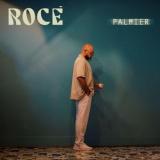
Palmier is producer and rapper Rocé"s new album. At the crossroads of Sade and Rakim, the album unfolds an impeccable flow over gentle melodies, the mellow sound of the saxophone softening the sharpness of the spoken truths. Rocé delivers a melody of hope, and appreciation of determination in the face of the impossible. "La Voie Lactée" features the captivating voice of Natacha Atlas and the sublime orchestrated violins of Samy Bishaï, the whole thing wrapped up in the style reminiscent of Isaac Hayes" soul and Portishead"s trip-hop. "Laisse les enfants courir" reveals a soulful hip-hop,between powerful groove and relentless flow, where Rocé blends political lucidity and poetic verse while Cisko"s subtle arrangements sculpt an organic, sensitive landscape, poised between tension and serenity. On "Lunaire", Rocé surprises us right away, with a sharp and melodic flow. Driven by powerful imagery and sharp lyrics, the track transforms anger into creative energy. It portrays an artist outsidethe mainstream, awareof the world"s failings but determined to create his own haven. Palmier embodies the melancholy of unfinished struggles, perseverance, and the promise of a brighter dawn.