The Sound Migration SYT reissue campaign continues with the 1994 single Echo System / School Of Thought. Originally released on Astralasia's Magick Eye Records records, it features two long spacey psychedelic acid cuts plus a fresh set of remixes with E-Talking delivering a refined tech house version and Trent taking things in cosmic disco direction.
Поиск:school of thought
Все
- A1: Intro 0:50
- A2: Wordplay 3:17
- A3: Spontaneity 4:08
- A4: Rugged Ruff 3:08
- A5: Interlude 0:29
- B1: I Confess 4:06
- B2: Uknowhowwedu 3:35
- B3: Interlude 1:09
- B4: Total Wreck 3:26
- B5: Innovation 3:23
- C1: Da Jawn 5:19
- C2: Interlude 1:05
- C3: True Honey Buns (Dat Freak Sh*T) 3:41
- D1 3: Tha Hard Way 4:12
- D2: Biggest Part Of Me 4:51
- D3: Path To Rhythm 3:24
Bahamadia’s 1996 debut album Kollage is rightly regarded as one of the greatest rap albums of the 1990s. For the first time ever, Be With present the definitive double LP version of this eternal hip-hop classic, including the legendary "Path To Rhythm" which never appeared on the original LP or on vinyl, anywhere. An indelible VIBE from start-to-finish, Kollage presents Bahamadia's swirling rhymes delivered with an irresistibly butter flow and razor-sharp assuredness over a steady slew of smoothed-out, jazzed-up, blunted beats. Achingly cool and effortlessly funky throughout, it's an absolute must for true 90s hip-hop fanatics.
The entire Kollage project was recorded at D&D Studios and the ties to Gang Starr are keenly felt, with DJ Premier producing five tracks in addition to the killer songs Guru had already produced with her. Working with the cream of the mid-90s East Coast sound, Kollage is, accordingly, a record that demonstrates a varied musical taste with disparate influences, as Bahamadia has previously stated: “The title Kollage was a reflection of my state of mind. I first got interested in music from playing my parents’ and grandparents’ records, as well what I heard on the radio. I wanted Kollage to reflect that diversity both lyrically and sonically."
With intelligent, poetic lyricism and a laconic verbal style bursting with both warm texture and deceptive energy, Bahamadia’s flow was as inspired by Aretha and Nancy Wilson as it was Q-Tip, Schoolly D and Lady B. Swaggering out the gate, "WordPlay" finds Bahamadia confidently showcasing her considerable old-school battle-rhyme skills over a Guru beat that utilises an infectiously bouncy bassline with splashes of sultry jazz horns and a Jeru vocal snatch for the hook. Up next, the quietly shimmering and ruggedly beautiful "Spontaneity" is one of the most alluring on the record, Da Beatminerz crafting a brilliantly soulful and jazzy soundscape for Bahamadia's effortless vocals to float across. It's followed by "Rugged Ruff", where the rapper carefully constructs a swift off-beat flow over Premier's raw jazzy fire.
With smooth spacey synth vibes overseen by former Geto Boys producer N.O. Joe, "I Confess" is, without question, a fly love song and soothing (p)-funk groove. "UKNOWHOWWEDU" is an airy, chilled tribute to her hometown. Produced by Ski Beatz & DJ Redhanded, it rides a gloriously mellow break. It's a true Philly anthem, shouting out a who’s who of the entire city’s scene. Early banger "Total Wreck" follows, presenting a murky Guru instrumental elevated by jazzy horns. Bahamadia invokes the title's suggestion, firing her brilliant bars more aggressively than we’re accustomed to. More Beatminerz-brilliance comes in the way of "Innovation", an opportunity for the MC to invoke Freestyle Fellowship in her forward-thinking and literary verses. "Da Jawn" features hometown buddies The Roots, with Black Thought gliding into a back-and-forth with Bahamadia over ?uestlove’s warm, snapping percussion. With the strut club banger "True Honey Buns (Dat Freak Sh*t)", DJ Premier provides some laidback vibrant boom bap for Bahamadia to share a wild, cautionary tale about a night out with her girl, Kia.
Fan favourite "3 Tha Hard Way" is a hypnotically sinister cut, with Bahamadia, K-Swift and Mecca Star taking star turns to coast over DJ Premier’s raw beat whilst the tender "Biggest Part Of Me" is a heartfelt stunner dedicated to her son. Incredibly, only the European and Japanese CD versions of Kollage was released with the brilliantly breezy “Path To Rhythm”, featuring Ursula Rucker. Whilst ostensibly a "bonus track", it's anything but, to our ears. Very much in sonic conversation with KRS-One's stretched-out sleeper classic "Higher Level", it's absolutely essential so we had to include it, appearing on wax for the first time here, exclusively. Quite a coup.
Somewhat predictably, whilst Kollage was released to significant critical acclaim, it suffered from disappointing sales. In the intervening years - and for far too long - it was a criminally underrated record, an increasingly hidden gem. We hope this double LP reissue - which looks and sounds amazing - will go some way to correct this. This 2024 Be With double LP re-issue has been mastered for vinyl by Simon Francis, cut by Cicely Balston and pressed at Record Industry. It's too bold and beautiful to remain overlooked and underserved.
- A1: Chris Liebing - Unfold
- A2: Chris Liebing, Charlotte De Witte - Symphonie Des Seins
- A3: Chris Liebing, The Advent - Subjective Immortality
- B1: Chris Liebing - Roy Batty
- B2: Chris Liebing - Evolver
- B3: Chris Liebing - John Connor
- B4: Chris Liebing, Luke Slater - Double Split
- C1: Chris Liebing, The Alte Stuben Modular Ensemble - Entangled Circuits
- C2: Chris Liebing - Higher Things
- C3: Chris Liebing, Speedy J - Shaping Frequencies
- D1: Chris Liebing - Brooks Ave
- D2: Chris Liebing - Eye C
- D3: Chris Liebing - Endtrack
Chris Liebing's first full solo techno LP, 'Evolver' is released on 27th March 2026, via his own CLR imprint. The German techno don's LP features a host of collaborators across music, images, and artwork. Luke Slater, Charlotte De Witte, Speedy J, The Advent, Terence Fixmer, Pascal Gabriel, Daniel Miller contribute to the music, while long-time collaborators Studio Bergfors deliver design, and legendary photographer Anton Corbijn shot Liebing for the project.
The Evolver LP is the sum total of Chris Liebing's three decades at the beating heart of techno. It's the record only someone whose first break as a techno DJ was playing five hours at Sven Väth's infamous Omen in Frankfurt - and who has ridden out every twist and turn of life and subcultures since, while remaining rooted in the true school, dark, sweaty techno sweat pits of the world - could have made. It's the result of deep introspection, but it's about utter immediacy. It's the sound of someone previously driven along by compulsion and happenstance at last finding the confidence to be utterly intentional about their practice, allowing them to take the most classic, familiar, proven elements from the past and render them completely new.
Evolver is also Liebing's first completely solo album. There are collaborations, yes: with old friends from the OG techno generation, Luke Slater, Speedy J, and The Advent, all on uncompromising form, and with new generation figurehead Charlotte De Witte, who provides a thrilling narration of total surrender to the moment on acid clarion call "Symphonie des Seins". But unlike all Liebing's albums to date, there's no co-pilot. Every structure, every mixdown, every choice serves his singular vision of how his untold immersion in the surging currents of the world's greatest clubs should sound. The elements are all those forged in the white heat of Omen and Tresor in the mid 90s - brutal repetition, titanium kick drums, industrial atmospherics, but also dark rave euphoria, ever present surging acid lines just on the cusp of trance, and just enough human voices to remind you of bodies on the dance floor - but rendered with all the extraordinary accumulated skill and technological developments since then.
It's Chris's vision entirely, his musings on sound, technology, and life birthing tracks like "Roy Batty." Inspired by thoughts of AI becoming sentient and hungering for more life like Rutger Hauer's titular Blade Runner character, it was one of the first tracks to emerge and a foundation stone for the album. And in pursuit of that vision, it's built like a "proper album". The anticipation and menace of intro "Unfold" tip over into the glowing hot high drama psychedelia of "Symphonie…" then the breathless headlong rush of The Advent collab and on through an unfolding narrative that goes deep, goes dark, opens out into grand vistas, takes strange turns before finally landing on the alien landscape of… well… "Endtrack".
Not everything is pummelling on Evolver - the dazzling title track feels like you've been welcomed into the courtly dance of a higher dimension civilisation, and the audacious Speedy J collab "Shaping Frequencies" is a beatless flow that tests the boundaries between signal and noise. But for all its complexity, conceptualism, and stylistic branching out, every last part unmistakably powered by that dark techno-cavern energy above all else. All of it positively radiates the qualities of Liebing's greatest work and sets to date - but somehow even more so than before. Whether you're listening for aesthetic inspiration, cerebral stimulation or just that raw physical power, this album will sweep you up into its momentum and won't let go of you until it's done.
2x12" Brown Marbled Vinyl 2026 Repress
A foray into deep, organic, cinematic dance music. Subterranean bass, intercepted alien transmissions, and stripped down dance-beats meld with sheets of sounds that roll over the listener like waves lapping up on the shore. Shimmering, watery, brain hemisphere synchronization tones caress and melt stress away. Dance floor friendly tracks that work equally well in one s private listening space. Immersive music with a distinctive aquatic quality. Inspired by Detroit & Berlin s dance genres, but tempered by more ambience / atmosphere than one would expect from those genres. Music without harshness or rough edges. Fuzzy, out-of-focus, soft-sounds that slip in and out of the listener's consciousness. Uniquely melds current dance rhythms with lushness and spirituality. Synesthetic sounds that trigger sensory experiences in cognitive pathways other than hearing smells of perfumes, thoughts of colours, and altered perception of time and space. Psychoacoustic, cerebral, electronic listening music for those wanting a different experience than the current harsher, darker dance trends are offering. Responsibly made gentle music designed from the ground-up to have a positive effect on the nervous system and leave the listener invigorated and recharged. Chi-building sonic balm. Timeless, exotic dance tracks for a new school of electronic music enthusiasts who are searching for beautiful sounds, crafted with a higher purpose in mind.
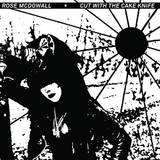
Cut The With The Cake Knife was recorded by Rose McDowall in 1988/89 following the break up of her group Strawberry Switchblade. Produced with the aid of several musicians in several studios, the album features songs written for the fabled second Strawberry Switchblade album. More importantly perhaps it showcases the honest, direct and life-affirming songs of one of the greatest unsung songwriters of the modern pop era at a tumultuous time in her career.
Tibet opens the set and could be one of the best pop songs you've never heard. The innate sadness of the songs' content - the loss of a friendship, impending sorrow - is heightened to heart-melting level by McDowall's pop nous and melodic sensibility. Choruses and hooks are everywhere on Cake Knife, from the outsider take on stadium 80s pop in Wings Of Heaven to the spiraling, ecstatic So Vicious, a glorious anthem that highlights the human fragility in McDowall's vocal performance, an instrument that has never lost the naïve purity it first exemplified in Strawberry Switchblade's early 80s recordings. The centerpiece of the album, the title-track, is the greatest Switchblade pop chart hit that never was. Like the veiled melancholy of her former group's hits, Cut With The Cake Knife hints at a darkness beneath the gloss, a darkness that saw McDowall delve into more esoteric territory with her subsequent recordings and collaborations. Cut With The Cake Knife serves as the bridge between the pop music McDowall had been making with her friends Jill Bryson, Lawrence from Felt and Primal Scream to what became a more extreme, deep sound informed by neo-folk and post industrial music.
Rose McDowall's role in the canon has always been one of an outsider. Beginning in Glasgow's East End in the avant proto-noise group The Poems, achieving fame briefly in the 80s and then disappearing into counter-cultural folklore, the emphasis in the internet-age has been skewed towards her image and cultural significance. Unseen to many, her solo work, her groups Sorrow and Spell and her collaborations with a whole host of underground luminaries have still touched lives. As McDowall elucidates: 'They're real sad songs, about real life. I've had people come up to me to say I'd connected with them and helped them. I remember a gig in America when we made a whole room cry. It was bizarre. A couple at the front of the stage started crying and then these two boys beside and suddenly everyone was crying. And I thought, "that's power."
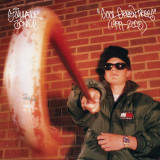
Night School's issue of Cut With The Cake Knife includes unpublished photographs, extensive sleeve notes from Rose McDowall and 2 bonus tracks culled from the bootleg 7' 'Don't Fear The Reaper.' First vinyl pressing is Clear w/ Black swirl; 500 only / has DL card and booklet, with a poster
CD has extensive booklet and is packaged in anO-Card.
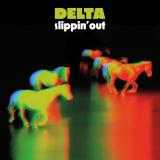
“From Birmingham and centred around the extraordinary songwriting talent of James and Patrick Roberts – initially as The Sea Urchins and since 1993 as Delta – they’ve only just got round to releasing their debut album, Slippin’ Out. It is a work of some beauty”. 9/10 NME ALBUM OF THE MONTH, 2000
“It’s classicist for sure, shot through with the influence of The Beatles, Byrds and Buffalo Springfield. In James’ downright beautiful closing ballad ‘I Want You’ one can also discern the school of ambitious English balladry that peaked in about 1968: The Casuals, Love Affair, Barry Ryan. The impression of accomplished old-schoolery is only furthered by the dizzying string arrangements penned by Louis Clark Jnr, son and namesake of the one-time orchestral chief of Electric Light Orchestra” – Mojo lead review, 2000
Having ended the 90s with the spirited ‘Laughing Mostly’ compilation of singles and demos (Guardian Album Of The Week) Delta finally released their debut studio album of twelve songs in the summer of 2000 on the Dishy Recordings label. Accepting that this might be their sole studio album the band threw everything at these recordings allowing it to exist in its own sphere, unbothered by their contemporary generation and disregarding the idea of even releasing a single.
Recorded at DEP International there was a notable difference to the scruffier, looser charm of their 1990s recordings, a tighter focus developed by having the experienced Lenny Franchi mixing the LP with them. Lenny had been working with a number of Island artists including My Bloody Valentine and Tricky so knew his way around a desk. There was also the question of budget (a few months passed between recording and mixing whilst funds were raised) so every day counted. Ultimately though you can hear the joy in the recordings, even amongst the melancholy and angst. As James recently recalled in an interview in Shindig! Magazine: “It was such a big deal for us. It’s one of my fondest memories doing that record. Everyone was happy. If there’s anything that I’d stand by, I think it would be that”
Louis Clark Jr joined the band towards the end of the ‘90s and brought a classically-trained element to the recordings particularly with his string arrangements. For ‘Cuckoo’, ‘I Want You’ and the prophetic ‘We Come Back’ Louis brought in eight players from the Birmingham Conservatoire; the baroque style is partly why the record often receives comparisons to Love’s ‘Forever Changes’.
On release ‘Slippin’ Out’ was a big favourite with writers at the NME, Mojo and The Guardian again and before long the band were signed to Mercury/Universal for their second studio album ‘Hard Light’, a far more expensive and expansive love affair. It was a temporary palatial home where things quietly fell apart again, but that’s another chapter.
“If long-term memory is nothing more than selective editing and only pop’s most weighty visceral works are built to last then it’s quite possible that in 50 years the Britpop era will be best recollected for the two bands it ostracised. Earlier this year we met Shack and thought their story of mercurial brilliance indicated the biggest music biz oversight of the 90s. We were wrong because we hadn’t met Delta yet. This is richer and more engrossing than anything by Shack”
- A1: Countrymusicdisco45 4 08
- A2: Sometimes Shooting Stars 2 57
- A3: Short Cut Home 3 25
- A4: Disappointment 3 00
- A5: Days Are Mighty 2 46
- B1: Don't Dance With Me Tonight 3 27
- B2: You Got It Wrong 2 39
- B3: Ring The Bells 3 57
- B4: Let's Make It Up 2 49
- B5: When Did You Stop Loving Me 3 54
- C1: Just Beginning 4 00
- C2: Wintering Of The Year 3 16
- C3: Let It Rain 3 04
- C4: We Tell Each Other Who We Are 3 27
- C5: Trip To You 4 06
- D1: Dirt 2 54
- D2: Heaven Right Here 3 38
- D3: If Later Ever Comes 3 03
- D4: Remember The Season 3 10
- D5: A Little Love 3 35
- D6: Weary Traveller 3 20
“The high priest of country cool” - Rolling Stone
“I like him very much. He’s very special. He’s singing with a voice I never heard before” - Townes Van Zandt
“A conscious, soulful brother” - Horace Andy
“He’s a brother to me - one of the best singer/songwriters I’ve ever met” - Adrian Sherwood
“Unearthed mine of gems from inner Wales - a songbook of ideas - that's Jeb!” - Gilles Peterson
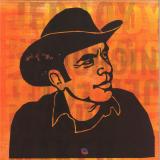
Jeb Loy Nichols is a bonafide Country (Got) Soul legend. The Music Maker presents 21 incredibly deep, grooving and soulful songs from the cream of Jeb's catalogue; from its earliest days to his latest unreleased gems via countless rare and unbelievably good lost-classics. This 2LP set is presented in a gatefold sleeve complete with freshly commissioned artwork courtesy of Jeb himself.
In collecting these uncut, under-heard gems, we hope to do justice to Jeb's jaw-dropping artistic brilliance. A man who, in working with Adrian Sherwood, Dennis Bovell, Dan Penn, Larry Jon Wilson and countless other legendary characters, has crafted some of the most deeply affecting folk, country, soul, funk, blues, dub, reggae, gospel, rap and electronic music, ever heard.
The first music Jeb really felt a connection with was southern soul: "I used to listen to the radio at night and fell in love with Bobby Womack and Al Green, The Staple Singers and Joe Simon – that whole Nashville/Memphis/Muscle Shoals thing.” But Jeb was so much more than a soul boy, Indeed, he "went to bluegrass festivals with my dad and come home and listened to jazz records with my mother.” And, when he was fifteen, he heard his first punk record: "God Save The Queen" by The Sex Pistols. “That and The Ramones completely changed me.” In 1979 he got a scholarship to go to art school in New York: “A great time. Punk was over but hip-hop was starting and I got into that in an obsessive way.”
His first recording, in 1980, was an unreleased rap song called "I’m A Country Boy". If that isn't an insight enough into Jeb's kaleidoscopic path through music, in 1981 he visited friends in London and found himself living in a squat with Adrian Sherwood, Ari Up (from the Slits), and Neneh Cherry. “Adrian put me to work immediately, moving boxes of records all across London. It was Adrian that was and is my biggest influence – in his complete disregard for genre purity.” So, presumably you're getting the picture? A veritable musical magpie with a voracious appetite and unimpeachable taste.
"Mine has always been a meandering career. I've done what I've done, and made the music I've made, due to chance meetings. I'm not particularly ambitious; it's more important to me that I work with friends and like-minded people. I've been a big fan of Be With for years. Everything they release is essential. When they asked about rereleasing "Countrymusicdisco45" I was both pleased and flattered. We began talking about how we'd do it; two years and twenty-one tracks later, here we are. I've always thought of the music I make as Country Music. Music conceived in the country, written in the country, recorded in the country. I left London and moved back to the country so I could live among the trees, the grasses, the animals, those things that don't go to war and get greedy. This compilation is the story of that life. Hand made, lo-fi, ramshackle, stripped down, real deal music. Heartworn and funky. Music made in the kitchen, not in the studio. As the great Skip Mcdonald said, Perfect ain't perfect. It's great to see all these tracks gathered together. It feels like a family reunion. Some older members of the tribe, some newer arrivals."
Opener "countrymusicdisco45" is a song Jeb wrote about how his crew lives, tucked up blissfully in the hills: "House parties full of country folk dancing to disco, reggae, soul, country, hip-hop. All night. I recorded it at home under the influence of Stevie Wonder." It's one of the funkiest records you'll ever hear. "Sometimes Shooting Stars" was recorded in Nashville and mixed by the legendary Dennis Bovell. It's deep, dubby, majestic. A thing of fragile, melodic beauty. The party ramps back up again with the undeniable groove of "Short Cut Home" before the profoundly moving "Disappointment" arrives. One of many songs he's recorded with good buddy Benedic Lamdin (aka Nostalgia 77): "We were going for a Leon Thomas meets Richard Brautigan meets Alice Coltrane kind of thing". We think they nailed it. "Days Are Mighty", like a lot of the tracks on this collection, "started life as a demo, an attempt to get something down while it was fresh. No frills, nothing fancy, just feel." And what feels!
The irrepressibly funky "Don't Dance With Me Tonight" is a deeply moving, slow-mo organ-drenched head-nod-funky country-ballad. Next up, the breezy "You Got It Wrong" was recorded in Wales with some of Jeb's good friends and neighbours, The Westwood All Stars, featuring Clovis Phillips and Will Barnes. Skanking fiddle-flecked gem "Ring The Bells" was the first thing Jeb recorded when he moved to Wales. A combination of all his loves; country, reggae, soul. It's followed by "Let's Make It Up", a truly sumptuous string-drenched emotional groover. "When Did You Stop Loving Me" is another Nashville track, written and recorded during a time Jeb was spending a lot of time with the Muscle Shoals crew, Donnie Fritts, Spooner Oldham, George Soule and Dan Penn: "It shows, I'm sure, their influence." Oh, you bet it does!
The swaggering country-funk of "Just Beginning" should grace many groove-focused DJs' sets whilst "Wintering Of The Year", again made with Clovis, is pastoral, campfire soul. The glacial, gorgeous "Let It Rain" is from an unreleased record Jeb made with the great British jazz bass player Andy Hamill and "We Tell Each Other Who We Are" is freaky country-soul made by a man with a love for strutting, wonky hip-hop stylings. Rounding out the side, "Trip To You" is pure, uncut amphetamine-propelled drum-machine soul.
The spare, beautiful "Dirt" is from an EP Jeb made with Julian Moore in his house in South London: "All first takes, straight to tape." Swoon! "Heaven Right Here" was a very minor league hit in America: "It was produced by the brilliant and much missed Wayne Nunes. It was started in the countryside of Missouri, finished in the countryside of Wales, and recorded in the countryside of Sussex." Double swoon! "If Later Ever Comes" is electronica meets J.J. Cale business whilst "Remember The Season" is truly wonderful and breezy guitar soul. "A Little Love" was made with Wayne Nunes as well, after a night of listening to Studio One and Northern Soul. Bouncy dub closer "Weary Traveller" was written by Bill Monroe, the hero of Jeb's youth: "Monroe's music was heavily influenced by black southern churches; I've tried to keep some of that feral feel." This was the final recording by Jeb's 1990s Country-Dub band, Fellow Travellers.
The name of this compilation comes from a time when Jeb lived in Peckham, south London and he used to DJ and sometimes perform at a local bar: "The owner of the bar, a Jamaican named Count Percy, once asked me what I called my music. I told him I wasn't sure, I guess just pop music. He thought about it for a minute and then said, 'no, more like mom and pop music'. Rather than call me a country singer or a folk singer he always referred to me as The Music Maker."
With the long overdue deluxe overview of his beloved music, we hope to finally shine a light on the unheralded genius of Jeb Loy Nichols. RIYL Larry Jon Wilson, Townes Van Zandt, Bobby Charles, country got soul artists, dub, deep soul, disco, dancing, heartbreak. This deluxe collection, spellbinding from beginning to end, should hopefully go some way to ensuring Jeb reaches an ever bigger, ever more appreciative crowd of followers. Mastering for this special double vinyl edition was overseen by Be With regular Simon Francis and it was cut by the esteemed Cicely Balston at Abbey Road Studios to be pressed in the Netherlands by Record Industry. The artwork has been lovingly put together by The Music Maker, himself, Jeb Loy Nichols. "Be With is the perfect home for this mongrel music. I am forever in their debt." The pleasure is all ours, Jeb.
- A1: St Chroma (Feat Daniel Caesar) (3 23)
- A2: Rah Tah Tah (2 50)
- A3: Noid (4 29)
- A4: Darling, I (Feat Teezo Touchdown) (4 15)
- B1: Hey Jane (3 55)
- B2: I Killed You (2 37)
- B3: Judge Judy (4 37)
- B4: Sticky (Feat Glorilla, Sexyy Red & Lil Wayne) (4 17)
- C1: Take Your Mask Off (Feat Daniel Caesar & Latoiya Williams) (4 12)
- C2: Tomorrow (3 02)
- D1: Thought I Was Dead (Feat Schoolboy Q & Santigold) (3 30)
- D2: Mother (2 59)
- D3: Like Him (Feat Lola Young) (4 29)
- D4: Balloon (Feat Doechii) (4 16)
- D5: I Hope You Find Your Way Home (4 19)
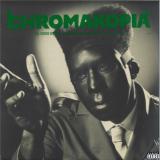
Los Angeles polymath Tyler, the Creator turns his past into vivid technicolour here on his latest offering. Narrated by his mother, the album unfolds like a scrapbook of childhood memories and adult reckonings, moving between swagger and nostalgia. Tyler's production - lush with horns, strings and jazz-inflected chords - recalls the warmth of Flower Boy but with the unpredictability of Cherry Bomb. 'Noid' wrestles with fame's paranoia while 'Hey Jane' confronts moral conflict with startling candour. 'Darling, I' and 'Like Him' offer soulful reprieves amid the chaos. Guest spots from Lil Wayne, Santigold and Lola Young expand the palette without distracting from Tyler's emotional centre. Messy but self-aware, this captures an artist still discovering who he is.
Parisian mainstay Leonard Perret, better known as Le Loup, signs a new 12” for Dancefloor Rituals, channeling the raw, old school traditions that have long informed his work. A fixture of the city’s underground, his collaborations with Chris Carrier and ongoing curation of his own Shadow Play imprint have positioned him at the intersection of heritage and forward motion. This latest release distills that ethos into stripped-back, hypnotic grooves and precision-crafted dancefloor tools that nod to the past while keeping their gaze firmly on the future.
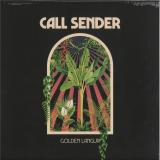
Call Sender is the collaborative brainchild that unites the talents of Paul Elliott, a versatile multi-instrumentalist, composer, producer, and recording engineer from Suffolk/UK and Michael Reed, a multi-talented instrumentalist, recording engineer, and drummer residing in the Bay Area/USA. Despite working together for the past four years, the pair are yet to meet in person!
After connecting on social media over their love of drum breaks and vintage reverbs Elliott and Reed fostered their creative partnership by bouncing recordings back and forth via email and this virtual collaboration resulted in their first album, the jazz-funk inspired “Lost To The Storm” (Tru Thoughts, 2023). With four singles from the album gaining radio play and becoming a favourite for tastemakers and DJs, the pair began work on the follow up “Golden Langur”. With this new record, the aim was to retain their signature Call Sender sound, a heady mix of B-movie soundtracks, classic library music and psychedelic funk and soul, but also introduce elements of lo-fi soul as well as collaborating with some of their talented friends as featured artists.
These features include fantastic instrumental contributions from the incomparable funkmaster Shawn Lee (Ping Pong Orchestra/Young Gun Silver Fox) on “Brainforests” and the legendary JJ Whitefield (Poets Of Rhythm/Whitefield Brothers) who kicks ass in two tempos on “Two Tails”. Not to mention the silky-smooth vocals from the Bay Area’s Andre Cruz, vocal duet from Lucid Paradise that is reminiscent of Gil Scott Heron and Paul Elliott’s seven year old son Buddy drops a vocal on the future B-boy classic “Rainbow”. Together Call Sender has an old-school vintage foundation with a modern perspective. Influenced by iconic acts such as Klaus Weiss, Miles Davis and Nino Nardini and with a hip and funky sonic aesthetic, Call Sender’s music is nostalgic without being pastiche, has a sense of travelling at its core, having been recorded in different parts of the globe, while never hesitating on the direction of the music.
Grey Matter - Lost In Thought, originally released in November 1996 on Axia Records as a 5 track EP is now back on vinyl.
Dave Mothersole had this to say in his review of it for Muzik magazine in February 1997.
"Acid Techno, slo-mo Hip Hop breaks, right through to old school, bottom heavy warehouse grooves and Depeche Mode-meets-Juan Atkins purism. The real surprise, here, though, is how thoroughly listenable the whole thing is. Innovative, imaginative, and pretty bloody good."
This release includes all 5 tracks from the original AX001 release which has been selling for over £60 a copy on Discogs, spread over two 12"s with 3 extra unreleased tracks 'Never Die Just Multiply', 'Musical Electronic Poetry', and the 'Melt Into The Floor Mix' of 'Gloomy Encounters'.
All tracks are remastered from the orignal DAT tapes by Paul Mac & Simon @ The Exchange.
We Release JAZZ is honored to announce the release Shoals, a magnificent full-length album from Earth and Bones, the duo consisting of Liran Donin and Idris Rahman of acclaimed jazz outfit Ill Considered. Their majestic offering is available in an ultra limited edition 180g vinyl LP housed in a heavyweight sleeve with an original artwork by Dutch artist Vincent de Boer.
Carried by Liran Donin on double bass and shakers, and Idris Rahman on bass clarinet, tenor sax, shell, and Tibetan singing bowl, the 5-track album is a deeply entrancing meditative-shamanistic-ambient-jazz journey. The members of Earth and Bones poured their heart and beliefs into the project:
"From shamanic cultures and forgotten traditions, we delved deeper searching our ancient healers, exploring who they heal, what they heal, and how they do it. We wanted to focus on the poisonous human attributes that affect our animal kingdom, as well as how we can heal ourselves by balancing darkness and light. We express our forever gratitude to our community, tribe and animal kingdom.
Despite how governments and multinational corporations try to isolate us from one another, we can't make it alone without our shoal. To truly have a shoal, we need to accept each other for what we are."
Their friend, Vincent de Boer, delivers the visual side of Shoals:
"The living world and all its particular (eco)systems s increasingly a source of inspiration for my art process. When Idris and Liran showed me the new recording and the thoughts behind it, it immediately fell onto good grounds. A school of fish is eminently a metaphor for collective improvisation, something we are all engaged in on an artistic level. The group decisions go beyond causality, the energies provide a simultaneous awareness for choices of direction. The space between the entities thus form a new entity. Non-matter becomes matter and vice versa: an area where music and visual art meet.
I drew a school of fish and tried to make it look like a fixed entity, so that multiple lives become one collective. As a bird and perhaps as a rock or cave: outside becomes inside becomes outside: so that all domains of the living world are linked: the swimming, the crawling, the flying and the playing. The spiritual connection with the music of Idris and Liran is grand, the places it takes me are at once very distant and extremely close. From otherworldly to within the body: the opposites as well as the harmonies are of shamanistic proportions."
Points of interests
For fans of ambient-jazz, meditative music, shamanistic rituals, improvisational process, deep vibes, Ill Considered, Vincent de Boer, heartful connections, healers and healing, the body, the otherworld, life within and outside.
.Super limited edition vinyl of Earth and Bones' debut !
- A1: Psicolimite
- A2: Sexy
- A3: Psicolimite (Perverse Flute)
- A4: Revelations Blues
- A5: Psicolimite (Perverse Synth)
- B1: Strip
- B2: Psicolimite (Perverse Sex)
- B3: Sexy (Ballad)
- B4: Revelations Rhythm
- B5: Psicolimite (Perverse Flute #2)
- C1: Sexy (Gotico)
- C2: Psicolimite (Perverse Sex #2)
- C3: Rivelazioni Di Uno Psichiatra
- D1: Sexy (Romantico)
- D2: Psicolimite (Perverse Sex #3)
- D3: Carica
- D4: Psicolimite (Perverse Flute #3)
- D5: Peanuts
- D6: Psicolimite (End Titles)
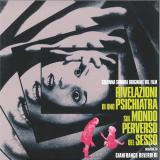
Four Flies is thrilled to present the very first release of Gianfranco Reverberi's hidden masterpiece: a mind-blowing soundtrack, possibly his wildest and most daring. This Italian score is sort of a Holy Grail for fans of the spaghetti sound, especially thanks to the legendary track "Psicolimite".
In 1973, a mysterious 45 rpm single surfaced under the name 'Sharon Chatam e la sua Orchestra.' The single seemed to be a harmless cover of the theme from Last Tango in Paris, complete with a typical image from the film. But behind the innocent facade, a secret was hidden: the B-side track, "Psicolimite," was actually the main theme from Rivelazioni. When someone in the United States figured this out and realized the 'Sharon Chatam' moniker was a pseudonym for Reverberi and his team, the price of the record skyrocketed, making it a coveted collectible.
This makes the discovery of the full soundtrack even more exciting, considering that the music Reverberi composed for the infamous film by Renato Polselli - one of the most outrageous and uncompromising Italian genre cinema directors - was thought to be lost forever, perhaps vanished into the depths of some film processing lab. But thanks to the sleuths at Four Flies, this enigmatic masterpiece has been resurrected and presented in all its glory. It's available now as a luxurious gatefold double LP with original artwork by the brilliant Eric Adrian Lee.
While the film, despite some critics praising it as "psychotronic," is a bizarre mishmash of rambling pseudo-psychoanalytic theories and sexual deviance voyeurism, the music stands out as a foremost, vital element, able to exist on its own.
Reverberi's reputation as a serious, refined producer (for artists like Lucio Dalla, Gino Paoli, Luigi Tenco, and many more), however, led him to keep his distance from exploitation films like Rivelazioni. To maintain his image, he had his friend and former schoolmate Umberto Cannone take credit for the score – a tactic he also used for Polselli's next film, Mania (1974).
But this anonymity might have unexpectedly increased his creative freedom, for the score he put together and recorded is experimental, at times raw, and driven by a relentless rhythm section where bass and drums lay down the groove. The use of electronic instruments is impressive for the time, with drum machines and spacey synths creating a dark and dreamlike atmosphere. Psychedelic flutes, piano phrases, crazed percussion, filters, compressors, and jazzy improvisations on sax and vibraphone complete the mix.
The full soundtrack was recovered following the discovery of the original 1-inch, 16-track tapes, which were transferred, mixed, and mastered for optimal listening on both vinyl and digitally, with the digital version featuring 8 bonus tracks.
Available from November 22!
2026 Repress
Reactivated after 20 years, 666 Recordings ‘Different Knowledge EP’ brings a Mind bending, thought provoking masterclass of sinistertechhouse (SiTH).
The EP delivers a classic Len Lewis re release from 2002 plus 2 tracks resurrected and revamped from The Lexicons - a Grant Dell / Len Lewis collaboration from 2002.
It’s raw, it’s old school, it’s 666 Recordings.
Part Two[14,71 €]
A1 - Tried So Hard
Intensely atmospheric from the outset, Tried So Hard sees ASC explore a more minimal approach to breakbeats with sparse drums and kicks tentatively held at arm's length by imposing hi hats. Dripping with depth and a dense layer of synthwork enveloping the landscape, this unique track develops continually with a suite of interlocking effects while the vocal yearns "I've tried so hard" - both haunting and thought provoking.
A2 - Parallel Seas
Cheery synths and lively bongos introduce us to Parallel Seas, which quickly becomes a glorious, powerful amen workout providing that perfect blend of atmospheric bliss alongside crunchy, analogue amens programmed with ASC's exquisite attention to detail - crashing triumphantly to an upbeat rhythm, littered with rousing vocal hits, elegant synthwork and nods to yesteryear galore.
AA1 - Alacrity
An energetic, surging breakbeat powers Alacrity as ASC utilises breaks reminiscent of classic driving atmospheric tracks of the past from scene legends including Intense and Artemis. Uniquely constructed with a pulsating, fluid energy, the break pattern utilises relentless kicks, cymbals and a wonderful long snare primed to move the dancefloor as synths wash and a lush vocal whooshes along in ecstasy.
AA2 - Glimmer Of Hope
Jumping straight in with a DJ-friendly beat intro, ASC selects a crisp, definitive selection of old school cuts for Glimmer of Hope, chopped and served with a barrage of sci-fi effects, micro melodies, a bellowing, rumbling bassline and a serene intensity driven by dreamy pads resulting in a perfect patchwork of elements, offering endless layers of detail for your ears to pick through with each listen.
Words by Chris Hayes (Spatial / Red Mist)
When you’re running a label, a demo occasionally comes across your desk that makes you reconsider everything you thought your label was all about. For Balmat, such was the case with this stunning album from Stephen Vitiello, Brendan Canty, and Hahn Rowe. It sounds like nothing we’ve released so far—and that very otherness opened up a whole new world of possibilities for us.
Fans of ambient, experimental electronic music, and sound art will be familiar with Vitiello, a New York native, long based in Virginia, who has collaborated with a cross-generational list of greats: Taylor Deupree, Steve Roden, Lawrence English, Tetsu Inoue, Nam June Paik, Ryuichi Sakamoto, Pauline Oliveros, and many more. On labels like 12k, Room40, and Sub Rosa, he has explored a wide range of minimalism, microsound, lowercase, ambient, improv, and other styles. But this album is something different. It may begin in ambient-adjacent territory, but it quickly veers off, and it just keeps zigzagging, taking on elements of krautrock, post-punk, dub, and the groove-heavy interplay of groups like Natural Information Society and 75 Dollar Bill.
This stylistic turn is thanks in large part to Vitiello’s choice of collaborators. “We’re coming from three different schools,” Vitiello says: “sound art, art rock, and punk rock.”
Active since the early 1980s, Rowe—a violinist, guitarist, and producer/engineer—has played with, or manned the boards for, a frankly jaw-dropping list of musicians: Herbie Hancock, Gil Scott-Heron, the Last Poets, Roy Ayers, John Zorn, Glenn Branca, Swans, Live Skull, Brian Eno, David Byrne, Anohni, R.E.M., Yoko Ono, and many more. But he might be most closely associated with Hugo Largo, a one-of-a-kind New York quartet—two basses, vocals, and Rowe’s violin—that in the late 1980s helped lay the groundwork for what would eventually become known as post-rock.
Canty, of course, is the legendary drummer of Fugazi, the visionary DC post-hardcore group, as well as Rites of Spring before them, and, currently, the Messthetics, a Dischord-signed instrumental trio with guitarist Anthony Pirog and Fugazi bassist Joe Lally.
Vitiello’s trio first collaborated on First, a 17-minute piece released on the Longform Editions label in 2023. Second picks up where the freeform drift of First left off, channeling the trio’s exploratory energies into more intentionally structured tracks and—in a real first for Balmat—some almost shockingly muscular grooves. “Sometimes my projects are more conceptually driven,” Vitiello says, “but I think this was more musically geared. I just wanted to open up the references and bring in an incredible drummer, bring in some melodies, and I’m sort of the center.” But his collaborators, he stresses, are “vastly creative in making anything I might suggest better.”
Like its predecessor, Second took shape in phases, shifting between improvisation and collage. Vitiello laid down the skeleton of the music at home, sketching out initial ideas on Rhodes keyboard and acoustic and electric guitar; he then fed the parts through samplers and his modular system, recording 10- or 20-minute jams. Once he had edited them into more structured forms, he hit the studio with Canty, who added not just drums but also bass and piano; finally, Vitiello took the results of those sessions to Rowe, who played violin, viola, electric bass, and 12-string acoustic and bowed electric guitar, and assisted in some of the final structuring and mixdown.
A few more surprises along the way: Reanimator’s Don Godwin, the studio engineer where Vitiello recorded with Canty, contributed what he calls “resonant dustpan”; and none other than Animal Collective’s Geologist, who just happened to be in the studio that day, sits in on hurdy gurdy on “Mrphgtrs1,” the album’s gorgeous, stunningly atmospheric drone closer. “I love these chance encounters,” Vitiello says. “Somebody I admire, a group I admire—that was an unexpected gift.”
An unexpected gift is a great way of describing Second as a whole: three veteran musicians venturing outside their usual zones and finding a new collaborative language together. The results can’t be neatly slotted into any given genre; they belong not to any given category, but to the spirit of conversation itself.
Rhythm By Nature, the latest addition to Berlin's vibrant music scene, proudly unveils its inaugural release featuring none other than Nottingham's seasoned virtuoso, Nail. "Shake Two EP" is a testament to his enduring prowess, promises a distinctive auditory experience that transcends boundaries. The tracks showcase Nail's mastery with a distinctive sound that encompasses proper deep house excursions, Detroit and Chicago vibes, with dubby elements.
The A1 track, "Thoughts," takes listeners on a deep house excursion with mystic undertones, deep percussion, spheric vocals, and a euphoric after-hours feel, creating a truly distinctive ambiance.
On the B-side, Nail's groovy craftsmanship continues with "Ribs," offering his typical quirky minimal groove, influenced by funk and housed within a danceable, swirling soundscape. Additionally, label head SaPu contributes to a more dubby approach on the original B1, a spacey filtered infused groove excursion, with old school sample-based elements, phat basslines and deep atmospheric synths.
Ring the alarm - multi-instrumentalist Jimi Jules scheduled for the album „+“ in 2022, executive produced by Innervisions label boss Dixon. The album features the most sought after and requested tracks of the last month including „My City's On Fire“, revolutionary „Der Aufstand“, dancefloor romance „Burning“ and „Clinomania“ featuring Joy Tyson, and fabulous Lily Allen / Elton John drummer Nathan Curran. The artwork concept is developed and designed by iconic graphic artist Trevor Jackson, whose multi-disciplinary works formed the graphical identities of design, music, fashion, and art by the likes of Soulwax, HFD / Comme des Garcons or Apple Music. Jimi Jules’ second album signifies his return to future-focussed album concepts. A welcomed novelty and venture. Exploring themes such as free thoughts and togetherness after a period of interpersonal absence. Better Together Forever.
A unique character in the electronic music scene, Jimi Jules is a multi-instrumentalist and school-trained musician with much more to offer than the standard four-to-floor sound. Jimi plays nearly everything from drums to trumpet and sings almost all the vocals himself. The talent probably lies in his roots, as many of his family members are known for their playing in jazz bands and classical ensembles. Most recently awarded a silver disk marking 200,000 copies of the 2020 track “Pushin On” in the UK, Jimi Jules also commenced a new collaborative partnership with Berlin-based booking agency, Temporary Secretary, earlier this year.
As the new era is underway for Innervisions, Jimi Jules “+” takes center stage of the label’s fundamental core - artist first, label second. For Jimi Jules especially, this new project represents the beginning of a whole new platform and innovative space for collaborations and symbiosis of mixed media.
2025 Repress on clear orange Vinyl!
Welcome to Aqualaxy, a collaborative project where Warning joins forces with art historian C.C. McKee from Philadelphia and international queer activist dia_shi from Berlin. Accompanying McKee’s book on the debut album by late-90s electronic pop band Aqua, Aqualaxy is a compilation of contemporary queer artists from North America and Europe commissioned to create their own takes on songs from Aqua's debut album. The result is an expansive blossoming variety of music, from sizzling trance pop, to eerie darkwave atmospheres, to cheeky dancefloor weapons.
With Aqualaxy, Warning presents a release that playfully deviates from the label's usual tracks, highlights trans musicians, and offers fresh takes on nostalgic favourites to the community. Embrace Aqualaxy’s endless fluidity, a space where everything becomes possible, where some changes aren’t even a second thought. Did you know that when the kobudai reef fish reaches a certain size she changes her sex from female to male? Did you know that when the largest female in a school of Clownfish dies the male swaps sex to take her place? Protogyny, protandry, it all just seems like fun; not to mention the host of genders and ways of fucking we don’t even have words for as humans! In Aqualaxy, everything is possible under the water. Imagination, life is your creation!
2024 Repress
For Frenzy's 5th installment, we'll take the fusion of the past and the present even further. We present you a 6-track EP by Swedish DJ and producer 'The Miller', who was amongst the Nordic wave of early 2000s techno pioneers like Cari Lekebusch, Adam Beyer, and Joel Mull. Coming from an era where rave and nightlife escapism were blooming, The Miller possesses a vast backlog of old-school productions that embody the true Frenzy sound. We invited him to compile an EP with old and new material, accompanied by remixes from the up-and-coming generation to truly intertwine generations of dancefloor exquisiteness. Allow yourself to surpass the linear alignment of time within the next collision of decades on Frenzy 005. It's time to dance.
Starting out slow but steady on the A side, 'Kartong' gradually builds up the pressure with a playful mix of reversed phrases and thoughtful alignment of pitch levels. Tension transforms into motion as 'Apex' kicks in with big airy basslines and exotic drum elements that keep the early-day spirit alive. To complete the A-side, Stuttgart-based Rove Ranger presents a dub-influenced remix of Apex, accelerating the 00s story straight into the next decade. On the flip side, we go back to the old days as 'Complied' grabs hold of hips and minds with catchy repetition and a straightforward bassline. The Miller got us spellbound as 'Gate' follows up with a stripped-down steamy groover. To end the journey in full force, a powerful remix of Gate by the Greek-based ANNE is delivered, converting stripped down into the contrary for those big-room dancefloor moments.
After our debut vinyl release “Cosmic Vibrations” with Rush City x Handerk we are ready to present our second vinyl release. This time one of our label founders Jonathan Lopez A.K.A Jonahlo wants to take you in a psychedelic journey on his new EP “ACID DAYS”; a four track EP where each track gets you through a different state of mind.
Jonahlo is an amazing musician, jazz bass player and producer from Bogotá, Colombia. He has released music on labels such as Nomada Records, Night Young and Otayana Records.
This trip starts with “Acid Days”; a superb Deep House anthem with layers of evolving sounds, exquisite melodies and uplifting chord progressions that make us take off and start feeling 100% positive. You can hear samples from cinema describing how it feels when you start connecting and being one with nature.
The following track is “Particles”; on this track Jonahlo goes deeper, evoking hypnotic and far-sighted moods of melancholy. At this point we start pondering about the universe’s infinite dimension and imagining particles vibrating as we fall into our deepest thoughts.
On the flip- side we bump into “Lost Mind”, a percussive deep techno with spacey and bleepy sounds reminding us that 90’s uk old-school style. Now is the time to get lost in the moment after going through the trip’s hard peak where you really start letting go.
The release closes with “It’s Alright”; a good vibe deep sampled house track that tell us to take it easy, to just relax and appreciate life.
The Album cover was disigned by incredible Colombian artist Jose Mejía which represents a flower going through the process of questioning oneself and coming out transformed on the other side. It is a process of exploration, discovery, and rebirth.
- A1: Here Lies Love Feat. Florence Welch (Florence & The Machine)
- A2: Every Drop Of Rain Feat. Candie Payne & St. Vincent
- A3: You'll Be Taken Care Of Feat. Tori Amos
- A4: The Rose Of Tacloban Eat. Martha Wainwright
- A5: A Perfect Hand Feat. Steve Earle
- B1: Eleven Days Feat Cyndi Lauper
- B2: When She Passed By Feat. Allison Moorer
- B3: Walk Like A Woman Feat. Charmaine Clamor
- B4: Don't You Agree? Feat. Róisín Murphy
- B5: Pretty Face Feat. Camille
- B6: Ladies In Blue Feat. Theresa Andersson
- C1: Dancing Together Feat Sharon Jones
- C2: How Are You? Feat. Nellie Mckay
- C3: Men Will Do Anything Feat. Alice Russell
- C4: The Whole Man Feat. Kate Pierson
- C5: Never So Big Feat. Sia
- C6: Please Don't Feat. Santi White
- D1: American Troglodyte
- D2: Solano Avenue Feat. Nicole Atkins
- D3: Order 1081 Feat. Natalie Merchant
- D4: Seven Years Feat. Shara Worden (My Brightest Diamond)
- D5: Why Don't You Love Me? Feat. Tori Amos & Cyndi Lauper
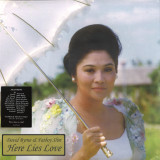
David Byrne & Fatboy Slim’s acclaimed 2010 album Here Lies Love receives its first-ever vinyl release to coincide with a new production opening on Broadway this summer. Here Lies Love is a double-disc song cycle – improbably poignant, decidedly surreal, surprisingly thought provoking – about the rise and fall of the Philippines' notorious Imelda Marcos. It was conceived by David Byrne; composed by Byrne and DJ/recording artist Fatboy Slim, AKA Norman Cook; and performed by a dream cast drawn from the worlds of indie rock, alt country, R&B and pop. Byrne's taste in collaborators is as imaginative as it is impeccable, including Cyndi Lauper (who recounts, to lighthearted disco beats, Imelda's courtship with Ferdinand Marcos), Steve Earle (as the power-hungry Ferdinand), Dap-Kings vocalist Sharon Jones (recalling Imelda's introduction into New York society) and Natalie Merchant (as spurned Imelda confidante Estrella, anticipating the onset of martial law). Along with vocals turns from such stars as Tori Amos and the B-52's Kate Pierson, Byrne works with rising indie rockers St. Vincent and My Brightest Diamond; New York chanteuses Nellie McKay and Martha Wainwright; and dance-music divas Róisín Murphy and Santigold. Byrne himself appears as the voice of imperialistic America on ‘American Troglodyte’, a send-up that wouldn't have seemed out of places in Talking Heads' True Stories.
Byrne originally envisioned this as a musical theatre piece, to be mounted in disco and nightclub settings, reflecting the globe-trotting Marcos' taste for such velvet-roped spots as Studio 54 and Regine's. In 2006, he performed work-in-progress versions to enthusiastic audiences at New York City's Carnegie Hall and the Adelaide Festival in Australia. While plans for a US theatrical production continued to evolve, he delivered this unique recording. The award-winning theatrical production eventually premiered at The Public Theater in New York in 2013, travelled to London’s National Theater for a sold-out run (2014–15), and was remounted at the Seattle Repertory Theater (2017).
Here Lies Love has an effervescent disco feel, redolent of Fatboy Slim's own dance-floor anthems, with warm undercurrents of the Latin rhythms that have percolated through Byrne's recent solo work. The sunny arrangements act in counterpoint to the reality of the Marcos' increasingly repressive regime, reflecting the imagined inner life of the glamour-obsessed Imelda. Explains Byrne, "For me, the darker side of the excesses are, for the most part, a matter of record. A lot of the audience is going to come with that knowledge already. What's more of a challenge is to get inside the head of the person who was behind all of that, and understand what made them tick." Byrne offers no judgment and avoids the obvious – there is no mention of Imelda's infamous shoe collection.
Many of Byrne's lyrics are, astonishingly enough, constructed from actual Imelda quotes, including the project's title, the words that Imelda, now returned to the Philippines from US-assisted exile in Hawaii, would like to have inscribed on her gravestone. In addition to his new liner note, Byrne illustrates the story with archival photos. In a detailed preface, he reveals what drew him to this subject and the bumpy route he took to launch the project and, ultimately, record this album. The booklet is indeed a page-turner, just as Here Lies Love is a wonderfully old-school album that rewards start-to-finish listening. Once again, Byrne – beloved as musician, thinker and bicyclist-about-town – reveals the breadth and singularity of his vision.
The new production of Here Lies Love will premiere at the Broadway Theatre in New York City. Performances begin June 17, ahead of an official opening night on July 20. Tony Award winner Alex Timbers (direction) and Olivier Award nominee Annie-B Parson (choreography) reunite with Byrne (concept, music, and lyrics) and Fatboy Slim (music) to bring Here Lies Love to Broadway, continuing a ten-plus year collaboration on the project. Tom Gandey and J Pardo contribute additional music. Here Lies Love is produced on Broadway by Hal Luftig, Patrick Catullo, Diana DiMenna for Plate Spinner Productions, Clint Ramos, and Jose Antonio Vargas. The staging at the Broadway Theatre will transform the venue’s traditional proscenium floor space into a dance club environment, where audiences will stand and move with the actors. A wide variety of standing and seating options will be available throughout the theatre’s reconstructed space. The producers of Here Lies Love said, “As a team of binational American producers – Filipinos among us – we are thrilled to bring Here Lies Love to Broadway! We welcome everyone to experience this singularly exuberant piece of theatre. The history of the Philippines is inseparable from the history of the United States, and as both evolve, we cannot think of a more appropriate time to stage this show. See you on the dance floor!”
David Byrne’s recent works include the launch of Reasons to be Cheerful, an online magazine focused on solutions-oriented stories about problems being solved all over the world (2019); Joan of Arc: Into the Fire, a theatrical exploration of the historical heroine that premiered at the Public Theater in New York (2017); The Institute Presents: NEUROSOCIETY, a series of interactive environments created in conjunction with PACE Arts + Technology that question human perception and bias (2016); Contemporary Color, an event inspired by the American folk tradition of color guard and performed at Brooklyn’s Barclays Center and Toronto’s Air Canada Centre (2015); Here Lies Love; Love This Giant, a studio album and worldwide tour created with St. Vincent (2012); and How Music Works, a book about the history, experience, and social aspects of music (2012).
Byrne curated Southbank Centre’s annual Meltdown festival in London in 2015. A co-founder of the group Talking Heads (1976–88), he has released eight studio albums as a solo artist and worked on multiple other projects, including collaborations with Brian Eno, Twyla Tharp, Robert Wilson, and Jonathan Demme, among others. He also founded the highly respected record label Luaka Bop. Recognition of Byrne’s various works include Obies, Drama Desk, Lortel, and Evening Standard awards for Here Lies Love; an Oscar, Grammy, and Golden Globe for the soundtrack to Bernardo Bertolucci’s The Last Emperor; and induction into the Rock and Roll Hall of Fame with Talking Heads. Byrne’s work as a visual artist has been published and exhibited since his college days, including photography, filmmaking, and writing. He lives in New York City. In addition to 2019’s cast album for American Utopia on Broadway, Nonesuch has released eight other David Byrne records since 2003, including 2018’s American Utopia studio album and two versions of his musical Here Lies Love.
q C6. Please Don't feat. Santi White Santigold
Acclaimed Stirling-based group Constant Follower, led by Stephen McAll, and renowned folk guitarist Scott William Urquhart have today announced their forthcoming collaborative album, ‘Even Days Dissolve’, which will be released on 14 April 2023.
The album follows on from Constant Follower’s lauded debut long-player ‘Neither Is, Nor Ever Was’, which was released in 2021 and nominated for the 2022 Scottish Album of the Year (SAY) Award.
‘Even Days Dissolve’ is an enchanting, deeply absorbing, and meditative album, the product of a musical affinity between two thoughtful and uniquely talented Scottish songwriters and musicians.
The songs that make up ‘‘Even Days Dissolve’ were inspired by ‘the grand old man of Scottish poetry’, Norman MacCaig (1910-1996), whose work is characterised by its gentle humour, precise observation and love for the natural world, which forms another key theme for the album.
MacCaig’s poetry holds great significance to McAll, as it formed a major source of comfort and support to him during a long period of recovery following a violent and unprovoked attack that left him with catastrophic head injuries, partially paralysed and unable to write or play guitar.
‘Even Days Dissolve’ is McAll’s nod of respect to McCaig, and the great man’s unmistakable words and inimitable voice feature on two of the tracks - single ‘Wildlife Cameraman’, and ‘Comes A Silence (Basking Shark)’ – sensitively set over the backdrop of beautiful and exquisitely crafted songs.
Scott William Urquhart’s masterful acoustic guitar playing is a stunning centrepiece of the album, imbuing the songs with a moving sense of atmosphere, and sounding at once both elegant and robust. Urquhart’s unassuming yet compelling vocals also feature throughout ‘Even Days Dissolve’.
Speaking about ‘‘Even Days Dissolve’, Stephen McAll said: “The magic in music for me is all about collaboration. Finding people who inspire me to make better music, then working with them and creating something between us that’s better than what either of us could have made alone. It’s been an honour to work so closely with Scott William Urquhart on this album. He’s someone whom I’ve admired for some time - unquestionably up there with the best acoustic guitarists at the moment in Scotland, and such a beautiful writer of songs.
“Bringing two of these songs together with the voice of our beloved Norman MacCaig has been a real highlight of this project. His poetry was introduced to me by my high school teacher Mrs Tatarkowski, and it was the first prose I was able to read and understand when I was recovering from a traumatic head injury. So his work holds a deep space in my heart. I don’t think any poet or songwriter has matched his ability to capture the space and wonder of the natural beauty of Scotland.”
One of my first record releases was on Traum Schallplatten in 2007. I was living in Berlin and Traum was at its peak launching acts like Extrawelt, Dominik Eulberg, Gabriel Anada, Minilogue, Fairmont… The era of melodic minimal…
The release of Luftlust hit the big DJ's like Sven Väth etc. And I was truly overwhelmed by the support. But the version on the 12" was actually pitched up 5 BPM. And in the end the mastering was not in my personal preference. Watering my feel of it, once or twice a year people actually ask me to do a remaster. Over the years it has been a track circulating the web and playlists, haunting me.
Last year I dug in the past and actually wrote a masters exam in philosophy about being a youngster in the techno scene and how to keep up creativity while working with record labels. Somewhere in that process I decided to face the old ghost and make it happen. Time was ready for the re-release of Luftlust, on my terms on my own label Kranglan Broadcast.
Justus Köhncke Remix
For a time frame of a decade I have asked Kompakt veteran and Whirlpool Productions legend Justus Köhncke to do a remix on my Kranglan imprint. Herr Köhncke to me (and to everyone who has followed Kompakt) is one of a kind! A punk soul, dead serious while smiling, always putting hooks and fragments out of music history on Kompakt sound plates with precise grace… The last years he have replied he's been busy in the studio with Can member Irmin Schmidt, working on soundtracks but... suddenly one day when I wrote the man he said "I love Luftlust, send me the stems".
Listening to Justus interpretation I was blown away… like riding a cabrio through the German landscape of fields and deciduous forests a sunny day in late May! And wait for that outro bridge at 5:56! Like being hugged by the warm mother autumn.
Özgur Can Remix
Anjuna Deep cofounder Özgur Can and I have known each other since high school. Özgur was the first DJ I ever booked to one of my early raves in the forests of Nacka. From releasing our first records with our common buddy Petter on Peter Van Halls label 'Deep' we have walked a parallel path in life, Özgur with a wider span of releases and 100's of nights at sweaty dance floors. No one does the deep driven heartfull arpeggios like Özgur. They swell and they swirl. A true Music lover and true talent!
Lust
Time has flewn since 2007, and that winter break in Barcelona 2006 hanging out with James Holden and the Border gang at Razmataz… the weekend when I actually started working on Luftlust…
Working on a re-release of Luftlust I just got hit by lust to work a version of it from the position where I am at, the 2021 me. I went with lust and it just happened a late summer night in Stockholm being by myself for a brief moment doing what I love the most, making music.
Luftlust Original 120BPM Version
And at last the never released original version of the title track. Correct tempo as it was written. Mastered by Andreas Lubich aka Lupo, the very person to master this type of music if you take a brief glimpse at his back folder! Finally!
I love this project, and I love making it happen at Kranglan Broadcast. Bringing together thoughts and people you have thought of bringing together for a long time. Lust KLN014 is here.
With A Meeting Point Of Old School Electro Acid Sound This Ep Dig For The Real Underground Side Electro Acid Famillies And Connections... Labels Notes About This Production Is 'the Circle Is An Ancient Geometric Figure, Used Since Prehistoric Times, Representing Endless Cyclicity.
The Circle Is In Fact A Continuous Line, Which Could Be Traced To Infinity In A Circular Sense That Represents Energy And
Spirituality,
The Sense Of Belonging To Something, To A Group, To A Thought.'
UILTY RAZORS, BONA FIDE PUNKS.
Writings on the topic that go off in all directions, mind-numbing lectures given by academics, and testimonies, most of them heavily doctored, from those who “lived through that era”: so many people today fantasize about the early days of punk in our country… This blessed moment when no one had yet thought of flaunting a ridiculous green mohawk, taking Sid Vicious as a hero, or – even worse – making the so-called alternative scene both festive and boorish. There was no such thing in 1976 or 1977, when it wasn’t easy to get hold of the first 45s by the Pistols or the Clash. Few people were aware of what was happening on the fringes of the fringes at the time. Malcolm McLaren was virtually unknown, and having short hair made you seem strange. Who knew then that rock music, which had taken a very bad turn since the early 1970s, would once again become an essential element of liberation? That, thanks to short and fast songs, it would once again rediscover that primitive, social side that was so hated by older generations? Who knew that, besides a few loners who read the music press (it was even better if they read it in English) and frequented the right record stores? Many of these formed bands, because it was impossible to do otherwise. We quickly went from listening to the Velvet Underground to trying to play the Stooges’ intros. It’s a somewhat collective story, even though there weren’t many people to start it.
The Guilty Razors were among those who took part in this initial upheaval in Paris. They were far from being the worst. They had something special and even released a single that was well above the national average. They also had enough songs to fill an album, the one you’re holding. In everyone’s opinion, they were definitely not among the punk impostors that followed in their wake. They were, at least, genuine and credible.
Guilty Razors, Parisian punk band (1975-1978). To understand something about their somewhat linear but very energetic sound, we might need to talk about the context in which it was born and, more broadly, recall the boredom (a theme that would become capital in punk songs) coupled with the desire to blow everything off, which were the basis for the formation of bands playing a rejuvenated rock music ; about the passion for a few records by the Kinks or the early Who, by the Stooges, by the Velvet mostly, which set you apart from the crowd.
And of course, we should remember this new wave, which was promoted by a few articles in the specialized press and some cutting-edge record stores, coming from New York or London, whose small but powerful influence could be felt in Paris and in a handful of isolated places in the provinces, lulled to sleep by so many appalling things, from Tangerine Dream to President Giscard d’Estaing...
In 1975-76, French music was, as almost always, in a sorry state ; it was still dominated by Johnny Hallyday and Sylvie Vartan. Local rock music was also rather bleak, apart from Bijou and Little Bob who tried to revive this small scene with poorly sound-engineered gigs played to almost no one.
In the working class suburbs at the time, it was mainly hard rock music played to 11 that helped people forget about their gruelling shifts at the factory. Here and there, on the outskirts of major cities, you still could find a few rockers with sideburns wearing black armbands since the death of Gene Vincent, but it wasn’t a proper mass movement, just a source of real danger to anyone they came across who wasn't like them. In August 1976, a festival unlike any other took place in Mont-de-Marsan – the First European Punk Festival as the poster said – with almost as many people on stage as in the audience. Yet, on that day, a quasi historical event happened, when, under the blazing afternoon sun, a band of unknowns called The Damned made an unprecedented noise in the arena, reminiscent of the chaotic Stooges in their early adolescence. They were the first genuine punk band to perform in our country: from then on, anything was possible, almost anything seemed permissible.
It makes sense that the four+1 members of Guilty Razors, who initially amplified acoustic guitars with crappy tape recorder microphones, would adopt punk music (pronounced paink in French) naturally and instinctively, since it combines liberating noise with speed of execution and – crucially – a very healthy sense of rebellion (the protesters of May 1968 proclaimed, and it was even a slogan, that they weren’t against old people, but against what had made them grow old. In the mid-1970s, it seemed normal and obvious that old people should now ALSO be targeted!!!).
At the time, the desire to fight back, and break down authority and apathy, was either red or black, often taking the form of leafleting, tumultuous general assemblies in the schoolyard, and massive or shabby demonstrations, most of the time overflowing with an exciting vitality that sometimes turned into fights with the riot police. Indeed, soon after the end of the Vietnam War and following Pinochet’s coup in Chile, all over France, Trotskyist and anarcho-libertarian fervour was firmly entrenched among parts of the educated youth population, who were equally rebellious and troublemakers whenever they had the chance. It should also be noted that when the single "Anarchy in the UK" was first heard, even though not many of us had access to it, both the title and its explosive sound immediately resonated with some of those troublemakers crying out for ANARCHY!!! Meanwhile, the left-wing majority still equated punks with reckless young neo-Nazis. Of course, the widely circulated photos in the mainstream press of Siouxsie Sioux with her swastikas didn’t necessarily help to win over the theorists of the Great Revolution. It took Joe Strummer to introduce The Clash as an anti-racist, anti-fascist and anti-ignorance band for the rejection of old-school revolutionaries to fade a little.
The Lycée Jean-Baptiste Say at Porte d’Auteuil, despite being located in the very posh and very exclusive 16th arrondissement of Paris, didn’t escape these "committed" upheavals, which doubled as the perfect outlet for the less timid members of this generation.
“Back then, politics were fun,” says Tristam Nada, who studied there and went on to become Guilty Razors’ frontman. “Jean-Baptiste was the leftist high-school in the neighbourhood. When the far right guys from the GUD came down there, the Communist League guys from elsewhere helped us fight them off.”
Anything that could challenge authority was fair game and of course, strikes for just about any reason would lead to increasingly frequent truancy (with a definitive farewell to education that would soon follow). Tristam Nada spent his 10th and 11th unfinished grades with José Perez, who had come from Spain, where his father, a janitor, had been sentenced to death by Franco. “José steered my tastes towards solid acts such as The Who. Like most teenagers, I had previously absorbed just about everything that came my way, from Yes to Led Zeppelin to Genesis. I was exploring… And then one day, he told me that he and his brother Carlos wanted to start a rock band.” The Perez brothers already played guitar. “Of course, they were Spanish!”, jokes their singer. “Then, somewhat reluctantly, José took up the bass and we were soon joined by Jano – who called himself Jano Homicid – who took up the rhythm guitar.” Several drummers would later join this core of not easily intimidated young guys who didn’t let adversity get the better of them.
The first rehearsals of the newly named Guilty Razors took place in the bedroom of a Perez aunt. There, the three rookies tried to cover a few standards, songs that often were an integral part of their lives. During a first, short gig, in front of a bewildered audience of tough old-school rockers, they launched into a clunky version of the Velvet Underground's “Heroin”. Challenge or recklessness? A bit of both, probably… And then, step by step, their limited repertoire expanded as they decided to write their own songs, sung in a not always very accurate or academic English, but who cared about proper grammar or the right vocabulary, since what truly mattered was to make the words sound as good as possible while playing very, very fast music? And spitting out those words in a language that left no doubt as to what it conveyed mattered as well.
Trying their hand a the kind of rock music disliked by most of the neighbourhood, making noise, being fiercely provocative: they still belonged to a tiny clique who, at this very moment, had chosen to impose this difference. And there were very few places in France or elsewhere, where one could witness the first stirrings of something that wasn’t a trend yet, let alone a movement.
In the provinces, in late 1976 or early 1977, there couldn’t be more than thirty record stores that were a bit more discerning than average, where you could hear this new kind of short-haired rock music called “punk”. The old clientele, who previously had no problem coming in to buy the latest McCartney or Aerosmith LP, now felt a little less comfortable there…
In Paris, these enlightened places were quite rare and often located nex to what would become the Forum des Halles, a big shopping mall. Between three aging sex workers, a couple of second-hand clothes shops, sellers of hippie paraphernalia and small fashion designers, the good word was loudly spread in two pioneering places – propagators of what was still only a new underground movement. Historically, the first one was the Open Market, a kind of poorly, but tastefully stocked cave. Speakers blasted out the sound of sixties garage bands from the Nuggets compilation (a crucial reference for José Perez) or the badly dressed English kids of Eddie and the Hot Rods. This black-painted den was opened a few years earlier by Marc Zermati, a character who wasn’t always in a sunny disposition, but always quite radical in his (good) choices and his opinions. He founded the independent label Skydog and was one of the promoters of the Mont-de-Marsan punk festivals. Not far from there was Harry Cover, another store more in tune with the new New York scene, which was amply covered in the house fanzine, Rock News (even though it was in it that the photos of the Sex Pistols were first published in France).
It was a favorite hang-out of the Perez brothers and Tristam Nada, as the latter explained. “It’s at Harry Cover’s that we first heard the Pistols and Clash’s 45s, and after that, we decided to start writing our first songs. If they could do it, so could we!”
The sonic shocks that were “Anarchy in the UK”, “White Riot” or the Buzzcocks’s EP, “Spiral Scratch” – which Guilty Razors' sound is reminiscent of – were soon to be amplified by an unparalleled visual shock. In April 1977, right after the release of their first LP, The Clash performed at the Palais des Glaces in Paris, during a punk night organised by Marc Zermati. For many who were there, it was the gig of a lifetime…
Of course, Guilty Razors and Tristam were in the audience: “That concert was fabulous… We Parisian punks were almost all dressed in black and white, with white shirts, skinny leather ties, bikers jackets or light jackets, etc. The Clash, on the other hand, wore colourful clothes. Well, the next day, at the Gibus, you’d spot everyone who had been at this concert, but they weren’t wearing anything black, they were all wearing colours.”
It makes sense to mention the Gibus club, as Guilty Razors often played there (sometimes in front of a hostile audience). It was also the only place in Paris that regularly scheduled new Parisian or Anglo-Saxon acts, such as Generation X, Siouxsie and the Banshees, the Slits, and Johnny Thunders who would become a kind of messed-up mascot for the venue. A little later, in 1978, the Rose Bonbon – formerly the Nashville – also attracted nightly owls in search of electric thrills… In 1977, the iconic but not necessarily excellent Asphalt Jungle often played at the Gibus, sometimes sharing the bill with Metal Urbain, the only band whose aura would later transcend the French borders (“I saw them as the French Sex Pistols,” said Geoff Travis, head of their British label Rough Trade). Already established in this small scene, Metal Urbain helped the young and restless Guilty Razors who had just arrived. Guitarist for Metal Urbain Hermann Schwartz remembers it: “They were younger than us, we were a bit like their mentors even if it’s too strong a word… At least they were credible. We thought they were good, and they had good songs which reminded of the Buzzcocks that I liked a lot. But at some point, they started hanging out with the Hells Angels. That’s when we stopped following them.”
The break-up was mutual, since, Guilty Razors, for their part, were shocked when they saw a fringe element of the audience at Metal Urbain concerts who repeatedly shouted “Sieg Heil” and gave Nazi salutes. These provocations, even still minor (the bulk of the skinhead crowd would later make their presence felt during concerts), weren’t really to the liking of the Perez brothers, whose anti-fascist convictions were firmly rooted. Some things are non-negotiable.
A few months earlier (in July 1978), Guilty Razors had nevertheless opened very successfully for Metal Urbain at the Bus Palladium, a more traditonally old-school rock night-club. But, as was sometimes the case back then, the night turned into a mass brawl when suburban rockers came to “beat up punks”.
Back then, Parisian nights weren’t always sweet and serene.
So, after opening as best as they could for The Jam (their sound having been ruined by the PA system), our local heroes were – once again – met outside by a horde of greasers out to get them. “Thankfully,” says Tristam, “we were with our roadies, motorless bikers who acted as a protective barrier. We were chased in the neighbouring streets and the whole thing ended in front of a bar, with the owner coming out with a rifle…”
Although Tristam and the Perez brothers narrowly escaped various, potentially bloody, incidents, they weren’t completely innocent of wrongdoing either. They still find amusing their mugging of two strangers in the street for example (“We were broke and we simply wanted to buy tickets for the Heartbreakers concert that night,” says Tristam). It so happened that their victims were two key figures in the rock business at the time: radio presenter Alain Manneval and music publisher Philippe Constantin. They filed a complaint and sought monetary compensation, but somehow the band’s manager, the skilful but very controversial Alexis, managed to get the complaint withdrawn and Guilty Razors ended up signing with Constantin with a substantial advance.
They also signed with Polydor and the label released in 1978 their only three-track 45, featuring “I Don't Wanna be A Rich”, “Hurts and Noises” and “Provocate” (songs that exuded perpetual rebellion and an unquenchable desire for “class” confrontation). It was a very good record, but due to a lack of promotion (radio stations didn’t play French artists singing in English), it didn’t sell very well. Only 800 copies were allegedly sold and the rest of the stock was pulped… Initially, the three tracks were to be included on a LP that never came to be, since they were dropped by Polydor (“Let’s say we sometimes caused a ruckus in their offices!” laughs Tristam.) In order to perfect the long-awaited LP, the band recorded demos of other tracks. There was a cover of Pink Floyd's “Lucifer Sam” from the Syd Barrett era – proof of an enduring love for the sixties’ greats –, “Wake Up” a hangover tale and “Bad Heart” about the Baader-Meinhof gang, whose actions had a profound impact on the era and on a generation seeking extreme dissent... On the album you’re now discovering, you can also hear five previously unreleased tracks recorded a bit later during an extended and freezing stay in Madrid, in a makeshift studio with the invaluable help of a drummer also acting as sound engineer. He was both an enthusiastic old hippie and a proper whizz at sound engineering. Here too, certain influences from the fifties and sixties (Link Wray, the Troggs) are more than obvious in the band’s music.
Shortly after a final stormy and rather barbaric (on the audience’s side) “Punk night” at the Olympia in June 1978, Tristam left the band ; his bandmates continued without him for a short while.
But like most pioneering punk bands of the era, Guilty Razors eventually split up for good after three years (besides once in Spain, they’d only played in Paris). The reason for ceasing business activities were more or less the same for everyone: there were no venues outside one’s small circuit to play this kind of rock music, which was still frightening, unknown, or of little interest to most people. The chances of recording an LP were virtually null, since major labels were only signing unoriginal but reassuring sub-Téléphone clones, and the smaller ones were only interested in progressive rock or French chanson for youth clubs. And what about self-production? No one in our small safety-pinned world had thought about it yet. There wasn’t enough money to embark on that sort of venture anyway.
So yes, the early days of punk in France were truly No Future!
- Intro
- Can't You See
- Prom King
- I Can't Be Your Superman
- Ridiculous!
- Fall Harder
- Bounce Is Back
- Affairs
- All I Want
- Cash Wednesday
- Fiona Coyne
- Carousel
- Cry Wolf
- Why Do You Wanna Dance
- Practice
- Song For Rio
- Fall Harder (Single Mix)
- Fall Harder (Demo)
- Affairs (Demo)
When Ryan DeRobertis announced the name change of his project from Saint Pepsi to Skylar Spence, there was no indication of any stylistic departure, though the change arrived with a musical shift toward faster tempos and more pristine production. Whereas Saint Pepsi had often used decades-old boogie, disco, and new wave as grist for the sampling mill, Skylar Spence is intent on trafficking more overtly in those genre aesthetics through his own production techniques and vocal contributions. With Prom King, DeRobertis reorients his music for his new full-band live act and winds up with an album full of tight and enveloping dance tunes.
Working with Carpark Records 'gave me the confidence to 'go big' with the new material: to write pop songs with universal messages in the sonic wrapping paper that I've grown accustomed to,' DeRobertis says. 'A few songs on Prom King are about specific events in my life—a party where I got too messed up, watching a friend's life spiral out of control and trying to help—but I tried hard not to be too autobiographical because I want my music to unite, above all else. I'm much more interested in connecting with the listener than mystifying my personality.'
While DeRobertis' previous long-players have been more amorphous collections in the style of beat tapes, Prom King is compact and cohesive, with the album's varied stylistic references (new wave, UK garage, boogie) united through strong guitar melodies and Todd Edwards-ian cobblings-together of tiny vocal samples. 'I slowed some music down and called myself an artist,' DeRobertis sings on lead single 'Can't You See,' acknowledging in his lyrics what is already apparent in the music's tone—he can maintain fidelity to his vision while working in more uptempo, disco-based song structures.
'Ridiculous!' and 'Bounce Is Back' are big groovers that capitalize on jacking hi-hats and hand drumming, respectively, and both have an air of Balearic warmth and smoothness. On the title track, DeRobertis entwines a chorus of unintelligible but expressive samples with his own vocals—what feels like a synthesis of two approaches—and the result is an affecting pattern of build and release. More contemplative sophisti-pop numbers like 'Fall Harder' and 'Affairs' add a realist's breadth of scope: thoughts of past foibles bleed into present-dwelling and dancing.
Prom King is DeRobertis making sense of missed opportunities. His high school did not have a prom king; he has filled the position with an imaginative album of personal and musical revisionism.
- Sing Like Little Birds Sing
- What I See Up On The Roof
- No Pasaran!
- A Monochrome Set
- You're Leaving
- Indian Summer
- The Fishing Song
- See What The Morning Brings
- Days Of The Revolution
- Art School
- Trouble Talking
- Dream On
- Take Me To The Dance Floor
- Jaine
- In Our Time
- One More Day
Blue Vinyl[35,50 €]
Campbell Owens, Douglas MacIntyre and Mick Slaven worked on the album alongside founding members Robert 'Bobby Bluebell' Hodgens, David McCluskey and Ken McCluskey to create the new collection of tracks. The result is a stunning body of work; rich, melodic, thoughtful and infectious. First single No Pasaran! premiered on BBC Radio Scotland and in The Herald in September 2025. The Bluebells rose to fame in the 1980s as jangle-pop pioneers of the Sound of Young Scotland era with their three hits Young at Heart, Cath and I'm Falling.
Despite only releasing one readily-available album during their initial run (Sisters, 1984) the band have remained as one of Scotland's most beloved bands, currently boasting over 144,000 monthly Spotify listeners. The band enjoyed a post-breakup revival in 1993 after a Volkswagen advert featured Young at Heart, pushing the single to No.1 for 4 weeks. They have since reunited over the years, to play various festival slots and develop new material. In 2023, the band released The Bluebells In The 21st Century, their first LP in decades. In 2025, The Bluebells played Glastonbury.
Campbell Owens, Douglas MacIntyre and Mick Slaven worked on the album alongside founding members Robert 'Bobby Bluebell' Hodgens, David McCluskey and Ken McCluskey to create the new collection of tracks. The result is a stunning body of work; rich, melodic, thoughtful and infectious. First single No Pasaran! premiered on BBC Radio Scotland and in The Herald in September 2025. The Bluebells rose to fame in the 1980s as jangle-pop pioneers of the Sound of Young Scotland era with their three hits Young at Heart, Cath and I'm Falling.
Despite only releasing one readily-available album during their initial run (Sisters, 1984) the band have remained as one of Scotland's most beloved bands, currently boasting over 144,000 monthly Spotify listeners. The band enjoyed a post-breakup revival in 1993 after a Volkswagen advert featured Young at Heart, pushing the single to No.1 for 4 weeks. They have since reunited over the years, to play various festival slots and develop new material. In 2023, the band released The Bluebells In The 21st Century, their first LP in decades. In 2025, The Bluebells played Glastonbury.
Synthpop, minimal wave, post-punk, goth, new romantic - fans and critics alike have dug deeply into their vintage thesauruses to describe the beguiling work of Nation of Language. And if you can't precisely define the band, that's the point. Frontman Ian Richard Devaney has become prodigious in expanding what synthesizer-driven music can evoke, such that his output is as much an extrasensory journey as it is an all-too-human destination. With that experience in mind, he wrote the band's fourth album - the spectral, spacious Dance Called Memory - in the most humble of ways: chipping away at melancholia by sitting around and strumming his guitar. Nation of Language's first two albums, Introduction, Presence (2020), and A Way Forward (2021), came as pandemic godsends: gorgeous, relatable soundtracks to our collective doldrums. But it was their last LP, Strange Disciple (2023), that catapulted the group from cultural standouts to critical darlings, with the album being named Rough Trade's Album of the Year. With that release, Pitchfork wrote that the band "are learning what it means to get bigger and better." This is Devaney's calling: soulfully translating individual despair into a comforting, collective mourning. The single "Now That You're Gone," which radiates and reverberates with a devastating wistfulness, was inspired by witnessing his godfather's tragic death from ALS, and his parents' role as caretakers for this ailing friend. At its heart, the song is a reflection of how friends can be there for each other, and also highlights a theme throughout the record: the pain and lost promise of friendships that fall apart. On Dance Called Memory, the band once again collaborated with friend and Strange Disciple producer Nick Millhiser (LCD Soundsystem, Holy Ghost!). "What's so great about Nick is his ability to make us feel like we don't need to do what might be expected of us," says synth player Aidan Noell, who, along with bassist Alex MacKay, rounds out the Nation of Language lineup. They imbued Dance Called Memory with a shifted palette - sampling chopped-up drum breaks on "I'm Not Ready for the Change" for a touch of Loveless-era My Bloody Valentine or smashing all of the percussion of "In Another Life" through a synthesizer to cast a shade of early-2000s electronic music. Ultimately, the hope was to weave raw vulnerability and humanity into a synth-heavy album. "There is a dichotomy between the Kraftwerk school of thought and the Brian Eno school of thought, each of which I've been drawn to at different points. I've read about how Kraftwerk wanted to remove all the humanity from their music, but Eno often spoke about wanting to make synthesized music that felt distinctly human," Devaney says. "As much as Kraftwerk is a sonically foundational influence, with this record I leaned much more towards the Eno school of thought. In this era quickly being defined by the rise of AI supplanting human creators I'm focusing more on the human condition, and I need the underlying music to support that_ Instead of hopelessness, I want to leave the listener with a feeling of us really seeing one another, that our individual struggles can actually unite us in empathy."
“From Birmingham and centred around the extraordinary songwriting talent of James and Patrick Roberts – initially as The Sea Urchins and since 1993 as Delta – they’ve only just got round to releasing their debut album, Slippin’ Out. It is a work of some beauty”. 9/10 NME ALBUM OF THE MONTH, 2000
“It’s classicist for sure, shot through with the influence of The Beatles, Byrds and Buffalo Springfield. In James’ downright beautiful closing ballad ‘I Want You’ one can also discern the school of ambitious English balladry that peaked in about 1968: The Casuals, Love Affair, Barry Ryan. The impression of accomplished old-schoolery is only furthered by the dizzying string arrangements penned by Louis Clark Jnr, son and namesake of the one-time orchestral chief of Electric Light Orchestra” – Mojo lead review, 2000
Having ended the 90s with the spirited ‘Laughing Mostly’ compilation of singles and demos (Guardian Album Of The Week) Delta finally released their debut studio album of twelve songs in the summer of 2000 on the Dishy Recordings label. Accepting that this might be their sole studio album the band threw everything at these recordings allowing it to exist in its own sphere, unbothered by their contemporary generation and disregarding the idea of even releasing a single.
Recorded at DEP International there was a notable difference to the scruffier, looser charm of their 1990s recordings, a tighter focus developed by having the experienced Lenny Franchi mixing the LP with them. Lenny had been working with a number of Island artists including My Bloody Valentine and Tricky so knew his way around a desk. There was also the question of budget (a few months passed between recording and mixing whilst funds were raised) so every day counted. Ultimately though you can hear the joy in the recordings, even amongst the melancholy and angst. As James recently recalled in an interview in Shindig! Magazine: “It was such a big deal for us. It’s one of my fondest memories doing that record. Everyone was happy. If there’s anything that I’d stand by, I think it would be that”
Louis Clark Jr joined the band towards the end of the ‘90s and brought a classically-trained element to the recordings particularly with his string arrangements. For ‘Cuckoo’, ‘I Want You’ and the prophetic ‘We Come Back’ Louis brought in eight players from the Birmingham Conservatoire; the baroque style is partly why the record often receives comparisons to Love’s ‘Forever Changes’.
On release ‘Slippin’ Out’ was a big favourite with writers at the NME, Mojo and The Guardian again and before long the band were signed to Mercury/Universal for their second studio album ‘Hard Light’, a far more expensive and expansive love affair. It was a temporary palatial home where things quietly fell apart again, but that’s another chapter.
“If long-term memory is nothing more than selective editing and only pop’s most weighty visceral works are built to last then it’s quite possible that in 50 years the Britpop era will be best recollected for the two bands it ostracised. Earlier this year we met Shack and thought their story of mercurial brilliance indicated the biggest music biz oversight of the 90s. We were wrong because we hadn’t met Delta yet. This is richer and more engrossing than anything by Shack”
- A1: The Whip Hand
- A2: Aegis
- A3: Dyslexicon
- B1: Empty Vessels Make The Loudest Sound
- B2: The Malkin Jewel
- B3: Lapochka
- C1: In Absentia
- C2: Imago
- C3: Molochwalker
- C4: Trinkets Pale Of Moon
- D1: Vedamalady
- D2: Noctourniquet
- D3: Zed And Two Naughts
Noctourniquet And then everything went black, at least for a while, at least for The Mars Volta. In the months and years following their fifth full-length, Octahedron, Omar kept on at his usual fearsome creative pace. In fact, he ramped up his output considerably, starting up his own Rodriguez Lopez Productions label and releasing a slew of solo albums. It was a practice he’d begun shortly after De-Loused’s release, with his solo debut A Manual Dexterity: Soundtrack Volume One, but as the decade reached its close, Omar grew to rely upon his solo recordings as an outlet for his prolific creativity, these albums often exploring musical pastures far beyond even The Mars Volta’s wide-ranging parameters. Before choosing to release music under his own name, Omar would always play it to Cedric first, to see if the frontman thought it had potential to become Mars Volta music. Shortly after Octahedron’s completion, Cedric flagged one batch of tracks Omar had cut with Deantoni Parks, a brilliant drummer and composer who’d briefly occupied the Mars Volta drumstool in-between Jon Theodore and Thomas Pridgen’s tenures, and whose volcanic creativity and unique, unpredictable approach to rhythm and composition had quickly made him one of Omar’s favourite artistic foils.
As with the music that made up Octahedron, the new tracks Cedric had optioned for The Mars Volta often veered far from the riotous, Grand Guignol visions of their earlier releases. It possessed the punchy, song-based focus of Octahedron, though this was a considerably darker, more menacing strain of pop, with synthesisers figuring heavily in the productions. Cedric took the tracks in 2009 and set about writing songs to the music. But no more new Mars Volta music would be heard until 2012. The years that passed in-between were nonetheless momentous, and busy, witnessing an unexpected reunion of the members of At The Drive-In, and Cedric joining his own side-project, Anywhere. But there wasn’t any sign of life within the Mars Volta until Omar, Cedric and their bandmates took to the road for a series of live shows in the spring of 2011, billed as The Omar Rodriguez-Lopez Group, debuting the songs that would become Noctourniquet. The album followed the next year, and it remains one of The Mars Volta’s finest, its electronic textures staking out unfamiliar but fertile new ground.
An unsettling, subtly turbulent listen, Noctourniquet found Cedric sketching out a story about “some sort of device that stops the darkness from bleeding”, drawing influence variously from the nursery rhyme Solomon Grundy, the Greek myth of Hyacinthus and the song Birth, School, Work, Death by British underground rockers The Godfathers. It was an album of dystopian futurism, signalled by the paranoid cyber-rock of opener The Whip Hand and its unnerving chorus, “That’s when I disconnect from you”. But it was also an album of inspired, unexpected moves and uncanny invention, like how Dyslexicon seemed to eerily evoke Blondie’s Rapture, before rushing headlong into its bruising chorus, tempos shifting restlessly throughout like quaking earth beneath the listener’s feet, or how Aegis put a brave new spin on The Mars Volta’s trademark rewiring of salsa’s overdriven passions, or how Cedric had never sounded as scary as he did on The Malkin Jewel’s mutant burlesque shuffle. Tracks like Molochwalker were sleek and concise in a way The Mars Volta had never really attempted before – which was all part of Omar’s plan.
“It had all been guitar, guitar, guitar, overdubs, everything fighting for space in the same frequency,” he explains. “So for Noctourniquet, it was all about subtracting elements, of sticking to how I made demos.” Deantoni’s presence helped revivify the group, playing against cliché and expectation, and taking each song in unexpected directions. “I’d beatbox a rhythm for him to play, to go with my guitar part, and he’d come back with three or four alternate options. It was so great.” Similarly, Cedric had never sung better than on Noctourniquet, staking out a fearsome spectrum from the chilling Tom Waitsian growl of The Malkin Jewel to the keening, beautiful vocalisation on Vedamalady, rising to match some of Omar’s most deft, most immediately effective and melodic songs yet. Indeed, Noctourniquet is the sound of a band discovering new ways to do familiar things, renewing their commitment to their mission, finding fresh inspiration a decade in, and shaking off any complacency that might have come with ten years of acclaim and success.
Yesterday it started to rain…
The smell of damp tarmac rising up through open windows, a smell which is uniquely evocative for us all depending on our individual histories: a suburban pavement, a school playground, a basketball court.
The rain cut through a band of low pressure that had been lying over the city for days, pinging rhythmically off metal, causing rolling tyres to hiss and spit.
The music that soundtracked this meteorological shift was the debut full length from Rain Text (Giuseppe Ielasi & Giovanni Civitenga), simply titled III. Scattered throughout the nameless eight tracks there are moments of low-end pressure relieved by the fizz and clatter of metallic rhythms; there is static, there is discord, there is release.
The individuals comprising Rain Text have a long history of manipulating sounds for evocative ends, Giuseppe Ielasi has been making music as one half of Bellows for many years, each album stretching and destroying their sound in beautiful increments. He has also released reliably inspirational music either solo or in collaboration for the likes of Editions Mego, Shelter Press and Faitiche. His sensitive ears are also in high demand as a mastering engineer. It is worth perusing the 800+ releases he has technical credits for on Discogs: from classics of the avant-garde to the freshest faces of the Swedish underground, the chances are some of your favourite albums are included.
Giovanni Civitenga helms the SKYAPNEA long-running NTS show. Joining him, you can enjoy the fruits of a lifetime of deep listening through shows that flit between the industrial and the devotional, a space that is fully explored on III.
The album was recorded quickly over three fertile days in Ielasi’s studio in Monza, but of course results like this can only be achieved at such a pace by spending a lifetime obsessing over the mechanics and possibilities of sound.
Those who are enamoured by the rain—who are returned by it to the surfaces, smells and sounds of a lost and idealised youth; who feel themselves restored—are known as ‘pluviophiles’. Their response to rain may well have a biological explanation: when rain hits tarmac negative ions are released into the air, which are thought to result in feelings of wellbeing and positivity. All the more reason, then, to return to the vivid ecosystem that Rain Text has so carefully cultivated for III."
Words by The Dengie Hundred – August 2024
Die Cut Sleeve with download. It’s a strange betweenworld, bookended by sleep and the jolt of being wide awake in a place where you wonder how you got there. You know the feeling… It seems familiar but the colours are, well, unreal. In a high-ceilinged room, a grand piano plays lush melodies as, meanwhile, somewhere, an Alice In Wonderland clock ticks, cellos are bowed, a swarm of something vibrates and the hallucinatory crowd around Rosemary’s Baby babble. An echoey electronic hum builds and falls like a 50s refrigerator passed through and effects board, things run backwards, staccato strings are plucked… and that’s not the half of it. “I’ve never been happy staying in one particular school of musical thought. The fun has been turning things on their heads, to try something you were not supposed to do.” We’re on an immersive and adventurous travelogue with the former member of the legendary Tangerine Dream, Paul Haslinger - this is a man who knows how to build tension, hold moods, illustrate contempt, lies, passion and pleasure; He can create fear, loathing and love - he’s been unlocking the nuances of such emotions in a hugely successful career as a TV and film soundtrack composer (Halt And Catch Fire, Underworld and the Golden Globe-nominated Sleeper Cell). ‘Exit Ghost’ is his long thought out opus, a moment caught in time, flicking through reference points, taking an ethereal excursion that permeates musical genres as it becomes awash with intricate sounds and cross-pollinating rhythms. Built originally from the warmth of his grand piano ‘Exit Ghost’ resonates with purity and power, from an eerie and evocative betweenworld, that’s at once expansive and rolling, then intoxicating and suffocating in equal measures; modern composition at its most uplifting; cerebral, celebratory, intense and beautiful. “The soul searching in connection with this record was extensive. Finding places of resonance, giving a colour to your memories. It was more challenging because it’s not somebody else’s narrative. Finding the core of your own story can be the most difficult task of all.” Created over the span of eight years and filled with literal and personal references, the album itself is a testament to the search - a quest filled with hints, particles and suggestions.
- Fabulist
- Just Don't Know (How To Be You)
- October
- Vera
- Doubt It's Gonna Change
- You
- Bo's New Haircut
- I'm Not Sad
- Yes It's True
- Weird Feeling
- Done With You
- Rather Not Stay
- When You Said Goodbye
Comprising of sisters Eva and Grace Tedeschi, The Cords are the brightest new indiepop band from Scotland and this is theri debut. They started playing drums when they were little kids and later found that they liked 80s and 90s indie music more than their peers did, and so formed a band, just the two of them, with Grace on drums and Eva on guitar - and the songs started to flow. With only a cassette and a flexi single released so far (both of which sold out in a matter of hours), Eva and Grace honed their skills by playing a whole series of gigs with some of the biggest names in Scottish pop. Their first show was with The Vaselines, and since then they have played with Camera Obscura, Belle and Sebastian, BMX Bandits and others, while also sharing stages with the new generation of indiepop stars: the Umbrellas, Chime School, Lightheaded. Like all great pop bands, The Cords have taken familiar ingredients and created something utterly fresh. Older indie fans will hear echoes of The Shop Assistants, The Primitives, Tiger Trap and Talulah Gosh, but they will hear something else too: a yearning, dreamy melodic power that takes the songs into darker, stranger places. Younger pop fans won't care about these old reference points: what they will hear is the sound of two young women doing something utterly exciting: playing loud guitar and loud drums, taking analogue instruments and hitting them hard in the service of immediate and infectious pop tunes, and not giving a second thought about the digital world that wants to own everything we do. The Cords sound free: they remind us that pop music, played right, is expressive, liberating, joyful and deeply personal. First single `Fabulist' is a sweet and catchy pop song that races along, so headlong and hooky that, on first listen, you could miss the fact that it's a wholehearted take-down of people who lie for a living. And the album is a fun rollercoaster ride from that point onwards, with the real stars of this record being Eva's sinuous guitar and silky vocals, and Grace's clattering, expressive sing-song drums. It's the sound of two sisters having an intense musical conversation with each other, pushing each other on to greater heights, exhilarated by the set of perfect pop songs they have magicked up. DIGIPAK CD, LP on BABY BLUE VINYL.
Out Friday 14th June, the renowned jazz and funk trumpeter Sefi Zisling presents his third album ‘The Librarian’, blending classic elements with psychedelic funk, soul, and spiritual jazz. ‘The Librarian’ is dedicated to all things close to Sefi’s heart. The album pays homage to his musical inspirations, his wife, friends, and Eyad, a Palestinian whose story moved Sefi.
"This album was made as an ode to the people I love, and I would like to dedicate this album to them." - Sefi Zisling
Sefi Zisling first started playing the trumpet at the mere age of ten, soon after enrolling in the prestigious art school Thelma Yellin. Performing in an array of bands since his early teens, Sefi has performed and recorded sessions with almost every key player of the jazz world in Israel. His debut album ‘Beyond The Thing I Know’, released on Tel Aviv’s leading collective Raw Tapes, propelled the trumpeter onto the world stage. Sefi then found his home on Tru Thoughts for his sophomore record ‘Expanse’, an album that captured the essence of the classic jazz session and transformed his role from instrumentalist to composer.
The cover art is a painting by the late Walid Abu Shakra, a member of the Abu Shakra family who have collectively played a pivotal role in the Palestinian-Israeli art scene and are respected worldwide. Walid aimed to highlight the expropriation of Palestinian land by the Israeli state and centred his artistic career on safeguarding a disappearing landscape through his monochromatic etchings.
Selling Points
Sefi Zisling's sophomore album "Expanse" sold out on vinyl in the first few months
The cover art is a painting by the late Walid Abu Shakra, a member of the Abu Shakra family who have collectively played a pivotal role in the Palestinian-Israeli art scene
Praise from Jazz FM (Playlisting), FIP, Jamie Cullum (BBC Radio 2), Jazz Times, Jazziz, Tom Ravenscroft, Huey Morgan, Cerys Matthews (BBC 6Music), Musica Macondo, Music Is My Sanctuary, Bandcamp Weekly, Wax Poetics and much more.
Recorded intimately and live with a five-piece ensemble
The LP features a spellbinding version of Mall Waldron's jazz standard 'All Alone'
Mixed by renowned engineer George Atkins (80 Hertz Studios)
The Eves celebrate the first anniversary of their acclaimed EP Both Sides with
a special vinyl edition to be released in November 2025
Produced and co-written with Dan Gautreau (Alicia Keys, Paolo Nutini) Both Sides was
released only on CD and digital in 2024. The new vinyl edition of the EP features a
previously unreleased bonus track The Silence produced by Mark Morrow (wrest,
Swim School). Title track Both Sides features prolific drummer and percussionist Ash
Soan (Snow Patrol, Tori Amos, Del Amitri). The EP showcases the duo's distinctive
songwriting style that encompasses smooth vocal harmonies and thoughtful
production, culminating in a fresh yet timeless sound that delivers their signature
blend of melodic pop.
The Eves have been played across BBC Radio 2, BBC Radio Scotland, BBC Introducing.
Their song Brand New Day has over 137k streams on Spotify and spent 5 weeks on
the BBC Radio 2 playlist. It was also made 'Single of the Week' on BBC Radio Scotland,
played on Bauer Media's Forth 1 radio station, reached No. 6 and No. 15 in the iTunes
pop charts and iTunes main download chart respectively, charted in the Amazon 'New
Hot Releases' UK Chart, and made an impressive debut in the UK Official Charts
Company download and single charts in the top 65. The song also features on an
episode of 'The Kardashians' on Disney Plus and Hulu across America.
'Big Love' was adopted as the official anthem for Scottish Women's Football for the
2022/2023 League Season, and was the pair's first release as a co-write, written with
Jim Duguid (Paolo Nutini) and producer Lewis Gardiner (Ellie Goulding, Nick Jonas).
The track was also featured on BBC Scotland's most popular football show 'Off the
Ball' with Tam Cowan and Stuart Cosgrove.
The pair are seasoned performers having opened for major artists at sold out shows
including Belinda Carlisle, Sister Sledge and The Shires. They've toured extensively
with Skerryvore and Horse across the UK, opened for Callum Beattie, and have
performed at festivals including TRSNMT, Country to Country, Edge Fest, Tiree
Festival, Moonbeams and Fringe by the Sea, sharing stages with Wet Wet Wet, Sophie
Ellis-Bextor, Gabrielle, Tony Hadley and Heather Small.
Other highlights include performing at the Guinness Six Nations rugby for Scotland v
Wales at BT Murrayfield, recording a live session for BBC Scotland's 'The Quay
Sessions', and several TV appearances on BBC Scotland's 'The Edit' on national TV
and BBC i-Player and STV's 'What's On' and 'The Braw and the Brave' chat show.
- A1: Pharoah Jones
- A2: Ghost Gospel
- A3: Ill Feeling
- A4: Capital Punishment
- A5: Do Not Adjust
- A6: Cool Green Trees
- A7: Chill Scratch
- A8: Poisonous Fumes
- A9: Welcome Aboard The Starship
- B1: Keep On Runnin
- B2: Sounds Impossible
- B3: Painted Faces
- B4: The Knew Style
- B5: Chicken Wing Blues Sauce
- B6: Kool Breeze
- B7: Sexx Bullets
- B8: Soul Child
- B9: Take Off Runnin
- B10: Centurian
- B11: Bozack
- B12: Church
- B13: Splash One
- B14: Hank
- B15: 73 Goatee
"Chasing the funky symphonies that filled my head and my dreams..."
December 25th, 2023 - an Instagram post. Stimulator Jones shared half a dozen FIRE tracks from his beat tape archive. We were immediately drawn to the rough hewn boom bap.
"I'd release that", Rob commented.
Hours of material was shared and the result is this: Cool Green Trees (1999-2005). A collection of beats and loops Stimulator Jones created between the ages of 14-20 at home in his basement, bedroom and computer room in Roanoke, Virginia.
You will not believe the profound soulful genius contained within these naive schoolboy melodies.
December 25th, 1998 - 25 years ago to the day and his much-coveted Yamaha SU10 sampler was finally bestowed upon young Stimmy AKA Sam Lunsford: "I immediately hooked up a CD Walkman to the input jack and looped the beginning two bars of Grover Washington Jr.'s "Mercy Mercy Me". I don't know what exactly was so thrilling about hearing two measures of music repeating over and over but it was so infectious and hypnotizing and enthralling to me. I'll never forget that ecstatic rush of making my first loop - an uncontrollable, gleeful smile plastered all over my face." When you hear the pocket breakbeat symphonies featured here on Cool Green Trees, you'll feel the same sense of frisson.
In the wake of his Stones Throw breakthrough - Exotic Worlds & Master Treasures - Stimulator Jones was pegged by many as a 90s throwback artist. However, he literally IS a 90s artist. He's been recording music most of his life and he's now 40. He created the bulk of Cool Green Trees as a teenager. Everything before 2004 was recorded when Sam was still in school. He was in 8th grade when he made the 1999 tracks - he didn't even have his learner's permit. This album is a snapshot of a young man in a simpler time. Things were still mysterious back then and he was flying blind, relying on his ears and having to figure things out for himself: "I had no road map for becoming a beatmaker. I have been collecting music since I was a kid, I am a lifelong digger and seeker of cool and interesting sounds. I was there in the golden age of Hip Hop, and while I may have been a suburban white kid in Roanoke, Virginia, I was tuned in and I bought so many classic albums when they came out. I was attracted to Hip Hop because of the musical and poetic quality. I was hypnotized by the rhythms, partially because I was a drummer. I didn't brag about collecting my breakbeat records or making beats - it was something I did in isolation. It wasn't something I generally wanted to bring attention to and it didn't really score me any cool points. I certainly wasn't flexing on social media about it."
Hell, he can do that now!
Opener "Pharoah Jones" was inspired by Yesterday's New Quintet and Madlib's ability to capture that classic 70s sound whilst playing all the instruments. Sam created this one stoned afternoon by laying down a 2 bar loop and a shaker loop on his Yamaha SU700 sampler. He hung a microphone from the ceiling and played his Yamaha Stage Custom drum kit over the top before adding ender Rhodes and playing his dad's Selmer tenor sax through an Electro Harmonix Memory Man echo pedal. Yes! Up next, "Ghost Gospel" utilises a dope loop from a gospel record and adds some soul-funk drums overtop, whilst working that filter knob. Says Sam: "The loop reminded me of something Ghostface would rap over. The sample was in 3/4 waltz time but I flipped it for a 4/4 groove, a technique I picked up from RZA. "Ill Feeling" uses sped-up pieces from a dusty old funk record and putting them over a classic NOLA drum loop; gain chopping up a slow, bluesy 3/4 time signature and bending it to a 4/4 groove. Classy shit. "Capital Punishment" features drums tapped in live, inspired by MF Doom's Special Herbs series. "Do Not Adjust" consists loops found on a compilation of 70s French music at Happy's Flea Market, a classic Roanoke digging spot.
The sublime, evocative title track, "Cool Green Trees" was created when Sam was still living at home. He dumped samples off his SU10 into the family desktop and arranged them in a demo version of Pro Tools: "This track was sort of my ode to the DJ Shadow style of sample based production. Super spacey, slow, and moody. The heavily filtered drums were inspired by Alec Empire's 'Low on Ice' album. I later added some scratches and sounds from a Spider Man storybook record." "Chill Scratch" snags the final bit of a bossanova record and pairs it with a drum loop before adding experimental scratching run through an Electro Harmonix Memory Man echo pedal. "Poisonous Fumes" was made using a sampler, mixer and a turntable; a kind of mixtape beat collage with added scratches and sounds from various records. Using dialogue from superhero records was a nod to Madlib. "Welcome Aboard The Starship" is dark, downtempo trip-hop with a spooky bent. Sam paired a slow, hard drum loop with a guitar sample grabbed off a psychedelic rock record. To finish, he added various backwards sounds and weird atmospheric effects and a little scratching. Swoon.
Side B opens with "Keep On Runnin", made on a borrowed Roland SP202 sampler. Having always loved the sound of the Lo-Fi filter on those machines, reminiscent of the Emu SP1200, Sam always imagined Del or another of the Hieroglyphics crew rapping over this beat. You can certainly hear why. "Sounds Impossible" sees Sam experimenting with layering multiple kick samples at different volumes to create patterns similar to those heard by Showbiz and Lord Finesse during their God-level 1995 period. "Painted Faces" was made by chopping up a REDACTED record which he had gotten from Happy's Flea Market and paired it with a REDACTED drum loop. By the time Sam recorded "The Knew Style", he had acquired a shitty old 1960s portable turntable off eBay. It didn't function properly when he bought it but his brother opened it up, cleaned it out and got it working: "I remember he told me that there was a bunch of sand inside of it when he opened it up, as if its previous owner had taken it to the beach. I would take that turntable on my Happy's Flea Market digs so I could preview records...that's how I found this loop."
"Chicken Wing Blues Sauce" loops up a classic blues joint and pairs it with some REDACTED drums. A bit of filtering and arranging et voilà! "Kool Breeze", from 1999, is one of Sam's oldest surviving beats, as is "Sexx Bullets". The Roots sampled the same record, leaving Sam frustrated yet vindicated. "Soul Child" was an early SU10 creation, looping a dusty old Soul Children 45 and pairing it with 70s rock drum loops to great effect. "Take Off Runnin" was another loop found digging with a portable turntable. Paired with some boom bap drums it makes for a hypnotic head-nod groove. "Centurian" was intended to be a little beat interlude a la Pete Rock. The sample is from a sun-dappled soft-psych record and it's paired with a Robin Trower drum loop that just happens to fit perfectly. Sometimes you slap things together kind of haphazardly and magic happens. "Bozack" was the first beat Sam made using Pro Tools, his first foray into using chopped sounds instead of loops, an exciting new world. "Church" is beat interlude using a Phil Upchurch loop with the "Long Red" drums - a favourite break of Dilla et al. Sam was really on a tear in late 2004, probably because he was unemployed and phoneless and able to just make beats all day. He made "Splash One" on a borrowed Yamaha SU700 and again was experimenting with tapping the drums in live with his fingers, instead of using a loop or sequenced pattern. Channeling 9th Wonder, Sam used a water splash sound effect from a Batman record as a percussive element, hence the title (also a 13th Floor Elevators reference). The main loop is a backwards portion of one of his favourite Roy Ayers songs.
"Hank" is another fun little beat interlude thing, created on a borrowed Roland SP202 sampler with the fantastic Lo-Fi effect that resembled the Emu SP1200 at a fraction of the price. "73 goatee", from 99, is another of his oldest surviving beats, created in his bedroom with his Yamaha SU10 and his brother's Vestax MR-300 4-track recorder: "This one will always feel special. I can remember having a feeling all the way back then on the night that I created it that this was a solid beat with a catchy loop. There was something in the Fender Rhodes melody that resonated with me emotionally, and I had never heard a producer sample that portion before. I felt like I had found my own unique sound, my own unique loop. It came from an Ahmad Jamal '73. I actually even recorded myself rapping and scratching over this beat way back then, I still have that version in all its imperfect sloppy glory."
Sam explains just how much these tracks mean to him: "They all have immense historical and sentimental value and I'm proud of them. These beats come from an innocent, simple time when I was just figuring out how to craft these sounds. They're something very personal to me. They are the initial part of a journey that I really was taking *alone*. There was no YouTube. I couldn't Google shit. I didn't even know any other beatmakers, producers or DJs in my town that could teach me anything. It was always just me, alone, in a room with some equipment - chasing the funky symphonies that filled my head and my dreams. What I was doing wasn't cool. Most of my peers thought I was a weirdo and couldn't care less. Creating these sounds was an anti-social endeavour. In a sense, I felt like it was me against the world, and all I had to instruct and assist me were the recordings produced by my heroes - RZA, DJ Premier, Erick Sermon, Beatminerz, Showbiz, Diamond D, Beatnuts, Prince Paul, The Bomb Squad, Pete Rock, Q-Tip, E-Swift, Mista Lawnge, DJ Shadow, Cut Chemist, Peanut Butter Wolf, El-P and so many more...I dedicate this collection to them, and to my older brother Joe who has always been a musical and technical guiding light for me.
This was a time before every kid was a self-described producer and beatmaker, before everyone had a DAW, before Kanye and "chipmunk soul", before Red Bull beat battles, before there was any social media beyond chat rooms and AOL Instant Messenger, before Soundcloud, before SP-404 mania, before lo-fi beats to study to, before Splice, before targeted ads for MIDI chord packs, etc. In 99 when I told people that I had a sampler and made beats I was mostly met with bewildered confusion and indifference. Kids and adults alike would wonder why I got this weird machine for Christmas instead of something worthwhile like a Playstation or a mountain bike or even a guitar for that matter because at least that could be used to make "real music". Back then, sampling was still not widely respected as an art form - it was seen as lazy, talentless and unoriginal at best and outright criminal theft at worst. I had gotten respect for playing drums and guitar and things of that nature but this was a step in the wrong direction in the eyes of many."
The cover photo is a picture of Sam standing on his back porch in the latter part of 1998, just before he got his first sampler. He was 13 years old, in 8th grade. His dad took the picture with his 35mm film camera: "I actually wanted to be pointing my dad's .22 pistol at the camera lens but he wouldn't let me. He gave me an old walking cane to use instead. The Tommy Hilfiger puffer jacket came from the lost and found at William Fleming High School where my mom worked as a secretary. I was thrilled when she brought it home because we never spent money on expensive name brand clothing like that - we were for the most part strictly a sale rack, bargain bin, thrift store, yard sale, flea market kind of family when it came to clothes. My watch is some cheap off-brand fake gold department store watch." Mastering for this vinyl edition was overseen by Be With regular Simon Francis and it was cut by the esteemed Cicely Balston at Abbey Road Studios to be pressed in the Netherlands by Record Industry.
- A1: In The Shadows Of The Sunbeams
- A2: Wandering Thoughts
- A3: You Can Stay The Way You Are
- A4: Sunrise
- A5: A Couple Of Sighs
- A6: About To Be Trifled With
- A7: Embrace
- A8: I Don't Understand The Meaning Of "Special“
- A9: Never Fall In Love With Me
- B1: Touko Nanami's Confusion
- B2: Expectations And Anxiety
- B3: Repressed Memories
- B4: Wavering Night
- B5: Earnest Wish
- B6: Embracing Loneliness
- B7: Festering Thoughts
- B8: I Want To See You
- B9: Eye-Catch 1
- B10: Eye-Catch2
- B11: Eye-Catch 3
Yû enters high school hoping to finally discover love. But nothing happens, even when a boy makes a declaration...
She then meets Tôko, the perfect girl of the high school, in charge of the Students' Office and who seems to be like her because she rejects all her suitors.
Michiru OSHIMA is a prolific composer, arranger, conductor and lyricist, she started her career in background music for NHK (Japanese television) and movies. Her career is punctuated with participations and arrangements for major video games such as Ico (Playstation) or The Legend of Zelda: Twilight Princess (Nintendo). But it is in animation that she writes her most emblematic compositions. She is at the origin of the music of the famous series Full Metal Alchemist, of 2 parts of Star Wars: Visions (The Elder, The Twins) among others.
With "Bloom into you", she signs a dreamlike ode that beautifully accompanies the two students in their quest for themselves
A1 - Planet Genesis
Chronicle makes his Spatial debut in style with Planet Genesis, opening with a beautifully crisp 2-step break over light atmospheric padwork, quickly accompanied by Hot Pants snares and dancing strings. Graceful hi-hats and insanely subtle vocal usage ebb and flow in the mix while soothing melodies enter and depart at will. The breakdown offers an intense change of tone before the breaks resume and continue the journey to a destination unknown.
A2 - Crystal Clear
Very much living up to its title, Crystal Clear sees Chronicle deliver a finely tuned assortment of beats with a remarkable clarity that truly shines in the "old school brand new" sensibilities of throwback atmospheric drum & bass. Snippets of various classic breaks can be heard in the mix with a superb attention to detail, taking you back with a style quite reminiscent of the golden era of late 90's Logical Progression.
B1 - Libra
Airy pads and a rousing yet subtle melody delicately introduce Libra, as Chronicle gradually builds towards a thrilling yet thoughtful amen workout set to blissful atmospherics. With a plethora of exquisite production techniques on show, the track showcases the versatility of Chronicle, offering something new to enjoy on each listen - the layers of detail are truly impressive.
B2 - Higher Limits
Echoing whirs and clicks dance playfully around light pads in the unique DJ-friendly intro to Higher Limits, a detailed, joyful track which celebrates a bygone era with sharp, expertly edited breaks and a smooth 808 bassline to die for. Micro melodies and long waves of delicious synths add texture and depth to the mix, resulting in the perfect closing track to a superbly varied and elegantly produced debut EP.
Words by Chris Hayes (Spatial / Red Mist)
A1 - Ocean Breeze
Kicking off the EP we have an understated 2-step banger from label head ASC as Ocean Breeze rips into your consciousness, positively bursting at the seams with a wonderful rolling break - make no mistake this track will make you and the dancefloor move. Building continually with a trademark subtle female vocal and wavy synthwork, Ocean Breeze is the perfect livener for any discerning atmospheric set.
A2 - Blue Planet
Straight into the action with a heavy break pattern, Blue Planet sees ASC experiment with deep, thunderous kicks and tightly edited, weighted snares set to take you higher - as the classic, recognisable vocal sample urges.Throughout the track we are treated to a darkly atmosphere created by thoughtful pads and effects which elevate the mix while the breaks make the most of their headline billing to the end.
B1 - Cyclic Nature
Continuing the break focussed approach to the EP, ASC unleashes a break heard right at the start of Spatial's history in Force Majeure - in fact this piece began life as a remix of that very same track, before taking on its own identity and becoming Cyclic Nature. Intense and hot-blooded, dense analogue kicks battle echoing drums and subtle melodies to form a wonderfully constructed atmosphere we just can't get enough of.
B2 - Shapeshift
Dialling back the intensity, Shapeshift is introduced more gradually this time with a DJ-friendly cymbal driven intro, with curious clicks and sound effects jostling over a mellow synthy backdrop. Before long a relaxing old-school break enters the mix while textured pads fluctuate with inquisitive jolts of melodic energy, elevating Shapeshift to become quite the memorable EP closer indeed.
Words by Chris Hayes (Spatial / Red Mist)
The Crystal Hum is the debut vinyl release by Taiwan-based artist Yuching Huang and her first release for Night School.
A beguiling dreamscape of crackles, spluttering, love-struck Casios presided over by the the spectral vocal and guitar work of Huang, Yuching sings love songs at the end of this world and the beginning of the next. Recorded during a hiatus from her group Aemong (a duo with artist Henrique Uba) in Berlin, these songs elevate Huang’s unique vocal style and grasp of atmospherics. The Crystal Hum deconstructs balladry, Garage, guitar music and reforms it into a
unified ghostly otherworld version of these languages.
The Crystal Hum thrums with buried desire, trails of nocturnal reverb seeping out of apartment windows, diaristic vocal performances and deeply emotive, evocative Western-style strings. Formulated by Yuching Huang after periods of frustration and experimentation, the album is an exercise in minimalism and paring back, with some tracks like JohnJohn featuring little else than an elastic bass, spring reverb trails, an interjecting vocal and swelling, dislocated synths. The effect is spellbinding, the soundtrack to getting lost in the labyrinthine, closed streets of Venice, Taipei, Hong Kong, or mirror versions of them in the imagination.
On opener Fly! Little Black Thing, a subterranean funk bassline roots Huang’s singing, a rudimentary, unreliable beat floundering in whimsy underneath. Demure, dream Dance music, Huang references classic lo fi experimenters Suicide and Arthur Russell as well as Night School label mates The Space Lady and Ela Orleans. In fact, after the release of Aemong’s third album Crimson, Huang credits the direction of The Crystal Hum to being enchanted by The Space Lady’s Greatest Hits,
the landmark lo-fi recording made by Susan Dietrich Schneider in 1990. The new, minimalist approach to her sound world reveals and shrouds in equal measure. On the heart-melter Love, a sultry mid-tempo Casio + bass backing drops into the ether with Huang’s vocal swimming in preternatural void before emerging anew, in awe at the world. Every chord change heralds new perspectives, every guitar flurry swells and drips emotion, nothing is wasted and space billows out from between the grooves.
Huang never reveals more than necessary, making this an in-between love album: the right amount of mystery and darkened mirror shines wanely on The Crystal Hum while remaining fragile and vulnerable in the sweet spots. Turning over in pillowing smoke and night in the dark corners, Huang sings in both Mandarin and English. The songs speak of earthly matters seemingly at the edge of dissipating into nothing. Distorted, beguiling Sambas warble like sweating dancehalls in an imagined Lynchian 60s, as on Thoughts. Closer You, An Illusion warps a classic 60s Girlgroup bassline beloved of the likes of Les Rallizes
Denudes into a slight ballad on the edge of the void, held back by the teary-eyed, wistful and enveloping vocal cooed by Huang. Each song feels like a love song dedicated to the bits between worlds, between beats, the negative space between people where desires, feelings and loss hangs in the air, resolute and unresolved.
- Miaux - 22H44 05:45
- Miaux - Bal(L)Ade Bucolique 04:47
- Miaux - Midnight Snack 02:12
- Miaux - Rêverie Parallèle 05:01
- Miaux - And The Nose 04:12
- Miaux - Ice Cream 05:12
- Miaux - Lunar Surface 03:59
- Miaux - Stare 02:24
- Miaux - Improvisatie 02:24
- Miaux - Nebulus 04:10
- Lieven Martens & Luc Dockx - The Bird Sings, Variations I 06:42
- Lieven Martens & Luc Dockx - The Bird Sings, Variations Ii 09:17
- Lieven Martens & Luc Dockx - The Bird Sings, Variations Iii 07:44
- Lieven Martens & Luc Dockx - The Bird Sings, Variations Iv 08:15
2025 cassette edition, originally released in 2023 on 2CD/digital.
Recordings + booklet of the unveiling of »Katharina AW«, a relational artwork by Joris Martens. The unveiling event took place at St. Catharine’s Church in Hoogstraten - a city in the northeast of Belgium - on two Saturdays in May 2021.
While beholding the artwork, a woven tapestry, you listen to organ music by Miaux. Outside the church, you hear the carillon gurgle with music by Lieven Martens and town carillonneur Luc Dockx, prolonging the event into the public space.
Joris Martens created »Katharina AW« for the city hall of Hoogstraten. The tapestry now serves as an informal conversation starter in the conference room. Joris Martens is a multi-disciplinary artist and works in the field where applied arts and fine arts meet.
Miaux played her own compositions on the church organ. The songs appeared on the albums Black Space White Cloud, Hideaway, Dive and Gigi - released by Ultra Eczema, Lal Lal Lal, and Alien Passengers - and were originally written for electronic keyboard. Mia demonstrates that the church organ, which is normally used as an underscore for sadness or compelling thoughts, is a fitting instrument of connection. Through its resonance, we communicate our sounds.
Lieven Martens invented sketches for the carillon—by loading bird sounds into the computer program Melodyne, varying them and converting them to musical notes. As a nod to the religion crazy Olivier Messiaen, who considered the birds to be God’s chosen singers and songstresses. The trifles were translated on the carillon by town carillonneur Luc Dockx. The playing comes into and out of focus. In this way, Lieven creates a dreamscape and breaks with the dreary carillon as an instrument of power.
Luc Dockx studied church music at the Lemmens Institute in Leuven and the carillon at the Royal Carillon School in Mechelen. He is the city carillonneur of Hoogstraten since 2002. Dockx is an active practitioner of the art of improvisation on the carillon.
- Infinity
- Moses Promise
- Namaste (Feat. Sweata)
- Medina (Feat. Pharoahe Monch)
- Black Eminence (Feat. Prodigy Of Mobb Deep)
- Beautiful Trip
- Chuuch (Feat. Jalisa)
- Enjoy Ya Life
- Shine (Feat. Ralph Tresvant)
- Just Stay! (Feat. Conway The Machine)
- On My Soul (Feat. Buckshot & Yountie Strickland)
- Heard About Me (Feat. Sean Price & Maverick Saber)
- Elephant In The Room
- Bad Guy
Fresh from the triumphant return of a successful domestic and international tour, Smif-N-Wessun's new album is a cumulative reflection of their life experiences. Executive produced by college professor and world-renowned producer 9th Wonder and the Soul Council, 9th explains the thought process with the album. “I wanted to make sure that it didn't sound dated. It sounds like them (Smif-N-Wessun), but it's also new. They are our generation's version of Thelonious Monk, Charlie Parker, Donald Byrd.”
Illustrious MCs featured on the album include Buckshot, Pharoahe Monch, Conway the Machine, legendary artists Sean Price and Prodigy, multi-platinum RnB legend Ralph Tresvant, along with rising stars Sweta and Jalisa. Scheduled for release January 10th, 2025, Infinity cements Smif-N-Wessun's status as creators of nothing but classics. This is their eighth album and the second collaboration with 9th Wonder and the Soul Council. Showcasing buttery beats from Council members, 9th Wonder himself, Khrysis, SND*TRK, Kash, Mu'aath, and Nottz, the album delivers a sonic smash that will satisfy everyone from the rap purist to new school connoisseurs.
Repressed for the first time in 2 years, Note price change. Sermonizing Black Nationalism, Pan-Africanism and the benefits of a healthy and just lifestyle during the height of the Bad Boy/Roc-AFella era of nihilistic excess in the late 90's, Dead Prez also signed to a major label (Loud/Columbia) despite leaning much more towards the burgeoning indie aesthetics of the day. But this was a good thing – using major label muscle to wake up righteous hip-hop fans who might have fallen asleep at the wheel. The group itself – consisting of MCs stic.man and M-1, who produced or co-produced most of the duo’s music – was formed in Tallahassee, Florida in the early 1990's.
By later that decade, the duo had started making significant waves, having their music heard on the soundtracks to “Soul In The Hole” and “Slam,” as well as appearing on albums by Big Pun and The Beatnuts. By 1998, they released their first official single, the serious, stark “Police State,” on Loud, appropriately brought to the label by Lord Jamar of Brand Nubian. After building a solid rep over the next two years with fiery live performances, in 2000 they unleashed their debut album, Let’s Get Free.
The album was a welcome return to provocative and often radically political rhetoric that hearkened back to hip-hop forebears including The Coup, Public Enemy and KRS-One (as well as poetic descendants like the Last Poets and Watts Prophets). Let’s Get Free was critically acclaimed and benefited from multiple singles, including the infectious, thick analog drive of “Hip-Hop” “It’s Bigger Than Hip-Hop,” with a remix co-produced by a young Kanye West; “Mind Sex” (with Abiodun Oyewole of the Last Poets); and the poignant “I’m An African.”
But the singles weren’t the only worthy songs, as just about every cut here has deeper meaning than most full albums by their early 2000's peers. Highlights: the thought-provoking, anti-drug album opener “Wolves”; “We Want Freedom” “They Schools” and “Propaganda” . All in all, this is one of the more underrated and possibly Top 5 fully-realized political hip-hop albums of all time.
I wrote The Shit Punx Hate for Realicide in 2005. This version was made for Decide Today around a decade later, maybe 2015? It was about the pathetic narrow-minded dogmas that were common in Cincinnati punk, being discriminated against when our approach defied dominant aesthetic criteria, chronically misunderstood and rejected without consideration.
This experience in my formative years led to a long path of thought as I entered adulthood. Those feelings of being "other"ed, treated poorly based on who I was, started to seem less significant compared to the prejudices I saw friends faced with. Targets of bigotry due not to a subcultural choice, but aspects of themselves they were born into. Of course I mean things like race, gender, class, abilities. If being dissed by punk rockers sucked for me, imagine what it must feel like being the only black kid in a social circle that can't even recognize its own racism, the only woman in places misogyny is the celebrated standard, having a non-white family at risk of deportation, growing up "male" or "female" when you've always known they are wrong about you, etc. This was my mental gateway into prioritizing these struggles, wanting to become an ally, then even more so an accomplice.
Revolutionary Reason was written in 2018 during my time working with Mass Action for Black Liberation, and revised abruptly this year while recording for this record, as it was inconceivable not to address the epitome of merciless colonial atrocity orchestrated by the state of Israel. While I write this, the IOF is massacring families in the West Bank. The death toll in Palestine is currently estimated at around 41,000 and it hasn't even been a year since this modern Nakba began. I hope these songs help make apparent that whatever you said you "would do" during Jim Crow America, Nazi Germany, Apartheid South Africa, any archetypal history now synonymous with wrongness, yes I can confirm NOW IS THAT TIME to do it ...if you were for real about it that is.
Big respect to my Arab friends who are so patient while I learn the stuff my school conveniently omitted, to my Jewish friends tirelessly combating the violence of their ethnicity being shackled to a cult of Zionism, to native resistance across Turtle Island that articulates so well that this fight is also still/always very domestic, to contemporary hiphop telling today's stories while rock music often merely offers retro fashion, and of course to Kieren and Borg my homies in OZ.
All my love to intifada direct action everywhere dismantling the imposed global suicide pact that is white supremacist capitalism.
~ Robert Inhuman 28 August 2024
- A1: Dear John
- A2: Angel Artist Feat Tom Misch
- A3: Ice Water
- A4: Ottolenghi Feat Jordan Rakei
- A5: You Don't Know Feat Rebel Kleff & Kiko Bun
- A6: Still
- A7: It's Coming Home
- A8: Desoleil (Brilliant Corners) Feat Sampha)
- B1: Loose Ends Feat Jorja Smith
- B2: Not Waving, But Drowning
- B3: Krispy
- B4: Sail Away Freestyle
- B5: Looking Back
- B6: Carluccio
- B7: Dear Ben Feat Jean Coyle-Larner
Loyle Carner will release his highly anticipated sophomore record, 'Not Waving, But Drowning' on 19 April via AMF Records.
'Not Waving, But Drowning' follows Loyle's BRIT (Best Male, Best Newcomer) and Mercury Prize nominated, top 20 debut 'Yesterday's Gone'. The bedrock of honest and raw sentimentality that you heard on 'Yesterday's Gone' left an inextinguishable mark on music in general and UK Hip Hop in particular, standing out as an ageless, bulletproof debut.
'Not Waving, But Drowning', Loyle's new album, gives yet more evidence - as if it were needed - of his razor-sharp flow and his unique storytelling ability. Yes, he can rap, but he allies that with the sensitivity of a poet, the observational skills of a novelist, and warmth of your best friend. The album opens with 'Dear Jean', a letter to his mother in which he's telling her that he has found the love of his life, 'a woman from the skies', and he's moving out.
It goes without saying that Loyle's music is hard to categorise, but what is even more impressive is that for someone who grew up listening to Mos Def, Biggie Smalls, Roots Manuva, and Wu Tang Clan, he doesn't sound like any of them. Although he might from time to time give lyrical nods to them, he's no imitator.
Loyle loves cooking. There are two tracks on this album named after chefs. The British-Israeli chef Yotam Ottolenghi, and the now deceased Italian chef Antonio Carluccio. 'Ottolenghi' the first single from the album was featured on the BBC Radio 1 B-list, BBC 6 Music A-list and has already been streamed over 5 million times.
Loyle refers to real life for everything, the title of 'Yesterday's Gone' came from a song of his step father, the title of his new album 'Not Waving, But Drowning' comes from a poem by his grandfather, which in turn came from a Stevie Smith poem. What you hear on the track 'Krispy' is real. He is pouring his heart out to his best friend Rebel Kleff after their relationship went downhill, he invites him on the track to say his piece but he doesn't turn up, so we get a flugel solo instead.
Loyle also has his own personal black consciousness movement. When he refers to his 'fathers' in the track 'Looking Back' he really is referring to two fathers. His biological father, a black man who he knows, but knows very little of, and his step father, a poet and musician who happens to be a white man but died a sudden unexpected death from epilepsy (SUDEP). With no real emotional ties to his biological father, but a deep connection with a deceased step-father, where does a young child turn He succinctly captures many of the great, unspoken, cultural and historical paradoxes of multicultural Britain on 'Looking Back'.
An album like this is hard to find. It is for those who like their Hip Hop to have soul, and their soul to have spirit. This is because it works on so many levels, but it is reflecting the personality of its creator. There are a host of collaborators here, Jorja Smith, Rebel Kleff, Kiko Bun, Kwes, Jordan Rakei, Sampha, Tom Misch and more, but none are overpowering. They blend righteously into place.
Loyle is not bitter with people who have let him down, or a society that lets so many down, but the combination of anger and love he has gives his voice the perfect blend of strength and vulnerability. This might be a coming of age album, but it's also a coming of ageless album. Loyle's 2019 Spring tour - which includes London's Roundhouse - sold out within 20 minutes of being on sale.
Not Waving, But Drowning
A rapper that raps about family is hard to find. The boys in the 'hood' tend not to be that interested in how much a 'brother' loves his mother, or how much he misses his dad, or even how much he misses his best friend. The boys in the 'hood' tend to be obsessed with the size of their cars, girls, bank accounts, and other personal 'possessions'. Loyle Carner's Mercury and BRIT Prize nominated debut 'Yesterday's Gone' (Released 2017), made it clear that he wasn't that kind of rapper. In fact, every time I talk to him about his work we talk about the world, and we tended to confuse ourselves by calling his work rap, poems, or songs, sometimes in the same sentence. They are in truth all of these things.
Here's some poetry.
Honestly I need them.
I hate them but I grieve them
I think I've finally found the reason
Trust
Like the fire needs the air.
I won't burn unless you're there.
'Not Waving, But Drowning', Loyle's forthcoming new album, gives us yet more evidence, (if it were needed), that he still has what rappers call, flow, but he hasn't lost any of his story telling qualities. Yes, the boy can rap, but a rapper with the sensitivity of a true poet, the observational skills of a novelist, and warmth of your best friend. The album opens with 'Dear Jean', a letter to his mother in which he's telling her that he has found the love of his life, (a woman from the skies), and he's moving out. He really loves the woman from the skies, but he still loves his mum, and so he reassures her that there is no competition, and tells her that 'She's not behind me or behind you, but beside we and beside two', his words. Or to put it another way, moving out without moving out. My words.
It goes without saying that Loyle's music is hard to categorise, but what is even more impressive is that for someone who grew up listening to Mos Def, Biggie Smalls, Roots Manuva, and Wu Tang Clan, he doesn't sound like any of them. Although he might from time to time give lyrical nods to them, he's no imitator. He says finding his own voice was something he always found easy. Although young, (in terms of a musical career), he has confidence in his own words and his own voice, and has never been tempted to sound like he's been hanging out in the USA, or rolling in 'Grime' on the mean streets of East London. And so when it comes to the creative process he doesn't simply find a beat to jump on and ride. Beats are important, but they are tenderly layered with samples, keyboards, or live drums, all imaginatively assembled for the laying on of words. Some tracks start with the idea, some with poetry, and some with a verse from a singer or some other melodic inspiration, but there is no formula.
Here's some poetry.
Don't hold any memories of us
Rather hold you everyday until the memories are dust
Yo we only caught the train
Cos you know I hate the bus
A prolific reader, who has dyslexia is hard to find. Add ADHD (Attention deficit hyperactivity disorder) to that and life should become even more difficult. To deal with your difficulties you devise coping strategies, which can differ from person to person. Loyle loves cooking. There are two tracks on this album named after chefs. The British-Israeli chef Ottolenghi, and the now deceased Italian chef Antonio Carluccio. Loyle describes himself as 'weird' because he is happy to read a cookbook as if he was reading a novel or a book of poetry. He has opened a cookery school for young adults not just because he loves food and wants to make more of it, but because it is one of the few things that can focus the ADHD mind. And when it comes to his other love, football, his approach is the same. Focus. He wanted to be a striker he says, up front scoring goals, but found his best position was in midfield because he was able to focus, check options, and see passes ahead of time, providing passes for other players just when they needed them. He says, 'You don't grow out of ADHD, you grow into it.' Loyle is also working with Levi's® on their music project where he is mentoring young musicians over a six month period, culminating at Liverpool Sound City festival.
More poetry.
When the going is tough
I wait till it falls on deaf ears
Hearsay
Without the boundaries of love
He also said, 'Ask most people and they will say that they love their mothers, but most are not going to rap about her'. On his first album Loyle's mum Jean wrote about the 'scribble of a boy' that growing up would take things apart to see how they worked. On this album she speaks with pride about a man who has found his place in the world.
Yes, poetry.
I'm still looking for the answers
Trying to find the right questions
Still waiting for my fathers
But can't break them in to sections
This poetry is serious. Loyle has his own personal black consciousness movement. He told me that he always felt safe at home, and being the darkest one in the family never meant a thing, but then when he had to face the outside world he felt hostility. It shook him up. Now he had to start asking questions, but what were the questions. This is serious. When he refers to his 'fathers' in the verse above taken from the track 'Looking Back' he really is referring to two fathers. His biological father, a black man who he knows, but knows very little of, and his step father, a poet and musician who happens to be a white man but died a sudden unexpected death from epilepsy (SUDEP). So to whom would a young black (or mixed race) kid turn He succinctly captures many of the great, unspoken, cultural and historical paradoxes of multicultural Britain when he says, 'My great grandfather could of owned my other one.' We are a people descended from enslaved people on one hand, and enslavers on the other, something we are still struggling to come to terms with, and this can be apparent in one family. A big book could have told you that, but here we get it in one line on the track, Looking Back.
Loyle refers to real life for everything. The album is peppered with captured moments that he records on his phone. These moments can range from conversations with taxi drivers, to capturing the moment when England scores a goal in the world cup. The title of 'Yesterday's Gone' came from a song of his step father, the title of his new album 'Not Waving but Drowning' comes from a poem by his grandfather, which in turn came from a Stevie Smith poem. What you hear on the track 'Krispy' is real. He is pouring his heart out to his best friend after their relationship went downhill, he invites him on the track to say his piece but he doesn't turn up, so we get a flugel solo instead. Yes people, this is real.
An album like this is hard to find. It is for those who like their Hip Hop to have soul, and their soul to have spirit, this is an album for those who have, (I'm sorry, I'm going to say it), emotional intelligence. This is because it works on so many levels, but it is reflecting the personality of its creator. There are a host of collaborators here, Jorja Smith, Rebel Kleff, Kiko Bun, Jordan Rakei, Sampha, Tom Misch and more, but none are overpowering. They blend righteously into place. Loyle is not bitter with people who have let him down, or the society that has let him down, but the combination of anger and love he has gives his voice the perfect blend of strength and vulnerability. This might be a coming of age album, but it's also a coming of ageless album. His first album worked, and this second album is a continuation of that work. Not creating a form, but being formless, as someone like Bruce Lee once said.
And here's some poetry from mum.
We talked long in to the darkest hours
Until we saw the burnished sky
And our eyes stung
As our words blurred and became thoughts
As we were silenced by the dawn
We clung to each other like sailors in a storm
As the new year begins and resolutions spark against the
backdrop of winter's stillness, Circular Motions EP by Hamburg based DJ and producer OFF/GRID channels the fire of renewal through dubby, chord-driven techno. Known for his high-paced, grooving redefinition of dub techno, OFF/GRID brings euphoric intensity to the dancefloor, alongside moments of depth and
reflection that maintain unrelenting energy.
The EP features four thoughtful arranged peak-time tracks that blend old-school purism with vibrant and modern sonic aesthetics. Resonating with power and precision, these tracks represent the fire that fuels us even in the coldest moments, inspiring movement and momentum as 2025 unfolds.
From Rotterdam's fertile grounds springs another thorny rose. Composer, DJ, and producer Muzmin kicks off the maiden release of 'Fusion of Thought' with 'Yucca EP', featuring four tracks of old-school harbour city slamming techno with a heady, contemporary twist. An elegant balancing act between thought-provoking sound-design and undulating, peak-time efficacy that the San Francisco Bay Area-based artist is such an expert at. A promising start for this young label.
Coloured[25,17 €]
Ben Lukas Boysen’s new album, Alta Ripa, signifies a seismic shift in his artistic journey. It revisits the foundational impulses of his youth, shaped amidst the serene beauty of rural Germany—a bucolic backdrop where his creative palette flourished. However, it was his move to Berlin in the early 2000s that electrified his sound, infusing it with the city’s pulsating energy and diverse cultural influences. Alta Ripa captures this transformative experience, blending the introspective melodies of his rural beginnings with the bold, experimental tones born from Berlin’s vibrant electronic music scene. This album is a testament to Boysen’s evolution, showcasing how geographical shifts can profoundly shape artistic expression.
Boysen’s fourth studio album under his own name, Alta Ripa is a nod to his beginnings as much as a hint to his future, and as a work, it’s almost contradictory in its boldness and humility. He invites the listener on a journey of self-discovery; both for himself and for them, describing the music as “something the 15-year-old in me would have liked to hear but only the grown-up version of myself can write.”
His last two albums involved working closely with other musicians, including cellist Anne Müller, flugelhorn player Steffen Zimmer, and drummer Achim Färber. However, inspired in part by a recent return to live performance, Alta Ripa sees Boysen circling back to his passion for pure computer music.
For Boysen, the return to his youthful musical language marks a major turning point in his career. It represents a departure from his roots in classical music – his mother was an opera singer and his father an actor with an appreciation for Wagner, Arvo Pärt, Keith Jarrett, and Stockhausen. Although these are still important influences, Alta Ripa encapsulates a new, exploratory interplay between Boysen’s careful craft and his ability to let go of some of the process.
The album’s title comes from the original Roman name of the town that Boysen grew up in, Altrip, where he lived until his early twenties. This formative period is central to the ideas behind this album, from Boysen’s parental ‘schooling’ in classical music through to his sonic journeys through drum and bass, Aphex Twin, and Autechre — all of which changed his idea of what music could be. The extreme energy of tracks like ‘Acperience 1’ by Hardfloor, ‘Tracks & Fragment’ by Cari Lekebusch, ‘Focus2 Implan’ by Jiri.Ceiver, and ‘Low On Ice’ by Alec Empire are also pivotal influences.
For Boysen, this time of his musical development also involved knocking down the pillars that he previously thought had carried his world. A key moment for Boysen was being given a precious (pre-internet) club cassette at school that featured artists like Source Direct, Photek and Goldie. Excited by this new discovery, he introduced his father to the song ‘Dred Bass’ by Dead Dred. After the song finished, Boysen Sr. turned off the tape and proclaimed it was “the end of all music”. This heated exchange sparked a new, and more mature dialogue between the two that involved them sharing and discussing music on a regular basis.
Boysen’s classical and jazz music upbringing might not be easily noticeable from the electronic palette that he uses. But it can be found in its bones; the structure of the tracks and their dynamic shifts. On Alta Ripa, he intentionally embraces a spirit of controlled chaos, churning out sonic ideas to see what sticks.
One of Brian Eno’s Oblique Strategy cards contains the phrase “gardening, not architecture”, and the trajectory of Boysen’s creative path reflects this metaphor. In much of his previous work he followed a sort of Brutalist architect’s approach; here, he was fully responsible for the tracks’ austere structures and planned them with deliberate care. But by sacrificing some of that control on Alta Ripa, he sets the right conditions for a dark and unpredictable, organic growth. It’s a push forward into a new world.
- A1: Skywaving
- A2: Life In The Wires, Pt 1
- A3: This House Of Winter
- A4: The Solid State Orchestra
- B1: Evaporator
- B2: Strange World
- B3: Idiot Box 04 58
- B4: Absent Friends
- C1: School (Introducing The All Seeing Eye)
- C2: Propergander
- C3: Sign Of Life
- D4: Moral And Consequence 08 13
- D1: Life In The Wires, Pt 2
- D2: Starting Fires
Red[35,71 €]
The album is Frost* at its most ambitious, offering nearly 90 minutes of music over 14 exquisite tracks. The album is the brainchild of Godfrey who was inspired to create the conceptual world for the album based on the group’s previous release Day and Age (2021).
Fans of the band’s masterful debut album Milliontown (2006) will enjoy the band revisiting the style that made that debut album one of the most successful prog rock albums of the last 20 years, a fact that was not lost on Godfrey as he was writing this new record. “With Day and Age, we made it a very specific point: we're not doing any solos, we'll do clever arrangements. And we enjoyed that discipline, but this time I thought it might be good to row back on that position a bit. Plus I wanted to have a little bit of a nod to Milliontown with this album, because it's been nearly 20 years since Milliontown came out and I’m still proud of it. The 15-minute title track has a few of those Milliontown moments in it which were great fun to do again.”
Mitwirkende
wird veröffentlicht am 18. Oktober 2024
Line-Up:
Jem Godfrey – Keyboards, guitar, vocals
Nathan King – Bass, vocals
John Mitchell – Guitars, vocals
Craig Blundell - drums
"Jede Prog-Band, die etwas auf sich hält, sollte eigentlich ein Doppelalbum machen, oder?", fragt Frost*-Frontmann Jem Godfrey. Das war eine der ersten Ideen, als der Songwriter/Keyboarder/Sänger der Band die Arbeit an Frost*s 5. Studioalbum "Life in the Wires" in Angriff nahm. Das Album ist Frost*s ehrgeizigstes Werk und bietet fast 90 Minuten Musik auf 14 exquisiten Tracks. Das Album ist das Geistesprodukt von Godfrey, der von der vorherigen Veröffentlichung "Day and Age" (2021) der Gruppe inspiriert wurde, die konzeptionelle Welt für das Album zu erschaffen. Fans des meisterhaften Debütalbums "Milliontown" (2006) werden sich freuen, dass die Band den Stil wieder aufgreift, der das Debütalbum zu einem der erfolgreichsten Prog-Rock-Alben der letzten 20 Jahre gemacht hat - eine Tatsache, die Godfrey nicht entgangen ist, als er das neue Album schrieb. "Bei Day and Age haben wir es sehr genau genommen: Wir machen keine Soli, wir machen clevere Arrangements. Und wir haben diese Disziplin genossen, aber dieses Mal dachte ich, es wäre gut, in dieser Position ein wenig zurückzurudern. Außerdem wollte ich mit diesem Album eine kleine Anspielung auf Milliontown machen, denn es ist schon fast 20 Jahre her, dass Milliontown herauskam, und ich bin immer noch stolz darauf. Der 15-minütige Titeltrack enthält ein paar dieser Milliontown-Momente, die zu wiederholen mir großen Spaß gemacht hat." "Life in the Wires" wird als limitierte 2CD Edition, als Gatefold 2LP und als Digitales Album erhältlich sein, mit atemberaubendem Artwork von Carl Glover (Steven Wilson).
Black[23,49 €]
Ben Lukas Boysen’s new album, Alta Ripa, signifies a seismic shift in his artistic journey. It revisits the foundational impulses of his youth, shaped amidst the serene beauty of rural Germany—a bucolic backdrop where his creative palette flourished. However, it was his move to Berlin in the early 2000s that electrified his sound, infusing it with the city’s pulsating energy and diverse cultural influences. Alta Ripa captures this transformative experience, blending the introspective melodies of his rural beginnings with the bold, experimental tones born from Berlin’s vibrant electronic music scene. This album is a testament to Boysen’s evolution, showcasing how geographical shifts can profoundly shape artistic expression.
Boysen’s fourth studio album under his own name, Alta Ripa is a nod to his beginnings as much as a hint to his future, and as a work, it’s almost contradictory in its boldness and humility. He invites the listener on a journey of self-discovery; both for himself and for them, describing the music as “something the 15-year-old in me would have liked to hear but only the grown-up version of myself can write.”
His last two albums involved working closely with other musicians, including cellist Anne Müller, flugelhorn player Steffen Zimmer, and drummer Achim Färber. However, inspired in part by a recent return to live performance, Alta Ripa sees Boysen circling back to his passion for pure computer music.
For Boysen, the return to his youthful musical language marks a major turning point in his career. It represents a departure from his roots in classical music – his mother was an opera singer and his father an actor with an appreciation for Wagner, Arvo Pärt, Keith Jarrett, and Stockhausen. Although these are still important influences, Alta Ripa encapsulates a new, exploratory interplay between Boysen’s careful craft and his ability to let go of some of the process.
The album’s title comes from the original Roman name of the town that Boysen grew up in, Altrip, where he lived until his early twenties. This formative period is central to the ideas behind this album, from Boysen’s parental ‘schooling’ in classical music through to his sonic journeys through drum and bass, Aphex Twin, and Autechre — all of which changed his idea of what music could be. The extreme energy of tracks like ‘Acperience 1’ by Hardfloor, ‘Tracks & Fragment’ by Cari Lekebusch, ‘Focus2 Implan’ by Jiri.Ceiver, and ‘Low On Ice’ by Alec Empire are also pivotal influences.
For Boysen, this time of his musical development also involved knocking down the pillars that he previously thought had carried his world. A key moment for Boysen was being given a precious (pre-internet) club cassette at school that featured artists like Source Direct, Photek and Goldie. Excited by this new discovery, he introduced his father to the song ‘Dred Bass’ by Dead Dred. After the song finished, Boysen Sr. turned off the tape and proclaimed it was “the end of all music”. This heated exchange sparked a new, and more mature dialogue between the two that involved them sharing and discussing music on a regular basis.
Boysen’s classical and jazz music upbringing might not be easily noticeable from the electronic palette that he uses. But it can be found in its bones; the structure of the tracks and their dynamic shifts. On Alta Ripa, he intentionally embraces a spirit of controlled chaos, churning out sonic ideas to see what sticks.
One of Brian Eno’s Oblique Strategy cards contains the phrase “gardening, not architecture”, and the trajectory of Boysen’s creative path reflects this metaphor. In much of his previous work he followed a sort of Brutalist architect’s approach; here, he was fully responsible for the tracks’ austere structures and planned them with deliberate care. But by sacrificing some of that control on Alta Ripa, he sets the right conditions for a dark and unpredictable, organic growth. It’s a push forward into a new world.
Naoki Zushi. Perhaps best known for his stellar guitar contributions to psych folk group, Nagisa Ni Te, Zushi has had a parallel career, for several decades, slowly releasing solo albums that spotlight his exultant guitar playing. Originally released to CD only by Shinji Shibayama of Nagisa Ni Te’s Org imprint in 2018, IV has Zushi playing and writing at a peak, its six songs slowly unfurling with a kind of paradoxical understated grandeur. This is psychedelic guitar music at its most paced and considered, yet given to flights of inspiration, and in this respect, Zushi sits within a lineage of guitarists who’ve used their instrument both as textural anchor and improvisatory tool – think of figures like Phil Manzanera and Robert Fripp, but also Roy Montgomery, Liz Harris of Grouper, even Tom Verlaine on his instrumental solo albums. Like those artists, Zushi locates moments of deep emotional resonance amidst luxuriant textural and melodic exploration. Zushi’s history stretches back to the mid 1970s. While for many, he first appeared on the scene as a founding member of noise legends Hijokaidan, alongside Jojo Hiroshige, his musical contributions predate that encounter. He started out playing progressive rock and improvised music, making home recordings of when he was in high school. He was a member of Rasenkaidan (Spiral Staircase) alongside Hiroshige and Idiot (Kenichi Takayama), the group that soon mutated into Hijokaidan (Emergency Staircase). Zushi and Takayama would soon form Idiot O’Clock, in 1982; Zushi also led his own Naoki Zushi Unit, starting in 1983. But for many, Zushi’s first significant appearance on record was as a member of Shinji Shibayama’s mid-eighties psych-pop group, Hallelujahs, whose sole album was recently reissued on vinyl. That group mutated into Nagisa Ni Te, and Zushi has played a significant role as their lead guitarist for several decades. His own solo music has appeared sporadically – Paradise (1987), Phenomenal Luciferin (1998), III (2005) and IV, with a few recent, meditative offerings, For My Friends’ Sleep (2021) and Nocturnes (2022). With IV, though, Zushi achieved something remarkable, a kind of extended exploration of the time-altering properties of echoplexed, hypnotically spiralling guitar interplay. The opening ‘Mirror’, “a song about the mirror inside me,” Zushi explains, starts out as a lush psych-folk song, slow and gentle, but soon takes to the skies with a cat’s cradle of Fripp-esque guitars, before thick, droning chords sweep the song to a drowsy coda. ‘Nocturne’ weaves silver skeins of guitar melody around a cyclical chord pattern; it gathers energy and quiet intensity through insistent repetition. The rest of the album explores the nuance Zushi can draw out of simple elements, building on what ‘Mirror’ and ‘Nocturne’ offer – the profundity of a chord change; the melancholy of a few quietly sighed words; the exhilaration of a guitar solo bursting out of the speakers; the subtle shifts in emotional register offered by tone and touch. Throughout, there’s something quiet, yet ineffable, shading the contours of the songs, such that it makes perfect sense when Zushi says, “What I want to express through music may be ‘sense of mystery’.” A few of the songs had their basic parts recorded at LM Studio and Studio Nemu with Shibayama and Masako Takeda joining on bass and drums, respectively; much of the album, however, was tracked at Zushi’s home studio. That seems appropriate for a collection of songs that are expansive in their intimacy. Asked what drove the sessions, Zushi answers, “I thought I’d make IV an album that particularly focuses on the guitar play.” And focus it does, as Zushi’s sky-scraping, soaring, elemental tone is front and centre throughout. But these are no guitar heroics; rather, Zushi uses the guitar as conduit and diviner, a tool for spirit location, and IV is his most eloquent expression yet of such singular magic.
J. Written has been preparing for this moment almost his entire life. From early on he has been writing. You might even say he was obsessed with writing. It did not matter what he was writing, he just felt compelled to write. Hence the name Written.
Born on January 18, 1994 (yes, he will gladly accept birthday greetings!) in the Payne Land neighborhood of Kingston, Jamaica, J. Written entered this world as Jason Rasheed Wright. Due to certain financial instability in his family they had moved around a bit to various locations within the Kingston area. His parents, wanting him to be safe, encouraged him to be at home with his two sisters and to occupy his time at home he began to write. And write and write. And write some more.
He would write daily journals and even create newspaper articles written on the walls of their home. This creative outlet gave way to writing poems, speeches and essays while a student in high school. At 16 he started a dance trope known as the ACEZ dancers who were quite popular around Kingston.
He was then drawn to music around age 18 and began to create beats at a studio in Trench Town. He became part of the Trench Town community and is still very connected with the people there. His drive to write songs became his new medium for expressing himself. And this has led to him being recorded for various producers and included in the song “Fear To Understand” with Albarosie. Other songs and music videos followed and J. Written was brought to the attention of reggae producer Doctor Dread.
“When I first saw a video with J. Written and began to listen to more of his songs I knew this was a unique artist with a special vibe and a knack for writing interesting songs” says Doctor Dread. So he came to Jamaica and produced a first album “Kaleidoscope” for J. Written which is due for release in late 2024.
“My mission is to be active and positive. Not to confirm with the norm. To sometimes make people feel uncomfortable with issues impacting our community and society at large. To give thought to what is happening in the world and presently around us”. J. Written has made his intentions clear and it is revealed through his music.
And of special note is that J. Written has a role in the Bob Marley movie “One Love” as Junior Braithwaite, a member of the early Wailers in the scene when the young Wailers first come to audition for Coxsone Dodd of Studio One.
The future is bright for J. Written. He is creating music and lyrics as a constant in his life. And now the world will be able to share in his vision of creative expression.
- Sunday Morning
- Sun
- Love Songs
- Thoughts
- Don't Go Away
- Take A Picture
- What Can I Give You
- Think Of Rain
- Can You Tell
- Someone I Know
- Love
- California Shake
Auf dieser Tribute-Compilation finden sich Interpretationen von Margo-Guryan-Songs von TOPS, Rahill, Clairo, June McDoom, MUNYA und Kainalu, Frankie Cosmos und Good Morning, Kate Bollinger, Pearl & The Oysters, Bedouine und Sylvie, Empress Of, Barrie, und Margo Price. Die meisten unserer Geschichten über Kultmusiker, die ein oder zwei Alben machen und dann zu verschwinden scheinen, sind von Trauer, Verzweiflung und ausgefranstem Ehrgeiz umrahmt. Nicht so bei Margo Guryan, einer begeisterten Jazz-Ausnahmeerscheinung, die Popmusik verachtete, bis sie 1966 „God Only Knows“ hörte, das ihr ein Fenster zu den Wundern öffnete, die diese Musik-Form enthalten konnte. Nur zwei Jahre später veröffentlichte sie auf dem Album „Take a Picture“ ihre eigenen kleinen Popsinfonien und erntete dafür großes Lob und hohe Erwartungen. Aber da sie sich bereits von dem Posaunisten Bob Brookmeyer hatte scheiden lassen, lehnte sie es ab, ein Musikerleben zu führen und auf Tournee zu gehen oder auch nur darüber zu sprechen. Ihre Zurückhaltung führte dazu, dass „Take a Picture“ bald in den Regalen der Discounter und letztlich in den Mülleimern landete. Sie schrieb weiterhin Songs und nahm noch jahrelang auf, arbeitete sogar mit der Band von Neil Diamond zusammen, aber meistens schien sie mit ihrem relativ privaten Leben zufrieden zu sein. Wie es sich für eine so atemberaubende und subtile Musik gehört, erlebte die 2021 verstorbene Guryan in den letzten sechs Jahrzehnten mehrere Wiederauferstehungen. Und jetzt geschieht es wieder: Kurz nachdem ihre fast geflüsterte und liebeskranke Hymne „Why Do I Cry“ sie 2021, im selben Jahr, in dem sie starb, zum TikTok-Star machte, startete die Numero Group eine Wiederveröffentlichungskampagne, aus der 2024 das hochgelobte Set „Words and Music“ hervorging. Und jetzt haben ein Dutzend Künstler - von denen keiner geboren war, als „Take a Picture“ entstand - das gesamte Album (plus einen Bonustrack) für „Like Someone I Know: A Celebration of Margo Guryan“ neu interpretiert. Empress Of, Margo Price, Clairo, June McDoom: Sie alle bestätigen Guryans Schärfe als Songwriterin und die Brillanz eines Albums, das den Werbezyklus, den Guryan vor so langer Zeit ablehnte, bei weitem übertroffen hat. Guryan wurde in einer weitläufigen Familie in Far Rockaway geboren, als der Ort noch größtenteils von Bäumen umrahmt war. Während ihres Kompositionsstudiums an der Boston University stolperte Guryan in einen Auftritt als Pianistin zwischen den Konzerten des Miles Davis Quintet, unterschrieb einen Vertrag als Songwriterin bei Atlantic Records und verpatzte eine Session mit Nesuhi Ertegun. Aber sie war nicht darauf aus, ein Gesangsstar zu werden. 1959 ging sie an die Lenox School of Jazz in den Berkshires, um für Ornette Coleman und Don Cherry zu schreiben, die Aufmerksamkeit des Dozenten Max Roach zu gewinnen und in Gunther Schuller einen langjährigen Mentor und Freund zu finden. Sie wurde eine versierte Texterin und schrieb nicht nur für Coleman und Nancy Harrow, sondern auch für Harry Belafonte und Gary MacFarland. Aber es war die spätere Begegnung mit den Beach Boys, die Guryan die Tür zu „Take a Picture“ und einer Reihe anderer großartiger Songs öffnete, von denen viele auf „Words and Music“ erschienen sind. „Take a Picture“ ist eine ausgefeilte Bestandsaufnahme der Romantik und Unentschlossenheit der Mittzwanziger, vom koketten Treiben in „Sunday Morning“ und der Verliebtheit in „Can You Tell“ bis zur verzweifelten Hilflosigkeit in „What Can I Give You“. Ihre ewig weiche Stimme, ihre kühne Songkunst und ihre völlige Offenheit: Guryan machte 1968 und darüber hinaus gewagte Musik, egal wie sanft sich diese Klänge zu bewegen schienen. „Like Someone I Know: A Celebration of Margo Guryan“ unterstreicht die Stärke von Guryans Liedern, indem es einem Dutzend verschiedener Künstler erlaubt, sie auf ihre eigene Reise mitzunehmen. Im Laufe der letzten Jahrzehnte ist immer deutlicher geworden, wie gut Guryan war, wie stabil ihre Lieder inmitten der wechselnden Geschmacksrichtungen. „Like Someone I Know: A Celebration of Margo Guryan“ ist eine absolute Bestätigung, ein Zeugnis für die anhaltende Relevanz und Brillanz von Guryans Arbeit. Ein Teil des Erlöses dieses Albums wird für die Bereitstellung von und den Einsatz für erschwingliche reproduktive Gesundheitsdienste gespendet.
The album is Frost* at its most ambitious, offering nearly 90 minutes of music over 14 exquisite tracks. The album is the brainchild of Godfrey who was inspired to create the conceptual world for the album based on the group’s previous release Day and Age (2021).
Fans of the band’s masterful debut album Milliontown (2006) will enjoy the band revisiting the style that made that debut album one of the most successful prog rock albums of the last 20 years, a fact that was not lost on Godfrey as he was writing this new record. “With Day and Age, we made it a very specific point: we're not doing any solos, we'll do clever arrangements. And we enjoyed that discipline, but this time I thought it might be good to row back on that position a bit. Plus I wanted to have a little bit of a nod to Milliontown with this album, because it's been nearly 20 years since Milliontown came out and I’m still proud of it. The 15-minute title track has a few of those Milliontown moments in it which were great fun to do again.”
Mitwirkende
wird veröffentlicht am 18. Oktober 2024
Line-Up:
Jem Godfrey – Keyboards, guitar, vocals
Nathan King – Bass, vocals
John Mitchell – Guitars, vocals
Craig Blundell - drums
"Jede Prog-Band, die etwas auf sich hält, sollte eigentlich ein Doppelalbum machen, oder?", fragt Frost*-Frontmann Jem Godfrey. Das war eine der ersten Ideen, als der Songwriter/Keyboarder/Sänger der Band die Arbeit an Frost*s 5. Studioalbum "Life in the Wires" in Angriff nahm. Das Album ist Frost*s ehrgeizigstes Werk und bietet fast 90 Minuten Musik auf 14 exquisiten Tracks. Das Album ist das Geistesprodukt von Godfrey, der von der vorherigen Veröffentlichung "Day and Age" (2021) der Gruppe inspiriert wurde, die konzeptionelle Welt für das Album zu erschaffen. Fans des meisterhaften Debütalbums "Milliontown" (2006) werden sich freuen, dass die Band den Stil wieder aufgreift, der das Debütalbum zu einem der erfolgreichsten Prog-Rock-Alben der letzten 20 Jahre gemacht hat - eine Tatsache, die Godfrey nicht entgangen ist, als er das neue Album schrieb. "Bei Day and Age haben wir es sehr genau genommen: Wir machen keine Soli, wir machen clevere Arrangements. Und wir haben diese Disziplin genossen, aber dieses Mal dachte ich, es wäre gut, in dieser Position ein wenig zurückzurudern. Außerdem wollte ich mit diesem Album eine kleine Anspielung auf Milliontown machen, denn es ist schon fast 20 Jahre her, dass Milliontown herauskam, und ich bin immer noch stolz darauf. Der 15-minütige Titeltrack enthält ein paar dieser Milliontown-Momente, die zu wiederholen mir großen Spaß gemacht hat." "Life in the Wires" wird als limitierte 2CD Edition, als Gatefold 2LP und als Digitales Album erhältlich sein, mit atemberaubendem Artwork von Carl Glover (Steven Wilson).
Forgetting You Is Like Breathing Water, the self-titled debut from the duo of trumpeter Will Evans and guitarist, synthesist, producer and multi-instrumentalist Theo Trump, arrives like a vault revelation. It feels like a decades-old yet newly unearthed masterwork of gorgeous ambient improvisation, the sort of thing scholars live to research and shepherd into deluxe reissue.
The patient, crystalline chords that swell and resonate like a series of confessions; the textured brass murmurs that suggest a ’60s or ’70s Fire Music master at their most poignant. Provocative found-sound experiments threading arcane religious recordings through dystopian soundscapes. Ear-shattering free-noise tumult. Where and when did this music come from? Who are these voices?
As it turns out, Forgetting You Is Like Breathing Water springs from an engrossing human story, though it isn’t necessarily the one you’d expect. This work of stunning maturity is in fact an entrance by two little-known explorers in their early 20s, who grew up together in Virginia, in the shadow of the Blue Ridge Mountains. It documents one of those perfect, sparkling moments in post-adolescence when big decisions and responsibilities are right around the corner, but for a spell, two young artists are able to create among the comforts and nostalgia of their shared past.
It also represents a reunion of sorts, as Evans and Trump connected as toddlers, became inseparable as boys, then pursued independent lives and creative paths as young adults. “Theo is my oldest friend,” Evans says, “and I feel like that’s what this band is — us meeting right in the middle of our interests.”
Now, having conjured this magic, they’ve detached once again: Evans, whose other works include the indie/avant-jazz unit Angelica X, is currently based in New York City. Trump recently moved to England, where he’d participated in his family’s theatre company, to go to school and further his solo ambient project. “This album didn’t start out as something super ambitious,” Evans explains. “It was more just an excuse to spend time together again and make music.”
***
In conversation, Evans and Trump are a delight, especially for cynics who might think that Gen-Z is only capable of doomscrolling. They come across as kindly young intellectuals who grew up using the internet as it was intended, for exposure to ideas and art across genres and generations. Trump points to indie-folk and the oracular post-rock of late Talk Talk, Bark Psychosis and Gastr del Sol. Pressed for his guitar heroes, he cites Bill Orcutt, Mary Halvorson and Marc Ribot, and mentions his devotion to alt-country. Heyday electro-industrial stuff like Skinny Puppy and Nine Inch Nails also meant a lot to him.
Evans is equally intrepid, though his background has a greater jazz focus. Ambrose Akinmusire, among today’s most thoughtfully commanding trumpeters, is a favorite. As for the soulful murmur he offers throughout Forgetting You, Pharoah Sanders’ wistful and lyrical contributions to Floating Points’ work is a touchstone.
The two grew up down the street from each other in the northern Piedmont town of Batesville, Virginia. Their families were friends, holidays were celebrated together and they became the most loyal of pals. As children they had a pretend band.
Then life unfolded, they attended different schools and their paths diverged. Evans discovered John Coltrane and became a jazz obsessive, as Trump found punk and hardcore and later began making ambient music. As a dedicated jazz trumpeter, Evans studied formally and widely; Trump was an autodidact, teaching himself guitar and absorbing synthesis and production techniques. The late teens and very early 20s brought moves away from home and back to home, as well as plenty of listening and learning. The Covid pandemic meant an opportunity to reconnect on long walks. Through it all, together and apart, they remained reverent of each other.
By early 2023, they found themselves living again among the Blue Ridge Mountains. In the evening, after giving trumpet lessons in Charlottesville, Evans would make the eerily beautiful trek “over the mountain” to Trump’s home in Staunton, Virginia. They’d talk and eat and begin to improvise, deep into the night. Evans played trumpet and sometimes drums. (Given the wee-hours recording schedule, the neighbors didn’t appreciate the latter.) Trump plugged a rickety, junk-store Telecaster-style guitar into a cheap solid-state amp and explored open tunings; he also layered on lap steel, electric bass, synths and electronics.
They locked in and relished each other’s gifts. In Trump, those include patience and intentionality and sonic decision-making; for Evans, a distinctive trumpet sound that both musicians think of as a singer’s voice. “Will’s playing is so thoughtful and well placed,” Trump says. “My goal from a producer’s mindset is that the trumpet will occupy the space that vocals would take.”
Often, they got lost in the best way. “The thing I look for most when I’m playing is that feeling of disappearing into what you’re doing,” Evans says. “Usually when that happens, the music is good.”
By the same token, they didn’t pursue free improvisation as an ethic, or as a pure process. Their goal was something closer to spontaneous composition. “We were trying to make good songs,” Evans says simply. Later, Trump did brilliant post-production work, expanding a modest setup into an enthralling soundworld. Under his judicious editorship, music that was wholly improvised sounds at times like a carefully composed new-music commission.
The results speak for themselves. “A Happy Death” summons up a swath of American desolation through the viewfinder of Wim Wenders. “Flesh of Lost Summers” and “Partings” are highlights from an essential ECM LP that never was. “A Collapse of Horses” infuses those seminal post-rock influences with the plod of doom metal or slowcore. The album’s final track, “The Mountains Are a Dream That Calls to Me,” was in fact the first thing the duo recorded, as an evocation of those twilit drives across the Blue Ridge Mountains. “Looking back at what we chose to name the songs,” Evans says, “and some of the sounds and how they make me feel, there is an air of impermanence and loss to this album.”
“I’m excited for everything that’s to come,” he adds, “but I recently thought, ‘Damn — that’s not going to happen again.’ It was a privilege for us to have that time together.”
Aesthetically, Ed Schrader’s Music Beat hates to tread water. At the same time, the Baltimore-based two-piece of vocalist Ed Schrader and bassist Devlin Rice won’t force their songs to fit a preconceived style. “The next album’s always gotta be different from the last one. We’re different people from record to record. So, writing authentically to ourselves will always bring our work to a place that we haven’t been to yet,” Rice said. Schrader added, “We’re terrified of turning into AC/DC. We never want to be married to one scene or time or sound. We want to be the Boba Fett of bands! Constantly altering the way in which we make records has been pretty key in that process.”
For Orchestra Hits, the band’s latest, that alteration was welcoming longtime musical comrade Dylan Going into the fold as a co-writer and co-producer. A songwriter in his own right, a guitar sideman for ESMB on their last two tours, and a collaborator with Rice in the noise riffage band Mandate, Going had both a unique vision and an intimate familiarity with the ESMB vibe.
“Dylan came to every show we’ve ever played in New York—no matter how weird it was,” Schrader said. “He’d be standing there ready to move an amp or feed us barbecued cactus after the gig and toss on some Golden Girls so we could decompress. It felt like family as soon as we began working, but I honestly had no idea how damn good he was at tossing out these hooks.”
According to Schrader, the songs “just poured out of us” over the course of a highly caffeinated three-day weekend in a tiny room in Devlin’s house while his cat, Sandy Goose, screamed continually. “It was like three kids hiding from the world to get into some lovely mischief,” they said. The lack of external pressure in the process gives Orchestra Hits an almost paradoxical vibe. For all of the album’s layers, that mix live and sequenced instruments, it never loses the raw energy of a small handful of friends in the same room plugging in, cranking up, and playing until they pass out.
Lyrically, the album finds Schrader, now 45, meditating on experiences in their youth to make sense of the present moment. “We are not into the garden,” Schrader wails on the relentless “Roman Candle,” a song about the sad debacle of Woodstock ’99, and a direct response to Joni Mitchell’s “Woodstock,” a utopian ode to hippie idealism. A 19-year-old Schrader, having snuck into Woodstock ’99 through a hole in the fence, was there the night members of the crowd used candles intended for a vigil for victims of the Columbine High School massacre to set fires all over the grounds. Even before the fires, Schrader remembered feeling disconnected from the music, the nostalgic cash grab, and the meatheads in the crowd. After watching a press tower collapse, they boarded a random shuttle bus and were dropped off near a Denny’s. “It was a far cry from the Garden of Eden,” Schrader said. “That experience defined what I didn’t want to be a part of, and yet America is more like Woodstock ’99 than ever.”
With percolating synthesizer arpeggios, and climbing bass grooves, “IDKS” is the album’s dance-floor slapper. “’IDKS’ is a funny one,” Schrader said. “We already had a pretty satisfying suite of songs when Dylan was packing up to head back to New York, but he missed the train because of a freak snowstorm. Realizing he’d be stuck in town another day, he says to me, ‘Here’s this other weird thing I have.’ It was ‘IDKS.’ The hooks were so good I felt like Homer Simpson at a free donut convention. I just dove right in, and we cranked that baby out in like 20 minutes.”
Lyrically, “IDKS” is a letter from the true self to public-facing self. “It’s an angry song,” Schrader said. “Because the public-facing self is always looking for an easy escape, but it forces the true self into a cage. I honestly thought my lyrics were corny and was about to change them, but Dylan was digging it just the way it was. So that’s what you hear.”
With the soaring “Daylight Commander,” the band went against all of their musty-basement-bred instincts. “I went full High School Musical with the vocals,” Schrader said. “At first it felt almost embarrassing, but I remember reading somewhere that Bowie recommended always floating a little bit above your comfort zone, and that’s what we did here.” The song is part exercise in absurdity and part pop Trojan horse. “If ever we had a ‘Shiny Happy People’ moment, I guess this is it,” Schrader said.
2026 Repress
Un-American Activities is the 11th Studio album by Molly Nilsson. Written and recorded entirely on location in California at the former home of writer, poet and early opponent of the National Socialist regime in 1930s Germany, Lion Feuchtwanger and his wife Marta. An album of experimentation, genre-mashing and, above it all, Nilsson’s instantly recognisable melodic skill and empathy, it continues the songwriter’s explorations of power, freedom, oppression and its opposing force, a love unbound.
After accepting an artist residency as part of the Villa Aurora program, Nilsson began work crafting a new album from scratch in a new environment, afforded the freedom, space and time to challenge her practice and take her music into new territory. The resulting work, Un American Activities, is a love note not only to the artist who was among the very first to be declared an “enemy of the state” by the Nazi regime but also to both the eternal struggle he fought and the human spirit that pervades all of Nilsson’s best work. It is also a double-pointed poison pen letter: a critique of the new forms of oppression wielded by her temporary adopted country of the USA but also an acknowledgement of the promise it always offers but never fulfils.
Along with the novel use of colour and photography in the artwork for Un-American Activities, there are swathes of new techniques, genres and timbres new to Molly Nilsson’s music in evidence, 16 years into her music career. On Jackboots Return is an icicle-cold New Beat track that deals directly with the current situation in Germany and the resurgent Nazi-affiliated AfD. The question the song asks is, what’s the timeframe we’re talking about? Is this the 30s, or somewhere a lot closer to home? The beat is picked up on The Communist Party, Nilsson’s deepest bow to House music, evoking the early 90s Rave pioneers, Belgian 80s music and Vogue-era Madonna. Here the lyrics are direct quotes from the McCarthy-era, anti-Communist pamphlet 100 Things You Should Know About Communism in the U.S.A. The Beauty Of The Duty does to pounding Electro what Nilsson’s last album Extreme did to Metal: subsume it into the Molly Nilsson aesthetic. It goes hard.
While Un-American Activities finds Nilsson experimenting, creating instinctive music on a first-thought-bestthought basis there are still “classic” Molly moments liberally spread throughout. Excalibur feels like the Molly of old, an absolute star of a chorus refrain smudged with the vaseline of fuzz and hope, Red Telephone is wide-eyed, slathered in reverb and chorus effects, distorted with soaring melody, a heart-tugger that tugs the body upwards to the heavens with each evolving wave. Glistening digital tones wash through the album, providing a Y2K etherealness to Nilsson’s audacious Stars and Stripes reference to Wetcheeks. Perhaps the album’s standout, however, is Palestine (Somewhere Over The Rainbow), which is suffuse with empathy, solidarity and, in referencing the classic socialist-penned canon song from The Wizard Of Oz, speaks directly to the tradition of fighting oppression with full hearts of hope.
Saxophonist and composer Wayne Escoffery reflects on love, loss, and solitude on his stunning new album, an atmospheric and haunting mood piece, Alone, featuring a remarkable all-star quartet with pianist Gerald Clayton, bassist Ron Carter, and drummer Carl Allen. In the summer of 2023, saxophonist and composer Wayne Escoffery found himself alone in a way that he’d never quite experienced before. He was away from home, on sabbatical in Europe with a month to himself between tours. A long-term relationship had just ended, and he was confronted with the loss of friendships that he’d once valued. Worst of all, he’d suffered a broken finger that left him unable to play the saxophone for the first time since he’d picked up the horn in high school. “Normally, my coping mechanism would be the saxophone,” Escoffery laments. “But even that wasn't available to me for about nine weeks, so I just had to be alone in my thoughts.” He made good use of this alone time, conceptualizing the music that makes up his striking and singular new album. What emerged from that solitude was an extended mood piece, a workunique in Escoffery’s typically wide-ranging catalog for its sustained atmosphere of stark melancholy and searching introspection. Alone was conceived during a time of isolation, heartbreak, regret, and reflection, but the experience of the album is far richer even than that. In the end, “I was forced to reflect on life and what was most important to me,” Escoffery concludes. “The concept of this album grew out of that reflection.”
From 2019 to 2023 Lindsay Reamer worked as a field scientist. With a guitar and a bag of books in tow, she would leave her home in Philadelphia for the postcard scenes of the American landscape to gather data on visitation in National Parks. She counted cars and RVs, surveyed visitors, and made a temporary home for a few weeks at a time wherever she landed. All the while, she collected her own observations like specimens and slowly weaved the songs that would form her debut full-length, `Natural Science.' Recorded throughout 2023 by Lucas Knapp, `Natural Science' paints with a full spectrum. Humor rubs elbows with heartbreak. Acoustic guitars brush up against synthesizers, cradling Reamer as she sings about the American Chestnut tree extinction, employee gossip at a Day's Inn, fishing beside a power plant, turf grass farms, and waking up next to day-old take-out. The indifferent beauty of nature is held up next to the everyday as Reamer does her very best to find clues for navigating the latter by musing upon both. Following the release of her self-produced EP `Lucky' (Dear Life Records) in 2021, Reamer assembled a band with musicians from Philadelphia's vibrant music community and began working her once solo-acoustic songs into full band arrangements. After a brief flirtation with dance music which led to 2022's viral single "Touch Tank," Reamer settled into a sound that lies somewhere in the folkrock-pop matrix, explored with the humor and lightness of songwriters like Sheryl Crow or Melanie. Reamer reflects: "When I heard the songs with the band, I knew it was time to make the record. It felt like something I had been working towards my whole life. I grew up around musicians but I never thought I was good enough to be in a band or even to make my own music. My grandmother Joan gave me voice lessons after school, my mom was an opera singer, and my dad a guitar player. But it wasn't until a few years ago that I realized I could do it. It didn't matter if I could shred on the guitar or something. It was like some illusion shattered." Reamer is a sincere storyteller. The self-doubt and heartbreak expressed in songs like "Spring Song," "Sugar," or "Red Flowers" give way to the triumphant moments of self-acceptance and love in "Lucky," "Necessary," and "Figs and Peaches." `Natural Science' chronicles a path to confidence, an honest reflection of someone with the capacity to hold a deep well of emotion who also makes sure to not take it all too seriously. "Gardens on the land / Castles on the beaches / I trust my hand and / Pluck my figs and peaches," Reamer sings, as she works to reconcile the strange difficulty we have at finding happiness despite the obvious beauty all around us.
- A1: I Desire (Dave Vocal Version)
- A2: Love Declaration
- A3: Pieces Of Glass
- A4: Dancing To The Fall Of The Berlin Wall
- B1: Love Via Computer
- B2: Planet 21
- B3: Just One Look
- B4: Metropolis
- B5: Secret Lies
- C1: And You (Linndrum Version)
- C2: Erotica
- C3: Machine Language
- C4: Watching You
- C5: Run Away
- D1: My Suburban Playground (Extended Remix)
- D2: She Fades Away
- D3: Beats Like A Machine
- D4: Time Fades To Nothing
Formed by high school buddies Andreas Gregor and David Rout, Techniques Berlin started in 1984 experimenting with synthesizers, drum machines and guitars. In the early stages, the band was heavily influenced by UK new romantic acts The Human League, Visage, Yazoo, OMD and Depeche Mode, as well as rising Canadian synth-pop bands Rational Youth, Men Without Hats and Trans-X. It took them a few years to master their electronic toys and create a unique blend of addictive electro-pop melodies and beautifully crafted alternative beats.
In the late 80s, Techniques Berlin played live on a regular basis and their 3 self-released tapes received frequent local airplay in Canada. Despite their moderate success, the band failed to secure a record deal. Eventually both members had developed a strong interest in the burgeoning electro-industrial scene. Dave and Andreas founded !Bang Elektronika and were working with Digital Poodle as live drummers. Both of these projects were soon picked up by record labels. Techniques Berlin played their last show in November of 1991 at the University of Toronto, debuting the last track they had recorded, fittingly called ‘Time Fades to Nothing’. Or so they thought…
The proliferation of Internet radio and streaming music platforms introduced the band to a new generation of fans, enabling Techniques Berlin to stage a remarkable comeback. Within the next years they released the compilation “Suburban Playgrounds and Concrete Beaches” (Fabrika Records), recorded a new album “Breathing” (Nadanna) in 2018 and offered a series of shows in Toronto, Montreal, Mexico City and Leipzig.
“The Language of Machines” compiles a selection of original recordings between 1985 and 1991, including some favourite tunes like ‘Dancing to the Fall of the Berlin Wall’, ‘Metropolis’, ‘Watching You’ and a few unreleased tracks/versions. Limited edition of 500 copies on double vinyl with gatefold sleeve.
a 1 I Desire Dave Vocal Version
j 10 And You LinnDrum Version
o 15 My Suburban Playground [Extended Remix]
Repressed for the first time in 2 years, Note price change. Sermonizing Black Nationalism, Pan-Africanism and the benefits of a healthy and just lifestyle during the height of the Bad Boy/Roc-AFella era of nihilistic excess in the late 90's, Dead Prez also signed to a major label (Loud/Columbia) despite leaning much more towards the burgeoning indie aesthetics of the day. But this was a good thing – using major label muscle to wake up righteous hip-hop fans who might have fallen asleep at the wheel. The group itself – consisting of MCs stic.man and M-1, who produced or co-produced most of the duo’s music – was formed in Tallahassee, Florida in the early 1990's.
By later that decade, the duo had started making significant waves, having their music heard on the soundtracks to “Soul In The Hole” and “Slam,” as well as appearing on albums by Big Pun and The Beatnuts. By 1998, they released their first official single, the serious, stark “Police State,” on Loud, appropriately brought to the label by Lord Jamar of Brand Nubian. After building a solid rep over the next two years with fiery live performances, in 2000 they unleashed their debut album, Let’s Get Free.
The album was a welcome return to provocative and often radically political rhetoric that hearkened back to hip-hop forebears including The Coup, Public Enemy and KRS-One (as well as poetic descendants like the Last Poets and Watts Prophets). Let’s Get Free was critically acclaimed and benefited from multiple singles, including the infectious, thick analog drive of “Hip-Hop” “It’s Bigger Than Hip-Hop,” with a remix co-produced by a young Kanye West; “Mind Sex” (with Abiodun Oyewole of the Last Poets); and the poignant “I’m An African.”
But the singles weren’t the only worthy songs, as just about every cut here has deeper meaning than most full albums by their early 2000's peers. Highlights: the thought-provoking, anti-drug album opener “Wolves”; “We Want Freedom” “They Schools” and “Propaganda” . All in all, this is one of the more underrated and possibly Top 5 fully-realized political hip-hop albums of all time.
- A1: Mr Righteous (Intro)0 35
- A2: You Need Knowledge 3 45
- A3: 88 Soul 3 12
- A4: Black Shakespeare 3 02
- B1: For My People ..It's Spiritual 2 55
- B2: Lonely At The Top 3 56
- B3: Just Listen 4 05
- B4: California Dreamin' 4 33
- C1: Purity 3 59
- C2: Kunta Kente 4 20
- C3: 1993 Shit 3 49
- D1: We Got Plots 3 38
- D2: Do Win-Dis 4 11
- D3: Hope She Remembers Me 3 15
A Gilles Peterson-approved deep jazz-rap classic.
2024 first time vinyl release, 140g double vinyl, remastered audio with restored artwork.
Limited and Non-Returnable.
Holy grail hip-hop alert! Superstar Quamallah's Invisible Man was never released on wax so, to celebrate the 15th anniversary of this astounding record, we present the first ever vinyl edition. A stunning record which gained accolades upon its initial release, such as a prominent feature on Gilles Peterson's renowned Best Of 2009 show, it's one of the most essential jazz rap albums of all time.
Deep jazz rap on that mellow-melodic tip, Invisible Man is an unforgettable album with nothing but dope beats and dope bars. There's a strong chance this album has passed you by but we truly believe it to be a lost hip-hop masterpiece. It supremely captures the essence of a golden age classic without being slavish to the past. No, this ain't some facile throwback rap. It's a fresh and deeply soulful, original album shot through straight from the heart. Perfect to chill to, Invisible Man is profoundly jazz-oriented and captures with simplicity and sincerity the essence of hip-hop circa 1983-1994. It sounds like vibing with your nearest, dearest and oldest friends on a long hot summer night as the tantalising thought that anything is possible fills the air. You know what, we can just call this "magic hour rap" and we think you'll know what we mean. It's just beautiful. Just Listen.
Brooklyn-born, California-based emcee, DJ, and producer Superstar Quamallah was active in the West Coast underground scene throughout the 90s and recorded extensively with such revered names as Defari and Tajai. His parents were some serious artistic heavyweights, too; his father was soul organist Big John Patton, a giant in the jazz world known for his releases on Blue Note whilst his mother was an active designer. However, he remains relatively unknown. Invisible Man, named ostensibly after the classic Ralph Ellison novel, could also refer to how he is viewed by the public at large. With close affiliations to the Hieroglyphics, Dilated Peoples and Likwit crew, his debut EP "Don't Call Me John" arrived in 1999 on ABB Records, after which he took a sabbatical from recording which included graduate school, travelling, teaching at Inglewood High and eventually a professorship of African Studies at Berkeley.
With a laidback flow and deep, relaxing presence on the mic, Superstar Quamallah is equal parts Big Daddy Kane, Rakim and Guru. Invisible Man is refined, soulful, feel-good hip-hop of the old school. Its wise, spiritual and literate sound, combined with the summertime vibes projected by the smooth beats and the nostalgia-inducing samples and vocal scratches, created jazzy boom-bap rap reminiscent of prime De La Soul, A Tribe Called Quest and Gang Starr.
Irresistibly bouncing opener "You Need Knowledge" loops sparkling pianos, horns and a nagging whistle refrain with scratched vocal refrains from Slick Rick, Mobb Deep and Guru. The super-smooth head-nod classic "88 Soul" also utilises a beautifully swelling piano line and dusty breaks whilst Quamé reminisces about his childhood in NYC. Deeply moving, the silky, sultry "Black Shakespeare" is built around an elegant piano loop and goes hard on the superman lover tip whilst "For My People...It's Spiritual" is transcendental rap in conversation with Rakim and older gods. The "Moment Of Truth"-sampling "Lonely At The Top" is striking for its undiluted boom-bap stylings and the staccato flute-hop of "Just Listen" is riddled with soulful refinement. The deeply-affecting, wistful-yet-triumphant bells and horn-drenched single "California Dreamin'" is top-tier rap of unimpeachable quality. What a flow!
Another highlight is the rich melodic piano-rap of "Purity", a beautiful ode to the foundations of rap and those keeping the culture authentically alive. Beautifully played instruments and spiritual jazz samples elevate the deep thinking present on "Kunta Kente" whilst the darker jazz-tinged battle-rap of "93 Shit" goes super hard both in a lyrical sense and with its no-holds drum punches. The breezy Rhodes and string loops that serve as the sonic backdrop to the slinky jazz rap of "We Got Plots" are just gorgeous as our hero evokes Common's "I Used To Love H.E.R." with a head-spinning tale of crime, deception and double crossing. And some twist! "Do Win-Dis" has a tense crime-funk backing and rolling beats which complement Quamé's flow perfectly before the record is rounded out by the tough yet jazzy brilliance of rap confessional "Hope She Remembers Me". Just sensational.
Upon its original release, Quamallah himself declared: "My favorite time period for Hip Hop music was definitely between 1983 and 1994 with 1988 and 1993 being two years that standout as extremely impressive years musically and culturally. The fashion, slang, movies, TV shows and vibe during those years was incredible. While totally submerged in the feelings and music of that entire time period, I went to work on Invisible Man and I am excited for people to hear the result! It is an album that I would want to hear from some of my favorite artists of the past and present today. This is not a RETRO trip for me; this is me at my best lyrically and spiritually using the accessories of the 80s and 90s to fuel me. I am a 88 soul as the song states!"
This album goes deep. It goes all in. When Invisible Man first came out it had a real hold on us here at Be With HQ. We couldn't stop listening to it. We'd venture to say it's one of the top 25 rap records of the 2000s. In the years since its release, it has remained a criminally underrated record, an increasingly hidden gem. We sincerely hope this first time double LP release will go some way to correct this.
It's been mastered for vinyl by Simon Francis, cut by Cicely Balston and pressed at Record Industry. Finally available on the format it should always have been on, it must never be rendered invisible again.
Berlin underground authority Stefan Braatz returns to Nu Groove with a four-track EP showcasing his timeless sound – Outlaw. An established club DJ and producer who has donned many hats in his 30-year career, Stefan Braatz is known for his expansive knowledge that defies genre convention, with his previous Nu Groove collaboration ‘Everyman Jack’ featuring Chicago legends Virgo Four combining his respect for the old school with new school techniques. Opening the EP is the eponymous track ‘Outlaw’, featuring vocals from Chicago house pioneer Harry Dennis – a contemporary of Ron Hardy, the late Frankie Knuckles and a member of Jungle Wonz alongside Marshall Jefferson. As Braatz’s relentless synth energy powers through, Dennis’s unmistakeable free flow guides the composition with ease. What follows are three solo tracks that summarise the Berlin expert’s opposition to the genre restraints; ‘Conversation’ opens a dialogue between synth strings and piano that loops in ecstasy, while ‘Dingy Thoughts’ and ‘One More Dream’ are darker club cuts that bubble with intensity in the lower registers.
Limited White VInyl Version
Solo Paraiso will be available on vinyl for the first time in 10 years and Digitally for the first time.
Solo Paraiso is Molly Nilsson’s mini-album from 2014 recorded during a 6 month residency in Buenos Aires, Argentina.
For it’s 10th Anniversary, Night School and Dark Skies Association is making the most sought after long player in Molly Nilsson’s catalogue available again on a new format with new artwork designed by Molly Nilsson and Jonas Raam.
Pop music rarely comes as honest and heartfelt as when delivered by Molly Nilsson. Having traveled around the world singing to the romantic and the doomed, Nilsson found herself in the Summer of 2014 in Buenos Aires. Inspired by the crumbling urban landscape and the heavy hearts that populate it, Sólo Paraíso is not only an ode to a specific time and space but a musical novella that meditates on youth, idealism and belonging. The soundtrack to a summer you thought you had when looking over bleached out old photo albums.
Sólo Paraíso has the feel of a bridge between the more lo fi, first phase of Nilsson’s career and the expanded sonic scope she has employed in the last decade. Recorded quickly, with instinct and feeling of paramount importance over rectitude or perfection, amongst the eight tracks of this mini LP are some of the biggest fan favourites of her career. As with all Molly Nilsson songs, each of these tracks is bursting with perfect moments. Opener Summer Cats sails over sun-kissed piano chords, chasing the sun eternally as it dips over the horizon, while show-stealer Blue Dollar draws parallels between the doomed Argentine economy and the failure of a love affair. It’s the most feel-good, romantic peon to an economic downturn you’ll ever hear. As Molly says “why is it so damn easy to break all the things that are so damn difficult to make?”
Using cracked synths, shimmering piano, heat-stroked drum machines and above all her direct, from-the-heart vocal delivery, Nilsson’s songs have never been so precise and on-point. For fellow doomed romantics, Sólo Paraíso is the perfect sound for an imperfect Summer.
Solo Paraiso will be available on vinyl for the first time in 10 years and Digitally for the first time.
Solo Paraiso is Molly Nilsson’s mini-album from 2014 recorded during a 6 month residency in Buenos Aires, Argentina.
For it’s 10th Anniversary, Night School and Dark Skies Association is making the most sought after long player in Molly Nilsson’s catalogue available again on a new format with new artwork designed by Molly Nilsson and Jonas Raam.
Pop music rarely comes as honest and heartfelt as when delivered by Molly Nilsson. Having traveled around the world singing to the romantic and the doomed, Nilsson found herself in the Summer of 2014 in Buenos Aires. Inspired by the crumbling urban landscape and the heavy hearts that populate it, Sólo Paraíso is not only an ode to a specific time and space but a musical novella that meditates on youth, idealism and belonging. The soundtrack to a summer you thought you had when looking over bleached out old photo albums.
Sólo Paraíso has the feel of a bridge between the more lo fi, first phase of Nilsson’s career and the expanded sonic scope she has employed in the last decade. Recorded quickly, with instinct and feeling of paramount importance over rectitude or perfection, amongst the eight tracks of this mini LP are some of the biggest fan favourites of her career. As with all Molly Nilsson songs, each of these tracks is bursting with perfect moments. Opener Summer Cats sails over sun-kissed piano chords, chasing the sun eternally as it dips over the horizon, while show-stealer Blue Dollar draws parallels between the doomed Argentine economy and the failure of a love affair. It’s the most feel-good, romantic peon to an economic downturn you’ll ever hear. As Molly says “why is it so damn easy to break all the things that are so damn difficult to make?”
Using cracked synths, shimmering piano, heat-stroked drum machines and above all her direct, from-the-heart vocal delivery, Nilsson’s songs have never been so precise and on-point. For fellow doomed romantics, Sólo Paraíso is the perfect sound for an imperfect Summer.
Tuk Smith & The Restless Hearts is an American rock band from Nashville founded and fronted by former Biters leader Tuk Smith, originally from Atlanta, now living in Nashville. The band released their debut single "What Kinda Love" on January 10, 2020 and were also added as an opening act for The Stadium Tour with Def Leppard and Mötley Crüe on the same day. Then came the onset of Covid 19. “When the pandemic hit, it was like hitting the reset button on my music career” recalls Tuk, “everything got taken away…album campaign, stadium tour, record deal. The world was in lockdown, and the only way to escape was to throw myself into writing. My thoughts began exploring the past, and the inspiration for the songs just came in tidal waves.”
The new collection is a rock ‘n roll silver lining that came out of the solitude and reflection of the pandemic. Ballad Of A Misspent Youth is the new single (and subsequent album of the same name) released summer of 2022 on Tuk’s new record label MRG, through Virgin Music. Tuk explains, “I decided to make a rock and roll record for me and what I like because there was no label, there was no committee involved…just me and my stories. I wanted to create a setting and an authentic feeling about everything. I reunited with long-time friend Dan Dixon and recorded these songs in his garage studio, and there is a purity to the work that came from all the circumstances of that time.” Growing up as an outsider in rural Georgia, Tuk found solace in hardcore punk acts like Black Flag and The Exploited. From there, Smith branched out into exploring seventies New York bands like The Dead Boys and New York Dolls, which lead him across the sea where he embraced first-wave British acts like The Buzzcocks and the Clash. Smith wasn’t just a casual fan of these acts, he was obsessed with them and traced their lineage with fervent dedication. “I was always into the Clash growing up and Mick Jones’ favorite band was Mott The Hoople, so through the years I ended up developing a love of the first wave of British glam, power pop and things like that,” he explains. Soon Smith was forming his own acts, touring relentlessly and building a following with his high-energy live shows, including his tour of duty as lead singer for the Biters, who he fronted for nearly a decade. He offers “Then after being on the road for years, I had a reckoning about where I was at and the future ahead. …I realized the only way to achieve something meaningful was to be a good songwriter…that clicked. I went on a musical diet where I stripped the obscure stuff away, and I really started focusing on the greats. When I started clicking that it was just about the songs, things changed. I had already put my 10,000 hours in the van to play in the dive clubs, but then I put my 10,000 hours into figuring out how to write. I also started working with other songwriters. I humbled myself… it was an education, like going to school.” Tuk elaborates, “I wanted to kind of branch out musically and do different things, and I figured to go solo would be better. My manager actually suggested I call my new band “The Restless Hearts” and that's what he would call me all the time. It was the title of a Biters song that people loved and I’d seen a few restless hearts tattoos at our shows along the way… and so Tuk Smith & The Restless Hearts was born. I was in a period where I changed everything including the way I lived my daily life. I experimented with different ways to tap into positive/creative energy…it was an evolving overall process (and still is).” Tuk summarizes, “Things used to be about debauchery, and now they’re more about dedication. I mean, I was always driven, but I was sometimes focusing on the wrong things. Now I focus on the music and the craftsmanship of writing and producing and performing. “
In one sense, it’s easy for artists—songwriters, specifically—to express their feelings in their work. After all, that’s what the lyrics are for! But it’s much harder to convey emotional energy in how you play, slash at the guitar, and the structure of the music itself. That’s precisely why Girl and Girl’s Sub Pop debut, Call A Doctor, feels like such a vital, electrifying shock to the senses. Not since the early work of Car Seat Headrest or Conor Oberst’s widescreen emotional brutality as Bright Eyes has indie rock managed to come across as this intimate and grandiose, as the Australian quartet led by Kai James lay a lifetime’s worth of woes—mental health, the human race’s planned obsolescence if you’ve been living on this cursed rock you know what we’re getting at—across a canvas of indie rock that feels both timeless and in-the-moment.
An audacious and aggressively tuneful blast of a record, Call A Doctor is an unforgettable first bow from Girl and Girl, whose origins lie in James and guitarist Jayden Williams jamming in his mother’s garage in the afternoon after school. One afternoon, James’ Aunty Liss headed down to their practice space after walking her dog and asked if she could sit in on drums. “It sounded really great,” James recalls. “We begged her to stay, and she said, ‘I’ll stay until you find another drummer.’ We wore her down, and she eventually became a permanent member.”
After bassist Fraser Bell joined to round things out, Girl and Girl hit the road and began to make a name for themselves beyond the Australian bush, eventually signing to Sub Pop off the strength of word of mouth. Call A Doctor came together quickly soon after, largely recorded in marathon sessions in a two-story industrial complex over the course of two weeks. “That added to the intensity of the album,” James says about the frenzied creative process overseen by producer Burke Reid. “I can hear the stress in the record, which is good because that’s what it’s about—being tense, tied up, and in your own head.”
Call A Doctor’s eleven songs—spanning sweeping guitar epics and wry acoustic shuffles to spiky punk maneuvers and the type of raw, adoringly unvarnished indie-pop associated with legendary PacNW label K Records—are literally plucked from James’ personal history, as he reworked older recordings with newer lyrics reflecting his past struggles as well as new anxieties that emerged prior to the album’s recording. “I’ve struggled with mental health for a lot of my life,” he explains, “and I went through a particularly difficult patch when we were making the album; the band had started to get some attention, and I felt an enormous amount of pressure to live up to it.”
Far from the sound of collapsing under pressure, Call A Doctor finds James and Co. stepping up with their entire collective chest. This is a record that’s so out-and-out alive that you nearly feel like you’re in the same room with Girl and Girl as you listen to it; lead single “Hello” practically bursts through the speakers, amplified by Aunty Liss’ unbelievable stickhandling duties. “‘Hello’ is all about romanticizing your own misery. Letting those deep, dark, dirty thoughts take over. Understanding that even if you could pull yourself out, you wouldn’t because the constant stress and worry is far too familiar and comfortable.”
“Mother” pogos on a spiky groove that’s reminiscent of the geographically close New Zealanders who make up the legendary Flying Nun label, while “Oh Boy” draws from the Shins’ own jangly sound, injected with James’ wonderfully nervy vocals. Then there’s Call A Doctor’s sorta-centerpiece “Maple Jean and the Anthropocene,” a five-minute epic offering a new perspective on climate change and the notion of what it means, in a personal sense, to suffer: “I live in the bushland, and I was driving home one night and hit and killed a wallaby with my car,” James recalls while discussing the song’s lyrical inspiration. “My first thought was, ‘What is the universe trying to tell me?’ No remorse, no guilt, just total self-centeredness. Which was like, Woah, you fucking psychopath! This wallaby wasn’t put on this earth to send you a message. That’s what the song is about, our egocentric species - thinking you’re the main character and that everything that happens is somehow about you.”
“This record is about an individual who’s too far in their head, trying to get out,” James continues while discussing Call A Doctor’s overall outlook—specifically the snapshot it offers of its creator. But even though this record deals with uneasy topics we all know well from within ourselves, it’s important to emphasize how teeming with life Girl and Girl’s music is. There’s a brazen, bold sense of humor to this stuff, an undeniable brightness to the darkness that makes it impossible not to be drawn in as a listener. Feeling down never sounded so goddamn good.
- A1: Reloaded (Feat. Action Bronson, Big Body Bes, Pain In Da Ass, Termanology, Tony Touch)
- A2: Bird Eye's View (Feat. Black Thought, Joey Bada$$, Raekwon)
- A3: East Coast (Feat. Lil' Fame, Noreaga)
- A4: 21 & Over (Feat. Mac Miller, Sean Price)
- A5: The Spark (Feat. Action Bronson, Joey Bada$$, Mike Posner)
- B1: Make Believe (Feat. Ea$Y Money, Freddie Gibbs, Termanology)
- B2: Pinky Ring (Feat. Prodigy)
- B3: Funeral Season (Feat. Bun B, Hit Boy, Styles P)
- B4: Bring Em' Up Dead (Feat. Joell Ortiz)
- B5: Camouflage Dons (Feat. Flatbush Zombies, Smif N Wessun)
- C1: Big City Of Dreams (Feat. Ag Da Coroner, Meyhem Lauren, Push!)
- C2: Gz, Pimps, Hustlers (Feat. Slaine, Wais P)
- C3: My Hoe (Feat. Blu, Evidence, Reks)
- C4: Love & War (Feat. Ea$Y Money, Freeway)
- D1: 100 Stacks (Feat. Jfk, Strong Arm Steady)
- D2: Live From The Era (Feat. Pro Era)
- D3: Game Break (Feat. Lecrae, Posdnuos, Termanology)
- D4: Home (Feat. Talib Kweli)
Celebrating a decade of hip-hop excellence with the 10th Anniversary Vinyl Reissue of Statik Selektah's groundbreaking album, Extended Play. Pressed onto high-quality vinyl and housed in a silver laminated jacket, this limited edition reissue pays homage to the timeless collaboration between the legendary producer and some of the finest wordsmiths in the game.
Extended Play showcases the essence of authentic hip-hop, seamlessly blending old-school vibes with innovative production. Featuring an all-star lineup of rap luminaries, including Action Bronson, Mac Miller, Joey Bada$$, Sean Price, Raekwon, Black Thought, Prodigy, Evidence, Termanology, Posdnous of De La Soul and Talib Kweli amongs several others, this album is a masterclass in lyrical prowess and beatsmithing finesse.
Immerse yourself in the artistry of Statik Selektah as he crafts intricate beats that serve as the canvas for the lyrical dexterity of hip-hop's finest. Each track is a testament to the genre's evolution, capturing the essence of both its roots and its future. From the gritty realism of Sean Price's verses to the introspective musings of Mac Miller, every moment on this album is a revelation.
This commemorative vinyl reissue not only offers listeners a chance to experience the album in its purest form but also provides a glimpse into the collaborative spirit that defines hip-hop culture. The album cover artwork has been meticulously restored and printed onto a silver laminated jacket. Join us in celebrating the legacy of Extended Play and the everlasting impact of Statik Selektah's musical vision!
Fast approaching the label's two year anniversary, what better way to celebrate than with a double header of LP's from the stalwarts of the modern atmospheric scene. Fresh from his incredible album on Over/Shadow, ASC continues to find a new lease of life rekindling the atmospheric drum & bass scene of the 90's, slowing down the pace to reveal a depth that's just not achievable with higher tempos. Reflections is the culmination of ASC's work in the genre, picking up where others jumped off, and breathing new life into music with old school breaks and sensibilities at its core.
A1 - Still Motion
Opening the album with the airy sounds of a lively coastline, Still Motion is a glorious, unique throwback gem which takes inspiration from elysian points in time in the history of atmospheric drum & bass. Snappy beats and eager kick drums contrast perfectly to the serenity of the keys and a warm, soothing bassline which rumbles along below, unleashing a deep three note melody which will be in your head all day from the first listen.
A2 - Glaciers
Delicate beat work and timid bells introduce Glaciers, before jungly breaks take over and the depth of the piece takes shape with long, mournful strings punctuated by an emotive melody, boring its way into your soul. The track displays a dense, contemplative vibe that must be heard to comprehend, heavy with impact as you are compelled to release your own inner thoughts to slowly dance with ASC's intense production.
B1 - Mirage
Another slice of intense atmospherics awaits with Mirage, beginning with crisp breaks and the sounds of water droplets plunging into the abyss. A cacophony of effects are splashed around the mix while melancholic pad work surrounds the ever-changing breaks, patient melodies waiting their turn to seize the moment. The distinctive ''feel my soul'' vocal sample delivers a simple message - this is a track from within.
B2 - Constellations
Switching up the vibe is Constellations, opening with ASC serving up a barrage of detailed breakbeats that frolic merrily before soothing pads rise in the backdrop, joined by a serene female vocal sample and calming echoed effects. Mild intrigues its atop as our breaks are gradually and subtly layered with intricate detail towards a laid-back conclusion, offering a perfect mid-point breather to the LP.
C1 - Diffusion
An eerie, continuous melody - slightly reminiscent of Tubular Bells - opens and punctuates Diffusion, leading into a typically punchy and energetic masterclass of edited breaks. Tense pad work provides a haunting backdrop to the track, while understated sub bass hides beneath a quadruple hit of low, tuneful tones. The distinctively pitched vocal sample complements the composition to create a truly unique slice of atmospheric drum & bass.
C2 - Dreams
Utilising a detailed, zestful break previously heard in certain classics from the old Progression Sessions days, ASC showcases his superb editing skills to chop the break into something quite scintillating and new. Dreams is one of those tracks which has something fresh to offer the ear each time you listen, riddled with complexity yet also dancefloor friendly with some sumptuous pad work and whispered samples in the backdrop.
D1 - Frozen in Time
A deeply atmospheric piece, Frozen in Time delivers a weighty break pattern which thumps its way into the foreground while a tense, endless melody reflexively grips your attention - and holds it. Building a dramatic, thoughtful vibe with long, washing synths and rising notes, ASC's aural storytelling prowess works in parallel to the nervous energy of the melody, creating a memorable slice of ethereal drum & bass.
D2 - Prototype
Closing out the LP we have something suitably special with Prototype, taking inspiration from far & wide with an experimental feel, showcasing ASC's versatility and command of the apache break. Beats are edited and scattered like dense confetti in the mix, as a varied array of effects mingle around clouds of synths and deep basslines. A signature female vocal yearns ''take me away'' - Prototype, like the rest of the album before it, fulfills that desire in style.
Words by Chris Hayes (Spatial / Red Mist)
"A spiraling and winding descent into arcane black metal pandemonium! Sounding both modern and timeless at the same time, they unleash some serious throwback Celtic Frost/Darkthrone/early Mayhem vibes while projecting its hideous aura straight into the future with a shape-shifting approach to songwriting that can’t be called anything different but “prog”, while also throwing in the mix some unexpected ambient passages and improvisational liturgic abstractions ( that yield a result of constant motion and disorienting unpredictability, as if we were facing a European version of Negative Plane or a more experimental reinterpretation of the arcane mysticism of Mortuary Drape.
All in all if you are looking for black metal with a touch of timelessness and with classic heavy metal influences mixed with a keen sense of experimentalism then KVELGEYST definitely represents one of the strongest expressions of this school of thought in black metal that’s been seen in a long time." ~ CVLT NATION
The Morning Papers Have Given Us the Vapours was made with the black watch bandmates and producers/engineers Rob Campanella (Brian Jonestown Massacre, The Tyde, The Warlocks) and Andy Creighton (The World Record, Parson Red Heads). Ben Eshbach, formerly of The Sugarplastic, arranged the strings. Kesha Rose guests on lead vocals on the second single, Oh Do Shut Up. And the great Lindsay Murray once again lends her beautiful backing vox to a number of tracks.
the black watch songwriter/frontman John Andrew Fredrick wrote the ten songs on this, his Los Angeles-based band's latest album, entirely unselfconsciously, with no set goal in mind other than to revel in the joy of songwriting, and, eventually, the luxury of recording his music with his more-than-accomplished band. The Morning Papers Have Given Us the Vapours, produced separately and together by Rob Campanella and Andy Creighton evinces the black watch's often stunning ability to, as Andy Gill once observed in The Independent, "find chaos in the calm, melody in the miasma."
Fredrick, who has also published four comedic novels and a book on the early films of Wes Anderson, jovially describes himself as "a recovering Anglophile--one who'll never, one hopes, fully recover." From his home studio in the Angeleno Heights district of L.A., he waxes eloquent about how being branded, as it were, as a too-ardent lover of British music, film, and literature has left him as bemused as has the tag "prolific" that is often affixed to reviews of his work.
"I just don't think it's all that interesting to note that we've made so many records. Looked at one way, it's a sort of deflection from talking about the timbre if not the quality of the individual songs. Though I know it can be intimidating for fans who've just discovered us--a sort of 'My goodness, where do I start with this band that has put out LPs since 1988?' I get it. I do. I picture someone standing at our slot at a bin at a record store becoming overwhelmed at the prospect of picking the 'wrong' title. And then walking away and not picking up anything from us!" Fredrick laughs. "What can you do indeed?"
He started his career as a songwriter as a result of an American Football injury that left him bedridden in the home he grew up in in Santa Barbara, California. The year The Beatles immortal double-album came out at Christmastime he broke his leg so badly that he had to be home-schooled for an entire year. His parents, ex-teachers themselves, refused to let him watch telly for more than an hour a day. He propped a Silvertone acoustic on top of the massive cast that screamed all the way up to his thigh from his toes, and began to write little melodies and lyrics that, doubtless, did not in the least mask his love for the Fabs, The White Album in especial.
And he read and read and read--histories of the American Revolution and Civil War, mostly, and as many Dickens novels as his mum and dad could bring him. "That year," Fredrick observes, "surely made me who I am today. Proof that intensely unfortunate-seeming events can prove most fortunate. As a sport-mad kid, it made me absolutely mental that I was exiled from the activities I loved most and the school teams I played on. What a blessing undisguised that injury was! Not that I'd like to experience anything like it ever again, mind you."
Fredrick can even recall a few of the melodies he wrote as boy ("Utterly trite, of course, completely jejune"); and in a way, The Morning Papers Have Given Us the Vapours showcases a kind of get-back-to-where-you-once-belonged sensibility. "I didn't intend, this time, to make an album per se. I write both songs and fiction in order to find out what happens, to find out what I might want to say," he notes. "Rob often asks me what a particular song is about; and I often reply that I either don't know, or would prefer that others say. Same thing goes for when people ask me where they should start with our discography. I never know what to say. Our LP from 2011, Led Zeppelin Five (remastered in 2021 for its tenth anniversary), has been our best seller, I think--but that may be because some stoned Zepheads thought their gods had perhaps put out a record they'd missed!"
Despite being deadly serious about music-making, TBW's been known to either whimsically or perversely title their albums. Examples: Jiggery-Pokery (an allusion to John Lennon assessing George Martin's productions), After the Gold Room (a pun on the Neil Young classic plus a local eastside L.A. watering hole), Sugarplum Fairy, Sugarplum Fairy (echoing Lennon's famous count-off to A Day in the Life), Fromthing Somethat (a garbled spoonerism/lyric while doing a vocal), Brilliant Failures (the 2020 release that, along with Fromthing Somethat, was named Album of the Year by venerable indie rock magazine The Big Takeover), and the aforementioned LZ5.
For the new LP, the band recruited longtime friends and allies Ben Eshbach (the Emmy-Award-winning frontman of The Sugarplastic) and Lindsay Murray (Gretchens Wheel) to compose and arrange strings and sing heaps of lovely backing vocals, respectively.
And the result? A collection of songs that Fredrick, in his quite-but-not-quite self-deprecatory way, might call another set of brilliant failures. "Every song, every LP we do, is a failure of sorts--no matter how powerful or beautiful or pleasing-to-us it turns out," John concludes. "I have often said that my aim is to write songs as good as anything on The Beatles... and I will never achieve my goal. And thus I'll have to keep at it, keep trying. And chin-chin to that!"
And now your attention's been brought to a band (or you've heard of them or heard a track or two down the years) that has been pegged by The L.A. Weekly as "a national treasure" as well as "the most criminally-neglected indie pop group imaginable."
So here's to the prospect of that ostensible neglect becoming as much of a thing of the past as John Andrew Fredrick's year-long stint in bed.
- A1: Corridor Of Dreams Feat. Systur (Sisy Ey) & Oilly Wallace
- A2: Ugle (Drømmen Om Møn)
- A3: So Much Feat. Woolfy
- A4: I Was There
- A5: Tears We Haven’t Cried Feat. Toby Ernest
- A6: Save Me Feat. Toby Ernest & Oilly Walace
- B1: Conversations Feat. Systur (Sisy Ey)
- B2: Le Trois
- B3: Love My Way Feat. Jacob Bellens
- B4: Club Paradisco
- B5: Coming Home Feat. Toby Ernest
- B6: Reflector (Reprise)
Just when you thought you had Kasper Bjørke figured out he comes back with another great musical surprise. His new album Puzzles, which will be released April 5th on hfn music, follows two recent collaborative EPs on Live at Robert Johnson and Mule Musiq as well as his second Kasper Bjørke Quartet neoclassical/ambient album Mother on Kompakt.
Puzzles is Kasper’s love letter to the sound of early 2000s New York - merged with his Scandinavian sense of producing songs that goes beyond conventional club music; combining disco tinged instrumentations mixed with elements of 80s funk, jazz and contemporary pop songwriting, creating something familiar yet, something very fresh and innovative at the same time.
The album includes collaborations with a wide range of musicians and vocalists. From California based indie-disco troubadour Woolfy (DFA, Rong, Permanent Vacation etc.) to the Icelandic dream-folk trio Systur aka Sísý Ey (who also featured on Kasper’s 2014 single Apart, where the Michael Mayer remix became a timeless club anthem), as well as other longtime collaborators and artist friends: Toby Ernest, Jacob Bellens, WhoMadeWho’s Tomas Høffding on bass, Posh Isolation affiliate Frederik Valentin on guitar and the young, rising jazz star Oilly Wallace on saxophone and flute. Essentially, the majority of Puzzles is played and recorded live, including the drums by Rasmus Littauer (School of X, MØ). Many of the songs emerged from chord progressions written during studio sessions between Kasper and Toby - which Kasper then produced into a colourful and effective album, rooted in an expressive live feeling far from programmed patterns.
Puzzles is a new step for Kasper as a producer and artist, showcasing his ability to move and flow freely between genres and expressions, however still deeply rooted in his love and affection for the classic disco groove - which is only natural after more than two decades as an active DJ.
Another piece has been added to the musical puzzle of Kasper Bjørke
- A1: Time Continuum (Intro) 0 58
- A2: Knowledge Of Self 2 57
- A3: Keep Your Kids In School 1 49
- A4: Wire Fraud 5 04
- A5: Take Me Back 3 47
- A6: Player's Groove 2 13
- A7: Sunday Morning Dj 1 51
- B1: Ezekial's Vistion (Interlude) 0 32
- B2: Battle Chariot 3 00
- B3: No Natural Explanation 1 16
- B4: Cocktail Break 4 26
- B5: My Century 2 37
- B6: Environmental Condition 3 08
- B7: Cosmic Eyes (Interlude) 0 32
- B8: Between The Lines 2 17
- B9: Pass The Threshold (Outro)
For Fans Of... El Michels Affair, Adnan Younge, Roy Ayers, Karnem Riggins, The Roots, Khruangbin. Producer "Grimez"” has been making music for 20 years deep, Grimez has ghost produced tracks for 50 cent, Hi-Tek, Kool Keith, Stick man (DEAD PREZ), Killah Priest, Sadat X, MOOD & Talib Kweli, and Mighty Diamonds to name a few. Gritty & raw analogue instrumentals. Very limited black vinyl LP. Genre: Hip Hop. Doctor Bionic is back on the airwaves. The newest album from Cincnnati based executive producer Jason Grimez is an instrumental collection of classic soul, jazz, and hip-hop sounds. The first instalment of a three-part series, Terrestrial Radio offers 37 minutes of carefully curated jams. Tune in to catch the vibe on 1/26/2024. Jason Grimez is an engineer, executive producer, and the owner of Chiefdom Records. Growing up in the 90s, he fell in love with hip hop at an early age. He started scratching on a pair of 1200s and sampling records with an MPC 3000 in high school Years of sampling, mixing, producing, and sharing his own music led him to where he is today. His independent label Chiefdom Records has released close to 30 albums in the last seven years. His studio persona Doctor Bionic was one of the first to see a release on the new implant. The project features a rotating cast of incredibly talented session musicians. Jason is responsible for writing, recording, producing, mixing, and releasing the records. Grimez sets the scene on track one of Terrestrial Radio, aptly titled “Time Continuum.” The listener is greeted with the scrubbing sound of a radio dial We pause for a few seconds when the signal is strong enough to catch an ad-read from an old cereal commercial, or to gather an update from a sports announcer. Grimez takes the listener to a new era each time he spins the dial. Our search comes to an end on the channel where we’ll cruise through the next six songs, hand-picked by the Doctor himself. Terrestrial Radio features some of Cincnnati's best session musicians. “Keep Your Kids in School” highlights a killer rhythm section. Brian Batchelar-Glader recorded the organ over an effortlessly funky foundation formulated by Manan Havéans (drums) and Aaron Jacobs (bass). With an equally punchy bass line, funky guitar jabs , and thoughtful trumpet arrangements (Michael Mawnidoglou), “Wire Fraud” s the perfect soundtrack for your next bank heist. The remainder of the record offers everything from shuffling gospel grooves to head-nodding drum breaks. As Doctor Bionic, Jason Grimez has carved out a niche for a community of musicians to thrive in and build upon. Grab a copy of Terrestrial Radio on 1/26/2024 and stay tuned for the second instalment in the series.
This is long overdue. I mean, looooooonnnnnng overdue. A solo album by Jim. The trap kit - so straightforward, so mysterious. What"s inside those things? Air and light - from which century? Which continent? Which planet? Depending on how and when you hit them it can be a vibration sent through a prehistoric breath, particles of Saturn"s atmosphere, the dead, wet leaves you walked through on the way to the first day of school. These are the memories of the drums on this record. Infinite and personal. Editing each other as they muscle to the front or soft shoe to the shadow. Cymbals can override/cancel everything out - wipe your memory clear or make the memory clearer. Drums are the instrument where you can feel the presence of the player the most - the full body - and sense the thoughts of the player the most. The instrument with the most choices to be made sends out the most brainwaves. A bouquet of brainwaves is on this LP. Jim oversees it all, surveys from the lost place we"re in, the void - the drumless song. We trust. We trust, Jim. His big green eyes search for the right tool (mallet, brush, etc), eyes that search you like you"re a song he wants to join, wants to see if he can add to or understand. Before humans, drums were playing - these drums. Genesis was a solo drum piece. After humans, these drums, this album. Someone - the last man - is out in a spaceship at the edge of space. He plays a single chord on a synth to set time free from its bind and then lets go. This album sets time free, lets it frolic, lets it graze, lets it remember. This is a record of thoughts, memories, surgery. A deft surgical operation you may not even realize is happening as it"s happening but you"re back on your feet when it"s over. Memories refreshed. Did you really even listen to it? -Bill Callahan, November 2023
- A1: Intro 0 50
- A2: Wordplay 3 17
- A3: Spontaneity 4 08
- A4: Rugged Ruff 3 08
- A5: Interlude 0 29
- B1: I Confess 4 06
- B2: Uknowhowwedu 3 35
- B3: Interlude 1 09
- B4: Total Wreck 3 26
- B5: Innovation 3 23
- C1: Da Jawn 5 19
- C2: Interlude 1 05
- C3: True Honey Buns (Dat Freak Sh*T) 3 41
- D1: 3 Tha Hard Way 4 12
- D2: Biggest Part Of Me 4 51
- D3: Path To Rhythm 3 24
Bahamadia’s 1996 debut album Kollage is rightly regarded as one of the greatest rap albums of the 1990s. For the first time ever, Be With present the definitive double LP version of this eternal hip-hop classic, including the legendary "Path To Rhythm" which never appeared on the original LP or on vinyl, anywhere. An indelible VIBE from start-to-finish, Kollage presents Bahamadia's swirling rhymes delivered with an irresistibly butter flow and razor-sharp assuredness over a steady slew of smoothed-out, jazzed-up, blunted beats. Achingly cool and effortlessly funky throughout, it's an absolute must for true 90s hip-hop fanatics.
The entire Kollage project was recorded at D&D Studios and the ties to Gang Starr are keenly felt, with DJ Premier producing five tracks in addition to the killer songs Guru had already produced with her. Working with the cream of the mid-90s East Coast sound, Kollage is, accordingly, a record that demonstrates a varied musical taste with disparate influences, as Bahamadia has previously stated: “The title Kollage was a reflection of my state of mind. I first got interested in music from playing my parents’ and grandparents’ records, as well what I heard on the radio. I wanted Kollage to reflect that diversity both lyrically and sonically."
With intelligent, poetic lyricism and a laconic verbal style bursting with both warm texture and deceptive energy, Bahamadia’s flow was as inspired by Aretha and Nancy Wilson as it was Q-Tip, Schoolly D and Lady B. Swaggering out the gate, "WordPlay" finds Bahamadia confidently showcasing her considerable old-school battle-rhyme skills over a Guru beat that utilises an infectiously bouncy bassline with splashes of sultry jazz horns and a Jeru vocal snatch for the hook. Up next, the quietly shimmering and ruggedly beautiful "Spontaneity" is one of the most alluring on the record, Da Beatminerz crafting a brilliantly soulful and jazzy soundscape for Bahamadia's effortless vocals to float across. It's followed by "Rugged Ruff", where the rapper carefully constructs a swift off-beat flow over Premier's raw jazzy fire.
With smooth spacey synth vibes overseen by former Geto Boys producer N.O. Joe, "I Confess" is, without question, a fly love song and soothing (p)-funk groove. "UKNOWHOWWEDU" is an airy, chilled tribute to her hometown. Produced by Ski Beatz & DJ Redhanded, it rides a gloriously mellow break. It's a true Philly anthem, shouting out a who’s who of the entire city’s scene. Early banger "Total Wreck" follows, presenting a murky Guru instrumental elevated by jazzy horns. Bahamadia invokes the title's suggestion, firing her brilliant bars more aggressively than we’re accustomed to. More Beatminerz-brilliance comes in the way of "Innovation", an opportunity for the MC to invoke Freestyle Fellowship in her forward-thinking and literary verses. "Da Jawn" features hometown buddies The Roots, with Black Thought gliding into a back-and-forth with Bahamadia over ?uestlove’s warm, snapping percussion. With the strut club banger "True Honey Buns (Dat Freak Sh*t)", DJ Premier provides some laidback vibrant boom bap for Bahamadia to share a wild, cautionary tale about a night out with her girl, Kia.
Fan favourite "3 Tha Hard Way" is a hypnotically sinister cut, with Bahamadia, K-Swift and Mecca Star taking star turns to coast over DJ Premier’s raw beat whilst the tender "Biggest Part Of Me" is a heartfelt stunner dedicated to her son. Incredibly, only the European and Japanese CD versions of Kollage was released with the brilliantly breezy “Path To Rhythm”, featuring Ursula Rucker. Whilst ostensibly a "bonus track", it's anything but, to our ears. Very much in sonic conversation with KRS-One's stretched-out sleeper classic "Higher Level", it's absolutely essential so we had to include it, appearing on wax for the first time here, exclusively. Quite a coup.
Somewhat predictably, whilst Kollage was released to significant critical acclaim, it suffered from disappointing sales. In the intervening years - and for far too long - it was a criminally underrated record, an increasingly hidden gem. We hope this double LP reissue - which looks and sounds amazing - will go some way to correct this. This 2024 Be With double LP re-issue has been mastered for vinyl by Simon Francis, cut by Cicely Balston and pressed at Record Industry. It's too bold and beautiful to remain overlooked and underserved.
On his debut album "OK ROMANCE!", BLOWSOM has gained experience. He's more mature, and certainly stronger. He uses his new songs as a diary, this time recounting his break-up with the woman he thought was the love of his life, "NANCY".A true therapy, each track deals with the stages of reconstruction, where the acceptance of grief quickly transcends melancholy to draw out the strongest emotions; those that make you feel you've never experienced so intensely the joys and sorrows that build us up.The title track "OK ROMANCE!" is reminiscent of Radiohead's masterpiece "Ok computer".Where the legendary band criticize the growing grip of technology on humanity, BLOWSOM chooses to remind us that love is timeless.
Randy Rice mixed accoustic singer-songwriter songs with electrifying acid guitar in his marvellous privately pressed double album from 1974.
Offered here in a much needed reissue so you do not have to spend over a grand for an original copy.
Housed in it's original minimalist hand made artwork with the little upgrade twist of silk-screen printing.
· First ever vinyl reissue of ultra rare privately pressed double LP!
· Remastered sound!
· Reproductions of the two original inserts!
· Plus a new one with liner notes by Randy Rice himself sharing his memories of the recording!
I was between the ages of 18 and 20 when I wrote the 22 songs found on To Anyone Who Ever Laughed at Someone Else. They express the thoughts and frustrations, hopes and fears of a young man coming of age in a world that was full of upheaval and transformation. I was a product of that period in America we call the sixties—those years between the assassination of President John F. Kennedy in November 1963 and the resignation of President Richard Nixon in August 1974. In fact, this record was released that same month Nixon resigned. Over the next five years, I toured the country as an acoustic artist performing at clubs, coffeehouses and colleges. During that time, I watched the idealism and social consciousness of the sixties slowly fade away. In its place emerged a cynicism and materialism that still seems to be with us so many years later. More than anything else, I think To Anyone Who Ever Laughed at Someone Else is a time capsule that speaks to us from a past era. A period when, above all other things, we asked questions. We questioned our country, we questioned our faith, we questioned the very purpose of life itself. I am very excited to bring those questions and these songs to a new generation on a new continent. Special thanks to my friends Jordi Segura of Wah Wah Records who took the initiative to release this 50th Anniversary Re-issue of To Anyone Who Ever Laughed at Someone Else and Michel Veenstra Klinkhamer, who introduced us.
A1.Hello
A2. Mr. Dumpty, Before The Fall
A3.The Song
A4.Mrs.Bitch
A5.Students From Marian Catholic High School
A6.Will You Still Love Me When You're Twenty-One
A7.To Anyone Who's Ever Laughed At Someone Else
B1.The Other Day
B2.SPQR Part 1 - I Wish That Fly Would Land So I Could Swat Him
B3.SPQR Part 2 - Sorry
B4.SPQR Part 3 - My Last Question
B5.SPQR Part 4 - Gosh, Darn, Golly Gee, or Those Canadians Can Sure Tell It Like It Is
B6.SPQR Part 5 - All American Girl
B7.SPQR Part 6 - Let Me Grow
C1.For Me, For You
C2.The New Testament, Or A Good Samaritan Will Never Jew You · Matthew: Love Means Never
Having To Say You're Happy
C3.The New Testament, Or A Good Samaritan Will Never Jew You · Mark: Jesus Was A Capricorn, But
Then So Am I
C4.The New Testament, Or A Good Samaritan Will Never Jew You · Luke: Morning Meditation
C5.The New Testament, Or A Good Samaritan Will Never Jew You · John: Mother Mary, Let Me Be
C6.The New Testament, Or A Good Samaritan Will Never Jew You · Fred: Post-Mortem Dirge
D1.Everyday People Revisited
D2.Filler Song
Out Of Here
D5.The Continuing Story Of A Square Peg In A Round Hole Part 3: Footnote To The Preceding Nineteen Songs, And Is It Really Necessary
D6.The Continuing Story Of A Square Peg In A Round Hole Part 4: I Hope I Always See You
Smiling
D7.The Continuing Story Of A Square Peg In A Round Hole Part 5: My Song
D3.The Continuing Story Of A Square Peg In A Round Hole Part 1: The Ballad Of Uthage
D4. The Continuing Story Of A Square Peg In A Round Hole Part 2: I Think It's Time For Me To Get
From out of nowhere - if nowhere is the febrile, warped and twilit imagination of Julia McFarlane - comes Whoopee, the second album by J.McFarlane’s Reality Guest. Whoopee is an esoteric, kaleidoscopic movie in music form directed by Julia McFarlane and co-conspirator Thomas Kernot. Full of life, breakbeats and smokey vignettes on the fragile nature of interpersonal relationships, Whoopee is a stylistic evolution from everything McFarlane has done before. Surreal, beautiful in parts and replete with the aching wisdom McFarlane’s songwriting has always promised, this Reality Guest pulls back the curtain on a whole scene of naked truth. Recorded in Melbourne in bursts since the release of 2019’s Ta Da, Whoopee features a new sound palette and band member in Kernot. The duo dive deep into electronic pop tropes, mining digital synths, samples, breakbeats and deep bass grooves, largely dispensing with live instrumentation. If Ta Da took twists and turns with your expectations, offering a Dada-ist, monochromatic take on pop music, Whoopee is McFarlane’s subterranean love-sick pinks, reds, greens, purples and blues. Becoming something of a tradition, the album starts with an instrumental intro pilfered from a 90s’ spy film or cinema intro music, puffing up the listener for the heart-squeezing bathos of Full Stops. Over a bleary backdrop of walking bass lines, jazz- inflected keys and smoked-out atmosphere, McFarlane’s poetry narrates the fragile state of a relationship: “You put a full stop where I thought there’d be a comma, I want the story to continue even with all the drama.” Over a palpable pain, the narrator is revelling in the drama of a relationship, addicted to tumult and heightened emotion. On Sensory, a space age bachelor lounge pad ballad, the converse state of the previous song is explored, here the narrator is battling the numbness of being out of the drama, stuck in a sensory-deprivation tank, anaesthesized and battling to emerge from the fog. Wrong Planet explores an otherworldly pop music, hewing a bright hook out of a sense of confusion. A bona-fide, sing-along chorus bursts out of the narrator musing on the absurdity of existing in this reality. It speaks of one of Julia McFarlane’s main talents, her knack of inspecting human relationships and states with a clear perspective, like an alien visiting Earth and realising everything we are is really, really strange. Whoopee is both more accessible than previous Reality Guest work and somehow more obfuscated. Where the production on Ta Da was dry, sharp and strange, this Reality Guest is blurred, almost smeared with the effluvium of 90s+00s culture and existence. Through it all, it’s hard to deny the undeniable pull of the songs. Precious Boy carries on the lounge theme with a whole sampler of cut up sounds fading in and out of the haze as McFarlane’s voice is right up to the speaker cooing and free- associating, maybe in love or maybe in confusion... maybe they’re the same thing? Sometimes the listener is invited to just bathe in the tone of the vocal, as on Apocalypse, where the texture and timbre of the vocal is luxurious, bathing in piano tinkles and double bass throb. On lead single Slinky, a cut up beat reminiscent of Washingtonian Go-Go drum patterns leads, the song slipping through your fingers, elusive and presenting sound as pure pleasure. Closer Caviar jumps back into the broken breakbeats of a surreal funk, fuelled by the sensory pleasure of the music, a hedonistic whirl in rapture, the narrator now living life to the fullest in all its giddy heights and deep troughs. This is the album’s main character fully-actualised and in the terrible, beautiful moment.
splattered yelow & red vinyl
A1 - Phases Of Reality
Easing into the proceedings in subtle yet impactful style, Phases of Reality offers an eerie, soothing aura of sound with bells and horns and a progressive, powerful bassline hook. The melancholic atmosphere grips the listener throughout, intensely wrapping itself around the classic old school breakbeats to create a collage of audio fit for both the dancefloor and that late night contemplative drive home in the rain.
A2 - Impressions
Instant double snare breaks with a hint of apache set the tone for an energetic, thrusting track as ASC flexes his creative spark with Impressions. Rhythmically dashing through a dreamily complex assortment of wispy, thoughtful synths and stretched vocal samples, in lieu of a breakdown the drums suddenly switch pattern for the second half, dialing up the considered intensity which is carried through to a suitably abrupt filtered conclusion.
AA1 - Solyaris
An enchanted female vocal sample opens and punctuates Solyaris, a deep, absorbing track which fuses the heft of ASC's classic analogue amen breaks with inquisitive melodies and suspenseful synth work to construct a breathtaking cosmic amen mover for the dancefloor. Sci-fi FX add to the interstellar vives in the respite of the breakdown, before the headline breaks resume their aural assault on the senses.
AA2 - Oblivion
Mixing up the vibe for an eclectic conclusion, Oblivion utilises a uniquely scattershot hot pants break pattern, with stark clusters of hi hats and sharp snares playfully juddering around a patchwork of echoed mini melodies and a soothing overarching tune. Deep sub bass accentuates the track, occasionally flecked
with delicate samples resulting in a great DJ tool and a quirky
energy to savour.
Señor Sapo is a character created based on the Mesoamerican deity Quetzalcoatl:
while capturing Sr. Sapo atop The Pyramid of the Sun at Teotihuacan
in The Valley of Mexico; dawn…
Augie Robles (the photographer) spotted an elementary school class of around 25 children with two teachers suddenly appear scaling the momentous stair case behind our subject!
They shouted;
“Sr. Sapo! Sr. Sapo!”
the name has stuck! they wanted to have their pictures taken with Sr. Sapo? however; they did not want to touch him as they thought his skin might be “viscoso” or “slimy”?
“Q’uq’umatz” (as it is known amongst the K’iche’ Maya) goes back to the Olmec culture and represents the duality of flight to reach the skies; whereas the reptilian (in most cases a snake) represents the ability to mingle amongst other creatures of the Earth;
Among the Aztecs he was related to the gods of wind; of the dawn; of merchants and arts; crafts; knowledge and the planet Venus: as well as their patron god of the priesthood…
THE FUTURE S0UND 0f YESTERDAY is as well a construct of the imagination; a fictitious “orchestra” with many imaginary characters; KENT CHESTERFiElD; LEE NAilZ; PHATTITUDE; EPiPHANY TALEUR; ThE ClARKETTES (they actually exist in the “real” world)…
The titles:
“0de to A Tree”;
is the culmination of a night out in Berlin; “…met a young man in a bar close to the “atelier”; he said he wanted to play something on a piano; we go to the place and he plays this melody over a rhythm though not in rhythm?
…basically edited none of it; then used a series of tone generators and filters to change the sound into all the soundscapes you hear in the final piece; the title was simply a tribute to the trees…” Eric D. Clark
“is it good for Ya’?”;
is a slow pumping House song with a message in the form of a question; “is it good for you?” as in “I could do it; however; should I? you know; look in a mirror and ask the question”…
the Music came about as an experiment at NADEL EiNS Studio in Berlin; Heavy bass at around 116bpm plus Erix’s cheeky vocal stylings weaving in & out of frame (as well key) deliver a unique aural experience!
the final track:
“Elsewhere playback”
is literally the playback of a track Eric did under the guise of KENT CHESTERFIELD for a party series he did in Sacramento CA with AJ Sachs…
it’s really just a tool; the good thing is you can drop -8 (or -16 assuming your tables are tuned) to bring it to a tempo one could easily rap over OR push it up to +8 and have a dry Tech number? Either way it BANGS! Dub Plates & Mastering did a swell job!!
overall a must for any Dance Music aficionado’s collection out on October 10th on SHADDOCK RECORDS !
Featuring exclusive performances by Donnie Emerson and Noah Jupe, score selections by Leopold Ross, plus vintage classics from Donnie & Joe Emerson -Includes the original version of the cult-classic hit, "Baby" -LP release housed in a gatefold jacket -Mastered by John Baldwin at Infrasonic Sound -Directed by Bill Pohlad, Dreamin' Wild, stars Casey Affleck, Zooey Deschanel, Beau Bridges, Noah Jupe, Walton Goggins, and Chris Messina // Acclaimed label Light in the Attic proudly partners with River Road, Zurich Avenue, and Roadside Attractions to release Dreamin' Wild Original Motion Picture Soundtrack. The film follows the real-life story of brothers Donnie & Joe Emerson, whose teenage dreams of rock stardom suddenly came true 30 years later. The soundtrack blends vintage recordings by Donnie & Joe (including the cult favorite "Baby") with exclusive new performances by Donnie Emerson, Nancy Sophia Emerson, and actor Noah Jupe, plus original score selections by composer Leopold Ross (Black Mirror, A Million Little Pieces). Jupe, who portrays a young Donnie Emerson, re-recorded several of the duo's classic songs for the film, including their debut single, "Thoughts in My Mind." The wistful ballad, which was written and recorded while the brothers were still in high school, was originally released in 1977 on their own Enterprise & Co. label. The soundtrack also includes "When A Dream Is Beautiful," a new song by husband-and-wife duo Donnie Emerson and Nancy Sophia Emerson, and recorded in Nashville by the film's music producer and multi-GRAMMYr winner Dave Cobb. Also available are Donnie & Joe's 1979 album, Dreamin' Wild, as well as the acclaimed 2014 collection Still Dreamin' Wild: The Lost Recordings 1979-81, which culls highlights from the brothers' prolific collection of songs. Additionally, fans can find exclusive Donnie & Joe merch at DonnieAndJoe . Adapted from a profile by journalist Steven Kurutz and written, directed, and produced by Oscarr and Emmyr-nominee Bill Pohlad (whose extensive credits include Brokeback Mountain, 12 Years a Slave, and the Brian Wilson biopic Love & Mercy), Dreamin' Wild stars Academy Awardr winner Casey Affleck, Emmyr-nominee Zooey Deschanel, Emmyr-nominee Walton Goggins, Chris Messina, Noah Jupe, Jack Dylan Grazer, plus Emmyr and Grammy Awardr-winner Beau Bridges. A true story of love and redemption, Dreamin' Wild centers around Donnie Emerson (Affleck/Jupe), a middle-aged singer-songwriter who learns that a record label is interested in reissuing the album that he and his brother recorded as teens in rural Washington State. Suddenly, the Emerson brothers find themselves thrust into the spotlight, as their 30-year-old album is hailed as a lost masterpiece. While the album's rediscovery brings hopes of second chances, it also unearths long-buried emotions as Donnie, his wife Nancy (Deschanel), brother Joe (Goggins/Grazer), and father Don Sr. (Bridges) come to terms with the past and their newly found fame. Named for the brothers' 1979 debut album, Dreamin' Wild is a River Road - Innisfree Production, produced by Academy Awardr-winner Jim Burke, Academyr and Emmyr-nominee Pohlad, Kim Roth, Viviana Vezzani, and Karl Spoerri. Casey Affleck served as executive producer, alongside Emmyr-nominee Christa Workman, Dan Clifton, Steven Snyder, and Tobias Gutzwiller. More about Donnie & Joe Emerson: Brothers Donnie and Joe Emerson grew up on a 1600-acre farm in Fruitland, WA with dreams of musical stardom. Far removed from the punk and disco scenes of the late '70s, the boys' inspiration primarily came from a tractor radio, which they listened to for hours on end while working the fields. In between farm duties and high school, the brothers spent their remaining time on music, with Donnie serving as the primary songwriter, vocalist, guitarist, and keyboardist, and Joe holding down the beat on drums. Donnie & Joe's parents encouraged their sons' talents - so much so that they leveraged the family farm in order to build a state-of-the-art recording studio, where the brothers self-produced their debut album, Dreamin' Wild. Released in 1979 on their own Enterprise & Co. label, the album offered a lo-fi blend of FM rock, pop, soul, and funk - evoking such contemporaries as Marvin Gaye, Hall & Oates, and the Brothers Johnson in songs like "Good Time," "Dream Full of Dreams," and "Baby." Despite the Emersons' passions, however, Dreamin' Wild wasn't the bestseller that they envisioned. In fact, it tanked, nearly bankrupting the family in the process. Donnie and Joe's dreams did actually come true though. It just took three decades and a heavy dose of kismet. Around 2008, record collector, actor, and Out of the Bubbling Desk blogger Jack Fleischer discovered a copy of the LP at a Spokane antique shop. Initially intrigued by the jacket image (which features the boys in flashy, Elvis-style jumpsuits), Fleischer was blown away by what he heard. Before long, word began to spread about the Emerson brothers, while their soulful ballad "Baby" became a viral hit, eliciting multiple cover versions (most popularly by Ariel Pink & Dâm-Funk). Since its digital release, the track has been streamed over 30 million times on Spotify. In 2012, Light in the Attic brought Dreamin' Wild to the masses, giving the Emerson brothers a second chance at stardom and an outpouring of long-overdue accolades, including features in the New York Times, Los Angeles Times, and The Guardian, a shout-out from Jimmy Fallon, and praise from the likes of Pitchfork, which called the 1979 album "A godlike symphony to teen-hood." The Emersons' inspiring story caught the ears of writer, director, and producer Bill Pohlad, who recently told PEOPLE, "Being able to go deep to explore this amazing family was the real reason that I was drawn to this material. Dreamin' Wild ultimately became a story about family, faith and forgiveness for me."
- A1: String Quartet No. 5 I
- A2: String Quartet No. 5 Ii
- A3: String Quartet No. 5 Iii
- A4: String Quartet No. 5 Iv
- A5: String Quartet No. 5 V
- B1: String Quartet No. 4 (Buczak) I
- B2: String Quartet No. 4 (Buczak) Ii
- B3: String Quartet No. 4 (Buczak) Iii
- C1: String Quartet No. 2 (Company) I
- C2: String Quartet No. 2 (Company) Ii
- C3: String Quartet No. 2 (Company) Iii
- C4: String Quartet No. 2 (Company) Iv
- D1: String Quartet No. 3 (Mishima) 1957 – Award Montage
- D2: String Quartet No. 3 (Mishima) November 25 – Ichigaya
- D3: String Quartet No. 3 (Mishima) 1934 – Grandmother And Kimitake
- D4: String Quartet No. 3 (Mishima) 1962 – Body Building
- D5: String Quartet No. 3 (Mishima) Blood Oath
- D6: String Quartet No. 3 (Mishima) Mishima/Closing
When Kronos plays a piece, they become fellow composers, true collaborators. Without them, we wouldn’t have the kind of string quartet playing that we find around us today. There are two kinds of string quartet playing: the ‘Before Kronos’ and the ‘After Kronos’.” – Philip Glass
‘Kronos Quartet has broken the boundaries of what string quartets can do.’ – New York Times
Nonesuch releases Kronos Quartet’s acclaimed album Kronos Quartet Performs Philip Glass on vinyl for the first time to coincide with Kronos Quartet: Five Decades, a year-long celebration marking the quartet’s 50th anniversary. Originally released in 1995, the album features David Harrington (violin), John Sherba, (violin), Hank Dutt (viola) and Joan Jeanrenaud (cello) performing Quartet No. 2 (Company) (1983), No. 3 (Mishima) (1985), No. 4 (Buczak) (1990), and No. 5 (1991), the first piece Glass wrote especially for Kronos. Recorded at Skywalker Sound in California, the album was produced by Judith Sherman, Kurt Munkacsi and Philip Glass. The cover art features Francesco Clemente’s painting The Four Corners (1985). At the time of the album’s release, the New York Times said, ‘It contains some of Glass's best music since Koyaanisqatsi. His ear for sumptuous string sonorities is undeniable,’ while the Washington Post called it ‘An ideal combination of composer and performers.’ It was a top 10 hit on Billboard’s Top Classical Albums, and spent 12 weeks on Billboard’s Classical chart.
In his original liner note, critic Mark Swed wrote, ‘Glass’ string quartets may contain his most intimate music. They are works through which a very public composer, perhaps the most important opera reformer of our age and a longstanding collaborator in large-scale music theater, holds up a mirror to himself and his way of composing. “In an odd way,” Glass explains, “string quartets have always functioned like that for composers. I don’t really know why, but it’s almost impossible to get away from it. It’s the way composers of the past have thought and that’s no less true for me. It’s almost as if we say we’re going to write a string quartet, we take a deep breath, and we wade in to try to write the most serious, significant piece that we can.” Glass says that as he sat down to write String Quartet No. 5, he had discovered that perhaps not taking a serious tone might be the most serious way to deal with it. “I was thinking that I had really gone beyond the need to write a serious string quartet and that I could write a quartet that is about musicality, which in a certain way is the most serious subject.”’
Glass’ first numbered quartet was written in 1966; however, he did not return to the string quartet medium until 1983, when he provided incidental music for a dramatization of Samuel Beckett’s prose poem, Company. During those 17 years, Glass had formed an ensemble and developed his style in a series of increasingly elaborate pieces for it. String Quartet No. 3 is also adapted to dramatic music, this time from his score to the 1985 Paul Schrader film, Mishima. It was with the music of Mishima that Kronos became associated with Glass, recording the string quartet sections of the soundtrack and subsequently working extensively with the composer on all five of his numbered quartets. Kronos also gave the first concert performances of Company and Mishima. String Quartet No. 4 was composed in remembrance of the artist Brian Buczak, who died of AIDS in 1988.
As Kronos’ anniversary season continues with further concerts around the world, Nonesuch will reissue Black Angels on vinyl on February 16. First released in 1990, the award-winning album includes George Crumb’s title piece, which inspired David Harrington to found the quartet. Called ‘an unusually elevated and searing Vietnam War protest’ by the New York Times, it sets a dark, powerful tone for this collection, which addresses the political/physical/spiritual consequences of war. Also featured are works by Charles Ives, István Márta, Thomas Tallis, and Dmitri Shostakovich. ‘Stylishly packaged, intelligently programmed, superbly recorded and brilliantly performed,’ proclaimed Gramophone. ‘In short, very much the sort of disc we’ve come to expect from the talented and imaginative Kronos Quartet.’ The Evening Standard included it among its ‘100 Definitive Classical Albums of the 20th Century’.
Born in Baltimore, Maryland, in 1937, Philip Glass is a graduate of the University of Chicago and the Juilliard School. By 1974, he had created a large collection of music for The Philip Glass Ensemble. The period culminated in the landmark opera, Einstein on the Beach. Since Einstein, Glass’s repertoire has grown to include music for opera, dance, theatre, orchestra, and film. His scores have received Academy Award nominations (including Kundun and The Hours, as well as Notes on a Scandal) and a Golden Globe (The Truman Show). Recent works include his memoir, Words Without Music, his first Piano Sonata, opera Circus Days and Nights, and Symphony No. 14. Glass received the Praemium Imperiale in 2012, the US National Medal of the Arts from President Barack Obama in 2016, and 41st Kennedy Center Honors in 2018.
Nonesuch’s relationship with Glass began in 1985, with the release of the score for Paul Schrader’s Mishima featuring Kronos Quartet. Over the years other Glass works on Nonesuch have included Einstein on the Beach (1993), Kronos Quartet Performs Philip Glass (1995), Music in Twelve Parts (1996), Glass Box (2008), as well as the soundtracks for Powaqqatsi (1988), Kundun (1997), Koyaanisqatsi (1998), and The Hours (2002), amongst others.
For 50 years, San Francisco’s Kronos Quartet – David Harrington (violin), John Sherba (violin), Hank Dutt (viola), and Paul Wiancko (cello) – has challenged and reimagined what a string quartet can be. Founded at a time when the form was largely centred on long-established, Western European traditions, Kronos has been at the forefront of revolutionizing the string quartet into a living art form that responds to the people and issues of our time. In the process, Kronos has become one of the most celebrated and influential groups of our era, performing thousands of concerts worldwide, releasing more than 70 recordings of extraordinary breadth and creativity, and collaborating with many of the world’s most accomplished composers and performers. Through its nonprofit organization, Kronos Performing Arts Association, Kronos has commissioned more than 1,000 works and arrangements for string quartet – including the Kronos Fifty for the Future library of free, educational repertoire. Kronos has received more than 40 awards, including three Grammy Awards and the Polar Music, Avery Fisher, and Edison Klassiek Oeuvre Prizes.
Kronos is prolific and wide-ranging on recordings. The ensemble’s expansive discography on Nonesuch includes three Grammy-winning albums: Terry Riley’s Sun Rings (2019), Landfall with Laurie Anderson (2018), and Alban Berg’s Lyric Suite featuring soprano Dawn Upshaw (2003); the 40th-anniversary boxed set Kronos Explorer Series; Nuevo (2002), a Grammy- and Latin Grammy–nominated celebration of Mexican culture; Pieces of Africa (1992), a showcase of African-born composers that simultaneously topped Billboard’s Classical and World Music charts; and Folk Songs (2017), Nonesuch’s 50th album with Kronos, which featured Sam Amidon, Olivia Chaney, Rhiannon Giddens, and Natalie Merchant singing traditional folk songs.
Grey Matter - Lost In Thought, originally released in November 1996 on Axia Records as a 5 track EP is now back on vinyl.
Dave Mothersole had this to say in his review of it for Muzik magazine in February 1997.
"Acid Techno, slo-mo Hip Hop breaks, right through to old school, bottom heavy warehouse grooves and Depeche Mode-meets-Juan Atkins purism. The real surprise, here, though, is how thoroughly listenable the whole thing is. Innovative, imaginative, and pretty bloody good."
This release includes all 5 tracks from the original AX001 release which has been selling for over £60 a copy on Discogs, spread over two 12"s with 3 extra unreleased tracks 'Never Die Just Multiply', 'Musical Electronic Poetry', and the 'Melt Into The Floor Mix' of 'Gloomy Encounters'.
All tracks are remastered from the orignal DAT tapes by Paul Mac & Simon @ The Exchange.
"Fast Rate" blends echoes of nostalgia with futuristic innovation, crafting a sonic landscape. In the relentless rush of life's high-speed journey, it invites introspection, courageously urging listeners to delve into the intricate web of contemporary life.
This EP is inspired by deep reflections on the meaning of life in a fast-paced world filled with thoughts and emotions. It symbolizes a futuristic journey, mirroring the human struggle to gain an external perspective in our busy lives. Random Alias prompts users to contemplate their existence, offering a musical experience that transcends mere dance rhythms.
The 5 tracker showcases a wide array of sounds, from aggressive tones to captivating and atmospheric elements unveiling a new face of the label that keeps exploring the interconnection between human and technology.
The A side roars with high bpm and furious rhythms."Keep me high" express the need of escaping ordinary life, seeking something that keeps us "high" and allows to escape and reset.
Following up "Fast Rate" spans a variety of influences, blending the allure of old-school Detroit electro with futuristic sounds achieved through bold experimentation and advanced wave modeling. This fusion results in a diverse and innovative sonic aesthetic, ranging from nostalgic '80s/'90s vibes to experimental dimensions where tones morph and evolve.
"Solo in Space" and "Restless" on the filp side deliver direct, pulsating sounds and rhythms, embracing an impactful electro-techno vision. These tracks merge both worlds, combining the energy and drive of electro with the power and tension typical of techno, resulting in a sonic journey that blurs genre boundaries.
Completing the collection is a digital bonus track, "Galactic Power," which serves as a soulful embodiment of the EP's essence. With its otherworldly alien-style pitched vocals,The track intricately crafts a cosmic palette of bright pulses and ethereal FM synthesis.
This release represents a bold and progressive vision of electro, confirming and solidifying the eclectic direction and the concept of inter genre flexibility. Music can be an ever-evolving form of art, blending elements that transport listeners to distant cosmic realms.
Time shapes people, people shape technology, technology shapes music, music shapes time.
Folk duo lilo's ascent continues with second EP, I Don’t Like My Chances On The Outside. Having met at school aged 11, Christie Gardner and Helen Dixon’s friendship runs over a decade deep. Starting out with homespun recordings and YouTube covers, by the time they moved to London in their late-teens, they had an unshakeable creative bond that forms an incredible bedrock for them to flourish from. Their exceptional debut EP Sleep Country (Practise Music) came out in late-2021. Taking cues from alt-folk and classic country, it showed a maturity and dexterity that belied their years. As Loud & Quiet said of the band in a recent interview, "what sets them apart from their contemporaries is a real understanding of Americana-influenced folk’s lineage as a genre. Think Emmylou Harris’ soul bearing and the pitchperfect vocal glide of Karen Carpenter." New EP, I Don’t Like My Chances On The Outside, is a truly brilliant follow-up that underscores that we're no longing talking about promise with this duo. Working with producer friend Joseph Futák, they're now firmly in their stride, deftly counterbalancing delicate moments and harmony-led pop highs across a full-bodied band sound. Their lyrics speak for their generation too, encapsulating the panic, anxiety and love of twenty-somethings at a time of great uncertainty; from single 'Settled' where the financial realities of needing to move back in with your parents to the sheer relief of ending a relationship on 'I Don't Love You Anymore' and 'Just A Thought's failing attempts to pull a friend away from a bad person ("It's your hill to die on," they warn), nothing is off the plate.
Various Color pressing
I spent a lot of time crossing the Detroit/Windsor boarder tunnel. - My family lives half in the US and half in Canada and my father crossed daily for for work and materials. My brother and I would sit on old paint cans in the back of his work truck. long trips to home depot in the hopes that we could get a rally’s banana milkshake before heading home. - I hated that work truck, but we loved the trips, no matter how mundane. We would spend hours crossing that boarder tunnel when it was busy, our bottoms would hurt from the metal paint cans. When i was in high school i would smuggle cigarettes to sell to the Canadian kids, it was a good business. The dark tunnel in disrepair built over 90 years ago felt like a relic of the past, its leaky walls and pale yellow tiles were always crumbling around you. It was claustrophobic and uncomfortable. But the tunnel made your mind wander with thoughts of what was above you, giant cargo ships or sea monsters. It was an anxious place, the uncertainty of its structure or the dreaded boarder patrol on the other side. Would be be pulled in and searched? would the carton of camels i hid under the seat be found? - It was a special place and a special time. These sounds are about traffic and the movement and time in this strange tunnel.
- Intro 0.45
- Punk Rock Is Back! 2.02
- New York City Punk 2.09
- When The Two 77’S Clashed 3.17
- Down The Roxy 0.57
- 45: Random Punk Memories 4.05
- Looking At The Decals On Steve Jones Guitar 3.03
- We Will All Lose Some Good Friends Along The Way 3.01
- Punk Rock Fanzines 2.22
- Machine Bubble Disco 2.07
- Corrugated London 2.15
- Shakespeare Meets Chuck Berry On Shepherds Bush Green 3.14
- London’s Turning 2.09
‘Hey don’t touch that dial, good news Punk Rock Is Back!’ Mal-One
Mal-One’s new album starts with running through the radio dial, looking for some suitable music to listen to. These snippets are actually samples of songs from his previous album ‘It’s All Punk Rock’. Leading the listener nicely into a new set of songs to get their Punk Rock teeth into.
Songs that cover… the great New York punk scene of the 1970’s that grew out of a little bar in the Bowery District of New York City called CBGB’s ‘New York City Punk’. The Clash’s first album discussed in ‘When The Two 77’s Clashed’. The excitement of London’s Roxy Club revisited with its one line chant ‘Down The Roxy’. Those great ‘Punk Rock Fanzines‘, that kept us all so well informed. An early Sex Pistols gig at the Chelsea School of Art, ‘Machine Bubble Disco’. So named after what was to be the main event of that nights entertainment!!!.’45 Random Punk Memories’ sprang from Mal-One’s own reminisces. Talking of memories ‘Looking At The Decals On Steve Jones Guitar’, the recollection of Steve Jones, future guitarist of the Sex Pistols, stealing Mal-One’s bike when he was the tender age of seven years old. An incident that might have triggered this whole road of discovery in the first place.
A reflection on London’s harsh setting in those heady Punk times in ‘Corrugated London’ alongside a call and response to remember that ‘London’s Turning’ all the time for better or worse and that we can’t always pick and choose the bits we want to keep. The self-explanatory, ‘We Will All Lose Some Good Friends Along The Way’. ‘Shakespeare Meets Chuck Berry On Shepherds Bush Green’, a great story when Joe Strummer was asked by a reporter what he was up to and what he might call The Clash’s next album, which would turn out to be the timeless ‘London Calling’. Joe’s rather
tongue in cheek answer was “Shakespeare Meets Chuck Berry On Shepherds Bush Green’’.
A place close to Mal-One’s heart and a great title, that was crying out to be reused. Which Mal-One does via what he calls his Punk Art Poetry. Sometimes these lines are turned into lyrics and reworked into songs.
The album ends with such a call, ‘An Open Letter To…’ all those people who helped influence us all along the way. As the lyric states often without thought of financial gain, but done so, quiet simply because it had to be done.Maybe some young guns might in some small way, be inspired and find in Mal-One’s current efforts that ‘anything is possible’ and the true meaning of Punk was in fact, ‘Do It Yourself’.
The vinyl version of this release includes a poster that is part of Mal-Ones continuing Street Art project that involves putting up posters around London. This time declaring the news ‘Punk Rock Is Back!’. Included in the album packaging also is a signed and blind stamped limited print of one of Mal-One’s works ‘What Is It About Punk That’s So Different So Appealing’. A punk collage that just carries one word in among its multiple punk images and that word is PUNK. We hope you enjoy the indulgence.
• It was standard practice in the 1960s for British beat groups to pepper their repertoires with American R&B songs. Formed by five music-loving schools from Blackpool, the Missfits were no exception. Although they group released no records during their time together, for two brief years they were the toast of Blackpool clubland. They played at the same veues as local bands such as the Rockin’ Vickers, including some gigs at the famous Oasis Club in Manchester and at the short-lived Blackpool branch of the Twisted Wheel.
• In February 1964, they won a recording test in a talent competition and travelled to London that summer to commit some of their favourite songs to tape. The tape reel was soon forgotten and thought lost but Janet had thankfully kept it safe, enabling the appearance of the four tracks on this 60s-style vinyl EP. Drummer Janet Baily provides lead vocals on their version of John Lee Hooker’s ‘Dimples’, and bass player Pauline Moran sang lead on Bo Diddley’s ‘You Can’t Judge A Book By The Cover’, Chuck Berry’s ‘I’m Talking About You’ and Ray Charles’ ‘What’d I Say’, with guitarists Andrea Hine, Carola Daish and Liz Hall joining in on backing vocals.
With a full color sleeve, bringing happyness and pleasure, a bloody visual from Pescalux...
The music is a pure Hardtek/tribe old school hardfloor mental banger, in the vein of Psychospores... I love that stuff, lost between hardtek and hardcore, brutal, leaving lots of space to the Deejay... reverbless, not acid, and defenitly efficient built around the kick choice... to be dancefloor at max !
BIG
In 1972, a foursome of design students set out to make a record. This was, in many ways, a strictly creative endeavor. The quartet — composed of Dave Pescod, Alan Lewis, Phil Rawle, and Ted Rockley — were all trained, not as musicians, but as creatives. Art school heavyweights, the four were well-versed in the methodology of intentional experimentation, in the delicate balance of pushing the limits without completely unmooring oneself from a guiding creative intention. Emboldened by a high-brow familiarity with thoughtful experimentation and all the non-conviction of non-musicians, Bowes Road Band’s stint in the world of popular music yielded a record that is as much mind-melting as it is a direct product of its time. Their sprawling LP “Back in the HCA” embodies the exigence “art for art’s sake,” but it is for art’s sake that this record, however off the deep end it seems to travel (hear: “Doctor, Doctor”), remains a unified, and stunning, body of work. The LP’s do-ityourself garage rock noisemaking meets highfalutin creative processes. “Back in the HCA” is warbling psychedelic freakout (“Two Fingers,” “Doctor, Doctor”), Donovan-esque English countryside folk stylings (“Inside My Head,” “Goodbye to Rosie”), and avant-garde jazz improvisions (“Grass is Grass,” “Tomorrow’s Truth”) in one luminous release.
Originally an 9-track LP, Jakarta, Uno Loop, and Bowes Road Band decided to mine the six most cohesive tracks for the reissue, though the extras may be released somewhere down the line. Cohesion efforts aside, “Back in the HCA” stands alone in its singular conception of a genre-bending continuum — it evades definition. That said, the LP can easily be situated in the sonic environment in which it was conceived. By the end of the 60s, England was crawling with blues-based rock outfits that were starting to venture into prog rock territory. You can hear this popular dint cast over the folkier side of the LP. But Bowes Road Band was armed with their non-musicianship: they existed completely liberated from the motivating yet ultimately paralyzing lust for stardom. Enjoying this liberation, Bowes Road Band was utterly free to make noise. This freedom meant drawn out sax interludes amidst sweetly folk stylings (“Grass is Grass”) and Shaggs-like fuzzed-out freakouts that spiral into a void (Doctor, Doctor). This freedom also meant straight-forward tuneful cuts like “Goodbye Rosie” that conspicuously introduce heavily distorted auto-organ accompaniment mid-track amidst poignant lyricism. Bowes Road Band crafts a unified sound and then cracks it open.
With a completely off-the-radar status, Bowes Road Band could only press 50 copies of the record — 10 for each of them and 10 for the school. The band’s lifespan was to end there, or so they thought. “Back in the HCA” was the accidental fruit of a Berlin flea market treasure hunt by Jannis Stürtz, DJ and co-founder of Habibi Funk and Jakarta Records. After finding and sharing the LP with a few colleagues, Stürtz managed to get in touch with the band, get ahold of the master tapes collecting dust in Ted Rockley’s attic, and start the reissuing process. The record is still adorned with its original cover art designed by Alan Pescod, both reminiscent of bygone school days and the Zoom calls of yesterday — in short, reunion. Its re-discovery was happenstance and ought to be listened to as such. That is, “Back in the HCA” was not made to be listened to on a broad scale, or, at least, was not made with this goal in mind; it is neither in its time nor of its time. Of course, the group explicitly cites the folk tunes of the English countryside, the distorted rock groups that reigned during the record’s conception, and the fringes of psychedelic music that only the uber-underground might recognize (e.g., “Dreaming of Alice”). Yet still with these obvious influences, “Back in the HCA” always existed beyond the domain of both traditional musicianship and conventional commodification. Bowes Road Band’s DIY musicality beams through in technicolor across “Back in the HCA.” The vinyl includes an 8-page booklet detailing the albums creation and interviews with the band.
Lead single “Grass is Grass,” out July 14 along with album pre-order, encapsulates the record’s range: the track unfurls into a sprawling sax-driven trip following a sundrenched, Donovan-esque intro w/ lyrics “naively about parks and gardens, not marijuana!” The keyed-down folk cut “Goodbye to Rosie” is single 2 and elevates stripped-down acoustics with golden tinges, out August 4th. Focus track “Tomorrow’s Truth” constructs the fuzzed-out underbelly of acid folk. Listen for echoes of late Beatles, Mark Fry, and Donovan (if they were armed by an unshakabele willful naiveté). Like Sgt. Pepper’s on a shoestring budget—take a trip to the underground with LP “Back in the HCA,” available everywhere physically and digitally on September 1st via Jakarta Records and Uno Loop.
Besides online promotion from label profiles, the album will be further promoted by external agencies within the UK and US.
A truly enigmatic character from the golden era of Jamaican roots music, Icho Candy is an artist that has, to me, always been shrouded in mystery. A devout rastafarian born with a gift for prophetic songwriting, Candy always writes in a way that is true to himself and his deep seated beliefs, regardless of the external pressures he endures as a veteran artist, an incredible feet for an independent artist with a career that spans fifty years.
First recording for the great Joe Gibbs and Jack Ruby in the late seventies, Icho’s big break in the industry came with the hit record “Captain Selassie”, a track that is widely considered to be one of the greatest rastafari anthems in dancehall. During this time Icho also recorded for labels such as Jah Life, Rockers International, Tesfa, Jah Shaka and many more. Like so many of the great artists in the eighties Icho recorded and toured in America for an extended period alongside Sugar Minott, Nicodemus, Nitty Gritty, King Kong before returning to Jamaica to record two amazing albums for the late Jah Shaka.
The A side of this latest seven inch gives us the classic writing style of Icho Candy. Pairing his lyrical depth with an early 70’s Phil Pratt style production. An eerie horns line meets the clean sharp, older school backing vocals provided by The Mighty Viceroys to create something magical, the type of record we thought we may have already heard on some scratchy 45 deep in a soundmans crate.
Yakka once again returns to the label on B side duties, providing another Tubby inspired voyage into dusty fx units and quick draw fades. The bassline increases, the vocal decreases but the vibe never ceases.
Welcome home Icho Candy
After performing at the same Boiler Room a cool decade ago and connecting through a love of the same genre-blurring sonics that have defined their respective careers to date, King Kashmere and Letherette were always destined to make music together.
It was only a matter of time.
And space.
As an artist who champions a dozen or so sounds, rooted in gripping pop culture aesthetics, genre-smashing production and impeccable versemanship, King Kashmere’s quest to perfect the unperfectable has seen him carve out a unique (and ever-shifting) point on the rap map.
Letherette are a duo; two school friends from Wolverhampton, with a rich release history spanning Ninja Tune and beyond, however, their current form fluxes and shifts with each creative endeavour (depending on where either they find themselves at any given fork in the road).
King Kashmere x Letherette’s collaborative EP represents something of a distillation process; avenues of thought and feeling presented as ‘TR3B’; a 7-track EP that feels more like a tapestry than a record, weighted in the experiments of the aforementioned decade, expertly presented for 2022 and beyond.
Italian techno sensation Alignment is back with a fifth EP Close Your Eyes on Charlotte de Witte’s KNTXT label out on Friday 31st March.
Close Your Eyes is four tracks of thrilling all-out industrial assault from the Barcelona-based artist.
Title track ‘Close Your Eyes’ rips into a slamming turbo-charged beat accompanied by metal textures and warehouse atmospherics. Next up, ‘Deep Space’ is pure evocative melodrama, riding on a wave of ghostly vocals and piercing synth stabs. ‘Dance For Me’ ups the ante with a trance-tinged roller underscored by slamming bass, before ‘Fight For A New World’ closes out the EP with an epic journey to euphoria.
“I really thought of the Close Your Eyes EP as a travel in my current dreams and maybe a bit of my nightmares as well.” Alignment explains. “For this EP, I tried to combine the “original” Alignment influences with a touch of the new hard techno sounds.”
Charlotte de Witte adds: “Alignment is back, and his 5th release on the label is an absolute killer! I’ve been playing these tracks all over the world for the past couple of months and they don’t disappoint. I’m very excited to finally put them out there and have Alignment on board again!”
Italian-born artist Alignment, whose real name is Francesco Pierfelici, has emerged as an unstoppable force in the techno world in recent years. He has had an outstanding array of vital productions - with four previous EPs on Charlotte de Witte’s KNTXT label, including 2022’s acclaimed Attack - and his sound helps carry forward the diversity and musical
identity the label stands for. Describing his style as “a journey to the dark corners of one’s inner self”, Alignment’s industrial techno is reminiscent of an endless post-apocalyptic warehouse rave.
‘Close Your Eyes’ is another exhilarating offering from the new school techno giant. An EP you won’t want to miss.
Fresh out of high school, Hannah Jadagu released her debut EP, What Is Going On?, a collection of intimate bedroom pop tracks recorded entirely on an iPhone 7, which was, at the time, Jadagu's most accessible mode of production. An off-the-cuff approach to music making and instinctive ability to write unforgettable hooks belied the intensity of Jadagu's subject matter. What Is Going On? confronted some of the nation's most urgent struggles through Jadagu's compassionate perspective. What Is Going On? built on the small online fanbase Jadagu had developed by releasing music on SoundCloud for years as she realized her growing passion for songwriting. Now, Jadagu is releasing Aperture, her first LP and most ambitious work to date. Written in the years between graduating from high school in Mesquite, TX and her sophomore year of college in New York, Aperture finds Jadagu in a state of transition. "Where I grew up, everyone is Christian; even if you don't go to church, you're still practicing in some form," Jadagu says, laughing. "Moving out of my small hometown has made me reflect on how embedded Christianity is in the culture down there, and though I've been questioning my relationship to the church since high school, it's definitely a theme on this album, but so is family." As a kid, Jadagu followed her older sister - a major source of inspiration - to a local children's chorus, where she received choral training. "I hated it," Jadagu admits. "But it taught me how to harmonize, how to discover my tone, how to recognize and write melody." The aching single "Admit It" is dedicated to Jadagu's sister, whose love and impeccable taste have been a constant since Jadagu was a kid. The siblings were raised on mom's Young Money mixtapes and the Black Eyed Peas (to whom Hannah credits her love of vocoder) but it was in the sanctity of her sister's car that Jadagu discovered the indie artists who inspire her work. With Aperture, Jadagu faced the challenge of finding a co-producer capable of complementing her work without dominating it. Enter Max Robert Baby, a French songwriter and producer who captured Jadagu's attention with his take on Aperture's lead single "Say It Now." The duo worked remotely, sending stems to one another via email, before meeting in-person for the first time at Greasy Studios on the outskirts of Paris. "When I recorded my EP, it was all MIDI, but in the studio Max and I worked with a ton of analog instruments," Jadagu says. "Every track on this album, except for 'Admit It,' was written first on guitar. But the blanket of synths throughout helps me move between sensibilities. There's rock Hannah, there's hip-hop Hannah, and so on. I didn't want any of the songs to sound too alike." An aperture is defined as an opening, a hole, a gap. On a camera, it's the mechanism that light passes through, allowing a photographer to immortalize a moment in time. For Jadagu, the word perfectly encapsulates the mood of her debut album. In the years it took her to complete, she faced moments of darkness, sure, but the process of making it was ultimately a cathartic experience, one she now shares with you. Let the light in.
Tape
Fresh out of high school, Hannah Jadagu released her debut EP, What Is Going On?, a collection of intimate bedroom pop tracks recorded entirely on an iPhone 7, which was, at the time, Jadagu's most accessible mode of production. An off-the-cuff approach to music making and instinctive ability to write unforgettable hooks belied the intensity of Jadagu's subject matter. What Is Going On? confronted some of the nation's most urgent struggles through Jadagu's compassionate perspective. What Is Going On? built on the small online fanbase Jadagu had developed by releasing music on SoundCloud for years as she realized her growing passion for songwriting. Now, Jadagu is releasing Aperture, her first LP and most ambitious work to date. Written in the years between graduating from high school in Mesquite, TX and her sophomore year of college in New York, Aperture finds Jadagu in a state of transition. "Where I grew up, everyone is Christian; even if you don't go to church, you're still practicing in some form," Jadagu says, laughing. "Moving out of my small hometown has made me reflect on how embedded Christianity is in the culture down there, and though I've been questioning my relationship to the church since high school, it's definitely a theme on this album, but so is family." As a kid, Jadagu followed her older sister - a major source of inspiration - to a local children's chorus, where she received choral training. "I hated it," Jadagu admits. "But it taught me how to harmonize, how to discover my tone, how to recognize and write melody." The aching single "Admit It" is dedicated to Jadagu's sister, whose love and impeccable taste have been a constant since Jadagu was a kid. The siblings were raised on mom's Young Money mixtapes and the Black Eyed Peas (to whom Hannah credits her love of vocoder) but it was in the sanctity of her sister's car that Jadagu discovered the indie artists who inspire her work. With Aperture, Jadagu faced the challenge of finding a co-producer capable of complementing her work without dominating it. Enter Max Robert Baby, a French songwriter and producer who captured Jadagu's attention with his take on Aperture's lead single "Say It Now." The duo worked remotely, sending stems to one another via email, before meeting in-person for the first time at Greasy Studios on the outskirts of Paris. "When I recorded my EP, it was all MIDI, but in the studio Max and I worked with a ton of analog instruments," Jadagu says. "Every track on this album, except for 'Admit It,' was written first on guitar. But the blanket of synths throughout helps me move between sensibilities. There's rock Hannah, there's hip-hop Hannah, and so on. I didn't want any of the songs to sound too alike." An aperture is defined as an opening, a hole, a gap. On a camera, it's the mechanism that light passes through, allowing a photographer to immortalize a moment in time. For Jadagu, the word perfectly encapsulates the mood of her debut album. In the years it took her to complete, she faced moments of darkness, sure, but the process of making it was ultimately a cathartic experience, one she now shares with you. Let the light in.
Cosmic Elements' first ever vinyl release is a 10 track album of chillhop, LoFi, old school and funky hip hop beats from Thylacinus & Da Funksta entitled 'A New Beginning'.
For fans of chilled downtempo beats in the style of Pete Rock, MF Doom’s Special Herbs series, Mushroom Jazz and LTJ Bukem’s Cookin Records imprint ‘A New Beginning’ was greatly influenced by these legendary artists and imprints, with none other than Mark Farina, the main man behind Mushroom Jazz, providing the artwork for the record sleeve and centre labels.
From the lush sunshine vibes of 'A New Beginning' with it's dreamy strings and infectious guitar lick, to the thought provoking keys of 'The Times We Had' through to the funky RnB influenced bass heavy 'Ready For The New Day', the album is a journey through all things chill.
Both prolific producers and label owners in their own right under various aliases, expect to see much more from Thylacinus & Da Funksta both individually and as a duo.
Elias Devoldere is the drummer in bands such as Nordmann, Hypochristmutreefuzz, Suwi, Robbing Millions, and John Ghost. Following an ep, Kaiku, released last summer, Bloomed > Exploded is his debut full length as a solo artist. Besides writing and singing, he composed, played, recorded, and produced the bulk of the ten songs himself. 'Everything blooms', he explains the title of his first album. 'Until it explodes, and something else is able to grow from it'. In this case, what came full cycle is an intimate coming-of-age album of intangible atmospherics, crisp melodies, and understated rhythmical patterns.
BLOOMED >
'As a kid, I just wanted to play football, you know?', says Elias. 'But when I was eight years old, my parents made me choose between drawing school and music school'. And thus began a dedication to rhythm for Elias. At 18, he enrolled at the Royal Academy of Fine Arts in his hometown of Ghent, opting for a jazz education. 'Not because I aspired to become a master 'jazz drummer', but to learn music, to become a good musician'. It was at the academy that, after an impromptu jam session, Nordmann first came together. The exhilarating instrumental quartet went on to win second place at the prestigious Humo's Rock Rally in 2014, and released three albums to critical acclaim, with a new one in the works.
Devoldere, in the meantime, had completed his degree with a craving - ironically - for music. 'I was in over my head with jazz for such a long time, and went on an epic discovering spree. Moses Sumney, James Blake, Kendrick Lamar, Connan Mockasin... Lots of stuff I had missed over the years. In a way, I reconnected with the kind of music I was into before jazz dominated my life. Pink Floyd was my first love, for instance, and later Radiohead proved to be a game changer. Diving back into those kind of sounds, I was feeling the urge to follow my old dreams, of being a solo artist - or something more than 'just' a drummer, anyway. So I bought a guitar, an interface for my laptop, and started writing'.
EXPLODED
When he released his 5 track ep Kaiku in the summer of 2021, it summarised a lot of firsts for Elias. First time writing lyrics, first time as a lead vocalist, first time recording his own songs all by himself. The songs had been around for a while, but taking those leaps took a long time. 'Making the ep helped me to find my voice, in every way possible'. Still, in the aftermath of the pandemic, the songs on Bloomed > Exploded sprouted in a time of upheaval. 'Musically the album is quite serene, gentle even. But the themes speak of internal unrest and uncertainty. There are a lot of questions on the album, as it turned out. Duality, as the title suggests, coming from the struggle between a wish to turn everything upside down and a search for peace. Honestly: the prospect of my 30th birthday was messing with my head too'.
Recording during a period of solitude in France, Elias initially relied heavily on synthesizers and drum machines. 'Explode / Boalis was one of the first songs I wrote for this album, and pivotal for its atmosphere, based mostly on electronic elements. Later, I did use 'real' drums on most of the other songs, though, and contributions from other musicians, but the overall mood is very cohesive'. 'Pure', that's how Bruno Ellingham, the UK engineer who mixed the album, described it. Much to the delight of Elias, who reached out to Ellingham because of his previous work with bands such as Massive Attack and Portishead. 'Hearing the end result, I thought he really captured the essence of the original demo's. For me, that adds to this album being a sincere reflection of my true self. 'Take a dive/ Into the place where it's more quiet', as I sing in the last song, that kind of sums it up for me'.
Repress!
“This album has been built, robbed, destroyed, rebuilt, held up, postponed, cancelled, shelved, bootlegged, analyzed, exploited, slept on, supported, patiently awaited, and appreciated, long before you got your hands on this slim neat little package.
This collection of thoughts, songs and relationships has literally been on the verge of completion since 1997. It was intended to finally be released in 1999. Most of the songs were written between 1995 and 1998. However, from the first to last verse, it reaches as far back as 1988 and stretches forward up to 2001. Throughout this tedious, relatively arduous process, the people involved in this project have successfully delivered the intended message that was conceived, forged, and galvanized through its delivery. The understanding is the best part. Enjoy!”
Originally intended for release in 1999, The Best Part was shelved multiple times due to label politics, until it was finally released in 2001, as J-Live points out in his prologue above. Now it’s getting the much deserved re-issue treatment.
With an All-Star production team featuring Pete Rock, Prince Paul, DJ Premier, DJ Spinna, 88 Keys & Grap Luva, along with J’s crafted and precise lyricism, this is one not to miss!
- A1: Ringa Ringa (The Old Pandemic Folk Song) (Feat. The Mediaeval Baebes)
- A2: Day One (Feat. Dina Ipavic)
- A3: Are You Alive? (Feat. Penelope Isles)
- B1: You Are The Frequency (Feat. The Little Pest)
- B2: The New Abnormal
- C1: Home (Feat. Anna B Savage)
- C2: Dirty Rat
- C3: Requiem For The Pre-Apocalypse
- D1: What A Surprise (Feat. The Little Pest)
- D2: Moon Princess (Feat. Coppe)
White Vinyl[33,24 €]
DOUBLE BLACK LP : 2 x 140 G Black Vinyl , Sleeve & 2 x Heavy Weight Printed Inner with UV Gloss Finish
Legendary electronic music duo Orbital return Early 2023 with new album “Optical Delusion”, the Hartnoll brothers first studio album since 2018’s Monster’s Exist. Recorded in Orbital’s Brighton studio, “Optical Delusion” includes contributions from Sleaford Mods, Penelope Isles, Anna B Savage, The Little Pest, Dina Ipavic, Coppe, and perhaps most surprisingly, The Medieval Baebes.
Earlier this year, Orbital celebrated their storied history with “30 Something” which, unlike other Best Of’s, contains reworks, remakes, remixes and re-imaginings of landmark Orbital tracks including “Chime”, “Belfast”, “Halcyon”, “Satan”, and “The Box”
SHORT BIOG:
“A human being experiences himself, his thoughts and feelings as something separate from the rest of humanity – a kind of optical delusion of his consciousness. This delusion is a kind of prison for us, restricting us to our personal desires and to affection for a few persons nearest to us. Our task must be to free ourselves from this prison…”
You many have seen this quote attributed to Albert Einstein on social media, the archetypal Smartest Guy Ever apparently having an out-of-character religious epiphany. It certainly leapt out at Paul Hartnoll of Orbital who spotted it in Michael Pollan’s 2018 book How to Change Your Mind: What the New Science of Psychedelics Teaches Us About Consciousness, Dying, Addiction, Depression and Transcendence.
“As soon as I saw ‘optical delusion’ I thought Oh hey, that’s the album title,” says Paul. “It just seemed to say so much about how people construct their own realities, how we see patterns that aren’t there, how we see what we want to see.
“But it’s actually a misquote. He never quite said that. In the German original what he’s really saying is that human experience is as relative as physics. Wouldn’t it be good if we could accept that, and find a kind of universal theory of everything for the human race? Then you look at everything from history to art to your Twitter feed and you think yeah, that’s what we’re all trying to do all of the time…”
Hence ‘Optical Delusion’, the tenth original Orbital album and the latest in a burst of renewed post-pandemic creativity for two brothers who’ve stayed at the top of their game longer than anyone from the post-1988 Class of Acid House.
Now with ‘Optical Delusion’ the Hartnolls dig deeper into the unquiet psyche of our increasingly surreal and disordered world. Sketched out partly during lockdown but fully recorded in the uncertain After Times, the album summons up conflicting emotions and sometimes beguiling images from years when the science fiction doomsdays that the Hartnolls watched on TV as kids finally came true. There are mesmeric tracks with names like ‘The New Abnormal’ and ‘Requiem For The Pre-Apocalypse’ and ‘Day One’. But there are also straight-up bangers and ethereal cosmic dreams, abstract sound wars and deeply human songs of separation and loss.
And it all starts with a bang. Lead single ‘Dirty Rat’, an outright Fall-meets-Front-242 class rant with vocals by Sleaford Mods mob orator Jason Williamson, harks right back to the Hartnolls’ days of politicised anarcho-squatpunk. It began as a remix swap (Orbital did the Sleafords’ ‘I Don’t Rate You’) and morphed into a comic, brutal, bass-driven harangue not so much against our rulers but at the petty, mean-spirited, frightened, Mail-reading voters who put them there: the people who are “blaming everyone in hospital/blaming everyone at the bottom of the English Channel/blaming everyone who doesn’t look like a fried animal.”
Also key to the album is opening track ‘Ringa Ringa (The Old Pandemic Folk Song)’ which returns to an Orbital truism, that time always becomes a loop. This chugging, cyclical Orbital groove gives way to an unnerving past-meets-present timeslip fit for ‘Sapphire And Steel’ as goth maenads The Mediaeval Baebes materialise to sing ‘Ring O’Roses’ – the innocent nursery rhyme whose roots are in the Black Death.
“I’ve always liked folk music and mediaeval sounds,” says Paul, himself an occasional Morris dancer. “I had the basis of that track and I wanted to spin it off somehow.” Trawling his archives he stumbled on The Mediaeval Baebes’ version of ‘Ring O’Roses’ “and my hackles just went up. I was like, my God, this is the original pandemic folk song.”
?his being Orbital, there are collaborations galore on the album, the roles once played by Alison Goldfrapp, Lady Leshurr or David Gray now filled by new talents. London singer-songwriter Anna B Savage contributes a compellingly fragile, Anohni-like vocal to ‘Home’, in which nature reclaims the scorched and vacant mega-cities. ‘Day One’ is a pulsing techno track featuring the singer Dina Ipavic. Paul got in touch with her after working on a score for a sculpture show of giant robotic installations by his friend Giles Walker during the pandemic. First Paul cut up his own score and Ipavic’s vocals on the track The Crane, which appears on the deluxe version of the album. Then he thought, Why not work with her for real? The result is school of ‘Belfast’, a bassy dreamscape with vocalised clouds billowing above.
The pensive ‘Are You ?live?’ adds to the Orbital product range of existential questions (‘Are We Here?’, ‘Where Is It Going?’) in collaboration Bella Union signings Penelope Isles, AKA brother and sister act Lily and Jack Wolter. “They’re our studio mates, they work upstairs!” says Paul happily. “And they’ve both got amazing voices.”
But Orbital are Orbital and never far from the dancefloor. “Eventually the more abrasive bits came back into the fold…” ‘You Are The Frequency’, first of two tracks to feature mysterious vocalist The Little Pest, surrounds the listener with warped voices ordering you to the dancefloor (Phil: “we wanted the idea that the music is kind of absorbing you”). And the second, the sinister ‘What A Surprise’, traps you in a paranoid electronic hall of mirrors.
In another nod to Orbital’s resurgent past the cover artwork once again comes from fine art painter John Greenwood, creator of fantastical grotesques for the covers of ‘Snivilisation’, ‘In Sides’ and Orbital’s most recent album, 2018’s ‘Monsters Exist’. Orbital had just had a slick Mark Farrow cover for ‘30 Something’ – this is a return to the overripe and bulbous techno-organic constructions that somehow express Orbital’s own uncontrollably fertile sound.
There are gaps in the future that Orbital are desperate to fill too; there will be tours and festivals and rooms and fields full of people. Those long paralysed months when we had little to look forward to but a Zoom DJ set made Paul and Phil appreciate the things that make life worth living.
- A1: Ringa Ringa (The Old Pandemic Folk Song) (Feat. The Mediaeval Baebes)
- A2: Day One (Feat. Dina Ipavic)
- A3: Are You Alive? (Feat. Penelope Isles)
- B1: You Are The Frequency (Feat. The Little Pest)
- B2: The New Abnormal
- C1: Home (Feat. Anna B Savage)
- C2: Dirty Rat
- C3: Requiem For The Pre-Apocalypse
- D1: What A Surprise (Feat. The Little Pest)
- D2: Moon Princess (Feat. Coppe)
Black Vinyl[31,05 €]
2 x Solid White LP, 5mm spine Sleeve UV Gloss Finish, 2x Heavy Weight Printed Inner Sleeve UV Gloss finish, marketing sticker.
Legendary electronic music duo Orbital return Early 2023 with new album “Optical Delusion”, the Hartnoll brothers first studio album since 2018’s Monster’s Exist. Recorded in Orbital’s Brighton studio, “Optical Delusion” includes contributions from Sleaford Mods, Penelope Isles, Anna B Savage, The Little Pest, Dina Ipavic, Coppe, and perhaps most surprisingly, The Medieval Baebes.
Earlier this year, Orbital celebrated their storied history with “30 Something” which, unlike other Best Of’s, contains reworks, remakes, remixes and re-imaginings of landmark Orbital tracks including “Chime”, “Belfast”, “Halcyon”, “Satan”, and “The Box”
SHORT BIOG:
“A human being experiences himself, his thoughts and feelings as something separate from the rest of humanity – a kind of optical delusion of his consciousness. This delusion is a kind of prison for us, restricting us to our personal desires and to affection for a few persons nearest to us. Our task must be to free ourselves from this prison…”
You many have seen this quote attributed to Albert Einstein on social media, the archetypal Smartest Guy Ever apparently having an out-of-character religious epiphany. It certainly leapt out at Paul Hartnoll of Orbital who spotted it in Michael Pollan’s 2018 book How to Change Your Mind: What the New Science of Psychedelics Teaches Us About Consciousness, Dying, Addiction, Depression and Transcendence.
“As soon as I saw ‘optical delusion’ I thought Oh hey, that’s the album title,” says Paul. “It just seemed to say so much about how people construct their own realities, how we see patterns that aren’t there, how we see what we want to see.
“But it’s actually a misquote. He never quite said that. In the German original what he’s really saying is that human experience is as relative as physics. Wouldn’t it be good if we could accept that, and find a kind of universal theory of everything for the human race? Then you look at everything from history to art to your Twitter feed and you think yeah, that’s what we’re all trying to do all of the time…”
Hence ‘Optical Delusion’, the tenth original Orbital album and the latest in a burst of renewed post-pandemic creativity for two brothers who’ve stayed at the top of their game longer than anyone from the post-1988 Class of Acid House.
Now with ‘Optical Delusion’ the Hartnolls dig deeper into the unquiet psyche of our increasingly surreal and disordered world. Sketched out partly during lockdown but fully recorded in the uncertain After Times, the album summons up conflicting emotions and sometimes beguiling images from years when the science fiction doomsdays that the Hartnolls watched on TV as kids finally came true. There are mesmeric tracks with names like ‘The New Abnormal’ and ‘Requiem For The Pre-Apocalypse’ and ‘Day One’. But there are also straight-up bangers and ethereal cosmic dreams, abstract sound wars and deeply human songs of separation and loss.
And it all starts with a bang. Lead single ‘Dirty Rat’, an outright Fall-meets-Front-242 class rant with vocals by Sleaford Mods mob orator Jason Williamson, harks right back to the Hartnolls’ days of politicised anarcho-squatpunk. It began as a remix swap (Orbital did the Sleafords’ ‘I Don’t Rate You’) and morphed into a comic, brutal, bass-driven harangue not so much against our rulers but at the petty, mean-spirited, frightened, Mail-reading voters who put them there: the people who are “blaming everyone in hospital/blaming everyone at the bottom of the English Channel/blaming everyone who doesn’t look like a fried animal.”
Also key to the album is opening track ‘Ringa Ringa (The Old Pandemic Folk Song)’ which returns to an Orbital truism, that time always becomes a loop. This chugging, cyclical Orbital groove gives way to an unnerving past-meets-present timeslip fit for ‘Sapphire And Steel’ as goth maenads The Mediaeval Baebes materialise to sing ‘Ring O’Roses’ – the innocent nursery rhyme whose roots are in the Black Death.
“I’ve always liked folk music and mediaeval sounds,” says Paul, himself an occasional Morris dancer. “I had the basis of that track and I wanted to spin it off somehow.” Trawling his archives he stumbled on The Mediaeval Baebes’ version of ‘Ring O’Roses’ “and my hackles just went up. I was like, my God, this is the original pandemic folk song.”
?his being Orbital, there are collaborations galore on the album, the roles once played by Alison Goldfrapp, Lady Leshurr or David Gray now filled by new talents. London singer-songwriter Anna B Savage contributes a compellingly fragile, Anohni-like vocal to ‘Home’, in which nature reclaims the scorched and vacant mega-cities. ‘Day One’ is a pulsing techno track featuring the singer Dina Ipavic. Paul got in touch with her after working on a score for a sculpture show of giant robotic installations by his friend Giles Walker during the pandemic. First Paul cut up his own score and Ipavic’s vocals on the track The Crane, which appears on the deluxe version of the album. Then he thought, Why not work with her for real? The result is school of ‘Belfast’, a bassy dreamscape with vocalised clouds billowing above.
The pensive ‘Are You ?live?’ adds to the Orbital product range of existential questions (‘Are We Here?’, ‘Where Is It Going?’) in collaboration Bella Union signings Penelope Isles, AKA brother and sister act Lily and Jack Wolter. “They’re our studio mates, they work upstairs!” says Paul happily. “And they’ve both got amazing voices.”
But Orbital are Orbital and never far from the dancefloor. “Eventually the more abrasive bits came back into the fold…” ‘You Are The Frequency’, first of two tracks to feature mysterious vocalist The Little Pest, surrounds the listener with warped voices ordering you to the dancefloor (Phil: “we wanted the idea that the music is kind of absorbing you”). And the second, the sinister ‘What A Surprise’, traps you in a paranoid electronic hall of mirrors.
In another nod to Orbital’s resurgent past the cover artwork once again comes from fine art painter John Greenwood, creator of fantastical grotesques for the covers of ‘Snivilisation’, ‘In Sides’ and Orbital’s most recent album, 2018’s ‘Monsters Exist’. Orbital had just had a slick Mark Farrow cover for ‘30 Something’ – this is a return to the overripe and bulbous techno-organic constructions that somehow express Orbital’s own uncontrollably fertile sound.
There are gaps in the future that Orbital are desperate to fill too; there will be tours and festivals and rooms and fields full of people. Those long paralysed months when we had little to look forward to but a Zoom DJ set made Paul and Phil appreciate the things that make life worth living.
Ever dream you're in a spaceship on a never-ending journey to an unknowable destination? That's how Nyles Lannon often thought of life in the early part of the pandemic, when time seemed to stand still, before the vaccines or even knowing when there might be any. But whether that spaceship is a desolate prison or a vessel for escaping to a better world depends on how you use it. With literally nowhere to go, the Film School guitarist and his then-12-year-old son Skye, on drums and modular synths, would jam most evenings in Nyles's home studio, just to have something to focus their minds on and counter the tedium of "remote learning." What started out as a way to keep his talented kid busy became a means to process the anxiety and disorientation of that strange, scary stretch of time. The result is Vanishing, a ten-song album of moody melodies, new wave beats, droney rock, and even an electrogroove instrumental interlude, by the father-son project they named Nyte Skye.
The emotional toll of lockdown, our collective grief, the literal darkness that engulfed the sky thanks to devastating wildfires brought on by climate crisis—these are heavy subjects, but the songs also convey how we managed to keep each other sane, and inspired, through it all. Film School devotees will find plenty to love; so will fans of the Police (Stewart Copeland being one of Skye's major
influences), the Cure, Spiritualized, and Elliott Smith. The album's opener, "Dream State (I'm Vanishing)," is a wistful synth-driven indie gem about disappearing into an alternate universe where worries don't exist. "Doing Time," with its massive washes of 12-string guitar and sophisticated syncopated beat, is a shoegazey meditation on holding onto a child's sanguine outlook in the face of adversity. If dream pop track "Take Me Up Again" is the album's bounciest, its counterpoint is "Faded," whose bittersweet melody and gentle rhythm bely themes of physical and emotional frailty.
Ultimately, not only did working on Vanishing help the duo cope with a uniquely challenging situation, but just being stuck at home helped stoke their creativity. "Music was the only thing I did during the pandemic, besides online school," Skye says. "It gave us all this time we didn't have before to make the album." For Nyles—knowing they might never have that kind of time again—to be able to put out a record with his son is, simply, "a dream come true."
Vanishing was written, recorded, and produced by Nyles Lannon and Skye Lannon and mixed by Dan Long, with additional contributions from Zach Rogue (Rogue Wave), Nichole Kreglow (backup vocals), lyricist Neil Rodenmeyer (Lupa Rosa), and Ian McDonald (FUTRVST).
Brainwave research center is a new project from NYC-based house/techno producer, Chase Smith (W.T. Records, Apartment, is/Was), & documentary filmmaker, Christa Majoras (School of Visual Arts).
Conceived together over two years as musical thought experiments, brainwave research center’s debut album, figure 1, contains a genre-bending distillation of influences from experimental music (Steve Reich, Laurie Spiegel, Black Dice), 1990s ambient techno (The Orb, Pete Namlook/Fax Records), and Motorik/Kosmiche/Krautrock (Kraftwerk, Suicide, Manual Gottsching).
The songs embrace a raw, naive approach to sound design, instrumentation, and technical production to capture the feeling of experimentation of the works they are inspired by. Described by listeners as a mixture of Electronic, ambient, and kosmische/krautrock.
Recorded and produced in Greenpoint, Brooklyn in the back of Smith’s synthesizer/electronic repair shop, Specs Sales & Repair, Figure 1 is the first in a sequence of 4 works to be released.
Made primarily with TR-606, OB8, SH-101, MS-20, Fizmo, H3000, SDE-3000
Emapea made his way into the world of beat-making after several releases and a first album in 2016. After releasing his LP Dreaming Zone, Polish producer Emapea is back on the French label Hip Dozer with a brand new album this fall, 'Still Got It'. With over 400k monthly listeners, Emapea didn’t lose his spark and brings a long player that reminds his connection to an old-school Hip-Hop style, yet always pushing towards freshness brought by the typical use of groovy piano leads and the addition of smooth vocals. Energetic, dynamic but at the same time chill vibe, this album in the colors of the Indian summer is a cocktail of strong and groovy beats balanced with light and jazzy melodies. ‘Still Got It’ achieves a certain airiness yet thoughtfulness that will carry your spirits up in another auditive dimension.
Repress of the 2010 classic “The Jazz Files” by Dexter from the legendary Hi-Hat Club series. Jazz is the subject!
Dexter is taking an new look at the long going love affair between hip-hop and jazz. From Stetsasonic to Gang Starr to Madlib, it is not an easy path to follow, but the 26 year old producer is adding a new and fresh style to it. The sound design of Dexter's "Jazz Files" is dusty but with an unmistakable 2010 twist. As much inspired by Wes Montgomery and Ramsey Lewis as by Sun Ra and Dave Pike, Dexter's tracks are never just "jazzy". They live and breathe jazz by combining the freedom and artisty of jazz with the craft of a free-thinking beatsmith.
And the "Jazz Files" are fun too. By implanting quotes an samples from interviews and tv shows such as the classic NBC program "The Subject Is Jazz", Dexter is telling his own little story of jazz. One that had it's starting point in the massive record collection of his father and grew into shape during a long hot summer blasting nothing but Ahmad Jamal and Sun Ra.
About Dexter: The 26 year old producer, DJ and MC is part of the Wortsport collective from Heilbronn. He has made beats for Morlock Dilemma, Damion Davis, Jaques Shure, Audio 88 & Yassin and Retrogott. He likes Flylo, Madlib and Oh-No as much as libary music, psych rock and Amiga Schlager. Dexter is one of the founding member of the Generation Tapedeck blog and has just started a new project with Suff Daddy.
About the Hi-Hat Club: MPM have teamed up with photographer Robert Winter to take a look behind the beat, into the bedrooms and makeshift studios of today's beat generation. Every Hi-Hat Club volume consits of an LP packaged with Rob's photos and accompanied by more pics on the Hi-Hat Club blog plus additional infos, free beats and drinks. Exhibitions in records stores and galleries are in the making too. Hi-Hat Club parties have been taken place in Cologne and Berlin so far. Watch out for more nights in 2010.
Musically the Hi-Hat Club promotes total artistic freedom. We are not bound to any sound or school. A Hi-Hat Club record can be anything from boom-bap to aqua crunk or whatever is fresh and dope.
On in february, Isik Kural works like a photographer of sound, documenting the passing and returning of time as if material snapshots of life's temporality. Across the album's twelve songs, each composed from chance loops and cocooned within the soft container of Isik's memorable voice and melody play, time is held on to hopefully, impossibly, eternally.
Born in Istanbul, Isik studied music engineering at the University of Miami, alighted in New York City, and eventually settled in Glasgow, immersing in a sound design masters and audiovisual practice. While these paths guided him between different projects and cities, a voice was simultaneously growing inside the artist, informed by a vision of the world in its everyday luminosity. This voice was expressed in the lyrical and instrumental waves of 2019's As Flurries, a cassette collection for Italian label Almost Halloween Records.
Isik Kural's in february will be released on October 15, 2021 on vinyl, cassette, compact disc, and digital formats. On behalf of Isik, a portion of the proceeds from this release will benefit Turkiye Egitim Gonulluleri Vakfi, an organization that creates and conducts workshops, educational training programs and after school programs for children across Turkey.
Twisted and irreverent, The Rabbits combined ear-splitting guitar shrapnel with one of punk’s greatest-ever snot-nosed vocalists. With hints of PIL or Chrome, but beamed in from a parallel dimension and filtered through the warped lens of visionary loner Syoichi Miyazawa. First-ever vinyl release, fully remastered from the band’s original early ’80s cassette releases, and housed in a sturdy tip-on sleeve. Includes a double-sided, printed insert. Edition of 500
Singer-songwriter Syoichi Miyazawa’s tale is a confounding one.
He grew up in a small town in Yamagata Prefecture (in northern Japan), loved Dylan and The Beatles, and had very little exposure to, or interest in, underground music. And yet, shortly after 24-year-old Miyazawa arrived in Tokyo in 1978, he began performing solo shows at tiny clubs in the city, singing and playing guitar. His performances quicky devolved from brisk acoustic jaunts to lengthy, heavy dirges sung in a snot-nosed wail over a blown-out electric guitar detuned to produce a kind of sonic sludge.
At one of his earliest gigs, a mutual friend introduced him to Endo Michiro, who would soon become the legendary front man of Japanese punk icons The Stalin. It turned out Miyazawa and Endo had attended Yamagata University at the same time just a few years earlier, but hadn’t known each other at school. In Tokyo, they became fast friends, moved into the same apartment building, and for years were inseparable. Endo played guitar and drums on Miyazawa’s debut release, the “Christ Was Born in a Stable” flexi disc. But while Endo was social and outgoing, Miyazawa preferred to be alone, avoiding concerts unless he was performing.
Despite these antisocial tendencies, Miyazawa came to despise playing solo. In 1982, an eccentric high school student named Chika introduced herself at one of Miyazawa’s gigs, and Miyazawa asked if she’d play bass. She agreed and drafted two of her friends to play second guitar and drums. The Rabbits were born.
Miyazawa wrote the tunes, and had a clear vision for the group, but struggled to get the sound he wanted from the other members. His second guitarist was more of a fusion player, and Miyazawa took great pains to get him to tone down the shredding. The group quickly went through multiple line-up changes. Frustrated with the sound of their first proper recording (self-released as the “X1(x)” cassette), Miyazawa spent a full year mixing their second cassette, “Winter Songs,” on his own.
The hard work paid off — the sound of “Winter Songs” is striking, and unlike anything the band’s peers produced. There’s liberal use of delay on the vocals, giving the music a psychedelic feel, but the guitars are caustic, cutting through the mix like metal shrapnel. The rhythm section seems on the verge of teetering out of control throughout, an overdriven and pummeling current below abrasive slabs of guitar and vocals. Even at their most aggressive, though, The Rabbits had strong pop sensibilities, complete with cooing backing vocals and the occasional harmonica solo. Miyazawa delivers his borderline nonsensical lyrics with equal amounts of menace and gaiety, consistently riding that fine line as only a natural oddball can. At times, the band sounds like a distant cousin of PiL, Chrome or The Homosexuals, but beamed in from a parallel dimension and filtered through Miyazawa’s warped lens.
Although The Rabbits briskly sold all 500 copies of the "Winter Songs" tape, live audiences at the time seemed dumbfounded by the group, and would stare at them in silence. After two years together, The Rabbits called it quits in 1984.
When asked if any of the many legendary groups (Les Rallizes Desnudes, G.I.S.M., etc.) he shared stages with left an impression, Miyazawa recently revealed that he always left the venue as soon as he finished performing, so he never caught any of the other bands…
All of which is to say —
The Rabbits are one of the great punk bands of the early ’80s, but their leader had no interest in the punk scene and always thought he was making “normal” music. They rubbed shoulders with a slew of notable groups of the era, and their singer was best friends with arguably the most famous Japanese punk of all time, but Miyazawa shunned fraternization and purposefully distanced himself from his peers.
Could this be why so few underground music fans are familiar with the group, even in Japan? Why they seem to have been written out of the official history of Japanese punk? One can never know for sure, but Mesh-Key hopes to remedy this travesty by offering this compilation, the first-ever official LP by The Rabbits, to a new generation of punk and psychedelic music connoisseurs.
credits
12 track vinyl LP and 18 track CD including bonus single and demo recordings. The Daggermen all went to Rede Secondary School in Medway, Kent. It was a school for those that failed their 11 plus, or who passed it but decided to go there anyway (as Jon pretends). Being in some of the same classes we became friends and found we liked the same music; The Who, The Small Faces, The Kinks, The Beatles and The Jimi Hendrix Experience. We started going to Carnaby Street, wearing Beatle boots and generally being a bit Moddy. Dave’s older brother, James Taylor, played organ in The Prisoners and we’d listen to cassette tapes of them along with other local band, The Milkshakes as we bounced on the trampoline during P.E. After watching both bands play live in local venues such as the M.I.C. club in Chatham we formed The Daggermen, working out who was going to play which instrument as we stood next to the now demolished school sports hall. No one can quite remember who thought of the name, The Daggermen (it was me) or how comes Jon was playing bass on a guitar in the band at the very start and then Terry took over when we started gigging (it was because he had a real bass guitar and a car). But the next thing was that we were supporting The Prisoners both in Medway and places such as the 100 Club in Oxford Street. Then, one sunny day at around the age of 17, I bumped into Billy Childish walking across a field. I formally introduced myself and told him that he should definitely come and see our band that night because we were “fucking brilliant”. He did turn up and bought us a tray of whiskies whilst we were on stage, a sure sign that he had liked it. This led to him and Russ Wilkins, bass player in The Milkshakes alongside Billy, asking us if we wanted to record an E.P. for Russ’s label, Empire Records. This was our first ever recording called Introducing The Daggermen which was made in a brick arch under Rochester bridge that we rented for £2 a week to rehearse in and lovingly referred to as ‘The Hole’. We got ourselves a “manager” (our mate, Vic Templar) and started playing up and down England, drinking as much as possible in the van on the way to each gig, often paralytic by the time we went on stage. Our musical style was a sort of mixture of punk and mod and we played covers such as ‘Heatwave’ (The Who’s version) and ‘Get Ready’ by the Temptations, along with Dave and Terry’s originals. Then came a change of line up when Jon resumed his position as bass player and Terry left for America. We started wearing military jackets thanks to Jimi Hendrix and made our first long player, Dagger In My Mind (I got the title off an episode of Star Trek, although I remembered it wrong and it should have been ‘Dagger Of The Mind’). The album was produced by James Taylor and Allan Crockford of The Prisoners at Woolly Studios on the Isle of Sheppey in 1986. This line-up played together for a couple of years up and down the country (also with a few gigs in France) before we called it a day and sailed off into the future in bands such as The James Taylor Quartet, The Kravin’ “A”s, The Solarflares and Billy Childish and The Buff Medways. As energetic youths we had a lot of fun and I am very proud to have been part of The Daggermen. We hope you enjoy these recordings, now all gathered together for the first time. Sincerely yours, Wolf Howard, Cafe Mozart, Chatham CD TRACKLISTING 1 – It’s You I See 2 – What Do I Do For You 3 – There’s No Escaping 4 – I’ve Been Hurt 5 – I Have Lost Heart 6 – You Were Meant To Be 7 – Every Moment 8 – Dagger In My Mind 9 – That Girl 10 – D’you Think Of Me 11 – I Feel The Regret 12 – I’ve Been Searching 13 – Now It’s You I Need 14 – Ivor 15 – One More Letter 16 – I Wish You Were Mine 17 – Bundle 18 – No Reason LP TRACKLISTING 1 – It’s You I See 2 – What Do I Do For You 3 – There’s No Escaping 4 – I’ve Been Hurt 5 – I Have Lost Heart 6 – You Were Meant To Be 7 – Every Moment 8 – Dagger In My Mind 9 – That Girl 10 – D’you Think Of Me 11 – I Feel The Regret 12 – I’ve Been Searching
In the summer of 2000, school friends Mark Lawton, Jon Pearce and Jamie Lenman won a battle-of-the-bands competition and used the prize money to record the five tracks that would become their first professional release, entitled Pilot. Then called Angel, before the EP was released on local label Badmusic they changed their name to Reuben and were over the moon when the record received notices in Kerrang and even a spin from Steve Lamacq on Radio One. “We were just a school band, but we definitely had grand plans,” says Lenman, now a successful solo artist in his own right. “We changed our name because we knew we’d have to do it at some point, and we didn’t want the EP to get forgotten.” Despite selling out several modest runs on CD, Pilot was never issued on vinyl, and so to celebrate the 21st anniversary of its release, the five original tracks have been re-mastered and pressed onto wax. But more than this – after a chance discovery of five extra tracks on a DAT tape in a loft, Pilot has been bumped up to album status with the inclusion of a second side. “I always thought we’d only recorded those five tracks before Mark left – I’d completely forgotten about the recordings from the end of the same year,” says Lenman. “They were just demos of new material, they were never meant to be packaged together with the tracks from Pilot – in fact, you can already hear how the sound was starting to change in just six months. But they do make a nice set, and I guess if that original line up of the band had made a full album before Racecar, this is maybe what it might have sounded like.” The album inlay itself boasts a hoard of unseen photos from both recording sessions, unearthed after two decades, as well as the original EP inlay and the unused cover art credited to Angel instead of Reuben – hence Pilot Angel.
- A1: Rock This Mother
- A2: Talk To Me Girl
- A3: You Can Find Me
- A4: Check This Out
- A5: Jesus Going To Clean House
- A6: Hope You Understood
- A7: Is It What You Want
- A8: Love Is Everlasting
- A9: This Is Hip-Hop Art
- A10: Opposite Of Love
- A11: Do You Know What I Mean
- B1: Saving All My Love For You
- B2: Look Out Here I Come
- B3: Girl You Always Talking
- B4: Have A Great Day
- B5: Take My Hand
- B6: I Need Your Love
- B7: Your Town
- B8: Talk Around Town
- B9: Booty Head/Take A Little Walk
- B10: I Love My Mama
- B11: I Never Found Anyone Like You
Vinyl LP[23,49 €]
As the sun sets on a quaint East Nashville house, a young man bares a piece of his soul. Facing the camera, sporting a silky suit jacket/shirt/slacks/fingerless gloves ensemble that announces "singer" before he's even opened his mouth, Lee Tracy Johnson settles onto his stage, the front yard. He sways to the dirge-like drum machine pulse of a synth-soaked slow jam, extends his arms as if gaining his balance, and croons in affecting, fragile earnest, "I need your love… oh baby…"
Dogs in the yard next door begin barking. A mysterious cardboard robot figure, beamed in from galaxies unknown and affixed to a tree, is less vocal. Lee doesn't acknowledge either's presence. He's busy feeling it, arms and hands gesticulating. His voice rises in falsetto over the now-quiet dogs, over the ambient noise from the street that seeps into the handheld camcorder's microphone, over the recording of his own voice played back from a boombox off-camera. After six minutes the single, continuous shot ends. In this intimate creative universe there are no re-takes. There are many more music videos to shoot, and as Lee later puts it, "The first time you do it is actually the best. Because you can never get that again. You expressing yourself from within."
"I Need Your Love" dates from a lost heyday. From some time in the '80s or early '90s, when Lee Tracy (as he was known in performance) and his music partner/producer/manager Isaac Manning committed hours upon hours of their sonic and visual ideas to tape. Embracing drum machines and synthesizers – electronics that made their personal futurism palpable – they recorded exclusively at home, live in a room into a simple cassette deck. Soul, funk, electro and new wave informed their songs, yet Lee and Isaac eschewed the confinement of conventional categories and genres, preferring to let experimentation guide them.
"Anytime somebody put out a new record they had the same instruments or the same sound," explains Isaac. "So I basically wanted to find something that's really gonna stand out away from all of the rest of 'em." Their ethos meant that every idea they came up with was at least worth trying: echoed out half-rapped exhortations over frantic techno-style beats, gospel synth soul, modal electro-funk, oddball pop reinterpretations, emo AOR balladry, nods to Prince and the Fat Boys, or arrangements that might collapse mid-song into a mess of arcade game-ish blips before rallying to reach the finish line. All of it conjoined by consistent tape hiss, and most vitally, Lee's chameleonic voice, which managed to wildly shape shift and still evoke something sincere – whether toggling between falsetto and tenor exalting Jesus's return, or punctuating a melismatic romantic adlib with a succinct, "We all know how it feels to be alone."
"People think we went to a studio," says Isaac derisively. "We never went to no studio. We didn't have the money to go to no studio! We did this stuff at home. I shot videos in my front yard with whatever we could to get things together." Sometimes Isaac would just put on an instrumental record, be it "Planet Rock" or "Don't Cry For Me Argentina" (from Evita), press "record," and let Lee improvise over it, yielding peculiar love songs, would-be patriotic anthems, or Elvis Presley or Marilyn Monroe tributes. Technical limitations and a lack of professional polish never dissuaded them. They believed they were onto something.
"That struggle," Isaac says, "made that sound sound good to me."
In the parlance of modern music criticism Lee and Isaac's dizzying DIY efforts would inevitably be described as "outsider." But "outsider" carries the burden of untold additional layers of meaning if you're Black and from the South, creating on a budget, and trying to get someone, anyone within the country music capital of the world to take your vision seriously. "What category should we put it in?" Isaac asks rhetorically. "I don't know. All I know is feeling. I ain't gonna name it nothing. It's music. If it grabs your soul and touch your heart that's what it basically is supposed to do."
=
Born in 1963, the baby boy of nine siblings, Lee Tracy spent his earliest years living amidst the shotgun houses on Nashville's south side. "We was poor, man!" he says, recalling the outhouse his family used for a bathroom and the blocks of ice they kept in the kitchen to chill perishables. "But I actually don't think I really realized I was in poverty until I got grown and started thinking about it." Lee's mom worked at the Holiday Inn; his dad did whatever he had to do, from selling fruit from a horse drawn cart to bootlegging. "We didn't have much," Lee continues, "but my mother and my father got us the things we needed, the clothes on our back." By the end of the decade with the city's urban renewal programs razing entire neighborhoods to accommodate construction of the Interstate, the family moved to Edgehill Projects. Lee remembers music and art as a constant source of inspiration for he and his brothers and sisters – especially after seeing the Jackson 5 perform on Ed Sullivan. "As a small child I just knew that was what I wanted to do."
His older brother Don began musically mentoring him, introducing Lee to a variety of instruments and sounds. "He would never play one particular type of music, like R&B," says Lee. "I was surrounded by jazz, hard rock and roll, easy listening, gospel, reggae, country music; I mean I was a sponge absorbing all of that." Lee taught himself to play drums by beating on cardboard boxes, gaining a rep around the way for his timekeeping, and his singing voice. Emulating his favorites, Earth Wind & Fire and Cameo, he formed groups with other kids with era-evocative band names like Concept and TNT Connection, and emerged as the leader of disciplined rehearsals. "I made them practice," says Lee. "We practiced and practiced and practiced. Because I wanted that perfection." By high school the most accomplished of these bands would take top prize in a prominent local talent show. It was a big moment for Lee, and he felt ready to take things to the next level. But his band-mates had other ideas.
"I don't know what happened," he says, still miffed at the memory. "It must have blew they mind after we won and people started showing notice, because it's like everybody quit! I was like, where the hell did everybody go?" Lee had always made a point of interrogating prospective musicians about their intentions before joining his groups: were they really serious or just looking for a way to pick up girls? Now he understood even more the importance of finding a collaborator just as committed to the music as he was.
=
Isaac Manning had spent much of his life immersed in music and the arts – singing in the church choir with his family on Nashville's north side, writing, painting, dancing, and working various gigs within the entertainment industry. After serving in the armed forces, in the early '70s he ran The Teenage Place, a music and performance venue that catered to the local youth. But he was forced out of town when word of one of his recreational routines created a stir beyond the safe haven of his bohemian circles.
"I was growing marijuana," Isaac explains. "It wasn't no business, I was smoking it myself… I would put marijuana in scrambled eggs, cornbread and stuff." His weed use originated as a form of self-medication to combat severe tooth pain. But when he began sharing it with some of the other young people he hung out with, some of who just so happened to be the kids of Nashville politicians, the cops came calling. "When I got busted," he remembers, "they were talking about how they were gonna get rid of me because they didn't want me saying nothing about they children because of the politics and stuff. So I got my family, took two raggedy cars, and left Nashville and went to Vegas."
Out in the desert, Isaac happened to meet Chubby Checker of "The Twist" fame while the singer was gigging at The Flamingo. Impressed by Isaac's zeal, Checker invited him to go on the road with him as his tour manager/roadie/valet. The experience gave Isaac a window into a part of the entertainment world he'd never encountered – a glimpse of what a true pop act's audience looked like. "Chubby Checker, none of his shows were played for Black folks," he remembers. "All his gigs were done at high-class white people areas." Returning home after a few years with Chubby, Isaac was properly motivated to make it in Music City. He began writing songs and scouting around Nashville for local talent anywhere he could find it with an expressed goal: "Find someone who can deliver your songs the way you want 'em delivered and make people feel what you want them to feel."
One day while walking through Edgehill Projects Isaac heard someone playing the drums in a way that made him stop and take notice. "The music was so tight, just the drums made me feel like, oh I'm-a find this person," he recalls. "So I circled through the projects until I found who it was.
"That's how I met him – Lee Tracy. When I found him and he started singing and stuff, I said, ohhh, this is somebody different."
=
Theirs was a true complementary partnership: young Lee possessed the raw talent, the older Isaac the belief. "He's really the only one besides my brother and my family that really seen the potential in me," says Lee. "He made me see that I could do it."
Isaac long being a night owl, his house also made for a fertile collaborative environment – a space where there always seemed to be a new piece of his visual art on display: paintings, illustrations, and dolls and figures (including an enigmatic cardboard robot). Lee and Issac would hang out together and talk, listen to music, conjure ideas, and smoke the herb Isaac had resumed growing in his yard. "It got to where I could trust him, he could trust me," Isaac says of their bond. They also worked together for hours on drawings, spreading larges rolls of paper on the walls and sketching faces with abstract patterns and imagery: alien-like beings, tri-horned horse heads, inverted Janus-like characters where one visage blurred into the other.
Soon it became apparent that they didn't need other collaborators; self-sufficiency was the natural way forward. At Isaac's behest Lee, already fed up with dealing with band musicians, began playing around with a poly-sonic Yamaha keyboard at the local music store. "It had everything on it – trumpet, bass, drums, organ," remembers Lee. "And that's when I started recording my own stuff."
The technology afforded Lee the flexibility and independence he craved, setting him on a path other bedroom musicians and producers around the world were simultaneously following through the '80s into the early '90s. Saving up money from day jobs, he eventually supplemented the Yamaha Isaac had gotten him with Roland and Casio drum machines and a Moog. Lee was living in an apartment in Hillside at that point caring for his dad, who'd been partially paralyzed since early in life. In the evenings up in his second floor room, the music put him in a zone where he could tune out everything and lose himself in his ideas.
"Oh I loved it," he recalls. "I would really experiment with the instruments and use a lot of different sound effects. I was looking for something nobody else had. I wanted something totally different. And once I found the sound I was looking for, I would just smoke me a good joint and just let it go, hit the record button." More potent a creative stimulant than even Isaac's weed was the holistic flow and spontaneity of recording. Between sessions at Isaac's place and Lee's apartment, their volume of output quickly ballooned.
"We was always recording," says Lee. "That's why we have so much music. Even when I went to Isaac's and we start creating, I get home, my mind is racing, I gotta start creating, creating, creating. I remember there were times when I took a 90-minute tape from front to back and just filled it up."
"We never practiced," says Isaac. "See, that was just so odd about the whole thing. I could relate to him, and tell him about the songs I had ideas for and everything and stuff. And then he would bring it back or whatever, and we'd get together and put it down." Once the taskmaster hell bent on rehearsing, Lee had flipped a full 180. Perfection was no longer an aspiration, but the enemy of inspiration.
"I seen where practicing and practicing got me," says Lee. "A lot of musicians you get to playing and they gotta stop, they have to analyze the music. But while you analyzing you losing a lot of the greatness of what you creating. Stop analyzing what you play, just play! And it'll all take shape."
=
"I hope you understood the beginning of the record because this was invented from a dream I had today… (You tell me, I'll tell you, we'll figure it out together)" – Lee Tracy and Isaac Manning, "Hope You Understand"
Lee lets loose a maniacal cackle when he acknowledges that the material that he and Isaac recorded was by anyone's estimation pretty out there. It's the same laugh that commences "Hope You Understand" – a chaotic transmission that encapsulates the duality at the heart of their music: a stated desire to reach people and a compulsion to go as leftfield as they saw fit.
"We just did it," says Lee. "We cut the music on and cut loose. I don't sit around and write. I do it by listening, get a feeling, play the music, and the lyrics and stuff just come out of me."
The approach proved adaptable to interpreting other artists' material. While recording a cover of Whitney Houston's pop ballad "Saving All My Love For You," Lee played Whitney's version in his headphones as he laid down his own vocals – partially following the lyrics, partially using them as a departure point. The end result is barely recognizable compared with the original, Lee and Isaac having switched up the time signature and reinvented the melody along the way towards morphing a slick mainstream radio standard into something that sounds solely their own.
"I really used that song to get me started," says Lee. "Then I said, well I need something else, something is missing. Something just came over me. That's when I came up with 'Is It What You Want.'"
The song would become the centerpiece of Lee and Isaac's repertoire. Pushed along by a percolating metronomic Rhythm King style beat somewhere between a military march and a samba, "Is It What You Want" finds Lee pleading the sincerity of his commitment to a potential love interest embellished by vocal tics and hiccups subtlely reminiscent of his childhood hero MJ. Absent chord changes, only synth riffs gliding in and out like apparitions, the song achieves a lingering lo-fi power that leaves you feeling like it's still playing, somewhere, even after the fade out.
"I don't know, it's like a real spiritual song," Lee reflects. "But it's not just spiritual. To me the more I listen to it it's like about everything that you do in your everyday life, period. Is it what you want? Do you want a car or you don't want a car? Do you want Jesus or do you want the Devil? It's basically asking you the question. Can't nobody answer the question but you yourself."
In 1989 Lee won a lawsuit stemming from injuries sustained from a fight he'd gotten into. He took part of the settlement money and with Isaac pressed up "Saving All My Love For You" b/w "Is It What You Want" as a 45 single. Isaac christened the label One Chance Records. "Because that's all we wanted," he says with a laugh, "one chance."
Isaac sent the record out to radio stations and major labels, hoping for it to make enough noise to get picked up nationally. But the response he and Lee were hoping for never materialized. According to Isaac the closest the single got to getting played on the radio is when a disk jock from a local station made a highly unusual announcement on air: "The dude said on the radio, 107.5 – 'We are not gonna play 'Is It What You Want.' We cracked up! Wow, that's deep.
"It was a whole racist thing that was going on," he reflects. "So we just looked over and kept on going. That was it. That was about the way it goes… If you were Black and you were living in Nashville and stuff, that's the way you got treated." Isaac already knew as much from all the times he'd brought he and Lee's tapes (even their cache of country music tunes) over to Music Row to try to drum up interest to no avail.
"Isaac, he really worked his ass off," says Lee. "He probably been to every record place down on Music Row." Nashville's famed recording and music business corridor wasn't but a few blocks from where Lee grew up. Close enough, he remembers, for him to ride his bike along its back alleys and stumble upon the occasional random treasure, like a discarded box of harmonicas. Getting in through the front door, however, still felt a world away.
"I just don't think at the time our music fell into a category for them," he concedes. "It was before its time."
=
Lee stopped making music some time in the latter part of the '90s, around the time his mom passed away and life became increasingly tough to manage. "When my mother died I had a nervous breakdown," he says, "So I shut down for a long time. I was in such a sadness frame of mind. That's why nobody seen me. I had just disappeared off the map." He fell out of touch with Isaac, and in an indication of just how bad things had gotten for him, lost track of all the recordings they'd made together. Music became a distant memory.
Fortunately, Isaac kept the faith. In a self-published collection of his poetry – paeans to some of his favorite entertainment and public figures entitled Friends and Dick Clark – he'd written that he believed "music has a life of its own." But his prescience and presence of mind were truly manifested in the fact that he kept an archive of he and Lee's work. As perfectly imperfect as "Is It What You Want" now sounds in a post-Personal Space world, Lee and Isaac's lone official release was in fact just a taste. The bulk of the Is It What You Want album is culled from the pair's essentially unheard home recordings – complete songs, half-realized experiments, Isaac's blue monologues and pronouncements et al – compiled, mixed and programmed in the loose and impulsive creative spirit of their regular get-togethers from decades ago. The rest of us, it seems, may have finally caught up to them.
On the prospect of at long last reaching a wider audience, Isaac says simply, "I been trying for a long time, it feels good." Ever the survivor, he adds, "The only way I know how to make it to the top is to keep climbing. If one leg break on the ladder, hey, you gotta fix it and keep on going… That's where I be at. I'll kill death to make it out there."
For Lee it all feels akin to a personal resurrection: "It's like I was in a tomb and the tomb was opened and I'm back… Man, it feels so great. I feel like I'm gonna jump out of my skin." Success at this stage of his life, he realizes, probably means something different than what it did back when he was singing and dancing in Isaac's front yard. "What I really mean by 'making it,'" he explains isn't just the music being heard but, "the story being told."
Occasionally Lee will pull up "Is It What You Want" on YouTube on his phone, put on his headphones, and listen. He remembers the first time he heard his recorded voice. How surreal it was, how he thought to himself, "Is that really me?" What would he say to that younger version of himself now?
"I would probably tell myself, hang in there, don't give up. Keep striving for the goal. And everything will work out."
Despite what's printed on the record label, sometimes you do get more than one chance.
With more than 30 years in the game, D.I.T.C. affiliate Andre the Giant of Showbiz & A.G. fame continues to prove that his pen game is better than ever with the release of his latest full length effort, Giant In The Mental.
The album title is more than just a reference to one of his earliest tracks; it’s a statement that he remains head and shoulders above the competition like the rap giant that he is. And he’s proudly doing it all on his own with this record, without any guest appearances.
“I am really not moved by guest appearances,” A.G. explains. “Music for me is mostly therapy, and I don’t need anyone else to help me vent and express my thoughts.” He’s absolutely right, because across the 10 tracks on Giant In The Mental, he skillfully unpacks and tackles a number of different topics with his trademark wit and wisdom.
The Bronx rap legend straight-up kills it on every level, too, from clever wordplay to engaging storytelling raps. If you want his bully bars, just listen to the hard-hitting opening track, “Andre The Giant,” with speaker-thumping production from DJ Manipulator. And for storytelling, you can dig into the beautifully written and smooth “Summer School” or the cinematic and stirring “The Sphinx.”
It all amounts to a truly impressive and cohesive piece of work from A.G., who is eager to continue creating art until he can’t meet his own standards. “If I can’t perform at a high level then it’s time to stop!” he says before adding that pushing himself creatively is what this is all about for him. His integrity and passion for the artform is palpable, and it’s those qualities that have helped him remain such a necessary voice—and force— in music.
- 1: Invocation 3
- 2: Born Of Satan's Flesh
- 3: The Bestowal Of Abomination
- 4: Angels Hung From The Arches Of Heaven
- 5: Death From Above
- 6: Ruinous Liturgy
- 7: Victory Is The Lightning Of Destruction
- 8: Voracious Blood Fixation
- 9: The Devil's Warlords
- 10: Weight Of A Soulless Heart
- 11: Nihil
- 12: And I Was Delivered From The Wound Of Perdition
Rampaging into their 25th year as purveyors of the most ruthless extreme metal, Goatwhore return with perhaps the strongest album of their storied career. Angels Hung From The Arches Of Heaven is 47 minutes of their trademark blend of death, black, thrash and sludge metal delivered with breathless intensity and an unrepentant bloodlust, making for one of the most thrilling records to come out of 2022. Featuring beasts such as the savage “Born Of Satan’s Flesh” that thrashes along relentlessly and drips with evil, the old school crossover flavored “Death From Above” with its guttural chorus, and the epic, chilling title track that is as haunting as it is heavy they cover a lot of sonic territory, everything having that signature Goatwhore feel while constantly doing something a little different. The title of the record - like all Goatwhore releases - is both deep and direct - “It is a basis of human despondency, the arc of life and its relationship with the personal abyss of overwhelming emotion and thought. A mixture of esoteric ideas and biblical scripts and the journey to the places some people care not to venture on mental paths. The rise and fall of the self and how the abyss can be a turning point for some and a passageway to oblivion for others. It is blunt and to the point, just like countless aspects of life.”
Emapea made his way into the world of beat-making after several releases and a first album in 2016.
The producer comes back with a second full-length record ‘Dreaming Zone’ to be released on the 18th of March 2022. Emapea didn’t lose his spark and brings a long player that reminds his connection to an old-school Hip-Hop style, yet always pushing towards freshness brought by the typical use of groovy piano leads and the addition of smooth vocals.
Between breakbeat and jazz, the thirteen tracks succeed each other in a delicate soundscape that favours dreaminess. ‘Dreaming Zone’ achieves a certain airiness yet thoughtfulness that will carry your spirits up in another auditive dimension.
- A1: The Poet Acts
- A2: Morning Passages
- A3: Something She Has To Do
- A4: “For Your Own Benefit”
- B1: Vanessa And The Changelings
- B2: “I'm Going To Make A Cake”
- B3: An Unwelcome Friend
- B4: Dead Things
- C1: The Kiss
- C2: “Why Does Someone Have To Die?”
- C3: Tearing Herself Away
- D1: Escape!
- D2: Choosing Life
- D3: The Hours
‘Was there ever a more perfect film for Glass’s lyrical manner? He refers to his own past, but the way in which the material is treated transforms it inevitably into that eternal present. Such a feeling of fragile beauty is a rare achievement.’ – Gramophone
‘Simple and complex by turn, Glass’s score adds dignity and depth to the movie, and to the tragedies and triumphs, big or small, of ordinary life.’
– Guardian
‘Underpinning the anguish at the heart of The Hours a beautiful score. Glass’s motifs capture the passage of time and the universality of human experience.’ – Classic FM’s Best Soundtracks
Nonesuch releases Philip Glass’s award-winning soundtrack to The Hours on vinyl for the first time to coincide with its 20th anniversary and Glass’ 85th birthday concert season. Originally released in December 2002, Glass’s score to the Academy Award-winning film was itself nominated for an Academy Award, as well as a Golden Globe and a Grammy, and went on to win a BAFTA and a Classical BRIT.
Directed by Stephen Daldry, The Hours is the story of three women searching for more potent, meaningful lives. Based on Michael Cunningham’s 1999 Pulitzer Prize–winning novel, with a screenplay by David Hare, the film interweaves the stories of three women – a book editor in New York (Meryl Streep), a young mother in California (Julianne Moore), and the author Virginia Woolf (Nicole Kidman). Their stories intertwine, and finally come together in a surprising, transcendent moment of shared recognition.
Philip Glass’s score was conducted by Nick Ingman, with Michael Reisman on piano and the Lyric Quartet, and recorded at Abbey Road Studios and Air Studios, London. The score was a key element in this acclaimed triptych of dramatic tales. ‘The inter-cutting of personal stories over a wide span of time,’ said NPR, ‘is held together by a single music approach.’
In his original liner note, Michael Cunningham wrote, ‘Each novel I’ve written has developed a soundtrack of sorts; a body of music that subtly but palpably helped shape the book in question. The one constant since I started trying to write novels, however – my only ongoing act of listening fidelity – has been the work of Philip Glass. I love Glass’s music almost as much as I love Woolf’s Mrs. Dalloway. Glass, like Woolf, is more interested in that which continues than he is in that which begins, climaxes, and ends; he insists, as did Woolf, that beauty often resides more squarely in the present than it does in the present’s relationship to past or future. So, when I heard he’d agreed to contribute the music to the film version of The Hours, it seemed both inevitable and too good to be true. I’m not sure if I can offer any higher praise than this: When I saw the movie with the music added, I thought automatically of how I could use the soundtrack, when it came out, to help me finish my next book.’
“This is a movie about art and how art affects life," explains Philip Glass. “The story is very complicated and the music could take on a very important role in the film, as I saw it – to make it viewable, to make it comprehensible, so the stories of the three women in the film didn’t seem separate, that they were tied together. The music had to be the thread that tied the movie together. There’s no question that the emotional point of view is conveyed by the music. Music is the arrow you shoot in the air. Everything follows that.’
Born in Baltimore, Maryland, in 1937, Philip Glass is a graduate of the University of Chicago and the Juilliard School. By 1974, Glass had created a large collection of music for The Philip Glass Ensemble. The period culminated in the landmark opera, Einstein on the Beach. Since Einstein, Glass’s repertoire has grown to include music for opera, dance, theater, orchestra, and film. His scores have received Academy Award nominations (including Kundun and The Hours, both released on Nonesuch, as well as Notes on a Scandal) and a Golden Globe (The Truman Show). Recent works include Glass’s memoir, Words Without Music, Glass’s first Piano Sonata, opera Circus Days and Nights, and Symphony No. 14. Glass received the Praemium Imperiale in 2012, the US National Medal of the Arts from President Barack Obama in 2016, and 41st Kennedy Center Honors in 2018.
Nonesuch’s relationship with Glass began in 1985, with the release of the score for Paul Schrader’s Mishima. In addition to The Hours (2002) and Kundun (1997), over the years other Glass works on Nonesuch have included Einstein on the Beach (1993), Music in Twelve Parts (1996), the soundtracks for Powaqqatsi (1988) and Koyaanisqatsi (1998), Glass Box (2008), and Kronos Quartet’s Performs Philip Glass (1995), amongst others.
Limited Blue Sky Colour Vinyl LP Pressing. This release is strictly for Indie Stores Only. First reissue of Love Battery’s 1992 Debut Sub Pop Album. Remastered by Jack Endino from the Original Masters. Includes Liner Notes with photos, lyrics and more. Jackpot Records is proud to announce the upcoming vinyl reissue of the classic 1992 Sub Pop album: LOVE BATTERY “Dayglo”. In the middle of the wonderful sludge that was coming out of Seattle in the late 80s/early 90’s, Love Battery pierced through with something different to offer. They were more psychedelic, more tuneful, and even more...dare we say...British sounding than what Sub Pop was releasing at the time. We were listening. The results are crystal clear on the record Jackpot Records is reissuing, ‘Dayglo’. And like many of the Sub Pop records of the day, this has not been available on vinyl in the U.S. Until now. On 'Dayglo', inventive and underrated guitar wizard Kevin Whitworth and vocalist/guitarist Ron Nine slash and burn through 10 songs that would give bands like Blur, Swervedriver, and yes, Nirvana, a run for their money. It doesn't hurt that the focused driven energy of drummer Jason Finn (soon to be of The Presidents Of The United States) and ex-U-Men bass monster Jim Tillman add more than their weight to the sonic mystery of these songs. From the melodic battle cry of opener 'Out Of Focus' with its slippery, infectious chorus, it's obvious that Love Battery had an incredible knack for hypnotic hooks, cryptic lyrics, and propulsive grooves, ones that record obsessives still drool over when the needle hits the turntable. The record is as mysterious as early R.E.M., with equal hints of 13th Floor Elevators and Screaming Trees sprinkled throughout.
Reviews: “4 ½ stars out of 5 - Dayglo is imbued with a highly energetic style and creative force”. All Music Guide // “Two years later, Oasis made the same record and were called geniuses” SPIN Magazine // Track listing: 1 Out Of Focus 2 Foot 3 Damaged 4 See Your Mind 5 Side (With You) 6 Cool School (Trane Of Thought) 7 Sometimes 8 Blonde 9 Dayglo 10 23 Modern Stories
- A1: Rock This Mother
- A2: Talk To Me Girl
- A3: You Can Find Me
- A4: Check This Out
- A5: Jesus Going To Clean House
- A6: Hope You Understood
- A7: Is It What You Want
- A8: Love Is Everlasting
- A9: This Is Hip-Hop Art
- A10: Opposite Of Love
- A11: Do You Know What I Mean
- B1: Saving All My Love For You
- B2: Look Out Here I Come
- B3: Girl You Always Talking
- B4: Have A Great Day
- B5: Take My Hand
- B6: I Need Your Love
- B7: Your Town
- B8: Talk Around Town
- B9: Booty Head/Take A Little Walk
- B10: I Love My Mama
- B11: I Never Found Anyone Like You
Cassette[11,72 €]
As the sun sets on a quaint East Nashville house, a young man bares a piece of his soul. Facing the camera, sporting a silky suit jacket/shirt/slacks/fingerless gloves ensemble that announces "singer" before he's even opened his mouth, Lee Tracy Johnson settles onto his stage, the front yard. He sways to the dirge-like drum machine pulse of a synth-soaked slow jam, extends his arms as if gaining his balance, and croons in affecting, fragile earnest, "I need your love… oh baby…"
Dogs in the yard next door begin barking. A mysterious cardboard robot figure, beamed in from galaxies unknown and affixed to a tree, is less vocal. Lee doesn't acknowledge either's presence. He's busy feeling it, arms and hands gesticulating. His voice rises in falsetto over the now-quiet dogs, over the ambient noise from the street that seeps into the handheld camcorder's microphone, over the recording of his own voice played back from a boombox off-camera. After six minutes the single, continuous shot ends. In this intimate creative universe there are no re-takes. There are many more music videos to shoot, and as Lee later puts it, "The first time you do it is actually the best. Because you can never get that again. You expressing yourself from within."
"I Need Your Love" dates from a lost heyday. From some time in the '80s or early '90s, when Lee Tracy (as he was known in performance) and his music partner/producer/manager Isaac Manning committed hours upon hours of their sonic and visual ideas to tape. Embracing drum machines and synthesizers – electronics that made their personal futurism palpable – they recorded exclusively at home, live in a room into a simple cassette deck. Soul, funk, electro and new wave informed their songs, yet Lee and Isaac eschewed the confinement of conventional categories and genres, preferring to let experimentation guide them.
"Anytime somebody put out a new record they had the same instruments or the same sound," explains Isaac. "So I basically wanted to find something that's really gonna stand out away from all of the rest of 'em." Their ethos meant that every idea they came up with was at least worth trying: echoed out half-rapped exhortations over frantic techno-style beats, gospel synth soul, modal electro-funk, oddball pop reinterpretations, emo AOR balladry, nods to Prince and the Fat Boys, or arrangements that might collapse mid-song into a mess of arcade game-ish blips before rallying to reach the finish line. All of it conjoined by consistent tape hiss, and most vitally, Lee's chameleonic voice, which managed to wildly shape shift and still evoke something sincere – whether toggling between falsetto and tenor exalting Jesus's return, or punctuating a melismatic romantic adlib with a succinct, "We all know how it feels to be alone."
"People think we went to a studio," says Isaac derisively. "We never went to no studio. We didn't have the money to go to no studio! We did this stuff at home. I shot videos in my front yard with whatever we could to get things together." Sometimes Isaac would just put on an instrumental record, be it "Planet Rock" or "Don't Cry For Me Argentina" (from Evita), press "record," and let Lee improvise over it, yielding peculiar love songs, would-be patriotic anthems, or Elvis Presley or Marilyn Monroe tributes. Technical limitations and a lack of professional polish never dissuaded them. They believed they were onto something.
"That struggle," Isaac says, "made that sound sound good to me."
In the parlance of modern music criticism Lee and Isaac's dizzying DIY efforts would inevitably be described as "outsider." But "outsider" carries the burden of untold additional layers of meaning if you're Black and from the South, creating on a budget, and trying to get someone, anyone within the country music capital of the world to take your vision seriously. "What category should we put it in?" Isaac asks rhetorically. "I don't know. All I know is feeling. I ain't gonna name it nothing. It's music. If it grabs your soul and touch your heart that's what it basically is supposed to do."
=
Born in 1963, the baby boy of nine siblings, Lee Tracy spent his earliest years living amidst the shotgun houses on Nashville's south side. "We was poor, man!" he says, recalling the outhouse his family used for a bathroom and the blocks of ice they kept in the kitchen to chill perishables. "But I actually don't think I really realized I was in poverty until I got grown and started thinking about it." Lee's mom worked at the Holiday Inn; his dad did whatever he had to do, from selling fruit from a horse drawn cart to bootlegging. "We didn't have much," Lee continues, "but my mother and my father got us the things we needed, the clothes on our back." By the end of the decade with the city's urban renewal programs razing entire neighborhoods to accommodate construction of the Interstate, the family moved to Edgehill Projects. Lee remembers music and art as a constant source of inspiration for he and his brothers and sisters – especially after seeing the Jackson 5 perform on Ed Sullivan. "As a small child I just knew that was what I wanted to do."
His older brother Don began musically mentoring him, introducing Lee to a variety of instruments and sounds. "He would never play one particular type of music, like R&B," says Lee. "I was surrounded by jazz, hard rock and roll, easy listening, gospel, reggae, country music; I mean I was a sponge absorbing all of that." Lee taught himself to play drums by beating on cardboard boxes, gaining a rep around the way for his timekeeping, and his singing voice. Emulating his favorites, Earth Wind & Fire and Cameo, he formed groups with other kids with era-evocative band names like Concept and TNT Connection, and emerged as the leader of disciplined rehearsals. "I made them practice," says Lee. "We practiced and practiced and practiced. Because I wanted that perfection." By high school the most accomplished of these bands would take top prize in a prominent local talent show. It was a big moment for Lee, and he felt ready to take things to the next level. But his band-mates had other ideas.
"I don't know what happened," he says, still miffed at the memory. "It must have blew they mind after we won and people started showing notice, because it's like everybody quit! I was like, where the hell did everybody go?" Lee had always made a point of interrogating prospective musicians about their intentions before joining his groups: were they really serious or just looking for a way to pick up girls? Now he understood even more the importance of finding a collaborator just as committed to the music as he was.
=
Isaac Manning had spent much of his life immersed in music and the arts – singing in the church choir with his family on Nashville's north side, writing, painting, dancing, and working various gigs within the entertainment industry. After serving in the armed forces, in the early '70s he ran The Teenage Place, a music and performance venue that catered to the local youth. But he was forced out of town when word of one of his recreational routines created a stir beyond the safe haven of his bohemian circles.
"I was growing marijuana," Isaac explains. "It wasn't no business, I was smoking it myself… I would put marijuana in scrambled eggs, cornbread and stuff." His weed use originated as a form of self-medication to combat severe tooth pain. But when he began sharing it with some of the other young people he hung out with, some of who just so happened to be the kids of Nashville politicians, the cops came calling. "When I got busted," he remembers, "they were talking about how they were gonna get rid of me because they didn't want me saying nothing about they children because of the politics and stuff. So I got my family, took two raggedy cars, and left Nashville and went to Vegas."
Out in the desert, Isaac happened to meet Chubby Checker of "The Twist" fame while the singer was gigging at The Flamingo. Impressed by Isaac's zeal, Checker invited him to go on the road with him as his tour manager/roadie/valet. The experience gave Isaac a window into a part of the entertainment world he'd never encountered – a glimpse of what a true pop act's audience looked like. "Chubby Checker, none of his shows were played for Black folks," he remembers. "All his gigs were done at high-class white people areas." Returning home after a few years with Chubby, Isaac was properly motivated to make it in Music City. He began writing songs and scouting around Nashville for local talent anywhere he could find it with an expressed goal: "Find someone who can deliver your songs the way you want 'em delivered and make people feel what you want them to feel."
One day while walking through Edgehill Projects Isaac heard someone playing the drums in a way that made him stop and take notice. "The music was so tight, just the drums made me feel like, oh I'm-a find this person," he recalls. "So I circled through the projects until I found who it was.
"That's how I met him – Lee Tracy. When I found him and he started singing and stuff, I said, ohhh, this is somebody different."
=
Theirs was a true complementary partnership: young Lee possessed the raw talent, the older Isaac the belief. "He's really the only one besides my brother and my family that really seen the potential in me," says Lee. "He made me see that I could do it."
Isaac long being a night owl, his house also made for a fertile collaborative environment – a space where there always seemed to be a new piece of his visual art on display: paintings, illustrations, and dolls and figures (including an enigmatic cardboard robot). Lee and Issac would hang out together and talk, listen to music, conjure ideas, and smoke the herb Isaac had resumed growing in his yard. "It got to where I could trust him, he could trust me," Isaac says of their bond. They also worked together for hours on drawings, spreading larges rolls of paper on the walls and sketching faces with abstract patterns and imagery: alien-like beings, tri-horned horse heads, inverted Janus-like characters where one visage blurred into the other.
Soon it became apparent that they didn't need other collaborators; self-sufficiency was the natural way forward. At Isaac's behest Lee, already fed up with dealing with band musicians, began playing around with a poly-sonic Yamaha keyboard at the local music store. "It had everything on it – trumpet, bass, drums, organ," remembers Lee. "And that's when I started recording my own stuff."
The technology afforded Lee the flexibility and independence he craved, setting him on a path other bedroom musicians and producers around the world were simultaneously following through the '80s into the early '90s. Saving up money from day jobs, he eventually supplemented the Yamaha Isaac had gotten him with Roland and Casio drum machines and a Moog. Lee was living in an apartment in Hillside at that point caring for his dad, who'd been partially paralyzed since early in life. In the evenings up in his second floor room, the music put him in a zone where he could tune out everything and lose himself in his ideas.
"Oh I loved it," he recalls. "I would really experiment with the instruments and use a lot of different sound effects. I was looking for something nobody else had. I wanted something totally different. And once I found the sound I was looking for, I would just smoke me a good joint and just let it go, hit the record button." More potent a creative stimulant than even Isaac's weed was the holistic flow and spontaneity of recording. Between sessions at Isaac's place and Lee's apartment, their volume of output quickly ballooned.
"We was always recording," says Lee. "That's why we have so much music. Even when I went to Isaac's and we start creating, I get home, my mind is racing, I gotta start creating, creating, creating. I remember there were times when I took a 90-minute tape from front to back and just filled it up."
"We never practiced," says Isaac. "See, that was just so odd about the whole thing. I could relate to him, and tell him about the songs I had ideas for and everything and stuff. And then he would bring it back or whatever, and we'd get together and put it down." Once the taskmaster hell bent on rehearsing, Lee had flipped a full 180. Perfection was no longer an aspiration, but the enemy of inspiration.
"I seen where practicing and practicing got me," says Lee. "A lot of musicians you get to playing and they gotta stop, they have to analyze the music. But while you analyzing you losing a lot of the greatness of what you creating. Stop analyzing what you play, just play! And it'll all take shape."
=
"I hope you understood the beginning of the record because this was invented from a dream I had today… (You tell me, I'll tell you, we'll figure it out together)" – Lee Tracy and Isaac Manning, "Hope You Understand"
Lee lets loose a maniacal cackle when he acknowledges that the material that he and Isaac recorded was by anyone's estimation pretty out there. It's the same laugh that commences "Hope You Understand" – a chaotic transmission that encapsulates the duality at the heart of their music: a stated desire to reach people and a compulsion to go as leftfield as they saw fit.
"We just did it," says Lee. "We cut the music on and cut loose. I don't sit around and write. I do it by listening, get a feeling, play the music, and the lyrics and stuff just come out of me."
The approach proved adaptable to interpreting other artists' material. While recording a cover of Whitney Houston's pop ballad "Saving All My Love For You," Lee played Whitney's version in his headphones as he laid down his own vocals – partially following the lyrics, partially using them as a departure point. The end result is barely recognizable compared with the original, Lee and Isaac having switched up the time signature and reinvented the melody along the way towards morphing a slick mainstream radio standard into something that sounds solely their own.
"I really used that song to get me started," says Lee. "Then I said, well I need something else, something is missing. Something just came over me. That's when I came up with 'Is It What You Want.'"
The song would become the centerpiece of Lee and Isaac's repertoire. Pushed along by a percolating metronomic Rhythm King style beat somewhere between a military march and a samba, "Is It What You Want" finds Lee pleading the sincerity of his commitment to a potential love interest embellished by vocal tics and hiccups subtlely reminiscent of his childhood hero MJ. Absent chord changes, only synth riffs gliding in and out like apparitions, the song achieves a lingering lo-fi power that leaves you feeling like it's still playing, somewhere, even after the fade out.
"I don't know, it's like a real spiritual song," Lee reflects. "But it's not just spiritual. To me the more I listen to it it's like about everything that you do in your everyday life, period. Is it what you want? Do you want a car or you don't want a car? Do you want Jesus or do you want the Devil? It's basically asking you the question. Can't nobody answer the question but you yourself."
In 1989 Lee won a lawsuit stemming from injuries sustained from a fight he'd gotten into. He took part of the settlement money and with Isaac pressed up "Saving All My Love For You" b/w "Is It What You Want" as a 45 single. Isaac christened the label One Chance Records. "Because that's all we wanted," he says with a laugh, "one chance."
Isaac sent the record out to radio stations and major labels, hoping for it to make enough noise to get picked up nationally. But the response he and Lee were hoping for never materialized. According to Isaac the closest the single got to getting played on the radio is when a disk jock from a local station made a highly unusual announcement on air: "The dude said on the radio, 107.5 – 'We are not gonna play 'Is It What You Want.' We cracked up! Wow, that's deep.
"It was a whole racist thing that was going on," he reflects. "So we just looked over and kept on going. That was it. That was about the way it goes… If you were Black and you were living in Nashville and stuff, that's the way you got treated." Isaac already knew as much from all the times he'd brought he and Lee's tapes (even their cache of country music tunes) over to Music Row to try to drum up interest to no avail.
"Isaac, he really worked his ass off," says Lee. "He probably been to every record place down on Music Row." Nashville's famed recording and music business corridor wasn't but a few blocks from where Lee grew up. Close enough, he remembers, for him to ride his bike along its back alleys and stumble upon the occasional random treasure, like a discarded box of harmonicas. Getting in through the front door, however, still felt a world away.
"I just don't think at the time our music fell into a category for them," he concedes. "It was before its time."
=
Lee stopped making music some time in the latter part of the '90s, around the time his mom passed away and life became increasingly tough to manage. "When my mother died I had a nervous breakdown," he says, "So I shut down for a long time. I was in such a sadness frame of mind. That's why nobody seen me. I had just disappeared off the map." He fell out of touch with Isaac, and in an indication of just how bad things had gotten for him, lost track of all the recordings they'd made together. Music became a distant memory.
Fortunately, Isaac kept the faith. In a self-published collection of his poetry – paeans to some of his favorite entertainment and public figures entitled Friends and Dick Clark – he'd written that he believed "music has a life of its own." But his prescience and presence of mind were truly manifested in the fact that he kept an archive of he and Lee's work. As perfectly imperfect as "Is It What You Want" now sounds in a post-Personal Space world, Lee and Isaac's lone official release was in fact just a taste. The bulk of the Is It What You Want album is culled from the pair's essentially unheard home recordings – complete songs, half-realized experiments, Isaac's blue monologues and pronouncements et al – compiled, mixed and programmed in the loose and impulsive creative spirit of their regular get-togethers from decades ago. The rest of us, it seems, may have finally caught up to them.
On the prospect of at long last reaching a wider audience, Isaac says simply, "I been trying for a long time, it feels good." Ever the survivor, he adds, "The only way I know how to make it to the top is to keep climbing. If one leg break on the ladder, hey, you gotta fix it and keep on going… That's where I be at. I'll kill death to make it out there."
For Lee it all feels akin to a personal resurrection: "It's like I was in a tomb and the tomb was opened and I'm back… Man, it feels so great. I feel like I'm gonna jump out of my skin." Success at this stage of his life, he realizes, probably means something different than what it did back when he was singing and dancing in Isaac's front yard. "What I really mean by 'making it,'" he explains isn't just the music being heard but, "the story being told."
Occasionally Lee will pull up "Is It What You Want" on YouTube on his phone, put on his headphones, and listen. He remembers the first time he heard his recorded voice. How surreal it was, how he thought to himself, "Is that really me?" What would he say to that younger version of himself now?
"I would probably tell myself, hang in there, don't give up. Keep striving for the goal. And everything will work out."
Despite what's printed on the record label, sometimes you do get more than one chance.
"What took you so long?" might be a valid question concerning the ten year gap between Zanshin's new album "In Any Case By Any Chance" and his first album "Rain Are In Clouds".
Of course it is a question that the Viennese musician has asked himself quite startled in his usual self-critical manner, just to realize at a closer look that it has not been a lack of creativity or laziness at least. He used the Zanshin moniker on four EP releases and several remixes, plus a game soundtrack. Not to forget all his output as one half of producer duo Ogris Debris (the album "Constant Spring" from 2016 and roughly two dozen singles and remixes) and the many, partly award-winning audiovisual installations and performances with Leonhard Lass as DEPART (depart.at). Furthermore he has also built two sound installations in 2021, "I Gong" at Elevate Festival and "Cymatic Sands" at Ars Electronica. In addition, Zanshin performs with the Max-Brand-Synthesizer from time to time as part of the compositions by Elisabeth Schimana, and together with label mate Dorian Concept he has also composed and performed the piece "Half Chance/Music for Moogtonium" for this unique instrument, built by Bob Moog himself.
Not spared by certain global developments of recent years, but rather invigorated by exploring his own resilience, Zanshin had a talk with Affine Records Operator Jamal in the beginning of 2021, speaking of future ideas and releases. And what was initially a single release spawned into a whole album in seemingly no time. An old skit ("Polar Polychrome") on the Roland MC-505 groove-box that had never really been forgotten, but was rather waiting patiently somewhere in the back of his mind, suddenly proved to be the initial spark for the album.
The term "Zanshin", roughly translated as un-focussed attention, is in fact more than just a pseudonym but rather a directive in the artists life. Zanshin really likes to go in several directions at once, kind of according to Wittgenstein's claim that "The world is everything that is the case.", to find out where his love for music might lead him this time. He also somehow went back to his roots with this album. Not necessarily in the sense of certain musical influences or genres, because then the album would be even more eclectic than it already is. More like a focus on the core values in the fabrication process of the music itself, the freedom to rather follow the structures and sounds than to shape them in a completely predetermined way. Somebody once called it, "to weave what the music demands."
In this regard, Zanshin often feels more like a sculptor and tries not toadhereto strongly to the rules of specific sub-genres of electronic music. Searching for sounds and designing them is one of the energies that fuels his interest the most, thus at the beginning of a lot of tracks there are small skits and ideas that have the freedom to grow in whatever direction.
Hence this album has no elaborate story to tell, there is no extensive "narrative" or big time "storytelling" at work. "In Any Case By Any Chance" is not a novel but rather a collection of short stories (which are certainly dense and have complex plots nonetheless). The result is a long-player where playful electronica, skillful songwriting, extrovert dance music and symphonic film music enter into a symbiotic relationship. Returning to another Wittgenstein quote, "Whereof one cannot speak, thereof one must be silent", the emotional impact of music is the main focus and the results can be quite solemn at times, but around the corner always lurks the next bone-breaking rhythm pattern and gnarly sound design.
The infamous saying, "writing about music is like dancing about architecture", is another brick in the wall of sound in Zanshin's approach to music. He rarely roots himself in traditions or uses them too overtly, he really likes to agglomerate sounds, to challenge the listeners. It seems like he tries to avoid classification on purpose, because he knows that everyone has their own perception anyway. The only thing that this music demands implicitly is a willingness to listen attentively.
Very dense, at times really heavy and massive, then again airy and playful. "Music for clubs that don't exist.", might be another fitting caption to describe this album, which lasts for a little more than an hour.
The opener "Heatseeker" rushes to a sudden head start with its steel pan extravaganza, tropical vibes meet a bass line drenched in electro funk, and electrified synth stabs support the declaration of love in the lyrics. Kind of Jamie XX meets Electro meets Diva House. The monster that is "Bronteroc Brawl" is up next, a serious test for the speakers and a wild ride with metallic, growling sounds. The aggressive sound design reminds of suspense ridden shark chases, vicious dogs and cunning dinosaurs, in any case a track for people who love a proper bass stomper.
A new approach for the "indie discotheque" brings the emotional roller-coaster "In Gloom" with snappy drums and hypnotic synth motives á la Alessandro Cortini, creating an epic atmosphere together with the multi-layered vocals. A psycho-acoustic treat is position 4, the crisp instrumental "Polar Polychrome", you could even go as far as calling this a Zanshin signature track. Like mentioned before, the roots of this track go back to 2002 and you can hear the unmistakable influence of beat wizards like Photek, a piercing bass line is supported by poly-rhythmic drums, while dense pads try to escape the claustrophobic lockdown mood of winter 2020/21.
Another round of intense pathos waits for the listeners in the ensuing track "In Search Of". Moderat say "Hello", a melancholy piano melody is rushed to a climax by a wild bass arpeggio and forceful drums, the desire for a perfect sunrise at the next after-hour to the max. Initially just an appendix to the preceding track, "Time After Thought" swiftly developed from a mere improvisation to an ambient epic with a croaking alien piano, as if Keith Jarrett were on his way to Alpha Centauri.
Up next is the first single "Because Why", a breakbeat driven, synth-heavy track with winged vocals and a popular film quote. The title refers to the movie "Alphaville" by Jean-Luc Godard, a dystopian science fiction film noir, in which an omniscient computer system named Alpha 60 is ruling society and humans can only say "because" but never "why". As if the gears of a galactic mechanism were spinning into motion sounds "Identity Slices". A raspy chord structure finds its counterbalance in a kind of stumbling, wonky beat, and Zanshin would never deny the huge influence that Autechre's sounds and structures always have had on his music. Micro- and macrocosm meet on the same level and this friction is also a metaphor for questions of identity and self-awareness, without using voices or lyrics.
Off we go into the IDM bubble bath of "Enzyme Enigma", the bass drum is stomping and a fizzy acid-line is twisting in all directions behind rolling dub-techno chords. "Corrosion Creak" is a kind of acoustic degradation process, the rave dogs are finally let loose and everything happens at once, funky synths shred, string sounds wail and then there is this bass that sounds like smashing a rusty metal plate in the junk yard with a vengeance.
Towards the end everything slows down a bit, the beat in "Whatever Words" is Warp school cerebral hop at its best and therefore loads of glittery, creaky sounds swarm out until the synapses are overloaded, cumulating in a mighty bass ending. Last but never least, "Rebus Redux" guides us into the limitless night sky, with long indulgent pads dotted by an aimlessly wandering piano, while a compact net of tamed resonances and meandering sub frequencies unfolds in the background, enticing navel-gazing imagination.
It is to the detriment of our understanding of musicality that we mostly measure it by the capacity to produce, and much less by the capacity to receive some sort of acoustic information or event. The virtuosity of listening, of understanding the sonic situation and its potential, is, however, that which defines one's capacity to interact – with other musicians, with the audience, and with the environment. This could also be taken to mean that an ethical act is implied in the situation of listening – the decision to relate, to be attentive to, to actively position oneself in relation to what is heard.
Rarely is this capacity so thoroughly pronounced and ethically conscious as in the case of Manja Ristić, the Belgrade-born and Royal Academy of Music-schooled musician, composer, sound and multimedia artist (the list could go on), who currently lives on the island of Korčula in the Croatian part of the Adriatic. Ristić’s recent, field recording-based work, is indeed all about attentiveness, most of all towards the environment and the acoustic traces of the endangered ecological layers of her old-new Mediterranean surroundings. With that in mind, it is indeed no wonder that her newest album draws from Milton’s Paradise Lost, which could easily be the anti-slogan of the endangered Croatian coast, eaten up by the pressures of touristification and the usurpation and privatization of once common space. More precisely, the album is inspired by one of the fifty Gustave Doré illustrations of Milton’s epic, Him, fast sleeping, soon he found, In labyrinth of many a round, self-rolled, from which it draws its title. The verses and the scene are from Book IX, and depict the moment Satan inhabits the Serpent, the beginning of his subversion of God’s autocratic rule, as some interpretations would have it.
For Ristić, the actual Paradise she introduces us to is in a state of imbalance – the idyllic soundscapes of her island surroundings overlain with sonic anxiety, such as on the album’s first track, The Flies, with its unrelenting, nervous buzzing evoking the ominous Biblical entity of Beelzebub, or The Lord of the Flies. The next track, Whales, which beautifully utilizes archival whale recordings, could also be taken to establish an intertextual relation to Milton through Melville, whose Moby Dick was strongly influenced by Paradise Lost. The middle track of the album, dedicated to the Croatian-American painter and muralist Maksimilijan Vanka, uses to great, unsettling effect what to my ears sounds like a buried hydrophone, a technique often employed by Ristić in her work, giving us a rough, grinding impression of water beating the pebbles over a high-pitched drone. But perhaps the most ominous, pessimistic image is painted in The Flag Pole, in which the symbol of revolutionary victory (I’m thinking of the Yugoslav modernist Tin Ujević and his proto-avant-garde sonnet Farewell from 1914) becomes a source of terrifying sonic unease, as we are listening to the incessant sound of its rope hitting the metal pole. However, with Dlana Night comes relief – the drones become airier, calmer; there is a distant notion of people, dogs, everyday life, all shrouded in the calming sound of the crickets on the island of Silba. Ristić, ultimately, serves us some hope on this wonderful new album, showing us that something has been lost, but that something can also be gained through the thoughtful attention with which she listens to the world around her.
„My recording techniques all boil down to one thing – intuition. I do not use expensive or highly sensitive equipment nor do I employ special techniques. On the contrary, I believe that the information regarding a space or an object can be recorded well enough on an average device. My personal guideline when recording sound is the positioning of myself as the listening medium, active and with the intention of establishing a connection that is sometimes intellectual, sometimes conceptual, and sometimes phenomenological.” - Manja Ristić, in an interview for Kulturpunkt.hr
- A1: The First Time
- A2: You Didn’t Love Me Then
- A3: The Boy Who Loves Brighter
- A4: In Gunnersbury Park
- A5: The Sun Shines In Gerrards Cross
- A6: House Of Sarah
- A7: The Queen Of Mousehole
- B1: Huevos Mexicana
- B2: On The Road To Beaconsfield
- B3: Sugar, Hitomi
- B4: My Favourite Girl
- B5: Hello Hannah Hello
- B6: Autobiography
14 track vinyl version of the 2012 CD compilation. Pressed on pale blue vinyl, with printed lyric inner sleeve. First time on vinyl. Includes poster and postcard.
A swish compilation LP featuring fourteen of the most memorable songs in the career of the top notch indie band THE HIT PARADE.
Entitled ‘PICK OF THE POPS (VOL1)’ the LP collects together the most poignant moments in the career of THE HIT PARADE, and includes their thoughtful recording for Sarah Records “In Gunnersbury Park”, their tubthumping single for Minty Fresh USA “Hitomi” as well as other cuts, both cheerful and desolate in style, that feature CATH CARROLL (Factory Records), AMELIA FLETCHER (Heavenly and Talulah Gosh) and HARVEY WILLIAMS (Another Sunny Day and The Field Mice).
THE HIT PARADE was formed by JULIAN HENRY with his school friends MATT MOFFATT and RAYMOND WATTS in 1984 when they released their first single ‘Forever’ on JSH RECORDS. Since then they’ve clung to the sensibilities of pure pop and have become a curiosity item with their retro attitudes and songs about dead writers, disused swimming pools and failed love affairs.
Their early vinyl singles were lauded by John Peel, the NME and Melody Maker, the now defunct weekly paper that published JULIAN HENRY’S writing. In the 1990s the band toured alongside Edwyn Collins, The Milkshakes and Sarah Records notables, and signed to Japanese and US labels, releasing a sequence of albums that have since become collectible.
- A1: Pigs
- B1: How I Could Just Kill A Man
- C1: Hand On The Pump
- D1: Hole In The Head
- E1: Ultraviolet Dreams
- E2: Light Another
- F1: The Phuncky Feel One
- G1: Break It Up
- G2: Real Estate
- H1: Stoned Is The Way Of The Walk
- I1: Psycobetabuckdown
- I2: Something For The Blunted
- J1: Latin Lingo
- K1: The Funky Cypress Hill Shit
- L1: Tres Equis
- L2: Born To Get Busy
CYPRESS HILL - 30th ANNIVERSARY CASE BOOK
To commemorate the 30 year Anniversary of Cypress Hill’s debut album Get On Down is proud to present the complete album on 7 inch vinyl singles for the rst time ever housed in a deluxe casebook. LIMITED TO 2000 UNITS WORLDWIDE! The debut album is presented as a set of six 7-Inch vinyl records presented in a Hardcover Casebook which holds all six records in built-in sleeves Full-color 80 page booklet with liner notes by journalist Chris Faraone, complete with photos and lyrics, and more Housed in a premium outer slipcase, debossed with the iconic Cypress Hill logo in metallic red foil. When Cypress Hill came with their debut self-titled album 30 years ago, they made an immediate spark that captivated the Hip Hop audience, critics, and then the world. Led by B-Real with his nasal, singsong delivery, and Sen Dog to play the perfect hypeman, Cypress’ debut fueled tales of revenge, revolution, recreational drug use, gangbanging, and cultural pride. Like Public Enemy before them, the production was also a key factor in what made this debut so groundbreaking. DJ Muggs was able to craft a blueprint that would change Hip Hop production with his innovative stoned-out beats. Records like "How I Could Just Kill a Man", "Pigs", "Stoned is the Way of the Walk" and "Hand on the Pump" made this album an instant classic. Since its release, the album has won acclaim as one of Rolling Stone's Essential Recordings of the 90s and Top 100 Best Rap Albums by The Source Magazine. Journalist and author Chris Faraone highlights the group's relationship in the reissue's liner notes saying, "By the late 80s the undisputed Cypress unit finally formed. B and Sen realized that their diametric styles - the latter's deep wrangle, the formers inimitable high notes - complemented one another righteously. By then Muggs had bangers in the bag, as well as industry experience from a jaunt with the New York duo 7A3. B and Sen waited while Muggs messed with 7A3, and in that time began to build the blueprint for their raucous and weeded no-holds-barred style. Besides getting schooled on industry pitfalls, Muggs had also grown into hip-hop's most formidable young producer, while straddling the bi-coastal gap." Faraone was able to dive in deep with the band for the liner notes, hearing story after story, including the particularly interesting tale of their unlikely 91 radio hit, "How I Could Just Kill A Man". In the B Side wins again story, the group recalls receiving resistance from the label in regards to which single should hit radio first. Initially, the label thought "How I Could Just Kill A Man" was too risky, and even though the single initially "The Phuncky Feel One", one of the album's strongest cuts, as the A-Side, college and commercial mix-show radio couldn't resist the dusted, heavy groove of Kill A Man. The song – which included a catchy, LA drive-by-inspired chorus – ended up as an unlikely, but powerful double A-sided single that even topped the Billboard Rap charts. More singles would follow, including "Hand On The Pump"; "Pigs"; and "Latin Lingo". And by the fall of 1991, the album was a full-blown critics darling. If you are a Cypress Hill fan and 45 collector this limited edition 30 year Anniversary 7” boxset is a must have!
Produced by Heidecker, Drew Erickson, Eric D. Johnson and Mac DeMarco, High School sees Heidecker emerging as an increasingly playful and poignant story teller, infusing childhood tales with new gravity. In conjunction, he announces Tim Heidecker Live! Featuring Tim Heidecker and The Very Good Band, his first two-act tour of comedy and music. Since 2016, Tim Heidecker has chronicled the annals of adulthood on a series of supreme singer-songwriter albums. The crushing devastation of divorce and the existential malaise of middle-age, the minutiae of home ownership and the ritual of family vacation, child rearing and global warming: Heidecker has handled it all with humor and heart. But, there’s one pivotal lodestar of human development he has yet to mine that’s right, High School. First single “Buddy” is a composite of a few woebegone friends, which finds Heidecker reminiscing on the familiar tragedy of the adolescent stoner, manifesting the destiny of undiagnosed depression and parents who didn’t care much. The song itself is a jangly delight, but it’s hard not to mourn for “Buddy,” then re-count whatever blessings you may have. After initial and fruitful sessions with Jonathan Rado, Heidecker started recording tunes with DeMarco and Erickson, who had also worked on 2020’s collaboration with Weyes Blood, Fear of Death. At DeMarco’s studio, they added drum machines and synths and sidewinding solos to Heidecker’s big strummed chords. Johnson (Bonny Light Horseman, Fruit Bats) helped Heidecker finesse the tunes even more, making the music as rich as the feelings. Kurt Vile contributed to one song, as well. Through all those sessions, it slowly became clear: Heidecker was writing not only about the adventures and misadventures of life as a Pennsylvania teen in the early ’90s, but also how it felt to lose a juvenile sense of mystery and possibility as an adult. He was writing about high school and, really, the way it helped shape everything else. Back at Pennsylvania’s Allentown Central Catholic High School, Heidecker dreamed of making it with one of his many rock bands — Time and Other Things, Shaggy’s Beltbuckle, and (incredibly) The Pulsating Libidos. Two years shy of his graduating class’ 30th anniversary, Heidecker admits he had little of substance to say when he was 17, like all but the rarest of precocious minds. In college, though, he found the friends with whom he built his comedy career, largely apart from music and without much thought for his time back at Central Catholic. He was focused on his future. It is fitting, then, that as Heidecker has become such a delightful singer-songwriter and collaborator, he returns to the first scene of his time as a musician. Maybe he’s right — he didn’t have anything to say or sing about life back then. But across the earnest and amusing High School, he finds plenty to say about those weird and wonderful and ordinary times.
Something's happening in country music. Newer artists and younger audiences are embracing instrumentation, vocal stylings and song structures long thought drowned in the ocean of slick, snap-track productions. Not easily dismissed as merely regional or a novelty throwback, the trend could be on its way to full-blown movement. If so, Kimberly Kelly's Show Dog Nashville debut album may prove to be the clarion call. Either way ... she's not asking. I'll Tell You What's Gonna Happen is more than her (abbreviated) album title, more than a reference to her connection with a Country Music Hall of Famer, and much more than a historical footnote. Rather, it's a statement of musical confidence earned the only way that happens: talent, work ethic, experience, vulnerability, and courage. For Kelly, it's all of a piece. "I like to think of it as a sub-genre of country music called 'country music,'" she says with a wink. A native of Lorena, Texas, Kelly has multiple connections to the Nashville industry. She has also been unafraid to defy convention. "This is not my first rodeo," she says of her label debut. "I worked really hard in Texas before I came to Nashville. I wrote songs, put out records, did a radio tour, and played every weekend while earning a Master's degree. They say don't have a 'plan B,' but I watched my mom struggle to get that next level of pay. My mom earned her bachelor's degree when she was 60, so school was important to me to know I could take care of myself.
Mekons + Freakwater = FREAKONS.Freakwater and the Mekons have
joined forces to sing songs about coal mining
FREAKONS, the eponymously-titled album on Fluff & Gravy Records , is the first
fruit of this visionary musical union.The Mekons and Freakwater have been
friends for decades, forged in the punk rock/ art school crucibles of late '70s
Leeds and mid '80s Louisville respectively. Both bands mined British folk and
American classic country music for three- chord songs whose lyrics fit the
nihilism or political rage or outlandish joy of the moment. Many of these songs
were about coal mining. Traditional songs about heroic union organizers, deadly
mine disasters, wailing orphans, or mining's grim history of economic and
ecological devastation fit seamlessly alongside each band's original material.
And so it is with FREAKONS.
Deep pit mines, strip mines, mountaintop removal, collapsing slag heaps. Deadly
work, poisoned water, and fantastic songs. Always fantastic songs. This is where
the FREAKONS were born, from the very bowels of the earth.
The Mekons' Jon Langford & Sally Timms and Freakwater's Janet Bean &
Catherine Irwin are joined here by the stellar string and vocal harmonies of Jean
Cook (Ida, Tara Jane O'Neil, Skull Orchard) and Anna Krippenstapel (The Other
Years, Joan Shelley, Freakwater), along with special guest, the beloved guitar
genius Jim Elkington (Jeff Tweedy, Richard Thompson, Eleventh Dream Day,
Horse's Ha, Skull Orchard, Freakwater, The Zincs).
Belgian painter Jo Clauwaert created the album's intricate gatefold cover. Images
from song lyrics and related history emerge and recede again in this gorgeously
illustrated artistic fever dream.The story of coal mining is one of ongoing pillage
and ecological devastation. It is also a story of heroic workers, struggling in
blighted circumstances to feed their families. The songs and the culture that have
risen from the mines deserve our attention. A portion of the profits from the
FREAKONS record will go to Kentuckians For The Commonwealth, a grassroots
organization dedicated to creating a better future for the Appalachian region.
Kentuckians For The Commonwealth (KFTC.ORG) works to end mountaintopremoval coal mining, and to promote political candidates who care about social,
environmental and economic justice and the transition to clean, renewable
resources
- A1: Cool Water (Feat Ivan Conti (Azymuth)
- A2: Cycle Of Many
- A3: Admira (Feat Gigi Masin)
- A4: Flowers (Feat Venecia)
- A5: Melt Into You (Feat Alex Malheiros (Azymuth)
- B1: Flos Potentia (Sugar, Cotton, Tabacco) (Sugar, Cotton, Tabacco)
- B2: Sphere (Feat Jean-Luc Ponty)
- B3: Warm
- B4: On My Way Home
- B5: What Do The Stars Say To You
White Vinyl[31,51 €]
In 1990 Ronald Lee Trent Jr. was the teenage creator of Altered States – a raw, futuristic techno-not-techno anthem, which in retrospect was something of a stylistic anomaly for the young artist. Across subsequent years, with time spent in Chicago, New York and Detroit, came the development of his signature sound, and renown as a world class purveyor of deep, soul infused house/garage. This story has already been told, and on casual inspection, the well-worn platitude ‘house music legend’ is an old shoe that still fits. However, in fact, he’s actually so much more, and has been for quite a while. A genuine musician, songwriter, and ‘producer’ in the proper, old-school sense, the artist today has more in common with Quincy Jones than he does your average journeyman DJ track-hack.
To those in the know, these broader skills haven’t gone unnoticed, which is why on the highly collaborative, career-topping new LP ‘What Do The Stars Say To You’, it took little persuasion to recruit serious star power. Brazilian royalty Ivan Conti and Alex Malheriros from Azymuth, violin maestro Jean Luc Ponty, ambient hero Gigi Masin, hype band Khruangbin and more performed, whilst NY cornerstone François K provided mastering duties. At various points Ron himself played drums, percussion, keys, synths, piano, guitar and electronics.
Harking back to the 70s and 80s boom in adventurous, luxurious albums, WDTSSTY is a love letter to the longplayer, where rich musicality and a liquid smooth, silky flow make seemingly odd genre bedfellows acquiesce harmoniously. Each song its own high-fidelity odyssey, Trent incorporated a broad range of live instruments and electronics into a sophisticated, euphonic whole. Described by him as being “designed for harmonising with spirit, urban life and nature”, this is aural soul food, gently easing you into balmy nights, where everything is alright.
Originally wanting to be an architect, Trent’s views his approach to collaboration and music in general as having the same principles. A firm believer in the nourishing qualities of sound, he sees direct parallels between the two disciplines, being as the purpose of good architecture is to improve quality of life. “With WARM, through sound design, I built frameworks for the musicians, who furnished and occupied these structures beautifully, which was a big compliment for me”, he comments.
The conditions required for a good collab are more than simply structural though, as Trent expounds, “I’m a huge fan of everyone on the record, especially Jean Luc and Azymuth, who’re part of my DNA. Each track was made with that guest in mind – for example, when I started writing ‘Sphere’, I immediately thought ‘this IS Ponty’. I played the keys in his style, and did a guide violin solo using a synth, which he then re-did, amazingly. ‘Cool Water’ is based around Azymuth themes, so when I sent it to Ivan, he could immediately see himself in the piece; He got what I was going for straight away. For ‘Melt Into You’ I hit up Alex on Instagram, sent him the track, he liked it, and within 24 hours he’d sent back six different bass passes!”
“Conversely, Admira began with a sketch sent by Gigi and became something combining Jon Hassell-esque chords and the feel of ‘Aquamarine’ by Carlos Santana, which links back to Masin’s recurrent nautical theme”, he adds.
With community, history and the need for racial equality never far from Ron’s mind, ‘Flos Potentia’ translates from Spanish as flower power, but rather than promoting some hippy idyll, instead it refers to plants which drove the slave trade: tobacco, sugar and cotton. Joined by Khruangbin, together they propel Dinosaur L, Hi-Tension and afrobeat into an ethereal, clear-skyed stratosphere.
Aside from these esteemed guests, other key influences cited by Trent include ‘Gigolos Get Lonely Too’ by Prince, ‘Beyond’ by Herb Alpert, David Mancuso, Jan Hammer, Tangerine Dream, The Cars, Trevor Horn, Alan Parsons Project and pre-Kraftwerk incarnation Organization. A multitude of others are audible too, including George Bension, Vangelis, Loose Ends, Maze, Flora Purim, Weather Report, Atmosphere, Grace Jones, James Mason and Brass Construction.
On the subject of influences, although opposed to the fences erected by genre tags, to understand where Ron is coming from, and where he’s at, it’s important to acknowledge just how big the palette is from which he paints. Traversing jazz funk, quiet storm, sophisti-pop, new age, new wave, kosmische, Balearic, samba, afrobeat, Latin rock, soft rock and yacht rock, his deeply entrenched digger’s knowledge pays off in dividends.
- A1: Cool Water Feat. Ivan Conti (Azymuth) And Lars Bartkuhn
- A2: Cycle Of Many
- A3: Admira Feat. Gigi Masin
- A4: Flowers Feat. Venecia
- A5: Melt Into You Feat. Alex Malheiros (Azymuth)
- B1: Flos Potentia (Sugar, Cotton, Tabacco) Feat. Khruangbin
- B2: Sphere Feat. Jean-Luc Ponty
- B3: Warm
- B4: On My Way Home
- B5: What Do The Stars Say To You
Black Vinyl[24,79 €]
In 1990 Ronald Lee Trent Jr. was the teenage creator of Altered States – a raw, futuristic techno-not-techno anthem, which in retrospect was something of a stylistic anomaly for the young artist. Across subsequent years, with time spent in Chicago, New York and Detroit, came the development of his signature sound, and renown as a world class purveyor of deep, soul infused house/garage. This story has already been told, and on casual inspection, the well-worn platitude ‘house music legend’ is an old shoe that still fits. However, in fact, he’s actually so much more, and has been for quite a while. A genuine musician, songwriter, and ‘producer’ in the proper, old-school sense, the artist today has more in common with Quincy Jones than he does your average journeyman DJ track-hack.
To those in the know, these broader skills haven’t gone unnoticed, which is why on the highly collaborative, career-topping new LP ‘What Do The Stars Say To You’, it took little persuasion to recruit serious star power. Brazilian royalty Ivan Conti and Alex Malheriros from Azymuth, violin maestro Jean Luc Ponty, ambient hero Gigi Masin, hype band Khruangbin and more performed, whilst NY cornerstone François K provided mastering duties. At various points Ron himself played drums, percussion, keys, synths, piano, guitar and electronics.
Harking back to the 70s and 80s boom in adventurous, luxurious albums, WDTSSTY is a love letter to the longplayer, where rich musicality and a liquid smooth, silky flow make seemingly odd genre bedfellows acquiesce harmoniously. Each song its own high-fidelity odyssey, Trent incorporated a broad range of live instruments and electronics into a sophisticated, euphonic whole. Described by him as being “designed for harmonising with spirit, urban life and nature”, this is aural soul food, gently easing you into balmy nights, where everything is alright.
Originally wanting to be an architect, Trent’s views his approach to collaboration and music in general as having the same principles. A firm believer in the nourishing qualities of sound, he sees direct parallels between the two disciplines, being as the purpose of good architecture is to improve quality of life. “With WARM, through sound design, I built frameworks for the musicians, who furnished and occupied these structures beautifully, which was a big compliment for me”, he comments.
The conditions required for a good collab are more than simply structural though, as Trent expounds, “I’m a huge fan of everyone on the record, especially Jean Luc and Azymuth, who’re part of my DNA. Each track was made with that guest in mind – for example, when I started writing ‘Sphere’, I immediately thought ‘this IS Ponty’. I played the keys in his style, and did a guide violin solo using a synth, which he then re-did, amazingly. ‘Cool Water’ is based around Azymuth themes, so when I sent it to Ivan, he could immediately see himself in the piece; He got what I was going for straight away. For ‘Melt Into You’ I hit up Alex on Instagram, sent him the track, he liked it, and within 24 hours he’d sent back six different bass passes!”
“Conversely, Admira began with a sketch sent by Gigi and became something combining Jon Hassell-esque chords and the feel of ‘Aquamarine’ by Carlos Santana, which links back to Masin’s recurrent nautical theme”, he adds.
With community, history and the need for racial equality never far from Ron’s mind, ‘Flos Potentia’ translates from Spanish as flower power, but rather than promoting some hippy idyll, instead it refers to plants which drove the slave trade: tobacco, sugar and cotton. Joined by Khruangbin, together they propel Dinosaur L, Hi-Tension and afrobeat into an ethereal, clear-skyed stratosphere.
Aside from these esteemed guests, other key influences cited by Trent include ‘Gigolos Get Lonely Too’ by Prince, ‘Beyond’ by Herb Alpert, David Mancuso, Jan Hammer, Tangerine Dream, The Cars, Trevor Horn, Alan Parsons Project and pre-Kraftwerk incarnation Organization. A multitude of others are audible too, including George Bension, Vangelis, Loose Ends, Maze, Flora Purim, Weather Report, Atmosphere, Grace Jones, James Mason and Brass Construction.
On the subject of influences, although opposed to the fences erected by genre tags, to understand where Ron is coming from, and where he’s at, it’s important to acknowledge just how big the palette is from which he paints. Traversing jazz funk, quiet storm, sophisti-pop, new age, new wave, kosmische, Balearic, samba, afrobeat, Latin rock, soft rock and yacht rock, his deeply entrenched digger’s knowledge pays off in dividends.
From the very beginning in 2011 the concept was simple and crystal clear.
Mad Mats & Tooli's new label Local Talk had two main focus points.
First, the actual music was to be inspired around those magical 4/4 house rhythms...and beyond.
Second, the logo! The idea was that a simple and direct visual point together with a strong dance MUSIC message would make the label stand out among other labels in their northern neck of the woods.
In Scandinavia, the main theme is electronic 4/4 rhythms (techno, tech-house etc) and with Local Talk being more inspired by black dance music this has made them the black sheep in the hometown of Stockholm.
To set the musical direction straight from the very start they released Bassfort's 'Moon Shadow' which got instant attraction from both house heads and the more open-minded clubbing community.
With its warm, melodic chords, infectious piano theme and big strings it's always been the label's fave jam from their now +150(ish) releases.
When they decided to choose a track that would define the label for their 10-year anniversary, the choice was simple.
Mats & Tooli thought long and hard about who they wanted to interpret 'Moon Shadow' and after months of discussing options they decided that the only one they could trust to give the track a quality boost was NYC legend Joe Claussell.
Back in the late 90's, Mats used to book Joe for his legendary Raw Fusion parties in Stockholm so the connection and mutual respect were already in place. The result is a +11 minute long musical house journey that builds and builds until those characteristic piano chords make an entrance and transform the dynamics into a rainbow of sounds. Epic is not a word big enough to explain this grand musical production !
But the goodness does not end there, we're only halfway in on this anniversary release. The blood brothers Javi & Luis aka Kyodai (and 2/3 of Bassfort) made their own mix on the B side track from the original release, Moonlight.
As schooled jazz musicians they diverted from the electronic soundscape and went for a live jazz-funk production.
The final product is a warm and musical version with live drums, bass, piano, strings and even vocals from the brothers themselves.
The track almost comes across as something 4 Hero would put out back in the day.
All we can say, enjoy the dance!
Most known for his role as songwriter and lead singer of punk rock band
Pennywise, JIM LINDBERG has been making inspiring, thought-provoking
music since the 1990's
Musically, he is influenced by an array of genres from punk and folk music to old
school country and americana. Lyrically, Jim takes inspiration anywhere from
transcendental philosophers to real life events; seeking always to tell a story or
find the answers to life's big questions.
This acoustic solo project is the first from JIM LINDBERG. Produced and mixed
by Tedd Hutt (Gaslight Anthem, Lucero, Dropkick Murphys) it's full of heartfelt
songs, some rousing some sentimental, that are a departure for Jim but will
appeal to diehard Pennywise fans and fans of folky punk singers like Chuck
Regan and Frank Turner
The new 7" features the single, 'Romantic' which is a song about struggling to fit in, feeling down and finding comfort in romance. Connecting with someone because you both feel like you don't belong. "I gravitate towards things that bring me down, I always have, at least I know that now. Never forward, I thought all I had was the past. I used to think each birthday would be my last." "I sat inside on the brightest, warmest days. Everything I loved would always run away. Misery taught me everything I knew and then there was you." The B-Side is a cover of the Wedding Present song 'Octopussy" from their 1991 album Seamonsters. David Gedge himself said about the cover "Thanks... nice. Always interesting to hear different interpretations!" "God knows I've always had to fear the worst, but not that time. You brought me home and then you kissed me first. You were all mine." "A celebration of personal freedom" - DIY Magazine "Hekt's solo debut is part self-interrogation and part community offering, serving up tiny bursts of joy and doubt as refuge for anyone navigating a similar path." - Pitchfork "A first-person directness and grunge-schooled contrasting of melody" - Mojo
‘Social Graces’ is the debut album from Australian
post-punk outfit Loose Fit. Made up of Kaylene Miller,
Anna Langdon, Max edgar and Richard Martin.
Kaylene and Anna met in fashion school and instantly
bonded through their love of experimental music.
After toying with lo-fi bedroom recordings, the pair
recruited Max edgar on guitar and Richard Martin on
bass and started making some actual noise.
Kaylene is also behind the cult knitwear brand WAHWAH Australia, with items worn by Noel Fielding,
Courtney Barnett and Kim Gordon.
The band’s rhythm-heavy sound contains echoes of
UK post-punk titans such as PiL and A Certain Ratio.
“Their post-punk indebted sound is barbed, wiry, and
overwhelmingly infectious.” - Clash
“This is music to truly let loose to” - So Young
Magazine
“If you thought they were going to make a quiet
entrance, you thought wrong.” - DIY
“Loose Fit have ever been producers of the most
kinetic percussive tracks that have a restless and
visceral energy about them.” - Backseat Mafia
For fans of Shopping, The Slits, Delta 5, Dry Cleaning,
Amyl & The Sniffers, Sonic Youth, A Certain Ratio
A masterful mix of timeless American soul with vintage 1970s African samples in a most rewarding way – musical traveler Eamon teams with production duo Likeminds for No Matter The Season, his second album for Now-Again. “I’ve been singing since I was a tike, promoters used to call me ‘the boy wonder’, but with this record it felt new, almost like I was singing every note as if my life depended on it,” says Eamon from his home in Southern California, a far cry from his native Staten Island, New York City. But you wouldn’t know his birthplace from the way he sings, especially on No Matter The Season, where Eamon put a new spin on vintage samples from the Now-Again catalog, crafting beats from various African rhythms such as Amanaz’s Zamrock, the Hygrades Nigerian funk, and Ayalew Mesfin’s Ethiopian tezetas. Shortly after the release of his last Now-Again project, Captive Thoughts, he began working with the production duo on two original compositions that appear on No Matter The Season. But as time went on, he came upon the idea of completing the album by sending the duo samples from the Now-Again catalog to work with. Which were expanded upon with a multitude of live instruments. “There was something special about combing through the African records at Now-Again,” Eamon reflects. “I had never heard the variety of funk and soul that existed in places like Lagos and Addis Ababa, it was like a history lesson in Rhythm & Blues. I was hearing the godfathers of the movement here in the US. I wanted to pay my respect to that lineage. Since singing in my father’s doo-wop group as a kid, I’ve always used music from the past to create and express something new in the present. But to be able to do that across continents and get back to the roots…that was really impactful for me.” Likeminds, helmed by Chris Soper and Jesse Singer, two East Coast transplants to LA who are as comfortable chopping up samples on an MPC as they are playing classic instruments, using vintage microphones, or recording to tape, offer up what could be described as a West Coast spin on the revivalist soul sound championed by Daptone Records. “For sure, the album is soaked in an old school feel, but to still tap into the depths of my soul today is always the end goal,” Eamon states. All but two tracks are based on Now-Again samples, using the classic rhythms as accompaniment to showcase Eamon’s emotional singing style that is still as honest and raw as when he was a 16, singing about heartbreak. The end result, No Matter the Season, is a celebration of the musical relationship between Africa and America and the thrilling soul music that relationship has spawned since the 60s and 70s. “My hope is people know that I’m not leaving anything on the table in this chapter of my career,” Eamon reflects. “Only thing I can do is pour my heart out on every single line. Even though I’m writing and screaming to the heavens about my joy, my pain, my love…these are songs for everyone, everywhere, anytime. You’re gonna walk away feeling something. This is why I titled the album No Matter The Season.”
Night Songs is the latest record from awakened souls, the Los Angeles based husband and wife duo- James and Cynthia Bernard (marine eyes). In the Spring of 2021, they found a good night's rest was more important than ever to help them through pandemic days of schooling kids from home and balancing work and life. After going on an evening walk, James and Cynthia would write in their bedroom studio and test the evening's songs out for sleep. Even prior to being together, they both loved searching for just the right album to calm their minds at the end of the day. Night Songs is their combined version of a sleepy evening record, exploring slowly evolving loop-based ambient primarily using bass guitar and vocal textures. The tracks which ultimately made it on the album helped them relax enough to go to a place where thoughts fade.
Old school friends and long-time collaborators, Mark Rowland and Paul Webber formed The Volunteered at the tail end of 2019 when they started working on new songs channeling old indie rock heroes such as Built to Spill, Guided By Voices, Neutral Milk Hotel, and Belle and Sebastian. They put out the ‘We Fall Apart’ EP in 2020 as a modest self-release and now, what started as a way to keep busy during lockdown has been expanded into a full-length vinyl and digital album, out on Scratchy Records next February. “We had the vague notion of recording an album at some point in 2020” says Mark “and we definitely intended to play more shows. We were talking to people about joining the band. It was supposed to be a big year for us.” Then the pandemic happened. Mark got COVID and was sick for more than a month, leaving him with breathing issues and a fear that he may not sing again. Stuck indoors with all plans put on ice, Mark and Paul went through their demo recordings to see what they had to work with. They took elements of those recordings, added to them, and started working on some new songs. The process was challenging as Mark was still building up his vocal strength, but they muddled through, working on each song remotely. Along the way, they recruited some friends to guest on the record, including future Volunteered member Elizabeth Sadzik, Detroit-based singer-songwriter Cody Ketchum, René Methner of German indie rock band Para Lia, solo artist Ritch Spence and Simon Bromide. It was Simon, Scratchy Records founder, who persuaded the band to make the new material into a full album having fallen head over heels for the song he guests on, Going to Amsterdam, which is released as a single on January 14th 2022. “I thought Going to Amsterdam would make a great single on Scratchy” he says. "But the more songs I heard, the more I liked, and after talking to Mark it was clear that we could make it into a full album” Mark and Paul recorded three additional songs for the album in 2021. At the same time, the full Volunteered line-up was completed with Sadzik on piano, her husband Jake on bass and Paul Douglas on drums. The sound too was broadening, with more piano being incorporated into its newest songs. The final version of We Fall Apart was completed in Autumn 2021. It’s a varied listen, from the pounding, tuneful fuzz of lead single Going to Amsterdam to the atmospheric heart-string puller The Lights. Everywhere you look there are hooks waiting to pull you in and some great pop songwriting recalling everyone from Buddy Holly and Weezer to The Triffids and Pearl Jam. For fans of: Sparklehorse, Built To Spill, Guided by Voices, Big Star, REM and Neil Young.
"The core of confusion and upheaval that drove some of the band's most fiery earlier work, however, is replaced by a more stabilized undercurrent, a mentality that's reflected in songs not afraid to try new things and honestly explore uncomfortable feelings. When combined with exciting production and songwriting choices, that mindset helps make Feels So Good // Feels So Bad one of the Shivas' best albums.” - AllMusic "Portland, Oregon-hailing psych-surf band The Shivas accomplish another time-traveling, reverb-ridden sound that refuses to get boring. Jared Molyneux’s guitar work knows when to be bright or bashful at the right times, breaking into guitar solos that possess a late-’60s groove… The Shivas seem to blissfully flourish” - Paste "a consistent treat for the ears” - The Vinyl District "Though the psych-tinged guitar riff that drives 'Feels So Bad' was written while The Shivas were still on the road, its lyrics didn’t fall into place until the band was well into lockdown, unsure of when they’d be able to return to their most imperative true love: Live shows... Accordingly, 'Feels So Bad' permeates with a sense of urgent desperation, building off a chugging prog-rock instrumental.” - Consequence (on “Feels So Bad”) "They hooked the audience with their throwback rock sounds. The guitar strums and rhythmic drum beats were layered atop smooth and hallucinogenic vocals. The eyes can tell the take at times and there was a sparkle there that said that the band members just love doing live performances." - California Rocker "This single layers on the fuzz but keeps it dreamy, with an especially sticky guitar riff sure to lodge itself in your brain with minimal effort." - Portland Monthly (on “If I Could Choose”) “'My Baby Don’t' translates the genuine vibrant joy
of the live experience into the studio, bringing the band’s ‘60s garage rock roots, sharp pop vocal harmonies, and fervent performances along for the ride." - Under The Radar "Perfectly straddling the line between a solid-head bopping track and an introspective deep cut, The Shivas’ 'Undone' is a rock & roll gem. The track sounds straight out of the late 60s and fits seamlessly in the Portland band’s electrifying catalog." - The Luna Collective "The first time I clicked play on this track, I knew it was a yes for me." - Ear To The Ground Music (on “If I Could Choose”) "The harmonies would make the “Happy Together” Turtles blush, but the unsettling guitar doesn’t shy away from the woollier implications of the ’60s." - Willamette Week (on “If I Could Choose”) "'Undone' is just the perfect song for the good days and the bad ones." - GlamGlare "another hit" - Austin Town Hall (on “Undone”) "one of the best forthcoming albums of the year" - Austin Town Hall RADIO: #3 Most Added @ NACC - 50 official adds BIO Every working musician has had their life turned upside down by Covid-19. For The Shivas, who had recently released a new LP and normally keep a rigorous touring schedule, it was a particularly screeching halt. “We were about to go to SXSW, the following weekend was Treefort in Boise, and then we were going to open for our friends’ band on tour in the US before going to Europe,” Jared Molyneux remembers. Then everything just stopped. They were faced with a dilemma. “It forced us to adapt or just quit,” Molyneux says. “The reality is that shows are our job.” In truth, live shows aren’t just The Shivas job: they are the band’s greatest love. Shivas shows are bombastic, explosive and thoroughly communal live rock and roll experiences where barriers between the performers and their audience seem to dissolve into the sweat and sound. The stage—or the basement, or the living room—that’s The Shivas’ true element. It’s their raison d’etre. It’s their religion. The band’s live urgency may have been born in 2006, when the band’s young members—who began booking West Coast tours while still in high school—waited without fanfare on sidewalks or in parking lots, before being rushed onstage for their sets at 21-and-up clubs. Maybe it developed a little later, as The Shivas blasted their way through Portland’s storied and unsanctioned mid-aughts house show scene. Whatever the origin of their famously kinetic live experience, it’s the show that keeps them coming back after over 1,000 performances spread over 25 countries in 15 years. In those 15 years, The Shivas have grown tight-knit as a group. Guitarist/singer Jared Molyneux, bassist Eric Shanafelt and drummer/singer Kristin Leonard have all been with the band since its earliest days; guitarist Jeff City, another high school friend, joined in 2017. Together they’ve learned to thread a seemingly impossible needle: They’ve honed and tightened their performances without sacrificing the element of surprise that makes each show special. And despite touring and recording for most of their lives, they speak about their project with humility, in the DIY vernacular of their Pacific Northwest upbringing. They talk up their own favorite bands, play all-ages shows as much as possible, and bring a sort of blue-collar humanism to the live performances they relish so much. “We just want to make people feel good,” Molyneux says. “We want them to forget they have to work tomorrow.” Kristin Leonard elaborates, “The live show is all about that feeling of catharsis—in ourselves and in everyone who comes out. We’re creating this safe space where we can all let go. Where we can exhale. And it feels really good when we are able to facilitate that.” So when Covid hit, the band knew it was time for transformation. After a settling realization that live music would be grounded for the foreseeable future, The Shivas booked significant studio time with Cameron Spies, who also produced the 2019 Dark Thoughts LP. They also transformed their lives: three of the band’s four members found work with a local nonprofit serving unhoused Portland residents. They became engaged in protests and fundraisers for social justice. They spent a whole summer actually living in Portland, settling into the city they had always called home, but that sometimes felt like a temporary stop between tours. “We got into a more community-minded headspace,” Leonard says. “And that did give us some purpose. It felt cool to see everybody come together to stick up for what they believe in. It feels like an incredibly formative last twelve months.” The album that emerged from this new moment finds The Shivas reborn as a band that seems seasoned and perfectly at home with itself. There is a calm, even a hopefulness, to Feels So Good // Feels So Bad that sounds new. The Shivas didn’t write or record the album with a particular theme in mind, but one seems to have emerged: where Dark Thoughts was about confronting your demons with fearless self-examination, much of Feels So Good // Feels So Bad is about what happens once you find that peace: how being honest with yourself changes your relationships and your priorities. “I do think it’s about acceptance,” Leonard says. “There’s a weird relaxation that comes with being at peace with things you can’t control or have regrets about.” Maybe that’s why the squealing, riff-laden break-up song opener, “Feels So Bad,” is such a shock to the system. But it’s more of an exorcism than a melodrama: more a song about not being able to do the thing you love (in
this case, playing live shows) than splitting with a partner. “It’s like part of you goes to sleep,” Leonard says. As bandmates who are also in a long-term relationship, Molyneux and Leonard know that their songs might be seen as glimpses into their personal lives, but their songwriting is rarely autobiography. Leonard compares their process to something more akin to screenwriting. “There’s bound to be some autobiographical material in there,” she says. “But the common denominator is the exploration of universal feelings: ones that everyone experiences or can relate to.” The goal is to use the music to drill down into something genuine and sincere, beyond genre or stylistic affectation. That’s where The Shivas have arrived. Whatever growth led the band to Feels So Good // Feels So Bad, plenty of their fascinations remain. They’re still turning love songs into psychedelic, transcendent epics. “Tell Me That You Love Me” subverts doo-wop extravagance and dabbles in Flamenco rhythms. “Rock Me Baby” is a bubblegum anthem soaked in so much reverb that we might just be hearing it from the stadium nosebleeds. “Sometimes” is almost impossibly huge, like a witchy outtake from the Brill Building era. Those songs feel like logical expansions from a band that has always excelled at a timeless sort of rock and roll that tinkers with and explodes elements from every era. But on the towering and mournful “You Wanna Be My Man,” a slow-burning six-minute shoegaze prayer for a higher sort of love, there is a level of emotional nuance that feels like something altogether revolutionary. It’s there again in the stripped-down vulnerability of the album-closing elegy “Please Don’t Go.” Yes, Feels So Good // Feels So Bad is an album about acceptance. Sometimes that acceptance feels enlightened and sometimes it feels like the end result of a lot of kicking and screaming. The Shivas have adapted in both of those ways. With new tours scheduled and a new album on the way, they’re still hoping--like all of us--for a new era of vibrant, cathartic live music. The lessons they learned from having their normal upended, though, have only helped them grow
''I wanted to rock this time,'' says the multi-talented musical and literary
artist, and local Nashville hero, Tommy Womack, sitting making love to an
early morning cup of coffee at Bongo Java in East Nashville, ''they've
called me an Americana artist for over twenty years now, and it's a great
important genre; I've got nothing against it - I've had a great time being
part of the movement
But one day a while back, I had an epiphany. I thought, hey, I hate dobros
anymore! And if I hear another song about a train in the key of G, somebody's
gonna get hurt.'' ''I Thought I Was Fine' has more in common with the
Replacements than 'Car Wheels on a Gravel Road''' Womack continues as the
caffeine begins to kick in, ''It's up-tempo, and sometimes totally in your face. Look,
I'm 58 years old, I nearly died in a car accident on the way to a gig in 2015, I've
beaten back cancer three times since 2017. I've seen musician friends of mind
die before they hit my age, so I want to go back to my first love, rock and roll,
while I still have time.''Womack enjoys a tremendous affection in Nashville and
some among the rest of the world, for his (often intensely personal) songs that
are sometimes funny, sometimes sad, and have been noted by journalists and
fans of having songs able to raise laughter and tears within the same song. From
1985-1992, he played in the legendary post- punk college radio darlings
Government Cheese. Then came the bis-quits, from '92 to '94, who did a critically
acclaimed record for Jon Prine's 'Oh Boy!.' Womack has also written several
books, his first band, 'Cheese Chronicles', is a cult classic among both musicians
and fans.
- 1: Start Engines
- 2: Bpm 100: Lil' Waltzer
- 3: Bpm 144: Norcanoe
- 4: Bpm 108: Family Of Rats
- 5: Bpm 178: Heartbreak Staircase
- 6: Bpm 2: Ballad Of The Sea
- 7: Bpm 124: Deep Thought Panda
- 8: Bpm 112: Dr. Bonesaw Goes To Crete
- 9: Bpm 130: Weeping Amstrad
- 10: Bpm 200: Out-Of-Control Pump
- 11: Bpm 72: U.s.s. Seesaw
- 12: Bpm 104: Hope Everyone's Having A Good Time?
- 13: Bpm 1: Joy Subdivision
- 14: Bpm 110: Limping Haberdasher
- 15: Bpm 109: Has Anyone Seen The Cat?
- 16: Bpm 101: Sandy Can't Fly
- 17: Bpm 194: Tom Cruise Runs
- 18: Bpm 155: Owl Tinder
- 19: Bpm 107: Pursued By Pigeon
- 20: Stop Engines
Bumps Per Minute is a full-throttle reinvention of the traditional fairground dodgems, from Mercury Award-shortlisted composer, producer and musician Anna Meredith. The music is part of the DODGE installation, which can be experienced until 22nd August at Somerset House.
For Bumps Per Minute, Meredith has collaborated with BAFTA-winning sound artist Nick Ryan to design a bespoke tracking technology so that every thump, bump and swerve of the 18 dodgems around the track can trigger a separate composition. This results in a kind of ultimate shuffle where high octane music and ideas compete for airtime and each performance is unique. The installation will occur approximately every hour at DODGE through the day/evening.
The idea for Bumps Per Minute came about when the composer was thinking about what might be a more pandemic friendly replacement for the ice rink at Somerset House where she has her studio. The idea grew from there and now this summer DODGE is taking over the main courtyard at Somerset House, featuring a full smorgasbord of Yinka Ilori designs, DJs, food, drink and of course, dodgem rides.
Today, Meredith announces that she will be releasing a special extended cut of her material via Moshi Moshi out on the 15th July 2021. Bumps Per Minute: 18 Studies for Dodgems will feature full-length individual musical identities of all 18 dodgems – each one a bold and distinct musical track in its own right as well an intro and outro track (voiced by comedian Rob Broderick).
The key to both the dodgems themselves and the release is a user ‘driven’ triggering and shuffling of the material. Meredith encourages the listener to ‘take the driving seat’ and jump from one track to another, mirroring the real dodgem ride, shuffling and curating their own listening experience via the virtual interactive dodgems page or their preferred listening platform.
Bumps Per Minute: 18 Studies for Dodgems explodes out of the starting gate with Meredith’s uncategorisable sound and signature energy, combining fairground wildness with a healthy dose of the nostalgic electronics of old school gaming.
- One I
- Or Are You Just A Technician Ii
- Chant Iii
- Quatro Two Iv
- Requiem V/Stuki Vi
- Along Came Poppy Three Vii
- Brother Viii/Duet With Piano Ix
- Darkness Here Four X
- Catos Revisited Xi
- The Truth Xii
- How Unbelievable Five Xiii
- Bruce Xiv/Keir Xv
- Neil Six Xvi
- Mike Xvii
- Alan Xviii
- Anthony
A Paean to Wilson is still arguably Vini Reilly and the Durutti Column's most important and consistent piece of work since the demise of the original and seminal Factory Records in the early 1990's. On this release we have the ‘F4 Heaven Sent’ tracks released on vinyl for the first time. They first appeared in 2005 via Wilson's project F4, as being the fourth version of Factory Records. Originally it was download-only release, Heaven Sent (It Was Called Digital, It Was Heaven Sent). A six track CD of personal dedications by Vini ironically the last piece is titled Anthony. Originally this was commissioned for the MIF (Manchester International Festival) where it was premiered in July 2009. Vin had already composed pieces for Tony to listen to whilst he was ill in hospital and it was from here that the project developed. This release belatedly coincides with the new Paul Morley Biography ‘Manchester with Love: The Life and Opinions of Tony ...’Ever critical of Vini's voice, but ever a fierce champion of his talent, the late Tony Wilson would surely appreciate this instrumental tribute by The Durutti Column. ‘Near the beginning of the final night of the Durutti Column's 70-minute international festival tribute to Tony Wilson, A Paean to Wilson, guitarist Vini Reilly announced that he wouldn't be singing: "So you won't have to put up with my awful voice and schoolboy lyrics." If Wilson was with us, he would have chuckled. The Granada presenter-turned-Factory Records boss spent years urging his first signing to stop singing, and concentrate on the virtuosity that led Red Hot Chili Pepper John Frusciante to call Reilly "the greatest guitarist in the world". Two years after his death, Wilson got his way, one of many lovely touches in a very personal, emotional and often warmly funny musical tribute. Wilson signed Joy Division and Happy Mondays, yet never gave up on this cult band he adored, working with them even after his legendary label went bankrupt. A complex man, Wilson was an academic thinker who revelled in Steve Coogan's affectionate, Alan Partridge-style send-up of him. And this tribute was no different. At one point, Reilly known for melancholy launched into something resembling an Irish jig. "Tony loved to laugh," he explained. "He loved absurdities." After the humour came exquisitely mournful music. With Reilly and drummer Bruce Mitchell augmented by bass, keyboard, violin, electric piano, drum machine and trumpet, the band's beautiful pieces reflected Wilson's love of rock and classical. Reilly's plangent guitar work showed grief's emotional spectrum, from sadness to overdriven anger. As in life, Wilson had the last word, his recorded voice expounding thoughts on socialism with an eerie echo. Silence followed as Manchester pondered the loss of one of its truly larger-than-life characters. Then everybody cheered.' Dave Simpson The Guardian 20/7/09
Storage units hold possessions on pause from the outside world, objects capable of reconnecting us to a time or place. Hana Vu (born in 2000s California) grew up with her family making regular use of public storage spaces in Los Angeles, moving every few years, leaving a mix of the sacred and the mundane to sit inside concrete and steel. The 20-year-old musician sees the art of making and releasing songs in a similar sense: “these public expressions of thoughts, feelings, baggage, experiences that accumulate every year and fill little units such as ‘albums.’” She lived next to one of these buildings when she started writing her full-length Ghostly International debut, Public Storage, and its towering presence lends a metaphor to a record that sounds far bigger than the bedroom it came from.
Vu’s relationship with music began when she picked up a guitar her dad had lying around and taught herself to play. She’d wake up every day and listen to LA’s ALT 98.7, home to ‘90s and ‘00s alternative rock; later in high school, she found the local DIY scene. She remembers, “A lot of my peer musicians were surf rock/punk type bands and so I tried to fit into that when I was gigging around. But what I was listening to at that time St. Vincent, Sufjan Stevens was very different from what I performed.” Ultimately she’d do her own thing, keeping a journal of bedroom pop ex-periments on Bandcamp, including a low-key Willow Smith collaboration and covers of The Cure and Phil Collins. She caught the ear of Gorilla vs. Bear, who released Vu’s self-produced debut EP in 2018 on their Luminelle Recordings imprint, followed by a double EP the next year.
Public Storage builds on the sound of Vu’s early work underscoring her strengths as a songwriter with a deeper sense of luster, sophistication, and urgency. She calls it “very invasive and intense sounding music,” refreshingly out of step with contemporary trends; this is music to engage with rather than lean back to. For the first time, she welcomes a co-producer, Jackson Phillips (Day Wave), who helps Vu create a vast, grainy, multifaceted world to stretch into vocally, her distinct contralto drifting freely between evocative low-lit ruminations and soulful, skyward bursts.
Storage units hold possessions on pause from the outside world, objects capable of reconnecting us to a time or place. Hana Vu (born in 2000s California) grew up with her family making regular use of public storage spaces in Los Angeles, moving every few years, leaving a mix of the sacred and the mundane to sit inside concrete and steel. The 20-year-old musician sees the art of making and releasing songs in a similar sense: “these public expressions of thoughts, feelings, baggage, experiences that accumulate every year and fill little units such as ‘albums.’” She lived next to one of these buildings when she started writing her full-length Ghostly International debut, Public Storage, and its towering presence lends a metaphor to a record that sounds far bigger than the bedroom it came from.
Vu’s relationship with music began when she picked up a guitar her dad had lying around and taught herself to play. She’d wake up every day and listen to LA’s ALT 98.7, home to ‘90s and ‘00s alternative rock; later in high school, she found the local DIY scene. She remembers, “A lot of my peer musicians were surf rock/punk type bands and so I tried to fit into that when I was gigging around. But what I was listening to at that time St. Vincent, Sufjan Stevens was very different from what I performed.” Ultimately she’d do her own thing, keeping a journal of bedroom pop ex-periments on Bandcamp, including a low-key Willow Smith collaboration and covers of The Cure and Phil Collins. She caught the ear of Gorilla vs. Bear, who released Vu’s self-produced debut EP in 2018 on their Luminelle Recordings imprint, followed by a double EP the next year.
Public Storage builds on the sound of Vu’s early work underscoring her strengths as a songwriter with a deeper sense of luster, sophistication, and urgency. She calls it “very invasive and intense sounding music,” refreshingly out of step with contemporary trends; this is music to engage with rather than lean back to. For the first time, she welcomes a co-producer, Jackson Phillips (Day Wave), who helps Vu create a vast, grainy, multifaceted world to stretch into vocally, her distinct contralto drifting freely between evocative low-lit ruminations and soulful, skyward bursts.
- A1: Love Is The Same
- A2: I Want You Dear
- A3: Paula Marie
- A4: A Woman Was Made To Be Loved
- A5: Reincarnation Of Love
- B1: Love Is The Same (Alternate Instrumental)
- B2: Paula Marie (Alternate Instrumental)
- B3: Move Your Body (Alternate Instrumental)
- B4: Funkin' Coast To Coast
- B5: Love Is The Same (Alternate Take)
Our second LP this month is an unreleased magical modern soul LP from the band Coast To Coast, the full story below by band leader Mark Beiner...
I met Ben iverson in 1976 when I was 17 years old. I was a junior at Newtown High School in Elmhurst, Queens. At that time, I took a part time job as a Produce Clerk at Walbaum's Supermarket on Northern Boulevard in Jackson Heights, Queens, where I met Ben Iverson who was the "Frozen Food Manager." In between the music, this job was steady income, and he and his Wife, Diane, started a family and raised two Daughters, Tonia and Cytherea, whom I am still in contact with today.
Back then, I remember going to work early just to talk to him about his musical background and his time spent in the 50's and 60's with the Ohio Doo Wop Group, "The Hornets", or better known as, "Ben Iverson and The Hornets." However, Ben was somewhat quiet and at a loss for words when I questioned him with regard to "Ben Iverson and the Nue Dey Express", as well as his short career as Manager and Songwriter for Brooklyn's own, "Crown Heights Affair" in the early 70's.
Between the 50's and 60's, "Ben Iverson and The Hornets" shared billing at music events with recording artists such as, The Drifter's, Bill Haley and The Comets, Pat Boone, Etta James, Mary Wells, Nancy Wilson, Jackie Wilson, Sam Cooke, Aretha Franklin, Lloyd Price and Al Green. Many of these names got their start in the 50's, which Ben met at music concert events hosted by Radio Disc Jockey, Alan Freed. Alan was truly the first Concert Promoter for Doo Wop, Rhythm & Blues, and early Rock & Roll.
In 1978 after Ben and I discussed getting together and composing music, I started writing poetry and expressing in writing my break up with my college girl friend, Paula Vasta. Paula's middle name was Marie, so in kidding around, I would call her "Paula Marie." Ben thought my lyrics were "powerful" and wanted to put them in music. Thus our first recorded 45 rpm record called "Paula Marie", backed with "I Want You Dear." This launched our musical partnership and within a year, the Coast to Coast Band was formed. Ben and I went on to writing two albums worth of material, which in turn gave us a lot of time and presence on stage at our live gigs.
The regular Coast to Coast Band members consisted of Ben Iverson on Lead Vocals, Rhythm Guitarist and Co-Executive Producer, Joe Crowley, who is known today as "New York Congressman Joe Crowley." Carl (Woody Wood) Morton on Bass Guitar, Jimmy Johnson on Keyboards. Woody and Jimmy used to hang and play rap in its early days with "Run DMC" in St. Albans, Queens. Lead Guitarist, Lou Jimenez, currently owns his own recording studio, Music Labs in Elmont, Long Island. On Drums, Eddie Byam, on Alto Sax, Jay Cohen, who in the 70's used to record for "Gary U.S. Bonds." Gary Pevols on Trumpet. On Bone, Scott Burrows, Trumpet player, Steve Becker, whom we lost to Testicular Cancer at the age of 25, along side Neil Levine, Stan Stockley, Tom Russo and additional members that came and went that we used for live gigs and studio recordings.
In addition, special recognition goes out to our Producer, Recording Engineer and Multi-sound Recording Studio, Owner, Dave Weiner and staff. Dave and I launched Multi-Sound Records under the Multi-Sound label in 1980.
Last, of course myself, Mark Beiner, where I served as Executive Producer, Songwriter, Business/Marketing Manager, and background vocals.
Unfortunately, Ben Iverson passed away on March 21, 2008, and cannot be here to share this with us, but his music and voice still lives on!
Biffy Clyro will release the surprise new project ‘The Myth of the Happily Ever After’ on October 22nd. The record is a homegrown project that represents a reaction to their #1 album ‘A Celebration of Endings’ and a rapid emotional response to the turmoil of the past year. It is the ying to the yang of ‘A Celebration’, the other-side-of-a-coin, a before-and-after comparison: their early optimism of 2020 having been brought back to earth with a resounding thud. It’s the product of a strange and cruel time in our lives, but one that ultimately reinvigorated Biffy Clyro.
“This is a reaction to ‘A Celebration of Endings’,” says vocalist / guitarist Simon Neil. “This album is a real journey, a collision of every thought and emotion we’ve had over the past eighteen months. There was a real fortitude in ‘A Celebration’ but in this record we’re embracing the vulnerabilities of being a band and being a human in this twisted era of our lives. Even the title is the polar opposite. It’s asking, do we create these narratives in our own minds to give us some security when none of us know what’s waiting for us at the end of the day?”
Grounded by lockdown, Biffy Clyro recorded ‘The Myth’ in a completely different way to how they approached ‘A Celebrations’. Rather than spending months in Los Angeles, they traded one West Coast for another by recording for just six weeks in their rehearsal room (converted DIY style into a fully functional studio by rhythm section brothers James and Ben Johnston) in a farmhouse closer to their homes.
The trio went in with the intention of completing some unfinished songs from ‘A Celebration’, but instead ‘The Myth’ took over as it started to take shape late in 2020, with everything written and recorded within a ten-mile radius. Traditionally, 90% of Biffy songs have been written in Scotland before the band head to London or Los Angeles for recording, but this represented the first time they’ve ever recorded in their homeland. As Simon jokes, “It’s our first full-on tartan album!”
‘The Myth’ blends experimental flourishes with flashes of old school Biffy. ‘Existed’ is the moment that shaped the record an elegant expression of self-doubt that redefines the sonics of the band’s catalogue of vulnerable slowburners, while ‘DumDum’ is an even bigger departure, having been constructed primarily around soft synths sampled from Simon’s voice. And ‘Slurpy Slurpy Sleep Sleep’ is just as audacious a closer as ‘Cop Syrup’ from ‘A Celebration’. It also represents one of a selection of “easter eggs” or “turns of phrase” that subtly complement and contrast the two records.
At the other extreme, devoted fans will connect with the feral anger of ‘A Hunger In Your Haunt’, the arena-scaled drama of ‘Errors In The History of God’ and the sheer catchiness of ‘Witch’s Cup’.
‘The Myth’ has been launched alongside the new track ‘Unknown Male 01’. In six adventurous minutes, the band explore every facet they’re renowned for, taking in the unguarded emotion of its introduction, a skewed off-kilter breakdown, and a jagged, spiralling riff that builds towards a cataclysmic crescendo. The song reflects on friends who have taken their own lives.
“When you lose people that you love deeply and have been a big part of your life, it can make you question every single thing about your own life,” he says. “Like a lot of creative people, I struggle with dark thoughts. If you’re that way inclined you realise you’re staring at darkness, but you don't want to succumb. Those moments don’t stop. As the song says, ‘The devil never leaves.’ There’s never a day where you wake up thinking, ‘I feel great, it won’t cross me ever again.’”
A recurring concept of the album is the power of personal convictions, which have taken on an almost religious fervour via the echo chambers of social media and news platforms. But that idea has the nuance to rise above contrasting sides of an argument, arguing that greater unity and open-mindedness is the only way forward. Elsewhere, it spans everything from gaslighting to the ultimate devotion of cults and the beautiful failure of a Japanese racehorse.
‘The Myth of the Happily Ever After’ is now available to pre-order here, with ‘Unknown Male 01’ provided as an instant download. It will be released on CD and digital formats, as well as a limited edition red vinyl which is packaged with a must-have bonus CD for fans: full audio of the acclaimed livestream show that Biffy Clyro performed at Glasgow Barrowland in August 2020 to commemorate the release of ‘A Celebration of Endings’.
After headlining Reading and Leeds in August, Biffy Clyro will also play further large-scale outdoor gigs this summer at Cardiff Bay and Glasgow Green. Plans for 2022 are also taking shape, with April’s long sold-out ‘Fingers Crossed’ intimate tour and a huge Saturday night headline set at Download. Please see the band’s official website for a full list of shows and ticket information.
2021 sees the release of the long-awaited third album from Pola & Bryson - ‘Beneath the Surface’. Since their debut release in 2015, Pola & Bryson have transitioned from the exciting ones to watch to the unquestionable leaders of new school liquid drum and bass, grabbing the attention of the scene's greats in the process.
“Masterful production and musicality throughout, I love that the album has been made just as much for the home listener as for the clubs. For me, these guys are leading the new wave of liquid drum & bass.” Sub Focus
As digital streaming services continue to dominate as the primary source of music consumption, the wildly contested ‘death of the album’ debate continues to burn throughout the industry. To counteract the current trend of single tracks and playlist placements, Pola & Bryson wanted to experiment with a concept album.
“We envisioned a landscape to act as inspiration to us whilst writing this album. The landscape is made up of 4 distinct sections, each representing a different emotional state. The first being Shinrinyoku (a Japanese term for forest bathing), represented by a dense, peaceful forest environment. Mangata (loosely translates to moon river) takes you to the edges of a cold, misty lake which eventually leads you to Toska, representing a dark and endless cave. All transpiring with Yuugen, a vast and epic mountain range. The album, paired with bespoke animated visuals, paints the perfect reflection of the journey.” - Pola & Bryson
‘Beneath the Surface’ features collaborations with the drum and bass scene's hottest vocal talents, with each being selected to effortlessly meld with the respective soundscapes. After previously working with both Lauren Archer and Ruth Royall with beguiling success, Pola & Bryson knew that they wanted to send some ideas to both artists. This resulted in the creation of two beautifully blissful tracks ‘Under’ and ‘Friend’, which became the first two singles to be released from the album. While Solah and Kojo were specifically picked with their tracks in mind, Manchester favourite Strategy’s appearance on the release was an altogether more organic stroke of serendipity. The duo were unsure whether 'Anaesthetist' was going to make the cut as an instrumental, and were floating the idea of working with a vocalist when Strategy messaged them seemingly out of the blue. They knew in an instant that his sound was the perfect fit for the track.
Over the last five years, Pola & Bryson have steadily ascended from promising newcomers to well-respected leaders of the next liquid generation. The London based pair’s production credentials are now so well-respected that they have recently been commissioned for huge remix projects for Sub Focus x Wilkinson and Camo & Krooked and released a collaborative EP with Brazil’s legendary DJ Marky. Since their debut album ‘This Time Last Year’ on Soulvent Records and then 2018’s award-nominated Shogun Audio LP “Lost in Thought'', punters and peers have been on tenterhooks, anticipating what the duo would bring to the plate next. Effortlessly living up to its hype, anyone who journeys through the ever-changing soundscapes of ‘Beneath the Surface’ will be immersed into a new world of sonic expression.
“So much has happened since last year.” After the release of his 2020 debut album Armlock, School of X was hurtled into a new life. Having spent most of the past ten years touring and working on music non-stop, SXSW was cancelled just as he was about to make his first trip to the states under his own name and this life was suddenly put on hold for Rasmus Littauer, the man behind the School of X moniker.
While School of X’s self-produced indie-pop has always been revealing and reflective, “these sudden changes thrust me deep into my emotions.” Littauer took off to his childhood home in the countryside to write, capturing these swelling emotions and reflecting on his childhood. And then there was the news of a little one on the way, bringing his thoughts to his soon-to-be son. “I was facing a lot of
things from my life that I want to do differently for him.” Did he want him to grow up in the city or the countryside? What did he want to teach him about politics? Sexuality?
The result is School of X’s sophomore album, to be released in ‘21 via Tambourhinoceros. “It’s about trying to find the meaning in things. Juggling with the different parts of life that make it a full life. Asking why do I do what I do?” Following his ‘20 debut album Armlock, his ‘19 EP Destiny and his ‘17 EP Faded. Dream, School of X’s new album will be a more varied display of styles and emotions. “It makes it easier to create if there are no boundaries,” says Littauer.
“One of the vital pieces in the jigsaw puzzle of ’90s British rock music.” Pat Gilbert, Mojo magazine While his own name has yet to grace an album front cover, for more than a twenty years Gem Archer has been a key contributor to some of the UK’s highest profile guitar bands, beginning with Oasis in 2000, Beady Eye in 2009 and the touring version of Noel Gallagher’s High Flying Birds since 2015.
Before all that there was Heavy Stereo, caught up in the mid ‘90s music maelstrom where their only album ‘Déjà Voodoo’ took its place alongside Paul Weller’s ‘Stanley Road’, The Charlatans’ ‘Telling Stories’, Super Furry Animals’ ‘Fuzzy Logic’, Supergrass’s ‘I Should Coco’, The Boo Radley’s ‘Giant Steps’, Ride’s ‘Carnival Of Light’ – and, of course, ‘Definitely Maybe’ and ‘(What’s The Story) Morning Glory?’ by Oasis. It is easy to understand why any album could get overlooked in such exalted company. ‘Déjà Voodoo’ and the four singles – ‘Sleep Freak’, ‘Smiler’, ‘Chinese Burn’ and ‘Mouse In A Hole’ – all display Gem’s deeply held affection for old-school rock’n’roll values. In 1994/95, the outside world came into sync with his fondness for The Jam, Sly Stone, Hendrix, The Beatles, the Stones, The Small Faces, Motown, Stax, glam rock, punk rock and all other points on the compass of rock’n’roll cool, which coalesced into what became known as Britpop. And while those influences are in ‘Déjà Voodoo’ for all to hear, the album is far from derivative; this is a collection of well-constructed pop songs that still retain their swagger and zest.
Unavailable since it was first released on Creation Records in 1996, this new 25th anniversary 180g clear vinyl edition is a faithful recreation of the original 12-track LP.
After enduring a year like 2020, no one could have possibly expected Al Jourgensen to stay silent on the maelstrom of the past 12 months. As the mastermind behind pioneering industrial outfit Ministry, Jourgensen has spent the last four decades using music as a megaphone to rally listeners to the fight for equal rights, restoring American liberties, exposing exploitation and putting crooked politicians in their rightful place—set to a background of aggressive riffs, searing vocals and manipulated sounds to drive it home.
As Jourgensen watched the chaos that befell the world during the height of a global pandemic and the tensions rising from one of the most important elections in American history, he seized on the opportunity to write, spending quarantine holed up in his self-built home studio—Scheisse Dog Studio— along with engineer Michael Rozon and girlfriend Liz Walton to create Ministry’s latest masterpiece, Moral Hygiene (out October 1 on Nuclear Blast Records). Anchored by last year’s leadoff track “Alert Level”—which asks listeners to internalize the question “How concerned are you?”—the 10 songs on this upcoming 15th studio album cover the breadth of the current dilemmas facing humanity, while ruminating on the sizable impact of COVID-19, the inevitable effects of climate change, consequences of misinformed conspiracies and the stakes in the fight for racial equality. And most importantly doing so with the lens of what we as a society are going to do about it all.
Moral Hygiene comes on the heels of Ministry’s acclaimed 2018 album AmeriKKKant (hailed by Loudwire as Jourgensen’s own “state of the union” address) that was written as a reaction to Donald J. Trump being elected president—though Jourgensen says this new album is more informational and reflective in tone. “With AmeriKKKant I was in shock that Trump won. I didn’t know what to do, but I knew I had to do something. Because I believe if you are a musician or an artist you should be expressing what’s going on around you through your art. It’s going to happen whether you do it consciously or unconsciously. Moral Hygiene however has progressed even further into a cautionary tale of what will happen if we don’t act. There’s less rage, but there’s more reflection and I bring in some guests to help cement that narrative.”
In addition to recruiting long-time cohort Jello Biafra (Jourgensen’s partner in the side project Lard) for the quirky earworm “Sabotage Is Sex,” other guest appearances include guitarist Billy Morrison (Billy Idol/Royal Machines) on a rendition of The Stooges hit “Search & Destroy.”
Another standout track is “Believe Me,” featuring a throwback vocal style from Jourgensen that harkens back to his singing on Twitch and cult classic “(Every Day Is) Halloween.” The song came out of a jam session with Morrison, Cesar Soto and sampling from Liz Walton, and reminded Jourgensen of his formative days at Chicago Trax Studios where communal ideas were constantly informing early Ministry records. “’Believe Me’ had such an old school vibe I wanted to bring back old school vocals. …It’s funny how things come back to you,” says Jourgensen, also reflecting on Ministry turning 40 in 2021.
With the release of Moral Hygiene, Jourgensen is more positive than before. “This may sound crazy but I’m more hopeful about 2021 than I have been in two decades at least,” he says. “Because I do see things changing; people are starting to see through all the bullshit and want to get back to actual decorum in society. We could just treat each other nicely and be treated nicely in return. I never thought Ministry would be in the position of preaching traditional values, but this is the rebellion now.”
Andre Navarra,Josef Suk,Czech Philharmonic Orchestra
BRAHMS: CONCERTO FOR VIOLIN, CELLO AND ORCHESTRA
This LP is extracted from the CD “Cello” box set which received rave
reviews. Awarded the first prize at the Conservatoire de Paris by
unanimous decision of the jury when he was only 13, Andre Navarra was
barely 20 years old when his soloist career began, taking him across Europe
as he performed with the finest orchestras to play all the concertos
of the repertoire.
Navarra took first prize at the Vienna International Competition in 1937. But
the war put a temporary obstacle in the way of his ascension. Unlike some of
his fellow musicians, he refused to collaborate with the occupiers and he took
refuge behind his music stand, playing as an ordinary member of the Paris Opera orchestra. From 1945 onwards, he could again be heard in the capitals of
Europe, conducted by the likes of Munch, Paray and Barbirolli, and later Mehta,
Ristenpart and Ancerl.
A parallel career opened up for him: teaching. He taught in Paris, Sienna, SaintJean-de-Luz, Nice, London, Vienna, Sion and Detmold. His mastery of the bow
was unique: he borrowed the technique used by violinists. It revolutionized
the method of cello playing, bringing roundedness, sensitivity and strength. He
pursued his two callings with equal intensity, one career enriching the other, as
this collection shows so clearly.
He approached every repertory with the same passion: contemporaries such
as Jolivet and Schmitt; classics such as Bach, Boccherini and Haydn; romantics
such as Dvorak, Brahms, Schumann, Bruch and Bloch; and early 20th century
composers such as Prokofiev, Kodaly and Martin.
Navarra died under the Tuscan sun that was so dear to him, his legacy a school
of cello playing that is unique in the world and whose technique and phrasing can still be recognized in the playing of those who use it, from Heinrich
Schiff, Frederic Lodeon, Philippe Muller, Roland Pidoux, Marcel Bardon, Rene
Benedetti, Anne Gastinel, Valentin Erben, Dominique de Williencourt, Marcio
Carneiro, Yvan Chiffoleau and Christophe Coin to Gautier Capu on, Yan Levionnois, Xavier Phillips, Taeguk Mun, Victor Julien-Laferriere and Bruno Philippe.
His perpetual, intense energy notwithstanding, Navarra leaves us with the image of a warm-hearted, unassuming man, who could, after a day alone with his
cello, invite his students on the spur of the moment to fun-filled spaghetti parties. Pablo Casals, who admired Navarra’s free spirit, said to him at a competition in Mexico City, “Ah, there you are, Andre. The man who never comes when
I invite him. I thought you were afraid of me. But no, the cello is your only love.”
The career defining 4th album from New Jersey Tech Death Metallers COGNITIVE. Fusing all the best elements of Death Metal - Groove, speed, brutality, technical prowess and forward thinking songwriting; this is an album with one foot planted firmly in the future and the other equally in the old school realm. Have toured the US, Canada and Europe in the support of previous album 'Matricide' including the Bloodletting North America Tour 2019!
Blue Vinyl
Lynch protégé and Twin Peaks sound designer Dean Hurley coaxes an incredible puzzlebox of atmospheres and mood pieces on this killer contribution to our Documenting Sound series, now remastered and pressed on vinyl for what is, perhaps unsurprisingly, the most cinematic and neon-lit instalment in the series. Like a
smudged and overdubbed copy of the BoC Maxima tape, with added iridescence.
Across almost 40 minutes we transition from aerosolised synths to romantic chromatics, thru to Nurse WIth Wound-style severed rhythms and fading glimmers of hope, ‘Concrete Feather’ epitomises Dean Hurley’s prized knack for nuanced instrumental story-telling in the finest and most engrossing style we could imagine. Against the backdrop of the Hollywood film industry that has primed us for as long as we can all remember, the music spans a panorama of lush, mirage-like choral pads and starry flickers thru to gloaming
nightmare sequences and screwed drums, while touching on some of the dankest synth tones this side of his ‘Anthology Resource’ volumes or indeed his soundtrack work for Twin Peaks: The Return. It’s full of dread and a slowly unfolding sense of tragedy.
“Having a regular practice of recording is probably the single most important element to my craft. It’s a way of dropping indiscriminate mile markers while constantly moving forward in time without ability to pause.
Over the years, working for David Lynch taught me a great deal about this and the concept and importance of experimentation. I’ve found myself clinging to those lessons during this time and using them as tools for both productivity and balance. His notion of experimentation is a simple one, yet incredibly profound. It was one of the very first words I heard him say during our initial meeting, and I never stopped hearing the term daily over the subsequent 13 years working together. An ‘experiment’ can provide a legitimate mental back-entrance into the act of creation. It can position an approach toward discovery as opposed to effort, and eliminate the thought that one needs to ‘will’ something into existence. It also aids in calming the judgmental
side of a brain from stepping on/interfering with expression…after all, experiments are not about success or failure, they’re simply about learning. In the Lynch school of thought, multiple experiments then become firewood…and with firewood, one can not only build but actually sustain a fire…even turn it into a multipleacre blaze or more.
Dean Hurley
Discos Transgénero re-issue the Marnie Weber classic first solo LP, “Songs Hurt Me” originally from 1989. This seminal record was an important part of the Los Angeles post-punk performative art rock scene. Brooding synthesizers, heavy bass, strange melodies, and poetic lyrics lead you through an industrial journey. These songs were born from Weber’s earliest performance art characters: a deer, an old woman, a manic courtesan, and a butterfly. Songs Hurt Me was originally co-produced by Phillip Drucker AKA Jackson Del Ray of Savage Republic and 17 Pygmies fame.
Marnie is a pioneer in art rock from the 80’s in Los Angeles. She emerged early in the music scene as the bass player in the Party Boys, a formative and important Los Angeles post-punk downtown art scene band. During this period, the Party Boys performed shows with The Minute Men, Savage Republic, The Red Hot Chili Peppers, Fourwaycross, The Blue Daisies, Perry Farrell’s first band Psi Com, Camper Van Beethoven, and many more. Bruce Licher of Independent Project Records, whom Marnie met in art school, released the first Party Boys record. After performing with the Party Boys, Marnie went on to become a noted solo performative art musician in her own right. She has released five solo records and numerous group album releases.
As a visual artist Marnie created the cover of Sonic Youth’s A Thousand Leaves album – interesting to note Marnie is the hamster girl on the cover. She also designed posters for Sonic Youth and did a co-release of her second album with Thurston Moore on his label Ecstatic Peace. Expanding from her musical roots, Marnie exhibits artwork, films, sculptures, collages, sound installations, and costumes internationally in museums and galleries. She has had two extensive survey exhibitions of her artwork – most recently at the Museum of Contemporary Art in Geneva.
Songs Hurt Me was remastered by Mark Wheaton at Catasonic Studios Los Angeles using the original tapes for an unprecedented restoration of this historic album. Discos Transgénero has thoughtfully designed and pressed the reissued LPs in Germany. This unique edition of Songs Hurt Me is a limited release of 400 copies distributed worldwide.
Produced by long-time friend Cate Le Bon, ‘Boy from Michigan’ is Grant’s most
autobiographical and melodic work to date. Grant stopped being a boy in Michigan aged
twelve, when his family moved to Denver, Colorado, shifting rust to bible belt, a further
vantage point to watch collective dreams unravel. Across 12 tracks, Grant lays out his
past for careful cross-examination.
In a decade of making records by himself, he has playfully experimented with mood,
texture and sound, all the better for actualizing the seriousness of his thoughts. At one
end of his musical rainbow he is the battle-scarred piano-man, at the other a robust
electronic auteur. ‘Boy from Michigan’ seamlessly marries both.
With Le Bon at the helm, Grant pared back his zingers, maximizing the emotional impact
of the melodies. A clarinet forms the bedrock of a song. One pre-chorus feels lifted from
vintage Human League. There is a saxophone solo.
‘Boy from Michigan’ ultimately swings between ambient and progressive, calm and livid.
The album’s narrative journey opens with Grant at his artistic prettiest, three songs drawn
from his pre-Denver life (the Michigan Trilogy, as Grant calls them): the title track, ‘The
Rusty Bull’ and ‘County Fair’. Each draws the listener in to a specific sense of place,
before untangling its significance with a rich cast-list of local characters, often symbolizing
the uncultivated faith of childhood.
Elsewhere, tracks like ‘Mike and Julie’ and ‘The Cruise Room’ offer an affecting plunge
deep into Grant’s late teenage years in Denver, while the midpoint of the album is
highlighted by ‘Best In Me’ and ‘Rhetorical Figure’, a pair of skittish, scholarly dance tunes
that build on the lineage of Grant’s electropop heroes, Devo.
Childhood as a horror narrative is the theme of ‘Dandy Star’, which observes a tiny Grant
watching the Mia Farrow horror movie ‘See No Evil’ on an old family TV set and finally, on
‘The Only Baby’, Grant removes his razor blade from a pocket to cleanly slit the throat of
Trump’s America, authoring a scathing epitaph to an era of acute national exposition.
Though he has lived in Iceland since 2011 - the same year he was also diagnosed HIVpositive - Grant spent his childhood and formative years in the US and maintains US
citizenship. Growing up, Grant was subjected to a deeply ingrained hatred of anyone
perceived as homosexual at school. Following the demise of his first band The Czars,
Grant left music entirely for over five years, only to achieve greater success as a solo
artist (his acclaimed 2015 solo LP ‘Grey Tickles, Black Pressure’ went Top Five in the
UK). Grant has sold out Royal Albert Hall, performed at Glastonbury, Latitude and more
and his song ‘Snug Snacks’ was featured on Pitchfork’s Songs That Define LGBTQ Pride.
BBC Radio 6 host Mary Anne Hobbs described Grant’s music: “Most songwriting, even if
it’s based on a true story ... is embellished in some way. But John's lyrics - they’re so true
they might as well be written in blood.”
Deluxe 2LP pressed on 140g black vinyl in inner sleeves with paintings by Gil Corral, 2
unique prints, 36-page photo booklet, pull out lyric sheet and digital download card, all
housed in a beautiful black velvet O-Card gatefold sleeve with Glitter Spark Eye.
Produced by long-time friend Cate Le Bon, ‘Boy from Michigan’ is Grant’s most
autobiographical and melodic work to date. Grant stopped being a boy in Michigan aged
twelve, when his family moved to Denver, Colorado, shifting rust to bible belt, a further
vantage point to watch collective dreams unravel. Across 12 tracks, Grant lays out his
past for careful cross-examination.
In a decade of making records by himself, he has playfully experimented with mood,
texture and sound, all the better for actualizing the seriousness of his thoughts. At one
end of his musical rainbow he is the battle-scarred piano-man, at the other a robust
electronic auteur. ‘Boy from Michigan’ seamlessly marries both.
With Le Bon at the helm, Grant pared back his zingers, maximizing the emotional impact
of the melodies. A clarinet forms the bedrock of a song. One pre-chorus feels lifted from
vintage Human League. There is a saxophone solo.
‘Boy from Michigan’ ultimately swings between ambient and progressive, calm and livid.
The album’s narrative journey opens with Grant at his artistic prettiest, three songs drawn
from his pre-Denver life (the Michigan Trilogy, as Grant calls them): the title track, ‘The
Rusty Bull’ and ‘County Fair’. Each draws the listener in to a specific sense of place,
before untangling its significance with a rich cast-list of local characters, often symbolizing
the uncultivated faith of childhood.
Elsewhere, tracks like ‘Mike and Julie’ and ‘The Cruise Room’ offer an affecting plunge
deep into Grant’s late teenage years in Denver, while the midpoint of the album is
highlighted by ‘Best In Me’ and ‘Rhetorical Figure’, a pair of skittish, scholarly dance tunes
that build on the lineage of Grant’s electropop heroes, Devo.
Childhood as a horror narrative is the theme of ‘Dandy Star’, which observes a tiny Grant
watching the Mia Farrow horror movie ‘See No Evil’ on an old family TV set and finally, on
‘The Only Baby’, Grant removes his razor blade from a pocket to cleanly slit the throat of
Trump’s America, authoring a scathing epitaph to an era of acute national exposition.
Though he has lived in Iceland since 2011 - the same year he was also diagnosed HIVpositive - Grant spent his childhood and formative years in the US and maintains US
citizenship. Growing up, Grant was subjected to a deeply ingrained hatred of anyone
perceived as homosexual at school. Following the demise of his first band The Czars,
Grant left music entirely for over five years, only to achieve greater success as a solo
artist (his acclaimed 2015 solo LP ‘Grey Tickles, Black Pressure’ went Top Five in the
UK). Grant has sold out Royal Albert Hall, performed at Glastonbury, Latitude and more
and his song ‘Snug Snacks’ was featured on Pitchfork’s Songs That Define LGBTQ Pride.
BBC Radio 6 host Mary Anne Hobbs described Grant’s music: “Most songwriting, even if
it’s based on a true story ... is embellished in some way. But John's lyrics - they’re so true
they might as well be written in blood.”
Deluxe 2LP pressed on 140g black vinyl in inner sleeves with paintings by Gil Corral, 2
unique prints, 36-page photo booklet, pull out lyric sheet and digital download card, all
housed in a beautiful black velvet O-Card gatefold sleeve with Glitter Spark Eye.
Everything has its right moment in space and time. And Rhode & Brown’s debut album “Everything in Motion” is no exception to this rule.
But first things first:
Hailing from Munich, Germany, Friedrich Trede and Stephan Braun are the DJ and producer duo Rhode & Brown. Growing up in two neighbouring villages near Munich both of them had been music enthusiasts since their early childhood. Friedrich played drums in punk bands at school and recorded rap songs in his bedroom, while Stephan, as childhood friend of Harold Faltermeyer's son, had the chance to experiment in the impressive studio of the legendary Donna Summer producer in his early teens.
By the late 2000s older friends started supplying them with DJ mixtapes and helped them sneak into clubs they weren’t allowed to visit, yet – cultivating their love for electronic music and club culture. And, of course, the Internet was their go-to source for finding the latest blog house tunes back then, too.
It wasn’t until October 2009 that their paths would cross for the very first (but almost last) time when introduced by a mutual friend: Back then Stephan was selling his old CDJ-player and Friedrich, who wanted to hone his DJ skills, ended up buying it: „When I got home and unpacked the player I realized that it was the wrong model. I thought Stephan was trying to rip me off - so I called him in a rage and demanded my money back.“ Friedrich laughs. To cut a long story short, the two met again the same evening, money and CD-players were exchanged, but luckily so was their passion for house and disco music. It was at that very moment that Rhode & Brown was born.
A lot has happened since the two played their first gigs together and made baby steps in music production. In the past 10 years they established themselves as one of the most reliable house producers around with rock solid releases on Toy Tonics, Shall Not Fade, Public Possession or their own Slam City Jams imprint. As well as becoming a household name in the DJ world, sharing the booth with the likes of Palms Trax, Dam Swindle, Jamie Tiller or Octo Octa - spreading their infectious "Dancing Deejays" vibes around the globe.
Following the great reception of last years „Aku Aku“ EP, June 2021 will see the release of Rhode & Brown’s debut album on Permanent Vacation. A record that showcases their open minded approach to making music and a passion for the nuances between genres - „We found inspiration for this album in all corners of our record collection. That means we are as much influenced by disco or 80s synth-pop as by house and techno of the last decades or the latest viral trap hit on Spotify“, the guys say.
On "Everything In Motion" you'll hear piano house / Italo disco hybrids alongside dreamy Balearic soundscapes and '90s-infused acid breakbeats flawlessly accompanying '80s synth pop anthems. Always infused with that signature Rhode & Brown magic. The album also finds them collaborating with some of the finest vocalists of the moment: Peaking Lights' own Indra Dunis is lending her voice to the title track for this special laid back California vibe, while Berlin's hottest export DJ City evokes a neon light romance affair on "Memory Palace", with a longing poem that makes you wander the rainy streets at night with your walkman on.
At a time when suddenly everything seems to be standing still, Rhode & Brown undeterred moving forward... true to their LP’s title.
Pixey grew up in the sleepy but picturesque village Parbold, Lancashire before moving to Liverpool for school and remaining there to this day. Now signed to Chess Club - a label famed for breaking new talent, where recent exciting signings include AlfieTempleman and Phoebe Green, and past successes include Jungle, Wolf Alice and Easy Life - Pixey is making more waves than ever before. ‘Just Move’ drew attention from BBC Radio 1 DJs Jack Saunders (who made Pixey one of his Next Wave artists) and Huw Stephens amongst many other admirers like Radio X’s John Kennedy who added the band to the X-Posure playlist at the station in October. Pixey has also featured as the cover artist of Spotify’s Indie Brandneu (GER) and Peach editorial playlists, and wasamongst the artists named in major annual tips lists, the Dork HYPE List and the NME 100.
New single ‘Electric Dream’ - with its accompanying video by Thomas Davies - combines cavernous drum machines and dreamy pop melodies with a signature dance stomp. Speaking about new single, Pixey explains: “‘Electric Dream’ was originally written as a piano ballad but after finishing the lyrics I felt the song worked as a dance track. I wrote it to make sense ofbeing locked in with nothing to rely on but technology. The verses are all of my anxieties that come with that - like trying to simulate humanity digitally and what kind of a future that would be - but the choruses are about the imperfections of real life that technology and AI can’t give us.”
Debut EP Free To Live In Colour was written, recorded and produced in Pixey’s bedroom in Liverpool - with additional production added by frequent Gorillaz and Jamie T collaborator James Dring - and draws inspiration from genres like hardcore breakbeat and
dream pop. Pixey says: “I wanted a collection of tracks which gave a quick snapshot into me and my brain - where I’m from, where I want to be and what I’m thinking about. I hope people can take something meaningful from it or simply have a dance.”
Pixey first discovered music as a toddler - she remembers not even being able to walk yet but desperate to sing and dance to Queen - before discovering the likes of Kate Bush, Björk, and George Harrison, whose classic songwriting struck a chord with her in her youth. The catalyst for Pixey’s musical coming of age however, was a near fatal viral illness suffered in early 2016 which hospitalised her, she says: “When I thought I was going to die I thought of all the things I wish I’d done and music was the first thing I thought of. As soon as I started recovering I started learning to record and produce.” She taught herself Ableton production software before mastering guitar and eventually drums and bass after her previous (and current) boyfriend(s) left their instruments lying around to prove she could learn it quicker and play it better.
Once able to carve out her own sound, Pixey turned to The Verve, The Prodigy and De La Soul for sonic inspiration, adding: “I particularly like the idea of using samples/making my own riffs sound like samples which was heavily inspired by the De La Soul album 3 Feet High and Rising. Starting out initially though Grimes was a huge catalyst when I realized she wrote, recorded &produced herself.” Her prolific and unusual songwriting style stems from an original riff or beat, with further layers added as she records and produces, and lyrics being added last - the process taking only a day or two.
With Free To Live In Colour and a whole arsenal of further material being readied on her new label home, Chess Club, Pixey is primed for big things in 2021 and beyond.
The fifth album from Oklahoma-bred singer/songwriter Parker Millsap, Be Here Instead emerged from a wild alchemy of instinct, ingenuity, and joyfully determined rule-breaking. In a departure from the guitar-and-notebook-based approach to songwriting that shaped his earlier work, the Nashville-based artist followed his curiosity to countless other modes of expression, experimenting with everything from piano to effects pedals to old-school drum machines (a fascination partly inspired by the early-’70s innovations of Sly Stone and J.J. Cale). As those explorations deepened and broadened his musical vision, Millsap soon arrived at a body of work touched with both unbridled imagination and lucid insight into the search for presence in a chaotic world. Produced by John Agnello (Kurt Vile, Sonic Youth, Waxahatchee) and mainly recorded live with Millsap’s full band, Be Here Instead marks a stylistic shift from the gritty and high-energy folk of his previous output, including 2018’s acclaimed Other Arrangements and 2016’s The Very Last Day (an Americana Music Association Awards nominee for Album of the Year). With its adventurous yet immaculately detailed sonic palette, the album warps genres to glorious effect, at one point offering up what Millsap aptly refers to as a “disco-Americana showtune.” In another creative breakthrough, Be Here Instead forgoes the character-driven storytelling of his past in favor of a more introspective and endlessly revelatory form of lyricism, an element he traces back to the charmed nature of his songwriting process. “Because the lyrics were appearing seemingly out of nowhere and with no prior intent, some of them started to feel like transmissions from my subconscious, rather than the preconceived linear stories or waking thoughts of my earlier songs,” says Millsap. “They feel like words I needed to hear from myself, and not just things I wanted to say to someone else.”
Just when you thought every loner folk genius had been outed/discovered, hyped, and pontificated about, a new/old challenger lurks in the murky depths of time...and Maine. Sure, you have your Skip Spences, Dave Bixbys, Stone Harbours, and Perry Leopolds already, but have you heard the lonesome sound of Bill Stone? Well, don't feel bad or "unkool", hardly anyone has--unless you lived in rural Maine in the early 70s and grabbed his barely-ever seen LP in the day. Titled simply Stone, Bill's mysterious album was pressed in the micro-est of quantities, covering wistful, airy psychedelia on par with the UK's Mark Fry's classic Dreaming of Alice, while still evoking the earthy, evening-hour melancholy of Leonard Cohen or Tom Rapp. Stone was also especially influenced by one Donny P. Leitch, one Robby Zimmerman, and much trad folk, while growing up in his hometown of Old Town, Maine. Stone started out playing in a few small folk ensembles while also moonlighting with occasional solo gigs, finally recording this lone platter in 1969 in a pottery studio (!?) on a 2-track Panasonic tape recorder in Boothbay, Maine (where he says, they competed with a cat in heat). The LP features Tom Blackwell/Bill Stone-guitars, Arthur Webster-bass, Bob Blackwell/Skip Smith-drums, Bill/Beth Waterhouse on vocals. It also seems cover artist Doug Bane went on to become an acclaimed cosmic painter--committing loads of animals, psychedelic scenes, and Native American portraits to canvas, who knew? But we digress--anyhow, seems Stone's solo career slowed down after marriage hit, and he transitioned to playing covers in bars for cash, but after acquiring a masters and doctorate in education, he moved into the teaching walk of life. Bill published books and articles on subjects as diverse as school counseling and chaos theory--but now retired, he's returned to music, even recording a new album of originals and traditional numbers, based on his experiences as a cab driver (another wrinkle in the Stone Saga we must hear more of someday - but for now check out). So with Bill back in action and the world slowly crawling out of a disillusioning haze, now seems like the perfect time for a first-time-ever reissue of this incredibly rare, happy-sad, gently delicate, Stone(d) classic of a downer song-cycle.
The legendary G Flame follows up this summer’s debut on No.19 Music with ‘I Want You', a fantastic LP drawn from his musical vaults that proves why the UK based artist is such a vital part of electronic music’s history.
G Flame aka Cisco Ferreira, is the solo artist behind the legendary project, The Advent, which originally included former production partner Mr G. He has long been a pivotal player in the development of house and techno, as a DJ, producer and also an engineer working with greats like Larry Heard, Derrick May and Adonis. Cisco has released on seminal labels such as Jack Tracks, R&S, Novamute and Tresor, has remixed New Order and always brings a unique musical vision to his work.
The legendary G Flame moniker was originally used for Ferreira’s more house infused, techno sound, something he developed in the early 90s. Says the artist, “Back then there were very few tech house tracks being released. At the time I called it 'house techno’ as my main vibe was always house music first, with added techno spice and faster BPMS for DJs.” That description is a simple but effective one that sums up the visceral power of this new record, a record which features tracks predominantly written between 1992 and 1999.
The first two cuts are previously unreleased gems, opening with the ducking and diving drums and intense synth work of 'I Want You', and followed by the old school 909 workout of piano-infused house, ’Freetown.’ The buzzing low frequencies of ‘Broken’ burrows deep into your brain and was released as a single on this label this summer, then come previously vinyl only classics ‘Thoughts’ which brings brilliant dynamics and a pulsing bassline that is overlaid with trippy melodic motifs and sci-fi details, and 'Up All Night,’ which is ghetto house perfection with its bristling drums and percussion, knotted bass and frenzied vocal stabs.
The final four previously unreleased tunes kick off with ‘Lynn Grooves’, a perfectly reduced piece of rubbery techno to get you in a sweat, and ’Stringer,’ another urgent and compelling house cut that races along on slapping drums and scraping hits while subtle vocal sounds add soul to the power of the machines. The stellar ‘Turnmills’, is a loopy, chunky and futuristic wedge of sci-fi tech that is sure to make you march and last of all, the fantastic '6am' is a zoned out affair with far sighted cosmic chords, bumping kicks and more tender vocal sounds that finds, like the rest of the album, a perfect sweet spot between house and techno.
This is an essential collection of music from an artist who has been at the very heart of the house and techno scene for the last three decades, and is sure to enthral both his industry acolytes and new fans alike. It also marks another high point for the ever impressive No.19 Music as we close out 2020.
Mow Records proudly presents L’enfants De Kita, the third album from a series of five, all produced by label owner Mowgan. Each album features vocalists and performers with African heritage, channeling Mowgan’s passion for the continent’s diverse sounds into vibrant, highly emotive productions. On L’enfants De Kita he teams up with Fanta Sayon Sissoko, a female performer from West African nation Mali. Based in Toulouse, where the album was recorded, Fanta’s musical roots go deep - her father played guitar and ngoni for Baaba Maal and her grandmother is Kandia Kouyaté, one of Mali’s best-known griot singers.
Mowgan always dreamed of working with a female singer from Mali, enchanted by their vocal style. After moving back to France a few years ago he bumped into Eric Diaouré, an old friend who he worked with in his teens. Eric is also a musician and just so happens to be from Mali. Mowgan revealed his ambitions to Eric and a meeting with Fanta was arranged - within a few days they were in the studio together.
Like the other albums in this series, L’enfants De Kita is a fusion of Mowgan’s love for African music and his penchant for electronic sounds. Fanta’s raw, affecting vocals are complemented by Mowgan’s considered production throughout with additional instrumentation from a range of performers, including a group of schoolchildren on ‘Tubani’. Featured artists include Solo Sanou (whose album ‘Soya’ was the second release on Mow Records) playing percussion, Mamadou ‘Madou’ Dembele, a multi-instrumentalist who plays ngoni, Yohan Hernandez on guitar and bass plus Madani Touré aka Chanana (a famous Malian rapper from the nineties) contributing to lead vocals on the album’s title track, with Tim Xavier handling mastering.
Mowgan’s approach to creating albums is to get a vibe going with the singer, produce a batch of songs and then select the best seven for each LP. It’s a pressure-free attitude that has led to some truly heartfelt productions, which encapsulate the purity of the creative process when it’s liberated from rigid constraints. You can hear this freedom of expression throughout L’enfants De Kita, Fanta in her element as she sings with passion and grace across all seven tracks.
The album begins with the title song ‘L’enfants De Kita’, which pays homage to Fanta’s hometown, Kita, in Mali. It is the centre of griotism, the local style of passing on knowledge from one generation to the next via spoken-word storytelling. Chanana joins Fanta on this one, which is the most ‘western’ sounding cut on the LP, Mowgan’s deft touch taking us to the dance floor, while Chanana adds extra depth with his rapid-fire vocal refrain. The glorious ‘Tubani’ tells the story of Djene Tubani, a girl who thought she was a bird. She disobeys her parents and neglects her friends, but eventually learns the error of her ways. Fanta’s vocals are amplified by the voices of a group of schoolchildren, including her own daughter.
‘Mobaya’ is a reminder that we can possess wisdom and deep knowing, but we can also enjoy ourselves; dance, sing and party. This is a club-focused production with 4x4 beats and a traditional house feel, which provide a wonderful accompaniment to Fanta’s uplifting vocals. Next up is ‘Dakan’, a cut which is all about destiny: Everyone has been put on Earth for a reason and by working together we can all achieve our destiny. Layers of percussion skip over the warm low end, with a lively trumpet appearing in the second half.
‘Dounouya’ explores the notion that we live in a world where everyone faces negative criticism. Fanta encourages us to take responsibility and move forward no matter what others think of us with this inspiring guitar-led cut. ‘Djonya’ highlights the fact that slavery still exists in today’s world - modern slavery, hidden from public view but still very much alive. “Our Africa is going to be okay if we all hold hands, if we are all together, all united,” she says. Finally,‘Badeya’, a great outtro which focuses on unity. We are all one family on this planet and this song speaks of people coming together but also respecting ourselves above everything else. The pace is slow and the instrumentation perfectly balanced to allow Fanta’s vocals to flourish.