Liška, the Czechoslovakian word for fox. Beguiling in its beauty, cunning in it's charm. Said to be one of the most intelligent animals on the planet its global family consists of thirty-seven varieties; all of them recognised, respected and feared for their persuasive, creative, resourceful and elusive nature. The Liška we will talk about today is no exception to these hereditary rules and within the grooves of this record Finders Keepers present an 'elusive' musical artefact that best exemplifies every facet of this composer's animal namesake.
Had he not been born in the small Bohemian town of Smecno in the early 1920s the story of The Fantastic Mr. Liška might have well taken a different course. Alternatively, fettered by the hampers of communism, this lifelong resident of Czechoslovakia would never quite find his seat at the same table as the likes of John Barry, Ennio Morricone, Michael Nyman and Stanley Myers, nor drop enough phonographic breadcrumbs to track his legacy. But having waited patiently behind the borders of the wider landscapes of international cinema, Liška's musical brood, spanning multiple stylistic decades and generations, has now started to walk proudly amongst his would-be, latter-day compeers. In an era where music lovers have almost become immune to adjectives like 'lost', 'rare' and 'unreleased' in a climate where previously lesser-known off-kilter master composers such as Vannier, Kirchin and Axelrod have become widely revered, it is perhaps the perfect time for discerning listeners to advance above the feeding trough and seek out this truly pioneering and revolutionary Eastern European composer. Rivalled only by the likes of Krzysztof Komeda and Andrzej Korzynski in Poland, alongside Alexandr Gradsky in Russia, and often splitting workloads with fellow Czech composers like Luboš Fišer, Zdenek Liska's filmography of over almost 300 fully formed movie scores virtually eclipses the achievements of these socialist era luminaries. Respected unanimously in both Czech and Slovakian by studio bosses, producers, directors and actors alike Liška is widely known for his ability to take the existing energy in a reel of film and literally change the polarity to suit his own interpretation while maintaining the full support from his 'client' who would in-turn end up working under this composer's creative direction. Not only was Liška a genius of emotive orchestral and coral composition, his grasp on small group arrangements and intimate, minimal scores set him above the competition. By utilising primitive sample techniques by 'looping' a films existing ambient noise, or rearranging found sounds and dialog into subtle melodic arrangements, Liška would independently develop his own techniques which had simultaneously become known in Paris as musique concre`te. It is a direct extension of these experiments that saw Liška also draw parallels with Walter Branchi (Ennio Morricone's main electronic sidekick) in Italy as well as Daphne Oram in the UK, making Liška a relatively untravelled pioneer of early electronic composition and sound design due to his unlikely global environment. Imprisoned, preserved or reserved; time has been kind to Liška's music.
Since his recording debut as Choir Boy in 2016, Adam Klopp mined a sound swirls 1980s synth noir with captivating, cinematic songs sweeping with pensive sorrow and glowing hope. As a former member of the Mormon faith, Klopp spent his youth both in the pews of his place of worship, but also churning through DIY punk venues, before leaving the sect in the thick of a mission in Tahiti.
The duality of faith and fiction are central to the lush explorations on his debut album Passive With Desire. Recorded at Studio Studio Dada, the album's tracks permuted as bedroom sketches, awash with camp, the sting of loss, and allusions to halcyon days of nocturnal, electronic driven pop. Retaining elements of Klopp's original demos, Passive With Desire was recorded with a full band and polished with trumpet, strings, as well as archival samples calling back to Klopp's hazy youth.
Engineered by Klopp, Bret Meisenbach, and Stephen Cope, Passive With Desire is the entry point to Choir Boy's world of emotive wit, novella kissed lyricism, and bouncy, synth-forward takes on traditional song writing bound by the universal themes of loss, desire, evolution, and exploration.
Now available for the first time in wide release, Passive With Desire is a proper introduction to Klopp's unique storytelling, orated by his full, rangeful vocals. The expanded CD version comes with a 12-page lyric booklet, and combines the album with seven bonus tracks, including the Sunday Light EP and tracks from the limited Part Time Punks cassette. The repackaged LP edition comes in a sturdy matte jacket with matte Eurosleeve insert with lyrics. The first pressing comes in limited editions of 100 on Clear/Black/Red Splatter, 400 on Metallic Red, and standard black vinyl.
Key Selling Points:
- Expanded CD version comes with a 12-page lyric booklet, and combines the album with seven bonus tracks, including the Sunday Light EP and tracks from the limited Part Time Punks cassette.- LP edition comes in a sturdy matte jacket with matte Eurosleeve insert with lyrics. - LP comes with download- Reissue of debut album
Created in 2006, SETENTA, the Latin Soul Band from Paris, spreads a unique mix over the world scene.
After sparkling debuts with their first albums Funky Tumbao (Hot Casa Records 2010), Latin Piece Of Soul (Hot Casa Records 2013), Paris to Nueva York (Latin Big Note 2016), following successful live experiences and strong links developed with New York and Joe BATAAN, the Latin soul legend, the French seven-piece combo is back with his modern definition of Latin music.
Composed and arranged collectively, this new opus mixes up Latin, Funk, Pop and Jazz, with the same percussive and strong vocal section, sung in Spanish, English, Creole and Yoruba, (cf. their arrangement of the traditionnal Rezo a Obatala). They also salute the great Camilo Azuquita with a rework of "Guajiro Bacan" (Ramon "Saoco" Perez), which they bring as a pledge of allegiance to the Latin Soul genre.
SETENTA spreads love, peace and positive energy all over the world, breaking rules and claiming We Latin Like That.
out of Stock
Last delivered 2 years ago available to reorder, subject to availability
Kingdoms welcomes Finnish composer, producer, visual artist and filmmaker Hannu Karjalainen. His recording career now spans over a decade, beginning under the pseudonym Hannu and later under his full name for 'A Handful Of Dust Is A Desert' on Karaoke Kalk. Now, this seven track mini album on Francis Harris' Kingdoms sees Karjalainen continue his explorations in new directions - touching on field recordings, soundscapes and esoteric instrumentation to build a truly meditative and moving record. 'Drift' begins with 'Sermon to the Birds', featuring beautiful plucked strings and ambient atmospheres, before 'Carnivorous Flower' casts us into enormous otherworldly dronescapes. 'Untitled #34' brings about a beat of sorts, but deeply deconstructed to a crawl, allowing acres of space between the hits and sub bass pulses. 'Sunless' is, conversely, a ray of light - bright, weightless pads provide the feeling of being completely cut adrift. Segueing into 'Nightfall', the tones become a little duskier and more intense, building throughout the track. 'That Obscure Object' is another trip into the space, as white noise and fragments of melody intersect. The album ends with 'The Nile' - a treated piano plays a haunting melodic sequence, seemingly suspended in air. It's a beautiful, emotional conclusion to an album that encourages the listener to take the time to experience its many pleasures.
In the sweltering North-Eastern Brazilian state of Pernambuco lies the coastal city of Recife, where Amaro Freitas is pioneering the new sound of Brazilian jazz. For the prodigious young pianist, the spirit of his hometown runs deep. From the Afro-Brazilian maracatu born on the sugar plantations of slavery, to the high intensity carnival rhythms of frevo and baião, Amaro's heavily percussive approach to jazz is as indebted to these Pernambuco traditions as it is to Coltrane, Parker and Monk.
As with many of the greats before him, Amaro began playing piano in church aged 12, under the instruction of his father, leader of the church band. As his natural talents became obvious, the young prodigy quickly outgrew his father's instruction. He won a place at the prestigious Conservatório Pernambucano de Música but had to drop out as his family could not spare the money for the bus fare. Undeterred, Amaro gigged in bands at weddings and worked in a call centre to fund his tuition. The transformative moment came at age 15 when Amaro stumbled across a DVD of Chick Corea concert, 'he completely blew my mind, I'd never seen anything like it but I knew that's what I wanted to do with a piano'.
Despite not actually owning a piano, Amaro devoted himself to studying day and night - he would practice on imaginary keys in his bedroom, until eventually striking a deal with a local restaurant to practice before opening hours. By the age of 22 Amaro was one of the most sought-after musicians in Recife and resident pianist at the legendary jazz bar Mingus. It was during this time he met and begun collaborating with bassist Jean Elton and the pair went in search of a drummer. 'We kept hearing about this crazy kid who was playing in 7/8 or 6/4, we knew we had to meet him'. Hugo Medeiros joined, and the Amaro Freitas Trio was born.
'I want to show the simplicity of music, to break the stigma that the piano is for a particular social class. Yes, it's a difficult instrument, which many people do not have access to, but with it you can express everything.'
Following his critically acclaimed debut album Sangue Negro (black blood), the title of his sophomore release Rasif is a colloquial spelling of Amaro's home town. A love letter to his native northeast, Amaro explores its traditional rhythms through the jazz idiom, employing complex mathematical patterns reminiscent of some of the most challenging works by fellow Brazilian masters Hermeto Pascoal, Egberto Gismonti and Moacir Santos.
Preferring to see the piano as a though it were a drum with 88 unique tones, Amaro's intelligence and emotion intertwine on every track, from album opener 'Dona Eni': a scorching reconstruction of the baião rhythmic structure, played in seven measures instead of two, to the serene homage to the coastal reef and its ecosystems on the title track 'Rasif'. 'Aurora' is a suite of three parts, representing the sun's journey from the light and soft of the rise, to the aggressive dissonance at its midday zenith and descending chromatic cadences as the sun sets.
Due for an Autumn release on Far Out Recordings, Rasif sees Amaro Freitas take a deserved step onto the world stage. Having already made a name for himself in Brazil, Amaro and his phenomenal band will embark on their first European tour later this year.
Amaro Freitas - Piano
Hugo Medeiros - Drums & Percussion
Jean Elton - Double Bass
Henrique Albino - Baritone Sax, Flutes & Clarinet
All compositions by Amaro Freitas
Produced by Amaro Freitas
Recorded by Bruno Giorgi @ Carranca Studio, Recife, Brazil
Mixed and mastered by Bruno Giorgi @ Quarto Studio, Rio de Janeiro, Brazil
Continually pushing the boundaries of jazz, funk, electronic music and disco, as expressed through their signature samba swing, the Brazilian mavericks have recreated the energy of those spellbinding seventies' sessions which would launch them into international recognition and confirm their status as one of Brazil's most successful bands. Since the passing of keyboard maestro Jose Roberto Bertrami in 2012, remaining members Ivan Conti and Alex Malheiros have worked tirelessly to keep the spirit of Azymuth alive, and to continue the legacy of Bertrami's genius. But Fênix also marks a new era as the Azymuth trio is complete once again, by special guest keyboardist Kiko Continentino. A hugely talented pianist, composer and arranger, Kiko has worked with the likes of Milton Nascimento, Gilberto Gil and Djavan, and the fresh energy and inspiration he has brought to the group is undeniable. The album also features Brazilian percussion legend Robertinho Silva, one of Brazil's most important and influential players.
From the disco-carnival title track to sunny jazz-funk head-nodder Orange Clouds, through to the deep-space samba Corumbá, Azymuth have drawn upon five decades of consummate craftsmanship - which coupled with their endless desire for experimentation and improvisation - has resulted in a 10-track journey encapsulating the full spectrum of Azymuth's brilliantly coloured expressionist fusion. With all the cosmic energy and masterful musicianship you'd expect from the three-man orchestra, Azymuth rise from the ashes!
Recorded in Rio De Janeiro in May 2016 with producers Daniel Maunick and Joe Davis the official release date is set for December 2016, on super-heavyweight vinyl.
In the '70s, Yan Tregger was far to believe he would become one of the most emblematic artists in the "sound illustration" scene. Yet today, his albums are highly coveted by "diggers" all around the world. At the time, nobody paid much attention to all those records that were classified as sound illustrations, or library music.
Yan Tregger started out in this environment in the late '60s. He was remarked after making several recordings for the credits of TV shows, and received a proposal to compose his first album. It was a small label (Marignan), the sleeve design was skimpy and the track titles were bizarre... Yet when you listened, the sound was seriously groovy. The album was called Freezing Point and a mere 300 copies were pressed. Thanks to this first test, other "illustration" professionals were convinced by Tregger's qualities.
During this period, there was no lack of work but there was no glory on the program either. In the '70s, many different labels such as Neuilly, Montparnasse 2000, or the Italian CAM label, called on
his services. Shortly afterwards, Philips released two of his records under the name Major Symphony, and then Polydor issued the two M.B.T. Soul albums, including one international
success, "Chase". Up until now, despite the interest shown in his discography, no reissue had been undertaken - an
omission that has just been fixed thanks to the release of a compilation that we are pleased to present. Let's start with the main information: the tracks included on the album were selected jointly by a number of collectors and Yan Tregger himself. The selection is rich and surprising. The A side is more "seventies", with an instrumental pop style and a psychedelic vibe, while the B side is more rhythmic and melodious, corresponding more with the funky disco moods of the eighties.7
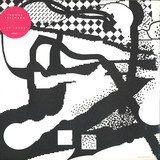
Thomas Fehlmann steps away as co-member of The Orb following two acclaimed full lengths on Kompakt (COW - 2016, Moonbuilding 2703 AD - 2015) and embarks back on his solo career with a career defining album 'Los Lagos' - from Detroit to Schaffel techno he conducts a broad spectrum of electronic music into a seamless flow.
Thomas Fehlmann has been active since the late 1970's from Palais Schaumburg, the Tresor defnining trio 3MB (with Moritz von Oswald and Juan Atkins), Ocean Club (together with Gudrun Gut) and of course The Orb.
Artwork direction and design by DESIGNERS REPUBLIC.
'Los Lagos' is Thomas Fehlmann's seventh solo full-length, his 4th for Kompakt following his Berlin inspired 2010 full length 'Gute Luft'. in the musician's own words it's about "checking the juice".
Establishing a picture of his current artistic condition, as suggested by the title - los lagos / die lage / the situation (literally translating to 'the lakes' but taking the meaning of 'wassup' in the context of a relaxed discussion between friends), the album refers to Fehlmann's "musical motivation, dreams and wishes" through the language of music exclusively: a way to "allow myself to techno" he says, "to techno as a means to deconstruct and rebuild again. Set up an area of tension, loose it in the flow of the grooves. Magnifying some detail out of proportion, regroup around that and slowly knit a texture. Expand."
"It was time to take a bend and head where the sun rises or sets, wherever my heart drives me." This is pretty much the kind of decision Thomas Fehlmann has made. 61 and shining, longstanding member of The Orb, multi-talented composer and boundless experimentalist, had to make in the twilight of his collaboration with Alex Paterson, eager to taste the flavours of the unknown on his own again. "It was the moment when felxibility would have become compromise'. Far from being the demise of their joint dream, this was bound to split it in two distinct, parallel fantasies - rich of their own singularity.
As goes with that essential love of his for the free-flowing nature of electronic music, a fascination born out of its "lack of borders", capable of "inventing, changing the emphasis, experimenting with an unpredictable outcome", 'Los Lagos' "freely connects disparate extremes. Art, disco, minimalism, schmalz, jazz and funk". As he likes to say, Fehlmann's head functions as a sampler, capturing elements and re-assembling them under his own embracing perspective ; not afraid to leap from a deep, dubbed-out hypnotism ('Window', 'Morrislouis', 'Freiluft') to the playfulness of '90s-style bleepy schaffel ('Tempelhof' featuring Max Loderbauer), through out-there, muscle-flexing dancefloor cuts ('Triggerism') onto the calmness of ambient ('Geworden').
In need to keep his inner balance in check, Fehlmann committed himself to "switch off the control" and follow his intuition, which isn't so much of an easy process as he also wanted to incorporate the side disturbances experienced: "it's a complex process of search and destroy to bring out a new beauty trying to expand my vocabulary". With 'Los Lagos', Fehlmann looked at finding "the structure that's surprising, disturbing and rewarding". The artwork for the record, courtesy of contemporary artist and friend Albert Oehlen whom he shares lots of artistic ambitions with, echoes the producer's "funky use of shape and space, sludge and clarity" like a second skin. A search for light and harmony that Fehlmann sums up eloquently: "Does your inner musical voice respond", that is the question. Then "doors open up in unexpected corners, rays of light appear; you follow through and you're in - in your oasis."
Goatherder is the seventh album from underground London producer Kristian Craig Robinson, AKA Capitol K. This ace manipulator of audio and punk warlord of groove has crossed a tapestry of styles and approaches with his own secret compass since 1998.
Along with everything from Chinese pop to the marching band music of the United Arab Emirates in his early musical vocabulary, the influence of rave, new wave, grunge, and noise-core would collide to create a bold new sound. His early studio experiments gave birth to his debut, Sounds of the Empire (Planet Mu, 1999) built upon a heady balance of samples and live sources that placed Capitol K at the forefront of the UK's electronic scene. The follow-up, 2002's Island Row, was released via XL Records, with lead single Pillow becoming a daytime Radio 1 crossover. Nomad Junk (2005) combined Asian field recordings into a vibrant psychedelic collage, while Notes From: Life On The Wire With A Wrecking Ball (2008) paid homage to London's squats and free anarchistic artistic spaces of which K was a part for many years. Andean Dub (2012) was an exploratory South American-influenced album of heavy synth laden cumbia sound system tracks.
The last seven years have seen Capitol K's stature as a producer elevated with his establishment of the renowned Total Refreshment Studio and recording work with musicians such as the Mercury Music prize nominated The Comet Is Coming, global dance act Ibibio Sound Machine (Merge), the pan-Arabic Flamingods (Moshi Moshi), Serafina Steer and her BAS JAN project, and contemporary folk artist Rozi Plain, among many more.
This latest work was developed and recorded in his native Malta, where he built a studio in a cave (a former goat stable). K gathered bamboo instruments collected around the world, including an ancient Quecha reeded pipe (his new-found lead instrument), and various resonating vessels and percussive objects including dry fennel storks collected from Punic troglodyte sites, and atonal flutes built from fresh cut farmland reed. Ritualistic improvisations took place over a series of seasonal visits, awakening genetic memory and plant communication.
Back in London the tracks were interfaced and expanded with post-industrial machine beat and bass guitar lock down. Homage is paid to New Age synthscapes, while a Spirit Jazz overtone arrives from K's recent years as the sonic muscle behind a plethora of luminous albums born in his Total Refreshment Studio. Goatherder follows on from the 2016 collaborative incarnation LOOSE MEAT and sonically abridges 2012's Capitol K album Andean Dub.
Outside of studio production and his solo repertoire as Capitol K, Kristian has toured as guest musician with multiple bands over the last 15 years, including Brazil's Cibelle (Crammed Discs), Archie Bronson Outfit (Domino) (whom he also co-produced), and recently Du Blonde (Mute Records).
His last project, Loose Meat, was a collaborative album of poetic dance music received lots of radio play in the UK and toured across the country for a year, performing a number of festivals.
He established the Faith and Industry record label which handled his subsequent releases and through which now he releases a number of other artists that he develops and produces.
Mid last century. Commercial Music is a machine that generates dances that run each other over in the urge to reach the audiences and mark their place in time and history.
A never-ending list of choreographies co-habit: hully gully, madison, rock, limbo, twist and a long etcetera, until a new dance, bossa nova takes over the dance floors. Joao Gilberto, Tom Jobim or Vinicius de Moraes reach stardom in Brazil with this mix of samba and jazz, but the genre doesn't explode internationally until a few American jazzmen decide to import it. From there it reaches Europe, via France, thanks to Sacha Distel, the first on the continent to record an EP completely dedicated to this phenomenon.
It is 1962.
Shortly after in Spain, the number of artists including original or adapted tracks in their albums, escalate: Tony Vilaplana, Mina, Duo Dinámico, Latin Combo, Los 4 Brujos, Gina Baró, Grau Carol, Salomé or Marisol, who popularizes the new trend by recording 'Marisol rumbo a Río', a blockbuster film partially filmed in Brazil. The maestro Augusto Algueró writes the films soundtrack.
For this compilation we have consciously dug into the archives of three Barcelona based labels like Belter, Discophon and Olympo to serve Spanish sung bossa nova songs that have never, inexplicably, been released on vinyl, all songs are recorded during those two (musically speaking) prodigious decades: the twentieth centuries sixties and seventies.
Next up on the ever-eclectic XVI Records, a shadowy figure steps into the spotlight: enter the mysterious Captain Over, whose dark yet soulful bruk-infused tracks soundtrack the next stage of their voyage towards the sun. For his debut outing, Captain Over calls on the abstract vocal stylings of the legendary Trim (Roll Deep, 1800 Dinosaur) on opening track 'SICK'.
Showcasing why he's one of the most iconic and forward-thinking MC's to grace the mic, Trim's dulcet tones twist through a jungle of shuffled beats and subterranean sub-bass, an eerie child-like melody drifting overhead.
Clack Clack and No One Ever Really Flies inhabit a more dancefloor friendly space, their unique syncopation, fierce instrumentation and relentless energy open up the dancefloor for some real get loose moments.
On the remix, they hand the controls over to XVI homestay Books (following on from the success of his previous 'Feel It In My Bones' and 'High Praise Edits Vol 1' releases which won praise from the likes of The Black Madonna, Moodymann, Gilles Peterson and Seven Davis Jr) Books expertly crafts a cosmic footwork jam, full of his trademark soulful chords and eerie midnight saxophone licks.
As he prepares to launch his forthcoming EP 'No-One Every Really Flies' into the cosmos ; Captain Over is beginning to cement his place as one to watch in the UK underground - a sequel EP featuring grime upstart Nico Lindsay is scheduled for release later in the year, with several more collaborative works in progress.
+++
Music and Poetry of the Kesh is the documentation of an invented Pacific Coast peoples from a far distant time, and the soundtrack of famed science fiction author, Ursula K. Le Guin's Always Coming Home In the novel, the story of Stone Telling, a young woman of the Kesh, is woven within a larger anthropological folklore and fantasy. The ways of the Kesh were originally presented in 1985 as a five hundred plus page book accompanied with illustrations of instruments and tools, maps, a glossary of terms, recipes, poems, an alphabet (Le Guin's conlang, so she could write non-English lyrics), and with early editions, a cassette of field recordings' and indigenous song. Le Guin wanted to hear the people she'd imagined, she embarked on an elaborate process with her friend Todd Barton to invoke their spirit and tradition.
For Music and Poetry of the Kesh, the words and lyrics are attributed to Le Guin as composed by Barton, an Oregon-based musician, composer and Buchla synthesist (the two worked together previously on public radio projects). But the cassette notes credit the sounds and voices to the world of the Kesh, making origins ambiguous. For instance, The River Song' description reads, The prominent rhythm instrument is the doubure binga, a set of nine brass bowls struck with cloth-covered wooden mallets, here played by Ready.' According to writer and long-time friend of LeGuin, Moe Bowstern (who pens the liners for the Freedom To Spend edition of Kesh), Barton built and then taught himself to play several instruments of Le Guin's design, among them the seven-foot horn known to the Kesh as the Houmbúta and the Wéosai Medoud Teyahi bone flute.' Barton's crafting of original instruments lends an other-worldly texture to the recordings of the Kesh, not unlike fellow builders Bobby Brown and Lonnie Holley. Bowstern notes, Other musician / makers have crafted their own Kesh instruments after encountering the earlier cassette recordings that accompanied some editions of the book.' Both Barton and Le Guin are sensitive to the sovereignty of indigenous Californians and were careful not to trample the traditions of the Tolowa people who lived in the valley long before the Kesh. You research deeply, and then you bring your own voice to the table,' said Barton. Within the Kesh culture, the numbers four and five shape the lives, society and rituals. Barton composed loosely around these numbers, patiently listening to the land of Napa Valley for signs and audio signals from the natural elements. Todd incorporated ambient sounds of the creek by Le Guin's house and a campfire they built together. The songs of Kesh are joyful, soothing and meditative, while the instrumental works drift far past the imaginary lands. Heron Dance' is an uplifting first track, featuring a Wéosai Medoud Teyahi (made from a deer or lamb thigh bone with a cattail reed) and the great Houmbúta (used for theatre and ceremony). A Music of the Eighth House' sends gossamer waves of the faintest sounds to float on the wind.' Like the languages invented in the vocal work of Anna Homler, Meredith Monk, and Elizabeth Fraser, the Kesh songs and poems play with the shape of voice.
The Music and Poetry of the Kesh cassette was meant to accompany and enhance the experience of reading Always Coming Home. Presented in this edition as a long-playing album, where only traces of the book linger (the jacket offers some of Le Guin's illustration, and a letterpressed bookmark featuring the the narrative modes of western civilization and the Kesh valley is included), the music alone breaking the silence of what might be. It can transport—offering a landscape for imagining a future homecoming. One in which we are balanced, peaceful, and tend to the earth and its creatures. A line from the Sun Dance poem reminds us, We are nothing much without one another.' Freedom To Spend gives new life to the recordings of the Kesh people in the first ever vinyl edition of Music and Poetry of the Kesh, out on LP, and digital formats on March 23, 2018. The LP will include a deluxe spot printed jacket with illustrations from Always Coming Home, a facsimile of the original lyric sheet, liner notes by Moe Bowstern, multi-format digital download code and a limited edition bookmark letter pressed by Stumptown Printers in Portland, OR.
This past Monday, January 22, Ursula passed from this realm to another leaving a life spent building and exploring other worlds while challenging social concepts of the real word she inhabited.
Freedom To Spend had been working under Ursula's enthusiastic endorsement and with Todd Barton, her musical collaborator on Kesh, to give the music that accompanied her 1985 epoch a new life. With the Le Guin family's encouragement to move forward with our planned release, we are humbled to play this small role in sharing Ursula's work.
As Pete Swanson, one third of Freedom To Spend, stated, Ursula's legacy is her work which transformed the world, and this is another piece of the universe that her imagination birthed becoming real.' Listen to A Teaching Poem / Heron Dance' below.
Do you like Love songs After spending a lifetime spent avoiding this subject in song, Joel Sarakula finally admits that he does. On his new album "Love Club" Sarakula relives the golden age of Soulful and Romantic Pop music and connects it with a modern aesthetic. While a deeper message of love and peace flows through the record, Joel Sarakula is no old fashioned hippie: ",Love Club' is about connecting to reality and re-framing the idea of romantic love and loss in the present, loveless age ". Featuring eleven songs touching all genres from disco to blues, from soul to soft-rock, Joel Sarakula's "Love Club" is a profound pop statement.
Joel Sarakula has travelled the world in search of his muse, experiencing everything from being a victim of Caribbean carjackings to performing in the remote fishing villages of Norway, via the dive bars of Europe and the US. It was the hodge-podge musical tapestry of England's capital that finally drew him to a settling point, in the wake of seemingly never ending run of shows. With personal tastes that span from the more avant-garde to soul and pop greats like Sly Stone, Todd Rundgren and Hall & Oates, there are clear nods to contemporaries like Unkown Mortal Orchestra, Erlend Oye and Toro Y Moi in terms of ambition and style.
With his last two albums "The Golden Age" and "The Imposter" collecting strong radio plays at BBC Radio 2, BBC 6, BBC London, XFM Joel Sarakula has been play-listed nationally in Europe including Flux FM, WDR 5, Radioeins, Bayern 2, Deutschlandfunk and Deutschland Kultur Radio in Germany as well as in Benelux and Italy and Spain. He is a regular fixture on the live festival and club circuit in the UK, Europe and internationally including appearances at SXSW, Primavera Sound, Glastonbury, The Great Escape, Liverpool Sound City, Scala London, Tallinn Music Week, V-ROX (Vladivostok) and Reeperbahnfestival Hamburg.
"Love Club" is Sarakula's bold and unashamedly emotional next step. In essence the album is a homage to the soulful singer & songwriter artistry of the Seventies filtered through a darker contemporary lens - fitting for these uncertain times. "I always shied away from generic love songs," the Sydney, Australia born songwriter admits, "but on this record I embraced the subject wholeheartedly... and intellectually, looking at themes of love, lust, loneliness and everything in-between." Take the first single "In Trouble", co-written with Michele Stodart of The Magic Numbers, as the best example for Joel Sarakula's unique, and honest approach to making music. "We Used To Connect" questions the changing nature of relationships in our social-media addicted world: 'We used to connect in the real world too, now the touch of your hand is a digital cue'.
"Coldharbour Man", on the other hand, examines the identity of the song's narrator and the artist vs. fan dynamic all wrapped up in a disco love song: "There's a lot going on in this particular track. I feel my writing has grown emotionally...", explains Joel Sarakula. "Just best to listen yourself and make up your own interpretation!: 'We met in a song come to life like some fantasy cliché, though I'm known for my moves in the dark you flooded sunshine on my day'. Then there's "Baltic Jam", capturing romantic love and loss in authentic 70s confessional singer & songwriter style and of course "Dead Heat", a song about how there is struggle in the most perfect relationship pairings as the match is so even: "I recall an ex-girlfriend of mine... when we first met, we thought we hated each other but we eventually flipped that emotion and realised we had a deep passion and love for each other, there just was a lot of underlying sexual tension!" : 'It's a battle we could only win, if we lose. We'd be stronger if these lonely ones became two'.
More than a year in the making, Joel Sarakula recorded "Love Club" in various studios around London and Berlin capturing soulful performances from his many musical comrades on vintage analogue equipment. "This record has truly been a labour of love. Recording and privately sharing these performances amongst my collaborators started to feel like a bit like a club - I guess that lead to the album title! I was surprised how much I actually enjoyed the 'love-making process' and I look so much forward to playing these new songs on stage with my band." We can't wait, Joel Sarakula.
Includes 12' Vinyl and Deluxe CD album, 30 page hard back book
Now that I've been to Nashville,' Kylie Minogue says with audible affection, I understand. It's like some sort of musical ley-line...'
Golden, Kylie's fourteenth studio album, is the result of an intensive working trip to the home of Country music, a city whose influence lingered on long after the pop legend and her team returned to London to finish the record: We definitely brought a bit of Nashville back with us,' she states. The album is a vibrant hybrid, blending Kylie's familiar pop-dance sound with an unmistakeable Tennessee twang. It was Jamie Nelson, Kylie's long-serving A&R man, who first came up with the concept of incorporating a Country element' into Kylie's tried-and-trusted style. That idea sat there for a little while, with Minogue and her team initially unsure about how to bring it to life. Then, when Grammy-winning songwriter Amy Wadge's publisher suggested Kylie should come over to collaborate in Nashville, a city Kylie had previously never visited, something clicked. You know when you're so excited about something,' she recalls, that you repeat it an octave higher and double the decibels I was like that. 'Nashville! Yes! Of course I would!'. I hoped it would help the album to reveal itself. I thought 'If I don't get it in Nashville, I'm not going to get it anywhere.''
Kylie's Nashville trip involved working alongside two key writers, both with homes in the city. One was British-born songwriter Steve McEwan (whose credits include huge Country hits for Keith Urban, Kenny Chesney and Carrie Underwood), and the other was the aforementioned Amy Wadge, another Brit (best known for her mega-selling work with Ed Sheeran). It was then a truly international project: Golden was mainly created with African-German producer Sky Adams and a list of contributors including Jesse Frasure, Eg White, Jon Green, Biff Stannard, Samuel Dixon, Danny Shah and Lindsay Rimes, and there's a duet with English singer Jack Savoretti.
However, the album's agenda-setting lead single Dancing was, significantly, first demoed with Nathan Chapman, the man who guided Taylor Swift's transition from Country starlet to Pop megastar. If anyone knows how to mix those two genres, Chapman does. Nathan was the only actual Nashvillean I worked with. He's got a huge studio in his house, which is probably due to his success with Taylor... there's plenty of platinum discs of her, and others on his walls.' There's something of the spirit of Peggy Lee's Is That All There Is, of Dylan Thomas' Do Not Go Gentle Into That Good Night, even of Liza Minnelli's Cabaret about Dancing, a song which not only opens the album but sets out its stall, providing a microcosm of what is to come. You've got the lyrical edge, that Country feel, mixed with some sampling of the voice and electronic elements, so it does what it says on the label. And I love that it's called 'Dancing', it's immediately accessible and seemingly so obvious, but there's depth within the song.'
The experience of simply being in Nashville was an overwhelming one, before Kylie had even arrived. Once I knew I was going to Nashville, people talked about the place with such enthusiasm. They said without doubt I would love it and, I would come back with songs. They were sending lists of restaurants, coffee shops and bars. It really was a beautiful and genuine response and it felt like I was about to have a life changing experience and in a way, I did.' The reality came as something of a surprise, when she found a far more modern metropolis than the vintage one she'd envisaged. I thought it would be like New Orleans: little houses and bars, with music spilling out onto the street. It reminded me more of Melbourne: apartment blocks going up everywhere! The main strip, Broadway, where the honky tonk bars are, that's where the street was filled with music and it was just amazing.' Mainly, Minogue remembers the heat and humidity. It was 100 degrees. It was like it was raining with no rain.' She also relished the chance to wander around unrecognised, visit a few venerable music bars and soak in the atmosphere. I didn't get to the Grand Ole Opry or the music museums but I managed to go to a couple of the institutions there like The Bluebird Cafe and The Listening Room, and just by being there, through some kind of osmosis, you get this rejuvenated respect for The Song, and the writing of The Song. There's no hoo-hah around it. There's a singer-songwriter there, talking about the song and singing the song, to an audience who are there to listen. Although, I have to confess I was guilty of starting to clap too soon during a long pause at the end of one of the songs. The guy made a bit of a joke out of it and got a laugh from it, but I thought 'Of all people in the audience, no...''
It's probably no coincidence, therefore, that every track on Golden is a Kylie co-write, making it arguably her most personal album to date. The end of 2016 was not a good time for me,' she says, referring to well-documented personal upheavals, so when I started working on the album in 2017, it was, in many ways, a great escape. Making this album was a kind of saviour. I'd been through some turmoil and was quite fragile when I started work on it, but being able to express myself in the studio made quick work of regaining my sense of self. Writing about various aspects of my life, the highs and lows, with a real sense of knowing and of truth. And irony. And joy!'
The songwriting process allowed Kylie to get a few things out of her system. Initially, she admits, it was cathartic, but it also wasn't very good. I think I was writing too literally. But I reached a point where I was writing about the bigger-picture, and that was a breakthrough. It made way for songs like Stop Me From Falling and One Last Kiss. It also meant I had enough distance to write an autobiographical song, like A Lifetime To Repair, with a certain amount of humour. The countdown in that song: 'Six-five-four-three, too many times...'. I don't know if that will be a single, but I can just imagine a girl with framed pictures of past boyfriends, and kind of going 'Oh god, when am I going to get this right'' When she listens back to Golden, Kylie can vividly hear the Nashville in it. It is, she'll agree, probably the first time that a Kylie album has sounded like the place it was made. You wouldn't normally relate my songs to the cities. Can't Get You Out Of My Head sounds more like Outer Space than London. But Shelby '68, for example, was written in London but it was done with Nashville in mind. It's about my Dad's car, and my brother recorded Dad driving it! I don't think I'd have written a number of the songs, including Shelby '68 and Radio On without having had that Nashville experience.'
The latter, she says, is about music being the one to save you.' Throwing herself into the making of the record, she says, crystallised that idea. If there's one love that will always be there for you, it's music. Well, it is for me, anyway.' That song, in particular, carries nostalgic echoes of the golden age of Country, as heard through Medium Wave transistors and tinny home stereos in the distant past. Like any child of the Seventies, Kylie had a basic grounding in Country music, mainly absorbed from older family members. My Step-Grandfather was born in Kentucky and though he lived most of his adult life in Australia, he never stopped listening to his beloved Country artists.' If there's any classic Country singer whose imprint can be heard on Golden, it's Dolly Parton.
Kylie saw Dolly live for the first time at the end of 2016, at the Hollywood Bowl. It was like seeing the light,' she beams. It was incredible. Everyone, whether they know it or not, is a Dolly Parton fan. When I was in Nashville, I did pick up a T-shirt that said 'What Would Dolly Do' Maybe that should be my mantra.' And, whether consciously or otherwise, there's a timbre and trill to Kylie's vocals on Radio On that is distinctly Parton-esque. My delivery is quite different on this album,' she says. A lot of things are 'sung' less. The first time I did that was with Where The Wild Roses Grow. On the day I met Nick Cave, when I recorded my vocals, he said 'Just sing it less. Talk it through, tell the story.' This album wasn't quite to that extreme, but a lot of the songs were done in fewer takes, to just capture the moment and keep imperfections that add to the song. I remember on my last album, a lot of producers were trying to take out literally every vibrato they heard. And that's not natural to my voice. I mean, I can make myself sound like a robot, but it's nice to sound like a human!' Working within the Country genre also gave Kylie permission to write in the Nashville vernacular. Because we were going there, I wasn't afraid to have lines like 'When he's fallen off the wagon we'd still dance to our favourite slow song', 'Ten sheets to the wind, I was all confused', 'I'll take the ride if it's your rodeo'. The challenge of bringing a Country element to the album made the process feel very fresh to me, kind of like starting over. I started to look at writing a different way, singing a different way.'
If ever Kylie lost confidence in the Country-Pop concept, and found herself pondering This is great, but back in the real world - my real world - how will this work', Jamie Nelson was there to badger her into sticking to the path. We found a way to make it a hybrid with what we'll call my 'usual' sound. It had to stay 'pop' enough to stay authentic to me, but country enough to be a new sound for this album. The closer we zoomed in, and the more we honed it, I knew Jamie was right. We sacrificed good songs that weren't right for this album, because we wanted it to be as cohesive as possible. The songs that were hitting the mark were these ones, so we decided to be strong, and that's how we wrapped up the album. What he said, that stuck with me, was that 'I'd hate to get to the end of this and really wish we'd gone for it.'' Having worked with Kylie for so long, Nelson was able to put this latest shift of direction into perspective. He said 'You've traditionally done it throughout your career. You had your PWL time, then you did a complete turn when you went to deConstruction, then another complete turn with Spinning Around, and R&B dance-pop, and then another turn with Can't Get You Out Of My Head, icy synth-pop, and this is another one.' He was right. It felt like the right time to have a change sonically. New label, new stories to tell, and a new decade almost upon me.'
Kylie Minogue will, it's scarcely believable, turn 50 this year. This looming milestone is partly behind the album's title, and title track. I had this line that I wanted to use: 'We're not young, we're not old, we're golden' because I'm asked so often about being my age in this industry. This year, I'll be 50. And I get it, I get the interest, but I don't know how to answer it. And that line, for my personal satisfaction, says it as succinctly as possible. We can't be anyone else, we can't be younger or older than we are, we can only be ourselves. We're golden. And the album title, Golden, reflects all of this. I liked the idea of everyone being golden, shining in their own way. The sun shines in daylight, the moon shines in darkness. Wherever we are in life, we are still golden.' One of the album's shiniest moments is Raining Glitter, an exuberant banger which ventures closest to Kylie's traditional dance-pop comfort zone. Eg White, who is one of the producers and writers and a great character, was talking about disco one day. I said 'I love disco, but you know the brief.' We needed to be going down the Country lane, so to speak. But we managed to bring them both together. When I wrote it, I was thinking about the Jacksons video for Can You Feel It where they're sprinkling glitter over everyone. And I think there's a Donna Summer record that's got that feel to it. I think that's my job: I basically leave a trail of glitter after every show I do anyway.'
Kylie is looking forward to the challenge of incorporating the Golden material into her live shows. Mixing these songs in with my existing catalogue is going to be fun. And it could be fun to do some of those songs with just a guitar. It'll make my acoustic set interesting...'Her incredibly loyal fans - to whom one Golden song, Sincerely Yours, is intended as a love letter' - will, she believes, have no problem with her latest stylistic shift. My audience have been with me on the journey, so I shouldn't be afraid that they won't come with me on this part. I've had fun with it, and I'm sure they will too.'
The time spent making Golden has, Kylie says, been a time of creative and personal renewal. I've met some amazing people, truly inspiring writers and musicians. My passion for music has never gone away, but it's got bigger and stronger.' And if there's an overriding theme to the record, it is one of acceptance. We're all human and it's OK to make mistakes, get it wrong, to want to run, to want to belong, to love, to dream. To be ourselves.'
I was able to both lose and find myself whilst making this album.'
Tim (aka Jean Marie Tiam)and the sadly departed Maurice Foty who died in 2011. The musical cousins hails from Bafoussam in Cameroon. Their signature vocal harmony sound may be the first thing you hear, however they also have produced a host of funkiest African funk around. They sing in their native language Ngomâlah, as well as Duala and English.
We start the album off slowly with the scene-setting and largely instrumental "Douala By Night". Tight guitar and choppy clavi drive this song along. The groove is so deep even Missy Elliot couldn't resist a cheeky sample. "Funky Bafoussam" carries on the theme and expands it to include a kick-ass horn section. "More And More" is next and here the vocals burst forth over this up tempo punchy pop-funk track. With "Love Is Light" the pair show their versatility with a smooth English-sung soul ballad.
The hopelessly upbeat "Aie" is next with its earworm keyboard riff, slice guitar and catchy falsetto vocal. "Not So Bad" brings on the boogie. "I Love Yaounde" is a smooth swinging boogie-ballad with a killer chorus hook. "Eda" is a hit from early in their career. We close of the comp with the disco funk of "Funky Boogie Love" and synth grooves of "Eya Mba".
The songs on the comp represent only a 2 year period but some of the finest from the duo. These days Tim keeps the Tim and Foty flame alive. He currently lives between France and Cameroon. A musical flame that most definitely is burning bright.
Intimate November tour also announced After their 2012 Mercury Prize nominated debut and 2015's Top 20 follow-up 'Born Under Saturn', musical adventurers Django Django are back for 2017, exploring new sounds with their brand new album 'Marble Skies' which will be released on January 26th on Because Music. Today the album launches with first single 'Tic Tac Toe', a rousing, trippy upbeat rock track with an enormous echoing hookline which will excite fans of the band's rockabilly-influenced elements. The accompanying video for 'Tic Tac Toe' was directed by John Maclean, brother of Django Django drummer/producer David Maclean and director of the critically acclaimed modernist western 'Slow West'. It depicts vocalist/guitarist Vincent Neff enjoying a rapid-fire day-trip to Hastings which takes a turn into the surreal and sinister when a ghost train puts him on a collision course with a grim reaper inspired by Ingmar Bergman's The Seventh Seal. As John Maclean explains: The film could be about the fading era of the beach arcades, time moving too fast, love and games, horror and happiness but it is actually about a man who needs to go buy a pint of milk to make a cup of tea.' After the brilliant, rave-shaped grooves and expansive arrangements of its predecessor, 'Marble Skies' is a more concise and focused offering which recalls the dynamic, genre-blurring music of their debut. It's a return to form, an album which finds them returning to the handmade, cut-and-paste approach of the past. Upon finishing the 'Born To Saturn' tour, Dave ventured to LA to work on a production project, whilst the other band members went to India with the British Council. When they returned, the new album process began with a back-to-basics approach which recalled the DIY ethos of the band's early days, Django Django - minus an absent Maclean - assembled at Urchin Studios in Tottenham, London with Metronomy drummer Anna Prior to experiment with the idea of coming up with new tracks through loose jamming sessions. After ten days of recording, there was plenty of raw material to send up to Dave (then back in his hometown of Dundee) for him to edit, refine and evolve. As ever, all four band members (completed by Tommy Grace on synths and bassist Jimmy Dixon) contributed to the band's music, melodies and lyrics as the final album took shape. Parts of 'Marble Skies' find Django Django sailing into uncharted territories, not least the driving title track (propelled by Prior's drumming), with its echoes of Krautrock and Suicide. Meanwhile, the hazy Zombies-like summer pop of 'Champagne', which explores the joys and ills of alcohol, was inspired by the band's over-indulgence during a boat trip on the Seine that was hosted by their label. Those drawn to the more dance-orientated side of Django Django will find much to love in the twisted '80s electro pop of 'In Your Beat' and the dancehall-influenced 'Surface To Air', a dreamy-headed pop song fronted by Rebecca Taylor of Slow Club. The collaboration came as a result of the two bands meeting up at SXSW some years ago, where Rebecca and Dave in particular bonded over shared interests in R&B, hip-hop and dancehall. Another more surprising collaborator is Jan Hammer, the Czech-born, American-based jazz-fusion and electronic artist who shares writing credits with the band on the gorgeously floaty 'Sundials'. If there's a mood running through 'Marble Skies', it's one of reflection on things past and present, and finding some kind of peace with your place in the grand scheme of things.
Les Adventures de President Bongo is a unique work that will reveal itself over the next seven years, give or take, in the form of 24 LP's.
What is a groove It is something that goes on and on, not changing much seemingly, like the growth rings exposed when you cut and fell a tree. It is no coincidence that tree rings resemble the spiral track of a record: they're both grooves of a sort.
A groove is a routine, a life lived. It may not always seem like much - a cup of bitter coffee, another day spent under the flickering fluorescent lights of an office, an overly long queue at the check-out of a suffocating supermarket. But it is also the scent of slightly burnt meat and birch by a gently flowing stream under a pink sunset, a silver fog clearing without notice to expose a starry sky and its familiar twinkling constellations, an impenetrable smile on a crowded morning train. It is the pattern exposed on the tree stump. A proper groove has ups and downs, it has drama. A good groove is a good story, a transmission into the future.
Selection of obscure and underrated Country-Funk, Blue-Eyed-Soul, and other swinging Rhythm & Blues oddities from the Sixties and Seventies. The tunes on this album are as good as those by famous artists like Little Richard, Jerry Lee Lewis, Tom Jones, or Jack Hammer.
The Shadows is the new album from Leeds-based six-piece Tomorrow We Sail. Building on their debut release For Those Who Caught the Sun in Flight (Gizeh, 2014) over the course of three years, this new work combines perfectly the soaring atmospherics, gorgeously intertwined vocal harmonies and dramatic shifts in tone and dynamics that have come to characterise Tomorrow We Sail's sound. Yet, there is a new sense of urgency here. Very much an album of its time, The Shadows draws upon the same sense of connection to both past and present that defined its precursor but features storytelling that's even more defiant and deeply personal.
Like its predecessor, the record features seven songs but from the chiming guitars of opening track Side By Side it is clear that the stately pace of For Those Who Caught the Sun in Flight has made way for a far more dynamic and driving energy; perhaps best captured in the righteous anger of The Ghost of John Maynard Keynes. Tomorrow We Sail still invoke a keen sense of measured grace in their songwriting - from the sweeping, elegiac title track, through to the sparse, restrained, yet haunting beauty of Winifred and To Sleep. Urgent, yet assured, The Shadows demands your attention.
The latest vinyl slice from FBNM sees us head to the depths of central Africa via Paris to track down a feast of rare seventies afro funky jams from Cameroonian master musician EKO. We've brought FBNM favourite Riccio along for the journey too, who has provided us with a fantastic Rerub coaxing out some modern dancefloor sensibilities and production sparkle.
Eko Roosevelt Louis has had a music career spanning over forty years, born the grandson of a Kribi tribal chief, his musical persuasion beginning humbly with his village's local church before his formal education at the Senegal conservatoire and Paris' École Normale de Musique. EKO made a number of jazz funk and disco records in the mid seventies during a stint recording and touring in and around France before returning to Cameroon to take over his grandfather's tribal chieftaincy, a role he still holds today! Alongside this position of office EKO has continued to work with music, performing, teaching and even leading Cameroon's national orchestra!
The tracks we have selected for reissue are all taken from EKO's third album, Funky Disco Music which was recorded in Paris and released on his own Dragon Phenix imprint. Sung in a combination of English and EKO's native tongue we've lined up a real excursion in feel good afro-jazz, funk and soul made purely for dancing feet and boogying butts!
All tracks have been officially licensed and lovingly remastered for this special release by Andreas (Lupo) Lubich (CALYX Berlin), packaged alongside Riccio's sympathetic work in the cutting room on 12" vinyl with a special interview with Eko Roosevelt Louis himself!
It's just over 3 years since we launched the Africa Seven label in Paris and London. Our first release back then (Airways One) is still our best seller and had to be repressed 4 times so far. Forty or so releases later it is time to take to the clouds again. Being the unimaginative bunch we are, the fourth installment of our African sky filled musical cornucopia is called African Airways Four (Disco Funk Touchdown - 1976 - 1983). This time around all tunes have the Disco flavour. As ever it's all about the music... the skies are wide and funky and the air is filled with musical goodness. Your flight is about to leave.
Your flight opens with a punchy disco funk assault from Paris based Cameroonian Tala AM. Here with his drive bass and guitar funk riff 1981 stomper "Get Up Tchmassi". Next up and staying with the Cameroonian connection is Eko with "Bowaa Mba Ngebe". The lyrics talk of accomplishing the things in life for your family and yourself. The sweeping strings and gloriously uplifting music matching the sentiments of the words perfectly. Uta Bella began singing in the 60's and by the time disco hit in the 70's she was already established a singer in her native Cameroon, here the locked on groove of "Nassa Nassa" is a perfect snapshot of the sound and the African disco times.
Charly Kingson (cousin of Manu Dibango) is next with his "Nimele Bolo". Recorded in Germany with the cream of Munich's session musicians the bass synth is out in force on this one. Punchy brass, rock solid grooves and jazzy Rhodes add all the right ingredients for a fine disco synth excursion. Next is the musical heavyweight from Cameroon cousin Manu with his 1978 Disco, jazz funk masterpiece "Sun Explosion".
Side two opens with a blast of Elvis Kemayo and his piano and guitar funk bomb "Biram". Next Momo Joseph gives us "Africain". Best known in France as an actor, this disco funk groover was released on his self pressed LP "War For Ground" in 1983. A true gem indeed. Nigerian, ex Funkees member Jake Sollo is next with "Tinni Yanana". Recorded in the UK in 83 its slick and smooth with a hint of "at the car wash" groove. Pierre Didy Tchakounte follows on with his soul funk 'golden years' style groover "Soul Magabe". Produced by one of our favourite Parisian producers Slim Pezin. We close off our journey with the tribal chant disco-funk special from the Monstars "Funny Saga".
Ladies and Gentleman, we have landed at your destination, please remain seated until the aircraft has reached the terminal. We look forward to welcoming you aboard Africa Airways again soon.
'Break at Home' is the collected recordings of the mysterious group '2 Katara' which was formed in Athens, Greece in 1978 by George Theodorakis (keyboards, percussion, vocals) with his close friend Dimitris Papangelidis (bass, guitars, percussion, vocals). TIP!
.
This musical-duo recorded quietly over a decade between Theodorakis' family idyllic home studio in the Philopappou hill of Athens and the nearby studios Theta and SR. For some part, the tracks seem like adventurous experiments or even unfinished samplers or riffs the band starts to develop, but at the same time there are productions that are clearly meant to be the backbone of an album that never came out.
Into the light proudly presents 14 sun-soaked productions from the above-mentioned sterling material from 1981 until 1991 where the band split. This sixth installment is meant to be enjoyed as a journey from proggy pop to TR-909 drum driving compositions to Mediterranean disco-not-disco and further futuristic synth-scapes.
The many elements from the Greek traditional folk music - especially in 'I Can Not' which is an ambient take on a folk lament song from Epirus area and the reverse play recording of a Greek orthodox priest chant on their last ever recorded epic 17min track 'Greek lady' -, the unusual but clever combinations of colorful styles and the intense improvisation put the group in the first line of Athens' best kept secrets
Hell Yeah is back with more beach ready and boat party styled summer tunes, this time from Riccio. This Italian producer has long been making essential edits, off kilter grooves and soul kissed house sounds that demand to be played loud and these new ones are no different.
Described by the label boss as Balearic Big Beat, this EP kicks off with Afro Chemy, a scorching seven minute tune that builds on a bed of fat drums. The scattered percussion is loose and organic and when the funky bass and colourful xylophone sounds comes in you can't help but cut loose. Add in a sexy trumpet line and you have the sound of summer distilled into seven sensational minutes.
Funky Cave will get any party started with its old school drum breaks and cymbal splashes sounding like the ocean when you plunge in on a hot day. Busted bass lines add a certain fatness and cosmic keys and steamy guitar licks make this another perfect outdoor anthem.
Last of all is the blissed out Heather, one to drop at sundown after a long day's dancing. The beats are warm and lumpy, the synths smear out to the horizon like gently breaking waves and soulful leads really get your heart swelling. Proper.
Translated from Spanish as 'The Shade', Chip Wickham's debut album La Sombra drops after a 25-year career touring, recording and experimenting across three decades of jazz, funk, soul, hip-hop, Latin and electronica. La Sombra is a monumental record for Chip as it symbolises the moment he stepped out into the light as a director of his creations with freedom to explore his roots, express and tell his version of jazz and pay testament to his heroes Roland Kirk, Yuseef Lateef & Harold McNair.
Now living in Dubai after an intense and productive six years in Madrid, it was Manchester where Chip studied in the late '80s and became enmeshed in the chaotic and thrilling music scenes emanating from one of the world's most culturally prominent cities of the time. Recording and generally 'keeping things real' with Manchester's hip-hop collective Grand Central Records, Rae & Christian, The Pharcyde, Fingathing, Nightmares on Wax, Graham Massey (808 State), Chip was in a city that was undergoing a music revolution with the Haçienda as its temple. Yet it was the headlights of the M62 motorway and not the strobe lights that were lighting Chip's path during his student years ('88-'92). The lure of the jazz and funk clubs of Leeds, where The New Mastersounds were breaking out and building the blocks that would lead them to UK funk royalty status, proved too strong.
In the 1990s Chip continued to refine his craft in the rainy city and the gigs booked were growing in stature. It wasn't long before he was on the road with Roy Ayers and Badly Drawn Boy. Around that time Chip met up with trumpeter Matthew Halsall that was the beginning of a friendship that lasts to this day. Chip was a recording artist on Matthew Halsall's breakout album Sending My Love and continues to work with him, with live dates confirmed in spring 2017. This close connection with Halsall gave rise to other collaborations, such as with Nat Birchall and Go Go Penguin's Rob Turner.
Three decades after his late night excursions to Leeds, Chip found himself recording with Eddie Roberts from The New Mastersounds in Madrid, as part of their new band, The Fire Eaters, which he'd formed soon after he moved to sunny Spain in 2007 - the same year he released the Fried Samba album under his moniker Malena, his electronic Latin band that became a hit at the turn of the century for Freestyle Records. During his time in Spain he connected with the local scene and brought together many of his musicians colleagues from the UK to Spain and it was for a local and well established label, Lovemonk, that he released two 45s blending raw funk and Latin. These new roads and musical leanings led to an invitation to play for the prestigious Craig Charles Fantasy Funk Band. Based on a poll from Craig Charles' top rated BBC6 radio show, Chip was chosen to play alongside the cream of the UK funk & soul scene: James Taylor (JTQ), Snowboy, The Haggis Horns (Mark Ronson), John Turrell (Smooth & Turrell), and Mick Talbot (The Style Council).
La Sombra takes an altogether more rooted direction than Chip's recent collaborative work, with the jazz of the late '60s and early '70s a dominating influence to the recordings. Comprising of seven tracks recorded in Madrid with musicians assembled by Chip from Madrid's jazz scene, it combines contemplative explorations akin to Yusef Lateef's early work on tracks like 'La Sombra' and 'Pushed Too Far'. There's a fiery cover of Camarón de la Isla's classic 'La Leyenda Del Tiempo' and tracks like 'Sling Shot' and 'Red Planet' are locked in a groove harking back to Freddie Hubbard's Blue Note era and Luv N Haight's Nathan Davis.
Bonobo veröffentlicht den lang erwarteten Longplayer-Nachfolger auf seine Erfolgalben Black Sands & The North Borders inklusive Vocal-Features von Chet Faker, Rhye & Hundred Waters!
Simon Green, alias Bonobo, kehrt mit seinem sechsten Album zurück, dem meisterlichen, gebieterischen "Migration" - ein Werk mit dem er sich ein für alle Mal an der Spitze der elektronischen Musik verortet. In abwechselnden Zügen opulent, manisch, wunderschön, melancholisch, freudig, voller Emotion und technischer Fertigkeit, ist dies womöglich sein bislang ehrgeizigster Versuch, die grundlegende Beschaffenheit menschlicher Existenz und deren ausgedehnte Dynamik zu erfassen. Neben Zeitgenossen wie Four Tet, Jon Hopkins oder Caribou, zählen Wiz Khalifa, Skrillex, Disclosure oder Warpaint zu Bonobos prominentesten Fans. Sein 2013er Album "The North Borders" erreichte im UK die Top 30 und katapultierte sich auf Platz #1 der elektronischen Charts, sowohl in den USA als auch im UK. Im Zuge dessen spielte sein 12-köpfiges Kollektiv weltweit über 175 Konzerte, darunter zwei ausverkaufte Shows im Sydney Opera House, ein ganztägiges Festival im Londoner Roundhouse, eine ausverkaufte Show im Londoner Alexandra Palace sowie einige renommierte Festival-Slots. Inzwischen verfügt Bonobo rund um den Globus über eine umfangreiche, loyale und engagierte Fanbase. Mehr als eine halbe Million verkaufte Alben und über 150 Millionen Spotify-Streams gehen auf sein Konto und verdeutlichen den Erfolg, den sich dieser ruhige, bescheidene Mann erarbeitet hat. Dank "Migration" wird seine wunderschön raffinierte und gefühlsgeladene Musik in Kürze ein noch größeres Publikum erreichen. Das zutiefst Persönliche kann schließlich ebenso gut allgemein gültig sein.
Michigan artist John Beltran's 13th studio album and 3rd on Delsin is his most complete and personal work yet. Written largely on modular synthesizers for the first time, it melts 90s intelligent techno with post rock and ambient with leftfield downtempo. The seventeen tracks draw on his expert knack for sound design; for melody and atmosphere and make for yet another hugely absorbing affair.
out of Stock
Last delivered 7 years ago available to reorder, subject to availability
Aus Music follow up a string of new signings with the return of 2 of the long-standing staples - label owner Will Saul and long term affiliate Komon. The duo most recently collaborated on a 12 for Kompakt now together they ready the 'Eve's Seven' EP - a deep and dreamy 3-track EP that comes with a remix from recent signing Recloose. Bloom sets arresting riffs circling through rich textures that thicken and thin to startling effect. 'Eve's Seven' follows up with dusty drum samples and bold melodies before the Brooklyn native does what he does best in offering up a typically sunny take on Komon & Will Saul's 'Eve's Seven'. Sweeping filters and a short, driving bass line propel a highly energetic but playful rework primed for brimful dancefloors.
REPRESSED !!
Early Piano Power Play by Jimpster, Trickski, Jacques Renault, Sevensol, Andy Ash, Axel Boman, Manoo, Sasse, Dennis Kahnn, _ and the girl from Ibiza last summer.Johannes is being frank. But Frank is also known as Hans. He's back with some sweet piano and disco melodies.
Some believe that the environment in which you make music - from the studio space, to the location itself - has a profound effect on the creative process. Immerse yourself in the world around you, the theory goes, and it will shape the music you make. Listen to Gorthleck, the third album from veteran downtempo alchemists Benjamin Smith and Paul 'Mudd' Murphy, and you can almost visualize the craggy, windswept and breathtakingly beautiful environment in which it was made. Reconvening after a near seven-year hiatus last summer, the duo headed up to the Scottish Highlands to spend a week recording in the surrounds of Gorthleck House, nestled on the shore of Loch Mhor in Inverness-shire. Earlier this year, they returned to the same venue, with its' stunning views of the tranquil loch and rocky, wooded hills rising in the distance, to complete the nine-track set. Certainly, the immersive environment and famously changeable weather seems to have inspired the longtime friends and studio partners. The album's epic centrepiece, the nine-minute Mhor', sounds like an emotional love letter to the body of water they strolled alongside every day. Its' undulating synthesizer line - reminiscent of classic Tangerine Dream and the Orb's A Huge Ever Growing Pulsating Brain' - mimics the slow ebb and flow of water across the loch, while Smith's shimmering guitar lines mimic the glint of sunlight reflecting off the surface. Elsewhere, the audio references are a little more subtle, but no less relevant. The hazy jazz guitars, twinkling pianos, rich grooves and fluttering clarinets of Nether' sound like the perfect accompaniment to a single malt whisky-fuelled sunset session at the water's edge, while the quietly foreboding aural textures, layered guitars and urgent electric violin of Enos' evoke memories of watching storm clouds gathering behind distant Highland mountains. The same could be said of Mr Coats' - a track arranged in steamy Mexico, and blessed with all the humidity you'd expect from such an excursion - while you can hear gale force winds whistling around the rafters on Dogwood'. As for Errogie', it's as bracing as a crystal clear morning in the Highlands, chilly, but hugely life affirming. The duo's previous two albums, 2007's Blue River and its' 2009 follow-up, Le Suivant, were both hugely evocative, but neither captured a distinct a sense of time and place quite like Gorthleck. Listen carefully, and you could almost be there with them, watching the sunrise and sunset.
The Summer of Sangaile is a rare film that takes you by surprise with the honesty of its performances, the poetry of its narrative, and the crispness of its cinematography, which captures the beauty of the girls and the unique Lithuanian scenery equally well. Writer/director Alante Kavaite uses transfixing imagery and exquisite casting to bring to life her distinctly layered story of young love and big dreams. The end result is a rapturous film experience. The Summer of Sangaile won the 'World Cinema Dramatic' Directing Award at Sundance Film Festival - the worlds most important independent film festival and is featured globally in theaters over this summer /autumn. The Directing Award: World Cinema Dramatic was presented by Taika Waititi to: Alanté Kavaïtéfor The Summer of Sangaile / Lithuania, France, The Netherlands (Director and screenwriter: Alanté Kavaïté) - Seventeen-year-old Sangaile is fascinated by stunt planes. She meets a girl her age at the summer aeronautical show, near her parents' lakeside villa. Sangaile allows Auste to discover her most intimate secret and, in the process, finds in her teenage love, the only person that truly encourages her to fly.
After a busy year that saw releases on Funkineven's Apron and Classic, Seven Davis Jr returns to London's Ninja Tune with a new LP, his second to date and a follow-up to this year's Wild Hearts EP for the same label. Universes is a stunning body of music comprised of fifteen tracks, all of which showcase Seven's many different styles and abilities behind the mixing desk...after all, it is called Universes! Our favourite moments have to be "Everybody Too Cool" because it reminds us of Outkast at their most daring, the off-kilter beats of "Karma", "Options" and its pseudo techno stance, and the abstract soul wails of "Fighters". Check it, there's plenty of goodness inside.
out of Stock
Last delivered 6 years ago available to reorder, subject to availability
Leave is the third album from Rasmus Rasmussens ethereal electronic project Aerosol. During the nearly six years that has passed since it's predecessor Airborne, Rasmussen has spent his musical efforts in acid rock outfit Causa Sui and as part of various constellations, playing alongside musicians from Sunburned Hand of the Man and legendary kraut bands Can and Faust.
These freeform psychedelic influences seep into the already recognizable style of hazy electronics, known from his own previous work as well as from the music of
his colleagues in former band Limp (Manual/Syntaks).
Cosmic sounds and psy- chedelic effects mingle with cascading guitars and kraut-infused beats on a collection of tracks that sends obvious nods to the german
synth pioneers of the seventies, but is still unmistakably an Aerosol-album - an album set on beating emotions, moods and melodies out of old synthesizers, cheap drum machines and Rasmus' trusty white Stratocaster.
Boogie-down cosmic funk from late-seventies Nigeria — like full-throttle Roy Ayers, at his most brilliant.
Jimi Lee Adams packs his inner Hendrix off to Funky Town; the horns are the horniest; Mona runs it all down with an irresistible West African tilt.
Afro-jazz scorchers, both sides.
Breaking through with The Sunflowers in Nigeria's late-sixties soul explosion, Mona moved to the US after the group's equipment was destroyed in a car accident. There she was active in the new jazz scene, before returning home towards the end of the seventies, and forming The Sensationals with guitarist Jimi Lee Adams. An unsung pioneer, Mona was Nigeria's first female pop bandleader.
Fifth in the series: all remastered at Abbey Road, cut at D&M, pressed at Pallas; and presented with a 24" by 12" full-colour poster.
The Tenses is a duo comprised of Ju Suk Reet Meate and Jackie Oblivia, two veterans of the weirdo art collective that is known as the Los Angeles Free Music Society. They also form the core of legendary experimental juggernaut Smegma.
The LAFMS have been a singular force in DIY culture ever since the early seventies and encapsuled an endless string of projects and bands that married a sort of proto-punk with trashy guitars, avant-garde music, tape manipulations, free jazz, improv and absurd vocalizations into a hyper original and singular form of music. They're seen by many as the originators of noise music, and have been an immense influence on bands like Sun City Girls, Merzbow, Wolf Eyes, No Neck Blues Band, etc...
The Tenses is one of the latest vessels for Ju Suk and Jackie to explore the outer realms of sound and space. Compared to the mothership that is Smegma, it is a more compact and intimate project where turntables, tape collages, distorted surf guitar and coronet are used to create elaborate, haunted atmospheres.
After releases on Harbinger Sound and their own Pigface Records, The Tenses now add another chapter to their history with 'Howard', their new LP on Belgian imprint audioMER. 'Howard' is a mind expanding tour de force that scrambles spoken word deconstructions and spontaneous freak outs into a musical non-sequitur; a strange and disorienting trip.
Loops of voices from long lost instruction movies, shortwave radio dramas that get overrun with sirens, various non-instrumental sounds, and an bewildering stretch of Link Wray-like guitar riffs; 'Howard' is a record that oozes paranoia, the perfect soundtrack for making explosives in your basement.
Comes in a limited edition of 300 copies with artwork by Wouter Vandevoorde and design by Wouter Vanhaelemeesch and Jeroen Wille.
June 8th, 1984, a deadly F5 tornado nearly destroys the town of Barneveld, Wisconsin, killing 9 people, injuring nearly 200, and causing over $25,000,000 in damage, only five months later Nenad Markovic was born in Belgrade, Serbia. May 3th 2000, a rare conjunction of 7 celestial bodies (Sun, Moon, planets Mercury-Saturn) occurs during the New Moon, few weeks after that in his room on the 10th floor of a new belgrade skyscraper nenad made his first steps into the wild blue yonder. December 27th, 2005 - Astrophysicists from the Max Planck Institute for Extraterrestrial Physics in Garching near Munich measure the strongest burst from a magnetar. At 21:30:26 UT the earth is hit by a huge wave front of gamma and X-rays. It is the strongest flux of high-energetic gamma radiation measured so far. September 23th 2008, in the Akihabara area of Tokyo, Japan, a 25-year-old man stabs seven to death and wounds 10, before being arrested, that night nenad adopted his pseudonym 33. 10. 3402 (33th of october threethousandfourhounded and two) Jun 11th 2009, a Texas mother was hit by lightning while standing in her kitchen inside her Texas home. Witnesses say the lightning came through a light fixture and struck her chest and exited her foot. Her 9-year-old son franticly called 9-1-1 to save her life. She had to spend three days in the hospital. Few months later nenad performed for the first time under the name 33 10 3402 along with Dj Brka in 'The Wash' club. From that time on, nenad had numerous gigs in prominent Belgrade clubs. Dec 8th 2010, with the second launch of the SpaceX Dragon, SpaceX becomes the first privately held company to successfully launch, orbit and recover a spacecraft. The same year nenad become resident in famous balgrade club '20/44'. Nenad is not responsible for many of these events, nonetheless,he is constantly on the move.
God is an Astronaut's seventh full-length album, Origins, is their first as a five-piece and cements their place as one of the world's most intense, musically- and visually-inventive post rock bands. Renowned for their searing live shows in which the music is married with provocative projected imagery, GIAA consider each of their albums to be a sonic 'photograph or snapshot of who we are in that moment of time' and Origins is perhaps their most saturated, striking snapshot to date.
*Origins is notable also in GIAA's return to Rocket Girl records, who licensed the band's breakthrough album, All is Violent, All is Bright in 2005. In the eight years since then, GIAA have continued to release albums and an EP on their own Revive Records (A Moment of Stillness EP, 2006, Far From Refuge, 2007, God is an Astronaut, 2008 and Age of the Fifth Sun, 2010), amassing a vast following on social media sites (150,000 fans on Facebook, half a million listeners on ) and touring extensively, establishing themselves as Ireland's most intense, incandescent live act.
*Comprising a dozen tracks, Origins fluctuates from controlled ferment ('Calistoga') to plaintive, piano-led reverie ('Autumn Song') to rhapsodic, unapologetically melodic fever ('Signal Rays') while never losing its focus.
Experimenting with 'a multitude of stompboxes', the newly bolstered line-up gives the songs an added richness, apparent on Origins perhaps most obviously on the first single, 'Spiral Code' which has already received numerous radio plays on specialist radio.