Photonz is the alias of Marco Rodrigues a DJ, producer and driving force of Lisbon's underground scene. For little over a decade now, he's been crafting his own deeply personal style of Portuguese house and techno for labels such as Créme Organization, 20:20 Vision, Don't Be Afraid, Skylax, Unknown To The Unknown and his own One Eyed Jacks. As a DJ, Photonz grew a reputation for deep crates and intensely euphoric sets and in 2017, together with Violet (co-founder at his Radio Quantica) and Lisbon's own Rabbit Hole collective, he started the now infamous Mina parties - a monthly, sex-positive, queer and intersectional-feminist techno party aimed at using the dissociative potential of intense raving to create a temporary space of suspension away from patriarchal expectations.
Etheric Body Music is Photonz's debut 6-track EP for Dark Entries and a simultaneous reference to hermeticism and EBM (Electronic Body Music). Marco loves that 'aesthetic when 80s industrial and EBM bands split up and start to make trance in the early 90s and all the ritual magick pushes them to zen stuff and they do ecstasy.' There's this concept in theosophy and hermetic philosophy of the Etheric Body, which is an energy body superimposed and connected to the physical body, similar to the acupuncture idea of an energetic body. That idea manifests itself as six primal club cuts, which also channel early techno, Drexciyan rhythms, balearic & old school jack. Raw arpeggiated synth lines and bass blast jut against metallic stabs and highly percussive shakedowns to create mournful atmospheric warped house. All songs have been mastered by George Horn at Fantasy Studios in Berkeley. The vinyl comes housed in a psychedelic jacket with snakey green and purple velvet in an electric acid spewing weird biological alien energy form designed by Eloise Leigh.
Produced by Developer and upcoming Dutch techno artist DJ Surgeles who has recently released on label "Up in the sky" by legendary Jeff Mills. The Mercurian Particle is a well balanced techno EP pushing that quality sound of techno Modularz continues to present release after release.
It's dark, hypnotic driving and deep all all the same time. this is a real banger TIP!
Plangent Records is happy to host the limited vinyl edition of Pantha Du Prince his The Triad Remixes. Including remixes by Efdemin, Shinedoe, Alva Noto, Solomun, Recondite, Ambarchi and Sprenger, John Roberts.
Adam Beyer's Drumcode juggernaut attracts more fans and critical plaudits with each passing year. Holding firm on its future facing ethos, techno's number one label presents a new volume in its acclaimed A-Sides series with 20 prime tracks to signify its 20th anniversary.
Such is the volume of quality music Adam Beyer receives throughout the course of the year, releasing all of it would be impossible. Enter the blue chip A-Sides series: a chance for the quality-obsessive label head to issue a collection of outstanding tracks that couldn't fit in their regular EP release schedule.
With an eye on future talent, as much as the label's established roster of heavy-hitters, the compilation showcases the full breadth of Drumcode's multifaceted techno sound, equal parts inspiring and functional.
Led by the stealth techno funk of 'Nine of You', Beyer's deft collaboration with Mark Reeve, the compilation takes in exciting highlights from big guns such as Alan Fitzpatrick, Dustin Zahn, Bart Skils, Pleasurekraft, Luca Agnelli, Jay Lumen, Kaiserdisco and Gary Beck.
The rich vein of form displayed by emerging techno talent is similarly given prime position. Rising DJ/producer Boxia makes his Drumcode debut, fresh from a well-received warm up set for the crew at the hugely successful Junction 2 festival in London, while the likes of Enrico Sangiuliano, Juan Sanchez, Ian O'Donovan and Timmo also drop fire, establishing their credentials as some of the most promising talent breaking through the ranks in 2016.
Reinforcing the global scope of the label, artists such as The Junkies from Toronto and Layton Giordani from New York, prove techno is winning a place in the heart of the new generation of artists coming out of North America.
Als Compilation-Reihe im Jahre 2001 gegründet um ein paar lose Fäden unserer Stammkünstler zu verknüpfen, hat sich SPEICHER inzwischen zu einem Garanten für fortgeschrittene Tanzklänge aus aller Welt weiterentwickelt, der es KOMPAKT erlaubt Musiker aus allen Bereichen des elektronischen Spektrums einzuladen und zu fördern. Für SPEICHER 73 haben sich Hollands Synth-Epiker QUINCE sowie der in Berlin lebende Techno- und Modekünstler TOM PETERS hinters Mischpult begeben, um in zwei meisterhaft auskomponierten Tracks der Suche nach dem Horizont zu frönen.
Weltweit von DJs zum Einsatz gebracht, sind QUINCE's Techno-Etüden ein bekannter Klang im elektronischen Kosmos, dank starker Releases auf respektierten Labels wie etwa DELSIN oder MUSIC MAN RECORDS. Seine Produktionen beeindrucken generell mit ihrer profunden Kenntnis der großen Skylines, doch irrt der holländische Meister hier ein wenig ab von seinem Kurs durch 4/4-Welten und verliert sich stattdessen in den weitläufigen Kellerkorridoren des wolhltemperierten Schaffelbeats. LOST baumelt fast acht Minuten lang von der Klippe und gibt sich ganz als kubistisches Märchen vom einsamen Helden im dunklen Wald: in Erwartung einer zu errettenden Prinzessin bahnte der sich einen abenteuerlichen Weg durchs Unterholz und berichtet nun von unermeßlichen Schätzen und Momenten großen Glücks. Schon massiv gut, wenn sich die eigene, jahrelange Live-Erfahrung so anstandslos in perfekte DJ-Munition ummünzen last.
Zwei Stunden nördlich von Berlin liegt Kartlows kleiner Ortsteil Unnode, wo der ansonsten eher umtriebig veranlagte TOM PETERS wohlverdiente Ruhe in den Alltag eines DJs, Produzenten und angehenden Modezaren einkehren last. Hier, in inspirierender Nähe zur Ostsee, entwirft er die Skizzen für die meisten Tracks; so auch für TAKE YOUR CHANCE, dessen Silhouette sich deutlich geprägt sieht von der Weite der lokalen Natur. Toms Produktionen weisen alle Anzeichen transzendentaler Melancholie auf, verfehlen jedoch nie das urbane Momentum: sein Beitrag für SPEICHER 73 präsentiert eine simple, doch weitläufige Melodie, deren Haar vom Beat elegant zurückgebunden wurde, Futter für die Beine und die Seele. Ganz wie die handgedruckten Botschaften seiner eigenen Modeserie SAVE FASHION, vermag nämlich auch Toms Musik auf dem dünnen Seil zwischen dem Einfachen und dem Mehrdeutigen zu balancieren... dream on, dreamer.
The third chapter of The Third Room's curator-led series is shaped by Verraco, one of the key voices behind a new generation of artists reshaping contemporary club music. Through his productions, DJ sets and his work with TraTraTrax, he has helped define a sound where hybrid forms, rhythmic experimentation and cross-cultural influences are pushing the genre into new territory. Structured across two distinct sides, the release draws a clear connection between past and present. The A-side leans into a deeper, more classic space, while the B-side moves towards a more forward-facing, hybrid sound. It opens with Libration (Stone Version) by Substance & Vainqueur, a revisiting of their landmark 2007 release, a track that helped define the language of Dub Techno as it is understood today. Reduced, deep and spatially precise, it established a blueprint for how rhythm, delay and tone could function together. It's presence here acts less as a nod to the past and more as a reminder of a foundation that continues to shape the genre. Skee Mask's Clear Sky 909 continues this thread, softening the edges without losing depth. Warm, enveloping textures and fluid movement give the track a sense of openness, balancing clarity with emotional weight. The B-side shifts perspective. On Untitled (Teamgeist Mix), Verraco, joined by Tils, delivers the record's defining moment - a dense, intricately designed piece built on a driving low-end and evolving rhythmic patterns. Elements from Techno, Bass and Leftfield House converge into a detailed, forward-moving structure that actively bridges cultural contexts. It results in a form of dance music shaped by technical precision, but drive.n by a clear sense of intent, marking a distinct expression of Verraco's current sound. Untitled by 1morning introduces a rolling, tribal-infused groove with a strong sense of depth, while PatumPa by Regal86 closes the record with a bright, loop-driven energy that leans into pure motion. Across both sides, the release moves between reference and progression. Rather than separating old and new, Verraco connects them - tracing a line from foundational Dub Techno to a more fluid, contemporary club language. Copyright 2026 The Third Room A1 Written and Produced by Peter Kuschnereit & Rene Loewe | A2 Written and Produced by Bryan Mueller | B1 Written and Produced by JP Lopez & Jakob Ferdinand Tils and mixed by Lurka | B2 Written and Produced by 1morning | B3 Written and Produced by Regal86 Mastered by Andreas Kauffelt (Schnittstelle Berlin) Artwork by Charlotte Ernst Design by Daniel Bornmann (STUEDIO.XYZ) Distribution by Clone Pressing by Matter Of Fact
out of Stock
Last delivered 4 days ago available to reorder, subject to availability
A quick scan of the world’s favourite crowdsourced discography reveals that Sonic Youth co-founder Lee Ranaldo was not a total stranger to crackling electric experimentation in the years following his songwriting turns of the 20-teens. Yet »The System«, ingeniously culled and sequenced from Ranaldo’s soundtrack work for Dutch filmmaker Joris Postema’s ›eco-doc‹ of the same name, nonetheless feels like a reawakening. Quietly released in a vastly different (and much more ›filmic‹) form by Doxy Music/Riva Media Records in 2025, this LP reimagines and reconfigures the initial release, including unreleased material written and recorded for the film, to lend it new stature as both a return to drone-improv form and a reunion with introspective Downtown angst.
Given the state of the world, it’s not surprising that the film Ranaldo scores – a documentary on three climate activists bruising their fists on the black iron prison of techno-fascist deathkultur – is a study in despair and futility. But rather than wallowing in navel-gazing doom and gloom, the film documents the unstoppable spirit that has animated human resistance since the time of the Pharaohs.
As it turns out, the gorgeous scope of Lee Ranaldo’s guitar palette is a perfect manifestation of the hope and despair that animates the film. But like other high-water marks in the guitar-centric soundtrack canon – the high plains raga of Bruce Langhorne’s »Hired Hand«, Neil Young’s sparse and ghostly solo transmissions on »Dead Man«, or the monolithic mantras of Popol Vuh’s »Nosferatu« – its devotion to spectral gestures and meditative song forms launches it firmly outside of the OST orbit into a universe fully its own.
It might seem like a long journey from the Lower Manhattan rhythmic grime of the album’s opener »Tajikistan (Nice to Meet You)« (reminiscent of guitar opuses like Robert Quine and Jody Harris’s »Escape«) to the ringing cowboy chords of the final track, but the narrative logic of the LP pulls the listener along as solidly as a pack horse. As the LP unwinds, and collaborators like Jim Jarmusch, cellist Leila Boudreil, Yeah Yeah Yeahs snare shaman Brian Chase, and guitarist Yonatan Gat take their places, new vistas unfurl: the ritualistic thrum of »Berlin Blockade«, the haunted overtone palaces of »Bergelmir«, and the cavernous acoustic strumming of »Instruments of Violence«. It all winds up with the high lonesome standard »Cool Water«, each unhurried note trailing off into long-tail reverb, layers of shifting vocal harmonies pulling everything skyward – a hopeful note in an album where existential dread never lurks too deeply below the surface.
In the end, »The System« functions both as a film score and a hallucinatory (mostly) instrumental guitar record, revealing a sensibility not too often spotted in the 21st century – a liminal space where the song, the jam, and the meditation merge into a blurred whole. »The System«’s expansive fabric, emerging from a collective sound circling around Ranaldo’s signature tones, envelops and ampl amplifies the contributions of its community of creators – the perfect antidote to narcissistic despair. Much like the subjects of the film light the way towards intra-generational resistance, the music of »The System« reveals a path through gathering darkness. The world could be yours if you follow.
A quick scan of the world’s favourite crowdsourced discography reveals that Sonic Youth co-founder Lee Ranaldo was not a total stranger to crackling electric experimentation in the years following his songwriting turns of the 20-teens. Yet »The System«, ingeniously culled and sequenced from Ranaldo’s soundtrack work for Dutch filmmaker Joris Postema’s ›eco-doc‹ of the same name, nonetheless feels like a reawakening. Quietly released in a vastly different (and much more ›filmic‹) form by Doxy Music/Riva Media Records in 2025, this LP reimagines and reconfigures the initial release, including unreleased material written and recorded for the film, to lend it new stature as both a return to drone-improv form and a reunion with introspective Downtown angst.
Given the state of the world, it’s not surprising that the film Ranaldo scores – a documentary on three climate activists bruising their fists on the black iron prison of techno-fascist deathkultur – is a study in despair and futility. But rather than wallowing in navel-gazing doom and gloom, the film documents the unstoppable spirit that has animated human resistance since the time of the Pharaohs.
As it turns out, the gorgeous scope of Lee Ranaldo’s guitar palette is a perfect manifestation of the hope and despair that animates the film. But like other high-water marks in the guitar-centric soundtrack canon – the high plains raga of Bruce Langhorne’s »Hired Hand«, Neil Young’s sparse and ghostly solo transmissions on »Dead Man«, or the monolithic mantras of Popol Vuh’s »Nosferatu« – its devotion to spectral gestures and meditative song forms launches it firmly outside of the OST orbit into a universe fully its own.
It might seem like a long journey from the Lower Manhattan rhythmic grime of the album’s opener »Tajikistan (Nice to Meet You)« (reminiscent of guitar opuses like Robert Quine and Jody Harris’s »Escape«) to the ringing cowboy chords of the final track, but the narrative logic of the LP pulls the listener along as solidly as a pack horse. As the LP unwinds, and collaborators like Jim Jarmusch, cellist Leila Boudreil, Yeah Yeah Yeahs snare shaman Brian Chase, and guitarist Yonatan Gat take their places, new vistas unfurl: the ritualistic thrum of »Berlin Blockade«, the haunted overtone palaces of »Bergelmir«, and the cavernous acoustic strumming of »Instruments of Violence«. It all winds up with the high lonesome standard »Cool Water«, each unhurried note trailing off into long-tail reverb, layers of shifting vocal harmonies pulling everything skyward – a hopeful note in an album where existential dread never lurks too deeply below the surface.
In the end, »The System« functions both as a film score and a hallucinatory (mostly) instrumental guitar record, revealing a sensibility not too often spotted in the 21st century – a liminal space where the song, the jam, and the meditation merge into a blurred whole. »The System«’s expansive fabric, emerging from a collective sound circling around Ranaldo’s signature tones, envelops and ampl amplifies the contributions of its community of creators – the perfect antidote to narcissistic despair. Much like the subjects of the film light the way towards intra-generational resistance, the music of »The System« reveals a path through gathering darkness. The world could be yours if you follow.
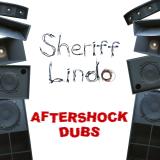
EM Records is proud to present the first new album release in 25 years from Australia's Sheriff Lindo, dubmaster of the Southern Hemisphere.
His "Ten Dubs That Shook The World" EM1119CD/LP, released in 1988, has been growing in stature since its release, supported by its re-issue on EM Records, and in the meantime the Sheriff has been working steadily, deep-local style, honing his skills with the Australian sound systems Firehouse Sound and Earthlink Sound. The tracks on "Aftershock Dubs", recorded between 1990 and 2005, while never officially released, have been played as dub plates at sound system parties, proved movers, tested in the heat of action. Recorded at Lindo's 4/5 Studios, these specials were chosen by Japanese sound system savants Takuto Kuratani (Ruv Bytes) and Atsushi Muneshige (Touch the Sky/Corner Stone Music) from a cornucopia of goodness supplied by Sheriff Lindo, mastered by Kuratani for maximum impact. EM Records' first-ever Dancehall release is available on vinyl and CD, with two bonus tracks on the CD. One track features the vocals of Ras Roni; all tracks feature the experience-forged Dub sense of the Sheriff. More than a quarter-century of love, knowledge and soul-science has been distilled here. Don't miss it.
Es war ein Coup, als Gründer und Bassist Lee Payne vor drei Jahren ankündigte, dass Harry „The Tyrant“ Conklin, der nach Griechenland gezogen war, seiner Band Cloven Hoof beitreten würde. Der ehemalige Jag-Panzer-Frontmann war der perfekte Nachfolger für Russ North, der für die Fans bis dahin als der ultimative Cloven-Hoof-Sänger galt – leider weilt er nicht mehr unter uns. Daher waren die Reaktionen auf das erste Album der Band mit Harry Conklin am Mikrofon herausragend. »Heathen Cross« wurde 2024 bei High Roller Records veröffentlicht.
Nun folgt Cloven Hoofs zehntes Studioalbum mit dem Titel »Never A Prophet In Your Own Land«. Wieder einmal ist die Gesangsleistung vom „Tyrant“ absolute Weltklasse. Lee Payne grinst: „Das Lob gebührt einzig und allein Harry. Wir können uns glücklich schätzen, einen so brillanten Sänger und Frontmann in der Band zu haben.“
Kontinuität ist für jede Band wichtig, und Cloven Hoof hatten in der Vergangenheit mehr als einen Besetzungswechsel zu verzeichnen. Diesmal nicht, wie der Bassist nicht ohne Stolz erklärt: „Wir haben dieselbe feste Besetzung wie auf »Heathen Cross«, das kann ich mit Freude sagen. Am Gesang der einzig wahre Harry Conklin und an den Gitarren Luke Hatton sowie Chris Coss. Dazu Ash Baker am Schlagzeug. Luke, Chris und Ash sind nun seit über zehn Jahren bei Cloven Hoof; sie kennen ihre Rollen in- und auswendig. Ich selbst bin seit 1979 in der Band, also sollte ich inzwischen eine Vorstellung davon haben, was ich mache (lacht).“
„»Never A Prophet In Your Own Land« ist keine direkte Fortsetzung von »Heathen Cross«“, fährt Payne fort. „»Heathen Cross« hatte seine eigene schwere und düstere Atmosphäre. »Never A Prophet In Your Own Land« ähnelt eher »A Sultan‘s Ransom«, doch diese Ähnlichkeit war weder konstruiert noch geplant. Es ist einfach so gekommen.“
Common Primitives is the second collaborative album between Andy Bell (Ride guitarist, Oasis bassist) and Essex-based harp and synth duo Masal. It’s a stunning, meditative collection which veers from kosmische to astral jazz by way of Turkish folk tunes and all the way back again.
Their first outing, 2023’s acclaimed Tidal Love Numbers, consisted of four lengthy and almost ambient tracks and is included here on vinyl for the first time as part of a two-record set with the new album. By contrast, the seven tracks that make up Common Primitives are almost concise, but also a lot more layered and complex.
“We tend to work from initial, free-jammed ideas, building form and arrangement from there,” explains Masal’s Al Johnson. “Above all, we believe you should go where the vibe takes you.”
For Andy, that vibe was very much jazz legend Pharoah Sanders’ classic 1977 album Pharoah, which was reissued a few years ago.
“It puts me into a hypnotic state,” he explains. “That’s why I worked with more guitar loops on this record. The Tisziji Muñoz part on ‘Harvest Time’ has had me in a vice-like grip for the last three years and it arrives here via the Vini Reilly filter.”
For Özlem Simsek, there is nostalgia, too, and she even adds vocals as well as her heavenly harp to the opening track, ‘After Kâtibim’, based on a traditional Turkish folk song she had sung as a child growing up in Istanbul.
From there, the album takes us on a real journey, with the apt, impressionistic titles added by Andy once it had all been pieced together. There’s the beautiful, elegant ‘I Swear We Are Infinite’; the atmospheric ‘Yuzuki Fighting Spirit’ and the beatific ‘Soap And Water’. ‘Tower Of Babylon’ was named after the novelette by Ted Chiang, its structured creation reflecting that in the story; first single ‘The Morning Of The Trip’ finds Andy playing his guitar “as if it was a waterfall”. The journey ends with ‘Rudi’s Dream – The Third Bardo’, the trio accelerating onto the autobahn for a krautrock crescendo inspired by their studio’s resident cat.
Common Primitives is the second collaborative album between Andy Bell (Ride guitarist, Oasis bassist) and Essex-based harp and synth duo Masal. It’s a stunning, meditative collection which veers from kosmische to astral jazz by way of Turkish folk tunes and all the way back again.
Their first outing, 2023’s acclaimed Tidal Love Numbers, consisted of four lengthy and almost ambient tracks and is included here on vinyl for the first time as part of a two-record set with the new album. By contrast, the seven tracks that make up Common Primitives are almost concise, but also a lot more layered and complex.
“We tend to work from initial, free-jammed ideas, building form and arrangement from there,” explains Masal’s Al Johnson. “Above all, we believe you should go where the vibe takes you.”
For Andy, that vibe was very much jazz legend Pharoah Sanders’ classic 1977 album Pharoah, which was reissued a few years ago.
“It puts me into a hypnotic state,” he explains. “That’s why I worked with more guitar loops on this record. The Tisziji Muñoz part on ‘Harvest Time’ has had me in a vice-like grip for the last three years and it arrives here via the Vini Reilly filter.”
For Özlem Simsek, there is nostalgia, too, and she even adds vocals as well as her heavenly harp to the opening track, ‘After Kâtibim’, based on a traditional Turkish folk song she had sung as a child growing up in Istanbul.
From there, the album takes us on a real journey, with the apt, impressionistic titles added by Andy once it had all been pieced together. There’s the beautiful, elegant ‘I Swear We Are Infinite’; the atmospheric ‘Yuzuki Fighting Spirit’ and the beatific ‘Soap And Water’. ‘Tower Of Babylon’ was named after the novelette by Ted Chiang, its structured creation reflecting that in the story; first single ‘The Morning Of The Trip’ finds Andy playing his guitar “as if it was a waterfall”. The journey ends with ‘Rudi’s Dream – The Third Bardo’, the trio accelerating onto the autobahn for a krautrock crescendo inspired by their studio’s resident cat.
Moulded By Industry is William D Drake's six album, his first for ten years and a return to the richly layered sonic texture and epic production of his majestic Briny Hooves. He is joined by long time collaborators James Larcombe, Dean Gaisburgh-Watkyn and Steve Jackson, with the addition of a new crew member, singer Treana Morris. Moving on from his nine years of pianistic and compositional duties in Cardiacs, Drake's solo work has been known for its synthesis of Mellotron-driven grandeur with a surreal playfulness.
But the deep heart of Drake's work is in its powerful evocation of the landscape of the countryside and its connection with love, longing and loss. To this end, his own enigmatic lyrics have rubbed shoulders with poetry drawn from across the centuries. From obscure sources such as Samuel Spree to the poetry of Thomas Hardy and Rupert Brooke, his settings make old words shimmer with human emotion. The texture of his music also reflects an inspirational lack of concern for distances of time. The earthy breath of his harmonium is interwoven with tones teased from archaic instruments by James Larcombe – hurdy-gurdy, dulcitone and melodeon.
But Drake's sound-world is no museum. Here, ancient words and the timbres of ancient instruments become one with the rush of a moment's emotion. Moulded By Industry brings this approach a new sonic depth, intoxicatingly shaded by Treana's lush vocal harmonies and underpinned by Steve's rhythm. Dean's evocative guitar textures give an oceanic sense, tinged with Americana, recalling his work with Drake in their alt country band Nervous. These many layers of sound are drawn together into vivid soundscapes by the painterly mixing of producer Ott. Renowned for his work in electronica and dub, Ott's two decades of experience working with artists such as Sinéad O'Connor, the Orb and Brian Eno bring an organic touch here, more akin to the elemental forces of land and sky than grid electricity. More than any of Drake's previous albums, Moulded By Industry reignites the emotional urgency of old texts. The gorgeous single The Flickering Shade, haunted by glimmers of lost possibilities, is set from words by Thomas Ashe. Turtledove's heady evocation of the blissful madness of love sets the words of an anonymous 17th century ballad. above all, the album is a testament to Drake's love of John Clare, 'The Northamptonshire Peasant Poet'. Clare wrote as the centuries old process of enclosure, in which wild and common land was appropriated commercially, was accelerating.
His works, rather than representing simple sentimentality, are passionate love poems to the landscape and cries from a soul reeling from the creeping unfamiliarity devouring it. This sense of the tension between passion and ill-ease has its most potent expression in Green Shadows. The brooding, slow-tempo energy of Steve's drums drive a horizon-wide lament, alternately lulled by Treana's vocal textures and made restless by James' plaintive hurdy-gurdy and the emotive pull of Dean's slide guitar. The present moment is also a time of enclosure, both metaphorically, as our lives, memories and emotions are drawn into the commercial space of social media, and literally as land and water are swallowed by vast data centre developments. Moulded By Industry celebrates a regained sense of being in the moment in the landscape, in life and in love. The album closes with the utterly delightful single Love In The Universe. The kind of song that could make a cynic use the word 'joyous' without irony, this Harry Nilsson-esque romp reassures us, with a wink, that 'in an infinite universe everything has its place ... even the human race'.
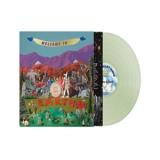
Der Weg zu ,Welcome to Earth" von den Death Valley Girls beginnt in der Asche des Eaton-Feuers in Kalifornien. Nachdem sie ihr Zuhause in Altadena und kurz darauf auch ihren geliebten Hund Tommy verloren hatte, sah sich die Leadsängerin und Songwriterin Bonnie Bloomgarden mit Fragen konfrontiert, auf die es keine einfachen Antworten gab: Was überlebt eine Katastrophe? Was bleibt nach einem Verlust übrig? Wie baut man ein Leben wieder auf, wenn die Dinge, die es einst ausmachten, verschwunden sind? Das Album, das aus diesen Fragen hervorging, gehört zu den intimsten und tiefgründigsten Werken, die die Death Valley Girls je geschaffen haben. Im gesamten Schaffen der Band haben sie Musik sowohl als Feier als auch als Suchaktion betrachtet. Alben wie ,Glow in the Dark", ,Darkness Rains", ,Under the Spell of Joy" und ,Islands in the Sky" verwandelten ihren Space-Rock-Sound in ein Mittel zur spirituellen Suche, um inmitten des alltäglichen Chaos Momente der Transzendenz zu finden. Doch ,Welcome to Earth" unterscheidet sich deutlich von seinen Vorgängern. Es konzentriert sich weniger darauf, der Welt zu entfliehen, als vielmehr darauf, zu verstehen, wie man nach einer Verwüstung verbunden bleibt. Was dabei entstand, war nicht unbedingt ein Psych-Punk-Album über Verlust, sondern über Verbundenheit: die unsichtbaren Fäden, die Menschen, Tiere, Erinnerungen, Landschaften und Leben über die Zeit hinweg miteinander verbinden. Der Titel des Albums fungiert sowohl als Begrüßung als auch als Mahnung - ein Willkommen aus der Natur an eine Spezies, die ihren Platz in ihr weitgehend vergessen hat. Immer wieder kehren die Lieder zu der Möglichkeit zurück, dass Trennung die hartnäckigste Illusion der Menschheit sein könnte. Diese Vorstellung von Verbundenheit reicht über die Lieder selbst hinaus
The title of Ghost Bridge, the East-Coast-spanning chamber ensemble Hour's fifth record, is less metaphorical than one might expect. Bandleader Michael Cormier- O'Leary repurposed it from an unrealized movie concept about a bridge that inexplicably starts disappearing. On the nearly-ten-minute title track of this richly imaginative suite of songs_written for a 13-piece ensemble that includes woodwinds, strings, and vibraphone as well as a rock rhythm section_Hour conjures up this central image with spectral string harmonics and free-time percussion gestures. While writing the keyboard pieces that became the takeoff point for the album, Cormier-O'Leary also found himself reflecting on the loss of loved ones or even his own mortality. The six kaleidoscopic instrumental pieces on Ghost Bridge, though, feel more cosmically inquisitive than straightforwardly elegiac, sketching a progression from existential doubt toward understanding and acceptance. Ghost Bridge forms a contrast with Hour's art-rock-informed, more improvisatory early releases, representing a step further into intricate chamber orchestration. Known for his work with Friendship, Wendy Eisenberg, and 2nd Grade, Phillybased multi-instrumentalist and Dear Life Records founder Cormier-O'Leary has made Hour a home for increasingly cinematic instrumental compositions since the mid-2010s. With dazzling production by Lucas Knapp, Ghost Bridge delivers plenty of the live ensemble's trademarks, especially cyclically developing guitar and keyboard melodies. However, even more than on Hour's last studio album, unconventional harmonies and sophisticated counterpoint take center stage here. These emotionally multifaceted compositions feel as rooted in contemporary classical and film soundtrack music as in indie rock. One of the most striking elements of Ghost Bridge is the more significant developmental role the orchestral instruments assume in each piece. Instead of underscoring Cormier-O'Leary's central hooks, there is a new mesmerizing level of detail to the group's conversational interactions and kinetic energy. "Centralia" is a stately and idiosyncratic fugue built from repeated and overlapping phrases, while Ghost Bridge's compositions are full of unexpected pivots in harmony that allow recurring melodic motifs to sound continually reshaded. On "Pearls," the chords modulate drastically around Cormier-O'Leary's inviting central melody in a way that emulates cuts in a film telling several parallel stories. There is an unsettled quality to the chords on Ghost Bridge, with Cormier- O'Leary's progressions avoiding firm grounding in either clearly sunny or melancholy tonalities. This mood is made more concrete by the record's sole vocal track, the jazz-inflected "Sky is Blue," featuring an uncannily gorgeous performance by Heeyoon Won. The song seems to be a communication from a person who has departed, offering consolation or perspective to someone left behind. Though its sonic palette is often tranquil, Ghost Bridge explores heartbreak, grief, anger, and helplessness in a distinct and pretense-free way. The project represents a bold step forward for Cormier-O'Leary as a composer and arranger, and on Ghost Bridge Hour reaches its most fully realized form to date, connecting soaring themes with an inventiveness that perfectly suits the searching nature of the subject matter.
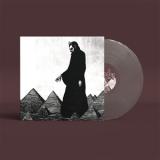
Einerseits ist ,In Spades" so typisch für die Afghan Whigs wie kaum ein anderes Werk der Band - und wird damit ihrem ursprünglichen Anspruch gerecht, die fehlende Verbindung zwischen dem heulenden Punk des Mittleren Westens à la Die Kreuzen und Hüsker Dü, den psychedelischen Soul-Symphonien der Temptations und den weitläufigen Hardrock-Klangerlebnissen von Led Zeppelin und Lynyrd Skynyrd zu erkunden. Gleichzeitig geht dieses Album weit über alles hinaus, was das bisherige Repertoire der Whigs zu bieten hatte - ein weiteres Markenzeichen, ebenso wie die explosive Gruppendynamik, die auf der Aufnahme eingefangen wurde. Klapphülle mit maßgefertigter Schutzhülle. Gepresst auf kristallklarem Vinyl!
From the joyful swing of "Santa Claus Is Back In Town" and the evergreen charm of "Blue Christmas" to the peaceful reassurance of gospel favorites like "Peace In The Valley" and "Take My Hand, Precious Lord," this collection showcases Elvis at his most heartfelt and inspiring. Perfect for the holiday season and beyond, this vinyl is a musthave for fans of classic Christmas music and powerful gospel performances.
1986 veröffentlichten Bassist Ron Royce (Ron Broder), Gitarrist Tommy T. Baron (Tommy Vetterli) und Schlagzeuger Marquis Marky (Markus Edelmann) ihr erstes Demotape »Death Cult« mit Hilfe von Celtic Frosts Tom Gabriel Fischer am Gesang (Fischer war auch für die Texte verantwortlich).
Kurz darauf, Anfang 1987, unterschrieben Zürichs Avantgarde-Metal-Pioniere einen Vertrag mit Noise Records aus Berlin. Zu diesem Zeitpunkt hatte sich Bassist Ron Royce entschieden, selbst die Rolle des Leadsängers von Coroner zu übernehmen.
Schließlich buchte Karl-Ulrich Walterbach von Noise Records für Coroner Studiozeit im Berliner Music Lab Studio, damit sie ihr Debütalbum unter den wachsamen Augen von Harris Johns aufnehmen konnten. »R.I.P.« wurde im Juni 1987 veröffentlicht und erhielt ausgesprochen positives Feedback in der Presse.
1988 folgte auf Coroners Debütalbum »Punishment For Decadence« (diesmal produziert im Sky Trak Studio in Berlin, produziert von Guy Bidmead). Laut Gitarrist Tommy Vetterli war das eine natürliche Weiterentwicklung für die Band: „Wir haben uns mehr auf die Tiefe der Musik konzentriert, es war nicht mehr nur eine Demonstration unserer technischen Fähigkeiten. Die Band war ziemlich tight, definitiv tighter als auf unserem ersten Album. Insgesamt denke ich, dass die Platte etwas reifer ist. Es ging weniger darum zu zeigen: ‚Schaut her, wie gut wir spielen können‘, sondern der Fokus lag auf den Songs.“
Der herausragende Track auf dem Album ist „Masked Jackal“, ein Fanliebling bis zum heutigen Tage. Außerdem wurde ein Musikvideo zu dem Song gedreht, wie der Gitarrist erklärt: „Es ist das Stück, das auf dem Album heraussticht. MTV war damals für jede Band extrem wichtig. Deshalb ist ‚Masked Jackal‘ bis heute ein Favorit der Fans.“
»Punishment For Decadence« kam mit einem auffälligen Cover-Artwork daher (ein Gemälde mit dem Titel „Porte de L'enfer“), eine Idee von Schlagzeuger Marky: „Er kletterte mitten in der Nacht eine Leiter hinauf und fotografierte hier in Zürich das Artwork von Rodin. Das Plattenlabel fand jedoch, dass dieses Cover nicht ‚Heavy Metal‘ genug sei, also veröffentlichten sie für die zweite Pressung ein anderes Cover mit diesem Skelett, das Geige spielt. Jenes Motiv war eigentlich nur als T-Shirt-Design gedacht.“
Laut Tommy lief das Album in Sachen Verkaufszahlen ordentlich: „Anscheinend müssen die Verkaufszahlen befriedigend gewesen sein; sonst hätten wir wahrscheinlich nicht weitermachen können. Wir haben nicht viel Geld mit Coroner verdient, aber das Ganze hat viel Spaß gemacht. Wir konnten überleben und das tun, was wir lieben. Die Presse und andere Musiker mochten uns, aber wir erreichten niemals die breite Masse.“
Im Februar 2026 von Patrick W. Engel bei TEMPLE OF DISHARMONY remastert und restauriert. Die Schneidearbeiten wurden von SST Germany auf Neumann-Geräten durchgeführt, um in jeder Hinsicht optimale Qualität zu gewährleisten. Die ultimative audiophile Ausgabe dieses zeitlosen Klassikers!
DIGITiSE knüpft dort an, wo HAAis Album HUMANiSE aus dem Jahr 2025 aufgehört hat, und versetzt uns direkt auf die Tanzfläche. Die zehn Tracks bewegen sich klanglich über verschiedene Genres und Stilrichtungen hinweg und sind von HAAis legendären All-Night-Long-DJ-Sets inspiriert.
Mit DIGITiSE setzt HAAi ihre Auseinandersetzung mit der Frage fort, was es bedeutet, in einer zunehmend digitalen Welt Mensch zu sein. Das Album beleuchtet das rasante Tempo von KI und technologischer Entwicklung, die Spaltungen, die dadurch entstehen, sowie die Belastungen, die damit einhergehen. Gleichzeitig bietet es ein Gegenmittel: Gemeinschaft. Menschen in einem Raum oder auf einer Tanzfläche zusammenzubringen, ein Gefühl von Zusammenhalt und Zugehörigkeit zu schaffen – dafür steht HAAi seit jeher mit voller Überzeugung. DIGITiSE öffnet sich diesem Geist vollkommen.
Für das Album arbeitet die in London lebende, australischstämmige Produzentin, Songwriterin und DJ mit neuen Kollaborateur:innen wie Echonomist, Skybreak und Cantoalegre (einem Kinderchor aus Medellín, Kolumbien) zusammen. Darüber hinaus sind auch Künstler:innen vertreten, mit denen HAAi bereits zuvor gearbeitet hat, darunter Pat Alvarez, ILA, James Messiah und Kaiden Ford.
DIGITiSE nimmt HUMANiSE an die Hand und führt es direkt in den Club.
1986 veröffentlichten Bassist Ron Royce (Ron Broder), Gitarrist Tommy T. Baron (Tommy Vetterli) und Schlagzeuger Marquis Marky (Markus Edelmann) ihr erstes Demotape »Death Cult« mit Hilfe von Celtic Frosts Tom Gabriel Fischer am Gesang (Fischer war auch für die Texte verantwortlich).
Kurz darauf, Anfang 1987, unterschrieben Zürichs Avantgarde-Metal-Pioniere einen Vertrag mit Noise Records aus Berlin. Zu diesem Zeitpunkt hatte sich Bassist Ron Royce entschieden, selbst die Rolle des Leadsängers von Coroner zu übernehmen.
Das erste Ergebnis war »R.I.P.«, das Debütalbum der Band, das im Juni 1987 erschien und sehr gute Pressereaktionen erhielt.
1988 folgte Coroners Studiodebüt »Punishment For Decadence«, erneut produziert in West-Berlin, diesmal von Guy Bidmead im Sky Trak Studio. Die Band tourte in bescheidenem Umfang durch Europa, bevor sie mit der Arbeit an ihrem dritten Album begann.
Für »No More Color« (1989) reisten Coroner zum dritten Mal in Folge nach Berlin. Diesmal war Pete Hinton der Produzent, wie Gitarrist Tommy Vetterli erklärt: „Ja, genau! Pete Hinton wurde vom Label vorgeschlagen. Da er einige meiner Lieblingsbands aus Jugendtagen produziert hatte, wie Saxon und Demon, waren wir begeistert. Die Zusammenarbeit mit ihm lief wirklich gut, er ist ein absoluter englischer Gentleman.“
Der Mix des Albums wurde in den Morrisound Studios von Scott Burns in Tampa, Florida, realisiert, einem damals sehr angesagten Ort.
Der komplexeste Song auf »No More Color« ist vielleicht „Mistress Of Deception“; laut Tommy Vetterli „besitzt er definitiv einige extrem schwierige Gitarren-Passagen. Ich erinnere mich, dass Marky vor den Albumaufnahmen sagte, er schreibe einen Text über die Wüste. Das hat mich wirklich inspiriert, und ich habe den Song in ein paar Tagen geschrieben.“
„Die By My Hand“, eine deutlich geradlinigere Nummer, wurde als Single für das Album ausgewählt (und zusammen mit „Tunnel Of Pain“ auf durchsichtigem Vinyl als Promo-12“ veröffentlicht).
In damaligen Interviews erwähnte Tommy, dass »No More Color« das erste Album von Coroner war, auf dem die Band groovige Parts einbaute, anstatt durchgehend auf kompromisslosen technischen Thrash Metal zu setzen. Heute glaubt er immer noch, dass das stimmt: „Ja, durch all die Tourneen hatten wir gelernt, dass man zwischen den schnellen und komplexen Abschnitten einige einfachere und groovigere Parts spielen muss. Das wirkt live viel besser und macht auch das Publikum glücklich. Das Album konzentrierte sich insgesamt viel mehr darauf, Stimmungen zu evozieren, und weniger auf technische Leistungen.“
Im Februar 2026 von Patrick W. Engel bei TEMPLE OF DISHARMONY remastert und restauriert. Die Schneidearbeiten wurden von SST Germany auf Neumann-Geräten durchgeführt, um in jeder Hinsicht optimale Qualität zu gewährleisten. Die ultimative audiophile Ausgabe dieses zeitlosen Klassikers!
The last piece of the puzzle. You may experience feelings of elation, feelings of euphoria. You may feel afraid. You may feel confused.
It’s the mannequin’s world – you’re simply living in it.
This music was made for a hybrid live set at Miscellania (Naarm) with Skydiver Records.
Heavyweight vinyl.
300 units.
out of Stock
Last delivered 4 days ago available to reorder, subject to availability
Confronting 2026, hope can seem in short supply, as the most divisive and toxic voices worldwide are amplified amidst an ever-rising temperature of conflict and alienation, yet hope is abundant in ‘Losey’, the latest release on Rocket Recordings from the mercurial duo Gnoomes. Just as this couple have taken a bold step into the unknown by leaving Russia and moving to Slovenia, so their music has thrown off all shackles to flourish in a defiant show of vibrant and revivifying colour. “The life of an immigrant is a strange thing.” says the bands Sasha Piankov “But luckily, that glow music brings us has never faded, even though the emotional landscape has definitely shifted.” Yet whilst the music that Sasha and his creative and life partner Masha Piankova came up with is testimony to a liberating triumph against oppression and adversity, it also goes beyond. What has emerged is a kaleidoscopic collision of styles which sends the ‘skygazing’ realm of their previous work spinning into electronic orbit. Whilst the opener ‘Foreign Agent’ explicitly tackles the pressures of the Russian state, it also throws a Stereolab-style motorik meditation through an in-the-red psychedelic prism. Elsewhere we can behold Bulgakov and Chris and Cosey as bedfellows amidst the mesmeric, 303-fried EBM of ‘Satan’s Ball’. “Rave as therapy. Pop as resistance. Love as endurance. ADHD as a production technique.” These are the primary ingredients of Losey, by the reckoning of the band themselves. This is an album that exists purely on its own distinct frequency, driven by defiance and positivity. Losey is a soundtrack to set fire to the old order, the better to dance in the glow.
out of Stock
Last delivered 7 days ago available to reorder, subject to availability
The latest release from Rainbow Disco Club’s label imprint, Beyond Space And Time, is the debut compilation from The Melting Hours, a live project by Wata Igarashi and Kuniyuki. WataIgarashi continues to make his mark on the history of techno, whilst Kuniyuki has long been revered as one of Sapporo’s greatest treasures. The two artists, who have long held mutual respect for one another, met whilst performing at the Draaimolen Festival 2025, and this encounter gave rise to The Melting Hours.
‘Blue Sun’ is imbued with a freshness reminiscent of the ambient jazz masterpieces released by prestigious labels such as ECM and Windham Hill. ‘Liquid Dunes’ sees the organic tones of the flute and percussion melt into over ten minutes of abstract sound textures, whilst the breathtaking ‘Cloud Touch’ awakens amidst a swirling vortex of pulsating downbeats and arpeggios. It is said that ‘Blue Sun’ was created by reconstructing studio rehearsal recordings, whilst ‘Liquid Dunes’ and ‘Cloud Touch’ were crafted from live recordings at Draaimolen 2025. The essence of these works—and indeed of the project The Melting Hours itself—lies at the heart of their improvisational nature.
It brings to mind the Rainbow Disco Club event back in 2026, where they wove their sounds amidst fresh greenery and surrounded by listeners under a clear blue sky. It felt as though the pulsating energy was spreading across the dance floor, guided by a session from The Melting Hours that seemed almost like a living creature. The organic breath one senses in this work not only evokes precisely that scene but also allows us to feel the unique, ephemeral nature inherent in this project—and, consequently, the boundless possibilities that stem from it.
Rainbow Disco Club のレーベル・ライン'Beyond Space And Time'から放たれる最新作は、Wata IgarashiとKuniyukiによるライブ・プロジェクト、The Melting Hoursによる初の音源集だ。テクノ史に残る実績を現在進行形で刻み続けているWata Igarashi、長きに渡り札幌の至宝として尊敬を集めてきたKuniyuki。兼ねてよりリスペクトを送り合ってきた両名がDraaimolen Festival 2025への出演を契機に邂逅し、始動したプロジェクトがThe Melting Hoursである。
快晴の元で新緑とリスナーに囲まれ音を紡いでいった、去る2026年のRainbow Disco Clubを思い出す。まるで、生き物のようなThe Melting Hoursによるセッションに導かれ、脈動するエネルギーがフロアに伝播していたようだった。この作品から感じられる有機的な息遣いは、まさにそんな情景を思い起こすものであると同時に...このプロジェクトが宿すその場/その時限りの唯一無二性と、それ故に広がっていく限りない可能性をも感じさせてくれる。
The final installment of the GIANT SKY trilogy, Giant Sky III, will be released on October 2nd, 2026, preceded by the single "Fleeting Glimpse", which offers the first taste of the new album. A companion postlude album, The Further We Go The Deeper It Gets, will follow on October 16th, 2026. Together, the two records complete an ambitious body of work that has seen Viken explore a broader and more introspective musical landscape than ever before. "Fleeting Glimpse" provides an evocative introduction to the final chapter of the GIANT SKY trilogy. While Viken"s band Soup has become renowned for its emotionally charged, crescendo-driven soundscapes, GIANT SKY allows him to embrace an even wider palette of influences. Drawing from alternative art rock, post-rock, electronica, ambient music, indie, folk, and progressive rock, the project balances immersive atmospheres with memorable melodies. In an era increasingly dominated by algorithms, artificial intelligence and digital perfection, Viken has consciously taken the opposite path. GIANT SKY is built around the human element of music-making, embracing imperfections and authenticity as artistic strengths. "This album has been with me for a long time. Some of the ideas on Giant Sky III go back many years, and in a way it feels like a cross section of the last 25 years of my life as a composer. We live in a time where music is increasingly shaped by algorithms, AI and endless digital possibilities. I suppose this record is my way of walking upstream a little bit - taking the slower route, trusting the human imperfections, and letting the music find its own shape. It wasn"t a quick album to make, but I"m proud of what it became: ambitious where it needed to be, modest where it should be, and above all, honest." - Erlend Viken
The final installment of the GIANT SKY trilogy, Giant Sky III, will be released on October 2nd, 2026, preceded by the single "Fleeting Glimpse", which offers the first taste of the new album. A companion postlude album, The Further We Go The Deeper It Gets, will follow on October 16th, 2026. Together, the two records complete an ambitious body of work that has seen Viken explore a broader and more introspective musical landscape than ever before. "Fleeting Glimpse" provides an evocative introduction to the final chapter of the GIANT SKY trilogy. While Viken"s band Soup has become renowned for its emotionally charged, crescendo-driven soundscapes, GIANT SKY allows him to embrace an even wider palette of influences. Drawing from alternative art rock, post-rock, electronica, ambient music, indie, folk, and progressive rock, the project balances immersive atmospheres with memorable melodies. In an era increasingly dominated by algorithms, artificial intelligence and digital perfection, Viken has consciously taken the opposite path. GIANT SKY is built around the human element of music-making, embracing imperfections and authenticity as artistic strengths. "This album has been with me for a long time. Some of the ideas on Giant Sky III go back many years, and in a way it feels like a cross section of the last 25 years of my life as a composer. We live in a time where music is increasingly shaped by algorithms, AI and endless digital possibilities. I suppose this record is my way of walking upstream a little bit - taking the slower route, trusting the human imperfections, and letting the music find its own shape. It wasn"t a quick album to make, but I"m proud of what it became: ambitious where it needed to be, modest where it should be, and above all, honest." - Erlend Viken
The scent of fresh greenery rising into the air. A youthful Hidefumi Toki weaves a vivid and beautiful story through a one-horn quartet.
Making his professional debut while still in high school, Hidefumi Toki went on to perform with groups led by New Herd, Isao Suzuki, Terumasa Hino, Ryo Kawasaki, and Fumio Itabashi. From the late 1970s onward, he also collaborated with Ryuichi Sakamoto and Tatsuro Yamashita, contributing broadly to Japan’s music scene across jazz, fusion, and pop.
This album, recorded in 1976, is his third release, following Toki and Lover Man, a dual-leader project with Yoshio Otomo. It features a lineup of dazzling performances and compositions, including “Sky View”, where his soaring saxophone shines over delicate arrangements, and “Let’s Get Together”, evoking the uplifting fragrance of fresh greenery.
With outstanding support from Mikio Masuda—who also contributes compositions—alongside Yoshio Ikeda and Steve Jackson, the ensemble achieves a remarkable balance.
Defined by a gentle perspective and refined, youthful playing, this is a masterpiece filled with the charm of Hidefumi Toki in his early years.
While composing the music for The Juniper Tree, Hirano drew on her own memories of touring Iceland, which included a stop at a waterfall featured in the film and rendered in sound on “Mother’s Path.” Folktales, like the origins of The Juniper Tree, are often attempts to contend with humans’ place in the natural world, with all its mysteries and intricacies, and both the film and Hirano’s soundtrack draw their sense of breathless wonder in part from the sensation of being engulfed by one’s environment. Margit, played by Björk, possesses a sublime sensitivity to her environment that allows her to receive messages from her mother, who was murdered for their shared inheritance of witchcraft. Hirano captures the relationship between the transcendental awe that is felt as supernatural and the private feelings of being immersed in that experience, creating a musical dialogue between the self and what lies beyond.
In the final sentences of her liner notes describing the film’s philosophical and feminist throughlines, Anna Bogutskaya says, “what we call Margit’s witchcraft is maybe just her willingness to listen.” This is the magic of music, and Hirano composes with an alchemist’s pen. Just as Keene seems to break down barriers between binary poles, Hirano uses both electronic and acoustic means to communicate the film’s emotive cues, uniting approaches she has explored under her own name and the alias MimiCof. There is an understanding that stillness can be understood as peaceful or foreboding, that dissonance and consonance are contextual, that efforts to protect one’s own kin can lead to tragic ends. At the film’s end we see Margit enthralled with birdsong, understanding it as something deeper, a connection to those she has lost. Through sound, we understand what lies beyond sight, beyond convention, and with this new soundtrack we hear the story anew.
LA native The Koreatown Oddity returns for his fourth album on Stones Throw. Purdy is the proving ground for an avant-garde rapper tackling being a father and partner with the boundless confidence of a child’s imagination.
Purdy sees Koreatown soundtrack a knight’s first battle, document the cultivation of a beautiful lawn and contemplate if anyone really means it when they say "have a great weekend" – all while realising that he's now part of something bigger.
Purdy paints the complete portrait of the man Dominique Purdy and artist The Koreatown Oddity together: musician, father, and peddler of the absurd.
Ecstatic’s dreamiest cadets bliss out on a new album of acoustic and electric guitar, harmonium and synth tapestries, notably nestling a Romance cameo within a genteel toggle of atmospheric pressure.
Back on (side) road after releasing quietly acclaimed kosmische gem ‘I Had too Much to Dream Last Night’ back in 2021 and the lysergic lushness of ‘Listen to the Sky’ a couple of years later, Celestial suggest a more sublime return to earth with the shine-eyed wonders of ‘I Can Hear the Grass Grow’, an album that soothes to the supine in eight shimmering parts of pearlescent melodic motifs marbling harmonious backdrops intended to tenderly comb nerves straight.
The duo take their role as seductive sandmen with a curious melodic wit that leaves something to the imagination whilst nudging it along the album’s narrative thread. A courtly flamenco lick flickers in opener ‘The Endless Stair’, one of the most restrained recordings we've heard from the childhood friends; blessed with just a little reverb and echo, as if a mic's been lowered into some dimly lit basement while Celestial puzzle out mystifying, interlocking harmonies. It hits a mid-point between John Fahey's raga-inspired Americana and Vini Reilly's rain-soaked Northern blues - the emotion throbs from every note.
Celestial's music is never too polished, giving it the fuzzy, uninhibited flair of a long-lost mail order private press and instilling it with a level of humanity that's rare to discover in the new-new age. Even when mysterious labelmate Romance turns up to ornament 'Mermaid Boulevard' with backmasked electronics, it's their low-slung Ry Cooder-esque guitar/bass that provides the narrative anchor, while the title track and spongiform analog textures of ‘Song For The rainy Season’ dial it right down to a Harmonia-via-BoC pastoral sublime. Vini Reilly and Eno’s influence is most surely felt on the swaying elegance of ‘Sweet Sleep, Angel Mild’, with a central motif that lingers on the mind long after it’s stopped playing, whilst their closing couplet perfectly resolves the cycle with a melancholic kiss-off for the ages.
out of Stock
Last delivered 12 days ago available to reorder, subject to availability
Following the success of Denshi Ongaku No Bigaku Vol. 1 and Vol. 2, Cosmocities returns with the third instalment of its celebrated compilation series dedicated to the rich and ever-evolving world of Japanese electronic music. Compiled by label owner Matt Soulie, Denshi Ongaku No Bigaku Vol. 3 continues the journey through Japan’s diverse sonic landscape, bringing together pioneering artists, cult favourites and contemporary innovators across ambient, house, jazz-infused electronics and experimental sound design.
A carefully curated snapshot of Japanese electronic music past and present, Denshi Ongaku No Bigaku Vol. 3 showcases the depth, innovation and enduring influence of one of the world’s most inspiring musical cultures.
Since its inception, the Denshi Ongaku No Bigaku project has paid tribute to a musical culture that has profoundly influenced the Cosmocities vision. Where the first volume explored dreamy ambient textures and deep electronic moods, and the second shifted focus towards boogie-laden rhythms and jazz-fuelled dancefloor excursions, Volume 3 finds a natural balance between introspection and movement.
The compilation opens with Yosi Horikawa’s sublime “Bubbles”, an ambient masterpiece whose delicate organic textures gently set the tone. Chari Chari’s “Luna de Ritmos” follows with deep, ethereal house atmospherics before Force Of Nature’s hypnotic “Skyy High” guides listeners further into immersive territory.
The journey continues through the experimental electronics of XTAL’s “Skygazer” and the analogue warmth of Takuya Matsumoto’s “Jump Rope Music”, while regular Cosmocities contributor Yuu Udagawa delivers the sophisticated high-tech jazz house groove of “Little Secrets”.
On the second half of the collection, Kuniyuki’s remix of Slow Didi’s “Follow Me” brings rich jazz-inflected elegance, leading seamlessly into the futuristic techno-swing fusion of DJ Eiji Takehana featuring Yusuke Nakamura’s “Deep Track Jazz”. Tominori Hosoya’s “Summer Dreamers” adds a deeply emotional and dreamlike house moment before Azzurro’s “Just A Touch Of Love” shifts the focus firmly towards the dancefloor with a hypnotic late-night thumper.
Closing the compilation is AcidGelge’s “Fatality 4”, a beautifully spacey and atmospheric finale that leaves the listener suspended somewhere between the club, the cosmos and the imagination.
out of Stock
Last delivered 14 days ago available to reorder, subject to availability
Gradient returns to Alt Dub with Random Layers, a deeply focused EP built around his exceptional control of minimal elements.
With a restrained palette of kick, bass, chords and texture, each track evolves with patience and precision, allowing subtle shifts and carefully placed layers to create a powerful sense of depth and space
Sound layers are introduced with such control that the music evolves naturally, revealing its depth over time. Nothing feels rushed and nothing is unnecessary.
Gradient’s productions have a rare ability to make minimalism feel rich and alive. Nothing is excessive; every sound has a purpose. The result is four timeless, immersive dub techno pieces that balance classic dub techno atmosphere with a distinct sense of detail and control.
The EP also features a timeless remix from Echospace Detroits CV313, One of the most respected figures in the deeper end of dub techno, he brings his unmistakable sense of space and depth to the release, making this a particularly fitting and exciting collaboration.
Elegant, restrained and deeply atmospheric, Random Layers is another strong statement from Gradient and a perfect fit for Alt Dub.
Feiern Sie drei Jahrzehnte eines klanggewordenen Meisterwerks. Ursprünglich 1996 veröffentlicht, gilt DJ Shadows Debütalbum Endtroducing..... bis heute als Meilenstein der elektronischen Musik – als erstes Album überhaupt, das vollständig aus Samples entstand, offiziell verzeichnet im Guinness-Buch der Rekorde. Diese 30th Anniversary Edition ist die ultimative Würdigung eines Albums, das Hip-Hop, elektronische Musik und Produktionskultur für immer verändert hat.
out of Stock
Last delivered 14 days ago available to reorder, subject to availability
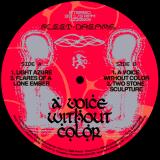
Crafting another beautiful experience in sensorial delight, fleet.dreams returns to Vinezza with the label’s 3rd offering “A Voice Without Color” - born from an ever-deepening practice of groove-powered depth tech melded with realms of dubwise kineticism, enchanted cognition, and expressive, dreamlike synthesis.
“A Voice Without Color” finds fleet.dreams’ music in its most rave-activated mode yet, crafting 4 pieces of infinitely mixable spectral matter - all part of their own universe beckoning to be heard under the glow of stars in the night sky, or floating amidst the mesmerizing fog & lights pumping out of the system on your favorite dancefloor.
Awash in kaleidoscopic splendor and psychedelic intrigue, “A Voice Without Color” finds kinship in everything from the best of expansive dancefloor kineticism, time dilated wonder, and the vivid reverbations of the natural world floating in the mix. At once quintessential, contemporary, and ubiquitous is fleet.dreams’ own remarkable production technique, each track unfurling in seemingly endless swells of simmering rhythm and hypnotizing atmospherics - new memories of circadian entrancement in their molten essence, designed to blissfully guide you deeper and deeper towards the primordial exhilaration of movement. Undulating with vivid pulsations and clarion calls for the hips and mind echoing across a spiraling gyre, the sprawling waltz of “A Voice Without Color” glides through dazzling chroma and effulgent radiance greater than the sum of its parts.
Painting with bold, prismatic strokes of iridescent friction amidst the listless gray of our increasingly dispassionate timeline, fleet.dreams delivers another EP of style, substance, and vision for the dancers and DJs alike - a future classic of a possible world ready to be activated together.
*words by Kiernan Laveaux
Early support from: Kiernan Laveaux, Daniel Rincón (NAP), Scott Zacharias & Amelia Holt
out of Stock
Last delivered 14 days ago available to reorder, subject to availability
CHTHONIC's award-winning 2018 album Battlefields of Asura reissued on vinyl in September via Svart Records CHTHONIC is a Taiwanese metal band formed in Taipei in 1995, with the members nowadays split between Helsinki and Taipei. Their 2018 album Battlefields of Asura is an award-winning release. With this album, CHTHONIC won their second Golden Melody Awards, Taiwan’s equivalent of the Grammy Awards. CHTHONIC's lyrics are inspired by Taiwanese mythology, folk stories, and history, while its music incorporates elements of traditional Taiwanese folk music, enka, and the sorrowful melodies of Taiwanese opera. These are accompanied by traditional instruments such as the hena and koto. Also integral to CHTHONIC's sound are elements of symphonic black metal and melodic death metal, along with intense riffs and solos. Critics have attempted to categorize CHTHONIC as death metal, folk metal, or black metal, but the band has opted for the simpler label of metal. They've performed at many major festivals around the world, including Fuji Rock and Summer Sonic in Japan, Ozzfest in the US, Download in the UK, and Wacken Open Air in Germany, as well as having toured extensively across Europe, North America, and Asia over the years. Prior to this album, CHTHONIC was signed to Spinefarm Records / Universal Music Group, under which they released three albums and toured internationally. After their 2014 European tour, the band decided to slow down, and vocalist Freddy Lim began his political career. He was elected to Taiwan's Parliament in 2016 and re-elected in 2020. During his tenure, he pushed for LGBTQ rights and gender equality, helping Taiwan become the first Asian country to legalize same-sex marriage, along with advocating for Indigenous rights and other human rights issues..
CHTHONIC's award-winning 2018 album Battlefields of Asura reissued on vinyl in September via Svart Records CHTHONIC is a Taiwanese metal band formed in Taipei in 1995, with the members nowadays split between Helsinki and Taipei. Their 2018 album Battlefields of Asura is an award-winning release. With this album, CHTHONIC won their second Golden Melody Awards, Taiwan’s equivalent of the Grammy Awards. CHTHONIC's lyrics are inspired by Taiwanese mythology, folk stories, and history, while its music incorporates elements of traditional Taiwanese folk music, enka, and the sorrowful melodies of Taiwanese opera. These are accompanied by traditional instruments such as the hena and koto. Also integral to CHTHONIC's sound are elements of symphonic black metal and melodic death metal, along with intense riffs and solos. Critics have attempted to categorize CHTHONIC as death metal, folk metal, or black metal, but the band has opted for the simpler label of metal. They've performed at many major festivals around the world, including Fuji Rock and Summer Sonic in Japan, Ozzfest in the US, Download in the UK, and Wacken Open Air in Germany, as well as having toured extensively across Europe, North America, and Asia over the years. Prior to this album, CHTHONIC was signed to Spinefarm Records / Universal Music Group, under which they released three albums and toured internationally. After their 2014 European tour, the band decided to slow down, and vocalist Freddy Lim began his political career. He was elected to Taiwan's Parliament in 2016 and re-elected in 2020. During his tenure, he pushed for LGBTQ rights and gender equality, helping Taiwan become the first Asian country to legalize same-sex marriage, along with advocating for Indigenous rights and other human rights issues..
Originally released in 1978. A Classic Reggae album re-released on 180 gram vinyl and produced by Linval Thompson with extensive sleeve notes.
Recorded at Channel One Recording Studio & Harry J's Recording Studio.
Cornell Campbell is one of an elite group of Jamaican reggae singers who has weathered the changes throughout the music's development - in his case, from the ska era to right up to date - whilst retaining their relevance. Witness his recent alliance with UK Afrobeat/reggae band The Soothsayers or Jazmine Sullivan's R & B hit Need U Bad, which sampled his classic 'Queen Of The Minstrel' -a song that still sounds fresh more than thirty years later.
Sweet Baby was pressed on bright red vinyl, which only added to the excitement when you saw the selector position it carefully on the deck.
On the LP cover was a painting of Cornell wearing an emerald green shirt and framed by a lurid sky, which might have left some people wondering if it was a soul album. It wasn't, although there is certainly soul in the grooves, and especially on R&B covers like Gonna Take A Miracle - first recorded by the Royalettes -and Darling You Send Me, which Sam Cooke had introduced to the US Billboard charts some twenty years earlier.
Both are among the highlights but then the whole album is good in truth, and a heartfelt I Need Somebody and My Sweet Baby, plus the two-step favourite Just Enough were regularly played on sound system. Blinded By Love, I Didn't Know and Can't Hide My Love are tinged with melancholy and like the seductive Whenever You Need Me, display all the hallmarks of a classic Cornell Campbell side -swooping vocals, a driving rhythm and seductive lyrics included.
Nearly forty years later, it is gratifying to know there is still no mistaking him when his records are played in a dance. That relaxed vocal style draws you in but it's his falsetto, quivering with understated emotion that hooks you and turns you into a lifelong fan.
Es war ein Coup, als Gründer und Bassist Lee Payne vor drei Jahren ankündigte, dass Harry „The Tyrant“ Conklin, der nach Griechenland gezogen war, seiner Band Cloven Hoof beitreten würde. Der ehemalige Jag-Panzer-Frontmann war der perfekte Nachfolger für Russ North, der für die Fans bis dahin als der ultimative Cloven-Hoof-Sänger galt – leider weilt er nicht mehr unter uns. Daher waren die Reaktionen auf das erste Album der Band mit Harry Conklin am Mikrofon herausragend. »Heathen Cross« wurde 2024 bei High Roller Records veröffentlicht.
Nun folgt Cloven Hoofs zehntes Studioalbum mit dem Titel »Never A Prophet In Your Own Land«. Wieder einmal ist die Gesangsleistung vom „Tyrant“ absolute Weltklasse. Lee Payne grinst: „Das Lob gebührt einzig und allein Harry. Wir können uns glücklich schätzen, einen so brillanten Sänger und Frontmann in der Band zu haben.“
Kontinuität ist für jede Band wichtig, und Cloven Hoof hatten in der Vergangenheit mehr als einen Besetzungswechsel zu verzeichnen. Diesmal nicht, wie der Bassist nicht ohne Stolz erklärt: „Wir haben dieselbe feste Besetzung wie auf »Heathen Cross«, das kann ich mit Freude sagen. Am Gesang der einzig wahre Harry Conklin und an den Gitarren Luke Hatton sowie Chris Coss. Dazu Ash Baker am Schlagzeug. Luke, Chris und Ash sind nun seit über zehn Jahren bei Cloven Hoof; sie kennen ihre Rollen in- und auswendig. Ich selbst bin seit 1979 in der Band, also sollte ich inzwischen eine Vorstellung davon haben, was ich mache (lacht).“
„»Never A Prophet In Your Own Land« ist keine direkte Fortsetzung von »Heathen Cross«“, fährt Payne fort. „»Heathen Cross« hatte seine eigene schwere und düstere Atmosphäre. »Never A Prophet In Your Own Land« ähnelt eher »A Sultan‘s Ransom«, doch diese Ähnlichkeit war weder konstruiert noch geplant. Es ist einfach so gekommen.“
Mit "Almost There", liefert der Pianist und Komponist ESPEN ERIKSEN nach einer äußerst erfolgreichen Reihe von sieben Alben in 16 Jahren, darunter zwei mit dem bekannten britischen Saxophonisten ANDY SHEPPARD, ein weiteres melodisches Meisterwerk ab. Fesselnd und lyrisch, stets melodisch, aber gleichzeitig auch melancholisch und erhebend, handelt es sich um wahrlich ergreifende Kompositionen. "Music with a rich sense of melody coupled with a poignant lyricism that is infectious". - All About Jazz "A wonderfully plaintive jazz record, abandoned to the lost art of melodic minimalism, stripped back and beautifully near bare. No smoke and mirrors, just the graceful chemistry of superb musicians at the top of their game". - BBC Erwähnt werden muss die atemberaubende Klangqualität des Albums. "Almost There" überzeugt mit einem detailreichen und dynamischen Klang, der insbesondere durch seine organische Natürlichkeit hervorsticht. Die Kompositionen wurden in ESPENs bevorzugtem Studio Propeller Music in Oslo aufgenommen und abgemischt. Dort hatte er sich bereits für seine letzten fünf Alben eingefunden, welche aufgrund ihrer außerordentlichen Aufnahmequalität auch häufig in Tests verwendet und in HiFi-Kreisen hervorgehoben werden. Das ESPEN ERIKSEN TRIO wurde im Jahr 2007 gegründet und veröffentlichte 2010 sein Debüt-Album. Als zunehmend beliebte Live-Band tourte das Trio, bestehend aus ESPEN ERIKSEN (Klavier), LARS TORMOD JENSET (Kontrabass) und ANDREAS BYE (Schlagzeug), bereits auf vier Kontinenten und verfügt über ein reichhaltiges Repertoire. Die Musik zeichnet sich durch äußerst melodische und lyrische Instrumentalstücke aus, manchmal versehen mit nordischem Einschlag, sowie durch einen "Weniger ist mehr"-Ansatz, der von der internationalen Presse oft als einzigartiger Beitrag zur heutigen Jazzszene gewürdigt wird. Alle drei Musiker verfügen über einen vielseitigen musikalischen Hintergrund, der von Pop bis Jazz reicht, und haben bereits mit Musikern wie Bugge Wesseltoft, John Scofield, Joshua Redman, Dhafer Yousef, John Taylor, Vince Mendoza, Eivind Aarset, Knut Reisersrud, Mathias Eick, Nils Petter Molvær, Thomas Stronen, Odd Nordstoga, Håkon Kornstad, Jarle Bernhoft und Bendik Hofseth zusammengearbeitet.
'Between Two Worlds' is the latest statement into Oscar Mulero prolific discography. This brand new LP expands the techno standards defined by the Spanish artist himself.
Sun Ra is better known to most as a musician than a poet, but he identified equally as both. My Words Are Music provides direct access to the sentiments of a poet who never called Earth home. The spoken word album hosts an inspired array of artists who personally chose their favorite Sun Ra poems to recite. Freed from the page, his poetry acquires an unexpected simplicity and poignance it possessed all along.
This all-star and intergenerational lineup of artists conjure wisdom from his words: spoken word elder Abiodun Oweyole of The Last Poets; rapper, and singer-songwriter Saul Williams; jazz experimentalist Melanie Charles; British-Trinidadian poet, novelist and musician Anthony Joseph; poet Mahogany L. Browne; poet, playwright, and conceptual artist Carl Hancock Rux; musician/digital composer L’Rain; singer, actor, and director Tunde Adibempe of TV on the Radio singer; British DJ and BBC radio host Zakia Sewell; ballistic hip-hop poet Jive Poetic; and longtime members of the Sun Ra Arkestra, Marshall Allen, Knoel Scott, and Tara Middleton.
Punctuated by impish electronic interludes composed and played by Marshall Allen, these voices bless Sun Ra’s poetry with new life My Words Are Music offers the opportunity to follow Sun Ra into a
better future. “Prepare for the journey,” he writes in his poem “The Cosmic Age”, “You have a rendezvous / With the living wisdom.” My Words Are Music is a project developed in conjunction with Living Sky, the all-instrumental Sun Ra Arkestra album released on Omni Sound in 2022
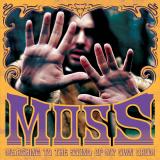
Back in November 2015, after years of collaborations with such as Ghostface Killah, Raekwon, Obie Trice, Sean Price, Kool G Rap, Eternia and countless others, Toronto-based producer MoSS released his debut producer album entitled "Marching To The Sound Of My Own Drum". Since the beginning of his career, the Canadian beatsmith, record digger and music connoisseur has been making a name for himself with his signature sound and on this record he gives an amazing display of what he's capable of doing being backed up by an all stars team that features AZ, Havoc, Slum Village, Onyx, Inspectah Deck, Ill Bill, Skyzoo, Guilty Simpson and 20+ other legendary MC's. A few years after its original release, we've decided to team up with MoSS to bring you this masterpiece on wax and, for the occasion, he's also added an unreleased bonus track called "We Here" that features Smif-N-Wessun that, together with "Emotional Redux", we've put on a 7" together with its instrumental. Limited edition of 500 hand-numbered copies, with the first 200 pressed on orange/black A-side B-side vinyl, and 300 on black vinyl.
BONUS 7”
A1. Emotional Redux (feat. Big Gov, Guilty Simpson, Jon Connor, Vstylez, Willie The Kid)
B1. We Here (feat. Smif-N-Wessun) UNRELEASED
B2. We Here (Instrumental)
A major independent figure on the global electronic music scene, Petit Biscuit returns with Movement, a new album featuring a striking rework of “Everything In Its Right Place,” the acclaimed track “Let You Know” with Sonia Ammar, and the new single “Midnight Sky Pt II,” a tribute to his fans that reconnects with Petit Biscuit’s signature sound, both powerful and emotional.
The album will be showcased on the biggest stages of French festivals this summer.
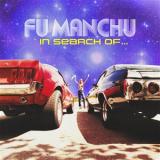
To celebrate the 30th Anniversary of the band's 3rd album and major label debut from 27 February, 1996, the band is releasing In Search Of...30th Anniversary Edition. Recorded at Grandmaster Studios in Hollywood, California by the band and Brian Jenkins (KYUSS, SCREAMING TREES), "In Search Of_" is considered a classic of the '90s and a pillar for the "stoner rock" movement. Highlights include the lead single "Asphalt Risin'," "Redline" and fan favorite "Cyclone Launch." This limited edition 2,000 unit run is pressed on Red Blue Vinyl & Custom Night Sky Vinyl with each LP in a printed sleeve with never before seen images and the gatefold package design includes never before seen photos of the band. The second LP contains the previously released demos for the album that the band recorded themselves in 1995 on a 4-track Tascam. Both LPs feature newly remastered audio for maximum fidelity. Red Blue Vinyl & Custom Night Sky Vinyl, ltd to 2000 copies worldwide.
In 2001, Lange delivered "Drifting Away", a track that was a defining moment in trance, capturing the euphoric pulse of dancefloors at the turn of the millennium.
Now, 25 years later, it returns to vinyl to celebrate its lasting impact, reigniting the same energy and emotion that moved a generation. This special, coloured vinyl release features the iconic Beam vs. Cyrus Remix, Lange's Sunset Mix, and Hiver & Hammer Remix, bringing together the timeless interpretations that cemented its legacy.
Futaishitsu Souzou is the first vinyl album released by Japanese duo la scène 裸身, a duo of Saya on vocals and bass, and Eiji on guitar. They’ve been an understated but deeply impressive presence on the Japanese underground for the best part of a decade now, having self-released a debut album, Ten No Sekido, in 2018, which saw them co-producing by Atsuo of Boris, who also worked with them on the following year’s Corridor EP. The mystery and magic of their songs, which vibrate in a curious space between psychedelic rock, acid folk and slowcore, is at its strongest on Futaishitsu Souzou.
la scène 裸身 have long been interested in art that’s stripped back to its simplest, most elemental form, much as their name represents the Japanese word ‘rashin’, which means naked body. There is something unadorned about the three songs on Futaishitsu Souzou; Saya’s becalmed, unhurried vocal delivery reflects the gentle intensity of the simple, gem-like chord changes strewn through songs like “Futaishitsu Souzou” itself, and the bittersweet, folkish lament of “Reiyou”, a song inspired by the loss of the band’s friend, Gazelle.
Futaishitsu Souzou is steeped in melancholy, but it is not resigned to this emotional state; there are threads of rebirth and transcendence woven through the album’s three lovely, slowly enveloping, and deeply moving songs. Often, you can hear that transcendence in the soaring, sky- burning guitar playing that cleaves these songs in twain, from guest guitarist Hiroshi Kurosawa (of Asylum). At times, the music here recalls the drift-like psych-rock of the Paisley Underground; elsewhere, it explodes with vibrant intensity, swarming with noise and feedback, that runs alongside similarly delirious examples from the Japanese underground.
And yet, la scène 裸身 is entirely its own thing, a unique, singular vibration, a oneiric manifestation of hermetic visionary art.
"Formed in 1967 as a psychedelic electronic duo featuring Dan Taylor on drums and Simeon on a homemade synthesizer consisting of 12 oscillators (and an assortment of sound filters, telegraph keys, radio parts, lab gear and a variety of second hand electronic junk), Silver Apples quickly gained a reputation as New York's leading underground musical expression. Their pulsating rhythmic beats with the use of electronics laid the groundwork for what would become 'Krautrock'. Silver Apples was released in 1968 and still remains an innovative and revolutionary album. Their highly influential sound has influenced countless bands from Stereolab, Beastie Boys, Blur and more. 'Silver Apples... a beautiful and mysterious artifact.' - New York Times.
Sales points
- New 24 bit /96 kHz transfer taken from the original master tapes.
- Limited Blue Sky Colored Vinyl
- First Reissue from Original Tapes
- Currently Touring in the US and Europe
- 'Oscillations' featured in Pitchforks Top 200 songs from the 60's.
Saxophonist Patrick Shiroishi and drummer Jason Nazary present their new album, "here i am no i". The release marks their duo debut for We Jazz Records, adding to an expanding release catalog also including Nazary"s solo album Spring Collection (2021). "here i am no i" is a free-flowing body of work with continuous forward-motion, building on the acoustic duo setting and expands with electronics and voice landing somewhere beyond genre. Dedicated to jaimie branch, the album is a spontaneous product of trying to come to terms with the unimaginable loss of a close friend. Patrick Shiroishi is a Japanese-American multi-instrumentalist, composer & poet based in Los Angeles. His solo work has appeared on labels such as Sub Pop, Touch, American Dreams and Otherly Love. Jason Nazary is a Brooklyn-based drummer and producer, whose work has previously appeared on the We Jazz label on the solo album Spring Collection and on New Monuments by Amirtha Kidambi"s Elder Ones. RIYL: Patrick Shiroishi, Jason Nazary, Anteloper, jaimie branch, Y-OTIS, Koma Saxo, Jon Hassell.
Moving between lo-fi experimental songwriting, sparse post-punk textures and intimate recordings; Ukrainian artist Regina Collage’s new album ‘Horizont’ is a personal and honest document of rebuilding a life and creative voice in Bristol. The record holds space for themes of burnout, quiet shame, tenderness and the courage of staying emotionally open when the world feels unstable. Sung entirely in Ukrainian, ‘Horizont’ does not ask the listener to understand every word. Feeling carries the songs forward. Across bedroom recordings and borrowed studios, Regina moves between cloudy dissonance and stark minimal arrangements built around bass, fragments of guitar, and an exposed voice. The recordings hold onto their rough edges. Mistakes remain and imperfection becomes part of the story. “Music for me is about not being scared to be vulnerable,” Regina says. “Almost every song I have is about what it means to be open and emotional. I really do not think it is a weakness. I hope people can listen and feel welcome to take a break and just let their emotions exist.” The album takes its name from the Ukrainian word for “horizon,” that unreachable line where sky meets earth. For Regina, the horizon became a quiet metaphor for living with distance and uncertainty. Inspired by one of her collage artworks showing a figure lying in grass and staring toward that far line, the title track reflects a feeling of moving toward something that never quite comes closer. Even without understanding the lyrics, the song carries a slow sense of longing and suspended arrival. m‘Vpiznavaty’, by contrast, initially feels almost light. Beneath that surface is a candid portrait of burnout and depressive exhaustion. The song looks at those moments when even greeting friends feels overwhelming. It captures the quiet embarrassment of withdrawing from people you care about, and the slow recognition that sometimes stepping away is simply how you survive. Other songs reveal different sides of the same emotional landscape. ‘Weak’ strips everything back to bass, a hint of guitar, and a bare vocal. Written and recorded in a single instinctive session, the track circles around the idea that softness might be its own kind of strength. Repetitive and intentionally unpolished, it quietly sets the tone for the whole record. Running through ‘Horizont’ is the reality of Regina’s life between Ukraine and the UK. Her hometown Kharkiv continues to face attacks, and many of her friends remain on the front line.
Proudly partnering with the globally acclaimed Forza Horizon gaming series for the fifth time, Hospital Records once again bring their D&B A-game to the world of racing & gaming with a whopping 24-track soundtrack that's getting pressed to a pristine 3x12 triple gatefold vinyl product. For both Forza & Hospital fans alike, this is a physical piece of both D&B and gaming history.
out of Stock
Last delivered 27 days ago available to reorder, subject to availability
“I like to work with a variety of instruments and set ups,” says Mark Van Hoen, sometimes known as Locust or Autocreation but here working under his own name on the excellent Plan For A Miracle, his first physical release of solo music since 2018’s Invisible Threads. ”Sometimes it’s literally in my studio, with all the hardware electronics available. Sometimes the laptop, using software instruments. Some of the tracks on this record were recorded in the desert (Joshua Tree) using a 4-track tape machine and small modular synthesiser set up. Each track was recorded in different location using different instruments, which accounts for the distinction between each piece. It’s also about my own reaction to my environment, and what’s going on in my life at the time.”
The Croydon-born Van Hoen started musical life in the early 1990s, signing for R&S records in 1993 but developing his own, myriad and distinctive style across a range of releases on Touch, Editions Mego and other labels, using a battery of instruments, including analogue synthesizers and taking a number of different approaches to recording, rather than ploughing a single sonic furrow. He has worked on a number of collaborations, including with Nick Holton and Neil Halstead of Slowdive, under the moniker of Black Hearted Brother - their Stars Are Our Home was released in 2013. “I have known Neil Halstead since 1992,” says Van Hoen. “He shared a house with me for a couple of years, and the music I was making and listening to along with clubs I was attending had an influence particularly on Pygmalion, the final Slowdive album on Creation.”
Each track on Plan For A Miracle does indeed sound like a world unto itself, a mini-environment, a weather condition, an ecosystem created for the moment. It’s a collection of tracks recorded over the past few years, released on Bandcamp - despite his apparent absence, Van Hoen works constantly. Opener “Climates”, in its exquisite limpidity, feels like a homage to Brian Eno, one of his most formative influences in his teen years, commencing with Music For Films, which he bought in 1979. “This Is For Them”, feels like a ghostlike throwback to early drum & bass or electronica, reminiscent of his own, earliest outings. “There have been a number of requests from labels to make some more music like my very early releases on R&S,” says Van Hoen. “This is part of ‘letting go’ and realising that there’s nothing less creative about going back to those styles again.”
“Pencil Of Spheres” is something else again, a magnificent, imaginary glass structure, shimmering, refracting, without visible means of suspension, a thing of impossible beauty. “Electric Lights” evokes an abandoned fairground, its lights still pulsating, its music lingering. “The Underpass”, meanwhile, insofar as it reminds of anything at all, is faintly reminiscent of Cluster or Neu’s! West German ambience, the urban mundane rendered magical, the sodium lights, the whitewashed walls. The reverberant, faintly oriental chimes of “Insight” transport us yet again, burgeoning and intensifying.
The landscapes, the skyscapes rendered on Plan For A Miracle feel unpopulated as a rule - but when he does introduce vocal elements, Van Hoen has a history of doing so to spectacular effect - think of “Real Love” from 1998’s Playing With Time, the seductive intonation of its title recurring throughout like a series of massive holograms, echoing, stuttering, breaking up, surging. Here, there are just the faintest of vocals, barely distinct, disquieting. “There’s been a bit of a game changer in recent times,” explains Van Hoen. “AI software that enables you to extract vocals and instrument parts from virtually any recording. That means sampling individual parts from existing sources is no longer limited to the original mix exposing certain parts soloed. The vocal parts I use are from multiple sources and often pitch shifted altered rhythmically and melodically.“ There’s further vocal chatter on “I Really Do”, proceeding at a faster pace as if giving chase, or being pursued - distant, enigmatic. “The Music”, meanwhile, its beat tolling, lost in its own fog of static, features a curious intonation, like the ghost of a lost Walker Brother.
Sadly, the album’s title is in reference to a personal tragedy on Van Hoen’s part - the loss of his wife. Titles such as “I Won’t Give Up”, which faintly reminds of another Eno masterpiece, Another Green World, in its nautical hurly-bury, or the pastoral strains of “Mrs Who”, heavily clouded with sadness, seem to allude to this. “In fact the record was recorded entirely before she passed away,” says Van Hoen, “most of it before she even became very ill. The title was given to the album when it started to look like she wasn’t going to make it beyond a few months. It was something Osho said - “plan for a miracle” - so it was a statement of hope. Unfortunately it was not to be.” Although the album is non-thematic, non-specific in its atmospheres, sound paintings, elegant structures it most certainly stands as a magnificent monument to Osho’s memory.
-David Stubbs.
out of Stock
Last delivered 29 days ago available to reorder, subject to availability
British composer Simon Goff interprets space, both within ourselves and the objects that surround us with Interior Realms - vol.1; a wondrous, contemplative work of electronic chamber music.
The idea first came from the philosophical idea underpinning the book Interior Realms, published by Theatrum Mundi in 2021. In it, a collection of essays reflects upon architecture’s influence on the human spirit. It challenges us to think not only about music as space, but also about how architecture can shape our ideas of composition. It also asks us to think about how space can make us experience music internally differently.
Interior Realms, the album, inhabits this idea and creates a dreamlike, atmospheric arch between its outer and inner parts. Joyous, immense and light-filled compositions sits side by side with the almost pure silence and introspect of its inner core. Goff wanted to create parallel compositional voices, performing them in various locations, each offering its own sonic character, unique spatial sounds, and reverb. Together with his long-time collaborator, Lynn Wright, the album was recorded in the Großer Wasserspeicher, Berlin's oldest water tower, and at the Grunewaldkirche, a location known amongst others from being the birthplace of many great works by artists such as Nils Frahm, Dustin O´Halloran and more. Cellist Anne Müller appears alongside Goff’s violin and viola on several pieces as they improvised and interacted with each other in the resonance of the space.
In addition to his own endeavors, Simon composes primarily for film and has collaborated with Hildur Guðnadóttir, Jóhann Jóhannsson and Peter Broderick among others. His collaborators has left an inspiring mark on him, all while standing firmly on his own feet with grand intention and results as heard on this absolutely brilliant atmospheric work.
Die fünfte Vinyl-Auflage ist bei Bad Afro traditionell in Blau und auf 500 Exemplare weltweit limitiert! Das Album verdankt seine Entstehung den psychedelischen 60er Jahren und dem Einfluss von Sky Saxon, Arthur Lee, Morricone und Syd Barrett und strahlt dennoch so hell und frisch wie die Morgensonne. Vom barocken Pop von "A Sound for Two" über die knackigen Garage-Licks von "My Heavenly Way" und "Sold for Sinners" bis hin zur wogenden Pop-Eleganz von "The Only One" und "The Ecstacy Once Told" ist dies ein Album, das von der Hand der spirituellen Erleuchtung berührt wurde. Der charismatische Bandleader Daniel Poulter schreibt wunderschöne Songs, unter deren psycedelischer Oberfläche sich zeigt, dass THE DOLLY ROCKER MOVEMENT eine großartige Popband sind, welche zudem einen ganz eigenen Klang und Stil besitz. Trotz der Tatsache, dass das Album 13 Jahre alt ist, ist es das meistgestreamte Album auf Bad Afro.
out of Stock
Last delivered 32 days ago available to reorder, subject to availability
One year earlier, 50 years ago this December, THE HEARTBREAKERS arrived in London to join the Sex Pistols on the "Anarchy" tour. They spent most of 1977 there, recording "L.A.M.F." and cementing their status as elder statesmen of the punk movement. This last date of their 1977 European tour was to be their very last as a band - until the reunions. Drummer Jerry Nolan had already jumped ship; his substitute is The Clash"s Terry Chimes. The gig was filmed for a movie that was never to be - this is the soundtrack recording.
Pressed onto a deep summer orange 12", accompanied by sky-blue outer packaging reminiscent of Netsky's 'Second Nature' LP - this is an unmissable collectible of Hospital Records history.
With Memory Lane being one of the tracks to first ascertain Netsky's legendary status, to 'Everybody Loves The Sunshine' becoming a household D&B anthem - this 12"" is a glimpse into the cross-generational success of one of Hospital's earliest signings.
Die australischen Rockband Airbourne war noch nie dafür bekannt, klein zu denken. Auf ihrem
sechsten Studioalbum, der nach der Band selbst benannt ist, hat sie sich allerdings noch mal selbst übertroffen. Airbourne – ein Name, der zum Synonym für bombastischen, biergetränkten, gefährlichen und sexy Rock’n’Roll geworden ist. „Dieses Album vereint alles, wofür wir stehen, in einem einzigen Werk“, erklärt Ryan den Titel. „Es ist das beste Album, das wir überhaupt machen konnten.“
Zusammen mit dem starken Produktionsteam aus Brian Howes (der 2013 "Black Dog Barking" produziert hat) und dem Toningenieur Mike Fraser (der an „Breakin’ Outta Hell“ von 2016 und „No Guts. No Glory.“ von 2010 mitgearbeitet hat), machte sich die Band im Music Farm Studio im „Dschungel“ außerhalb von Byron Bay an die Arbeit. Der Komplex verfügt über das originale Neve-Mischpult aus den Alberts Studios, auf dem Bands wie AC/DC, Rose Tattoo und The Angels ihre wegweisenden frühen Alben aufgenommen haben.
Das Ganze präsentiert sich in einem sorgfältig gestalteten Paket, gemischt von Zakk Cervini (BMTH, Architects), das die Leidenschaft, das Feuer und die schweißgetränkte Gefahr einer Band auf dem Höhepunkt ihrer Kräfte einfängt, komplett mit Schlagzeug, das wie Kanonen knallt, und Gitarren, die wie Kreissägen schneiden.
„Alive After Death“ und „Send Me To Rock’N’Roll Heaven“ sind eine Hommage an die verstorbenen Idole der Band; letzterer Titel bezieht sich auf Lemmy, Doc Neeson von The Angels, John Bonham, Bon Scott, Little Richard und weitere. Joel schrieb den Text zum mitreißenden „Alive After Death“ eines Abends im Tourbus, als er darüber nachdachte, wie die Musik dieser Legenden sie unsterblich macht. An anderer Stelle gibt es Geschichten von unterwegs („Bogota“), Songs über Trotz und Nicht-Aufgeben („Last Man Standing“, „Hell’s Got No Vacancy“, „Gutsy“) und noch mehr Sex („Sky High“). Jetzt müssen Airbourne nur noch auf die Bühne zurückkehren, in der Gewissheit, dass sie ihr bestes Album aller Zeiten mitbringen.
This is a concept record that reflects on events that have had a calculable effect on a generation:
‘’By 83 and 84, it felt that nuclear war was going to happen. Not could happen but was going to.’’
Stephen Brotherstone
"What would you do in the event of a Nuclear war?"
I remember having discussions about what we would do when we heard the four minute warning siren. We would raid the sweet shop. I was 8 or 9 years old. The absurdity of this vivid memory encapsulates the concept of the record. It would take at least four minutes to get to the shop!
The record starts with an early memory of circling a church on a Raleigh Budgie (the smaller lesser known iconic Chopper bicycle) in 1981 and ends with staring up at a clear sky on Oldham Lows in 1990.
The record identifies and plays with the effects of an underlying fear of oblivion on a generation of children, but also society as a whole: The pieces take in media and government propaganda. Machinery (nuclear submarines) and buildings (nuclear bunkers) but also everyday activities of the civilian population, activities such as shopping, clubbing and staring at the sky. Thematically, the record is made up of personal memories mixed with historical events.
Instruments are mainly from 1980s. DX7 and 808 feature predominantly. The pieces feature numerous melodic motifs that develop and intertwine underlying ideas of espionage and layers of secret messaging. It also mirrors the ways in which governments and civilians interact. Decisions being made in the name of defence whilst people go about their daily lives. I am exploring the everyday experiences of the masses whilst major political decisions are taking place. For example, shopping on a Saturday afternoon versus heated Cold War tensions in 1983.
Although taking place conceptually in the years 1979-1991, this record mirrors current events. History repeating. It also mirrors the helplessness or maybe some oblivious everyday normality state that we adopt as a community whilst major political decisions are being made.
The idea that life goes on oblivious to larger scale politics, or on the other hand, the idea that we are all very aware but in a state of unreal normality. Adam Curtis goes into great detail about such things in his film 'Hyper Normalisation'.
Layered guitars, synths and wordless vocals set the scenery in this epic, beautiful and introspective solo debut by musical wanderer Lynn Wright.
Wright, who has mostly eschewed developing a fixed artistic identity throughout his already long career, has preferred to remain on the periphery of collaborative projects and behind the scenes. It took until recent times for him to make “Before The Sinking Plains”, which arrives as his first solo recording after decades of traversing underground scenes in New York and beyond. Wright defines the album as “a collection of atmospheric compositions structured as songs or songs masking as atmospheric compositions.”
The album began during a long neurological illness as guitar loops Wright would make each morning in his apartment and let play quietly in the background. At some point he began recording the ones he liked and adding layers of treated guitars, vocals, and synths, and then, eventually, giving them defined structures. The album features none of the aggression of his louder bands and improvisatory projects, but retains the dark hues.
Before The Sinking Plains lives on the familiar peripheries of our post-everything sound world, with elements of everything from washed-out dream pop and atmospheric drone works to sparse noir folk and minimalist vocal composition moving within the linings of Wright's subtle yet grand pieces, creating a perfect backdrop for watching the sky merge with the vast open fields.
Since relocating to Berlin some years ago from New York, he has worked closely with composer Simon Goff, who mixed his current album, as an editor, engineer and composer on various film and recording projects. He also plays lap steel guitar in Swans bassist Dana Schechter’s band Insect Ark. This is just the top of the iceberg when it comes to Wright's collaborations and projects throughout the years.
Poem by Alea Coble (February 2026) - Written for Andrew Weathers, Chattonooga Recording Project
Listen to my story and everything will come out true. - Bessie Smith
35° 02' 44.27" N -85° 18' 34.85" W:
Howl. Hammer strikes firing pin. Its echo ricochets over river bend. The woodpecker’s syncopated pop-pop-pop clink and thwap in time with cops practicing prayer at the firing range.
Quick. Sketch a few constellations onto a postcard: empty shotgun shells, these pre-forgotten fossils snaking rusted railroad spikes, like snagged rosary, fallen poplar petals draped over cerulean glass ashtray scattered along glittering fractures, ignored like a treaty. Train tracks reverberate necrophilic boomerang-hunger for mountain air without that coal dust. Eat. Eat. Everything is real estate. Even the air is for sale. Buy it cheap while I.C.E. carves through the valley along the Trail of Tears in unmarked SUVs, traffic stops.
Howl. Callback to estranged entanglements oscillating over holler and highway. Meet on the porch. Haint-blue ceiling. Some ghosts can’t get through anyway. They got tied up on the Walnut Street Bridge by a mob of white spit. Howl. The South should scare you.
But the woodpecker is still nesting, hungry, typing uncannied punctuation marks into black oak: a deed. Home? Takes a side-eyed knowing to call by name. The moon sickles in a sweating glass of iced tea.
Speculation cycle: symmetry as ancient as sour-dank betrayal of the tongue, bitter bones binding blood and lead, alchemical forgetting like I found a hairbrush in the yard while planting wild irises, like someone is charging $10 for an old glass Coke bottle, like semicolons itching restless under new sod from no-one-knows-where. Howl. Sing back. History is soil-in-stereo.
How will this line end? Like riverbank? Like atlatl arching hope smash-through a stained glass window? Words fall out of the sky, and 30 American flags snap at attention on the bridge. Howl. A shift in the wind gallops through the streets tossing her head back, laughing.
Tennessee River, who once kissed Pangea, how she softens at the knuckle-suck of it all, that secret-sweet stowed in the feathers of sandhill cranes lifting up on warm summer breeze: slow-shooting stars bending toward unbothered brevitas.
Howl. The red wolf knows her truest kin is always her shadow’s shadow.
In a world increasingly shaped by disposable content, Chat Pile answer with something defiantly real and organic, a mentality that permeates Who Loves The Sun, their third full-length record. Since the band’s formation just over six years ago, the Oklahoma City-based quartet Chat Pile has grown from a scrappy passion project into one of the defining heavy acts to emerge from the 2020s underground. Ray B. (vocals), L. Manhole (guitar), Stin (bass), and Cap’n Ron (drums) create a crushing, crass, and cathartic take on noise rock that captures a raw, undeniably human essence in an age marked by technological overreach and the cold state of society. Nothing about Who Loves The Sun feels synthetic.
Whereas their debut album God’s Country depicted a particularly American flavor of dread, and the follow up Cool World showed a cruel planet defined by global systemic violence, Who Loves The Sun peels the skin back on how collective indifference defines this new century. Spanning imagery of coastlines devouring cities, dead-end jobs, and submission to data-driven inauthenticity, the album dissects the apathy-bloated state of 21st-century existence as a slow-motion apocalypse. As with much of Chat Pile’s work, Oklahoma City itself looms over the album like a character, its sprawling isolation, economic contradictions, and underlying sense of decay embedded in the fabric of the record. The perfect allegory for the thematic essence of Who Loves The Sun is the photo embossed on the record’s cover, where Devon Tower, a glassy, largely vacant monolith, looms high above the Oklahoma City skyline while a burnt-out home or storefront envelops the foreground. The album remains lyrically and sonically confrontational, but Chat Pile approached the songwriting with hooks in mind, drawing on melodic tones of pre-2000s indie rock, alt-rock, and new wave. From the blood-soaked vocal passages of “Christabel ’26” to the eerie trip-hop pulse of “Same Rules,” Who Loves The Sun is deeply human despite its allusions to a dying, divided .
In a world increasingly shaped by disposable content, Chat Pile answer with something defiantly real and organic, a mentality that permeates Who Loves The Sun, their third full-length record. Since the band’s formation just over six years ago, the Oklahoma City-based quartet Chat Pile has grown from a scrappy passion project into one of the defining heavy acts to emerge from the 2020s underground. Ray B. (vocals), L. Manhole (guitar), Stin (bass), and Cap’n Ron (drums) create a crushing, crass, and cathartic take on noise rock that captures a raw, undeniably human essence in an age marked by technological overreach and the cold state of society. Nothing about Who Loves The Sun feels synthetic.
Whereas their debut album God’s Country depicted a particularly American flavor of dread, and the follow up Cool World showed a cruel planet defined by global systemic violence, Who Loves The Sun peels the skin back on how collective indifference defines this new century. Spanning imagery of coastlines devouring cities, dead-end jobs, and submission to data-driven inauthenticity, the album dissects the apathy-bloated state of 21st-century existence as a slow-motion apocalypse. As with much of Chat Pile’s work, Oklahoma City itself looms over the album like a character, its sprawling isolation, economic contradictions, and underlying sense of decay embedded in the fabric of the record. The perfect allegory for the thematic essence of Who Loves The Sun is the photo embossed on the record’s cover, where Devon Tower, a glassy, largely vacant monolith, looms high above the Oklahoma City skyline while a burnt-out home or storefront envelops the foreground. The album remains lyrically and sonically confrontational, but Chat Pile approached the songwriting with hooks in mind, drawing on melodic tones of pre-2000s indie rock, alt-rock, and new wave. From the blood-soaked vocal passages of “Christabel ’26” to the eerie trip-hop pulse of “Same Rules,” Who Loves The Sun is deeply human despite its allusions to a dying, divided .
In a world increasingly shaped by disposable content, Chat Pile answer with something defiantly real and organic, a mentality that permeates Who Loves The Sun, their third full-length record. Since the band’s formation just over six years ago, the Oklahoma City-based quartet Chat Pile has grown from a scrappy passion project into one of the defining heavy acts to emerge from the 2020s underground. Ray B. (vocals), L. Manhole (guitar), Stin (bass), and Cap’n Ron (drums) create a crushing, crass, and cathartic take on noise rock that captures a raw, undeniably human essence in an age marked by technological overreach and the cold state of society. Nothing about Who Loves The Sun feels synthetic.
Whereas their debut album God’s Country depicted a particularly American flavor of dread, and the follow up Cool World showed a cruel planet defined by global systemic violence, Who Loves The Sun peels the skin back on how collective indifference defines this new century. Spanning imagery of coastlines devouring cities, dead-end jobs, and submission to data-driven inauthenticity, the album dissects the apathy-bloated state of 21st-century existence as a slow-motion apocalypse. As with much of Chat Pile’s work, Oklahoma City itself looms over the album like a character, its sprawling isolation, economic contradictions, and underlying sense of decay embedded in the fabric of the record. The perfect allegory for the thematic essence of Who Loves The Sun is the photo embossed on the record’s cover, where Devon Tower, a glassy, largely vacant monolith, looms high above the Oklahoma City skyline while a burnt-out home or storefront envelops the foreground. The album remains lyrically and sonically confrontational, but Chat Pile approached the songwriting with hooks in mind, drawing on melodic tones of pre-2000s indie rock, alt-rock, and new wave. From the blood-soaked vocal passages of “Christabel ’26” to the eerie trip-hop pulse of “Same Rules,” Who Loves The Sun is deeply human despite its allusions to a dying, divided .
In a world increasingly shaped by disposable content, Chat Pile answer with something defiantly real and organic, a mentality that permeates Who Loves The Sun, their third full-length record. Since the band’s formation just over six years ago, the Oklahoma City-based quartet Chat Pile has grown from a scrappy passion project into one of the defining heavy acts to emerge from the 2020s underground. Ray B. (vocals), L. Manhole (guitar), Stin (bass), and Cap’n Ron (drums) create a crushing, crass, and cathartic take on noise rock that captures a raw, undeniably human essence in an age marked by technological overreach and the cold state of society. Nothing about Who Loves The Sun feels synthetic.
Whereas their debut album God’s Country depicted a particularly American flavor of dread, and the follow up Cool World showed a cruel planet defined by global systemic violence, Who Loves The Sun peels the skin back on how collective indifference defines this new century. Spanning imagery of coastlines devouring cities, dead-end jobs, and submission to data-driven inauthenticity, the album dissects the apathy-bloated state of 21st-century existence as a slow-motion apocalypse. As with much of Chat Pile’s work, Oklahoma City itself looms over the album like a character, its sprawling isolation, economic contradictions, and underlying sense of decay embedded in the fabric of the record. The perfect allegory for the thematic essence of Who Loves The Sun is the photo embossed on the record’s cover, where Devon Tower, a glassy, largely vacant monolith, looms high above the Oklahoma City skyline while a burnt-out home or storefront envelops the foreground. The album remains lyrically and sonically confrontational, but Chat Pile approached the songwriting with hooks in mind, drawing on melodic tones of pre-2000s indie rock, alt-rock, and new wave. From the blood-soaked vocal passages of “Christabel ’26” to the eerie trip-hop pulse of “Same Rules,” Who Loves The Sun is deeply human despite its allusions to a dying, divided .
Ecology Division is a new compilation from Bastard Jazz that brings together a network of producers and musicians working across jazz, soul, electronic, and beat-driven styles. Featuring artists from Brooklyn, Chicago, Montreal, London, Lisbon, Melbourne, and Ludhiana, the release highlights a core group of collaborators and peers connected to the label’s extended orbit. The project is presented with cohesive visual direction inspired by vintage field guides and naturalist illustration, with each track paired to a distinct animal. This framing positions Ecology Division as a curated snapshot of an active, evolving creative community rather than a traditional compilation.
The release features contributions from Simon Mavin (of Hiatus Kaiyote), Sholto & David Bardon, Danny Scott Lane, Rachel Kitchlew & DOUGH, Lapgan, Korovo, Birocratic, Kartik, Nick Marks, and Pimenta Caseira. Collectively, these artists have released music on respected independent labels including Ninja Tune, Brainfeeder, Mr. Bongo, Melting Pot Music, WRWTFWW Records, and Moon Glyph, among others—underscoring the compilation’s reach across established global scenes.
“Ruins are the style of our future cities, future cities are themselves ruins.” - Izosaki Arata
A note from Lawrence English: Nostalgia is not an ideology, though in this moment, we could be mistaken for thinking it might be just that. Over the past years, the idea of nostalgia has been filtered through various political and technological lenses and has become a tool used for forgetting, rather than remembering. Instead of embracing histories’ complexities and inconsistencies, this version of nostalgia seeks only singular recollection. This contemporary phenomenon of nostalgia has become a methodology at best, and a weapon at worst, used to erode the past and project forward a collapsed and unimaginably sanitised version of things, places, and ways of being from former times. It’s this projection that sees it playing a mounting role in a social pathology associated with reducing the imagined possibilities of future.
The Rest Is My Ghost is a record that interrogates the manifestations of this reductive futuring and celebrates those that have tried (and failed), and those who continue to push back against decayed and revisionist positions. It’s a record that considers the weaponisation of nostalgia for the purposes of cloaking possible futures.
In recent times, I’ve proposed a term for this weaponised use of nostalgia, something I have called Acid Nostalgia. I offer it as a shorthand to describe the de-contouring of the future through a corrosive fixation on a flatten rendering of the preceding times. It is, in part, a certain type of lazy cultural scripting where tropes of the past are presented in the absolute, as empty pictorials; photocopies without any original from which to draw actual meaning, or useful detail.
Acid Nostalgia describes an increasingly common political projection of nostalgia that exists without any subjective connection to the memory surrounding and contained within it. Like acid poured onto a surface, this use of nostalgia seeks to erodes and smooth out the complexity and texture of lived connection and longing, which has until recently guided contemplations of nostalgia. Acid Nostalgia instead erases the texture of histories and de-contours the past, and in doing so dematerialises the horizon of possibility, which by its very nature marks the beginning point for any (and all) imaginable futures. Acid Nostalgia is a dreamless screen, where uncertainty, restlessness and aspiration are subjected to corrosion, breaking down and neutralising the wellspring of futures which are birthed from within the ambiguously charged, complex and at times chaotic atmospheres of the present.
The Rest Is My Ghost is not however some universal reading of these things and happenings. Rather it draws its breath from a very personal pathway carved through my own fraught experiences of nostalgia and framed through a disparate collage of chance encounters, situations, places and provocations. It takes oblique notes from civic and architectural references such as Japan’s Metabolist movement, Hong Kong’s ‘one line sky’ and Los Angeles’s vanished Sodium Vapour lights. It interpolates texts – factual and fictional – by authors such as Franco Berardi, Kate Crawford, JG Ballard, Katsuhiro Otomo, Mark Fisher and Alexei Yurchak who have each so wonderfully sought to rupture the familiarity of now, and push us towards other ways of imaging ourselves, our surroundings and our very ways of being in this world.
I also owe a debt of thanks to Adam Curtis in helping launch what has become this edition. It was his provocation, in a conversation we shared about an overwhelming and profound sense of uncertainty around being able to predict the immediate future and how to respond to that, which sparked the earliest inklings of this edition.
The Rest Is My Ghost is ultimately a record about the promise of constructions and connections to come, material, social and political. It's a record that accepts the fragility of failure as a source of ultimate potential, and a position from which the deepest freedom of imagination might be sought and summoned forth to conjure even the most unimaginable, (but) possible futures.
out of Stock
Last delivered 41 days ago available to reorder, subject to availability
The Seeds stand tall amongst the handful of mid-60s American garage bands whose influence is palpable in rock to this day. Led by charismatic frontman Sky Saxon, the original Hollywood-based quartet’s unique and exciting brand of minimalist rock’n’roll still sounds contemporary and is perfectly encapsulated on this first album. If second album “A Web Of Sound” was pop-art flash, and 1967’s “Future” a florid take on psychedelia, then the July 1966 debut remains The Seeds’ grand statement; an all-original programme of rock and R&B-inflected garage punk that buzzed with a peculiar-yet-riveting energy that was the ensemble’s very own.
Whilst ”The Seeds” contains a pair of familiar classics in ‘Can’t Seem To Make You Mine’ and ‘Pushin’ Too Hard’,’ it is instructive to remember that it was recorded and released some time before either tune became a hit. Unlike so many albums of that era, the Seeds’ debut was not a quickie thrown to together to take advantage of singles chart success. Instead, the record constitutes a sharp definition of their unique and aberrant style, featuring several key items within their canon, be they the rough-hewn rockers ‘Girl I Want You’ and ‘No Escape’, the pot-boiling blues ‘Nobody Spoil My Fun’,’ or the lengthy and downright sinister ‘Evil Hoodoo’.’
Released in 1993 and never reissued on vinyl since, this album was recorded at Music Works Recording Studio, which was renamed that same year Anchor Recording Studio, well known among reggae enthusiasts. It was produced by Doctor Dread and mixed at the prestigious Lion & Fox Recording Studio, the American base of the RAS Records label.
The line-up is impeccable, featuring of course Flabba Holt on bass, Tee Bird on keyboards, Dwight Pinkney on guitar, and Sky Juice on percussion—in short, the full Roots Radics line-up.
As usual, Skelly, Wiss, and Apple take turns singing lead while the other two enhance the vocals with high-pitched melodic harmonies.
In a Roots Rock Reggae vein, this album is a cornerstone of the group’s discography, presented to you remastered, with a sound it had never been given before. The 180g vinyl pressing, glossy finish, and 350g sleeve make it a choice piece for all lovers of quality Roots reggae.
(2LP, limited black vinyl repress) After last year's extroverted and funky album "Be Who You Wanna Be," Stef Kamil Carlens presents a more introspective double album recorded with Nel Ponsaers and Rahmat Emonds.
Featuring 14 songs—some of his own compositions and very surprising covers or reinterpretations—this album emphasizes lyrics, vocals, and a band sound primarily driven by acoustic instruments. Once again, it stands as a key addition to the already very eclectic catalog of one of Belgium’s most versatile and productive artists. Stef Kamil Carlens & The Poem will tour starting in October 2025.
Platypus Trax's first edition of the annual vinyl VA-series brings together an impressive bunch of artists around the globe! A1 - Guchon (Japan) - Hard Normal: A timeless club roller with a hardgroove attitude and inventive splatter of vocal cuts and sounds, that blend together with the driving drums and hard and stabby bassline. 140BPM A2 - Chambray (Germany) - Step Aside: A legend that is Chambray brings the old school ghetto techno back to his repertoire with Step Aside, not shying away from keeping it as minimal as possible, yet keeping the overall sound as full and destructive as possible. 132BPM A3 - Joedan & Killaman (UK) - Slam Down: A fun little ender for the A-side by them boys from Leeds. Big drums and even bigger techy bassline for the peak time of almost any event imaginable. 135BPM B1 - Little By Little (France) & Reginald (Finland) - City Skyline (Detroit Mix): A touch of experimentalism and big synths molded together with sick drum groove and stretchy vocal line. Wait for the second drop for pure nostalgia! 140BPM B2 - Beth Alana (Germany) - Birds of Paradise: A minimalistic workout from the depths of Berlin. Fresh soundscapes and the voices of birds counterbalancing the deep groove and heavy basses. Meditative piece to end the compilation with pure style and respect. 145BPM
Berlin’s Phil Berg, one of techno’s most distinctive rising names, debuts on Mutual Rytm with his ‘Dārin’ EP. First invited as the debut guest DJ for Mutual Rytm’s inaugural label night back in 2022, Berlin’s Phil Berg has maintained a close relationship with the imprint ever since. Known for his shadowy, immersive sound, Berg has carved out a singular position within the scene - equally respected for his high-impact DJ sets, his improvisational live performances, and a production style defined by clarity, tension, and a deeply recognisable sonic identity. While his live shows remain a vital part of his artistic DNA, often shaping the raw ideas that later evolve in the studio, his work extends far beyond the club floor, marking him out as a fully formed and increasingly essential voice in contemporary techno. That connection between stage and studio is fully realised on ‘Dārin’, where Berg delivers a darker, more driving statement for his Mutual Rytm debut, with the title track already becoming a standout in the sets of label founder SHDW. The title cut opens the EP with great urgency, as flaming drums and machine-gun synths are fired across the night sky, with sensuous whispers and sonar pulses adding the pull of the groove. Next, ‘Tempest’ brings big, banging hits, nailing down the kicks while rising tension appears through the backlit synths and distant bass rumbles. ‘Tanoo’ releases the pressure with a more luminous synth line that locks you in a trance as linear drums race on, while ‘Mephisto’ keeps you on edge with twitchy motifs and a burrowing bassline that drills down deep into a moody underworld. The EP closes with ‘Destiny Bond’, which rises with undulating, tactile lines, sleek synth smears, and a cosmic sense of travel. As digital bonus cuts, ‘Seiko’ and ‘Nyx’ bring anxiety and foreboding to the fore with two more muscular and physical deep techno hitters crafted for maximum impact.
out of Stock
Last delivered 12 days ago available to reorder, subject to availability
With governments finally admitting that UFOs do in fact exist, and humanity attempting to heal from a state of recent crisis, the timing couldn’t be more appropriate for the newest addition to the HYPOCRISY catalog: WORSHIP, due to be released Fall 2021 via Nuclear Blast Records. Aptly titled, the album cover shows a mass of humans reaching up mindlessly to the sky as glowing spaceships shaped like the HYPOCRISY crosses sigil beam down to descend upon earthen civilizations and Mayan temples. Designed by artist Blake Armstrong (Kataklysm, In Flames, Carnifex, etc.), WORSHIP’s artwork speaks to the history of the relationship between humanity and extraterrestrials. “They’re coming back to collect,” explains founder and HYPOCRISY mastermind Peter Tägtgren.
A track entitled CHEMICAL WHORE breaches the subject of pharmaceutical addiction, and those who engineer it. “We are all chemical whores. We regularly consume prescriptions and drugs because we think we need it; we use one pill to heal the damage done by another medicine... it’s a vicious cycle.” Musically, it’s the only song that was written by all 3 core members of the band and translates into a recognizable, mid-tempo HYPOCRISY sound much like ERASER or FRACTURED MILLENIUM. Traveling from Sweden to Russia, the band also shot an official music video for CHEMICAL WHORE.
The DEAD WORLD music was written by Peter Tägtgren’s son, Sebastian. “We actually started to write an album together, something like 11 or 12 songs, but we never put any vocals in there and we just sort of set it aside. Then when I started writing HYPOCRISY I realized I really liked the song… it feels fresh. I think my kid got some new blood in there.” While the song comes equipped with a modern feel, the writing is still old fashioned at its core. Going into detail about the illuminati and black ops government, the lyrics examine how miserable these figureheads and theories can make us. “Call it fantasy, call it sci-fi, there are plenty of conspiracies in the world but I find these ones interesting,” explains Tägtgren.
GREEDY BASTARDS is another track outlined by simplicity and catchiness. Chugging riffs encapsulate a sound that almost verges on the realms of thrash while still keeping its feet firmly planted in the world of death metal. The lyrics touch on the greed and methods of control that we see various governments around the world today; how they manipulate people against one another and abuse the masses.
For Tägtgren, the inspiration to write new HYPOCRISY comes in waves. “I believe we were out on tour for another project and I began to get hungry again. I started spitting out some new riffs and when I had 7-8 songs done, I invited the rest of the guys to join me and contribute, and from there we started putting everything together. We had a break for a few months, continued recording, went back on tour… it never stops. There was a lot of jumping back and forth, and then COVID came and things got really weird.”
Tägtgren was one of the many musically inclined who was forced into sudden isolation upon the onset of COVID 19, only for Tägtgren, this is common practice when creating new songs. “A lot of things in the world stopped, and it was time to finish everything I hadn’t finished.” As usual, all recording and mixing took place at Tägtgren’s home studio in Sweden.
It has been 8 long years since the last record, and HYPOCRISY fans can feel the itch. WORSHIP is 11 tracks of precise, ferocious musicianship. Commonly inspired by the fusion of the modern and the ancient, HYPOCRISY has once more found a way to combine innovative ideas with classic sound in order to deliver something metalheads can enjoyably consume with awe and brutal vigor. HYPOCRISY is Peter Tägtgren (Lead Guitar & Vocals), Mikael Hedlund (Bass Guitar), and Reidar “Horgh” Horghagen (Drums).
A deluxe double LP reissue of a rare 1997 indie cult classic, expanded with bonus material and featuring the formative recordings of musicians who would later create The Essex Green and The Sixth Great Lake. Originally released in 1997, Jeffersonville is a hidden gem of late-'90s American indie rock, blending heartfelt songwriting, melodic guitars, and the raw charm of the DIY underground. Formed in Burlington, Vermont, Guppyboy served as an early creative home for musicians who would later go on to form The Sixth Great Lake and The Essex Green, making this album an important chapter in the story of American independent music. This deluxe double LP edition presents Jeffersonville in its most complete form to date, featuring previously unreleased and non-album tracks not included on the original release. Expanding on the original album while preserving its intimate, homespun spirit, this definitive edition shines a new light on a long-overlooked cult favorite. With its blend of indie rock, power pop, and timeless melodic songwriting, Jeffersonville offers strong appeal to fans of the Elephant 6 universe and the wider American indie underground, while providing lasting catalogue value for retailers and collectors alike.
Mit beunruhigenden Rhythmen, melancholischen Keyboardklängen und ergreifenden Chören ist „Polaar“ ein mitreißendes Album, das ebenso verstört wie es fasziniert, ebenso beruhigt wie es beunruhigt.
Armada Music and PDD are proud to welcome a new series to their ever growing roster of releases with “A State Of Trance Volume 1”. Kicking things off is the legendary Armin van Buuren with one of his classics “Communication” originally released in 1999 on Cyber Records this trance anthem was an instant hit, known for its driving bassline and signature piano melody it served as his breakthrough hit and the lead single from his debut studio album 76. It reached number 18 on the UK Singles Chart and number 2 on the UK Dance Singles Chart.
On the flip are The Thrillseekers (Steven Helstrip) with “Synaesthesia (En-Motion Extended Remix)”. The Thrillseekers have been at the forefront of the global trance scene for 20 years from releasing his first ever single “Synaesthesia” which is now being brought back to life on fresh vinyl for the first time in over 20 years.
Last but not least is “Lange feat. Skye - Drifting Away (Extended Mix)” originally released in 2002 on VC Recordings. Stuart Langelaan, renowned as Lange, has many achievements under his belt such as 20 UK top 40’s and mixing the return of the legendary Trance Nation series for Ministry of Sound.
This release is for any fans of trance new and old, make sure to give trance a chance.
I Bet on Sky is the third Dinosaur Jr. album since the original trio – J Mascis, Lou Barlow and Murph – reformed in 2005. And, crazily, it marks the band’s 10th studio album since their debut on Homestead Records in 1985. Back in the ‘80s, if anyone has suggested that these guys would be performing and recording at such a high level 27 years later, they would have been laughed out of the tree fort.
The trio has taken everything they’ve learned from the various projects they tackled over the years, and poured it directly into their current mix. J’s guitar approaches some of its most unhinged playing here, but there’s a sense of instrumental control that matches the sweet murk of his vocals (not that he always remembers to exercise control on stage, but that’s another milieu). This is head-bobbing riff-romance at the apex. Lou’s basswork shows a lot more melodicism now as well, although his two songs on I Bet on Sky retain the jagged rhythmic edge that has so often marked his work. And Murph…well, he still pounds the drums as hard and as strong as a pro wrestler, with deceptively simple structures that manage to interweave themselves perfectly with his bandmates’ melodic explosions.
After submerging myself in I Bet on Sky, it’s clear that the album is a true and worthy addition to the Dinosaur Jr. discography. It hews close enough to rock formalism to please the squares. Yet it is brilliantly imprinted with the trio’s magical equation, which is a gift to the rest of us. For a combo that began as anomalous fusion of hardcore punk and pop influences, Dinosaur Jr. have proven themselves to be unlikely masters of the long game.