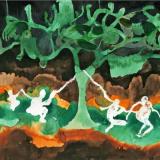
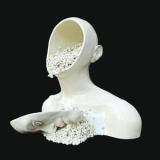
'Museum Of No Art is the pseudonym of the artist and musician Mona Steinwidder. The pieces on the album A Serpent Called Emit document a two-year engagement with the clarinet and other woodwind instruments. In the search for simplicity, one encounters complexity. But the Museum discovers connections between the poles and lets them circle around each other. Impurities have found their place in it and hard cuts are intended to underline the volatility of the moment, to highlight and admire imperfection.'
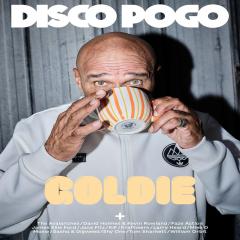
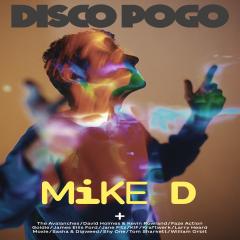
For Autumn/Winter 2026/2027 our tenth issue is possibly our best ever with three heavyweight cover stars in the shape of Goldie, Mike D and The Avalanches. Issue 10 also features: Kevin Rowland and David Holmes - Two of the most dapper chaps in music go for a walk through London. William Orbit - We pay tribute to the producer who was simply ahead of his time. Sasha and John Digweed - The Man Like and Diggers reflect upon 30 years of their seminal ‘Northern Exposure’ mix. Larry Heard - Can you feel the genius of the man with his Mr. Fingers in many musical pies? Kraftwerk and Sheffield - How a group of German futurists turned the Steel City on its head. The Warehouse Project - The revolutionary Mancunian clubbing institution turns 20. We bring the cake. They blow out the candles. Shy One - It’s been a long and winding road for the artist also known as Mali Larrington-Nelson. Tom Sharkett - The one-man disco has a groove machine and he’s going to use it. Moxie - Moxie by name; moxie by nature. All hail the On Loop leader. KiF - Teenage friends collate an album dedicated to the life of the passion flower. Plus… loads more across 192 pages.
For Autumn/Winter 2026/2027 our tenth issue is possibly our best ever with three heavyweight cover stars in the shape of Goldie, Mike D and The Avalanches. Issue 10 also features: Kevin Rowland and David Holmes - Two of the most dapper chaps in music go for a walk through London. William Orbit - We pay tribute to the producer who was simply ahead of his time. Sasha and John Digweed - The Man Like and Diggers reflect upon 30 years of their seminal ‘Northern Exposure’ mix. Larry Heard - Can you feel the genius of the man with his Mr. Fingers in many musical pies? Kraftwerk and Sheffield - How a group of German futurists turned the Steel City on its head. The Warehouse Project - The revolutionary Mancunian clubbing institution turns 20. We bring the cake. They blow out the candles. Shy One - It’s been a long and winding road for the artist also known as Mali Larrington-Nelson. Tom Sharkett - The one-man disco has a groove machine and he’s going to use it. Moxie - Moxie by name; moxie by nature. All hail the On Loop leader. KiF - Teenage friends collate an album dedicated to the life of the passion flower. Plus… loads more across 192 pages.
Hazy, unhurried ambient escape Hidden Hour feels less like an album and more like a collection of small, deliberate pauses from Los Angeles-based Cynthia Bernard. The 18 tracks add up to an album exactly an hour long, and each one is tied to a specific place, be that a bridge, a mountaintop in Los Padres, a friend's tea hut in Mendocino, and you can hear that groundedness in every choice, from glockenspiel to piccolo guitar to lap steel. Collaborations with Liom and Dimming blend in seamlessly to Marine Eyes' first solo release on her own label, Cloud Collecting, and it carries the mark of someone able to soundtrack stillness with real beauty.
The fourth album from the prolific Australian outfit, the record signifies the next chapter for the acclaimed Crooked Colours; dreamy, poignant and unapologetically emotionally vulnerable.
As a body of work Crooked Colours (Philip Slabber) effortlessly genre-hops, from alternative euphoric builds to upbeat melodies to electronic stabs alongside his instantly recognisable heartbreaking vocals, stacked to perfection.
Key singles ‘Pink Limo’, ‘Come Thru’ and ‘I’m All Yours (feat. Georgi Kay)’ upholding the original elements Crooked Colours have become known for; yet with a modern 2026 approach proving an ever-evolving sonic escape.
Title track ‘Dirt Road Gold’ steps outside the traditional Crooked Colours sound; guitar plucks, raspy vocals and train rhythm snare. Truly highlighting Slabber’s storytelling ability in that space.
Bookended by ‘Oxford’ and ‘Honey Dog’ encapsulating the Crooked Colours aesthetic as a whole, delicate instrumentation and catchy sing-a-long hooks.
out of Stock
Last delivered 13 days ago available to reorder, subject to availability
The practice of dub techno and its tendrils is a fundamental for me, both aesthetically and from an engineering perspective.
I start every recording session with a dub inspired jam, the first piece I ever recorded in 1996 was an effort to recreate Phylyps Trak with only a Korg X3 and an Ibanez PUE5 (borrowed from Gary Howell). It was an awesome introduction to jamming, and the footing stones of noise, delay and saturation were explored with my foot hard on the enthusiasm pedal.
These practice jams are in some sense cathartic, the first step taken again & again, which helps me move forwards each session and additionally helps to 'warm the circuits' both of myself and the machines.
After realising the genius of Basic Channel is akin to the genius of peasant food, using every ingredient with nothing left to waste, (up to and including the oft maligned working noise of the machines themselves), this was a watershed moment for my own subjective progression. No longer tied to just emulation of something inspiring, but taking these learned tools into other areas of music helped to break free from a strong current of influence and also to progress into other areas with the new toolbox.
Dub:
The importance of the dub pioneers should never be understated, in modern music and my own practice. Yet with my initial inspiration being two german dudes issuing extreme techno variants with obscured label designs, who then signposted their listeners to their own inspirations (via their Wackies re-issues or nodded to on their Rhythm & Sound/Burial Mix sub-labels), meant that I started late and travelled backwards.
Learning to notice the live mixing of Mikey Dread or Lee Perry when the faders are bleeding through even when turned down, (echoed in BC's Quadrant Dub), or the brash send effects literally thrown into the mix also taught me that 'rough' mixing can inject a recording with life, uniqueness and the most right wrongness. Looking back Basic Channels very few elements helped me realise that the rules to be understood, are also the best ones to be broken.
Push the mixer into the red.
Amp that noise up from the tape delay cos it sounds sick.
Pseudo side-chain effects cos the kicks are way too loud and the mixer can't sum it nicely.
Spam the send knob into the delay units now, now and now.
Carelessness.
Noise:
Once I wrapped my head around the intrinsic 'noise' element that set those records apart, this became a torchlight into the alt noise movements which I was tentatively exploring at the time, and also is evidently a connection or thread into them.
Whether the Industrial/Post Punk UK scene (This Heat, TG, A Tent, F.E.) or the prolific output of the US Noise scene (Wolf Eyes, Live & Shave in LA, and subsequently following the lineage all the way back to Chrome's Alien Soundtracks), I had finally discovered a connection from techno to this 'free for all' corner of music.
This input from the Noise arena of sound is, in my experience, an all important step for a sonic artist, taking it's roots and extending out from Stockhausen/Pierre Henry and utilised/warped/mangled by thousands of adventurous pioneers ever since, I now see the line separating the high brow and the low brow is actually an artery carrying information from the head to the heart.
Vault is a selection of these jams that precede each of my solo recording sessions, for 30 years I've recorded hundreds of these 'workouts'. They are never intended as serious statements, just moments of naive enjoyment, yet most importantly they are time & space captured as practice.
The objective is always a warm up exercise, but sometimes those exercises turn a different corner, with a certain focus or direction dependent on what random samples are left in my machines from the previous session, instead of conscious choices, these unconscious elements can facilitate those 'positive mistakes' that make a piece of sound retain a different feel or colour and thus become special, or at least special to the creator.
I am quite conscious that the 'record everything' aspect of my ethos has been invaluable in cataloguing and saving these jams, while the attitude of carelessness during this process (after all, it's only a warm up jam) invites more enjoyment than seriousness ever could. Even if you don't feel the piece at the time, record it, because some years later it may well fit, or become relevant in a way you never intended.
-Miles
out of Stock
Last delivered 14 days ago available to reorder, subject to availability
"Ich möchte lieben und geliebt werden, aber ich will mich auch frei fühlen. Die Spannung zwischen diesen beiden Dingen ist die zentrale Frage meines Lebens", sagt Julia Jacklin - und genau diese Ambivalenz durchzieht ihr viertes Album The Gem. Nach ihrem Umzug nach Melbourne 2017 fand Jacklin in einer kleinen Bar namens The Gem einen Ort der Selbstfindung - ein Sinnbild, das dem neuen Album seinen Namen gibt. Acht Jahre später, nach den hochgelobten Erfolgen ihrer ersten drei Platten - Don"t Let the Kids Win (2016), Crushing (2019) und PRE PLEASURE (2022) - schlägt sie ein neues Kapitel auf: Erstmals veröffentlicht sie bei dem renommierten, stilprägenden Label 4AD, das seit Jahrzehnten für künstlerische Vision und ikonische Indie-Veröffentlichungen steht. Ohne äußeren Druck und frei von Erwartungen schuf Jacklin in Melbourne ihr bislang persönlichstes Werk. The Gem entstand im engen Kreis vertrauter Musiker:innen und entwickelte sich über Monate hinweg - ein intensiver Prozess, geprägt von Selbstreflexion, Zweifel und dem Mut, eigene Entscheidungen kompromisslos zu vertreten. Songs wie "Brand New" oder "Real Life" wurden dabei grundlegend neu gestaltet, bis sie sich ehrlich und richtig anfühlten. Der eröffnende Track "Brand New" setzt ein elektrisches Statement zwischen Aufbruch und Selbsttäuschung, während Stücke wie "God Sometimes" oder "The Hardest Thing" von Selbstbestimmung, Verlust und innerem Wachstum erzählen. Klanglich erweitert Jacklin ihre bisherigen Indie- und Folk-Ansätze um kraftvollere, teils nahezu hymnische Momente. Auch die besondere Aufnahmeumgebung - ein Studio über einer lebhaften Kneipe - prägt den Sound: roh, direkt und atmosphärisch dicht. Mit The Gem gelingt Julia Jacklin eine eindringliche Rückkehr zu sich selbst. Zugleich knüpft sie an die Stärke ihrer bisherigen Alben an und entwickelt ihren Sound konsequent weiter - ein weiterer Beweis dafür, warum sie zu den prägendsten Stimmen des modernen Indies zählt.
out of Stock
Last delivered 14 days ago available to reorder, subject to availability
,Manchmal wird das Leben so düster, dass es sich wie ein böser Trip anfühlt", reflektiert Lily Seabird über die Zeit, die zur Entstehung ihres neuen Albums ,Lightspheres on Their Way" führte. Seabirds drittes Album innerhalb von ebenso vielen Jahren bei Lame-O Records beschäftigt sich mit Sterblichkeit und der Ehrfurcht vor dem Menschen Innersten und verbindet ihren trubadurhaften Folk mit einer grungigen Rock- Sentimentalität. Obwohl das Album aus einer Zeit der Abrechnung und Erneuerung hervorgegangen ist, orientiert Seabird ,Lightspheres on Their Way" an einem ganzheitlichen Realismus, der den Geist beflügelt, mit lockeren, erdigen Arrangements, die Intensität und Tiefe sowohl mit twangiger Weite als auch mit mitreißendem Drive verbinden. Über die neun Titel des Albums hinweg kreist die in Vermont lebende Sängerin und Songwriterin um das Konzept der ,Lichtkugeln", einer katalysierenden Präsenz oder Kraft, die immer wieder auftaucht und Geschichten, Gefühle und Lebenswege verändert. ,Eine Lichtkugel kann so vieles sein", sagt Seabird, ,ein tatsächliches Licht wie ein Stern, die Sonne, ein UFO; Scheinwerfer, eine Taschenlampe in der Nacht; aber auch das Leben, Lebewesen, Menschen, Beziehungen." Obwohl ,Lightspheres" einen Höhepunkt in Seabirds Songwriting markiert, betont sie, dass ,die emotionalsten Teile des Albums instrumental sind." Der Crazy-Horse-Stomp von ,Portal to the Past" und anderen Stücken geht in weitläufige, jamartige Zwischenspiele und Outros über, in denen Seabird und Rick Soszynski sich an verzerrten, rauen Gitarrenklängen erfreuen. Sie wirken wie Momente der emotionalen Entspannung, als würde man die Fenster herunterkurbeln und sich der Weite der offenen Straße hingeben. Lightspheres ist ein Beweis dafür, welche Tiefen man in seiner Kunst erreichen kann, wenn man aufhört, die Geschichte dessen zu erzählen, was einem widerfahren ist, und stattdessen darüber spricht, wer man ist.
out of Stock
Last delivered 14 days ago available to reorder, subject to availability
The fifth LP in the long history of the label comes from another Belgian producer who is ready to fly high. After San Soda, Metrobox, Uni Son and label boss Red D it is now time for Tom Smeyers to step up and take us into his universe of warm grooves and sweet house music…with a twist.
Taking in influences from around the full spectrum of electronic music these six tracks represent what Tom is about at the moment. From deepest old school inspired house to more broken beat action right into drum’n’bass territory, with an attention to detail and experienced sound design.
As if that wasn’t enough Tom also took care of the artwork to match his music. We here at WPH call that a 360 artist. Welcome to the family Tom Smeyers!
DTM Funk: Super Dope!
DJ Bone: Really great release. I love every track!
Owain K: Classy grooves for dancefloor moves.
Séa: Lovely!
Simon Caldwell: Beautiful machine house music. Takes me back and takes me forward.
Satoshi Fumi: Really love all!
Severino Panzetta: Great sound.
Ame: Thanks for these.
DJ Merci: Top release!
Red D: So good I just had to release these J
out of Stock
Last delivered 14 days ago available to reorder, subject to availability
Feiern Sie drei Jahrzehnte eines klanggewordenen Meisterwerks. Ursprünglich 1996 veröffentlicht, gilt DJ Shadows Debütalbum Endtroducing..... bis heute als Meilenstein der elektronischen Musik – als erstes Album überhaupt, das vollständig aus Samples entstand, offiziell verzeichnet im Guinness-Buch der Rekorde. Diese 30th Anniversary Edition ist die ultimative Würdigung eines Albums, das Hip-Hop, elektronische Musik und Produktionskultur für immer verändert hat.
out of Stock
Last delivered 14 days ago available to reorder, subject to availability
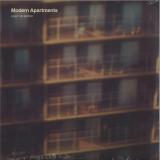
Modern Apartments arrive on Dark Entries, with Light on Water, an LP featuring 8 cuts of instrumental cosmic-kosmische analog synth workouts. Modern Apartments is Ryan Ambridge, the musician and producer best known for his work with dark synth projects Linea Aspera and Lust Pattern. While both of those outlets lean towards the greyscale and robotic, Ambridge wanted to explore a more colorful palette with Modern Apartments, a livelier, looser sound. The medium of film plays a major role here; Ambridge works as a projectionist, screening archival prints of 35mm and 16mm films, and the textures and temporality of the medium fed directly into the Modern Apartments aesthetic. But it isn’t all blurry edges and fuzzy optimism on Light on Water. Says Ambridge, “Regular beats from old rhythm boxes and the sharp angles of post-punk found their way in. The contrasting imagery from those old film prints, of dense cities and open countryside, is reflected back in the dialog between looser sounds and rigid stylistic choices.” This tension shines through on tracks like album opener “Completely,” which pairs the icy minimalism of John Foxx with the meandering grooves of Cluster, or the eponymous “Light on Water” which leans even further into the sun-bleached vibes of Roedelius. Artwork for this record was designed by Eloise Shir-Juen Leigh. Light on Water is perfect late-summer listening, as the last gasps of seasonal radiance fade into autumnal splendor.
out of Stock
Last delivered 15 days ago available to reorder, subject to availability
Das neue EUROTEURO Album "Magic" stellt eine musikalische Neuorientierung dar, bewegt sich zwischen New Wave, Art Pop und Neuer Deutscher Welle. Ein Sound, der sich nicht festlegen will aber trotzdem seine klare Form nicht verliert. Das Wiener Projekt um Peter T. präsentiert sich von der düsteren Seite. Die Texte sind teils in Deutsch, teils auf Englisch gehalten, Englisch erlaubt abstrakter zu bleiben, weil es nicht Muttersprache ist und dadurch etwas Fantastischeres behält. Deutsch hingegen eignet sich im Euroteuro Kosmos besser für klare Aussagen, direkte Botschaften, Slogans der Subversion. Nach ihren bisherigen "Volume"-Veröffentlichungen, die eher als Singles-Collections fungierten, steht "Magic" als das erste geschlossene Album da. Entstanden in einem gemeinsamen Prozess, an dem Musiker*innen wie Alexander Kranabetter, Topsy Turvy, Katarina Maria Trenk, Soap&Skin, Farce, Voodoo Jürgens und Elisa Mory beteiligt sind. Magic ist ein Nachtalbum. Es führt an einen inneren Ort, der sich im Laufe der Songs verändert. Am Anfang steht ein eher karger Raum, ein Ich, das sich umsieht und eine Bestandsaufnahme macht. Mit der Zeit wandelt sich dieser Raum, wird dichter, vielschichtiger. Der Hedonismus ist Draußen. Die Verweigerung von Selbstoptimierung auch. Euroteuro wird 10 und im Zentrum steht die Frage warum wir sterben müssen und was dann sein wird. Der Blick ist nach innen gerichtet. Euroteuro ist unterwegs zwischen Orientierungslosigkeit und Euphorie, durch eine Nacht, die nicht endet. "Magic" der Soundtrack dieser nächtlichen Odyssee ist schön und unheimlich zugleich. Das Albumartwork folgt dem, ist psychedelisch, zugleich schön und bedrohlich, trägt Trauer in sich und verweist auf den Kreislauf von Werden und Vergehen. Das Ölbild existierte bereits, die Künstlerin Ramsko brachte es ins Studio, wo es sofort mit der Musik resonierte. 180g schweres, klassisch schwarzes Vinyl oder CD im 6seitigen Digisleeve erhältlich
A side is "Drumfetish" a ZMK 01 hit combo... The music is exactly at the inbetween Hardtek and Hardcore... And also it's a super cut-off/bring-it-in crossfader tune for actives deejays ! Eenjoy the different ways to spin it... Or with Drum & Bass or with Hardcore !
The flip is "Refuse To Believe", it brings a very mystical or nostalgic, or new wave feeling, using flangers and Transcore tricks... I always felt it was an node to the IST productions.
At a time Stefan ZMK was making lots of music for our scene, and ZMK was one of my favorite crew on vinyl. I am really proud he accepted to make a vinyl with us. Nowadays he is one of my favorite mastering studio...
So I asked him if he could re-master his own music ?
Here's the result : one track per side, playing 45 RPM (wich is cool because at 33 it's a bloody weapon too).
We all definitely hope you'll enjoy this new mastering & cut as we do !
Mastering : Stefan ZMK
Cut by : Simon Davey
Visuel : Vstee FDB
Pressing : Record Industry
Distro : Toolbox Records
out of Stock
Last delivered 18 days ago available to reorder, subject to availability
Release description Chesster lands on Rutilance Recordings with a four-track EP rooted in classic deep house. Blending old-school influences with a modern touch, the project captures the essence of his sound: groove-led, warm, and true to its foundations. Originally from Italy and now based in Los Angeles, Chesster has been building strong momentum across the global house scene, with a run of standout releases and defining moments over the past year. This EP marks an important step in that journey - not only as his first on the label, but also as a more personal statement. After a run of highenergy, peak-time records, the project sees him step into a deeper, more refined lane. The EP also features a special contribution from Rutilance boss DJ Steaw, adding an extra layer of character and tying it closely to the label’s identity.
2026. Die Welt fährt aus der Haut - und FLUTEN schreiben Songs zwischen dunkler Wucht, lyrischer Schärfe und verletzlicher Hoffnung. Seit 2007 entwickelt die Band aus Hamburg ihren eigenen Sound aus krachigen Gitarren, elektronischen Loops, Popfragmenten und melancholischer Poesie. Wo andere Eindeutigkeit suchen, finden FLUTEN ihre Spannung in den Zwischenräumen: zwischen Noise und Groove, Melodie und Lärm, Entfremdung und Sehnsucht. Im Herbst erscheint ihr neues Album "Kalter Stern". Es ist düsterer, dichter und dringlicher geworden als der Vorgänger "Splitter". Die Songs erzählen vom Leben in einer beschädigten Gegenwart und sind zugleich politisch und persönlich. Sie handeln von Sicherheiten, die zerfallen, und Gewissheiten, die nicht mehr tragen - und gleichzeitig von Momenten des Widerstands und Ausbrüchen ins Offene. Zwischen militanten Gedichten und Phantasieuniformen, zwischen offenem Meer und kalten Sternen, entsteht eine Sprache, die keine Parolen braucht, um Widerspruch zu üben. Keine Nostalgie, um zu berühren. FLUTEN klingen wie ein Film, der nicht linear erzählt ist. Wie ein Gefühl, das auf der Haut bleibt. Wie eine Stimme, die sagt: Es wird nicht einfach. Aber wir sind jetzt hier.
Montréal-based sound artist Steve Bates expands his strategies and stylistic influences on An Infinite Antenna, his second solo album for Constellation, giving freer reign to melodic components and textural dynamics: leftfield synth work, deconstructed drum machine, pointillist electric guitar, and radiostatic blur are all part of the new brew swirling around his bruitist signal-bending and field-recording sensibility. Arguably a more ambient album than his acclaimed 2022 Constellation debut, An Infinite Antenna is at the same time more densely packed with ideas, dynamics, evocations and earworms. Coming out of the anarcho-punk scene of the Canadian Prairies in the 1990s, Bates founded Winnipeg’s experimental sound festival Send + Receive in 1998 before moving to Montréal to become Sound Coordinator at Hexagram (Concordia University), delving further into sonic research and theory, tape-based composition, and installation work. Alongside the curatorial arc of his own sound art label The Dim Coast, Bates released several solo and collaborative albums on ORAL_records leading up to All The Things That Happen, the 2022 Constellation debut praised by Boomkat for its “grittily iridescent ambient billow rendering maximalist panoramas” and by Backseat Mafia as “extraordinary soundscapes of unstable, destructive cacophony and tender calm, echoes of the threat of power.” Where that album was noisier and single-minded, made with the self-imposed limit of a Casio SK-1, Bates plays more widely with instrumentation and atmospheres on An Infinite Antenna, also drawing on his post-hardcore roots in seeking a sort of track-by-track concision nonetheless driven by the album’s coherence as a seamless work. “I was trying to set durations I associate with punk rather than the longer, sprawling music coming from more ambient styles (that I very much love), and while I wasn’t able to quite pare it down to Minutemen durations, I had that reduction to essential elements as a sort of whisper over my shoulder.” Incorporating source recordings made throughout 2023-2025, including at artist residencies and site-specific sound installation visits in Bosnia and Herzegovina (the album’s cover photo was taken in Sarajevo), Austria, Greece, and Saskatchewan, An Infinite Antenna combines Bates’ “idea of slowly scanning a radio dial” with a soundworld of recurring timbral and textural touchstones that forge an integrated whole.
The album’s 12 tracks work effectively as stand-alone pieces, replete with shifting undercurrents, buried melody, and stuttering kinetics, and as a sequential flow where the brief interstitial silences between them are like short pauses to flip the next page in a sketchbook of perspectival studies of a wide but singular tableau. The glistening atonal synth expressionism of opener “Pink pink pink pink…pink pink” drifts gently toward submerged ambience, darkened by the noised rumble and static interference of “Green as a ghost”, which introduces broken beats and piano chords in its denouement. Tracks like “Battles and sieges and street trees” and “Easier sad than done” work the foundations of low-end field-recording resonance, but dappled with lovely melodic droplets of treated guitar and synth. “Waste, songs of the world” and “Disaster loans” are among the album’s most explicit stylistic references to posthardcore, with distorted ambient bass and gently abrasive drum sampling. Closing track “Swamps and factories”, the album’s longest piece, is perhaps most reminiscent of Bates’ previous record with its sustained dissonant glimmer-drone, but the journey An Infinite Antenna traces to get there is Bates at his most dynamic, diverse, distinctive, and engaging. Thanks for listening.
Montréal-based sound artist Steve Bates expands his strategies and stylistic influences on An Infinite Antenna, his second solo album for Constellation, giving freer reign to melodic components and textural dynamics: leftfield synth work, deconstructed drum machine, pointillist electric guitar, and radiostatic blur are all part of the new brew swirling around his bruitist signal-bending and field-recording sensibility. Arguably a more ambient album than his acclaimed 2022 Constellation debut, An Infinite Antenna is at the same time more densely packed with ideas, dynamics, evocations and earworms. Coming out of the anarcho-punk scene of the Canadian Prairies in the 1990s, Bates founded Winnipeg's experimental sound festival Send + Receive in 1998 before moving to Montréal to become Sound Coordinator at Hexagram (Concordia University), delving further into sonic research and theory, tape-based composition, and installation work. Alongside the curatorial arc of his own sound art label The Dim Coast, Bates released several solo and collaborative albums on ORAL_records leading up to All The Things That Happen, the 2022 Constellation debut praised by Boomkat for its "grittily iridescent ambient billow rendering maximalist panoramas" and by Backseat Mafia as "extraordinary soundscapes of unstable, destructive cacophony and tender calm, echoes of the threat of power." Where that album was noisier and single-minded, made with the self-imposed limit of a Casio SK-1, Bates plays more widely with instrumentation and atmospheres on An Infinite Antenna, also drawing on his post-hardcore roots in seeking a sort of track-by-track concision nonetheless driven by the album's coherence as a seamless work. "I was trying to set durations I associate with punk rather than the longer, sprawling music coming from more ambient styles (that I very much love), and while I wasn't able to quite pare it down to Minutemen durations, I had that reduction to essential elements as a sort of whisper over my shoulder." Incorporating source recordings made throughout 2023-2025, including at artist residencies and site-specific sound installation visits in Bosnia and Herzegovina (the album's cover photo was taken in Sarajevo), Austria, Greece, and Saskatchewan, An Infinite Antenna combines Bates' "idea of slowly scanning a radio dial" with a soundworld of recurring timbral and textural touchstones that forge an integrated whole. The album's 12 tracks work effectively as stand-alone pieces, replete with shifting undercurrents, buried melody, and stuttering kinetics, and as a sequential flow where the brief interstitial silences between them are like short pauses to flip the next page in a sketchbook of perspectival studies of a wide but singular tableau. The glistening atonal synth expressionism of opener 'Pink pink pink pink_pink pink' drifts gently toward submerged ambience, darkened by the noised rumble and static interference of 'Green as a ghost', which introduces broken beats and piano chords in its denouement. Tracks like 'Battles and sieges and street trees' and 'Easier sad than done' work the foundations of low-end field-recording resonance, but dappled with lovely melodic droplets of treated guitar and synth. 'Waste, songs of the world' and 'Disaster loans' are among the album's most explicit stylistic references to posthardcore, with distorted ambient bass and gently abrasive drum sampling. Closing track 'Swamps and factories,' the album's longest piece, is perhaps most reminiscent of Bates' previous record with its sustained dissonant glimmer-drone, but the journey An Infinite Antenna traces to get there is Bates at his most dynamic, diverse, distinctive, and engaging. Thanks for listening
‘The Art Of Loving’ is a tender, intentional deep dive into the many dimensions of love – romantic, platonic, self, and everything in between. The album features the singles, ‘Nice To Each Other’, 'Man I Need' and ' Baby Steps'
Als Dublins Gurriers 2024 ihr Debütalbum Come And See veröffentlichten, bewiesen sie eindrucksvoll, dass sie eine der drängendsten und unüberhörbaren neuen Stimmen der boomenden irischen Punk-Szene sind. Seitdem haben sie sich mit knochenerschütternden, moshpit-tauglichen Live-Shows einen stetig wachsenden Ruf erarbeitet. Come And See stellte dabei auch ihre lyrische Stärke und ihren neugierigen, gesellschaftskritischen Blick in den Vordergrund – mit Songs über digitale Verlorenheit und die ganz realen Schrecken der modernen Welt.
Das grandiose zweite Album des Quintetts heißt Nobody's Coming To Save You – könnte aber ebenso gut den Untertitel „härter, besser, schneller, stärker" tragen. Es wird am 25. September auf Play It Again Sam veröffentlicht.
Aufgenommen in Donegals Attica Studios und den Holy Mountain Studios in London, produziert von Mark Bowen (Idles) und Loren Humphrey (Geese, Cameron Winter), engineered von Chris Fullard (Idles, Sunn O)))) und gemixt vom weltbekannten John Congleton (St. Vincent, Modest Mouse, Swans) – allein das Team, das sich für LP2 zusammengefunden hat, spricht Bände. Gurriers nehmen alles, was sie von Anfang an großartig gemacht hat – die musikalische Chemie, den klugen, analytischen Blick auf die Welt – und schrauben es konsequent auf das nächste Level.
Von der vibrierenden Spannung der ersten Takte des Titeltracks, die sich in einem kakophonischen, kathartischen Finale entlädt, bis zum Ende: Nobody's Coming To Save You überführt den Geist des schwitzenden Kellerclubs in Stadiondimensionen. Das Album ist nicht nur laut – es ist dynamisch. „Shades" schickt industrielle, kantige Gitarrensplitter in einen brachial-rohen Hardcore-Chorus; „Drones" ist ein druckvolles, langsames Aufbäumen mit einem Drop, der jeden Moshpit zum Kollabieren bringt. „Pins" zeigt eine lässigere, melodischere Seite – irgendwo zwischen Grunge und Trip-Hop –, während „Party Lines" pure, unersättliche Dance-Punk-Ekstase ist. Wer sich fragt, ob die Band ihr Ziel erreicht hat, das Album „wie eine Ohrfeige" wirken zu lassen: Ja, die sitzt.
Mit Nobody's Coming To Save You haben Gurriers ihre Ambitionen in neue Höhen getrieben – und liefern dabei auf ganzer Linie.
Als Dublins Gurriers 2024 ihr Debütalbum Come And See veröffentlichten, bewiesen sie eindrucksvoll, dass sie eine der drängendsten und unüberhörbaren neuen Stimmen der boomenden irischen Punk-Szene sind. Seitdem haben sie sich mit knochenerschütternden, moshpit-tauglichen Live-Shows einen stetig wachsenden Ruf erarbeitet. Come And See stellte dabei auch ihre lyrische Stärke und ihren neugierigen, gesellschaftskritischen Blick in den Vordergrund – mit Songs über digitale Verlorenheit und die ganz realen Schrecken der modernen Welt.
Das grandiose zweite Album des Quintetts heißt Nobody's Coming To Save You – könnte aber ebenso gut den Untertitel „härter, besser, schneller, stärker" tragen. Es wird am 25. September auf Play It Again Sam veröffentlicht.
Aufgenommen in Donegals Attica Studios und den Holy Mountain Studios in London, produziert von Mark Bowen (Idles) und Loren Humphrey (Geese, Cameron Winter), engineered von Chris Fullard (Idles, Sunn O)))) und gemixt vom weltbekannten John Congleton (St. Vincent, Modest Mouse, Swans) – allein das Team, das sich für LP2 zusammengefunden hat, spricht Bände. Gurriers nehmen alles, was sie von Anfang an großartig gemacht hat – die musikalische Chemie, den klugen, analytischen Blick auf die Welt – und schrauben es konsequent auf das nächste Level.
Von der vibrierenden Spannung der ersten Takte des Titeltracks, die sich in einem kakophonischen, kathartischen Finale entlädt, bis zum Ende: Nobody's Coming To Save You überführt den Geist des schwitzenden Kellerclubs in Stadiondimensionen. Das Album ist nicht nur laut – es ist dynamisch. „Shades" schickt industrielle, kantige Gitarrensplitter in einen brachial-rohen Hardcore-Chorus; „Drones" ist ein druckvolles, langsames Aufbäumen mit einem Drop, der jeden Moshpit zum Kollabieren bringt. „Pins" zeigt eine lässigere, melodischere Seite – irgendwo zwischen Grunge und Trip-Hop –, während „Party Lines" pure, unersättliche Dance-Punk-Ekstase ist. Wer sich fragt, ob die Band ihr Ziel erreicht hat, das Album „wie eine Ohrfeige" wirken zu lassen: Ja, die sitzt.
Mit Nobody's Coming To Save You haben Gurriers ihre Ambitionen in neue Höhen getrieben – und liefern dabei auf ganzer Linie.
There are some first times you never forget. The first time one hears Syd Matters’ captivating voice is one of them.
From “End & Start Again”, his first single in 2003, Jonathan Morali’s warm, soulful vocals and timeless melodies revealed an artist in a league of his own. Success in France and abroad was immediate and has never waned.
Four albums followed between 2004 and 2011, along with a host of unforgettable songs: “Black & White Eyes”, “Obstacles”, “To All Of You” or “I Might Float” left their mark on an entire generation, racking up nearly 200 million streams and 100,000 physical sales. Drawing equally from the songwriting of the 60s, the creativity of the 70s and the modern synthetic era, Syd Matters has developed a unique musical universe, building a loyal and ever-growing audience over the years.
On stage, accompanied by his band, audiences recall intense concerts where the artist and his musicians deliver performances that were at once epic and intimate. Lush and spectacular on stage, their music never lost its center of gravity, gaining even in depth. Syd Matters toured France and Europe (England, Germany, Scandinavia...) for nearly ten years, as well as in the United States and Latin America. In 2011, the tour for his album Brother Ocean culminated in Paris at the mythical venue l’Olympia.
Jonathan Morali then took a step back from the spotlight but remained just as prolific, writing for film, theater, radio, and television and collaborating over the years with directors such Éric Rochant, Rémi Chayé, Thomas Litli, Patrick Mille, and Mélanie Laurent to name but a few. When scoring for films, the musician gives free rein to his desires and intuitions. He works with the very fabric of sounds and their underlying emotions, as if freed from the constraints imposed by the song format.
Between 2015 and 2019, he also composed the soundtracks for the remarkable video games Life Is Strange and Life Is Strange 2, which were massive global hits. Several Syd Matters tracks appeared in the game, and the success was such that it revived the band’s career, introducing their music to a new audience.
After an extended hiatus, Syd Matters will make a major comeback with a new album - their fifth - set for release in September 2026 on Créature - also home to Flora Fishbach and Chassol. They will then tour France and Europe, returning to the legendary stage of the Olympia on November 17, 2026, where they will perform their new songs. And others that we know by heart and haven’t forgotten.
Die Legenden der elektronischen Musik, Soft Cell, bestehend aus Sänger & Frontmann Marc Almond und Multiinstrumentalist & Produzent Dave Ball, veröffentlichen mit "Danceteria" ihr sechstes und letztes Studioalbum - zugleich ein Liebesbrief an das New York der frühen 80er Jahre, wo Soft Cell ihre ersten drei Alben aufnahmen. "Danceteria" ist ein großartiger, stilvoller und verspielter Abschied von 47 Jahren gemeinsamer Musikgeschichte von Marc & Dave als Soft Cell und präsentiert Darbietungen, die für die Karriere dieser Electro-Pop-Legenden prägend sind. Mit Anklängen an Sparks und die Pet Shop Boys sowie Texten, für die Lady Gaga töten würde, nimmt das Album den Hörer mit auf eine lebendige Reise durch einen Tag im New York der frühen 80er Jahre – eine Reise, die rund um die Uhr von der Nacht über den verschwommenen Tagesanbruch bis zum direkten Wiedereintritt in den Club führt.
"Danceteria" ist gleichermaßen eine Hommage an den verstorbenen, großartigen Dave Ball. Dieses letzte Album gehört zu den letzten Werken, an denen Ball als Co-Autor und Produzent mitwirkte, bevor er am 22. Oktober 2025 auf tragische Weise viel zu früh verstarb. Marc Almond führte die Reihe der Nachrufe an und bezeichnete Dave als "geniales musikalisches Genie". Die weltweiten Medien und Musikstars wie Neil Tennant & Chris Lowe (Pet Shop Boys), Daniel Miller (Mute Records), Cabaret Voltaire sowie Richard Norris aus Daves Techno-Duo The Grid würdigten ihn voller Anerkennung und Wehmut als Pionier der elektronischen Musik. Dave stellte "Danceteria" zwei Tage vor seinem Tod fertig, und ganz in seinem Sinne wurde die Veröffentlichung des Albums wie geplant durchgeführt. Auch aufgrund von Daves Tod muss "Danceteria" zwangsläufig das letzte Soft Cell-Album sein, wie Marc erklärt: "Ohne Dave kann es keine weiteren Aufnahmen von Soft Cell geben; das wäre schlichtweg unmöglich. Die traurige Realität ist, dass Dave Ball die eine Hälfte von Soft Cell war, und abgesehen von Live-Auftritten kann ich ohne ihn keine Soft-Cell-Songs schreiben."
"Ich möchte lieben und geliebt werden, aber ich will mich auch frei fühlen. Die Spannung zwischen diesen beiden Dingen ist die zentrale Frage meines Lebens", sagt Julia Jacklin - und genau diese Ambivalenz durchzieht ihr viertes Album The Gem. Nach ihrem Umzug nach Melbourne 2017 fand Jacklin in einer kleinen Bar namens The Gem einen Ort der Selbstfindung - ein Sinnbild, das dem neuen Album seinen Namen gibt. Acht Jahre später, nach den hochgelobten Erfolgen ihrer ersten drei Platten - Don"t Let the Kids Win (2016), Crushing (2019) und PRE PLEASURE (2022) - schlägt sie ein neues Kapitel auf: Erstmals veröffentlicht sie bei dem renommierten, stilprägenden Label 4AD, das seit Jahrzehnten für künstlerische Vision und ikonische Indie-Veröffentlichungen steht. Ohne äußeren Druck und frei von Erwartungen schuf Jacklin in Melbourne ihr bislang persönlichstes Werk. The Gem entstand im engen Kreis vertrauter Musiker:innen und entwickelte sich über Monate hinweg - ein intensiver Prozess, geprägt von Selbstreflexion, Zweifel und dem Mut, eigene Entscheidungen kompromisslos zu vertreten. Songs wie "Brand New" oder "Real Life" wurden dabei grundlegend neu gestaltet, bis sie sich ehrlich und richtig anfühlten. Der eröffnende Track "Brand New" setzt ein elektrisches Statement zwischen Aufbruch und Selbsttäuschung, während Stücke wie "God Sometimes" oder "The Hardest Thing" von Selbstbestimmung, Verlust und innerem Wachstum erzählen. Klanglich erweitert Jacklin ihre bisherigen Indie- und Folk-Ansätze um kraftvollere, teils nahezu hymnische Momente. Auch die besondere Aufnahmeumgebung - ein Studio über einer lebhaften Kneipe - prägt den Sound: roh, direkt und atmosphärisch dicht. Mit The Gem gelingt Julia Jacklin eine eindringliche Rückkehr zu sich selbst. Zugleich knüpft sie an die Stärke ihrer bisherigen Alben an und entwickelt ihren Sound konsequent weiter - ein weiterer Beweis dafür, warum sie zu den prägendsten Stimmen des modernen Indies zählt.
"Ich möchte lieben und geliebt werden, aber ich will mich auch frei fühlen. Die Spannung zwischen diesen beiden Dingen ist die zentrale Frage meines Lebens", sagt Julia Jacklin - und genau diese Ambivalenz durchzieht ihr viertes Album The Gem. Nach ihrem Umzug nach Melbourne 2017 fand Jacklin in einer kleinen Bar namens The Gem einen Ort der Selbstfindung - ein Sinnbild, das dem neuen Album seinen Namen gibt. Acht Jahre später, nach den hochgelobten Erfolgen ihrer ersten drei Platten - Don"t Let the Kids Win (2016), Crushing (2019) und PRE PLEASURE (2022) - schlägt sie ein neues Kapitel auf: Erstmals veröffentlicht sie bei dem renommierten, stilprägenden Label 4AD, das seit Jahrzehnten für künstlerische Vision und ikonische Indie-Veröffentlichungen steht. Ohne äußeren Druck und frei von Erwartungen schuf Jacklin in Melbourne ihr bislang persönlichstes Werk. The Gem entstand im engen Kreis vertrauter Musiker:innen und entwickelte sich über Monate hinweg - ein intensiver Prozess, geprägt von Selbstreflexion, Zweifel und dem Mut, eigene Entscheidungen kompromisslos zu vertreten. Songs wie "Brand New" oder "Real Life" wurden dabei grundlegend neu gestaltet, bis sie sich ehrlich und richtig anfühlten. Der eröffnende Track "Brand New" setzt ein elektrisches Statement zwischen Aufbruch und Selbsttäuschung, während Stücke wie "God Sometimes" oder "The Hardest Thing" von Selbstbestimmung, Verlust und innerem Wachstum erzählen. Klanglich erweitert Jacklin ihre bisherigen Indie- und Folk-Ansätze um kraftvollere, teils nahezu hymnische Momente. Auch die besondere Aufnahmeumgebung - ein Studio über einer lebhaften Kneipe - prägt den Sound: roh, direkt und atmosphärisch dicht. Mit The Gem gelingt Julia Jacklin eine eindringliche Rückkehr zu sich selbst. Zugleich knüpft sie an die Stärke ihrer bisherigen Alben an und entwickelt ihren Sound konsequent weiter - ein weiterer Beweis dafür, warum sie zu den prägendsten Stimmen des modernen Indies zählt.
"Solaris", das zwölfte Studioalbum von The Ocean, würdigt die bisherige Entwicklung der Band und verleiht ihr eine neue, intensive Note. Mit Mitgliedern aus sechs verschiedenen Ländern im Kern-Line-up kehrt The Ocean zu einer kollektiven Besetzung zurück und schöpft aus dem Erfahrungsschatz und Talent eines Pools außergewöhnlicher Musiker. Nachdem man mit dem Vorgängeralbum "Holocene" einen anderen Weg eingeschlagen hatte, zeichnet für den weitläufigen, organischen Klang von "Solaris" erneut der schwedische Produzent Jens Bogren verantwortlich, der bereits die beliebtesten Alben der Band - "Pelagial" sowie "Phanerozoic I" und "II" - abgemischt hat. Das neue Album stellt die Sänger*innen Lane Shi und Enrico Tiberi sowie die Gitarristen Emmanuel Jessua und Marco Gennaro vor; sie ergänzen den Gründungs-Gitarristen Robin Staps, den langjährigen Bassisten Mattias Hägerstrand und Schlagzeuger Jordi Farré. Jeder von ihnen bringt seine ganz eigene Note ein, um dieses fast 70-minütige Opus zum Leben zu erwecken - ein Werk, das für The Ocean hinsichtlich Ambition und erzählerischer Tiefe einen neuen Höhepunkt darstellt. Für die Aufnahmen wurde der Kreis der Mitwirkenden noch weiter gefasst: Thorsten Quaeschning (Tangerine Dream) steuerte modulare Synthesizer bei, der griechische Komponist Orestis Zafiriou (Playgrounded) lieferte ebenfalls Elektronik- und Synthie-Elemente, und Simen Eifring von der norwegischen Post-Rock-Band Spurv übernahm den Posaunenpart. Aufgenommen wurde das Album in den legendären Berliner Hansa Studios, wo bereits Klassiker wie David Bowies Low und Heroes, Iggy Pops Lust For Life und Depeche Modes Construction Time Again entstanden. Innerhalb dieser Studiowände entwickelte sich "Solaris" zu einem lebendigen Zeugnis für die Kraft von Entdeckergeist und Teamarbeit. Da der neue Sänger Tiberi zudem ein versierter Pianist und Multiinstrumentalist ist, wurden Klänge von Celesta, Flügel, Rhodes-Piano und Hammond-Orgel zu einem integralen und unverwechselbaren Bestandteil des Solaris-Sounds. Der für The Ocean typische, atmosphärische Post-Metal wird durch den experimentierfreudigen Geist der neuen Mitglieder sowie die Beiträge der exzellenten Gastmusiker bereichert. Die CD und 2LP Gatefold-Sleeves sind jeweils auf 360g Spezial-Karton gefertigt und auf Vorder- wie Rückseite mit roter Metallic-Heißfolien-Prägung veredelt. Die CD mit 6seitigem Fold-Out-Booklet, die 2LP in bedruckten Innenhüllen kommt zusätzlich mit A2-Poster.
Die in London lebende schwedische Künstlerin Josefin Öhrn (Ex-Mitglied der Grammy-nominierten Band Josefin Öhrn & The Liberation) veröffentlicht mit "Cherry" ihr Solodebütalbum, das sie mit den Gastsängern Bobby Gillespie (Primal Scream) & Anton Newcombe (The Brian Jonestown Massacre) sowie Andy Bell (Ride) an der Gitarre aufnahm. "Cherry" ist Josefins bislang persönlichstes und eigenständigstes Album. Es widmet sich Themen wie Neuanfang, Begehren, Liebe und Trauer und reiht sich so in eine neue musikalische Strömung ein – ähnlich Robyn ("Sexistential") und Lykke Li ("The Afterparty") -, in der weibliche Erfahrungen offen und ohne Scham in farbenfroher Aufrichtigkeit geschildert werden. Solche Alben zeugen von einer faszinierenden Phase roher, intensiver und tiefgreifend transformativer Selbstverwirklichung. Obwohl "Cherry" musikalisch an den hypnotischen Psychedelic-Rock ihrer Ex-Band erinnert, sind die Arrangements, Strukturen und der Mix weniger avantgardistisch und orientieren sich eher an der entspannten Atmosphäre von Künstlern wie Kurt Vile, Lana Del Rey oder Natalie Bergman. Klare Melodiebögen und Josefins Stimme – intim, magnetisch und unerschütterlich – stehen im Vordergrund und verleihen dem Album seine eindringlich-emotionale Unmittelbarkeit. Josefin bat persönlich Kalle Jerneholm Gustavsson (Soundtrack Of Our Lives), mit dem sie bereits früher zusammenarbeitete, das Album zu produzieren.
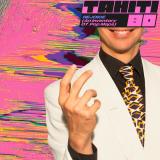
Rejoice is surely the album Tahiti 80 always wanted to make: free from all constraints, driven by curiosity. A collection of independent songs that speak to each other without sounding alike, yet form a cohesive whole, somewhere between the freedom of the White Album and the eclecticism of a Souljazz compilation.
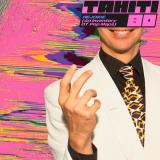
Rejoice is surely the album Tahiti 80 always wanted to make: free from all constraints, driven by curiosity. A collection of independent songs that speak to each other without sounding alike, yet form a cohesive whole, somewhere between the freedom of the White Album and the eclecticism of a Souljazz compilation.
Founded in Germany in 2019, CONSVMER. have spent the last few years carving out a space that’s entirely their own: progressive metal, beatdown, and metalcore delivered entirely in German, with an unflinching focus on subjects most people would rather look past. Their 2024 record Seelenfrieden turned heads inside and outside the German metal scene, with coverage from outlets including Nik Nocturnal and a collaboration with Paleface Swiss that confirmed the band were operating at a level far beyond their years. Live, they have earned their place on stages at Summer Breeze, Core Fest and Bembel X Core Festival. Now, with new vocalist Jacques Gronert and a vision sharpened to a point, CONSVMER. return with Abgrund.
Where Seelenfrieden refined the template, Abgrund dismantles it. Across eleven tracks the band push further into territory that feels genuinely unique and uncompromising: the title track opens the record on collective collapse and a society steering towards the edge with no intention of stopping, while songs like "Gier" tear into systemic greed and exploitation with brutal clarity, "Willenlos" descends into dissociation and the erasure of identity, and "Sucht" confronts addiction and self-destruction with a rawness that is hard to shake. Closer "Gottverlassen" leaves the listener exactly where the title suggests. The collaboration with brutal deathcore veterans Acranius on "Sucht" hits like a freight train, their English-language verses locking into CONSVMER.'s German delivery to devastating effect. Fellow German hardcore outfit DOGBITE also appear, adding another dimension to a record that never loses focus.
“Man has such a predilection for systems and abstract deductions that he is ready to distort the truth intentionally, he is ready to deny the evidence of his senses only to justify his logic”
Fyodor Dostoevsky - Notes from Underground (1864)
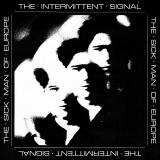
The Intermittent Signal is the sound of resistance.
In the year since The Sick Man Of Europe’s debut album was released, the world has moved on. Steady hands have slipped from the levers of power, logic has shifted underground and the message grows more urgent with every passing day.
Repetition has been relearned and the machine rhythms repurposed, this time with increased intensity. Arrangements have moved beyond the bare bones economy of the first record and there’s a newfound melodicism in places. Clarity and conviction ring true through the static and noise, while utopian ideas to remodel a broken system gain traction. This is a rejection of the attention economy and a call to reconnect through community and organisation. Those simple acts that were once commonplace have become increasingly radical as new fractures emerge.
“Through repetition the message has gained weight and become something more urgent,” The Sick Man Of Europe explains. “The vehicle for this message needed to evolve, grow to gain the strength to carry it. We’ve landed on something more expansive, immediate and immersive. Less is more. Until it isn't.”
“Man has such a predilection for systems and abstract deductions that he is ready to distort the truth intentionally, he is ready to deny the evidence of his senses only to justify his logic”
Fyodor Dostoevsky - Notes from Underground (1864)
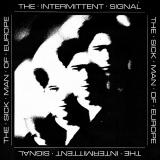
The Intermittent Signal is the sound of resistance.
In the year since The Sick Man Of Europe’s debut album was released, the world has moved on. Steady hands have slipped from the levers of power, logic has shifted underground and the message grows more urgent with every passing day.
Repetition has been relearned and the machine rhythms repurposed, this time with increased intensity. Arrangements have moved beyond the bare bones economy of the first record and there’s a newfound melodicism in places. Clarity and conviction ring true through the static and noise, while utopian ideas to remodel a broken system gain traction. This is a rejection of the attention economy and a call to reconnect through community and organisation. Those simple acts that were once commonplace have become increasingly radical as new fractures emerge.
“Through repetition the message has gained weight and become something more urgent,” The Sick Man Of Europe explains. “The vehicle for this message needed to evolve, grow to gain the strength to carry it. We’ve landed on something more expansive, immediate and immersive. Less is more. Until it isn't.”
Mit Little Woody Allen legt Tex Rubinowitz eine ebenso skurrile wie urkomische Erzählung vor, die sich konsequent jeder eindeutigen Einordnung entzieht. Im Zentrum steht ein unzuverlässiger Erzähler, der versucht, die Biografie eines Regisseurs zu schreiben, dessen Filme er nicht einmal besonders mag - und dabei grandios scheitert. Aus diesem Scheitern entwickelt sich ein literarischer Irrgarten voller Abschweifungen, absurdem Humor, popkultureller Querverweise und realer wie fiktiver Figuren aus Kunst, Musik und Literatur. Rubinowitz verbindet Improvisation, Satire und Sprachwitz zu einem ebenso intelligenten wie anarchischen Romanexperiment. Little Woody Allen ist eine Hommage an das Abschweifen, das Scheitern und die Fantasie - und zugleich ein einzigartiges Stück Gegenwartsliteratur voller überraschender Wendungen.
Meg Lui is a Northern California-born singer-songwriter, based in the Hudson Valley since 2015. In her songs, vivid lyrics and poignant melodies intertwine with a voice that feels both intimate and lasting. Through reflections on love, resilience, and the human experience, she offers listeners a window into her world.
A Californian by birth, Boston-educated at Berklee College of Music, musically raised in Brooklyn, and now settled in the Catskills, Meg has released music under the names M. Lui, Grover, and as part of the trio Ember Isles.
Her influences-ranging from Freddie Mercury, The
Cranberries, No Doubt, Sheryl Crow, and Bonnie Raitt-reflect her love for artists whose fearless individuality continues to shape her dynamic songwriting and performance.
Over the past two years, Meg has lent her voice to records including Sufjan Stevens' Javelin (2023), Sam Evian's Plunge, Denison Witmer's Anything At All, John Legend's My Favorite Dream, Keenan O'Meara's forthcoming record Bathe In The Everlasting Light, and Liam Kazar's Pilot Light. She performs regularly with Keenan O'Meara and Hannah Cohen and occasionally when the stars align, with the Hudson Valley country band Critter Bonus.
Pressure is the medium of wind players. Wind instruments all sound thanks to pressure differentials, whether that’s the rush of wind over a lip plate or a steady, buzzing exhalation through pursed lips. Ka Baird and Chris Ryan Williams (HxH) are wind players well- schooled in the power of using pressure and movement to amplify the mystery of an invisible force animating a metal tube. They augment their instruments, flute and trumpet respectively, with electronics, sometimes obscuring the acoustic sound source, sometimes making it hyperreal. Flutters of lip and tongue slither over the listener’s ear, and sustained tones become a dense fog, pushing on other kinds of visceral, emotional pressure points.
On Enthalpy, Baird and Williams’ first album as a duo, the energy they conjure feels barely contained, the pressure built up to a breaking point before spilling out in multiple directions at various speeds. They borrow the title from thermodynamics, referring to the total energy of a system based on its pressure and volume. The music flies out in bursts; it seeps and oozes, flows with intention. It is an incredibly rhythmic work without any hint of meter, full of sounds that punctuate with the thud of a dart hitting a bullseye. Williams’ capability to conjure swirling atmospherics, as well as his remarkable ability to pull fragments of melody from the haze, fit puzzle-like into Baird’s exclamations and the eruption of electronics that often dovetail them. The duo draws on tones from nearly the entire range of human hearing, from nimble but bulbous throbs of sub-bass to pinprick flickers of ultra-high end.
The sessions that produced Enthalpy were completely improvised, showcasing a degree of mind-meld that belies each participant’s thrill at approaching the unknown. This isn’t a casual conversation, but an omnidirectional tangle that ties and reties itself into new knots as the album progresses. Williams and Baird have both become ubiquitous presences throughout the New York City experimental music communities, collaborating with innumerable others and learning how their unique approaches work in tandem with similarly expansive thinkers and players. Even in the album’s most spacious moments, there’s a tension between the feeling of being unmoored and yet completely locked in, like the abyss is just one more river to cross. They ford it together before moving on to the next idea in lock step.
For the listener, Enthalpy is often felt in the body as much as it reverberates within the ears. We’re tossed from side to side, made to shoulder the impact of detonating electronics, absorbing these sounds with the feet, gut, and crown. Baird reaches into the back of their throat for guttural growls, and we can almost feel the scratch. As we tread the border of the synthesthetic, it's a reminder of the physical nature of sound, that the space between our ears and the speakers is its own enthalpic system of energy conduction. Move with it, let it move you, and see how it feels.