Triple edition, packaged in thick PVC cover with a foldable double sided poster and download card.
Celebrating the 20 year anniversary of highly revered Jazz collective, Build An Ark from Los Angeles, California. Formed in 2003 and releasing albums between 2004 and 2010, the Carlos Niño co-ordinated project included contributions from luminaries such Phil Ranelin, Big Black, Miguel Atwood-Ferguson, Adam Rudolph, Derf Reklaw (R.I.P.), Dexter Story, Dwight Trible, Gaby Hernandez, Mia Doi Todd, Munyungo Jackson, Nate Morgan (R.I.P.) Waberi Jordan, Avotcja & many more.
This set was compiled by band leader Carlos Niño with recordings from 2001 to 2008 that have previously been released on Kindred Spirits.
Das Album "Songs in A&E" erscheint in Neuauflage. Die britischen Space-Rocker Spiritualized, die aus der Band Spaceman 3 hervorgingen, veröffentlichten es ursprünglich 2008, woraufhin es auf Platz 15 der UK-Albumcharts einstieg.
Songs in A&E ist ein wunderschönes, beängstigendes Album, und es war beinahe das letzte, was J Spaceman jemals veröffentlichen würde. Im Jahr 2005, als die Schreib- und Aufnahmearbeiten bereits in vollem Gange waren, wurde Spaceman mit einer doppelten ungenentzündung ins Royal London Infirmary eingeliefert. Das Cover dieser
iederveröffentlichung zeigt ein Foto, das aufgenommen wurde, als er auf dem Sterbebett lag, wie seine engen Freunde und seine Familie zu diesem Zeitpunkt befürchteten. "Wir dachten, er sei tot", erinnerte sich sein Bandkollege John Coxon an diese Zeit.
Das Album ist eine Sammlung anmutiger, Country-beeinflusster Songs, die vertraute Themen wie Liebe, Tod, Hoffnung und Hoffnungslosigkeit aufgreifen. Das Country-Element wurde durch eine kleine schwarze 1928er Gibson Akustikgitarre geprägt, die er in Cincinnati gekauft hatte, als die Band auf Tournee für das Album Amazing Grace war. Spaceman nannte sie "The Devil".
Once upon a time, DJ’s were like soaring eagles, they would spread their musical wings and fly high to wherever they wanted to go musically. It wasn’t uncommon to hear hip house and go go played alongside disco and funk, or techno being dropped on either side of something a lil’ mo’ soulful. Then the DJ’s wings were clipped and clubs became musical cages for the more adventurous DJ’s, clubs evolved into one-dimensional musical prisons and beats bubbles. Unconventionally, Marcus McGowan hails from South Carolina, and it would be fair to argue that South Carolina is a bit of a house music wasteland? Perhaps it’s this simple geographical blip that has nurtured McGowan into creating a sound that can’t be affiliated to any particular city, cities such as Detroit that is generally associated with techno, Washington is the undisputed town of go go, or Chicago, which is renowned for acid house, hip house, and jackin’ house, and of course, New Jersey is the spiritual home of soulful house. What McGowan has created is a fresh, new vibe that appears to be crossing many musical boundaries and the test pressing mailout appears to have united music lovers from numerous genres of house music AND techno alike, with its deep, techy, jazzy, soulful, sweet and melliferous flavoured vibe. Luke Una boasted that “it’s the record of the year so far”, MFSB’s Yogi Haughton called it a “classic in the making”, but all said and done, the test pressing feedback from the handful that were passed out to music lovers around the U.K. is unanimous, it’s jus’ a frikin’ solid double hitter that can’t be pigeon-holed. This is a record for majestic, soaring DJ’s and music lovers, not scabby, common or garden Columbidae garbage foragers. It’s a slice of intellectual music that will perch McGowan very high up in the producer pecking order!
out of Stock
Last delivered 2 years ago available to reorder, subject to availability
French saxophonist Laurent Bardainne summons the spirit of astral jazz on heavy-grooving album, 'Hymne au Soleil'
A dreamlike, cinematic excursion to the outer reaches of the solar system and the inner workings of the soul, Laurent Bardainne returns to Heavenly Sweetness with his Tigre d'Eau Douce group for a second album of genre- agnostic jazzfunk.Building on critically acclaimed 2020 album 'Love Is Everywhere', 'Hymne au Soleil' sizzles with Arnaud Roulin's Hammond organ licks, in-the-pocket bass work from Sylvain Daniel, and shuffling drum and percussion interplay from Philippe Gleizes and Roger Raspail, pinning Bardainne's soaring saxophone lines to the mast like a flag in the wind.
The 11- track album represents a consolidation of Bardainne's vision as a consummate jazz saxophonist, having made his name collaborating with the likes of Pharrell Williams and Cassius, afrobeat legend Tony Allen and co- founding Tigersushi electro outfit Poni Hoax.
That eclectic experience comes to the fore on 'Hymne au Soleil', which is named after a piece by trailblazing French composer Lili Boulanger. Beginning with the lilting, late-night smoker "Oh Yeah", which recalls the mellow funk of Khruangbin, the album rolls through a rich musical landscape, whether in the Motown-era soul breakdowns of "Adieu My Lord" or the roaring, dance floor- ready "Hymne au Soleil", that draw parallels with the high-octane sound of UK jazz outfit The Comet Is Coming..
out of Stock
Last delivered 19 months ago available to reorder, subject to availability
Yes, *that* Al Hirt record. Featuring the godlike "Harlem Hendoo", looped unforgettably by De La Soul for the legendary Buhloone Mind State cut, "Ego Trippin' (Part Two)"!
Al Hirt's infamous Soul In The Horn is inextricably tangled up in crate-digger lore. Originally released in 1967, the album has been in heavy, heavy demand for over 30 years, entirely down to the majestic soul-jazz fire of "Harlem Hendoo". And it's a song so good, so vital, so timeless, that it will always tower above everything else in its proximity. This one track alone is worth the price of admission - even if the cost of entry were $100 or even $1000.
However, it would be an error to dismiss this record as merely a one tracker, loaded as it is with dope samples for adventurous beat makers. Certainly the funkiest Al Hirt record, it definitely lives up to the "soul" in the title. Thanks to composer Paul Griffin and arranger Teacho Wiltshire, Hirt got uncharacteristically free and groovy throughout. It comes on more like an obscure KPM library funk record than the easy listening Al was notorious for.
A Louisiana trumpeter and band leader who made Allen Toussaint’s “Java” famous, Al Hirt was also known for TV themes, Dixieland, Swing and being a minority owner of the New Orleans Saints. Unlike every other Al Hirt record - and despite most "diggers" claiming otherwise - this here gem is genuinely hard to come across "in the wild". Normally, you can't give Al Hirt records away, except this particular one, which raises pulses in the crate digging community to life-threatening levels. For every owner claiming to have found their copy for a dollar, there's scores more claiming to have *never* unearthed one in the field. So, paradoxically, you can consider this the most tricky-to-pull "thrift store record", ever. This is why we're finally making it available for everyone, not just those with endless hours to spend scouring the global goodwills!
Soul In The Horn represented an expressive detour into authentic soul-jazz for Al Hirt. Throughout, we're struck by a fierce, fiery energy that's otherwise absent from his typically easy listening work. Without question, the slinky, magical "Harlem Hendoo" is the standout, here. It's also the reason why the record is so scarce and commands awe among crate diggers, sounding like something from an obscure and deeply revered spiritual jazz record. As is often the case, the true genius of the song is tricky to do justice to; it's like a minor miracle of songwriting and performance that simply swooned down from the heavens on the back of horns, bells and harpsichord. It's one of the sweetest musical compositions ever recorded inside a studio - it's only failing is that it's just too short. Sampled brilliantly by De La Soul, it has also been used by The Roots for "Stay Cool" and Nightmares On Wax for "Damn".
The rest of the record makes for a mighty fine listen. From the opening cover of Booker T. & The MG's "Honey Pot", to the propulsive, ultra-funky "Mess Around", it's nothing but a good time. Given its title, the elegant stepper "Calypsoul" sounds exactly as you'd hope whilst the melancholic, wistful "Long Gone" hurts so good. Truly, this is just dying to be looped up, Al's muted playing capturing a soulful longing only horns can often achieve. The bluesy, slo-mo swing of "Sweetlips" oscillates between cool disaffection and swelling pride whilst the graceful, low-key funky "Girl" closes out the A-Side in the fine style. Ushering in the B-Side, the brief but brilliant strut of "Love Ya' Baby" shines brightly before the skipping funky-jazz of true highlight "Sunday-Goin' To Meetin' Time" demands both your attention and your dancing shoes. The mellifluous piano-funk of bass and horn-drenched "Snap Back" serves as the sumptuous prelude to "Harlem Hendoo"'s main character energy before the irrepressible, upbeat R&B of "Ludwig" closes out this quite remarkable album. An album deserving of a place in every serious record collection.
The audio for Soul In The Horn has been carefully remastered by Be With regular Simon Francis, ensuring it sounds better than ever. Cicely Balston's expert skills have made sure nothing is lost in the cut whilst the records have been pressed to the highest possible standard at Record Industry in Holland. The original sleeve has been restored here at Be With HQ as the finishing touch to this long overdue re-issue. This is after-hours music. Let it speak for itself. Listen. Listen to the soul in Al Hirt's horn.
out of Stock
Last delivered 22 months ago available to reorder, subject to availability
The songs on Ana Egge's 13th album, ‘Sharing in the Spirit’, while often deriving from the unconscious realm of her own dreams, deal openly with the most pressing issues of the waking world - politics, addiction, sex, and love. It was produced by Lorenzo Wolff following their previous collaboration, 2021's Between Us. The album opens with "Don't You Sleep," a civil rights celebration of hope and hard work. "Where Berries Grow" is a near-biblical bluegrass beauty about people Ana has loved and known. The album also deals with themes of alcoholism and sobriety with "Mission Bells Moan" and a cover of the Ted Hawkins classic "Sorry You're Sick." The final track, a cover of "Last Day of Our Acquaintance," pays heartfelt tribute to Sinead O'Connor. Ana's compelling signature mix of fearless strength with an almost innocent sense of fun is on full display, and not only in the music, The cover photo is an old, cherished snapshot of Ana and her sister as giddy kids, riding a minibike. Bold, brave, sweet, and honest, Egge has created another collection of intensely personal songs, where dreams are brought to the surface and the private is made public.
Originally released on tape by SicSic in 2014, Aprilnacht commemorates a decade of music from Brannten Schnüre and marked the spring in a tetralogy of albums about the four seasons when it came out. Back then the Würzburg-based project consisted solely of Christian Schoppik, who later welcomed Katie Rich to take over the vocals. He used to perform as Agnes Beil, but dropped the name when, while making this album realized his music was becoming "much gentler and more fragile". Aprilnacht already captured the particular musical ideas that Schoppik would thoroughly keep exploring, delving deeper and deeper into the use and manipulation of samplers from sources so diverging as to wander between the five continents to post-war German family television and cult cinema. Heir of the ritualistic intensity of Coil, of the intricate sampler assemblies of Ghédalia Tazartès', and of the dusty, dismal old ballads from around the world, Brannten Schnüre manages to make these paths cross in a territory that is as inherent as it is uncanny; sieged by the past and intimate as a hearth. An organic approach to folk, ambient, and sound collage, where ethereal yet thoroughly textured pieces coalesce in enthralling, delicate, and innermost musical rituals.
The album cover paintings reveal the temper: dreary old towns where shadows come to dim the slow passage of crepuscular colors, a soft area of reanimation where wind and light come close and foresee the night of spring. Aprilnacht was inspired by the stories of German philosopher and writer Friedrich Alfred Schmid Noerr, whose work exhaustively examines the conflict between paganism and Christianity, safeguarding myth in a way that Schoppik describes as boldly modern, humorous and unpredictable in its variations of the Germanic folklore motifs. "I wanted to do the same with the music," he states, and the music here could as well be suitable for a night when household deities welcome wandering will-o'-the-wisps, water nymphs, and gyrovagues to discuss Perchta's leadership of The Wild Hunt, but this album is not a folk tale, it's not an elegy to worlds already gone, hidden in years; it's an intersection of routes that open mysteriously before our ears like a congregation of vapors. Aprilnacht is a gathering of voices; "There are too many children, and none of them keeps quiet," reads the last verse of «Requiem für eine Ringelnatter.»
Sensuality drips over the music to celebrate both the voluptuousness and tragic quality of nature; "It's raining on me, urine from your flowers," Schoppik sings in «Urin deiner Blüten» and later on, faced with a snake's erotic features, as if he wanted to be embraced by it: "Your quick, sharp tongue and your warm venom; that's what the pond is missing." Orality is where this profusion of contents thrives. When the voices get closer and condense, the words reveal the saliva employed to pronounce them; we feel the mouth and the tongue, but when breath envelops them in sorrow and softens their edges, they sound distant, diffused in the atmosphere, letting go of the body that held them. These two vocal facets oscillate permanently and interact naturally with the fertile assembly of samplers and instruments that develop throughout the album, which condense and disperse impersonating each other, interweaving to search for a specific syntax. Tangled whisperings of enigmatic phrases, timid voices that stick out to check the scene but hide away quickly, shivering trance chants and monastic ambiances, distant screams and clamors in between chaos and warfare swirl until bursting into subtle songs where even Mother Mary comes forth softly. Soothed by foggy atmospheres and crackling punctuations, these voices shape a vulnerable crowd, an occasion of fragility. Along this swarm of songs thrown into thin air, accordions sound like heavy-breathing lungs; clarinets sigh like curtains shaking; violin solos wander around like bees; Gjallarhorns cries distend like fleeing cattle; glockenspiels evoke remote music boxes and inherited toys; backward emanations emerge like slender waves retreating. On the banks of stretching loops and ember textures is where the songs slowly nest, collecting the words to find their tone.
A poem by Jorge Teillier says, "To talk with the dead you have to choose words that they recognize as easily as their hands recognized the fur of their dogs in the dark. To talk with the dead you have to know how to wait: they are fearful like the first steps of a child. But if we are patient one day they will answer us with a flame that suddenly revives in the fireplace." This may be Brannten Schnüre's main purpose: To find the voice to speak to those of whom we were a vision. Not in mourning, but acknowledging the obscure and volatile nature of spring's regenerative force, searching for the treasure of balance, as evidenced in the lyrics of «Requiem für ein Schwalbennest,» "Its nest was destroyed so many times before it was finished, and despite that, the shallow builds as if it is infatuated." The same idea is here in the words of Schmid Noerr, who made poetry an act of resistance to the horror of Nazism; "Since having seen the ability of a brilliant spirit to die, with a calm mouth that everyone saw, health is true again and we affirm it, even if rivers of blood flow." And as we call for the dusk's kindness, waiting to return home and eat with our kin by the stove, our ears become used to the games of the night. We feel like we're rowing on wetlands, while the "moon musick" keeps us vigilant against the slightest movement of water or sweet moan because eeriness here is imperative for survival. Do not succumb to the insipid howl of death, for nothing may last but mutability. You see, the rock has moved a little during the night; the rest is just wind fleeing from the void.
out of Stock
Last delivered 2 years ago available to reorder, subject to availability
Following a 2021-2022 global tour that reaffirmed St. Vincent’s status as one of live music's preeminent forces with headline appearances at the likes of the Hollywood Bowl and Radio City Music Hall, Clark would begin work on album number seven: Her first fully self-produced album (having co-produced every one of her previous efforts), All Born Screaming is St. Vincent at her most primal. Featuring Clark leading “a curated group of rippers” through the brawny “Broken Man,” the mordant catwalk sashay through the deafening assault of self-loathing that is “Big Time Nothing,” the sublime, elegiac earworm “Sweetest Fruit," All Born Screaming is equal parts spiritual desolation and rapturous acceptance. ‘Sublime seventh album’ - Uncut ‘Emotionally lacerating’ - Guardian Culture ‘A voracious, visceral seventh record fuelled by the colours and sounds of fire and fervour’ - DIY
In Season 5, the long-awaited fifth full-length by beach-pop project The Tyde, frontman Darren Rademaker unveils his vision of an ’80s-inspired Suave Nouveau, with a clutch of sweet, melancholic love songs evoking lush mustaches, mellow macho, the ghost of Jimmy Buffett, white sand beaches, flamingos swooping across a cerulean sky, speedboats cutting through the bay and pastel linen suits billowing in the breeze as the sun dips beneath the horizon. “Spanish conquistador Juan Ponce de León ‘discovered’ Florida in 1513, naming the peninsula La Florida, the flowering land. In Season 5, Rademaker reflects on his own return to the flowering land, and the artistic diaspora that caused him to quit California in 2020 in search of a New World of his own. ‘I lived in Florida from the ages of ten to twenty-five, but never really got to explore it,’ he says. ‘When I came back, I decided to really embrace the whole Florida aesthetic. I moved into an art deco home in Sarasota with pink seashell lamps. I visited Key West, like seven times. I also quit smoking weed and cigarettes, and stopped saying shit like LOL and amazeballs. It felt different. It felt good.’ “The record features the talents of many good friends, including Dan Horne, Colby Buddelmeyer, Matt Correia (Allah-Las), Clay Finch (Mapache), Albert Hickman, Derek James (The Entrance Band), Alex Knost (Tomorrow’s Tulips) and Adam MacDougall (Circles Around The Sun / Black Crowes), with artist / musician Matt Fishbeck (Holy Shit) designing the deco-inspired album artwork. “And as much as they are inspired by the past, these songs are keenly aware of an uncertain future—because there is no such thing as a time machine, and there is no going back. Ultimately, Season 5 asks the question—where do we go after the sun sets on our dreams? Where the fuck is the New New World? In Rademaker’s eyes, it no longer exists in any specific American geography—rather, all hope remains in the timeless, unending power of music, and its power to take us to the places we wish we could be. Even if they don’t exist anymore.” — Caroline Ryder
London polymath producer Josh Ludlow, co-founder of the already seminal MAD Records and one half of the dynamic Make a Dance Duo, explores new sonic territories with his inaugural solo EP release on Belfast imprint Nocturne. Embracing his passion for eclectic disco, hypnotic chug, and music tailored for those transcendent nocturnal hours, Ludlow showcases his versatility and distinctive flair on his debut outing.
Leading the charge on Josh Ludlow's debut solo EP is the bass-led 80's influenced odyssey of 'MindwayS.' A sonic journey through contemporary psychedelia, inviting audiences to lose themselves in the sweet spot where boundaries between reality and imagination blur. In 'Touch,' Ludlow ventures into seductive sonic territory, delving into a world of cowbell-laden, slo-mo erotic disco. Live guitar licks sit comfortably shoulder to shoulder with low slung hypnotic grooves and alluring vocals in "Little Love" - perfect for the more discerning european dancefloors.
'Diska Tek!' delivers a fusion of playful cosmic energy, sitting comfortably between Cowley-esque hedonism and the contemporary Scandinavian greats. The track pulsates with infectious rhythms evoking the carefree spirit of the dancefloor while showcasing Ludlow's ability to blend nostalgic influences with modern sensibilities. With its vibrant energy and irresistible grooves, 'Diska Tek' is a testament to Ludlow's prowess in bridging the gap between disco's golden age and contemporary dance music."
Through MindwayS, Josh Ludlow not only introduces his solo endeavors but also marks the resurgence of Nocturne after a short hiatus. This statement intent by the imprint positions it as a platform to continue to champion forward-thinking sounds.
out of Stock
Last delivered 23 months ago available to reorder, subject to availability
Heavee is a Queer Chicagoan DJ & producer with a long history in footwork. His 2022 'Audio Assault' EP on Hyperdub showcased synth-driven, melodic footwork, but ‘Unleash’ goes much further into audio world-building, with a fresh, spongy and citrus-y sound palette and rich, bright chord sequences.
It's minimal, airy, balancing light and dark, sometimes breezy and sometimes clinical. Heavee works simultaneously outside and inside the box, rebuilding footwork's framework and vibe to his own unique specification. Rhythmically, it's dance floor ready, using footwork's 160 template as a springboard for building new drum sounds to express these rhythms, and draws from R&B, rap, jazz and grime, with a sprinkling of bitter-sweet vintage Detroit techno.
‘Unleash’ takes footwork’s “eats all” approach to music and leads it in a fresh direction with a freedom of spirit. It's a strong addition to the footwork cannon and shows that experiments in dance music can be fun.
out of Stock
Last delivered 2 years ago available to reorder, subject to availability
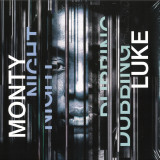
Monty Luke release ‘Nightdubbing’ LP on Rekids.The Black Catalogue bosses' second album explores dub-infused dance music and, following the recent two EP drops on Rekids, will be released on Radio Slave’s imprint on 29 March. Succeeding part two of Monty Luke’s ‘Nightdubbing’ series on Rekids, the US-via-Berlin artist unveils an album of the same name on Radio Slave’s lauded Rekids imprint. ‘Nightdubbing’ encompasses the first two instalments and adds five more tracks of intricate sonic material, completing this gorgeous work of art already supported by Fred P, nd_baumecker, Louise Chen, and Laurent Garnier. Luke’s ‘Nightdubbing’ album starts in the club, with the rave-primed ‘40 Acres And A Terabyte’ utilising the rich melodies of deep house alongside the crushing weight of subs. It is followed by the title track, with ‘Nightdubbing’ taking a more traditional house route, its soothing sounds enveloping the listener while honing in on that reverb sweet spot. Black Catalogue boss and former Planet-E label manager Monty Luke’s timeless ‘Nightdubbing’ effortlessly traverses deep house and techno rife with bass-rattling low-end and experimental rhythms. It is no surprise, then, that the album is heavily inspired by ‘70s and mid-80s dub reggae, seeing Luke incorporate and modernise the genre’s iconic rhythms, spoken word poetry, and spacious bursts of harmony across the LP. ‘Bob Molly’ picks up pace with nods to Caribbean dem bow-like rhythms of old, Monty Luke filling the space between its infectious beat with tumbling percussion and echoing plucks. Tracks like ‘Supernova’, ‘New World / Old Future’ and ‘Starstorms’ return to the modern-day traditions of club music while ‘Future Mystic’ and ‘Avant Garde Dance Hall ‘, again find room in between the dancefloor and sound system listening sessions. Monty Luke spent ten formative years in Detroit, where the city's unique musical spirit influenced him immensely. He has since distilled this experience into the music he has released on labels like Rekids, Planet-E, Hypercolour, and his own Black Catalogue. His raw, dub-infused sound comes with plenty of futuristic designs, and this final complete iteration of ‘Nightdubbing’ continues to push the boundaries of his music.
out of Stock
Last delivered 14 months ago available to reorder, subject to availability
Thee Alcoholics are the brainchild of Rhys Llewellyn, a longtime Rocket Recordings alumnus whose background leans as heavily into the bassbin-shaking realms of electronic music as it does the tinnitus-inducing world of howling, cranked-up ampstacks. Not content with hammering drumskins for numerous floor-shaking records on the Rocket discography from the likes of Hey Colossus and The Notorious Hi-Fi Killers, he’s also been responsible for brain-rearranging electronic works under the Drmcnt and Acidliner monikers. Thee Alcoholics, however - which initially gestated as a result of Rhys himself wanting to pursue the somewhat hostile sound in his own head during lockdown - maps out a collision course between all of the above. Cranky and cantankerous yet lysergically aligned, Feedback is mesmeric rock with swagger, warped into sci-fi shapes by the spirit and sonics of bass and soundsystem culture. The psychedelic shapes here are redolent of the ur-klang of The Fall and the monolithic lurch of The Heads, the motorik malevolence less an uplifting trip to the heavens than a drill down to the earth’s core. Discernible in these jackhammer beats, grimly murmured vocals and delirious dirges to certain heads may be the trash futurism of Chrome, the decomposed stomp of unsung legends Earl Brutus and the electro-punk attack of Six Finger Satellite, yet all of the above co-ordinates are waylaid effortlessly by a balls-out intensity and a 6 fearsome intent on aural oblivion at all costs. Feedback may be elemental and primal, yet this is no psych comfort-blanket nor retrofetishism, rather a repetition-driven journey headlong into intimidating territory unknown. Get on board and strap yourselves in for a bumpy ride.
Maya Youssef is a multi-award winning musician and composer from Syria. She is hailed as ‘queen of the qanun,’ the 78-stringed Middle Eastern plucked zither. Maya’s intense and thoughtful music is rooted in the Arabic classical tradition but forges pathways into Western classical and contemporary styles. It explores the emotional and healing qualities of music.
The 'Finding Home' is a journey through memories and the essence of home both within and without in the search of that place of peace, comfort, and healing which manifests in everyone in a unique way.
Maya wrote this album during a time of spiritual awakening. Over time she has come to accept the loss of her homeland and in the process of grieving (which she explored in her Album Syrian Dreams in 2018) Maya has found a much greater sense of home in the most spiritual sense.
“As any Syrian will tell you, there is this overwhelming sense of loss and an overwhelming sense of grief. Because that world which existed before the war started, despite it naturally having problems, was a beautiful world with a booming economy, artistic scene, film festivals and visiting international artists, Damascus was the third safest city in the world. The loss of that world was heart wrenching and, in a way, steered me towards a universal concept of home.
The main trigger that made me create Syrian Dreams was the Syrian war and the loss of my homeland. And it's only by embarking on that spiritual journey of constant meditation and of finding home within God and within myself that I started to feel consolable and started to feel that I have my own home within me. I felt that the world is my home and humanity is my home. With my latest album I want to take people through a transformative journey, where they land in that place of home for them. No matter how that will look like for each person.” Maya Youssef
Maria is a trio from Holland and the Czech Republic, who have been producing their own unique post-religious cabaret since 2016. Lyckle, Katerina and Bjorn have amassed seven albums of outsider pop and improvised mayhem over the years. This collection of tracks were mostly made on a farm over a two year period and you can tell the fresh air had a conducive effect on their collective songwriting. A classic sound of drum machines, synth bass, and keyboards holds up Katerina and Lyckle’s vocal interplay alongside Bjorn’s guitars. When the three find their sweet spot, they can conjure up fine slices of whimsical, bleary-eyed pop music that isn’t afraid to smile once in a while and dream big.
The Decline And Fall Of Heavenly’ Gets Re-Issued On Vinyl. Skep Wax Records are re-issuing all four Heavenly albums over a two year period, and this is the third instalment, following on from ‘Heavenly vs Satan’ and ‘Le Jardin De Heavenly’. Each LP includes relevant single releases as additional tracks, a 7” booklet with lyrics, pictures, and new sleeve notes by the members of the band. Altogether, the four albums will amount to a thorough collection of the band’s recorded output. Heavenly will be playing gigs in various countries in 2024. The third Heavenly album will be re-released by Skep Wax Records on Friday 2nd February. The re-release will also include all five tracks from the Atta Girl and P.U.N.K Girl 7” singles. The Atta Girl and P.U.N.K. Girl singles were released in 1993; album The Decline and Fall of Heavenly came soon after in 1994: collectively they show a band that is rapidly expanding its scope. The album veers confidently from high speed indiepunk (Me And My Madness) to cool surf instrumental (Sacramento) and back again to the sweetest indiepop (Itchy Chin). Meanwhile, the singles, which include the band’s most celebrated tune - P.U.N.K Girl – demonstrates how much confidence Heavenly were deriving from their involvement in the nascent Riot Grrrl scene. All the anger is there, the politics are direct and crystal clear – yet the whole thing is still delivered with the sweetest pop melodies. It’s like being punched and kissed at the same time. The three releases also show how Heavenly had come to feel equally at home in the UK and in the US. The album maybe feels more British, as demonstrated by the Old World irony of the ‘Decline and Fall’ title. At Heavenly gigs in the UK, often playing with other bands on the increasingly influential Sarah Records, audiences were getting bigger, while the bands were finding a sweet spot where anti-corporate understatement and a dismissive attitude to an increasingly misogynist UK Press was no barrier to success. P.U.N.K Girl and Atta Girl on the other hand, are more gleeful, more headlong, and somehow feel more American: they are carried along by the excitement and adrenaline of having found another spiritual home - the indiepunk Riot Grrrl scene that was focussed on Olympia, WA, the HQ of Heavenly’s US label K Records. (K released P.U.N.K Girl and Atta Girl together on one 10” EP.) Amelia Fletcher and Cathy Rogers were now confidently sharing vocals, sometimes harmonising, sometimes taking it in turns, sometimes singing over each other. Peter (guitar) Mathew (drums) and Rob (bass) had become adept at changing gear from ornate pop to full-on punk, unafraid of genre rules and increasingly happy to make up their own version of what pop music should sound like. The more delicate, more decorative arrangements of Heavenly’s first two albums had been left behind. The band – or more accurately, the women in the band – were still dogged by accusations of being too fey, too ‘twee’: not ROCK enough. But, as the chorus of Atta Girl makes clear, any attempts to define Heavenly by their ‘cuteness’ now received an unambiguous response: ‘Fuck you, no way!’ The fourth and final Heavenly album ‘Operation Heavenly’ will be released later in 2024. Heavenly were: Amelia Fletcher (guitar, vocals), Cathy Rogers (guitar, vocals), Rob Pursey (bass), Peter Momtchiloff (guitar), Mathew Fletcher (drums).
Liverpool’s acclaimed sensual existentialist Brad stank today announces the release of his resolutely romantic new album In The Midst of You on January 26th via his new label Sunday Best Recordings. He launches the album alongside the quintessentially Brad ‘Natty Wine’ and its accompanying video. The new single ‘Natty Wine’ neatly encapsulates the many charms that emerge throughout the album. With Brad backed by soulful female vocal harmonies, the song’s jazzy psychedelia possesses a touch of twanging Americana, its warm and vibrant live instrumentation making for a song as relaxed as a Sunday afternoon in the sun. It’s also notable for featuring Brad’s favourite percussive instrument deep in the mix: a wooden frog. He adds, “This is a tongue-in-cheek song I wrote after being gifted a bottle of natural wine by a friend. I’m a working class boy who would much rather drink shitty lager at a party, like Stella or Holsten Pils. I’ve got no right to be writing a song about natty wine but I was feeling bougie. It’s a love song in disguise, I liked the imagery of lyrics like, ‘Your sweet loving just keeps dripping from the vine.’” In The Midst of You finds Brad in late night lothario mode, his previous seductive style now taking a more resolutely romantic and perhaps surprisingly spiritual direction. The phrase “in the midst of you” comes from the Bible, Zephaniah 3:17, “the full quote is something along the lines of “God is in the midst of you” - basically meaning that you have to look inward for peace or enlightenment, etc. the album is about that in parts and also, as always, I tried to put a romantic twist on it so that the “in the midst of you” is about being in love with somebody. It’s kind of a juxtaposition but I’ve always enjoyed taking spiritual messages and giving them a double meaning, explains Brad. “Hopefully it’s a positive message of prostrating yourself to somebody, or to spirituality or something - but giving yourself fully to something , being in the midst…”
Was als Idee für eine gemeinsame EP von Fixed Abode-Labelchef Rainy Miller und Space Afrika begann, entwickelte sich zu einem längerfristigen Projekt mit Beiträgen von Mica Levi, Coby Sey, Richie Culver, Voice Actor und Iceboy Violet - unter anderem.
'A Grisaille Wedding' ist eine immersive Erfahrung, die den Raum füllt, in dem diese Künstler während ihrer kreativen Reise gelebt haben. Es erweitert nicht nur die Grenzen der Musik, sondern schlägt auch eine Brücke zwischen den regionalen Dialekten innerhalb der zeitgenössischen elektronischen Musik.
Für Fans von: Actress, Dean Blunt, Lee Gamble, Loraine James
An autumnal treasure, East Village’s Drop Out has spent the past thirty years finding new ears to bewitch and new hearts to melt. The only album from this British four-piece, recorded and released in the early nineties, it’s long been considered one of the hidden jewels of its time, and is talked of with hushed reverence by people who know. Bob Stanley of Saint Etienne once called it “an elegy for a particular brand of eighties guitar music, sweet minor chords and Dylanesque lyrics”, which captures what makes it so special; in summarising its era, though, it also effortlessly transcends it.
Like all great guitar gangs, East Village fell together as a four-piece; having relocated from High Wycombe to London in mid ‘80s, brothers Martin and Paul Kelly on bass and guitar, set on forming a group together, were joined by John Wood (guitar) and Spencer Smith (drums). Wood and the Kellys shared writing and vocal duties; it was an ideal combination, and one of the many charms of East Village is their various song writing voices, a tip of the hat, seemingly, to the 60s folk-rock groups who influenced them.
Originally influenced by garage-rock and freakbeat, the band eventually came through via the same scene as groups like Felt, The Go-Betweens, The Weather Prophets, and Primal Scream. They’d formed as Episode Four, releasing an EP, Strike Up Matches, in 1986, which has gone on to become one of most sought after releases of the C86 era. Their first two singles as East Village, ‘Cubans In The Bluefields’ (1987) and ‘Back Between Places’ (1988), were released on Jeff Barrett’s Sub Aqua label.
When it came time to record Drop Out, East Village found a supporter in Bob Stanley, who bankrolled the album sessions until Barrett re-signed the band to his new imprint Heavenly Recordings in 1990. The album that took shape is dusky, heartfelt, lamplit, full of chiming minor chords, close harmonies, rattling organs, all buoyed by a rhythm section that moves as one, steady and elegant. There’s melancholy here, certainly, on songs like ‘What Kind Of Friend Is This’, but also pleasure and freedom, on ‘When I Wake Tomorrow’ and ‘Silver Train’. The group were obsessed with Dylan’s Eat The Document at the time, and the album’s rich with references to the film; Drop Out’s character is also somehow close to the thin wild mercury sound of Blonde On Blonde, and the lambent light of the Byrds’ Notorious Byrd Brothers.
In one of life’s gentler surprises, ‘Silver Train’ became an unexpected radio hit in Australia when released there as a single in 1993. The story of East Village seems marked by such unexpected turns and surprising events. None was more surprising for their fans at the time, though, than their onstage split in 1991, leaving an unreleased album in the can. Encouraged by Jeff Barrett the band revisited the tapes two years on and while mixing the album for its posthumous release in 1993 invited Debsey Wykes (Dolly Mixture, Coming Up Roses, Saint Etienne, Birdie) to sing the quietly devastating album closer, “Everybody Knows”, a perfect, sad-eyed sign-off.
Listening now to Drop Out, its timelessness is clear. It could have been recorded by young folk-pop hopefuls in the late sixties, taking their shot at the big time; but it could just as easily have been recorded yesterday, by a group that’s both reverent to music’s past, but forward looking in spirit and temperament. It’s that kind of album. Drop Out’s pop poetry is fully formed, with a singular charm that takes in wistfulness, romance, and good times, and a clutch of deeply moving songs that are overflowing with melody and gracefulness. It’s pretty much everything you’d want from a guitar pop record.
It's also an album that’s slowly accrued its own legend. From its stunning cover art, photographed by Juergen Teller originally for a Katherine Hammett campaign, to the ten perfectly formed songs within, Drop Out’s significance in the scheme of things is such that, a decade ago, it was given a rare 10/10 rating in Uncut magazine, who called the album “the lost classic of its era”. Drop Out comes round every decade or so, each edition introducing new fans to its understated beauty, and this latest reissue is its most elegant and deluxe yet.
The 30th anniversary edition of Drop Out lands in two formats: an LP with tip-on style jacket and four-page insert, designed to partner with the 2019 vinyl reissue of their singles and rarities compilation, Hot Rod Hotel; and a double CD, featuring an extra disc compiling the group’s early singles and alternative versions. This CD edition previously has only been available in Japan, though it now features a new, superior mix of their second single, ‘Back Between Places’. Both feature new, typically eloquent liner notes from writer Jon Savage.
The members of East Village have all gone on to do inspired things: Martin Kelly joined Jeff Barrett at Heavenly and has managed label mainstays Saint Etienne since 1993; Paul Kelly formed Birdie with Debsey Wykes, and is now a renowned film director and graphic designer; both Paul and Spencer Smith played in Saint Etienne’s live band; John Wood moved to China to teach, and released a lovely, understated folk album, Quiet Storm, in Japan in 2006. But with the hazy perfection of Drop Out, they’ve all already etched their names in the firmament.
FIVE CLASSIC ARETHA ALBUMS PRESENTING AN EARLY-’70S PORTRAIT OF THE QUEEN!
Also Includes A SIXTH BONUS LP of Session Alternates, Outtakes & Demos!
Original Albums Remastered From the Analog Master Tapes by Grammy® Award-Winning Engineer, Chris Bellman at Bernie Grundman Mastering Produced by Grammy® Award-Winner Cheryl Pawelski with Liner Notes from Billboard’s Gail Mitchell & British Ambassador of Soul, David Nathan Includes the hit Young, Gifted, & Black, released in 1972, which hit #2 on Billboard’s R&B albums survey and #11 on the Billboard Top 200 as well as being certified GOLD.
Aretha won the 1972 Grammy Award for Best Female R&B Vocal Performance the album ranked at number 388 on Rolling Stone’s 500 Greatest Albums of All Time.
Also includes This Girl’s In Love With You which features the first commercial release of “Let It Be,” and came out 2 months ahead of The Beatles. Both this album and Spirit In The Dark feature the Muscle Shoals Rhythm section and an appearance by Duane Allman. Along with production on both from Jerry Wexler, Tom Dowd & Arif Mardin.
out of Stock
Last delivered 2 years ago available to reorder, subject to availability
Following up his anthemic late-summer burner, Hope, Credit 00 returns to Pinkman to deliver the album Midnightlife Crisis. Hopping between genres whilst remaining resolutely coherent, the twelve-track double LP is a showcase of the Rat Life boss' many influences. From the driving, mesmeric techno of Music Is A Spiritual Thing to the sci-fi electro on Bouncing Bell and Love Warrior's downtempo, half-time shuffle, the collection of tracks is broad and varied yet simultaneously unified by belonging to the club. Whether it's warm-up material, peaktime rollers or afterhours sludge for tired legs and scrambled heads, there's something for every scenario on Midnightlife Crisis. And with recurring themes of melancholy and anxiety throughout, the album perhaps reflects that all too familiar period for every club enthusiast when the years are ticking by and the lights are coming on. "I just hope there's hope", sings the voice on the album's lead single, before reminding us that the dancefloor's sweet release is often the best remedy to these negative thoughts - "I see you shaking on the floor, that gives me hope, gives me hope."
out of Stock
Last delivered 7 months ago available to reorder, subject to availability
Fixed Abode labelhead Rainy Miller met Space Afrika through regular nights he runs at Salford’s The White Hotel, a hub for leftfield electronic music. What started out as an idea for a collaborative EP between Rainy and Space Afrika turned into a longer form project, with features from Mica Levi, Coby Sey, Richie Culver, Voice Actor and Iceboy Violet, amongst others. ‘A Grisaille Wedding’ is an immersive experience that fills the space these artists have come to dwell in during their creative journeys. It not only pushes the boundaries of music but also bridges regional dialects within the conversation of contemporary electronic music. Rainy Miller: “‘A Grisaille Wedding’ is a project based in the personification of the semi-fictitious world that Space Afrika have come to build over the years. Using musique concrete and British soundscapes, I wanted to fuse the sonic with both noise and the contemporary.” Space Afrika: “The record’s title figuratively describes the marriage of two similarly motivated perspectives, each affected by a common backdrop and familiar ground tread amongst the scrimmage of urban sprawl, sombre, a boisterous landscape and clouds of uncertainty.” Rainy Miller’s 2022 solo album was included in 6 Music’s Albums Of The Year and Crack Magazine’s Best Albums Of 2022. Following the LP release, Rainy Miller and Space Afrika will be announcing joint UK and EU live shows taking place at the start of 2024. For fans of Actress, Dean Blunt, Lee Gamble, Loraine James
38 years into their career, Psychotic Youth are better than ever - You could already hear it on this summer's single "Can this be the one" - Now they release the entire album "Happy songs" - 14 songs filled with ripping guitars, power and sweet choirs in the same spirit that has become the band's signature since the beginning The band describe the lyrics somewhat ironically as "Bitter thoughts of love, hope and despair" - in true Swedish Northern tradition. You will find power pop of the highest quality, driven pop- punk, but also more violent elements that bring to mind Detroit in the early 70s. The album is mixed and mastered by Christian Jacobsen (Yum Yums, Dahlmans etc) and the splendid cover is by Niklas Wrangberg. As I said - "Happy Songs" is in the same spirit that has become the band's signature. No one will be disappointed.
‘Demos/sketches/interludes from the hinterland between records. Drum machines and single take vocal sketches tied together with downtime synth experiments and recordings of local disappearing areas.’ True as it is, Jabu’s strap-line is a somewhat understated take on what also proved to be a transformative experience for them. The follow-up record to their 2020 sophomore LP ‘Sweet Company’ (and the ensuing ‘Versions’), ‘Boiling Wells’ weaves a smudged, group -mind spell. Originally released earlier this year without fanfare as a digital-only release, it now receives the proper release attention it deserves, issued in a neatly packaged vinyl edition of 300 copies. Dreamlike, woozy, raw and in dub, the album documents a blossoming process, and encapsulates a fragment in time - holed up in the country, soaking up the atmosphere in collective isolation, creatively embracing the limitations of a small recording set-up, and finding a new way to work as a band. “My mum had gone away so we’d decided to take the mixing desk and a couple of drum machines out to her house and set it up in the front room. We did it a couple of times to get the bulk of the tunes on 'Boiling Wells' done, one in summer and one boozy one around Christmas. I think we all immediately enjoyed working that way, sat around all together, more of an immediate thing. Jas started to play a lot more guitar, her and Al would write lyrics on the fly or be programming a drum beat in or something. We were all switching around and getting ideas down really quickly, not worrying too much if they were good or not. The music was limited by the stuff we had there, I didn’t bring a big desk so we only had six channels or so, and everything was basically just recorded in as a stereo take so we were more or less stuck with it after we’d laid it down - which was nice too. I don’t think we would’ve changed them anyway; it was the sound of the room and of us doing it together in the moment that was really important.” There has always been a collaborative heart to Jabu, though its nature has shifted and morphed over time. In their earliest incarnation, in after-school jams, Alex Rendall would rap over Amos Childs’ beats, but by the time they began releasing music in 2012, Al had found his singing voice – a sweet, soulful counterpoint to Amos’ increasingly dub-wise, experimental backing. Both are founder members of Bristol’s Young Echo, a collective of friends and musicians first operating loosely together on radio shows, artistic collaborations and events, and later on, running a record label. As expansive as their original remit was, Young Echo has steadily evolved since featuring in The Wire’s 2013 cover feature on Bristol’s new school of post-dubstep bass music. Of late, Seb (aka Vessel) has been working with violinist Rakhi Singh on string arrangements for Jabu, and the upcoming residency at Bermondsey’s MOT will showcase relative newcomers Birthmark and Intel Mercenary alongside the regular crew. Jabu’s debut album proper, ‘Sleep Heavy’, arrived in 2017 courtesy of Blackest Ever Black. A sublime, focused meditation on grief and loss written largely by Amos and Al, it marked the debut of Jasmine Butt (aka Guest), adding a further layer of vocal texture to their palette. ‘Sweet Company’, their first album written as a trio (released via their own do you have peace? label), drifted into lighter, more ethereal introspection. Featuring guest appearances by Sunun and Daniela Dyson, remixes by Equiknoxx’s Time Cow and Young Echo ‘s Ossia teased out the inherent pop and dub sensibilities respectively. Recent times have also seen remixes by kindred spirits Seekers International and Jay Glass Dubs, and a collaboration with the renowned T.S. Eliot Prize-winning dub Poet and musician Roger Robinson on a pair of plaintive, aching 7” singles. Jabu’s broad raft of inspirations can be experienced first -hand on their monthly NTS Radio show ‘Music 4 Lovers’, co -hosted by long-time friend and soul afficionado Andy Payback. A celebration of the endless tapestry of interrelated musical connections, it runs parallel to Jabu’s own reinterpretation of their influences. For ‘Boiling Wells’, Amos remembers a diet of “A.R. Kane, Cocteau Twins, DJ Screw, Southern/Memphis rap mixtapes, early 90’s jungle, Karen Dalton, Sybille Baier, Vashti Bunyan, Svitlana Nianio, a lot of soul, Armand Hammer & Alchemist, Grouper, Bobby Caldwell. Jazz was a constant, Japanese, Polish, Latin, American…”. And from those diverse strands, something new and singular has formed, to line up alongside them. ‘Boiling Wells (Demos ‘19-’22)’ is released by UK newcomer Six of Swords in a limited vinyl edition of 300 copies, pressed on black vinyl housed in full colour 270 gsm matt varnish sleeve and black paper inner, with full download coupon
To celebrate the 10th Anniversary of Major Arcana, Speedy Ortiz will release a remastered edition, on Carpark Records.
On their debut full-length, Western Massachusetts' Speedy Ortiz manages a bit of magic by conjuring the spirits of classic American indie rock, while twisting those ghosts into new shapes. It's easy to hear the influences of Helium, Jawbox, and Chavez on this album, as well as nods to their contemporaries including Grass is Green, Pile, and Roomrunner. Sweet vocal harmonies run up against gnarly distortion, aided by basic, chunky bass parts and heavy, fill-laden drums.
The album was recorded in a few days in November at Justin Pizzoferrato's (Dinosaur Jr., Chelsea Light Moving) studio, Sonelab, a huge space in an old factory in Easthampton, Mass. The sessions went from very early in the day until very late at night, with the band taking its time to experiment. Pizzoferrato's collection of old distortion pedals were utilized on both the record's guitars and vocals.
The theme of the occult and the supernatural runs deep through Major Arcana, inspired by singer-guitarist Sadie Dupuis' reading on black magic. Dupuis' sometimes knotty and abstract lyrics bring to mind fellow wordsmith Stephen Malkmus, while referencing horror film tropes, chemistry, and neuroscience. Major Arcana's literal translation is 'major mysteries,' a phrase from tarot cards. 'I don't write in a narrative way and am more concerned with use of language than meaning,' Dupuis says, 'so I like the open-endedness of the title and the way it invites interpretation.'
After too much time freelance writing and watching re-runs in a windowless Brooklyn basement, guitarist and songwriter Sadie Dupuis left New York City for the wilds of Northampton, MA in order to pursue a master's degree in poetry. In doing so, she began Speedy Ortiz, a self-recorded lo-fi project named after a minor character from the Love and Rockets comic series. Speedy Ortiz soon became something else entirely as bassist Darl Ferm, guitarist Matt Robidoux, and drummer Mike Falcone teamed up to form a full band, balancing abrasive noise with infectious earworms. The newly minted Speedy Ortiz quickly found an audience in the Boston DIY scene, playing frequently with their friends Pile, Grass is Green, Fat History Month, Sneeze, Krill, and Arvid Noe.
Almost immediately, the band recorded a two-song single, 'Taylor Swift' and 'Swim Fan,' with Paul Q. Kolderie (Pixies, Hole) and Justin Pizzoferrato (Chelsea Light Moving, Dinosaur Jr.), and self-released it in March of 2012. Shortly thereafter they spent a few weekends at the dingy yet atmospheric Sex Dungeon Studios in Philadelphia recording the Sports EP, a five-track, loosely conceptual 10' released that June on Exploding in Sound Records.
The creation of Major Arcana, their full-length debut, marks the evolution of Speedy Ortiz into a wholly collaborative effort. Darl leans toward basic, chunky parts, while Mike, a talented songwriter in his own right, helped arrange while also providing aggressive, boisterous drums. And Matt is a classically trained guitarist, but his experience in noise and experimental music comes through in his anti-melodic guitar solos, which counterbalance Sadie's angular, scalar guitar riffs and poppy vocals.
The end result is a band able to distill their influences and creative impulses into something at once dissonant and melodic, noisy yet undeniably pop.
In the Christmas Spirit is the fourth album by the R&B/soul band Booker T. & the M.G.'s, released in November 1966. It charted for 9 weeks peaking at #13 on Billboard's Best Bets For Christmas album chart December 2, 1967. The album features instrumental versions of traditional Christmas carols and songs.
There’s a connection between the musical history of the Mediterranean that can’t be explained through academia alone. It’s an expression of simultaneous grief and celebration that trespasses cultures and generations; and demands to be felt, or even better, danced, to be understood. The same spirit weaves Rebetiko from the ashes of the Ottoman empire to the heavy Hafla soundtracks on the Koliphone label in ‘70s Jaffa, or rebellious Turkish psychedelic music to the first generation of surf guitarist migrants in America. It's an infectious feeling that travelled and evolved wherever it was called, and that passion is embodied in “Back to the Taverna”, the new album by Berlin based bouzouki quintet, Cherry Bandora.
On the milestone of their third release, original members Liad Vanounou (Bouzouki) and Lorena Atrakci (Vocals) have bolstered their sound with longtime friends and collaborators Moshe ‘Moosh’ Lahav on Keyboards and flute, Tamir ‘Hassan’ Chen on Bass and Nimrod Lieberman on Drums to create an album celebrating the ecstasy of being able to drink and perform together again, freed from the anathema of the last years. The band has evolved considerably since their beginnings ten years ago as an Agean-influenced part of the local Balkan Swing scene; the most significant addition being the deployment of “The Hardest Working Man in Tropical Music” Alex Figueira as musical director for this album. His scorched fingerprints are unmissable throughout the extended psychedelic breakdowns and percussive overdubs that make “Back to the Taverna” such a dynamic offering.
Cherry Bandora have always been a very personal band; collecting songs from nearby cultures and history and blending them into their own experience by developing new arrangements or lyrics, just as musicians from those times would have. Lorena delights in expressing herself away from her mother tongue or providing modern lyrics for an updated feeling, as she does to the beloved Turkish standard, “Rampi Rampi”. In this interpretation she uses her native Hebrew in a saucy lockdown-delivery-guy romance... This track also features Baris Öner from local Turkish rock band Kara Delik on his signature flanging Saz.
Singing in Greek, English, Turkish and Hebrew was also a natural choice on the album, representing the “multikulti” area of Berlin that the band lives and records in. These languages would all be heard on the street as they walked to record in the analog Studio Wong in Kreuzberg.
“As descendants of Mizrahi Jews (Jewish migrants from non-European countries), growing up listening both to Beatles and Umm Kulthum, playing in jazz music departments in high school, and now living in Kruezkölln, we basically pay tribute and revive this shared heritage in the context of the global music scene of today” says Lorena.
The opening track, The Sound Of Baglama, is an interpretation of the anthemic Tsitsanis homage to the tavernas and sweethearts of Thessaloniki. It lays the ground for what to expect from Cherry Bandora’s exceptional live performances, featuring effortless switch-ups between surf rock choruses and laid-back verses dipping into Persian disco funk. This song will be accompanied by a tour-collage “found footage” style film clip in production at this
time.
Cherry Bandoras show their dedication to the bit with a rousing English version of the canonical rembetiko tune Dimitroula Mou. This amour song, popular with generations of female singers, is accompanied by real studio plate smashing, a ritual which sealed their final session for the album. 2 bonus tracks are included on the digital release, both a little more raw from the band’s home studio: the reeling dervish Rubi Rubi (which will be released as a second single with a video clip) and the emotionally dense and hypnotic slow burner Esý.
The album will be released digitally and on vinyl as a collaboration between Rebel Up Records (Belgium) and Rumi Sounds (Berlin) on Friday 3 november 2023 and is a prime example of what a raunchy, open minded and tireless bouzouki band can do as they hit their prime.
An extensive highlighted review will appear in Songlines magazine #135 December issue and the track ‘Benimde Canim Var’ will be featured on their free compilation. Also radioplay on Radio Campus France playlist (allover) during November and December.
For their fourth album, »Bear In Town«, indie avant-pop supergroup Spirit Fest made a virtue of distance, with group members split across Europe, and recording sessions taking place after a brief 2021 tour of Europe. It’s an object lesson in perseverance and commitment, as the music here is some of Spirit Fest’s most moving yet. The six songs on this album illuminate different aspects of the transnational quintet’s character – lovely, heart-rending pop songs; melancholy chants; the joys of simple repetition – with the group’s guitar pop tended by gentle flourishes of piano and electronics.
Some of those flourishes were spirited onto »Bear In Town« across the waves, with Mat Fowler (Bons, Jam Money) contributing from Britain, while the body of the music was recorded in a small apartment studio in Munich by the other members of Spirit Fest: Saya and Ueno (Tenniscoats), Markus Acher (The Notwist) and Cico Beck (Joasinho, Aloa Input). »Bear In Town« is concise and powerful, the infectious joy of the spirit communicated, beautifully, by melodies that balance the heartfelt with the melancholy. Reflecting on those sessions, Acher says, »I think the album captures how well we played together at that time.« It’s all the more impressive given this material was put down live in the studio, with a few vocal overdubs. The depth of feeling at the core of Spirit Fest’s music is evident from the opening notes of »Bear In Town«.
»Kou-Kou Land«, the first song on the album, recalls several earlier Tenniscoats songs, like »Baibaba Bimba«, in the way the musicians weave gentle complexity around a simple, repeated chant; the stop-start structure of »Kou-Kou Land« builds anticipation, while Saya’s simple melody is lovely, delivered in an absent-minded hum that’s deeply affecting. »Lost & Found« revolves around a delightful descending chord change that breaks up the swaying, folksy verses, gorgeous electronic whirrs and purring winds floating through the song. The following »In Our House« possesses such sweet sadness, it’s one of Spirit Fest’s most moving songs yet.
»Like A Plane« repurposes a song that Markus Acher originally wrote and recorded for his solo EP of the same title, released on a 2022 10-inch single on Morr Music. The original was a gentle, introverted lament, but the version on »Bear In Town« has a widescreen tenderness, its melancholy framed by raindrop piano. The album concludes with two moments of playful splendour, the bossa-inflected »Hill Blo«, and the driving title track, both led by Saya, who is in stunning voice on this album; on »Bear In Town«, her awestruck wonder perfectly captures the sense of possibility in the song’s capacious chords. Like the rest of the album, it’s full of kindness, rich with psych-pop splendour… a balm for troubled times.
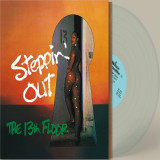
Originally released on Blue Candle Records in 1977, Steppin' Out by the 13th Floor is a true treasure that deserves a cherished place in the collection of every soul and funk connoisseur. This long-awaited reissue brings back the original magic, preserving the essence and impact it had on the music scene.
Its profound influence on bands like the Red Hot Chili Peppers is undeniable, solidifying its status as an essential gem in the annals of musical history. Now, with this reissue, you have the opportunity to experience the same captivating rhythms and infectious melodies that captivated audiences decades ago.
Are you ready to awaken your boogie spirit and infuse your living room with the long-lost spark of the mid-seventies? Brace yourself for an immersive experience as you surrender to the timeless grooves and soulful vibes that will transport you to a bygone era of musical
enchantment. Allow the music to ignite your soul, reigniting the vibrant energy of the past and instilling in you an irresistible urge to groove like never before.
A.R. Kive collates the three most astonishing works from that most miraculous of duos - A.R. Kane - comprising the ‘Up Home’ EP from 1988 that signified the band’s dawning realisation of their own powers and possibilities, their legendary debut LP ‘sixty nine’ (1988) and its kaleidoscopic, prophetic double-LP follow up ‘i’ (1989).
In founder-member Rudy Tambala’s new remastering, the music on these pivotal transmissions from the birth of dream pop, have been reinvigorated and re-infused with a new power, a new depth and intimacy, a new height and immensity. Vivid, timeless and yet always timely whenever they’re recalled, these records still force any listener to realise that despite the habits of retrospective myth-making and the
safe neutering effects of ‘genre’, thirty years have in no way dimmed how resistant and dissident to critical habits of categorisation A.R. Kane always were. Never quite ‘avant-pop’ or ‘shoegaze’ or ‘post-rock’ or any of those sobriquets designed to file and categorise, A.R. Kive is a reminder that those genres had to be coined, had to be invented precisely to contain the astonishing sound of A.R. Kane, because
previous formulations couldn’t come close to their sui generis sound and suggestiveness. This is music that pointed towards futures which a whole generation of artists and sonic explorers would map out. Now beautifully repackaged, remastered and fleshed out with extensive sleeve notes and accompanying materials, ‘A.R. Kive’ reveals that 35 years on it’s still a struggle to defuse the revolutionary and inspirational possibility of A.R. Kane’s music.
A.R. Kane were formed in 1986 by Rudy Tambala and Alex Ayuli, two second-generation immigrants who grew up together in Stratford, East London. From the off the pair were outsiders in the culturally mixed (cockney/Irish/West Indian/Asian) milieu of the East End, with Alex and Rudy’s folks first generation immigrants from Nigeria and Malawi, respectively. The two of them quickly developed and fostered an innate and near-telepathic mutual understanding forged in musical, literary and artistic exploration. Like a lot of second-generation immigrants, they were ferocious autodidacts in all kinds of areas, especially around music and literature. Diving deep into the music of afro-futurist luminaries such as Sun Ra, Miles Davis, Lee Perry and
Hendrix, as well as devouring the explorations of lysergic noise and feedback from contemporaries like Sonic Youth and Butthole Surfers, they also thoroughly immersed themselves in the alternate literary realities of sci-fi and ancient history (the fascination with the arcane that gave the band their name), all to feed their voracious cultural thirsts and intellectual curiosity.
It was seeing the Cocteau Twins performing on Channel 4 show the Tube that spurred A.R. Kane into being - “They had no drummer. They used tapes and technology and Liz Fraser looked completely otherworldly with those big eyes. And the noise coming out of Robin’s guitar! That was the ‘Fuck! We could do that! We could express ourselves like that!’ moment”, recalls Tambala - and through a mix of
confidence, chutzpah, ad hoc almost-mythical live shows and sheer innocent will the duo debuted with the astonishing ‘When You’re Sad’ single for One Little Indian in 1986. Immediately dubbed a ‘black Jesus & Mary Chain’ by a press unsure of WHERE to put a black band clearly immersed in feedback and noise, what was immediately apparent for listeners was just how much more was going on here - a
tapping of dub’s stealth and guile, a resonant umbilicus back to fusion and jazz, the music less a conjuration of past highs than a re-summoning of lost spirits.
The run of singles and EPs that followed picked up increasingly rapt reviews in the press, but it was the ‘Up Home EP’ released in 1988 on their new home, Rough Trade that really suggested something immense was about to break. Simon Reynolds noted the EP was: Their most concentrated slab of iridescent awesomeness and a true pinnacle of an era that abounded with astounding landmarks of guitar-reinvention, A.R. Kane at their most elixir-like.
If anything, the remastered ‘Up Home’ that forms the first part of ‘A.R. Kive’ is even more dazzling, even more startling than it was when it first emerged, and listening now you again wonder not just about how many bands christened ‘shoegaze’ tried to emulate it, but how all of them fell so far short of its lambent, pellucid wonder. This remains intrinsically experimental music but with none of the frowning orthodoxy those words imply. A.R. Kane, thanks to that second generation auto-didacticism were always supremely aware about the interstices of music and magic, but at the same time gloriously free in the way they explored that connection within their own sound, fascinated always with the creation of ‘perfect mistakes’ and the possibilities inherent in informed play.
‘sixty nine’ the group’s debut LP that emerged in 1988 had
critics and listeners struggling to fit language around A.R. Kane’s sound. As a title it was telling - the year of ‘Bitches Brew’, the year of ‘In A Silent Way’, the erotic möbius between two lovers - and as originally coined by the band themselves, ‘dream pop’ (before it became a free-floating signifier of vague import) was entirely apposite for the music A.R. Kane were making. Crafted in a dark small basement studio in which Tambala recalls the duo had “complete freedom - We wanted to go as far out as we could, and in doing so we discovered the point where it stops being music”. There was an irresistibly dreamy, somnambulant, sensual and almost surreal flow to ‘sixty nine’s sound, but also real darkness/dankness, the ruptures of the primordial and the reverberations of the subconscious, within the grooves of remarkable songs like ‘Dizzy’ and ‘Crazy Blue’. Alex’s plangent vocals floated and surged amidst exquisite peals of refracted feedback but crucially there was BASS here, lugubrious and funky and full of dread, sonic pleasure and sonic disturbance crushed together to make music with a center so deep it felt subcutaneous, music constructed from both the accidental and the deliberate, generous enough to dance with both serendipity and chaos. ‘sixty nine’ remains - especially in this remastered iteration - ravishing, revolutionary.
The final part of this ‘A.R. Kive’ contains 1989’s astonishing double-LP ‘i’ which followed up on ‘sixty nine’s promise and saw the duo fully unleash their experimental pop sensibilities over 26 tracks, plunging the A.R. Kane sound into a dazzlingly kaleidoscopic vision of pop experiment and play. Suffused with new digital technologies and combining searingly sweet and danceable pop with perhaps the duo’s strangest and boundary-pushing compositions, the album did exactly what a great double-set should do - indulge the artists sprawling pursuit of their own imaginations but always with a concision and an ear for those moments where pop both transcends and toys with the listeners expectations. Jason Ankeny has noted that “In retrospect, ‘i’ now seems like a crystal ball prophesying virtually every major musical development of the 1990s; from the shimmering techno of ‘A Love from Outer Space’ to the liquid dub of ‘What’s All This Then?’, from the alien drone-pop of ‘Conundrum’ to the sinister shoegazer miasma of ‘Supervixens’ — it’s all here, an underground road map for countless bands to follow.” Perhaps the most overwhelmingly all-encompassing transmission from A.R. Kane, ‘i’ bookended a three year period in which the duo had made some of the most prophetic and revelatory music of the entire decade.
After ‘i’ the duo’s output became more sporadic with Tambala and Ayuli moving in different directions both geographically and musically, with only 1994’s ‘New Clear Child’ a crystalline re-fraction of future and past echoes of jazz, folk and soul, before the duo went their separate ways. Since then, A.R. Kane’s music has endured, not thanks to the usual sepia’d false memories that seem to maintain interest in so much of the musical past, but because those who hear A.R. Kane music and are changed irrevocably, have to share that universe which A.R. Kane opened up, with anyone else who will listen. Far more than other lauded documents of the late 80s it still sounds astonishingly fresh, astonishingly livid and vivid and necessary and NOW.
Blonde on Blonde: A double album that transcends time, defies space, suspends reality, and looks through the human soul and tells the listener characteristics about themselves they didn't know. Professor Sean Wilentz, historian-in-residence for Bob Dylan's Web site, comes as close to summing up its brilliance in his superb Bob Dylan In America as any who've tried: "The songs are rich meditations on desire, frailty, promises, boredom, hurt, envy, connections, missed connections, paranoia, and transcendent beauty – in short, the lures and snare of love, stock themes of rock and pop music, but written with a powerful literary imagination and played out in a pop netherworld." No lie.
As part of its Bob Dylan catalogue restoration series, we are thoroughly humbled to have the privilege of mastering the iconic LP from the master tapes and pressing it on 45RPM LPs at RTI. We feel that the end result is the very finest, most transparent edition of Blonde on Blonde ever produced. Forever renowned for what the Bard deemed "that thin, that wild mercury sound," the album's famed aural character lives and breathes on this superb version, with wider and deeper grooves affording playback of previously buried information and lifelike presentation of the studio sessions.
Prized for a unique sound that cultural critic Greil Marcus tagged "the most glamorous record imaginable; listening you can see the chequered jester's suit Dylan had worn on stage for the nine previous, furious months," Blonde on Blonde is to music, production, prose, and performance as what hydrogen is to water. The secret to its inimitable aural character partially stems from Dylan's request in Nashville to producer Bob Johnston to remove the baffles from the studio room, allowing the musicians to interact as well as the music to assume a more organic quality that drifts from one microphone to another.
The story of Blonde on Blonde is almost as compelling as the music within. Dylan, frustrated with how initial attempts fared in New York, relocating to Tennessee and pairing with Nashville's top session players as well as members of what would become the Band, feverishly chasing perfectionism while also arriving at an on-the-fly feel that remains a reference point for recorded music. The Bard sweated over lyrics, demanded his band get the exact sounds he heard in his head, and limited most takes to a handful at most. A majority of songs were recorded long after midnight, the post-A.M. vibe reflected in the nocturnal aura, woozy optimism, inversion of intervals, and spiritual soulfulness of the playing.
THE CULT is fronted by Ian Astbury on vocals and Billy Duffy on guitar. Their music and albums at this point need no introduction as they have cemented themselves over the years since they began in 1983, as one of the greatest rock bands around. In 1991, their fifth album Ceremony was released. The follow up to the massive Sonic Temple marked a turning point in The Cult"s sound and style and it was their first album without longtime bassist Jamie Stewart. The album was a commercial success, reaching No. 25 on the Billboard chart and it remains a fan favorite and an important album in The Cult"s discography. The Cult continued to develop their sound on this album, and it is heavily influenced by Native American culture. Ceremony is a testament to The Cult"s ability to evolve and adapt while staying true to their roots and it"s songs are about spirituality, love and rebellion. It includes the singles "Wild Hearted Son" and "Heart Of Soul".
Mirai is a 2018 Japanese animated adventure fantasy comedy film written and directed by Mamoru Hosoda and produced by Studio Chizu (known for Belle, Wolf Children and The Boy and the Beast). The film stars the voices of Moka Kamishiraishi, Haru Kuroki and Gen Hoshino a.o. It was met with critical acclaim and became nominated for an Academy Award in 2019 for Best Animated Feature Film. Additionally, the movie received an Annie Award in the same year.
Mirai follows the story of a four-year-old boy named Kun whose world is turned upside down when he meets his new baby sister. After venturing into a magical garden, Kun encounters strange guests from the past and future, including his sister Mirai, as a teenager. Together, Kun and teenage Mirai go on a journey through time and space, uncovering their family's incredible story.
The soundtrack for the film was written by Masakatsu Takagi, who had previously scored Hosoda's Wolf Children and The Boy and the Beast. His work for Studio Chizu has been praised for its magical and whimsical atmosphere. For Mirai specifically, this dreamy aesthetic was mixed with a contemporary sound and made to be simple in tone and be reflective of family.
A complex and sometimes belligerent character in real life, on record,
John Martyn was the epitome of the folk-dreamer, embodying the spirit
of the bourgeoning London acoustic scene of the late 60s
Well- known and respected for his 70s albums Solid Air and One World, this is
where it began.John Martyn met Beverley Kutner and the pair married in 1969.
Kutner was a dazzling folk singer who had been invited by Paul Simon to sing on
Simon & Garfunkel's Bookends album. It was obvious that two such talents united
in love should also unite in music. Stormbringer! – produced by Joe Boyd – was
the first of two albums billed to both of them.
Recorded in Woodstock, the album featured The Band's Levon Helm on drums on
Beverley's standout, eight-minute long Sweet Honesty. Not to be overshadowed
John also contributed John The Baptist, one of his career highlights, with
Beverley adding sweet backing vocals.
This re-issue faithfully replicates the original 1970 Island Records UK release and
is pressed onto high quality 180g vinyl.
Available for the first time on vinyl - a 20th anniversary release of The Mystic Chords Of Memory's seminal, unique DIY psych-folk debut. By Beachwood Sparks singer/songwriter Chris Gunst & Aislers Set's Jen Cohen. Mastered at Abbey Road. The seeds of this exquisite album are scattered among the tracks of Make The Cowboy Robots Cry - the LP Beachwood Sparks hung their hats on before a ten year break. A further step forward from west coast country psych towards something with folkier roots but new, mysterious and above all free. Chris and Jen's conjuring of magical, unforced, domestic spirituality. Recorded in a little wood cabin amongst the redwoods overlooking a running creek with a range of collected musical toys. Just give it 5 minutes once you’ve dropped the needle & you’ll be right there. Here’s Amanda Petrussich’s brilliant write up in Pitchfork - “With its soft melodies, sweet vocals, and scratchy DIY production, Mystic Chords of Memory is also an overwhelmingly intimate record, focused and domestic - much closer to Elliott Smith than former-benchmarks the Byrds and Buffalo Springfield…. The duo's wordy moniker was lifted from Abraham Lincoln's first inaugural address, a lecture delivered in the spring of 1861 and boldly eternalised at the base of Mount Rushmore... Appropriately, the band's sound is just as archaic as a truly striking political speech: Gunst and Cohen blend tinkling bells, melodica, harp, keyboards, bits of samples, tinny drums, and strummy guitars, presenting a vaguely contemporary update on the British folk phenomenon of the late 1960s with more blips. Mystic Chords of Memory is a surprisingly coherent re-introduction to Gunst, and his professional coupling with Jen Cohen has proven both a freeing and inspired move.” Two decades later it’s obvious how seminal a record they conjured up. They forged a path that came to define the wave of US indie that followed for a while. In our opinion, the original has a natural, guileless, effortless beauty that trumps them all. Without a whiff of Starbucks. "Mystic chords of memory speech I interpreted the meaning as the underlying psyche fabric we are all creating on this land together. Jen and I thought it would be a great name to inspire our music together. This was really close to post 9/11 times and we were thinking about all of this and also wanting to improve our own contribution to the psychological fabric of the world.” Chis Gunst.
Available for the first time on vinyl - a 20th anniversary release of The Mystic Chords Of Memory's seminal, unique DIY psych-folk debut. By Beachwood Sparks singer/songwriter Chris Gunst & Aislers Set's Jen Cohen. Mastered at Abbey Road. The seeds of this exquisite album are scattered among the tracks of Make The Cowboy Robots Cry - the LP Beachwood Sparks hung their hats on before a ten year break. A further step forward from west coast country psych towards something with folkier roots but new, mysterious and above all free. Chris and Jen's conjuring of magical, unforced, domestic spirituality. Recorded in a little wood cabin amongst the redwoods overlooking a running creek with a range of collected musical toys. Just give it 5 minutes once you’ve dropped the needle & you’ll be right there. Here’s Amanda Petrussich’s brilliant write up in Pitchfork - “With its soft melodies, sweet vocals, and scratchy DIY production, Mystic Chords of Memory is also an overwhelmingly intimate record, focused and domestic - much closer to Elliott Smith than former-benchmarks the Byrds and Buffalo Springfield…. The duo's wordy moniker was lifted from Abraham Lincoln's first inaugural address, a lecture delivered in the spring of 1861 and boldly eternalised at the base of Mount Rushmore... Appropriately, the band's sound is just as archaic as a truly striking political speech: Gunst and Cohen blend tinkling bells, melodica, harp, keyboards, bits of samples, tinny drums, and strummy guitars, presenting a vaguely contemporary update on the British folk phenomenon of the late 1960s with more blips. Mystic Chords of Memory is a surprisingly coherent re-introduction to Gunst, and his professional coupling with Jen Cohen has proven both a freeing and inspired move.” Two decades later it’s obvious how seminal a record they conjured up. They forged a path that came to define the wave of US indie that followed for a while. In our opinion, the original has a natural, guileless, effortless beauty that trumps them all. Without a whiff of Starbucks. "Mystic chords of memory speech I interpreted the meaning as the underlying psyche fabric we are all creating on this land together. Jen and I thought it would be a great name to inspire our music together. This was really close to post 9/11 times and we were thinking about all of this and also wanting to improve our own contribution to the psychological fabric of the world.” Chis Gunst.
Who did Aretha Franklin not want to miss out on when she recorded
her most inspiring albums in the early Seventies? Who gave Steely
Dan the beat? Who did Isaac Hayes, Donny Hathaway, BB King,
‘Sweet’ Lou Donaldson and Joe Cocker give the chair behind the
drums? No drummer has seen the inside of a studio as often as
Bernard ‘Pretty’ Purdie.
Not for nothing do colleagues attribute the ‘funkiest soul beat on the
scene’ to the drummer, and consequently, Purdie has never relied on
the genre of jazz alone, but rather curiously looked beyond the
borders. Sessions with The Rolling Stones, James Brown, Jimi
Hendrix or Tom Jones are no problem for him, whose precise and
sensitive playing is synonymous with drive and groove. This is
probably one of the reasons why his rhythms are still sampled by
many DJs today.
Released on CD back in 1996 and 1997 (and now out of print), the
two ‘Soul to Jazz’ recordings have a cult factor today and sound as
fresh as they did back then. Now both albums are released together
for the first time as a 3LP set.
These recordings are peppered with lots of prominent star guests
from jazz and soul, from Eddie Harris, Michael Brecker and Nils
Landgren to Hank Crawford, Stanley Turrentine and Cornell Dupree.
Purdie’s ‘Soul to Jazz’ project takes two different approaches: The
first part focuses on the renowned WDR Big Band led by Gil
Goldstein. Soul classics such as Stevie Wonder’s ‘Superstition’,
‘When a Man Loves a Woman’, Eddie Harris’s ‘Freedom Jazz Dance’
and Lee Morgan’s famous groove tune, ‘Sidewinder’, are interpreted
in large scale sound. One discovery of these recordings amidst all the
renowned guest soloists is the New York-born singer, Martin Moss.
The great success of this first album, released under ‘Soul to Jazz’,
led to ‘Soul to Jazz II’, a more intimate record, but one that picks up
where the first recording left off, by exploring similar themes. Again,
Purdie has called together a notable band of kindred spirits, including
saxophonists Hank Crawford (BB King, Ike and Tina Turner, Ray
Charles), Stanley Turrentine (Jimmy Smith, Shirley Scott) and Vincent
Herring, as well as guitarist Cornell Dupree (King Curtis) to pianists
Benny Green and Junior Mance.
Bernard Purdie’s ‘Soul to Jazz’ is a timeless classic and a blueprint of
the soul jazz genre in all its facets. Above all, it is a portrait of one of
the most influential and best drummers in the world, who made jazz
groove with his inimitable funky soul beat
The first ever release of electronic Jaglara, an obscure dance music being innovated in an area near the Sudan, Ethiopia, and Eritrea border called Fashaga.
Among the most raucous, hypnotic, addictive, and celestial dance styles being made anywhere in Africa, this heavy, mysterious sound is being led by one man: Jantra, which translates as "craziness," a moniker bestowed to celebrate both his personality and sound. Jantra is a rather unknown quantity even in Sudan, outside of the circles which have granted him cult status to perform at their humble gatherings or at street parties far from the gaze of the cities.
Jaglara, which roughly translates as improvisation, has no songs. Jantra simply freestyles a combination of his melodies incessantly for hours on end, acting as a live producer and DJ for emphatic crowds, where the energy of his 155 - 168 BPM music is known to inspire the odd gunslinger to raise and fire his pistol in the middle of the dance floor. His music is hopeful in a hopeless world, uplifting in spirit, ancient and new, childish and mature, familiar yet refreshingly obscure, fueled by the hypnotic Sera rhythm. His Yamaha keyboard is specially tweaked to achieve what you're hearing — the perfect, sweet key tone, literally universal in its appeal.
A hybrid reissue-contemporary album, Ostinato combined extracted individual melodic patterns, rhythms, and MIDI data from Jantra's Yamaha keyboard with his older cassette and digital recordings to recreate his lengthy sessions into individual dance tracks for a worldwide audience to reach the enviable frenzy of Sudanese crowds. This promising new dance music emerging from the deepest reaches of Sudan has never made its way outside of Jantra's parties, let alone outside of the country.
This record is confirmation that the many electronic styles being exported from Africa have a worthy sibling and rival—Jantra's signature electronic Jaglara from the Fashaga underground. It is a privilege of the highest order to be exposed to this unheralded, incredibly well kept rural Sudanese secret.
out of Stock
Last delivered 3 years ago available to reorder, subject to availability
Repeat Offender Records was active between 2006 and 2010, recreating the '92 UK Breakbeat Rave Sound with tracks from label owners Wax & Inferno and a roster of like minded artists pushing the "Nu-Rave" sound at the time. These are label archive copies from the original press run from 2010 supplied in original printed sleeves in very limited quantities the last ever copies - its Old New Old Skool...
out of Stock
Last delivered 3 years ago available to reorder, subject to availability
Like a winding system of trails and paths cutting through a digital forest-scape, M. Sage's Paradise Crick is shaped by time. Full of wonder and charm, designed patiently and from a rich, curious mulch of synthesized and acoustic sound, the versatile American artist and magic realist's new suite of music is an imaginary destination and a pastoral fantasy that envisions the natural and fabricated worlds as one. Matthew Sage is a musician, intermedia artist, recording engineer and producer, publisher, teacher, partner, and parent. Assembling a sprawling and idiosyncratic catalog of experimental studio music between Colorado and Chicago since the early 2010s, recent highlights include The Wind of Things (Geographic North, 2021), an ensemble-recorded expression of bow-splashed nostalgia, and the four seasonal albums of Fuubutsushi, the improvisatory ambient jazz quartet he formed with friends from afar in 2020. Sage renders projects with nuanced velocity and a completist sensibility _ when it's finished, it's done _ which is what makes Paradise Crick, his debut for RVNG Intl., a compelling outlier. Sage first staked his tent in Crick's conceptual campground five years ago from his home studio in Chicago (he's since returned to Colorado, home to the mountains and prairies often personified in his work). He had just read Richard Brautigan's Trout Fishing in America, a kaleidoscopic reflection of pastoral America's shifting identity by way of magical fishing sojourns. Inspired by that feeling, of getting lost but finding oneself in through the outdoors, he amassed over seventy demos documenting a fictional soundtrack for camping. Pull up to this park, and the sign might read, "Welcome to Paradise Crick. Fire Danger Is Low." The sequence, pruned down to thirteen tracks, courses the dewy mornings, afternoon hikes, and firelit nights of a weekend expedition. While Sage is not a filmmaker, he views the method of making this album as a similar form of world-building via structure, narrative, formal elements, and editorial refinement. Contrasted with his collaborative craft, here he is a sole auteur reclined in total autonomy, able to improvise scenes and implement special effects at will. A parallel precedent for such unchecked imagination in the M. Sage canon is A Singular Continent, his 2014 album that tilted its compass to a faraway land. Where Continent built its world layering samples as composition, Paradise Crick deploys a balance of accessible song structures with experimental instrumentation and sound design. Speckled with harmonica, autoharp, chimes, penny whistle, voice, hand percussion, and other mysteries, Crick's texture is treated as a sensorial adventure; the swamps gurgle, the lakes glisten, and the valleys breathe in robust HD. The rhythms are loose and buoyant, bursting with a few `kick and snare' moments shaped by Sage's lifelong love for drumming and headphone prone electronic music. Crick bumps more than most anything he's done before; crackling static pulses and lush vibrations reveal an intrinsic groove, a hidden beat map. In the landscapes of Paradise Crick, science and magic co-exist, 5k boulders and midi frogs share the frame with real-life memories of Midwest camping trips and the desire to feel extra human in a digitized space. Sage strived for "nature in the holodeck" but couldn't help leaving fingerprints in the simulation, and it's these traces of spirit and character that give Paradise Crick its strange allure. The album's bubbling sense of play, melody, and timbre takes cues from left-field electronic lineage; synth pioneers like Tomita and Raymond Scott up through the more expressive pop tendencies of Woo, Stereolab and the Cocteau Twins, and into contemporary composers like Sam Prekop. The album's vocabulary is uncomplicated; the gestures are sweet and inviting, intended to lull the listener. As much as Sage continues to be an experimentalist by nature in his work, with Paradise Crick, he spins a narrative. Not necessarily a concept album, but rather an invitation to take off for a weekend. That's the modus operandi down here in the Crick, we stretch out. M. Sage's Paradise Crick will be released May 26, 2023 in LP, CD, and digital editions. A portion of the proceeds from this release will benefit Earthjustice, the premier nonprofit public interest environmental law organization.