Continuing in its series of Yoko Ono reissues, Secretly Canadian has announced that Ono’s seminal 1982 album It’s Alright (I See Rainbows) will be released August 28, 2026, in expanded CD and digital versions, and on vinyl for the first time in more than forty years, with expanded and enhanced artwork. Influenced equally by 1960s girl group vocals and 1980s synthesizer experimentation, It's Alright (I See Rainbows) is an album of “adventurous… lush… committed and convincing avant-gardism” (Rolling Stone). As Ono said in her 1992 Onobox liner notes, “It was ’82 and it seemed as though I was finally in sync with the world.” Vacillating from a widow’s never-truly-over grief, to the necessary uplift for an artist and mother to continue her life’s missions, tracks like “Loneliness” and “Spec of Dust” make way for poptimism via “Let the Tears Dry,” and title track “It’s Alright.” As Ono said of the album in 1983, “It’s like my diary that I went through… and I’m just saying, hey, I’ve got the same kind of emotions that you’ve probably got too, and here I am saying hello… Around December 8th or whatever, I was feeling really heavy and feeling sort of down, you know… and then, side two, it’s all right… It was Sean Lennon who says, ‘Wake up, wake up, mommy.’ Like an angel that came and said, ‘Wake up!’… Wake up and dream love, and let the tears dry and I see rainbows. And sort of I’m saying all that. In result of Sean waking me up, see?” Lennon, speaking of his mother in a more recent interview with NPR in 2025, “She would say that energy is just energy, so you can turn it into anything you like. And she always said that she would take that negative energy and turn it into something productive and creative… It never stopped her from creating and putting herself out there, and I really think that it paid off… You never know how long it'll take for people to appreciate you if you just kind of hang on and don't give up.”
Saxophonist Patrick Shiroishi and drummer Jason Nazary present their new album, "here i am no i". The release marks their duo debut for We Jazz Records, adding to an expanding release catalog also including Nazary"s solo album Spring Collection (2021). "here i am no i" is a free-flowing body of work with continuous forward-motion, building on the acoustic duo setting and expands with electronics and voice landing somewhere beyond genre. Dedicated to jaimie branch, the album is a spontaneous product of trying to come to terms with the unimaginable loss of a close friend. Patrick Shiroishi is a Japanese-American multi-instrumentalist, composer & poet based in Los Angeles. His solo work has appeared on labels such as Sub Pop, Touch, American Dreams and Otherly Love. Jason Nazary is a Brooklyn-based drummer and producer, whose work has previously appeared on the We Jazz label on the solo album Spring Collection and on New Monuments by Amirtha Kidambi"s Elder Ones. RIYL: Patrick Shiroishi, Jason Nazary, Anteloper, jaimie branch, Y-OTIS, Koma Saxo, Jon Hassell.
Ein Gespräch mit Thee Sinseers kurz vor der Veröffentlichung ihres neuen Albums ,Love Stories" bei Colemine Records macht eines ganz deutlich: Dies ist kein Album, das eine glatte und ordentliche Liebesgeschichte erzählt. Es geht hier nicht um das Happy End. Es geht um alles, was davor, danach und trotz allem passiert. Auf dieser LP hat sich die Band auf eine erdigere Instrumentierung konzentriert - Kontrabass, Gitarren, die durch Verstärker laufen, um einen wärmeren, an die Sechziger angelehnten Klang zu erzielen - und sich von allem inspirieren lassen, wo es sich bot, selbst an den unwahrscheinlichsten Orten. Es ist dieses genreübergreifende Denken, das Sänger Joey Quiñones als das bestimmende Merkmal der Platte ansieht. "Es fühlte sich zu keinem Zeitpunkt so an, als würden wir Soul-Musik machen", sagt er. ,Es fühlte sich an, als würden wir einfach unsere Musik machen." Die Band wollte etwas Ehrlicheres einfangen als nur die Höhepunkte - sie wollte die Höhen und Tiefen romantischer Beziehungen zeigen und gleichzeitig den Rahmen erweitern, um auch das Familiäre, das Komplizierte und das Ungelöste einzubeziehen. Die Eltern der Bandmitglieder sind auf dem Albumcover zu sehen, ihre eigenen Liebesgeschichten sind in die visuelle Identität der Platte eingewoben, manche dieser Geschichten bestehen noch, andere nicht. ,Jeder einzelne Songtitel führt dich auf einen anderen Weg der Liebe - egal, ob du gewinnst oder verlierst." Quiñones wollte, dass die Zuhörer sich auf diese Mehrdeutigkeit einlassen. ,Liebe ist unendlich", sagt er. ,Sie reicht über ein Leben hinaus. Ich möchte, dass die Leute immer noch verwirrt sind - ich möchte, dass es wie ein offenes Buch bleibt." Doch eines bleibt durchgehend konstant: das Bekenntnis von Thee Sinseers zu ihrer Herkunft. Diese East-LA-Identität stellt sich nicht zur Schau - sie existiert einfach, eingewoben in das Gewebe der Musik, ohne als Abzeichen getragen zu werden. Hier wird kein Liebeskummer vorgetäuscht, sondern es ist das Echte.
Ein Gespräch mit Thee Sinseers kurz vor der Veröffentlichung ihres neuen Albums ,Love Stories" bei Colemine Records macht eines ganz deutlich: Dies ist kein Album, das eine glatte und ordentliche Liebesgeschichte erzählt. Es geht hier nicht um das Happy End. Es geht um alles, was davor, danach und trotz allem passiert. Auf dieser LP hat sich die Band auf eine erdigere Instrumentierung konzentriert - Kontrabass, Gitarren, die durch Verstärker laufen, um einen wärmeren, an die Sechziger angelehnten Klang zu erzielen - und sich von allem inspirieren lassen, wo es sich bot, selbst an den unwahrscheinlichsten Orten. Es ist dieses genreübergreifende Denken, das Sänger Joey Quiñones als das bestimmende Merkmal der Platte ansieht. "Es fühlte sich zu keinem Zeitpunkt so an, als würden wir Soul-Musik machen", sagt er. ,Es fühlte sich an, als würden wir einfach unsere Musik machen." Die Band wollte etwas Ehrlicheres einfangen als nur die Höhepunkte - sie wollte die Höhen und Tiefen romantischer Beziehungen zeigen und gleichzeitig den Rahmen erweitern, um auch das Familiäre, das Komplizierte und das Ungelöste einzubeziehen. Die Eltern der Bandmitglieder sind auf dem Albumcover zu sehen, ihre eigenen Liebesgeschichten sind in die visuelle Identität der Platte eingewoben, manche dieser Geschichten bestehen noch, andere nicht. ,Jeder einzelne Songtitel führt dich auf einen anderen Weg der Liebe - egal, ob du gewinnst oder verlierst." Quiñones wollte, dass die Zuhörer sich auf diese Mehrdeutigkeit einlassen. ,Liebe ist unendlich", sagt er. ,Sie reicht über ein Leben hinaus. Ich möchte, dass die Leute immer noch verwirrt sind - ich möchte, dass es wie ein offenes Buch bleibt." Doch eines bleibt durchgehend konstant: das Bekenntnis von Thee Sinseers zu ihrer Herkunft. Diese East-LA-Identität stellt sich nicht zur Schau - sie existiert einfach, eingewoben in das Gewebe der Musik, ohne als Abzeichen getragen zu werden. Hier wird kein Liebeskummer vorgetäuscht, sondern es ist das Echte.
Ein Gespräch mit Thee Sinseers kurz vor der Veröffentlichung ihres neuen Albums ,Love Stories" bei Colemine Records macht eines ganz deutlich: Dies ist kein Album, das eine glatte und ordentliche Liebesgeschichte erzählt. Es geht hier nicht um das Happy End. Es geht um alles, was davor, danach und trotz allem passiert. Auf dieser LP hat sich die Band auf eine erdigere Instrumentierung konzentriert - Kontrabass, Gitarren, die durch Verstärker laufen, um einen wärmeren, an die Sechziger angelehnten Klang zu erzielen - und sich von allem inspirieren lassen, wo es sich bot, selbst an den unwahrscheinlichsten Orten. Es ist dieses genreübergreifende Denken, das Sänger Joey Quiñones als das bestimmende Merkmal der Platte ansieht. "Es fühlte sich zu keinem Zeitpunkt so an, als würden wir Soul-Musik machen", sagt er. ,Es fühlte sich an, als würden wir einfach unsere Musik machen." Die Band wollte etwas Ehrlicheres einfangen als nur die Höhepunkte - sie wollte die Höhen und Tiefen romantischer Beziehungen zeigen und gleichzeitig den Rahmen erweitern, um auch das Familiäre, das Komplizierte und das Ungelöste einzubeziehen. Die Eltern der Bandmitglieder sind auf dem Albumcover zu sehen, ihre eigenen Liebesgeschichten sind in die visuelle Identität der Platte eingewoben, manche dieser Geschichten bestehen noch, andere nicht. ,Jeder einzelne Songtitel führt dich auf einen anderen Weg der Liebe - egal, ob du gewinnst oder verlierst." Quiñones wollte, dass die Zuhörer sich auf diese Mehrdeutigkeit einlassen. ,Liebe ist unendlich", sagt er. ,Sie reicht über ein Leben hinaus. Ich möchte, dass die Leute immer noch verwirrt sind - ich möchte, dass es wie ein offenes Buch bleibt." Doch eines bleibt durchgehend konstant: das Bekenntnis von Thee Sinseers zu ihrer Herkunft. Diese East-LA-Identität stellt sich nicht zur Schau - sie existiert einfach, eingewoben in das Gewebe der Musik, ohne als Abzeichen getragen zu werden. Hier wird kein Liebeskummer vorgetäuscht, sondern es ist das Echte.
out of Stock
Last delivered 31 days ago available to reorder, subject to availability
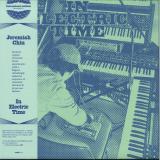
On June 29, 2023, Jeremiah Chiu entered the Vintage Synthesizer Museum in Los Angeles with no plan beyond exploring its remarkable collection of rare and classic synthesizers, improvising alongside founder Lance Hill. Recorded entirely analog over just two days and completed in the two days that followed, In Electric Time captures Chiu"s spontaneous approach to electronic music, blending cinematic sketches and intuitive synth explorations with contributions from engineer Ben Lumsdaine and Cooper Crain (Bitchin Bajas). A vibrant and free-flowing album that evokes both Raymond Scott and Harmonia, now available as a repress with new artwork.
out of Stock
Last delivered 31 days ago available to reorder, subject to availability
When a British alt-soul and art-pop duo collaborates with Filipino musical royalty, the result is a blinding flash of artistic spirit that transcends geographical andgenerational barriers.
For Margate-based act Thandii, a chaotic whirlwind of a trip to Manila allowed Graham Godfrey and Jess Berry to explore a new cultural context of song- writing. After several prolific years of self-released albums together, they took the opportunity to channel Graham’s Filipino heritage through an ambitious project proposed by the label Sama Sama Records: for Thandii to make their next album with the most recorded drummer in the Philippines, Jun Regalado.
Now in his late 70s, Regalado has recently gained more recognition internationally after the reissue of his track ‘Pinoy Funk’ (from the Soundway compilation Ayo Ke Disco in 2024), along with the discovery of nearly 500 album appearances that are now finding themselves in the collections of younger generations. And on Coco Okayo - the first time he has collaborated outside of his contemporaries - Regalado effectively passes the torch.
In exploring a sound born of the diaspora with roots in British soul music, Coco Okayo makes full use of the polymath abilities of Thandii. While they provide vocals, percussion, flutes and production, they still manage to carve out space for regular Margate collaborators (including keyboardist Steve Pringle, Graham’s bandmate in Pigeon), as well as tapping Filipino connections in the United States such as Wyn Avillas and Ian Santillano.
“It’s a new genre coming from Filipino diaspora artists paying tribute to the Manila sound of the 70s,” say Thandii, “but combining it with modern day post-punk- disco, beat-driven-art-pop music coming from the small seaside town of Margate”. However the listener might interpret it, it’s clear that Coco Okayo is not stuck between worlds, but rather, has built a utopian world of its own.
out of Stock
Last delivered 34 days ago available to reorder, subject to availability
Recorded in Los Angeles over the course of a single day at a studio in the Eagle Rock neighborhood, Dois Desertos was produced by Mario Caldato Jr. and emerged without a predetermined plan or schedule. The project took shape during Portuguese musician João Pimenta Gomes' stay in Los Angeles with his family. During that time, through Rodrigo Amarante, João met Mario and Samantha Caldato, as well as musicians Abe Rounds (drums and percussion) and Gabe Noel (bass and cello). From those encounters, the album began to unfold organically.
Working from simple scores—some containing little more than chord progressions—the sessions left plenty of room for improvisation. Every performance was captured live, in a single take, with no overdubs. The mixing process, also carried out live by Mario Caldato Jr., followed the same philosophy: effects and level adjustments were performed in real time and printed directly to the final two-track master.
At the heart of the album's sound is the Cristal Baschet, a rare instrument played by rubbing glass rods with the hands, causing metal resonators to vibrate and produce an ethereal, resonant tone. João describes its sound as "a trace, almost like a shadow." Rather than taking the lead, the instrument serves as a textural foundation, while the bass and cello carry the melodic lines. Some of these melodies are original compositions, while others draw from traditional Portuguese fado, reimagined through an open and exploratory approach.
The album has a dreamlike atmosphere, reflecting the perspective of someone experiencing Los Angeles from the outside—not in a rush to belong, but fully receptive to the city's unique energy. Two films helped shape this imaginary landscape: Model Shop (Jacques Demy, 1969), in which the French filmmaker uses Los Angeles as a pretext to simply observe and inhabit the city, and Thom Andersen's Los Angeles Plays Itself. The result is Dois Desertos, an album that, in João's own words, "could never have been made anywhere else."
With Dois Desertos, João Pimenta Gomes invites listeners into a deeply immersive experience, revealing a more exploratory side of his artistic practice while reinforcing Amor in Sound's commitment to releasing original works that engage with the many languages of contemporary music.
There is a pivotal scene in “August in the Water” (dir. Sōgo Ishii, 1995) where the surface of a pool turns into a stone wall. The water that gave the protagonist's life its meaning becomes a threat. As you fall through this stone wall, you appear in a set of underwater coral-reef corridors, and one of the most beautiful musical themes begins to play: Aquatic Ambience, composed by David Wise for Donkey Kong Country (1994). It's a theme that represents the weightless vibe of your new deep-sea life, where you go about your mundane errands, collecting bananas while driving on a swordfish, or, as HerzMayhem put it: "Poor monkey... always swimming, never going anywhere..."
Synthetic Water Music is the second of three compilations, following Synthetic Bird Music and timed to mappa's 10th anniversary. As with the birds, it gathers friends of the label, artists who have released with mappa or played our shows. Most of the music is new, made to measure for this compilation, much of it from Central and Eastern European hands. Birds and water mix well, so please feel invited to play them together, creating your own environments.
Where the birds were in one flock, water is dispersed across four chapters. You live your life as a droppity drop: vapour in the heavens, condensing in clouds, falling into a swamp, trickling into the deepest sea.
Tlālōcān (Cassette 1, Side A)
A place of eternal spring, of aquatic energy that nourishes everything and allows all things to bloom. Bubbly and splishy-sploshy, it is full of dripping sounds and moist caverns (“Emerald Pool” by Pauline Anna Strom), a landscape filled with living fountains (“Oh, to be a Fountain” by Eva Sajanová) and winding streams that flow through the area, forming part of its organic architecture. It is also a paradise reserved for those whose deaths were water-related, where the aquatic and terrestrial beings live in symbiosis and perspectives shift rapidly, from observing a single droplet (Shakali, Lau Nau) to dew (Feronia Wennborg & Lucy Duncombe) and on to flowing currents (Visible Cloaks) that gradually transform into river music (Ursula K. Le Guin & Todd Barton).
Nephelora (Cassette 1, Side B)
A celestial anti-gravity sound world made of evaporation, steam and the formation of clouds, as if looking at “The Sky At The Bottom of the Well” (by Natalia Beylis) or at “The Cloud That Never Rains” (by Henrique Vaz).
If a cloud never rains,
it is not a cloud at all, but a veil that parches the earth with its gaze.
It generates only its own shadow —
a looming mass of suspended longing,
a sky that hoards but never yields,
a reservoir that swallows every river and returns nothing but echoes.
The water in this world is often invisible but sometimes all the more present, as Bint Mbareh describes it: “Recently been obsessed with invisible waters because I come from a place where you have to imagine the water is there even though you cannot see a river, a sea, usually no rain, so water is in the air, the voice and the imaginal realm, drought is imagined to be negotiable.”
Žaboglach Zha-bo-glahch (Cassette 2, Side A)
A fusion of Scottish lochs and Slovak ponds: a misty, foul-smelling, swampy realm, the kind of place that swallowed Artax from The NeverEnding Story. Stagnant waters full of decay become a blooming habitat for sirens (“thereby losing the weightless delight of being swept along with it” by Adam Badí Donoval) and beings straddling the line between fauna and flora, inventing their own communication systems (“Water-lily phase” by Action Pyramid).
R'lyeh (Cassette 2, Side B)
A brooding sunken city at the bottom of the ocean. It’s a journey to get there. Let this chapter guide you, from the shore down to the depths, to the gates of an unexplored world that is inherently dark, unfathomable, and beyond the limits of human perception: starting with seasickness ("Seasick" by Nikolaienko), passing through a classic Poe-esque maelstrom ("Flurry at the Whirl-pull" by Atte Elias Kantonen), a gateway into the darkness and emptiness of the ocean floor, and finally traversing the city itself (“last waves of 2025” by Jules Reidy).
But what is pulling you to a place like this that only a few explore and even fewer leave? Maybe “the darkness that water can contain, the expanse of things we don't know and that can trigger fear instincts even as we try to rationalise them and think we are in control of the rest of nature” (“supercritical fluids” by Diane Barbé).
Dive in and surface wherever you like. Always swimming, never going anywhere. Just don’t forget to take water breaks.
P.S. Birds, then water, can you guess what comes next? Synthetic Soil Music, an elegy for insects and worms? Synthetic Glaciers, or maybe Pollinators? Which sounds would you miss the most if they disappeared? Or what if the third one never comes at all, and somebody, or something, makes Synthetic mappa Music instead. Don't you worry, with the right training data, it can all be replicated, better than the real thing.
Bonobo alias Simon Green returns with "Distance In Static", his new album, which will be released on September 11, 2026, by Ninja Tune.
On "Distance In Static", Bonobo collaborates with a characteristically impressive lineup of artists, including Arooj Aftab, Joy Crookes, Nilüfer Yanya, Ichiko Aoba, Nicole Miglis (Hundred Waters), and Aanya Martin. The lyrics are written in English, Urdu, and Japanese, while historical Iranian samples and guzheng recordings stand alongside Bonobo's carefully crafted instrumental sounds. These were created during recording sessions in Los Angeles, Tokyo, London, and beyond: a significant part of the album was completed at Neil Young's legendary Broken Arrow Ranch in California, where he had retreated for several weeks earlier this year.
The album's title - "Distance In Static" - aptly describes Bonobo's current situation: it evokes images of distorted transmissions and fleeting frequencies, memory fragments and glimmers of meaning that echo through more than two decades at the forefront of electronic music. He sees the traces of his work reflected in a younger generation rediscovering trip-hop, downtempo, and experimental electronic music of the 1990s from a contemporary perspective. "I think the beginning of my work is relevant to younger people today," he says. "I liked the idea of listening for a distant signal - finding something in the noise," he continues. The entire album conveys the feeling of a search for transcendence: music that hovers between intimacy and vastness, the familiar and the unknown.
Within the universe of "Distance In Static", there is also a sense that this album marks something truly monumental. It is a moment of transition, a celebration of Bonobo's 25th anniversary, but perhaps also his last album in the traditional sense: with numerous guest contributions and a multi-year world tour with a full live band.
Whatever comes next, one thing is certain: "Distance In Static" is arguably Bonobo's best album to date; as ambitious and forward-thinking as ever and a reminder of why he has influenced so many people so strongly for so long.
out of Stock
Last delivered 6 days ago available to reorder, subject to availability
Bonobo alias Simon Green returns with "Distance In Static", his new album, which will be released on September 11, 2026, by Ninja Tune.
On "Distance In Static", Bonobo collaborates with a characteristically impressive lineup of artists, including Arooj Aftab, Joy Crookes, Nilüfer Yanya, Ichiko Aoba, Nicole Miglis (Hundred Waters), and Aanya Martin. The lyrics are written in English, Urdu, and Japanese, while historical Iranian samples and guzheng recordings stand alongside Bonobo's carefully crafted instrumental sounds. These were created during recording sessions in Los Angeles, Tokyo, London, and beyond: a significant part of the album was completed at Neil Young's legendary Broken Arrow Ranch in California, where he had retreated for several weeks earlier this year.
The album's title - "Distance In Static" - aptly describes Bonobo's current situation: it evokes images of distorted transmissions and fleeting frequencies, memory fragments and glimmers of meaning that echo through more than two decades at the forefront of electronic music. He sees the traces of his work reflected in a younger generation rediscovering trip-hop, downtempo, and experimental electronic music of the 1990s from a contemporary perspective. "I think the beginning of my work is relevant to younger people today," he says. "I liked the idea of listening for a distant signal - finding something in the noise," he continues. The entire album conveys the feeling of a search for transcendence: music that hovers between intimacy and vastness, the familiar and the unknown.
Within the universe of "Distance In Static", there is also a sense that this album marks something truly monumental. It is a moment of transition, a celebration of Bonobo's 25th anniversary, but perhaps also his last album in the traditional sense: with numerous guest contributions and a multi-year world tour with a full live band.
Whatever comes next, one thing is certain: "Distance In Static" is arguably Bonobo's best album to date; as ambitious and forward-thinking as ever and a reminder of why he has influenced so many people so strongly for so long.
out of Stock
Last delivered 6 days ago available to reorder, subject to availability
Piano Works 2016-2026 collects fourteen impromptu pieces by composer and producer John Carroll Kirby, written whenever he had the opportunity to sit at a piano while on the road. These mostly solo works for piano were recorded in Los Angeles, Rome, Tokyo, Wollongong (Australia), rural New Zealand and London. Piano Works marks a departure from the full-band sound of recent albums Blowout and Septet, which Kirby has spent the past years performing live around the world. The album is a study in piano repertoire: Baroque, Romantic, Impressionist, jazz, minimalist, atonal, and more. Most of the pieces have an impromptu feel - improvised, or meant to sound improvised, or at least written in one sitting. The collected pieces on Piano Works are a document of Kirby's life as a piano player and touring musician, and "serve as the melodic / harmonic lexicon for what would inform all my other compositions of the past ten years." John Carroll Kirby has scored two feature films, and his solo piano song "Walking Through a House Where a Family Has Lived" formed the score for Oscar-nominated short film Retirement Plan.Fans of John Carroll Kirby's cult favourite solo album Conflict will find plenty to love in Piano Works 2016-2026.
out of Stock
Last delivered 19 days ago available to reorder, subject to availability
Amyl and The Sniffers kündigen mit Truth Or Consequence ein Live-Album an, das alles andere als ein klassisches Konzertdokument ist. Im April vergangenen Jahres nahm die Band gemeinsam mit Freunden im legendären El Coyote Mexican Restaurant in Los Angeles eine einzigartige Performance auf und interpretierte ihre Songs erstmals in reduzierten, country-inspirierten Versionen. Das Album vereint neu arrangierte Fan-Favoriten mit zwei bislang unveröffentlichten Songs sowie einer Coverversion von Slim Dustys Klassiker "Lights On The Hill". Die Aufnahmen zeigen Amyl and The Sniffers von einer ungewohnt intimen, lockeren und verspielten Seite und fangen die besondere Atmosphäre einer spontanen Session unter Freunden ein. Zur Veröffentlichung erscheint auch ein begleitender Konzertfilm mit exklusiven Einblicken hinter die Kulissen. Im Mittelpunkt steht jedoch die Musik: Truth Or Consequence präsentiert die Band in einem völlig neuen Klanggewand und eröffnet einen frischen Blick auf ihr Songwriting. "The hope for this record is that it is listened to as it was made, in a ruckus exclamation between a cherished group of friends", erklärt die Band. Mit den ungewöhnlichen Arrangements und der entspannten Live-Atmosphäre dokumentiert Truth Or Consequence eine besondere Seite von Amyl and The Sniffers und erweitert den Blick auf eine Band, die bisher vor allem für ihre energiegeladenen Rockshows bekannt ist.
GoldFord’s soul music is rooted in truth. His raw, unvarnished songs are a balance of introspection and catharsis, grappling with heartbreak, healing, and the quiet revelations that come with growth. After spending a decade in corporate America, the St. Louis native (now based in Los Angeles) turned to music as a means of survival following a devastating personal loss. “I was more afraid of dying with regret than I was of failing,” he says of his decision to finally choose the path at 30, a choice that set his entire trajectory in motion.
That initial fearlessness has since fueled extraordinary momentum. With over 4 million monthly listeners on Spotify, GoldFord has rapidly become one of the most compelling emerging voices in contemporary music.
Amyl and The Sniffers kündigen mit Truth Or Consequence ein Live-Album an, das alles andere als ein klassisches Konzertdokument ist. Im April vergangenen Jahres nahm die Band gemeinsam mit Freunden im legendären El Coyote Mexican Restaurant in Los Angeles eine einzigartige Performance auf und interpretierte ihre Songs erstmals in reduzierten, country-inspirierten Versionen. Das Album vereint neu arrangierte Fan-Favoriten mit zwei bislang unveröffentlichten Songs sowie einer Coverversion von Slim Dustys Klassiker "Lights On The Hill". Die Aufnahmen zeigen Amyl and The Sniffers von einer ungewohnt intimen, lockeren und verspielten Seite und fangen die besondere Atmosphäre einer spontanen Session unter Freunden ein. Zur Veröffentlichung erscheint auch ein begleitender Konzertfilm mit exklusiven Einblicken hinter die Kulissen. Im Mittelpunkt steht jedoch die Musik: Truth Or Consequence präsentiert die Band in einem völlig neuen Klanggewand und eröffnet einen frischen Blick auf ihr Songwriting. "The hope for this record is that it is listened to as it was made, in a ruckus exclamation between a cherished group of friends", erklärt die Band. Mit den ungewöhnlichen Arrangements und der entspannten Live-Atmosphäre dokumentiert Truth Or Consequence eine besondere Seite von Amyl and The Sniffers und erweitert den Blick auf eine Band, die bisher vor allem für ihre energiegeladenen Rockshows bekannt ist.
Eine neue, limitierte 10-Zoll-Vinyl-EP von MONO. Die vierte Ausgabe ihrer fortlaufenden jährlichen ,Heaven"-EP-Reihe. Limitiert auf eine einmalige Auflage von weltweit 1.000 Exemplaren auf transparent-grünem Vinyl.
While the sterile “professionalism” of some heavy bands can be like a clinical drone strike, Texas-based Judiciary feels personal. Like close combat with a knife. And it’s all in their chemistry. Judiciary is an amalgamation of four guys raised in the intersection of metal and hardcore—all devoted to pushing their craft further. Across two esteemed LPs, the band has proven their worth as a crucial entity in the crowded heavy music scene by evolving their sound further and further with each release. And now with the band’s latest Stalagmite Angels, due on September 4th via the venerable Closed Casket Activities, Judiciary can further showcase their status as a crucial, one-of-a-kind part of the evolution of hardcore in 2026. Life changes can bring about chaos and seismic shifts, but if Stalagmite Angels is any indication, then it’s all for the better. In the wake of the release of Judiciary’s second LP Flesh + Blood, the band called upon Juan Vazquez to pick up guitar duties, thereby changing the internal framework of the band for good, and unknowingly for the better. It’s this pivot in personnel that resulted in the band’s latest EP. “The goal with this EP was a hard reset, but we also wanted to chill the f— out a bit, have fun, and do something that felt true to the four of us,” recalls drummer Austin Looney. “We wanted time to reconfigure things and let the music come naturally–temper this new mindset that we've adopted post-Flesh + Blood.” Judiciary’s greatest strength lies in their musical singularity. Though Stalagmite Angels represents the collision of influences from across well-worn territories like metallic hardcore, death metal, black metal, d-beat and more, it’s the Lubbock-born band’s approach that makes it distinctly their own. Stalagmite Angels is a wholly new document that resembles a horde of bands ranging from Hatebreed to Carcass to Slayer to Iron Age, yet never aping any single band nor even revealing any single influence. It’s all familiar but none of it is specific. “90s hardcore and hardcore in general is always gonna be our natural inclination, but it manifests with different elements not only from song to song but within each song,” says vocalist Jake Collinson emphatically, who learned guitar specifically to help with writing new material. “Whether that’s Dying Breed or Cannibal Corpse or Crowbar or Machine Head or any number of other influences that any one of us may have, it all manifests in our work, and through our individual and collective lenses. With this EP, we transformed those ideas into the Judiciary approach.” Stalagmite Angels is an EP about anger at the world, belief in yourself, and how harnessing both in the pursuit of growth is necessary to achieve. But furthermore, it’s a concept record that envisions a subterranean world in both a literal and metaphorical sense—where hidden beauty lurks in the shadows (and in the eye of the beholder) and where triumph manifests in the ability to rise from the depths and into the world above.
Originally unleashed in October 2004, Ape to Angel took the momentum of Pitch Black’s preceding albums to new levels, with the sound becoming fuller and the bass more driving. The duo tweaked the sounds of club culture around the dub heart of the album, blending sinuous bass lines, simmering rhythms and echoing acidic synths to electrifying effect. They also wrote their first fully vocal song, Elements Turn, with singer Sandy Mill, and sampled Estonian satellite transmissions for Lost in Translation.
Critically acclaimed, with DJ Mag awarding it five stars, the release of Ape to Angel led to a 42 date tour round the world which included their North American debut. Tracks from the album were also picked up for use in CSI: Miami and HBO¹s True Blood, the latter featuring Freefall in a vampire orgy scene - perfect.
out of Stock
Last delivered 2 years ago available to reorder, subject to availability
PUREST FORM pulls visceral dance-punk music from modern-day angst and unrest. The newly formed Los Angeles trio—vocalist Story Beeson, guitarist/programmer Madi Woodward, and bassist Riley Oikawa-Dahlson—draws on their respective backgrounds in hardcore bands and a shared love of industrial and techno, splicing the intensely heavy with the playful and sensual.
RESISTANCE, their debut with Dais Records, delivers a potent, six-track anarchist assault on the system, fueled by collective anger amidst late-stage capitalism and a year of nonstop trauma in Los Angeles, from the fires to ICE.
RESISTANCE builds on the promise of their self-titled 2024 EP, a sonic blueprint that Stereogum likened to Nine Inch Nails' Broken. RESISTANCE is more agile and charged-up, a cataclysmic set with structural jumps and hard left turns, confronting sonic and societal constructs. Serrated riffs meet fractured breakbeats, basslines, and body-quaking feedback, with nods to death metal and acid house in equal measure, all punctuated by Beeson's urgent, anthemic narration, often shouted to near shreds.
In honour of the 40th anniversary of David Lynch's 1986 masterpiece Blue Velvet, Varèse Sarabande is excited to present a new vinyl edition of Angelo Badalamenti's music for the film. Lynch and Badalamenti, who both passed away in 2025 after decades as one of cinema's most iconic creative collaborators, forged a singular sonic world from Twin Peaks to Mulholland Drive. This new edition presents the soundtrack composed and conducted by Badalamenti in a special collectible Rainbow Foil jacket.
Die australischen Rockband Airbourne war noch nie dafür bekannt, klein zu denken. Auf ihrem
sechsten Studioalbum, der nach der Band selbst benannt ist, hat sie sich allerdings noch mal selbst übertroffen. Airbourne – ein Name, der zum Synonym für bombastischen, biergetränkten, gefährlichen und sexy Rock’n’Roll geworden ist. „Dieses Album vereint alles, wofür wir stehen, in einem einzigen Werk“, erklärt Ryan den Titel. „Es ist das beste Album, das wir überhaupt machen konnten.“
Zusammen mit dem starken Produktionsteam aus Brian Howes (der 2013 "Black Dog Barking" produziert hat) und dem Toningenieur Mike Fraser (der an „Breakin’ Outta Hell“ von 2016 und „No Guts. No Glory.“ von 2010 mitgearbeitet hat), machte sich die Band im Music Farm Studio im „Dschungel“ außerhalb von Byron Bay an die Arbeit. Der Komplex verfügt über das originale Neve-Mischpult aus den Alberts Studios, auf dem Bands wie AC/DC, Rose Tattoo und The Angels ihre wegweisenden frühen Alben aufgenommen haben.
Das Ganze präsentiert sich in einem sorgfältig gestalteten Paket, gemischt von Zakk Cervini (BMTH, Architects), das die Leidenschaft, das Feuer und die schweißgetränkte Gefahr einer Band auf dem Höhepunkt ihrer Kräfte einfängt, komplett mit Schlagzeug, das wie Kanonen knallt, und Gitarren, die wie Kreissägen schneiden.
„Alive After Death“ und „Send Me To Rock’N’Roll Heaven“ sind eine Hommage an die verstorbenen Idole der Band; letzterer Titel bezieht sich auf Lemmy, Doc Neeson von The Angels, John Bonham, Bon Scott, Little Richard und weitere. Joel schrieb den Text zum mitreißenden „Alive After Death“ eines Abends im Tourbus, als er darüber nachdachte, wie die Musik dieser Legenden sie unsterblich macht. An anderer Stelle gibt es Geschichten von unterwegs („Bogota“), Songs über Trotz und Nicht-Aufgeben („Last Man Standing“, „Hell’s Got No Vacancy“, „Gutsy“) und noch mehr Sex („Sky High“). Jetzt müssen Airbourne nur noch auf die Bühne zurückkehren, in der Gewissheit, dass sie ihr bestes Album aller Zeiten mitbringen.
When Drop Nineteens disbanded in the mid-'90s, singer Greg Ackell decided he would never make music again. He wouldn't noodle around on a guitar in his basement. He wouldn't get a group of friends together just to jam. He was done with music entirely. Following the release of the shoegaze masterpiece Delaware in 1992, and the intricate experimentations on National Coma in 1993, the group disbanded. They shared stages with Radiohead, Hole, Blur, PJ Harvey and Smashing Pumpkins. They went from being teenagers in Boston to mid-twenty-somethings with a few MTV videos, a couple BBC sessions and numerous festival appearances under their belt. So when Drop Nineteens ceased to be, Ackell felt content. He had the rest of his life in front of him to figure out what he wanted to do. Music was a closed chapter.That was until 2021, when a friend from the band's early days got Greg on the phone to suggest making some music together, just to see how it felt. Instead of shutting it down like he had been doing over the years, he decided to entertain the prospect. For the first time in nearly 30 years, he picked up a guitar with intent. He immediately called up Steve Zimmerman, the band's bassist and fellow guitarist, and the two got writing. It felt effortless for Ackell, like he never stopped writing music. "We were off to the races," he says, "But also the question came up: what does a Drop Nineteens song sound like today?" Enter Hard Light, the band's stunning third record. It's the band's proverbial follow up to Delaware, a modern Drop Nineteens record that is completely singular in its sound and vision. The first task making Hard Light was, of course, getting the rest of the band back together. Drop Nineteens is an inherently collaborative project. Ackell writes the lyrics, and he works with band members Steve Zimmerman, Paula Kelley, Motohiro Yasue, and Peter Koeplin to create the sonic world. The record came together over the course of a year, recording at a patchwork of studios all around the country: Boston, Brooklyn, San Francisco, Los Angeles. When Kelley and Ackell first heard their vocals recorded together on the opus album closer "T", the chemistry was undeniable. Making music together felt natural, fluid, exciting.Hard Light is a romantic record in the literary sense. Beauty from longing; longing from beauty. You put the album on and want to be clad in a velvet dress sprawled across a fainting couch. You want to be holding someone's hand while you sit back in the tall grass. The guitars are expansive and expressive as ever. Ackell and Kelley's vocals are cool, crystalline, and luminous. "Gal" comes on like a dream. The vocals pour in when you least expect them, once in the middle, where Ackell delivers one of the strangest (and best) lyrics on the record, "And there were snakes/with cats at the wheel." Hard Light's first single, "Scapa Flow" is triumphant and an excellent example of what a modern day Drop Nineteens song sounds like. The guitars glide cloud-like, floor toms shuffle and rumble in the background, searching. Ackell and Kelley's vocals are as toned as they are bound. Hard Light is every bit the ride that Delaware was, diverse in its sounds, with surprises at every turn. Drop Nineteens have brought clarity and cool in 2023 to the genre they helped create. A portrait of a band 30 years later, as talented and dedicated to their craft as ever. To put it more bluntly, they're at the top of their game.
The Go’s Free Electricity, the group’s storied, long-lost album, finally gets a proper release! The Go appeared in Detroit in 1996, led by Bobby Harlow and featuring Dave Buick on bass and Jack White on guitar. Following the release of their 1999 debut, Whatcha Doin’, and a few lineup changes, the band hit the studio with Dion Fischer on lead guitar, John Olson (of Wolf Eyes) on saxophone, and Cary Loren (of Destroy All Monsters) to record their sophomore effort. The session found the band and their producer, Matthew Smith (Outrageous Cherry), exploring the outer edges of rock and roll, with blaring lead guitars, copious amounts of reverb, and a heavy jazz influence thanks to a heavy diet of ‘60s free jazz. The results erupt from the speakers with a cavernous sound, like some haunted frequency beamed across the time barrier from the Grande Ballroom circa 1968, often sounding more like records by Pharoah Sanders and Sun Ra than the records being made by The Go’s peers in the ‘00s rock and roll scene.
Free Electricity was written, composed, and arranged by Bobby Harlow (except track one, which was written by Harlow and Dion Fischer; and track five, written by Harlow and Cary Loren). Free Electricity was mixed and produced by Matthew Smith, engineered by Jim Diamond at Ghetto Recorders, and mastered by Jim Kissling at Jim Kissling Mastering in Detroit, Michigan. Guest appearances by folks from Destroy All Monsters and Wolf Eyes only reinforced the album's musical direction. Weird or not, this was an inspired recording made by an inspired group of musicians. There was a feeling of excitement and adventure happening at these sessions, it shines through mightily on this album.
A beautifully observed baroque masterpiece, part dream pop, part futuristic psych-folk with ambient synths and Josephine Foster’s plaintive guitar. Godmother is a slowly unfolding song cycle that marries a myriad of previous musical escapades with electronic experiments. Exploring new horizons on this record, it sees Foster at her most expressive and hypnotic. Now back home in the mountains of Colorado, Josephine’s 20-year journey to this new nirvana becomes enthralled further with a symphony of synths that sound like they are played in some neighbouring netherworld, through cotton gauze. It’s music that’s devotional, spiritual, a fitting soundtrack for any journey within or without, a means to experience places and vibrations beyond the boundary of time and space. Discussing the record, Josephine explains “You may notice me travelling a bit further sonically from our precious earth, aspiring to rise into broader astral perspective, to contemplate the light and origins of it all, as I do believe there is a grand source that is the sum of it all, us all. Performing all the parts on this recording, you may sense me focussing gestures of my singing into the instrumentation, which is a very great relief indeed, as the voice has such grand dreams to be set free.” “With her haunted, theatrical delivery, Foster cuts an arresting figure.” Pitchfork // “Out of time yet timeless” The Wire
The late Matt Watts was an American songwriter/storyteller and performer from Montana residing in Antwerp and Brussels, Belgium. He ws the son of a catholic priest and mother with Cherokee roots in the Carolinas.
He first began using the electric organ to write songs and also recording them on cassettes when he was 11 years old. When he was 13 his mother bought him an electric guitar from a pawn shop in South Carolina. Using a karaoke machine as an amplifier, he began writing and performing and recorded his first album at age 15 in a small studio in Great Falls, Montana.In addition to writing and performing his own music, he began performing and touring with various local Punk & Noise bands.
In 2007 when he was 19, he moved to Antwerp, Belgium. Since his arrival he has worked and performed with Zita Swoon Group, become a member of Rudy Trouvé's I H8 Camera, translated Simon Allemeersch and Rudy Trouvé’s critically acclaimed piece SCREEN into English, formed The Calicos (now Humo’s Rock Rally winners under Quinten Vermaelen) as a one time backing band, worked with many artists and songwriters (including Emillina Torini & The Colorist, The Love Substitutes, ..) and toured and released various widely acclaimed solo albums and a duo album with Nicolas Rombouts on Starman Records.
Highlights for sure were “How Different It Was When You Were There” (2017 - **** De Standaard), produced by Nicolas Rombouts (ex-Dez Mona) and featured guest performances by Nathalie Delcroix and Bjorn Eriksson (Eriksson Delcroix) and Stef Kamil Carlens. Its excellent successor “Queens” (produced by Stef Kamil Carlens and Nicolas Rombouts) featured a.o. the late Sandy Dillon and Jim White.
Sadly Matt Watts passed away too soon in June 2024. “Restless Kind” is the final album readied shortly before his death in a production by Bai Kamara Jr. Another astonishing collection of intimate Americana songs with lyrics as fascinating miniature novels.
John Williams Legacy: Seine größten Filmmusiken in einer Edition
Dieses Album versammelt einige der bekanntesten Filmmusiken von John Williams, darunter Star Wars,
Harry Potter, Jurassic Park, Indiana Jones und E.T. Das Besondere an dieser Auswahl: John Williams dirigiert seine eigenen Kompositionen selbst. Die Aufnahmen entstanden mit den Berliner Philharmonikern,
den Wiener Philharmonikern und dem Recording Arts Orchestra of Los Angeles. Ergänzt wird die Veröffentlichung durch Booklet-Texte von Journalist Jon Burlingame.
So entsteht ein Album, das viele der prägendsten Stücke der Filmgeschichte in einer hochkarätigen Einspielung zusammenführt.
out of Stock
Last delivered 44 days ago available to reorder, subject to availability
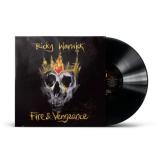
Ob als Sänger und Gitarrist der benzinbetriebenen Rockband The Almighty, als Frontmann der wiederbelebten Thin Lizzy und ihrer späteren Inkarnation Black Star Riders oder als gefeierter Solokünstler – ihn treiben seit jeher Eigenschaften an, die immer seltener werden: Ehrlichkeit, Leidenschaft und Emotion. Genau diese Qualitäten sowie Warwicks unermüdliche Hingabe zur Musik haben ihm über Jahrzehnte hinweg Erfolge in den Charts beschert, darunter mehrere Top-10-Alben.
Nachdem ihm kürzlich in seiner Heimat Belfast der Lifetime Achievement Award des Ards International Guitar Festival verliehen wurde, baut Warwick sein musikalisches Vermächtnis in diesem Jahr mit seinem elektrisierenden neunten Soloalbum Fire And Vengeance weiter aus. Das Album zeigt einen Musiker auf dem Höhepunkt seines Schaffens. Auch textlich bewegt er sich auf höchstem Niveau – als Poet der Arbeiterklasse verbindet er in seinen Songs autobiografische, beobachtende, politische, zynische und zugleich zutiefst persönliche Elemente. Für das neue Album arbeitet Warwick erneut mit seinem musikalischen Partner Keith Nelson zusammen, dem ehemaligen Gitarristen von Buckcherry, der bereits das 2025 erschienene Blood Ties mitproduzierte, mitschrieb und einspielte. Darüber hinaus enthält das Album Gastauftritte von Musikern, die mit Def Leppard, Blackberry Smoke, Whitesnake und The High Kings verbunden sind. Fire & Vengeance erschließt subtile neue musikalische Wege, ohne sich jemals von dem kraftvollen, unverwechselbaren Sound zu entfernen, mit dem Warwick sich einen Namen gemacht hat.
2026 feiern Mad Max ihr 45-jähriges Bandjubiläum mit »Stories Of Destiny«, einem besonderen Studioalbum rund um Songs, die Bandleader Jürgen Breforth gemeinsam mit bekannten Namen der Rock- und Metalszene geschrieben hat.
Das Album enthält neu im typischen Mad Max-Stil interpretierte Songs mit Verbindungen zu Sascha Gerstner von Helloween, David Readman von Pink Cream 69, Andreas Broon von The Sisters of Mercy und Michael Voss von Michael Schenker. Dazu kommen zwei bisher unveröffentlichte Mad Max-Songs aus dem Jahr 1991: »Til' The End Of Time« und »Weapons Of Love«.
Der neue britische Sänger Alan Clark gibt sein Studiodebüt bei Mad Max, während der ehemalige Sänger Andreas Baesler nach 45 Jahren erstmals zurückkehrt – unter anderem für ein starkes Duett auf »Piece of Candy« und die spanische Version »Dulces Falsos« als Tribut an die Fans in Lateinamerika.
PRESIDENT delivers the highly anticipated debut album Blood Of Your Empire - 10 tracks that delve into a world in crisis challenging mortality, faith and more.
In honor of the November full moon.
Supported by
Deepbass, Svreca, Antonio de Angelis, Arnaud le Texier, Exium, Kwartz, Takaaki Itoh, The Noisemaker, Unam Zetineb, Valentin , Oscar Mulero, Eric Cloutier, Acronym, Ben Buitendijk, Dimi Angelis, Juho Kahilainen, Etapp Kyle, Jonas Kopp, Nima Khak, Rasmus Hedlund, Reggy van Oers, Periskop, Antonio Vazquez, BLNDR, Elle, Jana Sleep, Luigi Tozzi, Modvs, Ntogn and more.
“Ruins are the style of our future cities, future cities are themselves ruins.” - Izosaki Arata
A note from Lawrence English: Nostalgia is not an ideology, though in this moment, we could be mistaken for thinking it might be just that. Over the past years, the idea of nostalgia has been filtered through various political and technological lenses and has become a tool used for forgetting, rather than remembering. Instead of embracing histories’ complexities and inconsistencies, this version of nostalgia seeks only singular recollection. This contemporary phenomenon of nostalgia has become a methodology at best, and a weapon at worst, used to erode the past and project forward a collapsed and unimaginably sanitised version of things, places, and ways of being from former times. It’s this projection that sees it playing a mounting role in a social pathology associated with reducing the imagined possibilities of future.
The Rest Is My Ghost is a record that interrogates the manifestations of this reductive futuring and celebrates those that have tried (and failed), and those who continue to push back against decayed and revisionist positions. It’s a record that considers the weaponisation of nostalgia for the purposes of cloaking possible futures.
In recent times, I’ve proposed a term for this weaponised use of nostalgia, something I have called Acid Nostalgia. I offer it as a shorthand to describe the de-contouring of the future through a corrosive fixation on a flatten rendering of the preceding times. It is, in part, a certain type of lazy cultural scripting where tropes of the past are presented in the absolute, as empty pictorials; photocopies without any original from which to draw actual meaning, or useful detail.
Acid Nostalgia describes an increasingly common political projection of nostalgia that exists without any subjective connection to the memory surrounding and contained within it. Like acid poured onto a surface, this use of nostalgia seeks to erodes and smooth out the complexity and texture of lived connection and longing, which has until recently guided contemplations of nostalgia. Acid Nostalgia instead erases the texture of histories and de-contours the past, and in doing so dematerialises the horizon of possibility, which by its very nature marks the beginning point for any (and all) imaginable futures. Acid Nostalgia is a dreamless screen, where uncertainty, restlessness and aspiration are subjected to corrosion, breaking down and neutralising the wellspring of futures which are birthed from within the ambiguously charged, complex and at times chaotic atmospheres of the present.
The Rest Is My Ghost is not however some universal reading of these things and happenings. Rather it draws its breath from a very personal pathway carved through my own fraught experiences of nostalgia and framed through a disparate collage of chance encounters, situations, places and provocations. It takes oblique notes from civic and architectural references such as Japan’s Metabolist movement, Hong Kong’s ‘one line sky’ and Los Angeles’s vanished Sodium Vapour lights. It interpolates texts – factual and fictional – by authors such as Franco Berardi, Kate Crawford, JG Ballard, Katsuhiro Otomo, Mark Fisher and Alexei Yurchak who have each so wonderfully sought to rupture the familiarity of now, and push us towards other ways of imaging ourselves, our surroundings and our very ways of being in this world.
I also owe a debt of thanks to Adam Curtis in helping launch what has become this edition. It was his provocation, in a conversation we shared about an overwhelming and profound sense of uncertainty around being able to predict the immediate future and how to respond to that, which sparked the earliest inklings of this edition.
The Rest Is My Ghost is ultimately a record about the promise of constructions and connections to come, material, social and political. It's a record that accepts the fragility of failure as a source of ultimate potential, and a position from which the deepest freedom of imagination might be sought and summoned forth to conjure even the most unimaginable, (but) possible futures.
out of Stock
Last delivered 46 days ago available to reorder, subject to availability
Noch bevor Brian Eno dies tat, schuf Mort Garson zurückhaltende Musik. Garson, der an der Juilliard School ausgebildet wurde und in der Nachkriegszeit als Session-Musiker tätig war, komponierte Lounge-Hits, schrieb die Musik zur Mondlandung von 1969 und schuf opulente Arrangements für Doris Day sowie die sehnsuchtsvollen ,Countrypolitan"-Streicherbegleitungen für Glen Campbells ,By the Time I Get to Phoenix". Mitte der 1970er Jahre fegte eine Naturgewalt über die kontinentalen Vereinigten Staaten hinweg, die alle Schichten unabhängig von Rasse und Klasse durchdrang und sich in unseren Köpfen, unseren Häusern und unserer Kultur festsetzte. Es war weder ,Der Exorzist", noch ,Goodbye Yellow Brick Road" oder gar Schlaghosen, sondern ein Buch mit dem Titel ,Das geheime Leben der Pflanzen". Das Werk des Okkultisten/ ehemaligen OSS-Agenten Peter Tompkins und des ehemaligen CIA-Agenten und begeisterten Wünschelrutengängers Christopher Bird schoss an die Spitze der Bestsellerlisten und breitete sich wie Kudzu über das Land aus, bis es zu einem Phänomen wurde. Scheinbar über Nacht blühte das Geschäft mit Zimmerpflanzen in voller Pracht auf, und photosynthetische Eukaryoten aller Gattungen hingen an den Wänden, thronten über Bücherregalen und sonnten sich auf sonnigen Fensterbänken. Die wissenschaftlichen Ansätze hinter ,Secret Life" waren fadenscheinig: Pflanzen können unsere Gebete hören, sie sind Lügendetektoren, sie sind telepathisch, in der Lage, Naturkatastrophen vorherzusagen und Signale aus entfernten Galaxien zu empfangen. Doch das hielt Millionen Menschen nicht davon ab, ihre neuen Pflanzen zu kaufen und zu pflegen. Die vielleicht verrückteste Behauptung des Buches war, dass Pflanzen auch Musik mögen. Und ganz gleich, ob Sie eine Schlangenpflanze, einen Spargelfarn, eine Friedenslilie oder was auch immer bei ,Mother Earth" auf der Melrose Avenue in Los Angeles erwarben (oder eine Simmons- Matratze bei Sears kauften) - Sie nahmen auch ,Plantasia" mit nach Hause, ein Album, das speziell für sie aufgenommen wurde. Mit dem Untertitel ,Warm Earth Music für Pflanzen _ und die Menschen , die sie lieben" war es voller idyllischer, charmanter, kiff-freundlicher und entschieden unwissenschaftlicher Melodien, die auf einem neumodischen Gerät namens Moog eingespielt wurden. Das Album erlangte Jahrzehnte nach seiner Veröffentlichung eine enorme Kult-Anhängerschaft. Die Neuauflage von Sacred Bones aus dem Jahr 2019 trug dazu bei, ,Plantasia" einem breiteren weltweiten Publikum bekannt zu machen, und bescherte Garsons ungewöhnlichem Meisterwerk ein bemerkenswertes zweites Leben. Was einst ein seltsames Relikt der Pflanzenbegeisterung der 1970er Jahre war, ist zu einem geliebten Evergreen geworden, der von einer neuen Generation von Hörern wiederentdeckt und neu geschätzt wird und weit über seinen ursprünglichen Moment hinaus gedeiht, wobei er sich von einer obskuren Kuriosität zu einem geliebten Kultklassiker und einem Meilenstein des Streaming-Zeitalters entwickelt hat. Nun, 50 Jahre nach seiner ursprünglichen Veröffentlichung, markiert ,Plantasia" von Mother Earth einen bedeutenden Jubiläumszeitpunkt. Ein halbes Jahrhundert später hallt es weiterhin nach - eine bleibende Erinnerung an Mort Garsons Fähigkeit, das Synthetische seltsam lebendig und das Skurrile auf merkwürdige Weise tiefgründig wirken zu lassen.
out of Stock
Last delivered 23 days ago available to reorder, subject to availability
Comes with liner notes and interview on the back of the sleeve.
Dennis & Christy Soares are a husband-and-wife duo whose prolific output - over 100 albums and nearly 2,000 songs recorded across CD, cassette, vinyl, and streaming - stands as one of the most quietly remarkable self-made catalogs in contemporary music. Based for two decades on the Big Island of Hawai'i before recently relocating to Centralia, Washington, the pair have been making music together since meeting at San Joaquin Delta College in 1986, channeling a DIY spirit rooted in sincerity, spirituality, and an unshakeable belief in the power of a song. Their work spans platforms most listeners have never heard of, distributed through sheer determination and an infectious enthusiasm for reaching new ears.
Free At Last is an 11-track anthology compiled by AGS founder Roger Bong, representing less than 1% of Dennis & Christy's total recorded output. Drawing from more than 600 songs considered over the course of 12 years, the collection makes no claim to being definitive - instead, it offers what Bong calls "simply an invitation": a way in for new listeners, and a distillation of the warmth and pure intention that runs through everything this duo creates. From their earliest recordings to the present day, Dennis & Christy have never stopped making music on their own terms. Free At Last is an introduction long in the making, and very much overdue.
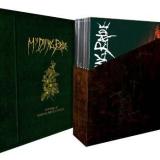
After a career spanning over thirty five years, from UK underground upstarts and outliers, to major success on the international stage - including tours with UK icons Iron Maiden and genre legends Dio - My Dying Bride have themselves become a firmly established pillar of metal history with a refined and influential brand of Death/Doom metal. With enduring popularity across subsequent decades, My Dying Bride remains a productive and captivating vessel for tragedy and despair, with their studio output spanning fourteen full-length albums to date.
As part of the “Peaceville Three”, along with fellow countrymen Paradise Lost and Anathema, My Dying Bride truly became a primary force in highlighting Britain as an epicentre of this Doom revolution of the time, creating a highly distinguishable sound assisted by the inclusion of violin & a more poetic approach to the delivery of morbid and salacious topics, lending an additional air of eccentricity and eloquence to the darkness.
Anthology of Sombre Reflections is an expansive and comprehensive collection of the early and much-celebrated works of the Doom Gods, from the formative deathly rawness of the revered Towards the Sinister demo, ‘God is Alone’ 7” tracks and subsequent debut album, As the Flower Withers, through to the gothic-tinged funereal seductive delights of 1996’s highlight, Like Gods of the Sun.
With the addition of all-time genre classic opuses Turn Loose the Swans, and The Angel and the Dark River also representing My Dying Bride’s much-loved early to 90’s period, the band’s three cult EPs are also featured in this deluxe eight-vinyl boxset, with each record presented on 180gm heavyweight black vinyl. The four studio albums themselves have also been treated to new half-speed masters courtesy of Air Studios.
Accompanying the audio is a 48-page book featuring photographs and artwork, plus new interviews with Andrew Craighan and Aaron Stainthorpe exploring some of the influences and thought-processes behind the creation of such cherished works of the 90s, as well as reflections of their output over this period.
Anthology of Sombre Reflections also contains 2 large posters depicting the Turn Loose the Swans CD artwork image, plus the original poster included in As the Flower Withers. A selection of photo prints of the band from this era are also included.
On Sirenas, Los Angeles quartet Allah-Las explore psychic vistas of atmospheric instrumental storytelling.
The band’s sixth album coalesces around a more spontaneous soundscape shaped by freeform experimentation, intuitive vibrations, and open-ended moments of inner and outer worlding.
Channeling a fluid sweep of influences, from The Durutti Column, I.A.O., and Popol Vuh’s scores for Werner Herzog to Jacques Cousteau’s expansion of The Silent World beneath the ocean’s surface, Sirenas mediates on subconscious grooves loosely imagined and deeply felt, and opens up previously unimagined pathways in the process.
Auf „Sirenas“ erkundet das Quartett Allah-Las aus Los Angeles die psychischen Weiten atmosphärischer instrumentaler Erzählkunst.
Das sechste Album der Band vereint eine spontanere Klanglandschaft, die von freiformigen Experimenten, intuitiven Schwingungen und offenen Momenten der inneren und äußeren Weltgestaltung geprägt ist.
„Sirenas“ kanalisiert einen fließenden Strom von Einflüssen – von The Durutti Column, I.A.O. und Popol Vuhs Filmmusik für Werner Herzog bis hin zu Jacques Cousteaus Erweiterung von „Die stille Welt“ unter der Meeresoberfläche – und meditiert über lose vorstellbare und tief empfundene unbewusste Grooves, wobei es bisher ungeahnte Wege erschließt.
On Sirenas, Los Angeles quartet Allah-Las explore psychic vistas of atmospheric instrumental storytelling.
The band’s sixth album coalesces around a more spontaneous soundscape shaped by freeform experimentation, intuitive vibrations, and open-ended moments of inner and outer worlding.
Channeling a fluid sweep of influences, from The Durutti Column, I.A.O., and Popol Vuh’s scores for Werner Herzog to Jacques Cousteau’s expansion of The Silent World beneath the ocean’s surface, Sirenas mediates on subconscious grooves loosely imagined and deeply felt, and opens up previously unimagined pathways in the process.
Auf „Sirenas“ erkundet das Quartett Allah-Las aus Los Angeles die psychischen Weiten atmosphärischer instrumentaler Erzählkunst.
Das sechste Album der Band vereint eine spontanere Klanglandschaft, die von freiformigen Experimenten, intuitiven Schwingungen und offenen Momenten der inneren und äußeren Weltgestaltung geprägt ist.
„Sirenas“ kanalisiert einen fließenden Strom von Einflüssen – von The Durutti Column, I.A.O. und Popol Vuhs Filmmusik für Werner Herzog bis hin zu Jacques Cousteaus Erweiterung von „Die stille Welt“ unter der Meeresoberfläche – und meditiert über lose vorstellbare und tief empfundene unbewusste Grooves, wobei es bisher ungeahnte Wege erschließt.
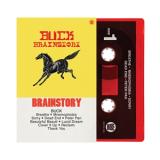
What is Buck? Buck is a state of mind, a way of life, a demeanor that gets you through the good times and the bad. If you ask Brainstory, It is also the energy that permeates their debut album. Kevin, Tony, and Eric are a trio of brothers bounded by blood, fate, and a small town with nothing to do. Their story begins in the long lost lands of the San Bernardino Valley, in the twilight zone known as Rialto, California: An arid wasteland of boredom and empty lots. Through punk rock and skateboarding they found temporary liberation from the local monotony. However, it wouldn't be long before a hunger for more led them to explore musical realms beyond that of the hardcore punk they admired. After stints at music school and steady disappointment trying to navigate their local jazz scene they moved to Los Angeles and Brainstory was born. Through a introduction from Chicano Batman's bassist, Brainstory caught the ears of Big Crown head honchos Danny Akalepse and Leon Michels. Shortly thereafter they were on their way to Queens, to record at The Legendary Diamond Mine with Michels at the helm. An instant chemistry yielded 10 songs in 10 days and now Brainstory has gifted the world with one hell of an introduction to all things Buck. Highlights include the sublime slow burner, "Dead End" which was the A-side to their first 45 on Big Crown that sold out in a matter of days. With Kevin's sublime falsetto floating atop Tony and Eric's unflappable and unmistakable backbeat, this tune has become a favorite with the ballad heads, the low-riders, and the slowie collectors. "Breathe" showcases another side of their sound taking a page out of the Shuggie Otis playbook and flipping the script with some stoned out west coast swag. Kev and Tony's father, Big Tone, an accomplished performer himself, steps in on "Peter Pan" to sing lead vocals over a chorus of friends and family. Bassist extraordinaire, Tony, takes over lead vocal duties on "Sorry", a smoked out, G Funk groove that is just waiting to be sampled. These guys have come a long way from their self released EPs and opening tours with Chicano Batman. Their musical growth is undeniable, and taking their California sunshine vibes and mixing them with Michels' NYC aesthetic has proven to be an amazing combination. It's a debut record that pulls influences from so many genres seamlessly it's hard to nail down. Call it Funk, call it Rock, call it Soul, but over here at Big Crown HQ, we've decided to call it BUCK.
Broshuda returns on the newly born label Ballads Infinite with another array of absurdist vignettes, lowercase hi-tech ambience and textural degradations of radio transmissions from the bicameral mind. Weaving multiple sonic timelines into silky yet slippery articulations, he sculpts each sound with deliberate care making it breathe, slither and shimmer. Spells conjures a subterranean force through its vanishing presence, with the restraint in the sonic palette feeling utterly refreshing, as watering, drop by drop, a ghostly flower in the dromoscopic netscape of overreaching stimuli.
Deliriously patching fragments of unnoticed memories, gliding freely— slightly inebriated—through the ocean of sound: what does it take to capture the transitory entities inhabiting the latent space of this hyperconnected manifold? An assemblage of mechanical debris reduced to their bare-bone essentials; the Tao of discharge brings life to corrupted data, unpacked through textural ruminations.
Broshuda doesn’t just cast the spell, he patiently coils it around you, dissolving each and every thought in the hiss, manipulating subtle energies by making them move beyond and outward. What’s the sound of matter silently falling apart? The serpent sheds its subtle yet solid armor, revealing the space between each spire blooming with gentle eruptions of broken melodies. Where do we land now? What are we turning into? An ontological enigma still awaits to be solved.