Das kommende und lang erwartete Full-Length-Album zeigt eine Band, die ihr Bestes gibt und den klassischen Heavy Metal ihrer mittlerweile
kultigen 80er-Demos „Crucifying The Virgins“ und „M.A.D.H.O.U.S.E.“ miteinander verschmilzt. mit neuer Kraft und Energie. Es wird dir in der Tat
die Seele rauben und dich durstig nach mehr von diesem skandinavischen Heavy Metal-Kraftpaket machen. Alles begann 1983.
In den Achtzigern und vor der Auflösung 1989 veröffentlichte Metal Cross zwei Demobänder: „Metal Cross“ und Demo 2 „M.A.D.H.O.U.S.E.“ Die
Band trug auch zu zwei Compilation-Alben bei. Die Band spielte Konzerte in ganz Dänemark und teilte Szenen mit anderen großen dänischen
Metalbands wie Artillery und Invocater. Metal Cross spielten das letzte Konzert der Band in der Heimatstadt Randers am 16. Dezember 1989 –
kurz nach der Auflösung der Band.
Im Jahr 2009 wurde eines der Bandmitglieder von der Plattenfirma Horror Records kontaktiert und gefragt, ob die Band der Veröffentlichung der
beiden Demobänder der Band in einem Vinylformat zustimmen würde. Nach langem Versuch, das Material aus der alten Zeit wiederzubekommen, wurde eine Vereinbarung getroffen, die Songs von den beiden alten Bändern zu veröffentlichen. Außerdem wurde entschieden, dass auch
die Aufzeichnung des allerletzten Metal Cross-Konzerts verwendet werden kann. 2014 erschien das Doppel-Vinyl-Album „Metal Cross“. Eine LP
mit Demoaufnahmen und die andere mit dem Konzert von 1989. Außerdem wurde eine 7“ Bonus-Single mit zwei Live-Songs von einem anderen
Konzert veröffentlicht.
Nach der Veröffentlichung wurde Metal Cross überredet, 2014 einen einzigen Gig beim Metal Magic Festival zu spielen. Vor dem Festivalauftritt
spielte die Band einen Warm-Up-Gig für Artillery. Nach 26 Jahren standen Artillery und Metal Cross noch einmal auf derselben Bühne! Die beiden
Jobs haben alle Erwartungen übertroffen und Metal Cross ist wieder voll im Einsatz und hat mehrere Festivalgigs in Dänemark gespielt und immer
mit großartigem Feedback vom Publikum.
2019 verließ der ehemalige Sänger Henrik „Faxe“ die Band und Esben Fosgerau Juhl übernahm seinen Platz und ging direkt ins Studio. Metal Cross
haben seitdem in den letzten Jahren neues Material produziert und aufgenommen und sind nun bereit, das lange Warten auf ein erstes Album
mit „Soul Ripper“ zu beenden. Metal Cross Ambitionen sind nicht zu verkennen. Sie werden alle kleinen Underground-Bühnen betreten, zu den
größeren Festivals und streben auch eine Europa-Tournee an.
Zweites Album der der norwegischen Psychedelic Rock Band!
Aus den dunklen psychedelischen Schatten Bergens kehren Himmellegeme mit ihrem zweiten Album zurück! Himmellegemes Musik ist beeinflusst von atmosphärischem Progrock. Mit ihren knallharten Riffs, manchmal chilligen Melodien und melancholischen Texten schaffen Himmellegeme Musik, die vergangene Ereignisse in ihrem eigenen Leben und im Leben anderer abbildet. Die übergeordneten Themen des Albums sind der Einfluss, den wir Menschen auf den Planeten Erde haben, und die Zerstörung, die wir überall hin mitnehmen. Nicht nur im Hinblick auf den Planeten selbst, sondern auch auf die Menschen, die ihn bewohnen. Es ist kein Konzeptalbum an sich - die Texte sind fiktiv mit Wurzeln in der Realität, basieren aber auf neueren und älteren Ereignissen aus unterschiedlichen Blickwinkeln. 'Variola Vera' wurde in einem der besten Studios in Bergen, den Broen Studios, aufgenommen und von Anders Bjelland (Electric Eye / Hypertext) produziert, der auch als Klangzauberer an dem Album mitwirkte.
Für Fans von Sigur Rós, Pink Floyd, Seigmen, Jeff Buckley, Radiohead, Queens of the Stone Age u.a.
Boot Records proudly presents the Jazz T remix of Roughneck Jihad & Senz Beats' track "Catastrophe", from their 2021 EP (also on Boot Records) "The Little Assassination Handbook". The B-side offers up an exclusive cut from Lex Boogie From The Bronx & Senz Beats entitled "War of the Worlds", featuring scratches by DJ Jazz T.
DJ Jazz-T, owner of Boot Records, was the 1999 UK ITF Advancement champion. He has laced cuts on hundreds of tracks since 1995 and produces under the name of Jazz T and Boot Productions, which is Jazz & genius Dr Zygote. He was Tim Dog's tour DJ before he passed away, and he currently DJs for Gawd Status, Jehst, Micall Parknsun, Ramson Badbonez, Leaf Dog & BVA, Joker Starr and Diversion Tactics.
Jihad the Roughneck MC started rhyming in the late 80's and was a member of one group before Third Sight (with Dufunk & D-Styles). He is originally from the city of Santa Clara in Northern California, relocating to the Los Angeles area in 2004. He has played shows in California, Nevada, Oregon and toured Japan twice with Third Sight.
Lex Boogie From The Bronx grew up as a kid around the jams in the parks. He carries The Bronx with him wherever he goes. His different chambers of production and raps have seen him work with the likes of Stahhr, Marq Spekt, Boog Brown, Vordul Mega, billy woods, Mike Flo & more.
Originally from Brussels, now based in Montreal, Senz' first approach to cutting records up was on a pair of Technics 1200s, which he and his best friend claimed mutual custody over (1 month each) in 1998. After over 15 years spent producing on MPC ("War of the Worlds" was produced on a 2000xl), 2020 saw Senz switch to Koala Sampler app, by Elf Audio. His crazy beats have grabbed the attention of legends such as Dibia$e & Grap Luva.
out of Stock
Last delivered 4 years ago available to reorder, subject to availability
"Lloyd Stellar X The Droid - Rise of theAMachines is an exciting debut collaboration between Erik Griffioen & Ben Evans.AAn impressive maxi EP, loaded with cutting edge electro brimmingAwith musicality, sound design and expert production.A
Kicking off the release comes theAtitle track 'Rise Of The Machines', this quirky yet nuanced excursion sets the pace, allowing it's nifty ricocheting sequences, slick 808s, and tripped out ear candy to hit the clubs. 'Prisoners features a wiggly bass led jam, plastered with synths and finished with a dash of vocoded vocals. TheAduos ability to illustrate a dense sonic picture is evident once again on 'Cell Block' as intricate razor sharp drum programming holds the ship steady while ominous synths let the head wander before rich melancholic pads blast a sense of perspective and emotive depth.A
A
Onto the flip side - 'Room And Pillar'Agrabs the bull by the horns with a tough and aggressive bass line driven banger. Shrieking, twisted synth lines and FX are shattered across the track, keeping tension levels peaking, while TR808 rhythms cut through with military precision. Contrasting A'The Neutral Zone' sucks us into a deep atmospheric orbit of blissful yet inquisitive FM synthesis, distant emotive pads, fortified by warm stately bass tones. ARounding off the EP 'Coming Home' exhibits electro minimalism at its finest. An entangled, ever evolving musical conversation between bass and upper register synths leads, filled with a sense of hope and optimism, assisted by meticulous programmed electro drums, reminiscent of the best of Schatraxx.A
out of Stock
Last delivered 2 years ago available to reorder, subject to availability
Biosphere is the main recording name of Geir Jenssen, a Norwegian musician who has released a notable catalogue of ambient electronic music. He is well known for his works on ambient techno and arctic themed pieces, his use of music loops, and peculiar samples from sci-fi sources. His 1997 album Substrata was voted by the users of the Hyperreal website in 2001 as the best all-time classic ambient album. The Petrified Forest mini-album is inspired by the movie of the same name, released in 1936 and directed by Archie Mayo. "Alan Squier, a failed, world-weary British writer, hikes into an isolated, weather-beaten desert diner in Arizona owned by Jason Marple. Jason's daughter, Gabrielle is immediately taken with the disillusioned intellectual, since they share idealistic dreams of escaping the stark reality of their lives." (IMDB)
out of Stock
Last delivered 3 months ago available to reorder, subject to availability
Black Key return from a four year hiatus in style - with 4 sublime tracks from Australian ultra deep house don Planisphere - aka David Swatten. Following an incredibly well received LP on reissue label For Those That Knoe, Swatten returns with more expansive, smokey and utterly consuming deep house cuts, stamped with his unique sound but offering a different flavour from his Definitive Transmission LP. One which immediately stands out from the crowd. Being only his third release in 20 years, there's an understandable sense of anticipation around Swatten's output. This release undoubtedly puts Black Key firmly back on the map, picking up their deserved reputation for releasing only the very best deep house, aimed well and truly at the heads.
out of Stock
Last delivered 4 years ago available to reorder, subject to availability
"The core of confusion and upheaval that drove some of the band's most fiery earlier work, however, is replaced by a more stabilized undercurrent, a mentality that's reflected in songs not afraid to try new things and honestly explore uncomfortable feelings. When combined with exciting production and songwriting choices, that mindset helps make Feels So Good // Feels So Bad one of the Shivas' best albums.” - AllMusic "Portland, Oregon-hailing psych-surf band The Shivas accomplish another time-traveling, reverb-ridden sound that refuses to get boring. Jared Molyneux’s guitar work knows when to be bright or bashful at the right times, breaking into guitar solos that possess a late-’60s groove… The Shivas seem to blissfully flourish” - Paste "a consistent treat for the ears” - The Vinyl District "Though the psych-tinged guitar riff that drives 'Feels So Bad' was written while The Shivas were still on the road, its lyrics didn’t fall into place until the band was well into lockdown, unsure of when they’d be able to return to their most imperative true love: Live shows... Accordingly, 'Feels So Bad' permeates with a sense of urgent desperation, building off a chugging prog-rock instrumental.” - Consequence (on “Feels So Bad”) "They hooked the audience with their throwback rock sounds. The guitar strums and rhythmic drum beats were layered atop smooth and hallucinogenic vocals. The eyes can tell the take at times and there was a sparkle there that said that the band members just love doing live performances." - California Rocker "This single layers on the fuzz but keeps it dreamy, with an especially sticky guitar riff sure to lodge itself in your brain with minimal effort." - Portland Monthly (on “If I Could Choose”) “'My Baby Don’t' translates the genuine vibrant joy
of the live experience into the studio, bringing the band’s ‘60s garage rock roots, sharp pop vocal harmonies, and fervent performances along for the ride." - Under The Radar "Perfectly straddling the line between a solid-head bopping track and an introspective deep cut, The Shivas’ 'Undone' is a rock & roll gem. The track sounds straight out of the late 60s and fits seamlessly in the Portland band’s electrifying catalog." - The Luna Collective "The first time I clicked play on this track, I knew it was a yes for me." - Ear To The Ground Music (on “If I Could Choose”) "The harmonies would make the “Happy Together” Turtles blush, but the unsettling guitar doesn’t shy away from the woollier implications of the ’60s." - Willamette Week (on “If I Could Choose”) "'Undone' is just the perfect song for the good days and the bad ones." - GlamGlare "another hit" - Austin Town Hall (on “Undone”) "one of the best forthcoming albums of the year" - Austin Town Hall RADIO: #3 Most Added @ NACC - 50 official adds BIO Every working musician has had their life turned upside down by Covid-19. For The Shivas, who had recently released a new LP and normally keep a rigorous touring schedule, it was a particularly screeching halt. “We were about to go to SXSW, the following weekend was Treefort in Boise, and then we were going to open for our friends’ band on tour in the US before going to Europe,” Jared Molyneux remembers. Then everything just stopped. They were faced with a dilemma. “It forced us to adapt or just quit,” Molyneux says. “The reality is that shows are our job.” In truth, live shows aren’t just The Shivas job: they are the band’s greatest love. Shivas shows are bombastic, explosive and thoroughly communal live rock and roll experiences where barriers between the performers and their audience seem to dissolve into the sweat and sound. The stage—or the basement, or the living room—that’s The Shivas’ true element. It’s their raison d’etre. It’s their religion. The band’s live urgency may have been born in 2006, when the band’s young members—who began booking West Coast tours while still in high school—waited without fanfare on sidewalks or in parking lots, before being rushed onstage for their sets at 21-and-up clubs. Maybe it developed a little later, as The Shivas blasted their way through Portland’s storied and unsanctioned mid-aughts house show scene. Whatever the origin of their famously kinetic live experience, it’s the show that keeps them coming back after over 1,000 performances spread over 25 countries in 15 years. In those 15 years, The Shivas have grown tight-knit as a group. Guitarist/singer Jared Molyneux, bassist Eric Shanafelt and drummer/singer Kristin Leonard have all been with the band since its earliest days; guitarist Jeff City, another high school friend, joined in 2017. Together they’ve learned to thread a seemingly impossible needle: They’ve honed and tightened their performances without sacrificing the element of surprise that makes each show special. And despite touring and recording for most of their lives, they speak about their project with humility, in the DIY vernacular of their Pacific Northwest upbringing. They talk up their own favorite bands, play all-ages shows as much as possible, and bring a sort of blue-collar humanism to the live performances they relish so much. “We just want to make people feel good,” Molyneux says. “We want them to forget they have to work tomorrow.” Kristin Leonard elaborates, “The live show is all about that feeling of catharsis—in ourselves and in everyone who comes out. We’re creating this safe space where we can all let go. Where we can exhale. And it feels really good when we are able to facilitate that.” So when Covid hit, the band knew it was time for transformation. After a settling realization that live music would be grounded for the foreseeable future, The Shivas booked significant studio time with Cameron Spies, who also produced the 2019 Dark Thoughts LP. They also transformed their lives: three of the band’s four members found work with a local nonprofit serving unhoused Portland residents. They became engaged in protests and fundraisers for social justice. They spent a whole summer actually living in Portland, settling into the city they had always called home, but that sometimes felt like a temporary stop between tours. “We got into a more community-minded headspace,” Leonard says. “And that did give us some purpose. It felt cool to see everybody come together to stick up for what they believe in. It feels like an incredibly formative last twelve months.” The album that emerged from this new moment finds The Shivas reborn as a band that seems seasoned and perfectly at home with itself. There is a calm, even a hopefulness, to Feels So Good // Feels So Bad that sounds new. The Shivas didn’t write or record the album with a particular theme in mind, but one seems to have emerged: where Dark Thoughts was about confronting your demons with fearless self-examination, much of Feels So Good // Feels So Bad is about what happens once you find that peace: how being honest with yourself changes your relationships and your priorities. “I do think it’s about acceptance,” Leonard says. “There’s a weird relaxation that comes with being at peace with things you can’t control or have regrets about.” Maybe that’s why the squealing, riff-laden break-up song opener, “Feels So Bad,” is such a shock to the system. But it’s more of an exorcism than a melodrama: more a song about not being able to do the thing you love (in
this case, playing live shows) than splitting with a partner. “It’s like part of you goes to sleep,” Leonard says. As bandmates who are also in a long-term relationship, Molyneux and Leonard know that their songs might be seen as glimpses into their personal lives, but their songwriting is rarely autobiography. Leonard compares their process to something more akin to screenwriting. “There’s bound to be some autobiographical material in there,” she says. “But the common denominator is the exploration of universal feelings: ones that everyone experiences or can relate to.” The goal is to use the music to drill down into something genuine and sincere, beyond genre or stylistic affectation. That’s where The Shivas have arrived. Whatever growth led the band to Feels So Good // Feels So Bad, plenty of their fascinations remain. They’re still turning love songs into psychedelic, transcendent epics. “Tell Me That You Love Me” subverts doo-wop extravagance and dabbles in Flamenco rhythms. “Rock Me Baby” is a bubblegum anthem soaked in so much reverb that we might just be hearing it from the stadium nosebleeds. “Sometimes” is almost impossibly huge, like a witchy outtake from the Brill Building era. Those songs feel like logical expansions from a band that has always excelled at a timeless sort of rock and roll that tinkers with and explodes elements from every era. But on the towering and mournful “You Wanna Be My Man,” a slow-burning six-minute shoegaze prayer for a higher sort of love, there is a level of emotional nuance that feels like something altogether revolutionary. It’s there again in the stripped-down vulnerability of the album-closing elegy “Please Don’t Go.” Yes, Feels So Good // Feels So Bad is an album about acceptance. Sometimes that acceptance feels enlightened and sometimes it feels like the end result of a lot of kicking and screaming. The Shivas have adapted in both of those ways. With new tours scheduled and a new album on the way, they’re still hoping--like all of us--for a new era of vibrant, cathartic live music. The lessons they learned from having their normal upended, though, have only helped them grow
BIOHAZARD formed in Brooklyn in 1988 and soon after released their first demo. The band consisted of founding members Billy Graziadei (vocals, guitar), Bobby Hambel (lead guitar) and Evan Seinfeld (vocals, bass). After the release of their second demo in 1989, drummer Anthony Meo left the band and drummer Danny Schuler replaced him. BIOHAZARD released their combined the urban sounds of hard-core, metal and rap with scorching lyrics describing the forces at work in our modern urban lives. With an impressive career spanning over 20 years with 10 albums (on both indie and major labels), the band sold over 5 million records. In 1990, Biohazard signed a recording contract with Maze Records. The band's self-titled debut album was poorly promoted by the label and sold approximately 40,000 copies. The album's subject matter revolved around Brooklyn, gang-wars, drugs, and violence.
In 1992, Biohazard signed with Roadrunner Records and released Urban Discipline, which gave the band national and worldwide attention in both the heavy metal and hardcore communities. The video for the song "Punishment" became the most played video in the history of MTV's Headbanger's Ball, and the album sold over one million copies. The band also began opening for larger acts such as Pantera, Suicidal Tendencies, House of Pain, Fishbone, and The Cro-Mags. In 1993, the hardcore rap group Onyx brought on Billy Graziadei for an alternate "Bionyx" version of their hit single "Slam" with Biohazard as their backup band. This led to a collaboration on the title track of the Judgment Night soundtrack. The soundtrack would go on to sell over two million copies in the United States. Months later, the band left Roadrunner Records and signed with Warner Bros. Records Inc. who released their third studio LP, State of the World Address. The album was produced by Ed Stasium in Los Angeles and contained the single "How It Is" featuring Sen Dog of Cypress Hill, for which a video was also shot. During their 1994 tour, the band made an appearance on the second stage at the Monsters of Rock festival held at Castle Donington. State of the World Address went on to sell over one million copies, and Rolling Stone magazine selected the Biohazard logo as the best logo of the year.
This was the last Biohazard album with Bobby Hambel, who left due to differences with the rest of the band. The band recorded their fourth studio album, Mata Leao, as a three piece in 1996. It was produced with the help of Dave Jerden. For the 1996-97 Mata Leao Tour, former Helmet guitarist Rob Echeverria joined the band. The band also played on the Ozzfest mainstage alongside Ozzy Osbourne, Slayer, Danzig, Fear Factory, and Sepultura. While touring Europe in support of the Mata Leao album, the band recorded their Hamburg, Germany, show for their first live album, No Holds Barred (Live in Europe), which was released in 1997 through their former label, Roadrunner Records. The band signed to Mercury Records and released their fifth studio album, New World Disorder, in 1999, once again with Ed Stasium as a producer.
The relationship with Mercury Records soured quickly as the band felt betrayed and misunderstood by the label. They severed their ties with the label amidst the merger of Mercury Records, Island Records, Def Jam Records, and Polygram into the Universal Music Group. The following year, Biohazard signed two new record deals with SPV/Steamhammer in Europe and Sanctuary Records for the remainder of the world. Despite the new record deals, the band took some personal time in order to work on other projects. Graziadei and Schuler also collaborated in transforming the band's rehearsal Brooklyn studio into a digital recording studio, known as Rat Piss Studios and soon after changed the name to Underground Sound Studios. Re-investing into the band, Graziadei and Schuler honed their engineering and productions skills while recording and producing local acts and new Biohazard demos. The band then undertook the process of writing, recording, and producing their own music. Their studio work led to the band's sixth studio album, Uncivilization, released in September 2001.
The album featured several guest appearances by members of bands such as Agnostic Front, Hatebreed, Pantera, Slipknot, Sepultura, Cypress Hill, Skarhead, and Type O Negative. Shortly after the release of Uncivilization, guitarist Leo Curley left the band and was replaced by former Nucleus member Carmine Vincent, who had previously toured with Biohazard as part of their road crew. The band had to cancel scheduled European festival dates when Carmine Vincent underwent major surgery. The band did manage to find a temporary guitarist, Scott Roberts, formerly of the Cro-Mags and the Spudmonsters, in time to join the Eastpak Resistance Tour with Agnostic Front, Hatebreed, Discipline, Death Threat, Born From Pain and All Boro Kings. Biohazard completed their seventh studio album in seventeen days; Kill Or Be Killed was released in 2003. While touring North America with Kittie, Brand New Sin and Eighteen Visions, Biohazard announced that Roberts would remain as their permanent lead guitarist. The tour was curtailed when it was announced that Seinfeld had fallen ill. With more downtime due to Seinfeld's illness, Graziadei and Schuler collaborated to mix Life of Agony's live comeback album, River Runs Again: Live 2003. Once Seinfeld was healthy again, the band toured Japan and North America, headlining over bands such as Hatebreed, Agnostic Front, Throwdown, and Full Blown Chaos.
By the end of 2003, the band had begun recording its eighth studio album, Means To An End. The completed album was lost in a studio disaster, forcing the band to completely re-record the album, which was finally released in August 2005. In October 2004, Graziadei announced that Means To An End had been the final Biohazard album and that he would continue playing with his new band Suicide City as his main focus. One month later, on the Biohazard website, it was announced that there would in fact be a 2005 Biohazard tour. On December 15, 2005, Seinfeld and Graziadei participated in the Roadrunner United conglomerate event at the Nokia Theater in New York for an all-star event. The show opened with Biohazard's "Punishment," performed by Seinfeld, Graziadei, Sepultura's Andreas Kisser, former Fear Factory member Dino Cazares, and Slipknot's Joey Jordison. Graziadei and Schuler relocated their recording studio to South Amboy, New Jersey and renamed it Underground Sound Studios. The studio was renovated to include a live room with 20-foot (6.1 m) ceilings and 4,000 square feet (370 m2) of studio space. After Schuler's departure from the studio business, Graziadei relocated the studio to Los Angeles and changed the name to Firewater Studios. In January 2008, the classic lineup of Evan Seinfeld, Billy Graziadei, Danny Schuler and Bobby Hambel made the announcement that rehearsals had begun for a 2008 summer tour to commemorate the band's 20th anniversary. They toured Australia and New Zealand in April with Chimaira, Throwdown, Bloodsimple and headliners Korn to celebrate their newly declared reunion. The band also took part in Persistence Tour 2009, and announced at one of their shows that they were working on a new record. Biohazard brought in producer Toby Wright to work on the album and after several months at Graziadei's Firewater Studios in Los Angeles, the band completed their recording sessions. In June 2011, Biohazard announced that Evan Seinfeld had quit the band and Scott Roberts returned to replace Seinfeld for two UK dates but no decision regarding a permanent replacement was made. In January 2012, the band decided that Scott Roberts would remain with the band as a permanent member. The new album, Reborn In Defiance, was released worldwide, with the exception of North America, on January 20, 2012 through the Nuclear Blast label. In support of the album, Biohazard embarked on a short co-headlining tour of Europe with Suicidal Tendencies in the latter half of January 2012. After touring the world in support of Reborn in Defiance, the band entered the studio to work on a new release and after a falling out, Roberts departed the band.
Biohazard remains as it’s core founding members of Graziadei, Shuler and Hambel. Graziadei has since ventured off onto a solo career as BillyBio and teamed up with Cypress Hill frontman Sendog to start Powerflo. Both groups are working on their second releases due out late 2021 and early 2022.
Originally released in 2006, Eingya by Helios aka Keith Kenniff returns in a new 2021 edition vinyl re-release, remastered by Taylor Deupree.
Beginning the album on a high with the pastoral beauty of "Bless This Morning Year," Kenniff showcases of what he does best: heartbreaking guitar and piano melodies punctuated by crumbling beats and backed by the most atmospheric synthesizer sounds this side of Eno's Apollo. The appetizing "Halving the Compass" blends subtle field recording with the kind of piano melodies so beautiful they could be compared to Virginia Astley or Harold Budd. This is followed by the album's clear highlight, "Dragonfly Across an Ancient Sky." It's an unsurpassable folk guitar piece with a decomposing percussive background and the sort of melodies that would turn evil tyrants into weeping babies. An album that could appeal as easily to fans of Nick Drake as to fans of Boards of Canada or even early AIR, this truly has something for everyone.
Raised in rural Pennsylvania, Kenniff put out Helios's 2004 debut album, Unomia, while studying percussion at Boston's Berklee College of Music. Since then, he's released six more albums as Helios, in addition to collaborating with his wife Hollie Kenniff in the shoegaze-inspired pop duo Mint Julep and composing music for films and archival use.
"A protracted sunset of an album guaranteed to see you through the longest days of summer and into the twilight of the autumn." - The Wire
"A soundtrack of molasses-sweet, midsummer sunset melancholy and pastoral mellifluence." - Tinymixtapes
out of Stock
Last delivered 4 years ago available to reorder, subject to availability
Mourn The Light were formed in early 2018 by
Dwayne Eldredge, also co-founder of The New
England Stoner And Doom Festival.
Driven by his passion for thunderous, traditional
doom metal mixed with lofty progressive and
power metal leanings, Dwayne was hell-bent on
creating a band that could sonically push a
message of hope in spite of despair.
Following their highly acclaimed 2019-debut EP,
‘Weight Of The World’, and touring the US and
Canada on the back of this, Mourn The Light
returned to the studio to record their first album.
Entitled ‘Suffer, Then We’re Gone’, the band’s
debut album showcases a plethora of influences.
At one moment, Mourn The Light deliver crushingly
massive riffs, only to jump at the next turn,
galloping along with shades of classic heavy,
progressive and power metal taking hold and
leading the way, all the while focusing on incredibly
memorable songs with catchy hooks and anthemic
choruses.
For fans of Solitude Aeturnus, Savatage, Psychotic
Waltz, Trouble, Black Sabbath, Saint Vitus,
Candlemass.
It was certainly an act of genius on the part of Norman Granz to
devise the concept of Ms. Fitzgerald devoting a double album to
the work of one of America's finest and most revered composers.
When Granz launched the Verve Records label in 1956, his first
release was the ground-breaking album that would elevate Ella's
career to new heights. Ella was eminently suited to interpreting
Cole Porter's clever, sophisticated lyrics. So indulge yourself in
this wonderful collection of 32 songs both written and delivered
by the best.
Curated by Death Cab For Cutie’s Ben Gibbard, Ocean Child: Songs of Yoko Ono is various artist project covering songs of Yoko Ono compiled here by a generation-spanning group of musicians for whom her work has meant so much. It will feature contributions from David Byrne, Deerhoof, Death Cab For Cutie, The Flaming Lips, Japanese Breakfast, Jay Som, Stephin Merritt, Sharon Van Etten, Yo La Tengo & more and will be out on vinyl & CD on the February 18th 2022 with a portion of proceeds to go to WhyHunger.
On an album born out of both love and frustration, Ben evokes “the seemingly bottomless well of inspiration and enjoyment” that Yoko Ono’s music has provided, both for him and everyone else present on this compilation. “As an advocate, the tallest hurdle to clear has always been the public’s ignorance as to the breadth of Yoko’s work” he continues, as “she has consistently created melodies as memorable as those of the best pop writers”. It is his sincere hope that a new crop of Yoko Ono fans fall in love with her songwriting due in small part to this album that they have put together.
Limited Edition Turquoise/ Yellow &White Splatter Colour Vinyl 2LP Set. 1500 Units for UK.
Nina Simone’s story from the late sixties to the nineties can be told through her legendary performances in Montreux. Taking to the Montreux stage for the first time on 16 June 1968 for the festival’s second edition, Simone built a lasting relationship with Montreux Jazz Festival and its Creator and Founder Claude Nobs, which uniqueness, trust and electricity can be clearly felt on the recordings. Simone’s multi-faceted and radical story is laid bare on ‘Nina Simone: The Montreux Years’. From Nina’s glorious and emotional 1968 performance to her fiery and unpredictable concert in 1976, one of the festival’s most remarkable performances ever witnessed, the collection includes recordings from all of her five legendary Montreux concerts – 1968, 1976, 1981, 1987 and 1990.
Featuring rare and previously unreleased material from Claude Nobs’ private collection, Nina Simone devotees worldwide will be thrilled by the inclusion of the powerful I Wish I Knew How It Would Feel To Be Free, poignant and fearless Four Women and Simone’s hauntingly beautiful performance of Ne Me Quitte Pas. A spine-tingling version of Janis Ian’s searing and potent Stars, which Simone covered for the very first time during her 1976 Montreux performance, sits alongside her bold and electrifying re-imagine of Bob Marley’s ballad No Women No Cry in 1990. The collection closes with the encore of Nina Simone’s final Montreux Jazz Festival concert and one of Simone’s most-loved and best-known recordings, the exuberant My Baby Just Cares For Me, showcasing the deep and multidimensional facets of Simone’s life and music.
out of Stock
Last delivered 4 years ago available to reorder, subject to availability
Introducing jazz harpist Amanda Whiting. From Wales, the home of the harp, Amanda has taken her classical roots and forged them in the path of jazz harpist Dorothy Ashby.
She has toured extensively with Matthew Halsall and the Gondwana Orchestra performing at Jazz festivals around the world. More recent collaborations have included recording with DJ Yoda and Chip Wickham and touring Wickham's latest album including appearances at Ronnie Scotts and Le Petit Halle, Paris.
Whiting's first album was recorded as a trio for CD in 2013, and pays tribute to Coltrane and Ashby with her own take on standards. She's joined by Deej Williams (bass) and Tony Robinson (drums). Here we've taken a selection of tracks for inclusion on vinyl, the best medium for serious music lovers.
Just 500 copies pressed and housed in a beautiful bespoke flip-back sleeve.
out of Stock
Last delivered 4 years ago available to reorder, subject to availability
Tougher Than Tough – Trojan Rude Boy Sounds is an exclusive release from Music On Vinyl’s Trojan compilation series, which celebrates the best works from the legendary reggae label Trojan Records. It was compiled by Laurence Cane-Honeysett, who also wrote the linernotes. Some of the artists featured on this compilation include Stranger Cole, The Pioneers and Alton Ellis. 2000 individually numbered copies on orange vinyl. The package also includes exclusive Trojan Records and Music On Vinyl coaster.
There may not be a more suitable name than Hard Hitter to grace an album cover ever again. The drums hit, and they hit hard. From cinematic funk (“Speed Trap”, “Hard Hitter”, “Decisive Action", and “Big Dipper”), to strutting grooves (“Fun Seeker”), along with jazzy ("Three’s A Crowd") and erratic (“Super Drive”) recordings, this record sounds like a 1970’s action movie. Released in 1975, Hard Hitter features compositions by Keith Papworth, who, in addition to writing hundreds of tracks for de Wolfe Music's production library over the course of three decades, is best known for having his recordings featured in Monty Python skits and movies. Hard Hitter is beloved by crate diggers of all genres for its minimalist orchestration over heavy grooves.
out of Stock
Last delivered 4 years ago available to reorder, subject to availability
The recordings of Grant Green are sought after and this
album is no exception. Presenting six quite varied tracks
where the moods and playing styles shift effectively,
supported by Ben Dixon on Drums and Organist Baby
Face Willette it crosses genres from Jazz and Blues to
R'n'B. The critic Dave Hunter retrospectively described
Green's playing as 'lithe and lose', and by 1962 he was
presented with the 'Best New Star' award by the famed
Downbeat Magazine.
Es gibt keinen perfekten Weg, um das New Yorker Duo Water From Your Eyes zu beschreiben, sie allein auf Zahlen zu reduzieren wäre ungenau und leichtsinnig. Bestehend aus Nate Amos (er/sie) und Rachel Brown (sie/sie), die beide auch für ihre Soloarbeit unter den Namen This Is Lorelei bzw. Thanks For Coming bekannt sind, ist die Gruppe seit 2016 zusammen und hat einen klarsichtigen Ansatz für zukunftsweisende Tanzmusik entwickelt, die Strenge, Charme und Satire in einem Paket vereint, das durchweg innovativ und anders als alles ist, was ihre Zeitgenoss*innen in der Brooklyner DIY-Szene oder außerhalb davon machen. "Structure" ist ein Album, das sich an Widersprüchen erfreut und mit augenzwinkerndem Witz und unzweifelhaftem Know-How durch geradlinige Subgenres watet - ein Album, das das bisher erstaunlichste Projekt von Water From Your Eyes darstellt. Beeinflusst von Scott Walkers einziger Veröffentlichung aus den 80ern, "Climate Of Hunter", und den nachhallenden Werken des Farbfeldmalers Mark Rothko, ist "Structure" ein Konzeptalbum, das sich über die Idee von Konzeptalben lustig macht. Wie aus Höhlen zu kommende Tanzstücke dienen als hypnotisches Fundament zwischen Spoken-Word-Monologen, cineastischen Nummern und einem scheinbar fröhlichen Opener. Die siebenminütigen Epen "My Love's" und ""Quotations"" sind ausufernde, an Industrial gemahnende Stücke, wobei beide Tracks sägezahnartige Loops und Grooves einsetzen, die in der Lage sind, selbst die passivsten Zuhörer zu hypnotisieren. Wie Rothkos widersprüchliche Darstellung des Statischen und Kinetischen laden Water From Your Eyes dazu ein, an der stoischen Fassade von "Structure" zu kratzen, einen genaueren Blick auf die detaillierte Handarbeit zu werfen und die Risse im Spiegel zu verfolgen. Trotz der titelgebenden Implikationen und der kunstvollen konzeptionellen Ästhetik ist "Structure" eher unbeschwert als ernst. Sowohl Rachel Brown als auch Nate Amos, die in ihren jeweiligen Solo-Projekten bissig witzig sind, wenden ihren Humor natürlich auch auf "Structure" an, eine Platte, die den kreativen Prozess der Band widerspiegelt. Eifrige Hörer werden sich an wiederholten Durchläufen erfreuen, um die melodischen Feinheiten, die rhythmischen Kleinigkeiten und die lyrischen Wiederholungen der Platte zu entdecken. "Structure" ist eine erstklassige Errungenschaft des "brutalen" Pop: Es ist verträumt und dissoziativ, nuanciert und hypnotisch und webt Fäden zusammen, die der Hörer mit jedem Durchlauf neu entwirren kann.
Geboren aus den Herausforderungen einer weltweiten Pandemie, geboren unter höllisch-rot-orangen Himmeln, gezüchtet aus wütenden Waldbränden an der Westküste, und gebaut inmitten der jahrelangen politischen Unruhen und Kundgebungen in Portland, OR, Pikes Solodebüt „Pike
vs. Automaton“. ', ist sowohl eine musikalische als auch eine emotionale Erlösung. Die Platte wurde von Pike zusammen mit dem Schlagzeuger
Jon Reid geschrieben, enthält Beiträge von einer Reihe von Familienmitgliedern und Freunden und wurde mit dem langjährigen Verschwörer Billy
Anderson aufgenommen, dem Produzenten, der zuvor bei Prüfsteintiteln wie „Surrounded by Thieves“ das Beste aus Pike herausgeholt hat. und
'Der heilige Berg des Schlafes'
Geboren aus den Herausforderungen einer weltweiten Pandemie, geboren unter höllisch-rot-orangen Himmeln, gezüchtet aus wütenden Waldbränden an der Westküste, und gebaut inmitten der jahrelangen politischen Unruhen und Kundgebungen in Portland, OR, Pikes Solodebüt „Pike
vs. Automaton“. ', ist sowohl eine musikalische als auch eine emotionale Erlösung. Die Platte wurde von Pike zusammen mit dem Schlagzeuger
Jon Reid geschrieben, enthält Beiträge von einer Reihe von Familienmitgliedern und Freunden und wurde mit dem langjährigen Verschwörer Billy
Anderson aufgenommen, dem Produzenten, der zuvor bei Prüfsteintiteln wie „Surrounded by Thieves“ das Beste aus Pike herausgeholt hat. und
'Der heilige Berg des Schlafes'
Geboren aus den Herausforderungen einer weltweiten Pandemie, geboren unter höllisch-rot-orangen Himmeln, gezüchtet aus wütenden Waldbränden an der Westküste, und gebaut inmitten der jahrelangen politischen Unruhen und Kundgebungen in Portland, OR, Pikes Solodebüt „Pike
vs. Automaton“. ', ist sowohl eine musikalische als auch eine emotionale Erlösung. Die Platte wurde von Pike zusammen mit dem Schlagzeuger
Jon Reid geschrieben, enthält Beiträge von einer Reihe von Familienmitgliedern und Freunden und wurde mit dem langjährigen Verschwörer Billy
Anderson aufgenommen, dem Produzenten, der zuvor bei Prüfsteintiteln wie „Surrounded by Thieves“ das Beste aus Pike herausgeholt hat. und
'Der heilige Berg des Schlafes'
Geboren aus den Herausforderungen einer weltweiten Pandemie, geboren unter höllisch-rot-orangen Himmeln, gezüchtet aus wütenden Waldbränden an der Westküste, und gebaut inmitten der jahrelangen politischen Unruhen und Kundgebungen in Portland, OR, Pikes Solodebüt „Pike
vs. Automaton“. ', ist sowohl eine musikalische als auch eine emotionale Erlösung. Die Platte wurde von Pike zusammen mit dem Schlagzeuger
Jon Reid geschrieben, enthält Beiträge von einer Reihe von Familienmitgliedern und Freunden und wurde mit dem langjährigen Verschwörer Billy
Anderson aufgenommen, dem Produzenten, der zuvor bei Prüfsteintiteln wie „Surrounded by Thieves“ das Beste aus Pike herausgeholt hat. und
'Der heilige Berg des Schlafes'
Geboren aus den Herausforderungen einer weltweiten Pandemie, geboren unter höllisch-rot-orangen Himmeln, gezüchtet aus wütenden Waldbränden an der Westküste, und gebaut inmitten der jahrelangen politischen Unruhen und Kundgebungen in Portland, OR, Pikes Solodebüt „Pike
vs. Automaton“. ', ist sowohl eine musikalische als auch eine emotionale Erlösung. Die Platte wurde von Pike zusammen mit dem Schlagzeuger
Jon Reid geschrieben, enthält Beiträge von einer Reihe von Familienmitgliedern und Freunden und wurde mit dem langjährigen Verschwörer Billy
Anderson aufgenommen, dem Produzenten, der zuvor bei Prüfsteintiteln wie „Surrounded by Thieves“ das Beste aus Pike herausgeholt hat. und
'Der heilige Berg des Schlafes'
With a string of releases on Hot Haus, Running Out Of Steam and Distant Horizons, M4A4 is no stranger to creating ear-catching dance music against a backdrop of collective influences, ranging from UKG, house and lunging 2-step. The prolific producer now makes his debut for Breaks ‘N’ Pieces - twisting the standard house template; with one eye on the past and another on the future.
‘Cartier’ creates a spark by combining slinky drums and classic house sounds with an M4A4 signature twist; while also offering a zesty 2-step digi-only version. ‘Enchanter’ is a punchier affair, with layers of nostalgia painted vividly within dreamy pads and M1 organs, before ‘Starbeam’ comes in as smooth as a knife to melted butter, with a bassline as tantalizing as it is hard. Each element within its structures supports another - creating a harmonized symphony of dance-floor conduction.
Responsible for some of the best UK induced music of 21’ - Interplanetary Criminal is on hand to remix, this time with a reflective rendition of ‘Starbeam.’ Neon lights luminate a smoke-filled dance-floor in a kaleidoscope of boundless colour, showing another face to Interplanetary Criminal’s seemingly endless talents.
out of Stock
Last delivered 22 months ago available to reorder, subject to availability
The Summit of the Gods is a French animated film directed by Patrick Imbert, released in 2021. It is an adaptation of the manga The Summit of the Gods by Jirō Taniguchi, based on the novel by Baku Yumemakura. This journey is set against the backdrop of the fate of a Japanese mountaineer and George Mallory's adventure to the summit of Everest.
International release: November, 30th on Netflix
Festivals:
- Annecy International Animation Film Festival (2020)
- Cannes Film Festival (2021) - Official Selection
- Application for the César and Oscar Awards 2022
Balancing on a double culture that he claims, Amine Bouhafa develops a very personal style by playing with the clichés of orientalism. The quality of his writing and the originality of his style led to his being chosen by the producer Sylvie Pialat and the Mauritanian director Abderrahmane Sissako to compose the music for Timbuktu. The film won seven Césars, including the one for best original music.
More recently, he composed the inspired scores for Tu Mourras À Vingt Ans by Amjad Abu Alala (Golden Lion for the first film - Mostra 2019 / Best Music Award at the Odessa International Film Festival 2020), Un Fils by Mehdi Barsaoui awarded for the best actor (Orizzonti selection - Mostra 2019), Gagarin by Fanny Liatard & Jérémy Trouilh (Official Selection of the Cannes Film Festival 2020 - Best Original Score Award at the Rome Film Festival 2020 and at the Bordeaux International Independent Film Festival (FIFIB), L'Homme Qui Vendu Sa Peau by Kaouther Ben Hania awarded Best Actor (Orizzonti selection - Mostra 2020) and the Star of the Best Arab Film at the El Gouna Festival 2020 and The Summit of the Gods by Patrick Imbert (Official Selection of the Cannes Festival 2021).
Kapingbdi came together in Liberia, West Africa, during the late 1970’s and had their own unique style. This six to seven-piece band played original compositions in a vibrant mix of African Rhythms, Soul, Spiritual Jazz, Funk and Rock. Led by Kojo Samuels on sax, flute and vocals “Born in The Night” presents the essential tracks from their rare studio LPs produced between 1978-1981. The work has been carefully edited and remastered in 2019 for vinyl LP and a 6-Page Digipack CD, which includes two additional recordings. Kapingbdi toured through Europe and the U.S. and were the only Afro funk band to ever come out of Liberia.
Kapingbdi hail from Liberia, West Africa and have their own imitable style. They effortlessly combine traditional African music in a modern mix of Jazz, Funk, Soul and Rock. The band is a fusion of the old and the new.
The word "Kapingbdi" is taken from the Sierra Leone language Mende and means "born in the night". Kojo Samuels was given the name by his Latin teacher whilst attending high school in Freetown, They often meet and debate at night in the city and soon after Kojo is called Kapingbdi. The name serves as a description of his origin. Born In Lagos, Nigeria in 1943. The son of slave children. His mother from Nigeria and father from Sierra Leone who moved the family to Liberia, during the 1950’s.
Kojo has played music for as long as he can remember. He starts with the harmonica and later becomes a drummer and percussionist in his first band at school. During his art studies 1965-1972, he tours Germany and works as an art teacher in the USA. His band Kapingbdi is reorganized five times and consists of up to seven musicians. In a VW-Bulli he drives the group from concert to concert and if the drummer fails, he jumps in himself. Between 1978 and 1981 three Kapingbdi LPs are produced for the independent label Trikont, recorded in Hamburg and Munich. During this creative period, the band plays at festivals in Africa and Europe. In 1984, the band tours the United States and shortly after, they came to an end.
At their best, Kapingbdi would rouse the audience with original compositions like "Human Rights", justice for all, especially for South Africans, and "You Go Go You Go Come". The officials and employees in the government departments have no time for the common man, for any questions such as job search, scholarship or similar, he receives the answer "go, come back tomorrow" and the same thing the following day. Or "Now Is The Time For Cry For Love." Now it is time to scream for love and finally, time for humanity and justice. Despite immense difficulties, the musicians consciously live and work in Africa and are at home in Liberia.
On April 12, 1980, ordinary soldiers and non-commissioned officers organize a coup against the government. This is an attempt to put an end to a policy of exploitation of the Liberian people. Whilst efforts to eradicate poverty, lawlessness and illiteracy are obvious throughout the country, Liberia is still Americanized to a high degree. This is evident, as the radio programs of that time almost exclusively played American disco music. Under these conditions, the people seek a reconnection to their folk music, and Kapingbdi were aware of this. Kojo tried many times to come together with traditional Liberian musicians. This passion takes him north of the country. Meeting and playing with the old hornblowers and playing music on traditional instruments, such as the elephant tusk.
Kapingbdi make high quality tape copies of their own vinyl LPs and patiently try to displace all unauthorized tapes from the domestic "market". Nevertheless, it is hard to make a living through music in Liberia. Kapingbdi, is now celebrated. The radio plays are in abundance, but royalties are not forthcoming. Their musical link is the feeling of Afrobeat and Highlife, which is found in each of the many Kapingbdi pieces. They embody Jazz, which is understood to be the most refined example of black music outside of Africa. In Liberia, Jazz is virtually impossible to hear. Bright shining names such as John Coltrane, Charlie Parker or Miles Davis were widely unknown. Thus, the Black Jazz, including its Back-To-Africa movement of the 60’s and 70‘s, passes by without leaving a trace in Africa itself.
Kojo's claim at the time, was to make African music with the depth, sensitivity and the freedom of the technical level of Jazz. This makes Kapingbdi the torchbeares. The underpaid prophets in small Liberia. It is the passion with which the founder of the band continues to work on their music for years. Tirelessly, stimulating and encouraging his fellow musicians. This is ultimately responsible for the success of Kapingbdi in Liberia itself. The local audience seems to listen to the band in fascinated astonishment. One wonders about the ability to develop as demonstrated by Kapingbdi on the basis of their music. It is African and unusually jazzy, danceable and better than the American disco music heard on the radio.
Rather than chase the money and the job opportunities in Europe, Kapingbdi are firmly rooted in Africa. The musicians live in Monrovia, the capital of Liberia, at the Kabingbdi workshop, located in the Congotown area on the eastern edge of the sprawling city. Kojo works here as a sculptor, painter, batik artist and musician. The sales revenue that his activities generate, gives him the opportunity to support the development of African Jazz music. The highest percentage of funds are from Germany and Kojo’s work ethic is “to work on your own thing“. The stance taken aims to support the welfare of Liberians and Africans. The other musicians of the group live in a second house that is nearby.
For the sake of consistency, Kapingbdi is a full-time band. However, the revenue, from all of the sources, could not keep them afloat. Equally, as important to the group are Kojos's knowledge of traditional African music and his sculpting skills. His knowledge is shared with others at the afternoon workshops. It is here that they discuss new lyrics, engage in political debate and the self-imposed task of improving conditions in Africa. At times the debate became heated, especially during rehearsals. This was regarded as good and integrative, sowing the seeds of innitiative to keep the band together.
From 1980 to 1985 Kojo also opened and ran the club "Panjebota", located on the grounds of the U.S. Consulate in Monrovia. Almost every evening Kapingbdi perform the song "Wrong Curfew Walk", whose lyrics lament the killing of citizens during the curfew imposed by the Liberian government. When the head of state Samuel Doe hears the song, he behaves agressively and forces Kojo to close the "Panjebota". Kojo had already moved on. Soonafter he meets Fela Kuti at the Africa-Festival and plays concerts in Germany with Cecil Taylor's workshop band.
Kapingbdi is for thinking, dreaming, dancing. What they sing about is what they have experienced. Kojo Samuels is 76 years old today and still follows his vocation as a critical musician, artist and activist.
Ekkehart Fleischhammer / Sonorama 2019 (with the help of original press sheets and the memories of Kojo Samuels)
out of Stock
Last delivered 4 years ago available to reorder, subject to availability
"Rock and metal music have always been a haven for those who have bigger stories to tell; who have grander emotions to convey. For more than thirty years, Finnish figureheads Amorphis have done their best to carve their very own niche in heartfelt yet aggressive, melancholic yet soothing tunes. On “Halo”, their staggering fourteenth studio effort, the Fins underline their trailblazing status as one of the most original, culturally relevant and rewarding acts ever to emerge from the land of the thousand lakes. In the past, mythology and legend took the role of today’s pop culture: Stories and a set of values uniting us by giving us a voice and a tapestry on which we can find each other and identify with something. By weaving the tales of Finnish national epos “Kalevala” into their songs and interpreting them in a timeless way, Amorphis combine the role of ancient minstrels and luminaries of the modern world, honouring tradition without getting stuck in the past. The vibrant, lively, and touching beauty that is “Halo” highlights their musical and storytelling mastership on a once again soaring level: It’s a progressive, melodic, and quintessentially melancholic heavy metal masterwork plucked from the fickle void of inspiration by original guitarists Esa Holopainen and Tomi Koivusaari, bassist Olli-Pekka Laine, drummer Jan Rechberger, longtime keyboardist Santeri Kallio and vocalist Tomi Joutsen, the band’s long-standing lyrical consciousness Pekka Kainulainen and a selected group of world class audio professionals led by
renowned Swedish producer Jens Bogren. Considering the band’s prolonged journey in the forefront of innovative metal music, it’s difficult to grasp how Amorphis manages to raise the proverbial bar time and time again, presenting a more than worthy finale to the trilogy begun with 2015’s “Under the Red Cloud” followed by 2018’s “Queen of Time.” “It really is a great feeling that we can still produce very decent music as a band,” says Holopainen, a founding member of the band. “Perhaps a certain kind of self-criticism and long experience culminate in these latest albums.” To the songwriter himself, “Halo” sounds both familiar and different. “It is thoroughly recognizable Amorphis from beginning to end but the general atmosphere is a little bit heavier and more progressive and also organic compared to its predecessor,” he elaborates. Tomi Joutsen, the man with vocal cords capable of unleashing colossal, bear-like growls as well as singing soothing, mesmerising lullabies, adds, “To me, ‘Halo’ sounds a little more stripped down compared to ‘Queen Of Time’ and ‘Under The Red Cloud.’ However, don’t get me wrong: when a certain song needs to sound big, then it sounds very big.” He’s right, of course: By stripping down some of the arrangements, the monumental moments become even more monumental. That’s of course also thanks to producing renaissance man Jens Bogren who harvested the thirteen final tracks from a batch of thirty songs Amorphis offered him. “Jens is very demanding, but I really like to work with him,” says Holopainen. “He takes care of the whole project from start to finish, and he allows the musician to focus on just playing. I may not be able to thank Jens enough. Everything we’ve done together has been really great, and this co-operation has carried Amorphis significantly forward.” Indeed. Setting off with the stormy grandeur of opener “Northwards,” Amorphis take us on an epic journey through the lands of the north, their rich cultural and historical heritage and musical traditions. This is not only an album for fans or metal connoisseurs. It’s a must for every imaginative mind out there with a soft spot for cinematic soundscapes, triumphant melodies and breathtaking dynamics measuring the borderlands of light and dark. However, no Amorphis album would be complete without the imaginative and poetic storytelling of renowned lyricist and “Kalevala” expert Pekka Kainulainen. “From day one, Pekka has always been an enthusiastic and prolific lyricist for Amorphis,” says Joutsen. “It is a slow process of translating archaic Finnish poetry into English and adapting it our progressive rhythms. Fortunately, Pekka does everything on time and with great care.” Since 2007’s “Silent Waters,” Kainulainen has been navigating the mythological waters of his homeland with great skill and respect. For “Halo,” he outdid himself once again. “‘Halo’ is a loose themed record filled with adventurous tales about the mythical North tens of thousands of years ago,” he explains. “The lyrics tell of an ancient time when man wandered to these abandoned boreal frontiers after the ice age. While describing the revival of a seminal culture in a world of new opportunities, I also try to reach the sempiternal forces of the human mind.” Thirty-one years after their inception, with uncounted global tours under their belt and fourteen albums deep in their career, Amorphis still proves to be the musical fountain of youth, an extraordinary band constantly reinventing itself without abandoning its mystical roots. With “Halo”, they deliver an astonishing album that deserves to be played everywhere, transcending the realms of metal and rock by its sheer profoundness and musicality."
"Rock and metal music have always been a haven for those who have bigger stories to tell; who have grander emotions to convey. For more than thirty years, Finnish figureheads Amorphis have done their best to carve their very own niche in heartfelt yet aggressive, melancholic yet soothing tunes. On “Halo”, their staggering fourteenth studio effort, the Fins underline their trailblazing status as one of the most original, culturally relevant and rewarding acts ever to emerge from the land of the thousand lakes. In the past, mythology and legend took the role of today’s pop culture: Stories and a set of values uniting us by giving us a voice and a tapestry on which we can find each other and identify with something. By weaving the tales of Finnish national epos “Kalevala” into their songs and interpreting them in a timeless way, Amorphis combine the role of ancient minstrels and luminaries of the modern world, honouring tradition without getting stuck in the past. The vibrant, lively, and touching beauty that is “Halo” highlights their musical and storytelling mastership on a once again soaring level: It’s a progressive, melodic, and quintessentially melancholic heavy metal masterwork plucked from the fickle void of inspiration by original guitarists Esa Holopainen and Tomi Koivusaari, bassist Olli-Pekka Laine, drummer Jan Rechberger, longtime keyboardist Santeri Kallio and vocalist Tomi Joutsen, the band’s long-standing lyrical consciousness Pekka Kainulainen and a selected group of world class audio professionals led by
renowned Swedish producer Jens Bogren. Considering the band’s prolonged journey in the forefront of innovative metal music, it’s difficult to grasp how Amorphis manages to raise the proverbial bar time and time again, presenting a more than worthy finale to the trilogy begun with 2015’s “Under the Red Cloud” followed by 2018’s “Queen of Time.” “It really is a great feeling that we can still produce very decent music as a band,” says Holopainen, a founding member of the band. “Perhaps a certain kind of self-criticism and long experience culminate in these latest albums.” To the songwriter himself, “Halo” sounds both familiar and different. “It is thoroughly recognizable Amorphis from beginning to end but the general atmosphere is a little bit heavier and more progressive and also organic compared to its predecessor,” he elaborates. Tomi Joutsen, the man with vocal cords capable of unleashing colossal, bear-like growls as well as singing soothing, mesmerising lullabies, adds, “To me, ‘Halo’ sounds a little more stripped down compared to ‘Queen Of Time’ and ‘Under The Red Cloud.’ However, don’t get me wrong: when a certain song needs to sound big, then it sounds very big.” He’s right, of course: By stripping down some of the arrangements, the monumental moments become even more monumental. That’s of course also thanks to producing renaissance man Jens Bogren who harvested the thirteen final tracks from a batch of thirty songs Amorphis offered him. “Jens is very demanding, but I really like to work with him,” says Holopainen. “He takes care of the whole project from start to finish, and he allows the musician to focus on just playing. I may not be able to thank Jens enough. Everything we’ve done together has been really great, and this co-operation has carried Amorphis significantly forward.” Indeed. Setting off with the stormy grandeur of opener “Northwards,” Amorphis take us on an epic journey through the lands of the north, their rich cultural and historical heritage and musical traditions. This is not only an album for fans or metal connoisseurs. It’s a must for every imaginative mind out there with a soft spot for cinematic soundscapes, triumphant melodies and breathtaking dynamics measuring the borderlands of light and dark. However, no Amorphis album would be complete without the imaginative and poetic storytelling of renowned lyricist and “Kalevala” expert Pekka Kainulainen. “From day one, Pekka has always been an enthusiastic and prolific lyricist for Amorphis,” says Joutsen. “It is a slow process of translating archaic Finnish poetry into English and adapting it our progressive rhythms. Fortunately, Pekka does everything on time and with great care.” Since 2007’s “Silent Waters,” Kainulainen has been navigating the mythological waters of his homeland with great skill and respect. For “Halo,” he outdid himself once again. “‘Halo’ is a loose themed record filled with adventurous tales about the mythical North tens of thousands of years ago,” he explains. “The lyrics tell of an ancient time when man wandered to these abandoned boreal frontiers after the ice age. While describing the revival of a seminal culture in a world of new opportunities, I also try to reach the sempiternal forces of the human mind.” Thirty-one years after their inception, with uncounted global tours under their belt and fourteen albums deep in their career, Amorphis still proves to be the musical fountain of youth, an extraordinary band constantly reinventing itself without abandoning its mystical roots. With “Halo”, they deliver an astonishing album that deserves to be played everywhere, transcending the realms of metal and rock by its sheer profoundness and musicality."
The Seattle Times declared “On The Quarner” as one of the best albums of 2020, saying that “Stas doesn’t so much rap over beats as aerate her misty tracks with the feeling of a dream you’re certain is real.” The title is a nod to "On The Corner," the 1972 jazz classic from trumpeter, bandleader, and composer Miles Davis. Stas chops up the source material, reimagining and recontextualizing it as a single 16-minute musical suite for these pandemic days indoors. Seattle radio station KEXP calls this record a “masterwork that warrants uninterrupted listens”, while describing the former THEESatisfaction member as "a sculpture artist, building statues out of every musical element possible, stacking rhyming sounds and pitch-shifted harmonies, unpacking complex thematic concepts, and rapping circles around even the best of her peers just for the hell of it.” Northwest underground hip-hop label Crane City Music is thrilled to release a deluxe vinyl edition of “On The Quarner” on red wax with an extra 22 minutes of exclusive instrumentals and bonus tracks. This deluxe edition also includes a full-color lyrics booklet and liner notes by Larry Mizell Jr. Only 500 individually numbered copies have been pressed.
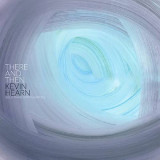
Three locations. Three pianos. Three hours on each. I was told where and when the piano would be ready. I would go, play, and leave. Very little was said. All pieces were improvised. There were no demos, run throughs, re-dos, or edits. At times I was responding to the natural reverb of the spaces, as well as the effects and sound treatments that Mark was adding in tandem with the performances.
What you hear is what happened there and then, at the end of the challenging year that was 2020. Kevin Hearn is best known as a multi-instrumentalist from Barenaked Ladies, the multi-platinum selling band he's played with for almost two decades. One of the most respected Toronto musicians of the past 25 years, Hearn's solo albums take the listener on a journey of boundless creativity often
driven by adventure and experimentation. 'There and Then' is played at 45RPM, and is intended to be enjoyed on the warmth of vinyl, but will also be released digitally.
"It's fun for me to make music that doesn't have to fit a certain criteria, whether it be regarding the style or sound, or who is playing it. When I make my own records, I can follow my heart and curiosity." - Kevin Hearn
The followup to 2019's 'Calm and Cents', which was Juno-nominated for Best instrumental Album of the Year.
Retro-futurist cinematic synth-fest from Supersilent keyboardist and composer. Just as radio drama is said to provide the best pictures, so some music can make for a perfect film soundtrack without the need for a film to exist at all. ’The Haze of Sleeplessness’ is a case in point: as the album starts to play, the listener’s imagination kicks in and does the rest, supplying the necessary plot, character and setting until a full-scale narrative unspools behind one’s eyes. A suite of seven movements whose common musical material is continuously recycled into new shapes and sounds, while recurring leitmotifs create a connecting thread of continuity, ’The Haze of Sleeplessness’ operates on several levels simultaneously. Most obviously, perhaps, it’s an unapologetic synth-fest; a love poem to old-school electronica and analogue sound whose squelches, bleeps and blurts can’t help but recall the heroic era of Wendy Carlos, Vangelis and Tangerine Dream. It’s also a remarkably original and successful attempt at using by now antique instruments to form a true orchestral palette, building a symphony of sound through combining monophonic sources and their new digital variants into a densely populated audio landscape that is captured with astonishing sonic fidelity. The super-saturated surface of the music fairly crackles with raw electricity, as if the over-amped distortion was about to short-circuit itself, with a wobbly jack plug connection flickering dangerously before finally cutting out. That many of these sounds and their treatment can’t help but suggest the retro-futurist setting of a dystopian sci-fi thriller might make the cinematic analogy inevitable, but it doesn’t lessen the music’s power or cheapen its effect.
São Paulo-based carnival collective and brass band combine retro horns with cumbia, baile funk, jazz, Michael Jackson & more
A Espetacular Charanga do França started as a political act, part of a recent movement which has seen the people of São Paulo reclaim their streets, turning their city into a revelation of Brazilian carnival. The group takes equal inspiration from the powerful charanga horn and percussion bands that stir the crowds at Brazilian football matches, and the expertly-arranged sounds of 60s
samba, finding that sweet spot between musicianship and music that makes you lose your shit. And they do it with humour, clear as day in their covers of Michael Jackson and pagode pop hits, and the baile funk and Balkan rhythms that sneak their way in to the tunes.
Since forming in 2013 the group have become an iconic staple of São Paulo’s revived carnival, generating crowds 15,000 strong. Though COVID-19 put a stop to them hitting the streets this year, in 2020 they made their way to carnival with over 60 brass players and 30 percussionists, declaring their bloco an anti-fascist zone, their reply to a political climate in Brazil that is suffocating human rights, culture and any hope for equality.
“I like to think that Charanga is an oasis in the middle of all the shit that we live, where you don't have to be worried about who you are, what are your preferences, whether you can be comfortable. If you want to parade with us wearing a tea towel you can, you won't be harassed. And it's also about music, it's about listening to music. We do this thing the whole year, we rehearse all year, we do too much so that people can just get crazy and not care about the music.” Thiago França
The group is the brainchild of saxophonist Thiago França, best known as a founding member of Afro-punk explorers Metá-Metá, and one of São Paulo’s most in-demand horn men, with credits on influential albums by Criolo, Elza Soares, Céu and Lucas Santtana. A
Here’s a split vinyl of quarantine protest jams from two Seattle heavy-hitters: AJ Suede & Specswizard. Both artists were inspired by 2020’s Black Lives Matter protests, mask-wearing, and stay-at-home orders to produce boom-bap tunes that could only exist in the 21st Century. Insomniac magazine praises the pair’s “next level lyricism.” The Seattle Times picked AJ Suede’s brilliant “Long May We Rain” as one of the best albums of 2020. On the flip side of this cross-generational split LP, you’ll find the vinyl-only “Lost Gems” project from Specswizard. He’s a veteran of Seattle’s scene, releasing dozens of self-produced cassettes and EPs since his start way back in 1988. Here, the familiar sound of buzzing amps and tape hiss makes way for major-key soul turned into pensive bangers. Each artist’s low, late-night-in-the-living-room baritone conjures the feeling of recording in a cramped apartment while the neighbors are sleeping. Still, the beats knock like side doors and narratives hover like heavy rain from cumulus clouds of weed smoke. Together, these two records provide a powerhouse portrait of Black life in the American Northwest today. Only 500 individually numbered copies have been pressed.
Fenne was born in London and moved to Dorset as a toddler,
where she grew up in the picturesque English countryside. She
was a ‘free range kid’, as she calls it, after her parents took her
out of school for a period at the age of seven. Over the following
year, they taught her while the family travelled Europe in a livein bus. Even after she returned to traditional school at 9, her
home education never ended, extending to music. Her mother
gifted Fenne with her old record collection, through which she
discovered her love for T-Rex and the Velvet Underground and
Nico. Soon after she fell for the strange genius of PJ Harvey
and came to worship Nick Drake, Joni Mitchell and the richly
crafted worlds of Feist, which inspired Fenne to pick up a guitar.
Fenne’s debut album, ‘On Hold’, has been highly sought after
and out of print since 2018. A tender collection of expressive,
open-hearted songs, the album was Fenne’s first foray into
songwriting, written during her teenage years. Writing her own
songs was initially a ‘therapy exercise’ for Fenne, who is
normally reserved when it comes to talking about her feelings.
The album, self-released in 2018, organically found a large
audience online, which grew after she opened for Lucy Dacus
and Andy Shauf’s North American tours last spring. Surrounding
‘On Hold’s release, The Line of Best Fit deemed Fenne “a new
and extraordinary voice capable of wringing profound and
resonant moments out of loss.”
In Fenne’s words, “To have this record physically re-released is
a big deal for me and the person I was when I made it. A lot’s
changed since then but these songs and what they’ve given me
will remain dependable reminders of beginnings and endings
that shaped me as a teenager. For an album whose title is half
‘hold’, it makes sense that now whoever wants to can finally do
that again.”
Eve Adams offers solace within life's shadows. Un-numbing senses with anthems of surrender and tender-hearted tales that tingle with Californian folk-noir, her album Metal Bird takes flight with the turbulence and romance of Hollywood’s golden age, and meditates on the mysteries of love, death, insecurity and loneliness.
Like a match struck in a cobwebbed attic, Adams voice is a fiery detective, unafraid to explore the unseen; the liminal spaces between mourning and rapture, between the coldness of a corpse and the heat of cremation. Imagery of flight and the denial of gravity floats slyly through the ten songs on Metal Bird by the California-born musician and hints at the experience of being caught in purgatory, like a passenger on a plane ride from Hell to Heaven.
Combining airy folk with haunting soundscapes the album takes listeners on an auditory voyage from sonorous lullabies, to dreamy ambience, skeletal jazz, 1930s torch songs and 1940s film noir. Metal Bird has a distinct, genuine tone, with orchestral arrangements, ambient hallucinations and high fidelity vocals that are unafraid to be heard loud and clear.
For those who are hopelessly enamoured with a by-gone time, there is solace in these songs and sounds. Flickering back and forth between dread and hope, the unrelenting march towards a spiritual transformation and the realization that each of us are driven by our own dreams and as much as we want to hold it in our hands, often it is intangible. The sublime remains elusive, existing somewhere in the heart, and it sounds like Eve Adams knows this best.
The development of the rock steady sound, late in 1966, enabled a new generation of young, dynamic music makers to make a mark upon Jamaica’s recording industry and of these, few proved more successful or influential than Clancy Eccles. In 1969 he scored his biggest hit, the rambunctious ‘Fattie Fattie’, which sold in huge amounts both at home and the UK. The single’s popularity prompted Trojan Records to issue Eccles’s debut long-player, Freedom, which gathered the best of his self-produced recordings as a singer. Freedom’s sleeve photo is one of the classic reggae music images, with Clancy riding a motorcycle through a rugged terrain absolutely screaming relaxed cool.
Available as a limited edition of 750 individually numbered copies on orange coloured vinyl.
Award winning saxophonist, Kenny G, is the biggest selling instrumental musician of the modern era and one of the best-selling artists of all time. He’s maintained a high level of creative excellence through decades of unprecedented commercial success. After 6 years since releasing Brazilian Nights on Concord Records, Kenny returns with a new album New Standards, an 11-track collection.
The Flower-Corsano Duo, the world’s best and only drums / Japan banjo duo return to VHF for their first album since 2009’s monumental The Four Aims. Mick Flower (Vibracathedral Orchestra) and Chris Corsano (frequently seen with Bill Orcutt, Joe McPhee, and other luminaries) work an area that’s not really jazz, not really anything—a stream of endlessly mutating free sound, a unique mind-merge between Corsano’s nimble drums and percussion and Flower’s amplified Japan banjo (also known as a Shahi Baaja, a type of electric Indian zither with both fretted / keyed and drone strings).
Flower cuts a highly original line, playing neither “leads” nor making drone-music. Less amplified here than on the more “heavy” The Four Aims, the strings ring out with distinct clarity in short snippets of melody and a canvas of pleasing electric sound. Corsano’s bag is to charm out a flow of thoughtful percussion engagement, rolling around on his kit, continually varying his attack and approach in conversational free-jazz style. The Halcyon is a precious addition to a tiny discography, a fortunate event even in today’s world of small press overabundance. Thanks guys!
Philadelphia band Stereo League has always been about discovering new genres and working with artists who can bring unique sensibilities to their music. On their latest EP Endless Mirage, the band, comprised of boyhood friends Alex Savoth and Dan King, collaborated with the Synth & Soul record label and production crew Eraserhood Sound. The result is a timeless, shimmering collection of songs which tell evocative tales of loneliness and longing, set against the backdrop of Eraserhood Sound's signature analog production. Stereo League, who have been named Artist to Watch by NPR station WXPN, believe this release to be the clearest and best representation of their vision to date, delivering the soulful sound they have been searching for. Lead single "Money In Your Mouth" is a force to be reckoned with, featuring pulsating "Superfly"-esque drums and percussion, electrifying synthesizer stabs, and a powerful lyric from lead singer Savoth. Follow up single "Miss Me" is a tough as nails r&b burner, and features Saundra Williams (Mavis Staples, Saun & Starr, The Resonaires) providing background vocals that are as sweet as honey. Look for Stereo League to be performing their new EP in Philadelphia and beyond in the coming year, as well as their first 7" vinyl courtesy of Eraserhood Sound in 2022.
As a young kid I always wanted to be a musician especially with my brothers.
My Dad, Major Williams Sr started it all with my Brother Lil Major Williams and Garland Williams.
They would travel and play music at venues all over Texas and surroundings States.
I myself stared playing the snare drum in Junior High school and eventually started playing with the Majortones Band which was my dad and brothers group.
I remember the first time I ever sat behind a set of drums it was like a dream come true.
We were playing at this club in Houston, called the Green Parrot.
Garland which was the drummer at the time, I think he got sick or something happened, that's when my dad came to me and said this your time Ray.
I was so scared , keep in my I was only 11years old, anyway I played that night if it had not been for the Bass player (Fox was his name) telling me how to work the foot pedal and high hats snare we wouldn't have made he just kept telling me to stay on the one, at that time I was wondering what was the one Lol.
As time went by I started really getting the hang the thing call music.
Little Major was a big James Brown fan, so we played a lot of Brown's music and if I tell you we were tight and right.
Major wrote Girl Don't Leave in 1978 and I can't remember the real reason for the title of song but it did really good lot's of air play.
As time went on Lil Major, Garland and my Dad passed away.
That's when I started managing The Majortones Band and to this Day it's still going strong.
I re-wrote Girl Don't Leave Me and released it a few years ago which was the best thing I could have ever done.
I feel like it's my time in the music industry, I've been playing for over forty years and I'm still in love with it and still having lots of fun.