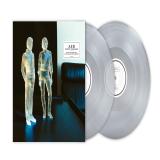
To celebrate the 10th anniversary of the "Surf Rider" EP (originally released in 2015 on Lumière Noire), Dialect Recordings publishes a limited vinyl edition featuring an exclusive edit of "Lies" by Blackjoy. For the occasion, Il Est Vilaine’s long time collaborator Apollo Thomas has designed a brand-new cover and created a mini comics included with the vinyl. A beautiful collector’s item to honor this classic!
out of Stock
Last delivered 78 days ago available to reorder, subject to availability
For nearly four decades, since its founding during the mid 1980s, the Belgian imprint, Sub Rosa, has continuously plumbed the depths of numerous, radical creative histories, assembling a catalog of releases that has almost no equivalent, while remaining nearly impossible to nail down. That said, for most of its run, Sub Rosa has been primarily recognized for its rigorous explorations of the lesser explored shadows of experimental sound practice (sound-art, sound-poetry, early electronic and electroacoustic music, free-improvisation, etc.), delivering a remarkable body of artifacts that have collectively helped to rewrite history in their wake. While it's always been impossible to anticipate where the label might take us next, threading their catalog are plenty of releases that throw further wrenches in the cogs, expanding our understanding of what they pursue, as in the case of a handful of titles, appearing as early as the 1980s, dedicated to ethnographic field-recordings from various parts of the world. Among the most striking and celebrated of these was 2017's Ethiopian Urban And Tribal Music: Mindanoo Mistiru / Gold From Wax, comprising an astounding body of recordings made by Ragnar Johnson and Ralph Harrisson in Ethiopia during 1971, reissuing material originally released by Lyrichord the following year. Now, Sub Rosa returns to the incredible work embarked upon by the pair and captured on that same trip with Ethiopian Musics 1971, comprising the recordings originally released by Ocora shortly after their completion, expanded in this edition to include an entire disc of never before released music. Widely regarded as some of the most important field-recordings ever made of indigenous Ethiopian folk music (as captivating and intoxicating as they are revelatory: providing insights into the roots of the country's singular traditions of popular music and jazz that have come to be celebrated the world over), this incredible collection is issued by Sub Rosa in a beautifully produced 2LP edition, complemented by a four page insert providing detailed descriptions of each song, as well as notes by the ethnomusicologists and recordists, as well as a 2CD edition, with a twelve page booklet. Insanely good and absolutely essential for any fan of field-recording, ethnomusicology, the music of Ethiopia, or the label's mission at large. Once again, Sub Rosa has defied our expectations and delivered a remarkably important intervention in the history of recorded sound.
Located in the Horn of Africa region of East Africa, few cultures are distinctly singular, while being so diverse (containing 80 distinct ethnic groups who speak 70 languages and 200 dialects) as that of Ethiopia. The home to some of the oldest surviving sects of Judaism, Christianity, and Islam (each contributing important aspects of its collective cultural body), particularly the country's culinary and musical traditions have become celebrated the world over, and (generally speaking) feel entirely independent of those of its neighbors. Given this, it's unsurprising that, during the summer of 1971, the young ethnographer, Ragnar Johnson, accompanied by Ralph Harrisson, traveled to Ethiopia to begin his brief career as a field recording ethnomusicologist, capturing material on reels of magnetic tape that would be subsequently released across three LPs for Lyrichord and Ocora, respectively, coming to form a cornerstone of documentation and study of the country's many indigenous musical traditions, as well as providing wide, global access to them for the first time. While Johnson's recording career was relatively brief, ending toward the end of the decade when he began to focus more on teaching in UK universities, with a focus on the anthropology of art and social anthropology, his impact on the field was lasting. Between 1971 and 1979, in addition to those he made in Ethiopia, he made hugely significant recordings in Yemen (also issued by Lyrichord before being reissued by Sub Rosa) and Papua New Guinea, which were originally released by David Toop's Quartz Publications to wide celebration, before being revisited by Ideologic Organ in 2023.
While it's worth noting that commercial releases of ethnomusicological recordings by labels like Folkways, Lyrichord, and Ocora were still in their relatively early days when he entered the field, Johnson's recordings quickly stood apart for their vivid qualities and clarity of space, allowing them to stand the test of time. As he later stated: "I used a Uher Report L stereo tape recorder, BASF quarter inch tapes at a recording speed of seven and a half inches per second with two directional microphones mounted to record an isosceles triangle of stereo sound," he reveals. "The location of the microphones and musicians was critical. The musicians were fully informed of all aspects of the recording process."
Johnson's recordings are extremely vivid, there is a clear sense of space and the cries of the flutes exist across the entire stereo field. It's a reflection of Johnson's skill as a field recordist that his recordings continue to be reissued over forty years later. "I used a Uher Report L stereo tape recorder, BASF quarter inch tapes at a recording speed of seven and a half inches per second with two directional microphones mounted to record an isosceles triangle of stereo sound," he reveals. "The location of the microphones and musicians was critical. The musicians were fully informed of all aspects of the recording process… I used to enjoy being in the moment and hearing something wonderful despite the stress of the vigilance required to ensure that the recordings were accomplished according to plan. The responsibility is to record and document the music as effectively as possible so that it has been preserved for posterity. It is better to actually record music than to sit in a seminar room debating the ethics of recording music." It is this very ethos and sense of clarity that can be encountered across the length of Ethiopian Musics 1971.
For the sake of clarity, the two LPs of material that comprise Ethiopian Musics 1971 should be regarded as a single body of recordings alongside those made in Ethiopia by Ragnar Johnson and Ralph Harrisson during the summer of 1971 (previously issued by Lyrichord and reissued by Sub Rosa), and as two that have, until now, remained historically distinct. The first LP gathers that material released by Ocora during the early 1970s on Musiques Ethiopiennes, while the second comprises (as far as we can tell) twelve never before issued recordings, expanding the journey and making this the definitive edition of the release with its incredible total of 23 recordings of songs, allowing it ever greater scope to achieve the recordists' modus operandi of capturing the broadest and most diverse cross section of Ethiopia's many musical cultures, ranging from different forms of urban music captured in Addis Ababa, documenting largely orally transmitted idioms within which lyrical content is given greater emphasis than the instrumental components (played on masenko fiddles, craar and bagana lyres, washint flutes and kabaro drums), to folk idioms hailing from the Danakil desert and the border regions with Sudan and Kenya. There are songs sung and played in bars, divination chants, laments, dances, Christian songs, and Amharic sung poetry, to only begin to scratch the surface.
Ethiopian Musics 1971 is one of those rare albums where each musical moment is pure, intoxicating gold, while also being greater through the sum of its parts. There are the many songs, forming a rich tapestry of remarkable range across the respective two LPs/CDs (moments that wondrously flirt with sonic abstraction; hypnotic rhythms; pulsing chant; melodies that, in structural arrangement and tonal combination, help us reframe how such a thing might be understood, and a great deal more), each imbued with a remarkable directness and emotive sensibility, and there is the stunning quality of these recordings themselves, transporting each sound to our ears as though we intimately share its creator's space, while being imbued with the pure heart and remarkable spirit with which they were made. As we said before, it's little wonder, once heard, why these recordings and this music feels as fresh and relevant (enduring more than 50 years) today as when they were made. Once again, Sub Rosa has raised the bar with this essential addition to the incredible work that Ragnar Johnson and Ralph Harrisson did back in Ethiopia during 1971, radically expanding our access to the sounds that they captured with these stunning, beautifully produced 2LP and 2CD editions. Absolutely engrossing from the first sounding to the last, this one can't be missed.
he all-time house music legend Roger Sanchez drops his brand new studio album ‘Spectrum’ - his first in twenty years. Previewed by three high-energy bangers - ‘Grinnin’ (with Fedde LeGrand), ‘Come My Way’ and ‘Temptation’ (with Low Steppa, featuring Ragdoll) - the record features the new focus track ‘How Do We Say Goodbye’, a collab with Karen Harding.
The globally celebrated and Grammy-winning DJ, producer and label head has been working on the album for years, much of it during his time in Shoreditch which has informed its euphoric UK summer sonic influences. But its diverse tracks reflect a spectrum of sounds, from pulsating club tracks to dancefloor fillers, through to more emotional moments and atmospheric elements. Lyrically it’s also the result of translating his personal experiences into song.
Roger says, “I’ve been working on this for the past six years, so it’s definitely a labour of love. During that time I got the chance to travel around the world and work with some amazing vocalists and songwriters to help me bring this project to life. I’ve got flavours from the UK, Spain, the US - all of this is part of the spectrum for. This project is about music and frequencies and light: so everything from the light to the soulful to the club-ready infrared, the emotionally-weighted ultraviolet. That’s what ‘Spectrum’ is all about for me.”
The new focus track ‘How Do We Say Goodbye’ was created with the topline extraordinaire and always in-demand collaborator Karen Harding, whose all-star credits include work with MNEK, Armand Van Helden, Rudimental, Wilkinson and many more. It’s a massive highlight of the album, with Karen’s soaring vocal class bringing both an irresistible hook and a touching sense of nostalgia, while Roger’s dynamic production ascends from a trance-like ambience into an electrifying drop.
Beyond the singles, ‘Spectrum’ also features a diverse array of other talents spanning multiple genres and nationalities. These include Melanic C, Kele Le Roc, Chico Castillo, Kelli-Leigh, Carnao Beats, Donae’O and more. It’s a guestlist which lives up to the anticipation for the record.
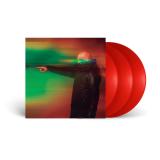
‘SPECTRUM’ is available as a special 3LP limited-edition pressed on red transparent vinyl.
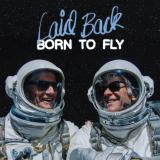
Laid Back in Top Form: New Music Flowing After 47 Years
After 47 years together, the iconic Danish duo Laid Back continue to defy expectations, entering a new and remarkably productive creative phase.
Their upcoming album, Born to Fly, captures their unmistakable sound while showcasing a renewed sense of energy and inspiration
“We feel like we are meant to make music. And when we play music, it feels like we’re flying,” says John Guldberg, reflecting on the album’s title and spirit.
Long known for their unhurried approach to releasing music, Laid Back now find themselves in unfamiliar territory. Guldberg describes a surge in creativity that has
turned their process on its head.
“It’s kind of funny — Laid Back has always taken its time making records. We’ve been behind schedule for most of our career. Now it’s the opposite:
I’m actually starting to worry about whether I’ll have time to release everything I’ve got in me,” he says.
Their current workflow reflects this momentum. Guldberg develops initial ideas,which he shares with Tim Stahl, who then brings them to life with vocals and instrumentation.
“When he sends me something and I start singing and playing on it, that’s when it really becomes Laid Back,” says Stahl.
The duo’s creative output has accelerated to such an extent that even ahead of the release of Born to Fly, they already have enough material prepared for more than a double album for their next project.
“It’s about making the most of the time you have left. I used to feel there was plenty of time and no need to rush. Now time feels much more valuable,” Guldberg adds
.
Alongside their creative resurgence, Laid Back are also seeing a shift in their audience demographics. Streaming data and live performances indicate a growing younger fanbase — a development that has taken the duo by surprise.
“I’m really looking forward to getting back out on stage. We still have the urge to perform, and we love making people happy. That’s what our music is for,” says Stahl.
Born to Fly is set for release across CD, vinyl, and digital formats. Laid Back will also perform in selected cities across Europe later this year 2026.
“We hope people can hear that we’ve grown — and that it still makes sense for us to make new music,” says Guldberg.
out of Stock
Last delivered 50 days ago available to reorder, subject to availability
Antal, founder of the Amsterdam-based Rush Hour Records & Store and renowned for his global DJ touring and eclectic sets spanning house, techno, rare funk, soul, and jazz, curates a personal selection from the historic label Timeless Records.
For Timeless Presents From The Archives, he handpicked highlights from 1974–1994 by jazz luminaries such as Art Blakey and the Jazz Messengers, Pharoah Sanders, Carter Jefferson, Gary Bartz, Woody Shaw, and more. “I want to thank the Wigt family for allowing me to dig deeper into their catalog to compile a selection of personal jazz favorites. Their passion for jazz and independent labels has inspired me as a DJ and record store owner. A great song is a great song, no matter when or where it was made,” Antal reflects. For this double album, Antal shares his love for modal and spiritual jazz, celebrating a pivotal era in jazz and creating a must-have for collectors, selectors, and new explorers.
Timeless Presents From The Archives 1974-1994 is packed in a gatefold sleeve, featuring notes by Antal and artwork by Dirk-Jan Deckwitz. Affixed on the protective sleeve is the 50th Anniversary Timeless Jazz sticker.
‘Cécile McLorin Salvant ... sings standards, show tunes and old novelties in a taut, flinty, elusively beautiful voice, erring toward material with difficult lyrics and tough places in history. Salvant wins over her audiences by tweaking them slightly: daring them to go there with her—not just into the archive, but toward the darkness of the past.’ – New York Times
‘Although Salvant is known as a jazz musician, her approach to music is defined by her instinct for experimentation ... Her music is beloved for ... embracing theatre and subverting classics with playful renditions.’ – Guardian
Salvant, who has performed with orchestras regularly over the last decade-and-a-half and intended to make an album with one sooner in her career, but logistics and her abundant creative ideas led to other new projects intervening. Having finally found time to make this album, With Every Breath I Take is a different sort of record than it might have been even ten years ago.
“It is a rare opportunity to be able to make an album at this scale, which has been a dream of mine for many years,” Salvant says. “Darcy James Argue wrote stunning arrangements and the Metropole Orkest, conducted by the extraordinary Jules Buckley, gave these stories a cinematic dimension. We overcame quite a few obstacles to even get into the recording studio for this project; it took almost four years for us to do so, and I am so incredibly proud to share it.
“I did not choose these songs because they are beautiful, but because they are crucial to me,” she adds.
Cécile McLorin Salvant, a 2020 MacArthur Fellow and three-time Grammy Award winner, is a singer and composer bringing historical perspective, a renewed sense of drama, and an enlightened musical understanding to both jazz standards and her own original compositions. Classically trained, steeped in jazz, blues, and folk, and drawing from musical theater and vaudeville, Salvant embraces a wide-ranging repertoire that broadens the possibilities for live performance.
Salvant’s performances range from spare duets for voice and piano to instrumental trios to orchestral ensembles. Her unreleased work Ogresse is an ambitious long-form musical fairy tale that is being made into a feature length animated film. She has performed at national and international venues and festivals such as the Newport Jazz Festival, the Monterey Jazz Festival, the Village Vanguard, and the North Sea Jazz Festival. Her previous Nonesuch albums, Ghost Song (2022) Mélusine (2023), and Oh Snap (2025) received critical accolades; the former two were both nominated for Grammy Awards. Salvant is also a visual artist, and Oh Snap was named a best album of 2025 by the Guardian, Jazzwise, JazzTimes, and the Francis Davis Jazz Critics Poll.
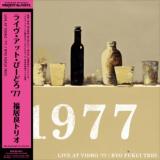
Who could have imagined that Ryo Fukui had left behind a recording like this? Captured on June 8, 1977, this previously unreleased live session was recorded at the Sapporo jazz club Vidro by Masataka Ito, the producer behind Fukui’s albums Scenery and Mellow Dream. It is unmistakably the Ryo Fukui Trio of that era, yet the performance possesses an overwhelming intensity and freshness that far surpass any studio recording—excitement in its purest form.
The 16-minute, searing performance of “Mellow Dream” is just the beginning. The propulsive energy of “Speak Low”, the beautifully woven lyricism of “Body & Soul,” the blistering drive of “Love For Sale”, the weighty depth of “Mr. P.C.”, and the crystalline fragility of “My Foolish Heart”—each track is delivered with feverish brilliance. It was this very live recording, excerpts of which were evaluated at the Trio Records headquarters at the time, that ultimately led to the production of Fukui’s second album Mellow Dream. In every sense, this is an extraordinarily precious document.
Bun B and Statik Selektah are back with TrillStatik 5, the latest chapter in their annual live-recorded series. This time they’re setting up shop in Miami, building the album from the ground up right on the live stream, just like they do every year.
The formula stays true: Bun B’s classic Southern delivery over Statik’s signature boom-bap production, creating that easy, natural chemistry fans expect. As always, a lineup of guests will drop in throughout the session — no advance announcements, everyone gets revealed as they walk into the studio.
Simple, raw, and made in real time. TrillStatik 5 continues the tradition with a new city, new vibes, and the same spirit that makes these sessions special.
Bitter Honey is the new album by Eric Silverman. Produced in collaboration with Damien Lewis, the album finds Silverman leaving behind the acid-fried desert rock of 2023’s Stay In It for something far more lush and expansive—a collection of ten psychedelic rock, pop, and folk tracks inspired by Peter Gabriel, John Cale, and Jeff Tweedy. Fittingly, the album is named after the “mad honey” of the rhododendron flower, a rare and potent hallucinogenic found high in the Himalayas.
The process of writing and recording the album started in early 2023, when Silverman and longtime collaborator Lewis retreated to a cabin near Nevada City, CA. Over the course of a week they sketched out the bones of nearly half the album, with Silverman recording the guitar solo for album opener “Anthropocene” live in one take during a particularly inspired moment. Meanwhile, “Get In Where You Fit In”, inspired by a bumper sticker Silverman saw heading up the mountain, was recorded on Jerry Garcia’s old 8-track tape machine and features pedal steel by Jake (Freeman) DeJongh. While at the cabin they also captured the field recordings that bookend the album, starting with the intro of “Anthropocene” and ending with the outro of “Bitter Honey” - an infinite loop.
Later on they decamped to Palomino Sound in LA for a round of sessions – tracking “Light Me Up” and “Trapped In Reverse” while making use of the prodigious assortment of vintage instruments at their disposal, including a 65’ Wurlitzer electric piano that became the centerpiece of a number of tracks. Eventually the pair ended up at 2200 Studios (formerly The Record Plant) in Sausalito, CA—a legendary studio where Prince, The Grateful Dead, and Fleetwood Mac made classic records. It was there that they tracked “New Light”, featuring strings by brothers Graham and Lewis Patzner; recorded all of Adam MacDougall’s (The Black Crowes, Circles Around the Sun) overdubs, including his synth leads on “Living the Dream”; and mixed the album in Studio A.
In a lot of ways Bitter Honey is Silverman’s first proper studio album. It’s also the first time Silverman has sat in the producer’s chair, this time around sharing the credit with Lewis. While his debut album was a product of its environment, all first takes and raw energy, Bitter Honey is thoughtful and focused, the best work Silverman has done and the culmination of his decade plus creative partnership with Lewis.
Highly anticipated sophomore album from Eric Silverman. Press coverage includes reviews and features in Raven Sings the Blues, and more.
“...threading the quicksilver needle of psych, AOR, and ‘70s Cocaine Cowboy territory.” - Raven Sings the Blues.
Daybreakers head to Chicago for this one, bringing back How Bad I Want Ya from Soul Element, aka Stacy Kidd, alongside Peven Everett. This record is a true representation of the city — Stacy’s deep approach to house music and Peven’s unmistakable voice up front. It carries that raw, direct energy that defines a lot of their best work.
How Bad I Want Ya has been around for a while now, one of those records that stayed in bags and never really disappeared. It’s a proper slice of deep house with a vocal that stays in your head.
The original keeps things direct and deep. No excess, just a track that does what it needs to do on the floor.
On the B side, Glenn Underground steps in with the Peak True Time Mix, stretching things out and adds some percussion and an infectious bassline. It’s a proper GU remix — longer and patient, while keeping that Chicago swing intact.
Random vinyl, ReVINYL Edition. The Tallest Man on Earth released The Wild Hunt this past April, and the album found its way into the hearts of fans everywhere. The connection that the Tallest Man on Earth (aka songwriter Kristian Matsson) has with his fans is a sight to behold - he has performed around the world, at clubs and festivals, and the bond between Matsson and his audience is breathtaking. Matsson is the rarest of performers, charismatic and captivating, and his passion for performance bleeds through every single time he takes the stage.At many of the Tallest Man on Earth shows this year, Matsson closed his set with a new song titled "Like the Wheel." It quickly became a fan favorite, with YouTube videos spreading virally, and the sets closing on a high note night after night."Like the Wheel," along with four other new songs, make up Sometimes The Blues Is Just a Passing Bird, an EP written entirely after The Wild Hunt. Recorded during a quick break from touring in the summer of 2010, "Like the Wheel" is joined by "The Dreamer," a soon-to-be-classic that Matsson performs on electric guitar. Sometimes The Blues Is Just a Passing Bird is an open and shut chapter in the Tallest Man on Earth's songbook - five new additions to those magical performances.
Purple vinyl, limited to 300 copies. On this, Spirit Caravan's second foray into the long-player format, the band has collectively slowed down the tempo, and dropped the mood into even more contemplative territory. As the grandfather of modern stoner rock, Wino has certainly dipped his guitar picks in LSD this time around. Even though the engineering and production is bone dry and bottom heavy, Wino's psychedelic guitar work -- especially his stinging, busy leads -- has been ratcheted up a few clicks, even if the overall aesthetic is darker, and the superb musicianship from the trio simplified. The listener may be reminded of Hawkwind powered by an enormous diesel engine. As a title, Elusive Truth may indicate Wino's searching nature as a musician, and his attempt to continue down the sonic path through darkness, and through light. With this album, the listener is most certainly in darker territory. - All Music
Reissue. On this, Spirit Caravan's second foray into the long-player format, the band has collectively slowed down the tempo, and dropped the mood into even more contemplative territory. As the grandfather of modern stoner rock, Wino has certainly dipped his guitar picks in LSD this time around. Even though the engineering and production is bone dry and bottom heavy, Wino's psychedelic guitar work -- especially his stinging, busy leads -- has been ratcheted up a few clicks, even if the overall aesthetic is darker, and the superb musicianship from the trio simplified. The listener may be reminded of Hawkwind powered by an enormous diesel engine. As a title, Elusive Truth may indicate Wino's searching nature as a musician, and his attempt to continue down the sonic path through darkness, and through light. With this album, the listener is most certainly in darker territory. - All Music
THE M.V.P.'s burst into life on the Northern Soul scene back in 1975 courtesy of Blackpool Mecca DJ Ian Levine and has long since divided opinion. Is it pop, is it soul, are they black, are they white, etc etc. Well, it's a rock record from 1971 and has nothing to do with soul... but everything to do with Northern Soul! It packed the floor at the Highland Room and was adopted as a Wigan Casino anthem and immortalized by Tony Palmer in his 1977 Granada TV documentary This England. It was reissued by UK Buddah, due to popular demand, driven in no small part by the TV show and its 20 million viewers. Now, some 40 years on, we present the iconic track, both stereo and mono mixes, as mastered at the time by Bell Sound's senior engineer Joe Breschie.
SALES POINTS:
All time Northern Soul Classics - Two fabulous sides
Massive appeal to ALL Northern Soul fans
As featured in the film Northern Soul
Fenomenon are a trio hailing from Stavanger, on the west coast of Norway. Throughout their career they have released four full-length records, effortlessly moving between future jazz, downtempo, soul, and broken beat.
Their lush debut 12" Pacific Memories on Nuphonic made considerate waves and made the ears of many DJs perk up. As a result, the tracks "Pacific Memories" and "Solara" were featured on many big-name compilations and mix CDs such as Tom Middleton's The Sound Of The Cosmos, Hed Kandi, and MTV Summer Lounge. The latter was also featured in Michael Bay's sci-fi thriller The Island, featuring Scarlett Johansson. The follow-up single visjon.nord was only released as a white label promo due to the unfortunate demise of Nuphonic in 2002.
Pacific Memories: The Early Tapes collects tunes from both these EPs complemented by songs recorded around the same time. Originally released on CD only in 2006 by the Norwegian label Beatservice, it's now available on vinyl for the first time for its 20th anniversary. If you're a fan of Jazzanova, The Cinematic Orchestra, Kinobe, and Blue States, you can't miss this.
Pacific Memories: The Early Tapes is available as a 20th anniversary edition of 250 copies on turquoise and yellow vinyl.
We are pleased to announce the upcoming reissue of the critically acclaimed fifth album by the iconic French duo AIR, titled Pocket Symphony.
Originally released in 2007 and produced by long-time collaborator Nigel Godrich, this album represents a refined and introspective milestone in Air's career.
The record masterfully blends delicate electronics with traditional Japanese instrumentation, creating a soundscape that is both intimate and cinematic.
Fenomenon are a trio hailing from Stavanger, on the west coast of Norway. Throughout their career they have released four full-length records, effortlessly moving between future jazz, downtempo, soul, and broken beat.
Their lush debut 12" Pacific Memories on Nuphonic made considerate waves and made the ears of many DJs perk up. As a result, the tracks "Pacific Memories" and "Solara" were featured on many big-name compilations and mix CDs such as Tom Middleton's The Sound Of The Cosmos, Hed Kandi, and MTV Summer Lounge. The latter was also featured in Michael Bay's sci-fi thriller The Island, featuring Scarlett Johansson. The follow-up single visjon.nord was only released as a white label promo due to the unfortunate demise of Nuphonic in 2002.
Pacific Memories: The Early Tapes collects tunes from both these EPs complemented by songs recorded around the same time. Originally released on CD only in 2006 by the Norwegian label Beatservice, it's now available on vinyl for the first time for its 20th anniversary. If you're a fan of Jazzanova, The Cinematic Orchestra, Kinobe, and Blue States, you can't miss this.
Pacific Memories: The Early Tapes is available as a 20th anniversary edition on black vinyl.
Sad Daddy emerges straight out of the Ozark hills in 2026 with their fourth studio album, Ozark Shine, highlighting the band's songwriting and harmony vocals Their 2022 release, Way Up in the Hills, took the nation by storm with its down- toearth, raw old- time country and jug band vibes, paired with relevant subject matter. Carrying a similar sentiment and back-to-the-country message, Sad Daddy once again captures the pulse of America and proves they are ahead of their time with this new collection of original material. The songs range from stocking up for the next weather disaster, to buying a peaceful piece of land with a cabin, to playful tales of returning home to check if the stove was left on, and even digging a backyard hole to bury a lame partner--offering a diverse palette of stories that feel real and relatable today
Streetlight Manifesto’s debut full-length arrived in 2003 and immediately established the New Jersey band as a force in third-wave ska-punk. Fronted by Tomas Kalnoky, who had previously led Catch 22, the album blends furious horn arrangements with surprisingly dark, introspective lyrics about mortality and wasted youth. Tracks like "A Better Place, A Better Time" and "Point / Counterpoint" became instant fan favorites and remain setlist staples to this day. It developed a massive cult following and is widely considered one of the defining records of the genre.
This is joy beyond expectation the arrival of a new Ryo Fukui recording. Captured on June 26, 2004, this live session documents the ninth anniversary concert of Slowboat, the jazz club Fukui founded and considered his musical home. The trio features Ryo Fukui on piano, Benisuke Sakai on bass, and Yoshihito Eto on drums. Fukui was 56 years old at the time, and his playing is powerful and expansive, yet still marked by delicacy and razor sharp precision. In terms of energy, stamina, and technique, he was entering a true period of artistic maturity. He delivers the music of his beloved Phineas Newborn Jr. and Tommy Flanagan with depth and elegance, and approaches the works of Wayne Shorter—an early-life influence—with thrilling intensity. The performance captures Fukui at a moment of profound fulfillment, offering a truly compelling glimpse into his late career brilliance.
Discotchari unveils a full deadstock run of this rare 7 inch from 1970, found in original factory boxes and reissued as the first release of the label. It features previously unheard material from oud virtuoso John Bilezikjian and percussionist Raja Zahr, a Burbank via Beirut collaboration. The record will be available on vinyl and digital platforms from November 3rd, 2023.
Recorded under the name Something Different, the duo produced a single 45 RPM that was shelved as their solo careers took off. At just 21, Bilezikjian handles oud, bass and harpsichord, while Zahr delivers rich and inventive percussion.
Side A, Zulu Man, blends late 60s psychedelia with a more experimental edge, closer to underground acts than mainstream rock of the era. Carried by evocative vocals and expressive oud lines, the track unfolds like an epic narrative.
Side B, Chemical Reaction, is harder to define, moving between cinematic moods and rhythmic tension. The track evokes shifting landscapes and contrasting atmospheres, making it as intriguing as it is unpredictable on a dancefloor.
Random ReVINYL Edition. Black Mountain, the front-line soldiers for the Black Mountain Army, an arts collective from Vancouver, British Columbia, write, perform and record music that speaks (and sings) to this realization: that solutions are rarely simple, that the world is as complex as it is ambiguous, and that music sprinkled with an inoculating dose of madness may well be the Pied Piper that takes us all back into the primordial mountain, where our hearts can be made steady and our minds can be set free. Their debut self-titled record, like a space probe built of erector set parts and transmitting secret and arcane messages to earth by string, charts territories unknown yet remains grounded by the roots of classic rock and roll. It is easy to discern these roots: Black Sabbath, Animals-era Pink Floyd, Blue Cheer, Led Zeppelin and Can. Principal songwriter Stephen McBean's vocals are a smoother, bluesier amalgam of the voices of Neil Young, Mick Jagger and perhaps a James Brown loaded on cough syrup. And when Amber Webber's voice joins Stephen's, the combination brings to mind the potency and chemistry of Richard and Linda Thompson singing together on Shoot Out The Lights, or of Meat Loaf and Ellen Foley howling together on Bat Out Of Hell. Musical comparisons aside, the Black Mountain full-length is one part protest song, one part pop-cultural commentary, and one part sick-groove-rock casserole peppered with mesmerizing ballads and intoxicating ditties. "Modern Music" is the lead-off hitter and counts its way to the imposing and riff-rife "Don't Run Our Hearts Around". Immediately thereafter, the sludge-rock masterpiece "Druganaut" establishes the fecund heart and tone of the record. Black Mountain have also just recently released a 12-inch single (on Jagjaguwar), including an extended mix of "Druganaut" on the A-side. And the band's currently sexploitative counterpart The Pink Mountaintops, a band that also pipes into the prolific well-spring of Stephen McBean's mind, released their self-titled debut record (on Jagjaguwar as well) this past summer. A video by Heather Trawick of the song "Druganaut" is included on the CD version of the Black Mountain self-titled record.
‘Songs in A Minor (25th Anniversary Edition)’ features the classic, 5 time Grammy winning debut album augmented with two bonus tracks from the original album recording sessions: “Foolish Heart” and “Crazy (Mi Corazon),”. This limited quantity 2LP set spreads the 18 total tracks across four sides, all pressed on orange marbled vinyl housed in a luxe gatefold package.
Factory Benelux presents a blue vinyl edition of Short Stories for Pauline, the ‘lost’ fourth album by cult Manchester group The Durutti Column. Limited to just 500 copies, this edition also features a new cover image by photographer Mark Warner.
Originally recorded by Vini Reilly in Brussels in November 1983, the 14 track album features several key Durutti works including College, A Room in Southport and (best of all) Duet. Recorded with Tuxedomoon viola player Blaine L. Reininger, this poignant instrumental proved - ironically – to be the downfall of the album, after Factory founder (and Durutti manager) Tony Wilson insisted that Duet form the basis of an entire neo-classical album. Thus Duet became Without Mercy in 1984, and Short Stories for Pauline was shelved.
Other guest musicians on the album include drummer Alain Lefebvre, harpist Anne van den Troost and sax player Eric Sleichim.
One of the first Grunge Records ever released. Sourced from the original 1985 Master Tapes. Includes Unreleased Bonus Track. Mark Arm & Steve Turner of Mudhoney, Jeff Ament & Stone Gossard of Pearl Jam. Features Studio Master Tape Box image w/ lyrics. Released in 1985, Green River “Come On Down" was a record existing in its sonic universe out of step with its own time. Was it glam? Was it punk? Was it metal? Was it cool? We now know it was one of the building blocks of what Mark Arm would coin as "grunge" but in 1985 this record was a silent groundbreaker. It was not only the raw, sludgy, slower guitar sound that makes this band important in its place in rock history, but the members of Green River would go on to lead some of the biggest names in the genre: Mudhoney and Mother Love Bone, the latter of which also contained the roots of Pearl Jam. The record includes the iconic original cover artwork, now pressed on black vinyl, and includes a printed inner sleeve with lyrics and photo of the original master tape box, plus an unreleased rare bonus track!
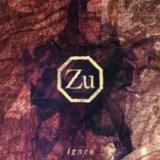
Recorded and mixed by Steve Albini at Electrical Audio in Chicago, the album captures Zu at their most raw and explosive -- where avant-jazz energy collides with the weight of experimental rock. Igneo (2002) by Zu is the band's debut studio album and marks the starting point of their distinctive sonic identity. Even at this early stage, many of the elements that would define their later work are already clearly present. The album emerges from a context deeply rooted in experimentation and exploration. Compared to their subsequent releases, the sound here feels more open and less tightly structured, with a stronger emphasis on improvisation and real- time interaction between the musicians. The trio--baritone sax, electric bass, and drums--develops a language that blends free jazz, noise, post- hardcore, and touches of contemporary composition.
Listening to Igneo, you can sense a balance between raw energy and expressive freedom. The baritone sax shifts between abrasive bursts and more spacious, stretched- out passages, while the bass moves from repetitive grooves into fragmented lines. The drums, in turn, alternate between tight rhythmic frameworks and looser, more fluid playing. There's a constant negotiation between control and release. Unlike the band's later, more disciplined records, the structures here feel more fluid and unpredictable. The tracks don't follow conventional forms; instead, they evolve like living organisms, marked by sudden changes, contrasting sections, and a persistent sense of instability. This gives the album a dynamic, almost volatile character. The title Igneo-- suggesting something fiery and primal-- captures the essence of the record quite well. The music feels warm, raw, and in continuous motion, as if it were constantly on the verge of erupting.
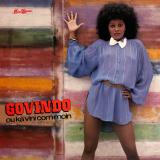
Disco Segreta proudly presents the reissue of one of the most elusive and sought-after gems of underground italo disco, Govindo’s “Ou Ka Vini Com Moin”.
Originally released in 1983 on the obscure “Gala” label and quickly withdrawn from the market, this hypnotic, space-tinged cosmic italo disco bomb remained virtually unknown outside a small circle of hard core italo disco collectors — until now.
Wriitten by Mario Baldoni aka Miro and recorded during a journey across the French Antilles, the track was laid down in Fort-de-France, Martinique, capturing a unique cultural and musical intersection. Its title comes from a typical Martinican Creole expression—”U Ka Vini Co Muè”—meaning “C’mon, come with me.”
The track’s lush arrangement, crafted by Gregorio “Greg” Puccio, is a quintessential snapshot of analog italo disco at its finest: Roland Juno 60, JX-3P, Korg PolySix / Poly800, and LinnDrum LM-1 create a dreamlike, deeply atmospheric soundscape.
For the first time, this edition presents the original 12” full-length versions (vocal/instrumental), alongside the shorter 7” vocal version, remastered directly from the actual analog master tapes, plus two new remixes: the Marcello Giordani Hypnomix – a future electro synth classic from one of Italy’s finest producers and the Miro’s Fort de France Sunset – a balearic downbeat contemporary reinterpretation by the original artist 42 years after.
out of Stock
Last delivered 56 days ago available to reorder, subject to availability
‘Falling Backwards’ is the debut album from Him & Earl via Wah Wah 45s, serving up a mystic brew of desert blues, English folk, Americana and stirring southern soul, with tentacles stretching out into psychedelia and prog, across 11 hot and hazy tracks.
Singer-songwriter Olly Him and DJ, producer and composer Wyndham Earl both have deeply-dug roots in the south coast of England, with the former making his name as a solo artist before exploring his soulful folk/prog sound with a number of live acts, and the latter collaborating on albums and sharing stages with Bonobo, Khruangbin, Alice Russell and TM Juke, having remixes released by Tru Thoughts and Mr Bongo Records and releasing his solo projects on his Time Spun imprint.
The pair first met in 2015 when Wyndham produced some songs for now defunct hypnotic Afro-folk outfit Creatures Of The Deep, of which Olly was a founder member. They instantly clicked, but after the group broke up it was a few years before serendipity brought them back together; a chance encounter at a gig saw them begin hatching plans to make a full album under the name Him & Earl with Olly writing the songs and Wyndham arranging and producing the project.
After so long floating in the creative ether, the connective power of these songs has been strikingly immediate. The debut Him & Earl live show in early 2026, before any tracks had even come out, blew Olly and Wyndham’s expectations out of the water as their five-piece band found themselves toe-to-toe with a sellout crowd – a sweaty room full of happy music fans, on an otherwise bleak January night, throwing shapes to live percussion showdowns, losing themselves in psychedelic guitar and bass wig-outs, and singing along to choruses they’d never heard a note of before.
Since then, the first two singles “Bottled Up” and “Away” have had high profile airplay from the likes of BBC 6 Music’s Huw Stephens and Cerys Matthews, and Radio X’s John Kennedy, adding to widespread tastemaker and specialist support around the world, as excitement builds for the album.The LP’s introspective and philosophical lyrics are brought to life by a sonorous yet strangely uplifting sound palette that morphs by stealth into a darkly propulsive, psychedelic and bluesy trip.
Opening song “Away” taps straight into a key theme of the record – journeying, in both a physical and mental sense, and the quest to move on and embrace the unknown – and its sunny guitars, trumpet and violin barely even hint at the tumultuous sonic adventure that’s set to unfold. A stronger indication comes in the title track,“Falling Backwards”, as its elegant web of staccato finger-picked hook, fluid piano melodies and strings unfurls into a six-minute exploration of what Olly describes as “going through every day normality while feeling close to chaos and like things could fall apart at any moment… when there is a myriad of different things holding everything together and if one thing goes wrong everything can fall apart around it.”
“Better Days” swiftly restores a sense of upbeat calm, with lively Kora and Afrobeat-inspired guitar licks, atmospheric trumpet and a harmony-clad mantra of hope on the horizon; the folky “Bottled Up” continues that blissful notion with undulating finger-picked guitar, earthy clarinet counter-melodies and celestial murmurations of delicately plucked strings. The magnetic pull toward more mysterious horizons comes via the dusty twang of Wild West-esque guitars on “Open Road”, a nomadic journey of self-discovery through spacious sonic plains embellished with eerie flickers of flute and clarinet. This leftward turn gathers pace in the trancelike
psych-prog depths of “Preside”, an instrumental cut at the album’s pivotal halfway point. Hypnotic, guttural desert blues-infused riffs on “Inside” channel the feeling of a psychedelic or spiritual trip where, in Olly’s words, “something clicks and you understand things on a different level – it makes you see inside yourself and see things in a different way.” “Shadow overhead” brings a lighter touch to a darker subject – the feeling of paranoia and being locked away from the world – drawn from Olly’s own experience and also his years of working in and around mental health.
Exuberant horns lend hope to loosely looping suspense on “Blindside” (about being caught out by the unexpected, and searching for something to see or hear to pick you up again) and then mesh with urgent strings, low-slung guitars and subterranean bass on “Around Again”, which explores the modern fight to stay afloat amid the endless churn of information and distractions. Still plumbing the bassy, bluesy depths of this journey into the psyche, “You Can Only Know” is a dreamlike revelation about finding someone or something that helps to make sense of the world. Luminescent synths duck and weave, while a rock-solid bass riff is tracked by a soul-soothing four-part “hey hey” harmony, reassuring as a glowing lamp in the window at the end of a life-changing trip.
This third album by Ryo Fukui arrived a full 17 years after Mellow Dream, marking his first and only solo piano recording. Alongside signature pieces like “Scenery” and “Mellow Dream”, the album includes “Voyage” and “Nord”, both written during a trip toward the northern regions, as well as “Nobody’s”, a piece imbued with Fukui’s deep respect for his mentor Barry Harris. The selection is nothing short of a delight for fans.
Here, the depth and weight Fukui cultivated as a bebop pianist blend seamlessly with the profound “Hokkaido sensibility” that had always resided within him. It is a masterpiece that truly deserves to be passed down through time.
Muse are a culturally-attuned, genre-defying band who channel the anxieties of each era—technology, power, rebellion, and identity—into maximalist, stadium-ready rock that evolves with the times while staying unmistakably Muse.
Kicking off with new single “Be With You,” this next era of Muse is rooted in electronic experimentation and an insatiable curiosity. ‘The WOW! Signal’ represents a world of cosmic mystery, existential hope, and the exhilarating possibility of contact with something far greater than ourselves.
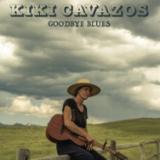
Time spent drifting from the northwest to Mexico to New Orleans and now to Montana has kept her off of the industry's radar until recently. Now, following her Newport Folk Fest appearance, she opened concerts for Big Thief and the Deslondes. Her performances on the Western AF have combined to garner over 200k views with the tastemaker site calling her "the GOAT." Cavazos' fans include Esther Rose, Benjamin Todd (Lost Dog Street Band), Riley Downing, Chris Acker, and Luke Bell. She collaborated as a member of a band (called Sundown) with Alynda Lee Segarra (of Hurray For the Riff Raff) and Sam Doores (of The Deslondes), the latter of whom produced this album.
The artists at Stax Records were no more immune to the Beatles’ charm than the rest of the United States. From the mid-1960s onward, numerous Beatles covers were laid down for the label. Available wide on vinyl for the first time, this 8 track LP collection includes vocal and instrumental performances that deliver an eclectic cross-section of soulful Beatles covers by legendary Stax Records artists, including Otis Redding, Booker T. & the M.G.’s, Isaac Hayes, Carla Thomas, and David Porter.
Leopard DaVinci is the official keyboardist of Dabeull's Band.
“Casual Conversation” pairs Leopard DaVinci’s high-gloss funk production with Moniquea’s signature vocal charisma for an instantly addictive modern funk single. Flirty, confident and groove-heavy, the track balances retro-inspired synth textures with a contemporary boogie pulse, making it a strong fit for editorial playlists centered around funk-forward, danceable and soulful music.
Moniquea already holds a respected position in the global modern funk community, and this release delivers exactly what that audience wants: attitude, melody, replay value and undeniable groove. “Casual Conversation” has crossover potential between dedicated funk listeners, nu-disco audiences and feel-good R&B selectors.
“Flaws” pairs Leopard DaVinci’s signature synth-led funk production with Helena’s fresh and expressive vocal presence for a release that feels both timeless and relevant. Built around a message of self-acceptance and inner strength, the track transforms vulnerability into groove, offering a refined mix of modern funk, boogie and soulful pop energy.
Its lyrical theme makes it especially effective beyond niche funk circles, opening space for playlisting tied not only to groove and retro-funk aesthetics, but also to confidence, empowerment and uplifting mood. “Flaws” is melodic, elegant and emotionally direct — a strong crossover track with both artistic identity and listener accessibility.
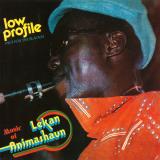
Strut Records proudly presents a new reissue of the original Afrobeat classic Low Profile (Not For The Blacks), recorded and composed by Afrika 70 saxophonist and bandleader Lekan Animashaun and produced by Fela Kuti. After years touring the world as Fela’s baritone saxophonist, Animashaun stepped forward to lead the legendary Egypt 80 band following Tony Allen’s departure, remaining the group’s musical director until Fela’s death in 1997. He continued on subsequent tours with Seun Kuti until 2016. Lekan began recording his only solo project, Low Profile, in 1977. The album was composed and recorded across sessions at home in Nigeria and on tour with Fela, who both produced the recordings and added keyboards to the album’s title track. ‘Low Profile (Not For The Blacks)’ referenced a government campaign during the country’s 1970s oil boom: “It was inspired by a speech by Olusegun Obasanjo, Nigeria’s military Head of State, when he urged black people to keep a low profile about their wealth and not to behave in a vulgar, arrogant way,” explains Lekan. “I argued that low profile is not just for the blacks, as everyone is human, regardless of race.” On the flip side, the simmering Afrobeat anthem ‘Se Rere’ (which translates as ‘Do Right’) delivers Animashaun’s message of living with integrity: do right, and you will reap what you sow.
The song later became the band’s opening number during Fela’s live performances both in Nigeria and internationally throughout the 1980s and ’90s. Despite recording beginning almost two decades earlier, Low Profile did not receive an official release until 1995, when it finally surfaced on Fela’s Kalakuta label. One of only a handful of albums led by core members of Kuti’s band, Low Profile captures a pivotal moment in Afrobeat history. Over time, the original has become a rare and highly sought-after record, and this new reissue places the spotlight back on a modest but influential Nigerian legend. Strut’s reissue features the complete original artwork, is fully remastered by The Carvery, and includes brand new liner notes by Lekan Animashaun himself.
The Mexican band The Survival created a blend of blues and acid rock influenced by the U.S. West Coast movement and British blues, captured on this 1971 album-the only one they recorded. They are often described as a combination of Country Joe and the Fish, Quicksilver Messenger Service, Moby Grape, and Ten Years After. One of the rarest records ever released in Mexico, it stands as a significant testament to the "onda chicana," a historical moment when Mexican youth took up instruments to express their reality. The group formed in August 1970 and recorded a single album, "La onda de The Survival" (1971), which combined laid-back blues with distortion. One distinctive feature was that lead vocals were handled by drummer Andrés Lusher-an unusual choice that gave the band a unique sonic identity. The album captured the spirit of the time, portraying generational shifts, repression of youth, fraternity, pacifism, and the influence of drugs. Despite their brief existence, The Survival and their sole album remain a significant testament to the "onda chicana", a lasting mark on the history of Mexican rock. Includes an insert with liner notes.
Paul Anka (born 1941) was one of pop music’s brightest early stars, celebrated for his smooth voice, heartfelt songwriting, and teen idol charisma. With hits like “Diana,” “Lonely Boy,” and “Put Your Head on My Shoulder,” he defined the sound of late-1950s and early-1960s pop. Blending romantic ballads with upbeat rock ’n’ roll, he captured the spirit of a generation and became an international sensation. His timeless melodies and enduring appeal helped shape the golden age of pop and continue to resonate with listeners around the world.
This is one of Nina Simone’s best albums in a long time. She’s taken a flock of Duke Ellington tunes, some familiar and some not-so-familiar, and handed them interesting and intriguing renditions in her own special style. The album’s a bit straighter than later efforts, with large backings by Stu Phillips that also feature vocals by the Malcolm Dodds Singers. The result is a masterpiece, proof that even in her early years, Nina could completely transform anything she laid her hands on, and unlock a soulful depth that even the original recordings might have missed. Titles include “I Got It Bad”, “Solitude”, “The Gal From Joe’s”, “It Don’t Mean A Thing”, and “I Like The Sunrise”.
This may be one of the pearls in the history of jazz recordings, the John Coltrane Quartet featuring; McCoy Tyner, Jimmy Garrison, and Elvin Jones with guest Eric Dolphy. It’s the John Coltrane Quartet at its peak with Elvin Jones confirming once again his rank as one of the all times greatest percussionists. The program on that fiery broadcast night in February 1962 on Symphony Sid’s (a long-time jazz disc jockey in the United States) radio program included three long selections: “Mr. PC,” “Miles’ Mode” (aka “Red Planet”), and a nearly 20-minute reading of “My Favorite Things,” which Trane always performed as an extended jam.
Gradual Isolation started in the early 90s as the musical project of 2 friends, Luc Van Den Bosch and Filip Van Breda, both living in Turnhout, Belgium.
They were inspired by EBM and new wave from the 80s and 90s and saw bands such as the Canadian Psyche as their great examples. With just a few synthesizers, a drum machine and a homemade microphone, they made music that could be described as emotional, and somewhat naive bedroom new wave. If the term emo-wave doesn't exist yet, it should be invented to describe Gradual Isolation's music.
Over the years, many tapes have been filled with their improvisations and about 20 to 30 songs have been more or less completed. They never officially released their music, only a handful of handmade cassette tapes were distributed to friends. They did not go further than a single performance in the local new wave bar ‘The Cave’ in Turnhout in 1991, but the duo stayed together and continues to make music to this day.
‘The Sky Converts’ and ‘Agony By Men’ appeared on Underground Wave Volume 7, and now, for the first time, a full-length LP ‘Remaining Faces’ has been released on Walhalla Records!