At a time when Hawaiians were reclaiming their language and most new music was written in Hawaiian, Teresa boldly revisited the largely forgotten hapa-haole style - Hawaiian-themed songs in English that once dominated American radio in the early 20th century.
From her earliest work in the 1980s, she treated the genre as serious art, not nostalgia, reviving classics like “My Little Grass Shack,” “Sadie, The South Seas Lady,” and her own modern hit “Uwehe, ‘Ami, and Slide,” which won Song of the Year at the 1988 Na Hoku Hanohano Awards. Her voice brought sophistication and sensuality to songs once considered dated, giving them new life.
With Tropic Rhapsody (2008), created alongside arranger Kit Ebersbach, she perfected that vision. Blending Hawaiian warmth with jazz and Latin rhythms, the album moved gracefully from the shimmering “Lei of Stars” to the lively “Pagan Love Song” and the tender closing of “Aloha ‘Oe.”
In an era dominated by Hawaiian-language releases, Teresa’s decision to make a primarily English-language album was both confident and heartfelt. Tropic Rhapsody remains a modern classic - elegant, adventurous, and unmistakably Hawaiian, just like Teresa herself.
In 2023 Ace Records released the album “28 Little Bangers From Richard Hawley’s Jukebox” where the acclaimed Sheffield musician, singer and songwriter compiled together some of his favourite records. These were instrumentals and vocals records that he had collected over the years and found musically addictive. The album received fantastic reviews and allowed his
extensive fanbase to discover and enjoy tracks like Ronny Kae’s ‘Swinging Drums’ and King Curtis’ ‘Hot-Rod’ that were on the juke box in his home.
Now, three years later, Richard has lifted the lid, taken those 7” out and replaced them with another favoured selection. One again, this second version of “Little Bangers” is full of cracking records such as Chet Atkins ‘Boo Boo Stick Beat’, Frank Minion’s ‘Watermelon’, Johnny Todd’s ‘Pink Cadillac’, Sunshine Theatre’s ‘Mountain’, Jet Harris’ ‘Man From Nowhere’, Tracy Rogers ‘Baby’ and the Ventures ‘Fuzzy And Wild’.
A with the first album there are 28 tracks spread across two albums or shoehorned onto one CD. The extensive liner notes see Richard discussing each and every track and what the record or artist meant to him. As he states himself in the introduction, “the record you hold in your hand is the result of a lifetime obsession.”
Listen for yourself and you will discover that this was time well spent.
Step into the ethereal soundscape of Mark Vernon's LP, "The Dramaturgy of Decay." Reminiscent of early fears surrounding recording technology, the album explores ghostly voices, distorted and elusive. Vernon's sonic cinema mirrors the decay found in ruined films, capturing the essence of disappearing places and voices. Amidst themes of death and environmental destruction, the album maintains a delicate balance with humor and familiarity. Through snippets of reworked audio letters, it unveils a soundscape of forgotten moments, extracting life from the transient. "The Dramaturgy of Decay" is a beautifully haunting reflection on time through sound--an otherworldly musical experience for the present.
out of Stock
Last delivered 8 months ago available to reorder, subject to availability
Rich musical history of Yugoslavia reveals a long-lasting love for the music of Latin America.
Entwined in Afro-Cuban rhythms, ballrooms were shakin', swayin' and swingin', gathering musicians who were heavily into jazz bands and orchestras, most notably in Ljubljana, Zagreb, and Belgrade. Jazz could be heard on the streets of Split way back in 1919 when dancing became a symbol of freedom. Radio was the most loved household item, newest sheet music was in demand and collecting records was hip like today. In the aftermath of Second World War, jazz went underground but little by little, things changed and Ella, Satchmo, Dizzy and Miles came to visit, among others. Music festivals shaped the music for entertainment and variety of popular styles showed influences from all over the world. In the early sixties, one particular rhythm crashed on the coast of the Adriatic Sea: the rhythm of bossa nova!
In the whirlwind of various musical styles, Latin American music still played important part of the scene in the early sixties Yugoslavia. Beguine, tango, rhumba, samba, calypso, mambo and cha-cha-cha all found their place on the festivals inspired by famous Sanremo, festival of Italian popular song that largely shaped the musical taste of Europe. It was the era of instrumental rock, R & B and rock'n'roll - sounds of "imperialist America" now played freely on imported and hand-made electric guitars. While dancing halls had been turning into concert venues, bossa nova has come! Eydie Gorme with Blame It on the Bossa Nova and Paul Anka with Eso Besso (That Kiss!) tried to make us learn some new dance moves but it was Joao Gilberto's gentle singing and his new way of playing samba songs, along with Tom Jobim's modern dissonant harmonies and poetry of Vinicius de Moraes that created the magic. When American alto saxophonist and flautist Bud Shank visited Zagreb and Ljubljana in 1963 (with Boško Petrović in his quintet) "it was the first time we heard bossa nova!" remembers Stjepan Braco Fučkar. Jugoton, the biggest record company in Yugoslavia, released 4-track EP Bossa Nova by Bogdan Dimitrijević and his ensemble that same year! While not being fully accepted or understood completely, the archives of Jugoton reveal to us various interpretations of this new trend from their vast catalogue.
out of Stock
Last delivered 8 months ago available to reorder, subject to availability
A1: Eldbjørg Hemsing & Norwegian String Quintet & Tim Bach Partita Variation (After Violin Partita No. 3 in E Major, BWV 100: I. Preludio)
A2: Eldbjørg Hemsing & Norwegian String Quintet & Tim Ertönt uns durch dein Güte Variation (After Jesus nahm zu sich die Zwölfe, BWV 22, No. 5: Ertöt uns durch dein Güte)
A3: Eldbjørg Hemsing & Norwegian String Quintet & Tim Ave Maria Variation (After The Well-Tempered Clavier I: Prelude and Fugue No. 1 in C Major, BWV 846: I. Prelude)
A4: Eldbjørg Hemsing & Norwegian String Quintet & Tim Minuet in G Major Variation (After Notebook for Anna Magdalena Bach, BWV Anh.116, No. 7: Menuet in G Major)
A5: Eldbjørg Hemsing & Norwegian String Quintet & Tim Concerto in A Minor Variation (After Violin Concerto No. 1 in A Minor, BWV 1041: II. Andante)
A6: Eldbjørg Hemsing & Martynas & Norwegian String Qui Melancholy Variation (After Concerto for Violin & Oboe in C Minor, BWV 1060R: III. Allegro)
A7: Eldbjørg Hemsing & Norwegian String Quintet & Tim Herz und Mund und Tat und Leben Variation (After Herz und Mund und Tat und Leben, BWV 147: VI. Wohl mir, daß ich Jesum habe)
A8: Eldbjørg Hemsing & Norwegian String Quintet Air Variation (After Orchestral Suite No. 3, BWV 1068: II. Air)
A9: Eldbjørg Hemsing & Norwegian String Quintet & Tim Bach Brandenburg Concerto Revisited (After Brandenburg Concerto No.1 in F Major, BWV 1046: I. Allegro)
B1: Eldbjørg Hemsing & Norwegian String Quintet & Tim Ich steh an deiner Krippen hier, BWV 469 (Arr. for Violin, String Quintet & Piano by Jan-Peter Klöpfel) 2:30
COLORS OF BACH: Violinistin Eldbjørg Hemsing lässt die Musik von Bach in völlig neuen Klangfarben leuchten Auf ihrem neuen Album COLORS OF BACH lässt Violinistin Eldbjørg Hemsing die ausdrucksstarke Musik von Johann Sebastian Bachs in völlig neuen Arrangements erklingen und eröffnet zeitgenössische Perspektiven auf sein Werk.Vielschichtig, fein nuanciert und mit ungezügelter Spielfreude, schöpft das Album seine Inspiration aus der strukturellen Raffinesse und der expressiven Schönheit von zwanzig ausgewählten Werken. Die renommierten Arrangeure Tim Allhoff, Jan-Peter Klöpfel und Jarkko Riihimäki rücken bekannte Meisterwerke durch buchstäblich neue "Farben", die in Bachs Musik eingeführt werden - durch Klang, Harmonie und Emotion - in neues Licht.Im Zentrum des Projekts steht eine gemeinsame künstlerische Philosophie: Bachs Musik zu erweitern, neu zu denken und zu formen - ohne sie zu verfälschen. Die Arrangeure schöpfen ihre Inspiration aus der positiven und universellen Kraft seiner Themen und Harmonien und bewahren dabei die innere Zuversicht, die Bachs Werk so einzigartig macht.Von der verspielten Brillanz der Partita Variation bis zur tief berührenden Neuinterpretation von Bachs Brandenburgischem Konzert - ikonische Melodien erhalten neue Vitalität, eröffnen emotionale Dimensionen, bewahren aber zugleich größten Respekt vor den originalen Meisterwerken. Die dichte, melodische Gestaltung des Orgelpräludiums in C-Dur geht nahtlos in eine virtuose Fassung für Solovioline und Streichorchester über und schafft ein fesselndes Hörerlebnis. Air nimmt die Eleganz eines italienischen Konzerts an, während das geliebte Erbarme Dich aus der Matthäuspassion als intime instrumentale Ballade neu erstrahlt. Gemeinsam zeigen diese kreativen Arrangements die Wandlungsfähigkeit und Zeitlosigkeit von Bachs Musik - und entfalten ein eindrucksvolles Kaleidoskop musikalischer Farben."Bach ist so ein genialer Komponist", reflektiert Eldbjørg Hemsing, "dass es unendlich viele Möglichkeiten gibt, seine Formen und Strukturen zu betrachten. Jede Melodie, die er geschrieben hat, vereint auf faszinierende Weise technische Präzision und tiefes Gefühl - und genau darin liegt die unerschöpfliche Vielfalt seiner Musik." COLORS OF BACH ist eine Hommage an diese zeitlose Musikalität - eine Einladung an die Hörerinnen und Hörer, Bachs Werke auf spielerische Weise neu zu entdecken. Im Herzen des Albums stehen Freude, Hoffnung und ein Sinn für Leichtigkeit. "Wir wollten dem Publikum die Möglichkeit geben, sich mit diesen bedeutenden Werken der Musikgeschichte neu zu verbinden", sagt Eldbjørg. "Und vielleicht dabei auch ihre ganz persönliche Interpretation zu entdecken."Eines der emotionalsten Arrangements des Albums ist Air. Das Stück, das oft mit Abschied und Trauer in Verbindung gebracht wird, hat für Eldbjørg eine tief persönliche Bedeutung: "Dieses Werk ist eines der wichtigsten, die ich je gespielt habe", erzählt sie. "Es wurde bei der Beerdigung meines Vaters aufgeführt, und ich habe es lange mit dem Schmerz des Verlustes verbunden. Aber so wollte ich ihn nicht in Erinnerung behalten. Musik hat die Kraft, unsere Emotionen zu lenken - und indem ich diesem Stück eine neue Perspektive gebe, kann ich selbst entscheiden, wie ich mich damit verbinden möchte. Genau das ist der Geist dieses Albums."COLORS OF BACH bildet eine Brücke zwischen Vergangenheit und Gegenwart. Mit seinen überraschenden Momenten, facettenreichen Klangbildern und tief empfundenen Arrangements lädt das Album sowohl neue als auch erfahrene Hörerinnen und Hörer ein, die unendlichen Farben in Bachs Musik neu zu entdecken.
[a] a1 Eldbjørg Hemsing & Norwegian String Quintet & Tim Bach Partita Variation (After Violin Partita No. 3 in E Major, BWV 100: I. Preludio) [Arr. for Violin, String Quintet & Piano by Tim Allhoff] 2:18
[b] a2 Eldbjørg Hemsing & Norwegian String Quintet & Tim Ertönt uns durch dein Güte Variation (After Jesus nahm zu sich die Zwölfe, BWV 22, No. 5: Ertöt uns durch dein Güte) [Arr. for Violin, String Quintet & Piano by Jan-Peter Klöpfel] 2:58
[c] a3 Eldbjørg Hemsing & Norwegian String Quintet & Tim Ave Maria Variation (After The Well-Tempered Clavier I: Prelude and Fugue No. 1 in C Major, BWV 846: I. Prelude) [Arr. for Violin, String Quintet and Piano by Tim Allhoff] 2:08
[d] a4 Eldbjørg Hemsing & Norwegian String Quintet & Tim Minuet in G Major Variation (After Notebook for Anna Magdalena Bach, BWV Anh.116, No. 7: Menuet in G Major) [Arr. for Violin, String Quintet & Piano by Jan-Peter Klöpfel] 2:12
[e] a5 Eldbjørg Hemsing & Norwegian String Quintet & Tim Concerto in A Minor Variation (After Violin Concerto No. 1 in A Minor, BWV 1041: II. Andante) [Arr. for Violin, String Quintet & Piano by Jan-Peter Klöpfel] 2:30
[f] a6 Eldbjørg Hemsing & Martynas & Norwegian String Qui Melancholy Variation (After Concerto for Violin & Oboe in C Minor, BWV 1060R: III. Allegro) [Arr. for Violin, Accordion, String Quintet & Piano by Jan-Peter Klöpfel] 3:11
[g] a7 Eldbjørg Hemsing & Norwegian String Quintet & Tim Herz und Mund und Tat und Leben Variation (After Herz und Mund und Tat und Leben, BWV 147: VI. Wohl mir, daß ich Jesum habe) [Arr. for Violin, String Quintet & Piano by Jan-Peter Klöpfel] 2:42
[h] a8 Eldbjørg Hemsing & Norwegian String Quintet Air Variation (After Orchestral Suite No. 3, BWV 1068: II. Air) [Arr. for Violin & String Quintet by Tim Allhoff] 2:37
[i] a9 Eldbjørg Hemsing & Norwegian String Quintet & Tim Bach Brandenburg Concerto Revisited (After Brandenburg Concerto No.1 in F Major, BWV 1046: I. Allegro) [Arr. for Violin, String Quintet & Piano by Jarkko Riihimäki] 2:11
[k] b2 Eldbjørg Hemsing & Norwegian String Quintet & Tim Aria Goldberg Variation (After Goldberg Variations, BVW 988: Aria) [Arr. for Violin, String Quintet & Piano by Tim Allhoff] 1:48
[l] b3 Eldbjørg Hemsing & Norwegian String Quintet & Tim Prelude in C Major Variation (After Prelude and Fugue in C Major, BWV 553: I. Prelude) [Arr. for Violin, String Quintet & Piano by Tim Allhoff] 1:57
[m] b4 Eldbjørg Hemsing & Norwegian String Quintet & Tim Es ist gewisslich an der Zeit Variation (After Nun freut euch, lieben Christen gmein, BWV 734) [Arr. for Violin, String Quintet & Piano by Jarkko Riihimäki] 1:27
[n] b5 Eldbjørg Hemsing & Norwegian String Quintet Invention in F Major Variation (After Invention in F Major, BWV 779) [Arr. for Violin & String Quintet by Jan-Peter Klöpfel] 1:57
[o] b6 Eldbjørg Hemsing & Norwegian String Quintet Organ Sonata Variation (After Organ Sonata No. 4 in E Minor, BWV 528: II. Andante) [Arr. for Violin & String Quintet by Tim Allhoff] 2:42
[p] b7 Eldbjørg Hemsing & Norwegian String Quintet Befiehl du deine Wege Variation (After Matthäuspassion, BWV 244, No. 53: Befiehl du deine Wege) [Arr. for Violin & String Quintet by Tim Allhoff] 1:33
[q] b8 Eldbjørg Hemsing & Norwegian String Quintet & Tim Erbarme dich, mein Gott Variation (After Matthäuspassion, BWV 244, No. 47: Erbarme dich, mein Gott) [Arr. for Violin, String Quintet & Piano by Tim Allhoff] 2:08
[r] b9 Eldbjørg Hemsing & Louisa Tuck & Tim Allhoff Ich ruf zu dir, Herr Jesu Christ Variation (After Ich ruf zu dir, Herr Jesu Christ, BWV 639) [Arr. for Violin, Cello & Piano by Tim Allhoff] 2:39
[s] b10 Eldbjørg Hemsing & Norwegian String Quintet Concerto in D Minor Variation (After Concerto in D Minor, BWV 974: III. Presto) [Arr. for Violin & String Quintet by Jan-Peter Klöpfel] 2:06
[t] b11 Eldbjørg Hemsing & Norwegian String Quintet Choral Aria Variation (After Widerstehe doch der Sünde, BWV 54: I. Aria) [Arr. for Violin & String Quintet by Tim Allhoff] 3:37
Known for their exhilarating live-to-record albums such as last year's critically acclaimed Wood Blues and Giant Beauty, سماع Sama'a (Audition) is the first of two releases that will surface after أحمدAhmed’s first studio recording sessions at North London’s The Fish Factory in early 2025.
Since 2014, Ahmed أحمد have excavated and re-imagined the music of Ahmed Abdul-Malik, in an ever ongoing search for future music. Over a decade on, the group were given the opportunity to set up in the studio for the first time and, with the aid of meticulous engineer Benedic Lamdin, سماع Sama'a (Audition) is the quartet's most detailed work to date.
Fastidious fans may recognise the album's tracklisting as that of Ahmed Abdul-Malik’s Jazz Sahara. After his success collaborating with the pianists Thelonious Monk and Randy Weston, Jazz Sahara was the first record Abdul-Malik made as a leader and was released in 1958. It used the flame of late Fifties jazz to light the wick of North African folk music and acted as a reminder of the Arabic origins of jazz, creating a distinct, unique sound that was far beyond its time. In Malik’s Jazz Sahara, there is no piano. The ongoing work of each member of [Ahmed] then is to think differently, to wonder how the music will work and to take a risk on trying it out - an extraordinarily compelling feat of imagination. Using group improvisation strategies and recording in single takes, سماع [Sama'a] (Audition) tackled the full suite of Jazz Sahara in just one session, with ‘Ya Annas [Oh, People’] and ‘Isma'a [Listen’] being previously unrecorded. 'Farah 'Alaiyna’, also released on 2019’s Super Majnoon, sounds unrecognisable - the slow, heady stomp and repeated phrasing of 2019’s embryonic [Ahmed] having been blast furnaced and sped up four-fold. The result is four kaleidoscopic, relative miniatures that move, unfold and re-imagine at a very different scale and proportion than [Ahmed]’s previous records. It’s a dizzying, euphoric music and an extraordinary record of a group moving through space-time like no other.
[b] Isma'a [Listen]
[c] El Haris [Anxious]
[d] Farah 'Alaiyna [Joy Upon Us]
[b] b1 Isma'a [Listen]
[c] c1 El Haris [Anxious]
[d] d1 Farah 'Alaiyna [Joy Upon Us]
[b] b1 | Isma'a [Listen]
[c] c1 | El Haris [Anxious]
[d] d1 | Farah 'Alaiyna [Joy Upon Us]
out of Stock
Last delivered 6 months ago available to reorder, subject to availability
Peter Beyls (1950) works on the intersection of computer science and the arts. He develops generative systems in music, the visual arts and hybrid formats. Beyls studied music and computer science at EMS, Stockholm, the Royal Music Conservatory, Brussels and the Slade School of Art, UC London. Initially he was active in electronic music, as a composer of tape music. Later on, he developed various analog live electronic music systems. In close partnership with Michel Waisvisz, he designed and built the early prototypes of the crackle box synthesizer at STEIM, Amsterdam (1973-1975). Around the same time, Belgian composers Karel Goeyvaerts and Lucien Goethals were his mentors at the IPEM Studio. Over the years, Beyls’ work has primarily centered on generative systems, including extensive series of machine drawings, human-machine interactive music systems using machine-learning and interactive audiovisual installations on which he has also given worldwide lectures. His work has been widely performed and exhibited at various universities and art institutions. The four previously unreleased tracks on this LP are amongst his first electronic music compositions using the Crackle Box, the Synthi 100 and the VCS3, a combination of live improvised electronics with precise tape editing and effects.
Leave it to Langhorne Slim - a pioneer of raw, rule-breaking Americana for more than two decades - to reach far beyond the genre he helped inspire.
The Dreamin' Kind finds the Nashville transplant strapping on an electric guitar and embracing his longtime love of larger-than-life rock & roll. With it's chugging power chords, 1970s-sized riffs, and richly layered arrangements, The Dreamin' Kind is fueled not only by sheer amplification, but by the soul-baring songwriting that's become Slim's calling card, too. Tucked between those anthems are acoustic-driven songs that skirt the outer orbits of folk music, from the bare-boned heartbreak of ''Stealin' Time'' to the organic, orchestral sweep of ''Dance On Thru.'' The result is the more explorative and expansive album of Slim's career: a record made for rock clubs, campfires, and garages alike, produced by Greta Van Fleet's Sam Kiszka, and anchored by a lifelong desire to break down new walls.
''It felt like I was blowing some old shit up so I could plant some new flowers,'' Slim says of the creation process. ''I love acoustic music. I love folk music. But those aren't my only loves. Rock & roll has always tickled the same place in my soul as great singer-songwriter music, and I wanted to explore those influences. Raw songs that make you feel something: that's the stuff I'm after.''
French chanson, electro beats, pared-down or synthetic piano: at 21, Iliona draws on all of this. Plural, multifaceted, elusive. Yet her lyrics resonate as if one were singing heartache—and the love one hopes for—for the very first time.
She composes, records, and produces her tracks alone, determined to keep them as close as possible to the tunes, harmonies, and silhouettes she holds in her mind. This time, they are infused with the light of an intense love, and still carried by extreme sparseness in their arrangements: nothing—from electronic arpeggios to melodic autotune—is ever superfluous; everything has its place. Lifted by a new lightness, the tracks also echo the spirit of the yéyé sound Iliona has been listening to for a few years, without necessarily knowing the name of every songwriter or the mark they left behind. It’s their longing for carefree abandon that hovers over the hypnotic Si tu m’aimes demain and its music video inspired by the New Wave, the Beatles, and all those future memories you begin to build when you’re in love.
A gentle warmth also sweeps through the hazy doo-wop contours of Tête brûlée, and the lo-fi twist of Cocoon; but always with that veil of shadow that once floated over the apparent nonchalance of Françoise Hardy’s songs. That unease, that worried smile, resurfaces in the lovely pop gallop of Garçon manqué, an ode to the deepest friendships—the ones you hold in your arms to dance or, sometimes, to cry. Or in the delicate Cent fois, which whispers, “when will the movie scenes we quietly dreamed of come to life?”
The answer, perhaps, lies in wherever you hide, the party finds you, a superb soundtrack to an imaginary drama, whose venomous keyboards unfold the pictorial strength of Iliona’s songs.
In 2022, In the Red Records released The Great Confrontation, an album of instrumental electronic music by Chip Kinman. It was Chip’s first solo album; his previous recording, This American Blues, by his band Ford Madox Ford, was issued just prior to the 2018 death of his brother Tony. The Kinmans had been partnered musically since they were teens, in a variety of now-legendary projects: the OG California punk band the Dils, the pathfinding cowpunk unit Rank and File, the ear-shattering electro-rock duo Blackbird, and the Western music twosome Cowboy Nation.
In the wake of The Great Confrontation, Chip and In the Red plotted another record. The resultant collection, Chip Kinman, is reflective, soulful, and profoundly affecting, a statement of identity and a look back at life that avoids the pitfalls that could derail an autobiographical work.
"I had to figure out something to write about, and I thought, it’s time to make that record," Chip says. "A long time ago, Tony and I were talking about singer-songwriters, and he said, ‘If you’re going to sing about your life, you better have had a fucking interesting life.’ And I thought, I have. I’ve gotta deep-dive into that. I figured, if I was going to write about what it was like, how was I gonna approach that? How was I going to say that without being nostalgic or without being maudlin or without being over-celebratory? It it was, well, just say it like it was."
„Deadline Season“ ist das Debütalbum von Lucy Liebe. Einigen könnte sie bereits als Gründungsmitglied von Bokoya sowie durch Konzerte mit douniah und Gianni Brezzo bekannt sein. Lucy ist Multiinstrumentalistin: Sie spielt Schlagzeug, Keys, Flöte, Trompete, Gitarre und Bass – und singt. Unterstützung erhält Lucy zudem von Sänger*innen AKA Kelzz, Coco Elane, garrrog, Giaa, Laíz und Rosa Landers sowie Trompeter Pachakuti.
Das Album entstand nach Lucys Umzug von Köln nach Berlin. „Ich war neu in der Stadt und wusste, dass ich nicht einfach weitermachen wollte wie zuvor", erinnert sie sich. „Also wurde ich sehr aktiv: habe Leute angeschrieben, Ordner mit Beats verschickt, Kontakte geknüpft. Parallel bewarb ich mich bei verschiedenen queeren Organisationen auf Forschungsstellen – ohne Erfolg. Was aber klappte, war eine Albumförderung. Und ich hatte ohnehin schon viel Material in Arbeit. Die meisten Songs sind während Sessions von Grund auf entstanden, mit Gästen, mit denen ich mich einfach treffen und gemeinsam etwas Neues schaffen wollte."
Musikalisch bewegt sich Deadline Season in viele Richtungen, bleibt dabei aber immer punktgenau und zu 100 Prozent Lucy Liebe. „Ich nenne es gerne Alternative R&B – vielleicht die 2025er-Version von Neo-Soul? Meine Jazz-Einflüsse sind auf jeden Fall noch da."
‘Pilot’ is the debut album from London quintet Miniseries. Channelling the epic sweep of TV themes and movie soundtracks into resplendent space rock they explore themes of youth and ageing, heartbreak and paranoia, euphoria and existential dread.
Songwriter Doug Morch (Longview) had been working on largely acoustic folk songs when he met Angela Gannon (The Magic Numbers) at Glastonbury 2017. Romance and musical collaboration ensued. The band coalesced in the hallowed environs of Farringdon's The Betsey Trotwood pub – a musical nexus where burgeoning indie and Americana scenes collide – where they met fellow songwriter and guitarist Dermot Watson (from Brighton's The Dials) and drummer Danny Abbasi and were joined by Doug's former bandmate Aidan Banks on bass. When they came together, their indie folk mutated into motorik art rock, with their first single being an eight-minute jam called "Road".
When it came to capturing their sound, the band reached for maverick musician and producer Sean Read. They recorded tracks at Read's Famous Times studio in Clapton, London, as well as at Edwyn Collins' Clashnarrow in Helmsdale, Scotland – one of the world's most breathtaking and idiosyncratic studio locations, adding unquantifiable magic to the proceedings.
For the closing track "May You Always", they headed to another studio imbued with tangible inspiration: Blueprint Studio in Salford with producer Craig Potter (Elbow) at the helm. For the song, Dermot drew cinematic inspiration from the Withnail & I line "I'll never play The Dane", the song is about realising that the things you aspired to in youth will never come to pass and being at peace with that realisation.
The recurring themes of youth and ageing are apparent in the resplendent lead track ‘You're Gold’ – a heartfelt call for young people to reject materialism and exploitative influencer culture in search of life's deeper meaning, with stylistic nods to The Pixies and early Stereolab.
On the opposite end of the spectrum, "Sepia" explores old age and fading memories through dementia, where the ending descends into chaos like a fragmenting mind. Elements of "Sepia" are foreshadowed in the album's opening track, the instrumental "Pilot Theme", which pays homage to TV theme music, invoking spy thrillers or perhaps something otherworldly from science fiction.
“Offcumdens” is a Calder Valley, Yorkshire term for people who live in the area but come from somewhere else. Hailing from Bury, Lancashire, Morch wrote the song while living in Hebden Bridge (and watching too much Happy Valley) and found himself being an offcumden. It’s a pop at the kind of local nativism which breeds intolerance and an illustration of the sinister rise of wider political populism.
Miniseries' Pilot is just the beginning of the story. Enthralling and atmospheric, the London quintet have created something familiar yet timeless. As singer Doug Morch says, "It's the Miniseries Pilot episode. Like the TV episode a studio makes to test whether it's viable.” In the age of streaming and box-sets, this is an album to truly binge on. We can’t wait to hear what happens next.
Confessor's genre defying album Unraveled reissued in January Confessor is a progressive doom metal band from North Carolina that made its mark on the underground metal scene in the late 80's by combining some of the genre's essential elements in a way that no band had attempted before. Once dubbed "the world's most obstinately technical metal band", Confessor's technically complex interpretation of traditional doom gained them a reputation also within the progressive metal circles. Their grand sophomore album Unraveled from 2005 will finally be reissued after two decades on January 16th via Svart Records. Following the release of their 1991 debut album, Condemned, Confessor disbanded in 1994 while they were already planning a second album. Sadly, in 2002 the band's guitarist Ivan Colon passed away, and in tribute to Ivan, the band re-formed in order to play a benefit show for him. Things went so well, that they decided to continue after almost a decade apart. Their second full length Unraveled followed in 2005; an immensely satisfying and unique blend of majestic Doom Metal raised to the next level.
Confessor's genre defying album Unraveled reissued in January Confessor is a progressive doom metal band from North Carolina that made its mark on the underground metal scene in the late 80's by combining some of the genre's essential elements in a way that no band had attempted before. Once dubbed "the world's most obstinately technical metal band", Confessor's technically complex interpretation of traditional doom gained them a reputation also within the progressive metal circles. Their grand sophomore album Unraveled from 2005 will finally be reissued after two decades on January 16th via Svart Records. Following the release of their 1991 debut album, Condemned, Confessor disbanded in 1994 while they were already planning a second album. Sadly, in 2002 the band's guitarist Ivan Colon passed away, and in tribute to Ivan, the band re-formed in order to play a benefit show for him. Things went so well, that they decided to continue after almost a decade apart. Their second full length Unraveled followed in 2005; an immensely satisfying and unique blend of majestic Doom Metal raised to the next level.
MidnightRoba is the solo project of vocalist, songwriter and producer Roba El-Essawy. The voice of Attica Blues (Mo Wax 1997, Sony 2000), Raise A Symphony is MidnightRoba's second solo album. Her first album, Golden Seams, very much rooted in jazz, received support, airplay and features from DJs such as Gilles Peterson (BBC Radio 6), Tony Minvielle and China Moses (Jazz FM), Robert Elms (BBC London Live) and Kevin Le Gendre on J to Z (BBC Radio 3). Single releases from this second album have been played by Gilles Peterson (WorldWideFM & BBC Radio 6), Kate Hutchinson (Soho Radio), Marshmello (NTS), Rob Luis (Tru Thoughts), Kev Beadle, Patrick Steele, DJ Amazon, and more.
'Raise A Symphony' is music of our time. A 15-track electronic offering, it comments on topics ranging from colonialism to complicity of silence; from compromised politicians to the power of protest and gratitude to those on the frontlines of change; from displacement and sea migration to the desire to protect our loved ones and the need for kindness; to have faith in the future and the importance of searching for joy in the meantime. The self-produced album 'Raise A Symphony' sees contributions from Saul Williams, Deschanel Gordon, Michael King and Tony Kofi, amongst others. The album title takes it's name from Martin Luther King's 'I Have A Dream' speech where King calls for the nation to rise to gather together and form a 'beautiful symphony of brotherhood'.
"..in Raise A Symphony, Midnight Roba has transmuted talent into something more powerful, where bridges built from her exquisite, unique harmonies, soaring songs and percussive productions allow competing emotions to co-exist and feed into each other. This album itself is a form of community; voices in unison, reaching outwards and offering restoration and upliftment throughout this remarkable work of love and fury." Emma Warren
London label Only Music Matters rolls out more mysterious goodness here from another unknown artist. On this evidence, they like the afters and the moments in the night when time and space dissolve and subtly rule. 'AAA001A' is an elastic, dubby minimal tech cut with liquid pads and trippy vocal twist while the next cut is speedier but no less supple. This cosmic odyssey is marbled with vocal fragments, prickly acid and deft percussion and it all weaves endlessly while hypnotising perfectly. 'BBB002B' is more sparse and roomy, with grubby bass ripples and glitchy electronics colouring the groove. Priku and Arapu have already dropped this one to great receptions at Sunwaves 36 so if it's good enough for them...
out of Stock
Last delivered 43 days ago available to reorder, subject to availability
ugne&maria is a collaboration between Marija Rasa Kudabaite and Ugnė Vyliaudaite, both residing in Belgium. Their musical style is characterised by a multilayered, down-tempo, yet danceable approach, incorporating violin, synthesizers and sampling techniques.
We were completely blown away by the duo’s live performance at Meakusma Festival in August 2024. It was one of those rare moments when time seemed to stand still: the music, the atmosphere and the audience merged into a single warm, smooth and radiant aura of positive energy and vibes. This experience made us want to share such exceptional talent on Hands in the Dark and we are over the moon to announce the release of ugne&maria’s new album ‘Zotasphere’, dropping on 16th January 2026.
The 8 songs featured on the record came together slowly, bit by bit. Diary-like, each track reflects on different moments and life events that have followed ugne&maria over the past couple of years. Layers of sound and layers of memory are interlaced into the album, an embodiment of all that feels distant, yet still present. Most of the tracks move around a steady, unhurried pulse, never faster than 120 bpm. Some tracks even ended up being intentionally slowed down, as if the music itself wished to breathe more, mirroring life’s natural pace, with elements stretching, shifting and decelerating. Focused on bass and rhythm, influenced by the depth and warmth of classic house and low-end music, ugne&maria let the sounds drift elsewhere. The violin became a voice, the voice became a texture.
Katie Schecter is for fans of Sharon Van Etten, Caroline Rose, and Amy Winehouse. Raised in NYC, it feels as if Katie Schecter time traveled to present day from a chicer and more sonically cool yesteryear of the future. She effortlessly blends the half-cool, half-kitsch of her home in Nashville that is neither new nor timeless. Deeply soulful and introspective indie rock vibes await the listener when you drop the needle on this LP. Produced with love and care by Nick Bockrath of Cage The Elephant with an incredible set of musicians (Homer Stenweiss, Leon Michels to name a few!) this LP is one that reveals more of itself the more you spin it.
SOEN - the Swedish progressive metal powerhouse spearheaded by Joel Ekelöf (vocals) and Martin Lopez (drums) - continue to find incredible new pathways into the spatial areas between light and dark, loud and calm, heavy and soothing. And with its seamless march across deeply human emotional terrain, their forthcoming 7th studio album Reliance, SOEN continues to explore the human mind, heart, and soul with a visionary duty of care, plus an extra edge of heavy. With Lars Enok Åhlund (keyboards & guitar), Cody Lee Ford (guitar), and Stefan Stenberg (bass) standing shoulder to shoulder with Ekelöf and Lopez, the lush continual evolution of SOEN’s sound soars. Take “Primal”, a barrel-chested roar detailing the existential fight between the human spirit and our current world, Ekelöf’s incredible vocals leading the heavy charge. “Axis” is a resolute and defiant look into where humanity sits, propelled by Lopez’s relentless yet swinging drums, and then there’s the serene elegance of “Indifferent” a beautifully orchestrated modern lament on the loss of love which rides resolutely on the power of strings, piano, and Ekelöf’s marvellous voice. With Reliance, SOEN continue their extraordinarily raw and earnest lifetime exploration of the mental and physical boundaries which challenge humankind as it writhes and wrestles with itself in these challenging times. Thoughtful, provocative, beautiful and brutal, Reliance is a journey you need to take.
SOEN - the Swedish progressive metal powerhouse spearheaded by Joel Ekelöf (vocals) and Martin Lopez (drums) - continue to find incredible new pathways into the spatial areas between light and dark, loud and calm, heavy and soothing. And with its seamless march across deeply human emotional terrain, their forthcoming 7th studio album Reliance, SOEN continues to explore the human mind, heart, and soul with a visionary duty of care, plus an extra edge of heavy. With Lars Enok Åhlund (keyboards & guitar), Cody Lee Ford (guitar), and Stefan Stenberg (bass) standing shoulder to shoulder with Ekelöf and Lopez, the lush continual evolution of SOEN’s sound soars. Take “Primal”, a barrel-chested roar detailing the existential fight between the human spirit and our current world, Ekelöf’s incredible vocals leading the heavy charge. “Axis” is a resolute and defiant look into where humanity sits, propelled by Lopez’s relentless yet swinging drums, and then there’s the serene elegance of “Indifferent” a beautifully orchestrated modern lament on the loss of love which rides resolutely on the power of strings, piano, and Ekelöf’s marvellous voice. With Reliance, SOEN continue their extraordinarily raw and earnest lifetime exploration of the mental and physical boundaries which challenge humankind as it writhes and wrestles with itself in these challenging times. Thoughtful, provocative, beautiful and brutal, Reliance is a journey you need to take.
Belgian producer and DJ Ethan Fawkes returns with Funky Raver, a vibrant six-track vinyl release that channels the spirit of 70s funk and disco through a modern electronic lens. It features three originals alongside remixes from Victor Muerte, A.Fruit and Nite Fleit.
Fawkes, known for pairing raw rhythm with emotional punch, dives headfirst into the golden age of groove and rebuilds it for today's dance floor. The result feels warm and energetic, fresh take that nods to disco's roots while pushing forward.
Each remixer takes the core idea in a new direction without losing its heartbeat.
Victor Muerte takes "Funky Raver" track into a remix out a driving techno rework marked by hypnotic whiper repetition. It taps into the darker side of the groove, building steady pressure and giving the release a powerful late-night edge.
A.Fruit flips her version of "Get the Groove" into a fast, broken beat-driven workout full of tight percussion and futuristic low-end, giving the original a kinetic bass-forward storm that keeps the momentum surging.
Nite Fleit, the producer with a reputation for bold, genre-blending club tracks, injects her remix with electro pressure. She delivers a high-voltage version of "I Misplaced You" to take that turns the funk foundations into pure rave.
Taken together, the originals and remixes trace a full arc, from glittering disco lights to the throb of the warehouse. Funky Raver is a celebration of groove, motion and emotion. A reminder of how timeless dance-floor energy can be.
THE ART GRAY NOIZZ QUINTET is spearheaded by twisted Australian guitar legend STU-ART GRAY, most notoriously known as STU SPASM of LUBRICATED GOAT, CRUNT, SALAMANDER JIM, and THE BEASTS OF BOURBON. Adding another crazed chapter to an already solidly sordid musical history, THE ART GRAY NOIZZ QUINTET stars some of the finest scoundrels of the New York City underground scene - SKELETON BOY of WOMAN on two-string bass, NIKKI D'AGOSTINO on sax, and veteran drummer RICH HUTCHINS of LIVE SKULL providing the savage, swinging beat. A rotating roulette of characters swagger into the second guitar slot as needed, each showcasing their particular specialty - twang, treble, or atmosphere. Stuart Gray's wayward path through the flashpoints of noise, grunge, and swamp-rock history is well-represented in the Quintet's sound - chaos with a cinematic edge. Sharing stages with kindred spirits such as THE SCIENTISTS and MUDHONEY got the attention of audiences early on. Their recordings and incendiary gigs throughout the New York scene and beyond soon caught the eye of the infamous LYDIA LUNCH, and it was only a matter of time before a new collaboration was born . . . Now, THE ART GRAY NOIZZ QUINTET collide with the queen of no wave LYDIA LUNCH on a new two-fisted ten-inch single . . . Melting the MAGAZINE classic "PERMAFROST", and grinding out an apocalyptic version of IGGY POP's "MASS PRODUCTION". Only on IN THE RED RECORDS! "Speaking of noise, that’s kind of Stu Spasm’s thing — from LUBRICATED GOAT in the late 1980s, to his current project, THE ART GRAY NOIZZ QUINTET. This elder statesman of clamor hasn’t lost his touch." - THE NEW YORK TIMES
»Hug of Gravity« is the second solo album by Raphael Loher and his first for Hallow Ground. The Swiss pianist and composer uses piano preparations, tape machines, and digital means to forge an aesthetic of playful reduction and rhythmic abstraction. The source material for these four sprawling pieces was culled from recordings of the artist performing the album’s predecessor, 2022’s »Keemuun.« Loher used them in a painstaking two-part working process to create an album that is both a product of and an ode to transformation, exploring themes of alternative temporalities and spatialities. »Hug of Gravity« oscillates between experimental electronic music, ambient, and minimal music and calls to mind the work of artists like William Basinski, Linda Catlin Smith, or label mate Andrius Arutiunian.
Loher laid the foundation for »Hug of Gravity« in 2020 with ten solo performances at his studio, during which he presented the pieces from his debut album. For these intimate concerts, he prepared the piano with modelling clay in order to move beyond the well-tempered tuning that dominates most of Western music. He then used a consecutive three-month residency in the Blenio Valley to refine the recordings. »I cut up and rearranged the material, then transferred the results—around 30 pieces—to a varispeed tape machine and then back to the computer. After that was done, I cut them up and rearranged them again,« he laughs. By radically reworking the material, he created an album that eschews traditional notions of time and space.
Loher points out the influence that his surroundings had on him. »The process created the music—and the place was essential to the process.« he says. He wandered through the mountains for up to nine or ten hours a day, which gave him a sense of what he calls expanded temporality. »Time just felt longer, my experiences seemed more diverse and nuanced, and it was as if I perceived my environment more clearly,« he explains. This shift in Loher’s perception of time and space—the latter also expressed in the album’s title—influenced his work with the varispeed tape machine. It allowed him to change the pitch of different recordings while layering them to let interference patterns emerge and emphasise the emotional qualities of the unconventional tunings he had used.
In this way, Loher constructed numerous interlocking narrative arcs throughout »Hug of Gravity,« an album that is ever-changing; an exercise in calm ecstasy that provides its audience with the feeling of being removed from conventional time and space. This approach is also reflected in the artwork for »Hug of Gravity,« which is based on drawings Loher made during his residency at Blenio Valley. Their fine hand-drawn lines run in parallel and let incidental patterns emerge, an effect that is only multiplied when the six different drawings that accompany each vinyl copy of the album are overlapping, forming ever-new visual constellations.
out of Stock
Last delivered 8 months ago available to reorder, subject to availability
The vinyl LP at the heart of this éthiopiques 31 tracks 2 to 11 was one of the very last vinyl records ever released in Ethiopia. But above all it represents, we felt, the absolute masterpiece of the Ethiopian Groove – the Swan Song of Swinging Addis. The album leaves a clear idea for posterity of the level of sophistication and mastery that modern Ethiopian music had achieved, before being crushed under the Stalino-military heel of the Derg – as the bloody revolution that was unfolding came to be called.
Ethiopia1976.
The Revolution that broke out in February 1974 rolled on in a ruthless march. The whole of Ethiopian society was utterly stunned. The bouquets of flowers handed joyfully to the first tanks of the coup d'état were to wilt very rapidly. From September 1976 to February 1978, 18 months of Red Terror (the name given by the junta itself) spilled blood throughout the country. This fratricidal conflict took its heaviest toll among students and youth. The shift from feudalism to a cruel and primitive Stalinism left the country's citizens deeply traumatised, and snuffed out any pretence of activism, whatever the sector of society. This ice age was to last for seventeen long years.
ሙሉቀን፡መለሰ Mulukèn Mellèssè Muluqän Mälläsä
It was three tracks by Muluken that served as the opener for éthiopiques-1 more than 25 years ago. Seven more tracks appeared on éthiopiques-3 and 13, all accompanied by The Equators, which was soon to become the Dahlak Band.
The first track, Hédètch alu, also the very first piece that Muluken ever recorded, left audiences both unsettled and amazed. Reflecting the singer's extremely young age (he was just 17 at the time), this angelic voice mystified many, who thought they were in fact listening to a feminine voice. He was not yet 22 when he released his last vinyl record in 1976 with Kaifa Records (KF 39LP), one of the very last to be issued in Ethiopia, before the cassette tape became the dominant medium for music distribution – and before the new revolutionary regime put a stop to all independent musical life, via an unspeakable barrage of prohibitions and other persecutions.
Mulu qèn, literally, “A well filled day”. This tender maternal intention wasn't enough to ward off the cruelty of fate. His mother's premature death drove Muluken to leave his native Godjam, in northeast Ethiopia, to live with an uncle in Addis Ababa. Born Muluken Tamer, he took his uncle's last name – Mèllèssè.
The spelling Muluken appeared in his administrative records. Transcription of Amharic to the Latin alphabet, both in Ethiopia and for scholars, gives rise to controversies and quibbles that can never be neatly settled. French allows for a closer approximation of the original pronunciation, thanks to its battery of accent marks, confusing as they may be to anglophones.
Between rather accommodating administrative record-keepers and the various versions that pop up in interviews given by the artist, Muluken's year of birth oscillates between 1953 and 1955…
1954? One thing is certain: the artist's talent made itself known very early indeed, because he got his start in 1966-67, at the age of 13 or 14. Photos from the period attest to his extreme youth. It's a strange sort of initiation for a very young teenager to become a sensation in the heart of Addis's nightlife at the time, Woubé Bèrèha – the Wilds of Woubé. And what's more, in the club of the Queen of the Night, the Godjamé Assègèdètch Alamrèw herself, the very same that was portrayed by Sebhat Guèbrè-Egziabhér in his novel-memoir Les Nuits d’Addis Abeba2… The legendary female club owner who is remembered to this day by the capital's ageing boomers.
Muluken first tried his hand at the drums, before he grabbed the microphone. He emigrated briefly to the Zula Club, across the street from the old Addis Post Office, one of the ground-breaking bars of the burgeoning musical scene, before joining the Second Police Band in 1968, for around three years. He spent a few months with the short-lived Blue Nile Band founded by saxophonist Besrat Tammènè. As the musical scene grew increasingly successful, and pulled slowly but decisively away from its institutional ties, Muluken released his first 45rpm single in February 1972 (Amha Records AE 440). It was included in two LP Ethiopian Hit Parade compilation albums in September of the same year. All in all, Muluken released eight two-track 45s and the same number of original cassette tapes between February 1972 and 1984, the year that he departed for permanent exile in the USA. After converting to Pentecostalism in 1980, Muluken gradually abandoned all secular musical activity. In 1985, at the end of a concert in Philadelphia, he decided to quit concerts and recording for good. Mèlakè Gèbré, the historic bass player from the Walias band who was playing with him that night, recalls that everything appeared so irredeemably diabolical in Muluken's eyes, that it was to be the end of his contribution to Ethiopian Groove.
The end of the story, the beginning of a legend.
Dahlak Band, forgotten by History
Aside from his personal history and vocal talents, it must be remembered that Muluken Mèllèssè was one of the biggest names in the musical innovations that marked the end of the imperial period. These éthiopiques aim to convince those who are just discovering this hidden gem... As for Ethiopians themselves, they are to this day captivated by this singular and atypical figure in the Abyssinian pop landscape – even though he withdrew from public life some 40 years ago. Incorrigible devotees of poetic twists, of more or less hidden meanings, Ethiopians appreciate above all the care Muluken took in choosing his lyrics and the writers who penned them, such as Feqerte Haylou, Alemtsehay Wodajo and, here, Shewalul Mengistu (1944-1977). Love songs, written by women, a far cry from the conventional drivel that pleases sappy sentimentalists.
Muluken is equally acclaimed for his perfectionism when it came to music, the opposite of the overly casual approach that is all too common. He remained a faithful partner of musicians who came from a lineage that borrowed from several inventive and pioneering bands (Venus, Equators, Dahlak). Amongst them were certain artists who began their musical lives with Nersès Nalbandian at the Haile Sellassie Theatre and who come of age in around 1973 – at just the wrong time, you might say. Among them were the pillars Shimèlis Bèyènè (trumpet), Dawit Yifru (keyboards) and Tilayé Gèbrè (sax & flute). Most notably Tilayé Gèbrè, certainly one of the most important musicians, composers and arrangers of his generation, of the end of the imperial era, and of the early years of the Derg.
It was only in 1981 that a miraculous opportunity arose for Tilayé to escape the Stalinist paradise of the dictator Menguistou Haylè-Maryam. Once again it was Amha Eshèté (1946-2021) who provided a solution. The spirited and courageous producer, who had been in exile in Washington since 1975, succeeded, thanks to his incredible perseverence, in bringing the Walias Band to the USA. It was, in fact an extended Walias Band comprising ten musicians3, six of whom chose to slip away after a few concerts and the recording of an LP (The Best of Walias, WRS 100). Tilayé Gèbrè was one of these. He has been living in the USA ever since. There he joined the then-nascent Ethiopian diaspora, which lived largely unto itself, and was making only very modest headway in the American musical market. It seems unfair that Tilayé Gèbrè and the Dahlak Band were not able to benefit earlier from the public recognition that they do deserve.
A similar draining away of the top-rate talents would lead to the reorganization of the major groups of the “Derg Time”. The remaining artists spread themselves around between Ibex Band (renamed Roha Band), Ethio Star Band and a remodeled Walias Band. That spelled the end of the Dahlak Band.
With this record, produced by the essential Ali Abdella Kaifa a.k.a. Ali Tango, we can appreciate everything that the Derg not only destroyed, but also prevented from flourishing. This gem of Ethiopian-style afrobeat came out in 1976 (and, by way of a parenthesis, before the FESTAC 1977 in Lagos, which was attended by an impressive delegation of Ethiopian musicians — although Fela was already personna non grata in his own country). Despite everything that might distinguish this ethio-groove from Fela’s music – no colonial axe to grind, no question of political confrontation with the authorities, no claims to negritude or Africanism for the Ethiopian musicians, and less extrovertion! –, this LP fits beautifully into the saga of intense and electrified soul of the new “African” groove that Fela and Manu Dibango embodied so well from that point onwards.
In restoring this record to its place in the afrobeat epic, it can be seen that, if nothing else, the timeline bestows a legitimate pedigree and a historical primacy to works that had no international impact when they were originally released.
Warning! Masterpiece!
out of Stock
Last delivered 3 months ago available to reorder, subject to availability
NPVR is the avant garde duo made up of the late Peter Rehberg and Nik Void. Editions Mego is proud to present their second and final release. No this is not some kind of Beatles synthetic AI that raises the dead reconstructed recordings but rather a new album made by the humans and their machines.
The initial meeting of Rehberg and Void was in London in 2016 and despite or due to their mutual awkwardness found solace and compatibility in the fact that they both had a similar electronic modular set up, along with matching cases to transport all. The idea to collaborate was an obvious and organic process as a means to connect their individual gear together and observe the outcome. The fruits of these initial experiments, recorded in London, resulted in the playful experimentation of their acclaimed 2017 release 33 33 (eMego 251).
Now in 2024 Editions Mego presents the logically titled follow up, 33 34. These sessions were recorded six months after the initial recordings at Peter’s home in Vienna. This was planned out as a mirror city release to the original London recordings. With Peter having access to his full studio set up this time around we encounter a rich audio landscape which organically folds together a variety of musical genres blurring any distinction between these forms so the resulting music hovers as a new cloud of sound. Any musical form, be it industrial, electro-acoustic, ambient, drone and techno all coexist and melt into the other as the ensuing result unveils a hypnotic swarm of divergent sounds (music). When active there were no lines or contexts with NPVR, either between sound or genre within these recordings or live where NPVR were at home playing at a techno club one night and an avant garde venue the next.
The initial session of these recordings was edited by Rehberg and sent to Void to further develop. Over time the final versions were agreed on and then shelved as other outside projects took over. The awkwardness had been surmounted and the two had become close friends. NPVR performed at a range of venues such as Tresor, Sutton House, Corsica, Blitz, Paris GRM #Focus2, LEV Festival and Rigas Skanumezs Festival. Following Rehberg’s untimely passing Void had difficulty listening back to the sessions but eventually thought it fit to complete and release this album, of which even the artwork (like 33 33, an image from Zurich photographer, Georg Gatsas) had been decided upon prior to Rehberg parting ways.
There is an unmistakable joy to these recordings. One encounters an enthralling exploration of their chosen machines which conveys the excitement of what can be randomly conjured when people speak through such devices. There is no grand statement or argument here, just the sheer thrill of creation and the recorded results of random encounters. The art of collaboration was always a mainstay of Rehberg’s practice from the advent of the MEGO adventure. Rehberg & Bauer was an initial collaboration with former business partner Ramon Bauer. Even at this stage one can hear a relaxed sense of delight in the sheer discovery of sound.
A mix made for the Wire magazine following the release of 33 33 hints at the freedom that comes with endless urge for exploration and discovery. Abstract tracks from Z'EV. Jérôme Noetinger and Jung An Tagen are included alongside British stalwarts The Fall and New Order. There were no lines between pop / academic / underground or mainstream in Rehberg’s world. All of it sat at the same table. It is just matter in the atmosphere, like the diverse exploration found in these recordings that comprise 33 34.
Towards the end of his life Rehberg was obsessing over the immense output of the German ambient musician Pete Namlook. An artist renowned for not only his sprawling catalogue of ambient masterpieces but one who often said his main inspiration was nature. This is apt with regards to the work of NPVR which also aligns with such thought as the intertwining of the two individual artists and their machines results in a natural symbiotic flow, as it happens, just like in the world around us.
out of Stock
Last delivered 8 months ago available to reorder, subject to availability
Peter Rehberg is known for his pioneering electronic work with computer software which over time evolved into a modular set up alongside running MEGO and then Editions Mego labels.
Rehberg was a prolific collaborator, with other musicians and with contemporary dance and theatre productions, most notably with French artist and choreographer, Gisèle Vienne with whom he created a series of soundtracks from Showroomdummies, released under the name DACM in 2002 (Showroomdummies MEGO 056), to Crowd in 2017. A collection of Rehberg’s solo works for Vienne was released in 2008 (Work for GV 2004-2008 EMEGO 092). The outfit KTL, with Stephen O’Malley, was initiated by Gisèle Vienne for her work Kindertotenlieder and subsequently made a series of soundtracks for Vienne’s works branching off into a prolific series of live shows. The work Rehberg did for theatre and performance teased out aspects of his practice one may not have encountered in his own solo work as PITA or that of collaborations with other musicians.
Editions Mego is proud to present a previously unreleased theatre soundtrack made for Icelandic choreographer Margrét Sara Guðjónsdóttir, whom Rehberg had a decade long collaboration with until his untimely passing in 2021. The original composition for Liminal States was created by Rehberg for the performance Pervasive Magnetic Stimuli in 2018 and then revisited as a catalyst for the concepts behind Liminal States. This work is based on an ongoing artistic research conducted by the choreographer into altered states of perception through phenomenological embodiment. It is the last in a trilogy dealing with the notion of larger forces that act on us beyond our conscious mind. The trilogy consists of Pervasive Magnetic Stimuli (2018), Boundless Ominous Fields (2024) and now Liminal States (2024).
Rehberg's score for Liminal States is a vast canvas of spectral ambience at once tangible and unfathomable in its constantly shapeshifting lysergic dread. The results are a psychological journey through the mental effects of sound on space and subsequently the mind. The first part presents cascading waves of shimmering electronics laying the groundwork for the second part where the psychological illusion splinters into all manner of sonic effects taking the listener on a deep mental voyage. If references are witnessed the late period long form hallucinatory works of Coil, such as Time Machines and Constant shallowness leads to evil, are amongst a similar mind message delivered here. Unlike any other release in Rehberg’s output Liminal States is a single long form work which, despite the form, retains Rehberg’s idiosyncratic sound vision.
Guðjónsdóttir and Rehberg’s collaboration blurs that relationship into a greater force which truly enables the theme of liminal states to unfold in a brave new fashion. Rich in timbre and sonic invention this is powerful work easily holding its own outside of the intended performance whilst still complimenting the missions statement entirely. This profound collaboration has the cumulative effect where the concept and soundtrack are one and may be one of the strongest works in the entire Rehberg canon.
out of Stock
Last delivered 8 months ago available to reorder, subject to availability
Brussels-based accordionist Suzan Peeters releases her debut album Cassotto on the Belgian label blickwinkel. With Cassotto, she opens a door into a hidden chamber of sound. The title refers to the “cassotto” — a small resonating chamber inside the accordion that warms, softens, and deepens its tone. Listening to this record feels as if you’ve stepped into that room yourself, enveloped in a world where intimacy and grandeur collide.
Although this is her first release, Peeters is already recognised as one of the most promising names in Belgium’s experimental music scene. Her distinctive live shows — from leading venues across Belgium to a packed Café Oto in London — have earned her a reputation for combining accordion, electronics and unconventional objects such as a massage board into a compelling whole where contrasts come together in an unexpected way. Cassotto captures this approach in recorded form, giving listeners the same sense of immediacy as her concerts, but framed within the intimate space suggested by the album’s title.
While the cassotto chamber naturally gives the accordion a soft and velvety voice, Peeters harnesses that warmth to explore extremes — from hushed detail to bold, expansive gestures that fill the room. As such, the album moves between the acoustic and the electronic, the tender and the abrasive, the static and the dynamic, the traditional and the experimental.
With Cassotto, Suzan Peeters presents a debut that places the accordion at the centre of an adventurous and contemporary sound world — one that invites to discover how far an accordion can reach when tradition and imagination intertwine.
Suzan Peeters (*1999) is a Belgian accordionist, composer, and experimentalist. She is constantly looking for new timbres and sound textures within the accordion, pushing its acoustic spectrum to its limits by manipulating the interplay between her body and the body of her instrument.
Suzan studied classical accordion at KASK & Conservatorium in Ghent and at the Royal Danish Academy of Music in Copenhagen. She is currently studying Live Electronics at the Royal Conservatory of Brussels.
out of Stock
Last delivered 8 months ago available to reorder, subject to availability
From the heart of his own Safe Space imprint, Ackermann returns with a powerful new statement that traces a high-voltage line between techno and house. Known for his raw yet precision-tooled club cuts and a sound that moves from warehouse grit to late-night euphoria, the Stuttgart-based producer once again delivers tracks that are direct, functional and full of character, built for DJs who like it tight, driving and emotional at the same time.
On remix duties, Berlin icon Anja Schneider flips Ackermanns ideas into elegant, rolling peak-time material, balancing subtle tension with her trademark sense of groove and warmth. Rising force Confidential Recipe pushes things further into raw, percussive territory, upping the pressure with jacking drums and rave-soaked energy made for smoke-filled rooms and redlined sound systems.
True to the Safe Space motto, this release is all about the dancefloor: no filler, just stripped-back, high-impact tracks that lock you in and don’t let go.
out of Stock
Last delivered 4 days ago available to reorder, subject to availability
Did You Enjoy Your Time Here...? ist das neue Studioalbum von PremRock, einem Künstler von Backwoodz Studioz(vielleicht am besten bekannt als die Hälfte von ShrapKnel; das ernüchternde Yin zu Curly Castros wildem Yang). DYEYTH knüpft da an, wo Prems nachdenkliches Backwoodz-Debütalbum ,Load Bearing Crow's Feet" aus dem Jahr 2021 aufhörte: klar, herzlich und gnadenlos witzig. Das Album wurde von Sebb Bash, Blockhead, YUNGMORPHEUS, Child Actor, Controller 7, ELUCID, Small Professor, Jeff Markey und Fines Double produziert, während Prems langjähriger Kollaborateur Willie Green alles zusammenfügt. Textlich wird Prem von einigen der weltweit besten Künstler unterstützt, darunter Pink Siifu, Billy Woods, Cavalier, Nappy Nina, Illogic, AJ Suede, Mary Esther Carter und natürlich Castro. Jeder Gast holt das Beste aus dem Mix heraus und sorgt für fruchtbare Kollaborationen, die weit über einfache Gastverse hinausgehen. Mit originellen Artworks, die vom Album inspiriert sind, vom Chicagoer Künstler Gabe Karagianis. Die besten Formulierungen sind diejenigen, die mehr als eine Bedeutung haben. Wie beim Betrachten eines abstrakten Gemäldes können Worte für verschiedene Menschen unterschiedliche Bedeutungen haben. Eine Frage oder ein Satz, der entweder zu einer längeren existenziellen Überlegung oder einfach nur zu einem Achselzucken führt. Könnte sich auf das gesamte Leben beziehen, auf 90 Minuten in einer Einrichtung oder auf 5 Jahre in einer romantischen Beziehung. Der kurze, berauschende Rausch einer Designerdroge oder die automatisierte Umfrage am Ende einer Online-Transaktion. Es ist eine einfache, aber heimlich geladene Frage. Nun, hast du es getan?
London based experimental producer and composer "Leifur James" announces his return with news of a six date EU tour and the release ‘Wise Old Man’. The first single taken from his highly anticipated second album ‘Angel in Disguise’, which is due for release on the
24th April 2020 via "Night Time Stories" - Sister label to the coveted ‘LateNightTales’.
Driving, melancholic electronica, ‘Wise Old Man’ is a nod to what can be expected of James’ second album, Angel In Disguise, showcasing a more experimental side to his production. Traversing through musicality, progressive synths and introspection, this first single unveils the producer’s distinct sound with disorientated vocals; speaking of the interplay between reason and emotion, the lyrics repeat “Wise old man in my brain, soul bursting through my veins”, opening the gates to this captivating electronically steered opus.
This news comes after an incredible few years for the artist. In 2018 saw James release his esteemed debut album A Louder Silence on Night Time Stories and follow up remix EP that championed upcoming electronic talent including Bruce, FaltyDL and Whities producer, Coby Sey, on rework duties; projects which captured the attention of key tastemakers including Resident Advisor, Pitchfork, Mixmag, Electronic Sound and Future Music UK.
An aesthetically driven artist dedicated to marrying powerful visual backdrops with sonic explorations, James teamed up with Hungarian director, Balázs Simon; producing the critically acclaimed, ‘Wurlitzer’ project which saw widespread support from the likes of Boiler Room, CLASH, Directors’ Notes, Motionographer, the UK and Berlin Music Video Awards, the London Short Film Festival, Dublin International Film Festival and more.
Angel In Disguise promises to explore the themes of love and loss through a masterful blend of harmonic vocals from James himself, nuanced electronic soundscapes and vibrant percussion -
punctuated by bespoke visuals, directed by Balázs Simon.
This exciting project is expected to make waves and see James
step up, exhibiting his discerning ear and painstakingly honed production craft on aseminal label.
out of Stock
Last delivered 9 months ago available to reorder, subject to availability
2LP, 180gm vinyl, “Impex Style” Heavy Duty Outer Sleeve w/Flap, Sealed with Analogue October Records Sticker, Hype Sticker
Abbey Road Half speed master from the original tapes
380 gsm Invercote G Sleeve 300 gsm 12 page insert
4.5/5 RECOMMENDED / Editors Choice in Jazzwise magazine
‘And much as audiophiles will savour the tech achievement of this re-issue, the point is the Kaleidoscope of Rainbows
remains joyous, optimistic music that embraces difference and divergence. It needs celebrating not as a revived fossil but as a timeless artwork. Enjoy. And enjoy again’
RIYL Ian Carr / Nucleus / Weather Report / Clips and Art: https://we.tl/t-PfY9QXSjlt
NEIL ARDLEY – KALEIDOSCOPE OF RAINBOWS The Definitive 2LP Reissue of a Landmark in British Jazz Fusion
Analogue October Records proudly presents the long-awaited reissue of Kaleidoscope of Rainbows, Neil Ardley’s 1976 masterpiece, originally released on Gull Records. Produced by Neil Ardley and recorded at London’s famed Morgan Studios, the sessions were engineered and mixed by Martin Levan, capturing one of the most ambitious and beloved works in British jazz. Following the acclaimed reissues of Courtney Pine’s Journey to the Urge Within (AOR-001-ST) and Neil Ardley’s Harmony of the Spheres (AOR-002-ST)—both praised by the audiophile press including The Tracking Angle—this third release confirms Analogue October as one of today’s most meticulous and exciting reissue labels.
A Suite of Sound and Colour
Commissioned for the 1975 Camden Jazz Festival, Kaleidoscope of Rainbows is structured as a seven-part suite, each movement reflecting a colour of the spectrum. Ardley’s composition weaves together jazz improvisation, progressive rock energy, and orchestral elegance in one of the most imaginative British jazz recordings of the era. Featuring Ian Carr, Barbara Thompson, Tony Coe, Trevor Tomkins, and Geoff Castle, the album is a who’s who of the UK’s vibrant 1970s jazz scene.
Cut at Abbey Road, Pressed at Record Industry
For this definitive edition, Analogue October worked directly from the original Gull master tapes. Mastering was entrusted to Miles Showell at Abbey Road Studios, using his renowned half-speed process to extract every detail and dynamic from Ardley’s score. To give the music the headroom it deserves, the reissue has been expanded to a deluxe 2LP set, pressed on the highest-quality vinyl at Record Industry in Haarlem, Netherlands. The result is a presentation that finally does justice to the scope and brilliance of Ardley’s vision.
Deluxe Package – Restored from the Source
The artwork has been meticulously restored from the original film elements, ensuring a sleeve of unmatched vibrancy and fidelity. Inside, a 12-page booklet printed on heavyweight card features an in-depth essay on Neil Ardley and the making of Kaleidoscope of Rainbows, written by Jazzwise magazine editor Mike Flynn, alongside rare photographs from the period.
Curated and Produced by Craig Crane
As with every Analogue October release, Kaleidoscope of Rainbows has been curated and produced by label founder Craig Crane with a collector’s eye for detail and a deep respect for the music’s legacy. This reissue is not only the definitive vinyl edition of one of the great British jazz fusion albums—it also continues the label’s mission to restore and celebrate the most vital recordings of the era.
Neil Ardley’s Kaleidoscope of Rainbows—vivid, expansive, and timeless—returns as the essential edition for audiophiles and jazz lovers alike.
Retail-ready product description (short form):
Produced by Neil Ardley and recorded in 1976 at London’s Morgan Studios, engineered and mixed by Martin Levan, Kaleidoscope of Rainbows is a cornerstone of British jazz fusion. This definitive 2LP reissue, mastered at Abbey Road by Miles Showell from the original Gull master tapes and pressed at Record Industry (NL), finally gives the music the dynamic headroom it deserves. The deluxe edition includes restored artwork and a 12-page booklet featuring an in-depth essay by Jazzwise editor Mike Flynn.
Montreal indie rock trio Plants and Animals announce "The Jungle", their fifth studio album set to be released October 23rd via Secret City Records. Their shortest album yet and certainly their boldest, "The Jungle" is eight acts in a world full of noise. The album is auto-produced and was recorded at Mixart, their studio in Montreal. The band explains : "We started working on this a couple of years ago. Warren was afraid for a friend's health. He thought he was self-medicating too much and not taking care of himself. He couldn't let go of this image of an overworked dude swallowing too many sleeping pills and falling asleep with the stove on. So it began as the place next door, sometime before Greta Thunberg turned the expression into a rallying cry, where Earth is the house and the people are sleeping. It's terrifying, and on the whole we're not unlike this friend, are we?" "The Jungle" starts with electronic drums that sound like insects at night. A whole universe comes alive in the dark. It's beautiful, complex and unsettling. Systematic and chaotic. All instinct, no plan. Voices taunt,"yeah yeah yeah." This tangled time in which we find ourselves is reflected back in shadows. Every song is such a landscape. The first one grinds to a halt and you become a kid looking out a car window at the moon, wondering how it's still on your tail as you speed past a steady blur of trees. You watch a house go up in a yellow strobe that echoes the disco weirdness of Giorgio Moroder, Donna Summer and David Bowie. You get pummelled by a rhythm then set free by a sudden change of scenery_the wind stops, clarity returns. You're under a streetlight in Queens, soft-focus, slow motion, falling in love. You speak French now too, in case you didn't already. Bienvenue. These are personal experiences made in a volatile world, and they reflect that world right back at us, even by accident. There's one song Nic sings to his teenage son who was dealing with climate change anxiety and drifting into uncharted independence. The band carries it out slowly together into a sweet blue horizon. Warren wrote the words to another shortly after losing his father. It's about the things we inherit not necessarily being the things we want. In a broader sense, that's where a lot of people find themselves right now.
Pullman ist eine im Studio entstandene Akustik-Supergroup, die Ende der 90er Jahre aus der Post-Rock-Szene Chicagos hervorging und Ken ,Bundy K." Brown (Tortoise/Directions in Music), Curtis Harvey (Rex), Chris Brokaw (Come) und Doug McCombs (Tortoise/Eleventh Dream Day) vereinte. Später kam Schlagzeuger Tim Barnes hinzu, wodurch die Kernbesetzung der Gruppe gefestigt wurde. Ihr Debüt bei Thrill Jockey gaben sie 1998 mit "Turnstyles & Junkpiles", einer leisen, live auf zwei Spuren aufgenommenen Sammlung verwobener Gitarrenklänge, die Kritiker mit John Fahey, Leo Kottke und Gastr del Sol verglichen. Ihr Folgealbum "Viewfinder" (2001) erweiterte die Palette um Percussion, subtile elektrische Texturen und Mehrspur-Layering, wobei die rustikale, filmische Zurückhaltung von Pullman beibehalten wurde. Mit beiden Alben wurde die Band zu einem Maßstab für akustische, songorientierte Instrumentalmusik: folkig im Geist, postrockig in der Methode und zeitlos im Klang. Zwei Jahrzehnte später kehrt Pullman mit "III" zurück, einem Album, das von Freundschaft und Widerstandsfähigkeit geprägt ist. Im Jahr 2021 gab Barnes seine Diagnose einer früh einsetzenden Alzheimer-Erkrankung im Alter von 54 Jahren öffentlich bekannt. Trotz seines fortschreitenden Gesundheitszustands begannen er und Brown fast täglich, oft aus der Ferne, mit einem großen Kreis von Mitwirkenden aus Barnes' musikalischer Vergangenheit zusammenzuarbeiten. Was als einzelner Beitrag für eine Compilation begann, entwickelte sich nach und nach zu einem vollständigen Pullman-Album, das zwischen 2021 und 2023 fertiggestellt wurde. "III" wurde von Brown bearbeitet und gemischt, mit frühen Beiträgen von Barnes, und führt die für die Gruppe charakteristische Intimität und Räumlichkeit fort, während es gleichzeitig den Geist der Gemeinschaft verkörpert, der ihre Arbeit seit jeher geprägt hat. "III" ist sowohl eine Fortsetzung der einzigartigen Ästhetik von Pullman als auch ein Beweis für die nachhaltige Kraft der Musik und schwebt mit der stillen Schwere der Erinnerung, der Beharrlichkeit und der Anmut.
Entdecken Sie eine Auswahl der kultigsten Songs aus Quentin Tarantinos Kultfilmen auf einer atemberaubenden Picture Disc Vinyl. Diese exklusive Zusammenstellung umfasst legendäre Künstler wie Dick Dale, Johnny Cash, The Coasters, The 5.6.7.8"s und viele mehr - und deckt Tarantinos gesamtes filmisches Universum von Pulp Fiction bis Once Upon a Time in Hollywood ab. Ein Sammlerstück voller Surf-Rock, Soul, Rockabilly und Retro-Vibes - genau so, wie Tarantino es liebt.
out of Stock
Last delivered 9 months ago available to reorder, subject to availability
Trouble’s absolute classic: the legendary album from 1990 and the pinnacle of Trouble’s impressive career. Heavy Metal was never better than this! Includes a live bonus CD recorded in Dallas, Taxas (USA)! Trouble’s debut album did great things for Metal and remains one of the darkest, thrashiest Doom albums to date. A lot of things can change in six years, especially when you’re talking Metal and the dates are 1984 and 1990. The decade may have changed them, but not in a way that suggests decay or a decline in the quality of their resolve or their skill as musicians and performers. On the contrary, Trouble’s 1990 self-titled release is arguably their most mature, boasting a fleshed out sound with unparalleled songwriting, a great production, and the time-crafted vocals of Eric Wagner which had improved major in the years since their previous efforts. All of this culminates in what is my mind the most “complete” thing Trouble ever created. From the mid-paced chug of a killer opener in “At the End of My Daze” to the last notes of “All Is Forgiven”, I can’t see filler or anything resembling a weak link. The riffs here are some of the best ever written, by Trouble or anyone else; every song has a manically awesome main riff that demands a display of headbanging. Riffs are undoubtedly the point of focus here; they make the songs, and they’re a timeless variety of great. Also, the interplay between guitarists Bruce Franklin and Rick Wartell is some of the best lead work you will ever hear in Metal. Trouble basically reinvented themselves with this release, and while I think it was a fantastic rebirth, those who aren’t so keen on the laid back stoner vibe they chose to adopt may not see it as a rejuvenation, but a step back (they did go from doom and gloom to collectively embracing their inner acid dropping free love hippie, after all). But the Metal remained fully intact! And as I’ve said, I think this is Trouble at their best. This is originality and innovation at its best, it is supreme quality. A leader of bands paves the way and then steps aside to create something that will serve as an example of how to improve upon an established formula: that is, by doing it really damn well.
"I want nothing more than to be a loner," Emily Kempf sings early on Flower of Devotion, the new album by Chicago trio Dehd. It's a startling admission coming from a songwriter who, just a year ago on Dehd's critically acclaimed Water, wrote eloquently about the joys and pains _ more than anything, the necessity _ of love, compassion, and companionship. But then, "admission" isn't really the right word here, given the stridency of Kempf's tone. "Loner" is a declaration. The record ups the ante on Dehd's sound & filters in just enough polish to bring out the shining and melancholy undertones in Jason Balla and Emily Kempf's songwriting, even as it captures them at their most strident. Balla's guitar lines at times flirt with ticklish cosmic country, while at others they reflect the dark marble sounds of Broadcast. Kempf, meanwhile, establishes herself as a singer of incredible expressive range, pinching into a high lonesome wail, letting loose a chirping "ooh!," pushing her voice below its breaking point and letting it swing down there. When she and Balla bounce descending counter-melodies off one another over McGrady's one-two thumps, or skitter off over a programmed drum pad, they sound like The B-52s shaking off heartache. What makes Flower of Devotion so impressive is how its creation seems to have strengthened its creators, both as individuals and as a unit, even as they've stared down their own limitations. It's also striking just how much fun they seem to be having in the process. "It's okay to be lighthearted in the face of despair," Kempf says. It's a theme that runs through the album, from the opening back-and-forth build of "Desire" to the click-clacking chorus of "Haha," which finds them deflating their own history. Flower of Devotion was recorded in April and August of 2019 in Chicago. It will be released on Fire Talk Records on July 17th 2020.
“So, how did this band even happen?” That’s the question most often asked of Winged Wheel, a creatively and geographically scattered collective who have somehow congregated to make a noise that’s unexpected but undeniable. The band includes Whitney Johnson (Matchess, Circuit des Yeux), Cory Plump (Spray Paint, co-owner of the dream venue Tubby’s), Matthew J. Rolin (solo guitar wizard and half of the Powers/Rolin Duo), Steve Shelley (Sonic Youth), Lonnie Slack, and Fred Thomas (Idle Ray, Tyvek), each player living in a different city and bringing their own unique element to the group’s chain reactions. Early long distance file-trading between a few members yielded 2022’s No Island, a debut album that was accidentally really good. Good enough for the band to expand their membership and meet in person for the sessions that became 2024’s Big Hotel, a surgically-assembled murk of high energy kosmische rock with jammed-out tendencies.
Fast forward just a little and all of a sudden the band that started out as a passing idea has completed multiple tours, become a taper’s dream with sets that drift through structure and improvisation, and ridden the momentum to places unforeseen on their third album, Desert So Green. After a run of shows across the Midwest in the spring of 2025, the group settled into a studio on the outskirts of Chicago to track their next record. Though the full lineup had only been solidified for a little over a year at this point, time together on stage led to a quickly-expanding sound and a unified vision of always going somewhere new. To this end, Winged Wheel abandoned the play-now-sort-it-out-later approach of Big Hotel and instead spent hours refining flashes of inspiration into coherent songs.
The notion of home isn’t precise, even a dictionary will offer multiple definitions. A home can be a place where you live, a place where you belong, where you originate from or a place where you’re given care; it can be a physical space, a land, a people or even a person. The concept isn’t completely universal, but everyone possesses a unique idea of what home means to them. On her fifth album, Ziúr considers not just what home symbolizes from her perspective, but the word’s resonance to the diverse community that surrounds her, and how their stories have impacted her over the years. Indeed, it’s the first time she’s felt it necessary to examine her own nationality. In the past, she’s deliberately avoided labelling herself as German, feeling disconnected from her country’s politics, culture and even the German language itself. In 2025, the idea of Germanness is in flux and progressives are under attack from all sides. The country’s politics aren’t only being turned inward by the growing throng of far-right voices, but by scared moderates, opportunists and those blinded by comfort, willing to ignore hatred to maintain their privilege. Stepping up to provide a different narrative, Ziúr scours her soul, writing and singing in German for the first time and proposing growth and evolution, not fear and regression. “I never considered being part of Germany,” she explains. “But I am.”
A solemn mood permeates the album’s opening track ‘Brown is the Color’, and Ziúr sings in measured, slow-motion breaths over noisy synth oscillations and doomed piano flourishes. Already, it’s a significant departure from her last run of releases, veering away from the frenetic, satirical chaos of 2023’s Hakuna Kulala-released ‘Eyeroll’ or its fantastical, dubby predecessor ‘Antifate’. Ziúr pulls on real world insights here, tracing her oldest, dearest musical inspirations to present her origins to anybody who might be listening. “Cold world is holding up,” she laments with a metallic crunch. “To let go of your heart, let me go.” And her voice emerges from the shadows completely on ‘Tame’; unprocessed, Ziúr sounds naked and vulnerable on ‘Tame’, curving her precise words around broken, lopsided rhythms and jangling new wave guitars. It’s pop music in its own way, inverted and reconstructed to fit snugly into her well-established sonic landscape. On ‘No Yawn’, brittle, downsampled hi-hats and industrial scrapes ping-pong around distorted riffs, provided by James Ó Ceallaigh aka WIFE; “You fail to sugarcoat your half-ass attempt,” she deadpans, “to build your promised wonderland on quicksand.” Even the beatless ‘All Odds No Chants’, a collaboration with Elvin Brandhi and Sara Persico, reveals another room in Ziúr’s autobiographical suite, mirroring György Ligeti’s enduringly influential choral works with its gnarled, dissonant vocal harmonies.
Analogue Productions (Atlantic 75 Series) Celebrating the 75th Anniversary of Atlantic Records! Rolling Stone list of 500 Greatest Albums 265/500 for 2012 180-gram 45 RPM double LP Pressed at Quality Record Pressings Tip-on old style gatefold double pocket jacket by Stoughton Printing The Genius of Ray Charles, his sixth studio album, released in 1959 by Atlantic Records, eschewed the the soul sound of his 1950s recordings, which fused jazz, gospel, and blues, for swinging pop with big band arrangements.
Charles is joined bymany ringers from the Count Basie and Duke Ellington bands for the first half of this program, featuring Charles belting out six songs arranged by Quincy Jones. "Let the Good Times Roll" and "Deed I Do" are highlights, and there are solos by tenorman David "Fathead" Newman, trumpeter Marcus Belgrave, and (on "Two Years of Torture") tenor Paul Gonsalves. The remaining six numbers are ballads, with Charles backed by a string orchestra arranged by Ralph Burns (including "Come Rain or Come Shine" and "Don't Let the Sun Catch You Cryin'"). Charles' voice is heard throughout in peak form, giving soul to even the veteran standards. Pressed on 180-gram vinyl at Quality Record Pressings, and housed in a tip-on old style gatefold double pocket jacket by Stoughton Printing.


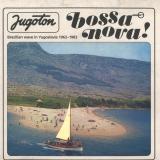

![حمد [Ahmed] - سماع [Sama'a] (Audition) LP 2x12"](https://www.deejay.de/images/l/7/3/1192273.jpg)