Symphonic metal powerhouse SERENITY unleash their new studio album, Nemesis AD! The successor to their previous full length, The Last Knight (2020), which landed #25 on the German album charts, is out on October 27, 2023 via Napalm Records and is the first record with Marco Pastorino (Temperance) as additional guitarist and backing vocalist. Known for their thematic albums inspired by historic characters and stories of the past, on Nemesis AD, SERENITY draw inspiration from the life and highly influential art of painter Albrecht Dürer of the German renaissance. Grandiose intro track “Memoriae Alberti Dureri” sets the scene for the album, before legendary singer Roy Khan (Conception, ex-Kamelot) lends his impressive vocals on the mighty “The Fall of Man”. ""Ritter, Tod und Teufel (Knightfall)” (named after Dürer’s famous artwork) features lyrics sung partially in German, for the first time in the band’s history spanning over more than two decades. The powerful track showcases SERENITY’s signature blend of orchestral arrangements, heavy guitar riffs, and soaring vocals. Heart-wrenchingly emotional yet empowering “Reflections (of AD)” mesmerizes the listener with its awe-inspiring instrumentation, multifaceted vocals and brilliant changes throughout the gripping eight-minute track. Theatrical “Sun of Justice” leads the listener to a faraway fantasy world while the vocal performance of skilled singer Georg Neuhauser ultimately unlocks the track's hit potential. “The End of Babylon” represents one of the darker, heavier tracks on Nemesis AD - climactic arrangements carry the dramatic storyline. Monumental orchestral version of “The Fall of Man” closes the album on a thrilling note that is sure to send a chill up your spine. With Nemesis AD, SERENITY add yet another bombastic symphonic metal masterpiece to their notable discography - there is no doubt that the talented unit’s standing in the scene is well deserved. BLURB "The Fall of Man" - Single No 2 Symphonic metal unit SERENITY unleash “The Fall of Man”, a mighty single off of the band’s new album Nemesis AD! With vocal support from legendary singer Roy Khan (Conception, ex-Kamelot), the song is a sure future hit with fans old and new. SERENITY’s previous studio album, The Last Knight (2020), hit #25 on the German album charts, and the band has gained millions of Spotify streams and YouTube views with their earlier efforts.
History has shown that the greatest bands–bands with that certain, ever elusive quality called lasting power–neither conform to nor buck the trends of their time, but rather force the times to catch up to them. Sheer Mag has such lasting power in droves. After almost a decade spent carving out a career that has already become the stuff of modern underground legend, the band’s new stand-alone single, “All Lined Up,” comes alongside the announcement of their signing to Third Man Records–their first partnership with a larger independent label–who will also be physically and digitally re-releasing the entirety of Sheer Mag’s back-catalogue, including their cult-beloved early EPs I (2014), II (2015), and III (2016), as well as their first two breakthrough LPs, Need To Feel Your Love (2017) and A Distant Call (2019). Sheer Mag’s sensibility, as fervently beloved by baseball-tee clad garage rockers and tattoo-less indie kids as it is by leather-and-stud-loyal punks, finds its strength in an unconventional mixture of refined complexity and straight-forward pop prowess. Seamlessly trading between head-turning guitar heroics and a charmingly timeless blend of disco, hard rock, and garage inflected hooks, Sheer Mag’s oft-referenced, never-replicated sound has played an undeniably large role in stoking the current resurgence of interest power-pop forward rock music. While quickly adopted as a fan-favorite amongst the sweat-caked crowds of the early 2010’s underground, time has attested to Sheer Mag’s singular cultural mutability: though never straying too far from their home-town Philadelphian origins
Sometimes, space is the perfect catalyst for intense creativity. Following the release of their fourth LP, 2019's Your Church On My Bonfire, PAWS - the Scottish DIY indie rock songwriting partnership of Phillip Jon Taylor and Joshua Swinney, toured briefly, and as the world began to shut down, they slipped out of sight. Phillip retreated north to the Highlands where he focused on his painting, solo work and the rewarding demands of fatherhood. Josh headed south to London, pursuing his other passion as a chef at the highly acclaimed Plimsoll. It would have been easy for both to settle into their new lives, but PAWS never died…and neither did the tie connecting the two friends. Having missed playing together for too long, a plan was set and in October 2022 Josh travelled to Phillip's home studio in his crofters cottage where work began on the band's fifth self-titled LP. Relying on a set of phone demos and chemistry honed after years on the road the songs came together surprisingly fast. Having recorded previously with both Blink 182’s Mark Hoppus and Frightened Rabbit’s Andy Monaghan, the band once again seized control of production duties as they had on their sophomore release Youth Culture Forever. Utilizing all they had learned and adding their own DIY ethos into the mix, the music was done in a week. Josh headed home and Phillip set to work on lyrics. The resulting record finds the band as grounded and assured as they ever have been. Marrying the deafening assault of youthful abandon with the whispered reasoning that comes with getting older; swaying from anger and exasperation to wide eyed optimism. PAWS is a succinct, razor wire encased documentary chronicling the pains of modern living. Delving into the dark underbelly of 90s alternative rock, painting with evocative instrumentals and reveling in celebratory indie punk, the band also embrace sordid pop and ambient electronics. And while it pays homage to where they have come from, it also signals a clean slate for the pair. Two friends united over distance. After some time apart, all they needed was a spark.
Death metal is the great undead of subgenres: rising, again and again, to take revenge on the living with maximum violence. Servants of the zombie code and masters of old school brutality, Germany’s ENDSEEKER have made their intent to kill again more than apparent over the last nine years. Formed in Hamburg in 2014, the quintet have swiftly built a reputation as one of European death metal’s most dynamic wrecking crews. From the aspirational evisceration of first full-length Flesh Hammer Prophecy, to Metal Blade debut The Harvest in 2019, and the widely acclaimed Mount Carcass two years later, Endseeker have cooked up such a formidable formula that their rise to glory seems almost inevitable. But like everyone else, they were stopped in their tracks by the Covid pandemic and its aftermath. As that global horrorshow fades in the rear-view, Endseeker are poised to return with their most crushing and charismatic album to date: Global Worming Death metal is a serious business and Global Worming is Endseeker’s most focused and sophisticated offering to date. Nonetheless, there is always room in the underground sewers for a brain-eating monster or two, and fans of zombie-centric death metal will be more than satisfied with the new album’s brilliant, bloody contents. Consumed in its belligerent entirety, Global Worming soon emits the acrid stench of a future classic. Endseeker have stayed true to their deathly roots, while also writing some of the most imaginative songs in their history. Supremely catchy but as brutal and ugly as the arcane gods demand, Global Worming promises to burrow under the world’s skin with maximum force.
Living on such a chaotic planet, tossing and turning is inevitable. It’s hard to sleep in the midst of uncertainty. That’s why Sundressed was born. Lead vocalist and songwriter Trevor Hedges began his project in 2012, with the initial purpose of maintaining his sobriety. Now, 10 years later, Hedges has refocused the project’s mission, writing songs that tackle mental health issues for others to take solace in. His confessional lyrics and punk-infused melodies inspire hope in listeners to continue moving forward, determined to make a positive impact, one lyric at a time.
For 14 years Throat have been the sonic equivalent of forcing a square peg into a round hole; often abrasive, causing utmost irritation at times and on a rare occasion a feverishly pleasant dose of brooding darkness in one's otherwise dull existence. The peg now fits. We Must Leave You sees Throat dropping pegs of all shape and size through the same hole. The last confines of musical genres are behind them, resulting in an album which can be regarded as the easiest listening Throat has ever presented or simultaneously their most difficult and puzzling work to date. Thematically what we have here is a breakup album. Never ones for thinking small, Throat breaks up with the world. Enough is enough. Bring back lockdown. No need for petty social commentary on how the world is burning. Let it burn. Throat is already walking away and it remains to be seen where they end up next. If anywhere. Breakups always require dramatic music and We Must Leave You more than fits the purpose. Throat have already hinted at new directions and new sounds on their previous two albums, but here it all breaks loose. Rooted in the same heavy, dark rock sound as always, but a touch of gothic drama from the 80s has been injected to the band's sonic palette which obviously means a few deeper shades of black. The noise and dissonance remains, but this time it all has been dipped in honey and black grease paint. We Must Leave You was written over a few years time and finally recorded in 2023 at Tonehaven Recording Studio with Tom Brooke and the band's own Amplified Human Audio. Once again, Andrew Schneider mixed the album at Acre Audio and Carl Saff handled mastering duties at Saff Mastering. Photography by Dorota Brzezicka and design by Stefan Alt of Ant-Zen.
DELUXE 8LP BOXSET FROM THEIR ‘CAPITOL YEARS’, WITH STUDIO ALBUM HALF-SPEED MASTERING, LP OF BONUS TRACKS, 60 PAGE BOOK, POSTERS & NUMBERED CERTIFICATE
Currently on the 40 Years Live World Tour and sounding better than ever, W.A.S.P. is one of the most consistent and reliable forces in rock music - unstoppable and unassailable, like a heavy metal juggernaut sent back in time from a long, distant galaxy. Frontman Blackie Lawless is undoubtedly one of rock’s everlasting figures – someone’s whose attitude and vision changed the musical landscape around him, in the process bearing fruit to some of the biggest anthems of their time.
Their first five studio albums (W.A.S.P., The Last Command, Inside the Electric Circus, The Headless Children & The Crimson Idol) contributed enough on their own for W.A.S.P. to be considered one of the greatest rock bands of all-time. Those LPs are all presented in this set, mastered half-speed at Air Studios, London, for a superior, sharper, more direct and engaging sound.
Packaged within a deluxe red leatherette effect double slipcase, The 7 Savage: 1984-1992 is completed on vinyl with two more LPs: 1987’s Live… in the Raw and new compilation Bonus Tracks & B-Sides featuring the controversial breakthrough anthem ‘Animal (F**k Like a Beast)’.
Compiled with the full cooperation of Blackie Lawless, the box set also includes a 60-page book with exclusive and rare pictures from legendary metal photographers (including Ross Halfin, Tony Mottram, David Plastik and Paul Natkin), along with extensive liner notes from Amit Sharma (Kerrang!, Planet Rock). Also included is an exclusive Blackie Lawless poster, plus an individually numbered circular saw shaped certificate.
The 7 Savage: 1984-1992 will be released Friday 27th October 2023 on Madfish and is strictly limited to 2000 copies worldwide.
[yb] L.2. Phantoms In The Mirror [04:36] D.3. The Eulogy
Wewantsounds is delighted to announce the release of "TOUCH," a selection of sought-after tracks produced by Yuji Ohno, one of the most revered producers and arrangers on the Nippon music scene. His blend of Jazz, Space Funk and Disco have long been highly sought-after by DJs around the world and we've been given unique access to the Nippon Columbia vaults and to Mr. Ohno himself to come with a versatile selection from his 70s body of work, all bearing his uniquely recognisable sound. The set includes works with singers Nanako Sato, Hatsumi Shibata and Ken Tanaka alongside tracks from his cult anime soundtracks for "Lupin III" and "Captain Future." Approved by Yuji Ohno himself, "Touch" was remastered in Tokyo by Nippon Columbia and features liner notes by Nick Luscombe in conversation with the maestro and artwork by Optigram's Manuel Sepulveda.
Born in Atami in 1941, Yuji Ohno started learning the piano at a young age and formed his own band during his teenage years, getting into Jazz in the process. After high school, he entered the prestigious Keio University in Tokyo and played in the revered university big band alongside two other pianists, Masahiko Sato and Hirosama Suzuki, who would have an illustrious career in their own right. After University, Ohno became a professional musician and started playing with the new wave of Japanese Jazz musicians forming his own trio and recording with the likes of Hideo Shiraki, Terumasa Hino and Masahiko Togashi from 1967 onwards.
At the turn of the 60s, Ohno started to veer away from the Jazz scene as he realised, as told to Nick Luscombe that "the jazz music being played by the Japanese at the time was only chasing the cutting edge, and was ignoring the roots and origins of jazz." Ohno therefore shifted his efforts to film and TV and also to producing artists for various Japanese labels, becoming one of the most in-demand composers, arrangers and producers in Japan. This is when Ohno developed his unique sound across a wide variety of styles. More than anything else, he got renowned for his anime soundtracks, particularly with the Lupin III series - represented here by the superbly funky "Silhouette" - which made his fame in Japan
Whether it's jazz, funk, disco or Pop, the "Ohno Sound" is unmissable both in terms of melodies and arrangements, on a par with those of such legends as Quincy Jones and Michel Legrand. Ohno's melodies are sophisticated yet accessible and there's a great sense of space in his productions especially when it comes to slow-burning grooves as heard on "Kirameku Inner Space" from the cult anime soundtrack "Captain Future" or "The Soaring Seagull" from the sought-after 1975 album "Electro Keyboard Orchestra." This album was recorded with seven fellow musicians including Kentaro Haneda and Ohno's old friend, Masahiko Sato and using twenty Korg synths to create a unique blend of futuristic jazz funk. "The Soaring Seagull" could be the perfect embodiment of Ohno's signature sound when it comes to instrumentals. The producer was however equally at ease with producing lush disco extravaganzas such as "Subterranean Futari Botchi" by Nanako Sato or "I Wish You Love" by Hatsumi Shibata, a revamp of Charles Trenet classic, both colourful and glitzy.
Ohno's versatility is on display here with a couple of jazz vocal tracks, "Speak Low" by Ann Young accompanied by the Yuji Ohno Trio and Mieko Hirota's fast and furious "I Want to Be Happy" while he also excelled at crafting gorgeous mellow songs such as Ken Tanaka's "Lilac-gai No Aki" and Hatsumi Shibata's "Mouichido Kikasete" closing the selection on a perfect note. "Touch" is just a tiny selection from Yuji Ohno's immense body of work and it will hopefully open the ears of Japanese music lovers to one of the most important musician, producer and arrangers of his generation.
October Road is the fifteenth album by singer-songwriter James Taylor and is one of the few albums by Taylor to feature only original material. The album was nominated for a Grammy Award for Best Male Pop Performance, debuted at number four on the Billboard 200 and was certified platinum by the RIAA. The
12-track set is one of his most popular efforts, but also one of the most personal of his career.
The album spawned five singles: the title track, “On The 4th Of July”, “Whenever You’re Ready”, “Belfast To Boston” and “Raised Up Family”.
October Road is available as a limited edition of 1000 individually numbered copies on gold & black marbled vinyl and includes a
4-page booklet.
Chicago-based producer/multi-instrumentalist Ben Billington makes music under the name Quicksails.
A pillar of the Chicago experimental scene and its branches across the midwest and national DIY circuits, Billington has enriched his communities through overlapping roles as a musician and curator /
promoter of freak sounds for more than two decades. In addition to his work as a solo artist, he has performed with bands such as ONO, ADT, Circuit Des Yeux, Tiger Hatchery, and Ryley Walker’s
band. Billington’s solo recordings as Quicksails encompass everything from free jazz-inspired electro-acoustic production to rhythmic synth-pulse tapestries to music focused on what could be
considered one primary instrument among the many he works with: the drum kit and auxiliary percussion. Surface, his fifth release to appear on Hausu Mountain, combines all of these idioms into
one diverse program while also expanding his palette to rope in his more recent experiments with touch-sensitive custom synthesizers and modular systems. Surface shimmers with a sense of tonal
sophistication and emotional resonance that sets a high-water mark for the Quicksails project.
The album’s mind-bending juxtapositions of electronic and acoustic sound sources of contrasting fidelities charge each composition with energies at once alien and familiar — rooted in free improvisation and
jazz traditions while streaking off into realms of lush synth arrangement, and textural abstraction.
Within Quicksails’s dense fields of sound, one voice stands out with particularly bold contrast: the saxophone of modern experimental stalwart Patrick Shiroishi (Fuubutsushi, The Armed, a multitude of
improvised collaborations on labels like Astral Spirits and Touch Records), who guests on three of the album’s ten tracks. Shiroishi’s sax performances alternately burst out in squalling atonal spirals and
glow with neo-noir melodicism as if glimpsed in the smoke under a streetlamp on a darkened city corner.
EYE is back. Metamujer marks the third installment on the Knekelhuis label and we’re extremely happy to release this document of another chapter in Laurène Exposito’s life. Recorded on various locations ranging from the Swiss mountains to the chalky coasts of Brittany, Metamujer is an 8-track ode to salty love and closeness to nature, a tribute to a modest lifestyle à la Henry David Thoreau. Far from being praise for self-sufficiency, this new LP is deeply influenced by Laurène’s environment. We can hear Korg MS-10 created synthetic waves (Sanatorium) and birds (Luscinia), but one can also catch her singing in Italian, one of 3 languages spoken in Switzerland. Still minimalist and yet more aesthetically diverse, her new sounds are on the edge of EBM and synth pop, between classic minimal wave tunes and rustic ballads on acid.
out of Stock
Last delivered 2 years ago available to reorder, subject to availability
Through 35 hedonistic highlights stretched across three volumes, Music For The Radical Xenomaniac delivers the first ever deep dive into The Netherlands’ colourful house sound of the 90s and the under-celebrated producers and record labels whose music soundtracked a countrywide cultural movement.
Plenty of books and documentaries have celebrated the riotous raves, legendary clubs, high profile DJs and promoters who shaped The Netherlands’ hedonistic house scene throughout the 90s. Music For The Radical Xenomaniac dares to challenge these narratives by shining a light, for the first time, on those who created the scene’s kaleidoscopic, game-changing and globally influential soundtrack.
Leading the charge were a disparate group of key creators who not only forged links with their counterparts in Detroit, Chicago, New York, Belgium, Germany and the United Kingdom, but also became celebrated figures on the worldwide electronic underground (Eric Nouhan, Aad De Mooy, Orlando Voorn, Stefan Robbers and Steve Rachmad). Alongside key underground imprints (Stealth Records, Basic Energy, ESP, Prime and Outland Records included) and lesser-known producers, these pioneers gave flavour to a radical musical movement via open-mindedness, unheard-of creativity and a genuinely futuristic ethos. All of these artists and labels are represented throughout the series.
So, what defined this hedonistic house sound from The Netherlands? Stylistically, it was varied – as the series so emphatically proves – but was defined by a set of distinctive sonic characteristics: emotive musical motifs, high-frequency synth sounds, mellow basslines, pulsating rhythms and more than a touch of hallucinatory intent.
Volume 2 contains a wealth of notable tracks and slept-on gems. These include Q’s ‘From Within (Body Mix)’, a lesser-known cut from the trio better-known as Quazar (Gert van Veen, R.o.X.Y co-founder Eddy De Clercq and Eric Cycle), Eric Nouhan’s melodic masterpiece ‘Technobility’, which is appearing on vinyl for the first time since 1994, and a rare collaboration between regular production partners Maarten van der Vleuten and Mike Kivits (better known as Aardvarck), which was initially released on a special R&S Records’ offshoot set up by the label’s co-founder, Renaat Renaat Vandepapeliere (Integrity II’s ‘Living In Fantasy’).
Other highlights include Exposure’s ‘Love Quest’, a highly sought-after 1991 track by The Hague-based DJ/producer Maurits Paardekooper, and an ambient-infused Andrew Weatherall favourite originally released by Stealth Records in 1993, Hole In One’s ‘Spiritual Ideas For Virtual Reality’.
Packed full of forward-thinking 90s gems remastered for today’s dance floors by Alden Tyrell, Music For The Radical Xenomaniac Volume 1 is a life-affirming celebration of a distinctly Dutch musical movement, whose rich textures and melodies are still inspiring new generations of DJs and dancers today.
out of Stock
Last delivered 15 months ago available to reorder, subject to availability
I Talk To Water, the fifth album for Kompakt by Danish producer Kölsch, is the artist’s most personal statement yet. While all the trademarks that make his music so popular and powerful are still present – lush, melodic techno; swooping, trance-like figures; sensuous, shivery texturology – I Talk To Water is also a deep and intimate rapprochement with family and history, a beautiful, finely detailed document of loss and memory, and a tracing of the long, unbroken thread of grief that runs through our lives once we’ve lost those we loved.
The emotional core of I Talk To Water, then, is a cache of recordings by Kölsch’s father, Patrick Reilly, who passed away in 2003 from brain cancer. With time rendered elastic by the pandemic and its associated lockdowns, its sudden, alienating shifts in everyday living, Kölsch found himself reflecting on his father’s passing and ongoing spiritual presence, thinking about how best to memorialise such a significant figure in his own life. Those recordings opened a gateway, of sorts, for Kölsch to move through – a way to bring past and present together and entwine them in a sensitive, poetic manner.
Kölsch’s father was a musician – “touring in the sixties and seventies, in the Middle East especially, he was doing the whole hippy trail, playing guitar, and wrote some songs over the years,” he recalls. “But all in all, he decided to focus on family rather than pursue a musical career.” Reilly kept playing and writing music over the years, though Kölsch hadn’t listened to the material for some time: “I’d never had the guts to listen to it, because I just felt too fragile listening to his voice. It’s such a tough thing to go through.”
During the pandemic, though, Kölsch listened through the fragmented body of work that his father had produced over the years. “I decided I’m gonna finally release my dad’s music twenty years after his passing,” he reflects. “This whole album is about the process of loss, and for me it’s been one of my main driving forces in my musical life, the whole emotional aspect of whatever I’ve done has been based in that feeling that he’s not there anymore.”
Recordings of Reilly appear on three songs across I Talk To Water. His guitars drift pensively across “Grape”, offering a lush thread of melody that Kölsch wraps with clicking, driftwood rhythms and droning, melancholy bass. “Tell Me” is a lovely three-minute art song, a sadly beautiful reflection, minimally adorned with gentle keys and a muted pulse. And on the closing “It Ends Where It Began”, Kölsch lets his father’s acoustic guitar take centre stage for a lament that’s unexpectedly folksy, a guitar soli dream, which Reilly originally recorded in 1996. “He actually recorded it for my first album that never came out,” Kölsch reveals, “and I had it sitting around forever. That is purely him.”
These three imagined collaborations between father and son are poised and delicate. But their relationship also marks the gorgeous music Kölsch has made across the rest of I Talk To Water, from the itchy yet lush “Pet Sound” (titled in tribute to one of Reilly’s favourite albums), the flickering synths and yearning vocal samples that slide through “Khenpo”, the ecstatic shuddering that marks “Only Get Better”, or “Implant”’s slow-motion pans and subtle reveals.
There’s also the title song, where Kölsch is joined by guest Perry Farrell (Jane’s Addiction, Porno For Pyros), singing a mantra for internal reflection: “I talk to water / Searching for myself / Looking for answers / Oceans of you.” Farrell’s appearance brings another timbre, another spirit to the album, aligning neatly with his recent interest in electronic music. “He was completely taken by this idea of talking to water,” Kölsch says, thinking about the ways we collectively lean towards the natural world as a comfort and a listener, a guide through mourning, a way to map out the terrain of the heart. This mapping is something that Kölsch has proven remarkably adept at through the years; dance music for both body and mind, but also both for the here-and-now, and for the hereafter.
“I Talk To Water”, das fünfte Album des dänischen Produzenten Kölsch für Kompakt, ist zweifellos das persönlichste Statement des Künstlers bislang. Während alle Markenzeichen, die seine Musik so beliebt und kraftvoll machen, immer noch präsent sind – üppige, melodische Techno-Tracks; schwebende, tranceartige Elemente; sinnliche, fiebrige Texturen – ist “I Talk To Water” auch eine tiefe und intime Annäherung an Familie und Geschichte. Es ist ein wunderschönes, fein ausgearbeitetes Dokument des Verlusts und der Erinnerung, und es verfolgt den langen, ungebrochenen Faden der Trauer, der durch unser Leben läuft, sobald wir diejenigen verloren haben, die wir liebten.
Der emotionale Kern von “I Talk To Water” besteht aus Aufnahmen von Kölschs Vater, Patrick Reilly, der 2003 an Hirnkrebs verstarb. Durch die Pandemie und ihre damit verbundenen Lockdowns, die plötzlichen, entfremdenden Veränderungen im Alltag, fand Kölsch sich in Gedanken an den Tod seines Vaters und seine fortwährende spirituelle Präsenz wieder. Er überlegte, wie er eine so bedeutende Figur in seinem eigenen Leben am besten verewigen könnte. Diese Aufnahmen öffneten ihm sozusagen ein Portal, um Vergangenheit und Gegenwart miteinander zu verbinden und sie auf sensible und poetische Weise zu verweben.
Kölschs Vater war Musiker – “er tourte in den sechziger und siebziger Jahren, vor allem im Nahen Osten, auf dem Hippie Trail, spielte Gitarre und schrieb im Laufe der Jahre einige Songs”, erinnert sich Kölsch. “Aber alles in allem entschied er sich, sich auf die Familie zu konzentrieren, anstatt eine musikalische Karriere zu verfolgen.” Reilly spielte und schrieb jedoch im Laufe der Jahre weiterhin Musik, obwohl Kölsch das Material lange Zeit nicht angehört hatte: “Ich hatte nie den Mut, es anzuhören, weil ich mich einfach zu zerbrechlich fühlte, seine Stimme anzuhören. Es ist so schwer, das durchzustehen.”
Während der Pandemie hörte sich Kölsch jedoch durch das fragmentierte Werk, das sein Vater im Laufe der Jahre produziert hatte. “Ich beschloss, die Musik meines Vaters zwanzig Jahre nach seinem Tod endlich zu veröffentlichen”, reflektiert er. “Dieses ganze Album handelt von dem Verlustprozess, welcher für mich generell eine der Hauptantriebskräfte in meinem musikalischen Leben ist. Der ganze emotionale Aspekt von dem, was ich getan habe, basierte auf dem Gefühl, dass er nicht mehr da ist.”
Auf “I Talk To Water” sind Aufnahmen von Reilly in drei Songs zu hören. Seine Gitarren ziehen nachdenklich durch “Grape”, bieten einen üppigen Melodiefaden, den Kölsch mit klickenden, treibenden Rhythmen und dröhnendem, melancholischem Bass umwickelt. “Tell Me” ist ein schönes dreiminütiges Kunstlied, eine traurig-schöne Reflexion, minimal geschmückt mit sanften Tasten und einem gedämpften Puls. Und auf dem Abschlusstrack “It Ends Where It Began” lässt Kölsch die akustische Gitarre seines Vaters im Mittelpunkt stehen, ein überraschend folkiger Klagegesang, den Reilly ursprünglich 1996 aufgenommen hatte. “Er hat es tatsächlich für mein erstes Album aufgenommen, das nie veröffentlicht wurde”, enthüllt Kölsch, “und ich hatte es ewig liegen.”
Diese drei erdachten Kollaborationen zwischen Vater und Sohn sind ausgewogen und zart. Aber ihre Beziehung prägt auch die wunderschöne Musik, die Kölsch im Rest von “I Talk To Water” geschaffen hat, angefangen bei dem nervösen, aber üppigen “Pet Sound” (benannt als Hommage an eines von Reillys Lieblingsalben), den flimmernden Synthesizern und sehnsüchtigen Vocal-Samples in “Khenpo”, den ekstatischen Erschütterungen in “Only Get Better” oder den langsamen Schwenks und subtilen Enthüllungen in “Implant”.
Es gibt auch den Titelsong, in dem Kölsch von Gast Perry Farrell (Jane’s Addiction, Porno For Pyros) begleitet wird, der ein Mantra für die innere Reflexion singt: “I talk to water / Searching for myself / Looking for answers / Oceans of you.” Farrells Auftritt bringt eine weitere Klangfarbe, einen weiteren Geist in das Album, der gut zu seinem jüngsten Interesse an elektronischer Musik passt. “Er war völlig fasziniert von der Idee, mit Wasser zu sprechen”, sagt Kölsch und denkt darüber nach, wie wir kollektiv zur Natur als Trost, Zuhörer, Führer durch die Trauer neigen, um die Gelände des Herzens zu kartieren. Diese Kartierung ist etwas, in dem Kölsch im Laufe der Jahre erstaunlich geschickt war; Tanzmusik für Körper und Geist, sowohl für das Hier und Jetzt, als auch für das Leben danach.
out of Stock
Last delivered 9 months ago available to reorder, subject to availability
This two-time Grammy nominee’s career has taken Cidny from singing back-up on tour with Elton John, working with Bob Dylan, Rod Stewart, and singing three lead vocals on the “Grease” movie
soundtrack to having nine critically acclaimed solo albums, including the award winning Somewhere Between Heaven and Earth. Cid’s friends on the albums include friends Bonnie Raitt, Lucinda
Williams, Steve Earle, Bryan Adams, Emmylou Harris, Delbert McClinton, and Sir Elton John himself.
Cidny has also co-written many Country songs in Nashville, including Radney Foster’s hit “Hammer and Nails”. Since 2007, Cidny has been one-third of “super-group”, The Refugees with Wendy Waldman and Deborah Holland. In 2011, Cidny made the difficult and daunting decision to start transitioning from female to male, from Cindy to Cidny. He has written and has been performing his one-person theatrical show Somewhere Between: Not An Ordinary Life all over the U.S. An award-winning documentary short about his life called The Gender Line screened at major film festivals around the world from 2019-2022. Cid will be releasing his first album as “Cidny Bullens” Little Pieces in the fall of 2023. Cid’s memoir, TransElectric: My Life as a Cosmic Rock Star, with foreword by Sir Elton John was released on June 6, 2023, and is now available for purchase at all major bookstore sites.
Im Englischen gibt es den Ausdruck "to pull at one"s heartstrings". In der deutschen Sprache gibt es für dieses Bild keine direkte Übersetzung. Jetzt aber zum Glück irgendwie schon, in Form dieses Albums. Denn beim Hören von EXILE IN SPACE zupft und zuppelt, zieht und dehnt etwas im Inneren, meist in etwa da, wo bei den meisten Menschen das Herz vermutet wird. Melancholie trifft es eben nicht, ist auch ein viel zu abgenudelter Begriff in der Musik und hat hier keinen Platz. Was ENIK und das PARANORMAL STRING QUARTET auf EXILE IN SPACE in diesen acht musikalischen Kleinoden entstehen lassen, geht tiefer. Großartige Sätze wie: "Don"t pick up the Phone, it could be your mother! She wont candycrush herself out of this mess.", lässt Enik in "Electric Sheep" von einer knazigen Roboterstimme in Gedichtform vortragen, während im Hintergrund ein Omnichord und ein Cello darüber diskutieren, wer von beiden eigentlich einsamer ist als der andere. "TRUE MF", das man von ENIK Solo bisher als richtigen Dancefloor-Banger kannte, kriegt mit entschleunigten, warmen aber trotzdem nie und nimmer kitschigen Streicherparts neue Dimensionen (ziemlich viele sogar). Diese paranormalen Ergänzungen halten ENIK wenn nötig auch mal auf dem Boden - oder besser gesagt in der gemütlichen, warmen Stube am Fenster, wenn er im Titeltrack mit Cervantes im Kopf von der eher weniger gemütlichen Weltlage singt und vom Exil im Weltall träumt (EXILE IN SPACE). In KANGAROO unterhält sich Enik mit einem toten Känguru, was ihn schlagartig seiner eigenen Vergänglichkeit ermahnt und somit das exzessive Leben des Protagonisten herzzerreißend in Frage stellt. Der Song endet in einer dreiminütigen, elegischen Streicherimprovisation, die für Enik persönlich, den absoluten Höhepunkt dieses Albums darstellt. Zurückgelassen wird man als Hörer*in am Ende mit dem knarzigen BETTY LEE. Ein Lied, das gut und gerne 70 Jahre alt sei könnte, gleichzeitig aber auch nach vorne in die Zukunft weist. Alles in allem acht funkelnde, schräge, organische und liebevolle Songs, die vom Herzen bis ins Weltall reichen. Womit wir wieder bei den "heartstrings" sind und dem, was eben hier noch nicht verraten wurde: Was der englische Ausdruck "to pull at one"s heartstrings" auf Deutsch bedeutet. Aber dafür sind ENIK und das PARANORMAL STRING QUARTET die Experten.
With a timeless sound that blends heavy soul and psych-rock, Monophonics have built a reputation over the past decade as one of the best live bands in the country. Led by singer Kelly Finnigan, the band of has drawn on their colorful history _ both their experiences as veteran touring performers and as individuals growing up in the Bay Area _ to create "It's Only Us," their fourth release since 2012.A reflection of what they see as the current state of the world, the record touches on difficult subjects such as broken relationships, mental health issues, gun violence and power struggles, all with an underlying message of unity, resilience and acceptance. The band's signature style of arrangement has been expanded with top-notch production and creative instrumentation to round out the Monophonics' trademark soul sound, while Finnigan's vocals are more powerful than ever. At times these tracks can feel classic, as familiar as an old song you grew up with, while simultaneously raising questions about the state of music in 2020 and what the future might hold."It's Only Us" is the sound of a group continuing to grow as songwriters, musicians, performers and people _ reflecting on where they've been, and pushing the boundaries of what's possible in the years to come.
Decca Classics is proud to release one of Ola’s most-loved choral albums on CD and, for the first time, limited edition blue vinyl. Ola Gjeilo is one of the most frequently performed composers in the choral world. An accomplished pianist, improvisations over his own published choral pieces have become a trademark of his collaborations. Although Norwegian by birth, it is perhaps Ola’s adopted country of America that has influenced the composer’s distinctive soundworld the most, evolving a style that is often described as cinematic and evocative, with a lush, harmonious sound.
Bei der Konzeption von 'Switched-On' orientierte sich Pachy García, alias Pachyman - Multi-Instrumentalist aus L.A. -, am Reggae der Lovers-Rock-Ära und dem legendären Studio One. Doch das Album ist auch eine Hommage an die Ära, in der Musiker begannen, Synthesizer für herrlich schräge Bleeps und Bloops zu manipulieren. Seine Entwicklung wird auf You Looked at Me deutlich, wo ein Krautrock-artiger Beat mit Synthies, die an Boards of Canada erinnern, verschmilzt. Pachys Sound erweitert sich auf Trago Coqueto, einem frechen Liebeslied, das durch das Prisma eines Cocktails gesungen wird und eine Ode an seine puertoricanischen Wurzeln ist.
out of Stock
Last delivered 2 years ago available to reorder, subject to availability
Cardiff-based, DIY-folk-pop collective, Quiet Marauder, are set to release their 5th album at the end of October 2023. This follows on from their madcap 111-song debut album, MEN (2013), as well as the more recent Tiny Men Parts (2020) and The Gift (2021), and continues their long-established relationship both with their label, Bubblewrap Collective, and Canadian collaborators, The Burning Hell.
Recorded in a Snowbird Studios pop-up in Lourinha, Portugal, Introducing Malcolm Del Monte continues the band’s fascination with high concepts and musical, album-length storytelling. At its core, it is an album about self-identity, isolation, and our innate fluctuations as human beings. Set during the pandemic, the album's a very loosely autobiographical (read: almost entirely false) account of band leader Simon M. Read's day-to-day life during Covid lockdowns with partner, Kadesha Drija, and imaginary friend, Malcolm Del Monte.
Choosing to largely avoid the topic of the pandemic altogether, Introducing Malcolm Del Monte instead charts the highs and lows of these living arrangements. These range from outrageous daytime drinking (high) to disagreements on the nature of perversion (low), with the first half of the album covering Malcolm’s emergence and ultimate expulsion from the house. With his absence being sorely felt, the second half sheds light on the alternative voices looking to fill that Malcolm-shaped space: a murderous green giant; a despondent Milk Tray Man; and a broken-necked, hypersexual Jet from Gladiators.
As with their previous story-based albums, the foreground narratives act to enable background allusions to other core concerns: the power of nostalgia; advertising and cultural consumption; well-being and isolation; balancing acts of the self. Ultimately, the album’s message is of striking a balance between self-questioning and improvement, and most of all, not being too hard on yourself when things don’t feel quite right.
Sonically and seamlessly ranging from alt-folk to industrial synth to melodic indie-pop, Introducing Malcolm Del Monte covers a lot of ground. Injected with the musicality of Quiet Marauder themselves, as well as Canadian kindred spirits, The Burning Hell, instrumentation includes flute, piano, chunky bass, acoustic and electric guitar, programmed beats, synthscapes, bamboo clarinet, bongos, and a heap load of vocals. Indeed, alongside the main lead voices of Simon M. Read, Kadesha Drija and Malcolm Del Monte (Rowan Liggett) there are guest performances from My Name Is Ian and The Burning Hell’s Mathias Kom.
The album will be preceded by lead single and video Momma Mia! I Made You Some Sangria! on 22nd September,
The irresistible rush that comes from listening to Sparkling's music is intoxicating. The Cologne-formed trio's second album We Are Here To Make You Feel is a glimmering widescreen world where emotions are writ large, the group dealing in rousing choruses, twinkling synth toplines and an incessant desire to keep things propelling forward at pace. "We Are Here To Make You Feel is an album about the importance of expressing your emotions" the group say. "It's about love in every kind of way. Love for your friends, lovers and family. It's a reminder to tell your loved ones that you love them. On this record, we wanted to say that in the most honest and straightforward way possible."
Through 35 hedonistic highlights stretched across three volumes, Music For The Radical Xenomaniac delivers the first ever deep dive into The Netherlands’ colourful house sound of the 90s and the under-celebrated producers and record labels whose music soundtracked a countrywide cultural movement.
Plenty of books and documentaries have celebrated the riotous raves, legendary clubs, high profile DJs and promoters who shaped The Netherlands’ hedonistic house scene throughout the 90s. Music For The Radical Xenomaniac dares to challenge these narratives by shining a light, for the first time, on those who created the scene’s kaleidoscopic, game-changing and globally influential soundtrack.
Leading the charge were a disparate group of key creators who not only forged links with their counterparts in Detroit, Chicago, New York, Belgium, Germany and the United Kingdom, but also became celebrated figures on the worldwide electronic underground (Eric Nouhan, Aad De Mooy, Orlando Voorn, Stefan Robbers and Steve Rachmad). Alongside key underground imprints (Stealth Records, Basic Energy, ESP, Prime and Outland Records included) and lesser-known producers, these pioneers gave flavour to a radical musical movement via open-mindedness, unheard-of creativity and a genuinely futuristic ethos. All of these artists and labels are represented throughout the series.
So, what defined this hedonistic house sound from The Netherlands? Stylistically, it was varied – as the series so emphatically proves – but was defined by a set of distinctive sonic characteristics: emotive musical motifs, high-frequency synth sounds, mellow basslines, pulsating rhythms and more than a touch of hallucinatory intent.
Volume 3 is packed with in-demand tracks and hard-to-find gems, including a previously CD-only cut from Dutch techno originator Orlando Voorn (1999’s ‘Still’), a genuine rave classic from The Hague by hardcore DJ Charly Lownoise as Fluxland, and a killer cut from prolific producer – and genuinely influential pioneer – Aad De Mooy AKA D-Shake. He’s represented on this volume by Paradise 3001 cut ‘Surfin The Cuban Waves’, which first appeared on ESP Records in 1993.
Other highlights include Direct Movement’s ‘Natural Chemistry’, a sought-after slow house cut produced by Dennis Buné, who had an enormous impact on the Dutch house scene as Jaimy, and ‘Delphi (Rewaxed)’ by NYX, a highly regarded and hard to find single from former new wave and synth-pop producer Bart Barten, and occasional studio partner Hanz Meyer.
Packed full of forward-thinking 90s gems remastered for today’s dance floors by Alden Tyrell, Music For The Radical Xenomaniac Volume 3 is a life-affirming celebration of a distinctly Dutch musical movement, whose rich textures and melodies are still inspiring new generations of DJs and dancers today.
out of Stock
Last delivered 20 months ago available to reorder, subject to availability
Jenny from Thebes begann, wie viele Alben der Mountain Goats, mit John Darnielle am Klavier, bis ein Text entstand. Dieser Text, "Jenny was a warrior / Jenny was a thief / Jenny hit the corner clinic begging for relief", wurde zu "Jenny III", einem Song, der eine Herausforderung darstellte, der er sich nie zuvor gestellt hatte: eine Fortsetzung zu einem seiner beliebtesten Alben zu schreiben.
Der Katalog der Mountain Goats ist voll von wiederkehrenden Charakteren_Jenny, die ursprünglich in dem ihren Namen tragenden Stück All Hail West Texas auftaucht, sowie in "Straight Six" von Jam Eater Blues und dem Transcendental Youth side two jam "Night Light", ist einer von ihnen, jemand, der unerwartet in einen Song eintritt und die Ohren der Fans spitzt, die darauf erpicht sind, die verschiedenen Erzählstränge fortzusetzen, die sich durch die Diskografie der Mountain Goats ziehen, bevor sie im Nebel verschwinden.
In diesen Liedern wird Jenny weitgehend durch ihre Abwesenheit definiert, und diese Definition wird ihr von anderen Charakteren gegeben. Sie läuft vor etwas weg.
Diese Merkmale sind betörend, sowohl für die Figuren, die ihre Geschichte bisher erzählt haben, als auch für den Zuhörer. Sie laden zu bestimmten Fragen ein: Wer ist Jenny wirklich? Wovor läuft sie weg? Nun, sie ist eine Kriegerin und eine Diebin, und da es sich um ein Album der Mountain Goats handelt, ist es eine sichere Wette, dass das, wovor sie flieht, etwas Schlimmes ist. Etwas katastrophal Schlimmes. Jenny from Thebes ist die Geschichte von Jenny, ihrem Haus im südwestlichen Ranchstil, den Menschen, für die dieses Haus ein Ort der Sicherheit ist, und der westtexanischen Stadt, die sich mit ihrer Existenz nicht anfreunden kann. Es ist eine Geschichte über das Individuum und die Gesellschaft, über Sicherheit und Schutz und diejenigen, die sich dafür entscheiden, sich um sie zu kümmern, wenn es sonst niemand tut. Aufgenommen im legendären The Church Studio in Tulsa, Oklahoma, mit der Grammy-prämierten Produzentin/Technikerin Trina Shoemaker, ist Jenny from Thebes eine üppige Sammlung von Songs, die Darnielle als Sängerin und die Mountain Goats als Band vorantreibt, indem sie ihre klangliche Palette wieder einmal erweitert und sich an Einflüsse wie Godspell, Jim Steinman und The Cars anlehnt. Getragen von den Bläser- und Streicherarrangements von Matt Douglas, der verträumten Gitarre der Bully-Leaderin (und Bleed Out-Produzentin) Alicia Bognanno und den Backing Vocals von Kathy Valentine von den Go-Go's und Matt Nathanson, ist Jenny from Thebes ein Musical von großem Ausmaß, ein Melodram mit detailreichen Charakteren und mitreißenden Emotionen.
Jenny from Thebes begann, wie viele Alben der Mountain Goats, mit John Darnielle am Klavier, bis ein Text entstand. Dieser Text, "Jenny was a warrior / Jenny was a thief / Jenny hit the corner clinic begging for relief", wurde zu "Jenny III", einem Song, der eine Herausforderung darstellte, der er sich nie zuvor gestellt hatte: eine Fortsetzung zu einem seiner beliebtesten Alben zu schreiben.
Der Katalog der Mountain Goats ist voll von wiederkehrenden Charakteren_Jenny, die ursprünglich in dem ihren Namen tragenden Stück All Hail West Texas auftaucht, sowie in "Straight Six" von Jam Eater Blues und dem Transcendental Youth side two jam "Night Light", ist einer von ihnen, jemand, der unerwartet in einen Song eintritt und die Ohren der Fans spitzt, die darauf erpicht sind, die verschiedenen Erzählstränge fortzusetzen, die sich durch die Diskografie der Mountain Goats ziehen, bevor sie im Nebel verschwinden.
In diesen Liedern wird Jenny weitgehend durch ihre Abwesenheit definiert, und diese Definition wird ihr von anderen Charakteren gegeben. Sie läuft vor etwas weg.
Diese Merkmale sind betörend, sowohl für die Figuren, die ihre Geschichte bisher erzählt haben, als auch für den Zuhörer. Sie laden zu bestimmten Fragen ein: Wer ist Jenny wirklich? Wovor läuft sie weg? Nun, sie ist eine Kriegerin und eine Diebin, und da es sich um ein Album der Mountain Goats handelt, ist es eine sichere Wette, dass das, wovor sie flieht, etwas Schlimmes ist. Etwas katastrophal Schlimmes. Jenny from Thebes ist die Geschichte von Jenny, ihrem Haus im südwestlichen Ranchstil, den Menschen, für die dieses Haus ein Ort der Sicherheit ist, und der westtexanischen Stadt, die sich mit ihrer Existenz nicht anfreunden kann. Es ist eine Geschichte über das Individuum und die Gesellschaft, über Sicherheit und Schutz und diejenigen, die sich dafür entscheiden, sich um sie zu kümmern, wenn es sonst niemand tut. Aufgenommen im legendären The Church Studio in Tulsa, Oklahoma, mit der Grammy-prämierten Produzentin/Technikerin Trina Shoemaker, ist Jenny from Thebes eine üppige Sammlung von Songs, die Darnielle als Sängerin und die Mountain Goats als Band vorantreibt, indem sie ihre klangliche Palette wieder einmal erweitert und sich an Einflüsse wie Godspell, Jim Steinman und The Cars anlehnt. Getragen von den Bläser- und Streicherarrangements von Matt Douglas, der verträumten Gitarre der Bully-Leaderin (und Bleed Out-Produzentin) Alicia Bognanno und den Backing Vocals von Kathy Valentine von den Go-Go's und Matt Nathanson, ist Jenny from Thebes ein Musical von großem Ausmaß, ein Melodram mit detailreichen Charakteren und mitreißenden Emotionen.
Nach über einem Jahrzehnt ist das erste und einzige PEEPING TOM-Album - eines der gefragtesten Alben von Mike Patton (Faith No More, Mr. Bungle) überhaupt - nun endlich wieder erhältlich. Unter den mitwirkenden Gästen so namhafte Musiker wie u.a. Norah Jones, Massive Attack, Kool Keith und viele mehr.
In Anlehnung an den psychologischen Horrorfilm aus dem Jahr 1960, der Patton zu dem Namen inspirierte, entstand PEEPING TOM in einem Modus Operandi ohne physische Nähe. Patton schrieb Songs mit einer Wunschliste von theoretischen Kollaborateuren im Kopf und hoffte dann auf eine Antwort in Form eines fertigen Tracks.
Das Album enthält auch Beiträge von Amon Tobin, Bebel Gilberto, DubTrio, Kid Koala, Dale Crover, Rahzel und einigen von Pattons Freunden aus der Bay Area, wie Dan 'the Automator' Nakamura und Jel, Odd Nosdam und Dose One vom Hip-Hop-Kollektiv anticon. Das Endergebnis ist ganz und gar einzigartig und weicht doch deutlich von Pattons jüngstem lauten Output ab. Eine Pop-Platte vielleicht. Jedoch eine die aus Mike Pattons Feder stammt.
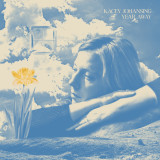
In March of 2020, after learning that a dear friend’s life was coming to an end, Johansing sat down and in one sitting wrote the song “Daffodils”. An elegiac tribute to someone facing death with grace and curiosity, the lyrics confront Johansing’s own mortality by observing the brief lifespan of a Hlower. Only a week later when the world came to an abrupt standstill, she soon found herself processing this recent loss while trying to make sense of a new global reality. Across the ensuing months, Johansing found herself increasingly untethered by a world of isolation and political upheaval.
Having been a frequent touring member of bands like Hand Habits and Fruit Bats, and often being called into the studio to lend her harmonies and multi-instrumental talents to records, Johansing’s phone no longer rang. Living in Los Angeles she feared her musical community was vanishing, as friends and collaborators continually announced they were leaving the city. It was in returning to her piano nightly that she found the greatest solace, feverishly writing the songs that would be collected on her next album. Resulting from this new sense of time and focus was a deepening of her songwriting. As Johansing recalls, “I felt like a metamorphosis happened during that time. There was a lot of personal growth and healing.”
Throughout Year Away Johansing traverses uncharted emotional landscapes brought upon by the changes occurring all around her. The forced self-reflection of the moment is aptly captured by “Old Friend”, featuring an aching melody and swooning production that recalls the best of Harry Nilsson. The epic piano and saxophone-driven “Smile with My Eyes” addresses the loss of community as friends became distant and political divides between family grew. On “Smile” Johansing pushes her vocals further than ever, expanding her range and using her peerless voice as the singular instrument it is. Facing the loss of a family home due to environmental destruction, “Shifting Sands” is marked by soaring Hlutes, Hield recordings and glassy synthesizers that nod to Japanese New Age.
“Daffodils”, the stunning album centerpiece, is built from a pastiche of looping samples, swirling Mellotron and dazzling vibraphone. “Keep your heart open wide, you never know your time / Keep your heart wild, true Hlower child”, Johansing sings as she says goodbye to an elder, while the band reaches a grief-stricken crescendo of woodwinds and chiming bells. On the title track, Johansing takes listeners on an eerily meditative journey of collective experiences. “I wanted to keep the progression simple and repetitive so that musically we could add new elements little by little, while the emotional tone of the lyrics becomes increasingly more strained and expressive”. The song grows to a fever pitch as Johansing sings higher than she thought possible; the tension of the repeating chords Hinally resolving into a hopeful coda as multiple soloists weave around each other.
Amidst heavier themes, Johansing still leaves room for her love of irresistible pop melodies and lush production. The driving “Last Drop” and mid-tempo “Valley Green” are two of her catchiest songs to date. On the former Johansing sings the anthemic chorus, “As if it were the last drop, and nothing ever lasts forever / As if it were the last stop, too far out to come back ever”, longing for a love that she’ll never take for granted, while also admitting that she doesn’t always know how good she has it. “Valley Green” features shimmering layers of 12- string guitars, stacked horns and an impeccable solo by co-producer and multi- instrumentalist Tim Ramsey (Vetiver, Fruit Bats), hinting at a love for bands like NRBQ.
Having been eager to capture the initial spark of songwriting, Johansing booked time at Highland Park’s 64 Sound Studio the week that it reopened. Over the course of three days, she and her band gathered basic tracks for 10 songs, before returning home to Hinish the record with Ramsey. Setting forth to make an album that paid homage to the music that kept them company during the months spent alone together, the duo pulled inspiration from a wide net including Burt Bacharach, John Carroll Kirby & Haruomi Hosono. Ramsey’s newfound love of early digital synthesizers dovetailed effortlessly with Johansing’s fondness for classic 70’s horn and string arrangements, creating a sound that is distinctly modern yet warm and familiar.
Once again Johansing called upon some of the Hinest players of Northeast Los Angeles’ vibrant music community to lend a hand with the record. The 70s R&B-folk of “Watch It Like a Show” features an electric guitar solo from Hand Habits’ Meg Duffy, while album closer “Endless Sound” boasts backing vocals from electronic musician Kaitlyn Aurelia Smith and swooping Indian-inspired violins from Amir Yaghmai (HAIM, The Voidz). The record shines brightly thanks to an ace mix from veteran producer Rob Schnapf (Beck, Elliott Smith, Cat Power), woodwinds from Logan Hone (John Carroll Kirby, Eddie Chacon), and a featured rhythm section of drummer Josh Adams (Jenny Lewis, Bedouine) and bassist Todd Dahlhoff (Feist, Devendra Banhart). Recorded across multiple studios including LA’s famed Sunset Sound, the album remains steadfastly buoyed by the adept engineering of Tyler Karmen (MGMT, Alvvays).
Though born of turbulent times, Year Away is ultimately interested in moving forward. The album ends with “Endless Sound,” where Johansing laments seismic global changes, (“The water is hotter, the mighty thaw / The current’s reversing, the last are lost”) but vows to keep going (“No storm can take me down / Endless light, endless sound”). It’s Year Away’s resilience that shines through despite the darkness. It’s a sound all her own and Johansing’s most cohesive set of songs yet.
Die dunkle, schäbige Unterwelt von New York City taucht wieder auf, wenn das Stadtbild durch Abwässer, Crackrauch und den Handel mit Fleisch verdorben ist. Die Straßen, die einst voller Leben waren, sind von dem grotesken und schmutzigen Chaos vergangener Zeiten durchdrungen. Inmitten dieser rauen Wirklichkeit, in den Mauern der schwach beleuchteten Gassen, stinkt es nach Körperflüssigkeiten und Rattenkot.
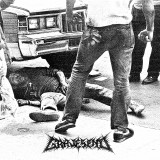
Auf den Bahnsteigen der U-Bahn verüben verzweifelte Seelen wegen ein paar mickriger Dollar wahllos Gewalttaten aneinander. Der East River fließt in einem kränklichen Grün, und der Farbton der Stadt spiegelt die Schatten wider, die diese illegalen Unternehmungen werfen. Inmitten dieser beunruhigenden, düsteren Realität ist nun eine Klanglandschaft entstanden, die das Grauen einfängt - in Form des zweiten Albums von Gravesend.
Das neue Album "Gowanus Death Stomp" verdichtet die Grausamkeit, die auf dem Debüt "Methods of Human Disposal" von 2021 zu hören war, zu einem noch düstereren und ursprünglicheren Trommelfeuer der Gewalt. An der Kreuzung von krimineller Verkommenheit und urbanem Unwohlsein bedienen sich Gravesend vieler Werkzeuge des Handwerks. Black / Death / Grind / War Metal verschmelzen nahtlos zu einer Teergrube aus beißendem Hinterhof-Sadismus und Acid-Zungen-Gesang.
Wie eine frisch geborgeneLeiche unten am Hafen weht der Geruch von Verwesung aus jedem Track auf 'Gowanus Death Stomp'. Und wie bei NYCs Underground-Legenden von Cro-Mags über Swans bis Type O Negative verkörpert Gravesend den Puls der Stadt, selbst wenn dieser Puls auf dem Beton ausblutet.
Die dunkle, schäbige Unterwelt von New York City taucht wieder auf, wenn das Stadtbild durch Abwässer, Crackrauch und den Handel mit Fleisch verdorben ist. Die Straßen, die einst voller Leben waren, sind von dem grotesken und schmutzigen Chaos vergangener Zeiten durchdrungen. Inmitten dieser rauen Wirklichkeit, in den Mauern der schwach beleuchteten Gassen, stinkt es nach Körperflüssigkeiten und Rattenkot.
Auf den Bahnsteigen der U-Bahn verüben verzweifelte Seelen wegen ein paar mickriger Dollar wahllos Gewalttaten aneinander. Der East River fließt in einem kränklichen Grün, und der Farbton der Stadt spiegelt die Schatten wider, die diese illegalen Unternehmungen werfen. Inmitten dieser beunruhigenden, düsteren Realität ist nun eine Klanglandschaft entstanden, die das Grauen einfängt - in Form des zweiten Albums von Gravesend.
Das neue Album "Gowanus Death Stomp" verdichtet die Grausamkeit, die auf dem Debüt "Methods of Human Disposal" von 2021 zu hören war, zu einem noch düstereren und ursprünglicheren Trommelfeuer der Gewalt. An der Kreuzung von krimineller Verkommenheit und urbanem Unwohlsein bedienen sich Gravesend vieler Werkzeuge des Handwerks. Black / Death / Grind / War Metal verschmelzen nahtlos zu einer Teergrube aus beißendem Hinterhof-Sadismus und Acid-Zungen-Gesang.
Wie eine frisch geborgeneLeiche unten am Hafen weht der Geruch von Verwesung aus jedem Track auf 'Gowanus Death Stomp'. Und wie bei NYCs Underground-Legenden von Cro-Mags über Swans bis Type O Negative verkörpert Gravesend den Puls der Stadt, selbst wenn dieser Puls auf dem Beton ausblutet.
When punk arrived in late 1976, the scene acted as a catalyst for an explosion of independent labels which swiftly sprung up around the UK. Named after a classic track by Manchester’s The Drones, ‘Just Want To Be Myself’ boasts classic sevens on imprints such as Small Wonder, The Label, Rough Trade, Dining Out, Deptford Fun City and Cherry Red (all London), Zoom (Glasgow), Attrix (Brighton), Heartbeat (Bristol), Good Vibrations (Belfast) and Bent (Manchester).
Many of the individuals and bands featured would later enjoy success in various incarnations – for example, The Pack mutated into Theature Of Hate, The Outsiders’ Adrian Borland attracted acclaim with his band The Sound, ‘O’ Level’s Edward Ball made an impact with various acts including The Times and Leyton Buzzards evolved into pop combo Modern Romance!
Pure Hell and The Electric Chairs’ Wayne County were American but eligible here because the tracks were recorded in the UK
Modernists loved the latest R&B, blues and soul sounds coming from US cities such as Chicago, Memphis and Detroit and when British groups started playing their own interpretations in clubs and dancehalls they gained their own mod followings, their music remaining popular on the mod scene today.
Side 1 of this bespoke collection spotlights the British R&B scene and features a founding father of British blues Alexis Korner with the rare ‘Taboo Man’ alongside ace mod tracks from The Bo Street Runners, The Others, Mickey Finn and The Blue Men (featuring a youthful Jimmy Page on harmonica) and more.
Side 2 starts with British R&B groups developing their own sound by turning up their guitars, employing distortion, feedback and fuzz pedals to take the music in a new direction. Highlights include the Joe Meek produced ‘Crawdaddy Simone’ by The Syndicats (described as proto punk because of its ferocity), The In Crowd’s snarling ‘Things She Says’ and The Artwoods’ fuzz drenched mod favourite ‘I Take What I Want’ featuring future Deep Purple organist Jon Lord on organ.
Denny Laine (later of Wings) sings with The Moody Blues calming things down with some soulful beat.
Side 3 focuses on UK soul music - Rod ‘the mod’ Stewart backed by The Brian Auger Trinity takes on Sam Cooke’s ‘Shake’, the godfather of ska Laurel Aitken proves he’s also a natural soul man with his floor filling version of The Mar-Keys’ ‘Last Night’ and the amazing Barry St. John sings the funky ‘Gotta Brand New Man’. Popular club acts Lucas & The Mike Cotton Sound and Carl Douglas & The Big Stampede would regularly bring the house down at mod clubs and also feature.
Side 4 includes mod club dancefloor smashes from The Spencer Davis Group and Rupert’s People (AKA mod group Fleur De Lys) while mod heroes The Action go psychedelic with ‘Look At The View’. A moonlighting Jeff Beck of The Yardbirds plays on John’s Children’s ‘But She’s Mine’ and there are brilliant singles revered by freakbeat and psych collectors such as Double Feature’s ‘Baby Get Your Head Screwed On’ and The Drag Set’s ‘Day And Night’.
Rarities from The Trendbender Band and The Union (featuring Elmer Gantry) appear on vinyl for the first time.
Two visionary maestros, Pierre Bastien and Michel Banabila, unite in their first collaborative album, Baba Soirée. The veterans of electronic music bring their unique expertise to the table, resulting in a captivating fusion of experimental styles. Bastien’s mechanical loops and experimental instrumental setups merge seamlessly with Banabila's sound design and impeccable skills of sampling collages. It's not a dance party, nor is it an avant-garde intervention. It's a soirée: a cultivated evening of sonic alchemy hosted by these two charismatic gentlemen.
Pierre Bastien is a composer and multi-instrumentalist with a background in French literature. He has spent decades crafting an idiosyncratic world of experimental sound with his self-built mechanical orchestra Mecanium. It was most notably showcased in audiovisual releases on Aphex Twin's Rephlex label. Bastien's creations are a mesmerizing combination of traditional instruments (he has a vast collection) and mechanical automatons. The violin in the track Rotomotor, for example, is physically played by one of his machines. In Baba Soirée, Bastien also plays a prepared cornet (Slow Dance, Banbas Aura), infusing the recordings with a breathy, dreamy dimension.
Michel Banabila, a sound artist, composer and producer, possesses an eclectic musical repertoire that defies genres. His seamless blend of minimal electronica, tribal ambient, and neo- classical influences has earned him a prominent place in the world of experimental music, and an impressive discography (Knekelhuis, Bureau B, Séance Center, a.o.). Banabila serves as the creative sampling editor for Baba Soirée, expertly weaving together the recordings to craft an evocative sonic tapestry.
The two share a curiosity for traditional instruments from various cultures. The instruments used in the recordings are shown in the cover artwork. A mutual admiration for each other's work paved the way for this fruitful artistic partnership of the Rotterdam-based artists: Collaborating on a single as a fundraiser for Yemen in 2022 set the stage for the creation of Baba Soirée.
For Pierre Bastien, Dada, Fluxus and International Situationism have played a significant role in shaping his artistic vision. The title Baba Soirée is an homage to Kurt Schwitters and Theo van Doesburg's "Kleine Dada Soirée" collaboration which took place exactly a century ago. There's an unmistakable stoicism and an anarchic not-giving-a-f*** attitude in these recordings by Bastien & Banabila, which resonates in the light of this Dada reference.
out of Stock
Last delivered 2 years ago available to reorder, subject to availability
Swedish Hard Rockers Bonafide is finally back in business with their new album "Are You Listening?" This is the bands first studio album since 2017´s "Flames", and not only are they back, they are back with a vengeance! Every single one of the ten new tracks shows a band that once again are on fire! It´s pure high-energy uncompromising hard rock on a level that very few which very few other bands can match. The album is produced by Chips Kiesbye (Hellacopters, Sator, Sahara Hotnights, Backyard Babies) and the song "Snacket" features a duet with Nisse Hellberg from the legendary Swedish band Wilmer X.
Swedish Hard Rockers Bonafide is finally back in business with their new album "Are You Listening?" This is the bands first studio album since 2017´s "Flames", and not only are they back, they are back with a vengeance! Every single one of the ten new tracks shows a band that once again are on fire! It´s pure high-energy uncompromising hard rock on a level that very few which very few other bands can match. The album is produced by Chips Kiesbye (Hellacopters, Sator, Sahara Hotnights, Backyard Babies) and the song "Snacket" features a duet with Nisse Hellberg from the legendary Swedish band Wilmer X.
Swedish Hard Rockers Bonafide is finally back in business with their new album "Are You Listening?" This is the bands first studio album since 2017´s "Flames", and not only are they back, they are back with a vengeance! Every single one of the ten new tracks shows a band that once again are on fire! It´s pure high-energy uncompromising hard rock on a level that very few which very few other bands can match. The album is produced by Chips Kiesbye (Hellacopters, Sator, Sahara Hotnights, Backyard Babies) and the song "Snacket" features a duet with Nisse Hellberg from the legendary Swedish band Wilmer X.
«YENTL: Deluxe 40th Anniversary Edition» feiert den 40. Jahrestag der Veröffentlichung des Films und des Soundtracks Yentl. Disc 1 enthält den Original-Soundtrack zu Yentl, und Disc
2 enthält 15 Tracks, die Barbra als Demos in ihrem Wohnzimmer auf einem Stereo-Kassettendeck aufnahm, um den Film zu drehen, wobei Barbra jeden Track kommentiert. Bei den
Aufnahmen wird Barbra nur von Michel Legrand am Klavier begleitet
Musical innovators, Red Snapper, have announced that they will release a new album on Lo Recordings on the 20th of October 2023.
‘Live at The Moth Club’, the follow up to 2022’s acclaimed ‘Everybody Is Somebody’ long player, features nine tracks from a vast and impressive back catalogue on Warp Records and Lo Recordings and captures perfectly the energy of their celebrated sold out London show from May 2022 in Hackney.
With an incredible and genre bursting career that spans nearly thirty years, the new album demonstrates the band’s ability to constantly rework classic and new tracks, keeping them impassioned, experimental and relevant. The collection includes a version of ‘Suckerpunch’ which originally appeared on their 1998 album ‘Making Bones’ and will now be released as a single on the 15th of September 2023.
Notorious for casting convention aside, and remaining one of the UK’s most forward thinking and rule breaking live bands, Red Snapper embrace a unique blend of live, euphoric Afro-Jazz, Future Funk, Dub, Dark Hip-Hop and fragile soundscapes.
Formed in 1994, the original line up of Rich Thair (drums), Ali Friend (double bass) and David Ayers (guitar) released three EPs on Rich Thair and Dean Thatcher’s label Flaw Recordings. The first EP ‘Snapper’ featured Beth Orton on vocals.
Over the initial years the band released the sonically pioneering albums; ‘Reeled and Skinned’, ‘Prince Blimey’, ‘Making Bones’ and ‘Our Aim Is To Satisfy Red Snapper’ (Warp records), touring globally and supporting the likes of Massive Attack, Bjork, The Prodigy, De La Soul and The Fugees. They also acquired a reputation for innovative and expansive remixing – reworking tunes by Trouble Funk, David Holmes, Sabres of Paradise, Garbage, Lamb, S-Express and Edwyn Collins amongst others.
Since then the band have released the eponymous ‘Red Snapper’ and ‘A Pale Blue Dot’ on Lo Recordings followed by ‘Key’ on V2 Records which featured the track ‘Spikey’ which was on the soundtrack for El Camino, the Netflix Breaking Bad film directed by Vince Gilligan in 2019.
In 2013 Red Snapper composed a new soundtrack to the 1970’s Senegalese, psychedelic road movie Touki Bouki which had been restored by Martin Scorsese. The band toured Europe performing the soundtrack live to the film, culminating in the celebrated sell-out show at The Queen Elizabeth Hall on London’s Southbank. In 2014 the album ‘Hyena’ was released on Lo Recordings featuring all the music from their original film score.
The first release of Clinical Records is here! This brand new label combines repressing old gems with newly produced tracks by upcoming producers that are inspired by the sound from back in the day that we all like!
The A side is originally from Sleepwalker, 1 out of 3 from the trio Boom Generation. Both of the tracks were originally release in 1992!
A1 - Saying Hi There is an energetic, upbeat track with a driving bassline that will get any party going.
A2 - Fruitface comes with an infectious groove and old school stabs which are perfect for any warmup set.
B1 - Push Me Up is from new artist Ben Diggins and combines a heavy sub with groovy piano chords and a steady groove, one for the house heads!
B2 - Loosduinseweg is from Boss Priester, an artist that is really making way for himself. He puts a new touch to old school sounds with a groove to die for, a must have!
out of Stock
Last delivered 21 months ago available to reorder, subject to availability
Repress! We at Now-Again unearthed so much information about the bands that recorded the definitive disco and modern soul contained in our recently launched Soul Cal anthology that we decided we had no choice but to release an album and a book at the same time. Well, following that line, the music contained on Loving On The Flip Side music is too damn good to be anonymously relaunched, decades after musical visionaries blended the best of heavy funk and sweet soul into a unified whole. And simply telling the stories of these vocalists and bands without allowing their lovelorn pleas to be heard again wasn’t an option. Thus, Loving On The Flip Side again offers the enthused a chance to listen to, read about and reflect on another great burst of black American creativity: the creation of the sublime
genre we like to call “sweet funk.”
It seems laughable to skip past Thomas East’s “Slipping Around” 7” for the cheesy funk of ‘Just A Trip,” or to listen obsessively to Lou Ragland’s instrumental funk on the Hot Chocolate LP and ignore his indolent-yet-stirring “We Had True Love.” Yet we did just that, until we first heard the Darling Dears and Funky Heavy’s beautiful
two-sider nearly ten years back. This was the record that set Loving On The Flip Side in motion, as the Darling Dears and Funky Heavy’s two songs precipitated the sweet funk genre: the dichotomy of Funky Heavy’s skull snapping rhythm section and the teenage Dears’ angelic harmonies didn’t sound like anything we’d heard before. That discovery set off a decade long search for the band and culminated in their discovery, the documenting of their stories, the emergence of their master tapes and the inclusion of their songs on Loving On The Flip Side.
The excitement we felt while listening to the Darling Dears and Funky Heavy’s masterworks forced us back into the field, in search of other sweet funk swooners and beat-heavy ballads to round out this anthology. The opportunity to present anew such wondrous soul music made the exhaustive process that produced Loving On The
Flip Side worthwhile, and allowed us to collect one-offs that escaped prior investigations into the deep funk and sweet soul genres.
With the label MPS, post-war musical history was written in Germany: noble music productions with many international greats come from the Black Forest and are timelessly legendary. In this tradition, HGBSBlue releases selected projects on high-quality vinyl.
The DLW trio has been working together for twelve years now and is now setting the tone in the modern European music scene, as the trio has long since left the boundaries of jazz behind. DLW, that is the sound-painting vibraphonist Christopher Dell, the virtuoso Danish bassist Jonas Westergaard and the German star drummer Christian Lillinger.
Time and again, the three jazz musicians from Berlin play together with artists from classical or avant-garde music. "Supermodern"
is the project that brings the three DLW musicians together with US pianist Bob Degen. This music is also unikal. It is a reverence
to the legendary Modern Jazz Quartet (MJQ), which in the 1950s was the link between chamber jazz and European classical music.
With "Supermodern," this reference to the MJQ is illuminated from the perspective of European avant-garde music, rather than
its African-American roots, which nevertheless resonate respectfully throughout.
DLW has "developed a concept based on repetition and difference. The starting point for a piece is always a single bar, which is
rhythmically interlaced and repeated trance-like until the smallest irregularities occur, which are written down and creatively
processed further. From this "superimposed combinatorics" (Christopher Dell) a perpetuum-mobile-like sound movement
develops, which is further radicalized on record by sound alienations and cut-up techniques." Thus respectfully wrote the Neue
Züricher Zeitung in August 2023.
Word has long since spread outside the German jazz scene that the DLW projects are always musically new. This is also the case
with the double LP "Supermodern 2", with recordings made in 2021 in analog at the MPS studio in the Black Forest. Together
with US pianist Bob Degen, who has been one of the creative voices of the German jazz scene for about 50 years, they play highenergy music, with sparkling virtuosity and close communication. A musical treat, further enriched by the immensely present
analog sound of this recording.
Death metal is the great undead of subgenres: rising, again and again, to take revenge on the living with maximum violence. Servants of the zombie code and masters of old school brutality, Germany’s ENDSEEKER have made their intent to kill again more than apparent over the last nine years. Formed in Hamburg in 2014, the quintet have swiftly built a reputation as one of European death metal’s most dynamic wrecking crews. From the aspirational evisceration of first full-length Flesh Hammer Prophecy, to Metal Blade debut The Harvest in 2019, and the widely acclaimed Mount Carcass two years later, Endseeker have cooked up such a formidable formula that their rise to glory seems almost inevitable. But like everyone else, they were stopped in their tracks by the Covid pandemic and its aftermath. As that global horrorshow fades in the rear-view, Endseeker are poised to return with their most crushing and charismatic album to date: Global Worming Death metal is a serious business and Global Worming is Endseeker’s most focused and sophisticated offering to date. Nonetheless, there is always room in the underground sewers for a brain-eating monster or two, and fans of zombie-centric death metal will be more than satisfied with the new album’s brilliant, bloody contents. Consumed in its belligerent entirety, Global Worming soon emits the acrid stench of a future classic. Endseeker have stayed true to their deathly roots, while also writing some of the most imaginative songs in their history. Supremely catchy but as brutal and ugly as the arcane gods demand, Global Worming promises to burrow under the world’s skin with maximum force.
End of Ways is a bridge to healing as it was written during the period of helping a loved one escape an abusive household while working though its lingering horrors to find peace. On this second album
release by indie label Kill Rock Stars, 18-year-old Elliott Fullam touches on even darker subject matter than his predecessor What’s Wrong which was a dissociative trip that reached out to thousands of
like-minded music enthusiasts who hailed the record as their album of the year.
And End of Ways is the next record that will continue in that same gentle melody which alleviates the emotional storm that
torments so many of us. Elliott’s sophomore full-length is a blend of home recordings as well as studio recordings which bring some extra depth within the songs to suit their somber settings in the tracks
Throw It Away, Forget, and Better Way. But the record still retains its stripped down, lo-fi vibe in songs like Let’s Go Somewhere and Remember When with their clear Elliott Smith and Nick Drake
influences in both the acoustic guitar lines and quiet vocals. The addition of young pianist Jeremy Bennett also beautifully adds candle-light melody through-out the album with his haunting notes in the opening song Mistake and his Tim Burton-meets-Vince Guaraldi style in the album’s escapist-themed title track End of Ways along with the dramatic climax to Timeless Tears and the album closer, Over
the Moon which is Elliott’s profession of love to his present companion who he saved from her former home. Nick Drake, Big Thief, Crumb, and Alex G that explores childhood, dissociation, heartbreak and ultimately, survival