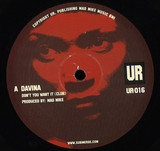
Davina, what can be said? A voice so rich, so full and lyrics that touched peoples soul! A Tech House classic. First broken in Detroit by the legends Ken Collier and John Collins and then later in Paris by Frances own Laurent Garnier and the record caught on fire from there. This record continues to sell to this day. produced by UR’s Mad Mike this is Detroit techno and soul at its absolute best.
out of Stock
Last delivered 27 days ago available to reorder, subject to availability
Heads down, steady and to the point — Squash returns to Healer Records with 3 understated club cuts, tracing deeper corners of dub, prog and tech house. All function, no excess.
out of Stock
Last delivered 4 days ago available to reorder, subject to availability
Some recordings herald the future in ways that are impossible to see in real time. Teodros Makonnen With His Organ (ቴዎድሮስ መኮንን ከኦርጋኑ ጋር), by the artist Teodros Makonnen, also known as Teddy Mak, is one of those. Today, electronic sounds, synthesizers, and digital production are taken for granted in Ethiopian music, but in the early 1980s, they were novelties that polarized opinion. Even to this day, the story of Teodros Makonnen’s legacy has never been properly told. He played a decisive role in defining the sound of the digital era of Ethiopian music that emerged in the 1980s and beyond, both as a keyboard player and as a producer, songwriter, performer, and sound designer.
Ethiopian music was at a crossroads in the early 1980s. Much like music in the rest of the world, technology and automation heralded either a quantum leap in musical development or the annihilation of musicianship, depending on who you’d ask. The changes were incremental nonetheless, but with the benefit of hindsight one can clearly see that the changes meant different things in different contexts. Drum machines and electric organs came to replace many hotel bands because, all of a sudden, one musician could control drums, melody, and accompaniment. Teodros was one of the first musicians in Ethiopia to explore the possibilities this opened up.
Teodros’ father, Captain Makonnen Beri, was a chief pilot at Ethiopian Airlines and a music enthusiast at that. This would prove important to his development, as Makonnen brought back a piano from Germany, which would lead to the first steps in Teodros’ long musical career. Captain Makonnen’s work as Head of Flight Operations and as a pilot exposed him to the wider world that was far from commonplace for most Ethiopians. In a house where music captivated the whole family, the piano gave Teodros’ talent an outlet. Not only was a piano at home rare in Ethiopian households, his father also brought an Indian teacher to their home to teach Teodros and his brother, Captain Samuel Makonnen, music theory (solfeggio or ear training) and piano. Teodros and his youngest brother, the late great Dereje, a member of both the legendary Ibex Band and the Ethiopian reggae group Dallol, took up music from that point onward, with Teodros beginning to develop his proficiency at the age of eight. His father encouraged him to practice tirelessly at home, and Teodros later received musical schooling at the German School in Addis Ababa. His obvious talent led to studies and formal education at the Yared School of Music, followed by continued studies in American jazz at Northern Virginia Community College in Virginia. Teodros cut his teeth professionally in his mid-teens, not only as a keyboardist, but also as an arranger for the Wabi Shebelle and Dahlak bands in the 1970s. He mastered electronic sequencing early, rising to prominence through the midnight recording sessions held during the military curfew. The pressures imposed by the curfew required precise and disciplined recordings, and Teodros delivered just that. This, in turn, led to collaborations with iconic artists such as Mulatu Astatke, Aster Aweke, Menelik Wossenachew, Tilahun Gessesse, Mahmoud Ahmed, and Alemayehu Eshete. In those days, he sat in as a keyboardist with the Dahlak Band when Dawit Yifru took a hiatus to study in Russia, and also with the Ethiostar Band. He secured a residency at the Wabi Shebelle Hotel with the Shebele Band, together with Zelalem Tadese (drums), later succeeded by Elias Bekele, Mulugeta Hailu (bass), Teferi ‘Bibisha’ Mengesha (guitar), Kumelachew G/Selassie (trumpet), and Teshome Deneke (saxophone). A friendly competition developed between the bands associated with the Ras Hotel (the Ibex Band), Ghion Hotel (the Dahlak Band), and Wabi Shebelle Hotel (the Shebele Band). The music scene at Wabi Shebelle saw teenagers commanding the spotlight in an industry otherwise dominated by musicians of an older generation. At the Wabi Shebelle Hotel, Teodros met a diplomat from Saudi Arabia and later visited him at his home in Addis Ababa, a meeting that had unexpected musical consequences. The man owned a Yamaha double-deck keyboard. That evening, they recorded Teodros Makonnen With His Organ (ቴዎድሮስ መኮንን ከኦርጋኑ ጋር) in one take. This recording, a cornerstone in the early digital sound of Ethiopian music, came about almost by chance, simply because Teodros got the opportunity. Traditional Ethiopian songs were cast in a wholly electronic style. Once freed from backing duties, Teodros’ keyboards could explore dreamlike soundscapes that took Ethiopian music in new directions. Even though the cassette contained well-known Ethiopian songs, they were given highly original arrangements, performed on an electric organ with drum machine backing and rhythm patterns that left the listener with suggestive, lingering sounds. “Libesh Kabashen” (also known as “Anchi Bale Game”) and “Odu Gol Golesa” wrap you in the very stuff that dreams are made of. Originally released on cassette only, this recording exudes a mystique that surpasses even some of the most obscure Ethiopian recordings of the day. It remained more or less unknown outside of Ethiopia until now. Some of the tracks, like “Addis Fikir,” are permeated with an almost naive buoyancy, free-floating sounds that lost contact with the ground the moment they were conceived. Others, like “Meche New Hageren Yemayew” and “Lelitu Alnega Alegn,” carry a moodier, quirkier timbre, with pulsating rhythms in the background. Yet even the darker pieces contain an unmistakable wave, something essentially Ethiopian. If most recordings of Teodros’s contemporaries at the time were teeming with atmosphere, his songs seem instead at home in the stratosphere, almost ethereal. Some of the music here could be filed under “lullabies,” were it not for the recurring, almost brooding feeling that engulfs the listener on the aforementioned tracks. You could easily be forgiven for drifting into a blissful haze as the music washes over you.
Up to the advent of electronic music production, Ethiopia was totally dominated by big bands on the one hand, and small groups on the other. The former were tied to large institutions such as the military, the latter emerged from the entertainment industry, in hotel bars and nightclubs. These groups were commercially driven, and bands ultimately had to foster a mercenary approach to employment, albeit not to the passion for music. In the light of this, Teodros’ musical legacy can be seen in two ways. On the one hand, he is a key player in Ethiopian music from the 1970s onwards, leaving an indelible mark through hundreds of compositions and arrangements, including soundtracks for numerous documentary films and advertisements for different companies. On the other hand, the way he and others employed electronics brought Ethiopian music onto a fork in the road.
The replacement of traditional instruments with electronic equipment was seen as impending doom by some. Others, like Teodros, saw new avenues for performance, production, and creativity. Just as later producers like Abegasu Shiota of Admas, Teodros was a trailblazer who opened paths that it took Ethiopian music as a whole more than a decade to rush into. The hotel scene had already been pushed toward electronic music by financial necessity and cost-cutting. Today’s revived global interest in Ethiopian music from the seventies and eighties, alongside a broader resurgence, has changed the reasons for using digital means of music production. They have become tools for musical dreaming. This is where the dreaming began.
out of Stock
Last delivered 14 days ago available to reorder, subject to availability
ONE STEP CLOSER TO FULFILLING THE GLOBAL DREAMLAND CONTINUUM. THE RESULTS WILL KEEP YOU MOVING… ALL NIGHT. THE CIA ATTEMPTED TO CONFISCATE OUR TECH BUT HOUSE NATION INTERCEPTED THE CASE. THEY CAN’T STOP US FROM GROOVING. 4TH DIMENSION SONIC ENGINEERING PREVAILS AGAIN.
Label head GD returns to global swing with new EP, "Come Closer."
Following "Gary's Dreamland," his last outing on the label, Garrett continues to refine a sound that's distinctly his own. With "Come Closer," he delivers another confident, fully realized EP. Featuring a collaboration with Shanny Wise of Fcukers, marking a first-time collaboration between the two.
Garrett doesn't cut corners, and it shows. Every track here reflects the same attention to detail that's defined his output for years, pushing his catalog forward while staying true to the underground sensibility he's known for.
out of Stock
Last delivered 4 days ago available to reorder, subject to availability
je prie pour que la goutte ne tombe pas
(I pray that the drop does not fall) is the first international release by Japanese trio Chi To Shizuku. While they have released five albums and a 7” in Japan, their spectral, haunted rock songs haven’t yet reached a much wider audience overseas. With this album, then, a live recording taken at Koenji HIGH, Suginami, Tokyo on 23rd November 2021, the unique, quartz-like character of Chi To Shizuku’s music is writ large, the bleak bliss of their songs carved onto twelve-inch vinyl.
Perhaps the best-known member of Chi To Shizuku, at least for audiences with an ear turned to Japanese psychedelia, is drummer Takahashi Ikuro, known for his membership of almost every group worth a damn from that scene – Fushitsusha, Nagisa Ni Te, Ché-SHIZU, Kousokuya, High Rise, Maher Shalal Hash Baz, LSD March, the list goes on. But the core of Chi To Shizuku’s music is the collaboration between vocalist, bassist and lyricist Morikawa Seiichirou, and guitarist and arranger Yamagiwa Hideki. Morikawa is a member of long-running punk/goth group Z.O.A., and has also played with YBO , Zzzoo, and as collaborator with Takeshi and Atsuo of Boris in A/N; he’s also recently been performing with Mitsuru Tabata. Yamagiwa’s history takes in stints with Katsurei and Cock C’ Nell, and he also recently guested with la scene 裸身.
All this contextual information does relatively little, though, to prepare you for the unique vibration of Chi To Shizuku’s lustrous songs. They shimmer in the same half-light, perhaps, as Shizuka and the quieter moments of LSD March, sharing a similar poise and classicism, and there’s a tenderness and wracked poetry to Morikawa’s voice that reminds of the emotional intensities both of traditional Japanese folk, and of British folk music: on “Musuu No Nemuri No Naka De Kumo Wo Tukamu”, the combination of his singing, backed with gorgeously plangent guitar, reminds of no-one so much as it does The Pentangle or Spriguns Of Tolgus. Chi To Shizuku’s love for the ballad as form gifts their music an archaic, sometimes arcane resonance, and from what you can hear on this album, it’s clear they’re in love with graceful melancholy.
But this is not a folk album, by any means; it just shivers with the same eternal spirit. There are also hints of prog rock, and you can catch some passages of scratchy, distended free rock, on the extended spirit invocation of “Nanhito Hanhito”. je prie pour que la goutte ne tombe pas is an extraordinary album, a melancholy surprise, that reminds dedicated listeners of the seemingly bottomless well of great music to be found via the Japanese underground in its many forms. Perhaps Michel Henritzi says it best, though, in his liner notes, when he writes, “Chi To Shizuku’s music reminds us that our life is a dream that lasts only a season, and that oblivion will follow.”
Recorded at Koenji High Suginami, Tokyo, 23 November 2021
Mix & Mastering: Taku Unami, photography : Noriko Akiyama
Liner notes by Jon Dale Printed by Alan Sherry
Japanese acid pop outfit Cho Co Pa Co Cho Co Quin Quin channel the globe-trotting spirit of Haruomi Hosono’s 1970s tropical boogie on their debut album, Tradition.
Named after one of the basic rhythms of Cuban folk music and drawing on influences from across the globe, Cho Co Pa Co Cho Co Quin Quin are quite simply a world unto itself.
Comprised of three childhood friends, Daido, Yuta and So, who reconnected during the coronavirus pandemic, Cho Co Pa initially emerged as a playful way for the three 23-year-olds to pass the time. Tapping into their youthful connection, they created a sound that exudes confidence and curiosity, a homage to the masterful world of YMO’s and Happy End’s Haruomi Hosono, rooted in the trio’s own idiosyncratic experience of the present.
Recorded at home and promoted on hugely popular DIY TikTok videos, their debut album Tradition is a technicolour exercise in armchair travelling – a kind of lockdown exotica for the housebound whose nostalgic flights of fancy are laced with a sense of whimsical melancholy for the lost freedoms of youth.
Referencing everything from Afro-Cuban percussion to lo-fi beats, Buddhist spirituality to trap, each member of the band brings different musical inspirations to the table. Latin American and Middle Eastern styles sit adjacent to a fascination for the electronic music of Aphex Twin, Dorian Concept, Underworld and Daft Punk. At times, the music verges on acid pop bliss, at others, it grooves with the instrumental funk sensibility of BADBADNOTGOOD.
“In the first place, when I create a song, my goal is to transport the listener to a mysterious place,” vocalist Daido explained in a recent magazine interview. Using lyrics as another sonic texture in the composition of ideas, Cho Co Pa paint beguiling sonic postcards of far-flung moods across 12 highly original tracks.
Marrying the organic and the electronic on rhythmically sophisticated compositions like ‘Chichibu’ and ‘Watatsumi’, it is on the album’s standout track ‘Gandhara’ that the experimental sound of Cho Co Pa comes to the fore. Referencing the ancient city of Gandhara through which Buddhism made its way from India to China, the track is a vocoder-trap-inspired, Udu drum-driven pop jam that lilts with unmistakable Balearic flair. If that’s difficult to imagine, then know simply that ‘Gandhara’ sounds like nothing else on this side of Saturn. Even Daido seemed surprised by the outcome: “I feel like we were able to create something that exceeded our abilities. That was huge!”
Hugely popular in Japan, with festival appearances lined up alongside BADBADNOTGOOD at Asagiri Jam in October, it's safe to say the success of Tradition has taken Cho Co Pa by surprise. You won’t have heard anything like it."
In the ever-evolving landscape of the underground music scene, few bands have made an impact quite like Selofan, an immensely talented duo of Joanna Pavlidou and Dimitris Pavlidis, has carved a niche for themselves within the international pantheon of darkwave, post-punk, and '80s synthpop, blending these influences to create a sound uniquely their own. Their journey, marked by a commitment to artistic integrity and evolution, has taken them from the cozy confines of local venues to the grand stages of international festivals, earning them a dedicated following and critical acclaim along the way. Their sixth album, Partners in Hell, released in October 2020, navigated the band through unprecedented times, testing their adaptability and resilience. Despite the hurdles to performing live and the global pandemic's challenges, Selofan emerged stronger, embarking on international tours with a newfound appreciation and connection with their global audience, during this period of introspection and isolation, Joanna Pavlidou embarked on a new venture, GIOVANNA, released under Selofan’s house label, Fabrika Records. GIOVANNA, which places Pavlidou at the helm of vocal and lyrical composition, represents a full on foray into synth-pop. showcasing a different facet of her artistic identity, with lyrics entirely in Greek. In 2023, Selofan hit the circuit hard, lighting up revered festivals with their presence. They stood shoulder to shoulder with heavy hitters like Molchat Doma and Lebanon Hanover at Grey Scale and performed with with the likes of The Sisters of Mercy, VNV Nation, and She Past Away at the Death Disco fest in their hometown of Athens. With each album they have released Selofan made significant strides in their evolution, deepening their engagement with their art. And their forthcoming seventh full length studio release, Animal Mentality, is poised to be their most compelling work yet. Animal Mentality unfolds as a labyrinthine journey through the elemental aspects of human emotion and experience, set against the backdrop of Selofan's signature darkwave sound. Each track on the album delves into different facets of the human condition, from the depths of desire to the pangs of isolation, encapsulating the duo's profound understanding of the intricate spectrum of human emotion and subjective experiences. The album kicks off with "Sticky Fingers," a track that melds cinematic scope with a haunting storyline, reminiscent of Jean-Michel Jarre's icy synths and a lyrical nod to Joy Division. This opening salvo revisits the tragic allure of classic car accident songs, weaving a tale of joy turned to sorrow amidst the snowy Alps. "Love's Secret Game" delves into the depths of forbidden desire, with vocals that echo the melancholy timbre of Xmal Deutschland, Lebanon Hanover, and Nico. It's a tale of passion and ephemeral connection, promising an enduring presence despite the inevitable fracture of time and distance. In "Lucille," sung by Dimitris Pavlidis, the plot is ensnared in the machinations of a tempestuous affair, with gothic undertones evoking the dramatic soundscapes of Ultravox and Clan of Xymox. The lyrics are steeped in danger and desire - a dance with the shadows. "Sacrifice Me" plunges into the abyss of despair, driven by a Bauhaus-esque bassline. It's a plea for release from the chains of alienation, a yearning for a final gesture of solace in the face of overwhelming darkness. "Bluebirds" offers a poignant reflection on solitude, with the fleeting imagery of bluebirds symbolizing the elusive quest for happiness. The song serves as a meditation on the internal struggle to maintain hope in a world shaded by sorrow. The narrative shifts with "Glassplitter," where German lyrics paint a portrait of deceptive allure and toxic entanglement. We are confronted with irresistible danger, masked by a veneer of beauty. "Ignoranz" continues the exploration in German, pondering the universality of misunderstanding. It's a reflection on the subjective nature of truth and the shared human experience of ignorance. "Behind My Eyelids" closes the odyssey, a contemplation on melancholy and metamorphosis. The phoenix rises from the ashes of betrayal to the brighter realm of renewal - a beautiful homage to the resilience of the human spirit amidst the often harrowing cycles of life. More than just an album, Animal Mentality is a milestone in Selofan's career, marking a decade of musical innovation and growth. It's a testament to their enduring spirit and a bold step into new realms of artistic expression. As Selofan continues to evolve, they remain at the forefront of their genre, pushing boundaries and exploring the depths of the human psyche through their haunting melodies and poignant lyrics.
A long-lost Japanese acid folk gem, Niningashi’s 1974 private press debut Heavy Way shimmers with originality, deft song writing and a dream-like groove.
Although he was training as a pharmacist, Kazuhisa Okubo was much more interested in prescribing musical medicine.
A coming-of-age album, Heavy Way captured a turning point in Okubo’s life, and Japanese society more widely as a nostalgia for the pastoral calm of the traditional life, met the cosmopolitan thrill of coffee, sex and cigarettes in the big city.
Intoxicated by Tokyo, driven by a passion for music and surrounded by a thriving acid folk scene, the young student filtered his experiences through a psychedelic cocktail of soulful influences from the US and Japan.
Niningashi was his first band, and Heavy Way was their only album. It was honest and raw, deep and strangely funky, in an off-beat kind of way. Across nine tracks, Okubo and the 6-piece band put their own spin on the new folk sound of Japan, combining witty lyrics with electric guitar-driven solos and crisp, understated grooves.
Melancholy and profound, opening track ‘Ameagari’ feels like a synthesis of Harvest-era Neil Young and Haruomi Hosono’s Happy End. Then there’s the whimsical washboard country sound of ‘Semai Boku No Heyade’; the moody, low-lit charm of ‘Restaurant’; and ‘Hitoribotchi’, a sensitive portrayal of childhood, steeped in memories of rainfall that will resonate with fans of Woo and Mac Demarco.
While Okubo would go on to taste success with psychedelic folk bands Neko and Kaze, the latter of which scored three #1 albums, little is known about his mysterious debut with Niningashi.
Self-released by Okubo in 1974, and featuring album artwork by his brother, it has slowly generated a cult following online, intrigued by its soft and enchanting sound. So few records were ultimately pressed that those remaining have fetched up to £1,500 online.
Featured on Time Capsule’s era-spanning collection Nippon Acid Folk, Niningashi’s Heavy Way is a deep-cut grail of a vibrant time in Japan’s musical history, where even the pharmacists were making jams.
out of Stock
Last delivered 19 months ago available to reorder, subject to availability
For her new and most radical album »Electroacoustic Works for Halldorophone«, Martina Bertoni used the electronic instrument at EMS Stockholm to create four pieces that are massive in scale and incredibly intimate, sonically restrained and emotionally overwhelming—almost ambient and always demanding your full attention.
Martina Bertoni returns to Karlrecords with »Electroacoustic Works for Halldorophone,« her most radical album yet. The foundation for the four electroacoustic pieces was laid during a residency at Stockholm’s legendary Elektronmusikstudion (EMS) that the Berlin-based cellist and composer used to explore the curious instrument, originally designed by Halldór Úlfarsson in 2008, as an algorithmic system in order to examine tunings and the mathematical relationships between Aiming to analyse and understand their interaction beyond the composer’s control, Bertoni sought to engage more deeply with the concepts of time, tuning, and, most importantly, control. Accordingly, her four »Electroacoustic Works for Halldorophone« seem both massive in scale and incredibly intimate, sonically restrained and emotionally overwhelming— almost ambient and always demanding your full attention.
While the halldorophone—famously used by Hildur Guðnadóttir for her »Joker« score—roughly resembles a cello and can be played like one, it is an electronic instrument. The vibration of its strings is being picked up, amplified, and then routed through a speaker. This creates a feedback loop that becomes increasingly complex depending on how much gain is added to individual strings. Úlfarsson gave Bertoni a carte blanche for how to handle the instrument, but she stresses that she relied on »minimal interventions—some string strumming and plucking« that set the interactions of different sounds and frequencies into motion. »I decided to not approach it like a cellist would,« she explains. »Instead I used it as a kind of generative organ by turning it into a feedback machine, with tuned feedback triggering more feedback depending on the tuning, which was based on tetraphonic scales that I could apply on the four main strings as well as the sympathetic group of strings.«
Bertoni recorded the material in the EMS studio, later composing and arranging the four complex pieces in her home in Berlin, after which they were mixed and mastered by Ciaran O’Shea. While this can be considered a compositional abstraction process, traces of her concrete work as a performer are firmly ingrained in the music. »The halldorophone doesn’t have a line output, just a double set of speakers, which is why I recorded all sounds with two microphones in the EMS studio,« she explains. »That’s why there’s plenty of breathing sounds here and there—label owner Thomas Herbst and I jokingly refer to the album as my ›chamber music record‹.« And indeed, there is a striking sense of intimacy to these four pieces throughout which individual sounds, harmonic frequencies, and even subtle rhythmic figures seem to move both on their own accord but also according to a underlying vision that steers their interplay.
Indeed, »Electroacoustic Works for Halldorophone« is an album built on and marked by contrasts. The soothing polylogue of single sounds in the higher register on opener »Omen in G« is counterpointed by massive bass drones, while the second piece, »Nominal in D,« plays a cunning game of repetition and difference by combining thick textures with all kinds of rhythmic elements. »Fades in C«—the longest of the four pieces, clocking in at 17 minutes—unlocks the emotional potentials of the sonic qualities of the halldorophone, sounding at once serene and anthemic, and »Organon in D« closes the album by underscoring how Bertoni’s unconventional approach allows her to seamlessly transform simple, quiet tones into complex, towering walls of sound.
The jaded daughter of a dead preacher-man caught in an exodus, Ethel Cain winds her way through a dizzying attempt at escape from her suffocating upbringing only to find herself crushed within its jaws in the end. Hayden Anhedönia, the woman behind the curtain, serves as the architect for the visceral and haunting world of Ethel Cain. After over four years of meticulously constructing her debut album and the graphic visual world that accompanies it, Preacher’s Daughter, was released in May 2022 to critical acclaim, catching fire with her reverent fanbase of daughters and the adoration of The New York Times, Vogue, NPR, Billboard, Vice, TheFADER, NYLON, Paper Magazine, Pitchfork, W Magazine, V Magazine and more.
out of Stock
Last delivered 28 days ago available to reorder, subject to availability
On July 20, 1993, Los Angeles hip-hop legends Cypress Hill unleashed their sophomore opus Black Sunday on the unsuspecting masses. The record changed rap music with its dark undercurrent, Latin inflection, no-holds-barred storytelling, and the inimitable interplay between B-Real and Sen Dog cast over psychedelically spun rap soundscapes courtesy of DJ Muggs.
Now to mark the 30th anniversary, two new remixes are available for fans on 12” black vinyl; “Insane in the Brain” from the esteemed DJ/Producer Statik Selektah, and “Hits From The Bong” crafted by the album’s original producer himself, DJ Muggs.
Children of Zeus return with their third studio album ‘As The World Burns…’
Five years on from their highly-acclaimed sophomore album ‘Balance’, Manchester’s kings of hip hop soul, Tyler Daley and Konny Kon, bring us a brand new 16-track opus.
Sonically the duo continue their story where they left off; crafting an amalgamation of street soul, alternative r&b and boom bap hip hop, with a sprinkle of flavours taken from their original multi-genre pirate radio influences, and a dash of forward-thinking new sounds, ensuring all tracks are destined to become future classics.
The features are sparing but powerful, enlisting the talents of revered UK rapper Knucks (‘Before We Drown’), Colorado-native Young Old Soul (‘Dopamine’), MCR family K S R (‘Do You Want To Get High’, & Australian/Mauritian up & comer Anieszka (‘Water & Vibes’).
As with previous projects, this album is largely produced by the duo themselves, though there are guest productions from previous collaborators too, including Grammy Award-winner Beat Butcha, Grammy-nominated Teo, and broken beat pioneer K15, along with an assortment of new players making moves in the underground neo-soul & beats circuit.
Conceptually, this project continues on with the story to date. An eternal search for sunsets and soulfood, as a respite to the anxieties of the modern world; personally, professionally and globally. Assertive swagger is matched with brutal but sincere candidity. As ever, it encapsulates the rough with the smooth, with reflections on where they’ve been, where they’re at and where they’re headed. There’s no preaching to be found here; just an acceptance of things as they are, an embrace of the environment and people they were nurtured by, and a celebration of some of the finer things in life; slow jams, weed & rum, water & vibes. Raps for listeners, blunt heads, fly ladies and prisoners. All packaged together as another perfect sonic love letter to sound system culture. 50 minutes of big people music.
Since the release of their anthemic debut single ‘Still Standing’ a decade ago, to the subsequent EP ‘The Story So Far’, and their critically-lauded debut album ‘Travel Light’, the duo have received numerous accolades, including nominations for AIM Awards & Worldwide Awards both, along with tons of ‘Album of the Year’ nods care of Clash Magazine, Bandcamp, Complex, Wordplay and many more. This along with huge swathes of support from DJs, radio stations, press outlets, tastemakers, luminaries & fellow artists across the globe.
Children of Zeus have performed sessions for COLORS, Soulection (Apple Music), DJ AG, Boiler Room, BBC 6 Music and at the infamous Maida Vale studios for BBC 1Xtra as well as touring across Europe, Australia and South Africa. This is in addition to collaborating & touring with Mercury Award Winner’s Ezra Collective, including a Wembley Arena show. Other collaborations over the years have included Shy FX, Juls, Goldie, Black Milk, Kofi Stone and the late great Lenzman.
From the Broke ’n’ English / Hoodman-era, to the present day, Children of Zeus have been omnipresent in the fabric of British black music. Proud ambassadors of Manchester music, and of UK soul, it really is “Zeus to the world”.
Children of Zeus have been adorned with plenty of flowers over their career. The unbridled quality and poignance of the music and the message on display throughout this project will see the algorithmic needle move some more. It’s undoubtedly set to be a Zeus Summer. As the world burns…
Available on all digital platforms and physical formats, Friday September 4th 2026.
t 07: Do You Want To Get High? (feat. K S R ) - Children of Zeus03:26
t 07: Do You Want To Get High? (feat. [ K S R ]) - Children of Zeus03:26
[t] 07: Do You Want To Get High? (feat. [ K S R ]) - Children of Zeus03:26
[g] B3 | Do You Want To Get High? (feat [ K S R ]) - Children of Zeus03:26
out of Stock
Last delivered 13 days ago available to reorder, subject to availability
Mr. K turns his attention to his hometown with a couple of deep underground NYC disco cuts that have never appeared on 7-inch before: the stomping ‘Hey Roots’ by Black Rock and Ahzz’s sought-after ‘New York’s Movin’’. Black Rock’s ‘Hey Roots’ was the band’s follow-up to their 1975 proto-disco single ‘New York City Bump’ and takes a similar four-on-the-floor approach while raising the tempo to match the energy of a standard 1977 dancefloor cut. Mr. K’s edit builds the track methodically, using a sparse sprinkling of the original vocals and focusing on the hypnotic, Bohannon-esque beat. On the flip, he tackles the Peter Brown-adjacent classic ‘New York’s Movin’’, this time dropping the vocals entirely in favour of working with the wicked instrumental take, a wild jam that layers handclaps, tambourine, slicing rhythm-guitar and perfectly cheesy synth strings to make an irresistible dancefloor banger. Adding a dubby breakdown and arranging the parts to get the maximum out of the limited 7-inch real estate (both cuts here top the five-minute mark), Mr. K has given us another powerful tool in an ever-growing arsenal of dancefloor weapons.
out of Stock
Last delivered 28 days ago available to reorder, subject to availability
American DJ, producer and Lone Romantic / Ellum Audio label boss Maceo Plex joins Radio Slave’s Rekids with the ‘Monster’ EP.
Maceo Plex opens the ‘Monster’ EP with 'Flute Jam', a muscular, progressive cut with broken beats and subtle chords lighting up the airwaves. Drifting vocals and widescreen synths add great scale to this intergalactic journey while textured bass brings the weight. The hyper-real and aptly named 'Baby Monster' then features vocals from Baby Monsta, refracted through a full-bodied Electro-Techno fusion. The chords dance over fizzing bass, all with future-facing sound design and an outer space atmosphere. Closer 'Cold Flow' is a prickly breakbeat cut with dehumanised, trap-style vocals and precision engineering in the groove. It's a cinematic sound that takes breaks, techno and electro into new realms while retaining a soulful, melancholic core.
Active since the 90s, Maceo Plex haș long been operating in his own musical world, where Electro, Techno and House all fuse into something futuristic and fresh. He's been shaping the underground for three decades as a DJ and producer but also head of the infl ential Ellum Audio and Lone Romantic labels. Already this year he has dropped the dark 2-step sounds of his 'The Plan EP' via the latter, which also features Baby Monsta, and continues his purple patch with a standout debut on Rekids that finds him exploring yet more new ground.
out of Stock
Last delivered 13 days ago available to reorder, subject to availability
Over the last decade, Medlar has carved out a unique corner of the underground with releases on labels including Delusions of Grandeur, Wolf Music, Razor n Tape and Make A Dance, developing a sound that effortlessly bridges deep house, leftfield disco, broken rhythms, and jazz-infused electronics. Here he is with a brand-new Celestial Bodies EP on Delusions of Grandeur, deep, warm, Balearic sounds for the soul!
out of Stock
Last delivered 4 days ago available to reorder, subject to availability
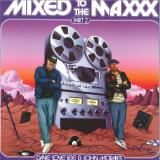
Two of the most prolific remixers in the world of Disco,Dave 'Love' Lee and John Moraleshave teamed up for one of their biggest projects to date - 'Mixed To The Maxxx'. After gaining access from the legendary original artists, the pair take the multi-track tapes of many classic Disco, Funk & Soul tracks and re-work them...to the Maxxx!
Where Remixed With Love stands as Dave Lee's own gold-standard body of work, Mixed To The Maxxx sets that legacy alongside Morales' own decades-deep M+M body of work: Lee brings his musically dense, groove-first touch to the likes of Harold Melvin, Syreeta, Lenny Williams and The Brand New Heavies, while Morales applies his extended, dancefloor-built M+M treatment and crushes the likes of Barry White, The Temptations and Loleatta Holloway, plus Dennis Coffey's breakbeat classic "Scorpio" for the DJs and collectors alike. Both work from original tapes, surfacing parts barely audible or entirely unheard in the source mixes, and both know when to let a classic breathe rather than bury it under modern production. It's a pairing a long time in the making. Lee and Morales first talked about working together around a decade ago, and getting Mixed To The Maxxx off the ground took five years of patient work: tracking down usable stems, securing approvals, and navigating a licensing landscape where much of the best material is now tied up with major labels increasingly cautious about clearing remixes. What's landed here is the product of that graft as much as the pair's shared ear for a great record, the sound of two people who know exactly what they're looking for and are willing to put in the time to find it.
A double 12" sampler in summer 2025 previewed the record's range. A bass-driven overhaul ofThe Brothers Johnson's "The Real Thing" and an extended mix of Philly legends Bell & James' "Livin' It Up (Friday Night)" showcased Lee's side, while an anthemic take on Inner Life's "Ain't No Mountain High Enough" and a tempo-lifted Light Of The World"London Town" flew the flag for Morales. Both drew strong early support ahead of the full LP.
out of Stock
Last delivered 6 days ago available to reorder, subject to availability
DE-CMG / DE15YR Dark EntriesBooks21.09.202621.SEP.26
Dark Entries Collected Music Graphics Compiled by Josh Cheon and Eloise Shir-Juen Leigh To celebrate 15 years of Dark Entries, this zine showcases the label’s visual aesthetic, bringing together some of the most iconic designs that we’ve released. While Dark Entries’ sonic mission has included sounds as diverse as synth-pop, Italo disco, darkwave, house, and techno, it is equally staggering to see the breadth of visuals the label has encountered and collected over the years. Included here are selected typography, logos, and illustrations from the label’s extensive catalog — well over 300 releases to date. Designs have been created using DIY analogue techniques as well as more contemporary digital approaches. A full discography is included at the end for reference and an essay by Shawn O’Sullivan (Led Er Est, Further Reductions). This zine serves as a source of inspiration for artists as well as a means of preserving and documenting these distinct graphics. DARK ENTRIES RECORDS is a San Francisco-based record label that was born in July 2009. Helmed by Josh Cheon, a vinyl-focused DJ and collector, the label has focused largely on excavating the 1980s underground era – but releases have spanned from sultry vintage disco to bleeding-edge contemporary techno. Graphic designer Eloise Shir-Juen Leigh has been responsible for most of the label’s artwork, whether reproducing original designs accurately for reissues or creating exciting new ones. Much care and attention is given to each release to represent the music in a memorable way as well as tell the stories behind these projects. Hand-stamped and limited to 200 numbered copies. 64 pages with neon cardstock covers. Measures 5×7 inches.
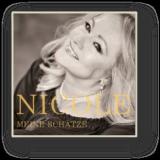
„Ein bisschen Frieden“, „Flieg nicht so hoch, mein kleiner Freund“, „Papillon“, „Ein leises Lied“, „Mit dir vielleicht“, „Allein in Griechenland“ oder „Ich bin zurück“. Diese Hits von Nicole kennt wohl jeder und kann jeder mitsingen.
Nicole ist die die Grande Dame der deutschen Popschlagerszene, seit vielen Jahren auf den größten, schillerndsten Bühnen unterwegs. Aber sie liebt auch die Zurückgezogenheit, um als klassische Singer-Songwriterin an ihrer Musik zu arbeiten. Sie schafft es ehrliche Einsichten und pures Gefühl, in bewegende Songs zu übersetzen, die gerade durch diesen Tiefgang so faszinierend und zeitlos sind.
Vor allem bleibt sie sich treu und weiß ihren unverkennbaren Sound immer wieder ganz behutsam neu und weiter zu denken: Unaufgeregt und immer absolut nah am eigenen Leben, gewährt sie Einblicke in ihr Leben und ihre Weltsicht - passend zu Ihrem schweren Kampf gegen die Krankheit. Sie möchte Mut machen und zeigen, dass es sich lohnt zu kämpfen, auch gegen eine scheinbar nicht zu besiegende Krankheit.
„Ein bisschen Frieden“ bescherte Nicole Millionenverkäufe und Top-Platzierungen in ganz Europa. In den vier Jahrzehnten, die seit diesen ersten Sensationserfolgen der Euro-Gold-Single vergangen sind, folgten zwei Dutzend weitere Longplayer, für die sie gleich 11 Goldene Stimmgabeln sowie 17-mal den ersten Platz bei der ZDF-Hitparade gewann. Auf die Zweitplatzierung beim World Popular Song Festival in Tokio (1983) folgten zudem ein ECHO-Pop in den Neunzigern, mehrfach die Goldene Europa und 2017 der smago! Award.
2024 feierte Nicole Ihren 60. Geburtstag und setzte diesen Trend fort. Das Album „Carpe Diem“ gilt als eines ihrer Besten und wurde mit einem Chart-Eintritt gekürt.
Stillstand hat es für Nicole nie gegeben – auch 2026, nach 45 Jahren auf der Bühne, nicht. Bereits die erste Single „Ich will mehr“ machte deutlich, wohin die Reise geht: nach vorne. Mit ihrem neuen Album „Meine Schätze“ blickt Nicole auf ihre außergewöhnliche Karriere zurück und setzt gleichzeitig ein kraftvolles Zeichen für Aufbruch, neue Wege und echte Lebensfreude.
„Meine Schätze“ produziert von ihrem kongenialen Produzententeam – Achim Meier, Zoran Grujovski und Jens Carstens, ist dabei kein klassisches Best-of-Album. Stattdessen hat Nicole ganz persönliche Songperlen aus 45 Jahren ausgewählt – Lieder, die sie geprägt, begleitet und inspiriert haben. Dazu gehört auch ihre gefühlvolle Interpretation des Don-McLean-Klassikers „And I Love You So“.
Teilweise neu arrangierte Akustikversionen verleihen den Songs eine besondere Intensität und zeigen ihre emotionale Tiefe ebenso wie ihre zeitlose Kraft. Gemeinsam mit musikalischen Weggefährten und Freunden wie Heinz Rudolf Kunze, John Kelly, Johnny Logan, Nino de Angelo und Mickie Krause entstand ein Album, das Mut macht, nach vorne zu blicken und das Leben bewusst zu genießen. Diese positive Energie trägt Nicole mit ihrer unverwechselbaren Stimme – kraftvoll, klar und berührend wie selten zuvor. Eine Nicole, die viele überraschen wird.
Die Botschaften der Songs haben auch nach 45 Jahren nichts von ihrer Aktualität verloren. Sie stehen für Hoffnung, Zuversicht und die Überzeugung, dass gute Musik Generationen verbindet.
Musikalisch präsentiert sich „Meine Schätze“ in einem modernen, frischen Soundgewand. Gefühlvolle Streicher des F.A.M.E.'S. Skopje Studio Orchestra treffen auf einen atmosphärischen Mix aus Folk, Pop und Schlager – eingängig, emotional und voller Tiefe. Ein Klangbild, das bewegt und lange nachhallt.
Besonders bemerkenswert: Die Produktion setzt bewusst auf echte, handgemachte Musik. Statt künstlicher Intelligenz stehen hier authentische Musikerinnen und Musiker, echte Instrumente und ehrliches musikalisches Handwerk im Mittelpunkt – ein klares Bekenntnis zu Qualität, Leidenschaft und echter Emotion.
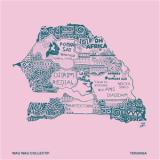
,Teranga", das letzte Album der Wau Wau Collectif-Trilogie - dieser verträumten, kulturübergreifenden Zusammenarbeit -, zeigt, wie die Band endlich zu einer Einheit zusammenwächst. Der Name leitet sich vom Wolof-Wort ,Teranga" ab, das für Herzlichkeit, Gastfreundschaft gegenüber anderen und - ganz allgemein - für ein gemeinsames Zusammentreffen steht - ein passender Titel für das Album, das selbst Ausdruck einer solchen Begegnung ist. Das Projekt begann 2018 im Dorf Toubab Dialaw, wo die beiden Musiker Arouna Kane und Karl-Jonas Winquist die Idee erstmals hatten. In den folgenden Jahren entwickelte sich das Projekt weiter: Die beiden Produzenten tauschten über WhatsApp Dateien aus und bezogen ihr Netzwerk aus Freunden und Kollegen in das ein, was später zum Wau Wau Collectif werden sollte - was schließlich in ihren ersten Alben ,Yaral Sa Doom" (2021) und ,Mariage" (2022) gipfelte. Ihr neuestes Album, ,Teranga", ist der dritte und letzte Teil dieser Trilogie, der während der ersten Live-Tour der Band fertiggestellt und abgemischt wurde - eine fünfwöchige, weitreichende Reise quer durch Europa mit ,drei Schweden, drei Senegalesinnen und einem französischen Fahrer, ein herrliches Sprachengewirr", wie Karl-Jonas erklärt. Das Herzstück von Wau Wau Collectif ist ein starkes musikalisches Fundament, das nicht nur auf dem breiten kulturellen Spektrum beruht, aus dem sich das Kollektiv inspirieren lässt, sondern auch auf den äußerst talentierten Musikern - komponiert und eingespielt von sage und schreibe 26 verschiedenen Songwritern und Musikern, die eine beeindruckende Bandbreite an Instrumenten spielen, darunter Balfon, Ngoni, Calabasse, Violine, Cello, Saxophon und Omnicord. Der daraus resultierende Sound lässt sich nur schwer einordnen, hat aber klanglich zweifellos seinen Platz in Teranga gefunden. Mal verträumt und meditativ, aber durchdrungen von einer organischen Seele - ein völlig einzigartiger Sound, der zugleich anachronistisch und zukunftsweisend ist. ,Oh, Africa" könnte auf einer klassischen Neuauflage zu Hause sein, mit einem fast türkisch anmutenden Gitarrenriff, während ,100 ans" (ihre erste Live-Studioaufnahme) an Amadou et Mariam aus den frühen 2000er Jahren erinnert. Mit Wurzeln in der Avantgarde (Karl-Jonas hat Barney Wilens ,Moshi" als Inspiration genannt), während Wau Wau sich von diesen Experimenten inspirieren lässt, auch wenn sie in ihrem Bekenntnis zum Gemeinschaftsgeist davon abweichen - ein Projekt, das durch Handys, WhatsApp und im Internet kursierende MP3s ermöglicht wird -, was leicht ironisch wirkt, wenn man bedenkt, wie akustisch, bodenständig und menschlich es sich anfühlt. Während wir das Kapitel der Trilogie abschließen, betont Karl-Jonas, dass dies vielleicht erst der Anfang ist: ,In gewisser Weise haben wir gerade erst angefangen", sagt er. Für das nächste Jahr zeichnen sich Pläne ab, die ganze Band zusammenzubringen, und es stehen weitere Tourneen bevor - mehr Hoffnung, mehr Menschlichkeit und mehr Zusammenhalt.
Das in den USA ansässige Trio ist seit 2013 aktiv und besteht aus Ryan Lott, Ian Chang und Rafiq Bhatia. Getragen von Neugier und der Suche nach einem Gleichgewicht zwischen roher emotionaler Intimität und akribischen elektronischen Kompositionen lässt sich Son Lux, wenn nötig, den Genres Experimental Rock, Post-Rock und Electronic Rock zuordnen.
Ihren ersten Durchbruch erlebten sie mit dem Titel „Easy“, einschließlich Alternativversionen von Woodkid (2013) und Lorde (2014). Nominiert für den Oscar® und den BAFTA in der Kategorie „Beste Originalmusik“ für Everything Everywhere All at Once (2022 – Daniel Kwan). Son Lux traten bei den Oscars anlässlich ihrer Nominierung für den besten Song gemeinsam mit David Byrne und Stephanie Hsu auf. Weitere Filmmusiken: „Thunderbolts“ (Marvel).
Im Jahr 2026 arbeitete Son Lux mit Poppy und Harmony Korine an einem neuen Song und Video für Bungie Studios „Marathon“ (Videospiel). Zahlreiche Synchronisierungen, darunter „The Vow“ (HBO), „Skins“ (UK) (E4), „Baby“ (Netflix), „Good Girls“ (NBC) und „American Horror Story“ (FX)...
Lott und seine Bandkollegen – Gitarrist Rafiq Bhatia und Percussionist Ian Chang – stürzten sich in das rhythmisch opulenteste und textlich eindringlichste Son-Lux-Album, das es bisher gab. In fast zwei Jahrzehnten hat sich Son Lux einen Ruf für Pracht und Schwung erworben, doch 'Out Into' ist etwas anderes: eine kraftvolle Suite aus greifbaren, detailverliebten Songs, die aus schillernden Momenten kollektiver Improvisation entstanden sind.
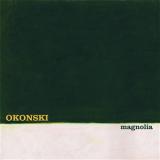
Das Studio in der 122 West Loveland Avenue war für Steve Okonski, den Leiter seines gleichnamigen Trios Okonski", kein unbekannter Ort. Seitdem sich das Label Colemine in Loveland, Ohio, niedergelassen hat, war es Gastgeber für eine Reihe von Bands, die auf der Durchreise waren, darunter auch Durand Jones and the Indications, zu denen alle Mitglieder dieses Trios Verbindungen haben. Nachdem er sich im Winter 2020 etwas Zeit genommen hatte, lud Okonski, der ursprünglich als klassischer Pianist ausgebildet wurde, Michael Isvara Ish" Montgomery und Aaron Frazer ein, an einem Album zu arbeiten, das ursprünglich als beatgetriebene und vollständig komponierte Trio-Instrumentalstücke geplant war. Nachdem diese erste Session mit einigen Improvisationen abgeschlossen war, wurde im Sommer 2021 eine zweite Woche gebucht, um zu versuchen, noch mehr von dieser spontanen Energie einzufangen. Während dieser Session wurden alle Stücke improvisiert und live auf einem Tascam 388 während mehrerer später Nächte im Colemine-Hauptquartier aufgenommen. Sie waren so strukturiert, dass die kollektive Intuition der Gruppe die Melodien und den Verlauf der Musik voll und ganz prägen konnte. Das Album beginnt mit Runner Up", wo eine triumphale und doch melancholische Melodie am Klavier zu einem zurückhaltenderen B-Teil überleitet, der von Schlagzeug und Bass von Frazer und Montgomery getragen wird. Auf deiner Reise durch den Rest des Albums begegnest du einer Fülle von hervorgerufenen und erforschten Emotionen. Die Ruhe, die man empfindet, wenn man nach Mitternacht eine mondbeschienene Straße entlanggeht, die Verbindung zu einer Person, die nur für einen Moment oder ein ganzes Leben in deine Welt tritt, und die Nervosität und Katharsis, die man spürt, wenn man sich auf eine neue, unbekannte Reise begibt. Magnolia" endet mit Sunday", einem Titel, der spät in der Nacht am Ende ihrer ersten Aufnahmesession aufgenommen wurde. Ohne die Spontaneität von Sunday" wäre der Rest von Magnolia" wahrscheinlich nie zustande gekommen. Magnolia" entstand aus dem Herzen und dem Geist derer, die in jenen späten Nächten in Loveland im Studio waren. Es ist der Höhepunkt einer emotionalen und künstlerischen Befreiung, die erst möglich wurde, als die Band sich an ihre Instrumente setzte und gerade deshalb ist das Album introspektiv, meditativ, spirituell und neuartig.
Nach den vielgelobten Moonlight Concessions mit ihrer Band Throwing Muses kehrt Kristin Hersh im Jahr 2026 mit einem düstereren, zugleich jedoch zart ausgearbeiteten Soloalbum zurück. Sugar On Blackstone erkundet die Themen Leben und Tod, Reichtum und Armut sowie jene kleinen, aber prägenden Momente der Kindheit, die bis ins Erwachsenenalter nachhallen. Als zutiefst persönliches und emotional weitreichendes Werk reflektiert das Album über die beständigen Bande zwischen Musikern, Familie und Freunden - und darüber, wie bestimmte Klänge, Orte und Erinnerungen einen Menschen plötzlich wieder lebhaft ins Bewusstsein rufen können. Aufgenommen Anfang dieses Jahres in den Stable Sound Studios in den Niederlanden, wird Hersh auf dem Album von ihren langjährigen musikalischen Weggefährten Rob Ahlers (50FOOTWAVE) am Schlagzeug und dem Cellisten Pete Harvey (Throwing Muses) begleitet. Das Ergebnis ist eine karge, und doch warme Liedersammlung, die ein Gleichgewicht zwischen Zerbrechlichkeit und Kraft, zwischen Intimität und Spannung hält. Entstanden im Nachgang einer persönlichen Tragödie und vor dem Hintergrund ständiger Reisen, von Waldbränden und rastloser Bewegung quer durch Amerika, durchzieht das gesamte Album eine Atmosphäre der Unruhe. Doch inmitten dieser Dunkelheit findet Hersh Momente der Zärtlichkeit und Verbundenheit. Als ergreifendes und vielschichtiges Werk, das gerade in seiner Verletzlichkeit Stärke ausstrahlt, erweist sich Sugar On Blackstone als ein weiteres unverzichtbares Kapitel im gefeierten und sich stetig weiterentwickelnden Gesamtwerk von Kristin Hersh. Für Fans von PJ Harvey, Emma Ruth Rundle, Beth Gibbons, Low, Yo La Tengo, Throwing Muses, Alternative (Rock), Dark Folk, Post-Americana, Independent, Grunge Singer/Songwriter
Nicole McCabe und Savannah Harris tun sich für ihre allererste Zusammenarbeit bei "All Together Now" zusammen. Ihr Album im Vollformat ist eine raffinierte, kraftvolle Interpretation des modernen Jazz im Jahr 2026. Das Album wurde über einen Zeitraum von zwei Monaten im Sommer 2025 aufgenommen und entstand sowohl in Los Angeles als auch in Brooklyn beide Orte haben die allgemeine Stimmung und den Sound der Musik geprägt. McCabe und Harris haben sich stetig einen Ruf als zwei der besten Musikerinnen auf ihren jeweiligen Instrumenten erarbeitet. McCabe am Altsaxophon und Harris am Schlagzeug werden in der Jazzwelt gleichermaßen als virtuose Instrumentalistinnen und Komponistinnen gefeiert. All Together Now" bringt diese Elemente besonders gut zur Geltung. Jeder ihrer musikalischen Stimmen ist unverwechselbar individuell und ergänzt dennoch die musikalische Gesamtrichtung des Albums. Beide finden ihre Momente, in denen sie die Führung übernehmen, während sie sich zu anderen Zeiten gegenseitig unterstützen, um einen wirklich bemerkenswerten Einblick in das Schaffen dieser beiden Künstler zu schaffen. Der Eröffnungstrack des Albums, Monstera", entführt den Hörer in eine Welt aus wirbelnden Saxophonmelodien und hellen, akzentuierenden Schlagzeugklängen. McCabe und Harris legen sofort den Grundstein für das, was auf dem Album noch kommen wird. Im Verlauf des ersten Songs offenbart sich immer mehr von jedem der Künstler als würde man in einer Kunstgalerie von Raum zu Raum schlendern. Textur, Farbe und die gesamte Ästhetik der Welt dieses Albums nehmen Gestalt an. Wenn der zweite Song All Together Now" einsetzt, steigt die Energie und der Dialog zwischen den beiden Musikern erreicht seinen Höhepunkt. Lonely People" zeigt McCabes unglaubliches Gespür für Melodien, während Harris den dynamischen Bogen des Stücks prägt und vorantreibt. Jeder Song auf All Together Now" hat seine ganz eigene Persönlichkeit, was insgesamt zu einem wunderschön intimen und ungemein kraftvollen Album führt.
„Friendship Survival Guide“ vereint Aufnahmen von Adam Wiltzie und Jóhann Jóhannsson, die aus ihrer
engen künstlerischen Zusammenarbeit hervorgegangen sind. Die Stücke entstanden während gemeinsamer
Sessions zwischen 2013 und 2017 und wurden nach Jóhannssons Tod von Wiltzie einfühlsam weitergeführt
und vollendet.
Das Ergebnis ist eine vielschichtige Klanglandschaft, die sich zwischen orchestraler Weite, elektronischen
Texturen und schwebenden Drones bewegt. Die Musik bewahrt die ursprüngliche Intimität ihrer Zusammenarbeit und integriert zugleich subtile Ergänzungen, die den Charakter des Materials respektieren und
erweitern. Beiträge von Künstlern wie Tim Hecker, Francesco Donadello und Steve Albini bereichern und
vertiefen diese Klangwelt zusätzlich.
„Friendship Survival Guide“ ist mehr als nur eine posthum fertiggestellte Veröffentlichung. Es ist ein
Zeugnis einer andauernden Freundschaft und kreativen Verbundenheit – ein Album, das das musikalische
Vermächtnis von Jóhann Jóhannsson fortsetzt und gleichzeitig neue Perspektiven eröffnet.
„Unsere Freundschaft ist hier die Geschichte, (…) Jóhann ist nicht mehr da, aber dieses Werk, das wir
gemeinsam geschaffen haben, lebt und ist unglaublich. Ohne ihn hätte ich das niemals geschafft.“ – Adam
Wiltzie
Emma Ruth Rundles "These Killing Times" ist mitreißend, emotional und voller anti-patriarchaler feministischer Wut. Das sechste Studioalbum der Multi-Instrumentalistin, Songwriterin und multidisziplinären Künstlerin ist eine reaktive Anthologie, voller Energie, Lebensfreude und Widerstand; es stellt uns Fragen nach unseren Absichten und den Rollen, die wir in den Gemeinschaften spielen, in denen wir leben, und danach, wie wir dem Würgegriff des Kapitalismus begegnen wollen. Schlaflose Nächte, Momente des Grauens und Zeiten der Qual könnten über eine Zeitleiste der jüngsten gesellschaftspolitischen Ereignisse gelegt werden, um die Entstehung von "These Killing Times" nachzuzeichnen: die zunehmende Macht des christlichen Nationalismus, der groteske Zirkus des politischen Diskurses und das damit verbundene ontologische Unbehagen. Aber es gibt auch Liebe - als Balsam und Stärkungsmittel, als Mittel zur Flucht. Das Verlangen nach Gemeinschaft und Verbundenheit, während man mit den gewalttätigsten Seiten der Menschheit konfrontiert ist, bleibt eine ungelöste Spannung. Während sie Anfang 2025 aus der Ferne die verheerenden Auswirkungen einer weiteren Klimakatastrophe beobachtete, reflektierte Emma über die Wurzeln der systemischen Probleme, die sich direkt in so viele katastrophale globale Ereignisse niederschlagen, und traf die bewusste Entscheidung, ein hoffnungsvolles Album zu schaffen. Wo äußere Kräfte sie dazu verleiten wollten, sich nach innen zu wenden, in Richtung Isolation und Hoffnungslosigkeit, streckte sie sich stattdessen nach außen, um ein Album zu schaffen, das den Schmerz anerkennt, aber als Antwort darauf sowohl Gemeinschaft als auch Widerstandskraft bietet.
The Homesick sind ein abenteuerlustiges niederländisches Trio, das Stile wie Post-Punk, Krautrock, New Wave und experimentellen Pop mit furchtloser Neugier und Hingabe meisterhaft miteinander verschmilzt. Frei von Dogmen und doch rastlos romantisch, haben sich THE HOMESICK über mehrere Alben hinweg immer wieder neu erfunden - vom mitreißenden Debütalbum *Youth Hunt* bis hin zum barock angehauchten Durchbruchsalbum *The Big Exercise*, das bei Sub Pop erschien. Auf ihrem dritten, unabhängig veröffentlichten selbstbetitelten Album - entstanden in der Zeit nach der Pandemie - verschmolz das Trio sein breites Referenzspektrum zu einem schlankeren, pulsierenden Sound. Nun, auf ihrem vierten Album (und dem ersten bei Siluh Records), haben The Homesick in zehn Tracks ihre ganz eigene, höchst einfallsreiche und durchweg unterhaltsame Version von Clubmusik geschmiedet. Dabei schaffen sie einen mitreißenden Fluss zwischen den Stücken und pendeln mühelos zwischen der eingängigen, von City-Pop inspirierten Lead-Single ,Esperanto", dem von 808-Beats getragenen Herzschmerz-Song ,Policelessness" und der märchenhaften Disco-Nummer ,The Bees". Um diese funktionale und zugleich fantastische Tanz-Odyssee zu realisieren, holten sich The Homesick ein viertes Paar Ohren zur Unterstützung ins Boot. Der in Amsterdam ansässige Produzent und Künstler Rimer London - eine Schlüsselfigur sowohl im Mainstream als auch im Underground - verlieh dem Material seine eigene, markante und pop-orientierte Note, nachdem das Trio seine Tüfteleien im Studio abgeschlossen hatte. Dieser frische kreative Schub half der Band, sich an pop-geschukten Vorbildern zu orientieren, etwa beim sinnlichen ,Love off the Leash" oder dem wehmütigen West-Coast-Pop von ,Hey". Indem sie stärker auf clubbige, von den 80ern inspirierte Sounds setzten als auf den disharmonischen Post-Punk früherer Tage, ließ sich das Trio oft von einer Lawine aus Ideen mitreißen - so etwa beim treibenden Electro-Pop von ,Sway the Needy". Letztlich ging es darum, jedem Track einen ganz eigenen klanglichen Charakter zu verleihen: ,Humdrum" wagt die Nähe zu den Talking-Heads-Klassikern, während der hektische Dub von ,Street Cyst" in unwiderstehliche Hyperpop-Anleihen mündet. Ihren Ruf als eigenwillige Scenesters untermauern The Homesick zudem mit dem mitreißenden Synth-Pop-Marsch ,Horse Alone". Und eines ist sicher - es gibt noch weitaus mehr eklektische Grandezza auf "What's Up With All These Shangri-Las" zu entdecken. Lass The Homesick der Soundtrack zu deinen offenen Fragen sein - es lohnt sich wirklich.
The Homesick sind ein abenteuerlustiges niederländisches Trio, das Stile wie Post-Punk, Krautrock, New Wave und experimentellen Pop mit furchtloser Neugier und Hingabe meisterhaft miteinander verschmilzt. Frei von Dogmen und doch rastlos romantisch, haben sich THE HOMESICK über mehrere Alben hinweg immer wieder neu erfunden - vom mitreißenden Debütalbum *Youth Hunt* bis hin zum barock angehauchten Durchbruchsalbum *The Big Exercise*, das bei Sub Pop erschien. Auf ihrem dritten, unabhängig veröffentlichten selbstbetitelten Album - entstanden in der Zeit nach der Pandemie - verschmolz das Trio sein breites Referenzspektrum zu einem schlankeren, pulsierenden Sound. Nun, auf ihrem vierten Album (und dem ersten bei Siluh Records), haben The Homesick in zehn Tracks ihre ganz eigene, höchst einfallsreiche und durchweg unterhaltsame Version von Clubmusik geschmiedet. Dabei schaffen sie einen mitreißenden Fluss zwischen den Stücken und pendeln mühelos zwischen der eingängigen, von City-Pop inspirierten Lead-Single ,Esperanto", dem von 808-Beats getragenen Herzschmerz-Song ,Policelessness" und der märchenhaften Disco-Nummer ,The Bees". Um diese funktionale und zugleich fantastische Tanz-Odyssee zu realisieren, holten sich The Homesick ein viertes Paar Ohren zur Unterstützung ins Boot. Der in Amsterdam ansässige Produzent und Künstler Rimer London - eine Schlüsselfigur sowohl im Mainstream als auch im Underground - verlieh dem Material seine eigene, markante und pop-orientierte Note, nachdem das Trio seine Tüfteleien im Studio abgeschlossen hatte. Dieser frische kreative Schub half der Band, sich an pop-geschukten Vorbildern zu orientieren, etwa beim sinnlichen ,Love off the Leash" oder dem wehmütigen West-Coast-Pop von ,Hey". Indem sie stärker auf clubbige, von den 80ern inspirierte Sounds setzten als auf den disharmonischen Post-Punk früherer Tage, ließ sich das Trio oft von einer Lawine aus Ideen mitreißen - so etwa beim treibenden Electro-Pop von ,Sway the Needy". Letztlich ging es darum, jedem Track einen ganz eigenen klanglichen Charakter zu verleihen: ,Humdrum" wagt die Nähe zu den Talking-Heads-Klassikern, während der hektische Dub von ,Street Cyst" in unwiderstehliche Hyperpop-Anleihen mündet. Ihren Ruf als eigenwillige Scenesters untermauern The Homesick zudem mit dem mitreißenden Synth-Pop-Marsch ,Horse Alone". Und eines ist sicher - es gibt noch weitaus mehr eklektische Grandezza auf "What's Up With All These Shangri-Las" zu entdecken. Lass The Homesick der Soundtrack zu deinen offenen Fragen sein - es lohnt sich wirklich.
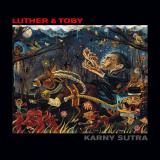
2003 erscheint auf dem Hamburger Label Hit Thing auf CD das Album KARNY SUTRA eines Duos namens Luther & Toby. Wer hinter Toby steckt, wird bald klar: Label-Co-Founder und Schlagzeugkünstler Larry Mullins. Man kennt ihn als Mitglied ikonischer Bands wie den Stooges, Swans oder Nick Cave & The Bad Seeds. Wer aber ist Luther, Nachname Hawkins? Erst jetzt wird eines der vielen Geheimnisse hinter KARNY SUTRA gelüftet: Hinter dem Pseudonym Luther Hawkins steckt James Hawkinson, als Kameramann in L.A. verantwortlich für die Bilderwelten von Serien wie "Hannibal" und "The Man In The High Castle", von Musikvideos wie "Naughty Girl" von Beyoncé, Missy Elliotts "Get Ur Freak On", "Aenema" von Tool oder "Windowlicker" von Aphex Twin. Mullins und Hawkinson verbindet seit vielen Jahren eine Freundschaft. In den 80er-Jahren spielten sie in L.A. gemeinsam in einer Band. Vielleicht hätte daraus etwas werden können, doch dann gehen die beiden andere Wege - um sich Anfang der Nullerjahre in Hawkinsons Haus in L.A. zu verabreden und dieses Album aufzunehmen. Mit dabei: der Produzent Mark Howard. Die Liste an Namen, für die dieser als Produzent oder Engineer gearbeitet hat, ist imposant: Bob Dylan und Neil Young, U2 und R.E.M., Tom Waits und Willie Nelson, Emmylou Harris und Fiona Apple. Zusammen mit Daniel Lanois etabliert er ab Ende der 80er die Idee eines mobilen Studios: Howard hat einen Lkw-Führerschein, lädt das Equipment ins Fahrzeug und sucht für Aufnahmen zu speziellen Orten. Als Hawkinson ihn fragt, ob er sich vorstellen könnte, ein Album bei ihm zu Hause aufzunehmen, schaut sich Howard dort kurz um - und sagt sofort zu. "Kurze Zeit später sah ich ihn, wie er sich vor James" Haus an der oberirdischen Stromleitung zu schaffen machte", sagt Larry Mullins. "Für seine Aufnahmegeräte brauchte er mehr Leistung, und die besorgte er sich dort oben selbst." Nun, über 20 Jahre später erscheint das Album in einer 180 Gramm Doppel-Vinyl-Ausgabe mit aufwändigem Artwork in gewohnter Hit Thing Qualität.
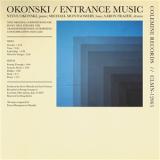
Nach fast zwei Jahren meldet sich Okonski mit "Entrance Music" zurück - ein Album, auf dem sich das Trio auf dem Höhepunkt seines improvisatorischen Könnens befindet und das Spontane und Meditative zelebriert. Nach dem Debüt "Magnolia" von 2023 hat der Pianist und Bandleader Steve Okonski seine langjährigen musikalischen Mitstreiter (Durand Jones & The Indications-Bandkollege Aaron Frazer am Schlagzeug und Bassist Michael Isvara "Ish" Montgomery) für eine weitere Session im Geiste von Künstlern wie The Bad Plus, Gerald Clayton und The Breathing Effect wieder zusammengebracht. Letztendlich ist "Entrance Music" eine Einladung zu frühen Stunden, in denen die Songs in der Tür verweilen und ihre Anwesenheit ankündigen, bevor sie in die Luft zurückkehren, um sorgfältig in die nächste Runde zu treiben. "Entrance Music" wurde in einer fünftägigen Session aufgenommen und war eines der ersten Alben, die in Portage Lounge, dem Studio von Terry Cole in Loveland, OH, auf Band gebannt wurden. "Es war ein neues Setup, aber mit Terry hinter den Reglern war es sehr vertraut", sagt Okonski. "Ich kann nicht genug betonen, wie sehr sich Terry wie ein viertes Mitglied der Band fühlt, wegen des Raums, den er kuratiert, der Energie, die er einbringt, und den Produktionsideen." Die Energie und der Sound, die mit dem Colemine-Labelchef am Ruder entstanden sind, sorgen für ein Hörerlebnis, das sich mit den Katalogen von ECM oder Stones Throw messen kann. Während ein Großteil des Debüts auf seine Zeit in New York zurückgeht, fühlt sich "Entrance Music" "ein bisschen weniger wie ,auf den Straßen um 2 Uhr morgens' und ein bisschen mehr auf der Natur basierend an - ein bisschen mehr ätherisch", sagt Okonski. "Es ist definitiv das Alter, die Umgebung und die Familie - all das kommt in der Musik durch."
Zuhause ist kein fester Ort. Es ist ein sich wandelnder Begriff, der in der Geborgenheit des Mutterleibs beginnt und sich dann in die Sicherheit der elterlichen Arme verlagert. In der Kindheit erweitert er sich auf Klassenzimmer und Freundschaften. Im frühen Erwachsenenalter entdecken wir unsere Unabhängigkeit und fangen an, Räume zu schaffen, die nur uns selbst gehören. Bei der Vorstellung eines ,Zuhauses für immer" geht es weniger um Beständigkeit als vielmehr um einen Rückzugsort. Dort fallen alle Masken ab, und wir finden zu unserem wahren Selbst. HOME ist ein Album, das auf der einzigartigen Chemie zwischen den Outer-World-Mitgliedern Kenneth Close (Positive No) und Tracy Wilson (Dahlia Seed, Ringfinger, Positive No) basiert - eine farbenprächtige Liebessprache, die synthetische Klänge und Samples mit Schlagzeug, Gitarre, Bass, Keyboards und Gesang überlagert und so die Grenze zwischen moderner Technologie, einer gemeinsamen Geschichte und einer einheitlichen emotionalen Wahrheit verschwimmen lässt. Zwei Jahre nach der Veröffentlichung ihres Albums ,Who Does the Music Love?" hat sich Outer World von einem Duo zu einer sechsköpfigen Band entwickelt, wobei ,HOME" sich wie der Soundtrack zu einem imaginären Spionagefilm anhört: hochdramatisch und spannungsgeladen, mit verhedderten Bettlaken als Höhepunkt. Hier gibt es keine Grenzen zwischen den Genres, es findet ein Dialog statt zwischen: ,Outernational"-Grooves, italienischen Western-Soundtrack-Komponisten, Hazlewoods Twang-Gitarren, Spectropop-Beat-Girls der 60er, Lagos-Highlife, zeitgenössischen klassischen Chorarrangements, isländischer Avantgarde, Bond-Bösewichten, Kunstobjekten aus der ersten Punk-Ära, östlicher Philosophie und der Kunstschule in Athens, Georgia, in den 80ern - all das ist darin enthalten, verwoben zu einer einzigartigen Stimme.
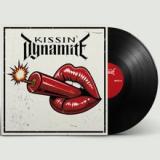
Kissin' Dynamite veröffentlichen ihr selbstbetiteltes 9. Studioalbum in kompletter Eigenregie. Doch nicht nur die Rahmenbedingungen zum Album zeugen von Ende und Neuanfang. Genau diese beiden Themen wurden auch inhaltlich in den neuen Songs aufgegriffen.
So ist die Single-Auskopplung »Glory Days« eine Stromgitarren-getriebene Reminiszenz an die glorreichen, vergangenen Tage, in der sich inhaltlich jeder einzelne wiederfinden kann. Sommer-Cabrio-Vibes garantiert!
Der Stampfer »I Salute You« kann als eigene Art und Weise des Frontmanns verstanden werden, sich von seinen Fans zu verabschieden. Musikalisch rollt der Titel schwer wie ein Panzer voran und bahnt sich mit triumphierend klingenden Dudelsäcken und prominenter Unterstützung von der Band Saltatio Mortis als Feature-Künstler seinen Weg in die Gehörgänge.
Die ausufernde Rockballade »The Good Goodbye« erzählt vom Schmerz der notwendig gewordenen Trennung, aber auch davon, dass es weitergeht, auch wenn es anders ist, als zuvor.
Im Arena-Rocker »I'll Be« wird ein Schwur geleistet, immer da zu sein, immer präsent zu sein. Der Titel ist wie gemacht für die ganz großen Bühnen.
Das zunächst düster daherkommende »Nothing Breaks Like A Heart« baut sich kontinuierlich auf, bis im Chorus die s.g. Hero-Kadenz ebendiesen zum perfekten Singalong-Refrain macht. Thematisch geht es um leere Versprechungen, die ein gebrochenes Herz nach sich ziehen.
Bei »The Night Is Calling« wird jedes Partyherz höher schlagen. Es ist die perfekte Rockhymne.
Auch optisch hat man bei diesem Langspieler Nägel mit Köpfen gemacht: Das Cover und seine Wirkung erschließen sich dem geneigten Betrachter unmittelbar. Zu sehen ist ein verführerisch roter Kussmund, der eine nicht weniger knallrote, Dynamitstange küsst. Es wurde der Bandname und somit auch gleichzeitig der Albumname bebildert! Das Cover wirkt dabei schon fast ikonisch. Man kann sich das Motiv jetzt schon auf T-Shirts, Taschen, Autos und co. vorstellen.
Zu den brandneuen 6 Songs gesellen sich weitere 7 Titel der ersten zwei Alben des Quintetts. Diese wurden neu aufgelegt und ins typische Kissin-Dynamite-Gewand gepackt. Hier wurde nicht gegeizt:
So bekam ein Song der ersten Stunde »Out In The Rain« prominente Unterstützung von der Band Amaranthe.
Für die geheime Schwabenhymne »Steel Of Swabia« wurde passenderweise Ralf Scheepers von Primal Fear verpflichtet. Außerdem wurde ein gigantisches Gitarrensolo von Dragonforce-Gitarrist Sam Totman beigesteuert.
Die Band versteht es wie keine andere, ihrer Musik einen übergroßen Pathos zu verleihen, der nicht Comedy ist, nicht Welt verbessernd, sondern einfach mitten ins Herz geht! Geile Hooks, knackige Riffs, eingängige Melodien!
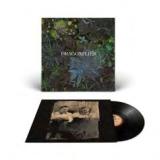
„Dragonflies“, das gleichnamige Debütalbum von Dhani Harrison und Nigel Godrich.
Dhani Harrison ist ein zweifacher Grammy-Preisträger, Musiker, Komponist und Produzent. Nachdem er
mit seiner Band „thenewno2“ erstmals auf der internationalen Bühne in Erscheinung getreten war, hat sich
Harrison inzwischen als eigenständiger Solokünstler etabliert. Sein Solo-Debütalbum „IN///PARALLEL“
(2017) markierte eine mutige kreative Weiterentwicklung, gefolgt von dem von der Kritik gefeierten Werk
„INNERSTANDING“. Neben seiner Solokarriere hat Harrison mit einer vielfältigen Auswahl an Künstlern
zusammengearbeitet, darunter Wu-Tang Clan, UNKLE, John McLaughlin, Annie Lennox, Pearl Jam, Nitin
Sawhney, Perry Farrell, Prince, Regina Spektor und Fistful of Mercy (gemeinsam mit Ben Harper und
Joseph Arthur).
Nigel Godrich ist einer der renommiertesten Produzenten und Toningenieure, der vor allem für seine
jahrzehntelange kreative Zusammenarbeit mit Radiohead bekannt ist. Er begann seine Arbeit mit der
Band im Jahr 1994 und hat seit „OK Computer“ (1997) jedes Radiohead-Studioalbum produziert; damit
war er maßgeblich an der Gestaltung eines der einflussreichsten Musikkataloge der Moderne beteiligt. Godrich, der ebenfalls zweifacher Grammy-Preisträger ist, gehört zudem zu den Gründungsmitgliedern der
gefeierten Band Atoms for Peace – gemeinsam mit Thom Yorke, Flea, Joey Waronker und Mauro Refosco.
Im Laufe seiner Karriere hat Godrich mit einer außergewöhnlichen Bandbreite an Künstlern zusammengearbeitet, darunter Paul McCartney, Beck, Red Hot Chili Peppers, U2, IDLES, Roger Waters, Air, Pavement,
Travis und R.E.M.
Mit *Dragonflies* führen Harrison und Godrich ihre jahrzehntelange Erfahrung in Songwriting, Produktion
und Filmkomposition in einem einzigartigen neuen Gemeinschaftsprojekt zusammen.
Die deutsche Black-/Death-Metal-Kultband Ch’ahom opfert ihr zweites Album „Anthropic Rites of Sublimation“ auf dem Opferaltar – ein Konzeptalbum, das in einer fiktiven Welt spielt, die von den Ritualen, der Kunst und der Architektur vorspanischer Kulturen inspiriert ist. Anknüpfend an ihre EP „Ts’ono’ot“ entfaltet sich die Geschichte um eine Cenote von unvorstellbaren Ausmaßen, deren kosmischer Ruf die Verlorenen und Unsicheren zur Selbstaufopferung treibt. Vier Zivilisationen erheben sich an ihrem Rand, wobei jede ihre eigenen Riten, Hierarchien und Monumente entwickelt, um den tödlichen Ruf des Abgrunds in eine Grundlage für kollektives Dasein zu verwandeln.
Ch’ahom verleiht dieser imaginären Welt Gestalt durch höhlenartigen Death Metal, bestialische Ausbrüche und fieberhaft progressive Strukturen. Wilde Riffs winden sich durch erstickende Kammern rhythmischer Beschwörungen, während uralte Instrumentierung aus dem Tumult hervortritt wie Echos in einem verschütteten Tempel. „Anthropic ‚Rites of Sublimation‘“ bewegt sich wie die Cenote selbst und zieht den Hörer durch ein ekstatisches und sich immer weiter vertiefendes Gefühl des Unbekannten nach innen.
Inspiriert von einer bewusst wörtlichen Interpretation des Todestriebs und seiner Sublimierung untersucht Ch’ahom Kultur als Antwort auf ein unwiderstehliches Verlangen nach Selbstauslöschung. Verstümmelung, stellvertretendes Opfer, Versklavung und freiwillige Hingabe werden zu den Grundlagen konkurrierender Gesellschaften, die auf das regelmäßige Öffnen der Cenote warten. Ch’ahom verwandelt diese düstere Fiktion in ein gewaltiges Klangritual und porträtiert die Menschheit durch ihren erschreckenden Einfallsreichtum: Sie schafft Glauben, Schönheit und ganze Zivilisationen am Rande der Vernichtung.
Ipecac freut sich, Cor de Lux in der Familie willkommen zu heißen. Das Quartett aus North Carolina kreiert eine grenzenlose und lebendige Mischung aus Post-Hardcore, Shoegaze und experimentellem Gitarrenrock, die sich lebendig anfühlt und nicht hastig zusammengeschnitten wirkt. Sie lassen sich von Acts wie Fugazi und Blonde Redhead inspirieren und standen bereits mit Pile, Superchunk, Archers Of Loaf und anderen auf der Bühne. Das Quartett aus North Carolina hat seine Identität auf altmodische Weise aufgebaut: laute Proben, instinktive Zusammenarbeit und Live-Auftritte, die neugierige Einheimische zu treuen Anhängern machten. Sie haben einen eigenen Sound entwickelt, der in Spannung und Bewegung verwurzelt ist: die Dringlichkeit des Post-Hardcore, die Atmosphäre des Shoegaze und die Unberechenbarkeit des gitarrenorientierten Sounds. Das von J. Robbins produzierte Album vermittelt die Intensität der Live-Auftritte, ohne dabei an Schärfe einzubüßen.
Im Laufe des Jahres 2026 hat das Jazz-Piano-Trio Okonski (Steve Okonski am Keyboard, Aaron Frazer Bandkollege von Durand Jones and the Indications am Schlagzeug und Bassist Michael Isvara Ish" Montgomery) nach und nach eine Vielzahl von Singles veröffentlicht, um die Fans bis zum mit Spannung erwarteten Album LP3" im Jahr 2027 bei Laune zu halten. Die Tracks zeigen vielfältige Einflüsse und beinhalten Kollaborationen mit Künstlern wie dem Saxophonisten Cochemea und der Harfenistin Rachel Kitchlew. Zum Abschluss dieser Single-Reihe hat Colemine Records eine limitierte Auflage von Kassetten gepresst, die alle neuesten Tracks sowie ein paar Bonus-Live-Stücke enthalten. Die hochgelobte EP Trio Session Demos" der Band wurde auf die B-Seite der Kassette gepackt damit sind diese vom Hip-Hop inspirierten frühen Aufnahmen zum ersten Mal physisch erhältlich. Anfang 2025 veröffentlichte Okonski ihr zweites Album Entrance Music" und erntete dafür großes Lob. Das Spiritual-Jazz-Album wurde von Rolling Stone, BBC, Billboard, KEXP und unzähligen anderen gelobt und wurde bereits über 10 Millionen Mal gestreamt. Das Trio hat kürzlich ein ausverkauftes Konzert in LA absolviert und bricht diesen Herbst zu seiner ersten Tour durch Großbritannien und die EU auf. Von Okonski ist in den kommenden Jahren noch viel mehr zu erwarten.
Mit „That’s Just Me“ veröffentlicht Riley Green sein viertes Studioalbum. Entstanden während einer prä-
genden Zeit und seiner bislang größten Tour, zeigt sich Green darauf so persönlich und vielseitig wie nie
zuvor.
Der Song „Think As You Drunk“ würdigt die Country-Legende Toby Keith, unterstreicht Greens unverwechselbaren Sound sowie seinen bodenständigen Charme und erweitert das Album um ein weiteres Beispiel
für sein meisterhaftes, generationenübergreifendes Erzähl- und Songwriting-Talent. Geschrieben wurde der
Titel von Green, Jessi Alexander, Erik Dylan, Wyatt McCubbin sowie – posthum – von Scotty Emerick
und dem unvergessenen Toby Keith, den Schöpfern des Hits „Ain’t As Good As I Once Was“. Ein Teil der
Einnahmen aus dem Song kommt der Toby Keith Foundation zugute.
Produziert wurde das Album von Dann Huff und Riley Green selbst und bleibt dabei seinem authentischen
Storytelling und Country-Sound treu. Nach sechs Nummer-1-Hits, fünf ACM Awards und vier CMA Awards
unterstreicht „That’s Just Me“ einmal mehr seinen Status als eine der prägendsten Stimmen des modernen
Country.
In einer Zeit, wo alles immer mehr Digital und von KI dominiert wird, setzt Angelo Kelly auf Authentizität
und zwar auf allen Ebenen.
Die Songs auf dem neuen Album „ALIVE“ wurden komplett von ihm geschrieben, arrangiert und produziert. Wer sich die Texte der Lieder anschaut wird schnell merken, dass sich einiges in seinem Leben
verändert hat. Er öffnet sich in seinen Songs mehr, als er es jemals in einem Interview tun würde. Die Art,
wie dieses Album produziert wurde, könnte auch nicht authentischer sein!
AK: „Mir war es wichtig das Album komplett analog auf einer Bandmaschine aufzunehmen ganz ohne
Computer. Meine Band und ich waren dabei alle im gleichen Aufnahmeraum und haben meine neuen
Songs gemeinsam in „One Takes” aufgenommen. Nichts wurde korrigiert und es gab auch keine Overdubs
/ Zusatzaufnahmen! So sind die Aufnahmen sicherlich nicht perfekt,
und im Radio werden sie höchstwahrscheinlich nicht laufen, aber das ist die einzige Art Musik zu machen,
die mich heute noch reizt und interessiert.“ Das Album wurde dann auch komplett analog auf Band gemischt. Und für alle, die sich dieses Werk auf Vinyl holen: Das Mastering wurde im letzten Schritt von Chris
Bellman analog vollendet.
Wie Amerika selbst ist auch die Geschichte von Chess Records eine Geschichte von Chancen in neuen Ländern, in denen Grenzen zwischen Hautfarbe und Kultur überwunden wurden, um Rhythm and Blues-Musik
zu schaffen, die Zuhörer auf der ganzen Welt beeinflusste. Das beeindruckende Künstleraufgebot von Chess
– und seine Gründer – haben den Blues von Volksmusik zu populärem Sound weiterentwickelt und verändert.
Chess Records wurde 1950 von den polnischen Einwanderern Leonard und Phil Chess gegründet und entstand im Süden Chicagos, aber der Einfluss ist weltweit und über Generationen der Popmusik hinweg spürbar
– von Acts der British Invasion wie den Beatles, den Rolling Stones und Eric Clapton, die Chess-Künstler
als ihre Vorbilder nannten, bis hin zu den heutigen Stars wie Beyoncé, Jack White, Questlove und Bruce
Springsteen.
Im Jahr 2025 feiert Chess Records sein 75-jähriges Jubiläum. Anlässlich dieses historischen Meilensteins
wird Chess im Oktober 2025 eine umfassende Jubiläumsreihe mit einer kuratierten Auswahl audiophiler
Vinyl-Neuauflagen starten.
Die fortlaufende monatliche Serie wird Veröffentlichungen von legendären Künstlern aus dem renommierten
Chess-Kader präsentieren, für die Veröffentlichung zum 18.September sind es die Alben von Chuck Berry
”After School Session” und Koko Taylor ”Koko Taylor”.
Die mehrfach mit Platin ausgezeichnete und GRAMMY®-nominierte Pop-Ikone Carly Rae Jepsen veröffentlicht am 18. September 2026 ihr neues Studioalbum Day and Night via Interscope Records. Das
Doppelalbum umfasst 24 Songs, aufgeteilt in 12 Tracks für den Tag und 12 Tracks für die Nacht, und gilt
als Jepsens bislang geschlossenstes künstlerisches Werk.
Mit Day and Night erschafft Carly Rae Jepsen eine traumartige Klangwelt, in der Tage und Nächte ineinanderfließen. Gemeinsam mit langjährigen Kollaboratoren wie Tavish Crowe (der mit ihr auch schon
den Welthit „Call Me Maybe“ geschrieben hat) entwickelte sie zwei unterschiedliche musikalische Facetten:
Während Day mit organischen Sounds, Live-Instrumentierung und Einflüssen des psychedelischen Pop der
70er-Jahre überzeugt, präsentiert sich Night als moderne, synthgetriebene Dance-Pop-Erfahrung.
Das Album bewegt sich durch ein breites emotionales Spektrum – von Liebe, Freude und Sehnsucht bis
hin zu Angst, Eskapismus und Selbstfindung.
Mit Day and Night setzt Carly Rae Jepsen ihre beeindruckende Entwicklung als eine der prägendsten PopKünstlerinnen ihrer Generation fort und liefert ein Album voller Freiheit, Selbstbewusstsein und emotionaler
Tiefe.
Singer-Songwriterin, Multiinstrumentalistin und Produzentin Agnes Obel kehrt mit dem mit Spannung
erwarteten neuen Album ”The Meaning of Flowers” zurück, das auf die gefeierte Veröffentlichung von
”Myopia” (2020) folgt.
Die aus Dänemark stammende Wahlberlinerin hat das neue Werk vollständig in ihrem Berlin Studio
geschrieben, arrangiert, aufgenommen und produziert. Auf 12 atmosphärischen, genreübergreifenden
Tracks fängt ”The Meaning of Flowers” eine Phase tiefgreifender persönlicher und kreativer Transformation ein.
Inspiriert von der Geburt ihres ersten Kindes erkundet Obel Themen wie Neubeginn, Verbundenheit und
Metamorphose und reflektiert darüber, wie neues Leben den Körper, den Geist und die eigene Beziehung
zur Welt verändert.
Ihre neue Musik schöpft dabei aus vielen Quellen – von der Dichtung Enheduannas (der ersten namentlich
bekannten Autorin der Welt) und den philosophischen Ideen von Hannah Arendt und Emanuele Coccia bis
hin zur dänischen Popszene der 80er- und 90er-Jahre.