“I hope you die by my side, the two of us at the exact same time, I hope we die not long from now, the two of us at the exact same time”
By the time Molly Nilsson released History, she had already established a fledgling cult status built on homemade YouTube videos and home-burnt Cdrs. Writing from a distance, it’s clear that History is the first classic album in her canon and arguably a classic of the 21st Century underground music panorama.While the methodology on History hadn’t changed from Nilsson’s previous 3 albums – it was recorded solo at The Lighthouse, Nilsson’s home studio based on a Berlin crossroads – on this record the songwriting reached a new peak and the emotional scythe cut deeper. Here, Nilsson managed to combine a cosmic, outward looking perspective with an intimate knowledge of the human condition and its place in these turbulent times. In truth, no other songwriter has excavated the modern psyche so clearly and perfectly.
The tracklist to Nilsson’s fourth album reads as an early greatest hits for Molly Nilsson followers and also serves as the perfect entry point to a whole world the artist has been building for the last 10 years. In Real Life crystalises the millenial obsession with relationships built online, with a generation paying for the baby boomer’s excesses with their anxiety towards the harshness of every day life. It’s a call to arms for a generation who fell in love on Skype. On I Hope You Die, one of Molly Nilsson’s most iconic songs, the songwriter flips the song title into a tale of doomed romance, a relationship based on discommunications and the thrill of the other. It’s also one of the most heartfelt songs full of pathos written by anyone, an ode to obsession. Doomed romance, life lived on the flipside of day and the role of the outsider in society are themes that crop up through-out History. On
Bottles Of Tomorrow, the narrator is sweeping up, in love with the night and examining the remains a society leaves behind.
On City Of Atlantis, Nilsson veers from the plaintive balladry she had begun to make her name with, embracing trance-like synth and dance music details to create an unlikely anthem using the mythological city as a means to comment on the patriarchal rendering of history by power. With by now trademark panache, she turns complicated subject matter into a glorious song that transforms into an ecstatic pop moment.
Hotel Home, another Nilsson classic, paints loneliness not as a debilitating anxiety, but as a powerful to that propels the artist forward through her travels. It’s a song that hints at an endearing self-awareness also; the writer is never at home, living life on the road, content that “the world will find me when the time is ripe.”
There’s never been a greater time.
out of Stock
Last delivered 2 years ago available to reorder, subject to availability
Garçon Voyage is the first single in French from Courrier Sud's upcoming EP on Délicieuse Records. The song paints a fresco of that special and unsettling moment at the beginning of a relationship when one of the two falls in love, but isn't sure if they'll be loved in return. Its rhythm is heady like a beating heart, set to a mix of minimalist synths, somewhere between Metronomy and Flavien Berger.
out of Stock
Last delivered 2 years ago available to reorder, subject to availability
'Tema di Susie' is one of the main themes from the soundtrack composed by Alessandro Alessandroni for the 1976 Italian noir Sangue di sbirro, known in English as Blood and Bullets, as well as Knell, Bloody Avenger (the Susie in the original title refers to the female love interest of the film's hero, who is on a mission to seek revenge for the gangland murder of his policeman father).
At once sweet and sentimental, haunting and melancholic, 'Tema di Susie' stands out from the other tracks in the film, which are more action oriented. Like the rest of the score, however, it exemplifies the way in which, during the '70s, Italian film composers created their own version of the sound of American blaxploitation cinema, with its groovy blend of funk, jazz, and soul. It is no coincidence that the film's director, B-movie specialist Alfonso Brescia, specifically requested music in the style of Shaft, the iconic film that defined that sound in 1971.
Though seemingly simple, 'Tema di Susie' is a perfect example of Alessandroni's style – in particular his unique ability to effortlessly blend groove and melody, funk and feeling, into one musical piece. So, we invited different artists with different backgrounds, influences and approaches to bring their individual take on this elegant and now timeless tune.
Neapolitan duo Fratelli Malibu have taken Alessandroni's melodic theme and woven it into a mesmerizing tapestry of rhythmic beats, world percussion and ethereal atmospheres. Drawing inspiration from funk/Afrobeat, synth-pop and Italo-disco, they've conjured a psychedelic-tinged, afro-cosmic groove that's bound to transport you to another dimension.
As the music unfolds, you'll feel like you've stepped into a vibrant, fantasy world. The breaks, outro, and intro are woven with a psychedelic thread that leaves you yearning to return once the final note fades away. And that's not all – they've injected an irresistible pop sensibility into the track with the use of drum machines and synths. The result? A rework that not only amplifies the dreaminess of the original but also seamlessly marries the past with the future.
We love the track so much that we decided to double the fun with a vocal retouch version, courtesy of the Italian funk/soul collective Banda Maje. Their vocalists, Chiara Della Monica and Cristina Cafiero, elegantly infuse cinematic and Balearic vibes into the mix, paying a wonderful homage to Fratelli Malibu's exquisite arrangement.
out of Stock
Last delivered 2 years ago available to reorder, subject to availability
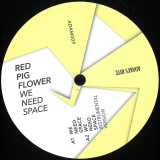
Up first is the original version of title-track ‘We Need Space’, a merging of winding bass grooves, skippy percussion, modulating, bubbling synths ebbing and flowing amongst one another while a hypnotic, spoken word vocal winds within the groove throughout.
An instrumental version follows next, as the name would
suggest, pulling back the vocal elements for a more robust, drum driven feel.
‘Separation’ then opens the flip-side with a more frenzied feel via and amalgamation of vacillating synth flutters, dubbed out percussion and bumpy low-slung drums which all dynamically evolve and retract throughout. ‘The Feeling’ then completes the EP, diving back into deeper realms with murky atmospherics, vocal chants and
gritty stabs at its core, underpinned by a bouncy stab led bass groove and crisp, crunchy drums.
out of Stock
Last delivered 2 years ago available to reorder, subject to availability
Next up on Q1E2 Recordings - for the label's fifth release so far - is Dr Sud. He's a Rome-born, Berlin-raised producer whose music is a fusion of percussion-centric soundscapes and integrated jazz-leaning harmonies, drawing inspiration from diverse genres like electronica, funk, and house.
On 'Heading South', the broken beat don serves up his specialist percussive sound, folding all manner of drums into synth-smothered house. The EP explores the undulating cycle of morning into night, back into morning, inviting you to dance your way through it all.
'Brina', a word which in Italian refers to morning dew - perhaps found on a tent on the morning of a festival - represents the breaking of dawn with broken beats. The track breaks and squints into the start of the day with spacious kick drums leaving room for warm, almost familiar pads and keys.
Then, 'Life Itself' reflects daytime, revolving around an arpeggiating synth that soon makes way for luscious keys.
An excursion into percussive bliss concludes side A in the form of the magical, grin-inducing 'Evening Breath'. This, as you might have guessed, is where the listener cruises through smoothly into the final stages of the day. It encapsulates that last burst of light as the sun sets and a slight shiver of the evening air slivers up your spine.
Then, before you know it, the mysterious night arrives. Flip to that B side, and 'Tramontana' will greet you, inviting you to dance deep into the late hours.
When you're there, the chugging '3/4AM' will hit the spot like an unforgettable dance floor moment, bursting with low and slow Balearic tendencies.
Finally, 'Mondgesicht' - "Moonface" in German -fittingly concludes proceedings with deep lounge vibes. Mumbles of effortless trumpet manoeuvre through a swaying sea of percussion and delicious, wavering synth solo. The day is here again. The cycle is complete.
This is some seriously high-quality music on show here from Dr Sud. The EP is out on Q1E2 Recordings in October.
out of Stock
Last delivered 2 years ago available to reorder, subject to availability
Sven Torstenson's notorious Drugs is a loopdigga's fever dream, bursting with breaks for days and featuring possibly the most iconic cover of all library music's cult classics. First released in 1980, it's now a hyper-rare and seriously sought-after electronic album full of experimental soundscapes and samples just waiting to be flipped. It's both terrifying and terrifyingly good. So much so, it's been brilliantly sampled by Kendrick Lamar and Chance The Rapper.
The sleeve describes Drugs as containing "the newest dimensions of electronic sounds. Dramatic underscores for all problems of today's life and society, at the border between reality and delusion." That's pretty spot-on. The fast moving "Euphoria" is an incredible, unignorable opener. It's loaded with disorientating effects and really needs to be heard to be believed. It's followed by the gorgeous "Soft Hallucinations", containing quiet, meditative and beautiful sounds - as the title suggests. One listen and you'll want to live in the warm embrace of this beatless, harmonic gem. Sinister squelchy synth stabs don't distract from the sheer beauty of the track's main (gentle) thrust. They only serve to elevate its trippy magic.
Next up, "Sky Move"'s agitated and repetitive rhythm makes it an intense listen but with a broad melody that will appeal to many. "Destroyed Dreams" utilises a muffled church organ and it sounds heavenly to begin with but it gradually invites increasingly distorted elements. Yes, you've had trips like this, we're pretty certain. Mental! Talking of bad trips, never have they sounded so good as "Horror Trip"; this fractured drama-synth just needs some some dusty beats to hold it up - get involved.
"Floating Illusions" almost sounds like a beatless Spiritualized bomb from the early-mid 90s; melodic, synthy, church organ-drenched. The mournful, dramatic "Lost Chance" pulses along on a bed of acidy synths whilst "The Morning After" is the sonic equivalent of the extreme fear and doom experienced in the aftermath of the previous night's carnage. Whilst somewhat uncomfortable listening, again, it's pretty compelling thanks to the myriad effects being expertly utilised. Fascinating. The sprawling, fragmented "Random Thoughts" is described as containing "confused melody phrases" - yeah, pretty much sums this one up.
The B-Side is ushered in by "Heroin" and it's as sketchy as you might think, all mysterious minor chords with a dominating - but not overbearing - bass refrain. Next up, the dream-like synthy fanfare of "Night Trip" climaxes after a few minutes of dramatic, ecclesiastical sounds whilst "Day Trip" layers its melody over a repetitive rhythmic base.
Next up, one of the *REAL* highlights makes itself known. Absolutely not to be missed, "Dealer's Corner" is all shifting tenors from quiet to hectic and back around again. The hectic parts are like a totally synthed-out-the-eyeballs jazz-funk collective wigging out with the latest electronic toys from 1980. This one totally SMOKES.
The dramatic "Sad And Hopeless" is appositely replete with dissonant, minor church-organ chords whilst "Riding Pegasus" uses a creepy ostinato bass melody to create irrational bleepy menace that's ripe for sampling. The penultimate track, "Hopeless Chaos" is another disorientating trip, a bleepy confection of sounds and phrases whilst closer "Goin' Mad" is all electronic percussion with an unpleasant rhthymic feel and irritating melody. Music to annoy your partner with!
Established in Munich in 1965 by Gerard and Rotheide Narholz, Sonoton introduced library music to Germany. Initially intended to cater to the country's new TV market, the library also provided an avenue for Gerhard Narholz's astonishing musical prolificacy, and soon became a haven for a wide range of European composers and musicians. In 1969, Sonoton struck a deal with the British label Berry Music for international publishing rights, exposing its catalog to a worldwide audience; when Berry was bought out by EMI in 1973, Sonoton transitioned into a full-fledged international label, with successes in the library and commercial fields and many innovations to its credit. Now a worldwide operation with hundreds of producers and composers under its employ, Sonoton nonetheless remains an independently run business still helmed by its founders - a remarkable achievement in an era when nearly every other major library has been absorbed by a multinational conglomerate.
The audio for Drugs has been remastered by Be With regular Simon Francis, ensuring this release sounds better than ever. Cicely Balston's expert skills have made sure nothing is lost in the cut whilst the original, iconic sleeve has been restored here at Be With HQ as the finishing touch to this long overdue re-issue.
out of Stock
Last delivered 2 years ago available to reorder, subject to availability
Sean La’Brooy is an Australian producer and composer currently based in New York, who’s work traverses ambient, jazz and house music. He is the co-founder of Australian ambient label Analogue Attic Recordings. With this release, La’Brooy has hooked up with the Scissor and Thread label to put out Merchant - five dreamy and versatile tracks featuring his distinct style of harmonically complex pads mixed with jazz-influenced instrumental melodies and solos. Snow Storm starts the journey, coupling field recordings with snippets of gentle jazz lines and wandering percussion. Cargo is the most dancefloor-oriented of the release, and locks into a driving groove early on, featuring various synth and piano fragments to add and flow through the track. Pilot is a track that also finds an off-kilter groove, embellished with dubbed-out percussion by fellow Australian Joseph Batrouney and samples. Storage too features a guest—New York based drummer Leo Yucht—who delivers a rolling breakbeat which is intertwined with live percussion, airy pads and snippets of piano to build a rich atmosphere. The closing piece is Helipad, a dubby bassline providing the anchor for an intricate rhythm of bongos and synth to support a light-as-a-feather melody.
out of Stock
Last delivered 8 months ago available to reorder, subject to availability
The latest album release by acclaimed Norwegian band Erlend Apneseth Trio is made in collaboration with renowned experimental composer and vocalist Maja Ratkje. Their impromptu concert together in 2022 was a glorious kick-off for a five-day festival and was luckily put on tape. After reworking and reimagining the recorded material with their steady collaborator Jorgen Træen, the result is a refreshing take on improvisations-turned-compositions. Featuring innovative soundscapes with archival material and an engaging transitory state. Listening to the album is akin to being on a voyage of discovery, in and out of the dream state. From the very beginning, the listener is met by ancient voices on tape, surrounded by distorted and dispersed sounds. Like stars on a moonless night, the sounds fall in and out of perceptibility, most twinkling, some falling. You suddenly wake up on a speeding train. As it enters a tunnel, ghostly voices sing a lullaby. The music gradually unfolds from mesmerizing melancholia to a ritualistic blowout. The music always takes the route of the unexpected and reaches momentums which shows why this is one of Norway's most unique constellations. Orbiting sounds gather around and assemble themselves into scenes, forming uncanny rooms collectively dreamed up by the artists. The album's first track Tre Vegar follows an enthralling pathway layered with field recordings and intensified by noise, suddenly plunging into a delightful stream of chords fleeting in mid-air. The variety of sounds that make up this glorious and aptly named 'Collage' is astounding. Elemental sounds range from the howling wind and soft-bright ringing of sheep-bells to the timeless trickling of a small stream of water. Strings of many timbres soar over animated croaks and quacks, assembling into a swampy symphony. The well-balanced diversity of acoustic and electric sounds has become the band's trademark. It is ever-present, complementing and creating new improvisatory trails to follow. Erlend Apneseth: Hardanger fiddle Stephan Meidell: baritone acoustic guitar, live sampling, modular synth Oyvind Hegg-Lunde: acoustic & electronic drums, percussion, timpani Maja S. K. Ratkje: voice, electronics
Es heißt, lang lebe der König und so weiter, aber nichts ist jemals in Stein gemeißelt. Ein Vierteljahrhundert nach seiner selbstverschuldeten Krönung und seinem selbstveröffentlichten Debüt-Soloalbum hat Kenny Anderson - DIY-Pop-Reisender, Restaurator eines angestammten Hauses am Meer, Squeezebox-Lothario, Fife for life, Diamantenschürfer, Herzensbrecher, und der Mann, der auch als King Creosote bekannt ist - über 100 Platten veröffentlicht (wenn man relativ konservativ schätzt), mit Künstlern wie Jon Hopkins, KT Tunstall und Lone Pigeon von Beta Band zusammengearbeitet und seine Songs von Künstlern wie Patti Smith und Simple Minds covern und aufführen lassen. Jetzt hat er trotz oder vielleicht gerade wegen all dem eine neue LP angekündigt. Sie heißt I DES und wird am 3. November veröffentlicht.
Und nein, es ist nicht an ihm, der so sehr von spielerischer Lyrik beseelt ist, vorbeigegangen, dass der Titel seiner neuesten Veröffentlichung ein einfaches Anagramm von "Dies" ist. Aber man sollte sich ein paar Dinge vor Augen halten: 1) I DES ist eine Anspielung auf KCs wichtigsten Kollaborateur dieses Mal - Multiinstrumentalist und Co-Produzent Derek O'Neill alias Des Lawson of Blantyre (From Scotland With Love von 2014, Astronaut Meets Appleman von 2016); und 2) HRH King Creosote hat sein ganzes musikalisches Leben lang um sein Ende gerungen.
Das Album wurde größtenteils zwischen 2016 und 2020 geschrieben, aber nichts ist jemals so einfach: Es gibt etwas Altes (Bäume), etwas Blaues (ebenfalls Bäume), etwas Geliehenes (Heimkassetten und Gesang aus allen Epochen; Texte aus der fernen Vergangenheit) und etwas Neues (KC scherzt, dass ein möglicher Titel für dieses Album We All Got Synths for Christmas war).
Und hier ist King Creosote: Sänger, Songwriter, rosaroter Schwindler, Vater dreier wunderschöner Töchter. Er wurde im Winter 1967 geboren. In jenem Jahr wüteten Überschwemmungen und Schneestürme, aber alles wuchs und überstand den Sturm.
New York-based label Kindergarten Records is thrilled to unveil Ayesha’s debut album, ‘Rhythm is Memory’ – 10 boundary-pushing tracks, a shape-shifting percussive journey with electric moments.
While intended for maximum dancefloor impact, Ayesha’s first LP is also conceptually thought-provoking and playful, exploring how bodies store and channel creative knowledge.
A self-taught producer, Ayesha relies on her instincts to make music: sensing what her body wants to feel and hear. To her, essential to building a groove is channeling what is already inside us –
memories – whether they are based on lived experience or coded in the body: culturally, ancestrally, or intergenerationally. The result is this Indian-American producer’s distinct rhythmic voice, with its
many configurations boldly expressed across her debut album.
Kindergarten first released Ayesha’s material in 2020 with her ‘Natural Phenomena’ EP, a four-track journey which she described as “an undulating love letter to nature and the dancefloor, a space
where her biophilia collides with her yearning for the dancefloor.” Subsequently, she continued to build upon her luminous, scintillating sound with a contribution to ‘Fluo II’ titled “Aspara Dub”, followed
by “Varanasi” and “Downpour” on ‘Ether’, a split release with Sha Ru in 2021. With each release, Ayesha's sound evolved, adding shades, layers, and perpetual rhythmic nuance to a mind palace of
dancefloor possibilities.
That is why her and Kindergarten are a perfect match -- driven by their mutual fascination with exploratory sonics and a shared commitment to the community that inspires them. Kindergarten
Records has shaped itself into a trailblazing label, uniting a diverse and innovative collective of local and international producers, while embodying a strong familial atmosphere.This debut LP represents
a significant step-up for both the artist and the imprint, as they strive harmoniously towards a shared goal: delivering a sonic experience full of colorful, otherworldly bass-fueled expansion.
‘Rhythm is Memory’ captures Ayesha’s signature love for driving techno and organic percussion, while at moments veering into newer electro territory while keeping it psychedelic, spacious, dubby, and
always playful. This feels intuitively right for a producer at a crossroads in her career. All tracks intricately weave together pulsing drum grooves, slinky synths, nuanced melodies, and delightfully
unexpected twists. No single genre can do justice to describing this project as Ayesha delicately nods to many, reveling in the spaces between.
Undoubtedly, across A and B sides, 'Rhythm is Memory' imparts the joy of sonic experimentation to listeners and dancers. Ayesha invites us into her creative process and its steady evolution – rooted in
many days and nights of exploration, reflection, and repetition. "The ritual practice of cultivating and tending a garden is what comes to mind if I were to visualize this record. Beautiful things can emerge
from care and consistent attention," says Ayesha. While she refers to her specific experience making 'Rhythm is Memory,' this powerful album culminates a decade of working in nightlife for Ayesha – a
project slated to leave an indelible mark on the underground. To mark this impressive milestone in their catalog, Kindergarten Records is proud to return to pressing vinyl after a hiatus since 2020,
recognizing the significance of putting out a physical release to behold such a moment in both the label's and the artist's trajectory.
out of Stock
Last delivered 2 years ago available to reorder, subject to availability
The evolution of Swampmeat Family Band continues apace. When the Birmingham outfit released
their incendiary third album, Muck, three years ago, it marked the culmination of the kind of vision that
frontman Dan Finnemore had always had for them; having returned from the U.S. after a spell as a key
member of Philadelphia rockers Low Cut Connie, he was burning with ideas and inspiration,
channeling a renewed creative energy into a new-look version of the garage band he’d formed, as
simply Swampmeat, with drummer T-Bird Jones in 2006. Muck certainly felt like a family affair, one
that saw the group expand to a five-piece and broaden their musical palette, boldening their bolshier
side with brass, lending their forays into country some authenticity with the addition of pedal steel and,
by welcoming vocalist Joni Coyne into the fold, providing Finnemore with a new foil. The new
accoutrements came together to form the basis of Swampmeat 2.0, a slicker, sharper band anchored
by Finnemore’s handsome arrangements and melodic sensibilities. Polish Your Old Halo continues
Finnemore’s hot vein of songwriting form with Muck and capitalises upon that album’s creative
momentum, without being afraid to try new things and remove old ones; the brass and strings that
made it on to Muck have been left to one side, propelling Finnemore’s writing to the fore. The
freewheeling blues rock that came to define their last album is still alive and well. But there’s also
progression, something particularly evident in the album’s bookends; ‘Do It All’ brings the curtain up
with juddering, synth-led punk energy, while closer ‘Plant Your Feet Correctly’ is a swooning acoustic
cut, initially envisioned as having a string section but now presented in vulnerable, bare-bones fashion.
Off World presents the final album in its trilogy of surreal and spacious leftfield electronics. "A stellar project headed by Sandro Perri, one of the most singular producers in contemporary music" (Boomkat), this third volume is another distinctive collection of tracks constructed from semi-improvised ensemble recordings made over the past decade with a varied cast of coconspirators. Drew Brown, Matthew Cooper, Susumu Mukai and Andrew Zukerman join Perri again on a variety of synths and machines, along with violinist Jesse Zubot (Tanya Tagaq, Fond Of Tigers). Perri also continues to add organ and piano to the mix, while Volume 3 notably features first-time Off World contributors Nicole Rampersaud on trumpet and Martin Arnold on guitar, both mainstays of Toronto's vibrant improv and out-music scenes. The Quietus calls Off World "genuinely explorative_the musical equivalent of a Dali-esque landscape" which through all sorts of genre-defying twists and turns, at times evokes "offkilter, late Miles Davis ambience". Off World 3 doubles down on that jazz-adjacent trope in certain respects, while holding fast to Pitchfork's dictum that Perri "cultivates his own genreless brand of futurism." Marked by longer tracks than previous collections, three of the album's five songs clock in around the 10-minute mark, where overtly improvised instrumental playing wends its way across alternately bubbling and woozy electronic beds. "Impulse Controller" is a languidly skewed rhumba where ambling melodic undercurrents and dubby electronic pointillism provide a dulcet promenade for Rampersaud's Miles-esque trumpet excursions. "Ludic Loop" see-saws along in a slow synthy two-step, punctuated by Perri's restrained piano chords and Arnold's fried electric guitar. "Empasse" is perhaps most reminiscent of earlier Off World collections, though again slowed and stretched, with oozing synth bass ostinatos counterposed by ambient layers of viola and violin filigree from Zubot. These three centerpiece longform tracks each highlight one of the album's instrumental improvisers, and taken together, make for the most scintillating sedate and ruminant album in the trilogy. Off World 3 sounds as sui generis as ever, but in wrapping up the series, Perri sprinkles the project's emblematic alien surrealism with decidedly anthropic elements and temporalities. This final volume in the trilogy could also be seen as a re-statement of Perri's politico-aesthetic mission, as aptly celebrated by Pitchfork and its glowing 8.0+ reviews of Perri's 2018/2019 solo albums In Another Life and Soft Landing (released between Off World 2 and the present volume): a uniquely purposeful, subtly detailed cannon of songs "busy, vibrant, and bursting with life, but that aren't ever in a rush to get anywhere."
Breezy headwinds, orange-tinged skies, hazy, serene bliss – just some of the profound feelings to be had on the latest release from Oath, a masterclass in melody and mood from one of the finest ever to do…..
Italian producer and DJ Jacy remains one of the stand-out musical characters from a dazzling ensemble of atmosphere builders who were so prevalent during the late 80s and early 90s. His craftsmanship is simply legendary, his music quite simply some of the finest to exude from this period of time, and of which is still making waves in the collective sands now. His dedication to the creation of emotive sweeps, gorgeous rippling tones and easy going, freeing atmospheres has remained a cornerstone of his sound, from the early days through to his excellent work on his imprint Home of House, along with sublime releases on Kalahari Oyster Cult and Hot Haus Recs. Jacy’s sound was broadcast to the world once again via Safe Trip’s ‘Welcome To Paradise’ compilations, where his inclusions were something that lingered long in the memory – an essential component of what is known as the ‘Dream House’ sound. It’s difficult to convey into words exactly how a Jacy record can take the listener, but perhaps it’s different for everyone – one thing can be agreed on though, it’s an experience like no other.
‘Night Fantasy’ is Jacy’s first EP in 4 years, and much like his other records, this one blesses us with warmth, delight and joy, in the softest and most subtle of manners. The title track, which opens up the record, greets the listener with a familiar drum pattern, one which then gives way to the rock-hard bass line, and then the pads arrive. Heavenly angelic in form, their presence is complimented by the arrival of the breathy vocal sample, which evolves to provide a wondrous narrative with the cascading synth line that comes soon after. As a combination its intoxicating, with the breakdown giving us time to get to know this mixture very well, indeed, before powering home with excellence. ‘Just Change’ comes on next, and this one opens up with that classic and explicitly dreamy chord sequence we all know and cherish, with Jacy allowing us to soak up this goodness before shifting the perspective to the rhythm. The interplay that occurs here between keys and drums is something different, before everything transitions into a sequence to close your eyes too. ‘Dat Tape’ shifts perspective to more of a swing in terms of the groove, with sweeping background pads doing much to tug at the heartstrings. The vocal sample is so very effective at crafting an audial narrative, inviting the listener to swim deeper into the goodness, with the subtle transitions doing much to keep things ticking over. Finally, we have ‘Come On’, and this one keeps a spacious feel between the keys and the drums, and it works ever so well. The bass line occupies the bottom ends superbly, with interchanges in chords and some ever-so-familiar vocal samples thrown into the mix – and its simply wonderful.
To convey deep set feelings is to have faith in musical dexterity, to understand the grooves in the record, to follow instinct and trust in the process and precedent. Jacy has always found the sweet spot in his music by following this approach, it seems, and this new record of his is an accumulation of a lifetime of dedication and passion to music and all of its many flavors. Soaring, effective melodic undulations and rapturous, fluctuating rhythms, coupled with atmospheres to drift into – what more could you wish for? Lets get lost within it once again….
out of Stock
Last delivered 2 years ago available to reorder, subject to availability
Fledging but already fine young label U.Dig out of Croatia is back with more final gold, this time from a master of the form in Alexis Cabrera. He kicks off with the mini-epic that is '1997.5', a real head-melting and elastic acid tune that is perfectly deep and rolling for the freaky afters. 'Straight Up' is more punchy and taught, with low-slung drums and crisp hits powering it forward. Last of all things get brilliantly unhinged on 'Microrama,' a kinetic and densely packed cut with flappy snares blaring synths, withering melodies and a true sci-fi feel.
out of Stock
Last delivered 20 months ago available to reorder, subject to availability
File Under Balearic Gabba EP is the first in a new series of serious DJ tools that will encompass remixes, edits, originals and licenses, all with artwork that is a twist on the original Balearic Gabba logo by PlanetLuke. Up first is a new selection of music from core Hell Yeah artists that is unruly, impossible to define, and sure to twist dance floors inside out.
First up is Daniel Klein better known as SIRS, a Berlin-based mainstay with releases on the likes of Live At Robert Johnson. His cut of 'Super Rapido' is a dubbed-out blend of kosmiche chug and tropical percussion. Tumbling synth sequences bring extra colour as the groove builds over nine irresistible minutes.
Then comes Japanese downtempo master Calm with his Mellow Mellow Acid Dub of Sergio Messina & The Four Twenties's 'Sometimes' which is a nostalgic acid daydream and the perfect sunset soundtrack. Melancholic moods and lazy drums sink you in deep as the gentle acoustic guitars keep you afloat.
Label regular and Internasjonal and International Feel associate Feel Fly then comes through with an Estatico Danzante Remix of Pedro Bertho's 'Tornei' feat Mariana Gehring and takes us to the stars on twinkling keys, dusty breakbeats and steamy, worldly vocals that glow as warm as a setting sun.
Last of all is New York maestro and Loose Control Band member DJ Spun with his It's Rong Remix of My Friend Dario's 'Acid Mosquito in a Summer Night'. It finds him serving up a nine-minute excursion into jungle humidity with tribal percussion and jumbled bongos all run through with a spooky and primeval lead synth over lurching drum breaks.
The File Under Balearic Gabba EP brings a whole new dimension to wonky dance floor workouts.
out of Stock
Last delivered 21 months ago available to reorder, subject to availability
In the mid-1970s, a force of nature swept across the continental United States, cutting across all strata of race and class, rooting in our minds, our homes, our culture. It wasn’t The Exorcist, Goodbye Yellow Brick Road, or even bell-bottoms, but instead a book called The Secret Life of Plants. The work of occultist/former OSS agent Peter Tompkins and former CIA agent/dowsing enthusiast Christopher Bird, the books shot up the bestseller charts and spread like kudzu across the landscape, becoming a phenomenon. Seemingly overnight, the indoor plant business was in full bloom and photosynthetic eukaryotes of every genus were hanging off walls, lording over bookshelves, and basking on sunny window ledges. The science behind Secret Life was specious: plants can hear our prayers, they’re lie detectors, they’re telepathic, able to predict natural disasters and receive signals from distant galaxies. But that didn’t stop millions from buying and nurturing their new plants.
Perhaps the craziest claim of the book was that plants also dug music. And whether you purchased a snake plant, asparagus fern, peace lily, or what have you from Mother Earth on Melrose Avenue in Los Angeles (or bought a Simmons mattress from Sears), you also took home Plantasia, an album recorded especially for them. Subtitled “warm earth music for plants…and the people that love them,” it was full of bucolic, charming, stoner-friendly, decidedly unscientific tunes enacted on the new-fangled device called the Moog. Plants date back from the dawn of time, but apparently they loved the Moog, never mind that the synthesizer had been on the market for just a few years. Most of all, the plants loved the ditties made by composer Mort Garson.
Few characters in early electronic music can be both fearless pioneers and cheesy trend-chasers, but Garson embraced both extremes, and has been unheralded as a result. When one writer rhetorically asked: “How was Garson’s music so ubiquitous while the man remained so under the radar?” the answer was simple. Well before Brian Eno did it, Garson was making discreet music, both the man and his music as inconspicuous as a Chlorophytumcomosum. Julliard-educated and active as a session player in the post-war era, Garson wrote lounge hits, scored plush arrangements for Doris Day, and garlanded weeping countrypolitan strings around Glen Campbell’s “By the Time I Get to Phoenix.” He could render the Beatles and Simon & Garfunkel alike into easy listening and also dreamed up his own ditties. “An idear” as Garson himself would drawl it out. “I live with it, I walk it, I sing it.”
But as his daughter Day Darmet recalls: “When my dad found the synthesizer, he realized he didn’t want to do pop music anymore.” Garson encountered Robert Moog and his new device at the Audio Engineering Society’s West Coast convention in 1967 and immediately began tinkering with the device. With the Moog, those idears could be transformed. “He constantly had a song he was humming,” Darmet says. “At the table he was constantly tapping.” Which is to say that Mort pulled his melodies out of thin air, just like any household plant would.
The Plantae kingdom grew to its height by 1976, from DC Comics’ mossy superhero Swamp Thing to Stevie Wonder’s own herbal meditation, Journey Through the Secret Life of Plants. Nefarious manifestations of human-plant interaction also abounded, be it the grotesque pods in Invasion of the Body Snatchers or the pothead paranoia of the US Government spraying Mexican marijuana fields with the herbicide paraquat (which led to the rise in homegrown pot by the 1980s). And then there’s the warm, leafy embrace of Plantasia itself.
“My mom had a lot of plants,” Darmet says. “She didn’t believe in organized religion, she believed the earth was the best thing in the whole world. Whatever created us was incredible.” And she also knew when her husband had a good song, shouting from another room when she heard him humming a good idear. Novel as it might seem, Plantasia is simply full of good tunes.
Garson may have given the album away to new plant and bed owners, but a decade later a new generation could hear his music in another surreptitious way. Millions of kids bought The Legend of Zelda for their Nintendo Entertainment System back in 1986 and one distinct 8-bit tune bears more than a passing resemblance to album highlight “Concerto for Philodendron and Pothos.” Garson was never properly credited for it, but he nevertheless subliminally slipped into a new generations’ head, helping kids and plants alike grow.
Hearing Plantasia in the 21st century, it seems less an ode to our photosynthesizing friends by Garson and more an homage to his wife, the one with the green thumb that made everything flower around him. “My dad would be totally pleased to know that people are really interested in this music that had no popularity at the time,” Darmet says of Plantasia’snew renaissance. “He would be fascinated by the fact that people are finally understanding and appreciating this part of his musical career that he got no admiration for back then.” Garson seems to be everywhere again, even if he’s not really noticed, just like a houseplant.
out of Stock
Last delivered 17 months ago available to reorder, subject to availability
Wonderwheel is proud to present a 7" taken from Nickodemus' 2023 "Soul & Science" album. The A side finds album cut and future Bollywood club jam "Falu" taking center stage. On the track, Nickodemus called upon Grammy Award winning Indian- American singer songwriter Falu Shah for a new direction. Over an electronic 4 to the floor arpeggiating synth groove, Falu sings about in Hindi about bowing down and respecting Devi (Shakti) Goddess and surrendering to her majestic force that runs this universe & Mother Earth. On the flip side is the instrumental for "The Shadow Thief" (originally featuring Alsarah) with its driving drums, synth bassline and dissonant horns. A perfect 7" to get the party moving.
out of Stock
Last delivered 2 years ago available to reorder, subject to availability
Jake Muir's latest set of soft-focus, sensual electro-concrète, dissolves X-rated gay sleaze flick soundtracks into a shimmering suite of subdued orchestral flourishes and surreal cosmic psychedelia.
Back in 2020, Muir put together a 90-minute mix for Honey Soundsystem, blending tracks from Kelman Duran, DJ Olive, Daniel Lanois and Terre Thaemlitz with obliquely camp dialog samples from vintage gay porn. The idea was to represent queer sexuality in a looser, more experimental manner, grazing the super-sensory pleasure of the bathhouse experience and the illicit joy of cruising without getting too self-serious while doing it. The mix was so popular that Muir followed it up with a weightless sequel two years later, and began developing the concept into a proper album, using more samples of music and dialogue, eventually performing the piece at the esteemed GRM as part of their FOCUS #4 concerts alongside work by Eliane Radigue, Folke Rabe and Chris Watson.
Bathhouse Blues is split into two side-long pieces that wash and ripple with nervous tension and discreet salaciousness. Opening with a familiar theatre sting, there are echoes here of kosmische and experimental electronics on 'Cruisin’ 87', fashioned into puddles of syrupy, back-room ambience. Occasionally we hear lascivious words thru the fog, men mumbling to each other before sex. "That's beautiful," a voice mutters over a dusky cricket chirp on 'Pipe Dream'. "It is," another replies.
Muir's sonic treatment is suitably explicit, like a 1950s Hollywood jump-cut to a train going into a tunnel; he takes the whole-body, mutual release of queer sex and interprets it with heady gestures, peppering jazzy rhythmic frostings into basins of skewered drone and gurgling synths. His sound is coloured by the pleasure of physical touch, a mussy flux of high frequency scrapes and caresses juxtaposed with woozy, dubbed-out fondles and thrusts. Who said the GRM was buttoned up?
out of Stock
Last delivered 2 years ago available to reorder, subject to availability
Dagerlöff & Galner is a French duo that seeks to create its own vision of modern music, including elements of futuristic synths, Japanese video games, progressive jazz or epic and textured soundtracks. Their sound has a progressive touch that can recall the works of Aphex Twin or Oneohtrix Point Never. To be given the opportunity to set this masterpiece to music, the first cinematic venture into the occult, was a real treat for them. Presented in the style of a lecture, Häxan: Witchcraft Through The Ages is a Swedish silent documentary - horror film directed by Benjamin Christensen which was originally released in 1922 (in Sweden) and deals with witchcraft from antiquity to the film's contemporary period. The movie was released in the US in 1968. Witchcraft is carefully portrayed through illustrations from medieval books and audio-visual reconstructions. From the witches' sabbath to the interrogations of the Inquisition, the classical images come to life in disturbing spectral visions using all the special effects available at the time: overprints, models, jump cuts, stop motion, make-up and prosthetics. The film's soundtrack is divided in three parts, including the one by Dagerlöff & Galner. The duo enhances the heretical character of the work through dark pieces with constant intensity. This work of digital synthesis (choirs, orchestra, organ, analog modulars and tapes) allowed them to draw lines between tradition and modernity, like a film whose purpose remains as strong and relevant almost a century later. The film was re-released in a restored Blu-ray version by Potemkine in 2021, in a limited edition of 1666copies(sold out).
Sounds While Waiting documents the latest organ works by composer and musician Ellen Arkbro – following her phenomenal debut, 2017's For Organ And Brass, and the more recent CHORDS. Recorded at a centuries-old church in Unnaryd, Sweden in June 2020, these pieces reveal the enchanting qualities of sustained harmonic sound, how patterns of listening dissolve and emerge as textured space. On opening track "Changes," long radiant tones ebb and flow like divine breaths, while "Leaving Dreaming" builds with dynamic tension to unlock a subtle, otherworldly ambience.
As the composer states in the sleeve notes, "These recordings are traces of something I have come to love to do in large resonant spaces, which is to set up sustained chords on multiple organs and then move slowly through the sound. The instruments are usually far apart, which makes for the emergence of large fields of continuous change, spaces of harmonicity that can be passed through layer by layer and which contain within them points of both clarity and overwhelming complexity. The organ pipes are tuned and retuned, though sometimes I leave them just as they are. What I'm searching for is the moment when a particular kind of sounding texturality is revealed – it is rough, focused and yet strangely transparent."
Arkbro composes for acoustic instruments, for synthetic sound and for combinations of both, including music for orchestra and smaller chamber ensembles and large scale installation works. She currently performs in Catherine Christer Hennix's Kamigaku ensemble, and she previously studied with La Monte Young and Marian Zazeela. Recommended for fans of Sarah Davachi, Eliane Radigue and Charlemagne Palestine.
out of Stock
Last delivered 2 years ago available to reorder, subject to availability
DJ Seen takes you through a field of mesmerizing frequencies. The record's A-Side opens up for the waves of relaxation & dream. The title track Hypnotique lushes you into a continuous state of trance-induced easiness emphasised by a plain repeating chant.
Adam Collins’ remix takes you into a bubbling dreamworld underlined by a soft acid bed and a heavy deep neverending blanket of warmth.
The B-Side performs a natural switch, activating the brainwaves & inducing a woke state while trying to understand the sudden synth-explosions hailing through the tribalistic grooves of Bandicoot.
The trip ends with a burst of Insight at 6 am. A hymn to the frequencies of dance before it all settles down again.
out of Stock
Last delivered 2 years ago available to reorder, subject to availability
A much-needed reissue of an all-time house classic, from the early explosion of the genre on dancefloors the world over. From the minds behind C+C Music Factory, David Cole and Robert Clivillés, Sandee ‘Notice Me’ encapsulates the New York Freestyle era of the late ‘80s perfectly. Early house heat laced with a distinctly Latin American feel, that has been heavy sampled since it burst onto the scene in ‘88. It’s syncopated, seductive and seriously infectious, with a steamy bassline that couples with Sandee’s echoed vocals to send your brain into a state of rapture.
The ‘Notice The House’ mix is a shining example of that freestyle flavour, with the ‘Club Vocal’ leaning into a more synth pop meets electro, proto house feeling. Taking the final spot the stripped back dubbed out, b-boy beast ‘Dubbin' At Studio 54’.
A must have record that still lights up the dance to this day.
out of Stock
Last delivered 29 days ago available to reorder, subject to availability
On "Tambor De Cura", producer Daniel David (The Pendletons) and Bay Area staples Jazz Mafia team up with Rio De Janeiro artist Guinu to cook up a genre defying dancefloor hitter that blends dirty analog Brazilian funk, sci-fi synth sounds and raw horn lines with an unstoppable bass hook. Midway, the song transitions into a Samba break with a beautiful trumpet solo, while seamlessly returning to its infectious house tempo. Guinu's passionate vocals highlight the healing power of the music.
On "Devotion", producer/singer and multi-instrumentalist Daniel David (The Pendletons) teams up with Jazz Mafia to bring a rich up-tempo offering. Building off of a hypnotic jazzy house piano and tapestry of congas and live percussion, Daniel soulfully paints a picture of connecting to spirit through one's inner world. Jazz Mafia's driving horns build throughout, propelling the track, with relief by an energetic drum breakdown and conga solo.
out of Stock
Last delivered 2 years ago available to reorder, subject to availability
Tyresta's Small Hours album (a direct follow-up to 2020's All We Have) comes on beautiful 180-gram splatter green vinyl via Past Inside The Present and is another majestically subtle and intimate ambient work that explores "impermanence, grief, loss, healing, and growth". It's an album that reveals more with each listen as the carefully layered-up synths and melodies intertwine harmoniously to make for a perfect late-night soundtrack. There's plenty of soul searching to be done while lost in the midst of this album, but it will be a rewarding task as you cannot fail to find "solace, rejuvenation, and a rekindling of the unfettered spirit," as the label puts it.
Unnion takes off with its first EP featuring a compilation of four spanish artists with different styles and a unique common thread, living up to the platform's name.
The album kicks off with Tadeo's offering, titled "The Second Part", where we can immediately hear the artist's personal touch: a lot of funk, solid sounds, and attention-grabbing elements that go straight to the dance floor.
The second track comes from Unkle Fon, titled "Eltzegor." It's a soaring journey towards a climax filled with synthetic sounds and hypnotic developments that create a unique sense of motion.
Moving on to the third track, we have the contribution of Not A Headliner, titled "Cricket Circus." It features an atonal sensation accompanied by a groovy rhythm in which the interplay of sounds transcends the norm.
Closing the album is Irazu's proposal, titled "Quietly," which presents itself as a singular, monolithic, and raw option, overwhelming like a locomotive and ready to crush any obstacle that dares to stand in its way."
out of Stock
Last delivered 2 years ago available to reorder, subject to availability
Through 35 hedonistic highlights stretched across three volumes, Music For The Radical Xenomaniac delivers the first ever deep dive into The Netherlands’ colourful house sound of the 90s and the under-celebrated producers and record labels whose music soundtracked a countrywide cultural movement.
Plenty of books and documentaries have celebrated the riotous raves, legendary clubs, high profile DJs and promoters who shaped The Netherlands’ hedonistic house scene throughout the 90s. Music For The Radical Xenomaniac dares to challenge these narratives by shining a light, for the first time, on those who created the scene’s kaleidoscopic, game-changing and globally influential soundtrack.
Leading the charge were a disparate group of key creators who not only forged links with their counterparts in Detroit, Chicago, New York, Belgium, Germany and the United Kingdom, but also became celebrated figures on the worldwide electronic underground (Eric Nouhan, Aad De Mooy, Orlando Voorn, Stefan Robbers and Steve Rachmad). Alongside key underground imprints (Stealth Records, Basic Energy, ESP, Prime and Outland Records included) and lesser-known producers, these pioneers gave flavour to a radical musical movement via open-mindedness, unheard-of creativity and a genuinely futuristic ethos. All of these artists and labels are represented throughout the series.
So, what defined this hedonistic house sound from The Netherlands? Stylistically, it was varied – as the series so emphatically proves – but was defined by a set of distinctive sonic characteristics: emotive musical motifs, high-frequency synth sounds, mellow basslines, pulsating rhythms and more than a touch of hallucinatory intent.
Volume 3 is packed with in-demand tracks and hard-to-find gems, including a previously CD-only cut from Dutch techno originator Orlando Voorn (1999’s ‘Still’), a genuine rave classic from The Hague by hardcore DJ Charly Lownoise as Fluxland, and a killer cut from prolific producer – and genuinely influential pioneer – Aad De Mooy AKA D-Shake. He’s represented on this volume by Paradise 3001 cut ‘Surfin The Cuban Waves’, which first appeared on ESP Records in 1993.
Other highlights include Direct Movement’s ‘Natural Chemistry’, a sought-after slow house cut produced by Dennis Buné, who had an enormous impact on the Dutch house scene as Jaimy, and ‘Delphi (Rewaxed)’ by NYX, a highly regarded and hard to find single from former new wave and synth-pop producer Bart Barten, and occasional studio partner Hanz Meyer.
Packed full of forward-thinking 90s gems remastered for today’s dance floors by Alden Tyrell, Music For The Radical Xenomaniac Volume 3 is a life-affirming celebration of a distinctly Dutch musical movement, whose rich textures and melodies are still inspiring new generations of DJs and dancers today.
out of Stock
Last delivered 20 months ago available to reorder, subject to availability
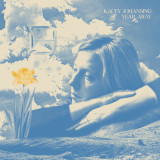
In March of 2020, after learning that a dear friend’s life was coming to an end, Johansing sat down and in one sitting wrote the song “Daffodils”. An elegiac tribute to someone facing death with grace and curiosity, the lyrics confront Johansing’s own mortality by observing the brief lifespan of a Hlower. Only a week later when the world came to an abrupt standstill, she soon found herself processing this recent loss while trying to make sense of a new global reality. Across the ensuing months, Johansing found herself increasingly untethered by a world of isolation and political upheaval.
Having been a frequent touring member of bands like Hand Habits and Fruit Bats, and often being called into the studio to lend her harmonies and multi-instrumental talents to records, Johansing’s phone no longer rang. Living in Los Angeles she feared her musical community was vanishing, as friends and collaborators continually announced they were leaving the city. It was in returning to her piano nightly that she found the greatest solace, feverishly writing the songs that would be collected on her next album. Resulting from this new sense of time and focus was a deepening of her songwriting. As Johansing recalls, “I felt like a metamorphosis happened during that time. There was a lot of personal growth and healing.”
Throughout Year Away Johansing traverses uncharted emotional landscapes brought upon by the changes occurring all around her. The forced self-reflection of the moment is aptly captured by “Old Friend”, featuring an aching melody and swooning production that recalls the best of Harry Nilsson. The epic piano and saxophone-driven “Smile with My Eyes” addresses the loss of community as friends became distant and political divides between family grew. On “Smile” Johansing pushes her vocals further than ever, expanding her range and using her peerless voice as the singular instrument it is. Facing the loss of a family home due to environmental destruction, “Shifting Sands” is marked by soaring Hlutes, Hield recordings and glassy synthesizers that nod to Japanese New Age.
“Daffodils”, the stunning album centerpiece, is built from a pastiche of looping samples, swirling Mellotron and dazzling vibraphone. “Keep your heart open wide, you never know your time / Keep your heart wild, true Hlower child”, Johansing sings as she says goodbye to an elder, while the band reaches a grief-stricken crescendo of woodwinds and chiming bells. On the title track, Johansing takes listeners on an eerily meditative journey of collective experiences. “I wanted to keep the progression simple and repetitive so that musically we could add new elements little by little, while the emotional tone of the lyrics becomes increasingly more strained and expressive”. The song grows to a fever pitch as Johansing sings higher than she thought possible; the tension of the repeating chords Hinally resolving into a hopeful coda as multiple soloists weave around each other.
Amidst heavier themes, Johansing still leaves room for her love of irresistible pop melodies and lush production. The driving “Last Drop” and mid-tempo “Valley Green” are two of her catchiest songs to date. On the former Johansing sings the anthemic chorus, “As if it were the last drop, and nothing ever lasts forever / As if it were the last stop, too far out to come back ever”, longing for a love that she’ll never take for granted, while also admitting that she doesn’t always know how good she has it. “Valley Green” features shimmering layers of 12- string guitars, stacked horns and an impeccable solo by co-producer and multi- instrumentalist Tim Ramsey (Vetiver, Fruit Bats), hinting at a love for bands like NRBQ.
Having been eager to capture the initial spark of songwriting, Johansing booked time at Highland Park’s 64 Sound Studio the week that it reopened. Over the course of three days, she and her band gathered basic tracks for 10 songs, before returning home to Hinish the record with Ramsey. Setting forth to make an album that paid homage to the music that kept them company during the months spent alone together, the duo pulled inspiration from a wide net including Burt Bacharach, John Carroll Kirby & Haruomi Hosono. Ramsey’s newfound love of early digital synthesizers dovetailed effortlessly with Johansing’s fondness for classic 70’s horn and string arrangements, creating a sound that is distinctly modern yet warm and familiar.
Once again Johansing called upon some of the Hinest players of Northeast Los Angeles’ vibrant music community to lend a hand with the record. The 70s R&B-folk of “Watch It Like a Show” features an electric guitar solo from Hand Habits’ Meg Duffy, while album closer “Endless Sound” boasts backing vocals from electronic musician Kaitlyn Aurelia Smith and swooping Indian-inspired violins from Amir Yaghmai (HAIM, The Voidz). The record shines brightly thanks to an ace mix from veteran producer Rob Schnapf (Beck, Elliott Smith, Cat Power), woodwinds from Logan Hone (John Carroll Kirby, Eddie Chacon), and a featured rhythm section of drummer Josh Adams (Jenny Lewis, Bedouine) and bassist Todd Dahlhoff (Feist, Devendra Banhart). Recorded across multiple studios including LA’s famed Sunset Sound, the album remains steadfastly buoyed by the adept engineering of Tyler Karmen (MGMT, Alvvays).
Though born of turbulent times, Year Away is ultimately interested in moving forward. The album ends with “Endless Sound,” where Johansing laments seismic global changes, (“The water is hotter, the mighty thaw / The current’s reversing, the last are lost”) but vows to keep going (“No storm can take me down / Endless light, endless sound”). It’s Year Away’s resilience that shines through despite the darkness. It’s a sound all her own and Johansing’s most cohesive set of songs yet.
Mia Gargaret” is an ambient, (mostly) instrumental album by Chicago, IL singer, songwriter, multi-instrumentalist & producer Gia Margaret. It’s also not the follow-up she intended after the critical success of her 2018 debut, “There’s Always Glimmer”. But after she suddenly found herself without use of her primary instrument, she had to rethink her methods, at least temporarily. Gia explains: “After having to cancel tours because of illness, I was unable to sing for nearly half of the year. This left me feeling like a shell of myself, so I turned to my synthesizer for comfort. These compositions helped me hold onto my identity as a music maker. At times this music helped soothe my anxiety more than therapy or anything else could.” Documenting her self-healing and without singing or lyrics to steal the focus, the instrumental tracks on “Mia Gargaret” shine a light on Gia’s skills as a musician, composer & producer. Spare but immersive arrangements of synthesizer, piano & acoustic guitar simultaneously ache & soothe, building emotional landscapes that rise & recede like scenery through a train window. “Mia Gargaret” is a gorgeous experiment & a memorable meditation on the healing power of music. This version is a limited edition of 200 – pressed on pale blue vinyl with an exclusive lithograph print.
Because Hold, Jack Tatum's fifth album under the moniker Wild Nothing, was written in the aftermath of new parenthood during the pandemic, it was probably inevitable that it would be searching and existential music. But during the recording process, the artist known for synth-pop tastefulness used it as an opportunity to reach for a new sonic maximalism and wider set of influences. With contributions from longtime collaborator Jorge Elbrecht, Tommy Davidson of Beach Fossils and Hatchie's Harriette Pilbeam, first single "Headlights On" features an acid house-worthy bass groove and breakbeat that prove Tatum is playing for the rafters. Tatum produced the rest of the record on his own, partially out of necessity, due to the challenges of the pandemic. The songs were eventually brought to Adrian Olsen at Montrose Recording in Richmond to begin recording drums and filling in the gaps. While largely a product of isolation, Hold also reflects the things Tatum has learned from collaborators, both on previous records and during his acclaimed work with Japanese Breakfast and Molly Burch. The rest of the record was mixed by Geoff Swan, who listeners might know for his work with Caroline Polachek and Charli XCX. Swan put Tatum's vocals high in the mix, and throughout the album, he embraces playful vocal processing like never before. Tatum moved from Los Angeles back to his home state of Virginia about five years ago in search of a scaled-back lifestyle. The relatively suburban environment - and the occasional regret it inspired - proved to be great artistic fodder. It's the paradox of modern America - the suburbs are supposed to be stultifying to art, but they are so full of human desperation perfect for dramatizing. On "Suburban Solutions", he presents an anti-jingle with an acidly bright synthesizer melody, imploring you to sign on the dotted line, put your feet up, and embrace sweet oblivion. Adding to the song's menacing cheeriness is a chorus-sung bridge, made with assistance from Molly Burch and Tatum's wife, Dana, It was loosely inspired by the classic Martika song "Toy Soldiers" and the long-ago pop craze for children's choirs, and he embraces the trend's less-than-stellar reputation. By design, Hold dwells in uncertainty and fear, but in a package that encourages meditation and a bit of fun. "In the face of the pandemic, I think being a parent really forced my hand," Tatum said. "I felt that I had no other choice but to have a positive outlook on the world. Because if I were to give in at any moment and say, "Oh, everything is horrible," then I'll feel as if I've lost and I've given up on my son being able to thrive in this world."
Sea Blue in Coke Bottle Clear Vinyl LP + artist signed art print. Only 200 available.
Because Hold, Jack Tatum's fifth album under the moniker Wild Nothing, was written in the aftermath of new parenthood during the pandemic, it was probably inevitable that it would be searching and existential music. But during the recording process, the artist known for synth-pop tastefulness used it as an opportunity to reach for a new sonic maximalism and wider set of influences. With contributions from longtime collaborator Jorge Elbrecht, Tommy Davidson of Beach Fossils and Hatchie's Harriette Pilbeam, first single "Headlights On" features an acid house-worthy bass groove and breakbeat that prove Tatum is playing for the rafters. Tatum produced the rest of the record on his own, partially out of necessity, due to the challenges of the pandemic. The songs were eventually brought to Adrian Olsen at Montrose Recording in Richmond to begin recording drums and filling in the gaps. While largely a product of isolation, Hold also reflects the things Tatum has learned from collaborators, both on previous records and during his acclaimed work with Japanese Breakfast and Molly Burch. The rest of the record was mixed by Geoff Swan, who listeners might know for his work with Caroline Polachek and Charli XCX. Swan put Tatum's vocals high in the mix, and throughout the album, he embraces playful vocal processing like never before. Tatum moved from Los Angeles back to his home state of Virginia about five years ago in search of a scaled-back lifestyle. The relatively suburban environment - and the occasional regret it inspired - proved to be great artistic fodder. It's the paradox of modern America - the suburbs are supposed to be stultifying to art, but they are so full of human desperation perfect for dramatizing. On "Suburban Solutions", he presents an anti-jingle with an acidly bright synthesizer melody, imploring you to sign on the dotted line, put your feet up, and embrace sweet oblivion. Adding to the song's menacing cheeriness is a chorus-sung bridge, made with assistance from Molly Burch and Tatum's wife, Dana, It was loosely inspired by the classic Martika song "Toy Soldiers" and the long-ago pop craze for children's choirs, and he embraces the trend's less-than-stellar reputation. By design, Hold dwells in uncertainty and fear, but in a package that encourages meditation and a bit of fun. "In the face of the pandemic, I think being a parent really forced my hand," Tatum said. "I felt that I had no other choice but to have a positive outlook on the world. Because if I were to give in at any moment and say, "Oh, everything is horrible," then I'll feel as if I've lost and I've given up on my son being able to thrive in this world."
out of Stock
Last delivered 2 years ago available to reorder, subject to availability
Founded and curated by DJ and producer Samantha Togni, Boudica is a platform that aims to give visibility to women, trans* and non-binary artists. Since the platform was first launched in 2019, Boudica has evolved into a series of club events in London at venues like The Pickle Factory, Fold and E1, a radio show, a music conference and a record label.
Boudica's mission is to promote greater gender equality within the music industry. By showcasing diverse role models from marginalised communities across the music industry, they aim to engage and inspire young and upcoming artists to pursue music careers irrespective of their background and experience within the field.
In 2020, they launched the inaugural Boudica Music Conference at Freemasons' Hall. The full day included educational panels, workshops and live music designed to encourage more artists from marginalised genders to pursue careers in the music industry. In 2022, Boudica not only held London's edition of the conference at the same venue, but they also expanded to Europe. In partnership with Pioneer DJ, they held their first edition of the conference abroad in Bologna at the Museum of Modern Art. Boudica Music Conference is touring in Europe in 2023, featuring talks, workshops alongside Pioneer DJ and club nights.
Last year, they launched the Boudica label, to support and celebrate female, trans+ and non-binary producers. Supported by Arts Council England, the label features artists such as Feminyst, Nur Jaber, Wanton Witch, OCD, Infinity Dreams, Peachlyfe, Yazzus and founder Samantha Togni. Their previous releases have garnered support from major music publications such as RA and Mixmag, resulting in a third VA release.
The third vinyl, 'Dark As It Gets', is a reflection of Boudica's continual musical evolution. The release marks a first for the platform, as they issued a callout for trans+ producers across the world to send in a track to be included on the vinyl. 'Dark As It Gets' by MIIIA was selected, and the title not only encapsulates the EP's energy but also Boudica's drive to support upcoming artists in the electronic music space.
The third vinyl commences with Rotterdam-based duo Animistic Beliefs' 'Vu Sua La Gi?'. The atmospheric track begins with menacing synths that are soon after enmeshed with vogue, gqom and percussive vocal chops that build towards a rewarding, melodic breakbeat cadence at its close.
New York-based Jasmine Infiniti's 'Top Shop' is the second track on the release. Skittish breaks and warped vocals skip across brooding, muted chords that eventually dissipate to reveal a hypnotic synth melody.
The vinyl's B-side begins with Metaraph's 'Emotional Intelligence'. The track marries pummelling kick drums, heady chords and transcendent melodies, all of which serve to guide the listener from triplet hard bass to trance bliss.
Finally, the title track, 'Dark As It Gets', produced by competition winner MIIIA, delivers a powerful sonic ending to the vinyl. In her own words, the track's relentless momentum and intricate incorporation of sampling leads listeners on a 'hypnotic, sassy and intense' techno journey from beginning to end. The uncompromising track's fierce groove emblematizes Boudica's third vinyl commitment to forward-thinking, idiosyncratic production.
The third vinyl concludes the initial Boudica trilogy, depicting members of the Boudica community as contemporary royalty, drawing inspiration from the queen herself.
out of Stock
Last delivered 2 years ago available to reorder, subject to availability
Through 35 hedonistic highlights stretched across three volumes, Music For The Radical Xenomaniac delivers the first ever deep dive into The Netherlands’ colourful house sound of the 90s and the under-celebrated producers and record labels whose music soundtracked a countrywide cultural movement.
Plenty of books and documentaries have celebrated the riotous raves, legendary clubs, high profile DJs and promoters who shaped The Netherlands’ hedonistic house scene throughout the 90s. Music For The Radical Xenomaniac dares to challenge these narratives by shining a light, for the first time, on those who created the scene’s kaleidoscopic, game-changing and globally influential soundtrack.
Leading the charge were a disparate group of key creators who not only forged links with their counterparts in Detroit, Chicago, New York, Belgium, Germany and the United Kingdom, but also became celebrated figures on the worldwide electronic underground (Eric Nouhan, Aad De Mooy, Orlando Voorn, Stefan Robbers and Steve Rachmad). Alongside key underground imprints (Stealth Records, Basic Energy, ESP, Prime and Outland Records included) and lesser-known producers, these pioneers gave flavour to a radical musical movement via open-mindedness, unheard-of creativity and a genuinely futuristic ethos. All of these artists and labels are represented throughout the series.
So, what defined this hedonistic house sound from The Netherlands? Stylistically, it was varied – as the series so emphatically proves – but was defined by a set of distinctive sonic characteristics: emotive musical motifs, high-frequency synth sounds, mellow basslines, pulsating rhythms and more than a touch of hallucinatory intent.
Volume 2 contains a wealth of notable tracks and slept-on gems. These include Q’s ‘From Within (Body Mix)’, a lesser-known cut from the trio better-known as Quazar (Gert van Veen, R.o.X.Y co-founder Eddy De Clercq and Eric Cycle), Eric Nouhan’s melodic masterpiece ‘Technobility’, which is appearing on vinyl for the first time since 1994, and a rare collaboration between regular production partners Maarten van der Vleuten and Mike Kivits (better known as Aardvarck), which was initially released on a special R&S Records’ offshoot set up by the label’s co-founder, Renaat Renaat Vandepapeliere (Integrity II’s ‘Living In Fantasy’).
Other highlights include Exposure’s ‘Love Quest’, a highly sought-after 1991 track by The Hague-based DJ/producer Maurits Paardekooper, and an ambient-infused Andrew Weatherall favourite originally released by Stealth Records in 1993, Hole In One’s ‘Spiritual Ideas For Virtual Reality’.
Packed full of forward-thinking 90s gems remastered for today’s dance floors by Alden Tyrell, Music For The Radical Xenomaniac Volume 1 is a life-affirming celebration of a distinctly Dutch musical movement, whose rich textures and melodies are still inspiring new generations of DJs and dancers today.
out of Stock
Last delivered 15 months ago available to reorder, subject to availability
Garçon Voyage is the first single in French from Courrier Sud's upcoming EP on Délicieuse Records. The song paints a fresco of that special and unsettling moment at the beginning of a relationship when one of the two falls in love, but isn't sure if they'll be loved in return. Its rhythm is heady like a beating heart, set to a mix of minimalist synths, somewhere between Metronomy and Flavien Berger.
out of Stock
Last delivered 2 years ago available to reorder, subject to availability
Modern highlife luminary Rex Omar has been a force within
the Ghanaian music scene for over 30 years. Now Soundway
presents five of his premier cuts remastered for a new self-titled
EP.
Over his career Rex Omar has evolved the genre, pushing
boundaries and dazzling listeners. A definitive piece of his
repertoire comes via his Dangerous album: while it was selfproduced and recorded in London circa 1997, upon CD
release it saw success mainly within his homeland of Ghana.
An irresistible blend of street-soul-come-highlife, with elements
of bouncing 90s RnB/hip-hop, it was developed with help
from Ibibio Sound Machine’s Kari Bannerman and prolific
Jamaican producer Bill Campbell. From this album rising
London producer and DJ Aroop Roy revisits the four-to-the-floor
excursion ‘Dada’, repurposing for today’s dancefloor with the
addition of fizzing synth chords and stabs.
While Omar regularly raps on his earlier works, on ‘Kele
Ngele’ (taken from his 2004 album Ajala) we hear a yearning
melodic vocal over a more laid back RnB beat. This rounds out
the new Rex Omar EP for the discerning listener to experience
the full breadth of his inventive output.
out of Stock
Last delivered 9 months ago available to reorder, subject to availability
I Talk To Water, the fifth album for Kompakt by Danish producer Kölsch, is the artist’s most personal statement yet. While all the trademarks that make his music so popular and powerful are still present – lush, melodic techno; swooping, trance-like figures; sensuous, shivery texturology – I Talk To Water is also a deep and intimate rapprochement with family and history, a beautiful, finely detailed document of loss and memory, and a tracing of the long, unbroken thread of grief that runs through our lives once we’ve lost those we loved.
The emotional core of I Talk To Water, then, is a cache of recordings by Kölsch’s father, Patrick Reilly, who passed away in 2003 from brain cancer. With time rendered elastic by the pandemic and its associated lockdowns, its sudden, alienating shifts in everyday living, Kölsch found himself reflecting on his father’s passing and ongoing spiritual presence, thinking about how best to memorialise such a significant figure in his own life. Those recordings opened a gateway, of sorts, for Kölsch to move through – a way to bring past and present together and entwine them in a sensitive, poetic manner.
Kölsch’s father was a musician – “touring in the sixties and seventies, in the Middle East especially, he was doing the whole hippy trail, playing guitar, and wrote some songs over the years,” he recalls. “But all in all, he decided to focus on family rather than pursue a musical career.” Reilly kept playing and writing music over the years, though Kölsch hadn’t listened to the material for some time: “I’d never had the guts to listen to it, because I just felt too fragile listening to his voice. It’s such a tough thing to go through.”
During the pandemic, though, Kölsch listened through the fragmented body of work that his father had produced over the years. “I decided I’m gonna finally release my dad’s music twenty years after his passing,” he reflects. “This whole album is about the process of loss, and for me it’s been one of my main driving forces in my musical life, the whole emotional aspect of whatever I’ve done has been based in that feeling that he’s not there anymore.”
Recordings of Reilly appear on three songs across I Talk To Water. His guitars drift pensively across “Grape”, offering a lush thread of melody that Kölsch wraps with clicking, driftwood rhythms and droning, melancholy bass. “Tell Me” is a lovely three-minute art song, a sadly beautiful reflection, minimally adorned with gentle keys and a muted pulse. And on the closing “It Ends Where It Began”, Kölsch lets his father’s acoustic guitar take centre stage for a lament that’s unexpectedly folksy, a guitar soli dream, which Reilly originally recorded in 1996. “He actually recorded it for my first album that never came out,” Kölsch reveals, “and I had it sitting around forever. That is purely him.”
These three imagined collaborations between father and son are poised and delicate. But their relationship also marks the gorgeous music Kölsch has made across the rest of I Talk To Water, from the itchy yet lush “Pet Sound” (titled in tribute to one of Reilly’s favourite albums), the flickering synths and yearning vocal samples that slide through “Khenpo”, the ecstatic shuddering that marks “Only Get Better”, or “Implant”’s slow-motion pans and subtle reveals.
There’s also the title song, where Kölsch is joined by guest Perry Farrell (Jane’s Addiction, Porno For Pyros), singing a mantra for internal reflection: “I talk to water / Searching for myself / Looking for answers / Oceans of you.” Farrell’s appearance brings another timbre, another spirit to the album, aligning neatly with his recent interest in electronic music. “He was completely taken by this idea of talking to water,” Kölsch says, thinking about the ways we collectively lean towards the natural world as a comfort and a listener, a guide through mourning, a way to map out the terrain of the heart. This mapping is something that Kölsch has proven remarkably adept at through the years; dance music for both body and mind, but also both for the here-and-now, and for the hereafter.
“I Talk To Water”, das fünfte Album des dänischen Produzenten Kölsch für Kompakt, ist zweifellos das persönlichste Statement des Künstlers bislang. Während alle Markenzeichen, die seine Musik so beliebt und kraftvoll machen, immer noch präsent sind – üppige, melodische Techno-Tracks; schwebende, tranceartige Elemente; sinnliche, fiebrige Texturen – ist “I Talk To Water” auch eine tiefe und intime Annäherung an Familie und Geschichte. Es ist ein wunderschönes, fein ausgearbeitetes Dokument des Verlusts und der Erinnerung, und es verfolgt den langen, ungebrochenen Faden der Trauer, der durch unser Leben läuft, sobald wir diejenigen verloren haben, die wir liebten.
Der emotionale Kern von “I Talk To Water” besteht aus Aufnahmen von Kölschs Vater, Patrick Reilly, der 2003 an Hirnkrebs verstarb. Durch die Pandemie und ihre damit verbundenen Lockdowns, die plötzlichen, entfremdenden Veränderungen im Alltag, fand Kölsch sich in Gedanken an den Tod seines Vaters und seine fortwährende spirituelle Präsenz wieder. Er überlegte, wie er eine so bedeutende Figur in seinem eigenen Leben am besten verewigen könnte. Diese Aufnahmen öffneten ihm sozusagen ein Portal, um Vergangenheit und Gegenwart miteinander zu verbinden und sie auf sensible und poetische Weise zu verweben.
Kölschs Vater war Musiker – “er tourte in den sechziger und siebziger Jahren, vor allem im Nahen Osten, auf dem Hippie Trail, spielte Gitarre und schrieb im Laufe der Jahre einige Songs”, erinnert sich Kölsch. “Aber alles in allem entschied er sich, sich auf die Familie zu konzentrieren, anstatt eine musikalische Karriere zu verfolgen.” Reilly spielte und schrieb jedoch im Laufe der Jahre weiterhin Musik, obwohl Kölsch das Material lange Zeit nicht angehört hatte: “Ich hatte nie den Mut, es anzuhören, weil ich mich einfach zu zerbrechlich fühlte, seine Stimme anzuhören. Es ist so schwer, das durchzustehen.”
Während der Pandemie hörte sich Kölsch jedoch durch das fragmentierte Werk, das sein Vater im Laufe der Jahre produziert hatte. “Ich beschloss, die Musik meines Vaters zwanzig Jahre nach seinem Tod endlich zu veröffentlichen”, reflektiert er. “Dieses ganze Album handelt von dem Verlustprozess, welcher für mich generell eine der Hauptantriebskräfte in meinem musikalischen Leben ist. Der ganze emotionale Aspekt von dem, was ich getan habe, basierte auf dem Gefühl, dass er nicht mehr da ist.”
Auf “I Talk To Water” sind Aufnahmen von Reilly in drei Songs zu hören. Seine Gitarren ziehen nachdenklich durch “Grape”, bieten einen üppigen Melodiefaden, den Kölsch mit klickenden, treibenden Rhythmen und dröhnendem, melancholischem Bass umwickelt. “Tell Me” ist ein schönes dreiminütiges Kunstlied, eine traurig-schöne Reflexion, minimal geschmückt mit sanften Tasten und einem gedämpften Puls. Und auf dem Abschlusstrack “It Ends Where It Began” lässt Kölsch die akustische Gitarre seines Vaters im Mittelpunkt stehen, ein überraschend folkiger Klagegesang, den Reilly ursprünglich 1996 aufgenommen hatte. “Er hat es tatsächlich für mein erstes Album aufgenommen, das nie veröffentlicht wurde”, enthüllt Kölsch, “und ich hatte es ewig liegen.”
Diese drei erdachten Kollaborationen zwischen Vater und Sohn sind ausgewogen und zart. Aber ihre Beziehung prägt auch die wunderschöne Musik, die Kölsch im Rest von “I Talk To Water” geschaffen hat, angefangen bei dem nervösen, aber üppigen “Pet Sound” (benannt als Hommage an eines von Reillys Lieblingsalben), den flimmernden Synthesizern und sehnsüchtigen Vocal-Samples in “Khenpo”, den ekstatischen Erschütterungen in “Only Get Better” oder den langsamen Schwenks und subtilen Enthüllungen in “Implant”.
Es gibt auch den Titelsong, in dem Kölsch von Gast Perry Farrell (Jane’s Addiction, Porno For Pyros) begleitet wird, der ein Mantra für die innere Reflexion singt: “I talk to water / Searching for myself / Looking for answers / Oceans of you.” Farrells Auftritt bringt eine weitere Klangfarbe, einen weiteren Geist in das Album, der gut zu seinem jüngsten Interesse an elektronischer Musik passt. “Er war völlig fasziniert von der Idee, mit Wasser zu sprechen”, sagt Kölsch und denkt darüber nach, wie wir kollektiv zur Natur als Trost, Zuhörer, Führer durch die Trauer neigen, um die Gelände des Herzens zu kartieren. Diese Kartierung ist etwas, in dem Kölsch im Laufe der Jahre erstaunlich geschickt war; Tanzmusik für Körper und Geist, sowohl für das Hier und Jetzt, als auch für das Leben danach.
out of Stock
Last delivered 9 months ago available to reorder, subject to availability
Techno House Connoisseurs are back with another storming EP of various artists for dance floors worldwide. This V/A features some big hitters in Phoreski and Felix Dickinson as well as San Diego's Terry Jasinto, Seattle's Lock and Hammer and LA's Praus. Lots of ground covered here with unusual and unique stylings in the realm of acid and cosmic.
Phoreski's Kyoto Dawn leads the way with it's deep and euphoric vibe floating along leaning deep and etherial in all the right places.
Felix Dickinson follows up with his remix of Phoreski's track bringing the 303/acid into the forefront building it into a monster chugger complete with droning synths and 808 accents. Look for a sweaty frenzy at the climax of the track!
San Diego's Terry Jasinto makes his THC label debut with a tech house gem that pumps and weaves with it's dynamic drums and synth stabs. With several nice subtle layers of acid throughout, it is perfect for a high energy dancefloor.
LA's Praus continues to produce deep and complex tracks for THC records showing he has an ear for unique programming. His release, "Heedful" quickly gets your attention delivering haunting synths and beautiful acid lines in the cosmic fashion only Praus can deliver.
Seattle's own Lock and Hammer rounds out the EP with an unusual and quirky burner that intrigues and delights in a wealth of analog glory. Built for a warehouse, the artist has let loose a track that will glimmer on any loud system doing a number on your head/psyche in the early hours.
out of Stock
Last delivered 2 years ago available to reorder, subject to availability
Midwestern psychiatrist Suzanne Mathis' world is turned upside down when she decides to protect Mae, a fragile teenager on the run from a cult. As Suzanne’s daughter Jules begins to suspect there’s more to Mae’s story, a series of incidents – seemingly brought on by Mae’s presence - leave the family in chaos. Soon the Mathis family is fighting for survival against a strange cult while Suzanne and a local police detective try to unravel the clues of Mae’s past and sinister happenings in the town she escaped. Adapted from Daria Polatin’s best-selling book inspired by true events, DEVIL IN OHIO is a thrilling, shocking tale of demonic mayhem and mystery in the heart of small-town America.
British composer Will Bates incredible work on DEVIL IN OHIO began with a hymn for the cult, written before shooting. It expanded with songs for Bishop Briggs and Maiah Manser, with melodies for hurdy-gurdy and synth, until it became a haunting world of its own, blending score, soundtrack and diegesis. Now, together with Netflix Music, we’re excited to release DIO’s first-ever full-length soundtrack on vinyl.
Cardiff-based, DIY-folk-pop collective, Quiet Marauder, are set to release their 5th album at the end of October 2023. This follows on from their madcap 111-song debut album, MEN (2013), as well as the more recent Tiny Men Parts (2020) and The Gift (2021), and continues their long-established relationship both with their label, Bubblewrap Collective, and Canadian collaborators, The Burning Hell.
Recorded in a Snowbird Studios pop-up in Lourinha, Portugal, Introducing Malcolm Del Monte continues the band’s fascination with high concepts and musical, album-length storytelling. At its core, it is an album about self-identity, isolation, and our innate fluctuations as human beings. Set during the pandemic, the album's a very loosely autobiographical (read: almost entirely false) account of band leader Simon M. Read's day-to-day life during Covid lockdowns with partner, Kadesha Drija, and imaginary friend, Malcolm Del Monte.
Choosing to largely avoid the topic of the pandemic altogether, Introducing Malcolm Del Monte instead charts the highs and lows of these living arrangements. These range from outrageous daytime drinking (high) to disagreements on the nature of perversion (low), with the first half of the album covering Malcolm’s emergence and ultimate expulsion from the house. With his absence being sorely felt, the second half sheds light on the alternative voices looking to fill that Malcolm-shaped space: a murderous green giant; a despondent Milk Tray Man; and a broken-necked, hypersexual Jet from Gladiators.
As with their previous story-based albums, the foreground narratives act to enable background allusions to other core concerns: the power of nostalgia; advertising and cultural consumption; well-being and isolation; balancing acts of the self. Ultimately, the album’s message is of striking a balance between self-questioning and improvement, and most of all, not being too hard on yourself when things don’t feel quite right.
Sonically and seamlessly ranging from alt-folk to industrial synth to melodic indie-pop, Introducing Malcolm Del Monte covers a lot of ground. Injected with the musicality of Quiet Marauder themselves, as well as Canadian kindred spirits, The Burning Hell, instrumentation includes flute, piano, chunky bass, acoustic and electric guitar, programmed beats, synthscapes, bamboo clarinet, bongos, and a heap load of vocals. Indeed, alongside the main lead voices of Simon M. Read, Kadesha Drija and Malcolm Del Monte (Rowan Liggett) there are guest performances from My Name Is Ian and The Burning Hell’s Mathias Kom.
The album will be preceded by lead single and video Momma Mia! I Made You Some Sangria! on 22nd September,
Midnight EP brings another four heavyweight cuts from the London based Club of Jacks production duo showcasing their varied sound. 'Midnight' opens up with deep, haunting chords and a lush reworked vocal laid over a smoky 2 step beat. 'Let It Ride' brings the 4x4 house vibe, mixing infectious synths, catchy lyrics and a rolling bass groove. On the flip, 'Remember This' digs into the garage house sound, infusing jazzy organ chords and solos with skippy drums and tasty vocal chops. To finish off, 'Smokers Dub'' takes us into a darker, speed garage inspired vibe, with weighty bass and dub reggae flavour.
out of Stock
Last delivered 2 years ago available to reorder, subject to availability
Edinburgh (via Bristol) producer, DJ and balearic psychonaut takes us on a playful exploration through his cosmic arboretum on the Memory of Stolen Bush EP, with four of his own tracks and a very tasty remix from Berlin’s Glenn Astro. Café Lotito draws us into a world of atmospheric chug with dreamy whistles, rich, saturated pads and sneaky acid lines sitting atop a tasteful break and a steady, thudding kick. Gottlieb's Lament drops the tempo further, into a shimmering, melancholic lagoon of dubby psychedel ia, with marimbas and melodicas dancing amongst the mournful, lysergic synth work.
The B side steps straight into the dance with the EP’s namesake In The Shadow Of The Oleander, a pulsing, acidic drum machine workout, bustling with percs and bleeps and cru nchy rhythms, all set to a backdrop of soaring pads and drifting harmonics. Glenn Astro’s remix of Oleander pumps things up into an epic, maximalist realm with huge synth lines and a squarely pounding rhythm section turning the playful roller into a peak ti me thumper. Finally the digital bonus track Memories of Hare uses surrealist snippets of colour to pay tribute to a much missed former Bristol haunt, dropping the tempo back down and putting melody and atmosphere front and centre, with a ghostly marimba l eading the procession beside staccato guitars and shimmering synths unknown
out of Stock
Last delivered 3 years ago available to reorder, subject to availability