Celebrating dance music’s roots in Africa, global music superstars Soweto Gospel Choir and renowned Australian DJ Groove Terminator team up with Grammy-winning producer Latroit to present ‘History of House,’ a global reimagination of the iconic dance music classics that defined a generation.
Featuring exquisite multilingual vocal performances and collaborations with some of Southern Africa's most promising emerging artists, "History of House" stands as a vibrant celebration of music and culture. This album transcends boundaries, effortlessly connecting diverse cultures across generations with an authentic fusion of global beats, Afro house, Amapiano, and house music.
out of Stock
Last delivered 18 months ago available to reorder, subject to availability
Lennon & McCartney. Simon & Garfunkel. Ralf & Florian. Enema & GeJonte. The inventors of modern pop music as we know it. Joining forces in 1988, Orebro duo Kai Parviainen and Jonas Ohlsson put out four cassettes and a split album with Frak under the Enema & GeJonte guise, all teeming with clever and funny electronic pop songs. The sound? Imagine Duet Emmo jamming out with the Residents on a wheat field on Narkeslatten. Or picture early Severed Heads covering lost Philemon Arthur & The Dung tapes. Kai pushes his Sequential Circuits Pro-One synthesizer to its limits while Jonas makes discerning observations on everyday life in a Swedish small town. Mostly sung in Swedish, sometimes in English, but always with a touch of sweet naivety and innocence on par with lo-fi punk/pop geniuses Dan Treacy and Daniel Johnston. Typical song subjects: A friendly game of five-a-side football. The joy of rising at the crack of dawn to get on with the tasks of the day. A bus journey to Odensbacken to savour a semla at a local cafe and some small talk with the gas station manager. All delivered with a playfulness and ecstasy more commonly found on the records with Swedish Christian music Kai so devotedly collects than in contemporary industrial or electronic music. When Jonas moved to Amsterdam in 1996 the boys ceased making music together, leaving behind a treasure trove of unreleased material, some of which appeared on a couple of cassettes in the 00's. But the best stuff has remained buried until now. How dada pop gems like ''Joxa med trasan'' and ''Underground'' could dwell in obscurity for thirty-ish years beggars belief. Other standout tracks on this compilation: ''Plan 714 till NYC'', a wonderful waltz time instrumental performed in the vein of a drunken Bob Hund, and the En Halvkokt I Folie style cut up experiments of ''Gasten Harry''. So get ready for a glorious blast from the past, as the Swedish pioneers of the hypnotic groove cordially invite you to a sonic journey as adventurous and memorable as a trip on the lansbuss to Odensbacken. Get on board, grab a seat and enjoy the ride. Liverpool. New York City. Dusseldorf. Orebro. // Ulf Osterstrom
Stomping into the SBC universe comes 131bpm; a Berlin houseTM-hold head with his distinct signature style of sass’d up sexy dance floor burners. The 5 track collection “Ethereal Yarn” weaves in jacking house, bounce bass and flirty tech with a bonus remix from PSL; hot, heavy and ready for your play. Expect the unexpected as conventionality is unraveled through freaky vocal cuts, buckwild percussion and genre mashups for the gods. How long is a piece of string? Lick my chain if you’re nasty!
out of Stock
Last delivered 15 months ago available to reorder, subject to availability
Double insert using an original photo by JP Leloir from 1955.
Each record has been visually checked to prevent defects.
Recorded December 27 and 29, 1955 at the Pathé Magellan studio, Paris.
Original LP issue: Barclay 84.023.
After hitting Paris in 1950, saxophonist Bobby Jaspar enthralled jazz fans and jazzmen alike with his smooth, elegant playing, with the lyricism of his tranquil phrases heavily influenced by Stan Getz in particular. So when Jaspar began regularly performing with a small ensemble at the Club St-Germain five years later, he adopted the same instrumentation as that of his idol’s illustrious quintet, with Sacha Distel on guitar and René Urtreger on piano in the roles of Jimmy Raney and Al Haig, respectively.
Contrary to what its title might suggest, ‘Modern Jazz au Club St-Germain’ was actually recorded in the studio. It features compositions by Milt Jackson, Dizzy Gillespie and Miles Davis along with a handful of standards, in which the angular aridity of bebop gives way to the generous and yet sensitive idiom of cool jazz.
Jaspar’s premature death in 1963 robbed the jazz world of a promising talent; this record is among his best efforts as a leader. Bobby Jaspar is in top form here !!!
Text – Pierre de Chocqueuse
Bobby Jaspar (Tenor Saxophone & Flute)
Sacha Distel (Guitar)
René Urtreger (Piano)
Benoit Quersin (Bass)
Jean-Louis Viale (Drums)
Red Laser continue their prolific purple patch, unpacking four more slabs of red lit Manctolo from a host of box jammers, old and new.
Frank Butters wastes no time at all, 'The Call Of The Wild' engaging photon tubes with a highly kinetic array of crystalline synth shards, thunderous bass and hyperactive sfx. Without geeking out too much, special mention has to go out to the synthesis on display here - Butters advancing up the levels of sonic shamanism as he conjures up never-before-heard patches of interstellar cosmic NRG...
Bob Swans' 'Bodyform4U' unites the robots with a universal message of togetherness. Its multiple layers of shuddering arpeggios and star-aligned synths working in unison to quell any fears and send us off into a space age utopia. One that'll work as well soundtracking the end of the session as it will as the dancefloor's filling up; its subtle anthemic qualities sure to rouse the spirits of even the most dehumanized cyborgs.
New signing Lone Saxon drops 'Hypersleep' which utilises rich piano chords and a hefty breakbeat, switching up the vibe but keeping things super uplifting. This one reminds us of that innocent period when you could get on the megabus for 50p and score three for a tenner on the dancefloor. An evocative vocal refrain adds a moment of thoughtful introspection in between the e-rushes and arm-raising for another moment of interactive harmony.
Finally, 'Webo' sees Franz Scala (with a little help from Il Bosco) return to source, delivering a bona fide slice of maximum balls out MANCTALO chug. With tension-wrought chord progressions, delicious layers of lead melodies and a soaring vocal, there's few that can resist the charms of this late night electro-disco hyper anthem.
All aboard the starship !
RL x
out of Stock
Last delivered 83 days ago available to reorder, subject to availability
When the quartet of Luke Martin, Gabriel Salomon, Klaus Janek and Andy Graydon gathered to record an afternoon of sessions in Andy's studio, it was both the result of years of cultivation and an afterthought. Klaus and Andy had been long-time, and now long-distance, collaborators since their shared years in Berlin. That city was also where Andy was introduced to Gabriel at one of his solo performances by their mutual friend, the painter Paul McDevitt. Years passed, and cities. After meeting and working together in Boston, Luke and Andy both found themselves transplanted to Minneapolis. And by happenstance Gabriel arrived a few years later. A new conversation was just starting to emerge when Klaus announced his arrival, stopping by on a North American tour. Suddenly the four got a chance to listen and play together performing on a bill at a local gallery, in one configuration or another, for the first time. Packing up after that show, Klaus leaned over to ask, "isn't there a moment we could meet again, to play?"
Nothing was expected, and so anything was possible. The circumstances lent their gathering an impromptu but grounded feeling, a unique mix of chance encounter and reunion. As befits an opening encounter, the focus was as often on listening to the unfolding sonic conversation as it was on making a recording. Everyone seemed to intuit the direction despite not knowing where they were headed. The four faced each other in a loose circle surrounded by speakers and microphones pointed haphazardly, as likely to catch the dog padding around curiously as the bowing of strings or rattling of a cymbal. The permissive spirit of the day was declared early, just before rolling, when Gabriel asked if we should close the studio windows or leave them open. "You know what my answer is," replied Luke. If it's in the nature of a recording to become fixed, to be bottled up, let us at least leave open the windows to hear what might be coming next.
Martin Glover, besser bekannt als Youth, Bassist von Killing Joke und weltbekannter Produzent, und Chris Bowsher von Radical Dance Faction (RDF) arbeiten seit Anfang der 90er Jahre zusammen. Sie haben sich kürzlich wieder zusammengetan und präsentieren Youths Musik und Produktion neben Chris‘ Poesie. Diese 5-Track-12" enthält 2 unveröffentlichte Dub-Mixe von Tracks aus ihrem aktuellen Album "Welcome To The Edge" sowie zwei bisher unveröffentlichte Tracks auf Vinyl. Limitiert auf 500 Stück und auf Transparent Red-Vinyl gepresst.
There is NO LIGHT at the end of this tunnel! BROWN ACID: The Nineteenth Trip fires ten more savage nails deep into the coffin of ‘60s psychedelic idealism. This series is THE premier top dog journey into the rarest and most wasted early local eruptions of heavy rock, unleashed at a time when harsh reality, human nature and disillusionment drove prevailing underground rock glimpses of a ‘better’ world into ever darker selfabsorbed comedowns. Mind expanding ’60s love energies transform into toxic aggression right before your ears! The great thing is that these moves are totally justified, ‘we are all one’ is cosmically good in theory but ‘get it while you can’ ends up perhaps better advice in the light of human history. Both of those angles of awareness can coexist, some of these bands deliver unrelenting sideways positive energy but they aren’t over-thinking it, they are youthfully driven by hunger for life and satisfying the undeniable urges their DNA thrusts upon them. Sonically, the results in the BROWN ACID series never fail to breathe hot and heavy, the guitars kill it every time, the variety of approaches these tracks take keep the scenery shifting into new places. The key element that makes this stuff so potent is that THEY (the bands) are in control. Captured genuinely with no compromise, right out of the gate. No doubt they had ambition with high hopes for the future when they laid down these primal efforts, the fact that they captured their energy so vividly at a moment in time when the only direction imaginable was UP creates a hard hitting life affirming subtext to the proceedings. That is the core energy of blues and rock and roll, dealing with the struggles of existence by flipping a gigantic ‘what the fuck’ high energy bird right in the face of the moronic defective reality these bands were born into. If you take this stuff too ‘seriously’ you are utterly missing the point, it is beyond analysis, it is life itself! No amount of thinking will get you there quicker! BROWN ACID: The Nineteenth Trip is scary... the bottomless pit of deranged vintage heavy rock the series presents continually expands over time... one deadly dose too many and you might be trapped in the bad trip loop forever... enjoy it or lose your mind!
Clothilde’s new album sounds like a constant departure from almost everything. Up until now, her music pieces seemed uncontrolled, a total commitment to the machines. She was, somehow, in between us - listener, audience - and the idea of a machine producing sounds she doesn’t seem to control. Of course, none of this was entirely true, she was mostly in control, but the fantasy, the orchestration of it was beautiful. It was sci-fi-ish, Metropolis-magnificent.
In “Cross Sections” everything is purposely under control. We feel, without being told, that Clothilde is directing the narrative, inviting us to partake of this raw and austere electronic sound, forcing us to learn to enjoy it. This is new. Whereas before she would expect you to stay put and listen, eventually you would understand and give in. Or your body would. Now she is telling you to be there, she doesn’t want to be alone, she wants us to feel this subterranean urgency at all costs.
The real eureka moment comes with “Medullary Rays”, when we start cohabiting with the sounds, when they feel familiar. The darkness becomes real; it is palpable how she is stretching each sound and making them come to life at every moment. It is violent, brutal. Like every track, it's a relief when it ends, it's like coming out of a car crash alive. Much of the A side of is Clothilde pushing the boundaries of her sound. She is not testing but finding new ground and sharing it with us. She is exorcising, demolishing and building over and over again, she is crying and screaming, dozing off with the demential levels of bass, making us constantly listen to alarm bells. She is scaring the shit out of us.
The B side keeps the levels of anxiety high up, especially on the 13-minute “Ring”. Surrealistic drones come and go, every second sounds like the end of something, the accumulation of tension is torrential and it never, never stops. We hope there is a conclusion to this. But there is not. “Cross Sections” builds and feeds on this darkness but, in a way, it is self-contained. Never explodes, never releases itself from itself. It is a continuous process of catharsis that it is never over. It never aims to be. Like, you know, life itself.
We've all been there. It feels familiar. Now it has a sound, or sounds. It can be heard and it is outer dimensional. “Cross Sections” is a tremendous effort from an artist trying to survive something. You never know what is. You don’t need to know what it is. It is just there. Cliché but it has to be said: highest possible volume on this one.
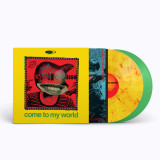
Two-Piers bringt mit "Come To My World" eine kurze Geschichte und Tauchgang in die Welt des Indie-Pop, von seinen bescheidenen Anfängen in den 1980ern bis zu den vielen grossartigen Bands, die heute die Flagge hochhalten.
"Come To My World" beginnt mit coolen Bands wie Talulah Gosh, The Flatmates, Blueboy, Primal Scream, McCarthy, 14 Iced Bears und The Springfields auf bahnbrechenden DIY-Labels wie Sarah Records, The Subway Organization und Creation. Über die einflussreichen C86-Kassettenjahre gelangen wir zu den kommerzielleren Spät-1980er-Sounds von The Primitives, The Soup Dragons und The Darling Buds. Wir navigieren durch die 1990er mit der unterschätzten Brillianz von Heavenly, der florierenden schottischen Szene mit Acts wie BMX Bandits und The Vaselines, bis zum Durchbruch der Indie-Pop-Sounds von Velocity Girl und Blake Babies in den USA. In den 2000ern brachte die US-Szene exzellente Bands wie Dum Dum Girls und The Pains Of Being Pure At Heart hervor, neben Underground-Acts wie Joanna Gruesome, The Spook School und Veronica Falls. Die Zusammenstellung endet mit einem Blick in die glänzende Zukunft des Indie-Pop mit Künstlern wie The Goon Sax, The Lost Days und Ribbon Stage.
Für Indie-Pop-Liebhaber ist diese Underground-Musik seit fast 40 Jahren eine ständige Quelle der Freude. 2LP mit 34 Tracks. 2CD mit 40 Tracks.
"A sparkling mixture of American and British stars, featuring 23 of the biggest Christmas songs ever recorded. With Elvis Presley wishes you a “Blue Christmas”, the Drifters wishing you a “White Christmas”, a “Christmas Prayer” by Billy Fury, a “Christmas Present” from Solomon Burke, “Rockin’ Around The Christmas Tree” with Brenda Lee, “Twistin’ Bells” by Santo & Johnny, and the “Jingle Bell Rock” with Chubby Checker & Bobby Rydell. The Cadillacs sings “Rudolph The Red-Nosed Reindeer” and Chuck Berry “Runs With Rudolph”, Frankie Valli & The 4 Seasons “Saw Mommy Kissing Santa Claus”, Johnny Cash with his “Little Drummer Boy” and finally David Seville and the Chipmunks with “The Chipmunk Song”."
Two-Piers bringt mit "Come To My World" eine kurze Geschichte und Tauchgang in die Welt des Indie-Pop, von seinen bescheidenen Anfängen in den 1980ern bis zu den vielen grossartigen Bands, die heute die Flagge hochhalten.
"Come To My World" beginnt mit coolen Bands wie Talulah Gosh, The Flatmates, Blueboy, Primal Scream, McCarthy, 14 Iced Bears und The Springfields auf bahnbrechenden DIY-Labels wie Sarah Records, The Subway Organization und Creation. Über die einflussreichen C86-Kassettenjahre gelangen wir zu den kommerzielleren Spät-1980er-Sounds von The Primitives, The Soup Dragons und The Darling Buds. Wir navigieren durch die 1990er mit der unterschätzten Brillianz von Heavenly, der florierenden schottischen Szene mit Acts wie BMX Bandits und The Vaselines, bis zum Durchbruch der Indie-Pop-Sounds von Velocity Girl und Blake Babies in den USA. In den 2000ern brachte die US-Szene exzellente Bands wie Dum Dum Girls und The Pains Of Being Pure At Heart hervor, neben Underground-Acts wie Joanna Gruesome, The Spook School und Veronica Falls. Die Zusammenstellung endet mit einem Blick in die glänzende Zukunft des Indie-Pop mit Künstlern wie The Goon Sax, The Lost Days und Ribbon Stage.
Für Indie-Pop-Liebhaber ist diese Underground-Musik seit fast 40 Jahren eine ständige Quelle der Freude. 2LP mit 34 Tracks. 2CD mit 40 Tracks.
Auf dieser Tribute-Compilation finden sich Interpretationen von Margo-Guryan-Songs von TOPS, Rahill, Clairo, June McDoom, MUNYA und Kainalu, Frankie Cosmos und Good Morning, Kate Bollinger, Pearl & The Oysters, Bedouine und Sylvie, Empress Of, Barrie, und Margo Price. Die meisten unserer Geschichten über Kultmusiker, die ein oder zwei Alben machen und dann zu verschwinden scheinen, sind von Trauer, Verzweiflung und ausgefranstem Ehrgeiz umrahmt. Nicht so bei Margo Guryan, einer begeisterten Jazz-Ausnahmeerscheinung, die Popmusik verachtete, bis sie 1966 „God Only Knows“ hörte, das ihr ein Fenster zu den Wundern öffnete, die diese Musik-Form enthalten konnte. Nur zwei Jahre später veröffentlichte sie auf dem Album „Take a Picture“ ihre eigenen kleinen Popsinfonien und erntete dafür großes Lob und hohe Erwartungen. Aber da sie sich bereits von dem Posaunisten Bob Brookmeyer hatte scheiden lassen, lehnte sie es ab, ein Musikerleben zu führen und auf Tournee zu gehen oder auch nur darüber zu sprechen. Ihre Zurückhaltung führte dazu, dass „Take a Picture“ bald in den Regalen der Discounter und letztlich in den Mülleimern landete. Sie schrieb weiterhin Songs und nahm noch jahrelang auf, arbeitete sogar mit der Band von Neil Diamond zusammen, aber meistens schien sie mit ihrem relativ privaten Leben zufrieden zu sein. Wie es sich für eine so atemberaubende und subtile Musik gehört, erlebte die 2021 verstorbene Guryan in den letzten sechs Jahrzehnten mehrere Wiederauferstehungen. Und jetzt geschieht es wieder: Kurz nachdem ihre fast geflüsterte und liebeskranke Hymne „Why Do I Cry“ sie 2021, im selben Jahr, in dem sie starb, zum TikTok-Star machte, startete die Numero Group eine Wiederveröffentlichungskampagne, aus der 2024 das hochgelobte Set „Words and Music“ hervorging. Und jetzt haben ein Dutzend Künstler - von denen keiner geboren war, als „Take a Picture“ entstand - das gesamte Album (plus einen Bonustrack) für „Like Someone I Know: A Celebration of Margo Guryan“ neu interpretiert. Empress Of, Margo Price, Clairo, June McDoom: Sie alle bestätigen Guryans Schärfe als Songwriterin und die Brillanz eines Albums, das den Werbezyklus, den Guryan vor so langer Zeit ablehnte, bei weitem übertroffen hat. Guryan wurde in einer weitläufigen Familie in Far Rockaway geboren, als der Ort noch größtenteils von Bäumen umrahmt war. Während ihres Kompositionsstudiums an der Boston University stolperte Guryan in einen Auftritt als Pianistin zwischen den Konzerten des Miles Davis Quintet, unterschrieb einen Vertrag als Songwriterin bei Atlantic Records und verpatzte eine Session mit Nesuhi Ertegun. Aber sie war nicht darauf aus, ein Gesangsstar zu werden. 1959 ging sie an die Lenox School of Jazz in den Berkshires, um für Ornette Coleman und Don Cherry zu schreiben, die Aufmerksamkeit des Dozenten Max Roach zu gewinnen und in Gunther Schuller einen langjährigen Mentor und Freund zu finden. Sie wurde eine versierte Texterin und schrieb nicht nur für Coleman und Nancy Harrow, sondern auch für Harry Belafonte und Gary MacFarland. Aber es war die spätere Begegnung mit den Beach Boys, die Guryan die Tür zu „Take a Picture“ und einer Reihe anderer großartiger Songs öffnete, von denen viele auf „Words and Music“ erschienen sind. „Take a Picture“ ist eine ausgefeilte Bestandsaufnahme der Romantik und Unentschlossenheit der Mittzwanziger, vom koketten Treiben in „Sunday Morning“ und der Verliebtheit in „Can You Tell“ bis zur verzweifelten Hilflosigkeit in „What Can I Give You“. Ihre ewig weiche Stimme, ihre kühne Songkunst und ihre völlige Offenheit: Guryan machte 1968 und darüber hinaus gewagte Musik, egal wie sanft sich diese Klänge zu bewegen schienen. „Like Someone I Know: A Celebration of Margo Guryan“ unterstreicht die Stärke von Guryans Liedern, indem es einem Dutzend verschiedener Künstler erlaubt, sie auf ihre eigene Reise mitzunehmen. Im Laufe der letzten Jahrzehnte ist immer deutlicher geworden, wie gut Guryan war, wie stabil ihre Lieder inmitten der wechselnden Geschmacksrichtungen. „Like Someone I Know: A Celebration of Margo Guryan“ ist eine absolute Bestätigung, ein Zeugnis für die anhaltende Relevanz und Brillanz von Guryans Arbeit. Ein Teil des Erlöses dieses Albums wird für die Bereitstellung von und den Einsatz für erschwingliche reproduktive Gesundheitsdienste gespendet.
Area Silenzio is eat-girls" debut record and it is both haunted and haunting. For the past four years, the French trio have been crafting their songs into little self-contained worlds with the patience of entomologists, taking them out all over the country and Europe to confront them with the wilderness of a live audience. The ten resulting tracks are a collection of electronic madrigals, groove-driven songs played on a mischievous multi-speed Victrola, ranging from languid dub drips to full-on drum machine cavalcades. Their live performances have that same ghostly, ephemeral quality. There is something other-worldy about the three of them, a suggestion of telepathy, their three voices blending together or going their separate ways like a flock of starlings. They secured opening slots with artists as different as Thalia Zedek, Exek and The Young Gods, just to name a few. It is the elusive essence of their music that allows them to feel at ease pretty much anywhere they find themselves: part no-wave disco rhythms, part post-punk throbbing basses, folk tunes and synthesizers in equal measures, with a perpetual attention to hooks and melodies. The album was self-recorded, a necessary measure to protect the delicate nature of the inner landscapes painted by the band. In this case "delicate" does not mean "soft" by any means: the industrial disco inferno of "A Kin", the ritualistic kraut stampede of "Para Los Pies Cansados" and the bubbly post-funk rhythms of "Trauschaft" will leave you gasping for air once you come out on the other side. "On a Crooked Swing", the opener, is all arpeggiated bass and stumbling kicks. "Unison" will dip you into a hallucinatory river where nothing is what it seems to be and rescue you at the very last second. "Canine", the first single off the record, will gently but firmly reach for your jugular with its vulpine Farfisa and deceptively nonchalant drum beat. The vocal polyphonies on "3 Omens" sound like a field recording of traditional music from a tiny country that has yet to be discovered. eat-girls exist on a slightly different plane from ours, where everything is teeming with secrets and hidden life. Area Silenzio is a precious polaroid shot from that world, or, as Tom Verlaine would have it, "a souvenir from a dream".
Area Silenzio is eat-girls" debut record and it is both haunted and haunting. For the past four years, the French trio have been crafting their songs into little self-contained worlds with the patience of entomologists, taking them out all over the country and Europe to confront them with the wilderness of a live audience. The ten resulting tracks are a collection of electronic madrigals, groove-driven songs played on a mischievous multi-speed Victrola, ranging from languid dub drips to full-on drum machine cavalcades. Their live performances have that same ghostly, ephemeral quality. There is something other-worldy about the three of them, a suggestion of telepathy, their three voices blending together or going their separate ways like a flock of starlings. They secured opening slots with artists as different as Thalia Zedek, Exek and The Young Gods, just to name a few. It is the elusive essence of their music that allows them to feel at ease pretty much anywhere they find themselves: part no-wave disco rhythms, part post-punk throbbing basses, folk tunes and synthesizers in equal measures, with a perpetual attention to hooks and melodies. The album was self-recorded, a necessary measure to protect the delicate nature of the inner landscapes painted by the band. In this case "delicate" does not mean "soft" by any means: the industrial disco inferno of "A Kin", the ritualistic kraut stampede of "Para Los Pies Cansados" and the bubbly post-funk rhythms of "Trauschaft" will leave you gasping for air once you come out on the other side. "On a Crooked Swing", the opener, is all arpeggiated bass and stumbling kicks. "Unison" will dip you into a hallucinatory river where nothing is what it seems to be and rescue you at the very last second. "Canine", the first single off the record, will gently but firmly reach for your jugular with its vulpine Farfisa and deceptively nonchalant drum beat. The vocal polyphonies on "3 Omens" sound like a field recording of traditional music from a tiny country that has yet to be discovered. eat-girls exist on a slightly different plane from ours, where everything is teeming with secrets and hidden life. Area Silenzio is a precious polaroid shot from that world, or, as Tom Verlaine would have it, "a souvenir from a dream".
This 1986 album by The Primates remain as the only recording ever released by these four 60s r&b and garage fans. Originally published on Greg Shaw's very own Voxx (Bomp! sublabel focused on revival garage/psychedelia) and produced by Shaw himself, this valuable musical document that portraits the essence of the L.A. 80s garage scene, has been out of print for more than 20 years! So we thought it would be a perfect record to reissue as part of our Bomp! reissue series. The Primates were formed in 1984 and cut their teeth at L.A. spots such as the Cavern Club, as part of a growing scene of devoted Nuggets/Pebbles fans, fascinated with 1960s garage punk classics. The core of the band were Brett Miller and Ted Edlefsen, sporting Vox guitars, and Erik Bluhm as front man, with different drummers, mostly Brian Corrigan but then also Eric from Threw the Looking Glass and Gene from The Miracle Workers. The opener 'I Ain't Like You', 'Bad Luck' or the fun cover of Neil Sedaka's 'I Go Ape' reflect the wild, party-driven mood of the entire album, making you wonder how crazy their shows were in the golden era of the L.A. 80s garage scene. Combining originals and versions (check their great take on Q65's 'I Got Nightmares'), "We Are The Primates" remains as a wild, raw, party album that every fan of garage music should own. Munster is thrilled to reissue this essential '80s garage gem as part of a series of releases celebrating Bomp! 50th anniversary. Our issue includes a booklet with liner notes and rare photos and ephemera.
Matter-of-factly, Lycox exclaims "Yaaahh" right at the beginning. That's an affirmation but in times of distress it can also mean resignation, something like "Yeah, whatever". Lycox says he was only freestyling though. Then the bassline appears. Elastic, expressive, full-bodied. And it's not even present the whole time. He was "trying to develop a new formula for the Kuduro beat."
Songs for the club? Most certainly. Different sensibilities, one same focused mind. Lycox evolves within tradition, he has mastered the groove, the ambience, the right tones. Simply called "Energia", the last track circles above wistfully, menacing but maybe just promising some sort of action. With a few drops one could almost switch over to a parallel universe of old school Trance, a reference that feels as alien here as maybe this track feels to someone for whom the standard Afro House sound represents modern African music.
These songs pile up in a threshold balanced between styles, sensations, maybe in the middle of life itself. Such a concentration of energy is bound to need release and that comes figuratively through details in the music reaching out to receptive ears. "To Bem Loko" explicitly tries to "literally drive everyone crazy on the dancefloor." Once again Lycox provides vocals, as in "Edson no Uige", about a friend who embarked on a trip to the Angolan province of Uige and came back speaking only the local dialect known as lingala. A nod to tradition, very emotional, without compromising complex arrangements. Consequently, we the listeners are kept believing there is still enough space for a bright future. To ears accustomed to Lycox productions the title "Contemporaneo" (opening of side B) reads like a redundancy, then.
Maybe this music can never be quite as massive as other Afro styles. Without sounding pretentious, it avoids simplistic patterns, it demands a bit more mental processing while it certainly aims to loosen the limbs. Universal in vocation, underground at the core, Lycox definitely calls it Batida but for some it is still Ghetto Music. Like DJ Veiga said when describing a previous release for Príncipe, Ghetto is home, though. Lycox adds it is a foundation of personality. "Few in our community will recognize your work when you come from the same environment, but once you establish your reputation outside of the neighbourhood and even outside of the country, people will look at you differently, as if you were a star."
out of Stock
Last delivered 22 months ago available to reorder, subject to availability
Heute, genau 10 Jahre nach dem ursprünglichen Release, veröffentlicht Matador Records ein Re-Issue des populären achten Studioalbums von Spoon, "They Want My Soul". Es ist ab sofort auf allen digitalen Plattformen verfügbar und erscheint am 08. November auch als Doppel-LP und Doppel-CD. Neben den zehn Originaltracks - inklusive der Band-Klassiker "Inside Out", "Do You" und "Rent I Pay" enthält die Deluxe-Version elf Demos und Alternate Versions, die bislang fast alle unveröffentlicht sind. Die Wiederveröffentlichung unterstreicht den herausragenden Platz des Albums in einer beeindruckenden Diskographie und bietet Einblick in eine der prägenden Phasen der Spoon-Geschichte. "They Want My Soul" folgte 2014 auf "Transference", ein von der Band selbst produziertes Album, nach deren Veröffentlichung sich die Band erschöpft fühlte. Als "Transference" herauskam, waren sieben Alben in 14 Jahren erschienen und Spoon hatten sich beständig auf Tour befunden. Der ungewohnte Sound des Albums machte es dem Publikum zudem schwer und obwohl es ihre bis dahin erfolgreichste Platte wurde, blieb es um die Veröffentlichung insgesamt relativ ruhig. Es folgte eine Bandpause. Und 2014 dann schließlich die Rückkehr mit "They Want My Soul", das sie mit Joe Chiccarelli (Strokes, White Stripes) aufnahmen - und mit Dave Fridmann, dem visionären Produzenten von Flaming Lips, MGMT oder Low. Die Arbeit mit Fridmann, der für seine maximalistisch-psychedelische Herangehensweise bekannt ist, scheint erst mal keine allzu offensichtliche Wahl, erwies sich dann aber schnell als außerordentlich fruchtbar. Nicht zuletzt entstand so "Inside Out, der heute meistgestreamte Song der Band überhaupt. Aus klanglicher Sicht ist "They Want My Soul", das vielleicht das strahlendste Album, das Spoon je gemacht haben. Umso interessanter ist es, nun ergänzend die Demos hören zu können, die zu diesem Album führten und die in dieser Deluxe-Edition enthalten sind.
All Orbital's classic tracks across all albums in one piece of vinyl / 1LP as cult edit versions.
Orbital's own words about "A Beginner's Guide" : " The package you are holding in your hands is your threshold to a transformational psychoacoustic experience. An experience that will take you to spaces familiar, sonic pathways opening different times and different sounds to the chronosonic method of Orbital."
out of Stock
Last delivered 3 months ago available to reorder, subject to availability
"A sparkling mixture of American and British stars, featuring 23 of the biggest Christmas songs ever recorded. With Elvis Presley wishes you a “Blue Christmas”, the Drifters wishing you a “White Christmas”, a “Christmas Prayer” by Billy Fury, a “Christmas Present” from Solomon Burke, “Rockin’ Around The Christmas Tree” with Brenda Lee, “Twistin’ Bells” by Santo & Johnny, and the “Jingle Bell Rock” with Chubby Checker & Bobby Rydell. The Cadillacs sings “Rudolph The Red-Nosed Reindeer” and Chuck Berry “Runs With Rudolph”, Frankie Valli & The 4 Seasons “Saw Mommy Kissing Santa Claus”, Johnny Cash with his “Little Drummer Boy” and finally David Seville and the Chipmunks with “The Chipmunk Song”."
PRESENTED FOR THE FIRST TIME EVER ON VINYL AS A DOUBLE LP IN A GOLD VINYL PRESSING WITH A FOLD-OUT INSERT
As music fans know, James Brown wasn't just the greatest funk and soul singer the world has ever seen - he was also a musical visionary and businessman, who surrounded himself with geniuses who made him better and pushed him further. From horn masters Maceo Parker and Pee Wee Ellis to vocalists Lyn Collins and Bobby Byrd, Brown was a musical A & R master, restless and always looking for the next big thing. Most times, that would manifest in the latest James Brown smash under his own name. But not always. His stable of talent was overflowing in the 60s and 70s, and, thankfully, the tape machine in his studio was always rolling. Originally released in 1988, during the era of hip-hop's golden age of sampling, it's no surprise that just about every note heard in this incredible collection has been used on not one, but multiple rap classics. Which, at the time, was proof of Brown's (and his crew's) staying power. But we are over three decades beyond those days now, and it has lost none of its musical potency. Diving deeper into the vaults than the also-incredible Part 1 of the Funky People series, there is not a weak track in the bunch. Moving beyond well-known JBs cuts, things get interesting from the get-go with Bobby Byrd's monumental groove "I Know You Got Soul". Hank Ballard and Marva Whitney also enter the fray, leading the way to Myra Barnes's emotional and powerful "Message From The Soul Sisters (Parts 1 & 2)" and Lyn Collins's slow, smoldering cover of Isaac Haye's "Do Your Thing." Politics even get the funky soul treatment, with Fred Wesley & The JBs "You Can Have Watergate But Gimme Some Bucks And I'll Be Straight" and "I'm Paying Taxes, But What Am I Buying?" And it should not be overlooked that Maceo & The Macks instrumental workout "Soul Power ‘74" even features a proto-sampling snippet from MLK’s I’ve Been To The Mountaintop speech from 1968. This is another amazing collection of James Brown's funky friends, without one second of filler, brought to you as a glorious 2-LP gatefold by your friends at Get On Down.
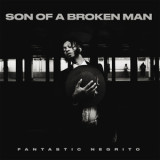
Born Xavier Amin Dphrepaulezz, by now much has been made of Fantastic Negrito's own unique story--his early years growing up in an orthodox Muslim household, the doomed major label deal that turned him off of the music industry altogether, the near-fatal car crash that permanently damaged his guitar playing hand--as well as the remarkable redemption arc that began in 2015, when he won the first ever NPR Tiny Desk Contest. In the years that followed, Negrito would go on to take home three consecutive GRAMMY Awards for Best Contemporary Blues Album, tour with everyone from Sturgill Simpson to Chris Cornell to Bruce Springsteen, collaborate in the studio with the likes of Sting and E-40, launch his own Storefront Records label, perform at Lollapalooza, WOMAD, Glastonbury, Newport Folk, Byron Bay Blues, and nearly every other major festival on the map, and found the Revolution Plantation, an urban farm aimed at youth education and empowerment. Son of a Broken Man sees Fantastic Negrito encapsulating the inimitable elements of his celebrated body of work to date, from hard-hitting distorted guitar riffs to melodic and expressive ballads, all fueled by the unexpected twists that have become his trademark. The album stands as perhaps Fantastic Negrito's most personal thus far, exploring family, deception, and the human desire to hide the true self as he dives deep into one of the oldest conflicts in human history, the struggle between father and son. Beginning at a young age, Negrito was served untruths by his father. A made-up last name, a fabricated ancestry, and a fake Somali accent. Why lie? Why create this false narrative? Those are the questions Negrito had to ask himself and the questions that lie at the heart of Son of a Broken Man.
Amandra, half head honcho behind Ahrpe Records, goes for subtly evolving and droning atmospheres. With releases spanning electronic genres and record labels: Nous klaer Audio, AD 93, Tikita or Semantica, just to name a few; the French producer ba with coherence his own vision of acid and tribal rhythms that can be presented with either bright and soft feelings or through a
Brera Som Som EP
As always with Amandra, there is a blend of poetic and soft hidden touch given to the music through carefully crafted personal Som is a 4 tracker EP, recorded back when he lived in Warsaw Poland, showcasing the artists ability to navigate through nich double 12 package cherry topped with four intelligent and eclectic remixes from artists with their own unique identity: Shieldin Brainwaltzera.
Amandra on disc 1
Brera Som Som
I want my music to breathe dirty so its alive to my ears, trying to stay away from surgical, clean, electronic music. The Prophet recorded by hand, with assumed offbeat imperfections, as always. I wanted to get a naive Asian mood out of it, just to try and c track. I tend to think a lot about my tracks and their meaning more in terms of feelings, art and techniques than in terms of dee
dance floors or whatever. Brera Som Som is a try at using the chiaroscuro technique depicted in classical paintings for instance interesting focus on some very specific elements.
Cyborg Pelikana
Recorded out of a jam on a Soma Pulsar 23 and some heavy distorted synths, it ended up sounding like no other recordings bit different as I wanted to have a more composed like approach here.
Fanfaron
Here is a try at going jungle... with a Moog DFAM and a 303 processed through a Sherman Filterbank.
Prorokini
This one belongs to a phase where I was exploring the sampling side of electronic music. Until that moment I was building 100 based on raw drum machines and some processing, then started feeling how it would feel to sample some raw external beats and process them my way. I didnt pursue that sampling lead much afterward because it felt like a boring approach to me that
stood out anyway, like this one, which Im very proud of. The synths are clearly programmed on the Prophet 08, it cant go any Instruments than that, if you like them, go grab that synth
Remixers on disc 2
Cyborg Pelikana Shielding Remix
I liked the dry and direct qualities of the original track and wanted to maintain that feeling while collaging it using my own proc Recorded in my old home studio in Stockholm.
Brera Som Som Brainwaltzera Remix
no comment.
Fanfaron Whylie Remix
The remix was made using resampling techniques, the rhythmic noises were transformed into driving percussive layers pushi character. A more emotional overlay was added to the track based on the sentimental and personal approach I built through.
Brera Som Som Martinou Remix
Interpreting Amandras work has been on my bucket list for a while. Theres something in it that is innately humanizing and raw capture in my remix. The melody line from the remix is just a snapshot of a small part of the full original track, but it stuck with my improvisation to what you see before you today. With this remix I wanted to make something that would swell slowly and ring o
All original tracks written and produced by Amandra.
Remixes written and produced by Brainwaltzera, Whylie, Martinou and Shielding.
Mastered by Amandra.
Artwork by Neurotypique.
out of Stock
Last delivered 18 months ago available to reorder, subject to availability
Repress! There are very few albums across any genre that stand the test of time better than 93 ‘Til Infinity, the classic debut record from the Hieroglyphics crew’s very own Souls of Mischief. In an era where Gangsta Rap and G-Funk dominated the West Coast Rap scene, Souls broke ground on a completely unique and thoroughly west coast sound. While the Dr. Dre’s and the Snoop Doggs were garnering much of the mainstream attention, Souls were quietly forging a charismatic, critically acclaimed, and cohesively shaped record that when categorized, sounded much closer to A Tribe Called Quest than N.W.A. The sound of their debut is characteristic of the distinct style explored by the collective, including a rhyme scheme based on internal rhyme and beats centered around a live bass and obscure jazz and funk samples.
93 ‘Til Infinity was propelled into success by its title track and lead single, which reached #32 on the Billboard Hot 100. It also featured singles “That’s When Ya Lost” and “Never No More” which also reached the Hot Rap Singles. In 1998, the album was selected as one of The Source’s 100 Best Rap Albums of All Time. Considered by many to be a text book “slept-on” classic Rap record, 93 ‘Til Infinity has only grown better with age. The album simply defines the Hiero golden age with a sound that would later be fine tuned with strong releases from MCs Del The Funkee Homosapien, Casual and Pep Love.
It takes some serious bravado to name your album 93 ‘Til Infinity, but certainly the goal of creating a Hip Hop “classic” must have been on the collective minds of group members A-Plus, Tajai, Opio, and Phesto when recording this landmark moment in Hip Hop history. It’s true, even seventeen years after the album’s initial release many people are still discovering it, and with this re-mastered reissue on double vinyl, fans all over the world will once again discover the brilliance that 93 ‘Til Infinity delivers and will continue to deliver beyond infinity.
out of Stock
Last delivered 2 years ago available to reorder, subject to availability
2024 reissue of the initial edition released on Nov 2023 - blue & purple vinyls.
September 2012, the 4 turntablist djs from C2C (20syl, Greem, Atom and Pfel) released their first and only album to date : Tetr4.
This album was about to conquer the world: following heavy radio rotations with the hits "Down The Road" and "Happy", the band then toured in the biggest french venues before hitting the most renowned festival stages around the world (Coachella, Roskilde, Fuji Rock…).
For its 10th anniversary, the album comes on a new setting in its double LP vinyl version. Transparent color discs and silver sleeve to celebrate its first decade!
out of Stock
Last delivered 23 months ago available to reorder, subject to availability
Jazz vocalist Helen Humes’ second album on Contemporary Records, “Songs I Like to Sing!” was released in 1961 and is conducted by Marty Paich. Backed by musicians including Art Pepper (sax), Leroy Vinnegar (bass), Shelly Manne (drums), Barney Kessel (guitar) and Andre Previn (piano). This new edition released as part of the Acoustic Sounds Series, features (AAA) lacquers cut from the original master tapes by Bernie Grundman and is pressed on 180-gram vinyl at QRP, and presented in a tip-on jacket.
Alkalino's follow up to the 2021 release of the second installment of the Make Up series comes with all original production from the man himself.
The first comes as the thumping tribal vibe sounds of "get ready' with the second on the A-side is a banger with 'Heavy as stone' with it's lush vocals that would work in any set. On the flip, 'Jack area' is classic sounding body jacking music that'll make you do just that. jack your body. and rounding out the ep is the gritty bass of 'reproduction'. This latest installment from Alkalino is a true testiment that he is a true master of making you dance.
out of Stock
Last delivered 19 months ago available to reorder, subject to availability
Remastered Deluxe-Format zum 25-jährigen Jubiläum des legendären Debütalbums der US-Indie-Band American Football. Die Band brillierte mit einem Slowcore-Sound zwischen Math- und Post-Rock, löste sich aber kurz danach auf, um sich mit einer Reissue dieser LP 2014 wieder zu vereinen. Im Zuge der zweiten Emo-Welle entfaltete das Album eine ungeahnte Wirkung: Für Pitchfork "beste Neuauflage" und "einflussreichstes Album des Genres", für den Rolling Stone #6 der "40 besten Emo-Alben aller Zeiten". Das neue Format ist remastert und erscheint auf silberfarbigem Doppelvinyl mit 24-seitigem Booklet und Download-Card im Gatefold-Sleeve mit neuem Artwork in Silberfolienprägung.
out of Stock
Last delivered 20 months ago available to reorder, subject to availability
The seeds of composer Rafael Anton Irisarri’s latest LP were first planted during his 2016 tour in Italy, months before that Autumn’s unexpected presidential election. The linguistic glitch of an innocuous diner in Milan named “il Mito Americano” – meant as “The American Dream” but translated literally to English as “The American Myth” – sparked a series of ideas, both conceptual and musical.
Amid the chaos of 2020, while exploring the stark world of brutalist architecture and inspired by the false fronts of Potemkin villages, a vision started to take shape: FAÇADISMS. Composed over three years, it’s a late capitalist lament of simmering electric despondency.
Irisarri’s obsession with repeating motifs mirrors the cyclical nature of our tumultuous political history. The album’s eight tracks heave and storm like a tempest being drained of its rage. This is the sound of majestic dissipation, of morning afters, fashioned from a mournful haze with cavernous guitars and granular twilight. A euphony of a receding tide as one sifts through the remnants of what remains: dust, delusion, and memory.
Opening with the somber gauze of “Broken Intensification," FAÇADISMS moves fluidly between moments of absence and abandon. Ashen swaths of electronics billow above smoldering embers of melody, guitar, and scattered streaks of processed strings and voice, as on the rapturous doom of “Control Your Soul's Desire for Freedom,” featuring Julia Kent on cello and Hannah Elizabeth Cox on vocals. "The impoverished peoples of the Americas have known all along that 'freedom' is a cruel illusion crafted by the elites, akin to Potemkin's fake villages designed to impress Catherine the Great," Irisarri indicates. "FAÇADISMS illustrates a twisted inversion where the rulers deceive their subjects with illusions of safety, democracy, and free speech to create a grotesque mirage of control over their own lives.”
Elsewhere, Irisarri leans into passages of hushed oblivion (“Hollow,” “Dispersion of Belief”), while ragged drones rumble and disintegrate into wind-battered ambient wreckage. One has the sense that it’s all too late. The hour of fury has passed. The beauty has come and gone. Irisarri’s muse has become the crack in the façade of the unraveling myth.
The record closes with a climax of grand departure. Co-written with Kenyan sound artist KMRU, “Red Moon Tide” surges from flickering elegy to celestial disquiet, roiling waves of hymnal descent, and bristling noise. The effect is unsettling and unmooring: a soundtrack for the soul leaving the body, only to discover a void. It’s the sound of the center not holding, of shared illusions being dissolved in a tunnel of white light.
The cover photograph captures a profound sense of desolation. Taken in the historic shanty town of La Perla, Puerto Rico, where Irisarri spent his childhood, brutal colonial mysteries are lost to time. A skeletal concrete structure decays against an expansive blue horizon. Only the shadow of its shell ripples on the empty sea.
Has the American myth finally run its course?
out of Stock
Last delivered 23 months ago available to reorder, subject to availability
The seeds of composer Rafael Anton Irisarri’s latest LP were first planted during his 2016 tour in Italy, months before that Autumn’s unexpected presidential election. The linguistic glitch of an innocuous diner in Milan named “il Mito Americano” – meant as “The American Dream” but translated literally to English as “The American Myth” – sparked a series of ideas, both conceptual and musical.
Amid the chaos of 2020, while exploring the stark world of brutalist architecture and inspired by the false fronts of Potemkin villages, a vision started to take shape: FAÇADISMS. Composed over three years, it’s a late capitalist lament of simmering electric despondency.
Irisarri’s obsession with repeating motifs mirrors the cyclical nature of our tumultuous political history. The album’s eight tracks heave and storm like a tempest being drained of its rage. This is the sound of majestic dissipation, of morning afters, fashioned from a mournful haze with cavernous guitars and granular twilight. A euphony of a receding tide as one sifts through the remnants of what remains: dust, delusion, and memory.
Opening with the somber gauze of “Broken Intensification," FAÇADISMS moves fluidly between moments of absence and abandon. Ashen swaths of electronics billow above smoldering embers of melody, guitar, and scattered streaks of processed strings and voice, as on the rapturous doom of “Control Your Soul's Desire for Freedom,” featuring Julia Kent on cello and Hannah Elizabeth Cox on vocals. "The impoverished peoples of the Americas have known all along that 'freedom' is a cruel illusion crafted by the elites, akin to Potemkin's fake villages designed to impress Catherine the Great," Irisarri indicates. "FAÇADISMS illustrates a twisted inversion where the rulers deceive their subjects with illusions of safety, democracy, and free speech to create a grotesque mirage of control over their own lives.”
Elsewhere, Irisarri leans into passages of hushed oblivion (“Hollow,” “Dispersion of Belief”), while ragged drones rumble and disintegrate into wind-battered ambient wreckage. One has the sense that it’s all too late. The hour of fury has passed. The beauty has come and gone. Irisarri’s muse has become the crack in the façade of the unraveling myth.
The record closes with a climax of grand departure. Co-written with Kenyan sound artist KMRU, “Red Moon Tide” surges from flickering elegy to celestial disquiet, roiling waves of hymnal descent, and bristling noise. The effect is unsettling and unmooring: a soundtrack for the soul leaving the body, only to discover a void. It’s the sound of the center not holding, of shared illusions being dissolved in a tunnel of white light.
The cover photograph captures a profound sense of desolation. Taken in the historic shanty town of La Perla, Puerto Rico, where Irisarri spent his childhood, brutal colonial mysteries are lost to time. A skeletal concrete structure decays against an expansive blue horizon. Only the shadow of its shell ripples on the empty sea.
Known for the monolithic force of their music and their inventive production techniques, The Body"s albums are benchmarks in the expansion and evolution of heavy music. Tightly packed with deceptively nuanced arrangements and exhilarating, challenging distortion, their compositions are possessed of an unmistakably singular sound. The Crying Out of Things is no exception; a culmination of all that The Body have done before, highlighting their mastery of dynamic and monumental music that pushes toward the unmistakable sound of oblivion The Body have produced a wealth of groundbreaking collaborations with the likes of Full of Hell, Thou, Uniform, BIG|BRAVE, OAA, and Dis Fig. The duo"s benchmark albums have, over the past 2 decades, changed the perceptions and directions of heavy music. The Crying Out of Things" embrace of noise is a comprehensive display of the multitude of expressions possible with abrasive sound, a skill that The Body have pioneered and refined. "I think for us the key to the way we use noise is, it"s not the only element," says Buford. "You"ve gotta really listen if you"re into noise. But it also has to have dynamics. Where, say, BIG|BRAVE (who have a similar ethos) expresses it in this more intellectual, minimalist way, The Body comes from an instinctual, maximalist way. We"re trying to cover it ALL." The Body stand alone in their ability to connect disparate influences and collaborators into a wholly original, potent and singular work. Alongside producer/engineer Seth Manchester, the duo"s voracious and omnivorous musical appetites have pushed the studio as an instrument into new avenues to conjure profound feelings from the music. The Crying Out of Things cements The Body"s place as a leader of heavy new music, their boundless creativity, their defining ability to convey anguish, created with a visceral clarity to devastating impact.
Known for the monolithic force of their music and their inventive production techniques, The Body"s albums are benchmarks in the expansion and evolution of heavy music. Tightly packed with deceptively nuanced arrangements and exhilarating, challenging distortion, their compositions are possessed of an unmistakably singular sound. The Crying Out of Things is no exception; a culmination of all that The Body have done before, highlighting their mastery of dynamic and monumental music that pushes toward the unmistakable sound of oblivion The Body have produced a wealth of groundbreaking collaborations with the likes of Full of Hell, Thou, Uniform, BIG|BRAVE, OAA, and Dis Fig. The duo"s benchmark albums have, over the past 2 decades, changed the perceptions and directions of heavy music. The Crying Out of Things" embrace of noise is a comprehensive display of the multitude of expressions possible with abrasive sound, a skill that The Body have pioneered and refined. "I think for us the key to the way we use noise is, it"s not the only element," says Buford. "You"ve gotta really listen if you"re into noise. But it also has to have dynamics. Where, say, BIG|BRAVE (who have a similar ethos) expresses it in this more intellectual, minimalist way, The Body comes from an instinctual, maximalist way. We"re trying to cover it ALL." The Body stand alone in their ability to connect disparate influences and collaborators into a wholly original, potent and singular work. Alongside producer/engineer Seth Manchester, the duo"s voracious and omnivorous musical appetites have pushed the studio as an instrument into new avenues to conjure profound feelings from the music. The Crying Out of Things cements The Body"s place as a leader of heavy new music, their boundless creativity, their defining ability to convey anguish, created with a visceral clarity to devastating impact.
Fracatso was born during a spontaneous weekend break away from home of four good friends, emerging from the collective desire to record together in total freedom. This remarkable album that will delight you as it did us, is made of two distinct sessions recorded in Laura Lippie's Lyon apartment, composed on site using various acoustic and electronic instruments by Lippie, Iueke, Lowjack and Zaltan, fueled by wine, laughter and song and an honest need for aimless creation and poetical collaboration .
During an impromptu meeting in Amsterdam, Zaltan played to Gilb'R these unrevised original recordings lead by the powerful and whimsical words and voice of Lippie, and the known talent of the band creating bucolic arrangements in unformatted musical identities. Gilb'R instantly proposed to release the sessions on Versatile Records on the spot! And hear you have it , Fracatso lives.
The Outer Edge is excited to announce the release of an intense and previously undiscovered funk rap / boogie single, featuring two tracks recorded in 1986.
While researching for his book on 80s funk music in Germany, DJ Scientist explored bands from Bavaria that collaborated with GIs. One of these bands is Grand Slam, a group that remains active to this day. The band’s leader, Toby Mayerl, lived near a US Army base in Amberg, where he fell in love with funk after hearing Roger Troutman and Zapp. He soon became part of two groups: Total Control and Grand Slam.
Originally led by guitarist Harry Zawrel, Grand Slam had a “European” funk sound similar to Talking Heads or Level 42. However, in 1985, Mayerl took over the band and merged it with Total Control, a mixed group that included African-American soldiers. From that point on, they shifted towards a heavier funk and soul sound, continuing to work with musicians from the GI community. By late 1986, they had enough material to record their debut album, Make My Day. Although published by the independent label Kerston, the album was only available on cassette, primarily sold at their concerts in early 1987.
DJ Scientist managed to track down an original copy of this ultra-rare tape in the MUZ archive in Nuremberg. "What I heard blew my mind," he said. "The cassette featured seven raw, well-produced funk and soul jams with fantastic arrangements and vocals." As an old-school funk and disco rap collector, he was immediately captivated by the track "Goin' Out," which features GI rapper Calvin E. Flagg. This song evokes the energy of early recorded rap singles from labels like Enjoy or Sugar Hill Records.
On Side B, the second track from the unheard debut album, ‘Don’t Let You Down,’ offers another glimpse of what we've been missing. This uptempo boogie-funk track features lead vocals by Aletha Mcbryde, Calvin E. Flagg, and Oliver Allwardt, along with thrilling synths and a lively brass section - perfect for turning up the volume.
Both tracks have been remastered from the original master tapes, which Toby Mayerl fortunately still had in his archive. The artwork for the release is inspired by original band posters, with the Grand Slam logo taking cues from Bootsy's Rubber Band’s Body Slam! cover from 1982. This limited vinyl pressing is capped at just 350 copies.
out of Stock
Last delivered 23 months ago available to reorder, subject to availability
Joel Sarakula's new album "Soft Focus" is a mid-career album spanning his many influences and genres including Soft-Rock, Funk and Indie Pop, all brought under the umbrella of his gentle gaze and a 'soft' aesthetic. "Soft Focus" is also the name of a photographic technique born out of a spherical abberation of the lens where the image is a bit blurry and undefined: it's both flattering and forgiving on the subject. It's an apt title. As a lifetime wearer of (vintage) glasses, Sarakula knows a lot about spherical abberations. Perhaps he produced these songs with his glasses off as these are abstract and warm vignettes, never overstaying their welcome and for this reason Sarakula manages to feature twelve new tracks on "Soft Focus".
Highlights include one of the two Shawn Lee produced tracks "I'll Get By Without You", the rockier, iberic beat of "King Of Spain", the soulful affirmation of "Back For Your Love" and the psychedelic-tinged "Bird Of Paradise" and "Microdosing". This is a lovingly crafted album, well polished and it feels like the culmination of Sarakula's adventures in soulful soft-rock and his defining statement in the genre. While comparisons will be made with contemporary projects like Shawn Lee's Young Gun Silver Fox, Drugdealer, Benny Sings and Prep, echoes of soft-rock icons Ned Doheny, Boz Scaggs, Todd Rundgren and Michael Franks also ripple gently through the album.
Imagine if Ray Manzarek was the frontman for the Bee Gees... It's a neat visual introduction to Joel Sarakula, a UK-based Australian artist who writes, produces and sings Soulful Pop, gazing out at a contemporary world through vintage glasses, vintage threads and long blond hair. His music is informed by a rich, 1970s-inspired palette, drawing on soft-rock, funk and disco influences: sunny, uptempo jams for darker times. Self-aware that he looks and occasionally sounds like the love child of Ray Manzarek and the Gibb brothers, his self-deprecating sense of humour is always there just below the fringe.
Born in Sydney, based in UK and international in outlook Sarakula is a songwriter who has travelled the world in search of his muse, experiencing everything from being a victim of Caribbean carjackings to performing in the remote fishing villages of Norway before finally establishing his career in the UK and Europe. Since then he has released albums such as "Island Time" (2023), "Companionship" (2020), "Love Club" (2018) and "The Imposter" (2015) that have racked up plays on rotation across national UK and European radio and got him noticed in The New York Times, The Independent (UK), The Irish Times, Rolling Stone Germany, El Pais (Spain) and Sydney Morning Herald. It's- been a long road finding his current cult status starting out at the piano from a young age in suburban Sydney, writing and singing songs by the time he was a teenager and onstage by fifteen years old playing jazz standards in his local golf club. "I came from humble beginnings, it's best not to mention" as he sings in his 70s boogie influenced song "I'm Still Winning". Joel Sarakula is a fixture on the festival and club circuit having previously performed at SXSW, Primavera Sound and Glastonbury festivals. Ever the internationalist, he tours with pickup bands sourced from each territory he plays in: a Barcelona band for Spain, a Berlin band for Germany and so forth. This cross-cultural exchange is another echo of the 1970s when world travelling soul and pop artists from the US did the same and guarantees that his live shows remain fresh, exciting and absolutely contemporary.