MD Records, a small independent label started in 2018, are pleased to present the debut single from “Lost in Rio” on the new MD Gold series imprint.
Their debut single which will be out in August, ‘Little Piece of Heaven’ is a festival summer feel good slice of Latin pop featuring energetic musicianship and the vocals talents of Highland based Miss T.It is also something the guys are, rightly, very proud of.
The vinyl release of this single is presented as a double A side as both sides are phenomenal, with the remix bringing a NYC disco mix, designed purely for dancefloors with thumping bass, chic style guitars and soaring strings, think Studio 54 and the heady crossover soul of Philly meeting the early disco of New York.
Early plays by several funk and soul radio stations (Totally Wired Radio and FACE radio) has attracted interest from DJs keen to feedback with so many positive vibes and offers to collaborate on future songs.
Who Are Lost In Rio:
The band herald from the Highlands of Scotland. Inverness provides the base for a collection of musicians that have made their home here, whether they originated from Manchester, Melbourne, Malaysia or indeed the Highlands! The band has taken the funk and soul sound from their former incarnation, The Leonard Jones Potential (LJP) who were BBC6 Craig Charles Funk & Soul Show favourites with whom they undertook several live interviews on the show with Craig and also a popular live session as well as a number of joint live dates at Kendal Calling Festival, Inverness and Aberdeen. The guys were also asked to undertake some prestigious live work with world renowned DJ Carl Cox, on the bill at his personal request and alongside other acts such as Brand New Heavies, Danny Rampling, Gilles Peterson and of course, Carl himself.
The songwriting team behind all this - Anthony, Andy, Neil and Ruairi quickly set up Lost in Rio upon the demise of The LJP and began collaborating with a number of singers and a rapper (MC Butterscotch). They developed their sound into a smaller, tighter, groove based soul vibe.
From 2017 the grouped honed their sound with a number of live appearances across the Highlands including festivals and supporting acts such as Smoove and Turrell. Utilising guitars, bass, drums, Hammond and percussion, the guys set about leaning on key influences - Acid Jazz Corduroy and Brand New Heavies, dynamite disco guys Chic, Northern Soul, rare soul and a whole plethora of funky hip hop acts - The Allergies, The Herbaliser and Tribe called Quest to write a lot of new tunes. Latin influence comes to the fore in much of the groups new sound, particularly highlighting the impressive skills of Aussie percussionist Andy Pearce.
Live, the band have a good reputation and have been much sought after by promoters. Audiences have loved the tight rhythmic groove that these guys produce, meaning gigs are full of dancing and long encores. Recently the guys have been concentrating on driving up the already high standard of songwriting and production. This hard working band has plenty of material they are eager to share with those ears who are partial to quality funk, soul and pop and are looking for the right partners to work with and spread the message. Future releases will seek to exploit the wordsmith alacrity of MC Butterscotch who as well as Lost in Rio, also features as part of Scottish award winning hip hop act, Spring Break.
MD Records specialise in Unreleased soul and funk on its Yellow Series, contemporary soul and funk artists on the Gold Series, re-issue soul and funk on the Black Series and Missouri Soul and Blues via its Blue Lotus UK imprint.
Suche:lost in rio
- A1: C’est Loin
- A2: Là Où Tu Veux (Deixa A Gira Girá)
- A3: Pas Tant De D'chichi Ponpon
- A4: Assez
- A5: Le Soleil En Haut
- A6: Tout L’or
- B1: Désillusion
- B2: Attends-Moi
- B3: O Sapo
- B4: Horssaison
- B5: Presque Rien
- B6: Vou Festejar
For his sixth solo album, Ezéchiel Pailhès returns with a new collection of songs infused by a sunny wandering spirit.
Within each of the twelve songs on SOL is a thread of melancholic happiness that has permeated much of Pailhès’ music and songwriting. He addresses love, the passing of time, hope, lost illusions, fleeting moments of grace, the temptation of forgetting, a need to escape, and desire. All this is
insulated by understated orchestrations that blend acoustic and electronic instrumentation with deft confidence.
The Portuguese and Brazilian concept of saudade—a form of melancholic longing and nostalgia— pervades, thanks in part to Pailhès decision to record the album in Rio de Janiero and to reinterpret some of the finest works of Música Popular Brasileira (MPB). In particular, he revisits a handful of
lesser known classics from the mid-century samba and bossa nova era—originally written or performed by talents including Vinícius de Moraes, João Gilberto, Tom Zé, Dorival Caymmi, João Donato, Os Tincoãs, and Ataulfo Alves.
The shift from Brazilian Portuguese to French and the decision to adapt rather than perform a straightforward cover versions, allows Pailhès to invent a form of prosody and euphony (the musicality and harmonious combination of words) that feels vibrant and unlike anything else in today’s French
chanson landscape.
“Some lyrics are simple translations from Portuguese, in what I’d call an expanded version. For others, I started from a single word or a single phrase and embroidered an entirely new text that carried me elsewhere,” explains Pailhès. “I allowed myself great interpretive freedom, while preserving the humanist dimension of the original songs. I’ve always been deeply moved by the way Brazilians transfigure reality through heightened emotion. I love this visceral and spontaneous country, which always seems to live through emotion. And above all, I love its music both popular and unifying,
bringing together all social classes. In that sense, it’s very political music, but even more so utopian, made by the people and for the people.”
On this new album, however, the French artist was keen to avoid cliché. Each song is therefore built around a carefully balanced interplay between Pailhès’ piano and synthesizers, alongside restrained arrangements of percussion, brass, bass, and cavaquinho (a small four-string plucked guitar). These parts were recorded in Rio de Janeiro with two musicians who regularly perform alongside the legendary Caetano Veloso—Kainã Do Jêje and Alberto Continentino—joined by Thomas Harres, Antônio Neves, Eduardo Neves, and Gabriel Loddo.
Since the 1960s, France and Brazil have shared a long-standing cultural and musical relationship. Some Brazilian artists, most famously Gilberto Gil, took refuge in France during the dictatorship years (1964–1985). But above all, French chanson quickly fell in love with the richness and ingenuity of
bossa nova and samba, translating and reinventing them in the language of Molière. Throughout the 1960s and 1970s, albums and hits by Henri Salvador, Georges Moustaki, Pierre Barouh, Pierre Vassiliu, and Claude Nougaro all drew from the MPB repertoire.
Fifty years later, with SOL, Ezéchiel Pailhès reinvents this rich Franco-Brazilian musical legacy, bringing to it a personality and modernity that stand confidently alongside those of his forbears.
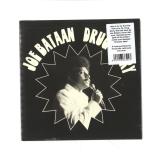
Joe Bataan's extensive discography was expanded in 2022 with the release of some old recordings from the King of Latin Soul that had never been previously published. After the success of his album "Riot!" (1968), Bataan had easy access to a studio whenever inspiration struck to record a new song sketch or even a complete track. Sometimes, he would finish the recording entirely and offer it in its final version to Fania for release. This usually worked, although on some occasions, the song was rejected. In the case of 'Drug Story,' the track was recorded without a clear final purpose, even though Bataan hoped it would become part of an album. When the Fania executives heard the result, they immediately rejected it, thinking it promoted drug use. The tapes were filed away and lost in oblivion until they ended up in a thrift store in New York. From there, they were rescued by a Latin music specialist and later sold, eventually making their way to the Vampisoul archives. The song was finally released in its entirety in 2022 on the LP "Drug Story" by Now Again. It features a long, slow vocal intro that evolves into a more uptempo track with two very distinct parts, to the point that it almost feels like two different songs. It transports us to the best moment of Joe Bataan's career, with all of his classic ingredients, delivering a track as good as his most famous songs. Bataan himself takes on the lead vocals and piano, Bobby Rodríguez handles the flute, sax, and bass, Pete 'Choki' Quintero plays the drums, and William Howes Jr. plays the electric guitar with wah-wah effects. Vampisoul strongly believes that the song deserved to be released as a single as well, and that its structure was perfect for each side to have a separate identity. So here it is, for the first time on a 45, 'Drug Story,', parts one & two, the long lost track by Joe Bataan. Pure Latin soul, recorded at the peak of the artist's career!
180 G. BLACK VINYL WITH LINER NOTES IN CREOLE, FRENCH, ENGLISH
Originally released in 1979, "Spiritual Sound" lives up to its name, a soaring, triumphant album, six tracks of spirit magic from Guadeloupe.
Telluric, intense, terribly alive, the gwoka drums of Guadeloupe carry the identity of a painful and fervent island. Marked forever by the crime of slavery, Guadeloupe's créolité cherishes the ka drums and their natural environment: the low-pitched boula drum with male goatskin, the high-pitched soloist makè drum with female goatskin, the chacha, ti bwa, triangle, calabash and other percussion instruments that surround them, and the voices - the fiery, proud, timbred, urgent voices of the gwoka.
This album is also a legend for its voices: in his then dazzling youth, singer Lukuber Séjor was one of the first gwoka artists to largely feminize the chorus of répondè, who converse with his text delivered in a straight and powerful voice.
And everything here sets new standards. In 1979, Mizik Filamonik - Spiritual Sound proclaimed a spiritual patriotism of ferocious intensity. The album by Lukuber Séjor - whose spelling alone is a battle - sets out to give Guadeloupe the intangible weapons of self-respect and self-knowledge, through a singular practice of traditional music.
The genesis of gwoka music is less straightforward than one might imagine... The drums performed the servile task of accompanying the work of slaves in the fields and during the “corvées” imposed by the administration, before being freely practiced by the common people after the abolition of 1848. At the heart of the conviviality of the Guadeloupeans furthest from the cities - geographically and socially - the gwoka drums come out for carnival, funeral wakes and neighborhood celebrations, but also during strikes, fits of anger and armed vigils of the riots and revolts that have punctuated the island's history. For generations, governors of the colony and then the prefects of the overseas department of Guadeloupe have been viewing the gwoka as a potential for turbulence and a threat to public order.
But as the Beatlesmania, “chanson engagée” and rock revolutions unfolded in Europe, young people turned to the drums of mizik a vié nèg (“bad negro music”, in Creole), which Guadeloupeans had learned to despise by following the “assimilation” process advocated by the school system and most of the political class. At the end of the sixties, in a Guadeloupe mourning the deadly repression of the May 1967 social movement, they played traditional music, refusing to wrap it up in tourist prettiness and madras folk costumes. Instinctively, they played a rough and contemporary gwoka, led by the incendiary Guy Konkèt. This was the era of decisive 45 rpm records such as Robert Loyson's Kann a la richès, which brought to light the fieriest words of union rallies.
At his home in Sainte-Anne, Lukuber Séjor played with flautist Olivier Vamur and his brother Claude Vamur, who cobbled together a drum kit from tin crockery and became, a few years later, the most influential drummer in Kassav'.
These were the years of the Bumidom program, when young Guadeloupeans were encouraged to emigrate to mainland France. At the age of twenty, Lukuber Séjor embarked on the liner Irpinia, disembarking at Le Havre and taking the train to the Gare Saint-Lazare - the route taken by thousands of young West Indians who went on to study or looked for work, all the while trying to maintain a link with their homeland. In this case, it's at the Antony university residence, where Lukuber played the drum and participated in a thousand gwoka updates and aggiornamentos, while exile reinforced the need for a spiritual link with the native land.
In 1978, Guy Konkèt played at the Salle Wagram, a historic event for West Indian music. After serving as répondè - i.e. backing vocalist - on one of his home-recorded albums, Lukuber joined his live band. Little by little, he became one of the key artists on a circuit parallel to French show business. At a student party in Caen, he met a young woman from Martinique who, at the time, was more motivated by her ambitions as a visual artist than by her vocation as a musician. Her name was Jocelyne Béroard and, a few years before she plunged into the Kassav' adventure and became the greatest West Indian singer of her generation, she designed the cover of Lukuber Séjor's LP.
This ambition was obvious and imposed its will. A more or less regular band was formed, with Roger Raspail, Rudy Mompière and Éric Danquin on ka drums, Claude Vamur on ti bwa, Olivier Vamur and Françoise Lancréot on flutes and Annick Noël on keyboards. Lukuber Séjor is set on wanting to extend the gwoka palette to other instruments, as the jazz-rock revolution opens a thousand new doors. Annick Noël will play a wide range of timbres and textures on electric piano and synthesizer. Another novelty: the répondè are two men and two women, Roger Raspail, Olivier Vamur, Françoise Lancréot and Maryann Mathéus ...
Mizik Filamonik - Spiritual Sound is a self-production in which the singer and leader sank all his savings, allowing him no more than a single day in the studio. The first side is more of a musical manifesto, with the first two tracks, Éritage and Penn é plézi, being instrumentals. The third, Son, forcefully celebrates the need for Guadeloupeans to connect with the gwoka. In fact, Jocelyne Béroard's cover shows a tambouyé in the shadow of a cloudy sky, against which a radiant sun is rising and whose light will soon flood the entire landscape. The silhouette and face of this man strongly evoke the immense Vélo, master of the ka, rejected at the time on the fringes of society.
The second side of the LP is surprising. Formally, three tracks are explicitly linked like the three parts of a triptych. Primyé voyaj evokes the appalling tribulation of Africans deported as slaves to Guadeloupe; dézyèm voyaj speaks of the Bumidom program and the economic, political and social forces driving young Guadeloupeans towards the mirage of prosperity in France; twazyèm voyaj closes the cycle with the emigrants' return from Europe after years away from their island...
This gwoka, obsessed with the need to save Guadeloupe spiritually, appeals far beyond the politicized audience. Mizik Filamonik - Spiritual Sound instantly became a classic, although Lukuber Séjor never really made a career for himself as a musician.
After all, the album was released in 1980, with no promotional resources in France or Guadeloupe - and therefore no concerts. The thirty-two-year-old author, composer and performer made his own third trip back to Guadeloupe. He set up a small woodworking business, which he lost in Hurricane Hugo in 1989. His other activity, teaching in a medical-educational institute, became the core of his professional life. He continued to be an active campaigner - a campaigner for the Creole language, a campaigner for the reawakening of identity, a campaigner for special education, a campaigner for a thousand causes that he ignited with his generous and perceptive enthusiasm, such as the defense of breadfruit fries...
The echoes of his 1979 album have not died down. Of course, the use of Penn é plézi as the theme tune for Radio Guadeloupe's funeral notices from 1980 to 1992 kept him in the collective memory, but he continues to sing and compose sporadically, as with his all-female
vocal group Vwapoulouéka... Still convinced that music is a means of liberating the spirit, he continues the journey of a young man eager to deploy the power of Creole music and language.
Bertrand Dicale
Archeo Recordings is a record label. Old, lost, obscure and forgotten gems and a boundless focus on the new Balearic scene for a wider audience of collectors, DJs and music lovers. All releases are limited edition.
This release is 350 copies limited edition: 12"" with 4 new special Remixes by Hear & Now, Manu Archeo, Mushrooms Project and Ocean Moon + CD with 6 previously unreleased Original songs + Insert.
For the latest essential offering from Archeo Recordings, Infradisco harness the power of the Po, serving a six-part suite inspired by the life giving power and natural beauty of water. An immersive journey through balmy downbeat, Balearic melancholy, smooth jazz and subtle house, the ‘Aqua Cheta’ CD comes accompanied by a diverse 12" of remixes from Hear & Now, label head Manu Archeo, Mushrooms Project and Ocean Moon. Album opener “Caduca” evokes the energy of an Umbrian waterfall, its spheric bassline growing ever more acidic before falling away as focus shifts onto the misty pads and plangent guitar.
The gentle bossa rhythm of “Dulcis” transports us to the confluence of the Rio Negro and the Amazon, where a snaking bassline underpins beguiling horns and subtle Sade-sque chords progressions. On “Fluminea”, the trio return to the heart of Reggio Emilia, following the fluctuation of the river Po, which runs past their studio, in an exquisite example of tension and release. Awash with emotion, both via the piano and redolent woodwind, this heady track intersects melodic house and Balearic trance, prompting horizontal dancing and skyward gazes. The tone shifts through the pensive and propulsive “Marina”, a sax led masterpiece accented with gorgeous acoustic guitar, before the tabla beat and emotive sitar of “Pluvia” add intensity to a slow-flowing piece of progressive house.
The CD closes with the cinematic splendour of “Surgiva”, an expansive ambient composition which sees delay-drenched fretwork tug at our heartstrings.
*Repress*
An artist as imaginative and unique as Ana Mazzotti doesn’t come around often. Dubbed a “super-musician” by fellow Brazilian virtuoso Hermeto Pascoal, Mazzotti’s short but rich musical career culminated in just two studio albums: Ninguem Vai Me Segurar (1974), and Ana Mazzotti (1977). Outside circles of Brazilian funk aficionados, these two gems of spellbinding samba-jazz, lysergic funk and trippy bossa have remained relatively obscure. This was partly as a result of Mazzotti’s premature death (she lost her battle with cancer in her mid-thirties), but also due to financial restraints and the prejudice she faced as a female songwriter in a fundamentally sexist society.
Born in Caixas, in Brazil’s Rio Grande do Sul municipality, Mazzotti began to play the accordion aged five, before moving with prodigious ease onto the piano. By the age of twelve she was already conducting her convent school’s choir, and at twenty-one she led her city’s premier chorus, the Coral Bento Goncalves. When rock and roll hit South America in the sixties, a young Mazzotti was one of the early adopters, fronting various guitar groups including an all female Beatles cover band, and an eclectic, eight-piece psychedelic group Desenvolvemento. Before moving to Sao Paulo to start her career proper, Mazzotti met drummer, producer and fellow music educator Romido Santos, who she would later marry. Romildo introduced Mazzotti to jazz, and music by the likes of Chick Corea and Hermeto Pascoal who she would later befriend and perform with.

In 1974 Mazzotti recorded her first album Ninguem Vai Me Segurar (1974), enlisting the in-demand arrangement talents of Azymuth’s original keyboard maestro Jose Roberto Bertrami who co-wrote several of the tracks and plays organ, piano and synthesizers on the album. It also features Azymuth’s bassist Alex Malheiros and percussionist Ariovaldo Contestini, with Romildo Santos who produced the album on drums. Recorded in Estudio Haway around the same time Azymuth recorded their debut album there, it’s no wonder the samba jazz-funk pioneer’s distinctive aesthetic is present throughout, and Mazzotti’s sensational compositions are made even more beautiful for it.
Kicking off with the swirling samba-jazz-dance masterpiece ‘Agora Ou Nunca Mais’, the album hosts several groove-heavy Brazilian cult-classics including ‘Roda Mundo’ and ‘Eu Sou Mais Eu’. Deeper moments come in the form of the alluring future soul synth sounds on ‘Bairro Negro’ and ‘Sou’, and Mazzotti’s tender, hallucinatory version of ‘Feel Like Making Love’ (made famous by Roberta Flack) perfectly reflecting the idiosyncratic genius Mazzotti achieved with Bertrami’s visionary arrangements, and Romildo’s impeccable production approach.
Far Out Recordings is proud to present the official reissue of this cult favourite Brazilian treasure. Remastered and pressed to 180g vinyl, Ninguem Vai Me Segurar (1974) will be available on vinyl LP, CD and digitally from 13th September.
(Produced, Arranged and Conducted by Claus Ogerman)
Not long after the dawn of her career, as a teenager in Rio de Janeiro, Joyce was declared “one of the greatest singers” by Antonio Carlos Jobim. Yet despite reputable accolades and the fact that she has since recorded over thirty acclaimed albums, Joyce never quite achieved the international recognition of the likes of Jobim, João Gilberto and Sergio Mendes, all of whom became global stars after releasing with major labels in the US.
There was a moment when it seemed she might be on the cusp of an international breakthrough. While living in New York, Joyce was approached by the great German producer Claus Ogerman. Ogerman had already played a pivotal role in the development and popularisation of Brazilian music in the 1960s, recording with some of the all-time greats like Jobim and João Gilberto, as well as North American idols like Frank Sinatra, Billie Holiday and Bill Evans.
"I met him in New York City, in 1977”, recalls Joyce. “I was living and playing there, and João Palma, Brazilian drummer who used to play with Jobim, introduced me to Claus. We had an audition, he liked what we were doing and decided to produce an album with us.”
Featuring fellow Brazilian musicians Mauricio Maestro (who wrote/co-wrote four of the songs), Nana Vasconcelos and Tutty Moreno, and some of the most in-demand stateside players including Michael Brecker, Joe Farrell and Buster Williams, the recordings for Natureza took place at Columbia Studios and Ogerman produced the album, provided the arrangements and conducted the orchestra.
But mysteriously, Natureza was never released, and what should have been Joyce’s big moment never happened. As Joyce remembers, “I returned home, but Claus and I remained in contact, by letters and phone calls. He was very enthusiastic about the album and tried to hook me up with Michael Franks. He wanted me to go back to NYC in order to re-record the vocals in English with new lyrics, which I actually wasn’t too happy about. But then I got pregnant with my third child and could not leave Brazil. And little by little our contact became rare, until I lost track of him completely. And that was it. I never heard from him again."
While Claus was known to be something of an elusive character, the album’s disappearance might also have been a result of timing. The Brazilian craze was coming to an end, making way for disco and new wave at the end of the seventies, and Ogerman struggled to find a major label interested in a new Brazilian sensation. Additionally, as Joyce mentions, it wasn’t quite finished. Ogerman wanted to add finishing touches to the mix and to record alternative English lyrics for the US and international markets - a critical artistic difference between Joyce and Ogerman.
As the military dictatorship’s grip on Brazil began to subside in the 1980s, Joyce had a handful of hits in her home county, including a tribute to her daughters ‘Clareana’, and the iconic ‘Feminina’ - an intergenerational conversation between mother and daughter about what it means to be a woman. But already a feminist pioneer, these successes were hard fought. Joyce had caused controversy as a nineteen-year-old when she became the first in Brazil to sing from the first-person feminine perspective, and the institutional sexism she faced was worsened by the dictatorship who would often censor her music. Even once the Junta was out of the way, Joyce found herself up against the male-dominated major record companies in Brazil, who sought to dictate her career and sexualise her image, before dropping her for refusing to play along.
A few years after the success of her albums Feminina and Agua E Luz in Brazil, Joyce’s music began to find its way to the UK, Europe and Japan, and “Feminina” and “Aldeia de Ogum” became classics on the underground jazz-dance scenes of the mid to late-eighties and early-nineties.
The full-length version of “Feminina” from the Natureza sessions was first heard on a Brazilian Jazz compilation in 1999 and “Descompassadamente” was licensed for a CD compiling the work of Claus Ogerman in 2002. Following these, word began to get out about an unreleased Joyce album with Claus Ogerman and the legend of Natureza grew.
Forty-five years since it was recorded, Natureza finally sees the light of day, as Joyce intended: with her own Portuguese lyrics and vocals. Featuring the fabled 11-minute version of ‘Feminina’, as well as the never before heard ‘Coração Sonhador’ composed and performed by Mauricio Maestro, Natureza’s release is a landmark in Brazilian music history and represents a triumphant, if overdue victory for Joyce as an outspoken female artist who has consistently refused to bow to patriarchal pressure.
***Disclaimer! While “Feminina” and “Descompassadamente'' were mixed by legendary engineer Al Schmitt and mastered from the original master tapes, the remaining five tracks are unmixed. Due to significant deterioration of the master-tapes, the best audio source for these tracks was an unmixed tape copy Joyce had kept of the recordings. The best care has been taken in the restoration and mastering of this release, but the sound quality may differ from other releases on Far Out Recordings. We advise listening to sound clips before buying where possible.
- A1: Pale Dogwood (4:21)
- A2: Field Drab (5:14)
- A3: Ceda Chast (5:10)
- A4: Wild Blue Yonder (8:39)
- B1: Inchworm (6:23)
- B2: Vetiver (3:50)
- B3: Orange Crayola (7:37)
- C1: Black Olive (5:19)
- C2: Wild Strawberry (4:00)
- C3: African Violet (6:39)
- C4: Deep Sky (4:52)
- D1: Permanent Geranium Lake (6:23)
- D2: Carnelian (4:09)
- D3: Helltrope (7:56)
Ivan The Tolerable returns with Chromophobia, an expansive new double album and his fourth for Riot Season after ‘Water Music’ & ‘Vertigo’ (both 2024) and ‘An Orphan Form’ (2025)
Chromophobia carries with it a deep personal history. The earliest recording sessions date back to 2018 at the IDI in Middlesbrough, engineered by longtime collaborator Nigel Crooks over the course of three weekends. The material was left unfinished for years, shelved for reasons that accumulated and compounded - until the tragic passing of Crooks in 2023. His unfinished work lingered, and the desire to complete it became a mission.
“In the end, I finished this record for Nigel, above all else,” says Oli Heffernan (Ivan The Tolerable). “It always annoyed him that it never got done.”
To bring the album to completion, the original stems were passed to producer Hugh Major (formerly of Benefits) in early 2024. Across a year of meticulous experimentation - countless versions, radical reconstructions, entire songs torn down and rebuilt - the album transformed into something wholly new. The final collection spans 14 tracks, reimagined from the ground up yet still anchored to the spirit of the sessions that began it.
“It’s a very different beast from where it started,” Heffernan adds, “but I think Nigel would really like it - and be glad it was finally finished.”
Chromophobia stands as both a reinvention and a tribute: a document of persistence, creative overhaul, and the enduring impact of a lost collaborator.
Beijinho do Brasil announce their second release with the highly anticipated follow-up from LA-based producer and multi-instrumentalist James Matthew Seven, featuring guest vocals on the A-side by Rio de Janeiro's Fabio Santanna.
Recorded in a small studio on the beach in Oaxaca, Mexico, "Feels Good, Do It" brings to mind a lost recording from Marcos Valle's time with Leon Ware. Funky and soulful with warm Fender Rhodes and a horn section reminiscent of Banda Black Rio, the tune is a breezy, mid-tempo ode to embracing life's pleasures. Originally with vocals in English, the track was translated and re-recorded in Rio de Janeiro by Fabio Santanna. Fabio has a long-established reputation in Brazil as a torchbearer of modern funk and boogie, continuing in the lineage of artists like Robson Jorge and Lincoln Olivetti. But with his releases on labels like Onda Boa and Dippin' Records (which sold out nearly instantly), his international reputation is steadily growing. He has a new 7" due out on Dippin' Records on October 10th, pushing his name to the forefront once again, right on time to generate more buzz for our next 45!
About the flip side, "Ilha Racional" (a nod to Tim Maia's Racional era):
I had this dream where I was in a dive bar discotheque somewhere in the Caribbean. A thick cloud of smoke hung in the air as the selector dropped this bass-heavy bop that had the whole crowd vibing. Then, out of nowhere, in walked Tim Maia with a bag of mushrooms. He proceeded to grab the mic and preach about this alien world of rational energy. Shit was bugged out. When I woke up, James Matthew Seven had sent me this track to check out.
- Devil's Night
- The Emma Peel Explosion
- Generation Shit
- Pick Her Up
- Yesterday Is Gone
- Poor Cow
- Lost In The Jungle
- Dirty Lips
- Breakin' The Law
- Go Go Alco
- Human Zoo
- When You Find Out
- I'm Sick Of You
They are sexy, powerful, and subversive! HUMAN TOYS is a raw punk rock duo fronted by fierce female vocals
Poupee Mecanik (vocals, theremin) thrives on playing with female archetypes, bringing a subversive edge to their music, all flavoured with a generous dose of irony.
The addition of guitarist Jon Von, formerly of RIP OFFS, since their previous hit record "Spin To Win" (Topsy- Turvy Records), has revitalised the band with an all- new punk rock sound that lands somewhere between THE RAMONES and THE AVENGERS.
Since their debut album "Excuse My French" (Records Ad Nauseam), HUMAN TOYS has evolved musically into a wild punk rock riot grrrl-style force. Anyone lucky enough to catch one of their electrifying live shows around the globe knows they deliver relentless energy, raw power, and a tough yet seductive attitude. That same fierce energy shines through in their new album "At The Poor Cow", named after a legendary underground punk rock bar in Tokyo. The album features fantastic covers of IGGY POP's "I'm Sick of You", THE NERVES' "When You Find Out", and BOB CENTER's "Lost In The Jungle", alongside addictive and wild HUMAN TOYS originals. This record is a true modern-day punkrock-classic!
- Here And Now, A Free Rock Tentet (1969)
- Riot In The Solbosch (1970)
- Abstract And Concrete (1972)
- Five Sketches For A Short Film (1972)
- Lost In The Farmhouse (1973)
- Modular Excursions At John’s (1975)
- Kosmischer Afternoon (1975)
- The Big Slide (1976)
- Gyrovagations (1976)
- Imaginary Travels With Chris (1976)
- Proto-Kefak (1976)
- Didn’t Make It 1: Balinoid (1977)
- Didn’t Make It 2: Angeloid (1977)
- Java Ney (1977)
- Didn’t Make It 3: The Missing Dance (1977)
- The Cricket
- My Sea
- If You Seek Joy From The Sun
- Andante Ma Non Troppo
- The Poet And The Rose
- Freedom
- Con Calore
- Mosso
- The Lake By Lamartine
- Moderato
- Wings
- Greek Melody
- Thantalos
- Ode To The Moon
- The Linden Tree (Der Lindenbaum)
LOST SONGS – 10 unveröffentlichte Lieder von Mikis Theodorakis, arrangiert und gespielt von Henning Schmiedt
Zum 100. Geburtstag von Mikis Theodorakis (29. Juli 2025) erscheint bei Intuition Records ein besonderes Album: LOST SONGS – vierzehn bislang unveröffentlichte Kompositionen des weltbekannten griechischen Komponisten, erstmals präsentiert in einer außergewöhnlichen Klavier-Version von Henning Schmiedt. Der Berliner Pianist und Komponist beschreibt die bislang unbekannten Lieder wie folgt: „Diese Melodien sind so großartig, dass man sich wundert, dass sie noch nicht existierten. Jetzt wissen wir, dass es sie doch gab.“ 2008 kam es im Athener Studio von Mikis Theodorakis zu einem besonderen Moment: Henning Schmiedt spielte dem Komponisten persönlich seine Klavier-Versionen der LOST SONGS vor. Theodorakis, der sich an einige der Lieder erinnern konnte, an andere nicht, hörte aufmerksam zu, machte Anmerkungen und gab Hinweise, die direkt in die abschließende Gestaltung der Stücke einflossen, so dass LOST SONGS als posthum veröffentlichtes Album gelten kann. Diese Lieder dokumentieren die musikalische Reife und Ausdruckskraft von Mikis Theodorakis bereits in jungen Jahren: Die meisten der LOST SONGS entstanden Anfang der 1940er-Jahre – ein eindrucksvoller Einblick in die frühen Kompositionen eines der bedeutendsten Komponisten des 20. Jahrhunderts. Die Lost Songs werden nun zu seinem 100. Geburtstag veröffentlicht.
Rezensionen
»Schmiedt überzeugt nicht nur durch sein sensibles und nuanciertes Klavierspiel, sondern auch als einfühlsamer Interpret, der das Werk und die geistige Welt Theodorakis’ genau zu verstehen scheint.« (jazz-fun.de, Juli 2025)
- Vampirella
- Ghost Girl
- Wild Young Ways
- Little Flashes Of Yesterday
- How To Be Kind
- Go Home Stay Home
- All Hail The Daffodil
- In Praise Of Right Now
- With Wings We'll Soar The Heavens
- Gladwrap
- Life Said To The Boy
- Clean Hanky
- Left
If you're a serious music fan but not a native Kiwi, your first awareness of New Zealand's fab music scene may have come from the debut of The Chills' mesmerising Kaleidoscope World collection of early singles. Within a few years, a great number of NZ acts saw music released by various UK and US labels . . . generally to great praise and enthusiasm. That this occurred without any of these acts having to move abroad to further their chances was nearly as delightful a feat as the music itself. The exception to this was Dead Famous People, radical in a snap decision after a five-song 12" for Flying Nun, Lost Persons Area, to change hemispheres and make a go for it in London. It started well. Three London recordings were added to three from their Flying Nun EP and put out by Billy Bragg's Utility label - about as perfect a mini-album as there's ever been. Response was positive, more songs recorded, the group did a John Peel session and played out often, but the vaguely impoverished group began to fall apart. Singer and primary writer Dons Savage - determined to make it - had a near-miss at becoming Saint Etienne's singer on an early take of their 'Kiss And Make Up' cover, and there was a fine performance from her on The Chills' 'Heavenly Pop Hit' . . . but dismay had set in. Upon learning of her mum's passing back home, Dons returned to NZ and was quiet for decades. Most of their London recordings were later released later in minuscule quantities by very small labels, but these saw scant press or attention and enjoyed next-to-no sales. Their moment had passed, and the band has suffered the strange fate of being the least-known of the truly brilliant acts associated with Flying Nun. Listening to these `lost' songs, it seems unfathomable that they could have fallen by the wayside. No NZ songwriter comes as close to equalling Martin Phillipps' pop brilliance as Dons. Her superbly sweet vocals, delicious harmonies and sophisticated arrangements aside, the songs dealt perceptively with universal follies of youth and yearning in tandem with a then-unusual twist of lyrics dealing matter-of-factly with her sexuality at a time when `women's music' was seen as exclusionary (segregated into its own bin in shops, if it existed there at all), and the riot grrrl movement was years away, later breaking through due to its radical stance. Dons is a pioneer in myriad ways, the irony of her transcendent brilliance failing to propel a greater career may rest in the fact that she leapt to the head of the class too quickly for people to grasp it; a fate that's befallen so many musical geniuses acknowledged today but less in their time - something rather tragically acknowledged in old pal Martin Phillipps' song with The Chills, 'A Song For Randy Newman, Etc.' None of these thirteen songs fails to deliver something both immediate and unique. And we're proud to debut 'Vampirella"', a magical fantasy song of longing and intrigue - surely one of the most perfect tunes to ever sit around unreleased for decades! Dons is again busy conjuring new songs; in the meantime we're delighted to unveil these obscure gems from the past.
- Trophy Girlfriend
- K-Klass Kisschase
- Space Manatee
- Ben Sherman
- By The Way
- Cut Off
- Nous Ne Sommes Pas Des Anges
- Mark Angel
- Fat Lenny
- Snail Trail
- Pet
For most members of the band it's the best album. But, tragically, the release of Operation Heavenly in 1996 was overshadowed by the sudden death of drummer Mathew Fletcher. The promotional tour was cancelled, the surviving members of the band went into emotional hibernation and no-one could bring themselves to celebrate these vibrant, upbeat songs. So, this release by Skep Wax Records, nearly thirty years on, is more like an album launch than a re-issue. Time has healed most wounds, and the songs on Operation Heavenly feel like they can finally emerge onto the stage, with Mathew's spirit very much alive: his effervescent witty drumming sounding as fresh now as it did then. These tracks are gleeful, melodic, sophisticated and knowing. The tough riot grrrl edge that Heavenly had developed a year before with seminal singles P.U.N.K. Girl and Atta Girl, has been blended with a deliberate quantity of Britpop styling. Heavenly were clearly listening to what was going on, liked the energy, but didn't necessarily feel the need to join in. Some of the tracks (eg Ben Sherman) are as jaunty as early Blur, but the lyrics, mocking a narcissistic boyfriend for his obsession with hair, clothes and his own erections, show that Heavenly didn't need or want to be part of the la - or even ladette - herd. Operation Heavenly was the band's first release on a label other than Sarah Records. Matt Haynes and Clare Wadd had brought that exceptional label to a deliberate and dramatic end. The liaison with US punk label K Records continued - as did the duets with Calvin Johnson: Pet Monkey is a moving duet between a growling Calvin Johnson and a sweet-voiced Cathy Rogers, as they dramatize another complex, maybe doomed relationship, with another self-centred boy finding himself frustrated by a girl who won't take any shit. But in the UK, Heavenly needed to find a new home - and Wiija Records were welcoming hosts, ushering the band into a brasher, less cloistered world: the production on this album is brighter than before, the artwork is colourful and upbeat. With tracks as catchy and as complete as Fat Lenny, Trophy Girlfriend and Space Manatee there was an expectation that Heavenly might finally emerge from the indiepop shadows and trouble the charts. And who knows if this might have happened. Mathew was lost before the album was released, and the band had no choice but to bring things to an end. This reissue also contains two tracks that appeared on the B side of the 7" single of Space Manatee. They are both cover versions, and along with Serge Gainsbourg's Nous Ne Sommes Pas Des Anges on the main album, these vivacious assaults on Art School by The Jam and You Tore Me Down by The Flamin' Groovies show that the band, briefly in its prime, could happily embrace any variant of pop music and make it something Heavenly.
Ruth Radelet - Milk and Bon and Nora Kelly Band
Lost Records - Bloom and Rage - Original Game Sountrack LP 2x12"
- A1: Nora Kelly Band - See You In Hell
- A2: Ruth Radelet - Dreamers
- A3: Ruth Radelet - The Wild Unknown
- A4: Milk & Bone - Liminal Spaces
- B1: Milk & Bone - Velvet Cove
- B2: Milk & Bone - Moonlight
- B3: Milk & Bone - Riot
- B4: Milk & Bone - The Abyss
- B5: Ruth Radelet - A Place Like Home
- C1: Ruth Radelet - Without A Trace
- C2: Milk & Bone - Insomnia
- C3: Ruth Radelet - The Veil
- C4: Nora Kelly Band - See You In Hell (Acoustic Version)
- D1: Nora Kelly Band - See You In Hell (Instrumental Version)
- D2: Ruth Radelet - Dreamers (Instrumental Version)
- D3: Ruth Radelet - The Wild Unknown (Instrumental Version)
- D4: Ruth Radelet - Without A Trace (Instrumental Version)
- D5: Ruth Radelet - The Veil (Instrumental Version)
2025 Repress
Kid Katana Records teamed up once again with DON’T NOD to release Lost Records: Bloom & Rage OST on vinyl.
This album accompanies the adventure of four teenage girls between 1995 and 2022, in the seemingly sleepy little town of Velvet Cove, Michigan.
With their growing friendship embodied by their punk band, music plays a key role in both the story and gameplay. In terms of music, this 18-track OST features different genres: dream pop, ambient, and punk, featuring an incredible lineup of artists and several songs with vocals: Ruth Radelet – former Chromatics front singer, Milk & Bone – acclaimed Canadian electropop duo, Nora Kelly Band – fresh Canadian alt-country / punk band.
This roster defines a dreamy and ethereal soundscape resonating with the 90s nostalgia and the Super 8 aesthetics of the game.
The physical edition is a 2LP designed in close relationship with the game studio:
- 2 colored vinyls: transparent pink & blue, matching the cover art.
- gatefold art: featuring exclusive in-game graphics
- teenage punk poster: nod to the game’s rebellious spirit & characters
- liner notes: giving insights from the game’s creative team and featured artists
“In May 2024, the Brazilian state of Rio Grande do Sul, where I was born and have lived all my life, faced the worst climate catastrophe in its history. After weeks of relentless, torrential rain, its rivers overflowed, flooding much of the region. Entire cities were submerged. More than 170 people lost their lives, and hundreds of thousands of animals perished. Amid this dystopian and desperate situation, flux was composed and recorded in about a week. Initially, the album was created solely as an exercise to maintain my mental health. But when I finished it, I realized that it had become a kind of “sound portrait” of this dark moment—days filled with pain and suffering. Yet it was also a meditation on the ephemerality and fragility of life, and the struggle to survive.”
- A1: Porto Feliz (Mozar Terra)
- A2: Janeiro (Ion Muniz)
- A3: Serena (Steve Sacks
- B1: A Chegada (Dom Salvador)
- B2: Para Ana (Ricardo Dos Santos)
- B3: Pra Nova (Aloisio Aguiar)
- B4: Constelação (Alfredo Cardim)
- C1: Ascensão (Mozar Terra)
- C2: Clodes (Alfredo Nascimento)
- C3: Naquela Base (Guilherme Vergueiro)
- D1: Atlantico (Ricardo Dos Santos)
Gatefold 2LP
Far Out Recordings proudly presents a landmark discovery in Brazilian jazz: the long lost album by drumming pioneer Edison Machado. Recorded in New York City in early 1978 but never released, Edison Machado & Boa Nova captures a pivotal figure in Brazilian music history at the height of his artistic powers.
Combining North and South American jazz traditions with Machado's revolutionary samba innovations, Edison Machado & Boa Nova represents a triumph against the odds. After facing persecution under Brazil's military dictatorship and being forced to sell his drum kit in 1976, Machado found renewed creative purpose in New York with the Boa Nova ensemble. The resulting album captures the essence of his genius - sophisticated yet wild, controlled yet daring, leading an ensemble of some of the best jazz, samba and bossa nova players of the day.
At just fifteen years old, Machado revolutionized Brazilian music through an accident that would change everything - when his snare drum broke during a performance, he began playing samba rhythms on the cymbal. This innovation, known as "samba no prato" (samba on the cymbals), brought new layers of dynamism to samba and proved instrumental in the development of bossa nova alongside contemporaries like Antonio Carlos Jobim and João Gilberto.
A complex and passionate figure, Machado was notorious for his militant perfectionism and "attacking" style of drumming. Having spent some years of his youth in the Brazilian army, musicians often remarked that he played as if he were at war. But his innovative style, while exhibiting complete control and sophistication, somehow so often danced right on the edge of chaos and wild abandon.
After making his name in Rio's legendary Beco das Garrafas (Bottles Alley) in the 1950s and early '60s, Machado went on to form Bossa Três - the world's first instrumental bossa nova group. His influence spread internationally through collaborations with Stan Getz, Sergio Mendes, Antônio Carlos Jobim, Milton Nascimento, and Chet Baker, while his 1964 album Edison Machado É Samba Novo stands as a masterpiece of Brazilian jazz.
At 80 minutes in length, Edison Machado & Boa Nova, the lost 1978 New York sessions, is a singular achievement in Brazilian jazz. The format itself is a rarity in the canon. It’s packed full of exceptional technical precision and creative vitality, with sophisticated arrangements and masterful improvisation from its exceptional sextet of Brazilian and US musicians: Paulinho Trompete (flugelhorn/trumpet), Ion Muniz (tenor saxophone), Steve Sacks (baritone saxophone), Mozar Terra (piano), and Ricardo dos Santos (double bass).
The album features unheard compositions by Brazilian masters Dom Salvador (Salvador Trio, Harry Belafonte, Edu Lobo), Guilherme Vergueiro (Raul De Souza, Leon Ware, Joyce), Aloisio Aguiar (Arthur Verocai, Airto) amidst the plethora of captivating original material by the members of the Boa Nova ensemble.
- A1: Ventilateur - Esmer
- A2: Ventilateur & Luca Missiaen - For Better Days
- A3: Ventilateur - Aloam
- A4: Ventilateur - Steenweg
- A5: Ventilateur - Tour De Force
- B1: Ventilateur & Sebastien Dewaele - Volk
- B2: Ventilateur & Nathan Daems - Brûl
- B3: Ventilateur - New Houses, Lost Memories
- B4: Ventilateur - Steenweg (Reprise)
- B5: Ventilateur - Hysbak
- B6: Ventilateur & Reena Riot - Rage De Vivre
VENTILATEUR is an instrumental project combining sounds from the vivid worlds of contemporary jazz and postpunk. The three-piece band, consisting of Iben Stalpaert on drums, Jasper Hollevoet on bass and Daan Soenens on guitar, uses angular rhythms and flowing melodies to construct compositions that embody both contrast and cohesion. Originally from Bruges, the band currently has Ghent as its homebase.
The trio released its self-titled debut EP on 22 March 2019. VENTILATEUR won awards at Fresh Fish, Red Rock Rally and Burgrock that same year and was one of the laureates of the then brand new Sound Track. Thanks to Sound Track 2020, the band received a residency at Het Entrepot in Bruges and a year of professional coaching from VI.BE and other national players in the music landscape.
In 2020, VENTILATEUR joined forces with young Ghent theatre collective Camping Sunset for the performance Happiness. The band composed the soundtrack for the play and also performed it live during the five-week run of the production. The music was subsequently recorded and released under the title A Soundtrack For Happiness at the Brussels label Sentimental.
In 2022, VENTILATEUR released its first full-length album with W.E.R.F. Records. Hoofdplaat, titled after the village near the manor house that served as its recording location, is the result of a long process of purification. VENTILATEUR presents the essence of their sound, stripped from all ballast.
VENTILATEUR balances on the border between the ‘niche’ world of instrumental jazz and the accessible world of the pop-rock circuit. From this position, the band aims to bring instrumental music to a wider audience. Apart from being purely intrinsically artistic, the trio's ambition is to excite a new audience for cultural participation and specifically the rich genre of jazz. Through their choice of accessibility within the experimental, the band aims to form a bridge between a wider audience and a musical world still too often labelled as ‘niche’. The musicians not only focus on the club and festival circuit, but have already written soundtracks for some short film projects and are also reaching out to the theatre world.
In its early years, VENTILATEUR was mainly known within the Flemish arts landscape on the Bruges-Ghent-Brussels axis. A soundtrack for Happiness and Hoofdplaat introduced VENTILATEUR to a new audience. Songs from the albums got airtime from Radio 1, Klara and other stations, and singles appeared in national playlists. The band’s music was also picked up by VRT, which used the single Nectar during several programs. In 2023, the band scored their biggest gig yet: Ghent Jazz on a podium curated by their label, W.E.R.F. Records.
VENTILATEUR as a project can count on the support of organisations such as W.E.R.F. Records, Cactus Music Centre, Het Entrepot and VI.BE. The band also has close ties with theatre companies such as Camping Sunset, Compagnie Cecilia and Ontroerend Goed and, of course, numerous connections within the Flemish and Brussels music scene.
Mit dem neuen Gitarristen Antonio 'Yogi' Pettinato schöpft der furchterregende Fünfer aus namhaften Einflüssen wie Judas Priest, Riot und Crimson Glory. „Wir sind stark von der Musik der 80er Jahre inspiriert, einschließlich der Glam-Ära. Obwohl unser Aussehen unverkennbar Glam ist, sollte man sich davon nicht täuschen lassen ... unsere Songs sind hart und laut“, sagt Gitarrist Joel Dominguez. Saber haben sich schnell an die Spitze der
NWOTHM-Szene gespielt, indem sie traditionellen Heavy Metal auf eine neue Art und Weise spielen.
- A1: Capital Punishment In America
- A2: Buck Tha Devil
- A3: Lost In Tha System
- A4: You & Your Heroes
- A5: All On My Nut Sac (Feat. Ice Cube)
- A6: Guerillas In Tha Mist
- B1: Lenchmob Also In Tha Group
- B2: Ain't Got No Class (Feat. B-Real)
- B3: Freedom Got An A.k
- B4: Ankle Blues
- B5: Who Ya Gonna Shoot Wit That
- B6: Lord Have Mercy
- B7: Inside Tha Head Of A Black Man
Possessing lyrics heavily focused on political and social justice, inspired heavily by West Coast gang culture and Islam, Da Lench Mob made waves throughout the hip-hop scene when they first appeared on the track "Rolling With Da Lench Mob", off Ice Cube's famed 1990 solo record AmeriKKKa's Most Wanted. Initially, the titular "Lench Mob" of the track namesake referred to Ice Cube as well as the other participating rappers, but J-Dee, Shorty, and T-Bone would adopt the name for their own in time. Their standout appearance on the Ice Cube track would earn the trio critical interest, (as well as shout-outs on Ice Cube's 1991 follow-up Death Certificate) and generate palpable anticipation for a studio album of their own. Guerillas In Tha Mist, their 1992 debut record, was recorded in the wake of the Rodney King riots, taking its name from infamous comments made during the riots. The record was uncompromising and confrontational in its depictions of urban decay and an unjust system wreaking havoc on an economically disadvantaged Black population. It was starkly realistic (bordering on abrasive) in the content of tracks like the armed revolution-advocating "Freedom Got An A.K.", the kill-your-idols style of "You And Your Heroes", and the anti-pusher anthem "All On My Nut Sac." These harsh manifestos were made all the more smooth via Ice Cube's jazzy G-funk and Bomb Squad-influenced production, which sampled heavily from classic songs by Parliament, Kool & The Gang, The Incredible Bongo Band, and even Vangelis. Cube himself would make guest appearances throughout the record, as well as an appearance by B-Real of Cypress Hill on the track "Ain't Got No Class." Guerillas In Tha Mist was a Billboard success upon its release, reaching #24 on the Billboard 200, and rendering rap radio hits out of its title track and "Freedom Got An A.K.", but Da Lench Mob would fall into obscurity over the years, eventually going their separate ways after creative differences, financial rifts, and the life conviction of rapper J-Dee for suspected murder in 1993. Despite their loss of commercial fortunes, Guerillas In Tha Mist would develop a strong reputation as an unheralded gem among hip-hop heads, and would be considered one of the great lesser-known releases of the era among critics (in 2018 Complex would declare the title track as one of the 100 Best L.A. Rap Songs). Decades after its initial release, and in tribute to the memory of Da Lench Mob member Shorty, who passed in 2019, Get On Down now presents an exclusive LP reissue of Guerillas In Tha Mist, which previously was only released officially on wax in Europe. The LP is pressed on a deluxe Green and Orange Splatter-colored vinyl, and features remastered audio and a painstakingly recreated full color jacket.
Kilmara klingen frischer, kraftvoller und härter als je zuvor, dank einer exzellenten und sorgfältigen Produktion. Auf der Suche nach dem besten und zeitgemäßesten Sound haben sie die Aufnahmen zu ihrem 2. Album "Journey To The Sun" in die Hände von Carles Salse in seinem Sureau Studio gelegt und mit dem preisgekrönten Produzenten Seeb Levermann (Orden Ogan, Rhapsody Of Fire, Riot V) zusammengearbeitet. Das Konzept von "Journey To The Sun" spielt in den Arcade-Hallen der späten 80er Jahre, wo die erste Liebe, unzerbrechliche Freundschaften, Rivalitäten, Niederlagen
und Siegesfeiern stattfanden. KILMARA treten die Nachfolge der neuen Power Metal-Helden an und bringen den Sänger der legendären und schmerzlich vermissten schwedischen Band Lost Horizon, Daniel Heiman, zurück.
- A1: Heavy Is The Crown
- A2: I Can't Hear It Now
- A3: Sucker
- A4: Renegade (We Never Run)
- A5: Hellfire
- A6: To Ashes And Blood
- B1: Paint The Town Blue
- B2: Remember Me (Intro)
- B3: Remember Me
- B4: Isha's Song
- B5: Cocktail Molotov
- C1: What Have They Done To Us
- C2: Rebel Heart
- C3: The Beast
- C4: Spin The Wheel
- C5: Ma Meilleure Ennemie
- C6: Fantastic
- D1: The Line
- D2: Blood Sweat & Tears
- D3: Come Play
- D4: Wasteland
- D5: Enemy With Jid (Opening Title Version) From The Series Arcane League Of Legends
Alles, was endet, löst einen Neuanfang aus.” Der Arcane Season 2 Soundtrack von Riot Games kann
vorbestellt werden! Erlebe das musikalische Wunderwerk, das dazu beigetragen hat, die Geschichte der
letzten Staffel von Arcane zu erzählen.
Angeführt von der energiegeladenen Hymne ”Paint The Town Blue” von Ashnikko und Tracks von Stray
Kids, Young Miko und Tom Morello, d4vd, Twenty One Pilots, Marcus King, King Princess und mehr!
Red Vinyl. Since emerging in 2015, Sextile have been a party-provoking force on the LA underground, capable of kicking up a riot with the raw-edged squall of a synth or the sharp-elbowed jerk of a guitar. Sextile are now ready to rage with a serotonin-boosting new album, a new group dynamic, faster BPMs, and an even wilder new direction. Recorded in Yucca Valley, Push bounces and bops at the fringes of hardcore dance music, with the hallmarks of drum & bass, gabber and trance illuminating the record like glowsticks at a `90s Fantazia rave. "Contortion" introduces the album with shadowy vocals from Keehn and a `00s-ready twist of dirty electro bass, setting the tone for the dance-punk rave-up that unfolds across 11 attention-grabbing tracks. There's plenty of historic teen angst and biting social commentary written into the album's vivid tales and misadventures. Balancing storytelling with face- melting synths that turn the tune into an acid trance character study, "No Fun" is penned from the perspective of a teenager trying to flee their town. A punk spirit underscores the album. The clue's in the name with "Crassy Mel," which partly serves as a high-energy dedication to `70s anarcho-punk legends Crass . The track's headbang - ing heft, vocal yelping, and Prodigy -shaped breakbeats accentuate the album's overwhelming sense of fun. Plus, the dreamy ambient wash at the end of the song is the ultimate palate- cleanser. Push was inspired by the kind of pleasure-seeking music fans whose social calendar comprises both the punk show and the rave. Josh Wink, Iggy Pop, Goldie, and early XL Recordings have all been namechecked as influences on Push , and the dancefloor remains a constant pres - ence. Repping their place of origin, "New York" brings these musical touchstones off the page, guiding the album like an acid-soaked lodestar with its grinning nod to "Higher State of Consciousness" and a whirlygig of music-box synths. There are still nods and "hellos" to the caustic post-punk of Sextile's earlier work. Sextile haven't relinquished their punk credentials, they've just given them a smiley-faced revamp.
- Specimen_Uno_____(Probe#1162011)
- _Specimen_Due_____(Probe#1292011)
- _Specimen_Tre_____(Probe#1312011)
- _Specimen_Quattro_(Probe#1132010)
- _Specimen_Cinque__(Probe#0542009)
- _Specimen_Sei_____(Probe#1262011)
- _Specimen_Sette___(Probe#1012010)
- _Specimen_Otto____(Probe#1082010)
- _Specimen_Nove____(Probe#0532009)
- _Specimen_Zero____(Probe#1642024)
arottenbit is an electronic music project born in 2008 by Alessandro 'Otto' Galli (FOH Sound Engineer for Messa, Deafheaven, Pallbearer, Truckfighters, Bongzilla, Fuoco Fatuo). Playing solo with a 1989 NINTENDO GAME BOY or accompanied by hardcore punk drummer Guido Montanarini (PARADISE LOST, IMPLORE, THE SECRET), he soon found himself opening for some of his favorite bands like MELVINS, ATARI TEENAGE RIOT, THE BODY, MELT BANANA, AUTHOR & PUNISHER, FULL OF HELL and performing at major international festivals like ROADBURN 2022, HELLFEST 2022. "You Don't Know What Chiptune Is" is a bold exploration of the chiptune genre, pushing the boundaries of 8-bit music with an experimental and innovative approach. Each track on the album is a unique specimen, meticulously crafted to showcase the versatility and depth of chiptune sounds. The album is characterized by its inventive use of 8-bit sound chips, evoking the essence of vintage gaming consoles like Game Boy. arottenbit skillfully manipulates these sounds to create a wide range of textures and atmospheres. The lo-fi, raw quality of the 8-bit era is preserved, while contemporary production techniques enhance the overall listening experience.
Most bands after nearly 20 years of classic albums, touring , line-up changes and a definitive legacy might be forgiven for putting their feet up and kicking back for a while, but then most bands aren’t the juggernaut that is Motörhead. We Take No Prisoners takes in a collection of singles and promos from the period of 1996-2005, during which the band, now a taut powerful trio, continued on their relentless journey with even more of the same quality, ear-shredding riotous rock ‘n’ roll than ever before. This Box Set containing nine 7” records, brings together some of the classic singles from the era alongside rare and live material including a lost interview with Lemmy and Mikkey Dee. There is also a CD version that features all this alongside tracks exclusive to that format. Descriptions: - 7" Singles Box Set containing nine 7” singles (on black – eight 7” contain two tracks on each and one 7” interview with Lemmy/Mikkey Dee). - Standard digisleeve with 2CD with 20pp Booklet. Features several tracks exclusive to the CD edition only.
"Formed in London during the first wave of punk, in 1976, The Slits were all-female firebrands whose influence
stretches far beyond music, shaping fashion trends and forcing a wholesale rethink of cultural attitudes towards
women in rock. Mixing African rhythms and Jamaican dub into their unique sonic blend, Ari Up (vocals), Viv
Albertine (guitar) and Tessa Pollitt (bass) transcended barriers of all kinds – social, political and musical – inspiring
generations of female musicians to give the finger to the establishment and follow their own paths.
With its DNA traceable in everything from the riot grrrl movement of the 1990s to the music of grunge pioneer
Courtney Love, electro-punk agitator Peaches, rapper and activist M.I.A. and returning Arkansas rockers Gossip,
The Slits’ seminal debut album, Cut, has lost none of its power. With its densely layered sound providing a
backdrop to songs that tackle such unlikely subject matter as shoplifting, consumerism, sexual politics and the
commercial exploitation of women, it remains an inspirational album from an era in which women were beginning
to take the reins in the creative arts.
"
Amputechture Beneath the technical flash, the fury, the fearless creative brinkmanship of the first two Mars Volta albums lay a potent seam of the blues, an existential vexation that powered every twist and turn of Omar and Cedric’s imaginations. That mournful vibe would come to the surface of the group’s third full-length Amputechture, a simmering/blistering set that was unquestionably the group’s darkest yet. There was no overarching theme here, no interlinking concept binding the songs together, though Cedric concedes that, lyrically, the album was influenced “by a lot of stuff I was going through, a really bad break-up and a lot of other crazy stuff, and trying to put that feeling into the record.” But Amputechture – its name another of the late Jeremy Michael Ward’s invented words – was no downbeat bummer. Opener Vicarious Atonement might’ve been a deliciously gloomy, slow-burning thing, capturing Cedric in delirious duet with Omar’s swooning guitar lines, accompanied by squalling saxophone by Adrian Terrazas-Gonzales and dream-frequency fuckery by the group’s new sonic manipulator, former At The Drive- In member Paul Hinojos. But second track Tetragrammaton swiftly set pulses racing, an epic-in-miniature and containing more ideas within its 16 minutes than most bands manage over an entire career, its proggy, complex guitar figures tessellating in infinite configurations and converging as if conforming to mathematical formulae from another reality. The raw material Amputechture was hewn from started life on the road. Omar now travelled with his own mobile recording studio – a little Neve ten-channel tape recorder and an array of microphones – and was able to work on new ideas on tourbuses, in hotel rooms and during soundcheck (and, occasionally, after the show was done). After touring for Frances The Mute was complete, Omar relocated to Amsterdam, staying with his photographer friend Danielle Van Ark and her partner, Nils Post. It’s here that he demoed Amputechture, flying in engineer Jon DeBaun, drummer Jon Theodore and his brother, Chino, to work on these raw sketches. He later returned to Los Angeles, where the album was finally recorded. Omar ceded guitar duties to his dear friend and kindred spirit John Frusciante, instead assuming the role of musical director. “I wanted to hear the sound of the band,” he says. “I thought, I’ll be able to sit at the console, feel the air of the speakers moving, the unified sound of everything, and not feel distant from it. It was fun, but it was also challenging.” Part of Omar’s new method was to teach the musicians their parts only moments before the tapes rolled. “To keep things fresh, and to keep everyone on edge,” he says, before chuckling. “No, not on edge – on their toes. Amputechture would prove The Mars Volta’s most diverse set yet, drawing into the group’s tornado of influences moments of fiery jazz spirituality and esoteric folk introspection, finding space for passages of devastating subtlety and also their most fierce and full-on moments to date. The aforementioned Vicarious Atonement found its meditative mood echoed by Asilos Magdalena, an intimate, acoustic piece that invoked traditional Latin folk music, as Cedric sang in Spanish a sorrowful tale of a lost soul’s quest for sanctuary within a Magdalen Asylum, a refuge set up by the Catholic church for “fallen women”. The shadowy, sinister closer El Ciervo Vulnerado, meanwhile, tapped into the darker side of spiritual jazz to further explore the album’s themes of redemption and religious myth and magick. Elsewhere, the interplay between guitar and clarinet on Viscera Eyes created complex, unsettling counter-melodies, while the coiling, ornate Meccamputechture – Cedric’s wild fusion of sacred texts, occultism and dystopian science fiction – proved a great showcase for Ikey Owens’ swarming, infernal organ runs, in concert with Frusciante’s arcane guitar-play. But it was Day Of The Baphomets that would prove Amputechture’s most ambitious and most defining epic. Cedric’s lyrics tore into the hypocrisy of religious cant and myths of sin and punishment. “I wanted to make a song that was like the movie The Believers, where this cabal stole kids and did some occult shit with them,” he explains. “But I wanted it to be like, ‘What if the people you hire to do jobs you don’t wanna do rise up one day and then pull some shit like that?’ Like it was the guerrilla warfare, them taking over – wouldn’t that be some fucked up shit? And the music just lent itself to that – the big intro, the bass solo, and all of the ruckus that occurs.” That ruckus was some of the most thrilling Mars Volta music yet, as Omar directed his musicians to rumble through fiery modes of wild tribal groove, ransack-the-palaces riot- rock and supreme progressive experimentalism. Amputechture, then, is the sound of The Mars Volta in imperial mode: fearless, insatiable, unstoppable.
Ursprünglich im Januar 2015 erschienen hat ‚Curse Of The Damned‘ – nach der selbstbetitelten Debüt-EP von 2012 – den charakteristischen Night
Demon-Sound endgültig manifestiert. Die Scheibe löste eine geradezu fanatische Begeisterung der Heavy Metal-Anhänger aus, erntete überall
großartige Presse-Echos und wurde von den Hörern der WCJU-Radioshow ‚Metal on Metal‘ in Cleveland, Ohio zum besten Album des Jahres 2015
gewählt. Um das Werk angemessen zu promoten, tourten Night Demon fast zwei Jahre lang auf beiden Seiten des Atlantiks sowie in Mexiko,
Lateinamerika und Südamerika. Mit jeder weiteren Tournee hat sich der Ruf von Night Demon als grandiose und überaus explosive Live-Band, die
man unbedingt gesehen haben muss, ebenso rasant vergrößert wie die Zahl ihrer Fans. ‚Curse Of The Damned‘ umfasst viele Songs, die bis heute
fester Bestandteil ihres Live-Sets sind, darunter ‚Screams In The Night‘, ‚The Howling Man‘ und ‚Heavy Metal Heat‘ sowie ebenso beliebte,
eindringliche Stücke wie ‚Mastermind‘, ‚Satan‘ und ‚Save Me Now‘.
Auf der 2024er Deluxe Edition von ‚Curse Of The Damned‘ findet man das komplette Originalalbum, neu remastert von Night Demon-Gitarrist
Armand John Anthony. Sie enthält zusätzlich einige Bonustracks aus unterschiedlichen früheren Editionen, wie etwa die Coverversion von Riots ‚Road
Racin`‘ und eine Neuaufnahme des Night Demons-Klassikers ‚The Chalice‘ mit dem prägnanten Titel ‚The Chalice ´15‘.
Ursprünglich im Januar 2015 erschienen hat ‚Curse Of The Damned‘ – nach der selbstbetitelten Debüt-EP von 2012 – den charakteristischen Night
Demon-Sound endgültig manifestiert. Die Scheibe löste eine geradezu fanatische Begeisterung der Heavy Metal-Anhänger aus, erntete überall
großartige Presse-Echos und wurde von den Hörern der WCJU-Radioshow ‚Metal on Metal‘ in Cleveland, Ohio zum besten Album des Jahres 2015
gewählt. Um das Werk angemessen zu promoten, tourten Night Demon fast zwei Jahre lang auf beiden Seiten des Atlantiks sowie in Mexiko,
Lateinamerika und Südamerika. Mit jeder weiteren Tournee hat sich der Ruf von Night Demon als grandiose und überaus explosive Live-Band, die
man unbedingt gesehen haben muss, ebenso rasant vergrößert wie die Zahl ihrer Fans. ‚Curse Of The Damned‘ umfasst viele Songs, die bis heute
fester Bestandteil ihres Live-Sets sind, darunter ‚Screams In The Night‘, ‚The Howling Man‘ und ‚Heavy Metal Heat‘ sowie ebenso beliebte,
eindringliche Stücke wie ‚Mastermind‘, ‚Satan‘ und ‚Save Me Now‘.
Auf der 2024er Deluxe Edition von ‚Curse Of The Damned‘ findet man das komplette Originalalbum, neu remastert von Night Demon-Gitarrist
Armand John Anthony. Sie enthält zusätzlich einige Bonustracks aus unterschiedlichen früheren Editionen, wie etwa die Coverversion von Riots ‚Road
Racin`‘ und eine Neuaufnahme des Night Demons-Klassikers ‚The Chalice‘ mit dem prägnanten Titel ‚The Chalice ´15‘.
Back in 1981 HAZE were a band consistently touring the south west of England, rocking shows from Torquay, Exeter and slightly further beyond, their release, recorded to campaign to save milk bottle tops for the local disabled school, did quite well.
On the record is a few classics, a cover of Johnny Cash, a cover of ABBA, a cover of… Azymuth? Yep, the trio from Rio made an impression on Tony Ridley as he took it to the band to include on their record.
For 43 years their version hasn’t even graced youtube, and with only 3 wants at the time of writing on discogs this version truly did get lost along the way. Now PANORAMA unearth this gem in their trademark 7inch format, from Rio to Torquay - HAZE knew how to jazz funk.
PANORAMA Records is a newly established label based in London, is dedicated to rediscovering and showcasing musical gems with a fresh approach. With early support from notable DJs such as Gilles Peterson, Patrick Forge, Rainer Trueby, Mr Bongo DJs and Zag Erlat from My Analog Journal. Their unique take on Jazz and Funk from the further afield has shown they will become trailblazers in the reissue game for a long time.
Dry_Feel is the personal project of the Greek label founder Dystatik, encompassing various types of experimental and darkwave music.
This is what you will find in his vinyl debut, which includes a collaboration with Fluora. You can expect extremely fresh minimal synth, synthwave, EBM, dark elektro, and new beat tracks, all created with a dancefloor riot in mind.. Presented in a ONE-OFF truly limited edition of 300 copies lacquered pressed on 180 gr. high quality solid BLACK vinyl. All tracks have been specially mastered for vinyl by Daniel Hallhuber at Young and Cold Studios (Germany).
Katharine Whalen of Squirrel Nut Zippers fame, makes a triumphant return with her Jazz Squad featuring Austin Riopel on guitar, Danny Grewen on trombone, and the great Griffanzo on pianos. This time the chanteuse delivers an entire album of breezy west coast jazz sounds in the form of a tribute to Chet Baker. It was around 1996 when Katharine Whalen first made her grand entrance onto culture’s collective radar as the sultry, yet effervescent voice of the Squirrel Nut Zippers, where she remained until their initial disbandment around the turn of the century.
In addition to the Zippers putting dixieland jazz on the pop charts in the 1990s, they sneakily introduced an unsuspecting "alternative" crowd to jazz music. Her cultural impact was also felt when she voiced the song "You You You You You" a standout track from Stephin Merritt's (The Magnetic Fields) project titled The 6ths. That song would also find its way into commercials and the film Pieces of April. After recording one solo album for Mammoth Records shortly after leaving the Zippers, Whalen stepped out of the public eye.
However, she’s remained very much in the spotlight of one unique small town; Hillsborough, NC, which has been referred to as Twin Peaks meets Northern Exposure. It’s a surreal literary, liberal Mayberry. If you find yourself in this Southern portal, you can find Katharine Whalen's Jazz Squad playing monthly in a cocktail bar appropriately named Yonder. The album was recorded in an old chapel in Hillsborough by North Carolinian royalty, Jerry Kee (Polvo, Superchunk, The Kingsbury Manx). Each song was recorded with the band all playing together in the same room, the way the old jazz records used to be put to tape.
The ’Rare Mod’ series has been one of the most enduring Acid Jazzcurated comps of recent years. This included the CD Volumes 1-3 and a 3CD Boxset, uncovering a host of lost classics that capture sound of the original Mod scene: Hard R’n’B, Beat & Soul, and archetypal Pop from the 1960s. For the first time, the Best Of… is available on vinyl, with choice selections from across the series, presented in a hip, evocative sleeve, with printed inner, and on orange transparent vinyl. The track-list contains a couple from the legendary Fleur De Lys, as well as a track from their brief billing as ‘Shyster’. Elsewhere, there are several productions from unsung hero and prolific session man Graham Dee, and even a turn from young David Bowie performing with The Riot Squad! An absolute must-have collection of the less-heard tracks from one of the most iconic periods of British music.
RIOT are the epitome of class, longevity and integrity: The New Yorkers play their high-class heavy metal with full fervour and have not let numerous strokes of fate (such as the death of guitarist Mark Reale, since when, out of respect, they are operating as "RIOT V") get them down. A lot of time has passed since their debut "Rock City" (1977), but RIOT V are still around and now delight their fans with an absolute masterpiece: More than five years after "Armor Of Light", which saw the band achieving chart success in numerous European countries for the first time ever, RIOT V now proudly present "Mean Streets". From the ferocious opener "Hail To The Warriors" to the hypnotic hymn "Feel The Fire" and the up-tempo hit "High Noon," to the energetic title track, the band pulls out all the stops. Fast-paced, lively, melodic and heavy - "Mean Streets" is the full service for every heavy metal fan!
The spanish Techno/EBM duo formed by Roger Salmeron and Santiago Serrate returns after 11 years of their last release with their first vinyl EP with a compilation of 4 remixes recorded between 2006-2009.
Drum-machine soul, funk, disco and boogie from Buffalo, NY. Rare 7" singles and previously unreleased tracks presented as a complete album. In the early 70s, Jessie Key and Sylvester Cleary - two passionate idealists living in Buffalo, New York - formed a close friendship based on a mutual mission to better their city. The Attica State Prison Riot of 1971 was a burning memory, and the Arthur vs. Nyquist lawsuit - brought against the City of Buffalo for creating and maintaining a racially segregated school system - was on the docket. Key was once a cotton-laborer in Mississippi, who journeyed north for school where he met his kindred spirit, Cleary. The two struck up an intense friendship, bought a drum machine and recorded their first 45, "A Man," a paean to self-actualization and Black American empowerment, which they custom pressed and issued privately. Dozens of recordings followed over a decade long span, issued on local labels and warehoused on cassette tapes. Perennial optimists, Key & Cleary tried any - perhaps every! - path they could demarcate in hopes of forwarding their agenda of self-effected, positive change. They formed Buffalo’s first minority-owned construction company, opened a health food restaurant in a building previously occupied by a fast food chain, and even concocted a candy bar called "The Buffalo Treat," which they manufactured and sold locally. Eventually they started their own label, Buffalo’s Reflection. On it they released their masterpiece, "What It Takes To Live," a sought-after disco and Northern Soul classic, which previously appeared on Now-Again”s Soul Cal anthology. This album collates the breadth of Key & Cleary’s recordings from 1970 until the mid 1980s, both with songs issued on rare 7" singles and previously unreleased. It presents a conjoined musical vision and tells the story of a duo years ahead of their time, both musically and culturally. Love Is The Way was their ethos - their goal was to enlighten humanity and to bend history in a more loving direction through communion.
Baiana (pronounced By-Anna) is the alias of powerhouse Liverpool-born Brazilian jazz artist, Laura Doyle Following on from performances at Love Supreme, the Manchester Jazz festival, world famous jazz clubs The 606 and Pizza Express as well as an unprecedented 12 weeks on the A- list of the Jazz FM playlist, with her breakthrough single "Saudade Samba" Baiana's highly anticipated self- titled debut album is finally here. Produced by the legendary UK Latin percussionist, Snowboy, 'Baiana' features 11 finely crafted songs covering a huge range of Brazilian styles from fiery Sambas to Bossa Nova, Jazz Fusion to Baiao and everything in-between. Singing in both Portuguese and English, Laura evokes a vocal style reminiscent of the great romantic torch singers of the 40's and 50's such as Julie London and Peggy Lee and yet one can clearly also feel the passionate expression of Portuguese Fado and the Brazilian greats such as Elza Soares, Gal Costa and Elis Regina as she sings of love-lost and broken hearts. An unexpected candidate for Brazilian jazz with her Scouse accent and fiery red hair denoting her Irish roots, Laura became enraptured by Brazilian music after living in Rio de Janeiro where she was seconded as "first lady" with the Italian diplomatic service.
- El Pirata
- Martha Ya Está
- Cambiemos Ya
- Tempestad
- Tema Para Lilus
- Tranquila Reflexión
- Río Tonto
- Tiempo En El Sol
"For every copy of one of the great and collectible rock albums one finds on Peru's stalwart MAG label, one has a dashed dream about finding Tarkus, one of South America's whispered hard rock holy grails. I've never found one, and I've been looking for the better part of two decades. It's a fiery set of Black Sabbath style jamming and worthy of its praise." - Eothen Alapatt aka Egon (Now Again) The Peruvian-Argentinian band Tarkus was only together for six months and recorded only one album, but the record's unprecedented sound and the limited number of copies released made it legendary for fans of hard rock in Latin America. Recorded under the influenced by the Argentinian groups Almendra, Pappo, Manal and Led Zeppelin and Black Sabbath from the United Kingdom. Details: The only album released by Peruvian band Tarkus (featuring members of Telegraph Avenue), from 1972, is a heavy psych/hard rock masterpiece with echoes of Led Zeppelin, Black Sabbath and Deep Purple. Only a handful of promotional copies were made available at the time of its release, making it for years a true lost classic and one of the rarest records of Latin American rock. Tarkus was born after the 1971 split of Telegraph Avenue, one of the most popular Peruvian bands at the time. TA member Walo Carrillo was joined by Argentinian musicians Guillermo Van Lacke, whom he had met previously in Lima, and 16-year-old Darío Gianella. They got together and started making music very influenced by bands such as Black Sabbath, Led Zeppelin, Cream, Deep Purple_ They immediately developed a heavy, hard rock sound uncommon in Peru, and asked former Telegraph Avenue member Alex Nathanson to join them. They recorded their first album between April and May of 1972 for the MAG record label, which was expecting something closer to Telegraph Avenue and didn't know how to market such a heavy sound. Soon after, guitarist and main composer Darío Gianella decided to leave the band to follow his religious faith, just before they presented their debut LP live. As a result, the band disintegrated without making their official debut and only a few copies of the album were actually distributed. Time has given this LP the significance it rightly deserves as one of the foundations of Latin American hard rock, and Munster is proud to present this new vinyl reissue.