
Сделать предзаказ31.10.2025
он должен быть опубликован на 31.10.2025
31,89 €
он должен быть опубликован на 31.10.2025

Over the last sixteen years Moods & Grooves has amassed a staggeringly impressive label family that includes names like Theo Parrish, Mr G, Kyle Hall, Rick Wade, Andres & Kenny Dixon Jr. aka Moodymann. This May the legendary Detroit label returns with a seminal thirteen-track album from veteran DJ & producer Joe Le Bon entitled 'House Music Love Music'.
With this new LP Jarno Eerola aka Joe Le Bon demonstrates his inimitable production prowess, garnered from a musical career spanning more than twenty years and encompassing releases on labels such as International Deejay Gigolo Records, Pro-Tez, Plastik.FM and Blumenbeat. Alongside his own output the Berlin-based artist has written tracks and remixes for numerous producers, most notably composing DJ Hells chart- smashing remix of Tim Deluxe 'Transformations' which saw six continuous weeks at number one on Beatport.
Jarno's polished production ability and aptitude for exploring diverse sounds and rhythms whilst maintaining a resolute warmth and depth to every cut is the most prevalent footnote across the course of the album. For 'Ghosts On Cassette' the Berlin-based producer works whirring space-like atmospherics over hypnotic beats and shuffling snares to dish up a smooth and captivating opener. 'For Yasuni' and 'The Road Is Under Repair' get worked over subtle synth patterns and crisp percussion to offer up some of the more emotive provisions on the album. This in contrast to the deep driving beats of 'House Music Love Music' and the more club-ready tracks like '82 Degrees' or 'Like Cotton Deep Orchestra' truly exemplifies the wide-ranging nature of the album.
All in all Joe Le Bon has structured a sublime body of work that can be enjoyed in the comfort of your own home or the middle of a dance floor, each and every track oozes depth and sits as a true testament to his abilities in the studio.
Закажите сейчас, и мы закажем товар для вас у нашего поставщика.

NEXT WORLD SOUND SERIES vol. 5 continues the line of experimental compilations featuring one side of an artist exploring their individual take on the ambient genre. Pressed in clear green vinyl.
Knox Chandler is an American musician, producer, arranger, and visual artist whose career spans over four decades. He has worked with The Psychedelic Furs, Siouxsie and the Banshees, Cyndi Lauper, R.E.M., Depeche Mode, Grace Jones, and Dave Gahan, among others. After a decade in Berlin, where he developed his layered guitar technique called Soundribbons, he returned to the U.S. and settled on the Connecticut shoreline.
ANNA HOMLER, is a vocal, visual and performance artist based in Los Angeles. She has performed and exhibited her work in venues around the world. With a sensibility that is both ancient and postmodern, Homler sings in an improvised melodic language. Her work explores alternative means of communication and the poetics of ordinary things.
Anna is accompanied by: Jeff Schwartz, a very active Los Angeles-based improvised and experimental double bassist. He leads the Present Quartet, Intangible, and the Soapbox; performs with a variety of ensembles and orchestras; and has written books on music for SUNY Press and Routledge.
David Javelosa a composer, producer, recording artist and technologist based in Mar Vista California. Performing on modular, electronic instruments, he has created soundtracks for many of the major game platforms, and most recently has been performing with Microwave Buddha, a retrospective of his synth pop work in the 1980's.
Есть у нас в наличии и готов к отправке

Al Wahem (“The Illusion”) is the new full-length release by PRAED, the Swiss–Lebanese duo of Raed Yassin and Paed Conca. Recorded between Beirut and Berlin, the album returns to the group’s central aesthetic: a rhythm-driven weave of Egyptian shaabi, electronics, improvisation and the gritty pulse of street-level sound. Nearly twenty years into the project, PRAED have distilled their approach into four pieces that subtly shift the listener’s bearings, reordering grooves and fragments until familiar elements take on new identities.
The twenty-minute title track sets the tone. A tightly interlocking two-drum foundation from Pascal Semerdjian and Ayman Zebdawi shapes a structure that expands steadily: synth figures branch outward, clarinet and bass lines act as internal guideposts, and brief vocal calls from Yassin and guest singer Mayssa Jallad sit inside the texture rather than leading it. PRAED’s shaabi keyboard language is present, but the duo stretch it outward, building tension and movement through patient accumulation.
“Al Hathayan,” at 4:46, tightens the focus. Conca’s clarinet moves between melodic arcs and clipped rhythmic gestures, threading through electronic loops that surface and disappear. Zebdawi’s percussion adds a raw, tactile quality, placing acoustic patterns and electronics in direct conversation. The piece acts as a bridge between the album’s two long-form compositions.
Side B begins with “Al Maraya,” a thirteen-minute piece that relies on electronic, bass and clarinet interplay. The atmosphere nods to the breadth of PRAED Orchestra!, but remains anchored in the duo’s rhythmic foundations. Rather than building mass, the layering creates a sense of depth, as if new spaces were opening inside the groove.
The album closes with “Assarab,” featuring keyboardist Amr Said. Semerdjian and Zebdawi again form a dual percussive axis, while synths hover between melody and pulse, and themes recur in widening circles rather than building vertically. The porous boundary between electronic and acoustic sources — processed clarinet mistaken for a sequencer, rhythmic figures springing from live drums — is where the album’s theme of “illusion” shows itself most clearly.
Al Wahem follows a long arc: early releases on Annihaya, a key appearance on Ruptured Sessions Vol. 5 – Live at Radio Lebanon (2013), later albums on Akuphone, and the large-scale PRAED Orchestra! documented on Morphine Records. This new Ruptured/Annihaya co-release brings the duo back to a concentrated format, reorganizing their familiar materials with renewed clarity and intent.
Есть у нас в наличии и готов к отправке

WRWTFWW Records is proud to announce a super limited vinyl release of Christine Aufderhaar and City of Prague Philharmonic Orchestra's original soundtrack for the critically acclaimed, multiple award-winning 2022 animated-documentary film Aurora's Sunrise. The release comes as a 45rpm double LP in a heavyweight sleeve with inside out print.
Aurora's Sunrise is directed by Inna Sahakyan, and tells the extraordinary true story of Aurora Mardiganian, a survivor of the Armenian genocide who later became an actress in the United States. The film combines animated storytelling, archival footage, interviews, and rediscovered scenes from the 1919 silent film, and one of Hollywood's first blockbusters, Auction of Souls, in which Aurora starred. Aurora's Sunrise was Armenia's official submission for the 95th Academy Awards for best international feature film. It has won over 20 international prizes.
The composer, Christine Aufderhaar, is an accomplished German composer based in Berlin and Los Angeles, with over 20 years of experience and more than 50 films to her name. Her background spans classical, jazz, film scoring, and contemporary orchestral work, and she has been the recipient of numerous awards for her work.
The soundtrack performed by the City of Prague Philharmonic Orchestra is deeply emotional, blending intimate melodies and majestic orchestral work, and weaving together themes of memory, survival, loss, and hope. A perfect fit for collectors of film scores, contemporary classical music, and limited vinyl releases.
Есть у нас в наличии и готов к отправке

GAMM is proud to welcome New Zealand born, but these days based in Berlin, Philippa to our camp.
Over the last years, Philippa has been releasing amazing, warm, soulful, and highly distinctive dance music on labels like Slothboogie and Freerange as well as building her DJ roster. For her premier GAMM release,'Cloud Walking EP', Philippa has three amazing tracks that all mix up samples, live musicality, and vocals. If you put Moodymann and Henrik Schwarz in a blender somewhere in the Balearic Islands, you're kinda close. Either way, it's deep, organic, and almost kinda orchestral at some points. If you ask us, we would simply call it dance MUSIC.
Opening the EP is the title track 'Cloud Walking' which is a deep Fender Rhodes affair with vocals inspired by Aretha's Day Dreaming classic. Moving on, on 'Hear Me' Philippa shows off her musical piano skills with a lush and atmospheric deep house jam. On 'Return To The Red Kite' we follow a similar theme but with big warm orchestral strings, spoken words, and live guitars. Again, very Balearic yet very soulful and incredibly pleasant to your ears :)
Есть у нас в наличии и готов к отправке

After touring the globe showcasing their A/V moshpit-inducing live show, they are revealing their new musical creations to an unsuspecting public. Never Sleep are proud to present a landmark moment in the Japanese hardcore new rave scene. The blinding lights of DEATH RAVE point to an untraveled journey, a sci-fi fusion of black metal, gabber, cyberpunk, performance art and techno. It’s their first for the Berlin label (founded by Gabber Eleganza) following 2021’s EP Principle of Light Speed Variance. Full description VMO aka Violent Magic Orchestra break through the darkness and herald a spectacular mould-melting sound on their forthcoming album DEATH RAVE. After touring the globe showcasing their A/V moshpit-inducing live show, they are revealing their new musical creations to an unsuspecting public. Never Sleep are proud to present a landmark moment in the Japanese hardcore new rave scene. The blinding lights of DEATH RAVE point to an untraveled journey, a sci-fi fusion of black metal, gabber, cyberpunk, performance art and techno. It’s their first for the Berlin label (founded by Gabber Eleganza) following 2021’s EP Principle of Light Speed Variance. Ahead of the release VMO have brought their digital harcore to festivals around the globe, including Roadburn Festival, BANG FACE Weekender, Brutal Assault extreme music festival, Le Guess Who?, CTM Berlin and Dark Mofo. Their performance is the ultimate extreme visual music project in which techno, black metal, and industrial unite to create a ritual from the near future, 2099. All visual art and stage setting is provided by non-touring member, artist and programmer Kezzardrix (who has been visual director for millennium parade and BABYMETAL previously).The power consumption of a VMO show is equivalent to 56 guitar amplifiers, 5000W, a mind-expanding supreme noise and light experience. The band members all go by the names of classic black metal bands rendered in the Japanese katakana script; “ダークスローン”; “メイヘム”, and “エンペラー”. Their new LP is the first to feature lead vocalist ザスター. The record features guest vocals from extreme metal icon Attila Csihar, known for singing with Mayhem and Sunn O))). Other featured artists include Dylan Walker, singer of Full of Hell, punk-techno artist Infinity Division (aka Ash Luk), Icelandic darkwavers Kælan Mikla and Ican Harem of Gabber Modus Operandi. The result is a leap forward from their 2016 debut, where they have found a singularity where death metal meets Kraftwerk, or Rephlex goes black. Dressed in corpse paint and other hell-raising looks, onstage they are like “Shinigami (death gods) from the Death Note manga”. Singles Venom, Supergaze and Martello Mosh Pit featuring Gabber Eleganza have been released in the lead up to the record and have been shocking techno dance floors too with their hi-NRG-symphonic doom-gaze. They have shared their video for Planet Helvetech (here), created by Berlin-based Patrick Defasten. Helvetech combines the Norwegian word for hell (hevlete) with techno and is a reference to the infamous black metal shop founded by Mayhem’s Euronymous. It’s a song that imagines time travel from 2099 on the planet Helvetech (where VMO comes from) to 1990s Oslo. In 2023, they performed at the CTM festival in Berlin, as well as at Berghain, receiving rave reviews. At Sydney’s leading multi-sensory SOFT CENTER festival they drove the crowd into a frenzy on the 17 metre X 30 metre jumbo screen. They have also collaborated with artists, performing at the two day installation by the trailblazing Tianzhuo Chen - The Shepherd - at the Kyoto International Performing Arts Festival in 2021 here. At Sónar 2023, VMO provided the music for Taiwanese visual artist Yuen Hsieh’s work about virtual life after death DIGITAL AFTERLIFE AGENCY here. VMO will tour the world again for the new record, with appearances at ROSKILDE and media art and music fest Sónar 2024 announced so far and the DEATH RAVE experience getting bigger and bigger.
Есть у нас в наличии и готов к отправке

Unhuman & Petra Flurr is the collaborative synthpunk-technoid project of BITE label stalwart, Berlin-based Greek artist Unhuman and legendary queer wave figure Petra Flurr. 'Mala Vida' is their debut album on BITE that further evolves their sound beyond genre borders. The duo deliver an 8-track LP consisting of punk body music exhibiting the team's mastery on production, their androgynous vision and diverse influences. Petra Flurr's staggered, often effected, vocals cruise over pounding beats, bold iconic hooks and psychedelic atmospheres. His lyrics reference the seedy underbelly of Berlin's sex underground. Meanwhile, Unhuman's productions broadly range from the post-punk references of 'Labyrinth' to the new beat grooves of 'Short Life' featuring Ukrainian duo Garden Krist to the melodic orchestrations of 'Rush'. All this is reinterpreted by techno duo New Frames on a digital remix of 'Unzivilisiert'. 'Mala Vida' is a direct inspiration from their debut performance at Berghain for last year's BITE label night. After which, they swiftly retreated to the studio to compose, still in their platform heels. The two paint a coat of neon red over their preexisting batcave of sound. While the artwork by Liam Noonan compliments the gender fluidness of the album, distorting and digitally manipulating images of the creators themselves. Using heavy rhythmics, wavy mandates, an androgynous stare and unavoidable sexuality, Unhuman & Petra Flurr introduce us to their culled brand of queer death techno. Always with a wink.
Есть у нас в наличии и готов к отправке

The heat is rising with our 5th instalment coming from the volt of Meister Bert Ashra veteran from Berlin's 90s underground scene and active still in the city with his Mastering & Sound Design Studio and experimental audio production and studies.
The solo project B. Ashra has existed since 1993. B. Ashra is a live act, DJ, composer, sound designer and mastering engineer. The style is pretty cross-genre and ranges from ambient, experimental, soundscapes and trance techno to deep house and electronic jazz.
For his pure techno and house productions he uses the pseudonym Robert Templa and for the extremely experimental music, trash and gabba he calls himself Hackbert.
Furthermore, B. Ashra is active in several music projects and bands, including: Psychotikum, Cosmic Octave Orchestra, 70db, Morphon and Brain Entertainment Laboratory.
The collection is a double LP With a variety of sounds spacing between Ambient and Minimal - Techno vibes with deep bass-lines and layered melodic progressions written with special care to the evolution of the harmonies such to maintain those hypnotic feeling until the structure comes back together and releases a powerful groove.
A rich Album and a landmark in the growing of the label.
Есть у нас в наличии и готов к отправке

(Limited edition of 300 copies on clear & black marbled vinyl with full printed sleeve and textured coloured printed insert)
This is the 1st vinyl release on a quiet RIOT, an independent electronic music label based in Scotland.
Following his Interferenza cassette for Osiris Music, Berlin-based sound artist Adam Winchester returns with a new body of work that sees him embracing ever more forthright rhythms while adhering to his established lines of sonic enquiry.
With roots in the Bristol dubstep scene and a long-standing partnership with Christopher Jarman in Dot Product, Winchester has spent the past few years investigating alternative methods of sound generation that deal in hidden electromagnetic frequencies and spectral tones found lurking in circuitry. Bringing these extremities back to a more structured focus, Muutto is a highly personal work that captures the period of transition as he moved from Bristol to Berlin.
While the finely sculpted tonality and artful distortion of his recent work is plain to hear throughout, Muutto is also grounded in arrangement and melody, weaving a tangible narrative that pivots around steely rhythmic architecture, nodding to his roots in club music without expressing anything explicitly 'dancefloor.' Even at its most physical, as on the weighted march of 'Hold,' the emphasis is on atmosphere and mood, no matter how heavy the drums fall. In the distant murmurs of pads and poignant vocal threads, the bittersweet emotional backdrop to the record comes through in abundance.
There's space afforded for the more avant-garde tendencies in Winchester's music too. 'Metaphors' is caked in guttural feedback that comes on like a particularly noisy Albini studio session strapped to a chassis of the swampiest blues rock lurch you're likely to hear all year.
In its needlepoint detail, broad scope of sound palettes and potent expression, Muutto is an accomplished offering, but more significant is the way these facets are bound together by immediacy and form that transcend the freeform experimentation many of Winchester's traits are drawn from.
'a quiet RIOT' is an electronic music label based in Livingston, Scotland orchestrated by Nomad and is the sub-label of the highly renowned 'RIOT Radio Records.'
Since 20th February 2015, Nomad has run his own very successful fortnightly internet techno radio show called the "RIOT Radio Show.' Each show has a resident warm up set then a further hour with a wicked guest, the majority of whom are among the world's top electronic artists. The show gets thousands of listeners on each transmission with every set recorded exclusively for it. You will not hear them anywhere else.
A hoard of very well-known and simply stunning acts always feature on the show along with a whole host of very talented local music makers.
This was the build up to the record label being launched in April 2016 that will show-case major acts and amazing local talent.
Есть у нас в наличии и готов к отправке
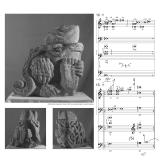
Pressure Chords is the first joint album by composer-performer John McCowen, trombonist Weston Olencki and cellist Lucy Railton. McCowen’s composition is based on the spectral analysis of contrabass clarinet multiphonics, and the tuning system corresponds with the overtone spectrum of McCowen’s instrument. The trio adaptation of Pressure Chords presents itself as an exercise in both patience and intensity, slowly building towards an expressive finale. Across its 34-minute runtime, restrained minimalism slowly gives way to maximally affective sonic force.McCowen, Olencki and Railton first shared the stage for an improvised session at Berlin’s KM28. McCowen realised that he found two capable partners for creating orchestrations of his works for the contrabass clarinet. Olencki, who also contributes field recordings to the album, has worked across different genres and traditions, while Railton has made a name for herself as a composer and improviser as well as a performer of Just Intonation music. Weston and Lucy both have immense experience performing and composing music outside of equal temperament, so it seemed like a perfect situation, McCowen says. The trio first presented Pressure Chords live at Berlin’s Morphine Raum in 2023 before recording a studio version with Adam Asnan in the following year. The recording—mixed and mastered by Albert Finnbogasson in Reykjavík—elegantly captures the multi-layered tonal and sonic qualities that the musicians so carefully explore. As a result, their performance doesn’t so much invite but necessitate deep listening—time passes differently on and with Pressure Chords.
он должен быть опубликован на 18.09.2026

Black Vinyl[35,25 €]
John Williams Legacy: Seine größten Filmmusiken in einer Edition
Dieses Album versammelt einige der bekanntesten Filmmusiken von John Williams, darunter Star Wars,
Harry Potter, Jurassic Park, Indiana Jones und E.T. Das Besondere an dieser Auswahl: John Williams dirigiert seine eigenen Kompositionen selbst. Die Aufnahmen entstanden mit den Berliner Philharmonikern,
den Wiener Philharmonikern und dem Recording Arts Orchestra of Los Angeles. Ergänzt wird die Veröffentlichung durch Booklet-Texte von Journalist Jon Burlingame.
So entsteht ein Album, das viele der prägendsten Stücke der Filmgeschichte in einer hochkarätigen Einspielung zusammenführt.
Закажите сейчас, и мы закажем товар для вас у нашего поставщика.
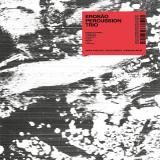
Mariá Portugal has been active in the music scenes of Brazil and Europe as a drummer, composer, singer, and music producer. After graduating in composition, she has focused her research on free improvisation and its possible intersections with popular song. This exploration resulted in her acclaimed album EROSÃO (2021) and in the formation of two groups: the EROSÃO Septet and the EROSÃO Percussion Trio, both based in Germany.
She is also a member of the group Quartabê and has toured and recorded around the world with various artists, moving between pop, free jazz, free improvisation, and Brazilian popular music. She has performed and recorded with artists such as Elza Soares, Anthony Braxton, Joe McPhee, Fred Frith, and Tomeka Reid. She is a member of Fire! Orchestra, Fire! Trio, Endless Breakfast and MONSTER.
In 2020, Portugal was the 13th Improviser in Residence at the Moers Festival. As a curator, she has participated in the Soundtrips-NRW in Duisburg and currently coordinates the concert series “TOMA CHOCOLATE!” in Berlin, besides being the guest curator for this year's unlimited Wels festival. She also composes music for dance, theater, and film, including the award-winning soundtrack for the film “1976”, which earned her the Chilean Film Academy Award in 2025. She was nominated for the 2025 and 2026 German Jazz Prize in the drums and percussion category.
Emilio Gordoa is a Mexican sound artist, percussionist, and composer whose work focuses on sound and performance as primary means of expresion. Based in Berlin since 2012, he has been an active contributor to the city’s Echtzeitmusik scene and is involved in the international avant-garde music community.
His projects include solo and ensemble performances, sound installations, and compositions for film, theater and dance. He has collaborated with a wide range of artists, including Jérôme Noetinger, Ingrid Schomliner, Yuko Kaseki, Burkhard Beins, Don Malfon, John Butcher and Sabiene Vogel. Gordoa’s approach combines experimental percussive techniques with electronic elements, leading to invitations to perform at events such as the Moers Festival, Meakusma Festival in Belgium, A’larme!, and Maerzmusik in Berlin.
He founded WildSonico, a platform for experimental music, and has been part of artist residencies at institutions like the Akademie der Künste and Kunststiftung NRW. He also worked as the Improviser in Residence for the Moers Festival. His discography includes albums such as Substantial Myths (2022), Balderi Variations (2019), and GRIFF (2021), which reflect his ongoing engagement with music. His work has been supported by organizations such as the Goethe-Institut, Musikfonds e.V., and INM - initiative neue musik berlin, and he has received recognition, including an Honorary Mention at the Prix Ars Electronica.
Burkhard Beins was born in 1964 in Lower Saxony and has been living in Berlin since 1995. He is considered a stylistically influential percussionist as a composer/performer, due to his individually developed playing techniques. Additionally, he works with analog synthesizers and live electronics, plays electric bass, and has created various sound installations.
He collaborates as a soloist, as well as with artists such as Chris Abrahams, Keith Rowe, Sven-Åke Johansson, Axel Dörner, Andrea Neumann, and many others. He is also a member of several ensembles including Sawt Out, Activity Center, Polwechsel, The Sealed Knot, Zone Null, Perlonex, Trio Sowari, Vertigo Transport, the NoWave/Krautrock band Slurge, and the Berlin Splitter Orchestra.
Since the late 1980s, he has performed concerts and participated in international festivals for experimental and contemporary music across Europe, America, Asia, and Australia. He has released more than 70 CDs and LPs in collaboration with various artists.
Burkhard Beins has been an Artist-In-Residence at the Künstlerhäuser Worpswede (2009), EMS Stockholm (2014), Muong Studios, Hoa Binh/Vietnam (2015), the Robert Rauschenberg Foundation, Captiva/Florida (2017), as well as at DAR, Drsukininkai/Lithuania (2018), and the Agosto Foundation, Prague (2019).
он должен быть опубликован на 28.08.2026
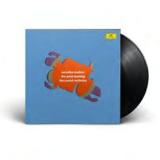
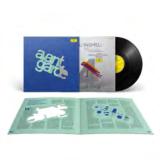
Album #4 der brandneuen Vinyl-Serie mit zukunftsweisenden Aufnahmen der musikalischen Avantgarde.
Unter den 24 Alben, aus denen sich die Originalausgabe der Avant-Garde-Reihe der Deutschen Grammophon zusammensetzt, die zwischen 1968 und 1971 erschien, zählt die Interpretation von „Paragraph 2
& 7“ aus „The Great Learning“ des englischen Komponisten Cornelius Cardew mit dem Scratch Orchestra
nach wie vor zu den beliebtesten und komplexesten.
Nach Abschluss seines Studiums an der Royal Academy of Music in London zog Cardew 1958 nach Köln
und arbeitete dort als Assistent von Karlheinz Stockhausen im Studio für elektronische Musik des Westdeutschen Rundfunks (WDR).
John Tilbury sagte, dass es Cardews Ziel sowohl mit dem Scratch Orchestra als auch mit „The Great
Learning“ war, „die grundlegendsten Prinzipien der westlichen Kunst und insbesondere das des Künstlers
als Aristokraten zu überwinden. Das Scratch Orchestra war ein Ausdruck der Universalität der Kunst;
Kunst als Lebensweise.“
Diese 1971 aufgenommene Veröffentlichung von „The Great Learning“ ist nach wie vor die wichtigste
Quelle für eine klangliche Erfahrung mit dem Scratch Orchestra und der bedeutendste Beitrag zu seinem
bleibenden Vermächtnis.
Gemastert und geschnitten von den originalen analogen ¼-Zoll-2-Spur-Masterbändern von Rainer Maillard
und Sidney Claire Meyer in den Emil Berliner Studios.
Limitierte und nummerierte Auflage mit Original-Artwork und einer neu gestalteten, wunderschön gearbeiteten Sammler-Cover mit neuen Liner Notes von Bradford Bailey, gepresst auf 180-g-Vinyl.
он должен быть опубликован на 28.08.2026

For more than 35 years, Larry Goldings, Peter Bernstein, and Bill Stewart have set the standard for the modern jazz organ trio, forging a musical connection that continues to deepen with time. On Rhombus, the celebrated trio returns with a vibrant new collection that pairs striking originals by Goldings and Bernstein with unexpected and inspired interpretations of music by Keith Jarrett, Wayne Shorter, Abdullah Ibrahim, Randy Weston, Thelonious Monk, and Irving Berlin. Recorded after a month-long tour and fueled by the trio's extraordinary chemistry, many of the performances were captured on first takes. They reveal the spontaneity, trust, and joyful collaboration that have defined their music for decades. Goldings' orchestral Hammond B-3, Bernstein's lyrical guitar, and Stewart's unmistakable rhythmic voice unite in performances that are conversational, adventurous, and soulfu
он должен быть опубликован на 07.08.2026

Ancient Infinity Orchestra return with their third album, It’s Always About Liberation, a new record that deepens the vision of their acclaimed recent work while moving into darker, more searching emotional territory.
Conceived as a partner to It’s Always About Love, this new body of work shares its predecessor’s generosity and spiritual openness, but carries a different charge. Where the previous album focused on healing and warmth, It’s Always About Liberation is largely animated by struggle, perseverance and the desire for transformation while still offering a path to betterment. It is music made in full awareness of a fractured world, yet unwilling to surrender to it.
Like It’s Always About Love the album title draws inspiration from words spoken by Moor Mother during their 2024 We Out Here festival performance that deeply affected bandleader Ozzy Moysey: “It’s always about love / It’s always about liberation.” Those twin ideas became a framework for the two albums Ancient Infinity Orchestra were creating. If one album explored love as repair, this one explores liberation as movement, continually striving toward freedom, clarity and deeper connection.
The 16-member ensemble is led by double bassist and composer Ozzy, with a distinctive line-up that explains their sound better than any artificial genre divisions: two double basses, harp, saxophones, clarinets, violin, viola, cello, oboe, flutes, mandolin, congas, piano, drum kit, with bells, shakers and other percussion instruments scattered on the floor of live sets and recording sessions, ready for members to use whenever the spirit takes them.
This orchestration, and the overlap between membership and friendship, gives Ancient Infinity Orchestra a sound that is at once expansive and intimate, earthy, and cosmic, constantly shifting yet grounded in shared intention. The attention to intention and the inviting sonic world connects the music to artists ranging from Alabaster dePlume to Gondwana label boss Matthew Halsall.
Gradually, the Orchestra became a grounding force in the emerging jazz scene in Leeds, bringing together individuals from different musical backgrounds co-founding the Café Oto-inspired Limpet Club or co-hosting the monthly Sonic Plunge (‘a platform for adventurous experimentation’) and co-founding the Leeds Improvisers Orchestra. Additionally, the ensemble acted as a bridge between musicians in Brighton and Leeds, after Ozzy spent a stint back on the south coast between 2020 and 2022.
Their debut, River of Light, was a vibrant celebration of togetherness recorded in three days and released on Gondwana in 2023. A Maida Vale session for Jamie Cullum’s BBC Radio 2 show brought them to a broader audience, as did bookings at North Sea Jazz Festival and Gretchen, Berlin. Since then, Ancient Infinity Orchestra has become a by-word for music that could be framed as ‘spiritual jazz’. Whilst Ozzy avoids the phrase when describing his music, he’s crystal clear that his heroes are associated with those words – citing Art Ensemble of Chicago, Pharoah Saunders, Coltrane (Alice and John), and Don Cherry as major influences.
Across trance-like meditations, rising grooves, moments of grief and collective uplift, It’s Always About Liberation speaks to the battle within the mind as much as the inequalities of the wider world. It acknowledges the darkness but lets connection and creativity have the last word Ancient Infinity Orchestra is a gathering of voices, traditions, and energies converging into something timeless. Their music is a journey inward and outward, always reaching toward the universal.
Закажите сейчас, и мы закажем товар для вас у нашего поставщика.

In den frühen 1970er Jahren galten Pinchas Zukerman und Daniel Barenboim als zwei der spannendsten
jungen Musiker ihrer Generation. Ihre gemeinsame Aufnahme von Sibelius’ Violinkonzert op. 47 und
Beethovens Romanzen für Violine und Orchester Nr. 1 und 2 mit dem London Philharmonic Orchestra
fängt die außergewöhnliche künstlerische Energie dieser Zeit auf eindrucksvolle Weise ein.
Die beiden Werke wurden für diese Veröffentlichung erstmals neu gemastert und von den originalen ½-
Zoll-Vierspurbändern geschnitten.
Die audiophile Vinyl-Serie The Original Source präsentiert herausragende Aufnahmen der 1970er Jahre
in ganz neuer Klangqualität. Dafür haben die renommierten Emil Berliner Studios die originalen Vier- und
Achtspur-Bänder mit eigens für die Produktion der Serie entwickelten Technologien in 100% analoger Qualität (AAA) neu gemastert und geschnitten. Die klanglichen Unterschiede zu den Originalveröffentlichungen sind beträchtlich: Größere Klarheit, mehr Feinheiten und Verbesserungen im Frequenzgang, zugleich
weniger Nebengeräusche, Verzerrungen und Komprimierungen ermöglichen ein audiophiles Hörerlebnis wie
nie zuvor.
Auf 180g Vinylplatten und in einer Deluxe-Gatefold Edition mit Originalcovers und -texten werden die
Exemplare dieser Serie limitiert und nummeriert veröffentlicht, begleitet von zusätzlichen Fotos und Faksimiles der Aufnahmeprotokolle und Bandkartons
он должен быть опубликован на 05.06.2026

Nach den vielfach gelobten Aufnahmen von Bachs Johannespassion und dem Weihnachtsoratorium widmete
sich der renommierte Chorleiter Stephen Layton 2018 mit seinem Chor des Trinity College Cambridge Bachs
unvergleichlicher h-Moll-Messe. Dabei wurde er vom Orchestra of the Age of Enlightenment und den
Solisten Helen Charlston, Katherine Watson, Iestyn Davies, Gwilym Bowen und Neal Davies unterstützt.
Der Titel erscheint als limitierte Ausgabe auf zwei 180-g-LPs in einer vollfarbigen Gatefold-Hülle und
enthält umfangreiche Begleittexte. Erstmals innerhalb dieser Reihe wurden die Aufnahmen von Sidney
Claire Meyer in den Emil Berliner Studios (EBS) gemastert – dem renommierten Team hinter den Serien
„Original Source“ (DG) und „Pure Analogue“ (Decca).
он должен быть опубликован на 15.05.2026
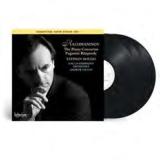
Stephen Houghs vier Klavierkonzerte von Sergei Rachmaninoff gelten seit Langem als Maßstab für dieses
bedeutende Repertoire. Unterstützt vom Dallas Symphony Orchestra unter Andrew Litton kehrte Hough
bewusst zur raschen und schlanken Aufführungstradition des Komponisten selbst zurück. Damit vermeidet
er den sentimentalen „Hollywood“-Ansatz, der für diesen preisgekrönten Rachmaninoff-Zyklus weit verbreitet ist.
Der Titel erscheint als limitierte Edition auf drei 180-g-LPs in einer vollfarbigen Gatefold-Hülle und enthält umfangreiche Begleittexte. Erstmals innerhalb dieser Reihe wurden die Aufnahmen von Sidney Claire
Meyer in den Emil Berliner Studios (EBS) gemastert – dem renommierten Team hinter den Serien „Original
Source“ (DG) und „Pure Analogue“ (Decca).
он должен быть опубликован на 15.05.2026
![San Francisco Symphony, Seiji Ozawa - Dvořák: Symphony No.9 ”From the New World”; Carnival Overture [Decca Pure Analogue]](https://www.deejay.de/images/l/1/6/1234816.jpg)
Seiji Ozawas Antritt als Musikdirektor des San Francisco Symphony Orchestra im Jahr 1970 wurde später
von Barack Obama anschaulich beschrieben: „Mit seinem Mop-Haarschnitt, seinen Rollkragenpullovern
und seinen Liebesperlen sah er fast aus wie ein Beatle“. Diese Aufnahme von Dvořáks Sinfonie „Aus der
Neuen Welt“ aus dem Mai 1975 war eine der letzten, die von Philips in Quadrophonie aufgenommen und
speziell für diese Neuauflage neu abgemischt wurde.
Die neue audiophile Vinyl-Reihe DECCA PURE ANALOGUE präsentiert legendäre Aufnahmen aus den
Archiven von Decca und Philips in einer völlig neuen Klangqualität. Die renommierten Emil Berliner Studios haben diese in 100 % analoger Qualität (AAA) mit speziell für diese Reihe entwickelten Technologien
neu gemastert.
Jede Veröffentlichung der Serie wird auf 180 g schweren Virgin-Vinyl-Schallplatten gepresst und in einer
luxuriösen Gatefold-Edition präsentiert, mit Original-Artwork und Liner Notes, zusätzlichen Fotos und
Faksimiles der Bandboxen und Aufnahmedokumentation. Darüber hinaus enthält jede handnummerierte
Limited Edition neue Liner Notes, in denen die Geschichte der Aufnahme sowie der technische Prozess der
Neu-Veröffentlichung detailliert beschrieben werden.
он должен быть опубликован на 08.05.2026
Album #3 der brandneuen Vinyl-Serie mit zukunftsweisenden Aufnahmen der musikalischen Avantgarde.
Tōru Takemitsus Quatrain und A Flock Descends into the Pentagonal Garden sind Beispiele für seine
Synthese aus westlichen Avantgarde-Techniken und japanischer Ästhetik. In Quatrain evoziert Takemitsu
durch fließende Veränderungen von Klangfarbe und Atmosphäre das japanische Konzept von ma – dem
Raum zwischen den Dingen. Er verglich das Werk mit einem Emaki, einer Bildrolle, die Szene für Szene
entfaltet, wobei jede musikalische Idee unabhängig ist, aber dennoch miteinander verwoben ist.
A Flock Descends into the Pentagonal Garden erweitert diese Ideen zu einer zirkulären, nichtlinearen
Klangwelt. Sein „flock”-Motiv, das zuerst in der Oboe zu hören ist, taucht in ein schimmerndes harmonisches Feld ein, das von den Streichern geschaffen wird – den „garden”. Hier wird Takemitsus Zeit- und
Raumgefühl eher immersiv und zyklisch als progressiv.
Gemischt und geschnitten von den originalen analogen 1-Zoll-8-Spur-Masterbändern von Rainer Maillard
und Sidney Claire Meyer in den Emil Berliner Studios.
Limitierte und nummerierte Auflage mit Original-Artwork und einem neu gestalteten, wunderschön gearbeiteten Sammler-Cover mit neuen Liner Notes von Bradford Bailey, gepresst auf 180-g-Vinyl
он должен быть опубликован на 01.05.2026

long content, you may need to expand row to see all... Karajans legendärer Dvořák auf recyceltem Vinyl
Die unverkennbare Kraft und Leidenschaft von Dvořáks Sinfonie Nr. 9 „Aus der Neuen Welt“, eingefangen in Karajans legendärer Aufnahme von 1977 mit den Berliner Philharmonikern, erscheint nun in einer limitierten Edition auf recyceltem Vinyl (ReVinyl / Farbe: Red Appeal) – ein beeindruckendes und nachhaltiges Format. Jede zu 100 % aus recyceltem PVC hergestellte Schallplatte besticht durch eine einzigartige, rot-marmorierte Optik, die sie zu einem echten Unikat macht. Hier trifft eine zeitlose Interpretation auf einen neuen Standard für umweltbewusste Audiophile. Diese Einspielung wird weithin für ihren lebendigen, dramatischen Schwung, ihre üppige emotionale Tiefe und ihre erstklassige orchestrale Präzision gefeiert und gilt als Meilenstein in der Geschichte der klassischen Musikaufzeichnung. Karajans Interpretation offenbart feinfühlig, wie Dvořák die musikalischen Eindrücke seiner amerikanischen Zeit in das unverwechselbare Gefüge seines mitteleuropäischen, romantischen Stils einwebt.
он должен быть опубликован на 24.04.2026

он должен быть опубликован на 17.04.2026

the first-ever reissue on studio mule of the debut album by japanese jazz legend and bassist yoshio ikeda.
having performed with such illustrious figures as sadao watanabe, masabumi kikuchi, and terumasa hino, ikeda’s first album as a leader features pianist and vocalist ichiko hashimoto—also known for her involvement with yellow magic orchestra—berlin-based jazz pianist aki takase, and leading japanese drummer motohiko hino.
avant-garde yet imbued with a distinctly japanese sense of melancholy, this is a work that resonates profoundly with the present moment.
the gem “whispering weeds,” highlighted by thrilling piano and hashimoto’s evocative scat vocals, was also included on a compilation by bbe.
remastered from the original master tapes by kuniyuki, the album has been revived with a richer, more lustrous sound in this definitive reissue.
он должен быть опубликован на 10.04.2026

Der „vielleicht beste Ravel-Interpret unserer Zeit« - Scherzo
Nun endlich auf Vinyl erhältlich! Seong-Jin Cho’s weltweit gefeiertes Album “Ravel: The Complete Solo
Piano Works.”
Im Sommer 2024 stellte sich Cho dem historischen, umfassenden Werk in der Siemens-Villa in Berlin:
»Ravel wusste, was er wollte, deshalb versuche ich, mich an seine genauen Spielanweisungen zu halten.
Miroirs zum Beispiel ist technisch unglaublich herausfordernd. Es ist gefühlvoll und dramatisch, voller
Fantasie und Farbe. Fast ist es unmöglich, jeder Angabe zu folgen, aber ich gebe mein Bestes!«, so Cho.
Das scheint zu gelingen, wie jüngste Kritiken nahelegen: Nach einem Recital in Madrid kürte Scherzo Cho
zum »vielleicht besten Ravel-Interpreten unserer Zeit«, während The Scotsman nach dem Auftritt beim
Edinburgh Festival konstatierte: »Den Ravel-Part des Konzerts spielte Cho mit kaum fassbarer Präzision
in kontrastierenden und reichen Farben, er war wie im Fluss der Musik, was ihr erlaubte, voller Leichtigkeit
und Wärme zu atmen.«
Zehn Jahre nach dem Gewinn des Chopin-Wettbewerbs bestätigt sich Chos Status als einer der bedeutendsten Pianisten unserer Zeit, und der erste Teil dieser maßstabsetzenden Aufnahmen sind nun endlich
auch auf 180g-Vinyl erhältlich.
он должен быть опубликован на 10.04.2026

Scorsese Sounds - A Tribute To Martin Scorsese - The Finest Selection of Martin Scorsese"s Soundtracks Martin Scorsese ist nicht nur ein Meister des Films, sondern auch ein Virtuose der Musikauswahl. Mit "Scorsese Sounds" erleben Sie die unverwechselbare Klangwelt seiner größten Werke - von epischen Gangster-Sagas bis hin zu psychologischen Dramen und zeitlosen Klassikern. Diese exklusive Doppel-Vinyl vereint die Essenz der Soundtracks, die Scorseses Filme zu Kult gemacht haben. Jeder Track ist sorgfältig ausgewählt, um die Atmosphäre und Emotionen der legendären Szenen einzufangen - von der rauen Energie des New Yorker Untergrunds bis zur eleganten Nostalgie vergangener Zeiten. Ein Muss für Cineasten, Vinyl-Liebhaber und alle, die die Magie von Bild und Ton schätzen. Tauchen Sie ein in die musikalische DNA eines der größten Regisseure unserer Zeit.
он должен быть опубликован на 03.04.2026

Der postklassische Komponist, Klangkünstler und Kurator Matthew Patton ist mit seinem zweiten Album als Those Who Walk Away zurück. "Afterlife Requiem" ist eine Elegie für seinen Freund und Kollegen Jóhann Jóhannsson. Drones, Elektroakustik und fast vollständige Stille, extrahiert aus unvollendeten Aufnahmen auf Jóhannssons Festplatten, bilden die Grundlage für zwei Streichquintette - Ghost Orchestra (Reykjavík) und Possible Orchestra (Winnipeg) -, die in einem traurigen, langatmigen Werk verarbeitet und ausgelöscht werden. Patton hat auch wieder mit Andy Rudolph (Guy Maddin) und Paul Corley (Sigur Rós, Ben Frost) an der Koproduktion und dem Sounddesign gearbeitet, um eine brodelnde Körperlichkeit zu schaffen, die brodelnde Tiefen mit eindringlichen Bewegungen gespenstischer Streicher kontrastiert. ,Alles, was ich je geschrieben habe, ist ein Requiem. Alles ist ein Ende. Der Tod ist überall in dieser Musik präsent. In meinen Werken geht es um das Verschwinden - der Gegenwart, der Vergangenheit, von allem. Afterlife Requiem wird im Laufe seiner Dauer immer langsamer, es ist ein einziges großes Ritardando, die Zeit verlangsamt sich nicht nur, sie verschwindet. Ohne dass ich darüber nachgedacht hätte, ereigneten sich zwei miteinander verbundene Tragödien, die während des Schreibens, Aufnehmens und Arbeitens organisch an die Oberfläche kamen: der Tod meiner Mutter und der Tod des Komponisten und Freundes Jóhann Jóhannsson. Wenn ich mit dem Schreiben anfange, denke ich an nichts Bestimmtes, ich schreibe einfach, komponiere, nehme auf und höre zu ... aber irgendwas macht sich immer auf unvorhergesehene Weise bemerkbar oder drängt sich in den Vordergrund. Nach dem medizinisch assistierten Tod meiner Mutter wurde mir beim Ausräumen ihrer Wohnung klar, dass ich auch die physische Manifestation ihrer Welt auslöschte - und dass ich genau dasselbe mit der Musik tat, die ich schrieb und aufnahm. Während dieser Zeit wurde mir auch Jóhanns Tod immer wieder bewusst. Für Afterlife Requiem habe ich kurze, verlassene Fragmente aus Jóhann Jóhannssons Festplatten genommen und diese körperlosen Audio-Geister abwechselnd in meine eigene Musik eingebaut, wobei ich sie unrein gelassen habe - und dabei die Grenze zwischen Schaffen und Zerstören verwischt habe. Nach seinem Tod hatte ich diese Festplatten aus Jóhannssons Berliner Studio zum Anhören bekommen. Diese Musik war aufgegeben worden, in verschiedenen Stadien der Entstehung und Auflösung: ein Verzeichnis zerfallener und toter Erinnerungen, vergessen und jetzt nur noch in einer Reihe ineinandergreifender mechanischer Teile vorhanden, die mit der Zeit selbst versagen und verschwinden werden, wie alles andere auch. Monatelang hörte ich mir diese Überreste von Jóhanns Musik obsessiv an und versuchte, Hinweise auf Jóhann vor seinem Tod zu finden. Oft stellte ich fest, dass er das Aufnahmegerät noch lange nach Ende der aufgenommenen Musik laufen gelassen hatte. Er schien nicht zu bemerken, dass die Musik aufgehört hatte, oder registrierte nicht, dass dies das Ende der Musik war, oder vielleicht war er durch etwas anderes abgelenkt. Aber ich fand diese langen Stillephasen zutiefst emotional und berührend. Die verschwindenden Elegien von Afterlife Requiem sind weniger Musik als vielmehr Überreste von Musik. Auf diese Weise arbeite ich immer auf die Subtraktion von Bedeutung hin. Die Musik ist fern und verschwommen, beschädigt, geisterhaft und gespenstisch und deutet nur wie eine halb vergessene Erinnerung an das, was einmal existierte, eine verdichtete Darstellung von Verfall und Auslöschung. Ich habe dieses neue Stück von Anfang bis Ende mit diesen körperlosen Stillephasen aus Jóhanns eigenem Werk, Raum und Zeit unterlegt. Jetzt für immer verschwunden, bleibt seine aufgezeichnete Stille zurück; eine monumentale Leere, die der Welt verloren gegangen ist. Im gesamten Stück, insbesondere in den Abschnitten ,Memorial Environment", habe ich auch unzählige Geräusche aus der Natur integriert, von vulkanischer Lava über Lastenaufzüge bis hin zum menschlichen Blutfluss, dem Zischen von Turbinen und Selbstmordinjektionen. Der Künstler Robert Smithson sagte vor Jahrzehnten: ,Es ist die Dimension der Abwesenheit, die es noch zu finden gilt." Für mich misst diese Musik auch, wie die Zeit abläuft. Tatsächlich ist die Zeit bereits abgelaufen. Die Ewigkeit hat bereits begonnen." - Matthew Patton (Those Who Walk Away)
он должен быть опубликован на 06.03.2026

Inspiriert von den schattigen Cabarets und verrauchten Jazzclubs des Weimarer Berlins der späten 1920erJahre, präsentiert Bryan Ferry mit seinem Orchester auf „Bitter-Sweet“ sein Solo- und Roxy-MusicRepertoire in neuem Gewand – mit einer raffnierten Jazz-Sensibilität. Das Album besticht durch elegante
Bläserarrangements, gedämpfte Trompete, Klarinettenklänge und eine Atmosphäre urbaner Melancholie,
die Klassiker wie „Alphaville“, „Reason or Rhyme“ und „While My Heart Is Still Beating“ neu interpretiert.
Ferry selbst steuert auf acht Titeln den Gesang bei, während die übrigen Stücke als instrumentale Neuinterpretationen präsentiert werden, arrangiert mit dem Können von Colin Good und gespielt von einem
Ensemble erfahrener Jazzmusiker. Das Konzept des Albums entstand aus Ferrys Tätigkeit als Musikberater
für die gefeierte deutsche Fernsehserie „Babylon Berlin“, in der einige Titel ursprünglich verwendet wurden
und die filmisches Drama mit authentischem Jazz verbindet. Perfekt für langjährige Fans, Jazzliebhaber
und Sammler: „Bitter-Sweet“ bietet eine neue Perspektive auf Ferrys Songwriting und ist damit ein herausragendes Album zum Ausstellen, Entdecken und Verschenken.
Das Album erscheint erstmals seit 2012 wieder als limitierte rote LP und CD.
Tauchen Sie ein in eine Welt, in der klassischer Art-Pop auf die wilden 20er Jahre trifft. „The Jazz Age“
interpretiert Bryan Ferrys Roxy Music- und Solo-Katalog als elegante Jazz-Instrumentals neu, präsentiert
vom Bryan Ferry Orchestra. Von „Virginia Plain“ und „Do the Strand“ bis hin zu „Love Is the Drug“ und
„Avalon“ – jeder Titel erstrahlt in authentischen Arrangements im Stil der 20er Jahre mit Banjo, Klarinette,
gedämpfter Trompete, Baritonsaxophon und Kontrabass, komponiert vom renommierten Arrangeur Colin Good. Britische Jazz-Größen wie der Trompeter Enrico Tomasso und der Saxophonist Alan Barnes erwecken
diese zeitlosen Melodien zum Leben, während die Mono-Produktion den Charme alter 78er-Schallplatten
heraufbeschwört. Ferry selbst verzichtet auf den Gesang und fungiert als Dirigent und Produzent. Dieses
innovative Projekt entstand aus seiner Liebe zum Jazz und seiner Neugier, wie seine Songs ohne Gesang
klingen würden. Perfekt für langjährige Fans, Jazzliebhaber und designorientierte Sammler: „The Jazz
Age“ bietet eine neue Perspektive auf Ferrys Werk und ist damit ein herausragendes Sammlerstück zum
Entdecken, Ausstellen und Verschenken.
Das Album erscheint erstmals seit 2012 wieder als limitierte Edition auf waldgrünem Vinyl (1LP) und
als CD.
он должен быть опубликован на 27.02.2026

Inspiriert von den schattigen Cabarets und verrauchten Jazzclubs des Weimarer Berlins der späten 1920erJahre, präsentiert Bryan Ferry mit seinem Orchester auf „Bitter-Sweet“ sein Solo- und Roxy-MusicRepertoire in neuem Gewand – mit einer raffnierten Jazz-Sensibilität. Das Album besticht durch elegante
Bläserarrangements, gedämpfte Trompete, Klarinettenklänge und eine Atmosphäre urbaner Melancholie,
die Klassiker wie „Alphaville“, „Reason or Rhyme“ und „While My Heart Is Still Beating“ neu interpretiert.
Ferry selbst steuert auf acht Titeln den Gesang bei, während die übrigen Stücke als instrumentale Neuinterpretationen präsentiert werden, arrangiert mit dem Können von Colin Good und gespielt von einem
Ensemble erfahrener Jazzmusiker. Das Konzept des Albums entstand aus Ferrys Tätigkeit als Musikberater
für die gefeierte deutsche Fernsehserie „Babylon Berlin“, in der einige Titel ursprünglich verwendet wurden
und die filmisches Drama mit authentischem Jazz verbindet. Perfekt für langjährige Fans, Jazzliebhaber
und Sammler: „Bitter-Sweet“ bietet eine neue Perspektive auf Ferrys Songwriting und ist damit ein herausragendes Album zum Ausstellen, Entdecken und Verschenken.
Das Album erscheint erstmals seit 2012 wieder als limitierte rote LP und CD.
Tauchen Sie ein in eine Welt, in der klassischer Art-Pop auf die wilden 20er Jahre trifft. „The Jazz Age“
interpretiert Bryan Ferrys Roxy Music- und Solo-Katalog als elegante Jazz-Instrumentals neu, präsentiert
vom Bryan Ferry Orchestra. Von „Virginia Plain“ und „Do the Strand“ bis hin zu „Love Is the Drug“ und
„Avalon“ – jeder Titel erstrahlt in authentischen Arrangements im Stil der 20er Jahre mit Banjo, Klarinette,
gedämpfter Trompete, Baritonsaxophon und Kontrabass, komponiert vom renommierten Arrangeur Colin Good. Britische Jazz-Größen wie der Trompeter Enrico Tomasso und der Saxophonist Alan Barnes erwecken
diese zeitlosen Melodien zum Leben, während die Mono-Produktion den Charme alter 78er-Schallplatten
heraufbeschwört. Ferry selbst verzichtet auf den Gesang und fungiert als Dirigent und Produzent. Dieses
innovative Projekt entstand aus seiner Liebe zum Jazz und seiner Neugier, wie seine Songs ohne Gesang
klingen würden. Perfekt für langjährige Fans, Jazzliebhaber und designorientierte Sammler: „The Jazz
Age“ bietet eine neue Perspektive auf Ferrys Werk und ist damit ein herausragendes Sammlerstück zum
Entdecken, Ausstellen und Verschenken.
Das Album erscheint erstmals seit 2012 wieder als limitierte Edition auf waldgrünem Vinyl (1LP) und
als CD.
он должен быть опубликован на 27.02.2026

Political thriller Je Suis Karl, produced by German director Christian Schwochow, has a strong Czech connection. The soundtrack has been created by Czech musician and composer Tomáš Dvořák, a.k.a. Floex, who joined forces with British composer and pianist Tom Hodge. The soundtrack for Je Suis Karl will be released on September 16, 2021.
"In this project, Tom and I built on music that we wrote together three years ago for the album A Portrait Of John Doe. While this was the first feature film for me, Tom has extensive experience with composing music for movies and series," commented Dvořák.
Co-produced by the Czech company Negativ and filmed in part in the Czech Republic, the movie features characters played by Czech actresses Anna Fialová and Elizaveta Maximová. The picture makes use of the story of a young German girl, Maxi, and her family to draw attention to rising extremism among right-wing nationalists. Je Suis Karl was premiered during this year's Berlinale film festival in the Berlinale Special section.
At the director's initiative, music for Je Suis Karl was composed based on the script before the emergence of the COVID-19 pandemic. “Christian Schwochow asked for a demo, but when Tom and I set to work in Prague, we came up with a huge amount of inspired stuff within a short time, and the music became the foundation of the soundtrack. Because of the pandemic, the music itself was created on a long-distance basis. It was a game of ping pong of sorts," Dvořák added.
The soundtrack for Je Suis Karl features a unique timbre, far from the traditional symphonic sound. Instead, the sonic design relies on a fusion of dark, discordant, dirty sounds that present the symphony orchestra in a novel fashion.
Floex and Hodge created a database of loops, sounds, soundscapes, and sonic experiments with no specific compositional context. In composing music for individual scenes, they used this musical database, remixed themes and versions of compositions, and worked with vintage equipment, such as the Yamaha MT4X cassette player. Considering the large quantity of music recorded, the album contains 14 compositions from the movie itself, plus bonus tracks that did not make it into the film.
Tomáš Dvořák, a.k.a. Floex, is a Czech clarinetist, composer, producer, and multimedia artist, the recipient of multiple Anděl Music Awards. His discography includes two long-play records, Pocustone and Zorya, soundtracks for the games Samorost 2, Machinarium, Samorost 3, Pilgrims, and Papetura, remix albums, and extended-play records. In 2018, he joined forces with Tom Hodge to release the album A Portrait Of John Doe.
British composer, pianist, and clarinetist Tom Hodge challenges the boundaries of contemporary experimental music. He composes music for film, series, documentaries, advertising, and ballet. His most recent projects include the soundtrack for Je Suis Karl and music for the movie The Mauritanian filmed by director Kevin Macdonald. He has released several solo albums, including Piano Interrupted and Second Moon of Winter, and has pursued a long-term collaborative partnership with musician Max Cooper.
он должен быть опубликован на 20.02.2026

Beethoven begann mit der Komposition seiner Dritten Symphonie, kurz nachdem seine zunehmende Taubheit und seine Selbstmordgedanken öffentlich bekannt geworden waren. Der „heroische“ Stil dieser Symphonie kann als musikalischer Ausdruck seines Triumphs über sein persönliches Leiden interpretiert werden.
Aber die Symphonie hat auch eine enorme musikalische Bedeutung: Mit der „Eroica“ erweiterte Beethoven
die symphonische Form und veränderte damit die Erwartungen an eine vierteilige Symphonie für die nächsten zwei Jahrhunderte.
Giulinis Aufnahme mit dem Los Angeles Philharmonic Orchestra gilt als Referenzaufnahme.
Die audiophile Vinyl-Serie The Original Source präsentiert herausragende Aufnahmen der 1970er Jahre
in ganz neuer Klangqualität. Dafür haben die renommierten Emil Berliner Studios die originalen Vier- und
Achtspur-Bänder mit eigens für die Produktion der Serie entwickelten Technologien in 100% analoger Qualität (AAA) neu gemastert und geschnitten. Die klanglichen Unterschiede zu den Originalveröffentlichungen sind beträchtlich: Größere Klarheit, mehr Feinheiten und Verbesserungen im Frequenzgang, zugleich
weniger Nebengeräusche, Verzerrungen und Komprimierungen ermöglichen ein audiophiles Hörerlebnis wie
nie zuvor.
Auf 180g Vinylplatten und in einer Deluxe-Gatefold Edition mit Originalcovers und -texten werden die
Exemplare dieser Serie limitiert und nummeriert veröffentlicht, begleitet von zusätzlichen Fotos und Faksimiles der Aufnahmeprotokolle und Bandkartons.
он должен быть опубликован на 06.02.2026

Kein zeitgenössischer Italiener war in der Zeit nach dem Ersten Weltkrieg als Instrumentalkomponist so erfolgreich wie Ottorino Respighi mit seinen vierstimmigen symphonischen Gedichten „Fountains Of Rome”,
„Pines Of Rome” und „Feste Romane”. In diesen Werken erlebte die Programmmusik eine großartige
Wiederbelebung. Besonders bemerkenswert ist Respighis Kunst der Instrumentierung, mit der er Orchestermusikern wie Richard Strauss und Maurice Ravel Konkurrenz machte. Er bediente sich einer aus
vielen Quellen destillierten Musiksprache, einer Art „Euro-Impressionismus“, der modernistische Einflüsse
nicht ausschloss.
Die audiophile Vinyl-Serie The Original Source präsentiert herausragende Aufnahmen der 1970er Jahre
in ganz neuer Klangqualität. Dafür haben die renommierten Emil Berliner Studios die originalen Vier- und
Achtspur-Bänder mit eigens für die Produktion der Serie entwickelten Technologien in 100% analoger Qualität (AAA) neu gemastert und geschnitten. Die klanglichen Unterschiede zu den Originalveröffentlichungen sind beträchtlich: Größere Klarheit, mehr Feinheiten und Verbesserungen im Frequenzgang, zugleich
weniger Nebengeräusche, Verzerrungen und Komprimierungen ermöglichen ein audiophiles Hörerlebnis wie
nie zuvor.
Auf 180g Vinylplatten und in einer Deluxe-Gatefold Edition mit Originalcovers und -texten werden die
Exemplare dieser Serie limitiert und nummeriert veröffentlicht, begleitet von zusätzlichen Fotos und Faksimiles der Aufnahmeprotokolle und Bandkartons.
он должен быть опубликован на 06.02.2026

Petruschka ist eines von drei Balletten, die Igor Strawinsky während seiner „russischen“ Periode komponierte. Mit Petruschka zeigte Strawinsky seine neo-folkloristische Seite und brachte eine bunte Straßenmenge mit einem Zauberer und seinen Puppen, Händlern und Mumien auf die Ballettbühne. Damit zeigte
er der Welt, dass Jahrmarkt und klassische Musik kein Widerspruch sind.
Dies ist eine der wenigen Produktionen der DG, bei der parallel digital auf 2 Spuren und analog auf 8
Spuren aufgenommen wurde. Durch die Verwendung des analogen 8-Spur-Masters ist diese Aufnahme nun
zum ersten Mal in rein analoger Form erhältlich.
Die audiophile Vinyl-Serie The Original Source präsentiert herausragende Aufnahmen der 1970er Jahre
in ganz neuer Klangqualität. Dafür haben die renommierten Emil Berliner Studios die originalen Vier- und
Achtspur-Bänder mit eigens für die Produktion der Serie entwickelten Technologien in 100% analoger Qualität (AAA) neu gemastert und geschnitten. Die klanglichen Unterschiede zu den Originalveröffentlichungen sind beträchtlich: Größere Klarheit, mehr Feinheiten und Verbesserungen im Frequenzgang, zugleich
weniger Nebengeräusche und Verzerrungen ermöglichen ein audiophiles Hörerlebnis wie nie zuvor.
Auf 180g Vinylplatten und in einer Deluxe-Gatefold Edition mit Originalcovers und -texten werden die
Exemplare dieser Serie limitiert und nummeriert veröffentlicht, begleitet von zusätzlichen Fotos und Faksimiles der Aufnahmeprotokolle und Bandkartons.
он должен быть опубликован на 06.02.2026

Two years after their debut on Berlin-based Mannequin Records, Parisian duo Leroy Se Meurt returns with their second full-length album, Hier Pour Toujours. Far from any sense of nostalgia, this record offers no illusion of hope—history repeats itself, the future looks bleak, and their brand of electronic punk is the perfect soundtrack to it all.Drum machines dictate the pace while synths saturate the space, looping sequences grind relentlessly, and vocals lead this machine orchestra straight into the heart of the chaos. Drawing from their roots, Leroy Se Meurt pushes their fierce electronics further than ever—experimenting with bold slogans, spoken passages, and powerful sing-along choruses.The album opens with Pas Ma Croix, a commanding anthem built for the stage. It flows into Du Plafond à La Terre, driven by a monstrous electro beat and bassline, flirting with emotional vulnerability in its chorus before exploding into a synth solo. Alevlere Karşı once again taps into the duo’s EBM-meets-Turkish vocals signature style, hitting the mark with dancefloor precision.The title track, Hier Pour Toujours, closes side A with a more intimate, drumless moment—solemn but no less intense.That brief calm is shattered by Déviance, marking the return of guitars and an eruptive chorus brimming with raw energy. From there, the album launches into the furious Révolte Ardente, with its syncopated rhythm and vocals drenched in distortion, and continues with Pro Déclin, a stripped-down rhythmic skeleton carrying anti-growth mantras straight to the point. In a world clouded by confusion, the most direct messages often land the hardest.For a change of scenery, Fütürsüz dives into John Carpenter-esque territory—no drums, eerie night-streaked synths, and, for the first time in the band’s history, nearly clean vocals.Closing the record, Encore crawls at a BPM so slow it’s nearly in reverse. But what it lacks in speed, it makes up for in weight—a crushing incantation capable of toppling sound systems.With Hier Pour Toujours, Leroy Se Meurt isn’t offering optimism, but rather persistence. Nothing is settled yet—and perhaps, just perhaps—there’s still light at the end of the tunnel.
он должен быть опубликован на 30.01.2026

Eine Ausstellung zu Ehren seines Freundes, des Malers Victor Hartmann, inspirierte Mussorgsky 1874 zu
seinem Klavierzyklus. Eine Art „Ich-Erzähler“ wandert durch eine Galerie und betrachtet zehn Gemälde.
Ravel hat den Zyklus 1922 für Orchester arrangiert. Die Aufführung von Giulini gilt weithin als Referenzaufnahme.
Prokofieff schrieb seine Sinfonie Nr.1 im Ersten Weltkrieg. In Klang und Form ist sie besonders: nur
fünfzehn Minuten Spielzeit ist sie klassisch im Duktus, von Vitalität nur so strotzende und eine reizvolle
Hommage an die Musik der Wiener Klassik.
Die audiophile Vinyl-Serie The Original Source präsentiert herausragende Aufnahmen der 1970er Jahre
in ganz neuer Klangqualität. Dafür haben die renommierten Emil Berliner Studios die originalen Vier- und
Achtspur-Bänder mit eigens für die Produktion der Serie entwickelten Technologien in 100% analoger Qualität (AAA) neu gemastert und geschnitten. Die klanglichen Unterschiede zu den Originalveröffentlichungen sind beträchtlich: Größere Klarheit, mehr Feinheiten und Verbesserungen im Frequenzgang, zugleich
weniger Nebengeräusche, Verzerrungen und Komprimierungen ermöglichen ein audiophiles Hörerlebnis wie
nie zuvor.
Auf 180g Vinylplatten und in einer Deluxe-Gatefold Edition mit Originalcovers und -texten werden die
Exemplare dieser Serie limitiert und nummeriert veröffentlicht, begleitet von zusätzlichen Fotos und Faksimiles der Aufnahmeprotokolle und Bandkarton.
он должен быть опубликован на 05.12.2025

"Amir ElSaffar (b. 1977, USA) is a composer, trumpeter, vocalist, santur player, and modular synthesizer artist whose innovative compositions blend elements of jazz, classical, and traditional Arabic music. His newly established label, Maqām Records, released its first album earlier this year, Maqam Al-Iraq, by legendary vocalist, Hamid Al-Saadi and is now following up with an album of ElSaffar’s work, New Quartet Live at Pierre Boulez Saal. Recorded live in Berlin in 2023, the album captures the ineffable magic of ElSaffar’s first encounter with Greek pianist Tania Giannouli, a star on the European jazz scene, alongside his NYC-based collaborators: acclaimed drummer and bandleader, Tomas Fujiwara, and saxophonist Ole Mathisen, who is also a featured member of ElSaffar’s Two Rivers and Rivers of Sound orchestra. The quartet merges Arabic maqām with jazz harmony and features microtonal and prepared piano. In addition to the concert itself, the album features alternate takes that were recorded at Pierre Boulez Saal the next day without an audience.
RIYL: Classic artists: Miles Davis - “Sketches of Spain,” “Kind of Blue,” John Coltrane - “A Love Supreme,” “Ballads,” Don Cherry - “Relativity Suite,” Ahmed Abdul Malik - “Jazz Sahara,” “East Meets West,” Cecil Taylor, John Hassel, Hossam Ramzy, Ziad Rahbani.
Contemporary artists: Vijay Iyer, Ibrahim Maalouf, Ambrose Akinmusire, Rabih Abou-Khalil, Dhafer Youssef"
он должен быть опубликован на 07.11.2025
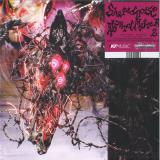
Arriving two years after the first chapter, Absurd Matter 2 isn’t just a sequel, it’s an evolution, redrawing the boundaries established by its acclaimed predecessor. The Berlin-based Italian producer tempers his confrontational sonics with rare moments of introspection, shifting seamlessly between blown-out noise, warped hip-hop, mutant club experimentation, and weightless ambience. Textures disintegrate and reassemble, rhythms flex and crumble, and every detail balances on the edge of fantasy. It’s a poetic, layered response to Nino Pedone’s changing physical reality: the gradual hearing loss and perceptual renegotiation triggered by Ménière’s disease, which struck him in 2022. At first, the experience felt like betrayal, a brutal disconnection from the very sense that had shaped his life. But over time, the disorientation turned into a strange kind of focus. The silence between sounds became as expressive as the sounds themselves.
The first Absurd Matter was a visceral reaction to trauma; the second is more reflective – an ambiguous chronicle of sensory recalibration. Pedone doesn’t represent his altered inner reality through extremes, but through depth, zooming in on illusory distortions, tense rhythmic fluctuations, and fragmented sonics. Dense, immersive, and mystical, the album mirrors Pedone’s evolving relationship with perception itself.
Tinnitus-like feedback wails and noir-ish strings introduce “Repeater”, making it immediately clear that Pedone is painting a more delicately finessed image this time around. Fleshed out by raps from cult MCs billy woods and E L U C I D, the track is marked by subtle, sophisticated contrasts: the blurred, inverted rhythms that couch Armand Hammer’s haunted back-and-forth, and the glitchy interference that offsets the lavish orchestral phrases. Backwoodz associate Fatboi Sharif lends his Lynchian drawl to “Bandage Chipped Wings”, grounding Pedone’s lysergic rhythmic distortions with syrupy, horror-inspired couplets. Pedone also invites discomfort into “Crash Landing”, with droning, metallic tones that contradict South Central rapper ICECOLDBISHOP’s elastic flow. “Bitch, I don't give a fuck about anybody,” he squawks over Pedone’s incongruous rasping textures and time-warped beats, “cash out at any party.” Working alongside London’s Loraine James on production, Pedone reunites with Moor Mother on “I Saw The Light”, blending James’ soft-focus atmospherics with soundsystem-damaging, overdriven bass hits and rusted percussive snips. Moor Mother’s assertive words hover over the wreckage, tightening Pedone’s themes of overstimulation and altered awareness as they stutter and veer off course, vanishing into the backdrop.
Contrasting his more pensive experiments, Pedone’s dancefloor deviations are more concentrated on Absurd Matter 2 than ever before. He torches a stuttering dembow structure on “X”, obfuscating the rhythm’s familiar energy with disturbing audio hallucinations. On “Splintered”, he reunites with Kenyan prodigy Slikback, mangling neon-lit trance arpeggios with dissociated trap rhythms. He sharpens his skills to a fine point on “Oblivion Step”, observing 2- step through a lens of distortion and personal abstraction, shaking blipping synth leads over neck-snapping drums and counteracting the momentum with airless sci-fi soundscapes.
Perhaps the album’s most surprising moment arrives with “Viel”, which features vocals from Los Angeles-based composer Kaitlyn Aurelia Smith. Together, Pedone and Smith chance upon their notion of dub techno, fogging synth stabs and ghostly vocal traces into eerie harmonic distortions. On some level, it’s almost pop music, a far cry from the bleak dissonance of Absurd Matter and a hopeful way to reframe turbulence as transformation. Absurd Matter 2 doesn’t simply document a process; it enacts one. It doesn’t offer clarity; it invites disorientation. It’s not a map of the labyrinth, but a foghorn piercing the darkness.
Закажите сейчас, и мы закажем товар для вас у нашего поставщика.

Sergej Prokofjew vollendete die Skythische Suite op. 20 im Jahr 1914, als er im Begriff war, seiner Heimat den Rücken zu kehren. Die Symphonische Suite op. 60 wurde fast zwei Jahrzehnte später komponiert, nachdem Prokofjew 1933 nach Russland zurückgekehrt war. Die biographischen Wendepunkte, an denen die beiden Suiten stehen, stellen auch ideologische Wendepunkte in Prokofjews Kunstauffassung dar. Eine Besonderheit: Die beiden Musikstücke wurden für diese Veröffentlichung erstmals von den originalen 1- Zoll-8-Spur-Bändern neu gemastert und geschnitten.
Die audiophile Vinyl-Serie The Original Source präsentiert herausragende Aufnahmen der 1970er Jahre in ganz neuer Klangqualität. Dafür haben die renommierten Emil Berliner Studios die originalen Vier- und Achtspur-Bänder mit eigens für die Produktion der Serie entwickelten Technologien in 100% analoger Qualität (AAA) neu gemastert und geschnitten. Die klanglichen Unterschiede zu den Originalveröffentlichungen sind beträchtlich: Größere Klarheit, mehr Feinheiten und Verbesserungen im Frequenzgang, zugleich weniger Nebengeräusche, Verzerrungen und Komprimierungen ermöglichen ein audiophiles Hörerlebnis wie nie zuvor.
Auf 180g Vinylplatten und in einer Deluxe-Gatefold Edition mit Originalcovers und -texten werden die Exemplare dieser Serie limitiert und nummeriert veröffentlicht, begleitet von zusätzlichen Fotos und Faksimiles der Aufnahmeprotokolle und Bandkartons.
Закажите сейчас, и мы закажем товар для вас у нашего поставщика.

múm are returning with a new album on Morr Music. »History of Silence« is the first full body of work by the Icelandic collective since 2013's »Smilewound« and their seventh studio album to date—recorded, deconstructed, put back together again, refined and finished over the course of two years. Vibrantly oscillating around a carefully curated palette of electronic and analogue sounds, the eight new tracks reflect the group's continuous strive to explore sonic spaces through subtle yet gripping songwriting.
For a long time now, múm have been exploring the idea of distance in their music. In the beginning, this was born purely out of necessity. Founded in Iceland in the late 1990s, the members soon began embarking on journeys across the world—collectively while touring, but also individually, exploring new places to live and create. Settling in, moving on, catching up: The concept of distance soon became an integral part of the collective's process. »History of Silence« leans into this idea, with space and time becoming indispensable pillars of the arrangements. While being coherent and structured, they echo their origins from different seasons, cities, and spaces—neatly stitched together with unparalleled craftsmanship. They breathe an overall airy and intimate atmosphere, yet resonate with the structural heft of time.
On »History of Silence« time manifests in unexpected, liberating, and mesmerizing ways. It does not move reliably forward; it drifts, takes twists and turns, even disappears completely. Electronic textures blur into acoustic sounds, voices flicker and dissolve, melodies stumble and repeat. The arrangements often feel like they’re wandering, gently resisting direction. »Our Love is Distorting,« for instance, begins with a subtle piano motif, playing hide and seek with feedback noises, digital artefacts, and lush—yet very quiet—string arrangements, before gradually forming into a distinctive song. It's a perfect illustration of múm's general approach on this album. »Mild at Heart« turns this idea upside-down, flowing freely from start to finish with moments of silence sprinkled in—serving to emphasize the musical elements. The music on »History of Silence« moves like weather: unexpected, intimate, quietly detailed. Contrasted with vivid phrases, rhythmic shifts, and small hooks, the album offers a new angle of compositional clarity and vision.
Work on »History of Silence« began at Sudestudio in southern Italy. Additional recordings were made in Reykjavík, Berlin, Athens, Helsinki, New York, and Prague. The strings were recorded by Sinfonia Nord at the Hof concert hall, Akureyri, arranged and conducted by Ingi Garðar Erlendsson, who has worked with the band for many years. The orchestral elements don’t dominate the record—instead, they surface gently, adding depth and resonance to the songs without disturbing the songs' fragility.
Contrary to what the album title suggests, »History of Silence« is a collection of bold and colorful songs, no matter how muted they might sound at times. They tickle like a feather drifting through the wind, ending up in unexpected places, stimulating long-forgotten thoughts and feelings, intimate moments of introspection. The songs move through the echoes those moments leave behind: the emotional traces of things unsaid, the weight of stillness. Offering closeness by means of distance and much-needed support.
он должен быть опубликован на 19.09.2025

múm are returning with a new album on Morr Music. »History of Silence« is the first full body of work by the Icelandic collective since 2013's »Smilewound« and their seventh studio album to date—recorded, deconstructed, put back together again, refined and finished over the course of two years. Vibrantly oscillating around a carefully curated palette of electronic and analogue sounds, the eight new tracks reflect the group's continuous strive to explore sonic spaces through subtle yet gripping songwriting.
For a long time now, múm have been exploring the idea of distance in their music. In the beginning, this was born purely out of necessity. Founded in Iceland in the late 1990s, the members soon began embarking on journeys across the world—collectively while touring, but also individually, exploring new places to live and create. Settling in, moving on, catching up: The concept of distance soon became an integral part of the collective's process. »History of Silence« leans into this idea, with space and time becoming indispensable pillars of the arrangements. While being coherent and structured, they echo their origins from different seasons, cities, and spaces—neatly stitched together with unparalleled craftsmanship. They breathe an overall airy and intimate atmosphere, yet resonate with the structural heft of time.
On »History of Silence« time manifests in unexpected, liberating, and mesmerizing ways. It does not move reliably forward; it drifts, takes twists and turns, even disappears completely. Electronic textures blur into acoustic sounds, voices flicker and dissolve, melodies stumble and repeat. The arrangements often feel like they’re wandering, gently resisting direction. »Our Love is Distorting,« for instance, begins with a subtle piano motif, playing hide and seek with feedback noises, digital artefacts, and lush—yet very quiet—string arrangements, before gradually forming into a distinctive song. It's a perfect illustration of múm's general approach on this album. »Mild at Heart« turns this idea upside-down, flowing freely from start to finish with moments of silence sprinkled in—serving to emphasize the musical elements. The music on »History of Silence« moves like weather: unexpected, intimate, quietly detailed. Contrasted with vivid phrases, rhythmic shifts, and small hooks, the album offers a new angle of compositional clarity and vision.
Work on »History of Silence« began at Sudestudio in southern Italy. Additional recordings were made in Reykjavík, Berlin, Athens, Helsinki, New York, and Prague. The strings were recorded by Sinfonia Nord at the Hof concert hall, Akureyri, arranged and conducted by Ingi Garðar Erlendsson, who has worked with the band for many years. The orchestral elements don’t dominate the record—instead, they surface gently, adding depth and resonance to the songs without disturbing the songs' fragility.
Contrary to what the album title suggests, »History of Silence« is a collection of bold and colorful songs, no matter how muted they might sound at times. They tickle like a feather drifting through the wind, ending up in unexpected places, stimulating long-forgotten thoughts and feelings, intimate moments of introspection. The songs move through the echoes those moments leave behind: the emotional traces of things unsaid, the weight of stillness. Offering closeness by means of distance and much-needed support.
он должен быть опубликован на 19.09.2025
