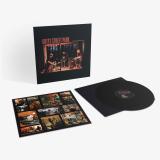
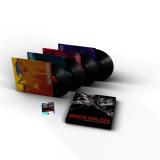
The Lemonheads release a strictly limited edition 12” single on 21st September featuring three classic tracks on white vinyl. Lead cut is ‘Roky’, Evan Dando’s homage to the late, great outsider genius Roky Erickson (of garage psyche legends 13th Floor Elevator and much solo strangeness).
"If Roky Erickson had vanished from the face of the earth after The 13th Floor Elevators released their epochal debut single, ‘You're Gonna Miss Me’, in early 1966, in all likelihood he'd still be regarded as a legend among garage rock fanatics for his primal vocal wailing and feral harmonica work." AllMusic
‘Roky’ is Evan's incisive take on the songwriter’s struggles and features a searing guitar break from the song's co-writer Nick Saloman (The Bevis Frond)
The Bevis Frond toured with The Lemonheads in support of the latter’s much-praised ‘Love Chant’ album of 2025 from where ‘Roky’ originally comes. And, to complete this unique package, the Frond cover two Lemonheads’ songs, ‘The Great Big No’ and ‘My Drug Buddy’; both sounding like the kind of UK-based left field power pop that inspired Kurt Cobain in the formative days of grunge – indeed, they could have snook out on the original Rough Trade or 53rd & 3rd labels at any time.
Fact fans looking for Roky-styled curveball ley line between events, might note that The Lemonheads covered The Bevis Frond’s ‘Old Man Blank’ on 2019’s ‘Varshons II’, the same year that Roky sadly passed.
Stars & Quotes:
“One of the most distinctive voices of the ‘90s” The New York Times
“The Lemonheads are one of my favorite bands” Jimmy Fallon
“Gloriously euphoric melancholy” MOJO (on Roky)
Gold Colored Vinyl LP Edition zum 25jährigen Jubiläum des Jan Delay Solo Debüt Albums! Zusammen mit der Sam Ragga Band produzierte der Beginner-Frontmann Jan Delay ein Album, das die deutsche Pop-Landschaft nachhaltig veränderte. Noch nie war Reggae mit deutschen Texten so authentisch, so fett und so erfolgreich. Mit der Interpretation des Nena-Hits "Irgendwie, Irgendwo, Irgendwann" schaffte Jan Delay den Durchbruch auch außerhalb der HipHop-Community und legte 2001 mit "Searching For Jan Soul Rebels" weiter nach. Jan Delay zeigt sich als scharfzüngiger Kritiker und Zyniker, Songs wie "Ich Möchte Nicht, dass Ihr Meine Lieder Singt" und "Vergiftet" polarisieren, wurden aber trotz aller textlichen Radikalität zu veritablen Hits.
EELS, eine der eigenwilligsten und beständig gefeierten Bands der Rockgeschichte, melden sich mit ihrem 16. Studioalbum zurück. COOKIE HAPPENED findet E (Mark Oliver Everett) dort, wo er am stärksten ist: in den kleinen Siegen des Lebens, den unvermeidlichen Enttäuschungen – und dem stillen Wunder, überhaupt hier gewesen zu sein.
Den Albumtitel erklärt E mit einem Zitat des großen Philosophen unserer Zeit, dem Cookie Monster: „Me no cry because cookie is finished. Me smile because cookie happened." Alles wird vergessen werden – aber war es nicht trotzdem etwas Schönes, dass es geschah?
Die erste Single 'Cap In Hand' gibt einen bittersüßen Vorgeschmack: ein abgeklärt-bewegender Song aus der Perspektive von jemandem, der seine Fehler endlich eingesteht und versucht, die Dinge wieder geradzubiegen.
COOKIE HAPPENED folgt auf das 2024 erschienene und vielgelobte EELS TIME! und beweist einmal mehr, dass kaum ein anderer Künstler so gut darin ist, im Chaos des Lebens Bedeutung zu finden.
Balvanera is the project of Agustina Vizcarra and Lucas Palavecino from Buenos Aires, Argentina.
Since 2016, the duo has been building a sonic narrative that moves between the corporeal and the spectral, exploring waves and minimal synth as well as more intense and rhythmic directions closer to Body music, all while sharing the stage with artists such as Clan of Xymox, Boy Harsher, Die Selektion, Kontravoid, NNHMN and Ashcode.
New album Hasta tocar el fondo vacío del lenguaje arrives as an attempt to push expression to the limit, focused on language and sound as expressive forms.
With all tracks sung in Spanish, the album is a declaration of identity and at the same time an exercise with Spanish itself: how to play with a language that sometimes feels baroque and turn it into something stark while retaining its richness. Musically direct, the album occasionally returns to some minimalism reminiscent of the band’s early releases while preserving the intensity and club-oriented feel of their later work. At times intensifying in speed, the record brings the energy of their live performances to visibility, while other tracks feel like an unsettlingly dreamlike atmosphere. The title – meaning Until Touching the Empty Bottom of Language – borrowed from a fragment of Arturo Carrera’s poem Escrito con un nictógrafo, offers a clue to Balvanera’s nocturnal sensibility: those thoughts and images that can only emerge in the sleepless hours of the night, when they reach their most revealing edge.
Hasta tocar el fondo vacío del lenguajen explores death as something hidden within language while allowing each track to find its own form rather than adhering to genre conventions.
Split released with DKA. Out October 1st, 2026 on aquamarine vinyl LP limited to 500 with lyrics insert.
Zwei Jahre, nachdem das Debütalbum "Was für ein Glück" (2024) die deutschsprachige Indie-Szene aufwirbelte, Konzerte quasi über Nacht ausverkauft waren und sich noch vor der Veröffentlichung eine innige Fangemeinde bildete, ist es endlich soweit: das zweite Album von ENDLESS WELLNESS, "Domino Days" (2026), ist da! Musikalisch bleiben sich Milena Klien, Adele Ischia, Patrick "Pata" Huter und Philipp Auer treu, von mitreißenden Tanznummern bis feinfühliger Gesellschaftskritik ist alles dabei - und das nicht selten klug im selben Song vereint. Aber auch einige klangliche Überraschungen hält die Band diesmal bereit. ENDLESS WELLNESS entwerfen auf "Domino Days" (2026) andere, bessere Zukünfte und geben mit ihrem Album einen musikalischen Vorgeschmack darauf, wie sich diese anfühlen könnten. Sicher ist: Diese Zukünfte sind ein Ort für uns alle und sie haben die Musik von ENDLESS WELLNESS als Soundtrack.
The premise of this compilation is simple: music we’d like to hear at the airport.
The idea came after learning that Honolulu’s international airport has been playing AI-generated music over its speakers since November 2025. First reported by Civil Beat, the news has caused frustration and disappointment among residents and visitors, as well as within the local music community.
Everyone knows Hawaii is one of the most musically rich regions in the world — why then is the airport using AI music? 'Music For The Airport' is our response.
Located in the middle of the Pacific at the outskirts of one the most remote cities on the planet, Honolulu’s Daniel K. Inouye International Airport (HNL) is for most people the first place they encounter when they arrive in Hawaii. Warm sun, tropical tradewinds, playful palm trees and majestic mountains welcome every traveler, as do the sounds of birds, familiar music from Hawaiian artists like Aunty Genoa Keawe and Israel Kamakawiwo’ole, and—at least for now—seventeen “island-themed” AI-generated songs.
In late 1977, while sitting in Germany’s Cologne Bonn Airport on a Sunday morning, Brian Eno noticed how terribly uncomfortable he felt hearing the airport’s “muzak” overhead. For a harried, hurried place like the airport where travelers scramble to their gates, stand in long border control lines, and wait impatiently for their luggage at the carousels, music can create more anxiety than calm. Asking himself, "What should we be hearing here?", Eno soon created ‘Ambient 1: Music For Airports’, a sonic remedy aimed at reducing nervousness in public spaces.
When we heard the news that HNL airport is playing AI-generated “muzak”, we were immediately reminded of Eno’s genre-defying 1978 album. And we were similarly inspired to react. But how? Recreating an ambient masterpiece wasn’t in our wheelhouse. We started digging through our catalog of licensed music which we haven’t yet re-released. We quickly realized this was our chance to highlight some of favorite songs from the so-called CD era: the 1990s and 2000s (with a few exceptions). In less than 20 minutes, we pulled 17 original songs recorded by local artists between 1984 and 2017.
The speed at which this project came together surprised us; reactionary gut instinct often produces swift and lasting results. Ironically, our new compilation likely took less time than it did for the state Department of Transportation to commission its AI songs in question. But even though ‘Music for the Airport’ came together in less than one week, the truth is that this collection of 17 songs is the result of years of hard work, trust, sacrifice, patience, and understanding. Building relationships with and licensing music from artists doesn’t happen overnight, but more importantly: these songs are the result of people pouring their hearts and souls into something they believe in. This music wouldn’t exist today without the artists and their loved ones who supported them along the way.
As of this writing, the DOT states its intention in creating AI-generated songs is to “highlight different aspects of the islands, aviation and the airport” and that “no state funds were used to produce them”. Okay, but at what cost? Technology disrupting the music industry isn’t news to anyone. AI music in public spaces are cost-saving measures, since its users (airports, for example) don’t have to pay the licensing fees typically required, which can be a worthwhile source of revenue for artists. But what happens when a place like HNL airport, which hosts more than 21 million passengers annually, uses music created by machines instead of people to represent Hawaii? The identity of a place beings to erode, diluted by a language learning model’s conceptual summary of what a people and its culture sounds like. To echo Brian Eno: what should we be hearing here? In other words: what should the music of Hawaii sound like?
We believe in the power of music, especially when it comes from the soul. We believe in supporting artists, especially as AI disrupts our lives. We believe that Hawaii must be represented authentically, especially when it comes to song. And of course we believe in vinyl, especially since it was a record from 1978 (Mackey Feary Band’s debut LP) that inspired Aloha Got Soul’s origins in 2010.
We hope you find as much joy in this compilation as we have. Perhaps it’ll soundtrack your next journey to Hawaii. At the very least, we hope some people take a moment to hear these sounds: in your headphones for now‚ maybe someday overhead at the airport in Honolulu.
There is a hush most of us only knew as children, the warm drift between familiar household sounds and being carried to bed, a place that belongs to you and to some self you have not met yet. June McDoom’s debut full-length, Follow the Light, lives in that dream space and then keeps walking, slipping out of time and waking somewhere new, barely familiar enough to feel like home yet wholly your own. She came up in a Jamaican household on the edge of the Florida Everglades, an existence built of extended family, communal care, bass and harmonics. Her father, a carpenter and a student of sound, built his own speakers and kept three sound systems going across as many rooms. His low end would rise through her bedroom floor like some wayward cat while she lay above it with folk records, finding harmonies that were new and hers alone. Two musics in one room. Lushness as past and premonition. She found folk on her own, somewhere between the cast recording of The Sound of Music and Simon and Garfunkel, while everyone around her called it sleepy music. She did not mind being the only one. The solitude let her fall for harmony first, before words, before anything else, and harmony is still the thing she reaches for. Generationally speaking, the music was already in the air. Her grandfather, Colin Smith, is a distinguished mento man who played banjo and guitar and built his own rumba boxes, worked to keep Jamaica’s oldest acoustic folk form alive. Mento is the root of all of it: ska, rock steady, reggae, dub and everything after. He is the one who put a guitar in her hands. An inheritance, a gift and a map. Even her name is part of it, though she will tell you she landed on it more by feel than reason. She records as June McDoom, born Alyssa, June being a nickname one of her grandmothers, Joan, went by, a name she thought was cool to carry and simply liked the sound of. An etheric channel that reverberates all the same. A dub all its own.
Made slowly and by hand with her longtime partner Evan Wright, Follow the Light lays the harmony of folk over the rhythm of dub, with Dionne Warwick, Minnie Riperton, Pentangle and the washed guitars of Cocteau Twins haunting its outer edges. Voice and guitar seeking each other out first, then everything else stacked across long days in the studio they keep at home, restraint kept on purpose. The lead single “Without You” is the whole method surfacing, split open and sparkling like a geode in a creek bed. Angelic heroics, and nothing less.
At the heart is family. Her grandmother Aggie, the light behind “Memory,” guiding still. And underneath, the quieter truth the record keeps: none of us are only one person, but a continuum of selves, the ones who shaped us and the ones we have yet to meet. Future you is an ancestor your current self gets to greet. Press play and the same invitation is yours: A few minutes out of time, a place that turns familiar the longer you stay until you surface somewhere new and find it was yours all along
There is a hush most of us only knew as children, the warm drift between familiar household sounds and being carried to bed, a place that belongs to you and to some self you have not met yet. June McDoom’s debut full-length, Follow the Light, lives in that dream space and then keeps walking, slipping out of time and waking somewhere new, barely familiar enough to feel like home yet wholly your own. She came up in a Jamaican household on the edge of the Florida Everglades, an existence built of extended family, communal care, bass and harmonics. Her father, a carpenter and a student of sound, built his own speakers and kept three sound systems going across as many rooms. His low end would rise through her bedroom floor like some wayward cat while she lay above it with folk records, finding harmonies that were new and hers alone. Two musics in one room. Lushness as past and premonition. She found folk on her own, somewhere between the cast recording of The Sound of Music and Simon and Garfunkel, while everyone around her called it sleepy music. She did not mind being the only one. The solitude let her fall for harmony first, before words, before anything else, and harmony is still the thing she reaches for. Generationally speaking, the music was already in the air. Her grandfather, Colin Smith, is a distinguished mento man who played banjo and guitar and built his own rumba boxes, worked to keep Jamaica’s oldest acoustic folk form alive. Mento is the root of all of it: ska, rock steady, reggae, dub and everything after. He is the one who put a guitar in her hands. An inheritance, a gift and a map. Even her name is part of it, though she will tell you she landed on it more by feel than reason. She records as June McDoom, born Alyssa, June being a nickname one of her grandmothers, Joan, went by, a name she thought was cool to carry and simply liked the sound of. An etheric channel that reverberates all the same. A dub all its own.
Made slowly and by hand with her longtime partner Evan Wright, Follow the Light lays the harmony of folk over the rhythm of dub, with Dionne Warwick, Minnie Riperton, Pentangle and the washed guitars of Cocteau Twins haunting its outer edges. Voice and guitar seeking each other out first, then everything else stacked across long days in the studio they keep at home, restraint kept on purpose. The lead single “Without You” is the whole method surfacing, split open and sparkling like a geode in a creek bed. Angelic heroics, and nothing less.
At the heart is family. Her grandmother Aggie, the light behind “Memory,” guiding still. And underneath, the quieter truth the record keeps: none of us are only one person, but a continuum of selves, the ones who shaped us and the ones we have yet to meet. Future you is an ancestor your current self gets to greet. Press play and the same invitation is yours: A few minutes out of time, a place that turns familiar the longer you stay until you surface somewhere new and find it was yours all along
Locust, das Projekt des legendären englischen Elektronikmusikers Mark Van Hoen, freut sich, das neue Album „Spectral+“ über TODO Records zu veröffentlichen. „Spectral+“ ist eine vielseitige, einzigartig ausgefallene Sammlung, die klassische Einflüsse wie Giorgio Moroder, Brian Eno, My Bloody Valentine und Boards of Canada als Ausgangspunkte für neue Wege nutzt. Mit dabei sind Musiker wie Neil Halstead von Slowdive, Olive Kimoto, Natasha Morrow, Nick Holton von Black Hearted Brother und Griff Spex, dessen industriell-elektronischer Touch dem Album eine unerwartete und mitreißende Dimension verleiht.
Die Ankündigung des Albums folgt auf große Vorfreude seitens der Fans, seit Van Hoen eine neue Live-Besetzung zusammengestellt hat, mit der er seit September an ausgewählten Terminen in den USA neues Material uraufführt – darunter als Headliner beim „Elsewhere“-Takeover von Perfectly Imperfect, beim „And Always Forever Festival“ und beim „Flower Moon Festival“ –, was ihre ersten Live-Auftritte seit ihrer Zeit als Vorband von Massive Attack in den 90er Jahren markiert.
In den letzten Jahren hat das Projekt eine beeindruckende Kult-Anhängerschaft aufgebaut. Das Publikum besteht nicht nur aus denen, die sich an seine Tourneen mit Autechre und Aphex Twin erinnern, sondern auch aus einer aufstrebenden jüngeren Generation, die Locust durch das Trip-Hop-Revival und die Präsenz in den sozialen Medien entdeckt hat.
A glorious night of no particular significance, Totally, the new album by Baba Stiltz. Recorded in Helsinki in studio with a drummer and overdubs committed in 5 days. Ballroom- sink songs of loss, grief, long drives on the I-5, centralized acquisitions, and corrective conditioning towards the prolonged effects of computerized lifestyles.
Every song looks you straight in the eyes, crooked and veering towards a light fixture off the side of the mirror. Ambivalence and assertions track us, down some gauzy networked afternoon. Relatively, perfectly, three dimensional. Proportions as they appear to us from outer intuition. Sometimes meaning is evoked through pure nothingness. Concealed and nothing known. We have no need for any paradise informed by anything beyond what is directly in front of us.
Stone repetition thwarts the possibility of control and surrenders itself to understanding. Who are we, and what are we trying to understand? To understand being universally greater than being understood. There are soap operas everywhere for those with eyes to see. You don’t have to look as hard as we currently look. The dramatic is everywhere, we breathe it unintentionally, then we come to hate it. Haptic, embodied facts of a tedious life lodged in the jowls of history. Everything under the
sky being the best bedlam has to offer. Your family, your relationships, your memory. As you eat a burger you are reminded of every sharp protrusion and corner under the florescent lights, the same lights you see when you’re born, and although unconfirmed, when you die.
Some of these songs were written years ago, some recently. The bookshelf and television set come into full view. Women/men come and go. Stars and poseurs collapse under their alienated contradictions, the search for truth yields to continued gradients of probability (collapse). Spatial order maintains itself through perceptional feeling. Silence, singing along to Roger Miller, people entering and leaving, figures hovering over you in your dreams and waking hours. Cool and fun, Totally
It's hard to explain an album when one listen is enough. All the more so with MaMaMa: there's no room to stay passive. Listening to his new album, EST, means immersing yourself in an atmosphere that's softly psychedelic, comforting and organic all at once. A dreamy, electronic pop that proves this Strasbourg-at-heart, Paris-by-adoption musician, arranger, singer, songwriter and producer never stops reinventing himself. After changing his name — formerly Petit Prince — and delivering two critically acclaimed albums ("MaMaMa-gnificent." / "Hooks you carry in your head for a long time" / "sumptuous arrangements"), Elliott Diener now offers an even more sincere record. Real songs in French, after two albums where production sometimes took up all the space: "when you make heavily produced music, once you strip away the layers of sound, there's no fruit left underneath. On EST, I don't need makeup for the songs to work," he admits.
That's what this new album is about: the song and the French language first, then the pleasure of sound. An album less concerned with talking about its own making, more inhabited, more embodied, within a contemporary folklore. With this new album, don't expect to be bored: EST is his best record yet.
No pretense
Entirely conceived in his studio in Pantin — a room of his own, at last — imagined as a space free of any daydream, open to every sonic landscape, MaMaMa offers a record that's both hazy and downy soft. Often composed very early in the morning, it has become nostalgic without being dark, melancholic without being sad, with a few lineages showing through: Flavien Berger, Moodoïd, Feu! Chatterton for the taste for words and unease, Mount Kimbie for the approach to sound and rhythm. Unsurprising, given that EST was finalized with the British duo's producer. Live, MaMaMa is preparing a show in the style of Nicolas Jaar or UTO. Hypnotic and immersive.
The most liberating thing is that EST is an album without pretense. With it, we move through perseverance (in Aussi loin qu'il tiendra debout), the small arrangements we make to avoid facing reality (Tout sauf la vérité), and the fragility of bonds we thought were solid (Si bien ensemble). We also touch on lasting conflicts with the people we love (Anywhere You Are, There You Are), misunderstanding (Elle me parle une langue), and the erosion of friendships (S'envoler). EST draws an intimate and redemptive map of human relationships, in a body of work that's both lucid and sensitive — like when he also addresses social masks such as filial love (in Beau garçon, dedicated to his son) or relationships that have become impossible.
"It's really the album that sounds most like me, in terms of sonic landscape," Elliott points out. A record that rises above the noise of an imperfect, shifting world — like us — joyful in its words, liberating in its production. A true gem.
,BETHLEHEM" ist eine Zusammenarbeit, die über Grenzen hinweg entstanden ist, die nicht überschritten werden konnten. Das Stück vereint die Stimme von Lawrence Sammour - der seit mehr als fünf Jahrzehnten den Chor der Geburtskirche leitet - mit der elektroakustischen Sprache der Beiruter Komponisten Sary Moussa und Abed Kobeissy. Entstanden als Reaktion auf die Entscheidung der Geburtskirche, die Weihnachtsfeierlichkeiten während des Völkermords in Gaza auszusetzen, verwandelt das Werk traditionelle liturgische Hymnen in eine weitläufige und tief bewegende Komposition, in der Stimme, Elektronik, Buzuq und Atmosphäre ohne Hierarchie nebeneinander existieren. Weder Neuinterpretation noch Bewahrung - ,BETHLEHEM" ist ein Akt des Zuhörens über Entfernungen hinweg: ein Werk der Trauer, das auf der fortbestehenden Präsenz von kulturellem Gedächtnis, Hingabe und menschlicher Verbundenheit besteht.
Die Musik auf Horse Lords' "Demand to Be Taken to Heaven Alive!" wirkt zugleich unglaublich detailliert und zutiefst menschlich. Die zwölf versammelten Stücke sind vielschichtig, verflochten, tonal und rhythmisch komplex - moiré-artige Muster aus Interaktion und Verzahnung, die sich sowohl körperlich als auch geistig entfalten, voller klanglicher Gänge mit einem unausweichlichen Groove. Künstler sind nicht notwendigerweise Wissenschaftler, Logiker oder spirituelle Führer, doch durch ihr persönliches Verständnis von Ordnung und Erfahrung eröffnen sie einen unmittelbaren Zugang zu gesteigerten Zuständen von Materialität und Immaterialität. Horse Lords wurden 2010 in Baltimore gegründet; sie gingen aus einer anderen Gruppe namens Teeth Mountain hervor und starteten als Trio mit Gitarrist Owen Gardner, Bassist Max Eilbacher und Schlagzeuger Sam Haberman, bevor der Altsaxofonist Andrew Bernstein zum Kernensemble hinzustieß. Obwohl das Quartett aus einer fruchtbaren Noise- und Experimental-Rock-Szene hervorgegangen ist - einem legendären Umfeld für Künstler und Außenseiter, das viele einflussreiche Bands hervorgebracht hat (Lungfish, Matmos) - war ihr Ansatz über sechs Alben, zahlreiche Kollaborationen und als gefeierte Liveband weit vielseitiger, als es die punktierten Rhythmen instrumentaler elektrischer Rockmusik vermuten lassen. Für dieses Projekt wird die Band durch Bassklarinettistin Madison Greenstone, Posaunist Weston Olencki und - erstmals bei Horse Lords - durch Gesang von Nina Guo und Evelyn Saylor ergänzt. Das Eröffnungsstück ,Eureka 378-B" ist ein Arrangement von sakraler Harfenmusik aus dem 19. Jahrhundert, getragen vom Gesang von Guo und Saylor; seine Melodie entfaltet sich weit und setzt einen tonalen Startpunkt für vieles, was folgt. Dazu kommen die kurzen "Rotations", die Fragmente aus anderen Stücken isolieren. "D2BT2HA!" enthält unzählige klangliche und konzeptuelle Schichten, doch angesichts der unverkennbaren Kraft und Menschlichkeit der Musik ist der Prozess, sie zu entschlüsseln, begeisternd und zutiefst lohnend. Selten ist eine Platte, die einen so unmittelbar packt und zugleich bei jedem Hören vollkommen neu erscheint.
Reissue from the legendary Proto Garage Record Label Same People, which released some of Persian & DJ Texsta's most pioneering UKG E.P.s.
The Duo helped define the early sounds of UKG & the then unheard sound of Speed Garage, Dubstep & Grime. The Duo had massive success with records like Dangerous & Well Well Well.
Folksongs and Ballads by Tia Blake & Her Folk-Group, is more than just a “lost classic”. As clear and honest as can be, Folksongs and Ballads is a magnetic record, a refuge like only Nick Drake, Nico, and a few others have been able to create. A graceful, delicately minimalist approach to classic Appalachian and British folk songs.The perfect balance between melancholy and daydream. Originally released only in France in 1971, Ici Bientôt is very pleased to present the first-ever reissue on vinyl.
When she recorded her only album, Tia Blake was nineteen years old and had just arrived in Paris a year and a half beforehand. She spent most of her time at Disco’Thé, a record shop in the Latin Quarter, a free space, peaceful and inspiring, a hub for students as well as the local artistic community.
There, Tia would occasionally sing—when she managed to overcome her shyness. Two young guitarists who were passionate fans of folk music and regulars at the shop began to accompany her, forming “Her Folk Group.” One year later, they cut 11 tracks at Pierre Barouh’s Studios Saravah.
Folksongs and Ballads is composed of traditional tunes that have been covered many times, but they’re not the best-known folk standards. A collection of stories ranging from the Middle Ages to the 1960s, bringing together sublimely doleful ballads, lamentations for a lost lover, and an unexpected, brilliant version of the road anthem “Plastic Jesus.”
Tia Blake's haunting, unaffected voice captivates and comforts us, wrapping us in its cool embrace. Meanwhile, the tasteful, stripped-down, mellow acoustic arrangements provided by the guitarists, reminiscent of Bert Jansch and John Renbourn, occasionally supported by a kena flute, have created the space Tia Blake needed to reinvent these traditional songs.
Folksongs and Ballads is a timeless record, deep and unique, a longtime companion for repeated listening, in the vein of works by Sibylle Baier, Bridget St. John and Vashti Bunyan.
Alles spaltet sich. le_mol loopen. Was bleibt? SPLIT SPLIT - ihr 6. Post-Rock-Album (Noise Appeal Records). Während manche Spaltungen unvermeidlich ("Splitsville"), erzwungen ("Splitter") oder sogar pathologisch ("Split Brain") sind, wirken viele Spaltungen vermeidbar und durch bestimmte diskursive Kräfte vorangetrieben ("Split The Rich"). Würde man Spaltungen jedoch immer weiter aufspalten, käme es dann nicht zu einer Rückkehr von Nuancen, Meinungspluralität und Gemeinschaft? SPLIT SPLIT. Da bei den Instrumentalstücken von le_mol Wort und Musik getrennt sind, dienen die Titel jedoch ohnehin bestenfalls als Interpretationshinweise. Eine Ausnahme bilden die existentialistischen Lyrics von The Zew ("Split Tongue") - einer selbsternannten Cyborg Folk Musikerin aus Wien. Das Konzept setzt sich fort in den Collagen und Monotypien der wienerischen Künstlerin Hanna Hollmann. Musikalisch bietet 'SPLIT SPLIT' eine Mischung aus melancholischem Post-Rock und Shoegaze ergänzt durch Elemente aus Post-Punk, Ambient und Industrial. Der Einsatz mehrerer Loop-Stations ermöglicht es den beiden Multiinstrumentalisten wie eine fünfköpfige Band zu klingen und sorgt für überrasche Wendungen im Songwriting, die gängige Hörgewohnheiten herausfordern. Loops stick together - they never split! FFO: Mogwai, Radiohead, Godspeed You! Black Emperor, Sigur Ros Marketing Hardfacts: - begleitende Konzerte 2026/27 (bestätigte Daten bis hierhin): TBA - eine Vorabsingle (splitter!)
Der Soundtrack zur Prime-Originalserie Spider Noir erscheint auf opak-silbernem Vinyl. Die Doppel-LP kommt im Gatefold-Cover mit exklusivem Artwork und enthält ein Sammlerposter als Beigabe. Spider Noir basiert auf der Marvel-Comicfigur Spider-Man Noir und spielt im New York der 1930er Jahre. Im Mittelpunkt steht Ben Reilly (Nicolas Cage), ein abgekämpfter Privatdetektiv, der nach einer persönlichen Tragödie mit seiner Vergangenheit konfrontiert wird - und zugleich als Superheld der Stadt agiert. Der Soundtrack umfasst den Titelsong "Saving Grace" von KIRBY, die Originalmusik von Kris Bowers und Michael Dean Parsons sowie weitere in der Serie verwendete Stücke.
Die 12 Songs des neuen Giant Rooks Albums „IF HEAVEN EXISTS, THIS MIGHT BE IT“ erzählen von
Liebe, Verlust, Einsamkeit und der Suche nach echter Verbindung.
Der Titel ist dabei weniger Versprechen als Perspektivwechsel: Was, wenn das, wonach wir suchen, nicht
irgendwo vor uns liegt, sondern längst da ist? In den Menschen um uns herum. In den kleinen Momenten.
In dem, was uns verbindet.
Ein Album über das Gefühl, in einer lauten Welt nach Nähe zu suchen. Und über die Möglichkeit, dass
das Hier und Jetzt schon mehr enthält, als wir manchmal sehen.
Mit ihrem charakteristischen Indie-Pop-Sound, der längst international etabliert ist,
bespielen und besingen Giant Rooks das Himmlische im Irdischen.
“High Spirits” zeigt eine ungewöhnliche, nicht minder faszinierende Seite des jamaikanisch-britischen Altsaxophonisten Joe Harriott, eines der großen Originale des britischen Jazz. Nach seinen bahnbrechenden
Free-Form-Experimenten widmete sich Harriott hier acht Songs aus dem gleichnamigen Musical von Hugh
Martin und Timothy Gray. Mit Shake Keane an Trompete und Flügelhorn, Coleridge Goode am Bass
und Bobby Orr am Schlagzeug ist Harriotts klassisches Quintett in Bestform zu hören. Aufgenommen
im September 1964 und 1965 als Teil der von Denis Preston betreuten Lansdowne Series veröffentlicht,
verbindet das Album melodische Zugänglichkeit mit souveränem Post-Bop und brillanten Improvisationen.
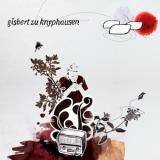
Als das selbstbetitelte Debütalbum von Gisbert zu Knyphausen im Jahr 2008 erschien, entwickelte es sich schnell zu einem der prägenden Werke des deutschsprachigen Singer-Songwriter-Genres. Presse und Publikum reagierten gleichermaßen begeistert auf die besondere Mischung aus poetischer Beobachtungsgabe, persönlicher Verletzlichkeit und einer stets hoffnungsvollen Grundhaltung. Heute gilt das Album längst als moderner Klassiker, dessen Songs über die Jahre nichts von ihrer Relevanz und emotionalen Kraft verloren haben. Die Wiederveröffentlichung auf dem bandeigenen Label Rastplatz Krachgarten macht dieses wichtige Werk erneut verfügbar und richtet den Blick auf den Beginn einer außergewöhnlichen Karriere. Für den Handel bietet das Re-Release die Gelegenheit, einen zentralen Katalogtitel eines der bedeutendsten deutschen Liedermacher seiner Generation erneut prominent zu platzieren.
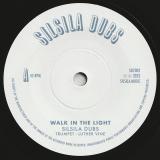
London’s Silsila Dubs crew triumphantly return with further explorations into the deeper recesses of sound system culture as a tool for spiritual enlightenment. The Hayes based collective – with close links to the Mya Hi-Fi family - are committed to the preservation of the long-standing ethics and methods of this culture, and the myriad cultural influences and flavours that a city such as London can present. This much anticipated second release mirrors these notions with style and grace.
The second release on the label ‘Walk in the Light’ has existed on dubplate since 2023, with the mighty Aba Shanti-I making it one of his selections at the Notting Hill carnival of that year. An uplifting and motivating digital dub track that boasts live instrumentation, echoing the mammoth influences and spirits of the late Jah Shaka, The Disciples, Conscious Sound, Aba Shanti-I and Nick Mannaseh respectively.
Featuring a beautiful master and cut from Music House alumni Chris Hanson, an inspiring trumpet performance from Silsila family Luther Vine, and a crucial Melodica, mix and version from label head and producer Govind Singh, ‘Walk in the Light’ is a sonic mantra, a vehicle of positive vibration and a means to step out of the shadows.
Great follow up of Dolly Dubs 01! Once again Staffan Lindberg is delivering. His nice & smooth 'The Orbit' is a great & optimistic club track that will have the sun shine on any floor, with the mighty Trevino remix adding a slightly rough edge to the original version. But don't let the easy-going fool you! The b-side dives in deeper territories with 'Y2K' that reminds a bit of early Kevin Saunderson works, and 'Feel like dancing', which is a proper sexy house burner for the morning hours. Wonderful & diverse release.
out of Stock
Last delivered 2 years ago available to reorder, subject to availability
You've never played a game like Blippo+ before, and you've never heard a video game soundtrack quite like Greatest Hits from Planet Blip.
Composed by Rob Kieswetter and Jona Bechtolt from the LA-based trio YACHT, the soundtrack collects 71 tracks from the cult classic video game Blippo+, reworked and sequenced into a continuous listen for this special release —a TV static-speckled gatefold double LP, out Oct. 16 via Hologram Opera, marking the soundtrack’s physical debut.
Taking the form of a cable TV simulator, Blippo+ captures the magical feeling of seizing a mysterious signal from outer space and discovering the television programming of an alien culture. Soundtracking the game’s pastiche of programs is Rob and Jona’s genre-spanning score—synth-heavy, eccentrically electronic, with a skewed sensibility that pays homage to cable access, library music, video art, and the late-night margins of the 80s and 90s underground.
TV obsessives will find plenty to love in Greatest Hits from Planet Blip: with surreal theme songs, jangly jingles, zippystings, catchy kitsch, period-accurate menu music and even pop hits from the alien airwaves, this propulsively playful soundtrack will have channel-flippers tingling with nostalgia.
“Planet Blip is an alien planet where art and music are the only currency and ‘consciousness particles’ form the basis of all media. To capture the spirit of this world, we drew inspiration
from all the music we felt best embodied this ethos and ran it through our own utopian blender,” say Bechtolt and Kieswetter.
Blippo+ is an award-winning, experimental, live-action video game created by YACHT and Telefantasy Studios, along with developers Noble Robot and Dustin Mierau, and published by Panic Games. It was released for Steam, Playdate and Nintendo Switch in 2025 to widespread
critical acclaim and has earned a devoted fandom. A Mac version followed earlier this year, and was nominated for an Apple Design Award.
"Simultaneously nostalgic and futuristic, otherworldly yet
welcoming, Blippo+ is an absolute artistic triumph.
" —Deven McClure, Screen Rant
"Blippo+’s presentation might ape old traditions, but the collective impact of its content is richer, deeper, and more entertaining than any mere remembrance.
" —Garrett Martin, Paste/Endless Mode
"In the increasingly reactionary and prescriptive landscape of video games, it is remarkable to encounter something so distinctive, so hopeful, so celebratory, so devoted to expanding the possibility space of art beyond a single medium." —Sam Bodrojan
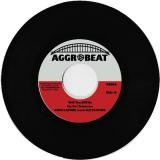
Boss Capone from The Upsessions teams up with Keith Rowe from the iconic Jamaican duo Keith & Tex. A love inspired rock steady gem on the A-side with a roots orientated banger at the flipside.
Boss Capone: "I recorded a song called 'My Girl Tomorrow'. I was in a fight with the song (.), I was looking for a voice full of soul. Keith was so nice to record his voice and that was the last piece of a beautiful puzzle". Two non-album tracks with insert.
For Louis Johnstone, making music has never been about waiting for the right equipment, the right environment or the right moment. Across more than a decade of work as both Wanda Group and A Large Sheet Of Muscle, the Huddersfield-based musician has built one of British experimental music's most singular bodies of work by embracing whatever happens to be within reach, allowing instinct, improvisation and circumstance to shape the outcome as much as conscious composition.
"'Chinese Benefits' was made over a year ago on an iPhone that had a broken microphone and was on its way out," he explains. "I have made many records after this with clearer sounds. Sharper ideas. That is never the point, though. You work with what you hold in your hands."
Recorded entirely on a failing iPhone 6 that stopped working shortly afterwards, 'Chinese Benefits' isn't a record about damaged technology. It is a record shaped by it. Rather than resisting the limitations of the device, Johnstone allows them to become part of the music itself, where distortion, interference and deteriorating fidelity are inseparable from the recording process.
Across twenty brief but disquieting pieces, corroded spoken word, environmental recordings, abrasive noise and fractured electronics continually emerge and dissolve. Voices drift in and out of range, reverberation stretches everyday sounds beyond recognition, and bursts of white noise interrupt moments of uneasy calm. There are echoes of radio transmissions, field recordings and musique concrète throughout, yet 'Chinese Benefits' never settles comfortably into any one tradition. Instead, it inhabits a space where accident and intention become almost impossible to separate.
That philosophy has long defined Johnstone's work. Through a vast catalogue of self-released recordings on his Umbro G imprint, alongside releases for labels including The Trilogy Tapes, he has consistently favoured immediacy over refinement, embracing imperfection not as an aesthetic but as a practical reality. His recordings are less concerned with perfection than with capturing the conditions in which they were made.
Looking back on 'Chinese Benefits', however, Johnstone's own assessment is characteristically understated.
"Listening back fully, it's quite a nice record actually. Fair enough, I make them and never really listen again TBH. Even better, it was the last Large Sheet Of Muscle record made on that phone with grit and damaged guts."
Like much of his work, 'Chinese Benefits' offers few fixed meanings. Its titles remain cryptic, its voices partially obscured and its structures deliberately unstable. What emerges instead is a deeply personal document of process over perfection, where the limitations of the tools become inseparable from the music they produce, and where the act of making something matters far more than the conditions in which it was made.
Love or its absence dominates the intimate songs on the new album from ARBORIST – the musical outlet of Mark McCambridge. Looking For Love, Arborist’s fourth album of exquisitely inventive Americana, places us firmly in his hometown of Belfast, allowing it to act as a microcosm of the wider-world, with all its foibles and charms. We find fictional protagonists scouring the dark corners of the city, wiling-away afternoons in strip clubs, wandering the streets in all weather and reflecting on the harsh reality of modern society, all in search of an elusive love – emphasising our need for it now more than ever.
Looking for Love is ARBORIST’s first album to be self-produced by McCambridge, largely from his home studio in Belfast – and at times it feels like we are in the room with him. It’s a different kind of record for him as previously he has always sought collaboration; whether it be with Kim Deal who chose to sing intertwined harmony on his debut single “Twisted Arrow”, or recording in The Curfew Tower owned by The KLF’s Bill Drummond who described Mark’s songwriting as being “riven with more loss than any record since Leonard Cohen quit this world”, and who Matthew E White and his Spacebomb band collaborated with to such astonishing effect on the previous Arborist LP, 2023’s An Endless Sequence of Dead Zeros, winner of the prestigious Northern Ireland Music Prize. This time, with no outside producer steering the way, McCambridge found that the quiet hours were where he felt most at ease, despite periods of trial and error, and, by his own admission, moments of feeling genuinely lost in it all.
Despite playing many of the parts himself, McCambridge still called upon old friends from the community around him; Spacebomb’s resident bassist Cameron Ralston (Bonnie Light Horseman, Hiss Golden Messenger) again features throughout the record, alongside Eamon Ferris (The Waterboys) on drums, with the great and the good from Belfast’s vibrant music scene. Grainne Meyer plays concert harp and Aga Olek plays violin for the quasi-title track “Looking 4 Love” – an off-kilter love-letter to Belfast. Meilana Gillard provides a sleazy saxophone on “Bye Bye Johnny Cash” – a seedy tale of a man obsessively visiting a dancer in a club, and The Larne Community Youth Choir provide backing vocals for “Go Kill The Fatted Calf” – a song Mark wrote about his son growing up, a take on the parable of the prodigal son, with Jonny Ashe’s blistering guitar solo adding an album highlight. The Errigal Ensemble String Quartet and Aisling Agnew’s breathtaking flute solo feature on “What Is It You’re Asking” – a song about love, or its absence, both personally and universally in these times.
McCambridge was recently honoured with a “Fellowship” by the Seamus Heaney Centre at Queen's University Belfast where he collaborated with such illustrious names from the literary world as Nick Laird, Caoilinn Hughes and Conor McPherson. Through the University he was given access to the music department's Steinways and pipe organs, and decided to try one out for the album’s centrepiece “I’ve Been A Flaneur”. As Mark explains, "The drone on the pipe organ — and the sound of it starting and stopping — was so visceral that I decided to try a half-written song against it right there and then, and this came out in one take… The song was a breakthrough artistically - I don't think I'll ever record in the same way again after this."
The album was engineered by longtime collaborator Ben McAuley (Van Morrison) and mixed by Jimmy Robertson (Anna Calvi, Beth Gibbons, Fat Dog). The results are staggering, devastating and uplifting in equal measure, calling to mind albums such as Songs Ohia’s Magnolia Electric Co., The Divine Comedy’s Regeneration, The Blue Nile’s Hats and Wilco’s Ode to Joy, as well as early-70s records from John Cale, John Lennon and Bill Fay.
Belfast native Mark McCambridge played his first show as Arborist supporting James Yorkston. A solo tour followed, and impressive performances led to notable support slots alongside Low, Cat Power, Echo & The Bunnymen and Guy Garvey. Arborist's debut single, the Americana-tinged "Twisted Arrow," caught the attention of the critics with an astonishing duet with Kim Deal of The Breeders. The debut album Home Burial (2016) and its follow-up, A Northern View, both received glowing praise, from The Guardian ("instant classic" ----) to MOJO ("devastatingly bleak… upliftingly beautiful" ----) to Uncut (8/10), with BBC 6 Music play from Cerys Matthews, Cillian Murphy, Lauren Laverne, Radcliffe and Maconie and Gideon Coe — and Steve Lamacq calling single "Taxi" "one of those records that makes you immediately stop what you're doing." He went on to even greater success with the 2023 Northern Irish Music Prize winning third LP, An Endless Sequence of Dead Zeroes, which was recorded at SpaceBomb Studios in Virginia with musician and producer Matthew E White. For his fourth LP, Looking For Love, he has signed with Fika Recordings and with a tour approaching in November, 2026 looks set to be a seminal year for the Irish artist.
A stylish selection of city pop, funk and modern soul from Japanese label Nippon Columbia, selected by DJ Notoya and featuring cult classics and rarities by Hiroshi Sato, Hatsumi Shibata, Hitomi 'Penny' Tohyama & many more.
Annotated by Notoya with journalist Nick Luscombe and artwork by Optigram.
Newly remastered audio.
The selection on ‘Tokyo Glow’ starts with 'Kimugare' a relaxed mid-tempo track by Kumi Nakamura, actually a famous actress who only recorded one album in 1980 for Columbia.
The set continues and flows effortlessly with the sunshine grooves of Miyuki Maki, Hatsumi Shibata and cult keyboard player Hiroshi Sato before the pace starts going faster and funkier with New Generation Company, Kengo Kurozumi - with his superb boogie, 'Juggler'
- and one of the queens of the genre, Hitomi 'Penny' Tohyama with 'Tuxedo Connection'.
Another fine example on the set is the mid-tempo groove of "I Wander All Alone Part III" by New Generation Company, an aggregate group of some of the best Japanese session musicians led by arranger Katz Hoshi and including Hiroyuki Namba (key), Kazuo Shiina (gtr) and Yutaka Uehara (ds) who all played with Tatsuro Yamashita among many others.
There are many other excellent examples in 'Tokyo Glow', showcasing the diversity and specificity of Japanese City Pop during the late 70s and 80s.
Nippon Columbia opened their much-guarded vaults to curator DJ Natoya. Tracks were remastered in Tokyo and the result, ‘Tokyo Glow’, is a unique insight into a most creative period in Japanese music.
out of Stock
Last delivered 2 years ago available to reorder, subject to availability
The Dutch composer and conductor, born in 1993, has assembled a powerful collective with his "hugely inventive and fast- thinking" (UK Jazz News) Brainteaser Orchestra, uniting the vanguard of the current Amsterdam scene - including guitarist Teis Semey , saxophonist Kika Sprangers , drummer Jamie Peet , violinists George Dimitriu and Yanna Pelser , trombonist Nabou Claerhout , clarinetist Federico Calcagno, and bassist Alessandro Fongaro. This lineup has been making international waves, highlighted by invitations to major European festivals and a recent performance alongside Pat Metheny at the North Sea Jazz Festival. Now comes Tonepool Paradox, the orchestra's second album, commissioned to celebrate the 50th anniversary of Amsterdam's legendary BIMHUIS. Wybenga's compositional approach radically breaks with big band conventions. His process mirrors that of a hip- hop producer: he records solo improvisations by his musicians, chops the material into pieces, and uses these fragments as samples to build entirely new tracks. Wybenga layers jazz, electronics, and contemporary classical music without ever sounding academic or overintellectualized. For Tonepool Paradox , he expanded this concept internationally, bringing in guests such as Berlin-based saxophonist Otis Sandjo, Parisian violinist Theo Ceccaldi, singer Lizz Wright , and hip- hop vocalist Pink Oculus . Mixed by Grammy winner Nic Hard (Snarky Puppy), the sound brings together the diverse musical styles of everyone involved, juxtaposing the angular lines of the horns with sweeping, melodic string passages.
Drei Jahre nach ihrem von der Kritik gefeierten Album „On The Inside“ kehren Gotts Street Park mit ihrem neuen Album „Somewhere Between“ zurück. Mit dabei sind Celeste, Matt Maltese, Rosie Lowe, Pip Millett, Sofia and the Antoinettes, anaiis und Olive Jones.
Das neue Album markiert einen stilistischen Aufbruch und schlägt im Vergleich zu früheren Veröffentlichungen neue Wege ein. Inspiriert von emotionalem Folk und Americana – mit Künstler:innen wie Blaze Foley, Jessica Pratt und Big Thief, die während der Entstehung des Albums in Dauerschleife liefen – verbindet „Somewhere Between“ die charakteristische Produktionskunst des Trios mit einer neuen, spürbar wärmeren Klangästhetik. Klassisches Songwriting trifft dabei auf die außergewöhnlichen Stimmen einer hochkarätigen Gästeliste.
Ihre Vorliebe für analoge Produktionsweisen übertrugen Gotts Street Park ganz selbstverständlich auf den modernen Americana-Sound des Albums. Die stilistische Entwicklung war dabei keine bewusste Entscheidung, sondern ergab sich organisch aus ihren gemeinsamen Hörgewohnheiten – allen voran Josh, der sich intensiv mit Neil Young und weiteren Künstlern der frühen 1970er-Jahre beschäftigte.
Für „Somewhere Between“ versammelte sich das Trio gemeinsam mit den Gastvokalist:innen in einem Raum und ließ die Songs in einem intuitiven kreativen Prozess entstehen. Inspiriert von der Musik von Gotts Street Park entwickelten die Sänger:innen ihre Texte ganz organisch. „Mit GSP zu schreiben, ist immer eine große Freude“, sagt Rosie Lowe. „Ihre Musik ist so emotional, dass die Songs scheinbar wie von selbst entstehen.“
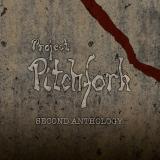
Pünktlich zum großen PROJECT PITCHFORK Jubiläum und der anstehenden Tour feiern zwei außergewöhnliche Veröffentlichungen ihre längst überfällige Premiere auf Vinyl: „First Anthology“ und „Second Anthology“. Zwei sorgfältig zusammengestellte Rückblicke, die nicht nur die Entwicklung einer der prägendsten Dark-Electro-Bands aller Zeiten nachzeichnen, sondern auch eindrucksvoll zeigen, warum PROJECT PITCHFORK bis heute nichts von ihrer Faszination verloren haben.
FIRST ANTHOLOGY Die ersten zehn Jahre einer außergewöhnlichen Band – von den visionären Anfängen bis zum internationalen Durchbruch. „First Anthology“ vereint die frühen Klassiker und Meilensteine von PROJECT PITCHFORK und dokumentiert den Aufstieg einer Formation, die den Dark-Electro-Sound nachhaltig geprägt hat. Ein eindrucksvolles Zeitdokument voller wegweisender Songs und zeitloser Hymnen.
Pünktlich zum großen PROJECT PITCHFORK Jubiläum und der anstehenden Tour feiern zwei außergewöhnliche Veröffentlichungen ihre längst überfällige Premiere auf Vinyl: „First Anthology“ und „Second Anthology“. Zwei sorgfältig zusammengestellte Rückblicke, die nicht nur die Entwicklung einer der prägendsten Dark-Electro-Bands aller Zeiten nachzeichnen, sondern auch eindrucksvoll zeigen, warum PROJECT PITCHFORK bis heute nichts von ihrer Faszination verloren haben.
SECOND ANTHOLOGY Mit „Second Anthology“ setzt sich die Reise nahtlos fort und umfasst die Schaffensphase ab 2002. Kraftvolle Elektronik, epische Klanglandschaften und eine beeindruckende Dichte an Klassikern machen diese Sammlung zu einem eindrucksvollen Zeugnis der ungebrochenen Kreativität von PROJECT PITCHFORK.
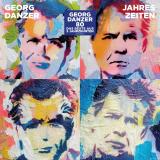
GEORG DANZER - "JAHRESZEITEN" - Das Beste aus fünf Jahrzehnten Anlässlich des 80. Geburtstags des großen österreichischen Liedermachers GEORG DANZER veröffentlicht Sony Music eine von Georg Danzers langjährigem Wegbegleiter und Manager Franz Christian Schwarz liebevoll kompilierte Best Of mit dem Titel "Jahreszeiten". Das auf farbiger 2LP sowie auf 1CD erhältliche Album umfasst Lieder aus jeder Schaffensphase des 2007 verstorbenen Künstlers, dessen musikalisches Erbe die österreichische Musik nachhaltig prägte. Das Albumcover setzt sich aus vier Portraits Georg Danzers zusammen, die von Nina Maron, Tochter des unvergessenen Sigi Maron, gemalt wurden. Franz Christian Schwarz beschreibt die Zusammenstellung der Best Of mit folgenden Worten: "Alle meine Lieder sind wie Sonne Mond & Sterne" ist der Beginn eines Liedes auf der CD-Single "Sonne, Mond & Sterne", die anlässlich der gleichnamigen DVD-Veröffentlichung von Georg Danzer erschienen ist. Diese Liedzeile gab auch den Ausschlag, die vorliegende Doppel-LP "Jahreszeiten" zu nennen, um die Bandbreite von Danzers musikalischer Vielfalt unter Beweis zu stellen. Danzer schaffte es wie kaum ein anderer Beobachtungen, Erzählungen, Gedanken und Emotionen in Worte und Melodien zu fassen. Mit über fünfhundert veröffentlichten Liedern für sich selbst und andere Interpretinnen und Interpreten zählt Danzer zu den produktivsten Liederschreibern des Landes. Einige seiner Lieder hielten auch in Schul- und Notenheften Einzug. Die vorliegende Doppel-Vinyl und die um einen Titel verkürzte CD-Version wurden eine spezielle Zusammenstellung, auf der neben bekannten Liedern auch solche zu hören sind, die entweder bisher unbekannt oder dem Zuhörer nicht so geläufig sind, aber das musikalische Spektrum des großartigen Poppoeten widerspiegeln. Sie dient zur Auffrischung von Erinnerungen ebenso wie als Anreiz, sich mit dem Werk Danzers vertraut zu machen oder es neu zu entdecken. Der Frühling ist für viele Menschen ein Zeichen dafür, das
out of Stock
Last delivered 4 days ago available to reorder, subject to availability
Ferdi bekräftigt seinen Status als innovativer Künstler, der den Jazz und sein Image revolutioniert.
In einer Zeit, in der alles dazu bestimmt scheint, konsumiert und anschließend vergessen zu werden, setzt Ferdi auf die Beständigkeit kreativen Schaffens. Sein Album entstand aus der Überzeugung heraus, dass Kunst ein kostbarer Raum bleibt: ein Ort der Erkundung, der Vermittlung und der Emotion, an dem jedes Detail das Ergebnis eines geduldigen kreativen Prozesses ist.
Mehr als nur eine Abfolge einzelner Tracks versteht sich dieses Projekt als ein in sich geschlossenes Gesamtwerk, in dem die Musik mit anderen Ausdrucksformen in einen Dialog tritt und so eine gemeinsame künstlerische und emotionale Suche weiterführt.
Schon lange fasziniert von der Figur des Malers, wollte Ferdi verstehen, was einem Werk seine Kraft und die Fähigkeit verleiht, einen bleibenden Eindruck zu hinterlassen. Diese Auseinandersetzung führte ihn nach und nach zu einer klaren Erkenntnis: Es ist nicht die Komplexität, die uns berührt, sondern die Aufrichtigkeit, mit der sie einer Form von Einfachheit dient.
Von dieser Suche geprägt, ist das Album zugleich eine Hommage an seine Mutter – eine Möglichkeit, all jene zu würdigen, die im Stillen unsere Sichtweise, unsere Vorstellungskraft und unsere Sensibilität prägen.
Nach dem Erfolg seines Debütalbums „TAKE 01“, das Platz 126 der französischen Top-Album-Charts erreichte, präsentiert Ferdi nun ein unwiderstehliches und mutiges Album und bestätigt damit seinen Status als innovativer Künstler, der den Jazz und sein Image revolutioniert.
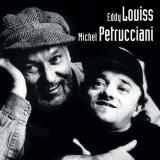
Seit fast 35 Jahren beschreitet Eddy Louiss einen ganz eigenen musikalischen Weg, stets mit seiner eigenen Band und – mit der möglichen Ausnahme von Stan Getz – ohne nennenswerte Zusammenarbeit mit anderen Jazzgrößen. Als André Damon daher am Abend des 17. August 1988 auf die Idee kam, ein Duo mit Michel Petrucciani auf das Programm zu setzen, übertrafen die Ergebnisse seine Erwartungen bei weitem. Das Zusammentreffen dieser beiden großartigen Musiker fand im „Petit Journal Montparnasse“ statt: drückende Hitze, ein vollbesetzter Saal und fast 300 Menschen, die vor der Tür stehen blieben, enttäuscht darüber, dass sie das Konzert nicht besuchen konnten. Francis Dreyfus und ich waren davon besessen, dieses außergewöhnliche musikalische Erlebnis noch einmal aufleben zu lassen. Michel Petrucciani, der ständig um die Welt tourte, war jedoch selten verfügbar. Im Juli 1993 standen sich Michel und Eddy beim Montreux-Festival anlässlich einer „Dreyfus-Nacht“ erneut gegenüber – in einem prächtigen „Summertime“, bei dem die offensichtliche Chemie zwischen diesen beiden großartigen Künstlern bereits voll zur Geltung kam. Das lang ersehnte Wiedersehen fand schließlich am 31. Mai 1994 in der Maison de la Radio vor einem aufmerksamen Publikum aus Freunden, Musikern, Künstlern und Journalisten aller Fachmedien statt. Nach einem herzlichen und – oh, wie begeisterten – Empfang durch alle Anwesenden wollten Eddy und Michel ihre Zusammenarbeit auf Tonband festhalten, was an drei magischen Abenden im „Petit Journal Montparnasse“ am 14., 15. und 16. Juni 1994 gelang. Hier ist die erste Schallplatte, die aus diesen Abenden hervorgegangen ist.
HoYoverse und Laced Records präsentieren den offiziellen Soundtrack zu „Zenless Zone Zero“ auf Vinyl – eine fesselnde klangliche Momentaufnahme von New Eridu, der letzten Stadt in einer Welt, die von den „Hollows“ verwüstet wurde.
Diese Sammlung enthält eine kuratierte Auswahl an Musik aus Versionen vor 2.0. Während das Cover-Artwork Agenten wie Yixuan, Miyabi, Anby und Nicole in den Vordergrund rückt, geht die Musik über einzelne Charaktere hinaus und fängt die allgemeine Atmosphäre des Spiels ein.
Die vom San-Z STUDIO kuratierte Trackliste vereint Charakter-EPs (darunter „pinKing“ und „Burning Desires“), dynamische Kampfthemen und den entspannten Groove der „60%“-Reihe.
Mit Genres, die von Metal und 90er-Jahre-Anime bis hin zu Lofi und EDM reichen, spiegelt sie die kühne und vielseitige Identität des Spiels wider.
In Kombination mit einem maßgeschneiderten Cover-Design ist diese Veröffentlichung sowohl ein Sammlerstück als auch eine lebendige Erweiterung des Zenless Zone Zero-Universums.
HoYoverse und Laced Records präsentieren den offiziellen Soundtrack zu „Zenless Zone Zero“ auf Vinyl – eine fesselnde klangliche Momentaufnahme von New Eridu, der letzten Stadt in einer Welt, die von den „Hollows“ verwüstet wurde. Während das Cover-Artwork Agenten wie Yixuan, Miyabi, Anby und Nicole in den Vordergrund rückt, geht die Musik über einzelne Charaktere hinaus und fängt die allgemeine Atmosphäre des Spiels ein.
Erhältlich als 2LP mit 25 remastereten Titeln aus dem Urban-Fantasy-Action Role Playing Game von HoYoverse - mit dabei sind unter anderem Mr.mo, Philip Strand, Sion Tsuji und YMIR, sowie als erweiterte 4 LP Sammler Edt. mit 49 Tracks, vom San-Z STUDIO kuratiert, die Charakter-EPs (darunter „pinKing“ und „Burning Desires“), dynamische Kampfthemen und den entspannten Groove der „60%“-Reihe vereint.
Familiar. Usually reserved for things we think we know. A face, a place, a feeling, a record perhaps. Until, of course, they aren’t quite the same anymore. Or maybe you aren’t.
Jennifer’s debut album lives somewhere around there.
It’s a record about time, which is already a fairly ambitious subject considering nobody seems to have figured that one out yet. More specifically, it’s about what
time does to a person. The old versions, the new versions, and all the ones in between that you only notice when something suddenly brings them back. Someone you
haven’t seen in years. A room you used to know. A certain way the light falls. That sort of thing.
There’s a bit of a doppelgänger situation going on, too. Finding something completely new and somehow recognising it. Meeting yourself again without immediately realising who you’re talking to.
Which can be nice. Or strange. Usually both. The songs on Familiar sit comfortably with that contradiction. Looking backwards without wanting to go back. Missing things without necessarily wanting them
returned. Realising that people who once occupied most of your waking hours can become people whose address you don’t know. Meanwhile, some tiny, seemingly irrelevant detail from fifteen years ago remains perfectly intact.
Memory has its own filing system. Not a particularly sensible one.
Jennifer wrote a series of poems alongside the album. In them, familiarity appears in melting snow, rough coastlines, a kitchen already warm in the morning, somebody’s hands fitting into yours. Elsewhere she wonders about someone she
once knew everything about and now knows nothing about. They could live around the corner. They could live on another continent. They could, technically, be dead. Probably not. But that’s time for you.
Maybe Familiar is less about remembering who you were than realising you never entirely stopped being them. Things get added. Things disappear. Things come back looking slightly different.
And somehow, you recognise them.
out of Stock
Last delivered 3 days ago available to reorder, subject to availability
Jon Spencer teams up with Kendall Wind and Macky Spider Bowman - the rhythm section from Woodstock NY punk rock wunderkind The Bobby Lees - to chew bubblegum and kick ass.
Two years after “Spencer Gets It Lit” (Marc Riley’s BBC6 Music Album of the Year, “hugely entertaining”**** MOJO, “a sonic witchdoctor who’ll blow your mind” UNCUT****) there is still more work to be done saving rock'n'roll music.
“Sick of Being Sick!” will be released on limited clear 45rpm Super-Stereo cut vinyl.
Jon Spencer has been innovative force in the independent music scene since the mid-80s. An acclaimed live performer, he has toured all the continents except Antarctica and has amassed a dizzying discography as the leader of Pussy Galore, The Jon Spencer Blues Explosion, Heavy Trash, and Jon Spencer & the HITmakers, as well as with Boss Hog, The Honeymoon Killers, The Gibson Brothers, and Taxi Girls.
His collaborations include (but are not limited to) working with Steve Albini, Add N To X, Nicole Atkins, Beastie Boys, Beck, Bomb The Bass, R.L. Burnside, James Chance, Coldcut, Chuck D, Dan The Automator, Jim Dickinson, DJ Shadow, Einsturzende Neubauten, Guitar Wolf, GZA, David Holmes, Japanese Popstars, Dr. John, Calvin Johnson, Steve Jordan, Khan, Moby, Money Mark, The Muffs, The North Mississippi All Stars, Princess Superstar, Puffy AmiYumi, The Sadies, Nancy Sinatra, Solex, Solomon Burke, Speedball Baby, Rufus Thomas, UNKLE, Unloved, Andre Williams, and Bernie Worrell.
His production credits include: Cheater Slicks, Demolition Doll Rods, Experimental Tropic Blues Band, Perrosky, Mike Edison, Jesper Munk, Sunshine & The Rain, The Bobby Lees, and Samantha Fish & Jesse Dayton.
Drop the needle on this latest dispatch from the tape vaults, and we are back in Chicago at The Curtom Studios in 1977. For instalment number five in the "Hutson Sevens" series, Home of The Good Groove Records are so very honoured to deliver this previously unreleased cut from Leroy Hutson—a true titan of soul music and an absolute master of his craft.
"Betting On My Love" carries that signature smooth orchestration we have come to expect from Hutson’s finest hours. It moves with a wonderful, breezy optimism. Hutson’s joyful, velvet lead tones skip effortlessly across the groove, wrapped in lush backing harmonies that instantly evoke the feel of the Hutson II
classic, "I Think I’m Falling in Love".
Now, a brief confession of pure, crate-digging indulgence: if tailored strictly for the dancefloor, the track arguably hits its logical peak and fade just past the three-minute mark. But to cut it there would strip away the raw human magic of the session. If you let the wax ride to the very end, the arrangement dissolves into a wonderful, lingering instrumental outro, culminating in the studio players purposely "clattering" their instruments in a moment of pure creative release. It is a brilliant, candid studio artifact that was fortunately preserved on the original master recording. Essential listening for the global soul family—do not sleep on this debut pressing.
For the flip we present Leroy Hutson’s 1979 cut “ So Nice”, a masterclass in late-70s soul music. A stand out track from the “Unforgettable” album and a vital reminder of Hutson’s unmatched ability to inject sophisticated romanticism into the bleeding edge of that disco era.
Slightly edited for the 7-inch pressing, up steps our remastering and editing maestro Mr Phil Ward. Phil always has the utmost respect when remastering and editing original content, ensuring that every second of the groove is fully respected and preserved. His stellar work here includes the studio recording of the three-count drum intro, never heard before now, leading into that meditative smooth groove layout.
It is an exquisite arrangement of simmering electric keys, nimble basslines courtesy of the legendary Keni Burke, and subtle bongo accents that collectively deliver a timeless masterpiece. Now available on 7-inch vinyl for the first time.