„Ich folge dem goldenen Strom.“ So singt es Rosa Anschütz im Titelstück ihres neuen Albums, mit kalter, klarer, entschlossener Stimme. Darunter sirren erst goldene Störgeräusche, dann setzen mächtige Elektrobeats ein, und im Refrain künden Trompetenfanfaren vom Sieg über die Elemente. „Goldener Strom“ ist zweite Album der 24-jährigen Künstlerin, die in Wien und Berlin lebt – ein erstaunliches Werk. Man kann dazu tanzen, man kann es aber auch wie ein Konzeptalbum hören; es ist ebenso voller Beats wie voller Gedanken. Rosa Anschütz spielt Klavier, Trompete und Querflöte, zu Beginn ihrer Karriere hat sie viel mit Modularsynthesizern gearbeitet. Ihr musikalisches Erweckungserlebnis war das Atonal Festival in Berlin, später hat sie auch viel im Berghain getanzt, und der Berghain-DJ Max Kobosil remixte ihren Song „Rigid“. Ihren enorm wandlungsreichen Gesang – der vom flehenden Hauchen bis zur kalten New-Wave-Sprechstimme reicht – unterlegt Rosa Anschütz denn auch mit einem entschlossen voranmarschierenden Four-to-the-Floor-Techno; doch finden sich unter diesem immer wieder polyrhythmische Abweichungen. Es scheppert und zittert, tiefe Bässe wühlen im Boden, während hoch droben schillernde Klangschleier wehen. Rosa Anschütz schließt an die Traditionen von Dark Wave und Postpunk an, aber furcht tiefe Kerben in deren Klangbild und romantische Glätte. „Goldener Strom“ ist ein großartiges Pop-Album, voller Melodien, Sentenzen und Beats, die sich sofort im Ohr verhaken. Zugleich ist es ein Manifest künstlerischer Souveränität – kostbar und klug in unseren Zeiten der stromlinienförmigen Kunst.
Life is slowly but surely returning to “normal”. From festivals to clubs,
many countries have begun to allow cultural events to take place with an audience again. It feels great - if occasionally still unfamiliar - to
rediscover and experience the way we used to live, love and party.
Janefondas’ new release “French love” is the perfect dancefloor weapon for this year’s summer season. This disco-house tune is driven by optimistic, uplifting vibes and funky guitar riffs. Strings full of desire and a touch of melancholy put smiles on faces whenever and wherever it gets played. Fortunea Records is proud to contribute this little treasure to the summer season of 2021.
"Ode To David”, the B-side track, rolls out darker vibes. It´s a thrilling
house tune that combines raw, crunchy disco-loop filter madness and
acid elements that let you forget the sorrow of the past.
Have fun this summer, be respectful, and stay safe.
Yours truly, Fortunea Records team.
This Release is limited to 300 vinyl copies.
Strictly no repress!
“Dance dance otherwise we are lost” is a raw and insightful EP with 5 non-conformist tracks ranging from the hard hitting yet poetic peak time 141bpm Trans TanzTheater to Orbits of Happiness 135bpm an unstoppable rhythmic force carrying the weight of a thousand lives. Woven by an orchestra of synths and their unescapable gravitational force, pulling you in – ever developing, ever growing.
Next up is Incessant Maze 139bpm a projection of the mind itself. A mechanism of transcendence and transformation. A raw and ready psychedelic techno assault to shake your mind out of your body and back into again.
Following the three originals are two very special remixes from Filmmaker and Polanski that bend time and space: a blissfully dark slow tempo remix of “Orbits of Happiness” by London’s experimental techno Producer/DJ/Promoter all-in-all powerhouse Polanski. At 120bpm, the “Is this happiness?” remix has had its question answered already by the sensational feedback received so far: A sultry timeless cut. There’s no way to escape. Not that you would want to, anyway.
Finishing it off, undoubtedly one of the standout artists in 2019 rising star Colombian producer Faunes Efes’ Filmmaker project has released a slew of incredible albums and EP’s this year already. Here he delivers “The Quandary” a wild and psychedelic cut of Incessant Maze merging hypnotic vocals with an ever driving percussive power that is already getting some special support in Europe and South America 130bpm.
Samosa Records releases are coming thick and fast in what could be their finest year yet. Lex & Locke are the latest talent to make their Samosa debut with their ‘Pacifica’ EP – a sublime three tracker which is mouth watering from the off.
First up is Balandra. From the moment you hear the raw four to the floor drumbeat, you’re under its spell. The infectious bass riff moves the scenery around a little, whilst the subtle bongo attack teases what’s to come. And what’s coming is a funky, rolling cosmic lead synth that has no right to sound that damn sexy, no right at all. The vibe quickly grows into an interstellar journey, aided by an outrageously funky clav jam that gets inside your head. Balandra feels like the soundtrack to an ‘after dark’ undercover stakeout in a 1970s cop thriller. Detectives Lex & Locke are on the case and the evidence is compelling. A unique, 122bpm funk bomb which has the Samosa fingerprints all over it.
A2 is Cabo Pulmo – continuing the vibe of Balandra, Lex & Locke lay down some serious grooves in what initially sounds like a live funk band jamming away in the studio without a care in the world. No soon as we get into the beat and the bass, there’s an immediate switch to a swirling, bold cocktail of funk infused with a touch of jazz that belies the 124bpm tempo. The production is expertly tight; layers of synth, electric organ and punchy guitar riffs make this ideal for both the sun terrace and the dance floor. You’re under arrest, and Lex & Locke are reading you your rights!
The final track, Nine Palms has a real quirky, almost broken beat feel to it with its high-hat ride pattern and punchy bass drum. A wickedly twisted analogue organ riff is quickly introduced, which is cleverly used as both a rhythm device and the melodic platform that sets up the whole track. Lex & Locke seem to be total masters of a ‘free-style funky synth lead’, and we’re treated to another slice of this particularly tasty pie in ‘Nine Palms’. Whereas Balandra is the late-night stake-out, Nine Palms is the final act where Lex & Locke high five each other following another successful bust.
The Pacifica EP has a wonderfully intimate and assured vibe about it and is sure to feature in many a summer soundtrack. This release also proves that Samosa Records aren’t afraid to go off the beaten path occasionally - and when it’s this good we’re more than happy to follow. Grab this amazing cut of wax while you can!
Charlotte de Witte's mighty KNTXT label rolls on with another big new EP from Italian wonderboy Alignment. The Berlin based techno talent serves up four suitably supersized cuts that follow on from his Time EP, which landed earlier in the year.
For the last five years, this artist has been amassing a fine discography of thrilling techno. This has earned him a worldwide reputation amongst the techno cognoscenti, and despite the global
pandemic this year, he has still put out plenty of red hot new material that proves he has used his extra free time at home wisely. He can do old school inspired bangers as well as refined futuristic techno rollers with equal style, and proves that once more with this fantastic new EP.
He says it, “reflects more the ‘sentimental' moments during these hard times. Nevertheless, you can also expect trippy and hypnotic vibes that will make you dream to dance again until the early hours.“
While Charlotte adds, "Ever since I started playing these tracks, people started asking for track IDs. They stood out and always were one of the highlights of my sets. These tracks are made to
destroy any type of dancefloor. A true masterpiece by one of the most exciting artists around.”
Opener Nothingness is a hunched over techno power-groove, with high pressure kicks and scraping synths peeling off the drums. It's a big wall of irresistible sound, then Injection brings
even bigger and more kick drums that are sure to rattle any club to its foundations, while the rave synths will get hands in the air.
Reverberated keeps up the good work with a more all-consuming techno cut thanks to the laser-like synths that light up the track from above. It has superbly dark and unsettling vocals stitched into the groove for extra layers of mental intensity. Last of all is the dark and urgent Sensory Deprivation with its edgy synth motifs and unrelenting energy.
These are four more high powered tracks from man of the moment Alignment.
From Another Mind celebrates its fifth anniversary with 'Versionen 008’, a mammoth remix package of SHDW & Obscure Shape tracks from Héctor Oaks, Ø Phase, Exium, and more.
Comprising nine remixes of the German producer/DJ outfit, 'Versionen 008' covers four sides of vinyl and features adaptations from a wealth of modern techno talent, rising stars, and scene veterans alike,
with Hadone, MRD, Stigmata, Exium, Héctor Oaks AKA DJKAOS11, Introversion, Ø Phase, and DJ Boss making contributions.
With the influences across the release darting between acid, techno, and rave, 'Versionen 008' is a no holds barred journey into the sounds of dark, cavernous rooms and sweaty basements alike, providing a
keen insight into who SHDW & Obscure Shape are passionate about as artists.
From the fast-paced, dub techno infused MRD version of ‘Der Weg Des Kriegers’, the explosive energy in Exium’s remix of ‘Blick Des Bösen’, to the two versions of ‘Die Augen Des Teufels’ by Stigmata, who effortlessly provides a dose of early 2000’s nostalgia, all aspects of the pair’s musical tastes are covered. Héctor Oaks takes ‘Kein Entkommen’ in an otherworldly direction, painting the track with his
signature voice, while Ø Phase brings his powerful and hypnotic sound to the duos ‘Verlorene Seelen’.
Elsewhere on the release, ‘Die Prophezeiung’ receives a shot of trancey energy from France’s Hadone and Introversion breathes new life into ‘Blisswunden’, developing the track into a melodic dream
amongst metallic percussion. The penultimate ‘Feuersturm’ gets the DJ Boss treatment, as the Slovakian DJ/producer transforms the track into a dynamic late-night roller.
Taking in these variety of moods across the remixes, the compilation sways between different strains of techno, from anthems to DJ tools, covering both modern and vintage to provide a diverse compilation
that will no doubt be warmly welcomed by DJs and listeners alike.
Favouring fiercely high-energy and gritty productions, the duo has used the label as an outlet for their dark, intense sound to the rapturous responses from DJs and dancefloors and 'Versionen 008' sees them celebrate five years of the imprint in typically uncompromising fashion.
Superlux Records continues its release schedule this December with a debut EP from Taymor Zadeh. The four-track Life Goes On EP includes three originals from the UK-based artist, as well as a special remix from One Records co-founder, Subb-an. Speaking on the production process behind the EP, Taymor describes how “ Life Goes On was made using a tb303, roland mc505, a 909 which I borrowed from a good friend, some vocal samples from old tape recordings and a load of imagination.”
The A Side gets underway with Bubbleworks , and Taymor’s “imagination” is plain to see. It’s a no-nonsense club-ready cut, with thick hats and an up-tempo lead bassline residing next to an array of bubble-sounding pops throughout. That same late-night feel continues into Life Goes On , as eerie vocals flitter between pulses of acid and punchy, whip-like drums. On the B Side, Gekula takes the lead. Fast-paced with clear minimal influences, we’re graced with eight minutes of dancefloor-geared delight as distorted voices reside atop a driving kick-hat backbone, before Subb-an’s remix continues in the same vein, taking us deep into 5 AM territory with glitchy synths and plenty of dark, low-slung percussion.
With an ethos of quality over quantity at his core, Taymor Zadeh has carved out a bespoke sound within the electronic music sphere. In recent times his releases have been welcomed by Stephane Genacia’s Highpath Records as well as Luca C’s See Double imprint, a testament to his keen ear for production. Berlin-based Subb-an is a leading figure in the UK minimal scene. As co-founder of One Records, 2020 has seen the label celebrate ten years of releases with a two-part vinyl sampler, including tracks from the likes of Anna Wall, Matthew Johnson and more besides.
Sometimes I feel something unfamiliar inside of me is screaming to get out. It makes me feel claustrophobic to suppress and keep it on hold. Then music takes the first step and I take the next. It almost feels like the tracks are writing themselves and I am just there to record. But obviously it comes from a place inside my soul.
Pneuma 1 came to life in a situation like that. On the journey Pneuma 2 and 3 started breathing as well and eventually I created and finished all three versions at the same time. These are some dark, agressive pieces but if you listen carefully you hear hope and optimism between the beats.
The Liverpool-based DJ and producer ASOK returns to DVS1's Mistress Recordings with his most diversified EP yet: "Mistress 14" unfolds ASOK's raw, analog-heavy sound aesthetic full of broken kick drum patterns, stepping basslines, and lush synths.
With 25 years of record collecting, DJing, and promoting parties around the UK, there is little of the dance music spectrum that Stu Robinson has not been involved with. The Liverpool-based artist has amassed a fine understanding of a wide array of scenes, styles and sounds from drum & bass to electro-funk, disco to house and techno – underpinned by a love of breakbeat. The music under his alias ASOK is an amalgamation of this diversity that has found favor with labels like M>O>S, Lobster Theremin, Crème Organization, and Mistress Recordings.
"Mistress 14" opens with "Space Rockets" which is a nod to his breakier love affairs without using actual breakbeats. While second track "Is Anyone" displays his take on classic Chicago House with a little Roland JD-800 euphoria thrown in. On the flip, "Last Refuge" explores driving, rhythmical techno with ASOK's typical ravey pad-like break in the middle until "The Alchemist" closes the 12-inch by laying more focus on melody and texture with a growing, always changing bassline and an ethereal synth that carries the track's energy. The digital bonus track "Apano Sin" concludes the package with a scruffy somewhere in between everything vibe.
ASOK about Mistress 14:
"Mistress 14 is probably the most important EP I have ever made in terms of showing all the different things I am into. I’m difficult to pin down because I’m not really a techno DJ, or a house DJ, or anything like that. I like all forms of electronic dance music. As a DJ, I mix up old and new, familiar with unfamiliar, playing everything from Italo disco to really dark high-bpm breakbeat. As a producer, it’s not easy to put an EP together that covers a little of everything, yet still sounds cohesive. Especially considering that all my tracks were recorded in long live takes, then edited down with no ability to change parts. Sometimes that requires some pretty heavy editing, but that’s one of the good things you get when making music this way. I’m in control of the creative process, rather than feeling like some kind of colored block administrator drawing blocks out on arrangement view of my computer."
Dark Entries returns to the New Jersey basement studio of Smersh to unearth a 4-track selection from the 'Deep House Anthems' cassette. Smersh was the duo of Mike Mangino and Chris Shepard, who began making music together in 1978. They were uninterested in traditional notions of songwriting or live performance. Recording in a domestic setting necessitated the abandonment of live drums for rhythm machines, and the Smersh sound would gradually change with each new bit of gear they acquired. The Electro-Harmonic Rhythm 12 gave way to TR606, TB303, and SH-09. Most Monday nights, they would write a new song from scratch. A couple hours later, the song was recorded, never to be performed again. By 1988, they had already put out at least 16 different tapes on their own Atlas King imprint. They would be followed by as many more. Some of those (subsequent) tapes there were less than 10 copies that got made because nobody wanted them. They couldn't get reviewed,' says Mike Mangino. As these tapes traded their way across continents, Smersh developed a devoted following in places far beyond Piscataway, leading to releases on dozens of other labels from around the globe. Smersh's sound is a lush hybrid of techno, industrial, dance, and experimental. Most songs revolve around driving EBM style beats, intricate industrial noise manipulation and synth melodies. For 'Selected Deep House Anthems' we selected 4 tracks of pulsating acid techno, which were recorded live, direct to DAT. All songs were originally recorded and released in 1991, and this the first time all but one of these songs are appearing on vinyl.
Belgian talent Ilario Liburni looks to the release of his debut LP, 'Travel So Far', forthcoming on his own label, Invade Records. The eight track affair comes on a double vinyl pack as well as digital form which will follow a month later and proves the man behind it to be a superb producer with plenty to say.
Combining elements of house, minimal and intricate sound design, Ilario also heads up the Cardinal label and first emerged back in 2011 on Monique Musique. Since then he has gone on to release on a number of respected imprints (including Riva Starr's Snatch! And Memoria Recordings), has had his tracks licensed to compilations including Noir's In the House album for Defected and has continued to make a big impression as a DJ around Europe.
The album kicks off with 'Travel So Far', a synthetic and stripped back groove with lots of squelchy sounds, scurrying synths and feathery percussive lines all working their way into your brain. 'Sudden' is another Ricardo Villalobos style track that is elongated, intricate and immersive as it unfolds on soft edged drums. Next up, 'Carrie' is a smooth, dubbed out affair that demonstrates plenty of restraint yet really locks you into its hypnotic groove as static hiss and crackles alongside distant synths colour the spaces left behind.
'Steampunked Sewing Machine' ups the ante a little with a hollowed out drum line rocking back and forth on its heels, and 'Can't Fool Data' starts all waify and minimalistic before getting pulled apart to the sound of whirring machines, and then it drops again; you can imagine dancefloors going wild to its hooky rhythms. 'Jenndrum' is all about the pinging drum kicks and globular toms that make for a peppery groove, 'Pherthothal' toys with a sense of abstract funk and closer 'Schwalbe' is a gloopy, gluey, druggy fusion of slurred synths, hiccupping drums and dark textures that make for involving listening.
This is a genuinely inventive album riddled with fascinating sounds,
a real attention to detail and plenty of otherworldly moods that really stick with you.
Beneath the sleek, confident guitar line that powers “Overdrive,” the lead single of All Over You, another guitar marks the time more impatiently, as if the groove its locked into is the timebomb- tightness of a pre-hookup heartbeat. Its energy isn’t nervous — after all, it’s hard to be nervous with Will Schwartz cooing come-ons like “I just wanna get you in the bed / Light you up like a cigarette” in your ear — but it is urgent. Excited. Titillated.
That’s the word that best describes the prospect of a new Imperial Teen record: titillating. They come out every five or six years, each new album acting as, to quote Roddy Bottum, “an episodic piece of where we are now, where the world is now, who we have become, and the geography of our collective consciousness.” There is considerable distance between Imperial Teen, its members — Bottum (guitars, keyboards, vocals), Schwartz (vocals, guitars, keyboards), Jone Stebbins (bass, vocals), and Lynn Truell (drums, vocals) — having made lives for themselves in different cities, but the collective consciousness that exists between them makes distance and time seem immaterial to the listener.
Time, especially time together, is not immaterial to Imperial Teen: it is precious. “For the last few records,” Stebbins explains, “the process has been similar. We live great distances away from each other, so initially, we get together to collaborate, write, and create. When we have enough material, we reconvene to record. Both scenarios, creating and recording, take multiple trips, sometimes with big lapses of time in between due to our various schedules.” Bottum concurs: “The biggest challenge in writing and recording is the distance between us, but the longing and desire and the ultimate coming together becomes more potent as a result.”
All Over You is a triumph of maximized moments together, four people bringing the force of their personalities to bear on years of built-up ideas. Title track “All Over You,” initially built over the computer, gained its charming sneer in the studio, where Stebbins’ buoyant, fuzzed out bassline added bounce to the song’s punchy, sloganeering lyrics, a perfect set-up for Truell to drive the song home, screaming the last line of the chorus, “We’ve got nothing to do,” like a rallying cry for a generation that’s been given nothing and told to deny themselves everything. “In my head,” Truell says, “I just went back to punk, to that feeling of prowling around looking for anything to do and being so mad about how boring everything is that you just have to yell.” The track had an attitude, it had an unexpected texture thanks to Truell’s playing improvised percussion, but her scream is what took it to the next level, transforming it into a signature Imperial Teen song.
One of Imperial Teen’s less magical concerns on All Over You is the effect capitalism has on the creation of art. This expresses itself in the headspinning rush of music industry success and disappointment that plays out in “Hands All Up,” and also in Imperial Teen’s sound. All Over You features the band’s most expansive, textured palette to date, and much of it’s steeped in — bubblegum music and boy/girl harmonies, electro beats and grungy distortion, power pop mall anthems and kiss-off lyricism — has been dismissed, at one point or another, as a fad. Time, of course, has proven otherwise, and All Over You makes a case for Imperial Teen as four of that time’s architects, inheriting, preserving, and pushing the boundaries of what pop music can be from one song to the next.
“We want to make people dance and think and feel,” says Schwartz. In all of those ambitions, All Over You crushes, brought to life by four musicians who found each other in the clubs of San Francisco over three decades ago and have remained family ever since. It is less a return from hiatus than a broadcast from the sonic utopia Imperial Teen has long ruled over, where the music is bratty and sexy and the parties don’t stop until everyone’s found euphoria. A raveup for mind, body, and soul, best enjoyed in a dark room packed with as many sweaty bodies as possible
Beneath the sleek, confident guitar line that powers “Overdrive,” the lead single of All Over You, another guitar marks the time more impatiently, as if the groove its locked into is the timebomb- tightness of a pre-hookup heartbeat. Its energy isn’t nervous — after all, it’s hard to be nervous with Will Schwartz cooing come-ons like “I just wanna get you in the bed / Light you up like a cigarette” in your ear — but it is urgent. Excited. Titillated.
That’s the word that best describes the prospect of a new Imperial Teen record: titillating. They come out every five or six years, each new album acting as, to quote Roddy Bottum, “an episodic piece of where we are now, where the world is now, who we have become, and the geography of our collective consciousness.” There is considerable distance between Imperial Teen, its members — Bottum (guitars, keyboards, vocals), Schwartz (vocals, guitars, keyboards), Jone Stebbins (bass, vocals), and Lynn Truell (drums, vocals) — having made lives for themselves in different cities, but the collective consciousness that exists between them makes distance and time seem immaterial to the listener.
Time, especially time together, is not immaterial to Imperial Teen: it is precious. “For the last few records,” Stebbins explains, “the process has been similar. We live great distances away from each other, so initially, we get together to collaborate, write, and create. When we have enough material, we reconvene to record. Both scenarios, creating and recording, take multiple trips, sometimes with big lapses of time in between due to our various schedules.” Bottum concurs: “The biggest challenge in writing and recording is the distance between us, but the longing and desire and the ultimate coming together becomes more potent as a result.”
All Over You is a triumph of maximized moments together, four people bringing the force of their personalities to bear on years of built-up ideas. Title track “All Over You,” initially built over the computer, gained its charming sneer in the studio, where Stebbins’ buoyant, fuzzed out bassline added bounce to the song’s punchy, sloganeering lyrics, a perfect set-up for Truell to drive the song home, screaming the last line of the chorus, “We’ve got nothing to do,” like a rallying cry for a generation that’s been given nothing and told to deny themselves everything. “In my head,” Truell says, “I just went back to punk, to that feeling of prowling around looking for anything to do and being so mad about how boring everything is that you just have to yell.” The track had an attitude, it had an unexpected texture thanks to Truell’s playing improvised percussion, but her scream is what took it to the next level, transforming it into a signature Imperial Teen song.
One of Imperial Teen’s less magical concerns on All Over You is the effect capitalism has on the creation of art. This expresses itself in the headspinning rush of music industry success and disappointment that plays out in “Hands All Up,” and also in Imperial Teen’s sound. All Over You features the band’s most expansive, textured palette to date, and much of it’s steeped in — bubblegum music and boy/girl harmonies, electro beats and grungy distortion, power pop mall anthems and kiss-off lyricism — has been dismissed, at one point or another, as a fad. Time, of course, has proven otherwise, and All Over You makes a case for Imperial Teen as four of that time’s architects, inheriting, preserving, and pushing the boundaries of what pop music can be from one song to the next.
“We want to make people dance and think and feel,” says Schwartz. In all of those ambitions, All Over You crushes, brought to life by four musicians who found each other in the clubs of San Francisco over three decades ago and have remained family ever since. It is less a return from hiatus than a broadcast from the sonic utopia Imperial Teen has long ruled over, where the music is bratty and sexy and the parties don’t stop until everyone’s found euphoria. A raveup for mind, body, and soul, best enjoyed in a dark room packed with as many sweaty bodies as possible
The Yummy Fur’s first album of new material in over 25 years is seductive and ambiguous; a fast-paced flip through scenes from art, myth, life and fantasy; a witty whole made from glittering scraps. The band’s original incarnation – fronted by singer, songwriter and guitarist John McKeown from 1992 to 1999 – morphed from making quick-hit cartoon-art songs to Eno and Cale-influenced creepers, populated by characters from McKeown’s life in Glasgow and the films, books and poetry that he lived a parallel life through. Everybody Talks About The Weather delights in using every past iteration of the band as potent collage material: a melee of sounds and ideas existing at once, revealing themselves then dipping back into hiding.
Recorded by the original core trio of McKeown, Brian MacDougall (guitar) and Paul Thomson (drums), Everybody Talks About The Weather comes 17 years after the band reformed for sporadic live shows, and seven years after the release of their sorta-greatest hits compilation Piggy Wings (Rock Action). Ten tracks long with nothing to spare, it is as condensed and vital as their best songs, with a new clarity of sound that allows their ambiguities to come into the light.
The album begins with “Cogs”, a taunting inquisition from within. As McKeown stages a fight between his id and ego, the tension heats up between conversational guitar lines and minimalist repetition; threatening sing-song melody and real, palpable menace. The band members are forced in tandem only to break apart, sustaining a genuine sense of just-hidden danger throughout the whole record – except, arguably, “Headphones”, a looser moment which sees McKeown make an existential something out of nothing while waiting for someone in the car (“I should have brought a book.../My ears are bleeding from the compression on your album”)
The songs are riots of reference: “Unity Over Europe” is a slyly complex two act play about the Mitford sisters – Diana, Unity, and Nancy, in a wink to the YF canon – smashing tragic biographical detail together with allusions to Thomas Pynchon and Francis Bacon. Pynchon is also lifted to serve “Blue Sunshine”, a collision of school shooters, serial killers and fictional fuck-ups (“Fast forward to Compton/Fast forward to Pynchon/Fast forward to Columbine'”) whose buzzy guitar lines are taunting and confrontational like a smarmy teenager. The innocuous title of “My Lasagne” belies a song that exists in several time periods at once: a visit to see Guernica, 50 people with their backs to the portrait of Dora Maar; the time that Picasso painted from; the Reina Sofia and the dirty streets of the Malasaña; myth-making musicians and the myths they’re riffing off overlapping and leering at each other.
All this could be laboured in lesser hands, but cultural verbosity is second nature to The Yummy Fur, who transform all this source material into songs that are weird, sexy, funny and absurd. Meaning is not happily understood or flattened. Susan Sontag's essay Against Interpretation accompanied McKeown as he wrote this album, and she’s paraphrased in “Semolina Ballerina”, the album’s justification of artistic ambiguity. Thomson’s motorik beat leads a gathering of back-and-forth instrumental phrases – including a wiry contribution on saxophone – embodying the futility of trying to parse something definitive from repeated action. “Listen to the very first thing that’s in your head,” Sontag-via-McKeown commands directly, then slinks sideways: “Interpretation is a conversation in an unmade bed”
The album features two more focused portraits, or at least The Yummy Fur’s version of such a thing. “Wanda” merges the life of filmmaker Barbara Loden and the title character of her semi-autobiographical 1970 feature film, with Loden’s then-husband Elia Kazan joining the fray of no-good men in her film. It’s a mix of adaptation and avant-criticism, with McKeown’s wordplay and mannered pronunciation mirroring the way that non-fiction and fiction twist around each other in the song. The title track is a series of vignettes and impressions from the lives of the band’s ‘90s inner circle, positing painter Mac McNaughton as a kind of Falstaffian ringleader. As with Piggy Wings and the recent single “New T-Shirt”, McNaughton painted the cover of Everybody Talks About The Weather – like the album’s music, the image of a coy girl in a white dress is an uncanny amalgamation of styles, suggestions and references just out of reach, as though seen in an art museum in a dream.
The album ends with two reads of the same frustration. “King of Nothing” is the closest The Yummy Fur will ever get to sludge-rock: the band melts together into a dusty, dreary haze as McKeown drowns in a drudgery of personal struggle (“Two jumpers on in Babylon/And only cats to talk to”) and the rhythmic toppling of heroes (Rowlands, Duvall, Munro). The majority of visible dirt is cleaned off for “Say Hello”, an uncharacteristic depiction of throwing the windows open after a dark night of the soul. Here, the situation is still cold and hard (“When the sun burns gold, but the heat never reaches your fingertips”) but it feels surmountable. Everybody Talks About The Weather is an unpredictable album from an unpredictable group, but ending on a moment of almost uncomplicated light is maybe its biggest surprise. - Claire Biddles (2026)
The Yummy Fur’s first album of new material in over 25 years is seductive and ambiguous; a fast-paced flip through scenes from art, myth, life and fantasy; a witty whole made from glittering scraps. The band’s original incarnation – fronted by singer, songwriter and guitarist John McKeown from 1992 to 1999 – morphed from making quick-hit cartoon-art songs to Eno and Cale-influenced creepers, populated by characters from McKeown’s life in Glasgow and the films, books and poetry that he lived a parallel life through. Everybody Talks About The Weather delights in using every past iteration of the band as potent collage material: a melee of sounds and ideas existing at once, revealing themselves then dipping back into hiding.
Recorded by the original core trio of McKeown, Brian MacDougall (guitar) and Paul Thomson (drums), Everybody Talks About The Weather comes 17 years after the band reformed for sporadic live shows, and seven years after the release of their sorta-greatest hits compilation Piggy Wings (Rock Action). Ten tracks long with nothing to spare, it is as condensed and vital as their best songs, with a new clarity of sound that allows their ambiguities to come into the light.
The album begins with “Cogs”, a taunting inquisition from within. As McKeown stages a fight between his id and ego, the tension heats up between conversational guitar lines and minimalist repetition; threatening sing-song melody and real, palpable menace. The band members are forced in tandem only to break apart, sustaining a genuine sense of just-hidden danger throughout the whole record – except, arguably, “Headphones”, a looser moment which sees McKeown make an existential something out of nothing while waiting for someone in the car (“I should have brought a book.../My ears are bleeding from the compression on your album”)
The songs are riots of reference: “Unity Over Europe” is a slyly complex two act play about the Mitford sisters – Diana, Unity, and Nancy, in a wink to the YF canon – smashing tragic biographical detail together with allusions to Thomas Pynchon and Francis Bacon. Pynchon is also lifted to serve “Blue Sunshine”, a collision of school shooters, serial killers and fictional fuck-ups (“Fast forward to Compton/Fast forward to Pynchon/Fast forward to Columbine'”) whose buzzy guitar lines are taunting and confrontational like a smarmy teenager. The innocuous title of “My Lasagne” belies a song that exists in several time periods at once: a visit to see Guernica, 50 people with their backs to the portrait of Dora Maar; the time that Picasso painted from; the Reina Sofia and the dirty streets of the Malasaña; myth-making musicians and the myths they’re riffing off overlapping and leering at each other.
All this could be laboured in lesser hands, but cultural verbosity is second nature to The Yummy Fur, who transform all this source material into songs that are weird, sexy, funny and absurd. Meaning is not happily understood or flattened. Susan Sontag's essay Against Interpretation accompanied McKeown as he wrote this album, and she’s paraphrased in “Semolina Ballerina”, the album’s justification of artistic ambiguity. Thomson’s motorik beat leads a gathering of back-and-forth instrumental phrases – including a wiry contribution on saxophone – embodying the futility of trying to parse something definitive from repeated action. “Listen to the very first thing that’s in your head,” Sontag-via-McKeown commands directly, then slinks sideways: “Interpretation is a conversation in an unmade bed”
The album features two more focused portraits, or at least The Yummy Fur’s version of such a thing. “Wanda” merges the life of filmmaker Barbara Loden and the title character of her semi-autobiographical 1970 feature film, with Loden’s then-husband Elia Kazan joining the fray of no-good men in her film. It’s a mix of adaptation and avant-criticism, with McKeown’s wordplay and mannered pronunciation mirroring the way that non-fiction and fiction twist around each other in the song. The title track is a series of vignettes and impressions from the lives of the band’s ‘90s inner circle, positing painter Mac McNaughton as a kind of Falstaffian ringleader. As with Piggy Wings and the recent single “New T-Shirt”, McNaughton painted the cover of Everybody Talks About The Weather – like the album’s music, the image of a coy girl in a white dress is an uncanny amalgamation of styles, suggestions and references just out of reach, as though seen in an art museum in a dream.
The album ends with two reads of the same frustration. “King of Nothing” is the closest The Yummy Fur will ever get to sludge-rock: the band melts together into a dusty, dreary haze as McKeown drowns in a drudgery of personal struggle (“Two jumpers on in Babylon/And only cats to talk to”) and the rhythmic toppling of heroes (Rowlands, Duvall, Munro). The majority of visible dirt is cleaned off for “Say Hello”, an uncharacteristic depiction of throwing the windows open after a dark night of the soul. Here, the situation is still cold and hard (“When the sun burns gold, but the heat never reaches your fingertips”) but it feels surmountable. Everybody Talks About The Weather is an unpredictable album from an unpredictable group, but ending on a moment of almost uncomplicated light is maybe its biggest surprise. - Claire Biddles (2026)
Montréal-based sound artist Steve Bates expands his strategies and stylistic influences on An Infinite Antenna, his second solo album for Constellation, giving freer reign to melodic components and textural dynamics: leftfield synth work, deconstructed drum machine, pointillist electric guitar, and radiostatic blur are all part of the new brew swirling around his bruitist signal-bending and field-recording sensibility. Arguably a more ambient album than his acclaimed 2022 Constellation debut, An Infinite Antenna is at the same time more densely packed with ideas, dynamics, evocations and earworms. Coming out of the anarcho-punk scene of the Canadian Prairies in the 1990s, Bates founded Winnipeg’s experimental sound festival Send + Receive in 1998 before moving to Montréal to become Sound Coordinator at Hexagram (Concordia University), delving further into sonic research and theory, tape-based composition, and installation work. Alongside the curatorial arc of his own sound art label The Dim Coast, Bates released several solo and collaborative albums on ORAL_records leading up to All The Things That Happen, the 2022 Constellation debut praised by Boomkat for its “grittily iridescent ambient billow rendering maximalist panoramas” and by Backseat Mafia as “extraordinary soundscapes of unstable, destructive cacophony and tender calm, echoes of the threat of power.” Where that album was noisier and single-minded, made with the self-imposed limit of a Casio SK-1, Bates plays more widely with instrumentation and atmospheres on An Infinite Antenna, also drawing on his post-hardcore roots in seeking a sort of track-by-track concision nonetheless driven by the album’s coherence as a seamless work. “I was trying to set durations I associate with punk rather than the longer, sprawling music coming from more ambient styles (that I very much love), and while I wasn’t able to quite pare it down to Minutemen durations, I had that reduction to essential elements as a sort of whisper over my shoulder.” Incorporating source recordings made throughout 2023-2025, including at artist residencies and site-specific sound installation visits in Bosnia and Herzegovina (the album’s cover photo was taken in Sarajevo), Austria, Greece, and Saskatchewan, An Infinite Antenna combines Bates’ “idea of slowly scanning a radio dial” with a soundworld of recurring timbral and textural touchstones that forge an integrated whole.
The album’s 12 tracks work effectively as stand-alone pieces, replete with shifting undercurrents, buried melody, and stuttering kinetics, and as a sequential flow where the brief interstitial silences between them are like short pauses to flip the next page in a sketchbook of perspectival studies of a wide but singular tableau. The glistening atonal synth expressionism of opener “Pink pink pink pink…pink pink” drifts gently toward submerged ambience, darkened by the noised rumble and static interference of “Green as a ghost”, which introduces broken beats and piano chords in its denouement. Tracks like “Battles and sieges and street trees” and “Easier sad than done” work the foundations of low-end field-recording resonance, but dappled with lovely melodic droplets of treated guitar and synth. “Waste, songs of the world” and “Disaster loans” are among the album’s most explicit stylistic references to posthardcore, with distorted ambient bass and gently abrasive drum sampling. Closing track “Swamps and factories”, the album’s longest piece, is perhaps most reminiscent of Bates’ previous record with its sustained dissonant glimmer-drone, but the journey An Infinite Antenna traces to get there is Bates at his most dynamic, diverse, distinctive, and engaging. Thanks for listening.
Montréal-based sound artist Steve Bates expands his strategies and stylistic influences on An Infinite Antenna, his second solo album for Constellation, giving freer reign to melodic components and textural dynamics: leftfield synth work, deconstructed drum machine, pointillist electric guitar, and radiostatic blur are all part of the new brew swirling around his bruitist signal-bending and field-recording sensibility. Arguably a more ambient album than his acclaimed 2022 Constellation debut, An Infinite Antenna is at the same time more densely packed with ideas, dynamics, evocations and earworms. Coming out of the anarcho-punk scene of the Canadian Prairies in the 1990s, Bates founded Winnipeg's experimental sound festival Send + Receive in 1998 before moving to Montréal to become Sound Coordinator at Hexagram (Concordia University), delving further into sonic research and theory, tape-based composition, and installation work. Alongside the curatorial arc of his own sound art label The Dim Coast, Bates released several solo and collaborative albums on ORAL_records leading up to All The Things That Happen, the 2022 Constellation debut praised by Boomkat for its "grittily iridescent ambient billow rendering maximalist panoramas" and by Backseat Mafia as "extraordinary soundscapes of unstable, destructive cacophony and tender calm, echoes of the threat of power." Where that album was noisier and single-minded, made with the self-imposed limit of a Casio SK-1, Bates plays more widely with instrumentation and atmospheres on An Infinite Antenna, also drawing on his post-hardcore roots in seeking a sort of track-by-track concision nonetheless driven by the album's coherence as a seamless work. "I was trying to set durations I associate with punk rather than the longer, sprawling music coming from more ambient styles (that I very much love), and while I wasn't able to quite pare it down to Minutemen durations, I had that reduction to essential elements as a sort of whisper over my shoulder." Incorporating source recordings made throughout 2023-2025, including at artist residencies and site-specific sound installation visits in Bosnia and Herzegovina (the album's cover photo was taken in Sarajevo), Austria, Greece, and Saskatchewan, An Infinite Antenna combines Bates' "idea of slowly scanning a radio dial" with a soundworld of recurring timbral and textural touchstones that forge an integrated whole. The album's 12 tracks work effectively as stand-alone pieces, replete with shifting undercurrents, buried melody, and stuttering kinetics, and as a sequential flow where the brief interstitial silences between them are like short pauses to flip the next page in a sketchbook of perspectival studies of a wide but singular tableau. The glistening atonal synth expressionism of opener 'Pink pink pink pink_pink pink' drifts gently toward submerged ambience, darkened by the noised rumble and static interference of 'Green as a ghost', which introduces broken beats and piano chords in its denouement. Tracks like 'Battles and sieges and street trees' and 'Easier sad than done' work the foundations of low-end field-recording resonance, but dappled with lovely melodic droplets of treated guitar and synth. 'Waste, songs of the world' and 'Disaster loans' are among the album's most explicit stylistic references to posthardcore, with distorted ambient bass and gently abrasive drum sampling. Closing track 'Swamps and factories,' the album's longest piece, is perhaps most reminiscent of Bates' previous record with its sustained dissonant glimmer-drone, but the journey An Infinite Antenna traces to get there is Bates at his most dynamic, diverse, distinctive, and engaging. Thanks for listening
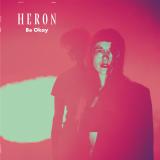
Three years after their debut, the synth-pop duo HERON is back: On September 25, the Leipzig-based band’s second album will be released on the O*RS Label. With “Be Okay,” the band shows itself to be more experimental than before and strikes a critical note—without losing its signature sound. Dancefloor euphoria meets synthwave drama; big sounds meet big themes: social criticism, sexual oppression, the struggle with one’s own demons, and moments of political powerlessness. But the album is also shaped by a courage to embrace tenderness and a commitment to longing—all underscored by a melancholy that you can dance to. With a playful spirit, the duo fully explores the space between anthemic pop and darkwave moments, thereby revealing their inner selves (even more) to the outside world
MYKI joins Craigie Knowes for his label debut ‘Legz & Soul’ EP. Moody and tense house-music mastery with the ghosts of garage-past blended seamlessly into the groove of title track ‘Legz & Soul’. The lead Vocal Mix is accompanied by a Dub Mix to round off the A-side giving DJs an alternative stripped back version should the night call for something a touch darker. ‘Get Out’ is a moulding and morphing dub-house outing that change endlessly on top of rolling and hypnotic drums to take the lead on the B-side. ‘Holy Stab’ continues in the same vein – rolling and shifting delay applied to beautiful bouncing dub stabs. A real masterclass in high quality house jams from start to finish with something for every dancefloor environment.
out of Stock
Last delivered 20 days ago available to reorder, subject to availability
Frazer Ray lands on Time Is Now with Masha EP. Four tracks of killer, stripped back FWD facing proto/future garage effortlessly pushing the sound into a new direction.
FACTS:
1. Frazer Ray knows how to make a dance. IYKYK…. Recently he’s been shelling Live UKG cooked right in front of you on a custom modular rig. Mad energy. 100% party business.
2. Frazer Ray knows a thing or two about making UK soundsystem music. The artist FKA Soundbwoy Killah is now a decade deep in his discography. And first as ‘Soundbwoy Killah’ and now as ‘Frazer Ray’ he is 2 for 2 with aliases that never miss.
3. New Frazer Ray is always something to get excited about. For 10+ years he’s kept it super tight. Quality over quantity. Always holding dubplates. When releases have landed they drop on only the best labels; including both Rinse and Rinse’s new INGRAM imprint, Ninja Tune’s Technicolour imprint, Sneaker Social Club, Interplanetary Criminal’s Locked On and IPC & Main Phase’s ATW Records. (side note - his Soundbowy Killah - ‘Halcyon Daze’ LP on Sneaker is IMO an all time classic - do not sleep on that one). Aaaannd… if the dubplates got too heavy he’s also occasionally dropped weight on his own U-Phorix label.
Also…..what has always struck me about Frazer’s music is that it’s simultaneously integral in the hardcode continuum while also pushing it forward. It’s always complete. Fully formed. You never bristle. There’s no failed experiments. Just a firm nod to the future for anyone looking.
OK… Run the tracks.
Masha’s vocal licks tell it straight, this one is “Fire”. Proper club business to test the stacks. The drums roll steady in front of a wall of sub bass. A killer mix of post dubstep era goodness, techno sound design and the shuffle & swing of proto dubstep.
Settle Down There’s something 90’s tek step about this one. Dark and moody with a wall of bass. It bristles with texture and atmosphere before – a moment of reprieve in this absolute weapon – Frazer opens up into a dubwise oasis before skittering back into the darkness.
Syren Song is exactly what it says on the tin, alluring Dancehall vocals chatter and roll. Who knew auto-tune and Garage paired so well… Frazer did that’s who.
No Reasons Left is an ethereal closer for the end of the night / start of the morning after. Gliding warm & introspective dubwise breaks with a Reese bassline that hangs in the space between garage and hardcore.
Frazer says…
“This EP feels like I've finally nailed integrating my modular setup (and VCV rack for all you nerds out there) into my productions. I wanted to create deeper production while still ensuring the tracks translate well in the club.”
If this is only the beginning then strap in.
out of Stock
Last delivered 31 days ago available to reorder, subject to availability
There is a pivotal scene in “August in the Water” (dir. Sōgo Ishii, 1995) where the surface of a pool turns into a stone wall. The water that gave the protagonist's life its meaning becomes a threat. As you fall through this stone wall, you appear in a set of underwater coral-reef corridors, and one of the most beautiful musical themes begins to play: Aquatic Ambience, composed by David Wise for Donkey Kong Country (1994). It's a theme that represents the weightless vibe of your new deep-sea life, where you go about your mundane errands, collecting bananas while driving on a swordfish, or, as HerzMayhem put it: "Poor monkey... always swimming, never going anywhere..."
Synthetic Water Music is the second of three compilations, following Synthetic Bird Music and timed to mappa's 10th anniversary. As with the birds, it gathers friends of the label, artists who have released with mappa or played our shows. Most of the music is new, made to measure for this compilation, much of it from Central and Eastern European hands. Birds and water mix well, so please feel invited to play them together, creating your own environments.
Where the birds were in one flock, water is dispersed across four chapters. You live your life as a droppity drop: vapour in the heavens, condensing in clouds, falling into a swamp, trickling into the deepest sea.
Tlālōcān (Cassette 1, Side A)
A place of eternal spring, of aquatic energy that nourishes everything and allows all things to bloom. Bubbly and splishy-sploshy, it is full of dripping sounds and moist caverns (“Emerald Pool” by Pauline Anna Strom), a landscape filled with living fountains (“Oh, to be a Fountain” by Eva Sajanová) and winding streams that flow through the area, forming part of its organic architecture. It is also a paradise reserved for those whose deaths were water-related, where the aquatic and terrestrial beings live in symbiosis and perspectives shift rapidly, from observing a single droplet (Shakali, Lau Nau) to dew (Feronia Wennborg & Lucy Duncombe) and on to flowing currents (Visible Cloaks) that gradually transform into river music (Ursula K. Le Guin & Todd Barton).
Nephelora (Cassette 1, Side B)
A celestial anti-gravity sound world made of evaporation, steam and the formation of clouds, as if looking at “The Sky At The Bottom of the Well” (by Natalia Beylis) or at “The Cloud That Never Rains” (by Henrique Vaz).
If a cloud never rains,
it is not a cloud at all, but a veil that parches the earth with its gaze.
It generates only its own shadow —
a looming mass of suspended longing,
a sky that hoards but never yields,
a reservoir that swallows every river and returns nothing but echoes.
The water in this world is often invisible but sometimes all the more present, as Bint Mbareh describes it: “Recently been obsessed with invisible waters because I come from a place where you have to imagine the water is there even though you cannot see a river, a sea, usually no rain, so water is in the air, the voice and the imaginal realm, drought is imagined to be negotiable.”
Žaboglach Zha-bo-glahch (Cassette 2, Side A)
A fusion of Scottish lochs and Slovak ponds: a misty, foul-smelling, swampy realm, the kind of place that swallowed Artax from The NeverEnding Story. Stagnant waters full of decay become a blooming habitat for sirens (“thereby losing the weightless delight of being swept along with it” by Adam Badí Donoval) and beings straddling the line between fauna and flora, inventing their own communication systems (“Water-lily phase” by Action Pyramid).
R'lyeh (Cassette 2, Side B)
A brooding sunken city at the bottom of the ocean. It’s a journey to get there. Let this chapter guide you, from the shore down to the depths, to the gates of an unexplored world that is inherently dark, unfathomable, and beyond the limits of human perception: starting with seasickness ("Seasick" by Nikolaienko), passing through a classic Poe-esque maelstrom ("Flurry at the Whirl-pull" by Atte Elias Kantonen), a gateway into the darkness and emptiness of the ocean floor, and finally traversing the city itself (“last waves of 2025” by Jules Reidy).
But what is pulling you to a place like this that only a few explore and even fewer leave? Maybe “the darkness that water can contain, the expanse of things we don't know and that can trigger fear instincts even as we try to rationalise them and think we are in control of the rest of nature” (“supercritical fluids” by Diane Barbé).
Dive in and surface wherever you like. Always swimming, never going anywhere. Just don’t forget to take water breaks.
P.S. Birds, then water, can you guess what comes next? Synthetic Soil Music, an elegy for insects and worms? Synthetic Glaciers, or maybe Pollinators? Which sounds would you miss the most if they disappeared? Or what if the third one never comes at all, and somebody, or something, makes Synthetic mappa Music instead. Don't you worry, with the right training data, it can all be replicated, better than the real thing.
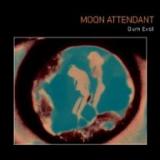
Brighton’s Moon Attendant team up with Go! Team's leader and drummer Ian Parton for new LP ‘Dum Evol’. Following their debut ‘One Last Summer’ with this incendiary, heart-pounding, drum-led masterwork full of untutored surf-guitar, Scarlet Rivera style fiddle, psychedelic orchestration and sharp-playful lyrics, all within just over 30 thrilling minutes.Since their debut, Paul Blewett and Nick Holton had been knee-deep in experimental music and needed something or someone to smash the shit out of the new songs. Instead of making heavier music, the result left lofty but wobbly structures teetering on fractured Giacometti-like frames, exposed, more arresting. Paring back the Musical palette from previous wash of synths and reverb to surf guitars, Moog, and violin, leaving Blewett's vocal (often compared to Colin Bunstone) leaning into an unvarnished, direct sound like Jimmy Campbell. Thematically, Dum Evol turns inward. Where their debut asked questions, this record sits with the answers, exploring love, conflict, and growth as experiences that must be lived first hand - “It’s such dumb evolution, you still have to learn the hard way”. Their lyrics get under the skin and under The Establishment in a wistful worm like way. Nudging at the truths. Smiling but always ready to bare some fangs.The fantastic instinctive violinist, Roger Proctor, joined as fourth member, bringing raw fragile beauty to ‘Look The Other Way’ & ‘Difficult Ifficult’, blending swooping string lines with the monster-surfing-Sonic Youth racket elsewhere. They explain - “We kept to a first take policy generally as it keeps everything just fresh and daisy like.” Dum Evol’s restraint allows the band’s more experimental instincts to land with greater weight. Musically, the record occupies a space somewhere between the slacker-rock nonchalance of Pavement and the gypsy swagger of Dylan - 'Desire' through a lens that is consciously, almost defiantly, English. It’s a sound that channels the 60's pastoral folk tradition alongside the sharp-edge of The Auteurs, an honest version of England, one to be proud of, existing in stark contrast to the hollow jingoistic nationalism of flag-shaggers climbing lamp posts. Jagged, lived-in, and entirely vital, Dum Evol is a record that feels fully realised, yet remains dangerously built to unravel in a hair's breadth.“Psychelelic grungy synth-pop - Moon Attendant marry analogue electronics to a lovely burbling pop sound, like Felt exploring the recesses of krautrock. Trippy, ramshackle and a cult in waiting.” Shindig!
Brighton’s Moon Attendant team up with Go! Team's leader and drummer Ian Parton for new LP ‘Dum Evol’. Following their debut ‘One Last Summer’ with this incendiary, heart-pounding, drum-led masterwork full of untutored surf-guitar, Scarlet Rivera style fiddle, psychedelic orchestration and sharp-playful lyrics, all within just over 30 thrilling minutes.Since their debut, Paul Blewett and Nick Holton had been knee-deep in experimental music and needed something or someone to smash the shit out of the new songs. Instead of making heavier music, the result left lofty but wobbly structures teetering on fractured Giacometti-like frames, exposed, more arresting. Paring back the Musical palette from previous wash of synths and reverb to surf guitars, Moog, and violin, leaving Blewett's vocal (often compared to Colin Bunstone) leaning into an unvarnished, direct sound like Jimmy Campbell. Thematically, Dum Evol turns inward. Where their debut asked questions, this record sits with the answers, exploring love, conflict, and growth as experiences that must be lived first hand - “It’s such dumb evolution, you still have to learn the hard way”. Their lyrics get under the skin and under The Establishment in a wistful worm like way. Nudging at the truths. Smiling but always ready to bare some fangs.The fantastic instinctive violinist, Roger Proctor, joined as fourth member, bringing raw fragile beauty to ‘Look The Other Way’ & ‘Difficult Ifficult’, blending swooping string lines with the monster-surfing-Sonic Youth racket elsewhere. They explain - “We kept to a first take policy generally as it keeps everything just fresh and daisy like.” Dum Evol’s restraint allows the band’s more experimental instincts to land with greater weight. Musically, the record occupies a space somewhere between the slacker-rock nonchalance of Pavement and the gypsy swagger of Dylan - 'Desire' through a lens that is consciously, almost defiantly, English. It’s a sound that channels the 60's pastoral folk tradition alongside the sharp-edge of The Auteurs, an honest version of England, one to be proud of, existing in stark contrast to the hollow jingoistic nationalism of flag-shaggers climbing lamp posts. Jagged, lived-in, and entirely vital, Dum Evol is a record that feels fully realised, yet remains dangerously built to unravel in a hair's breadth.“Psychelelic grungy synth-pop - Moon Attendant marry analogue electronics to a lovely burbling pop sound, like Felt exploring the recesses of krautrock. Trippy, ramshackle and a cult in waiting.” Shindig!
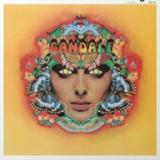
If you’re as obsessed with unfairly unheralded bands as we are, bringing out a proper, well-deserved official re-release to change that course is always an honor. Case in point, Jackpot Records proudly announce GANDALF’s 1969 self-titled release as one of our proudest moments. Working alongside band member Peter Sando from the original master tapes, it is time for the rest of the uninitiated to catch up with this beautifully crafted haunting psych-pop record (fans of THE LEFT BANKE, KALEIDOSCOPE, THE MILLENNIUM, and THE ZOMBIES, take note!). Recorded at Century Sound in Manhattan with Grammy-winning producer Brooks Arthur (who engineered Neil Diamond’s “Sweet Caroline” and Van Morrison’s “Brown Eyed Girl”), the production of the album was created on the spot in the studio with arrangements being thrown about and the incredibly haunted vocals being recorded directly from the band’s PA using a Binson Echorec to make this innovative sound (Pink Floyd later used the same echo unit to great effect). Add to that sitars, vibes, B3 organs, harpsichord, minor tragic guitar chords, and bass drones aplenty, and you’ve got the recipe for an album that bears listening to with eyes closed, music cranked, mind open. So get in on the beauty of this record, and as Sando says on the liner notes: “Put the needle in the groove, sit back, and take the trip with GANDALF.” Enough said.
Once again russian and english junglists brings a superb soulfull release using amen breaks to bring you elsewhere, out of the ragga stuff... A pure musical moment, really strong for anyone wishing to surprise a jungle dancefloor ! Must have !
out of Stock
Last delivered 38 days ago available to reorder, subject to availability
Manonmars’ 3rd album sees him at his most amorphous and psychedelic, at points sharper and laser focused, and at others more blurred and impressionistic than his previous records. Many of the core players remain the same, all of the production is once again handled by O$VMV$M (the duo of Neek and Amos Childs of Jabu) while Paulina Korobkiewicz (also of Young Echo) makes a return handling both the album’s cover artwork and contributing a series of diaristic field recordings and voice notes.
‘The project references movies, cartoons, fictional characters and video games, among other things. The album title is open to interpretation but all of these elements are forms of visual entertainment which have their own unique ability to transcend things like language barriers and cultural divides. The visual element is key because those details bridge the gap on a communicative level.’ - Manonmars
The album blends abstract, blurred braggadocio with more immediate personal details such as on ‘Volcanic Shield’ a posse cut of sorts featuring Bristol improv luminary Dali de Saint Paul and Franco Franco (½ of cyborg rap duo Kinlaw & Franco Franco) - where Mars recalls;
‘Memories of brighter days, happy meal hit the spot
Mum was spinning vinyl playing Super Ape or Pressure Drop
I would spend the weekend with the Turkish mandem on the block
single parent household, mum was studying or on the job
money came and went always was an on and off
made it back from school time to see what’s on the box’
The beat fades away to leave one of Korobkiewicz’s recordings of Mars’ mum talking about her life in London in the 80s, spending her money on reggae records as an ambient chord fades in like an echo of a jungle intro – stretching out as a link between generations of UK music.
The production by and large is brighter and more kinetic than earlier Manonmars records – with O$VMV$M drawing on everything from modern underground rap and drill through to jazz and acid ambient passages.
London is also a central character here, bustling and constantly shifting, either when bleeding in through field recordings, or as an ever-present backdrop in the lyrics;
‘I’m a fusion of Tippa Irie and Topper Harley
Hit the target like the black Atari
I dropped a tab now shit’s A Scanner Darkly
Got the munchies, Imma yam a sarnie
Pour the Wray and Ting like man at Carni
Exit Peckham Rye and turn left, walk past Hannah Barry
Get your (w)raps up like its January’
‘I've always considered London my home, despite spending some time in the South West of England too. My mum had been living in London for 25 years (...) That was a pretty big deal in some ways because it removed us from multicultural society during the period which overlapped with my teenage years. (...) I never got used to how quiet it was in the countryside (...) Bristol was the closest city to where we lived and it was through travelling there and making connections that I became involved in making music and playing gigs.’ - Manonmars
Mars’ practice as a painter (under his given name Jack Martyn Richardson) and photographer also loom heavy over the album, he cites Paul Verhoeven, Abdul Mati Klariwein and H.R Giger as influences – as well as Miles Davis, Drakeo the Ruler and DJ Rashad.
As with much of Richardson’s work the raps at times feel blurred to a point of almost inscrutability, creating a distance between the audience and himself. A process that ties into his visual work and the way he experiences the world as mainly abstract colour without his glasses. He explores this further in an ongoing visual collaboration with Korobkiewicz, ‘Fun and Games’ which serves as a visual archive of one of London's largest and oldest travelling fairgrounds.
‘I was diagnosed with very severe short-sightedness at the age of seven. I remember my early formative years as visually blurred. Some of my photography reflects this experience of partial vision and uncertainty, referencing memory and perception rather than fixed representation.’
Manonmars’ first public outing as a rapper was at a Young Echo radio event, broadcast shambolically from a practice room just off Jamaica street, Bristol in 2011, as much as things have moved on both stylistically and in terms of focus - strong links back to the city remain a key foundation throughout the collaborations and guest appearances.
‘I have no problem with being an outsider looking in. One of the things I enjoy about London is the anonymity (...) it's easy to be a stranger here when so much is happening. I feel like thats more valuable than people may realise.’
Power Electronics, for the most part, stays within its lanes of transgressive misanthropy, with a blackened explosiveness of tortured psyches and nightmarish reflections for the darkest facets of the human condition. Since Whitehouse introduced the phrase, concept, and framework to Power Electronics, its authorship has been primarily male. But within the past decade or so, a diverse web of voices - female, feminist, non-binary, queer - has thrust the PE aesthetic beyond that of the tortured male artist. As such, the notion that Power Electronics is synonymous with true crime worship, political ugliness, degraded sexual fantasies, and misogynistic perspectives has been somewhat dispelled (though many still pursue such ignoble agendas).
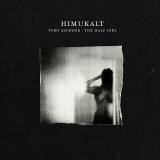
Enter Ester Kärkkäinen. For close to a decade now, she has developed her own voice, tread her own path, and exorcised her own demons in her unique take on Power Electronics, recording as Himukalt. A Power Electronics album based on the collapse of a relationship is probably not as uncommon as one might think. The sexual violence portrayed through Power Electronics may very well have had its origins in the heartbroken, scorned, or otherwise romantically mistreated. Kärkkäinen gives us two very different perspectives on these themes through two rather different sounding records. There is Last Wish from the plague year of 2020, and there is Torn Asunder: The Half Girl, recorded in 2019. Where the 2020 record is a long-form fever dream of the erotic gone horribly wrong and turned morally questionable, Torn Asunder is the more fractured, yet more concise extrapolation of Kärkkäinen's anger, horror, confusion, and depression from the end of a sexless relationship. She nakedly reveals a psyche that has been shattered, scarred, and broken as she alternates between deadpanned proclamations and barked sermons amidst the harrowing articulation of heavy industrial electronics, laced with shrill feedback tones, disjointed rhythms, and harsh noise outbursts. Torn Asunder stands as a significant milestone in Himukalt's catalogue, but remains one her most rarely heard documents given it was originally published as part of Helen Scarsdale's instantly out of print, 10 cassette On Corrosion boxset. With this vinyl reissue, Torn Asunder can get a proper re-evaluation as one of her strongest works.
Hailing from Las Vegas, Himukalt began in 2016 as a vehicle for Kärkkäinen's noise constructs and crude programming that found references to Puce Mary, Anenzephalia, and Atrax Morgue’s Mörder Machine. Since then, she has maintained a manic schedule with releases for Tesco Organisation, Cloister Recordings, Old Europa Cafe and her own EK Verlag. With the release of Torn Asunder, Helen Scarsdale terminates the mission for the On Corrosion reissue campaign.
Longform: Across two decades, the California-born hardcore outfit CEREMONY has earned its standing as one of punk’s most adaptable and unflinching bands, always ready to meet the moment without surrendering its principles. True to form, CEREMONY's seventh album, Tell Me Your Dream pushes the group’s punk-forged intensity all the way to the fore, capturing the quintet at its most expressive, expansive, and timely. “We’re living in an era of mass uncertainty,” says CEREMONY vocalist Ross Farrar. “In punk, I don’t see how you can’t respond. It’s taken over our lives in so many different ways — economically, politically, spiritually. We want people to wake up and get into what’s happening.” Ferociously alert, Tell Me Your Dream reunites CEREMONY — Farrar, guitarist-keyboardist Anthony Anzaldo, guitarist Andy Nelson, bassist Justin Davis and drummer Jake Casarotti — with producer John Reis for ten songs of searing breadth. That means everything from bristling hardcore to moody post-punk — all while taking fundamental inspiration from Discharge, Crass, and other anarcho-punk troupes that first helped certain members of CEREMONY find their own political voices back when they were teenagers. The result is a culmination of the band’s 21 years together, if not some kind of riddle: CEREMONY knows how to make a return-to-form sound like evolution — and vice versa.
Die Firma GAMA aus Kirchheim/Teck galt in den Achtzigern nach Noise Records und Steamhammer als wichtiges Label für eine neue Szene in Deutschland: Heavy Metal! Zusammen mit Companieswie Earthshaker, Wishbone oder Mausoleum sorgte man für die etwas kleineren Brötchen in diesem Segment und konnte sich auch bei der Presse nie so durchsetzen wie die Großen. Trotzdem sind Namen wie Stormwitch, Darkness oder SDI auch heute noch ein Begriff – oder: Gerade heute wieder! Viel hat sich getan, seit GAMA und ihre Labels Scratch, SL-Records, Sri Lanca, Hot Blood, Wave, Camel, Scratchcore, Peak und Tales Of Thrash ca. 1990 von der
Bildfläche verschwanden und die folgenden Jahre von Budgetfirmen wie WZ und Laserlight Digital ausgeschlachtet wurden, was den Ruf einiger Bands zunächst geschadet hat. Doch eine neue Metalszene feiert den Oldschool-Sound der Achtziger und hat schon Anfang der 2000er das Repertoire der Kultfirma aus Kirchheim/Teck für sich entdeckt.
Platten, die man noch zuvor für zwei DM in der Wühlkiste fand, stiegen auf einmal im Preis und wurden zu Raritäten. Bands wie SDI, Stormwitch oder Necronomicon rocken wieder die Bühnen und treffen auf eine neue Generation Fans. In Südamerika und Osteuropa gibt es regelrechte GAMA-Fanclubs. Kein Wunder, dass in Brasilien ein Buch über die längst verblichene Firma veröffentlicht wurde („Cry Out For Metal“). Es gibt zahllose Beweise, dass der B-Klasse-Ruf von GAMA in den meisten Fällen falsch, aber auf alle Fälle überholt ist. Das beweist auch die 3er VINYLBOX „GAMA Records – The Vinyl Boxset“. Zwei Bands sind im GAMAUniversum keine Unbekannten: VETO und TOX. SCHLOSS hingegen sind ein heute rarer Geheimtipp des Labels. Sowohl eine GAMACompilation (2CD), als auch viele einzelne Titel als remasterte Editionen auf Golden Core/ZYX, konnten nicht nur gute Kritiken und erfreute Fans erzeugen, sondern auch ordentliche Verkäufe. Nun gibt es drei dieser Klassiker in einer Box!
Nia Archives returns with Emotional Junglist, an album about love – but not just the shimmering romantic parts. Written throughout 2025 – a year that saw Nia fall in, and horrifically back out of, love – each track will encompass something of the experience.
Marking her biggest sonic leap to date, her alt-jungle sound honed alongside James Ford (Arctic Monkey’s, Blur), Ethan P. Flynn (FKA Twigs, David Byrne) and Julia Michaels (Lady Gaga, Sabrina Carpenter), will see her flirt with everything from dewy-eyed indie pop and nineties electronica, underscored by the syncopated beats and thudding basslines of her jungle roots with a tracklist that features Jorja Smith and Sampha.
The motif for the album is a shell – tough on the outside, but through pressure, maturation and resilience, something precious is built within. Nodding to the female form, the spiral chamber also symbolizes growth and self-development.
out of Stock
Last delivered 63 days ago available to reorder, subject to availability
Brannten Schnüre is an experimental dark folk group out of Würzburg, Germany. Christian Schoppik composed and played all the music, Katie Rich whispers, recites and sings. Together they make astoundingly beautiful folk with a rich instrumentation leaning towards the atonal spectrum. Instrumental wanderings stand alongside Nico-esque poetry tales. Christian plays the accordeon and in some songs guitar and flute. Inspired by hierophants like Nový Svet and David Jackman, solemn song fragments (a lot of old greek rembetiko-recordings) are modified and looped, with additional instruments and voices being integrated later on. Their music has been described as 'surreal folkcollage' and 'german hauntology'.
With the emergence of Schoppik's second project, a dada cabaret called Agnes Beil in 2010, Brannten Schnüre moved closer to the song structures of its frivolous sibling. The songs of Schoppik's latest creation Sommer im Pfirsichhain are further accompanied by a female singing voice, lending the pieces the voluptuous quality of a stickily tense midsummer. Sommer Im Pfirsichhain (Summer In The Peachgrove) is the second part of a quartet of releases. The first being Aprilnacht which got released on Sic Sic Tapes last year. Part three Geträumt hab' ich vom Martinszug and part four will follow later.
Reference points are bands like Winter Family and Twinsistermoon. Music etched on folkloric, ritual elements transferred into the 21th century. Also worth mentioning is the hand-drawn artwork which is made by artist Gwénola Carrère.
Underground legend Orlando Voorn joins Craigie Knowes for his label debut EP ‘Navigate’. Quintessential Orlando Voorn house journeys on the A-side accompanied by 2 slappin’ house trax on the B-Side. A rounded EP of tracks for DJs in need of something to get the party started or to trip the dancefloor out when space for breathing is required.
out of Stock
Last delivered 27 days ago available to reorder, subject to availability
These days – on the new, ninth Fink album – Greenall is operating within a lineage of authentic, quietly revolutionary artists from England’s verdant southwestern toe. Artists like Michael Chapman. In 1970, the elusive acoustic guitar wizard released an album called Fully Qualified Survivor. The cult-classic served as a lodestar for Greenall – along with bandmates Tim Thornton and Guy Whittaker – as he began jigsawing together The City Is Coming to Erase it All, the follow-up to 2024’s Beauty In Your Wake. He even considered covering a song from it, but in the process, inadvertently stumbled into what became the album’s opener. ‘Wishing For Blue Sky’ circles a universal teenage ache: waiting for life to start. “No point dying of patience” goes the first lyric as crunching footsteps cue a resonant, open-tuned acoustic swaying into view. By 18, Greenall was fed up with waiting, so he left suburban Bristol and saw the world, sending postcards from the edge, waiting tables, squirreling away tips for the next flight. Thornton had similar experiences when the guitarist/drummer busked across Eur
This is nowstalgia more than nostalgia, though; there’s a parallel between these 18-year-olds and Fink’s autumn-aged family men. “You’re expected to be boring and settling down at this age,” Thornton says. “But we’ve still got this tremendous wanderlust. We want to go and discover, and also achieve things. It’s a nice life – home and family – but fuck, I can’t wait to get back out there.” City is a product of this hunger for discovery, and idolatry of the album as a form – like we had in 1974. City’s cover mirrors its interior, the first song is the greeting, the instrumental closer the conclusion. It’s a story. It’s a record for people who, like its creators, are curious. People who happily face a little cold for music, who light a crackling fire back home, who sit with these songs until they’re ready to chase after their own blue sky
out of Stock
Last delivered 3 months ago available to reorder, subject to availability
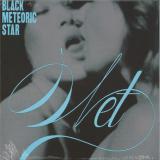
Wet is the fifth full length album by Black Meteoric Star and the 10th release. Black Meteoric Star is a project Rayna started in 2006 when she was living in Berlin that brought together her life long love of dance music culture with spiritual themes, drag, and her formative experiences of S/M culture Black Meteoric Star has always had an avenger quality in Rayna's life and creative work, and this iteration plays that role in response to the current political landscape. Wet celebrates the long standing shared history of electronic music and queer leather/SM culture and imagines a future where these two cultural expressions are re-connected.
Electronic music and leather/SM are both ways that queer people have historically built community, created and shared knowledge, and kept each other safe. The current administration demonizes and villainizes queer people on the basis of a false moral framework of respectability, and its a trick. No amount of acting "respectable" will humanize queer people in the eyes of this administration and get us the rights we deserve. Revitalizing the connection between electronic music and queer leather/SM is a way to affirm the cultural power of both during a time when it has never been clearer that we keep each other safe. Rayna, a transgender woman with a deep commitment to all of these cultural forms, has a strong message to deliver with this album. She has been a DJ and producer of electronic music for over thirty years and has been producing community cultural events for as long. She has also been involved in kink and bdsm for decades and is a well-known and respected DJ in the New York leatherdyke scene. Rayna made international headlines in 2017 when she came out as transgender while touring with LCD Soundsystem. In 2018 she left the Grammy winning band to pursue projects that were more connected with her queer experience, including founding Voluminous Arts a cultural organization that supports trans artists. Black Meteoric Star is a continuation of a thread in Rayna's work that runs through her Paper Eyes project and her role in Black Leotard Front. This thread has a comic book or x rated graphic novel component based around her experiences of being a sad lonely lesbian trans girl who got bullied a lot and found escape and the possibility of being avenged through X men comics and Dungeons and Dragons books.
Laid Back in Top Form: New Music Flowing After 47 Years
After 47 years together, the iconic Danish duo Laid Back continue to defy expectations, entering a new and remarkably productive creative phase.
Their upcoming album, Born to Fly, captures their unmistakable sound while showcasing a renewed sense of energy and inspiration
“We feel like we are meant to make music. And when we play music, it feels like we’re flying,” says John Guldberg, reflecting on the album’s title and spirit.
Long known for their unhurried approach to releasing music, Laid Back now find themselves in unfamiliar territory. Guldberg describes a surge in creativity that has
turned their process on its head.
“It’s kind of funny — Laid Back has always taken its time making records. We’ve been behind schedule for most of our career. Now it’s the opposite:
I’m actually starting to worry about whether I’ll have time to release everything I’ve got in me,” he says.
Their current workflow reflects this momentum. Guldberg develops initial ideas,which he shares with Tim Stahl, who then brings them to life with vocals and instrumentation.
“When he sends me something and I start singing and playing on it, that’s when it really becomes Laid Back,” says Stahl.
The duo’s creative output has accelerated to such an extent that even ahead of the release of Born to Fly, they already have enough material prepared for more than a double album for their next project.
“It’s about making the most of the time you have left. I used to feel there was plenty of time and no need to rush. Now time feels much more valuable,” Guldberg adds
.
Alongside their creative resurgence, Laid Back are also seeing a shift in their audience demographics. Streaming data and live performances indicate a growing younger fanbase — a development that has taken the duo by surprise.
“I’m really looking forward to getting back out on stage. We still have the urge to perform, and we love making people happy. That’s what our music is for,” says Stahl.
Born to Fly is set for release across CD, vinyl, and digital formats. Laid Back will also perform in selected cities across Europe later this year 2026.
“We hope people can hear that we’ve grown — and that it still makes sense for us to make new music,” says Guldberg.
out of Stock
Last delivered 45 days ago available to reorder, subject to availability
Volume 16: The Original Masters is classic Triple Six Mafia down South
Hip Hop
DJ Paul has been a highly influential writer, producer, and artist since 1994. His
dark production, often referred to as Gangsta, Crunk, Horrorcore and sometimes
Hardcore Hip Hop, really stands apart from the corny rap of the current era. Paul
has created a truly unique sound that continues to resonate after all these years.
Featuring Koopsta Knicca, Gangsta Blac, Kingpin Skinny Pimp, Lord Infamous,
and the late great Gangsta Boo.
On her second EP "Reality Check", Kuoko continues to make her way and search for her own answers. On the follow-up to her debut "Lost Woods", her electro-pop sound remains mystical and spherical, but, as the title implies, this project sees the Hamburg-based music producer deal with a number of quite tangible, personal and social topics. On songs like "Floating" or "Hiding in the Dark" she reminds us to follow our guts despite the ever- increasing pressures of society and technology . Despite the heavy undertone, the atmosphere remains positive all throughout the EP as Kuoko"s crystal-clear voice floats through the elaborate, ethereal soundscapes that she created. After putting out her debut EP in 2018, playing several live shows - three of them at the Reeperbahnfestival - and winning a local award for emerging artists (Krach + Getöse), the young multi- talented artist now invites us to check out her latest work. Accept this invitation and give it a listen. It"s definitely worth it.
These days – on the new, ninth Fink album – Greenall is operating within a lineage of authentic, quietly revolutionary artists from England’s verdant southwestern toe. Artists like Michael Chapman. In 1970, the elusive acoustic guitar wizard released an album called Fully Qualified Survivor. The cult-classic served as a lodestar for Greenall – along with bandmates Tim Thornton and Guy Whittaker – as he began jigsawing together The City Is Coming to Erase it All, the follow-up to 2024’s Beauty In Your Wake. He even considered covering a song from it, but in the process, inadvertently stumbled into what became the album’s opener. ‘Wishing For Blue Sky’ circles a universal teenage ache: waiting for life to start. “No point dying of patience” goes the first lyric as crunching footsteps cue a resonant, open-tuned acoustic swaying into view. By 18, Greenall was fed up with waiting, so he left suburban Bristol and saw the world, sending postcards from the edge, waiting tables, squirreling away tips for the next flight. Thornton had similar experiences when the guitarist/drummer busked across Eur
This is nowstalgia more than nostalgia, though; there’s a parallel between these 18-year-olds and Fink’s autumn-aged family men. “You’re expected to be boring and settling down at this age,” Thornton says. “But we’ve still got this tremendous wanderlust. We want to go and discover, and also achieve things. It’s a nice life – home and family – but fuck, I can’t wait to get back out there.” City is a product of this hunger for discovery, and idolatry of the album as a form – like we had in 1974. City’s cover mirrors its interior, the first song is the greeting, the instrumental closer the conclusion. It’s a story. It’s a record for people who, like its creators, are curious. People who happily face a little cold for music, who light a crackling fire back home, who sit with these songs until they’re ready to chase after their own blue sky
Ital Tek's new album 'Mind Abandon' takes a different direction from his recent run of releases, embracing a more human touch in contrast to the dense, world-building drone of his previous albums and film work. This time, he set out to compose away from the computer as much as possible _ working more instinctively and allowing himself to get lost in the music. Alan found the most natural starting point was his own voice, processing vocals into shifting pads and textures. His guitar sits at the centre of much of the record, joined by live, hand-played percussion and effects, often captured in quick, spontaneous performances. The result is an album of spacious, contrasting dynamics, with textures pressing against each other and rhythmic elements fighting to surface from glutinous, layered sound. "It feels like a very introspective record for me," Alan says. "Losing my sense of identity/self as part of the process - the increasing effort to calm my mind and embrace humanity/imperfection in the music. This path made sense as a jumping off point for a lot of the music to be vocal or guitar experiments - singing in ideas and then processing to become less identifiable." The album feels carved and three-dimensional, weaving industrial and shoegaze influences with the darker edges of post-rock. Subtly embedded in its architecture are traces of dubstep dynamics _ a sound that remains part of Alan's DNA. Opening track "The Ice Is Thin" is driven almost entirely by live guitar and keyboard, awash in reverb. On "A Hidden Path," everything apart from the drums stems from processed vocals and guitar, with a fleeting appearance from his daughter's toy ukulele. It unfolds like the beginning of a journey _ vast and cinematic _ nodding to the widescreen tension of Ennio Morricone before building into a towering wall of noise. "Killswitch" disorients with pounding kick drums crafted from twanging acoustic guitar, pushing through layers of static-charged chords. "Undertow" spirals outward on looping guitar figures set against a pulsing Rhodes. "Misted," built around a rare four-to-the-floor beat, uses guitar as a driving rhythmic device, opening with a bassline that wouldn't feel out of place on a The Cure record. "Imagined Landscape" introduces icy keyboard textures that foreshadow the dark closer, "The Pull," where an arpeggiated bassline reminiscent of DAF underpins unnerving, internalised sound design that feels as though it's scratching from within. Mind Abandon closes on a heavy, stalking note _ fresh sounds drawn from the body and the heart.
out of Stock
Last delivered 4 months ago available to reorder, subject to availability
Reissued! Transcendence through repetition beamed via an aesthetic vision steeped in mystery: welcome to the world of Newcastle-Upon-Tyne's Smote, an entity opening up uncanny new psychic pathways. `Genog' - the outfit's second release on Rocket Recordings following 2021's eerie transmission `Drommon' - shows that Smote's elliptical casting of bleak magick is only growing more powerful as it gathers momentum. The brainchild of Daniel Foggin, Smote has evolved seemingly of its own volition. "I had the idea for years" he relates, "I love Pärson Sound, Träd, Gräs Och Stenar, Traditional Irish Folk and all sorts of different Drone and Folk music. It was simply finding the opportunity to sit down and get recording. A very heavy influence that affects Smote is fantasy as a genre, and the atmosphere that can be created via story-telling." The musical approach of Smote may have started out as a resolutely DIY one, yet from the humble origins of bedroom and rehearsal room recordings, the band has now become a full-fledged and powerful live band, whose appearances at festivals like Roadburn, Le Guess Who and Brave Exhibitions have already caused a considerable stir.The five vivid extrapolations on Genog conjure differing spiritual realms, yet combine and coalesce to offer one unified vision, building furious momentum in a manner that unites the pastoral with the arcane and otherworldy. Earthy, ritualistic and richly cinematic in aspect, Genog is an avatar guiding the listener to dark and beguiling imaginary landscapes. 2026 bone colour vinyl repress