Known for her powerful vocals, dynamic stage presence, and diverse musical influences, LA-based soul and funk singer Nikka Costa returns from a musical career break with future-forward disco-inspired sounds on ‘Dirty Disco’.
The lyric “Everyone is welcome, everyone’s an Avatar” denotes a place where anyone can go to be themselves and let their freak flag fly! and sets the tone for her disco and soul fused, progressive album, which is recorded with and produced by Justin Stanley (Prince, Jamie Lidell, Beck etc). Along with the talents of versatile musicians such as Brandon Coleman (Kamasi Washington, Thundercat, Donald Glover, Flying Lotus), Greg Phillinganes (Michael Jackson, Stevie Wonder) and Kaveh Rastegar (John Legend, Beck), Nikka Costa invites you to immerse yourself in her “Dirty Disco” world.
“Dirty Disco is about a place anyone can go to be themselves and let their freak flag fly! It’s about a place where no one is looking, no one cares what you're doing or what you're into. It could be a disco, but it could also be another planet or headspace or vibe. It's dark and sparkly, blue and purple. Gritty, raw and sexy. Whatever you want it to be.” - Nikka Costa
"Tagträumer" heißt das mit Spannung erwartete zweite Studioalbum von ErnstFall. Auf den 11 brandneuen Songs erzählt Frontmann Dominic Ernst von den Träumen die uns alle antreiben, Geschichten aus dem eigenen Leben, direkt aus den Straßen und Clubs, die er sein Zuhause nennt. Es geht um Höhen und Tiefen bis hin zu Träumen die ihn am Laufen halten. Dieses Album bietet eine unverblühmte Dartstellung dessen, was es bedeutet, ein echter Tagträumer zu sein.
Musikalisch haben ErnstFall im Vergleich zu ihrem Debütalbum "Jungs bleiben Jungs" noch mal eine Schippe drauf gelegt. Mit Features von Bands wie HERBST und dem renommierten Produzenten Warthy wird "Tagträumer" zu einem Kunstwerk, das die Vielfalt und die Gemeinschaft des Punkrocks zelebriert und dabei überraschend massentauglich ist. Mit ihrer Mischung aus deutschsprachigem Rock, Punk und Ohrwurm-lastigen Melodien führen ErnstFall ihren Weg nach oben kontinuierlich weiter!
"Tagträumer" erschein als limited Splatter Vinyl, Digipak inkl. Poster
When Man Man released its last album, "Dream Hunting in the Valley of the In Between," frontman Honus Honus (née Ryan Kattner) was in a state of unrest, oscillating between hope and cynicism. Perhaps fittingly, the album dropped during the pandemic, a time at which we could all relate. But, much like that bizarre turn of events, the ennui now seems so distant to Man Man. A revived sense of purpose washes through Man Man's new album, Carrot on Strings, radiating a mix of calm and confidence. Kattner always embodied a wild-man pied-piper vibe: his melodic, unhinged art-rock was at once intriguing and angsty. He was so alluringly creative that you went along with it, even if you were never sure where Man Man would take you. Carrot on Strings is no less inventive, but its ethos is radical in context of the band's two-decade career. "When I was younger, I would feed off of chaos. I would, you know, be upset and get drunk and smash chairs," Kattner explains. "Now those chairs are in my head: It's less of an outward projection, more of an interior monologue." The name "Carrot on Strings" came to Kattner while experimenting with the sound of someone munching on the vegetable, which you can hear in the cacophonous, similarly named song. It alludes to how success always seemed to dangle uncertainly before him, often just out of reach. But listen intently and you'll hear a more content Kattner finding an uneasy peace: "Life, as far as I've known it, has always been side hustles. Would it be great if I could go into a studio and record for a year without figuring out how to finance it? Yeah, it would be," he says. "But ultimately, I need to keep making music because art is an extension of my psyche. It's how I have learned to translate the palpitations of my heart. Simply put, I'd go insane without it." Growing up as a multiracial Hapa kid (half Filipino, half white) with a father in the U.S. Air Force, Kattner lived an itinerant childhood that included a few pivotal years in Germany, where he honed in on an appreciation for out there German cinema and art. His film obsessions and screenwriting background were crucial to Carrot on Strings. The album nods to the films of Werner Herzog and Rainer Werner Fassbinder as much as Italo-disco, Randy Newman, goth rock, and avant pop. (Kattner continues to work in the film industry with an acting role in the upcoming horror-comedy movie Destroy All Neighbors, for which he also served as composer; music supervising season 1 & 2 of the Interview With The Vampire AMC TV series; and shopping around, with director Matthew Goodhue, a script he wrote that he describes as a Wim Wenders road movie on acid.) In a bid to not overthink anything - his last album took seven years to make - he recorded the bulk of Carrot On Strings in five days in Mant Sounds studio in Glassell Park, Los Angeles with "very chill" producer Matt Schuessler, who had worked on Man Man's cover of Neu!'s "Super" for the seminal Krautrock band's box set. The resulting album represents a newfound sense of self for Kattner, who finds himself inspired and at peace both personally and artistically in ways that eluded him for most of his first 15 years playing music. When, on Carrot On Strings, you hear Kattner croon humbly, or sing of the tension between his outsize stage persona and the thoughtful, soulful guy he actually is, you're hearing Kattner liberate himself. "I first got into music to escape from myself," he says. "And now, it sounds so corny, but I have zero doubt that music ended up saving my life."
Drei Jahre nach ihrem morbiden Manifest "Limbo", einer bitteren Abrechnung mit der Pandemie und ihren bestialischen Folgen, kehrt Wave-Alchemist Ronny Moorings zurück. Im Gepäck hat er einen schwarzen Blumenstrauß aus Trauergesängen für eine kranke neue Welt, Elegien für einen neuen Status quo, mit dem wir alle leben müssen.
Auch 40 Jahre nach ihrer Gründung sind CLAN OF XYMOX ein Leuchtfeuer tragischer Eleganz und düsterer Tristesse. Sie sind die unbestrittene, unangefochtene Speerspitze einer Szene, die zuletzt überraschend die Aufmerksamkeit einer viel jüngeren Generation auf sich gezogen hat, die ihre Angst und ihren Schmerz durch Musik wie diese ausdrücken will. Gerne doch! "Exodus" zeugt von diesem Ausnahmestatus und führt das Feld der prosaischen Trauer mit zehn neuen Hymnen von erlesener Nachtschwere an. Das Besteck, welches Ronny Moorings benutzt, mag noch dasselbe sein; das Ergebnis ist ein weiteres Meisterwerk voller sehnsüchtiger Melodien, weltabgewandten Vocals aus den Tiefen der Erde, hallenden Gitarren und hypnotischen Drums, die die Phantome in uns allen zum Mitternachtsschmaus einladen.
Wir tanzen direkt in den Abgrund, will uns dieses Album sagen. Aber wenigstens tanzen wir noch. Denn wenn es nichts mehr gibt, an das man sich wenden kann, wenn alle Hoffnung verloren scheint und die Welt uns unter Fluten biblischen Ausmaßes begräbt, bleibt manchmal nur noch, sich der Musik hinzugeben. Diesem fesselnden Exodus in Richtung Katharsis. Vielleicht ist das der Grund, warum "Exodus" einige der düstersten und niedergeschlagensten Stücke enthält, die Ronny Moorings seit vielen Jahren geschrieben hat. Vielleicht ist das der Grund, warum diese Platte mit den besten Veröffentlichungen von THE CURE mithalten kann. Weil die Zeiten, in denen wir leben, ihn dazu gezwungen haben. Weil es einfach keinen anderen Weg gibt, als all seinen Kummer, seine Wut und seinen Weltschmerz in seine klagende Musik einfließen zu lassen. Nicht, weil die Welt danach eine bessere sein wird. Sondern weil es für ihn die einzige Möglichkeit ist, mit dem brutalen Wahnsinn, den wir Alltag nennen, fertig zu werden.
"Exodus" ist kein Album für Träumer. Es ist aber auch kein Albtraum - trotz der Schatten, die unter der Oberfläche brüten. Es ist ein Tor für all jene, die die Dunkelheit unserer Tage anerkennen und sich dennoch weigern, aufzugeben. Lasst uns also diese nächtlichen Wiegenlieder gemeinsam singen und tanzen, solange wir noch einen Boden dafür haben. Denn das ist alles, was wir im Moment tun können.
Needle Mythology, the label founded by music writer, author and broadcaster Pete Paphides, is thrilled to announce the signing of the eagerly anticipated debut album by London singer-songwriter and renowned DJ Iraina Mancini. Iraina’s singular pop vision will be known to regular listeners of 6 Music, where her singles ‘Undo The Blue’, ‘Deep End’, ‘Shotgun’ and ‘Do It (You Stole The Rhythm)’ have all been enthusiastically embraced. Iraina's obsession with music stretches back into her early childhood, much of which was spent absorbing her parents’ collection of old 45s, in particular her dad’s Northern Soul records – an alternative education which meant that, by her early 20s, she was a familiar presence in the DJ booth at many discerning London club nights. Her love of French ye-ye, British freakbeat, Brazilian bossa nova, soul, and Turkish psych will be well-known to regular listeners of her Soho Radio show. Having always sung from a young age, Iraina embarked on a string of collaborators such as Jagz Kooner (Sabres Of Paradise), Sunglasses For Jaws (Miles Kane) and Simon Dine (Paul Weller, Noonday Underground) which truly saw her find her metier as a songwriter, conjuring melodies that stand shoulder to shoulder alongside her impeccable influences. Iraina describes her first single for Needle Mythology ‘Cannonball’ as “a celebration of that moment when you meet someone you really fall for and it knocks you for six. It can be a bit scary, but you’ve just got to go with what your intuition is telling you.” Written with Simon Dine, the vertiginous heart-in-mouth abandon of the song perfectly mirrors the circumstances that brought it into being. Iraina cites Jacqueline Taïeb’s 1967 single 7h du Matin as an early inspiration for the song: “There’s such a great energy about that song. Her vocal is amazing and all those stops and starts that grab your attention.” “This is an artist I absolutely love, one of our rising stars at 6Music.“ Lauren Laverne BBC 6Music “Iraina seizes on the best aspects of the past, blurring those impeccable 60s and 70s influences with a touch of modernity.” Clash “Full of femme fatale poise and swooning chanteuse flourishes.” The Times
Drei Jahre nach ihrem morbiden Manifest "Limbo", einer bitteren Abrechnung mit der Pandemie und ihren bestialischen Folgen, kehrt Wave-Alchemist Ronny Moorings zurück. Im Gepäck hat er einen schwarzen Blumenstrauß aus Trauergesängen für eine kranke neue Welt, Elegien für einen neuen Status quo, mit dem wir alle leben müssen.
Auch 40 Jahre nach ihrer Gründung sind CLAN OF XYMOX ein Leuchtfeuer tragischer Eleganz und düsterer Tristesse. Sie sind die unbestrittene, unangefochtene Speerspitze einer Szene, die zuletzt überraschend die Aufmerksamkeit einer viel jüngeren Generation auf sich gezogen hat, die ihre Angst und ihren Schmerz durch Musik wie diese ausdrücken will. Gerne doch! "Exodus" zeugt von diesem Ausnahmestatus und führt das Feld der prosaischen Trauer mit zehn neuen Hymnen von erlesener Nachtschwere an. Das Besteck, welches Ronny Moorings benutzt, mag noch dasselbe sein; das Ergebnis ist ein weiteres Meisterwerk voller sehnsüchtiger Melodien, weltabgewandten Vocals aus den Tiefen der Erde, hallenden Gitarren und hypnotischen Drums, die die Phantome in uns allen zum Mitternachtsschmaus einladen.
Wir tanzen direkt in den Abgrund, will uns dieses Album sagen. Aber wenigstens tanzen wir noch. Denn wenn es nichts mehr gibt, an das man sich wenden kann, wenn alle Hoffnung verloren scheint und die Welt uns unter Fluten biblischen Ausmaßes begräbt, bleibt manchmal nur noch, sich der Musik hinzugeben. Diesem fesselnden Exodus in Richtung Katharsis. Vielleicht ist das der Grund, warum "Exodus" einige der düstersten und niedergeschlagensten Stücke enthält, die Ronny Moorings seit vielen Jahren geschrieben hat. Vielleicht ist das der Grund, warum diese Platte mit den besten Veröffentlichungen von THE CURE mithalten kann. Weil die Zeiten, in denen wir leben, ihn dazu gezwungen haben. Weil es einfach keinen anderen Weg gibt, als all seinen Kummer, seine Wut und seinen Weltschmerz in seine klagende Musik einfließen zu lassen. Nicht, weil die Welt danach eine bessere sein wird. Sondern weil es für ihn die einzige Möglichkeit ist, mit dem brutalen Wahnsinn, den wir Alltag nennen, fertig zu werden.
"Exodus" ist kein Album für Träumer. Es ist aber auch kein Albtraum - trotz der Schatten, die unter der Oberfläche brüten. Es ist ein Tor für all jene, die die Dunkelheit unserer Tage anerkennen und sich dennoch weigern, aufzugeben. Lasst uns also diese nächtlichen Wiegenlieder gemeinsam singen und tanzen, solange wir noch einen Boden dafür haben. Denn das ist alles, was wir im Moment tun können.
Keith Hudson was a one-of-a-kind musical innovator with an impeccable track record from the start: his first studio recording involved former Skatalites, and his earliest releases provided solid-gold hits for Ken Boothe (“Old Fashioned Way”, 1967), John Holt, Delroy Wilson, U-Roy and the others.
With Pick A Dub Hudson produced one of the best dub albums ever, and with The Black Breast Has Produced Her Best, Flesh Of My Skin, Blood Of My Blood he released the first concept album in reggae history, bringing his all-around talents to full fruition as early as 1974. Thematically dedicated entirely to Black history, the latter of these two albums is a masterpiece that captivates with an atmosphere that is as dark as it is deeply spiritual, charged by Hudson's eccentric vocals. Like Lloyd Bullwackie Barnes, his splitting from tradition was dynamic and all his own.
As his career moved on, Hudson found himself working outside of Jamaica, more frequently in London and New York studios and for transatlantic audiences, his dark experimentalism becoming increasingly better suited to the LP than the cardinal 7” reggae format.
Playing It Cool & Playing It Right was released in 1981 on the Joint International label, in NYC, with Lloyd Bullwackie Barnes as the executive producer. The Love Joys and Wayne Jarrett, stalwarts of Barnes' record label, Wackies, would also inimitably feature Hudson at the microphone. Like Bullwackie, Hudson was a devotee of Coxsone Dodd’s Studio One and Playing It Cool & Playing It Right follows Dodd’s then strategy of overdubbing his signature rhythms. The Studio One sides were aimed at the dancefloor and Hudson’s reworkings of tracks like “Melody Maker” are more psychological. Here, deep Barrett Brothers rhythms are made deeper with reverb, filters and distortion; everything pitched down and overlaid with new recordings of guitar, percussion, keyboard, and voice, often heavily treated.
Playing It Cool & Playing It Right continues Hudson’s psycho-acoustic journey into the abysses of existence, and overwhelms with the beauty of artistic self-empowerment. "Too much formula," sings Hudson, whose voice is occasionally reminiscent of Sly Stone or even Tom Waits. "Darkest night," answers an echoing background choir elsewhere. Even more fascinating is Hudson's production, which reflects Black history in even the smallest sound detail, the flashing whip of the slave driver still echoes in the sound of the snare drum. Rarely has a roots sound been made so electrifying, so expansive in all directions, so crystal clear, so bass-warm and echophonic as on these 30 minutes of music.
Playing It Cool & Playing It Right is legendary, strange, utterly compelling music that has possibly never been more topical than it is today.
out of Stock
Last delivered 23 months ago available to reorder, subject to availability
"Ich bin neu in der Hamburger Schule" haben Tocotronic 1995 gesungen. "Die Lehrer sind alle ganz nett hier und die meisten meiner Mitschüler auch." Doch wer sind die "Lehrer" dieser 1993 gegründeten Band, die erst spät zu der unter dem Namen "Hamburger Schule" bekannten Szene gestoßen ist? Und wie blicken die "Mitschüler" heute auf die Musikszene, die sich ab Mitte der Achtziger an den Tresen, in den Übungsräumen und Konzertsälen der Hansestadt entwickelte? Zu einer Zeit als Deutschpunk stumpfer und die Neue Deutsche Welle schlagerhafter wurde, entstand irgendwo dazwischen etwas Neues, Eigenes. Noch ohne Trainingsjacken, Seitenscheitel und deutschsprachige Texte herrschte zunächst eine musikalisch wilde Mischung vor - Alternative neben Northern Soul, Punk neben Noise, Pop neben Instrumentalmusik. Erst nach und nach schälte sich der deutschsprachige, intellektuelle Diskurspop heraus, der zum Markenzeichen - und Klischee - der Hamburger Schule wurde und Bands wie Blumfeld, Die Sterne oder Tocotronic zu überregionaler Bekanntheit führte. "Der Text ist meine Party" begleitet zahlreiche Akteur:innen auf ihrem Weg aus der Provinz nach Hamburg. Viele der Musiker:innen hatten in der Punkszene die Selbstermächtigung, den Do-it-yourself-Ethos erlernt und gründeten Bands und Tonstudios, Labels und Konzertorte. "Der Text ist meine Party - Die Hamburger Schule 1989-2000" ist das musikalische Pendant zum gleichnamigen Buch von Jonas Engelmann (Ventil Verlag). Auf der Compilation finden sich viele Musiker:innen, die auch im Buch zu Wort kommen und einige mehr.
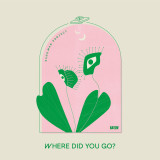
Sandman Project"s long awaited debut album Where Did You Go? is a borderless amalgam of brass heavy sounds, a document of a band whose musical tendencies mimic their open-minded ethic where Ethio- jazz, Afrobeat, American soul music and psychedelic, Mediterranean funk traverse.
Fast 20 Jahre ist es her, dass Seasick Steves gefeierter Auftritt in Jools Hollands Hootenanny den unbekannten amerikanischen Singer-Songwriter zu weltweitem Ruhm verhalf, und seine verbeulte dreisaitige japanische Gitarre und die alte hölzerne Stompbox Musikgeschichte schrieben. Die überwältigende Resonanz überraschte niemanden mehr als Steve selbst und traf ihn wie ein Blitzschlag, dessen Auswirkungen auch fast zwei Jahrzehnte später noch zu spüren sind – inzwischen ist er auf fast allen großen Festivals der Welt aufgetreten und hat über zwei Millionen Alben verkauft. Sein neues Album "A Trip A Stumble A Fall Down On Your Knees" erscheint über So Recordings. Es ist ein Album, von dem er stolz sagt, dass es sein bisheriges Lieblingsalbum ist: "This album was made by mistake, as the title suggests we just tripped and stumbled into it, and it became my favourite album ever and the piece of work I’m most proud of to date. There’s not a week goes by that I don’t thank my lucky stars for that night on the Hootenanny which has brought us here to this record."
A home, a house, has countless frequencies. Each room, each corner feels different. Swings differently. And as you grow older, you realize which corner is yours. But yeah, it takes time…
It certainly marks the end of an era when the house one called home as a kid no longer exists. This home, it was the starting point of so many journeys. Of one big, ongoing journey. And so it feels good, soothing, reassuring to at least return to a spot nearby – to that (proverbial) hill from where you can see it. Feel the vibe that made you.
Andi Haberl’s debut solo album as Sun is sort of dedicated to that house. It’s a journey leading to that hill overlooking everything that made him. It’s not about nostalgia, not about actually returning to a specific place. Instead, it’s about finding a personal frequency, an overlapping of sounds and samples, an open space that mirrors and extends whatever frequencies felt right at different points in time.
“To me, the results feel like Gold Panda/Four Tet meets Steve Reich meets Krautrock meets film scores. I just really wanted to create moods that touch me – and ideally others, too.”
Talking about his first solo album, Haberl recalls many stages: early compositions that ended up on Alien Ensemble’s albums, early DIY/home studio/multi-instrumentalist inspirations (Le Millipede), new technologies that came and went, even a set of wildly convincing arrangements (done with Cico Beck’s crucial input) that ultimately became stepping stones for yet another round of DIY takes. “It was a long, recurring process, and the songs went through so many different versions,” he says, talking about phases of growth (“I added more and more equipment over time”) and pruning, “cleaning up my music a bit.” Tending towards instruments that open up space, and slowly falling in love with sampling, he certainly didn’t rush things once it was time for interior design decisions ;)
“During this whole process I got to learn so much about my own taste, how I prefer to listen to the pieces, which musical elements really matter to me… and what my own voice is. For example, that acoustic elements are most important to me: the banjo, piano, drums, my voice, glockenspiel, trumpet, melodica. Anything that opens up some space.”
Every journey begins with a search: “Missing” with its plucked chords opens like a sunrise over pastoral plains, gently leading the way towards the intricate, playful explosion that occurs once a certain amount of energy (“Sun”) hits dirt and other surfaces: things grow, clot and curdle into new shapes, like new buds; layers of sound move forward, drenched in Spring’s new light. Relying on samples to ask for precipitation (“Rain On Me”), robotic “Low” goes from barren to bass-heavy after its midway shift in pace, full of loops plucked from the shade.
Towards the album’s midpoint, things are suddenly reversed: “Cluster” has that backwards pull, you can’t tell what’s what, yet everything is perfectly locked in, as the pace increases once again. And before the title song shimmers with densified cheering (to eventually stand tall like early Lymbyc Systym), “Beside Me” swipes you off your feet with its booming bass drum. The beat returns once again (“Daydream”), full of searching voices underneath, and at “Dawnday,” we can finally catch a melancholy view of the house. Voices hum. It’s the score moment of the album. Everything makes sense now. A happy end of sorts?
“I want to take people on a journey. A personal journey, too, because when my parents split up and sold the house I grew up in, I felt a bit like the ground had fallen out from under my feet. But I have dedicated the album title and the accompanying piece to this house… so I can keep it in good memory.”
“I Can See Our House From Here” has been a long time coming. It’s been a long journey. Homeward-bound. Leading to a place that’s really Haberl’s – his sound. His frequencies.
Known as a long-time member of The Notwist and various other bands/projects (Alien Ensemble, AMEO, jersey, Ditty etc.), Berlin-based drummer/composer Andi Haberl has also worked with My Brightest Diamond, Till Brönner, Owen Pallet, and Kurt Rosenwinkel, to name a few. “I Can See Our House From Here” is his first solo offering.
Don’t pretend like you didn’t know that this was coming. Yes, our first vinyl release from the mighty DeepStitched is here, and we have one of the longest standing artists on DeepStitched, Forteba. After having not released on vinyl for such a long time, we felt that Forteba will be the best option to open up this vinyl catalogue, that promises to change how we listen to deep house and dub techno on vinyl.
out of Stock
Last delivered 11 months ago available to reorder, subject to availability
After the successes of both L.D. 50 and The End Of All Things To Come, Mudvayne released their third studio album Lost & Found in 2005. It booked major success in the U.S., debuting at #2 on the Billboard 200. So far, the album has sold over a million copies worldwide and is their most successful album to date. It was produced by Dave Fortman, who has done production work for bands such as Godsmack, Eyehategod and Slipknot. Together with Fortman, they brought back the raw sound from their debut album L.D. 50.. Lost & Found features four singles: the Grammy Award-nominated “Determined”, “Fall Into Sleep”, “Forget To Remember”, and Mudvayne’s signature and most successful song chart-wise “Happy?”. The 2LP Lost & Found is available as a limited edition of 1500 individually numbered copies on gold & black marbled vinyl, housed in a gatefold sleeve and includes a 4-page booklet.
Bullet Train is the 2022 American action-comedy film by the Deadpool 2-director David Leitch and is based on the 2010 novel Maria Beetle, written by Kōtarō Isaka. In Bullet Train, Brad Pitt stars as Ladybug, an unlucky assassin determined to do his job peacefully after one too many gigs gone off the rails. Fate, however, may have other plans, as Ladybug's latest mission puts him on a collision course with lethal adversaries from around the globe - all with connected, yet conflicting, objectives - on the world's fastest train...and he's got to figure out how to get off.
The film features a number of original tracks. Most notably, the film contains Japanese language covers of "Stayin' Alive" by Bee Gees and "Holding Out for a Hero" by Bonnie Tyler. Composer Dominic Lewis noted that the film's soundtrack represents "all vibe and no technique".
For the first time, the soundtrack for Bullet Train is available on vinyl and comes in different editions, all based on the characters in the movie. All editions include a 4-page booklet, but each edition contains an exclusive Bullet Train boarding pass with corresponding picture of the character. This is the limited edition on Lemon coloured vinyl.
Brachiales Drumming, ein massiv drückendes Basslick und kreischende Gitarren - so eröffnet der heißeste Postpunk-Newcomer vom Monte Scherbelino - dem Trümmerberg aus dem 2. Weltkrieg auf dem Birkenkopf Stuttgarts - sein unverschämt souveränes Debütalbum "Scherbenhügel". Die 2021 gegründeten BERLIN 2.0, um die mit ihrer sonoren Stimme gesegneten Ausnahme-Vokalistin Elena Wolf, liefern damit ein absolutes Highlight ab, unter dessen waviger Oberfläche immer eine nicht von der Hand zu weisende, rohe Punkrockbasis lauert, die sich natürlich auch in den exzellenten deutschsprachigen Lyrics niederschlägt. Hardcore-Versatzstücke vermengen sich mit dem Einfluss von US Deathrock, bergen aber eben auch diese herrliche Pop-Affinität, die die 10 Stücke von "Scherbenhügel" gleichsam so fordernd und fragil wie dringlich und emotional wirken lassen. Zwar erwachen durchaus wohlige Erinnerungen an Bands wie Xmal Deutschland, II. Invasion, EA 80, Hysterese oder die Terrible Feelings, BERLIN 2.0 definieren auf "Scherbenhügel" aber meisterhaft ihren ganz eigenen wehmütig-desillusionierten Sound, der einen sofort einfängt und einfach nicht mehr los lässt.
High Roller Records, black vinyl, ltd 300, 425gsm heavy cardboard cover, insert, download code. Bevor Intranced bei High Roller Records unterschrieben, veröffentlichten sie eine EP und eine Single (zusammengefasst auf dem Mini-Album »Enhanced«). »Muerte Y Metal« nennt sich nun ihr erstes vollständiges Album.
High Roller Records, black vinyl, ltd 300, 425gsm heavy cardboard cover, insert, download code. Bevor Intranced bei High Roller Records unterschrieben, veröffentlichten sie eine EP und eine Single (zusammengefasst auf dem Mini-Album »Enhanced«). »Muerte Y Metal« nennt sich nun ihr erstes vollständiges Album.
Black Truffle is pleased to announce Resonant Trees, the first vinyl release from French composer-performer Léo Dupleix. An active member of the international community of younger musicians working with just intonation, Dupleix has composed works for solo instrumentalists and ensembles in Europe and Japan, as well as performing extensively on harpsichord, piano and electronics. His music is distinguished by a formal clarity and elegance of surface, gently shaping pure intervals into delicate melodic patterns and shimmering harmonic planes.
Resonant Trees presents two side-long pieces for harpsichord and ensemble, both setting slowly repeating patterns played on harpsichord and guitar within an environment of sustained tones. Dupleix performs on a French double manual harpsichord (tuned to a just intonation scheme of his own devising) and Prophet synthesizer, joined by Juliette Adam (bass clarinet), Johanna Bartz (traverso flute), Cyprien Busolini (viola), Fredrik Rasten (6- and 12-string guitars), and Mara Winter (traverso flute). The harpsichord begins Resonant Tree I alone, slowly sounding out a series of arpeggiated chords that emphasise the unique (and for unaccustomed listeners, sometimes unsettling) harmonic and timbral qualities of justly tuned intervals. Long tones from synthesiser, bass clarinet, viola and Baroque traverso flutes slowly creep into the spaces between the arpeggiated chords, joined after several minutes by delicate patterns of harmonics played by Rasten on acoustic guitars.
On Resonant Tree II, a similar structure and ensemble (without the flutes) are used with quite different results. We again hear only the harpsichord at first, but this time playing a series of flowing melodic lines, each of which is repeated several times. Joined again by long tones from the ensemble, here the viola is particularly prominent and its interplay with the harpsichord creates fascinating acoustic effects. In both pieces, repetition gives the music a static, stable quality while, at the same time, the exact shape of the repeating patterns remains difficult to grasp. As Dupleix writes, these pieces dream of music as ‘space and a sound that one could grasp in one’s hand.’ As the near-static quality of the repetitions and long tones with little incident make these two stretches of musical time feel like spaces for the listener to inhabit, the small variations on a narrow range of related material act like a three-dimensional object whose each facet is examined in turn. At once austere and seductive, Resonant Trees takes its place beside the work of contemporaries like Catherine Lamb, while also calling up the languorous melodic world of Mamoru Fujieda, the dignified melancholy of Satoshi Ashikawa’s classic Still Way and the espaliered chamber atmospherics of the Obscure catalogue.
Sect have a lot on their minds. With the release of their brand new single, New Low and the promise of Plagues Upon Plagues, the follow up full-length to 2019’s Blood of the Beasts, Sect explore the intersection of issues which have cascaded over us for the last five years, the “plagues” of the title referring to the literal pandemic, and the metaphorical plague of the political state and the rise of fascism.
Comprised of an international cast of stellar musicians, who cut their teeth in a formative moment of political, cynical, antagonistic extremes, Sect unites Scott Crouse (Earth Crisis, Tooth & Claw) & Jimmy Chang (Undying, Catharsis) - guitars, Steve Hart (Day of Suffering, Mania For Conquest) - bass, Andy Hurley (Fall Out Boy, Racetraitor) - drums and Chris Colohan (Cursed, Unwell) - vocals. They released No Cure For Death in 2017 and Blood of the Beasts in 2019.
Plagues Upon Plagues opens with the bereft waves of “No Uncertain Terms”, a side of the band we haven’t seen before. Vocalist Chris Colohan describes this album as “a funeral rather than a trial”, the activism of previous releases fading to sorrow and grief.
Lead single New Low follows with the advent of marching drums, a funereal procession for the world we hoped to build. There’s frantic horror on the album too, with the track “Drowning in Sorrows” taking a look at the ways in which we numb ourselves as a society. “#ForeverHome” is a bitterly angry track about how people used animals for both narcissistic virtue signalling and one-way comfort in the pandemic, and abandoned them en masse just as selfishly when social life came back. Speaking to their straight-edge principles and how that continues to feed into their songwriting, Chris says, “the only kind of straight edge songs I’m interested in writing are dynamic ones that address human realities that you don’t have to be straight edge to engage with.”
On Plagues Upon Plagues, Sect pierce through the veil of complacency, forcing listeners to confront uncomfortable truths about the fragility of our world. The band wields their sonic arsenal like a prophetic warning and with raw vocals and uncompromising lyrics, they confront the harsh realities of existence in these tumultuous times. As society teeters on the brink of chaos, Sect's cold hard statement resonates with an urgency that cannot be ignored.
"Known for her powerful vocals, dynamic stage presence, and diverse musical influences, LA-based soul and funk singer Nikka Costa returns from a musical career break with future-forward disco-inspired sounds on ‘Dirty Disco’.
The lyric “Everyone is welcome, everyone’s an Avatar” denotes a place where anyone can go to be themselves and let their freak flag fly! and sets the tone for her disco and soul fused, progressive album, which is recorded with and produced by Justin Stanley (Prince, Jamie Lidell, Beck etc). Along with the talents of versatile musicians such as Brandon Coleman (Kamasi Washington, Thundercat, Donald Glover, Flying Lotus), Greg Phillinganes (Michael Jackson, Stevie Wonder) and Kaveh Rastegar (John Legend, Beck), Nikka Costa invites you to immerse yourself in her “Dirty Disco” world.
“Dirty Disco is about a place anyone can go to be themselves and let their freak flag fly! It’s about a place where no one is looking, no one cares what you're doing or what you're into. It could be a disco, but it could also be another planet or headspace or vibe. It's dark and sparkly, blue and purple. Gritty, raw and sexy. Whatever you want it to be.” - Nikka Costa"
Bob Dylan released “Triplicate”, his third collection of pop standards. Like Dylan’s earlier albums, “Shadows in the Night” (2015) and “Fallen Angels”(2016), most of the songs have an association with the great Frank Sinatra. This double LP presents Frank Sinatra’s versions of many of the songs Dylan sang in these three forays into The Great American Songbook. Orchestras accompanying the iconic singer are led by Nelson Riddle, Gordon Jenkins, Billy May, Alex Stordahl, and Tommy Dorsey, among others. Dylan once related this about an encounter he had with Ol’ Blue Eyes: “He was funny, we were standing out on his patio at night and he said to me, ‘You and me, pal, we got blue eyes, we’re from up there,’ and he pointed to the stars. ‘These other bums are from down here.’ I remember thinking that he might be right.”
Roy Orbison was an American singer, songwriter, and musician known for his impassioned singing style, complex song structures, and dark, emotional ballads. Orbison's music is mostly in the rock genre and his most successful periods were in the early 1960s and the late 1980s. He performed with minimal motion and in black clothes, matching his dyed black hair and dark sunglasses. His nicknames were "The Caruso of Rock" and "The Big O". On this LP a selection of his 60’s hit singles including "Only the Lonely", "Running Scared", the ballad "Crying", the swinging rockabilly "Ooby Dooby", and "The Great Pretender”.
"The debut longplayer from Washington, DC-based Ekko Astral is a complex mesh of bubblegum noise punk and no-wave art rock that holds an elastic space for the knotty, tangled horrors of living in the imperial core. Their songs thrash with intense, necessary defiance against codified gender-based violence, their distortion and sibilance a direct response to the dangers outside our front doors.
pink balloons opener “head empty blues” specifically bites back against the terrors of the normative male gaze that dominates so much of American culture. Over a post-punk passage that plays call and response with a wall of harsh noise, frontwoman Jael Holzman belts playfully morbid details of the head-exploding anxieties that haunt her daily: “is it bon eye-ver or bon iver? / i don’t care / i’ve got stalkers outside / not going out tonight / gonna sit and take pics / in my underwear.”
Holzman formed the band in 2021 with best friend Liam Hughes (guitar), and eventually rounded out the band’s lineup with Miri Tyler (drums), Guinevere Tully (bass), and Sam Elmore (guitar). Ekko Astral’s local scene quickly welcomed the band for their wildly fierce live presence, emboldened by the community-building message behind the band’s mascara mosh pit brand.
Ultimately, Ekko Astral are here to uplift, a mission exemplified by the frenetic and bewitching pre-release singles “baethoven” and “devorah,” cornerstones of pink balloons in both style and theme. The former serves as a reminder to keep your larger than life personality in a world that wants to downsize you, where the latter proclaims urgent solidarity with missing and murdered people. Such crucial messages of upliftment are the foundation of pink balloons, and, by extension Ekko Astral, whose thrashing debut leaves no stone of solidarity unturned."
Are you ready to hear the best live band of the early ‘70s? We at Real Gone Music have been privileged and proud to release Fanny’s four classic Reprise albums, each a tuneful testament as to why they were the first all- female band signed to a major label. But there has always been a piece missing from the Fanny fable; for while the band hooked up with big-time producers and engineers like Richard Perry, Todd Rundgren, and Geoff Emerick, their studio albums never really were able to capture the sheer excitement they could generate in concert. However, buried away in a vault thousands of miles away from their Los Angeles base there long lay a recording that could make the Fanny myth a reality, one that could provide the emphatic answer as to why these four ladies were the hottest ticket on the Sunset Strip during the early ‘70s. Now, over 50 years later, its time—and their time—has come. Live on Beat-Club ’71-’72 presents the two sets Fanny recorded for the German TV show, mastered by Mike Milchner of Sonic Vision from hi-res mono files taken from the original videotape. Aside from the incendiary and incredibly tight performances, what immediately becomes apparent is that all four of these women were powerhouses in her own right. June Millington’s stringbending Les Paul wizardry, her sister Jean’s driving, melodic bass lines and Janis Joplin-esque vocals, Nickey Barclay’s intricate yet somehow rocking keyboard work, and Alice de Buhr’s precise, piston-like drumming punctuated by ferocious fills—put together Fanny was an overwhelming display of talent, Yet somehow, as these shows reveal, live they were greater than the sum of their parts. That’s why getting these recordings released has long been a crusade for Alice, and why June tells the story in the accompanying liner notes (which feature contributions from June, Jean, and Alice) that the engineer who was assigned to do the transfers of all the Beat-Club material told her that their material was the best in the vault, better even than Hendrix. We are releasing this invaluable archival recording on juicy peach vinyl and on CD with a bonus track of the soundcheck to boot. Essential for a full understanding of ‘70s rock!
Albums don’t get much more intimate than the ones made by Stina Nordenstam. The Swedish singer layers her delicate voice over minimal, ambient soundscapes, and her lyrics are impressionistic, personal, and poetic. It’s like you’re swimming in her stream of consciousness, which is a pretty nice place to be, especially on this 2001 album, which presents Stina at her dreamiest and poppiest. Long desired by vinyl fans, This Is Stina Nordenstam is here in a clear pressing with a color inner sleeve featuring lyrics. Mitchell Froom co-produces; includes a couple of duets with Suede’s Brett Anderson (on “Trainsurfing” and Keen Yellow Planet”)!
As part of the series - Blockhead presents his new album, Luminous Rubble, where the artist dives deep into KPM’s iconic music and sound design library. Blockhead has released 15 albums over the past 15 years and is regarded as one of the modern masters of instrumental hip-hop. It’s a producer’s dream: Being given access to a vast library of material to construct something completely new and exciting out of all of it and when Blockhead’s at the controls, the results are a listener’s paradise, too. The New York City-based hip-hop production legend’s Luminous Rubble is the latest missive in a particularly busy period for the underground hip-hop veteran, who’s spent the last decades lending his considerable talents to work from artists like Armand Hammer, billy woods, Murs, and Open Mike Eagle; in 2021, he released the critically acclaimed collab LP Garbology with rap legend and longtime collaborator Aesop Rock, just last year he unleashed his twelfth solo album, The Aux. “For me, as a producer who uses samples, there’s nothing better than free rein. That was so exciting for me. Their vault is the one I’m most familiar with,” he says with a laugh. “Back when I used to go record shopping a lot, I would pretty much buy any KPM record on sight. They were always a huge find at record stores. So to be able to tap into these records with no limitations was really nice. Having no boundaries can be overwhelming when it comes to the creative process. Working with these samples forced me to find middle ground in cases where I’d typically just walk away and look elsewhere.” After hearing Luminous Rubble, you’ll be happy he stuck around.
Viele von uns werden sich täglich daran erinnern müssen, dass es nicht mehr 1967 ist. "We All Belong" von DR. DOG ist eines dieser Meisterwerke, dass eine Standleitung zu der Quelle hat, an der sich seinerzeit auch Brian Wilson, Neil Young, Robbie Robertson, John Lennon und Paul McCartney gütlich taten, um so erfrischt einige der besten Songs der Geschichte zu schreiben. DR. DOG haben damit einen Klassiker geschaffen, der nicht nur absolut zeitlos, sondern reich an Seele, voll von purem Rock'n'Roll und manchmal auf so unheimliche Weise vertraut ist, dass man sich sofort zu Hause fühlt - trotzdem jedoch bleibt der Sound auf ,We All Belong" einzigartig. Die Produktion steht ebenso in der Schuld von George "The 5th BEATLE" Martin wie auch Jeff Mangum (NEUTRAL MILK HOTEL). Die Songs, die da regelrecht aus der Feder und den Instrumenten von DR. DOG fließen, sind auf der einen Seite eine große Hommage an die Brillanz vergangener Zeiten und auf der anderen Seite der Weckruf einer Generation, der vom müden Indie ihrer Zeit ganz schläfrig zumute ist. An den Trompeten des Weckrufs: DR. DOG, deren Appeal durchaus noch weitere 40 Jahre bestehen könnte.
Dutch/American trio Gilded Form brings you the spiritual side of stoner & doom. Calm, introspective and minimal music for pondering and reflection. Inspired by giants like Earth, early Santana and Bohren & Der Club Of Gore, their single-song, self-titled debut lifts up its listeners onto divine rays of grandeur into infinity. Gilded form is founded by members of internationally acclaimed underground bands such as Desertion Trio, Dead Neanderthals, Many Arms, MNHM, Plague Organ, Cryptae and Imperial Cult, and consists of: Nick Millevoi (guitars), Otto Kokke (synthesizers) and Rene Aquarius (drums).
The three howler monkeys of NAG strike back with their new album “Boys Of Europe”. They debuted in 2016 as an exciting breath of basement-smelling air. Their moderately original alternative cement mix of the filthiest of punk, the truest of hardcore, and the evilest of metal was very well received. Then came gigs and tours around Europe before the second album was released in 2018, to raving reviews too, ofcourse. But then there was dead silence. For a long time. Now they’ve finally returned from obscurity with ten perfected and mighty NAG-tunes. Indeed, their hair has become greyer, and their backs hurt more, but there’s no way you can tell. They still sound like raging Norwegian teenagers. NAG has stayed true to their original ‘crust punk black metal’ formula, and the new album is as hard, fast and straightforward as anything they’ve done before.
Arizona newcomers GATECREEPER deliver 9 monstrous songs of low-end, old-school death metal on their savage debut album 'Sonoran Depravation'. Having devastated the underground since their formation less than three years ago, GATECREEPER now unleash their first full-length, produced by Ryan Bram at Homewrecker Studios and mixed by Kurt Ballou (Converge, Nails, Black Breath) at God City Studios. 'Sonoran Depravation' tears and chugs through 30+ minutes of crusty, doom-soaked death metal at its most infectious and uncompromising with a massive sound that calls to mind the classic Swedish buzz-saw attack of Dismember and Grave mixed with the impeccable groove of Obituary and Bolt Thrower. GATECREEPER are here to carry the death metal torch for a new generation and will shake your foundation to its core.
Unavailable for over three decades, we are happy to reissue this garage rock's essential gem, originally released in the early days of Greg Shaw's Bomp! label. Bomp! Records of Burbank, California was likely the most significant American independent record label of the 1970s. It was the first in this country to recognize and actively support the punk rock and new wave revolution with its releases, at a time when both America's vast regional disparity and an extremely conservative record business had deemed this new, strange idiom anathema. In its first five years Bomp! the label wore its heart on its sleeve with a series of fascinating, unpredictable, and memorable 45 RPM releases. And the whole was brainstormed by Greg Shaw, likely the only maverick alive at that time who could have created and populated such a scenario. The winter 1976 issue of Who Put The Bomp (Greg Shaw's fanzine) had featured a detailed report on the Boston scene, with favorable mentions of two future Bomp! acts. Willie 'Loco' Alexander was a local legend, the storied former lead singer of the Lost, and his 1975 single 'Kerouac' (reissued on Bomp!) was a suitably eccentric, Dylan-ish ode to the beat maven. DMZ was a more predictable proposition, sporting obvious glam roots and an eccentric but dedicated rock & roll fan in lead singer, Jeff 'Mono Mann' Conolly. Wearing his heart on his sleeve, Conolly and crew went for a chaotic and intense hybrid of Dolls, Stooges and most of the Nuggets bands, so Bomp! the label was a natural choice. With killer cuts like 'Busy Man' and 'When I Get Off,' their Craig Leon-produced 1977 EP captured the DMZ zeitgeist considerably better than the album they would later record for Sire.
Die Loons aus Südkalifornien spielen seit mehr als 25 Jahren ihre ganz eigene Art von psychedelischem Garage- und Freakbeat. Mit ,Memories Have Faces" haben sie ihr bisher eindrucksvollstes Werk geschaffen, zusammen mit einer klasse Version von ,Cries from the Midnight Circus" von den Pretty Things. Gegründet in San Diego, haben The Loons fünf Alben und eine Reihe von Singles aufgenommen und veröffentlicht und sind in mehr Städten auf der ganzen Welt aufgetreten, als sie zählen können. Sie haben mit Ikonen der 60er Jahre wie Glenn Ross Campbell von The Misunderstood, Dick Taylor von The Pretty Things, Randy Holden von The Sons of Adam und Blue Cheer und Michael Stuart-Ware von Love zusammengearbeitet. Mike Stax, der auch die Zeitschrift Ugly Things herausgibt, ist der Leadsänger. Anja Stax spielt Bass und singt Backing Vocals. Marc Schroeder und Chris Marsteller spielen Gitarren, und Chris Cancelliere sitzt am Schlagzeug. Mike Stax war bereits ein Veteran in mehreren anderen Bands aus San Diego, darunter The Crawdaddys und The Tell-Tale Hearts, als er 1997 die Loons gründete. Ebbot Lundberg von The Soundtrack of Our Lives produzierte das Debütalbum der Gruppe, ,Love's Dead Leaves", das 1998 bei Get Hip Records erschien. "A perfect pairing of Love-influenced garage-psych and British underground in the mould of the Pretty Things played with preternatural style and ability." - Shindig Magazine "Fantastically talented - as a group and individually, they've worked so hard at their passion _ It has been one of the highlights of my life to have been involved with them." - Glenn Ross Campbell, the Misunderstood
Limitierte farbige Splatter Vinyl-LP! Die Loons aus Südkalifornien spielen seit mehr als 25 Jahren ihre ganz eigene Art von psychedelischem Garage- und Freakbeat. Mit ,Memories Have Faces" haben sie ihr bisher eindrucksvollstes Werk geschaffen, zusammen mit einer klasse Version von ,Cries from the Midnight Circus" von den Pretty Things. Gegründet in San Diego, haben The Loons fünf Alben und eine Reihe von Singles aufgenommen und veröffentlicht und sind in mehr Städten auf der ganzen Welt aufgetreten, als sie zählen können. Sie haben mit Ikonen der 60er Jahre wie Glenn Ross Campbell von The Misunderstood, Dick Taylor von The Pretty Things, Randy Holden von The Sons of Adam und Blue Cheer und Michael Stuart-Ware von Love zusammengearbeitet. Mike Stax, der auch die Zeitschrift Ugly Things herausgibt, ist der Leadsänger. Anja Stax spielt Bass und singt Backing Vocals. Marc Schroeder und Chris Marsteller spielen Gitarren, und Chris Cancelliere sitzt am Schlagzeug. Mike Stax war bereits ein Veteran in mehreren anderen Bands aus San Diego, darunter The Crawdaddys und The Tell-Tale Hearts, als er 1997 die Loons gründete. Ebbot Lundberg von The Soundtrack of Our Lives produzierte das Debütalbum der Gruppe, ,Love's Dead Leaves", das 1998 bei Get Hip Records erschien. "A perfect pairing of Love-influenced garage-psych and British underground in the mould of the Pretty Things played with preternatural style and ability." - Shindig Magazine "Fantastically talented - as a group and individually, they've worked so hard at their passion _ It has been one of the highlights of my life to have been involved with them." - Glenn Ross Campbell, the Misunderstood
"Ich bin neu in der Hamburger Schule" haben Tocotronic 1995 gesungen. "Die Lehrer sind alle ganz nett hier und die meisten meiner Mitschüler auch." Doch wer sind die "Lehrer" dieser 1993 gegründeten Band, die erst spät zu der unter dem Namen "Hamburger Schule" bekannten Szene gestoßen ist? Und wie blicken die "Mitschüler" heute auf die Musikszene, die sich ab Mitte der Achtziger an den Tresen, in den Übungsräumen und Konzertsälen der Hansestadt entwickelte? Zu einer Zeit als Deutschpunk stumpfer und die Neue Deutsche Welle schlagerhafter wurde, entstand irgendwo dazwischen etwas Neues, Eigenes. Noch ohne Trainingsjacken, Seitenscheitel und deutschsprachige Texte herrschte zunächst eine musikalisch wilde Mischung vor - Alternative neben Northern Soul, Punk neben Noise, Pop neben Instrumentalmusik. Erst nach und nach schälte sich der deutschsprachige, intellektuelle Diskurspop heraus, der zum Markenzeichen - und Klischee - der Hamburger Schule wurde und Bands wie Blumfeld, Die Sterne oder Tocotronic zu überregionaler Bekanntheit führte. "Der Text ist meine Party" begleitet zahlreiche Akteur:innen auf ihrem Weg aus der Provinz nach Hamburg. Viele der Musiker:innen hatten in der Punkszene die Selbstermächtigung, den Do-it-yourself-Ethos erlernt und gründeten Bands und Tonstudios, Labels und Konzertorte. Die Vielfältigkeit der Musikszene Hamburgs der letzten Jahrzehnte beschreiben unter anderem: Bernd Begemann, Myriam Brüger (L"Age D"Or), Ale Dumbsky (Buback), Ebba & Jakobus Durstewitz (JaKönigJa), Charlotte Goltermann (L"Age D"Or), Carsten Hellberg (Ostzonensuppenwürfelmachenkrebs), Bernadette La Hengst (Die Braut haut ins Auge), Oliver Hörr (Boy Division), Bernd Kroschewski (Boy Division, Hrubesch Youth), Tobias Levin (Cpt. Kirk &.), Dirk von Lowtzow (Tocotronic), Jan Müller (Tocotronic), Hans Nieswandt (Whirlpool Productions), Carol und Chris von Rautenkranz, Knarf Rellöm (Huah!), Frank Spilker (Die Sterne), Linus Volkmann, Rebecca "Nixe" Walsh, Frank Werner (Fast Weltweit), Thorsten "Taucher" Wessel (Ostzonensuppenwürfelmachenkrebs)
"Grand Slam’s album Hit the Ground has been given a makeover and will be re-released as Hit the Ground – Revised on June 7th via Silver Lining Music. The re-issue has been remastered and features new Artwork.
Grand Slam was formed in 1984 by Phil Lynott and guitarist Laurence Archer before being forced to break up in 1986. Originally released in 2019, Hit The Ground signalled the Archer (guitar), Mike Dyer (vocals), Benjy Reid (drums) and Rocky Newton (bass) Grand Slam incarnation and is an unequivocal part of the band’s re-energising story.
With stylistic salutes and tips to the legendary Lynott melding with the energy and vocal performance of Dyer and Archer’s fiery fretboard forays in cuts such as the crunchy “Hit The Ground” and the thrusting “Crazy”, Grand Slam stride confidently back into the conscience of classic rock devotees who didn’t know what they were missing.
Grand Slam are a band firing intention regarding their future… Let the music do the talking!"
"Grand Slam’s new album Wheel Of Fortune is set for release on June 7th via Silver Lining Music. The four-piece band formed in 1984 by Phil Lynott and guitarist Laurence Archer before being forced to break up in 1986, have finally formed the appropriate return with a top-drawer of hard rocking songs which resonate with clear and present verve and energy.
Wheel of Fortune is the fully-realised modern Grand Slam sound, striding confidently back into the conscience of classic-rock fuelled devotees who didn’t know what they were missing. There are no more shoes to fill only boots`being worn on the ground, with Dyer’s style and swagger at the forefront of spirited leaders such as “There Goes My Heart”, while Archer’s fiery fretboard forays on the likes of the riffy “Spitfire” are a vital part of the Grand Slam architecture. With the lock-solid rhythm section of Newton and Reid underpinning affairs, Grand Slam not only stand on their own eight feet, they’re also able to directly engage with their talismanic, legendary founding energy with “Come Together (In Harlem)”, a moody, strutter of a song from the Phil Lynott days with (mostly) Phil Lynott’s lyrics.
But make absolutely no mistake: Grand Slam are not a band returning from their past, but a band firing intentions regarding their future, as the epic, multi-layered, steamy swing of “Pirate Song” suggests… Let the music do the talking."
Piezo’s Ansia imprint returns for its 8th outing ‘Imago’, inviting Berlin’s Unity Vega for a split EP of uptempo dancefloor explorations that mine that fertile space between footwork, drum’n’bass, dancehall and experimental contemporary club sonics.
Unity Vega leads the charge with ‘No Body No Mind’ - a waterlogged darkside skanker that sits somewhere between the half-stepping jungle of the UVB-76 crew and the kind of oddball dancehall deconstructions often peddled by Ansia's extended circles. Appearing again on the flip, Vega ups his pace on ‘Set Em’ - a nervy footwork roller that pits gully hip-hop vocal chops against rising bell chords and washes of delayed noise. Think Rashad dubbed out by Kevin Martin and you’re in the right ballpark.
Label head Piezo’s contributions continue along similar lines, albeit in his own unmistakable style. ‘Toughts, Heavy’ also finds the midpoint between d’n’b and dembow, this time marrying a gurgling acid bassline with a euphoric-turned-paranoiac trance lead. Up next, ‘Nel Frigo Ah’ strips things back to the raw, banging basics: a looping vocal call pinned down by a frenetic crescendoing drum workout.
To close, Japanese legend Foodman delivers a pots-and-pans rework of ‘Thoughts, Heavy’ - a true curveball tool for the adventurous DJs amongst us.
out of Stock
Last delivered 23 months ago available to reorder, subject to availability
Limited Clear w/ Silver Splatter vinyl. 15 years after the band's debut album was release, Sargent House is set to do a special anniversary re-issue with updated artwork and limited-edition clear w/ silver splatter vinyl with Silver/Red foil jacket available. Upcoming tour dates include multiple festival appearances and a UK/EU headline tour in August. 12th Nottingham Rescue Rooms, 13th Manchester Gorilla, 14th London Underworld, 15th Bristol ArcTanGent. For Fans of Fu Manchu / Melvins. This the debut is being repressed. Red Fang is the formation of long time friends and collaborators Bryan Giles (Last of the Juanitas, Party Time), Aaron Beam (Dark Forces, Lachrymator), David Sullivan (Party Time, facedowninshit, Shiny Beast) and John Sherman (Party Time, Bad Wizard, Trumans Water, All Night). Unleashed on New Year's Eve of 2006 in Portland, Oregon, Red Fang stormed out of the gates, introducing a sweaty, seething basement to a new kind of unforgettable fist-pumping, beer-chugging rock music. Since that night, the band has continued with the same intensity, energy, and intimacy to quickly become a touring juggernaut, playing shows all over the US with bands like The Melvins, Big Business, and The Sword, to name just a few. Residing somewhere between Black Flag and Black Sabbath, Red Fang recall a time when rock was more urgent and horrifying. Synthesizing a variety of heavy music influences into their own distinct musical identity, the band easily shifts from barn-burning punk to mid-tempo, hyper-distorted bass destruction all while maintaining a cohesive sound. Red Fang create gigantic rock songs that are easy to listen to (not easy listening, mind you) and qualify the simultaneous usage of both the thinking and the banging head, which are usually mutually exclusive. Their instrumentation is fluid and effortless, and the vocals are delivered melodically and forcefully, with enough rasp and effect saturation to fit nicely within the music. Paired with elemental imagery, the lyrics are immense and satisfying without any pretense.