Colemine freut sich, einen weiteren Orgone-Kultklassiker zum ersten Mal auf Vinyl rauszubringen! ,New You", ursprünglich 2013 nur als CD erschienen, ist zeitloser Funk & Soul - mit tiefem Groove und kräftigen Rhythmen. Jetzt, über ein Jahrzehnt später, ist es endlich als LP erhältlich. Seit 2001 liefert Orgone dreckigen, organischen California Soul mit Herz; Musik, die dich am Kragen packt, dich auf die Beine zieht und dich gierig auf die Tanzfläche schubst. Alles begann mit zwei Jungs aus dem San Fernando Valley, deren gemeinsame Vorliebe für raue Soul-Platten der 60er und 70er Jahre auf die bunte Musikkultur traf, die sich Ende der 90er in Los Angeles entwickelte. Diese Freundschaft löste eine Bewegung aus, und seitdem liefert Orgone den Funk-Fans nichts als Gold.
Colemine freut sich, einen weiteren Orgone-Kultklassiker zum ersten Mal auf Vinyl rauszubringen! ,New You", ursprünglich 2013 nur als CD erschienen, ist zeitloser Funk & Soul - mit tiefem Groove und kräftigen Rhythmen. Jetzt, über ein Jahrzehnt später, ist es endlich als LP erhältlich. Seit 2001 liefert Orgone dreckigen, organischen California Soul mit Herz; Musik, die dich am Kragen packt, dich auf die Beine zieht und dich gierig auf die Tanzfläche schubst. Alles begann mit zwei Jungs aus dem San Fernando Valley, deren gemeinsame Vorliebe für raue Soul-Platten der 60er und 70er Jahre auf die bunte Musikkultur traf, die sich Ende der 90er in Los Angeles entwickelte. Diese Freundschaft löste eine Bewegung aus, und seitdem liefert Orgone den Funk-Fans nichts als Gold.
"Time's Up"! Die australischen Streetpunker von "The Clinch" kommen endlich über den großen Teich mit ihrem brandneuem, dritten Album und ihrer ersten Europa-Tournee! 2018 erschien ihr Debut "Our Path is gone" und die 5 köpfige Band aus Melbourne avancierte schnell zum Geheimtipp: Schnörkelloser rough'n'tough Aussie-Streetpunk mit dirty RnR-Kante a la Rose Tattoo und einer Prise Brickwall-American Oi! Dazu Texte fernab der üblichen ausgetretenen Pfade und dezent eingesetzte aber stets mitreißende Gang-Vocals. Schnell machten Vergleiche mit Bonecrusher oder Bishops Green die Runde. Mit dem 2 Jahre später erschienenen Nachfolger "Basecamp" zementierte The Clinch ihren Ruf und die weltweiten Kritiken von Maximum RocknRoll bis Ox-Fanzine waren sich einig: Diese Band hat das gewisse Etwas und startet durch! Die erste Tour in Europa wurde geplant um aus dem Schatten des Outbacks heraus zu treten_dann kam die Pandemie und eine Krise folgte der Nächsten_aber aufgeschoben ist nicht aufgehoben: Im Fühjahr 2026 veröffentlichen "The Clinch" mit "Melbourne" und "Journeyman" digital die ersten Single-Auskoppelungen und kündigen mit "Time's up" ihr neues Album auf Sunny Bastards an! Musikstil und Sound als bewährtes Rezept sind gleich geblieben auch wenn The Clinch thematisch noch persönlicher den Finger in die Wunde der Gesellschaft legen_ Streetpunk, authentisch, ergreifend, ehrlich und ungeschönt ohne Pathos: 10 harte Volltreffer, die Spuren hinterlassen! "Man's not fed on good intention. No Safe Spaces left to mention" Songs wie "Stray Dogs" oder "FED" sind unter die Haut gehende Underdog-Anthems über Kampf, Verzweiflung, Zuversicht und sich nicht unterkriegen zu lassen. "Another day, another try"! Das Leben ist halt eine Reise und endet für Alle gleich! Mit Deinen Freunden im Rücken, einem Kämpferherz und "Seelenfutter" wie diese Platte ist es jeden verdammten Tag ertragbar. Also genieß es bevor "Time's Up!"! Oder um es mit "The Clinch zu sagen" It's my chosen way of life"!
"Time's Up"! Die australischen Streetpunker von "The Clinch" kommen endlich über den großen Teich mit ihrem brandneuem, dritten Album und ihrer ersten Europa-Tournee! 2018 erschien ihr Debut "Our Path is gone" und die 5 köpfige Band aus Melbourne avancierte schnell zum Geheimtipp: Schnörkelloser rough'n'tough Aussie-Streetpunk mit dirty RnR-Kante a la Rose Tattoo und einer Prise Brickwall-American Oi! Dazu Texte fernab der üblichen ausgetretenen Pfade und dezent eingesetzte aber stets mitreißende Gang-Vocals. Schnell machten Vergleiche mit Bonecrusher oder Bishops Green die Runde. Mit dem 2 Jahre später erschienenen Nachfolger "Basecamp" zementierte The Clinch ihren Ruf und die weltweiten Kritiken von Maximum RocknRoll bis Ox-Fanzine waren sich einig: Diese Band hat das gewisse Etwas und startet durch! Die erste Tour in Europa wurde geplant um aus dem Schatten des Outbacks heraus zu treten_dann kam die Pandemie und eine Krise folgte der Nächsten_aber aufgeschoben ist nicht aufgehoben: Im Fühjahr 2026 veröffentlichen "The Clinch" mit "Melbourne" und "Journeyman" digital die ersten Single-Auskoppelungen und kündigen mit "Time's up" ihr neues Album auf Sunny Bastards an! Musikstil und Sound als bewährtes Rezept sind gleich geblieben auch wenn The Clinch thematisch noch persönlicher den Finger in die Wunde der Gesellschaft legen_ Streetpunk, authentisch, ergreifend, ehrlich und ungeschönt ohne Pathos: 10 harte Volltreffer, die Spuren hinterlassen! "Man's not fed on good intention. No Safe Spaces left to mention" Songs wie "Stray Dogs" oder "FED" sind unter die Haut gehende Underdog-Anthems über Kampf, Verzweiflung, Zuversicht und sich nicht unterkriegen zu lassen. "Another day, another try"! Das Leben ist halt eine Reise und endet für Alle gleich! Mit Deinen Freunden im Rücken, einem Kämpferherz und "Seelenfutter" wie diese Platte ist es jeden verdammten Tag ertragbar. Also genieß es bevor "Time's Up!"! Oder um es mit "The Clinch zu sagen" It's my chosen way of life"!
The follow up to 2022’s ‘Return to the Island’ LP is a new 6 track EP influenced heavily by the evocative powers of incense and a deep sense of escapism. The EP has a more organic sound palette than its predecessor, from both the use of samples and appearance of various guest musicians. Lead track ‘Morning Star’ features long standing collaborator Mike Burn (Udaberri Blues & Mama Capes) who adds his trademark liquid gold lead and rhythm guitar lines with live bass from Fernando Pulichino.
The guest on ‘Savanna’ is frequent Jack J collaborator Linda Fox, who provides emotive and melancholy sax over a Dub House backing track with a particularly dreamy chord progression. The EP features Instrumental Dubs of both tracks, alongside two other new productions, the 80s leaning ‘Hands Across the Sea’ and ‘Wah Fix’, which rounds off the more Dub influenced B side with a 125 BPM bouncy Dub House excursion.
In 2026 the Jura Soundsystem project enters its 10th year and is the creative musical outlet of Isle of Jura founder Kevin Griffiths. All tracks produced at IOJ HQ in Moana, Adelaide between 2022 and 2025 with support from the incense gods of Cedarwood, Jasmine and Sandalwood. The 12” is housed in a 3mm spine full sleeve designed by Bradley Pinkerton.
out of Stock
Last delivered 3 months ago available to reorder, subject to availability
Rough Trade Records veröffentlicht eine remasterte Doppel-Vinyl-Neuausgabe von Love Is Overtaking Me. Die Sammlung vereint Folk-, Pop- und Country-Songs von Arthur Russell, darunter "Planted a Thought", "Close My Eyes" und "I Couldn"t Say It to Your Face". Die ursprüngliche Ausgabe erschien 2007. Für die neue Edition wurden frisch entdeckte Originalbänder verwendet und von Timothy Stollenwerk in Portland neu gemastert. Ergänzt wird das Release durch überarbeitetes Artwork von Molly Smith sowie ausführliche Linernotes von Tom Lee. Seit über zwanzig Jahren macht Audika Russells vielseitiges Werk zugänglich und hat maßgeblich dazu beigetragen, ihm posthum ein größeres Publikum zu erschließen. Heute gilt er als visionärer Künstler und Einfluss für viele zeitgenössische Musiker. Schon zu Lebzeiten arbeiteten zahlreiche Künstler mit ihm, darunter Produzent John Hammond. Auf dem Album finden sich außerdem Aufnahmen mit The Flying Hearts sowie Projekten wie The Sailboats, Turbo Sporty und Bright & Early. Aus über acht Stunden Material zusammengestellt, umfasst das Album Aufnahmen von 1973 bis 1991. Einige Stücke sind auch im Film Wild Combination: A Portrait of Arthur Russell von Matt Wolf zu hören.
Music for Swimming Pools has put together their first-ever compilation here and it's a self-titled series that launches with Volume One. It's an assembly of their friends and label family members in with newly discovered gems.
Some cuts are exclusive and some of them hint at projects to come, while some are making vinyl debuts. Pete Herbert kicks off with a seductive downbeat jam, Max Essa's 'Sacaton Skylines' is a new age delight and Gafas Du Soul lays down deep sunset house vibes on the gorgeous 'Embers' amongst many other highlights. A fine first collection for sure.
out of Stock
Last delivered 4 months ago available to reorder, subject to availability
Caçador de Horizontes is the fourth and most ambitious album by Brazilian composer and songwriter Raphael Gimenes. Conceived as an expansive double album, it brings together voice and acoustic guitar with richly arranged strings, brass and a wide palette of percussion, engaging with the tradition of Brazilian songwriting while evoking the harmonic sensibility of artists such as Milton Nascimento, alongside elements of modern classical music.
Inspired by travels across the American continent, the album moves between intimate moments and large-scale instrumental passages, creating a cinematic and emotionally resonant atmosphere. Produced by Lucas Delacroix, Alexandre Andrés and Gimenes himself, it features more than 30 musicians from different countries and was supported by the Danish Arts Foundation (Statens Kunstfond).
Kaum zu fassen - Gimp Fist sind nun schon seit 21 Jahren eine feste Größen der britischen Oi!-Szene. Das Trio hat sich als eine der angesehensten Street-Punk-Bands Großbritanniens etabliert, mit einem einzigartigen Songwriting-Stil fernab der üblichen Klischees, treffsicherem Gespür für mitreißende Songs und eigenem Sound, in Europa ebenso beliebt wie in Großbritannien. Und ihre Street-Punk-Hymnen füllen jedes Jahr den Empress Ballroom mit einer Kapazität von 3.000 Plätzen beim Rebellion Festival in Blackpool. Die Band stammt ursprünglich aus Bishop Auckland, County Durham, und hat seit ihren Anfängen im Jahr 2005 elf Alben, ein halbes Dutzend Singles und drei EPs veröffentlicht. Auch wenn es nicht immer leicht ist auch Anerkennung bei der größtenteils auf London fokussierten Musikpresse zu finden, haben sie doch eine treue Anhängerschaft in UK und ganz Europa gewonnen und sind vor allem dem Publikum des Rebellion Festivals bekannt, wo sie seit 2008 jedes Jahr auftreten. Zwei Jahre nach dem letzten Album "Losing Streak" erscheint nun das 12. Album "Take the Power Back", produziert von Jamie Wilson, mit insgesamt 15 brandneuen Titeln. "Wir haben das Gefühl, dass wir auf diesem Album viele unserer Einflüsse und Stile miteinander verschmolzen haben, ohne dabei das typische Gimp-Fist-Feeling zu verlieren", sagt Sänger und Gitarrist Jonny. Von der Auseinandersetzung mit der aktuellen Wirtschaftslage und den Kämpfen der Arbeiterklasse in Songs wie "Give Me A Reason" bis hin zu den angstgeladenen, an die frühen Rancid erinnernden Tiraden gegen Faschisten und Tyrannen in "Waiting For The Punchline". Mit einer Mischung aus Street-Punk, Ska und Dirty Reggae wird "Take The Power Back" alle alten Fans begeistern und ohne Frage neue Anhänger gewinnen. Als Digipak CD, LP klassisch schwarze (limitiert) oder zweifarbiges "Atomic" Vinyl erhältlich.
Kaum zu fassen - Gimp Fist sind nun schon seit 21 Jahren eine feste Größen der britischen Oi!-Szene. Das Trio hat sich als eine der angesehensten Street-Punk-Bands Großbritanniens etabliert, mit einem einzigartigen Songwriting-Stil fernab der üblichen Klischees, treffsicherem Gespür für mitreißende Songs und eigenem Sound, in Europa ebenso beliebt wie in Großbritannien. Und ihre Street-Punk-Hymnen füllen jedes Jahr den Empress Ballroom mit einer Kapazität von 3.000 Plätzen beim Rebellion Festival in Blackpool. Die Band stammt ursprünglich aus Bishop Auckland, County Durham, und hat seit ihren Anfängen im Jahr 2005 elf Alben, ein halbes Dutzend Singles und drei EPs veröffentlicht. Auch wenn es nicht immer leicht ist auch Anerkennung bei der größtenteils auf London fokussierten Musikpresse zu finden, haben sie doch eine treue Anhängerschaft in UK und ganz Europa gewonnen und sind vor allem dem Publikum des Rebellion Festivals bekannt, wo sie seit 2008 jedes Jahr auftreten. Zwei Jahre nach dem letzten Album "Losing Streak" erscheint nun das 12. Album "Take the Power Back", produziert von Jamie Wilson, mit insgesamt 15 brandneuen Titeln. "Wir haben das Gefühl, dass wir auf diesem Album viele unserer Einflüsse und Stile miteinander verschmolzen haben, ohne dabei das typische Gimp-Fist-Feeling zu verlieren", sagt Sänger und Gitarrist Jonny. Von der Auseinandersetzung mit der aktuellen Wirtschaftslage und den Kämpfen der Arbeiterklasse in Songs wie "Give Me A Reason" bis hin zu den angstgeladenen, an die frühen Rancid erinnernden Tiraden gegen Faschisten und Tyrannen in "Waiting For The Punchline". Mit einer Mischung aus Street-Punk, Ska und Dirty Reggae wird "Take The Power Back" alle alten Fans begeistern und ohne Frage neue Anhänger gewinnen. Als Digipak CD, LP klassisch schwarze (limitiert) oder zweifarbiges "Atomic" Vinyl erhältlich.
Kaum zu fassen - Gimp Fist sind nun schon seit 21 Jahren eine feste Größen der britischen Oi!-Szene. Das Trio hat sich als eine der angesehensten Street-Punk-Bands Großbritanniens etabliert, mit einem einzigartigen Songwriting-Stil fernab der üblichen Klischees, treffsicherem Gespür für mitreißende Songs und eigenem Sound, in Europa ebenso beliebt wie in Großbritannien. Und ihre Street-Punk-Hymnen füllen jedes Jahr den Empress Ballroom mit einer Kapazität von 3.000 Plätzen beim Rebellion Festival in Blackpool. Die Band stammt ursprünglich aus Bishop Auckland, County Durham, und hat seit ihren Anfängen im Jahr 2005 elf Alben, ein halbes Dutzend Singles und drei EPs veröffentlicht. Auch wenn es nicht immer leicht ist auch Anerkennung bei der größtenteils auf London fokussierten Musikpresse zu finden, haben sie doch eine treue Anhängerschaft in UK und ganz Europa gewonnen und sind vor allem dem Publikum des Rebellion Festivals bekannt, wo sie seit 2008 jedes Jahr auftreten. Zwei Jahre nach dem letzten Album "Losing Streak" erscheint nun das 12. Album "Take the Power Back", produziert von Jamie Wilson, mit insgesamt 15 brandneuen Titeln. "Wir haben das Gefühl, dass wir auf diesem Album viele unserer Einflüsse und Stile miteinander verschmolzen haben, ohne dabei das typische Gimp-Fist-Feeling zu verlieren", sagt Sänger und Gitarrist Jonny. Von der Auseinandersetzung mit der aktuellen Wirtschaftslage und den Kämpfen der Arbeiterklasse in Songs wie "Give Me A Reason" bis hin zu den angstgeladenen, an die frühen Rancid erinnernden Tiraden gegen Faschisten und Tyrannen in "Waiting For The Punchline". Mit einer Mischung aus Street-Punk, Ska und Dirty Reggae wird "Take The Power Back" alle alten Fans begeistern und ohne Frage neue Anhänger gewinnen. Als Digipak CD, LP klassisch schwarze (limitiert) oder zweifarbiges "Atomic" Vinyl erhältlich.
Slow Leaves ist das Soloprojekt des in Winnipeg ansässigen Songwriters und Produzenten Grant Davidson, dessen Werke Folk und Psych-Rock mit einer zurückhaltenden emotionalen Präzision verbinden und ihm eine treue internationale Fangemeinde eingebracht haben. Mit Veröffentlichungen bei Birthday Cake Records hat Slow Leaves über 3,5 Millionen Streams gesammelt, wird regelmäßig im Radio in Kanada, Deutschland und den Niederlanden gespielt und tourt durch Kanada, Großbritannien und Europa. The Ruins of Things Unfinished ist Davidsons sechstes Album mit neuem Material und seine bisher unmittelbarste Aufnahme. Das Album wurde größtenteils live mit dem Produzenten Kris Ulrich aufgenommen und fängt die Intimität und emotionale Tiefe der Songs von Slow Leaves mit einem neuen Gefühl von Präsenz und Wärme ein. Das Album beschäftigt sich mit vererbten Traumata, Ambitionen, Elternschaft und der stillen Arbeit der Selbstreflexion und bezieht seinen Titel aus Fernando Pessoas Zeile ,Ich bestehe aus den Ruinen unvollendeter Dinge".
Faitiche welcomes a new artist: Christina Kubisch belongs to the first generation of sound artists. Her practice ranges from performances, concerts, to works with video and visual art, but she is best known for her sound installations and electro-acoustic compositions.
TUNING brings together three pieces by Christina Kubisch from different periods of her oeuvre. What they have in common is the way they transform sound phenomena originally considered “non-music” into compositions.
Jan Jelinek: Gaming in Silence (2024) is the most recent work on this compilation. It’s a collage of electromagnetic waves, voice, and abstract sound textures. How did this combination come about?
Christina Kubisch: Gaming was commissioned as a fixed-media composition for the Sound Dome at ZKM Karlsruhe. Since Resonances: The Electromagnetic Bodies Project (2005), I’ve been making recordings in the old and new server rooms at the ZKM and in their permanent collection of historical computer games. Computer games like Asteroids (Atari, 1979) and Poly-Play (VEB Polytechnik, 1986) have specially generated analogue electromagnetic waves that interest me in particular on account of their density, rhythms and textures. I originally studied painting and to me the work of composition often feels like painting an abstract picture. I alter my source material as little as possible, layering and overlapping until a distinctive sound space emerges. In recent pieces, I sometimes combine magnetic waves with field recordings or live instruments. In Gaming it’s my recording of a Chinese song about silence.
JJ: Two persons walking through a street in Madrid (2004) is a recording from your Electrical Walks series. Here we should give a brief explanation of one of your best known works: participants in an Electrical Walk move through public spaces wearing prepared headphones that allow them to receive electromagnetic waves from their surroundings – for example from security gates, ATMs or neon signs. They discover a situation that normally is inaudible to the human ear and they can actively shape it by choreographing their movements. I really admire this piece, not least because there’s no clear dividing line between participants and artist. What exactly do we hear in Two persons walking through a street in Madrid (2004)?
CK: With this early work, I wanted to understand what is heard by people participating in an Electrical Walk in the same place but moving in different ways. The Spanish composer Miguel Alvarez-Fernàndez and I set off from opposite ends of a major shopping street in Madrid, met briefly in the middle, and then continued to the end. We both recorded our walks and I then layered them over one another. You might call it a work of electromagnetic conceptualism.
JJ: Diapason (2009 version) is an installation that plays a composition based on sounds from fifteen tuning forks. This setting is audible in the recording: there’s no dramatic arc, no beginning or end – instead, it recalls a piece of aleatoric music focussing on the decay phase. How did you come to make this work and could you tell us something about your compositional method?
CK: Diapason is part of a series of three pieces that deal with “non-instruments” or instruments that no longer exist: electrical mine bells used to send signals to the workers underground; a historical glass harmonica originally used for medicinal purposes; and tuning forks that were used by doctors to test people’s hearing. All of these methods are no longer in use. The sound of the tuning forks, audible only if held close to the ear, was recorded at the electronic studio at Berlin’s Technical University in such a way that even their decay remained audible. The frequencies range between 64 and 2048 Hertz and they can be adjusted at micro-intervals using small movable weights. The sequence and the duration of the pauses are dictated by chance and were not defined in advance. The 2009 version was created for an installation in the historic Holy Cross Church (Korskirken) in Bergen. Visitors could enter and leave the space at any time, deciding for themselves where and for how long they wished to listen to the sounds played back over an array of small loudspeakers placed on the floor of the apse.
Credits:
Gaming in Silence: commission of the ZKM/Hertzlab, Karlsruhe 2023
elektronic sound processing: Tom Thiel
sound engineering and mixing: Eckehard Güther
Diapason: produced at Elektronisches Studio of TU Berlin
rearrangement: Eckehard Güther
Christina Kubisch, published by Edition Christina Kubisch / Random Musick Publishing
image front: Transitionen 2021 by C. Kubisch, sonagrams of electronic waves (courtesy: Galerie Mazzoli Berlin)
image back: Diapason Tuning Fork, property of Folkmar Hein, Photo: Archiv Christina Kubisch
design by Tim Tetzner
mastered by Giuseppe Ielasi
Thanks to Miguel Álvarez-Fernández, Folkmar Hein, Dominik Kautz and Mario Mazzoli
DJ support comes from Roger Sanchez, Bob Sinclar, Claptone, Purple Disco Machine, Audiojack, David Penn, Sam Divine, Laurent Garnier, Chloe Caillet, Nicole Moudaber, Carlita, Groove Armada, Barry Can’t Swim, Bakermat, Danny Howard, Gorgon City and more!
Toolroom’s next Sampler showcases 4 big releases from Jesus Fernandez, Alex Preston, CASSIMM and Jewel Kid.
Das erste Soloalbum fernab vom Soundtrack des legendären Regisseurs/Komponisten von ,Halloween", ,Assault - Anschlag bei Nacht", ,Die Klapperschlange" und vielen mehr! JOHN CARPENTER hat mit den 15 Filmen, bei denen er Regie geführt und den Soundtrack komponiert hat, den Soundtrack des Horrorgenres eigenhändig definiert. Allein die Filmmusik schafft es, im musikalischen Gedächtnis des geneigten Fans, sofort die bedrohliche Figur, die dem Babysitter auflauert, den mit Gespenstern angefüllten Nebel, die Kung Fu Kämpfer mit den blitzschnellen Fäusten oder den Spiegel, der als Tor zur Hölle dient, heraufzubeschwören. Die komplett neue Musik auf ,Lost Themes" verlangt es von CARPENTERs Anhängern, ihre eigenen Albträume zu visualisieren. CARPENTER bleibt seinem Stil treu: Wiederholung ist der Schlüssel zur zündenden Kraft dieser Tracks mit Energiewirbeln aus Shred-Akkorden, Orgeln, die sich bis zum Himmel auftürmen, beunruhigenden Klavierklängen und fesselnder Percussion. Horrorfans werden sich sowohl an vergangene Arbeit CARPENTERs erinnert fühlen als auch ,Tubular Bells" von MIKE OLDFIELD und ,Suspiria" von GOBLIN als Referenzen erkennen. ,Es sind kleine Filmmusiken zu Filmen in unserem Kopf", erklärt CARPENTER. ,Jetzt hoffe ich, dass mein Album Menschen dazu inspiriert, die Filme zu machen, zu denen diese Musik passt."
The definition of the word 'fado' is technically 'fate', though the Portuguese meaning bound up with this term is more complex. The music itself can be fairly closely compared with that of Greek rebetika - also the American blues or the original working-class tango music of Argentina and Uruguay - and similarly takes it's common subject matter from the various cruel realities of the world. Though perhaps what distinguishes fado in character is it's often poised acceptance of the pains of life rather than protestation or resistance - as writer Paul Vernon says "It speaks with a quiet dignity born of the realisation that any mortal desire or plan is at risk of destruction by powers beyond individual control"
Death Is Not The End compile here a spine-tingling collection of fado recordings, taken from records issued in the mid 1910s through to the 1930s. The fado's Lisbon and Coimbra variants are presented here by some of the music's earliest recorded stars - spanning a time period leading up to the emergence of the fado's all-conquering star, Amália Rodrigues.
Das vierte Album und Sub Pop-Debüt von Lala Lala, alias Lillie West, ist ein kraftvoller, warmer und mit Ohrwürmern gespickter Indie-Pop-Kracher für Fans von Jay Som, Porches, Dehd, Angel Olsen und Alex G. Lillie West hat ihre Musik immer aus dem Bedürfnis heraus gemacht, ständig in Bewegung zu sein. Als sie aber kürzlich den Wunsch verspürte, sich niederzulassen, hat sie gemerkt, dass Beständigkeit Kreativität fördern kann. Diese Entwicklung ist der Antrieb für einen Großteil ihres neuen Albums "Heaven 2". Viele Jahre lang lebte West in Chicago, wo sie Lala Lala als Teil der Indie-Szene der Stadt etablierte und mehrere Alben auf Hardly Art veröffentlichte. Diese Alben, "The Lamb" und "I Want the Door to Open", waren kraftvolle Statements einer neugierigen Künstlerin: eingängige Gitarren-Pop-Songs über das Feststecken in den Höhen und Tiefen des Lebens, den Kampf, nüchtern zu bleiben, die Stadt zu verlassen, sein Leben in die Luft zu jagen. West verließ Chicago, um nach mehr zu suchen, und schrieb dabei ihr neues Album "Heaven 2". Auf ihrer Reise landete sie in New Mexico, wo sie in Taos fernab der Zivilisation lebte. "Es war sehr herausfordernd, eiskalt und voller giftiger Tiere. Aber es ist immer noch der schönste und magischste Ort, an dem ich je gewesen bin, und ich träume ständig davon", sagt West. Anschließend zog sie nach Island, wo sie zwei Jahre lang mit Unterbrechungen lebte, wobei sie die Unterbrechungen in London verbrachte, wo sie aufgewachsen war. Schließlich kam sie nach Reykjavik, wo sie sich in der Musikszene einlebte und ein Instrumentalalbum ("If I Were A Real Man I Would Be Able To Break The Neck Of A Suffering Bird") veröffentlichte, bevor sie nach Los Angeles ging, wo sie sich verliebte und sich niederließ. L.A. ist ein guter Ort zum Leben, schon allein deshalb, weil, wie West sagt: "Wo auch immer du hingehst, dort bist du. Ich wünschte, es gäbe eine coolere Art, das auszudrücken." Zum Glück gibt es die: Dieses Thema, überall Schönheit und Erfüllung zu finden, zieht sich durch "Heaven 2". In ,Even Mountains Erode" singt West: , "There are symbols and signs, you're missing your life". West ermutigt sich selbst und uns, langsamer zu werden. Innezuhalten und den Duft der Blumen zu genießen. West hat das Album zusammen mit Melina Duterte von Jay Som produziert, die mit ihrer kraftvollen Stimme einen starken Kontrast zu Wests warmem, rundem Gesang bildet. Die Beziehung zwischen den beiden war telepathisch, und das Ergebnis ist ein mutiges und selbstbewusstes Album. Duterte und West spielten fast alle Instrumente des Albums selbst, mit ein paar wichtigen Gästen wie Sen Morimoto am Saxophon im Eröffnungstrack "Car Anymore" und einer Bridge, die Aaron Maine von Porches für den Titeltrack ,Heaven 2" geschrieben hat. Bei "Catharsis" geht es nicht nur um den Schmerz, sondern auch um die Befreiung, die man erlebt, wenn man sich davon befreit. Und so gibt es auch Momente kühner Freude auf dem Album. "Arrow", das Samples der französischen Electro-Pop-Band La Femme enthält, ist schnell, und seine Schnelligkeit und Freude fühlen sich an, als würde man auf etwas zulaufen und nicht davonlaufen. "None of this was supposed to happen", singt West. Aber es ist passiert. "Es ist so eine grundlegende spirituelle Sache", sagt West, ,Widerstand ist die Wurzel allen Leidens, und ich dachte, ich könnte den Verlauf meines Lebens bestimmen." Natürlich konnte sie das, wie alle anderen auch, nicht. Wohin man auch geht, man ist immer da.
Es ist durchaus eine kleine Sensation, dass dieser Tage ein weiteres MORBID SAINT-Album erscheint, also mehr als 30 Jahre, nachdem ihre zweite LP „Destruction System“ aufgenommen, aber bis zu ihrer offiziellen Veröffentlichung vor kurzem nicht fertiggestellt worden war. Allerdings war die Aussicht, neue Musik in ihrem einzigartigen Death/Thrash-Metal-Stil zu schreiben, einer der Hauptgründe dafür, dass sich die Kernmitglieder 2010 überhaupt wieder vereinten. Während ihrer ersten aktiven Phase von 1984 bis ’94 konnte die Band ihr Potenzial längst nicht ausschöpfen, insbesondere im Hinblick auf ihre bahnbrechende erste Platte „Spectrum of Death“ (1990). Das neue Werk entstand im kreativen Fernaustausch, wobei sich alle Mitglieder gegenseitig Ideen zuspielten, um ein Breitseite aus zehn Extrem-Metal-Tracks abzufeuern, wie man sie heute kaum mehr hört – absolut verheerend und doch musikalisch anspruchsvoll, Grenzen überschreitend, aber nicht auf Teufel komm raus, und abgerundet von einem Artwork des legendären Ed Repka (Death, Megadeth). „Swallowed By Hell“ wurde von Chris Djuricic (Num Skull, Disinter) im The Belle City Sound Company aufgenommen und erhielt den letzten Schliff von Scott Elliott in den Chernobyl Studios. Es riecht nach alter Schule, steht aber mit beiden Beinen im Hier und Jetzt.
The journey through French-speaking pop archives continues with this fifth volume, packed with fuzz, gimmicks, and dissent. Far from the charts, the selected tracks display a great creative freedom, often backed by corrosive humor. Welcome to the surprising, kaleidoscopic, and colorful world of the late sixties and early seventies, Wizzz!
Born in Montauban, Robert Pico stumbled into music by chance when he met René Vaneste, then artistic director at Pathé-Marconi. René brought him to Paris to record his first 45 RPM EP in 1964. A year later, Pierre Perret introduced him to Vogue, where he recorded his second album with Claude Nougaro’s orchestra. Sylvie Vartan then introduced him to RCA, where he recorded four singles, including the astonishing "Chien Fidèle," a track backed by a hair-rising fuzz guitar. Alongside his solo career, he also composed for other artists like Alain Delon (the song was recorded but remains unreleased), Magali Noël, Bourvil, and Georges Guétary. In the Paris of the sixties, he mingled with Mireille Darc, Elsa Martinelli, Marie Laforêt, France Gall, Françoise Hardy, Petula Clark, Régine, Dani, Serge Gainsbourg, Joe Dassin, Franck Fernandel, Charles Level, and Roland Vincent. Despite his efforts and winning a Grand Prix Sacem for his final record, Robert Pico didn’t achieve the expected success in show business and decided to leave Paris and return to the Southwest, where he devoted himself to writing. He is the author of 23 books (including Delon et Compagnie, Jean-Marc Savary Editions 2025, a memoir about his youth and his many encounters). Today, he is relieved to never have become a celebrity and devotes himself to his work with passion.
In 1969, the Franco-Italian movie Erotissimo was released, directed by Gérard Pirès (who later directed Taxi in 1998, written and produced by Luc Besson). This pop comedy features Annie Girardot, Jean Yanne, Francis Blanche, Serge Gainsbourg, Nicole Croisille, Jacques Martin, and Patrick Topaloff. The soundtrack was written by Michel Polnareff and William Sheller, with lyrics by Jean-Lou Dabadie. "La Femme Faux-cils," performed by Annie Girardot. It recounts the feelings of a rich CEO's wife who seeks to develop her sex appeal under the influence of advertisement and magazines. Groovy, sparkling and light, this track, with ITS lush arrangements humorously critiques consumer society and feminine beauty standards.
“Je suis l’Etat” (1967) is the flagship track of the first EP by singer-songwriter Spauv Georges, aka Georges Larriaga, better known as Jim Larriaga (1941-2022). Born into a family of bakers, the young man was initially planning to become a hairdresser when he discovered English-speaking music through Elvis Presley and the Beatles. After this revelation, he decided he would become a songwriter and gave himself five years to succeed. He recorded his first two EP’s independently for RCA under the pseudonym Spauv Georges; meaning “that poor George”, a nickname given to him by the mother of her friend Jean-Pierre Prévotat (future drummer of the Players, Triangle, or Johnny Hallyday). Portraying a depressed and eccentric young man, Spauv Georges created corrosive and amusing songs that didn’t reach a wide audience, despite a TV appearance with Jean-Christophe Averty.
Supported by his loyal friend and fellow songwriter Jean-Max Rivière, Georges Larriaga met the future singer Carlos in the early '70s, then Sylvie Vartan’s assistant. He wrote songs for Carlos, including the popular "La vie est belle," "Y’a des indiens partout," and "La cantine", which went onto become a huge hit in 1972. He also composed for Claude François (“Anne-Marie”, 1971), Charlotte Julian (“Fleur de province”, 1972), helped launch child singer Roméo (who sold 4 million records), and later wrote the hit "Pas besoin d’éducation sexuelle" (1975) for the young Julie Bataille. In 1971, Jim recorded an album for Disc'Az: “L’univers étrange et fou de Jim Larriaga”, which featured pop gems like “La maison de mon père”.
The story of the song "Zoé" began when Pierre Dorsay, artistic director at Vogue Records, asked Swiss singer and musician Pierre Alain to write a song for a new female singer. The inspiration came when he realized that Zoé (the artist's name) was also the name of France's first atomic battery, created in 1948, which consisted of uranium oxide immersed in heavy water! The lyrics reflect a bubbling energy that must be handled with caution, while the instrumentation echoes this atomic theme, notably with the use of a theremin.
Zoé’s career lasted only as long as a single 45 RPM, but it seems Christine Fontane was the vocalist behind this pseudonym, who is known for several EPs, a good "popcorn" album in 1964, and a handful of children’s singles in the '70s. Regardless, the photograph on the cover is of a different girl entirely.
Later, Pierre Alain continued his career, writing songs for himself, Marie Laforêt, Danièle Licari, Alice Dona, Arlette Zola (3rd place in Eurovision 1982), and achieving multiple gold and platinum records in Canada. Also an inventor with several patents, president of the Romande Academy, and head of the French Alliance in Geneva, he now composes atonal music, books, and poetry. Moreover, he is also the host of "Les Mardis de Pierre Alain" at "Le P'tit Music'Hohl" in Geneva.
Filled with oriental choruses and fuzz guitar, "Fou" is from Jacques Da Sylva's only EP released by Vogue in 1967. Despite the quality of this recording, all traces of this singer disappear after this first effort.
Valentin is a baroque pop singer born in Belgium. He is the songwriter and composer of most of the tracks on his three singles released in the late 60s in Canada. A legend says that he reincarnated himself as Jacky Valentin during the 1970s for a rock'n'roll revival career in Belgium, but his older brother sadly debunked this story. Valentin's first two singles were arranged by Claude Rogen, a Parisian session pianist who had come to Canada to promote the song “Mister A Gogo”, a cover of David Bowie’s “Laughing Gnome”, adapted by singer Delphine, his wife at the time. Far from his usual network, Claude Rogen arranged music for Polydor, including the arrangements for “Je suis un vagabond” in 1969, a jerk tune with string arrangements and a furious optimism.
Jacques Malia wrote, composed, and recorded his only 45 EP for Festival in 1966. “Histoire de gitan” is an incredible beat track with bohemian scat that tells the story of a gypsy musician who came to Paris to make it in the Music-Hall, to no avail. The hero of the song and its author probably shared a similar fate, as Jacques Malia faded into anonymity after this remarkable attempt.
Bernard Jamet recorded two EPs for Barclay in the late sixties and co-wrote several songs with Christine Pilzer, Pascal Danel, and prolific songwriters Michel Delancray and Mya Simile. The track “Raison Légale” (1968), his masterpiece, immerses the listener in a courtroom right when a murderer is being judged, with jerk rhythm and free arrangements. A unique, paranoid, judicial, and psychedelic oddity.
Jean-Pierre Lebrot-Millers started his career in show business in 1967 as a singer and songwriter for the Philips label. After three singles, he wrote several songs of a new kind with his friend Pierre Halioche, in the midst of the sexual liberation movement and the democratization of drugs. With provocative lyrics, “Les filles du hasard” and “Barbara au Chapeau Rose” were released on a Philips singles in 1968. The character of Barbara was inspired by a queen of Parisian nightlife during the psychedelic years: model Charlotte Martin, who dated Eric Clapton from 1965 to 1968, then Jimmy Page from 1970 to 1983. Jean-Claude Petit’s arrangements, with a table-filled intro, soul brass, and Hendrixian guitar, emphasize the flamboyance of a hedonistic and sexy character, whose dog is named Junkie because “Junkie est un nom exquis”! The track was recorded live in three takes with a full orchestra.
Upon its release, the record was censored by Europe 1 and RTL due to its references to drug use. Jean-Pierre Lebrot was then banned from the airwaves and later dismissed by his record label. He changed his artist name to Jean-Pierre Millers, while his companion Pierre Halioche became D. Dolby for a new dreamy composition, “Chilla”, which Jean-Pierre produced himself with arrangements by Jean Musy. Once again, the song was immediately censored everywhere. After this setback, he decided to stop singing and started taking on odd jobs to support his Swedish wife and their son until the day he met Jean-Pierre Martin, then production manager at Decca, who had worked with Manu Dibango. Martin offered Jean-Pierre Lebrot-Millers, then employed at Rank Xerox, the position of artistic director at Decca. He accepted and became, a year later, promotion director (radio, press, TV). He worked on Julio Iglesias’s first album for Decca, which became a massive hit and allowed him to meet Claude Carrère. The latter asked him to write new songs and find their performers, much like a “talent scout.” It’s through him that Jean-Pierre discovered Julie Pietri and Corinne Hermès. He composed “Ma Pompadour” for Ringo, Sheila’s husband, and took the microphone again for the syncope hit “Rendez-Vous” in 1982.
That same year, Jean-Pierre Lebrot-Millers tried to release a track for which he had heavily gone into debt: “Si la vie est un cadeau”. Having recorded it in London, he presented it to numerous professionals, all of whom refused to get involved. The same thing happened with Antenne 2 and the Sacem when he proposed the song as France’s entry for Eurovision. He then met Haïm Saban, who was producing cartoon soundtracks and had just launched the Goldorak theme song. Saban, having listened to the song, declared it had the potential to become a hit. He sent Jean-Pierre and Corinne Hermès to meet the CEO of the Luxembourg radio and television network. The latter received them, asked to hear a verse and chorus a cappella in his office, and immediately hired them to represent Luxembourg at Eurovision 1983. They reworked the arrangements and recorded a new version with Haïm Saban as co-producer. The song ended up winning Eurovision 1983, a great comeback for our hero. He continued producing and hung out with the band Nacash in Belgium when a couple came to introduce their daughter for an impromptu audition in a hotel room. The girl sang “Les démons de minuit” while dancing to a radio cassette. Impressed, he had her take singing lessons for a year and composed a song for her (for which he had the melody and title, but no lyrics). This required him to go on the hunt for a lyricist, who ended up being Guy Carlier. They recorded the song, which was initially a ballad, at Bernard Estardy’s CBE studio, and gave the singer a new name: Melody. They showed the song around their industry network without success. Later, Estardy called Jean-Pierre to suggest changing the rhythm and making it pop-rock. Orlando, Dalida’s brother, liked the result and decided to co-produce the track. “Y’a pas que les grands qui rêvent » became a classic hit. The song has since been covered by Juliette Armanet (as a ballad, like the original) and Valentina.
Born into an aristocratic Breton family, Hervé Mettais-Cartier worked as a DJ at Queen Kiss, a nightclub in Poitiers, where he formed the band Les Concentrés with Michel (an actor) and Christian (a radio technician). Together, they created a repertoire of whimsical songs (“Ma bique est morte”, “J’suis un salaud”, “Fils de dégénéré”...) that they performed on stage dressed in white (in homage to “concentrated milk”). They performed at Bliboquet and Olympia in 1968 for the 10th edition of the “Relais de la chanson Française” organized by L’Humanité-Dimanche and Nous les Garçons et les Filles, sponsored by Pepsi Cola. Winners in the author-composer category, alongside Danish singer Dorte, their visibility allowed them to record a 45, and appear on television in Jean-Christophe Averty’s show. The A-side of the disc features Bruno le ravageur, a casatchok dedicated to Bruno Caquatrix, the director of Olympia, nicknamed in the song “Coq Atroce” or “croque-actrices”. The B-side is dedicated to “Fils de dégénéré”, a quirky tribute to Hervé's aristocratic roots, mixing absurdity with sophisticated vocal harmonies.
After Les Concentrés, Hervé Mettais-Cartier formed the duo La Paire et sa Bêtise with his friend Olivier Robert. They performed in Parisian cabarets and toured with Pierre Vassiliu. In the late 1970s, Hervé began a solo career. He recorded two albums for the Motors label in 1978 and 1979, which did not achieve their anticipated success due to lack of promotion. In 1980, he met Bernadette, with whom he started a family and created a “Chansons à voir” (songs to see) show that he performed until his death at the end of 2024.
Publicité comes from the final EP by the Missiles (Ducretet Thomson, 1966), a disc that also includes “La (nouvelle) guerre de cent ans”, featured on Volume 4 of our Wizzz! series. Please refer to the booklet for the story of the band.
“He’s 1.82 meters tall, 28 years old, weighs 135 kg, is black and Belgian”: this is the description of singer Hegesippe on the back of his sole single (Decca, 1967). He appears on the album cover wearing a Greek toga, like a hippie gag – we are at the end of the year 1967. In “Le crédo d’Hegesippe”, this former bodyguard of Antoine and the Charlots plays the delightful card of the thick brute converted to Flower-Power and non-violence, with arrangements by Jean-Daniel Mercier, aka Paul Mille.
“Ethéro-disco” was released on a promotional record for clients of the Maréchal company (Liège, Belgium) for the New Year 1979. Over a funky rhythm, celebrity impersonations (Brigitte Bardot, Jacques Dutronc, Fernandel…) deliver an enigmatic text about pharmaceutical products like ether, bismuth, and aspartate. The track was composed by Dan Sarravah (responsible for Joanna's “Hold-up inusité” featured on Wizzz! Volume 3) and Tony Talado, who was also a singer (one 45 in 1967), songwriter (with over a dozen credits between 1964 and 1985 in various styles from surf music to disco), author (Devenez Végétarien, Dricot Editions, 1985), ad designer, and psychologist.
Décollez-les is on the A-side of Mamlouk's only single, a pseudonym for Marsel Hurten, who is known for his work on several EPs in the late sixties, as well as composing music for Hervé Vilard’s “Capri, c’est fini”, Claude Channes' “La Haine”, Annie Philippe’s “On m’a toujours dit”, and Nancy Holloway’s “Panne de Cœur”.
This strange song, with Afrobeat horns and absurd dialogues between a chef and his kitchen staff, is the result of a collaboration between Marsel Hurten and one of his neighbors, a photographer from Pavillon-sous-Bois (93), where the musician settled after returning from the Algerian War. A music video was shot to promote the record.
Marsel Hurten was born in Tourcoing (59) into a musical family. At a young age, he joined the brass band founded by his grandfather, playing the piston before studying trumpet at the conservatory, as well as teaching himself how to play the guitar. As an orchestra musician, he toured in France, Belgium, Germany, and England. He released a series of solo 45’s between 1965 and 1968 for the DMF and Az labels before stopping recording to focus on working for other artists (Gilles Olivier, Noëlle Cordier…).
“L’amour nu” (Vogue, 1971) is the work of the short-lived Belgian band Mozaïque. The track, written by singer Jacques Albin, closely resembles another of his compositions, “Carré Blanc”, which he recorded in 1969 for Disc’AZ.
Represented by the Lumi Son micro-label based in Marignane (Côte d'Azur), Jean-Marc Garrigues released two 45 RPMs in the late sixties, defending the French jerk sound. The song “Je dis Non” is a short, joyful ode to youth, pop music, and rebellion.
Songwriter and performer Jacques Penuel released three singles. The first one, “Astronef 328” (Fontana, 1969), features a dizzying series of chords punctuated by sound effects, a sci-fi story, and arrangements by Jean-Claude Vannier.
We would like to sincerely thank Pierre Alain, Moon Blaha, Marsel Hurten, Bastien Larriaga, Jean-Pierre Lebrot-Millers, Bernadette Mettais-Cartier, Robert Pico, Olivier Robert, Claude Rogen, Micky Segura.
out of Stock
Last delivered 8 months ago available to reorder, subject to availability
Una interpretación de Soinuarenbidea II debería partir de esta premisa: todo es posible, nada es aleatorio, y en sí mismo es un imposible de aleatoriedades. El escenario planteado explora la idea de realidad aumentada desde una percepción sonora, ambiental y colectiva. La obra transita hacia adelante y hacia atrás recreando experiencias extintas de porvenir incierto, tratando de facilitar un fin pacificador. Cada pieza sonora se crea, se despliega, se repliega y se destruye, en una torsión permanente de toda la realidad que hace posible cada fragmento musical, cada identidad acústica, cada espacio sonoro. Lo onírico, la ficción, y el viaje están continuamente presentes, y es en el transitar de cada fragmento donde se produce el diálogo de la exposición musical. Los elementos de esta ficción se recrean continuamente, en un continuum donde se entrelazan y se van contorsionando a medida que crecen o decrecen con cada fragmento de síntesis concreta. Los temas explícitamente musicales son el magma que conduce a dar voluptuosidad al disco, siendo la piel un contexto o límite que en sí mismo fluctúa indefinidamente en texturas y configuraciones posibles. Y la urdimbre del silencio es la síntesis que está continuamente presente y que trata de cohesionar los fragmentos en continua colisión expresiva. Las grabaciones de campo proporcionan el material sonoro concreto, y como un fractal sonoro cada una de ellas ofrece diferentes grados de interpretación que a su vez conduce a nuevos fragmentos y nuevas creaciones. Así que se puede pensar que esta es una síntesis de una posible realidad, pero interpretable en infinidad de maneras. Un movimiento y una estaticidad implícitas que generan estructuras y dinámicas acústicas. Lo que se escucha no es real, pero en sí mismo forma parte de la realidad, creando un escenario expectante. Lo cinematográfico, plástico y teatral, danzante y dinámico cobra importancia en este juego, porque se trata de contar una historia, una experiencia recreada desde los puntos de vista del arte visual. Es a su vez hilo conductor y entretenimiento, discurso político y puro divertimento. Es desde este espacio de convivencia artística que tiene sentido la totalidad y justifica el formato sonoro planteado. La contradicción de la obra es patente en el formato, y es a su vez el planteamiento de una accidentalidad en el devenir vital. Contenedor de Ruido recoge todas estas contradicciones y las manifiesta en la obra Soinuarenbidea II. Es una historia sonora, es un cuento acústico. Es un fragmento de vitalidad en imágenes audibles. Es una invitación a la reflexión, a la crítica, al disfrute, a la meditación, a la celebración. Y sobre todo es esperanzadora apreciación de la realidad como algo maleable que confeccionamos colectivamente, que requiere de una paciente observación y la participación colectiva global, en un mundo finito pleno de diversidades y del que ignoramos prácticamente todo, al que deberíamos volver con respeto y devoción.
Soinuarenbidea II-ren interpretazio batek premisa honetatik abiatu beharko luke: dena da posible, ezer ez da ausazkoa, eta, berez, ausazkotasun ezinezko bat da. Planteatutako agertokiak errealitate areagotuaren ideia aztertzen du, soinu-, ingurumen- eta talde-pertzepzio batetik abiatuta. Lanak aurrera eta atzera egiten du, etorkizun zalantzagarriko esperientzia desagertuak birsortuz eta helburu baketsua lortzen saiatuz. Soinu-pieza bakoitza sortu, hedatu, tolestu eta suntsitu egiten da, musika-zati bakoitza, identitate akustiko bakoitza eta soinu-espazio bakoitza ahalbidetzen dituen errealitate osoaren etengabeko bihurdura batean. Onirikoa, fikzioa eta bidaia etengabe daude presente, eta pasarte bakoitzaren joan-etorrian gertatzen da musika-erakusketaren elkarrizketa. Fikzio honen elementuak etengabe birsortzen dira, continuum batean, non sintesi zati zehatz bakoitzarekin hazi edo txikitu ahala elkar lotzen eta bihurritzen diren. Esplizituki musikalak diren gaiak diskoari atsegintasuna ematera eramaten duen magma dira, azala testuingurua edo muga izanik, testura eta konfigurazio posibleetan mugarik gabe aldatzen dena. Eta isiltasunaren irazkia etengabe presente dagoen sintesia da, zatiak etengabeko adierazpen-talkan kohesionatzen saiatzen dena. Landa-grabazioek soinu-material zehatza ematen dute, eta soinu-fraktal batek bezala, horietako bakoitzak interpretazio-maila desberdinak eskaintzen ditu, eta horrek, aldi berean, zati eta sorkuntza berrietara eramaten du. Beraz, pentsa daiteke errealitate posible baten sintesia dela, baina hamaika modutan interpreta daitekeena. Egitura eta dinamika akustikoak sortzen dituzten mugimendu eta estatikotasun inplizitu bat. Entzuten dena ez da erreala, baina, berez, errealitatearen parte da, eta agertoki espektakularra sortzen du. Zinematografikoak, plastikoak eta antzerkikoak, dantzariak eta dinamikoak garrantzia hartzen dute joko honetan, ikusizko artearen ikuspegitik birsortutako istorio bat, esperientzia bat, kontatzea baita helburua. Aldi berean, hari gidaria eta entretenimendua da, diskurtso politikoa eta dibertimendu hutsa. Elkarbizitzarako espazio artistiko honetatik osotasunak zentzua du eta planteatutako soinu-formatua justifikatzen du. Obraren kontraesana nabarmena da formatuan, eta, aldi berean, bizi-bilakaeran istripu-tasa bat planteatzea da. Zarata-edukiontziak kontraesan horiek guztiak jasotzen ditu eta Soinuarenbidea II obran adierazten ditu. Soinu istorio bat da, ipuin akustiko bat. Bizitasun zati bat da, irudi entzungarrietan. Hausnarketarako, kritikarako, gozamenerako, meditaziorako eta ospakizunerako gonbidapena da. Eta, batez ere, itxaropentsua da errealitatea modu kolektiboan egiten dugun gauza xaflakor gisa hautematea, behaketa pazientea eta partaidetza kolektibo globala eskatzen dituena, dibertsitatez betetako mundu mugatu batean, ia guztia kontuan hartzen ez duguna, eta errespetuz eta debozioz itzuli beharko genukeena.
An interpretation of Soinuarenbidea II should start from this premise: everything is possible, nothing is random, and in itself is an impossible randomness. The proposed scenario explores the idea of augmented reality from a sonic, environmental, and collective perception. The work moves back and forth, recreating extinct experiences of an uncertain future, seeking to facilitate a peaceful end. Each sound piece is created, unfolds, retreats, and is destroyed, in a permanent twisting of all reality that makes each musical fragment, each acoustic identity, each sonic space possible. The dreamlike, the fictional, and the journey are continually present, and it is in the transit of each fragment that the dialogue of the musical exposition takes place. The elements of this fiction are continually recreated, in a continuum where they intertwine and contort as they grow or diminish with each fragment of concrete synthesis. The explicitly musical themes are the magma that leads to the work's voluptuousness, the skin being a context or boundary that in itself fluctuates indefinitely in possible textures and configurations. And the warp of silence is the synthesis that is continually present and seeks to unite the fragments in a continuous expressive collision. The field recordings provide the concrete sound material, and like a sonic fractal, each one offers different degrees of interpretation that in turn lead to new fragments and new creations. So one can think of this as a synthesis of a possible reality, but interpretable in an infinite number of ways. An implicit movement and staticity that generate acoustic structures and dynamics. What is heard is not real, but in itself is part of reality, creating an expectant scenario. The cinematic, plastic and theatrical, dance and dynamic aspects take on importance in this game, because it is about telling a story, an experience recreated from the perspective of visual art. It is at once a common thread and entertainment, political discourse and pure entertainment. It is from this space of artistic coexistence that the whole makes sense and justifies the proposed sound format. The contradiction of the work is evident in its format, and it is, in turn, the presentation of an accidentality in the course of life. Noise Container gathers all these contradictions and manifests them in the work Soinuarenbidea II. It is a sound story, an acoustic tale. It is a fragment of vitality in audible images. It is an invitation to reflection, to critique, to enjoyment, to meditation, to celebration. And above all, it is a hopeful appreciation of reality as something malleable that we collectively craft, requiring patient observation and global collective participation, in a finite world full of diversity and of which we know practically nothing, to which we should return with respect and devotion.
Paisajes sonoros, diseño sonoro, drones y música grabada, realizada y arreglada para Contenedor de Ruido por David Aranaz. Coro: Basandere Ahotsak. Producido y mezclado por David Aranaz. Mástering: Estanis Elorza. Fotografía: David Aranaz. Texto: David Aranaz. Traducción: Saioa Aranaz Oreja. Trabajo y Diseño artístico: Cristina Martinez. Edición: Contenedor de Ruido Producciones y Sarbide Music. Distribución: Contenedor de Ruido.
Contenedor de Ruido agradece el apoyo en la realización de Soinuarenbidea II al coro Basandere Ahotsak y en especial a Eva Orbara Goicoa.
Soinuarenbidea II está dedicado al pueblo palestino.
Paisajes y objetos Sonoros, samplers y otras músicas transformadas para Soinuarenbidea II
Burlada: Paseos sonoros matinales por Merindad de Sangüesa, Calle Mayor, Capuchinas, Parque Uranga y varias iglesias y plazas. Pasajes del cotidiano: basura de papel, cristal y plástico.
Pamplona: Cementerio de San José. CEIP Sanduzelai /// Quinto Real: Fábrica de Armas, Puerto de Urkiaga y alrededores. Suite del silencio, bosques en movimiento /// Fábrica de armas de Orbaiceta: regatas, biosques, paseo sonoro hasta regata /// Belate: Puerto de Belate y alrededores. Vacas en pradera junto a las turberas /// Bardenas Reales: Suite de guitarra y Suite del silencio, estepa desértica /// Austria: Tranvías de Graz y Viena. Muchedumbre del metro de Viena.
Voces cinematográficas de: Matanza en Texas, Robocop, Espíritu Sagrado, Solo los Amantes Sobreviven, Voces de Gaza, Yojimbo, Terciopelo Azul, Los 7 Magníficos.
La pista A2 está dedicada a la memoria de David Lynch.
La pista B4 está dedicada a Eva Orbara Goicoa.
Pista A4: Contiene interpretaciones de piano de Three Piano Pieces Op.11 de Arnold Schoenberg.
Pista A5: Es una interpretación expandida con síntesis FM del Concerto Op. 24 - Etwas lebhaft - de Anton Webern.
Pista A7: Contiene la canción Besarkatu ninduzun (Letra de Josune López y música de Josu Elberdin) en interpretación de Basandere Ahotsak en la iglesia de Burutain bajo la tormenta.
Pista B2: Contiene la canción Recuerdos de la Alhambra (Fernando Tárrega) en interpretación torsionada de David Aranaz Sarasa.
Pista B14: Contiene la canción Agur María (Letra y Música de Estíbaliz Robles “Estitxu” y arreglo exclusivo de Alfonso Ortiz para Basandere Ahotsak) en interpretación de Basandere Ahotsak.
Equipamiento para Soinuarenbidea II.
Micros de condensador SE7, configuración XY y ORTF; Micros de cinta ORTIZ LUTHIER configuración XY y Blumlein; Grabadoras MARANTZ y ZOOM; Sintetizadores y samplers Elektron MONOMACHINE SPS-1, MACHINEDRUM SFX6 y MODEL:SAMPLES. Dave Smith MOPHO. Torso Electronics S-4. Sintetizador Modular 333 DIY; Guitarra clásica ALHAMBRA 6P; Esculturas Sonoras tipo Baschet, cristal y metales; Mesa Soundcraft FX16ii; Interface de Audio RME Babyface Pro FS; DAW Logic Pro; Procesamiento de modelado analógico con Acústica Audio, Waves, Softube, Brainworx, Sonible, Analog Obsesion, Tokio Dawn. Metering de Logic y RME DigiCheck . Amplificación Hafler PRO2400. Monitorización BW DM602 S3. Mezcla digital; Mastering híbrido.
Already fifteen years that Cléa Vincent has been stepping on stage with that childlike fervor, that passion for pop and its elasticity, from her early days in Parisian bars to last year’s show at the Bataclan for the release of her third album Advitam Æternamour. You could say she needs no introduction, her name being inseparable from some of the most exciting work to emerge in contemporary French independent music. From the very beginning, she asserted her taste for spontaneous, candid, sunlit music, turning her songs not only into spaces of introspection but also into small capsules for dialogue. She collaborates constantly, with Kim Giani, Jeanne Balibar, Alison Wheeler, Jacques, NUSKY & VAATI, João Selva, Les Clopes…driven by a desire for sharing, for visions that meet and collide across genres. Alongside her work as a composer, she dedicates herself to giving a voice to the artists around her, notably through her show Sooo Pop, broadcast on YouTube in 2018 and 2019, where she welcomed guests as varied as Christophe, Moodoïd, Mathilde Fernandez, Katerine, and The Pirouettes. Like others of her generation, she claims the influence of francophone pop from the 1980s, but rather than being a successor to Jacno, Cléa draws from everything that shapes her era, fully plugged into the present, its faces, its energies, its collisions. She travels too, a way of reshuffling the cards of her inspiration, and her discovery of South America, of bossa nova and samba during her tour dates, became the catalyst for her series of EPs Tropi-Cléa.
Kicking off 2026 in style Pep Jam All Stars Vol 6 is here.
First up, Kiinjo teams with The Patchouli Brothers and Planet B for Love On The Dancefloor – a proper disco-house jam that’s all about love, groove, and good vibes. Then Hungarian duo Soneec & Soultizer hook up with Hazel Fernandes for Get Down, a feel-good floorfiller with soul and energy to spare.
On the flip, Phil Fuldner brings us Afrodesia, a sun-soaked, disco-powered groove that’s been a long time coming. And finally, Lovebirds take us back with The Path 2011, a cheeky classic that still hits just right.
Four tracks, one 12 inch loads of love for the dancefloor – enjoy!
out of Stock
Last delivered 8 days ago available to reorder, subject to availability
Naked Lunch - Songs for the Exhausted (Reissue) 2004 markierte für Naked Lunch einen radikalen Neuanfang. Nach dem kometenhaften Aufstieg in den 90ern, geplatzten Major-Deals und finanziellen Katastrophen stand die österreichische Band vor dem Aus. Doch statt aufzugeben, zog sich das Quartett mit Produzent Olaf Opal (u.a. The Notwist) in ein Studio zurück und schuf über drei Jahre hinweg ein Werk, das als "nicht für möglich gehaltenes Meisterwerk" (Der Standard) gilt. Songs for the Exhausted ist kein leichtes Album: dunkel, intensiv, sperrig - und dennoch tröstend. Es erzählt von Müdigkeit und Wiedergeburt, von kompromissloser Kunst fernab des Pop-Business. 22 Jahre später erscheint dieses Kultalbum erstmals als Vinyl-Reissue bei Tapete Records - ein Muss für Liebhaber anspruchsvoller Indie-Musik.
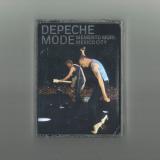
»Memento Mori: Mexico City« ist eine über zweistündige Liveaufnahme von Depeche Modes drei ausverkauften Konzerten im legendären Foro Sol Stadion in Mexiko-Stadt aus dem September 2023 und wird durch vier bisher unveröffentlichte Studioaufnahmen von den »Memento Mori«-Sessions ergänzt.
Die CD-Konfiguration enthält das Livealbum und Bonustracks auf zwei CDs sowie ein 16-seitiges Booklet mit Livefotos von den Shows.
Dieses Livealbum erscheint parallel zu Depeche Modes neuem Film »Depeche Mode: M«, der während der Shows in Mexiko-Stadt aufgenommen wurde. Der Film wurde konzipiert und umgesetzt vom vielfach ausgezeichneten mexikanischen Filmemacher und Regisseur Fernando Frías. Während »Depeche Mode: M« packende Konzertmitschnitte mit stimmungsvollen Nebeneindrücken und ausgesuchtem Archivmaterial vereint, wird gleichzeitig die tiefgreifende Verbindung zwischen Musik und Vergänglichkeit innerhalb der mexikanischen Tradition veranschaulicht. Die Blu-ray- und DVD-Konfiguration von »Depeche Mode: M« enthält zusätzlich das schon erwähnte Livealbum »Memento Mori: Mexico City« sowie einen abendfüllenden Konzertfilm.
out of Stock
Last delivered 8 months ago available to reorder, subject to availability
"Ray Fernández is a name that cannot be forgotten when we talk about the new generation of Cuban singer-songwriters.
"The current moments the world is going through are reflected in his lyrics. What better for this artist than to be accompanied by the Zanja All Stars! Ray Fernández, accompanied by the Zanja All Stars under the direction of Julio Padrón, make a formidable combination. This allows us to see new shades by blending his lyrics with a selection of the best musicians in Cuba today.
"The social and political issues shaking the world right now are perfectly reflected in his work, which, like all songs, can be interpreted in different ways. Ray’s lyrics become a bridge that should foster understanding between different sides of thinking, where the most important bridges are formed by art.
"The largest of the Antilles, Cuba, is one of the few places in the world where such revolutionary music can emerge. His lyrics deserve to be heard at a time when the world needs people unafraid to express ideas and willing to give everything."
out of Stock
Last delivered 10 months ago available to reorder, subject to availability
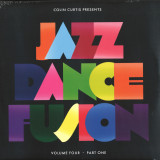
Colin Curtis is back! with another finely curated selection of the best Jazz Dance Fusion records he could find. Volume 4 reflects a combination of new music unreleased music and tracks that have never been on vinyl before or not attained the recognition they deserve. Packed with great Jazz Dance music from the UK and all around the world. The whole purpose of these compilations is to introduce you to fantastic talent and allow you to then go and explore all their works and keep this movement moving!
With brand new & exclusive releases, extremely rare tracks and many only available on Vinyl for the first time from Brazil, Cuba, Japan, Italy, USA, UK and beyond. Showcasing another insight into Colin Curtis's world of Jazz Dance Fusion and highlighting the sheer diversity & talent on offer from Vocal Jazz, Salsa, Latin Spoken Word to Sambas & Fusion, It’s all Here!
out of Stock
Last delivered 2 years ago available to reorder, subject to availability
Westbound Train kehren mit ihrem bisher dynamischsten und gefühlvollsten Album zurück, einer mutigen Weiterentwicklung, die in der charakteristischen Mischung aus Ska, Rocksteady und klassischem Soul der Band verwurzelt bleibt. Produziert von Frontmann Obi Fernandez und Schlagzeuger Eric Novod, verbindet das Album warme, analoge Texturen mit einfallsreichen Arrangements und nuancierten Mixing-Entscheidungen und bietet eine neue Perspektive auf einen Sound, den sie über Jahre hinweg perfektioniert haben. Herausragende Tracks wie ,L.M.A.", ,Keeper From the Start" und ,Slippery Slope" unterstreichen das ausgefeilte Songwriting und das erweiterte Klangspektrum der Band, während eine neu aufgenommene Version von ,We All Need Rescue" einem weniger bekannten Titel aus ihrem 2022er Album neues Leben einhaucht. Es ist eine selbstbewusste, emotional bewegende Sammlung, die Westbound Train auf einem neuen kreativen Höhepunkt einfängt.
Von der Band als „spirituelle Schwester von ‚Alma’s Cove‘“ beschrieben, verlagert „Mt. Sava“ die Kulisse von üppiger Küstenruhe zu der beeindruckenden Weite bergiger Wüstenlandschaften – eine Kulisse, die „den Zuhörenden sowohl die Ruhe eines Sternenhimmels fernab vom menschlichen Leben als auch die Brutalität und Wildheit des Lebens in der Wüste erleben lässt“, so die Band. An anderer Stelle auf „Mt. Sava“ laden Yuuf die Hörer:innen ein, diese weite Landschaft in sechs Tracks weiter zu erkunden. Der Opener, „Moon Dive“, gibt sanft den Ton an und bietet einen friedlichen und meditativen Raum, der zum Nachdenken und Ausruhen einlädt, während die Nacht langsam zu Ende geht. Im Gegensatz dazu fängt „Night Aïr“ den pulsierenden Rhythmus der Wüste nach Einbruch der Dunkelheit ein, inspiriert von der einzigartigen Atmosphäre, den Düften und den Temperaturschwankungen der Bergnächte; „ein Gefühl, das in einer bergigen und wüstenartigen Umgebung mit großen Temperatur- und Feuchtigkeitsschwankungen während des Tag-Nacht-Zyklus viel deutlicher zu spüren ist“, fügen sie hinzu.
„Ørken Bloom“, vom dänischen Wort für Wüste, ist ein dynamischer, temporeicher Track, der die aufgehende Sonne widerspiegelt. „Calima“ hingegen bietet einen Moment der Ruhe und bezieht sich auf die Winde, die den Sand der Sahara über Kontinente hinweg tragen.
Hardware is the fifth studio album by Swiss hard rock/heavy metal band Krokus, originally released in 1981.
The album charted in the US, UK and other European countries and went on to become gold certified.
Engineered by acclaimed British studio professional Mark Dearnley (known for his work with AC/DC and Def Leppard),
the record emphasizes energetic guitar work from Fernando von Arb and Tommy Kiefer. The singles on this album are "Rock City", "Winning Man" and "Smelly Nelly".
Hardware is available as a limited edition of 666 numbered copies on red coloured vinyl and includes an insert with lyrics.
pictured cover sealed in shrink wrap (first time ever on Samosa)
Samosa Records comes back with a real summer bang in the form of the ‘Afro-Ritmo EP’ – a four-track journey into afro soaked vibes courtesy of Anura & Sr. Lobezno and featuring label boss De Gama!
First up on side A is the EP’s title track, the mesmerising ‘Afro Ritmo’. Anura & Sr. Lobezno announce their arrival on Samosa Records with this spicy West African rhythm bomb. Kakaki trumpet fanfares meld with intricate synth stabs and ethereal Oja flute, whilst the solid tribal beats and rolling bass dictate the dance moves. And dance you must…
Track 2 is the deliciously glitchy, conga bonanza ‘Sungu Sa’. Make no mistake, ‘Sunga Sa’ is out to get you from the very first beat – tempting you to go behind the curtain as the haunting guitar lures you ever closer to its secret door. Dark, uplifting and ritualistic, the chant of ‘Sunga Sa’ will live in your head rent free well after the sun has gone down. Don’t say you weren’t warned.
Over on Side B De Gama takes the title track ‘Afro-Ritmo’ and applies his unique sonic rubs, balms and enhancers to create a pulsating after hours jam full to the brim with Afrotropic sparkle and magic dust. Like an unstoppable chugging train steaming through a savanna, De Gama is the conductor supreme as the raspy synth, bluesy guitar riff and uplifting brass fanfares entwine around that pounding beat.
Finally, Track 4 gives us the seriously powerful Javier Morrilas remix of ‘Afro-Ritmo’. The original is stripped right down and given the Big Beat treatment for this insanely good take – a peak time switcheroo of a track that keeps you guessing as to where it’s taking you. As the flutey breakdowns and broken beat madness get you, you will fall in love with this one instantly.
The ‘Afro Ritmo’ EP is a powerful, masterful four tracker from Anura & Sr. Lobezno which is well at home in the Samosa Records cooking pot. Spread the word, buy the vinyl. You won’t be disappointed.
• Reviewed with love by The Black Light Disco
Written, Produced, Arranged and Mixed by Anura & Sr. Lobezno.
Keyboards & Percussions: Anura.
Trumpet: Jimmy Garcia
Sax & Flute: Carlos Ligero
Trombone: Prudencio Valdivieso
*Remix and Additional Productions by Stefano Gamma aka De Gama for De Gama Rec - Rome.
Jazz Guitar & Acoustic Bass by Pietro Nicosia.
** Remix and Additional Productions by Javier Morillas.
All tracks mastered by Francesco Pierguidi at L’n’P Studio – Rome.
Artwork and computer graphics by Nerina Fernandez.
SMS038
out of Stock
Last delivered 5 months ago available to reorder, subject to availability
"Prudência / Praga", or "Prudence / Plague", is a double single with these two songs that I composed and which were originally recorded by two of my heroes: Maria Bethânia and Alaíde Costa. Curiously, they are two sambas: although I come from the rock and roll scene in Sao Paulo, I wound up writing a samba as if it were the 50s. At the time of my first heartbreak, at the age of 17, I had the record Jamelao canta Lupicínio with the Orquestra Tabajara on my iPod, and I identified with those dramatic sorrows, almost a hundred years old. In a way, I felt that Lupicínio Rodrigues was bloody and direct, like Tarantino, and Nelson Cavaquinho, heavy metal like Black Sabbath. So, I feel it's a compact 45 of sambas but it's also very Rock n Roll to me. Raw and coming from hell. "Prudência" is that internal battle between the passionate side and the controlling side in the head of the former romantic bohemian. I wrote it for Bethânia to record on her album Noturno. Her version turned into a moving bolero. When I saw her singing it live and the audience singing along with her, I couldn't believe it. I cried, hidden in the audience. She said that when she showed the record to her brother, Caetano Veloso, he thought that "Prudência" was some old classic that she had dug up to bring back to light. Nothing could be a greater compliment than this mistake on Caetano's part. "Praga" also has to do with MPB heroes of mine that I never imagined I'd see up close or have any relationship with or any connection with. I was asked to write these lyrics in partnership with the main man Erasmo Carlos for Alaíde Costa's album! Surreal. Like many people, I got acquainted with Alaíde listening to "Clube da Esquina," her singing with Milton Nascimento. And the idea was to do a poisonous cabaret song samba. The curse of a woman who has dumped a drunk. I love it when Alaíde sings "BIBIDA" in her recording of the song_a total legend. I wanted to produce a kind of horror samba recording, because if it wasn't rock and roll, it wouldn't be much fun for me. I went over to Bielzinho's, and we recorded this chorus that explodes with the percussion and the choir of my friends Tulipa, Maria Beraldo, and Luiza Lian. This take of "Prudência" came from the unpretentiousness of recording two live sessions of the song with Fred Joseph with the cameras of the 70s' program "Ensaio" (MPB Especial) by the great Fernando Faro. The video take ended up being so unexpected and raw that it unseated the studio version, and that's what you hear on the single. The idea behind the video is a sort of this temporal mindfuck; like found lost tapes of the MPB Especial from the early the 70s. Same microphones, same cameras, that zoom_time travel. Between Mil Coisas Invisíveis, the end of the cycle with O Terno, and starting the new album process, I decided to take advantage of the respite to release this rock and roll 45 of sambas, without thinking too much or over-producing the thing. "Prudence? Don't talk to me about prudence!" ;) Tim Bernardes, 2025
A unique sonic journey blending jazz, candombe, dub, hip-hop, and electronic music. Written, sequenced, and recorded by Ian Lampel (Uruguay), the album captures Montevideo's vibrant essence with innovative beats and deep roots. Embark on a sonic journey through the rich tapestry of Ian Lampel's multicultural heritage with his debut solo album, "The Parque Rodó Tapes." From the echoes of his grandparents' wartime exodus from Europe's tumultuous past to the rhythms of daily life in Parque Rodó, Lampel's artistic vision was shaped by a kaleidoscope of influences: Science fiction and fantasy books, graphic design annuals, comics, films, early computers and videogames as well as music; the haunting melodies of Russian and Polish classical composers hummed by his grandmother while cooking, the choir and hammond music of the synagogue, his early explorations in club music and dub or the syncopated drumming of candombe and carnaval echoing in the streets of Montevideo. The composer, producer and bass player, wrote, sequenced and recorded practically everything that is heard throughout the album. With meticulous attention to detail, he has crafted a sonic landscape that seamlessly blends elements of jazz and Uruguayan music with the innovative spirit of dub, hip-hop and electronica; from the infectious rhythms of candombe and the raw energy of murga, to breakbeats, moog's and samples. Drawing from a treasure trove of samples collected over two decades, "The Parque Rodó Tapes" weaves together a tapestry of sound that is both nostalgic and forward-thinking, from the haunting voice of Marosa Di Giorgio and the vibrant cacophony of a carnival field recording by Lauro Ayestaran, to the guest contributions from notable musicians including Lampel's wife, singer/songwriter Eco Lopez, multi-instrumentalist Luciana Giovinazzo on flute, and Ferna Nunez on repique drum. Each track is a testament to Lampel's eclectic vision. A debut album with a certain degree of melancholy that works as a soundtrack to the world in which the artist grew up, a world now gone, without cellphones or social networks, in which everything had to be proactively pursued "in the streets".
In Guadeloupe, many people think that jazz and ka music are like a ring and a finger. To some extent, the same could be said about so called Latin music and the music played in the French West Indies.
Both aesthetics were born in the Caribbean and bear so many connections that they can easily be considered cousins. In constant dialogue, there are lots of examples of their fruitful alliance and have been for a while. The English country dance that used to be practiced in European lounges came to be called kadrille in Martinique and contradanza in Cuba. They both featured additional percussion instruments inherited from the transatlantic deportation. Drawing from shared feelings about the same traumatized identity – later to be creolized – it would be hard not to assume that they were meant to inspire each other. The golden age of the orchestras that graced the Pigalle nights during the interwar period further proves the point. As soon as the 1930s, Havana-born Don Barreto naturally mixed danzón and biguine music in a combo based at Melody's Bar. In the following decade, Félix Valvert, a conductor who was born and raised in Basse-Terre in Guadelupe, also worked wonders in Montparnasse with La Coupole, which was an orchestra made up of eclectic musicians. Afro- Caribbean performers of various origins were often hired on rhythm and brass sections in jazz bands, which used to enliven the typical French balls of the capital. In the 1930s and onwards, Rico’s Creole Band was one of them.
Martinican violinist-clarinettist Ernest Léardée, who would become the king of biguine music as well as the main figure of French Uncle Ben's TV commercials (a dark stigma of post-colonial stereotypes), had musicians from the whole Caribbean sphere play at his Bal Blomet – and they all enchanted "ces Zazous-là" (according the words of Léardée's biguine-calypso piece). In les Antilles (French for French West Indies), music history started to speed up in the 1950s, when trade expanded and radio stations grew bigger. The Guadelupean and Martiniquais youth tuned in their old galena radio sets to South American and Caribbean music. As for the women traders, les pacotilleuses, they bought and sold goods across different islands (the "passing of items through various hands" was thought to be most pleasurable) and brought back countless sounds in their luggage. Such was the case of Madame Balthazar, who once returned from Puerto Rico with the first 45rpm and 33rpm to ever enter Martinique.
Out of this adventure was created the famous Martinican label La Maison des Merengues, a music business she opened and undertook with her husband and which proved to be a major landmark. At the end of the 1950s, in Puerto Rico, Marius Cultier competed in the Piano International Contest playing a version of Monk's Round 'Midnight. He won the first prize and this distinction foreshadowed everything that was to come. Cultier, the heretic Monk of jazz, was quickly praised for writing superb melodies, always tinged with a twist that conferred a unique sound to his music. It didn't take long for the gifted self-taught musician to get to play with Los Cubanos, making a name for himself thanks to his impressive maestria on merengues.
The rest is history. Besides, in the late 1950s, Frantz Charles-Denis, born into the upper middle class in Saint-Pierre and better known by his first name Francisco, went back home after working at La Cabane Cubaine – a club located rue Fontaine where he had caught the Latin fever. Francisco's music was therefore heavily marked by his Cuban cousins' influence, which gave the combos he led a specific style and also led to renewal. Things were swinging hard in La Savane, located in the main square in Fort-de-France. He set up the Shango club close by and tested out the biguine lélé there, a new music formula spiced up with Latin rhythms. Soon afterwards, fate had him fly to Puerto Rico and Venezuela.
As for percussionist Henri Guédon (percussions were only a part of his many talents), he was born in Fort-de-France in May 22nd 1944, the day marking the celebration of the abolition of slavery. As an old man, he could remember that in " his father's Teppaz, a lot of hectic 6/8 music was constantly playing...". In the opening lines of his Lettre à Dizzy, a small illustrated collection of writings published by Del Arco, he highlighted the huge impact that cubop had on him as a teenage boy, around 1960. He eventually turned out to be the lider maximo in La Contesta, a big band steeped in Latin jazz. He was also the one who originated the word zouk to describe music which brought the sound of the New York barrio to Paris. It was the culmination of a journey that started in Sainte-Marie: "a mythical place for bélé, the equivalent of Cuban guaguancó". In the early 1960s, the tertiary economy developed to the detriment of agriculture. Yet rural life was where roots music emerged in Martinique and in Guadeloupe.
Record companies played a major part in the process of Latin versions sweeping across the islands – before reaching everywhere else. Producer Célini, boss of the great Aux Ondes label, and Marcel Mavounzy, both the head of Émeraude records - a firm which was founded in 1953 - as well as the brother of famous saxophonist Robert Mavounzy, were big names to bear in mind. Although there were many of them - all of whom are featured on this record - Henri Debs was definitely the major figure in the recording adventure. He proved to be so influential that he even got compared to Berry Gordy. In the mid 1950s, when he acquired his first Teppaz, he worked on his first compositions: a bolero and a chachacha. Then, he became the one man who made people discover Caribbean music, from calypso to merengue. He was among the first ones to rush out to San Juan, Puerto Rico, to buy records and distribute them through a store run by one of his brothers in Fort-de-France. He had members of the Fania All Star come and perform there, which he was madly proud about. He was also the first one to pay attention to Haitian music, such as compas direct and various other rhythms which would soon flood the market. As a result, many of the combos hitting his legendary studio would end up boosted by widespread "Afro-Latin" rhythms. However, he never denied his identity: gwo ka drums were given a major role, although they were instruments which had long been banned from the "official" music spheres. The present selection bears witness to such a creative swarming. Here are fourteen tracks of untimely yet unprecedented cross-fertilization: all types of music rooted in the Creole archipelago have found their way, whatsoever, to the tracklisting. Whether originating from the city or being more rural, they all go back to what Edouard Glissant, in an interview about the place of West Indian music in the Afro-American scope, called "the trace of singing, the one which got erased by slavery." "It is so in jazz, but also in reggae, calypso, biguine, salsa... This trace also manifests through the drums, whether Guadelupean, Dominican, Jamaican or Cuban... None of them being quite the same. They all point to the idea of a trace, seeking it out and connecting to each other through it. This is the hallmark of the African diaspora: its ability to create something new, in relation to itself, out of a trace. It may be the memory of a rhythm, the crafting of a drum, a means of expression which doesn't resort to an old language but to the modalities of it." The opening track features one of the emblematic orchestras of this aesthetic identity, criscrossing many music types from the archipelago. The 1974 Ray Barretto guajira – Ray Barretto was a major New York drummer influenced by Charlie Parker and Chano Pozzo – is magnificently performed by Malavoi, a legendary Fayolais group (i.e from Fort-de-France). Additionally, the compilation ends on a piece by Los Martiniqueños de Francisco. It symbolically closes the circle as it is a genuine potomitan of Martinique culture which also functions as a tireless campaigner for Afro-Caribbean music. Practicing the danmyé rounds (a kind of capoeiria) to the rhythm of the bèlè drum, it delivers a terrific Caterete, a kind of champeta of Afro- Colombian obedience which was originally composed by Colombian Fabián Ramón Veloz Fernández for the group Wgenda Kenya. The icing on the cake is Brazilian Marku Ribas, who found refuge in Martinique in the early 1970s, bringing his singing to the last trance-inducing track. These two "versions" convey the whole tone of a selection composed of rarities and classics of the tropicalized genre, swarming with tonic accents and convoluted rhythms. It is the sort of cocktail that the West Indians never failed to spice up with their own ingredients. For instance, the Los Caraïbes cover of Dónde, a famous Cuban theme composed by producer Ernesto Duarte Brito, has a typical violin and features renowned Martinique singer Joby Valente and his piquant voice.
The track used to be – or so we think – their only existing 45rpm. The meaningful Amor en chachachá by L'Ensemble Tropicana, a band which included Haitian musicians among whom was composer and leader Michel Desgrotte, also recalls how Latin music was pervasive in the tropics in the mid-1960s. They were the ones keeping people dancing at Le Cocoteraie in Guadelupe and La Bananeraie in Martinique. Around the same time, another "foreign" band, Congolese Freddy Mars N'Kounkou's Ryco Jazz, achieved some success on both islands by covering Latin jazz classics – such as their adaptation of Wachi Wara, a "soul sauce" by Dizzy Gillespie and Chano Pozo whose interweaving of strings and percussions can have anyone hit the dancefloor. How can you resist Dap Pinian indeed, a powerful guaguancó by Eugene Balthazar, performed by the Tropicana Orchestra and published by the Martinique-founded La Maison des Merengues? It also acts as a symbol of the maelstrom at work. Going by the name Paco et L'orchestre Cachunga, Roger Jaffory used to play guaguancó too: his Fania-inspired Oye mi consejo is one example of his style. Baila!!!!! Dancing was also one of the Kings' focus points. Oriza is a Puerto Rican bomba and a "classic" originally composed by Nuevayorquino trumpeter Ernie Agosto, which reserves major space for brasses, giving it a special sheen.
Emerging from the New York barrios crucible was also La Perfecta, a Martinique group originating from Trinidad, whose name directly references the totemic Eddie Palmieri figure as well as his own band, also called La Perfecta. Here they borrow Toumbadora from Colombian producer and composer Efraín Lancheros and interpret it by emphasizing percussions, which set fire to the track even more than the wind instruments. The same goes for Martinique's Super Jaguars, who use Tatalibaba – a composition by Cuban guitarist Florencio "Picolo" Santana which was made famous by Celia Cruz & La Sonora Matencera – as a pretext for sending their cadences into a frenzy. In a more typically salsa vein, the Super Combo, a famous Guadelupean orchestra from Pointe-Noire that was formed around the Desplan family and had Roger Plonquitte and Elie Bianay on board, adapt Serana, a theme by Roberto Angleró Pepín, a Puerto Rican composer, singer and musician also known for his song Soy Boricua. Here again, their vision comes close to surpassing the original. In the 1970s, L'Ensemble Abricot provided a handful of tracks of different syles, hence reaching the pinnacle of the art of achieving variety and giving pleasure. They played boleros, biguines, compas direct, guaguancó and even a good old boogaloo - the type they wanted to keep close to their hearts for ever, "pour toujours", as they sang along together in one of their songs. Léon Bertide's Martinican ensemble excelled at the boogaloo which had been composed by Puerto Rican saxophonist Hector Santos for the legendary El Gran Combo.
Three years later, in 1972, Henri Guédon, with the help of Paul Rosine on the vibraphone, tackled the Bilongo made famous by Eddie Palmieri. Such a classic!!!!! And so were the Aiglons, the band from Guadelupe: choosing to execute Pensando en tí, a composition by Dominican Aniceto Batista, on a cooler tempo than the original, they noticeably used a wonderfully (un)tuned keyboard in place of the accordion. On the high-value collectible single – the first one released by Les Aiglons under the Duli Disc label – there is a sticker classifying the track under the generic name "Afro". Now that is what we call a symbol. Jacques Denis
out of Stock
Last delivered 7 months ago available to reorder, subject to availability
Just a year after the last compilation stood out as one of the best of 2024, Pete Herbert is back with a another brilliant collection of poolside sounds that again explore leftfield Balearica. These are delightfully horizontal grooves that transport you to sunny climes and starry skies in an instant. His own reworks feature, including a version of Sidirum's blissful and astral trip 'Ex Plane', a more tropical and propulsive dub of Lulla's 'Love Comes Quickly' and a quietly epic ambient daydream rework of Bill Mango's 'Inflight Sample.' These are grown-up sounds for cathartic moments lost in your own thoughts.
DJ Feedback
Don Letts/BBC6:
"Good to go on my show!"
Phil Mison/Cantoma:
"Another great MFSP release . Very summery, full support."
Leo Mas/Amnesia:
"Great Stuff."
Sean Johnston/ALFOS:
"PH on fire once again."
Trepanado/Selvagem/Brazil:
"Makes me wanna set sails and just go."
Ruf Dug/Pikes:
"Yeah this ticks loads of my boxes. Mega work."
Bill Brewster/DJ History/Lowlife:
"Some nice cuts on here especially Marius, Fernando etc."
Marco Gallerani/Hell Yeah:
"Beautiful compilation overall."
Sally Rogers/A Man Called Adam:
"Loads of lovely tracks here."
Feel Fly/International Feel:
"Definitely the compilation of the summer! thank you for this fresh breath of summer!"
Max Essa/Jansen Jardin,Tokyo:
"A beautifully curated collection providing a sublime listening experience!"
out of Stock
Last delivered 10 months ago available to reorder, subject to availability
Buh Records presents Primera Secuencia, the debut album by Ballet Mecánico, the project of Fernando Pinzás. After his time in the synth-punk band Varsovia, Pinzás embarks on a new phase as a solo artist and producer, exploring electronic styles from the 1980s like synthpop, Hi-NRG, Italo disco, and techno pop. The album blends synthesizers, programmed sequences, and pulsating basslines to create a nostalgic yet danceable soundscape. Set against the backdrop of the pandemic and social movements in Peru, each track tells a story, featuring guest vocalists from the Peruvian independent scene, including Susana Fátima (Gomas), Noelia Cabrera (Blue Velvet, Silveria), Kat Kathia, Luxsie, Luminiscencia, Anabhell (Las Ratapunks), Laura Rosales (Solenoide), and Elva Cío (Specto Caligo). Singles No Cederé and Testamento define the project's dark and ethereal pop aesthetic. No Cederé, featuring Susana Fátima, critiques societal notions of success over an Italo disco and Hi-NRG beat. The track includes a remix by Italoconnection, the duo of Fred Ventura and Paolo Gozzetti, who take it into a hypnotic, spacey realm. Testamento, with Luminiscencia, reflects on the emotional weight of the pandemic, blending synthpop and ethereal pop. Other standout tracks include La ciudad de los incendios, a dystopian vision of Lima with dark disco rhythms, and Como la última vez, a synthpop-driven, melancholic song featuring Noelia Cabrera.
Limitiertes weißes Vinyl Eine exklusive Compilation des legendären britischen Indie-Labels él, das in den 1980er Jahren mit stilvollem Pop, kunstvollem Design und internationalem Einfluss begeisterte. Mit Künstlern wie Momus, Louis Philippe und The King of Luxembourg bietet The Rubens Room eine elegante Reise durch Kammerpop, Chanson und Filmscores - fernab vom Mainstream. Begleitend zum Buch Bright Young Things erscheint dieses Sammlerstück auf weißem Vinyl - ein Muss für Liebhaber anspruchsvoller Popkultur.