Stone Age Is Now: Poems from Lithic is the new album by musician and poet Caleb Nichols - both a companion piece to his book Lithic: A Hyperballad (Harbor Editions 2026) and a follow-up to his album Stone Age Is Back (Royal Oakie 2025). Across twelve tracks Nichols interpolates poems from Lithic: A Hyperballad with tracks from Stone Age Is Back, bringing new depth to his indie-rock and alt-folk compositions. A meditation on grief, but not in the ways you’d expect, the album explores what it means to be living and dying right now, in this moment of extraordinary change.
Inspired by the raw immediacy of Neil Young, early REM, and Califone, Nichols adhered to a first-take best-take rule and tracked the album in just five days. Produced by Nichols, the album was engineered by Jay Pellicci (Deerhoof, Om, Sleater-Kinney) at Brother’s (Chinese) Recording in Oakland, CA, with Nichols later recording the spoken word overdubs after hours at an empty bar in San Luis Obispo, CA. Pellicci later mixed the tracks and David Glasebrook (Patti Smith, Peter Case, Sugar Candy Mountain) mastered the album at The Garden Shed in Oakland, CA.
Featuring even more experimentation than Stone Age Is Back, the album is peppered with field recordings captured by Nichols from many locations, including Kew Gardens, London; Llan Tysilio, Yns Mon; Treborth, Gwynedd; a secret beach in Bangor; Kelvingrove Park, Glasgow; and Broad Street in San Luis Obispo, CA. In addition to contributions from band members John Metz and Aaron Kroeger, the album features saxophone by Lorenzo Coretese , and Rhys Trimble provides the Welsh translation and performance you hear on “Orme Dream At The Car Park”. Additionally, Nichols took some liberties adapting the poems from the book to the recordings. “You’ll notice that there are differences between the printed poems and the poems recorded here. That is because a poem is never finished and can exist in multiple instances at the same time, like in quantum mechanics. The cat in Schrodinger’s box is both alive and dead; at the bottom of the cliff, our eyes are both: closed and open” says Nichols.
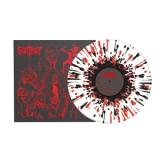
Splatter Vinyl. Das finnische Grindcore-Duo GOATBURNER hat sich mit der brasilianischen Experimental-Grindcore-Band TEST zusammengeschlossen, um GOATEST ins Leben zu rufen - ein neues gemeinsames Projekt, das mit einem selbstbetitelten Debütalbum an den Start geht. Das Projekt vereint Musiker, die tief in der internationalen Extreme-Music-Underground-Szene verwurzelt sind. GOATEST besteht aus Keijo ,Kaos" Niinimaa, der auch als Sänger der finnischen Grindcore-Veteranen ROTTEN SOUND bekannt ist, sowie Jaakko ,Spider" Forsman von RATFACE. Ergänzt wird das Line-up durch Thiago ,Barata" und Joao Kombi von der brasilianischen Grindcore-Formation TEST. Die Zusammenarbeit verbindet unterschiedliche Hintergründe und Herangehensweisen an extreme Musik zu einer kompakten Explosion aus Grindcore- und Sludge-Intensität, roher Energie und kompromissloser Haltung. Dabei schlägt GOATEST eine Brücke zwischen der finnischen und der brasilianischen Underground-Szene - vereint durch den gemeinsamen Drang nach Unruhe, Aggression und klanglicher Extremität.
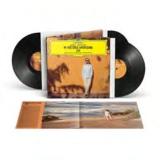
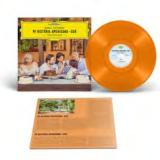
Nach seinem vielbeachteten Album My American Story – North setzt Starpianist Daniil Trifonov seine Reise
durch die Amerikas fort. Mit Mi Historia Americana – Sur richtet er den Blick auf Südamerika und die
Karibik mit einem Programm, das beliebtes Repertoire des Kontinents mit neuen Entdeckungen Trifonovs
verbindet.
Zu hören sind unter anderem Klavierwerke von Gabriela Lena Frank, Ginastera, Guarnieri, Lecuona und
Villa-Lobos, dazu Trifonovs eigener Tango. Zwei orchestrale Werke mit dem São Paulo Symphony Orchestra erweitern das Album um Ary Barrosos populäres Aquarela do Brasil und die Weltersteinspielung von
Osvaldo Golijovs farbenprächtigen Cuadros del Sur.
Dabei spannt Trifonov einen Bogen von Brasilien über Kuba und die Dominikanische Republik bis nach
Peru und Argentinien und formt daraus ein vielschichtiges musikalisches Panorama. Zugleich gewinnt das
Album durch Trifonovs enge Verbindung zur Region eine persönliche Dimension, die dieser musikalischen
Entdeckungsreise besondere Bedeutung verleiht.
Nach seinem vielbeachteten Album My American Story – North setzt Starpianist Daniil Trifonov seine Reise
durch die Amerikas fort. Mit Mi Historia Americana – Sur richtet er den Blick auf Südamerika und die
Karibik mit einem Programm, das beliebtes Repertoire des Kontinents mit neuen Entdeckungen Trifonovs
verbindet.
Zu hören sind unter anderem Klavierwerke von Gabriela Lena Frank, Ginastera, Guarnieri, Lecuona und
Villa-Lobos, dazu Trifonovs eigener Tango. Zwei orchestrale Werke mit dem São Paulo Symphony Orchestra erweitern das Album um Ary Barrosos populäres Aquarela do Brasil und die Weltersteinspielung von
Osvaldo Golijovs farbenprächtigen Cuadros del Sur.
Dabei spannt Trifonov einen Bogen von Brasilien über Kuba und die Dominikanische Republik bis nach
Peru und Argentinien und formt daraus ein vielschichtiges musikalisches Panorama. Zugleich gewinnt das
Album durch Trifonovs enge Verbindung zur Region eine persönliche Dimension, die dieser musikalischen
Entdeckungsreise besondere Bedeutung verleiht.
Possibilities Vol. 1 is a transatlantic collaboration between legendary Brooklyn MC Finsta (of the iconic 90s duo Finsta Bundy) and Finnish boom bap production collective Recluse Crew. This powerful joint effort blends gritty New York lyricism with soulful, sample-heavy beats rooted in classic hip hop tradition. Finsta, known for his sharp delivery and timeless voice, brings raw energy and wisdom earned through decades in the game. Recluse Crew complements his bars with expertly crafted instrumentals that honor the golden era while keeping things fresh for today’s underground heads. Released by the new Finnish record label Mood Monarch, Possibilities Vol. 1 is a must-listen for fans of true school hip hop, offering head-nodding beats, reflective rhymes and a rare synergy between two scenes, New York and Finland, connected through a deep love for the culture.
Fall Collection pulls from the vaults. Four tracks, some long out of print, one never
before pressed, all of them worth the dig.
The A-side opens with Ty Tek’s Dirty Fusion, originally released on Gourmet Recordings
in 2005 alongside the Audio Soul Project remix two years later. Both have been
fetching serious money on the secondary market for a reason. This is tech house from
when that phrase still meant something, the walloping cadence, the sci-fi pads, the
seismic synths rolling underneath. You hear it once and it stays with you.
Departed by Wasted Chicago Youth follows. Justin Aulis Long and Mazi Namvar
started from a remix brief and promptly ignored it, building something new from scratch
in a single session. Organs, wailing lead, disco break, 808 subs, a plastic bass line
threading through all of it. Somewhere between an angry Metro Area and a more
psychedelic Jitwam, but really it’s just WCY doing what they do.
Love Thy Enemy by Wasted Chicago Youth appeared on the Chase The Devil EP back
in 2009. The bubbles, shuffles, and wobbling chords hold up, and the vocal samples hit
differently now than they did then.
ASP’s Cloud Dub closes the record. It appeared on Dubs Vol. 2 as a digital release in
2022 and has never been on vinyl, and that’s where the subsonic acid bass line and
the layered string, piano, pad, and organ groove finally get room to breathe. Deep
house the way Chicago made it in the early nineties. Bare, musical, and raw.
Track A1 written by Ty Tek. Remixed by Audio Soul Project
Track A2 written by Justin Aulis Long and Maziar Namvar
Track B1 written by Justin Aulis Long and Mazi Namvar
Track B2 written by Audio Soul Project.
Copyright Control
Fresh Meat Records 2026
out of Stock
Last delivered 9 days ago available to reorder, subject to availability
"Ich möchte lieben und geliebt werden, aber ich will mich auch frei fühlen. Die Spannung zwischen diesen beiden Dingen ist die zentrale Frage meines Lebens", sagt Julia Jacklin - und genau diese Ambivalenz durchzieht ihr viertes Album The Gem. Nach ihrem Umzug nach Melbourne 2017 fand Jacklin in einer kleinen Bar namens The Gem einen Ort der Selbstfindung - ein Sinnbild, das dem neuen Album seinen Namen gibt. Acht Jahre später, nach den hochgelobten Erfolgen ihrer ersten drei Platten - Don"t Let the Kids Win (2016), Crushing (2019) und PRE PLEASURE (2022) - schlägt sie ein neues Kapitel auf: Erstmals veröffentlicht sie bei dem renommierten, stilprägenden Label 4AD, das seit Jahrzehnten für künstlerische Vision und ikonische Indie-Veröffentlichungen steht. Ohne äußeren Druck und frei von Erwartungen schuf Jacklin in Melbourne ihr bislang persönlichstes Werk. The Gem entstand im engen Kreis vertrauter Musiker:innen und entwickelte sich über Monate hinweg - ein intensiver Prozess, geprägt von Selbstreflexion, Zweifel und dem Mut, eigene Entscheidungen kompromisslos zu vertreten. Songs wie "Brand New" oder "Real Life" wurden dabei grundlegend neu gestaltet, bis sie sich ehrlich und richtig anfühlten. Der eröffnende Track "Brand New" setzt ein elektrisches Statement zwischen Aufbruch und Selbsttäuschung, während Stücke wie "God Sometimes" oder "The Hardest Thing" von Selbstbestimmung, Verlust und innerem Wachstum erzählen. Klanglich erweitert Jacklin ihre bisherigen Indie- und Folk-Ansätze um kraftvollere, teils nahezu hymnische Momente. Auch die besondere Aufnahmeumgebung - ein Studio über einer lebhaften Kneipe - prägt den Sound: roh, direkt und atmosphärisch dicht. Mit The Gem gelingt Julia Jacklin eine eindringliche Rückkehr zu sich selbst. Zugleich knüpft sie an die Stärke ihrer bisherigen Alben an und entwickelt ihren Sound konsequent weiter - ein weiterer Beweis dafür, warum sie zu den prägendsten Stimmen des modernen Indies zählt.
out of Stock
Last delivered 19 days ago available to reorder, subject to availability
Explore the deep roots of Afro Funk with the 7" vinyl "Jungle Bird Tree" by Funky Destination, carefully released by the eclectic label Sound Exhibitions Records. This sonic gem is a testament to Funky Destination's skill in blending Afrocentric rhythms with the vibrant spirit of funk, creating a musical experience that captures the soul and gets the feet moving.
Jungle Bird Tree by Funky Destination is a musical journey that bridges the past and the present, an immersion into the rich tradition of Afro Funk through the fresh and innovative perspective of a contemporary artist. An unmissable addition to the collection of those who appreciate the fusion of global rhythms and the compelling power of funk.
out of Stock
Last delivered 24 days ago available to reorder, subject to availability
Breakbeat Paradise Recordings welcomes back Umbo for another heavyweight installment of the Toxic Funk series. One of the original pioneers of the Nu Funk movement, Umbo once again delivers two dancefloor-ready cuts packed with soulful samples, infectious breaks and unmistakable funky vibes.
Having released music on respected labels such as Good Groove Records and Timewarp, Umbo has built a reputation for crafting timeless party weapons that blend classic funk with modern breakbeat production. His previous appearances on Breakbeat Paradise have become fan favorites, and Toxic Funk Vol. 24 raises the bar once again.
Leading the release is Got Soul, a groove-laden funk workout driven by punchy drums, irresistible basslines and uplifting soul energy that's destined to ignite dancefloors. On the flip side, Save It delivers another dose of vintage funk attitude, combining tight breaks, funky rhythms and cleverly chopped vocals into an irresistible DJ weapon.
Whether you're spinning funk, breaks, nu disco or party edits, these two cuts are built to keep the energy high. Toxic Funk Vol. 24 is another essential addition to the Breakbeat Paradise catalogue and proof that Umbo continues to be one of the scene's most consistent producers.
out of Stock
Last delivered 12 days ago available to reorder, subject to availability
Gnod's now twenty year journey through spiritual and audial exploration has been driven by relentless curiosity, magpie irreverence and a fierce countercultural imperative, their project has always refused to acknowledge all or any rules and boundaries, internal or external. The latest adventure of this band may never have been intended to celebrate their two-decade anniversary, but in true Gnod fashion by, what began as a trip into a residential studio setup in Hellfire Studios with producer John `Spud' Murphy (Lankum, Black MIDI, Caroline) for six days, resulted in more potent material than anyone bargained for. The end result has been three studio albums to be released over the next year. "This trilogy revealed itself to us in the studio" says Paddy. "We were hoping to get a good album out of the session and lo and behold we got three of the fuckers. It's interesting that we did pretty much capture the full spectrum of the Gnod sound across all three". In fact, this intrepid first instalment of the `Chronicles Of Gnowt' trilogy covers an alarming amount of sonic territory all on its own. Driven as always by the power of repetition as well as Gnod's alchemical marriage of the maximal and the minimal, this album is imbued with a vivid focus that's testimony to the chemistry of the sessions, coupled with a detailed and spacious production from Murphy that brings out the psychedelic sound worlds of the band in vivid colour. This is a travelogue which delves into pastoral tranquillity (as on `Three Trees Parts 1&2') just as adeptly as expansive Earth-tinged riff monoliths (`All Tunnel No Light') and just as formidably as the closing epic `Ekstasis' - a hallucinatory vista where kraut-tinged experimentalism meets Swans-style intensity. Yet all the while, truly sounding like no one but Gnod.
out of Stock
Last delivered 20 days ago available to reorder, subject to availability
Albert Bouchard is best known as one of the founding members of Blue Öyster Cult. The original band sold millions of albums for Columbia Records with such
classic songs as “Don’t Fear the Reaper” and the #1 hit on the Billboard Mainstream Rock chart “Burning For You”. As a songwriter, he wrote many BÖC songs including the very popular “Astronomy” (which was covered by Metallica on their 1998’s release Garage Inc) and the live staple “Cities on Flame with Rock and Roll”, which he also sang lead vocals.
Albert’s famous cowbell on “(Don’t Fear) The Reaper” was the basis of the popular SNL skit with Will Ferrell and Christopher Walken, which has gained over 32 million views and spawned the phrase “More Cowbell”. Imaginos IV–Rhyme Of The Starclock sees Albert continuing the story of Imaginos, a concept album about an alien conspiracy that is brought to fruition during the late 19th and early 20th century through the actions of Imaginos, an agent of evil. The album weaves scripts and poems by the late Sandy Pearlman. This is the follow up to the initial Trilogy and goes back to a young Imaginos. It features guests Blue Coupe, Ross The Boss (Dictators), Joe Cerisano (Silver Condor, TSO), and many others. The first single “Four Winds Bar” is due out July 31st, with the follow up single “Germany Minus Zero” coming on August 28th.
"Ich möchte lieben und geliebt werden, aber ich will mich auch frei fühlen. Die Spannung zwischen diesen beiden Dingen ist die zentrale Frage meines Lebens", sagt Julia Jacklin - und genau diese Ambivalenz durchzieht ihr viertes Album The Gem. Nach ihrem Umzug nach Melbourne 2017 fand Jacklin in einer kleinen Bar namens The Gem einen Ort der Selbstfindung - ein Sinnbild, das dem neuen Album seinen Namen gibt. Acht Jahre später, nach den hochgelobten Erfolgen ihrer ersten drei Platten - Don"t Let the Kids Win (2016), Crushing (2019) und PRE PLEASURE (2022) - schlägt sie ein neues Kapitel auf: Erstmals veröffentlicht sie bei dem renommierten, stilprägenden Label 4AD, das seit Jahrzehnten für künstlerische Vision und ikonische Indie-Veröffentlichungen steht. Ohne äußeren Druck und frei von Erwartungen schuf Jacklin in Melbourne ihr bislang persönlichstes Werk. The Gem entstand im engen Kreis vertrauter Musiker:innen und entwickelte sich über Monate hinweg - ein intensiver Prozess, geprägt von Selbstreflexion, Zweifel und dem Mut, eigene Entscheidungen kompromisslos zu vertreten. Songs wie "Brand New" oder "Real Life" wurden dabei grundlegend neu gestaltet, bis sie sich ehrlich und richtig anfühlten. Der eröffnende Track "Brand New" setzt ein elektrisches Statement zwischen Aufbruch und Selbsttäuschung, während Stücke wie "God Sometimes" oder "The Hardest Thing" von Selbstbestimmung, Verlust und innerem Wachstum erzählen. Klanglich erweitert Jacklin ihre bisherigen Indie- und Folk-Ansätze um kraftvollere, teils nahezu hymnische Momente. Auch die besondere Aufnahmeumgebung - ein Studio über einer lebhaften Kneipe - prägt den Sound: roh, direkt und atmosphärisch dicht. Mit The Gem gelingt Julia Jacklin eine eindringliche Rückkehr zu sich selbst. Zugleich knüpft sie an die Stärke ihrer bisherigen Alben an und entwickelt ihren Sound konsequent weiter - ein weiterer Beweis dafür, warum sie zu den prägendsten Stimmen des modernen Indies zählt.
"Ich möchte lieben und geliebt werden, aber ich will mich auch frei fühlen. Die Spannung zwischen diesen beiden Dingen ist die zentrale Frage meines Lebens", sagt Julia Jacklin - und genau diese Ambivalenz durchzieht ihr viertes Album The Gem. Nach ihrem Umzug nach Melbourne 2017 fand Jacklin in einer kleinen Bar namens The Gem einen Ort der Selbstfindung - ein Sinnbild, das dem neuen Album seinen Namen gibt. Acht Jahre später, nach den hochgelobten Erfolgen ihrer ersten drei Platten - Don"t Let the Kids Win (2016), Crushing (2019) und PRE PLEASURE (2022) - schlägt sie ein neues Kapitel auf: Erstmals veröffentlicht sie bei dem renommierten, stilprägenden Label 4AD, das seit Jahrzehnten für künstlerische Vision und ikonische Indie-Veröffentlichungen steht. Ohne äußeren Druck und frei von Erwartungen schuf Jacklin in Melbourne ihr bislang persönlichstes Werk. The Gem entstand im engen Kreis vertrauter Musiker:innen und entwickelte sich über Monate hinweg - ein intensiver Prozess, geprägt von Selbstreflexion, Zweifel und dem Mut, eigene Entscheidungen kompromisslos zu vertreten. Songs wie "Brand New" oder "Real Life" wurden dabei grundlegend neu gestaltet, bis sie sich ehrlich und richtig anfühlten. Der eröffnende Track "Brand New" setzt ein elektrisches Statement zwischen Aufbruch und Selbsttäuschung, während Stücke wie "God Sometimes" oder "The Hardest Thing" von Selbstbestimmung, Verlust und innerem Wachstum erzählen. Klanglich erweitert Jacklin ihre bisherigen Indie- und Folk-Ansätze um kraftvollere, teils nahezu hymnische Momente. Auch die besondere Aufnahmeumgebung - ein Studio über einer lebhaften Kneipe - prägt den Sound: roh, direkt und atmosphärisch dicht. Mit The Gem gelingt Julia Jacklin eine eindringliche Rückkehr zu sich selbst. Zugleich knüpft sie an die Stärke ihrer bisherigen Alben an und entwickelt ihren Sound konsequent weiter - ein weiterer Beweis dafür, warum sie zu den prägendsten Stimmen des modernen Indies zählt.
The mastering was done from the master tapes from the studio recording of the album. The cover is a reproduction of the original. The LP includes a printed sleeve. The cover includes a Glossy finish in order to respect the original edition as much as possible.
Released in 1981, "Sibou Odja" is Orchestra Baobab's second studio album produced at the Golden Baobab in Dakar by the young producer Ibrahima Sylla. After their masterpiece "Mouhamadou Bamba" recorded the same year, "Sibou Odja" would once again mark the history of Senegalese music by propelling the group's success into a new musical decade. Under the direction of the hard-hitting saxophonist Issa Sissokho and the irremovable guitarist Barthélémy Attiso, it is notably the young singer future icon of Senegalese salsa Médoune Diallo who will deliver one of his masterpieces with the irresistible "Autorail", song locomotive which celebrates the opening of the railway line connecting Dakar to Niamey. The Baobab symbolizing both rooting in traditional Senegalese values and the tree's ability to reach new heights, the group's sound is a perfect syncretism of Senegalese and Afro-Cuban imaginaries in which the montunos of electric guitars and the Vocal improvisations in the Wolof language subtly blend with the rhythms of Cuban sound and other boleros.
Reissue of this legendary album from Orchestra Baobab. Remastered from tapes.
Released in 1981, the legendary album "Mouhamadou Bamba" is the masterpiece of the Orchestra Baobab, which has dedicated more than ten years of existence. Under the direction of the percussionist saxophonist Issa Sissokho, of the irremovable guitarist Barthélémy Attiso the band records this album at the Golden Baobab studio in Dakar directed and produced by the young producer Ibrahima Sylla.
The Baobab symbolizes both the rooting in Senegalese traditional values and the ability of the tree to reach heights, the sound of the group is a perfect syncretism of Senegalese and Afro-Cuban imaginaries in which the montunos of electric guitars and vocal improvisations in wolof language marry subtly to the rhythms of cuban son and other boleros.
out of Stock
Last delivered 2 years ago available to reorder, subject to availability
The Yummy Fur’s first album of new material in over 25 years is seductive and ambiguous; a fast-paced flip through scenes from art, myth, life and fantasy; a witty whole made from glittering scraps. The band’s original incarnation – fronted by singer, songwriter and guitarist John McKeown from 1992 to 1999 – morphed from making quick-hit cartoon-art songs to Eno and Cale-influenced creepers, populated by characters from McKeown’s life in Glasgow and the films, books and poetry that he lived a parallel life through. Everybody Talks About The Weather delights in using every past iteration of the band as potent collage material: a melee of sounds and ideas existing at once, revealing themselves then dipping back into hiding.
Recorded by the original core trio of McKeown, Brian MacDougall (guitar) and Paul Thomson (drums), Everybody Talks About The Weather comes 17 years after the band reformed for sporadic live shows, and seven years after the release of their sorta-greatest hits compilation Piggy Wings (Rock Action). Ten tracks long with nothing to spare, it is as condensed and vital as their best songs, with a new clarity of sound that allows their ambiguities to come into the light.
The album begins with “Cogs”, a taunting inquisition from within. As McKeown stages a fight between his id and ego, the tension heats up between conversational guitar lines and minimalist repetition; threatening sing-song melody and real, palpable menace. The band members are forced in tandem only to break apart, sustaining a genuine sense of just-hidden danger throughout the whole record – except, arguably, “Headphones”, a looser moment which sees McKeown make an existential something out of nothing while waiting for someone in the car (“I should have brought a book.../My ears are bleeding from the compression on your album”)
The songs are riots of reference: “Unity Over Europe” is a slyly complex two act play about the Mitford sisters – Diana, Unity, and Nancy, in a wink to the YF canon – smashing tragic biographical detail together with allusions to Thomas Pynchon and Francis Bacon. Pynchon is also lifted to serve “Blue Sunshine”, a collision of school shooters, serial killers and fictional fuck-ups (“Fast forward to Compton/Fast forward to Pynchon/Fast forward to Columbine'”) whose buzzy guitar lines are taunting and confrontational like a smarmy teenager. The innocuous title of “My Lasagne” belies a song that exists in several time periods at once: a visit to see Guernica, 50 people with their backs to the portrait of Dora Maar; the time that Picasso painted from; the Reina Sofia and the dirty streets of the Malasaña; myth-making musicians and the myths they’re riffing off overlapping and leering at each other.
All this could be laboured in lesser hands, but cultural verbosity is second nature to The Yummy Fur, who transform all this source material into songs that are weird, sexy, funny and absurd. Meaning is not happily understood or flattened. Susan Sontag's essay Against Interpretation accompanied McKeown as he wrote this album, and she’s paraphrased in “Semolina Ballerina”, the album’s justification of artistic ambiguity. Thomson’s motorik beat leads a gathering of back-and-forth instrumental phrases – including a wiry contribution on saxophone – embodying the futility of trying to parse something definitive from repeated action. “Listen to the very first thing that’s in your head,” Sontag-via-McKeown commands directly, then slinks sideways: “Interpretation is a conversation in an unmade bed”
The album features two more focused portraits, or at least The Yummy Fur’s version of such a thing. “Wanda” merges the life of filmmaker Barbara Loden and the title character of her semi-autobiographical 1970 feature film, with Loden’s then-husband Elia Kazan joining the fray of no-good men in her film. It’s a mix of adaptation and avant-criticism, with McKeown’s wordplay and mannered pronunciation mirroring the way that non-fiction and fiction twist around each other in the song. The title track is a series of vignettes and impressions from the lives of the band’s ‘90s inner circle, positing painter Mac McNaughton as a kind of Falstaffian ringleader. As with Piggy Wings and the recent single “New T-Shirt”, McNaughton painted the cover of Everybody Talks About The Weather – like the album’s music, the image of a coy girl in a white dress is an uncanny amalgamation of styles, suggestions and references just out of reach, as though seen in an art museum in a dream.
The album ends with two reads of the same frustration. “King of Nothing” is the closest The Yummy Fur will ever get to sludge-rock: the band melts together into a dusty, dreary haze as McKeown drowns in a drudgery of personal struggle (“Two jumpers on in Babylon/And only cats to talk to”) and the rhythmic toppling of heroes (Rowlands, Duvall, Munro). The majority of visible dirt is cleaned off for “Say Hello”, an uncharacteristic depiction of throwing the windows open after a dark night of the soul. Here, the situation is still cold and hard (“When the sun burns gold, but the heat never reaches your fingertips”) but it feels surmountable. Everybody Talks About The Weather is an unpredictable album from an unpredictable group, but ending on a moment of almost uncomplicated light is maybe its biggest surprise. - Claire Biddles (2026)
The Yummy Fur’s first album of new material in over 25 years is seductive and ambiguous; a fast-paced flip through scenes from art, myth, life and fantasy; a witty whole made from glittering scraps. The band’s original incarnation – fronted by singer, songwriter and guitarist John McKeown from 1992 to 1999 – morphed from making quick-hit cartoon-art songs to Eno and Cale-influenced creepers, populated by characters from McKeown’s life in Glasgow and the films, books and poetry that he lived a parallel life through. Everybody Talks About The Weather delights in using every past iteration of the band as potent collage material: a melee of sounds and ideas existing at once, revealing themselves then dipping back into hiding.
Recorded by the original core trio of McKeown, Brian MacDougall (guitar) and Paul Thomson (drums), Everybody Talks About The Weather comes 17 years after the band reformed for sporadic live shows, and seven years after the release of their sorta-greatest hits compilation Piggy Wings (Rock Action). Ten tracks long with nothing to spare, it is as condensed and vital as their best songs, with a new clarity of sound that allows their ambiguities to come into the light.
The album begins with “Cogs”, a taunting inquisition from within. As McKeown stages a fight between his id and ego, the tension heats up between conversational guitar lines and minimalist repetition; threatening sing-song melody and real, palpable menace. The band members are forced in tandem only to break apart, sustaining a genuine sense of just-hidden danger throughout the whole record – except, arguably, “Headphones”, a looser moment which sees McKeown make an existential something out of nothing while waiting for someone in the car (“I should have brought a book.../My ears are bleeding from the compression on your album”)
The songs are riots of reference: “Unity Over Europe” is a slyly complex two act play about the Mitford sisters – Diana, Unity, and Nancy, in a wink to the YF canon – smashing tragic biographical detail together with allusions to Thomas Pynchon and Francis Bacon. Pynchon is also lifted to serve “Blue Sunshine”, a collision of school shooters, serial killers and fictional fuck-ups (“Fast forward to Compton/Fast forward to Pynchon/Fast forward to Columbine'”) whose buzzy guitar lines are taunting and confrontational like a smarmy teenager. The innocuous title of “My Lasagne” belies a song that exists in several time periods at once: a visit to see Guernica, 50 people with their backs to the portrait of Dora Maar; the time that Picasso painted from; the Reina Sofia and the dirty streets of the Malasaña; myth-making musicians and the myths they’re riffing off overlapping and leering at each other.
All this could be laboured in lesser hands, but cultural verbosity is second nature to The Yummy Fur, who transform all this source material into songs that are weird, sexy, funny and absurd. Meaning is not happily understood or flattened. Susan Sontag's essay Against Interpretation accompanied McKeown as he wrote this album, and she’s paraphrased in “Semolina Ballerina”, the album’s justification of artistic ambiguity. Thomson’s motorik beat leads a gathering of back-and-forth instrumental phrases – including a wiry contribution on saxophone – embodying the futility of trying to parse something definitive from repeated action. “Listen to the very first thing that’s in your head,” Sontag-via-McKeown commands directly, then slinks sideways: “Interpretation is a conversation in an unmade bed”
The album features two more focused portraits, or at least The Yummy Fur’s version of such a thing. “Wanda” merges the life of filmmaker Barbara Loden and the title character of her semi-autobiographical 1970 feature film, with Loden’s then-husband Elia Kazan joining the fray of no-good men in her film. It’s a mix of adaptation and avant-criticism, with McKeown’s wordplay and mannered pronunciation mirroring the way that non-fiction and fiction twist around each other in the song. The title track is a series of vignettes and impressions from the lives of the band’s ‘90s inner circle, positing painter Mac McNaughton as a kind of Falstaffian ringleader. As with Piggy Wings and the recent single “New T-Shirt”, McNaughton painted the cover of Everybody Talks About The Weather – like the album’s music, the image of a coy girl in a white dress is an uncanny amalgamation of styles, suggestions and references just out of reach, as though seen in an art museum in a dream.
The album ends with two reads of the same frustration. “King of Nothing” is the closest The Yummy Fur will ever get to sludge-rock: the band melts together into a dusty, dreary haze as McKeown drowns in a drudgery of personal struggle (“Two jumpers on in Babylon/And only cats to talk to”) and the rhythmic toppling of heroes (Rowlands, Duvall, Munro). The majority of visible dirt is cleaned off for “Say Hello”, an uncharacteristic depiction of throwing the windows open after a dark night of the soul. Here, the situation is still cold and hard (“When the sun burns gold, but the heat never reaches your fingertips”) but it feels surmountable. Everybody Talks About The Weather is an unpredictable album from an unpredictable group, but ending on a moment of almost uncomplicated light is maybe its biggest surprise. - Claire Biddles (2026)
Bonding over a shared love of soul, jazz, funk and hip-hop, rapper Essa and producer / multi-instrumentalist J-Felix assembled a dream-team of top notch vocalists and players for this collective effort.
The result? Driving beats, poignant bars, soulful hooks and stirring brass.
The collective includes vocalists Avijè, Vanya Lyma, Marshall Mandiangu and Jerry Clavier, with Jack Kendon on horns and a guest appearance from your favourite drummer’s favourite drummer, Richard Spaven.
With his customary wit and masterful flow, Essa speaks on finding truth, confronting ego, eloping to the tropics and breaking generational curses. The esteemed lyricist was a key figure in UK Hip-Hop’s heralded “golden era”, alongside contemporaries and collaborators Jehst, Klashnekoff and TY, performing and recording with such luminaries as De La Soul, Wu-Tang Clan, Guru, Slum Village and Pharoahe Monch, winning praise from Nas and Mark Ronson.
J-Felix’s rich production takes in neo-soul, UK Jazz, boogie and hip-hop. His signature “J-Funk” style evokes classic samples but with all-original playing from the versatile multi- instrumentalist, who has worked with Swindle, Kojey Radical, Mahalia and Alice Russell.
The Fifth Foundation’s explosive live experience ranges from a versatile MC/DJ set-up to a full live band, with horns and multiple vocalists, mixing originals from this bold debut with inspiration from timeless soul, jazz, funk and rap classics.
The debut album from Glasgow's Homework is fuzzy, sentimental indie rock for fans of Teenage Fanclub, Pavement, and The Vaselines. Bang Here if Stuck was recorded live at Chime Studios and arrives on vinyl September 25 vía Meritorio Records. Homework is a quintessential Glasgow band - overstimulated and a little rough round the edges, but with a pretty streak and a big, sentimental heart. They make fuzzy 90s-indebted indie rock that's bursting with ideas and sounds like home. Twin songwriters Michael Newton and Santiago Taberna trade off driving lopsided anthems and fuzzy baroque pop experiments, their voices and guitars tangled together in a way that feel less like a band and more like a shared language. Rhythm section Lizzie Quirke and Andrew Gordon provide a loping centre of gravity - steady enough to hold everything together, loose enough to let it breathe. Bang Here if Stuck, their debut album, delivers a kind of enthusiastic chaos where everything fits exactly where it should. Recorded at Chime Studios in Glasgow with Melissa Brisbane, the band tracked the core of the album live to best capture the playful spontaneity of their gigs. Drawing from the likes of Pavement, Teenage Fanclub, The Vaselines and Urusei Yatsura, it offers a familiar sound that's easy to love, punctuated by oddball diversions that lead somewhere unpredictable and unique. For fans of Teenage Fanclub, Pavement, Guided By Voices, Dinosaur Jr, Sebadoh, The Vaselines, Urusei Yatsura.
Ancient spirits come alive as SKÁLD extend an invitation into times long gone but not forgotten. Ørlǫg, coming September 25, 2026, is their first album via Napalm Records, and it is our destiny. As the Norns weave our future, this album is a fascinating passageway into our pristine origins and the consequences of our choices. Ten new songs as stepping stones, Ørlǫg is an offering to listen, to dwell, to reflect—and to find something within yourself previously unknown. SKÁLD don’t just play music, they awaken ancient ways.
The late sixties and early seventies spectacle of Jamaican Deejays taking their live performances out of the dance halls and translating them into hit records, not only marked the beginning of forty years of dance hall driven music on the island but also provided the original inspiration and template for the global dominance of rap and hip hop.
The art of deejay was now rightly recognised and the toasters or talk over artists advanced from introductions and interjections to stringing complete sets of lyrics together and riding the rhythm for the entire length of the song.
Deejays including U Roy, I Roy, Dennis Alcapone, Big Joe ,Little Joe and Prince Jazzbo who built their reputations working live on sound systems,now went one step beyond and moved on to become recording deejays with entire catalogues of hit singles and albums to their credit.
Throughout the seventies a whole host of mic men followed in their wake including Dillinger,Dr.Alimando,Clint Eastwood and Jah Stitch.
Talking records were not new, but 'talk over' records were...the repercussions of this uniquely Jamaican phenomenon would go on to reverberate worldwide...
Trance music fans, get ready to experience Push’s iconic anthem “Universal Nation” like never before with this exclusive 2 x 12" vinyl release repress.
Strictly limited to 500 copies worldwide, this special edition features a unique Inside Out cut pressed on stunning Starlight vinyl — black with striking coloured speckles, giving every copy its own distinctive look.
Featuring an array of incredible remixes, including Airwave’s Vocal Theatrical Version, James Harcourt’s remix, Gai Barone’s remix, and DJ Ghost & Danny C’s remix, this release is a must-have for any Push and trance collector.
Presented in it's original modern remastered artwork and pressed in the exclusive Starlight colour, this highly limited release offers a fresh way to rediscover the magic of “Universal Nation.”
Only 500 copies available — once they’re gone, they’re gone.
Some recordings herald the future in ways that are impossible to see in real time. Teodros Makonnen With His Organ (ቴዎድሮስ መኮንን ከኦርጋኑ ጋር), by the artist Teodros Makonnen, also known as Teddy Mak, is one of those. Today, electronic sounds, synthesizers, and digital production are taken for granted in Ethiopian music, but in the early 1980s, they were novelties that polarized opinion. Even to this day, the story of Teodros Makonnen’s legacy has never been properly told. He played a decisive role in defining the sound of the digital era of Ethiopian music that emerged in the 1980s and beyond, both as a keyboard player and as a producer, songwriter, performer, and sound designer.
Ethiopian music was at a crossroads in the early 1980s. Much like music in the rest of the world, technology and automation heralded either a quantum leap in musical development or the annihilation of musicianship, depending on who you’d ask. The changes were incremental nonetheless, but with the benefit of hindsight one can clearly see that the changes meant different things in different contexts. Drum machines and electric organs came to replace many hotel bands because, all of a sudden, one musician could control drums, melody, and accompaniment. Teodros was one of the first musicians in Ethiopia to explore the possibilities this opened up.
Teodros’ father, Captain Makonnen Beri, was a chief pilot at Ethiopian Airlines and a music enthusiast at that. This would prove important to his development, as Makonnen brought back a piano from Germany, which would lead to the first steps in Teodros’ long musical career. Captain Makonnen’s work as Head of Flight Operations and as a pilot exposed him to the wider world that was far from commonplace for most Ethiopians. In a house where music captivated the whole family, the piano gave Teodros’ talent an outlet. Not only was a piano at home rare in Ethiopian households, his father also brought an Indian teacher to their home to teach Teodros and his brother, Captain Samuel Makonnen, music theory (solfeggio or ear training) and piano. Teodros and his youngest brother, the late great Dereje, a member of both the legendary Ibex Band and the Ethiopian reggae group Dallol, took up music from that point onward, with Teodros beginning to develop his proficiency at the age of eight. His father encouraged him to practice tirelessly at home, and Teodros later received musical schooling at the German School in Addis Ababa. His obvious talent led to studies and formal education at the Yared School of Music, followed by continued studies in American jazz at Northern Virginia Community College in Virginia. Teodros cut his teeth professionally in his mid-teens, not only as a keyboardist, but also as an arranger for the Wabi Shebelle and Dahlak bands in the 1970s. He mastered electronic sequencing early, rising to prominence through the midnight recording sessions held during the military curfew. The pressures imposed by the curfew required precise and disciplined recordings, and Teodros delivered just that. This, in turn, led to collaborations with iconic artists such as Mulatu Astatke, Aster Aweke, Menelik Wossenachew, Tilahun Gessesse, Mahmoud Ahmed, and Alemayehu Eshete. In those days, he sat in as a keyboardist with the Dahlak Band when Dawit Yifru took a hiatus to study in Russia, and also with the Ethiostar Band. He secured a residency at the Wabi Shebelle Hotel with the Shebele Band, together with Zelalem Tadese (drums), later succeeded by Elias Bekele, Mulugeta Hailu (bass), Teferi ‘Bibisha’ Mengesha (guitar), Kumelachew G/Selassie (trumpet), and Teshome Deneke (saxophone). A friendly competition developed between the bands associated with the Ras Hotel (the Ibex Band), Ghion Hotel (the Dahlak Band), and Wabi Shebelle Hotel (the Shebele Band). The music scene at Wabi Shebelle saw teenagers commanding the spotlight in an industry otherwise dominated by musicians of an older generation. At the Wabi Shebelle Hotel, Teodros met a diplomat from Saudi Arabia and later visited him at his home in Addis Ababa, a meeting that had unexpected musical consequences. The man owned a Yamaha double-deck keyboard. That evening, they recorded Teodros Makonnen With His Organ (ቴዎድሮስ መኮንን ከኦርጋኑ ጋር) in one take. This recording, a cornerstone in the early digital sound of Ethiopian music, came about almost by chance, simply because Teodros got the opportunity. Traditional Ethiopian songs were cast in a wholly electronic style. Once freed from backing duties, Teodros’ keyboards could explore dreamlike soundscapes that took Ethiopian music in new directions. Even though the cassette contained well-known Ethiopian songs, they were given highly original arrangements, performed on an electric organ with drum machine backing and rhythm patterns that left the listener with suggestive, lingering sounds. “Libesh Kabashen” (also known as “Anchi Bale Game”) and “Odu Gol Golesa” wrap you in the very stuff that dreams are made of. Originally released on cassette only, this recording exudes a mystique that surpasses even some of the most obscure Ethiopian recordings of the day. It remained more or less unknown outside of Ethiopia until now. Some of the tracks, like “Addis Fikir,” are permeated with an almost naive buoyancy, free-floating sounds that lost contact with the ground the moment they were conceived. Others, like “Meche New Hageren Yemayew” and “Lelitu Alnega Alegn,” carry a moodier, quirkier timbre, with pulsating rhythms in the background. Yet even the darker pieces contain an unmistakable wave, something essentially Ethiopian. If most recordings of Teodros’s contemporaries at the time were teeming with atmosphere, his songs seem instead at home in the stratosphere, almost ethereal. Some of the music here could be filed under “lullabies,” were it not for the recurring, almost brooding feeling that engulfs the listener on the aforementioned tracks. You could easily be forgiven for drifting into a blissful haze as the music washes over you.
Up to the advent of electronic music production, Ethiopia was totally dominated by big bands on the one hand, and small groups on the other. The former were tied to large institutions such as the military, the latter emerged from the entertainment industry, in hotel bars and nightclubs. These groups were commercially driven, and bands ultimately had to foster a mercenary approach to employment, albeit not to the passion for music. In the light of this, Teodros’ musical legacy can be seen in two ways. On the one hand, he is a key player in Ethiopian music from the 1970s onwards, leaving an indelible mark through hundreds of compositions and arrangements, including soundtracks for numerous documentary films and advertisements for different companies. On the other hand, the way he and others employed electronics brought Ethiopian music onto a fork in the road.
The replacement of traditional instruments with electronic equipment was seen as impending doom by some. Others, like Teodros, saw new avenues for performance, production, and creativity. Just as later producers like Abegasu Shiota of Admas, Teodros was a trailblazer who opened paths that it took Ethiopian music as a whole more than a decade to rush into. The hotel scene had already been pushed toward electronic music by financial necessity and cost-cutting. Today’s revived global interest in Ethiopian music from the seventies and eighties, alongside a broader resurgence, has changed the reasons for using digital means of music production. They have become tools for musical dreaming. This is where the dreaming began.
out of Stock
Last delivered 13 days ago available to reorder, subject to availability
Forest Swords' debut album 'Engravings' is back in print on vinyl and CD for the first time in years, newly remastered by Rashad Becker with previously unheard bonus tracks exclusive to this edition.
Created by electronic producer and composer Matthew Barnes, and originally released via Tri Angle Records, 'Engravings' received instant acclaim from the likes of Resident Advisor, Pitchfork, The Guardian and saw Barnes take his hypnotic live show across festivals like Sonar, Glastonbury, Unsound and Le Guess Who.
While much of British electronica is defined by its inner cities, 'Engravings' was recorded in Barnes' hometown on the banks of an ancient river in Merseyside, the album's earthy, organic soundscape reflected the landscape and climate: all silt and sandstone, woodlands and wind, with the ghosts of Liverpool's pop music and clubbing history echoing in the near distance.
The album was a prototype for a sonic vocabulary Barnes has expanded on over the next few years: in critically acclaimed studio albums ('Compassion' and 'Bolted' via Ninja Tune), collaborations with Massive Attack and Neneh Cherry, remixes for the likes of Bjork, as well as commissions for video games, ballet and film scores - of which he has carved a career as an in-demand composer and sound designer.
'Engravings' is a snapshot of an artist confidently defining their own language: a piece of work that distills influences like dub, ambient, rave, post-rock and psychedelia into an ancient-futurist musical vision that feels timeless and vital.
Two of the most prolific remixers in the world of Disco,Dave 'Love' Lee and John Moraleshave teamed up for one of their biggest projects to date - 'Mixed To The Maxxx'. After gaining access from the legendary original artists, the pair take the multi-track tapes of many classic Disco, Funk & Soul tracks and re-work them...to the Maxxx!
Where Remixed With Love stands as Dave Lee's own gold-standard body of work, Mixed To The Maxxx sets that legacy alongside Morales' own decades-deep M+M body of work: Lee brings his musically dense, groove-first touch to the likes of Harold Melvin, Syreeta, Lenny Williams and The Brand New Heavies, while Morales applies his extended, dancefloor-built M+M treatment and crushes the likes of Barry White, The Temptations and Loleatta Holloway, plus Dennis Coffey's breakbeat classic "Scorpio" for the DJs and collectors alike. Both work from original tapes, surfacing parts barely audible or entirely unheard in the source mixes, and both know when to let a classic breathe rather than bury it under modern production. It's a pairing a long time in the making. Lee and Morales first talked about working together around a decade ago, and getting Mixed To The Maxxx off the ground took five years of patient work: tracking down usable stems, securing approvals, and navigating a licensing landscape where much of the best material is now tied up with major labels increasingly cautious about clearing remixes. What's landed here is the product of that graft as much as the pair's shared ear for a great record, the sound of two people who know exactly what they're looking for and are willing to put in the time to find it.
A double 12" sampler in summer 2025 previewed the record's range. A bass-driven overhaul ofThe Brothers Johnson's "The Real Thing" and an extended mix of Philly legends Bell & James' "Livin' It Up (Friday Night)" showcased Lee's side, while an anthemic take on Inner Life's "Ain't No Mountain High Enough" and a tempo-lifted Light Of The World"London Town" flew the flag for Morales. Both drew strong early support ahead of the full LP.
out of Stock
Last delivered 5 days ago available to reorder, subject to availability
When Pouya dropped The South Got Something To Say in the summer of 2019, it wasn’t just a title—it was a definitive statement of growth. Nodding to André 3000’s iconic 1995 Source Awards declaration, the Miami pioneer used his third studio album to prove that his raw, independent formula had mutated into something deeper, more mature, and entirely unmatched in the underground rap landscape. Now, for the first time since its digital release, this pivotal moment in Florida hip-hop history is finally available on wax, offering listeners something tangible they have been anticipating for years.
The South Got Something To Say captures Pouya at a lyrical and sonic turning point. While maintaining the blistering flows, heavy bass, and visceral Florida energy that initially put him on the map, the album opens the door to intense themes of mortality, legacy, and the heavy toll of independent success. It bridges the gap between the frantic energy of the SoundCloud era and a mastery of songwriting, offering fans a remarkably transparent look into the mind of an artist surviving the very chaos that birthed him. Standouts like "Cruisin' in the MIA" and "Florida Thang" showcase his signature rapid-fire delivery, perfectly balancing the record's darker, more introspective moments.
The sonic diversity of the project is anchored by a stellar lineup of collaborators who push Pouya into new creative territory. He enlists Three 6 Mafia royalty Juicy J alongside heavy-hitting underground peers like Ghostemane and City Morgue, while seamlessly pivoting into the melodic, hazy soundscapes of indie-pop artist Cuco and longtime producer Rocci on tracks like "Talk to Me Before I Die" and "Mood Swing Misery." This striking balance of aggressive phonk and melodic vulnerability solidifies the album as a cohesive, genre-bending journey rather than a mere collection of singles.
For years, vinyl collectors and die-hard fans have begged for this underground masterpiece to be immortalized on wax. This first-ever vinyl pressing delivers the booming low-ends and intricate, therapeutic bars exactly how they were meant to be experienced. From the opening nostalgic chords to the final fading beats, this release stands as an essential artifact of the modern underground rap movement, finally giving a landmark Southern album the premium physical presentation it deserves.
The album title, Bachar Mar-Khalifé Plays Christophe, inevitably comes as a surprise: the Lebanese composer, singer, and multi-instrumentalist ventures into the world of the pop dandy who escaped the yé-yé era… From the very first notes, one thing becomes clear: splendor flows effortlessly from melodies restored to their fragility and simplicity. Bachar Mar-Khalifé explores the hypnotic melancholy of a world that is both sophisticated and crystal clear. A fascinating plunge “into this collapsing luxury,” as the lyrics of Paradise Lost say. Seven tracks with his collaborators Dogan Poyraz on drums and Aleksander Angelov on bass, seven narratives unfolding the musical richness of Christophe’s songs as much as that of Bachar Mar-Khalifé’s playing and singing. A captivating journey, both on record and on stage. It all started there, in fact. In April 2025, BMK dared to pay tribute to Christophe at the Fragile Festival, at the Cirque Zingaro, five years after his death. At first glance, it wasn't his familiar world. "I haven't idolized him my whole life," he explains. "I really knew Christophe personally before I knew his work in detail." During his childhood in Lebanon, and then after arriving in France in 1989 at the age of six, the music played at home left little room for Christophe's pop. "We listened more to Brassens, Brel, Ferré, Barbara. I hardly knew anything more than 'Les Mots bleus.' Then we met. Christophe loved the night, young musicians, exploring together..." In 2018, Bachar and Christophe recorded a Unik session for FIP, which involved recording a 45 rpm single live, followed by a concert at the Maison de la Radio. The younger brother has the opportunity to discover a legend, but also how it works: “His melodies allow you to go very far—even him, who seems to be searching for a new version with each interpretation, as if he wanted to return to the organic aspect of the song. A researcher who, out of a need for freedom, wants to escape the image people have of him.” So there was no question of overproducing these covers as one might do with the stage fright of tackling an intimidating work. “I tried to go very fast to deliver each song, as if I had composed it myself.” Working instinctively, very spontaneously, the bulk of the album comes from the trio's rehearsals and the concerts that followed. “I chose songs that moved me. Very beautiful melodies and very beautiful lyrics.” Whether the lyrics are by Jean-Michel Jarre or Alain Kan, “they often speak of love in danger.” “I like to hear this quote from Paradise Lost: ‘Dandy, a little cursed, a little aged / In this crumbling luxury.’ Here and there, he pruned the lyrics, as if to make them more audible, in Les Mots bleus, ‘The winter wind blows in April / I love the still silence’ – an evocation of the month of Christophe’s death. And he chose a little-known song from the yé-yé era, Les Amoureux qui passent, in which we hear the young trumpeter Siméon Petrov, who further expands the play on the archetypes of vintage romantic song. Between accepted fragility and the vertigo of feeling, between virtuosity of lightness and unfathomable depths, Bachar Mar-Khalifé unfolds an unexpected kinship with Christophe.” A kinship of silences and sonic surprises (a synthesized zurna sound in "Emporte-moi," for example) that will continue on tour. He is also preparing an album of original songs, his first since 2020, after many compositions for film and collaborations with other artists. He writes songs of love and dance, at a time when Lebanon and the world are experiencing such dark times. Perhaps this is yet another lesson from Christophe: to love and sing "in this crumbling luxury."
Born and raised in Oklahoma City, Jason Scott & The High Heat return with their boldest statement yet on Play Boy, a gritty, swagger-filled collection that pushes the band's signature blend of heartland rock, Americana soul, and country grit into new territory Following the breakout success of American Grin and viral momentum surrounding "Too Good Too Bad," Play Boy captures the chaos, charm, and late-night recklessness that have made the band one of the most exciting rising acts in roots-driven country music. Fueled by razor-sharp songwriting, lived-in storytelling, and the electrifying chemistry that's earned them stages alongside acts like Morgan Wallen, Wyatt Flores, and 49 Winchester, Play Boy leans into the band's wild side without losing the honesty and substance at the core of their music. Equal parts dive-bar confession, desert highway soundtrack, and modern outlaw anthem, the album reflects a band fully embracing who they are: loud, fearless, and impossible to box in.
Houston’s premier street griot is stepping into his most profound chapter yet with his highly anticipated upcoming album, O.Y.N. Throughout a decorated career that spans over 1.2 billion global streams and a fiercely loyal fanbase, Maxo Kream—born Emekwane Ogugua Biosah, Jr.—has established himself as one of rap’s most authentic, uncompromising storytellers. From the raw trenches of Alief to the critically acclaimed triumphs of Punken, Brandon Banks, Weight of the World, and his triumphant 2024 independent pivot Personification, Maxo has long been celebrated by Pitchfork, NPR, and Complex for his cinematic, hyper-detailed world-building. Now, O.Y.N. finds the Houston icon turning his gaze inward, pairing his signature Texas grit with an expansive, global perspective that redefines his artistic boundaries.
If his previous work was about Maxo taking full creative control as an independent force, O.Y.N. is about him uncovering who he is at his core. Following the passing of his father, Maxo found himself searching deeper for his family origins, leading to a pivotal moment of artistic and personal rebirth. For the first time in his life, Maxo traveled to Lagos, Nigeria, anchoring his new music in a profound celebration of his Nigerian heritage. The emotional centerpiece of this journey is the JPEGMAFIA-produced single “Time Out,” an introspective track that moves away from the frantic energy of his past releases to offer a stripped-back look at love, loss, and legacy. Featuring a heavy, resonant drum presence on the outro, the song’s accompanying music video was filmed on location in Lagos, capturing Maxo navigating his ancestral roots in real-time.
While O.Y.N. reaches new emotional depths, it doesn't sacrifice the hard-hitting, volatile street persona that made Maxo a star. The album expertly balances soul-baring vulnerability with cutting-edge hip-hop experimentation, showcasing elite chemistry with some of the genre's most forward-thinking visionaries. Look no further than “Fake Jeezy,” a collaborative explosion featuring Denzel Curry and masterminded by JPEGMAFIA. The track is a masterclass in industrial chaos, combining sharp lyricism and early-2000s trap imagery with cold, surreal visual aesthetics. This duality highlights Maxo's unique positioning in the culture as a trusted street general who can effortlessly trade bars with rap's avant-garde elite.
From his early days flipping Kendrick Lamar's “Rigamortis” to sharing marquee tracks with the likes of A$AP Rocky, Travis Scott, and Tyler, The Creator on hits like “Big Persona,” “Cracc Era,” and “Cracc At 15,” Maxo Kream has always been a rapper's rapper. O.Y.N. represents the ultimate synthesis of this incredible journey. It is an album born from the soil of Alief but elevated by the spirit of Lagos—a raw, beautiful, and heavy-hitting testament to an artist who has survived his past, honored his losses, and fully embraced his destiny.
…Wenn der Sturm die Stille zerreißt…
Drei Jahre sind vergangen seit dem Doppel-Release Kapitel 10: Wilde Augen und Kapitel 11: Barrikaden. Drei Jahre, in denen die Welt nicht stillstand und die Band die Zeit nutzte, um einen Wirbelwind zu brauen, der nun mit voller Wucht losbricht: »Sturm zieh auf«.
Ein atmosphärischer Energieaustausch
Ein Sturm ist mehr als nur Wind. Er ist eine rohe, unkontrollierbare Kraft. Er bringt Zerstörung, ja – aber er schafft den zwingend notwendigen Platz für Neues. Er ist der atmosphärische Energieaustausch, der Altes wegfegt, um Raum für Veränderung zu geben. Kärbholz vertonen auf ihrem neuen Album genau diesen Moment der Transformation.
Mit 13 Titeln voller Leidenschaft und Emotion fängt die Band die gesamte Bandbreite eines Sturms ein: von der bedrückenden »Ruhe davor« über die Angst und Unruhe bis hin zur grenzenlosen Freiheit, die entsteht, wenn der Druck nachlässt.
Authentisch, kantig, kompromisslos
»Sturm zieh auf« schert sich nicht um Konventionen oder Kompatibilität. Das Album nährt sich aus den härteren Spielarten der Bandgeschichte und erschafft einen in sich geschlossenen Kosmos, der nicht um jeden Preis gefallen will – und vielleicht gerade deshalb so tief berührt. Es ist ein Werk für jene, die bereit sind, ihre Hörgewohnheiten infrage zu stellen.
• Kein Jammern, kein Fingerzeig: Kärbholz prangern nicht die äußeren Umstände an.
• Das eigene Ich im Fokus: Es geht um die Macht des Individuums, sich über das Gegebene hinwegzusetzen.
• Unbändige Positivität: Inmitten des Chaos findet die Band das Glück in den kleinen, wesentlichen Dingen des Lebens.
Das »Wozu« bestimmt das »Wie«
Frei nach Nietzsche transportiert das Album eine klare Botschaft: »Wenn ich ein Wozu kenne, dann kann ich fast jedes Wie ertragen.« »Sturm zieh auf« ist der Soundtrack für diesen Weg. Es ist die musikalische Manifestation der Resilienz – eine Einladung, sich dem Sturm entgegenzustellen, ihn zu genießen und gestärkt aus ihm hervorzugehen.
Kärbholz sind zurück. Lauter, härter und reflektierter als je zuvor.
…Wenn der Sturm die Stille zerreißt…
Drei Jahre sind vergangen seit dem Doppel-Release Kapitel 10: Wilde Augen und Kapitel 11: Barrikaden. Drei Jahre, in denen die Welt nicht stillstand und die Band die Zeit nutzte, um einen Wirbelwind zu brauen, der nun mit voller Wucht losbricht: »Sturm zieh auf«.
Ein atmosphärischer Energieaustausch
Ein Sturm ist mehr als nur Wind. Er ist eine rohe, unkontrollierbare Kraft. Er bringt Zerstörung, ja – aber er schafft den zwingend notwendigen Platz für Neues. Er ist der atmosphärische Energieaustausch, der Altes wegfegt, um Raum für Veränderung zu geben. Kärbholz vertonen auf ihrem neuen Album genau diesen Moment der Transformation.
Mit 13 Titeln voller Leidenschaft und Emotion fängt die Band die gesamte Bandbreite eines Sturms ein: von der bedrückenden »Ruhe davor« über die Angst und Unruhe bis hin zur grenzenlosen Freiheit, die entsteht, wenn der Druck nachlässt.
Authentisch, kantig, kompromisslos
»Sturm zieh auf« schert sich nicht um Konventionen oder Kompatibilität. Das Album nährt sich aus den härteren Spielarten der Bandgeschichte und erschafft einen in sich geschlossenen Kosmos, der nicht um jeden Preis gefallen will – und vielleicht gerade deshalb so tief berührt. Es ist ein Werk für jene, die bereit sind, ihre Hörgewohnheiten infrage zu stellen.
• Kein Jammern, kein Fingerzeig: Kärbholz prangern nicht die äußeren Umstände an.
• Das eigene Ich im Fokus: Es geht um die Macht des Individuums, sich über das Gegebene hinwegzusetzen.
• Unbändige Positivität: Inmitten des Chaos findet die Band das Glück in den kleinen, wesentlichen Dingen des Lebens.
Das »Wozu« bestimmt das »Wie«
Frei nach Nietzsche transportiert das Album eine klare Botschaft: »Wenn ich ein Wozu kenne, dann kann ich fast jedes Wie ertragen.« »Sturm zieh auf« ist der Soundtrack für diesen Weg. Es ist die musikalische Manifestation der Resilienz – eine Einladung, sich dem Sturm entgegenzustellen, ihn zu genießen und gestärkt aus ihm hervorzugehen.
Kärbholz sind zurück. Lauter, härter und reflektierter als je zuvor.
Clear/Blue marbled Vinyl. Irgendwo zwischen altem Seemannsgarn, dichtem Zigarettendunst und tiefsitzender emotionaler Zwiespältigkeit haben Romans Nailed It ihren ganz eigenen, dreckigen akustischen Cocktail gemixt. Das Singer-Songwriter-Punk-Duo startete 2022 und veröffentlicht nun sein Debütalbum "In Need of Romance Intervention_". In den Texten geht es um den ungeschönten Alltag, das Jonglieren mit den eigenen Baustellen und die ewige Suche nach einem Funken Sinn - irgendwo zwischen emotionalem Chaos, Rückschlägen und dem Drang, trotzdem jeden Tag aufs Neue aufzustehen und weiterzumachen.
Pioneering Ghanaian musician King Ayisobareturns September 4, 2026 with his forthcoming seventh album Pure Confusion, recorded and produced by On-U-Sound’s Adrian Sherwood.
Ayisoba is one of Ghana’s most distinctive musical voices. The world’s foremost player of the kologo - a homemade two-string lute fashioned from a calabash and covered in goatskin - he delivers fiercely political and socially observant songs using three different voices, including the voice of his grandfather that possessed him as a child. Sherwood meanwhile is the pioneering British producer and founder of On-U Sound whose hugely influential career has connected dub, post-punk, industrial, hip hop and experimental music through collaborations with artists including Lee “Scratch” Perry, Mark Stewart, Horace Andy, Sinéad O’Connor, Nine Inch Nails and Depeche Mode.
Ayisoba and Sherwood first collaborated during a BBC Radio 3 Late Junction session at Maida Vale in 2017, organised by Ayisoba’s long-time collaborator Arnold de Boer/Zea of The Ex. The pair immediately connected, and during the pandemic, when Adrian’s long-time African Head Charge collaborator Bonjo Iyabinghi Noah was in Ghana looking for musicians to collaborate with Sherwood suggested Ayisoba, who eventually featured on two tracks on African Head Charge’s 2023 album A Trip To Bolgatanga (Bolgantanga is the region Ayisoba is from). Ayisoba then returned to the UK in late 2024 and travelled to Sherwood’s Ramsgate studio where the pair laid down the songs that would become Pure Confusion: “All the songs were already in my head,” says Ayisoba. “This album is all recorded live, over one afternoon. Adrian only plays live, and I like that. And he works hard - he doesn’t sleep. I woke up in the night and he was still working.”
“In my role producing it, I just let it roll to make a good vibe,” says Sherwood. “We recorded it completely live, did some programming and processing on some tracks, using dub techniques live on the mixing desk and adding some slick touches. We wanted the colours on the album to swing off what Ayisoba was doing, so we invited some friends to participate. Doug Wimbish (Sugar Hill Gang) arrived from America and lent his services playing bass on a couple of tracks; the wonderful Ivan Hussey (Celloman) played bass, keyboards and cello - cello is not really featured on African recordings so we thought it would be really cool to try it. I'd been working with Alex White (Fat White Family/Primal Scream) on my album (The Collapse of Everything) and so he added sax to a few tracks and I brought Alan Glenn down especially - Alan was in Little Axe but also Nine Below Zero and played in the Yardbirds – to add some mouth organ; Mark Bandola added a bit of flavour with his Juno, Ayisoba’s long-time Ghanian collaborator Ayuune Sule added some percussion and vocals and Matt Smith did some programming.”
“King Ayisoba is quite amazing, so unique,” Sherwood continues. “He’s got his own handmade instrument and three different voices - when you’re listening you think it’s three different people. He’s a breath of fresh air, full of love for the music which he wants to share with everybody. Some tracks we kept very straight and others we experimented with - adding dubby psychedelic little touches to trip you out a bit. The added production we did at On-U has given it a shine while still keeping it vibrant, live and spontaneous. I’m really proud of this record”.
On Pure Confusion, Ayisoba documents the anxieties, contradictions and changing social realities of contemporary Ghana. “Land is a problem for everyone,” says Ayisoba of the opening track “Property”. “If you don’t build on your land they will take it away. Plenty corruption in Ghana, plenty confusion. They sell the land to two, three, four people and then everybody fights.”
Elsewhere Ayisoba explores illness, spirituality and social stigma on “Bemba”, warning against hiding sickness out of shame or fear of “bad juju”: “People hide their sickness and the sickness kills them.” “Tewigiloge” reflects on cultural difference and open-mindedness encountered through world travel: “We will tour the whole world and we will see many things we may not like or understand… your eyes will see, but don’t talk - you have to be open-minded.”
Spirituality runs deeply throughout the album. Ayisoba’s grandfather was a respected spiritual healer whose presence the musician says still guides him today. “The grandparents’ spirits are the ones you can contact,” he explains of the spiritual chant “Nkaase”. “This song talks about the forefathers.” The closing track “Leeda-Mampanga (It’s Not My Strength)” acts as a statement of humility and gratitude: “You have to be humble, even if you have talent. God gives you the power.”
For more than two decades, King Ayisoba has been one of Africa’s most distinctive musical innovators, transforming northern Ghanaian kologo traditions into a bold contemporary sound rooted in hypnotic rhythms, social commentary and spiritual intensity. Since the breakthrough success of 2006’s Modern Ghanaians, Ayisoba has built an international following through acclaimed albums, relentless touring and collaborations with artists including Lee “Scratch” Perry, Orlando Julius and African Head Charge. Performances at Roskilde, WOMAD, Le Guess Who? and the Barbican have further cemented his reputation as a singular live performer and cultural force.
Set sail for the next leg of the journey! Diggers Factory is thrilled to present the One Piece: Into the Grand Line (Soundtrack from the Netflix Series) Deluxe Vinyl Boxset.
Following the Straw Hat Crew as they finally move Into the Grand Line, the soundtrack captures the epic, high-seas energy of the hit series. Composed by the powerhouse duo Sonya Belousova & Giona Ostinelli, the score blends orchestral scale with pirate folk-rock grit, now pressed on stunning colored wax.
Whether you're dodging Baroque Works or looking for a giant whale, this box set is the ultimate treasure for any Straw Hat at heart.
2LP Black Audiophile Vinyl: Two black vinyl representing the fiery spirit of adventure and the deep mysteries of the Grand Line.
Custom Die-Cut Jackets: Two single jackets featuring a central die-cut hole that reveals the beautiful map-work of the inner labels.
16-Page Booklet: A deep dive into the production with exclusive set stills and behind-the-scenes imagery from Season 2.
Double-Sided Poster (20" x 27"): Choose your vibe with the cinematic group shot of the crew or the iconic "Grand Adventure Awaits" sunset art.
6 Exclusive Postcards: Vintage-style travel postcards from legendary stops like Loguetown, Little Garden, and Drum Island.
Sticker Board: A collection of high-quality stickers including Laboon, the Going Merry, and Luffy's legendary $30,000,000 Wanted Poster.
Collector's Box: All contents are housed in a premium, wooden-textured outer box.
Netflix's epic high-seas pirate adventure, ONE PIECE, returns for Season 2-unleashing fiercer adversaries and the most perilous quests yet. Luffy and the Straw Hats set sail for the extraordinary Grand Line-a legendary stretch of sea where danger and wonder await at every turn. As they journey through this unpredictable realm in search of the world's greatest treasure, they'll encounter bizarre islands and a host of formidable new enemies.
After meeting and working with Janko Nilovic - the extraordinary French library maestro - on a new album, while traveling and performing together around the world for almost 10 years, Igor Zhukovsky & Romeo Miussky - the multi-instrumentalist production duo, and rhythm core of The Soul Surfers - were inspired to make a record of free, spiritual, esoteric sounds which blended together on tape and made Sound Excitement happen.Drawing on their experience as soundtrack composers and using heavyweight Soviet analog equipment, including a few vintage personal instruments belonging to some legends of the Soviet leftfield music scene, Igor & Romeo started experimenting with genre-blending music. The outcome of their recordings are a mixed bag of different moods and genres."It's something similar to a library record or more like a compilation of many different library records on one LP for a good decade if you know what I mean? It's the work which we're really excited about and excited to share with you! ...oh that's hell of a wordplay!"
out of Stock
Last delivered 31 days ago available to reorder, subject to availability
When a British alt-soul and art-pop duo collaborates with Filipino musical royalty, the result is a blinding flash of artistic spirit that transcends geographical andgenerational barriers.
For Margate-based act Thandii, a chaotic whirlwind of a trip to Manila allowed Graham Godfrey and Jess Berry to explore a new cultural context of song- writing. After several prolific years of self-released albums together, they took the opportunity to channel Graham’s Filipino heritage through an ambitious project proposed by the label Sama Sama Records: for Thandii to make their next album with the most recorded drummer in the Philippines, Jun Regalado.
Now in his late 70s, Regalado has recently gained more recognition internationally after the reissue of his track ‘Pinoy Funk’ (from the Soundway compilation Ayo Ke Disco in 2024), along with the discovery of nearly 500 album appearances that are now finding themselves in the collections of younger generations. And on Coco Okayo - the first time he has collaborated outside of his contemporaries - Regalado effectively passes the torch.
In exploring a sound born of the diaspora with roots in British soul music, Coco Okayo makes full use of the polymath abilities of Thandii. While they provide vocals, percussion, flutes and production, they still manage to carve out space for regular Margate collaborators (including keyboardist Steve Pringle, Graham’s bandmate in Pigeon), as well as tapping Filipino connections in the United States such as Wyn Avillas and Ian Santillano.
“It’s a new genre coming from Filipino diaspora artists paying tribute to the Manila sound of the 70s,” say Thandii, “but combining it with modern day post-punk- disco, beat-driven-art-pop music coming from the small seaside town of Margate”. However the listener might interpret it, it’s clear that Coco Okayo is not stuck between worlds, but rather, has built a utopian world of its own.
out of Stock
Last delivered 34 days ago available to reorder, subject to availability
“I like to work with a variety of instruments and set ups,” says Mark Van Hoen, sometimes known as Locust or Autocreation but here working under his own name on the excellent Plan For A Miracle, his first physical release of solo music since 2018’s Invisible Threads. ”Sometimes it’s literally in my studio, with all the hardware electronics available. Sometimes the laptop, using software instruments. Some of the tracks on this record were recorded in the desert (Joshua Tree) using a 4-track tape machine and small modular synthesiser set up. Each track was recorded in different location using different instruments, which accounts for the distinction between each piece. It’s also about my own reaction to my environment, and what’s going on in my life at the time.”
The Croydon-born Van Hoen started musical life in the early 1990s, signing for R&S records in 1993 but developing his own, myriad and distinctive style across a range of releases on Touch, Editions Mego and other labels, using a battery of instruments, including analogue synthesizers and taking a number of different approaches to recording, rather than ploughing a single sonic furrow. He has worked on a number of collaborations, including with Nick Holton and Neil Halstead of Slowdive, under the moniker of Black Hearted Brother - their Stars Are Our Home was released in 2013. “I have known Neil Halstead since 1992,” says Van Hoen. “He shared a house with me for a couple of years, and the music I was making and listening to along with clubs I was attending had an influence particularly on Pygmalion, the final Slowdive album on Creation.”
Each track on Plan For A Miracle does indeed sound like a world unto itself, a mini-environment, a weather condition, an ecosystem created for the moment. It’s a collection of tracks recorded over the past few years, released on Bandcamp - despite his apparent absence, Van Hoen works constantly. Opener “Climates”, in its exquisite limpidity, feels like a homage to Brian Eno, one of his most formative influences in his teen years, commencing with Music For Films, which he bought in 1979. “This Is For Them”, feels like a ghostlike throwback to early drum & bass or electronica, reminiscent of his own, earliest outings. “There have been a number of requests from labels to make some more music like my very early releases on R&S,” says Van Hoen. “This is part of ‘letting go’ and realising that there’s nothing less creative about going back to those styles again.”
“Pencil Of Spheres” is something else again, a magnificent, imaginary glass structure, shimmering, refracting, without visible means of suspension, a thing of impossible beauty. “Electric Lights” evokes an abandoned fairground, its lights still pulsating, its music lingering. “The Underpass”, meanwhile, insofar as it reminds of anything at all, is faintly reminiscent of Cluster or Neu’s! West German ambience, the urban mundane rendered magical, the sodium lights, the whitewashed walls. The reverberant, faintly oriental chimes of “Insight” transport us yet again, burgeoning and intensifying.
The landscapes, the skyscapes rendered on Plan For A Miracle feel unpopulated as a rule - but when he does introduce vocal elements, Van Hoen has a history of doing so to spectacular effect - think of “Real Love” from 1998’s Playing With Time, the seductive intonation of its title recurring throughout like a series of massive holograms, echoing, stuttering, breaking up, surging. Here, there are just the faintest of vocals, barely distinct, disquieting. “There’s been a bit of a game changer in recent times,” explains Van Hoen. “AI software that enables you to extract vocals and instrument parts from virtually any recording. That means sampling individual parts from existing sources is no longer limited to the original mix exposing certain parts soloed. The vocal parts I use are from multiple sources and often pitch shifted altered rhythmically and melodically.“ There’s further vocal chatter on “I Really Do”, proceeding at a faster pace as if giving chase, or being pursued - distant, enigmatic. “The Music”, meanwhile, its beat tolling, lost in its own fog of static, features a curious intonation, like the ghost of a lost Walker Brother.
Sadly, the album’s title is in reference to a personal tragedy on Van Hoen’s part - the loss of his wife. Titles such as “I Won’t Give Up”, which faintly reminds of another Eno masterpiece, Another Green World, in its nautical hurly-bury, or the pastoral strains of “Mrs Who”, heavily clouded with sadness, seem to allude to this. “In fact the record was recorded entirely before she passed away,” says Van Hoen, “most of it before she even became very ill. The title was given to the album when it started to look like she wasn’t going to make it beyond a few months. It was something Osho said - “plan for a miracle” - so it was a statement of hope. Unfortunately it was not to be.” Although the album is non-thematic, non-specific in its atmospheres, sound paintings, elegant structures it most certainly stands as a magnificent monument to Osho’s memory.
-David Stubbs.
out of Stock
Last delivered 34 days ago available to reorder, subject to availability
There is a pivotal scene in “August in the Water” (dir. Sōgo Ishii, 1995) where the surface of a pool turns into a stone wall. The water that gave the protagonist's life its meaning becomes a threat. As you fall through this stone wall, you appear in a set of underwater coral-reef corridors, and one of the most beautiful musical themes begins to play: Aquatic Ambience, composed by David Wise for Donkey Kong Country (1994). It's a theme that represents the weightless vibe of your new deep-sea life, where you go about your mundane errands, collecting bananas while driving on a swordfish, or, as HerzMayhem put it: "Poor monkey... always swimming, never going anywhere..."
Synthetic Water Music is the second of three compilations, following Synthetic Bird Music and timed to mappa's 10th anniversary. As with the birds, it gathers friends of the label, artists who have released with mappa or played our shows. Most of the music is new, made to measure for this compilation, much of it from Central and Eastern European hands. Birds and water mix well, so please feel invited to play them together, creating your own environments.
Where the birds were in one flock, water is dispersed across four chapters. You live your life as a droppity drop: vapour in the heavens, condensing in clouds, falling into a swamp, trickling into the deepest sea.
Tlālōcān (Cassette 1, Side A)
A place of eternal spring, of aquatic energy that nourishes everything and allows all things to bloom. Bubbly and splishy-sploshy, it is full of dripping sounds and moist caverns (“Emerald Pool” by Pauline Anna Strom), a landscape filled with living fountains (“Oh, to be a Fountain” by Eva Sajanová) and winding streams that flow through the area, forming part of its organic architecture. It is also a paradise reserved for those whose deaths were water-related, where the aquatic and terrestrial beings live in symbiosis and perspectives shift rapidly, from observing a single droplet (Shakali, Lau Nau) to dew (Feronia Wennborg & Lucy Duncombe) and on to flowing currents (Visible Cloaks) that gradually transform into river music (Ursula K. Le Guin & Todd Barton).
Nephelora (Cassette 1, Side B)
A celestial anti-gravity sound world made of evaporation, steam and the formation of clouds, as if looking at “The Sky At The Bottom of the Well” (by Natalia Beylis) or at “The Cloud That Never Rains” (by Henrique Vaz).
If a cloud never rains,
it is not a cloud at all, but a veil that parches the earth with its gaze.
It generates only its own shadow —
a looming mass of suspended longing,
a sky that hoards but never yields,
a reservoir that swallows every river and returns nothing but echoes.
The water in this world is often invisible but sometimes all the more present, as Bint Mbareh describes it: “Recently been obsessed with invisible waters because I come from a place where you have to imagine the water is there even though you cannot see a river, a sea, usually no rain, so water is in the air, the voice and the imaginal realm, drought is imagined to be negotiable.”
Žaboglach Zha-bo-glahch (Cassette 2, Side A)
A fusion of Scottish lochs and Slovak ponds: a misty, foul-smelling, swampy realm, the kind of place that swallowed Artax from The NeverEnding Story. Stagnant waters full of decay become a blooming habitat for sirens (“thereby losing the weightless delight of being swept along with it” by Adam Badí Donoval) and beings straddling the line between fauna and flora, inventing their own communication systems (“Water-lily phase” by Action Pyramid).
R'lyeh (Cassette 2, Side B)
A brooding sunken city at the bottom of the ocean. It’s a journey to get there. Let this chapter guide you, from the shore down to the depths, to the gates of an unexplored world that is inherently dark, unfathomable, and beyond the limits of human perception: starting with seasickness ("Seasick" by Nikolaienko), passing through a classic Poe-esque maelstrom ("Flurry at the Whirl-pull" by Atte Elias Kantonen), a gateway into the darkness and emptiness of the ocean floor, and finally traversing the city itself (“last waves of 2025” by Jules Reidy).
But what is pulling you to a place like this that only a few explore and even fewer leave? Maybe “the darkness that water can contain, the expanse of things we don't know and that can trigger fear instincts even as we try to rationalise them and think we are in control of the rest of nature” (“supercritical fluids” by Diane Barbé).
Dive in and surface wherever you like. Always swimming, never going anywhere. Just don’t forget to take water breaks.
P.S. Birds, then water, can you guess what comes next? Synthetic Soil Music, an elegy for insects and worms? Synthetic Glaciers, or maybe Pollinators? Which sounds would you miss the most if they disappeared? Or what if the third one never comes at all, and somebody, or something, makes Synthetic mappa Music instead. Don't you worry, with the right training data, it can all be replicated, better than the real thing.
Erin LeCount returns with the release of EP PAREIDOLIA, now on limited edition transparent glitter vinyl and with the addition of hotly-anticipated track THE CINEMA.
Available for pre-order on the 1st July at 5PM BST and set for release on 11th September 2026.
Erin LeCount is a 23-year-old self-taught artist and producer. A visionary sonic architect and the sole writer and producer of her music, her sound ranges from luscious baroque-pop arrangements to alluring gothic-pop. At the foreground of her music are diaristic lyrics and captivating synths which offer an enchanting interplay of vulnerability and power. The themes within her music explore everything from identity to relationships and the meaning of life. Erin’s influences include Fiona Apple, Kate Bush, Lorde, Imogen Heap, Charli xcx, and Sampha.