After a small nap, Tokyo’s finest Studio Mule is back on the scene, bringing the world some deeply composed guitar music from Japan, crafted by Shin Sasakubo.
Since almost 20 years the guitarist is specialized in classic and contemporary Andean and Peruvian music. a knowledge that he deepened through a three-year stint in Peru between 2004 and 2007.
During his time in Latin America, he played live in Argentina, Chile, or Bolivia and researched in the works of Peruvian novelist, poet, and anthropologist José María Ar-Guedas, as Shin Sasakubo’s take on art is not one-dimensional.
He also loves movies, painting, photography, writing, and theater - artforms that con-stantly influence his music on many different layers. since his return to his hometown Chichibu City in the japanese Saitama Prefecture, he launched the "Chichibu Avant-Garde School”, a college that looks through art and lectures on the Chichibu region, and his en-vironmental and folkloristic history.
As sincerely driven composer, he released three guitar leaning albums in the past ten years. his latest sensation “Chichibu”, originally only released in Japan, now travels the globe via Studio Mule, making his fantastique listening voyage available for all those souls that seek joy through the sound of guitar strings.
out of Stock
Last delivered 4 years ago available to reorder, subject to availability
Recorded November 15, 1960 at the Nola Penthouse Sound Studios in New York, Lightnin' In New York captures the legendary bluesman in classic form, including some rare solos on the piano. Produced by Candid Records label co- founder, famed music critic and social activist, Nat Hentoff, and recorded at a time when Hopkins was being "rediscovered" by white audiences, the bluesman was reluctant in accepting his new role as an "artist" before predominantly white audiences.
Diabolical Death Metal titans BELPHEGOR unleash their twelfth studio album!
With “The Devils”, long-running Diabolical Death Metal titans BELPHEGOR unleash their twelfth studio album upon the masses, which proves to be one of the strongest and most elaborate records in the group’s career. Produced at renowned Fascination Studios with Jens Bogren (Kreator, Rotting Christ, At The Gates), “The Devils” sounds absolutely crushing and dynamic, sonically pushing the immense variety of the eight tracks to new heights. Blending German and English lyrics, lead single ‘Totentanz – Dance Macabre’ is as ferocious as it gets with its insane barrage of blast beats, spiteful lyrics, and sinister guitar melodies. ‘Glorifizierung des Teufels’ (= ‘Glorification of the Devil’) and ‘Virtus Asinaria – Prayer’ offer epic, mid-paced grandeur and chanted vocals and choirs adding new shades of black to their stylistic palette. The title-track or ‘Damnation – Höllensturz’ prove to be more complex pieces, shifting moods and tempos with ease and expanding BELPHEGOR’s blasphemous onslaught with fascinating twists and turns. Rounded off by impressive artwork created by Seth Siro Anton (Septicflesh, Nile, Paradise Lost), “The Devils” marks the band’s third collaboration with one of metal’s most prolific designers. Ultimately, “The Devils” is an album that musically builds upon BELPHEGOR’s trademark sound, in essence a combination of traditional death and black metal, deeply rooted in the 90’s, yet boasts with intricate compositions and detailed arrangements underlining their outstanding position within the international extreme metal circuit. Known as tirelessly touring band, BELPHEGOR currently presents a few of the new songs during an European tour with I Am Morbid and Hate before hitting South America in May/June 2022, and an intense festival season including Wacken Open Air, Bloodstock, Sweden Rock and many more.
Mix and mastering by Jens Bogren at Fascination Street Studios Örebro, Sweden. Drum engineering by David Castillo at Fascination Street Studios in Stockholm.
Guitars, Bass and Vocals recorded by Jakob Klingsbigl at Studio Mischmaschine Oberalm, Austria.
Artwork by Seth Siro Anton
Listening pays off. This is evident not least in the debut EP of Golden Pudel Club barman Paul Speckmann.
Long years behind the bar of the Hamburg club pub made him a willing listener to the numerous and diverse events there - from start to finish, something that very few "regular" clubbers can claim.
And these influences, from indie concert to electronica crunch, from jungle breakbeat massacre to dignified house groove, not only led to his varied DJ sets, with which Speckmann also made his house club happy, but certainly also served as inspiration for these wonderful tracks, which skil-fully oscillate between deep-dusty house, angereak indie dance and playful IDM jingling, often varying different elements in one track.
There is, for example, the delicately dreamy house hit "On The Flip", the latenight funk of "Star-ship", which would not be out of place on the Sunday MFOC floor, or the blurred indie ambient tune "Return", which captivates with campfire guitar and Sophia Kennedy on the vocals.
And these are just three of the seven tracks (or eight on the digital release) on the EP, none of which disappoint. Someone has listened carefully and learned his lessons. Chapeau!
out of Stock
Last delivered 3 years ago available to reorder, subject to availability
Since slipping out a decade ago, Fürsattl’s sole 12” on Claremont 56 has become an in-demand item, thanks to a mixture of its’ undeniable quality and the patronage of several high-profile, well-regarded DJs. Because of this, the label has responded to demand for a reissue of those two tracks and announced the release of a double-album of the krautrock-inspired trio’s works for the label.
Presented in a gatefold sleeve sporting Mark Warrington’s original 2012 artwork and limited to 400 copies, the 2022 album edition of Rheinlust not only tells the tale of the band’s now decade-long association with Claremont 56, but also features a previously unreleased track from the archives, ‘Für Paul’. Tucked away at the end of the LP, the track is amongst the most atmospheric in their catalogue – a slowly building number in which celestial synthesizer chords, ambient textures, echo-laden electric piano chords and lilting synth strings rise above a rubbery bassline and Jaki Liebezeit style drums.
It provides a superb conclusion to a genuinely evocative album of music you can get lost in, but it’s by no means the only highlight. Fittingly, the album’s first slab of wax boasts both tracks from Fürsattl’s hard-to-find debut 12”: title track ‘Rheinlust’, a driving but deep and hypnotic krautrock masterpiece full of elongated chords, restless bass, twinkling motifs and cascading electronic melodies, and the wonderfully epic ‘Links Der Pegnitz’. Clocking in at just under 15 minutes, this sublime excursion features band members trading glistening guitar and colourful synthesizer solos over a funky but laidback groove that sits somewhere between krautrock and cosmic funk.
The album’s second slab of wax showcases Fürsattl’s lesser-known tracks for Claremont 56, alongside the previously mentioned unreleased cut. These two workouts were originally featured on the label’s Claremont Editions compilations and further expand on their now trademark krautrock sound. There’s ‘Leerlauf’, a breathlessly up-tempo, weighty and immersive chunk of low-slung dancefloor creepiness that you’ll want to get lost in time and again, and the twangy and buzzing ‘Haru’, a birdsong-splattered affair that sounds like their tribute to krautrock originals Neu! and Harmonium. Like the rest of the album, these are seriously seductive outings that slowly build towards impactful, emotive conclusions.
out of Stock
Last delivered 3 years ago available to reorder, subject to availability
Blossom Dearie was part of the NYC beboppers scene that often gathered at Gil Evans’ apartment, was in the social circle that began developing “Birth of the Cool” and at the same time was a fixture in the Jazz clubs of the 1940’s.
The legendary jazz producer and founder of Verve, Norman Granz, heard Blossom singing in Paris and offered her a contract.
She returned to New York to record her debut album produced by Norman Granz in 1956. The LP spotlights Blossom as a chanteuse and pianist.
Miles Davis once said, “she was the only white woman who had soul”, while Bill Evans noted her playing really “knocked him out”.
PLAYERS:
Blossom Dearie, piano, vocals
Ray Brown, bass
Jo Jones, drums
Herb Ellis, guitar
Los Jerjeles were born in 2019 in Santiago de Chile. Friends since they were young, participants in the Santiago hardcore punk scene, decided to start a band inspired by the music they were listening to at the time: cumbia, funk, afrobeat and a bit of punk. The stages where they use to perform are small underground bars in Santiago's barrios, full of weed smoke and beer bottles, and the public are usually melomaniac freaks and vinyl lovers who are fans of this fresh and eclectic style. Currently the group devotedly practices every week, getting stuff ready for their next long player. We can assure you it's a labour of love for music and friendship. Band Members during the recording of Chanchiwua & Desayuno de Campeones: Guitars: Matías Espinosa / Bass: Christobal Loader / Drums: Pablo Madrid / Congas: Andres Ugarte / Trumpet: Matías Pedreros / Trumpet: Felipe Cordova / Kaos pad, knobs and circuit bending: Ervo Pérez
Available on vinyl for the first time since it's original CD-only release in 2007. Tenor saxophonist Fred Anderson and drummer Hamid Drake had the closest of relationships, as close as a father and son might have. Their communication was at a higher level musically and emotionally. The music on this album reflects not only their masterful musical skills, but a conversation in music that is exceptionally powerful and unique. For From the River to the Ocean, they assembled a band consisting of fellow Chicagoans to record the most relaxed, perfectly balanced album they made together. It may seem hyperbolic to call From the River to the Ocean Fred Anderson's greatest album, but the empathy and cohesiveness of the ensemble, coupled with the saxophonist's brilliant, searching improvisations, makes it a powerful contender. From the River to the Ocean is an especially varied outing, ranging from Anderson's classic set-closing blues "Strut Time" to the meditative, spiritual, modal track "For Brother Thompson," dedicated to the late trumpeter Malachi Thompson and featuring bassist Harrison Bankhead on brooding piano and Drake chanting in Arabic. The record's title track and the closer, "Sakti/Shiva," find bassist Josh Abrams laying down an astounding bed on guimbri, the threestringed Moroccan acoustic bass familiar to fans of Gnawa music. Another of the album's delights is guitarist Jeff Parker, well known Jazz guitarist as well as member of Tortoise. Here, Parker displays an immense sensitivity and melodic genius, sharing solo spotlight with Bankhead's cello on "From the River to the Ocean" and sculpting a stunning array of shapes on the group's swinging take on Anderson's "Planet E." Underneath it all is Hamid Drake, an intensely creative soul continuing to challenge himself. Drake's growth is not measured in how many different instruments he plays - indeed, he's scaled back his arsenal over the years - but in the depth and musicality of his feeling. On this record he is remarkably light and airy, playing with tremendous delicacy and clarity. Propulsion can be introduced without a pneumatic drill, and Drake instigates an avalanche of rolling forward momentum on the opening moments, inspiring the two basses and guitarist to move, to make something moving, and in turn to further inspire Fred Anderson to some of his most forceful and imaginative playing ever documented. If the individual is a small receptacle of expressivity, a mountain spring if you will, then it is in ideal settings like this one that the springs join forces, turning into streams, then bigger and bigger tributaries, finally swelling into rivers that open into the oceanic creative waterways. Thank goodness Anderson and Drake tapped into that wellspring, drawing directly from the source
Available on vinyl for the first time since it's original CD-only release in 2007. Tenor saxophonist Fred Anderson and drummer Hamid Drake had the closest of relationships, as close as a father and son might have. Their communication was at a higher level musically and emotionally. The music on this album reflects not only their masterful musical skills, but a conversation in music that is exceptionally powerful and unique. For From the River to the Ocean, they assembled a band consisting of fellow Chicagoans to record the most relaxed, perfectly balanced album they made together. It may seem hyperbolic to call From the River to the Ocean Fred Anderson's greatest album, but the empathy and cohesiveness of the ensemble, coupled with the saxophonist's brilliant, searching improvisations, makes it a powerful contender. From the River to the Ocean is an especially varied outing, ranging from Anderson's classic set-closing blues "Strut Time" to the meditative, spiritual, modal track "For Brother Thompson," dedicated to the late trumpeter Malachi Thompson and featuring bassist Harrison Bankhead on brooding piano and Drake chanting in Arabic. The record's title track and the closer, "Sakti/Shiva," find bassist Josh Abrams laying down an astounding bed on guimbri, the threestringed Moroccan acoustic bass familiar to fans of Gnawa music. Another of the album's delights is guitarist Jeff Parker, well known Jazz guitarist as well as member of Tortoise. Here, Parker displays an immense sensitivity and melodic genius, sharing solo spotlight with Bankhead's cello on "From the River to the Ocean" and sculpting a stunning array of shapes on the group's swinging take on Anderson's "Planet E." Underneath it all is Hamid Drake, an intensely creative soul continuing to challenge himself. Drake's growth is not measured in how many different instruments he plays - indeed, he's scaled back his arsenal over the years - but in the depth and musicality of his feeling. On this record he is remarkably light and airy, playing with tremendous delicacy and clarity. Propulsion can be introduced without a pneumatic drill, and Drake instigates an avalanche of rolling forward momentum on the opening moments, inspiring the two basses and guitarist to move, to make something moving, and in turn to further inspire Fred Anderson to some of his most forceful and imaginative playing ever documented. If the individual is a small receptacle of expressivity, a mountain spring if you will, then it is in ideal settings like this one that the springs join forces, turning into streams, then bigger and bigger tributaries, finally swelling into rivers that open into the oceanic creative waterways. Thank goodness Anderson and Drake tapped into that wellspring, drawing directly from the source
Akae Beka's inimitable style, developed over decades performing with St. Croix based band Midnite. At the point of his untimely passing in 2019, he had released over 70LP's. His prolific output coupled with his uniquely rich, deep, multilayered songwriting and uncompromising devotion to RasTafari has earned him a place amongst the reggae legends.
The production trinity, Zion I Kings have been involved collectively and individually in co-creating some of the most highly regarded contributions to the vast Akae Beka catalogue.
Now available on 12" vinyl courtesy of Before Zero Records, Portals was originally released on CD and Digital in 2016. It garnered critical acclaim and held position in the billboard charts top 10 for 2 weeks. Produced collaboratively between Zion I Kings and Vaughn Benjamin (Akae Beka), who co-produced & arranged 5 of the 13 songs himself, alongside the ZIK players in St. Croix's Aqua Sounds Studio. The album's sound continues a trajectory of textural, guitar-driven roots reggae that Zion I Kings and Padraic Coursey first explored on the track "Weather the Storm" on 2014's Beauty for Ashes.
Now available on 12" vinyl courtesy of Before Zero Records.
out of Stock
Last delivered 4 years ago available to reorder, subject to availability
Der musikalische Werdegang der japanischen Gesangskünstlerin Hatis Noit begann einst unter ganz besonderen Vorzeichen. Nun mündet diese Reise in die Veröffentlichung ihres ersten Longplayers. Das acht Stücke umfassende Debüt ist die perfekte Eintrittskarte in ihre unvergleichliche Klangwelt. Genau genommen begann die Reise mit einem Initiationserlebnis , einem musikalischen Erweckungsmoment im zarten Alter von 16 Jahren, als die Japanerin gerade pilgernd zu Buddhas Geburtsstätte in Neapel unterwegs war. Sie hatte die Nacht in einem Frauentempel verbracht und vernahm am nächsten Morgen den Sologesang einer buddhistischen Nonne: Das Jenseitige in diesen Gesängen berührte sie so sehr, dass ihr schlagartig die unvergleichbare Kraft der menschlichen Stimme bewusst wurde. Was sie da hörte, war ein wirklich ursprüngliches, auf uralten Instinkten basierendes Instrument, das uns unweigerlich mit dem Kern des Menschseins, unserer Umwelt und unserem Universum verbindet. Ab diesem Moment wusste sie, dass das Singen ihre Berufung ist. Der Albumtitel Aura ist vom Werk des Philosophen Walter Benjamin inspiriert, der darin die Essenz der Kunst erkannte, da für ihn die Aura eines Werks unter anderem durch Echtheit und Einmaligkeit geprägt war. Hatis teilt diese Auffassung, denn sie musste feststellen, dass sie "während der Pandemie wirklich sehr zu kämpfen" hatte. "Als Sängerin bin ich einfach nicht besonders gut darin, am Computer zu arbeiten. Ich ziehe Live-Auftritte in wirklichen Räumen vor. Mit anderen Menschen zusammen zu sein, denselben Raum mit ihnen zu teilen und die einzigartige Energie und Atmosphäre des jeweiligen Moments zu spüren - das ist etwas, das mich immer wieder inspiriert. Für mich bedeutet Kunst tatsächlich genau das: dieser geteilte Augenblick."
Der musikalische Werdegang der japanischen Gesangskünstlerin Hatis Noit begann einst unter ganz besonderen Vorzeichen. Nun mündet diese Reise in die Veröffentlichung ihres ersten Longplayers. Das acht Stücke umfassende Debüt ist die perfekte Eintrittskarte in ihre unvergleichliche Klangwelt. Genau genommen begann die Reise mit einem Initiationserlebnis , einem musikalischen Erweckungsmoment im zarten Alter von 16 Jahren, als die Japanerin gerade pilgernd zu Buddhas Geburtsstätte in Neapel unterwegs war. Sie hatte die Nacht in einem Frauentempel verbracht und vernahm am nächsten Morgen den Sologesang einer buddhistischen Nonne: Das Jenseitige in diesen Gesängen berührte sie so sehr, dass ihr schlagartig die unvergleichbare Kraft der menschlichen Stimme bewusst wurde. Was sie da hörte, war ein wirklich ursprüngliches, auf uralten Instinkten basierendes Instrument, das uns unweigerlich mit dem Kern des Menschseins, unserer Umwelt und unserem Universum verbindet. Ab diesem Moment wusste sie, dass das Singen ihre Berufung ist. Der Albumtitel Aura ist vom Werk des Philosophen Walter Benjamin inspiriert, der darin die Essenz der Kunst erkannte, da für ihn die Aura eines Werks unter anderem durch Echtheit und Einmaligkeit geprägt war. Hatis teilt diese Auffassung, denn sie musste feststellen, dass sie "während der Pandemie wirklich sehr zu kämpfen" hatte. "Als Sängerin bin ich einfach nicht besonders gut darin, am Computer zu arbeiten. Ich ziehe Live-Auftritte in wirklichen Räumen vor. Mit anderen Menschen zusammen zu sein, denselben Raum mit ihnen zu teilen und die einzigartige Energie und Atmosphäre des jeweiligen Moments zu spüren - das ist etwas, das mich immer wieder inspiriert. Für mich bedeutet Kunst tatsächlich genau das: dieser geteilte Augenblick."
Schwedischer Death Metal seit 1990, möge die HM-2 mit dir sein!
Obwohl Entrails in den frühen 90er Jahren gegründet wurde und somit zur "First Wave of Old School Swedish Death Metal" gehörte, wurden sie im Jahr 2008 wiederbelebt, um in den folgenden Jahren zu emblematischen Mitglied dessen zu werden, was man mit Recht als "New Wave of Old School Swedish Death Metal" bezeichnen kann.
Die Aufnahmen der Band überzeugten schon immer durch Kraft und Atmosphäre, aber es gibt immer Raum für Verbesserungen, oder? "An Eternal Time of Decay" markiert jedoch eine willkommene Abwechslung, denn es stellt einen dringend benötigten Neustart dar, mit ausgefeilteren und originellen Songs, die auch eine ausgewogene Technizität beinhalten, ohne dabei die old-schoolness zu verlieren. Entrails scheinen sich einfach nicht um die neumodischen Wege zu kümmern, die sie gehen. Sie lieben ihr geliebtes Genre und versuchen einfach, es zu ehren; hey, wenn es nicht kaputt ist, warum es reparieren, oder? Diese Musik ist unverkennbar Old School, ganz im Sinne von Bands wie Grave und Dismember, und auch mehr als 30 Jahre nach diesen Bands, gelingt es Entrails, einen sehr rohen Geist für dieses Genre und diese Melodien zu bewahren. Fans des "Stockholm-Sounds" werden sofort die wunderbar horrenden
Töne des Boss HM-2-Pedals wiedererkennen, das jede Note in reinen Klangbrei verwandelt... und wir Fans beschweren uns nicht, wenn wir es als solches bezeichnen. Irgendetwas an diesem Ableger des skandinavischen Metals ist so schön hässlich, und diese Band trifft es genau.
Mit diesem Album ist es Entrails endlich gelungen, ihren eigenen Stil zu finden, indem sie die Horrorfilm-Riffs, die ihre Songs durchdringen, vermischen und gleichzeitig viel von dem retten, worum es geht: eine düstere Atmosphäre mit punkigem Schlagzeugspiel und melodischen Riffs, die gut mit einem respektablen Maß an technischer Komplexität gemischt sind. Dies ist eines der besten schwedischen Death- und Death Metal-Alben, die man je gehört hat. Das allgemeine Arrangement und die Platzierung der Songs sind angemessen und es fühlt sich zusammenhängend an.
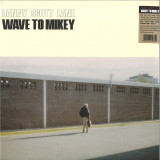
Wave to Mikey, the fourth album from the Los Angeles-based actor, musician and photographer Danny Lane is a nocturnal, neon-lit ode to the friendships that shape us. “I made this album for my friend Mikey from back home,” Danny explains. “We were pretty much inseparable for a large part of our lives, and our musical and social minds were always in sync in a special way. Then with age, we drifted apart, especially since I moved to Los Angeles. This album is just a little wave hello to an old friend and a kindred spirit.”
Equal parts avant-garde composition, instrumental city-pop, ambient, Kankyō Ongaku (environmental music) and Fourth World music, Wave to Mikey is an impressionistic and reflective cycle of eleven richly detailed memory portraits. Throughout the album, the influence of Jon Hassell, Arthur Russell, Hiroshi Yoshimura and Yellow Magic Orchestra hangs in the air like late-night mist, adding character but never overshadowing the rhythmic ambience of Danny’s musical visions.
Wave To Mikey began as a series of sketches on analog synthesisers, guitar, sample and found percussion sketches, initially recorded in Danny’s home studio. Once he’d located the vibe, Danny called on his friends E Talley II, Solange collaborator John Carroll Kirby and Destroyer session musician Joseph Shabason, who respectively added flute, spiritual synth textures and saxophone to the record.
For Glossy Mistakes founder Mario G.R., who originally discovered Danny through his photography, Wave To Mikey captures a vivid feeling of melancholy and peace. “He's able to encapsulate emotions in a very straightforward way, either in his portrait or songs,” Mario says. “I think that's a kind of virtue or skill given to talented artists, no matter the field.”
Born and raised in Staten Island, New York, Danny began playing music with his friends when he was thirteen, before putting that passion on pause to study Fine Arts (Theatre) at Rider University in Lawrence Township in pursuit of an acting career. Acting led him to photography, after playing a photographer in a film, he was inspired to pursue the medium. Danny began shooting photos on film for magazines and lifestyle brands, spent a stint living in New York’s Chinatown neighbourhood, and eventually relocated to Los Angeles in 2017.
Four years ago, Danny started recording and releasing music under his own name, leading to the trilogy of releases that preceded Wave To Mikey, How To Empty A Cup (2019), Memory Record (2019) and CAPUT (2021). Over the course of these releases, he’s revealed himself to be a sophisticated composer and producer with a studied ear from years spent digging through record bins for ambient, experimental, new age, jazz and electronica records from around the globe, with a particular emphasis on Japan.
“Music is something that’s always been involuntary for me,” Danny reflects. “It’s unconditional, always there. It’s something I just have to do. I’ve taken breaks and it’s always gloomy when I’m not playing. I just want to get better and better and understand more and more.”
Here at Glossy Mistakes, Wave To Mikey marks our second contemporary album release, following on from Evenings by Japanese composer Metoronori. We’re proud to be able to present Danny, Metoronori and other modern musicians' work alongside reissues of classic works from Stevia aka Susumu Yokota, Akira Ito, Yuji Toriyama & Ken Morimura, and Takashi Kokubo.
Mastered by Damian Schwartz, Wave To Mikey will be released on Vinyl LP Glossy Mistakes on June 27 2022. Besides the regular black vinyl, a limited clear vinyl will be available in an edition of 100 copies. Both editions come packaged with original cover art photography shot by Danny.
out of Stock
Last delivered 3 years ago available to reorder, subject to availability
“Lovage” is defined as “an herb that is said to be a benefit for relieving abdominal pains due to gastrointestinal gas…also touted to reduce flatulence when consumed as a tea.” But when placed in the able hands of sonic mastermind Dan “The Automator” Nakamura, recording under the guise of musical lothario Nathaniel Merriweather, the result is a concept album of “music to make love to your old lady by.” With the help of collaborators such as Mike Patton (vocals), Jennifer Charles (vocals) and Kid Koala (turntables), Merriweather serves as your personal guide to the sensual side of life, painting a satirical, darkly funny portrait of love and sex with left-field hip-hop and instrumentals as only he can do.
• Revised reissue of the acclaimed first-ever book-length investigation into French Touch.
• Back in print for the first time since 2004.
• Updated version features previously unpublished interviews with Daft Punk, Laurent Garnier, Cerrone, Jean Jacques Perrey, Motorbass, Chris Le Friant (aka Bob Sinclar), Air, Etienne de Crecy, La Funk Mob, Cassius, The Micronauts, Stardust, Benjamin Diamond, Modjo, DJ GilbR, i-Cube, DJ Cam and many more...
During the second half of the 1990s, Paris experienced a dance music revolution thanks to groundbreaking artists like Daft Punk, Air, Super Discount, Motorbass, Cassius, Dimitri from Paris, Bob Sinclar and many, many more. It was a scene that became known as French Touch and was heralded throughout the world as the epitome of dance music cool, forever placing Paris on the dance culture map.
Journalist and author Martin James was there right from the start, documenting the scene from its inspirations to its earliest moments and onto its global breakthrough. In the process, he inadvertently provided the French Touch moniker that became adopted throughout the world.
Drawing on a dazzling array of exclusive interviews with the biggest names in French electronic music history, French Connections explores France’s significant contribution to dance music culture that paved the way for the French Touch explosion.
“Endlessly informative and thoroughly enjoyable, James manages to bring even the most boring artists (Air) to vibrant life with his energetic prose and rich imagery.” Bob Stanley, Mojo
“(James) has a rare, imagistic talent for evoking the unearthly sounds of modern dance music.” The Guardian
“Viva Monsieur James! Essential reading for all fans of Gallic grooves.” DJ Mag
“If ever a book was overdue then it’s this one, which charts the influence of French electronica on the world outside the hexagon over the past decade or so… tres bien.” Select
This is the "lost" second album by hard-prog band T.2., featuring demos recorded at Decca Studios by the original line-up in 1970, just after the release of their debut masterpiece It'll All Work Out In Boomland.
Known also as T.2. and Fantasy, 1970 shows T.2. at their rawest, featuring the explosive guitar of KEITH CROSS, the powerful drumming and cool vocals of PETER DUNTON and the fantastic bass playing of BERNIE JINKS.
Oh wow! Die Zeit ist wieder gekommen, den Piratenhut aufzusetzen und die Gummienten aufzublasen,
denn die weltberühmte Pirate Metal Drinking Crew ALESTORM setzt mit ihrem siebten Studioalbum
Seventh Rum of a Seventh Rum die Segel und begibt sich erneut auf hohe See! Produziert von ihrem
langjährigen Mitstreiter Lasse Lammert, wird dieses epische Abenteuer am 24. Juni 2022 über Napalm
Records veröffentlicht.
Wieder einmal wird die Band von einer ganzen Reihe von Gastmusikern unterstützt, darunter die Drehleier
von Patty Gurdy, der Gesang von Captain Yarrface von Rumahoy, das Geigenspiel von Ally Storch von
Subway To Sally, majestätische Chöre von Hellscore, sowie einige bekannte spanische und japanische Sängerinnen und Sänger im letzten Teil der „Wooden Leg“ Saga. Am wichtigsten ist aber eine absolute
Weltpremiere: Auf dem Album wird zum ersten Mal ein Spiegelei als Instrument in einem Metal-Song verwendet – gekonnt gespielt von Matt Cockram. Aber damit nicht genug! Als besonderen Leckerbissen für
eingefleischte Sammler enthalten einige Sondereditionen eine vollständige akustische Version des gesamten
Albums, und es gibt sogar noch einmal eine legendäre Version des Albums FÜR HUNDE!
Worauf also noch warten? Mach sieben Flaschen mit altem Rum auf und mach dich bereit für die musikalische Reise deines Lebens!
Der 23-jährige Londoner David Omoregie ist ein Ausnahmetalent. Unter dem Künstlernamen Dave legt
sich der britische Rapper in seinen Songs mit Premierminister:innen an, spricht über Rassismus, soziale Ungleichheit und das nicht universelle Erleben von Schwarzsein. Heute erscheint sein zweites Album ”We‘re
All Alone In This Together”, das laut der englischen GQ ”meist erwartete britische Rap-Nachfolgealbum
aller Zeiten”.
Das Cover zu ”We´re All Alone In This Together” ist eine Neuinterpretation von Claude Monets ”Impression, Soleil Levant”, ein Ölgemälde des französischen Malers aus dem Jahr 1872, das sich als namensgebend
für die Bewegung des Impressionismus herausstellen sollte. Auf den Albumtitel ”We´re All Alone In This
Together” brachte ihn der deutsche Filmkomponist Hans Zimmer während eines gemeinsamen Videochats.
Beide steuerten im letzten Jahr die Musik für eine Episode von Sir David Attenboroughs ”Planet Earth”
bei. Natürlich bezieht sich der Titel auch auf die vergangenen anderthalb Jahre während der Pandemie.
Musikalisch ist ”We´re All Alone In This Together” abwechslungsreich in Tempo und Inhalt, so rappt
Dave beschwingt mit Stormzy auf der ersten Single Auskoppelung ”Clash” über Konsum und was dieser
mit einem anstellt, holt sich für seinen nächsten Sommer Hit WizKid ins Boot. Weitere Features wie James
Blake, Boj & Snool Aalegra dürften auch nicht enttäuschen.
”We´re All Alone In This Together” könnte das wichtigste britische Musikalbum des Jahres werden.
Der 23-jährige Londoner David Omoregie ist ein Ausnahmetalent. Unter dem Künstlernamen Dave legt
sich der britische Rapper in seinen Songs mit Premierminister:innen an, spricht über Rassismus, soziale Ungleichheit und das nicht universelle Erleben von Schwarzsein. Heute erscheint sein zweites Album ”We‘re
All Alone In This Together”, das laut der englischen GQ ”meist erwartete britische Rap-Nachfolgealbum
aller Zeiten”.
Das Cover zu ”We´re All Alone In This Together” ist eine Neuinterpretation von Claude Monets ”Impression, Soleil Levant”, ein Ölgemälde des französischen Malers aus dem Jahr 1872, das sich als namensgebend
für die Bewegung des Impressionismus herausstellen sollte. Auf den Albumtitel ”We´re All Alone In This
Together” brachte ihn der deutsche Filmkomponist Hans Zimmer während eines gemeinsamen Videochats.
Beide steuerten im letzten Jahr die Musik für eine Episode von Sir David Attenboroughs ”Planet Earth”
bei. Natürlich bezieht sich der Titel auch auf die vergangenen anderthalb Jahre während der Pandemie.
Musikalisch ist ”We´re All Alone In This Together” abwechslungsreich in Tempo und Inhalt, so rappt
Dave beschwingt mit Stormzy auf der ersten Single Auskoppelung ”Clash” über Konsum und was dieser
mit einem anstellt, holt sich für seinen nächsten Sommer Hit WizKid ins Boot. Weitere Features wie James
Blake, Boj & Snool Aalegra dürften auch nicht enttäuschen.
”We´re All Alone In This Together” könnte das wichtigste britische Musikalbum des Jahres werden.
Nach dem Erfolg seines Debüt-Albums „Kid Krow“ (2020), veröffentlicht Conan Gray jetzt sein zweites
Studioalbum „Superache“. Der 23-Jährige gilt mittlerweile als eine der interessantesten Stimmen der
amerikanischen Gen-Z Pop-Kultur.
Fans können sich auf einiges gefasst machen. Conan selbst sagt über sein neues Album: „‘Kid Krow‘ was
just the introduction“. Mit „Superache“ beginnt für Conan ein neues Kapitel seiner Karriere, hier möchte
er jetzt all das sagen, dass er sich vorher nicht getraut hat.
Einen Vorgeschmack lieferte schon seine Single „Memories“, die das Thema des Albums gut einfängt. Conan sagt: „(The Album is) just about that ache of being young and sometimes dramatic about the way that
you deal with pain and heartbreak and mourning.” Zusätzlich zu seinem neuen Album, können Fans seine
ausgefallenen Bühnenoutfits jetzt auch weltweit live bestaunen. Conan ist 2022 auf Welttournee, 4 Konzerte davon sind in Deutschland. Neben der digitalen Variante gibt es das Album als CD und Vinyl zu kaufen
”Sometimes, Forever” - das dritte Album von Soccer Mommy erscheint am 24.06. und beweist Sophie
Allison endgültig als einer der talentiertesten Songwriterinnen der Rockmusik unserer Zeit. Mit cleveren
Anspielungen auf Synthie-Subgenres wie New Wave und Gothic erweitert die heute 24-Jährige die Grenzen
ihrer Ästhetik. ”Sometimes, Forever” ist eine faszinierende Sammlung, die sowohl von der Vergangenheit
als auch von der Gegenwart geprägt ist und damit das gewagteste und ästhetisch abenteuerlichste Werk
von Soccer Mommy. Das Album lebt von widersprüchlichen Kräften: Verlangen und Apathie, Ekstase
und Elend, Gut und Böse, Selbstbeherrschung und Wildheit. Unverblümte Liebeslieder reiben sich an viel
düstererer Kost mit makabre Bildern, die selbst die fröhlichsten Passagen heimsuchen. Aber da es ihr heute
besser geht als zu der Zeit, als sie die Lieder schrieb, hat sie keine Probleme damit, in den Momenten des
unkomplizierten Glücks zu schwelgen, die neben der Dunkelheit existieren. Sie sagt: ”Ich wollte nicht etwas
super Deprimierendes ohne jeden Sinn für Magie machen”. Der Album-Titel bezieht sich auf die Idee, dass
sowohl gute als auch schlechte Gefühle zyklisch sind. ”Kummer und Leere gehen vorbei, aber sie kommen
immer wieder - genauso wie die Freude”, sagt Allison. ”Irgendwann ist man gezwungen zu sagen: Ich muss
einfach beides nehmen.”
Produziert wurde der neue Longplayer von Daniel Lopatin aka Oneohtrix Point Never.
How Sweet It Is (To Be Loved By You)' is a new advance single on the album. It’s an instrumental cover of Marvin Gaye's 1964 Motown classic. This reading of the song has a shuffle groove and features uber rhythms from Brand New Heavies' guitarist Simon Bartholomew. As Bangs put it, "we wanted to put a different slant on the tune, small combo vibe with a Wurlitzer piano lead. We were thinking of getting a vocalist to sing the tune but it's been done that way so many times.
Denver-based Seafoam (Brian Cavender) is by far the most prolific of the talented Cavender brothers, but he has remained elusive for his 2+ decades-long career in deep funk. After releasing a one-off 12-inch in 1999 on a small Denver label, Seafoam quickly found his way to the Guidance family by way of gatherings at Miami's Winter Music Conference. A string of three twelves on Guidance from 2000 to 2003 cemented his legacy early in his career, however, having never quite reached the same heights as some of the Guidance greats, Seafoam's output mysteriously declined around the time of the label's demise. New releases dried up until the formative reissue campaign of Paris-based Rue De Plaisance in 2017, which culminated in the essential Collected Works 1999-2005 double LP. The flood gates opened, and a whole new generation of diggers and labels turned to his sound. And Seafoam, seemingly untouched by the passage of time, hunkered down in the studio with a steady release schedule-a new lease on life for the occult deep house assassin.
out of Stock
Last delivered 2 years ago available to reorder, subject to availability
The second release of Distant Waters has been conceived with the idea of making something dynamic with flow and motions as a scene of sea hunting with several wild oceanic animals. So we collaborated with different inspired divers who came all around Europe to give their vision of our synchronized hunting. Solidwood the italian man behind the label Planet Tapes open this VA with a warm, stirring & progressive track. Then Sans Sucre strikes again, like a seagull who plunges into a big shoal of fish with a high energy track. The guys from Toulouse, Soyouz & Groenogen keep the flow going with a speedy micro-acid track that will make people dance as fast as a group of sardines trying to escape from their predators. English newcomer Human Logo close this EP with a shiny housy track with samples of whales which call for a hunting session.
out of Stock
Last delivered 5 months ago available to reorder, subject to availability
Emerging from the shadows, Hesperius Draco returns to Frigio with a solo release for the first time since his 2016 album Actus Tragicus.
Directive V conjures up the magic of giallo horror, silver screen slashers and smoky synthlines, while exploring something altogether new. Tempered percussion and low bass-lines introduce the 12” with “Lexploitation”. Cinematic influences percolate in the steady percussion and lonesome elation of “Memories of Sex Desire.” The mood changes on the flip with “Leaders In Space.” Guitar strings and breathy samples blend to create a leering late lounge track spiked with acid notes and vocoder bitterness. The finale brings something totally different. The gurgling acid line is amplified as Hesperius Draco unveils “Cyber Bondage.” Floor centric and machine steeped, stabbing synth-lines, rusted rhythms and an inchoate energy course through this finale to display yet another side of Alessandro Parisi’s sound.
out of Stock
Last delivered 11 months ago available to reorder, subject to availability
A soundtrack of Sudan's revolution and the first ever international release of the Beja sound, performed by Noori and his Dorpa Band, an unheard outfit from Port Sudan, a city on the Red Sea coast in eastern Sudan and the heart of Beja culture.
Beja Power! is a living archive of the finest, most heartfelt Beja songs—a six-track portal to another time and place, of melodies long forgotten and never before interpreted by an electric and brass-driven ensemble. Few older Beja recordings were produced. Even fewer, if any, remain.
Electric soul, blues, jazz, rock, surf, even hints of country, speak fluently to styles and chords that could be Tuareg, Ethiopian, Peruvian or Thai—all grounded by hypnotic Sudanese grooves, Naji's impeccable, airy tenor sax, and of course, Noori's tambo-guitar, a self-made unique hybrid of an electric guitar and an electric tambour, a four-string instrument found across East Africa.
A truly ancient community, Beja trace their ancestry back millennia. Some say they are among the living descendants of Ancient Egypt and the Kingdom of Kush. They are even depicted in the hieroglyphics. Beja melodies—nostalgic, hopeful and sweet, ambiguous and honest—are thousands of years old. Yet their sounds are also reminiscent of Dick Dale's 1963 "Misirlou" and jazz great Charlie Rouse's 1968 "Meci Bon Dieu". This album could be 6,000 years, 60 years, or 6 months old.
Along with his Dorpa Band, formed in 2006, Noori's instrumental Beja music forms the latest link in an unbroken chain of an inherited, arresting sound that is local as it is global, a gift of a storied past and the exchanges of the well-traveled Red Sea.
Ostinato Records is honored to bring the nearly forgotten Beja sound in all its nostalgia, sweetness, honesty, and power, recorded and mastered to maintain the warmth of Sudan's signature aesthetic, to your sound system.
out of Stock
Last delivered 3 years ago available to reorder, subject to availability
An absolutely legendary album from Lebanon by Issam Hajali’s group Ferkat Al Ard, “Oghneya” stands out as one of the great musical gems of the Arab world. A groundbreaking release from 1978 that represents the meeting point of Arab, jazz, folk and Brazilian styles with the talent of Ziad Rahbani, who did the albums arrangements. Filled with a variety of sounds and genres, from Baroque Pop to Psych-Folk to flashes of Bossa Nova, Tropicalia and MPB, “Oghneya” is like if Arthur Verocai took a trip to Beirut in the 70’s to record an album.
In 2015 we heard Ferkat Al Ard’s music for the first time, a Lebanese trio compromised of Issam Hajali, Toufic Farroukh and Elia Saba. It was a stunningly unique release that blends traditional Arabic elements, jazz and Brazilian rhythms hand in hand with poetic-yet-politically engaged lyrics. The band was active in the left-wing movement of Lebanon of the time and they communicated their political ideas candidly through their songwriting.
In our mind the idea was to see whether Issam was interested in re-releasing “Oghneya.” He was not opposed to it, but also made it clear that it was not his priority for a first project. He suggested we start with his first album, before Ferkat Al Ard was formed, “Mouasalat Ila Jacad El Ard,” which was recorded in 1977 in Paris together with his friend Roger Fakhr (whose work we have been privileged to re-release in the meantime as well.) “Mouasalat Ila Jacad El Ard” is melancholic, stripped-down, guitar-based folk intertwined with jazz-fused breaks, and the unique sound of the santour glistens through. While the music is very accessible, some song structures are rather atypical, neglecting common patterns of verse, hook, verse, hook. The lyrics mostly trace back to the poetic work of Palestinian author Samih El Kasem, with one song also written by Issam, who composed the music for the whole album.
We re-released Issam’s “Mouasalat Ila Jacad El Ard” in 2019 to a great reception, with positive reviews all over the place and an ongoing appreciation for the album. This meant it was time for us to undertake an “Oghneya” re-release again!
If you compare “Mouasalat Ila Jacad El Ard” and “Oghneya,” one apparent distinction is the strong Brazilian influence in the music. Issam Hajali explained that you can already hear traces of this influence on his debut, but it’s “Oghneya” where this musical relationship really peaks. Lebanon and Brazil have had a strong connection for nearly a century due to the continuous flow of immigrants from one country to the other. Today, Brazil has the largest Lebanese diaspora in the world, the “Brasilibanês”. The migratory route was not a one-way street, however, and some Lebanese returned to their home country, taking recordings of the music they learned to love in Brazil with them. They were followed by Brazilian musicians who visited primarily Beirut during the 1960’s and the first half of the 1970’s, just like many other musicians from around the world. In these years between the independence and the beginning of the civil war, Beirut became even more of a cultural center and regional hub than it already was.
Bossa Nova, at that time, was one of the defining sounds of Brazilian popular music. Issam Hajali remembers hearing it at a bar in Beirut’s Hamra district in 1974, which hosted musicians from Brazil playing the occasional gig. When Issam had returned from Paris in 1976 he got to know Ziad Rahbani, son of Fairouz, who had a shared passion with Issam for a lot of things, among them Brazilian music. Issam showed him some of the tracks he was working on, and Ziad agreed to help with arranging. The music that evolved from this cooperation between Ferkat Al Ard and Ziad Rahbani’s arrangement is, to put it lightly, outstanding. Issam’s singing is embedded into the uniquely beautiful string arrangements backed by the band’s poignant, swinging groove. The lyrics of the songs on “Oghneya” are based on poems by Mahmoud Darwish, Samih Al Qasem and Tawfiq Ziad, three pillars of Palestinian poetry within the last century, and their influence on “Oghneya” was itself a strong political statement during the Lebanese war.
“Oghneya” was eventually released in 1978 by the band themselves on cassette tapes. Finding a blank tape that fit the playing time proved to be impossible during the war so they needed to open up the case of each cassette to physically cut down the tape and customize it to the playing time. The album was well received, though some cultural critics deemed it too “occidental” in its sound. While the cassette was circulating, Ziad Rahbani started a label called Zida, together with Khatchik Mardirian. They decided to help the band with a re-release on vinyl in 1979, a year after “Oghneya” was originally released on cassette.
Sadly, there are two tracks from the original release of “Oghneya” that did not make it onto the reissue. “Ghfyara Ghaza” was replaced by the song “Juma’a 6 Hziran.” while “Huloul” was taken off without a replacement. This happened as a precondition from the band for this reissue to happen. We would have loved to include all tracks, but the decision ranged between having either a reissue like the one we put out or no reissue at all. Thus, an easy choice for us.
As always both vinyl and CD come with an extensive booklet with an interview with Issam as well as unseen photos from the recording sessions.
out of Stock
Last delivered 4 years ago available to reorder, subject to availability
In 1990 Ronald Lee Trent Jr. was the teenage creator of Altered States – a raw, futuristic techno-not-techno anthem, which in retrospect was something of a stylistic anomaly for the young artist. Across subsequent years, with time spent in Chicago, New York and Detroit, came the development of his signature sound, and renown as a world class purveyor of deep, soul infused house/garage. This story has already been told, and on casual inspection, the well-worn platitude ‘house music legend’ is an old shoe that still fits. However, in fact, he’s actually so much more, and has been for quite a while. A genuine musician, songwriter, and ‘producer’ in the proper, old-school sense, the artist today has more in common with Quincy Jones than he does your average journeyman DJ track-hack.
To those in the know, these broader skills haven’t gone unnoticed, which is why on the highly collaborative, career-topping new LP ‘What Do The Stars Say To You’, it took little persuasion to recruit serious star power. Brazilian royalty Ivan Conti and Alex Malheriros from Azymuth, violin maestro Jean Luc Ponty, ambient hero Gigi Masin, hype band Khruangbin and more performed, whilst NY cornerstone François K provided mastering duties. At various points Ron himself played drums, percussion, keys, synths, piano, guitar and electronics.
Harking back to the 70s and 80s boom in adventurous, luxurious albums, WDTSSTY is a love letter to the longplayer, where rich musicality and a liquid smooth, silky flow make seemingly odd genre bedfellows acquiesce harmoniously. Each song its own high-fidelity odyssey, Trent incorporated a broad range of live instruments and electronics into a sophisticated, euphonic whole. Described by him as being “designed for harmonising with spirit, urban life and nature”, this is aural soul food, gently easing you into balmy nights, where everything is alright.
Originally wanting to be an architect, Trent’s views his approach to collaboration and music in general as having the same principles. A firm believer in the nourishing qualities of sound, he sees direct parallels between the two disciplines, being as the purpose of good architecture is to improve quality of life. “With WARM, through sound design, I built frameworks for the musicians, who furnished and occupied these structures beautifully, which was a big compliment for me”, he comments.
The conditions required for a good collab are more than simply structural though, as Trent expounds, “I’m a huge fan of everyone on the record, especially Jean Luc and Azymuth, who’re part of my DNA. Each track was made with that guest in mind – for example, when I started writing ‘Sphere’, I immediately thought ‘this IS Ponty’. I played the keys in his style, and did a guide violin solo using a synth, which he then re-did, amazingly. ‘Cool Water’ is based around Azymuth themes, so when I sent it to Ivan, he could immediately see himself in the piece; He got what I was going for straight away. For ‘Melt Into You’ I hit up Alex on Instagram, sent him the track, he liked it, and within 24 hours he’d sent back six different bass passes!”
“Conversely, Admira began with a sketch sent by Gigi and became something combining Jon Hassell-esque chords and the feel of ‘Aquamarine’ by Carlos Santana, which links back to Masin’s recurrent nautical theme”, he adds.
With community, history and the need for racial equality never far from Ron’s mind, ‘Flos Potentia’ translates from Spanish as flower power, but rather than promoting some hippy idyll, instead it refers to plants which drove the slave trade: tobacco, sugar and cotton. Joined by Khruangbin, together they propel Dinosaur L, Hi-Tension and afrobeat into an ethereal, clear-skyed stratosphere.
Aside from these esteemed guests, other key influences cited by Trent include ‘Gigolos Get Lonely Too’ by Prince, ‘Beyond’ by Herb Alpert, David Mancuso, Jan Hammer, Tangerine Dream, The Cars, Trevor Horn, Alan Parsons Project and pre-Kraftwerk incarnation Organization. A multitude of others are audible too, including George Bension, Vangelis, Loose Ends, Maze, Flora Purim, Weather Report, Atmosphere, Grace Jones, James Mason and Brass Construction.
On the subject of influences, although opposed to the fences erected by genre tags, to understand where Ron is coming from, and where he’s at, it’s important to acknowledge just how big the palette is from which he paints. Traversing jazz funk, quiet storm, sophisti-pop, new age, new wave, kosmische, Balearic, samba, afrobeat, Latin rock, soft rock and yacht rock, his deeply entrenched digger’s knowledge pays off in dividends.
out of Stock
Last delivered 8 months ago available to reorder, subject to availability
In 1990 Ronald Lee Trent Jr. was the teenage creator of Altered States – a raw, futuristic techno-not-techno anthem, which in retrospect was something of a stylistic anomaly for the young artist. Across subsequent years, with time spent in Chicago, New York and Detroit, came the development of his signature sound, and renown as a world class purveyor of deep, soul infused house/garage. This story has already been told, and on casual inspection, the well-worn platitude ‘house music legend’ is an old shoe that still fits. However, in fact, he’s actually so much more, and has been for quite a while. A genuine musician, songwriter, and ‘producer’ in the proper, old-school sense, the artist today has more in common with Quincy Jones than he does your average journeyman DJ track-hack.
To those in the know, these broader skills haven’t gone unnoticed, which is why on the highly collaborative, career-topping new LP ‘What Do The Stars Say To You’, it took little persuasion to recruit serious star power. Brazilian royalty Ivan Conti and Alex Malheriros from Azymuth, violin maestro Jean Luc Ponty, ambient hero Gigi Masin, hype band Khruangbin and more performed, whilst NY cornerstone François K provided mastering duties. At various points Ron himself played drums, percussion, keys, synths, piano, guitar and electronics.
Harking back to the 70s and 80s boom in adventurous, luxurious albums, WDTSSTY is a love letter to the longplayer, where rich musicality and a liquid smooth, silky flow make seemingly odd genre bedfellows acquiesce harmoniously. Each song its own high-fidelity odyssey, Trent incorporated a broad range of live instruments and electronics into a sophisticated, euphonic whole. Described by him as being “designed for harmonising with spirit, urban life and nature”, this is aural soul food, gently easing you into balmy nights, where everything is alright.
Originally wanting to be an architect, Trent’s views his approach to collaboration and music in general as having the same principles. A firm believer in the nourishing qualities of sound, he sees direct parallels between the two disciplines, being as the purpose of good architecture is to improve quality of life. “With WARM, through sound design, I built frameworks for the musicians, who furnished and occupied these structures beautifully, which was a big compliment for me”, he comments.
The conditions required for a good collab are more than simply structural though, as Trent expounds, “I’m a huge fan of everyone on the record, especially Jean Luc and Azymuth, who’re part of my DNA. Each track was made with that guest in mind – for example, when I started writing ‘Sphere’, I immediately thought ‘this IS Ponty’. I played the keys in his style, and did a guide violin solo using a synth, which he then re-did, amazingly. ‘Cool Water’ is based around Azymuth themes, so when I sent it to Ivan, he could immediately see himself in the piece; He got what I was going for straight away. For ‘Melt Into You’ I hit up Alex on Instagram, sent him the track, he liked it, and within 24 hours he’d sent back six different bass passes!”
“Conversely, Admira began with a sketch sent by Gigi and became something combining Jon Hassell-esque chords and the feel of ‘Aquamarine’ by Carlos Santana, which links back to Masin’s recurrent nautical theme”, he adds.
With community, history and the need for racial equality never far from Ron’s mind, ‘Flos Potentia’ translates from Spanish as flower power, but rather than promoting some hippy idyll, instead it refers to plants which drove the slave trade: tobacco, sugar and cotton. Joined by Khruangbin, together they propel Dinosaur L, Hi-Tension and afrobeat into an ethereal, clear-skyed stratosphere.
Aside from these esteemed guests, other key influences cited by Trent include ‘Gigolos Get Lonely Too’ by Prince, ‘Beyond’ by Herb Alpert, David Mancuso, Jan Hammer, Tangerine Dream, The Cars, Trevor Horn, Alan Parsons Project and pre-Kraftwerk incarnation Organization. A multitude of others are audible too, including George Bension, Vangelis, Loose Ends, Maze, Flora Purim, Weather Report, Atmosphere, Grace Jones, James Mason and Brass Construction.
On the subject of influences, although opposed to the fences erected by genre tags, to understand where Ron is coming from, and where he’s at, it’s important to acknowledge just how big the palette is from which he paints. Traversing jazz funk, quiet storm, sophisti-pop, new age, new wave, kosmische, Balearic, samba, afrobeat, Latin rock, soft rock and yacht rock, his deeply entrenched digger’s knowledge pays off in dividends.
out of Stock
Last delivered 4 years ago available to reorder, subject to availability
Compiled by Sean Marquand and Greg Caz, 2 DJs well-known for their epic parties at Williamsburg’s legendary Black Betty club, that sadly closed in 2009. The duo played a deep variety of strictly vintage samba, samba-rock, Tropicalia, and Brazilian funk under the banner of ‘Brazilian Beats Brooklyn’.
Sean is known as half of Embassy Sound Productions. He took his team to Brazil to help resurrect Black Rio legends Uniao Black for a new release. Greg has DJ'd at some of the hottest Brazilian parties around the globe and presents a monthly radio show ‘Warm Wave’ on Soho Radio NYC.
Featuring Noriel Vilela’s singular “16 Toneladas,” a sublime cover of the Tennessee Ernie Ford smash “16 Tons” with a spare samba groove and unbelievable baritone vocals and hot jams from Tim Maia, Erasmo Carlos, Joao Bosco, Toni Tornado.
Included in this compilation of original 60's and 70's Brazilian gems are some of Greg and Sean's favourite tracks that have been filling dancefloors for years.
out of Stock
Last delivered 4 years ago available to reorder, subject to availability
The unique sounds of Ray Phiri's Stimela are showcased on this gem of a 12” EP from 1986. It was originally released only in South Africa on Gallo / CBS Records, although a 12" featuring the track 'I Hate Telling A Lie' was previously released on Plum Records in 1983. It has now become a sought-after item due to its addictive and original-sounding Balearic disco / cosmic boogie-esque nature.
Stimela were a popular and successful Mbaquanga / fusion outfit led by the guitarist, vocalist, songwriter, producer and arranger Ray Phiri; who was previously a member of the legendary band The Cannibals. The musicians would go on to gain global fame after featuring on Paul Simon's iconic 'Graceland' album and the mega tour that followed.
Kicking off the EP is a magical track that floored us from the first moment we heard it and one that has since become a Mr Bongo firm favourite. ‘I Hate Telling A Lie’ is a slow, infectious building groove that sits somewhere between lowdown jazz-funk, soul, reggae and gospel with shades of new wave pop and Balearic. It’s a truly stunning track that is hard to pigeonhole and all the better for it.
Another highlight from the EP is the monster instrumental, synth-boogie sound of 'I Love You'; championed by DJs such as Jeremy Spellacey (Crown Ruler). This hypnotic groove bubbles to perfection and is a slo-mo chugger extraordinaire.
We hope you dig it as much as we do.
out of Stock
Last delivered 4 years ago available to reorder, subject to availability
Hassan Ideddir’s 1989 single “Atfalouna” sees an expanded repress courtesy of Dark Entries. Born to Berber parents in Morocco, Ideddir began making music at the age of 10 after being discovered singing in the stairwell by his school’s headmaster. Encouraged by his peers, he began playing concerts, and his status grew. In 1987, he played a string of sold-out concerts in Casablanca, Rabat, and Marrakesh, in support of a children’s charity. The success of these concerts secured him a record deal, and he went to Paris to record his debut single “Atfalouna” in 1988.
Released in 1989 on WEA, “Atfalouna” is a dense slab of multi-genre pop. An opening wash of digital synths and reverberant vocals quickly falls away to a cascade of orchestra hits and pulsing electronic drums; the monotone chant-rap of a female chorus collides with Ideddir’s soaring melismatic vocals, pleading against the injustice and hunger in the world. While Hip-Hop and New Beat borrowed tropes from Arabic music, “Atfalouna” inverts the gesture, resituating orchestra hits and sampling techniques within a Moroccan music framework. A shorter instrumental version follows, which preserves the female vocals. Also included are two tracks not on the original 12”. “Ibina” is a moody, downtempo instrumental that sounds like a cult Italo B-side. The record closes with “Ydouchababe”, an electro number driven by funky guitars, electronic claps, huge horn riff. Here, Ideddir sings of a youth festival honoring Hassan II, former king of Morocco.
All songs were remastered by George Horn. The sleeve is a replica of the original 12” cover art, featuring Ideddir set in a cheeky collage of clocks, columns, and camels. Also included is a postcard with a photo of Hassan, as well as lyrics in both Arabic and English. We will be donating 100% of proceeds from this release to Sphere who provide support to the young queer community across Ukraine and the Palestine Children's Relief Fund who help provide urgent humanitarian care for Gaza's children.
out of Stock
Last delivered 62 days ago available to reorder, subject to availability
2001: Guillaume Atlan is nominated with 'Starlight' at the MTV Awards in the best French artists category. 20 years later, the first generation French Touch (Modjo, Demon, Cassius, Stardust, Etienne de Crécy etc.) is almost gone. Among the few still active, The Supermen Lovers, who will release his fourth studio album, 'Body Double', end of May.
A reference to Brian de Palma's film and its perfect plastic, the disc bears witness to the many artistic encounters and tumults of love that feed Guillaume during his trip to Kyiv from 2018 to 2020. Love can move mountains but can also destroy a man. Demons and emotions will make him go back to the studios, firstly in Kyiv, which reminds him of Paris in the 90s : strong energy, a thirst for discovery, creation and pure spontaneity. Straddling 2 musical bodies, the heart of Body Double balances between vocal electro-disco and clubbing, without forgetting this analog/digital jumble dear to Guillaume. He is an electro producer, a DJ, but above all a multi-instrumentalist. Machines in contact with “real” instruments…
out of Stock
Last delivered 4 years ago available to reorder, subject to availability
Die DIY-Indie-Rocker aus Washington DC veröffentlichen ihr zweites Album auf Domino. Während Constant Image (2018) irgendwo zwischen New-Wave und Post-Punk verankert war, strotzt das neue Album Love Is Yours nur so vor guter Laune, Melodie und sorgfältig eingefädelten Hooks.
Das 2018 erschienene Debüt der Band, "Constant Image", war ein Triumph - eine Reihe von Songs, die die Balance zwischen New-Wave-Fülle und Post-Punk-Raserei hielten. „Love is Yours" strotzt hingegen nur so vor guter Laune, Melodie und sorgfältig eingefädelten Hooks, wobei die Band die Pop-Sensibilität in den Vordergrund rückt, die schon bei ihren früheren Veröffentlichungen immer präsent war. Es behält die Haltung bei, die für die DIY-Wurzeln der Band grundlegend war, lässt aber einen Hauch von Angst los. Obwohl die Songs Desillusionierung und Verlust verarbeiten, strahlt die Musik Wärme und Optimismus aus.
· First ever reissue of this mega rare sought after French acid psych secret!
· Featuring an insert with liner notes and interviews by Quentin Orléan, plus photos!
· Limited edition of 500 copies only!
Ultra rare, sought after French acid folk psychedelic masterpiece, Long Orme is the work of singer-guitarist-songwriter Yves Fajnberg, his girlfriend singer Anne Marie Butel plus a full cohort of musician friends. The LP was laid down to a 2 track Revox Reel To Reel recorder between late 1974 and early 1975 and originally released in 1975 by Sonart Disques to such a limited run that an original copy sells nowadays for no less than 400 euros.
Together with Yves Chauvet, Fajnberg had worked on Dominique Droin's Wave On LP issued by Le Kiosque d'Orphée, all done on a small home studio set by Chauvet. They used the same facilities, mainly two 2-track Revox reel-to-reel magnetophones and an 8-track mixer, to produce a delightful peace of poetry and acoustic guitar acid folk sounds which will appeal to fans of artists such as Season, Jeff, Beautiful Losers, Yves, Serge & Victor, Manu Lannhuel, Denis, Jean Yves Tourbin, a.o.
Never reissued before, the Wah Wah edition features original sleeve artwork plus an insert with liner notes & interviews by Quentin Orléan. Limited edition, 500 copies only.
One of the most legendary LPs from Uruguay remains a hidden treasure in the rest of the world. It is the first LP by singer Diane Denoir. Diane was a regular in the “Conciertos Beat” (“Beat Concerts”) of Montevideo's 1960s scene where she performed with Eduardo Mateo on guitar (leader of El Kinto, one of the most influential bands in "candombe beat", and the ones who coined the term), Roberto Galletti on drums and Antonio Lagarde on double bass. Diane was also Mateo's muse throughout the early years of his career, he wrote several songs for her, among them “Esa tirsteza,” “Y hoy te vi,” and the classic “Mejor me voy.” Eduardo Mateo would become one of the biggest names of all times in Uruguay's musical scene. Diane, instead, found herself outside the country when the military coup installed a non constitutional government in Urugay in 1973 and was wisely advised by friends not to go back home to avoid trouble with the new dictatorial regime. A brave defendant of Human Rights, she had been very active against torture, thus becoming a target for the dictatorial regime military intelligence. She exiled in Argentina and Venezuela, and she later settled in Europe and didn't perform in public or record again until recent years when she returned to her home country.
On her eponymous 1972 debut album, Diane fused all her influences in one solid sound through songs created by Uruguayan songwriters (Eduardo Mateo, Urbano Moraes –bassplayer for El Kinto,– Daniel Amaro, Giuso Bellanca), plus Argentinian lyricist Edgardo Lisi. She had released a couple of 7" between 1966 and 1970, but it is her debut album –which would be her only one until her 2008 comeback– that made her legend grow among future generations of music lovers.
It's hard to name artists in the same dimension as Diane Denoir for reference, but be sure that you will love this LP if you like the candombe beat scene of El Kinto, Tótem or the Fattorusso brothers (Hugo and Osvaldo) in their post Los Shakers works, but also the bossa nova sound and even artists of their own like Vainica Doble.
Very limited edition, only 500 copies made. Remastered sound. Comes in upgraded artwork, gimmick cover with printed inner sleeve.
FEAN II is the following of the first opus released on Moving Furniture Records in 2018, from some materials of the improvisatory collective FEAN based around Jan Kleefstra (voice, poems), Romke Kleefstra (guitar, bass and effects), Mariska Baars (vocals) and Rutger Zuydervelt (electronics) from Netherlands, joined by the Belgian musicians Annelies Monseré (church organ, keyboard), Sylvain Chauveau (tuned percussion, radio) and Joachim Badenhorst (acoustic and amplified clarinet, bass clarinet, saxophone). Like The Alvaret Ensemble, this project is the result of some improvisations in a Church. But at not the same place.
The FEAN project gets its inspiration from the ecological decay of peatland in the Dutch province Friesland and in other parts of Europe. Agriculture and peat extraction are threatening the landscape severely and with long term consequences. This forms the underlying thought for the improvised recording sessions, which were overseen by Jan Switters. Although the Piiptsjilling members are obviously used to perform and record together, adding the three Belgian guests (who didn’t play together before) added an extra dimension to the group’s dynamics, resulting in a concentrated yet playful series of improvisations, that were later mixed and edited for the project.
For laaps, that was an obvious choice to continue the exquisite corpse project with FEAN and a part of the same members than the first release, just before to move to the Spring season and some news bridges, colors and sounds imprints to come.