Black Label #36 is introducing Mladen Solomun to the Compost Black Label Crew. Solomun who was born in the heart of Bosnia, grew up and still lives in Hamburg. Beside his residency at "Uebel & Gefaehrlich" he is the host of Club "DIY" in his chosen hometown Hamburg since five years now. With his first releases on labels such as Diynamic Music, Sonar Kollektiv, Liebe*Detail and Steve Bug's Dessous Label his tracks were played and charted by DJs like Gabriel Ananda, DJ T., Tobi Neumann, Martin Landsky, Laurent Garnier, Tiger Stripes just to name a few.
For his Black Label debut Solomun has built three very deep and organic tracks.
out of Stock
Last delivered 15 days ago available to reorder, subject to availability
Well here we are unbelievably 50 years on from year zero 1976, when the world stood still at the birth of Punk Rock. To celebrate this monumental occasion Mal-One has worked up a new song called God Save Us All From Misery and to accompany this fine effort he has also worked up alternative versions to what could be the best first 4 singles released by any band. The first four singles released by the Sex Pistols. He has produced his own takes on these classic singles with.. Someone Dropped a Bomb In The UK (Anarchy In U.K.), God Save The King (God Save The Queen), Mal-One’s Out To Lunch (Pretty Vacant) and Holiday In Someone Else’s Misery (Holidays In The Sun). So creating this rocking 5 track 12” E.P. Hope you enjoy the results and here’s to another 50 years… God save Us All…
Reissued for the first time ever, here’s the remastered debut album of jamaican singer/producer Enos McLeod, originally released in 1983 on Soul Beat record. An ultra rare affair recorded at Joe Gibb's studio with a great backing band featuring Sly & Robbie, Earl Chinna Smith, Winston Wright and more…
Essential compilation from a cult classic singer/songwriter whose first three albums are highly collectible in Europe and Japan. After stopping touring, the industry walked away, but the artist kept writing and recording eight more albums, only available via his website. Crossroads features 14 tracks, including 9 previously unheard, with sociopolitical themes, and poetic visionary lyrics that still resonate today. Legendary jazz musicians such as John Scofield and Paul McCandless (Oregon) contribute.
Reissued for the first time on vinyl here’s the debut album of mancunian band Ludus (originally released on New Hormones in 1981). Led by famous visual artist, performer and musician Linder Sterling and guitarist Ian Devine, Ludus moved all along the lines of post-punk and art-rock with their strictly original mix. Includes one extra track.
Studio One Sound is the classic Studio One collection from Soul Jazz Records. Described as ‘The University of Reggae’ by Chris Blackwell, Studio One, and founder Clement ‘Sir Coxsone’ Dodd are by far the most-important names in the history of reggae music. Originally released in 2012 this album has been out of print for many years, making it one of the most-collectible of Soul Jazz Records’ Studio One Series. This is the first ever colour vinyl edition of this classic album.
The album features some of the most in-demand and collectible Studio One tracks from over its fifty-year history and includes incredible legendary reggae artists such as The Heptones, Ken Boothe, The Skatalites, Johnny Osbourne and Wailing Souls. All these artists (and hundreds more) launched their careers at Studio One under the guidance of Clement 'Sir Coxsone' Dodd. The Studio One Sound collection features everything from classic ska and rocksteady to the deepest roots, heaviest dub and dancehall roots. Sleevenotes are by Rob Chapman, author of the celebrated books about Studio One Records, 'Never Grow Old' and 'Downbeat the Ruler'. The exact reproduction of the original artwork features the classic image of Dennis Brown on the cover. This album is newly fully remastered for vinyl by Jason Goz at Transition. Exclusive one-off pressing on heavyweight double transparent green vinyl.
FOLLOWING THE SUCCESS OF “THE OTHER HELL”, GOBLIN ARE BACK FOR RECORD STORE DAY 2026 WITH AN EXCLUSIVE COMPILATION OF SINGLES RELEASED BETWEEN 1975 AND 1979!
For the very first time on vinyl, this compilation gathers together all the singles released by Goblin during their golden era between 1975 and 1979, a journey that begins with the explosive, legendary debut Profondo Rosso, a true chart phenomenon of its time, and reaches the rare Amo Non Amo, passing through unforgettable milestones of Italian film music and progressive rock.
The collection opens with Profondo Rosso and Death Dies, taken from the soundtrack of Dario Argento’s masterpiece that catapulted Goblin to fame, blending dark atmospheres, virtuosity, and a unique sense of cinematic tension. It continues with Roller and Snip Snap, drawn from the instrumental album Roller (1976), a record not tied to any film, yet considered a cult cornerstone of Italian progressive music for its intricate structures and expressive power.
Chi? and Chi? - Parte Seconda follow; two tracks originally composed as the theme for a 1976 RAI television show, which saw Goblin bring their unmistakable sound to a different medium, experimenting within a shorter, punchier format.
Next comes Suspiria with its haunting counterpart Blind Concert, from the soundtrack of Argento’s 1977 horror classic. This remains one of Goblin’s most iconic and unsettling works, where music becomes an active narrative force: hypnotic, percussive, and filled with eerie vocal layers that made it a cornerstone of horror soundtracks worldwide.
From Il Fantastico Viaggio del Bagarozzo Mark (1978) come Un Ragazzo d’Argento and Opera Magnifica, two tracks that highlight the band’s more conceptual and visionary side, a move away from cinema toward a self-contained narrative and progressive experimentation.
The single Yell stands as another late-decade gem. Originally composed as the opening theme for the RAI television series “Sette storie per non dormire” (1978), it captures Goblin’s ability to merge rock energy with electronic pulse, proving their versatility far beyond the horror realm.
The compilation closes with Amo Non Amo and Funky Top, taken from the soundtrack of the 1979 film Amo Non Amo, one of the group’s lesser-known but fascinating cinematic works.
Far more than a simple anthology, The Singles Collection 1975–1979 maps the evolution of Goblin’s sound, from the worldwide success of Profondo Rosso to their most mature and experimental phase. It finally restores to vinyl a body of work that had long been scattered across rare 45 rpm releases, offering fans and collectors a complete, vivid portrait of one of Italy’s most inventive and influential musical ensembles.
LP in Picture Sleeve
Unearthed from the band’s own archive and signed from the band, these previously unreleased demo sessions capture The Cool-Notes at the height of their Brit-soul creativity in the early ‘80s. This RSD release remasters and reissues this once super-limited release which has been selling for £300. This is exactly the kind of find collectors dream about — unreleased UK soul gold. Remastered, 180g Heavyweight Vinyl, Reimagined Sleeve and Labels.
out of Stock
Last delivered 65 days ago available to reorder, subject to availability
Reissue of the legendary Deep House album While You Wait by Nottingham group, Schmoov! celebrating the 25th Anniversary of the release. Available for the first time since its initial release in 2001 & highly sought after on the second-hand market, with the only copies available selling for £70+. Presented here on special purple vinyl, giving a new generation of vinyl collectors an opportunity to own a piece of UK Deep House history.
out of Stock
Last delivered 7 days ago available to reorder, subject to availability
Amore Libero – Free Love marks the first film score composed by Fabio Frizzi, written in 1974 for the movie of the same name directed by Pier Ludovico Pavoni. Set against the exotic backdrop of the Seychelles, the film tells the story of Simo, a free-spirited young woman played by Laura Gemser in her cinematic debut, blending sensuality and the spirit of liberation so typical of the 1970s.
Frizzi’s score perfectly captures the film’s atmosphere, weaving together evocative melodies, funky grooves, and progressive textures — an elegant, psychedelic soundscape that reflects both the tropical setting and the film’s themes of freedom and desire. The recording features the Goblin in their classic line-up: Fabio Pignatelli (bass), Massimo Morante (guitar), Walter Martino (drums), and Claudio Simonetti (keyboards), with Vince Tempera handling arrangements and orchestral direction.
Long regarded as a true holy grail for collectors, now, for the first time ever, it is officially reissued on vinyl, bringing back to light a fundamental chapter in Italian film music and progressive sound. An essential record that merges Frizzi’s melodic genius with the visionary energy of the Goblin, Amore Libero – Free Love stands as a timeless document of an extraordinary era in Italian cinema and its music.
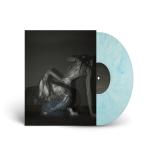
A Record Store Day 2026 exclusive / Pearly light blue vinyl edition / 30x30cm insert with extensive liner notes
Keith Tippett was just twenty-one when his group recorded the first of these sets for BBC’s Jazz Workshop on May 21st 1969, three months before the recording of his first album, You Are Here – I Am There. Featured on Side One is the three-part “Portishead Suite,” which presents three stylistically different musical portraits of three generations of the Somerset town. The first is comparatively gentle and flowing but the second portrait is more insistent, its 5/4 tempo bringing to mind themes heard on early King Crimson albums. The third portrait has something of the Caribbean in its playful rhythms. “Hail Conquering Hero” can be heard on Side Two, and is described by Tippett as ‘a jazz study of war.’ None of these compositions have ever appeared officially in any form. Also included on Side Two are two tracks from Tippett’s August 1970 session for BBC Top Gear that was advertised as by Keith Tippett & Heavy Friends.
Keith Tippett – piano; Mark Charig – cornet; Nick Evans – trombone; Elton Dean – alto; Gill Lyons – bass; Alan Jackson – drums. Sleevenotes by Duncan Heining
Compare the best of British jazz circa 1963 with American sounds from labels such as Prestige, Tangerine and World Pacific. This album captures the period when rhythm and blues is emerging as the dominant club sound, forcing Soho jazz clubs to change their music policy in order to survive. On the British side, you’ve got Ronnie Scott’s arrangement of Last Minute Bossa Nova; Bang!, taken from Dick Morrissey Quartet’s first session for the BBC’s World Service, recorded around the time of the release of their first album Have You Heard? The version here is take two. You can hear take one along with the rest of the eleven-track session on R&B18 Jazz For Moderns.
Early In The Morning is a Ginger Baker/Jack Bruce arrangement of the traditional work song realized as a repeated blues riff, and is the first ever recording that is recognizably British Blues. Graham Bond features on alto sax along with Bruce and Baker together as members of the Johnny Burch Octet heard playing live at a BBC staff party from March 1963. Side Two features Jazz Stateside, such as West Coast guitarist Johnny Hartsman, Gene Ammons veering into proto jazz-funk on Jungle Soul, aka Ca' Purange plus a couple of top notch Hammond workouts from Terrell Prude and Charles Kynard.
At the genesis of one of the most essential bands in Spanish pop-rock of the 1980s, this rarity presents early versions of what would later become some of the most chanted songs in Siniestro Total's repertoire: 'Matar jipis en las Cíes' and 'Las tetas de mi novia,' along with Germán Coppini's original composition 'El Vaticano va a arder.' With limited resources but plenty of energy and humor, a three-song demo was recorded in August 1981, now available here on vinyl for the first time. The songs came first, and only later did the band take a name-initially Mari Cruz Soriano y los que afinan su piano, and shortly after, Siniestro Total. 'Matar jipis en las Cíes' is an original composition by the band's founding members Alberto Torrado, Julián Hernández, and Miguel Costas, while 'Las tetas de mi novia' is a loose version of the song 'I'm a Rocket' by the Dutch band Gruppo Sportivo. 'El Vaticano va a arder' was contributed by Germán Coppini, the mysterious fourth member of this singular lineup, inspired by 'Religion,' the anti-religious rant included on Public Image Limited's debut album. This single is an essential document for both Siniestro Total fans and Spanish-language punk enthusiasts. First-ever vinyl edition.
For over four decades, Mr. Fingers has been shaping the core of house music. Now he returns with a new album that continues his timeless journey through deep rhythms, soulful melodies, and immersive atmospheres. Crafted with the warmth and musicality that define him, the record blends deep house, jazz-infused harmonies, and subtle R&B textures. Mr. Fingers once again reminds us why his music remains essential: hypnotic grooves and heartfelt compositions. Not just music for the club, but also for the quiet spaces...
out of Stock
Last delivered 5 days ago available to reorder, subject to availability
With Dispersion, Loom & Thread return to the volatile architecture of the expanded piano trio - and quietly fracture it from within.
Daniel Klein (drums), Tobias Fröhlich (double bass) and Tom Schneider (keys, sampler) remain the sole agents on stage and in the final recording. The triangle holds. And yet, the field has expanded. For their second studio album, the trio fed their improvisations with the timbral signatures of guest saxophone and vibraphone players - not just as additional voices to be featured, but also as material to be absorbed, atomized and redistributed. The result is not augmentation but thorough refraction.
Where the debut album explored the recursive labyrinth of Schneider's live sampling of his own piano, Dispersion introduces an external grain into the feedback system. Breath and metal. Reed turbulence and struck resonance. The trio sampled extended improvisations by saxophone and vibes players: Victor Fox, Asger Nissen, Volker Heuken, and L&T's own Daniel Klein; dissected their attacks, overtones and decay curves, and integrated these fragments into the trio's internal circuitry. What emerges is a play of presences without bodies - instrumental ghosts circulating through the dense weave of rhythm and keys.
At first, one might hear the familiar relational tension: Klein's polyrhythmic elasticity interlocking with Fröhlich's tensile double bass figurations, Schneider poised at the hinge between tonal field and percussive impulse. But soon, the surface splinters - again. A vibraphone shimmer appears, yet no mallets are visible. A reed multiphonic surges through the texture, bending space between bass and drums. These events are neither quotations nor overlays; they are redistributed energies, dispersed across the trio's grammar. A digital multidimensional interplay ensues.
If the first album unfolded as a two-tiered game - live phrase and sampled reflection - Dispersion adds a further axis. The sampled materials from other improvisers are stripped of their erstwhile two-way interaction and reconstituted as malleable particles. Signifier detached from origin, resonance detached from gesture. The trio navigates a constantly shifting topology in which acoustic memory and electronic manipulation are indistinguishable.
Crucially, the album never abandons the physical urgency of three musicians reacting in real time. The additional timbral layers do not thicken the texture into opacity; rather, they introduce stark points and arrows of diffraction. Density opens into prismatic clarity. Lines splinter and regroup. What seems like a quartet or quintet collapses back into three bodies negotiating an expanded field.
Dispersion is not about addition but about distribution - of agency, of timbre, of temporal perspective. It is an album in which the trio setting becomes a site of multiplicity without surrendering its immediacy. A dissolution not only of the divide between present experience and memory, but between inside and outside, self and other.
Three musicians. Countless vectors. A music that fractures in order to cohere.
CREDITS:
Tom Schneider: piano & sampler
Tobi Fröhlich: double bass
Daniel Klein: drums & percussion
sample sources:
Victor Fox: tenor saxophone
Asger Nissen: alto saxophone
Volker Heuken: vibes
Daniel Klein: vibes
Recorded by Martin Dressler at Bauer Studios, Ludwigsburg.
Mixed & mastered by Martin Ruch.
Artwork by Viet Hoa Le.
out of Stock
Last delivered 6 months ago available to reorder, subject to availability
Dead Finks melden sich mit ihrem vierten Album zurück, das ihre charakteristische Mischung aus hysterischem Zynismus und schriller Ernsthaftigkeit beibehält. Der treibende, oft aggressive Sound ihrer früheren Alben wurde nun etwas gemildert durch schimmernde Gitarren, hypermelodische Gesangslinien und eine verstärkte Betonung von Klarheit und Dynamik, die klassisches Pop-Songwriting, Shoegaze-Texturen und avantgardistische Kunstmusik in ihren Kanon aufnehmen.
Grounded in a season of life that has been earned rather than borrowed, Benjamin Tod speaks with the ease of someone no longer running from himself. There is joy now - a steadiness that comes from commitment. With the recent arrival of his son and a deep well of new music on the horizon, Tod is firmly rooted in both purpose and possibility. That clarity is evident in Vengeance and Grace, the Lost Dog Street Band frontman's forthcoming and most expansive solo album to date. Conceived as a "dual-version" release, the project presents two parallel worlds: (Alone) is a stripped solo-acoustic version, along with its full band counterpart.
Together, the two versions form the full range of what Tod is capable of: restraint on one side, force on the other. At the core of Tod's writing is a simple conviction: music should serve something larger than the moment. His writing speaks to mind, body, and soul, shaped by faith, discipline, and a hard-earned understanding of consequence. The darkness that once defined him is neither denied nor indulged. It is understood and no longer in control. Today, Tod moves with a sense of calm that wasn't always there. He is grateful, settled, and intentional, continuing to follow the compass that's guided him from the beginning. Rooted in traditional country and folk, his work stands firmly in the modern music landscape, shaped by experience, restraint, and the life he's built around it.
Free As You Wanna Be", the first album by drummer Bubbha Thomas and his band The Lightmen, predates the deep-set, maverick jazz issued by the likes of Tribe and Strata East: This album is a harbinger of the collective voice of resistance to the musical and cultural status quo that emerged in the 1970s jazz underground. Drummer, bandleader and activist Bubbha Thomas had toured America with R&B revues, served as a session musician for peacock and back beat records, and played straight ahead jazz with legends before the political and social upheaval of the late 1960s led him to a path first charted by Coltrane. Most of the tracks remain strongly groove-based with a clear sense of cohesion, but a few of the performances push further out than you might expect from later Lightmen releases, revealing the band's deep roots in avant-jazz. This lineup includes a very young Ronnie Laws sounding noticeably removed from the jazz-fusion style he'd adopt in the late '70s. Alongside Thomas on drums, the ensemble is rounded out by Doug Harris on tenor sax, Carl Adams on trumpet, Kenny Abair on guitar, and Joe Singleton on trombone.
First issued in 1990 on the UK's 'Faze 1 FM' label, Trevor Dale's SMILING / SUMMER 88 has become somewhat of a holy grail house record. This is the first time these tracks have been re-issued in any form.
Also included here are two other tracks from his Torrington Foe side-project: 'Take Me Back' from 1990 (featuring vocals from Chicago's Robert Owens) and the deep acid cut 'Morning Shuffle' from 1994.
Dale had the ability to create timeless tracks that still echo decades later - this release will leave you nostalgic for the early London club days.
out of Stock
Last delivered 5 months ago available to reorder, subject to availability
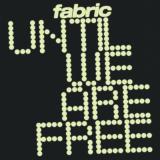
Until We Are Free is the debut album from fabric, a collective of musicians from diverse backgrounds united by a shared goal: to fuse irresistible rhythms and grooves with a direct, socially conscious message that draws vital attention to the contradictions of modern life. The project's name itself evokes the idea of a living, dynamic ensemble—a creative intertwining of different threads, from musical genres to founding musicians and guest collaborators, all actively woven into the social fabric.
The record blends funk, soul, and Afrobeat with a sharp, contemporary urban attitude, resulting in a sound that functions simultaneously as sonic resistance and an invitation to the dancefloor.
It finds its place in a lineage that runs from Fela Kuti and ESG to The Comet Is Coming, Sault and Jungle.
At its core is the conviction that music and civic engagement can coexist seamlessly without being didactic. While the lyrics—entirely in English—tackle themes of rights, equality, and freedom, the groove remains the heartbeat: constant, pulsing, and relentless.
Mixed by Tom Campbell (whose credits include Sault, Little Simz, Adele, Michael Kiwanuka, and Jungle) and featuring art direction by Raissa Pardini, Until We Are Free is a soundtrack for complex times. It is an invitation to refuse neutrality and isolation, and to imagine—together—new possibilities for movement, resistance, and the future.
fabric's singles "Taste This Sound" and "Fight!" have been featured in FIP's Spotify Playlists "FIP Radio (en live)" and KEXP's "New This Week" and "KEXP Rotation".
Egyptian Lover's first record since 1994..... Solid electro dancefloor tracks like no other. Still rocking and still making the ladies shake their hot pants! BIG TIP!!...
Winnies Welt war nicht immer einfach. Manche sagen, er hätte berühmt werden können, aber es gab Probleme. Er hatte kurz Erfolg, aber das Leben kam ihm dazwischen. ,Manche Leute kümmern sich zu sehr. Ich glaube, das nennt man Liebe." Also lag es an Winston Hightower, die Chance zu ergreifen, sie festzuhalten und sich Gehör zu verschaffen. Ein Mann, der den Sound des amerikanischen Lofi liebt. Was befindet sich im Aschenbecher von Winston Hightowers "Day in the Life"? 14 Songs, die einem wehmütigen Herzen eine unbeschwerte Tarnung verleihen - es strahlt durch und durch. 33 RPM. Ein Pianist, der kein Klavier spielen kann und seine Melodien auf der Gitarre transponiert. Angenehme Klänge, überlagert von Gesprächen mit sich selbst. Was sieht dieser Ohio Player, wenn er in den Spiegel schaut? Nudge Squidfish? Daniel Johnson? Studio One Oldies Comps? Nach über 126 Songs auf Band sind wir immer noch dabei, das herauszufinden.
Petter Eldh's explosive ensemble Koma Saxo continues their adventures with a new album "Koma West", out on We Jazz Records, 18 March 2022. The album sees Koma Saxo expand on their previous sound with the addition of vocalist Sofia Jernberg and a strong cast of featured artists, including cellist Lucy Railton, violinist Maria Reich, pianist Kit Downes and accordionist Kiki Eldh (Petter's mom!). The hard-hitting key quintet remains, including Eldh on bass and assorted instruments, Christian Lillinger on drums, plus saxophonists Otis Sandsjö (of Y-OTIS), Jonas Kullhammar and Mikko Innanen bringing the SAXO to the KOMA operation.
At 14 tracks, "Koma West" is a full menu of monumental compositional ideas that could spawn entire albums. True to his chop & go production style, Eldh relies on continuous movement while presenting another all killer no filler program taking Koma Saxo on a sonic outing not quite like anything that had previously appeared under the band's name. That being said, there's very much the Petter Eldh touch here, one which might be hard to pinpoint and verbalise, but nevertheless a recognisable style of composing, producing and arranging.
Thematically, the album is rooted in the West Coast of Sweden, where Eldh grew up – he's from a tiny town called Lysekil. There's a thread of Swedish folk song tradition that has been part of the Koma Saxo DNA from the get-go and you can hear that here as well, especially on cuts such as "Närhet", beautifully sung by Sofia Jernberg.
Petter Eldh says:
"In a way, it's a concept album and a celebration of the Swedish West Coast. The first single is called 'Koma Kaprifol', and kaprifol is the landscape flower of Bohuslän on the West coast, where I grew up. I'm not too wild about attaching strong narratives to my music but there's no way around it this time. The oysters, a common snack around the coast, are a strong conceptual presence here. Anyway, they seem to pop up here and there quite often already thus far in the Koma Saxo narrative, even though it's not always so obvious. Koma Vocals! Koma Strings! I love the presence of Sofia Jernberg here and I love writing string arrangements, too, although I never thought I would do it for Koma, but of course, Koma should have some strings, why not?. Koma Saxo should and can become anything."
out of Stock
Last delivered 6 months ago available to reorder, subject to availability
Niagara return to Discrepant with Buxtehude, a new work bending the legacy of Dietrich Buxtehude into their own fractured, electro-organic language.
Rather than a tribute, Buxtehude feels like an abstract dialogue with the Baroque composer’s sense of structure and flow—reimagined through Niagara’s raw synth work, off-grid rhythms and subtly warped melodic cycles. The trio let the music grow from the inside out: patterns expand and contract, harmonies tilt slightly off their axis, and small details accumulate until each piece reveals its own internal gravity.
There’s a clarity to Buxtehude that feels carved rather than composed. Tracks move with a quiet insistence, like mechanical organisms finding coherence through repetition and drift. Melodic fragments surface briefly, disappear, then return transformed, lending the album a strange balance between austerity and warmth.
With Buxtehude, Niagara continue to refine their unmistakable approach—playful yet rigorous, minimal yet full of life— remaining entirely their own.
Double Exposure ist das neue Album des britischen Multiinstrumentalisten James Hoare, bekannt aus Bands wie Veronica Falls, Ultimate Painting und Proper Ornaments. Unter seinem Solo-Pseudonym Penny Arcade präsentiert er ein Werk, das noch roher, spontaner und experimenteller klingt als sein Debüt Backwater Collage (2024). Die Songs entstanden größtenteils schnell und intuitiv - aufgenommen auf einer 16-Spur-Bandmaschine, mit alten Drumcomputern, schwebenden Orgeln und reduzierten Arrangements. Gitarre ist erstmals nicht das zentrale Element, auch wenn Stücke wie "Regrets" zeigen, wie eindringlich Hoares Gitarrenarbeit bleibt. Das Album bewegt sich zwischen psychedelischen Folk-Momenten, Lo-Fi-Experimenten, souligen Anklängen und analogen Klanglandschaften, die an die Offenheit von Syd Barrett oder die Tape-Ästhetik von White Fence erinnern. Songs wie "Worst Trip", "Rear View Mirror" oder das träumerisch-verrauchíte "We Used To Be Good Friends" wirken wie spontane Momentaufnahmen - unfertig im besten Sinne, atmosphärisch dicht und voller subtiler Melodien. Double Exposure ist ein Album der Stimmungen und Schichten: ein intuitiver, unprätentiöser Blick in Hoares kreative Innenwelt, geprägt von Umbrüchen, Ortswechseln und der Schönheit des Ungefilterten.
Faitiche welcomes a new artist: Christina Kubisch belongs to the first generation of sound artists. Her practice ranges from performances, concerts, to works with video and visual art, but she is best known for her sound installations and electro-acoustic compositions.
TUNING brings together three pieces by Christina Kubisch from different periods of her oeuvre. What they have in common is the way they transform sound phenomena originally considered “non-music” into compositions.
Jan Jelinek: Gaming in Silence (2024) is the most recent work on this compilation. It’s a collage of electromagnetic waves, voice, and abstract sound textures. How did this combination come about?
Christina Kubisch: Gaming was commissioned as a fixed-media composition for the Sound Dome at ZKM Karlsruhe. Since Resonances: The Electromagnetic Bodies Project (2005), I’ve been making recordings in the old and new server rooms at the ZKM and in their permanent collection of historical computer games. Computer games like Asteroids (Atari, 1979) and Poly-Play (VEB Polytechnik, 1986) have specially generated analogue electromagnetic waves that interest me in particular on account of their density, rhythms and textures. I originally studied painting and to me the work of composition often feels like painting an abstract picture. I alter my source material as little as possible, layering and overlapping until a distinctive sound space emerges. In recent pieces, I sometimes combine magnetic waves with field recordings or live instruments. In Gaming it’s my recording of a Chinese song about silence.
JJ: Two persons walking through a street in Madrid (2004) is a recording from your Electrical Walks series. Here we should give a brief explanation of one of your best known works: participants in an Electrical Walk move through public spaces wearing prepared headphones that allow them to receive electromagnetic waves from their surroundings – for example from security gates, ATMs or neon signs. They discover a situation that normally is inaudible to the human ear and they can actively shape it by choreographing their movements. I really admire this piece, not least because there’s no clear dividing line between participants and artist. What exactly do we hear in Two persons walking through a street in Madrid (2004)?
CK: With this early work, I wanted to understand what is heard by people participating in an Electrical Walk in the same place but moving in different ways. The Spanish composer Miguel Alvarez-Fernàndez and I set off from opposite ends of a major shopping street in Madrid, met briefly in the middle, and then continued to the end. We both recorded our walks and I then layered them over one another. You might call it a work of electromagnetic conceptualism.
JJ: Diapason (2009 version) is an installation that plays a composition based on sounds from fifteen tuning forks. This setting is audible in the recording: there’s no dramatic arc, no beginning or end – instead, it recalls a piece of aleatoric music focussing on the decay phase. How did you come to make this work and could you tell us something about your compositional method?
CK: Diapason is part of a series of three pieces that deal with “non-instruments” or instruments that no longer exist: electrical mine bells used to send signals to the workers underground; a historical glass harmonica originally used for medicinal purposes; and tuning forks that were used by doctors to test people’s hearing. All of these methods are no longer in use. The sound of the tuning forks, audible only if held close to the ear, was recorded at the electronic studio at Berlin’s Technical University in such a way that even their decay remained audible. The frequencies range between 64 and 2048 Hertz and they can be adjusted at micro-intervals using small movable weights. The sequence and the duration of the pauses are dictated by chance and were not defined in advance. The 2009 version was created for an installation in the historic Holy Cross Church (Korskirken) in Bergen. Visitors could enter and leave the space at any time, deciding for themselves where and for how long they wished to listen to the sounds played back over an array of small loudspeakers placed on the floor of the apse.
Credits:
Gaming in Silence: commission of the ZKM/Hertzlab, Karlsruhe 2023
elektronic sound processing: Tom Thiel
sound engineering and mixing: Eckehard Güther
Diapason: produced at Elektronisches Studio of TU Berlin
rearrangement: Eckehard Güther
Christina Kubisch, published by Edition Christina Kubisch / Random Musick Publishing
image front: Transitionen 2021 by C. Kubisch, sonagrams of electronic waves (courtesy: Galerie Mazzoli Berlin)
image back: Diapason Tuning Fork, property of Folkmar Hein, Photo: Archiv Christina Kubisch
design by Tim Tetzner
mastered by Giuseppe Ielasi
Thanks to Miguel Álvarez-Fernández, Folkmar Hein, Dominik Kautz and Mario Mazzoli
In the Summer of 2023, Dans Dans were nearing the end of a two-and-a-half-year-long period of intense creativity, during which they had released two celebrated albums, Zink and 6, and had toured extensively in Belgium and abroad. Feeling it was time for a well-deserved break in activity, they decided to play three final, intimate concerts before going into hiding: two consecutive nights at Trix in Antwerp (hometown of drummer Steven Cassiers and guitarist Bert Dockx) and one at Botanique in Brussels (hometown of bassist Frederic Jacques). 'LIVE!', Dans Dans' first ever full length live record, features highlights from these memorable nights, offering excitingversions of several of the group's most beloved compositions from across their back catalogue. While the band is, at the time of writing, getting ready to start working on new material, these recordings from 2023 are a good reminder of the magic Dans Dans are able to conjur when they get together and play. Here is one of the most original instrumental trios of the last two decades in their natural habitat, on stage, performing for a live audience, speaking through their intensely personal music. Here is Dans Dans at full flight, effortlessly blending different musical genres and painting fascinating sonic landscapes full of energy, mystery and contrast.
The second in our series of book relaunches is one of the original books on The Jam ( the first being The Sex Pistols
Retrospective ).
The Jam one of the most important British groups of all time, crashed on the scene with the Punk Explosion, but soon found their own niche. Charting consistently from 1977’s `In The City’ debut to 1982’s `Beat Surrender’ single.
The book details the groups worldwide releases with over 200 colour and black and white illustrations, The Jam 7” worldide release chart and a detailed timeline of the bands history and list of gigs and appearances up to the bands split in 1982.
The Jam are one of the UK’s most loved bands and have been surely missed but more importantly not forgotten.
The Jam were very much a vinyl orientated phenomenon that consisted of great artwork. So sit back and enjoy their story through their releases around the world.
Over 200 pictures of rare and deleted releases throughout the world
Plus history of the band and list of gigs and appearances.
To commemorate the 40th Anniversary of the passing of James Darroch, singer/songwriter/guitarist for Sydney's incredible The Eastern Dark, Grown Up Wrong! is thrilled to announce a long-awaited reissue of the band's classic single "Julie Is A Junkie/Johnny and Dee Dee".
Heavily influenced by the Ramones - the band opened their first live show with 'Blitzkrieg Bop' and from then on opened with a new Ramones song every time they played, working through the band's complete catalogue in chronological order - as all manner of hyper-melodic and high energy rock. The Eastern Dark were a classic trio powered by former Celibate Rifles bassplayer James Darroch's blazing guitar and anchored by former Lime Spiders backing vocalist Bill Gibson's hard driving and melodic bass playing (and supreme backing vocals) and Geoff Milne's untouchable beat keeping. They set Sydney's Radio Birdman influenced scene alight in 1984 and quickly built an international following on the back of their classic single. Sadly, just hours after completing what would become their next release - the mini-LP "Long Live the New Flesh" - the band's life, and that of 26-year old James Darroch, was brutally ended in a road accident whilst the band was on its way to Melbourne.
On the back of the tragedy, the band's music lived on and it's global impact was reflected in the influence it bore on numerous bands, from Boston's the Lemoneads to Tokyo's Teengenenete, and obviously a succession of Australian bands from the Hard-Ons through to God and the Meanies and beyond.
After years of searching, surviving members Bill Gibson and Geoff Milne recently found the single's original multi-track tapes, and for the new release, the original recordings have been both remixed and remastered for maximum impact under their supervision.
One of the longest standing figures amidst the Discrepant wolfpack, the unstoppable alias of sound collector Laurent Jeanneau returns to the fold 2 years after 'Tanzania II' with this 2.0 update of the celebrated 'The Lisu' sort-of-mixtape released way back in 2014.
Based on recordings of music from the Lisu communities in China and Thailand captured on site, this mix shows Gong more like a selector or dj, restricting electronic processing to a bare minimum in order to convey different histories, places and timeframes within the same mesmerising continuum. A respectful and deeply vivid evocation of all the richness and diversity found among the different strands of lisu music, from ceremonial vocal incantations through a chibeu string instrument "processed" in loco through saturated street speakers to moments of pure poetic radiance, 'The Lisu' flows gracefully with the keen sense of wonder and knowledge of one of this century's most thoughtful and insightful sonic travellers.
In the vibrant, post-millennial landscape of independent hip-hop, few collective names commanded as much respect as the Living Legends. A monumental alliance of some of the West Coast's most respected solo artists—including Murs, The Grouch, Eligh, Aesop, Bicasso, Luckyiam, Sunspot Jonz, and Arata—the crew's 2008 album, The Gathering, served as a powerful declaration of their unity and enduring relevance.
The Gathering was a snapshot of a legendary crew working at the peak of their collaborative power. The project masterfully weaves together the diverse styles of its eight members, moving effortlessly from the conscious storytelling of Murs to the soulful, introspective flow of The Grouch and Eligh, and the abstract lyrical dexterity of Aesop. The production, handled largely within the collective, provides a lush, sample-heavy, and distinctly West Coast soundscape that perfectly complements the lyrical fireworks. Tracks like the anthemic title track "The Gathering" and the legendary posse cut "After Hours" showcase the organic chemistry that made the Living Legends a seminal force in underground music.
For the first time ever, this pivotal album is being officially pressed on vinyl. This highly anticipated Record Store Day 2026 release finally delivers The Gathering to the format its rich, soulful production has always deserved. This limited edition pressing is presented on striking Coke Bottle Clear Vinyl, a perfect visual complement to the album's crisp, refreshing sound.
A crucial artifact of independent hip-hop history, The Gathering on vinyl is an essential addition for fans who have supported the Living Legends for decades and a must-have for vinyl collectors looking to own a tangible piece of the era's best crew collaborations. Don't miss the chance to own this definitive, first-ever vinyl pressing of a true underground classic.
YOUNGE ist Adrian Younges Meisterwerk: ein Orchesteralbum, das aus der Perspektive eines Hip-Hop-Produzenten geschrieben wurde, und eine Hip-Hop-Platte, die mit der Disziplin klassischer und filmischer Musik komponiert wurde. Inspiriert von Komponisten wie Lalo Schifrin, David Axelrod, Ennio Morricone, Galt MacDermot und Geoff Barrow von Portishead, knüpft das Album an eine Tradition emotional aufgeladener, zukunftsweisender Musik an, die Jahrzehnte später durch Sampling still und leise den Hip-Hop geprägt hat.
Mit Buddha-Bar XXVIII öffnet sich erneut das Tor zu einer Welt voller Eleganz, Sinnlichkeit und globaler Klangfarben. Die legendäre Compilation-Reihe, die längst zu einem internationalen Lifestyle-Phänomen geworden ist, präsentiert mit diesem Kapitel erneut einen Mix, der die Balance zwischen elektronischer Finesse, weltumspannenden Melodien und tiefen Chill- und House-Vibes meisterhaft hält. DJ Ravin, seit Jahren prägende Sound-Signatur des Buddha-Bar-Universums, führt Hörer:innen mit sicherer Hand durch eine Reise voller Atmosphäre und subtiler Spannung. Jeder Track reiht sich wie ein Mosaikstein in ein großes Ganzes ein - perfekt geeignet für entspannte Abende, stilvolle Lounges oder Momente der Entschleunigung. "Buddha-Bar XXVIII" steht exemplarisch für die besondere Kunst dieser Serie: Musik als Erlebnis, als Raum, als Stimmung. Eine Einladung, abzuschalten, einzutauchen und die Welt für einen Augenblick in warmen Farben zu hören.
Black Salt is the second album from Kiiōtō (Mercury Music Prize nominated singer/songwriter Lou Rhodes, former lead vocalist and co-founder of Lamb and award-winning songwriter and pianist Rohan Heath). Their debut album, As Dust We Rise, was released in 2024 to critical acclaim.
Stylistically Black Salt leans further into Jazz, broken beat and soul textures than the debut,with references as diverse as Carole King, Khruangbin and Alice Coltrane. The resulting album is impossible to define by genre, but is fused by the unique interplay of Heath's melodic sensibilities and Rhodes inimitable voice.
Written primarily in Kiiōtō's home studio in North London, Black Salt features guest appearances from a melting pot of musicians, notably guitarist Hawi Gondwe (Amy Winehouse), double-bassist Andy Hamill (4 Hero, Carleen Anderson), drummer Mykey Wilson (Corrine Bailey Rae), and even some impromptu guitar by the one and only David Arnold.
Isella doesn’t flinch from the horror stitched into the fabric of the feminine experience. Citing writers like Plath Margaret Atwood, and Mona Awad as germinal influences on her lyricism, Isella plunges into the underbelly of expectations of good-girlhood, of valiant womanhood. In her songs she splays out the stakes of it all, plumbing the viscera, unearthing the blood, guts, dirt, and decay lurking beneath. By the time she hit fifteen, Isella’s taste had expanded and grown darker and more mature. Artists like Nine Inch Nails and Tom Waits became a conduit for the kind of raw intensity she’d always been drawn to, and gave her permission to push herself to new depths of expression. This is evidenced on her latest EP; That freedom that Reznor et al. endowed to the songwriter are evidenced on her latest EP; Something is a shell . Isella’s vocals swing from coolly detached to emotional detonation, often in the span of the same song. She brings listeners into a world colored by feminist hyper-realism, challenging listeners to re-define ideas of femininity, and safety; to see that things are not okay.
Im April 2026 bringt Eaves Wilder ihr heiß erwartetes Debütalbum ,Little Miss Sunshine" raus. Die Platte ist ein krasser Entwicklungssprung für die Singer-Songwriterin aus Nord-London, die 2020 mit 16 Jahren mit ihrem selbst aufgenommenen Lockdown-Release ,Won't You Be Happy" zum ersten Mal auf sich aufmerksam gemacht hat. Eaves begann mit der Arbeit an ,Little Miss Sunshine" nach einer Phase des Nachdenkens, in der sie sich fragte, ob sie der Musik in ihrem Kopf letztlich gerecht werden könnte. Wer sich mit dem Album beschäftigt, entdeckt zehn Songs, die sich an den Zyklen der Natur orientieren, um die emotionalen Stimmungen zu erklären und zu feiern, die uns zu Menschen machen. ,Als ich am Boden war", erinnert sich Eaves, die an einer Stelle sogar lacht, als sie sich daran erinnert, wie sie beschloss, die Musik ganz aufzugeben, um in ein Kloster einzutreten: ,Ich wollte einfach nur unmenschlich, gefühllos und unbewegt sein. Wie ein Berg oder ein Baum. Oder der Himmel. Das sind alles Dinge, die einen Zweck haben, aber ich wusste nicht, was mein Zweck war. Und so musste ich es herausfinden, Song für Song." Auf Little Miss Sunshine wird diese Geschichte in spannenden Episoden erzählt, angefangen mit den ersten Sekunden des Albums und der Lead-Single Hurricane Girl, einer sensationellen Synergie aus durchscheinenden Shoegaze-Harmonien und elementaren Rockgitarren, inspiriert durch Dokumentarfilme über Sturmjäger, wobei die Metapher verwendet wird, um ein Licht auf Freunde zu werfen, die gezwungen waren, stürmische Beziehungen zu suchen. ,Ich habe das Gefühl, dass dies mein Pearl-Jam-Song ist", erklärt sie. ,Das erste Mal, als ich Pearl Jam hörte, war ich auf einem riesigen Berg in Wales. In derselben Woche hörte ich auch zum ersten Mal Jagged Little Pill von Alanis Morissette." Von hier aus, bis hin zu seinem schmerzlich bewegenden Requiem an die Kindheit Summer Rolls fungiert jeder Song auf Little Miss Sunshine als leuchtender Koordinatenpunkt in einem Bogen der Selbstfindung. Da ist der hochfliegende Klangrausch Everybody Talks, mit seinem ansteigenden Crescendo aus aufdringlichen Stimmen, der auf beiden Seiten des Atlantiks große Unterstützung im Radio fand. Für Mountain Sized bezog sie sich auf Lily Allens Single The Fear aus dem Jahr 2009 - ,weil da diese eine Frau ist, die ganz beiläufig all die schlimmsten Dinge über sich selbst aufzählt, Dinge, die man sich eigentlich nicht trauen würde zuzugeben". In Eaves' Song wird diese aufkommende Angst jedoch durch einen panoramischen Refrain ausgelöscht, in dem sie die Grenzen ihrer realen Welt durchbricht, um zu verkünden: ,But in my mind/But in my mind/I am taller than the highest mountain sides." In dem schmerzlich melodiösen ,The Great Plains" hinterfragt Eaves ihre frühesten Erinnerungen, in denen sie ihre ältere Schwester Dora vergötterte. ,Sie war so zurückhaltend und wie eine Meerjungfrau", erinnert sich Eaves, ,und ich wurde von meinen Emotionen beherrscht - und je mehr ich versuchte, das nicht zu sein, desto mehr wurde mir klar, dass ich niemals wie sie sein könnte." In dem Song findet Eaves eine Art Selbstakzeptanz, indem sie auf die Natur schaut, um zu erfahren, dass es okay ist, so zu sein, wie sie ist: "As I erupt into a blaze / It's ok the sky will do the same/Let no-one bat an eye when / Every year I'll hibernate till May / Because no-one blames the clouds for rain / So take me as I am, tears down my face." Als die Sessions an Fahrt gewannen, fand Eaves Inspiration in zeitgenössischen Veröffentlichungen. Beispiele dafür waren Wolf Alice (,die einzige Band, die die Balance gefunden hat, die ich immer suche - die Kombination aus schweren Gitarren und hohen, ätherischen Vocals"), Mannequin Pussy (,sie gaben mir etwas von dem, was ich in der Ära von Riot Grrrl vermisst habe, als L7 und Babes In Toyland auf Tour waren") und CMATs ,geradlinig brillantes Songwriting". Weitere Highlights auf einem Album, das von ihnen geprägt ist, sind Daisy Chain Reaction, dessen glitzernder Power-Pop-Glanz einen Text über die Kultur des Wettbewerbs rund um Essstörungen verbirgt, und der unangenehme, mechanisierte Angriff von Just Say No, ein Song, der auf den brutalen Wahrheiten basiert, die Eaves und ihre Freundinnen in ihren Auseinandersetzungen mit missbräuchlichen Männern gesammelt haben. Zwei Jahre lang hat Eaves unermüdlich daran gearbeitet, jeden einzelnen Vers, Refrain, Pre-Chorus und Middle Eight auf Little Miss Sunshine zu verfeinern, bevor sie mit dem Co-Produzenten des Albums, Andy Savours (My Bloody Valentine, The Killers, The Horrors), ins Studio ging. Dies ist ein Album, auf dem jedes einzelne Detail seinen Platz verdient hat und das Zeugnis ablegt von der einzigartigen musikalischen Vision seiner Schöpferin.