Kacy & Clayton first met Jeff Tweedy in the backroom of the Fillmore Auditorium in San Francisco in September 2016. The band had been invited to open for Wilco on night 4 of their annual 5-night run. While waiting for their soundcheck, Jeff appeared through a curtain backstage and introduced himself. In the conversations that followed, Kacy Anderson, Clayton Linthicum and Jeff Tweedy discussed their mutual appreciation of Davy Graham and Jeff’s understanding of Saskatchewan’s geography. Those conversations would eventually blossom into an invite to stop by Wilco’s studio, the Loft, a visit they made only weeks later. In January 2017, Kacy & Clayton returned to the Loft with a rhythm section and a batch of new songs. Over the course of 8 days, the band recorded 9 songs with Jeff Tweedy producing and Loft house engineer Tom Schick at the helm. These 9 songs are what would become the band’s fourth album, The Siren’s Song. While writing and recording The Siren's Song, Kacy & Clayton found inspiration in the music of Sammi Smith, The Everly Brothers, Link Wray's chicken shack LPs, country records with harpsichords, The Sir Douglas Quintet, Gene Clark, Jeannie C. Riley, as well as British traditional singers like Peter Bellamy and the Watersons. The Siren's Song is a product of these influences and an extraordinary progression in the band's own sound.
Niemals war der Entstehungsprozeß eines SONGS:OHIA Albums so wesentlich in seinem Gesamtgefühl wie bei "Didn't It Rain", dem mittlerweile sechsten Album der Band, das von Edan Cohen aufgenommen wurde. Das gesamte Album wurde live ohne Overdubs eingespielt, die gesamte Band spielte in einem Raum. Kaum eine Armlänge voneinander entfernt, teilten sich die Sänger Jason Molina, Jennie Benford und Jim Krewson ein einziges Mikrophon. Das Resultat ist ein Sound voller Wärme und Persönlichkeit, der an Aufnahmen aus den frühen und Mitte der 70er Jahre erinnert. Von einem gleichnamigen Song von Mahalia Jackson inspiriert, kommt der Titeltrack als wunderschöner Song über die Höhen und Tiefen des Lebens. Jason Molina hat eine Platte geschaffen, die noch persönlicher und heilender ist, als seine vorangegangenen Arbeiten; was für Neil Young "After The Goldrush" war, ist für Molina "Didn't It Rain".
Reggie Soul real name Reginald Stone is just one of many illusive recording artists who had a very limited recording career for a handful of small independent Chicago labels then disappeared into obscurity, Reggie reputedly left Chicago in the mid 1970’s for the lone star state of Texas never to be seen or heard from again!
Reggie’s recording legacy is the sum total of 3, 45 singles two of which he recorded under the supervision of respected Chicago songwriter and producer Clarence Johnson., firstly the funk outing “I Got Jody” backed with the soulful “I Feel So Bad” for Red Balloon Records, “I Feel So Bad” was composed by Lee Sain who recorded his own version under the title of “Baby Don’t Leave Me” for the Broach label. Reggie Soul’s “I Got Jody” also came out as a B-side on Nation Time Records, the A-side was a version of the James Brown song “Soul Walkin’ but this side was credited under the mis-credited artist name of Reggie Smith?
Finally, Reggie’s third release “My World Of Ecstasy/Mighty Good Loving” was released on the Scott Brothers own Capri Records label in 1968. Both sides of the 45 were written by Reggie with Charles and Walter Scott, arrangements were provided by John Jackson and Bill McFarland who provided the horn section to many of the Scott’s future productions. The Scott Brothers of which there were several (all musicians) had begun their own careers during the late 1950’s recording under the group name of The Masquerades on the Formal label. Often referred to as The Scott Brothers Orchestra with Howard Sephus Scott at the head of their growing musical dynasty they formed their own company Capri Productions circa 1968, their initial recording productions were Fred Johnson (Shi-Lush Records) and the aforementioned Reggie Soul & The Soul Swingers. The Scott’s were also the house band in one of Chicago’s Southside’s most popular night clubs ‘The Bonanza Lounge on 7641, South Halsted. The Scott’s often used the Bonanza as a source of finding future artists for their labels, such as The Soul Majestics, Judson Moore, Bobby Jones & Duke Turner amongst others, they even recorded a live performance on The Bonanza Lounges’ resident comedian Randolph Browner which gained a release on the Shi-Lush label.
“My World Of Ecstasy” like several Capri 45 releases were heavily imported into the UK, often sold in soul packs before finding favour with aficionados of the Crossover Scene in the late 1980’s with it’s popularity still remaining high to the present day.
Soul Junction through their licensing deal with Scot-Tees Publishing would like to present the first release of their Capri Records series.
■ The GIPSY KINGS / Tonino Baliardo meldet sich mit einem atemberaubenden neuen Album 'Renaissance' zurück
• 11 brandneue Tracks darunter die Vorabsingle „Chica Del Sol“
• The GIPSY KINGS / Tonino Baliardo Tour 2022/2023 in Planung
• Die Gipsy Kings haben in ihrer 25-jährigen Karriere mehr als 20 Millionen Alben verkauft
■ Nachdem The GIPSY KINGS-Gründungsmitglied Tonino Baliardo vor über acht Jahren zuletzt ein Album veröffentlicht hat, meldet er sich nun mit einem atemberaubenden neuen Album "Renaissance" zurück!
Tonino Baliardo: "Nachdem ich dreißig Jahre lang durch die Welt getourt bin, hatte ich während des Lockdowns im Jahr 2020 Zeit, mich mit meiner Familie in Montpellier zu entspannen und neue Songs zu schreiben. Ich kehrte in mein Heimstudio zurück und so wurde dieses Album 'Renaissance' geboren."
Bei den 11 Titeln des neuen Albums wird deutlich, dass die Leidenschaft in Tonino Baliardo und seiner Familie der Gipsy Kings immer noch stark brennt. Die Auswahl ist herrlich abwechslungsreich, vom Up-Tempo-Stück "Chica Del Sol" bis zur Ballade "Abandonado", einem orchestralen Spaziergang mit einem Finale, das den Hörer
faszinieren wird.
An anderer Stelle des Albums hat Tonino als großer Liebhaber klassischer Musik seine atemberaubende Interpretation von 'Amadeo' aufgenommen. Eine besondere Erwähnung verdient auch "Volando", ein Stück, bei dem Toninos junger Enkel Milan am Ende zu hören ist. Wer weiß, vielleicht ist dies schon eine dritte Generation der GIPSY KINGS?
Hark! Joel Paterson returns to your holiday turntable with "The More The Merrier" (Hi-Fi Christmas Guitar Vol. 2). The guitar wizard from Chicago slides down your chimney once again with this latest program of instrumental gems. Recorded in lifelike "holiday-phonic" high fidelity, these 14 selections are a study in artistry and sound. "The More The Merrier" is a companion piece to the perennial fan-favorite, "Hi-Fi Christmas Guitar". No mere sequel, this new album will soon join its predecessor as an integral part of your holiday gatherings for years to come. This is music to please guitarists, carolers, and hi-fi enthusiasts alike. Limited "Ruby Red" colored vinyl.
When Kronos plays a piece, they become fellow composers, true collaborators. Without them, we wouldn’t have the kind of string quartet playing that we find around us today. There are two kinds of string quartet playing: the ‘Before Kronos’ and the ‘After Kronos’.” – Philip Glass
‘Kronos Quartet has broken the boundaries of what string quartets can do.’ – New York Times
Nonesuch releases Kronos Quartet’s acclaimed album Kronos Quartet Performs Philip Glass on vinyl for the first time to coincide with Kronos Quartet: Five Decades, a year-long celebration marking the quartet’s 50th anniversary. Originally released in 1995, the album features David Harrington (violin), John Sherba, (violin), Hank Dutt (viola) and Joan Jeanrenaud (cello) performing Quartet No. 2 (Company) (1983), No. 3 (Mishima) (1985), No. 4 (Buczak) (1990), and No. 5 (1991), the first piece Glass wrote especially for Kronos. Recorded at Skywalker Sound in California, the album was produced by Judith Sherman, Kurt Munkacsi and Philip Glass. The cover art features Francesco Clemente’s painting The Four Corners (1985). At the time of the album’s release, the New York Times said, ‘It contains some of Glass's best music since Koyaanisqatsi. His ear for sumptuous string sonorities is undeniable,’ while the Washington Post called it ‘An ideal combination of composer and performers.’ It was a top 10 hit on Billboard’s Top Classical Albums, and spent 12 weeks on Billboard’s Classical chart.
In his original liner note, critic Mark Swed wrote, ‘Glass’ string quartets may contain his most intimate music. They are works through which a very public composer, perhaps the most important opera reformer of our age and a longstanding collaborator in large-scale music theater, holds up a mirror to himself and his way of composing. “In an odd way,” Glass explains, “string quartets have always functioned like that for composers. I don’t really know why, but it’s almost impossible to get away from it. It’s the way composers of the past have thought and that’s no less true for me. It’s almost as if we say we’re going to write a string quartet, we take a deep breath, and we wade in to try to write the most serious, significant piece that we can.” Glass says that as he sat down to write String Quartet No. 5, he had discovered that perhaps not taking a serious tone might be the most serious way to deal with it. “I was thinking that I had really gone beyond the need to write a serious string quartet and that I could write a quartet that is about musicality, which in a certain way is the most serious subject.”’
Glass’ first numbered quartet was written in 1966; however, he did not return to the string quartet medium until 1983, when he provided incidental music for a dramatization of Samuel Beckett’s prose poem, Company. During those 17 years, Glass had formed an ensemble and developed his style in a series of increasingly elaborate pieces for it. String Quartet No. 3 is also adapted to dramatic music, this time from his score to the 1985 Paul Schrader film, Mishima. It was with the music of Mishima that Kronos became associated with Glass, recording the string quartet sections of the soundtrack and subsequently working extensively with the composer on all five of his numbered quartets. Kronos also gave the first concert performances of Company and Mishima. String Quartet No. 4 was composed in remembrance of the artist Brian Buczak, who died of AIDS in 1988.
As Kronos’ anniversary season continues with further concerts around the world, Nonesuch will reissue Black Angels on vinyl on February 16. First released in 1990, the award-winning album includes George Crumb’s title piece, which inspired David Harrington to found the quartet. Called ‘an unusually elevated and searing Vietnam War protest’ by the New York Times, it sets a dark, powerful tone for this collection, which addresses the political/physical/spiritual consequences of war. Also featured are works by Charles Ives, István Márta, Thomas Tallis, and Dmitri Shostakovich. ‘Stylishly packaged, intelligently programmed, superbly recorded and brilliantly performed,’ proclaimed Gramophone. ‘In short, very much the sort of disc we’ve come to expect from the talented and imaginative Kronos Quartet.’ The Evening Standard included it among its ‘100 Definitive Classical Albums of the 20th Century’.
Born in Baltimore, Maryland, in 1937, Philip Glass is a graduate of the University of Chicago and the Juilliard School. By 1974, he had created a large collection of music for The Philip Glass Ensemble. The period culminated in the landmark opera, Einstein on the Beach. Since Einstein, Glass’s repertoire has grown to include music for opera, dance, theatre, orchestra, and film. His scores have received Academy Award nominations (including Kundun and The Hours, as well as Notes on a Scandal) and a Golden Globe (The Truman Show). Recent works include his memoir, Words Without Music, his first Piano Sonata, opera Circus Days and Nights, and Symphony No. 14. Glass received the Praemium Imperiale in 2012, the US National Medal of the Arts from President Barack Obama in 2016, and 41st Kennedy Center Honors in 2018.
Nonesuch’s relationship with Glass began in 1985, with the release of the score for Paul Schrader’s Mishima featuring Kronos Quartet. Over the years other Glass works on Nonesuch have included Einstein on the Beach (1993), Kronos Quartet Performs Philip Glass (1995), Music in Twelve Parts (1996), Glass Box (2008), as well as the soundtracks for Powaqqatsi (1988), Kundun (1997), Koyaanisqatsi (1998), and The Hours (2002), amongst others.
For 50 years, San Francisco’s Kronos Quartet – David Harrington (violin), John Sherba (violin), Hank Dutt (viola), and Paul Wiancko (cello) – has challenged and reimagined what a string quartet can be. Founded at a time when the form was largely centred on long-established, Western European traditions, Kronos has been at the forefront of revolutionizing the string quartet into a living art form that responds to the people and issues of our time. In the process, Kronos has become one of the most celebrated and influential groups of our era, performing thousands of concerts worldwide, releasing more than 70 recordings of extraordinary breadth and creativity, and collaborating with many of the world’s most accomplished composers and performers. Through its nonprofit organization, Kronos Performing Arts Association, Kronos has commissioned more than 1,000 works and arrangements for string quartet – including the Kronos Fifty for the Future library of free, educational repertoire. Kronos has received more than 40 awards, including three Grammy Awards and the Polar Music, Avery Fisher, and Edison Klassiek Oeuvre Prizes.
Kronos is prolific and wide-ranging on recordings. The ensemble’s expansive discography on Nonesuch includes three Grammy-winning albums: Terry Riley’s Sun Rings (2019), Landfall with Laurie Anderson (2018), and Alban Berg’s Lyric Suite featuring soprano Dawn Upshaw (2003); the 40th-anniversary boxed set Kronos Explorer Series; Nuevo (2002), a Grammy- and Latin Grammy–nominated celebration of Mexican culture; Pieces of Africa (1992), a showcase of African-born composers that simultaneously topped Billboard’s Classical and World Music charts; and Folk Songs (2017), Nonesuch’s 50th album with Kronos, which featured Sam Amidon, Olivia Chaney, Rhiannon Giddens, and Natalie Merchant singing traditional folk songs.
out of Stock
Last delivered 2 years ago available to reorder, subject to availability
In the decade or so that hard-working New York quartet Sunwatchers have operated, the group has steadily & subtly refined their sound - a brain-blasting mixture of jazz, psychedelia, krautrock, punk, noise, & Saharan blues - into something that is avant-leaning enough to appeal to the discerning jazz & experimental music fan & weird & wooly enough to get the true heads' toes tapping. "Music Is Victory Over Time" is the band's 5th album, and fourth for Chicago-based Trouble In Mind Records, seeing the long-running lineup of Peter Kerlin (bass guitar), Jim McHugh (guitars), Jason Robira (drums), and Jeff Tobias (alto saxophone and keyboards) in prime form. Album opener "World People" is a classic Sunwatchers number whose title expresses their Anarcho-Internationalist ideology (and the atypically multi-culti make up of their crowds), with an underlying melodic resonance to New Orleans funeral marches à la Albert Ayler _ a triumphant call to arms to all peoples. Live fave "Too Gary"'s gang vocal shout punctuates a motorik rager named for a phrase often uttered by a badass eight year old skateboarder McHugh knew with a speech impediment (it means "that's too scary"). "T.A.S.C." (or "Theme For Anarchist Sports Center") is inspired by Sonny Sharrock's maligned 80's output & sounds exactly like a wrathful, mutant version of a prime-time athletic show theme, replete with the requisite "sitcom ending." The sun- scorched "Foams" - a longform piece intended to depict natural stuff like tides, nightfall, and time slowly passing, ancient, peaceful and slightly gross all at once - practically jumps out of the speakers, its palpable intensity crackling in your eardrums. The title of "Tumulus" might reference an ancient burial mound, but the music itself might be the group's most high-tech song to date, complimented by an arpeggiating sequencer, three different forms of tape delay and an electric saxophone; ecstatic, fiery & deeply spiritual. "There Goes Ol' Ooze" is a smoky creeper that lets Tobias & Kerlin take a walk for a while, with respectful nods to the Stones and Steve Reich. "Song For The Gone" closes out the album, showcasing a sincerely tender moment for the gang, as an expression of love and resolve for dear friends who had recently, tragically died. Its cascading, bluesy melody attuning itself to our own collective unconscious grief. Having the distinct pleasure of being the first band to record in John Dwyer 's new LA-based recording studio Discount Mirrors, "Music Is Victory Over Time" boasts a beefed up sound. The band worked closely with in-house engineer Eric Bauer - facilitator, troubleshooter, sonic obsessive, a legendary freak and a DIY lifer. The band also had full access to the studio's epic armory of gear: amps, axes (it's Dwyer's Eddie Harris model electric sax), synths, a bass guitar once belonging to Klaus Flouride of the Dead Kennedys. Crucial for the sounds and the vibe. The album art was created by Josh MacPhee, the activist artist, author, archivist and founding member of both the radical artist collective Just Seeds and Interference Archive, a public collection of materials from social movements based in Brooklyn. MacPhee's participation in the project works as a statement of Sunwatchers' progressive utopian intentionality, and organically underscores their involvement in revolutionary projects within and without of their hometown. Listening to "Music Is Victory Over Time", Sunwatcher's rebellious spirit & unbridled enthusiasm remain fully intact, but the secret sauce is their infectious irreverence in the face of the horrors of this world. Much of our best cultural commentary is Trojan-horsed to the general public via humor & satire & the band has a knack for lacing the ridiculous with the radical. It's good to have them back. "Music Is Victory Over Time" is released worldwide digitally via most DSPs, on CD, black vinyl & a limited "Sunflare" blue/red splatter vinyl while supplies last.
In the decade or so that hard-working New York quartet Sunwatchers have operated, the group has steadily & subtly refined their sound - a brain-blasting mixture of jazz, psychedelia, krautrock, punk, noise, & Saharan blues - into something that is avant-leaning enough to appeal to the discerning jazz & experimental music fan & weird & wooly enough to get the true heads' toes tapping. "Music Is Victory Over Time" is the band's 5th album, and fourth for Chicago-based Trouble In Mind Records, seeing the long-running lineup of Peter Kerlin (bass guitar), Jim McHugh (guitars), Jason Robira (drums), and Jeff Tobias (alto saxophone and keyboards) in prime form. Album opener "World People" is a classic Sunwatchers number whose title expresses their Anarcho-Internationalist ideology (and the atypically multi-culti make up of their crowds), with an underlying melodic resonance to New Orleans funeral marches à la Albert Ayler _ a triumphant call to arms to all peoples. Live fave "Too Gary"'s gang vocal shout punctuates a motorik rager named for a phrase often uttered by a badass eight year old skateboarder McHugh knew with a speech impediment (it means "that's too scary"). "T.A.S.C." (or "Theme For Anarchist Sports Center") is inspired by Sonny Sharrock's maligned 80's output & sounds exactly like a wrathful, mutant version of a prime-time athletic show theme, replete with the requisite "sitcom ending." The sun- scorched "Foams" - a longform piece intended to depict natural stuff like tides, nightfall, and time slowly passing, ancient, peaceful and slightly gross all at once - practically jumps out of the speakers, its palpable intensity crackling in your eardrums. The title of "Tumulus" might reference an ancient burial mound, but the music itself might be the group's most high-tech song to date, complimented by an arpeggiating sequencer, three different forms of tape delay and an electric saxophone; ecstatic, fiery & deeply spiritual. "There Goes Ol' Ooze" is a smoky creeper that lets Tobias & Kerlin take a walk for a while, with respectful nods to the Stones and Steve Reich. "Song For The Gone" closes out the album, showcasing a sincerely tender moment for the gang, as an expression of love and resolve for dear friends who had recently, tragically died. Its cascading, bluesy melody attuning itself to our own collective unconscious grief. Having the distinct pleasure of being the first band to record in John Dwyer 's new LA-based recording studio Discount Mirrors, "Music Is Victory Over Time" boasts a beefed up sound. The band worked closely with in-house engineer Eric Bauer - facilitator, troubleshooter, sonic obsessive, a legendary freak and a DIY lifer. The band also had full access to the studio's epic armory of gear: amps, axes (it's Dwyer's Eddie Harris model electric sax), synths, a bass guitar once belonging to Klaus Flouride of the Dead Kennedys. Crucial for the sounds and the vibe. The album art was created by Josh MacPhee, the activist artist, author, archivist and founding member of both the radical artist collective Just Seeds and Interference Archive, a public collection of materials from social movements based in Brooklyn. MacPhee's participation in the project works as a statement of Sunwatchers' progressive utopian intentionality, and organically underscores their involvement in revolutionary projects within and without of their hometown. Listening to "Music Is Victory Over Time", Sunwatcher's rebellious spirit & unbridled enthusiasm remain fully intact, but the secret sauce is their infectious irreverence in the face of the horrors of this world. Much of our best cultural commentary is Trojan-horsed to the general public via humor & satire & the band has a knack for lacing the ridiculous with the radical. It's good to have them back. "Music Is Victory Over Time" is released worldwide digitally via most DSPs, on CD, black vinyl & a limited "Sunflare" blue/red splatter vinyl while supplies last.
Chicago's Magic Touch label gets the Numero treatment. Legendary rare groove selector & DJ Red Greg's edit of Disco Holy-Grail "Why Do I Love You" is now available on 7" for the first time and housed in official Magic Touch Double Disco Smash 7" Company Sleeve. This tune has been making waves in the DJ community for years only after Red Greg introduced his crucial edit eliminating the studio fluff and dialing in the raw disco meat. Certified Floor Filler with a groove guaranteed to answer all questions on love.
out of Stock
Last delivered 2 years ago available to reorder, subject to availability
Chicago's Magic Touch label gets the Numero Group treatment. Available for the first time ever on 7", Boogie Holy-Grail "Too Far Gone" has been "Too Hard To Find" on the second hand market since first introduced to the masses via the legendary cratesmith Mark Grusane of Mr. Peabody Records. Rare Groove Windy City Disco at its finest sliced, diced and remastered for maximum dancefloor potential. Bonus: Housed on replica "Double Disco Smash" 7" Magic Touch Sleeve.
out of Stock
Last delivered 2 years ago available to reorder, subject to availability
Miguel Atwood-Ferguson lebt in seiner Heimatstadt Los Angeles und ist einer der herausragenden Musiker, Orchestratoren, Arrangeure und Komponisten unserer Zeit. „Les Jardins Mystiques Vol.1“ ist sein lang erwartetes Debütalbum. Es präsentiert uns eine leidenschaftliche Liebeserklärung und ein Reich der schönen Möglichkeiten.
Es gibt eine Fülle von Möglichkeiten, sich Miguel Atwood-Fergusons Musik zu nähern - und es gibt keine Grenzen, wohin sie jemanden führen könnte. Als Komponist, Arrangeur, Multiinstrumentalist und Produzent hat er an mehr als 600 Alben und Soundtracks für genreübergreifende Künstler:innen gearbeitet, darunter Flying Lotus, Thundercat, Anderson .Paak, Mary J. Blige oder Seu Jorge. Seine Klangpalette umfasst Jazz, Klassik, Hiphop, Electronica, Avantgarde, Pop und vieles mehr. Zu seinen gefeierten Live- und Aufnahmeprojekten gehören die innovative orchestrale Neuinterpretation des Repertoires von J Dilla, „Suite For Ma Dukes“ (2009), seine produktiven Werke mit seinem langjährigen Freund und Kollaborateur Carlos Niño, darunter das improvisierte Album, „Chicago Waves“ (2020), auf International Anthem, und seine Gruppen wie das Quartetto Fantastico und das Miguel Atwood-Ferguson Ensemble. „Les Jardins Mystiques“ ist ein Projekt, das Miguel Atwood-Fergusons musikalisches Universum offenlegt und mit anderen teilt. Es hat sich über ein Dutzend Jahre hinweg entwickelt, wurde größtenteils von ihm selbst finanziert und zeigt seine ausgesprochen elegante Musikalität (u. a. auf Geige, Bratsche, Cello und Keyboards) sowie seine freigeistigen Dialoge mit mehr als 50 Instrumentalist:innen. ‚Volume 1‘ ist hierbei bloß der erste Teil eines geplanten Triptychons, das insgesamt ganze zehneinhalb Stunden origineller und erfrischend ausladender Musik umfassen wird. Atwood-Ferguson verband sich mit seinen Gastmusiker:innen auf vielfältige Weise: durch gesellige Studiodialoge, durch Fernkommunikation während der Pandemie und durch die Energie von Live-Auftritten in seiner Heimatstadt, darunter im Del Monte Speakeasy (das herrlich belebende, von einem Klavier begleitete „Dream Dance“) und im Bluewhale (u. a. „Ano Yo“ mit dem temperamentvollen Alt-Saxophon von Devin Daniels und den kosmischen Harmonien von „Cho Oyu“). Bennie Maupin, der legendäre US-Multi-Blasinstrumentalist, zu dessen Repertoire auch Miles Davis' Fusion-Opus „Bitches Brew“ gehört, spielt Bassklarinette auf der hinreißenden Eröffnungsnummer „Kiseki“. Im Laufe seiner illustren Karriere hat Miguel Atwood-Ferguson mit Künstler:innen wie Rihanna, Ray Charles, Lana Del Rey, Lady Gaga, Anderson .Paak, Dr. Dre, Kamasi Washington, Mary J. Blige, will.i. am, Big Boi, Arthur Verocai, Bonobo, Lianne La Havas, Kaytranada, Moses Sumney, Seu Jorge, Common, The Roots, The Cinematic Orchestra, Jamael Dean, Shafiq Husayn, Adrian Younge & Ali Shaheed Muhammad, Carlos Niño, Bilal und viele mehr zusammengearbeitet.
Remastered in 2022 by Bob Weston at Chicago Mastering Studio. Recorded in 1995 at Water Music in Hoboken, NJ, with producer Ted Niceley at the helm, House of GVSB captures Girls Against Boys at the zenith of their musical prowess. The album has a simmering anxiety throughout, a kind of vertigo, a taste of what the band was actually experiencing at the time. Released in 1998, on House of GVSB, Girls Against Boys hit their stride. "Super-Fire" leads off the album with more of a swagger than a bang. Follow that up with songs like "Click Click," "Zodiac Love Team," and "Disco Six Six Six," among others, and you've got the recipe for love, destiny, and straight up gin. No going awry with a song like "Crash 17 (X-Rated Car)." All together they play "TheKindaMzkYouLike." In 1998, Girls Against Boys left the Touch and Go stable for a run with major label and later with Jade Tree Records (2002). In recent years, apart from select short tours and shows in Europe, Girls Against Boys has remained on official hiatus. House of GVSB remains probably their most favorite album.
Repress! With all due respect to New York, Los Angeles, Atlanta, and Miami, the epicenter of the rap universe in 2016 just may be Chicago. With young stars ranging from Chief Keef to Chance The Rapper to Lil Bibby to Vic Mensa, the Windy City continues to push the boundaries of hip-hop music and culture.
The latest artist to emerge from this hotbed of talent is Mick Jenkins, a gifted lyricist who has built a strong buzz online with a series of acclaimed mixtapes. Now, one of those collections will be available in physical format for the first time ever, with a limited-edition vinyl pressing of “The Waters” set to hit stores soon. Originally released online in late 2014, “The Water
Mick Jenkins, lyrical hip-hop mastermind and Chicago's Finest, returns with the album "The Patience." He chose to title it "The Patience" because it was that patience that he needed to get to the point in his career where he is now.
Waiting to get free from a label that didn't share his vision was very frustrating, especially since he had to consciously hold back his musical gems in order to release them in collaboration with a partner and team that believed in his art and supported him in his vision for his music.
During this time, Mick worked on his upcoming amazing body of work that has evolved into something very special. Mick at times compares himself to a star chef, brewing up lyrics, seasoning each line to perfection. The album is bursting with offbeat rhymes, sophisticated grooves and complex metaphors. On 'The Patience', the artist shows in an impressive way that he is one of the best in his genre.
Features on the album include JID, Freddie Gibbs, Benny The Butcher and Vic Mensa, who are no less eloquent as rappers and round out the record excellently. Also the production, peppered with live instruments and many jazz influences, makes the hip-hop hearts beat faster.
25th anniversary of this criminally under-appreciated compilation of Brazilian pop music (New! More! Better!), so we're putting it on vinyl for the first time.
It's been 10 years since we at Luaka Bop released our first compilation of Brazilian music. Beleza Tropical. It sold extremely well, 350,000 and still going strong, but alot has happened since then. This collection reflects the impact and energy of a new generation who rather than seeking to overturn or discredit the work of ist predecessors, wants to build on it, add to it, and continue absorbing greater and more contemporary influences.
180g virgin vinyl limited edition, the complete album + 1 bonus track Big Bill Broonzy was among the finest and most influential of the pre-World War II Chicago bluesmen, bringing the blues to new levels of sophistication. A finger picker and singer without compare, Broonzy combined ragtime and hokum blues with elements of folk, country, and urban sounds in his songs. Big Bill's Blues consists of ten solo recordings made in February 1956 at Philips' studios in Baarn, Holland. Includes the classic "Key to the Highway.
DEVO’s Hardcore documents the group’s beginning as pre-punk outcasts in the fertile Akron, Ohio, underground rock scene. Spawned at the nearby college of Kent State, site of the infamous May 4 Massacre, DEVO formed as a conceptual art project armed with the radical philosophy of de-evolution. Brothers Mothersbaugh (Mark, Bob and Jim) and Brothers Casale (Jerry and Bob) along with drummer Alan Myers soon whipped up an otherworldly brand of “devolved blues” that could hold its own alongside the beatnik groove of 15-60-75 (a.k.a. The Numbers Band) or the primal rock poetry of The Bizarros. Recorded on various four-track machines and in tiny studios, basements and garages between 1974-1977, Hardcore reveals their strikingly clear vision: rock ’n’ roll stripped bare of its collective cool and jerked back into propaganda fit for post-modern man. It’s no surprise that these transmissions would soon catch the eye and ear of Brian Eno, who later produced their landmark 1978 debut album. Noisy synth, strangled guitar chops and a primitive rhythmic thud power the early DEVO sound. Threaded beneath it all are lyrical themes of post-McCarthy paranoia, middle-class ephemera and DEVO’s long-running topic of choice: sex, or lack thereof. Few moments in pop music history can match the grinding, pent-up energy of “Mongoloid” and the spastic bounce and sputter of “Jocko Homo” (two anthems presented in their earlier and superior versions here). Cult favorites like “Mechanical Man” and “Auto-Modown” make Volume 1 essential listening. Superior Viaduct and Booji Boy Records are proud to present DEVO’s Hardcore to a new generation of spuds, lovingly packaged with Moshe Brakha’s stunning cover photography. As David Bowie said in 1977, DEVO is indeed “the band of the future.”
D'Angelo is an American R&B and neo soul singer-songwriter, multi-instrumentalist and record producer. His debut solo album, Brown Sugar, released in July 1995, received rave reviews and was certified Platinum in the US. Following this, D'Angelo embarked on a hiatus before releasing Voodoo in January 2000 which debuted at number one, its lead single "Untitled (How Does It Feel)", was a smash on the R&B charts and won a Grammy for Best Male R&B Vocal; likewise, Voodoo won for Best R&B Album. Both albums are pressed as 180g heavyweight LPs and include an audio download voucher.
John Devecchis AKA The Owl takes flight once again here on his self titled label's 10th outing. Once again it is a head turning mix of disco and funk that carries on where his superb Concrete Funk album from 20121 left off. These are beefy cuts with authentic grooves, starting with the loose limbed playfulness of 'Shake It'. There is a more heavy, purposeful chug to 'Follow Me' which comes alive with lush strings and perfect soul vocals. 'Always Be There' leans into a house groove with noodling guitar riffs a la Chic and 'The Way' is a nice leggy and elastic pumper with expressive diva wails. Super stuff.
out of Stock
Last delivered 2 years ago available to reorder, subject to availability
Established in 2016, Little Giant Records is the Brooklyn-born label founded by Anna Cavazos that specializes in the kind of deep house sounds that belong in the dark and sweaty basements of underground clubs. Anna is a DJ, producer, and vocalist who has played out across the globe for over 15 years mixing and blending the deep house sounds of Chicago, New York, and Berlin. . Her discography includes original compositions, remixes, and collaborations with the likes of Satoshi Tomiie and Eli Escobar.
The EP kicks off with the original of ‘Love Interlude’ - melancholic and piano-heavy with an ultra-deep baseline embellished with warm pads and soulful drums. Anna’s soulful vocal floats above the melody creating an emotional and moving interlude. Next up Matthias Vogt delivers a deep-house masterpiece adding extra keys, drum accents, and a well-placed baseline that is weaved neatly into the vocal hook while Vogt delivers the warm, jazz-flecked vibrations he is well known for.
Up next Rick Wade weighs in with some ever so classy house laced with flashes from the Motor City of Detroit. Warm electro piano, glowing synths, and vocal parts contrast with the deep sub baseline. Closing out this EP Rissa Garcia draws heavily on her New York house inspirations. Organ riffs and a funk-inspired bass line lead the charge dropping in and out between vocal harmonies and subtle synth work. Percussive accents bring it all home making this closing cut one dancefloor destroying, peak-time bomb.
out of Stock
Last delivered 14 months ago available to reorder, subject to availability
Chicago’s unmistakable sound has made them one of the best-selling music groups of all time, with over 100 million records sold worldwide! Chicago’s massive popularity extends to Christmas music. The group have released two RIAA Gold-Certified Christmas albums - Chicago 25 and What’s It Gonna Be, Santa? Both albums were celebrated with a Gold Record presentation to the band at the Greek Theatre in Los Angeles on August 19th. Rhino/Warner Music are releasing a new collection titled Chicago Greatest Christmas Hits, featuring their most popular Christmas songs. The album will be released 3rd November on red vinyl.
The Elektric Band, led by the legendary pianist and composer Chick Corea, made a
significant impact on the jazz scene in the mid-1980s. Comprising virtuoso musicians like
John Patitucci on bass, Dave Weckl on drums, Eric Marienthal on saxophone, and Frank
Gambale on guitar, they created a dynamic and electrifying fusion of jazz. They released
several influential albums in a short span of time.
After this initial period, Chick Corea pursued various musical projects. However, before his
passing in February 2021, he compiled and completed an unreleased album of live
recordings featuring the original Elektric Band, captured during tour stops in 2016, 2017,
and 2018. This album, produced by Corea and mastered by Bernie Grundman, is
available as a 3-disc vinyl LP and a 2-disc CD. It serves as a fitting closing chapter and is
a must-have for fans of this groundbreaking group.
There was one irrepressible Chicago club act that refused to be replaced by any DJ's sound system. Maxx Traxx (and Third Rail before them) were a scene unto themselves in the early 80s, happening live on-stage five-plus nights a week somewhere in the 312. Their two LPs, both recorded in 1982, are a sheer energy ride almost too explosive to be captured by studio tape. And yet these two stone classics would remain unanswered by a city as it moved determinedly toward the motorik sound of house. Hop the turnstile and move with this complete document of Chicago's last great club band told in detailed text, newly revealed photos, and complete studio recordings painstakingly remastered. AVAILABLE IN LIMITED EDITION LAKE MICHIGAN TEAL VINYL!
out of Stock
Last delivered 2 years ago available to reorder, subject to availability
"Rural" is the first long-play work of Carlos Asimbaya aka Kaifo, which sees a fully matured vision of Ecuadorian keyboard tradition catapulted into the future and rhythmically sustained by the "bomba" percussion; an Afroandean element that bears witness to the unique history of this country.
Trained in classical music composition and inspired by jazz, Kaifo's repertoire features haunting, extensive melodies and scales that inform listeners on the landscapes of Andean styles while delivering a postmodern dancefloor experience. " Carlos Asimbaya is a keyboardist, composer and producer hailing from the small town of Machachi, Cantón Mejía, Province of Pichincha Ecuador. In 2016 he began a process of personal research and exploration of various musical expressions of traditional music, collecting sonic resources from remote localities such as Aloag, Machachi, Chalguayacu, Cotacachi, Alausi, Borbon, Santo Domingo de los Tsachilas and more - customs that identify the history of Ecuador.
In June 2019, he finally published his first single "Desvío" - a warm fusion of bomba, albazo, dembow, global bass, etc. followed by other digital releases culminating in the EP "Curtido" as part of the 'Kipus' series of Eck Echo Records. With "Rural" Kaifo uplifts the Ecuadorian organ tradition inaugurated in the mid-1960s by the likes of Polibio Mayorga into futuristic clubbing arenas. "Tres Caminos" is a magnificent opener where psychedelia meets the soft snare elegance of the "albazo", the indigenous genre that defines the soul of this country. "Monte Espeso" introduces clubbers worldwide to the contagious grooves of "bomba", the trademark rhythm of Afroecuadorian communities. The raw keyboard melody strikes fast like a proverbial lightning. "Hecho Leña" sounds like the one-man orchestra that is Kaifo. Relentless timbales fills and an alcohol-fueled family vibe characterize this unique "chicha" track.
Ltd Edition! Mit seinem dritten Album Diagnosis dreht der in Chicago lebende Multiinstrumentalist Sen Morimoto das Rad der Zeit zurück. Die 12 Tracks, die in Chicagos Friends Of Friends Studio aufgenommen wurden, wechseln zwischen funkigem, hellem Jazz-Pop ("Bad State"), vertrackten gitarrenbasierten Tracks mit Radiohead-Feeling ("What You Say") und orchestralen Wunderlandschaften wie "Forsythia". Sen Morimoto ist ein wandlungsfähiger Musiker: Er kann ein Saxophon-Solo herausreißen, tief in intimes Singer-Songwriter-Territorium eintauchen und massive, brüllende Alt-Pop-Songs mit gleicher Souveränität anführen.
Collignon is a three-piece band with Yves Lennertz on guitar (and bass), Gino Bombrini on drums (and percussion) and Jori Collignon on the keyboards (and taking care of the production). The three friends have been making music together for some time, collaborating in different groups and settings, Jori and Gino as part of the band SKIP&DIE, Gino as a producer for Yves’ former group, YĪN YĪN.
After a decade of touring the world, Jori settled in the quiet and dusty village of Lagoinha, Portugal, where he built a studio complete with a guesthouse, a small piece of land, and a few chickens. From here, Jori worked with a global range of artists from La Reunion, Colombia, Argentina, Mozambique, Angola, Brazil, Cape Verde, Guiné-Bissau, and beyond. All these experiences led to the creation of his first album, suitably named ‘Lagoinha’.
Shortly after its release, Gino and Jori jumped on the tourbus again, and later, Yves joined them to complete the band. They initially started developing new material live on stage, allowing for improvisation and exploration. After finalizing these new songs in the studio, the result is an explosive and high-energy mix of sounds that has surprised audiences all over Europe during the past summer.
Limitierte Jubiläumsausgabe des zeitlosen und einflussreichen Indie-Pop-Klassikers von Belle & Sebastian, der der Band einen Brit-Award als Bester Newcomer 1999 einbrachte. Das transparent-hellblaue Vinyl im Gatefold ist dem Original-Werbeposter und T-Shirt von 1998 nachempfunden und kommt mit einem exklusiven Kunstdruck mit Behind-The-Scenes-Fotos aus dem damaligen Promovideo zum Album, aufgenommen von Bandmitglied Sarah Martin. 'The Boy With The Arab Strap' erreichte #12 der britischen Albumcharts, der NME wählte den Titeltrack im Jahr 2011 unter die '150 besten Tracks der letzten 15 Jahre'.
"Intrinsic Rhythm is proud to welcome and release a new record by Westcoast Goddess. The enigmatic producer provides 4 r&b flecked sample led tracks which borrow and take influence from the classic machine soul from Chicago, Detroit and NY. The EP kicks off with the musically rich " Fallin' " which uses melody and emotive machine and sample programming to welcome you to a brilliantly unique record. The title track " Time 4 Change " takes a classic tactile Chicago groove and concocts a deep hybrid of strings, evocative synth and vocal sample programming to take the listener and dancefloor to a deeper level. " Change Is Comin' " is next and takes influence from classic Gospel house music and uses classic drum machine programming combined with a chord driven lead to create a mesmerising twist on machine soul. Finally "One O' These Days" uses Boogie. New Jack Swing and Deep House variations to bring the listener through a classic song structure which builds from beginning to end. IR005 contains 4 tracks brought through the unique lens of the Westcoast Goddess and is available on limited vinyl
out of Stock
Last delivered 2 years ago available to reorder, subject to availability
Montreal new-age punk outfit NOBRO were playing a show the day after the United States Supreme Court overturned the right to access an abortion in the country. The four band members, Kathryn McCaughey (vocals, bass), Karolane Carbonneau (guitars), Lisandre Bourdages (keys/percussion), and Sarah Dion (drums ) all women, were shaken and furious! But that night McCaughey led a righteous toast against the decision: “This next song is dedicated to setting our vaginas free!” Set Your Pussy Free is a caustic, celebratory, glorious party-punk firework show. It’s a record about the ecstatic pursuit of personal escape and liberation even as the walls are closing in, a 21st century power-punk analog of Born To Run that rages against modern life’s restrictive pressures and dares them to a game of chicken. If a hurricane is bearing down on NOBRO, they’re spitting into it, arm-in-arm, with middle fingers raised.
■ Der Chicago-Blues-Vertreter George "Buddy" Guy veröffentlichte mehrere Alben mit dem renommierten Sänger Junior Wells. Eines dieser Alben ist das Live-Akustikalbum "Last Time Around - Live At Legends". Die Aufnahmen wurden 1993 in Buddy Guys
weltberühmtem Chicagoer Blues-Mekka "Legends" gemacht. Es enthält akustische Versionen von Songs wie "She's Alright", "I've Been There", "Hoochie Coochie Man" und "Key To The Highway". Ursprünglich im Jahr 1993 aufgenommen, wurde das Album im
Jahr 1998 veröffentlicht, demselben Jahr, in dem Wells verstarb.
"Last Time Around - Live At Legends" ist als 25. Jubiläumsausgabe von 1000 einzeln nummerierten Copies auf Blue & Red Marbled Vinyl erhältlich und enthält ein Beiblatt
Through 35 hedonistic highlights stretched across three volumes, Music For The Radical Xenomaniac delivers the first ever deep dive into The Netherlands’ colourful house sound of the 90s and the under-celebrated producers and record labels whose music soundtracked a countrywide cultural movement.
Plenty of books and documentaries have celebrated the riotous raves, legendary clubs, high profile DJs and promoters who shaped The Netherlands’ hedonistic house scene throughout the 90s. Music For The Radical Xenomaniac dares to challenge these narratives by shining a light, for the first time, on those who created the scene’s kaleidoscopic, game-changing and globally influential soundtrack.
Leading the charge were a disparate group of key creators who not only forged links with their counterparts in Detroit, Chicago, New York, Belgium, Germany and the United Kingdom, but also became celebrated figures on the worldwide electronic underground (Eric Nouhan, Aad De Mooy, Orlando Voorn, Stefan Robbers and Steve Rachmad). Alongside key underground imprints (Stealth Records, Basic Energy, ESP, Prime and Outland Records included) and lesser-known producers, these pioneers gave flavour to a radical musical movement via open-mindedness, unheard-of creativity and a genuinely futuristic ethos. All of these artists and labels are represented throughout the series.
So, what defined this hedonistic house sound from The Netherlands? Stylistically, it was varied – as the series so emphatically proves – but was defined by a set of distinctive sonic characteristics: emotive musical motifs, high-frequency synth sounds, mellow basslines, pulsating rhythms and more than a touch of hallucinatory intent.
Volume 2 contains a wealth of notable tracks and slept-on gems. These include Q’s ‘From Within (Body Mix)’, a lesser-known cut from the trio better-known as Quazar (Gert van Veen, R.o.X.Y co-founder Eddy De Clercq and Eric Cycle), Eric Nouhan’s melodic masterpiece ‘Technobility’, which is appearing on vinyl for the first time since 1994, and a rare collaboration between regular production partners Maarten van der Vleuten and Mike Kivits (better known as Aardvarck), which was initially released on a special R&S Records’ offshoot set up by the label’s co-founder, Renaat Renaat Vandepapeliere (Integrity II’s ‘Living In Fantasy’).
Other highlights include Exposure’s ‘Love Quest’, a highly sought-after 1991 track by The Hague-based DJ/producer Maurits Paardekooper, and an ambient-infused Andrew Weatherall favourite originally released by Stealth Records in 1993, Hole In One’s ‘Spiritual Ideas For Virtual Reality’.
Packed full of forward-thinking 90s gems remastered for today’s dance floors by Alden Tyrell, Music For The Radical Xenomaniac Volume 1 is a life-affirming celebration of a distinctly Dutch musical movement, whose rich textures and melodies are still inspiring new generations of DJs and dancers today.
out of Stock
Last delivered 15 months ago available to reorder, subject to availability
Through 35 hedonistic highlights stretched across three volumes, Music For The Radical Xenomaniac delivers the first ever deep dive into The Netherlands’ colourful house sound of the 90s and the under-celebrated producers and record labels whose music soundtracked a countrywide cultural movement.
Plenty of books and documentaries have celebrated the riotous raves, legendary clubs, high profile DJs and promoters who shaped The Netherlands’ hedonistic house scene throughout the 90s. Music For The Radical Xenomaniac dares to challenge these narratives by shining a light, for the first time, on those who created the scene’s kaleidoscopic, game-changing and globally influential soundtrack.
Leading the charge were a disparate group of key creators who not only forged links with their counterparts in Detroit, Chicago, New York, Belgium, Germany and the United Kingdom, but also became celebrated figures on the worldwide electronic underground (Eric Nouhan, Aad De Mooy, Orlando Voorn, Stefan Robbers and Steve Rachmad). Alongside key underground imprints (Stealth Records, Basic Energy, ESP, Prime and Outland Records included) and lesser-known producers, these pioneers gave flavour to a radical musical movement via open-mindedness, unheard-of creativity and a genuinely futuristic ethos. All of these artists and labels are represented throughout the series.
So, what defined this hedonistic house sound from The Netherlands? Stylistically, it was varied – as the series so emphatically proves – but was defined by a set of distinctive sonic characteristics: emotive musical motifs, high-frequency synth sounds, mellow basslines, pulsating rhythms and more than a touch of hallucinatory intent.
Volume 3 is packed with in-demand tracks and hard-to-find gems, including a previously CD-only cut from Dutch techno originator Orlando Voorn (1999’s ‘Still’), a genuine rave classic from The Hague by hardcore DJ Charly Lownoise as Fluxland, and a killer cut from prolific producer – and genuinely influential pioneer – Aad De Mooy AKA D-Shake. He’s represented on this volume by Paradise 3001 cut ‘Surfin The Cuban Waves’, which first appeared on ESP Records in 1993.
Other highlights include Direct Movement’s ‘Natural Chemistry’, a sought-after slow house cut produced by Dennis Buné, who had an enormous impact on the Dutch house scene as Jaimy, and ‘Delphi (Rewaxed)’ by NYX, a highly regarded and hard to find single from former new wave and synth-pop producer Bart Barten, and occasional studio partner Hanz Meyer.
Packed full of forward-thinking 90s gems remastered for today’s dance floors by Alden Tyrell, Music For The Radical Xenomaniac Volume 3 is a life-affirming celebration of a distinctly Dutch musical movement, whose rich textures and melodies are still inspiring new generations of DJs and dancers today.
out of Stock
Last delivered 20 months ago available to reorder, subject to availability
Originally released in January 1962 and simply titled 'Howlin' Wolf (aka The Rockin' Chair Album), this is one of the blues legend's best-loved LPs and widely recognized as one of the all-time cornerstones of Chicago Blues and named the third greatest guitar album of all time by Mojo magazine in 2004.
Now reissued as 'Little Red Rooster', the first side features iconic singles like 'The Red Rooster, (aka Little Red Rooster). However, it is on the second side that Wolf really steps into the light and delivers his dynamic and unique voice like never before, with songs such as Back Door Man and his variation on Willie Dixon's Spoonful, one of the finest blues songs ever recorded.
"One of the pinnacles of early electric blues and an essential album for any quality blues collection." - AllMusic
This classic selection of songs is taken from her first prodigious burst of creativity when she recorded with her then-husband Kansas Joe McCoy.
If ever a title was justified, then 'Queen of the Country Blues' is the bare minimum that should be afforded to Memphis Minnie, a lone female voice in the maledominated country blues scene whose musical legacy is nothing short of remarkable. Minnie transcended both gender and genre and her recording career spanned from the late 1920s heyday of country blues to the cutting-edge Chicago scene of the 1940s & 1950s, where she helped pioneer the roots of elctric blues, R&B and rock 'n' roll.
This collection highlights the formative years of Minnie's career as part of the duo and includes accomplished blues numbers such as 'Memphis Minnie-Jitis Blues', probably based on personal experience, as well as 'Bumble Bee' their first recorded song and one of Minnie's most successful of her hundred or so songs that she recorded before retiring in the mid-1950s.
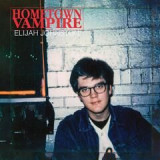
Aesthetically, Hometown Vampire provides a guided tour through 50 years of guitar music, calling out to greats like a prayer, asking for the songs we love to act as guidance through the trouble around us. The characters labeled here as vampires refer to any of the lowlifes we see around us or in ourselves; the punisher at the bar, the chronic failure who's always got a new scheme, the kinds of people who live in the past and stew in bitterness. Hometown Vampire is a farewell to all the good and bad of music scene chicanery, late night shit-talking, and all the failed romances before.
For fans of:
The Beatles, Girls, The Lemonheads, Pavement, Real Estate, Death Cab for Cutie, Hovvdy, Mac Demarco, Vampire Weekend, Billy Joel
Mia Gargaret” is an ambient, (mostly) instrumental album by Chicago, IL singer, songwriter, multi-instrumentalist & producer Gia Margaret. It’s also not the follow-up she intended after the critical success of her 2018 debut, “There’s Always Glimmer”. But after she suddenly found herself without use of her primary instrument, she had to rethink her methods, at least temporarily. Gia explains: “After having to cancel tours because of illness, I was unable to sing for nearly half of the year. This left me feeling like a shell of myself, so I turned to my synthesizer for comfort. These compositions helped me hold onto my identity as a music maker. At times this music helped soothe my anxiety more than therapy or anything else could.” Documenting her self-healing and without singing or lyrics to steal the focus, the instrumental tracks on “Mia Gargaret” shine a light on Gia’s skills as a musician, composer & producer. Spare but immersive arrangements of synthesizer, piano & acoustic guitar simultaneously ache & soothe, building emotional landscapes that rise & recede like scenery through a train window. “Mia Gargaret” is a gorgeous experiment & a memorable meditation on the healing power of music. This version is a limited edition of 200 – pressed on pale blue vinyl with an exclusive lithograph print.
Tommy Largo is a big deal in the world of jacking house and here he lands on Greenhouse Recordings with plenty of evidence to support that. His sound comes steeped with Southern influences on opener 'BBQ Ribs' with its noodling jazz chords and spoken word mutterings making for a lively atmosphere over funky beats. The Jam Funk Remix has a Chicago bump to it with the jazzy keys left in place over well-swung drums. 'On No Not Again' hints at new jack swing with its steamy sax lines and effortlessly catchy groove before 'BBQ Ribs' (Oddphonic remix) closes out with the deepest sound of the lot, perfect for when the sun has gone down and the party heads indoors.
out of Stock
Last delivered 18 months ago available to reorder, subject to availability
Obwohl "Exile In Guyville" 1993 beim Publikum nicht gerade einschlug wie eine Bombe, wurde Liz Phairs Debütalbum von der Kritik sehr gut aufgenommen. Heute gilt es als ein feministischer Meilenstein der Rockgeschichte, der zahlreichen Songwriterinnen und Sängerinnen den Weg bereitete. Der Albumtitel ist eine Anspielung auf "Exile On Main Street" von den Rolling Stones - "Guyville" steht für die männlich-dominierte Indie-Szene Chicagos, wo Phair zu der Zeit lebte. Die Platte erwarb über die Jahre hinweg einen legendären Ruf und findet sich in diversen Bestenlisten. Zum Beispiel führt das "Rolling Stone"-Magazin "Exile In Guyville" in den 500 besten Alben aller Zeiten sowie in den Top 100 der 90er. "Pitchfork" setzte die Platte sogar auf Platz 5 der 100 besten Veröffentlichungen der Neunziger. Außerdem fand das Werk Eingang in zahlreiche Essays. 1998 erlangte das Werk Goldstatus in den USA. Für die Neuauflage besorgte Emily Lazar (The Lodge) ein soundtechnisches Update.
'Scapegoat' is the new album by TRIOLA, the project led by the prolific Tokyo-based composer & experimental string musician Atsuko Hatano, featuring the Japanese violinist Anzu Suhara.
Conceived as a strings project, with Hatano on viola and Suhara on violin, TRIOLA involves a rotating ensemble of guest musicians, including the likes of Chicago-born musician, composer & producer Jim O'Rourke (Drag City, Sonic Youth, Steamroom), the composer & musician Eiko Ishibashi (Drag City, Black Truffle), Australian composer Joe Talia (Touch, Room40, Feeding Tube Records), Yamaguchi-born drummer Tatsuhisa Yamamoto (releases on Black Truffle, Longform Editions, SUPERPANG, performances with Keiji Haino, Oren Ambarchi & Phew +++), Sendai-based vocalist & musician Koji Shibuya (Maher Shalal Hash Baz, Yumbo) & many more.