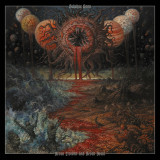
Una epopeya electro-techno-cyberpunk es la nueva aventura que nos propone la referencia 18 de HC Records, donde alta tecnologia, radiaciones gamma e incursiones en la matriz se entremezclan con los futuristas ritmos rotos del artista andaluz C-System bajo su
encarnación Spectrums Data Forces.
Hackeamos los códigos de acceso del sistema del ritmo que nos permiten escuchar los primeros sonidos del track que da nombre al Ep, X-Tremely Deeply, una secuencia tan épica, como obsesiva e hipnótica, aderezada y reforzada por un inteligente uso de arpegios
ácidos y etéreos pads. A modo de reflejo en el hielo, el segundo corte de la cara A excita nuestra glándula pineal guiándonos en el lisérgico remix firmado por el artista inglés Featherstone. Herrumbre, óxido, procesos mecanizados y propulsiones de pura energía se
alternan en formato rítmico en Sector 90, primer track de la cara B, que combina en industrial armonía electro y techno fusionando primitivos y contundentes ritmos rotos con oscuras y abisales secuencias melódicas cargadas del primigenio espíritu trance.
El track B2 titulado Viny, nombre del gato del productor, sigue la senda de melodías densas y reconfortantes, como el ronroneo de un felino, sin perder un ápice de dinámica y emoción. El último tramo del surco de vinilo corresponde al remix elaborado por el músico Ampler
Clap a Viny, que redirige la composición hacia parajes sonoros misteriosos y casi terroríficos dignos de un Slasher de los 80´s o un futurista Giallo.
Como es habitual los bonus track en formato digital cierran la experiencia sonora en esta decimoctava referencia, por un lado 36th que aborda una oscura espiral electro saturada por siniestras secuencias sobre un huracán de metálicos y demoledores ritmos rotos. Y por otro Raw Rat, composición que parte de un minimalista ritmo inicial que crece y evoluciona en cada uno de sus ciclos como en el nacimiento y expansión de un cuásar. De nuevo dentro del apartado gráfico encontramos un encomiable cuidado y mimo por el
detalle, dirigido por Daniel Requeni y a su vez los videos elaborados por Frank-F dotan de una quinta dimensión al concepto artístico global. El master como es habitual corresponde a Steve Voidloss en Black Monolith Studios en Londres (UK).
out of Stock
Last delivered 2 years ago available to reorder, subject to availability
In the mid-1970s, a force of nature swept across the continental United States, cutting across all strata of race and class, rooting in our minds, our homes, our culture. It wasn’t The Exorcist, Goodbye Yellow Brick Road, or even bell-bottoms, but instead a book called The Secret Life of Plants. The work of occultist/former OSS agent Peter Tompkins and former CIA agent/dowsing enthusiast Christopher Bird, the books shot up the bestseller charts and spread like kudzu across the landscape, becoming a phenomenon. Seemingly overnight, the indoor plant business was in full bloom and photosynthetic eukaryotes of every genus were hanging off walls, lording over bookshelves, and basking on sunny window ledges. The science behind Secret Life was specious: plants can hear our prayers, they’re lie detectors, they’re telepathic, able to predict natural disasters and receive signals from distant galaxies. But that didn’t stop millions from buying and nurturing their new plants.
Perhaps the craziest claim of the book was that plants also dug music. And whether you purchased a snake plant, asparagus fern, peace lily, or what have you from Mother Earth on Melrose Avenue in Los Angeles (or bought a Simmons mattress from Sears), you also took home Plantasia, an album recorded especially for them. Subtitled “warm earth music for plants…and the people that love them,” it was full of bucolic, charming, stoner-friendly, decidedly unscientific tunes enacted on the new-fangled device called the Moog. Plants date back from the dawn of time, but apparently they loved the Moog, never mind that the synthesizer had been on the market for just a few years. Most of all, the plants loved the ditties made by composer Mort Garson.
Few characters in early electronic music can be both fearless pioneers and cheesy trend-chasers, but Garson embraced both extremes, and has been unheralded as a result. When one writer rhetorically asked: “How was Garson’s music so ubiquitous while the man remained so under the radar?” the answer was simple. Well before Brian Eno did it, Garson was making discreet music, both the man and his music as inconspicuous as a Chlorophytumcomosum. Julliard-educated and active as a session player in the post-war era, Garson wrote lounge hits, scored plush arrangements for Doris Day, and garlanded weeping countrypolitan strings around Glen Campbell’s “By the Time I Get to Phoenix.” He could render the Beatles and Simon & Garfunkel alike into easy listening and also dreamed up his own ditties. “An idear” as Garson himself would drawl it out. “I live with it, I walk it, I sing it.”
But as his daughter Day Darmet recalls: “When my dad found the synthesizer, he realized he didn’t want to do pop music anymore.” Garson encountered Robert Moog and his new device at the Audio Engineering Society’s West Coast convention in 1967 and immediately began tinkering with the device. With the Moog, those idears could be transformed. “He constantly had a song he was humming,” Darmet says. “At the table he was constantly tapping.” Which is to say that Mort pulled his melodies out of thin air, just like any household plant would.
The Plantae kingdom grew to its height by 1976, from DC Comics’ mossy superhero Swamp Thing to Stevie Wonder’s own herbal meditation, Journey Through the Secret Life of Plants. Nefarious manifestations of human-plant interaction also abounded, be it the grotesque pods in Invasion of the Body Snatchers or the pothead paranoia of the US Government spraying Mexican marijuana fields with the herbicide paraquat (which led to the rise in homegrown pot by the 1980s). And then there’s the warm, leafy embrace of Plantasia itself.
“My mom had a lot of plants,” Darmet says. “She didn’t believe in organized religion, she believed the earth was the best thing in the whole world. Whatever created us was incredible.” And she also knew when her husband had a good song, shouting from another room when she heard him humming a good idear. Novel as it might seem, Plantasia is simply full of good tunes.
Garson may have given the album away to new plant and bed owners, but a decade later a new generation could hear his music in another surreptitious way. Millions of kids bought The Legend of Zelda for their Nintendo Entertainment System back in 1986 and one distinct 8-bit tune bears more than a passing resemblance to album highlight “Concerto for Philodendron and Pothos.” Garson was never properly credited for it, but he nevertheless subliminally slipped into a new generations’ head, helping kids and plants alike grow.
Hearing Plantasia in the 21st century, it seems less an ode to our photosynthesizing friends by Garson and more an homage to his wife, the one with the green thumb that made everything flower around him. “My dad would be totally pleased to know that people are really interested in this music that had no popularity at the time,” Darmet says of Plantasia’snew renaissance. “He would be fascinated by the fact that people are finally understanding and appreciating this part of his musical career that he got no admiration for back then.” Garson seems to be everywhere again, even if he’s not really noticed, just like a houseplant.
out of Stock
Last delivered 17 months ago available to reorder, subject to availability
Artist and multi-instrumentalist Flaer looks to the landscape to explore pastoral melancholy on debut release, Preludes.
Ensconced in his family home in rural Leicestershire in the early months of 2020, painter and musician Realf Heygate (b. 1994) picked up his childhood cello for the first time in several years and began to play. Setting himself parameters to only record onto 4-track tape with acoustic instruments – cello, piano and acoustic guitar – he assembled a suite of instrumental compositions that form the basis of Preludes, his debut album as Flaer and the inaugural release on Odda Recordings.
Channelling the tension and unease between the pastoral idyll of the English countryside and the darkness which lurks beneath the surface, the mini-album draws inspiration from the analogue aesthetic of 1970s folk horror films, weaving field recordings of birdsong, church bells and the natural environment into chimerical melodies that reflect on Heygate’s childhood experiences of rural England.
“It was really important not to isolate the sound from its environment,” he explains, describing the compositional and recording process as “site-specific”. Developed over a series of intuitive musical enquiries, the mini-album’s uncanny quality emerges from combining raw demo takes with overdubs of almost orchestral grandeur.
Heygate points to the final track as indicative of the work as a whole: “‘Follow’ really is the mantra for the release and embodies the practical approach I was taking to music making: not to force the music but see where it takes you.”
As a painter, Heygate’s practice takes artefacts through sequences of reproduction that embrace the fluctuating materiality of the copy. Since obtaining a degree in Fine Art from Central Saint Martins in 2017, he has exhibited solo at Peter von Kant and Springseason galleries in London, and has participated in group shows at Saatchi Gallery, Cob Gallery and Senesi Contemporanea.
Describing his artistic practice as one of self-erasure, music instead provides Heygate with a more personal and autobiographical outlet. Where the two worlds combine is on Preludes’ striking artwork, which features paintings of 13th century stone carvings from the font of the church in the town where he grew up.
Speaking to a time where people were connected to the land in a more profound way, each symbol is assigned to a track on the album, which Heygate likens to giving them a title.
“To add that one juxtaposition might open a whole new interpretation or language that might be hard to find otherwise,” he explains.“Over time it might reveal itself to you, which is why I'm excited about it being released. To throw them out there and see what comes of it.”
out of Stock
Last delivered 2 years ago available to reorder, subject to availability
Nondi_ is the alias of Tatiana Triplin, a US producer based in Johnstown, Pennsylvania, who also runs the net label HRR, releasing the music of friends and herself under various aliases. Her brother is the up and coming MC, Eem Triplin. The music Nondi_ makes is informed by footwork, breakcore and Detroit techno. However, as she's only experienced them via the internet, she has has filled the gaps with her imagination and consequently the music is rendered from a dreamlike solitude that feels adjacent to other internet genres such as vaporwave. Her tracks are gauzy and abstract, smeared with gentle melody, rusty tones and occasional shafts of sunlight, sometimes set to a distant pulse, sometimes collapsing as if the music itself is falling apart. Of the album she says: "Flood City Trax is music that captures the mood of living in a town like Johnstown, and more broadly the isolation of poverty. That's the environment these tracks came out of, after all. Johnstown is a very poor isolated small factory town in Western Pennsylvania which has a dark history of deadly floods, the most well known being the 1889 flood which was like something out of a horror story and the 1977 flood which the Triplin family survived. Johnstown has never moved past its floods, hence the nickname "Flood City". There's very little to do and every year the town shrinks more, and more buildings are knocked down or condemned. Everything is old but simultaneously the past seems like it has just disappeared." LP A: 1/FCD (Floaty Cloud Dream) 2/Orchid Juke 3/Sun Juke 4/Nondi Shadow 5/Euphonic Daydream 6/01-25-2022 B:1/Healing Rain 2/Dusty 3/Nostalgic Vision 4/Long Ago 5/Sentimental Juke 6/Harmoyear
out of Stock
Last delivered 2 years ago available to reorder, subject to availability
Folk Magic Band represents one of the most interesting and original, yet lesser-known experiences of the italian jazz scene of the 1970s. In the legendary alternative environment of the Folk Studio in Rome, an open 18-members lineup is inspired by the free jazz of its time, a music that encompasses the whole world and its polychromy of sound. The echo seems to resonate the pan-ethnic motifs of Don Cherry and his Organic Music Society, but also the spiritual jazz of Pharoas Sanders and the orchestrations of the Sun Ra Arkestra. The textures chase a chinese melody, ignite with african scents and south american jungles, flow into fusion violin drifts a la Archie Shepp's Attic Blues or Mingus-like orchestral sections. The fascination of this collective affair still strikes for its playful and ironic nature, still impressing for its strength and willingness to open and influence new directions.
NTsKi, Japan-based vocalist/songwriter/producer; pronounced n-t-s-k-i. Calla is her 2nd album, a unified statement of her musical vision at this point in her development, with all-new songs melding her breathy and intimate voice, singing in Japanese and English, with organic acoustic sounds and distinctive electronic colours. NTsKi possesses a charming melodic gift as well as a distinctive production style, giving Calla a cohesion and subtle momentum, with relaxed tempos, interesting arrangements and intriguing melodies fusing into a focused musical statement that is refreshing, charming and forward-looking, underpinned by a sense of wistfulness, nostalgia and melancholy.
As with her 2021 Orca release, co-released on EM Records and Orange Milk, NTsKi is joined by engineer Illicit Tsuboi and British musician/producer Dan Shutt. The songs here are lovely, concise gems, warmly glowing, gently sparkling, evocative and moving. LP comes with a Japanese and English lyric sheet. Vinyl edition disc is made of environmentally friendly new material BioVinylTM. and includes an insert & download card, shrink-wrapped and stickered.
"Intrinsic Rhythm is proud to welcome and release a new record by Westcoast Goddess. The enigmatic producer provides 4 r&b flecked sample led tracks which borrow and take influence from the classic machine soul from Chicago, Detroit and NY. The EP kicks off with the musically rich " Fallin' " which uses melody and emotive machine and sample programming to welcome you to a brilliantly unique record. The title track " Time 4 Change " takes a classic tactile Chicago groove and concocts a deep hybrid of strings, evocative synth and vocal sample programming to take the listener and dancefloor to a deeper level. " Change Is Comin' " is next and takes influence from classic Gospel house music and uses classic drum machine programming combined with a chord driven lead to create a mesmerising twist on machine soul. Finally "One O' These Days" uses Boogie. New Jack Swing and Deep House variations to bring the listener through a classic song structure which builds from beginning to end. IR005 contains 4 tracks brought through the unique lens of the Westcoast Goddess and is available on limited vinyl
out of Stock
Last delivered 2 years ago available to reorder, subject to availability
Auf dem 2012 erschienenen Album "North" trieben Matchbox Twenty ihren Pop-Rock-Sound weiter voran und verstärkten die unauslöschlichen Melodien, die ausgeklügelten Texte und die herrlichen Hooks, die ihr mehrfach mit Platin ausgezeichnetes Werk seit jeher ausmachen.
Die Band lebte zusammen in einem Haus in Nashville, wo sie gemeinsam an neuem Material arbeiteten, bevor sie sich erneut mit dem Grammy-prämierten Produzenten Matt Serletic in seinen Emblem Studios in Calabasas, Kalifornien, zusammenschlossen. Das Ergebnis gehört zu den besten Songs von Matchbox Twenty: Songs wie "Overjoyed" und "Put Your Hands Up" zeichnen sich durch den unverkennbaren Sound der Band und ihre unverfälschte gute Laune aus. Diese LP - die erste eigenständige Vinyl-Pressung des Albums - enthält die Hitsingle "She's So Mean".
Das mit Spannung erwartete neue Album der U.S.-amerikanischen Power/Progressive-Metal-Band THEOCRACY ist endlich da. Sieben Jahre nach dem hochgelobten "Ghost Ship" melden sich Mastermind Matt Smith und seine Truppe mit ihrem neuen Meisterwerk "Mosaic" zurück. THEOCRACY startete 2002 als Soloprojekt von Smith, mittlerweile ist daraus eine richtige Band mit stetig wachsender Fanbase geworden.
Ihre rasante Mischung aus Power- und Progressive-Metal ist im Laufe der Jahre immer einzigartiger geworden - das Ergebnis einer Vielzahl von Einflüssen. Der Sound von THEOCRACY begeistert Fans von Avantasia bis Symphony X. Ihr herausragendes Gespür für starke
Melodien und fantastische Arrangements sucht seinesgleichen.
Das mit Spannung erwartete neue Album der U.S.-amerikanischen Power/Progressive-Metal-Band THEOCRACY ist endlich da. Sieben Jahre nach dem hochgelobten "Ghost Ship" melden sich Mastermind Matt Smith und seine Truppe mit ihrem neuen Meisterwerk "Mosaic" zurück. THEOCRACY startete 2002 als Soloprojekt von Smith, mittlerweile ist daraus eine richtige Band mit stetig wachsender Fanbase geworden.
Ihre rasante Mischung aus Power- und Progressive-Metal ist im Laufe der Jahre immer einzigartiger geworden - das Ergebnis einer Vielzahl von Einflüssen. Der Sound von THEOCRACY begeistert Fans von Avantasia bis Symphony X. Ihr herausragendes Gespür für starke
Melodien und fantastische Arrangements sucht seinesgleichen.
Tyresta's Small Hours album (a direct follow-up to 2020's All We Have) comes on beautiful 180-gram splatter green vinyl via Past Inside The Present and is another majestically subtle and intimate ambient work that explores "impermanence, grief, loss, healing, and growth". It's an album that reveals more with each listen as the carefully layered-up synths and melodies intertwine harmoniously to make for a perfect late-night soundtrack. There's plenty of soul searching to be done while lost in the midst of this album, but it will be a rewarding task as you cannot fail to find "solace, rejuvenation, and a rekindling of the unfettered spirit," as the label puts it.
Swedish singer and composer Elin Piel returns to Mystery Circles after making a debut appearance on the Las Vegas-based ambient label back in 2020. Piel's sound deals in microscopic layers of textural detail slowly shifting around delicately embellished melodies - 'Tunnlar' is a perfect opening statement in this sense as glassy synth phrases pass through prismatic DSP and faint flickering interference skips around in the background. If you enjoy the work of artists like Emily A. Sprague and The Humble Bee you'll certainly find much to savour on this beautifully rendered album.
SULPHUR AEONs neuestes Werk ist gesegnet mit Kontrasten, klanglicher Ebbe und Flut. Ein Taifun kantiger Riffs und wilder Blastbeats, raffinierte Melodieschichten, dichte Atmosphäre und triumphal gesungene Refrains reißen dich mit. Ätherische Akustikgitarren, subtile Synthesizer, einen Hauch von Gothic ('The Yearning Abyss Devours Us'), satte Leads, E-Bow-Parts, heftige Aggression ('Arcane Cambrian Sorcery'), monumentale Schwere, die in hypnotische Gesangsmuster übergeht ('Seven Crowns And Seven Seals'), und ein großes Finale ('Beneath The Ziqqurrats') - "Seven Crowns And Seven Seals" überschreitet Genres; es wütet und zerstört, lullt dich im nächsten Moment in gefährlich täuschende Ruhe, nur um dich unwiderbringlich in den dunklen Strudel des Ozeans zu reißen. SULPHUR AEON meistern ihren durchdringenden Cinematic Death Metal der Extraklasse, gehen über sich hinaus und klingen dabei doch unverkennbar kohärent - perfekt eingefangen und verfeinert von den langjährigen Mitarbeitern Simon Werner und Michael Zech (Secrets Of The Moon, Bølzer etc.), während das Mastering von V. Santura (Triptykon, Dark Fortress) übernommen wurde. Was das Artwork betrifft, so haben SULPHUR AEON diesmal mit der Tradition gebrochen, wieder mit Ola Larsson zu arbeiten, und sich mit dem Italiener Paolo Girardi zusammengetan, um eine Lovecraft'sche Apokalypse darzustellen, die der Opulenz und Dynamik des Albums einen raueren Stil entgegensetzt.
What we love about this compilation is that it’s not one of these boring best off type of stuff, but a gathering of all songs that were published on rare vinyl releases that Hooded Menace put out during the last 15 years. So, in case you had no chance to buy any or all of these 7”s or splits (that go for high prices these days) this compilation is a chance for you to hear some more splendid stuff from these masters of horror. All songs are presented in chronological order, so... The feast begins with two songs which also ended up on the debut album of Hooded Menace “Fulfill the Curse”, but recorded in different versions the year before the album was recorded. We all love how Hooded Menace combines heavy, Doomy riffage with that gloomy, horror atmosphere and some melody. And of course their Doom is strongly infected with old school Death Metal, so this is also why the music of Hooded Menace speaks to many of you so well. Later there’s some stuff from the split with Anima Morte, splits with Coffins, Asphyx and Ilsa. All in all, we have to say that “Gloom Immemorial” is a fantastic compilation of rare stuff from one of the best Doom/Death Metal bands ever. We would love to have them all as originals, as playing such music in vinyl format is simply pure magic and it always give you a special feeling, but if you cannot have what you want, you will be very happy with this substitute. The band and the label took it all seriously and came up with a fantastic booklet, which shows you each original release in details - with lyrics, original artwork and band photographs from that era. It cannot be done better, so this is just a near-perfection type of release with 75 minutes of horror soundtrack on a killer 2-LP.
Living on such a chaotic planet, tossing and turning is inevitable. It’s hard to sleep in the midst of uncertainty. That’s why Sundressed was born. Lead vocalist and songwriter Trevor Hedges began his project in 2012, with the initial purpose of maintaining his sobriety. Now, 10 years later, Hedges has refocused the project’s mission, writing songs that tackle mental health issues for others to take solace in. His confessional lyrics and punk-infused melodies inspire hope in listeners to continue moving forward, determined to make a positive impact, one lyric at a time.
The sixth full-length release for the Scottish indie pop band was produced by Bright Eyes' Mike Mogis. Since the band started in 1987, the Trash Can Sinatras have always been reliable. Every record has delivered exactly what people needed from them: lovely guitar pop songs done with a light touch, deep emotional feelings, and melodies as rich and warm as a late-autumn heat wave. Since their original run ended in the '90s, they've come back regularly to remind people that they are just about the best guitar pop band still going, with a new album roughly every five years or so. Wild Pendulum finds the band in fine form, expectedly. It also finds them doing a bit of sonic experimentation, unexpectedly. With former Adventures in Stereo mastermind Simon Dine on board providing the kind of ""sonic scenery"" he added to many recent Paul Weller albums and producer Mike Mogis capturing fuller arrangements than usually heard on TCS albums, it's the most sonically interesting album of their long career.
Wewantsounds is delighted to announce the release of "TOUCH," a selection of sought-after tracks produced by Yuji Ohno, one of the most revered producers and arrangers on the Nippon music scene. His blend of Jazz, Space Funk and Disco have long been highly sought-after by DJs around the world and we've been given unique access to the Nippon Columbia vaults and to Mr. Ohno himself to come with a versatile selection from his 70s body of work, all bearing his uniquely recognisable sound. The set includes works with singers Nanako Sato, Hatsumi Shibata and Ken Tanaka alongside tracks from his cult anime soundtracks for "Lupin III" and "Captain Future." Approved by Yuji Ohno himself, "Touch" was remastered in Tokyo by Nippon Columbia and features liner notes by Nick Luscombe in conversation with the maestro and artwork by Optigram's Manuel Sepulveda.
Born in Atami in 1941, Yuji Ohno started learning the piano at a young age and formed his own band during his teenage years, getting into Jazz in the process. After high school, he entered the prestigious Keio University in Tokyo and played in the revered university big band alongside two other pianists, Masahiko Sato and Hirosama Suzuki, who would have an illustrious career in their own right. After University, Ohno became a professional musician and started playing with the new wave of Japanese Jazz musicians forming his own trio and recording with the likes of Hideo Shiraki, Terumasa Hino and Masahiko Togashi from 1967 onwards.
At the turn of the 60s, Ohno started to veer away from the Jazz scene as he realised, as told to Nick Luscombe that "the jazz music being played by the Japanese at the time was only chasing the cutting edge, and was ignoring the roots and origins of jazz." Ohno therefore shifted his efforts to film and TV and also to producing artists for various Japanese labels, becoming one of the most in-demand composers, arrangers and producers in Japan. This is when Ohno developed his unique sound across a wide variety of styles. More than anything else, he got renowned for his anime soundtracks, particularly with the Lupin III series - represented here by the superbly funky "Silhouette" - which made his fame in Japan
Whether it's jazz, funk, disco or Pop, the "Ohno Sound" is unmissable both in terms of melodies and arrangements, on a par with those of such legends as Quincy Jones and Michel Legrand. Ohno's melodies are sophisticated yet accessible and there's a great sense of space in his productions especially when it comes to slow-burning grooves as heard on "Kirameku Inner Space" from the cult anime soundtrack "Captain Future" or "The Soaring Seagull" from the sought-after 1975 album "Electro Keyboard Orchestra." This album was recorded with seven fellow musicians including Kentaro Haneda and Ohno's old friend, Masahiko Sato and using twenty Korg synths to create a unique blend of futuristic jazz funk. "The Soaring Seagull" could be the perfect embodiment of Ohno's signature sound when it comes to instrumentals. The producer was however equally at ease with producing lush disco extravaganzas such as "Subterranean Futari Botchi" by Nanako Sato or "I Wish You Love" by Hatsumi Shibata, a revamp of Charles Trenet classic, both colourful and glitzy.
Ohno's versatility is on display here with a couple of jazz vocal tracks, "Speak Low" by Ann Young accompanied by the Yuji Ohno Trio and Mieko Hirota's fast and furious "I Want to Be Happy" while he also excelled at crafting gorgeous mellow songs such as Ken Tanaka's "Lilac-gai No Aki" and Hatsumi Shibata's "Mouichido Kikasete" closing the selection on a perfect note. "Touch" is just a tiny selection from Yuji Ohno's immense body of work and it will hopefully open the ears of Japanese music lovers to one of the most important musician, producer and arrangers of his generation.
End of Ways is a bridge to healing as it was written during the period of helping a loved one escape an abusive household while working though its lingering horrors to find peace. On this second album
release by indie label Kill Rock Stars, 18-year-old Elliott Fullam touches on even darker subject matter than his predecessor What’s Wrong which was a dissociative trip that reached out to thousands of
like-minded music enthusiasts who hailed the record as their album of the year.
And End of Ways is the next record that will continue in that same gentle melody which alleviates the emotional storm that
torments so many of us. Elliott’s sophomore full-length is a blend of home recordings as well as studio recordings which bring some extra depth within the songs to suit their somber settings in the tracks
Throw It Away, Forget, and Better Way. But the record still retains its stripped down, lo-fi vibe in songs like Let’s Go Somewhere and Remember When with their clear Elliott Smith and Nick Drake
influences in both the acoustic guitar lines and quiet vocals. The addition of young pianist Jeremy Bennett also beautifully adds candle-light melody through-out the album with his haunting notes in the opening song Mistake and his Tim Burton-meets-Vince Guaraldi style in the album’s escapist-themed title track End of Ways along with the dramatic climax to Timeless Tears and the album closer, Over
the Moon which is Elliott’s profession of love to his present companion who he saved from her former home. Nick Drake, Big Thief, Crumb, and Alex G that explores childhood, dissociation, heartbreak and ultimately, survival
Infernal Sounds bring their digital series to life with this spicy VA compilation, snipping four of the standout tracks from their first four EP's. The VA presents tracks from all over the world, spanning from Japan to the US, back home to Bristol and bouncing to Barcelona. Karnage, 'Spirit Bomb' kicks things off by slicing and dicing you with mid-range blades and tearing you apart with the heavy trap-style low-end ruckus. Switching things up completely on the A2 is Kodama with the wonderful 'Clear Your Head', entangling you in the beautiful melodies and uplifting mainframe, before Chief Kaya spins you all the way back to '06 on 'Ma'at'. The track brings about an essence of the old-school and a premium beat that you need to feel on a soundsystem. Finally, Khanum drops you in with and takes you under with 'Bun Politician', a strong message for the times, and a forceful track at that.
The tracks on this EP have had heavy support from the likes of Truth, N-type, BunZer0, Sicaria Sound, Deep Tempo, Hamdi and many more.
out of Stock
Last delivered 4 years ago available to reorder, subject to availability
Through 35 hedonistic highlights stretched across three volumes, Music For The Radical Xenomaniac delivers the first ever deep dive into The Netherlands’ colourful house sound of the 90s and the under-celebrated producers and record labels whose music soundtracked a countrywide cultural movement.
Plenty of books and documentaries have celebrated the riotous raves, legendary clubs, high profile DJs and promoters who shaped The Netherlands’ hedonistic house scene throughout the 90s. Music For The Radical Xenomaniac dares to challenge these narratives by shining a light, for the first time, on those who created the scene’s kaleidoscopic, game-changing and globally influential soundtrack.
Leading the charge were a disparate group of key creators who not only forged links with their counterparts in Detroit, Chicago, New York, Belgium, Germany and the United Kingdom, but also became celebrated figures on the worldwide electronic underground (Eric Nouhan, Aad De Mooy, Orlando Voorn, Stefan Robbers and Steve Rachmad). Alongside key underground imprints (Stealth Records, Basic Energy, ESP, Prime and Outland Records included) and lesser-known producers, these pioneers gave flavour to a radical musical movement via open-mindedness, unheard-of creativity and a genuinely futuristic ethos. All of these artists and labels are represented throughout the series.
So, what defined this hedonistic house sound from The Netherlands? Stylistically, it was varied – as the series so emphatically proves – but was defined by a set of distinctive sonic characteristics: emotive musical motifs, high-frequency synth sounds, mellow basslines, pulsating rhythms and more than a touch of hallucinatory intent.
Volume 2 contains a wealth of notable tracks and slept-on gems. These include Q’s ‘From Within (Body Mix)’, a lesser-known cut from the trio better-known as Quazar (Gert van Veen, R.o.X.Y co-founder Eddy De Clercq and Eric Cycle), Eric Nouhan’s melodic masterpiece ‘Technobility’, which is appearing on vinyl for the first time since 1994, and a rare collaboration between regular production partners Maarten van der Vleuten and Mike Kivits (better known as Aardvarck), which was initially released on a special R&S Records’ offshoot set up by the label’s co-founder, Renaat Renaat Vandepapeliere (Integrity II’s ‘Living In Fantasy’).
Other highlights include Exposure’s ‘Love Quest’, a highly sought-after 1991 track by The Hague-based DJ/producer Maurits Paardekooper, and an ambient-infused Andrew Weatherall favourite originally released by Stealth Records in 1993, Hole In One’s ‘Spiritual Ideas For Virtual Reality’.
Packed full of forward-thinking 90s gems remastered for today’s dance floors by Alden Tyrell, Music For The Radical Xenomaniac Volume 1 is a life-affirming celebration of a distinctly Dutch musical movement, whose rich textures and melodies are still inspiring new generations of DJs and dancers today.
out of Stock
Last delivered 15 months ago available to reorder, subject to availability
Through 35 hedonistic highlights stretched across three volumes, Music For The Radical Xenomaniac delivers the first ever deep dive into The Netherlands’ colourful house sound of the 90s and the under-celebrated producers and record labels whose music soundtracked a countrywide cultural movement.
Plenty of books and documentaries have celebrated the riotous raves, legendary clubs, high profile DJs and promoters who shaped The Netherlands’ hedonistic house scene throughout the 90s. Music For The Radical Xenomaniac dares to challenge these narratives by shining a light, for the first time, on those who created the scene’s kaleidoscopic, game-changing and globally influential soundtrack.
Leading the charge were a disparate group of key creators who not only forged links with their counterparts in Detroit, Chicago, New York, Belgium, Germany and the United Kingdom, but also became celebrated figures on the worldwide electronic underground (Eric Nouhan, Aad De Mooy, Orlando Voorn, Stefan Robbers and Steve Rachmad). Alongside key underground imprints (Stealth Records, Basic Energy, ESP, Prime and Outland Records included) and lesser-known producers, these pioneers gave flavour to a radical musical movement via open-mindedness, unheard-of creativity and a genuinely futuristic ethos. All of these artists and labels are represented throughout the series.
So, what defined this hedonistic house sound from The Netherlands? Stylistically, it was varied – as the series so emphatically proves – but was defined by a set of distinctive sonic characteristics: emotive musical motifs, high-frequency synth sounds, mellow basslines, pulsating rhythms and more than a touch of hallucinatory intent.
Volume 3 is packed with in-demand tracks and hard-to-find gems, including a previously CD-only cut from Dutch techno originator Orlando Voorn (1999’s ‘Still’), a genuine rave classic from The Hague by hardcore DJ Charly Lownoise as Fluxland, and a killer cut from prolific producer – and genuinely influential pioneer – Aad De Mooy AKA D-Shake. He’s represented on this volume by Paradise 3001 cut ‘Surfin The Cuban Waves’, which first appeared on ESP Records in 1993.
Other highlights include Direct Movement’s ‘Natural Chemistry’, a sought-after slow house cut produced by Dennis Buné, who had an enormous impact on the Dutch house scene as Jaimy, and ‘Delphi (Rewaxed)’ by NYX, a highly regarded and hard to find single from former new wave and synth-pop producer Bart Barten, and occasional studio partner Hanz Meyer.
Packed full of forward-thinking 90s gems remastered for today’s dance floors by Alden Tyrell, Music For The Radical Xenomaniac Volume 3 is a life-affirming celebration of a distinctly Dutch musical movement, whose rich textures and melodies are still inspiring new generations of DJs and dancers today.
out of Stock
Last delivered 20 months ago available to reorder, subject to availability
Jenny from Thebes begann, wie viele Alben der Mountain Goats, mit John Darnielle am Klavier, bis ein Text entstand. Dieser Text, "Jenny was a warrior / Jenny was a thief / Jenny hit the corner clinic begging for relief", wurde zu "Jenny III", einem Song, der eine Herausforderung darstellte, der er sich nie zuvor gestellt hatte: eine Fortsetzung zu einem seiner beliebtesten Alben zu schreiben.
Der Katalog der Mountain Goats ist voll von wiederkehrenden Charakteren_Jenny, die ursprünglich in dem ihren Namen tragenden Stück All Hail West Texas auftaucht, sowie in "Straight Six" von Jam Eater Blues und dem Transcendental Youth side two jam "Night Light", ist einer von ihnen, jemand, der unerwartet in einen Song eintritt und die Ohren der Fans spitzt, die darauf erpicht sind, die verschiedenen Erzählstränge fortzusetzen, die sich durch die Diskografie der Mountain Goats ziehen, bevor sie im Nebel verschwinden.
In diesen Liedern wird Jenny weitgehend durch ihre Abwesenheit definiert, und diese Definition wird ihr von anderen Charakteren gegeben. Sie läuft vor etwas weg.
Diese Merkmale sind betörend, sowohl für die Figuren, die ihre Geschichte bisher erzählt haben, als auch für den Zuhörer. Sie laden zu bestimmten Fragen ein: Wer ist Jenny wirklich? Wovor läuft sie weg? Nun, sie ist eine Kriegerin und eine Diebin, und da es sich um ein Album der Mountain Goats handelt, ist es eine sichere Wette, dass das, wovor sie flieht, etwas Schlimmes ist. Etwas katastrophal Schlimmes. Jenny from Thebes ist die Geschichte von Jenny, ihrem Haus im südwestlichen Ranchstil, den Menschen, für die dieses Haus ein Ort der Sicherheit ist, und der westtexanischen Stadt, die sich mit ihrer Existenz nicht anfreunden kann. Es ist eine Geschichte über das Individuum und die Gesellschaft, über Sicherheit und Schutz und diejenigen, die sich dafür entscheiden, sich um sie zu kümmern, wenn es sonst niemand tut. Aufgenommen im legendären The Church Studio in Tulsa, Oklahoma, mit der Grammy-prämierten Produzentin/Technikerin Trina Shoemaker, ist Jenny from Thebes eine üppige Sammlung von Songs, die Darnielle als Sängerin und die Mountain Goats als Band vorantreibt, indem sie ihre klangliche Palette wieder einmal erweitert und sich an Einflüsse wie Godspell, Jim Steinman und The Cars anlehnt. Getragen von den Bläser- und Streicherarrangements von Matt Douglas, der verträumten Gitarre der Bully-Leaderin (und Bleed Out-Produzentin) Alicia Bognanno und den Backing Vocals von Kathy Valentine von den Go-Go's und Matt Nathanson, ist Jenny from Thebes ein Musical von großem Ausmaß, ein Melodram mit detailreichen Charakteren und mitreißenden Emotionen.
Jenny from Thebes begann, wie viele Alben der Mountain Goats, mit John Darnielle am Klavier, bis ein Text entstand. Dieser Text, "Jenny was a warrior / Jenny was a thief / Jenny hit the corner clinic begging for relief", wurde zu "Jenny III", einem Song, der eine Herausforderung darstellte, der er sich nie zuvor gestellt hatte: eine Fortsetzung zu einem seiner beliebtesten Alben zu schreiben.
Der Katalog der Mountain Goats ist voll von wiederkehrenden Charakteren_Jenny, die ursprünglich in dem ihren Namen tragenden Stück All Hail West Texas auftaucht, sowie in "Straight Six" von Jam Eater Blues und dem Transcendental Youth side two jam "Night Light", ist einer von ihnen, jemand, der unerwartet in einen Song eintritt und die Ohren der Fans spitzt, die darauf erpicht sind, die verschiedenen Erzählstränge fortzusetzen, die sich durch die Diskografie der Mountain Goats ziehen, bevor sie im Nebel verschwinden.
In diesen Liedern wird Jenny weitgehend durch ihre Abwesenheit definiert, und diese Definition wird ihr von anderen Charakteren gegeben. Sie läuft vor etwas weg.
Diese Merkmale sind betörend, sowohl für die Figuren, die ihre Geschichte bisher erzählt haben, als auch für den Zuhörer. Sie laden zu bestimmten Fragen ein: Wer ist Jenny wirklich? Wovor läuft sie weg? Nun, sie ist eine Kriegerin und eine Diebin, und da es sich um ein Album der Mountain Goats handelt, ist es eine sichere Wette, dass das, wovor sie flieht, etwas Schlimmes ist. Etwas katastrophal Schlimmes. Jenny from Thebes ist die Geschichte von Jenny, ihrem Haus im südwestlichen Ranchstil, den Menschen, für die dieses Haus ein Ort der Sicherheit ist, und der westtexanischen Stadt, die sich mit ihrer Existenz nicht anfreunden kann. Es ist eine Geschichte über das Individuum und die Gesellschaft, über Sicherheit und Schutz und diejenigen, die sich dafür entscheiden, sich um sie zu kümmern, wenn es sonst niemand tut. Aufgenommen im legendären The Church Studio in Tulsa, Oklahoma, mit der Grammy-prämierten Produzentin/Technikerin Trina Shoemaker, ist Jenny from Thebes eine üppige Sammlung von Songs, die Darnielle als Sängerin und die Mountain Goats als Band vorantreibt, indem sie ihre klangliche Palette wieder einmal erweitert und sich an Einflüsse wie Godspell, Jim Steinman und The Cars anlehnt. Getragen von den Bläser- und Streicherarrangements von Matt Douglas, der verträumten Gitarre der Bully-Leaderin (und Bleed Out-Produzentin) Alicia Bognanno und den Backing Vocals von Kathy Valentine von den Go-Go's und Matt Nathanson, ist Jenny from Thebes ein Musical von großem Ausmaß, ein Melodram mit detailreichen Charakteren und mitreißenden Emotionen.
Because Hold, Jack Tatum's fifth album under the moniker Wild Nothing, was written in the aftermath of new parenthood during the pandemic, it was probably inevitable that it would be searching and existential music. But during the recording process, the artist known for synth-pop tastefulness used it as an opportunity to reach for a new sonic maximalism and wider set of influences. With contributions from longtime collaborator Jorge Elbrecht, Tommy Davidson of Beach Fossils and Hatchie's Harriette Pilbeam, first single "Headlights On" features an acid house-worthy bass groove and breakbeat that prove Tatum is playing for the rafters. Tatum produced the rest of the record on his own, partially out of necessity, due to the challenges of the pandemic. The songs were eventually brought to Adrian Olsen at Montrose Recording in Richmond to begin recording drums and filling in the gaps. While largely a product of isolation, Hold also reflects the things Tatum has learned from collaborators, both on previous records and during his acclaimed work with Japanese Breakfast and Molly Burch. The rest of the record was mixed by Geoff Swan, who listeners might know for his work with Caroline Polachek and Charli XCX. Swan put Tatum's vocals high in the mix, and throughout the album, he embraces playful vocal processing like never before. Tatum moved from Los Angeles back to his home state of Virginia about five years ago in search of a scaled-back lifestyle. The relatively suburban environment - and the occasional regret it inspired - proved to be great artistic fodder. It's the paradox of modern America - the suburbs are supposed to be stultifying to art, but they are so full of human desperation perfect for dramatizing. On "Suburban Solutions", he presents an anti-jingle with an acidly bright synthesizer melody, imploring you to sign on the dotted line, put your feet up, and embrace sweet oblivion. Adding to the song's menacing cheeriness is a chorus-sung bridge, made with assistance from Molly Burch and Tatum's wife, Dana, It was loosely inspired by the classic Martika song "Toy Soldiers" and the long-ago pop craze for children's choirs, and he embraces the trend's less-than-stellar reputation. By design, Hold dwells in uncertainty and fear, but in a package that encourages meditation and a bit of fun. "In the face of the pandemic, I think being a parent really forced my hand," Tatum said. "I felt that I had no other choice but to have a positive outlook on the world. Because if I were to give in at any moment and say, "Oh, everything is horrible," then I'll feel as if I've lost and I've given up on my son being able to thrive in this world."
Sea Blue in Coke Bottle Clear Vinyl LP + artist signed art print. Only 200 available.
Because Hold, Jack Tatum's fifth album under the moniker Wild Nothing, was written in the aftermath of new parenthood during the pandemic, it was probably inevitable that it would be searching and existential music. But during the recording process, the artist known for synth-pop tastefulness used it as an opportunity to reach for a new sonic maximalism and wider set of influences. With contributions from longtime collaborator Jorge Elbrecht, Tommy Davidson of Beach Fossils and Hatchie's Harriette Pilbeam, first single "Headlights On" features an acid house-worthy bass groove and breakbeat that prove Tatum is playing for the rafters. Tatum produced the rest of the record on his own, partially out of necessity, due to the challenges of the pandemic. The songs were eventually brought to Adrian Olsen at Montrose Recording in Richmond to begin recording drums and filling in the gaps. While largely a product of isolation, Hold also reflects the things Tatum has learned from collaborators, both on previous records and during his acclaimed work with Japanese Breakfast and Molly Burch. The rest of the record was mixed by Geoff Swan, who listeners might know for his work with Caroline Polachek and Charli XCX. Swan put Tatum's vocals high in the mix, and throughout the album, he embraces playful vocal processing like never before. Tatum moved from Los Angeles back to his home state of Virginia about five years ago in search of a scaled-back lifestyle. The relatively suburban environment - and the occasional regret it inspired - proved to be great artistic fodder. It's the paradox of modern America - the suburbs are supposed to be stultifying to art, but they are so full of human desperation perfect for dramatizing. On "Suburban Solutions", he presents an anti-jingle with an acidly bright synthesizer melody, imploring you to sign on the dotted line, put your feet up, and embrace sweet oblivion. Adding to the song's menacing cheeriness is a chorus-sung bridge, made with assistance from Molly Burch and Tatum's wife, Dana, It was loosely inspired by the classic Martika song "Toy Soldiers" and the long-ago pop craze for children's choirs, and he embraces the trend's less-than-stellar reputation. By design, Hold dwells in uncertainty and fear, but in a package that encourages meditation and a bit of fun. "In the face of the pandemic, I think being a parent really forced my hand," Tatum said. "I felt that I had no other choice but to have a positive outlook on the world. Because if I were to give in at any moment and say, "Oh, everything is horrible," then I'll feel as if I've lost and I've given up on my son being able to thrive in this world."
out of Stock
Last delivered 2 years ago available to reorder, subject to availability
Jeder, der genau hinschaut, kann erkennen, dass Cincinnati, OH, derzeit eine wahre Brutstätte musikalischer Kreativität ist, und die drei Mitglieder von The Serfs - Dylan McCartney (Gesang, Perkussion, Gitarre, Bass, Elektronik), Dakota Carlyle (Elektronik, Bass, Gitarre, Gesang) & Andie Luman (Gesang, Synthesizer) - und ihre jeweiligen Nebenprojekte (The Drin, Crime of Passing, Motorbike) sind unbestreitbar im Zentrum der New-Underground-Szene von Cincinnati. Nach der Veröffentlichung von Alben auf dem Berliner Minimal-Synth-Label Detriti und dem in Seattle ansässigen DREAM Records im Jahr 2018 bzw. 2022 macht die Band für ihr drittes und bisher bestes Album den Schritt zu Trouble In Mind. "Half Eaten By Dogs" gibt dem modernistischen Twitch von Future-Forward-Bands wie Total Control oder Cold Beat sowie dem post-industriellen Dancefloor-Grime von Skinny Puppy, Dark Day, This Heat oder Factrix einen entschiedenen Midwestern-Spin. "Half Eaten by Dogs" ist ein Blick durch ein Fernrohr in eine dystopische Vision, in der eisverkrustete Synthie-Harmonien triefende chemische Rhythmen und aufgebohrte elementare Rockformationen beherrschen. Die Musik ist eine Mischung aus düsterem Drum- und Synthesizer-Industrial und stygischen Gitarreninstrumenten, mal mit vorsichtiger Paranoia, mal mit melodischem Trotz und Ausgelassenheit (und in manchen Momenten mit Mundharmonika, Saxophon oder Flöte). "Half Eaten By Dogs" fasst erfolgreich alles zusammen, was The Serfs bisher erreicht haben, aber mit weitaus größerer Absicht und Zielsetzung als ihre vorherigen Alben. Es gibt Songs zum Tanzen und Songs, die man während eines Sturms oder beim Fahren durch die Straßen der Welt in sich aufnehmen kann. Es mag für die Band ein weiterer Schritt hinunter in die Katakomben sein, dabei aber auf dem Weg zu etwas Höherem.
Jeder, der genau hinschaut, kann erkennen, dass Cincinnati, OH, derzeit eine wahre Brutstätte musikalischer Kreativität ist, und die drei Mitglieder von The Serfs - Dylan McCartney (Gesang, Perkussion, Gitarre, Bass, Elektronik), Dakota Carlyle (Elektronik, Bass, Gitarre, Gesang) & Andie Luman (Gesang, Synthesizer) - und ihre jeweiligen Nebenprojekte (The Drin, Crime of Passing, Motorbike) sind unbestreitbar im Zentrum der New-Underground-Szene von Cincinnati. Nach der Veröffentlichung von Alben auf dem Berliner Minimal-Synth-Label Detriti und dem in Seattle ansässigen DREAM Records im Jahr 2018 bzw. 2022 macht die Band für ihr drittes und bisher bestes Album den Schritt zu Trouble In Mind. "Half Eaten By Dogs" gibt dem modernistischen Twitch von Future-Forward-Bands wie Total Control oder Cold Beat sowie dem post-industriellen Dancefloor-Grime von Skinny Puppy, Dark Day, This Heat oder Factrix einen entschiedenen Midwestern-Spin. "Half Eaten by Dogs" ist ein Blick durch ein Fernrohr in eine dystopische Vision, in der eisverkrustete Synthie-Harmonien triefende chemische Rhythmen und aufgebohrte elementare Rockformationen beherrschen. Die Musik ist eine Mischung aus düsterem Drum- und Synthesizer-Industrial und stygischen Gitarreninstrumenten, mal mit vorsichtiger Paranoia, mal mit melodischem Trotz und Ausgelassenheit (und in manchen Momenten mit Mundharmonika, Saxophon oder Flöte). "Half Eaten By Dogs" fasst erfolgreich alles zusammen, was The Serfs bisher erreicht haben, aber mit weitaus größerer Absicht und Zielsetzung als ihre vorherigen Alben. Es gibt Songs zum Tanzen und Songs, die man während eines Sturms oder beim Fahren durch die Straßen der Welt in sich aufnehmen kann. Es mag für die Band ein weiterer Schritt hinunter in die Katakomben sein, dabei aber auf dem Weg zu etwas Höherem.
Am 27. Oktober erscheint ihr neues Album "Chronicles of a Diamond" bei ATO Records. Produziert von Quesada und hauptsächlich abgemischt vom sechsfachen Grammy-Preisträger Shawn Everett (Alabama Shakes, The War on Drugs), übernimmt Burton auf den zehn Songs die Rolle des Co-Produzenten und lässt seine freigeistige Musikalität in jeden Track einfließen.
“It felt like a metamorphosis in a way that was both beautiful and difficult, but in the end feels more true to who we are as collaborators“, erzählt der Sänger. Die Songs entstanden zwar im Studio, fangen aber definitiv auch die verrückte Energie ein, die während den Live-Shows der beiden entsteht. Das endet in einem besonderem Hybrid aus Soul und symphonischem Pop, der verrückter und extravaganter als sein Vorgänger komponiert wurde. Inklusive unerwartete Ausflüge in Jazz-Funk und psychedelische Gefilde samt hypnotischen Rhythmen, wilden Gitarrenriffs und stimmungsvollen Mellotron-Melodien, die eine tranceartige Euphorie ausstrahlen. „With this album I felt very free in my vocal performance, which has a lot to do with Adrian hearing something in my voice and helping me to explore that”, ergänzt Burton.
Als Black Pumas 2019 ihr selbstbetiteltes Debüt veröffentlichten, löste das Duo aus Austin eine Reaktion aus, die fast so außergewöhnlich und mitreißend war wie ihre Musik selbst. Gefeiert von den Medien, hagelte es insgesamt 6 Grammy Award-Nominierungen (darunter Best New Artist und Album of the Year). Neben Live-Auftritten bei den genannten Grammy Awards, spielten die Black Pumas außerdem bei der Übertragung des NFL Drafts sowie zur Amtseinführung von Joe Biden. Sie tourten durch ganz Europa sowie Nord- und Südamerika und waren bei bekannten Late-Night-Shows wie Jimmy Fallen, Jimmy Kimmel, Ellen DeGeneres oder Stephen Colbert zu sehen. Ihr Album verkaufte sich über eine Millionen Mal, alleine ihre Single "Colors" steht inzwischen bei über 450 Millionen Streams. Nun ist es an der Zeit, das zweite Kapitel der Band aufzuschlagen.
out of Stock
Last delivered 2 years ago available to reorder, subject to availability
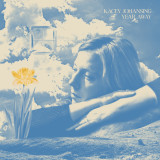
In March of 2020, after learning that a dear friend’s life was coming to an end, Johansing sat down and in one sitting wrote the song “Daffodils”. An elegiac tribute to someone facing death with grace and curiosity, the lyrics confront Johansing’s own mortality by observing the brief lifespan of a Hlower. Only a week later when the world came to an abrupt standstill, she soon found herself processing this recent loss while trying to make sense of a new global reality. Across the ensuing months, Johansing found herself increasingly untethered by a world of isolation and political upheaval.
Having been a frequent touring member of bands like Hand Habits and Fruit Bats, and often being called into the studio to lend her harmonies and multi-instrumental talents to records, Johansing’s phone no longer rang. Living in Los Angeles she feared her musical community was vanishing, as friends and collaborators continually announced they were leaving the city. It was in returning to her piano nightly that she found the greatest solace, feverishly writing the songs that would be collected on her next album. Resulting from this new sense of time and focus was a deepening of her songwriting. As Johansing recalls, “I felt like a metamorphosis happened during that time. There was a lot of personal growth and healing.”
Throughout Year Away Johansing traverses uncharted emotional landscapes brought upon by the changes occurring all around her. The forced self-reflection of the moment is aptly captured by “Old Friend”, featuring an aching melody and swooning production that recalls the best of Harry Nilsson. The epic piano and saxophone-driven “Smile with My Eyes” addresses the loss of community as friends became distant and political divides between family grew. On “Smile” Johansing pushes her vocals further than ever, expanding her range and using her peerless voice as the singular instrument it is. Facing the loss of a family home due to environmental destruction, “Shifting Sands” is marked by soaring Hlutes, Hield recordings and glassy synthesizers that nod to Japanese New Age.
“Daffodils”, the stunning album centerpiece, is built from a pastiche of looping samples, swirling Mellotron and dazzling vibraphone. “Keep your heart open wide, you never know your time / Keep your heart wild, true Hlower child”, Johansing sings as she says goodbye to an elder, while the band reaches a grief-stricken crescendo of woodwinds and chiming bells. On the title track, Johansing takes listeners on an eerily meditative journey of collective experiences. “I wanted to keep the progression simple and repetitive so that musically we could add new elements little by little, while the emotional tone of the lyrics becomes increasingly more strained and expressive”. The song grows to a fever pitch as Johansing sings higher than she thought possible; the tension of the repeating chords Hinally resolving into a hopeful coda as multiple soloists weave around each other.
Amidst heavier themes, Johansing still leaves room for her love of irresistible pop melodies and lush production. The driving “Last Drop” and mid-tempo “Valley Green” are two of her catchiest songs to date. On the former Johansing sings the anthemic chorus, “As if it were the last drop, and nothing ever lasts forever / As if it were the last stop, too far out to come back ever”, longing for a love that she’ll never take for granted, while also admitting that she doesn’t always know how good she has it. “Valley Green” features shimmering layers of 12- string guitars, stacked horns and an impeccable solo by co-producer and multi- instrumentalist Tim Ramsey (Vetiver, Fruit Bats), hinting at a love for bands like NRBQ.
Having been eager to capture the initial spark of songwriting, Johansing booked time at Highland Park’s 64 Sound Studio the week that it reopened. Over the course of three days, she and her band gathered basic tracks for 10 songs, before returning home to Hinish the record with Ramsey. Setting forth to make an album that paid homage to the music that kept them company during the months spent alone together, the duo pulled inspiration from a wide net including Burt Bacharach, John Carroll Kirby & Haruomi Hosono. Ramsey’s newfound love of early digital synthesizers dovetailed effortlessly with Johansing’s fondness for classic 70’s horn and string arrangements, creating a sound that is distinctly modern yet warm and familiar.
Once again Johansing called upon some of the Hinest players of Northeast Los Angeles’ vibrant music community to lend a hand with the record. The 70s R&B-folk of “Watch It Like a Show” features an electric guitar solo from Hand Habits’ Meg Duffy, while album closer “Endless Sound” boasts backing vocals from electronic musician Kaitlyn Aurelia Smith and swooping Indian-inspired violins from Amir Yaghmai (HAIM, The Voidz). The record shines brightly thanks to an ace mix from veteran producer Rob Schnapf (Beck, Elliott Smith, Cat Power), woodwinds from Logan Hone (John Carroll Kirby, Eddie Chacon), and a featured rhythm section of drummer Josh Adams (Jenny Lewis, Bedouine) and bassist Todd Dahlhoff (Feist, Devendra Banhart). Recorded across multiple studios including LA’s famed Sunset Sound, the album remains steadfastly buoyed by the adept engineering of Tyler Karmen (MGMT, Alvvays).
Though born of turbulent times, Year Away is ultimately interested in moving forward. The album ends with “Endless Sound,” where Johansing laments seismic global changes, (“The water is hotter, the mighty thaw / The current’s reversing, the last are lost”) but vows to keep going (“No storm can take me down / Endless light, endless sound”). It’s Year Away’s resilience that shines through despite the darkness. It’s a sound all her own and Johansing’s most cohesive set of songs yet.
Wir stellen vor: "American Gothic" von Wayfarer.Begib Dich mit Wayfarer auf eine transzendentale Reise, wenn sie ihr neuestes Werk "American Gothic" vorstellen. Die atmosphärische Black-Metal-Band aus Colorado taucht tief in den reichen Teppich der Americana-Themen ein. Dieses Album markiert einen bedeutenden Meilenstein auf ihrem musikalischen Erkundungszug.Dieses außergewöhnliche Album überschreitet die traditionellen musikalischen Grenzen und fasst die Essenz der verschiedenen Landschaften Amerikas zusammen. Wayfarers musikalisches Können malt eine lebendige und eindrucksvolle Klanglandschaft. Sie vereinen atmosphärischen Black Metal mit Elementen des Post-Rock und Folk und verbinden mühelos fesselnde Melodien mit wilder Intensität. Erhältlich als Ltd. 180g worn-steel silver LP mit Newspaper-look Booklet, sowie als CD Digipak.
Modern highlife luminary Rex Omar has been a force within
the Ghanaian music scene for over 30 years. Now Soundway
presents five of his premier cuts remastered for a new self-titled
EP.
Over his career Rex Omar has evolved the genre, pushing
boundaries and dazzling listeners. A definitive piece of his
repertoire comes via his Dangerous album: while it was selfproduced and recorded in London circa 1997, upon CD
release it saw success mainly within his homeland of Ghana.
An irresistible blend of street-soul-come-highlife, with elements
of bouncing 90s RnB/hip-hop, it was developed with help
from Ibibio Sound Machine’s Kari Bannerman and prolific
Jamaican producer Bill Campbell. From this album rising
London producer and DJ Aroop Roy revisits the four-to-the-floor
excursion ‘Dada’, repurposing for today’s dancefloor with the
addition of fizzing synth chords and stabs.
While Omar regularly raps on his earlier works, on ‘Kele
Ngele’ (taken from his 2004 album Ajala) we hear a yearning
melodic vocal over a more laid back RnB beat. This rounds out
the new Rex Omar EP for the discerning listener to experience
the full breadth of his inventive output.
out of Stock
Last delivered 9 months ago available to reorder, subject to availability
Gusstaff Records and Ant-Zen are proud to announce the second solo album by Maciej Frett (Job Karma, Wrocław Industrial Festival), which is vocally supported by Anna Frett. After FRETT's 2020 debut "The World as A Hologram" was warmly received by fans and critics, it's time for the next installment of the FRETT project.The album "NOTTWO" revolves around the theme of dualism, which seems to be the raison d'être of the being of man and the world. Opposites define our way of perceiving the surrounding reality, or is it just an illusion? the artist seems to be asking…Musically, "NOTTWO" is a continuation of the first heavily rhythmic album, but this time FRETT gives many compositions an almost song-like structure. However, let's not be fooled by appearances - derived from the author's post-punk and industrial lineage, analog retro futuristic synth melodies and strong rhythms will work well both on a dark dance floor and can be a soundtrack to a non-existent movie.
Vinyl is ultra-heavy 200g black.
NITE stammen aus einer langen und geschichtsträchtigen Linie des Heavy Metal. Die Bay Area hat Thrash-Titanen wie Metallica hervorgebracht, und obwohl es nicht das ist, was sich die meisten Metalheads vorstellen, wenn sie an ihren glücklichen Ort gehen, hat das sonnige Klima Nordkaliforniens Death dazu inspiriert, sich dem Death Metal zuzuwenden.
Diese San Franciscans tragen diese Fackel mit Stolz. Alle fünf Mitglieder haben in anderen Bands gespielt, die von Küste zu Küste reichen, aber sie kamen 2018 in Nordkalifornien zusammen. Es hat auch nicht lange gedauert, bis NITE ihre Präsenz bekannt gemacht haben. Ihr Debütalbum spricht alte Metalheads und Nu-Comers gleichermaßen an.
Man höre sich nur "Genesis" an, das "Darkness Silence Mirror Flame" mit Duell-Leads eröffnet, die mit den hellen, arena-rockenden Melodien der NWOBHM schmettern. Aber NITE sind nicht daran interessiert, vergangenen Ruhm wieder aufleben zu lassen. Van Labrakis' düsteres Knurren verleiht diesen leckeren, altmodischen Riffs einen schönen, geschwärzten Charme.
Darkness Silence Mirror Flame" ist jetzt zum ersten Mal über Season of Mist erhältlich.
EVERGREENS feiert Streisands 60-jähriges Jubiläum als Künstlerin bei Columbia Records. Das Album enthält 22 Songs - 1 Song von jedem Studioalbum, das sie veröffentlicht hat. Die Songs wurden von Barbra als einige ihrer Lieblingssongs während ihrer Karriere ausgewählt. Keiner dieser Titel ist auf früheren Streisand-Compilation-Alben erschienen. Die für EVERGREENS ausgewählten Lieder haben nichts mit Verkaufszahlen oder Auszeichnungen zu tun. Sie wurden von Barbra ausgewählt, um ihre emotionale Verbindung zu diesen Melodien und Texten zu veranschaulichen, da jeder von ihnen einen besonderen Platz in ihrem Herzen und in ihrer Erinnerung einnimmt.
I Talk To Water, the fifth album for Kompakt by Danish producer Kölsch, is the artist’s most personal statement yet. While all the trademarks that make his music so popular and powerful are still present – lush, melodic techno; swooping, trance-like figures; sensuous, shivery texturology – I Talk To Water is also a deep and intimate rapprochement with family and history, a beautiful, finely detailed document of loss and memory, and a tracing of the long, unbroken thread of grief that runs through our lives once we’ve lost those we loved.
The emotional core of I Talk To Water, then, is a cache of recordings by Kölsch’s father, Patrick Reilly, who passed away in 2003 from brain cancer. With time rendered elastic by the pandemic and its associated lockdowns, its sudden, alienating shifts in everyday living, Kölsch found himself reflecting on his father’s passing and ongoing spiritual presence, thinking about how best to memorialise such a significant figure in his own life. Those recordings opened a gateway, of sorts, for Kölsch to move through – a way to bring past and present together and entwine them in a sensitive, poetic manner.
Kölsch’s father was a musician – “touring in the sixties and seventies, in the Middle East especially, he was doing the whole hippy trail, playing guitar, and wrote some songs over the years,” he recalls. “But all in all, he decided to focus on family rather than pursue a musical career.” Reilly kept playing and writing music over the years, though Kölsch hadn’t listened to the material for some time: “I’d never had the guts to listen to it, because I just felt too fragile listening to his voice. It’s such a tough thing to go through.”
During the pandemic, though, Kölsch listened through the fragmented body of work that his father had produced over the years. “I decided I’m gonna finally release my dad’s music twenty years after his passing,” he reflects. “This whole album is about the process of loss, and for me it’s been one of my main driving forces in my musical life, the whole emotional aspect of whatever I’ve done has been based in that feeling that he’s not there anymore.”
Recordings of Reilly appear on three songs across I Talk To Water. His guitars drift pensively across “Grape”, offering a lush thread of melody that Kölsch wraps with clicking, driftwood rhythms and droning, melancholy bass. “Tell Me” is a lovely three-minute art song, a sadly beautiful reflection, minimally adorned with gentle keys and a muted pulse. And on the closing “It Ends Where It Began”, Kölsch lets his father’s acoustic guitar take centre stage for a lament that’s unexpectedly folksy, a guitar soli dream, which Reilly originally recorded in 1996. “He actually recorded it for my first album that never came out,” Kölsch reveals, “and I had it sitting around forever. That is purely him.”
These three imagined collaborations between father and son are poised and delicate. But their relationship also marks the gorgeous music Kölsch has made across the rest of I Talk To Water, from the itchy yet lush “Pet Sound” (titled in tribute to one of Reilly’s favourite albums), the flickering synths and yearning vocal samples that slide through “Khenpo”, the ecstatic shuddering that marks “Only Get Better”, or “Implant”’s slow-motion pans and subtle reveals.
There’s also the title song, where Kölsch is joined by guest Perry Farrell (Jane’s Addiction, Porno For Pyros), singing a mantra for internal reflection: “I talk to water / Searching for myself / Looking for answers / Oceans of you.” Farrell’s appearance brings another timbre, another spirit to the album, aligning neatly with his recent interest in electronic music. “He was completely taken by this idea of talking to water,” Kölsch says, thinking about the ways we collectively lean towards the natural world as a comfort and a listener, a guide through mourning, a way to map out the terrain of the heart. This mapping is something that Kölsch has proven remarkably adept at through the years; dance music for both body and mind, but also both for the here-and-now, and for the hereafter.
“I Talk To Water”, das fünfte Album des dänischen Produzenten Kölsch für Kompakt, ist zweifellos das persönlichste Statement des Künstlers bislang. Während alle Markenzeichen, die seine Musik so beliebt und kraftvoll machen, immer noch präsent sind – üppige, melodische Techno-Tracks; schwebende, tranceartige Elemente; sinnliche, fiebrige Texturen – ist “I Talk To Water” auch eine tiefe und intime Annäherung an Familie und Geschichte. Es ist ein wunderschönes, fein ausgearbeitetes Dokument des Verlusts und der Erinnerung, und es verfolgt den langen, ungebrochenen Faden der Trauer, der durch unser Leben läuft, sobald wir diejenigen verloren haben, die wir liebten.
Der emotionale Kern von “I Talk To Water” besteht aus Aufnahmen von Kölschs Vater, Patrick Reilly, der 2003 an Hirnkrebs verstarb. Durch die Pandemie und ihre damit verbundenen Lockdowns, die plötzlichen, entfremdenden Veränderungen im Alltag, fand Kölsch sich in Gedanken an den Tod seines Vaters und seine fortwährende spirituelle Präsenz wieder. Er überlegte, wie er eine so bedeutende Figur in seinem eigenen Leben am besten verewigen könnte. Diese Aufnahmen öffneten ihm sozusagen ein Portal, um Vergangenheit und Gegenwart miteinander zu verbinden und sie auf sensible und poetische Weise zu verweben.
Kölschs Vater war Musiker – “er tourte in den sechziger und siebziger Jahren, vor allem im Nahen Osten, auf dem Hippie Trail, spielte Gitarre und schrieb im Laufe der Jahre einige Songs”, erinnert sich Kölsch. “Aber alles in allem entschied er sich, sich auf die Familie zu konzentrieren, anstatt eine musikalische Karriere zu verfolgen.” Reilly spielte und schrieb jedoch im Laufe der Jahre weiterhin Musik, obwohl Kölsch das Material lange Zeit nicht angehört hatte: “Ich hatte nie den Mut, es anzuhören, weil ich mich einfach zu zerbrechlich fühlte, seine Stimme anzuhören. Es ist so schwer, das durchzustehen.”
Während der Pandemie hörte sich Kölsch jedoch durch das fragmentierte Werk, das sein Vater im Laufe der Jahre produziert hatte. “Ich beschloss, die Musik meines Vaters zwanzig Jahre nach seinem Tod endlich zu veröffentlichen”, reflektiert er. “Dieses ganze Album handelt von dem Verlustprozess, welcher für mich generell eine der Hauptantriebskräfte in meinem musikalischen Leben ist. Der ganze emotionale Aspekt von dem, was ich getan habe, basierte auf dem Gefühl, dass er nicht mehr da ist.”
Auf “I Talk To Water” sind Aufnahmen von Reilly in drei Songs zu hören. Seine Gitarren ziehen nachdenklich durch “Grape”, bieten einen üppigen Melodiefaden, den Kölsch mit klickenden, treibenden Rhythmen und dröhnendem, melancholischem Bass umwickelt. “Tell Me” ist ein schönes dreiminütiges Kunstlied, eine traurig-schöne Reflexion, minimal geschmückt mit sanften Tasten und einem gedämpften Puls. Und auf dem Abschlusstrack “It Ends Where It Began” lässt Kölsch die akustische Gitarre seines Vaters im Mittelpunkt stehen, ein überraschend folkiger Klagegesang, den Reilly ursprünglich 1996 aufgenommen hatte. “Er hat es tatsächlich für mein erstes Album aufgenommen, das nie veröffentlicht wurde”, enthüllt Kölsch, “und ich hatte es ewig liegen.”
Diese drei erdachten Kollaborationen zwischen Vater und Sohn sind ausgewogen und zart. Aber ihre Beziehung prägt auch die wunderschöne Musik, die Kölsch im Rest von “I Talk To Water” geschaffen hat, angefangen bei dem nervösen, aber üppigen “Pet Sound” (benannt als Hommage an eines von Reillys Lieblingsalben), den flimmernden Synthesizern und sehnsüchtigen Vocal-Samples in “Khenpo”, den ekstatischen Erschütterungen in “Only Get Better” oder den langsamen Schwenks und subtilen Enthüllungen in “Implant”.
Es gibt auch den Titelsong, in dem Kölsch von Gast Perry Farrell (Jane’s Addiction, Porno For Pyros) begleitet wird, der ein Mantra für die innere Reflexion singt: “I talk to water / Searching for myself / Looking for answers / Oceans of you.” Farrells Auftritt bringt eine weitere Klangfarbe, einen weiteren Geist in das Album, der gut zu seinem jüngsten Interesse an elektronischer Musik passt. “Er war völlig fasziniert von der Idee, mit Wasser zu sprechen”, sagt Kölsch und denkt darüber nach, wie wir kollektiv zur Natur als Trost, Zuhörer, Führer durch die Trauer neigen, um die Gelände des Herzens zu kartieren. Diese Kartierung ist etwas, in dem Kölsch im Laufe der Jahre erstaunlich geschickt war; Tanzmusik für Körper und Geist, sowohl für das Hier und Jetzt, als auch für das Leben danach.
out of Stock
Last delivered 9 months ago available to reorder, subject to availability
Founded and curated by DJ and producer Samantha Togni, Boudica is a platform that aims to give visibility to women, trans* and non-binary artists. Since the platform was first launched in 2019, Boudica has evolved into a series of club events in London at venues like The Pickle Factory, Fold and E1, a radio show, a music conference and a record label.
Boudica's mission is to promote greater gender equality within the music industry. By showcasing diverse role models from marginalised communities across the music industry, they aim to engage and inspire young and upcoming artists to pursue music careers irrespective of their background and experience within the field.
In 2020, they launched the inaugural Boudica Music Conference at Freemasons' Hall. The full day included educational panels, workshops and live music designed to encourage more artists from marginalised genders to pursue careers in the music industry. In 2022, Boudica not only held London's edition of the conference at the same venue, but they also expanded to Europe. In partnership with Pioneer DJ, they held their first edition of the conference abroad in Bologna at the Museum of Modern Art. Boudica Music Conference is touring in Europe in 2023, featuring talks, workshops alongside Pioneer DJ and club nights.
Last year, they launched the Boudica label, to support and celebrate female, trans+ and non-binary producers. Supported by Arts Council England, the label features artists such as Feminyst, Nur Jaber, Wanton Witch, OCD, Infinity Dreams, Peachlyfe, Yazzus and founder Samantha Togni. Their previous releases have garnered support from major music publications such as RA and Mixmag, resulting in a third VA release.
The third vinyl, 'Dark As It Gets', is a reflection of Boudica's continual musical evolution. The release marks a first for the platform, as they issued a callout for trans+ producers across the world to send in a track to be included on the vinyl. 'Dark As It Gets' by MIIIA was selected, and the title not only encapsulates the EP's energy but also Boudica's drive to support upcoming artists in the electronic music space.
The third vinyl commences with Rotterdam-based duo Animistic Beliefs' 'Vu Sua La Gi?'. The atmospheric track begins with menacing synths that are soon after enmeshed with vogue, gqom and percussive vocal chops that build towards a rewarding, melodic breakbeat cadence at its close.
New York-based Jasmine Infiniti's 'Top Shop' is the second track on the release. Skittish breaks and warped vocals skip across brooding, muted chords that eventually dissipate to reveal a hypnotic synth melody.
The vinyl's B-side begins with Metaraph's 'Emotional Intelligence'. The track marries pummelling kick drums, heady chords and transcendent melodies, all of which serve to guide the listener from triplet hard bass to trance bliss.
Finally, the title track, 'Dark As It Gets', produced by competition winner MIIIA, delivers a powerful sonic ending to the vinyl. In her own words, the track's relentless momentum and intricate incorporation of sampling leads listeners on a 'hypnotic, sassy and intense' techno journey from beginning to end. The uncompromising track's fierce groove emblematizes Boudica's third vinyl commitment to forward-thinking, idiosyncratic production.
The third vinyl concludes the initial Boudica trilogy, depicting members of the Boudica community as contemporary royalty, drawing inspiration from the queen herself.
out of Stock
Last delivered 2 years ago available to reorder, subject to availability
Hier kommt das ultimative Rockerlebnis. Die Best Of 1LP von Nazareth ist eine Symphonie von Rockhymnen, die dich umhauen wird. Spür die Kraft der Liebe und des Schmerzes mit den eindringlichen Melodien von "Love Hurts". Lass deiner Fantasie freien Lauf mit dem epischen "Dream On", in dem Träume durch elektrisierende Gitarrenriffs Wirklichkeit werden.
Machen Dich bereit, deine wilde Seite zu entfesseln mit dem zeitlosen
Klassiker "Hair Of The Dog", einer headbangenden Reise durch die Jahrhunderte.
Die Best Of 1LP von Nazareth garantiert einen adrenalingeladenen Ritt in das Herz des Rock 'n' Roll.
Verpasse nicht deine Chance, diese legendäre Sammlung kultiger Tracks zu besitzen. Holen Dir jetzt jetzt dein Exemplar und lass Dich von der Musik auf eine wilde, unvergessliche Reise mitnehmen.
"Giving the Game Away" ist das fünfte Studioalbum der britischen Hardrockband Thunder von 1999. Diese erweiterte Neuauflage enthält bisher unveröffentlichte Bonus-Live-Versionen von Hits des Albums und erscheint zum ersten Mal auf grünem und senfgelbem Doppel-Vinyl in limitierter Auflage.
Mit ihrem unverkennbaren Hardrock-Sound, kraftvollen Riffs und eingängigen Melodien wurde das Album von Fans und Kritikern gleichermaßen positiv aufgenommen.
Viele lobten die Fähigkeit der Band, ihren Wurzeln treu zu bleiben und gleichzeitig ihren Sound weiterzuentwickeln.
Mit den Schlüsseltracks "Just Another Suicide (You Wanna Know)", "All I Ever Wanted" und "Play That Funky Music" ist es ein Muss für Fans von legendärem Hard Rock und Heavy Metal.
Midwestern psychiatrist Suzanne Mathis' world is turned upside down when she decides to protect Mae, a fragile teenager on the run from a cult. As Suzanne’s daughter Jules begins to suspect there’s more to Mae’s story, a series of incidents – seemingly brought on by Mae’s presence - leave the family in chaos. Soon the Mathis family is fighting for survival against a strange cult while Suzanne and a local police detective try to unravel the clues of Mae’s past and sinister happenings in the town she escaped. Adapted from Daria Polatin’s best-selling book inspired by true events, DEVIL IN OHIO is a thrilling, shocking tale of demonic mayhem and mystery in the heart of small-town America.
British composer Will Bates incredible work on DEVIL IN OHIO began with a hymn for the cult, written before shooting. It expanded with songs for Bishop Briggs and Maiah Manser, with melodies for hurdy-gurdy and synth, until it became a haunting world of its own, blending score, soundtrack and diegesis. Now, together with Netflix Music, we’re excited to release DIO’s first-ever full-length soundtrack on vinyl.
Dark Red Vinyl. Lambent Material is the debut album by Eluvium , the moniker for composer Matthew Robert Cooper 's sonic experiments and explorations. First released in May of 2003, Lambent Material was immediately recognized as much for its artful simplicity as it was for its deceptive complexity - an album of melodic austerity, alien transmissions, and titanic waves of cathartic noise. Previously only available on vinyl as part of Eluvium 's Life Through Bombardment Vol. 1 box set (a 7xLP collection released in 2008 that has been sold out for well over a decade), Lambent Material - Anniversary Edition finally gets its first standalone vinyl release. Beautifully remastered for vinyl by LUPO at Loop_O Mastering, it is packaged in a full-color jacket and heavyweight inner sleeve with fully restored original artwork.