Die verbitterte Tochter eines toten Predigers, die in einem Exodus gefangen ist, schlängelt sich durch einen schwindelerregenden Ausbruchsversuch
aus ihrer erstickenden Erziehung, nur um am Ende in deren Fängen zerquetscht zu werden.
Hayden Anhedönia, die Frau hinter dem Vorhang, ist die Architektin der viszeralen und eindringlichen Welt von Ethel Cain. Nach über vier Jahren
akribischer Arbeit an ihrem Debütalbum und der dazugehörigen visuellen Welt wurde Preacher's Daughter im Mai 2022 veröffentlicht und von den
Kritikern hoch gelobt. Das Album fand großen Anklang bei der Fangemeinde ihrer Töchter und wurde von der New York Times, Vogue, NPR, Billboard,
Vice, TheFADER, NYLON, Paper Magazine, Pitchfork, W Magazine, V Magazine und vielen mehr bewundert.
out of Stock
Last delivered 14 months ago available to reorder, subject to availability
Die verbitterte Tochter eines toten Predigers, die in einem Exodus gefangen ist, schlängelt sich durch einen schwindelerregenden Ausbruchsversuch
aus ihrer erstickenden Erziehung, nur um am Ende in deren Fängen zerquetscht zu werden.
Hayden Anhedönia, die Frau hinter dem Vorhang, ist die Architektin der viszeralen und eindringlichen Welt von Ethel Cain. Nach über vier Jahren
akribischer Arbeit an ihrem Debütalbum und der dazugehörigen visuellen Welt wurde Preacher's Daughter im Mai 2022 veröffentlicht und von den
Kritikern hoch gelobt. Das Album fand großen Anklang bei der Fangemeinde ihrer Töchter und wurde von der New York Times, Vogue, NPR, Billboard,
Vice, TheFADER, NYLON, Paper Magazine, Pitchfork, W Magazine, V Magazine und vielen mehr bewundert.
out of Stock
Last delivered 18 months ago available to reorder, subject to availability
aya's incredibly inventive Hyperdub debut album im hole distilled the incisive sonic experimentation of her early run of releases, the tongue-in-cheek giggles of her DJ sets and radio show, and the identity-fluxing lyricism of her live shows into a delirious tug of war between pleasure and dysmorphia. The album was championed from all corners, 'Best New Music' in Pitchfork to Radio 6 DJ Maryanne Hobbs 'Album of the Year', followed by a run of incredible live shows which drew new listeners further into her world. hexed!, aya's second album, confronts the desperation and dysfunction of addiction. Internalised phobias and suppressed traumas haunt the corridors and golden hours once romanticised on 2021's im hole; daymares concealed by nocturnal afters-hopping and key bag circles. Opener `I am the pipe I hit myself with' exposes the gray portrait secreted somewhere between the 8th and 9th floors of her previous record. `I used to say some shit for sure', `I used to say it when I was me-less'. hexed! is about what happens when aya turns the lights on.
out of Stock
Last delivered 12 months ago available to reorder, subject to availability
After a 30-year interstellar silence, the enigmatic producer Alien Signal—pioneering alias of Italian electronic composer Alex Silvi—reemerges with Whispers from Distant Suns, a transcendent odyssey that bridges retro-futurism and modern electronica. Hailed as a magnum opus, this album transcends genre boundaries, captivating ambient purists, downtempo aficionados, and even experimental listeners with its hypnotic fusion of analog warmth and digital precision.
Cosmic Tapestry of Sound
Drawing comparisons to Vangelis’ Antarctica and Alpha—but reimagined through a 21stcentury lens—Whispers from Distant Suns marries nostalgic synth textures with cuttingedge production. Silvi’s mastery of melody shines through in tracks like “Stardust
Memories” and “Fragile Eden” where shimmering arpeggios and celestial pads drift over robotic, glitch-infused drum patterns and sparse, meditative percussion. The result is a paradox: a retro-futuristic soundscape that feels simultaneously ancient and alien, familiar yet unexplored.
Listener Testimonials
Fans and critics have flooded forums with praise:
“An auditory revelation! It’s like Vangelis met Jon Hopkins in a nebula—vintage soul with a futuristic heartbeat.”
“The textures are gorgeously cinematic. Closing your eyes, you’re adrift in a Tarkovsky film scored for the Andromeda galaxy.”
The Vinyl Experience
Pressed on heavyweight vinyl, the album’s physical release amplifies its immersive qualities. The gatefold sleeve, adorned with surrealist astrophotography and metallic
foiling, mirrors the music’s cosmic ethos. Side A leans into Balearic serenity, with sundappled grooves and aquatic synth ripples, while Side B delves into darker, more
experimental terrain—think Aphex Twin’s Selected Ambient Works colliding with the organic rhythms of Jon Hopkins.
Maturity in Motion
This album is a testament to Silvi’s evolution. Tracks like “Seeds Of Light” and “Message from Andromeda Galaxy” showcase his refined ear for dynamics, balancing silence and sound with surgical precision. Vintage drum machines spar with glitches, while field recordings of crashing waves and interstellar static blur the line between Earth and cosmos. The closing track, “The Star Charts We Shared” crescendos into a 6-minute ambient requiem, leaving listeners suspended in a state of weightless awe.
Final Transmission
Whispers from Distant Suns is more than an album—it’s a transcendent odyssey. Spanning time, space, and the artist’s own creative evolution, this immersive work invites listeners to lose themselves in its ebb and flow. Designed for moments both intimate and expansive, its balearic-tinged atmospheres resonate equally through dawnlit Mediterranean terraces or the solitary glow of headphones in darkness. These are compositions that pulse, morph, and haunt the air long after the final note fades. A living soundscape meant to accompany life’s quiet revelations and clandestine joys—a soundtrack to your most personal moments, crafted as what the artist calls ‘private dance music.’
Tailored for the Discerning Listener
Whispers from Distant Suns is designed with the true connoisseur in mind. This album is a must-have for:
Vinyl Collectors & Audiophiles: Those who value the warmth and tactile experience of heavyweight, limited edition pressings
Electronic Ambient and Downtempo Fans: Listeners who appreciate immersive soundscapes that merge retro analog charm with modern digital innovation.
Retro-Futurism Enthusiasts: Fans of pioneering artists like Vangelis, Boards of Canada, and early Warp Records who seek music that bridges nostalgic synth textures with futuristic experimentation.
Experimental Music Explorers: Individuals drawn to sonic narratives that invite deep, contemplative listening—perfect for both introspective moments and immersive listening sessions.
This release is not just an album; it’s a curated experience for those who desire music as a multidimensional art form, merging the vintage allure of analog sound with a contemporary, cosmic vision.
For fans of: Vangelis, Biosphere, Jon Hopkins, early Warp Records.
out of Stock
Last delivered 16 months ago available to reorder, subject to availability
Bells Are Ringing is the debut EP by Melbourne Funk 10 piece outfit Mondo Freaks, released following on from the single of the same name and a thrilling Dub Version by Harvey Sutherland.
Mondo Freaks formed originally as a concept band, equipped with an ever-evolving setlist of late '70s and early '80s Funk classics, their journey has seen them invited to be the backing band for the Australian tours of such luminaries as Leroy Burgess (the producer and artist behind Boogie and Disco favourites Black Ivory, Logg, Aleem, Inner Life, and Universal Robot Band) and the iconic Evelyn "Champagne" King. Having performed at the iconic local Meredith Music, Golden Plains and Panama festivals and at numerous residencies Mondo Freaks have carved their mark, returning now to ring in a new era of groove-soaked original music.
The band revolves around the rhythm section of in demand session bassist Luke Hodgson and drummer Graeme Pogson (GL, The Bamboos). Gathering some of the finest musicians from Melbourne's legendary Soul scene, they're accompanied by five incredible vocalists including Jade McRae, Susie Goble, Francisco Tavares, Aaron Mendoza and Jason Heerah.
New tracks on the EP include "Find A Way", which hits straight away with a percussion and synth hook, blending Jade McCrae's vocal delivery with an uplifting message about finding hope in trying times.
Also included is the Harvey Sutherland Vocal Mix of "Bells Are Ringing", which keeps much of the spaced out Larry Levan, Shep Pettibone re-edit approach that was on his much lauded Dub Version.
It's easy to see why his remix skills have been in demand and utilised by Disclosure, Khruangbin, BadBadNotGood, Tycho, Boston Bun, Lucius, Jungle Giants, Genesis Owusu and Franc Moody. On his own releases Sutherland has collaborated with the likes of DāM FunK and Nubya Garcia.Tightening its hold on the dancefloor, the beefed-up rhythm section rolls deep into the nocturnal hours, as mesmerising reverb loops elevate the track skywards.
Luke and Graeme got to know Harvey Sutherland when they played together backing Leroy Burgesson his Australian tour in 2018. After that Luke and Graeme played in Harvey's live band across the world and then contributed his 'BOY' album. "We were thrilled when he turned in his Dub of "Bells"", Luke said. "A kind of 'what would Shep Pettibone or Larry Levan do?' moment. It's like being transported to Compass Point Studios in '81!"
Mondo Freaks make Funk inspired by late '70s / early '80s era as it gently moved beyond Disco. That era has continued to inspire many artists, but what sets Mondo Freaks apart is their live instrumentation plus a focus on vocals and great songwriting, creating something beyond simply instrumental grooves.In the studio and in their full live lineup Mondo Freaks are a formidable ensemble who take their sound beyond mere homage, without a hint of irony or any knowing winks. Mondo Freaks simply breathe life into a timeless sound and make it feel more relevant than ever.
out of Stock
Last delivered 18 months ago available to reorder, subject to availability
During their short but prolific career, A2L released two albums & numerous EPs on labels such as 1st Bass / Big One and Force Inc between 1988 and 1990. This is a collection of early and rare underground British psychedelic house gems from 1989, blending the trippy, mind-expanding sounds of machine funk, new beat, industrial/ebm, samplers and turntables techniques, with the birth of acid house wonderlandand and captures the raw energy of the UK rave scene.
During their short but prolific career, A2L released two albums, one of which strangely landed on a South African label. They also dropped numerous EPs on labels such as 1st Bass / Big One (home to acts like Deskee, Longsy D, and King Bee) and the German label Force Inc (which hosted artists like Alec Empire, Porter Ricks, and Mike Ink), between 1988 and 1990.
While Acid House is synonymous with the Roland 303, A2L is unlikely an acid house act. Instead, they stand as one of the finest examples of British psychedelic house music from the late 80s, falling between the likesof S-Express, Funtopia, Eon, and Acid Angels. With standout tracks like "Even Though It's Make Believe" and "Come On," A2L delivers infectious grooves over strobelight sample jams.
This here is a collection of early and rare underground British psychedelic house gems from 1989, blending the trippy, mind-expanding sounds of machine funk, new beat, industrial/ebm, samplers and turntables techniques, with the birth of acid house wonderlandand and captures the raw energy of the UK rave scene.
This is one testament to the creative freedom and experimental nature of that era.
For fans of the burgeoning British psychedelic and acid house scene.
out of Stock
Last delivered 10 months ago available to reorder, subject to availability
Manchester-based original soul collective The 7:45s release their debut single.
Named after 7-inch 45-rpm vinyl, The 7:45s write short and snappy soul singles. Their debut is a double A-side, giving you two bops for the price of one. Inspired by Charles Bradley, 'The Way that I Love You' is full of contrasts: the piano chimes and horns respond, a man calls and a woman answers. It's laidback then intense, major then minor, nostalgic then heartbroken. On the flip-side, 'Too Little Too Late' is an upbeat northern soul stomper, featuring an earworm of a vocal hook over an infectious bassline that's sure to ruffle tail feathers.
Recorded with vintage equipment at EVE Studios in Stockport, both songs feature the captivating vocals of collaborator Martin Connor. On 'The Way that I Love You', Connor's vocal rises from a crooning baritone to a fever pitch, culminating in spine-tingling ad libs. Magic moments like this are heightened by songwriter and bassist Sam Flynn's perfectionist arrangements, which feature dozens of musicians: spotlighting vocal harmonies, horns, and even strings on 'Too Little... more
credits
releases March 7, 2025
Been in UK soul chart and played on all the indie soul stations , Starpoint , solar etc
Too little Too Late was Played on BBC radio six Craig Charles Funk and soul show twice and the Way That I Love You was played on BBC radio six Craig Charles day time show
Track of the week on Simon Phillips Jazz FM
Featured in Blues and Soul and Echoes Mag
out of Stock
Last delivered 18 months ago available to reorder, subject to availability
Produced by Scott McCannell and mixed by Kelly Finnigan of Monophonics, Record Kicks presents two brand new single from Canadian rising soul star Tanika Charles on limited edition clear 45 vinyl. “Don’t Like You Anymore and “Here When You’re Ready” are taken from the highly anticipated new album “Reasons To Stay” from the Twice JUNO nominated and two time Polaris Prize listed, Tanika Charles that is coming out in May 2025 via Record Kicks. On the A side “Don't Like You Anymore” is a mid tempo gospel funk stormer able to set the dancefloor on fire. With its boom bap smacked drums and chunky basslines, it will not be a surprise if rap/hip hop artists will get on it to sample the song. The B side “Here When You’re Ready” is an equally strong mid tempo soul number that makes this limited edition 45 vinyl a real double sider. Canadian Soul/R&B powerhouse Tanika Charles in a few years has transformed from an emerging solo artist to a commanding performer and bandleader, a staple in the Canadian soul scene. The success of her three studio album "Soul Run" (2017), "The Gumption" (2019) and “Papillon De Nuit” (2022) propelled Tanika in front of new audiences far and wide, with extensive touring in North America and Europe where she performed at Trans Musicales Festival in France, the Lärz, Germany Fusion Festival, Mostly Funk & Soul Festival and Jazz Festival in UK, the Holy Groove Festival in Switzerland, and the Canarias Jazz Festival in Spain just to name a few. Her touring career has also seen her supporting the likes of Estelle, Mayer Hawthorne, Haitus Kayote, Lauryn Hill, Bendouin Soundclash and Macy Gray
out of Stock
Last delivered 18 months ago available to reorder, subject to availability
Fausts Herangehensweise an Rockmusik (im weitesten Sinne) beinhaltet Elemente der elektronischen Musik und der Improvisation, Drones und Dissonanz und so wurden sie zu einer der wichtigsten Gruppen der Kosmische Musik bzw. des Krautrocks. Ihr Debütalbum war innovativ und wurde von der Kritik gelobt, verkaufte sich aber nicht sehr gut. Nach den schlechten Verkaufszahlen des Debüts präsentiert das nachfolgewerk "So Far" (1972) die kommerziellere und zugänglichere Seite von Faust, ohne ihren fortschrittlichen und experimentellen Charakter aufzugeben. Es ist ein perfektes Album, um die Diskografie der Band zu erkunden, denn es enthält einen ihrer bekanntesten Songs, It's a Rainy Day, Sunshine Girl,, und gilt als ein beeindruckendes Werk, das mit dem ersten Album von Neu! oder Cans Tago Mago" gleichzusetzen ist. Vor anderen Künstlern wie Throbbing Gristle und Nurse with Wound waren Faust, die 1971 in Hamburg/Deutschland gegründet wurden, Pioniere bei der Schaffung industrieller und futuristischer Atmosphären unter Verwendung bearbeiteter Rhythmen, wie in dem Stück Mamie is Blue". Seit geraumer Zeit nicht mehr auf Vinyl erhältlich, gibt es hier eine lang erwartete Wiederveröffentlichung dieses essentiellen Krautrock-Meisterwerks. Ein unverzichtbares Album des Kanon des Krautrocks. Zuletzt offiziell vor 15 Jahre auf Vinyl erhältlich, nun remastered von den Originalbändern. 180g Vinyl. Inklusive Booklet.
out of Stock
Last delivered 18 months ago available to reorder, subject to availability
Patrick Conway crossed the threshold to find a new hope. This is his third offering for the ESP Institute. On side A, 'Loss' sets an overall melancholic tone for the record. A single repeating high note on the piano establishes a guiding element, which is eventually supported by a tear-jerking yet resolving chord progression, a trailing choir of angelic voices, and a filter-modulating synth that pads the widest zones of the mix with the occasional counter-melody. Robust in and of itself, Patrick’s melodic arrangement floats gracefully over an otherwise antagonistic rhythm section built from his signature corroded dancehall arsenal. This hornets nest of boxed live kick drums, piccolo snares, and high-pitched toms is held together by a dry veneer of saturation, sitting at safe distance from but in natural harmony with the bulbous low-frequency atmospherics. On the flip, 'Silencio' employs a similar statement at the top of each measure, this time an anthemic polyphonic synth stab as opposed to the singular piano note, however, unlike the layered melodies throughout 'Lost', here Patrick explores the narrative possibility of negative space—call and response, rhythmic dialogue, and the implied notes that leave the listener’s or dancer’s intuition to complete a phrase. In the game “musical chairs,” children run around manically until signaled to find a chair, at which point their diverse personalties must urgently synchronize, until set free to run again and repeat the process. Patrick's approach for 'Silencio' conjures said metaphor—his melody and rhythm are unleashed to meander and spasm within the confines of each respective bar, until that anticipated synth stab unifies everything “on the one”—controlling the chaos, calling on muscle memory and affirming logic. These two songs will be with you always as they always have been.
out of Stock
Last delivered 18 months ago available to reorder, subject to availability
Googling “paradise house”, the first results to pop up are an endless list of European b&b’s with whitewashed lime façades, all of them promising “…an unmatched travel experience a few steps from the sea”. Next, a little further down, are the institutional websites of a few select semi-luxury retirement homes (no photos shown, but lots of stock images of smiling nurses with reassuring looks). To find the “paradise house” we’re after, we have to scroll even further down. Much further down.
It feels like yesterday, and at the same time it seems like a million years ago. The Eighties had just ended, and it was still unclear what to expect from the Nineties. Mobile phones that were not the size of a briefcase and did not cost as much as a car? A frightening economic crisis? The guitar-rock revival?! Certainly, the best place to observe that moment of transition was the dancefloor. Truly epochal transformations were happening there. From America, within a short distance one from the other, two revolutionary new musical styles had arrived: the first one sounded a bit like an “on a budget” version of the best Seventies disco-music – Philly sound made with a set of piano-bar keyboards! – the other was even more sparse, futuristic and extraterrestrial. It was a music with a quite distinct “physical” component, which at the same time, to be fully grasped, seemed to call for the knotty theories of certain French post-modern philosophers: Gilles Deleuze, Félix Guattari, Paul Virilio... Both those genres – we would learn shortly after – were born in the black communities of Chicago and Detroit, although listening to those vinyl 12” (often wrapped in generic white covers, and with little indication in the label) you could not easily guess whether behind them there was a black boy from somewhere in the Usa, or a girl from Berlin, or a pale kid from a Cornish coastal town.
Quickly, similar sounds began to show up from all corners of Europe. A thousand variations of the same intuition: leaner, less lean, happier, slightly less intoxicated, more broken, slower, faster, much faster... Boom! From the dancefloors – the London ones at least, whose chronicles we eagerly read every month in the pages of The Face and i-D – came tales of a new generation of clubbers who had completely stopped “dressing up” to go dancing; of hot tempered hooligans bursting into tears and hugging everyone under the strobe lights as the notes of Strings of Life rose up through the fumes of dry ice (certain “smiling” pills were also involved, sure). At this point, however, we must move on to Switzerland.
In Switzerland, in the quiet and diligent town of Lugano, between the 1980s and 1990s there was a club called “Morandi”. Its hot night was on Wednesdays, when the audience also came from Milan, Como, Varese and Zurich. Legend goes that, one night, none less than Prince and Sheila E were spotted hiding among the sofas, on a day-off of the Italian dates of the Nude Tour… The Wednesday resident and superstar was an Italian dj with an exotic name: Don Carlos. The soundtrack he devised was a mixture of Chicago, Detroit, the most progressive R&B and certain forgotten classics of old disco music: practically, what the Paradise Garage in New York might have sounded like had it not closed in 1987. In between, Don Carlos also managed to squeeze in some tracks he had worked on in his studio on Lago Maggiore. One in particular: a track that was rather slow compared to the BPM in fashion at the time, but which was a perfect bridge between house and R&B. The title was Alone: Don Carlos would explain years later that it had to be intended both in the English meaning of “by itself” and like the Italian word meaning “halo”. That wasn’t the only double entendre about the song, anyway. Its own very deep nature was, indeed, double. On the one hand, Alone was built around an angelic keyboard pattern and a romantic piano riff that took you straight to heaven; on the other, it showcased enough electronic squelches (plus a sax part that sounded like it had been dissolved by acid rain) to pigeonhole the tune into the “junk modernity” section, aka the hallmark of all the most innovative sounds of the time: music that sounded like it was hand-crafted from the scraps of glittering overground pop.
No one knows who was the first to call it “paradise house”, nor when it happened. Alternative definitions on the same topic one happened to hear included “ambient house”, “dream house”, “Mediterranean progressive”… but of course none were as good (and alluring) as “paradise house”. What is certain is that such inclination for sounds that were in equal measure angelic and neurotic, romantic and unaffective, quickly became the trademark of the second generation of Italian house. Music that seemed shyly equidistant from all the rhythmic and electronic revolutions that had happened up to that moment (“Music perfectly adept at going nowhere slowly” as noted by English journalist Craig McLean in a legendary field report for Blah Blah Blah magazine). Music that to a inattentive ear might have sounded as anonymous as a snapshot of a random group of passers-by at 10AM in the centre of any major city, but perfectly described the (slow) awakening in the real world after the universal love binge of the so-called Second Summer of Love.
For a brief but unforgettable season, in Italy “paradise house” was the official soundtrack of interminable weekends spent inside the car, darting from one club to another, cutting the peninsula from North to centre, from East to West coast in pursuit of the latest after-hours disco, trading kilometres per hour with beats per minute: practically, a new New Year’s Eve every Friday and Saturday night. This too was no small transformation, as well as a shock for an adult Italy that was encountering for the first time – thanks to its sons and daughters – the wild side of industrial modernity. The clubbers of the so-called “fuoriorario” scene were the balls gone mad in the pinball machine most feared by newspapers, magazines and TV pundits. What they did each and every weekend, apart from going crazy to the sound of the current white labels, was linking distant geographical points and non-places (thank you Marc Augé!) – old dance halls, farmhouses and business centres – transformed for one night into house music heaven. As Marco D’Eramo wrote in his 1995 essay on Chicago, Il maiale e il grattacielo: “Four-wheeled capitalism distorts our age-old image of the city, it allows the suburbs to be connected to each other, whereas before they were connected only by the centre (…) It makes possible a metropolitan area without a metropolis, without a city centre, without downtown. The periphery is no longer a periphery of any centre, but is self-centred”.
“Paradise house” perfectly understood all of this and turned it into a sort of cyber-blues that didn’t even need words, and unexpectedly brought back a drop of melancholic (post?)-humanity within a world that by then – as we would wholly realise in the decades to come – was fully inhuman and heartless. A world where we were all alone, and surrounded by a sinister yellowish halo, like a neon at the end of its life cycle. But, for one night at least, happy."
out of Stock
Last delivered 3 months ago available to reorder, subject to availability
CSN was the trio's last fully realized album, and also the last recording on which the three principals handled all the vocal parts without the sweetening of additional voices. It has held up remarkably well, both as a memento of its time and as a thoroughly enjoyable musical work." — AllMusic
Crosby, Stills & Nash was a folk rock supergroup made up of American singer-songwriters David Crosby, Stephen Stills, and English singer-songwriter Graham Nash. CSN's 1977 self-titled album is a return to the harmony-soaked idealism with which the trio had been catapulted to popularity; it reached No. 2 on the charts, behind Fleetwood Mac's megasuccessful Rumours.
AllMusic says the songs on CSN show a "great deal of lyrical maturity and compositional complexity compared to those earlier albums (from a far more innocent time). "Just a Song Before I Go" was the latest of Graham Nash's radio-friendly acoustic numbers, and a Top Ten single. "See the Changes" and "Dark Star" ranked with the best of Stephen Stills' work, while David Crosby contributed three classics from his distinctive oeuvre: "Shadow Captain," "Anything at All," and the beautiful "In My Dreams."And Nash's multi-part "Cathedral," a recollection of an acid trip taken in Winchester Cathedral on his 32nd birthday, became a staple of the group's live repertoire.
Ground-breaking music perfection deserves definitive sound and top-notch packaging. This reissue was mastered directly from the original master tape by Chris Bellman at Bernie Grundman Mastering and cut at 45 RPM. Pressed on 180-gram vinyl at Quality Record Pressings, and housed in a tip-on old style gatefold double pocket jacket with textured stock by Stoughton Printing.
Kaum ein Ereignis hat die deutsche Gesellschaft im noch jungen Jahr 2024 so sehr bewegt, wie der Tod von Fußballlegende und Sportikone Franz Beckenbauer. Als einer der größten Namen ging „Der Kaiser“,
wie er oft genannt wird, sowohl als Spieler als auch später als Trainer und Funktionär in die weltweite Fußballgeschichte ein.
Unvergessen sind, im Angesicht seiner außergewöhnlich erfolgreichen Karriere, aber nicht nur seine Leistungen und Erfolge auf dem Platz oder seine Einflüsse als Funktionär, sondern auch im Bereich der Musik hinterließ Franz Beckenbauer seine Abdrücke in der deutschen Kulturlandschaft.
All diese Umstände ergeben in Summe eine regelrechte Aufforderung zur Neuauflage von Franz Beckenbauers größten Hits, oder besser gesagt: ”Des Kaisers schönste Lieder”. So lautet nämlich auch der
offzielle Titel der neuen 10“-Vinyl, die alle alten Titel aus der Zusammenarbeit mit dem Polydor-Label enthalten und pünktlich zum Fußball-Highlight des Jahres erscheinen wird. Universal Music wird diese feine Schatztruhe an Liedern zudem auch erstmals digital veröffentlichen und für Streaming verfügbar machen.
Die strikt auf 1.000 Stück limitierte Edition in transparentem 10”-Vinyl wird am 14.06.2024 erscheinen.
out of Stock
Last delivered 18 months ago available to reorder, subject to availability
"Volcanic Tongue" war ein Plattenladen, der von 2005-2015 in Glasgow von David Keenan und Heather Leigh betrieben wurde und zeitgenössische DIY-Musik aus der ganzen Welt in kleinen selbstgemachten CD-R-Auflagen veröffentliche. Parallel versuchte man, vergessene Künstler aus der Vergangenheit ins Rampenlicht zu rücken, die ihre Musik oft als Privatpressung veröffentlicht hatten. Der Laden war für seine wöchentliche Mailingliste bekannt, in der Keenan enthusiastisch über Neuankömmlinge rappte, insbesondere über die Platte der Woche, die den Spitznamen "tip of the tongue" (Zungenspitze) erhielt. Dieser eklektische Sampler mit 20 "tips of the tongue" - von Outsider-Synth über Psych-Folk bis zu kaputtem Rock'n'Roll, aufgenommen zwischen 1968-2013 - ist eine Hommage an eine lebendige und vielseitige Underground-Avantgarde. Black Vinyl 2LP in PVC-Hülle, von Julian House designt, mit bedruckten Innentaschen samt Linernotes von David Keenan zu jedem Künstler.
PS: Gleichzeitig erscheint beim White Rabbit-Verlag eine Deluxe-Ausgabe des gleichnamigen Buches mit einer CD-Version des Samplers, limitiert auf 1.000 Exemplare, und signiert von Autor David Keenan und Designer Julian House.
out of Stock
Last delivered 18 months ago available to reorder, subject to availability
Der weltweit gefeierte Musiker, Produzent und Songwriter Steven Wilson veröffentlicht sein achtes Studioalbum ”The Overview”. Das 42-minütige Werk, bestehend aus zwei epischen Tracks – ”Objects Outlive
Us” und ”The Overview” – ist inspiriert vom “Overview Effect”, einem transformativen Erlebnis, das Astronauten beim Blick auf die Erde aus dem Weltall erfahren.
Mit ”The Overview” kehrt Wilson zu seinen progressiven Wurzeln zurück, einem Genre, das er maßgeblich
mitgestaltet hat. Die beiden ambitionierten Stücke bestehen aus einzigartigen musikalischen Abschnitten, die nahtlos ineinander übergehen, und kombinieren klassische Prog-Elemente mit modernen Einflüssen
wie Elektronik und Post-Rock. Die Texte, teils von XTCs Andy Partridge, erzählen Geschichten über die
Schönheit und Herausforderungen des Lebens auf der Erde.
Das Album spiegelt 30 Jahre Wilsons Karriere wider, mit Anklängen an Porcupine Tree, The Raven That
Refused to Sing und The Future Bites. Wie immer liefert Wilson ein audiophiles Erlebnis: ”The Overview”
wird in Spatial Audio und als speziell gemastertes Half-Speed-Vinyl erhältlich sein.
”The Overview” ist ein einzigartiges Werk für 2025 – ein Erlebnis für offene Ohren und weite Gedanken.
out of Stock
Last delivered 18 months ago available to reorder, subject to availability
Diese Sonderveröffentlichung feiert den 20. Jahrestag von The Grind Date. Die LP ist als Splatter-Vinyl
in limitierter Auflage erhältlich und enthält neben dem Originalalbum 4 Instrumentalversionen der Haupttitel. Die 2CD enthält außerdem 2 brandneue Titel, die während derselben Sessions wie The Grind Date
aufgenommen wurden. Diese noch nie zuvor veröffentlichten Titel mit den Titeln „Respect“ und „Bigger“
ergänzen dieses bereits bekannte Album perfekt.
De La Soul ist eine einflussreiche Hip-Hop-Gruppe, die Ende der 1980er Jahre gegründet wurde. Das
Trio, bestehend aus den Mitgliedern Kelvin Mercer (Posdnuos), David Jude Jolicoeur (Trugoy the Dove)
und Vincent Mason (Maseo), ist für seinen einzigartigen Sound und seine innovative Herangehensweise an
Hip-Hop bekannt. Ihnen wird oft zugeschrieben, dass sie mit ihrem eklektischen Stil, ihrer Verwendung
von Sampling und ihren positiven Botschaften die Landschaft des Genres mitgestaltet haben.
„The Grind Date“ ist das sechste Studioalbum von De La Soul und wurde 2004 veröffentlicht. Das Album markierte eine bedeutende Rückkehr der Gruppe nach einer Pause seit ihrem letzten Album im Jahr
2001. „The Grind Date“ zeigt De La Souls charakteristische Mischung aus cleveren Texten, innovativer
Produktion und einer Mischung aus verspielten und introspektiven Themen. Das Album enthält eine Fülle
spannender Gastauftritte von Künstlern, darunter MF Doom, Ghostface Killah, Flava Flav und Sean Paul.
out of Stock
Last delivered 18 months ago available to reorder, subject to availability
If every significant artist has an underrated gem in its catalog, then Mirage is that album for Fleetwood Mac. An obvious return to relative simplicity after the dramatic tension of Rumours and experimental ambitions of Tusk, the 1982 album finds the band re-grouping after a brief hiatus and again climbing to the top of the charts. Extremely well-crafted, well-produced, and well-performed, the double-platinum effort distills the group’s hallmark strengths into a filler-free set that never runs short of addictive pop hooks or daft accents.
Sourced from the original analog master tapes, pressed at Fidelity Record Pressing in California, and housed in a Stoughton jacket, Mobile Fidelity’s numbered-edition 180g 45RPM 2LP set presents Mirage in reference sound for the first time. The efforts co-producers/engineers Ken Caillat and Richard Dashut went to capture the splintered albeit formidable band can be heard with stunning accuracy, range, depth, and detail.
Though Rumours understandably gets a permanent spot in the audiophile hall of fame, the smooth, clear, and dynamic sonics on Mirage confirm that the record that stood as Fleetwood Mac’s last effort for five years deserves a place in the same vaunted arena. The presence and imaging of Mick Fleetwood’s percussion alone on this reissue might have you wondering how this slice of soft-rock bliss has gone under-noticed for decades. Other prized aural aspects — separation, definition, impact, tonal balance — are also here in spades.
Like much surrounding Fleetwood Mac in the 1980s, arriving at Mirage was not easy. Caillat searched for studios located outside of Los Angeles on a mission to change up the vibe of the band’s prior recording sessions. Everyone settled on Le Chateau in France, where relations between some members remained icy — and cooperation with the producers strained. Battles with exhaustion, bitterness, and addiction further informed the proceedings at the 18th century complex in the French countryside, where even communal meals were allegedly eaten in silence.
Inevitably, the feelings that co-producer Lindsey Buckingham, Stevie Nicks, Christine McVie, and company harbored — as well as the situations in which they found themselves — drifted into the songwriting. In its rapid ascent to rock-star royalty status, Fleetwood Mac drifted apart, embarked on solo pursuits, and found it was lonely at the top. Emptiness, the illusion of dreams, the longing for love, the want to escape to bygone times of innocence and happiness: Such themes inform a majority of the narratives. Even if the lyrics regularly take a back seat to easygoing arrangements that allow Mirage to come on like a refreshing breeze on a sunny summer afternoon.
Home to three Top 25 singles in the U.S. and having occupied the pole position of the Top 200 album charts for five weeks, Mirage rightfully resonated with the mainstream and attracted listeners on both sides of the pond. And how, via a smart blend of sugary melodies, warm harmonies, interlaced notes, nimble rhythms, taut structures, and passionate vocals. Not to mention the presence of what arguably remains Nicks’ signature song, the biographical “Gypsy,” a meditation on the loss of her close friend Robin Anderson that teems with majesty, mystery, and mysticism — and which gets an assist from Buckingham’s shaded tack piano and richly strummed guitar chords.
Its ranking as an all-time classic aside, that No. 12 hit has plenty of company when it comes to brilliant pop turns on Mirage. On the subject of Nicks, the raspy singer gets a little bit country on “That’s Alright.” Its clip-clopping pace and two-stepping progression complement subtle vocal swells that emerge during the final verse of a tune that is ostensibly about leaving but still conveys forgiveness and grace. And what would a Fleetwood Mac record be without Nicks drawing on the tools of the supernatural — cards, dreams, wolves, and the like — on the twirling “Straight Back.”
Despite the potency of Nicks’ primary contributions, Mirage seemingly unfolds as a tight competition between Buckingham and McVie — and one that ultimately ends in a draw. Buckingham’s salvos include the contagious “Can’t Go Back,” a yearning to time-travel back to the past that’s complete with hall-of-mirrors backing vocals; “Oh Diane,” out-of- left-field ear candy sweetened with hiccupped vocals and salt-and-pepper-shaken grooves; the chiming “Eyes of the World”; and “Empire State,” a delightfully fluttering track whose high-range vocals, lap harp notes, and ringing xylophones hint at the galaxies of sound that would erupt on Tango in the Night.
Then there’s McVie. As elegant, understated, and coolheaded as she’s ever been on record, she pours her heart out on cuts that revolve around her inevitable split with Beach Boy Dennis Wilson. In the process, she punctuates Mirage with a characteristic not always associated with catchy pop music: emotional weight, and the sense of dreaded acceptance in the face of dreams deferred.
“I wish you were here/Holding me tight,” McVie sings over a delicate melody on the album-closing piano ballad “Wish You Were Here.” Though they hoped otherwise, for the members Fleetwood Mac, distance and separation were always close at hand. Believing otherwise, inviting nostalgia, and pretending everything was fine only amounts to a mirage.
In the spring of 1983, members of Genesis reconvened at their studio, named The Farm in Chiddingfold, Surrey, to start work on a new studio album, their first since Abacab (1981). Genesis became their first album written, recorded, and mixed in its entirety at the studio room; previously they had to write in an adjoining space. Having the group work in their own space without the additional pressure of booking studio time and fees resulted in a more relaxed environment. They were joined by engineer Hugh Padgham, who had also worked on Abacab,
AllMusic writes: "Moments of Genesis are as spooky and arty as those on Abacab — in particular, there's the tortured howl of "Mama," uncannily reminiscent of Phil Collins' Face Value, and the two-part 'Second Home by the Sea' — but this eponymous 1983 album is indeed a rebirth, as so many self-titled albums delivered in the thick of a band's career often are. ... Anybody who paid attention to 'Misunderstanding' and 'No Reply at All' could tell that this was a good pop band, primarily thanks to the rapidly escalating confidence of Phil Collins, but Genesis illustrates just how good they could be, by balancing such sleek, pulsating pop tunes as 'That's All' with a newfound touch for aching ballads, as on 'Taking It All Too Hard.'" AllMusic reviewer Stephen Thomas Erlewine gives the album 4.5 Stars.
For fans who appreciate the evolution of the band's music over the years, owning this album is important as it represents a distinctive phase in their career.
This is the definitive deluxe 45 RPM 2LP Analogue Productions (Atlantic 75 Series) reissue of the classic Genesis. A classic for all true Genesis fans!
Transport yourself to the vibrant streets of Havana with the Buena Vista Social Club's eponymous album, a captivating journey into the heart of Cuban music! Recorded in 1996 by acclaimed producer Ry Cooder, this timeless masterpiece celebrates the rich tapestry of Afro-Cuban rhythms and soulful melodies that have enchanted audiences for generations.
Buena Vista Social Club is both the name given to this extraordinary group of musicians and the album, recorded in just seven days in 1996 in Havana's 1950s vintage EGREM studios. From the infectious energy of "Chan Chan" to the heartfelt nostalgia of "Dos Gardenias," each track immerses listeners in the intoxicating blend of son, bolero, and guajira styles. Led by legendary musicians such as Ibrahim Ferrer, Compay Segundo, and Omara Portuondo, the Buena Vista Social Club ensemble delivers performances that are as exuberant as they are intimate, capturing the essence of a bygone era while igniting a passion for Cuban music that knows no bounds.
The acclaim of the original album has elevated the artists (including Ibrahim Ferrer, Rubén González and Omara Portuondo) to superstar status, inspired an award-winning film by Wim Wenders, and has contributed to popularizing Cuba's rich musical heritage. Produced by Ry Cooder for World Circuit, the timeless quality of the music and the sheer verve of the veteran performers have ensured that this will go down as one of the landmark recordings of the 20th century.
This 45 RPM Analogue Productions reissue pressed by Quality Record Pressings on four dead-silent LPs makes every note a transcendent experience. Meticulously crafted using the finest materials and exacting standards, this reissue pays homage to the golden age of vinyl, capturing the warmth and depth of the original recording in stunning detail. The package includes a 12-page booklet with lyrics and stunning studio images, topped off by a tip-on old style gatefold double pocket jacket made by Stoughton Printing.
Embark on a musical odyssey filled with warmth, joy, and the irresistible allure of Havana nights!
Earthly Measures are very excited to bring to you 'Doroja', an album by Santiago Córdoba & The Bauls of Bengal. Different to past releases, EM explores another part of the world, introducing you to the traditional sounds of Bengal & its talented musicians.
Doroja, is the third album by Argentinian musician Santiago Córdoba, this time in collaboration with The Bauls of Bengal. Recorded at the Hansadhwani Studio in Calcutta, India, where Santiago arrived with only a synthesiser, some effects, and a Legüero Bass Drum (an Argentine percussive instrument used mostly in local folklore) - this album was first conceived in December 2017 during a residency in this mythical city, together with The Bauls of Bengal.
The Bauls believe the body and mind are the sources of all truths and that the expression of freedom cannot be restrained by the labelling of genres or religions, something which is evidently expressed in their music. This provides the perfect foundations for this album to develop without limitations and too effortlessly flow to whichever realms both Santiago and the Bauls of Bengal wish to take us too.
The album combines traditional songs of the Bauls, rhythmic Jhumar instrumental improvisations with the Argentinian legüero bass drum, and other compositions created together in the studio. The result is a melodic mixture/dialogue of cultures, folklore and ancestral sounds with modern influences that help create an experimental and addictive sound full of electronic textures.
Participating in these first recordings: Arpita Chakraborty (vocals), Chandan Ray (dotara), Pijush Baul (Vocals, Dubki) and Tanmoy Pan (percussion), who later, are joined by other artists from different latitudes to achieve a captivating fusion: Matías Romero on strings (Formosa, Argentina), Guilherme Peluci from Mineiro on winds and Daniel Guedes on percussion (Belo Horizonte, Brazil), Porteños Walter Broide on tabla and Cobra Rod on bass (both members of Poseidotica), and the Spanish Ángel Calvo on trumpet.
The album was mixed by Rodrigo Cursach at Delta Uno Estudio, mastered by Daniel Ovie, and the fascinating cover art is by Alejandro Sordi. It will be released on vinyl by the UK based label Earthly Measures, in addition to being available on all digital platforms.
‘Doroja’ means portal, and this album is indeed a magical portal to music, song and dance. Santiago's only means of communication with Bengali colleagues functioned as an astral portal to build the sounds of this journey through strange and unfathomable landscapes that captivate and surprise by building bridges between different cultures of our planet.
Santiago Córdoba is a multi-instrumentalist musician born in the city of Buenos Aires who has been developing his unique sound both with his solo project and with prominent bands from the Argentinian independent music scene. He has been developing his solo career through deep musical and spiritual searching, with the infinite journey as a primary objective.
In recent years, he has lived in places such as Madrid, Beirut and Berlin and has released two albums: ‘Corso’ (2015) and ‘En Other Places’ (2019).
out of Stock
Last delivered 4 years ago available to reorder, subject to availability
'It begins with a shoebox of mysterious provenance, full of recordings from the Vendée department on France’s western seaboard: songs of love and war, life and death, played out on land and sea. Songs passed down and sung by ordinary men and women, gracefully delivered with the poetic economy which unites the folk song of all peoples.
Next it takes a group of contemporary musicians to make selections from this treasure trove and sing these old songs anew; to sing them for their beauty, of course, and to reclaim the people’s tradition from those who would seek to exploit it for nefarious political ends. Who better for this task than Tartine de Clous, a singing trio from Vendée’s neighbouring department of Charente-Maritime, who burst into national and international consciousness with their debut album "Sans Folklore" in 2015? The result of their shoebox rummagings, the new album "Compter les dents", recorded in 2019 and finally seeing the light of day, is bound to delight old fans and win them many new ones.
Time makes many’s the alteration, and "Compter les dents" finds 'les garçons' - Geoffroy Dudouit, Thomas Georget and Guillaume Maupin - in a different state of being from their debut release. The trio, friends since youth, have certainly matured between albums, as one would expect; consequently the newer performances are more considered and poised, unfolding with a patient confidence. A relaxed domesticity prevails, something to do with the fact that the album was entirely recorded chez les amis, in contrast to the first album, which was mostly recorded at live performances in bars and night-spots across France.
Lending gravitas to the grain of their voices we mark a deepened richness, doubtless born of the various vicissitudes of daily existence which these gentlemen - and we too as citizens of this turmoiled globe - have weathered in the intervening years. Not too dissimilar, in fact,
from some of the vicissitudes detailed in those old Vendée songs. Plus 'ça change', right?
There’s a greater complexity and subtlety to their unique three-part harmonising, too. Their voices mesh in even stronger - almost telepathic - 'fraternité' than ever before: now commanding and mighty as a full-rigged counter-vessel, now gentle and lulling as a mother’s
cradle-croon, or as the whisper in a lover’s ear.
Three legendary figures of French traditional music, now sadly departed, preside as tutelary spirits over Compter les dents. They are: the late Claude Flagel, musician and ethnomusicologist; and the late Jean-Loup Baly of the well-known 1970s band Mélusine. Most of the album was recorded by Claude in the Brussels home he shared with his late wife Lou Flagel. The album is dedicated to the memory of Jean-Loup, Claude and Lou.
For the first time there are several guest instrumentalists working their magic to expand the Tartine de Clous sound. Jean-Loup plays a characterful accordéon on the song ‘La Veuve'. The other guests are: Maurice Artus (voice), Robert Thébaut (violin), Quentin Manfroy (piccolo, contrabassoon), Marceau Portron (cigar box guitar). Their contributions add even more conviviality to that which the trio of singers already share, a sensation which will doubtless be shared by those who happen to find a place in their lives for "Compter les dents".'
Toy Tonics Music Berlin presents "Para Mytho Disco". The 2nd "Kapote" album of label founder and creative director Mathias Modica.
Keyboarder, DJ, producer, music nerd, graphic designer, multi-instrumentalist, sub-culture impressario and artist (formerly known as Munk of Gomma records.)
Kapote & Toy Tonics
In the last years Kapote was in the spotlight mainly for building the Toy Tonics label with his friends. Developing a platform for new positive quality dance music with a human touch. Toy Tonics is the opposite of the dark, druggy Techno and Trance sounds of the last years.
The warm inclusive music of Toy Tonics represents a new vibe that a young generation of diverse, stylish and culturally intersted generation of dancers loves now. Kapote's Toy Tonics became the key label for that vibe. (In 2024 Toy Tonics made 150 Toy Tonics events in 18 countries. With more than 150.000 people dancing. 90 millions streams on their music.)
Toy Tonics is more than a music label: It's a audio - visual universe. A community, almost a movement.
Based on a new positive attitude and aesthetic diversity. Mixing musicianship with DJ culture, analogue music with electronic, ideas from the past with sounds from now. To create something new. Connecting dance music with graphic design, art and underground fashion.
Kapote and his gang release vinyl, posters, shirts, art fanzines and make exhibitions and partys.
Toy Tonics started in Berlin as a underground niche project. But now became the key label of the new house, wild style disco and organic dance music scene.
Probably one of Berlin's biggest electronic music phenomena along with Keinemusik and Live from Earth.
It went fast: 2020 Kapote's crew started to make small parties in Berlin's off spaces. The "Toy Tonics Jams". The parties became "talk of the town", and Berlin clubs like Griesmühle and Panorama Bar invited the crew. Then international clubs and festival called. Toy Tonics were invited to SONAR (playing the mainstage with Kaytranada and DJ Tennis), KALA festival, Montreux Jazz festival.
Now TT has a residency at Panorama Bar Berlin and sold out events in Europe leading clubs like Phonox in London, Rex Club in Paris, Tunnel in Milan.
Toy Tonics now is the reference brand of a new generation of music loving dancers. Similar to Gomma records, Kapote's former label (2003 - 2015) that was one of the key labels of the "indie dance" scene of the Y2K years (along with DFA and Output Records).
Kapote created a multi-cultural movement with graphic designers, photographers, illustrators from the Berlin scene.
They publish the Toy Tonics Pocket Poster magazine, posters and design shirts. They organize the Toy Tonics Pop Up Galleries mixing music and art. In underground venues in Berlin and in new gallery spaces and museums around Europe.
Toy Tonics has been invited by Palais de Tokio museum in Paris, Triennale Museum Berlin, Design week Milano to create events.
The new Kapote album
The 12 tracks have a very own style. Based on dance music, but going much further. "Para Mytho Disco' is a futuristic mix of sounds. It's far away from the dark monotone techno and trance music from Kapote's hometown Berlin. Instead, he creates warm friendly atmospheres full of sonic colours and little musical surprises.
Kapote's knowlege of music history and his backround as a jazz piano student and son of classic music composer is clearly inside this music. Before turning into a DJ and electronic music producer he has been playing in bands since he was 13 years old.
The album is full of emotional chord progressions played by Kapote on various keyboards. Sometimes reminding music from the past, without being retro at all. The basslines and melodies are inspired by jazz fusion from the 1970ies. And he programmed syncopated grooves that come from afro-american dance music. There are influences from Japanese electronic music (Yellow Magic Orchestra), from 1980s Synthwave and from 1990s electronica (like Squarepusher and Luke Vibert).
Kapote plays keys, bass, flutes and percussions, he plays synth solos and sings on a few tracks. The complexity of the arrangements makes this music never boring. Lot of melodies and solos that catch the listener. Colourful soundscapes that make you want to listen or dance to this album more, and discover details also after you heard it several times.
Kapote background
Before starting Toy Tonics, Kapote used to run a label called Gomma. He produced four albums under the name Munk and music for other artists.
He produced music with Peaches, Franz Ferdinand founder Nick McCarthy, with New York street art legend The Rammellzee, Italian actress Asia Argento, the first three albums of WhoMadeWho and worked with LCD Soundsystem (listen to "Kick out the chairs", the Munk song with James Murphy )
In those "Gomma days" Kapote aka Munk was also one of the main DJs for VICE magazine parties and made music for art projects and fashion brands (Margiela, Prada, Colette).
In 2015 he stopped Munk and Gomma and started Toy Tonics. He found young producers and helped to develop their sound (Coeo, Cody Currie, Gee Lane, Barbara Boeing, Sam Ruffillo). Later he founded the sublabel Kryptox to release music by Berlin based bands that make new forms of jazz or neo classical sounds.
Under the name Kapote Mathias didnt release much:
Only his Kapote debut album "What it is" (2019) and an EP called "Electric Slide" (2022) and a collabo EP with Italian producer Sam Ruffillo ("Robot Salsa").
An although his Munk and Kapote music was an underground phenomena his music has always been a favourite of many great people from the scene.
Supported by DJs like Harvey, Chromeo, Moodymann, Jennifer Cardini, Gerd Janson, MYD, Andrew Weatherall to Blessed Madonna, Justice and Laurent Garnier… to name just a few.
out of Stock
Last delivered 14 months ago available to reorder, subject to availability
Roi is the new album from Sultan Stevenson, one of the most compelling voices emerging on the UK and European jazz scenes.Known for his ability to seamlessly merge narrative and accessibility, Stevenson’s music captures listeners both within and outsidethe jazz community. Drawing deep inspiration from legends like McCoy Tyner, Herbie Hancock, Kenny Kirkland, and Geri Allen,Stevenson’s compositions are an exploration of faith, identity, and the complexities of the human experience. His signature style,rooted in quartal harmony, vamps, pedal points, and modality, is elevated by his natural storytelling ability.Stevenson’s sound is unmistakably inclusive, with a humble approach that prioritises dramatic interplay within his trio over overlycomplex musical ideas. His music is captivating and approachable, reflecting his relationship with the Lord and his culturalheritage. Stevenson’s method of creating compositions, often starting with a central motif and building around contrasting melodicideas, highlights his deep understanding of contrast and narrative in music, resulting in compositions that resonate with a widerange of listeners.As a performer, Stevenson is quickly becoming a thrilling force in jazz, translating heritage and spirituality into an evolving andrelevant sound. With El Roi, he continues the journey he began with his debut album Faithful One, which saw each track serve aunique purpose within a larger conceptual narrative. Stevenson’s keen attention to musician selection, including his regularbandmates Jacob Gryn and Joel Waters, alongside collaborations with figures like Denys Baptiste, speaks to his commitment toboth personal and professional growth. His music is not only a reflection of his influences but also of his vision for what modernjazz can communicate to the world today.
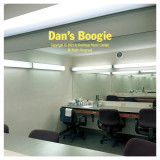
Was ist ein "Boogie"? In der Umgangssprache ist es ein Tanz oder eine Gelegenheit zum Tanzen. Da es sich hier um ein Destroyer-Album handelt und nicht um den allgemeinen Sprachgebrauch, sind die Implikationen eines Titels wie "Dan's Boogie" verführerischer und gefährlicher zugleich. "Ein Boogie ist ein Täuschungsmanöver, ein Betrug, der nicht ganz funktioniert, die Bewegungen, die wir machen, wenn wir damit konfrontiert werden", erklärt Dan Bejar. "Ich denke an Spionage, Doppelagenten, die mit einem offenen Auge schlafen und die Ausgänge im Auge behalten. Aber ich denke auch an kleine Siege und Niederlagen auf der Straße und an Improvisation". Um "Dan's Boogie" aufzunehmen, musste Bejar eine Reihe von gewollten und ungewollten Hindernissen überwinden, um die Songs zu schreiben. Die Monate nach der Fertigstellung von "LABYRINTHITIS" wurden zu einem Jahr und dann zu zwei Jahren, in denen Bejar sich selbst den Neujahrsvorsatz gab, jeden Tag eine Stunde lang Klavier zu spielen. Das hat ungefähr vier Tage gedauert, aber die Songs, die Bejar als Ergebnis dieses Vorsatzes bezeichnet - darunter "Cataract Time", "Hydroplaning Off the Edge of the World", "Bologna" und "Dan's Boogie" - sind allesamt Destroyer-Songs aus dem breiten Spektrum, das Bejar und seine Mitstreiter für sich selbst geschaffen haben: Spektakuläre Pop-Epen, persönliche Piano-Balladen und schwelende Stimmungsbilder, die die Grenzen zwischen Song, Roman und Kino verschwimmen lassen, jedes voll von der Dringlichkeit eines Staatsgeheimnisses im Kopf eines gequälten Spions. Die Leadsingle "Bologna" ist der radikalste Rahmen für diese Energie, denn es ist das erste Mal, dass Bejar einen Song schreibt, in dem er sich selbst als Nebenfigur vorstellt. In der Hauptrolle ist Simone Schmidt von Fiver zu hören, deren Stimme - hart und ausdrucksstark, durchdringend durch die Düsternis der Szene - ein Sirenengesang ist, der das ganze Album durchdringt. Die Schwere ihrer Stimme ordnet "Dan's Boogie" um ein Gefühl des drohenden Untergangs herum, so wie das Versprechen einer Fatale auf das Ungewöhnliche und Ekstatische die Hauptfigur eines erotischen Thrillers zum Verhängnis wird. "Hydroplaning Off the Edge of the World" ist ein köstlicher Widerspruch, ein schwungvoller Song, der aus der Verwüstung entstand, die Bejar absichtlich mit sich selbst anrichtete. "We are now entering a new phase", intoniert Bejar und führt Schichten von Gitarren und Synthesizern ein, die die Palette erheblich verdunkeln, während er zwischen Gesang und Sprache wechselt. Der Nebel, der Bejar umgibt, wird durch die Reibung zwischen konkurrierenden Wahrheiten und Geschmäckern erhellt, etwa wenn sein Interesse an jazzigen Balladen auf das Interesse des Produzenten und Bassisten John Collins an Bands wie Led Zeppelin und Scritti Politti trifft. Als Bejar Collins erzählte, dass er an Sammy Davis Jr. dachte, entstand der Titeltrack, in dem Bejar mit fast wahnhafter Freude einen Rat Pack-Swagger vor einer verträumten Klangkulisse aus schwebenden Gitarren, üppigen Bläsern, Jazz-Drumming, spacigen Synthesizern und - vielleicht am ehesten dem Selbstverständnis Bejars entsprechend - einem klimpernden Lounge-Piano annahm. Das Herzstück von "Dan's Boogie" ist vielleicht "Cataract Time", ein achtminütiges Epos, das zu den schwersten Texten gehört, die Bejar je geschrieben hat, und eine der musikalisch komplexesten Kompositionen von Destroyer ist. Getragen von einem lässigen Groove, sind Bejars Texte verklärt, ihre Melancholie schmeckt fast widersinnig nach Hoffnung. Es ist ein intimer Song, der Destroyers übliches urbanes Fabel-Milieu gegen eine erfrischende Innerlichkeit eintauscht, aber sein beschwingter Groove lässt eine Zukunft erahnen, der Bejar und seine Band entgegenfiebern. Wo frühere Destroyer-Alben mit der Welt kämpften, tanzt "Dan's Boogie" mit ihr, und seine neun Träumereien verschmelzen zu einem einzigen langen Treiben. Dan Bejar mag die Ausgänge im Auge haben, aber er wird nicht so bald abreisen.
Mit "Glory" veröffentlicht Mike Hadreas aka Perfume Genius sein siebtes Studioalbum. Zusammen mit seinem Partner Alan Wyffels und Produzent Blake Mills ist eine Platte entstanden, die nach außen hin strahlt, in seinen makabren Bildern und seinem aufgewühlten Innern aber das Tor in eine Welt von Entfremdung, Sehnsucht und Verlangen aufmacht. Es ist der Konflikt zwischen dem Außen und dem Innen, der Hadreas beschäftigt, der Widerspruch zwischen einem künstlerischen Leben in der Öffentlichkeit und dem Wunsch nach Isolation. In seinen Charakterskizzen betrachtet der US-Künstler mit der Sorgfalt eines Schriftstellers Szenen von Freundschaft, Verlangen und Intimität durch eine queere Prima, während er sich musikalisch geöffnet und in seinem Songwriting-Prozess mehr Raum für Gruppendynamik gelassen hat: "Es ist auf eine Weise kollaborativ, die es besser macht", so Hadreas, "aber auch beängstigender - es fühlt sich verletzlicher an". Dass Glory dennoch ein zutiefst persönliches Album geworden ist, liegt auch daran, dass Hadreas seine eigenen Ängste vor dem Hintergrund der Entwicklung einer den Zeitgeist durchdringenden, allgemeinen Paranoia reflektiert. Mit seinen fein gesponnenen Tracks wirkt "Glory" beizeiten wie eine Kollektion neuer Standards für queere Romantiker und alte Seelen im Tumult der Gegenwart.
Was ist ein "Boogie"? In der Umgangssprache ist es ein Tanz oder eine Gelegenheit zum Tanzen. Da es sich hier um ein Destroyer-Album handelt und nicht um den allgemeinen Sprachgebrauch, sind die Implikationen eines Titels wie "Dan's Boogie" verführerischer und gefährlicher zugleich. "Ein Boogie ist ein Täuschungsmanöver, ein Betrug, der nicht ganz funktioniert, die Bewegungen, die wir machen, wenn wir damit konfrontiert werden", erklärt Dan Bejar. "Ich denke an Spionage, Doppelagenten, die mit einem offenen Auge schlafen und die Ausgänge im Auge behalten. Aber ich denke auch an kleine Siege und Niederlagen auf der Straße und an Improvisation". Um "Dan's Boogie" aufzunehmen, musste Bejar eine Reihe von gewollten und ungewollten Hindernissen überwinden, um die Songs zu schreiben. Die Monate nach der Fertigstellung von "LABYRINTHITIS" wurden zu einem Jahr und dann zu zwei Jahren, in denen Bejar sich selbst den Neujahrsvorsatz gab, jeden Tag eine Stunde lang Klavier zu spielen. Das hat ungefähr vier Tage gedauert, aber die Songs, die Bejar als Ergebnis dieses Vorsatzes bezeichnet - darunter "Cataract Time", "Hydroplaning Off the Edge of the World", "Bologna" und "Dan's Boogie" - sind allesamt Destroyer-Songs aus dem breiten Spektrum, das Bejar und seine Mitstreiter für sich selbst geschaffen haben: Spektakuläre Pop-Epen, persönliche Piano-Balladen und schwelende Stimmungsbilder, die die Grenzen zwischen Song, Roman und Kino verschwimmen lassen, jedes voll von der Dringlichkeit eines Staatsgeheimnisses im Kopf eines gequälten Spions. Die Leadsingle "Bologna" ist der radikalste Rahmen für diese Energie, denn es ist das erste Mal, dass Bejar einen Song schreibt, in dem er sich selbst als Nebenfigur vorstellt. In der Hauptrolle ist Simone Schmidt von Fiver zu hören, deren Stimme - hart und ausdrucksstark, durchdringend durch die Düsternis der Szene - ein Sirenengesang ist, der das ganze Album durchdringt. Die Schwere ihrer Stimme ordnet "Dan's Boogie" um ein Gefühl des drohenden Untergangs herum, so wie das Versprechen einer Fatale auf das Ungewöhnliche und Ekstatische die Hauptfigur eines erotischen Thrillers zum Verhängnis wird. "Hydroplaning Off the Edge of the World" ist ein köstlicher Widerspruch, ein schwungvoller Song, der aus der Verwüstung entstand, die Bejar absichtlich mit sich selbst anrichtete. "We are now entering a new phase", intoniert Bejar und führt Schichten von Gitarren und Synthesizern ein, die die Palette erheblich verdunkeln, während er zwischen Gesang und Sprache wechselt. Der Nebel, der Bejar umgibt, wird durch die Reibung zwischen konkurrierenden Wahrheiten und Geschmäckern erhellt, etwa wenn sein Interesse an jazzigen Balladen auf das Interesse des Produzenten und Bassisten John Collins an Bands wie Led Zeppelin und Scritti Politti trifft. Als Bejar Collins erzählte, dass er an Sammy Davis Jr. dachte, entstand der Titeltrack, in dem Bejar mit fast wahnhafter Freude einen Rat Pack-Swagger vor einer verträumten Klangkulisse aus schwebenden Gitarren, üppigen Bläsern, Jazz-Drumming, spacigen Synthesizern und - vielleicht am ehesten dem Selbstverständnis Bejars entsprechend - einem klimpernden Lounge-Piano annahm. Das Herzstück von "Dan's Boogie" ist vielleicht "Cataract Time", ein achtminütiges Epos, das zu den schwersten Texten gehört, die Bejar je geschrieben hat, und eine der musikalisch komplexesten Kompositionen von Destroyer ist. Getragen von einem lässigen Groove, sind Bejars Texte verklärt, ihre Melancholie schmeckt fast widersinnig nach Hoffnung. Es ist ein intimer Song, der Destroyers übliches urbanes Fabel-Milieu gegen eine erfrischende Innerlichkeit eintauscht, aber sein beschwingter Groove lässt eine Zukunft erahnen, der Bejar und seine Band entgegenfiebern. Wo frühere Destroyer-Alben mit der Welt kämpften, tanzt "Dan's Boogie" mit ihr, und seine neun Träumereien verschmelzen zu einem einzigen langen Treiben. Dan Bejar mag die Ausgänge im Auge haben, aber er wird nicht so bald abreisen.
Im Jahr 2023 veröffentlichte James Elkington "Me Neither", ein Doppelalbum mit Solo-Gitarrenimprovisationen und -Experimenten. Am Ende betrachtete er es als eine wortlose Sammlung von Library Music, eine Fundgrube anonym produzierter Klänge, die für jede Art von Verwendung geplündert werden können, und Elkington, der in Chicago lebende britische Gitarrist, findet in dieser Musik eine Freiheit, die aus dem Nichts zu kommen scheint. Er lässt "Me Neither" mit "Pastel De Nada" ein neues 2xLP-Set folgen, dessen 27 Tracks eher einem Werkzeugkasten als einer Bibliothek gleichen. Helle, optimistische Strums wie 'The Lyre Concordia', vielschichtige Meditationen wie 'Morny in the Earling' und 'The Caves at Aurangabad' und Stücke wie 'The Equal Spacing', die wie kleine Maschinen ticken und surren, um Freude zu erzeugen. Elkington stellt seinen Gitarren Texturen, Atmosphären und flüsternde Perkussionsinstrumente gegenüber.
Revolution Rock Deluxe vereint das bahnbrechende erste Album von Greenleaf mit ihrer lange vergriffenen Debüt-EP in einer einzigen atemberaubenden Neuauflage! Angeführt von Gitarrist Tommi Holappa von den europäischen Wüstenrock-Ikonen Dozer, begannen Greenleaf als informelles Kollektiv von Freunden, die Musik machten, inspiriert von ihrer gemeinsamen Liebe zum Riff-Rock der 70er Jahre. Nachdem sie sich 2013 in eine richtige Band verwandelt haben, stehen Greenleaf jetzt an der Spitze der globalen Heavy-Szene, nachdem sie ihr letztes Album The Head & The Habit 2024 veröffentlicht haben. Im fünfundzwanzigsten Jahr ihrer unglaublichen Karriere markieren sie diese beeindruckende Leistung mit einer speziellen Neuauflage ihrer frühesten Veröffentlichungen. Mit Jungs von Dozer, Lowrider, Demon Cleaner und anderen wurde Greenleafs erstes Album Revolution Rock 2001 in Eigenregie veröffentlicht und seit der ursprünglichen Auflage von 500 Exemplaren noch nie neu aufgelegt. Revolution Rock Deluxe vereint dieses bahnbrechende Album mit der lange vergriffenen Debüt-EP von Greenleaf aus dem Jahr 2000 in einer einzigen, atemberaubenden Ausgabe. Alle Songs wurden von Karl Daniel Lidén komplett neu gemastert und das ursprüngliche Artwork und Design von Lowriders Peder Bergstrand brillant aufgefrischt und aktualisiert.Feiern wir ein Vierteljahrhundert majestätischer Riffs mit Revolution Rock Deluxe und erleben Greenleafs Big Bang zum ersten Mal wieder! Präsentiert in einer luxuriösen, aufklappbaren 2LP-Edition auf limitiertem farbigen Vinyl oder als Einzel-CD im Digipack. Alle Songs wurden vollständig neu gemastert und die Verpackung und das Design aktualisiert und aufgefrischt. Eine der aktivsten und beliebtesten Bands der europäischen Stoner-/Desert-Rock-Szene
War Drosselbart eine Krautrockband nur weil sie aus München kamen wie Amon Düül, deutsch sangen und 1971 bei einer großen Plattenfirma ihr erstes und einziges Album veröffentlichten? "Nein", meint Monika Vincent-Gunia aka Jemima, Sängerin von Drosselbart. "Wir waren die erste Punkband Deutschlands. Die Jungs von der Band konnten damals nur drei Akkorde, vielleicht auch vier, aber sie brannten vor Begeisterung." Doch mit dem Punk der Mitsiebziger Jahre hat dann Drosselbarts Musik auf dem gleichnamigen Album recht wenig zu tun. Die Jungs hatten anscheinend doch ein bisschen geübt und sich mehr als vier Akkorde draufgeschafft. So klingt das Ganze stark nach den 1960er Jahren, erinnert gelegentlich an härtere rockende, psychedelische US-Bands wie Iron Butterfly oder an die Musik britischer Bluesrocker wie z. B. Brian Auger und Julie Driscoll. Keyboarder Christian Trachsel steuert ein paar progressive Momente bei und Gastmusiker Ralf Nowy sorgt für klassisch angehauchte Hörerlebnisse. Gesungen wird, wie bereits erwähnt, in Deutsch, von Jemima und Peter Randl. Der bevorzugt einen eher aggressiven, agitativ-deklamierenden Stil, wie man ihn auch von diversen deutschen Politrockbands Anfang der 1970er kennt. Aufgenommen wurde in den Union Studios in München, wobei der Band ein junger Toningenieur namens Reinhold Mack zur Seite gestanden und für den Mix gesorgt haben soll. Unter dem Kürzel Mack machte dieser ab Mitte der 1970-er Karriere als Soundmixer und Produzent von Größen wie ELO, Sparks, Deep Purple und vor allem Queen.
Apollo / R&S are delighted to welcome back The Primitive Painter, aka the duo of Roman Flügel and Jörn Elling Wuttke for a timely reissue of their 1994 lost classic self-titled album of sonorous IDM.
Growing up in Frankfurt, in the 80s and 90s the duo met at an indie rock club in their home town of Darmstadt, bonding over their shared obsession with the first wave of acid, Chicago house and early Detroit techno as well as their patronage of now iconic Frankfurt club nights like The Omen or Dorian Gray or the infamous Delirium Record shop run by scene stalwarts Ata (Robert Johnson) and Heiko MSO (Playhouse).
Taking inspiration from the likes of The Black Dog and Transmat as well as seminal compilations such as Planet E’s Intergalactic Beats and Warp’s Artificial intelligence compilation the duo honed their inventive take on the Detroit techno blueprint under the monicker Acid Jesus, debuting on their freshly minted Klang Elektronik label. The label was started in conjunction with Ata and Heiko after Fluegel & Wuttke (regular patrons of the Delirium store) pressed a demo on them, muttering the immortal line; “Please listen to the tape, we are big Mr. Fingers fans.”
Through the mid ’90s the project flourished giving rise to a classic album and a brace of singles that number amongst the best of the era’s techno, winning them a influential fans most notably Sven Väth, David Holmes and Andrew Weatherall who invited them to play live at one of the legendary Sabresonic parties in London.
Alongside the success of the Acid Jesus project, the duo found great inspiration in outside of the club, including an ambient happening when the KLF came to play Frankfurt; “There were live sheep eating grass on stage while they played at Mark Spoon’s club XS”, as well as cinematic influence from the likes of Jim Jarmush and Wim Wenders. It was however the euphonic IDM grandeur of Apollo Recordings self titled compilation of 1993 that really got their creative juices flowing: “It was a ten track compilation with artists like David Morley, Model 500, Aphex Twin which still sounds so good today,” Jörn enthuses. “ It was really the trigger to go away from the Detroit sound and more towards the big melodies of B12 etc.”
Deciding to make their tribute to this style of music the duo turned out 10 tracks of gauzy, melodious electronica in a white hot fever, one after another over the ensuing months. Settling on a name for the new project they picked ‘The Primitive Painters’ taking inspiration from the band Felt. “We are both children of the C86 movement,” explains Jörn. “this attitude of noisy art school influenced rock like Primal Scream, MBV, The Jesus & Mary Chain really inspired us to take a DIY approach to our music.”
They sent the resulting demo cassette to Renaat at R&S / Apollo. “We really had no expectations,” Jörn explains. “So we were shocked and delighted when we received a fax saying that he wanted to release it”.
The resulting release was bungled by an R&S mix up that attributed the album to the duo’s own Klang Elektronik label which confused both fans and distributors alike, denying the release the critical boost and attention that it so richly deserved. Accordingly the release slipped out without much fanfare, with a chastened Fluegel & Wuttke returning to their Acid Jesus activities which would eventually lead to their blockbusting success as Alter Ego.
Over the ensuing years the reputation of The Primitive Painter album has only grown, with second hand copies (only 500 vinyl were pressed) changing hands for exorbitant amounts on Discogs, leading us to this opportune moment of a richly deserved ‘first’ release on the label for which the project was started, Apollo / R&S.
“This really brings us full circle,” says Jörn. “Apollo / R&S meant and means so much to us as artists and so it was bittersweet to not have the official release - to put that right all these years later feels really good.”
This new vinyl release comes in re-created original gatefold artwork and includes all original 10 tracks (Stoned Soul Picnic was previously on the CD only).
out of Stock
Last delivered 14 months ago available to reorder, subject to availability
Tappa Zukie is not only one of Jamaica’s greatest DJ’s, is also a much respected producer and arranger. Looking back through his master tapes we have found a lost release that due to being a worldwide recording artist and the pressures that this carries, it has stayed on his musical shelf and been passed over... until now.
When rhythm was King way back in the 1970’s, the predominant feature of the final mix down would in most cases be the drums and bass. Bringing drums and bass to the fore, the other instruments that create the tunes mood would take a back seat in the mix. With such fine musicians in the horn sections as Vin Gordon, Deadly ‘Headley’ Bennett and the unstoppable Tommy McCook, it sometimes felt, their services if nothing else were slightly underused.
So one way of rectifying this situation was one that Tappa himself instigated, putting a release together by picking some of his favourite productions that carried classic horn lines alongside those tightly recorded rhythms. Pushing those horn lines up in the mix and so making a feature of some of those touches that although added some colour to the original cut, laid back in the mix to the more Sound System friendly drum and bass cut.
When looking at the music with this approach, some of the other influences that were also in Tappa’s mind can be noticed more. Maybe it’s a Jazzier / Bluesy feel shining through. A strange thing happens that almost takes the song down the avenue of a soundtrack album. An unreleased film score to accompany an unreleased film.
So sit back and enjoy a lost release that time and place did not find time to see the light of day. As the opening track testifies and in the immortal words of Mr Tappa Zukie himself.. “Your Musical Daddy is back... Horns Up !!!!”
out of Stock
Last delivered 18 months ago available to reorder, subject to availability
Das Universum hat alles in ihrer Macht stehende getan, um dieses Album zu verhindern: die harte Hand des Kapitalismus geschwungen, Nachwuchs hervorgerufen, gar Siechtum ins Leben gesandt. Genützt hat es alles nichts, denn das Prinzip Freundschaft und zweieinhalb Hände voller Lieder waren stärker. Kurzum: Herrenmagazin veröffentlichen nach neun Jahren Pause ein neues Album. Wieso tun sie das? Um einen Punkt zu setzen? Eine Klammer zu schließen? Einen Strich unter irgendetwas zu machen? Vielmehr geht es um die Freude an der Musik und an der gemeinsam verbrachten Zeit. So einfach kann es sein und ist es diesmal auch.
The 2 Tone sound was a great period in the aftermath of Punk and included influences taken from Jamaican Ska.
Mal-One had already worked on some Two Tone collages and had them put aside for some future project. He thought it would be fun to record some tracks related to these images and sounds. The first track he recorded was an instrumental track in the style of Harry J All Stars ‘Liquidator’ which he called ‘Rude Boy Shuffle’. Initially to be put out as a stand alone track on some reggae label of some sort. He had a poem already which he called ‘Two Tone Story’, so put that on top of the ‘Ska Train Is Back In Town’ rhythm which he had put together for another song of that name. Finally ‘Rude Boys and Rude Girls Listen Up! ‘came together.
Adding to this a couple of dub mixes and we have a 6 track 12”. Mal-One thought the artwork worked better on a 12” format.
Hope you enjoy the outcome.
out of Stock
Last delivered 18 months ago available to reorder, subject to availability
Auf dem vierten Album von Chrystia Cabral als SPELLLING verwandelt die Künstlerin aus der Bay Area ihr gefeiertes Avant-Pop-Projekt in einen Spiegel. Cabrals Texte auf „Portrait of My Heart“ befassen sich mit Liebe, Intimität, Angst und Entfremdung und tauschen den allegorischen Ansatz vieler ihrer früheren Werke gegen einen Blick in ihr menschliches Herz. Die thematische Unverblümtheit des Albums spiegelt sich in den Arrangements wider und macht es zum bisher schärfsten und direktesten SPELLLING-Album. Vom düsteren Minimalismus ihrer frühesten Musik über den üppig orchestrierten Prog-Pop von „The Turning Wheel“ aus dem Jahr 2021 bis hin zu diesem neuen energiegeladenen Ausdruck ihres kreativen Geistes hat Cabral immer wieder bewiesen, dass SPELLLING alles sein kann, was sie braucht. Der Titeltrack mit seinem treibenden Drum-Groove und dem hymnischen Refrain von „I don't belong here“ ist die stärkste Verkörperung der Hinwendung des Albums zu emotionaler Direktheit. Sobald sich die Hauptmelodie herauskristallisiert hatte, nutzte Cabral den Song als Werkzeug, um ihre Ängste als Performerin zu verarbeiten, und entschied sich für eine straffere, rockigere Komposition. Diese Transformation spiegelt die allgemeine Verlagerung des Albums in Richtung Energie und Unmittelbarkeit wider, die von der Kernband Wyatt Overson (Gitarre), Patrick Shelley (Schlagzeug) und Giulio Xavier Cetto (Bass) vorangetrieben wird, deren Zusammenarbeit neue Konturen des SPELLLING-Sounds offenbart. Cabral schreibt und demontiert immer noch alleine, aber die Präsentation der Songs für „Portrait of My Heart“ vor ihren Bandkollegen hat ihr geholfen, die späteren lebendigen, organischen Formen zu entdecken. Das gilt auch für die Zusammenarbeit mit einem Produzententrio: Drew Vandenberg, der Tontechniker von „The Turning Wheel“, Rob Bisel, der mit SZA zusammenarbeitet, und Psymun, der Produzent von Yves Tumor. Wichtige Gastbeiträge prägen das Album zusätzlich. Chaz Bear (Toro y Moi) liefert SPELLLINGs erstes Duett auf „Mount Analogue“, Turnstile-Gitarrist Pat McCrory verwandelt Cabrals ursprüngliches Piano-Demo für „Alibi“ in die knackige, rifflastige Version, die auf dem Album zu hören ist, während Braxton Marcellous von Zulu „Drain“ seine schlammige Wucht verleiht. Diese Teile fügen sich nicht nur nahtlos in das Album ein, sie fühlen sich wie ein integraler Bestandteil seines Universums an. Letztendlich ist Portrait of My Heart jedoch niemandes Platte, sondern die von Cabral. Sie zieht furchtlos den Vorhang über Teile ihrer selbst zurück, die sie in SPELLLING noch nie gezeigt hat - ihre Gefühle als Außenseiterin, ihre übermäßig vorsichtige Art, die Art und Weise, wie sie sich rücksichtslos in intime Beziehungen stürzen kann, um sie dann genauso schnell wieder abzubrechen. „Es ist wie ein offenes Tagebuch all dieser Empfindungen“, sagt sie.
Auf dem vierten Album von Chrystia Cabral als SPELLLING verwandelt die Künstlerin aus der Bay Area ihr gefeiertes Avant-Pop-Projekt in einen Spiegel. Cabrals Texte auf „Portrait of My Heart“ befassen sich mit Liebe, Intimität, Angst und Entfremdung und tauschen den allegorischen Ansatz vieler ihrer früheren Werke gegen einen Blick in ihr menschliches Herz. Die thematische Unverblümtheit des Albums spiegelt sich in den Arrangements wider und macht es zum bisher schärfsten und direktesten SPELLLING-Album. Vom düsteren Minimalismus ihrer frühesten Musik über den üppig orchestrierten Prog-Pop von „The Turning Wheel“ aus dem Jahr 2021 bis hin zu diesem neuen energiegeladenen Ausdruck ihres kreativen Geistes hat Cabral immer wieder bewiesen, dass SPELLLING alles sein kann, was sie braucht. Der Titeltrack mit seinem treibenden Drum-Groove und dem hymnischen Refrain von „I don't belong here“ ist die stärkste Verkörperung der Hinwendung des Albums zu emotionaler Direktheit. Sobald sich die Hauptmelodie herauskristallisiert hatte, nutzte Cabral den Song als Werkzeug, um ihre Ängste als Performerin zu verarbeiten, und entschied sich für eine straffere, rockigere Komposition. Diese Transformation spiegelt die allgemeine Verlagerung des Albums in Richtung Energie und Unmittelbarkeit wider, die von der Kernband Wyatt Overson (Gitarre), Patrick Shelley (Schlagzeug) und Giulio Xavier Cetto (Bass) vorangetrieben wird, deren Zusammenarbeit neue Konturen des SPELLLING-Sounds offenbart. Cabral schreibt und demontiert immer noch alleine, aber die Präsentation der Songs für „Portrait of My Heart“ vor ihren Bandkollegen hat ihr geholfen, die späteren lebendigen, organischen Formen zu entdecken. Das gilt auch für die Zusammenarbeit mit einem Produzententrio: Drew Vandenberg, der Tontechniker von „The Turning Wheel“, Rob Bisel, der mit SZA zusammenarbeitet, und Psymun, der Produzent von Yves Tumor. Wichtige Gastbeiträge prägen das Album zusätzlich. Chaz Bear (Toro y Moi) liefert SPELLLINGs erstes Duett auf „Mount Analogue“, Turnstile-Gitarrist Pat McCrory verwandelt Cabrals ursprüngliches Piano-Demo für „Alibi“ in die knackige, rifflastige Version, die auf dem Album zu hören ist, während Braxton Marcellous von Zulu „Drain“ seine schlammige Wucht verleiht. Diese Teile fügen sich nicht nur nahtlos in das Album ein, sie fühlen sich wie ein integraler Bestandteil seines Universums an. Letztendlich ist Portrait of My Heart jedoch niemandes Platte, sondern die von Cabral. Sie zieht furchtlos den Vorhang über Teile ihrer selbst zurück, die sie in SPELLLING noch nie gezeigt hat - ihre Gefühle als Außenseiterin, ihre übermäßig vorsichtige Art, die Art und Weise, wie sie sich rücksichtslos in intime Beziehungen stürzen kann, um sie dann genauso schnell wieder abzubrechen. „Es ist wie ein offenes Tagebuch all dieser Empfindungen“, sagt sie.
That’s the Price of Loving Me marks Dean Wareham’s (Galaxie 500, Luna, Dean & Britta, ) evocative return, rekindling his partnership with producer Kramer for the first time since Galaxie 500's This Is Our Music in 1990.
Recorded in six days in Los Angeles, the album is steeped in lush, haunting soundscapes, driven by Wareham's signature reverb-soaked guitars and melancholic, dreamlike vocals. Britta Phillips joins on bass and harmonies, while Gabe Noel’s cello adds depth and tension. “Two takes yield more treasure than twenty,” notes longtime friend Matt Fishbeck, as Kramer's insistence on spontaneity infuses the project with raw immediacy.
Thematically, Wareham delves into the poetry of memory, set against a backdrop of wistful nostalgia and existential reflection. "Songs are in dialogue with other songs" Fishbeck writes. The lead single, “We’re Not Finished Yet,” is a playful, introspective meditation where Wareham drops his own name while relishing the tactile joy of the guitar. “You Were the Ones I Had to Betray” unfolds like a somber narrative, underpinned by Noel’s cello and crowned with a haunting bass harmonica by Kramer, encapsulating the emotional ambivalence of friendship and loyalty.
“That’s the Price of Loving Me” pulses with conga rhythms and Kramer’s vintage Moog, capturing Wareham’s musings on the life of a performer and the sacrifices it demands. Fishbeck describes “The Mystery Guest” as "an acrostic poem" and concludes by saying "We're not finished yet." 'Loving Me' also includes two covers, Mayo Thompson's 'Dear Betty Baby' and Nico's 'Reich der Träume.' The latter highlights his love for blending history and homage, sung entirely in German for a chillingly authentic touch.
Dean returns with his fourth solo album and his first album for Carpark Records. Inspired by the past yet resonant in its present-day relevance, the album’s sonic palette is reminiscent of Galaxie 500’s dream-pop roots, tempered with the matured introspection of Wareham’s later works. “Dean traffics in memory,” writes Fishbeck, reflecting on the record’s seamless blend of intimate recollections and catchy hooks. The result is a cohesive work encapsulating the duality of Wareham’s career: haunted by the past, yet steadfastly pushing forward. As Fishbeck poignantly puts it, “Imagination is nothing but the working over of what is remembered.”
Bria Salmenas Solo-Debütalbum "Big Dog" erzählt eine Geschichte der Transformation - eine zutiefst persönliche Erkundung der Widerstandsfähigkeit und eine Erklärung der künstlerischen Unabhängigkeit, die durch Zusammenarbeit geschmiedet wurde. Lange Zeit als Frontfrau der kanadischen Post-Punk-Band FRIGS und als Sängerin in Orville Pecks Live-Band gefeiert, erreicht Salmena mit "Big Dog" den vorläufigen Höhepunkt ihrer künstlerischen Entwicklung. Getragen von ihrer souveränen Stimme, die abwechselnd zart, rau und trotzig ist, durchquert das Album das Terrain der Verletzlichkeit und Verbundenheit und markiert die Ankunft einer Künstlerin, die mutig zu sich selbst findet. "Big Dog" ist ein Album mit großen Gefühlen und großen Ambitionen. Musikalisch vereint es Elemente von hypnotischem Krautrock und schimmerndem Shoegaze, opulentem Gothic und pulsierendem Darkwave mit einer Mischung aus elektronischen Texturen zu einem ausgefeilten und oft unheimlichen Sound. Inmitten dieser weitläufigen Klanglandschaft stehen Salmenas kraftvolle lyrische Bilder und ihr großartiger Gesang im Mittelpunkt. Für Salmena ist es unmöglich, die persönliche Reise, die "Big Dog" darstellt, von der Zusammenarbeit zu trennen, die zu seiner Entstehung führte. Salmena arbeitete mit dem Produzenten und Multiinstrumentalisten Duncan Hay Jennings zusammen, der sowohl bei FRIGS als auch in der Band von Orville Peck spielte. Vor "Big Dog" gaben die beiden auf Brias zwei "Cuntry Covers" EPs klassischen und modernen Americana-Songs eine Gothic-Dream-Pop-Behandlung. Jennings, der nicht nur Salmenas engster kreativer Mitarbeiter, sondern auch ihr engster Freund ist, schrieb "Big Dog" mit Salmena über mehrere Jahre hinweg, in denen Salmena in LA und Jennings in Toronto lebte. Graham Walsh (Holy F**k, METZ, Debby Friday, Alvvays) half den beiden, ihre aufkeimende Mischung aus Rock und elektronischer Musik weiter zu verfeinern, während Meg Remy (vom von der Kritik gefeierten experimentellen Pop-Projekt U.S. Girls) sich vor allem auf Salmenas Gesang konzentrierte. Remy half dabei, die unvergesslichen Darbietungen, die im Mittelpunkt von "Big Dog" stehen, durch eine Reihe von kathartischen Treffen herauszukitzeln und drängte Salmena dazu, noch tiefer in die Bedeutung ihrer Texte einzudringen und wirklich über verschiedene Möglichkeiten des Einsatzes ihrer Stimme nachzudenken. Als "Big Dog" zusammenkam, wurde deutlich, dass Salmenas Songwriting eine rohe und intime Wendung genommen hatte, die weit über die Arbeit von ihr und Jennings auf ihren vorherigen EPs hinausging. Der Sound von "Big Dog" schwebt zwischen zwei Welten, düstere Punk-Ehrlichkeit, die immer unter einer glänzenden Atmosphäre brodelt, die man nicht ignorieren kann. Es gibt Anklänge an den Alternative Rock - man denkt an Holes "Live Through This", The Distillers, Mazzy Star - und mit Lee Ranaldo von Sonic Youth steuert eine echte Alternative-Rock-Ikone die Gitarre zu "See'er" bei. Aber es gibt auch eine Geschmeidigkeit, die ebenso sehr an den Coldwave der 80er Jahre erinnert wie an ekstatische Formen der Tanzmusik. Salmenas satte Stimme ist allgegenwärtig, ein konstantes warmes Glühen in einem Geflecht aus mechanischen Klängen. In seinem Kern ist "Big Dog" mehr als nur eine Platte über die Entdeckung, wer man ist, indem man schmerzhafte Erfahrungen verarbeitet. Es ist eine Platte über die Entdeckung, dass man nie wirklich allein ist.
Yukimi, die gefeierte Sängerin und Mitbegründerin der Grammy-nominierten Band, Little Dragon, veröffentlicht ihr Debütalbum „For You“ am 28. März 2025 bei Ninja Tune.
Mit ihrem Debüt-Soloalbum löst sie sich von einer Band und schafft einige ihrer schönsten und intimsten Werke, die es bisher gab: sehr persönlich und brillant nachvollziehbar. Auf „For You“ verwebt Yukimi auf elegante Weise Musikstile von Jazz über Soul und elektronischen Pop bis hin zu Hiphop, Folk und Psychedelic, aber die Themen ihrer Solosongs gehen tiefer als je zuvor und umfassen Liebe, Verlust, weibliche Energie und angeborene Widerstandsfähigkeit. Die Zusammenarbeit mit Erik Bodin (Schlagzeug bei Little Dragon) und Lianne La Havas war für Yukimi das erste Mal, dass sie mit einer anderen Frau Musik schreibt und kreiert, was ihr erlaubt, ihre weibliche Energie auf eine befreite und persönliche Weise auszudrücken. Passenderweise geht es in den Texten des Songs um die Erforschung ihrer inneren Stärke während herausfordernder Lebenserfahrungen. Es ist ein bemerkenswertes Statement einer Künstlerin, die eine neue Phase ihrer Karriere als Solokünstlerin einleitet, jedoch mit der Gelassenheit und Intuition einer „alten Häsin“ mit jahrelanger Erfahrung im Musikbusiness. Yukimis markante und anmutige Stimme hat seit der Gründung von Little Dragon ihre Fans in ihren Bann gezogen. Der Erfolg der Band führte dazu, dass sie auf einigen der größten (und kleinsten) Bühnen der Welt auftrat - von Coachella bis zu NPRs Tiny Desk - und mit Künstler:innen wie u.a. KAYTRANADA, Killer Mike, Gorillaz, Tinashe, Mac Miller, De La Soul, BADBADNOTGOOD, DJ Shadow, ODESZA, Kali Uchis, Faith Evans, Dave Sitek, Big Boi, Flume und JID zusammenarbeitete.
- Format: 140G schwarzes Eco Vinyl mit bedruckter Innenhülle und Downloadcode-Sticker