Sublime frequencies from the golden era of ambient electronica.
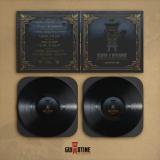
Plumbing hidden depths beneath a deceptively tranquil surface, MLO's mid-90s masterpiece Io is an overlooked gem from a golden era for ambient electronic music. Originally released in 1994, Jon Tye and Pete Smith's collaborative album responded to the growing chill-out movement by leaning into classical and avant-garde influences from Satie, Debussy and Cage through to Soft Machine, Incredible String Band and Eno. Recorded across various studios stacked with classic and rare synths, Io was patiently composed into slowly unfolding suites punctuated with ripples of arrhythmic interference to arrive at a purist vision of true ambient.
The next instalment in Forever Records' ongoing reissue series shines a light back on this landmark piece of UK electronica with the first official reissue since its original edition on Rising High. As well as the original double LP pressing and a new CD digipak version, there will also be a uniquely numbered, limited edition housed in a gatefold sleeve that comes with a bonus 10" featuring two previously unreleased versions of the album's opening cut, 'Wimborne'.
Press response to Io:
"Not so much ambient, more environmental music, Io lets you bring as much (or as little) of your surroundings in as suits your mood. Every listen can be different. Interactive ambient at last.”
IO is pure ambience. Relying on motif as opposed to melody, MLO have produced a truly evocative album.
Peter McIntyre, Mixmag, UK 1994.
"MLO's influences range from the likes of Eric Satie and the intellectual salon music of his era to the more predictable reference point of dubby, modern techno, though they feel, perhaps rather contentiously, that "ambient music can exist in isolation from the rest of the dance music arena". Can it? Take a trip to Io, and find out."
Generator Magazine, UK 1994.
"If you like your ambient deep and moody with long chords that creep along at approximately the speed of drying paint then check out MLO’s Io."
Mixology, UK 1994.
"MLO set the controls for the heart of headspace for their first full album release. Io is top grade ambient brain… Ace album…"
Select, UK 1994.
Ohm & Octal Industries made their mark on this label with their Northwest Passages album back in 2023, and now they return with more heavy but equally serene dub tech excursions. 'Blizzard' has none of the frenzy of that weather type but does have gentle synth winds swirling around the rooted drums. 'Fly Boy' is a delicate dub with the most subtle pads and effects marbling the airwaves, while 'Goodbye Sunshine' has more forward intent and beautifully hits that glide over the minimal drums. 'Jah Rule' then dials into a heads-down and more warehouse-ready dub techno sound built from the sort of perfect loops that could play for days and never get annoying.
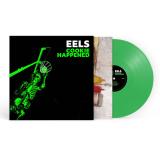
EELS, eine der eigenwilligsten und beständig gefeierten Bands der Rockgeschichte, melden sich mit ihrem 16. Studioalbum zurück. COOKIE HAPPENED findet E (Mark Oliver Everett) dort, wo er am stärksten ist: in den kleinen Siegen des Lebens, den unvermeidlichen Enttäuschungen – und dem stillen Wunder, überhaupt hier gewesen zu sein.
Den Albumtitel erklärt E mit einem Zitat des großen Philosophen unserer Zeit, dem Cookie Monster: „Me no cry because cookie is finished. Me smile because cookie happened." Alles wird vergessen werden – aber war es nicht trotzdem etwas Schönes, dass es geschah?
Die erste Single 'Cap In Hand' gibt einen bittersüßen Vorgeschmack: ein abgeklärt-bewegender Song aus der Perspektive von jemandem, der seine Fehler endlich eingesteht und versucht, die Dinge wieder geradzubiegen.
COOKIE HAPPENED folgt auf das 2024 erschienene und vielgelobte EELS TIME! und beweist einmal mehr, dass kaum ein anderer Künstler so gut darin ist, im Chaos des Lebens Bedeutung zu finden.
EELS, eine der eigenwilligsten und beständig gefeierten Bands der Rockgeschichte, melden sich mit ihrem 16. Studioalbum zurück. COOKIE HAPPENED findet E (Mark Oliver Everett) dort, wo er am stärksten ist: in den kleinen Siegen des Lebens, den unvermeidlichen Enttäuschungen – und dem stillen Wunder, überhaupt hier gewesen zu sein.
Den Albumtitel erklärt E mit einem Zitat des großen Philosophen unserer Zeit, dem Cookie Monster: „Me no cry because cookie is finished. Me smile because cookie happened." Alles wird vergessen werden – aber war es nicht trotzdem etwas Schönes, dass es geschah?
Die erste Single 'Cap In Hand' gibt einen bittersüßen Vorgeschmack: ein abgeklärt-bewegender Song aus der Perspektive von jemandem, der seine Fehler endlich eingesteht und versucht, die Dinge wieder geradzubiegen.
COOKIE HAPPENED folgt auf das 2024 erschienene und vielgelobte EELS TIME! und beweist einmal mehr, dass kaum ein anderer Künstler so gut darin ist, im Chaos des Lebens Bedeutung zu finden.
Waage has long been an established force in the dub techno community, and he is no stranger to working with Quantal. This outing on the don of dub techno labels features four tracks that strike the signature mix of meditation and dancefloor tool. 'WM13' is a wide-open underwater dub with a slow-motion rhythm, 'W14' has more hunched over drums and plenty of open space littered with delicate FX and textures, then 'W15' glides on silky drum loops that could play for days and never get annoying. The closer is the most serene and sublime of the lot, with lovely smeared chords drawn out across the frictionless drums.
Mit "Autosmile", ihrem Debüt für das Label 4AD, schärft das US-Duo @ (At) sein unverwechselbares Profil zwischen psychedelischem Folk, Indie-Rock und experimentellem Pop. Die Songwriter:innen Victoria Rose und Stone Filipczak entwickelten ihre Musik zunächst über Jahre hinweg aus der Distanz. Auf dem Nachfolger ihres vielbeachteten Debüts Mind Palace Music bündeln sie diese Arbeitsweise zu einer ebenso verspielten wie ausgereiften Klangsprache. Die elf Songs von Autosmile verbinden klassische Songstrukturen mit komplexen Arrangements, ungewöhnlichen Harmonien und einer ausgeprägten DIY-Ästhetik. Obwohl Stone während der Albumarbeiten nach Philadelphia zog und beide erstmals in derselben Stadt lebten, blieb der kreative Prozess bewusst unkonventionell. Unterstützt von befreundeten Musiker:innen, die Cello, Violine und Schlagzeug beisteuerten, entstand ein überraschend üppiger Sound, der dennoch seinen intimen Charakter bewahrt. Inhaltlich bewegt sich das Album zwischen Verlust, Selbstreflexion und Hoffnung. Der Opener "Bird" verbindet düstere Folk-Klänge mit eingängigen Pop-Momenten, während der knapp siebenminütige Titeltrack "Autosmile" eine Trennungserfahrung in eine poetische Reise voller mystischer Bilder und existenzieller Fragen verwandelt. Songs wie "I Know You Are (But What Am I Thinking)" feiern die Schönheit von Veränderung und Vergänglichkeit, während "Punish My Mind" das Spannungsfeld zwischen Selbstbestrafung und Selbstfürsorge auslotet. Trotz der oft dunklen Grundstimmung bleibt Autosmile von einer spielerischen Experimentierfreude geprägt. Prog-Einflüsse treffen auf Indie-Sensibilität, Melodie auf Komplexität. Victoria Rose und Stone Filipczak verzichten bewusst auf eindeutige Botschaften und schaffen stattdessen offene Deutungsräume, in denen sich persönliche Krisen und neue Möglichkeiten begegnen. Das Ergebnis ist ein Album, das Schönheit und Schmerz gleichermaßen umarmt und selbst in seinen melancholischsten Momenten einen leisen Optimismus bewahrt.
Das 2016 erschienene "Teens of Denial" markiert einen entscheidenden Wendepunkt in der Karriere von Car Seat Headrest und insbesondere von Frontmann Will Toledo. Nach einer Reihe von lo-fi Bedroom-Produktionen, die Toledo größtenteils allein aufgenommen hatte, war es das erste Album, das mit voller Bandbesetzung und größerem Studioaufwand entstand. Veröffentlicht wurde es über das renommierte Indie-Label Matador Records, bei dem Toledo kurz zuvor unter Vertrag genommen wurde. Das Album verbindet introspektive Texte mit energiegeladenem Indie-Rock und greift Themen wie Selbstfindung, Angst, Isolation und Jugendkultur auf. Songs wie "Fill in the Blank", "Drunk Drivers/Killer Whales" und "Destroyed by Hippie Powers" wurden schnell zu Publikumslieblingen und halfen der Band, ein deutlich größeres Publikum zu erreichen. "Teen Of Denial: (Joe"s Story)" ist nun ein komplettes Remake dieses 10 Jahre alten Klassiker. Toledo, der seinen Songbook gerne neuinterpretiert, wechselt hier die Perspektive und erzählt die Geschichte aus der Sicht von Joe. Auf dem Originalalbum verwendete Toledo häufig den Namen "Joe" als Pseudonym - eine subtile Hommage an Daniel Johnston. Als er Teens im Vorfeld seines 10-jährigen Jubiläums erneut aufgriff, verspürte er den Drang, Joe eine eigene Hintergrundgeschichte zu geben, und begann, das Album entsprechend anzupassen, um diese Geschichte zu erzählen. Die Band kehrte gemeinsam mit dem Teens-Produzenten Steve Fisk ins Studio zurück, um das Werk zu überarbeiten - mit angepassten Texten, überarbeiteten Arrangements und neuen Aufnahmen im "Denial-Stil", darunter "Optimistic Son" und die hymnische Single "Joe Drives Again". Das Ergebnis bewahrt die düstere Note und den jugendlichen Zynismus von Teens, lässt aber zugleich eine Spur mühsam errungener Mitmenschlichkeit in den Gesamtklang einfließen.
* 2026 REPRESS *
Ashanti Selah – Musician & Dub Producer hailing from the UK, is the eldest son of the world-renowned soundman, Aba Shanti-I. Ashanti's musical journey began at a tender young age, during his formative years of soundsystem exposure through his father's musical infrastructure he learned the art of the Dub. His education continued as he attended his father’s long-standing annual sessions at the Notting Hill Carnival and traveled the globe as a crew member and diligent student. Via his Steppas Records imprint, Alpha Steppa, son and nephew of pioneering dub-duo Alpha & Omega presents a unique collaboration between two second generation Dub / Reggae producers. 'Ashanti Selah Meets Alpha Steppa' is a testament to their teachers and the product of a life spent in dub. Steppas Records delivers four unique cuts of the long-time Aba Shanti-I exclusive 'Violin Step', featuring the uplifting and transcendental strings of Ras Divarius. New generation soundsystem music with a deep roots foundation.
On Last Night At Marienbad's latest, the imprint brings together three of the brightest souls found within the realms of Jazz, namely Mauricesax, 9ick and Milan93, with their collective talents synergising effortlessly on 'A Garden Between Us', alongside a stellar cast of remixers who add even further delight between the grooves….
As a genre, Jazz has perhaps lent itself the most to other musical universes, in that its curious heart, endlessly experimental nature, and parameter-defying spirit have wrapped itself deep within the core of countless albums, scenes, and music makers. It's a genre that welcomes reinvention, consistently defying its contents and always reaching out to find new methods of expressionism. Electronic music, in its many forms, has truly embraced Jazz perhaps like no other movement of music has, with a truly astonishing array of records surfacing in the past 40 years which have blended Jazz's unique motifs with grooves, chords, and emotive excellence. From 90s Jazz house and UR Techno, through to Future Jazz, downtempo, and Hip Hop, and around many other suns, there remains such an intrinsic and symbiotic relationship between the two musical realms that caters to those who wish to live music both within and out with themselves.
As practitioners of blending electronica and Jazz, few do it like the trio of Mauricesax, 9ick, and Milan93. All three are known for their distinctive soundscapes, yet share commonalities in terms of musical language, feel, and sense of progression. Bringing them together allows for overlaps in their sounds to emerge, and just like Jazz itself, this is where the intrinsicness of sound begins to blossom. 9ick brings his softly evolving vibe to the table, one which was so prevalent and celebrated on his 2025 album 'SMIL'; Milan93 draws from his focal point of exploring fill-laden grooves and a myriad of emotive sensibilities; and Mauricesax draws up his extensive musicality that exists at the corner of jazz, electronic, and experimental music, along with running musical workshops all over the globe.
'A Garden Between Us' represents the trio's core tenets, with this immediately obvious from the record's opener, 'Rhodora'. A gentle solo piano quickly evolves into a series of powerful rhythmic pulses, with brass lines bringing vitality and feel to proceedings. The track shifts gears with purpose, transitioning between musical vignettes of the highest order, with the synth work doing much to bind the transitions together. 'Tulip' emerges slightly differently, with glossy Rhodes tones and an unravelling rhythmic undercurrent setting an enthralling stage. The track flourishes amongst sweeping textures, coming up for air amongst a deeply hypnotic rhythmic section that holds on and never lets up. 'Honeysuckle' lands next, which sees the trio emerge with a boundless, dynamic soundscape. The drums shift within the undertones, as keys, chords, horns and hip-hop vocal samples dance around the pulse, capturing the imagination with their narrative-like placement. Wrapping up the A side comes 'Camellia'. A dazzling array of harmonic sounds converges around the transfixing rhythm section, which emerges from deep below to lavishly roll out over the midsection, with the delicateness of the instrumentation a real highlight here.
The B side features two exquisite remixes, with Pacific Coliseum's version of 'Tulip' landing first. Beginning with a signature four to the floor to get things going, his careful handling of the source material is seen in the tactful introduction of the blissful elements that made the original cut so impactful, with great focus placed on emotive fidelity. The result is a summer-bound house number that reimagines the original in all the right ways, flipping it into a euphoria-driven jazz-laden pacer that reaches for the heavens as much as it drives right into the heart. Teuteu then showcases their take on 'Honeysuckle', and at 9 minutes long, represents the longest cut on the record - and the experience is all the richer for it. Leaning heavily into dance music flavours, Teuteu shifts perspective totally into the realm of the club, with the walls beating hard to the kicks. The sax lines that drift ethereally up top keep eyes closed and souls full, as the dance shifts into the next phase.
An experience that drifts from the daydreaming, to soul-warming through to the club shaking - what else is left to experience, except for 'A Garden Between Us' and how it will brighten up life itself….
Balvanera is the project of Agustina Vizcarra and Lucas Palavecino from Buenos Aires, Argentina.
Since 2016, the duo has been building a sonic narrative that moves between the corporeal and the spectral, exploring waves and minimal synth as well as more intense and rhythmic directions closer to Body music, all while sharing the stage with artists such as Clan of Xymox, Boy Harsher, Die Selektion, Kontravoid, NNHMN and Ashcode.
New album Hasta tocar el fondo vacío del lenguaje arrives as an attempt to push expression to the limit, focused on language and sound as expressive forms.
With all tracks sung in Spanish, the album is a declaration of identity and at the same time an exercise with Spanish itself: how to play with a language that sometimes feels baroque and turn it into something stark while retaining its richness. Musically direct, the album occasionally returns to some minimalism reminiscent of the band’s early releases while preserving the intensity and club-oriented feel of their later work. At times intensifying in speed, the record brings the energy of their live performances to visibility, while other tracks feel like an unsettlingly dreamlike atmosphere. The title – meaning Until Touching the Empty Bottom of Language – borrowed from a fragment of Arturo Carrera’s poem Escrito con un nictógrafo, offers a clue to Balvanera’s nocturnal sensibility: those thoughts and images that can only emerge in the sleepless hours of the night, when they reach their most revealing edge.
Hasta tocar el fondo vacío del lenguajen explores death as something hidden within language while allowing each track to find its own form rather than adhering to genre conventions.
Split released with DKA. Out October 1st, 2026 on aquamarine vinyl LP limited to 500 with lyrics insert.
Zwei Jahre, nachdem das Debütalbum "Was für ein Glück" (2024) die deutschsprachige Indie-Szene aufwirbelte, Konzerte quasi über Nacht ausverkauft waren und sich noch vor der Veröffentlichung eine innige Fangemeinde bildete, ist es endlich soweit: das zweite Album von ENDLESS WELLNESS, "Domino Days" (2026), ist da! Musikalisch bleiben sich Milena Klien, Adele Ischia, Patrick "Pata" Huter und Philipp Auer treu, von mitreißenden Tanznummern bis feinfühliger Gesellschaftskritik ist alles dabei - und das nicht selten klug im selben Song vereint. Aber auch einige klangliche Überraschungen hält die Band diesmal bereit. ENDLESS WELLNESS entwerfen auf "Domino Days" (2026) andere, bessere Zukünfte und geben mit ihrem Album einen musikalischen Vorgeschmack darauf, wie sich diese anfühlen könnten. Sicher ist: Diese Zukünfte sind ein Ort für uns alle und sie haben die Musik von ENDLESS WELLNESS als Soundtrack.
SECOND REISSUE ON THIS HEAT’s OWN NEW IMPRINT FOLLOWING ‘THIS HEAT’ (TH01LP) WHICH WAS UNCUT ‘REISSUE OF THE MONTH’ RECENTLY WITH 9/10 REVIEW + 4-PAGE FEATURE WITH Q+A.
*24 bit/96 kHz re-master from original analog tapes.
*Heavyweight 180gm vinyl and heavyweight sleeve with pantone printing to match original 1979 release.
Simon Reynolds on Health and Efficiency:
“For some fans, Health and Efficiency is This Heat’s peak achievement – their most concentrated blast of visceral intensity and wayward experimentalism….Lead track “Health & Efficiency” combines fierce angular rock that fully lives up to Cunningham’s belief that This Heat could become a postpunk King Crimson, with a multi-part babble of vocals, clattering percussive timbres, and found sounds.’’
Flipside “Graphic/Varispeed” is more subdued and hypnotic: a wavering tonescape whose duration depends on whether you play it at 45 rpm or 33 rpm. This reissue reproduces the original release’s striking cover image of a human figure painted in blue by Pete Cobb, along with the cryptic flipside of text in many different languages.
Although widely considered to be Post-Punk’s finest, This Heat actually began performing and recording their music in 1976, the early days of London’s punk era. Within their two albums and an EP they perfected a strange and volatile new strain of avant-garde rock that time has proved to be massively influential, a blueprint for much that would follow: post-rock, math rock, homemade musique concrète, experimental electronica. Numerous critics have recognised the band's influence on the music of Sonic Youth, Glenn Branca, Steven Wilson, Public Image Ltd., Radiohead, Swans, Shellac, Young Knives, Black Dice, Lightning Bolt and numerous other experimental and post-rock bands.
Disbanding in 1982 they have left an undeniable legacy that has only continued to grow in stature and relevance.Having recently passed the 50 year anniversary of their first gig, and the recording of material that appears on their debut album, the group’s surviving members Charles Bullen and Charles Hayward, true to their DIY roots, have set up an imprint to release their recordings for their growing fan base that is increasingly recognising their influential place in music history.
‘They went beyond punk before punk had properly started…the entire album is a controlled explosion of ideas. Nearly fifty years on, This Heat’s debut is something the world has still not completely caught up with.’ - Simon Reynolds
‘Over the years, there have been bands to play as aggressively, or even as strangely, but very few have been able to rise from their collective influences and histories to create music so singularly distinctive and inspiring.’ – Pitchfork 9/10
‘This Heat sounded like the future then ... and still do now.’ - Dan Snaith (Caribou)
‘This Heat had a certain kind of force the post-punk bands were unable to adequately control without falling foul of rawk excess, and which the punk bands—albeit blitzing and rowdy—were too basic in form to build.’ – John Calvert , The Quietus
A dream come true for A Colourful Storm to be releasing an early gem by Tenniscoats, a duo whose DIY spirit, boundless creativity and lust for life and collaboration has left an indelible mark. From self-releasing albums and tapes on their own Majikick imprint to meeting kindred spirits The Pastels, Bill Wells and Jad Fair in between outings for Morr Music, Chapter and Häpna, to name but a few, Tenniscoats have embodied an understated determination and optimism for over two decades.
"A foghorn melodica, voice, fractions, fragments, nothing and everything all at once. We Are Everyone opens out slowly, a little eerily, magic tumbles into play in well-measured rations. Meanwhile, on the cover, Saya and Ueno's heads seem to merge into the sky as if living amongst the wisdom of the clouds. Or maybe somewhere between sleep and reality, like Ueno's description of Tenniscoats' music. We Are Everyone is one of those records where you almost feel engulfed in its making - you feel like you're in the room with Tenniscoats as they push themselves to the limit, trying to make the very best record they can." - Stephen Pastel
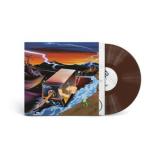
Welcome Tori Kudo back to A Colourful Storm with a new edition of Maher Shalal Hash Baz's Faux Départ, a document of a stateside tour that culminated in a recording session at the legendary Dub Narcotic Studio with a one-time ensemble of Greg Saunier and Chris Cohen (Deerhoof), Andrew Maxwell, McCloud Zicmuse, Arrington de Dionyso, Takashi Ueno, Saya Ueno, Naoki Otani, Akiko Hotaka, Masaaki Endo and Naoki Otani. Always spontaneous, never rehearsed. Music in and of this world, seemingly teetering on the verge of collapse.
"We flew to the US for a show with Red Crayola in Los Angeles and initially stayed at Rick Potts' house. There, I met up with The Curtains and hit the road in their car. We headed north, writing down every melody that came to mind. I slept in the gap between the wall and the sofa and got interrupted by a herd of cows along the way, but I finally arrived in Olympia and recorded all the melodies I'd written down, which became Faux Depart. There, I found McCloud, a noble beggar who was sleeping in the studio and playing the bassoon on the street." - Tori Kudo, 2026
"Chris Cohen, who played in Deerhoof from 2001-2006 or so, was an obsessive Maher fan. When our other band, The Curtains, was given a chance to support Maher on a West Coast tour, we got to see up close how Tori leads - often by not leading. He is an unpredictable, wild musical genius and card-carrying eccentric." - Greg Saunier, 2026
Born in São Paulo, Caetano Malta embodies the vibrant creative energy of one of Latin America's most dynamic cities. A singer, songwriter, and multi-instrumentalist, he has spent more than twenty years crafting a distinctive musical universe shaped by Brazil's rich and diverse traditions. Tropicalia, MPB, Afro-Brazilian rhythms, psychedelic folk, and contemporary pop blend seamlessly in his work with effortless elegance.
Over the years, he has become a highly sought-after collaborator. Since 2004, he has performed with numerous leading Brazilian artists, including Lucas Santtana, Bixiga 70, Karina Buhr, and many others. After two decades of international touring, he eventually settled in Paris, where he became the guitarist for Flavia Coelho, Luiza, Guts, among others. As a songwriter, he has also co-written with artists such as Lucas Santtana, Wado, MOMO, Rubinho Jacobina, and Arto Lindsay.
With Eterna Juventude, his long-awaited debut solo album, due for release in autumn 2026, Caetano Malta reaches a new artistic milestone. The record reveals a radiant songwriting style where harmonic sophistication, organic rhythms, and instantly memorable melodies come together naturally. Filled with joyful energy and deep tenderness, Eterna Juventude celebrates imagination, movement, and childhood's unique ability to reinvent the world. It is a remarkably accomplished debut, showcasing an artist whose singular voice and musical identity are already fully formed.
Die Welt war nie bereit für The Monsters, und The Monsters waren nie bereit für diese Welt. Nach vierzig Jahren, in denen sie zu einem echten Monster aus Fleisch und Blut herangereift sind, präsentieren sie ihr neuntes Album: gut ein Dutzend kompromissloser, wilder, lärmiger und fuzz-geladener Tracks. Ein Mix aus Ein-Riff-Beat, Trash, Garage, "Bern Metal", Boogie, Punk und Grunge - Songs, die einen von innen nach außen stülpen, aufgenommen mit "Miracle" Robert "Worker" Butler und abgemischt von Jim "Dirtbomb" Diamond - ein echtes Garage-Punk-Dreamteam. Vor vierzig Jahren, 1986, war die Jugendkultur-Revolution in Bern (Schweiz) in vollem Gange, Jugendliche und junge Erwachsene wollten sich aus den konservativen Fesseln befreien. Die Straßen brannten, Clubs entstanden und eine neue Schweizer Musikkultur wurde geboren. Dies markierte auch den Beginn von The Monsters. Vierzig Jahre später hat sich der Zustand der Musikkultur - oder vielmehr der Welt im Allgemeinen - wohl eher verschlechtert. Individuelles Denken und Schaffen sind nach wie vor nicht sonderlich anerkannt oder gar erwünscht (Hey KI!). Im März 2026 blieb der Band also nichts anderes übrig, als ihre Instrumente, das Aufnahme-Equipment und ihre Ideen in den Proberaum zu verfrachten. Sie verbrachten einen Monat mit Robert Butler (u. a. The Miracle Workers) und seinem mobilen "Two Cent Recording Studio". Sie schrieben Texte (insgesamt etwa 100 Wörter - mal sinnvoll, mal unsinnig, über das ganze Album verstreut), tüftelten am Sound und nahmen Gitarren in allen erdenklichen Variationen auf. Das Ganze wurde gewürzt mit Percussion, Schlagzeug, Bass sowie obskuren Orgeln und Synthesizern, die sie auf Flohmärkten oder in den Kellern von Freunden aufgetrieben hatten. Nach diesem vierwöchigen Trip schickten sie das gesamte Chaos an Jim Diamond (Ghetto Recorders Studios in Detroit, Dirtbombs, White Stripes, Gories, André Williams... klar, worum es geht, ne?!), um es einem umwerfenden Mix-Abenteuer zu unterziehen. Das Ergebnis ist ein Dutzend Songs ohne Kompromisse, Schwächen oder Stärken. Einfach nur roher, ungeschliffener Lo-Fi-Garage-Punk'n'Roll voller Energie - und das mit vierzig Jahren "Nicht-Erfahrung". Erhältlich sind schwarzes Vinyl und eine pinke Picture-Disc (beide mit Insert & DLC), eine höchst audiophile CD sowie Kassette, die bei doppelter Geschwindigkeit leiert! Für Fans von Reverend Beat-Man, VRR, The Mummies, Oblivians, Billy Childish, Damaged Goods, Monks, very early Hives, Garagepunk, Lo-Fi-Roll, Alternative Beat
Die Welt war nie bereit für The Monsters, und The Monsters waren nie bereit für diese Welt. Nach vierzig Jahren, in denen sie zu einem echten Monster aus Fleisch und Blut herangereift sind, präsentieren sie ihr neuntes Album: gut ein Dutzend kompromissloser, wilder, lärmiger und fuzz-geladener Tracks. Ein Mix aus Ein-Riff-Beat, Trash, Garage, "Bern Metal", Boogie, Punk und Grunge - Songs, die einen von innen nach außen stülpen, aufgenommen mit "Miracle" Robert "Worker" Butler und abgemischt von Jim "Dirtbomb" Diamond - ein echtes Garage-Punk-Dreamteam. Vor vierzig Jahren, 1986, war die Jugendkultur-Revolution in Bern (Schweiz) in vollem Gange, Jugendliche und junge Erwachsene wollten sich aus den konservativen Fesseln befreien. Die Straßen brannten, Clubs entstanden und eine neue Schweizer Musikkultur wurde geboren. Dies markierte auch den Beginn von The Monsters. Vierzig Jahre später hat sich der Zustand der Musikkultur - oder vielmehr der Welt im Allgemeinen - wohl eher verschlechtert. Individuelles Denken und Schaffen sind nach wie vor nicht sonderlich anerkannt oder gar erwünscht (Hey KI!). Im März 2026 blieb der Band also nichts anderes übrig, als ihre Instrumente, das Aufnahme-Equipment und ihre Ideen in den Proberaum zu verfrachten. Sie verbrachten einen Monat mit Robert Butler (u. a. The Miracle Workers) und seinem mobilen "Two Cent Recording Studio". Sie schrieben Texte (insgesamt etwa 100 Wörter - mal sinnvoll, mal unsinnig, über das ganze Album verstreut), tüftelten am Sound und nahmen Gitarren in allen erdenklichen Variationen auf. Das Ganze wurde gewürzt mit Percussion, Schlagzeug, Bass sowie obskuren Orgeln und Synthesizern, die sie auf Flohmärkten oder in den Kellern von Freunden aufgetrieben hatten. Nach diesem vierwöchigen Trip schickten sie das gesamte Chaos an Jim Diamond (Ghetto Recorders Studios in Detroit, Dirtbombs, White Stripes, Gories, André Williams... klar, worum es geht, ne?!), um es einem umwerfenden Mix-Abenteuer zu unterziehen. Das Ergebnis ist ein Dutzend Songs ohne Kompromisse, Schwächen oder Stärken. Einfach nur roher, ungeschliffener Lo-Fi-Garage-Punk'n'Roll voller Energie - und das mit vierzig Jahren "Nicht-Erfahrung". Erhältlich sind schwarzes Vinyl und eine pinke Picture-Disc (beide mit Insert & DLC), eine höchst audiophile CD sowie Kassette, die bei doppelter Geschwindigkeit leiert! Für Fans von Reverend Beat-Man, VRR, The Mummies, Oblivians, Billy Childish, Damaged Goods, Monks, very early Hives, Garagepunk, Lo-Fi-Roll, Alternative Beat
Die Welt war nie bereit für The Monsters, und The Monsters waren nie bereit für diese Welt. Nach vierzig Jahren, in denen sie zu einem echten Monster aus Fleisch und Blut herangereift sind, präsentieren sie ihr neuntes Album: gut ein Dutzend kompromissloser, wilder, lärmiger und fuzz-geladener Tracks. Ein Mix aus Ein-Riff-Beat, Trash, Garage, "Bern Metal", Boogie, Punk und Grunge - Songs, die einen von innen nach außen stülpen, aufgenommen mit "Miracle" Robert "Worker" Butler und abgemischt von Jim "Dirtbomb" Diamond - ein echtes Garage-Punk-Dreamteam. Vor vierzig Jahren, 1986, war die Jugendkultur-Revolution in Bern (Schweiz) in vollem Gange, Jugendliche und junge Erwachsene wollten sich aus den konservativen Fesseln befreien. Die Straßen brannten, Clubs entstanden und eine neue Schweizer Musikkultur wurde geboren. Dies markierte auch den Beginn von The Monsters. Vierzig Jahre später hat sich der Zustand der Musikkultur - oder vielmehr der Welt im Allgemeinen - wohl eher verschlechtert. Individuelles Denken und Schaffen sind nach wie vor nicht sonderlich anerkannt oder gar erwünscht (Hey KI!). Im März 2026 blieb der Band also nichts anderes übrig, als ihre Instrumente, das Aufnahme-Equipment und ihre Ideen in den Proberaum zu verfrachten. Sie verbrachten einen Monat mit Robert Butler (u. a. The Miracle Workers) und seinem mobilen "Two Cent Recording Studio". Sie schrieben Texte (insgesamt etwa 100 Wörter - mal sinnvoll, mal unsinnig, über das ganze Album verstreut), tüftelten am Sound und nahmen Gitarren in allen erdenklichen Variationen auf. Das Ganze wurde gewürzt mit Percussion, Schlagzeug, Bass sowie obskuren Orgeln und Synthesizern, die sie auf Flohmärkten oder in den Kellern von Freunden aufgetrieben hatten. Nach diesem vierwöchigen Trip schickten sie das gesamte Chaos an Jim Diamond (Ghetto Recorders Studios in Detroit, Dirtbombs, White Stripes, Gories, André Williams... klar, worum es geht, ne?!), um es einem umwerfenden Mix-Abenteuer zu unterziehen. Das Ergebnis ist ein Dutzend Songs ohne Kompromisse, Schwächen oder Stärken. Einfach nur roher, ungeschliffener Lo-Fi-Garage-Punk'n'Roll voller Energie - und das mit vierzig Jahren "Nicht-Erfahrung". Erhältlich sind schwarzes Vinyl und eine pinke Picture-Disc (beide mit Insert & DLC), eine höchst audiophile CD sowie Kassette, die bei doppelter Geschwindigkeit leiert! Für Fans von Reverend Beat-Man, VRR, The Mummies, Oblivians, Billy Childish, Damaged Goods, Monks, very early Hives, Garagepunk, Lo-Fi-Roll, Alternative Beat
What an unbelievable record. From the wild cover to the iconic breakbeats, Roots from Ian Carr’s Nucleus is one of the dopest albums we know. This is seriously thick, funky-prog jazz-rock heaven. Originally released on Vertigo in 1973, other than a couple of versions at the time for other territories, Roots was never re-pressed since so it’s gone on to become another one of those impossible to find records.
Maybe it was a little too out there for the time, but it’s aged very, very well indeed and this Be With re-issue, re-mastered from the original analogue tapes, shows off just why this deserves to be back in press.
Genius trumpeter and visionary composer Ian Carr was one of the most respected British musicians of his era. He was a true pioneer and saw the potential in fusing the worlds of jazz with rock, just as Miles Davis and The Tony Williams Lifetime did in the US. In late 1969, following the demise of the Rendell-Carr quintet, and tiring of British jazz, Carr assembled the legendary Nucleus. Regarding music as a continuous process, Nucleus refused to “recognise rigid boundaries” and worked on delivering what they saw as a “total musical experience”. We can get behind that.
Under bandleader Carr, Nucleus existed as a fluid line-up of inventive, skilled musicians. This constant evolution and revolution was all part of the continuous musical exploration and discovery that took jazz to new levels.
Working together with producer Fritz Fryer and engineer Roger Wake, the seven compositions by Carr, Brian Smith and Dave MacRae that make up Roots flirt with perfection, and Nucleus at that time made up of the cream of 1970s UK jazz with Brian Smith on tenor saxophones and flutes, Dave MacRae on piano and electric piano, Jocelyn Pitchen on guitar, Roger Sutton on bass, both Clive Thacker and Aureo De Souza on drums and percussion, Joy Yates delivering the vocals and of course Carr on trumpet.
The spellbinding title track immediately renders the album indispensable. Riding the illest of loping breakbeats, “Roots” is low-slung, doped-out heist-funk. An absolute monster. If it sounds familiar then that’s likely down to it being sampled by Madlib for Lootpack and Quasimoto’s “Loop Digga”, as well as by a whole host of beat manipulators. “Roots” conjures prime instrumental hip-hop / beat music, only 20 years ahead of its time. Truly, these are the roots. Through sinuous bass, twinkling keys and a hypnotic guitar riff, a smoky brass motif weaves its way into a gloriously deep haze around Carr’s solos. “Roots” is over 9 minutes long, but there’s not a single wasted second, not surprising given that this is a condensed version of an originally 40 minute long commissioned composition.
The soothing vocal fusion delight of “Images” follows. Meticulously constructed, with gorgeous flute work from Brian Smith, with Joy Yates’ silky vocals and Dave MacRae’s Rhodes never sounding better. The cool, driving “Caliban” closes out the first side. Originally the third movement in a four part commission to celebrate Shakespeare’s birthday it stands up on its own, all robust rhythms and blended brass. Keyboard colour and Carr’s trumpet are splashed across the funk drums and basslines (and there’s even some bamboo flute). This really is fusion: the elements of jazz and rock coming together in beautifully synthesis.
Side two opens in riotous fashion with the short, thrilling samba of “Wapatiti”. Next up, “Capricorn” forms a smoothed-out, jazzy constellation. Mellow and dreamy, its twinkling percussion and languid horns slowly build the vibe before head-nod drums and a killer bassline enter the fray. With a distinct heaviness that Black Sabbath would’ve envied, “Odokamona” is a venomous slice of riff-soaked jazz metal (yes, you read that right), elevated by Carr’s wah-wah horns.
The album closes with MacRae’s exceptionally cosmic “Southern Roots and Celebration”. Very much in conversation with Weather Report, it opens as a languorous, spiritual jazz of chiming keys and serene guitar that turns slowly, gorgeously into a mid-paced, brass-laced banger. It’s another sure-fire party starter and the sound of the band having a righteous blast, building an ecstatic chaos that ends with Yates screaming.
And of course we need to talk about Keith Davis’ cover for Roots. Perhaps the coolest record cover of all time? Certainly one of the most bonkers. Just your run-of-the-mill high-gloss, acid-tinged airbrush dystopian/utopian living-room party scene. Consider this your chemical flashback trigger warning.
Front-and-centre the hip-to-death green robot holds court with their giant ball of yellow barbwire wool, hooked up to… something(?) being teased out from under the stairs (probably best not to ask). A thoroughly zoned-out, long-legged Pop Art party-goer lounges half-plugged in to the painting behind her as a pair of legs flail into shot from the the top of the stairs opposite. We won’t even begin to guess what the chap’s up to in the middle, but the view out of the windows is rather nice, and someone’s already got the hoover out ready to tidy up. All of the Nucleus sleeves are something special, but this particular one? Crikey.
This Be With edition of Roots has been re-mastered from the original Vertigo master tapes, Simon Francis’ mastering working together with Pete Norman’s cut to weave their usual magic with these wonderful recordings. The crazy cover has been restored at Be With HQ as the finishing touch to this long overdue re-issue.
On "Chauffeur," The Womack Sisters reflect on the trials and tribulations they each faced while trying to make rent as car service drivers. A HARD-HITTING groove, and impassioned background vocals drive the song as the sisters plea "How many miles do I have to burn... Just to keep my place?"
There are no flowery metaphors here. This song is about the real struggles people face to survive everyday, in this case grappling with the futility of trying to stack meager fares into rent money.
„Mutant präsentiert in Zusammenarbeit mit Sony Music Masterworks und Amazon MGM Studios stolz den kompletten Soundtrack zu Lord & Millers epischem Meisterwerk ‚Project Hail Mary‘. Dieses Sammler-Boxset mit 4 LPs enthält Daniel Pembertons komplette Originalmusik – mit über 30 Minuten exklusivem Material, das in keiner anderen Veröffentlichung enthalten ist – gepresst auf 3 x 140 g Gold-Vinyl Das Original-Soundtrack-Album des Films – 10 Musikausschnitte aus dem Film, gepresst auf exklusivem Zoetrop-Vinyl Ein 16-seitiges Booklet mit Liner Notes des Komponisten Daniel Pemberton sowie von Name Namerson und Another Person „Project Hail Mary“-Slipmat „Project Hail Mary“-Aufnäher (3 Zoll)“
In Living Color proudly presents Wasi Wasi EP, the debut label release from
Kenyan-born, Berlin-based artist Emo Rugene.
A striking first statement from one of the most exciting emerging voices in African electronic music, Wasi Wasi introduces Rugene's distinctive sound while reflecting the bold, forward-thinking vision at the heart of Living Color. Blending deep cultural roots with contemporary electronic production, the EP marks the arrival of an artist helping shape the future of the genre.
Deeply rooted in African rhythm and musical heritage, Wasi Wasi is a body of work that embraces the past while looking confidently toward the future. Blending hypnotic grooves, organic percussion, and contemporary electronic production, the EP reflects a new generation of artists drawing inspiration from their roots while carving out their own unique artistic identity.
The release features two compelling vocal collaborations that enrich its storytelling. “Wasi Wasi (Vocal Mix)” features Alai K, whose deep ancestral vocal brings a powerful spiritual presence to the title track. “Sahara Dena” features Soukou, whose soulful vocal performance adds warmth, emotion, and depth, creating a beautiful dialogue between tradition and contemporary sound.
With Wasi Wasi EP, Emo Rugene stands among a new generation of African electronic music artists redefining the future on their own terms. His music is deeply connected to where it comes from, yet unafraid to explore new ideas, proving that heritage is not something to preserve behind glass, but something to carry forward with imagination and purpose.
More than a collection of tracks, Wasi Wasi EP is a celebration of movement, identity, and possibility, a record that honours the voices of those who came before while contributing to the sound of tomorrow.
The premise of this compilation is simple: music we’d like to hear at the airport.
The idea came after learning that Honolulu’s international airport has been playing AI-generated music over its speakers since November 2025. First reported by Civil Beat, the news has caused frustration and disappointment among residents and visitors, as well as within the local music community.
Everyone knows Hawaii is one of the most musically rich regions in the world — why then is the airport using AI music? 'Music For The Airport' is our response.
Located in the middle of the Pacific at the outskirts of one the most remote cities on the planet, Honolulu’s Daniel K. Inouye International Airport (HNL) is for most people the first place they encounter when they arrive in Hawaii. Warm sun, tropical tradewinds, playful palm trees and majestic mountains welcome every traveler, as do the sounds of birds, familiar music from Hawaiian artists like Aunty Genoa Keawe and Israel Kamakawiwo’ole, and—at least for now—seventeen “island-themed” AI-generated songs.
In late 1977, while sitting in Germany’s Cologne Bonn Airport on a Sunday morning, Brian Eno noticed how terribly uncomfortable he felt hearing the airport’s “muzak” overhead. For a harried, hurried place like the airport where travelers scramble to their gates, stand in long border control lines, and wait impatiently for their luggage at the carousels, music can create more anxiety than calm. Asking himself, "What should we be hearing here?", Eno soon created ‘Ambient 1: Music For Airports’, a sonic remedy aimed at reducing nervousness in public spaces.
When we heard the news that HNL airport is playing AI-generated “muzak”, we were immediately reminded of Eno’s genre-defying 1978 album. And we were similarly inspired to react. But how? Recreating an ambient masterpiece wasn’t in our wheelhouse. We started digging through our catalog of licensed music which we haven’t yet re-released. We quickly realized this was our chance to highlight some of favorite songs from the so-called CD era: the 1990s and 2000s (with a few exceptions). In less than 20 minutes, we pulled 17 original songs recorded by local artists between 1984 and 2017.
The speed at which this project came together surprised us; reactionary gut instinct often produces swift and lasting results. Ironically, our new compilation likely took less time than it did for the state Department of Transportation to commission its AI songs in question. But even though ‘Music for the Airport’ came together in less than one week, the truth is that this collection of 17 songs is the result of years of hard work, trust, sacrifice, patience, and understanding. Building relationships with and licensing music from artists doesn’t happen overnight, but more importantly: these songs are the result of people pouring their hearts and souls into something they believe in. This music wouldn’t exist today without the artists and their loved ones who supported them along the way.
As of this writing, the DOT states its intention in creating AI-generated songs is to “highlight different aspects of the islands, aviation and the airport” and that “no state funds were used to produce them”. Okay, but at what cost? Technology disrupting the music industry isn’t news to anyone. AI music in public spaces are cost-saving measures, since its users (airports, for example) don’t have to pay the licensing fees typically required, which can be a worthwhile source of revenue for artists. But what happens when a place like HNL airport, which hosts more than 21 million passengers annually, uses music created by machines instead of people to represent Hawaii? The identity of a place beings to erode, diluted by a language learning model’s conceptual summary of what a people and its culture sounds like. To echo Brian Eno: what should we be hearing here? In other words: what should the music of Hawaii sound like?
We believe in the power of music, especially when it comes from the soul. We believe in supporting artists, especially as AI disrupts our lives. We believe that Hawaii must be represented authentically, especially when it comes to song. And of course we believe in vinyl, especially since it was a record from 1978 (Mackey Feary Band’s debut LP) that inspired Aloha Got Soul’s origins in 2010.
We hope you find as much joy in this compilation as we have. Perhaps it’ll soundtrack your next journey to Hawaii. At the very least, we hope some people take a moment to hear these sounds: in your headphones for now‚ maybe someday overhead at the airport in Honolulu.
"Collect Records welcomes Byron the Aquarius to the family! Hailing from Alabama, Byron the Aquarius has established himself as one of the most respected names in contemporary underground house music. Classically trained as a pianist, his productions effortlessly blend deep house, jazz, soul and broken beat, earning support from artists such as Theo Parrish, Moodymann, Gilles Peterson and Floating Points, while releasing on labels including Sound Signature, Wild Oats, Shall Not Fade and Atjazz Record Company. Last Dance in Church features five original productions that perfectly capture Byron's unmistakable sound, warm, soulful and deeply musical. From stripped-back dancefloor grooves to rich harmonic compositions, the EP is a timeless journey through deep house, house and jazz-infused rhythms."
There is a hush most of us only knew as children, the warm drift between familiar household sounds and being carried to bed, a place that belongs to you and to some self you have not met yet. June McDoom’s debut full-length, Follow the Light, lives in that dream space and then keeps walking, slipping out of time and waking somewhere new, barely familiar enough to feel like home yet wholly your own. She came up in a Jamaican household on the edge of the Florida Everglades, an existence built of extended family, communal care, bass and harmonics. Her father, a carpenter and a student of sound, built his own speakers and kept three sound systems going across as many rooms. His low end would rise through her bedroom floor like some wayward cat while she lay above it with folk records, finding harmonies that were new and hers alone. Two musics in one room. Lushness as past and premonition. She found folk on her own, somewhere between the cast recording of The Sound of Music and Simon and Garfunkel, while everyone around her called it sleepy music. She did not mind being the only one. The solitude let her fall for harmony first, before words, before anything else, and harmony is still the thing she reaches for. Generationally speaking, the music was already in the air. Her grandfather, Colin Smith, is a distinguished mento man who played banjo and guitar and built his own rumba boxes, worked to keep Jamaica’s oldest acoustic folk form alive. Mento is the root of all of it: ska, rock steady, reggae, dub and everything after. He is the one who put a guitar in her hands. An inheritance, a gift and a map. Even her name is part of it, though she will tell you she landed on it more by feel than reason. She records as June McDoom, born Alyssa, June being a nickname one of her grandmothers, Joan, went by, a name she thought was cool to carry and simply liked the sound of. An etheric channel that reverberates all the same. A dub all its own.
Made slowly and by hand with her longtime partner Evan Wright, Follow the Light lays the harmony of folk over the rhythm of dub, with Dionne Warwick, Minnie Riperton, Pentangle and the washed guitars of Cocteau Twins haunting its outer edges. Voice and guitar seeking each other out first, then everything else stacked across long days in the studio they keep at home, restraint kept on purpose. The lead single “Without You” is the whole method surfacing, split open and sparkling like a geode in a creek bed. Angelic heroics, and nothing less.
At the heart is family. Her grandmother Aggie, the light behind “Memory,” guiding still. And underneath, the quieter truth the record keeps: none of us are only one person, but a continuum of selves, the ones who shaped us and the ones we have yet to meet. Future you is an ancestor your current self gets to greet. Press play and the same invitation is yours: A few minutes out of time, a place that turns familiar the longer you stay until you surface somewhere new and find it was yours all along
There is a hush most of us only knew as children, the warm drift between familiar household sounds and being carried to bed, a place that belongs to you and to some self you have not met yet. June McDoom’s debut full-length, Follow the Light, lives in that dream space and then keeps walking, slipping out of time and waking somewhere new, barely familiar enough to feel like home yet wholly your own. She came up in a Jamaican household on the edge of the Florida Everglades, an existence built of extended family, communal care, bass and harmonics. Her father, a carpenter and a student of sound, built his own speakers and kept three sound systems going across as many rooms. His low end would rise through her bedroom floor like some wayward cat while she lay above it with folk records, finding harmonies that were new and hers alone. Two musics in one room. Lushness as past and premonition. She found folk on her own, somewhere between the cast recording of The Sound of Music and Simon and Garfunkel, while everyone around her called it sleepy music. She did not mind being the only one. The solitude let her fall for harmony first, before words, before anything else, and harmony is still the thing she reaches for. Generationally speaking, the music was already in the air. Her grandfather, Colin Smith, is a distinguished mento man who played banjo and guitar and built his own rumba boxes, worked to keep Jamaica’s oldest acoustic folk form alive. Mento is the root of all of it: ska, rock steady, reggae, dub and everything after. He is the one who put a guitar in her hands. An inheritance, a gift and a map. Even her name is part of it, though she will tell you she landed on it more by feel than reason. She records as June McDoom, born Alyssa, June being a nickname one of her grandmothers, Joan, went by, a name she thought was cool to carry and simply liked the sound of. An etheric channel that reverberates all the same. A dub all its own.
Made slowly and by hand with her longtime partner Evan Wright, Follow the Light lays the harmony of folk over the rhythm of dub, with Dionne Warwick, Minnie Riperton, Pentangle and the washed guitars of Cocteau Twins haunting its outer edges. Voice and guitar seeking each other out first, then everything else stacked across long days in the studio they keep at home, restraint kept on purpose. The lead single “Without You” is the whole method surfacing, split open and sparkling like a geode in a creek bed. Angelic heroics, and nothing less.
At the heart is family. Her grandmother Aggie, the light behind “Memory,” guiding still. And underneath, the quieter truth the record keeps: none of us are only one person, but a continuum of selves, the ones who shaped us and the ones we have yet to meet. Future you is an ancestor your current self gets to greet. Press play and the same invitation is yours: A few minutes out of time, a place that turns familiar the longer you stay until you surface somewhere new and find it was yours all along
* long version / previously unreleased on vinyl
** exclusive / previously unreleased
Felix Laband's highly acclaimed electronica masterpiece album "Dark Days Exit" (2005) is now available as an Extended Version 2LP vinyl. Originally planned for last year's 20th anniversary, this special edition features a new design by Felix Laband and includes a double-sided DIN A2 art print. Dark Days Exit features four exclusive tracks, alongside five vinyl-only tracks available for the first time in their original long versions. Listening to the key track, Sleeping Household, on Dark Days Exit is unsettling: like being an impostor rambling around an uncanny house, a Lynchian leitmotif in the form of a young girl divulging secrets that you probably shouldn't hear. Dark Days Exit is an album that paints an interior landscape, an invitation to transgress private thresholds. Made with old-school production tools that require hands-on application, Dark Days Exit is a sound-production tour de force. The music is as wide as the savannah and microscopic at the same time, a lesson in what can be achieved when 'music' is placed on an equal footing with sound as a phenomenon, by an artist who decides to apply themselves without reserve. The masterful manipulation of reverb and delays and hyper-detail was a generation ahead of its time, and Dark Days Exit is preferred by audiophiles for testing their systems. Dark Days Exit is intimate, demanding, and a masterclass in tension, and Laband's ability to use all sound without hierarchy to paint a detailed personal vision — one that is less overtly political and streetwise than on subsequent albums — is unsurpassed. Most discerning listeners are into music because, in the hands of a master, it can manipulate our mood and transport us. Felix Laband opens with a sonic portrait of spring happiness and gradually dismantles the atmosphere in front of our ears, as epitomised by the haunting track Black Shoes. No sooner are we afraid than the artist drops us off where we started. In many ways, the intimacy derives from the tight group of friends and believers whom Laband corralled as contributors: Mark van Niekerk (xylophone, "Miss Teardrop"), Jane Rademeyer (clarinet, "Black Shoes," "Radio Right Now"), Brendon Bussy (mandolin, "Black Shoes"), and Derek Gripper (sampled violin, used throughout) and Alex van Heerden on Minka. The difficulty in categorising Dark Days Exit is probably due to Laband listening mostly to ambient and classical music at the time, and consequently registering the album at the lush, cinematic end of the electronic spectrum. There is poise and restraint in the spare use of beats, and when they do appear, they hit hard. Forged in the optimistic post-apartheid years, Dark Days Exit is music about life and death, spanning hope, despair, terror, tension, with humour and empathy. Twenty one years on, the album's gravity endures, due to its almost perverse authenticity, its timeless themes of hope and despair, and its apex level of technical mastery. The additional, immaculately produced tracks add new rooms to the uncanny house we are invited into.
The duo Jolie Gentiane come to us straight from a wild and unpredictable mountain peak, a perched place far from civilization, where the beauty and cruelty of mother nature reign but harmonize the elements. They walk the high, steep paths, looking down on the chaotic and industrial world. This increasingly smoky world, which, from the top of the mountains, looks metamorphosing dangeroulsy, but would only need a few changes to make it less crazy. Or perhaps infinitely more so. Jolie Gentiane is a skilful concoction of sound and daring. Unclassifiable, impalpable, the contemporary embracing the tradition and the acoustic swinging with the electronics. Autotuned/vocoderized vocals, 4th world, kitsch sax, psychedelic arpeggios, acoustic guitar, techno, it's all there: the story told by Jolie Gentiane on this album is rich and complete. Nature, love, celebration, struggle, work. Yes, even work. Because the energy deployed to create this album was surreal, patient, extremely methodical, and the abnegation of the protagonists has been vertiginous: the cliff of the highest peak is finally climbed. This album is like an ode to the earth, to the respect we owe it, an ode also to music in its purest essence, that which does not confine itself to borders, but shout for federation, dance and uprising.
After 10 years of Andy Shauf"s The Party... it"s time for the afterparty. The Party (10th Anniversary Edition) adds nine never-before-released tracks to the original studio version of this essential indie album of the last decade, including two brand new songs plus alternate cuts and demo recordings. With The Party, Shauf masterfully creates a cast of memorable and unique characters. They show up "Early to the Party," reveal secrets ("To You") or try to reveal nothing ("The Magician"). In "a city the size of a dinner plate," everyone knew the guy who keeled over after smoking what he promised would be his last pack of cigarettes ("Alexander All Alone"). There"s the girl dancing by herself in the middle of the room, with the "Eyes of Them All" upon her. One moment you"re dancing with someone who bears an uncanny resemblance to your ex ("Martha Sways") and later slagging your best friend as way of endearing yourself to his recently dumped ex ("Quite Like You"). All of this is set to ornate arrangements of fuzzed-out guitars, string sections, clarinets and dreamy synths, all draped over delicate piano, acoustic guitars and rainy-day drums.
Next up on Voyager, we have someone who needs no introduction to techno. Jeroen Search lands on Voyager under his sci-fi "Echelon" alias with a stunningly deep 8 track album, available as always on Vinyl and Digital. Jeroen has been at the pinnacle of Techno music for a number of decades and has released on countless major techno labels, As Echelon, he has released on Jeff Mills' Axis Records and also on Srie Records Argentina. On Voyager, the remit was to go experimental with nothing off limits, and it shows within this stunning album.
Emerging from the dark Olympic forests with a new album and a full bag of chanterelles, fish narc's Ben Funkhouser has shifted the damp melancholy characteristic of his earlier work towards the sun. Uncle is at once a cry of resignation ("say uncle!") and a declaration of seniority, a set of observations steeped in the blues of youth, delivered with Westerbergian inclination. Recorded and produced by Alex Farrar, the album's 11 tracks bear the hallmarks of his style: textured rock `n' roll somehow both raw and polished. Neither waxing pathetic nor sugarcoating, fish narc and the band are at peak form on Uncle, strumming out the complexities of aging with the conviction of a group that's fully found its footing in well-crafted rock and powerpop. Uncle KLP313, is a culmination of the punk rock musical work fish narc has done in his native Northwest environs. Says Funkhouser, "I feel like Uncle is the best record I've ever made. The songs grew without changing, the textures are spot on, and Alex [Farrar] and I saw eye to eye about almost everything. The album represents what I want for my band and songwriting and is the touchstone on which all my future work will be based." fish narc is a rocker and producer from the Pacific Northwest, recently relocated to Los Angeles. As a member of GothBoiClique, his innovative guitar playing became iconic of the group and helped shape the style of the movement that they pioneered. As a songwriter, fish narc leans more on influences from SST, K and the diy scene he grew up in. Catch him with a full band for the true intended experience. Previous records include WiLDFiRE in 2020, Camouflage in 2022, fruiting body [KLP295] in 2023 and frog song [KLP298] in 2025. This autumn fish narc will tour the United States with his punk horde.
Once upoun a time Fat Mike came up with the idea of calling up 101 of the best old and new punk rock band around, have them each record a 30-second long song, then put all the tracks out on one record to make the best punk compilation ever. And guess what, the dream came true. The 101 most famous punk rock bands around doing each a 30 seconds long song Back in print for the first time in ten years! Pressed to Lime Vinyl Features super rare songs (recorded exclusively for this compilation) by Green Day, The Offspring, Blink- 182, Pennywise, Rancid, Less Than Jake, The Vandals, Bad Religion, and more
Superfan is the songwriting veil of Kali Priya Flanagan, the Brooklyn-based multi-instrumentalist and producer. While initially imagined as a solo act, ambitious string arrangements crafted in collaboration with cellist Omeed Almassi have come to define Superfan’s noisy and magnetic pop soundscape.
Today, Superfan announces their forthcoming album ‘My Piledriver Heart’ (MPDH), out October 16 via new label home AD 93 (Joanne Robertson, Dagmar Zuniga, YHWH Nailgun). Along with the announcement, Superfan presents his new single “In the Gold Room” paired with the live version filmed by Garrett Winston inside Agger Fish Building in the Brooklyn Navy Yard.
MPDH marks the first release outside of the record deal Flanagan signed at age 14. The album finds Flanagan embracing a more expansive, experimental vision of indie rock - melding deeply tuned acoustic guitar, cello, and Eastern musical influences into what he calls his “Acousticello” sound. Recorded largely live with cellist Omeed Almassi and producer Hudson Pollock, the record explores heartbreak, independence, and hopeful melancholia. Kali says “This time around it was about being (myself) versus becoming myself. This album was made to acknowledge the ebbs and flows in chugging along with life and love, from a place of comfort within the self that opens you up to the beauty in everyday life.” He does so through intimate performances that blur the line between folk, chamber music, pop-rock ballads, and alternative rock. Last year, he released the singles “Apeiron (Fantasy Football)” and “Miss W Jones” and earlier this year he released “Picture of Return.”
Following his acclaimed debut Tow Truck Jesus, Flanagan opened for The Strokes at Red Rocks, and has quietly become a fixture of New York’s DIY scene, performing alongside artists like Horsegirl, Knifeplay, and Quiet Light, while also playing support shows with King Woman and Victoryland this summer. He is also in the rising emo band Holidays in United States.
Before Superfan, Flanagan found success during the pandemic under his first moniker, “KALI.” His initial releases garnered millions of streams and led to collaborations with seasoned high-profile producers and industry teams. Despite his budding career as an indie-pop star, Flanagan was dissatisfied with the conditions of his artistic output and community as he reached adulthood. His coming-of-age years in Los Angeles were marked by an ever-present new-wave pop music oblivion: “hits” made in 5-hour sessions with strangers, a social life suffocated by others’ aspirations for fame, and an absent audience for live music that pushed past the prescriptions of recorded music. On MPDH, Kali says “I can’t help my urge to write these pop-rock ballads, but we really wanted to push the boundary of genre and expressing the sentiments of the songs through experimentation.”
The Rio-based project Pra Gira Girar presents a new interpretation of the song Atabaque Chora, originally made famous by the trio Os Tincoãs. Written by Dadinho and Mateus Aleluia, the piece opens the group’s iconic 1977 album Os Tincoãs —and has now been chosen to mark the beginning of Pra Gira Girar’s own recording journey.
Formed by Alvaro Lancellotti, Michele Leal, and Alan de Deus on vocals, Pedro Costa on guitar, Kassin on bass, Zé Manoel on piano and vocals, Zero Telles (in memoriam) and Anna Magalhães on percussion, and Diogo Gomes on trumpet, the project was born from Alvaro Lancellotti’s long-standing admiration for the work of Os Tincoãs and his wish to create a live show celebrating the legendary trio.
For a year, Alvaro, Michele, Alan, and Pedro made up the core of the group, meeting weekly for rehearsals that became a deep dive into Os Tincoãs’ intricate vocal arrangements. These sessions were essential to recreating the grandeur and complexity of the Bahian trio’s music. Pedro Costa transcribed the vocal lines and, together with Michele Leal — a singer-songwriter with a background in choral singing — adapted the arrangements for a formation that, unlike Os Tincoãs, features a female voice.
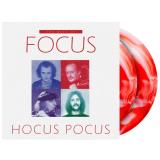
Picking the best songs out of Focus’s legacy is no easy task: they have released so many top quality progressive songs it’s deemed almost impossible. However, Hocus Pocus (Best of Focus) manages to compile two records filled to the brim with the best that Focus has to offer.
The obvious tracks such as “Sylvia” and “Hocus Pocus” are included in the track list alongside “House Of The King”, “Harem Scarem” and “Anonymus”. A must for anyone wishing to recap on lost memories or as an introduction to the merits of Focus!
Hocus Pocus (Best of Focus) is available as a numbered limited edition of 1000 copies on red and white swirled vinyl
"Here is a tender journey through loss and rebirth — a raw exploration of grief, heartbreak, and the emptiness that follows. It unfolds the fragile moments after losing a beloved friend, the fragile attempts to mend a fractured love, and the sudden rupture that shakes the soul to its core. Amidst the turmoil, anxiety pulses and the body aches with memories too heavy to hold. Yet, slowly, the darkness gives way to light. Breath returns. Support is found in unexpected places. Memories surface through hypnotic whispers, guiding the way back to softness and hope. This is not a story of instant healing, but a delicate awakening — a reckoning with old patterns, a reclaiming of the self, a learning to love differently.
Intimate and universal, fragile yet fiercely alive."
In 1990, Pop Will Eat Itself released their third studio album. The British alternative rock band drew on many popular genres of the time, making them their own. Hip hop, industrial rock and alternative dance are all featured on Cure For Sanity.
The band also enjoyed success in the UK Singles Chart, with four singles reaching the top 40.
This album contains 1991 reissue of the album and is now available on a 2LP set for the first time.
Cure For Sanity is available as a limited edition on purple coloured vinyl and includes an insert.
The small print:
• Due to rights restrictions, this item is only available for customers in Europe.
Almost immediately after hearing the Beatles' North American debut album at eight years old, Al Di Meola decided he wanted to become a musician. Just 11 years later, he was recruited by Chick Corea to replace Bill Connors in the legendary jazz fusion band Return to Forever, together with Stanley Clarke and Lenny White. His tenure turned out to be a short one—just two years—but turned out to coincide with the group's career peak.
Around the time the group broke up, he released his first record Land of the Midnight Sun, followed by Elegant Gypsy in 1977. On this album Al showcased his prowess for fast electric guitar riffs, lyrical acoustic passages, and every technique in between. The record clearly showcases his predilection for flamenco and Latin jazz, exemplified by the record's two most important tunes: "Mediterranean Sundance" and "Race With Devil On Spanish Highway".
Elegant Gypsy is available as a limited edition of 1000 individually numbered copies on red vinyl and includes in insert.








![Maher Shalal Hash Baz - Faux Départ [LP]](https://www.deejay.de/images/l/6/9/1252969.jpg)