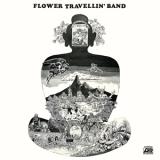
Originally released in 1971, "Satori" is Flower Travellin' Band's groundbreaking masterpiece and one of the most visionary albums of the early heavy rock era. It fused hard rock, psychedelia, progressive music and Traditional Eastern influences into a sound unlike anything heard before. Originally released in 1971, "Satori" is Flower Travellin' Band's groundbreaking masterpiece and one of the most visionary albums of the early heavy rock era. It fused hard rock, psychedelia, progressive music and traditional Eastern influences into a sound unlike anything heard before. Unlike many rock albums of the era, "Satori" is structured as a continuous musical journey, with its five tracks presented as interconnected movements rather than conventional songs. The band's powerful rhythm section, extended guitar passages, and the commanding vocals of Joe Yamanaka create an atmosphere that feels both intense and hypnotic. Recorded during a period when Japanese rock was developing its own identity, "Satori" drew inspiration from Western hard rock and psychedelia while incorporating a unique sense of space, improvisation, and spiritual exploration. Over the decades, the album has gained international recognition among collectors, musicians, and fans of vintage heavy rock, often cited as an overlooked classic that anticipated elements of later hard rock, stoner rock, and heavy metal. Created for an international audience and revered by generations of musicians and collectors, more than fifty years after its release, "Satori" remains as one of the most influential and forward-thinking records in Japanese rock history. LP includes insert.
"Formed in 1967 as a psychedelic electronic duo featuring Dan Taylor on drums and Simeon on a homemade synthesizer consisting of 12 oscillators (and an assortment of sound filters, telegraph keys, radio parts, lab gear and a variety of second hand electronic junk), Silver Apples quickly gained a reputation as New York's leading underground musical expression. Their pulsating rhythmic beats with the use of electronics laid the groundwork for what would become 'Krautrock'. Silver Apples was released in 1968 and still remains an innovative and revolutionary album. Their highly influential sound has influenced countless bands from Stereolab, Beastie Boys, Blur and more. 'Silver Apples... a beautiful and mysterious artifact.' - New York Times.
Sales points
- New 24 bit /96 kHz transfer taken from the original master tapes.
- Limited Blue Sky Colored Vinyl
- First Reissue from Original Tapes
- Currently Touring in the US and Europe
- 'Oscillations' featured in Pitchforks Top 200 songs from the 60's.
Das in den USA ansässige Trio ist seit 2013 aktiv und besteht aus Ryan Lott, Ian Chang und Rafiq Bhatia. Getragen von Neugier und der Suche nach einem Gleichgewicht zwischen roher emotionaler Intimität und akribischen elektronischen Kompositionen lässt sich Son Lux, wenn nötig, den Genres Experimental Rock, Post-Rock und Electronic Rock zuordnen.
Ihren ersten Durchbruch erlebten sie mit dem Titel „Easy“, einschließlich Alternativversionen von Woodkid (2013) und Lorde (2014). Nominiert für den Oscar® und den BAFTA in der Kategorie „Beste Originalmusik“ für Everything Everywhere All at Once (2022 – Daniel Kwan). Son Lux traten bei den Oscars anlässlich ihrer Nominierung für den besten Song gemeinsam mit David Byrne und Stephanie Hsu auf. Weitere Filmmusiken: „Thunderbolts“ (Marvel).
Im Jahr 2026 arbeitete Son Lux mit Poppy und Harmony Korine an einem neuen Song und Video für Bungie Studios „Marathon“ (Videospiel). Zahlreiche Synchronisierungen, darunter „The Vow“ (HBO), „Skins“ (UK) (E4), „Baby“ (Netflix), „Good Girls“ (NBC) und „American Horror Story“ (FX)...
Lott und seine Bandkollegen – Gitarrist Rafiq Bhatia und Percussionist Ian Chang – stürzten sich in das rhythmisch opulenteste und textlich eindringlichste Son-Lux-Album, das es bisher gab. In fast zwei Jahrzehnten hat sich Son Lux einen Ruf für Pracht und Schwung erworben, doch 'Out Into' ist etwas anderes: eine kraftvolle Suite aus greifbaren, detailverliebten Songs, die aus schillernden Momenten kollektiver Improvisation entstanden sind.
The album title, Bachar Mar-Khalifé Plays Christophe, inevitably comes as a surprise: the Lebanese composer, singer, and multi-instrumentalist ventures into the world of the pop dandy who escaped the yé-yé era… From the very first notes, one thing becomes clear: splendor flows effortlessly from melodies restored to their fragility and simplicity. Bachar Mar-Khalifé explores the hypnotic melancholy of a world that is both sophisticated and crystal clear. A fascinating plunge “into this collapsing luxury,” as the lyrics of Paradise Lost say. Seven tracks with his collaborators Dogan Poyraz on drums and Aleksander Angelov on bass, seven narratives unfolding the musical richness of Christophe’s songs as much as that of Bachar Mar-Khalifé’s playing and singing. A captivating journey, both on record and on stage. It all started there, in fact. In April 2025, BMK dared to pay tribute to Christophe at the Fragile Festival, at the Cirque Zingaro, five years after his death. At first glance, it wasn't his familiar world. "I haven't idolized him my whole life," he explains. "I really knew Christophe personally before I knew his work in detail." During his childhood in Lebanon, and then after arriving in France in 1989 at the age of six, the music played at home left little room for Christophe's pop. "We listened more to Brassens, Brel, Ferré, Barbara. I hardly knew anything more than 'Les Mots bleus.' Then we met. Christophe loved the night, young musicians, exploring together..." In 2018, Bachar and Christophe recorded a Unik session for FIP, which involved recording a 45 rpm single live, followed by a concert at the Maison de la Radio. The younger brother has the opportunity to discover a legend, but also how it works: “His melodies allow you to go very far—even him, who seems to be searching for a new version with each interpretation, as if he wanted to return to the organic aspect of the song. A researcher who, out of a need for freedom, wants to escape the image people have of him.” So there was no question of overproducing these covers as one might do with the stage fright of tackling an intimidating work. “I tried to go very fast to deliver each song, as if I had composed it myself.” Working instinctively, very spontaneously, the bulk of the album comes from the trio's rehearsals and the concerts that followed. “I chose songs that moved me. Very beautiful melodies and very beautiful lyrics.” Whether the lyrics are by Jean-Michel Jarre or Alain Kan, “they often speak of love in danger.” “I like to hear this quote from Paradise Lost: ‘Dandy, a little cursed, a little aged / In this crumbling luxury.’ Here and there, he pruned the lyrics, as if to make them more audible, in Les Mots bleus, ‘The winter wind blows in April / I love the still silence’ – an evocation of the month of Christophe’s death. And he chose a little-known song from the yé-yé era, Les Amoureux qui passent, in which we hear the young trumpeter Siméon Petrov, who further expands the play on the archetypes of vintage romantic song. Between accepted fragility and the vertigo of feeling, between virtuosity of lightness and unfathomable depths, Bachar Mar-Khalifé unfolds an unexpected kinship with Christophe.” A kinship of silences and sonic surprises (a synthesized zurna sound in "Emporte-moi," for example) that will continue on tour. He is also preparing an album of original songs, his first since 2020, after many compositions for film and collaborations with other artists. He writes songs of love and dance, at a time when Lebanon and the world are experiencing such dark times. Perhaps this is yet another lesson from Christophe: to love and sing "in this crumbling luxury."
Limited White Vinyl edition of ‘Car Button Cloth’, featuring Lemonheads classics ‘If I Could Talk I’d Tell You’ and ‘The Outdoor Type’. Celebrating the album’s 30th anniversary, this reissue includes the original record + a collection of rarities and unreleased cuts (download only), continuing Fire Records in-depth series of reissues from the legendary band.
‘Car Button Cloth' is an extraordinary affair of musical and emotional extremes, a soundscape spanning “the most beautiful piano-led mourning in the history of the broken heart” that switches into perky jangle-pop for fleeting moments and contains the ultimate self-deprecating classic ‘The Outdoor Type’, penned by Smudge cohort Tom Morgan, as well as a cover of the bluegrass standard ‘Knoxville Girl’ and ‘If I Could Talk I’d Tell You’ co-written with The Vaselines’ Eugene Kelly. All bases are covered.
Brazilian artist Rubel isn’t one to be pigeonholed and typecast into staying in one sound. Casas, the follow-up to his debut album Pearl from 2015, brought a bigger, more epic, and richer production quality to the table. Fusing the worlds of MPB and hip hop, Rubel’s sophomore LP built on the momentum of its predecessor, gaining a Latin-Grammy nomination along the way. Mr Bongo is proud to be giving Casas its first worldwide release on vinyl and CD outside of Brazil and Japan.
The cliché they say is that the second album is always the trickiest; however, Rubel doesn’t seem to have had any problems on Casas. It’s a fountain of creativity and originality, marking an artist in full flow.
Conceived after Rubel spent six months living in Los Angeles, Casas is MPB-leaning at its core but is also driven by a hip hop inspired pulse. There is a clear influence from hip hop’s aesthetic across the 2010s woven subtly but fundamentally throughout. Nods to Frank Ocean, Kendrick Lamar and Tyler, The Creator can be heard across an album full of playful edge and personality. Luscious string-led arrangements and tracks that explore the rich folkloric rhythms of Brazil, sit next to songs with low-fi drum machines and features from acclaimed Brazilian rappers.
One of the highlights of the album, ‘Mantra’, starts with a traditional Brazilian rhythm that morphs into a hazy hip hop beat. A sublime song with a hooky call and response chorus, it features a guest appearance and verse by the Brazilian MC Emicida. Another highlight is the epic ‘Colégio’ (College) which further showcases the melding of stripped back drum machine beats with cinematic, sweeping arrangements. Elsewhere, ‘Partilhar’ is a swaying, heartwarming hug. A tale of longing and love that has become a singalong fan favourite at Rubel’s concerts.
Casas also shines a light on a string of key players in Brazil’s new vanguard, such as Pedro Fonte, Gus Levy, and Brazilian rapper / poet Rincon Sapiência to name a handful. The record has pop sensibilities yet also feels underground. It beats with the heart of a singer-songwriter, a feeling that was felt so strongly on Pearl, yet this time is bolstered by a level of arrangement and richness of sound that take it to another dimension - soaring horn and string sections elevating the songs from home recording to stadium-ready anthems. Keeping that intrinsic beauty and simplicity of a well-constructed song yet reframing it within a pop context is the true gift of this album.
Casas cemented Rubel’s status as one of Brazil’s leading contemporary talents and a key figure enriching the country’s already effervescent scene.
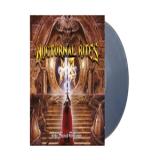
Clear vinyl. Originally released in 1999, The Sacred Talisman is the highly-acclaimed third studio album from Swedish power metal stalwarts Nocturnal Rites.
Der ehemalige RSD-Botschafter und Hip-Hop-Legende Chuck D (Public Enemy) tut sich mit dem legendären Schlagzeuger der Doors, John Densmore, für ,do+pe = no country for old men" zusammen. Das Album, das eigens für den Record Store Day 2026 aufgenommen wurde, verbindet Spoken Word, Rhythmus und unverblümte gesellschaftliche Kommentare und schlägt damit eine Brücke zwischen Generationen der Rebellion und der Reflexion. Es enthält den RSD-Song des Jahres ,every tick tick tick". Bisher war es ein RSD-Exklusivtitel, wird nun aber in verschiedenen Formaten erhältlich sein, darunter schwarze Schallplatte, CD, Kassette und als digitaler Download. Die Verpackung zieren Originalillustrationen von Chuck D selbst.
Der ehemalige RSD-Botschafter und Hip-Hop-Legende Chuck D (Public Enemy) tut sich mit dem legendären Schlagzeuger der Doors, John Densmore, für ,do+pe = no country for old men" zusammen. Das Album, das eigens für den Record Store Day 2026 aufgenommen wurde, verbindet Spoken Word, Rhythmus und unverblümte gesellschaftliche Kommentare und schlägt damit eine Brücke zwischen Generationen der Rebellion und der Reflexion. Es enthält den RSD-Song des Jahres ,every tick tick tick". Bisher war es ein RSD-Exklusivtitel, wird nun aber in verschiedenen Formaten erhältlich sein, darunter schwarze Schallplatte, CD, Kassette und als digitaler Download. Die Verpackung zieren Originalillustrationen von Chuck D selbst.
Tiffany Day has quickly emerged as one of the most compelling voices in hyper-digital pop, blending emotional chaos, internet-born edge, and forward-thinking production into a sound entirely her own. Born in Toronto and raised in Kansas, Tiffany first broke through with a viral cover of “Hallelujah,” building a YouTube audience of over 500,000 subscribers before graduating high school. She began releasing original music in college, quickly developing a devoted fanbase drawn to her wit, vulnerability, and genre-fluid instincts.
A self-directed creative force, Tiffany has made her live show a defining pillar of her artistry, fusing choreography, visuals, and electronic-driven transitions that push her beyond traditional pop performance. In 2024, she independently funded and sold out several headline shows across a North American tour. She later expanded into the DJ scene, launching BASSFLUFF, a series of standalone events that generated viral moments DJing everywhere from gyms to nail salons.
Her 2025 releases marked a sharp sonic evolution, leaning into electroclash and hyperpop textures. Singles like “BREAKUP,” “TELL ME WHAT I DID,” and “START OVER” generated millions of views across platforms and earned coverage from NME, Ones to Watch, On The Radar, and beyond, positioning her at the forefront of a new wave of digital-native pop artists.
That momentum culminates in her album HALO, released April 3, 2026 via Broke Records. The project debuted at #1 on the Apple Music Electronic chart and #25 on the Billboard Electronic/Dance Albums Chart, drawing early co-signs from artists like Laufey and Yunjin (LE SSERAFIM) alongside coverage from Pitchfork, The FADER, NYLON, LA Times, and more. To mark the release, Tiffany staged three headline shows—each of which sold out in under five minutes. With her production across nearly every track, HALO marks Tiffany's most cohesive and ambitious work to date, solidifying her not just as an artist to watch, but as a defining voice in the next era of hyperpop.
Tiffany Day has quickly emerged as one of the most compelling voices in hyper-digital pop, blending emotional chaos, internet-born edge, and forward-thinking production into a sound entirely her own. Born in Toronto and raised in Kansas, Tiffany first broke through with a viral cover of “Hallelujah,” building a YouTube audience of over 500,000 subscribers before graduating high school. She began releasing original music in college, quickly developing a devoted fanbase drawn to her wit, vulnerability, and genre-fluid instincts.
A self-directed creative force, Tiffany has made her live show a defining pillar of her artistry, fusing choreography, visuals, and electronic-driven transitions that push her beyond traditional pop performance. In 2024, she independently funded and sold out several headline shows across a North American tour. She later expanded into the DJ scene, launching BASSFLUFF, a series of standalone events that generated viral moments DJing everywhere from gyms to nail salons.
Her 2025 releases marked a sharp sonic evolution, leaning into electroclash and hyperpop textures. Singles like “BREAKUP,” “TELL ME WHAT I DID,” and “START OVER” generated millions of views across platforms and earned coverage from NME, Ones to Watch, On The Radar, and beyond, positioning her at the forefront of a new wave of digital-native pop artists.
That momentum culminates in her album HALO, released April 3, 2026 via Broke Records. The project debuted at #1 on the Apple Music Electronic chart and #25 on the Billboard Electronic/Dance Albums Chart, drawing early co-signs from artists like Laufey and Yunjin (LE SSERAFIM) alongside coverage from Pitchfork, The FADER, NYLON, LA Times, and more. To mark the release, Tiffany staged three headline shows—each of which sold out in under five minutes. With her production across nearly every track, HALO marks Tiffany's most cohesive and ambitious work to date, solidifying her not just as an artist to watch, but as a defining voice in the next era of hyperpop.
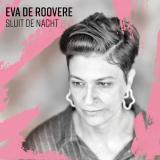
In 2026 viert Eva De Roovere het 20-jarig bestaan van “De Jager”. Ze trekt er op uit en speelt haar succesalbum integraal. Met klassiekers als “Fantastig Toch” (35 miljoen streams !), “Laat Me Je Lied Zijn” en “De Jager” wordt deze concertreeks vanaf het najaar een groot feest van herkenning en vernieuwing, met als kern: liefde voor muziek én publiek.
Want wat is er mooier dan de 20ste verjaardag van een album vieren met… een nieuw album? ‘Sluit De Nacht’ (productie Koen Gisen) wordt een eigentijdse mix van levenslied en liefdeslied: een ode aan poëzie, melodie en ritme. Een zoektocht naar verbinding en troost in deze woelige tijden. Eigen werk en ook straffe songs geleverd door of samen geschreven met Gert Bettens, Rick De Leeuw, Dirk Blanchart, Sabine Tiels, Wouter Berlaen, Lennaert Maes, Vincent Pierins… Ingespeeld door Eva zelf en Ward Dhoore: gitaren, Eva Hautekiet: akoestische en electrische piano, Philippe Thuriot: accordeon & bandoneon, Lara Rosseel: contrabas en Kobe Proesmans: percussie & drums.
ENG
In 2026, Eva De Roovere will celebrate the 20th anniversary of “De Jager.” She’s hitting the road to perform her hit album in its entirety. Featuring classics like “Fantastig Toch” (35 million streams!), “Laat Me Je Lied Z?n,” and “De Jager,” this concert series starting this fall will be a grand celebration of familiarity and renewal, centered on a love for music and the audience.
After all, what could be better than celebrating an album’s 20th anniversary with… a new album? “Sluit De Nacht” (produced by Koen Gisen) is a contemporary blend of life songs and love songs: an ode to poetry, melody, and rhythm. A search for connection and comfort in these turbulent times. Original material as well as powerful songs written by or in collaboration with Gert Bettens, Rick De Leeuw, Dirk Blanchart, Sabine Tiels, Wouter Berlaen, Lennaert Maes, Vincent Pierins… performed by Eva herself and Ward Dhoore: guitars; Eva Hautekiet: acoustic and electric piano; Philippe Thuriot: accordion & bandoneon; Lara Rosseel: double bass; and Kobe Proesmans: percussion & drums.
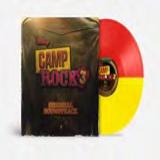
Der Soundtrack zum 3. Film von Camp Rock (Disney Channel & Disney+). Macht euch bereit für jede
Menge Rock, denn wir kehren zurück nach Camp Rock! Mit frischer Musik, noch mehr freundschaftlicher
Rivalität und einer ganzen Reihe neuer Camper feiert „Camp Rock 3“ ein fulminantes Comeback. Neben
brandneuen Originalsongs enthält „Camp Rock 3“ auch Titel aus den Originalfilmen und früheren „Connect
3“-Auftritten!
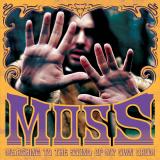
Back in November 2015, after years of collaborations with such as Ghostface Killah, Raekwon, Obie Trice, Sean Price, Kool G Rap, Eternia and countless others, Toronto-based producer MoSS released his debut producer album entitled "Marching To The Sound Of My Own Drum". Since the beginning of his career, the Canadian beatsmith, record digger and music connoisseur has been making a name for himself with his signature sound and on this record he gives an amazing display of what he's capable of doing being backed up by an all stars team that features AZ, Havoc, Slum Village, Onyx, Inspectah Deck, Ill Bill, Skyzoo, Guilty Simpson and 20+ other legendary MC's. A few years after its original release, we've decided to team up with MoSS to bring you this masterpiece on wax and, for the occasion, he's also added an unreleased bonus track called "We Here" that features Smif-N-Wessun that, together with "Emotional Redux", we've put on a 7" together with its instrumental. Limited edition of 500 hand-numbered copies, with the first 200 pressed on orange/black A-side B-side vinyl, and 300 on black vinyl.
BONUS 7”
A1. Emotional Redux (feat. Big Gov, Guilty Simpson, Jon Connor, Vstylez, Willie The Kid)
B1. We Here (feat. Smif-N-Wessun) UNRELEASED
B2. We Here (Instrumental)
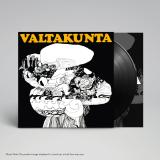
Eero Koivistoinen's debut album reissued in July Eero Koivistoinen is a wide-ranging composer and a talented musician – one of the all-time greats of the Finnish jazz. In 1965 Koivistoinen founded a trio that played avant-garde and fusion jazz together with Pekka Sarmanto and Edward Vesala. In 1967–68 he was a member of Blues Section – a group that is regarded as the first progressive rock band in Finland. Valtakunta (“Kingdom”) was originally released in 1968 and is Eero Koivistoinen’s first jazz LP. The songs of the album are based on the lyrics written by Finnish poets Pentti Saarikoski, Tuomas Anhava, Hannu Mäkelä and Jarkko Laine. The vocalists are Eero Raittinen, Seija Simola, Vesa-Matti Loiri and Koivistoinen himself. He also plays the tenor saxophone, piano and vibraphone, and is joined by a vast selection of legendary Finnish musicians, including Seppo "Baron" Paakkunainen, Pekka Sarmanto, Ronnie Österberg, Hasse Walli, Juhani Aaltonen, Antero Jakoila, Kaj Backlund, Esa Pethman, and Reino Laine among many others. All compositions are by Koivistoinen. The album reflects well the forthcoming compositional repertoire of Koivistoinen with its wide style spectrum. Valtakunta was reissued on vinyl in 2016 via Svart and the pressing quickly found a new home on the turntables of record collectors worldwide. After ten years, it's time to bring back this quintessential piece of Finnish psychedelia, avant-garde, free jazz, and progressive rock on wax and CD again.
Spiral code is the second album released on An’archives by the Japanese trio archeus, after 2023’s Kusōzu: Nine Death Stages, and their seventh release altogether. It’s also the most staggering evidence yet of the single-minded pursuit of group-sound explored by Keiko Higuchi (voice, drums, percussion, trombone), Shizuo Uchida (4 strings), and TOMO (hurdy gurdy). For two tracks, “awakening, beyond recurrence” and “where points and lines intersect”, they’re joined by Kiyotaka Moriuchi, an improviser who’s played with the likes of Shoko Numao and Ensemble Shippolly, on percussion and darbuka (a goblet-shaped drum played widely across South East Asia).
Always able to scour magic from both their relationships with their instruments, and their non-idiomatic interplay, on spiral code they’ve widened their net further; the results oscillate from humid and claustrophobic blocks of noise to rivulets of tone coursing across post-volcanic landscapes, and on into simple gestures suspended in arctic space. Spiral code was recorded in a single day, on March 20 th 2025, at a studio in Koenji, Tokyo, the morning session with the original trio, and afternoon and evening session with Moriuchi – the first time archeus have played with a guest musician.
When asked about the music archeus makes together, TOMO is quick to isolate the singular characteristics of their collaboration: “we are trying to explore some new, unknown musical vocabulary every time we play. And what we are trying to achieve from every session is something unique, an interesting chemistry or, I should say, alchemical reaction among the three of us.” You can certainly hear that alchemy in the dynamic arc of their performances, the way they seem to be able to switch on a dime and push the music into unexpected terrain, all while sounding intimately archeus. “We have been playing for many years,” TOMO continues, “so I think that among three of us, we can telepathically sense, feel and understand what each of us is trying to express while we are playing.” It’s telling that guest musician Moriuchi fits so effortlessly into the archeus soundworld, able to hitch a ride on the intimate telepathy of Higuchi, Shizuo and TOMO; “I think he gave us some fresh air to our music,” the latter smiles. But that telepathy extends, even, to the name of the album itself, with all members pointing toward spiral imagery when naming the title track, whether TOMO’s evocation of Kundalini serpent imagery and Caduceus, to the spiral shape of DNA, what TOMO calls “the code of life.” It’s certainly deeply entwined music: spiral code is a helix of sound, a cylindrical coiling of possibility.
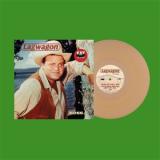
Pressed to "beer" color vinyl, features remastered audio & original packaging. The first band on Fat Wreck Chords, Lagwagon pioneered the modern pop-punk movement. Hoss (1995) is a foundational pillar of 90s skate punk that helped define the signature "Fat Wreck Chords" sound_fast, melodic, and technically proficient. Frontman Joey Cape introduced introspective, melancholic songwriting to the genre on iconic anthems like "Violins," proving aggressive punk could carry emotional weight. Furthermore, Derrick Plourde's innovative, lightning-fast drumming raised the technical bar for the entire scene, heavily influencing generations of punk drummers worldwide.
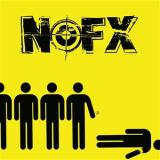
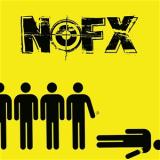
"Your prayers have been answered: less songs about Bush and more songs about Jesus!" 20th anniversary pressing of Wolves In Wolves' Clothing. Released in 2006, NOFX's tenth studio album is a blistering blend of aggressive political satire and melodic skate punk. Capturing the sociopolitical anxiety of the second Bush presidency, frontman Fat Mike sharpens his pen to target organized religion, corporate greed, and blind patriotism. Fan favorites like "Seeing Double at the Triple Rock" and "Leaving Jesusland" showcase their signature fast tempos, tight harmonies, and dark humor. Back for good in 2026 on yellow vinyl! Produced by Bill Stevenson at Blasting Room NOFX's critically-acclaimed tenth studio album, songs that go good with a drink! Originally charted at #46 on Billboard 200 and Top 40 in 8+ territories worldwide Features hit singles "Seeing Double At The Triple Rock", "USA-Holes" and "Leaving Jesusland"
"Your prayers have been answered: less songs about Bush and more songs about Jesus!" 20th anniversary pressing of Wolves In Wolves' Clothing. Released in 2006, NOFX's tenth studio album is a blistering blend of aggressive political satire and melodic skate punk. Capturing the sociopolitical anxiety of the second Bush presidency, frontman Fat Mike sharpens his pen to target organized religion, corporate greed, and blind patriotism. Fan favorites like "Seeing Double at the Triple Rock" and "Leaving Jesusland" showcase their signature fast tempos, tight harmonies, and dark humor. Back for good in 2026 on yellow vinyl! Produced by Bill Stevenson at Blasting Room NOFX's critically-acclaimed tenth studio album, songs that go good with a drink! Originally charted at #46 on Billboard 200 and Top 40 in 8+ territories worldwide Features hit singles "Seeing Double At The Triple Rock", "USA-Holes" and "Leaving Jesusland"
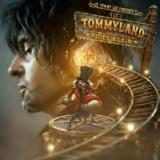
„Tommyland: The Ride“, ursprünglich 2005 veröffentlicht, ist Tommy Lees zweites Soloalbum. Es erschien
seinerzeit zeitgleich mit seinem gleichnamigen Buch sowie seiner Reality-TV-Serie „Tommy Lee Goes To
College“. Die zweite Single des Albums, „Good Times“, diente als Titelsong der Serie. Zu den Gastmusikern
auf dem Album zählen unter anderem Butch Walker, Chad Kroeger und Nick Carter.
Unter dem Titel „Tommyland Rides Again“ ist das Album nun erstmals auf Vinyl erhältlich; es enthält die
neu gemasterten Originaltitel sowie den brandneuen Song „Stupid World“ (feat. Chad Tepper) – inklusive
eines neuen Musikvideos – und präsentiert sich zudem mit einem überarbeiteten Artwork.
Camille Thomas’ neues Album Philip Glass: For Cello entstand auf persönliche Einladung des Komponisten
selbst. Anlässlich seines 90. Geburtstags vereint dieses einzigartige, von der Künstlerin initiierte Projekt
eine Auswahl der bedeutendsten Werke von Philip Glass sowie seine Originalkompositionen für Cello – mit
neuen Arrangements, die seine Musik in einem neuen Licht erscheinen lassen.
Das Album wurde mit dem Brussels Philharmonic unter der Leitung von Oscar Jockel aufgenommen und reicht vom selten aufgeführten Ersten Cellokonzert bis hin zu einer neu interpretierten Version von Naqoyqatsi
– der ursprünglichen Filmmusik, die das Zweite Cellokonzert inspirierte –, neben neu arrangierten Etüden
und ikonischer Filmmusik, darunter The Hours, und gipfelt in einem einzigartigen neuen Arrangement von
Truman Sleeps (The Truman Show). Zusammen offenbaren diese Werke die Tiefe, die Lyrik und den
inneren Puls im Herzen von Glass’ musikalischer Sprache und bieten zugleich eine zeitgemäße Reflexion
über Themen, die auch heute noch von auffallender Relevanz sind
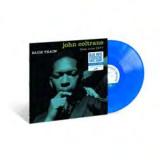
BLUE NOTE ESSENTIALS heißt die neue LP-Serie, die Klassiker des Labels erstmals kompromisslos
preiswert aber ohne Abstriche bei der Fertigung präsentiert (140g-Optimal-Pressung, Hi-res-Master, OriginalCover). Ein ganz besonderes Album erscheint innerhalb der Serie jetzt als limitierte Auflage in blauem Vinyl:
”Blue Train”.
Am 15. September 1957 nahm John Coltrane in Rudy Van Gelders Studio in New Jersey sein erstes
großes Meisterwerk auf. Es blieb das einzige Album des legendären Saxofonisten als Bandleader für Blue
Note. Inspiriert vom bluesigen Titelstück präsentiert das Album auf fünf Stücken ein hochkarätig besetztes
Sextett mit Lee Morgan (Trompete), Curtis Fuller (Posaune), Kenny Drew (Piano), Paul Chambers (Bass)
und Philly Joe Jones (Drums). Ein Meilenstein des Hard Bop.
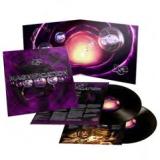
Diese Ausgabe des 19. Studioalbums „Magnification“ von Yes wurde mit halber Geschwindigkeit auf Lackplatten geschnitten und auf zwei 180-Gramm-LPs gepresst, um eine äußerst detailreiche Wiedergabe zu
gewährleisten. Sie ist in einem Gatefold-Cover mit neuem Artwork verpackt, das auf den Originalentwürfen
von 2001 basiert.
„Magnification“ der Progressive-Rock-Legenden Yes, das ursprünglich im September 2001 erschien, war
ihr erstes Studioalbum mit Orchesterbegleitung seit „Time and a Word“ aus dem Jahr 1970. Mit Orchesterarrangements des Komponisten Larry Groupé, eingespielt vom San Diego Symphony Orchestra, enthält
„Magnification“ den Titelsong, „Don’t Go“ und „In The Presence Of“, die auf ihrer „Yessymphonic Tour“
zur Promotion des Albums zu hören waren, während bei „Give Love Each Day“ Bassist Chris Squire den
Gesang übernimmt.
Dies ist das letzte Yes-Studioalbum mit Jon Anderson als Sänger und – da kein Keyboarder dabei ist
– das erste, auf dem nur vier Mitglieder von Yes zu hören sind.
Ursprünglich 1961 veröffentlicht, erscheint diese neu remasterte Ausgabe von „The Hawk Relaxes“ des
Tenorsaxophonisten Coleman Hawkins nun im Rahmen der neuen Moodsville Acoustic Sounds Reihe. Mit
Ronnell Bright (Klavier), Kenny Burrell (Gitarre), Ron Carter (Bass) und Andrew Cyrille (Schlagzeug) gilt
das Album als eines der besten Alben aus Hawkins’ später Schaffensphase. Diese Neuauflage erscheint auf
180-Gramm-Vinyl, gepresst bei QRP, mit vollständig analogem Mastering von den Originalbändern und in
einer Tip-On-Hülle.
Diese neu remasterte Ausgabe des Albums „The Frank Wess Quartet“ des Tenorsaxophonisten Frank Wess
erscheint im Rahmen der neuen Moodsville Acoustic Sounds Reihe. Das Album, das ursprünglich 1960
veröffentlicht und in den berühmten Studios von Rudy Van Gelder in New Jersey aufgenommen wurde,
umfasst außerdem Tommy Flanagan (Klavier), Eddie Jones (Bass) und Bobby Donaldson (Schlagzeug).
Diese Neuauflage erscheint auf 180-Gramm-Vinyl, gepresst bei QRP, mit vollständig analogem Mastering
von den Originalbändern und in einer Tip-On-Hülle.
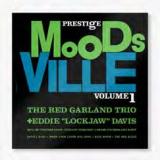
Diese neu remasterte Ausgabe von „The Red Garland Trio + Eddie ‚Lockjaw‘ Davis“, auch bekannt als
„Moodsville Volume 1“, erscheint im Rahmen der neuen Moodsville Acoustic Sounds Reihe. Auf dem
Album, das ursprünglich 1960 veröffentlicht und in Rudy Van Gelders Studio in New Jersey aufgenommen
wurde, sind Red Garland (Klavier), Eddie „Lockjaw“ Davis, Sam Jones (Bass) und Art Taylor (Schlagzeug)
zu hören. Diese Neuauflage erscheint auf 180-Gramm-Vinyl, gepresst bei QRP, mit vollständig analogem
Mastering von den Originalbändern und in einer Tip-On-Hülle
Antorcha are one of the best-kept secrets of the Mexican underground rock scene. Their influences came from Iron Butterfly, Black Sabbath, Blue Cheer, Vanilla Fudge, and others. At times they also sounded like MC5, with whom they shared an anarchist and anti-establishment spirit. After a brief period during which they recorded only a couple of 7-inch singles for the Orfeón label that had a very limited distribution, Mexican rockers Antorcha fully embraced a DIY approach to managing their own career. They had evolved into a heavy psychedelic rock group, with no metaphors and no compromises. Anarchists in a country that could barely utter the word without trembling. It was the final years of the 1960s. They recorded five self-produced EPs, sold exclusively at their live performances, passed from hand to hand as if each record were a clandestine act. While MC5 stirred the streets of Detroit alongside the White Panthers, Antorcha was doing much the same in a Mexico that preferred to look the other way. The band operated as a cooperative: agreements were reached collectively, and income was shared equally. Antorcha became a forgotten band in their own country, overlooked even by Mexican rock experts. Yet their legacy proved influential on an organizational level for later groups in the independent scene, which followed Antorcha's model of self-releasing and self-managing their work. This compilation brings together the best of their discography, collecting self-released 7-inch records originally issued between 1971 and 1976, along with material that never appeared on their EPs. Includes an insert featuring liner notes by Carlos Icaza "Tropicaza" and photographs of the band.
Released in 1983, "En la guía, en el listín" remains a permanent anomaly in the history of Spanish pop music, with few clear predecessors and even fewer descendants. It is an imperfect yet fascinating catalog of the many faces Derribos Arias could reveal. Its sound combines odd electric rock, leftfield proto-hip-hop, and dark, immersive songs that simply defy categorization. An essential album. Includes liner notes and the artwork of the original insert. By late 1981, the San Sebastián-based group La Banda sin Futuro had already transformed into Derribos Arias. Their first two singles dazzled critics eager for new ideas capable of placing Spanish pop alongside the contemporary music increasingly arriving from abroad in real time. 'Branquias bajo el agua', the standout track from the band's debut single, topped the list of Best Songs of 1982 as voted by listeners of Diario Pop on Radio 3 (Spanish National Radio). With an expanded four-piece lineup and a larger budget than they had enjoyed for their earlier singles, the band entered the prestigious Kirios Studios to record their album, with Paco Trinidad serving as producer. The electric intensity of 'Intima decoración' and 'Crematorio' -angular, off-kilter reinterpretations of a strain of rock descended from The Velvet Underground and The Stooges, a style with virtually no precedent in Spain-are excellent examples of the band's sound. To aberrate was the key term Poch used to describe his ineffable working method: a fearless creative freedom without which songs such as 'Lo que hay' could never have existed. The track stands as a leftfield proto-hip-hop number, later reworked as 'Disco pocho,' demonstrating both his admirable lack of prejudice and his complete disregard for any commercial ambitions the album might have had.Unfortunately, this album would never have a follow-up.
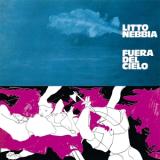
"Fuera del cielo" (1975) is an art rock/space jazz masterpiece infused with prog scents from one of the true legends of Argentinian rock. The sounds of floating acoustic pianos, organ and harpsichord, basslines and even bandoneon combine with Litto's own voice and create a unique blend of deep and delicate beauty. 'La Balsa' was the first Argentine massive rock hit. In 1967 Los Gatos became the most famous local rock band with this song. At the front, as composer and singer, was Litto Nebbia. Although this milestone has remained eternally linked to Nebbia's name, almost eclipsing the rest of his work, it is really his solo career that unveils the artist's overwhelming talent and his determination to create music freely, regardless of commercial considerations. It is an album to be filed next to the highly acclaimed "Bazar de los milagros" and "Cosas que no quieren morir", released the following year, creating an outstanding body of work that represents Nebbia's talent at its best. Nebbia's genius transcends beyond the Southern Hemisphere. The international scene of DJs and vinyl collectors shows signs of its taste for Litto Nebbia recordings, now highly sought after in their original editions, probably as part of a rediscovery of little-explored global sounds, within a journey through music always hungry for exciting new sounds. First time vinyl reissue, remastered sound.
Following Camille’s international success with the soundtrack of the film Emilia Pérez, which earned her an Oscar, a César Award and a Golden Globe, Camille returns with a new original album titled “The Sound of Milk”. It will be her first album in nine years and is conceived as a triptych :
Following Camille’s international success with the soundtrack of the film Emilia Pérez, which earned her an Oscar, a César Award and a Golden Globe, Camille returns with a new original album titled “The Sound of Milk”. It will be her first album in nine years and is conceived as a triptych :
After enjoying two major hits with the singles “Maybellene” and “Roll Over Beethoven” in 1955 and 1956, it was not until May of 1957 that Chuck Berry released his debut studio album and masterpiece, After School Session. The second album ever released on the legendary Chess Records, After School Session offered a new sound to audiences, nodding to teenagers with its title and including a mix of “rockers” that set the blueprint for the rise of rock ‘n’ roll. Includes “School Day (Ring Ring Goes The Bell),” “Brown Eyed Handsome Man,” and “Too Much Monkey Business.” Bring home the sound of America’s greatest blues label in high fidelity with the Chess Records Acoustic Sounds Series. These audiophile reissues of classic albums and compilations from the Chess discography are remastered from the original analog tapes and pressed on 180-gram vinyl at Quality Record Pressings (QRP). Each disc is packaged in tip-on gatefold sleeves printed on high-grade board.
"The 1969 self-titled album by Koko Taylor cemented her place as Chicago’s undisputed Queen of the Blues. Scouted by Chess Records house bassist and producer Willie Dixon at Chicago’s legendary Sylvio’s Lounge, Dixon provided his new protégé with “Wang Dang Doodle,” a song that would sell more than a million copies and become her signature tune. Drawing heavily from her recent run of hit 45s, Koko Taylorfeatures, in addition to “Wang Dang Doodle,” Dixon-penned classics including “Twenty-Nine Ways (To My Baby's Door)” and “Yes, It’s Good for You,” alongside Taylor’s own “Nitty Gritty,” highlighted by Johnny Shines’ poignant slide guitar. Koko Taylor remains a cornerstone of Chicago electric blues.
Bring home the sound of America’s greatest blues label in high fidelity with the Chess Records Acoustic Sounds Series. These audiophile reissues of classic albums and compilations from the Chess discography are remastered from the original analog tapes and pressed on 180-gram vinyl at Quality Record Pressings (QRP). Each disc is packaged in tip-on gatefold sleeves printed on high-grade board."
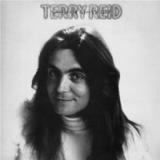
Released in 1976 on ABC Records, Seed Of Memory is Terry Reid's fourth studio album and marks a significant shift in his musical direction - This 180g vinyl re-issue faithfully replicates the original UK pressing including 4- page lyric insert Produced by Graham Nash, the album was recorded in California after Reid had relocated from Britain, and reflects the influence of the West Coast singer-songwriter scene while retaining elements of rock, blues, folk and soul. All eight songs were written by Reid, whose expressive vocals and guitar work remain central throughout. The recordings are enhanced by contributions from respected musicians including David Lindley on guitar and violin, Ben Keith and Al Perkins on pedal steel, and Graham Nash on harmony vocals. Lyrically, the album explores themes of reflection, spirituality, personal growth and social awareness, with songs such as "Brave Awakening" drawing on Reid's family connections to the mining industry. The relaxed arrangements contrast with the heavier sound of some of his earlier recordings, creating a more atmospheric and melodic style.
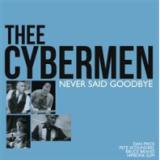
It's been a while hasn't it?! Well say 'Hello' to this new slab of wax from THEE CYBERMEN, because they NEVER SAID GOODBYE Some thirty years have passed since the last album from Dan Price (guitar & vocals) and Pete Scoundrel (bass, keys & vocals) but they didn't slip away quietly, in fact they kept on gigging and writing songs until the time was right and ladies and gents, that time is NOW! With the sterling help of rhythm dynamo Bruce Brand (MILKSHAKES, HEADCOATS etc. etc.) on drums and Surf maestro Hipbone Slim (AKA Sir Bald Diddly etc. etc.) on guitar the purveyors of pure, unalloyed BorderBeat have returned once more! This time with twelve all original tunes drenched in garage, beat, surf and attitude, recorded at Gizzard vintage analogue studio in London for that authentic sound.The long-awaited new platter from THEE CYBERMEN lands on your turntable like a fistful of fireworks displaying the band's 60s beat and Medway garage influences proudly in its grooves.
Josephine Foster's peculiar 2000 home recorded debut There Are Eyes Above is an essential introduction to her music that’s unfolded now for over two decades. Released for the first time on vinyl, this limited edition 10-inch pressing comes packaged with brand new artwork and is adorned by one of Josephine’s illustrations. Lo-fi and unaffected by tradition or commercialism these initial recordings are sepia-tinted, folk-art music with powered by uke minimalism; it’s outsider music that still doesn't fit in. Just 30-minutes caught in time before her 2001 follow up Little Life - this humble first incarnation includes here for posterity super personal lullabies and a glimpse into her songwriting evolution. It’s music from an era that only exists in your mind, with a bow to Tin Pan Alley for good measure. This super rare collection, originally only released on CDR and sold at shows, remains an essential part of the curious oeuvre of this unique songwriter and singer. “A dissonant soprano and lyrics about benevolence and old-time faith, Foster expertly weaves ancient and modern” The Guardian. Track listing: Side A 1 One Hundred Songs I Sing 2 Emily Told Me 3 Teeter Totter 4 Little Life 5 I Am A Guest In Here. Side B 6 Robber Song 7 Hey Matthew 8 There Are Eyes Above 9 Godcake 10 Yippee I'm Leaving 11Two Not One
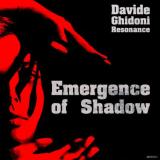
"Emergence of Shadow" (Mint Condition Records / Self Distribuzione)—the new album by Davide
Ghidoni, produced by Gianluca Pighi—is arriving: its digital release is set for Friday, September 11,
while the vinyl will be available starting Friday, September 18.
A trumpeter with a career marked by international collaborations, Ghidoni here signs his most
personal project to date. It is a predominantly instrumental record in which the trumpet becomes a
voice, a narrative, and an emotion. The only vocal track is "Come On Closer," performed by Heidi
Vogel (The Cinematic Orchestra), creating a moment of suspension and intensity within the project.
Davide Ghidoni’s passion for music and the trumpet was born in his childhood around the age of ten,
fueled also by Western films and Ennio Morricone’s soundtracks: those melodies, where the trumpet
played a central role in the duels of The Good, the Bad and the Ugly, deeply shaped the artist's
imagination and sound.
Ghidoni has always maintained an open and curious approach, letting himself be inspired by different
genres, artists, and musical cultures. His projects naturally coexist with influences ranging from rock
to soul, jazz to blues, and other languages that have left a mark on his path. Rather than identifying
with a single genre, he prefers to view music as a guiding thread capable of uniting different styles
through emotion, sensitivity, and respect for artistic identity.
"Emergence of Shadow" represents a new chapter in his journey. After numerous collaborations with
various artists, the musician felt the urge to undertake a completely his own project, giving shape to
ideas he had nurtured for a long time.
The record is inspired by the 1970s soul, rock, and blues sounds, but the goal is not to faithfully
reproduce or imitate those genres: the atmospheres, themes, and arrangements recall that sonic
world, yet are reinterpreted through a personal and original sensibility. The trumpet remains the
primary narrative element, supported by meticulous arrangements and a solid rhythm section that
enhance its character and expressive intensity.
Alongside the sounds that distinguish his path, the album also explores deeper emotional
dimensions. Some tracks are fluid and atmospheric, born from the desire to recount vibrations
without rigid schemes, letting melodies and dynamics guide the listener on an inner journey. The aim
is to offer an engaging listening experience in which music communicates directly, beyond words.
The album encapsulates everything Davide Ghidoni wanted to express and fully represents his
artistic identity: a timeless instrument to communicate emotions and engage in dialogue with different
musical traditions, always keeping the pursuit of musical quality and sharing with the public at its
core.
I’dgained some notoriety as a music producer and DJ but I hit a horrible case of writers block around 2018.
The problem I was finding was that I was trying to shoe horn every smart arsed clever dick musical reference I had into the music I was making, but the function of dance music is to make people dance, not to show people who broad your musical references are, so I was making pretty shitty music that landed in the middle and didn’t achieve either aim.
To tackle this I ended up committing to just trying to make the most expressive and wanky experimental stuff I could. I was immersed in club culture at the time so the whole enterprise started as a joke, hence the name “Bed Wetter”. However when I fully submitted to just naked exploration the really unexpected thing that happened was that I found myself unavoidably having to deal with a lot of my own bullshit. That bullshit turned into the “Billy Mill is Dead” album, which was essentially the sound of me excavating my own life and looking at how I felt about where I was from, where I was headed, my family, my history, my region and all of the things i have conflicting feelings about.
It was partially catharsis and also a bit of deprogramming around being able to call myself an artist after being raised to believe that wasn’t an option for me.
I self released Billy Mill is Dead in the months before the pandemic and it found it’s fair share of love in the places I hoped would connect with it, and just the right amount of being ignored by people who I’m pleased didn’t feel it. This all lead to me being emboldened enough to apply for an artist in residence position at a big regional opera house months later in the middle of lockdown.
My feeling was that if my DJ career was potentially over for the remainder of my lifetime then there was no harm in exploring this alternative method of expression to see where it could take me.
I submitted a ridiculously ambitious plan for what I would like to do as a project, and to my absolute shock I was selected for the position.
I was 40 years old and from a scarcity background so I had a potentially unique response to that kind of validation for the first time and what followed next was a process of me just coming back with bigger and more ridiculous ideas just to find out at whatstage they’d tell me to stop.
The thing is, nobody did. I got as far as suggesting writing a full symphony to be performed by an orchestra before my own nerve gave out and I decided that was probably as far as I should push things.
The problem with people giving you permission to do things is that you then need to go out and figure out how to do those things.
The biggest issue for me, beyond raising the money to pay for everything, was how does a person actually write a symphony?
I was introduced to Fiona Brice, a multi instrumentalist and orchestral arranger. She’s also a recording artist who releases on Bella Union. On top of that she’s a violinist who used to be part of the band Placebo and who used to appear regularly playing for other bands on things like Top of the Pops.
Not only was Fiona uniquely placed to not look down on the strange provenance of someone from an Acid House background wanting to write a symphony, but more to the point we really hit it off from day one.
Fiona coached me in the essentials of writing for an Orchestra, and then I went off and wrote the 8 movements.
I’d love to say I laboured for years over this bit, but it took about 2 weeks in total. I’d also love to say what I wrote was a complete symphony, but the version of this which is solely me feels like looking at something without your glasses on. The shape,feel and borders were all there, but the definition was absent. Fiona taught me the broad language of a symphony, but without her it would have lacked all intonation, nuance and detail. Where I had shaped ideas with a hammer, she brought out my meaning with precision using a scalpel.
I think the prodigiously quick turnaround for the music is as much proof of how conceptually and musically aligned Fiona and I are. I know we’re both incredibly proud of what we’ve created.
It took nearly 2 more years to stage the debut performance in what was potentially the most traumatic period of my life which saw me embroiled in an international crisis with my own family and the death of my father, all with the backdrop of COVID.
The work itself is inspired by the working class experience, but it’s also a comment on how we get to decide what we are and how we’re defined, and we get to choose what we do to prove these things.
The original recording was contractually impossible to ever share again, so we re-recorded it in a working men’s club with jobbing (albeit world class) players. In many ways it’s a record that feels like it shouldn’t exist, which is why we’re all so happy that it does.
“A lush, heatwave-friendly piece of dancefloor innovation…” Clash Magazine
First Word Records is delighted to bring you the debut EP from Ships of the Pharaohs.
Ships of the Pharaohs are a London-based collective led by producer Last Nubian, who’s had releases in his own right on labels like CoOp Presents, Eglo Records & Touching Bass. Blending jazz, soul, bossa nova, d&b and house-influenced grooves, the band also consists of vocalist Achanté, keys player Goldbar & bassist, Dougan.
The 7-track EP kicks off with the high-energy, vitamin D-saturated lead single ‘Sun is Rising’, featuring the guest vocals of brilliant Berlin-based singer Red Bird, who appears on three tracks on this project (‘For You’ and ‘Seasons’). ‘Can’t Quit’ follows on a smooth soulful house/bruk tempo, and invites in the thought-provoking spoken word prose of AKEEM. ‘Seasons’, ‘For You’ and recent single ‘Joys’ add another element to the band’s eclectic take on fusion, leaning heavily into the bossa side of the quartet’s influences. The latter track sees Achanté’s soulful harmonies gracefully float across a warm bed of keys, percussion, guitar picks & synth strings. We take a short jazzy breather on the ‘Interlude’ cut, featuring the resplendent sax of multi-talented Norwegian artist, Bror Havnes, who also features on the outro cut ‘One’ - this one seeing the crew ride out with a sonic salute to jungle/d&b, closing this first opus from the group with the energy levels remaining high.
Tre Wright (aka Last Nubian) explains “Our debut EP is a reflection of who we are, both individually and as a collective. Drawing inspiration from jazz, jungle, bossa nova, house, r&b and the music that's shaped us, we've explored our own interpretation of these sounds and how they come together in a way that feels true to us. It gave us the space to experiment without boundaries, trust our instincts, and create something that genuinely reflects where we are creatively right now.”
Originally conceived to perform Last Nubian material live for a Touching Bass showcase at We Out Here festival in 2023, the project soon took on a life of its own, as the group effort unleashed a unique chemistry & sound of its own merit. Thereafter followed numerous sessions in a studio-converted bedroom of a Brixton flat, developing this new sound. The finishing touches were taken care of at the infamous Total Refreshment Centre in North London, resulting in the formation of captivating new original material, which appears across this first extended release.
Ships of the Pharaohs have additionally performed live across London at Brick Lane Jazz Festival, House of KOKO, Jazz on Wick Festival, Peckham Levels, 91 Living Room & GROW in Hackney. Developing their powerful stage presence has gone hand in hand with the creation of their own material.
The initial singles from this project received praise & support from a variety of DJs, press outlets & tastemakers from the worlds of jazz, soul and clubland, including Shy One (NTS), Tony Minvielle (Jazz FM), Rohan Rakhit (Worldwide FM), Somewhere Soul & Clash Magazine to name a few.
With sonics somewhat reminiscent of Acid Jazz legends Incognito, merged with the class of Nuyorican Soul, and the dynamic fluidity of 4Hero, the 4-piece have cooked up a set of style & flavours uniquely their own, fresh for modern dances, incorporating organic improvisation with more contemporary club sounds.
The Ships of the Pharaohs are about to set sail for what is sure to be an exciting journey ahead.
‘Part 1’ will be released on 12” vinyl & all digital platforms on September 18th 2026.
The third release on Uprising pairs a sax-driven rockabilly thumper with one of the coolest dance craze records of the mid-60s. ‘Red Hot Car’ was Bobby Verne’s only recording and came out on the tiny Californian Doc Holiday label in 1962. Judging by the current price and collector demand for an original copy only a small quantity were pressed. This is a powerhouse of a tune that has been filling dancefloors across the globe for some time now.
As for the flip, in 1965, Buddy Wayne added self-penned lyrics to Gary Paxton’s rendition of the James Bond theme. Released on the Big Ben label – that only put out four records − it sat unwanted for decades. Then the rockabilly scene picked up on it in a big way when they discovered that it was the perfect stroller. This was closely followed by the northern soul and mod scenes. Today, it is at last crossing over to a more mainstream audience.