Continuing in a series of studio albums, Serwed (OL & Flaty) present their new release - "V" (Five).
Stylistically, this album further develops the idea of blending aesthetics, operating at the intersection of post-club, downtempo, digital dub, electro-acoustic, neo-classical, score music, and musique concrete, creating a unique sonic space.
Catching the subtle nuances of self-reflection, this chamber-like, intimate work is primarily directed toward the subconscious and intuitive perception. The structure and form are driven by emotion, while aesthetics take a back seat, giving way to pure sense.
The compositions capture moments of insight, spontaneity, and live improvisation. Delicate yet expressive, carefree yet precise, "V" is a deeply immersive and personal experience.
out of Stock
Last delivered 16 months ago available to reorder, subject to availability
Musique Pour La Danse is proud to present the definitive edition of the highly acclaimed and globally beloved Donkey Kong Country soundtracks, meticulously recreated by composer and producer Jammin' Sam Miller. Released in 1994 for the Super Nintendo Entertainment System (SNES), Donkey Kong Country was celebrated not only for its groundbreaking quasi-3D graphics but also for its exceptional soundtrack.
The soundtrack featured a variety of compositions, and has been highly praised for its diverse and high-quality music, with tracks like "Aquatic Ambiance" and "Fear Factory" standing out as fan favorites. The influence of the Donkey Kong Country soundtrack extends beyond the gaming world, having inspired modern artists and changed the way video game music was perceived.
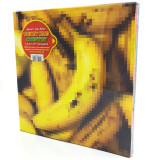
This limited edition boxset, limited to 500 copies, comes as a triple DLP set, containing Volumes 1, 2, and 3. Pressed on red, green, and blue marbled vinyl, it is housed in a hardboard slipcase featuring new and original artwork by Andrew Beltran.
Don't sleep on this ultimate release-the previous boxset edition has been sold out for a long time, and if you can find it, it's being sold for crazy money.
Using hex SPC data converted to MIDI, Jammin' Sam Miller painstakingly recreated the DKC soundtrack note by note, sourcing the original equipment used to create it. He then translated the MIDI into a modern studio context, incorporating keyboard samples, remixing the sounds with added effects, and mastering the tracks. To learn more about his process, watch the explanatory video here: cutt.ly/ulUHE6J.
out of Stock
Last delivered 3 months ago available to reorder, subject to availability
Here is the next vinyl release of The Relic.
This one is limited to 100 pieces and all of the pieces are numbered and contain hand made special effects!
out of Stock
Last delivered 16 months ago available to reorder, subject to availability
THEE ALLYRGIC REACTION are a fuzz'n'Farfisa-powered 60's garage punk outfit from San Diego, CA USA! While they specialize in fuzz stompahs that will move your feet, they will also melt yer mynd with minor key psych madness! They are also leaders in the emerging "protest garage" scene, with songs that address the import topics of today's over aged teen scene!They have a maraca-breaking wyld live set, but also managed to sit still long enough to record their debut LP for Soundflat Records As every band does, they argued over the title for the LP, and finally settled on one that NO ONE likes, simply, "Thee Allyrgic Reaction"! All four lads grew up in the 80s Charmkin Scene, witnessing first-hand groups like the Unclaimed, The Primates, The Miracle Workers, The Tell- Tale Hearts, The Cynics, The Gruesome, Lyres, The Chesterfield Kings, The Fleshtones and The Brood! (and about a 100 more not named here!) The boys are THRILLED with their new LP on Soundflat, which was recorded over a two day period, and required nine California burritos, three pizzas, two cases of beer, and several cans of wine.
The record features 11 original compositions, as well as their own version of their favourite UNCLAIMED-song. One of the originals is an ode to Peter Maniette of the Crimson Shadows and Wylde Mammoths. So what do they sound like? They certainly pull from the farfisa'n'fuzz blasters of the past, but also employ some 12 string, harpsichord, harp and a few other surprises. They are a little folk, a little psych and LOT of garage punk! The group records at Earthling Studios in the San Diego area, which features an array of vintage gear, including an 8- track from Sunset Sound that was used on Forever Changes. That's how you say "MO-JO"!!!
Carwyn Ellis & Rio 18 release their new album "Fontana Rosa". Possibly the world's only musical group to fuse Latin music of all kinds with the Welsh language, this time Rio 18 draw inspiration from slightly different musical corners, including Chicano Soul, Nuyorican pop, and Salsoul disco plus Latin sounds filtered through the cultural spectrum of the USA.
Most significantly though, the album was among the last ever to be recorded by the acclaimed producer Liam Watson at his legendary studio and shrine to all things analogue, Toerag Studios - a huge inspiration and influence on Rio 18's Carwyn Ellis. The "Fontana Rosa" sessions saw Ellis draw together an all-star band at the fabled studio which is perhaps best known through its place in the White Stripes history.
Talking about the story and gestation of the album, Carwyn said:
"I was in Mexico City with Baldo Verdú when I heard that Toerag Studios in London was going to close. It came as a shock - Toerag and Liam Watson, its owner and resident producer had been a massive influence on me. Liam, along with Edwyn Collins, had taught me much of what I know about recording, had hired me as an instrumentalist on countless sessions and had helped me to get started when I began my own solo career. And over the years, I'd still go in to record with Liam whenever the opportunity arose. When I heard that Liam was shutting up shop, I took it upon myself to try and ensure he went out with a musical bang. I rounded up the best band I could get: the aforementioned Venezuelan percussion wiz and singer, Baldo Verdú: American drummer, multi-instrumentalist and producer Shawn Lee: the Isle of Wight's finest drum and percussion master, producer and composer Rupert Brown (whom I'd originally met at Toerag many moons ago): Elan Rhys, one of Wales's finest voices and long term collaborator with Rio 18, as well as being one third of the wonderful folk group, Plu: and Kassin - my Brazilian brother from Rio de Janeiro, bassist and producer with artists such as Jorge Ben, Caetano Veloso, Gilberto Gil and a multitude of others, including Carwyn Ellis & Rio 18.
So this was my dream team, assembled to make beautiful music one more time at Toerag (I have to add at this point that Shawn and Rupert hit it off so well at our sessions that they booked their own session shortly afterwards! Look out for the brilliant Shawn Lee's Toerag Orchestra 'Percussion Discussion' album). Toerag, if you're not familiar with the place, made its name as London's foremost analogue studio for some 30 years, recording directly to tape which in essence means musicians playing live, together in a room until they get it right. And the sound? Oh the SOUND!! And this is all Liam Watson's doing, his sonic aesthetic - a real master engineer. The studio is perhaps best known as the place where the White Stripes recorded their monster hit album 'Elephant' but for me it's where I got to record with James Hunter, Lay Low (from Iceland), Quruli (from Japan), Fabienne Delsol (from France) and made many lasting friendships, learnt a great deal about popular music, as well as making a bunch of my own best recordings with Colorama.
Over the course of five days we laid down as much music as we could. We had some visitors too: guitar slinger Little Barrie (Primal Scream, The The and Liam Gallagher among other things, but also my dear bandmate in Edwyn Collins's band): sax and flute maestro Jim Hunt (Amy Winehouse, Primal Scream, Duffy and very many others): and Diego Laverde Rojas, the Colombian Latin harp virtuoso.
This time the music had a slightly different edge - although we still maintained our Brazilian/Welsh connection on 'Deffro'r Dydd' (written with and sung by Elan Rhys), our Cumbia vibe and some Merengue ('Mariposa' and 'Te Adoro', sung by Baldo Verdú) and even a traditional Afro-Venezuelan tune ('La Quichimba', again sung by Baldo) - the main influence for me this time was Latin music as recorded in the USA, both new and old. 'No More Secrets' is a straight up slice of Salsoul disco, while 'Hei Ti' is a punky funky but of Nu Yorican pop somewhere between ESG and the Beastie Boys. But one of my main influences in the last couple of years has been the current wave of Chicano Soul coming from California, particularly via the Penrose and Big Crown labels. I was turned on to this music when I was in Japan in early 2023 - Takashi-san at Pleased To Meet Me Records in Nara played me the Altons' 'Float' and I was hooked!
And that music has a similar aesthetic to Toerag: music recorded live to tape by excellent engineers, performed by fine musicians and singers. So our songs 'Impossible', 'Heartbreaker' and 'Lovesick' are very much in this vein. And that just leaves the title track, 'Fontana Rosa'."
out of Stock
Last delivered 16 months ago available to reorder, subject to availability
Pavilions neue Compilation "Break The Glass, Burn The Cage (The Sound Of Indie Punk Rock)" feiert alles, was Indie und Punk ausmacht. Die Welt der engen, verschwitzten Grassroots-Locations mit elektrisierenden Gitarrenriffs, mitreissenden Basslines und den Stimmen der Bands, die man unbedingt gehört haben muss. Mit herausragenden Tracks von Lime Garden, SPRINTS, Lambrini Girls, Sunflower Bean, English Teacher, Dream Wife, Panic Shack oder, Big Joanie kanalisiert die Compilation die rohe Energie und den rebellischen Geist, die man nur erlangen kann, wenn man sich tief um die Ungerechtigkeiten und den Hass in dieser Welt kümmert. Es ist eine Soundreise durch die Angst, Leidenschaft, den Spass und die Freiheit, die man findet, wenn man "es dem Mann zeigt".
"Break The Glass, Burn The Cage (The Sound Of Indie Punk Rock)" wird am Internationalen Frauentag 2025 als Charity-Album angekündigt, alle Tracks wurden freundlicherweise von den Bands kostenlos gespendet. Somit geht der gesamte Gewinn aus jedem Verkauf an die beiden ausgewählten Wohltätigkeitsorganisationen, die ihr Möglichstes tun, um Frauen und Mädchen aus allen Schichten und Altersgruppen zu helfen, von häuslicher Gewalt über Trauerfälle bis hin zu Obdachlosigkeit und Krieg – Brighton Women's Centre & War Child. Das Album erscheint als recyceltes Vinyl und CD in limitierten Auflagen.
The Knowledge Imprint Selected Reissues series brings together handpicked tracks from the labels back catalogue to be pressed for the first time on high quality vinyl. Previously available only as digital and small-batch dubplate editions, these tracks will also be given new life with fresh remastering and simple repackaging.
This inaugural release features some of the most seminal and highly requested tracks on the label in the form of Rene Wises K-I008 productions originally released in 2019, as well as Arthur Roberts K-I012 productions originally released in 2022.
On their debut album Seven Dances to Embrace the Hollow, Zurich-based artists Magda Drozd and Nicola Genovese, as Sopraterra, offer exactly what’s announced: seven compositions which, as they unhurriedly flow into each other, mark potential entry points to discover what might be lying underneath. By choosing Sopraterra, which translates to “above the earth” in Italian, as their shared project’s name, Drozd and Genovese indicate their own position in this archeological-looking endeavor, hinting at the potential for sonic explorations to produce deeply submerged discoveries.
Sopraterra’s object of inquiry isn’t easily grasped, traversing histories and blending influences alike. In a time-line-bending manner, musical signifiers from the past, along with specific tonal scales lifted from baroque and medieval music, get digitally synthesized. As sonic matter, the result is distinctly of today: a collection of electro-acoustic compositions that remain experimental at their core, referencing genres like post-rock, shoegaze, or psychedelic, while evoking aural memories of ancient times. Seven Dances to Embrace the Hollow pulls backward and pushes forward alike. Without ever forcing a didactic listening experience, musical motifs and archetypes are thoroughly investigated. But there is no scientific ambition at play here. Rather, the harmonies of late medieval Ars Nova or the transcendent elegance of Baroque chamber music lend their emotional qualities to perceived ideas of old times.
Oscillating between ambient and drone, the album’s seven brooding compositions bring primal connections to a universally shared past to the surface. In its multi-directional positioning, Seven Dances to Embrace the Hollow makes the case for embracing the confusion of warped time and paying attention to all that’s rather felt than seen.
out of Stock
Last delivered 17 months ago available to reorder, subject to availability
Like their previous output, the album features the duo’s unique mosaic of clicks n’ cuts style beat work, murky dubwise melodicism, and chilling otherworldly textures. However, there is a refinement on display on Battens.
Clay and Ian have accentuated their trademark elements to maximal effect. The beats seem to have a more brandish, near swagger that was only fleetingly referenced in some of their previous works. The melodies, which formerly have felt primarily of alien origin, almost feel a glint of humanity. Having such a unique ideology for nearly 25 years has allowed Loess to work at a pace and level of refinement evident on Battens.
Loess is a challenging project to describe, yet their ruminative style of experimental electronica sets them apart from their contemporaries and still sounds fresh today.
out of Stock
Last delivered 17 months ago available to reorder, subject to availability
Underground hip-hop icon and Miami rapper Pouya kicks off 2025 with his seventh studio album, Suicidal Thoughts in the Back of the Cadillac, Pt. 3 - serving as an unofficial spiritual successor to his 2024 album, THEY COULD NEVER MAKE ME HATE YOU. After a successful run as direct support to $uicideboy$’ Grey Day 2024 Arena Tour, it’s clear that Pouya has cemented himself among the top artists from the alternative / cloud-rap scene from the mid 2010s. With a rabid fan base primarily built from the ground up, and without the flashy mainstream features or press looks, Pouya has established himself as a staying power in a lane that typically sees artists rise and fall in accordance with today's modern attention span. Continuing to super-serve his fans, Pouya will be embarking on a nationwide tour in North America in 2025.
Five Five is the second studio album from the Miami-born underground rap pioneer, Pouya. Marking a slight transition into a more mature sound, Five Five showcases Pouya’s evolution as an artist while maintaining the raw authenticity that has endeared him to his fans. With tracks like "Suicidal Thoughts in the Back of the Cadillac Pt. 2" and "Handshakes," Pouya delves into themes of struggle, resilience, and personal growth, offering listeners a glimpse into his journey. In what became truly a solo effort, Five Five is limited to one feature in Night Lovell, with production primarily handled by Mikey The Magician (Track 4 produced by Chevali). The album draws from elements of Bone Thugs-N-Harmony, yet remains uniquely rooted in Pouya’s own style. Over the years, Pouya has developed a long lasting core fanbase, first bubbling up in Miami alongside artists such as Denzel Curry, and then becoming a nationally celebrated artist. Back in print for the first time since originally released in 2018. Pressed on Wire Wheel Picture Disc Vinyl and cut at 45 RPM.
Originally released on Ben Chasny's own Pavilion imprint in 2011.
"I was invited by the Incubate Festival and the city of Tilburg to participate in an artist residency where I would explore the region’s unique chapels built for the Virgin Mary. After writing the music for about six months by drawing on memories of the encounters with the chapels and using techniques inspired by Gaston Bachelard’s Poetics Of Reverie, I flew back to Tilburg to perform the music at the Incubate Festival. We recorded the evening and I released the result on my Pavilion label. Each cover was hand painted white on white in the old Pavilion style. I created a stencil and used graphite powder to make the design that is inspired by the sun imagery in Athanasius Kircher diagrams."
Roadside chapels express the identity of the inhabitants of North Brabant, a Dutch province, bordering on Belgium. Roman Catholicism has been the dominant religion in this southern part of the Netherlands since the eighth century. For about a century and a half this religion was strongly suppressed. Only when the French revolutionaries preached freedom of belief around 1800 could the people of North Brabant exercise their faith again. This was the start of a very strong emancipatory development from which a special form of the Roman Catholic faith arose that fully determined everyday life of the people here. This faith was the determining factor in life and the measure of all things. After the second Vatican Council (1962-1965) the reins of the catholic faith in Brabant were loosened as well. This was the start of a revolutionary process of secularisation. Within a decade hardly anything was left of the almighty influence of the Roman Catholic Church and this situation has lasted up to the present day.
In spite of the almightiness of the official, Vatican ruled, Roman Catholic faith, North Brabant has always and perhaps notoriously fostered an undercurrent of popular belief as well. This is a kind of belief in which elements of the official faith and age-old pre-Christian traditions are combined. Worshipping relics, holding pilgrimages and processions, the use of water from holy wells, popular art, recitations and songs, festivals, rituals, folk traditions, superstition and the like are all examples of popular devotion. These matters have strongly influenced and formed the identity of the present-day population of North Brabant. It is part of their immaterial heritage.
An obvious and still very much visible form of popular devotion are the roadside chapels. In Brabant some 400 can be found, most of which have been devoted to Mary. Chapels are small buildings in which Mary or other saints are worshipped. They can be found within villages or towns or in natural surroundings. Always at the finest spots! The beauty of the environment adds a primary religious or mystical feeling to the visitor. Local people attach great value to their chapels. In spite of the overall secularisation in society they are still at the centre of cultural and social life. Where people in North Brabant can hardly be found in the churches nowadays, this doesn’t mean at all they are no longer religious. On the contrary, religious feelings are perhaps stronger than ever, but now people have to find their own expression of them. That’s why they fall back on the age-old popular belief in which chapels play an important role. We can even witness new forms of popular belief with chapels as their focal point. An example of this is the scattering of ashes of people who have been cremated. Chapels clearly also play a role in the lives of young people. On an average five new chapels are added every year.
I have studied the popular culture and belief and the identity of the inhabitants of North Brabant for over thirty years. I have published over forty books on these subjects. In 2010 I was approached by the organisation of the Incubate Festival in the North Brabant town of Tilburg. Their request was for me to lead the American composer and guitarist Ben Chasny around a number of chapels in the province devoted to Mary. He had been invited to North Brabant to write some new compositions. Ben Chasny then chose to be inspired by these chapels and that’s how we met. I was especially curious how an American would react to something as specific and small as a roadside chapel in North Brabant, since we tend to think here of (people in) America in terms of ‘big-bigger-biggest’. Would an inhabitant of this enormous country with this prevailing culture be able to grasp and respect the identity of some 2.5 million people in North Brabant with their chapels? The answer to this question lies hidden in the compositions he made and that can be listened to on this album. Yes, Ben Chasny has been able to convert the phenomenon of a simple chapel devoted to Mary into music. The physical and the spiritual have found each other. What a beautiful world…just listen! - Paul Spapens
Recorded at Dreamland Studios (a literal converted church) in 2017, this long-out-of-print record is now back in print on both vinyl and, for the first time, CD formats. The Bobby Lees’ “Beauty Pageant” overflows with the kind of raw punk energy you can only bottle once—when you’re young enough to play every chord like it might be your last. “A Woodstock, New York garage-rock quartet with sex, sweat, and lightning bolts of electricity surging through their collective veins.”- POPMATTERS. “Primal, rural, feral, rock’n’roll.” - LOUDER THAN WAR. “Storming to the scene with a howling sense of rebellion and nonconformity.” - ALTERNATIVE PRESS
The compositions of Miłosz Kędra (b. 2001) explore synthetic sound, electroacoustic music, and self-built acoustic instruments, seeking diverse timbres, tunings, and textures. His main field of work is the pipe organ. Through minimalist motifs, he has transported the instrument’s sound beyond the church space by synthetically processing its tones. He is currently pursuing a Master’s degree in New Media Music at the Academy of Music in Poznań and recently completed a Bachelor’s degree in Electroacoustic Composition, during which he built his own pipe organ from scavenged pipes.
~ Liner notes ~
Miłosz Kędra - "their internal diapasons"
The pipes that Miłosz Kędra used to craft his own organ emulator have lived many lives. They come from churches scattered across Greater Poland—some trimmed for a more presentable façade, others left to gather dust in parish houses until, stripped of purpose, they were cast away. Their first voices have faded, their inner resonance unsettled, yet with patience, one can teach them to sound again—to sing in their altered state, to be gently coaxed out of silence.
Audiomancy—the conjuring of lost sounds—is the word that lingers when I try to grasp the lore crystallizing with Kędra’s second album.
The resolve with which the musician and composer has inhabited his self-built instrument recalls Witold Szalonek and his search for “unexploited properties of wind instruments in classical music.” Szalonek sought to map these hidden voices into a system of multiphonics, revealing over 160 on the oboe alone by 1968. Some sound eerily alike, yet emerge through distinct gestures—“a particular breath, a precise choreography of levers and apertures, the seamless fusion of the two.”
The splitting of a single note into its spectral fragments—allowing a melodic instrument to speak in two, three, even four voices at once—enabled Szalonek to bend the rigid structures of Western music. "their internal diapasons" follows a similar path: an aesthetic bypass through which Kędra taps into the sacred gravity of the church organ, only to reveal it as a domesticated echo of something far older—the primal theater of transformation. To listen closely to an instrument is to learn its flaws, to turn its imperfections into a new way of speaking.
Each of the nine compositions on "their Internal diapasons" is an invitation—to approach the material world with the intent of letting it speak beyond expectation. An instrument that is at once a sculpture, a performance, and a manifesto of voicing the discarded suggests that its creator—following the path of Didier Eribon (Returning to Reims)—might take as his motto, a principle of asceticism, Sartre’s words: “What matters is not what is made of us, but what we ourselves make of what is made of us.”
Rocket Recordings’ new Black Hole Series is a place where the unorthodox, otherworldly and esoteric can flourish, and there could be no more fitting first release for it than the most powerful metaphysical travelogue yet from Moundabout. Journeying still further into and beyond the landscapes from which this duo have unearthed inspiration, ‘Goat Skull Table’ is a transmission to give flight to spectral visions and include trance-states in abundance.The vibrations and manifestations of the duo of Paddy Shine(GNOD) and Phil Langero (Los Langeros, Damp Howl, Bisect) has always resonated within a very specific sense of place, transcending linear narratives and astral planes in a quest to unite timeless spirits with inner space. This third release for Rocket Recordings sees them colluding with
the landscape of their surroundings, transcending linear narratives and astral planes in a quest to unite timeless spirits with inner space.The title track marks a focal point here; a Shamanic rite on which Langero’s charismatically charged mantras collude with an audial landscape somewhere on the map between the abstract spell-casting of Nurse With Wound and the druidic gnosticism of Julian Cope. This is Moundabout at their darkest and most ritualistic. Elsewhere, the hypnotic repetition of the twin ten-minute extrapolations ‘Blood On My Blanket’ and ‘Wagon’, and the potent incantatory chants of ‘Am I Not’ and ‘Brave New World’ glow with a rugged and
charged dynamism redolent of the Swedish Psychedelia of Träd, Gräs & Stenar, uniting a minimal aesthetic with maximal impact.
Dauntless, feverish, and reaching new heights of primal intensity ’Goat Skull Table’ is a formidable field guide to the earthen and other
A complete journey from classic Deep to the freshest melodies, a dedication to his native Medellin. This is what DJ Vandel brings again.
Mature House with a lot of character, six powerful tracks with a raw and analog sound that transport us to a dance floor in the depths of the underground Medellin.
out of Stock
Last delivered 17 months ago available to reorder, subject to availability
"“I Know It’s Too Late” is an unreleased track from Scott Weiland’s 2008 solo album, Happy In Galoshes. The B-side is a live version of “Missing Cleveland” recorded on the Happy In Galoshes tour in 2009. This is the first in a series of RSD exclusive 7” singles leading up to a full deluxe album release with additional bonus content. This album has never been available on vinyl.
2025 is the 10th anniversary of Scott’s passing. Primary Wave is honoured to release this unheard content to celebrate his music and legacy. Happy in Galoshes is the second solo album by Scott Weiland - known for his roles as the lead singer in Stone Temple Pilots and Velvet Revolver. He released his first solo album, 12 Bar Blues in 1998. Ten years later, Happy in Galoshes served as the official follow-up. The album was released November 25, 2008, on Weiland's own Softdrive Records. Produced by Doug Grean and Weiland, with select tracks recorded by Steve Albini, the album features guest appearances by Paul Oakenfold and No Doubt members Adrian Young, Tony Kanal, and Tom Dumont. Oakenfold appears on a cover of David Bowie's "Fame".
The annual Bonkers Music compilation returns, delivering another round of high-energy bangers. This year, the release explores a slightly evolved musical style while staying true to its signature sound. Celebrating its sixth edition, “Year VI” will be available on 12” vinyl, accompanied by a few exciting surprises.
A1. Neskeh’s “106 Cabrel” revolves around a melodic yet hypnotically repetitive lead sequence, crafted to evoke a trance-like state on the dance floor and radiate positive energy. The foundation of big, punchy kicks and a robust bassline gives it a quintessential club vibe.
A percussive break in the middle shifts the mood entirely, paying homage to Goa rhythms and shamanic rituals, immersing listeners in a more primal atmosphere. The drop reignites the momentum, enhanced by the warm tones of the beloved Minilogue, adding an almost epic dimension to the journey.
A2. Berlin’s Mike Sacchetti and Madrid’s David Meyer unite on “Agria Pachanga,” a dance energy piece that pulses with percussive drive and a subtle touch of Latin identity.
Acid-inspired arrangements swirl around classic drum machine sounds. The syncopated rhythms and pumping basslines push the track towards an agitated club atmosphere, building this song into a bold declaration of fiesta.
A3. Two friends from Guadalajara, Mexico, Leonor & Ludviq, now living in different European cities, (Barcelona & Lyon) join forces to bring you Capybara Trance, This electrifying track combines dark, driving energy with intricately sequenced melodies, a hard-hitting chugging bassline, and the unique touch of capybara-inspired sounds. Anchored by a commanding kick drum that sets an unrelenting tempo.
B1. “Nebula” is a deep, atmospheric journey through cosmic sounds and pulsating rhythms. The track blends hypnotic melodies with dark synthetic textures, evoking a sense of drifting through endless galaxies. With a strong groove and intricate arrangements, it delivers energy that fits perfectly in both morning sets and more conceptual playlists. The collaboration between Radial Gaze, Ducati Flux, and Persona RS captures the spirit of exploration, creating a versatile track that can be the highlight of any set
B2. Intruso hailing from Bogota, now based in Barcelona brings “Somos Acido” this track draws inspiration from the early 2000’s House and Trance, capturing the nostalgia and emotional resonance of his first experiences with electronic music as a child. A driving Acid bassline injects dynamic energy, making it perfectly suited for the dance floor.
B3. Argentinian born, Australia based producer Poulper teams up with Mexican maestro Hugo Vallejo to kick off this intergalactic adventure. This track weaves together acid-laced elements and an infectious rhythm, layered with haunting post-dark vocals that narrate the fiery, cosmic tale of love burning in the vast expanse of space. A bold and immersive journey into the unknown, perfect for this stellar compilation.
out of Stock
Last delivered 9 months ago available to reorder, subject to availability
d4vd’s debut album, WITHERED, is one of the most hotly anticipated albums of the year. It completes the story laid out in his 2023 EPs, Petals to Thorns and The Lost Petals, as he continues to articulate a relationship’s ricocheting emotions: the coruscating highs and bleak lows, all set to music that’s intimate, hook-heavy, and refreshingly direct. Created primarily on Bandlab, WITHERED brought d4vd back to the place his music journey began: his sister’s closet, alone with his iPhone. To finish the record, d4vd journeyed to London with a trusted crew of collaborators to create a cohesive, intimate record that’s meant to be listened to sequentially — the songs consumed like chapters — that spotlights his evolution as a deft and dynamic vocalist.
Following nearly 20 years of working together as a trio, and numerous cross-collaborations in different configuration between them, Ideologic Organ presents Placelessness, the debut full-length by Chris Abrahams, Oren Ambarchi, and Robbie Avenaim, comprising two long-form works at juncture of ambient music, minimalism, rigorous experimentalism and improvisation, and machine music. Having carved distinct pathways across a diverse number of musical idioms for decades, Chris Abrahams, Oren Ambarchi, and Robbie Avenaim are each, respectively, among the most noteworthy and groundbreaking figures to have emerged from Australia's thriving experimental music scene. Ambarchi and Avenaim first encountered Abrahams when seeing the Necks - the project that has served as the primary vehicle for his singular approach to the piano since its founding in 1987 - together during the late 1980s, not long after having met in Sydney's underground music community. The pair's collaborations date back more than 35 years, criss-crossing Ambarchi's pioneering solo and ensemble work for guitar and Avenaim's visionary efforts for SARPS (Semi Automated Robotic Percussion System), robotic and kinetic extensions to his drum kit. In 2004, fate brought the three together in a trio performance at the What Is Music? Festival, the annual touring showcase of experimental music founded and run by Ambarchi and Avenaim between 1994-2012. For the nearly two decades since, Abrahams, Ambarchi, and Avenaim have intermittently reformed in exclusively live contexts, in Australia and abroad, cultivating and refining the fertile ground first tilled in that early meeting. Placelessness is the first album to present this remarkable trio's efforts in recorded form. Placelessness is the joining of three highly individualised streams, working in perfect harmony; the point at which friendship, mutual respect, and decades of creative exploration produce a singular spectrum of sound. Featuring Abrahams on piano, Ambarchi on guitar, and Avenaim on drums, the album's two sides draw on each artist's enduring dedication to long-form composition. Its two pieces, Placelessness I and Placelessness II, initially began as a single, 40 minute work, before being divided and reworked into distinct, complimentary gestures for the corresponding sides of the LP. Beginning with restrained clusters of reverberant piano tones, Placelessness I progresses at an almost glacial pace, with Abrahams' interventions increasing met by sparse responses, darting within vast ambiences, on guitar and percussion by Ambarchi and Avenaim. Remarkably conversational within its convergences of tonal, rhythmic, and textural abstraction, over the work's duration a progressive sense of tension unfurls and contracts, refusing release, as each of the ensemble's members contribute to an increasingly tangled sense of density at its resolve.While an entirely autonomous work, Placelessness II rapidly realises a distillation of the energy hinted at across the length of its predecessor. Following a luring passage of harmonious calm, Abrahams' launches into shimmering lines of repeating arpeggios, complimented at each escalation of tempo by Avenaim's machine gun fire percussion work and Ambarchi's masterful delivery of tonality and texture, as the trio collectively generate dense sheets of pointillistic ambience within which individual identity is almost lost, before slowly unspooling into unexpected abstractions and dissonances that deftly intervene with the work's inner logic and calm. What could easily be termed a maximalist take on Minimalism, Placelessness is a masterstroke of contemporary, real time composition, that blurs the boundaries between ambient music, experimentalism, free improvisation, and machine music. Drawing on Chris Abrahams, Oren Ambarchi, and Robbie Avenaim's decades of respective solo and collaborative practice, and the culmination of nearly twenty years of working together as a trio, it's two durational pieces - Placelessness I and Placelessness II - take form with a startling sense of effortlessness and grace, neither shying away from explicit beauty or rigorously tension within their forms
An Introduction To Syd Barrett, is a reissue of the 2010 collection that brought together for the first time the tracks of Pink Floyd and Syd Barrett on one compilation.
David Gilmour, who originally worked on Syd Barrett's two solo albums, as co-producer of The Madcap Laughs and as producer of Barrett, was the executive producer for the album. Damon Iddins and Andy Jackson at Astoria Studios remixed five tracks including ‘Octopus’, ‘She Took A Long Cool Look’, ‘Dominoes’ and ‘Here I Go’, with David Gilmour adding bass guitar to the last track. Pink Floyd's ‘Matilda Mother’ also received a fresh 2010 Mix.
The album features the original 24-page booklet and graphics plus all lyrics, and was designed including the cover art by long time Pink Floyd associate the late Storm Thorgerson and his estimable studio.
Born in Cambridge in 1946, Roger Keith 'Syd' Barrett was the primary songwriter, guitarist and original lead vocalist in the first incarnation of Pink Floyd. He formed the band in the mid-1960s with drummer Nick Mason, bassist Roger Waters and keyboard-player Richard Wright. With their groundbreaking, semi-improvised sets at the legendary UFO Club in London's Tottenham Court Road, they became the prime movers of British psychedelia.
Barrett wrote the warped pop vignettes ‘Arnold Layne’ and ‘See Emily Play’, the group's two hit singles from 1967, as well as 'Apples And Oranges', and the lion's share of the material – the dreamy ‘Matilda Mother’, ‘Chapter 24’ and the whimsical ‘Bike’ – on their debut album The Piper At The Gates Of Dawn. Recorded at EMI's famed Abbey Road Studios while the Beatles were making Sgt Pepper's Lonely Hearts Club Band, Pink Floyd's first album has proved an enduring classic, referenced by everyone from David Bowie to Spiritualized via The Damned.
Barrett contributed ‘Jugband Blues’ to A Saucerful Of Secrets, the band's follow-up, but his behaviour became increasingly erratic and he left in April 1968, a few months after the addition to the group of his Cambridge friend David Gilmour on guitar and vocals.
Syd Barrett's first solo album, The Madcap Laughs, was a long time coming but made the Top 40 on its release in January 1970. Barrett followed in November that year, and contains tracks such as ‘Baby Lemonade’ and ‘Gigolo Aunt’ that provided the names for two cult US groups in the 80s and 90s.
Over the last four decades, Syd Barrett has become the ultimate rock enigma. In 1975, he paid an eerie visit to his former band mates at Abbey Road while they were recording ‘Shine On You Crazy Diamond’, the centrepiece of the Wish You Were Here album he had inspired. He never entered a studio again. In 2001, he was the subject of a BBC Omnibus documentary.
He died in July 2006 but his legacy lives on in the music of R.E.M., Robyn Hitchcock, Julian Cope, Spiritualized, Blur and countless other groups. Earlier this year, Faber and Faber published Syd Barrett: A Very Irregular Head, an exhaustive biography by long-time fan Rob Chapman.
An Introduction To Syd Barrett provides a handy overview of this visionary talent, this madcap genius whose star shone brightly yet burnt out all too quickly.
out of Stock
Last delivered 17 months ago available to reorder, subject to availability
Featuring the new Dolphin Dance Remix by Hugo Nicolson, known for his work on Primal Scream's landmark LP Screamadelica along with Julian Cope, Shack, Beck, Radiohead and more. Eric Bauer's garage-punk Mirrors Mix shows up on vinyl, known for his work with Ty Segall and Oh Sees. Falling Forever gets the Flying Mojito Bros stardust late night desert disco "refrito" as well as the island flavored High & Lonesome version from Daniel Ellsworth. Wild Swans is treated to a full on pop mix from Damien Page Lewis (Rhianna, Justin Timberlake) Clay Blair's UK Radio Mix (War On Drugs) Nick Holton's HOO Mix (Slowdive) it's not all sagebrush and sand...it's SPACE and JOYFUL SONICS… all songs come from the Chris Robinson produced & top ten college radio album ACROSS THE RIVER OF STARS
Featuring the new Dolphin Dance Remix by Hugo Nicolson, known for his work on Primal Scream's landmark LP Screamadelica along with Julian Cope, Shack, Beck, Radiohead and more. Eric Bauer's garage-punk Mirrors Mix shows up on vinyl, known for his work with Ty Segall and Oh Sees. Falling Forever gets the Flying Mojito Bros stardust late night desert disco "refrito" as well as the island flavored High & Lonesome version from Daniel Ellsworth. Wild Swans is treated to a full on pop mix from Damien Page Lewis (Rhianna, Justin Timberlake) Clay Blair's UK Radio Mix (War On Drugs) Nick Holton's HOO Mix (Slowdive) it's not all sagebrush and sand...it's SPACE and JOYFUL SONICS… all songs come from the Chris Robinson produced & top ten college radio album ACROSS THE RIVER OF STARS
Pressed on clear vinyl. Comes with a printed inner sleeve featuring an exclusive note on Coldwater Stone's legacy. The Holy Grail of Soul Music collecting. Restored to its former glory the album finally gets the respect and reverence it deserves.
One of the most revered and sought-after rare soul albums of the seventies... Freddy Briggs (aka Coldwater Stone) is perhaps best known as the former husband and business partner of the soul songstress Kim Tolliver. However, that is doing him a great injustice. As a writer he penned "Strung Out Over You" for the Dells and Mavis Staples' first solo Stax single "You're Driving Me Into The Arms Of A Stranger". But best of all were his collaborations with long-time friend Darryl Carter for the legendary Margie Joseph. Despite carving a career primarily as a songwriter/ producer, and part-time Cleveland cabbie, Briggs was also an accomplished singer as is exemplified here with his 1973 near-mythical solo LP Defrost Me. This cult classic disappeared into obscurity over 50 years ago, largely due to the financial problems of the record label GSF.
Songs of Silence is a beautiful turn-based strategy game of fantasy warfare. Leading one of the game's distinct factions, it is the player's task to conquer randomized maps through military might, subterfuge or arcane means. Intriguing hero stories grounded in a rich fantasy world create emotional bonds and give meaning to the player's actions. Roguelike meta-game progression, based on heroes' personal stories and unlocking new features and content via playing, ensuring long-time motivation and keeping the game excitingly fresh. The atmospheric soundtrack of the game is composed by Hitoshi Sakimoto, the famous artist behind all-time favourites such as Final Fantasy Tactics, Final Fantasy 12 and Valkyria Chronicles. Sakimoto describes his way into creating the soundtrack for Songs of Silence: "Regarding Songs of Silence, the stage design and the world-building are incredibly detailed and meticulously crafted. The settings are thoroughly developed and each region has its own unique culture. Given this highly refined world, I believe that my role was primarily to support and enhance the atmosphere with sound. At the same time, I wanted to ensure that the music conveys the uniqueness of this world. When people see it, I want them to feel its strong presence while also recognizing that it is a world unlike anything they have seen before. Expressing this uniqueness and reinforcing the impression it leaves is, in my view, the role of music and sound." But Sakimoto's music isn't just pushing the gamer's experience, it aims to add a little extra in a way that only his profession is able to: "It's a bit difficult to describe the specific 'feeling' I was aiming for, but I intend to create sounds and music that people have rarely heard before. Since the world itself is already well-defined, my approach was to add an extra layer - something that cannot be conveyed through visuals or text alone - through music."
Produziert von Will Yip (Turnstile, Title Fight, Mannequin Pussy, etc.), der auch schon an der 2023er "Psychic Dance Routine" EP der Hardcore-Band Scowl aus Santa Cruz mitgewirkt hat, findet man auf "Are We All Angels" die giftige und antagonistische Band, die ihre Aggression durch eine expansivere Version ihrer selbst leitet. Das Album wurde von Rich Costey (Fiona Apple, My Chemical Romance, Vampire Weekend, etc.) gemischt. "Are We All Angels" ist geprägt von Entfremdung, Trauer und Kontrollverlust, und setzt sich größtenteils mit ihrem neu gefundenen Platz in der Hardcore-Szene auseinander, einer Gemeinschaft, die die Band in den letzten Jahren sowohl umarmt als auch zu einer Art Blitzableiter gemacht hat. Auf "Are We All Angels" erkunden Scowl auf Schritt und Tritt ehrgeizige neue Richtungen und verbiegen Genre-Normen. Sängerin Kat Moss macht die am unmittelbarsten erkennbare Entwicklung, indem sie einen strukturierteren und manchmal zarten Ansatz wählt. Sie spielt mit Harmonien und melodischem Feingefühl, das selbst die eingefleischtesten Scowl-Fans überraschen dürfte. Moss nennt eine breite Palette von Einflüssen außerhalb des harten Rock - alles von Billie Eilish bis Radiohead, Car Seat Headrest bis Julien Baker. "Die meisten von uns waren wirklich keine geübten Musiker, als die Band begann", gibt sie zu. "Es war in dieser Hinsicht sehr Germs-esque, wie die erste Hardcore-Band eines Babys, was großartig ist. Jetzt wissen wir vielleicht immer noch nicht, was wir tun, aber wir haben eine bessere Vorstellung davon, was wir tun wollen." Instrumental gibt die Band Einflüsse von Negative Approach, Bad Brains, Hole, Mudhoney, Garbage, Ramones, Pixies, Sonic Youth, Rocket From The Crypt und anderen an. Bassist Bailey Lupo merkt an: "Das Songwriting für die neue Platte war das bisher kollaborativste in der Geschichte von Scowl. Jeder hat so viele Ideen eingebracht, und wir konnten sie alle in Ruhe analysieren und uns Zeit nehmen. Wir haben alle so unterschiedliche Geschmäcker, Einflüsse und Persönlichkeiten, und das kann man auf diesem Album wirklich in jeder Ecke hören." Selbst durch diesen eklektischen Ansatz verlieren Scowl nichts von ihrer Schärfe und schaffen es immer noch, die Wut und Frustration zu vermitteln, die dahinter steckt. Sie sind zutiefst dem Ethos des Punk und seinem Gemeinschaftssinn verpflichtet. "Hardcore und Punk haben uns geprägt, wie wir arbeiten, was wir als Band tun wollen und wie wir uns beteiligen", sagt Greene. "Im Kern sind wir eine Punk- und Hardcore-Band, unabhängig davon, wie sich der Song verändert." Das Album wird von dem bereits veröffentlichten "Special" eröffnet, einen Song mit großer, hymnischer Energie, der die rohe Intensität von Scowl beibehält. Scowl haben sich schnell als einer der dynamischsten und fleißigsten Acts in der Rockszene etabliert und ausgiebig in den USA und international mit Bands wie Limp Bizkit, Destroy Boys, The Bronx, Militarie Gun, Show Me The Body, Zulu, Touche Amore, A Day To Remember, Speed, Sunami und vielen anderen getourt, sowie Festivalauftritte beim Coachella, Reading & Leeds, No Values, Outbreak, Primavera und Sick New World, um nur einige zu nennen, absolviert. Die Band - Malachi Greene (Gitarre), Bailey Lupo (Bass), Cole Gilbert (Schlagzeug), Mikey Bifolco (Gitarre) und Kat Moss (Gesang) - gründete sich 2019 und feierte 2021 mit ihrem Debütalbum "How Flowers Grow" ihren Durchbruch. Seitdem sind sie unaufhaltsam auf dem Vormarsch.
Entering its 26th year of activity, the morphing, Los Angeles based experimental outfit, Sissy Spacek, joins Shelter Press with Entrance, among the project's most captivating outings to date. Encountering the duo of John Wiese and Charlie Mumma joined in various configurations by an incredible cast of collaborators - Tim Barnes, Marco Fusinato, Aaron Hemphill, Brad Laner, Katsura Mouri, Ralf Wehowsky, and C Spencer Yeh - collectively transformed into a series a deeply intimate and delicate gestures of musique concrète, Entrance radically repositions the possibilities presented by group improvisation outside of time and place. Founded at the end of the last millennium, the Los Angeles based project, Sissy Spacek, initially emerged from the knotted, fiery context 1990s American noise and grindcore, producing sheets of visceral sonority that quickly set the scene on its head. Going through numerous evolutions, before eventually settling as a duo of John Wiese and Charlie Mumma - joined by a rotating and often recurring cast collaborators - over the last 25 years the band has continuously entered states of evolution that have defied the expectations of its own context, seeding the sonic extremes noise with subtle and sophisticated approaches to free improvisation and musique concrète. Fiercely positioning its efforts within the outer reaches of contemporary experimental music, while resisting the constraints of a singular sound or proximity, Wiese regards Sissy Spacek as being primarily centred around the practice of musique concrète and the pursuit of extremes. From its earliest releases - collage treatments of material gathered from the band's full throttle practice sessions - the project's conceptual framework has continuously evolved within a deeply engaged process of experimentation, not only reworking tactical approaches, but also definitions and perception regarding the location and action of their work. In recent years, this has led to an increasingly varied and diverse output. Percolating within, is a thread marked by a striking sense of delicacy and intimacy, driving forward while doubling as an unexpected challenge, in real time, to perceptions connected to the band's past. Entrance is the most recent of these. Embarking upon the four compositions that comprise the finalized four sides of Entrance, Wiese and Mumma enlisted longstanding collaborators, Tim Barnes, Marco Fusinato, Aaron Hemphill, Brad Laner, Katsura Mouri, and C Spencer Yeh, as well as new initiate, Ralf Wehowsky (of the seminal German electronic noise collective P16.D4), requesting a contribution of sounds from each, determined by a general set guidelines that dictated certain qualities the given sonorities, while allowing for the expression of each player's distinct creative voice. The sets of resulting recordings were then chopped, harvested, manipulated, and reassembled as the four tape compositions that make up the album - Web Of Unfolding Appearance, Figure Of Reflected Light, Trancher And The Inheritors, True Dimension (From The Opaque - Spike) - each blurring the lines of authorship and clear creative proximity in remarkable ways. Where historical gestures of musique concrète tend to draw upon non-instrumental sound sources - regarding its sonorous material as raw elements, unburdened by inherent meaning or association, to be transformed and imbued with musicality - Sissy Spacek turns this position on its head. Entrance comprises works of musique concrète that not only draw upon instrumental sound sources, with all their possible meanings or associations, but also individual characters and personalities of their players, crediting each resulting piece to its respective configuration of contributors. As such, Entrance is an effort of sound collage defined by a rare sense of intimacy and humanity: four pieces that often take on the resemblance of group improvisation, but have, in fact, been assembled outside of time and place. Bent under the ever-present hand of Wiese's tape treatments and manipulation, each of the album's four compositions unfurl startling states of sonic abstraction and percolating texture, marked by a striking sense of hard-shifting structure, that culminate as tense, driven manifestations of ambient music: scrapes, squeals, rattles feedback, rolling drums, bouncing tones, whispers, bent electronics, electric artefacts, and seemingly everything else under the sun, configured into immersive, sublime mediations in sound from the most improbable events.
Scowl is a band that sounds exactly like their name implies. Venomous, fierce, antagonistic. A sneer not to be crossed. Over the last five years, the Santa Cruz, California, band has firmly planted their flag in the hardcore scene with their vicious sound and ripping live show, sharing stages around the world with Circle Jerks, Touché Amoré, and Limp Bizkit, and filling slots at prominent festivals like Coachella, Sick New World, and Reading and Leeds. But with their new album, Are We All Angels (Dead Oceans), Scowl is aiming to funnel all that aggression through a more expansive version of themselves. Much of Are We All Angels grapples with Scowl’s newfound place in the hardcore scene, a community which has both embraced the band and made them something of a lightning rod over the past few years. Standout single “Not Hell, Not Heaven” outright rejects the narratives cast onto them by outsiders. “It’s about feeling victimized and being a victim, but not wanting to identify with being a victim,” explains vocalist Kat Moss. “It’s trying to find grace in the fact that I have my power. I live in my reality. You have to deal with whatever you're dealing with, and it ain’t working for me.” The band breaks from a sense of disassociation to seek deeper connections on “Fantasy.” “It’s incredibly challenging to try to balance my love for the scene while also feeling, in some spaces, extremely alienated and hated,” Moss says. “‘Fantasy’ is about feeling like I don't know how to connect with these people anymore, because I have shelled myself away so hard.” The album ends in a philosophical place on the closing, titular track, “Are We All Angels,” asking questions like, “Is this all there is?” and ultimately putting it on the listener to decide. “It’s about the personal struggle between good and evil. It doesn’t matter how ‘good’ or ‘bad’ you are, there are systems that will try to rewrite your narrative no matter what you actually do,” explains Moss, noting that punctuation on “Are We All Angels” has been deliberately omitted in an attempt to leave the statement open-ended. Are We All Angels is the highly anticipated follow-up to Scowl’s debut, 2021’s How Flowers Grow, a 16-minute primal scream over punishing riffs. But amidst the pounding chaos, it was the record’s sonic outlier, a cleaner interlude called “Seeds to Sow,” that, true to its name, planted the seed for what was to come for the band. “It kind of laid out this destiny for us, and I feel like now we’re fulfilling that,” says drummer Cole Gilbert. The band continued to expand their sound on 2023’s widely acclaimed Psychic Dance Routine EP, incorporating more pop hooks and favoring gentler singing over heavy screaming, paving the way for what would come next. Scowl’s growth got a huge boost from producer Will Yip (Turnstile, Title Fight, Code Orange, Balance and Composure), who broadened the band’s scope. “Will would say, ‘Everything you have here is correct, but it’s in the wrong place,’” says Gilbert. Moss adds: “Will really helped restructure a lot of the material. Some songs he tore apart to make more space for the really good hooks and choruses.” But even through this more eclectic approach, Scowl loses none of their edge, and still manages to convey the anger and frustration that lies underneath. They are deeply committed to carrying the ethos of punk and its sense of community. “Hardcore and punk have sculpted how we operate, what we want to do as a band, and how we participate,” says guitarist Malachi Greene. “At our core, we are a punk and a hardcore band, regardless of how the song shifts and changes.
Scowl is a band that sounds exactly like their name implies. Venomous, fierce, antagonistic. A sneer not to be crossed. Over the last five years, the Santa Cruz, California, band has firmly planted their flag in the hardcore scene with their vicious sound and ripping live show, sharing stages around the world with Circle Jerks, Touché Amoré, and Limp Bizkit, and filling slots at prominent festivals like Coachella, Sick New World, and Reading and Leeds. But with their new album, Are We All Angels (Dead Oceans), Scowl is aiming to funnel all that aggression through a more expansive version of themselves. Much of Are We All Angels grapples with Scowl’s newfound place in the hardcore scene, a community which has both embraced the band and made them something of a lightning rod over the past few years. Standout single “Not Hell, Not Heaven” outright rejects the narratives cast onto them by outsiders. “It’s about feeling victimized and being a victim, but not wanting to identify with being a victim,” explains vocalist Kat Moss. “It’s trying to find grace in the fact that I have my power. I live in my reality. You have to deal with whatever you're dealing with, and it ain’t working for me.” The band breaks from a sense of disassociation to seek deeper connections on “Fantasy.” “It’s incredibly challenging to try to balance my love for the scene while also feeling, in some spaces, extremely alienated and hated,” Moss says. “‘Fantasy’ is about feeling like I don't know how to connect with these people anymore, because I have shelled myself away so hard.” The album ends in a philosophical place on the closing, titular track, “Are We All Angels,” asking questions like, “Is this all there is?” and ultimately putting it on the listener to decide. “It’s about the personal struggle between good and evil. It doesn’t matter how ‘good’ or ‘bad’ you are, there are systems that will try to rewrite your narrative no matter what you actually do,” explains Moss, noting that punctuation on “Are We All Angels” has been deliberately omitted in an attempt to leave the statement open-ended. Are We All Angels is the highly anticipated follow-up to Scowl’s debut, 2021’s How Flowers Grow, a 16-minute primal scream over punishing riffs. But amidst the pounding chaos, it was the record’s sonic outlier, a cleaner interlude called “Seeds to Sow,” that, true to its name, planted the seed for what was to come for the band. “It kind of laid out this destiny for us, and I feel like now we’re fulfilling that,” says drummer Cole Gilbert. The band continued to expand their sound on 2023’s widely acclaimed Psychic Dance Routine EP, incorporating more pop hooks and favoring gentler singing over heavy screaming, paving the way for what would come next. Scowl’s growth got a huge boost from producer Will Yip (Turnstile, Title Fight, Code Orange, Balance and Composure), who broadened the band’s scope. “Will would say, ‘Everything you have here is correct, but it’s in the wrong place,’” says Gilbert. Moss adds: “Will really helped restructure a lot of the material. Some songs he tore apart to make more space for the really good hooks and choruses.” But even through this more eclectic approach, Scowl loses none of their edge, and still manages to convey the anger and frustration that lies underneath. They are deeply committed to carrying the ethos of punk and its sense of community. “Hardcore and punk have sculpted how we operate, what we want to do as a band, and how we participate,” says guitarist Malachi Greene. “At our core, we are a punk and a hardcore band, regardless of how the song shifts and changes.
Bon Iver's debut full-length For Emma, Forever Ago has been making major waves in critics circles based on the strength of an early artist-pressed advance cd and a couple awe-inspiring sets at CMJ in October 2007. The New York Times called it "irresistible" and Pitchfork stamped its early review of the album with a Recommended tag. For those of you hiding away in a cabin of your own, it's time that you hear the story, and more importantly, the music. Bon Iver (pronounced: bohn eevair; French for "good winter" and spelled wrong on purpose) is a greeting, a celebration and a sentiment. It is a new statement of an artist moving on and establishing the groundwork for a lasting career. For Emma, Forever Ago is the debut of this lineage of songs. As a whole, the record is entirely cohesive throughout and remains centered around a particular aesthetic, prompted by the time and place for which it was recorded. Justin Vernon, the primary force behind Bon Iver, seems to have tested his boundaries to the maximum, and in doing so has managed to break free from any pre-cursing or finished forms. It wasn't planned. The goal was to hibernate. Vernon moved to a remote cabin in the woods of Northwestern Wisconsin at the onset of winter. He lived there alone for three months, filling his days with wood splitting and other chores around the land. This solitary time slowly began feeding a bold, uninhibited new musical focus. The days slowly evolved into nights filled with twelve-hour recording blocks, breaking only for trips on the tractor into the pines to saw and haul firewood, or for frozen sunrises high up a deer stand. All of his personal trouble, lack of perspective, heartache, longing, love, loss and guilt that had been stock piled over the course of the past six years, was suddenly purged into the form of song.
out of Stock
Last delivered 18 months ago available to reorder, subject to availability
Mit "Glory" veröffentlicht Mike Hadreas aka Perfume Genius sein siebtes Studioalbum. Zusammen mit seinem Partner Alan Wyffels und Produzent Blake Mills ist eine Platte entstanden, die nach außen hin strahlt, in seinen makabren Bildern und seinem aufgewühlten Innern aber das Tor in eine Welt von Entfremdung, Sehnsucht und Verlangen aufmacht. Es ist der Konflikt zwischen dem Außen und dem Innen, der Hadreas beschäftigt, der Widerspruch zwischen einem künstlerischen Leben in der Öffentlichkeit und dem Wunsch nach Isolation. In seinen Charakterskizzen betrachtet der US-Künstler mit der Sorgfalt eines Schriftstellers Szenen von Freundschaft, Verlangen und Intimität durch eine queere Prima, während er sich musikalisch geöffnet und in seinem Songwriting-Prozess mehr Raum für Gruppendynamik gelassen hat: "Es ist auf eine Weise kollaborativ, die es besser macht", so Hadreas, "aber auch beängstigender - es fühlt sich verletzlicher an". Dass Glory dennoch ein zutiefst persönliches Album geworden ist, liegt auch daran, dass Hadreas seine eigenen Ängste vor dem Hintergrund der Entwicklung einer den Zeitgeist durchdringenden, allgemeinen Paranoia reflektiert. Mit seinen fein gesponnenen Tracks wirkt "Glory" beizeiten wie eine Kollektion neuer Standards für queere Romantiker und alte Seelen im Tumult der Gegenwart.
out of Stock
Last delivered 18 months ago available to reorder, subject to availability
Left Ear are delivering two previous unreleased Australian ‘experimental’ electronic tracks from the 80’s and honoring them with a split 12” release.
Side A: Features an unreleased full-length version of Tim Gruchy’s Jungles, a solo electro-percussive piece recorded in Tim’s Lab D’Avoid studio in Brisbane. The track is emblematic of his style during an era when he worked extensively in music, both as a percussionist and primarily with electronics, including early analog synths.
A shorter version was originally released on the Meanjin (Brisbane) art collective ZIP’s Eye Ear EP book package in 1986 and, more recently, on Left Ear’s Antipodean Anomalies 2 compilation.
This original version of Jungles was initially part of the soundtrack for the ZIP Performing Group’s infamous Ironing Board Dances. Footage of the performance was treated through a Fairlight synthesizer, mixed with hand-painted slides, and transferred to VHS for various film festivals.
Side B: Michael Krillich’s Arnhem Land began its journey in 1982 in a shared house in North Bondi. Inspired by Brian Eno and David Byrne’s My Life in the Bush of Ghosts, he experimented with tape loops, cut-ups, and samples, incorporating synthesizers, effects pedals, a drum machine, and an unknown sample from an Australian Aboriginal record. This creation became part of his cassette release, Thematic Variations. In 2010, Krillich uploaded an unreleased extended version of Arnhem Land from Thematic Variations to YouTube, which was shared by record dealer Matt Bowden with Left Ear Records, who pursued to release it on vinyl. Their search to uncover the sample’s origins led them to Arnhem Land Vol. 1 (1957), recorded by Peter Elkin in the Daly River region. After years of research and through the guidance of Professor Allan Marrett and local custodians, the sample was verified as a “Wangga” ceremonial song sung by George Morkai, an Emmiyangarl man. Rights to the song had passed through generations to Tobias Worumbu, who granted us permission for its use, bringing Arnhem Land full circle.
If every significant artist has an underrated gem in its catalog, then Mirage is that album for Fleetwood Mac. An obvious return to relative simplicity after the dramatic tension of Rumours and experimental ambitions of Tusk, the 1982 album finds the band re-grouping after a brief hiatus and again climbing to the top of the charts. Extremely well-crafted, well-produced, and well-performed, the double-platinum effort distills the group’s hallmark strengths into a filler-free set that never runs short of addictive pop hooks or daft accents.
Sourced from the original analog master tapes, pressed at Fidelity Record Pressing in California, and housed in a Stoughton jacket, Mobile Fidelity’s numbered-edition 180g 45RPM 2LP set presents Mirage in reference sound for the first time. The efforts co-producers/engineers Ken Caillat and Richard Dashut went to capture the splintered albeit formidable band can be heard with stunning accuracy, range, depth, and detail.
Though Rumours understandably gets a permanent spot in the audiophile hall of fame, the smooth, clear, and dynamic sonics on Mirage confirm that the record that stood as Fleetwood Mac’s last effort for five years deserves a place in the same vaunted arena. The presence and imaging of Mick Fleetwood’s percussion alone on this reissue might have you wondering how this slice of soft-rock bliss has gone under-noticed for decades. Other prized aural aspects — separation, definition, impact, tonal balance — are also here in spades.
Like much surrounding Fleetwood Mac in the 1980s, arriving at Mirage was not easy. Caillat searched for studios located outside of Los Angeles on a mission to change up the vibe of the band’s prior recording sessions. Everyone settled on Le Chateau in France, where relations between some members remained icy — and cooperation with the producers strained. Battles with exhaustion, bitterness, and addiction further informed the proceedings at the 18th century complex in the French countryside, where even communal meals were allegedly eaten in silence.
Inevitably, the feelings that co-producer Lindsey Buckingham, Stevie Nicks, Christine McVie, and company harbored — as well as the situations in which they found themselves — drifted into the songwriting. In its rapid ascent to rock-star royalty status, Fleetwood Mac drifted apart, embarked on solo pursuits, and found it was lonely at the top. Emptiness, the illusion of dreams, the longing for love, the want to escape to bygone times of innocence and happiness: Such themes inform a majority of the narratives. Even if the lyrics regularly take a back seat to easygoing arrangements that allow Mirage to come on like a refreshing breeze on a sunny summer afternoon.
Home to three Top 25 singles in the U.S. and having occupied the pole position of the Top 200 album charts for five weeks, Mirage rightfully resonated with the mainstream and attracted listeners on both sides of the pond. And how, via a smart blend of sugary melodies, warm harmonies, interlaced notes, nimble rhythms, taut structures, and passionate vocals. Not to mention the presence of what arguably remains Nicks’ signature song, the biographical “Gypsy,” a meditation on the loss of her close friend Robin Anderson that teems with majesty, mystery, and mysticism — and which gets an assist from Buckingham’s shaded tack piano and richly strummed guitar chords.
Its ranking as an all-time classic aside, that No. 12 hit has plenty of company when it comes to brilliant pop turns on Mirage. On the subject of Nicks, the raspy singer gets a little bit country on “That’s Alright.” Its clip-clopping pace and two-stepping progression complement subtle vocal swells that emerge during the final verse of a tune that is ostensibly about leaving but still conveys forgiveness and grace. And what would a Fleetwood Mac record be without Nicks drawing on the tools of the supernatural — cards, dreams, wolves, and the like — on the twirling “Straight Back.”
Despite the potency of Nicks’ primary contributions, Mirage seemingly unfolds as a tight competition between Buckingham and McVie — and one that ultimately ends in a draw. Buckingham’s salvos include the contagious “Can’t Go Back,” a yearning to time-travel back to the past that’s complete with hall-of-mirrors backing vocals; “Oh Diane,” out-of- left-field ear candy sweetened with hiccupped vocals and salt-and-pepper-shaken grooves; the chiming “Eyes of the World”; and “Empire State,” a delightfully fluttering track whose high-range vocals, lap harp notes, and ringing xylophones hint at the galaxies of sound that would erupt on Tango in the Night.
Then there’s McVie. As elegant, understated, and coolheaded as she’s ever been on record, she pours her heart out on cuts that revolve around her inevitable split with Beach Boy Dennis Wilson. In the process, she punctuates Mirage with a characteristic not always associated with catchy pop music: emotional weight, and the sense of dreaded acceptance in the face of dreams deferred.
“I wish you were here/Holding me tight,” McVie sings over a delicate melody on the album-closing piano ballad “Wish You Were Here.” Though they hoped otherwise, for the members Fleetwood Mac, distance and separation were always close at hand. Believing otherwise, inviting nostalgia, and pretending everything was fine only amounts to a mirage.
In the spring of 1983, members of Genesis reconvened at their studio, named The Farm in Chiddingfold, Surrey, to start work on a new studio album, their first since Abacab (1981). Genesis became their first album written, recorded, and mixed in its entirety at the studio room; previously they had to write in an adjoining space. Having the group work in their own space without the additional pressure of booking studio time and fees resulted in a more relaxed environment. They were joined by engineer Hugh Padgham, who had also worked on Abacab,
AllMusic writes: "Moments of Genesis are as spooky and arty as those on Abacab — in particular, there's the tortured howl of "Mama," uncannily reminiscent of Phil Collins' Face Value, and the two-part 'Second Home by the Sea' — but this eponymous 1983 album is indeed a rebirth, as so many self-titled albums delivered in the thick of a band's career often are. ... Anybody who paid attention to 'Misunderstanding' and 'No Reply at All' could tell that this was a good pop band, primarily thanks to the rapidly escalating confidence of Phil Collins, but Genesis illustrates just how good they could be, by balancing such sleek, pulsating pop tunes as 'That's All' with a newfound touch for aching ballads, as on 'Taking It All Too Hard.'" AllMusic reviewer Stephen Thomas Erlewine gives the album 4.5 Stars.
For fans who appreciate the evolution of the band's music over the years, owning this album is important as it represents a distinctive phase in their career.
This is the definitive deluxe 45 RPM 2LP Analogue Productions (Atlantic 75 Series) reissue of the classic Genesis. A classic for all true Genesis fans!
Earthly Measures are very excited to bring to you 'Doroja', an album by Santiago Córdoba & The Bauls of Bengal. Different to past releases, EM explores another part of the world, introducing you to the traditional sounds of Bengal & its talented musicians.
Doroja, is the third album by Argentinian musician Santiago Córdoba, this time in collaboration with The Bauls of Bengal. Recorded at the Hansadhwani Studio in Calcutta, India, where Santiago arrived with only a synthesiser, some effects, and a Legüero Bass Drum (an Argentine percussive instrument used mostly in local folklore) - this album was first conceived in December 2017 during a residency in this mythical city, together with The Bauls of Bengal.
The Bauls believe the body and mind are the sources of all truths and that the expression of freedom cannot be restrained by the labelling of genres or religions, something which is evidently expressed in their music. This provides the perfect foundations for this album to develop without limitations and too effortlessly flow to whichever realms both Santiago and the Bauls of Bengal wish to take us too.
The album combines traditional songs of the Bauls, rhythmic Jhumar instrumental improvisations with the Argentinian legüero bass drum, and other compositions created together in the studio. The result is a melodic mixture/dialogue of cultures, folklore and ancestral sounds with modern influences that help create an experimental and addictive sound full of electronic textures.
Participating in these first recordings: Arpita Chakraborty (vocals), Chandan Ray (dotara), Pijush Baul (Vocals, Dubki) and Tanmoy Pan (percussion), who later, are joined by other artists from different latitudes to achieve a captivating fusion: Matías Romero on strings (Formosa, Argentina), Guilherme Peluci from Mineiro on winds and Daniel Guedes on percussion (Belo Horizonte, Brazil), Porteños Walter Broide on tabla and Cobra Rod on bass (both members of Poseidotica), and the Spanish Ángel Calvo on trumpet.
The album was mixed by Rodrigo Cursach at Delta Uno Estudio, mastered by Daniel Ovie, and the fascinating cover art is by Alejandro Sordi. It will be released on vinyl by the UK based label Earthly Measures, in addition to being available on all digital platforms.
‘Doroja’ means portal, and this album is indeed a magical portal to music, song and dance. Santiago's only means of communication with Bengali colleagues functioned as an astral portal to build the sounds of this journey through strange and unfathomable landscapes that captivate and surprise by building bridges between different cultures of our planet.
Santiago Córdoba is a multi-instrumentalist musician born in the city of Buenos Aires who has been developing his unique sound both with his solo project and with prominent bands from the Argentinian independent music scene. He has been developing his solo career through deep musical and spiritual searching, with the infinite journey as a primary objective.
In recent years, he has lived in places such as Madrid, Beirut and Berlin and has released two albums: ‘Corso’ (2015) and ‘En Other Places’ (2019).
out of Stock
Last delivered 4 years ago available to reorder, subject to availability
OHYUNG aka Lia Ouyang Rusli describes their new album as “my trans self and my former self in conversation, from both perspectives.” The record represents their lengthy, complicated, but crucial journey between lives, strewn with both doubt and excitement. It is an ecstatic, pop-oriented shift in direction from an artist primarily known for noise, experimental hip-hop, and ambient music, but carried with sleek confidence, maturity, and a silvery, hallucinogenic shimmer that reveals Rusli’s experimental background. It is, writes Rusli, “sometimes written from a dark place and other times from a place of happiness.” Throughout, darkness and light rise and fall in layers of phased strings, trip-hop drum production, and earworming vocal lines.
Also a film score composer, Rusli’s songwriting craft is meticulous and nuanced. You Are Always On My Mind was, perhaps surprisingly, formed primarily from processed “generic string loops” found in online sample packs - a strange and wilfully jarring reminder that what seems to be is not always what is. Recontextualised, these string loops enshadow the simplicity of their origins and reveal a grace and purposefulness perhaps not even imagined by their authors, subtly drawing out euphoria and tension in equal balance.
Rusli also writes of the influence of rave culture central to their transition, and of the record’s production and theme. “It’s a declaration of love for raves and the dark hazy rooms that helped me to be free and true with myself— seeing other people who are so free and beautiful and thinking that one day that can be me— that’s me in the future.” But there is also a fear and unease present. Key moment “no good” explores “the worst version of myself as a trans person, feeding doubt to my pre-transition self” with its core lyric anyone can see / I’m no good for you, delivered over a relentless beat, swooning strings, and glistening synthesis.
Later, “i swear that i could die rn” renders a Spectreish Motown beat lamenting and lush with breathy synths and knife-edge melodies that eventually yield a hazy, gliding string section, created again from mutated, spliced, and transitioned royalty-free sample packs. The track is about “seeing my beautiful friends at raves and feeling at home appreciating the harsh noises of hardcore techno and acid. Feeling that I could die at this moment and be happy.”
Apollo / R&S are delighted to welcome back The Primitive Painter, aka the duo of Roman Flügel and Jörn Elling Wuttke for a timely reissue of their 1994 lost classic self-titled album of sonorous IDM.
Growing up in Frankfurt, in the 80s and 90s the duo met at an indie rock club in their home town of Darmstadt, bonding over their shared obsession with the first wave of acid, Chicago house and early Detroit techno as well as their patronage of now iconic Frankfurt club nights like The Omen or Dorian Gray or the infamous Delirium Record shop run by scene stalwarts Ata (Robert Johnson) and Heiko MSO (Playhouse).
Taking inspiration from the likes of The Black Dog and Transmat as well as seminal compilations such as Planet E’s Intergalactic Beats and Warp’s Artificial intelligence compilation the duo honed their inventive take on the Detroit techno blueprint under the monicker Acid Jesus, debuting on their freshly minted Klang Elektronik label. The label was started in conjunction with Ata and Heiko after Fluegel & Wuttke (regular patrons of the Delirium store) pressed a demo on them, muttering the immortal line; “Please listen to the tape, we are big Mr. Fingers fans.”
Through the mid ’90s the project flourished giving rise to a classic album and a brace of singles that number amongst the best of the era’s techno, winning them a influential fans most notably Sven Väth, David Holmes and Andrew Weatherall who invited them to play live at one of the legendary Sabresonic parties in London.
Alongside the success of the Acid Jesus project, the duo found great inspiration in outside of the club, including an ambient happening when the KLF came to play Frankfurt; “There were live sheep eating grass on stage while they played at Mark Spoon’s club XS”, as well as cinematic influence from the likes of Jim Jarmush and Wim Wenders. It was however the euphonic IDM grandeur of Apollo Recordings self titled compilation of 1993 that really got their creative juices flowing: “It was a ten track compilation with artists like David Morley, Model 500, Aphex Twin which still sounds so good today,” Jörn enthuses. “ It was really the trigger to go away from the Detroit sound and more towards the big melodies of B12 etc.”
Deciding to make their tribute to this style of music the duo turned out 10 tracks of gauzy, melodious electronica in a white hot fever, one after another over the ensuing months. Settling on a name for the new project they picked ‘The Primitive Painters’ taking inspiration from the band Felt. “We are both children of the C86 movement,” explains Jörn. “this attitude of noisy art school influenced rock like Primal Scream, MBV, The Jesus & Mary Chain really inspired us to take a DIY approach to our music.”
They sent the resulting demo cassette to Renaat at R&S / Apollo. “We really had no expectations,” Jörn explains. “So we were shocked and delighted when we received a fax saying that he wanted to release it”.
The resulting release was bungled by an R&S mix up that attributed the album to the duo’s own Klang Elektronik label which confused both fans and distributors alike, denying the release the critical boost and attention that it so richly deserved. Accordingly the release slipped out without much fanfare, with a chastened Fluegel & Wuttke returning to their Acid Jesus activities which would eventually lead to their blockbusting success as Alter Ego.
Over the ensuing years the reputation of The Primitive Painter album has only grown, with second hand copies (only 500 vinyl were pressed) changing hands for exorbitant amounts on Discogs, leading us to this opportune moment of a richly deserved ‘first’ release on the label for which the project was started, Apollo / R&S.
“This really brings us full circle,” says Jörn. “Apollo / R&S meant and means so much to us as artists and so it was bittersweet to not have the official release - to put that right all these years later feels really good.”
This new vinyl release comes in re-created original gatefold artwork and includes all original 10 tracks (Stoned Soul Picnic was previously on the CD only).
out of Stock
Last delivered 14 months ago available to reorder, subject to availability
Mit "Glory" veröffentlicht Mike Hadreas aka Perfume Genius sein siebtes Studioalbum. Zusammen mit seinem Partner Alan Wyffels und Produzent Blake Mills ist eine Platte entstanden, die nach außen hin strahlt, in seinen makabren Bildern und seinem aufgewühlten Innern aber das Tor in eine Welt von Entfremdung, Sehnsucht und Verlangen aufmacht. Es ist der Konflikt zwischen dem Außen und dem Innen, der Hadreas beschäftigt, der Widerspruch zwischen einem künstlerischen Leben in der Öffentlichkeit und dem Wunsch nach Isolation. In seinen Charakterskizzen betrachtet der US-Künstler mit der Sorgfalt eines Schriftstellers Szenen von Freundschaft, Verlangen und Intimität durch eine queere Prima, während er sich musikalisch geöffnet und in seinem Songwriting-Prozess mehr Raum für Gruppendynamik gelassen hat: "Es ist auf eine Weise kollaborativ, die es besser macht", so Hadreas, "aber auch beängstigender - es fühlt sich verletzlicher an". Dass Glory dennoch ein zutiefst persönliches Album geworden ist, liegt auch daran, dass Hadreas seine eigenen Ängste vor dem Hintergrund der Entwicklung einer den Zeitgeist durchdringenden, allgemeinen Paranoia reflektiert. Mit seinen fein gesponnenen Tracks wirkt "Glory" beizeiten wie eine Kollektion neuer Standards für queere Romantiker und alte Seelen im Tumult der Gegenwart.
London-based vocal and electronic collective NYX have announced their long-anticipated eponymous debut album, to be released digitally and on vinyl on 28th March 2025 via their own label, NYX Collective Records.
Alongside today’s news, they’ve also shared the first single, “Daughters”: a hair-raising, untamed cry that surrenders to the intensity of the human experience. With the lead vocal recorded in a beach-side kitchen in New Zealand, cicadas bleed through the soaring chant and heavy, visceral drums. The track opens soft and earnest, expanding in their rage, resilience, and liberation, transforming pain into a re-wilding of the spirit, a celebration of their collective power.
NYX say of the track: "Daughters” is an initiation into the underworld - an invitation to come face to face with our losses. To look towards the shame, rage, and pain embedded in our bodies, and open through the fear that has closed down our throats. These are our wild voices that want to be heard and loved - by ourselves, by our pack."
NYX is the result of years of collaboration and transformation, reflecting the collective’s signature blend of experimental vocal techniques and electronic alchemy. NYX’s debut album pulses with primal energy and delicate introspection, weaving together the ancient and the futuristic. It’s a spellbinding journey through the human experience, crafted not just to be heard, but also deeply felt.
The album brings together the group's full evolution and experimentation, collaborators on the album include sound designer, composer and NYX string player Alicia Jane Turner, harpist Miriam Adefris, as well as additional drums and production by Memory Play and Sebastian Gainsbourgh (Vessel), artwork by NYX member Shireen Qureshi, co-produced by Marta Salogni and mastered by Heba Kadry.
NYX showcases the choir's far-reaching emotional breadth. The introduction, “Mother”, is inspired by the first chapter of the foundational work of Taoism, Lao Tzu’s Tao Te Ching. In this, NYX’s opening prayer, the listener finds themselves in a swelling crescendo of NYX’s all-encompassing vocals and synth drones. The album spirals through swirling loops of haunting voices and layered strings that come together like crashing waves, bursting through in feral upheaval. “Through Fire” and “Daughters” erupt into heart-wrenching post-apocalyptic chorus and pounding bass-heavy drums, then slip into a blissful sound bath, “Awe”, whose choir harmonies layered with lush harps radiate pure wonderment, and the closing track, a cover of Suicide’s 1979 “Dream Baby Dream”, dissolves into reverberating echoes. NYX leaves an indelible mark, reminding us of the radical potential of healing and love.
In Greek mythology, NYX is the primordial goddess of the night, born from chaos giving birth to light and day. Inspired by this duality, NYX’s music harnesses the voice as a limitless medium for profound emotion, capturing the vast spectrum of human experience with power and authenticity.