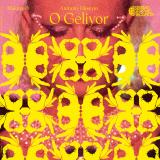
Anthony Hüseyin presents their new album O Geliyor (Making O), in which they return to the rediscovery of their gender, their childhood, and their attachment to Zeki Müren.
Müren is widely regarded as the most important queer exponent in the history of Turkish Art Music (Türk Sanat Müzigi). This genre of music was open to musical hybridism, and Müren himself also included elements of jazz and pop music.
Stylistically, O Geliyor (Making O) is a combination of contemporary discoid electro-pop music, based on Turkish Art Music by Zeki Müren. After successful current re-interpretations of Turkish music styles like neo-Anatolian pop and neo-Arabesk, this album provides a first take on neo-Turkish Art Music.
The album title is referring to the third genderless person pronoun in Turkish called "O", which encompasses all gender possibilities in one word. The album reflects on the memories that haunt us and the indescribable wounds of displacement. Set against the backdrop of Berlin, home to many immigrants and political and queer refugees, it exposes the profound emptiness in a metropolis wishing to imagine itself as a safe haven for the free-spirited, yet always reminding the Other that they don't belong. At the same time, it delivers anthems for the displaced, for the queer migrants who traverse internal and external landscapes in search of a place called home.
Anthony Hüseyin is a non-binary musician and performance artist of Kurdish-Turkish and Arabic descent who works with voice, text, film, dance, and installation. Raised in Urfa in Southeastern Turkey, where they learned traditional local music, they went on to study both classical and jazz singing in Istanbul and Rotterdam. Their works combine the personal and political to explore memory, identity, community, collective consciousness, and the body.
Enter the debut LP of the now Spatial regular Chronicle - Expect a joyous, varied blend of old school brand new atmospherics from one of the scene’s most talented producers. A1 - 20th Century Man Straight into the beats for the deliciously cheery opening, 20th Century Man encapsulates so much of what Chronicle does best - old school breakbeat sensibilities delivered with an inimitable atmospheric charm, strongly reminiscent of that peak Good Looking era we all adored. Incredible synthwork and analogue drums layered with danceable 2-step breaks and melodies take your mind exactly where you want to be. A2 - Terraformers Seminal synths and birdsong effects prepare us for an impossibly crisp breakbeat and 808 bassline to drive this track along, coloured by a myriad of subtle blips and bleeps, delicately flecked across a detailed and optimistic soundscape. Very DJ-friendly from the first to the final bar, the purity of Chronicle’s approach to atmospheric drum & bass is once again at its best here on Spatial. B1 - Boundless Space Playful twittering birds, gentle hi-hats and panning synths introduce Boundless Space, a blissful, serene treat for the senses which soon kicks into flourishing life with the timeless Circles break. Vocal samples punctuate the soothing breakdown with exquisitely programmed effects dotted here, there and everywhere, completing a stunning composition that both reflects on the past and looks forward in equal measure. B2 - Ephemeral Style A light, delicately calming pad-laden intro with echoing melodies opens Ephemeral style, soon punctuated by a sublime 808 bassline preceding the drop. Chronicle showcases his dancefloor breakbeat prowess with an energetic 2-step break pattern, expertly programmed and riddled with detail and density, creating a wonderful collage of sound and a perfect addition to any era-spanning atmospheric set. C1 - Modular Expansion Eerily reminiscent tones harking back to the golden, ultra-classic Good Looking era introduce us to Modular Expansion, a track which quickly adds layer upon layer of original identity to the vibe with crisp breaks, a wonderful metallic backdrop snare and subtle vocal samples. The joyously retrospective breakdown complements the energy of the track beautifully, capping off another gem for the record box. C2 - Limbic System Chronicle introduces Limbic System with swathes of swirling pads and synths, straddled with a subtle yet enigmatic melody carrying us through the drop, where we are treated to a lusciously constructed old school break pattern with a modern twist. Enter the breakdown and the keen ear will spot sampled quotes from Total Recall, which fit the vibe perfectly. “You went to Recall?” - yes, we sure did. And we enjoyed the trip! D1 - Non-Euclidian Continuing the blissful retrospective atmospheric tone of the album, Chronicle serves up Non-Euclidian which opens with a wonderfully synthy intro flecked with old school break samples and an earworm melody, before the onslaught of layered breaks provides variety as well as a thoroughly danceable pattern to unleash on the discerning dancefloor. Trademark dotted effects punctuate the track throughout. D2 - Deep Thought Capping off the LP we have Deep Thought, setting a calming and quietly brooding vibe before impossibly crisp beats kick in and elevate proceedings nicely. Chronicle effortlessly leads the listener through the drop with an analogue punch, earthy basslines and fluttering effects with the kind of flair we’ve come to love from such a vastly experienced and talented producer - perfectly complementing the vibe here at Spatial. Words by Chris Hayes (Spatial / Red Mist)
Where LWP001 moved inward, LWP002 moves forward - five artists converging around a shared pull toward the dance floor, each arriving from a different angle. Peryl opens with the precision and restraint his sound is built on, texture held under careful tension. Aöcram follows with something hypnotic and dense, pressure that doesn't let up. APRS and Lask, collaborating for the first time, match that intensity with something lighter in its construction - drive without weight, air without losing grip. nil closes the record in a different register altogether, slower and more introspective.
Played out a couple of times by the KM crew, and eagerly anticipated by the community, &ME's remix of UNKLE's already classic tune „Only You" is available now. The original track taken from UNKLE's 2019 album The Road: Part II / Lost Highway features regular UNKLE collaborators including West London's Miink on vocals and celebrated composer and arranger Wil Malone on strings, famed for his work on Massive Attack's Unfinished Sympathy and The Verve's Bittersweet Symphony. Here we once again witness &ME feeling through the source material just to do what he does best: adopting the emotive essence of a track and moulding it into a reduced and unpretentious, yet highly compelling club-weapon of anthemic magnitude. This one will be all over the place, that's a given.
The Earliers is an early reggae and soul band based in France. Founded by producer and multi-instrumentalist Karigan, the project returns with a second 45 RPM release, once again staying true to its signature format: an early reggae track on Side A and a soul track on the flip side.
This new record features the outstanding vocals of Congo Lion on the early reggae side and Sebah on the soul side. The entire release was mixed by Karigan at BBR Studio, crafted with a vintage, old-school, homemade spirit.
Two tracks by the “queen” of ’90s dance music on one
vinyl: her dance cover of Roberta Flack’s “Killing Me Softly”
(later made famous again by the Fugees and Lauryn Hill),
and her first major original hit, “Day by Day”.
Trinidad-born, Bristol-based vocalist and multi-instrumentalist Corysan releases his first new single in five years on the newly launched Nine Channel Records.
He met producer and label boss Grant Dell in 2016, the pair hitting it off and collaborating on 2018’s Hijacked single for the latter’s Legsman reggae imprint. Described as “proper righteous business” by Andrew Weatherall before spinning the single on his Music’s Not For Everyone NTS radio show, Corysan deeply intones his lyrics over Dell’s supremely deep, heavyweight roots manoeuvres.
When Dell asked Weatherall’s long-time studio partner Nina Walsh to pick one of the three artists on his planned new label to remix shortly after his untimely passing in 2020, she selected Corysan’s “Heavy Load”, not knowing Andrew had been such a major fan but, at that difficult time, relating to the song’s positive punchline: “The burden that I carry here, can only make me stronger now.”
Nina’s modern dub masterpiece graces the flip of Dell’s two mixes, her seismic bassline and other-worldly music perfectly complimenting Corysan’s message, represented in spatially planted extracts along with a new spirit-flying midsection.
Now it’s time to let “Heavy Load” into the world as a roots milestone from this unique artist, with enough extra weight to anchor it anywhere from sound systems and clubs to front-room dancehalls. Those few years since its creation have given its timeless message of hope and defiance a deeper relevance in turbulent modern times.
Twenty years ago, somewhere in Scotland, an album that was the missing link between The Black Dog, Chain Reaction and Irdial was released by an enigmatic Glasgow producer called Pub, on his equally mysterious label Ampoule.
The album ‘Do You Ever Regret Pantomime?’ (2000) has become the stuff of local folklore, a key work in the UK’s rich history of IDM and ambient, and one of the most celebrated albums of the early noughties. Bizarrely, it even infiltrated the Billboard Top 100.
‘Do You Ever Regret Pantomime?’ is also very much a key statement from a producer who has chosen to stay in their own space, where everyone is welcome. Records like these are about losing yourself in the sound and creating your own universe to explore.
Over the record's 70 minutes or so you’re instantly wrapped in a deep matrix of spacious chords, abstract textures and gently shifting rhythms.
The 2020 reissue has been re-mastered and cut at Berlin’s Dubplates & Mastering, pressed as a 2x12” and features new artwork and a bonus track.
This release also heralds the return of Ampoule, the Glasgow label which released music from the likes of Lucky & Easy, Omens Jot and Moped Endo among others. Forthcoming releases will be a mixture of new music and re-issues from the archives.
Fantastic Friends Recordings proudly presents a new vinyl journey through deep, minimal and underground electronic sounds, bringing together four distinctive artists from across the scene.
A1 – Nicolas Duvoisin & Kim Kemi
Swiss underground veteran Nicolas Duvoisin joins forces with Danish selector and producer Kim Kemi, known for his close connection with intimate dancefloors and hypnotic grooves. Their collaboration delivers a refined blend of driving rhythms and atmospheric textures, perfectly setting the tone for the record.
A2 – Mike D.
Hailing from Chihuahua, Mexico, Mike D. is part of the new generation of minimal and underground house producers. Recognized for his sophisticated productions and support from respected international DJs, he brings a groove-focused and highly effective club cut to the release.
B1 – Guedes & Kid Moss
Longtime collaborators and regular contributors to the Fantastic Friends universe, Guedes & Kid Mosscombine infectious basslines, rolling percussion and playful melodic elements. Their productions are known for balancing dancefloor energy with a distinctive underground character.
B2 – Isaac Elejalde
From the Berlin scene, Isaac Elejalde delivers a deep and elegant interpretation of the label's signature sound, blending precision, groove and subtle emotional depth into a timeless late-night track.
A carefully curated four-track vinyl release designed for selectors, collectors and dancefloor explorers alike, continuing Fantastic Friends Recordings' commitment to forward-thinking underground electronic music.
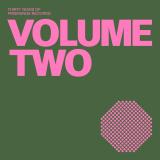
We’re thrilled to present Volume 2 of ‘30 Years Of Freerange’. Six more, brand-new and exclusive tracks from a variety of label regulars including Fouk, Aroop Roy, Coflo, Fred Everything, Matt Masters & Radic The Myth
Three decades in, Freerange doesn’t look back - it expands. 30 Years Of Freerange - 30 tracks from 30 artists across Five EPs. A slow-burn rollout culminating in a beautiful boxset meticulously assembled to outlast trends, algorithms, and short attention spans. A handpicked cross-section of the Freerange continuum from artists who’ve shaped the sound alongside up and coming voices pushing it somewhere new.
For their fourteenth installment, FELT look once again to their city of Copenhagen, specifically to more alumni of the Rytmisk Musik Konservatorium (Rhythmic Music Conservatory). Following soon after Ginte Preisaite’s debut for the label, this long player from Vincent Yuen Ruiz is a grand departure from Preisaite’s experimental electroacoustic pop compositions, instead offering an elegant and pensive suite of late-night, wide-eyed ambient jazz works centred on piano, double bass and percussion; “I seek a dramaturgy of restraint, where silence, space, and collective attention become structural elements of the music.” (Yuen Ruiz)
Originally forming in Copenhagen in 2019, the group's language sits at the crossroads of contemporary jazz, improvised music, and experimental sound practice and deploys a non-hierarchical collective approach. Taking harmonic cues from Bach and Ravel but expanded into a dialogue between players that is repetitive, spacious and informed by minimalism as much as ECM chamber styles, the resultant four pieces move between precise formal structural rules and spontaneous improvisation. Silence and restraint is as important a device as timbre and unity. The group are concerned with dispelling the traditional jazz trio model, e.g. three unique displays of virtuosity, instead exploring how each player may help add to the overall emotive atmosphere the use of ambient space provides. To borrow a quote regarding the hard to classify music of Czech duo Irena & Vojtěch Havlovi, this interplay strikes at times like the shadows contrasting with the light.
More intimate than Yuen Ruiz’s Le seul salut que je connaisse (2021), an album recorded with a 6-musicians ensemble, this latest album Trio continues the composer’s research and moves towards a more focused, condensed writing style and a clear statement of intent.
UTTU hits the 200 mark (officially) with DJ Haus in the command module navigating wild meteor showers, solar flares and of course WORMHOLES - along for the ride are fellow cosmonauts Legowelt (under his amazing new ZORLOK COMPRESSOR alias), Berlin legend SHED & Tokyo's 'modular dub enthusiast' YASSOKIIBA - each reworking EneGiZer into unique outer reaches of the sonic cosmos - absorbing DUBSTEP, REGGAE, TEKNO, BREAKZ and HOUZ!"
Red Deviil returns to X-IMG with their first ever vinyl release titled “Tesoros Infernales” featuring five original cuts of their uniquely sinister Techno Body Music topped off by three exquisite remixes by distinguished veterans of the underground dark electronics scene. The LP consists of forty minutes of sinister, brooding, groovy & cutting edge tracks with a bonus digital track included with the attached download code. Remixers include Filmmaker, Arnaud Rebotini & Mind | Matter. This release follows their incredible first X-IMG debut album from 2023 titled “Tendencias Ocultas”.
Red Deviil is the project of Guni Ca & Blak G hailing from the deceptively picturesque town of Tuxtla Gutiérrez in Chiapas Mexico. They are based out of their Astro Bar headquarters & event space where they host regular nights of underground electronic music, cultivating the local scene in Mexico while inviting and performing alongside international acts. The pair’s thick & heavy dark electronic music output contrasts heavily with their idyllic surroundings where they play a key role in developing the local underground community.
Founded in Puebla City in 1998 by Alberto Tlahuetl, Grupo Soñador played a key role in shaping a distinct regional take on cumbia at a time when the genre was largely dominated by Mexico City and the coastal scenes. Working with minimal resources, home recordings, cassettes, and affordable keyboards, the group developed a clean, melodic, and dance-driven sound that resonated deeply within the sonidero circuit. Their breakthrough track El Paso del Gigante (2001), spread organically through DJs and street dances, establishing Grupo Soñador as a cornerstone of Puebla’s emerging musical identity. Without a formal label structure, their music travelled hand to hand, from local fairs to migrant communities in the United States, becoming part of a wider underground network of circulation. Blending electronic instrumentation with sonidero rhythms, Grupo Soñador helped place Puebla on Mexico’s cumbia map, not through industry infrastructure, but through the dance floor.
Lambrini Girls kündigen am 15. Januar ihr mit Spannung erwartetes zweites Album „NO REFUNDS“ an. Ihr Debütalbum „Who Let The Dogs Out“ schaffte es in die Top 20 der britischen Charts, wurde von Magazinen wie Kerrang! und NME auf den Titelseiten vorgestellt, sorgte weltweit für ausverkaufte Tourneen und löste einen regelrechten Hype in den sozialen Medien aus. „No Refunds“ ist düsterer, direkter und radikaler. „BANG BANG BANG“ eröffnet die Kampagne mit voller Wucht: scharf, schnell und explosiv.
Lambrini Girls sind ein Punk-Duo aus Brighton, das Musik über all das macht, worüber deine beschissene Regierung, deine beschissenen Chefs und deine beschissenen Männer lieber nicht reden würden. Phoebe Lunny (Gesang, Gitarre) und Selin Macieira-Boşgelmez (Bass) stehen ganz in der Tradition des Riot Grrrl – roh, laut, witzig und wütend. Ihre Songs über sexuelle Übergriffe, Queerness, Sparpolitik, Rassismus und toxische Beziehungen werden mit einer chaotischen Live-Energie vorgetragen, die Veranstaltungsorte in Moshpits und Fremde in Gemeinschaften verwandelt. Ihr Debütalbum „Who Let The Dogs Out“ (City Slang Records, Januar 2025) war eine der meistgelobten Platten des Jahres: eine Metacritic-Bewertung von 83, was auf „allgemeine Begeisterung“ hindeutet, ein Einstieg auf Platz 16 der britischen Albumcharts, Rough Trades „Album des Monats“ und Platz 12 in Kerrang!s Liste der 50 besten Alben des Jahres 2025. NME kürte es zu einem der 20 besten Debütalben des Jahres. Die Band zierte die Titelseiten von Notion, Kerrang!, Paste, New Noise und Variety und erntete Lob von Größen wie Kathleen Hanna, Sleater-Kinney und Peaches, die ihren Hit „Cuntology 101“ remixten. “ Im Anschluss an das Album folgten mehrere ausverkaufte Headliner-Tourneen durch Europa, Großbritannien und Nordamerika, bei denen sie das O2 Forum Kentish Town ausverkauften und sich einen Auftritt beim Coachella sicherten, bevor sich Frontfrau Phoebe Lunny mitten auf der Tournee in Australien eine Halswirbelfraktur und eine Hirnverletzung zuzog. Die US-Termine wurden verschoben. Und dann neu angesetzt. Eine Reihe von Festivalauftritten wurde angekündigt. Ein Auftritt als Vorgruppe von Bikini Kill in New York wurde hinzugefügt. Das ist nicht die Ruhe vor dem Sturm … Die Lambrini Girls sind schon mittendrin, und sie werden gerade erst richtig loslegen.
Lambrini Girls kündigen am 15. Januar ihr mit Spannung erwartetes zweites Album „NO REFUNDS“ an. Ihr Debütalbum „Who Let The Dogs Out“ schaffte es in die Top 20 der britischen Charts, wurde von Magazinen wie Kerrang! und NME auf den Titelseiten vorgestellt, sorgte weltweit für ausverkaufte Tourneen und löste einen regelrechten Hype in den sozialen Medien aus. „No Refunds“ ist düsterer, direkter und radikaler. „BANG BANG BANG“ eröffnet die Kampagne mit voller Wucht: scharf, schnell und explosiv.
Lambrini Girls sind ein Punk-Duo aus Brighton, das Musik über all das macht, worüber deine beschissene Regierung, deine beschissenen Chefs und deine beschissenen Männer lieber nicht reden würden. Phoebe Lunny (Gesang, Gitarre) und Selin Macieira-Boşgelmez (Bass) stehen ganz in der Tradition des Riot Grrrl – roh, laut, witzig und wütend. Ihre Songs über sexuelle Übergriffe, Queerness, Sparpolitik, Rassismus und toxische Beziehungen werden mit einer chaotischen Live-Energie vorgetragen, die Veranstaltungsorte in Moshpits und Fremde in Gemeinschaften verwandelt. Ihr Debütalbum „Who Let The Dogs Out“ (City Slang Records, Januar 2025) war eine der meistgelobten Platten des Jahres: eine Metacritic-Bewertung von 83, was auf „allgemeine Begeisterung“ hindeutet, ein Einstieg auf Platz 16 der britischen Albumcharts, Rough Trades „Album des Monats“ und Platz 12 in Kerrang!s Liste der 50 besten Alben des Jahres 2025. NME kürte es zu einem der 20 besten Debütalben des Jahres. Die Band zierte die Titelseiten von Notion, Kerrang!, Paste, New Noise und Variety und erntete Lob von Größen wie Kathleen Hanna, Sleater-Kinney und Peaches, die ihren Hit „Cuntology 101“ remixten. “ Im Anschluss an das Album folgten mehrere ausverkaufte Headliner-Tourneen durch Europa, Großbritannien und Nordamerika, bei denen sie das O2 Forum Kentish Town ausverkauften und sich einen Auftritt beim Coachella sicherten, bevor sich Frontfrau Phoebe Lunny mitten auf der Tournee in Australien eine Halswirbelfraktur und eine Hirnverletzung zuzog. Die US-Termine wurden verschoben. Und dann neu angesetzt. Eine Reihe von Festivalauftritten wurde angekündigt. Ein Auftritt als Vorgruppe von Bikini Kill in New York wurde hinzugefügt. Das ist nicht die Ruhe vor dem Sturm … Die Lambrini Girls sind schon mittendrin, und sie werden gerade erst richtig loslegen.
The dream team of Sugar Minott and Victor Axelrod returns with a deep rub-a-dub reggae take on The Notation’s low rider classic, “I’m Still Here”. Shortly after falling in love with the song via a 45 mix from Gabe Roth, Axelrod received a serendipitous message from the late great Minott saying he was in town and ready to work.
Sugar's effortlessly soulful vocals coupled with Axelrod and Co's sweet and spacious groove, transform the Notation's track into a slow , sticky revelation of love that's actually stable. The perfect soundtrack for discerning soirees and those moments where you have one foot out the door but need a moment of reflection.
One of the UK’s best loved and most respected dance music producers, Michael Gray, unveils his exciting third artist album, ‘You & Me’, on his own ever vibrant Sultra Records. Featuring a superb array of both fresh and regular vocal and musical collaborators, Michael delivers another superb helping of lovingly crafted discofied, boogie and soulful dance treats, where meaningful songwriting, passionate vocal performances and impeccable musicianship combine to create one of Michael’s best bodies of studio work to date!
“I’m really excited about this album. I enjoyed making ‘Optimism’ 2 years ago, but I feel like my sound and creativity have developed further during the production of my third album ‘You & Me’. I think there will be a few tracks that people are not expecting from me… and that’s the joy of making an album! You can really get creative”. – Michael Gray
Across the album, Michael brings together an impressive array of world class talent. Rising 29 year old vocalist Bran Mazz features prominently, delivering fresh performances on the standout cover of Maxwell’s ‘Ascension (Don’t Ever Wonder)’, as well as on ‘I Like The Way’, ‘Medicine’ and ‘Breaking Away’. Chi town house legend Mike Dunn joins Michael on the title track ‘You & Me’, built around a clever sample of Freeez’s ‘Flying High’. Vocal powerhouse Tania Foster turns up the heat on the Latin disco flavoured ‘Shake’. New York singer Kelli Sae lends her unmistakable soul to ‘Give It To Me’ and ‘Detonate’, the latter also featuring singer/songwriter Errol Reid (China Black / Axwell). Jamiroquai’s Derrick McKenzie adds his signature live drums to ‘Detonate’ and ‘I Like The Way’. Sian Lee appears on the current single ‘Gravity’, which is sitting at the top of the Traxsource chart. ‘Universe’ sees Michael deliver an instrumental jackin’ house twist, set for a full single release on Toolroom in June. Adding further depth to the album, superstar diva Phebe Edwards brings her impeccable soulful tone to a cover of Cleo Sol’s ‘Life Will Be’, Brit soul favourite Dyanna Fearon shines on ‘I’m Falling For You’, and Audrey Martells lifts ‘Beautiful’ with her stunning, uplifting vocal.
There was a regrettable time in Turbo's history when our email filters would prevent anything called Groovedeep from reaching our senior A&R braintrust. We felt we needed to shield their sensibilities and sanity from demos by acts like The Rhythm Pilgrims and Loop Addict, but it ended up costing us potential stars like SonicVisions and Beatweaver. Someone had to stand up and say no more.
With this benighted era behind us, Turbo is proud of itself for presenting you with this pair of decidedly modern bangers from international supergroup Groovedeep, comprised of Toronto's Ciel and DC's James Bangura and Jackson Ryland.
"Funk Solo" packs 145 beats into each and every minute of a delirious techno mindbeast, with remixes from icons such as Shed, Batu, and Mark Broom taking the vibe in all the right various directions. Meanwhile, the bottom of the B-side is a "Big Bass Mix" for those of us who are compelled to slather ourselves in bass-boost ultrasound gel and nestle into the club sub-woofer where the low frequencies massage our kidneys and sacrum and the twinned demons of treble and vision cannot touch us I mean not even close brother.
Fionn Regan’s eighth album, Berlin, Berlin, is a stark, intimate and instinctive collection of songs, written and recorded in just five days in East London. Arriving swiftly after the acclaimed O Avalanche, it embraces minimalism, atmosphere and poetic storytelling, unfolding like a half-remembered film glimpsed in the small hours.
From the spectral opening of ‘Hurricane Bruise’ to the nocturnal title track and the warm devotion of closing song ‘Love Blood’, Berlin, Berlin moves through winter light, rain-soaked streets, lost characters and fleeting romance. Raw yet richly cinematic, it feels less constructed than discovered—a record shaped by instinct, intuition and the mysterious pull of the songs themselves. A natural storyteller whose career stretches back to his Mercury Prize shortlisted debut The End of History, Regan has created a record that feels timeless and quietly radical: a lost cult classic waiting to be found.
LP,180, 2018 REISSUE - REMASTERED FROM ORIGINAL TAPES, CAREFULLY REPRODUCED ORIGINAL ART
The two sides of 1973's Big Business / Wind of Change are mainly the work of thegreat Keith Mansfeld but there's a killer cameo each from Alan Hawkshaw and David Snell to help deliver a thematic suite, diverse in mood, applicable to dramatic and environmental situations'. A Be With favourite and truly one for the heads.
The Big Business of side A is all the work of Keith Mansfeld. It's heavy on the suspense and features the vital Hot Property', an insistent groove so good that Madlib sampled it to lace the ace Long Awaited' by Lootpack with Dilated Peoples.
Sleeping Giant 1' is a more feshed out version of the equally-dazzling Fatal Error', evoking the orchestral magic of David Axelrod. Indeed, it conjures images of Diamond D falling over himself in the early-to-mid 90s to loop its intoxicatingly
eerie soundscape. Complete with guitar flls that recall Paris, Texas-era Ry Cooder, you need this record for this piece alone.
The horn-and-fute-led "Tycoon" is a head-nodder and "Power Complex" has some fantastic percussion. Other highlights include the breezy glide of Whistle Stop Tour' and its sister groove Clean Air.'
Over on Side B is the more expansive Wind Of Change, which includes the David Snell and the Alan Hawkshaw contributions. But these ain't no fller. Snell's shufing International Flight' sounds like a smooth Dorothy Ashby track tossed from the heavens. Hawkshaw's Road And Rail' is about as luxurious and strung-
out as the great man gets and it might just be the highlight of this whole set.
Not to be outdone, if Mansfeld's Balance Of Power' doesn't make you feel like king of the world then you must be playing it wrong. Oh, and did we mention World In Action'!
As with all ten re-issues, the audio for Big Business / Wind of Change comes from the original analogue tapes and has been remastered for vinyl by Be With regularSimon Francis. We've taken the same care with the sleeves, handing the reproduction duties over to Richard Robinson, the current custodian of KPM's
brand identity.
LBD Issues continue with their quest of reissuing music from Eastern European region previously unavailable on Western markets. The third release is a compilation that showcases the collaboration work of duo Eva Hurychová and Jan Neckář. The two met in 1982 and Eva started performing with Jan's band Bacily. Jan was already established and hugely successful musician and producer, mainly for his brother Václav, who was a real pop superstar in former Czechoslovakia and still remains very popular to this day. Eva was a composer and lyrics writer for other successful artists too. However, the duo soon started recording stuff on their own, experimenting with electronic productions and the sound not at all common for its day in Czechoslovakia. This compilation cherry-picks the tracks from various different singles released between 1984 and 1986.
Who, or, what, exactly is a Matured Sinner? In this case it's the result of a meeting of both minds and bodies between Swedish producer Johan Blende, freshly relocated to Athens, and fellow Eskimo artist and native Athenian NTEIBINT. Between the decidedly weak minds of succumbing to night time activities and day time regret an idea was born to create the best Greco-Norse creation since ABBA stole a bouzouki and used it shamefully for the best part of Mamma Mia (OST ?).
"I took one of my half-baked beats to George (aka NTEIBINT) to see what he could add to it and voilà - Mist 9000 was born!" explained Johan. Now complete with pulsating analogue arpeggios, a throbbing bass line and increasinglydistressed synths all writhing together in composed ecstasy that dance floors are made for, the track that emerged from George's studio left them hungry for more.
Returning to the studio, it isn't long before the song that would give this new project its name emerged. Created with the help of a friend Olga on backing vocals and an unnamed, equally sinning, young lad, Matured Sinner paired hypnotic disco beats, sinuous synths, squawking sine waves and almost queasily blissful sighs with a cautionary tale of drugs, flying saucer cults and a spiral deeper and deeper into sin and moral ruin.
Was it enough? It was. But then the third one came around, mainly by sheer want to continue, lingering like the third child of a marriage running out of ideas. Shall we keep going? "Of course we shall, this is our gift to the world!" Like a modern day cult, Bright Bum was conceived in a non-sexual context from leftover sounds after a nightof confusing creations and not necessarily tender compliments in an equal manner, chugging synths squelching their way over a mesmerising guitar loop as bright stabs cut through the humid funk of the track's insistent rhythm which, like all good nights out, increasingly fray at the edges as it rolls towards oblivion. Nobody requested it but like the nature of humanity itself, it must keep going.
Phone Me Tonight was recorded in 1981 at Studio Maïa in Bondy, just outside Paris - a creative hub where many artists of the African diaspora shaped their sound. On this track, Eko Roosevelt collaborates with producer Gabriel Nahas, known for his work with artists such as Pasteur Lappe, Marthe Zambo, Toto Guillaume, and Manu Dibango. The result is a shimmering blend of synth-driven groove and Eko’s signature ‘Funky Disco Music’ sound, capturing a moment where analogue warmth met futuristic ambition.
For this 2026 reissue, Phone Me Tonight has been carefully restored and remastered, breathing new life into Eko’s iconic Yamaha DX7 synth lines. The track has been subtly tightened to the grid, making it perfectly suited for contemporary dancefloors & dj’s while preserving its original spirit and charm.
This EP also offers a glimpse into Eko’s creative world: rare photographs of his home studio in Lobé, featuring the very DX7 synth used during the original recording. In addition, you’ll discover exclusive footage from the Phone Me Tonight video shoot, filmed at the breath-taking Lobé Waterfalls, documented together with Lobé’s community throughout 2025 and 2026.
ABOUT LOBE MON AMI
Lobé Mon Ami was written by Eko Roosevelt in 1981 as a heartfelt tribute to his home community of Lobé in Cameroon. Two versions of the song exist; this EP presents the rare and original version, restored and remastered here for the very first time. Using the download code, listeners can also access an exclusive alternate version of Lobé Mon Ami and the full EP in digital formats.
The song weaves together multiple languages, including Batanga and French, reflecting the rich cultural fabric of the region. Through its lyrics, Eko tells the story of his life - born and raised in Lobé, venturing abroad in pursuit of music, yet always drawn back home. Each return rekindles his deep connection to Lobé. In a poetic gesture, he names surrounding villages in various languages such as Batanga throughout the song, turning it into both a personal memoir and a cultural map.
ABOUT EKO ROOSEVELT
Born on November 13, 1946, to princess Kethy Mbenyo and William Roosevelt, Eko Roosevelt has led a life filled with mythical appeal and musical excellence. Local lore recalls how, at the age of ten, he bravely fought off and killed a serpent near the waterfalls of Lobé. An event that became part of his local legend prior to his enduring legacy as a musician and traditional chief.
Eko Roosevelt discovered his passion for music in church before furthering his studies in Dakar, where he met his wife, Nicole. Together they moved to France, where Eko launched his recording career - first with the Dikalo Group, and later as a solo artist. His discography includes standout releases such as Kilimandjaro My Home, Funky Disco Music, and the hit single Nalandi. In 2020 he renewed his status as hitmaker through his work with Disclosure on the revised version of his single ‘Tondoho Mba’, originally released in 1982. His enduring legacy and pioneership within Makossa and Funky Disco music helped shape the sound of many DJ’s and producers such as Gilles Peterson, Disclosure, Folamour, Diplo, ANOTR, Jax Jones, Sonny Fodera and Daphni.
Over the years, he shared stages and collaborations with renowned artists including Claude François, Nino Ferrer, Manu Dibango, and Miriam Makeba. As a producer and arranger, he became a respected figure across the African diaspora, working with talents such as Toto Guillaume, Marthe Zambo, M'Pongo Love, and experimenting in the studio with visionary artist Francis Bebey.
In 1998, Eko returned to Kribi, where he continues to live, create, and perform. Alongside his musical career, he has composed three albums of Catholic music, still awaiting release, and is currently working on new material. Today, he remains a beloved figure both locally and internationally.
Since 1996, he formally assumed his role as traditional chief of Lobé (usually reffered to as 'Chef Traditionnel'), following in the footsteps of his grandfather; his majesty ‘Bevigna Eko Louis’ - an enduring source of inspiration throughout Eko Roosevelt’s life. Despite his royal duties, he continues to perform regularly across Cameroon. When he takes the stage, entire crowds sing along to Lobé Mon Ami and classics like Nalandi and Attend-Moi, celebrating a legacy that bridges generations.
Balancing tradition and music, his majesty Eko Roosevelt Louis remains deeply committed to both his community and his art. This reissue of Phone Me Tonight / Lobé Mon Ami marks a renewed chapter in sharing his rich musical legacy, and his musical future with the world.
First Word Records proudly present ‘One 4 Detroit’; the third single from Above The Clouds (aka kidkanevil & Magic Manfred), complete with a remix by 14KT.
This 7" vinyl release follows on from last Summer's MF DOOM cover 'Arrow Root', which received strong support from the likes of Japan's DJ Koco and Philadelphia's DJ Jazzy Jeff, and their recent cover of ‘Change’ which was originally by Shadez of Brooklyn, most notably appearing on DJ Premier's 1997 mix album 'New York Reality Check 101.
One of the original First Word roster, UK Producer/DJ and all-round laptop music geek kidkanevil has developed a distinctive and progressive sound over the years, gleefully exploring the beats and bleeps of the electronic music universe to international recognition. Leeds born, sound system bred and raised on a (un)healthy diet of video games and anime, his solo work inhabits the curious space between bass frequencies and otaku culture. But as a devoted teenage backpack rap nerd, somewhere in the back of kid's mind was a lingering desire to reconnect with his first love, hip hop.
Not long after moving to Berlin he joined a studio space in graffiti plastered Kreuzberg, where he met multi instrumentalist wizard Magic Manfred; a disciple of all things boogie, disco, funk and soul. Born and raised in Berlin, and currently a touring musician for many an act, Manfred's musical map joins the dots from piano lessons at four, to starting a band with his teenage friends, leading him to his true calling - the bass - via the club vibrations of his hometown, which introduced him to the world of DJing and production, and a stint studying in the explosive London jazz scene to finalise his Jedi training.
Bonding over their mutual love of '90s hip hop, a friendship and musical kinship developed, coupled with a desire to honour past eras but push things forward, Above The Clouds was born; named after their joint favourite Primo beat, with a touch of irony regarding their basement based studio of a windowless variety.
kidkanevil explains that “after we made a bunch of piano joints it felt like time for a switch up, I had these raw drums looped and Manfred started playing this simple synth line on the Prophet - it kind of happened in an instant. This one was really a case of capture a moment and let it be. It had this cold, industrial bounce to it that really felt ‘Detroit’ somehow, so it became something of a tribute to that sound. Obviously there’s a rich musical history there that’s beyond anything we could encapsulate, but I hope the respect comes across. From Berlin to the D with love!
We felt pretty strongly that if we’re gonna nod to Detroit, we needed a remix from someone who reps there directly. I’ve been a fan of 14KT since the early 2000s beat scene, and as he’d previously released music on First Word, it made perfect sense to approach him. We asked and did he oblige!! I’m very comfortable saying we got schooled! He really blessed us with an amazing remix that brought a life and soul to what was originally a pretty stark beat, we’re super honoured to have this as our first ever remix.
‘U3P1’ (named after a synth preset so we didn’t forget!) is on the flip - this also came about pretty fast. I was thinking Ummah-era Tribe with the drums, and Manfred once again put down this super nice riff and it grew from there. It kinda felt like it needed some trumpet and it's always nice to highlight some of the amazing musicianship lurking beyond the club systems here in Berlin, so we called up Berlin based trumpeter and composer Paolo de Jesus, who blessed us with a beautiful performance and arrangement. And that was that; we hope you enjoy!”
‘One 4 Detroit / U3P1’ is released on limited 7" vinyl & digital platforms, June 12th 2026.
LP,180g, 2027 REISSUE - REMASTERED FROM ORIGINAL TAPES, CAREFULLY REPRODUCED ORIGINAL ART
Hot Wax is an assured KPM masterclass from a dream team line-up of Brian Bennett, Alan Hawkshaw and John Fiddy. Here we're treated to what happens when all three decide to explore the latest trends in production music'. The latest as of 1976, of course.John Fiddy's numbers are sumptuous, string-led and light. Floaty soft-psych underpinned by a solid groove, particularly on Taste For Living' and "Fresh Start". If you're into Koushik and those early Manitoba/Caribou records - and you should be - you'll appreciate these.
For us, the Bennett and Bennett/Hawkshaw stuf is on another level. Capitol City' oscillates between driving funk and downbeat sentiment. Name Of The Game' is tough, smokin' funk, famously sampled in 2007 by Madlib for Percee P's Who With Me'. Bop On The Rocks' knocks hard and Full Throttle' features a guitar solo with some of the nastiest, about-to-explode fuzz you're ever likely to hear.
As with all ten re-issues, the audio for Hot Wax comes from the original analogue tapes and has been remastered for vinyl by Be With regular Simon Francis. We've taken the same care with the sleeves, handing the reproduction duties over to Richard Robinson, the current custodian of KPM's brand identity.
LP,180g, 2027 REISSUE - REMASTERED FROM ORIGINAL TAPES, CAREFULLY REPRODUCED ORIGINAL ART
The 'vivid contemporary sounds for a fresh visual image' make up the now canonised Synthesis from Alan Hawkshaw and Brian Bennett. These two greats go deeper than usual on this collection, and the end result is a synth concept record of sorts. Released in 1974, it's an essential companion piece to
their Synthesizer and Percussion LP, released on Themes International Music in the same year.
Like most of our favourite library records, Synthesis has that gloriously funky, 'weird electronic music' vibe without ever being inaccessible. With the awesome ARP Odyssey at the fore, Hawkshaw and Bennett have created a blissed-out soundscape that, whilst laid back in all the right places, somehow remains heavy on the funk. It's a sort of throbbing, proto-G Funk sound and you can fnd it on many of these low-lit basement workouts.
Take the ice-cool 'Alto Glide'. It's a sunset-funk highlight with an electro-fute refrain that conjures those dreamier Dre / DJ Quick instrumentals from '91 to '92.
Stereolab, Koushik (again) and all those Ghost Box artists were clearly listening very closely in the years since. The equally relaxed 'Mermaid' glides efortlessly with soft, shimmering piano, understated percussion and kaleidoscopic synths.
It's a really beautiful piece.With these two soft-focus closing tracks allowing the LP to foat away over the horizon, the preceding ten tracks have a more insistent, neck-snapping rhythm
section to back the synth overload. Highlights include the head-nod funk of 'Getting It Together' and the synth break in 'The Executive', which informed classic video game soundtracks.
For once Be With really is stuck for words to describe just how good this record is.
Best just to listen. As with all ten re-issues, the audio for Synthesis comes from the original analogue tapes and has been remastered for vinyl by Be With regular Simon Francis. We've taken the same care with the sleeves, handing the reproduction duties over to Richard Robinson, the current custodian of KPM's brand identity.
LP,180g, 2027 REISSUE - REMASTERED FROM ORIGINAL TAPES, CAREFULLY REPRODUCED ORIGINAL ART
Veteran library musician Alan Parker recorded with session vocalist Madeline Bell for his Themes International Music label and the result was 1976's The Voice of Soul.
The sensational uptempo dancer 'That's What Friends Are For' is probably the most well known track on the record, and is a big hit on the rare groove scene, but it is by no means an anomaly. The Voice of Soul is essentially a perfect, sophisticated soul album with heaps of swagger and sass from beginning to end.
Its once generic-sounding title is now deservedly defnitive.
And the whole LP oozes sex. It oozes sex so much that it could have soundtracked a period porn flm. Indeed, parts of it did. 'Love Is All' and 'You've Got What It Takes' both featured on the infamously banned Pretty Peaches from the same year.
As is usual with library records, The Voice of Soul was hard to get even when it was frst released. It's next to impossible now. So here's your opportunity to own what is in our opinion one of the fnest rare soul LPs of the late 70s, and a superb example of Madeline Bell's superlative vocal talents.
But that's not the whole story. As well as pitching the record as 'a varied selection of modern female vocal features which are equally suitable for background or radio programme usage', the original release notes go on to explain that 'the corresponding backing tracks are issued on TIM 1022 The Sound of Soul. Therefore it is possible to edit from vocal to instrumental version and vica versa where commentary or scene changes occur.'
So yes, all of the backing tracks from The Voice of Soul were released as The Sound of Soul, and we couldn't re-issue one without re-issuing the other.
As with all ten re-issues, the audio for The Voice of Soul comes from the original analogue tapes and has been remastered for vinyl by Be With regular Simon Francis. We've taken the same care with the sleeves, handing the reproduction duties over to Richard Robinson, the current custodian of KPM's brand identity.
180g 2027 Repress They Say: “Descriptive scores for scenes of visual impact”.
We say: Arguably the single greatest album in KPM history. An ensemble piece of staggeringly heavy works from none other than Brian Bennett, John Scott, Steve Gray, Jim Lawless and Johnny Pearson.
For our immense pleasure, Visual Impact includes the insanely ace “Nuplex” by Brian Bennett, a nagging, sweeping, punchy funk piece that exists in a world of its own. If you don’t know, get to know - the record’s worth getting for this track alone. The same goes for the beautifully paced, string-drenched, horn-fed LP opener “Canaveral Scape”, courtesy of John Scott. Truly sublime. Other highlights on the A-side include Bennett’s easy, bass-heavy jazz groover “Sequence Of Events” and the spare, building, undercover funk of Steve Gray’s aptly-named “Low Profile”.
The B-side is straight-up fantastic. The percussive, vibey exotica of Jim Lawless’s “Keeping Pace” is followed by five tracks of slick, weighty funk breaks from Johnny Pearson. Check the pure groove of “Jaguar” with its head-nod drum break intro, the creeping piano-strings combo and… er… giant neck-snapping breaks of “Giant’s Causeway”, the speaker-smashing progressive bass groove of “Fugitive”, the tense "Rock Climb" and the sheer heft of "Heavy Load". Library largeness. If that isn’t enough, John Scott’s incessant “Flight Of The Phoenix” ends the session, brilliantly pilfered by M.O.P. for their much-loved “We Run New York”.
Originally released in 1976 but wonderfully timeless, Visual Impact is a rare example of a library record that’s genuinely great listen from start to finish. Just too good…
As with all of our KPM re-issues, the audio for Visual Impact comes from the original analogue tapes and has been remastered for vinyl by Be With regular Simon Francis. We’ve taken the same care with the sleeves, handing the reproduction duties over to Richard Robinson, the current custodian of KPM’s brand identity.
And don’t worry! Those KPM stickers aren’t stuck directly on the sleeves!
In the beginning of the 1970’s, Guinea-Bissau was a country broken up into many ethnic groups and at the heart of a war for independence. By reviving traditional musical genres as Gumbé and singing in guinean Kriol, José Carlos Schwarz & Cobiana Djazz established an immediate affective bond with their audiences. Through its music and politically engaged spirit of the lyrics, the band played a significant role in shaping the social and political consciousness of the masses. As well as influencing local bands like Super Mama Djombo and giving back a deep sense of cultural identity to bissau-guineans.
The explosive birth of Cobiana Djazz brought about other kinds of detonation. Schwarz became involved in urban guerilla activities which resulted in several bombings in the centre of Bissau, leading to his imprisonment and torture. He remained in lockup for a total period of about 2 years, between 1972 and 1974.
The process of decolonisation, in the wake of the Portuguese revolution of 25 April 1974, led to the recognition, during the same year, of the sovereign nation of Guinea-Bissau.
Schwarz, a key figure in the fight for independence, played an important part in the transition to the democratic regime, profiting from his popularity as an artist. Soon, his criticism (underscoring opportunism and irresponsibility in high places) became a thorn in the side of the political elite. Uneasy with the disquieting effects of his work, government officials effectively separated the author from the masses by assigning him to the embassy in Havana.
José Carlos Schwarz met a tragic and untimely death at the age of 27, when his plane crashed on arrival at Cuba's José Martí International Airport, on May 271th 1977.
Hailed by african giants like Orchestra Baobab, Letta Mbulu or Miriam Makeba (with whom he recorded his first and only solo album), “Zé Carlos” and his poetry won a lasting position in the annals of Guinea-Bissau. However, this collection of songs remains relatively unknown outside the country and its diasporas.
We are proud to offer, in close collaboration with the Schwarz family, this first official reissue on vinyl. Remastered and pressed on heavyweight vinyl.
Bella Boo lands on Aus Music with a mix of party-starting and heart-racing house jams
Swedish artist KURT. brings her characterful style to the title cut
Bella Boo has lit up the house world since breaking through in 2018. She has become a Studio Barnhus mainstay with a sound that is both emotional and energetic in the way it contrasts light and dark. It's built on solid grooves with fresh sound designs and has taken her to dj everywhere from Panorama Bar to Printworks. Her debut LP, as well as follow-up EPs, have seen her nominated for several Swedish Grammys and seen her profile grow around the world. KURT. is a rising star from Stockholm with an electric sound that blends club, r&b, pop and soul. It's high on attitude and laced with her own provocative vocals. She guests on opener 'Shake Down', which is a chunky, bass-first rhythm packed with character: hints of jungle breaks, heat-damaged synths and blasts of gloopy bass all bring the fun before KURT.'s vocal motifs - which are variously sultry, whispered and visceral - inject even more heat. The Regrette Rien Mix takes on a late-night feel with sustained chords and a silky smooth vocal from KURT. that turns you inwards. Bella Boo then goes solo for the super vibey 'Atlas', a deep, cruising house cut with catchy percussion and lush, layered bells. The golden chords and shimmering pads are immersive and expansive as the bass powered on. Lastly, '8Ball' quickens your step with bumpy kicks and increasingly detuned, wonky synths that bring a future feel to a punchy yet cuddly and feel-good groove.
In the evolving landscape of modern Southern hip-hop, the pairing of Starlito and Bandplay stands out as a unique bridge between street-level authenticity and refined, calculated musicality. Their collaborative project, Not The Country You Know, functions less like a standard release and more as a manifesto—a masterclass in the chemistry between a seasoned, introspective lyricist and a producer who possesses an intuitive grasp of the region's pulse. It is an exploration of legacy and adaptation, capturing the tension between where they came from and where the culture is currently headed.
Bandplay, long recognized for sculpting the sonic identity of Memphis icons, brings his signature, trunk-rattling 808s to the project, yet he manages to pivot here. The production feels remarkably expansive, masterfully blending the raw, stripped-back aesthetics of classic Tennessee rap with forward-thinking textures that refuse to be confined to a single sub-genre. Complementing this, Starlito operates with his trademark mix of cynical observation and genuine vulnerability. He navigates these beats with the weary grace of an artist who has weathered the music industry's relentless cycles, treating every bar like a necessary piece of a larger, ongoing story.
The album’s title serves as a direct commentary on these shifting tides. Across the tracklist, the duo investigates the growing disparity between the romanticized South and the cold realities of the streets, alongside the inevitable evolution of the music business itself. There is no frantic chasing of streaming-era trends or algorithmic bait here; instead, the project remains a stubborn, confident assertion of artistic identity. By weaving together Starlito’s "voice-of-reason" flow and Bandplay’s evolving, genre-bending sound, Not The Country You Know challenges the listener to abandon their preconceived notions of the region, offering instead a complex, urgent vision of a South that is as haunting as it is vibrant.
Narthex means railed-off western portico or ante-nave in earty Christian churches for women, penitents and catechumens.
Narthex is also a trio featuring (at the beginning) Daniel Denis (Universe Zero, Art Zoyd), Alain Neffe (Pseudocode, Human Flesh, Bene Gesserit) and Nicolas de Villemarqué (Nuwage Music). They had a very different musical background, mostly electric-electronic rock, and decided to work in the field of acoustic music recorded live (two microphones + portable DAT) in churches of their area. After several recording sessions, Nicolas de Villemarqué decides to leave the group. ln order to complete the trio, Daniel Denis and Alain Neffe ask the participation of some of their friends. Anna Homler, Michel Berckmans and Daniel Malempré have accepted the challenge and succeed to fit into their musical universe.
The instruments Church organ, harmonium, sitar, saxophone, oboe, bassoon, zither, valiha, senzas, tarang, voice, percussions, metal clarinet, classical guitar, mew's harp, ongolok, violin, dulcimer, mouth organ, etc.
The music Often dark, sometimes repetitive or experimental, sometimes rhythmical and exotic, always based on emotion inducted by the sound. One could define it as dark age music (as opposite to new age music), a sort of minimal come back to the roots and purity of acoustic sound without the cultural background linked to the 'academic' use of some instruments (for example African senzas are transformed and tuned to sound like Indonesian instruments, sitar or harmonium are used as rhythmical instruments, vahilla is played with a bow).
The places Churches located in an area of 20 kms in the region where Daniel Denis and Alain Neffe live for years and where they feel at home (and feel the vibrations. Every church, place emotionally loaded, has its own specific resonance and sound structure. Every church gave to the musicians a particular inspiration and fill the sound of the instruments with a natural reverberation/echo. The place but also the moment is important. They had the privilege to be allowed to record in the Ecaussines church at night lightened only by candles. lt was one of their most productive recording sessions.
After 25 years out of print, El Baile Alemán — the cult album by Señor Coconut (one of Atom™’s many aliases) — returns on vinyl via Transamericas. What began as a half-joke (“The only way I’d cover Kraftwerk is as chachachá or death metal…”) became a fever-born epiphany: Kraftwerk’s electronic minimalism recast through a tropical imagination — where chachachá, mambo, and cumbia intertwine with glitch, breakbeats, and distressed samples.
Long before reggaeton and trap filled stadiums and playlists, Señor Coconut was already mapping the fault lines between Latin rhythm and electronic form.
Originally released in Japan in 2000, El Baile Alemán caught the ear of Kraftwerk’s Florian Schneider, who unexpectedly championed the project. This reissue has been cut from Atom™’s 2022 remasters, preserving the album’s detail for a new generation of listeners. In the second half of 2026,
Transamericas will also reissue El Gran Baile (1997), his first outing — a rawer but equally idiosyncratic fusion of what Atom™ was going to frame as electrolatino.
To mark 25 years of Tsunami Records, Wunsch delivers a landmark release that celebrates the label's legacy while looking firmly toward the future.
For this special anniversary project, Wunsch brings together a powerful lineup of artists who embody the spirit and evolution of the sound: Black Forests (Arcanoid and Wunsch), The Rare Breed (Regis and Wunsch), Broken English Club, Giving Ground (Function and Wunsch), Microcorps, Rumenige, and Sabotak. Each contribution reflects a distinct voice, yet together they form a cohesive statement - raw, uncompromising, and deeply rooted in the underground.
This release is more than a milestone; it's a testament to 25 years of dedication, vision, and sonic exploration. From driving, industrial textures to immersive and atmospheric moments, the record captures the essence of Tsunami's identity across decades.
A celebration of past, present, and future - this is Tsunami at full force.
After finding their feet with a couple of remixes for Before I Die, Talking Drums ditch their sea legs and swap the pirate booty of their cult edit series for a five-track EP of original productions, each swimming in LinnDrums, digital chimes and synth-vox sunshine. Summer sounds abound as the crew refract house, disco, ambient and dub through shimmering sea glass, bringing the beach to the bar, club, garden or grotto.
Inspired equally by tropical Sceneries (but Not Songs), Ecco the Dolphin and Echoes of Wally, as well as a few tall tales about trendy whales, this 16-bit caper makes a splash from wave top to bikini bottom. Written and produced as a cohesive EP over three sun-baked weeks in 2025, and stitched together with field recordings and found sounds from Sicily, rural France, Japan and Singapore, Pier Pressure sees each track flow into the next: distinct seas that make up one larger ocean.
Opener ‘Fashionable Whale’ surfaces with mystic motifs and dreamy pads arcing above the spray before a purring low end and drum-box shuffle plunge us into Balearic house depths. A rippling breakdown, bookended by insistent arps, provides respite from the rhythm before the low-tempo pulse returns to take us home. Sticking with Zone 2 cardio, ‘Salmon Hats’ serves wonky disco at Valium pace, its beatific vox and glittering sequences underpinned by a hip-swivelling bassline and topped with a future-primitive melody. After drifting into dream house for a sunset lull, it’s back to the beat and the enduring question of how best to dance on a lilo.
‘Mangrove’ offers an intertidal intermission as tuned percussion finds a place among the cicadas and lapping waves, gently unfolding into an RPGambient ode to humid languor. Refreshed, albeit ailed by a sunstroke haze, we’re back on the dance floor with the optimistic motifs and jolly polyrhythms of ‘Flutti Di Mare’, an uptempo, Afro-adjacent house workout designed to inspire mile-wide smiles. Then the EP sails off into the sunset with the fathoms-deep delight of ‘Squid Dub’, a Cousteau-coded cod-reggae stepper with digi-dub bass, pound-shop marimba and all manner of THCtinged FX. Don’t be deceived by the loose and limber opening: a solid sequencer emerging at the midpoint sees the Squid squeeze every bit of bump out of the finale.
Forget ATOL protection - Talking Drums deliver your summer holiday directly to your stereo.
Queensbridge duo Mobb Deep were already untouchable by the time Hell On Earth arrived, but this was the record where Havoc and Prodigy stopped sounding hungry and started sounding completely numb to everything around them. The production is brutally spare. Tiny piano fragments repeat for minutes at a time while drums hit with the force of metal doors slamming shut somewhere down the corridor. 'G.O.D. Pt. III' still feels poisonous nearly 30 years later, Prodigy rapping with such flat menace it barely even registers as performance anymore. 'Drop A Gem On 'Em' turns a diss track into psychological warfare, and then 'Nighttime Vultures', alongside Raekwon, moves through the album's nocturnal haze with exhausted precision. Even now, the whole thing feels airless in a way few rap records manage.
Originally released by Time Capsule in 2021 and long out of print, Stories From Another Time 1982-1988 returns in an upgraded edition following years of demand and rising collector prices on the secondhand market. Widely regarded as a modern cult classic, Mário Rui Silva’s visionary recordings blend acoustic folk, cinematic soul, spiritual jazz and saudade-filled Lusophone rhythm into a deeply timeless and universal work that transcends genre and geography.
This new edition features half-speed mastering cut at Metropolis alongside an expanded 4-page insert with a tribute essay and unseen photographs following Silva’s passing in 2024.
The roots of Angolan popular music explored in the meticulous guitar studies of Mário Rui Silva. For fans of Naná Vasconcelos, John Hassell’s Fourth World ambient, Eduardo Mateo’s psychedelic folk and Cameroonian electronic music visionary Francis Bebey.
Whether on mesmerising acoustic ballads or hypnotic groove-led tracks, the music of Angolan guitarist, researcher and intellectual Mário Rui Silva has a beguiling, melancholy quality, woven into the dynamics of his deft guitar playing.Rhythmically complex yet supremely effortless, the music collected here stems from three albums Mário released in Luanda in the 1980s that reflect his diverse range of influences, from traditional Angolan and West African rhythms to European jazz and classical instrumentation. It is united by a sense of low-key beauty, whether on the chugging opener ‘Kazum-zum-zum’, the jazz-funk keys of ‘Lembrança Dum Velho’, or the twinkling, late-night poly-rhythms of ‘Kizomba Kya Kisanji’.
Born in Luanda, Angola in 1953, Mário dedicated his life to Angolan popular music. His fifty-year career has seen him live between Angola and Europe, rub shoulders with Cameroonian musicians Francis Bebey and Ewanjé, record the seminal album Angola ’72 with fellow Angolan musician Bonga, and draw influence from Brazilian guitarist Baden Powell.
It was the teaching of Angolan legend and Ngola Ritmos co-founder Liceu Vieira Dias that Mário gained a technical, political and spiritual understanding of Angolan musical culture. In the hands of Liceu, the traditional Angolan semba and kazukuta rhythms of the 1940s and ‘50s helped create an emancipatory sense of national pride and collective agency that awakened its listeners to the racism and tyranny of colonial rule, underpinning the country’s push for independence in the process.
What might sound like the intonations of Brazilian influence are what Mário attributes to the “African rhythms taken by the slaves which gave rise to other musical cultures” around the globe. Instead, this music emerged from a collective instinct to assert a cosmopolitan Angolan identity free from the patronising falsehoods of Lusotropicalism.
“There was a need within me to contribute in doing new things,” Mário describes. “In the sense of solidifying the music of Angola that was the result of the meeting of two cultures, and wanting to value the Angolan part whenever possible.”A selection from Mário’s three 1980s albums, Sung’Ali (1982), Tunapenda Afrika (1985) and Koizas dum Outru Tempu (1988) have been compiled here as a 2xLP release by Time Capsule’s Sam Jacob and Kay Suzuki. Together, they provide a snapshot of one man’s journey to the core of his nation’s music, charged with the search for a culture uprooted by colonialism
Want to know who “Poo-Sun” really was? Start here. A landmark masterpiece featuring the era-defining classic “Dancing Mist”.
Widely regarded as one of Japan’s greatest pianists, Masabumi Kikuchi was a towering figure whose unique musical vision and commanding presence helped shape the Japanese jazz scene from his professional debut in the late 1950s until his passing in 2015. Acclaimed both at home and abroad, his discography is filled with essential works, but POO-SUN, named after his longtime nickname, unquestionably stands among his finest achievements.
Driven by the powerful interplay of twin keyboards and twin drums, the album generates a groove that is both weighty and intensely dynamic. The center piece, “Dancing Mist”, can be seen as the culmination of the musical territory Kikuchi had reached during this period, a stunning statement of artistic maturity and vision. The album also features the ethereal beauty of “Yellow Carcass in the Blue” and the thrilling, edge-of-your-seat intensity of “Puzzle Ring”, making every track a highlight in its own right.
Sharp yet resilient, sophisticated yet visceral, POO-SUN is a masterwork that captures Kikuchi’s extraordinary talent at full force.
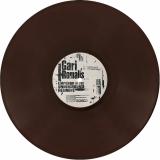
Four tracks. One vibe. Gari Romalis brings the heat on PHONOGRAMME 88 — "Emperor of the Underground Regiment" hits hard from "Negrit Alert" to "Emperor's Paradise." Pure underground house, no compromise. Syncrophone Paris pressing. Don't sleep.
LOS ANGELES—To celebrate the 40th anniversary of the celebrated Talking Heads and Jonathan Demme’s concert film Stop Making Sense, the set will be re-released as a 2LP and 2CD/Blu-ray set this summer.
Released last year, the sold-out Deluxe Edition of the soundtrack will return as a 2-LP black vinyl on Rhino and 2-LP crystal clear vinyl at retail. Both variants feature a 12-page booklet with liner notes from all four band members –Tina Weymouth, David Byrne, Chris Frantz, and Jerry Harrison—and band photos. The 2CD/Blu-ray version includes the entire 28-page booklet from last year’s Deluxe Edition and a Dolby Atmos mix of the complete concert, mixed by Jerry Harrison and E.T. Thorngren, who also mixed the original release. Both will be available on July 26. Pre-order now.
The band appeared together for a sold-out screening and Q&A last night at the Pantages Theater, the same theater at which Stop Making Sense was recorded. They were joined by Blondshell, who performed “Thank You For Sending Me an Angel.” Another special screening with the band will occur in Brooklyn at the King’s Theater on June 13, with the Q&A hosted by Questlove and The Linda Linda’s performing “Found a Job.” The two events cap off a banner year of celebrations for what many consider to be the best concert film of all time.
The inspiration for Stop Making Sense came when director Jonathan Demme saw Talking Heads perform during the band’s 1983 tour for Speaking in Tongues. Afterward, he approached them with the idea of making the show into a concert film. They agreed and worked together over the next few months to finalize the details. Ultimately, Demme filmed three shows at Hollywood’s Pantages Theater in December 1983 to create Stop Making Sense.
The concert film presents a retrospective of the band up to that point, with a performance that weaves together songs from all six of its studio albums. The show progresses methodically, opening with Byrne onstage performing “Psycho Killer” alone with a drum machine. After each song, he’s joined by a new band member until Weymouth, Frantz, and Harrison are all on stage with him. The group continues to grow throughout the concert as members of the stellar touring band are added: keyboardist Bernie Worrell, percussionist Steve Scales, guitarist Alex Weir, and backup singers Lynn Mabry and Ednah Holt.
The band performs 18 songs in Stop Making Sense, including its recent single at the time, “Burning Down The House.” That summer, the song was in heavy rotation on radio and MTV, helping the song become the band’s first top 10 hit in America. It was, however, a different song from Speaking in Tongues that was destined to deliver one of the film’s signature moments. Talking Heads would perform “Girlfriend Is Better” wearing the now iconic, oversized suit inspired by costumes worn in traditional Japanese theater. For good measure, a picture of David Byrne in the suit also graces the album cover.
Stop Making Sense focuses mainly on music by Talking Heads but does include a few songs recorded outside the band: “Genius Of Love” by Tom Tom Club, “What A Day That Was” and “Big Business” from Byrne’s 1981 album, The Catherine Wheel. Limited edition vinyl versions of both of these albums, along with Harrison’s The Red And The Black, were released for this year’s Record Store Day.
When it arrived in September 1984, Stop Making Sense was an artistic and commercial triumph. The film had people dancing in theatre aisles, and the soundtrack sold over two million copies. Just last year, the Library of Congress added Stop Making Sense to the National Film Registry in recognition of its cultural, historical, and aesthetic significance.
Weymouth praises Demme as a collaborator: “…Jonathan was a very enthusiastic, highly adaptive, and imaginative guy who was just as good a listener as he was a talker and collaborator. From the get-go you just got the impression he was as flexible as he was disciplined. Being team players, that boded well for a great relationship and a great film!”
Harrison says the film still holds up today: “To me, Stop Making Sense has remained relevant because the staging and lighting techniques could have been created in a much earlier time period. For example, Vari-Lights, lights with motors to re-aim them, had just come into vogue. Had we used them, there would have been a timestamp on the film, and it eventually would have felt dated...The absence of interviews, combined with the elegant and timeless lighting, created a film that can be watched over and over.”
Byrne says it’s interesting that this album was – for many people – an introduction to Talking Heads. “We had done a live album before this, but coupled with the film, and with the improved mixes and sound quality, this record reached a whole new audience. As often happens, the songs got an added energy when we performed them live and were inspired by having an audience. In many ways, these versions are more exciting than the studio recordings, so maybe that’s why a lot of folks discovered us via this record.”
Frantz recalls the sheer joy surrounding the entire Stop Making Sense experience. “I’m talking about real, conscious, transcendent joy… I’m talking about what the Southern gospel people call ‘getting happy,’ which means ‘to be filled with the Spirit.’ That is what happened to us onstage every night, and from my seat behind the drums, I recognized that this was happening to the audience too. Joy was visible in front of me and all around me every night.”
Sciahri and his label Sublunar are thrilled to present "VEIL OF ECHOES," a new project that brings together both emerging and established talents from the label.
This release showcases
a fresh dimension of techno and electronic music, celebratingf originality by combining timeless cuts from the past with cutting edge sounds of the present and future. The journey begins with "IIum" by Temudo, an entrancing track with hypnotic synths that seamlessly transitions into Troys Awakening, featuring an irresistible and cerebral groove. Neel takes over with Follow Me, pushing the boundaries with intricate sound design crafted to move your body, followed by Marcal's Ancient Swing, renowned for its unique sound and processed vocals. Kameliia's Insolitam then transports you to another dimension with its deeply immersive and mental vibes.
Kaiser kicks off the next phase with Fearless Attitude, a powerful yet refined track, while Roll Dann continues the momentum with "Area 24," offering a softer yet penetrating synth line.
On side D, Cirkle's "Mooree" showcases his talent for
creating minimalistic yet razor-sharp tracks, leading into Juri Heidemann's "Reger," a mysterious piece with a groove designed to carry you to another realm. The project culminates with Kerrie's Jump The Gun, featuring intricate synths and a mind-bending bassline.
With "VEIL OF ECHOES," Sublunar aims to share a visionary collection that encapsulates the essence of techno and electronic music, bridging past influences with future innovations.
Real heads with good memories and a lifelong love of good grooves might remember that the original mixes of 'Disco Glory' first appeared on DJ Garth's Wicked imprint in 1996. Top DJ dogs like Danny Tenaglia, Francois K and Doc Martin all used to drop them on the regular and ensuing remixes even made their way onto Sony Pictures' 'Groove' soundtrack. The DJ Garth & ETI mixes have long been out of print, so fetch a pretty penny on the second-hand market, which means it's great news that the 30th anniversary is marked with a fresh return to wax. The Acid Rock mix is psychedelic and trippy, the Look To The Moon dub is a dark and dubby tech sound that could be brand new, and the Ye Olde Organ Grinder mix has a moody and retro house charm.
Vier Jahre nach ihrem gefeierten Debüt ,International Love Affair" kehrt Tigerbalm (Rose Robinson) mit dem aufregend kaleidoskopischen Album ,Bubblegum Discos" zu Ubiquity Records zurück. Als mutige Weiterentwicklung ihres global geprägten Nu-Disco-Sounds spiegelt das Album ein neu gewonnenes Selbstbewusstsein wider sowie den Wunsch, mit handverlesenen Musikern und Sängern aus aller Welt zusammenzuarbeiten. In lebhaften Klangfarben gehalten, präsentiert ,Bubblegum Discos" Tigerbalms zwei große musikalische Leidenschaften: die brasilianische Musikkultur und Vintage-Dancefloor-Hits vom afrikanischen Kontinent, angereichert mit Anspielungen auf Italo-Disco, Proto-House und Soca. Die erste Hälfte des Albums ist stark von südamerikanischen Einflüssen geprägt. ,Nayar", entstanden in Zusammenarbeit mit Giorgio Lopez aus Neapel, macht den Anfang mit leicht vom Reggaeton inspiriertem Nu-Disco, gefolgt vom brasilianischen Disco-Rausch von ,Diga Me" und dem luftigen Samba-Disco von ,Vera En Paraty". Robinson liefert ihren allerersten Leadgesang auf dem teilweise improvisierten Neo-Boogie-Track ,Coco Makoko". Das Album wendet sich dann Afrika zu, mit herausragenden Beiträgen von Andre Espeut, der in Montreal lebenden haitianischen Sängerin Waahli auf dem hornlastigen ,Do Da Soca" und dem Afrobeats-Sänger Idd Aziz auf dem körperbetonten ,Afro-Disco". Der Abschluss ,Conga" rundet das Ganze mit schweren, afrozentrischen Disco-Rhythmen und tiefem Dub-Bass ab. Actiongeladen und makellos produziert: ,Bubblegum Discos" ist der Sound einer Künstlerin, die ihr frühes Versprechen mehr als nur einhält.
Vaalbara EP - Franco Rossi Sine Space 7 - Release date: 19 June 2026 - Vinyl
Franco Rossi makes his Sine Space 7 debut with Vaalbara, a five-track vinyl EP (including one vinyl-exclusive cut) that lands the Argentine producer firmly in the label's hypnotic and driving orbit. Following recent releases on Soma Records, MindTrip, and Secession, Rossi arrives with a record that feels both unmistakably his and right at home in the Sine Space 7 catalogue. His productions have already found support from the likes of DVS1, Richie Hawtin, and Setaoc Mass.
Opener Rodinia sets out raw and patient, with two rising builds carried by strange synthetic patterns over a darkening drone. Title track Vaalbara drifts on a modulating high synth line, locked into a hypnotic lower-frequency pattern that pulls the two registers into quiet synergy. Paramo keeps the floating quality but leans darker, with raw drums anchored by finely distorted rides and a backbone of dense texture. A Quemarropa pushes further into ear-candy territory. Distorted rides again, punctuated by one strange, track-cracking sound that refuses to let the listener settle.
The vinyl-exclusive closer Mar Adentro is the weight-bearer, a rolling low-end drive punctuated by a sub-heavy synthetic hit you feel in the chest.
Mastered by Robin Van Genechten at Wanton Mastering. Artwork by Norwegian macro photographer Petter Lilleengen.
Quinoa’s 8th reference goes off the beaten track, literally. Carola (f.k.a. Mägitee), comes at us with four stripped-back cuts that invite us into unexplored emotional realms. Consistent, throbbing, and rich in texture, it contains just enough of everything and not too much of anything.
The story starts on the A side with “Siouxsie”’s melee of drums and swells that instantly transport us to the smokey comfort of a dance floor, lost in the ecstasy of intertwining bodies.
It follows with “0863”, with a name that winks at his roots hailing from the Appenine mountain chain in central Italy. Its warm, intimate touch sets a suspended tone to the release.
On the flip side the energy shifts, with escapism-anthem “Getaway” whose strings and dreary vocals invoke a nostalgia of futures-to-be in places that may never exist.
Finally, the EP closes off with the title track “The Observatory”. Named after the Griffith Park Observatory, a place where he regularly used to wander at night in the company of deer, coyotes, and the Los Angeles lights. Its deep bassline and intense echoes aim to captivate the most avid stargazers.
We hope this music will touch you as much as it touched us.
San Francisco artist Ross Hogg has been grafting away on his grooves for many years. He has plenty of styles in his arsenal and here digs into some sun-baked reggae and lovers' rock. Up first, he reworks 'Rose Inna Di Dark', the title cut from the debut album by British soul singer Cleo Sol. Her angelic vocal rides a clean reggae rhythm with sleek melodies reflecting rays outwards. On the flip is 'Come Around & Kick It', a deep cut groove with an r&b vocal and classic reggae guitar riffs. It's a steamy combination that's designated to get plenty of backyard parties and beefy sound systems ablaze as we head into the warmer months.
Jazz-fusion, disco-funk, Latin jazz and batucada rhythms get the Filipino treatment onAfter Midnight, the sublime second album from keyboardist Boy Katindig. Originally released in 1980, After Midnight draws heavy influence from soul and funk contemporaries in the US as well as Latin America, in particular the famed Brazilian percussionist Paulinho da Costa.
It’s a testament to his musical prowess that Katindig weaves effortlessly between styles and tempos. His reverence for Paulinho da Costa extends far, with covers of several songs from the latter’s 1979 Happy People album. This includes slow-burner ‘Déjà Vu’ written by Isaac Hayes originally for Dionne Warwick; on the Filipino instrumental version, local legends Jun Regalado and Roger Herrera (from Regalado’s ‘Pinoy Funk’ single) are reunited on drums and bass respectively.
But Katindig’s original compositions hold just as much weight and unique personality: title track ‘After Midnight’ opens with a sultry funk serenade reminiscent of The Isley Brothers, and quickly transforms into a catchy, blistering, saxophone chorus that brims with swagger. Hidden B-side gem ‘Got The Need’ is an uptempo tribute to batucada that would not be out of place in a jazzy house set, and boasts increasingly elaborate and psychedelic solos from Katindig on keys and Ben Concepcion on soprano sax.
Meanwhile, ‘Love Till the End of Time’ is a masterclass in instrumental disco funk, penned by the prolific Greg Phillanganes who at that same time was writing for many of the greats including Chaka Khan, George Benson, Stevie Wonder, The Jacksons and Cheryl Lynn.
This album is lovingly reissued by Sama Sama Records, a boutique label from DJ and collector Norsicaa, who ran the esteemed Soundway Records for 8 years and released the compilation Ayo Ke Disco in late 2024.
The Trip To Vega is about deep outer space odyssey that occurs in the process of traveling from Earth through the Cosmos to another "favorable" star system 25.3 light-years away.
The time is year 2097, Sept 23rd.
To this day, Earthlings have managed to dodge some of nature's more dangerous extremities, massive volcanic eruptions, Earthquakes, solar burst that knocked out the Planet's entire electrical grid for 3 years, numerous plagues of disease, food and fresh water shortages, domestic and International Wars and many other life-changing operas, but for this event, what remains is a realization that has no remedy. The cause: Earth's physicality has changed. It is no longer favorable for living things.
It is the constant shifting of the planet's internal tectonic plates which has unfortunately produced an unexpected and impassable dilemma.
Because of the collisions, deep within the planet's core, the planet is now producing an extraordinary amount of sound that includes a specific harmonic frequency that erodes the natural senses of all life on Earth.
It is intensifying. It is intolerable and it is unlivable.
Yet, some humans prefer to stay, to "ride it out" like the Titanic captain going down with his ship. Some, in total disbelief as some have concluded it is the second coming of Jesus Christ. But for most, the decision is clear. Tolive another day, leaving is the only rational choice.
At an increasing rate, scientific research data shows that humans and most animals, excluding the Jellyfish will eventually lose the usage of hearing and are to greatly suffer from an array of other neurological and psychological effects. The sense of touch and taste, sleep depreciation, severe nerve damage, constant hallucinations. Everyone will lose many of their cognitive abilities within an estimated 12 months from now.
On this day and every 7 days afterwards until all registered passengers have departed, the first of a fleet of large number of massive size spacecraft carrying approximately 1 million humans per vessel will permanently leave Earth to begin the long and adventurous trek across outer space to a new home: Vega.
This is not a precautionary tale as there is nothing to learn. Instead, a decision has been made and a Trip To Vega is the consequence.
Cultivated Electronics Ltd For The Floor series began in 2022 and features split EPs available on vinyl (only) with Electro tracks aimed strictly at the dance floor, bringing together CE regulars and new artists. Volume 5 features Umwelt on the A- side and DJ MELL G x Unklevon on the flip, as well as a remix by label head, Sync 24 alongside Controlled Weirdness. New Flesh founder, Umwelt is known for his dark, industrial-leaning techno that blends dystopian atmospheres with driving rhythms. Here, the French producer delivers two hard-hitting cuts in Memoryscape & Morphing Sequence to open the EP. DJ MELL G from Juicy Gang Records brings a raw, high-energy fusion of electro, breakbeat and techno; fast paced and with bold sound design. She teams up with Unklevon who produces sleek, futuristic electro with crisp drum programming most notably for Boysnoize Records, on Get Down. While Sync 24 & Controlled Weirdness close out the EP with their tough and wonky rework.
DJ Support: Layne Fox (40 thieves), Dr Rob/Banbantonton, Don Letts, Sean Johnston, Tim Sweeney, Richard Norris/The Grid., Andy Sims/Soft Rocks, Stephen KIW, Alex From Tokyo, Pete Herbert, Pete Gooding, Ewan Pearson, Richard Sen, Balearic Mike(Down To The Sea And Back)
Craig Bratley’s sophomore album, Return To Bass, has been a long-time gestating, with a whisky-like distill time in the musical barrels from whence this came. His debut was in 2014 and 12 years later here he is again, in the blink of a, er, Jurassic age. In that time, he’s gathered a good deal of experience, released several musically varied 12-inches, as well as having Andrew Weatherall remix a few of his efforts (not completely surprising, since The Guv’nor also played Craig’s music).
Bratley has spent the last few years honing his musical and technical skills which are evident on this album, as are his influences, which can be heard on his impressively consistent back catalogue, include Italo-disco, British electropop, acid house and a slowed down version of Chicago house that lends it a heroin crawl. Added to that, though, is the dub reggae sound championed by King Tubby, Lee ‘Scratch’ Perry and our own Dennis Bovell, which is much in evidence on this set.
It seems apposite, in the wake of the death of Sly Dunbar (and, less recently, his partner, Robbie Shakespeare) that Craig’s album is now appearing, since Bratley’s sound is imbued with a dub sensibility and the engine of the whole set is built around the thud that Sly & Robbie brought to their greatest productions; the song titles are clues: ‘Plasticine Dub’, ‘Return To Bass’ and ‘No In Between Dub’.
The LP Features standout vocals from Amy Douglas, Thomas Gandey, and Ola, plus funeral-march trumpet work by Tim Hutton.
XPRESS Singles Vol.2 is here, and its a certified dance floor weapon. Here at TDE we're stoked to welcome back mystery London duo Dirty Supercar with a brand new cut, Nothing But The Music.
Powered by the deep, soulful vocal of Elliot Chapman, it’s a direct call to the floor. Lush, emotive strings glide over choppy 70s guitar licks, all driven by a throbbing house kick and bouncing bassline combination that hits with precision. It’s a confident, fully-formed house record that speaks to both classic and contemporary sensibilities.
On remix duties, Italian house music heavyweight Angelo Ferreri steps in with a fresh rework that’s already slamming our worldwide parties. A consistent force in the global house scene for over a decade, Ferreri’s catalogue spans chart-topping releases, millions of streams, and support from the scene’s most respected selectors. Regularly ranking among Beatport’s top-selling artists, his signature blend of groove-led, feel-good house is unmistakable. Here he delivers a version that’s primed for peak-time impact. Tested, refined, and truly defined house heat.
Fesh off strong support from Purple Disco Machine, DE SOFFER returns to TDE in fine form. The nu-disco specialist delivers two standout remixes, reworking 20 Buck Funk by Bustin’ Loose and Hot by La Felix. The latter was one of our label’s biggest records of 2025 and gets a slick extended treatment. Meanwhile, 20 Buck Funk is reimagined with a sharp, modern nu-disco edge. Both featuring West Coast's Relaye on the rap, these're both tight, energetic, and fiery Nu Disco bangers ready to cause club carnage.
A seriously strong vinyl package from front to back. Pressed on a limited run of 300, this is one for the collectors and the selectors alike.
For his sixth solo album, Ezéchiel Pailhès returns with a new collection of songs infused by a sunny wandering spirit.
Within each of the twelve songs on SOL is a thread of melancholic happiness that has permeated much of Pailhès’ music and songwriting. He addresses love, the passing of time, hope, lost illusions, fleeting moments of grace, the temptation of forgetting, a need to escape, and desire. All this is
insulated by understated orchestrations that blend acoustic and electronic instrumentation with deft confidence.
The Portuguese and Brazilian concept of saudade—a form of melancholic longing and nostalgia— pervades, thanks in part to Pailhès decision to record the album in Rio de Janiero and to reinterpret some of the finest works of Música Popular Brasileira (MPB). In particular, he revisits a handful of
lesser known classics from the mid-century samba and bossa nova era—originally written or performed by talents including Vinícius de Moraes, João Gilberto, Tom Zé, Dorival Caymmi, João Donato, Os Tincoãs, and Ataulfo Alves.
The shift from Brazilian Portuguese to French and the decision to adapt rather than perform a straightforward cover versions, allows Pailhès to invent a form of prosody and euphony (the musicality and harmonious combination of words) that feels vibrant and unlike anything else in today’s French
chanson landscape.
“Some lyrics are simple translations from Portuguese, in what I’d call an expanded version. For others, I started from a single word or a single phrase and embroidered an entirely new text that carried me elsewhere,” explains Pailhès. “I allowed myself great interpretive freedom, while preserving the humanist dimension of the original songs. I’ve always been deeply moved by the way Brazilians transfigure reality through heightened emotion. I love this visceral and spontaneous country, which always seems to live through emotion. And above all, I love its music both popular and unifying,
bringing together all social classes. In that sense, it’s very political music, but even more so utopian, made by the people and for the people.”
On this new album, however, the French artist was keen to avoid cliché. Each song is therefore built around a carefully balanced interplay between Pailhès’ piano and synthesizers, alongside restrained arrangements of percussion, brass, bass, and cavaquinho (a small four-string plucked guitar). These parts were recorded in Rio de Janeiro with two musicians who regularly perform alongside the legendary Caetano Veloso—Kainã Do Jêje and Alberto Continentino—joined by Thomas Harres, Antônio Neves, Eduardo Neves, and Gabriel Loddo.
Since the 1960s, France and Brazil have shared a long-standing cultural and musical relationship. Some Brazilian artists, most famously Gilberto Gil, took refuge in France during the dictatorship years (1964–1985). But above all, French chanson quickly fell in love with the richness and ingenuity of
bossa nova and samba, translating and reinventing them in the language of Molière. Throughout the 1960s and 1970s, albums and hits by Henri Salvador, Georges Moustaki, Pierre Barouh, Pierre Vassiliu, and Claude Nougaro all drew from the MPB repertoire.
Fifty years later, with SOL, Ezéchiel Pailhès reinvents this rich Franco-Brazilian musical legacy, bringing to it a personality and modernity that stand confidently alongside those of his forbears.
VA – Paradisi Artificiali brings together four distinct sound compositions, each resisting the urge to resemble the others but united by the way they manipulate perception.
Polygonia crafts shifting rhythmic paths where the groove warps and regenerates in real time, maintaining an organic tension that keeps the body in motion without ever truly settling into place.
Feral operates through subtraction, slowing time and excavating sound’s spatial depth. Its tracks don’t progress so much as they envelop, drawing the listener inward into a layered, introspective space.
Agonis introduces a more unstable, sensory thread, weaving transitions and accumulations that build in stages. Frequencies become tangible matter, and the progression unfolds without ever erupting entirely.
Crossing Avenue weaves these directions together without hardening them, infusing the record with a more rooted, almost ancestral rhythmic element that surfaces in the structure of the patterns and the choice of timbre.
The result isn’t a neat synthesis, but a coexistence. The tracks unfold along a shared line without ever converging, articulating a dynamic balance between tension and release. It’s an album that works through gradual alterations, through subtle slippages in perception, as in “Les Paradis Artificiels”. The point isn’t escape, but intensification. The sound burrows deep, reshaping how things are experienced, until a denser, more ambiguous, more alive reality emerges.
As the so-called “Latin boom” becomes a new anchor for hard-swung club sounds, it is crucial to recognize that the region’s musical culture extends far beyond dembow edits and the pop-trap hybrids that have edged into the mainstream. Monterrey-born, New York City-based producer and DJ Delia Beatriz, aka Debit, returns to NAAFI with Potpourri, a generous and kinetic collection of dancefloor-oriented tracks filled with percussive flourishes, squelching 303 basslines, and rhythmic mutations that actively challenge the status quo. Rather than rebuilding “Latin sounds” as a fixed category, the album rethinks their internal logic, tracing the evolution of techno and house in cities like Detroit, Chicago, and New York alongside parallel innovations emerging in Mexico, Colombia, and across the wider Latin world. Positioned on the bridge between Mexico and the US, Potpourri does not seek synthesis as a gesture of smooth fusion, but as a site of disruption.
The album can be heard as a loose follow-up to System (2018), Debit’s NAAFI-released EP that expanded the sonic potential of tribal guarachero through triplet-driven rhythms, industrial pressure, and noisy reconstruction. Potpourri retains guaracha as a structural backbone while drawing further influence from veteran DJ and producer Javier Estrada—who also appeared on System—and particularly from his fast-paced, nonlinear style of mixing. That approach becomes a formal principle here: canonical structures are dismantled, repetition is avoided, and tracks evolve without sacrificing propulsion. Coming after the introspective temporal inquiry of Desaceleradas and the speculative historical acoustics of The Long Count, Potpourri arrives as a deliberate surge of energy. As Beatriz explains: “It’s a manifesto for rethinking form and sound in dance music. By stepping outside traditional structures and embracing the potpourri approach, I’m creating new meaning with familiar rhythms. I’ve also been applying this to my DJ sets, using it as a tool to break free from established norms and explore new narrative possibilities.”
Years in the making, Potpourri imagines an alternate timeline in which the psychedelic squelch of acid—echoing pioneers such as DJ Pierre and Mr. Fingers—and the dub-inflected atmospheres of Basic Channel entered into direct and sustained contact with Latin American club mutations. Those references are legible, but never merely quoted. Instead, they are folded into syncopated hi-hats, overdriven kicks, and unstable arrangements that absorb both the intensity of the parties Beatriz remembers from Monterrey and the abrasive edge she sharpened at DIY noise shows in New England. The result is unmistakably a dancefloor record—heard in tracks as forceful as “Pero like” and the peak-time pressure of “tuvesuerte”—but one saturated with grotesque, psychedelic atmospheres, where sounds dissolve into hoarse croaks, acidic smears, and anxiety-inducing growls. Here, the rave becomes not simply a site of release, but a platform for navigating identity, hybridity, and artistic formation across borders. Moving through peaks and ruptures, Potpourri reveals a party narrative that is not linear but multidimensional.
By folding together the fluidity of DJ culture, the experimental charge of acid, and the rhythmic vitality of guaracha, Potpourri proposes a space of formal and political innovation within Latin America’s rapidly expanding electronic music landscape. It is a record that refuses containment, pushing against the templates through which Latin electronic music is often consumed, and insisting instead on friction, instability, and transformation as generative conditions for the dancefloor.
If – in some parallel universe (or perhaps a not-so-distant-future version of the one we’re already sentenced to living in) – the evil overloads of artificial intelligence were actually successful in their attempts to create convincingly enjoyable “original music,” more specifically tasked with wholly encapsulating my own personal tastes by data-chugging some cocktail of – oh, I don’t know – the posters on my wall, the records in my “most listened to” pile, the mixtapes I made for others, intensive physical scans of my auditory cortex, amygdala, hippocampus, heart strings, whatever else they have splayed out on their autopsy table with the intention of generating one all-encompassing “perfect band” based on the fruitful sum of their findings – that band, for me, would be (or would at least sound exactly like) the Tara Clerkin Trio. It is, quite simply, without exception, the music I wish to hear.
Formed in Bristol UK (where none of them are from yet all of whom are deeply engrained) in 2020, the Tara Clerkin Trio – as it somewhat democratically exists today, despite the singular authority implied by its name – consists of the titular Tara Clerkin, her partner Sunny Joe Paradisos, and Sunny’s brother, Patrick Benjamin. I’ll confess, I don’t know what their respective roles are within the operation and there’s only a very small part of me that cares to learn, as one of my favorite qualities in an objective listening experience is the mystery of who is playing what, which sounds are “authentic” versus synthesized, which chunks are performed “live” in a room together versus meticulously Frankenstein’ed from measure to measure, or how exactly the overall sound is so (seemingly) effortlessly achieved. Though, I suspect, if and when I do witness a live performance by this band at any point, my enjoyment of the music will not be lost in my better understanding of it.
With two extraordinary mini-albums – In Spring (2021) and On The Turning Ground (2023) – making a splash on London’s formidable World of Echo label in wake of their self-titled 2020 debut, this upcoming Somewhere Good LP is, in many ways, the band’s most realised work. In running their usual gauntlet of idiosyncratic (*an overused adjective for which here there is regrettably no sufficient alternative) approaches, Clerkin & co. colour in and outside of compositional lines over the course of 40+ celebratory minutes - never wallowing, despite inherently somber subject matters of self-defeat, disease, displacement, restlessness, gentrification - allowing their arrangements and improvisations ample space and time to situate, stretch out, breathe, cross-pollinate, and ultimately take deeper hold on the listener’s imagination – all while somehow sounding more like themselves than ever before.
Of course, there are traceable influences herein, if one felt that such comparisons were necessary to properly examine and enjoy this music (they aren’t)… Being the big dumb American from the small boring town that I am, cornfed on ‘90s alternative radio with the enchantingly exotic sounds of Maxinquaye and Mezzanine emanating from my chunky tube television, I can’t help but to make a blatantly obvious reference to a “Bristol sound”, ie the whole trip-hop trip, the pastoral crooning over the suggestive urban grime of cracked electro/piano treatments, the digitally-yet-primitively reconstructed James Bond soundtrack string-beats, etc.. But the Tara Clerkin Trio is so infinitely much more than that. There are elements of avant-pop, modern classical, kraut-folk, audio verité, dare I say indie rock (and not of the beer guzzling, masturbatory fuzz-flex variety but perhaps more like a Trish Keenan-fronted Faust, Adrian Sherwood at the mixing desk of If You’re Feeling Sinister, or – in expanding on our alternate reality – a world in which High Llamas cut a full-length for Warp Records with Andrew Weatherall on coffee duty).
The hazy, unmappable skyline-mirage of droning harmonium, upright bass, peculiarly accentuated wind instruments, acoustic guitar, hushed yet literally mighty keys combine to hypnotizing effect. The band may make underlying nods to jazz, sure, but it’s not appropriation, it’s that they have the actual chops to build it out. Beneath the janky samples and oddball percussive embellishment lies actually great drumming. Beyond the manipulated vocal witchery and woefully reflective plain-spoke moments are Tara’s subtly inspired melodies, sung with what might honestly be the glue to the whole crazy equation. A calming consistency throughout the otherwise unpredictably dynamic, boldly intuitive, uniquely British exploration of this (their own) universe in song. – Ryan Davis (Chicago, February 2026)
Five years after their radiant debut Ufo Bar, Italian cinematic funksters Banda Maje are back with Costa Sud to take us deeper into their land of ‘Salifornia’—a Southern province of sun-drenched coastlines and decaying buildings where dreams of exotic escapism sprout and bloom.
Once again, behind the eight tracks in the album—and behind the wheel of the fiery red Alfasud on the cover—is composer and keyboardist Peppe Maiellano. He has meticulously tailored each piece to his virtuoso partners in crime: a 'family' of exuberant musicians spread between Salerno and Naples, all bound by deep-rooted ties to the region and a shared belief in the grit of independent artistry.
The Costa Sud (South Coast) imagined by Banda Maje is a shimmering ribbon of sun-baked asphalt stretched between the sea and the ancient pine forests of the Gulf of Salerno. It is a land of enchanting but wounded places, where the grace of Ancient Greek civilization sits in a restless silence alongside the scars of rampant building and neglect. “But if truth is beauty and beauty is truth,” Maiellano explains, inverting Keats’s famous line, “with the right eyes, you can find beauty and poetry even under a layer of moral and material filth."
Conceived and recorded entirely in the South, the album nevertheless looks beyond the horizon. While Neapolitan funk and golden-age Italian soundtracks remain the double helix of the band's DNA, this album welcomes new influences from across the ocean, weaving Italy, Brazil, Africa, and contemporary sounds into its unique vision of the 'global South.'
Side A is an immersion into Salifornian territory and its myths: from the carefree instrumental disco-funk of the title track, which sublimates local contradictions into enveloping cinematic atmospheres, to the mellow groove of “Baia”—a fusion of Neapolitan funk, afrobeat, and disco that pays homage to Salerno’s famous beach, squeezed between millennia-old sea rocks and mountains of shipping containers. The band’s heartfelt sense of belonging shines in their fresh soul-disco version of “Mo…” (a 1981 cult classic by Neapolitan legend Peppino di Capri) featuring Maiellano’s own vocals, while the reimagining of Tonico 70's “Jet Lag” celebrates a fraternal partnership with the Salerno-based rapper/producer, charting a musical itinerary that unites Brazil, the States, and Salifornia through evocative grooves, sharp synths, and Gianfranco Campagnoli’s exquisite trumpet.
On Side B, the sound becomes even more eclectic with the samba-funk warmth of “Samba Maje”, where Mediterranean melodies and lush vocal harmonies marry jazz-funk arrangements and disco-inflected Brazilian rhythms. The next track, “Africana”, is dedicated to a legendary dolce vita nightclub on the Amalfi Coast (and its founder Luca Milano); here, a rhythmic mantra incorporating tribal African elements blends with synths that evoke RAI television themes of the late 70s. The journey concludes under the sign of the silver screen: the disco-funk elegance of “Black Glamour Girl” (from the early-80s road-trip comedy In viaggio con papà), a tribute to the compositional genius of Piero Piccioni, and “Lovebossa”—an easy-listening homage to the "Cine Bossa" atmospheres that characterized so many Italian soundtracks of the 60s and 70s, finally carrying the listener ‘ncopp’ ‘e nuvole (above the clouds—which is basically Salifornian for "somewhere over the rainbow").
In 1955 Miles Davis played an all-star jam session at the Newport Jazz Festival with Thelonious Monk on piano, Gerry Mulligan on baritone sax and Zoot Sims on tenor sax. This performance immediately drew the attention of Columbia Records' George Avakian, who was so impressed that he immediately offered Davis a contract if he could form a regular band. The group he then assembled would go down in history as Davis' so-called "First Great Quintet", consisting of John Coltrane on tenor sax, Red Garland on piano, Philly Joe Jones on drums, Paul Chambers on bass and of course Miles himself on trumpet. 'Round Midnight is Miles Davis' first record for Columbia and also the first studio recording of the First Great Quintet. The recording sessions began on October 26 1955 but the album wasn't released until 1957 as Davis was still under contract at Prestige at the time. These respective sessions yielded Steamin', Workin', Cookin' and Relaxin'; albums that would go down in history as quintessential blueprints of late 1950s hard bop.
The record is made up of a collection of standards and one traditional song ("Dear Old Stockholm", from the 19th century). Notably, it features what may be considered the most well-known versions of Thelonious Monk's "'Round Midnight" and "Bye Bye Blackbird". That Avakian made a golden signing was sufficiently clear from the start, but no one could foresee that it would be this quintet on Columbia that would go on to change the course of modern jazz forever with Kind of Blue. 'Round Midnight is available as a limited edition of 1500 individually numbered copies on crystal clear vinyl.
The complete LP + 2 bonus tracks - limited edition pressing on 180g vinyl
Miles Davis' quintet formed in 1955 is widely regarded as one of the greatest combos in jazz history. Miles was recording for the independent jazz label Prestige at the time, but after the quintet's success at the 1955 Newport Jazz Festival, Miles received a substantial offer from the recording giant Columbia. 'Round About Midnight was his first album for Columbia.
"First, let me say that you should buy this LP immediately. Perhaps even two copies, since you may wear out one playing it and you will want another. This is the kind of album to which one returns time and time again because it is, in its way, a perfect thing, a slice of modern jazz conceived and executed in the very best style." - ***** Ralph J. Gleason, DownBeat
1984 veröffentlichte P. Lion sein Erfolgsalbum “Springtime“. Jetzt endlich wieder als limitierte farbige Doppel-Vinyl. Sein Song “Happy Children“ ist bis heute einer der größten Hits der Italo Disco Szene. Die Deluxe Edition beinhaltet zusätzlich zum kompletten Album die Radio Versionen der beiden großen Hits “Happy Children“ und “Dream“.
Dazu gibt es zwei Mixe von “Happy Children“ und die Instrumental Version von “Dream“.
Two jewels in the crown of the soulful electronic music scene in NYC unite for a spellbinding EP on Rhythm Section International. ”Full Circle” is a brand new body of work from Musclecars & Toribio.
To call this 12” simply epic would almost be doing it a disservice. The breadth of musicality and execution of ideas contained across 3 compositions is nothing short of miraculous. I use the word composition intentionally: these are not merely tracks - these are 3 movements making up a concerto - with a dub thrown in for good measure!
The record kicks off with a soulful house behemoth, “ That’s My Story” featuring NJ legend Roland Clark on vocals giving sweet sweet testimony. In many ways, this track feels like a coming together of the trios influences. The lyrics contextualise it, giving it this intimate, confessional feel. The latin drums shuffling amidst the 909 kick drive it forward and the organ swimming freely amongst it all takes us to church. It’s a timeless track - paying homage to the various New York traditions laid down by Louis Vega, Timmy Regisford, Joaquin Claussell , Ron Trent et al - all heroes and collaborators of the composers who - with this effort - have surely now earned their place in the pantheon of American Soul Music.
‘
Be Honest’ maintains the confessional tone with the lyrics but takes things right back down in terms of tempo. Is it a love song, an ultimatum or a cry for help? Whichever way you interpret it, this track is Toribio’s time to shine as a lead vocalist and he hits all the notes, leaving not a dry eye in the house. This is a delicate tour de force, delivered with such raw emotion and vulnerability it allows the instrumentation takes a back seat - just a gentle groove, swelling strings and some unresolved chords are all that’s required to transform us to the main character of this story. We’re left hanging, and it’s oh so relatable.
Agua De Florida serves as an uplifting, fast paced finale to the concerto and this one’s all about the trumpet - masterfully performed by Melbourne born, London based virtuoso Audrey Powne. If Herb Alpert was making house music - I imagine this is what it would sound like. Throbbing bass and noodling synths join the melee and crank the joy up to 11. If the EP is a story arc over 3 tracks, then we’re definitely not left hanging with this one. All is resolved, things are moving onwards and upwards and the circle is complete.
Bassbin-distressing late ’80s digital dub from The Disciples — highly regarded for their custom-built dubplate cuts crafted for the late Jah Shaka, for whom these tracks were originally recorded. * First appearing on the 1993 Jah Shaka label release `The Disciples Part 2 – Addis Ababa' in 1992, the tracks later resurfaced on a Disciples Vintage 10” in 2009, which quickly sold out.
Odysee Recordings is proud to present the 4th in the series of digital re-masters and remixes of selected classics from the back catalogue. Originally released in 1996 (ODY06), this was widely regarded as the pinnacle of the initial Odysee catalogue with support from Goldie, Kemistry & Storm, Fabio, Peshay and many others.
Unlike the main Magic Wand label, the imprint's offshoot 'Special Editions' series is a little more fluid about what it releases, with some EPs sporting original productions - many of which are admittedly sample-heavy - as well as re-edits. That's the case for this second missive from Matsoaka (real name Matt Lundgren). So, while the EP begins with a genuinely gorgeous and Balearic original cut (the dreamy and slow-motion folk-rock of 'Butterflies', featuring the emotive and harmonic vocals of Butterflies), much of the rest falls into the "Balearic re-arrangement" category. In this camp you'll find the immersive, trip-hop style dreaminess of 'Faith', the mid-80s Yellow Magic Orchestra-style Fairlight-sporting electro of 'Gin Yuzu', and the dollar bin brilliance of 'Sheriff' (a take on a Japanese city-pop cover of a reggae favourite).
For our first release after a hiatus of over two years, we are proud to return to Detroit. Reggie Dokes is Detroit-born and raised, Atlanta-based. He is a key producer in pushing forward the Detroit house sound.
Voices From the Lake (consisting of Donato Dozzy and Neel) mark the 10th anniversary of their influential self-titled album with a fully remastered reissue on Spazio Disponibile. It arrives in full on vinyl for the first time, as well as on digital formats, first quarter of 2023 as the pair continues to play select live shows around the world. The release will see the light of day as a 4-set vinyl LP release, including download. Italians Dozzy and Neel have been friends united by a shared vision of music since their teenage years. They are immaculate sculptors of sound who fuse evocative ambient and leftfield techno into multi-layered soundscapes. For many years they worked as established solo artists but came together in 2011 to craft what is now regarded as one of techno's most pure and absorbing listening experiences. It's often said that the best music comes about as a happy accident, and that is certainly true of Voices From the Lake. The career-defining album first arose in the thoughts of Dozzy and Neel when the latter was preparing a mix for the former's wedding and named it Voices From The Lake. It was a pertinent title that stuck in the mind: both grew up by waters around the coast of Italy, and in their early days the pair even held private parties on the shores of a lake. Fittingly, Japan's celebrated Labyrinth festival at that time was also held by a river and a lake in the middle of a forest on a serene mountainside. It was that exact setting the pair envisaged when making music to play live on stage. During preparations, they "accidentally" wrote an entire album. It has only ever been performed live a few times - once at Japan's Labyrinth festival in 2011, at London's Barbican, Barcelona's Mira Festival, Paris' Marathon Festival and once during 2022's Amsterdam Dance Event. Those shows saw the pair using banks of analogue and digital equipment to improvise in the moment and essentially remix the album live on stage. That spontaneity is captured in the original Voices From the Lake recordings and on later LPs such as Live at Maxxi in 2015, and the most recent EP Quarto Freddo from 2020. But the debut album remains a standout achievement. A decade on, it's quiet intensity, musical storytelling and slowly unfolding tension remain in a class of one. Each sound is meticulously designed and placed, and the spaces left behind are just as important in conveying such a captivating mood and emotion. Rather than traditional kick drums, hi-hats or snares, this is music crafted from layers of real-world sound - dripping water, chirping birds, rustling leaves or a distant breeze - and it's that which defines the album's organic allure. From deeply contemplative to cautiously optimistic, pastoral organic scenes to more underwater worlds, Voices From the Lake is a cohesive collection of tracks that add up to one inseparable whole.
Cheeba’s Reggae Sound Boys are unloading the bass bins again with another two slices of funky reggae beats for the dance, in their second release on ECR
VOICE OF THE VOODOO - Emerges through a haze of psychedelic dub sounds into a big break beat laden skank. Organ riffs are chopped up over the funky reggae guitar rhythm and the big bass grooves. With vocals and JA deejay scats coming in and out of the mix. This has been waiting for release for a while and the dubplate has been hammered all round the country the last 12 months or more !
SAY IT LOUD - The flip side is equally club friendly with a hard hitting combination of beats and rhythms - coming on like Jah Shaka playing a soundclash at Wigan Casino - when it explodes into a big soul-stomping piano loop and heavy Hammond flourishes. The vocals riff on the JB “Black & Proud” theme, with a dancehall flava to create a party vibe just right for the summer BBQs
Despite the thousands of kilometers between them, Monterrey and Medellín have always seemed to move in parallel. Both cities rise around guardian hills that watch over their people, and if you look closer, even the concrete that forms the backbone of each city traces back to these rugged metropolises.
The list of coincidences could go on—small, almost conspiratorial links that chance has woven between the two places. Adding another chapter to this unlikely connection is Regal86, who had already crossed the bridge once before to dive into the depths of Colombia’s “city of eternal spring.”
Doble Filo, his first full-length cut to vinyl, now becomes his latest calling card. The eighth release on Discos Nutabe’s catalog arrives with six tracks—six sharp-edged pieces that lay bare Regal86’s sonic marginality.
It’s a form of exclusion that isn’t imposed but chosen, a deliberate stance to sidestep the demand for exotica that still shapes much of Latin America’s electronic landscape. This is spicy, rough-edged techno—ruleless and unruly—driven by dense, clipped progressions that plunge you into a vortex masquerading as a rayado ritual.
There’s no overload of concept here, nor any caricature of the extravagant. This album simply delivers music built to tear through any club or dive, without false promises or unnecessary labels. If there’s one thing worth highlighting about Doble Filo as a whole, it’s the way it consistently—and almost implicitly—reasserts its core premise from start to finish: these techno tracks are meant to be played wherever the hell you want.
In a moment when oddities tend to be rewarded more than usual, Doble Filo doubles down on fundamentals, reclaiming the spirit of early electronic music and carrying it into an era where immediacy seems intent on blurring the honesty of those who shape the sound.
For Regal86, sonic hustle is the only thing that keeps his spirit steady.
New Stand High Patrol album, featuring Joe Yorke, Nazamba, Jah Thomas - and remixes from Mad Professor, Androo & Jeanville.
Dub and House Music. Two aesthetics born in the shadows, shaped far from the mainstream music industry. Two underground cultures where independence is often a necessity and ingenuity is essential. Two scenes rooted in the margins of society, with dance, sound systems and minorities at their heart.
From the Jamaican sound system sessions of the late sixties, through the nights at Chicago's Warehouse, to the murmurings of the New York house scene in the early eighties — history shows that house, reggae and dub share far more than many people may assume. Collective action, resistance as a driving force, music moving straight from studio to turntable, shared messages: these are the threads that bind these landmark musical movements together. It is at this crossroads, driven by the spirit of experimentation that defines them, that the members of Stand High Patrol found yet another territory worth mapping.
"Skanking & Jacking", the new Musketeerz album, reveals a side of the Dubadub sound never heard on record before. Built for the dancers and for DJs, the LP brings together the pulse of house music and the vibrant groove of reggae. Uncharted territory, never interfaced like this before. The result of a meticulous blending of styles, house, reggae and dub intertwine across 12 extended tracks. The sound is carefully crafted. Built on immersive loops and interlaced with micro-variations that give it an organic texture. Born from the interaction between being and machine. This is not about simply bringing worlds closer together; it's about mobilising influences to chart a new sonic galaxy.
Beyond it's aesthetic statement, "Skanking & Jacking" also stands out for its international cast. The most extensive Stand High Patrol have ever assembled on an album. From England, Italy, Switzerland and Jamaica, the guest vocalists, producers and MCs deepen the sense of dialogue between cultures and styles. At the mic, Joe Yorke, Marina P, Nazamba and Jah Thomas join the Dubadub Musketeerz on their explorations. Each appearance subtly reshaping the contours of the project.
Never fixed, always in motion, "Skanking & Jacking" pays tribute to the traditions that shaped it and closes, as a final nod, with remixes from Jeanville, Androo and the legendary Mad Professor. The album stands as further proof of a crew that shows no signs of stopping its reinvention. Available on stream, digital and double LP on May 29th.
Drumcode returns with its flagship A-Sides series, featuring an exciting mix of established heavy-hitters, alongside a slew of new faces set to make their mark on the genre.
V4 features big names like DC regular Oliver Huntemann, Bulgarian DJ and producer known for his energetic techno-trance style JackRock on the flip we have DC Radio regular Alex Stein and rounding off with new Romanian artist Tao Andra, who shares the celestial ‘Unity’.
More Modern Soul madness from the team at Celestial Echo. No Stranger To Love is one of those rare tracks that crosses over both Modern and Northern scenes & has long been a favourite of collectors and selectors with original copies regularly changing hands for £100 + on the second hand market.
This lead to the synth laden funk track being picked up by Dam Funk & the Stones Throw crew, who shone a new light on the track via online mixes which has only increased the demand.
Officially reissued for the first time in 40 years and as always, officially licenced and remastered by Celestial Echo Records. Needless to say, buy or cry.
We are pleased to announce the first FEX live album, Don't Look Back. The release features selected recordings from two concerts in Paderborn and Uelzen, both captured in 1985. All tracks on the album are previously unissued, including entirely unheard songs such as It's a Hard Life, Just Get Back, Legend, and Waiting Song, alongside a previously unreleased version of Subways of Your Mind, widely known as "The Most Mysterious Song on the Internet."
One of the most striking aspects of the album is the remarkable sound quality of the live recordings, as well as the strength of the performances themselves - particularly given that FEX were still considered a newcomer band at the time. The four-piece lineup consisted of singer, guitarist, and primary songwriter Ture Rückwardt, Michael Hädrich on keyboards and occasional second guitar, Norbert Ziermann on bass, and Hans-Reimer Sievers on drums. In 1985, the band was preparing for broader exposure through a nationwide tour organized by the small promotion company HBM-Musikbüro.
The album opens with the psychedelic Skyscraper, a track Rückwardt reportedly regarded as a personal favorite to perform. Hädrich contributes dynamic synthesizer layers, while Ziermann underpins the track with a distinctive slap bass groove. This is followed by the energetic rock number It's a Hard Life, which once again demonstrates that the band possessed multiple songs capable of matching the impact of their best known track Subways of Your Mind.
After this energetic opening, the album shifts into a more restrained mood with the synth-pop ballad I Got My Eyes On You. It is followed by Strange Feeling, presented here in a particularly compelling live version that arguably surpasses the previously released studio demo featured on the Skyscraper LP, with Rückwardt delivering one of his most expressive vocal performances. On Goldrush, another fan favorite, it is Hädrich's DX7 synthesizer work that stands out.
Don't Look Back continues to flow seamlessly, moving between styles such as new wave, synth pop, and a blues-influenced form of classic rock. On It's Good To Know, a song addressing the theme of stardom, the band returns to a heavier rock sound. In contrast, the synth-driven Just Get Back reflects on the conflict in Northern Ireland, then ongoing at the time. Lines such as "It's the money, it's the money why they come along" are directed at mercenary soldiers, while "even Sunday's a killing time" directly references Sunday Bloody Sunday by U2.
Previously known songs such as Dirty Slapstick and Heart in Danger lead into We Don't Want It No More, perhaps the band's most striking pop ballad. It is easy to imagine that the track had the potential to achieve radio success in the 1980s. The following piece, the epic Legend, explores themes of loneliness and love simultaneously. With poetic and abstract lines such as "some isolate in the falling rain" and "that's why I count all the reasons they call out for living, sadness is falling inside," it builds an almost eerie atmosphere.
One of the final highlights of the album is Subways of Your Mind, recorded in Uelzen. In this version, Rückwardt's vocal performance is even more on point than on the previously issued recording from Paderborn. Another notable moment is the driving, 1970s-inspired rock 'n' roll track Waiting Song. Both the composition and its live performance carry an energy that could easily stand alongside the repertoire of bands such as AC/DC. It was usually the track that FEX ended their concerts with, calling out each band member at the end of the song.
This leads to a broader reflection: it is striking that FEX did not achieve a wider breakthrough at the time. The performances captured here suggest a band capable of delivering consistently, song by song, note by note. It is not difficult to imagine FEX performing in large venues and engaging sizeable audiences. In reality, however, most performances in 1985 took place in front of relatively small crowds. The recordings featured on this album originate from the Roxy club in Paderborn and a small, unknown venue in Uelzen, likely in front of fewer than fifty attendees.
An essential figure behind these recordings is the engineer known only under his nickname Hase (German for "rabbit"), who was responsible for capturing not only these concerts but many other surviving FEX recordings. Bringing his own mixing desk to performances, he developed a deep familiarity with the band's material and was able to shape the live sound with precision, including the timely use of vocal effects. The original recordings existed only on cassette and required careful and extensive restoration work. Zoey Cairs was finally responsible for bringing them to their present quality.
This album marks the beginning of the Live Waves series, following the rediscovery of additional recordings that have gained international attention since November 2024, when they surfaced through what has been described as the largest "lost wave" music search to date. The title of this first live LP Don't Look Back carries a certain paradox. While the album invites listeners to revisit recordings from forty years ago, FEX themselves were always oriented toward the future. In that spirit, further releases of brand new material are already planned.
The cover artwork is once again based on an image by Magnussen from the Kiel archive, depicting the Prinz-Heinrich-Brücke. The bridge, once located in the northern part of the city, no longer exists. As a symbol, however, it remains fitting: a bridge stands for movement and connection - qualities that FEX sought to embody on tour, bringing their music to different places and audiences.
Fresh from flexing his scalpel skills via an impressive double 12-inch for Hot Biscuit Recordings, The Mighty Zaf once more joins forces with regular studio buddy Linkwood for two more tried-and-tested reworks. 'Get Another Love' is particularly potent, with the duo combining elements from a vintage disco-soul workout - glistening guitars, bass, vocals, strings - with a vintage-sounding drum machine beat which alternates between sweat-soaked Chicago-house jack and post-electro swing. 'He Made You Mine', meanwhile, is a straight edit of a slow, loved-up, immersive and horn-laden disco-soul gem that switches from loved-up downtempo loveliness to punchy dancefloor excellence midway through.
Now into its sixth year, NuNorthern Soul’s Summer Selections series has become a popular annual fixture. Like its predecessors, 2026’s edition showcases a variety of Balearic dancefloor workouts, sensual soundscapes and tracks tailor-made for poolside sun-down sets.
As usual, Summer Selections Six is a vinyl-first affair, offering wax enthusiasts a chance to cop killer cuts set to feature on a swathe of forthcoming NuNorthern soul releases – including some that would otherwise be unavailable on physical formats.
To begin, is It Balearic? label regulars and Rotation Sound System crew members Wrekin’ Havoc turn their attention to NuNorthern Soul favourite B.J Smith’s 2014 cover of Outkast’s ‘Prototype’. Their take, which will be featured on a forthcoming collection of reworks of Smith’s NNS material, places the long-serving producer’s beautiful, beguiling vocals atop lo-fi 80s electro beats, moody pads, squelchy synth sounds and far-sighted electronics.
Up next is label newcomer Sasha Foam, a fast-rising Lisbon-based DJ/producer whose Memoria EP is set to land digitally soon. ‘Curios’, his contribution to Summer Selections Six, is a propulsive and ear-catching affair, with joyful synth melodies, rushing piano riffs and cheerful TB-202 style acid tweaks rising above a crunchy, drum-machine driven mid-tempo groove.
Rounding off side A is ‘Call To Wind’, a rootsy, warming and sun-baked slab of Balearic dub gorgeousness from Strictly Dub Records founder Saimon AKA Roots Artefact. The track, which marks his first new material since last year’s NuNorthern Soul debut Different Perspective, is one of the many highlights set to be featured on the Estonian’s forthcoming Rocking Boat EP.
Turn to the flipside and you’ll find three more inspired, immersive treats. Dan Dub Lounge, Muzka and Simon Sheldon being their Visions of Light project back to NuNorthern Soul with the borderline genius ‘ReBorn Slippy’, an exotic, intoxicating and sitar-laden slow-motion instrumental cover of the Underworld favourite taken from their soon-come collection of ‘mild pitch’ takes of dance and electronic classics.
To complete another stellar Summer Selections 12-inch label founder Phil Cooper platforms two recent additions to the roster. First is Potteries-based producer Andrew Wright AKA Lonely Deckchair. Wright offers up ‘Adaflo’ from his forthcoming debut album. Atmospheric and magical, ‘Adaflo’ is a simmering, slowly unfurling fusion of poignant pianos, minimalist beats, shuffling bass and tumble-down chords.
Then there’s Aussie artist Perth Lewis, whose first two self-released albums (Moments In Time and Distance Between) were recently reissued by NuNorthern Soul. The Sydney-based producer is set to release a new EP, Cherry Moon, soon, and ‘Monolith’ is taken from that collection. Deep, dubby and beguiling, it sees Lewis pepper a head-nodding, effects-laden beat with spacey sonics, cascading piano motifs and some seriously sparkling synths.
Bahamadia’s 1996 debut album Kollage is rightly regarded as one of the greatest rap albums of the 1990s. For the first time ever, Be With present the definitive double LP version of this eternal hip-hop classic, including the legendary "Path To Rhythm" which never appeared on the original LP or on vinyl, anywhere. An indelible VIBE from start-to-finish, Kollage presents Bahamadia's swirling rhymes delivered with an irresistibly butter flow and razor-sharp assuredness over a steady slew of smoothed-out, jazzed-up, blunted beats. Achingly cool and effortlessly funky throughout, it's an absolute must for true 90s hip-hop fanatics.
The entire Kollage project was recorded at D&D Studios and the ties to Gang Starr are keenly felt, with DJ Premier producing five tracks in addition to the killer songs Guru had already produced with her. Working with the cream of the mid-90s East Coast sound, Kollage is, accordingly, a record that demonstrates a varied musical taste with disparate influences, as Bahamadia has previously stated: “The title Kollage was a reflection of my state of mind. I first got interested in music from playing my parents’ and grandparents’ records, as well what I heard on the radio. I wanted Kollage to reflect that diversity both lyrically and sonically."
With intelligent, poetic lyricism and a laconic verbal style bursting with both warm texture and deceptive energy, Bahamadia’s flow was as inspired by Aretha and Nancy Wilson as it was Q-Tip, Schoolly D and Lady B. Swaggering out the gate, "WordPlay" finds Bahamadia confidently showcasing her considerable old-school battle-rhyme skills over a Guru beat that utilises an infectiously bouncy bassline with splashes of sultry jazz horns and a Jeru vocal snatch for the hook. Up next, the quietly shimmering and ruggedly beautiful "Spontaneity" is one of the most alluring on the record, Da Beatminerz crafting a brilliantly soulful and jazzy soundscape for Bahamadia's effortless vocals to float across. It's followed by "Rugged Ruff", where the rapper carefully constructs a swift off-beat flow over Premier's raw jazzy fire.
With smooth spacey synth vibes overseen by former Geto Boys producer N.O. Joe, "I Confess" is, without question, a fly love song and soothing (p)-funk groove. "UKNOWHOWWEDU" is an airy, chilled tribute to her hometown. Produced by Ski Beatz & DJ Redhanded, it rides a gloriously mellow break. It's a true Philly anthem, shouting out a who’s who of the entire city’s scene. Early banger "Total Wreck" follows, presenting a murky Guru instrumental elevated by jazzy horns. Bahamadia invokes the title's suggestion, firing her brilliant bars more aggressively than we’re accustomed to. More Beatminerz-brilliance comes in the way of "Innovation", an opportunity for the MC to invoke Freestyle Fellowship in her forward-thinking and literary verses. "Da Jawn" features hometown buddies The Roots, with Black Thought gliding into a back-and-forth with Bahamadia over ?uestlove’s warm, snapping percussion. With the strut club banger "True Honey Buns (Dat Freak Sh*t)", DJ Premier provides some laidback vibrant boom bap for Bahamadia to share a wild, cautionary tale about a night out with her girl, Kia.
Fan favourite "3 Tha Hard Way" is a hypnotically sinister cut, with Bahamadia, K-Swift and Mecca Star taking star turns to coast over DJ Premier’s raw beat whilst the tender "Biggest Part Of Me" is a heartfelt stunner dedicated to her son. Incredibly, only the European and Japanese CD versions of Kollage was released with the brilliantly breezy “Path To Rhythm”, featuring Ursula Rucker. Whilst ostensibly a "bonus track", it's anything but, to our ears. Very much in sonic conversation with KRS-One's stretched-out sleeper classic "Higher Level", it's absolutely essential so we had to include it, appearing on wax for the first time here, exclusively. Quite a coup.
Somewhat predictably, whilst Kollage was released to significant critical acclaim, it suffered from disappointing sales. In the intervening years - and for far too long - it was a criminally underrated record, an increasingly hidden gem. We hope this double LP reissue - which looks and sounds amazing - will go some way to correct this. This 2024 Be With double LP re-issue has been mastered for vinyl by Simon Francis, cut by Cicely Balston and pressed at Record Industry. It's too bold and beautiful to remain overlooked and underserved.
Wenn Sie Joey Quiñones fragen würden, woher er die Inspiration für seine Musik bezieht, müssten Sie nicht weit von dem Ort suchen, an dem der Sohn aus East LA aufgewachsen ist. Wenn man seine Werke hört, fühlt man sich in einen Umkreis von zwei Blocks seines Viertels versetzt - vom Spirituosengeschäft zum Plattenladen ,Sign of Music" am Whittier Boulevard und zurück zum Haus eines Freundes. In diesen zwei Blocks hört man Cumbia aus den Geschäften dröhnen, Punk-Proben aus einer Garage, Oldies aus dem Garten eines Nachbarn - eine Reizüberflutung, die Sie bis nach Hause begleitet, all diese Genres, die gleichzeitig in Ihrem Kopf erklingen. Für langjährige Fans von Quiñones' Musik ist das keine Überraschung. Er hat sich als einer der führenden Interpreten seiner Generation etabliert und seine Karriere der Vermittlung seiner einzigartigen Perspektive auf das Chicano-Soul-Songbook gewidmet. Doch vor Thee Sinseers, vor den üppigen Orchestrierungen und den perfekten Harmonien, die zu seinem Markenzeichen wurden, sammelte Quiñones erste Erfahrungen als Leiter verschiedener Begleitbands für jamaikanische Ska- und Dancehall-Acts, die durch Südkalifornien tourten. Er beschreibt diese Jahre als Reggae-College, in dem er von jedem jamaikanischen Künstler, der eine Platte herausgebracht hatte, angeschrien wurde. Diese Jahre der Ausbildung in Rocksteady und Roots-Reggae prägten alles, was danach kam - und auf seinem neuen Soloalbum ,Inna Soul Steady Situation" stellt Quiñones diese Einflüsse endlich in den Vordergrund.
Ungeschützt, vollkommen verwirklicht und ganz und gar sein Eigen - Wesley Josephs lang erwartetes Debütalbum zeigt den Sänger, Songwriter, Produzenten und Regisseur von seiner selbstbewusstesten und verletzlichsten Seite und bringt die vielen Facetten seines kreativen Lebensweges zum Ausdruck. Das Ergebnis ist ,Forever Ends Someday": 13 Tracks voller Selbstreflexion und weitreichender Realitätsflucht. Auf dem Danny Brown-Feature ,Peace of Mind" hingegen überwindet Joseph seine Ängste und liefert eine basslastige Hymne voller Selbstvertrauen und Zuversicht. Auf ,July" arbeitet Joseph mit Jorja Smith zusammen, und die beiden performen einen freudigen Rückblick, aufgenommen in ihrer Heimatstadt Walsall, in dem sie sich daran erinnern, wie weit sie gekommen sind und was sie alles verloren haben. Joseph nahm sich drei Jahre Zeit, um sich aus dem Rampenlicht zurückzuziehen und seine Geschichte zu finden. Er entschied sich dafür, der Ehrlichkeit seiner Kunst nachzugehen, anstatt aus seiner Karriere Kapital zu schlagen - mit Höhepunkten wie einem ausverkauften Headliner-Konzert im Londoner KOKO und einer ausverkauften Nordamerika-Tournee. ,Ich habe das Album einfach wie ein Gefäß behandelt und ständig Dinge aus meinem Leben hineingeworfen", sagt er. Der Titel ,Forever Ends Someday" bezieht sich auf die vergängliche Schönheit des gegenwärtigen Augenblicks - ,die Vorstellung, dass Dinge, wenn man jung ist, ewig währen, aber dann wird man erwachsen und erkennt, dass die Jugend nur geliehen ist", erklärt Joseph. Die Titel des Albums spiegeln ehrlich die menschlichen Erfahrungen wider, sowohl die hellen als auch die dunklen Seiten. Aufgenommen in London, Walsall, Los Angeles und ,auf halber Höhe eines Berges in der Schweiz", holte Joseph ein Kernteam von Mitarbeitern und Co-Produzenten an Bord, um seine Vision während der drei Jahre des Schreibens umzusetzen. Er arbeitete eng mit dem Komponisten Nicholas Jaar (The Weeknd, FKA Twigs), der mehrere Tracks mit seiner Sensibilität für Soundscapes bereicherte, dem Produzenten Harvey Dweller (Loyle Carner, Joy Crookes), dem für den Mercury Prize nominierten Tev'n (Rina Sawayama, SBTRKT), A. K. Paul (Nao, Fabiana Palladino), Al Shux (JAY Z, Kendrick Lamar, SZA), Ryan Raines (Paul McCartney, Dominic Fike) und dem Produzenten Romil Hemnani (Brockhampton) zusammen. Von Walsall in die Welt hinaus zeigt ,Forever Ends Someday", dass Josephs Vermächtnis gerade erst begonnen hat.
Timeless and built by one of the legends who helped define the language of house music. Huge support by Ricardo Villalobos. KBMV001 is not just a debut catalogue number on Shelby own label, it is a foundation stone. Authentic, timeless and built by one of the legends who helped define the language of house music. Klassik Blueprint Muzic opens its catalogue with a statement. Widely regarded as one of the pioneers of the Chicago house sound, Shelby?s history reaches back to the formative years of the culture, with early milestones including ?Essence Of A Dream? under his Risqué III alias in 1987 and ?All For Lee-Sah? on Derrick May?s Transmat in 1989.
That legacy is exactly what gives ?OMG (Oh My God)? / ?Who Wants It DEEP?? its force. This is not nostalgia packaged as heritage, it is a living connection to the raw machinery, groove science and emotional depth that made Chicago house a global language in the first place. Shelby has long been associated not only with classic Chicago house, but also with the tougher edges where acid, techno and Detroit-inspired futurism meet, a cross-current reflected throughout his discography and in the way later reissue culture continues to treat his catalogue as foundational. Pressed on 180g vinyl and coming straight from Chicago, USA, this is a release that connects past, present and future in one gesture: authentic house music from a genuine architect, still speaking with authority.
Compiled by Argentinian Djs and producers Ric Piccolo and Ariel Harari, Danza Secreta: Lost and Hidden Grooves From Argentina (1970-1980) is an emotional archive made up of music that never belonged to a single, unified scene, but shared a common spirit: a desire to experiment, to make people dance, to break away from dominant genres. The compilation, issued as a 22 track bonanza on double vinyl, also represents a tangible history of musical resistance to the dark days of the Far-Right authoritarian, fascist and military oppression that blighted Argentina and its people throughout the 1970s and into the early 1980s. Featuring tracks originally self-released on small record labels and emerging from underground studio sessions and composed and recorded against a backdrop of the monitoring of 'subversive' music by the authorities, Danza Secreta is testament to the underground spirit of resistance in a blend of Soul, Funk and Disco with distinctive Argentinian signatures. Ric Piccolo and Ariel Harari are renowned Djs and producers from Buenos Aries who share their time and DJ appearances between clubs in their homeland and those in Berlin, Barcelona, Zurich, Vienna and Paris focusing on playing Disco, Italo House and Rare Grooves with leftfield vibes. Danza Secreta: Lost and Hidden Grooves From Argentina (1970-1980) is released as a digital download and and as a gatefold sleeve, double vinyl LP with all tracks remastered at the Grammy nominated The Carvery. It also comes with a bi-lingual booklet and liner notes that serve as a written history of this magnificent music of dance floor resistance.
Madonna and Big Daddy Kane, Naomi Campbell and Kate Moss — Lord Wavo is back to keep the standards high with the follow-up to his previous Threesome EP. On this sequel Hus picks up where he left off and keeps the same soulful vibes going, still going solo apart from the hook by Miles Bonny and with the menage a trois vibes provided by Buckwild, Prince P, Macapella and Chin Beats.
Active in London’s electronic underground since the late 80s, Paul Hierophant has long worked in the space between techno, ambient, and dub, preferring atmosphere, tone, and slow-burn tension to obvious dancefloor tricks.
The Elder Gods finds him further out on the fringes of electro, where the synths loom large and the delay and reverb units are given a proper workout. The result is widescreen, ominous, and immersive.
The title track is a monolithic slab of rhythm where corroded synth pressure and ritualistic percussion feel less like a groove than some ancient machine grinding slowly back into life.
Titans stalks forward on a cavernous half-step pulse, all foggy bass weight and fractured metallic vocal echos, like dub techno that has wandered into darker mythological territory and decided to stay there.
The Hydra coils around a lurching low-end spine, its tentacular FX flickering and mutating while the groove stubbornly regenerates.
Works and Days rounds things off with a standout alien vocal loop drifting through pulsing bass and drums, lending the track a meditative feel that works just as well for late-night headphone sessions as it does in the deeper end of a DJ set.
This is an EP for selectors who like their electro expansive, slightly strange, and built for proper sound systems.
I first encountered Pascal Comelade’s music thirty years ago—and nothing has sounded quite the same since. I was immediately captivated: he is an artist like no other, whose sincere and selfless love of music is always evident, especially in his tender reworkings of other people’s songs.
Comelade seems to work like a watchmaker: meticulous, precise, and obsessive—yet always drifting into something dreamlike. His music opens hidden doors, telling strange and beguiling stories filled with obscurity, kindness, and reserved humour.
Back then, my fascination was instinctive. Today, with a few more words at my disposal, I look to this exceptional 70-year-old French musician and feel exactly the same pull.
Métaphysique Du Hit-Parade is the first vinyl compilation devoted to Pascal Comelade’s favourite cover versions. It spans a forty-year career and traces sixty years of rock and roll history along the way. “Sheena Is a Punk Rocker” becomes a soft, soothing lullaby that may well have made the Ramones weep. Then there are his idiosyncratic tributes to Jonathan Richman (“Egyptian Reggae”) and The Kinks (“Sunny Afternoon”), alongside nods to formative heroes such as The Gun Club, Captain Beefheart, and MC5.
Two exclusive recordings stand out particularly: Bob Dylan’s “Girl from the North Country” and Nirvana’s “Come As You Are”—a song that shaped my early youth. Both were recorded especially for this release.
Back on PANORAMA Records, we turn to a beautiful slice of under-the-radar Jamaican reggae with Horace Martin – “Me Rule.”
Born in Kingston, Jamaica, Horace Martin was just 20 years old when he stepped into Channel One Studio to record the track in 1974. At the time he was building his name locally, performing in clubs and talent shows around the city while cutting sides in Kingston’s vibrant studio scene. “Me Rule” captures that moment perfectly — youthful confidence over a deep, steady rhythm.
This record earned its place among the deepest collectors: Proper rootsy dancefloor reggae that feels just as good today as it did when it first came out of Kingston.
On the flip, things open up with a dubbed-out version of the rhythm titled “Rule,” credited to Prince Huntly. Stripped back, the dub extends the track — echo, percussion, and bass doing the work.
As always, PANORAMA Records continues its search for overlooked gems from across the globe — records with history, character, and real musical weight. Carefully remastered and brought back on 7inch, PAN013 is another example of these records finding their way back to the turntable.
For two decades, Gun Outfit has been a band defined less by genre than by continuity, patience, and a commitment to making music that reflects their lived experience.
Formed in Olympia, Washington in 2006 but long since rooted in Los Angeles, the group has evolved from a raw duo into a quietly formidable five-piece, their sound growing from scrappy post-punk beginnings into something spacious yet intimate, and always underpinned by an experimental edge.
On Process & Reality, Gun Outfit return with their most ambitious and immersive work to-date, a sprawling 80-minute double album shaped by time, environment, and philosophy. Recorded over the course of a single month in the late summer of 2020, on an 80-acre ranch in Pine Flat, California, while a massive forest fire burned less than ten miles away, the seeds of these songs were stark and strange.
Its title, Process & Reality, draws from the central work of philosopher Alfred North Whitehead, whose philosophy places intuition, experience, creativity, and relationality at the center of existence.
The band’s current lineup reflects both longevity and openness. Sharp and Keith remain the band’s primary architects, joined by longtime drummer Daniel Swire, multi-instrumentalist Henry Barnes, and bassist Kayla Cohen. Additional collaborators include Chris Cohen, Warren Lee, and Danny Sasaki all of whom add further depth, leaving subtle fingerprints across the album.
Musically, the album expands the band’s palette without abandoning its core sensibility. Dulcimer, autoharp, sitar, melodica, keyboards, homemade electronics, and a wide range of acoustic and electric textures appear throughout. The sound is mellow yet expansive, songs move between fragility and hefty atmospheric passages.
Influences surface obliquely rather than overtly. Elements of reggae and dub inform the production’s spatial sensibility. Echoes of long-form European jam bands coexist with sharp post-punk. British folk traditions, American country, and classic West Coast songwriting drift in and out of focus; the band is never afraid to lead or follow.
Shokolokobangoshay was a collaboration between three members of Pogo Ltd. The three of us felt we were crazier than the other members of Pogo Ltd. and decided to work together on the Kosmik 3 album. Robo was worked in the graphics department of NTA Benin. He was an amazing artist, a crazy guy, he was extremely creative, he invented a musical notation language that only he understood. He was amazing, he took me to his place in Asaba and showed me his compositions, he must have had over 500 songs.
Emman Osagie was my floor manager when I was a producer at NTA (Nigerian Television Authority) Benin. We were all on the same wavelength. He was a member of Severe 7, and heavily involved in the Bini music scene working with Ehi Duncan and others. we really enjoyed making Shokolobangoshay, it’s a river of influences, a bit of this, a bit of that, but it is really our thing. The musical ideas we were playing with at the time.
Emmanuel Ogosi. 3rd March 2026.
This record is why I went into reissuing records with Odion. The feeling to sharing records that went under the radar when they were initially released, with a greater audience. Shokolokobangoshay is uniquely Nigerian in a very personal way, it makes references to the societal and political ills that plague us in Africa. It’s title, Shokolokobangoshay, references a play song, kids in Lagos and western Nigerian sing when they play in the streets. Most Nigerians can relate. The music references afro beat, country music, reggae without falling firmly on any side. This is one for the ages. Amazing production, I personally love this record for the free spirit, creativity and excellent song selection. We had to licence it, we just had to. Limited repress only 500 copies.
It is also excellently produced. Big up to all involved, from the Vinyl Rip (James Law, Fidgit Studio, South Africa), to the master production by DJ Simbad (Cape Town, SA) and the cover restoration by Angelo Mitchell (SA). I am so happy to be doing it with the boys in the motherland. Peace and appreciation to all. Special dedication to Mother Tongue for creating a great pressing. Please file under Afro.
Blessings,
William Onyeabor was born outside Enugu, a small, rural town in Eastern Nigeria, he created his own genre of African electronic funk in the late 70s and early 80s, making music completely unique for his time. Today, he is reaching cult status among a growing list of admirers, including everyone from Damon Albarn and Hot Chip to Carl Craig and Madlib, with some likening him to the Kraftwerk of West Africa, or a precursor to LCD Soundsystem.
Among the crate-digging few that knew of him, he is considered a complete myth. While he has never performed live and almost never given interviews, his fantastical biography is scattered and has to this day not been verified. And, though he is still alive, he refuses to speak about anything regarding the past.
According to various rumors, he left home following the Biafran War and went to study cinematography in the Soviet Union, returning in the mid-70s to start his own film company and record label, Wilfilms. He then self-released eight remarkable records from 1978-1985. He wrote and produced everything on his own, and possibly played every instrument himself. Then, at some point of his life, he became born again and denounced his earlier music, deciding it is something he would never speak about.
For almost two decades, Igor Škafar has honed a own unique sound. Warm and nostalgic, the Slovenian artist melts unctuous analogue tones with subtle percussive patterns. This palette is at the heart of Ichisan’s fifth appearance on Bordello A Parigi. An undulating and understated introduction ushers in “Erotika,” the cosmic gazing sounds of the 1970s and the turquoise waters of Balearic flowing as one. Swirling space synthlines are countered by punchy beats, fudgy basslines balanced by the gently rippling melody. The break offers new directions, drum patterns scatter before regrouping around those sunkissed scaling chords care of Škafar’s impeccable craftsmanship. The beats take on a disco snap for “Midnight House,” a smouldering snaking synthline unfurling itself to glorious heights. Bongos and toms support the sci-fi dipped keys of this seven-minute journey into the musical mind of Ichisan. Two tracks that offer a deep dive into the sounds of a truly singular artist.
'We Fell In Turn' is the solo debut from Brooklyn-based trombonist, composer, and quartet leader Kalia Vandever. Vandever, who plays with Harry Styles and Japanese Breakfast, “sculpts her trombone’s golden tones into dazzling compositions” (Pitchfork), writing music that tends to “dip you into a feeling or a pattern or a breathing speed, and keep you there” (The New York Times). In 2022, Vandever released Regrowth, an album that “features the ecstatic, brilliant melodies that have become Vandever’s signature sound” (Bandcamp). This spring, Vandever brings contemplative reflection to We Fell in Turn, a brave and understated work from an ascending voice in American jazz.
Recorded over three days in upstate New York, 'We Fell In Turn' is improvisational — a stark palate of solo trombone, voice, effects, and little more. “My solo process has always been heavily rooted in improvisation,” says Vandever. “I wanted the process to feel similar to the way I perform. Lee Meadvin, who engineered and produced the album, had a heavy hand in the creative process as well. He would dictate prompts before I started improvising and those pieces ended up shaping a lot of the imagery that comes up throughout the record.”
Connecting the dots between Jeff Parker’s 'Forfolks', and early releases from Grouper, 'We Fell In Turn' is a study of space and patience, embracing vulnerability in its sparse adornment. At times, the album is reminiscent of Patrick Shiroishi’s 'Hidemi', both in its familial inspiration and solo instrument study, while sharing the ineffable feel of William Basinski’s 'The Disintegration Loops' — the traces of her trombone folding in on themselves in an organic loop. Emotionally generous throughout, Vandever acts as a torchbearer for jazz’s historical yearning for connection.
On 'We Fell in Turn' Vandever draws inspiration from childhood memories — events that shaped her approach to love, community, and partnership, and her maternal homeland of Hawaii. “We were exploring childhood memories, earliest experiences with disappointment and pain, and my Hawaiian roots,” says Vandever. “We Fell In Turn came after I titled the track "We Wept In Turn". Both come from the intangible feeling of waking up from vivid dreams, particularly the experience of falling right before waking up or waking up in tears.”
Through this exploration into her heritage, Vandever also found guidance. “In Hawaiian mythology, ‘aumākua are known as ancestral spiritual guides that manifest in different forms, whether physical or intangible,” says Vandever. “My ‘aumākua visits me in my dreams, usually with a reassuring hug or a reminder of my past. Memories and early experiences seem to escape me, but find their way back in dreams.” And now they’ve found their way into 'We Fell in Turn', Kalia Vandever’s stunning solo debut.
Congo Lion was immersed in African, Afro-Caribbean and reggae music from an early age. Settling in Africa when he was a teenager, he was strongly inspired by artists such as Burning Spear, Peter Tosh or The Gladiators. Convictions and values carried by their captivating melodies, full of humanity and spirituality, echo the sensitivity of Congo Lion. “Word, power and sound” is the foundation of his creative approach, inviting a return to origins, and openness to others. Self-taught, he composed his first songs in English and Jamaican Patois under the name of Natty Congo, at the age of 16. Most of his recent collaborations have been alongside the renowned Reggae producer, Karigan. Recording at his Back to Basic Studio, to produce a Reggae Roots Vintage sound, without concession, harking back to the original creations & tradition of the 70s & 80s.
Lars Huismann makes a quick return to SHDW & Obscure Shape's newly minted Mutual Rytm imprint as he delivers a medley of classic, groove-driven techno productions via his "Sounds From The Past I" EP.
With recent releases via labels such as Slam's iconic Soma, Berlin-based DJ and producer Lars Huismann is quickly growing to become a familiar name of note within today's modern techno landscape. Having featured as one of the artists on the label's debut V/A release in February, with the German set to feature as a regular across the imprint in coming months, he unveils fresh shades to his sound palette on his return to Mutual Rytm with a combination of six slick techno cuts across his "Sounds From The Past I" EP.
The powerful, rolling dynamics of "Surge" open proceedings as Huismann quickly sets his stall, while "Collison" veers into slick, looping territories as the energy and tension are kept tight and high. Next, "Echo" ups the pace as tough kicks meet zipping melodies, filtered chords and looping vocal interjections amongst a medley of flurrying percussion licks, before "Funk Shed" takes cues from its title and showcases a classy blend of classic Detroit-influenced sonics guided by sweeping synths. Title cut "Sounds From The Past I" brings with it flashes of serenity and peace, before erupting and spiralling effortlessly into infectious and captivating drum grooves, before closing the show via the rich yet muscular tones of final offering and digital bonus track "Jackin".
Lars Huismann "Sounds From The Past I" EP drops via Mutual Rytm in March 2022.
Chronicle continues his journey through the cosmos on Spatial bringing a stunning array of inspired atmospheric bliss with Aqua Pura. A1 - Pure Alchemy Chronicle opens his latest EP for Spatial with a sprightly track, introduced with purposeful synthwork, echoing effects and a wonderful 808 bassline reminiscent of the late 90's Progression Sessions era. Energetic, layered breaks drive and build throughout Pure Alchemy with joyous vigor, while a cluster of subtle melodies intertwine across a varied and memorable mix from the label regular. A2 - Endless Ocean Next up Chronicle treats us to an amazing array of atmospheric synthwork with Endless Ocean, notes yoyoing across the soundscape through a gorgeous intro. Flecked with shimmering, buoyant melodies and bringing an immediate injection of pace, the breaks drop delivering a driving, distinctively head-nodding energy punctuated by a blippy micro melody and suitably deep bass. AA1 - Shared Consciousness Opening with a playful intro featuring subtle hi hats, twisted bells and a classic film sample, Chronicle deftly juggles excitable effects with his inimitable cheery atmospheric style before a real feast for the ears and the feet arrives - breaks reminiscent of those long lost nights at Shepherd's Bush in 1998 bring an essential hypnotic energy to a track simply dripping with style and rhythm. AA2 - Water World Straight into the action with crisp two-step breaks, Water World needs no introduction as a myriad of atmospheric effects, samples and quirky melodies seize your attention for a decidedly dancefloor-friendly track for 160bpm heads. Beautiful breakdowns play their part as well as the subtle yet room-filling 808 bass, rumbling persistently beneath another remarkable track from one of Bristol's finest.
SXB Deep Tales Part 2
Smallville is happy to welcome Axel Fischer aka El Kazed to the family, proudly presenting his very own SXB Deep Tales, hitting the stores worldwide in May 2026 as Part 1 & 2.
El Kazed is a DJ & producer from Strasbourg, France. Together with a group of like-minded friends, he is running Ordinaire Records– a vinyl imprint fully dedicated to House music. The collective is throwing parties and a festival, building an underground house community in the heart of the Alsace Region. Next to releases on his own imprint, El Kazed also appeared on Chez Damiers' „House Of Chez“ label, contributing a track to catalogue number 01, as well as releasing on Brawther's Interweaved label.
On SXB Deep Tales, he delivers 8 amazing tracks, stretched onto two 12“ parts, containing all the quintessentials of house music, driving cuts next to deepest shades, solo work as well as collaborations with friends- the result is magical.
Full cover artwork from Stefan Marx – don't miss Part 1 of the series.
Drumcode returns with its flagship A-Sides series, led by a huge new Adam Beyer single that highlights the 20-track compilation.
If you want a snapshot of techno in any given year, look no further than Drumcode’s annual A-Sides compilation. The release broadly charts the evolution of the genre, while giving a platform to standout demo’s Adam Beyer has received across the course of the year with many emerging artists finding their music on Drumcode for the first time. Case in point – Wehbba, Charles D and Raxon who all debuted on the label via a track on the A-Sides series and have gone on to become regular contributors to Beyer’s influential labels.
This year’s compilation features an exciting mix of established heavy-hitters, alongside a slew of new faces set to make their mark on the genre. ‘We Don’t Say Please’ – is emblematic of Adam Beyer’s sound in 2025 – fresh, experimental and thriving on cross-genre pollinations, as elements of bass music, rap and techno collide, underpinned by a distinctive UK vocal. The results are inspiring.
Elsewhere, the 20-track compilation brims with highlights. HI-LO’s ‘NYC to Amsterdam’ has inflections of New York house fused with driving techno elements. Nicole Moudaber returns to DC in cahoots with the rising ZLATA for the super-charged ‘Report to the Dancefloor’. Oscar L & Charles D mint a new collaborative partnership with the immersive, spacey cut ‘Lift Me Up’. LUSU continue their red-hot run following the recent ‘Move 2 the Groove’ EP, and craft a straight-up mind-mashing single ‘LIKE THIS’. Mark Reeve is in trademark strong form with hypnotic ‘My Mind’, which comes to life via a massive synth led. The fantastic Kaufmann shares her ‘People are Strange’, a nod to a classic vox, re-contextualised for a modern techno audience.
As is tradition, a troupe of ascendant producers land on Drumcode for the first time. They include Uruguay’s Enzo Monza, who delivers the crisp ‘Late Night’ – a favourite of Beyer’s; Mattia Saviola, whose ‘Parallel Dimension’ is a powerful cut with fantastic sound design; Romanian artist Tao Andra, who shares the celestial ‘Unity’; and long-time industry stalwart AdamK, who makes a richly deserved Drumcode debut in partnership with Vikthor feat. MC Stretch on the stunning ‘Silence + The Sound’.
Since 2020, 12 Inch Lovers have been releasing new samplers every year, eagerly anticipated by collectors. These samplers have now become a staple and are easily added to vinyl collections across Europe. They offer timeless classics and rare tracks that are often hard to find elsewhere.
With Samplers 11 & 12, they surprise again with a mix of modern classics and tracks that have never been released on vinyl or are difficult to find. By adding unique and exclusive tracks, the 12 Inch Lovers samplers remain innovative and high-quality. They are a must-have for DJs, collectors, and fans of contemporary classics!
SAMPLER 12
A1) Borai & Denham Audio - Make Me (original release 2023)
Released in 2023 on the British label Room Two Records (catalogue R212001) on twelve inch vinyl, Make Me combines breakbeat, house and speed garage with high energy, featuring clear use of Amen breaks, rumbling sub bass and sharp rave sounds. At the heart of the track lies an instantly recognisable vocal hook from the mid eighties, a sample taken from Donna Allen - Serious (1986). The result feels like a long forgotten rave anthem from the nineties wrapped in a modern sound.
The original twelve inch pressing quickly became a highly sought after collector's item and received a limited pink vinyl repress in 2025. This track, first issued only on orange vinyl in 2023, was officially re released once all samples were cleared. It has every ingredient of a future classic, a true underground anthem for fans of modern UK rave and jungle energy.
A2) Smoke City - Mr. Gorgeous (and Miss Curvaceous) (Mood II Swing Vocal Mix) (original release 1997)
Originally released in 1997 on the album Flying Away by Smoke City. The Mood II Swing Remix, produced by New York house duo John Ciafone and Lem Springsteen (also the producers behind Ultra Naté - Free), takes the song straight to the dance floor with a smooth groove, soulful vocals and a deep, hypnotic flow.
The iconic line "Cool and calm, Mr Gorgeous..." remains untouched, while the remix enriches the original Latin and trip hop influences of the band with that distinctive late nineties house atmosphere. The result is a timeless club favourite, almost nine minutes of pure vibe (the Mood II Swing Vocal Mix runs 9minutes and 20 seconds), adored by DJs who like to bring a touch of soul to their house sets.
Released on Jive Records, the track received great praise. Music Week highlighted its "tight ay ay ay hook" and noted that the Mood II Swing and Hyperspace mixes made it a real standout. The original version reached number one in Italy in 1997, and the Mood II Swing Remix has since gained cult status in the Belgian club scene and beyond as the perfect marriage between soul and dance floor energy.
B1) Chris Raven - I Know You Love Me Too (Bruce Norris Remix) (original release 1997)
Christian Raabe, better known as Chris Raven, is a German producer who made his name in the late nineties progressive trance scene.
The Bruce Norris Remix of I Know You Love Me Too (Additive Records, catalogue 12AD 027) first appeared in late 1997 and was officially released in early 1998. The remix builds an euphoric atmosphere witha beautiful melody, dreamy pads and powerful drums, all typical of the progressive trance sound of that period.
The track gained extra attention when it appeared on Northern Exposure 3: Expeditions by Sasha and John Digweed in 1999. Many fans first discovered it there (especially the Van Bellen Remix version), helping to cement the cult status of I Know You Love Me Too within the progressive and trance community.
B2) Grooveyard - Mary Go Wild (original release 1996)
One of the most recognisable and iconic club tracks in Belgian and Dutch underground house history is without a doubt Mary Go Wild, released in 1996 on EC Records. The track quickly became the defining anthem of the rave scene in the Low Countries.
With a raw groove around 133 BPM, pumping four to the floor drums and the hypnotic vocal sample "Mary... go wild!", the record set dance floors ablaze in the nineties. Producer Jeroen Verheij, also known as Secret Cinema (from the classic Timeless Attitude), perfectly captured the raw energy of the European house movement of that era.
To this day Mary Go Wild stands as a symbol of pure rave power, a timeless anthem that, as one Discogs collector put it, "still works on any dance floor." Original twelve inch pressings on EC Records and later issues on Blanco Y Negro are highly sought after, and the track remains a staple in retro house and classic DJ sets.
C1) Dave Swayze - Last Flight To Paris (original release 2000)
Dave Swayze, best known for his classic Goldwave, has several hidden gems to his name, and Last Flight To Paris is certainly one of them. Released in November 2000 on the Belgian label Yeti Records, the track is a subtle blend of trance and progressive house. It is known for its emotional melody, dreamy build up and strong percussion, built on the foundation of progressive trance but with thewarmth and groove of house.
At the time, Last Flight To Paris was frequently played by progressive trance DJs and soon became a cult favourite among vinyl collectors within the genre. Original pressings on Yeti Records are now extremely rare and much sought after. The mix of emotion, euphoria and timeless club energy makes Last Flight To Paris a hidden treasure from the late trance era of 1999 and 2000.
C2) Joe Goddard - Music Is The Answer (Hot Since 82 Remix) (original release 2017)
This remix by Hot Since 82 (Daley Padley, from Barnsley in the north of England) for Music Is The Answer by Joe Goddard is partly based on the original classic Celeda - Music Is The Answer (in the Danny Tenaglia Remix). It was released in February 2017 as a digital exclusive through Domino Records.
Hot Since 82 reworked the original, a vocal house track by Hot Chip member Joe Goddard, into a deep, grooving house track with a warm rolling bass line. The soulful vocals of Joe Goddard (featuring SLO) take on a subtle melancholic tone in his remix, creating a modern house classic filled with emotion and drive.
The remix became a major club favourite in 2017 and 2018, supported by leading names in the tech house scene and heard at festivals around the world. Interestingly, this popular version had never been released on vinyl, which only increased its cult status among collectors. Music Is The Answer (Hot Since 82 Remix) remained a digital classic for years, until now, finally available in this long awaited vinyl edition.
D1) Just A Man - I'm Sorry (Original Club Mix) (original release early 2000s)
The French project Just A Man consists of brothers Hervé and Nicolas Subrechicot. Their track I'm Sorry is an emotionally charged house record that perfectly captures the early 2000s club atmosphere.
Released in 2003, the song combines soulful male vocals with a warm, rhythmic production that blends UK garage and classic club house influences. The Original Club Mix (6 minutes and 14 seconds) builds gradually towards a powerful, uplifting climax, carried by rich chords and an irresistible groove.
Although I'm Sorry stayed somewhat under the radar at the time, it is regarded by connoisseurs as a hidden gem, a perfect balance of melody and groove. The twelve inch vinyl release (on RKG / Motor Music, 2003) is now hard to find and highly prized among vinyl and house collectors, which only adds to its appeal.
I'm Sorry embodies the pure sound of early 2000s vocal house: sincere, funky and danceable, with that unmistakable UK garage touch, even more evident in the G Box Garage Club Remix on the same EP. An unfairly overlooked track that has always remained a true timeless classic since the very beginning of 12 Inch Lovers.
D2) Teddy Pendergrass -Life Is A Song Worth Singing (Jamie Jones Remix) (original release 2019)
In 2019 Jamie Jones breathed new life into the classic soul song by Teddy Pendergrass with a contemporary house rework. The remix was released in March 2019 as part of the digital EP Mixmag Presents: Teddy Pendergrass - The Remixes, issued in honour of the documentary If You Don't Know Me, a film about the rise of Teddy Pendergrass, the first African American male artist to achieve five consecutive platinum albums in the United States during the seventies.
Jamie Jones stayed true to the feel good essence of the 1978 original but wrapped it in a modern club sound, with pulsing synths, a warm rolling groove and a tight four to the floor beat providing the perfect base for Teddy's powerful and instantly recognisable voice.
The result is a captivating, soulful house track that effortlessly bridges past and present without losing the emotional power of Pendergrass's vocal delivery.
Despite its widespread popularity in the international club scene, where it became a favourite among DJs who love to blend soul with house, this remix never had a physical vinyl release. Until now, with its long awaited appearance on 12 Inch Lovers Sampler 12.
Jess Sah Bi is well-known as half of the legendary duo Jess Sah Bi & Peter One who brought homegrown Country-Americana to the West African masses with their smash debut Our Garden Needs Its Flowers in the mid-1980s. Touring stadiums and reaching listeners worldwide, their music has racked up millions of spins on YouTube and remains imprinted in the hearts of Ivorians of a certain age. ATFA reissued their album in 2018, garnering critical acclaim from publications including Pitchfork and Rolling Stone and reaching a new generation of listeners outside Ivory Coast (Cote d'Ivoire). Sometime in the early 90s, Die Sahbi - or Jesse, as he known to friends-became gravely ill with an unknown ailment and almost died. He visited various doctors and all kinds of religious healers and nothing helped. One day he went down to an Evangelical Christian revival in his neighborhood. They prayed over him and he was delivered. He says, "Their prayers helped chase out whatever demons and unhealthy spirits were inside me. After that my illness went away. When I went to the United States a few months later on an exchange program I wanted to make music to thank God because I was saved." He recorded an album of music praising God in order to honor a promise he made to himself at the depths of his desperation in the hospital. The album Jesus-Christ Ne Deçoit Pas Jesus Christ Does Not Let Us Down came out in 1991 and sold around 3000 cassettes in Ivory Coast. The master tape was lost along the way so the recording has never been on digital platforms until now. Jesse didn't have much time to record while visiting South Carolina, hence the relatively short album, 6 songs including two reprises for filler. A local pastor connected him with a studio and some American musicians (Robert Fortner and Gary Davis) to help. They added acoustic guitar, percussion and keyboard accompaniment to Jesse's soaring French and Gouro vocals, harmonica and finger-picked acoustic. The resulting recording is deeply soothing and contemplative music that perfectly compliments the songs already embraced by millions. But he had to find the rest of the studio expenses-$600 total-which he secured drawing cartoons for UNICEF. Jesse is Ivory Coast's first political cartoonist, a vocation for which he was widely celebrated at the time. It also made him a few enemies which lead to him leaving the country permanently a few years later. Jesus-Christ Ne Deçoit Pas is Jess Sah Bi's first and only gospel album. Fortunately, fans responded with enthusiasm: widespread radio airplay and concerts followed, along with a growing solo profile in the country. The first big gospel artists in Ivory Coast were the duo Mathieu et Constance, who emerged in 1989. There was a bigger gospel music movement in English-speaking counties like Ghana and Nigeria (Christians make up roughly 40% of the population in Ivory Coast, slightly less than Muslims). Jesse didn't have any intention of working in Christian music but he realized, "You don't make music to make money-you want to send a message." In the years since Jesus-Christ's release, gospel music in Ivory Coast has grown to become a key part of music culture in the country. Spiritual music appears in community actives across the public and private spectrum from religious gatherings and parties to television broadcasts and music festivals. And, as it has evolved and indigenized locally, gospel music has picked up elements of traditional Ivorian music, reggae and soul. The album ultimately precipitated the demise of the duo, who were soon separated geographically as Peter One relocated to Nashville. He went on to become a nurse and release a successful solo album on Verve following the ATFA collaboration. Nowadays Jesse lives in the Bay Area and continues to record and perform music wherever and whenever he has the chance. He is publishing a new book of humorous cartoons in 2025 and his most recent album Never Give Up came out in 2020
UK Techno and House lynchpin Mark Broom returns to Radio Slave’s Rekids with the ‘Touch’ EP, landing 8th May 2026. Active since the late ‘80s and widely regarded as one of UK dance music’s most enduring figures, Broom’s catalogue spans key imprints including Warp Records, M-Plant, Hardgroove, and his own Pure Plastic and Beardman, alongside collaborations with the likes of Riva Starr, Baby Ford, and James Ruskin. Since fi rst appearing on Rekids in 2019, he’s gone on to deliver 13 further releases, including his five-part ‘Mutated Battle Breaks’ EP series on sister label RSPX.
Following 2024’s ‘Showtime’ EP, his last House-leaning outing for Rekids, Mark Broom now drops the ‘Touch’ EP.The title track leads the charge, pairing a nostalgic vocal with a Disco-House hybrid feel and jackin’ edge, setting the tone for ‘Eyes’, where he works the filters to build suspense as a loopy sample drives those feel-good dancefloor moments. The B-side shifts into Techno territory with ‘MXM’, a robust, driving groove marked by a machine-like swirl that steadily pushes the pressure, before closer ‘Don’t’ rounds things out with a hard-hitting drumline and tough, strobe-lit stab work.
The Messier Objects returns with the second release on their label containing ten new tracks from the new TMO alter ego ‘Messier One.’ The work combines nostalgic IDM, eerie ambient and dreamy dub techno into one mini-album, inspired by the brute forces of nature and the power of healing and regeneration.
Expect to feel the force of nature on the A-side, where tracks such as ‘Earth’s Signal 04’ and ‘The Greatest Ebb Current’ contain distorted and fuzzy pads, eerie and vague echoing vocals, and whitenoise patterns that somehow feel strangely calming. Together with the broken drum patterns on tracks such as ‘Who Do You Worship?’, and the distorted kicks on ‘Kaalo Asmi Loka Kshaya Kritpraviddho’, the A-side manages to create crude IDM and ambient patterns – resembling historic natural events as if you were there yourself.
On the B-side. the noisy and broken patterns from the previous six tracks are replaced with warm and meditative sounds. ‘Two Tides’ is filled with soothing arpeggiated soundscapes and echoing voices, and the organic jungle chants and mythical vocals in ‘Rebuilding Temples’ further continue the process of regeneration. The B-side is accompanied with two remixes from Messier808 (known from the first release), who brings his typical meditative 4x4 patterns to the table, accompanied by dreamy textures, cyclical melodies and illusive effects from a now ‘healed’ society.
This thoughtful release brings a complete story told in only ten chapters. As always, their releases are backed by breathtaking artworks using vibrant and organic colours, completing an intriguing mini-album.
Clairvoyant Dimensions is the first album by Mei Honeycomb, a new duo of Jordan Czamanski, renowned as a member of the acclaimed Juju & Jordash and the Magic Mountain High project, with solo work released as Jordan GCZ, and legendary saxophonist Jeff Hollie, known mostly for his work with Frank Zappa and Ike Willis. An explorative ambient album, Clairvoyant Dimensions is an exercise in distance and contemplation, and the exhilarating feeling of insight, however fleeting, like staring at the midnight flicker of an old VCR. Czamanski's music has a trademark tenderness and soft-spokenness, an ability to maximize minimalist musical elements and bring them to an open-ended conclusion. Jeff Hollie provides interpretative sax lines on all tracks, slipping into the scene like a shadow, silent and unexpected, touching upon emotional registers almost explicit, yet confounding.
As musical signifiers keep turning around themselves, they set up a mood of euphoria, one that suggests understanding. Never explicitly spaced-out, there is continuous reference to cosmoses both inward and far away. Ambient music in modern form. Jordan Czamanski uses his experience in producing off-the-charts club music to come up with five tracks that at times are standstills, and at times dwell in forward momentum. Jeff Hollie provides both comprehension and beautiful confusion. As grainy images switch into focus, Clairvoyant Dimensions is a beautiful and contemplative trip that suggests its own reality in delicate ways. One of the five tracks, the gorgeous live-recorded Painted Desert Pastel, features composer, performer, and researcher Ilya Ziblat Shay on double bass and electronics.
Screen-printed cover designed by Johan Kauth.
Mastering by Rashad Becker
VA – Memories. Untold is a delicate and emotionally rich compilation from TAMIZDAT, capturing the subtle beauty of deep and tech house with a gentle, melancholic twist. Thoughtfully curated for sunset sessions and introspective moments, this four-track vinyl release drifts between ambient textures, melodic phrasing, and dubby undertones—crafted for open-air environments and graceful transitions.
A1. Joshua Pendergrass – The Leopard (Frederick Ansgar Remix) opens the record with an ambient-infused deep house piece—warm, slow-moving, and deeply involving. It invites the listener into a calm, curious, and emotionally attentive state.
A2. Dubsud – Memories (BarBQ Remix) follows with a more upbeat, melodic character. Playful yet refined, it offers a bright continuation of the journey, carrying momentum without losing its emotional depth.
On the flip, B1. Heward, Kirill Matveev – Your Gentle Breath emerges like a breeze—floaty, nuanced, and ideal for that golden-hour moment. It’s an elegant piece full of space, subtlety, and feeling.
B2. Nj Helder – Gazi closes the release with dubby warmth and light breakbeat elements, a soothing yet rhythmically engaging finale—like the last light fading over a distant horizon.
Featuring label mastermind Kirill Matveev, MixCult regulars Heward, Joshua Pendergrass, BarBQ, and Dubsud, the record is further elevated by South African talent Nj Helder, whose presence brings a soulful character to its closing chapter.
Memories. Untold is evocative, chilled, and designed for those who seek emotional connection through sound—a graceful companion for deep listening and open skies.
TAMIZDAT is a division of MixCult Records
Named after the Latin word for the humble house spider, Oonops started his career as a club DJ in the early 2000s and has been collecting and playing strictly vinyl ever since.
In 2013, he started his own radio show » Oonops Drops«, a monthly mixtape-style show featuring a host of international top DJs, broadcast on Brooklyn Radio in New York City. This show inspired the first volume of this compilation, which was released in early 2018 on Agogo Records, alongside the album and 7-inch releases featuring artists from his radio network. Then, exactly five years ago, Oonops finally founded his own sustainable music label bearing the eponymous name. Now, just in time for the 200th episode of his Brooklyn Radio show, Oonops returns to Agogo Records with Vol. 3, which is packed with favourites and rare gems discovered through his extensive community of like-minded collaborators. As you would expect, it includes many unreleased songs that were previously only available digitally or were incredibly difficult to obtain on vinyl – true rarities from the crates. Expect a broad selection of genres, ranging from Japanese jazz and head-nodding beats and hip hop to samba-esque funk, rare groove, reggae and Brazilian-influenced styles. Get ready, enjoy and rewind!
Stone Foundation return with their 11th studio album. Collaborative as ever, the band's first LP in 3 years boats appearances from a diverse range of soul artists from Omar and Laville to J.P. Bimeni and regular collaborator Mick Talbot (The Style Council). Following a year celebrating their 25th anniversary as a band with a major compilation release alongside a summer touring with Grace Jones and Paul Weller, Stone Foundation's sights are now firmly fixed on the future. Join them as the sound of small town soul transforms itself once again.
May 2026 marks the arrival of TYGAPAW (aka Dion McKenzie)’s first full-length album on Tresor Records, entitled Together You Gather All Power Applied Worldwide. An acronym of its creator’s name, TYGAPAW’s third studio album is a deeply personal collection of music building worlds where Black queer and trans siblings can thrive, while unifying dancefloors worldwide. A proposition that collective wisdom liberates us from the matrix of domination we live within. The album unfolds as the latest chapter in TYGAPAW’s ongoing techno opera opus, continuing to center the voices of Black women, which surface as layered incantations rather than lyrics - powerful, haunting, sensual, activating.
With the process of creating the album starting in 2023, as TYGAPAW (Dion McKenzie) was in the first year of their transition, the music reflects the intensity of that period, where they were experiencing deplatforming as a response to the shift in their physical appearance: Tracks like ‘M32 Riddim’ and ‘Helicopter hovers over my Crown Heights Apartment’ feature high-paced rhythms intersecting with intense siren-like synths to form demanding compositions echoing a heightened sense of alert. Yet throughout the album, relief comes in the form of TYGAPAW’s vocal features, co-conspirators, and chosen family, whose voices are treated with reverb and echo, a sonic fingerprint that leads back to the pioneers in the legendary studios of TYGAPAW’s native land, Jamaica, an important reminder that the past will always inform the future. It is an album for dancers first and foremost, where joy, defiance, and integration with the natural body coexist, and every drop feels less like a climax than a transformation. Expect a bass that permeates your soul and melodic synthesized sequenced phrases echoing the dancehall eras of TYGAPAW’s youth, reshaped into hypnotic melodies that glow over industrial kicks designed to command attention, reasserting Jamaica's pioneering yet often overlooked contribution to electronic music.
In the opening track, ‘Can I Live’, Precious Okoyomon’s words feel like the beginning of a ritual; setting the intentions for the rest of the proceedings. As McKenzie puts it, their “work is about regeneration, resetting, getting integrated into nature, and about rebirth. That’s the tone I wanted to set at the outset of the album.” Ms Carrie Stacks continues this thread of support in ‘Don’t Panic’ with heavily processed vocals on top of a beat that takes inspiration from another important ingredient in the antidote to the oppression of isolation: Ballroom culture. “ I feel like I found my queerness in Ballroom, that’s why this track is very important to me.”
Echoes of NYC Black queer nightlife scene also permeate in the energetic drums of ‘Exorcise the Language of Domination’, in which Julianna Huxtable’s spoken performance complements the various movements and tones of the music. “My producer brain thought this was the one that Juliana’s vocals would be best suited for. I hinted: ‘what do you think of this one?’ She just went into her notes and picked some passages to go with the first section of the track. From there, it was a year-long process of development. It required time and space for this thing to evolve, but I think it’s one of the most powerful tracks on the album.” London’s SUUTOO contributes the album’s only musical collaboration on ‘B2B’, a track that emerged from sessions in McKenzie’s New York studio where the real objective was to connect and have fun; a time out from the demands of life outside.
The album closes out with a double hit of emotion in the form of ‘Effects of Resistance and Black Trans Masculine Experience’. The former features South African scholar Khanyisile Mbongwa drawing connections that exist between Africa and the Black diaspora, whilst looking to the future and calling for a shared sense of community.
The latter piece, an instrumental version of the piece which featured on the IMMIGRANT E.P. of 2025 is a gentle and deeply affecting end to the record, a place of peace and acceptance. This end-of-cycle tone is mirrored in the sleeve photography, which also ties back to IMMIGRANT by finally revealing what was hidden: a portrait of the artist fully self-actualized; a step towards true inner liberation. TYGAPAW is sonically defiant across this album; bass frequencies feel tactile — less heard than inhabited — infectious lead synth melodies remain with you long after the track ends. An overall sound that leaves asserting an urgent need for connection. From Detroit to New York to Berlin to Jamaica, despite geographic distance, this album reminds us that we remain in solidarity, recognising that meaningful world-building requires collective input and action, both personal and communal, if we are to move toward liberation.
The experiment aboard orbital station Sequoia-4 began as a routine test of the acoustic array. The team attempted to synchronize an analogue resonator with a quantum audio synthesizer. The two incompatible frequencies were expected to cancel each other out. Instead, the instruments registered a stable wave. It didn’t fade, on the contrary, it did respond to every sound, every movement around it.
At first, they assumed a coding error, but the wave began adapting to the researchers’ voices, shifting its amplitude and rhythm. Within hours, its spectrum started to resemble a heartbeat. The recording was forwarded to the Analysis Division, where it was named Hybrid Dub — a hybrid resonance formed between the machine and the human senses. The phenomenon proved unpredictable: each listener described different effects, from gentle euphoria to vivid recollections of memories that had never occurred.
Even after the system was powered down, a faint signal persisted in the ether — as if the mechanism had learned to breathe on its own. Some claimed that, when replayed, traces of the ocean, rustling leaves, and distant voices could be heard — as though the signal had passed through layers of living matter and remembered them.
The project was shut down, and the archive sealed. Only one line remained in the final report: “The signal wasn’t created — it discovered us.”
Zwar hatten sich die charakteristischen Merkmale des Afrobeat Mitte der 1970er Jahre herausgebildet, doch Fela experimentierte bis zu seinem Lebensende musikalisch weiter. 'Confusion' zum Beispiel hat nichts Kodifiziertes an sich und wirft alle vermeintlichen Regeln über Bord. 'Confusion' knüpft an Ginger Bakers trippige Produktion He Miss Road an und beginnt mit einem fünfminütigen, frei rhythmischen Dialog zwischen Schlagzeuger Tony Allen und Fela am E-Piano. Voller verzerrter, spaciger Texturen klingt es wie die Ouvertüre zu einem Science-Fiction-Film. Und das ist erst der Anfang. Ursprünglich erschienen bei EMI.
Drawing inspiration from the novel Neuromancer, Drew Id’s cosmic new single launches us deep in to the solar system.
Interstellar Dub started as an experiment in minimal dub techno, but was eventually overwhelmed by dirty spring reverbs and phasing hi-hat delays. A heavyweight rhythm and a hypnotic bass form the foundation, while extra-terrestrial melodies and synthetic skanks add spice and colour to this off-world stepper.
On the meditative Aphid Steppa, dreamy guitar and melodica licks interplay with snarling synths and a percussion based rhythm, propelled along by a solid bassline, before finally giving way to a deep space outro.
The Meanjin / Brisbane based producer first came to prominence as guitarist for reggae band Kingfisha, but has slowly been building a profile for his dubwise productions, inspired by the UK steppers scene and Australia's outdoor bass culture, with releases on Culture Dub, Dubmission and Sub Channels.
"After being praised as one of the best releases of 2025 by multiple platforms, the highly praised debut album from Obeka lands on vinyl via YUKU.
The rhythmic dynamics and emotive attitudes of A World No More captures the density of soundsystem culture in Obeka's ancestral roots. YUKU presents the Bermudians debut album capturing a Neo-Colonial dystopia, protest and Afro-Futurism hyperextended through decaying sonic structures of a dark past and its grievances which very much exist today.
Growing into adulthood within the walls of British and European Colonial systems meant the disconnection and lostness in a new country hid me from the world at a young age. Unlike London's vast and culturally engaging migrant communities, the industrial milling town of Stockport introduced a coldness towards people from other countries I experienced in my first year after relocating from Bermuda. I couldn't understand why. Whether cold words thrown towards me or actions upon other people who look like me, it has shown to be a dooming societal virus with no cure. The most comfort was found through what was familiar - drums and rhythmic spirituality of my homeland. It was a safe-haven, a place to empty the anger and confusion. It's been 15 years since relocating and as my sound evolved, it seems classism, racism, oppression and civil control of ethnic peoples has become worse - even now more legalised and normalised. Ogun (a powerful Yoruba deity associated with anger, justice and war) acts as the opening sequence of the record and its symbolism. Using distorted bass frequencies and dissected Regga-Dub immersed in live-sampled ghostly voices of the lost ones. This sonic exercising is also applied in Drillaman - a stampede of industrial framework and metallic instruments wielded over moody Dancehall MC'ing, magnifying two parallel worlds in cocooned evolution. The resurrection of Transatlantic African cultures and identity have never been silenced, rather carried elsewhere through trade routes of enslavement, which was pivotal when composing and completing the album upon returning home to the Caribbean for the first time ever. After reconnecting with my heritage my blurred vision of what's wrong in the world became so clear. Guidance in empty plains seek truth throughout the pain - A statement of finding oneself expressed on the poetic closing track A World No More.
On Fawohodie (A West African Adinkra symbol that represents independence, freedom, and emancipation stamped on the album cover) the motive and atmosphere begins to change. Afro-Caribbean idealism which refers to the philosophical concept that emphasizes the interconnectedness of individuals and the importance of community, often contrasting with Western individualism, begins to take shape in a new universe. We can co-exist. The track framework uses machine-led software forming frequencies we have no control over, then manipulated through decomposing soundscapes, scattered hand-drums and human-made weapons of control - exposing the hidden disparity that's been carried over generations whilst balancing hopeful and musical foundations towards equality and peace. On Pressure and Kuduro! the writing direction attempts to wake people up. Not settling for a composed approach like in past projects, quite the opposite. A call for native sonic awareness, dismantled vocals of protests, eroded percussion using chains, gears and motorised harmonies sculpted in challenging abstract behaviors far outside my comfort zone. A direct abrasiveness and weight I want people to feel, whilst finding hope and solace through enchanting choirs and hypnotic basslines in complete synchrony.
"Purity in sound manifests when you least expect it. The smallest memory or feeling grows from a seed into a sonic language that you, and only you can interpret and release back into the world." "
Smallville is happy to welcome Axel Fischer aka El Kazed to the family, proudly presenting his very own SXB Deep Tales, hitting the stores worldwide in May 2026 as Part 1 & 2. El Kazed is a DJ & producer from Strasbourg, France. Together with a group of like-minded friends, he is running Ordinaire Records– a vinyl imprint fully dedicated to House music. The collective is throwing parties and a festival, building an underground house community in the heart of the Alsace Region.
Next to releases on his own imprint, El Kazed also appeared on Chez Damiers' „House Of Chez“ label, contributing a track to catalogue number 01, as well as releasing on Brawther's Interweaved label. On SXB Deep Tales, he delivers 8 amazing tracks, stretched onto two 12“ parts, containing all the quintessentials of house music, driving cuts next to deepest shades, solo work as well as collaborations with friends- the result is magical.
Full cover artwork from Stefan Marx – don't miss Part 2 of the series.
Gap Mangione's monumentally influential Diana In The Autumn Wind. AKA BEWITH200LP. And, without question, Be With's White Whale.
They said it could never be done. And with good reason.
We've spent the past 12 years trying to license this legendary 1968 recording from Gap and, after much work, it's finally here. Remarkably, this is the first ever vinyl reissue of Gap Mangione's Diana In The Autumn Wind, produced with the full and extensive participation of Gap. An exceedingly rare album, it's been coveted by funk, soul, jazz and hip-hop sample fiends for decades.
It's unarguably *the* most sought after album for J Dilla / Madlib sample collectors. It has also been brilliantly sampled by A Tribe Called Quest, Large Professor, Ghostface Killah, Kendrick Lamar and Talib Kweli.
But this record is so much more than a sample-spotters curio. It's solid gold throughout. Bursting with killer funky-jazz grooves and tracks adorned with warm electric piano, the release is notable for featuring some extremely significant players at the very outset of their careers; Tony Levin, at 21, whose superb playing on both acoustic and electric bass was the harmonic mainstay of the trio and Steve Gadd, at 23, one of the greatest drummers of his generation.
With acceptable copies of this holy grail changing hands for $400, to call this reissue "much-needed" underplays just how vital it is. Gap's story is told in his words alongside rare photos across a sumptuously designed 2-page insert and, to augment this deluxe edition further, its all wrapped up in a beautiful, no-expense-spared luxury tip-on sleeve, as per the original hens-teeth release. And, while we're talking packaging, just take a look at that cover - a work of art in and of itself.
The tracks are short but complex, with that extraordinary rhythm section backing the beautiful piano, organ and electric piano work of Gap. It's like the best ever library funk breaks record you never heard - but all your favourite golden age rap producers were all over it, long ago. It's a stunning blend of the vibrant, driving music of the Gap Mangione Trio coupled with the sensitive composition and superb orchestration of Gap's legendary brother, Chuck Mangione, who helmed an amalgam of seemingly disparate elements – rock, big band jazz, solo improvisation and "classical" music - into a spectacularly cohesive whole that has aged wonderfully well. As Gap himself notes in the liners, "with this group I was able to explore and add new and exciting elements from rock, Brazilian and then-current pop music."
Opener "Boy With Toys" triumphantly swaggers out the gate, all big band horns, flutes and dextrous organ work. The synthesis of everything going on is nothing short of stunning. When one wise YouTube commentator called this tune "old school superhero music", Gap agreed. Rap luminaries did, too, amongst them Talib Kweli, who rapped over DJ Scratch's chopped up intro for "Shock Body" on his Quality album back in 2002.
You've barely recovered from that incredibly affecting opener when you get hit over the head with the exquisite title-track. And now you see how two of the greatest beats of all time emerged from one single track produced nearly 50 years earlier. Unforgettably utilised by Dilla for Slum Village's heartbreakingly good "Fall In Love" and then Madlib for his "Official" beat for Dilla to rap over, on the Jaylib record. Regardless of the records it went on to spawn, this is just a staggering tune in its own right. Be beguiled by the flutes and the flutter tonguing, the counter-melody from the trombones, the soprano sax solo. All of it. Simply beautiful.
The questing organ and horn workout "Long Hair Soulful" deserves a lot more attention, overshadowed somewhat by the opening two monsters but no less fantastic. It swings, it grooves and Gadd and Levin truly cook. Up next, Gap's wonderfully percussive, mellifluously piano-heavy cover of "Yesterday" by some fellas called The Beatles. It's a subtly arresting gem. "The XIth Commandment" is damn fine, with thick, gorgeous electric piano and snappy drum work underpinning chaotic soundtracky horns. To close out the side, "St. Thomas" showcases the "fourth" member of the Gap Mangione Trio, conga drummer Dhui Mandingo. Having performed with the Trio since 1965, Dhui‘s African-based and jazz-latin-influenced style amazed listeners and its way to hear why.
Opening the B-Side, standard "You're Nobody Till Somebody Loves You" breezes along in the late-night jazz club fashion before things get super deep with the outstanding and - up to now - un-sampled "Pond With Swans". It's simply heavenly, and how its moody, melancholic intro has yet to be pilfered is anybody's guess. It oscillates between gentle, sombre movements and bombastic grooves, equally hypnotic and joyous. The rendition of "You Are My Sunshine" is yet another showcase for Gap's virtuoso playing and Gadd's mastery of the pocket. Indeed Gadd's drumming on "Free Again" is nothing short of neck-SNAPPING! Ghostface took it for not one but two "Iron's Theme" tracks across his seminal Supreme Clientele. It's got that Galt MacDermot "Coffee Cold" feel. Suuuuuper cool. The frantic "Dream On Little Dreamer" hurtles along and must've surely had the whole room absolutely swinging from the chandeliers back in Rochester in the late 60s. The album closes with the magnificent Graduate Medley, featuring memorable renditions of "Scarborough Fair", "The Sounds of Silence" and "Mrs. Robinson". The warm electric piano lines of the former were sampled by The Ummah (Dilla again!) for Tribe's "Pad & Pen" from their reappraised final album, The Love Movement, as well as by Large Professor on his much-loved "The LP (For My People)".
Under the watchful eye - and extremely attentive ears - of Gap Mangione himself, the audio for Diana In The Autumn Wind has been carefully remastered by Be With regular Simon Francis, with a few much needed tweaks here and there, according to the artist's wishes. At the prestigious Abbey Road Studios, Cicely Balston's expert skills have made sure nothing is lost in the cut whilst the records have been pressed to the highest possible standard at the always stellar Record Industry in Holland. The artwork restoration has taken place here at Be With HQ and has that drop-dead gorgeous cover artwork popping like new. Buy on sight!
Dino Lenny returns to Rekids with the ‘Piano Lessons at Eight’ EP, complete with a Tal Fussman remix. It follows Lenny’s ‘Not About The Volume’ EP, released in December 2025.
London-based DJ, producer, vocalist, and Fine Human Records label owner Dino Lenny returns to Radio Slave’s Rekids with the ‘Piano Lessons at Eight’ EP 24th April 2026, alongside a remix from label regular Tal Fussman. The EP follows Lenny’s ‘Not About The Volume’ EP, which released late 2025, and won support from Laurent Garnier, Chloé Caillet, Catz ‘n Dogz, and more.
‘Piano Lessons at Eight’ centres Lenny’s own vocals over a dark, chugging rhythm that develops steadily, tracing a personal journey from formal piano training to the discovery of electronic music. The biographical thread running through the record gives it an identity that sits apart from purely functional dance music. Rekids regular and Survival Tactics boss Tal Fussman then provides the accompanying remix, a crunchy, percussive rework that brings his characteristic blend of deep house and raw techno to bear, adding melancholic piano stabs that add texture without crowding the arrangement. The outcome is focused, atmospheric, and built for extended play.
With releases on R&S, Diynamic, Innervisions, Crosstown Rebels, Strictly Rhythm, Bedrock, and his own Fine Human Records label, and collaborative work alongside Underworld, Missy Elliott, Wu-Tang Clan, and Madonna, Lenny holds a long-established position within both underground and mainstream electronic contexts. Consistently supported by Pete Tong, Solomun, Carl Cox, and Groove Armada, he maintains a presence that spans scenes without being defi ned by any single one. Since 2021, he has hosted Tomorrowland’s CORE radio show, platforming artists including Nina Kraviz, Ellen Allien, and DJ Tennis.
"There is a suspicion that no one really knows how to deal with the legacy of the past." — Siarhiej Kraŭčanka
Malenčyk / Lami is a double vinyl release pairing previously unpublished archival recordings of Belarusian fiddler Stanisłaŭ Malenčyk with a response to that archive by Italian sound artist Giovanni Lami.
Stanisłaŭ Malenčyk (1928–2007) was a self-taught fiddler from a small village in Western Biełaruś, born on land that was then Polish territory. He never studied music formally and never worked on a collective farm — he supported his family solely through playing, crafting his own violins and harmonicas by hand. The music he played was made for a community: weddings, christenings, a room full of people, a shared life. As life shifted toward the cities and the village dissolved, that music lost the only place it could exist. By the end of his life, Malenčyk — nearly blind — was playing for whoever happened to be there: at the local bazaar, on district buses, moving through the aisles. He simply couldn’t stay home. He had to play.
These recordings were made by ethnographer Mykoła Kozienka in Ščučyn in 1999 and have not been released until now.
Giovanni Lami approaches this archive from a distance that could hardly be greater — geographical, cultural, temporal.
Credits:
Record 1 (Side A/B) — performed by Stanisłaŭ Malenčyk,
recorded by Mykola Kozenka in Shuchyn, Grodno Region, Belarus in 1999.
Record 2 (Side C/D) — produced by Giovanni Lami.
Mastering by Siarhej Cviki and Anton Aniščanka
Archival research by Alaksej Krukoŭski and Alaksandr Baroŭski
Cover Artworks by Volha Savič
Cover design by Ihar Jukhnievič
Project curation by Anton Aniščanka
Project assistance by Alaksiej Šumakovič
Texts by Siarhei Kraŭčanka (essay, editing, translation),
Alaksej Krukoŭski and Alaksandr Baroŭski (Malenčyk biography),
Giovanni Lami (artist statement)
Die Original Vinyl-LP von 1984 wurde in einer kleinen Auflage neu aufgelegt. Die Songs wurden von Barrington Levy im Channel One Studio eingesungen, mit den Roots Radics als Backing Band, um dann von Soldgie Hamiltion, Scientist und Sylvan Morris im Harry J und Channel One Studio abgemischt zu werden, als Produzent zeichnete Henry "Junjo" Lawes verantwortlich. Das Titelstück "Prison Oval Rock" war als Single bereits 1982 erfolgreich in Jamaika erschienen und ist hier neben dem Original auch in der Dubversion zu hören, und wurde später von Collie Buddz in "Hustle" (2001) und von Mr. Vegas' "Mus Come A Road" (2008) gesampled. Als weitere klassische Reggae Riddims wurden identifiziert "Skylarking" ( Song"Good Loving"), Pressure And Slide (Song "Please Jah Jah") und "Boops" (Song "Rip & Run Off").
"Melodic, dreamy bedroom pop with a nostalgic sheen" is how Tom Davies, creator of brand new dream-pop artist Flopsy's dream, describes this charming little album.
Some of you may know him as GeoWizard; the mad British adventurer/YouTuber who travels in straight lines, but here you get to see or indeed hear a completely different side to him - one that sings in soft, tuneful tones reminiscent of Damon Albarn or Ray Davies, builds ethereal, layered harmonies that wouldn't sound out of place on a Fleet Foxes track, and crafts gorgeous guitar and synth parts that could easily have come straight out of John Frusciante or Kevin Parker's handbook.
Written in a young Davies's bedroom between the years of 2008 and 2014, the songs themselves are far from brand new, but with the help of his good friend and writing partner Liam Rhodes (with whom he played in Birmingham Psychedelic outfit "Kinds of light"), Davies has brought these sentimental tracks to life whilst keeping them bang in line with their original vision.
The result is an album that doesn't really fit into any specific genre, in fact you could argue it's just regular old generic pop, but there's an innocence and a playfulness in there that disarms the listener and transports them to a simpler time when melody ruled supreme.
Glasgow’s Fortified Audio returns after at least a ten years long hiatus (No pun intended) and now returns to the world of bass with a full length album from local music firestarter Ten Years Lost. Modern day trap instrumentals at its core whilst sub-consciously giving hints of Drexciya, Moroder and the Memphis & Croydon bass music regions alongside some real deft sampling but still remains Glasgow at its core!
Swedish producer Robert Leiner’s landmark 1994 album ‘Visions Of The Past’ finally gets a vinyl LP reissue on Apollo, the ‘ambient division’ of R&S Records. Long regarded as one of the pivotal ambient/electronic long players, the album has stood the test of time and serves as a reminder on how potent the early ambient techno releases were.
Leiner was a central figure in the early European techno and ambient landscape, carving out a distinctive sound that bridged atmospheric depth and rhythmic intensity. Known for his releases as The Source Experience and contributions to the R&S/Apollo catalogue, as a producer and engineer, Leiner’s work resonated across the underground, earning him a reputation for visionary, emotionally charged productions that stood apart from his contemporaries.
'Visions Of The Past’ captures this duality perfectly with expansive ambient passages that drift into hypnotic techno, while layers of intricate sound design and pulsating low end create a timeless and immersive listening experience. Tracks unfold with patience and precision, like the 12-minute-long marine epic ‘Aqua Viva’, balancing introspection with kinetic dance energy, and the new age ambience of ‘Dream Or Reality’ and ‘Northern Dark’ embodying the forward-thinking ethos that defined Apollo’s golden era.
Three decades on, this long out of print album finally returns on vinyl format, freshly remastered and restored, reaffirming its status as an essential document of electronic music’s evolution and Robert Leiner’s enduring influence.
‘Visions Of The Past’ by Robert Leiner is available on Apollo Records from 7th November 2025.
Gaudi’s Jazz Gone Dub is a masterclass in genre fusion, seamlessly blending the improvisational essence of jazz with the heavy atmospheric grooves of dub. Known for his eclectic approach to music production, Gaudi pushes the boundaries yet again, creating a sonic landscape that feels both nostalgic and refreshingly innovative.
Four years in the making, from the opening track it’s clear that Jazz Gone Dub is more than just a mashup of styles—it's a thoughtful exploration of the intersections between two rich musical traditions.
Gaudi’s multi-instrumental talents are on full display, and the presence of reggae royalty is palpable, courtesy of rootsy melodies from David Hinds (Steel Pulse), Jah Wobble’s iconic bass grooves, Ernest Ranglin’s intricate guitar lines and Sly & Robbie’s rhythmic genius. Add Sardinia’s Train to Roots band, Manu Chao collaborator Roy Paci, veteran guitarist Marcus Upbeat, Mr Woodnote and Tim Hutton’s brass work, Gavin Tate-Lovery’s sultry sax and flute, Horseman’s percussive flair plus Colin Edwin and Vlastur’s serious basslines, and the
result is a rhythmic foundation that’s both solid and fluid, allowing the jazz elements to float freely above the dub undercurrents.
Despite this star-studded line-up, Gaudi remains the glue that holds this gem together: his production is meticulous yet organic, allowing each track to breathe and evolve naturally. The use of space, delays and reverb—a hallmark of dub music—is expertly handled, giving the album a dreamy, immersive quality. Tracks like Susceptible and Alabaster Moon showcase Gaudi’s ability to create mood and atmosphere without sacrificing melodic and rhythmic complexity.
In Jazz Gone Dub Gaudi has crafted an album that feels both timeless and forward-thinking, a celebration of musical synergy where the free-spirit of jazz meets the deep resonance of dub. Whether you’re a fan of either genre or simply appreciate masterful musicianship and innovative production, this album is a must-listen.
Limited Edition: Box with holographic hot foil logo print and five printed inner sleeves - No Repress
SHDW's label, Mutual Rytm hits a notable milestone at the start of 2024 as it turns two years old and hits its 20th release. To mark the occasion, the carefully curated compilation 'Federation Of Rytm III' arrives on February 2nd with a 30-track 5 x 12" boxset vinyl release and a further 6 digital bonus tracks.
Mutual Rytm is synonymous with serious, no-frills techno. It is a go-to for the world's most influential DJs and a home to some of the scene's most innovative producers. Over the last two years, it has explored several shades of sound, always with high-quality production and forward-thinking styles. A fine balance has always been struck between new and emerging talents and established names with plenty more to say, and that is the case on this collection which features the legendary likes of Blawan, Gary Beck, Colin Benders, The Advent and Dax J next to ANNE, Alarico, JakoJako, Chlar, LDS and many more.
Founder SHDW says, "I've poured my heart into curating a compilation of 36 tracks, a reflection of my deepest musical passions. The lineup is stacked with incredible artists, and it captures the label's essence - a fusion of artists spanning generations, united by a shared spirit and aesthetic, creating a seamless 'mutual rhythm'."
Although all 36 tracks stand alone as high-grade and club-ready dynamite, they also collectively form a versatile listening experience thanks to how they've been carefully assembled into a perfectly sequenced journey.
Each one dives into a different nuance within the world of techno and there is a range of moods from dark and driving to more energising and uplifting. The collection not only shows how far Mutual Rytm has come in a short space of time but also that it remains in a constant state of evolution and has a bright future ahead in 2024 and beyond.
SHDW's vision at Mutual Rytm was always to present a cohesive yet varied musical experience, and Federation Of Rytm III does exactly that.
Fresh Hold Releases presents Helen Ripley-Marshall's mysterious Australian ambient electronic album "Green Chaos", reissued for the first time on vinyl LP. Originally released in 1988 on Sydney based private press label Freefall, "Green Chaos" marks the sole release from Ripley-Marshall.
In the late 80's Ripley-Marshall lived a Bohemian lifestyle in inner city Sydney; "surrounded by musicians, actors and artists, there was an amazing creative experimental vibe going on". While playing in new wave/art rock band "D Face" she began Green Chaos as a personal project to counteract the creative friction sometimes experienced within a group dynamic, heavily inspired by Arnold Frolows' "Ambience" radio show on Australia's Triple J and particularly the music of Tangerine Dream, Harold Budd and Brian Eno.
Initially a solitary endeavour, once she decided to record in a studio Green Chaos morphed into a somewhat collaborative, improvisational project with other musicians invited into the studio to improvise and add their own interpretations and ideas, additional layers and dimensions, resulting in a work that combines a clear influence from the electronic repetition of the Berlin school with a meandering, futuristic lyricism. Although influenced by the long form sonic journeys of artists like Tangerine Dream, Ripley-Marshall's background in art rock and new wave brings a more concise approach, each song a self-contained universe that says only what is necessary in the arrangement.
After completing a sound engineering course Ripley-Marshall recorded the album at Sydney's Exeter House Studio over several months alongside studio engineer Andrew Knight, met through a fellow member of D Face. Knight ran Freefall, a private press recording label releasing folk and bluegrass music, which had Green Chaos as its sole ambient release. Ripley-Marshall self distributed the album to local inner city record stores and dropped a copy to Triple J, where it became a regular staple of Arnold Frolows' show.
These days Ripley-Marshall has moved away from music and is predominantly focused on visual art. "Green Chaos" stands as the only released product of her musical years, both a personal window into the vibrant experimental art scene of late 1980s Sydney and a deep, timeless anomaly of Australian electronic music.
2 x LP Red & Blue (Half & Half Effect) Vinyl in Gatefold Sleeve
The Bloods and Crips’ debut Bangin’ on Wax (1993) — which we reissued in 2023 to an incredible reception — inspired us to dig even deeper into this iconic catalogue. The follow-up, The Saga Continues, originally dropped only on CD in 1994. Now, for the first time ever, we’re proud to bring it to wax — pressed on solid Blue and Red vinyl, of course. This concept was a pivotal moment in West Coast gangsta rap, uniting members of L.A.’s two most infamous sets. Crips from Compton, Watts, and Long Beach, and Bloods from Inglewood and Los Angeles auditioned for the project, with the sharpest MCs selected for the final lineup. All proceeds from the original Bangin’ on Wax album went toward improving local schools and parks for the community’s children. Over 30 years later, the lone CD pressing regularly fetches £50+ on the secondary market — and now the album finally arrives on vinyl. Sleeker in production and delivery, this record carries that true G-Funk swagger, tipping its hat to Warren G, Snoop, DJ Quik, and even Dr. Dre.
Regal delivers his first full EP on Backspin, marking a defining moment for the label he founded. More than just another release, the Forgotten Heroes EP captures the essence of Regal's vision: groovy, forward-moving techno that balances raw club energy with atmosphere, emotion and narrative.
The title track 'Forgotten Heroes' sets the EP in motion with a sense of controlled urgency. A rolling, slightly breaktinged groove pushes forward relentlessly, while an eerie, almost nostalgic synth melody hovers in the background, giving the track an emotional pull. 'Concentrate' shifts the focus inward_ bleeping motifs, tight claps and restless hihats circle around spoken fragments that feel like thoughts caught between the peak of the night and the quiet hours before sunrise.
On the B-side, 'Forte' accelerates into pure momentum: sharp, bleep-led sequences and forward pressure combine into a rush that feels like racing through the city at night. 'Soft Killer' deepens the mood with a darker, dominant edge, its stripped back power and razor-sharp sounds cutting clean through the mix. Closing track 'Wild Magic' offers a final release of tension, slowing the pace into a lighter, more house-leaning groove. Warm pads and a catchy, uplifting melody bring a sense of air and openness, letting the EP drift out on a hopeful, almost euphoric note.
Regal's comeback EP 'Forgotten Heroes' stands as a personal statement and a cornerstone release for Backspin. It's techno built on groove, contrast and character, made to leave a lasting impression on the dancefloor.
Ayô Dele — which means "joy comes to me" in Yoruba — is neither a slogan nor a promised miracle. It is a breath of fresh air. That of an album born in the interstices, where the word find their way between shadow and light, between the disorder of the worldand the impulse to be .
At the heart of the project, Julien Gervaix and Damien Tesson, multi-instrumentalist beatmakers, share a groove language that is both dense and airy, where every detail breathes and finds its place.
With background in Afrobeat, Dub, Funk, Soul, Roots Reggae, and Electronic Music, they treat the studio to be their playground. Their music is a hybrid groove that speaks to the body: round or bouncing basslines, brass oscillating between melodic warmth and funk energy, textured guitars, arpeggios, enveloping Rhodes, clavinet that slides, presses, and embraces. Everything comes together with precision and flexibility, in an inventive and warm composition. The meeting of their experiences and sensibilities gives rise to open, generous music, made for dancing and vibration.
With Ayô Dele , Ireke is embarking on a new chapter: the duo is refining its style,allowing the voices to breathe. The groove remains the driving force but opens up to intimacy. This intimacy is carried by two unique female voices: Nayel Hoxo, a Beninese-Nigerian singer/rapper, and Agnès Hélène, who has already made a name for herself on Tropikadelic with "Petit a Petit". They don't sing side-by-side; they coexist, respond to each other, and sometimes intersect. But each follows her own path: Nayel, with the power of her words in Yoruba, offers songs of elevation, healing, and resistance — a light born in the cracks Agnès explores these cracks themselves: what wavers within us, what reinvents itself in bonds, glances, and gestures.
For one track, Olivya (Dowdelin) joins this dialogue in Martinican Creole. Her sunny soul sketches the contours of gentle resistance and celebrates rediscovered light.
Ayô Dele embodies a quiet yet radical determination: to smooth nothing over, to let plurality, contradictory emotions, and mixed heritage live. An album that moves forward through vibrations, that speaks of emancipation without slogans, love without clichés, anger without uproar.
Two women, two inner worlds: a sensitive complicity, a shared breath. Music that seeks not effect, but echo, weaving a living soundscape between reinvented traditions and contemporary textures. An alchemy faithful to the spirit of Underdog Records, where music unites and brings people together. Ayô Dele : "joy comes to me." A lucid joy, crossed by shadows, patiently regained. Music that welcomes, releases, gives, and in doing so, makes us feel good.
In a saturated world, Ayô Dele chooses nuance: transmission without emphasis, joy without naivety. An album that vibrates more than it demonstrates, that connects more than it imposes, and which, in its quiet clarity, resonates with a deep desire to be fully alive.
Following the critical success of last year’s ‘Cold Feet’ LP, producer, DJ, and multi-instrumentalist Alek Lee returns to Isle of Jura with his most introspective work to date, the ‘Blue Bird’ album. Across eight tracks, the Athens-based artist explores what he describes as a "Peculiar state of minds & Dub Orientated Feelings," blending his signature guerrilla style production with deep, organic soul.
The album’s centerpiece and title track, ‘Blue Bird’ features the haunting vocals of singer-songwriter Keren Ilan. It is a raw, heartfelt exploration of the aftermath of a breakup. The lyrics speak of a "desert heart" and a "loss that grows tall and loud," eventually finding a path toward healing as the "blue bird sings the dawn." Musically, the track is anchored by hazy, sun drenched guitars, a central instrument that weaves a consistent Balearic thread throughout the LP.
The journey through ‘Blue Bird’ is one of shifting shadows and unexpected textures. ‘Treasures’ is a standout instrumental, leaning into a grit-flecked, bluesy "twang" reminiscent of Duane Eddy, while ‘The Beach Road’ sees long time collaborator and ‘Shame On Us’ bandmate, Yovav, lending his magical bass and guitar work to a track that feels like a slow drive toward the horizon.
Side B shifts the energy toward the dancefloor and the sophisticated leftfield pop of the 80s. ‘First Rain’ is a subtle house leaning gem underpinned by a kick drum and lush, synth heavy emotive chord progression. ‘Thanks to Sade’ is a seductive downtempo groove with epic guitar lines shifting through, while ‘Remember the Good’ brings a subtle reggae skank and a French-influenced organ sound into the mix. The LP comes full circle with a smoked out Dub version of the title track ‘Blue Bird’.
A 180 gram pressing in a 3mm spine full colour sleeve and sticker designed by Bradley Pinkerton.
DJ Support: Phil Mison (Cantoma/Ambala), Charlie Bones (Do!You!!!), Frank Booker, Trujillo, Alice Palace, CIAN, DJ Aficionado, No Plastic, Jad & The, Leon D, Moe, Sadeedo, Longboss (Strangelove), Tom Kutsche, Marian Tone, Andy Pye (Balearic Social), Soft Rocks, Wrekin Havoc, Alfresco Disco, Manuel Darquart, Tom Bolas, Danny Russell, Craig Christon (Passport to/Beyond Paradise)
Many Hands - Basement Versionz #2, continuing from #1 with further excursions into Basement Balearica. From Bunker to Beach: Wiggy Dread Italo, Rebel Disco Reggae, Thai Boogie Funk and freshly creased 80s Steppers to help clever selectors get out of, or into trouble.
Francisco Foo gives us a beautifully pensive 4-track chillage EP as his vinyl debut. Europe After The Rain perfectly captures the ideas of healing, regeneration, and rebuilding.
GARDEN OF EDEN becane an instant sensation via white label promotion copy plays,
It instantly picked up support from radio stations Mi-Soul (instant playlist), Panacea, Solar and Starpoint, became Terry Jones breakout record at the recent Southport Soul Weekender and had Modern Soul DJs begging for a copy,
A special reaction to a very special record. Produced by veteran House Heads Phil Hooton and Mark Gamble, the duo have created a monster track that straddles Soul, Jazz and House. Commentator Yogi Haughton highlighted the “ambiguous nature” of GARDEN OF EDEN as it merges Soul and Jazzy House.
The bedrock of the track is a newly recorded (with ace musos lured into the recording studio) version of Mezzoforte’s Iceland jazz-funk classic GARDEN PARTY.
Phil and Mark then composed a brand new composition to go over the top of the track,and to regally complete their new concoction got UK Soulful House royalty vocalist extraordinaire Pete Simpson to sing it. And what a performance Pete delivers!
There’s two equally beguiling mixes - on the a side the 4.37 Vocal Edit V.3 With Horns edit and flip it over for the 4.34 Vocal Trombone Mix - on this 7” single.
Back once again like the renegade masters - Regulate jump into the fray for 2026 with two more bombs to light up the dance floor.
A side “Kick That” sees T2Funk & DJ Deviant team up to fuse classic Ninja Tune cinematic funk with added dynamic cut and paste punch. Featuring brass stabs, scratches and nods to DJ Shadow & Norman Cook this is sure to shake rumps everywher
Flip side “Breaka One” sees DJ Deviant leaning right into golden era hip hop swing; with horns and a rolling groove that just doesn’t quit. Essential listening for all the boom bap heads who like a bit of Bomb Squad grit in the mix.
Heavy, reminiscent of a release from the nineties, Younger Than Me pulls us through interdimensional soundscapes on his debut to the label — a wormhole morphing from ultra-emotive breakbeat and hallucinatory progressions into full-blown, boisterous acid techno at its very best. A producer with an endless catalogue of releases, notably on incredible labels including Jennifer Cardini’s Dischi Autunno, now steps up on Neptune Discs with his Vaco Loco EP. The Berlin-based, Italy-born producer is joined by Byron Yeates and label regular Biodive on the B-side, each taking turns remixing A3, Aargh!!!, pulling it in different direction — one leaning into trippy trance atmospheres, the other exploring a more immersive progressive terrain.
Zeb & Scotty without a doubt belong to the unsung heroes of the Jamaican-Caledonian underground, running tings during sound system nights all over Scotland in the 2010s – most notoriously for Mungo’s Hifi in Glasgow and Big Toe’s Hifi in Edinburgh. Wherever a heavy bass could be heard through wet nights, you could be sure the duo was tearing the place down inside.
Always getting the vibes best on a small stage next to a blasting rig, their vinyl releases remained scarce however. Luckily one of their magic moments, “Bring Di Sensi” on a Jahtari 8bit chip hop jam, was captured on tape in 2008 at the Glasgow School of Art during a Mungo’s Hifi session.
Now pressed to fine 7″ wax with an all new Dub cut on B and alongside beloved oddball reggae outro “Roll That Shit“, this heavyweight delivery is scheduled to arrive at all sound systems shortly!
Six track 12" collecting all the cuts of Wayne's first recording for Wackie's, from 1976. A classic of raw underground vibes from the Sounds Unlimited studio early days of Wackie's productions. This 12" contains: the original NY 45 vocal & dub cuts, the second mix of the vocal from the first 'Reggae Goodies' LP, the rare horns cut by Baba Leslie & Mark, the dub cut from the very rare 'Dub Unlimited' LP, a finally a previously unreleased raw rhythm drum & bass dubplate cut (NB: this last cut is taken from a 50 year old acetate and is appropriately crunchy!)
The long-overdue revival of Bim Sherman’s catalog begins here. These essential recordings will become widely available again for the first time in decades, opening a new chapter in the appreciation of one of Jamaica’s most distinctive voices and representing a major moment for reggae and dub aficionados around the world. This reissue series will not only preserve his legacy but will also offer listeners the chance to experience the depth and timeless resonance of Sherman’s work in its full glory.
Bim Sherman—born Jarret Lloyd Vincent, in Westmoreland, Jamaica—holds a unique place in reggae history. Emerging in the mid 70s, his ethereal, haunting vocal style quickly set him apart from his contemporaries. He was soon collaborating with the top producers and musicians of the era, including Adrian Sherwood and the On-U Sound collective, bridging the gap between roots reggae and experimental dub and laying the groundwork for the fusion of Jamaican sounds with the vibrant underground scene in the UK. His career, from Kingston to London to Mumbai, was marked by an artistic daring and spiritual intensity that has earned him enduring respect across generations.
The centerpiece of this reissue campaign is Ghetto Dub from 1988, a record that distills Sherman’s artistry into its most potent form. Originally released in a limited number, the album embodies the stark yet soulful beauty of dub production. With its reverb-drenched drums, cavernous basslines, and echo-laden atmospherics, Ghetto Dub transforms Sherman’s various tracks into spectral presences that drift in and out of the mix. The arrangement and production—minimal yet profoundly textured—captures both the raw urgency of Jamaican street culture and the forward-looking experimentation of the UK dub scene. Each track unfolds like a meditation, balancing grit with grace, density with space. Ghetto Dub is more than an album; it is an immersive soundscape that reaffirms Bim Sherman as one of reggae’s most otherworldly and visionary figures.
Akusmi is the project moniker of French-born, London based composer, multi-instrumentalist and producer Pascal Bideau, who signs to the new Tonal Union imprint for the release of his album 'Fleeting Future.' With its hallucinatory, genre-defying blend of minimalism, cosmic jazz and Fourth World influences, and in its quest for optimism in the face of unknown and limitless possibility. 'Fleeting Future' stands apart as an inventive and inspirational debut.
The creation of the album's richly colourful and multi-layered sound world was originally inspired by Bideau's journey to Indonesia, where he immersed himself in traditional Gamelan and gong music. Many of the themes, motifs and melodies on 'Fleeting Future' seed from the 'Slendro' scale, one of the essential tuning systems used in Gamelan. However it is not musical scales, but scales as in the size or extent of things that most fascinates Bideau, specifically he explains; "the compelling way things dramatically change when you shift from any given scale to another."
The album connects directly to nature and the wider world in its evocation of perceptive shifts and transitions from microscopic to macro scale, as evidenced by the opening title track 'Fleeting Future', on which a simple dotted saxophone line morphs and billows into synths, brass and strings, indicating the musical voyage that lies ahead. Like the start of a journey or adventure it is full of anticipation, its arborescent growth conveying the optimism of the unknown and of limitless possibility. The album centrepiece 'Neo Tokyo' is a vibrating, ebullient mass of colliding elements which feels like zooming in to the electron level, as it teeters on the edge of chaos. The title is a reference to Katsuhiro Otomo's Akira, a dizzying work of art set in a sprawling futuristic metropolis.
'Yurikamome', meanwhile, is an imaginary soundtrack inspired by Bideau's yearning to visit Japan which he fuels by watching Youtube videos of drives and rides through Japanese landscapes and cities. "It's amazing" he adds, "that we have the ability to access almost anywhere in the world and see what it's like, that people document it and upload it. It's never going to be any replacement for the real thing, but with places that really touch you, it works." The track is named after a Japanese monorail train line which rides from Shinbashi to Toyosu, a last journey that feels like a new beginning.
'Fleeting Future' was composed and recorded by Bideau between 2017 and 2019 in his North London studio and features additional contributions recorded in Berlin by Florian Juncker (trombone), Ruth Velten (saxophone) and regular collaborator Daniel Brandt of Brandt Brauer Frick (drums / electronic percussion). Having been living through uncertain times, one thing that keeps spiralling into the unknown is the future, about which Bideau leaves us with a final thought:
"The future is fascinating: It is constantly readjusting to new events. I feel we left a linear approach to the future to enter an arborescent one where all the data and information we have about what could happen is exponentially ever-growing. Following a branch might allow you to glimpse into what it may become, but the evolution of the whole picture might very well render the prediction totally obsolete, and even meaningless. In that sense, there is not one future but innumerable ones all cancelling each other. That's what makes it fleeting."
Tom Jenkinson, alias Squarepusher, präsentiert Kammerkonzert – ein Feuerwerk aus messerscharfen, rasend schnellen Riffs, teuflischen Orchesterklängen und rasanten Wendungen, das Progressive, Ambient, elektronische und experimentelle Musik vereint.
Der einzigartige Hardcore-Rave-/IDM-Produzent, experimentelle Musiker und Schöpfer futuristischer Fusion-Formen blickt auf ein 30-jähriges Schaffen mit einer Vielzahl herausragender Alben zurück. Von dem furiosen Breakbeat-Acid und dem brachialen Live-Bass-Angriff auf "Feed Me Weird Things" (1996) über das selbsterklärende "Music For Robots" (2014) bis hin zum virtuosen Live-Showcase "Solo Electric Bass 1" (2009) und dem entrückten Concrète-Jazz von "Ultravisitor" (2004) – nur wenige zeitgenössische Musiker haben ein so breites Spektrum an Musik so souverän abgedeckt. Doch trotz dieser Bandbreite zeichnet sich sein 30-jähriges Schaffen vor allem durch zwei Dinge aus: Unberechenbarkeit und Regelbruch. Da sein neues Album "Kammerkonzert" auf Warp im Grunde ein Kammerkonzert ist, bei dem er alle Parts selbst spielt, kann man getrost sagen, dass er seit seinem kristallklaren Drum-&-Bass-Debüt für das Label im Jahr 1996, der EP "Port Rhombus", einen langen Weg zurückgelegt hat.
Mit "Kammerkonzert" beginnt für Squarepusher nach 21 Alben eine neue Ära als Komponist.
Daryl Hall & John Oates and All-4-One's reggae cover of the popular song is now available on 7-inch vinyl!
The second 7-inch release from "avex REGGAE SYSTEM," a compilation series of reggae covers of classic songs from various genres, features the dance classic "I Can't Go For That" by Daryl Hall & John Oates and All-4-One's hit " So Much In Love". Both songs have been arranged in a way that transforms the original's gentle tone into a groovy reggae number with a hint of sadness. This is a track that can be used anywhere from relaxing time at home to DJ play.
"AVEX REGGAE SYSTEM" is a series of gems of reggae covers of classic AOR and pop songs that were in heavy rotation on dance floors and FM radio from the late 70s to the early 90s. This is the fifth 7-inch single cut project from the series!
"Upside Down" is an 80's dance classic by Diana Ross, produced by Nile Rodgers and Bernard Edwards, who were flying by the seat of their pants at the time, and features Mareen's cute vocals and electric sitar tones, just like the original. The cover features Mareen's cute vocals, electric sitar and a bouncy shuffle beat." Smooth Operater" was released in 1984 and was one of Sade's early hits that made her a worldwide sensation, and it was a longtime seller in Japan at the time, playing in cafes and bars.
"AVEX REGGAE SYSTEM" is a series of gems of reggae covers of classic AOR and pop songs that were in heavy rotation on dance floors and FM radio from the late 70s to the early 90s. This is the sixth 7-inch single cut from the series!
"Break Out" is a cover of Swing Out Sister's early hit number released in 1986, with its lively melody and positive vocals, and the steel drum sounds are arranged like a cool summer breeze running through the track. "Missing You" was written by Lionel Richie and sung by Diana Ross and released in 1984. The song is covered with a shuffle beat.
THY WILL BE DONE is the newest album from $uicideboy$, delivered as a raw, unfiltered gift to the G59 fanbase. The 10-track album blends the duo’s signature hard-hitting, gritty sound with deeply personal reflections on life before and after sobriety, before and after finding God, and the ongoing tension between fame, money, and family. The focus track “BLOODSWEAT” anchors the project with brutal honesty and intensity, and will be accompanied by an official music video following the album’s release.
Delivering the second sermon in their Disco Gospel series, Chicago’s Sadar Bahar & Marc Davis hand-pick and re-edit two more under-the-radar disco/gospel fusion tracks for the modern dancefloor.
Both revered selectors and producers, Marc and Sadar are integral parts of Chicago's underground music scene, sharing the city’s spirit with the world. Through his own label, Black Pegasus, and the Chi Talo series, Marc has become an in-demand DJ known for his raw and eclectic sets. He joins forces with good friend, DJ’s DJ and Soul In The Hole head Sadar Bahar, whose name regularly tops the bill at some of the finest clubs and festivals around the globe.
Digging deep once again, the pair serve up two certified secret weapons from their renowned collections. Finding that sweet spot that drew out the most uplifting, powerful, and danceable elements of both gospel and disco, they shine a light on two beauties from Myrna Summers and also The Yancy Family. Tweaked and re-edited with style and consideration, they re-work the tracks with DJs and dancers in mind.
As Robert M. Marovich of Journal of Gospel Music puts it, “The rise of contemporary gospel music in the 1970s and 1980s changed the style, if not the substance, of Black sacred music. Artists, including the Yancy Family and Myrna Summers, worked within the groovy new sound to attract the attention of a generation growing up on rock, jazz, pop, and soul. Bring them into the church through the music, the maxim goes, and they’ll stay for the sermon. Likewise, these two re-edited album tracks by Sadar Bahar and Marc Davis keep the gospel music heritage alive while encouraging a brand-new generation to dance through the church doors.”
Up first, Myrna Summers ‘So Much to Live For’ channels that straight from the heart passion and collective joy that gospel embodies. Bursting with uplifting lyrics, scintillating organ melodies, and an infectious sing-along spirit, Marc and Sadar give it a club-ready DJ edit, extending it for maximum dancefloor deliverance.
The B side sees the duo work their magic on, ‘Lifted Me Higher’. Written by Kevin Yancy and taken from the Yancy Family’s 1989 album From One Christian Family to Another, it features vocals from siblings Kevin, Judy, and Rev. Darryl Yancy, along with Lois Scott. The all-star team of Chicago musicians includes Sherwin (Butch) Yancy on organ, Michael Wade on piano and synthesizer, and Richard Gibbs (longtime accompanist for Aretha Franklin) on piano and bass. With a soulful boogie flavour, dripping in slap bass and ‘80s synthlines, Marc and Sadar rework the intro so it rides out on a section of delectable instrumental grooves, before letting the glorious vocals hit home.
Return of the Blastromen! OEra marks the comeback of the Finnish Electro duo, 7 long years after their last album Cyberia. The new EP on German label Dominance Electricity features 4 powerful, polished productions, with melodic synths and Vocoder vocals somewhere between Kraftwerk, Anthony Rother, TRON soundtrack, a pinch of Psytrance and Jackal & Hyde / Dynamix II / Code Rising style Electrobass.
It's the end of the liberal democratic order. We regress. Back in time. To an era of authoritarian strongmen. Fascists. Morons. Humanity in reverse. History in reverse. Time in reverse. In reverse.
Klubb Global Groove returns with its third release in the series of hidden gems across the globe.
These four cuts are carefully edited in the spirit of the OG for maximum pleasure on the dance floor.
On the A-side, “Okej, Daddy” delivers a piano-driven SA house heater, while “Kojo” an electronic highlife jam with hypnotic energy. On the flip side, “Tå Dans” a funk-heavy boogie cut with vocal hooks, followed by “Bäbä Groove”—a euro-house curveball for the deep diggers.
Limited release. No repress. No digital.
Move fast—or live with regret.
Tone Dropout Records kick off the new year in emphatic style with a brand-new 6-track vinyl EP that stays true to the label’s unmistakable dancefloor-driven sound.
Packed with heavyweight grooves, acid lines, breaks, and bleeps, this release delivers six high-impact tracks designed for late-night systems and packed floors. The EP also marks an exciting moment for the label, welcoming two new artists into the Tone Dropout family while celebrating the return of long-standing contributors.
Joining the roster for the first time are KWAKE and Harry Light, both making a powerful debut on the label. They sit alongside Tone Dropout regulars SkyWave Transmissions and XOTR, while label co-owners DAWL and SWEEN reunite once again, delivering an acid-fuelled opener and a special bonus breaks track on Side B.
As always, the EP is overflowing with breaks, bleeps, acid, and raw rave energy.
Side A – The Head Side
Side A opens strong with DAWL and SWEEN at the helm, laying down a driving four-to-the-floor acid groover that would warm up any dancefloor with ease. It’s a statement opener — and a sign of much more to come from the duo throughout the year.
Next up, SkyWave Transmissions brings his trademark experience and finesse, delivering a tightly produced acid-bleep track that showcases depth, quality, and character. Following seamlessly is long-time collaborator XOTR, who rounds out the side with a pure slice of northern bleep excellence — unmistakably Sheffield in style and sound.
Side B
Side B introduces the first of the new Tone Dropout members, KWAKE. A long-time friend of the label, this marks his first official appearance, and he doesn’t disappoint. His track is a full-force breaks banger, capturing authentic rave energy and guaranteed to ignite the floor.
Next comes Harry Light, making an immediate impact with a pounding house-and-breaks hybrid. Impeccably produced and relentless in energy, the track lives up to its name perfectly — “POWER HOUSE.” Both newcomers arrive firing on all cylinders, delivering two massive dancefloor weapons back-to-back.
Closing out the EP, DAWL and SWEEN return with Tones Breaks 5, a three-minute breaks workout and the latest installment in the label’s breaks series. This track also serves as a respectful nod to one of their musical heroes, Frankie Bones, rounding off the release on a high.
Six tracks. All killers. No fillers.
In challenging times, this EP delivers exceptional value — a complete package of club-ready music pressed to vinyl and built for real dancefloors.
Another quality release from Tone Dropout Records.
London Based Deadbeat is a techno label founded in 2000 as an outlet for the more eclectic, risk taking and aggressive elements of the genre. Dedicated to unveiling forward thinking new talent, championing cult underground producers and celebrating established global acts the label has created a loyal fan base and now after more than two decades presents its first vinyl release, a massive six track EP that covers a lot of creative ground and features three artists well known for pushing boundaries while delivering face melting, dancefloor destroying beats.
Sane ( Don't Recordings / Fun In The Murky ) is a Uk based producer and techno DJ who has featured multiple times on the 'Best electronic music on bandcamp' pages. Described there by music journalist Joe Muggs as 'Filthy, dirty, vile and brilliant. His techno will tear the top off your head and make soup with the contents. It screeches, it blurts, it whistles, and it roars. Above all, it crashes and clangs like a dancing mech warrior, crushing all before it. What more do you need to know?'
TSR ( Analog Records / Hörspielmusik ) are a highly regarded creative force of Swedish musical mentalists, a crazed, technologically berserk band of electronic wizards who relentlessly conjure up the most brilliant, silliest, toughest, most dance bootable funky techno on this train of existence. Known for high-energy, raw, and sometimes humorous tracks they have released to high acclaim on many notable labels and played all over the world.
DJ Ze MigL ( Djax-Up-Beats / Minimalistix ) is first and foremost a DJ, but also a producer & a Dude! Creating crazy, funky and sometimes brutal techno mayhem. Residentially from Portugal, he’s been the one of most prolific Portuguese techno producer/ DJ during the last 25 years. Producing and Spinning his own special brand of honkin’ techno, not changing a single cowbell. Never too serious or dark, always with proper party ON!
The record additionally features full sleeve artwork by Ed Twist ( of the influential 'Ugly Funk' label ) and is pressed on yellow vinyl.
Mathias Kaden announces the ‘Three Decades’ LP on Rekids, releasing 3rd April 2026, with single ‘Fyutr’ featuring Zoë Xenia and a remix from the legendary Dennis Ferrer available now. His third full-length, following 2009’s ‘Studio 10’ on Vakant and 2015’s ‘Energetic’ on Freunden Am Tanzen, ‘Three Decades’ spans nine tracks and celebrates Kaden’s 30-year career as one of Germany’s most enduring House and Techno figures.
The ‘Three Decades' album opens with a title intro, in which Mathias Kaden expresses gratitude to those closest to him before moving into his signature deep, emotive House sound. Tracks like ‘Keep Balance’ set the tone with sub-heavy bass and crisp, driving drums, occasionally punctuated by vocal snippets, while ‘I Got You’ features Cassy for a high-energy, soulful dancefloor moment. Reminiscent of Kaden’s work as Mathimidori, the dubbiness of ‘Getting Closer’ sets the stage for ‘Inner Signal’, which leans into wiggy electro territory, before the second record shifts gears with ‘Next Wave’ and ‘Shelter’, returning to pacey, piano-fuelled rave energy.
‘Viral’ follows with tough drums and excellent stab work, before the album closes on ‘Fyutr’, Kaden’s collaboration with Zoë Xenia, already supported by Honey Dijon, DJ Deep, Laurent Garnier, and more. Active since the mid-90s, Mathias Kaden quickly became one of the artists at the forefront of Germany’s flourishing rave scene. He began releasing music in the early 2000s, first collaborating with Marek Hemmann on a series of EPs for Freude Am Tanzen, before establishing himself as a solo artist with more than two dozen EPs on labels including Desolat, Watergate Records, Pets Recordings, Diynamic, Ovum, and Cocoon. Since first appearing on Rekids in 2019 with the ‘Control Your Mind’ EP, Kaden has released multiple projects on the label and remains a regular contributor to its catalogue.
Alongside his own productions, he has remixed artists such as DJ Koze, KiNK, Monika Kruse, Trentemøller, and Sven Väth, while under his Mathimidori alias, he has explored more spacious territory with releases on Mule Musiq, Ornaments, and Freund der Familie, including an additional album, ‘Akebono’, on Echocord.
NES label founder and Danish DJ Popup brings his signature deep house sensibilities to the Aurore 404 imprint. The release features three house cuts that showcase his dual love for groove-driven, Daft Punk–influenced rhythms and deeper, more hypnotic shades of deep house. DJ Central steps in on remix duties, rounding out a true Regelbau family affair.
Following the digital release of the single “Meu Canto” in early February 2026, Gerardo Frisina and singer Luzia Dvorek return to Brazilian music with a new and compelling interpretation of a timeless classic, “A Lenda do Abaeté” by Dorival Caymmi; the release of this 45rpm single brings to a close a special project entirely dedicated to Bahia, the beating heart and symbol of Brazilian culture.
“Meu Canto” takes shape from an original composition by Gerardo Frisina, who signs both music and production, crafting a soundscape that is suspended between delicacy and depth upon which Luzia Dvorek - joined by songwriter Toco, whose refined backing vocals further enrich the song’s emotional dialogue - has drawn the melodic line and written the lyrics. A journey into roots and origins that tells the story of Luzia’s family, deeply embedded in the warm, fertile land of northeastern Brazil. “Meu Canto” sees also the participation of Alfonso Deidda on flute, whose airy timbre introduces new shades of color to the composition.
In “A Lenda do Abaeté”, the 45rpm B-side, Gerardo Frisina weaves an elegant and immersive rhythmic framework, evoking soundscapes that feel both deep-rooted and timeless. Within this setting, Luzia Dvorek’s voice unfolds with emotional intensity, balancing expressive strength and subtle delicacy as it narrates the ancient legend of the Abaeté lagoon. A place steeped in charm and mystery, suspended between myth and reality, whose stories have been passed down through generations in Salvador, in Brazil’s north-eastern region.
The project is further enriched by the acoustic guitar of Francesco Borrelli - who also took care of the tracks mixing and mastering - and Toco’s distinctive vocal contributions, which add depth and nuance to the overall sound.
RNT co-founder JKriv joins forces with keyboard virtuoso Jason Lindner to drop the Real Ones EP, a clubby and musical 3-track excursion that includes a deep and polished remix from rising star Retromigration. Needing little introduction, JKriv is a driving force behind RNT, architect of edits, original productions, and the aesthetic direction of the label. Jason Lindner has a storied musical history that includes leading the in-house big band of legendary jazz club Small’s in the early 2000s through to performing on David Bowie’s final album Blackstar, and much more. The duo have been honing a musical alliance for the past few years through their work together in the A Joyful Noise band and hybrid-live sets on hometown Brooklyn Razor-N-Tape events, developing an inctricate musical interplay and incendiary energy that is captured perfectly here. Across these 3 melodic house tracks, lush layers of synths interlock and build toward big anthemic moments, with hard-hitting drums driving the energy forward. Retromigration steps up to deliver a gorgeously slick remix to round out this exceedingly musical and eminently playable 12".
Regular contributor Vick Lavender returns to Cataleya Music for two lengthy stargazing jams. Each clock in at over 10 minutes, taking the listener on an extended musical journey. They combine Spiritual, Soulful and Jazzy House Esthetics with great results. Africanus is a moving composition with mystical melodies, thoughtful instrumentation and percussive layers. No Rhyme, No Reason offers powerful synths, mellow brass and in-step beats. Both Africanus and No Rhyme, No Reason are incredibly engaging pieces of music. The Esthetic EP is Vick Lavender’s most ambitious record on Cataleya Music so far. Listen and be rewarded!
A Sudden Burst of Noise is a study in equivalence between rotational frequency, material structure and sonic form. The album is based on sonified pulsar data and field recordings captured at a concrete radiotelescope located in the Eifel region of West Germany.
Following the core concept of BRUTALISM, architecture and infrastructure are not treated as backdrop but as structural agents. The radiotelescope – its reinforced concrete body, rotational mechanics and scientific function – serves as compositional framework. Rotational movement becomes rhythm. Structural tension becomes texture.
Measured cosmic data becomes sound.
The source material consists of astronomical measurement data translated into sound, combined with field recordings from the site itself: interacting with exposed concrete, mechanical resonance and electromagnetic presence. Dornen and Lomi process these elements into compositions that oscillate between abstraction and physical density.
The result is not a documentary representation of the site but a sonic architecture derived from it. Each track reflects a structural component: axis, mirror, descent, radiation. The record unfolds as a sequence of material states – from reduction and
erosion to rotation and amplification.
With A Sudden Burst of Noise, BRUTALISM continues its transformation of material, texture and structure into sonic forms. The vinyl format captures our site-specific research process as a physical object.
Black Truffle is pleased to present Radis, the first recording by the Oslo-based trio of Andrea Giordano (voice and organetto), Kalle Moberg (accordion) and Jo David Meyer Lysne (guitar and snare drum). Now based in Norway, Giordano is a native of Cuneo, in the Piedmont region in the north-west of Italy and her exploration of the Piedmontese language provides the starting point and conceptual anchor of the trio improvisations heard on Radis, which make use of the words of 20th century Piedmontese poets Nino Costa, Bianca Dorato and Oreste Gallina. As the musicians explain, the project is an attempt to preserve the beauty and singularity of a language at risk of extinction.
Fittingly, the first sound we hear on the opening piece ‘Fiorìa’ is Giordano’s unaccompanied voice. She sings a poem from Oreste Gallina as a kind of floating cadenza, the accompanying silence sensitizing the listener to the pellucid quality of Giordano’s voice and the unique sound of the Piedmontese language. The voice dies away and into the silence swells a single tone, sounded by Moberg’s accordion and—special guest on this opening piece—the alto saxophone of Mario Gabola. Extended techniques and preparations create unexpected timbres from the acoustic instruments: Gabola’s saxophone is augmented with tin cans and springs and Moberg’s unorthodox techniques allow the accordion to generate wheezing, buzzing textures and patterns of microtonal beating. Giordano’s voice returns, picking up the thread of the languorous opening melody, coexisting for a while with the shifting drone before the piece takes an unexpected yet organic left-turn into a delicate saxophone solo of sorts.
Recorded in several locations across Italy and Norway over the course of three years, Radis documents an ensemble who have developed both a distinctive sound-world and a remarkably sensitive group dynamic. Moving from folkish duets between accordion and Giordano’s organetto (the small accordion used in Italian folk music) to episodes of metallic guitar scraping from Meyer Lysne, the music is both quietly contemplative and gently chaotic. Ensemble roles shift with disarming ease. If on ‘Profij dëspers’ Meyer Lysne’s prepared guitar adds a haywire noise element to a lyrical episode of organetto and accordion, the next piece, ‘D’antorn a lor’, is grounded in chiming guitar chords of stunning beauty; once Giordano’s joins, the result calls up the most spacious moments of Maria Monti’s Il Bestiario. Throughout the seven pieces, the trio explore countless possibilities of group interaction and the margin between conventional euphony and pure abstraction: at times the voice floats against silence or seems almost disconnected from the gentle clatter of the instruments (sometimes reminiscent of Nikiforas Rotas’ haunting settings of Cavafy), while at other points the instruments touch on conventional harmonic accompaniment. What is perhaps most striking of all is the way that voice and instruments relate to each other, the extended technique reframing the voice as a kind of abstract sound object, while the melodic beauty of Giordano’s voice lends a contemplative, almost melancholic air to the wheezing and scraping of accordion and guitar.
Captured in gorgeously intimate recordings, Jim O’Rourke’s careful and beautifully spacious mix highlights the wealth of textural detail in each element. Accompanied by notes, session photos and the text of the Piedmontese poems, Radis is a work of stunning beauty that demonstrates the vitality of exploratory music in Norway today.
Originally released in 2004, this record now fetches up to 50 euros for a used copy on Discogs. It has recently regained attention and support from current DJs and featured on Paramida’s mix for The Mudshow.
Da Sunlounge handles the A side with a funky, jacked-up track, while the B side features a collaboration with Office Gossip (Winding Road / Urban Tourq) for some deep, twisted tech house music. This release was initially supported in 2004 by Inland Knights, The Lawnchair Generals, Hipp-e, The Littlemen, and David Duriez.