“ONE OF A KIND” enlarges the Cool Million sound universe and starts a new direction of contributions to a more diverse Boogie Funk style package. Cool Million’s “One Of A Kind”, the newest dancefloor happening features a longtime friend and vocal contributer by the name of Seest, a danish Soul singer, we have heard before. This single walks the funky walk on the path of jazzfull Boogie Funk sounds inspired by such like Earth, Wind & Fire, Kool & The Gang, Crusaders and others and features rich and powerfull horn arrangements, cord changes and driving bass lines. Up-tempo Power-Funk at it’s best proofing that Cool Million is one of a kind ever since… This exclusive single release marks the first release of the next upcoming Cool Million album to be released in early 2026.
out of Stock
Last delivered 16 months ago available to reorder, subject to availability
This is one of a couple of proper holy grail boogie funk gems that French label PBT are dropping this month. Love At First Sight by First Love was originally released in 1982 out of Chicago and is a rare gem that captures the peak of modern soul and funk. Led by powerhouse vocalist Yvonne Gage (who is credited as Yvine Gage), the newly reissued record deals in rich production by Randy B and Chuck Colbert, who are icons of the genre. Standout tracks include the synth-drenched 'Don't Say Goodnight' and the smooth, late-night groove 'Party Lights', while 'Don't Be Afraid' is a sentinel, string-laced slow burner. With deep basslines, tight drums, and lush synths throughout, this one is a real heart melter.
out of Stock
Last delivered 16 months ago available to reorder, subject to availability
For years, whispers circulated through the jazz scenes of Denmark and Poland - rumours of a lost recording session featuring the legendary Polish trumpeter Tomasz Stanko and a group of Scandinavian and Polish musicians. Now, nearly a decade after the session and seven years after Stanko's passing, these long-awaited recordings are finally seeing the light of day. The project originated at Vallekilde Højskole in Denmark, where Stanko was invited to teach at JazzDanmark's annual Summer Session. A storied program that has hosted luminaries including Bill Frisell and Anat Cohen, the summer school became the birthplace of this unexpected ensemble. Here, alongside a dynamic ensemble of young musicians, Stanko found renewed inspiration, embracing their compositions as much as his own - a rare occurrence for an artist known for leading his own groups. Scandinavian Art Ensemble with Tomasz Stanko is the result: two albums of expansive, deeply expressive music that merge the melancholic depth of Polish jazz with the spacious, atmospheric qualities of the Scandinavian sound. As trumpeter Tomasz Dabrowski recalls, Stanko wasn't just a mentor - he was an equal, driven by curiosity and the desire to push boundaries. "He wanted to play our music. He was always listening, always searching." Across these two albums recorded at The Village Recordings in 2016, listeners will hear Stanko's unmistakable tone interwoven with compositions by both himself and the ensemble members. Pieces like 'The Dark Eyes of Martha Hirsch' and 'Before the Rain' showcase not just his signature lyricism, but also his willingness to step back, listen, and let the younger generation shape the sound. Beyond his unmistakable sound, Stanko's influence was about energy - his presence elevated those around him. Bassist Richard Andersson put it simply: "He brings together the energies, and makes us all play better than usual." This project captures that essence: a legendary artist meeting the next generation on equal footing, creating something entirely unexpected. A decade after the session, the members of the Scandinavian Art Ensemble have forged their own paths, shaping the jazz landscapes of Copenhagen, Malmö, Reykjavik, and beyond. But the impact of their time with Stanko remains profound. "Releasing these albums is about more than just the music," D?browski says. "It's about preserving the spirit of Stanko - his generosity, his curiosity, his way of bringing people together. Even after all these years, his presence can still be felt in every note we played."
out of Stock
Last delivered 8 months ago available to reorder, subject to availability
Zaimie, the exciting musical collective based in Glasgow & London, UK, is set to release their highly anticipated 2nd album, "Black Velvet," set to drop on May 23rd, 2025.
Following the success of their acclaimed single 'Feel The Rush', Zaimie's new album, "Black Velvet," sees the collective delving deeper into their signature sound. The album weaves together a rich tapestry of Jazz, Funk, Soul, and global influences, promising a sophisticated and immersive listening experience that showcases the band's exceptional musicianship and songwriting. From infectious grooves to soulful melodies, "Black Velvet" is a testament to Zaimie's artistic evolution and their commitment to creating music that resonates on both a visceral and emotional level.
out of Stock
Last delivered 12 months ago available to reorder, subject to availability
The undisputed, inimitable techno pioneer of Finland, Kim Rapatti, returns with an EP of his trademark dark, soulful and raw sound. IÄTI marks his solo debut for Cold Blow and we couldn't be prouder to present this new music from the legend.
IÄTI is what techno can be when breathing humanity and soul into every inch of it. The EP has lineages to Mono Junk's 2019 album Vanished, moving between deep swirling stompers, emotional compositions and raw, uninhibited electro.
Alongside his own DUM Records established in 92, Kim has over the years released music on labels such as Heckmann's Trope, Skudge White, Forbidden Planet, Rat Life, Plug Research and Stilleben. His breakthrough in the early 90s was ushered in by tracks Monotone Fantastique and Channel B. The latter became a techno classic spotted in mixes and compilations by Richie Hawtin, Marcell Dettmann and others.
out of Stock
Last delivered 8 months ago available to reorder, subject to availability
A new year, a fresh chapter. Outside In returns with a richly textured EP by Brazilian producer Villaça, marking their first release of 2025.
Four tracks, four moods—each one unfolding like a short story. A standout collaborative piece with Paraguayan artist Wildo adds depth and soul to an already emotive project. This is music for the mind, the heart, and the dance floor.
out of Stock
Last delivered 4 months ago available to reorder, subject to availability
New London-based label Plasticity Records hits the ground running with a hard-hitting, dancefloor-focused VA featuring four varied tracks, connected by a raw, propulsive sound thread running throughout.
Kicking off the A side is established Barcelona-based duo Nulek & Roto with Eternal Space — a stuttering, pitch-black techno/electro piece featuring an ominous vocal that sends shivers down your spine. Rounding out this side is Study Nights by Uruguayan talent Flhez, leaning heavily into the country’s rich musical tradition with plenty of spooky synths and rough analogue textures.
Over on the B side, Barcelona-based Romanian Mar.C delivers Not Normal — a tough-asnails, EBM-tinged techno number that’s sure to get any dancefloor moving. Last up is the broken and decidedly wonky Nuclear Era from Lima-based Venezuelan purveyor of all things percussive and leftfield, Acid Charlie.
out of Stock
Last delivered 17 days ago available to reorder, subject to availability
Corrosiv, the sophomore album from Orchestroll, reveals the duo at their most mature and vulnerable. Originally conceived as a reflection on hybridity and bastardization, the album deploys New Age and ambient compositional tropes as a launchpad, exposing their trite sanctity to the realities of corrosion. Having come of age in the 1970s and 1980s, the New Age movement perdures today as a domain of contradictions; its promise of transcendence riddled with the very commercialized dogma from which its adherents claim to flee. Healing modalities such as reiki, crystal therapy, and sound baths are simultaneously pathways to solace and sites of exploitation; their sonic counterparts—ethereal synth pads, shimmering textures, celestial drones—claim to facilitate meditation and enlightenment while devolving into empty signifiers of vitality. With Corrosiv, Orchestroll displays neither reverence nor disdain toward New Age: they exhume it instead, revealing the saccharine effervescence and commodified murk undergirding its aesthetics. The result is intoxicating—disquieting.
Born from a two-week residency at EMS Studios and expanded through a performance at MUTEK Montreal’s 25th anniversary, Corrosiv has since outgrown its original conceptual nucleus, taking on a broader scope. Its inquiry into New Age ideology’s voided rhetoric and aesthetic mysticism now informs a broader interrogation of cultural mediocrity, anti-authoritarianism, gatekeeping, music industry toxicity, and the crumbling edifice of late capitalism and techno-feudalism—all the mechanisms by which meaning is stripped from ceremony, and once-potent forms of knowledge are subsumed into the machinery of economic extraction, severed from their original essence, and transformed into hollow simulacra. Corrosiv distills these themes through a loose narrative: a soul, fixated on wellness as dictated by cosmetic economism, becomes ensnared in an endless afterlife, unable to transcend and shed its dilapidated consciousness.
Framed as an act of audio dissolution, the album thus engages in an alchemical process, whereby complex waveshaping, morphing synthesis, and distortion enact a ritual of fragmentation. There is also friction: between the rigid, mechanical imposition of systematized order and the untamed, chaotic force of organic metamorphosis. Here corrosion and confinement are not solely conceptual motifs; they are enacted in real time, sculpting the album’s terrain. Scraping, tarnishing, degradation—the languid wear of form and substance—become instruments in their own right: buffing as abrasion, entrapment as transformation, corrosion as a means of reconfiguration. The ‘protagonist,’ if there must be one, is the listener, caught within the throes of structural determinism and the potential for emancipation, unable to pass into something greater as the specters of collapsed futures accumulate in the margins.
Corrosiv extends its reach through collaborations with familiar voices: Heith (PAN), VISIO (Haunter), Femminielli (Drowned by Locals), Habib Bardi (Interzone), and Jiyoung Wi (Enmossed, Psychic Liberation, Doyenne) each leave their imprint on its sprawling landscape. At 1h16m, it is a procession, dense with earworms that burrow into the listener’s unconscious.
Misshapen, broken-down metals leach copper into blood, acid reflux burning through the core. Psyche disaggregates into cosmic turmoil, drifting between planes—tongue on rustline, gullet laced with solvent hymns, molars unlatching, bitcrushed to marrowspill. A spasm of brine, ferrous scripture, venomtext blooming in leaden rivulets, cartilage smoldering in phosphor decomposition, synapses drowning in a quicksilver choir. Crest of bile, churning ore, breath clotting into arsenic mist, vein-thread cinched, a corrosive gospel, limb by limb, oxidized to silence.
Ultimately, as the music exhales its final breath, its residue refuses to dissipate—and stillness alone remains. There are no conclusions here—no resolution, no collapse—only the slow drift outward of a vessel unmoored, lost in the sea of symbolic souring. Corrosiv sings the song of a world barren of prophecy, littered with aesthetic detritus. Whether this magic has been transfigured or simply worn away is unclear: the last breath dissipates, but the oxidation does not stop. The silence, too, will decay.
Conceptualized, composed, performed, recorded, mixed, engineered and produced by Jesse Osborne-Lanthier, and Asaël Richard-Robitaille in 2023 and 2024 at Elektron Musik Studion (EMS) - Stockholm, Sweden and Landsc8pe Studio - Montréal, QC, Canada.
Artwork by Jesse Osborne-Lanthier.
Mastered by Stephan Mathieu @ Schwebung Mastering.
The wild years of the 1980s and early 1990s, when central London was a clubbers' paradise... a circle of young, queer friends, including the celebrated Australian designer, performer, musician, and provocateur Leigh Bowery and his Minty bandmates, would get together at Richard Torry's Soho flat before hitting the town.
To pass the time, the troupe would sometimes make “exquisite corpses”, employing a technique popular with the Surrealists to create compound images of often outrageous characters.
Collected here for the first time are over 100 of their wild creations, acerbic observations and beautiful monsters.
Mastered by Matthew Lutthans at The Mastering Lab from flat copies of the original U.K. and U.S. analogue master tapes Third studio album featured advanced studio recording techniques Featuring original U.S. tracklisting with bonus track "Alive And Well And Living In" from U.K. release Plated and pressed at Quality Record Pressings Gatefold old-style tip-on jacket by Stoughton Printing Jethro Tull's 1970 classic Benefit was their third studio album in as many years, following the successes of This Was (1968) and Stand Up (1969). For Benefit, Ian Anderson (flute, guitars, vocals), Martin Barre (guitars), Glenn Cornick (bass), and Clive Bunker (drums) were joined by John Evan on piano and organ.
Evan would go on to play on all of Jethro Tull's albums throughout the '70s. It was also the last to include Cornick, who was fired from the band upon completion of touring for the album. Recorded at Morgan Studios, where the band recorded Stand Up, the album featured more advanced studio techniques, such as a backward-recorded flute on "With You There To Help Me" and a sped-up guitar on "Play In Time." Frontman Ian Anderson said Evan had changed the band's style: "John has added a new dimension musically and I can write more freely now.
In fact anything is possible with him at the keyboard." Compared to Stand Up, although containing a similar mix of bluesy hard-rockers and melodic acoustic numbers, Benefit had, as Ian Anderson put it, a "harder, slightly darker feel" compared to previous material. The eclectic fusion of folk, rock, and progressive elements creates a sonic tapestry unlike any other. Anderson's virtuosic flute playing intertwines with Barre's electrifying guitar work, weaving intricate melodies that transport listeners to a world of introspection and imagination. From the hauntingly beautiful "With You There to Help Me" to the whimsical energy of "To Cry You a Song," each track invites exploration of both the inner self and the world beyond.
This Analogue Productions 45 RPM release, plated and pressed at Quality Record Pressings, gives this historic album the rich sonic presentation it deserves. The dead-quiet double-LP, with the music spread over four sides of vinyl, reduces distortion and high frequency loss as the wider-spaced grooves let your stereo cartridge track more accurately. Benefit stands as a testament to Jethro Tull's pioneering spirit, pushing the boundaries of musical expression and leaving an indelible mark on the landscape of rock music. This reissue is clean, balanced and richly detailed, the way an Analogue Productions reissue should sound.
Singer James Ambrose Johnson, born on February 1, 1948, in Buffalo, New York, fled to Toronto, Canada, to avoid the draft. There, he started The Mynah Birds, a rhythm & blues band and changed his name to Rick James. In 1966, Neil Young joined the band, but their journey ended when James was exposed as a draft dodger and jailed. After serving his time, Rick James joined several bands, including The Great White Cane, and developed his unique funk style. In 1978, Motown signed him to their Gordy Records, releasing his debut solo album Come And Get It! featuring the hits “You and I” and “Mary Jane.” The album climbed to number 13 on the U.S. charts. Rick released multiple successful albums, such as Bustin’ Out Of L Seven and Fire It Up, with hits like “High On Your Love Suite' and “Bustin’ Out (On Funk).” His 1981 album Street Songs marked his internationally breakthrough, blending funk, rock, and new wave. It produced hits like “Ghetto Life,” the massive “Give It To Me Baby,” and “Super Freak,” earning gold records and Grammy nominations.
His follow-up albums included Throwin’ Down, featuring “Dance Wit’ Me” and "Standing On The Top" with The Temptations, and Cold Blooded, with “Ebony Eyes”a collaboration with Smokey Robinson. Furthermore Rick wrote and produced “Party All The Time” for Eddie Murphy, reaching number 2 on the Billboard charts. Also included on this Collected album are the hits “Glow”, “Loosey’s Rap” featuring the queen of hip hop Roxanne Shanté and his collaboration with Busta Rhymes of “In The Ghetto”
Rick James Collected includes most of his hits and early songs and the 2LP, is available on black vinyl and includes liner notes.
Wer glaubt, über die Diskografie des legendären Pianisten Sviatoslav Richter sei bereits alles gesagt, der
irrt. 60 Jahre lang schlummerten die Aufnahmen, die die Deutsche Grammophon 1965 bei den Festivals in
Tours und Luzern mitgeschnitten hatte, in den Archiven. Sie werden nun erstmals veröffentlicht, sorgfältig
restauriert von den renommierten Emil Berliner Studios. Wie viele Künstler hatte auch Richter das Gefühl,
im Konzert besser und freier zu spielen als im Studio. Diese ungeheuren Aufnahmen zeigen den Pianisten
auf dem Höhepunkt seines pianistischen Könnens. Und in der Tat erinnern sie an Van Cliburns Ausspruch:
„Das ist das gewaltigste Klavierspiel, das ich je gehört habe“. Richters Beethoven-Interpretationen sind
phänomenal. Die Deutungen der Sonaten Nr. 18, 27, 28 und 31 zeigen einen frappierenden, einen modernen
Ansatz, der kein Risiko scheut und den musikalischen Ausdruck in jeder Hinsicht auf die Spitze treibt. Die
Pianistin Elisabeth Leonskaja, eine Vertraute Richters, zeigte sich begeistert von der künstlerischen Freiheit,
der spieltechnischen Brillanz und der Liebe zur Musik, die sich in diesen Aufnahmen vermitteln. Das Album
ist digital, als CD und Doppel-LP erhältlich und enthält ein aktuelles Interview mit Elisabeth Leonskaja,
einen Essay von Jed Distler sowie editorische Anmerkungen von Markus Kettner. Zahlreiche, zum Teil
unveröffentlichte Fotos ergänzen die Edition.
At Home of The Good Groove Records HQ, we are absolutely delighted to present our second release - a pair of sublime tracks making their long-awaited debut on 7-inch vinyl.
Jamaican music legend Beres Hammond has captivated audiences for over 40 years with his soulful voice and heartfelt lyrics, earning him the title “King of Lovers Rock”, with a loyal global fan base. Influenced by the American soul and jazz records his father collected – featuring icons like Otis Redding and Sam Cooke – as well as the rich sounds of ska and rocksteady, Beres crafted a sound that remains timeless.
For this release, we return to Beres’ 1976 debut album, Soul Reggae – an exceptional record that never quite received the full recognition it deserved. A masterful blend of soulful tones and reggae rhythms, the album is a testament to Beres’ artistry and the genius of his collaborator, Willie Lindo.
Lindo, a legendary reggae guitarist and producer, played a crucial role in shaping the Soul Reggae album. Beyond his impeccable musicianship, he took on multiple roles – writer, arranger, producer, and owner of the Water Lily record label, on which the album was first released. His contribution to these two tracks cannot be overstated.
The Tracks
Side A – “Don’t Wait Too Long”
An upbeat, soulful groove that will appeal to listeners across the black music genres. The track boasts a beautifully arranged melody, with Beres’ warm, feel-good vocals and rich harmonies carrying the song effortlessly. A certainty to get the dance floor vibing.
Side B – “You Don’t Have to Lie”
Lowering the tempo slightly but delivering the same soulful quality, this track brings a heartfelt vocal performance filled with depth and emotion. A timeless piece that speaks to the complexities of love and relationships.
At Home of The Good Groove, we are incredibly honoured to bring these two remarkable tracks to 7-inch vinyl for the very first time.
A huge thank you to Beres Hammond for his incredible music and to Willie Lindo, who has worked closely with us to make this release possible.
Fall in love with the sound of Paris on Valentine’s Day through Parisian Romance, a romantic lofi collection that captures the city’s timeless charm and bittersweet beauty.
On this special day of celebrating love and appreciating loved ones, each track transports you to quiet Parisian streets beneath soft, evening skies, where love and loss intertwine. With the heartbeat of the city echoing through cozy cafes and twinkling lights, this collection offers the perfect soundtrack for embracing the delicate emotions that define the City of Lights.
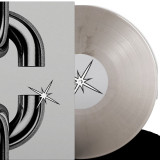
Silberfarbenes Vinyl. 80er-Jahre-Synthie-Rock-Pop-Magie für Fans von Vierspuraufnahmen. Der DIY-Außenseiter Rick Cuevas war ein Post-Punk-Flüchtling auf der Suche nach einer Vision für einen Hit. "The Birds", 1984 zu Hause aufgenommen, ist der 40 Jahre verspätete Viralkracher und eine von acht retro-futuristischen Hymnen, die Cuevas' Debütalbum ausmachen. Diese von den analogen Bändern neu gemasterte Jubiläumsausgabe repliziert das Original, das in einer Auflage von nur 200 Exemplaren erschienen war, für maximalen Teleportationswert.
Jonathan Richman’s classic 'Egyptian Reggae' has been responsible for setting thousands of discerning dance floors on fire. After getting the obvious Jah twist on a few occasions, so we thought it was about time for the Richman’s song to receive a fun yet respectful cumbia treatment! This cumbia candy has been recorded in Lima by no other than Pancho Acosta, founder and guitarist of Compay Quinto, and one of the greatest cumbia guitar players in Peru. On the flip side we find one of Acosta´s own original songs, 'Carnaval de Jujuy', recorded by Austin-based future-cumbia group Money Chicha.
Salsa Verde is the latest release from artist, Tom Caruana and, the newest instalment of Def Pressé’s series of projects made in partnership with KPM (and associated music libraries).
In 2021 Def Pressé entered into a deal with KPM whereby the deeper KPM and associated libraries can be used, exclusively, by Def Pressé. Sampled, replayed and reimagined, this vast catalogue has provided music for TV and Cinema for decades. Sampled, often illegally, by practically every Hip Hop producer ever, the library is available to select Def Pressé artists to utilise in order to create new pieces of music. This music is then fed back into the KPM/Sony AVI library for use in TV and Cinema, and the Def Pressé artist in question is then a KPM Artist in their own right. Completing the circle and hopefully providing music to inspire the new generation of beat makers/sample-based producers.
With several titles in the series, notable names like Blockhead, Damu the Fudgemunk and Stro Elliot since its inception in 2021, the Def Pressé Editions x KPM series, Crate Diggers continues into the seventh episode.
Producer & multi-instrumentalist Tom Caruana has been producing Hip Hop for over 25 years. Incorporating both samples and instruments in his production has helped him create a signature sound which covers a wide range of moods. He has produced quirkier and more humorous material for the likes of Dr Syntax & Professor Elemental, live production for his band Son Of Sam,
sample heavy material in a range of projects with MCs as well as notoriously remixing Wu-Tang Clan with The Beatles and Jimi Hendrix.
After 45 years, Trigger’s never-released second album, Second Round, invites listeners to rediscover the hard rock sound that made the band a standout act of the 1970s. In early 1979, Trigger walked out of Electric Ladyland Studios with a completed second album. Mere months had passed since their self-titled debut came out on Casablanca Records, home to KISS and Parliament. The band had toured with Cheap Trick and The Godz, met Bruce Springsteen and Joni Mitchell, and things were looking bright. But Casablanca unexpectedly went bankrupt, and the label’s artists went into freefall. Trigger unsuccessfully sought interested parties, shelved the recordings and disbanded; a disappointing end for a band who dominated the Jersey Shore club scene on their way up with fiery, kick ass live shows. RIP Trigger: 1973-1979. Jump to 2024. Guitarist Richie House is living in Northern New Jersey with his wife, enjoying a relaxing afternoon at the community pool with neighbors. One of them, Andrew Wexler is shocked to discover his friend had a band in the ’70s. He listens to their recordings, and as an avid record collector, assumes the mission of getting that unheard second album released. He writes to Ba Da Bing, a label with Jersey roots. Much excitement ensues. Second Round’s long-awaited release will now be available. All original members—Derek Remington (vocals/drums), Jimmy Duggan (guitar/vocals), Tom Nigra (bass guitar/backing vocals), and Richie House (lead guitar/vocals)—are present on the recordings. Sadly, Duggan and Nigra have passed away, but Remington and House have overseen this reissue, with songs sourced directly from the analog masters.. The Trigger of today maintains a high level of quality, albeit with a bit less flair, and even less hair. And there’s more going on here than at first listen. While the band carries the earmarks of their era—melodic hard-rock fashioned for Saturday night parties—they override the cliché with incredibly catchy songs. How would a ripping song like “Back Talk” have been received in 1979? It’s a question we’ll never be able to answer, but the raw energy of the track spans generations. “One In A Million,” however, with its full harmonies and forceful chorus, could have easily made the soundtrack for Fast Times. Celebrate the discovery of this lost gem by giving it a listen. You’ll be Trigger happy…
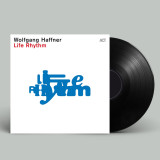
»Ich denke immer wieder aufs Neue darüber nach, wie ich mich als Schlagzeug-spielender Bandleader so positionieren kann, dass das Instrument eine tragende Funktion einnimmt, dies aber auf eine musikalische Weise geschieht und auf keinen Fall als Zurschaustellung von Virtuosität«, sagt Wolfgang Haffner. Diese Haltung zieht sich als roter Faden durch seine gesamte Karriere - und auch durch »Life Rhythm«, sein zehntes Album auf ACT.
Und obwohl Haffners Musik gängigen Vorstellungen virtuoser Schlagzeug-Leader ganz bewusst widerspricht, steht das Instrument diesmal besonders im Fokus. Ausgangspunkt dafür war Wolfgang Haffners allererstes Solokonzert im Jahr 2022 auf Schloss Elmau. Er erinnert sich: »Das war eine Wahnsinns-Herausforderung bei der ich auch vor der Entscheidung stand: Spiele ich jetzt eine Stunde Schlagzeugsolo? Natürlich nicht! Also habe ich habe eine Menge melodisch klingender Perkussionsinstrumente eingebaut, Passagen live geloopt, mit Echos und Delays gearbeitet – im Grunde wie im Studio, nur eben auf der Bühne.« All dies brachte Haffner dazu, sich noch einmal auf ganz intensive Art mit dem Thema mit dem Instrument zu beschäftigen, welches ihn sein Leben lang begleitet. Und so haben alle Stücke auf »Life Rhythm« diesmal ihren Ursprung, nicht wie sonst bei Haffner, am Piano, sondern am Schlagzeug.
Das Ergebnis dieses Prozesses kann man gleich zum Auftakt von »Life Rhythm« auf dem Titeltrack erleben: Das Stück basiert auf einem hypnotischen Groove, bei dem nicht die Becken, wie sonst im Jazz üblich, die Time angeben, sondern vor allem die Trommeln. Das dieser Groove direkt Phil Collins und besonders an dessen Stück »Take Me Home« erinnert, ist kein Zufall: Collins' Art, Drum-Parts zu elementaren Teilen des Songwritings zu machen, ist bis heute eine von Haffners größten Inspirationen. Und auch jedes weitere der elf sehr kompakten, Song-haften Stücke auf »Life Rhythm« öffnet eine eigene Welt des musikalischen Schlagzeugspiels: Mal mal trocken-reduziert mit Besen wie auf »Balance«, poppig bei »Joy of Life«, mit filigranen Becken-Grooves, dezenter Elektronik und Percussion auf »Eternity« oder minimalis-tisch bis kurz vor der Stille in »Silence and Sound«.
Das aus all diesen Stilistiken ein so stimmiges Ganzes ent-steht liegt daran, das Wolfgang Haffner diese im Laufe seiner Karriere bis in die Tiefe durchdrungen hat - an der Seite von stilbildenden Charakteren wie Al Jarreau, Chaka Khan, Pat Metheny, Jan Garbarek, Esbjörn Svensson, Nils Petter Molvaer, Albert Mangelsdorff, Ricardo Villalobos und vielen, vielen mehr. All diese Kollaborationen haben Wolfgang Haffners Voka-bular am Instrument und auch als Komponist geprägt und die da-mit verbundenen, unterschiedlichsten Stile sind gleichermaßen Teil seiner musikalischen Persönlichkeit.
Vielseitigkeit und höchste Musikalität sind auch die Eigen-schaften, die Wolfgang Haffner und seine Mitmusiker auf »Life Rhythm« verbinden. Die Basis bildet ein bestens einges-pieltes Trio zusammen mit Keyboarder Simon Oslender, selbst auch Drummer und Bandleader, und Thomas Stieger, einem der gefragtesten deutschen Bassisten in Pop wie Jazz. Dazu kommen Trompeter Sebastian Studnitzky, Mitstreiter Haffners seit seinem ACT-Debüt »Shapes« und der Finne Arto Mikälä, eine echte Entdeckung in Sachen Klangvielfalt an der Gitarre. Diese Band herausragender Allrounder erweitert Haffner um eine Reihe musikalischer Charaktere, die der Musik ihre ganz eigene Farbe verleihen: Nils Landgren, Freund und Weggefährte seit mehr als 20 Jahren, Saxofon-Ikone Bill Evans, Sting-Gitarrist Dominic Miller, Balkan-Beat-Star Shantel, Bass-Feingeist Nicolas Fiszman, Oud-Virtuose Thomas Konstantinou und Bruno Müller, einer der besten deutschen Jazzgitarristen.
»Life Rhythm«, sagt Wolfgang Haffner, »ist für mich eine Fortsetzung, keine Wiederholung«. Die Musik trägt mit ihrer Wärme, Kraft und Klarheit die charakteristische Handschrift, die Haffner mit seinen Alben und auf tausenden von Konzerten in mehr als 100 Ländern zum wohl populärsten Schlagzeug-spielenden Leader Europas gemacht hat. Und gleichzeitig ist es eine Evolution seiner Musik. Gut möglich, dass Haffners Erfolg genau darin begründet ist, dass seine Musik immer etwas Ver-trautes und etwas Neues beinhaltet und dass Haffner sein Publikum so immer »mitnimmt« im Fluss seiner Ideen - und in einem gemeinsamen »Lebensrhythmus«
Kip Moores sechstes Album 'Solitary Tracks' mit 23 Songs beweist, dass Moores innerer Kompass nach wie vor stark ist. Ein in jeder Hinsicht intensives Album - stimmlich, textlich wie auch klanglich -, auf dem Moore seine prägnante Feder nach innen richtet. Bis auf einen Song hat er alle Songs selbst geschrieben oder an ihnen mitgeschrieben und ein trotziges Gefühl persönlichen Wachstums in ein rohes Roots-and-Soul-Paket gepackt, das gemeinsam mit Jaren Johnston, Oscar Charles und Jay Joyce produziert wurde.
Fünf Jahre nach ihrem gefeierten Album 'forevher' meldet sich die britische Sängerin Shura mit ihrem dritten Studioalbum 'I Got Too Sad For My Friends' zurück. Eine Mischung aus Kammerpop, 60er-Jahre-Folk und Lagerfeuer-Americana, die Shuras introspektives Songwriting in eine weite Landschaft ausdehnt - ruhiger als der gefühlvolle Schwung von 'forevher' und rustikaler als der grüblerische Synthie-Pop ihres Debüts 'Nothing’s Real' aus dem Jahr 2016.
Obwohl das Album Themen wie Isolation, Traurigkeit und Depression bearbeitet, klingt es aber alles andere als niedergeschlagen - Shuras kristallklarer Gesang trifft auf eine warme, erdige Produktion. Shura dazu ganz selbst-ironisch: „Auch wenn es nicht unbedingt eine maximalistische Platte ist, was den Sound angeht, war der Ansatz für mich, die Platte mit maximaler Freude aufzunehmen - was urkomisch ist, denn es geht darum, unglücklich zu sein!“
Angegangen wie eine „Old-School-Platte“, die eher eine Performance als eine Produktion einfängt, wurde ein Großteil des Albums live aufgenommen, wobei Keys, Bass, Gitarre und Schlagzeug in einem Rutsch aufgenommen wurden. Nur der Gesang wurde separat aufgenommen - mit Ausnahme des sanften Funk-Tracks Ringpull.
Swans kehren mit 'Birthing' zurück, dem neuesten Album, das im Laufe einer einjährigen Tournee 2023-2024 entstand.
'Birthing' wird über Mute und Young God Records veröffentlicht. Die Erstpressungen der Deluxe-Vinyl und CD enthalten eine Bonus-DVD mit Swans Live 2024 (Rope) The Beggar, einem Konzertfilm von Marco Porsia, der die letzte US-Tour der Band dokumentiert. Die DVD enthält außerdem 'I Wonder If I'm Singing What You're Thinking Me To Sing', eine Dokumentation von Christopher Nicholson über Michael Gira's Solotournee 2022.
'Birthing', das durch unerbittliche Improvisation und Live-Performance sowie neu komponierte Studiostücke verfeinert wurde, ist ein Zeugnis von Michael Giras kompromissloser klanglicher Vision. Die Songs, die als akustische Kompositionen begannen, wurden im Studio mit langjährigen Live-Mitgliedern und Kollaborateuren schrittweise erweitert und transformiert.
"Dieses Album, zusammen mit der kürzlich erschienenen Live-Veröffentlichung Live Rope, ist mein letzter Ausflug (als Produzent/Impresario) in die alles verzehrenden Klangwelten, die mich seit Jahren besessen haben. Wir werden in diesem Modus gegen Ende 2025 eine letzte Tournee machen, und das war's dann. Danach wird es mit Swans weitergehen, so lange ich dazu in der Lage bin, allerdings in einer deutlich reduzierten Form. Hinweise auf diese Richtung sind in einigen Momenten auf dem aktuellen Album zu finden. In der Zwischenzeit hoffe ich, dass die Musik eine positive und fruchtbare Atmosphäre bietet, in der man träumen kann." - Michael Gira / Swans
Produziert von Gira, wurde 'Birthing' in der Soundfabrik Berlin aufgenommen, im Candy Bomber Studio von Ingo Krauss gemischt und von Doug Henderson bei Micro-Moose gemastert.
out of Stock
Last delivered 15 months ago available to reorder, subject to availability
Two long-awaited tracks which hold a special place in the label’s soundsystem, rich with rhythms and encouraging melodies: morning hours synthy Phoenix by the Ukrainian scene godfather Borys and a bassy, Memphis-like, minimalistic techno from Unai Trotti hiding under the new alias Yzer, on the flip side.
out of Stock
Last delivered 15 months ago available to reorder, subject to availability
During the course of his career, the legendary creator of Afrobeat Fela Kuti used his music to lament social injustices and political corruption in his native Nigeria. His music, a compelling blend of American funk and West African highlife, often locked into spellbinding grooves that seemed to go on forever. Yet that was the point: to fall deep into the rhythm and dance away the hardship. While this impacted Nigeria and the entire world, it also affected Fela’s son Femi and his son Made, both of whom carry his legacy as torchbearers for change. On February 5th 2021, Partisan Records, home to Fela’s catalog, will release two albums from Femi and Made — both very much in the tradition of Fela’s music, but with different scopes. Femi’s album, Stop The Hate, radiates the unique Afrobeat sound that he has forged throughout his long career, affirming the sharply political conviction that his father would’ve claimed in the 1960s, ‘70s and ‘80s. Made’s album, For(e)ward, is a modern and progressive freedom manifesto, pushing boundaries of the subgenre even further. Made also performs every instrument on the album. Together they will be packaged into a double album called Legacy + that, when taken as a whole, bolsters the rich musical heritage of the Kuti name. Yet this isn’t just about honoring Fela, it’s also personal for Femi and Made, a father and son with deep creative synergy. Most importantly, the project finds these men coming together in the name of family. “This is probably the most important part of my life right now,” Femi says. “I’m happy because he’s not copying me. He has found his voice. What other joy could a father want than to experience this in his lifetime?”
Skyjoggers, the innovative band from Tampere, Finland, fuses the exhilarating elements of space rock and psychedelic soundscapes. Their music captures the essence of cosmic exploration, characterized by hypnotic riffs and an experimental approach that pushes boundaries. With a focus on dynamic performances and rich instrumental textures, Skyjoggers invites listeners on a journey through uncharted musical territories.
On ”12021 : Post-Electric Apocalypse” Skyjoggers focus on themes such as death, loss and despair. Writing of the album took place during the pandemic, forest fires in the Amazon and wars around the planet - the band took inspiration from such themes trying to channel the hard topics into something beautiful shining a ray of hope and light into the world through music. The album showcases the heaviest side of Skyjoggers heard to this day, bringing elements of black and doom metal into the band's unique mix of modern space rock.
Skyjoggers are:
Alexi Belle - guitars & effects - Juan Rico - bass, synth & vocals - Gabo Sabor - drums & vocals
Die deutschen Epic-Doom-Metal-Meister Lord Vigo veröffentlichen im Mai 2025 ihr sechstes Studioalbum auf High Roller Records. Nach den von Presse und Fans gleichermaßen gefeierten "Danse De Noir" (2020) und "We Shall Overcome" (2022) handelt es sich bei "Walk The Shadows" mitnichten um den dritten Teil der begonnenen Trilogie. ""Walk The Shadows" steht für sich alleine und ist unabhängig von einem durchgehenden Konzept", erläutert Schlagzeuger, Sänger und Keyboarder Vinz Clortho. "Das war nach zwei doch sehr ausgefeilten Konzeptalben eine schöne Abwechslung für uns. Es hat wirklich Spaß gemacht." Stücke wie "Through A Glass Darkly", "Servant Of The Dark" oder "The Triumph Of The Killing Heart" verströmen eine Art von Gothic-Horror-Atmosphäre, die einem eklektischen Mix aus Sisters Of Mercy, Fields Of The Nephilim und sogar The Cure ziemlich nahe kommt. "Das kann man durchaus so ausdrücken", stimmt Vinz Clortho zu. "Das Album kombiniert viele verschiedene Stile und kreiert dadurch etwas ganz Neues. Meine Roots liegen im klassischen Metal, und dies in Kombination mit den düsteren Songs auf der neuen Platte ergibt eine komplett andere Richtung für Lord Vigo. Ich denke nicht, dass es ein Album gibt, das ähnlich wie "Walk The Shadows" klingt. Ich weiß nur nicht, ob das ein Vorteil oder ein Nachteil ist." "Der Song 'Walk The Shadows' ist die erste Single", erklärt Vinz. "Dazu haben wir auch ein Video gedreht. Jeder Song steht für sich. Deswegen ist es auch schwierig, bestimmte Nummern herauszuheben. 'El Hakim' ist zwölf Minuten lang, es ist nicht nur der längste Song des Albums, sondern auch der atmosphärisch dichteste. Ganz sicher einer meiner Favoriten." "Stilistisch ist das neue Album sehr wohl ein Sprung für uns" fährt Vinz fort. "Aber genau aus diesem Grund denke ich, dass es eine wegweisende Platte für uns werden kann. Es gibt Gruppen, die immer wieder das gleiche Album schreiben. Aber das sind nicht wir. Bei Lord Vigo klingt jede Scheibe anders. Diesmal haben wir unsere Komfortzone verlassen. Kommerziell mag das nicht unbedingt sinnvoll sein. Aber das ist uns ziemlich egal. Wir wollen Erfolg auf unser Weise. Stellenweise singe ich eine ganze Oktave tiefer als für gewöhnlich. Auch das ist ein Grund dafür, warum "Walk The Shadows" so klingt, wie es klingt."
Als Watchtower im Jahre 1985 ihr Debütalbum "Energetic Disassembly" veröffentlichen, stellen sie die Metal-Welt auf den Kopf. Das Material setzt völlig neue Maßstäbe. Innovativer (und extremer) geht zu dieser Zeit niemand zu Werke. Unbeholfene Stilbeschreibungen wie "Jazz Metal" oder "Techno Thrash" werden kreiert. Ursprünglich werden Watchtower im Mai 1982 in Austin, Texas, aus der Taufe gehoben. In jenem Monat schließt sich Sänger Jason McMaster Bassist Doug Keyser, Schlagzeuger Rick Colaluca sowie Gitarrist Billy White an. In ihrem frühen Stadium zeigen sich Watchtower stark von der NWOBHM inspiriert und spielen Songs von Iron Maiden, Angel Witch und Raven nach - dazu natürlich etliche Nummern der kanadischen Prog-Götter Rush. In der Folge entwickelt die Band sukzessive ihren individuellen Stil und nimmt Demos mit eigenen Stücken auf. Aber die Plattenfirmen wollen nicht anbeißen. Aus diesem Grunde entschließt man sich dazu, auf dem eigenen Label Zombo Records das wegweisende Album "Energetic Disassembly" zu veröffentlichen (gepresst werden 3.500 LPs und 1.000 Kassetten).
"Ich kann mich noch lebhaft daran erinnern, wie ich Demokassetten an Fanzines verschickt habe und nahezu täglich Briefe mit Tapetradern ausgetauscht wurden," erinnert sich Sänger Jason Mc Master heute. "Ich erhielt u.a. Briefe von Gene Hoglan, Mike Portnoy, Jason Newsted und sogar Alan Tecchio Die Reaktionen waren fantastisch, aber wir klangen einfach so andersartig. Die Labels wussten nicht, wie sie uns seinerzeit hätten vermarkten sollen. Waren wir zu extrem? Ich denke schon." Pünktlich zum 40. Jubiläum von "Energetic Disassembly" erscheint über High Roller Records nicht nur eine De-Luxe-Edition des originalen Albums, sondern auch eine neue Abmischung. Die Re-Mixes wurden im Jahre 2009 von Jared Tuten, einem engen Freund von JasonMcMaster, in den Top Hat Studios angefertigt. Als Sahnehäubchen gesellen sich dazu vier Bonus-Stücke: eine Art Drum-Soundcheck namens "Rick On Parade", das kurze Gitarren-Instrumental "BW115" sowie frühe Fassungen von zwei Songs, die später auf dem zweiten Watchtower-Album landen sollten, hier aber noch mit Jason McMaster am Gesang - "Instruments Of Random Murder" und "The Eldritch". Jason McMaster verließ Watchtower im Jahre 1988 in Richtung Dangerous Toys. Sein Nachfolger war Alan Tecchio (von Hades). Zusammen mit ihm wurde 1989 in West-Berlin das zweite Album "Control And Resistance" für Noise Records aufgenommen.
Als Watchtower im Jahre 1985 ihr Debütalbum "Energetic Disassembly" veröffentlichen, stellen sie die Metal-Welt auf den Kopf. Das Material setzt völlig neue Maßstäbe. Innovativer (und extremer) geht zu dieser Zeit niemand zu Werke. Unbeholfene Stilbeschreibungen wie "Jazz Metal" oder "Techno Thrash" werden kreiert. Ursprünglich werden Watchtower im Mai 1982 in Austin, Texas, aus der Taufe gehoben. In jenem Monat schließt sich Sänger Jason McMaster Bassist Doug Keyser, Schlagzeuger Rick Colaluca sowie Gitarrist Billy White an. In ihrem frühen Stadium zeigen sich Watchtower stark von der NWOBHM inspiriert und spielen Songs von Iron Maiden, Angel Witch und Raven nach - dazu natürlich etliche Nummern der kanadischen Prog-Götter Rush. In der Folge entwickelt die Band sukzessive ihren individuellen Stil und nimmt Demos mit eigenen Stücken auf. Aber die Plattenfirmen wollen nicht anbeißen. Aus diesem Grunde entschließt man sich dazu, auf dem eigenen Label Zombo Records das wegweisende Album "Energetic Disassembly" zu veröffentlichen (gepresst werden 3.500 LPs und 1.000 Kassetten).
"Ich kann mich noch lebhaft daran erinnern, wie ich Demokassetten an Fanzines verschickt habe und nahezu täglich Briefe mit Tapetradern ausgetauscht wurden," erinnert sich Sänger Jason Mc Master heute. "Ich erhielt u.a. Briefe von Gene Hoglan, Mike Portnoy, Jason Newsted und sogar Alan Tecchio Die Reaktionen waren fantastisch, aber wir klangen einfach so andersartig. Die Labels wussten nicht, wie sie uns seinerzeit hätten vermarkten sollen. Waren wir zu extrem? Ich denke schon." Pünktlich zum 40. Jubiläum von "Energetic Disassembly" erscheint über High Roller Records nicht nur eine De-Luxe-Edition des originalen Albums, sondern auch eine neue Abmischung. Die Re-Mixes wurden im Jahre 2009 von Jared Tuten, einem engen Freund von JasonMcMaster, in den Top Hat Studios angefertigt. Als Sahnehäubchen gesellen sich dazu vier Bonus-Stücke: eine Art Drum-Soundcheck namens "Rick On Parade", das kurze Gitarren-Instrumental "BW115" sowie frühe Fassungen von zwei Songs, die später auf dem zweiten Watchtower-Album landen sollten, hier aber noch mit Jason McMaster am Gesang - "Instruments Of Random Murder" und "The Eldritch". Jason McMaster verließ Watchtower im Jahre 1988 in Richtung Dangerous Toys. Sein Nachfolger war Alan Tecchio (von Hades). Zusammen mit ihm wurde 1989 in West-Berlin das zweite Album "Control And Resistance" für Noise Records aufgenommen.
Als Watchtower im Jahre 1985 ihr Debütalbum "Energetic Disassembly" veröffentlichen, stellen sie die Metal-Welt auf den Kopf. Das Material setzt völlig neue Maßstäbe. Innovativer (und extremer) geht zu dieser Zeit niemand zu Werke. Unbeholfene Stilbeschreibungen wie "Jazz Metal" oder "Techno Thrash" werden kreiert. Ursprünglich werden Watchtower im Mai 1982 in Austin, Texas, aus der Taufe gehoben. In jenem Monat schließt sich Sänger Jason McMaster Bassist Doug Keyser, Schlagzeuger Rick Colaluca sowie Gitarrist Billy White an. In ihrem frühen Stadium zeigen sich Watchtower stark von der NWOBHM inspiriert und spielen Songs von Iron Maiden, Angel Witch und Raven nach - dazu natürlich etliche Nummern der kanadischen Prog-Götter Rush. In der Folge entwickelt die Band sukzessive ihren individuellen Stil und nimmt Demos mit eigenen Stücken auf. Aber die Plattenfirmen wollen nicht anbeißen. Aus diesem Grunde entschließt man sich dazu, auf dem eigenen Label Zombo Records das wegweisende Album "Energetic Disassembly" zu veröffentlichen (gepresst werden 3.500 LPs und 1.000 Kassetten).
"Ich kann mich noch lebhaft daran erinnern, wie ich Demokassetten an Fanzines verschickt habe und nahezu täglich Briefe mit Tapetradern ausgetauscht wurden," erinnert sich Sänger Jason Mc Master heute. "Ich erhielt u.a. Briefe von Gene Hoglan, Mike Portnoy, Jason Newsted und sogar Alan Tecchio Die Reaktionen waren fantastisch, aber wir klangen einfach so andersartig. Die Labels wussten nicht, wie sie uns seinerzeit hätten vermarkten sollen. Waren wir zu extrem? Ich denke schon." Pünktlich zum 40. Jubiläum von "Energetic Disassembly" erscheint über High Roller Records nicht nur eine De-Luxe-Edition des originalen Albums, sondern auch eine neue Abmischung. Die Re-Mixes wurden im Jahre 2009 von Jared Tuten, einem engen Freund von JasonMcMaster, in den Top Hat Studios angefertigt. Als Sahnehäubchen gesellen sich dazu vier Bonus-Stücke: eine Art Drum-Soundcheck namens "Rick On Parade", das kurze Gitarren-Instrumental "BW115" sowie frühe Fassungen von zwei Songs, die später auf dem zweiten Watchtower-Album landen sollten, hier aber noch mit Jason McMaster am Gesang - "Instruments Of Random Murder" und "The Eldritch". Jason McMaster verließ Watchtower im Jahre 1988 in Richtung Dangerous Toys. Sein Nachfolger war Alan Tecchio (von Hades). Zusammen mit ihm wurde 1989 in West-Berlin das zweite Album "Control And Resistance" für Noise Records aufgenommen.
Faun Fables, the long-running collaboration between Dawn McCarthy and Nils Frykdahl, have returned with Counterclockwise, the follow-up to 2016"s Born of the Sun. With the longest space between albums in the band"s twenty-seven year history, the nature of time and experience spent raising a family and negotiating life"s changes have much to do with the incredible listening companion Faun Fables have gifted us here. Counterclockwise"s songs and production are the most encompassing, richly lived-in sonic world of their seven full-length albums. From start to finish, it is an exquisitely etched portrait of their aesthetic and worldview: colourfully studded with fine-hewed jewels of song, tinged with the traditional sounds of past and future nations. Their timeless "songtelling" practice is entwined with a holistic view of a life in music - embracing and celebrating the mundane details of home, partnering and family, elevated by a mystical and fantastical perspective. The new discovery here is their creative relationship with time.
Yesterday's Children emerged from the vibrant mid-60s Connecticut music scene, evolving from a garage-based instrumental outfit into one of the era's most compelling proto-heavy rock acts. As they evolved, they embraced the psychedelic and hard rock influences of the late 60s, crafting a heavier, more dynamic style. Under the determined management of brothers Dennis (vocals) & Richard (guitar) Croce's father, Dominic, the band gained regional popularity. Their 1970 self-titled album, recorded in New York with producer Warren Schatz, showcased a mix of ferocious originals like "Hunter's Moon" and "Sad Born Loser" alongside inspired covers. Though the album failed to achieve commercial success at the time, it has since been rediscovered as a cult favorite, celebrated for its raw energy and ahead-of-its-time heaviness. Known for their immersive live shows-complete with custom-built light and sound systems-the band toured the East Coast in vintage hearses, leaving a lasting impression on audiences. Despite their eventual breakup in 1972, Yesterday's Children's legacy endures, with their sole LP standing as a landmark in the transition from garage rock to the heavier sounds of the 70s. A true hidden gem, their music continues to resonate with fans of psychedelic, hard rock, and proto-metal.
Das vierte Album von Ellen Arkbro, "Nightclouds", versammelt fünf Improvisationen für Orgel solo, die 2023-24 in Mitteleuropa aufgenommen wurden. "Nightclouds" ist unverhohlener romantisch und introspektiver als ihre früheren Werke, obwohl es fest in der Strenge und Präzision verwurzelt, die Arkbro's Konzept ausmachen. Es ist die Erweiterung ihrer Erkundungen von räumlicher Harmonie, Taktilität und Textur, Arkbro schöpft gleichermaßen aus sakraler Musik, Jazz im ECM-Stil und Minimalismus und beschwört eine kühle Intimität und einen kühlen Ton herauf. Ihre entschleunigten Akkordimprovisationen hüllen den Zuhörer in düsteres verwaschen, während ihre Mikrofonierung die raue haptische Maserung des Rohrblatts offenbart und den Zuhörer sowohl innerhalb als auch außerhalb des Klangs bringt. Sie evoziert Duette von Kjell Johnsen und Jan Garbarek oder La Monte Young und Tony Conrads Bearbeitung von Euringers und Harmer's Cowboy-Song ,Oh Bury Me Not". "Nightclouds" kanalisiert spirituelles Pathos durch eine rigoros zurückhaltende Architektur. Anknüpfend an das letztjährige Album "Sounds While Waiting" (W.25TH, 2024), einer Auswahl von Stereomischungen, die Arkbro's räumliche Orgelinstallationen dokumentieren, ändert Nightclouds die Richtung und konzentriert sich auf unmittelbare Komposition und Improvisation. Elegante, einfache akkordische Gerüste unterstützen reiche, sich ständig verändernde Texturen; genaues Hinhören erfordert die Hingabe an anhaltende Unentschlossenheit. Den Abschluss einer Sammlung von kurzen Stücken bilden zwei Variationen über die titelgebende Komposition ,Nightclouds", eine eine schelmische Anspielung auf den britischen Jazz-Gitarristen Allan Holdsworth: Die erste Aufnahme verlangsamt und dehnt eine kontinuierlich modulierte harmonische Progression, während die kurze Schlussversion einfach drei Akkorde schleift. Zwischen diesen Stücken liegen ,Still Life" und ,Chordalities", zwei kurze Werke, die im Temple de La-Tour-de-Peilz in Vevey, Schweiz, aufgenommen wurden. Die zweite Hälfte des Albums ist folgenden Stücken gewidmet ,Morningclouds", ein weitläufiges Werk, das in der rekonstruierten Gedächtniskirche (Kaiser-Wilhelm-Gedächtniskirche) in Berlin aufgenommen wurde. Arkbro's prägnantes musikalisches Vokabular und formale Architektur evozieren ein Gefühl der emotionalen Ambivalenz, gleichzeitig erhebend und schwermütig und führt den Hörer mit kühler und distanzierter Schönheit. "Nightclouds", das als tiefgründiges Statement in Arkbros sich entwickelndem Werk steht, das zugleich introspektiv und expansiv ist, bestätigt ihre einzigartige Fähigkeit, harmonische Einfachheit in tief berührende Klanglandschaften zu verwandeln, die den Hörer in einen Raum der Kontemplation und emotionalen Tiefe führen.
"How do I know if my cat likes me?" ist die erste Zusammenarbeit der Organisten Ellen Arkbro und Hampus Lindwall mit der bildenden Künstlerin Hanne Lippard, eine existenzielle Meditation über die leeren Weiten unseres automatisierten Alltags. Das Stück entstand während Arkbro und Lippards Residenz 2023 im La Becque in La Tour-de-Peilz, Schweiz, Das Album persifliert die lähmende Ästhetik des Geschäftslebens, von der Warteschleifenmusik bis zum Onlinebanking. "How do I know if my cat likes me?" führt die Linie von Roberts Ashley von Roberts Ashley und Barry fort und hämmert auf die Klänge der Sprache ein, bis sie alle Bedeutungen durch angenehm betäubende Wiederholungen verdrängen. Die Platte zu hören ist, als würde man ein Captcha wieder und wieder lösen bis alle Zeichen zu Hieroglyphen verschwimmen, oder man findet sich in einem tautologischen Kundendienst-Argument verstrickt, nur dass man, nachdem man in der Sackgasse des Unsinns gelandet ist, eine unerwartete transzendente Schönheit findet, in der die Sprache von der reinen Funktion zur reinen Ästhetik umschlägt und vor Möglichkeiten schimmert. Selbst subtile Brüche in lyrischen oder musikalischen Mustern können eine grundlegende Veränderung in der Welt des Songs auslösen. Auf der gesamten Platte begründen strenger Formalismus und Minimalismus eine Erzählung. ,The Long Goodbye" stellt sich einen quälenden Dialog zwischen Bekannten vor, die sich nicht höflich voneinander lösen können: ,It's my pleasure!", stöhnt Lippard, die sich selbst antwortet: "Pleasure is all mine! / See you soon! / See you next time! / See you then!". Obwohl die Zeilen immer wieder dieselben wenigen Abschiedsworte wiederholen, akkumuliert sich eine geheimnisvolle Kausalität in den winzigen Variationen, die einen erzählerischen Bogen kreieren, weniger für die Figuren des Liedes, sondern für den Zuhörer, der sich mit Verzweiflung, nihilistischem Humor oder tiefer Dankbarkeit über die Fähigkeit der Kunst konfrontiert sieht. An anderer Stelle, als ,Modern Spanking" sich frei assoziierend von der Phrase "Online-Banking" in Richtung "breathing down your neck banking" und ,sexy but bankrupt banking" wandelt, wird eine ganze Welt oberflächlicher Vergnügungen ins Blickfeld gerückt. Während minimalistische Bewegungen in der Musik und der bildenden Kunst eine gewisse Situiertheit des Blicks fördern, erinnert ,Modern Spanking" an den glatten, reibungslosen Minimalismus eines gehobenen Einkaufszentrums: eine Menge wahlloser Passanten, die sich zwischen Sex und Geld, Fantasie und Realität, zerstreuter Aufmerksamkeit und intensiver Ablenkung befinden. In einer Welt wie dieser ist der Unterschied zwischen Bankgeschäften und Prügelstrafe zu vernachlässigen.
SAISEI founder Junki Inoue continues his vital archival work uncovering the riches of Japan’s distinctive electronic music scene and bringing them to new audiences around the world.
HERO U.D.A. aka Hiroyoshi Udaka is not someone you can easily google, but he’s sure lived a life worth retelling. His story starts back in the late 80s when, inspired by the acid house emanating from the UK — during what was fondly christened the Second Summer of Love — he picked up DJing and made the move from Japan to London. Throughout the 90s he DJed at underground techno institutions like London’s The End, CLUB UK and Silver Fish, as well as at the infamous Tribal Gathering raves, periodically returning to Japan to support techno greats like Colin Dale, Mad Mike, Suburban Knight and D. Wynn on tour.
The tracks on this EP, previously unreleased except for one, were all recorded after Udaka moved back from London to Tokyo, between 2002 and 2005. Yet they sound strikingly modern, drawing on a rich range of sounds that have come back round again two decades later: broken beat, acid jazz, dub and breaks. Deceptively simple grooves are given depth by layers of textures and micro samples, for example the surface noise on ‘On The Way’ that glues together an otherwise sparse skeleton of dubby pads and body popping drums. ‘Mature Missile’, ‘So Good’ and ‘Night Driver’ employ raw broken beat templates with acid accents, whimsical melodies and vocal interjections for a playful mood. ‘Sin City’ takes a darker turn, off-key piano hits and plunging bass adding to the wonkiness. The EP closes with a wiggly vignette, ‘222AM’, reminiscent of early 00s contemporaries like Mouse On Mars. Now these hidden treasures from Udaka’s archive gain a new life on SAISEI.
———
SAISEI is a Japanese word which translates to ‘reproduction’ and ‘to play’ (as in playing records). Japanese culture is widely known for its traditional nature just as much as it is for being forward into the future and this label’s concept does justice to exactly that. Having started digging for records as early as 16 years old, Junki Inoue delved into productions from 1990s Japan to uncover these native gems. SAISEI’s core concept is to recapture and reintroduce unique pieces of Japanese electronic music onto vinyl, to an audience it never reached before as most of this music was only released in Japan.
b A2. So Good Acid Funk
out of Stock
Last delivered 5 months ago available to reorder, subject to availability
Love is a first kiss, a late night call, an ache of longing that can break your heart or a long drive with the top down to anywhere but here. Love can equally be contained, repressed and longed for as much as it can save, nurture and embolden. Love is a measure of our humanity or how lost we have become. In her new album, How Love Bends, Reb Fountain muses on the transformative power of love. Imprinted with our fear, desire, hurt and hope as much as it is an expression of our suffering and joy, love is an ever-evolving shapeshifter that lives in our marrow; magnetic and emergent it is loosed by its archer to ride on the wind. Reb's medium is that of a surrealist, playing with the stories that we tell ourselves she harnesses the sage wisdom of the dream; we embark upon a limitless exploration of love, life and loss within a landscape entirely of Reb's making. Reb's love is the stuff of chaos and oceans, vulnerability and revolution; stirring up the depths of the human condition and dancing with the richness of who we really are. Unapologetic, vulnerable, heartbroken and commanding; this is How Love Bends. How Love Bends is at once haunting and alluring, mystical and triumphant. Reb is a seeker, actively reaching for the expanse. A reverent explorer she traverses the turbulent and tidal with heartbreaking vulnerability and blazon courage. The result is an emergent odyssey; a dynamic dreamscape unfolding and revealing itself mid-evolution. Reb has explored new approaches to songwriting revealing nuanced layers with endless depths.
Love is a first kiss, a late night call, an ache of longing that can break your heart or a long drive with the top down to anywhere but here. Love can equally be contained, repressed and longed for as much as it can save, nurture and embolden. Love is a measure of our humanity or how lost we have become. In her new album, How Love Bends, Reb Fountain muses on the transformative power of love. Imprinted with our fear, desire, hurt and hope as much as it is an expression of our suffering and joy, love is an ever-evolving shapeshifter that lives in our marrow; magnetic and emergent it is loosed by its archer to ride on the wind. Reb's medium is that of a surrealist, playing with the stories that we tell ourselves she harnesses the sage wisdom of the dream; we embark upon a limitless exploration of love, life and loss within a landscape entirely of Reb's making. Reb's love is the stuff of chaos and oceans, vulnerability and revolution; stirring up the depths of the human condition and dancing with the richness of who we really are. Unapologetic, vulnerable, heartbroken and commanding; this is How Love Bends. How Love Bends is at once haunting and alluring, mystical and triumphant. Reb is a seeker, actively reaching for the expanse. A reverent explorer she traverses the turbulent and tidal with heartbreaking vulnerability and blazon courage. The result is an emergent odyssey; a dynamic dreamscape unfolding and revealing itself mid-evolution. Reb has explored new approaches to songwriting revealing nuanced layers with endless depths.
Fit for Consequences: Original Recordings, 1984–1987 is the first ever archival release from Repetition Repetition, the “two-man electric minimalist band” consisting of Ruben Garcia and Steve Caton hailing from Los Angeles in the mid 1980’s. Repetition Repetition’s unique blend of cosmic art-rock minimalism / maximalism was self-released across a series of cassettes produced in micro editions, and while garnering the attention and participation of luminaries such as Harold Budd, remained under the radar during the band’s existence. Fit for Consequences: Original Recordings, 1984–1987 collects select material from across the duo’s catalog.
It was over a plate of Mexican breakfast food when Ruben Garcia and Steve Caton first told Harold Budd of Repetition Repetition and the worlds they intended to explore by respective way of synthesizers and guitars --- a rendezvous instigated by the former’s fan mail to the legendary composer. If the upstarts entered this restaurant from a one-way street of admiration, they would leave with not only Budd’s interest but, sometime later, a blessing in the wake of many hours shared by the three in Garcia’s Los Angeles home recording studio: “This is going to be difficult, but God help them, I think they’re great,” noted Budd in a USC lecture in 1985. Now several degrees removed from prior rock music aspirations, the real game was afoot.
Between 1984 and 1988, Repetition Repetition operated within something akin to the underground of the experimental underground, although even that designation perhaps overstates the case. The duo’s sparse output consisted of three cassettes self-released on Garcia’s Third Stone Music label: Repetition Repetition (1985), Lakeland (1987), and The Machinist (1987). Their songs would also be included during this period on Trance Port Tapes’ vital scene-scanning compilations assembled by A Produce. Live performances occurred with similar infrequency, but Garcia and Caton counted converts in quality over quantity, numbering among them the aforementioned Budd, a Chambers Brother, and, judging by a memorably drop-jawed reaction following a rare Repetition Repetition gig, Jackson Browne.
Likewise, critical support materialized in the form of KCRW deejays Brent Wilcox and Dean Suzuki, whose steady airplay positioned Repetition Repetition’s music amidst fearless company like Jon Hassell, Hiroshi Yoshimura, and Richard Horowitz. Yet, to hear fellow Trance Port featured players like Tom Recchion and Bruce Licher of Savage Republic tell it, Garcia and Caton moved as ghosts --- a notion more vexingly endorsed by the silence of record companies that failed to come knocking --- and therein lies an overarching truth to the work itself.
Journey to the heart of Repetition Repetition and one discovers a collective ear impossibly attuned to the hypnotic possibilities of stylistic convergence, the resulting music possessed of seamless multimodalities which beckon to a glimmering plane of the disembodied. Where Caton sought his artistic fixes at an intersection of popular genres, Garcia zoned in on the sonically spare, drawing from the same wellspring as the Enos and Rileys of his personal avant-garde pantheon, and in their coming together the two tapped into a deeper cosmic source. Synthetic walls of keyboard sound in forever states of reprise met waves of shimmering --- and at times even punishing --- guitar in reply, their soundscapes hovering convincingly between, as suggested in fittingly dualistic fashion in a press kit assembled by Garcia, such disparate sensations as bird flight in one song and oil drilling in the next.
But don’t call it a push-pull dynamic, as this was a creative partnership founded upon fluidity and organicism by way of, naturally, repetition. In contrast to, say, the Bressonian ideal of repetitive motion as a great stripping away, the concept in the hands of Garcia and Caton equated to ascendancy via continuous unfolding, a maximal route to minimalism. To be sure, their recording philosophy morphed over the course of the act’s short history, and what started as a process defined by consistent in-person interplay developed into a more isolated method formulated by Garcia, who eventually took to his own one-man bedroom-studio sessions in order to fully chart any and all potential ostinato-loaded paths which he could travel down, the Tascam-captured resonances subsequently provided to Caton as blueprints from which to take flight himself, adding layer upon layer of steel to the proceedings.
If the practice and execution changed, however, the evidence certainly didn’t rest in the results: The seamlessness remained, and, despite the brevity of their time together, so has Repetition Repetition. With this finely calibrated collection of songs in Fit for Consequences: Original Recordings, 1984–1987, Freedom To Spend sees to it that the private worlds of Garcia and Caton can now be visited by all rather than just the count-‘em-on-both-hands lucky few whose musical endeavors or collector vocations carried them into this once-distant dimension.
Repetition Repetition’s Fit for Consequences: Original Recordings, 1984–1987 will be released on Freedom To Spend in vinyl and digital editions on May 30, 2025. The collection includes extensive liner notes from Bill Perrine, and wil be offered alongside Over & Over, a supplemental collection of music available exclusively as a mail order cassette from Freedom To Spend and RVNG Intl.