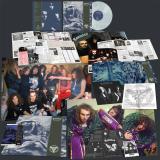
"Spiritual Jazz 19" besteht aus zwei Doppel-LP-Sets, die den Einfluss und die Ausdrucksformen jenes Underground-Jazz beleuchten, der sich in der zweiten Hälfte des 20. Jahrhunderts in Kalifornien und den angrenzenden Bundesstaaten entwickelte. Die insgesamt 24 Titel erscheinen in Gatefolds und enthalten Liner Notes, Fotos und Download-Codes.
Die US-Westküste wird oft mit dem Boom des Cool Jazz in den 1950er Jahren in Verbindung gebracht; doch überall dort, wo Jazz gespielt wurde, florierten auch modale, afrozentrische und spirituell geprägte Strömungen – und die Westküste bildete da keine Ausnahme. In der Nachkriegszeit rangierte die Central Avenue in L.A. als bedeutendstes Jazz-Viertel Amerikas direkt hinter Manhattan. Auch wenn Manhattan in jenen Jahren das faktische Zentrum des Jazz-Universums war, übte Kalifornien eine stärkere Anziehungskraft auf die Kultur im Allgemeinen aus und zog Menschen aus dem ganzen Land in den Bann seiner aufkeimenden Gegenkultur der 1960er Jahre.
Hier untersuchen wir die Auswirkungen dieser Gegenkultur auf den Jazz. Wir beleuchten den Einfluss der Black Panthers – der prägendsten Kraft innerhalb der schwarzen politischen Bewegung nach der Ära der Bürgerrechte – und widmen uns den neuartigen spirituellen Praktiken und Religionen des aufkommenden New Age. In Kalifornien waren zahlreiche eigenwillige Independent-Labels wie Arhoolie, Theresa und Nimbus sowie viele weitere private Unternehmungen ansässig; wir präsentieren die Ergebnisse ihres Strebens nach musikalischer Freiheit. All diese Faktoren beeinflussten die Entwicklung und Blütezeit des Jazz und der Jazzmusiker an der Westküste – und die Evolution des Spiritual Jazz in dieser Region wird hier eingehend betrachtet.
out of Stock
Last delivered 8 days ago available to reorder, subject to availability
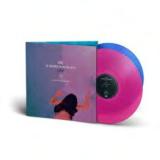
"Guitarize the World" lässt die außergewöhnliche Erfolgsgeschichte des genreübergreifenden Gitarrenduos Café del Mundo erstmals auf einem Album erklingen und versammelt einen Querschnitt der mitreißenden Arrangements aus Klassik, Filmmusik und Pop, mit denen Jan Pascal und Alexander Kilian ihr Publikum weltweit bei ihren spektakulären Live-Auftritten begeistern. Aufgenommen in legendären Studios wie Abbey Road und in Zusammenarbeit mit renommierten Ensembles wie dem Royal Philharmonic Orchestra oder dem Deutschen Filmorchester Babelsberg, präsentiert "Guitarize the World" den unverwechselbaren Sound des Duos in mehr als 20 Tracks. Von reduzierten Gitarren-Miniaturen bis hin zu opulenten Orchesterarrangements umfasst das Album eigene Kompositionen wie "Dance of Joy", "Space Gitanos" und "Smile", Adaptionen klassischer Titel wie "Clair de Lune" und "Air on a G-String", Arrangements von Filmmusiktiteln aus "Interstellar", "Cinema Paradiso" oder "Forrest Gump" sowie bombastische Cover von Pop-Hymnen wie "Viva la Vida", "With or Without You" und "Smooth Criminal". Darüber hinaus enthält das Album exklusiv ein Arrangement von Beethovens Klavierkonzert Nr. 5 für zwei Gitarren. Die 180-g-Color-Vinyl-Edition beinhaltet 23 Titel auf 2 Schallplatten in Grün und Pink im hochwertigen Gatefold. Exklusiv in diesem Format enthalten sind die Aufnahmen von "Blessing", "Easy" und "Smooth Criminal". Die limitierte 2-CD-Edition enthält die 20 Titel des Albums sowie als Bonus-CD "80s Unplugged" mit 13 Gitarrenarrangements legendärer Klassiker der 1980er-Jahre, darunter "Everybody Wants to Rule the World", "Time After Time" und "I Still Haven't Found What I'm Looking For".
1986 veröffentlichten Bassist Ron Royce (Ron Broder), Gitarrist Tommy T. Baron (Tommy Vetterli) und Schlagzeuger Marquis Marky (Markus Edelmann) ihr erstes Demotape »Death Cult« mit Hilfe von Celtic Frosts Tom Gabriel Fischer am Gesang (Fischer war auch für die Texte verantwortlich).
Kurz darauf, Anfang 1987, unterschrieben Zürichs Avantgarde-Metal-Pioniere einen Vertrag mit Noise Records aus Berlin. Zu diesem Zeitpunkt hatte sich Bassist Ron Royce entschieden, selbst die Rolle des Leadsängers von Coroner zu übernehmen.
Schließlich buchte Karl-Ulrich Walterbach von Noise Records für Coroner Studiozeit im Berliner Music Lab Studio, damit sie ihr Debütalbum unter den wachsamen Augen von Harris Johns aufnehmen konnten. »R.I.P.« wurde im Juni 1987 veröffentlicht und erhielt ausgesprochen positives Feedback in der Presse.
1988 folgte auf Coroners Debütalbum »Punishment For Decadence« (diesmal produziert im Sky Trak Studio in Berlin, produziert von Guy Bidmead). Laut Gitarrist Tommy Vetterli war das eine natürliche Weiterentwicklung für die Band: „Wir haben uns mehr auf die Tiefe der Musik konzentriert, es war nicht mehr nur eine Demonstration unserer technischen Fähigkeiten. Die Band war ziemlich tight, definitiv tighter als auf unserem ersten Album. Insgesamt denke ich, dass die Platte etwas reifer ist. Es ging weniger darum zu zeigen: ‚Schaut her, wie gut wir spielen können‘, sondern der Fokus lag auf den Songs.“
Der herausragende Track auf dem Album ist „Masked Jackal“, ein Fanliebling bis zum heutigen Tage. Außerdem wurde ein Musikvideo zu dem Song gedreht, wie der Gitarrist erklärt: „Es ist das Stück, das auf dem Album heraussticht. MTV war damals für jede Band extrem wichtig. Deshalb ist ‚Masked Jackal‘ bis heute ein Favorit der Fans.“
»Punishment For Decadence« kam mit einem auffälligen Cover-Artwork daher (ein Gemälde mit dem Titel „Porte de L'enfer“), eine Idee von Schlagzeuger Marky: „Er kletterte mitten in der Nacht eine Leiter hinauf und fotografierte hier in Zürich das Artwork von Rodin. Das Plattenlabel fand jedoch, dass dieses Cover nicht ‚Heavy Metal‘ genug sei, also veröffentlichten sie für die zweite Pressung ein anderes Cover mit diesem Skelett, das Geige spielt. Jenes Motiv war eigentlich nur als T-Shirt-Design gedacht.“
Laut Tommy lief das Album in Sachen Verkaufszahlen ordentlich: „Anscheinend müssen die Verkaufszahlen befriedigend gewesen sein; sonst hätten wir wahrscheinlich nicht weitermachen können. Wir haben nicht viel Geld mit Coroner verdient, aber das Ganze hat viel Spaß gemacht. Wir konnten überleben und das tun, was wir lieben. Die Presse und andere Musiker mochten uns, aber wir erreichten niemals die breite Masse.“
Im Februar 2026 von Patrick W. Engel bei TEMPLE OF DISHARMONY remastert und restauriert. Die Schneidearbeiten wurden von SST Germany auf Neumann-Geräten durchgeführt, um in jeder Hinsicht optimale Qualität zu gewährleisten. Die ultimative audiophile Ausgabe dieses zeitlosen Klassikers!
1986 veröffentlichten Bassist Ron Royce (Ron Broder), Gitarrist Tommy T. Baron (Tommy Vetterli) und Schlagzeuger Marquis Marky (Markus Edelmann) ihr erstes Demotape »Death Cult« mit Hilfe von Celtic Frosts Tom Gabriel Fischer am Gesang (Fischer war auch für die Texte verantwortlich).
Kurz darauf, Anfang 1987, unterschrieben Zürichs Avantgarde-Metal-Pioniere einen Vertrag mit Noise Records aus Berlin. Zu diesem Zeitpunkt hatte sich Bassist Ron Royce entschieden, selbst die Rolle des Leadsängers von Coroner zu übernehmen.
Das erste Ergebnis war »R.I.P.«, das Debütalbum der Band, das im Juni 1987 erschien und sehr gute Pressereaktionen erhielt.
1988 folgte Coroners Studiodebüt »Punishment For Decadence«, erneut produziert in West-Berlin, diesmal von Guy Bidmead im Sky Trak Studio. Die Band tourte in bescheidenem Umfang durch Europa, bevor sie mit der Arbeit an ihrem dritten Album begann.
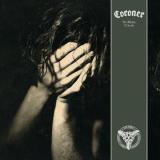
Für »No More Color« (1989) reisten Coroner zum dritten Mal in Folge nach Berlin. Diesmal war Pete Hinton der Produzent, wie Gitarrist Tommy Vetterli erklärt: „Ja, genau! Pete Hinton wurde vom Label vorgeschlagen. Da er einige meiner Lieblingsbands aus Jugendtagen produziert hatte, wie Saxon und Demon, waren wir begeistert. Die Zusammenarbeit mit ihm lief wirklich gut, er ist ein absoluter englischer Gentleman.“
Der Mix des Albums wurde in den Morrisound Studios von Scott Burns in Tampa, Florida, realisiert, einem damals sehr angesagten Ort.
Der komplexeste Song auf »No More Color« ist vielleicht „Mistress Of Deception“; laut Tommy Vetterli „besitzt er definitiv einige extrem schwierige Gitarren-Passagen. Ich erinnere mich, dass Marky vor den Albumaufnahmen sagte, er schreibe einen Text über die Wüste. Das hat mich wirklich inspiriert, und ich habe den Song in ein paar Tagen geschrieben.“
„Die By My Hand“, eine deutlich geradlinigere Nummer, wurde als Single für das Album ausgewählt (und zusammen mit „Tunnel Of Pain“ auf durchsichtigem Vinyl als Promo-12“ veröffentlicht).
In damaligen Interviews erwähnte Tommy, dass »No More Color« das erste Album von Coroner war, auf dem die Band groovige Parts einbaute, anstatt durchgehend auf kompromisslosen technischen Thrash Metal zu setzen. Heute glaubt er immer noch, dass das stimmt: „Ja, durch all die Tourneen hatten wir gelernt, dass man zwischen den schnellen und komplexen Abschnitten einige einfachere und groovigere Parts spielen muss. Das wirkt live viel besser und macht auch das Publikum glücklich. Das Album konzentrierte sich insgesamt viel mehr darauf, Stimmungen zu evozieren, und weniger auf technische Leistungen.“
Im Februar 2026 von Patrick W. Engel bei TEMPLE OF DISHARMONY remastert und restauriert. Die Schneidearbeiten wurden von SST Germany auf Neumann-Geräten durchgeführt, um in jeder Hinsicht optimale Qualität zu gewährleisten. Die ultimative audiophile Ausgabe dieses zeitlosen Klassikers!
he Congos possess what all bands look for, that unique distinctive sound that draws the listener in. Alongside the great songs, lead singer Cedric Myton's singing, phasing and falsetto voice makes that just the case.
The Congos were formed by Cedric Myton (b. 1947, St Catherine, Jamaica) around the mid-Seventies when the
Rasta message was central to the reggae sound coming out of Kingston, Jamaica. But he had started out in the
Rocksteady era, when he formed the vocal group 'Tartans', taking lead vocal duties alongside Devon Russell, Prince Lincoln Thompson and Lindbergh Lewis.They cut 'Dance All Night' (1967) and 'Coming On Strong' (1968). The line-Up became The Royal Rasses and from this Cedric moved on to form the Congos on meeting Roydel Johnson, who had previously sang with Ras Michael and the Sons of Negas. Cedric's Rasta roots were firmly in place when he went to work with producer Lee Perry to cut the seminal album 'Heart Of The Congos' at Perry's just built, Black Ark Studios in 1977. Cedric Myton has carried on the mantle, cutting a set of tunes with the help of his good friend Mr Brent Dowe, who had previously sang lead vocals with the Melodians.This is the Dub set to the vocal album released on the Kingston
Sounds label called 'The Congos Feast'(KS008).With such strong songs, rhythms and vocals it always had the chemistry for a great dub set. Hope you agree and enjoy the dub excursion...
Originally released in 2017, Zara McFarlane’s Arise represents a classic moment in Brownswood Recordings catalogue. Just before the global spotlight landed on London's new jazz generation, Zara McFarlane was already forging her own path - connecting jazz, soul, reggae and Afro-Caribbean traditions with a confidence and clarity that remains striking nearly a decade later. Arise captures an artist operating with singular vision, creating a body of work that sounds every bit as fresh and forward-thinking today as it did on release.
The album also stands as an early landmark in the career of Moses Boyd, who produced and co-composed the record while serving as Zara's longtime drummer and musical collaborator. Years before his Mercury Prize-nominated breakthrough, Boyd helped shape Arise into a deeply personal exploration of heritage. The credit list is remarkable: Moses Boyd, Binker Golding, Shabaka Hutchings, Nathaniel Cross, Peter Edwards and Shirley Tetteh all contribute to a record that now reads like a roll call of British jazz royalty. The iconic cover shot was taken by Adama Jalloh, around the corner from Brownswood’s North London HQ.
Upon release, Arise was met with widespread critical acclaim. The Guardian praised “A Class Act" and celebrated its exploration of African-Caribbean musical lineage, while Clash Magazine described it as “enchanting and intriguing”. All About Jazz called the album's fusion of jazz and Jamaican rhythms "spellbinding".
As Brownswood celebrates its 20th birthday, we're proud to return one of the label's defining releases to vinyl, with the original copies being highly sought after. Pressed on limited edition gold vinyl, this special anniversary reissue is both a celebration of Zara McFarlane's artistry and a reminder of a record that was both ahead of its time, and whose influence resonantes today.
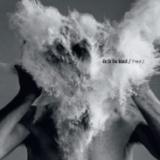
Originally released April 15th, 2014, Do to the Beast was on its release the first new album by The Afghan Whigs in over a decade and a half. Founded in Cincinnati, Ohio, in 1988, the band has long stood out from its peers, with their savage, rapturous blend of hard rock, classic soul, and frontman Greg Dulli’s searing obsessions. The album served as both a homecoming – it marked their then return to Sub Pop, for whom the Whigs were the first signing from outside the label’s Northwest base – and a glimpse into the future of one of the most acclaimed bands of the past thirty years.
Stone Age Is Now: Poems from Lithic is the new album by musician and poet Caleb Nichols - both a companion piece to his book Lithic: A Hyperballad (Harbor Editions 2026) and a follow-up to his album Stone Age Is Back (Royal Oakie 2025). Across twelve tracks Nichols interpolates poems from Lithic: A Hyperballad with tracks from Stone Age Is Back, bringing new depth to his indie-rock and alt-folk compositions. A meditation on grief, but not in the ways you’d expect, the album explores what it means to be living and dying right now, in this moment of extraordinary change.
Inspired by the raw immediacy of Neil Young, early REM, and Califone, Nichols adhered to a first-take best-take rule and tracked the album in just five days. Produced by Nichols, the album was engineered by Jay Pellicci (Deerhoof, Om, Sleater-Kinney) at Brother’s (Chinese) Recording in Oakland, CA, with Nichols later recording the spoken word overdubs after hours at an empty bar in San Luis Obispo, CA. Pellicci later mixed the tracks and David Glasebrook (Patti Smith, Peter Case, Sugar Candy Mountain) mastered the album at The Garden Shed in Oakland, CA.
Featuring even more experimentation than Stone Age Is Back, the album is peppered with field recordings captured by Nichols from many locations, including Kew Gardens, London; Llan Tysilio, Yns Mon; Treborth, Gwynedd; a secret beach in Bangor; Kelvingrove Park, Glasgow; and Broad Street in San Luis Obispo, CA. In addition to contributions from band members John Metz and Aaron Kroeger, the album features saxophone by Lorenzo Coretese , and Rhys Trimble provides the Welsh translation and performance you hear on “Orme Dream At The Car Park”. Additionally, Nichols took some liberties adapting the poems from the book to the recordings. “You’ll notice that there are differences between the printed poems and the poems recorded here. That is because a poem is never finished and can exist in multiple instances at the same time, like in quantum mechanics. The cat in Schrodinger’s box is both alive and dead; at the bottom of the cliff, our eyes are both: closed and open” says Nichols.
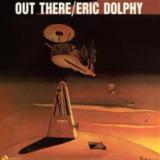
Out There was Eric Dolphy's second LP as a leader, taped in 1960 the same year he recorded his debut LP, Outward Bound - both for Prestige Records. Although these were his first recordings as a leader, Dolphy was already a veteran performer with considerable recording experience. He had formed part of drummer Roy Porter's orchestra during 1948-1950 (with whom he waxed his first sides), and in 1949 he made his first recording with Charles Mingus, who would serve as his employer and mentor for many years. The instrumentation used on Out There is quite unusual, with Eric Dolphy playing in a quartet format with Ron Carter on cello, George Duvivier on bass, and Roy Haynes on drums.
R.M.F.C. sound like? Let’s stay with the overused descriptors – I think R.M.F.C. is rock music band, more specifically a post-punk band. Indulge me. If you could say anything about post punk it means post-Wire, who were past punk before punk had an opportunity to codify and become everything brilliant and stupid that we’ve spent 40 years unpacking. Wire’s opening Pink Flag jab – Chairs Missing straight – and 154 hook knockout has haunted the mixing desks of ambitious post-punk bands since, and every major city in the western world has at least one Pink Flag band, one Chairs Missing band, one 154 band. Few bands manage to sound like all 3 records, but R.M.F.C. are a Rock Music Fan Club...
Anyone paying attention to underground Australian guitar overdose would relate: the R.M.F.C. Club Hits LP has been the culmination of five years of work, patience and discipline. If you’ve heard these songs live at any of their shows over the past couple of years you’ll understand – the wait is over and the result is exhilarating.
‘Bands like Devo, The Fall, and The Birthday Party have set the way for this type of post-punk rock (all in their own way). Surely, also, the rock scenes of the past fifteen years in Australia have also been influential. Thinking of bands like Royal Headache, Dick Diver, and Eddy Current Suppression Ring, there’s even been a fairly recent tradition of expanding styles of rock and roll (let alone the bigger, famous rock-centered acts). The Sydney based R.M.F.C., and the scene (or friend circle) from which it’s emerging, is carrying a torch of rock music which has the potential of a wider appeal.’ - POST-TRASH
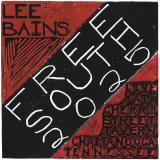
In August 2025, Lee Bains decamped to the Cherry Street Tavern in Chattanooga, Tennessee, a scene known for holding a light for collective good and personal freedom, in order to record a live album. Over that weekend, a group of anti-war activists, union workers, queer rights organizers, inclusive pastors, and people of goodwill—old-time folks—came from Tennessee, Alabama, and Georgia to gather at the Cherry Street Tavern. That weekend, that small group of people on Cherry Street, just like innumerable other groups that day and throughout history, demonstrated to each other and to the microphones, that, in 2025, the South was comprised of free people, no matter what. Free South 2025. Free South 2026. Free South forever. Lee Bains is a poet and songwriter from Birmingham, Alabama, who since 2012 has released four studio albums of what Rolling Stone calls “Southern gospel punk," and will publish his debut poetry collection Work Lunch with Hub City Press in 2026 after several of the poems were first published by the New Yorker in 2021. A cult songwriter forged in independent scenes, his work has carried him all over the U.S. and Europe, has received acclaim from the likes of Rolling Stone, The New York Times, NPR, The New Yorker, and The Guardian, and has led him to be a supporting musician for other artists like Lonnie Holley, Moor Mother, and Algiers. Lee has lent his work to support striking coal miners, immigrants’ rights groups, abortion funds, and anti-racism organizations. He has performed and read at Emory University, the University of Mississippi, Tulane University, Auburn University, and The Royal Institute of Technology (Stockholm, Sweden). He lives in Atlanta, Georgia, where he works between tours as a handyman.
Life Creates Itself is the new album by Bill Baird, releasing September 25th, 2026 on Royal Oakie Records. After years of restless wandering that took him from the Bay Area to India to Abbey Road and back again, Baird has returned home to San Antonio, Texas. Inspired by Lone Star legends Doug Sahm and Roky Erickson, the album inhabits a world where outsider country, avant-garde pop, and psychedelic folk dissolve into one.
Produced by longtime collaborator Jasper Leach (Tony Molina, Color Green) and mastered by indie-rock legend KRAMER (Galaxie 500, Daniel Johnston, Will Oldham), Life Creates Itself was recorded at Sear Sound in New York City in a single remarkable day — fitting for an album as indebted to Arthur Russell and Captain Beefheart as it is to Sir Douglas Quintet and Townes Van Zandt. The sessions brought together a constellation of collaborators around Baird and Leach, including Pedrum Siadatian (Allah-Las, PAINT), Phil Carluzzo, Austin Day, Oliver O'Haver, Jordan Johns, Michael Vattuone, Clara Kennedy, and Carluzzo’s dog Ernie.
Lead single "Yanaguana" — the original Payaya name for San Antonio, meaning either "land of many waters" or simply "where I am right now" — serves as a thesis statement for the album, a restless soul reckoning with what it means to finally come home. Meanwhile, "Karma Loan" is a fuzzy, sprawling psych track that spilled out of Baird during a deep immersion in Bach that features cello by Clara Kennedy and closes with a sound collage of spiritual gurus hawking easy paths to enlightenment. Then there's "Horse Moon" — built around pedal steel that shimmers like rays of moonlight, drifting through vignettes from a late night walk across New York City, with Pedrum Siadatian's lead guitar lending the whole thing an unhurried, dreaming quality. The night they tracked it, Baird climbed to the roof of Sear Sound and watched a full moon wash the city in a warm glow.
Baird has never sounded more at home, and Life Creates Itself may be his most cohesive record yet – a songwriter record through and through that stands apart from the rest of his discography. Royal Oakie Records is proud to release Life Creates Itself on September 25th, 2026, available on vinyl LP, CD, and digital download/streaming worldwide.
Originally released in 1978. A Classic Reggae album re-released on 180 gram vinyl and produced by Linval Thompson with extensive sleeve notes.
Recorded at Channel One Recording Studio & Harry J's Recording Studio.
Cornell Campbell is one of an elite group of Jamaican reggae singers who has weathered the changes throughout the music's development - in his case, from the ska era to right up to date - whilst retaining their relevance. Witness his recent alliance with UK Afrobeat/reggae band The Soothsayers or Jazmine Sullivan's R & B hit Need U Bad, which sampled his classic 'Queen Of The Minstrel' -a song that still sounds fresh more than thirty years later.
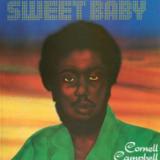
Sweet Baby was pressed on bright red vinyl, which only added to the excitement when you saw the selector position it carefully on the deck.
On the LP cover was a painting of Cornell wearing an emerald green shirt and framed by a lurid sky, which might have left some people wondering if it was a soul album. It wasn't, although there is certainly soul in the grooves, and especially on R&B covers like Gonna Take A Miracle - first recorded by the Royalettes -and Darling You Send Me, which Sam Cooke had introduced to the US Billboard charts some twenty years earlier.
Both are among the highlights but then the whole album is good in truth, and a heartfelt I Need Somebody and My Sweet Baby, plus the two-step favourite Just Enough were regularly played on sound system. Blinded By Love, I Didn't Know and Can't Hide My Love are tinged with melancholy and like the seductive Whenever You Need Me, display all the hallmarks of a classic Cornell Campbell side -swooping vocals, a driving rhythm and seductive lyrics included.
Nearly forty years later, it is gratifying to know there is still no mistaking him when his records are played in a dance. That relaxed vocal style draws you in but it's his falsetto, quivering with understated emotion that hooks you and turns you into a lifelong fan.
L’Eclisse is the third studio album by Garden City Movement. Drawing from psychedelia, alternative R&B, leftfield electronic music and lo-fi indie songcraft, the album weaves together guitars, synthesizers, layered vocal arrangements and groove driven rhythms into a richly detailed collection of songs. Bringing together different facets of the band's sound into a cohesive body of work, the album reflects a decade of musical exploration while further developing Garden City Movement's distinctive musical language.
Garden City Movement are the duo of Roy Avital and Johnny Sharoni. Over the past decade, they have built an international audience through a distinctive blend of dream pop, electronic music and immersive production. Their releases have received support from Pitchfork, The FADER, Clash, Stereogum and KCRW, while their music has appeared in FIFA 22 and major television productions. Alongside extensive international touring, the band has performed at festivals including Glastonbury, Primavera Sound, Pukkelpop and Lollapalooza India, and shared stages with artists such as Alt J, RÜFÜS DU SOL, SOHN and Cults.
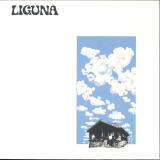
Recorded in a remote mountain cabin,'Liguna' gradually found its form. What began as an open ended collaboration between Tarjei Nygard and Are M. Foss unfolded through recording sessions, splitting firewood and changing seasons. Ideas arrived from many directions: a guitar phrase, a synthesizer line, a change in season, the mood of the forest itself. The result is nine tracks connected less by genre than by atmosphere and a shared sense of place. Debut album by Norwegian duo Liguna. Its members have previously released music on Full Pupp, Eskimo Recordings and ESP Institute.
Australian talent DJ Swella making his debut on the Clone Royal Oak series! Known for his warm, chord-driven house sound (highlighted on his Pleasure Trax releases). He continues the trajectory here: classic-leaning, groove-focused club music with that late-night energy.
out of Stock
Last delivered 27 days ago available to reorder, subject to availability
Curses' dark, romantic take on electronic music is often linked to EBM, new beat, synth-pop, and the offshoots in between - but, as the artist states, it's feelings, not genres, that motivate his music. Especially the underground and its niche sounds, brimming with collective energy, drive and passion, make for a major impetus. It's no coincidence that he's drawn to the era when man turned to the machine, as a collaborative force, and a new kind of liveliness, timelessness, emerged. In Curses' practice, this synergy translates into an enticing mix of synthesisers and voices, electronic drums and guitars. Nostalgia operates as an influence rather than a motive, though: despite its affinities with the past, his music is stridently contemporary and idiosyncratic. On the "Perfect High" EP, this approach is rendered in a resolutely dancefloor-oriented selection. It's rich in detail and constantly evolving; each time a new element appears, it's treated with such delight and care that you could imagine the track to flit off and turn it into the main theme. This doesn't happen, however, as the sense of cohesion and momentum is paramount: there's a relentless forward drive that keeps engagement tight from start to finish. The detuned, chorus-heavy leads of title track "Perfect High" and the clockwork-tinged percussion of "Weapon Of Time" jell with lustrous hooks. The ominous choirs on "Dare To Dream" and the proto rolling-and-scratching squelches of "Killer Instinct" similarly fall into place. Bravado never stands in the way of flow. Everything is kept in check by gated R-50 rhythms, and in the vocal department, Curses finds the sweet spot between his own voice and a slew of off-kilter samples. On closer "Blasted" NYC royalty Andi joins for a slab of synth-driven groove. It's shiny and sensuous, like patent leather - a perfect distillation of club music channeled through pop aesthetics, and thus a right coda for ALT028.
out of Stock
Last delivered 29 days ago available to reorder, subject to availability
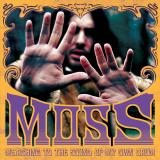
Back in November 2015, after years of collaborations with such as Ghostface Killah, Raekwon, Obie Trice, Sean Price, Kool G Rap, Eternia and countless others, Toronto-based producer MoSS released his debut producer album entitled "Marching To The Sound Of My Own Drum". Since the beginning of his career, the Canadian beatsmith, record digger and music connoisseur has been making a name for himself with his signature sound and on this record he gives an amazing display of what he's capable of doing being backed up by an all stars team that features AZ, Havoc, Slum Village, Onyx, Inspectah Deck, Ill Bill, Skyzoo, Guilty Simpson and 20+ other legendary MC's. A few years after its original release, we've decided to team up with MoSS to bring you this masterpiece on wax and, for the occasion, he's also added an unreleased bonus track called "We Here" that features Smif-N-Wessun that, together with "Emotional Redux", we've put on a 7" together with its instrumental. Limited edition of 500 hand-numbered copies, with the first 200 pressed on orange/black A-side B-side vinyl, and 300 on black vinyl.
BONUS 7”
A1. Emotional Redux (feat. Big Gov, Guilty Simpson, Jon Connor, Vstylez, Willie The Kid)
B1. We Here (feat. Smif-N-Wessun) UNRELEASED
B2. We Here (Instrumental)
When Pouya dropped The South Got Something To Say in the summer of 2019, it wasn’t just a title—it was a definitive statement of growth. Nodding to André 3000’s iconic 1995 Source Awards declaration, the Miami pioneer used his third studio album to prove that his raw, independent formula had mutated into something deeper, more mature, and entirely unmatched in the underground rap landscape. Now, for the first time since its digital release, this pivotal moment in Florida hip-hop history is finally available on wax, offering listeners something tangible they have been anticipating for years.
The South Got Something To Say captures Pouya at a lyrical and sonic turning point. While maintaining the blistering flows, heavy bass, and visceral Florida energy that initially put him on the map, the album opens the door to intense themes of mortality, legacy, and the heavy toll of independent success. It bridges the gap between the frantic energy of the SoundCloud era and a mastery of songwriting, offering fans a remarkably transparent look into the mind of an artist surviving the very chaos that birthed him. Standouts like "Cruisin' in the MIA" and "Florida Thang" showcase his signature rapid-fire delivery, perfectly balancing the record's darker, more introspective moments.
The sonic diversity of the project is anchored by a stellar lineup of collaborators who push Pouya into new creative territory. He enlists Three 6 Mafia royalty Juicy J alongside heavy-hitting underground peers like Ghostemane and City Morgue, while seamlessly pivoting into the melodic, hazy soundscapes of indie-pop artist Cuco and longtime producer Rocci on tracks like "Talk to Me Before I Die" and "Mood Swing Misery." This striking balance of aggressive phonk and melodic vulnerability solidifies the album as a cohesive, genre-bending journey rather than a mere collection of singles.
For years, vinyl collectors and die-hard fans have begged for this underground masterpiece to be immortalized on wax. This first-ever vinyl pressing delivers the booming low-ends and intricate, therapeutic bars exactly how they were meant to be experienced. From the opening nostalgic chords to the final fading beats, this release stands as an essential artifact of the modern underground rap movement, finally giving a landmark Southern album the premium physical presentation it deserves.
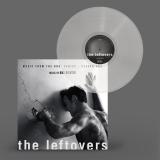
Issued on Crystal Clear vinyl is Max Richter’s emotive and minimal score to Damon Lindelof’s TV series about a post-apocalyptic global event where 2%
of the world’s population disappears without explanation. Richter’s approach explores the feelings of the protagonist’s family, the Garveys, through intimate,
small scale music. He tackles this psychological landscape by bringing a ritual quality to the score, while themes of departure and loss are represented by
a sense of sonic decay, relying on the instrumentation of a few sustained tones on pianos, harps and celesta.
Max Richter is a classically trained composer that defies boundaries. Trained at the Royal Academy of Music and finishing his studies under the tutelage
of avant-garde composer Luciano Berio in Florence, Richter’s career has followed many paths. His musical output ranges from ballets
(Wayne MacGregor’s Infra), reinventions of classical works (Vivaldi’s Four Seasons), collaborations with The Future Sound Of London, Roni Size and
Vashti Bunyan to writing scores for film and TV (Waltz With Bashir, Lost and Found, Last Days on Mars) and solo work.
When a British alt-soul and art-pop duo collaborates with Filipino musical royalty, the result is a blinding flash of artistic spirit that transcends geographical andgenerational barriers.
For Margate-based act Thandii, a chaotic whirlwind of a trip to Manila allowed Graham Godfrey and Jess Berry to explore a new cultural context of song- writing. After several prolific years of self-released albums together, they took the opportunity to channel Graham’s Filipino heritage through an ambitious project proposed by the label Sama Sama Records: for Thandii to make their next album with the most recorded drummer in the Philippines, Jun Regalado.
Now in his late 70s, Regalado has recently gained more recognition internationally after the reissue of his track ‘Pinoy Funk’ (from the Soundway compilation Ayo Ke Disco in 2024), along with the discovery of nearly 500 album appearances that are now finding themselves in the collections of younger generations. And on Coco Okayo - the first time he has collaborated outside of his contemporaries - Regalado effectively passes the torch.
In exploring a sound born of the diaspora with roots in British soul music, Coco Okayo makes full use of the polymath abilities of Thandii. While they provide vocals, percussion, flutes and production, they still manage to carve out space for regular Margate collaborators (including keyboardist Steve Pringle, Graham’s bandmate in Pigeon), as well as tapping Filipino connections in the United States such as Wyn Avillas and Ian Santillano.
“It’s a new genre coming from Filipino diaspora artists paying tribute to the Manila sound of the 70s,” say Thandii, “but combining it with modern day post-punk- disco, beat-driven-art-pop music coming from the small seaside town of Margate”. However the listener might interpret it, it’s clear that Coco Okayo is not stuck between worlds, but rather, has built a utopian world of its own.
out of Stock
Last delivered 37 days ago available to reorder, subject to availability
BRANDON MARKELL HOLMES brings more heat with remix version of his album "Try." 6 standout remixes from MOON BOOTS, AROOP ROY, BYRON THE AQUARIUS, 808 BEACH, AND BAD COLOURS crafted for peak-time sets and deep dancefloor Moments. Full pic sleeve.
Tapper Zuki's debut album 'Man Ah Warrior' was originally released in 1973.It's classic Dee Jay style has been copied by many but bettered by few. An album that more than most shows that raw talent with little resources can still be a great, great thing.
Tapper Zukie (b.1956,David Sinclair , Kingston, Jamaica) was raised in the rough and tough West Kingston area of Jamaica between the districts of Trench Town and Greenwich Farm.
Living pretty much on the streets from an early age the youth including the young Tapper had no choice but to fall into the hands of the political parties that controlled the various ghetto areas of the town.
Fear of landing in even more trouble, a plan was devised by Tapper's Mother ,Brother ,Reggae producer 'Blackbeard' and family friend Bunny 'Striker' Lee .The plan was to send the wayward Tapper to England to cool his ways.
A UK tour with the number 1 Reggae Dee Jay U-Roy was already arranged on his arrival, Bunny Lee got the young Tapper to toast over a Slim Smith rhythm, the London crowd loved it
He also caught the eye of producer Larry Lawrence who took Tapper on and cut his first single 'Jump and Twist'
Nine further tracks were recorded for producer Clement Bushey that would result in this album 'man ah Warrior.
We hope this introduction to Tapper Zukie's music inspires you to look further into his catalogue of great music.
An artist ahead of his time, whose music has influenced many........
as Patti Smith stated 'Music of the Most High'............
Tommy McCook was not only a founding member of the legendary Jamaican Ska group The Skatalites, but also a brilliant musical arranger. His informed understanding of Jazz, R&B and in fact most music styles would always add another layer to any song put his way. This made him the go to guy for most of the Jamaican producers, who would use his arrangement skills to pepper up their latest tunes.
Tommy McCook, (b1927, Havana, Cuba) came to Jamaica with his mother from Cuba aged 11 and entered renowned Alpha Boys School for underprivileged children, a school that placed great emphasis on musical tuition. At the tender of 14, such was his talent he has left to join Eric Deans Orchestra and took on stints with other bands led by Don Hinchman and Roy Coburn. All the bands played in the Swing and Jazz style of the times. He relocated to the Bahamas in 1954 where he further developed his Jazz technique and upon his return to Jamaica in 1962 began working Coxsone Dodd’s Studio One and became involved in the development of Ska. His knowledge of Jazz, R& B and Jamaican musical forms helped set the tone for the group of musicians he was working with and would name the Skatalites. The group, consisting of Don Drummond (Trombone), Roland Alphonso (Tenor Saxophone), Jackie Mitoo (Piano), Lloyd Brevett (Bass), Lloyd Knibbs (Drums), alongside Tommy himself on Tenor Saxophone. The group would back all the major Ska vocalists pf the day and would also go on to cut a catalogue of instrumental music. The Skatalites split up in 1965 and Tommy McCook moved over to work with Duke Reid’s Treasure Isle Studios where he formed The Supersonics. A set of musicians under his guidance that consisted of Lynn Tait and Ernest Ranglin (Guitar), Neville Hinds and Winston Wright (Organ), Gladstone “Gladdy” Anderson (Piano), Hugh Malcolm and Arkland “Drumbago” Parks (Drums), Clifton “Jackie” Jackson (Bass), and Tommy and Hernon Marquis (Saxophone). The more laid back sounds from 1966-1968 would be given the name Rocksteady of which again McCook was at the forefront. The top producers like Bunny Lee would use the musicianship of Tommy McCook and his arrangement skills to enhance this new sound.
We have compiled a great selection of rhythms that featured McCook blowing over tracks stripped of their vocals and replaced with some fantastic lead lines played by Tommy and some of his fellow horns men.
We hope you agree like we do that they do this in fine style.
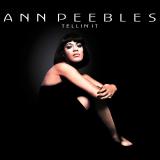
MEMPHIS, TN — Fat Possum Records and Hi Records are proud to announce the first vinyl pressing in half a century of Ann Peebles' 1975 album Tellin' It, fully remastered and recovered from the Hi Records vault, where it had sat untouched for decades. Available on vinyl in stores September 11, 2026 and can be pre-ordered now and also available streaming everywhere now.
Peebles was at the height of her career when she recorded Tellin' It — coming off her biggest hit, "I Can't Stand the Rain," the year before. Produced by Willie Mitchell at Royal Studios in Memphis, with the grooves that defined the label's sound, backed by Howard Grimes' drumming and the Memphis Horns.
"Peebles and Mitchell don't just recast "Rain" 10 different times—instead, they lean into the supple support laid down by the Hi Rhythm Section, who have plenty more uptempo grooves to offer." Andy Beta, Bandcamp
The original master tapes were sent to John Nicholson at Nashville Tape Transfer for their first listen in fifty years. From there, the project stayed close to home: remastered by Clay Jones in Taylor, MS, then back to Memphis for lacquers cuts by Jeff Powell (Take Out Vinyl), and was pressed & plated at Memphis Record Pressing.
With a breathtaking pair of intimately interrelated new albums, he applies that bold passion to an uncharacteristically pared-down setting, then transforms those stunning sounds via a startling process of sonic reinvention. ResoNation Trio convenes a new chordless trio with master improvisers Scott Colley on bass and Nasheet Waits on drums. The album's contemplative explorations feel like a departure from the raucous spirit that characterizes so much of the trumpeter's work, yet the trio discovers such an audacious beauty and celebratory gusto in these sparse environments that the music feels uniquely Bernstein's. It is also a rarity in his oeuvre for featuring Bernstein - whose mastery of the little- used slide trumpet has become so central to his sonic identity - exclusively playing valve trumpet and flugelhorn. In parallel with this captivating trio excursion, Bernstein handed the recordings over to his longtime collaborator, the pioneering producer Scotty Hard, to reimagine the album through his own iconoclastic lens. The result is the uncategorizable Ultra Resonance, which finds Hard breaking down the ResoNation Trio session into its constituent parts and redeploying them as the elements of a wholly original, mutant creation. The project will be released on June 5, 2026 via Royal Potato Family as a double vinyl or CD package containing both albums, and separately on digital streaming platforms.
out of Stock
Last delivered 44 days ago available to reorder, subject to availability
2026 Repress
12" - Fully Authorised Reissue on Original Release Label!
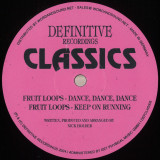
Canadian deep house don Nick Holder's Fruit Loops EP is next to get the remaster and reissue treatment from Definitive Recordings. This label, now overseen by Get Physical Music, first released the EP back in 1995 when Toronto-based Holder had already become one of house music's most tasteful operators. He went on to release over 125 EPs and singles under countless aliases, in various groups, and on his labels DNH Records and Treehouse Records, as well as !K7 Records and NRK. His style spans house, disco loops and minimal Chicago grooves and is always high on immersive atmosphere. Opener 'Dance Dance Dance' brings together all those aspects of the Holder sound with its funky guitar riffs looping beneath raw drums and disco basslines. Classic Chic samples burst out of the mix to bring an air of celebration and party, and it makes for an irresistibly feel-good sound. 'Keep on Running' is a steamy and sweaty house jam with loopy drums and bass and more smartly chosen samples, this time from Roy Ayers, that bring the funk and never let up. It has long been a go-to anthem for house DJs, and the realness and rawness of the emotions in Holder's work also shine through with the filtered synths and jazzy keys of 'The Message of Love', which is complete with bumpy and irresistible drums. Last of all is the unfettered party spirit and diva vocals of the brilliantly lo-fi funk-house pumper that is 'Clap Ya Hands'. This EP hasn't aged one bit and remains a definitive piece of early Deep House history.
out of Stock
Last delivered 41 days ago available to reorder, subject to availability
Jennifer Herremas Black Bananas melden sich mit "Bad Bunch" zurück - dem ersten Album der Band seit "Electric Brick Wall" aus dem Jahr 2014 und Herremas erster Veröffentlichung seit "White Stuff" von Royal Trux (2019). Das Album erscheint bei Fire Records und markiert die lang erwartete Rückkehr von Herremas ikonischem Gesang an der Seite ihrer langjährigen Mitstreiter Brian McKinley und Kurt Midness. Von Royal Trux über RTX bis hin zu Black Bananas - Jennifer Herremas Schaffen hat sich nie wirklich in separate Phasen unterteilt, sondern sich stets weiterentwickelt. Wie Pitchfork feststellte, sind Black Bananas "RTX aus einem Paralleluniversum", das Einflüsse aus Synth-Pop, Hip-Hop, French-Touch-House und Dancehall in ihren ganz eigenen, einzigartigen Sound einfließen lässt. Ursprünglich vor über 20 Jahren unter dem Namen RTX gegründet, haben sich Herrema, McKinley und Midness zu einem dynamisch verbundenen, schrägen Kollektiv entwickelt. Auf "Bad Bunch" präsentiert das Trio einen spacigen, jazzigen Rock-Groove, geprägt von Improvisation und neuen Aufnahmetechniken, die im Laufe des letzten Jahrzehnts entwickelt wurden. Das Album entstand vor mehr als zehn Jahren und nahm über verschiedene, zeitlich nicht zusammenhängende Phasen hinweg Gestalt an, unterbrochen durch die Royal-Trux-Reunion und die Turbulenzen der Pandemie. Das Ergebnis ist ein Album, das die innovativen Tendenzen von Black Bananas noch weiter vorantreibt und dabei unverkennbar ihr eigener Stil bleibt.
Jennifer Herremas Black Bananas melden sich mit "Bad Bunch" zurück - dem ersten Album der Band seit "Electric Brick Wall" aus dem Jahr 2014 und Herremas erster Veröffentlichung seit "White Stuff" von Royal Trux (2019). Das Album erscheint bei Fire Records und markiert die lang erwartete Rückkehr von Herremas ikonischem Gesang an der Seite ihrer langjährigen Mitstreiter Brian McKinley und Kurt Midness. Von Royal Trux über RTX bis hin zu Black Bananas - Jennifer Herremas Schaffen hat sich nie wirklich in separate Phasen unterteilt, sondern sich stets weiterentwickelt. Wie Pitchfork feststellte, sind Black Bananas "RTX aus einem Paralleluniversum", das Einflüsse aus Synth-Pop, Hip-Hop, French-Touch-House und Dancehall in ihren ganz eigenen, einzigartigen Sound einfließen lässt. Ursprünglich vor über 20 Jahren unter dem Namen RTX gegründet, haben sich Herrema, McKinley und Midness zu einem dynamisch verbundenen, schrägen Kollektiv entwickelt. Auf "Bad Bunch" präsentiert das Trio einen spacigen, jazzigen Rock-Groove, geprägt von Improvisation und neuen Aufnahmetechniken, die im Laufe des letzten Jahrzehnts entwickelt wurden. Das Album entstand vor mehr als zehn Jahren und nahm über verschiedene, zeitlich nicht zusammenhängende Phasen hinweg Gestalt an, unterbrochen durch die Royal-Trux-Reunion und die Turbulenzen der Pandemie. Das Ergebnis ist ein Album, das die innovativen Tendenzen von Black Bananas noch weiter vorantreibt und dabei unverkennbar ihr eigener Stil bleibt.
Sofie Royer - laut *The Guardian* "einer der faszinierendsten und unterschätzten Popstars Europas, mit fesselnder Stimme und einem eigenwilligen, aristokratischen Glamour" - meldet sich mit einem neuen Album zurück! ,before/after" ist das vierte Studioalbum der österreichisch-iranischen Künstlerin. Es steckt voller Electro-Pop-Ohrwürmer und wurde gemeinsam mit Matt Cohn (SZA, The Weeknd), Jorgen Odegard (Sabrina Carpenter) und Eli Hirsch (Suki Waterhouse) produziert. Nach der Veröffentlichung dreier gefeierter Alben haben sich Songwriting und Produktion der Wiener Musikerin weiterentwickelt: Sie sind komplexer und ausgefeilter geworden, ihre Texte schärfer und humorvoller. *before/after* ist ihr bislang prägnantestes Werk. Es setzt sich mit den Schattenseiten des Künstlerlebens auseinander und verwebt die eigene Selbstreflexion mit kultureller Zeitkritik. Auch wenn sich Sofie von der Lo-Fi-Produzentin zur ernstzunehmenden Popmusikerin gewandelt hat - die bereits als Support-Act für Lana Del Rey, Air und LCD Soundsystem auftrat -, fühlt sie sich nach wie vor nirgendwo so recht zugehörig. Sie nimmt bei ihrer Kritik an der Musikbranche kein Blatt vor den Mund - "Ich bin zu sehr Pop für die Kunstwelt und zu sehr Indie-Liebling für den Mainstream" -, doch am härtesten geht sie mit sich selbst ins Gericht. In zwölf eingängigen Popsongs geht Royer der Frage nach, ob die Konflikte zwischen Vergangenheit und Zukunft nicht eigentlich Kämpfe mit dem eigenen Ich sind. "Wir befinden uns in einem ständigen Kampf zwischen dem Vorher` und dem Nachher`, wir beschäftigen uns intensiv mit diesen beiden zeitlichen Zuständen. Doch indem wir in ihnen gefangen bleiben, stehen wir uns oft selbst am meisten im Weg. Letztlich heißt es im Zustand des Vorher/Nachher immer: Du gegen dich selbst." Für Freunde von Suki Waterhouse, Lykke Li, Smerz, CMAT
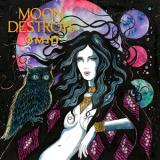
A shimmering blend of post-grunge, riff-doom and driving psychedelia from current and ex-members of Torche, Abrams and Royal Thunder OMNI is the latest album from Moon Destroys, bringing together current and former members of Torche, Abrams, and Royal Thunder for an exhilarating blend of post-grunge, riff-driven doom, and expansive psychedelia. Building on the atmospheric foundation established by She Walks by Moonlight, the band condenses its widescreen sound into a collection of immediate, hook-filled songs without sacrificing the depth and weight that define its music. The album balances crushing riffs, soaring melodies, and immersive soundscapes across eleven tightly crafted tracks, demonstrating the group's ability to merge heavy rock, doom, and psychedelic influences into a cohesive and memorable listening experience. The performances showcase both powerful musicianship and an instinct for dynamic songwriting, delivering an album that feels equally massive and accessible. OMNI represents Moon Destroys at its most focused and confident, offering a compelling statement from a band whose collective pedigree continues to push modern heavy music in exciting directions. For Fans of KING BUFFALO, TORCHE, ASG, MONOLORD, GREENLEAF, DOZER, CAVE-IN, THE SWORD, OKAY YOU WIN Limited edition pressed on ice blue vinyl! Featuring current and former members of Torche, Abrams and Royal Thunder
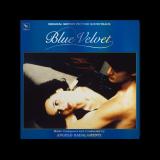
In honour of the 40th anniversary of David Lynch's 1986 masterpiece Blue Velvet, Varèse Sarabande is excited to present a new vinyl edition of Angelo Badalamenti's music for the film. Lynch and Badalamenti, who both passed away in 2025 after decades as one of cinema's most iconic creative collaborators, forged a singular sonic world from Twin Peaks to Mulholland Drive. This new edition presents the soundtrack composed and conducted by Badalamenti in a special collectible Rainbow Foil jacket.
Ludovico Einaudi kehrt mit „The Summer Portraits Live“ zurück.
Live aufgenommen in London in der Royal Albert Hall im Jahr 2025, enthält diese neue Sammlung sowohl
Lieblingsstücke aus „The Summer Portraits“ als auch beliebte Klassiker wie „I Giorni“, „Nuvole Bianche“
und „Experience“.
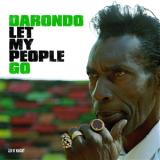
Für die meisten ein Rätsel - Darondo-Platten stehen bei vielen Sammlern ganz oben auf der Wunschliste. Andere Musiker aus der Bay Area sprechen mit gedämpfter Stimme über ihn. Früher sah man ihn in einem weißen Rolls-Royce (mit dem Nummernschild ,Darondo") durch die Stadt cruisen. Er trat als Vorgruppe für James Brown auf und führte ein schillerndes Leben, in dem er mit Leuten wie dem berüchtigten Fillmore Slim abhing. Hör dir diese Titel an, die zum ersten Mal gemeinsam auf einem Album veröffentlicht wurden, und du wirst vielleicht zustimmen, dass er der nächste Al Green oder Sly Stone hätte sein können. Doch vor etwa 25 Jahren verschwand Darondo.
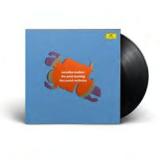
Album #4 der brandneuen Vinyl-Serie mit zukunftsweisenden Aufnahmen der musikalischen Avantgarde.
Unter den 24 Alben, aus denen sich die Originalausgabe der Avant-Garde-Reihe der Deutschen Grammophon zusammensetzt, die zwischen 1968 und 1971 erschien, zählt die Interpretation von „Paragraph 2
& 7“ aus „The Great Learning“ des englischen Komponisten Cornelius Cardew mit dem Scratch Orchestra
nach wie vor zu den beliebtesten und komplexesten.
Nach Abschluss seines Studiums an der Royal Academy of Music in London zog Cardew 1958 nach Köln
und arbeitete dort als Assistent von Karlheinz Stockhausen im Studio für elektronische Musik des Westdeutschen Rundfunks (WDR).
John Tilbury sagte, dass es Cardews Ziel sowohl mit dem Scratch Orchestra als auch mit „The Great
Learning“ war, „die grundlegendsten Prinzipien der westlichen Kunst und insbesondere das des Künstlers
als Aristokraten zu überwinden. Das Scratch Orchestra war ein Ausdruck der Universalität der Kunst;
Kunst als Lebensweise.“
Diese 1971 aufgenommene Veröffentlichung von „The Great Learning“ ist nach wie vor die wichtigste
Quelle für eine klangliche Erfahrung mit dem Scratch Orchestra und der bedeutendste Beitrag zu seinem
bleibenden Vermächtnis.
Gemastert und geschnitten von den originalen analogen ¼-Zoll-2-Spur-Masterbändern von Rainer Maillard
und Sidney Claire Meyer in den Emil Berliner Studios.
Limitierte und nummerierte Auflage mit Original-Artwork und einer neu gestalteten, wunderschön gearbeiteten Sammler-Cover mit neuen Liner Notes von Bradford Bailey, gepresst auf 180-g-Vinyl.
John Tchicai (1936 – 2012) was one of the most important free improvising saxophonists of the 20th Century: an artist of rare vision and aptitude whose lines soared and stood out even in the most hallowed company, and whose body of work as a leader / composer is among the most singular and distinct within the entire canon of that music. But Tchicai’s importance doesn’t end there. Born in Copenhagen, Denmark, to a Danish mother and a Congolese father, his life and career represent a crucial bridge between the European and American traditions of free jazz. Initially trained on violin as a child, Tchicai shifted his focus to the clarinet and alto saxophone during his mid-teens, and began touring Europe as a professional musician by his early 20s, which landed him at a socialist youth festival in Helsinki, Finland, where he met the trumpeter Bill Dixon and saxophonist Archie Shepp. Impressed by what they heard, Dixon and Shepp encouraged the young saxophonist to move to New York, and in so doing changed the history of jazz forever.
Tchicai’s arrival in New York marks the rare occurrence of a European player joining the intimate circle that was first wave of American free jazz. Following his landing in the city in November of 1962, in addition to regularly sitting in with Don Cherry’s group, Tchicai began playing with Bill Dixon's band alongside Archie Shepp and Roswell Rudd, forming the nucleus of the foundation of the New York Contemporary Five - one of the most important groups of the era - which counted Tchicai, Shepp, Cherry, Don Moore, and J. C. Moses as its members. From the ashes of this group, Tchicai would go on to found the legendary ensemble, New York Art Quartet, with Roswell Rudd, Milford Graves, and Lewis Worrell, as well as working within Albert Ayler's band, recording “New York Eye and Ear Control”, Shepp’s band, recording “Four for Trane”, the ensemble that recorded John Coltrane's “Ascension”, and the Jazz Composer's “Orchestra”.
By the time he decided to return to Denmark in 1966, had Tchicai chosen to record little else, his legacy within the history of music would have been ensured. Incredibly ambitious, his arrival home marked the beginning of an incredible period of activity which saw him radically expanding his creative explorations, which by the end of the decade would include becoming a founding member of Amsterdam's Instant Composers Pool and helping to record John Lennon and Yoko Ono's “Unfinished Music No.2: Life with the Lions”. This, however, was proceeded the formation of a new orchestra, Cadentia Nova Danica, led by Tchicai, dedicated to radical cross-disciplinary exploration. Remaining together between 1966 and 1971, the group and its shifting membership regularly fell into collaboration with artists and composers, notably Musica Elettronica Viva, who existed beyond the realms of jazz, as well as participating within multi-media events that incorporated the visual realms.
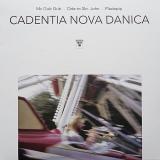
Cadentia Nova Danica’s only two LPs - “Cadentia Nova Danica” (Polydor, 1968), and “Afrodisiaca” (MPS, 1969) - are effectively Tchicai recorded efforts as a leader, and are legendary. There’s little mystery, once heard, why the later landed on Thurston Moore’s iconic “Top Ten from the Free Jazz Underground”, published by Grand Royal in 1996. Sadly, despite playing extensively during their five year run, with exception of a CD documenting a performance at Jazzhus Montmartre, in 1966, until now there has been no other publicly available recordings that allow us to capture a glimpse of this astounding band at work. Alga Marghen / Formalibera’s vinyl pressing of a never before released body of recordings, made in Copenhagen between 1969 and 1970, changes that in the most exciting of ways.
Comprising three pieces - “Mc Gub Gub, (I–VIII)”; “Ode to Skt. John”; and “Pladepip” - the material on this stunning LP comes from two specific events. The first, which encompasses the first side, “Mc Gub Gub, (I–VIII)” was recorded by Cadentia Nova Danica - in this instance, Tchicai, Sune Weimar, Theo Rahbek, Christian Kyhl, Niels Holt, Jørgen Thorup, Michael Schou, Morgens Bollerup, Allan Gregersen, Ole Matthiessen, Pierre Dørge, Willy Jaegert, Anthony Barnett, and Jon Finsen - on May 29th, 1969, at the ABC-Theatre in Copenhagen. Penned by Tchicai, the piece is a sprawling, evolutionary composition at the outer reaches of free jazz, rooted in large blocks of colliding tonality and rhythm - a sound only accessible to larger ensembles - that push territories explored by Charles Mingus to previously unimagined heights, threaded by moments of hard blown fire. Writhing like a stormy sea - skronking and devilish - “Mc Gub Gub, (I–VIII)” is a work of profound complexity that singlehandedly illuminates not only Tchicai’s singular vision as a composer, but also the power and uniqueness of Cadentia Nova Danica during the band’s most vital period.
The two pieces - “Ode to Skt. John” and “Pladepip” - taking up the flip side, were recorded on February 21st, 1970, at the Danish Broadcasting Corporation’s Radio House, and are the outcome of Cadentia Nova Danica’s extended residency there between 1969 and 1970. In many ways, these two recordings offer some of the best insights into the broad collaborative approaches that defined the band, in this case encountering them working with Danish experimental composer, Svend Erik Werner, who was among the earliest in his country to embrace stylistic pluralism and the use historical forms within a modern context. “Ode to Skt. John” - based on aspects of Gregorian music - was penned by Werner, incorporating heady improvisation by the members of Cadentia Nova Danica, this time made up by Tchicai, Sune Weimar, Hugh Steinmetz, Theo Rahbek, Christian Kyhl, Michael Schou, Morgens Bollerup, Ole Kühl, Torben Enghoff, Mauritz Tchikai, Kjeld Ipsen, Willy Jaegert, Ole Matthiessen, Ole Thilo, Pierre Dørge, Steffen Andersen, Jon Finse, and Clause Bøje. The piece is a fascinating binary of the composed and improvised, utilising the band’s large scale to introduce a remarkable sound within its slow progressions and furious, driving free moments, in this incredible meeting of worlds.
The album’s final piece, “Pladepip”, is arguably its most historically significant: an entirely singular piece, unlike anything in Tchicai’s recorded canon as his foray into musique concréte. Drawing upon two recordings of full-band improvisations by Cadentia Nova Danica, for its creation Tchicai also gouged the surfaces of 78rpm records in his collection to skip and create repeated phrases and patterns, creating a stunning sound collage of hard angles and abrupt phrase, that creates a striking counterpoint to the band’s flowing improvisations that bookend those passages. The result is an engrossing listen and easily one of the most unique and culturally important gestures in the entire history of musique concréte.
Truly incredible, Alga Marghen / Formalibera’s vinyl pressing of this never before released body of recordings, made by John Tchicai’s Cadentia Nova Danica, in Copenhagen between 1969 and 1970, offers an unprecedented window into one of the most important groups working in Europe during that period, significantly expanding their rare and slim discography to date. Accompanied by extensive exploratory liner notes by veteran jazz writer, Ed Hazell, this is easily one of the most historically important archival releases of the year and is impossible to recommend enough. Absolutely essential on every count.
Erleben Sie die zeitlose Faszination der Country- und Westernmusik auf einer hochwertigen LP. Diese Compilation vereint unvergessliche Klassiker und präsentiert die größten Stimmen des Genres – authentisch, emotional und voller musikalischer Geschichte.
Mit legendären Künstlern wie Hank Williams, Patsy Cline, Willie Nelson, Elvis Presley und Johnny Cash bietet diese Vinyl-Ausgabe eine Auswahl der schönsten Country- und Western-Songs aller Zeiten. Von gefühlvollen Balladen über traditionelle Honky-Tonk-Klänge bis hin zu mitreißenden Klassikern – jede Seite dieser LP lädt zu einer musikalischen Reise durch das Herz Amerikas ein.
Highlights:
Große Country- & Western-Klassiker auf Vinyl
Mit den Legenden Hank Williams, Patsy Cline, Willie Nelson, Elvis Presley und Johnny Cash
Zeitlose Songs voller Emotion, Tradition und authentischem Country-Feeling
Ein Muss für Vinyl-Liebhaber und Fans klassischer Countrymusik
Ideal zum Sammeln, Verschenken und Genießen
Diese LP bringt den unverwechselbaren Klang der goldenen
Ära des Country & Western direkt auf Ihren Plattenspieler – ein musikalischer Schatz für alle Liebhaber echter Klassiker
This compilation presents a selection of highly sought-after tracks and milestone classics crafted by esteemed Royal UK house producers.
Terry Francis, Nathan Coles (rip), Laurant Webb, Dave Coker and Justin Bailey.
With 16 tracks, many of which have never been reissued since their original pressings, fetching prices of hundreds of euros in the second-hand market (if you can find any in decent quality), while others were never released on vinyl. These are milestone classics, recorded and re-mastered directly from the original DATs for the first time.
This collection represents a pinnacle meeting of visionary minds who pioneered an entirely music genre, subsequently shaping the UK club scene with legendary Wiggle residency nights at iconic venues like Fabric. An essential and must-have album curated by Yossi Amoyal for Sushitech Records.
out of Stock
Last delivered 28 days ago available to reorder, subject to availability
,White Van Music" ist das Debüt-Studioalbum des amerikanischen Hip-Hop-Produzenten Jake One. Es erschien am 7. Oktober 2008 bei Rhymesayers Entertainment. In den USA erreichte es Platz 10 der Billboard Heatseekers Albums-Charts, Platz 49 der Independent Albums-Charts und Platz 94 der Top R&B/Hip-Hop Albums-Charts. Der Superproduzent aus Seattle und selbsternannte ,perfekte Beat-Writer" Jake One tritt aus dem Schatten des Mischpults hervor, um sein eigenes Debütalbum ,White Van Music" zu präsentieren. Jake One hat seine Produktionskünste im Laufe des letzten Jahrzehnts verfeinert und die musikalischen Klangwelten für Künstler wie De La Soul (,Rock Co. Kane Flow" feat. MF DOOM) bis hin zu 50 Cent (,All Of Me" feat. Mary J. Blige) gestaltet. Mit einer beeindruckenden und vielfältigen Diskografie ist es Jake One gelungen, seinen Sound aus dem Underground in die Billboard-Top-10-Charts zu bringen. Mit einer spannenden Mischung aus aufstrebenden Underground-Künstlern sowie einigen der angesehensten Mainstream-Acts des Hip-Hop wird Jake Ones ,White Van Music" die sogenannten Grenzen zwischen Underground- und Mainstream-Hip-Hop verwischen _ genau wie es seine herausragende Karriere als Produzent bereits getan hat.