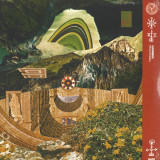
Glenn Astro leans into the twilight months of 2024 with a new album from his Delta Rain Dance project. Divining fourth world sensibilities from his restlessly curious studio workflow, Astro weaves a mesmerising tapestry of sound on Music For Autumn which treads the line between horizontal meditation and head- nodding, backroom-ready groove.
Amongst his constellation of myriad aliases, Delta Rain Dance spells out the inspiration Astro takes from fourth world pioneer Jon Hassell. The project first surfaced with a string of tapes, LPs and digital releases around 2018, all carried on a label of the same name to keep Delta Rain Dance enclosed in its own space
independent of Astro's many other musical endeavours.
"I’m really into the world building aspect in science fiction and fantasy," says Astro. "This is my way of creating worlds and spaces that co-exist next to each other. Sometimes they collide but mostly they exist peacefully next to each other or pursue some form of cultural exchange by collaborating with each other."
There's a strong sense of balance and cohesion throughout Music For Autumn, as organic percussion and instrumentation wraps around delicate synthesis and patient drum machine pulses so naturally it's hard to spot the joins. The sound has plenty of room to stretch out, from the mantra-like chimes and rattles of the album opener 'Green Light Fade' to the luxury funk of 'Mmmh, Nice' (featuring fellow Tartelet alumni Nelson of the East). At times the electronic elements seem to entirely dissolve, not least behind the loping strings and tumbledown percussion of 'Second Sleep', while achingly beautiful closer 'Plucked' centres on the fluttering movement and expression Astro elicits from his modular setup.
True to the project's influences, a consistent ambiguous mood lingers in the air over Music For Autumn somewhere between far- flung mystery and comforting familiarity, reliably calm but equally contemplative. It's an odyssey of serenity with enough nuance to make you really think, perfect for the days getting shorter, leaves crunching underfoot and the last fading rays of warmth from the sun.
Buscar:synth sense
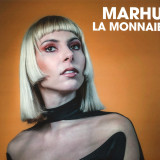
Anadol and Marie Klock have teamed up for a joint album, La Grande Accumulation. They met two years ago at a festival in England crowded with violent seagulls and outsider musicians. Klock being prone to barking on stage and Anadol not laughing at jokes she doesn’t find funny, they straight away had the intuition that they would meet again. And so they did, a few months later, at Anadol’s studio in Istanbul.
Today, the two Pingipung artists present the fruit of this musical friendship. La Grande Accumulation was born out of the peculiar atmosphere of the studio neighbourhood in Büyükada, an island where thousands of cats run free and humans randomly destroy things during apocalyptic times when parts of Turkey had just been turned into dust by terrible earthquakes. The French lyrics are inspired by hours of conversations, the music is consequently drenched in absurdity, overflowing with a strong urge to live and enjoy. According to the LP sticker, this album has been certified “Best handshake of 2024”, and stickers never lie.
La Grande Accumulation brings together Marie Klock's mysterious metaphors and Anadol's intriguing radiophonic psych-pop. Stretching forms beyond common sense to see how long they can resist is probably their favourite game. The result are six highly imaginative tracks that challenge the sub-3-minutes standards of Spotify pop.
Gözen Atila aka Anadol is well known to the Pingipung audience, with three solo LPs on the label. Her music follows a kind of collage logic, she interweaves countless styles, combining field and studio recordings with obscure quotation marks here and there. "I hope no one will come and explain this music to me, because it's the most beautiful music there is", says Kristoffer Cornils about her solo album Felicita.
Marie Klock is a French writer and musician who produces songs oscillating between synthpop and neo-folk, full of anarchic humour and existential dread. Her recent solo LP on Pingipung was a captivating tribute to the recently deceased poet Damien Schultz entitled Damien est vivant.
Marie Klock delivers her lyrics in song or spoken word, stream-of-consciousness musings on strange human adventures, and her rich keyboard melodies culminate in a nonchalant dialogue with the bass trombone (La Reine des Bordels). In the opulent opening piece (La Grande Accumulation), a woman is cursed to take home everything she kicks in the street; a bit later, we stumble upon a ghoul hiding in the gutter (Sirop amer), Mona Lisa loses her teeth (Sonate au Jambon) and a warthog struggles to climb the stairs of a silver tower (Sabots triviaux).
La Grande Accumulation was mixed and mastered by Jonas Romann at Chaos Compressor Club in Hamburg and cut to vinyl by Kassian Troyer at D&M in Berlin. It's an audiophile LP that invites to focus on every detail in this heap of musical ideas.
A sonic portal to a parallel universe where neon-soaked dreamscapes transform the stark realities of a post-pandemic world. Music for a forgotten future, where echoes of the 80s cast long, enigmatic shadows through a rich tapestry of emotion that charts a journey from isolation and fear towards healing and hope. This is the journey of Season One and Season Two, the debut companion albums for the solo project of Italian composer Battaglia, both out this fall on Four Flies Records.
In 2020, as the world retreated onto itself due to the COVID-19 pandemic, Battaglia entered the recording studio. Driven by a desire for experimentation, she decided to focus on the classic synths that have made history to create a sonic and emotional alchemy that reimagines the 80s to resonate with our current experiences and sensibilities.
Drawing inspiration from the cinematic magic of iconic early-80s films, and especially the haunting soundtracks of Tangerine Dream and John Carpenter, she crafted a soundscape that goes beyond nostalgia to capture the spirit of a generation navigating uncertain times.
Season One and Season Two explore the complexities of a world grappling with lethal pandemics, climate catastrophes, and nuclear disasters through themes such as longing, fear, and hope, set against a scenario that blends elements of dystopian and post-apocalyptic science fiction and, at times, horror.
Season One delves deeper into the darker aspects of this new reality, evoking a sense of unease and uncertainty, occasionally interspersed with soothing flashes of light. In Season Two, while darkness still lingers, the sonic landscape is infused with a sense of optimism and determination, offering glimpses of a possible salvation.
With Battaglia's signature blend of dark wave, synth-pop, suspenseful electronica, and cinematic vibes, Season One and Season Two create a sonic world that is at once hauntingly familiar and utterly captivating -- the perfect soundtrack, one is tempted to say, for the countless sci-fi/horror-fantasy series that have been flooding streaming platforms in the last decade.
The covers of both albums were designed by Eric Adrian Lee, who conceived them as two sides of the same image, two versions of a world in crisis but whose ruins contain the potential for rebirth.
Battaglia's Season One and Season Two will be available on black vinyl LP starting from October 25th. Digital versions of both albums will also be released on the same date, featuring five bonus tracks (two on Season One and three on Season Two).
A sonic portal to a parallel universe where neon-soaked dreamscapes transform the stark realities of a post-pandemic world. Music for a forgotten future, where echoes of the 80s cast long, enigmatic shadows through a rich tapestry of emotion that charts a journey from isolation and fear towards healing and hope. This is the journey of Season One and Season Two, the debut companion albums for the solo project of Italian composer Battaglia, both out this fall on Four Flies Records.
In 2020, as the world retreated onto itself due to the COVID-19 pandemic, Battaglia entered the recording studio. Driven by a desire for experimentation, she decided to focus on the classic synths that have made history to create a sonic and emotional alchemy that reimagines the 80s to resonate with our current experiences and sensibilities.
Drawing inspiration from the cinematic magic of iconic early-80s films, and especially the haunting soundtracks of Tangerine Dream and John Carpenter, she crafted a soundscape that goes beyond nostalgia to capture the spirit of a generation navigating uncertain times.
Season One and Season Two explore the complexities of a world grappling with lethal pandemics, climate catastrophes, and nuclear disasters through themes such as longing, fear, and hope, set against a scenario that blends elements of dystopian and post-apocalyptic science fiction and, at times, horror.
Season One delves deeper into the darker aspects of this new reality, evoking a sense of unease and uncertainty, occasionally interspersed with soothing flashes of light. In Season Two, while darkness still lingers, the sonic landscape is infused with a sense of optimism and determination, offering glimpses of a possible salvation.
With Battaglia's signature blend of dark wave, synth-pop, suspenseful electronica, and cinematic vibes, Season One and Season Two create a sonic world that is at once hauntingly familiar and utterly captivating -- the perfect soundtrack, one is tempted to say, for the countless sci-fi/horror-fantasy series that have been flooding streaming platforms in the last decade.
The covers of both albums were designed by Eric Adrian Lee, who conceived them as two sides of the same image, two versions of a world in crisis but whose ruins contain the potential for rebirth.
Battaglia's Season One and Season Two will be available on black vinyl LP starting from October 25th. Digital versions of both albums will also be released on the same date, featuring five bonus tracks (two on Season One and three on Season Two).
Nottetempo are welcoming a new artist into their fold. Caramel Chameleon will be known already to many, his fluid brand of braindance having graced imprints like 030303 and Undersound’s NOUN sublabel. The sonic shapeshifter, Francesco Pio Nitti, arrives at the Milan label with Compact Demons.
Distorted beams and a steady kick introduce “…And You Feel So Lucky.” Drums descend into a glitchy soup of snare rolls before gentle notes take hold, a melody of soft synth warmth is dappled with breathy samples. Pound and thump are given a full workout in “Monologue Duetto,” echoes of glowsticks glimmer before the floor is calmed by silken keys. “d-_-b Future Is Blind” opens with oozing basslines and skittish beats. Tender pads and playful melodies bob and weave, breaks creating generous spaces for string-filled meditation to bloom in this absorbing work. Kicks return for “Inter27wined (cottage mix)”, a nervous energy soothed by globular synth-lines. A late evening feel permeates the piece, a comfort countered by Nitti’s bending and stretching of percussive patterns. For those needing a little more, Nottetempo have drafted in Legowelt for a remix of “…And You Feel So Lucky.” The track, available digitally, sees Wolfers sideline his own trademark sound to focus on the essence of the original. The result is considered interpretation, beats are relaxed and steady with a touch of analogue dreaminess coming to the fore.
There’s a sense that Caramel Chameleon is building up a head of steam. With each release, the Italian artist is further honing his sound as he crafts ever more intricate melodies and structures. Compact Demons is proof of this. In the same breath, Nottetempo continue to fortify their catalogue and roster with a release of excellent electronics. Quality cuts from Milan.
Locked-In returns with its eighth vinyl release, showcasing the talents of DOTT in a four-track EP.
The A-side opens with "Shock FM", setting the EP's tone. DOTT's masterful sound design is fully displayed, building tension and release through intricate percussion. The track's progression is sure to captivate dancefloors and headphone listeners alike.
"The Helper Returns" follows, diving deeper into atmospheric territory. Swirling synths intertwine with a driving bassline, evoking vast, subaqueous landscapes. The track's subtle evolution reveals new sonic details with each listen.
Flipping to the B-side, "A Bit of Dis & Dat" presents a more stripped-back approach. Its minimalist structure allows each carefully placed element to shine, from crisp hi-hats to a rumbling low-end. This is DJ material to maintain energy while adding depth to their sets.
The EP closes with "Sine Bass Runs Deep." Here, undulating rhythms and shimmering top-end create a sense of constant motion, perfect for those early morning hours when the dancefloor is locked in a collective trance.
Long overdue, we are happy to welcome Damiano von Erckert to Cocoon Recordings with his debut single, bringing late summer vibes that were well worth the wait. Damiano's lovely energy shines through in this EP, resulting in music that blends soulful character with his signature house sound.
“Steam (Staub Mix)” lifts your spirits from the very first beat, and the summery vibe of the housey Rhodes piano brings a smile to your face. Yet, the track retains a somewhat wistful and melancholy feel. Skillful intonation gives the break a jazzy feel, it's this friction that makes it special. Von Erckert showcases his skill with this playful arrangement, sure to have dancers' hands reaching skyward. The second track “Das Was Not Around” is a masterclass in purism, where simplicity meets profound emotion. Swirly synth pads unfold to create a dreamy, immersive atmosphere, pulling listeners into its depths. Despite its introspective title, a sense of hopefulness permeates the track, as if reaching for light through the shadows. Damiano’s approach allows every element to shine, making the deep grooves and ethereal sounds feel both intimate and expansive. It’s a journey of reflection yet imbued with a quiet optimism that lingers long after the final beat fades.
The essence of reduced Chicago drumming is brilliantly embodied in “Roh”, channeling a raw, stripped-back rhythm that strikes with precision and purpose. This forms the bedrock of a composition that feels timeless. The track carries an unmistakable grandeur, echoing the majestic hymns of certain legendary French artists. As the beats develop, they evoke a profound sense of reverence and nostalgia, seamlessly blending classic house influences with a modern edge. It's a track that honors the roots while confidently advancing the frontiers of contemporary house music. "Fantazia 93" is a nostalgic dive into a ‘90s House vibe, channeling the essence of that unforgettable era with authenticity. Damiano's signature sounds are front and center, infusing the track with a unique touch that’s fresh while reminiscent of classic house anthems. The track exudes an Ibiza after-hour feeling, transporting listeners to those sun-drenched days where time seems to stand still. It’s a sonic journey that feels like sunbeams warming the skin, bathing the senses in a radiant, feel-good energy that resonates long after.
A sense of destiny hangs over Sentir Que No Sabes, Mabe Fratti’s fourth solo-credited album released in a five year span. Her work has always possessed a finely tuned sense of drama capable of expressing a range of emotional states, and across this new album, she conveys the struggle to process various relationships or situations–and the actions that come next. Sentir Que No Sabes is urgent and clear, poppy, generous and approachable, while showcasing a considerable emotional hinterland. It is also, as Fratti is quick to mention, “groovy.”
Written and recorded with her partner, multi-instrumentalist, and co-composer Héctor Tosta (I.La Católica, Titanic), Sentir Que No Sabes is the result of an intense, detail-oriented process. Fueled by a new confidence gained in their collaborative project, Titanic, and its critically acclaimed 2023 LP, Vidrio, the two hunkered down in the familiarity of their studio (aka Tinho Studios) to bash out the initial sonic coordinates of her new record. “We talked and talked, and discussed ways of playing and recording, until things became inevitable,” Fratti explains. “We recorded a bunch of demos at our home studio and that meant we had a lot of time to re-edit and experiment. We really dug in. We were super focused on detail.” Tosta also took up the controls as producer and arranger-in-chief for all additional instruments. The album was later completed at Willem Twee Studios in Den Bosch in the Netherlands, and Pedro y el Lobo Studios and Soy Sauce Studios, in Mexico City.
For the final studio recordings, the pair were joined by drummer Gibran Andrade and trumpetist Jacob Wick to fill out and expand on Tosta’s percussion and brass arrangements. This small group of friends were able to work quickly and openly, and without fear: a testament to the exhaustive groundwork put in at Tinho Studios. This can be heard in three short, intermediary tracks that also manage to be the most aggressive on the record: “Kitana” (a scratch-laden instrumental that acts as a strange prelude for the last track, “Angel nuevo”) and a pair of two-minute instrumental interludes, “Elastica” I and II. None are throwaway mood pieces; rather they act as emotional cue cards, and hint at the way Fratti and Tosta created the overall atmosphere of Sentir Que No Sabes.
A strong sense of rhythm irrigates the sound from the jump, as heard on the glorious opening track, “Kravitz.” Here, the brilliant plucked cello line acts as a bassline and props up the steady thump of the kick drum. The cello’s growl serves as a conduit for a set of slightly paranoid lyrics that tell us “Quizás haya oídos en el techo” (“maybe there are ears in the ceiling”), while the song also introduces another staple of the record: the clever brass stabs, whistles, parps, and other interjections that paint a canvas of traffic in a city. It’s a postmodern, widescreen sound that for some might recall The Blue Nile’s Hats.
Sentir Que No Sabes is a record full to the brim with a modern pop sensibility, invoked by the sort of magpie spirit that ensnares anything it can find, repositioning sounds for the here and now. The keys and melody on the melancholy “Pantalla azul” (“Blue screen error”) transport us back to the glossy mid-1980s. “Oídos” (“Ears”) is a beautiful slice of contemporary, hybrid pop, in which Fratti’s vocal lines delicately spin themselves around the lean structures erected by the brass and drums, and the descending “plink” of a set of piano chords. Then we have a gloriously strong ending with the swell of “Angel nuevo” (“New angel”), another cinematic track full of gentle, instrument-rich swells and eddies that manages to be almost endless in its range–and yet intensely personal, as Fratti’s voice is close, almost whispering in your ear. A much needed lullaby for our fractious times.
The lyrics, for their part, have a stop-start quality to them, and hint at the small, incremental emotional taxes we pay through just living our lives. They circle around the music like birds waiting to swoop. There is something of the spiritual in all of Fratti’s work that expresses itself in a form of yearning: she looks to new horizons while personal dramas find themselves internalized, contextualized, and then dealt with through metaphor. Here, she was keen to mention Tosta’s constant encouragement in her finding a path to best sing or phrase her words to impart their maximum effect. “Hector was super inquisitive about my lyrics and asked me questions about what I meant, which sometimes is something you don't wonder so much about in isolation,” Fratti explains. “Besides, he is a great poet, and you can see that in what he did on the Titanic record. This made me go deeper into my lyric writing and definitely transformed it into something that I feel super happy about now.”
Take “Enfrente” (“In Front”), a track that initially comes across as a languid, glossy number, with plucked cello strings standing in for a bass line and brittle synth parts. Soon we catch on to a brilliant minor chord switch, which mirrors the fear and doubt expressed in the lyrics as someone “trembles up to the podium” in a “search for meaning.” There’s also the startling introduction of a vocoder in “Quieras o no” (“Whether you want it or not”); it comes precisely at the point Fratti sings “Quieras o no es un desastre” (“Whether you want it or not, it's a disaster”). Moments like these leave room for interpretation and, over time, create a strong bond between the listener and the record.
In fact, across Sentir Que No Sabes, each phrase–whether instrumental or vocal–becomes at some level emblematic of acts and moods that impart deep emotional significance. We see this best on “Intento fallido” (“Failed attempt”), which could be the score to feeling trapped in self-doubt, only to suddenly be sprung free by the song’s gloriously upbeat ending. On “Márgen del índice” (“Index margin”), the quicksilver switch between initial disharmony and a beautiful melody is breathtaking, all augmented by evocative arrangements, textured production, and the slightly playful, gnomic lyrics. The track’s emotional ecosystem allows another brilliant ending, which uses the simple repeated phrase, “Cómo lo va a ver?” (“How are you going to see it?”).
So what to make of Sentir Que No Sabes? High gloss Pastoralism? The sound of a city-bound, post-post modern soulscape? No matter the emotions evoked, it's the work of an artist coming into their own, and creating a benchmark record.
Arriving on transparent blue vinyl, the fourth installation of Figure’s Hardspace series brings six new re-interpretations of Len Faki’s favorites via his Hardspace alias.
Starting with a true classic, the gem that is Josh Wink’s Sixth Sense picks up on the original’s tight plastic groove and creates some serious low end rumble.
A less obvious choice, Aoki Takamasa’s minimalist dub from Japan, gets a complete makeover in the Hardspace edit, using driving percussion to morph the pensive blueprint into an upbeat peaktime slammer.

One of the most iconic basslines of the last decade, DJ Yoav B’s Energize is a standout on its own but paired with the relentless groove of the high-energy Hardspace remix it unlocks new levels of rave potential.
Huxley’s Weapon 3 was maybe one of the darkest tunes ever released on the otherwise house-centric catalogue of UK label Aus, which Len Faki already played back when it was first released. The Hardspace Mix merges a feeling explosive force with the originals sultry ambiance, catapulting the track back onto today’s dancefloors.
Colourful, dubby synth stabs are what keeps the momentum on peak time roller Funktion by French producer Tuttle, which in its Hardspace version packs even more heat, as Faki employs his signature claps and tunes up the original’s enervating siren sound, squeezing out every last drop of energy.
Originally released in the 90ies, Mike Parker’s Shakuhachi Two is as techno as it gets. Only now sounding even more powerful and dynamic, as the Harspace Mix keeps all of the original goodness while stacking additional propulsive percussion for a sweaty floor workout.
Cultured Swiss techno label Acquit has put together this cheeky little 7" from Trecci with one great tune on each side. 'Invisible Self' is the opener and it is a delightfully curious, inviting blend of soft focus synth loops and smeared pads that sounds like waking up on a distant planet. On the flip, 'Sit And Wonder' starts with pensive piano chords which are eventually carried away on a supple deep house grove with loopy bongos and a feel-good sense of late-night cruising. Tasteful stuff for sure.
Danny Tenaglia’s new EP on Nervous Records features “Tonight” and “Out From Obscurity” and a remix of his prior Nervous Records release “Move That Body.”
With ”Tonight,” Danny kicks things off with the title track - treating us to both ‘No Beats Intro’ and ‘Beats Intro’ versions. And in doing so - manages to deliver, hands-down, one of the most tantalising and majestically rousing opening gambits we’ve heard in some time.
And when ‘Tonight’ finally bursts its aural banks, circa 1 minute 30 seconds - with the most seamless of transitions, we suddenly find ourselves surfing a decadent wave of hazy Rhodes, staccato bass and mesmeric vocal work - ebbing and flowing right up to it’s opulent and wonderfully soporific conclusion.
Next up we have DT’s re-rub of George Vidal’s ‘Out From Obscurity’; a veritable pressure-cooker of a track, that spins and weaves a sense of poise, tension and drama which escalates stealthily throughout. A stripped-back, rolling synth-driven’, made-to-measure for the 2024 club floor.
Finally - closing this souped-up invigorator of a release - we have ANTRANIG’s remix of Danny and Cevin Fisher’s ‘Move That Body’… a fully tribalized, menagerie-wrapped groove; which wears the sweat, the writhe and all that heat - very much on it’s visceral, live-and-direct sleeve.“
Dejan Dex from 005 is back but with Blagoj in their mischievous music duo: Son Kota. From Misla to Termos, Dejan brings forth a new level of artistry with his right hand partner in this sizzling 3 track compilation. Literally sizzling, Termos isn’t shy in sound, waking up the listener with profound, sexy yet soothing beats in a humble, homemade kind of way.
“Our inspirations range from day to day activity. From 80’s pop rock music and good movies to tv shows and live sets from artists that we admire, together we combine all the sounds we hear into one full package.” - Son Kota
Son Kota - A story of two artists meeting halfway, making an alias to expand their music horizons. Focused on finely shaped sounds, and digging deeper as they can into the house music world.
Producing for 13 years running, Son Kota began paving their way around the same time. Coincidence? We think not. Destined to work together, Blagoj and Dejan were passionate pioneers on the Macedonian music scene with their like minded approach to genre identity and track ideation. Officially born in 2017, Son Kota was given its project name meaning “sounds of happiness” in French/Japanese dialect.
The two exude a sense of genuine awe and wonder for minimalism, and the blissful feeling it evokes.
Echoing the 90s once again, Son Kota offers a fresh batch of 3, including a remix by Arapu, each having its own musical idiosyncrasies.
Top of the track list is the dark and moody Vroche: a somewhat psychedelic ensemble of broken beats and synth stabs for the adventurous minimal listener. Up next is Termos, a marvelous piece that embodies classic house qualities peppered with nostalgic melodic elements. Finally, Arapu spins this record further with his own interpretation of Termos, bringing his signature touch to the table. Any Satya fan and production nut will be sure to appreciate his groovy minimal hypnotic flavors.
432HERTZ Berlin Unveils its Hypnotic "Space Collective" Debut Vinyl
Prepare to lose yourself in the world of underground electronic music with the arrival of 432HERTZ Berlin's inaugural vinyl release. This meticulously curated collection transcends genres, weaving a spellbinding narrative that will transport you to uncharted sonic territories.
Side A: A Celestial Exploration
•A1: Computational Universe (Rinaldo Makaj): Brace for liftoff as Rinaldo Makaj's "Computational Universe" propels you towards the furthest reaches of the cosmos. Lush soundscapes shimmer with meticulously crafted synth sequences, evoking a sense of awe-inspiring discovery amidst the celestial expanse.
•A2: Mesosphere (Rickie): Descend into the enigmatic depths of "Mesosphere" by Rickie. A sophisticated bassline throbs like a beating heart, guiding you through a soundscape shrouded in mystery. Evocative leads and atmospheric synths create a captivating soundscape that lingers long after the final note fades.
Side B: Where Electro Meets Soul
•B1: Escape from Reality (Electric City): "Escape from Reality" by Electric City ignites a surge of raw energy, pulsating with the primal spirit of classic electro. This genre-bending track seamlessly integrates soulful influences into a driving electro foundation, creating a sonic odyssey that's both exhilarating and deeply moving.
•B2: Mario's Juice (Pumio Space): The journey concludes with Pumio Space's "Mario's Juice," a sonic elixir that washes over the listener in waves of euphoria. This tranquil soundscape provides a perfect descent, leaving you in a state of blissful serenity.
A Testament to Underground Electronic Music
Curated by Rinaldo Makaj, 432HERTZ Berlin's debut vinyl release is a powerful testament to the boundless creativity and diversity of underground electronic music.
Following a run of successful digital releases, eloelo records presents its debut vinyl release, a multifaceted 4-track EP, featuring three original tracks by label head ELODIE and a remix from coveted producer Michael James.
The A side is headed by the title track, ‘Bohemian’. Consistently well-received, especially by those lucky enough to have heard it on a heavy-duty sound system, the track creates an immersive, euphoric atmosphere that oozes warmth and vibrant energy. Coupled with one-off hits and delightful ear candy meticulously sprinkled throughout, ‘Bohemian’ offers a feast for the senses making it impossible not to move to. Your ears and your feet won’t be able to get enough. Michael James' remix of ‘Bohemian’ transforms it into a peak-time anthem that ignites the dancefloor. His rendition adds a layer of intensity and excitement, characterised by his trademark percs and a thrilling breakdown that leads to an explosive drop, leaving revelers ecstatic every time it is unleashed. A proper ‘bomb’.
The B side takes a more emotive turn with two more original tracks from ELODIE. ‘Like To Dream’, envelops listeners in a dreamy, sense of deep introspection via complex soundscapes which have been expertly woven to create a mesmerising depth of sound. Its seamless blend of pads and synths create a profound journey, inviting listeners to lose themselves in this moving, mature track inspired by the Rominimal sound.
‘Pineapple Ice’ rounds off the EP with a mood that is both tranquil and experimental. The track’s minimalistic yet intricate composition offers a soothing yet intriguing auditory experience, balancing calmness with a touch of playful unpredictability. A dubby techno number which perfectly balances out the EP. ELODIE has stayed true to the production style that she is carving out for herself with an EP that stands to advance the label’s dedication to delivering unconventional releases that cultivate a distinctive and timeless minimal sound.
Launching their new collaborative dancefloor release series, the Bangkok-based duo Chalo and Vell, with support from MetalMetal, proudly presents "Made From Moss." Inspired by the simple, flowerless plants, the EP and release series present a collection of simple and driven club-focused rollers, ideal for any dancefloor.
The lead track, "The Man With No Teeth," opens with a growling bassline and cracking hi-hats throughout, balanced with dynamic vocals that pop and sizzle throughout the many drops, sure to have dancers moving. Followed by "Wrong Portal," Chalo expertly crafts a driving acid bassline and simple yet flowing synths throughout, keeping the pulse and creating a dynamic sense of groove. The B-Side opens with "MarinExp (Club edit)," a track featuring Thai musician MetalMetal. The track cuts with breakbeats and tambourines while keeping Chalo's unmistakable driving kicks and cuts. "MarinExp" is balanced with a breakdown of flowing synths and dynamic vocal shouts. The final track of the EP, "Latency Phantasy" (Chalo and Vell), shows both artists at their best: a techno-flowing acid roller equipped with chopped vocals and surprises throughout the track.
Even as a relatively new face on the scene, Boaksi, isn’t a stranger to longer format releases. The budding Zurich based producer made a splash with his first two releases “Under The Pavilion'' and "I Thought It Was Yesterday” which featured remixes from Soela, Louf and Al Zanders. Now he debuts on Seb Wildblood's all my thoughts label with a 4 track emotionally visceral EP titled Keep Movin’.
The title track, "Keep Movin'," takes a dynamic approach, layering creamy pads and impactful percussion with subtle dub techno influences that create a refreshingly deep groove, propelling a carefully positioned vocal sample into the forefront.
“Didn't I", leads with a beautiful, progressive melody that evokes a sense of yearning, and the ever-relatable Romanticism of the club. Delicately triggered chords dance off the wonderfully unpredictable drum patterns, while Boaksi's minimalist vocals add a touch of human emotion.
"Running Out Of Time" takes a more introspective turn, featuring distant, detuned textures that set the stage for a bed of soft, distorted pads. Stripped-back percussion allows the climbing arpeggios to take centre stage, building to a cleansing break that allows the atmosphereto expand before settling back into a warm, percussive groove.
The EP closes with "Wanna Be With You," another emotionally intelligent piece that showcases Boaksi's
prowess for crafting captivating soundscapes. Elemental drums and breathtaking, climatic chords provide the foundation for a beautifully free-forming synth arpeggio that flutters playfully around an unforgettable vocal hook.
DJ Support: Marco Faraone, Victor Ruiz, Marco Carola, Cristian Varela, Joseph Capriati, Mauro Picotto, Ilario Alicante, Wehbba, Konrad, Anna Tur, Joris Voorn, Anna Reusch, ANELA
Indira Paganotto and her ARTCORE imprint stand out from the crowd with an exponential sense of uniqueness, front-running pioneers of the new Psy-influenced techno boom. Indira’s upcoming release ‘Gypsy Queen’ is another perfect example of how she has garnered so much love and support for her unique vibe and ethos to date.
Title track ‘Gipsy Queen’ begins in eccentric fashion. A gentle strumming of flamenco guitar lines, a distorted chorus of castanets and an enchanting vocal open the track to remain a key feature throughout waves of razor-sharp synths and hurtling drums sequences. The dips in pace are beautifully accompanied by the stirring vocals but before long the flamenco influences are overrun by the trance-tinged techno Indira is famous for. The out of body like energy summoned by the strings and haunting effects of ‘Vendetta’ offer a different audio experience to that offered by the EP’s title track. With a visceral intensity that becomes more acute following each drop there are several curious effects and tones at play to make for a somewhat dramatic techno heavy melody.
Opening the flip side is ‘Heaven Is For Warriors’ , this comes in hot with thumping drum grooves and crisp percussive drive, supplemented by ominously celestial undertones and rave-inspired musicality throughout-a sinister tirade of punchy electronic grit, marching to a racy tempo built for peak-time sets. The release closes on ‘Requiem’, further playing on the darkened divine theme throughout the EP. Beyond its atmospheric intro, you’re greeted with a marauding flurry of watertight Techno goodness layered with synths, sirens, pads and much more.
There’s no denying Indira’s oneness when considering groundbreaking techno talents; This EP serves as a solid reminder of her commitment to trailblazing a path into the genre’s new and exciting age.
Whisper it quietly, but Andrew Meecham’s ninth album as The Emperor Machine, Island Boogie, may well be the long-serving producer’s strongest set to date. Of course, all his albums ripple with vintage synth sounds, colourful lead lines, dub-flecked electronic disco grooves and lashings of cosmic intent, but this one just feels a little more special. Island Boogie is certainly special. Meecham’s “most personal” full-length to date, it was inspired by his experiences at the Rotation Garden Party – a beloved micro-festival promoted by a group of friends (including sometime Bizarre Inc and Chicken Lips partner Dean Meredith), renowned for the quality of its custom-built Klipschorn soundsystem. “The album’s title sums up the vibe that you get from Rotation,” he explains. “It may be held in a landlocked venue but it gives a wonderful sense of isolation – it is an audiophile paradise.”
Meecham road-tested rough versions of the album’s eight tracks at Rotation 2023, with the feedback and dancefloor reaction guiding the sound and arrangement of the final mixes. Fittingly, Meecham will return to the event to showcase the album at Rotation 2024 this July. Given the inspiration he’s drawn from previous editions of the festival, that will be a very special occasion. Musically, Island Boogie offers the most fully functioning and expertly constructed expression of The Emperor Machine sound yet, a style Meecham describes as “electronic cosmic disco-boogie”. It’s a sound that takes cues from early ‘80s NYC punk-funk and dub disco, vintage electro, proto-house and left-of-centre synth-boogie, but one that’s instantly recognisable to those who have followed Meecham’s career over the last three decades.
Island Boogie also sees Meecham continue his blossoming working relationship with Severine Mouletin, whose stylish and distinctive vocals previously graced his popular ‘Dance Por Amor’ and ‘Your Own Style’ singles. Here Mouletin features on four tracks: the acid-flecked retro-futurist wave-boogie of ‘La Cassette’ (featuring additional percussion by Rupert Brown); the infectious, bleep-sporting headiness of recent single ‘Devoilez-Vous’; and the squelchy analogue synth-funk of ‘Wanna Pop With You’ and ‘Vas-y-Le Chat’. Meecham also finds space for a cover of Fox’s 1976 pop-rock classic ‘S-s-s-single Bed’, one of the Stafford-based artist’s all-time favourites. His version, featuring headline-grabbing lead vocals by Michelle Bee and guitar from Dave Atherton, re-imagines the track as a subtly Chic-influenced slab of infectious electro-pop rich in kaleidoscopic synth sounds, sing-along choruses and shuffling drums.
The instrumental foundations of the classic Emperor Machine sound come to the fore on the album’s three other cuts. There’s the jazz-funk-flecked warmth of the LP-opening title track; the sparse squelches, bleeps, TB-303 style bass and brightly coloured electronics of ‘Walk The Dog’; and the exotic, slow-motion cosmic electronica of ‘Cha Murrah Etem’, a warm but poignant affair dedicated to his late father. Heady and intoxicating, with hints of Balearica and digital reggae, it offers a fittingly beautiful and tactile conclusion to Meecham’s most expressive and accessible album yet.
2024 Repress
Alarico returns to Mutual Rytm with his 'Drops Of You' EP, packed with his mind-bending signature rhythms while focussing on a more minimal and atemporal approach than before.
Milan-based artist Alarico has firmly arrived on the world stage in recent years. Taking cues from the harder realms of techno of the 90s, he adds his own quirky rhythms and quickened sense of groove to showcase his modern take on the genre. Building on material dropping via his own Katana Records, with high-profile support from bigname DJs across the scene, he breaks new ground again here on this compelling new EP as he returns to SHDW's label Mutual Rytm with 'Drops Of You'.
Excellent opener '0 Kelvin' races out of the blocks with wiry synths and percussion that sounds like knives being sharpened, all over tight, punchy techno drums. 'One More' then gets more twisted with freaky synth line scurrying about the mix while hammering hits and bouncy drum programming races onwards into an unknown future.
'Asma' slips into a deeper but no less impactful groove - the tightly coiled drum funk is overlaid with soulful vocal whispers and militant snares that cannot fail to sweep dancers away. Next, the slick 'Sunburn' keeps the pace high and is another warp-speed techno excursion with bold drum patterns and dry hi-hats cutting up the beats. It's a fulsome sound fleshed out with great synth detail and euphoric vocal cries, before closer 'Drops Of You' layers broken beats, vocal snippets and psychedelic synth colours into an intense and emotional workout.
Alongside the vinyl cuts, three digital-only offerings are also loaded into this one as a trio of treats in the form of 'Sino', 'What For' and 'Erased', with each track harnessing pacy, energetic rhythms, a mix of bright and murky sonics, and tunnelling grooves crafted for maximum impact.
Alarico 'Drops Of You' drops via Mutual Rytm on 8th September 2023
German artist Martin Matiske’s start in music came at the hands of the legendary DJ Hell, who invited him to his first DJ gigs in 1999 at one of his Gigolo label nights in Munich. His own productions, inspired by early electronic pioneers like Kraftwerk and Jean Michel Jarre, soon followed on International Deejay Gigolo Records, as have many more since on Frustrated Funk, Bordello A Parigi, Moustache Records and Central Processing Unit. Matiske has had high-profile support from the likes of Dave Clarke and Helena Hauff, and this new EP for Brooklyn-based label Melodize is another one that will likely find wide acclaim.
The fantastic ‘Moments’ opens up with ice-cold snares and drum sounds that are backlit by celestial pads as retro-future synth work brings colour to this catchy and optimistic proto-electro groove. ‘Moments’ then gets a sublime remix treatment from the prolific and endlessly creative Legowelt, who has explored every different style possible under a myriad of aliases on a range of cult labels like Clone, LIES and Crème Organization. The Dutch maestro’s superb take on ‘Moments’ is an astral electro workout with killer acidic lines, squelchy bass and daubs of psychedelic colour.
On the flip, ‘Dimensional Space Travel’ is another cinematic electro journey that taps into the motorik tick of Kraftwerk with distinctive melodic phrasings, forming a playful call-and-response with the background chords. Closer ‘Analogue Being’ taps into early electro with lovably tinny rhythms and sugary, pixelated analogue chords that bring a sense of nostalgia and ruefulness.
Warehouse Find!
Maceo Plex’s taste-making Ellum Audio serves up a sizzling EP from Madben, featuring a remix from men of the moment Brame & Hamo.
Frenchman Madben has a healthy reverence for Jeff Mills and Detroit techno that infuses all his work. He has been mentored by Laurent Garnier and released on a wealth of quality labels from Bedrock to Suara. A resident of the Rex Club in Paris where he puts on his MAAD parties, he is now a regular in the best clubs around Europe where he serves up his always profound sounds, something he does again here.
First up is the fantastic ‘Blooming’, with its old school rave styles and dusty breakbeats. Euphoric chords light up the whole thing and it’s a tune that is sure to get hands in the air. Brame & Hamo are Irish sensations who are based in Berlin and known for big tunes that range from house to techno to disco. After establishing their own label they step out with a remix that is superbly stripped back. On deep rolling drums, sleek synths unfold and take you on a cosmic adventure that is well paced and cinematic.
Madben’s ‘Enjoy Yourself' is well crafted techno with a sense of progression in the ever evolving lead synths. Rumbling drums provide the power below and filtered, whispered vocals are an intriguing detail up top. Last of all, ‘Haze’ is a prickly track with snappy mental drums, off kilter synths that twist and turn and a dark energy that is tinged with industrialism.
This is a fresh techno offering that comes with plenty of new ideas that are all
expertly executed.
Chamber music masterpiece with electronics
Albert Alan Owen was born in Wales in 1948 to parents of Welsh and Latvian heritage. His family later moved to Zimbabwe, where his father took up a teaching position. There, Owen was deeply influenced by local music and culture, while also exploring American RnB and jazz. It was during this period that he became acutely aware of the harsh inequalities under British colonial rule, which instilled in him a lifelong aversion to discrimination and racism.
In 1967, Owen returned to Europe to pursue his studies and enrolled at the Royal Academy of Music in London. He went on to spend time in Paris, studying composition with the eminent Nadia Boulanger and piano under Jacques Février, a favorite pianist of Ravel’s and Poulenc’s. Owen's focus shifted almost entirely to composition, and the acquisition of a Fender Rhodes electric piano marked the beginning of a divorce from his classical Western training. This transition allowed him to merge his passion for African and African-American music with the impressionistic styles of Ravel and Debussy while exploring the innovative realm of electroacoustic composition.
These formative experiences framed Owen’s career as a composer and educator at the Royal Academy of Music and London’s Working Men’s College. He eventually returned to Wales, where he continues to reside.
In 1979, 29-year-old Albert Alan Owen released Keyboards & Strings, a light magical chamber music masterpiece.
Transcending the formal conventions of its era, Keyboard & Strings is an acoustic and electric piano piece, where the violin is met by synths and electronics.
As is often the case in Albert Alan Owen’s most intimate works, there is a sense of ethereal beauty that emerges from the music, akin to the emotional state one might experience while contemplating a Félix Vallotton landscape or the unfathomable mystery of dawn’s first light.
Quiet, profound, and immersive, Keyboard & Strings stands out as an electronic-age tone poem, a rare gem that transcends time and place.
Eccentric soundscapes, cryptic atmospheres, unexpected rhythms – with the second episode of the Intelliance series, the concept label Augmented Research once again holds up a mirror to the progressive present and provides various perspectives on the innovative electronic club sound of a new generation.
A1
Raär's music manages to draw the masses beneath the surface of common perception. The blend of deep, organic atmospheres, liquid sound design and supersonic drums awakens a deeply rooted but rarely accessible state of mind. "Riparian Zone" is a tool for transcendental experiences.
A2
There are only a handful of artists like Nebuchadnezzar who have made a name for themselves and demonstrate that rules in electronic music are meant to be broken. "Fidget" is a good example of the obsolescence of obsessive genre categorization. Unpredictable rhythms and glitchy, whipping drums feel like a race against time (extended to almost nine minutes).
B1
With "Sea And Bunkers", Sukkube proves her virtuoso and versatile handling of modular sound synthesis. The rapid, loopy beat, accompanied by a serious and simultaneously playful melody and hissing atmospheres, generates a mysterious, fresh mood. Influences from different eras form an interesting symbiosis of futuristic, uplifting techno and nuances of classic styles.
B2
If an artist were given the task of dealing with vintage drums in the most innovative way possible, while at the same time retaining a sense of nostalgia, "Pragma" would be the clear result. Edict has broken the rules of classic techno styles, pushing polyrhythm and distortion to their limits.
Label boss El Prevost makes a welcome return to No Speakers after it's been on something of a break. Thankfully the quality levels remain high here as he kicks off with 'Catastrophizing', a brilliantly bass-heavy cut with broken beats to make you sweat.
On the flip, 'Landing' has a more inward sense of reflection with its fizzing synths and deep space atmospheres making an indelible mark. Last of all, the magic of Detroit looms large with a superb remix by Motor City mainstay Kyle Hall.
His version of 'Landing' brings some jazzy melodic vibes and one of his trademark deep house and bumping grooves. This is another essential 12" from No Speakers.
2024 Repress
Starting out in 2001 to tie up some loose ends from our regulars, SPEICHER has since become a guarantee for vanguard dance sounds from all over the planet, allowing KOMPAKT to invite and support electronic artists that comfortably inhabit both the delicate and the more deliberate ends of the electronic music spectrum. For SPEICHER 81, Amsterdam-based DJ and producer PATRICE BÄUMEL presents two adventurous minimal epics with decidedly mind-bending propensities.
As a long-running resident DJ at Amsterdam's renowned Trouw club, PATRICE BÄUMEL certainly knows how to draw in a crowd, having proven his skillful approach to hypnotic techno time and time again, as an impeccable host as well as an internationally acclaimed guest DJ in the world's leading venues. Just as his DJ sets, Patrice likes to infuse his own music with raw energy and a sense for sonic adventure - MILE HIGH GANG serves as a perfect example for his credo, underpinning its vibrant synth sequences with a meticulously crafted - and intensely propelling - beat.
The true mind bender, however, arrives with the flipside's aptly named VERTIGO, a deceptively simple, yet unstoppable son of a pitch shifter, cutting its way through spiralling serpentines in dizzying heights. Never one to let himself get bogged down by genre markers or scene compliancy, PATRICE BÄUMEL commutes between electronic factions with ease: he caters to a purist crowd as well as those in dire need of sonic surprises, giving both daydreamers and nighthawks something to rock out about.
DJ Support: Gilles Peterson, Sean Johnston, Jaye Ward, Max Essa and Francois K
Limited to 300 copies
Having been long-time admirers of one another from afar, Hell Yeah and Michele Mininni finally come together for Pop Archetypes. It is a multifaceted debut album that collides broken beats, worldly rhythms, jazz, eastern melodies, live drums and much more into one thrilling 15-track opus that arrives on May 31st.
Italian artist Mininni has always had a leftfield take on electronic music and imbued it with rhythms, melodies and instruments from around the globe. He has released it on cult labels like R&S, Optimo Trax, Internasjonal and Curle Recordings but has saved his magnificent debut album for Hell Yeah. It is much more than a collection of sounds he has already explored and instead finds him heading off into all new territory without losing his signature sense of inventive and beguiling rhythm and melody. It is a multicultural journey that takes in heterogeneous styles and diverse influences but distills them all into one cohesive album with its own unique storyline.
Says Mininni of the record, 'I wanted each track to be like pieces of a unique, multifaceted picture, like walking through train cars or progressing through the levels of a video game, all filtered through my own vision and concentrated into 36 minutes. I wanted a pop album rooted in the extraordinary richness of popular music and projected into the future, a continuum where pieces communicate with each other and are received by the ears in symbiotic balance.'
Despite that concept, the album is a spontaneous listen full of surprises, left turns and original ideas that all hold together in thrilling fashion. It kicks off with the tumbling jazz drums and swirling synths of 'Spinning Around Cotton Candy', takes in mellifluous melodic layers and broken beats on 'Golden Room' and 'Slipped Air' casts you adrift amongst gorgeous piano keys and refracted vocals on the suspensory 'Vertigo'. There are jungle interludes with Eastern string melodies like 'Bangkok Tempo', lavish fusions of organic and synthetic sounds on 'Kundalini' and more charming Far Eastern rhythms on 'Muting Cat'. 'Congoflash' brings electrifying cosmic rays to busy hand drum patterns, 'The Magic Of Synesthesia' combines dark amen breaks and bright and uplifting flutes while 'Carousel Of Tears' douses you in watery melodies and celestial pads that awaken the soul.
Pop Archetypes is an adventurous work packed with meticulous and infinite details but all with an overarching narrative that makes it far more than the sum of its parts.
The Issues label keeps up its fine early momentum with a new EP from Pau Roca with a remix from Crue. It is another tasteful 12" that comes on the heels of a deep outing from Dubbyman and an inaugural release featuring fresh versions of Joan Bibiloni by Kiko Navarro & Willie Graff.
Opener 'Daradada' is a spiritual deep house cut with swirling pads and classic vocals drifting next to the jazzy keys. It's expansive and cosmic in design and one that touches the heart on many levels.
'Here Comes The Moon' is another cut that shows off Roca's mastery of astral melodies. His gorgeous chords and delicate keys rise up to the stars as warm, dynamic drums bring the weight down low and spoken words unfurl in a seductive fashion. The Crue remix of 'Daradada' then brings more drive with harder but still organic house drums and hits.
The chords take on a melancholic quality and an elastic bassline pumps the party with a playful sense of energy. Last of all is 'Get Down' which once again sinks you into a beautifully warm and heady world of soft focus chords and late-night synth work.
"Deep Dancefloor Jams of African Disco, Funk, Boogie, Reggae & Proto Electro Music 1977-1986reggWhen a passionate DJ and crate digger intuitively selects music for a DJ compilation, without artistic compromise and without the burden of trends, AfroMagic vol.1 emerges from the depths of his soul. Herewith we present the new favorite phonomancer’s tool for all the DJs who experience the dance floor as a sanctuary and a source of freedom and love.
The most fundamental thing that defines African music is that it was created for dancing. In African dance, there is often no clear distinction between ritual celebration and social recreational entertainment – one can seemlessly merge with the other. Because dance and rhythm have more power than gesture and more richness than words, and because they express the deepest experiences of human beings, dance is in itself a complete and self-sufficient language. It is truly an expression of life with all of its emotions – joy, love, sadness and hope – without which there is no African music and dance. For the African people, dance and music are integral parts of the body and soul, thus depicting the expression of life, current emotional states, visions or dreams. Through hypnotic repetitive music and dance, people communicate with each other and with the souls of the dead, the animals, the plants, the stars, the Gods… They free the body and the spirit through ecstatic states, reaching a healing sense of freedom, happiness, and satisfaction.
Throughout history, this transcendental perception of rhythm and dance originating from Africa, influenced popular music worldwide, thus creating new living and breathing forms of musical genres – freeing them from their industrial mold. Funk, disco, soul, boogie, reggae, dancefloor jazz etc., developed in parallel all over the world. It is foolish to perpetually discuss where they originated from and who were the creators of all these fiery dance floor genres – being obvious that they directly or indirectly originate from the African continent and its people who were as well, over the centuries, influenced by disturbing socio-cultural factors of colonialism. However, no one can enslave the soul. The seeds of free and uninhibited dance and rhythm, true to their original form, initially first sprouted onto the USA’s fertile fields of clubbing and popular music while later evolving in other parts of the world.
The disco funk club culture manifested itself as a phenomenal explosion of artists and grooves in the second half of the 70s in the USA. Shortly it spread around the world continually reigning over charts in its various forms – to this day. Clubs emerged where the DJ is an almighty shaman and the dancers are a tribe united under one roof. This urban ritual had and still has a single goal: togetherness, freedom, and love. Clubs have evolved into temples where we free ourselves from the burden of a consumerist lifestyle and suppressed emotions – a place where we receive love and give love – to be who we really are.
Disco funk clubbing was such an influential global phenomenon that its influence can be observed in various other genres from the disco funk era i.e. progressive rock, which mutated by layering complex rock arrangements with a disco funk groove resulting in hybrids, highly sought by today’s diggers, producers and collectors. The profit-hungry music industry of the 80s very quickly commercialized the original disco funk sound by amputating of its original Afro groove to be able to easily ‘sell’ it globally. So, the original disco funk groove became underground again, and it has remained so until this day. Today, for a DJ to unearth that ravishing groove that will lead the dancers to the stars, he must dig passionately like a true musical archaeologist in search of that groove that picks you up after just a few initial beats. That groove which forces the atoms in your body to vibrate, that groove which unites the body and releases the burden.
The AfroMagic compilation series is created as a tool for real DJs who stick to the aesthetics and essence of clubbing.
This continuation of the Afromagic compilation by DJ Borovich was created in a private jam session which served as an escape route from intense and complex love problems.
Unconsciously driven by intuition and emotion and following a live mix tape framework where many tunes are arranged instantaneously, Borovich narrates his story with a strong rhythm that cuts loose even the most blocked off energy nodes and restores happiness to the spirit and the body.
The musical experience of the groove is completed by the lyrics of the songs, which symbolically give DJ Borovich universal answers to his questions arising from questioning the boundaries, nuances and other forms of love.
When considering that Borovich’s selection was created to facilitate an escape from the burdens of reality through rhythm and dance, we can be sure that Afromagic Vol. 2 will have a 100% uplifting, energized and spaced-out effect on the listeners.
The intro to A1, “Feeling Happy” by the Apostles, introduces us to an experienced and slow, cool and irregularly tight groove containing a confidently sung chorus that instantly gives a sense of freedom and hints at the remainder of Afromagic Vol. 2: “I’m gonna feel happy, ´cause I know I’m gonna be myself.” After the anthemic song mantra of the Apostles, Aigbe Lebarty uncompromisingly continues with a dirty disco rhythm. Acidified by accented synths that elevate it to shamanic levels and held together by a female tribal choir, we embark on an uncompromising ritual disco journey. Without a moment to take a breather the prog funk band Mighty Flames and their Road Man launch a highly vicious and raw, thick funk groove spiced with acid synths and dirty RnR breaks, raising the bar for the A side. Jimi Hendrix himself would surely praise it given the ultimate freedom and virtuosity in the solo sections. With the last tune on A side DJ Borovich decides to burn the floor with Geraldo Pino’s psychedelic, acid furious groove and lyrics which describe this HEAVY part of love problems: “The way she walk, the way she talk, the way she does a funky dances, she is really really heavy – that woman”.
While the A side represents a compact intoxicating afro groove machine that separates us from reality and lifts us up to the stars in over 23 minutes, the B side is a treasure trove of proto sub-genres gems. This selection represents the mission of the Afromagic: to find singular events in African recorded discography of popular music from the 70s and 80s that give evidence to the birth of new modern genres on the Dark Continent even before they emerged in the U.S.A. or Europe. The beginnings of electronic music influenced genres are represented back to back with 80s synth jazzy pop, all painted in African colours.
The B side opens big with Jake Sollo and a huge reggae blues number singing about the humiliation of a man – goosebumps guaranteed! “You think I’m nobody that’s why, you don’t know the way for me, I’m somebody I know, I found myself at last”. Adolf Ahanotu then enters the scene with a hard sliding tackle at B2 and an exotic rare disco funk dancefloor napalm. A ‘Sensation’ that would ignite even the coldest of introverts. While we approach the end of the compilation the narrative revolves again and takes a different turn. No less and no more than to the proto-electro that Baad John Cross serves us in “Give Me Some Lovin´”. The fat and repetitive broken electro synth groove, championing many early 90s electro tracks, is presented here without hesitation and with constant tension accompanied by a mantric chorus “Gimme some, gimme some, gimme some looooovin’, EVERBODY!!!”. Finally, we’re guided to the end of Afromagic Vol. 2 by Eji Oyevole’s 80s synth pop style presented in an authentic afro manner, giving us a glimpse at yet another released Afromagic edition, as well as giving an answer to DJ Borovich’s love problems. A smoothly broken electronic rhythm resembling electrified highlife sounds, carried on the wings of a virtuoso dreamy saxophone on top of which Eji presents the most intimate parts of himself. Finalizing the track with a symbolic chorus, on the surface referring to the dancefloor and simply having fun, but in actuality referring to the skill and happiness of living: “I´m a dancer, I can dance”. So, get up and dance among the stars with DJ Borovich and Afromagic.
The discography of the phantom Gruppo Sound exceeds over thirty titles published in an undefined time frame between the Eighties and the Nineties. However, there is very little information about this curious pseudonym. it is possible to find a library music album by Gruppo Sound inside the Canopo, Deneb, Flower, Monosound Records and Teams catalogues, all managed by Flipper Music publishing group, but both the creators and the musicians have never been the same. Gruppo Sound is only a collective name, maybe to identify a certain number of 'new' productions characterized by an electronic background And, not by chance, the author of “New York City” is a single artist, the multi-instrumentalist Gabriele Ducros. Son of the prolific composer Remigio Ducros, he first followed his footsteps in the field of music libraries and soundtracks and then become the author of many tracks for television commercials of a certain relevance, winning some international awards.
“Some of these tracks may have been associated with a pornographic film. Others were, however, made as brief comments for a theatrical show, perhaps never made”, remembers Gabriele Ducros. What unites the thirteen pieces is the same musical language, which derives from a widespread funk and jazz matrix. Both genres are thus declined through a different approach and taste, in line with the fusion trends of the time, when the early synthesizers were used by few artists. A handful of electric guitar notes for a 'urban' mood, the acoustic ones from a dreamy morning awakening. Electronic keyboards to arouse a sense of nostalgia in the listener, while flute and saxophone always punctuate different atmospheres. A computer melody, a theme for children and a sophisticated ode to the fusion sound of the Big Apple, perhaps true source of ispiration of the work. “New York City” is not a concept album, but one of the best cross-sections of Gabriele Ducros' great creativity.
Up next on Renegade Methodz is label head Endlec. Following last year's "Cycle of Doom" EP, the Greek producer returns to the label for his first release of 2024.
Dry loopy techno, composed with classic techniques, yet designed for the modern dancefloor...the 'Futur Akustik' release finds Endlec returning to a sound that has defined him earlier in his career and showcases the producer's knack for memorable sonic designs and admirable studio prowess.
Minimal in its components and pristine in the sound processing, the listener is presented with a cohesive collection of classic techno tracks that blend a mix of raw, percussive, driving elements and powerful kick drums with ever-dominant synth lines, providing a sense of intensity and raw emotion to all cuts, while straightforward techno rhythms keep the record dancefloor-regulated.
One of the most consistent new labels around, Cyphon Recordings, marks double figures with another standout release that gleans from the past, but faces the future. This time they look to the talents of Emotive Technology, a new alias from Chilean Massiande who provides a five-track EP of machine-wielding, soul-rousing techno from across the spectrum.
Although this may be the first release under his new moniker, Massiande has spent the last decade putting out productions with labels such as Housewax, Phonica, Freerange and Groovin. Firing on all cylinders from the get-go, ‘Rise’ kicks off the Walk Into The Light EP. A hyperspace melding of new beat, Italo and arp-operating techno that opens out into a slice of peak-time revelry.
The swirling textures of ‘It’s On’ follow, pushing you into the next dimension. A hypnotic, entrancing and arresting heads-down powerhouse. Crunchy and considered it's the kind of strobe-stuttering basement jam that turns heads inside out.
Two Detroit-leaning tracks ‘Your Zone’ and ‘Walk IntoThe Light’ are up next. The former is a heavyweight machine workout. Layered synth lines and crisp drum programming transfix, as that grooving low-end powers bodies into bedlam. The latter, a Motor-City-influenced tour de force. One that sees Massiande recode the circuitry to hit with a piano-laden stunner, balancing power and presence, with emotion and nuance.
Closing out proceedings, ‘The Swing’ sucks you in deeper. A resonating world of synth stabs, pulsating basslines and atmospheric electronics.
Doing the Emotive Technology namesake proud, Walk Into The Light is machine music hardwired with a heavy sense of soul.
microCastle’s first offering of 2024 welcomes Adrian Roman back to the label for his second artist showcase. Hailing from Spain, Adrian Roman first rose to prominence in 2021 with a string of superlative releases which redefined his sound, resulting in an aesthetic that was both cutting edge and effortlessly cool. F, nmully formed within the creative confines of his Castello studio, Adrian’s first microCastle project, 2022’s‘ Disturbing the Perception’ succeeded in showcasing his inventive approach to composition, while remaining club-effective, and in turn earning play from Aera, Fideles and Jimi Jules, amongst others. Moving forward the next eighteen months have proved to be impactful for the young Spaniard, recording standout projects for AZZUR and Sum Over Histories, releases which continued to build on his creative acumen, while remaining in the playlists of underground tastemakers Ame and Dixon. With 2024 beginning with Adrian’s latest Sum Over Histories vehicle ‘Oratorical Ability’, the Spaniard now makes a welcome return to microCastle with a six-track showcase entitled ‘This Is What I Was For A Moment’.
From the opening monochromes of ‘Le Sabbat’ Adrian’s craftsmanship reveals itself across this slow-burning piece, one where grating growls, granular flares and panoramic arps ultimately set the pace for the groove-centric ‘Customized Reality’. It’s here where Adrian puts a greater focus on the dancefloor, marrying hopeful vocal phrasing and silky chord stabs for a rejuvenating experience, while a drum-driven drop ultimately charts the course for a finale of deconstructed sonics and post-rave bliss. The haywire electricity of ‘Faces of Belmez’ finds the Spaniard once again flexing his creative muscles, as corrugated bleeps and cataclysmic rhythms provide a vast sense of space, creating the ultimate backdrop for distorted synths to propel choppy rhythms into dark underground passages, and perhaps onto some of the world’s most adventurous dancefloors.
The collection’s midway point is marked by the hypno-architecture of ‘Mind Design’. Trickling reverberations and long sighs of tonal tension wade through its pulsating framework, with frayed effects and thumping rhythms submerged beneath a buzzing panoramic glow. Played by Ame and sitting as one of the project's most enigmatic tracks is ‘TAGDI’ (They Are Gonna Do It). Tinted with contemplative synths and guttural vocals, Adrian’s unique emotionality peaks here, as he crafts a low-slung, slow-building dystopian romance, all while weaving in cerebral manipulations for an unforgettable ride. The mist breaks instantly on the collection’s final piece, as your thrusted into the muscular grooves of ‘Fear Track’. Horrifying vocal stabs strike, leaving the gauzy purple skies of ‘TAGDI’ behind for a more robust romp, one where anabolic bassline, retro-arps and off kilter percussion bring the release to a feverish peak. A fitting conclusion to a diverse collection of music, one where Adrian creates a journey that speaks to the complexities of life against an immersive and challenging backdrop.
Artwork: Maurcio Seidel
Diogo Silva, Nuno Fulgêncio and Rui Martins collectively go by the name Bardino. With their sound consisting of an inventive mix of
electronica, rock, jazz, the Porto-based trio are pushing their sound into unchartered waters. A feeling that will be reinforced after
experiencing their new album, ‘Memória da Pedra Mãe’.
Their enthralling music draws upon the imagery of the beautiful and rugged scenery of their home country. ‘Centelha’ , their previous
album (released by Saliva Diva in 2020) was recorded in Chaves,
in the very remote region of Trás-os-Montes. Their 207 EP of the same name was created in the rustic heart of Serra das Meadas. In this
latest offering, the mention of "Pedra Mãe" (Mother Stone), refers to a rare geological phenomenon popularly known as "breeder stones"
found in isolated, deserted, and inhospitable places. On the inspiration of the new album, they explain that they want to refer to "the
importance of collective memory in the cohesion and identity of communities and the process of creating new memories, a process that
is both natural and conflicting, since it mirrors a tension between past, present and future".
The album was recorded in the summer of 2023 at Arda Recorders in Porto and produced by João Brandão and Rui Martins. In this
new material, Bardino's resources expand: Nuno Fulgêncio's drums, Diogo Silva's bass and Rui Martins' veritable arsenal of keyboards
(acoustic and electric piano, various synthesisers) are augmented by the alto and tenor saxophones of Brian Blaker (who stands out in
"Memória" and "Black Mica"), the guitar of Leonardo Outeiro (who features on "Punctum No 2") and, already indicating their affiliation
with the Porto label Jazzego, Hugo Oliveira, who records as Minus & MRDolly (and is a guest on "Pedra Mãe") and Sérgio Alves, aka
AZAR AZAR (who plays piano and Moog on "Tília"). Bardino's entry into the increasingly unavoidable Jazzego catalogue also reinforces
their obvious links to a new wave of projects that have been experimenting with different tangents to the notion of "jazz", taking this
music as part of a wider set of coordinates.
Over the course of eight tracks, and clearly benefiting from the distinct imprint of the recognised quality work of João Brandão, one of
Portugal's current best producers, Bardino presents dense, deeply cinematic music of the highest definition, in which the different
instruments translate a broad emotional and visual landscape, with solos of enormous elegance arranged over grooves that induce the
idea of movement. All the musical coordinates mentioned earlier are present, but perhaps in this new material you can feel a greater
fluidity, certainly the result of honing the vision of the central trio through a vast experience collected on stages all over the country. And
there are even echoes of a decidedly Portuguese songbook, as is so clearly felt in "O Semeador", something new in the range of aesthetic
references embraced by Bardino. This is, in fact, music that thrives on a benign tension between past, present and future, in the sense
that it embraces traditions and history, seeks a new framework in this diverse now and dares to project itself forward. Because the future
is the best of all locations.
É Soul Cultura captain, originator of Manchester’s legendary Electric Chair and definitive people’s champion, Luke Una taps into a lifetime’s worth of musical discovery for the second volume in our Mr Bongo Edits series. A cosmic coming together that sees two of Luke’s secret weapons, re-edited and re-contextualised by the man himself to provide optimal dancefloor euphoria.
A stalwart of the underground for nearly 40 years, Luke has become an appointed leader of the late night disenfranchised, with an unquestionable ability to pick records that make minds tick. Not least through his two É Soul Cultura compilations released on Mr Bongo over the past two years.
A taste that traverses genres as much as it does emotions and decades, who better to give an insight into the tracks he has chosen to edit, than the man himself. “I've been an avid collector of afro-beat house, techno and underground black heart disco since before the basement soul days of Electric Chair 30 years ago. Both these bombs were very much holy grail finds, plucked from the last four decades of digging in random crates of dusty vinyl all over the world.”
First up, Thandi Zulu & The Young Five’s interpretation of Pure Energy’s early ‘80s disco power play – ‘Love Game’. With a distinctive South African synth bass and killer keys combo, Luke explains the original has this “bonkers alchemy of heavy machine soul, uptempo rawness and a majestic disco evangelism”, making it ripe for a re-edit.
On the B side, Lionel Pillay’s Jazz dancer ‘Plum’. “The original was a relentless 18-minute raw jam”, Luke states, “which despite its late ‘70s South African origin kinda reminded me of a 1986 Chicago piano House record”.
“These edits strip the tracks back and rebuild them, giving them more sonic weight with that looped up drum jacking militancy from the days of Chicago, combined with a boosted sense of transcendental, psychedelic, cosmic disco. They have always had such an explosive reaction on so many dancefloors including the heavier electronic club, so it felt only right to reshare them”.
Coming from a diverse background of equal amounts hip hop and rock, the producer behind the alias of nrl:ndr got into dance music late in his musical career. After playing in kraut-oriented bands like So Many Mammals, parts of that group reformed into the live techno outfit Tren Né, with the goal of fusing techno elements with live drums. Playing for illegal raves with a punk-like energy, nrl:ndr has cemented his relationship with his machines in service of the dance floor.
But his solo debut on blundar is quite far removed from that scene. To understand this music, one should be aware of the conditions under which it was manufactured. Reluctant to consider himself an artist in the traditional sense, nrl:ndr makes his music free of anticipation and without apparent goals. To glean into this outré musical space is like putting one's ear to the boarded up windows of the photograph that adorn the front sleeve.
The album makes extensive use of the Roland JV-2080, a sample-based synth rack from 1996 with a distinctly clean sound. Our producer dives deep into the expansion cards (labeled after genres like “Hip Hop” and “World”) for curious and sometimes cheesy samples. But he also forces the JV-2080 to do things which are not its forte, like the arduous task of programming decent kick drums.
Another technique that is testament to his experimental view on music making, is the idea of using sketches of unfinished tracks with different time signatures, and mash them together into something new - of which the results of one of these experiments can be heard on the closing track and its bilingual conversation between ambient and tribal.
Full of stunted rhythms and eerie melodies, the unclassifiable nature of the music of nrl:ndr lies somewhere in the vicinity of IDM, classical avant garde and private press synth. From the epic opening track - echoing the post-kraut drumming style of Michael Shrieve - to juggling with chopped up vocal samples and treading into almost trap-like territories on A4, he crosses into a multitude of genres without getting his hands too dirty with nostalgia.
Stolen Goods Records announce Pergola's cinematic techno 'Zed' EP, featuring a remix from indie-dance legend CURSES.
Exploring hypnotic, emotionally charged melodies and vast techno breakdowns, the title track opens up the EP with a strong sense of mystery. Suspenseful strings build in anticipation as the bassline filters in intensity, this deep space offenng is the perfect example of a tune fit for the club as well as headphone-listening.
'Freak' is a beautifully intense piece featuring soft synths marked by subtle scratches, a feel-good vocal and the catchy strum of a quitar. '"Zed' is then given the CURSES treatment, the Optimo Music, Bordello a Parigi and Correspondant artist amplifies its retro feel resulting in nine minutes of pure dark disco hedonism. Closing out the release is an ambient collaboration between Pergola and Luigi Sambuy, 'Tunnel' is an ode to the early days of IDM through to the '70s.
*"Zed' marks the third release on Lele Sacchi & Asian Fake's Stolen Goods Records and follows up their widely acclaimed 'Volume 0' compilation as well as the recent collaborative EP between Black Loops & Innocent Soul. Since its launch last summer, the label has seen the support of artists like Dixon, Sasha, DJ Seinfeld and DJ Sneak and has garnered plays on prestigious stations like NTS and BBC Radio 1. The imprint continues its strong start to the year with three new tracks from the hyper-talented Pergola: a newcomer to the scene whos aready listed on labels such as Multinotes, Sementa ano Adriatiques Siamese, the latter which saw/ him reach number one on Beatport's Electronica chart.
Suchi’s bouncy, airy productions are so organically deft that they almost belie the complexity that exists within. Prior to her !K7 debut the Oslo-born, London-bred, Delhiinfluenced DJ and producer found herself in a period of creative stagnation, while attempting to rediscover her own voice through production. After going back to the drawing board again and again she resolved to let go of overthinking, eschew the process, and let experimentation lead the way, revisiting some simmering sketches and work in new ways.
Ghungroo EP is the result of this reset, and rediscovers Suchi’s sense of playfulness through different production styles. It’s pressed on eco-friendly vinyl, PVR free and 100% recycled. “Ghungroo” is a homage to Suchi’s early years, and named for the small metallic bells strung around the ankles of classical Indian dancers. The track is equal parts cosmic, bassy and wavy, with a downwards bassline that plumbs the depths of low frequencies. The memory of early music passions emerges as the same melodic loop undresses and redresses in different guises - between breezy pads, glowing chimes and euphoric bells.
“Blåmerke” means bruise in Suchi’s native Norweigan tongue, and it leads heavily with double-time polyrhythmic drums, ravey rhythms and percussive bubbles popping. Triplets of synth stabs are artfully deployed with reverb and warped, stretched pads, bringing a whimsical twist to a track that is otherwise a tough-edged stomper. “Bottlepop” loosens up the tempo for a funky house framework, foregrounded by a big melodic synth riff. The track’s hookiness is enhanced by its old-school school feel, with distorted whistles and evocative pads. “Blåmerke” is then given a rework by Sam Goku who was chosen for his euphoric, dusty-sounding club tracks that hit hard; in his care the remix provides exactly that, via throbbing, shimmering, deep trippiness
Guava is the moniker for Bradley Hutchings, a British producer, composer, multi-instrument performer and DJ based in Berlin. Following up on a string of celebrated club-centric releases, Guava is now set to unveil his first solo album “Out Of Nowhere” in October 2023.
This confident and carefully crafted debut stands as the culmination of a colourful journey kickstarted age 17 years old. From early days in cover bands to European tours as a session musician supporting Men I Trust, Band of Horses or Nathaniel Rateliff, Bradley went on to perform on stage at the legendary Hammersmith Apollo, Abbey Road’s Studio 2 and BBC Maida Vale, as well as in many prestigious festivals such as Green Man, Latitude and more.
In parallel, and while still collaborating with songwriters, Bradley embraced electronic and dance music, finding in those modern and cutting-edge sounds a form of escape-ism as well as a sense of community that fed his creative practice in a whole new way. While refining his sound and enriching his production skills, Guava became a regular behind the DJ decks in parties in both London and Berlin and performed in Corsica Studios, :// about blank or Berlin’s hottest ambient café kwia.
The last few years, have seen him release several well received club records on revered underground labels such as Martyn’s 3024 imprint, Bradley Zero’s Rhythm Section and Control Freak Recordings amongst others.
The time has now come for Guava to synthesize years of teachings and crafting in both live performances and electronic production, all brought together in a deeply personal debut, released through his brand new imprint Guava Noise, a home for his own musical explorations. Enriched with several collaborations and informed by his experiences as a songwriter, this confident and explorative debut sees Bradley Hutchings embrace new directions, gracefully blending the best in UK underground club sounds with an electronica feel.
The Label famous for its outstanding organic and melodic music, is thrilled to announce the release of Jacob Groening's
debut album, „TIMEFADES,“. This remarkable album is set to release on his own imprint digitally and on vinyl preorder on November 24, 2023.
"TIMEFADES" is an introspective and immersive collection of eight tracks that weaves a narrative from start to finish. Each song contributes to a story that is both dancefloor-ready and equally at home in intimate listening environments. Jacob Groening's unique ability to craft music that resonates on multiple levels is showcased in this extraordinary album.
In a significant departure from his previous works, Groening has seamlessly integrated sounds from his childhood into
"TIMEFADES." The album features a captivating blend of 80s synthesizers, which evoke a sense of nostalgia, harmonizing effortlessly with his signature organic sounds. The result is a sonic tapestry that not only captures the essence of the past but also propels it into the future.
An exciting and personal addition to "TIMEFADES" is Jacob Groening's own voice. For the first time in his career as a
producer, he lends his vocals to the album, offering a deeper connection to the listener. This newfound layer of intimacy elevates the emotional resonance of the music, making "TIMEFADES" a profoundly personal and moving experience.
One of the standout features of the album is Groening's discovery of the electric guitar as a primary composition tool. The
electric guitar weaves its magic throughout "TIMEFADES," adding layers of melodic complexity that captivate the senses and set this album apart from the artist's previous work.