Chambers' Music , subtitled A Jazz Delegation from the East , was bassist Paul Chambers ' debut album as leader. Originally released in 1956 on Jazz West , it features Chambers with two his fellow bandmates from the Miles Davis Quintet, John Coltrane and Philly Joe Jones , along with pianist Kenny Drew . Featuring a wellrounded programme that includes Charlie Parker's 'Dexterity', Benny Goson's 'Stablemates, Cole Porter's 'Easy To Love', and Chamber's own composition'Visitation', the album also has the distinction of being the first record to include a composition by John Coltrane - 'John Paul Jones'
Die Rocklegende Paul Rodgers (”Bad Company” und ”Free”) meldet sich mit seinem Album ”Midnight Rose” mit brandneuen Originalen zurück, das von Sun Records veröffentlicht wird. Die Vinyl wird in einer Gatefold-Hülle mit spezieller Prägung (schwarze Linien sind ebenso wie der Titel hervorgehoben) und einer bedruckten Innenhülle erscheinen. Die Verpackung enthält eine Erläuterung zu den Bildern des Mosaiks auf dem Cover sowie persönliche Notizen und Bilder von Paul.
One of the finest singing brother duos of all time, The Everly Brothers ' close harmonies became one of the most identifiable sounds of the early rock & roll era of the late 1950s and early 1960s. Presented here are the very best of The Everly Brothers' pop charting-singles from the peak of their career. "There have been some wonderful harmony pairings in popular music: John Lennon and Paul McCartney, Michael Stipe and Mike Mills, Marvin Gaye and Tammy Terrell, everyone will pick their own; but there is something very special about family and especially sibling harmony. A modern group like The Proclaimers took their inspiration directly from the Everleys, who borrowed something in turn from The Louvin Brothers and other acts of the time. The voices were not just in tune but shared a very particular timbre. The brothers fell out in time, as brothers do, but when they sang - and there's no need to list the songs; they're stitched into the history of rock'n'roll - they didn't sound like two men, but like one." - Brian Morton "Phil and Don were the most beautiful sounding duo I ever heard. Both voices pristine and soulful." - Paul Simon
Seit 1982 ist Benjamin Sportes prägender Bestandteil der alternativen Szene Frankreichs, in chronologischer Reihenfolge: Les Wanderes, Torpedo, Sportes, Sporto Kantes und seit 2017 als Futuro Pelo. Das Album "Sketches Of Loss" ist entstanden aus einem Jahr der Trauer und einer brutalen Nähe zum Tod. Nach einer zehnjährigen Pause von der Gitarre markiert Sketches of Loss eine radikale Rückkehr zu den ureigenen Wurzeln von Rock 'n' Roll, Garage und Punk, ist Sportes intensives, ungefiltertes Ventil der Emotionen. Eine Klangexplosion aus Rock'n'Roll, Elektro, Garage, Punk und Pop. "Sketches Of Loss" reduziert die Musik auf ihr ureigenes Skelett: eine Stimme, eine Gitarre und ein stetiger Drum-Loop. Inspiriert von der Dringlichkeit von The Gun Club und der Theatralik von John Maus, zeugt Futuro Pelos neue Ära von unerschütterlicher Widerstandskraft und Energie- ein zeitliches Kräftemessen zwischen seinem 24-jährigen Ich und dem Mann, der er heute ist. Eine Rückkehr zum ungefilterten Rock 'n' Roll, Garage und Punk als Solo-Projekt - geboren aus einer existenziellen Dringlichkeit und einer brutalen Nähe zur Sterblichkeit. Tipp! Alternative Rock'n'Roll, Independent, Garage, Elektro-Punk für Fans von Sleaford Mods, Electronicat, Suicide, The Kills, Crocodiles, La Femme, Bracco, The Devils, Reverend Beat-Man & The New Wave, Bad Decisions
Seit 1982 ist Benjamin Sportes prägender Bestandteil der alternativen Szene Frankreichs, in chronologischer Reihenfolge: Les Wanderes, Torpedo, Sportes, Sporto Kantes und seit 2017 als Futuro Pelo. Das Album "Sketches Of Loss" ist entstanden aus einem Jahr der Trauer und einer brutalen Nähe zum Tod. Nach einer zehnjährigen Pause von der Gitarre markiert Sketches of Loss eine radikale Rückkehr zu den ureigenen Wurzeln von Rock 'n' Roll, Garage und Punk, ist Sportes intensives, ungefiltertes Ventil der Emotionen. Eine Klangexplosion aus Rock'n'Roll, Elektro, Garage, Punk und Pop. "Sketches Of Loss" reduziert die Musik auf ihr ureigenes Skelett: eine Stimme, eine Gitarre und ein stetiger Drum-Loop. Inspiriert von der Dringlichkeit von The Gun Club und der Theatralik von John Maus, zeugt Futuro Pelos neue Ära von unerschütterlicher Widerstandskraft und Energie- ein zeitliches Kräftemessen zwischen seinem 24-jährigen Ich und dem Mann, der er heute ist. Eine Rückkehr zum ungefilterten Rock 'n' Roll, Garage und Punk als Solo-Projekt - geboren aus einer existenziellen Dringlichkeit und einer brutalen Nähe zur Sterblichkeit. Tipp! Alternative Rock'n'Roll, Independent, Garage, Elektro-Punk für Fans von Sleaford Mods, Electronicat, Suicide, The Kills, Crocodiles, La Femme, Bracco, The Devils, Reverend Beat-Man & The New Wave, Bad Decisions
Auf ,Reflections Vol. 3: Water Poems" bringen Félicia Atkinson und Christina Vantzou ihre Freundschaft und ihre atmosphärische Kunstfertigkeit in einem feierlichen Fokus zusammen. Gesprochene Worte und orchestrale Fantasie fließen wie Nebenflüsse in einen einheitlichen Strom und ergeben eine Sammlung traumhafter Lieder und Klanglandschaften, die im Meer, im Himmel und in den Steinen verankert sind. Mit elektroakustischen Instrumenten, Gesang und Umgebungsgeräuschen lädt Water Poems die Zuhörer in einen unbewussten Raum ein, irgendwo zwischen alltäglicher Intimität und dem Geheimnis des Ozeans, aus dem alles Leben entsteht. Atkinson und Vantzou haben sich 2009 kennengelernt und seitdem immer mal wieder zusammengearbeitet, aber ein Konzert 2019 in der Philharmonie in Paris hat dieses Projekt richtig in Gang gebracht. Da beide jetzt an der Küste leben (Félicia am Ärmelkanal, Christina am Mittelmeer), wurde das Meer natürlich zu ihrer Muse. ,Das Meer wurde nicht als monolithische Postkarte betrachtet", erklärt Atkinson, ,sondern eher als eine Person an sich; eine Energie, ein Geheimnis, ein komplexer Charakter, dem wir als Menschen, die am Meer leben, jeden Tag begegnen." Im Dialog mit dem Land und der Küste nahmen ihre Sprache und ihre Klänge einen sakramentalen Charakter an. ,Ein feierliches Gefühl, ein Gefühl des Dienens, zieht sich tief durch dieses Album", bemerkt Vantzou, ,ich habe das schon einmal gespürt, aber hier, in der Zusammenarbeit mit Félicia, ist es stärker." Stimme, Atem und wässrige Texturen prägen den Ton des maritimen Mysteriums von Water Poems. Neu in Vantzous Praxis und seit langem ein prägendes Merkmal von Atkinsons Werk, gewinnen ihre gesprochenen Worte hier an relationaler Intimität, indem sie sich gegenseitig und die Uferpromenade ansprechen. Die Texte wurden über zwei Jahre hinweg gemeinsam zusammengestellt. Mit radikaler Unschuld lenken sie das Bewusstsein auf die verborgene Auftriebskraft und die unbewussten Strömungen, die durch das Leben fließen: ,Wie kann ein Boot schwimmen? Wie kann ein Flugzeug fliegen? Wie kann ein Körper schwimmen? Wie kann ein Mensch träumen?" Was mit nah aufgenommenen Stimmen und Feldaufnahmen begann, wurde um Synthesizer, Gongs und Metallophone, Klavier, Vibraphon, Rhodes, Gitarren und Mellotron erweitert. Das Gezeitenklavier des Eröffnungstracks ,Film Still / The Sea" zieht uns in die unbewussten Gewässer des Albums. Enthalten sind Feldaufnahmen, die Vantzou in Delphi in der Nähe des legendären Orakels von Pythia aufgenommen hat - ihr griechisches Erbe verleiht diesem Ort der Vorfahren eine zusätzliche Dimension. Dieser Track und ,Water Poems" als Ganzes sind Ausdruck unseres geologischen Erbes und rufen zum Schutz der Küsten und zu einer Vertiefung unserer Beziehung zu unseren Küsten auf. Ein Teil der Einnahmen aus dem Album geht an Arion, ein gemeinnütziges Naturschutzprogramm für das griechische Mittelmeer. Der langjährige Freund und Mitstreiter John Also Bennett hat bei ,Scorpio Purple Skies", dem kosmischen Finale des Albums, mit E-Gitarre, Lap-Steel-Gitarre und Gesang mitgewirkt. Diese üppige Instrumentierung passt super zu den Science-Fiction-Visionen und der feierlichen Atmosphäre des Albums. Water Poems wurde in The Old Carpet Factory, einem Herrenhaus aus dem 18. Jahrhundert auf der griechischen Insel Hydra, in der Villa Medici aus dem 16. Jahrhundert in Rom und in Les Dunes, Atkinsons Heimstudio in der Normandie, aufgenommen. Mehr als das historische Prestige dieser Orte war es die spürbare Geschichte ihrer Landschaft, die die Musik geprägt hat. Atkinson sagt, dass sie sich zu ,Orten mit seltsamer Anziehungskraft" hingezogen fühlten. In der Villa Medici ,haben Steine und Mineralien das gesprochene Wort beeinflusst", bemerkt sie. ,Wir beide legen Wert auf Gefühl, Atmosphäre und Klang", fügt Vantzou hinzu, ,was er hervorruft und was er bewirkt. In unserem Fall konzentrieren wir uns auf die grundlegenden Elemente: Wasser, Luft, Fels, Kosmos - allesamt lebenswichtig.» Von der Insel Kreta aus arbeitete Vantzou den finalen Mix fertig und tauschte dabei Dateien mit Atkinson aus. Immer noch mit der Küste verbunden, verlief der Mixing-Prozess geduldig und wurde von wichtigen Pausen geprägt. Water Poems spiegelt wider, was die Meeresbiologin Rachel Carson uns in Erinnerung ruft: ,Am Rande des Meeres zu stehen bedeutet, Wissen über Dinge zu haben, die so nahezu ewig sind, wie es das irdische Leben nur sein kann." Es zelebriert rituell dieses ozeanische Gefühl als wichtige Quelle der Gelassenheit und Intelligenz. In einer Welt, die von hitzigen Meinungen und ökologischer Vernachlässigung geprägt ist, lenkt Water Poems unsere Aufmerksamkeit auf ,die Quellen der Quellen". Damit schafft es Raum, um uns wieder mit unseren elementaren, animalischen Instinkten zu verbinden und uns auf tiefere Strömungen einzustimmen. Water Poems von Félicia Atkinson und Christina Vantzou ist der dritte Band von Reflections, einer Reihe zeitgenössischer Kollaborationen von RVNG Intl..
Wenn Kinder verrückt spielen, ist das bei DEINE FREUNDE kein Grund zur Panik, sondern das Qualitätsmerkmal schlechthin. Genau dort, wo der Familienalltag kippt, beginnt seit nunmehr 14 Jahren das
musikalische Spielfeld von Florian Sump, Markus Pauli und Lukas Nimscheck.
Mit „Die Kinder spielen verrückt“ veröffentlicht das Trio sein achtes Studioalbum – und bringt erneut
ehrlich-tanzbare Songs in die Kinderzimmer. Die Band ist dabei gemeinsam mit ihrem Publikum gewachsen: Aus Kita-Geheimtipps wurden ausverkaufte Hallen-Shows, aus Albumsongs feste Familienrituale. So
manche DEINE-FREUNDE-CD hat den Weg bis in die Pubertät überlebt. Was geblieben ist: Musik, die
Kinder ernst nimmt und Eltern auffängt. Am 17.07.2026 erscheint das Album nun auch als Vinyl
In spring 2025, Abul Mogard and Rafael Anton Irisarri created the source material for their second album, Where Light Pauses in the Silence of the Sun, during a three-day residency at Morphine Raum in Berlin. Functioning as both recording studio and performance venue, the space has no stage, with the audience gathered around the performers. Working within an open framework, the duo reshaped the music each evening while recording the performances live to multitrack. Rotary speakers, modular synthesizers and bowed guitar formed the core of their sonic language, captured through a 1970s mixing console and microphones placed around the room.
Back in Mogard’s studio in Rome, the material was further crafted as motifs were stretched, fragments isolated, and tempos dissolved. Irisarri recorded additional guitar textures and treatments in New York, while passages recorded by Martina Bertoni and Andrea Burelli in Berlin reinforced the harmonic centres and brought breath, refinement and a new sensibility to their compositions. The process continued as Mogard’s layering and subtraction reassembled everyone’s parts into the final arrangement.
The album opens with “In the Eastern Wild,” building from a sparse outline into a monumental formation of low-frequency weight, its internal motion shaped by the rotating Leslie speaker. “Over the Domes” widens into a broader acoustic field, where sustained modular tones meet waves of softly plucked guitar. The music then turns inward with “A Blue Descent,” centred on Bertoni’s cello, whose growling timbre introduces a melancholic depth.
At the album’s centre, “In a Quiet Radiance” unfolds around a slow guitar ostinato, its luminous stillness opening into a more expansive and reflective state. Across its ten-minute span, Burelli’s violin lines and Bertoni’s lower cello phrases gradually surface, weaving through the harmonic field. Mogard brings Burelli’s processed voice to the fore, its emotive, operatic presence becoming one of the record’s pivotal moments. “Of Blessed Ages” suspends the sonic flow, shifting between parallel major and minor chords as lingering, slowly decaying melodies shape the music’s internal drift. The closing “Among Shadows” settles into a darker resonance as layered textures recede.
Mogard and Irisarri’s shared language balances restraint and maximalism. UK magazine Crack describes the music as “a tidal wave held in suspension,” while Dutch newspaper de Volkskrant writes, “What a colossal sound, and how this music strikes at the emotions.” Reflecting on the residency sessions, Irisarri recalls: “At moments I genuinely couldn’t tell if a sound was coming from me or from Abul. It stopped feeling like two people making decisions and began to feel like we were inside a system moving on its own."
Marja de Sanctis’ cover artwork revisits the vessel sculpture from the duo’s first album, Impossibly Distant, Impossibly Close. There it appeared as raw, unfired clay. Here it has been fired in the kiln and finished with a glaze. Light gathers on its polished surface and spills into the surrounding space. As she explains, “I wanted to convey the idea of continuity within the duo, and the vessel became a kind of container for that idea. However, their music felt different this time, and with the collaboration of Martina and Andrea, I felt it should have a sleeker, softer, more glamorous look, very distant from the first raw appearance.” The transformation of the vessel from raw clay to fired form suggests a passage from immediacy toward permanence, mirroring the music’s gradual expansion.
out of Stock
Last delivered 3 months ago available to reorder, subject to availability
In spring 2025, Abul Mogard and Rafael Anton Irisarri created the source material for their second album, Where Light Pauses in the Silence of the Sun, during a three-day residency at Morphine Raum in Berlin. Functioning as both recording studio and performance venue, the space has no stage, with the audience gathered around the performers. Working within an open framework, the duo reshaped the music each evening while recording the performances live to multitrack. Rotary speakers, modular synthesizers and bowed guitar formed the core of their sonic language, captured through a 1970s mixing console and microphones placed around the room.
Back in Mogard’s studio in Rome, the material was further crafted as motifs were stretched, fragments isolated, and tempos dissolved. Irisarri recorded additional guitar textures and treatments in New York, while passages recorded by Martina Bertoni and Andrea Burelli in Berlin reinforced the harmonic centres and brought breath, refinement and a new sensibility to their compositions. The process continued as Mogard’s layering and subtraction reassembled everyone’s parts into the final arrangement.
The album opens with “In the Eastern Wild,” building from a sparse outline into a monumental formation of low-frequency weight, its internal motion shaped by the rotating Leslie speaker. “Over the Domes” widens into a broader acoustic field, where sustained modular tones meet waves of softly plucked guitar. The music then turns inward with “A Blue Descent,” centred on Bertoni’s cello, whose growling timbre introduces a melancholic depth.
At the album’s centre, “In a Quiet Radiance” unfolds around a slow guitar ostinato, its luminous stillness opening into a more expansive and reflective state. Across its ten-minute span, Burelli’s violin lines and Bertoni’s lower cello phrases gradually surface, weaving through the harmonic field. Mogard brings Burelli’s processed voice to the fore, its emotive, operatic presence becoming one of the record’s pivotal moments. “Of Blessed Ages” suspends the sonic flow, shifting between parallel major and minor chords as lingering, slowly decaying melodies shape the music’s internal drift. The closing “Among Shadows” settles into a darker resonance as layered textures recede.
Mogard and Irisarri’s shared language balances restraint and maximalism. UK magazine Crack describes the music as “a tidal wave held in suspension,” while Dutch newspaper de Volkskrant writes, “What a colossal sound, and how this music strikes at the emotions.” Reflecting on the residency sessions, Irisarri recalls: “At moments I genuinely couldn’t tell if a sound was coming from me or from Abul. It stopped feeling like two people making decisions and began to feel like we were inside a system moving on its own."
Marja de Sanctis’ cover artwork revisits the vessel sculpture from the duo’s first album, Impossibly Distant, Impossibly Close. There it appeared as raw, unfired clay. Here it has been fired in the kiln and finished with a glaze. Light gathers on its polished surface and spills into the surrounding space. As she explains, “I wanted to convey the idea of continuity within the duo, and the vessel became a kind of container for that idea. However, their music felt different this time, and with the collaboration of Martina and Andrea, I felt it should have a sleeker, softer, more glamorous look, very distant from the first raw appearance.” The transformation of the vessel from raw clay to fired form suggests a passage from immediacy toward permanence, mirroring the music’s gradual expansion.
out of Stock
Last delivered 3 months ago available to reorder, subject to availability
In spring 2025, Abul Mogard and Rafael Anton Irisarri created the source material for their second album, Where Light Pauses in the Silence of the Sun, during a three-day residency at Morphine Raum in Berlin. Functioning as both recording studio and performance venue, the space has no stage, with the audience gathered around the performers. Working within an open framework, the duo reshaped the music each evening while recording the performances live to multitrack. Rotary speakers, modular synthesizers and bowed guitar formed the core of their sonic language, captured through a 1970s mixing console and microphones placed around the room.
Back in Mogard’s studio in Rome, the material was further crafted as motifs were stretched, fragments isolated, and tempos dissolved. Irisarri recorded additional guitar textures and treatments in New York, while passages recorded by Martina Bertoni and Andrea Burelli in Berlin reinforced the harmonic centres and brought breath, refinement and a new sensibility to their compositions. The process continued as Mogard’s layering and subtraction reassembled everyone’s parts into the final arrangement.
The album opens with “In the Eastern Wild,” building from a sparse outline into a monumental formation of low-frequency weight, its internal motion shaped by the rotating Leslie speaker. “Over the Domes” widens into a broader acoustic field, where sustained modular tones meet waves of softly plucked guitar. The music then turns inward with “A Blue Descent,” centred on Bertoni’s cello, whose growling timbre introduces a melancholic depth.
At the album’s centre, “In a Quiet Radiance” unfolds around a slow guitar ostinato, its luminous stillness opening into a more expansive and reflective state. Across its ten-minute span, Burelli’s violin lines and Bertoni’s lower cello phrases gradually surface, weaving through the harmonic field. Mogard brings Burelli’s processed voice to the fore, its emotive, operatic presence becoming one of the record’s pivotal moments. “Of Blessed Ages” suspends the sonic flow, shifting between parallel major and minor chords as lingering, slowly decaying melodies shape the music’s internal drift. The closing “Among Shadows” settles into a darker resonance as layered textures recede.
Mogard and Irisarri’s shared language balances restraint and maximalism. UK magazine Crack describes the music as “a tidal wave held in suspension,” while Dutch newspaper de Volkskrant writes, “What a colossal sound, and how this music strikes at the emotions.” Reflecting on the residency sessions, Irisarri recalls: “At moments I genuinely couldn’t tell if a sound was coming from me or from Abul. It stopped feeling like two people making decisions and began to feel like we were inside a system moving on its own."
Marja de Sanctis’ cover artwork revisits the vessel sculpture from the duo’s first album, Impossibly Distant, Impossibly Close. There it appeared as raw, unfired clay. Here it has been fired in the kiln and finished with a glaze. Light gathers on its polished surface and spills into the surrounding space. As she explains, “I wanted to convey the idea of continuity within the duo, and the vessel became a kind of container for that idea. However, their music felt different this time, and with the collaboration of Martina and Andrea, I felt it should have a sleeker, softer, more glamorous look, very distant from the first raw appearance.” The transformation of the vessel from raw clay to fired form suggests a passage from immediacy toward permanence, mirroring the music’s gradual expansion.
out of Stock
Last delivered 3 months ago available to reorder, subject to availability
Grandeza, the debut album by Sao Paulo’s Sessa, points to new, subtle directions for modern Brazilian music – a deep, minimalist, almost insinuated use of the rich textures that define the songwriting history of Brazil, one which Sessa now joins among its most promising new voices. His songs are sung in Portuguese, with visceral, sensual lyrics in the vein of Caetano Veloso, and the melodic flourishes of Tom Jobim and Arthur Verocai.
However, the music gets a deliberate minimalist treatment rarely found in contemporary Brazilian music, more reminiscent of the bareness of Leonard Cohen, with touches of tropicalia, psychedelia, and the mystic jazz of Moondog and Pharoah Sanders. Recorded in various locations between São Paulo and New York City.
Nach der Veröffentlichung von „idea 1“, kündigt Kelela ihr neues, drittes Album an, das am 10. Juli bei Warp Records erscheint – und veröffentlicht die zweite Single „linknb“, produziert von Oscar Scheller.
Der Track entstand in einer Phase der Schreibblockade und begann als Mantra, das Kelela schrieb, um sich wieder an die Arbeit zu bringen. Angeführt von einem labyrinthischen Gitarrenriff über treibenden Metal-Drums ist „linknb“ ein Song über Selbstvertrauen, das man sich durch Schwierigkeiten erarbeitet hat, darüber, sich nicht klein machen zu lassen. „Es ist nicht schwer, mutig zu sein / Es ist leichter, zu viel preiszugeben / Ich weiß nur, dass ich den Weg geebnet habe, unterbezahlt.“
Das von Mischa Notcutt inszenierte Video versetzt Kelela in die Mitte einer urbanen Traumlandschaft. Als enger Freund und Kelelas ehemaliger Kreativdirektor war Notcutt die naheliegende Wahl. Das Video lässt Realismus und Abstraktion ineinanderfließen und verwandelt eine einsame Reise in eine Meditation über Selbstfindung und Erneuerung.
Mit „new avatar“ rückt alles, worauf Kelela hingearbeitet hat, in den Fokus. Sie begann ihre ersten Songs in der Indie-Szene von Washington, D.C. zu schreiben, bevor die Clubmusik und die elektronische Produktion, die ihre frühe Karriere prägten, die Oberhand gewannen. Mit „new avatar“ schließt sie den Kreis: R&B, unterlegt mit verzerrten Gitarrenklängen, trifft auf neue Schnittstellen in der Tanzmusik und gipfelt in einem Sound, der aus all den musikalischen Einflüssen schöpft, die sie je geprägt haben. Das Album enthält zudem Kollaborationen mit PinkPantheress, A. K. Paul und Fousheé.
„Dieses Album findet Trost in der Konfrontation“, sagt Kelela. „Ich möchte nicht, dass die Musik von dem ablenkt, was wirklich in der Welt vor sich geht; ich möchte, dass sie in dieser verrückten Zeit Sinn ergibt und den Menschen gleichzeitig hilft, mit der Schönheit und Freude in Kontakt zu kommen, die sie ebenfalls erleben.“
Das Album setzt sich mit einer Welt auseinander, die aus allen Nähten auseinanderfällt, und mit der Klarheit, die das Überleben erfordert.
„Die Leute sollten auch wissen, dass meine Freunde und ich ständig lachen und dass Humor kein Abwehrmechanismus ist; er ist Ausdruck dafür, wie scharfsinnig wir die Dinge einschätzen und wie klar wir die Welt sehen.“
Im Kern schildert „new avatar“ eine vielschichtige Erfahrung, und obwohl die Außenwelt präsent ist, schwächt sie Kelelas Entschlossenheit zu keinem Zeitpunkt.
About Kelela: Throughout her globally revered, boundary-pushing career, Kelela has established a lane of her own in R&B and electronic music. On her long-awaited third album, new avatar, the singer/songwriter (through the versatility of the guitar) challenges perceptions of these genres, while weaving together fragments of lived experiences to shape a world of connection and resilience during times of unrest.
The songs journey through Black femme rage, joy as resistance, Gotham City-esque dystopia, misogynoir, romantic tension, and more. It’s anchored by production that demands a broader rethink about alternative, rock and indie music.
Kelela’s defiant nature has propelled her so far already — from her hometown of Washington, D.C to world stages. In 2013, she released her debut mixtape, Cut 4 Me. She continued solidifying her revolutionary R&B sound with 2015’s Hallucinogen EP, with The New York Times naming its single, “Rewind,” one of the “25 Songs That Tell Us Where Music Is Going”. By 2017, she released her electric debut album Take Me Apart (which was followed by 2018’s TAKE ME A_PART, THE REMIXES), building upon her intimate storytelling.
After a nearly five-year hiatus, she returned in 2023 with her groundbreaking second album, Raven, and its critically-acclaimed counterpart, RAVE:N, The Remixes in 2024. Raven has been hailed as one of the ‘Best Albums of 2023’ by Pitchfork, Billboard, Vulture, Variety, and more, while the remixes solidified her as a leader in the dance music space.
In 2025, Kelela showcased yet another innovative side of her artistry with her live album In The Blue Light, which hit #5 on the Contemporary Jazz chart and #20 on the Jazz Albums chart. Now, with new avatar, Kelela displays the masterful intention she puts into forming new sonic cityscapes. But don’t confuse it with escapism: “I don't want the music to be a distraction from what's really going on in the world; I want it to help you get into it.”
out of Stock
Last delivered 55 days ago available to reorder, subject to availability
Nach der Veröffentlichung von „idea 1“, kündigt Kelela ihr neues, drittes Album an, das am 10. Juli bei Warp Records erscheint – und veröffentlicht die zweite Single „linknb“, produziert von Oscar Scheller.
Der Track entstand in einer Phase der Schreibblockade und begann als Mantra, das Kelela schrieb, um sich wieder an die Arbeit zu bringen. Angeführt von einem labyrinthischen Gitarrenriff über treibenden Metal-Drums ist „linknb“ ein Song über Selbstvertrauen, das man sich durch Schwierigkeiten erarbeitet hat, darüber, sich nicht klein machen zu lassen. „Es ist nicht schwer, mutig zu sein / Es ist leichter, zu viel preiszugeben / Ich weiß nur, dass ich den Weg geebnet habe, unterbezahlt.“
Das von Mischa Notcutt inszenierte Video versetzt Kelela in die Mitte einer urbanen Traumlandschaft. Als enger Freund und Kelelas ehemaliger Kreativdirektor war Notcutt die naheliegende Wahl. Das Video lässt Realismus und Abstraktion ineinanderfließen und verwandelt eine einsame Reise in eine Meditation über Selbstfindung und Erneuerung.
Mit „new avatar“ rückt alles, worauf Kelela hingearbeitet hat, in den Fokus. Sie begann ihre ersten Songs in der Indie-Szene von Washington, D.C. zu schreiben, bevor die Clubmusik und die elektronische Produktion, die ihre frühe Karriere prägten, die Oberhand gewannen. Mit „new avatar“ schließt sie den Kreis: R&B, unterlegt mit verzerrten Gitarrenklängen, trifft auf neue Schnittstellen in der Tanzmusik und gipfelt in einem Sound, der aus all den musikalischen Einflüssen schöpft, die sie je geprägt haben. Das Album enthält zudem Kollaborationen mit PinkPantheress, A. K. Paul und Fousheé.
„Dieses Album findet Trost in der Konfrontation“, sagt Kelela. „Ich möchte nicht, dass die Musik von dem ablenkt, was wirklich in der Welt vor sich geht; ich möchte, dass sie in dieser verrückten Zeit Sinn ergibt und den Menschen gleichzeitig hilft, mit der Schönheit und Freude in Kontakt zu kommen, die sie ebenfalls erleben.“
Das Album setzt sich mit einer Welt auseinander, die aus allen Nähten auseinanderfällt, und mit der Klarheit, die das Überleben erfordert.
„Die Leute sollten auch wissen, dass meine Freunde und ich ständig lachen und dass Humor kein Abwehrmechanismus ist; er ist Ausdruck dafür, wie scharfsinnig wir die Dinge einschätzen und wie klar wir die Welt sehen.“
Im Kern schildert „new avatar“ eine vielschichtige Erfahrung, und obwohl die Außenwelt präsent ist, schwächt sie Kelelas Entschlossenheit zu keinem Zeitpunkt.
About Kelela: Throughout her globally revered, boundary-pushing career, Kelela has established a lane of her own in R&B and electronic music. On her long-awaited third album, new avatar, the singer/songwriter (through the versatility of the guitar) challenges perceptions of these genres, while weaving together fragments of lived experiences to shape a world of connection and resilience during times of unrest.
The songs journey through Black femme rage, joy as resistance, Gotham City-esque dystopia, misogynoir, romantic tension, and more. It’s anchored by production that demands a broader rethink about alternative, rock and indie music.
Kelela’s defiant nature has propelled her so far already — from her hometown of Washington, D.C to world stages. In 2013, she released her debut mixtape, Cut 4 Me. She continued solidifying her revolutionary R&B sound with 2015’s Hallucinogen EP, with The New York Times naming its single, “Rewind,” one of the “25 Songs That Tell Us Where Music Is Going”. By 2017, she released her electric debut album Take Me Apart (which was followed by 2018’s TAKE ME A_PART, THE REMIXES), building upon her intimate storytelling.
After a nearly five-year hiatus, she returned in 2023 with her groundbreaking second album, Raven, and its critically-acclaimed counterpart, RAVE:N, The Remixes in 2024. Raven has been hailed as one of the ‘Best Albums of 2023’ by Pitchfork, Billboard, Vulture, Variety, and more, while the remixes solidified her as a leader in the dance music space.
In 2025, Kelela showcased yet another innovative side of her artistry with her live album In The Blue Light, which hit #5 on the Contemporary Jazz chart and #20 on the Jazz Albums chart. Now, with new avatar, Kelela displays the masterful intention she puts into forming new sonic cityscapes. But don’t confuse it with escapism: “I don't want the music to be a distraction from what's really going on in the world; I want it to help you get into it.”
out of Stock
Last delivered 45 days ago available to reorder, subject to availability
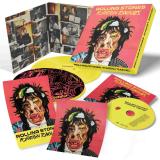
Foreign Tongues, das neue Studioalbum der Rolling Stones, umfasst 14 Songs und folgt weniger als drei Jahre nach dem vielfach ausgezeichneten Vorgänger Hackney Diamonds, der weltweit Spitzenpositionen in den Charts erreichte und mehrfach mit Platin ausgezeichnet wurde. Eingeleitet wird das Album von der beschwingten und eingängigen Lead-Single „In The Stars“. Foreign Tongues entstand innerhalb eines Monats in den Metropolis Studios in West-London, wo Mick Jagger, Keith Richards und Ronnie Wood erneut mit dem Grammy-prämierten Produzenten Andrew Watt zusammenarbeiteten. Das Ergebnis ist ein dynamisches, zeitgemäßes Album, das den charakteristischen Sound der Band aufgreift und zugleich neue klangliche und inhaltliche Akzente setzt.
Neben den zentralen Beiträgen von Jagger, Richards und Wood sind auch langjährige musikalische Wegbegleiter wie Darryl Jones, Matt Clifford und Steve Jordan auf dem Album vertreten. Darüber hinaus enthält das Album einen besonderen Beitrag von Charlie Watts, der während einer seiner letzten Aufnahmesessions vor seinem Tod im Jahr 2021 entstand. Ergänzt wird das Projekt durch Gastauftritte unter anderem von Steve Winwood, Paul McCartney, Robert Smith und Chad Smith.
,Enigma" ist das zweite Studioalbum von Kira Roessler (Black Flag, dos). Nach ihrem Solo-Debüt von 2021 baut das Album ihren minimalistischen, bassbetonten Sound weiter aus und verbindet karge Arrangements mit einer zurückhaltenden emotionalen Intensität. Co-produziert mit ihrem Bruder Paul (Screamers) und mit Backing-Vocals von Petra Haden entfaltet sich ,Enigma" mit einer ruhigen Präzision, die Kiras einzigartige Stimme und ihre kompositorische Zurückhaltung hervorhebt.
The second full-length album from Simon Herody - French born, Berlin based multi-instrumentalist and composer. Featuring the visual universe of Paul Waak.
Water from Mars retraces the imaginary odyssey of a near-future conquest of space - a sonic journey conceived as a soundtrack for the imagination. Blending acoustic and electronic instruments, Herody navigates between sci-fi jazz, left-field ambient dub, space lounge, and 4th world music, crafting a world where melancholy and forward-thinking curiosity coexist in weightless suspension.
Indulgent, textured, and uncompromising - for fans of glitchy synthesizer textures, cinematic atmospheres, and music that refuses easy categorization.
Die Genres ignorirenden Tropical Fuck Storm präsentieren eine Sonderedition ihres von der Kritik gefeierten Albums Fairyland Codex. Die Pressung von 2026 in Glacial Blue enthält ein großformatiges Poster mit einer Arbeit von Joe Becker. Aufgenommen mit Co-Produzent Michael Beach im Dodgy Brothers Studio der Band in Nagambie, Australien, lassen uns die Songs auf "Fairyland Codex" in das Chaos eines schicksalhaften Erdrutsches eintauchen und die Charaktere herauspicken, die den drohenden Zusammenbruch der Gesellschaft besudeln. Sauer, bissig, anarchisch: Tropical Fuck Storm beherrschen das Wortspiel, das durch knurrende Gitarren, pulsierende Rhythmen und explosive Salven unterstrichen wird, und bevölkern ein Hinterland zwischen Licht und Dunkelheit. Das stimmliche Zusammenspiel zwischen Liddiard und den hochfliegenden Harmonien von Kitschin und Dunn schafft einen schwankenden Balanceakt, der durch die verzweifelten Erzählungen, die sich aus ihrer kollektiven Psyche entwickeln, noch verstärkt wird. Tropical Fuck Storm entstand, als The Drones - die vorherige Band von Gitarrist und Sänger Gareth Liddiard und Bassistin und Sängerin Fiona Kitschin - 2016 in eine Pause ging. Zusammen mit der Gitarristin, Keyboarderin und Sängerin Erica Dunn und der Schlagzeugerin Lauren Hammel hat die Gruppe eine Reihe von der Kritik gefeierten Alben veröffentlicht und sich einen Ruf für ihre aufrüttelnden Live-Shows erworben. Glacial Blue farbenes Vinyl.
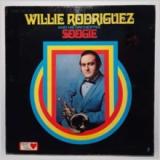
1969 salsa gem originally released on Mary Lou Records, one of the labels in the right place at the right time, just before Fania smashed almost all the competition. The album is mostly comprised of guaguancós, boleros, and improvised-space-filling descargas (jam sessions). We are now happy to reissue this rare and in-demand album after decades unavailable! It includes an insert with liner notes. "Soogie" (1969) was Willie Rodríguez's first album for Mary Lou Records. Mary Lou Records, at that time, was also one of the labels in the right place at the right time, just before Fania smashed almost all the competition. The album is mostly comprised of guaguancós, boleros, and improvised-space-filling descargas (jam sessions). This is remarkable, as it hardly includes boogaloo, which was still prevalent during those years, yet already on the way out. According to Bobby Marín, its musical director "we didn't call it salsa at the time; it had no name. It was mambo or música movida, they used to call it on the radio." The first tune, 'My Dog Soogie,' which provides the title for the recording, is a playful guaracha about a dog The following track is the wildly popular 'La Puerta del Dolor.' 'El Chivo' (the goat) is a spicy guaracha, which changes into a son montuno-guajira. 'Grande' is a guaguancó, followed by 'Los Callos de Dolores,' also a delightful guaguancó. Then comes the ballad 'Porque yo te Amo,' a monster hit of the sixties by popular Argentine singer Sandro. Next we have 'Al Compás del Güiro,' a guaguancó, with the delicious chorus that goes "cómo va, cómo va, cómo va, mi güiro cómo va." 'Paul's Thing' is an instrumental guaguancó, with engrossing sax solos. Finally, we have the smashing, extended descarga 'Salsa con Willie Rodríguez.' We are now happy to reissue this rare and in-demand 1969 salsa gem after decades unavailable!
Across landscapes of electronica, ambient textures and jazz improvisation, Be Quiet unfolds as an intimate, spatial set of recordings - built on proximity and contrast, where different cultures, disciplines and sonic identities meeting Moalvaer's unmistakable trumpet voice. The album is accompanied by a documentary film directed by celebrated Norwegian filmmaker Per Manning, capturing the process, environments and relationships behind the music, and informing the project's visual world. Be Quiet unfolds as Molvaer steps into each collaborator's space, responding in real time and shaping a body of work that remains fluid, intimate and constantly in motion.
Foreign Tongues, the new album from The Rolling Stones, is an incredibly vibrant 14-track collection arriving less than three years after the band’s universally acclaimed, GRAMMY-winning album Hackney Diamonds, which topped charts worldwide and achieved multi-platinum status. The new album is introduced by the upbeat and infectious lead single In The Stars.
Leading up to the announcement, the band subtly built anticipation around the project, including the limited white label release of the track Rough and Twisted, issued exclusively on vinyl under the name The Cockroaches. Circulating among fans and collectors, the release has already sparked excitement and speculation about the sound and direction of Foreign Tongues, offering an early glimpse into the album’s raw and experimental energy. Recorded during an exceptionally creative period, Foreign Tongues was brought to life in under a month at Metropolis Studios in West London, with Mick Jagger, Keith Richards and Ronnie Wood reuniting with GRAMMY-winning producer Andrew Watt, who also helmed Hackney Diamonds. The result is a dynamic and forward-looking record that captures the band’s unmistakable sound while venturing into new sonic and lyrical territory—further cementing their unmatched legacy.
The album showcases standout performances from Jagger, Richards and Wood, alongside their long-time collaborators, including Darryl Jones, Matt Clifford and Steve Jordan. It also features a special guest appearance from Charlie Watts, recorded during one of his final studio sessions before his passing in 2021. Additional contributions come from an impressive lineup of guest artists, including Steve Winwood, Paul McCartney, Robert Smith of The Cure, and Chad Smith from Red Hot Chili Peppers.
Speaking about the recording process, Mick Jagger said: “I love doing these recording sessions in London at Metropolis. It was a very intense few weeks recording Foreign Tongues. We had 14 great tracks, and we worked as quickly as we could. I like the room there because it’s not too big, so you can really feel the passion in the room from everyone.”
Keith Richards added: “The album Foreign Tongues has a connection to Hackney Diamonds, and it was great to be working in London again and to have that London vibe around us. It was a month of concentrated punch. For me, it’s all about the joy of it. I’m blessed to be able to do this—may it continue for a long time.”
Ronnie Wood commented: “The atmosphere in the room was so creative, and the whole band was in top form throughout the process. Very often, we nailed it on the first take. I hope everyone will love it.”
The album’s striking cover artwork is a painting created by the acclaimed American artist Nathaniel Mary Quinn
Ever since the late 1950s bossa-nova revolution, Brazil’s influence on French music has been undeniable. Pierre Barouh, Georges Moustaki and a vast array of lesser known artists, all made the Musica Popular Brasileira (MPB) an axis of promotion at the service of a cool and metaphysical, modern and mixed Brazilian lifestyle. Some were seduced by the poetic languors of the bossa, some were looking for fun, and others just loved the American hybridization of jazz-bossa, jazz-samba.
What is bossa nova? One of its creators, Joao Gilberto said: "Its style, cadence, everything is samba. At the very start, we didn't call it bossa nova, we sang a little samba made up of a single note - Samba de uma nota so .... The discussion around the origins of bossa nova is therefore useless”. It is nevertheless useful to remember that these magnificent Brazilian songs, which the guitarist describes as samba, were shifted and balanced around improbable chords. "I like things that lean, the in-betweens that limp with grace," said Pierre Barrouh, quoting Jean Cocteau.
With emotion, arrangements for violin and supple guitar licks, bossa nova rapidly changed. A transformation that can be heard in the Tchic, tchic, French Bossa Nova 1963-1974 compilation, the result of a cultural reappropriation, which traveled through the United States and supplemented itself in France.
A musical revolution that has remained significant, bossa nova was born in Rio. From 1956 to 1961, Brazil lived through its golden years. In five years, the country had invented its modernist style. Elected president in 1956, Juscelino Kubitschek de Oliveira, an elegant man with a broad forehead, brandished a promising slogan: "Fifty years of progress in five years". He quickly got to work. Not worried about increasing debt, he launched the project for a new federal capital, Brasilia, designed by the communist architect Oscar Niemeyer. Volkswagen opened state-of-the-art factories and created the “fusquinha”, the Beetle. In Rio, the Vespa made its first appearance. The Arpoador Surf Club crew run into the “girl” from Ipanema, Helô Pinheiro - the tanned garota ("chick"), between a flower and mermaid, who at 17 walked by the Veloso bar, where the fiery author and composer, Tom Jobim and Vinicius de Moraes, were getting drunk on whiskey. From then on, bossa symbolized cool.
In 1958, Joao Gilberto recorded Chega de Saudade, which the directors of Philips denied, calling it "music for fagots". The marketing director, who believed in it, secretly pressed 3000 78-inch vinyls and distributed them at schools around Rio, creating a tidal wave.
American jazzmen then took over. In particular, trumpeter Dizzy Gillespie and guitarist Charlie Byrd. In November 1962, the Brazilian Ministry of Foreign Affairs funded a "Bossa-Nova" concert at Carnegie Hall in New York, inviting the genre’s pioneers. Unprepared, the show soon turned to disaster. But the troupe was invited to the White House by Jackie Kennedy. The first lady loved "the new beat" and in particular Maria Ninguem, a song by Carlos Lyra, later covered by Brigitte Bardot.
In Brazil, the 1964 military coup quickly ended this euphoria. The destructive atmosphere that ensued pushed many Brazilian musicians to leave, if not to exile. Thus, Tom Jobim, Sergio Mendes and Joao Gilberto arrived to the United States. In New York, Joao Gilberto met saxophonist Stan Getz. At the time, he was married to the Bahianese Astrud Weinert Gilberto, who had a German father. She had never sung before, but she knew how to speak English. Getz therefore asked her to replace her husband on The Girl From Ipanema. The Getz/Gilberto record with Tom Jobim on piano, was released in March 1964. Phil Ramone, the "pope of pop" was in charge of sound.
Bossa nova arrived in Paris through the classic “guitar-voice” channel (Pierre Barouh, Baden Powell, Moustaki…) But France loved jazz and Paris had already welcomed its American contributors. All these good people were to pass through Saint-Germain-des-Prés. The cabaret l'Escale became the Mecca of Latin American sound where one could find Pierre Barrouh and his friends, such as the Camara Trio, samba-jazz aces, whose only record was published by the Saravah label. With a band strangely called Les Masques (a band that included Nicole Croisille and Pierre Vassiliu, among others), the Camara Trio recorded an interesting Brazilian Sound, including the track Il faut tenir which is present on this tasty compilation of rarities.
Other enlightened musicians can also be found on the compilation, such as Jean-Pierre Sabar (songwriter for Hardy, Auffray, Leforestier ...) and the French pop rock organist Balthazar. In 1975, Sabar recorded Aurinkoinen Musiikkimatka on a Finnish label, which featured the crazy Vai, Vai, included on this record. We are now following the footsteps of Brazilian electronic musicians such as Sergio Mendes, Eumir Deodato or Marcos Valle who created funk and disco sounds on their keyboards and synthesizers. A style that influenced Véronique Sanson when she wrote Jusqu’à la Tombée de la nuit in 1969 for Isabelle de Funès, the niece of Louis and a great friend of Michel Berger - Sanson did end up singing this track on her 1992 Sans Regret record.
The pinnacle of exoticism and travel, Sylvia Fels’ Corto Maltese includes bongos, sea mist and ocean sounds. The title was taken from Jacky Chalard’s concept album written in 1974, Je suis vivant, mais j’ai peur (I am alive, but I am scared), based on Gilbert Deflez’s science fiction novel.
However, bossa nova extended the scope of popularity. "In the 1970s, I was a fan of Sergio Mendes, Getz / Gilberto. I fell in love with this music that I knew because I had been an orchestral singer, " explained Isabelle Aubret, who in 1971 delivered a composite record of covers by the very funky Jorge Ben, Orfeu Negro, Tom Jobim, Vinicius de Morais and Jean Ferrat. "I recorded this album for Meys Records in Paris, far from Brazil, with wonderful musicians, François Raubert, Roland Vincent, Alain Goraguer...". The latter wrote the arrangements for Casa Forte, a very percussive title borrowed from Edu Lobo, one of the initiators of the bossa who spent time in California. "Jazz and bossa came together and produced very rhythmic music. I love singing, it allows me to dream, to have fun, to feel a high on stage, and these songs brought me joy, made me swing, my singing felt like a dance.”
The world tours of French singers and their desire for the tropics, often brought them to Rio with its hills, forests, caipirinhas and tanned bodies. There are surprises though, like this Iemenja (Iemenja is the goddess of the sea in the Afro-Brazilian candomblé religion). Not unlike the composer and musician Jean-Pierre Lang, based in Sao Paulo, Claire Chevalier taught Brazil to Brazil. In 1970, the singer and painter published a 45-inch vinyl, Mon mari et mes amants (My husband and my lovers), under the improbable pseudonym of Clarinha (little Claire). She was then living in Rio, with her husband, Joël Leibovitz, who founded a band called Azimuth, and who owned a record label specialized in "sambas enredos" songs for samba school parades.
For its B side, she asked Pierre Perret to come up with lyrics for a song composed by Carlos Imperial: "Oh goddess of the sea, o goddess Iemenja, I bring a white rose to adorn your long hair ..." . "Perret came to see us, and we had fun, remembers Joël Leibovitz. We wrote Lemenja for fun, we recorded it at the Havaí studio, behind the Central do Brasil the central station. Erlon Chaves, the arranger who worked with Elis Regina, joined us" adding his share of Afro-Brazilian percussions and funky brass to the mix.
There is a common misunderstanding in Franco-Brazilian history: that bossa, admittedly hedonistic, is perceived as funny, even though the poets who wrote the texts are often philosophizing on the human condition. Its French interpreters pull it towards a carnival inspired universe, far removed from its fundamental essence. Thus, Jean Constantin covered the famous Samba da minha terra, an ode to the art of samba written by the classic Bahian composer Dorival Caymmi, renaming it with the enticing title of Pas tant de tchi tchi pompon: "On your pier there is no tchi tchi / when you arch your back, you know everything is alright ”(lyrics by Gérard Calvi). This expedited bossa aims for the absurd, but retains a certain elegance.
Indeed, Jean Constantin was not an idiot, the rather large man had a huge mustache and liked fantasy, (Les pantoufles à papa, Le pacha, inspired by cha-cha-cha-cha, salsa and jazz) but he was also the lyricist of Mon manège à moi interpreted by Edith Piaf, the composer of Mon Truc en plume by Zizi Jeanmaire and the soundtrack of François Truffaut’s 400 Blows. Le Poulpe, published in 1970, from which this bossa is extract, was arranged by Jean-Claude Vannier, an accomplice of Serge Gainsbourg’s Melody Nelson. In short: "There is enough of samba / By looking at the parasol / Because my poor cabeza / Is going to die in the sun".
Even the American actress Marpessa Down, who was at the heart of the bossa nova revolution with her role as Euridyce in Marcel Camus’ film Orfeu Negro, winner of the 1959 Cannes Palme d'or, fed the clichée with Je voudrais parler au petit cuica - "Tell me how you manage to always make people want to dance / It's true, I must admit that I cannot resist your magic" - in consequence, once can hear the cuica, a little drum inherited from the Bantu.
But bossa nova had many angles. Societal, of course, pushing actresses who were symbols of women's liberation like Brigitte Bardot, Jeanne Moreau, or Sophia Loren to engage in the exercise of accelerated bossa. In February of 1963, Sophia Loren made a record in French in Rome, Je ne t'aime plus, featuring the song De jour en jour, a bossa written by two Italians, Armando Trovajoli and Tino Fornai, which was released a little later by Barclay. Bossa accompanied the 1960s, a decade of moral liberation. Ann Sorel, who interpreted La Poupée des favellas, caused a sensation with L’amour à plusieurs, a provocative song written by Frédéric Bottom and Jean-Claude Vannier. As for the actress Andrea Parisy, she displayed her bourgeois cheekiness in Marcel Carné's Les Tricheurs before interpreting Les mains qui font du bien. And Magalie Noël, the friend of Boris Vian, who sung Johnny fais-moi mal, was hired to sing Une énorme Samba, composed by Alain Goraguer (arranger to Gainsbourg, Bobby Lapointe and Jean Ferrat) with lyrics by Frédéric Botton.
But in the end, of what wood is bossa nova made of? The answer is given by Christianne Legrand, daughter of Raymond the conductor, and sister to Michel the composer: "With me, with jà" - jà means "immediately" in Portuguese. In 1972, the singer, an expert in vocal jazz and a member of the Double Six, published Le Brésil de Christianne Legrand. Two songs included on the Tchic Tchic compilation that demonstrate how bossa, jazz, funk, rock, etc. work like a swiss army knife: the music is used to denounce broken systems, or miracles, HLM et ciné roman, Cent mille poissons dans ton filet, two songs from the O Cafona soundtrack, a successful telenovela broadcast, at the time in black and white, on TV Globo. The first was adapted in French by the fighter and friend of the Legrand tribe, Agnès Varda. The second is content with a play on words, jostling them into a summer fun.
Véronique Mortaigne
out of Stock
Last delivered 3 months ago available to reorder, subject to availability
Kendra Morris' 2025er Brettspiel-Konzeptalbum ,Next" wurde schnell zum Fan-Favoriten, führte mehrere Jahresendlisten an und festigte seinen Platz als eine der kreativsten Albumkampagnen. Jetzt, sechs Monate nach der Veröffentlichung des Albums, freut sich Karma Chief, dir eine 45er-Single mit einem Fan-Favoriten vom Album und einem brandneuen Dub-Remix präsentieren zu können. ,Flat Tire", der Ankündigungs-Track des Albums, ist eine Hommage an den alten Reggae der 60er Jahre. Inspiriert von den Platten, die Kendras Eltern von ihren Reisen nach Jamaika mitbrachten, bietet der Song einen eingängigen, beschwingten Refrain, den du einfach nicht mehr aus dem Kopf bekommst. ,Flat Tire" wurde komplett mit Vintage-Equipment aufgenommen und über einen Tascam 388 abgemischt. Außerdem ist Ray Jacildo, der auch schon mit The Back Keys und Yola zusammengearbeitet hat, am Klavier und an der Orgel zu hören. Auf der B-Seite der 45er-Single ist ein Dub-Remix von ,Flat Tire" vom einzigartigen Paul Cherry zu finden. ,Sobald wir ,Flat Tire` aufgenommen hatten, waren Terry und ich uns sofort einig, dass es eine Art Dub-Remix geben sollte - der Song war wie dafür gemacht", sagt Kendra. Terry schlug Cherrys Namen vor und sie waren sich einig, dass er der Richtige für den Job war. Das Endergebnis spiegelt den klassischen Dub der späten 60er perfekt wider, indem es auf den Grundlagen des Songs aufbaut _ die Produktion weiter reduziert, den Hall verstärkt und an genau den richtigen Stellen Echos, Pausen und Delays hinzufügt.
out of Stock
Last delivered 3 months ago available to reorder, subject to availability
Foreign Tongues, das neue Studioalbum der Rolling Stones, umfasst 14 Songs und folgt weniger als drei Jahre nach dem vielfach ausgezeichneten Vorgänger Hackney Diamonds, der weltweit Spitzenpositionen in den Charts erreichte und mehrfach mit Platin ausgezeichnet wurde. Eingeleitet wird das Album von der beschwingten und eingängigen Lead-Single „In The Stars“. Foreign Tongues entstand innerhalb eines Monats in den Metropolis Studios in West-London, wo Mick Jagger, Keith Richards und Ronnie Wood erneut mit dem Grammy-prämierten Produzenten Andrew Watt zusammenarbeiteten. Das Ergebnis ist ein dynamisches, zeitgemäßes Album, das den charakteristischen Sound der Band aufgreift und zugleich neue klangliche und inhaltliche Akzente setzt.
Neben den zentralen Beiträgen von Jagger, Richards und Wood sind auch langjährige musikalische Wegbegleiter wie Darryl Jones, Matt Clifford und Steve Jordan auf dem Album vertreten. Darüber hinaus enthält das Album einen besonderen Beitrag von Charlie Watts, der während einer seiner letzten Aufnahmesessions vor seinem Tod im Jahr 2021 entstand. Ergänzt wird das Projekt durch Gastauftritte unter anderem von Steve Winwood, Paul McCartney, Robert Smith und Chad Smith.
out of Stock
Last delivered 3 months ago available to reorder, subject to availability
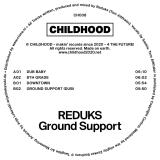
After a two-year pause, CHILDHOOD returns with a new 12", GROUND SUPPORT by REDUKS The release introduces REDUKS, a young Munich-based artist whose path crossed with Muallem through Blitz. What began as a working relationship quickly turned into a shared musical understanding. Despite the difference in generation, both are connected by a similar sensitivity: a deep respect for the past, an awareness of the present, and a clear instinct for what lies ahead. Sharing a studio, this connection naturally translated into music. REDUKS brings a rare combination of emotional intuition and technical precision -- a producer with a deep-rooted understanding of club music, yet unbound by formula. The result is a collection of four dub house cuts, each shaped for a different moment across the night. Timeless in character, the tracks lean into subtlety and function -- built for the dance floor, but never confined to it. This record also marks the beginning as the first release of an ongoing series.
out of Stock
Last delivered 76 days ago available to reorder, subject to availability
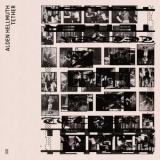
Mit Tether veröffentlicht die preisgekrönte Saxophonistin, Improvisatorin und Komponistin Alden Hellmuth ihr neues Album - der kraftvolle Nachfolger zu Good Intentions, das als Debut Album of the Year International beim Deutschen Jazzpreis ausgezeichnet wurde. Hellmuth, Absolventin des renommierten Herbie Hancock Institute, verbindet hier kompositorische Präzision mit einem markanten, modernen Bandsound. Das Herzstück von Tether ist ein seltenes Zwei-Bass-Quartett, getragen von zwei der radikalsten Musiker der LA-Szene: Logan Kane, ein genreübergreifender Bassist zwischen Jazz, Avantgarde und Punk-Funk, und Miller Wrenn, einer der furchtlosesten Improvisatoren der Westküste. An den Drums sorgt Justin Brown für energetische Dynamik - ein herausragender Musiker, der u. a. mit Ambrose Akinmusire, Christian McBride und Vijay Iyer gearbeitet hat. Besondere Gäste wie Paul Cornish, Finalist großer internationaler Klavierwettbewerbe und auf Blue Note veröffentlicht, sowie Yakiv Tsvietinskyi, eine prägende Stimme des modernen ukrainischen Jazz, erweitern den Klang zusätzlich. Tether ist ein energiegeladenes, modernes Jazzalbum, das Avantgarde-Mut, kompositorische Tiefe und unmittelbare Spielfreude vereint. Hellmuths Quartett erschafft eine kraftvolle, eigenständige Klangwelt zwischen Modern Jazz, zeitgenössischer Improvisation und experimentellen Low-End-Texturen.
out of Stock
Last delivered 3 months ago available to reorder, subject to availability
London Jazz Classics originally came out in 1993 - the first album ever to be released on Soul Jazz Records. The album brought together rare and obscure dance tracks in a unique mix of jazz dance and fusion, funk, Brazilian and Latin grooves.
The album was ironically titled - none of the music was from London, none of the music was traditionally classified as jazz, and all of the tracks were at the time practically unknown to most people. Instead these were tracks that were filling dancefloors in a nascent jazz dance scene in London being created by a small group of DJs – Paul Murphy, Gilles Peterson, Sylvester, Patrick Forge and a few others.
As demand for these rare groove jazz tracks grew, previously unknown records such as Alive!’s ‘Skindo Le Le’, Doug Richardson’s ‘Salsa Mama’, Carlos Franzetti’s ‘Cocoa Funk’ and Emilio Santiago’s ‘Bananeira’ became sort after and even-harder-to-find items with original copies going for £100s of pounds.
These tracks became part of the soundtrack to this jazz dance scene which has now spread across the world. This music paved the way for the arrival of many of the UK’s new wave of current artists such Shabaka Hutchings, Nubya Garcia and Ezra Collective who today offer a uniquely London sensibility of fusing jazz with wide-ranging cultural influences – everything from afrobeat to soul.
London Jazz Classics was the first album to bring this jazz dance music featured here to a wider audience. More than 30 years since its initial release Soul Jazz Records are releasing this new 2026 edition, bringing the music once more to a new generation of listeners.
out of Stock
Last delivered 3 months ago available to reorder, subject to availability
Double LP for the newskool Resist-Dance !!!
Bloody tunes bringing Insane Teknology or Protokick... in the meantime than discrete talents since ages like Piou... and new sounds...
Zeitgleich mit dem 40-jährigen Jubiläum der Band wurde Complete B Sides: 1988-97 von Pixies neu remastert und wird 25 Jahre nach seiner ursprünglichen CD-Veröffentlichung erneut herausgebracht. Das Album erscheint als Doppel-LP auf schwarzem Vinyl, als Doppel-LP auf klarem Vinyl sowie als Doppel-CD. Außerdem wird diese Veröffentlichung damit zum ersten Mal überhaupt auf Vinyl gepresst. Complete B Sides versammelt alle B-Seiten aus der klassischen 4AD-Ära der Band und enthält einige der besten "anderen" Songs der Pixies, darunter "Wave of Mutilation (UK Surf)", "Into The White" und "The Thing". Ursprünglich 2001 auf CD veröffentlicht, als sich die Band bereits seit fast einem Jahrzehnt in einer Pause befand, enthielt Complete B Sides: 1988-97 alle 19 Nicht-Single-Tracks aus der unglaublichen Reihe von Singles, die die Band zwischen 1988 und 1991 veröffentlichte. Zum Abschluss wurde die instrumentale Version von "Letter to Memphis" hinzugefügt, die zuvor nur auf der US-Version der Veröffentlichung der Alec Eiffel-Maxi-Single erschienen war. Da auf vier Vinylseiten Platz für mehr Musik vorhanden ist, enthält diese aktualisierte Version zusätzlich sechs Live-Tracks, die aus späteren Pixies-Veröffentlichungen stammen, darunter aus der 1997 erschienenen Neuauflage von Debaser. Für diese aktualisierte Edition wurden alle Titel von ihren ursprünglichen analogen Bändern von Kevin Vanbergen neu remastert. Das Ergebnis klingt erstaunlich frisch und vervollständigt zugleich seine umfangreiche Arbeit am gesamten Katalog der Band. Diese neue Vinyl-Edition fungiert außerdem als Begleitstück zur kürzlich erschienenen Compilation Live at the BBC. Designer Chris Bigg (v23) hat dafür ein eindrucksvolles neues Artwork geschaffen und dabei Fotos aus dem Archiv von Simon Larbalestier verwendet, die ursprünglich für die Pixies vorgesehen waren, später jedoch verworfen wurden. Beide arbeiteten seit vielen Jahren mit der Band zusammen und gestalteten beide Veröffentlichungen parallel, um an den verstorbenen visuellen Direktor der Band, Vaughan Oliver, zu erinnern und ihn zu ehren.
Im Februar 2026 erscheint zum zwanzigjährigen Jubiläum Hard to Love a Man" von Magnolia Electric Co. als erweiterte Edition und zum ersten Mal auf Vinyl. Diese Jubiläumsausgabe der ersten EP der Band enthält drei zusätzliche Tracks: remasterte Demos von 31 Seasons in the Minor Leagues" (zuvor unter dem Titel Tonight I'm So Down" bekannt) und Lonesome Valley", aufgenommen in den Echo Park Studios in Indiana während der Hard to Love a Man"-Sessions, sowie One Thin Dime", aufgenommen während der Black Ram"-Sessions in den Sound of Music Recording Studios in Richmond, Virginia. Working-Class-Rock" ist ein Begriff, der häufig zur Beschreibung von The Magnolia Electric Co. verwendet wurde. Kategorisch hatte sich die Band ihren Platz unter gleichgesinnten Ikonen wie Bob Seger, CCR, Tom Petty und Bruce Springsteen gesichert, doch es handelte sich nicht nur um eine ästhetische Beschreibung, sie untermauerten dies mit ihrer Arbeitsmoral. Im Jahr 2005 waren The Magnolia Electric Co. erstaunlicherweise acht Monate unterwegs. Diese Tatsache wurde den Bandmitgliedern selbst am deutlichsten bewusst, da sie so lange von ihrem Zuhause und ihren Liebsten getrennt waren. Daher die Bedeutung des Titeltracks. Wenn Jason Molina die Perspektive der Person einnimmt, die er zurückgelassen hat, und in Hard To Love A Man" singt: "It was hard to love a man like you / Goodbye was half the words you knew / While you were waiting for me not to call / I sent my love", dann wird die Einsamkeit und Schuld der Trennung schmerzlich deutlich. Jennie Benfords verletzliche Stimme, gepaart mit Jason Groths fließender Gitarre und Mike Kapinus' klagender Orgel, unterstreicht dieses Gefühl eindrucksvoll, unterlegt vom charakteristischen, präzisen und geschmackvollen Rhythmusfundament von Mark Rice und Pete Schreiner, während Nicole Evans eine neue, dynamische Stimme hinzufügt. Hard To Love A Man" und der Live-Favorit Werewolves Of London" wurden mit Steve Albini in seinen Electrical Audio Studios aufgenommen, die übrigen Tracks entstanden während eines kurzen fünftägigen Heimaufenthalts in Indiana bei Echo Park Studios mit Paul Mahern, dessen Engineering-Resume schon damals Projekte wie The Blake Babies, Lisa Germano und John Mellencamp umfasst. Während die Magnolien weiter wuchsen und erblühten, ließ Jason Molina die Insassen das Irrenhaus regieren.
Paul Anka (born 1941) was one of pop music’s brightest early stars, celebrated for his smooth voice, heartfelt songwriting, and teen idol charisma. With hits like “Diana,” “Lonely Boy,” and “Put Your Head on My Shoulder,” he defined the sound of late-1950s and early-1960s pop. Blending romantic ballads with upbeat rock ’n’ roll, he captured the spirit of a generation and became an international sensation. His timeless melodies and enduring appeal helped shape the golden age of pop and continue to resonate with listeners around the world.
Factory Benelux presents a blue vinyl edition of Short Stories for Pauline, the ‘lost’ fourth album by cult Manchester group The Durutti Column. Limited to just 500 copies, this edition also features a new cover image by photographer Mark Warner.
Originally recorded by Vini Reilly in Brussels in November 1983, the 14 track album features several key Durutti works including College, A Room in Southport and (best of all) Duet. Recorded with Tuxedomoon viola player Blaine L. Reininger, this poignant instrumental proved - ironically – to be the downfall of the album, after Factory founder (and Durutti manager) Tony Wilson insisted that Duet form the basis of an entire neo-classical album. Thus Duet became Without Mercy in 1984, and Short Stories for Pauline was shelved.
Other guest musicians on the album include drummer Alain Lefebvre, harpist Anne van den Troost and sax player Eric Sleichim.
The twin trombone frontline is an esoteric but noble tradition in jazz, harking back to the famed 1950s recordings of Kai Windings and JJ Johnson. While respecting the tradition, the internationally renowned trombonists Paul Dunlea (from Cork) and Trevor Mires (from London) are not traditionalists, and their collaborative project Silfra showcases their thoroughly contemporary skills as composers and arrangers to create a fascinatingly diverse set of trombone led music.
Zuerst das Wichtigste: Ja, Your Day Will Come an, das zweite Album von Chanel Beads trägt denselben Namen wie sein Debüt aus dem Jahr 2024. Aber es handelt sich um ein völlig neues Werk, nicht um einen zweiten Teil oder eine Neuauflage. Der Titel des neuen Albums ist derselbe wie der des Vorgängers - eine perfekte Zusammenfassung der Zweideutigkeit von Chanel Beads: zu gleichen Teilen ein augenzwinkernder Scherz und eine zutiefst ernste Aussage. Während sich die Songs entwickelten, entdeckte Lavers, dass der Satz eine tiefere Nuance hatte und eine Spannung zwischen Gewissheit und Zweifel hervorrief, die seine Psyche beschäftigte. Wird dein Tag kommen? Wie wird er sein? Wie kannst du dir sicher sein? Während er das Album schrieb, hatten Lavers' Gedanken mehr Raum, um in seinem Kopf herumzuschwirren und sich zu verdrehen, und er fühlte sich oft abgestumpft von einer Welt, die sich absurd grausam anfühlen kann. Die zweite Inkarnation von Your Day Will Come dokumentiert eine klangliche Verschiebung und Weiterentwicklung des Chanel-Beads-Sounds. Dieses Mal ist alles stärker geschichtet, mit mehr eigenständigen Parts und Mitwirkenden. Es entstand in seinem kleinen, spärlich eingerichteten Studio in Brooklyn, wo die Lautsprecher so nah an seinem Gesicht standen, dass er bei jedem Schlag der Bassdrum die Luftwelle spüren konnte. Geiger Zachary Paul tritt präsenter in Erscheinung, während Lavers weiterhin mit der semiotischen Bedeutung von Plug-ins spielt. Auch die ätherische Stimme von Maya McGrory ist erneut auf dem Album zu hören; sie schrieb zudem am majestätischen ,Silver Cup" mit. Die 14 Songs sind ausgearbeiteter und strukturierter - Ergebnis eines kollaborativeren Ansatzes, der Spontaneität und Unvollkommenheit bewusst zulässt. Er folgt der Devise "Wenn es funktioniert, lass es so", nimmt einfach mit dem Mikrofon auf, das gerade zur Hand ist, und baut den Song auf dieser Aufnahme auf. Aus lockeren Treffen ergaben sich Beiträge von Freund*innen wie Tchad Cousins (Urika's Bedroom), Mari Maurice (More Eaze), Anastasia Coope und Bella Litsa. "Dust in the Wind" entstand gemeinsam mit Isaac Eiger von Strange Ranger und Threshold und markiert die erste Co-Autorenschaft außerhalb des Kerntrios aus Lavers, McGrory und Paul. Lavers' fragmentierte Texte sind voller offener Fragen. Er war besonders von der Koexistenz von Nihilismus und Liebe eingenommen und sagte: "Es fühlt sich an, als müsste das eine das andere auslöschen, aber das tut es nicht." Emotionale Sublimierung steht im Mittelpunkt von Chanel Beads, als könne man etwas so fest umklammern, dass es transzendent wird. Your Day Will Come nutzt Traumlogik, um sich mit Liminalität und prekären Erinnerungen auseinanderzusetzen. Es ist geprägt von den Schatten bestimmter Verluste, aber auch davon, wie man sich selbst heimsuchen kann, indem man in alte Gewohnheiten zurückfällt.
Zuerst das Wichtigste: Ja, Your Day Will Come an, das zweite Album von Chanel Beads trägt denselben Namen wie sein Debüt aus dem Jahr 2024. Aber es handelt sich um ein völlig neues Werk, nicht um einen zweiten Teil oder eine Neuauflage. Der Titel des neuen Albums ist derselbe wie der des Vorgängers - eine perfekte Zusammenfassung der Zweideutigkeit von Chanel Beads: zu gleichen Teilen ein augenzwinkernder Scherz und eine zutiefst ernste Aussage. Während sich die Songs entwickelten, entdeckte Lavers, dass der Satz eine tiefere Nuance hatte und eine Spannung zwischen Gewissheit und Zweifel hervorrief, die seine Psyche beschäftigte. Wird dein Tag kommen? Wie wird er sein? Wie kannst du dir sicher sein? Während er das Album schrieb, hatten Lavers' Gedanken mehr Raum, um in seinem Kopf herumzuschwirren und sich zu verdrehen, und er fühlte sich oft abgestumpft von einer Welt, die sich absurd grausam anfühlen kann. Die zweite Inkarnation von Your Day Will Come dokumentiert eine klangliche Verschiebung und Weiterentwicklung des Chanel-Beads-Sounds. Dieses Mal ist alles stärker geschichtet, mit mehr eigenständigen Parts und Mitwirkenden. Es entstand in seinem kleinen, spärlich eingerichteten Studio in Brooklyn, wo die Lautsprecher so nah an seinem Gesicht standen, dass er bei jedem Schlag der Bassdrum die Luftwelle spüren konnte. Geiger Zachary Paul tritt präsenter in Erscheinung, während Lavers weiterhin mit der semiotischen Bedeutung von Plug-ins spielt. Auch die ätherische Stimme von Maya McGrory ist erneut auf dem Album zu hören; sie schrieb zudem am majestätischen ,Silver Cup" mit. Die 14 Songs sind ausgearbeiteter und strukturierter - Ergebnis eines kollaborativeren Ansatzes, der Spontaneität und Unvollkommenheit bewusst zulässt. Er folgt der Devise "Wenn es funktioniert, lass es so", nimmt einfach mit dem Mikrofon auf, das gerade zur Hand ist, und baut den Song auf dieser Aufnahme auf. Aus lockeren Treffen ergaben sich Beiträge von Freund*innen wie Tchad Cousins (Urika's Bedroom), Mari Maurice (More Eaze), Anastasia Coope und Bella Litsa. "Dust in the Wind" entstand gemeinsam mit Isaac Eiger von Strange Ranger und Threshold und markiert die erste Co-Autorenschaft außerhalb des Kerntrios aus Lavers, McGrory und Paul. Lavers' fragmentierte Texte sind voller offener Fragen. Er war besonders von der Koexistenz von Nihilismus und Liebe eingenommen und sagte: "Es fühlt sich an, als müsste das eine das andere auslöschen, aber das tut es nicht." Emotionale Sublimierung steht im Mittelpunkt von Chanel Beads, als könne man etwas so fest umklammern, dass es transzendent wird. Your Day Will Come nutzt Traumlogik, um sich mit Liminalität und prekären Erinnerungen auseinanderzusetzen. Es ist geprägt von den Schatten bestimmter Verluste, aber auch davon, wie man sich selbst heimsuchen kann, indem man in alte Gewohnheiten zurückfällt.
Originally conceived as a massive multi-band, multi-volume covers project, this album saw Streetlight tackle eleven songs that influenced Kalnoky’s musical development. The tracklist is a genuinely eclectic mix, ranging from Radiohead and Bad Religion to Paul Simon and a 1950s Louis Jordan number. Rather than simple recreations, the band fully transforms each song through their own lens, making the covers feel like natural extensions of their catalog. Only one volume was ever released, leaving the larger 99-song concept permanently unfinished.
Chad R. Matheny veröffentlicht seit 1998 exzentrische, textlich dichte Underground-Popmusik, oft unter dem Namen Emperor X. Nach seinem Studium der Physik, Philosophie und Musikkomposition legte Matheny eine Pause von der akademischen Arbeit ein und verbrachte einen Großteil der letzten zwei Jahrzehnte damit, die Welt mit Bussen und Hochgeschwindigkeitszügen zu durchqueren, um an Orten Musik zu machen, die von einem kleinen, aber vollbesetzten Konzertsaal in Portugal über eine leere Messehalle im Norden des Libanon bis hin zu buchstäblich unterirdischen Metal-Bars in der ganzen Ukraine reichten. Er tourt oft allein mit Gitarre und Synthesizer, teilt sich aber manchmal die Bühne mit Weggefährten wie Ratboys, The Hotelier, The World is a Beautiful Place and I Am No Longer Afraid to Die, Foxing, AJJ, The Front Bottoms und Xiu Xiu. Er produzierte das neue Brian-Sella-Album ,Well I Mean", war Co-Produzent des Sub-Pop-Albums ,Bits" der Jangle-Punk-Legenden Oxford Collapse zusammen mit Eric Topalski von Don Caballero und Storm & Stress und komponierte Videoundermusik für gemeinnützige Organisationen wie Planned Parenthood und SEIU. In den Jahren 2011 und 2012 wurde Mathenys Ambient-Werk ,Keeling Curve" in einer Multimedia-Installation des Fotografen Joel Sternfeld verwendet, die im Rahmen einer Retrospektive im Museum Folkwang zu sehen war.
Newly signed to indie heavyweights Heist or Hit (Westside Cowboy, Her’s) EP two: ‘Marionette’ has been produced by Daniel Fox (Sprints, Melts, Psychotic Monks, Naked Lungs, Nerves, Ronan Group) and it’s set to be seminal. A set text for future musicians with aspirations of innovation. “The theme of the marionette is present throughout each song, involving some aspect of a power struggle and a lack of control within oneself.” Opener ‘Chocolate’ bounces in on a synth line as slippery and hyperactive as anything Aphex Twin ever cooked up. Crispy offbeat electronic cymbals play counterpoint to atonal guitars and pugilistic drumming before the track dry-wretches its way into a nauseating cacophony of euphoria. It’s a tale of crippling social anxiety and a preference for an unflattering, lonely reality. The muted guitar pluck in the intro to ‘Crows’ is the sonic equivalent of biting one’s nails. An anxious, involuntary tic that speaks to the theme of guilt, especially surrounding digital culture: “children can watch what they please, just with viewer discretion.” The track lurches between textures, weaving themselves in and out of focus. Guitars blare like sirens, interrupting paranoid urban centres at 2am, while the bass sounds like the inside of an insomniac’s head on day four of a REM drought.
The metallic intent of ‘Discipline’ squats on the chest as though Steve Albini is your sleep paralysis demon. The pain of accountability spews from the industrial regularity of the beat, apt to the narrative of a soldier coming to terms with the lies that made him commit atrocious, violent acts. EP closer ‘Servant’ starts like a Spectrum loading screen. Dial-up modem-coded, it pauses for moments of white-noise-vomit and existential bloops. Fitting for a more abstract take on the idea of the power struggle filtered through religious imagery and self-awareness of one’s own actions, coupled with an inability to exert control over them. The band pile on the textures with sadistic glee until the evil is exorcized and the modem melts. Connection severed. Across the EP, vocalist Joseph has a tendency to hyper-fixate on themes of control and unhappiness. Creating rooms in which doom and isolation ricochet. Not that it’s all bad news “we like to think that by shedding light on the negative, it commands a sense of hope.” Influenced as much by the liminal-space horror and uncanny dread of Silent Hill as the existentialist theatre of The Twilight Zone or the absurdity of Twin Peaks, they occupy a space between unease and impulse. Makeshift Art Bar are not a band interested in being liked. They’re a band interested in being necessary. There’s so much eating and drinking in their work that multiple listens simply don’t satisfy; something new reveals itself on each return visit. Audacious. Idiosyncratic. Vital. A young band carrying identity, defiance and an uncompromising vision as if it isn’t a rare cargo.