Shine On Brightly is the second studio album by English rock band Procol Harum. The title of the epic "In Held 'Twas in I" is an acrostic, taking the first word from the first movement as well as the first word from a verse later in the movement as well as the first word from each of the three successive movements as shown in the track listing.
The second album by F.K. Raeithel, just after the operetta DIE WURLITZERORGEL DES GEISTES, explores the realms of interlocked rhythm sample and hold music. On 16 tracks different setups of self generating modular synthesizer patches are gathered on this release.
The concept of Dance With Uncertainty is deeply rooted in philosophical, artistic, and cultural traditions. The notion of embracing uncertainty and change has been explored in various forms throughout history, often symbolizing the human experience and the impermanence of life. In the context of music and sound, Dance With Uncertainty could be seen as a reflection of the constant ebb and flow of life‘s uncertainties, captured and conveyed through sonic textures and evolving compositions.
Interlocked Rhythm Sample & Hold Music, this approach to sound creation weaves a mesmerizing tapestry of rhythm, texture, and sonic exploration, captivating listeners and defying traditional musical boundaries. At its core, Interlocked Rhythm Sample & Hold Music is a synthesis of technology, creativity, and a deep understanding of rhythmic intricacies. The foundation lies in the Sample & Hold circuit, a device that captures and freezes incoming voltages, creating distinct musical snapshots that evolve over time or an Linear Feedback Shift Register (eg. Rungler), a circuit used in electronic music synthesis and sound manipulation to create unique and evolving musical textures. The Rungler was created by Rob Hordijk. A more sophisticated use of a 8 bit shift register and by combining this with a typical sequencer design is the Klee Sequencer developed by Scott Stites. A cheap version of this design is the Turing Machine. Another tool is the Analog Shift Register. In the context of creating arabesque melodies, an analog shift register (invented by Fukushi Kawakami and later adapted by Serge Tcherepnin) can be a fascinating tool to generate intricate and ornamented musical patterns. Yet, it‘s the interlocking of these snapshots that sets this genre apart, infusing the compositions with an intricate dance of patterns and pulses. A fourth device is a pendulum or random addressed sequencer, that in the first case moves in a drunken unpredictable manner. Each of these devices for uncertainty becomes a rhythmic sculptor, freezing the dynamic interplay of melodies, beats, and textures. These frozen moments are then interwoven, each snapshot forming a unique thread in a sound tableau that stretches and contracts, pulses and breathes. The result is an auditory experience that challenges preconceptions of rhythm and structure. The interlocked rhythms give rise to complex grooves that ebb and flow in unpredictable ways, evoking a sense of perpetual motion and transformation. The music becomes a living organism, its heartbeats synchronized yet untamed, its evolution both deliberate and free-spirited. The juxtaposition of staccato bursts and fluid flows, of machine-like precision and organic unpredictability. As listeners delve into the world of Interlocked Rhythmic Sample & Hold Music, they embark on a sonic odyssey. The music becomes a companion, guiding them through a labyrinth of rhythmic landscapes that simultaneously challenge and invite them to the dance with uncertainty.
Fela definiert geistige Blindheit als eine Person, die mit weit geöffneten Augen die Richtung verliert und sich im Kreis dreht, ohne je an ihr Ziel zu gelangen. Die Ikoyi-Blindheit bezieht sich auf die nigerianische Elite, die falsche Berufe wählt, weil sie damit eher sozialen Status als berufliche Befriedigung erlangen. Sie üben nicht nur die falschen Berufe aus, sondern sind auch blind für das Leid ihrer Landsleute, die in Ghettos wie Mushin, Ajegunle, Somolu, Maroko und sogar Kalakuta leben. Als Beispiel nennt er den Anwalt, der statt eines Buches den Hammer als Werkzeug wählt, oder den Musiker, der den Schraubenschlüssel als Werkzeug wählt. Fela sagt, dass es für solche Menschen noch Hoffnung gibt, wenn sie ihre Denkweise an ihre Umgebung anpassen. '…them miss road! Them find road again oh!'. Jene sozialen Aufsteiger, die den Status quo und die Tatsache, dass sie in die Fußstapfen der ehemaligen Kolonialverwalter getreten sind, als Zeichen ihres sozialen Aufstiegs sehen. Sie vergessen, dass die Mehrheit ihres Volkes immer noch in den Ghettos kämpft. Diese Menschen müssen erkennen, dass es ihnen schlechter geht als einem Blinden, der am Ufer eines Flusses lebt. Sie werden fallen: "shallow" into more 'Ikoyi mental' Blindness.
Gba Mi Leti Ki N'Dolowo (Schlag mich, damit ich Geld bekomme): Das Jahr 1974 war ein Wendepunkt für das Justizsystem, das sich die Durchsetzung des Rechts auf die Fahnen geschrieben hatte. Vor allem in einem Land, in dem die Reichen die Armen ungestraft ausbeuteten. Eine Reihe von Prozessen, an denen Menschen aus den unteren Schichten der Gesellschaft gegen die Oberschicht und einflussreiche Männer beteiligt waren, führte dazu, dass die Reichen ihren armen Anklägern hohe Entschädigungssummen zahlen mussten. Fela sang darüber und betonte, dass man niemanden ausnutzen und damit davonkommen kann. Wenn du mich schlägst, bekomme ich Geld. Solange ich mich selbst respektiere, werde ich meine Grenzen nicht überschreiten - wenn du mich schlägst, wirst du bezahlen.
Ikoyi Blindness war im Box Set #5 enthalten, das von Chris Martin und Femi Kuti kuratiert wurde. Das Album wurde auf weißem Vinyl neu gepresst und ist untergebracht in einer bedruckten Innen- und single sleeve Außenhülle.
In O.D.O.O. singt Fela über die Auswirkungen der militärischen Machtübernahme und die Zerstörung der jungen afrikanischen Demokratien seit der Unabhängigkeit - insbesondere der jungen Demokratien, die nach langen Auseinandersetzungen und manchmal sogar Kriegen mit den Kolonialmächten ihre Unabhängigkeit erkämpft und gewonnen haben. Er sagte, dass Putschisten, wenn sie an die Macht kommen, Namen annehmen wie: Nigerianischer Oberster Militärrat, Ghanaischer Erlösungsrat, Libyscher Revolutionär usw. In den meisten Fällen wurden die Putschversuche von den ehemaligen Kolonialmächten geplant und finanziert. Für diejenigen, die sich dessen nicht bewusst sind, schafft die Präsenz des Militärs auf der politischen Bühne die Illusion einer friedlichen "demokratischen" Partizipation und einer funktionierenden Regierung. Zumal der größte Teil der täglichen Regierungsarbeit von Zivilisten geleistet wird, die den Militärchefs unterstehen. Für Fela besteht die Aufgabe der Streitkräfte unter normalen Umständen darin, die zivile Regierung zu verteidigen und zu unterstützen, und nicht darin, sie zu stürzen oder die Aufgaben eines Regierungszweiges an sich zu reißen, weil sie kein politisches Mandat haben. Das Gegenteil zu tun - das bedeutet "überholen". Jede Vorstellung von einem wohlhabenden und friedlichen Land, in dem das Militär an der Spitze der Macht steht, ist eine Illusion.
Die anhaltenden Skandale und die Korruption auf höchster Ebene, die alle Regime seit der Unabhängigkeit kennzeichnen, tragen dazu bei, Felas Desillusionierung und sein Misstrauen gegenüber dem Militär ins rechte Licht zu rücken. Er weist auf die Zweideutigkeit hin, daß die Verfassungen der neuen unabhängigen afrikanischen Nationen an die Verfassungen der scheidenden Kolonialherren angelehnt sind. Identifiziert das als Ursache der Probleme. In seiner sarkastischen Art bezeichnet Fela das, was in Afrika als Regierung durchgeht, als: '…soldier go! Soldier come!' Damit meint er, dass die Institution, die die militärische Struktur geschaffen hat, die Armee absichtlich dorthin gebracht hat, um ihr koloniales Werk fortzusetzen. Um die Not der Afrikaner unter einer solchen Diktatur deutlich zu machen, führt Fela eine Liste von Liedern an, die er geschrieben hat und in denen er die Ungerechtigkeiten des Systems kritisiert: Kalakuta Show! Mr. Follow-Follow! Zombie! Shuffering und Shmiling! Leider sind es die armen Massen, die am meisten unter der Misswirtschaft und Korruption der Regierung leiden. Von klein auf müssen afrikanische Kinder lernen, wie man in einem System überlebt, in dem man nicht weiß, woher die nächste Mahlzeit kommt - keine soziale Sicherheit, keine Bildung etc.
Trotz all dieser Rückschläge versuchen die Afrikaner weiterhin, ihre Kinder zu erziehen. Die Kinder wachsen auf, nehmen feste Jobs an, um ihr Leben zu verbessern, sparen hier und dort, um zu überleben. Letzten Endes jedoch machen die Ereignisse der Misswirtschaft verschiedener Verwaltungen alle Opfer und Abstriche, die der Einzelne zur Verbesserung seines Lebens macht, nutzlos.
O.D.O.O. war im Box Set #5 enthalten, das von Chris Martin und Femi Kuti kuratiert wurde. Das Album wurde auf grünem, transparentem Vinyl neu gepresst und mit einem bedruckten Inlay versehen in einer single sleeve Außenhülle.
Acoustic Sounds and Contemporary Records present this new reissue of Art Pepper’s 1960 album “Smack Up”. Recorded by legendary engineer Roy DuNann the album also features Jack Sheldon (trumpet), Pete Jolly (piano), Jimmy Bond (bass), and Frank Butler (drums). This new edition is pressed on 180-gram vinyl pressed at QRP with (AAA) lacquers cut from the original tapes by Bernie Grundman and is presented in a tip-on jacket.
Joyce Harris was born in Kentucky in 1939 and moved to New Orleans with her family when she was 13 years old. Harris learned to play guitar, write songs and was soon performing duets with her younger sister Judy. They released three singles – ‘He’s The One’ / ‘Hey Pretty Baby’, ‘Washboard Sam’ / ‘Nursery Rock (Beedle De Bop)’ and ‘Hey Little Baby’/ ‘Rock And Roll Kittens’ – as Judy and Joyce in 1958. When her sister got married, Harris spent a year singing in restaurants in Mexico and a first solo single ‘It’s You’ / ‘The Boy In School’ was released on New York’s U.T. Records at the end of 1959. A talent spotter saw her in Mexico and was impressed enough to secure her an audition with the Austin, Texas-based Domino label. Harris was soon in the studio with Tommy Kaspar and Don Burch of Domino’s vocal quartet, the Slades, to record ‘I Cheated’ / ‘Do You Know What It’s Like To Be Lonesome?’ (R-903) in October 1960. ‘No Way Out’ / ‘Dreamer’ (R-905) followed in January 1961 and sold strongly enough to be licensed to Infinity Records. On 7 April 1961, Harris performed ‘No Way Out’ live on TV on American Bandstand. Three more singles would be issued on different labels between 1963 and 1966.
Harris’ cover version of ‘I Got My Mojo Working’ – backed by Sonny Rhodes’ group the Daylighters –was recorded at the ‘No Way Out’ session and remained unissued until Ace put it out on our “The Domino Records Story” in 1997 (CDCHD 506). With renewed interest in Harris we are delighted to pair this ‘Trailer’ version of ‘I Got My Mojo Working’ with ‘No Way Out’ as a 7” single.
Watch Out! Here comes the third strike from Bremen's noise post-punkers. Bulky here, catchy there... and then another weird surprise comes around the corner and smashes into your ear canals...11 tracks & the record spins at 45 RPM! Defekt Defekt are a UK/DE trio that play music influenced by early 80s british punk rock or post punk. They have released 3 LPs and have toured the U.K., France, Belgium ,Holland and Germany. They have been requested (by the bands) as a supporting act for Jello biafra a.t.g.s.m, Slime, The Briefs and the Subhumans. Band members have played in many other bands as founder members or stand in players including The Smart Pils , Zygote ,The Moorat Fingers ,Chung ,Cross Stitched Eyes,M.O.T.O and The Sonny Vincent band and various other acts aswell as working with members of The Circle jerks,Hawkwind,Amebix, and various others.
Seine Remixe klassischer Werke aus dem Album "Timeless" wurden von der französischen Tageszeitung "Libération" als "die Zukunft der Klassik" gefeiert. Nun präsentiert der Produzent William Rezé aka Thylacine auf seinem Album "Thylacine (And 74 Musicians)" elf neue Stücke zwischen klassischer und elektronischer Musik, die er zusammen mit großem Orchester und klassischen Gastmusikern aufgenommen hat. Für seine elektronisch-orchestralen Klanglandschaften ließ er sich von klassischen Komponisten wie Albéniz, Mozart oder Vivaldi inspirieren, vertont aber auch die beiden eigenen Stücke "Polar" und "War Dance" völlig neu. Unterstützt wird er dabei von der Arrangeurin und Dirigentin Uèle Lamore, dem Orchestre National des Pays de la Loire, den Maîtrise des Pays de la Loire (einem Kinder- und Jugendchorprojekt), dem Gitarren-Star Thibault Cauvin und Geiger Luka Faulisi. Aufgenommen wurde das Album im Théâtre du Quai in Angers (Frankreich).
Im Juni 2023 wurde "Street Fighter 6" veröffentlicht und bricht seitdem Verkaufsrekorde. Nun erscheint der Hip-Hop geladene Soundtrack von Yoshiya Terayama und CAP-JAMS mit Beiträgen von Künstlern wie GRP, Shigeyuki Kameda, Daniel K. Solovitz, Chris B. Harris, Yasumasa Kitagawa, The Sound Room, Haruki Yamada und Katsuhisa Asari bei Sony Masterworks. Tauchen Sie mit diesem Sammlerstück in die Welt des Fighting Ground ein und lassen Sie sich von der musikalischen Energie von "Street Fighter 6" verzaubern! Die limitierte 4 LP-Box enthält ein 28-seitiges Art Book, eine Slipmat und ein Stickersheet.
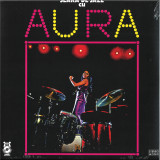
With this legendary LP, "Jazz Evening with Aura," whose first edition was released in February 1974, Electrecord inaugurates the series of reissues of essential albums in romanian music on vinyl, audio cassette, and CD formats. In the exact 50 years since its release, this album by Aura Urziceanu – accompanied, during the two afternoons of the recordings, by the Bucharest Septet, a group of formidable instrumentalists – has become an object of veneration for many generations of music enthusiasts in both Romania and abroad. "Jazz Evening with Aura" defines the local jazz sound of the mid '70s – intense, playful, tender, versatile, and accomplished – placed within a framework that the late Aurel Gherghel inspired called, in the text on the back cover of the 1974 LP, "a jazz of romanian inspiration and atmosphere."
out of Stock
Last delivered 2 years ago available to reorder, subject to availability
Reissued on vinyl for the first time since its original release in 2005
Fresh off of his breakthrough success producing for underground acts like Little Brother as well as mainstream leaders like Jay-Z and Destiny's Child, North Carolina's hottest producer 9th Wonder cemented his name as a force in hip hop in 2005 with this collaborative LP with Buckshot of Black Moon.
Godzilla returns once more to face the combined might of Japan's most extraordinary scientists in the second picture of the Millennium-era: GODZILLA VS. MEGAGUIRUS. Looking for new ways to defeat the Big G, the JSDF invent an incredible new weapon called Dimension Tide, which creates a miniature black hole that will transport Godzilla far away from Earth. However, a byproduct of weapon testing leads to thousands of winged insects invading Tokyo and attacking Godzilla. The Big G fights back, but their new queen appears, now kaiju-sized due to Godzilla's atomic breath. A thrilling battle then occurs as Godzilla goes head-to-head with Megaguirus while the JSDF frantically works to disappear both monsters forever.
GODZILLA VS. MEGAGUIRUS saw the introduction of composer Michiru Oshima into the franchise with a fantastic score that built on previous Toho musical traditions with a view to the future. While using music composed by the great Akira Ifukube for two sequences, Oshima also unveiled her own theme for Godzilla. First heard in a slow and foreboding mode, it's quickly unleashed in gigantic low tones, as terrifying and inevitable as the Big G himself. Soaring heroic material represents the JSDF and their advanced Griffon aircraft, while powerful brass is used for the threat of Megaguirus. Cementing Oshima's reputation as a great composer, GODZILLA VS. MEGAGUIRUS is a classic of kaiju musical mayhem. - Charlie Brigden
Composed by Michiru Oshima
Artwork by Attack Peter
Manufactured in Czech Republic
As the developers at Relic Entertainment busily crafted the grand space strategy of 1999’s Homeworld, series composer Paul Ruskay was left largely to his own devices in crafting the now iconic score. He took diverse inspiration from Vangelis’ score for Blade Runner, Brian Eno, the sampling of traditional instruments from all over the globe by Algerian DJ Cheb i Sabbah, and ambient electronica duo Delirium. Homeworld’s score was born of limitations thanks to Ruskay’s “primitive setup” of synthesiser, sampler and sequencer — at the time his Studio X Labs were being built around him — and this forced him to produce instinctive, live mixes.
During the Homeworld Remastered Collection restoration process, Ruskay dug out the original music DAT tapes out of a shoe box, dusted off decade-old Pro Tool Studio sessions, and had uncompressed versions made of all tracks. Subtle, faithful musical elements were added to help widen the mixes of the first Homeworld, before it was then mindfully remixed and sequenced.
Nach einer zehnjährigen Pause gibt die schwedische Country-Band Bourbon Boys stolz bekannt, dass ihr brandneues Album "Forever Rebels" am 23. Februar auf Faravid Recordings erscheinen wird. "Forever Rebels" ist das dritte Album in der Diskografie der Band, dem die Alben "Shotguns, Trucks & Cattle" (2013) und "Hail to the Chief" (2013) vorausgehen. Die Band wurde bereits mit zwei schwedischen Gold Awards ausgezeichnet; für die Singles "Hillbilly Heart" (Shotguns, Trucks & Cattle) und "Taxman" (Hail to the Chief)."Forever Rebels" liefert einen klassischen, gitarrenbetonten Country-Sound mit Einflüssen u.a. von Outlaw-Legenden der siebziger Jahre und rockigem Country der späteren Jahrzehnte. Das Album bietet mitreißende Chickien Picking-Gitarren und gleichmäßige Trainbeats, aber auch ruhige Balladen mit Texten, die von zerbrochenen Leben, einer unversöhnlichen Natur und unbezwingbarer Liebe erzählen. Jeder der Tracks kann mit einem Moment aus dem täglichen Leben auf dem Land in Verbindung gebracht werden, geschrieben mit Worten, die tief in einem hart arbeitenden Rebellenherz verwurzelt sind; mit Liebe für die Familie, die Tiere und die Freiheit.
In the early aughts, The Children"s Hour produced a genial, naive-adjacent, front-porch take on Josephine Foster"s celebrated solo music with the album SOS JFK, then disappeared from the face of the earth. The belated issue of their second album from 2003 furthers their arc delightfully. David Pajo"s Aerial-M-esque drums and bass elevates Josephine and Andy Bar"s shared vibe of love, pure and simple, to an apex of local band barroom bliss.
- Betty's classic third album, originally released by Island Records in 1975 - New vinly pressing on Metallic Gold colored wax - Featuring Betty's band Funk House - Booklet includes liner notes by John Ballon interviewing Betty plus full lyrics - Newly remastered from the original analog tapes by Kevin Gray at Cohearent Audio // In the 1970s, Betty Davis defied genre and gender by pushing her voice to extremes and embracing the erotic. She articulated a kind of pre-punk, funk-blues fusion that had yet to be normalized in mainstream music - a style that few musicians have come close to replicating. As one of the first Black women to write, arrange, and produce her own albums, Betty was a visionary who disregarded industry boundaries and constraints. Raw, unapologetic, and in full control, Betty paved the way for generations of future artists who said 'funk you' to the music industry and social norms. In 1975, Betty Davis's star was on the rise. With the backing of Island Records and a new band, Funk House, Betty's third album, Nasty Gal, leans into the hyper-sexualized persona with which her critics were so obsessed. She raps, purrs, shrieks, and moans on top of Funk House's manic funk-rock and lays claim to the "bad girl" anthems that now saturate the music industry. Mastered from the original tapes, Nasty Gal showcases Betty's groundbreaking work as a performer, writer, and producer.
Streamline is proud to present OG23, the first in a series of projected new LPs by Chicago-based composer Kevin Drumm, famous for his string of great releases on labels such as Sonoris, Mego, Moikai, Thin Wrist etc. Ever unpredictable, Drumm this time takes the fellow time-traveller through what sounds like an electronic field recording, a journey through an electronic soundscape of luminescent textures that invites immersive listening.
Gently Down Your Stream marked a creative zenith within the Columbus, Ohio, soul scene, at the juncture of the 1960s and '70s. The Four Mints were one of the most influential local group harmony outfits of their era and - with assistance from Columbus doyen and Capsoul purveyor Bill Moss - among the few to release a full length LP. The roster of backing musicians hired to provide aural landscaping reads like a Midwest super-group, with surprising appearances from Indianapolis-based vibraphonist Billy Wooten and drummer Bobby Allen of the Fabulous Originals from Dayton, Ohio. And though most of the material on 1973's Gently had been previously released as 45s, the collection - five singles and one priceless track saved from the scrap heap - gives witness to a world-class vocal quartet at its professional and intuitive peak. Under the watchful eye of arranger and mega-talent Dean Francis, the Four Mints pour forth from your speakers soulful, faithful and clear, but perhaps more importantly, intrinsically homegrown and utterly honest.
Returned to us from early 90s Japan are the holy holy sounds of Ghost. Their collective, clearly inspired by various forms of transcendental music throughout history, created a new syncretic psychedelia with these albums, mixing the texture and vibe of multinational forms of traditional music, with strummed antique stringed instruments and the haunting wail of a recorder on top of their heavy beats and guitars. The considerable depth of this approach was explored through 2014 over another five Ghost LPs, as well as the further explorations to the present day of leader Masaki Batoh, as a solo artist and with The Silence, Damon & Naomi, Helena Espvall and most recently, nehan. These first three Ghost titles were originally released by P.S.F. on CD in 1990, 1992 and 1994, respectively, radiating enigma and energy in palpable waves with their original sound. After the acclaim that greeted Drag City"s 1996 US release of Lama Rabi Rabi, we quickly reissued all three on vinyl - and they quickly went out of print! At which point, Ghost had Snuffbox Immanence and Free Tibet ready to go. And then, Hypnotic Underworld. And then, and then . . . . Now, it"s been 25 years since they were last offered on vinyl. In the twenty-year sweep of Ghost history, these first three releases qualify as primitive early Ghost - sort of like a German Os Mutantes (or perhaps a Brazilian Amon Düül). The subterranean presence of a diversity of progressive/avant classic rock influences (Pink Floyd, Incredible String Band, Captain Beefheart, Scott Walker, Led Zeppelin, Popol Vuh, Third Ear Band, to name but a few) provokes further synthesis, making for an entirely new meditation on the traditional order of psychedelic music. The first two studio albums, each one an iteration of Ghost"s unique lysergic folk music, were followed by the monolithic "live in various places" happening of Temple Stone, which raised the trippiness levels considerably. But this was only the end of the beginning . . .
Returned to us from early 90s Japan are the holy holy sounds of Ghost. Their collective, clearly inspired by various forms of transcendental music throughout history, created a new syncretic psychedelia with these albums, mixing the texture and vibe of multinational forms of traditional music, with strummed antique stringed instruments and the haunting wail of a recorder on top of their heavy beats and guitars. The considerable depth of this approach was explored through 2014 over another five Ghost LPs, as well as the further explorations to the present day of leader Masaki Batoh, as a solo artist and with The Silence, Damon & Naomi, Helena Espvall and most recently, nehan. These first three Ghost titles were originally released by P.S.F. on CD in 1990, 1992 and 1994, respectively, radiating enigma and energy in palpable waves with their original sound. After the acclaim that greeted Drag City"s 1996 US release of Lama Rabi Rabi, we quickly reissued all three on vinyl - and they quickly went out of print! At which point, Ghost had Snuffbox Immanence and Free Tibet ready to go. And then, Hypnotic Underworld. And then, and then . . . . Now, it"s been 25 years since they were last offered on vinyl. In the twenty-year sweep of Ghost history, these first three releases qualify as primitive early Ghost - sort of like a German Os Mutantes (or perhaps a Brazilian Amon Düül). The subterranean presence of a diversity of progressive/avant classic rock influences (Pink Floyd, Incredible String Band, Captain Beefheart, Scott Walker, Led Zeppelin, Popol Vuh, Third Ear Band, to name but a few) provokes further synthesis, making for an entirely new meditation on the traditional order of psychedelic music. The first two studio albums, each one an iteration of Ghost"s unique lysergic folk music, were followed by the monolithic "live in various places" happening of Temple Stone, which raised the trippiness levels considerably. But this was only the end of the beginning . . .
Oceanic White & Blue Vinyl, limited to 300 copies. The band's name is borrowed from the legend of the Cailleach, the ancient witch god of winter from Scottish Celtic mythology. The story goes that she lives at the bottom of an enormous whirlpool, Corryvreckan, which lies between some of the western isles of Scotland and lends its name to this album. As the herald of winter, she rises from the depths to wash her plaid (cloak) in the waters of the Corryvreckan. Once washed and restored to a bright white, she casts it across the earth where it lands as snow. This is done at the start of Samhainn (beginning on 31st October, which was the Celtic precursor to Halloween and the name of the band's debut album). Her reign ends as spring arrives with the festival of Bealltainn in May, and she turns to stone to await the next winter. The Cailleach is depicted in various, contradictory ways - both as a symbol of death, loss and despair, as well as a source of nurturing and protection. Taking inspiration from all this, the music that HAND OF KALLIACH creates is centred around these dual concepts of benevolence and malevolence, all against the backdrop of the history, mythology and land/seascapes of the Scottish islands. The threads of Celtic and Gaelic folk music and folklore weave throughout the album, against a backdrop of spectral, melodic death metal. Blending the robust brutality of death metal with the ethereal wisps of folk is an intoxicating brew. Corryvreckan was recorded with Wynter Prior at Sphynx Studios, Brighton, UK. The resulting album is a phantasmagorical journey through ancient tales and truly progressive modern metal, with an unmatched eye for detail that brings every single element of Corryvreckan to life.
On Everything Harmony, the fourth full-length studio release from New York's The Lemon Twigs, the prodigiously talented brothers Brian and Michael D'Addario offer 13 original servings of beauty that showcase an emotional depth and musical sophistication far beyond their years as a band, let alone as young men. Everything Harmony successfully blends the brothers' distinct personalities while giving voice to their eclectic influences. Opening the album with the unassuming acoustic folk of plaintive "When Winter Comes Around," which echoes the sophisticated grandeur of classic Simon & Garfunkel recordings, they immediately switch things up to the sunny classic pop motif of "In My Head." "Corner of My Eye" channels an Art Garfunkel-like vocal melody over a moody, vibraphone-tinged backing track suggesting the chamber pop of Brian Wilson. While they had no grand concept for Everything Harmony, both the D'Addarios felt a "palpable mood of defeat" prevailed while writing and recording it. "New To Me" was inspired by their shared experience with loved ones suffering from Alzheimer's, "What You Were Doing" is dressed in the tortured jangle of vintage Big Star, while "Born To Be Lonely," written after watching John Cassavetes' Opening Night, deals with what Brian calls "the fragility that often comes with age." Everything Harmony is a unified song cycle born of shared blood and common purpose. With two musical heads being better than one, there's no shortage of ideas to draw on. Their only impediments are time and the challenge of keeping up with their own prolific musical inspiration. "We share an intuition and tend to be influenced by one another," says Brian, "so the lyrical ideas on this record tend to complement each other. Writing has never been the issue for us. It's completing, editing and compiling that takes the time. We're trapped in a web of songs!"
As master drummer Jeff Williams sorted through his archive of cassette tapes from his extensive international career, he had no idea that hidden within it would be a recording of a 1990 evening when he joined storied NYC legend David Liebman for a set of spontaneous performances.
Taking on Medal Headz G.B.D.F., lifted from the recent Brainwaltzera LP Itsame, British drum & bass producer Peshay turns in a driving remix in a classic UK style. Rolling breaks meet a heady reese bassline and wide-angle atmospherics, put together with all the aplomb of a skilled craftsman doing what he does best. It’s music made for the dancefloor, delivered in a timeless style by one of the heads of the early Good Looking Records & Metalheadz years.
On the B1, Brainwaltzera takes the reigns with an extended version of the original album piece – a valuable reminder of the impressive source material, reimagined in a new context. For the B2, the artist offers a previously interconnected phase of Medal Headz G.B.D.F. up as a track in its own right. A spellbinding IDM reduction, it’s wrought with all manner of synth flourishes, elegant drum machine rhythms, and warping synths – a neat closer that offers a new and intriguing approach to an LP highlight.
a Medal Headz G.B.D.F Peshay Remix
b Medal Headz G.B.D.F Extended
[separated]
out of Stock
Last delivered 2 years ago available to reorder, subject to availability
Orange, yellow, cyan blue, aqua blue, baby blue vinyl. Limited to 400 copies
After being out of print for decades, End Hits Records has partnered with the Swedish hardcore punk legends ABHINANDA to re-release their complete discography on vinyl. Founded in 1992 in Umea, now recognized as a European punk hub, ABHINANDA played a significant role in shaping the history and development of the 90's hardcore scene. Alongside their contemporaries REFUSED (with whom they frequently shared and swapped members), they were instrumental in the international breakthrough and popularization of Scandinavian hardcore. Much credit for this goes to singer Jose Saxlund, who, along with Dennis Lyxzen (Refused, Int. Noise Conspiracy), operated the Straight Edge label "Desperate Fight" and played a vital role in consistently releasing recordings from the thriving Swedish scene. Finally, the entire ABHINANDA discography will be available once again, this time on strictly limited vinyl: The five-vinyl box set comes in an elegant cardboard slipcase, with each individual record housed in a gatefold cover and accompanied by a large-format poster. Additionally, there are numerous never-before-seen pictures, along with detailed liner notes/interviews featuring band members and contemporaries such as Dennis Lyxzen (Refused), Vique Simba (Revelation Records, Simba Zine+Records), Sara Almgren (Doughnuts, Int. Noise Conspiracy), and Kate Tucker-Reddy (108). The box set includes the three full-length albums "Senseless," "Self Titled," and "The Rumble," as well as a double LP featuring all demo recordings, EPs, and 7" tracks. The music has been completely remastered, and the artwork has been entirely updated.
Speak to most musicians about their motivations, inspirations and processes and you will, generally, get variations on a similar, broadly consensual, theme. Natasha Pirard is genuinely different. Her interest in sound goes way beyond the superficial and the ephemeral. She is fascinated by how and why sound makes us feel, the political implications of sound, noise pollution and the everyday sounds embedded in our immediate environment.
Contextually, this makes a lot of sense when confronted with her debut release for DEEWEE, Dream Cycles. A 120-minute exploration of sounds, loops, frequencies and waves, it’s an eight- part musical cycle split into 15-minute sections across four cassettes, she believes, reflects on this notion of cyclical, rather than linear, time. The eight song cycles are repetitive. They start off basic and functional and build over time. They begin with one sound but soon you hear other sounds. From there you get taken to another point, where you hear something else and so on and so forth. The circle is never-ending.
Natasha Pirard is a musicologist and composer from Ghent. She will be releasing her album Dream Cycles in February 2024, as a limited edition four cassette box set, marking her debut on the Ghent-based label DEEWEE.
After 2021’s critically acclaimed album “Afraid To Leave”, Berlin based post-punkers Bleib Modern invited artist friends to take an outside perspective on their tracks, resulting in the “2 Afraid 2 Leave” compilation, featuring remixes and reworks from several esteemed names within the darkwave, post-punk and EBM music scenes.
From club bangers like IV Horsemen’s version of “Bitter Smile” and M!R!M’s dreamy lo-fi bedroom synthpop sound on “Into The Night” to Danish deviant pop artist Dune Messiah’s crooner “Loony Voices”. The album also boasts contributions from luminaries like The KVB, The Underground Youth, Blind Delon, Shad Shadows and various Bleib Modern band member side projects.
“2 Afraid 2 Leave” offers listeners a chance to experience Bleib Modern’s music from an altered vantage point, a welcome interlude as the band forges ahead with new creations.
out of Stock
Last delivered 2 years ago available to reorder, subject to availability
A1 - The Construct
Opening the EP in style with a slew of darkly FX, The Construct sets a suspenseful tone before a thorough atmospheric amen on slaught takes center stage - solid, weighted breaks are chopped and edited to the standards fans have come to expect from ASC with a morose, anxious energy to the vocal samples and synthy backdrops punctuating the track in style. A banger for the club as well as the phones.
A2 - Tidal Lock
Distinctive thumping quadruple kicks thunder like a furious heartbeat as Tidal Lock mixes up the vibe and experiments with off-key tones and delivers a neurotic energy to the breaks. Rapid hats and snares accelerate the mix with deep undertone sub bass, as ASC crafts a cacophony of detail and delirium to a track that somehow fuses both calm and a tenacious ferocity in one. Unique, stylish and a joy to listen to.
AA1 - Centurion
A DJ-friendly intro opens Centurion with initially simple breaks which are soon joined with detail and a forceful finesse. Curious, inquisitive FX and melodies bristle melancholically as a stunning deep bassline seizes the attention and the atmosphere elevates. Familiar classic atmospheric signatures add to the complexity later in the track, with all layers continuing to breathe throughout.
AA2 - Nexus
ASC concludes the EP with a deep, rapid fire workout in Nexus -a track which quickly exudes a moody, tense vibe driven by a nervous vigor - inviting you to explore its immersive tapestry of quality modern atmospheric breaks. Persistent hi-hats and snares dominate the mix with vocal samples and otherworldly
effects, and parallel high horn notes complement the composition perfectly.
out of Stock
Last delivered 2 years ago available to reorder, subject to availability
A1 - Spacewaves
Opening the EP in thunderous style, Aural Imbalance chops impeccable, clean amen breaks, rolling sublimely into a chorus of fluid, delicate keys. The track whisks the listener atop the crest of wavy edits before a quietly turbulent assortment of blips and notes punctuate a bass-heavy breakdown. The latter half combines the elements in surreal harmony for a triump hant crescendo, buoyed by the truly vibrant breaks.
A2 - Tranquil Sea
A masterclass in subsurface ambience introduces Tranquil Sea, glistening melodies cascade into punchy breakbeats, setting the pace. Brimming with sunken off-key 808 bass resonating unpredictably with the spirit of the ocean, Aural Imbalance gently builds the vibe with soothing waves of mesmerising soundscapes as the beats rumble on, inviting you to dance amidst the swirling currents of his inimitable sound.
AA1 - Concordia
Old school analogue breaks take center stage as Aural Imbalance rewinds the clock for a great dancefloor-friendly slice of history with a modern Spatial twist. Quiet plinky keys bubble underneath long, whooshing ripples of the sea, echoed hi hats and a distinctive classic bassline intertwine perfectly, carrying you to uncharted sonic territories that will linger in the recesses of your mind long after the needle is lifted.
AA2 - Fading Fields
Delicate cymbal work and stirring pads combine deliciously before the listener is lifted to blissful serenity with a sumptuous tapestry of synths and micro melodies set to an immense, head nodding break pattern. The noteworthy kickdrum delivers a classic analogue stomp while the drums joyously encircle them
in their droves, showcasing further the variety and density Aural Imbalance offers.
out of Stock
Last delivered 2 years ago available to reorder, subject to availability
French pianist Dorian Dumont is an exceptionally gifted, Brussels-based jazzman and member of electronic experimentalists, ECHT! In 2021, he released his debut solo album 'APHEXionS' - a challenging exercise of solo piano focussed entirely on the music of one of the most influential and important artists in contemporary electronic music, Richard James, aka Aphex Twin. Dumont's sophomore album, 'to the APhEX', released 23rd February via W.E.R.F. Records, continues that fascination with his musical hero and acts as a musical love letter of sorts - a groundbreaking experience, where the enchanting world of classical piano collides with the electronic brilliance of Aphex Twin. Richard James' music serves as a starting point for Dumont's musical developments which are sometimes composed and often improvised, letting him find his playing field around the concepts and the poetics of the genius of electro music. Contrary to what one would expect, there are no electronics involved but Dumont carefully transcribes a wide selection of Aphex Twin's music to the grand piano, giving the songs a whole new dimension. Dumont starts from the melody lines and rhythmic structures found in the original tracks but builds on them, deconstructing pieces and adding his own improvisations. Lovingly recreated, the songs take on a completely new dimension, and it exposes both the genius and musicality of Aphex Twin and Dumont himself. "Aphex Twin is a fascinating artist and character. At first, I started transcribing his pieces just to understand them. I then sat on my acoustic piano for the pleasure of hearing these pieces that I loved so much only to realize that in the end I was improvising, I was playing. In short: I was having fun. That's how this project was born: through pleasure and games. The challenge then was to develop the concept of this project to find my own playground and my own responses around the musical principles of Mr. Richard James, in order to make this project a celebration on my own terms."
Always curious about new sounds and cultivating eclecticism, 'to the APhEX' stays truthful to the minimalistic aesthetics from the original tracks. From the unruly, emotionally stirring '180db_ 130' to the simple beauty of 'Windowlicker', Dumont is part of a new generation of musicians who have no intention of sticking to the rules. Dumont dances across the keys, perfectly capturing the mood and feeling of Aphex Twin, where classical meets electronic. Elsewhere, 'PAPAT4 155[pineal mix]' is stripped to the core showcasing Dumont's ingenuity, while 'Avril 14th' and album finale '#3 (Rhubarb)', unfolds with delicate piano, evoking a sense of tranquil introspection.
Born in Montpellier where he studied classical piano at the Conservatory, in 2005, Dumont achieved the highest distinctions in piano and chamber music. With a broadening interest in jazz and improvised music, he moved to Brussels in 2008 and after studying in the Jazz sections at the Royal Conservatory of Brussels then at the Koninklijk Conservatorium van Brussel, he obtained his master's degree in 2013. In recent years, he has played an integral part of the critically acclaimed four-piece 'ECHT!' which breaks the boundaries between jazz, electronic music and hip-hop. In addition, Dumont also participates in numerous other projects across various genres including 'Edges' with Guillaume Vierset, Jim Black, and Anders Christensen or 'Easy Pieces' with Ben Sauzereau and Hendrik Lasure. He also collaborates with bands including Juicy, Vaague, Kuna Maze, and Pol Belardi's Force, among others.
The Snuts präsentieren "Millennials": einen scharfen, knurrenden 10-Track-Kracher. Von Anfang bis Ende, von oben bis unten, wurde Millennials komplett nach dem Skript von The Snuts produziert. Das Ergebnis: eine knackige, straffe, fettfreie Meisterklasse in Sachen Songwriting und Produktion. The Snuts haben ein Chartstürmer- und ein Top-3-Album in der Tasche, Songs, die Themen angreifen, die die Jugend von heute betreffen.
The Snuts wollen etwas riskieren. Und mit Millennials haben The Snuts dieses Versprechen eingelöst und drehen zu Höchstform auf!
Progressive dark group TVINNA returns with their second act "Two - Wings Of Ember" - stylistically more open, more experimental and thoroughly free. A logical consequence of their own visions and artistic concept. But also a result of the new line-up. Laura and Rafael
Fella have remained from the original line-up. She, one of the enchanting voices in pagan folk band "FAUN", he, playing guitars for Swiss folk metallers "Eluveitie".
“Two - Wings Of Ember“ is the second out of four chapters, in which TVINNA breaks down the different episodes of life - each linked to one of the four elements. On this release, the element of fire takes the central stage.
Complete Album + 6 Bonus Tracks. Known as the "King of the Slide Guitar," Elmore James was the most influential slide guitarist of the postwar period. His music went far beyond his premature death in 1963 at the age of forty-five. He was credited with helping to invent blues rock and his style influenced a generation of blues-rock players like Eric Clapton, Peter Green, Duane Allman, and The Rolling Stones. Blues After Hourswas James' debut album, and one of the greatest blues albums of all-time. "Blues After Hours, originally released on LP by Crown in 1960, was Elmore James' first long- playing record. The crunchy garage sound of James' arrangements coupled with his passionate edgy vocals, quickly made him one of the most influential blues artists of his time." - AllMusic, 4.5 STARS
Das 2.Album von Schubmodul "Lost In Kelp Forest" ist ein Konzeptalbum, das sich thematisch nicht wie beim Vorgänger in den unendlichen Weiten des Weltraums, sondern in einer Unterwasserwelt abspielt. Die sechs hauptsächlich instrumentalen Stücke werden dabei durch Erzählerstimmen belgeitet, die eine zusammenhängende fiktionale Geschichte auf einem dichten atmosphärischen Soundteppich erzählen (Stimmen Alma Chomel aus Frankreich und Shane Wilson aus den USA). Als Fundament donnert das Dreigestirn, geformt in klassischer Besetzung von Gitarre, Bass und Schlagzeug, einen Mix aus Space-, Stoner- und Progressiv-Rock auf's Parkett der gelegentlich durch Synthesizer, Sound- und Sprachsamples ergänzt wird. Verträumte, atmosphärische Passagen treffen auf kolossale Riffs und münden häufig in einem epischen melodischen Zenit aus voluminösen, warmen Sounds, über die sich sanfte bis schnelle Gitarrensoli entladen. Die Kompositionen bedienen sich dabei einer großen modalen Palette und vielseitige Harmonien, die den Zuhörer immer wieder überraschen. Ein sehr hohen Grad an Detailverliebtheit der auch beim mehrmaligen Hören spannend bleibt. Als Inspirationen zu diesem Album diente der Band genretypische Größen wie Elder, King Buffalo, progressivere Bands wie Dream Theatre und Elemente aus der Filmmusik von Hans Zimmer. Das komplette Album wurde in nur 6 Tagen in der legendären Tonmeisterei eingespielt.
Boys Like Girls have enjoyed a meteoric rise after forming as teenagers in 2004. The b& was forged from the very beginning in the damp basements, garages, & VFW halls of the Massachusetts coastline over tattered lyric books, guitars, drums, & a collective dream. A half-billion Spotify streams later it‘s clear this was a fairy tale in its first act. Their self-titled debut album 2006 is nearing Multi-Platinum RIAA certification, while its chart-topping successor Love Drunk 2009 bowed at #1 on the Top Rock Albums Chart & Top 10 on the Billboard 200. A slew of successful singles abounded, including Platinum-certified hits “The Great Escape” & “Love Drunk,” as well as Gold-certified hits “Hero/Heroine” & “Thunder.” There was the Platinum-certified, BMI award-winning Hot 100 duet with Taylor Swift: “Two Is Better Than One.""""
By 2012 lead singer & songwriter Martin Johnson was beginning to feel the universe pulling him into a new arena, where he crafted hits for Swift, Ariana Grande, Pentatonix, & more. That led to a years-long hiatus for Boys Like Girls. But in 2016, the b& would return to the road for the 10th Anniversary tour of their debut record. While fans across America were ecstatic for the reunion they’d been waiting for, internally it felt more like a farewell. But it wasn't. In 2019, Boys Like Girls plotted another return to the road Down Under. Those plans were delayed due to the global events of 2020. After making good on their promise to return in 2022 & punctuating the tour by playing both weekends at the lauded Las Vegas When We Were Young Festival, Boys Like Girls meant more than ever not only to the band’s members, but to the fans as well.
Rock Sound Cover band / confirmed for Slam Dunk UK Festival 2024 / support from Kerrang! and NME "
Post-War: the fifth M. Ward album. Its songs unravel their world-wearied tales of life, love, and human kindness with an innate and special grace, helped in part by the very talented friends who join him on this record, such as Neko Case and Mike Mogis, as well as old Monsters of Folk touring buddy Jim James (My Morning Jacket
Mit "Sanctuary Rat", dem siebten Studioalbum melden sich
The Arch eindrucksvoll zurück! Ihr einzigartiger NewWave/Dark-Romance-Sound paart Gitarrenparts,
elektronische Elemente und treibende Beats mit einem Hauch
bittersüßer Melancholie.
Die belgische New-Wave Band The Arch wurde im Sommer
1986 in Breendonk, Belgien, gegründet. Unter der Leitung von
Ludo Camberlin, dem bekannten Produzenten von The Neon
Judgement und The Weathermen, wurde 1987 das erste
Album "As Quiet As" mit dem Underground-Hit "Babsi ist Tot"
veröffentlicht, der noch heute die Tanzflächen füllt. Mit dem
Song "Ribdancer", der drei Jahre später veröffentlicht wurde,
erlangte The Arch weltweite Bekanntheit, ausgedehnte
Konzertreisen führten sie daraufhin durch ganz Europa.
Mit „Sanctuary Rat“ gelingt es The Arch auch im Jahr 2023
nochmals eindrucksvoll, die eigene Bandhistorie mit zehn
neuen energetischen Songs zu bereichern.
After 25 years of living his dream as one of hip hop’s most respected producers, Hi-Tek is digging back into his roots with a brand new trio of instrumental vinyl LPs. “Werk Road (1997 MPC 60)” is the third volume of the series, each featuring a selection of restored and remastered beats, carefully chosen from an archive of DAT tapes. These LPs manage to both provide a window into Tek’s development and to shine light on the work of an already enormously talented musician whose beats would’ve sounded right at home on classic releases from the mid-1990s.
1997 is when the name Hi-Tek began to develop a global buzz, largely due to the combustible indie-rap scene. He’d moved on from the now-shuttered Beatbox Studios in his hometown of Cincinnati and began building his first proper home studio in his new apartment on Werk Road. With a borrowed Akai MPC 60 drum machine as the foundation, he began churning out beats at a more prolific rate than ever.
In addition to placements on debut LPs by Mood and Royal Flush, Tek would make his name in 1997 as one-half of the duo Reflection Eternal with Brooklyn MC Talib Kweli. Their Rawkus Records debut 12” “Fortified Live” was an instant smash, and it quickly placed him at the top of the class of up-and-coming beatmakers. His unique balance of bassline-driven grooves behind soulful samples would eventually lead him to be in high demand for artists across the spectrum of the genre, and in short time he was producing for Common, Snoop Dogg, Raphael Saadiq, Dr. Dre, 50 Cent, and others from all over the country.
The work featured on “Werk Road (1997 MPC 60)” reveals an artist who would not only become one of the most respected producers in rap, but one of the cultural ambassadors of his home city of Cincinnati for over 25 years. In 2022, Hi-Tek was inducted into the Cincinnati Black Music Walk of Fame alongside luminaries like The Isley Brothers, Bootsy Collins and Midnight Star, and remains the most successful hip hop artist that the city has ever produced.