Keith Farrugia aka The Maltese Magician aka Sound Synthesis has been changing the face of the electro/techno community for many years now with his deep audioscapes. Taking you on a musical journey that’s deeper than Atlantis!
With previous releases on Ralph Lawson’s 20/20 Vision, Nocta Numerica, Gated Recordings, Planet 17 and Exalt to name but a few, Keith is a producer in high demand and we are grateful that he graced AmenTec with two incredible tunes that take the listener on a journey of musical imagination.
On the flipside, Amen Brother supplies the remixers for this release. Firstly, we have Cridge & Powder, two Bristol old school dons and royalty of the hardcore and jungle scene. Cridge is a member of the Bristol band Up, Bustle & Out and label boss of Tribe Recordings. Powder is part of the old skool hardcore group Fruit & Veg, who have been repressing their music on Vinyl Fanatiks recently. The guys turn in a rolling hardcore joint.
Next up on the remix are the Moving Shadow legends that are Tone Def, straight outta Bournemouth Town. The guys ease of the BPM a little and add an addictive vocal hook to their mix, showcasing the broad spectrum of the hardcore rave community. Rog from Tone Def is also the owner and creator of the Void soundsystems!
An EP with many layers!
c b1. Electrical Synapses Cridge & Powder 'Fruit & Veg' Mix
Tone Def Remix
The debut work by Hekura, the duo formed by Ernest Pipó and Edu Pons, both from Barcelona's impro music scene.
The songs in this LP serve as a voyage that evokes daydreams inspired by the everyday. Daydreams that change in surprising ways, as if they were old slides reflecting long-forgotten objects that once carried significance.
Everything begins with "the single petal of a rose" by D. Ellington in a choral rendition that emulates a dialogue between wind instruments, from which fantasy and memories flourish, starting with the ethereal "vane" and the dampness of "frogs". The first stage comes to an intense climax with a gripping gathering in the desert in "runes".
"Mound" takes us on a beautiful descent into the darkest depths of "calf", from which we emerge with life, but tinged with nostalgia in "wine". The book's cover is sealed with a guitar epilogue, where once again, "the single petal of a rose" brings the journey full circle.
This work was recorded by Uriel Ireland at Can Donzella (Sils, Girona) and mixed and mastered by Ferrán Conangle.
Sardinian born E.L.I.A.S is an artist who’s always evolving and producing music that combines hard kicks with distorted synths and mean rumbling grooves in equal heavy measure. His enthusiastic mind grows with each step he takes musically, becoming more and more focused with every fist clenching beat he knocks out.
Continuing with the ‘Limited As Fuck’ series of releases, on our fiercely independent techno label based in Scotland, we’re exploiting some other-worldly storming techno here for those club conquering moments in which you’d unconditionally establish full control over the dance floor with a warlike incursion into the bass bins.
Penetration directly into the minds of those who hear this invasive release will inevitably lead to a lack of all self-control as all members of the tribe will involuntarily bust some ferocious moves on their favourite pista da ballo.
WARNING: NOT PLAYING THIS RIOTOUS MUSIC WILL INSTIGATE AN ABOMINABLE SCANDAL
From Washington DC group Chuck Brown & The Soul Searchers, the latin belter “Berro e Sombaro” has been sampled and re-edited over the years, but not issued in it's original form on the single side of a 7". It was first released as the closing track on Chuck’s “Bustin Loose” album from 1979 where the go-go- funk title track was centre stage. “Berro e Sombaro” came through on the 80s rare groove scene. The ‘b’ side is an exclusive 7” edit of the Gamble & Huff composed masterpiece “Never Gonna Give You Up”, also from the same album, and never previously on 7” single.
Our second installment is going to be a classic 4-track various artist release. Carefully curated and selected pieces of music, produced by close friends, this release fulfills the label's mission of providing a platform for our loved ones. This issue features some incredible artists and friends united on wax.
The Berlin and Munich-based duo Medus & Niko S. offer a hybrid track with nostalgic elements of techno, breaks, and progressive house, capable of busting any dancefloor. Longtime Munich resident DJ and producer Dancing Lessons contributes a hypnotic tech-house infused tune with elements of breakbeat and electro, taking the listener on a personal journey through time and space. Munich's young and upcoming producer Johnmon and label owner of Powerloader Records chips in a proper 90s bomb with driving drums, dark, and quirky synths. An all-round tool suited for any dance floor situation. Finally, Vienna-based Doesntmatter polishes off the VA with an expertly crafted electro track. He is the veteran out of the bunch with various releases under his belt on labels such as Traumschallplatten, Reboot Prague, Vienna Underground Track, and Zone Focus.
It is a huge honour to present the Disco Gospel 12”, curated and edited by Chicago's Marc Davis and Sadar Bahar. Featuring two under-the-radar disco / gospel fusion tracks that have been given a new lease of life courtesy of these masters of their craft.
We first came to know Marc through his always on-point Black Pegasus record label, which he’s been running since 2006. As a renowned international DJ, record collector, and an integral part of Chicago's underground music scene, we knew anything he sent our way was going to be serious and he didn’t disappoint. Joining forces with Sadar Bahar (Soul in the Hole), who is himself a gospel and disco legend and a DJ's DJ favourite across the globe, they dug deep and put us onto two absolute gems from their beloved collections. As DJs who play a wide range of genres, their ability to spot the real heat within any sound has placed them at the top of their game. As Sadar puts it, "We are always digging for records and these fit the criteria of disco and happen to be gospel”.
First up is the feel-good joint 'I'm So Happy' by Fountain of Life Joy Choir Under The Direction of Kevin Yancy. Originally released in 1978 on a subsidiary label of T.K. Productions entitled Gospel Roots, the clue is in the title with this one. It's an unadulterated, uplifting, joyous dancer. Marc and Sadar’s fizzing edit brings out the best elements of the song and extends them. Working the addictive vocal hooks and building the funky instrumental grooves produces a spirit-lifting mood that is bursting with enough energy to light a fire under any dancefloor.
'Optical Illusion' on the flip, takes the tempo down, but doesn’t let up on the vigour. It’s a driving, stomping anthem that features another lung-busting vocal performance. Working with a live recording of Rev. Charles H. Nicks and The Baptist Assembly Of Free Spirit Churches Mass Choir, this one proves to be the perfect accompaniment to the ecstatic vibe of the A-side. The duo has condensed and heightened the drama of the song and added some light-touch production elements to clean up and enhance the sound. We guarantee this will be filtering its way into the sets of discerning DJs worldwide.
Marc described the selections best when he succinctly put it like this, “We both knew these were two heaters on our first listen”.
We completely agree, and with recording and engineering contributions from Tone B. Nimble (Soul Is My Salvation) and Rahaan, here we have Chicago royalty creating an unmissable release that celebrates the crossover of dance music with the musical traditions of the church.
(Produced, Arranged and Conducted by Claus Ogerman)
Not long after the dawn of her career, as a teenager in Rio de Janeiro, Joyce was declared “one of the greatest singers” by Antonio Carlos Jobim. Yet despite reputable accolades and the fact that she has since recorded over thirty acclaimed albums, Joyce never quite achieved the international recognition of the likes of Jobim, João Gilberto and Sergio Mendes, all of whom became global stars after releasing with major labels in the US.
There was a moment when it seemed she might be on the cusp of an international breakthrough. While living in New York, Joyce was approached by the great German producer Claus Ogerman. Ogerman had already played a pivotal role in the development and popularisation of Brazilian music in the 1960s, recording with some of the all-time greats like Jobim and João Gilberto, as well as North American idols like Frank Sinatra, Billie Holiday and Bill Evans.
"I met him in New York City, in 1977”, recalls Joyce. “I was living and playing there, and João Palma, Brazilian drummer who used to play with Jobim, introduced me to Claus. We had an audition, he liked what we were doing and decided to produce an album with us.”
Featuring fellow Brazilian musicians Mauricio Maestro (who wrote/co-wrote four of the songs), Nana Vasconcelos and Tutty Moreno, and some of the most in-demand stateside players including Michael Brecker, Joe Farrell and Buster Williams, the recordings for Natureza took place at Columbia Studios and Ogerman produced the album, provided the arrangements and conducted the orchestra.
But mysteriously, Natureza was never released, and what should have been Joyce’s big moment never happened. As Joyce remembers, “I returned home, but Claus and I remained in contact, by letters and phone calls. He was very enthusiastic about the album and tried to hook me up with Michael Franks. He wanted me to go back to NYC in order to re-record the vocals in English with new lyrics, which I actually wasn’t too happy about. But then I got pregnant with my third child and could not leave Brazil. And little by little our contact became rare, until I lost track of him completely. And that was it. I never heard from him again."
While Claus was known to be something of an elusive character, the album’s disappearance might also have been a result of timing. The Brazilian craze was coming to an end, making way for disco and new wave at the end of the seventies, and Ogerman struggled to find a major label interested in a new Brazilian sensation. Additionally, as Joyce mentions, it wasn’t quite finished. Ogerman wanted to add finishing touches to the mix and to record alternative English lyrics for the US and international markets - a critical artistic difference between Joyce and Ogerman.
As the military dictatorship’s grip on Brazil began to subside in the 1980s, Joyce had a handful of hits in her home county, including a tribute to her daughters ‘Clareana’, and the iconic ‘Feminina’ - an intergenerational conversation between mother and daughter about what it means to be a woman. But already a feminist pioneer, these successes were hard fought. Joyce had caused controversy as a nineteen-year-old when she became the first in Brazil to sing from the first-person feminine perspective, and the institutional sexism she faced was worsened by the dictatorship who would often censor her music. Even once the Junta was out of the way, Joyce found herself up against the male-dominated major record companies in Brazil, who sought to dictate her career and sexualise her image, before dropping her for refusing to play along.
A few years after the success of her albums Feminina and Agua E Luz in Brazil, Joyce’s music began to find its way to the UK, Europe and Japan, and “Feminina” and “Aldeia de Ogum” became classics on the underground jazz-dance scenes of the mid to late-eighties and early-nineties.
The full-length version of “Feminina” from the Natureza sessions was first heard on a Brazilian Jazz compilation in 1999 and “Descompassadamente” was licensed for a CD compiling the work of Claus Ogerman in 2002. Following these, word began to get out about an unreleased Joyce album with Claus Ogerman and the legend of Natureza grew.
Forty-five years since it was recorded, Natureza finally sees the light of day, as Joyce intended: with her own Portuguese lyrics and vocals. Featuring the fabled 11-minute version of ‘Feminina’, as well as the never before heard ‘Coração Sonhador’ composed and performed by Mauricio Maestro, Natureza’s release is a landmark in Brazilian music history and represents a triumphant, if overdue victory for Joyce as an outspoken female artist who has consistently refused to bow to patriarchal pressure.
***Disclaimer! While “Feminina” and “Descompassadamente'' were mixed by legendary engineer Al Schmitt and mastered from the original master tapes, the remaining five tracks are unmixed. Due to significant deterioration of the master-tapes, the best audio source for these tracks was an unmixed tape copy Joyce had kept of the recordings. The best care has been taken in the restoration and mastering of this release, but the sound quality may differ from other releases on Far Out Recordings. We advise listening to sound clips before buying where possible.
• 180 GRAM AUDIOPHILE VINYL
• GRAMMY AWARD WINNING HIP HOP PRODUCER FOR THE FUGEES, CYPRESS HILL AND HOUSE OF PAIN A.O.
• FOUNDING MEMBER OF THE NY D.I.T.C. CREW
• INCLUDES THE SINGLES “THE HIATUS” AND “J.D.’S
REVENGE” AND FAN FAVOURITES “5 FINGAS OF DEATH” AND “THIS ONE”
• FEATURING GUEST PERFORMANCES BY FAT JOE, PETE ROCK, BUSTA RHYMES, PHIFE DAWG, BIG L, LORD
FINESSE, AG, SADAT X AND TERRORIBUL A.O.
Bronx-born hip hop artist and producer Diamond is known as one of the founding members of the New York collective Diggin’ in the Crates Crew. He produced for a number of artists, including Cypress Hill, House Of Pain, KRS-One, Xzibit and won a Grammy Award for his production of the title track from The Fugees’ iconic album The Score.
In 1997 he released his second studio album Hatred, Passions and Infidelity. Included are the tracks “MC Iz My Ambition” and “No Wondah”, which were built around the lyrics from De La Soul’s “Stakes Is High”, released one year earlier. The album features many guest performances, including Don Barron, John Dough, Gina Thompson, Phife Dawg (A Tribe Called Quest), Pete Rock, Big L, Lord Finesse, AG, Fat Joe, Busta Rhymes, K. Terroribul and Sadat X.
Amsterdam via Wales DJ & producer Maroki unveils a darker, more eccentric side to his productions, this time opting for four bass heavy, left-leaning cuts of idiosyncratic dance-floor experimentation on LTFIRE. Nestled amongst the trees along the river lJ, Maroki is surrounded by influence, from the city's bustling streets to the tranquility of nature's boundless beauty; Maroki's work walks the tight-tope between these two spaces, a place where machines and human complexity meet.
'Pots & Pans & Handstands' opens up the A-Side with a highoctane journey, meshing breaks and shape-shifting bass with hoovering pads that sound like landing UFOs. 'Hasnoot'
continues this menacing theme, providing an immersive experience that feels compulsive and raw. Yet, there's elements of fun and flashes of colour, adding to the almost audio visual vibe Maroki can create.
The B side opens with 'Boiler' a nocturnal groove that sways ominously in the wind; If the UFOs were landing on the records A side, this is the soundtrack to their dystopian future. Maroki completes his metamorphosis with 'San Andras', visuals of large spaces with high concrete ceilings come to mind, where the track's mechanics can thrive, reverberating beautifully amongst the looming shadows of dancers.
Rikers Island is yet another very sought after slice of wax from Q Project, this time with the aid of his long time collaborator, Dj Spinback. This track, with it’s two different versions, will cater to pretty much any jungle raver. The ‘On The Run Mix’ is the darker of the two and today would most definitely be called the ‘VIP Mix’ for sure, but this is from a time where artists and producers where still inventing the music. Then the ‘Dream Mix’ is the more atmospheric version, the one that you would drop when the crowd isn’t as dark or you wanted to lift them back up some, and this track does that perfectly.
Club / DJ Support
Jay Cunning, Billy Bunter, the Fat Controller, Liquid, Hyper On Experience, Glowkid, Slipmatt, Dj Jedi, Dj Luna-C, Dj Brisk, Paul Bradley, Jimni Cricket, Bustin, Jimmy J, Doughboy, Lowercase, Dave Skywalker, Ponder and many others
How do you follow up an EP like Champion Sound? By going even darker and harder, that’s how! And that is exactly what Q project did with this incredible EP. In 1993 the burgeoning jungle sound was coming into its own, and this EP encapsulates that perfectly. The sound is very dark yet still has great musicality and a sound that is clearly defined as jungle music today. This is one of the most sought after records from the Q Project back catalogue and with just a quick listen you’ll hear why.
Club / DJ Support
Jay Cunning, Billy Bunter, the Fat Controller, Liquid, Hyper On Experience, Glowkid, Slipmatt, Dj Jedi, Dj Luna-C, Dj Brisk, Paul Bradley, Jimni Cricket, Bustin, Jimmy J, Doughboy, Lowercase, Dave Skywalker, Ponder and many others
DJ, producer, label boss and soundtrack composer, Hannah Holland has never been one to tie herself to mediums. Now, on her debut studio album Tectonic, released on PRAH Recordings on September 17th, Holland pours her career to date into one outstanding and diverse body of work.
Hannah Holland has long been a mainstay of London’s queer and alternative club scene. Her eclectic DJ sets have taken her from Berlin’s infamous Berghain, NYC with friends The Carry Nation, Glastonbury’s NYC Downlow and legendary parties Adonis and Trailer Trash. She’s remixed the likes of Goldfrapp, The Knife and Metronomy and run her label Batty Bass for over ten years.
Six years on since his latest appearance on the label's main series, Stroboscopic Artefacts boss Luca Mortellaro, aka Lucy, returns with 'Dyscamupia' - an introspective, multisensory techno triptych revolving around the core sequence of Albert Camus' classic existentialist novel, 'The Stranger'. Also known as the 'killing of an arab', this pivotal moment in Camus' seminal book - which also inspired The Cure their song 'Killing An Arab' back in the day, is here evoked through three variedly intense, deep and hypnotic techno variations - flexing from 120 to 130, onto 140 BPM - each of them translating a particular step in the author's minute, focal-shifting depiction of the unknown man's murder on the beach.
Embodying Meursault for a minute, Jason Snell lends his voice to the narrator and his inner demons, casting a strange, ominous spell on the club and its crowd. Willing to explore and dig up further into the textural wealth and crucial warmth of organic sounds and synthetic treatments, Lucy made wise use of the binaural microphones technology during the vocals recording process, greatly enhancing the immersive force of his compositions to create thoughtful, dystopic narrative bubbles that stand in their own right.
The first number, ' Dyscamupia (Forward)', happens before and right until the actual killing - hence time flowing at a metronomic, heartbeat-like tempo; the second cut 'Dyscamupia (Pause)' takes place right after the nameless man's death, when the narrator enters a kind of existential 'pause' and a whole new flow of consciousness begins; the third sequence, 'Dyscamupia (Backward)', plumbs the depths of the action itself as played backwards, like an equally hazed-out and dizzying reminiscence of the sad encounter's mechanism. Don't let its seemingly conceptual framework fool you though, like most of his past output 'Dyscamupia' also aims to bring dancefloors to a steady simmer, whilst maintaining Lucy's ascending momentum towards an all-round genre-busting, thought-provoking apex.
DJ Frankie, future reality: LNCY001 is music for the megalopolis. After a brief but bloody desynchronisation in ‘Cobwebs of Blood’, we are back to life. Welcome to the club, welcome to the slaughterhouse – this feverish dreamspace of inverted nightmares is a divine comedy of lacerated lust. A visceral affair, the A2 invokes the fleshy body horror Cronenberg without breaking stride. Young’uns take note: this is a masterclass of retrograde futurism. A high NRG macro trip ‘Sweet Chainsaw’ is the coronary artery of the bustling cityscape capturing the pulsating romance of the underground: a frenzied maze of industrial estates, a reclamation of the forgotten spaces, and above a call to arms – let’s be having ye.
This is a feeling which DJ Frankie continues to thread on the flipside, in equal measure sexy and sentimental, balancing the serious futurism of US electro with the nostalgic optimism of UK hardcore. Re-historicising seemingly disparate strands of electronic music into something of ‘Ravers Guide’ – The Future Sound of the Past.
In essence, ‘Cobwebs of Blood’ is an ode to dunted dancefloors – for those looking to escape & those looking to connect. Big luv to all the original party crews and dancefloor young teams who have kept the fire at 38 Gower Street burning for seven years.
Samosa Records releases are coming thick and fast in what could be their finest year yet. Lex & Locke are the latest talent to make their Samosa debut with their ‘Pacifica’ EP – a sublime three tracker which is mouth watering from the off.
First up is Balandra. From the moment you hear the raw four to the floor drumbeat, you’re under its spell. The infectious bass riff moves the scenery around a little, whilst the subtle bongo attack teases what’s to come. And what’s coming is a funky, rolling cosmic lead synth that has no right to sound that damn sexy, no right at all. The vibe quickly grows into an interstellar journey, aided by an outrageously funky clav jam that gets inside your head. Balandra feels like the soundtrack to an ‘after dark’ undercover stakeout in a 1970s cop thriller. Detectives Lex & Locke are on the case and the evidence is compelling. A unique, 122bpm funk bomb which has the Samosa fingerprints all over it.
A2 is Cabo Pulmo – continuing the vibe of Balandra, Lex & Locke lay down some serious grooves in what initially sounds like a live funk band jamming away in the studio without a care in the world. No soon as we get into the beat and the bass, there’s an immediate switch to a swirling, bold cocktail of funk infused with a touch of jazz that belies the 124bpm tempo. The production is expertly tight; layers of synth, electric organ and punchy guitar riffs make this ideal for both the sun terrace and the dance floor. You’re under arrest, and Lex & Locke are reading you your rights!
The final track, Nine Palms has a real quirky, almost broken beat feel to it with its high-hat ride pattern and punchy bass drum. A wickedly twisted analogue organ riff is quickly introduced, which is cleverly used as both a rhythm device and the melodic platform that sets up the whole track. Lex & Locke seem to be total masters of a ‘free-style funky synth lead’, and we’re treated to another slice of this particularly tasty pie in ‘Nine Palms’. Whereas Balandra is the late-night stake-out, Nine Palms is the final act where Lex & Locke high five each other following another successful bust.
The Pacifica EP has a wonderfully intimate and assured vibe about it and is sure to feature in many a summer soundtrack. This release also proves that Samosa Records aren’t afraid to go off the beaten path occasionally - and when it’s this good we’re more than happy to follow. Grab this amazing cut of wax while you can!
On his fourth album proper, Now Here No Where, Danish producer Kölsch (aka Rune Reilly Kölsch) is charting new terrain. Fans of his ‘years trilogy’ – 1977, 1983 and 1989, released on Kompakt over the past decade – were privy to a kind of sonic diary, an autobiography, tracking the artist’s early years through three albums of superior, meticulously rendered techno. Calling in collaborators where needed – most notably, the strings of Gregor Schwellenbach – there was still something deeply personal going down, not quite hermetic, but internally focused; the albums proved not only Kölsch’s mastery of his chosen form, but also his capacity to make techno personal, individual, and to trace histories of the self through music. But on Now Here No Where, Kölsch finds his feet firmly planted in the present. Reflecting on his new album, he notes, “It is fascinating to write about memories and feelings that have had years to manifest and develop, but how would I approach current emotions?” It’s a good question: our past coheres through the narratives we build around memories, but the moment we’re in, the newness of the now-ness, is harder to navigate; this story is as yet untold. For Kölsch, this makes Nowhere Now Here “an album about life in the year 2020. A time defined by confusion, misinformation and environmental challenges. It is an emotional interpretation of personal and mental challenges, observations and personal growth.” Kölsch does this with music that effortlessly balances emotional heft with the dancefloor’s brimming desires. It’s a space that Kölsch has navigated for a while now – one of techno’s breakthrough acts, an in-demand DJ across the globe and a prolific and restlessly creative producer, he’s also Kompakt’s biggest-selling act – but Now Here No Where ratchets up the lushness, making for a delirious drift across twelve tracks that are at once perfectly poised and deeply trippy. “Great Escape” is an elegant swoon, an opener that pivots on a sigh and a prayer; then “Shoulder Of Giants” bustles into view, subliminal clatter and an aching violin line giving way to a riff that glows with fluorescence and iridescence. “Remind You” combines an odd ECM jazziness with notes from a twenty-first century torch song; “Sleeper Must Awaken” mines huge buzzing synths and lets them float, in and out of sync, with reduced, ticking beats; “Traumfabrik” (dream factory – there’s a giveaway) is oddly lush, the tones malleable and plastic, morphing across a glitching undertow. There are sad, emotional washes of strings throughout the penultimate “While Waiting For Something To Care About”, while “Romtech User Manual”’s patterns twist and shape in the light. Throughout, Kölsch never keeps his eye off the dancefloor, and you can tell this is his still his home. “The amount of energy and joy I experience every time I perform, has a profound effect on me. It has inspired me so much of late and has become an integral part of my musicality.” “The way we join in expressing our hope for the future every weekend has given me so much,” Kölsch concludes. The club as a temporary autonomous zone, as a space both of freedom and of politics; somehow, that’s all here, Now Here No Where. “Most of all, it is an album about hope.”
Auf seinem vierten Album “Now Here No Where” betritt der dänische Produzent Kölsch (alias Rune Reilly Kölsch) neues Terrain. Seine Trilogie mit den Jahreszahlen 1977, 1983 und 1989, die in den letzten zehn Jahren bei Kompakt erschienen war, hatte seine Fans durch eine Art akustisches Tagebuch, eine Autobiografie geführt, die die frühen Jahre des Künstlers über die Länge von drei großartig produzierten Techno-Alben nachgezeichnet hatte. Wo es nötig war, wurden Kollaborateure hinzugezogen - allen voran für die Streicher, arrangiert von Gregor Schwellenbach -, dennoch zeichnete die Musik immer auch etwas zutiefst Persönliches aus, etwas nicht Hermetisches, auf eine bestimmte Art immer auch nach Innen fokussiert. Die Alben bewiesen nicht nur, wie sehr Kölsch die von ihm gewählte äußere Form beherrscht, sondern auch seine Fähigkeit, Techno zu etwas Persönlichem und Individuellem zu machen und der eigene Geschichte durch Musik näher zu kommen.
Auf “Now Here No Where” steht Kölsch nun mit beiden Beinen fest auf dem Boden der Gegenwart. Mit Blick auf sein neues Album stellt er fest: "Es ist faszinierend, über Erinnerungen und Gefühle zu schreiben, die Zeit hatten, sich zu manifestieren und zu entwickeln, aber wie nähere ich mich meinen aktuellen Emotionen?”. Eine gute Frage: Unsere Vergangenheit wird im Innersten zusammengehalten durch Geschichten, die aus Erinnerungen entstehen, aber der Moment, in dem wir uns befinden, die Neuheit des Neuen, ist schwieriger zu beschreiben; die Geschichte ist noch nicht erzählt. Für Kölsch ist “No Here Now Where” daher "ein Album über das Leben im Jahr 2020. Eine Zeit, die von Verwirrung, Desinformation und ökologischen Herausforderungen geprägt ist. Es geht dabei um die emotionale Interpretation von persönlichen und mentalen Herausforderungen, von Beobachtungen und der eigenen, individuellen Weiterentwicklung".
Kölsch tut dies mit Musik, die mühelos kleine Gefühlsausbrüche mit den großen Sehnsüchten der Tanzfläche in Einklang bringt. Es ist dieser Zwischenraum, in dem sich Kölsch schon seit einiger Zeit bewegt, als weltweit gefragter und gefeierter Live Act, DJ und so unermüdlicher wie kreativer Produzent (nicht umsonst ist Kölsch der “biggest-selling-artist” bei Kompakt), doch “Now Here No Where” treibt all das noch weiter auf die Spitze: ein enormer Sog entsteht, der uns über zwölf Tracks hinweg gefangen hält wie ein perfekt ausbalancierter Trip. Der Opener "Great Escape" ist pure Eleganz, ein Track, der irgendwo zwischen Seufzer und Gebet hin und her schwankt; dann drängt "Shoulder Of Giants" ins Blickfeld, ein unterschwelliges Geklapper, eine wehende Geige, schließlich ein schillernder Riff, der in der Dunkelheit zu leuchten und zu glühen scheint.
"Remind You" kombiniert seltsamen ECM-Jazz mit einem sentimentalen Liebeslied des 21. Jahrhunderts; "Sleeper Must Awaken" schürft im Bergwerk riesiger Synthesizer, mal im Takt, mal aus dem Takt ticken die minimalen Beats; "Traumfabrik" ist ungewöhnlich “lush”, die einzelnen Töne, geschmeidig und modelliert, zerfließen in einem glitzernden Abgrund. Das vorletzte Stück "While Waiting For Something To Care About" wird von traurigen, emotionalen Strings untermalt, während sich die Strukturen von "Romtech User Manual" im Licht drehen und immer wieder neu formieren. Die ganze Zeit über behält Kölsch die Tanzfläche im Auge, und man merkt ihm an, dass sie immer noch sein Zuhause ist: "Die Menge an Energie und Freude, die ich bei jedem Auftritt erlebe, hat eine tiefe Wirkung auf mich. Sie hat mich gerade in letzter Zeit stark inspiriert und ist zu einem integralen Bestandteil meiner Musik geworden.”
"Die Art und Weise, wie wir an jedem Wochenende gemeinsam unsere Hoffnung auf eine bessere Zukunft zum Ausdruck bringen, hat mir viel gegeben", so Kölsch abschließend. Die Vision des Clubs als eine temporäre autonome Zone, als ein Raum von großer Freiheit aber auch von politischen Ideen, das ist irgendwie alles hier drin, Now Here No Where. "Es ist vor allem ein Album über Hoffnung."
Four years on since the landing of his immersive debut full-length "Marianne Brandt", Noorden main operator Alex Ketzer returns with his second studio album, "OTC"!
Perpetuating the non-linear narrative arc initiated by its forerunner, all the while establishing further club-functional bridges over the course of its eleven tracks, "OTC" weaves a fine tissue of lushly textured electronica, downtempo elegies and spacious tech-mospheres and old-school rave motifs through intricate combinations of sorts, marrying the entrancing primal power of the beat with a pastel-coloured palette of Rephlex-nostalgic electronics.
True to his genre-busting, non-formulaic standards of composition, Ketzer once again opted for the fragmentary rather than the straightforward, putting on a collection of variedly contemplative, dark, energetic and motion-inducing cuts in exploded-view.
In 1996, Busta Rhymes delivered his debut album, The Coming, three years after the Leaders of the New School unofficially disbanded. Though his talents were evident on those Leaders of the New School releases, Busta went on a series of features that only built up the public's desire for a solo Busta album. Right out of the gate, Busta dropped his classic debut single "Woo Hah!! (Got You All in Check)" that made it abundantly clear he was to be mentioned among Hip Hop's greatest solo artists. The energy and originality packed on that one song set a tone for the album that displays Busta's raw talent and ability to bend words with his ever rambunctious flow. The album features production by Easy Mo Bee, DJ Scratch, Q-Tip, and J Dilla. Songs such as "Everything Remains Raw", "Abandon Ship", and "Still Shining" all rise above as The Coming's stand-out tracks, but "Ill Vibe" is the album's crown jewel moment. Busta sounds right at home over this J Dilla beat, trading verses with his Native Tongue cohort Q-Tip. The Coming was a critical and commercial success for Busta Rhymes. It reached #6 on the Billboard 200 chart in 1996 and has since received a platinum certification from RIAA. As mentioned, The Coming boasts the hit single "Woo Hah!! Got You All in Check " which reached #8 on the Billboard Hot 100 chart in 1996. It was nominated for a 1997 Grammy Award for Best Rap Solo Performance. It also ended up sporting another hit single, It's a Party featuring Zhané. The Coming shows amazing variety where Busta can break free from the bells and the whistles of the Busta Dungeon Dragon flow to explore other ways of leaving our jaws open by his incredible lyricism. The Coming surely lives up to its title, as Busta delivers a performance that ignited his impeccable solo career.
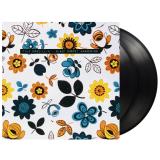
Follow up to Goodge's 2023 album Echoes Of Yesterday. Previous releases found on Hip Dozer and Cascade Records. Tracks found on the popular Spotify Mellow Beats playlist. 11th in 'Jet Set' Cold Busted series. Designed and manufactured similar to the vintage 60's style rice paper sleeves. In his latest EP, Sunday Soul, Goodge takes listeners on a four-track journey through the heart of funk, masterfully blending elements of R&B, jazz, and chilled lo-fi. Released as part of Cold Busted's Jet Set series, this four-song offering follows Goodge's 2023 album Echoes Of Yesterday and showcases his dedication to crafting timeless music. "Lights Out" kicks off the EP with heavy funk and stirring breakbeats, accompanied by a scratchy guitar that summons the revolutionary spirit of the '70s. Horns serve as a call to action, while a rollicking bass line and chunky electric piano might inspire listeners to go out and fight crime. "Promised Land" follows, featuring a formidable funk bass guitar and lead guitar chords that rhythmically play off the delightfully busy drums, creating an atmosphere reminiscent of the city's bustle. The title track, "Sunday Soul," is a rowdy affair with a speech-over-beats leading to crispy snare rolls and chiming electric piano. Shaker magic, staccato horn bleats, and spiral flute bits combine to create a swirling vintage-hued photograph of sound. The EP concludes with "Within Myself," a spacier sonic experience that could serve as the soundtrack for chasing someone across rooftops. It's funk spelled with a capital K. Sunday Soul is a must-listen for fans of of the heavier side of funk, solidifying Goodge's position as a master of his craft, creating a nostalgic yet fresh soundscape that keeps listeners grooving back for more.
The first Jet Set series is back in print and now repressed on colored vinyl. St. Louis producer Bonus Points scores high with Off Topic, an outstanding four-song EP for the Cold Busted label. With previous appearances on Chillhop Records, Sundae Sauuce, Horizon, and others, Bonus Points delivers a dazzling take on boom-bap beats and future funk. Bonus Points is a graphic designer by day and, in turn, his musical compositions reflect attention to color, form, and detail. These beats are visual. The release’s title cut opens things with a spacey intro before delving into some serious sunshine lounge vibes. A cool breeze wafts through these melodies. “Zoned Out” follows with a distant, romantic guitar and a lonesome, pensive feeling that’s perfect for seaside pondering. Next up is the old-timey jazz bop of “Coffee Lounge,” recalling the St. Louis swing of yesteryear over some phat beats. Off Topic closes with “Back And Forth
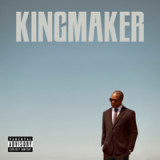
Xzibit – Kingmaker markiert die lang erwartete Rückkehr der Westcoast-Legende, sein erstes Album seit 2012. Vollgepackt mit Heavyweight-Kollaborationen präsentiert Kingmaker Branchengrößen wie Dr. Dre, Ice Cube, Busta Rhymes, Redman, Royce Da 5'9", Ty Dolla $ign und viele mehr. Mit einer knallharten Produktion und Xzibits charakteristischer, messerscharfer Darbietung verbindet dieses Album rohe Lyrik mit erstklassigen Beats und bekräftigt Xzibits Status als Hip-Hop-Powerhouse. Kingmaker ist ein Muss für Shops und Fans gleichermassen und wird in der gesamten Kulturszene für Aufsehen sorgen.
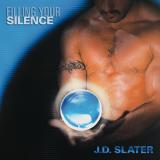
Dark Entries is Filling Your Silence with the help of J.D. Slater. Legendary actor, director, and composer J.D. Slater is sometimes known as “the Lou Reed of gay porn.” Slater cut his teeth in the New York punk scene, even opening for the Talking Heads and Blondie at CBGB with his project Frenzy. A true polymath of the erotic, he co-founded Raging Stallion Studios with Chris Ward in 1999, which has remained a prolific outlet in the world of gay pornography. Having spent years in front of and behind the camera, 1999’s Filling Your Silence was his debut as maestro. This album collects the soundtracks from the first two Raging Stallion films - Sexpack One and Sexpack Two - to bring us nine tracks of sleazy beats and trance-like moments of pure ecstasy. Album opener “Seduction” begins with the iconic synthetic pan flute, one of the defining sounds of the 1990s, before pulling us along with its wild grooves.
Halfway through its nine-and-a-half- minute course, it breaks down to bust out a jazzy electric piano vamp. “Running with Scissors” ups the tempo with some crunchy breakbeats to undergird its portamento-laced lead synth. Elsewhere, like on “Mercy” and “Mercy (2nd Movement),” we see Slater embracing a bleep-adjacent sound close to early Nightmares on Wax or 808 State. Filling Your Silence’s endless grooves pursue that oceanic feeling. This record comes with a one-sided insert that includes archival Raging Stallion press materials. In the words of the Bay Area Reporter, Filling Your Silence is “quite possibly the best music for sex ever written.” A bold claim, but we can’t help but agree.
out of Stock
Last delivered 2 days ago available to reorder, subject to availability
Fila Brazillia is the name of the decidedly singular collaboration between Steve Cobby and David McSherry, born in the coastal town of Hull in the UK. Bending—and often outright breaking—more or less every rule in the book, they've been effortlessly blending deep house, downtempo, breaks, ambient, and wry humour, sampling anything they can get their hands on. Their first outing was the 1990 single-sided white label 12" Mermaids, an airy deep house tune featuring a cheeky sample taken from the theme from Robison Crusoe. Since then, they've released a boat load of singles, seven highly regarded full-lengths, and more than 60 remixes for artists such as Radiohead, Busta Rhymes, and Lamb.
Black Market Gardening is their third full-length and marks a creative high-point for the duo. Over nine tracks, Fila Brazillia guides you through hazy, bass-heavy trip hop, cosmic synth lines, brisk breakbeats, funky guitar riffs, and even touch of drum 'n bass (it's the mid-1990s after all...). There's just so much to take in, leaving the listener wondering where the samples end and the live instrumentation begins. Yes, Fila Brazillia's output fits squarely within the chill-out tradition prevalent in the UK at that point in time, but their unmatched creativity and boundless approach to the studio process makes their music truly timeless.
Black Market Gardening is available as a 30th anniversary edition for the first time since 2001.
Inspired by the sights, sounds, and feeling of summer, the project channels seasonal nostalgia through breezy melodies, dusty drums, and lush production. Across "Fireworks At Sunset," "Holding Hands," "July 4ever," and "People Under The Sun," Aloefi crafts a collection of instrumentals that capture backyard gatherings, lingering daylight, and evenings spent beneath a sky lit by fireworks
Nur wenige Bands der Heavy-Metal-Szene haben im vergangenen Jahr einen ähnlich kometenhaften Aufstieg erlebt wie ORBIT CULTURE. Das Album "Death Above Life" des schwedischen Quartetts ist nicht nur ein Beweis dafür, wie weit die Band gekommen ist, sondern es ist der Sound von Metal in seiner modernsten Form. "Das Album steht für einen Neuanfang", sagt Niklas Karlsson, Gitarrist, Sänger und Songwriter von ORBIT CULTURE. Produziert von der Band und gemischt von Buster Odeholm (Humanity's Last Breath, Vildhjarta, Thrown), ist "Death Above Life" ein Statement für Metal allgemein: seine Gegenwart und Zukunft. Zudem ist es ein entscheidender nächster Schritt für ORBIT CULTURE.Neben ihrem DIY-Ethos und ihren kompromisslosen Dark-on-Dark-Visuals prägt laut Karlsson seine Vorliebe für Soundtracks und cineastische Soundscapes ihren Sound und ihre Vision. Komponisten wie Hans Zimmer (Dune, Interstellar) und Howard Shore (Der Herr der Ringe) hätten einen großen Einfluss auf die Band. "Wahrscheinlich deutlich mehr als aktueller Metal", sagt Niklas. "Jeder von uns würde sich lieber den Soundtrack von 'Inception' anhören, weil er zeitlos ist. Wenn ich beim Schreiben nicht weiterkomme, bieten mir z.B. Cello oder Klavier neue Möglichkeiten. Wir schreiben einfache Riffs und Strukturen, und wenn wir uns dabei von einem Künstler wie Hans Zimmer inspirieren lassen, kommt ein Song wie 'Inferna' heraus, weil wir den Chorus größer und cineastischer machen." Die "Death Above Life (Deluxe Edition)" vertieft das filmische Konzept und enthält zwei bisher unveröffentlichte Titel sowie den japanischen Bonustrack "Nuclear God" und eine ganz besondere Version des herzzerreißenden Schlussstücks: "The Path I Walk ft. Tina Guo". Beide physischen Ausgaben, das Ltd. Deluxe transp. sea blue-golden yellow splattered 2LP-Artbook und das Ltd. 2CD-Mediabook, kommen mit umfangreichen 40-seitigen Booklets, die auf die vergangenen 1,5 Jahre zurückblicken und Einblicke hinter die Kulissen gewähren.
Following one of 2025’s standout EPs, the CEO of the National Centre for Mark Fell Studies fires from the hip in brilliant, club-troubling motion. In step with 30 years of prism-pushing work — and particularly the »Nite Closures« EP, which signalled a concerted return to the dancefloor — Fell pulls aspects of hypermodern dance and electronic music from Chicago, Tanzania, and Japan into his own peculiar agenda.
The hugely distinctive results pull the body into thrillingly unusual, typically ascetic arrangements, activating every pointillist drum hit with attack and decay in a soberly ludic play of rhythmelodic tension and release, executed to delirious ends; 40 minutes of computer music.
As an artist who witnessed first-hand the explosion of electronic music in early ’80s Sheffield, and its interplay with house and rave as it refracted into wild new styles during the ’90s, Mark Fell is uniquely positioned to pursue his passion for the dynamics of electronic dance music to the nth degree. »Servitude In Context« continues to develop ideas around music for movement in the mid-2020s, placing decades of keen observation — from the macro and historical to the niche and hypermodern — at the service of flexing bodies in new directions.
Long-held notions of multistability manifest in what feels like two machines playing chess on the dancefloor, attempting to adapt to each other’s playing styles and patterns in real time, anticipating and zigzagging around the next move. The result is a plethora of options for limber dancers and those who only bust a move inside their heads.
The slow-fast play of accelerating and decelerating strikes, alongside monotonic chatter in »Actuations #1 (Extended)«, acclimatises the body to a uniquely sensual physics. This develops into the rudely screwed, asymmetric angularity of »Time-Slur« and the shatterproof elasticity of »Taut Manifold«, which feels like an LLM trained on Autechre.
»Low Energy Mantra« offers the EP’s closest resemblance to melodic structure, like gamelan and footwork refracted through lab-grown diamonds. Then »Anode« flashes its teeth with a rudeness recalling the latter stages of Fell’s Pat Thomas jams, before »3 Lost Contours (Pts 1–5)« tilts into 12 minutes of proper quicksilver madness, balancing the sexiness of his Sensate Focus work with an updated, clean-hoofed step and parry.
The Definitive live album from 1965, expanded to include the entire concert performance! Deluxe packaging with extensive notes & unpublished images, remastered by Grammy-winner Michael Graves, and produced with the full cooperation of the Ray Charles Foundation. Originally edited down to fit on a single LP, this edition includes every note performed at his now-legendary Shrine Auditorium concert, including spectacular performances of “Georgia On My Mind,” and “Busted,” that were left off of the iconic 1965 release. This expanded edition presents that legendary night at LA’s Shrine Auditorium exactly as the audience heard it, and includes liner notes and photos that tell the whole amazing story of how the show and the album came to be.
Live performed at the "FREE PARTY GHOST BUSTERS" (Tribu Ktare - Mental Resistance - Poivro Family - Tellurik) 13,14,15,16-05-16 (south France).
Limited & Numbered to 100 COPIES
100 copies/ Ltd Numbered.
Each live set is different... Cannot do it twice. This is Hardware : instrument is a goldmine and everytime you dig another tunnel...
Mental.
Errands is the first duo recording from Marja Ahti, Swedish-Finnish sound artist and electroacoustic composer, and John McCowen, a native of Southern Illinois, now residing in Iceland, whose work centres on a radical exploration of clarinet multiphonics. Working without the aid of electronics, McCowen has spent years finessing performance techniques that allow him to layer beating patterns and split tones that belie their source in a monophonic instrument. Ahti, in contrast, has built up a stunning body of work in recent years using a classic electroacoustic palette of electronic, field recordings and instrumental sounds. Sharing a bill at the 2024 iteration of Stockholm’s Edition Festival, the pair discovered a sensibility shared across their different sonic means, beginning the collaborative process that would eventually result in the mercurial side-long pieces heard on Errands.
The word ‘errand’ suggests something purposeful but routine, and Ahti’s and McCowen’s work is suffused with the everyday. Meeting with McCowen to record in Iceland, Ahti used the opportunity to gather field recordings, capturing not the natural sublimity often associated with the country—think Chris Watson’s shifting glaciers—but everyday life in Reykjavik. Snatches of bustling streets and what could be humming engines thread between static sinewaves, stretches of clarinet resonances and fleeting textures, the latter often at once visceral and impossible to identify. Errands: we are a long way from the grandiose framing devices favoured by the pioneers of electroacoustic music, yet many of their principles are at work here. The gradual metamorphosis of one sound into another, the carefully achieved ambiguity between the acoustic and electronic, the treatment of the stereo field as a compositional element: all of these link Ahti and McCowen’s music to the electroacoustic tradition, yet their sensibility is radically different. The overall effect is a kind of stillness, but one at peace with continuous change. Like the unwieldy but somehow stylish everyday forms captured in the Hertta Kiiski photographs that adorn the record's sleeve, the music seems to prize a kind of deliberate awkwardness, interrupting static held textures not with an abrupt cut, but with a quick fade, suddenly revealing background as foreground.
Ahti and McCowen’s world is everyday and unornamented, but also shadowed by the numinous. Halfway through 'Chorales', we hear an arrangement for overdubbed recorders of an early motet of Messiaen’s, O sacrum convivium! Played on recorders, the piece shrinks into delicacy and dim memories of childhood music lessons, while at the same time its harmonies retain the grandeur of their liturgical origin. This double quality inflects much of what follows on Errands, including snatches of field-recorded water or air, which seem at once elemental and domestic. Enlivened with countless details that repay repeated relistening, Errands is a record that leaves the listener ready to open their ears anew to their own sound environment.
Czarface opens another portal. On Czarface Meets Frankie Pulitzer, the boundary between comic book canon and hip-hop reality dissolves. Frankie Pulitzer, also known in certain dimensions as FacePuller, is no ordinary collaborator, character, or catalyst. He is a hybrid entity: part human, part alien force, fully embedded in the expanding Czarface universe.
Following landmark team-ups with MF DOOM and Ghostface Killah, Czarface continues its “Meets” saga with a full-scale crossover event that pushes deeper into story and sound. Frankie’s presence is both lyrical and mythological, bringing a chaotic, shape-shifting energy that challenges and complements Czarface’s razor-sharp precision. Dusty drums, cinematic soundscapes, and razor-edged bars bring the classic Czarface sound, yet mutated.
The universe widens with appearances from Busta Rhymes, Method Man, and El-P (of Run the Jewels), each adding their own gravitational pull to the project, thus grounding it in hip-hop legacy while amplifying its larger-than-life scope.
out of Stock
Last delivered 40 days ago available to reorder, subject to availability
Justin James has been turning out ambient, electro and techno soundscapes as Dreamlogicc for a quarter of a century. There have been six albums and 23 EPs in that time and plenty of it has come on Main Drain Studios, where he returns now with four more intricate and immersive tunes. 'Unincorporated Township' is sombre IDM rewired as a dusty techno cut, while 'Land Ho Live' is a jumbled blend of warped bass and half-time rhythms, broken beats and busted bass. 'Tu Long Live' has a bright synth glow and more gritty and glitchy details in the foreground that create an unsettling tension, and 'Snip Ette' is a similar contrast of synth wonder and textural anxiety. Beguiling stuff, for sure.
Manonmars’ 3rd album sees him at his most amorphous and psychedelic, at points sharper and laser focused, and at others more blurred and impressionistic than his previous records. Many of the core players remain the same, all of the production is once again handled by O$VMV$M (the duo of Neek and Amos Childs of Jabu) while Paulina Korobkiewicz (also of Young Echo) makes a return handling both the album’s cover artwork and contributing a series of diaristic field recordings and voice notes.
‘The project references movies, cartoons, fictional characters and video games, among other things. The album title is open to interpretation but all of these elements are forms of visual entertainment which have their own unique ability to transcend things like language barriers and cultural divides. The visual element is key because those details bridge the gap on a communicative level.’ - Manonmars
The album blends abstract, blurred braggadocio with more immediate personal details such as on ‘Volcanic Shield’ a posse cut of sorts featuring Bristol improv luminary Dali de Saint Paul and Franco Franco (½ of cyborg rap duo Kinlaw & Franco Franco) - where Mars recalls;
‘Memories of brighter days, happy meal hit the spot
Mum was spinning vinyl playing Super Ape or Pressure Drop
I would spend the weekend with the Turkish mandem on the block
single parent household, mum was studying or on the job
money came and went always was an on and off
made it back from school time to see what’s on the box’
The beat fades away to leave one of Korobkiewicz’s recordings of Mars’ mum talking about her life in London in the 80s, spending her money on reggae records as an ambient chord fades in like an echo of a jungle intro – stretching out as a link between generations of UK music.
The production by and large is brighter and more kinetic than earlier Manonmars records – with O$VMV$M drawing on everything from modern underground rap and drill through to jazz and acid ambient passages.
London is also a central character here, bustling and constantly shifting, either when bleeding in through field recordings, or as an ever-present backdrop in the lyrics;
‘I’m a fusion of Tippa Irie and Topper Harley
Hit the target like the black Atari
I dropped a tab now shit’s A Scanner Darkly
Got the munchies, Imma yam a sarnie
Pour the Wray and Ting like man at Carni
Exit Peckham Rye and turn left, walk past Hannah Barry
Get your (w)raps up like its January’
‘I've always considered London my home, despite spending some time in the South West of England too. My mum had been living in London for 25 years (...) That was a pretty big deal in some ways because it removed us from multicultural society during the period which overlapped with my teenage years. (...) I never got used to how quiet it was in the countryside (...) Bristol was the closest city to where we lived and it was through travelling there and making connections that I became involved in making music and playing gigs.’ - Manonmars
Mars’ practice as a painter (under his given name Jack Martyn Richardson) and photographer also loom heavy over the album, he cites Paul Verhoeven, Abdul Mati Klariwein and H.R Giger as influences – as well as Miles Davis, Drakeo the Ruler and DJ Rashad.
As with much of Richardson’s work the raps at times feel blurred to a point of almost inscrutability, creating a distance between the audience and himself. A process that ties into his visual work and the way he experiences the world as mainly abstract colour without his glasses. He explores this further in an ongoing visual collaboration with Korobkiewicz, ‘Fun and Games’ which serves as a visual archive of one of London's largest and oldest travelling fairgrounds.
‘I was diagnosed with very severe short-sightedness at the age of seven. I remember my early formative years as visually blurred. Some of my photography reflects this experience of partial vision and uncertainty, referencing memory and perception rather than fixed representation.’
Manonmars’ first public outing as a rapper was at a Young Echo radio event, broadcast shambolically from a practice room just off Jamaica street, Bristol in 2011, as much as things have moved on both stylistically and in terms of focus - strong links back to the city remain a key foundation throughout the collaborations and guest appearances.
‘I have no problem with being an outsider looking in. One of the things I enjoy about London is the anonymity (...) it's easy to be a stranger here when so much is happening. I feel like thats more valuable than people may realise.’
The album's centerpiece, the delightfully breezy "Flowers," has racked up 26 million Spotify plays on its own, with the full album cracking an astonishing 37 million and The Deli himself gaining 1.7 million monthly listeners. In The Deli's case, this success in the digital realm only whets an appetite for the physical. Now Cold Busted is remastering and repressing the out-of-print Vibes 3 LP on vinyl. And it's purple vinyl to boot. The album's 18 cuts serve up proper old school vibes, dropping beats that'll make one reminisce while also anticipating the new. In addition to "Flowers," the album contains other worthy contenders like the smooth "Luv Shxt," which grooves with gentle jazz guitar and a lonely horn under a snappy beat; "Rain" and its simple introspection; the lovely lazy ride of "4Tina;" and album opener "1B4W" which sets things properly on the smoky late-night-lounging tip.
Built through an MPC- centered workflow with hand- programmed drums, chopped melodies, and layered instrumentation, the 13-track project balances classic hip-hop rhythms with cinematic atmosphere. From "Homeroom" to "Snowbirds," the album is a collection of memories, experiences, and sounds that helped shape who Aloefi is today
Die Compilation vereint ikonische Tracks aus Tarantinos gesamtem filmischen Werk: von Pulp Fiction über Kill Bill bis Once Upon a Time in Hollywood. Mit dabei sind musikalische Größen wie Dick Dale, Johnny Cash, Joe Tex, The Coasters, The 5.6.7.8"s, Dee Clark, Keith Mansfield und viele mehr. Tarantino Sounds entführt in eine Welt aus Surf-Rock, Soul, Rockabilly und Retro-Vibes - genau wie Tarantino sie liebt und inszeniert.
out of Stock
Last delivered 57 days ago available to reorder, subject to availability
,White Van Music" ist das Debüt-Studioalbum des amerikanischen Hip-Hop-Produzenten Jake One. Es erschien am 7. Oktober 2008 bei Rhymesayers Entertainment. In den USA erreichte es Platz 10 der Billboard Heatseekers Albums-Charts, Platz 49 der Independent Albums-Charts und Platz 94 der Top R&B/Hip-Hop Albums-Charts. Der Superproduzent aus Seattle und selbsternannte ,perfekte Beat-Writer" Jake One tritt aus dem Schatten des Mischpults hervor, um sein eigenes Debütalbum ,White Van Music" zu präsentieren. Jake One hat seine Produktionskünste im Laufe des letzten Jahrzehnts verfeinert und die musikalischen Klangwelten für Künstler wie De La Soul (,Rock Co. Kane Flow" feat. MF DOOM) bis hin zu 50 Cent (,All Of Me" feat. Mary J. Blige) gestaltet. Mit einer beeindruckenden und vielfältigen Diskografie ist es Jake One gelungen, seinen Sound aus dem Underground in die Billboard-Top-10-Charts zu bringen. Mit einer spannenden Mischung aus aufstrebenden Underground-Künstlern sowie einigen der angesehensten Mainstream-Acts des Hip-Hop wird Jake Ones ,White Van Music" die sogenannten Grenzen zwischen Underground- und Mainstream-Hip-Hop verwischen _ genau wie es seine herausragende Karriere als Produzent bereits getan hat.
Gary Sullivan's Bodega Pop project returns to DINTE with a cassette-only collection of traditional sounds plucked from CDRs found in the night-markets of Savannakhet, Vientiane, and Luang Prabang.
"In Lao PDR, music was seemingly everywhere. Walking through an open field outside Savannakhet to the sound of someone playing a khaen on a distant porch, the bracing rush of electronic molam from of one of Vientiane’s many aging malls, the awkward blending of the blind so u player’s voice with the bustling sounds of Luang Prabang’s night market.
It was in that UNESCO World Heritage Site that I found most of the CDs and CD-Rs from which I’ve ripped the tracks for this compilation. I’m almost certain I picked up a thumb drive at the night market that held many hours of additional music that could have been included, but if so, I’ve misplaced it, lost it for good, or simply misremember purchasing it in the first place. What I do remember is that these discs were literally the last copies in the cafe, museum, bookstore, and night market where I bought them, and not all of them played all the way through without sonic deterioration.
The sounds compiled here play in stark contrast to the more contemporary recordings I found in Laos, most of which featured some form of upbeat digital workstation molam or children’s songs. In addition to the ever-present khaen, this collection includes recordings of the sanai, a single-reed instrument fashioned from a water buffalo horn, the ceremonial khong nyai gong, the pi and similar free-reeds, and at least a dozen more traditional instruments played by Lao and ethnic minority artists. While some of these tracks were laid down in Vientiane or Luang Prabang, most were recorded near where the artists lived, from the legendary Vat Phou in the far south to the former Pathet Lao capital Xam Neua in the northeast.
Unlike Laurent Jeanneau’s more focused Lao collections for Akuphone and Sublime Frequencies, which remain among my favorite albums of all time, the present cassette-only selection is literally all over the PDR map. The sequencing is entirely in response to rhythm and texture and includes recordings from the 1970s, 80s, 90s, and early aughts. This may frustrate those with more of an ethnomusicology bent, but my hope is that the listener experiences something akin to wandering for the first time through this majestic country, encountering the last copies of forgotten recordings one after another, and hearing in these remains fragments of the past and a living musical landscape."
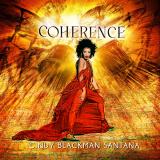
Celebrated drummer, bandleader, and composer Cindy Blackman Santana has been a force to be reckoned with since her 1987 debut album, Arcane, featuring jazz legends Wallace Roney, Joe Henderson, Kenny Garrett, and Buster Williams. Fast forward to 2026, and Cindy commands that same power with her new album, Coherence: a once-in-a-lifetime musical journey combining jazz, rock, fusion, and spirituality, featuring special guests John McLaughlin and Carlos Santana. Buckle up for a masterclass in modern music from one of the most electrifying drummers to ever do it.