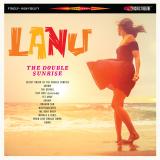
Mopar Stars tauchten im Sommer 2023 mit ihrer beeindruckenden 4-Song-Kassette ,Shoot the Moon" auf. Sie sind eine Band, die einem so vertraut vorkommt, bei der man aber nicht genau sagen kann, wie sie klingt. Es ist ein Hexengebräu aus Power-Pop-Balladen, Slacker-Stoner-Rock der Mitte der 90er und Anspielungen auf geliebte Klassiker wie Bob Mould (Husker Du/Sugar), Teenage Fanclub, Big Star und die Gitarrenkünste der Stadion-Götter der 70er.
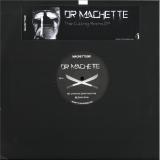
We all remember Surgeon 16 Recordings and UK Skullfuck banging out some of the most intense music of the 90’s. Next up is a new label from ½ of UK Skullfuck, UK artist, Dr Machette. He had a great solo release on Special Forces back in 1998, The Damaged Skull EP. Machette Recordings #1 is a throwback to the punk-hardcore vibe of the mid-nineties. The sheer brutality of these tracks is off the scale. Without a doubt some of the most intense, uncompromising filth the scene has been subjected to in decades. Self-funded by Dr Machette himself so show some support for this label as he has lots more great music to come.
out of Stock
Last delivered 75 days ago available to reorder, subject to availability
A sequel to 2011's communication from our future selves on 'The Spectacle of Light Abductions', this new endeavour by restless netherzone traveller Spencer Clark envisions a space map towards the other side of human life.
A meditation on the paintings of Vedran Kopljar, these two side-long pieces, recorded and performed at Kopljar's exhibition at Muhka Museum in Antwerp in 2024, tap into the barren world inhabited by Clark while wandering what he calls the "Abomination Plateaus".
Searching for meaning amidst the landscape, 'Abyssfields' turns Clark's keyboards, sampler and wha pedals into sentient beings, roaming a luminous sound field of low res percussion, glistening keys and mangled voice-like transmissions. Featuring Athens-based John Also Bennet on flute, 'Abomination Plateaus' layered misty pads hover above a recurring driving-pinging loop, unlocking new harmonic spectres throughout each passage, suspended in the light. Always enveloping.
The Carburetors are back and louder than ever! Their brand-new album, "We Ride At Night", is set to tear through speakers and shake venues to their foundations. Packed with the ferocious riffs and raw attitude that fans have come to love, this is the band firing on all cylinders-no brakes, no apologies. "We Ride At Night" is a statement that The Carburetors are still one of the most dangerous rock'n'roll bands on the planet. The Carburetors are a hard-hitting rock band hailing from Oslo, Norway, known for their electrifying blend of rock'n'roll, hard rock, and heavy metal. Formed in 2001, the band has carved out a reputation for delivering fast-paced, high-energy music that channels the raw spirit of Chuck Berry and the relentless power of Motörhead. Their signature sound-often described as "Fast Forward Rock'n'Roll"-combines driving riffs, thunderous drums, and an unapologetic attitude that's made them a staple of the Norwegian rock scene. Over the years, The Carburetors have released a string of acclaimed albums, including their debut "Pain Is Temporary, Glory Is Forever" (2004), "Loud Enough to Raise the Dead" (2006), "Rock'n'Roll Forever" (2008/2010), and "Laughing in the Face of Death" (2015). Their latest release, "Drinkin' from the Skull of Our Enemies," continues their tradition of raw, energetic rock, capturing the band's dynamic stage presence and relentless drive. The band has also contributed to tribute albums for legends like Kiss and The Ramones, and in 2012, they made it to the Grand Final of Norway's Melodi Grand Prix with their song "Don't Touch the Flame." With a career spanning over two decades, sold-out shows, and a loyal fanbase, The Carburetors continue to embody the spirit of rock'n'roll-loud, fast, and forever.
Consolidated, the political dance/industrial music band from the early 90ties joined again for a studio session in San Francisco last summer, resulting in a new album. 'We're Already There'. The first release on Consolidated's own label 'The End Of Records'. What else to expect, the new recordings are an innovating mix of industrial, to hip-hop, to rock and funk with mixtures of live instruments and electronics. Topped with left political activism and politically radical lyrics address issues such as America, Covid and ecocide with song The Flood, demand *'Free Music, Stop America'* with Musica Sin Frontieras & welcome guest vocalist GRETA THUNBERG on the track The 'ol Mass Extinction Blues. The album starts in 'traditional Consolidatedgroove' with the song 'Capitalism A.F.', a mix of beats, industrial sounds and hiphop. Followed by funkypop songs, danceable industrial jams, techno beats, reggae and blues influences plus a remarkable noise track. Main musicians are Adam Sherburne (guitar/vocals) and Mark Pistel (synths/beats) backed by Lynn Farmer (Meat Beat Manifesto) on drums, who replaces the original drummer Phil Steir. The complete album is recorded, mixed and mastered by Mark Pistel at 'Room 5' in San Francisco. The cover shows art paintings from Ayelet Hay (front) and William Kendall (back). On 'We're Already There' Consolidated plays more music than ever. "I have zero interest in being in a band, especially my own_" "I had to develop a different way to be involved with music for aesthetic and mental health reasons_" "FREE MUSIC! is not to the detriment of artists, it's literally the end of artists-as anyone perceives them in the last 500 years" -Adam Sherburne - Consolidated are known for their live performances, in which a microphone is passed among audience members to discuss, rebut, argue or elaborate on song topics. Consolidated: Adam Sherburne & Mark Pistel.
Not only were Derek Cannon and Hardy Thrower a music /songwriting duo from San Diego in California, they were also cousins. Its not often our paths come across such a duo that didnt sing on their own compositions.
Derek Cannon a prolific Trumpet player and Hardy a lyricist put these tracks together circa 1981 with a view to getting them a record deal. They paid for the sessions themselves and went into Golden track studio's located in Santee East San Deigo with a host of singers and musicians.
What came out was just two stunning mid temp hanuting ballad songs with exquisite playing and vocals. From the opening west coast waves crashing on the into of "Think It Over" you are already closing your eye's and painting a picture of the unfolding love story. James Higgins was hired for the vocals on this track and delivers such subtle tone's that are complimited by keyboards by Bill Santos.
Then wait until the flute solo by Ken Abady. Boy i fucking love this song. Its what soul music should be about. Love it stuff like this got recorded in 1982 when their heads could have easily been turned by what was happening in the music world.
"Im In Love With You" is slightly more uptmepo but not by a whole heal. Cannon And Thrower were far too soulful to just throw a 4/4 drum beat on the hope of a top ten winner. They cut way more deeper and soulful than that. Roosevelt Carter was hired for this vocal performance and not letting the duo down performs a beautiful take of the duo's love song. I think special shout out must go the female backing singers of Julie Reyes, Cynthia Hammond and Jamice Garcia.
The two songs were sent to none other than Lou Rawls in hope he may sign them to his record company. This never happened and the tape was later sold on an estate sale of Lou's. The buyer was Christian Peintner who was so kind to lend us the tapes and make this 45 happen. So thanks to him for allowing us to preserve the Cannon And Thrower legacy.
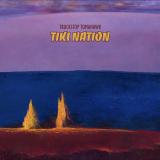
Tiki Nation finds Truckstop Tomahawk charting new territory at the outer edges of modern exotica. Created by Robert Kress—one half of Kava Kon—the album treats tiki not as nostalgia, but as a living, evolving sound world. These tracks roam freely through imagined geographies: remote islands, half-remembered myths, roadside rituals, and sun-bleached dream states where vintage exotica collides with forward-leaning composition.
Rather than simply revisiting mid-century tropes, Tiki Nation recontextualizes them—layering cinematic arrangements, unexpected textures, and playful titles that hint at folklore, travel, and quiet surrealism. The result is music that feels exploratory and unbound, equally suited for deep listening, late-night reverie, or drifting into unfamiliar landscapes with a drink in hand.
The album’s visual centerpiece deepens this atmosphere. The cover art, Pele’s Release, was painted by Catherine Robbins, a self-taught artist and longtime Hawaiʻi Island resident who created the oil painting in her rainforest studio just miles below Kīlauea’s erupting summit. That proximity to raw, elemental power mirrors the album itself—beautiful, mysterious, and quietly volatile.
Tiki Nation stands as a bold statement of intent: exotica untethered from the past, alive in the present, and pointed firmly toward uncharted horizons.
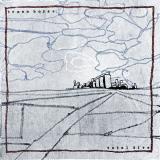
Brown Horse—named one of Brooklyn Vegan’s 10 Artists Shaping the New Indie-Country Boom—return with their third and best album in as many years, Total Dive. With songs from each of the four members (Patrick Turner, Nyle Holihan, Emma Tovell and Rowan Braham) the writing charts a world of small revelations and painful changes. Total Dive is out April 10 via Loose Music; pre-order today on LP and CD.
out of Stock
Last delivered 82 days ago available to reorder, subject to availability
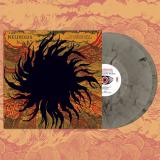
Evolution can be ugly and beautiful, painful and euphoric. An Undying Love For A Burning World is the first new release from Neurosis in a decade, and a potent statement of intent and rebirth - one that marks the first new steps of resolve and resilience.
An Undying Love For A Burning World is an epic album of colossal hypnotism - beautiful, fearsome and utterly compelling in a way that only Neurosis can be. Aaron Turner (Sumac, Isis) joins the band on vocals and guitar, a name whose legacy is intertwined with the band’s own and a true kindred spirit.
“From the moment I first heard Neurosis over 30 years ago, I felt this was the music my heart and mind had been seeking but not yet heard. Now after many years travelling along various musical paths of my own, the singular sound and spirit embodied by Neurosis continues to speak to the depths of my being. It is an honor and a true pleasure to have been welcomed so warmly into a band that not only shaped my perspective on the limitless possibilities of music - but has lived and exemplified the necessity of upholding creative integrity and camaraderie above all else.” - AARON TURNER
Neurosis have never been afraid of change, and here they embrace endless regeneration, surrendering to the emotional exorcism through heaviness and distortion that their music incites. Just as the universe tends towards balance, Neurosis’cacophony of noise, rhythm and dissonance always resolves towards moments of beauty. The addition of Turner's powerful vocals and wildly creative and unhinged approach to guitar proves to be a vital force as Neurosis find themselves again at the mercy of evolution and expression.
On every song in the band’s history, Neurosis shifts restlessly between tension and relief, invoking a feeling both feral and transcendent in listeners. The band describe their songwriting process as an inescapable impulse to create with each other - a need rather than a choice. Indeed, the band insist that their return is “not a reunion - we never broke up.”
The album was recorded by Scott Evans (Kowloon Walled City, Sumac, and Great Falls) at Studio Litho in Seattle during three weekends this winter, and mixed in three days just six weeks before release at Evan's Antisleep Audio in Oakland.
Neurosis will play their first show in seven years on the traditional lands of the Blackfeet Nation in Montana as part of Fire in the Mountains festival by special invitation of Firekeeper Alliance, a non-profit dedicated to reducing youth suicide in Indian Country.
FITM, is a unique festival known for bringing epic music to epic landscapes with the intent of reconnecting and immersing oneself with the natural world, and strengthening our ancestral roots as human beings - an aim which aligns directly with Neurosis’ deep-rooted power.
out of Stock
Last delivered 83 days ago available to reorder, subject to availability
With bloated souls and skeletal bodies the three mad kings of the end times walk among us, with empty eyes and insatiable hunger. Innocence thieves, blood collectors, bastard children of archaic dynasties built upon the broken bones of the weak. Their consorts are the rotten and the dead, their champions soulless, empty vessels gasping for validation as they bathe in the nectar of inflicted pain. They lead us not into temptation, but into degradation and the all-consuming fire. Born in the heat and shadows of the Australian underground, in Brisbane in 2014, Graveir have carved out a stronghold for themselves in their homeland's black metal scene. Bleak, violent and uncompromising, their music possesses a powerful individuality that sees them following their own path, lone wolves in a world of people searching frantically for a voice to tell them how to think and what to believe. After their powerful 2016 debut, Iconostasis and its critically acclaimed successor, King Of The Silent World, hailed as 'captivatingly hypnotic' by Metal Bite, Graveir are poised to unleash their third set of black prophecies - The Festering Triad. The Festering Triad begins with the sinister 'Lords Of Misrule', rising from the silence with guitars like an insect swarm before a lugubrious, dolorous shift into life and movement. The song holds you on the edge of oblivion, a constant aura of threat radiating from its broken beauty. There's a powerful underlying melody too, but it's corrupted and riddled with disease. And while this unsettling and disorientating introduction to The Festering Triad is still crawling through your veins, 'A Futile Exhortation' bursts into flame - as implacable and unstoppable as the passage of time, formed from the seething darkness on the edge of chaos and touched by something ancient and primal. You are now in the heart of darkness, jagged riffs circling like atavistic, feral presences, hammering blast beats disrupting natural rhythms. Nothing is as it should be. Nothing stays within the expected boundaries. This is a malicious attack on the laws that govern reality. 'A Thief In The Heart Of Man' flies at you in a howl of rage and bloodlust; you can feel its desperate need to tear you apart and the inherent danger is exhilarating. Title track, 'The Festering Triad' arrives swathed in an aura of decaying majesty, a triumvirate of wickedness wreathed in flame, marching onwards, entwined in black briars of unease - on into twisted soundscapes of fear and dizzying anxiety, through boiling malignancy and relentless intensity to the finale of 'The Rite Of Degradation', where portentous grandeur and bestial hunger combine in bewildering, schizophrenic fury. This album is fuelled by a determination to leave you broken, beaten and humbled - and it succeeds, absolutely.
Almost 400 multi-track tape reels, totalling 150 hours of music, were recorded during the Waterboys' famous Fisherman's Blues sessions of 1986-88. Among these were 80 tapes with no song titles, just rough notes like "jam" or "unknown." In 2024 band leader Mike Scott went through most of these, listening to them for the first time since they were recorded, and discovering in the process dozens of tracks the band had forgotten about; lost recordings, some improvised on the spot, others painstakingly worked on, that in many cases equal the quality of those on the original classic 1988 album.
Scott has compiled these into a triple CD and vinyl collection titled THE LOST FISHERMAN'S BLUES RECORDINGS. This fascinating release will gain much attention and will come with a book containing 15,000 words of Scott's own sleeve notes plus lyrics and unseen photos.
Lance Ferguson (The Bamboos, Menagerie, Rare Groove Spectrum) presents his lush Exotica inspired 2016 album on LP for the first time in a limited edition deluxe gatefold sunset swirl coloured vinyl edition, with each pressing having a unique pattern.
For fans of Air, Martin Denny & DJ Shadow.
'The Double Sunrise' is a re-imagining of Exotica seen through Ferguson’s own lens, which includes Pop and Hip Hop elements plus samplers, synths and drum machines thrown into the mix. That combination of beats and lush cinematics owes as much to Exotica pioneer Martin Denny as it does to Air and DJ Shadow.
Guest vocalists include Melanie Pain (Nouvelle Vague), who brings a sweet Francoise Hardy and Jane Birkin influence to her songs, and Australian singer Meg Washington. As well as her own successful career, Bamboos fans would know Washington from her vocals from “The Wilhelm Scream” and “King Of The Rodeo”, as well as “Beautiful Trash” from the 2011 Lanu album ‘Her 12 Faces’.
Ferguson's own instrumentals are also gems of lush, nostalgic delight.
Reviews for ‘The Double Sunrise’
“Even with the clear influence of South Pacific exotica, this second LP is still typical Ferguson: tight, snappy and doused in retro airs.” - Rolling Stone Magazine
“Bamboos supremo Lance Ferguson uses South Seas exotica as a jumping-off point for a record that deftly crosses datelines. Giddy effervescent soundscapes such as “Tiny Dots” sit back to back with breakbeat grooves like “Nightmarchers””. The Age
“This is one of those summer albums you will return to every year. Stunning.” The Daily Telegraph
“The concept for The Double Sunrise is very specific, but it's executed brilliantly...It's one of those records that evokes a place and a feeling that most of us only ever dream about.” - Double J Radio (Feature Album)
Foreign Tongues, the new album from The Rolling Stones, is an incredibly vibrant 14-track collection arriving less than three years after the band’s universally acclaimed, GRAMMY-winning album Hackney Diamonds, which topped charts worldwide and achieved multi-platinum status. The new album is introduced by the upbeat and infectious lead single In The Stars.
Leading up to the announcement, the band subtly built anticipation around the project, including the limited white label release of the track Rough and Twisted, issued exclusively on vinyl under the name The Cockroaches. Circulating among fans and collectors, the release has already sparked excitement and speculation about the sound and direction of Foreign Tongues, offering an early glimpse into the album’s raw and experimental energy. Recorded during an exceptionally creative period, Foreign Tongues was brought to life in under a month at Metropolis Studios in West London, with Mick Jagger, Keith Richards and Ronnie Wood reuniting with GRAMMY-winning producer Andrew Watt, who also helmed Hackney Diamonds. The result is a dynamic and forward-looking record that captures the band’s unmistakable sound while venturing into new sonic and lyrical territory—further cementing their unmatched legacy.
The album showcases standout performances from Jagger, Richards and Wood, alongside their long-time collaborators, including Darryl Jones, Matt Clifford and Steve Jordan. It also features a special guest appearance from Charlie Watts, recorded during one of his final studio sessions before his passing in 2021. Additional contributions come from an impressive lineup of guest artists, including Steve Winwood, Paul McCartney, Robert Smith of The Cure, and Chad Smith from Red Hot Chili Peppers.
Speaking about the recording process, Mick Jagger said: “I love doing these recording sessions in London at Metropolis. It was a very intense few weeks recording Foreign Tongues. We had 14 great tracks, and we worked as quickly as we could. I like the room there because it’s not too big, so you can really feel the passion in the room from everyone.”
Keith Richards added: “The album Foreign Tongues has a connection to Hackney Diamonds, and it was great to be working in London again and to have that London vibe around us. It was a month of concentrated punch. For me, it’s all about the joy of it. I’m blessed to be able to do this—may it continue for a long time.”
Ronnie Wood commented: “The atmosphere in the room was so creative, and the whole band was in top form throughout the process. Very often, we nailed it on the first take. I hope everyone will love it.”
The album’s striking cover artwork is a painting created by the acclaimed American artist Nathaniel Mary Quinn
In his most self-aware and sonically refined work to date, JORDY returns with In Retrospect—an 11-track journey through the clarity of hindsight. Transitioning from a breakup record into a manifesto on healing, the album captures the "push-and-pull" of turning 30 and finding power in the wreckage of the past.
Known for his unmistakable blend of "pop precision" and vulnerable storytelling, JORDY moves past the guilt of time wasted to celebrate the person he has become. This is an album about finding yourself again after the noise fades.
In Retrospect is a love letter to the music that shaped a generation. Sonically, JORDY pays homage to his roots, blending the infectious energy of early 2000s pop-punk and Hilary Duff-era bubblegum with the high-gloss production of modern synth-pop.
JORDY commented, “In Retrospect started as a breakup record, but it quickly became something much bigger. It turned into an album about healing. About growing. I think when people find themselves stuck in bad relationships, they often blame themselves for not leaving sooner. They carry guilt over the time they feel they’ve wasted. But writing this album helped me see it differently. The moment I chose to leave the toxicity behind, I felt like I found myself again. I got healthier, mentally and physically. I gave myself permission to mourn the life I thought I’d be living at 30, the future I imagined as a kid. I found peace in remembering that nothing is ever as serious as it feels. I found my power again. In retrospect, the pain and suffering may have been the very thing that saved me.
“Sonically, this album pays homage to my roots - to my younger self blasting Hilary Duff and pop punk bands alone in his room. It’s nostalgic. It’s the kind of music I love to listen to. It feels more like me than anything I’ve made in a long time. It’s funny and catchy, vulnerably heartbreaking, and beautifully hopeful all at the same time. It’s exactly where I am right now,” he added.
At once scathing and stirring, the sharp, insistent riffs go hand in hand with elegant melodies that never outstay their welcome. The aggression and poignancy is beautifully managed with plenty of variations provided to highlight those emotions at the right times. After experiencing the turmoil of life, the aching pain in the melodies is all too palpable. "No Plenitude Without Suffering" is a heartfelt, meticulously put together, pristinesounding debut from a veteran musician that is bound to stand the test of time if only on the basis of the sheer quality of melodies contained within.
Feiern Sie 45 Jahre der berüchtigtsten Band der Welt: Mötley Crüe! Erhältlich als limitierte 5LP-PictureDisc und 5CD-Deluxe-Boxset. Enthalten sind die ersten fünf Multiplatin-Alben von Mötley Crüe: Too Fast
For Love, Shout At The Devil, Theatre Of Pain, Girls Girls Girls und Dr. Feelgood. Mit den legendären
Hits: „Live Wire“, „Too Fast For Love“, „Looks That Kill“, „Too Young To Fall In Love“, „Smokin’ In
The Boys Room“, „Home Sweet Home“, „Girls, Girls, Girls“, „Wild Side“, „Dr. Feelgood“, „Kickstart My
Heart“, „Don’t Go Away Mad (Just Go Away)“ und viele mehr!
Seit etwas mehr als einem Jahrzehnt hat sich EXEK ganz leise zu einer der faszinierendsten Bands der Welt entwickelt, die sich von Album zu Album verändert und weiterentwickelt und sich nach und nach geöffnet hat, ohne jemals diese seltsame, unergründliche und insgesamt essentielle Eigenschaft zu verlieren, die sie so großartig gemacht hat - so EXEK-mäßig. Nun bringt die Post-Punk-Band aus Melbourne - Sänger und Chefarchitekt Albert Wolski, Gitarrist Jai Morris-Smith, Schlagzeuger Chris Stephenson, Synthesizer-Spezialist Andrew Brocchi, Trompeterin und Sängerin Valya YL Hooi und Bassist Ben Hepworth - ihr siebtes Album und erstes für DFA raus: ,Prove The Mountains Move". Es ist, wie Wolski sagt, ,ein bisschen epischer" als alles, was er bisher aufgenommen hat, ein üppiges und unverhohlen melodisches Set surrealistischer Popmusik, das sich in Widersprüchen suhlt. ,Dieses Album ist in seiner Machart experimentell", sagt Wolski, ,aber es klingt nicht unbedingt experimentell." Dafür gibt es einen guten Grund. Die Arbeit begann an einem kalten Nachmittag im Juni 2023, als Wolski und Stephenson sich in den Pelican Refill Studios in Melbourne trafen, um die Drums aufzunehmen - das erste, was sie immer machen. Danach ging Wolski alleine nach Hause und fing an, die aufgenommenen Beats und Breaks durchzugehen, wobei er sich von den Drum-Sounds zu Melodien und Basslines leiten ließ, Loops und Layers erstellte und so die Grundlage für ,Prove The Mountains Move" schuf. ,Ich fühle mich wohl dabei, alleine wie ein verrückter Wissenschaftler herumzutüfteln", sagt er. ,Ich habe es auch genossen, ohne klare Absicht auf Aufnahme zu drücken. Meistens führte mich das in eine interessante Richtung, die mein Bewusstsein wahrscheinlich nicht gesucht hätte." Und doch gelangte Wolski irgendwie zu seinem direktesten Werk seit Beginn des Projekts, neu inspiriert von der Klarheit und Prägnanz des Mainstream-Pop, der starken und unbestreitbaren Anziehungskraft einer einfachen Gesangsmelodie. Nachdem die berühmt-berüchtigten strengen COVID-Lockdowns in Melbourne beendet waren, wollte er einfach draußen bleiben. ,Die Arbeit an neuer Musik trat gegenüber dem Feiern mit Freunden in den Hintergrund", sagt er. ,Und diese Partys waren voller großer Hits als Soundtrack - Sachen, die ich selbst nicht wirklich hörte, Sachen, denen ich seit meiner Jugend nicht mehr begegnet war. Aber in den frühen Morgenstunden des Sonntags klingt ,Alive" von Pearl Jam, als würde man mit Gott sprechen. Genauso wie ,All I Wanna Do" von Sheryl Crow und ,Feel" von Robbie Williams. Krautrock und Dub waren immer noch in meiner DNA, aber die Musik, die ich zu machen begann, war vielleicht etwas unbeschwerter und vielleicht auch etwas emotionaler." Das heißt nicht, dass man hier Spuren von Eddie Vedder in Wolskis Gesang erwarten sollte, aber die Einsätze fühlen sich auf ihre eigene Weise ähnlich an - so klingt es, wenn EXEK wirklich alles geben. Nimm zum Beispiel die schwebenden Synthesizer des Openers ,Sidestepping" oder die gewaltigen Gitarren von ,Arriverderci Back Pain", die pyrotechnischen Klavierklänge von ,Don't Answer (When They Call)" oder die Bowie-artige Melancholie von ,You Have Been Blessed". Die Arrangements wirken offener, der Sound fokussierter. Es fällt nicht schwer, Wolski zu glauben, wenn er sagt, dass er viel Zeit damit verbracht hat, seine Mixe von ,Prove The Mountains Move" mit einigen der wichtigsten Alben, die je aufgenommen wurden, darunter ,Abbey Road", zu vergleichen. Aber alles ist relativ. Und textlich bleibt Wolski weiterhin verschlüsselt. ,Jeder Song ist eine Vignette in einem abstrakten Milieu, sei es ein experimentelles Chiropraktik-Geschäft am Flughafen oder spärlich bekleidete Kreaturen aus Staub in einem Food Court. Egal wie verrückt das auch sein mag, es gibt Themen und Motive auf dem gesamten Album, sowohl textlich als auch musikalisch, die sich in verschiedenen Songs widerspiegeln und aufeinander Bezug nehmen." Diese Dissonanz zwischen direkt und indirekt, glatt und strukturiert, schattig und glühend, verrückt und ausdruckslos ist die treibende Kraft im Herzen dieser Songs, seiner bisher besten.
out of Stock
Last delivered 3 months ago available to reorder, subject to availability
Ever since the late 1950s bossa-nova revolution, Brazil’s influence on French music has been undeniable. Pierre Barouh, Georges Moustaki and a vast array of lesser known artists, all made the Musica Popular Brasileira (MPB) an axis of promotion at the service of a cool and metaphysical, modern and mixed Brazilian lifestyle. Some were seduced by the poetic languors of the bossa, some were looking for fun, and others just loved the American hybridization of jazz-bossa, jazz-samba.
What is bossa nova? One of its creators, Joao Gilberto said: "Its style, cadence, everything is samba. At the very start, we didn't call it bossa nova, we sang a little samba made up of a single note - Samba de uma nota so .... The discussion around the origins of bossa nova is therefore useless”. It is nevertheless useful to remember that these magnificent Brazilian songs, which the guitarist describes as samba, were shifted and balanced around improbable chords. "I like things that lean, the in-betweens that limp with grace," said Pierre Barrouh, quoting Jean Cocteau.
With emotion, arrangements for violin and supple guitar licks, bossa nova rapidly changed. A transformation that can be heard in the Tchic, tchic, French Bossa Nova 1963-1974 compilation, the result of a cultural reappropriation, which traveled through the United States and supplemented itself in France.
A musical revolution that has remained significant, bossa nova was born in Rio. From 1956 to 1961, Brazil lived through its golden years. In five years, the country had invented its modernist style. Elected president in 1956, Juscelino Kubitschek de Oliveira, an elegant man with a broad forehead, brandished a promising slogan: "Fifty years of progress in five years". He quickly got to work. Not worried about increasing debt, he launched the project for a new federal capital, Brasilia, designed by the communist architect Oscar Niemeyer. Volkswagen opened state-of-the-art factories and created the “fusquinha”, the Beetle. In Rio, the Vespa made its first appearance. The Arpoador Surf Club crew run into the “girl” from Ipanema, Helô Pinheiro - the tanned garota ("chick"), between a flower and mermaid, who at 17 walked by the Veloso bar, where the fiery author and composer, Tom Jobim and Vinicius de Moraes, were getting drunk on whiskey. From then on, bossa symbolized cool.
In 1958, Joao Gilberto recorded Chega de Saudade, which the directors of Philips denied, calling it "music for fagots". The marketing director, who believed in it, secretly pressed 3000 78-inch vinyls and distributed them at schools around Rio, creating a tidal wave.
American jazzmen then took over. In particular, trumpeter Dizzy Gillespie and guitarist Charlie Byrd. In November 1962, the Brazilian Ministry of Foreign Affairs funded a "Bossa-Nova" concert at Carnegie Hall in New York, inviting the genre’s pioneers. Unprepared, the show soon turned to disaster. But the troupe was invited to the White House by Jackie Kennedy. The first lady loved "the new beat" and in particular Maria Ninguem, a song by Carlos Lyra, later covered by Brigitte Bardot.
In Brazil, the 1964 military coup quickly ended this euphoria. The destructive atmosphere that ensued pushed many Brazilian musicians to leave, if not to exile. Thus, Tom Jobim, Sergio Mendes and Joao Gilberto arrived to the United States. In New York, Joao Gilberto met saxophonist Stan Getz. At the time, he was married to the Bahianese Astrud Weinert Gilberto, who had a German father. She had never sung before, but she knew how to speak English. Getz therefore asked her to replace her husband on The Girl From Ipanema. The Getz/Gilberto record with Tom Jobim on piano, was released in March 1964. Phil Ramone, the "pope of pop" was in charge of sound.
Bossa nova arrived in Paris through the classic “guitar-voice” channel (Pierre Barouh, Baden Powell, Moustaki…) But France loved jazz and Paris had already welcomed its American contributors. All these good people were to pass through Saint-Germain-des-Prés. The cabaret l'Escale became the Mecca of Latin American sound where one could find Pierre Barrouh and his friends, such as the Camara Trio, samba-jazz aces, whose only record was published by the Saravah label. With a band strangely called Les Masques (a band that included Nicole Croisille and Pierre Vassiliu, among others), the Camara Trio recorded an interesting Brazilian Sound, including the track Il faut tenir which is present on this tasty compilation of rarities.
Other enlightened musicians can also be found on the compilation, such as Jean-Pierre Sabar (songwriter for Hardy, Auffray, Leforestier ...) and the French pop rock organist Balthazar. In 1975, Sabar recorded Aurinkoinen Musiikkimatka on a Finnish label, which featured the crazy Vai, Vai, included on this record. We are now following the footsteps of Brazilian electronic musicians such as Sergio Mendes, Eumir Deodato or Marcos Valle who created funk and disco sounds on their keyboards and synthesizers. A style that influenced Véronique Sanson when she wrote Jusqu’à la Tombée de la nuit in 1969 for Isabelle de Funès, the niece of Louis and a great friend of Michel Berger - Sanson did end up singing this track on her 1992 Sans Regret record.
The pinnacle of exoticism and travel, Sylvia Fels’ Corto Maltese includes bongos, sea mist and ocean sounds. The title was taken from Jacky Chalard’s concept album written in 1974, Je suis vivant, mais j’ai peur (I am alive, but I am scared), based on Gilbert Deflez’s science fiction novel.
However, bossa nova extended the scope of popularity. "In the 1970s, I was a fan of Sergio Mendes, Getz / Gilberto. I fell in love with this music that I knew because I had been an orchestral singer, " explained Isabelle Aubret, who in 1971 delivered a composite record of covers by the very funky Jorge Ben, Orfeu Negro, Tom Jobim, Vinicius de Morais and Jean Ferrat. "I recorded this album for Meys Records in Paris, far from Brazil, with wonderful musicians, François Raubert, Roland Vincent, Alain Goraguer...". The latter wrote the arrangements for Casa Forte, a very percussive title borrowed from Edu Lobo, one of the initiators of the bossa who spent time in California. "Jazz and bossa came together and produced very rhythmic music. I love singing, it allows me to dream, to have fun, to feel a high on stage, and these songs brought me joy, made me swing, my singing felt like a dance.”
The world tours of French singers and their desire for the tropics, often brought them to Rio with its hills, forests, caipirinhas and tanned bodies. There are surprises though, like this Iemenja (Iemenja is the goddess of the sea in the Afro-Brazilian candomblé religion). Not unlike the composer and musician Jean-Pierre Lang, based in Sao Paulo, Claire Chevalier taught Brazil to Brazil. In 1970, the singer and painter published a 45-inch vinyl, Mon mari et mes amants (My husband and my lovers), under the improbable pseudonym of Clarinha (little Claire). She was then living in Rio, with her husband, Joël Leibovitz, who founded a band called Azimuth, and who owned a record label specialized in "sambas enredos" songs for samba school parades.
For its B side, she asked Pierre Perret to come up with lyrics for a song composed by Carlos Imperial: "Oh goddess of the sea, o goddess Iemenja, I bring a white rose to adorn your long hair ..." . "Perret came to see us, and we had fun, remembers Joël Leibovitz. We wrote Lemenja for fun, we recorded it at the Havaí studio, behind the Central do Brasil the central station. Erlon Chaves, the arranger who worked with Elis Regina, joined us" adding his share of Afro-Brazilian percussions and funky brass to the mix.
There is a common misunderstanding in Franco-Brazilian history: that bossa, admittedly hedonistic, is perceived as funny, even though the poets who wrote the texts are often philosophizing on the human condition. Its French interpreters pull it towards a carnival inspired universe, far removed from its fundamental essence. Thus, Jean Constantin covered the famous Samba da minha terra, an ode to the art of samba written by the classic Bahian composer Dorival Caymmi, renaming it with the enticing title of Pas tant de tchi tchi pompon: "On your pier there is no tchi tchi / when you arch your back, you know everything is alright ”(lyrics by Gérard Calvi). This expedited bossa aims for the absurd, but retains a certain elegance.
Indeed, Jean Constantin was not an idiot, the rather large man had a huge mustache and liked fantasy, (Les pantoufles à papa, Le pacha, inspired by cha-cha-cha-cha, salsa and jazz) but he was also the lyricist of Mon manège à moi interpreted by Edith Piaf, the composer of Mon Truc en plume by Zizi Jeanmaire and the soundtrack of François Truffaut’s 400 Blows. Le Poulpe, published in 1970, from which this bossa is extract, was arranged by Jean-Claude Vannier, an accomplice of Serge Gainsbourg’s Melody Nelson. In short: "There is enough of samba / By looking at the parasol / Because my poor cabeza / Is going to die in the sun".
Even the American actress Marpessa Down, who was at the heart of the bossa nova revolution with her role as Euridyce in Marcel Camus’ film Orfeu Negro, winner of the 1959 Cannes Palme d'or, fed the clichée with Je voudrais parler au petit cuica - "Tell me how you manage to always make people want to dance / It's true, I must admit that I cannot resist your magic" - in consequence, once can hear the cuica, a little drum inherited from the Bantu.
But bossa nova had many angles. Societal, of course, pushing actresses who were symbols of women's liberation like Brigitte Bardot, Jeanne Moreau, or Sophia Loren to engage in the exercise of accelerated bossa. In February of 1963, Sophia Loren made a record in French in Rome, Je ne t'aime plus, featuring the song De jour en jour, a bossa written by two Italians, Armando Trovajoli and Tino Fornai, which was released a little later by Barclay. Bossa accompanied the 1960s, a decade of moral liberation. Ann Sorel, who interpreted La Poupée des favellas, caused a sensation with L’amour à plusieurs, a provocative song written by Frédéric Bottom and Jean-Claude Vannier. As for the actress Andrea Parisy, she displayed her bourgeois cheekiness in Marcel Carné's Les Tricheurs before interpreting Les mains qui font du bien. And Magalie Noël, the friend of Boris Vian, who sung Johnny fais-moi mal, was hired to sing Une énorme Samba, composed by Alain Goraguer (arranger to Gainsbourg, Bobby Lapointe and Jean Ferrat) with lyrics by Frédéric Botton.
But in the end, of what wood is bossa nova made of? The answer is given by Christianne Legrand, daughter of Raymond the conductor, and sister to Michel the composer: "With me, with jà" - jà means "immediately" in Portuguese. In 1972, the singer, an expert in vocal jazz and a member of the Double Six, published Le Brésil de Christianne Legrand. Two songs included on the Tchic Tchic compilation that demonstrate how bossa, jazz, funk, rock, etc. work like a swiss army knife: the music is used to denounce broken systems, or miracles, HLM et ciné roman, Cent mille poissons dans ton filet, two songs from the O Cafona soundtrack, a successful telenovela broadcast, at the time in black and white, on TV Globo. The first was adapted in French by the fighter and friend of the Legrand tribe, Agnès Varda. The second is content with a play on words, jostling them into a summer fun.
Véronique Mortaigne
out of Stock
Last delivered 3 months ago available to reorder, subject to availability
Joa Joys (Joaquín Ledesma) is a visual artist and musician from Santa Fe, Argentina, now based in Buenos Aires. Since 2015, he has released solo and collaborative works on labels across Argentina, Japan, Belgium, and France — and now with Discrepant — while also composing for documentaries and installations. His music approaches sound as a habitable space, closely intertwined with a visual sensibility, creating cinematic soundscapes that oscillate between everyday observation, dream states, and surreal fantasy.
His new album Alivie explores the experience of physical pain, its different phases, and the ways we cope with it. Built from a palette that merges analog synthesizers (some hand-built by the artist) with flute, mandolin, guitar, and other textures, the record shifts between atmospheric passages, folk-like elements, and moments of energy and abstraction. Alivie is not confessional but poetic — an attempt to translate the weight of pain into images, sounds, and atmospheres that also carry humor, joy, and relief.
For some time now, followers of Field Medic have been piecing together clues about Floral Prince. The name has been mentioned in late night Twitter hints, secret YouTube leaks, teaser riddles, Instagram live sets, and standalone single drops. This unconventional approach paints a bigger picture for the 11-track project as a whole, set for release October 2nd from Run For Cover Records. Part mixtape, part album, part collection, part musical patchwork quilt, Floral Prince is the latest offering from Field Medic, aka the preeminent Bay Area freak folk artist Kevin Patrick Sullivan. It’s a reflection of his unique approach to songwriting and a creative drive that can’t be contained to the traditional album format. Field Medic’s songwriting rarely slows down; even after the release of his 2019 full-length fade into the dawn and the busy touring schedule that followed, Sullivan still found himself flush with new songs and ideas. As he attempted to earmark certain songs for his next release Sullivan began to chafe at the pressures of a follow-up album. Longing for the spontaneity of Field Medic’s earlier work, Sullivan found inspiration in what he calls the “full-time freestyle” mindset where he writes and records songs on the fly with a four-track, usually with a self-imposed limit of three takes. “This style lends itself to more off-the-cuff lyrics and recordings that communicate their point much clearer to my ears,” he explains. “It’s also fun.”
The process proved surprisingly satisfying, often capturing the diary-like nature of Sullivan’s songwriting more accurately than some of the music he’d been poring over. “The songs born from this method aren’t always ‘hits,’ he says. “But they feel much more important to me…closer to how I really feel.” Some of these charming homespun missives made their way onto the internet, spurring fans to follow the breadcrumbs towards these first glimpses into Floral Prince and the ever-expanding Field Medic mythology. “I realized the songs I was saving for another album were much less focused and effective than some of the freestyles I had been creating and subsequently leaking,” Sullivan says. “I think that’s because I really enjoyed the process of writing and recording the freestyles, whereas the ‘hits’ I was attempting to make were being approached as more of a chore.” Floral Prince officially began to see the light of day through a series of stand-alone singles released throughout early 2020 in tandem with episodes of Sullivan’s homemade webseries, the field medic show. To invite fans further into Field Medic’s unique world of achingly beautiful melodies and conversational lyricism, songs like the atmospheric ballad “better way” and the Alex Menne (pickleboy/Great Grandpa) collaboration “talkin johnny & june (your arms around me)” were shared alongside the YouTube show’s accompanying live versions. Other tracks—like rousing opener “-h-o-u-s-e-k-e-y-z-” and the longing “i want you so bad it hurts”—were repurposed from the fade into the dawn sessions to finally find a home on Floral Prince. Elsewhere “it’s so lonely being sober” exemplifies the unvarnished appeal of the full-time freestyle attitude. The song’s direct lyrics and single-take phone recording preserve the deeply personal storytelling, relatable details, and palpable emotions that make Field Medic’s work so intimate and enthralling.
Although Floral Prince is culled from several years of Field Medic songs, its 11 tracks have a sense of cohesion that can be attributed to Sullivan’s singular vision and willingness to allow the listener into his life. “These songs were written through different seasons of my life but they all share a common theme of quiet, nagging, yet somehow defiant insecurity,” he explains. “To hear them all grouped together reminds me that I’ve always felt more or less the same way, and have had the same obsessive tendencies my whole life that have often led to self-destructive behavior. Maybe this is catharsis.” In the end Floral Prince is actually many things at once: a snapshot of an artist shaking off the perceived boundaries of his medium; a document of years of Sullivan’s life preserved in musical form; the closing of one songwriting chapter and the start of another. Or perhaps as Sullivan puts it, “All songs have their day…”
Music springs eternal. Recognising the enduring power of timeless albums to guide us through life, Forever Records is a reissue series dedicated to rediscovering lost musical treasures from across the spectrum of head-feeding, heart-rending electronic music.
Established by Rush Hour co-founder Christiaan Macdonald and Delsin founder Marsel van der Wielen, Forever Records places heartfelt faith in a carefully curated sequence of seminal, largely forgotten records from disparate eras, scenes and spaces within electronic music history. Tipped towards the mellow and introspective, these are albums that stop time when the needle hits the groove, stirring only when it's time to flip over before you sink back into the experience. That's what albums were always meant to be about, back then, right now, always and forever.
The Release:
Striking the sweet spot between sampledelic downtempo and earth-rooted deep house, Fila Brazillia's Old Codes New Chaos is a maverick patchwork of grooves and soundscapes. Crafted in North East England in the vibrant period before chill-out was co-opted by advertising, Steve Cobby and Dave McSherry's sharp-eared funk formula remains a cult classic suite of exquisite productions spanning deep house, broken beat and ambient shot through with wry humour.
Last physically released in limited quantities in 2002, Forever Records are revisiting this 1994 gem with an extensive reissue led by a triple vinyl pressing. As well as a new LP edition of the album, there will also be a uniquely numbered, limited edition housed in a gatefold sleeve that comes with a bonus 10" featuring two previously unreleased tracks.
'Chemistry' and 'Rankine', plus an exclusive print of Catherine Brennand's watercolour painting that graces the front of the album. All editions also features liner notes by veteran music journalist John McCready.
Press response to Old Codes New Chaos:
"The album that made the world finally sit up and take notice of the avant funk grooves coming from Hull's immaculately stoned tech funk magicians." Frank Tope, Mixmag, UK 1994.
"This album… stands out a mile from most of its peers as a work of untouchable genius." Bill Brewster, DJ Mag UK 1994.
"Fila works because they fit into that no man’s land, the space in your record collection where ambient seems too much like wallpaper and house seems just too braindead for your bedroom " Frank Tope, Mixmag, UK 1994.
"Having already created the perfect desert island disc, "Mermaids" and explored the darker side of sub bass on the 17-minute extravaganza "Fila Funk", Fila Brazillia have just unleashed their moving debut LP, "Old Codes New Chaos", and to be quite honest, you'd be fool to miss out this time around." Mandi James, Melody Maker, UK 1994.
“Where Cobby and Man rip up the rulebook on the four to the floor and probably make the greatest afterhours house album in the word”. Tony Marcus, Mixmag, 1996.
out of Stock
Last delivered 11 days ago available to reorder, subject to availability
Felipe Gordon is back on Shall Not Fade with his new album Tezeta and f*ck is it special.
Felipe Gordon is SNF label mainstay... (we released his triple repressed debut album "A Landscape Onomatopeya" in 2022 as well as 7 x 12" EPs on SNF over the years plus an extra 12" on Lost Palms)... so given his consistent and exceptional output on our record label you'd probably forgive some complacency with this write up, you might even afford us license to assume we're preaching to the choir and allow us to rest easy knowing that at this stage Felipe Gordon's records sell themselves.... Well none of those things are happening here because when an artist makes a record this complete, this good, you have to try to find the words. You use words like "timeless", "complete and "special". Words that can carry the weight. Because when you've listened to an album dozens of times, and not once, in any part, on any listen in any way has it fatigued you, you need to say. When a record felt so wonderfully familiar from the first listen and just kept on giving you the same feels ever since, you need to say. When a record makes you think about you how you feel about certain Air & St Germain albums (even when you know what it means to put that in a press release), you need to say. So here we are, saying these things.. Tezeta is a special record, one that exists in the rarefied air. A proper album. A record that every time you press play you will immediately remember why you own it and why you love it. A record that your subconscious will know so well that if shuffle is on you will know in an instant. An album that when it's in your collection and the first track starts you get a twinge of annoyance because you didn't listen again sooner and when the final track stops you stop too.
Given paint and a canvas we can most of us paint a picture, but only those that are gifted can paint something that makes us feel. Tezeta makes you feel. Feel familiarity when it's playing, yearning when its not, and absence when it ends. This alone would be enough to make the argument as to why this album is special and justify the gushing opening paragraph of this press release. But we're not done yet.
We don't really have a word in english for what Felipe Gordon has created with this album and how it makes you feel. "Tezeta" that word.
Tezeta is a one of four musical modes within the traditional Ethiopian modal music system known as Qiñit. Mulatu Astatke, the father of Ethio-jazz, frequently uses this mode, often translating it as "nostalgia" or "longing". Gordon says Mulatu's own tezeta recordings convey to him "feelings of melancholy and longing from a point of affection". This is exactly the feeling Gordon has captured. It is what he has woven through every recording on this album. Tezeta is the prime ingredient. It's the base note in recipe, it's sprinkled over the signature jazz-sampled house tracks. It powers the vast array of synthesizers Gordon deploys. It underpins the explorations into trip-hop. It's present in Gordon's varied vocal deliveries and it tunes his guitar. It's in the running order. It's the flow. Tezeta is tezeta in electronic music form, with 4/4, breakbeats, samples and synths.
Gordon says a big part of what differentiates this album from from his previous albums is that is was recorded in a period where he allowed himself to create music without the constraints of time or self-pressure which coincided with a moment of heavy personal growth which allowed him to reflect deeply on his work.
There is a word in Portuguese "Saudade" that Gordon says has a similar meaning to Tezeta - Saudade is defined as a deep, sometimes bittersweet, longing or nostalgia for someone or something that is absent or lost. But here at SNF we think that in Tezeta nothing has been lost. Quite the opposite. Through Felipe Gordon's artistic explorations we have all gained something very special indeed.
The second release from Baller Beats brings two killer vocals to move your soul. DJ Goce knocks it out of the park with an updated tough version of a beautiful soul track that instantly captivates! S man on the flip with a club-ready 2000’s RnB vocal, beefed up with a familiar instrumental - Made for the mix!
Side A) DJ Goce hits hard with this standout raw and punchy soul edit that will NOT leave your crates. The emotionally charged vocal locks you in with a feeling of heartbreak and pain, grabs you by the soul, and doesn’t let go! Don’t miss out on this absolute gem of a edit!
Side B) Australia’s S Man has made a big stir of late with several successful releases on various Australian imprints. Baller Beats is happy to have him onboard with a classic RnB vocal that was in need of a 7’ club cut edit. Early 2000’s nostalgia with a beefed up instrumental that just works so well in the mix!
out of Stock
Last delivered 82 days ago available to reorder, subject to availability
Newly signed to indie heavyweights Heist or Hit (Westside Cowboy, Her’s) EP two: ‘Marionette’ has been produced by Daniel Fox (Sprints, Melts, Psychotic Monks, Naked Lungs, Nerves, Ronan Group) and it’s set to be seminal. A set text for future musicians with aspirations of innovation. “The theme of the marionette is present throughout each song, involving some aspect of a power struggle and a lack of control within oneself.” Opener ‘Chocolate’ bounces in on a synth line as slippery and hyperactive as anything Aphex Twin ever cooked up. Crispy offbeat electronic cymbals play counterpoint to atonal guitars and pugilistic drumming before the track dry-wretches its way into a nauseating cacophony of euphoria. It’s a tale of crippling social anxiety and a preference for an unflattering, lonely reality. The muted guitar pluck in the intro to ‘Crows’ is the sonic equivalent of biting one’s nails. An anxious, involuntary tic that speaks to the theme of guilt, especially surrounding digital culture: “children can watch what they please, just with viewer discretion.” The track lurches between textures, weaving themselves in and out of focus. Guitars blare like sirens, interrupting paranoid urban centres at 2am, while the bass sounds like the inside of an insomniac’s head on day four of a REM drought.
The metallic intent of ‘Discipline’ squats on the chest as though Steve Albini is your sleep paralysis demon. The pain of accountability spews from the industrial regularity of the beat, apt to the narrative of a soldier coming to terms with the lies that made him commit atrocious, violent acts. EP closer ‘Servant’ starts like a Spectrum loading screen. Dial-up modem-coded, it pauses for moments of white-noise-vomit and existential bloops. Fitting for a more abstract take on the idea of the power struggle filtered through religious imagery and self-awareness of one’s own actions, coupled with an inability to exert control over them. The band pile on the textures with sadistic glee until the evil is exorcized and the modem melts. Connection severed. Across the EP, vocalist Joseph has a tendency to hyper-fixate on themes of control and unhappiness. Creating rooms in which doom and isolation ricochet. Not that it’s all bad news “we like to think that by shedding light on the negative, it commands a sense of hope.” Influenced as much by the liminal-space horror and uncanny dread of Silent Hill as the existentialist theatre of The Twilight Zone or the absurdity of Twin Peaks, they occupy a space between unease and impulse. Makeshift Art Bar are not a band interested in being liked. They’re a band interested in being necessary. There’s so much eating and drinking in their work that multiple listens simply don’t satisfy; something new reveals itself on each return visit. Audacious. Idiosyncratic. Vital. A young band carrying identity, defiance and an uncompromising vision as if it isn’t a rare cargo.
Newly signed to indie heavyweights Heist or Hit (Westside Cowboy, Her’s) EP two: ‘Marionette’ has been produced by Daniel Fox (Sprints, Melts, Psychotic Monks, Naked Lungs, Nerves, Ronan Group) and it’s set to be seminal. A set text for future musicians with aspirations of innovation. “The theme of the marionette is present throughout each song, involving some aspect of a power struggle and a lack of control within oneself.” Opener ‘Chocolate’ bounces in on a synth line as slippery and hyperactive as anything Aphex Twin ever cooked up. Crispy offbeat electronic cymbals play counterpoint to atonal guitars and pugilistic drumming before the track dry-wretches its way into a nauseating cacophony of euphoria. It’s a tale of crippling social anxiety and a preference for an unflattering, lonely reality. The muted guitar pluck in the intro to ‘Crows’ is the sonic equivalent of biting one’s nails. An anxious, involuntary tic that speaks to the theme of guilt, especially surrounding digital culture: “children can watch what they please, just with viewer discretion.” The track lurches between textures, weaving themselves in and out of focus. Guitars blare like sirens, interrupting paranoid urban centres at 2am, while the bass sounds like the inside of an insomniac’s head on day four of a REM drought.
The metallic intent of ‘Discipline’ squats on the chest as though Steve Albini is your sleep paralysis demon. The pain of accountability spews from the industrial regularity of the beat, apt to the narrative of a soldier coming to terms with the lies that made him commit atrocious, violent acts. EP closer ‘Servant’ starts like a Spectrum loading screen. Dial-up modem-coded, it pauses for moments of white-noise-vomit and existential bloops. Fitting for a more abstract take on the idea of the power struggle filtered through religious imagery and self-awareness of one’s own actions, coupled with an inability to exert control over them. The band pile on the textures with sadistic glee until the evil is exorcized and the modem melts. Connection severed. Across the EP, vocalist Joseph has a tendency to hyper-fixate on themes of control and unhappiness. Creating rooms in which doom and isolation ricochet. Not that it’s all bad news “we like to think that by shedding light on the negative, it commands a sense of hope.” Influenced as much by the liminal-space horror and uncanny dread of Silent Hill as the existentialist theatre of The Twilight Zone or the absurdity of Twin Peaks, they occupy a space between unease and impulse. Makeshift Art Bar are not a band interested in being liked. They’re a band interested in being necessary. There’s so much eating and drinking in their work that multiple listens simply don’t satisfy; something new reveals itself on each return visit. Audacious. Idiosyncratic. Vital. A young band carrying identity, defiance and an uncompromising vision as if it isn’t a rare cargo.
RocAmeriKKKa 3 marks the third and most refined chapter in the ongoing alliance between Flee Lord and ETO—two architects of modern East Coast street rap whose chemistry is rooted in precision, pain, and unfiltered realism.
Building on the foundation laid by the previous installments, RocAmeriKKKa 3 sharpens the series’ core aesthetic: cinematic production, stark lyricism, and an uncompromising portrayal of survival and ambition. Flee Lord’s militant cadence and razor-edged delivery collide seamlessly with ETO’s calculated, introspective bars, creating a dynamic that feels both confrontational and methodical. The result is a body of work that operates like a street manifesto—cold, deliberate, and unapologetic.
The album is elevated by a heavyweight supporting cast. Conway The Machine brings his signature steel-plated intensity, reinforcing the project’s Griselda-adjacent grit. NEMS injects raw, high-energy aggression, while Vel Nine adds sharp lyricism and perspective that cut clean through the production. Starz Coleman and Mummz contribute distinct textures, expanding the sonic palette without compromising the project’s hard-edged identity.
Sonically, RocAmeriKKKa 3 leans into brooding loops, stripped-down drums, and ominous sample work—production that leaves space for bars to breathe while maintaining a sense of tension throughout. There are no gimmicks here—just calculated storytelling, street philosophy, and the kind of lived-in authenticity that defines both artists’ catalogs.
As the third installment, this project doesn’t merely continue the series—it solidifies it. RocAmeriKKKa 3 stands as a testament to consistency, evolution, and the discipline of two emcees who understand that longevity in this lane is built on substance, not spectacle.
Originally released in 2012. A long-in-the-making soundtrack to acclaimed filmmaker Grant Gee's documentary about German writer WG Sebald. »Patience (After Sebald)« is a multi-layered film essay on landscape, art, history, life and loss - an exploration of the work and influence of German writer WG Sebald (1944-2001), told via a long walk through coastal East Anglia tracking his most famous book »The Rings Of Saturn«. Much like The Caretaker's oeuvre, Sebald's works are particularly focused on themes of memory, both personal and collective, making Kirby the ideal candidate for this score.
Grant tasked him with soundtracking responsibilities, but rather than thrift shop shellac, the source material for »Patience« was sourced from Franz Schubert's 1827 piece 'Winterreise' and subjected to his perplexing processes, smudging and rubbing isolated fragments into a dust-caked haze of plangent keys, strangely resolved loops and de-pitched vocals which recede from view as eerily as they appear. Mastered by Lupo at D&M, the album is adorned with another specially commissioned painting by Ivan Seal.
out of Stock
Last delivered 3 months ago available to reorder, subject to availability
Originally conceived as a massive multi-band, multi-volume covers project, this album saw Streetlight tackle eleven songs that influenced Kalnoky’s musical development. The tracklist is a genuinely eclectic mix, ranging from Radiohead and Bad Religion to Paul Simon and a 1950s Louis Jordan number. Rather than simple recreations, the band fully transforms each song through their own lens, making the covers feel like natural extensions of their catalog. Only one volume was ever released, leaving the larger 99-song concept permanently unfinished.
Reissue of Spirit Caravan's debut album. Jug Fulla Sun follows a sonic continuum that began in the late '70s when Scott "Wino" Weinrich emerged from the outskirts of Washington, D.C., with the Obsessed, his stripped-down hybrid of biker rock and metal. That outfit made tremendous strides in bridging the gap between the long-haired metal contingent and the still developing, though already rabid, D.C. hardcore scene. Jug Fulla Sun shows Wino augmenting his trademark brand of doom-laden guitar work and slow-fuse vocal ferocity with greater lyrical depth and overall textural breadth. The songs are rich, refined, articulate, and created by a lifer, a true veteran of the hard music scene. Wino has obviously gone to great lengths here to subordinate his outlaw vision to a more expansive, comprehensive view of mankind, and of greater truths. The somewhat nebulous scope of his lyrics is enhanced by Lungfish vocalist/tattoo artist Dan Higgs' cryptic cover painting. An excellent album. - All Music
REISSUE of Spirit Caravan's debut album. Neon green vinyl, limited to 350 copies. Jug Fulla Sun follows a sonic continuum that began in the late '70s when Scott "Wino" Weinrich emerged from the outskirts of Washington, D.C., with the Obsessed, his stripped-down hybrid of biker rock and metal. That outfit made tremendous strides in bridging the gap between the long-haired metal contingent and the still developing, though already rabid, D.C. hardcore scene. Jug Fulla Sun shows Wino augmenting his trademark brand of doom-laden guitar work and slow-fuse vocal ferocity with greater lyrical depth and overall textural breadth. The songs are rich, refined, articulate, and created by a lifer, a true veteran of the hard music scene. Wino has obviously gone to great lengths here to subordinate his outlaw vision to a more expansive, comprehensive view of mankind, and of greater truths. The somewhat nebulous scope of his lyrics is enhanced by Lungfish vocalist/tattoo artist Dan Higgs' cryptic cover painting. An excellent album. - All Music
Recorded about a year after Scenery, his second album retains the delicacy and emotional depth of his playing, but adds a new strength that gives the world Fukui paints a clearer contour and striking dimensionality. From the bittersweet, heart-stirring melody of “Mellow Dream” to the vibrant, exhilarating drive of “Horizon”, the album is filled with performances that shine brilliantly. It is also notable that the number of original compositions only one on the debut—has increased to three here, allowing listeners to appreciate Fukui’s musicality even more fully. Considering its maturity and the richness of its content, it may even be fair to say that this work surpasses his first album. Ryo Fukui, who sadly passed away...
2026's Brightest Hope Confirmed: “Kabutomushi”!
In their 7th year since debut, an unprecedented best album is released on CD, Cassette Tape, and LP!
Formed in 2019 as a music production team or conceptual four-piece rock band comprising a pianist, avant-garde composer, painter, and percussionist.
J-POP, hip-hop, new wave, prog rock, techno, house, free jazz, contemporary classical, folk music-all sublimated into an elusive avant-pop.
It could be called the 2020s reimagined version of Yura Yura Teikoku.
Incl. Pryda, Dexter Connection, Superfunk feat. Ron Carroll, Dave Swayze, Chris Bangs feat. Rita Campbell, Hyper Pearl, Daniel Bovie & Roy Rox, The Disco Freaks, The Mackenzie feat. Jessy
Since 2020, 12 Inch Lovers have been releasing new samplers every year, eagerly anticipated by collectors. These samplers have now become a staple and are easily added to vinyl collections across Europe. They offer timeless classics and rare tracks that are often hard to find elsewhere.
With Samplers 9 & 10, they surprise again with a mix of modern classics and tracks that have never been released on vinyl or are difficult to find. By adding unique and exclusive tracks, the 12 Inch Lovers samplers remain innovative and high-quality. They are a must-have for DJs, collectors, and fans of contemporary classics!
SAMPLER 9
A1) Pryda - Allein (Original Release 2012)
Pryda, the legendary alter ego of Eric Prydz, has earned iconic status in the electronic music scene with his refined productions and epic tracks. Under this name, he has released several hits that have stood the test of time, including Allein. This track is a progressive house masterpiece built around a sample from Polarkreis 18's Allein Allein and is infused with the characteristic Pryda sound: grand, hypnotic, and emotionally powerful.
With its timeless and universal appeal, Pryda - Allein has captivated fans worldwide. The track is an absolute floor-filler that forms a highlight in any DJ set. Notably, this iconic track has never had a vinyl release, making this edition extra special for both collectors and lovers of true electronic music history.
A2) Dexter Connection - Baby Be Mine (Original Release 2003)
Released in 2003, this delightful groover samples Michael Jackson's Baby Be Mine and Brothers Johnson's Stomp. The track combines funky basslines with a tight, rhythmic groove that immediately invites dancing. The nostalgic vibes from the classic samples provide a familiar sound, while the modern production gives it a fresh, contemporary twist. Ideal for DJ sets where you want to get the crowd in the right mood.
A3) Superfunk feat. Ron Carroll - Lucky Star (Original Release 2000)
This track needs little introduction. Released in 2000, with soulful vocals from Ron Carroll, it quickly became an iconic hit within the house scene. Lucky Star was the breakthrough single of Superfunk, a French house group,and sold over 500,000 copies worldwide. The track reached number 42 on the UK Singles Chart and has since become a staple in house and dance sets.
With its funky basslines, catchy melody, and infectious groove, it's a perfect mix of disco, house, and soul. The track includes a sample from Chris Rea's Josephine, adding to the recognizable and nostalgic vibe. Lucky Star became not only a floor-filler but also an anthem of the French house movement, alongside acts like Daft Punk and Cassius who dominated the world in the same period.
B1) Dave Swayze - Goldwave (24K) (Original Release 1996)
This 1996 trance classic needs little introduction. Goldwave is a timeless track that continues to resonate with trance lovers, thanks to the unique combination of dreamy synths, hypnotic rhythms, and epic build-up. The track is a true ear-candy and touches anyone who hears it. Originally released in 1996 on Belgium's DiKi Records, it quickly became a classic in clubs like La Bush, Illusion, La Rocca, and many more.
To this day, Goldwave is still played in the sets of many DJs, and remains a favorite at retro trance events. The track has stood the test of time and remains a key track for fans of old-school trance. It's a piece of electronic music history that makes people dream on the dancefloor with its dreamy Goldwave.
Warm Weather by Chris Bangs feat. Rita Campbell is a summery, uplifting track that perfectly evokes the atmosphere of Ibiza. The song blends house and trance with the infectious vocals of Rita Campbell, creating a warm, relaxed vibe. The Ibiza BeachBall Vocal Mix adds a touch of Balearic energy, with a calm rhythm and melodies that immediately remind you of sunny beaches and carefree days. Originally released in 2000 on the UK label INCredible, it remains a hidden gem for many trance lovers.
C1) Hyper Pearl - Can You Feel The Pain (Up & Vox Version) (Original Release 1995)
This 1995 trance classic made a lot of noise in clubs like Illusion, La Bush, Lagoa, and At the Villa. Pure old-school trance with emotion and drive like only that era could produce. A fantastic track, produced by Carl Drake, Matt Spinner, and Zzino, originally released on Belgium's Aquatic label.
C2) Daniel Bovie & Roy Rox - Stop Playing With My Mind (Dub) (Original Release 2008)
Daniel Bovie (aka Danny Van Wouwe) is a versatile producer with dozens of tracks to his name, many of which are considered classics. This track is no exception. Originally released on the legendary Strictly Rhythm label, co-produced with Dutch producer Roy "Van Luffelen" Rox, this track quickly became a floor-filler and charted in Belgium and the Netherlands. The vocals wereprovided by the talented Nelson.
D1) The Disco Freaks - Make My Dreams Reality (Chord Memory Mix) (Original Release 1997)
Originally released on an EP by The Disco Freaks, the alter ego of producers Bart Grinaert and Lajos Meszaros. This mix, which is much stronger than the original, quickly became a club classic and was played extensively in clubs like Illusion, Carat, and Extreme. A delightful, groovy, and uplifting track that combines disco elements with house. The Chord Memory Mix adds a nostalgic touch by using warm chords, funky basslines, and uplifting percussion.
D2) The Mackenzie feat. Jessy - I Am Free (Marino Stephano Club Mix) (Original Release 1997)
I Am Free by The Mackenzie needs little introduction and is a must in every DJ and vinyl lover's collection. This mix, often played at our parties, is something special. The man behind many legendary trance classics, Marino Stephano (RIP), hasreworked this version in his unmistakable way. The remix has an energetic and captivating vibe, with deep, hypnotic beats and floating synths. A beautiful track in its original version, it continues to fascinate.
out of Stock
Last delivered 3 months ago available to reorder, subject to availability
A Pico is a bus/truck/jeep transformed into a rolling sound system.
It's a very popular caribean/south and center american way to make a carnival or a party, or a birthday, a wedding... whatever.
The music they play is defenitely banging, and minimal home made... Those trucks are full painted and the Pico : it also a way to name a street-art style.
DISTROPIKO is a project born from the encounter between traveling producer Luca Zod, visual artist and DJ Nicho Line, and Bari-based writer PERK aka Maffia of the UG crew. Their Apulian roots and respective influences—tropical wave, tribal imagery, and urban-funky aesthetics—merge in a dystopian sonic journey toward an urban tropical, where a piko de sonido spreads a new psychedelic vibe ready to shake the dance floor. Studio production is being handled by the historic Quadraro Basement studio in Rome.
out of Stock
Last delivered 36 days ago available to reorder, subject to availability