Mutant präsentiert in Zusammenarbeit mit WaterTower Music und DC Studios stolz die erste physische Veröffentlichung von Claudia Sarne’s Original-Soundtrack zu „Supergirl“. Die Komponistin Claudia Sarne sagte über die Entstehung der Musik für „Supergirl“: „Die Vertonung von ‚Supergirl‘ war wie ein wilder Fiebertraum. Ich habe mich besonders mit der Unordnung und Komplexität ihrer Figur identifiziert und liebte die Bandbreite, die der Film erforderte. Die Möglichkeit, von dreckigen Synth-Basslinien und -Sequenzen zu großen thematischen Orchesterstücken und traurigen Solo-Klavierpassagen zu wechseln, war eine unglaubliche Reise. Craig wünschte sich Musik, die das Gefühlsleben der Figuren zum Ausdruck bringt – von Ruthyes Herzschmerz und Idealismus über Karas Verzweiflung und Rebellion bis hin zu Lobos Nihilismus und Krem’s Schrecken; all das verbunden durch die Liebesgeschichte zwischen Kara und Krypto.“ Mit einem Cover-Artwork von Bilquis Evely, gepresst auf 2x 140 gm Farbvinyl, mit einer im Siebdruckverfahren bedruckten D-Seite.
Brutal, uncompromising Slam from Greece. Years of obsession, ignorance, and absolute contempt spent keeping slam locked in its lowest, most primitive caveman state. Through collapse, and complete disregard for ourselves, we persevere. The "Embryectomy" project clawed its way from a deranged slam duo into a fully armed three-body beatdown slam monstrosity through uncompromised fury alone. No trends. No mercy. No concern for acceptance. Anyone who stood in the wreckage with us knows what it took to get here. We are now signing with Unique Leader Records. What you will endure in our next release is not meant to inspire or connect. It was composed in a chaotic state of antipathy, and absolute emotional absence. This is the most brutal material we have ever created—not for everyone, not for growth, but for those who understand that misanthropy is the only constant. We thank Unique Leader Records, who pushed us beyond what we thought possible: brutality to its limit while stripping away anything human. No benevolence. No empathy. No relief. Only violence, executed with intent.
In 1970, at the invitation of Sérgio Mendes, Brazilian songwriter Edu Lobo travelled to Los Angeles to record for A&M Records. During this period, he also recorded his masterpiece, Cantiga de Longe, reissued by Week-End Records in September 2026. More than half a century later, Lobo’s music continues to inspire new generations of artists—including Sergio Sayeg, better known as Sessa.
With his intimate, quietly captivating songwriting, Sessa brings the spirit of Brazil’s golden era of MPB into the present. His deep affection for Lobo’s music made him a natural choice for this collaboration: we invited him to reinterpret “Zanzibar,” one of the album’s standout tracks, in his own unmistakable style.
A meeting of two generations, connected by a shared musical sensibility—available in a strictly limited physical edition of just 500 copies.
Available again for the first time since 1970, Lobo’s melancholy masterpiece epitomizes the experimental evolution of MPB. With new liner notes by Edu Lobo.
Released in 1970, Cantiga de Longe is a defining record in the career of Brazilian singer, composer, and guitarist Edu Lobo and a significant contribution to Música Popular Brasileira (MPB). Created during Brazil’s military dictatorship, the album reflects the subtle, poetic strategies that artists use to convey meaning while subject to censorship. Rather than overt protest, Lobo expresses longing and introspection through refined musical language and evocative lyrics.
Musically, the album captures the sophistication of MPB at the turn of the decade. A foundation of acoustic guitar blends with jazz-influenced harmonies and elegant arrangements. The sound is both intimate and expansive: delicate vocal lines unfold over complex progressions, supported by understated rhythms, rooted in Brazilian traditions. Lobo’s controlled yet expressive vocal delivery keeps the lyrical nuance at the forefront.
A key element of the album’s texture is the involvement of Hermeto Pascoal. His imaginative instrumental contributions add subtle harmonic color and atmospheric depth, enriching the refined arrangements and enhancing the sense of openness.
Thematically, the album explores memory, distance, solitude, and time—personal reflections that resonate with the broader climate of uncertainty that dominated Brazil in 1970. This remains one of Lobo’s most mature recordings, exemplifying the emotional depth and artistic subtlety of Brazilian popular music in a creatively fertile era.
New 3-sided double vinyl edition with bonus tracks. The first album contains the original album, while the second features a collection of bonus tracks originally included on the first bonus cd edition.
This album represents the musical mutation that occurred after the post-punk hangover gave way to more frigid emotional shores, in-line with the synth-wave moment that was sweeping Europe and the white cliffs of Albion. This scene flourished in Italy between 1981-1985, and the musicians that came out of it are still revered today (particularly in the US). Robotic rhythms and intuitions that, besides sharing common ground with the electronic movements that had come before, also knew how to fill up the dancefloor! Featuring four previously unreleased tracks by Der Blaue Reiter, along with tracks by Modo, Actor’s Studio and La Maison, as well as the still fresh sounding contributions by true pioneers of the genre Neon and Naif Orchestra.
Ghost Dubs, real name Michael Fiedler, aka Jah Schulz, announces a rebirth with 'Damaged', his first album for The Bug's PRESSURE label..
Having recently dropped two criminally overlooked, experimental dub LPs, with his 'Dub Over Science' series, the German producer/bass specialist, now stretches his own parameters of outwardness still further, with these twelve fresh explorations of dub deviance. For those who feel the fusion of dub techno and ambient drone had creatively ended with the demise of the short lived, Berlin based Chain Reaction label. Ghost Dubs now upgrades, and extends that legendary blueprint's abstract methodology even further and deeper, floating away upon a wonderfully warm sea of hiss and static bliss. This is dub so atomized that it disintegrates within your eardrums. Its music, where the machines take over and virtually all traces of humanity are erased. But thankfully, the warmest soul still oozes seductively from the pores of Fiedler's robo riddims. Relentlessly hypnotic, seriously sedated, 'Damaged' celebrates the point of departure within it's mesmerising low end grooves. Album opener 'Chemical', provides an opiated slo-mo skank, which sounds like Plastikman's 'Consumed' era pulsations drenched heavily in sub aquatic fx. A triumph of surface noise surfing and sub woofer testing relentlessness, it provides the perfect intro to this compellingly immersive album. For batty shakers and headtrippers alike, there's added thrills aplenty, as Ghost Dub's richter scale tremor rhythms remain impressively massive, and the atmospheric depths of 'Damaged' appear tantalisingly oceanic. Throughout the duration of the dreamy selection, there is an obsessive balance of bewitching ambience and heavyweight bassbin shaking. The lead single 'Thin Line' itself provides a missing link between African Headcharge's early percussive body probes and Rhythm & Sound's addictive radiance, with the slightest hint of Burial's doomed romantic hauntology added for good taste. Alternately, and no less gracefully, 'Dub Lobotomy' bizarrely resembles Miles Davis 'Get Up with it' chopped, screwed, and relocated to a futuristic Kingston Town. Impressive indeed, Fiedler's mastery of live dubbing on his mixing desk shines accross the duration, and gives the album an improvised edge, and sense of peripheral chaos. Elsewhere, spooked steppars('Hot Wired'), haunting house ('True to life') and 4th World psychogeography('Undone'), combine to ensure there is a forever changing mixture of flavours percolating within the admirable consistancy of the overall sound.
With a tip of the cap, and nod of the head to Pole('Second Thoughts'), its no surprise then that PRESSURE would then turn to the great, Berlin based producer Stefan Betke, to master/cut this collection at his infamous Scape mastering room. And a fine job he did too, as high quality sound and levels are definitely maintained throughout.
If you like your melodies submerged, your dub narcotic, your basslines obese, and your beats evaporating, 'Damaged' provides the perfect prescription and entry point into Ghost Dub's spectral soundworld.
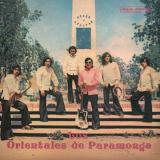
From the coastal city of Paramonga, three hours north of Lima, comes one of Peru's most electrifying and unjustly overlooked stories. Victor Ramirez and his band forged a sound that fused cumbia with guaracha, salsa and guaguanco - psychedelic guitars, wah-wah pedals and Fender amplifiers driving rhythms that conquered first northern Peru, then the capital itself. Spread across four sides, this lovingly assembled compilation draws from their two landmark albums and their 45 singles catalogue, so it is a full colour capture of Los Orientales at their peak. A complete portrait of a band that helped define modern cumbia is long overdue.
This first-time reissue of Quinteplus’ 1971 album revives a key moment in Argentine jazz, featuring crisp trumpet and tenor sax, electric piano-driven funk and modal grooves, and a tight, spacious rhythm section. It showcases prominent figures like Jorge Anders and “Pocho” Lapouble.
==================================
Quinteplus was born in Buenos Aires at the end of the 1960s, emerging directly from the ideas and experiments of the legendary Agrupación Nuevo Jazz. Founded in the early ’60s, this collective brought together some of the most forward thinking figures in Argentine jazz functioned as a creative lab where musicians questioned where jazz could go next. Among the key ideas discussed was the fusion of jazz with Argentine folk styles such as zamba, chacarera, malambo, cueca, and candombe, as well as a deeper look into African rhythms as a bridge between musical worlds.
Two members of that collective, keyboardist Santiago Giacobbe and bassist Jorge “Negro” González, carried those ideas forward when they formed Quinteplus in 1969. The group came together naturally: all the musicians already knew each other and had played in different projects around the Buenos Aires scene. They shared a strong admiration for Julian “Cannonball” Adderley’s quintet, along with a clear goal—to develop a modern jazz language grounded in local Argentine rhythms.
From the start, Quinteplus stood out for its openness and adventurous spirit. Rhythm was central, and so was experimentation. The band belonged to a generation of Argentine jazz musicians eager to explore electric instruments and new textures, anticipating what would soon be known as jazz-rock. This was happening in Buenos Aires at the very same time Miles Davis was opening new doors with “In a Silent Way” and “Bitches Brew”. Giacobbe introduced one of the first Fender electric pianos in Argentina, while González pioneered the amplification of the upright bass and even developed a hybrid electric, boxless version of the instrument. Trumpeter Gustavo Bergalli, meanwhile, maintained close ties with the emerging Argentine rock scene, collaborating with Luis Alberto Spinetta and appearing on Almendra’s first album.
In 1971, Quinteplus recorded its first and only studio album for EMI. The original lineup featured Jorge Anders on tenor saxophone, Bergalli on trumpet, Giacobbe on keyboards, González on upright and electric bass, and Norberto “Pocho” Lapouble on drums and percussion—who also illustrated the album’s iconic sleeve. The record is a refined showcase of the band’s musical vision: original compositions, fluent jazz language, folk-derived rhythms, funky electric textures, tight ensemble playing, and standout brass solos. Though critically praised, the album received little label support and sold modestly, eventually becoming a sought-after collector’s item.
Quinteplus disbanded in 1973, their music was perhaps too bold and unconventional for its time.
Solid Snake Series is the new VA line showcasing the next generation of cutting-edge electronic music, combining dancefloor functionality with multifarious layered sonic exploration. It debuts the collaboration of label boss Phase Fatale with Falling Ethics owner P.E.A.R.L., as well as fellow KHIDI resident Yanamaste, with a rare outing. Label mainstay Unhuman brings his sound directly into the techno realm alongside Nørbak and the first track together by Ne/Re/A and Clarisa Kimskii from New York City.
Demon Music group in conjunction with the Hughes family are proud to present the first official compilation of music
from the movies of legendary filmmaker John Hughes, covering the classic eighties period 1983 – 1989.
For anyone growing up in the 1980s, the films of John Hughes are some of the most iconic of the decade and have
created a lasting cultural impact still felt and referenced across TV, film and music. As well as the characters and
stories created in these iconic movies, what made John Hughes’ movies different from the rest was the symbiotic
relationship between scene and music. Whether Cameron Frye staring at the painting in Ferris Bueller’s Day Off set to
The Dream Academy’s “Please, Please, Please Let Me Get What I Want (Instrumental)”, Duckie and Andie from Pretty
In Pink at prom set to Orchestral Manoeuvres In The Dark’s “If You Leave”, or even Neal and Del’s classic “Those aren’t
pillows” scene from Planes, Trains and Automobiles set to Emmylou Harris’ “Back In Baby’s Arms”.
“Music was a huge part of filmmaking for him, it was a thing he seemed to like the most.” Matthew Broderick
Curated by John Hughes’ music supervisor Tarquin Gotch, this 6LP vinyl boxset includes 73 tracks from the movies
National Lampoon’s Vacation, Sixteen Candles, The Breakfast Club, Weird Science, Pretty In Pink, Ferris Bueller’s Day
Off, Some Kind Of Wonderful, Planes, Trains And Automobiles, She’s Having A Baby, The Great Outdoors and Uncle
Buck.
“Back when we were working on these movie soundtracks, the best way to send music around the world was the
cassette, by Fedex. We sent John cassettes of newly released music, of demos, of just finished mixes (and in return he
would send VHS videos of the scenes that needed music).” Tarquin Gotch
The films of John Hughes spawned many classic tracks, some licensed for the films, some commission specifically, and
many going on to become huge international hits from acts such as Simple Minds, Kate Bush, Furniture, Yello, and
The Psychedelic Furs.
“It serves as a reminder not just to the musicians he championed in the 1980s, but to how intensely his search for
music expanded beyond this era. Until his final days, he was still collecting outrageous amounts of music from around
the world, galaxies removed from the New Romantic and new wave sounds that, to many, still define him.” James
Hughes
Also includes an extensive 24-page booklet including memories from Matthew Broderick, James Hughes, Tarquin
Gotch, Ron Payne, plus track-by-track sleeve notes.
“John said he only made movies so he could choose what music to put in them, so as his success at the Box Office
grew, and thus his power with the studios, the number of tracks in his films, by up and coming UK bands, steadily
grew.” Tarquin Gotch
Billy Idol - "Catch My Fall" (From The 1987 Movie 'Some Kind Of Wonderful')
The Association - "Cherish" (From The 1986 Movie 'Pretty In Pink')
Penguin Cafe Orchestra - "Music For A Found Harmonium" (From The 1988 Movie 'She's Having A Baby')
Zapp - "Radio People" (From The 1986 Movie 'Ferris Bueller's Day Off')
Blue Room - "Cry Like This" (From The 1987 Movie 'Some Kind Of Wonderful')
Ray Charles - "Mess Around" (From The 1987 Movie 'Planes, Trains & Automobiles')
Joe Turner - "Lipstick, Powder & Paint" (From The 1989 Movie 'Uncle Buck')
Darlene Love - " (Today I Met) The Boy I'm Gonna Marry" (From The 1984 Movie 'Sixteen Candles')
Marvin Gaye - "How Sweet It Is (To Be Loved By You)" (From The 1988 Movie 'She's Having A Baby')
Perry Como/Mitchell Ayres & His Orchestra/The Ray Charles Singers - "Juke Box Baby" (From The 1989 Movie 'Uncle Buck')
The Chordettes - "Mr Sandman" (From The 1989 Movie 'Uncle Buck')
Ray Anthony & His Orchestra - "The Peter Gunn Theme" (From The 1984 Movie 'Sixteen Candles')
Lindsey Buckingham - "Holiday Road" (From The 1983 Movie 'National Lampoon's Vacation')
Emmylou Harris - "Back In Baby's Arms" (From The 1987 Movie 'Planes, Trains & Automobiles')
Hugh Harris - "Rhythm Of Life" (From The 1989 Movie 'Uncle Buck')
Spandau Ballet - "True" (From The 1984 Movie 'Sixteen Candles')
Propaganda - "Abuse" (From The 1987 Movie 'Some Kind Of Wonderful')
The Dream Academy - "The Edge Of Forever" (From The 1986 Movie 'Ferris Bueller's Day Off')
Yello - "Lost Again" (From The 1987 Movie 'Planes, Trains & Automobiles')
Bryan Ferry - "Crazy Love" (From The 1988 Movie 'She's Having A Baby')
The Rave-Ups - "Positively Lost Me" (From The 1986 Movie 'Pretty In Pink')
Los Lobos - "Don't Worry Baby" (From The 1985 Movie 'Weird Science')
Steve Earle - "Continental Trailways Blues" (From The 1987 Movie 'Planes, Trains & Automobiles')
The Revillos - "Rev Up" (From The 1984 Movie 'Sixteen Candles')
Boston - "More Than A Feeling" (From The 1988 Movie 'She's Having A Baby')
Balaam & The Angel - "I'll Show You Something Special" (From The 1987 Movie 'Planes, Trains & Automobiles')
The Rave-Ups - "Rave Up/Shut Up" (From The 1986 Movie 'Pretty In Pink')
Pop Will Eat Itself - "Beaver Patrol" (From The 1988 Movie 'The Great Outdoors')
The Vapors - "Turning Japanese" (From The 1984 Movie 'Sixteen Candles')
Silicon Teens - "Red River Rock" (From The 1987 Movie 'Planes, Trains & Automobiles')
out
A sense of destiny hangs over Sentir Que No Sabes, Mabe Fratti’s fourth solo-credited album released in a five year span. Her work has always possessed a finely tuned sense of drama capable of expressing a range of emotional states, and across this new album, she conveys the struggle to process various relationships or situations–and the actions that come next. Sentir Que No Sabes is urgent and clear, poppy, generous and approachable, while showcasing a considerable emotional hinterland. It is also, as Fratti is quick to mention, “groovy.”
Written and recorded with her partner, multi-instrumentalist, and co-composer Héctor Tosta (I.La Católica, Titanic), Sentir Que No Sabes is the result of an intense, detail-oriented process. Fueled by a new confidence gained in their collaborative project, Titanic, and its critically acclaimed 2023 LP, Vidrio, the two hunkered down in the familiarity of their studio (aka Tinho Studios) to bash out the initial sonic coordinates of her new record. “We talked and talked, and discussed ways of playing and recording, until things became inevitable,” Fratti explains. “We recorded a bunch of demos at our home studio and that meant we had a lot of time to re-edit and experiment. We really dug in. We were super focused on detail.” Tosta also took up the controls as producer and arranger-in-chief for all additional instruments. The album was later completed at Willem Twee Studios in Den Bosch in the Netherlands, and Pedro y el Lobo Studios and Soy Sauce Studios, in Mexico City.
For the final studio recordings, the pair were joined by drummer Gibran Andrade and trumpetist Jacob Wick to fill out and expand on Tosta’s percussion and brass arrangements. This small group of friends were able to work quickly and openly, and without fear: a testament to the exhaustive groundwork put in at Tinho Studios. This can be heard in three short, intermediary tracks that also manage to be the most aggressive on the record: “Kitana” (a scratch-laden instrumental that acts as a strange prelude for the last track, “Angel nuevo”) and a pair of two-minute instrumental interludes, “Elastica” I and II. None are throwaway mood pieces; rather they act as emotional cue cards, and hint at the way Fratti and Tosta created the overall atmosphere of Sentir Que No Sabes.
A strong sense of rhythm irrigates the sound from the jump, as heard on the glorious opening track, “Kravitz.” Here, the brilliant plucked cello line acts as a bassline and props up the steady thump of the kick drum. The cello’s growl serves as a conduit for a set of slightly paranoid lyrics that tell us “Quizás haya oídos en el techo” (“maybe there are ears in the ceiling”), while the song also introduces another staple of the record: the clever brass stabs, whistles, parps, and other interjections that paint a canvas of traffic in a city. It’s a postmodern, widescreen sound that for some might recall The Blue Nile’s Hats.
Sentir Que No Sabes is a record full to the brim with a modern pop sensibility, invoked by the sort of magpie spirit that ensnares anything it can find, repositioning sounds for the here and now. The keys and melody on the melancholy “Pantalla azul” (“Blue screen error”) transport us back to the glossy mid-1980s. “Oídos” (“Ears”) is a beautiful slice of contemporary, hybrid pop, in which Fratti’s vocal lines delicately spin themselves around the lean structures erected by the brass and drums, and the descending “plink” of a set of piano chords. Then we have a gloriously strong ending with the swell of “Angel nuevo” (“New angel”), another cinematic track full of gentle, instrument-rich swells and eddies that manages to be almost endless in its range–and yet intensely personal, as Fratti’s voice is close, almost whispering in your ear. A much needed lullaby for our fractious times.
The lyrics, for their part, have a stop-start quality to them, and hint at the small, incremental emotional taxes we pay through just living our lives. They circle around the music like birds waiting to swoop. There is something of the spiritual in all of Fratti’s work that expresses itself in a form of yearning: she looks to new horizons while personal dramas find themselves internalized, contextualized, and then dealt with through metaphor. Here, she was keen to mention Tosta’s constant encouragement in her finding a path to best sing or phrase her words to impart their maximum effect. “Hector was super inquisitive about my lyrics and asked me questions about what I meant, which sometimes is something you don't wonder so much about in isolation,” Fratti explains. “Besides, he is a great poet, and you can see that in what he did on the Titanic record. This made me go deeper into my lyric writing and definitely transformed it into something that I feel super happy about now.”
Take “Enfrente” (“In Front”), a track that initially comes across as a languid, glossy number, with plucked cello strings standing in for a bass line and brittle synth parts. Soon we catch on to a brilliant minor chord switch, which mirrors the fear and doubt expressed in the lyrics as someone “trembles up to the podium” in a “search for meaning.” There’s also the startling introduction of a vocoder in “Quieras o no” (“Whether you want it or not”); it comes precisely at the point Fratti sings “Quieras o no es un desastre” (“Whether you want it or not, it's a disaster”). Moments like these leave room for interpretation and, over time, create a strong bond between the listener and the record.
In fact, across Sentir Que No Sabes, each phrase–whether instrumental or vocal–becomes at some level emblematic of acts and moods that impart deep emotional significance. We see this best on “Intento fallido” (“Failed attempt”), which could be the score to feeling trapped in self-doubt, only to suddenly be sprung free by the song’s gloriously upbeat ending. On “Márgen del índice” (“Index margin”), the quicksilver switch between initial disharmony and a beautiful melody is breathtaking, all augmented by evocative arrangements, textured production, and the slightly playful, gnomic lyrics. The track’s emotional ecosystem allows another brilliant ending, which uses the simple repeated phrase, “Cómo lo va a ver?” (“How are you going to see it?”).
So what to make of Sentir Que No Sabes? High gloss Pastoralism? The sound of a city-bound, post-post modern soulscape? No matter the emotions evoked, it's the work of an artist coming into their own, and creating a benchmark record.
Die Heavenly Remixes-Reihe präsentiert weiterhin die besten Remixe, Versionen, Meditationen, Re-Rubs und Dubs von Künstlern aus der ganzen Welt, die auf der Liste des aufregendsten Plattenlabels des Landes stehen. In den meisten Fällen handelt es sich bei den Alben um die erste physische Veröffentlichung eines Remixes, die sie von den Streaming-Playlisten in ihr rechtmäßiges, spirituelles Zuhause auf superschwerem Vinyl (oder glänzender, supergepackter Compact Disc) befördert.
Heavenly Remixes Volume 8 beginnt mit Space Afrikas üppiger, ambienter Neuinterpretation von BEAM/S der Orielles, bevor Justin Robertson Amber Arcades' Turning Light zu acht Minuten elektronischem Dub dehnt.
pas en stock
Dernière livraison il y a 2 jours réapprovisionnement sans garantie
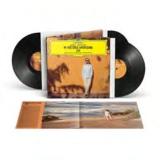
Nach seinem vielbeachteten Album My American Story – North setzt Starpianist Daniil Trifonov seine Reise
durch die Amerikas fort. Mit Mi Historia Americana – Sur richtet er den Blick auf Südamerika und die
Karibik mit einem Programm, das beliebtes Repertoire des Kontinents mit neuen Entdeckungen Trifonovs
verbindet.
Zu hören sind unter anderem Klavierwerke von Gabriela Lena Frank, Ginastera, Guarnieri, Lecuona und
Villa-Lobos, dazu Trifonovs eigener Tango. Zwei orchestrale Werke mit dem São Paulo Symphony Orchestra erweitern das Album um Ary Barrosos populäres Aquarela do Brasil und die Weltersteinspielung von
Osvaldo Golijovs farbenprächtigen Cuadros del Sur.
Dabei spannt Trifonov einen Bogen von Brasilien über Kuba und die Dominikanische Republik bis nach
Peru und Argentinien und formt daraus ein vielschichtiges musikalisches Panorama. Zugleich gewinnt das
Album durch Trifonovs enge Verbindung zur Region eine persönliche Dimension, die dieser musikalischen
Entdeckungsreise besondere Bedeutung verleiht.
Nach seinem vielbeachteten Album My American Story – North setzt Starpianist Daniil Trifonov seine Reise
durch die Amerikas fort. Mit Mi Historia Americana – Sur richtet er den Blick auf Südamerika und die
Karibik mit einem Programm, das beliebtes Repertoire des Kontinents mit neuen Entdeckungen Trifonovs
verbindet.
Zu hören sind unter anderem Klavierwerke von Gabriela Lena Frank, Ginastera, Guarnieri, Lecuona und
Villa-Lobos, dazu Trifonovs eigener Tango. Zwei orchestrale Werke mit dem São Paulo Symphony Orchestra erweitern das Album um Ary Barrosos populäres Aquarela do Brasil und die Weltersteinspielung von
Osvaldo Golijovs farbenprächtigen Cuadros del Sur.
Dabei spannt Trifonov einen Bogen von Brasilien über Kuba und die Dominikanische Republik bis nach
Peru und Argentinien und formt daraus ein vielschichtiges musikalisches Panorama. Zugleich gewinnt das
Album durch Trifonovs enge Verbindung zur Region eine persönliche Dimension, die dieser musikalischen
Entdeckungsreise besondere Bedeutung verleiht.
Inspired by a now-demolished artists' collective on the outskirts of Copenhagen, 'The House' is the debut album of Belgian-Dutch singer-songwriter Elis Floreen. Written during her years in the Danish capital, the album grew out of a place filled with decades of forgotten objects, artworks and stories. A temporary refuge for artists, dreamers and people caught between chapters of their lives.
As residents came and went, the house became a world of its own, shaped by shared meals, late-night conversations, evolving traditions and the countless stories left behind by those who passed through. When the building was eventually demolished, Floreen found herself holding on to its spirit through song. The result is an album that explores belonging, memory and the strange ways people become part of one another's lives.
Produced by Jo Francken and Pieterjan Maertens, known from their work with Tamino, 'The House' blends intimate folk, adventurous pop and richly layered arrangements into a musical world that feels both playful and deeply moving. Drawing on the storytelling spirit of Paul Simon, Kate Bush and Aldous Harding, Elis Floreen transforms everyday moments into something timeless, introducing a distinctive new voice with a debut album full of warmth, imagination and heart.
Emerging in the early 2020’s - Static Abyss is a monstrous hybrid of twisted, doom-laden brutal death, comprising of longstanding members of the US metal scene. The band consists primarily of the duo of Deathgrave’s Greg Wilkinson (Guitars/bass) & Chris Reifert (vocals), both also members of legendary American masters of sickness, Autopsy, with Chris also notably starting his career with genre pioneers, Death. The band’s debut, ‘Labyrinth Of Veins’ was released in 2022, & their second album ‘Aborted From Reality’ followed in quick succession, surfacing in 2023.
Returning now for Static Abyss’ third studio album, & with the addition of Chad Gailey of fellow death merchants Necrot behind the drumkit for this release, ‘The Dying Hunt’ plummets the listener again into the festering, psychedelic swamps of lunacy, with the spiralling melodies texturing the relentless savage riffs for an effective nightmare inducing trip through the sonic abyss. Continuously & relentlessly flitting between brutal passages & hypnotic otherworldly craziness, ‘The Dying Hunt’ reflects the ailing world & the unravelling of the psyche of its inhabitants in this darkly dystopian landscape, for a masterful descent into sick Death Metal combined with Crust & Doom elements.
‘The Dying Hunt’ was recorded at Earhammer Studios in Oakland, CA, with engineering, mixing & mastering overseen by Greg Wilkinson himself. Cover art comes courtesy of Jon Santos.
This edition of ‘The Dying Hunt’ is presented on limited yellow marble vinyl, including printed inner sleeve with lyrics.
Emerging in the early 2020’s - Static Abyss is a monstrous hybrid of twisted, doom-laden brutal death, comprising of longstanding members of the US metal scene. The band consists primarily of the duo of Deathgrave’s Greg Wilkinson (Guitars/bass) & Chris Reifert (vocals), both also members of legendary American masters of sickness, Autopsy, with Chris also notably starting his career with genre pioneers, Death. The band’s debut, ‘Labyrinth Of Veins’ was released in 2022, & their second album ‘Aborted From Reality’ followed in quick succession, surfacing in 2023.
Returning now for Static Abyss’ third studio album, & with the addition of Chad Gailey of fellow death merchants Necrot behind the drumkit for this release, ‘The Dying Hunt’ plummets the listener again into the festering, psychedelic swamps of lunacy, with the spiralling melodies texturing the relentless savage riffs for an effective nightmare inducing trip through the sonic abyss. Continuously & relentlessly flitting between brutal passages & hypnotic otherworldly craziness, ‘The Dying Hunt’ reflects the ailing world & the unravelling of the psyche of its inhabitants in this darkly dystopian landscape, for a masterful descent into sick Death Metal combined with Crust & Doom elements.
‘The Dying Hunt’ was recorded at Earhammer Studios in Oakland, CA, with engineering, mixing & mastering overseen by Greg Wilkinson himself. Cover art comes courtesy of Jon Santos.
This edition of ‘The Dying Hunt’ is presented on limited yellow marble vinyl, including printed inner sleeve with lyrics.
Ever since the late 1950s bossa-nova revolution, Brazil’s influence on French music has been undeniable. Pierre Barouh, Georges Moustaki and a vast array of lesser known artists, all made the Musica Popular Brasileira (MPB) an axis of promotion at the service of a cool and metaphysical, modern and mixed Brazilian lifestyle. Some were seduced by the poetic languors of the bossa, some were looking for fun, and others just loved the American hybridization of jazz-bossa, jazz-samba.
What is bossa nova? One of its creators, Joao Gilberto said: "Its style, cadence, everything is samba. At the very start, we didn't call it bossa nova, we sang a little samba made up of a single note - Samba de uma nota so .... The discussion around the origins of bossa nova is therefore useless”. It is nevertheless useful to remember that these magnificent Brazilian songs, which the guitarist describes as samba, were shifted and balanced around improbable chords. "I like things that lean, the in-betweens that limp with grace," said Pierre Barrouh, quoting Jean Cocteau.
With emotion, arrangements for violin and supple guitar licks, bossa nova rapidly changed. A transformation that can be heard in the Tchic, tchic, French Bossa Nova 1963-1974 compilation, the result of a cultural reappropriation, which traveled through the United States and supplemented itself in France.
A musical revolution that has remained significant, bossa nova was born in Rio. From 1956 to 1961, Brazil lived through its golden years. In five years, the country had invented its modernist style. Elected president in 1956, Juscelino Kubitschek de Oliveira, an elegant man with a broad forehead, brandished a promising slogan: "Fifty years of progress in five years". He quickly got to work. Not worried about increasing debt, he launched the project for a new federal capital, Brasilia, designed by the communist architect Oscar Niemeyer. Volkswagen opened state-of-the-art factories and created the “fusquinha”, the Beetle. In Rio, the Vespa made its first appearance. The Arpoador Surf Club crew run into the “girl” from Ipanema, Helô Pinheiro - the tanned garota ("chick"), between a flower and mermaid, who at 17 walked by the Veloso bar, where the fiery author and composer, Tom Jobim and Vinicius de Moraes, were getting drunk on whiskey. From then on, bossa symbolized cool.
In 1958, Joao Gilberto recorded Chega de Saudade, which the directors of Philips denied, calling it "music for fagots". The marketing director, who believed in it, secretly pressed 3000 78-inch vinyls and distributed them at schools around Rio, creating a tidal wave.
American jazzmen then took over. In particular, trumpeter Dizzy Gillespie and guitarist Charlie Byrd. In November 1962, the Brazilian Ministry of Foreign Affairs funded a "Bossa-Nova" concert at Carnegie Hall in New York, inviting the genre’s pioneers. Unprepared, the show soon turned to disaster. But the troupe was invited to the White House by Jackie Kennedy. The first lady loved "the new beat" and in particular Maria Ninguem, a song by Carlos Lyra, later covered by Brigitte Bardot.
In Brazil, the 1964 military coup quickly ended this euphoria. The destructive atmosphere that ensued pushed many Brazilian musicians to leave, if not to exile. Thus, Tom Jobim, Sergio Mendes and Joao Gilberto arrived to the United States. In New York, Joao Gilberto met saxophonist Stan Getz. At the time, he was married to the Bahianese Astrud Weinert Gilberto, who had a German father. She had never sung before, but she knew how to speak English. Getz therefore asked her to replace her husband on The Girl From Ipanema. The Getz/Gilberto record with Tom Jobim on piano, was released in March 1964. Phil Ramone, the "pope of pop" was in charge of sound.
Bossa nova arrived in Paris through the classic “guitar-voice” channel (Pierre Barouh, Baden Powell, Moustaki…) But France loved jazz and Paris had already welcomed its American contributors. All these good people were to pass through Saint-Germain-des-Prés. The cabaret l'Escale became the Mecca of Latin American sound where one could find Pierre Barrouh and his friends, such as the Camara Trio, samba-jazz aces, whose only record was published by the Saravah label. With a band strangely called Les Masques (a band that included Nicole Croisille and Pierre Vassiliu, among others), the Camara Trio recorded an interesting Brazilian Sound, including the track Il faut tenir which is present on this tasty compilation of rarities.
Other enlightened musicians can also be found on the compilation, such as Jean-Pierre Sabar (songwriter for Hardy, Auffray, Leforestier ...) and the French pop rock organist Balthazar. In 1975, Sabar recorded Aurinkoinen Musiikkimatka on a Finnish label, which featured the crazy Vai, Vai, included on this record. We are now following the footsteps of Brazilian electronic musicians such as Sergio Mendes, Eumir Deodato or Marcos Valle who created funk and disco sounds on their keyboards and synthesizers. A style that influenced Véronique Sanson when she wrote Jusqu’à la Tombée de la nuit in 1969 for Isabelle de Funès, the niece of Louis and a great friend of Michel Berger - Sanson did end up singing this track on her 1992 Sans Regret record.
The pinnacle of exoticism and travel, Sylvia Fels’ Corto Maltese includes bongos, sea mist and ocean sounds. The title was taken from Jacky Chalard’s concept album written in 1974, Je suis vivant, mais j’ai peur (I am alive, but I am scared), based on Gilbert Deflez’s science fiction novel.
However, bossa nova extended the scope of popularity. "In the 1970s, I was a fan of Sergio Mendes, Getz / Gilberto. I fell in love with this music that I knew because I had been an orchestral singer, " explained Isabelle Aubret, who in 1971 delivered a composite record of covers by the very funky Jorge Ben, Orfeu Negro, Tom Jobim, Vinicius de Morais and Jean Ferrat. "I recorded this album for Meys Records in Paris, far from Brazil, with wonderful musicians, François Raubert, Roland Vincent, Alain Goraguer...". The latter wrote the arrangements for Casa Forte, a very percussive title borrowed from Edu Lobo, one of the initiators of the bossa who spent time in California. "Jazz and bossa came together and produced very rhythmic music. I love singing, it allows me to dream, to have fun, to feel a high on stage, and these songs brought me joy, made me swing, my singing felt like a dance.”
The world tours of French singers and their desire for the tropics, often brought them to Rio with its hills, forests, caipirinhas and tanned bodies. There are surprises though, like this Iemenja (Iemenja is the goddess of the sea in the Afro-Brazilian candomblé religion). Not unlike the composer and musician Jean-Pierre Lang, based in Sao Paulo, Claire Chevalier taught Brazil to Brazil. In 1970, the singer and painter published a 45-inch vinyl, Mon mari et mes amants (My husband and my lovers), under the improbable pseudonym of Clarinha (little Claire). She was then living in Rio, with her husband, Joël Leibovitz, who founded a band called Azimuth, and who owned a record label specialized in "sambas enredos" songs for samba school parades.
For its B side, she asked Pierre Perret to come up with lyrics for a song composed by Carlos Imperial: "Oh goddess of the sea, o goddess Iemenja, I bring a white rose to adorn your long hair ..." . "Perret came to see us, and we had fun, remembers Joël Leibovitz. We wrote Lemenja for fun, we recorded it at the Havaí studio, behind the Central do Brasil the central station. Erlon Chaves, the arranger who worked with Elis Regina, joined us" adding his share of Afro-Brazilian percussions and funky brass to the mix.
There is a common misunderstanding in Franco-Brazilian history: that bossa, admittedly hedonistic, is perceived as funny, even though the poets who wrote the texts are often philosophizing on the human condition. Its French interpreters pull it towards a carnival inspired universe, far removed from its fundamental essence. Thus, Jean Constantin covered the famous Samba da minha terra, an ode to the art of samba written by the classic Bahian composer Dorival Caymmi, renaming it with the enticing title of Pas tant de tchi tchi pompon: "On your pier there is no tchi tchi / when you arch your back, you know everything is alright ”(lyrics by Gérard Calvi). This expedited bossa aims for the absurd, but retains a certain elegance.
Indeed, Jean Constantin was not an idiot, the rather large man had a huge mustache and liked fantasy, (Les pantoufles à papa, Le pacha, inspired by cha-cha-cha-cha, salsa and jazz) but he was also the lyricist of Mon manège à moi interpreted by Edith Piaf, the composer of Mon Truc en plume by Zizi Jeanmaire and the soundtrack of François Truffaut’s 400 Blows. Le Poulpe, published in 1970, from which this bossa is extract, was arranged by Jean-Claude Vannier, an accomplice of Serge Gainsbourg’s Melody Nelson. In short: "There is enough of samba / By looking at the parasol / Because my poor cabeza / Is going to die in the sun".
Even the American actress Marpessa Down, who was at the heart of the bossa nova revolution with her role as Euridyce in Marcel Camus’ film Orfeu Negro, winner of the 1959 Cannes Palme d'or, fed the clichée with Je voudrais parler au petit cuica - "Tell me how you manage to always make people want to dance / It's true, I must admit that I cannot resist your magic" - in consequence, once can hear the cuica, a little drum inherited from the Bantu.
But bossa nova had many angles. Societal, of course, pushing actresses who were symbols of women's liberation like Brigitte Bardot, Jeanne Moreau, or Sophia Loren to engage in the exercise of accelerated bossa. In February of 1963, Sophia Loren made a record in French in Rome, Je ne t'aime plus, featuring the song De jour en jour, a bossa written by two Italians, Armando Trovajoli and Tino Fornai, which was released a little later by Barclay. Bossa accompanied the 1960s, a decade of moral liberation. Ann Sorel, who interpreted La Poupée des favellas, caused a sensation with L’amour à plusieurs, a provocative song written by Frédéric Bottom and Jean-Claude Vannier. As for the actress Andrea Parisy, she displayed her bourgeois cheekiness in Marcel Carné's Les Tricheurs before interpreting Les mains qui font du bien. And Magalie Noël, the friend of Boris Vian, who sung Johnny fais-moi mal, was hired to sing Une énorme Samba, composed by Alain Goraguer (arranger to Gainsbourg, Bobby Lapointe and Jean Ferrat) with lyrics by Frédéric Botton.
But in the end, of what wood is bossa nova made of? The answer is given by Christianne Legrand, daughter of Raymond the conductor, and sister to Michel the composer: "With me, with jà" - jà means "immediately" in Portuguese. In 1972, the singer, an expert in vocal jazz and a member of the Double Six, published Le Brésil de Christianne Legrand. Two songs included on the Tchic Tchic compilation that demonstrate how bossa, jazz, funk, rock, etc. work like a swiss army knife: the music is used to denounce broken systems, or miracles, HLM et ciné roman, Cent mille poissons dans ton filet, two songs from the O Cafona soundtrack, a successful telenovela broadcast, at the time in black and white, on TV Globo. The first was adapted in French by the fighter and friend of the Legrand tribe, Agnès Varda. The second is content with a play on words, jostling them into a summer fun.
Véronique Mortaigne
pas en stock
Dernière livraison il y a 3 mois réapprovisionnement sans garantie
Brussels based pianist Giovanni Di Domenicowas born in Rome in 1977. Majoring in 'jazz piano' at music school - he further built on an encyclopaedic technique; rhythm, harmony and tone are informed by non-western traditions yet equally sensitive to Debussy's "Préludes", Luciano Berio's "Sequenzas", to the 'ambi-ideation' heard in Borah Bergman's Soul Note recordings, Cecil Taylor's polissemic density, Paul Bley's bruised transparency and of course, the most radical manifestations stemming from the underworld of pop music, invariably tied together by his own original praxis.
A distinction - one would call it generational - he shares with many of the musicians he has crossed paths with recently, of which we could enumerate Nate Wooley, Chris Corsano, ArveHenriksen, Jim O'Rourke, Alexandra Grimal, Tetuzi Akiyama, João Lobo or Toshimaru Nakamura.
At the request of W.E.R.F. Records, Giovanni created an entirely new repertoire, teaming up with saxophonist Alexandra Grimal and drummer Eric Thielemans. This collaboration resulted in Echolalia, a suite consisting of three parts: Aoede, Melete, and Mneme. The music is captivating, adventurous, and above all, fascinating.
pas en stock
Dernière livraison il y a 3 mois réapprovisionnement sans garantie
Eine Hommage an den tropischen Futurismus, die mexikanische Cumbia und die gemeinsame Musikgeschichte Mexikos und Kolumbiens! Das Mexican Institute of Sound (MIS) und die Meridian Brothers präsentieren mit "Ruido Tovar" ein grenzüberschreitendes Projekt, das die tropischen Traditionen Mexikos und Kolumbiens neu interpretiert. Inspiriert von Ikonen wie Rigo Tovar und der psychedelischen Cumbia-Ära Mexikos, verschmilzt das Projekt Danzón, Son, Cha-Cha-Cha und experimentelle Elektronik zu einer lebendigen neuen Klangsprache. Der genreübergreifende elektronische Tropicalismo des MIS trifft auf die avantgardistische Exzentrik der Meridian Brothers und erzeugt so einen Sound, der gleichermaßen ehrfürchtig und spielerisch verzerrt ist. Camilo Lara und Eblis Alvarez zollen gemeinsam jahrzehntelangem musikalischem Austausch Tribut und führen die tropische Musik in unerwartete Gefilde. Und ratet, wer bei diesem spirituellen Trip gleich zweimal mit von der Partie ist? Der einzigartige "Loser" mit dem "Devil's Haircut" - BECK "Sexx Laws" Hansen!
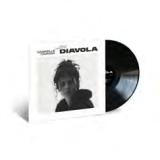
Die Traumstimme von Joshua Redmans Album „where are we“ mit ihrem Blue-Note-Solo-Debüt!
Als Saxofonist Joshua Redman 2023 sein Album „where are we“ veröffentlichte, ließ nicht nur er damit
aufhorchen, sondern auch die Sängerin auf allen Tracks: Gabrielle Cavassa. Das weltweite Echo war imposant, in Deutschland hieß es “Top-Sängerin“ (Stereoplay) und “bringen die Luft im Studio zum Flirren“
(Süddeutsche Zeitung). Bei der darauffolgenden Welttournee des Redman Quartet begeisterte die Sängerin
erneut das Publikum auch in Deutschland.
Mit ”Diavola“ gibt Gabrielle Cavassa jetzt ihren Einstand bei Blue Note. Dort kann sie erstmals auf
großer Bühne ihr Können als Sängerin und Songwriterin zeigen, sowie als Interpretin von Jazz-Standards
(z.B. “Prisoner of Love“) und klassischem Pop (“Could It Be Magic“) bis hin zu brasilianischen Songs (“To
Say Goodbye“ von Edu Lobo). Cavassas Stimme ist sinnlich und intensiv, obwohl sie mit den Melodien
und Tempi spielt, bleiben Seele und Aussage der Songs intakt.
“Diavola“ wurde koproduziert von Joshua Redman und Don Was und überzeugt auch durch brillante
Arrangements und exquisite Musiker: Jeff Parker an der Gitarre, Paul Cornish am Klavier, Larry Grenadier
am Bass, Brian Blade am Schlagzeug und Joshua Redman bei zwei Titeln am Tenorsaxofon.
pas en stock
Dernière livraison il y a 5 mois réapprovisionnement sans garantie
Overtoun is a Death/Thrash band based between Santiago, Chile, and Boston, MA, fusing the rich musical heritage of Latin America with the complexity and aggression of technical death metal. Founded by Agustín Lobo and Matías Bahamondes, the band solidified its lineup with Yoav Ruiz-Feingold (Atheist, Graviton) on vocals and Matías Salas on bass. Fused with Chilean rhythms, folk-inspired guitars, and memorable riffs, it features guest appearances by MAX PHELPS (CYNIC, DEATH TO ALL), ENRICO H. DI LORENZO (HIDEOUS DIVINITY), and SHANTANU VYAS (HAZING OVER). With virtuosic musicianship and a raw, organic sound that recalls the primal spirit of classic metal, Overtoun channels both precision and rage. Produced by renowned Argentinian producer MARTIN FURIA (DESTRUCTION, BARK) and released via Time To Kill Records, Overtoun asserts itself as one of the most exciting and promising Latin American Metal acts today.
Vinyl reissue of the most acclaimed album by Brazil's legendary female vocal quartet, this LP captures the group at their creative peak, featuring sophisticated arrangements by Edu Lobo and Luiz Eça (Tamba Trio), A post-bossa gem filled with stunning vocal harmonies. Originally released in 1972 on the Odeon label, Quarteto Em Cy stands as a high-water mark in the group's prolific discography-and a hidden gem for collectors of Brazilian vinyl. Known for their intricate vocal harmonies and deep roots in the bossa nova movement, the quartet ventures into post-bossa territory here, where sophistication meets groove in all the right ways. Arrangements by Edu Lobo and Luiz Eça (of Tamba Trio) lend the album a richly layered sound-elegant, jazzy, and emotionally resonant-while the group's harmonies remain as mesmerizing as ever. It's a masterclass in vocal interplay and tasteful orchestration, with an unmistakable Brazilian soul running through every track. Highlights include their stunning interpretation of Milton Nascimento's 'Tudo Que Você Podia Ser,' along with deep cuts like 'Quando o Carnaval Chegar,' 'Canto de Obá,' and 'Cantoria.' These recordings capture a moment when the group, already respected collaborators of Vinícius de Moraes, Jobim, and Chico Buarque, hit a new creative stride. A MPB landmark and long out of print, often cited as QEC finest work, this self-titled LP has become a sought-after piece among collectors of MPB, bossa, and 70s harmony pop. For those drawn to groups like The Free Design or The Mamas & The Papas-but with a distinctly Brazilian elegance-this album offers a rare and rewarding listen. Reissue on 180g vinyl.
pas en stock
Dernière livraison il y a 8 mois réapprovisionnement sans garantie
"Imagine More is the follow-up to Lophae's acclaimed debut Perfect Strangers (January 2025).
Recorded live to 2-inch,16-track analogue tape with the band all in one room, engineered and mixed by Benedic Lamdin (Nostalgia 77), and mastered by Caspar Sutton-Jones (Gearbox Studios), this second offering from guitarist and composer Greg Sanders' quartet ventures deeper into their distinctive blend of modern jazz, psychedelic exploration, and world music flourishes.
Four gifted improvisers navigate Sanders' compositions with mercurial dialogue and musical communion, weaving melodic elegance with rhythmic complexity, creating sound-worlds that echo Jeff Parker, Joao Gilberto, and Blake Mills while channeling the sophistication of Stan Getz, Bill Frisell, and Edu Lobo.
Fizzing electric guitar, flowing saxophone lines, and skittering rhythmic interplay transport listeners from north-west London's Fish Factory recording studio to the musical capitals of New York, New Orleans, Rio De Janeiro, Bamako, and Johannesburg - anchored by Sanders' unmistakable compositional voice and the quartet's intuitive sensitivity."
STANDFIRST Titanic, the project spearheaded by Mabe Fratti and Hector Tosta (aka I. la Católica), return with a sumptuous and life-affirming new album.
In her sensational 1929 biography Tiger Woman, dancer and socialite Betty May claimed her ‘coster’s eye’ meant she liked to wear as many colours as possible. “Colours to me are like children to a loving mother. Each is my favourite, yet I can never bring myself to deny the others by preferring one.” May’s bold and inclusive strategy is one that manages to transfer itself, almost a century later, to Hagen, the new record by Titanic.
Many will know Titanic as the Mexico City-based brainchild of cellist and singer Mabe Fratti and multiinstrumentalist Hector Tosta who is now operating under the pseudonym, I. la Católica, (taken, rather unusually, from the name of the street the pair live on). With Hagen, and their previous release, Vidrio, (2023), the pair are creating a distinctive signature sound in modern alternative pop music. Nobody else sounds quite like them. Both records have an open hearted nature and simple, winning melodies that play off against a taste for drama, spectacular orchestration and a feeling of otherworldly mystery. Hagen is the more ambitious, sometimes more mystical effort. From the opening handclaps of ‘Lágrima del Sol’, (a wonderfully uptempo playground chant translating as a tear from the sun but, surely, not referencing the brand of pineapple wine?), the record dances its way through various mid-to-late-eighties inspirations, lush and widescreen passages of melancholy and vertiginous contrasts.
Mystery is often found in the simple but slightly odd song titles. English translations of various track titles give, ‘you swallowed the gum’, ‘leak’, ‘a tear from the sun’, ‘raising the trophy’ ‘digging dimensions’, ‘the owner’, ‘the decapitated hen’ and ‘the trap is exposed’. All denote striking images, metaphysical hints and emotional cues or simple, even childlike actions. Though Fratti and Tosta don’t reveal its provenance, the album’s title could even be a crafty play on words: the listener would be forgiven in thinking the moments of brash contrast and eyebrow raising theatricalism in the music constitute a musical nod to German punk chanteuse, Nina Hagen.
On Hagen, singer and cellist Mabe Fratti once again displays her brilliant knack of speaking to us directly. There is never the suspicion of her playing to the gallery, and the directness of many of the lyrics don’t allow it. Parallel to this, Fratti has an almost magical ability to give Hector Tosta’s melodies, and her and Tosta’s lyrics ones imbued with an insight and meaning that feels otherworldly. Tosta admitted it was “pretty wild to hear Mabe take the interpretations to a different place” and the listener can pick up on the delight Fratti takes in (literally) adding a voice to the many narratives.
Two examples can be shown here: ‘Gotera’ (Leak) uses harsh slashes of cello and tough, gunfire-like guitars and drums and multiple vocal lines that could be acting as a Greek chorus. They play off brilliantly against Fratti’s soft, slightly baleful vocal take that delivers lyrics such as: ‘nobody knows where the leak is / but I know where it is / they fight in front of the door and / nobody can go in’. With ‘La Gallina Degollada’ the somewhat blithe melody melody line, sung with what could be sarcastic brio by Fratti, plays against an itchting rhythm and rasping guitar part. The punch comes when you see that the song is about a chicken that has been decapitated and read lyrics such as: ‘I already saw it, it moved, the decapitated chicken’ / ‘could it be that I'm broken’ and ‘Two people hurt each other by thinking that they no longer agree’/ ‘Hours pass and the chicken represents what scares me’.
There may be death and fights to deal with, but there is also a quality of chirpy self-reliance about Hagen that is a key part of its nature. Like Betty May and her colourful outfits, Hagen’s sound often revels in its own sense of richness. Throughout, the record delivers vaulting string sections or glutinous guitar squeals that could, like the powerful, driving ‘Escarbo Dimensiones’ (Digging Dimensions) have come directly from a glossy 1980s TV series. Fratti sees this “glam sound” developed by Tosta on the aforementioned track and ‘Te Tragaste el Chicle’ (You Swallowed The Gum), as moments that were truly “revealing” for the album as a whole during its making.
What else? The thud and thump of ‘La Trampa Sale’ (The Trap is Exposed), and its sudden change of tempo and mood betrays a monstrously ambitious piece of music, the players almost greedily creating the sounds. Other moments are heart wrenching: ‘Libra’ ends on a poppy chord switch that cleverly ramps up the emotion inherent in the music’s notation. You could almost imagine a teenager in a bedroom forty years ago, rewinding the track over and over on a small, cheap cassette player, unable to get enough of that sugarsweet switch. Elsewhere, Oneohtrix Point Never adds stardust and an unearthly sense of space on the changeable, slightly moody meditation, ‘Pájaro de Fuego’ (Firebird). The record ends with ‘Alzando el Trofeo’ (Lifting the Trophy), a track that could soundtrack a state wedding, what with its beautiful cascading piano parts, a sugary vocal and short triumphal guitar riffs that add a rich patina to the overall sound. Fratti: “When I doubled those vocals on ‘Alzando el Trofeo’ I felt there was an epiphany happening, right at that moment.”
Making a good record is a team game. Tosta and Fratti recall seeing Randall from Circular Ruin Studios in NYC “tweak the drums in ‘Libra’ to make that amazing effect of the gated reverb”, or the shaping of ‘Gotera’, “when (recording engineer) Nate Salon added some synths to the track.” Drummer Eli Keszler, “an amazing and versatile player” had the songs down pat in a couple of days” and, according to Tosta, Oneohtrix Point Never “just came to one of the sessions and we hung out, and after all the recordings he and Nate were together in some studio and out of nowhere they sent us some beautiful tracks for ‘Pájaro de Fuego’! Fratti concurs. “He decided that he wanted to record because he was listening to the record (Nate works closely with him) and he really liked it! It was a total honour, indeed!”
Bedazzled by the playing, the skyscraping ambition in the arrangements and the giddy moments of contrast thrown up by Hagen, we could allow ourselves a brief moment of flippancy and state that Titanic’s new record is Yacht Rock meets Aeschylus, full-on. It’s also worth speculating that, in this hyper-sensitive, intemperate age, Titanic’s music has the power, however fleetingly, to heal hurts. Hagen is a brilliant showcase for a fresh and enriching form of pop music: displaying a magpie eye for what glints and plundering what has gone before.
Like Vidrio, Hagen was partially and additionally recorded at Fratti and Tosta’s house, aka Tinho Studios in Mexico City, as well as Golden Girl Studios & Circular Ruin Studios in New York City. Mixing was done by Santiago Parra in Pedro y el Lobo Studios, Mexico City and mastered by Rafael Anton Irisarri at Black Knoll Studios, New York City. The recording engineer was Nate Salon.
Hagen featured Mabe Fratti on cello, vocals & backing vocals, I. la Católica on guitar, keyboards, prepared piano, bass & backing vocals, drums by Eli Keszler and synths in ‘Pájaro de Fuego’ from Daniel Lopatin and Nate Salon.
All compositions on Hagen are written by I. la Católica, except ‘Escarbo Dimensiones’ & ‘Pájaro de Fuego’, which were composed by I. la Católica and Mabe Fratti. The record was produced by I. la Católica and co-produced by Nate Salon & Mabe Fratti. And all lyrics are by I. la Católica except ‘Escarbo Dimensiones’, ‘Gotera’, ‘Gallina degollada’ & ‘Pájaro de Fuego’, which were written by I. la Católica & Mabe Fratti.
pas en stock
Dernière livraison il y a 11 mois réapprovisionnement sans garantie
STANDFIRST Titanic, the project spearheaded by Mabe Fratti and Hector Tosta (aka I. la Católica), return with a sumptuous and life-affirming new album.
In her sensational 1929 biography Tiger Woman, dancer and socialite Betty May claimed her ‘coster’s eye’ meant she liked to wear as many colours as possible. “Colours to me are like children to a loving mother. Each is my favourite, yet I can never bring myself to deny the others by preferring one.” May’s bold and inclusive strategy is one that manages to transfer itself, almost a century later, to Hagen, the new record by Titanic.
Many will know Titanic as the Mexico City-based brainchild of cellist and singer Mabe Fratti and multiinstrumentalist Hector Tosta who is now operating under the pseudonym, I. la Católica, (taken, rather unusually, from the name of the street the pair live on). With Hagen, and their previous release, Vidrio, (2023), the pair are creating a distinctive signature sound in modern alternative pop music. Nobody else sounds quite like them. Both records have an open hearted nature and simple, winning melodies that play off against a taste for drama, spectacular orchestration and a feeling of otherworldly mystery. Hagen is the more ambitious, sometimes more mystical effort. From the opening handclaps of ‘Lágrima del Sol’, (a wonderfully uptempo playground chant translating as a tear from the sun but, surely, not referencing the brand of pineapple wine?), the record dances its way through various mid-to-late-eighties inspirations, lush and widescreen passages of melancholy and vertiginous contrasts.
Mystery is often found in the simple but slightly odd song titles. English translations of various track titles give, ‘you swallowed the gum’, ‘leak’, ‘a tear from the sun’, ‘raising the trophy’ ‘digging dimensions’, ‘the owner’, ‘the decapitated hen’ and ‘the trap is exposed’. All denote striking images, metaphysical hints and emotional cues or simple, even childlike actions. Though Fratti and Tosta don’t reveal its provenance, the album’s title could even be a crafty play on words: the listener would be forgiven in thinking the moments of brash contrast and eyebrow raising theatricalism in the music constitute a musical nod to German punk chanteuse, Nina Hagen.
On Hagen, singer and cellist Mabe Fratti once again displays her brilliant knack of speaking to us directly. There is never the suspicion of her playing to the gallery, and the directness of many of the lyrics don’t allow it. Parallel to this, Fratti has an almost magical ability to give Hector Tosta’s melodies, and her and Tosta’s lyrics ones imbued with an insight and meaning that feels otherworldly. Tosta admitted it was “pretty wild to hear Mabe take the interpretations to a different place” and the listener can pick up on the delight Fratti takes in (literally) adding a voice to the many narratives.
Two examples can be shown here: ‘Gotera’ (Leak) uses harsh slashes of cello and tough, gunfire-like guitars and drums and multiple vocal lines that could be acting as a Greek chorus. They play off brilliantly against Fratti’s soft, slightly baleful vocal take that delivers lyrics such as: ‘nobody knows where the leak is / but I know where it is / they fight in front of the door and / nobody can go in’. With ‘La Gallina Degollada’ the somewhat blithe melody melody line, sung with what could be sarcastic brio by Fratti, plays against an itchting rhythm and rasping guitar part. The punch comes when you see that the song is about a chicken that has been decapitated and read lyrics such as: ‘I already saw it, it moved, the decapitated chicken’ / ‘could it be that I'm broken’ and ‘Two people hurt each other by thinking that they no longer agree’/ ‘Hours pass and the chicken represents what scares me’.
There may be death and fights to deal with, but there is also a quality of chirpy self-reliance about Hagen that is a key part of its nature. Like Betty May and her colourful outfits, Hagen’s sound often revels in its own sense of richness. Throughout, the record delivers vaulting string sections or glutinous guitar squeals that could, like the powerful, driving ‘Escarbo Dimensiones’ (Digging Dimensions) have come directly from a glossy 1980s TV series. Fratti sees this “glam sound” developed by Tosta on the aforementioned track and ‘Te Tragaste el Chicle’ (You Swallowed The Gum), as moments that were truly “revealing” for the album as a whole during its making.
What else? The thud and thump of ‘La Trampa Sale’ (The Trap is Exposed), and its sudden change of tempo and mood betrays a monstrously ambitious piece of music, the players almost greedily creating the sounds. Other moments are heart wrenching: ‘Libra’ ends on a poppy chord switch that cleverly ramps up the emotion inherent in the music’s notation. You could almost imagine a teenager in a bedroom forty years ago, rewinding the track over and over on a small, cheap cassette player, unable to get enough of that sugarsweet switch. Elsewhere, Oneohtrix Point Never adds stardust and an unearthly sense of space on the changeable, slightly moody meditation, ‘Pájaro de Fuego’ (Firebird). The record ends with ‘Alzando el Trofeo’ (Lifting the Trophy), a track that could soundtrack a state wedding, what with its beautiful cascading piano parts, a sugary vocal and short triumphal guitar riffs that add a rich patina to the overall sound. Fratti: “When I doubled those vocals on ‘Alzando el Trofeo’ I felt there was an epiphany happening, right at that moment.”
Making a good record is a team game. Tosta and Fratti recall seeing Randall from Circular Ruin Studios in NYC “tweak the drums in ‘Libra’ to make that amazing effect of the gated reverb”, or the shaping of ‘Gotera’, “when (recording engineer) Nate Salon added some synths to the track.” Drummer Eli Keszler, “an amazing and versatile player” had the songs down pat in a couple of days” and, according to Tosta, Oneohtrix Point Never “just came to one of the sessions and we hung out, and after all the recordings he and Nate were together in some studio and out of nowhere they sent us some beautiful tracks for ‘Pájaro de Fuego’! Fratti concurs. “He decided that he wanted to record because he was listening to the record (Nate works closely with him) and he really liked it! It was a total honour, indeed!”
Bedazzled by the playing, the skyscraping ambition in the arrangements and the giddy moments of contrast thrown up by Hagen, we could allow ourselves a brief moment of flippancy and state that Titanic’s new record is Yacht Rock meets Aeschylus, full-on. It’s also worth speculating that, in this hyper-sensitive, intemperate age, Titanic’s music has the power, however fleetingly, to heal hurts. Hagen is a brilliant showcase for a fresh and enriching form of pop music: displaying a magpie eye for what glints and plundering what has gone before.
Like Vidrio, Hagen was partially and additionally recorded at Fratti and Tosta’s house, aka Tinho Studios in Mexico City, as well as Golden Girl Studios & Circular Ruin Studios in New York City. Mixing was done by Santiago Parra in Pedro y el Lobo Studios, Mexico City and mastered by Rafael Anton Irisarri at Black Knoll Studios, New York City. The recording engineer was Nate Salon.
Hagen featured Mabe Fratti on cello, vocals & backing vocals, I. la Católica on guitar, keyboards, prepared piano, bass & backing vocals, drums by Eli Keszler and synths in ‘Pájaro de Fuego’ from Daniel Lopatin and Nate Salon.
All compositions on Hagen are written by I. la Católica, except ‘Escarbo Dimensiones’ & ‘Pájaro de Fuego’, which were composed by I. la Católica and Mabe Fratti. The record was produced by I. la Católica and co-produced by Nate Salon & Mabe Fratti. And all lyrics are by I. la Católica except ‘Escarbo Dimensiones’, ‘Gotera’, ‘Gallina degollada’ & ‘Pájaro de Fuego’, which were written by I. la Católica & Mabe Fratti.
pas en stock
Dernière livraison il y a 11 mois réapprovisionnement sans garantie
Infoline proudly presents a compilation of tracks by Deo Cadaver on double 12' inch vinyl LP! Active from 1987 to 1993, Geneva-based trio Deo Cadaver stood at the vanguard of Switzerland’s electronic body music scene. Formed at just 17 years old, the group drew early influence from the visceral intensity of acts like The Young Gods, Front 242, Laibach, and Skinny Puppy—but quickly forged a sound and performative presence entirely their own. Their live shows became infamous: loud, theatrical, and uncompromising. Covered in grey-green clay and fake blood, suspended from chains, or locked in cages wired with sensors, projections, and video monitors, Deo Cadaver unleashed chaotic storms of samples, distorted drum machines, live percussion, and seismic basslines. At the center stood a vocalist whose voice and energy pushed the limits of physical endurance. Despite their undeniable force, Deo Cadaver remained largely unknown beyond their immediate circles. “There was no support structure—barely any venues, press, or labels for what we were doing,” they reflect. “Apart from our parents and a few community associations, we were completely on our own.” The internet, still confined, offered no relief. Connections were built face-to-face, and tapes were copied by hand. Still, the band found kinship in the Swiss experimental collective MXP, alongside other likeminded outliers pushing electronics beyond the dancefloor. Their spirit was one of invention, defiance, and independence.
While Belgium reveled in its New Beat wave and the UK fell into euphoric ecstasy, Deo Cadaver raged in the shadows—loud, isolated, and ahead of their time. This compilation finally brings their work into the light: a long- overdue snapshot of an uncompromising force from the margins of EBM history
pas en stock
Dernière livraison il y a 72 jours réapprovisionnement sans garantie
Though Toronto rockers Hot Garbage’s signature tinge of moody, heavy psychedelia remains present on Precious Dream, their forthcoming sophomore album careens at high speeds into a darker world of searing post-punk riffs, grappling with themes of dread, loss, the resilience of the human spirit and the highs and lows of solitude. From the onset, elegant yet brutalist sonic architectures provide the scenery for an escape route, while cryptic poetic spurts act as surreal signage. By the end of the journey, we are left with a strangely pleasant void, but also with an uncontrollable urge to backtrack into the outfit’s beautiful 36-minute musical trap. True to form, prolific producer Graham Walsh (Holy Fuck, No Joy, !!!, etc.) – with whom, Hot Garbage recorded their critically-acclaimed debut full-length, RIDE – does right by the band, masterfully harnessing the four-piece’s unique brand of rock & roll, setting in motion a parallel universe where phones are not what they seem, lobotomy has its merits, lower is actually better, and tunnels stretch the very fabric of spacetime. Fans of Sonic Youth, Frankie and the Witch Fingers or Joy Division should welcome a confused stroll down this romantic if dystopian opus, for a cathartic and tender sense of resolution awaits.
After roughly 15 years out of the game, Marc Kushin makes a highly anticipated return with his Ely Muff project - a label favourite since its inception - debuting proper on Love Love with 4 tracker 'Human Nature'. Kushin's proto-tekno take on the early breakcore sound was a stand-out of a particularly noisy strain of hardcore which emerged in the UK in the late 90s and early 00s, releasing on the likes of Headfuk, One Inch Punch, Deathchant, as well as Kushin's own labels Kinky Stump and Dead Pig, run alongside longtime collaborator Tantrum.
Unpretentious, unserious and completely unapologetic, 'Human Nature' features four tracks of brutal hardcore spiral tekno, distorted and mangled but retaining groove and swagger. The EP features two re-released classics from Kushin's back catalogue: the pumped-up pirate radio pastiche of 'Hold Tite The P, No Need For London' and the feedback-laden blunt lobotomy of 'Automatic Predator', two decades on from their original releases in 2005 on Capsule Core and One Inch Punch. Complementing them are tracks 'Human Nature' and 'Cycle Dirty', previously unreleased spasmoid gems from the same era, unearthed and seeing the light of day for the first time.
All four tracks have been lovingly (re)mastered by Love Love's own Ben Pest for a maximal sonic experience, shining a light on this criminally overlooked corner of UK rave heritage.
Far Out Recordings continues its reissue campaign of the late Argentinian guitarist Agustin Pereyra Lucena's work with the first-ever vinyl reissue of his singular 1988 private press album, Puertos De Alternativa, now his most sought-after LP. The album features some of Agustin’s most uniquely beautiful compositions, including “Luces de Valeria” and “Preparativos Maritimos,” alongside Baden Powell's “Pequeño Vals” and “O Cego Aderaldo (Nordeste...),” and “Tema Barroco” by his longtime collaborator, Guilhermo Reuter.
By 1988, Agustín had established himself as one of Argentina’s foremost interpreters of Brazilian music. The seventies saw success with his group Candeias, and he gained recognition in Brazil, forming friendships and collaborations with luminaries such as Vinicius de Moraes, Baden Powell, Dorival Caymmi, Toquinho, and Maria Bethania. Following the era of dictatorship in South America, Agustín spent the late seventies and early eighties, living and touring in Norway as part of his European travels with his group Agustín Pereyra Lucena quartet.
Recorded after returning to his native Buenos Aires, Agustin Peyera Lucena’s Puertos de Alternativa emerged from this confluence of diverse experiences and influences, revealing an artist deeply connected to his environment. The album's title, meaning "Alternative Harbours," reflects Agustín's particular affinity for water. He observed that much of his favourite music originated from places with rivers and seas nearby, noting, "There is a flow near water that influences guitar playing for sure."
With a profound connection to both instrument and environment, Agustín’s music is often difficult to place. The album begins rooted deeply in South American soil, drawing clear inspiration from Brazilian guitar masters like Heitor Villa Lobos, Garoto and Baden Powell. But, as it progresses, a sense of journey unfolds, evoking new landscapes and horizons – from the crystalline beauty of glacial Norway to the gentle currents of the Rio de la Plata.
The ensemble on Puertos de Alternativa features notable Argentinian musicians, including drummer Osvaldo Avena, flautist Rubén Izarrualde, and saxophonist Bernardo Baraj.
Mastered by Stuart Hawkes at Metropolis Studios from the original master tapes which had been lovingly kept by Agustin’s nephew José Lucena Perreyra
Tracklist & Credits:
A1. Luces De Valeria (Agustin Pereyra Lucena)
Guitar, Vocals – Agustin Pereyra Lucena
Piano, Bass, Drums, Vocals – Guillermo Reuter
Tamboril – Julio Said
Give bread and circuses to Brazilians in 1968, and they'll turn it into an anthem. Under the yoke of a monstrous dictatorship, this foundational album of the tropicalist movement forever changed the way music was thought of and made. Looking for bossa nova and bolero? Fine, but they added Batman, macumba, yé-yé, and psychedelic rock. With an album cover inspired by Sgt. Pepper's, Caetano Veloso, Gilberto Gil, Gal Costa, Tom Zé, Nara Leão, Torquato Neto, Capinam, Os Mutantes, and their brilliant arranger Rogério Duprat etched their names into history.
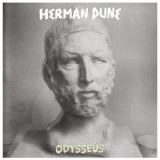
Nach 25 Jahren Herman Dune und 15 Alben freut sich BB*ISLAND, Odysseús zu präsentieren, eine neue Sammlung von Songs, die den Hörer auf eine Reise durch das turbulente Leben von David Ivar mitnimmt, eine Reise voller Sehnsucht, Schmerz, Liebe, Tod, Glaube und Erlösung. Es ist das erste Mal, dass Herman Dune mit einem externen Produzenten, David Garza, zusammenarbeitet. Das Set-up besteht fast ausschließlich aus akustischen Instrumenten, die live mit der Band in einem Raum aufgenommen wurden. Es ist Folk-Musik im typischen Stil von Herman Dune mit Anklängen an Americana, Country, jüdische und hispanische Traditionen, aber mit einer ganz neuen Wendung in Sound und Arrangements, vor allem im Vergleich zu seiner letzten rein akustischen Trilogie The Portable Herman Dune. David Herman Dune über die Produktion: "...David Garza getroffen zu haben war reiner Zufall. Ich mühte mich gerade mit einem Geigenarrangement für einen der Songs ab, als er sich in einem überfüllten Café in der Innenstadt von San Pedro an meinen Tisch setzte und mich fragte, woran ich gerade arbeitete. David, ein mit einem Grammy ausgezeichneter Produzent und Musiker, hatte mit Fiona Apple, Iron & Wine, John C. Reilly und den Milk Carton Kids gearbeitet und mit einigen meiner musikalischen Helden wie Lucinda Williams und Townes Van Zandt gespielt. Wir verstanden uns auf Anhieb, und er bot mir an, meine Songs zu produzieren. Wir begannen, die Stücke jeden Abend bei mir zu Hause zu spielen, und einmal pro Woche in einem französischen Restaurant namens Le Compagnon. David kannte die besten Musiker in L.A. - Leute wie Sebastian Steinberg am Kontrabass (Fiona Apple), Richard Edson (Schlagzeuger von Sonic Youth, Schauspieler in Jim Jarmuschs Stranger Than Paradise und Spike Lees Do The Right Thing), Odessa (violin, Edward Sharpe and the Magnetic Zeros) und Paul J. Cartwright (violin, Olivia Rodrigo). Als wir uns bereit fühlten, versammelten wir alle in meinem Haus für drei Tage Live-Sessions. Es war ein chaotischer, schöner Prozess, bei dem alle in einem Raum zusammen spielten, keine Kopfhörer, keine Overdubs - nur rohe, echte Musik. Aufgenommen und gemischt wurden die Sessions von Chris Sorem (ebenso Grammy-prämiert für seine Arbeit mit den mit den LA-Legenden Los Lobos). Chris brachte eine Wagenladung alter Mikrofone mit und konzentrierte sich auf "Raummikrofone" - djene, die die Atmosphäre des Raums einfangen. Er sagte, dies sei eine Technik, die auf Alben wie Buena Vista Social Club verwendet wurde, und es erzeugte eine Magie im Raum, die spürbar war. Sogar die traurigsten Lieder wurden lebendig mit so viel Freude, Energie und Elektrizität. Die Aufnahmen waren ungefiltert, organisch und hatten Seele. Als wir mit dem Abmischen begannen, waren wir alle vom Ergebnis erstaunt, wir hörten einen Moment in der Zeit, der sich gleichsam zeitlos anfühlte"
Give bread and circuses to Brazilians in 1968, and they"ll turn it into an anthem. Under the yoke of a monstrous dictatorship, this foundational album of the tropicalist movement forever changed the way music was thought of and made. Looking for bossa nova and bolero? Fine, but they added Batman, macumba, yé-yé, and psychedelic rock. With an album cover inspired by Sgt. Pepper"s, Caetano Veloso, Gilberto Gil, Gal Costa, Tom Zé, Nara Leao, Torquato Neto, Capinam, Os Mutantes, and their brilliant arranger Rogério Duprat etched their names into history.
pas en stock
Dernière livraison il y a 16 mois réapprovisionnement sans garantie
Madlib Invazion reissues Madlib’s collaboration with legendary Brazilian drummer Ivan “Mamao” Conti, propellant for lauded jazz fusion archetypes Azymuth. 5000 pressed for worldwide. Debuts on Black Friday. First released in 2008 on CD by the US based Mochilla imprint with vinyl being issued only in Europe on the Kindered Sprits label. Both formats are out of print with vinyl unavailble since its initial run. Alternate cover artwork, photography by B+. When Madlib went to Brazil in 2002 with Mochilla to participate in the production of Brasilintime his one mission was to meet Ivan “Mamao” Conti the drummer of the legendary trio Azymuth. Madlib had made an Azymuth tribute record he wanted to play for him. On a rainy night in Rio Mamao and Madlib went in the studio. Several hours later the rhythm tracks that make up Sujinho were laid and the process began. Featuring the music of Madlib, Mamao, Edu Lobo, Chico Buarque de Hollanda, Luiz Eca, Baden Powell, Vinicius De Moraes, Marcos Valle, Joao Donato, Dom Um Romao, Airto Moreira and even George Duke… and with guest vocals by Thalma De Freitas — Jackson Conti is a unique and classic record. Filled with the angularity and edge of a Madlib production and underwritten by the polyrhythmics of Mamao — Sujinho takes Brazilian music into places it has never been, bringing oft forgotten classics like Upa Neguinho to 21st century ears.
When Madlib went to Brazil in 2002 with Mochilla to participate in the production of Brasilintime his one mission was to meet Ivan “Mamao” Conti the drummer of the legendary trio Azymuth. Madlib had made an Azymuth tribute record he wanted to play for him. On a rainy night in Rio Mamao and Madlib went in the studio. Several hours later the rhythm tracks that make up Sujinho were laid and the process began. Featuring the music of Madlib, Mamao, Edu Lobo, Chico Buarque de Hollanda, Luiz Eca, Baden Powell, Vinicius De Moraes, Marcos Valle, Joao Donato, Dom Um Romao, Airto Moreira and even George Duke… and with guest vocals by Thalma De Freitas — Jackson Conti is a unique and classic record. Filled with the angularity and edge of a Madlib production and underwritten by the polyrhythmics of Mamao — Sujinho takes Brazilian music into places it has never been, bringing oft forgotten classics like Upa Neguinho to 21st century ears.
Diese Ausgabe des bereits traditionellen Begleitalbums zur Redux-Veröffentlichung strotzt nur so vor faszinierenden Künstlern und spannenden Kollaborationen, die allesamt den Punkgöttern RAMONES huldigen. Möglich wird diese kunterbunte Versammlung durch die kurzen Punk-Tracks der Amerikaner. Mit nur drei Akkorden und plakativen Texten revolutionieren die RAMONES im Jahr 1976 in Form ihres selbstbetitelten Debütalbums "Ramones" die zunehmend im Bombast erstarrende Rockszene mit dem rohen Energieausbruch des Punk. Die New Yorker beeinflussten über Jahrzehnte einige der bekanntesten Rock-, Punk- und Metal-Bands wie BLACK FLAG, NIRVANA, METALLICA, CIRCLE JERKS, WHITE ZOMBIE, PEARL JAM und GUNS N' ROSES - um nur einige zu nennen. MOTÖRHEAD haben den RAMONES sogar einen Song gewidmet. Die Band verkörperte den Punk-Underground, den sie beginnend im Jahr 1974 mit ins Leben gerufen hatten. Die Amerikaner blieben ihrem Sound und Stil über mehrere Dekaden treu, inspirierten Generationen von Musikern und erlangten ewige kulturelle Bedeutung, obwohl sie selbst kaum große kommerziellen Erfolg feiern durften. Die Redux-Serie von Magnetic Eye wurde als Hommage an klassische Alben aus der Musikgeschichte ins Leben gerufen. Zusammen mit "Ramones Redux" präsentieren wir auch das Begleitalbum "Best of Ramones Redux", das weitere Klassiker und Raritäten aus dem ebenso umfangreichen wie einzigartigen Katalog der US-Punk Legende enthält. Die Magnetic Eye Redux-Reihe lässt ausgewählte Künstler handverlesene klassische Alben aus der Geschichte des Rock und Metal komplett neu interpretieren und respektvoll in das neue Jahrtausend übertragen. Bisher hat das Label solche Meilensteine wie PINK FLOYDs "The Wall", HELMETs "Meantime", BLACK SABBATHs "Vol. 4", JIMI HENDRIX' "Electric Ladyland", "Dirt" von ALICE IN CHAINS, AC/DCs "Back in Black", SOUNDGARDENs "Superunknown" und den JETHRO TULL-Klassiker "Aqualung" in Redux-Versionen veröffentlicht. Unter vielen anderen haben sich solch herausragende Künstler wie MATT PIKE, PALLBEARER, THE MELVINS, ALL THEM WITCHES, KHEMMIS, ASG, ZAKK WYLDE, MARK LANEGAN, SCOTT REEDER an diversen Redux-Projekten beteiligt. Angeschnallt und zugestiegen bei Magnetic Eyes neunter Expedition ins Redux-Abenteuer, mit dem wir den legendären US-Punk Pionieren RAMONES die gebührende Ehre erweisen!
Diese Ausgabe des bereits traditionellen Begleitalbums zur Redux-Veröffentlichung strotzt nur so vor faszinierenden Künstlern und spannenden Kollaborationen, die allesamt den Punkgöttern RAMONES huldigen. Möglich wird diese kunterbunte Versammlung durch die kurzen Punk-Tracks der Amerikaner. Mit nur drei Akkorden und plakativen Texten revolutionieren die RAMONES im Jahr 1976 in Form ihres selbstbetitelten Debütalbums "Ramones" die zunehmend im Bombast erstarrende Rockszene mit dem rohen Energieausbruch des Punk. Die New Yorker beeinflussten über Jahrzehnte einige der bekanntesten Rock-, Punk- und Metal-Bands wie BLACK FLAG, NIRVANA, METALLICA, CIRCLE JERKS, WHITE ZOMBIE, PEARL JAM und GUNS N' ROSES - um nur einige zu nennen. MOTÖRHEAD haben den RAMONES sogar einen Song gewidmet. Die Band verkörperte den Punk-Underground, den sie beginnend im Jahr 1974 mit ins Leben gerufen hatten. Die Amerikaner blieben ihrem Sound und Stil über mehrere Dekaden treu, inspirierten Generationen von Musikern und erlangten ewige kulturelle Bedeutung, obwohl sie selbst kaum große kommerziellen Erfolg feiern durften. Die Redux-Serie von Magnetic Eye wurde als Hommage an klassische Alben aus der Musikgeschichte ins Leben gerufen. Zusammen mit "Ramones Redux" präsentieren wir auch das Begleitalbum "Best of Ramones Redux", das weitere Klassiker und Raritäten aus dem ebenso umfangreichen wie einzigartigen Katalog der US-Punk Legende enthält. Die Magnetic Eye Redux-Reihe lässt ausgewählte Künstler handverlesene klassische Alben aus der Geschichte des Rock und Metal komplett neu interpretieren und respektvoll in das neue Jahrtausend übertragen. Bisher hat das Label solche Meilensteine wie PINK FLOYDs "The Wall", HELMETs "Meantime", BLACK SABBATHs "Vol. 4", JIMI HENDRIX' "Electric Ladyland", "Dirt" von ALICE IN CHAINS, AC/DCs "Back in Black", SOUNDGARDENs "Superunknown" und den JETHRO TULL-Klassiker "Aqualung" in Redux-Versionen veröffentlicht. Unter vielen anderen haben sich solch herausragende Künstler wie MATT PIKE, PALLBEARER, THE MELVINS, ALL THEM WITCHES, KHEMMIS, ASG, ZAKK WYLDE, MARK LANEGAN, SCOTT REEDER an diversen Redux-Projekten beteiligt. Angeschnallt und zugestiegen bei Magnetic Eyes neunter Expedition ins Redux-Abenteuer, mit dem wir den legendären US-Punk Pionieren RAMONES die gebührende Ehre erweisen!
In the Andes of Peru, in a valley formed by the Huallaga River, lies the city of Huanuco. There, a little over fifty years ago, the emblematic cumbia band Los Darlings de Huánuco was born, and since then their compositions have gone around the world, bringing their homeland to the ears of music lovers and collectors. Adversities kept them away from music for two decades, but in spite of this, they marked a parallel path and created their own history in the maximum splendor of Peruvian cumbia. In a valley formed by the Huallaga River lies a temperate land located on the eastern slopes of the central Andes of Peru: Huánuco. A little more than seventy years ago, in that land of mountains and starry skies at almost 2,000 meters above sea level, Juan Nájera was born. A multifaceted musician by profession, he did not always have the privilege of being able to dedicate his life to music. For almost ten years he ran a family hardware store in Huánuco and then a mechanic shop on La Marina Avenue in Lima. He was also a truck driver. A decade of military dictatorships in Latin America made the artist's path very hard in the region, and Peru was no exception. Nájera was only nineteen when his first son was born. He had to make a living and the possibilities for entrepreneurship were slim. But if we go back in history, Juan Nájera was, first and foremost, a boy who dreamed of becoming a musician. Later, he was a boy who made it. Los Darlings de Huánuco managed to cross borders, not only in the capital of Peru, but also abroad. There are many collectors and music lovers around the world who seek and appreciate their songs, musical gems that have toured different latitudes and have managed to position this band from the Peruvian countryside in the most remote places on the planet. In a country characterized by its centralism, where opportunities in the countryside are much scarcer than in the capital, where the foreigner is greeted with more warmth than the local, and where getting ahead, especially in the musical field, implies an extraordinary effort, Los Darlings de Huánuco managed to take their sound to where they never thought it would be possible. From the Andes to the skyscrapers, from the heart of Huánuco to the immensity of other continents.
pas en stock
Dernière livraison il y a 16 mois réapprovisionnement sans garantie
“Wrecking Ball” was one thing. Now comes the long-awaited anti-austerity blast-a-thon with the teeth, venom and one-of-a-kind music of Jello Biafra. The second full-length from Jello Biafra and the Guantanamo School of Medicine picks up where last fall’s SHOCK-U-PY! left off. Covered in gruesome detail this time are corruption (“The Brown Lipstick Parade”), “Werewolves of Wall Street,” “Road Rage,” and corporate McMedia making pop stars out of small-time crooks to shield the big ones (“John Dillinger”) or tabloid pop stars to lobotomize everyone else (“Hollywood Goof Disease”). The title track shines a light on our never-ending foreign policy disasters in ways even Jello’s spoken word albums never did. “Crapture” is the perfect song to play for those lovely End Times believers, pointing out how much better the world would be for everyone else left behind—replete with melodies on the scale Biafra hasn’t really touched since “Moon Over Marin.” Above all, White People and the Damage Done rocks! No pop punk here, just Jello and crew taking punk fire in unexplored directions, with wallof-sound, in-your-face production from Marshall Lawless and Matt Kelley (lots of Jello projects, Hieroglyphics, The Coup, Digital Underground, Zen Guerrilla). Lineup retains the double-barreled guitar attack of Ralph Spight (Victims Family, Freak Accident) and Kimo Ball (Freak Accident, Griddle, Mol Triffid), joined by bassist Andrew Weiss (Rollins Band, Ween, Butthole Surfers, more) and drummer Paul Della Pelle (Helios Creed, Nik Turner’s Space Ritual, and Philly HC legends Ruin)
“Wrecking Ball” was one thing. Now comes the long-awaited anti-austerity blast-a-thon with the teeth, venom and one-of-a-kind music of Jello Biafra. The second full-length from Jello Biafra and the Guantanamo School of Medicine picks up where last fall’s SHOCK-U-PY! left off. Covered in gruesome detail this time are corruption (“The Brown Lipstick Parade”), “Werewolves of Wall Street,” “Road Rage,” and corporate McMedia making pop stars out of small-time crooks to shield the big ones (“John Dillinger”) or tabloid pop stars to lobotomize everyone else (“Hollywood Goof Disease”). The title track shines a light on our never-ending foreign policy disasters in ways even Jello’s spoken word albums never did. “Crapture” is the perfect song to play for those lovely End Times believers, pointing out how much better the world would be for everyone else left behind—replete with melodies on the scale Biafra hasn’t really touched since “Moon Over Marin.” Above all, White People and the Damage Done rocks! No pop punk here, just Jello and crew taking punk fire in unexplored directions, with wallof-sound, in-your-face production from Marshall Lawless and Matt Kelley (lots of Jello projects, Hieroglyphics, The Coup, Digital Underground, Zen Guerrilla). Lineup retains the double-barreled guitar attack of Ralph Spight (Victims Family, Freak Accident) and Kimo Ball (Freak Accident, Griddle, Mol Triffid), joined by bassist Andrew Weiss (Rollins Band, Ween, Butthole Surfers, more) and drummer Paul Della Pelle (Helios Creed, Nik Turner’s Space Ritual, and Philly HC legends Ruin)