SPHERART Records continues to shape its distinctive imprint on the underground with a new chapter in the KUNST series, introducing CUBA. a fast rising artist from Porto, Portugal.
Known for his sharp and hypnotic approach to acid driven club music, CUBA delivers his debut release, INVICTA EP, a six track journey built around twisted basslines, Progressive percussion, and futuristic tension. Each piece unfolds with precision and atmosphere, capturing the essence of long nights, heavy grooves, and pure vinyl energy.
A timeless exploration of sound and motion, INVICTA stands as both a nod to classic rave aesthetics and a step forward in SPHERART evolving sonic vision.
Suche:cuba!
- 1: Celia Cruz - Yerbero Moderno
- 1: 2Celia Cruz Con La Sonora Matancera - Tuya, Y Mas Que Tu
- 1: 3Celia Cruz - Matiagua
- 1: 4Celia Cruz - Mi Soncito
- 1: 5Celia Cruz - Yembe Laroco
- 1: 6Celia Cruz Con La Sonora Matancera - Así Quiero Morir
- 1: 7Celia Cruz Con La Sonora Matancera - Pa' La Paloma
- 1: 8Celia Cruz - Cao Cao Maní Picao
- 1: 9Celia Cruz - Burundanga
- 1: 0Celia Cruz - Melao De Caña
- 1: Celia Cruz Con La Sonora Matancera - Caramelos
- 1: 2Celia Cruz Con La Sonora Matancera - Chango Ta' Veni
- 1: 3Celia Cruz Con La Sonora Matancera - Mi Amor...buenas N
- 1: 4Celia Cruz Con La Sonora Matancera - Me Voy A Pinar Del
- 1: 5Celia Cruz Con La Sonora Matancera - Saludo A Elegua
- 1: 6Celia Cruz - Mata Siguaraya
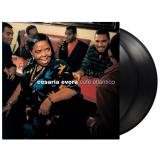
Mit Queen of Cuba präsentiert Wagram eine sorgfältig kuratierte Vinyl-Ausgabe, die dem unvergleichlichen Werk von Celia Cruz gewidmet ist. Die "Königin des Salsa" prägte über Jahrzehnte die kubanische Musik und machte sie weltweit bekannt. Dieses Album vereint einige ihrer bedeutendsten Aufnahmen, die den unverwechselbaren Klang und die Energie des Son, Rumba und Salsa widerspiegeln. Titel wie Burundanga, Yerbero Moderno, Cao Cao Maní Picao und Mata Siguaraya zeigen die Vielfalt ihres Repertoires und ihre charismatische Stimme, die Generationen begeistert hat.
- Guaguanco, Conga, Columbia
- Ibu
- Sumu Gaga
- Oni
- Rumba Callejera
- Danza Del Iyon
- Asokere I
- Suayo
- Iya Mi Ile
- Borotiti
- Asokere Ii
- Iya Mo Dupe
- Yeye Bi Obi Tosuo
- E Iekua
- Asokere Iii
Basing himself off the works of Cuban guitarist-composers José Angel Navarro and Hector Angulo, Italian guitarist Walter Zanetti intimately recreates sacred Afro-Cuban batá drum songs on guitar. The 15-track album of new recordings from Zanetti brings together six original compositions by Navarro dictated to the Italian guitarist on a month-long trip to Cuba andreinterpretations of Angulo"s nine original Cantos Yorubade Cuba, which give the record its name.
- A1: Guaguanco, Conga, Columbia
- A2: Ibu
- A3: Sumu Gaga
- B1: Oñi
- B2: Rumba Callejera
- B3: Danza Del Iyon
Basing himself off the works of Cuban guitarist-composers José Angel Navarro and Hector Angulo, Italian guitarist Walter Zanetti intimately recreates sacred Afro-Cuban batá drum songs on guitar. Santería draws heavily on music for its ceremonies. This Afro-Cuban syncretic religion, sometimes called La Regla de Ocha, saw the Orisha deities of the West African Yoruba peoples codified with Catholic saints. Yoruba practitioners, brought by force to the West, continued to worship their gods under the nose of those who sought to dehumanize them by adopting their spiritual language. The chants that became Santería’s prayers were often accompanied by the beat of the batá drum. This heartbeat runs through every invocation, through every sacred song. In the same way that the shuffling chains on the feet of enslaved African peoples dancing defiantly in Colombia birthed the distinctive rhythm of cumbia, syncretism has been present in music as much as it has in religion. It has always been about challenging the odds, about creation, creativity, and heart.
- Compay Segundo - Hey Caramba
- Johnny Pacheco Y Su Charanga - Acuyuye
- Pérez Prado - Mambo N. 5
- Beny Moré - ?Como Fue?
- Cachao Y Su Combo - Cogele El Golpe
- Tito Rodríguez - Mambo Manila
- Orquestra Aragon - El Bodeguero
- Perry Como - Papa Loves Mambo
- Ray Barretto - Summertime
- Celia Cruz & La Sonora Matancera - Dile Que Por Mi No T
- Machito - Relax And Mambo
- Eddie Palmieri - Ritmo Caliente
- Mongo Santamaria - Linda Guajira
- Noro Morales Y Su Orquesta - Saona
- Mon Rivera Y Su Orquesta - Lluvia Con Nieve
- Tito Puente Y Su Orchestra - Ran Kan Kan
Die Vintage Sounds Vinyl-Reihe ist zurück mit einer neuen Ausgabe, die diesemal der kubanischen Musik gewidmet ist. Eine Auswahl mit 16 Tracks der größten klassischen kubanischen Songs. Darunter: COMPAY SEGUNDO, JOHNNY PACHECO Y SU CHARANGA, PÉREZ PRADO und viele mehr!
- A1: Amor Verdadero
- A2: Alto Songo
- B1: Habana Del Este
- B2: A Toda Cuba Le Gusta
- C1: Fiesta De La Rumba
- C2: Los Sito' Asere
- C3: Pío Mentroso
- D1: María Caracoles
- D2: Clasiqueando Con Rubén
- D3: Elube Changó
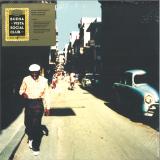
'A Toda Cuba le Gusta', the classic debut album by the Afro-Cuban All Stars. The frst in a trilogy of extraordinary albums recorded by World Circuit in a single two-week session
at Havana's EGREM studios, 1996. The other albums, which share many of the same personnel, were 'Buena Vista Social Club' and 'Introducing Rubén González'. Remastered by Bernie Grundman from the original analogue tapes and now available
for the frst tme on double 180gm heavyweight vinyl, housed in a gatefold sleeve and presented alongside a 32 page booklet as part of World Circuit's classic album series. Plays at 45rpm.
Juan Pablo Torres was one of the best trombone players in the Latin-jazz community of the second half of the 20th century.
He was the director of Algo Nuevo and a member of Irakere, two of the leading exponents of Afro-Cuban jazz in the 1970s and 1980s. He has also directed various Cuban supergroups such as Estrellas de Areito and Cuban Masters.
Almost all of his albums were made for Areito de La Habana, Cuba.
‘Cuba Disco’ was the only album released in his name in Europe; recorded in Milan in 1984 and produced by Aldo Pagani. In Italy in the same year he participated in two records by Pino Daniele and one by Astor Piazzolla.
Accompanied by his faithful Gruppo Algo Nuevo, with the addition of some guests such as the Italian jazz guitarist Angelo Arienti, his traditional Afro-Cuban vein is contaminated by disco and balearic moments; as in the case of the magnificent ‘Bermuda Triangle’ which anticipates the current atmosphere of Nu Genea.
Limited edition. Released from the transfer of the original master tape.
- A1: Juan Pablo Torres Y Algo Nuevo - Y Que Bien
- A2: Orquesta Los Van Van - Por Que Lo Haces
- A3: Los Latinos - Quemando
- A4: Farah Maria - Amame Y No Pienses Mas
- B1: Fa 5 - Muevete Con Las Fuerzas Del Corazon
- B2: Tambores De Enrique Bonne - Como Arrullos De Palma
- B3: Ricardo Eddy Martinez - Expresso Ritmico
- C1: Los Papines - Solo De Tumba Y Bongo
- C2: Grupo Sintesis - Aqui Estamos
- C3: Los Van Van - Llegada
- C4: Grupo Raices Nuevas - Baila Mi Guaguanco
- D1: Luis Carbonell - La Rumba
- D2: Orquesta Riverside - En Casa Del Trompo No Bailes
- D3: Juan Formel & Los Van Van - Llegue, Llegue
- E1: Grupo Los Yoyi - Tu No Me Puedes Conquistar
- E2: Los Papines - Para Que Niegas?
- E3: Grupo De Experimentacion Sonora Del Icaic - Cuba Va!
- E4: Raul Gomez - Luces En La Pista
- F1: Los Brito - El 4-5-6
- F2: Leo Brouwer - Tema De El Rancheador De La Naturaleza
- F3: Ricardo Eddy Martinez - La 132
- F4: Los Reyes 73 - Finalizo Un Amor
Cuba: Music and Revolution: Culture Clash in Havana: Experiments in Latin Music 1975-85 Vol. 2 is the new album compiled by Gilles Peterson and Stuart Baker (Soul Jazz Records) that takes off in exactly the same vein as the much-acclaimed Vol. 1 – exploring the many styles that came out of Cuba in the 1970s as Latin and Salsa mixed with heavy doses of Jazz, Funk, and Disco to create some of the most dancefloor-friendly music ever made!
The album comes as a heavyweight 3xLP and deluxe 2xCD set, complete with extensive sleeve notes, and is jam-packed with heavy bass lines, synth and Wah-Wah guitar funk combined with the heavyweight percussion, powerful brass lines and the all-encompassing Latin rhythms of Cuban music known
throughout the world.
Much of the music on this album is featured in the deluxe large format book ‘Cuba: Music and Revolution: Original Cover Art of Cuban Music: Record Sleeve Designs of Revolutionary Cuba 1959-90’, released by Soul Jazz Books and also compiled by Gilles Peterson and Stuart Baker (Soul Jazz Records),
featuring the music and record designs of Cuba, made in the 30-year period following the Cuban Revolution.
The music on this new album features a host of rarities from legendary Cuban artists such as Los Van Van, alongside Grupo De Experimentación, Farah Maria, Ricardo Eddy Martinez, Juan Pablo Torres, Grupo Sintesis and Orquesta Riverside, most of whose names remain largely unknown outside of Cuba but have long been favourite club tracks and secret-weapons in Gilles Peterson’s record boxes!
The music on this album reflects the most cutting-edge of Cuban groups that were recording in Cuba in the 1970s and 1980s – all searching for a new Cuban identity and new musical forms reflecting both the Afro-Cuban cultural heritage of a nation that gave birth to Latin music and its new position as a socialist state. Most of the music featured on this album has never been heard outside of Cuba.
Both Gilles Peterson and Stuart Baker have been involved in Cuban music for more than two decades – Gilles Peterson with his many Havana Cultura projects for his Brownswood label and Stuart Baker with a number of Soul Jazz Records albums recorded in Cuba. This Soul Jazz Records album is released in conjunction with Egrem, the Cuban state record company, and has been put together after the many crate-digging trips that both compilers have made on the streets of Havana and beyond in Cuba stretching over a 20-year period, searching out rare and elusive original Cuban vinyl records
- A1: Grupo Irakere - Chequere Son
- A2: Conjunto Rumbavana - El Son Del Campeon
- A3: Juan Formell & Los Van Van - Mi Ritmo Caliente
- B1: Grupo Monumental - Mi Son Caridad
- B2: Grupo De Experimentacion Sonora Del Icaic - Sondeando
- B3: Las D'aida - Con Cadencia Y Con Dulzura
- B4: Juan Formell & Los Van Van - Y No Le Conviene
- C1: Pablo Milanes - Te Quiero Porque Te Quiero
- C2: Emiliano Salvado - Luna Wanestain
- C3: Los Reyes 73 - Un Lamento Hecho Cancion
- D1: Eduardo Ramos - Vocacion Revolucion
- D2: Grupo Monumental - Hasta Las Cuantas
- D3: Los 5 U 4 - Solo Esta Musica
- D4: Grupo De Experimentacion Sonora Del Icaic - Cancion Con Todos
- D5: Orquesta Los Van Van - Yo Se Que Van Van
- E1: Grupo Monumental - Nadie Se Siente Cansado
- E2: Orquesta Ritmo Oriental - Maria, Baila El Son
- E3: Juan Pablo Torres Y Algo Nuevo - Rompe Cocorioco
- E4: Los Reyes 73 - Grandes Amigos
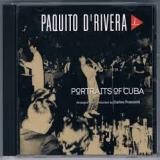
- F1: Paquito D'rivera - La Patica
- F2: Grupo De Experimentacion Sonora Del Icaic - Grifo
- F3: Raul Gomez - Dacapo
- F4: Grupo Irakere - Juana 1600
‘Cuba: Music and Revolution’ is a new album compiled by Gilles Peterson and Stuart Baker (Soul Jazz Records) that explores the many new styles that emerged in Cuba in the 1970s as Jazz, Funk, Brazilian Tropicalia and even Disco mixed together with Latin and Salsa on the island as Cuban artists experimented with new musical forms created in the unique socialist state of Cuba.
The album comes as a deluxe double CD and heavyweight triple vinyl, complete with extensive sleeve notes, jam-packed with heavy basslines, synth and WahWah guitar funk combined with the heavyweight percussion, powerful brass lines and the all-encompassing Latin rhythms of Cuban music known throughout the world.
The album is released to coincide with the massive new deluxe large format book ‘Cuba: Music and Revolution: Original Cover Art of Cuban Music: Record Sleeve Designs of Revolutionary Cuba 1959-90’, which is also compiled by Gilles Peterson and Stuart Baker (Soul Jazz Records) and which features the music and record designs of Cuba, made in the 30-year period following the Cuban Revolution.
The music on this album features legendary Cuban groups such as Irakere, Los Van Van and Pablo Milanés, as well as a host of lesser known artists such as the radical Grupo De Experimentación, Juan Pablo Torres and Algo Nuevo, Grupo Monumental and Orquesta Ritmo Oriental, groups whose names remain largely unknown outside of Cuba owing to the now 60-year old US trade embargo which remains in place today and which prevents trade with Cuba - and thus most Cuban records were only ever available in Cuba or in ex-Soviet Union states.
The music on this album reflects the most cutting-edge of Cuban groups that were recording in Cuba in the 1970s and 1980s - who were all searching for a new Cuban identity and new musical forms that reflected both the Afro-Cuban cultural heritage of a nation that gave birth to Latin music - and its new position as a socialist state. Most of the music featured on this album has never been heard outside of Cuba.
Both Gilles Peterson and Stuart Baker have been involved in Cuban music for more than two decades - Gilles Peterson with his many Havana Cultura projects for his Brownswood label and Stuart Baker with a number of Soul Jazz Records albums recorded in Cuba. This Soul Jazz Records album is released in conjunction with Egrem, the Cuban state record company, and has been put together after the many crate-digging trips that both compilers have made on the streets of Havana and beyond in Cuba stretching over a 20-year period, searching out rare and elusive original Cuban vinyl records.
Press - Reviews & features in Mojo, The Wire, The Guardian, The Times, The Telegraph, Pitchfork, Irish Times, The Observer, Clash, Vice, Metro, Record Collector, Uncut, Independent, Q.
Manana presents a new remix EP bringing together some essential re-works of Sound Species and Ache Meyi's collaboration recordings.
Originally recorded in 2016 in Santiago de Cuba during the lead-up to the Manana Festival in the city, the original sessions were an inspired fusion of Ache Meyi's deep folkloric Afro-Cuban styles with Sound Species' subtle electronic touches. The new re-works have attracted some familiar names from clubland: broken beat don IG Culture keeps the roots of 'Ogún Meyi Meyi' intact with a bass-heavy, percussive attack; brilliant UK drummer and producer Tom Skinner strips back 'Egrem Bata Jam' on a pulsing new version; Chicago legend Ron Trent creates a more melodic dancefloor re-work of 'Alina's Calypso' while Sound Species themselves beef up the original Afro-Haitian rhythms of the same track for a dubbier treatment.
- A1: Encie´ndelo (Feat. Dj Jigu¨e & Yissy Garci´a)
- A2: Compan Eros Tropicales (Feat. Dj Jigu¨e)
- A3: Bomba (Feat. El Individuo)
- A4: Dia´spora (Feat. Negro Wadpro)
- A5: Ciclo De La Vida (Feat. Luz De Cuba & Kamerum)
- A6: Traketeo (Feat. Luz De Cuba)
- B1: Carambuko (Feat. Joao Pglagarto)
- B2: Soy Libre (Feat. El Individuo)
- B3: Number One (Feat. Nin O Fony)
- B4: Encontra´ndome (Feat. Sigrid)
- B5: Blues De Mi Barrio (Feat. Yasek Manzano)
- B6: Eshu (Feat. Kamerum)
- B7: Hasta Pronto (Feat. Dj Jigu¨e & Yissy Garci´a)
For A Long Time, Electronic Music Has Been Understood In Terms Of Sounds Rooted In Particular Places: The Styles Of House And Techno Inextricably Wedded To Detroit, Or The Early '90s Jungle Sound Which Carries Echoes Of London. But That's Something Which Is Changing - In Latin America More Than Anywhere Else. A New Project, Led By Gilles Peterson And Rum Maker Havana Club (that Created The Havana Cultura Platform In 2007 To Promote The Island's Contemporary Culture), Shines A Light On Cuba's Fast-mutating, Rhythmically-adventurous Underground. It's A Scene Where Old Ideas Are Transplanted Into New Contexts, And Like-minded Scenes Are Brought Together In New Dialogues.
Havana Cultura: ¡su´belo, Cuba! Showcases An Extended Network Of Like-minded, Forward-thinking Musicians Driving Cuba's Music Forward. Following Repeated Trips To Connect With Venues, Collectives And Djs, Peterson And Will Lv - One Half Of Lv, Who've Released On Hyperdub And Keysound Amongst Others - Linked Up With Dj Jigu¨e, A Much-respected Producer And Dj, Whose Guampara Label Has Charted New Directions For Cuban Music. He's Been Profiled By The Fader And Vice, And The Album Features His Extended Network Of Collaborators, Connecting Afro-cuban Traditions With Contemporary Movements And Ideas.
The Album Provides A Snapshot Of A Unique Club Culture That's Fast Evolving. On The One Hand, It's Indebted To Cuba's Unique Characteristics, Where Regularly-practised Traditions Are Coloured By Intermittently-experienced Cultures From Outside. On The Other, It's Part Of A Global Shift Toward De-centred Club Music, With Homegrown, Influence-grabbing Dance Cultures Tilting Attention From Club Culture's Traditional Epicentres. It Offers A New Side To Havana That's Firmly Rooted In Its Past.
Manana presents the third release on Manana//Records, an album collaboration between the UK's Soundspecies and Ache Meyi, based in Santiago de Cuba.
- A1: Another Way
- A2: L'amour Toujours
- A3: Elisir
- A4: The Riddle
- B1: La Passion
- B2: The Way
- B3: Star
- B4: Bla Bla Bla (Drammentenza Mix)
- C1: L'amour
- C2: Music
- C3: Passion
- C4: Bla Bla Bla
- D1: La Danse
- D2: Movimento
- D3: La Marche Electronique
- D4: Cuba Libre
- E1: My Dimension
- E2: The Riddle (Instrumental)
- E3: Tekno Jam
- F1: Coca E Avana
- F2: Bla Bla Bla (Dark Mix)
- F3: Elektro Message
- F4: Fly
"French Londoner, producer, live performer and troubadour, Remi Mazet marks the end of the summer with a release that was well worth waiting for. Eccentric, particular, specific and always surprising.
From the laid back ethereal and atmospheric scene-setting intro, through upbeat dance floor cuts, percussive workouts and back again, everything about this collection says depth, groove and flow. Sax, keys and sublime samples nestle among, beats, breaks and 4/4 rhythms to create a sonic excursion where nothing is hurried and every track is distinct yet cohesive.
Following on from releases on Colors and Love Fever Recordings, Safran (SJ002) is a continuation of his ongoing explorations. The EP is a perfect extension of his early work, a contagious evolution and transformation in a more personal way."
- A1: El Yayabo - Ruben Gonzalez
- A2: Me Diras Que Sabroso - Compay Segundo
- A3: El Platanal De Bartolo - Ibrahim Ferrer
- A4: Tu No Eres Nadie - Tito Puente
- A5: En Guantanamo - Abelardo Barroso
- A6: Francisco Guayabal - Beny More
- A7: Patricia - Perez Prado
- A8: Oye Mi Ritmo - Omara Portuondo
- B1: Goza Negra - Celia Cruz
- B2: Tirando Tiro - Bebo Valdes With Sabor De Cuba
- B3: Eso Se Hincha - La Sonora Matancera
- B4: Comiendo Y Cantando - Pio Leyva
- B5: Ya Tu Lo Ves Campeon - Chapotin & His Estrellas
- B6: Soy Del Monte - Beny More
- B7: El Jarabe Loco - El Negro Peregrino
- C1: Bodas De Oro - Ibrahim Ferrer
- C2: Mambo No.5 - Perez Prado
- C3: Juancito Trucupey - Celia Cruz
- C4: Mango Mangue - Aldemaro Romero
- C5: Nuestras Vidas Mi Corazon Es Para Ti - Ruben Gonzalez
- C6: Tin Tin Deo - Chano Pozo & James Moody
- C7: Suena Tu Bongo - Conjunto Roberto Faz
- C8: La Campnia Cubana - Alfredito Valdez & Trio Caney
- D1: Cao Cao Mani Picao - Vicentico Valdes
- D2: Maracaibo Oriental - Beny More
- D3: Zambia - Machito
- D4: Mosaico - Lecuona Cuban Boys
- D5: Merengues, No - Bebo Valdes
- D6: Voy Pa Mayari - Compay Segundo
- D7: Tinguaro - Tito Puente
Whether you're beginning a love affair with cuban music or renewing the relationship, this double
album of vintage recordings, served up on vinyl in the traditional way, will bring sunshine into your life.
Belgium, not the first place you'd think of when it comes to Latin or Afro funk. Yet one of the greatest records to blend both styles came from the small northern European country, masterminded by Nico Gomez and his Afro Percussion Inc.
Ritual was originally released in 1971 on the Dutch label Omega International (Gomez was born in Holland before moving to Belgium in the late 40s) and is being reissued by Mr Bongo in 2013, bringing its blazing funk grooves to both new ears and those already tuned in to this masterpiece's legacy.
Across its 11 tracks Ritual delivers the kind of production, arrangement and musicianship that rightfully belong in a dictionary next to the definition of professional. Gomez' band was tight and they knew it, showing it off on their covers of Perez Prado's 'Caballo Negro' and 'Lupita' by injecting the originals with a deep funk that blends both Afro and Latin influences. On 'Samba De Una Nota So' and 'El Condor Pasa', another pair of covers, they switch to soulful downtempo with mesmerising ease. The title cut remains one of the album's highlights, a devastating dancefloor groove with horns to match that has aged beautifully and was heavily sampled by Liquid People for 'The Dragon'. 'Pa! Pa! Pa! Pa!' adds touches of rock with fuzzy guitars for one of the album's headier experiences.
- 1: Return Of The North Star (Produced By Bt)
- 2: House Of Flying Daggers (Produced By J Dilla)
- 3: Sonny's Missing (Produced By Pete Rock)
- 4: Pyrex Vision (Produced By Marley Marl)
- 5: Cold Outside (Produced By Atl / Ice Water Inc)
- 6: Black Mozart (Produced By Rza)
- 7: Gihad (Produced By Necro)
- 8: New Wu (Produced By Rza)
- 9: Penitentiary (Produced By Bt)
- 10: Baggin Crack (Produced By Erick Sermon)
- 11: Surgical Gloves (Produced By The Alchemist)
- 12: Broken Safety (Produced By Scram Jones)
- 13: Canal Street (Produced By Ice Water)
- 14: Ason Jones (Produced By J Dilla)
- 15: Have Mercy (Produced By Moss)
- 16: 10 Bricks (Produced By J Dilla)
- 17: Fat Lady Sings (Produced By Ice Water Inc)
- 18: Catalina (Produced By Dr. Dre And Mark Batson)
- 19: We Will Rob You (Produced By Allah Justice)
- 20: About Me (Produced By Dr. Dre And Mark Batson)
- 21: Mean Streets (Produced By Allah Mathematics)
- 22: Kiss The Ring (Produced By Scram Jones)
- 23: Walk Wit Me (Produced By Scram Jones)
- 24: Badlands (Produced By Bt)
First released in 2009, Only Built 4 Cuban Linx… Pt. II stands as Raekwon’s celebrated sequel to the Purple Tape, expanding his cinematic mafioso rap universe.
This newly designed instrumental edition removes the vocals to place full focus on the album’s production, featuring beats by J Dilla, Dr. Dre, RZA, Pete Rock, The Alchemist, and more.
For the first time ever on vinyl, the instrumentals are presented as a standalone listening experience, revealing the album’s grit, mood, and layered sound design.
Pressed on classic black vinyl and housed in a heavy matte-finish jacket with spot gloss text, the Shaolin Noir Edition keeps the spotlight on the music itself, serving as a clean, essential companion to one of Raekwon’s most acclaimed releases.
- 01: The London Jazz Quartet - Autumn In Cuba
- 02: Shake Keane Quintet - Fidel
- 03: Eddie Thompson - Body &Amp; Soul
- 04: Jimmy Deuchar Quartet - Dancing In The Dark
- 05: Tubby Hayes - Blues For Those Who Thus Desire
- 06: Ronnie Scott&Apos;S Quintet - Nemo
- 07: Wilton Gaynair - Rhythm
- 08: Stan Tracey Trio - Free
- 09: Jimmy Deuchar–Victor Feldman Quintet - Wail
- 10: The Pat Smythe Trio &Amp; Shake Keane - Old Devil Moon
- 11: Dizzy Reece Quintet - Sweet &Amp; Lovely
- 12: The Tony Kinsey Quartet &Amp; Joe Harriott - Fascinating Rhythm
The second volume in a survey of the modern jazz & hard-bop scenes that emerged in the new cultural melting pot of post war London, with recordings from the end of the 1940s through to the early 1960s.
Featuring representations from players whose roots lay in the East-End's jewish community alongside a wealth of talent of Caribbean and African descent playing and recording in post war London during this period.
Made in partnership with the Barbican to coincide with the exhibition Postwar Modern: New Art in Britain 1945-1965.
BIG reissue for a BIG record!
Support from Gilles Peterson, Natasha Diggs, Osunlade, Rich Medina, Skratch Bastid, Bobbito Garcia, DJ Koco aka Shimokita, and GUTS ( Heavenly Sweetness ), amongst many others!
This is a landmark release from Maleet, the Northern NJ Producer, originally signed to Kenny "Dope" Gonzalez's ( Masters at Work ) label in the early 2000's
Now fresh off of a feature on the latest TEYMORI ( Amin Payne ) LP, Maleet creates his own blend of Afro-Cuban Orisha based music and Soulful House with vibrant live instrumentation
Synthesizers, Fender Rhodes, Percussion and Horns are the chosen ingredients here, while the thumping drums communicate directly with the Highest energies above! The results are songs that lift your spirit and move your body, simultaneously
Right on time for the season, these songs will be populating dance floors around the globe, through the Summer and beyond
Two dance floor heaters, one direct link to the HIGHEST!
As Nathan Fake rises from the nocturnal subterranea and rave catharsis of his previous records, on Evaporator, he resurfaces into the domain of daylight, bringing a tangible sense of air rushing against your face, of big skies, and endless landscapes. The idea of pop accessibility that trickled into 2023’s Crystal Vision is refracted here through the prism of sweeping ambient, deep electronica, and trance uplift. Evaporator is Fake’s idea of “airy daytime music”, with each track a different barometer reading across the album’s varying atmospheres, which range from vibrant sunbursts, bracing rainscapes, and fine mists of clement melodics. “It’s not overtly confrontational electronic club music,” states Fake. “It’s quite pleasant, it’s accessible. As I was progressing through making the tracklist, I called it a daytime album. It doesn’t feel like an afterparty album.” For the past decade Fake has been gingerly introducing collaborations with heroes and friends alike into his lone, idiosyncratic working process. Border Community alumni Dextro AKA Ewan Mackenzie transmutes his ferocious drumming for Pigs Pigs Pigs Pigs Pigs Pigs Pigs into the blurred choral thump of ‘Baltasound’. ‘Orbiting Meadows’, meanwhile, is his second collaboration with Clark, an eerily idyllic duet where microtonal 18EDO piano clangs slowly twirl around wailing pads. Evaporator marks the junction point of old technology and ever fresh creativity for Nathan. The trusty “dinosaur” age software, particularly Cubase VST5, that has powered two decades of music is rarely updated. “I used to sort of feel a bit ashamed of using such old software, and then I kind of had an epiphany – that’s just how I work”, comments Fake. “That’s just how I play. I’m very fond of these old tools, and I get the most joy out of them, but now I’ve incorporated new technology too.” When an artist accumulates so much synergy with their instrument, music making becomes instinctual. By Fake’s account, much of Evaporator just fell into place. The album title arrived randomly in his head (“it felt completely perfect. Airy.”), ideas looped and developed until things locked into place and just felt right. ‘The Ice House’ is a fleeting glimpse of the sonic world he taps into in this creative state, its glassy FM synths built around a counterpoint between rough-hewn crystalline arpeggios and sparse yet gravitas-bearing bass. “That riff I just wrote out on the keyboard, I just played it forever and ever and ever. The original track ended up being really short. Here you go, and it’s gone!” These unplanned channellings of sound call forth records from Fake’s past while he looks ahead, perhaps getting at the very essence of his musicianship. The opener ‘Aiwa’ (“the breeziest,” he muses) reminds of the introspection that characterised Providence, excited by the fire and grit of Steam Days’ textural experiments, its chunky slams and clatters surging into a flood of harmonic buzzing as they reach out for old wisdom. ‘Hypercube’ stampedes in a similar chronological confluence, infusing an incessant synth line reminiscent of the golden age of rave with the crackling, ecstatic energy of modern festival anthems. Like the vaporisation of liquid to particles, everything that Evaporator presents has a mutant desire to be amorphous. Sounds rarely settle; the irradiated garage beat of ‘Bialystok’ is pitched downwards to driving, rebounding effect, while ‘You’ll Find a Way’ warps static into shivering energy, cinematic synth strings building anticipation into a gradual gush of chords. This translates into a more expansive stereo field than Fake has explored before. ‘Slow Yamaha’ saves the wildest, most kinetic transformations for last with a cornucopia of crispy melodies and fried drums; a sibilance of cymbals on the left, a susurrus of shakers on the right, and kaleidoscopic lasers pulsing and fizzing all around. Evaporation culminating in pure excited atoms. In a world where music has increasingly become background content, making albums remains lifeblood for Fake: “It makes me realise how long; twenty years is ages! It’s weird to see how much the world has changed. Release day back then you did fuck all, now you spend all day on socials. When I grew up the people who made the electronic music I was into were quite mysterious, and the artwork was very abstract. There was a massive distance between you and that music, and that was a key part of it, really. Now it helps to be an extrovert, and I'm just not, but the album marks the first time my face has graced the cover art. I’ve never wanted to do this before, I'm very shy, and generally I don’t like being seen,” he professes. “But, twenty years in, I supposed I could try something new. I'm very lucky that I'm somehow surviving in this world, where the media world favours extroverts and interesting looking people. It’s not my world but somehow I’m still in it.” Evaporator continues to prove Nathan’s necessary presence, with some of his most engaging, varied, and magical music yet.
"¡Qué ardiente!" combines the best of Los Roger's limited discography, one of the most influential Amazonian cumbia bands from Iquitos, Peru.Their discography dives deep into Cuban-influenced sounds, where the guitar shares the spotlight with powerful percussion and-with tracks like 'Descarga Roger's'-with the vocals as well. A thorough look into one of the most essential Psychedelic cumbia bands in Peru. Iquitos, one of Peru's most remote cities and the capital of its Amazon region, was the epicenter of the psychedelic cumbia movement. Countless bands emerged from this place, each with a different fate in their musical journeys. Some rose to become international stars and flag bearers of cumbia, while others remained local legends, their fame never traveling far beyond the Amazon jungle. Los Roger's achieved great success in Iquitos and served as the foundation and inspiration for many local bands that emerged in the late 1960s and early 1970s. "¡Qué ardiente!" combines the best of the band's limited discography. The recordings come from their first 45 RPM single and their two mini Long Plays for the FTA label, as well as their only elusive LP from 1971, "¡Qué ardiente!", ("How Burning!") recorded for the prestigious IEMPSA label. Los Roger's came to an abrupt end just one year after the release of their LP, at the peak of their career, due to their disappointments with the music industry.
Volcov, the Veronese founder of the Neroli record label, returns to the BBE fold with the third compilation in his majestic series 'From the Archives' and once again this new installment is another collection of overlooked gems and unreleased beauties that are set to entice the discerning listener. As with volumes 1 and 2, 'From the Archives volume 3' features cherry picked songs that focus on melodies and weave a thread between eras and genres. From the Archives volume 3 is a genre free journey into authentic grooves which features music from the enchanted tones of Carlo Nino & Friends, an exclusive from Collettivo Immaginario, uptempo moments from remix kings Kaidi Tatham and DJ Spinna as well as two unreleased songs from Fred P and J2 Fusion feat. Javonttee and DJ Genius. From The Archive 3 represents another accomplished work of love from Volcov aka Enrico Crivellaro, who has a long list of albums and compilations under his belt as well as being involved in productions, edits, releases and projects with artists such as Dego, Theo Parrish, Phil Asher, Gerald Mitchell, Domu, Kaidi Tatham, Kirk Degiorgio, Patrick Gibin, Lars Bartkuhn, Ian O’Brien and many more. From the Archive volume 3 is released as a vinyl double LP and a digital download and is a compilation in which the music lover will be guided hand in hand through a collection of unreleased and hard to find songs that shift effortlessly between jazz and house, broken beat, ambient and soul.
The prolific Benin-based Afrobeat legends Orchestre Poly-Rythmo de Cotonou return with a spectacular compilation alongside the enigmatic Antoine Dougbe, the self-styled 'Devil's Prime Minister.' This 12-track collection is the sound of the influential band at their peak and merging circular guitars, hypnotic synths, Afro-Cuban grooves and Cavacha rhythms into an unstoppable whirlwind of energy. Dougbe is an inventive songwriter and supplied compositions that the Poly-Rythmo arranged and performed here so they could lay down music that is fierce, mystical and rhythmically complex, as they always do. Few records convey the power of Benin's late 70s scene like this.
Editing is a specialist game that is easy to play but difficult to master. King Most is more adept than many, as he shows with a third outing here on his own KM label. This one finds him spreading his wings a little, flying away from r&b and hip-hop and migrating towards more worldly grooves with Afro and Latin undercurrents. 'Tony Trinidad' brings swirling guitar echo and coconut percussion to a crispy slow jam, then 'Hermanos Cub' pumps up the funk with blazing horns and vocals. There's lush polyrhythmic looseness and string melodies to 'Zimbabwe Thorn' and earthy disco charm to 'Bebe Cameroon' with its seductive vocal leads. Cultured cuts.
The Dubplate series comes to the label’s spiritual home of Hackney, the stomping ground of the Douglas “Dougie” Waldrop and his Conscious Sounds label with the spin off Dub meets Funk project. The music of the Dub Specialists is presented with extended re-edits by label owners Piers Harrison and Stuart “Chuggy” Leath, alongside rising selector star Millie McKee and studio master extraordinaire Matt Bruce (Vanity Project).
Formed in 1989, Conscious Sounds and the Conscious Music studio have been mainstays on the UK Digital Roots scene to this day, working with the likes Bush Chemists, Johan Dan, Kenny Knots and Pablo Gad. The Dub Specialists was a project created by Dougie to put aside studio sessions and explore a new interest in samplers, working with friend Chris Petter (Love Grocer) and his interest in Jazz and Funk.
Using the Atari 1040 running Cubase, with a Soundcraft mixer, drum loops and Reggae basslines were played over Funk samples and layered with Petter’s chords to create a series of short tracks for DJ play. Releasing 3 albums between 1995 and 1999 on the sub label Crispy Music, they have more recently been gaining cult status.
The tracks chosen all come from the first and increasingly sought after LP, Dub To Dub Break To Break and have been extended, stretched, looped and dubbed by the label family to form a club friendly EP. From the dance floor jams of Dub De Funk and Funkin’ Dub to the deeper Movin Ya (with additional flute by Millie) and Murderous Style, this is a unique fusion of Funk and Digidub that fits perfectly the ideals of the Dubplate Series.
Break The Mystery.
Mysticisms’ returns to the music of the Conscious Sounds label and their short-lived but highly prized Dub meets Funk project, Dub Specialists. Created by label head Dougie Waldrop and Chris Petter (Love Grocer) to explore their interest in samplers and a love of Funk and Jazz.
A hugely respected “Digital” and “Roots Reggae” label, Conscious Sounds has been a mainstay of the East London digidub sound for over 30 years. Dub Specialists released 3 albums on the Crispy Music sub label, they have recently gained considerable interest in digger circles, with rising prices to match.
As with their first Dubplate outing, the release features extended re-edits by the label and friends, this time featuring versions by Lexx, Miles J Paralysis, Chuggy and Vanity Project. Working with the simplicity and skill of his studio craft, Dougie utilised the Atari 1040, Cubase and Soundcraft mixer to effect. Petters’ chords sit atop reggae basslines, funk samples, loops and this time, a heavy dose of cut up vocals in to the mix.
While the first EP came from their debut album, Breat To Break, here the source material for the re-edits comes, in the main, from their second outing “Dub To Dub Beat To Beat”. A more expansive album that also dipped in to 4/4 rhythms and touches of House / Techno.
Opening track Dynamic Duo is a 4/4 stepper bomb – with samples from Adam West’s iconic interpretation of Batman – expertly extended by long-standing DJ, producer and edit master, Zurich’s own Alex Storrer aka Lexx, who dials things to max for a club stop. A new name on many lips, Miles J Paralysis takes it all back down with a beautifully drawn out, acid-tinged tripper. Bumpin’, the mid-tempo groove sucks you in, psychedelic and mind expanding.
The flip returns to the more traditional Dub Specialist vibes of Breaks’n’Funk’ cut ups, first with (co-)label head Chuggy’s faithful extension of Heavy Dub. Featuring the classic Ijahman Levi’s vocal, the breaks flow and piano / horns stab, a dance floor shaker for the discerning. To close, secret studio fixer to many, Matt Bruce again dons his Vanity Project moniker to perfectly tease and live dub (out) the half-stepper, Reality Dub and close this latest in the Dubplate series.
Beat The Mystery.
- A1: Super Boiro Band - So I Si Sa
- A2: Bembeya Jazz National - Armée Guinéenne
- A3: Kaloum Star - Maliba
- A4: Balla Et Ses Balladins - Nyo
- B1: Quintette Guinéenne - Douga
- B2: Le Simandou De Beyla - Festival
- B3: Horoya Band - Zoumana
- C1: Kaloum Star - Gbassikolo
- C2: Sombory Jazz De Fria - Nana
- C3: Syli Authentic - Fabara
- D1: Balla Et Ses Balladins - Paulette
- D2: 22 Band Kankan - Deny
On October 2 1958, after over 60 years of colonial rule, Guineans voted overwhelmingly for their independence, and Guinea was declared a Republic with Sékou Touré as President. Guinea was the first of West Africa’s Francophone colonies to gain independence. To free Guinea from its colonial legacy, president Touré sought to restore dignity to his nation and give cause for Guineans to take pride in their culture, history and newfound freedom. To achieve this, he instructed his government to implement new cultural policies that were intended to revitalise and celebrate indigenous culture. The focus of these new policies was on music.
In 1961, President Touré launched authenticité, the name of his new cultural policy for Guinea. One of its first acts was to assemble the best Guinean musicians into a new state-sponsored orchestras that were tasked with presenting traditional Guinean music in a new and modern style. All musicians in Guinea’s orchestras were officially designated as members of the public service. During the years of Sékou Touré’s presidency (1958 – 1984), the government’s cultural policy of authenticité was applied strictly to the creative arts. Guinea’s sole political party, the Parti Démocratique de Guinée exercised complete authority over artistic production. The scale of the Guinean government’s commitment and efforts to invigorate its indigenous musical cultures was unmatched in Africa, and it presented a clear contrast to the minimal endeavours undertaken by Guinea’s former colonial rulers.
From 1967 to 1983, Guinea’s government presented selections of songs from the Voix de la Révolution catalogue on its own recording label, Syliphone. These recordings were described as ‘the fruit of the revolution’. Syliphone was revolutionary in many aspects: it was the first recording label to feature traditional African musical instruments such as the kora and balafon within an orchestre setting; it was the first to present the traditional songs of the griots within an orchestre setting; and it was the first government-sponsored recording label of post-colonial Africa. Syliphone represented authenticité in action, and over 750 songs were released by the recording label on 12-inch and 7-inch vinyl discs. All are highly sought after by collectors worldwide.
This is the second of a two-volume release which presents a selection of the best songs from Guinea's Syliphone recording label. This volume focuses on recordings from the 1970s, when Guinea’s authenticité policy had transformed the nation's music through a network of over 30 orchestras, each representing their local region, and each presenting Guinean musical traditions alongside the influences of Cuban music, jazz and funk.
"Disco Chimi" by Dominican-raised Cuban artist Charles is the second release on Coco Maria's newly found Club Coco label. Comes with 4 paged insert with liner notes and art.
Charlie Chimi — the alter ego of Charles Garmendia — is a globe-trotting, kaleidoscopic creator best known for La China de la Gasolina. A percussionist for legendary Zamrock band WITCH, L’Eclair, and other international acts, Charlie moves fluidly between roles as a live performer, studio musician, and visual artist.
Like the iconic Dominican street burger it’s named after, the Charlie Chimi project is a spicy mélange of Afro-Cuban rhythms, funk-driven basslines, and playful, inventive wordplay — touching on everyday rituals like making lunch, as well as the trickier themes of illusion, hustle, and deception in the animal (and human) world.
Charlie has assembled an international crew of “Chimis” to help him run the numbers, delivering a dizzying, theatrical live show that feels like peeking into the hazy back room of a bodega: old men slamming dominoes, bachata blasting, and a cosmic sandwich opening a wormhole to somewhere far stranger.
California's finest producer Coflo is back on GAMM with his second EP with edits and reworks of his favourite tunes.
All tracks hover around 4/4 rhythms but beyond that the music goes in all directions. First is 'Yo No Bailo' which is a deep Afro-Cuban House jam with chanting vocals and driving percussion.
Second is 'Sealion', a bumpy house refix of the classic cover of 'See Line Woman'.
On the flip side Coflo goes deep down south for a blues session with an electronic twist, a great marriage of musical styles if you ask us.
We end strong with 'Rare Silk' a vocal Jazz-Afro-House jam that is both deep and uplifting at the same time...
2026 Repress
Life is like a mirror ball! The first one in a hopefully long-lived series of disco and pop influenced Super Sound Singles on Running Back, comes courtesy of the unmistakeable Gibson Brothers. Leaving their biggest wedding hits "Cuba" and "Que Sera Mi Vida" to the side, the philanthropic and smile-forcing "Ooh, What A Life" gets an extended edit service by Shan & Gerd Janson, who cut away some of the fat and make it fit for fun on contemporary dance-floors. The flip side sees them remixing and sandpapering "Heaven" into a disco-house interbred (filters and looping mandatory). To quote John Lyndon: "Disco sucks You never heard that from me."
A collection of earlier and newer works by LFU
combined in one EP.
On November 14, 2025 !K7 Records released DJ-Kicks by Eris Drew. She chose 'Oh Echt' by LFU as the opening track of her mix.
The style of 'Oh Echt' is not easy to categorize. Electronic breakbeats with Detroit hi-hat patterns and a typically pushy four-to-the-floor kick. The funky, staccato bassline and mysterious strings take you back to the eighties and the added funky organs and stabs complete the story. The "Oh Echt" Main Mix is the instrumental mix of the 'Vogel Mix' in which the 'Oh Echtapella' is incorporated.
The first design of 'Boom Boom Tracking' was in 2011 for a DJ/DRUM performance that LFU did. He picked it up again in 2014, but did not finish it until 2024. This big beat floor filler contains chemical beats accompanied by electrostabs and a deep, dark bassline. If you listen intently to this song on a regular audio device, you might notice a thump on every 1 of the 4 beats, but when it's played on a good, big sound system, you can't miss this tension in your stomach. 'Boom Boom Tracking' it is!
Downtempo percussive track 'Tjeetje' is the first track LFU has made in North Coast Studio in 2001. 'Slow Forward' was the third song he completed there in 2003, the same place where he met Ben Baan of Fruitcake, who played the piano part.
Initially, 'Queen Cubana' did not make it as a remix of Eddy Zoey's 'No Soy Cubano' in 2017. In this new version, LFU removed his vocals, except for "Step". LFU took inspiration from Katy Perry's 'Bon Appetit' and turned it into a rhythmic slow jam with carefully programmed beats, resulting in a spectacular funky joint.
AOKI takamasa and Tujiko Noriko’s 2005 album »28« has become a cornerstone in the artists’ respective discographies. 20 years after its initial release, Keplar issues it on vinyl for the very first time. Three years in the making, »28« saw the sound artist and the avant-pop singer-songwriter combine their distinct aesthetics for an album that defied categorisation. Their combination of advanced electronic experimentation and pop appeal paved the way for a new generation of artists and turned »28« into an enduring fan favourite. Remastered by Stephan Mathieu, the reissue comes with a brand-new artwork by Joji Koyama and a changed track listing—authorised by Takamasa and Tujiko—for the vinyl version to fit it on a single LP, while the digital version remains identical to the original release.
Tujiko and Takamasa first shared the stage together after the turn of the millennium. Both were emerging solo artists, with Takamasa a mainstay on the Progressive Form label and Tujiko forging a connection with Mego in Vienna, Austria. »I simply liked Noriko’s voice and music, and since we often performed at the same events, it felt like a natural progression for us to start working together,« remembers Takamasa. They first collaborated in 2002 for two shows at the Fondation Cartier in Paris and at SonarLab in Barcelona, respectively. The first joint piece was a rework of Tujiko’s »Fly« from »Hard Ni Sasete (Make Me Hard)« by Takamasa, appearing as the album opener »Fly2« on »28.«
After that, the Paris-based Tujiko and Takamasa, still based in Osaka, worked sporadically and remotely on new material. For the first two years of their collaboration, the two met in the context of live events or Takamasa’s visits to the French capital to discuss their process and exchange hard drives while also occasionally sending each other CDrs in the mail. »Aoki made beats and sounds that complemented my music perfectly, building the foundation on which my voice could float,« Tujiko says today. Takamasa used hardware such as the Nord Modular, the Korg Z1, and the Korg ER-1, while also working with different kinds of software and plug-ins as well as Logic. Tujiko was using Cubase, her preferred piece of gear at the time being an AKAI MPC.
After Takamasa moved to Paris in 2004, this enabled the duo to finish the album together in person. Starting with its subtle use of glitches to the almost-anarchic way in which it deals with the structures of a song, »28« came to be an incomparably intricate album. 20 years on, it remains timeless because of its flawless synthesis of the cutting-edge avant-garde ideas of early 2000s electronica with an idiosyncratic but accessible pop sentiment. Both artists look back fondly—though not uncritically, with Takamasa noting a certain »youthfulness« in his contributions—to the album that was titled after their respective age at that time. »Maybe we should make ›51‹ now?,« quips Tujiko. See you in three years, perhaps.
Molecular Recordings proudly announces the release of "Structure Series 1," a special vinyl collection marking the label's 30th anniversary.
This release features unreleased tracks from both veteran artists and emerging producers, highlighting the label's ongoing commitment to innovative and high-quality techno music.
For three decades, Molecular Recordings has been a leader in the techno scene, continually pushing the genre's boundaries and redefining its sound. "Structure Series 1" is a testament to this legacy, blending the work of established artists who have shaped the label’s history with fresh talent poised to influence its future.
"Structure Series 1" is more than a collection of tracks; it is a celebration of Molecular Recordings' journey and a glimpse into its future. This release commemorates 30 years of musical innovation and signals the beginning of a new chapter in techno.
Blue Album[22,65 €]
Two Seminal albums from cult Ghanaian musician Alhaji K. Frimpong and his group the Cubano Fiestas, recorded in 1976 and 1977 respectively and considered to be some of the best highlife albums ever recorded, at the pinnacle of West African musical tradition and innovation.
Both originally self titled, they have become known by the colour of the covers - Blue and Black respectively. The Blue Album brings new arrangements to traditional Ghanaian melodies and features the masterpiece Kyenkyen Bi Adi M’awu (come back my love) - universally known in Ghana, covered and sampled by artists such as Chronnix, Gnarls Barkley and many more. The Black Album expands the electronic elements and features the equally visionary Hwehwe Mu Na Yi Wo Mpena, although the real gem is hiding on the B side: the extended groove of “Adam Nana”. Sinuously evolving guitar lines, clavinet vamps, harmonised vocal snatches and otherworldly percussion expand and contract over a full quarter of an hour - a Ghanaian repost to the Afro Jazz experiments going on at the same time on the other side of the Atlantic. Although popular in Ghana at the time of the release, the albums were never distributed internationally and original copies of the album are extremely rare.
The albums got a limited reissue in 2011 and have been unavailable since - even reissue copies sell for high prices on the second hand market
- A1: Kifu Mitsuhashi, Kiyoshi Yamaya - Asadoya Yunta
- A2: Toshiko Yonekawa, Kiyoshi Yamaya - Tanchame
- A3: Kiyoshi Yamaya - Ryukyu Miyabi 2
- A4: Kiyoshi Yamaya - Ryukyu Miyabi 3
- A5: A3 Kiyoshi Yamaya - Ryukyu Miyabi 4
- A6: Kiyoashi Yamaya - Nishinjo-Bushi/Asadoya Yunta/Tanchame
- B1: Tadaaki Misago & Tokyo Cuban Boys - Tanchame-Bushi
- B2: Tadaaki Misago & Tokyo Cuban Boys - Hatoma-Bushi
- B3: Minoru Muraoka - Asadoya Yunta
- B4: Kiyoshi Yamaya - Ryukyu No Sora
- B5: Kiyoshi Yamaya - Ryukyu No Matsuri 1
- B6: Kifu Mitsuhashi, Kiyoshi Yamaya - Tanchame
A compilation of rare and unique pop songs sung in Okinawa's unique musical scale with rock and soul grooves. It is based on “Ryukyu Rare Groove” released in 2003 and its sequel “Ryukyu Rare Groove 2” in 2006. This is a renewed version of those two albums, with more carefully selected and new songs included.
The Yara Families, the symbol of this series, as well as songs by Shokichi Kina, the originator of Okinawan folk rock, Mitsuko Sawamura, who made a breakthrough from Okinawa into American musical films, and Teiko Saito (Teiko Taira), a jazz singer who released her debut album in 2022 at the age of 86 and became a topic of conversation, The album contains 14 precious tropical groove songs. A renewed version of “Ryukyu Rare Groove” is now available in analog format!
The compilation “Ryukyu Rare Groove” became a hot topic as many people became addicted to its unique groove, which was created by applying Western arrangements to Okinawan scales and traditional Okinawan music. Ryukyu Rare Groove Revisited” is now available in analog format.
It features 14 precious tropical grooves, including not only the iconic Yara Families from this series, but also songs by Shokichi Kina, the originator of island song rock, and Teiko Saito (Teiko Taira), a jazz singer who released her debut album in 2022 at the age of 86 and became a hot topic.
Ryukyu Rare Groove Crossover,” a selection of jazz arrangements of Okinawan melodies and folk songs, was also released simultaneously, featuring MURO selection
‘Diggers Dozen’ and Kiyoshi Yamaya's Okinawan folk song Jazz Funk, which was featured on the ‘Ryukyu’ 7-inch from Tropic Night Records. and other instrumentals,
including Latin big band jazz by Naoteru Misuna and the Tokyo Cuban Boys.
- A1: Kifu Mitsuhashi - Asadoya Yunta
- A2: Toshiko Yonekawa - Tanchame
- A3: Kiyoshi Yamaya - Ryukyu Miyabi 2
- A4: Kiyoshi Yamaya - Ryukyu Miyabi 3
- A5: Kiyoshi Yamaya - Ryukyu Miyabi 4
- A6: Kiyoshi Yamaya - Nishinjo-Bushi/Asadoya Yunta/Tanchame
- B1: Tadaaki Misago And Tokyo Cuban Boys - Tanchame-Bushi
- B2: Tadaaki Misago And Tokyo Cuban Boys - Hatoma-Bushi
- B3: Minoru Murayama - Asadoya Yunta
- B4: Kiyoshi Yamaya - Ryukyu No Sora
- B5: Kiyoshi Yamaya - Ryukyu No Matsuri 1
- B6: Kifu Mitsuhashi – Tanchame
A compilation of tracks that rearrange Okinawan folk songs into Jazz Funk, crossover, and large ensemble jazz, featuring works by Kiyoshi Yamaya, who was also highlighted in "Diggers Dozen" (BBE) by the Japanese DJ MURO, known as the "King of Diggin," and "Wamono Groove: Shakuhachi & Koto Jazz Funk 1976" (180g). This collection debuts as the latest installment in the "Ryukyu Rare Groove" series, which was originally released in Japan in 2003 to great acclaim.
RedNilo is an Italian-Moroccan duo composed of Reda Zine and Danilo Mineo, two musicians based in Bologna linked by a deep passion
for world music, particularly African music. Their ongoing and tireless musical exploration has led them to collaborate for over a decade
on numerous artistic and recording projects. Their new album, eponymously titled RedNilo, features six tracks characterized by a sound
reminiscent of Gnawa, Hassani, Tuareg, and experimental rock. The psychedelic, raspy riffs of the electric guitar, the repetitive rhythms
of the percussion, and the rhythmic-melodic lines of the guembri represent and evoke their journey. The resulting sound material is the
culmination of their journey and their encounters with masters, artists, griots, artisans, and instrument makers in the Draa Valley in
southeastern Morocco, bringing together the two musicians' urban and experimental backgrounds and souls. The album's artwork was
designed by Moroccan artist Aali Wica, initiator and mentor of their spiritual and artistic journey to the southern African continent,
across the long black snake.
Réda Zine, a musician and documentary filmmaker born in 1977 in Casablanca, launched his musical career in the 1990s, contributing
to L'Boulevard, Africa's largest independent festival. Raised in the Casablanca medina, he was introduced to Gnawa music by various
Maallems. After studying at the Paris 3 Sorbonne University, he founded Café Mira, a project that has performed at several international
events.
From 2011 to 2014, Zine was artistic director for Creative Commons (Middle East and North Africa), where he won the #CC10 Korea
award in 2012 with the project "It will be Wonderful," which brought together musicians from over 12 countries. He has also been
involved in exhibitions on music and censorship, participating in events in major cities such as Paris, Buenos Aires, and Seoul. In Italy,
he continued his musical research with the Hardonik project and was part of the Afrobeat group Voodoo Sound Club, recording the
album Mamy Wata. Zine collaborates with artists such as Seun Kuti and has initiated educational activities related to Gnawa music,
contributing to initiatives such as the African Symphony Laboratory for improvisers. He is the co-founder of Fawda, a Gnawa-based
project, and is part of the Gnawa Rumi collective, which explores the music of the Moroccan diaspora in Italy. He directed the documentary "The Long Road to the Hall of Fame" about Public Enemy, which won an award at the Pan African Film Festival in 2015.
Danilo Mineo graduated as a national educator from the AMMnationalscholl music academy in Milan, with a thesis entitled "Afro-Cuban
Music and the Rhythm Section." Over the years, he has attended workshops and masterclasses with international artists and masters
of percussion and drums, including Horacio El Negro Hernandez, Airto Moreira, Trilok Gurtu, Luis Agudo, Arto Tuncboyaciyan, Dudu
Tucci, Dom Famularo, Karl Potter, Rodney Barreto, and Eno Zangoun, exploring the rhythmic language of various musical genres and
styles.
In addition to publishing several educational manuals for percussionists, music critics consider him a versatile percussionist, active in
various musical productions and recordings: Mop Mop, Fawda, Guglielmo Pagnozzi "Voodoo Sound Club," Fabrizio Puglisi "Guantanamo," Panaemiliana, The Mixtapers, and many others, with whom he has performed at numerous national and international music festivals (in Europe and Africa). As a percussionist and side man he has recorded numerous albums and collaborated with Italian and
international artists including: Giancarlo Schiaffini, Gianluca Petrella, Roy Paci, Roberto Freak Antoni, Famoudou Konate, Melaku Belay, Baba Sissoko, Kalifa Kone, Jamal Ouassini, Deda, Dj Lugi, Bioshi.
- A1: Music Is My Life Ft. Unlimited Touch
- A2: You Got Me Dancing Ft. Audrey Wheeler & Cindy Mizelle
- B1: Come Away Ft. Kerri Chandler
- B2: Seven Mile Ft. Moodymann
- C1: The Star Of A Story Ft. Lisa Fischer
- C2: Change Your Mind Ft. Bernard Fowler
- D1: All My Love Ft. Robyn
- D2: Free To Love Ft. Karen Harding
- E1: Feel So Right Ft. Honey Dijon
- E2: How He Works Ft. Nico Vega
- F1: Joy Universal Ft. Two Soul Fusion
- F2: Igobolo Ft. Joaquin Joe Clausell
- G1: It's All Good Ft. Bebe Winans, Debbie Winans Lowe & Korean Soul
- G2: Touch The Sky Ft. Tony Momrelle
- H1: Love Has No Time Or Place (Louie Vega & Elements Of Life)
- H2: Dreamin Ft. Cindy Mizelle
Limited repress!
What is it about New York City, that concrete jungle that continually inspires the creative spirit? From Warhol’s Factory to Larry Levan’s Paradise Garage to David Mancuso’s Loft, collectives that celebrate and nurture unfettered, organic artistry have been absolutely intrinsic to the story of this sprawling metropolis. Its latest chapter is being written at the hands of ‘The Maestro’, Grammy Award winner Louie Vega and his Expansions NYC parties, the sound documented in his latest album Expansions In The NYC (Nervous Records).
Starting in February 2019 in Manhattan and Brooklyn venues, Vega’s Expansions NYC parties have their origin not in his revered prowess as a DJ but rather his whole-hearted appreciation of the different elements of the dance floor surrounding him: the dancers, the musicians who bring their instruments to join him ad-hoc on the night, the small, dedicated crowd of clubbers whose ears to the ground keep them informed on the underground party information. The events included 6-hour DJ Sets with Louie under his select curation, and would usually end with 3 AM jam sessions involving keyboardists, guitar players and poets all performing in front of a jam packed crowd. In just a few short years the Expansions NYC events have evolved into an NYC-clubland institution, an intimate celebration of house, funk, disco, afro, R&B and more.
As with his parties, so goes his album. The collective vibe that forms the beating heart of Expansions NYC parties is absolutely front and centre in Expansions In The NYC, Vega drawing in one of the most comprehensive lists of collaborators in recent memory. House heavyweights Honey Dijon, Joe Claussell, Moodymann, Kerri Chandler and Anané rub up against legendary vocalists Bernard Fowler, Cindy Mizelle, Lisa Fischer, Audrey Wheeler and Tony Momrelle. Gospel royalty BeBe Winans and Debbie Winans, pop icon Robyn and rising star Karen Harding sit alongside disco-era champions Unlimited Touch, Cuban jazz pianist Axel Tosca, Nico Vega, Two Soul Fusion with Josh Milan and Vega and underground legend DJ Spinna. At the centre of it all, fingerprint on every beat, touch on every groove, sits a master at work, weaving the individual threads into a rich dance music tapestry.
"In the past few years I’ve found new inspiration both from the musicians I’m working with and the audiences coming to see me at my DJ shows,” Vega says. “So for me this album represents new beginnings, bringing together a beautiful mosaic of artistic perspectives to express musically what we call Expansions In The NYC."
At its heart, Expansions In The NYC is a love letter to New York, as much as melting pot as the city it represents, the scope of its line-up possible only because of the influence and reverence of Vega the artist, the DJ, the producer, the curator. In creating this album, Louie Vega has once again utterly enriched the lives and libraries of music lovers the world over, far beyond the hustling streets of NYC that have so indelibly left their mark on his work.