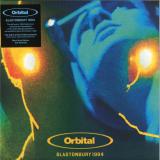
The first ever full official release of Orbital's legendary Glastonbury 1994 performance !
Originally performed and broadcast to a generation discovering electronic music in real time, Orbital's set at Glastonbury '94 became a defining cultural moment - not only for the band, but for dance music itself. At a time when electronic acts were still fighting for recognition on major festival stages, Orbital proved that dance music could be as emotional, cinematic, and powerful as any headline rock performance. The iconic headtorches, the energy of the crowd, and the sheer ambition of the performance helped cement the set as one of the most important live electronic shows ever witnessed. A gamechanger for the dance music scence.
Although the performance has long circulated online and remained a fan favourite for decades, there has always been overwhelming demand for an official release.
The first ever full official release of Orbital's legendary Glastonbury 1994 performance !
Originally performed and broadcast to a generation discovering electronic music in real time, Orbital's set at Glastonbury '94 became a defining cultural moment - not only for the band, but for dance music itself. At a time when electronic acts were still fighting for recognition on major festival stages, Orbital proved that dance music could be as emotional, cinematic, and powerful as any headline rock performance. The iconic headtorches, the energy of the crowd, and the sheer ambition of the performance helped cement the set as one of the most important live electronic shows ever witnessed. A gamechanger for the dance music scence.
Although the performance has long circulated online and remained a fan favourite for decades, there has always been overwhelming demand for an official release.
Do Da Doo' Returns with New Life on Definitive Recordings
SPECIAL VINYL ONLY RELEASE
Definitive Recordings revisits one of its most iconic releases with a fresh reissue of Robotman feat. Marshall Jefferson - 'Do Da Doo', originally released in 1992. A cornerstone of the label's early catalogue, the track returns with newly re-recorded vocals by house legend Marshall Jefferson, bringing renewed energy to a timeless classic.
Robotman, a moniker of Richie Hawtin (aka Plastikman), represents an essential chapter in the evolution of house and techno. As one of the most influential figures in electronic music, Hawtin helped shape the sound of acid and minimal techno while co-founding the legendary Plus 8 label alongside John Acquaviva. His forward-thinking productions and groundbreaking DJ sets have defined generations of dance music culture.
On this release, the original Plastikman Acid House Mix stands as a true highlight. Spanning 12 minutes, it delivers a deep and hypnotic acid journey driven by classic TR-909 drums and a signature TB-303 bassline. The instantly recognizable vocal 'Got the Do Da Doo' sits prominently within the groove, creating a powerful and timeless club moment that defined an era.
On the flipside, Detroit's DJ Minx brings a fresh perspective with a groove-heavy house interpretation. Known as the 'First Lady of Wax' and a key figure in Detroit's scene, Minx reshapes the vocal into a rhythmic element, layering it into a shuffling and classic house framework. Her version adds warmth and swing while staying rooted in the track's original spirit.
With this reissue, Definitive Recordings celebrates a landmark release that continues to resonate across generations, combining legendary artists, timeless production, and the enduring energy of house music.
In 1970, at the invitation of Sérgio Mendes, Brazilian songwriter Edu Lobo travelled to Los Angeles to record for A&M Records. During this period, he also recorded his masterpiece, Cantiga de Longe, reissued by Week-End Records in September 2026. More than half a century later, Lobo’s music continues to inspire new generations of artists—including Sergio Sayeg, better known as Sessa.
With his intimate, quietly captivating songwriting, Sessa brings the spirit of Brazil’s golden era of MPB into the present. His deep affection for Lobo’s music made him a natural choice for this collaboration: we invited him to reinterpret “Zanzibar,” one of the album’s standout tracks, in his own unmistakable style.
A meeting of two generations, connected by a shared musical sensibility—available in a strictly limited physical edition of just 500 copies.
Mit POPSTAR SPEEDRUN legt THEA ihr Debütalbum vor und etabliert sich endgültig als eine der spannendsten neuen Stimmen im französischen Pop. Zwischen Emocore, Hyperpop und zeitgenössischem Alternative Pop verbindet die Künstlerin rohe Emotionen mit einer kompromisslos modernen Klangästhetik. Die Songs zeichnen das Bild einer jungen Generation zwischen Selbstfindung, Unsicherheit und Befreiung, während eingängige Melodien und energiegeladene Produktionen für unmittelbare Zugänglichkeit sorgen. Dabei stehen persönliche Erfahrungen ebenso im Mittelpunkt wie die Suche nach Identität und Zugehörigkeit. Bekannt für ihre intensiven Live-Auftritte und eine stetig wachsende Fanbasis, hat sich THEA innerhalb kurzer Zeit zu einer prägenden Figur einer neuen französischen Pop-Generation entwickelt. POPSTAR SPEEDRUN vereint emotionale Offenheit, zeitgemäße Produktion und hohe Pop-Affinität zu einem Album, das den aktuellen Wandel französischer Popmusik eindrucksvoll widerspiegelt.
- 2026 Edition, gepresst auf apricotfarbenem Vinyl - Erweitertes Gatefold-Cover - Enthält ein 20-seitiges Booklet mit seltenen Fotos und Liner Notes von Lenny Kaye sowie Beiträgen von Nick Cave und Devendra Banhart. Karen Daltons Album ,In My Own Time" aus dem Jahr 1971 gilt als wahres Meisterwerk einer der geheimnisvollsten, rätselhaftesten und nachhaltig einflussreichsten Künstlerinnen der Musikgeschichte. Das neu erweiterte, 20-seitige LP-Booklet mit selten gezeigten Fotos, Liner Notes des Musikers und Autors Lenny Kaye sowie Beiträgen von Nick Cave und Devendra Banhart rundet das Paket ab. Die in Oklahoma aufgewachsene Karen Dalton (1937-1993) brachte eine Vielzahl von Einflüssen in ihr Werk ein. Wie Lenny Kaye in den Liner Notes schreibt, hört man den Jazz von Ella Fitzgerald und Billie Holiday, die Intensität von Nina Simone, den Appalachen-Gesang von Jean Ritchie sowie den R&B und Country, die auf ihrem Weg nach New York unweigerlich in ihre Musik einflossen. Ausgestattet mit einem Langhalsbanjo und einer 12-saitigen Gitarre hob sich Dalton durch ihren unverwechselbaren, lebensmüden Gesang von ihren Kollegen ab. In den frühen 60er Jahren wurde sie zu einer festen Größe in der Folk-Szene von Greenwich Village, wo sie traditionelles Material, Blues-Standards und die Songs ihrer Zeitgenossen interpretierte, darunter Tim Hardin, Fred Neil und Richard Tucker, den sie später heiratete. Bob Dylan war unterdessen sofort von ihrer Kunst begeistert. ,Meine Lieblingssängerin dort war Karen Dalton", erinnerte er sich in *Chronicles: Volume One* (Simon & Schuster, 2004). ,Karen hatte eine Stimme wie Billie Holiday und spielte Gitarre wie Jimmy Reed." Wer Dalton kannte, wusste, dass sie kein Interesse daran hatte, sich den Launen der Plattenindustrie zu beugen. Auf der Bühne interagierte sie kaum mit dem Publikum. Im Studio fühlte sie sich beim Aufnahmeprozess ebenso unwohl. Ihr Debütalbum von 1969, *It's So Hard to Tell Who's Going To Love You The Best*, das 2009 von Light in the Attic neu aufgelegt wurde, entstand heimlich, als Dalton dachte, sie würde nur Songs proben. Als Michael Lang, Mitveranstalter von Woodstock, Dalton ansprach, ob sie ein Folgealbum für sein neues Label ,Just Sunshine" aufnehmen wolle, war sie, gelinde gesagt, skeptisch. Das Album musste nach ihren eigenen Bedingungen und in ihrem eigenen Tempo entstehen. Daraus wurde ein sechsmonatiger Aufenthalt in den Bearsville Studios in Woodstock, New York. Produziert wurde das Album von dem Bassisten Harvey Brooks, der bereits auf ,It's So Hard to Tell Who's Going To Love You The Best" an Daltons Seite gespielt hatte. Brooks, der stolz darauf war, unkompliziert, zuverlässig und unterstützend zu sein, verstand Daltons Arbeitsweise, war aber auch bereit, sie sanft zu ermutigen und die Künstlerin dazu herauszufordern, ihre kreativen Grenzen zu erweitern. ,Ich habe versucht, ihr einen flexiblen Rahmen zu bieten", erzählte er Kaye. ,Ich habe die Entscheidungen ihr überlassen - das Tempo, das Feeling festzulegen." Sie war sehr zurückhaltend, und ich habe ihr alles vorgelegt; wenn sie mehr brauchte, habe ich ihr Optionen angeboten. Alle gingen einfühlsam auf sie ein. Sie war die Anführerin. Dalton, die selten ihre eigenen Kompositionen aufführte, wählte eine Reihe von Stücken zur Interpretation aus - von traditionellen Liedern wie ,Katie Cruel" und ,Same Old Man" bis hin zu Paul Butterfields ,In My Own Dream" und Richard Tuckers ,Are You Leaving For The Country". Außerdem erweiterte sie ihr übliches Repertoire und fügte R&B-Hits wie ,When a Man Loves a Woman" und ,How Sweet It Is" hinzu. Im Gegensatz zu ihrer vorherigen LP bot Daltons neue Aufnahme vollere, poporientiertere Arrangements, an denen eine ganze Reihe talentierter Studiomusiker mitwirkte. Auch wenn das Publikum der 70er Jahre vielleicht noch nicht bereit für Daltons Musik war, stand eine neue Generation kurz davor, ihr Werk zu entdecken. In den Jahrzehnten nach ihrem Tod nannten viele Künstler Karen Dalton als Einfluss, darunter Lucinda Williams, Joanna Newsom, Nick Cave, Angel Olsen, Devendra Banhart, Sharon Van Etten, Courtney Barnett und Adele. In dem kürzlich gefeierten Dokumentarfilm ,Karen Dalton: In My Own Time" sinniert Cave über Daltons einzigartige Anziehungskraft: ,Es wird eine Art Anspruch an den Zuhörer gestellt", erklärt er. Ob man es mag oder nicht, man muss in ihre Welt eintauchen. Und es ist eine Welt voller Verzweiflung. Peter Walker, der ebenfalls im Film zu sehen ist, führt diesen Gedanken weiter aus: ,Wenn sie in ihrer Musik ein bestimmtes Gefühl empfinden und es so rüberbringen kann, dass man dieses Gefühl auch spürt, dann ist das wirklich das Magischste, was man tun kann." Er fügt hinzu: ,Sie hatte eine tiefe, tiefgründige und liebevolle Seele - das hört man in ihrer Musik."
Armada Music and PDD proudly continue the brand-new A State Of Trance Classic Series, celebrating some of the most legendary and influential records in trance history. Following the success of Volume 1, Volume 2 once again dives into the archives to bring three essential trance classics back to life on fresh vinyl.
Kicking things off on Volume 2 is “Chicane feat. Moya Brennan - Saltwater”, a true trance classic that showcases the sound and energy that helped define the genre during its golden era. Originally released in 1999 on Xtravaganza Recordings, the track quickly became a favourite among DJs and trance fans, and now returns to wax as part of this essential new series.
On the flip is “Veracocha - Carte Blanche (Extended Mix)”, another highly regarded classic from the A State Of Trance catalogue. Originally released in 1999, the track has stood the test of time and remains a firm favourite with trance DJs and collectors, making its return to vinyl a welcome addition to the series.
Last but not least is “Insigma - Open Our Eyes (Original Mix)”, completing another carefully selected trio of timeless trance records. Originally released in 2000 on A Trance Communication Release, this classic perfectly captures the euphoric, driving sound that made the era so influential and continues to resonate with trance fans today.
Volume 2 continues the series in style, bringing together three essential trance classics on one piece of wax and making this a must-have for both long-time A State Of Trance fans and a new generation discovering these timeless anthems.
Wewantsounds is proud to present the first official release of a legendary 1977 concert capturing Don Cherry, Collin Walcott, and Leon Thomas in their only documented performance together. Recorded live on March 5, 1977, at Pease Auditorium in Ypsilanti, Michigan, the performance featured the three musicians playing an immersive hypnotic set, joined for part of the evening by the rest of Oregon. Long circulating among a few Don Cherry fans, the full concert is now available as a deluxe, remastered 2-LP gatefold set featuring Moki Cherry artwork and new liner notes by Jason Weiss—licensed by the Don Cherry Estate and producer James Quinlan.
Don Cherry’s huge influence has steadily grown over the years, as fans and new generations of listeners continue to uncover the vast breadth of his global musical vision. Sunrise captures Cherry during a particularly fertile late-1970s period, when the American jazz trumpeter blended global and Eastern spiritual concepts into his "Organic Music" philosophy, drawing deeply from Eastern and African traditions. Moving fluidly between trumpet, the West African doussn'gouni (a traditional hunter's harp from Mali), bamboo flutes, percussion, and vocals, Cherry creates a deeply resonant world music soundscape.
Recorded live on March 5, 1977, at Pease Auditorium in Ypsilanti, Michigan, the show took place just a month after Don Cherry participated in the recording of Collin Walcott's ECM album Grazing Dreams. With Walcott playing alongside Cherry and vocalist Leon Thomas, bringing his unmistakable yodel-style vocal approach—and joined for part of the night by the rest of Oregon (Ralph Towner, Paul McCandless and Glen Moore)—the performance stands as a stunning, hypnotic forerunner to the formation of CODONA. The newly remastered audio is so vivid and intimate that it feels as though you are sitting directly in the room with the musicians.
The release also serves as a vibrant homage to Don and Moki Cherry’s creative partnership, featuring a reproduction of Moki’s striking 1975 Mandala tapestry on the front cover.
The concert was produced by James Quinlan, a central pillar of the U.S. Jazz and World Music scene who worked as a sound engineer for Carla Bley, booked Fela Kuti’s major U.S. tour in the 1980s, and went on to direct the Creative Music Studio and found Miami’s Rhythm Foundation. In the album's liner notes, Quinlan reflects in conversation with writer Jason Weiss on the surprise magic of that night:
"Don brought Leon Thomas with him... as a guest, unannounced. It was not part of the advertisement or contract... I don't know of any other time that they recorded or performed together. So, that was completely unique... The audience had no idea what was coming... It was a sound that was just mesmerizing, almost like a mantra."
Licensed by the Don Cherry Estate and James Quinlan, Sunrise is available as a deluxe 2-LP gatefold set featuring new liner notes by Jason Weiss—an essential document in the rich, ever-evolving Don Cherry musical journey.
,Settle Down City" war 2006 das Debütalbum von Young Widows und markierte den Neubeginn der Musiker nach dem Ende der Hardcore-Band Breather Resist. Die Gruppe aus Louisville entwickelte darauf ihren charakteristischen Stil aus Post-Hardcore, Noise Rock und düsterem Post-Punk, geprägt von schweren, basslastigen Grooves, kantigen Gitarren und einer intensiven, oft beklemmenden Atmosphäre. Einflüsse von Bands wie Fugazi, Hoover, The Jesus Lizard und den Melvins sind deutlich hörbar, werden jedoch zu einem eigenständigen Sound verarbeitet. Im Zentrum stehen das kreative Gitarrenspiel von Sänger Evan Patterson sowie das kraftvolle Zusammenspiel der Rhythmussektion mit Nick Thieneman und dem damaligen Schlagzeuger Geoff Paton. Die Songs verbinden rohe Energie mit ungewöhnlichen Songstrukturen und legten den Grundstein für die spätere Entwicklung der Band zu einer der wichtigsten Noise-Rock-Formationen ihrer Generation. Zum 20-jährigen Jubiläum erscheint ,Settle Down City - Anniversary Edition" in einer umfassend überarbeiteten Fassung. Das Album wurde von James Plotkin neu remastert, mit restauriertem Original-Artwork versehen und um den bislang unveröffentlichten Bonus-Track ,White Water" erweitert, der bereits während der ursprünglichen Aufnahmesessions entstand. Die limitierte Neuauflage auf opak-gelbem Vinyl bietet damit die definitive Version eines Albums, das den Beginn der inzwischen zwei Jahrzehnte andauernden Karriere von Young Widows dokumentiert.
Mike Ladd. Diejenigen, die ihn kennen, sprechen diesen Namen mit einer gewissen Ehrfurcht aus. Wenn du mir eine unvollkommene Analogie gestattest: Ladd ist der Terrence Malick des Underground-Hip-Hop - ein kompromissloser Autor, dessen frühe Werke sowohl unkonventionell als auch von der Kritik gefeiert waren, bevor er sich abrupt aus der Szene zurückzog, die er mit aufgebaut hatte, und nach Paris abhob, um nie wieder von sich hören zu lassen. Natürlich ist die Realität komplexer als die Legende. Mike Ladd hat nie aufgehört, Musik zu machen; im Laufe der Jahre ist er bei allerlei unerwarteten Kollaborationen aufgetaucht - wer könnte seinen mitreißenden Auftritt auf billy woods' ,Aethiopes" vergessen -, hat den Soundtrack zu einer Netflix-Serie beigesteuert und mit bildenden Künstlern an Orten wie dem Pantheon in Paris zusammengearbeitet. Dabei sind all die Bühnen, auf denen er als Teil verschiedener Tournee-Bands und Live-Acts für Furore sorgte, noch gar nicht mitgezählt. Dennoch liegt Ladds letztes Soloalbum mehr als zehn Jahre zurück, und sein Meisterwerk ,Welcome to the Afterfuture" erschien Anfang 2000. Wenn wir der Analogie folgen wollen, ist ,Nonechosen" Mike Ladds ,The Thin Red Line. Ein unerschütterlicher Beweis dafür, dass sich der Künstler weiterentwickelt und gewachsen ist, dabei aber dieselbe Gravitas bewahrt hat, die seinen Namen zu dem gemacht hat, was er ist. Hier sind wir nun, tief in der ,Afterfuture", und es ist, als hätte Ladd schon immer auf diese Zeit gewartet und auf diesen Moment hingearbeitet. ,Jetzt weißt du, warum ich auf meinem Posten geblieben bin", rappt er auf ,Nonechosen", überzeugt davon, dass sich seine Geduld ausgezahlt hat. ,Nonechosen" ist ein Soloalbum, aber Ladd wird dir als Erster sagen, dass er es nicht allein geschafft hat; er hat schon immer mit alten Freunden zusammengearbeitet. No Surrender und Tom Degeeter haben an jeweiligen Tracks mitgewirkt. Sobald Mike das Album mit seiner eigenen Produktion zu 95 % fertiggestellt hatte, gab er es an Preservation weiter, der das Projekt mit ein paar gut platzierten Feinschliff-Maßnahmen auf ein neues Niveau hob. Backwoodz Studioz fühlt sich geehrt, Teil von Ladds kometenhaftem Comeback zu sein, und freut sich darauf, diesen wegweisenden Künstler einer neuen Generation von Hip-Hop-Fans gebührend vorzustellen, wenn wir schon dabei sind.
Mike Ladd. Diejenigen, die ihn kennen, sprechen diesen Namen mit einer gewissen Ehrfurcht aus. Wenn du mir eine unvollkommene Analogie gestattest: Ladd ist der Terrence Malick des Underground-Hip-Hop - ein kompromissloser Autor, dessen frühe Werke sowohl unkonventionell als auch von der Kritik gefeiert waren, bevor er sich abrupt aus der Szene zurückzog, die er mit aufgebaut hatte, und nach Paris abhob, um nie wieder von sich hören zu lassen. Natürlich ist die Realität komplexer als die Legende. Mike Ladd hat nie aufgehört, Musik zu machen; im Laufe der Jahre ist er bei allerlei unerwarteten Kollaborationen aufgetaucht - wer könnte seinen mitreißenden Auftritt auf billy woods' ,Aethiopes" vergessen -, hat den Soundtrack zu einer Netflix-Serie beigesteuert und mit bildenden Künstlern an Orten wie dem Pantheon in Paris zusammengearbeitet. Dabei sind all die Bühnen, auf denen er als Teil verschiedener Tournee-Bands und Live-Acts für Furore sorgte, noch gar nicht mitgezählt. Dennoch liegt Ladds letztes Soloalbum mehr als zehn Jahre zurück, und sein Meisterwerk ,Welcome to the Afterfuture" erschien Anfang 2000. Wenn wir der Analogie folgen wollen, ist ,Nonechosen" Mike Ladds ,The Thin Red Line. Ein unerschütterlicher Beweis dafür, dass sich der Künstler weiterentwickelt und gewachsen ist, dabei aber dieselbe Gravitas bewahrt hat, die seinen Namen zu dem gemacht hat, was er ist. Hier sind wir nun, tief in der ,Afterfuture", und es ist, als hätte Ladd schon immer auf diese Zeit gewartet und auf diesen Moment hingearbeitet. ,Jetzt weißt du, warum ich auf meinem Posten geblieben bin", rappt er auf ,Nonechosen", überzeugt davon, dass sich seine Geduld ausgezahlt hat. ,Nonechosen" ist ein Soloalbum, aber Ladd wird dir als Erster sagen, dass er es nicht allein geschafft hat; er hat schon immer mit alten Freunden zusammengearbeitet. No Surrender und Tom Degeeter haben an jeweiligen Tracks mitgewirkt. Sobald Mike das Album mit seiner eigenen Produktion zu 95 % fertiggestellt hatte, gab er es an Preservation weiter, der das Projekt mit ein paar gut platzierten Feinschliff-Maßnahmen auf ein neues Niveau hob. Backwoodz Studioz fühlt sich geehrt, Teil von Ladds kometenhaftem Comeback zu sein, und freut sich darauf, diesen wegweisenden Künstler einer neuen Generation von Hip-Hop-Fans gebührend vorzustellen, wenn wir schon dabei sind.
Melbourne producer Jordan Brando releases his new Fixation EP today via DJ Tennis’ Life and Death. The four-track project marks Brando’s debut on the label and arrives as he continues to establish himself as one of Australia’s top new club exports.
Fixation is built around raw, bass-driven grooves, moving between the shuffling percussion and hypnotic vocal hook of the title track, the tougher techno edge of “Vibration,” and the classic house influence running through “The Bassline.” “After Dub” eases the pace without losing that foundation, closing the EP on a warm, melodic note.
The release extends a growing connection between Life and Death and the current wave of Australian producers making an impact worldwide. It follows recent projects from Brando’s Not Without Friends collaborators Luke Alessi and William Kiss, who both joined the label at the end of 2025. Together, the three have built momentum around a shared strain of forward-thinking club music and recently reunited in New York City for a Raw Cuts event this summer.
Born and raised in Melbourne, Brando has developed a reputation for the breadth of his productions and DJ sets, with his original music and remixes appearing across dance charts around the world. While his solo work has earned support from international tastemakers such as Pete Tong (via his BBC Radio 1 show), he’s performed with Kiss and Alessi at Heide Museum of Modern Art, Beyond the Valley, London’s Night Tales and Rippon Lea Estate.
After a run of performances spanning Australia, New Zealand and Europe—including Lost Village, Beyond the Valley, Night Tales and Melbourne’s Collingwood Town Hall—Fixation finds Brando entering his next chapter with one of electronic music’s most respected labels, further cementing his place among a generation of Australian artists reshaping the international club landscape.
Hailing from Paris, Wonderkidz reveals their very first Various Artists compilation, a project featuring exclusively producers from the Parisian scene. Through this compilation, the collective spotlights a new generation of artists who share a common vision of electronic music, while asserting an identity deeply rooted in the capital.
Spanning house, tech house, and minimal, the tracks explore different facets of contemporary club culture while maintaining a distinctly Parisian flair. Each track reflects the energy, diversity, and creativity of a constantly evolving local scene.
This debut release naturally centers on artists close to the collective, in keeping with the philosophy Wonder Kidz has upheld since its inception: building bridges between the talents in its circle, showcasing producers with whom it shares a history, a vision, or a common artistic sensibility, and providing a platform for expression to a vibrant independent scene.
For the seventh edition of the Vega Records 5 Pack Unreleased series, Louie Vega once again opens the vault to reveal a special collection of unreleased recordings, alternate versions, remixes, demos, tribute reworks and deep cuts from the Vega Records musical family.
5 Pack Unreleased VII brings together 15 tracks across five 12-inch records, showcasing the wide musical spectrum that has always been part of the Vega Records story. From soulful house and deep grooves to jazz, soul, Brazilian influences, live instrumentation, Latin influences, powerful vocals, disco-rooted rhythms and the freedom to experiment in the studio, this collection moves through many different sides of the music.
Some of these recordings have been waiting patiently in the vault. Others represent alternate versions of songs that continue to evolve through different interpretations. Together, they create another musical journey through the sounds, collaborations and ideas that have shaped the Vega Records universe.
These final recordings speak to something that has always been important to Louie’s musical journey: respecting the music that came before while finding a way to reinterpret it through his own musical language.
From Loleatta Holloway and Duane Harden to Elements Of Life, 2SoulFusion, Domo Domo, Brutha Louie & Brutha Basil, and the tribute recordings, 5 Pack Unreleased VII brings together different generations, different voices and different musical influences under one roof.
The Elements Of Life sound continues throughout the collection, with “Sunshine (I Can Fly),” “Every Step” and “Dreamer” offering special previews into the musical direction of the forthcoming 2027 Elements Of Life album.
This is the seventh chapter of the series, but the philosophy remains the same:
Open the vault.
Share the music.
Let the DJs discover it.
Let the dancers feel it.
Five records.
Fifteen tracks.
A collection of unreleased music, special versions, studio discoveries, tributes and musical experiments from the world of Vega Records — with plenty more waiting inside the vault.
A soaring new chapter unfolds from the forthcoming Elements Of Life album with the release of “Soar,” an uplifting and deeply moving collaboration featuring the incomparable Lisa Fischer. Written by Josh Milan and Louie Vega and produced by 2SoulFusion—Louie Vega and Josh Milan—the song is a powerful testament to resilience, transformation, and the limitless possibilities that emerge when spirit, soul, and music unite.
Built upon a rich tapestry of live musicianship, “Soar” embodies the signature sound that has made Elements Of Life a beloved musical movement around the world. At its core is Lisa Fischer’s breathtaking vocal performance, delivering a message of hope, elevation, and self-discovery with the emotional depth and conviction that have made her one of the most revered voices of her generation.
At the heart of “Soar” is a message of encouragement, resilience, and unconditional support. Through its uplifting lyrics and soaring melody, the song speaks to anyone navigating life's uncertainties while striving to become their fullest self. Lines such as “Clouds hang low, but the sky's still wide” acknowledge the challenges we all face, while the recurring refrain, “I just want you to soar,” serves as a powerful affirmation of faith in another person's journey. Equally moving is the song's central sentiment, “The more you do for you, the better I feel,” expressing a selfless form of love that celebrates growth, healing, and personal fulfillment. Universal in its message yet deeply personal in its spirit, “Soar” reminds us that one of the greatest gifts we can offer is the encouragement to rise, evolve, and embrace our own potential.
The production blends organic instrumentation with sophisticated arrangements, creating a timeless soundscape that feels both expansive and intimate. Multi Grammy Award-winning bassist Christian McBride anchors the composition with his masterful upright bass work, while Josh Milan's lush keyboards, piano, organ, clavinet, and atmospheric textures provide the song's harmonic foundation. Live drums from Tony Cintron and vibrant percussion from Luisito Quintero infuse the track with an irresistible pulse, while Ivan Renta's expressive soprano saxophone solo adds another layer of emotional richness, and a tasteful guitar groove by Sherrod Barnes.
The song's message is elevated further through a powerful vocal ensemble featuring background vocals from Lisa Fischer, Dawn Tallman, Ramona Dunlap, and Lea Lorien, creating moments of communion and uplift that echo the song's central theme of hope, growth, and believing in the possibilities that lie ahead. For Louie Vega and Josh Milan, “Soar” represents another defining moment in their longstanding creative partnership. Through Elements Of Life, they have continually blurred the boundaries between house music, soul, jazz, Latin rhythms, gospel, and global influences, creating music that resonates as deeply on the dance floor as it does in the heart. “Soar” continues that tradition, offering listeners a song that inspires movement, reflection, and renewal.
Recorded at Honeycomb Studios in Pennsylvania and Manhattan Center Studios in New York City, and mixed at Daddy's Workshop in New Jersey, the production benefits from the expertise of recording engineers Yas Inoue & Josh Milan, with final mastering by the Maestro of mastering Herb “Pump” Powers for PM Mastering.
As anticipation builds for the forthcoming Elements Of Life album slated for February 2027, “Soar” offers a powerful glimpse into the project's next evolution— a celebration of musical excellence, spiritual connection, and the enduring power of song to lift us higher.
Packaging: 2 x Gold-On-Clear Splatter Vinyl, 5mm spine sleeve, 2 x printer inner sleeve, marketing sticker
SHORT BIOG & KEY POINTS
" Goldie's 1995 debut Timeless is often described as one of the greatest dance music albums of all time. As one of the founders of Metalheadz, one of the most influential drum and bass labels, Goldie helped shape the sound of a generation, and a genre that has spanned over 3 decades.
" "Listening to Timeless is like taking an adventure. If the limits of music are the limits of society, then Timeless is going to create new worlds. It's a record that travels from darkness to light across electronic oceans, across streetsoul, ambience and jazz."
" London Records celebrate 30 years of Timeless with limited edition vinyl formats, re-imagining the original white sleeve and putting the album on double vinyl for the first time since '96, with new liner notes from Tim Carr. Remastered audio.
Machetes & Micheladas pairs Coyote’s sharp, street-rooted lyricism with Statik Selektah’s signature boom-bap polish, delivering a cohesive West Coast–meets–East Coast statement packed with heavyweight features. The album moves effortlessly between gritty anthems like “Can I Get A Hell Yeah” with Conway The Machine and the raw energy of “Fuck Everybody” with Daylyt, while keeping a strong Cali identity on cuts like “Cali Dreaming.”
Standout collaborations include Xzibit on the explosive intro, B-Real & Sick Jacken on the smoky “Whippin’ Cream,” and Curren$y on the reflective “Nothing Changes If Nothing Changes.” Tracks like “Letter To My Son” and “Whats Peace” add depth and introspection, balancing the harder-edged moments with personal storytelling.
With tight sequencing, cinematic interludes, and Statik’s soulful, hard-hitting production throughout, Machetes & Micheladas is a modern hip-hop record that bridges coasts, generations, and styles without losing its edge.
Rekombinant is the solo project of Rome based composer and sound artist Alfonso Montagnese. Blending electroacoustic composition, analogue electronics, magnetic tape and sound design, his work explores the physical qualities of sound, embracing imperfection, transformation and degradation as expressive compositional tools.
Borrowing its title from the physical principle of parity symmetry, the album is less interested in scientific theory than in the possibility that an identity may endure even after profound change. Sound is treated as matter, it is stretched, reflected, saturated, compressed and displaced, yet never entirely separated from its origin.
Magnetic tape is the medium through which this question unfolds. Magnetic tape does not preserve sound faithfully, it reshapes the sound. It compresses, saturates, colours and gradually erodes it, producing not a copy but another state of the same material. Every recording becomes both document and transformation.
Most of the instruments used throughout the album were selected from more recent generations of electronic equipment compared to previous works. Their character is not defined by nostalgia, but by their functional and sonic qualities: instruments chosen for how they behave under pressure.
The album consists of fourteen compositions, each one approaching sound as a material in continuous state of alteration and was conceived within what feels like a new Middle Ages, one that is still unfolding. An era marked by increasing fragmentation, uncertainty and the erosion of shared cultural references. The music does not illustrate this condition; it absorbs and inhabits it.
Throughout these fourteen pieces, sound continuously changes its appearance without abandoning its identity. What remains after every inversion, every saturation and every layer of magnetic degradation is not certainty, but persistence.
Parity Symmetry is Conserved is ultimately an exploration of that persistence: the fragile possibility that memory, identity and human experience may continue to exist, even after passing through irreversible transformation.
Forty years of cassette releases, pressed for the first time on vinyl
First of two instalments exploring the previously unreleased sonic archives of one of Poland’s most enigmatic
living artists - with its first volume focused on his deep listening practice and spiritual reverie (recorded 1990–2013)
The last time Andrzej Dudek-Dürer took a banknote bearing the face of the Polish anarchist Jarosław Dąbrowski from his pocket to trade it for a pair of shoes was in 1969. He bought them for 120zł - the equivalent of 100€ today - and never replaced them since then. Only rebuilt them, year after year, drawing a needle and thread through the leather each time it split, closing one wound before the next one opened. It became a ritual of precision, stitching a record of another year into their soles.
That same year, in Wrocław, he arrived at a conclusion that would recalibrate everything that followed. Convinced he was the reincarnation of Albrecht Dürer, he adopted the surname Dudek-Dürer, stopped cutting his hair and began wearing the same garments every day. It was the first ritual of many, though he wouldn't have called it that yet. Look closely enough, over the decades, and it is always the same gesture, returning in different material: hair growing in a single unbroken strand, a needle drawing thread through leather, sitar strings pulled taut across a neck he built with his own hands and magnetic tape spooling forward inside the cassette boxes stacked against his walls.
None of this began in a vacuum. Dudek-Dürer emerged from the Wrocław neo-avant-garde, in a Polish art world where an exhibition could be cancelled overnight by the stroke of a censor's pen. In 1973, his exhibition Auto-crucifixion was shut down by the state, and for a time he found himself blocked from exhibiting his own art at all - the one force in his life that ever came close to cutting the thread.
He seemed to experience it differently. In 1974, after long, patient research into sitar craftsmanship, he built his first prototype with his brother, a knowledgeable luthier. In 1978, in a smoked-out jazz club, he took his first steps into sound recording with the unreleased album Jazz From Underground with his first band. By 1979, recognition started to travel further than he could.
Turning toward Far-Eastern philosophy, meditation and the idea of reincarnation was another language of freedom for him. It was a way of claiming an inner territory the state could not reach, a border it could not close. Mail Art served a parallel function, reaching further out: in a country that restricted travel and expression, sending and receiving art through the postal system became an act of quiet rebellion.
The body, in his understanding, is only an envelope readied for constant transformation. From this came Metaphysical Telepathy: during the years he could not leave Poland, he treated that confinement as a rehearsal room, sending his mind out ahead on the same thread his body would later follow. Living Sculpture grew from the same root with performances of stillness beside static art objects, until the boundary between the object and the man beside it simply dissolved. Camera Meditation extended the same instinct into photography: a shutter click flattening three dimensions into two so that a single instant could be held forever. Inspired by the pioneers of self-portrait photography like Robert Cornelius, he used it to document time itself, and kept explaining to me: "You know. This is not about vanity. This is about observing time passing.”
The isolation did not end suddenly. It ended the way his own philosophy had already predicted it would, from the inside first. Mail Art quietly solved the problem politics couldn't. Correspondence built during years of confinement slowly worked its way through doors the state itself had kept locked. Contacts made through folded paper and stamps became invitations. Ultimately, invitations became passports.
In 1983 he made his first trip outside Poland, to Germany, in search of the audio technology he couldn’t get his hands on before. In 1985, he was invited by the Indian embassy in Poland to give a sitar concert on an instrument he had spent a decade patiently stringing together - half sitar, half tanpura, built from patience and determination. After the collapse of the People's Republic of Poland, the travels kept unspooling: South Korea, then Mexico, then Australia, Canada, New Zealand, Singapore, Japan and the United States - each stop leaving behind its own small knot of tape, tied off and carried home.
In the decades since, recognition arrived at the same unhurried pace: he conducted workshops at UC Berkeley, served as vice-president for artistic affairs of the Union of Polish Art Photographers and the Union of Polish Visual Artists between 2010 and 2014 and received the Bronze Medal for Merit to Culture - Gloria Artis. His visual work gradually entered collections including the National Museums of Warsaw, the Stedelijk Museum, Tate Modern, MoMA and the Venice Biennale. His musical practice, by contrast, never found that kind of room - left to circulate quietly, sharing his cassette tapes directly, waiting for someone willing to follow it further.
It took months before I could find a way to reach Andrzej Dudek-Dürer - his presence online is very close to nonexistent. Surprisingly, LinkedIn turned out to be the only door still open, a faintly absurd irony given everything else about him. I packed the strict minimum for a three-day trip and an empty notebook and made my way to Wrocław. His headquarters sits in the neighbourhood of Grabyszyn: a two-storey pre-war house that has belonged to his family for generations. The man who opened the door was long-haired, long-bearded, in his trademark leather shoes and patched jeans. We sat in his living room, in front of a computer where decades of recordings sat organised in cryptically named files, surrounded by books and objects that had arrived one layer at a time, leaving room for only two chairs in the middle. His shoes sat by the door, rebuilt so many times they had become their own quiet sculpture. Cassette tapes filled boxes against the walls, almost unlabelled, each one a spool of thread holding decades of sound that had never once been asked for, until now.
I listened for hours: meditating in front of strangers on the porch of a Seoul temple until the tourists stopped taking photos and simply waited with him; a stand-off with border guards at the US–Mexico crossing over an instrument they couldn't identify and didn't trust; a session with the Stockhausen family that he still, decades later, describes like it happened last week. All of it interrupted, occasionally, by the smell of soup boiling and fresh bread warming on the ceramic stove. After two days, it felt like being handed the end of a very long thread and asked, gently, to keep following it. I left with a USB drive holding his full discography, signed with his unmistakable signature.
Astral Meditations From A Living Statue is a length of that thread, drawn out from the boxes stacked against his walls - recordings gathered from different rooms, different countries, different decades. This first record breathes slowly: incense-thick, meditative, built for stillness. A cutting-edge séance in outer space where machines learn how to dream.
It begins with the neo-classical improvisations of Andrzej, space-delayed, recorded at Klub Muzyki i Literatury in Wrocław in 2002. 'When..So' opens the curtains with a deep-rooted meditation accompanied by slow-decaying piano figures illuminated by a candle-lit spirit gathering.
Los Angeles, 1990: a dormant villa, a grand piano, the voice of Bonnie Barnett. 'Exception' is captured in a single room, in a single afternoon - voice and keys circling each other, neither one leading, until the silence between the notes starts to feel like the instrument.
'The Meta...' and 'Tired Of...', recorded at Studio Morandi in Ponte Nossa, Italy, in 1992, settle into a sitar drone built entirely from patience - overtones stacking and beating against each other, strung by a man who never once set foot in India. 'Mastery Of...' follows, recorded the same year at Studio Suski in Łomianki, pushing that same hum further still, until pitch dissolves into a spectral reverie. 'Transcendental Sound', from 2000, closes the first record in a slow bath of celestial frequency - better heard beside the shores of the Odra river.
More than fifty years after deciding that a life could become an artwork, Andrzej Dudek-Dürer continues to inhabit that decision. His shoes keep wearing thin against the earth's crust. His hair keeps growing, one strand at a time. His cassette tapes keep spooling in the dark of their boxes.
Now the thread finds its last shape: a single unbroken groove, spiralling inward from the outer edge to the label at the centre. Never cut - the way nothing else in his life ever was. Drop the needle and it will find that groove and follow it, the same way a needle once followed leather, once followed a border it couldn't cross, once followed string into an instrument that didn't exist until he built it. This record is the other end of a thread that has been travelling for fifty years. For the length of both sides, it rests here, in your hands. This is a timeless proof that the Lord of the New Age was never lost."
Skepta returns with his highly-anticipated new album, The Fork and Knife. A record rooted in the sounds, energy and culture of contemporary Britain, while looking firmly beyond its borders. Shaped by decades spent immersed in sound systems, clubs and rave spaces, The Fork and Knife moves freely between grime, garage, house, jungle and electronic music. At its centre is Skepta as a rapper, writer and producer - reflecting his position at the centre of rap and his instinct to continually push the sound forward. Identity runs through the heart of the album. Skepta explores what it means to be British, the son of Nigerian immigrants, and to exist between cultures. Rather than viewing diaspora through a lens of struggle, The Fork and Knife embraces it as a source of strength, a superpower that has informed Skepta’s resilience, work ethic and creative instinct. The visual world of The Fork and Knife draws on 1980s Nigerian-British imagery, football culture and documentary realism, connecting the history of the Windrush generation with the energy and reality of modern London.
Minutiae is the first full-length release form Stockholm’s Ināra Quartet, made up of brothers Kasper (guitar, banjo, mandolin) and Mauritz Agnas (bass, cello), Johan Graden (piano, harmonium, synths) and Mischa Grind (percussion). Drawing on wide performance and composition experience in free improvisation, jazz, and composed new music, the quartet have carved out a unique niche where radical approaches to rhythmic organisation and group interaction are wedded to immediately accessible, folkish melodic and harmonic material. Unfolding briskly across eight pop-song length tracks, Minutiae places these folk fragments under a microscope, expanding them into intricate patterns of group interplay by turns austere and lushly psychedelic.
The quartet’s layering of independent rhythms, pulses, and tempi suggests a range of precedents, from Ligeti’s ticking clock textures to the pulse music of John McGuire, the repeating asynchronous cycles of The Necks, and the intricate irregular crosshatching of Banda music. Rhythm, harmony and melody shade into one another within each of the instrumental layers that overlap to form the music’s rippling surface. At points guitar, bass, percussion, and keyboards can seem each to occupy their own world, each player moving independently according to their own internal tactus, but attention to the details of group interplay reveals carefully planned collective movement. On ‘Klapparen’, strummed acoustic guitar chords and clinking percussion accelerate and decelerate in unison, washed over by floating synth lines. At other points, the quartet as a whole suddenly shift direction like a This Heat tape edit. Check the opener ‘Box Pieces’, where a brief percussion tag cues an unexpected cut from frenetic layering of percussive attacks undergirded by slow moving synth and bass foundations to a rumbling, locked-in dirge.
The eight pieces span a range of tones, from plaintive abstraction to surging minimalism. Touches of whimsy relieve any threat of over-seriousness: witness the wacky electric guitar glissandi that open ‘Tilting’ or the lovely, almost Pascal Comelade-esque fairground wobbles that begin the wayward journey of ‘Cadence: not even,’ before it stumbles into a totally different zone of spacious Paul Bley balladry sprinkled with banjo plucks. Recorded across two days at Stockholm’s Atlantis studios, Minutiae’s minutiae truly sparkle thanks to the careful mixing work of Ghosted drummer extraordinaire Andreas Werliin. A wonderfully approachable document of the richness of the next generation of contemporary creative musicians from Sweden, Ināra Quartet’s debut also looks back to 70s touchstones like Archimedes Badkar in its joyful embrace of musical collectivity.
Zohar & Adam aren’t waiting for the future of music—they’re creating it. Osmosis is experimental, raw and impossible to box in, collapsing jazz, hip-hop, indie, electronic music and the sounds of the world around them into something entirely their own. Featuring Christian McBride, Steve Wilson, Skylar Tang and rapper Nory, the album connects generations without nostalgia and crosses genres without asking permission. In an era increasingly shaped by algorithms and artificial creation, Zohar & Adam are making a case for something radically human: instinct, improvisation, risk and the unpredictable chemistry that happens when real artists create together.
And the world is already paying attention. After opening for Marcus Miller before a sold-out audience at the Montreal Jazz Festival, Zohar & Adam head overseas for an 11-date European run before their debut album has even been released. But this is bigger than the arrival of a new album. Osmosis is the opening statement of a worldwide movement, one determined to put human creativity and artistic value back at the center of an ever-changing musical landscape. Zohar & Adam aren’t simply entering the conversation.
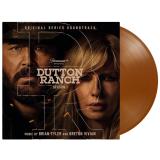
Dutton Ranch is a Paramount+ series set in the world of the Dutton family, expanding the story and legacy of the family-owned ranch first introduced in Yellowstone. The series takes viewers back to Montana, where the Duttons face new challenges as they fight to protect their land and their way of life. The first season introduces a new chapter in the Dutton story, bringing together a new generation of characters and further exploring the world of the Yellowstone universe.
The original score is composed by Brian Tyler and Breton Vivian. Tyler is a well-renowned Hollywood composer, known for blockbuster scores including Iron Man 3, Avengers: Age of Ultron, The Mummy and several films in the Fast & Furious franchise. Together with Vivian, he also created the music for Yellowstone, 1883 and 1923. Vivian has become closely associated with the Yellowstone universe, having co-composed the scores for the series.
The soundtrack of Dutton Ranch is available as a limited edition on brown vinyl and includes an insert with liner notes by the composers.
Mit DRIFT präsentieren der schwedische Bassist, Produzent und Komponist Petter Eldh sowie der Berliner Schlagzeuger Noah Fürbringer ihr erstes gemeinsames Projekt. Das Duo verbindet die kreative Offenheit der europäischen Jazzszene mit Einflüssen aus Hip-Hop, elektronischer Musik und moderner Beatkultur. Entstanden über mehrere Jahre hinweg, basiert das Album auf einem innovativen Sampling-Ansatz, bei dem beide Musiker eigenes musikalisches Material neu interpretieren und zu kompakten, vielschichtigen Kompositionen weiterentwickeln. Petter Eldh zählt seit Jahren zu den prägenden Persönlichkeiten des europäischen Jazz, während Noah Fürbringer als Mitglied des mehrfach ausgezeichneten Moses Yoofee Trio zu den spannendsten Schlagzeugern seiner Generation gehört. Ein besonderes Highlight ist der Gastbeitrag von Hip-Hop-Ikone Talib Kweli. DRIFT steht für die aktuelle Entwicklung zwischen Jazz, Beatmusik und elektronischer Klangästhetik und spricht ein genreübergreifendes Publikum an.
Mit Spirales präsentiert Dominique A ein neues Album, das zu den kraftvollsten und unmittelbarsten Werken seines jüngeren Schaffens zählt. Begleitet von seinen langjährigen Weggefährten Julien Noel (Keyboards), Sebastien Boisseau (Kontrabass) und Etienne Bonhomme (Schlagzeug) kehrt der französische Singer-Songwriter zu einem raueren, gitarrenbetonten Klangbild zurück. Die 16 neuen Songs bewegen sich zwischen persönlicher Reflexion und aufmerksamer Beobachtung gesellschaftlicher Entwicklungen und zeigen einmal mehr die besondere Fähigkeit des Künstlers, poetische Tiefe mit musikalischer Direktheit zu verbinden. Als einer der prägenden Vertreter des modernen französischen Chansons hat Dominique A über Jahrzehnte hinweg Generationen von Musikerinnen und Musikern beeinflusst. Spirales unterstreicht eindrucksvoll seine anhaltende künstlerische Relevanz und seine besondere Stellung innerhalb der französischsprachigen Musiklandschaft.
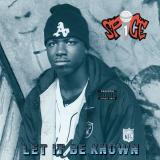
“Let It Be Known” sits at a pivotal moment in Spice 1’s catalog — bridging the raw street energy of his independent Bay Area beginnings with the darker, more polished sound that would define West Coast gangsta rap in the early ’90s. This release captures the foundation of what made him one of the most respected voices to come out of the Bay Area scene.
Raised between Hayward and Oakland, Spice 1 helped shape the sound and attitude of West Coast rap during a period when the Bay was developing its own identity alongside Los Angeles. His delivery combined cold realism, street storytelling, and paranoia-laced lyricism in a way that influenced an entire generation of rappers across Northern California and beyond. At a time when gangsta rap was becoming national, Spice brought a distinctly Bay Area perspective — darker, more introspective, and rooted in the realities of East Bay street life.
This reissue highlights an important chapter in that evolution, featuring early versions of songs that would later become staples of his catalog. Tracks like “Ghetto Thang,” “187 Proof,” and “In My Neighborhood” reveal how Spice’s sound was already fully formed from the beginning. For collectors and longtime fans, Let It Be Known offers a rare look at the raw blueprint behind one of the defining voices of ’90s West Coast hip-hop.
The new voice of jazz is here. Following his
acclaimed debut album ‘Open Up Your Senses’,
award-winning vocalist Tyreek McDole returns with
‘CHROMA’, a bold, genre-defying record that takes
the jazz tradition somewhere unexpected.
Drawing from the rich musical canon, from Nina
Simone’s ‘Wild Is the Wind’ and Miles Davis’s ‘Blue
in Green’ to OutKast’s ‘She’s Alive’, McDole
completely inhabits each song, bringing his
extraordinary baritone, soul and contemporary
vision to a repertoire that spans generations.
Produced by GRAMMY-nominated trumpeter Theo
Croker, ‘CHROMA’ is a striking record where jazz
tradition meets the sounds of today - the sound of
a new generation of jazz.
Back by popular demand, Shawn Ward's sought-after Forward Motions EP returns on vinyl, giving collectors and DJs another chance to secure a modern deep house favourite.
A respected figure in underground house for more than two decades, Ward has developed a distinctive sound built on warmth, musicality and understated sophistication. Forward Motions EP continues that tradition with four impeccably produced cuts that balance dancefloor energy with timeless listening appeal.
With original copies becoming increasingly difficult to find, this long-awaited repress makes an essential release available once again for a new generation of listeners, while giving longtime fans the opportunity to replace worn copies or finally complete the collection.
The wait is over, Return To The 37th Chamber is El Michels Affair's highly anticipated follow up to 2009's underground cult classic Enter the 37th Chamber. Churning out classic records since then for the likes of Lee Fields, The Arcs, The Shacks, and tons more, it is clear that EMA's signature sound is stronger & sharper than ever. This time, in addition to re-interpreting the Wu compositions for a live band, EMA pays homage to the production and sonic fog that makes a RZA beat so recognizable. Producer and bandleader Leon Michels recorded the album completely analog, sometimes hitting 6 generations of tape before it was ready for mixing, giving the Return to The 37th Chamber it's own hazy sound. Adding to the unique fidelity, the record is laced with psychedelic flourishes, John Carpenter' synths, heavy metal guitars, triumpha0nt horns, and traditional Chinese instruments that make up for the lack of the Wu's superlative vocals. From start to finish it's a dark trip that walks the line between RZA's timeless hip-hop aesthetic and the cinematic soul EMA has become known for. El Michels Affair tackles some classics like 4th Chamber and Wu Tang Aint Nuthin to Fuck Wit, as well as some deeper cuts like Ol Dirty Bastard's Snakes, Raekwon's Verbal Intercourse, and Shaolin Brew, Wu-Tang's contribution to the St. Ide's Hip Hop endorsement campaign from 1994. This time El Michels brings some of the Big Crown family along for the ride. Lee Fields handles vocal duties on Snakes and is joined by Shannon Wise of The Shacks for their version of Tearz, which pays as much homage to the Wendy Rene sample as it does to the Wu-Tang Clan. Lady Wray makes an appearance on the cover of Method Man's hit, All I Need, lending her vocal prowess to what gave the Wu one of their biggest hits of all time. Interspersed throughout the record are some original interludes that are like the rug that ties the room together,' giving Return To The 37th Chamber a cinematic narrative that makes it a proper El Michels Affair record and not just a collection of covers. From the music to the presentation, this album is a perfect example of what can only be achieved through diversity. The end result is as much a kaleidoscope of influences and multiculturalism as the city it was recorded in. El Michels Affair is once again, sounding out the city' that raised them, pulling elements of art and culture from across the country and around the globe to create an album truly unique in it's own right.
Year 3673. The frequencies have taken hold. What began as scattered transmissions from the underground has become an infection. Across the dead zones, abandoned receivers flicker back to life. Forbidden rhythms bleed through the static. Citizens once numb to the Global Order's neural grip are beginning to move again. But something else has awakened with them. Deep beneath the ruins, an unknown signal has begun answering SHIFT's transmissions. Its origin is untraceable. Its frequency predates the network. Those exposed report visions, lost time and an uncontrollable urge to follow the sound. The Global Order calls it contamination. SHIFT calls it evolution. A new generation has been born into the resistance; raised on distorted circuitry, machine funk and frequencies never meant for human ears. The signal is spreading. Do not adjust your receiver.
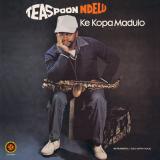
In recent years, Teaspoon Ndelu’s work has found a new audience through reissues from labels such as Mr Bongo and Sofrito Super Singles. Mr Bongo’s 2021 reissue of Teaspoon & The Waves brought his 1977 jazz-funk classic back into circulation, while Sofrito’s Soweto Disco featured two tracks from the album, Oh Yeh Soweto and a re-edit of Friday Night, introducing Ndelu’s music to a new generation of listeners and selectors.
Originally released in 1981, Ke Kopa Madulo is a beautiful slice of South African funk from the late Teaspoon Ndelu, sitting somewhere between township soul, funk and gospel. At its heart is Ndelu’s unmistakable voice and this hypnotic electric piano, carried by a deeply infectious groove.
Long sought-after by collectors, the original has become increasingly difficult to find. We’re very happy to bring Ke Kopa Madulo back to vinyl for the first time in nearly five decades with this officially licensed reissue, giving this remarkable piece of South African musical history a new life.
For the dancers, the selectors and the listeners — Ke Kopa Madulo is back.
Mastered by Simbad
Executive producer : Fred “Spider” Jacquier
Graphic Design by Graeme Arendse
Notes : Marc Linge
Tokyo Riddim Band continue their journey striding across times and cultures, this time with their colourful keyboardist and frontwoman Mimi Kobayashi breathing new life into a song she originally penned in 1981. ‘Lazy Love’ first featured on Mimi’s highly sought after Coconuts High LP, which she recorded in LA recruiting top session players to play alongside her. It was also included in Time Capsule’s 2024 compilation of Japanese reggae - Tokyo Riddim 1976-1985.
This soulful pop tune turned deep dub cut retains the romantic charm of the original, whilst the tasteful performances of the Tokyo Riddim Band and Ras Tavaris combined with Prince Fatty’s studio magic give the song a newly found depth.
London based Tokyo Riddim Band is a unique fusion of cultures, bringing together the vibrant energy of three generations of Japanese female musicians with the eclectic sounds of London. Their dynamic performances blend reggae drums, funky bass lines, and the smooth City Pop guitar, all magically dubbed-out live on stage. This is not just music; it's a cultural phenomenon, offering a fresh and exciting take on the reggae scene.
What does it mean to actually experience another City, one of such historical and cultural'd'asignificance as Detroit, A city that truly expands the capacity of Human love and resilience. Just to be there…?'d'aWhat sound do the birds make?…? What colour are the buses ? …?. What sounds do we hear in the streets'd'a?…? It's like one step beyond just experiencing a place but truly absorbing it as if it becomes a little piece of'd'aus. That's the only way you really get to understand the groove, the little everyday things that make the'd'apeople tick, their daily grievances and small moments of collective joy culminating over lifetimes. That is'd'awhere you get to the essence, the secret sauce and Lord knows this City is oozing with it.'d'aIn July 2025 Ziggy undertook a 6 week residency in the motor city with no concrete plan other than getting to'd'athe roots of a deeply layered and rich musical culture. One that has been a guiding light for many of us..'d'aWhether you are coming from the generation of Motown through the 1st generation of techno to hip hop'd'arevolutionaries, the city has left an undeniable mark on the history of American Music.'d'aAfter meeting at a weeknight vinyl session at a downtown bar, Ziggy and Malik realised they already knew'd'aeach other's work and immediately made plans to hook up in the studio. Malik being a Lifelong Detroiter with'd'aa background as a Gospel keyboardist and Singer turned House dancer, producer and DJ it was no wonder'd'ahe was a perfect addition to the Label Roster. To accommodate the sessions local turntablist and producer'd'aDJ Moppy kindly offered up his home studio and we shared many great records and vegan hot dogs in his'd'aleafy backyard.The music is primarily inspired by the enduring and charismatic folks we encountered in the city, their stories'd'aand personalities live on through the continued Musical Legacy of the city.'d'aSpecial thanks to Mike Banks, Cornelius, Crystal, John '?Jammin'? Collins (R.I.P) Rick Wilhite, Wajeed and all'd'aof the Underground Resistance family who hosted us. DJ Moppy, Meftah, Badriyyah, Raj Mahal all in the'd'abuilding!'d'aGospel and jazzy infused electro-funk and deep-house, a collaboration between one of Detroit'?s'd'aunderground dons Malik Alston and Ziggy Zeitgeist of EXREC. The result of a six week pilgrimage to Detroit'd'ain 2025, Zeitgeist set up shop in DJ Moppy'?s living room and the results are deep, dark and funky'd'a'd'a.
Next year the iconic anthem Cafe Del Mar will celebrate its 30th anniversary, a landmark that will be celebrated with a series of brand new remixes alongside the finest existing remixes in specially remastered versions.
Launching the series of vinyl releases in September is a remastered vinyl-only release of the original mix, as well as the best-known version of this classic track, the iconic Three ‘N One Remix.
Nearly 30 years ago, Paul M aka DJ Kid Paul recording as Energy 52 unleashed a record onto an unsuspecting public that would go on to define club culture for an entire generation of dance music enthusiasts. Named as an homage to the legendary Ibiza sunset spot, Café Del Mar broke down boundaries between the underground and
the mainstream, charting in the UK singles charts on three separate occasions and named as the “best tune ever” by Mixmag at the start of the new millennium. In terms of cultural and emotional impact in dance music, it’s hard to find a record that comes close.
Café Del Mar has come to represent the most euphoric and hedonistic pleasures of dancefloors - in Ibiza and all around the world - and has been remixed by some of the biggest names in the industry. Now, 30 years after its original release, Superstition Records will be putting out a new series of releases, with brand new remixes as well as remastered versions of some of the many remixes from across the last three decades. The vinyl-only remastered version of the original and Three ‘N One mixes will launch the series, with further details about the rest of the series announced in the coming weeks.
In 2021 Paul Van Dyk’s Café Del Mar remixes launched a series of vinyl and digital re-issues on the Superstition Records imprint after an almost 20 years hiatus. From 1993 until 2003 Superstition Records was a groundbreaking Techno, Tech-House and Trance Label and released some of the biggest and most revered records of the early German electronic scene.
following two releases dedicated to sydney's atone, tonal oceans now turns its attention closer to home. after several years in the making, this release reintroduces the berlin trio die elektronische wohlfahrt in a revised form. nearly three decades after its original release on lab records in 1997, alongside the original 12" material, it includes two short pieces from the treffpunkt freizeit cd. die elektronische wohlfahrt was a short-lived project formed by kai kroker (rawell), peter lay, and anne westphalen. their recordings grew organically from late-night after-hours sessions in their studio in berlin's pankow district, capturing a unique blend of warm, quirky and playful textures. although their recorded output was rather limited, die elektronische wohlfahrt occupied the same creative circles as artists and friends such as move d and jan jelinek, at a time when berlin was establishing itself as one of germany's most innovative electronic music hubs. the group also performed at the legendary interference festival, one of germany's key underground electronic events of the 1990s. founded by dr. motte and uwe reinicke, the festival later evolved into interference records, where die elektronische wohlfahrt released the caro ep in 1996, further cementing the project's place within berlin's underground electronic scene. over the past few years, the music has quietly found its way into the hands of a new generation of listeners and discerning tastemakers, making its return feel long overdue.
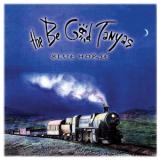
Das bahnbrechende Debütalbum ,Blue Horse" der Be Good Tanyas erscheint anlässlich des 25-jährigen Jubiläums als Vinyl-Ausgabe bei Birthday Cake Records. Das Album wurde im Jahr 2000 in Vancouver mit nahezu keinem Budget aufgenommen, und das Trio aus Frazey Ford, Trish Klein und Samantha Parton verwandelte Old-Time-, Folk- und Country-Blues-Klänge in etwas Unheimliches, Intimes und ganz Eigenes - und gelangte dank der Ausstrahlung im CBC von einer Independent-Veröffentlichung zu einem internationalen Publikum. ,Blue Horse" machte die Band in Großbritannien zu einem Phänomen: 83 Wochen in den offiziellen britischen Country-Künstler-Albumcharts (mit Platz 3 als Höchstplatzierung), ein Platz in den Top 50 der Alben des Jahres des Q Magazine, ein Auftritt auf der Acoustic Stage in Glastonbury und ein Auftritt bei ,Later_ with Jools Holland". Die Zeitung ,The Independent" lobte es als ,eines der bezauberndsten Debüts", während ,The Littlest Birds" zu einem Markenzeichen einer ganzen Generation wurde und später in der Showtime-Serie ,Weeds" zu hören war. Die Musik der Band hat seitdem ihren Weg in epochale Fernsehserien wie ,Breaking Bad", ,The L Word" und ,Hell on Wheels" gefunden. Ein Vierteljahrhundert später ist dies ein lebendiges Werk, kein Nostalgieobjekt: Die Band zieht monatlich rund 510.000 Spotify-Hörer mit über 139 Millionen Streams des Gesamtkatalogs an, und Frazey Fords gefeierte Solokarriere führt immer wieder neue Hörer dorthin zurück, wo alles begann. Gepresst von neu aufbereiteten Vinyl-Masterbändern aus dem Jahr 2026 bringt diese Single-LP-Ausgabe ,Blue Horse" zum ersten Mal seit 15 Jahren wieder auf Vinyl heraus.
Mit ihrem Solodebut "No Human Tongue Can Tell" gelingt Radie Peat eine eindrucksvolle Auseinandersetzung mit der Essenz der Folk Music. Die Sangerin von Lankum zahlt zu den pragenden Stimmen der sogenannten "Irish Green Wave" und verbindet auf diesem Album ihre außergewohnliche Kontra-Alt-Stimme mit tiefem Respekt fur die irische Gesangstradition. Als Interpretin und Multiinstrumentalistin haucht sie uberlieferten Liedern neues Leben ein und macht sie fur die Gegenwart relevant. Die ausgewahlten Songs erzahlen von Liebe, Verrat, ungewollter Schwangerschaft, Gewalt, Verlust und Widerstandskraft. In Stucken wie "The Moon and Stars" oder "Willow Garden" ruckt Peat weibliche Perspektiven in den Mittelpunkt und verleiht historischen Erzahlungen neue emotionale Kraft. Ihre prazise Stimmfuhrung, vielschichtigen Harmonien und sparsam eingesetzten Arrangements schaffen einen Raum, in dem individuelle Erfahrungen zu universellen Geschichten werden. Zugleich versteht Peat Folk als generationsubergreifenden Speicher menschlicher Erinnerung. Die Lieder tragen Spuren zahlloser Leben in sich, und genau diese Verbindung macht sie zeitlos. Atmospharische Stucke wie "Luisne", das melancholische "Same Old Man" oder das historische "Dark Horse on the Wind" zeigen ihre Fahigkeit, Tradition, Geschichte und personliche Interpretation miteinander zu verweben. Ein weiterer Hohepunkt ist "Still I Love Him", das die Ambivalenz von Liebe und Leid beleuchtet und aus einer Geschichte emotionaler Abhangigkeit eine Erzahlung uber Starke und Selbstbestimmung macht. Auch "Bonnie Boy" und das abschließende Triptychon "Cailin Deas" kreisen um weibliche Autonomie, gesellschaftliche Erwartungen und den Wert personlicher Freiheit. So entsteht ein Album, das archaisch und zeitgenossisch zugleich wirkt. Mit großer Empathie, musikalischer Raffinesse und kunstlerischer Eigenstandigkeit macht Radie Peat die Stimmen vergangener Generationen horbar und schafft eine Sammlung von Liedern, die Trost, Erkenntnis und Verbundenheit vermitteln. "No Human Tongue Can Tell" ist damit weit mehr als eine Bewahrung von Tradition: Es ist deren lebendige Weiterentwicklung.
Mit ihrem Solodebut "No Human Tongue Can Tell" gelingt Radie Peat eine eindrucksvolle Auseinandersetzung mit der Essenz der Folk Music. Die Sangerin von Lankum zahlt zu den pragenden Stimmen der sogenannten "Irish Green Wave" und verbindet auf diesem Album ihre außergewohnliche Kontra-Alt-Stimme mit tiefem Respekt fur die irische Gesangstradition. Als Interpretin und Multiinstrumentalistin haucht sie uberlieferten Liedern neues Leben ein und macht sie fur die Gegenwart relevant. Die ausgewahlten Songs erzahlen von Liebe, Verrat, ungewollter Schwangerschaft, Gewalt, Verlust und Widerstandskraft. In Stucken wie "The Moon and Stars" oder "Willow Garden" ruckt Peat weibliche Perspektiven in den Mittelpunkt und verleiht historischen Erzahlungen neue emotionale Kraft. Ihre prazise Stimmfuhrung, vielschichtigen Harmonien und sparsam eingesetzten Arrangements schaffen einen Raum, in dem individuelle Erfahrungen zu universellen Geschichten werden. Zugleich versteht Peat Folk als generationsubergreifenden Speicher menschlicher Erinnerung. Die Lieder tragen Spuren zahlloser Leben in sich, und genau diese Verbindung macht sie zeitlos. Atmospharische Stucke wie "Luisne", das melancholische "Same Old Man" oder das historische "Dark Horse on the Wind" zeigen ihre Fahigkeit, Tradition, Geschichte und personliche Interpretation miteinander zu verweben. Ein weiterer Hohepunkt ist "Still I Love Him", das die Ambivalenz von Liebe und Leid beleuchtet und aus einer Geschichte emotionaler Abhangigkeit eine Erzahlung uber Starke und Selbstbestimmung macht. Auch "Bonnie Boy" und das abschließende Triptychon "Cailin Deas" kreisen um weibliche Autonomie, gesellschaftliche Erwartungen und den Wert personlicher Freiheit. So entsteht ein Album, das archaisch und zeitgenossisch zugleich wirkt. Mit großer Empathie, musikalischer Raffinesse und kunstlerischer Eigenstandigkeit macht Radie Peat die Stimmen vergangener Generationen horbar und schafft eine Sammlung von Liedern, die Trost, Erkenntnis und Verbundenheit vermitteln. "No Human Tongue Can Tell" ist damit weit mehr als eine Bewahrung von Tradition: Es ist deren lebendige Weiterentwicklung.
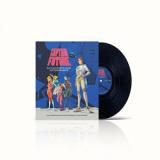
Als Captain Future am 27. September 1980 im ZDF seine deutsche TV Premiere feierte, schrieb die Serie nicht nur Science-Fiction Fernsehgeschichte - sie pragte mit Christian Bruhns visionarem Soundtrack eine ganze Generation. Synthesizer, die wie kosmische Horizonte klingen. Harmonien, die in einem Atemzug Abenteuer, Melancholie und Zukunftsoptimismus in sich tragen. Musik, die "beruhrt", fasziniert und schnell Kultstatus erreicht. Diese limitierte Vinyl Edition bringt den legendaren Score zuruck in seine ursprungliche Strahlkraft - und daruber hinaus. Von Christian Bruhn selbst neu kuratiert und veredelt, bringt das Re-Release die futuristische Eleganz in seiner pursten und zeitlosen Form zuruck. Fur Sammlerinnen und Sammler ist diese optisch und musikalisch hochkaratige Pressung ein seltenes Stuck deutscher TV und Musikgeschichte.
Vieri Mura wuchs unter der intensiven Sonne Sardiniens auf. Seit vielen Jahren reist er in den Norden der Insel, um die berühmte Sängerin Maria Teresa Pirrigheddu (geb. 1942) zu besuchen. Was als musikalisches Interesse begann, entwickelte sich zu einer tiefen familiären Bindung. ,Rundinas" (,Schwalben" auf Sardisch), von Vieri mit tragbaren Geräten aufgenommen, dokumentiert diese Beziehung sowie die Klänge der Insel und den Rhythmus von Maria Teresas Alltag. Maria Teresa singt mündlich überlieferte ,Cantos a chiterra" zu Vieris minimalistischen Kompositionen für Gitarre (Seite A, in ihrem Garten) und Orgel (Seite B, in der Kirche, nur wenige Schritte von ihrem Zuhause entfernt). Schwalben ziehen durch die Aufnahmen, Symbole für den Wechsel der Jahreszeiten und die vergängliche Jugend. Maria Teresa, mittlerweile 84 Jahre alt, deren Stimme zugleich agil und vom Alter gezeichnet ist, verleiht diesen alten Gesängen neue Bedeutungsebenen. Eines der tief bewegendsten und mitreißendsten Musikstücke, die wir je gehört haben - aufgenommen in der Gegenwart und doch Hunderte von Jahren zurückreichend, ein musikalischer Dialog zwischen zwei Künstlern verschiedener Generationen und dem Land, das sie geprägt hat. Eine Quelle der Hoffnung und Schönheit in einer verarmten Welt.