Jazzing The Morning is a compilation built around a simple idea: bringing together slow-tempo tracks that quietly lived beyond the spotlight, and giving them a space of their own.
Inspired by Dubbyman's Jazzing The Morning sessions, the compilation explores the deeper, slower side of electronic music through six carefully selected tracks by Hanna, Martian Tin Can, Paka Project, Detroit's Filthiest, Seafoam, and Inland Knights & To-Ka Project.
Rather than focusing on genre, Jazzing The Morning follows a shared pace — warm grooves, long blends and music made to be mixed, not rushed.
Pressed on vinyl only.
For those who still listen from start to finish.
out of Stock
Last delivered 17 days ago available to reorder, subject to availability
'Music aged in time, resonating from the surface to the core through layers and sediments of stones - the strata. Four morning recording sessions with a separation between them of between three and ten months - a chronozone that will rest for a time and on which the next one will be added, thus forming the total of the six pieces of the album - becoming six strata.
'A slow-moving album that develops landscapes of subtle but continuous evolution, where we find layers of diverse nature created from different procedures, bathed in the calm waters of wabisabi, where melancholy, immensity, insignificance, the potential of the unemerged, coexistence and simplicity converge at the same time.'
The practice of dub techno and its tendrils is a fundamental for me, both aesthetically and from an engineering perspective.
I start every recording session with a dub inspired jam, the first piece I ever recorded in 1996 was an effort to recreate Phylyps Trak with only a Korg X3 and an Ibanez PUE5 (borrowed from Gary Howell). It was an awesome introduction to jamming, and the footing stones of noise, delay and saturation were explored with my foot hard on the enthusiasm pedal.
These practice jams are in some sense cathartic, the first step taken again & again, which helps me move forwards each session and additionally helps to 'warm the circuits' both of myself and the machines.
After realising the genius of Basic Channel is akin to the genius of peasant food, using every ingredient with nothing left to waste, (up to and including the oft maligned working noise of the machines themselves), this was a watershed moment for my own subjective progression. No longer tied to just emulation of something inspiring, but taking these learned tools into other areas of music helped to break free from a strong current of influence and also to progress into other areas with the new toolbox.
Dub:
The importance of the dub pioneers should never be understated, in modern music and my own practice. Yet with my initial inspiration being two german dudes issuing extreme techno variants with obscured label designs, who then signposted their listeners to their own inspirations (via their Wackies re-issues or nodded to on their Rhythm & Sound/Burial Mix sub-labels), meant that I started late and travelled backwards.
Learning to notice the live mixing of Mikey Dread or Lee Perry when the faders are bleeding through even when turned down, (echoed in BC's Quadrant Dub), or the brash send effects literally thrown into the mix also taught me that 'rough' mixing can inject a recording with life, uniqueness and the most right wrongness. Looking back Basic Channels very few elements helped me realise that the rules to be understood, are also the best ones to be broken.
Push the mixer into the red.
Amp that noise up from the tape delay cos it sounds sick.
Pseudo side-chain effects cos the kicks are way too loud and the mixer can't sum it nicely.
Spam the send knob into the delay units now, now and now.
Carelessness.
Noise:
Once I wrapped my head around the intrinsic 'noise' element that set those records apart, this became a torchlight into the alt noise movements which I was tentatively exploring at the time, and also is evidently a connection or thread into them.
Whether the Industrial/Post Punk UK scene (This Heat, TG, A Tent, F.E.) or the prolific output of the US Noise scene (Wolf Eyes, Live & Shave in LA, and subsequently following the lineage all the way back to Chrome's Alien Soundtracks), I had finally discovered a connection from techno to this 'free for all' corner of music.
This input from the Noise arena of sound is, in my experience, an all important step for a sonic artist, taking it's roots and extending out from Stockhausen/Pierre Henry and utilised/warped/mangled by thousands of adventurous pioneers ever since, I now see the line separating the high brow and the low brow is actually an artery carrying information from the head to the heart.
Vault is a selection of these jams that precede each of my solo recording sessions, for 30 years I've recorded hundreds of these 'workouts'. They are never intended as serious statements, just moments of naive enjoyment, yet most importantly they are time & space captured as practice.
The objective is always a warm up exercise, but sometimes those exercises turn a different corner, with a certain focus or direction dependent on what random samples are left in my machines from the previous session, instead of conscious choices, these unconscious elements can facilitate those 'positive mistakes' that make a piece of sound retain a different feel or colour and thus become special, or at least special to the creator.
I am quite conscious that the 'record everything' aspect of my ethos has been invaluable in cataloguing and saving these jams, while the attitude of carelessness during this process (after all, it's only a warm up jam) invites more enjoyment than seriousness ever could. Even if you don't feel the piece at the time, record it, because some years later it may well fit, or become relevant in a way you never intended.
-Miles
out of Stock
Last delivered 20 days ago available to reorder, subject to availability
Gnod's now twenty year journey through spiritual and audial exploration has been driven by relentless curiosity, magpie irreverence and a fierce countercultural imperative, their project has always refused to acknowledge all or any rules and boundaries, internal or external. The latest adventure of this band may never have been intended to celebrate their two-decade anniversary, but in true Gnod fashion by, what began as a trip into a residential studio setup in Hellfire Studios with producer John `Spud' Murphy (Lankum, Black MIDI, Caroline) for six days, resulted in more potent material than anyone bargained for. The end result has been three studio albums to be released over the next year. "This trilogy revealed itself to us in the studio" says Paddy. "We were hoping to get a good album out of the session and lo and behold we got three of the fuckers. It's interesting that we did pretty much capture the full spectrum of the Gnod sound across all three". In fact, this intrepid first instalment of the `Chronicles Of Gnowt' trilogy covers an alarming amount of sonic territory all on its own. Driven as always by the power of repetition as well as Gnod's alchemical marriage of the maximal and the minimal, this album is imbued with a vivid focus that's testimony to the chemistry of the sessions, coupled with a detailed and spacious production from Murphy that brings out the psychedelic sound worlds of the band in vivid colour. This is a travelogue which delves into pastoral tranquillity (as on `Three Trees Parts 1&2') just as adeptly as expansive Earth-tinged riff monoliths (`All Tunnel No Light') and just as formidably as the closing epic `Ekstasis' - a hallucinatory vista where kraut-tinged experimentalism meets Swans-style intensity. Yet all the while, truly sounding like no one but Gnod.
out of Stock
Last delivered 21 days ago available to reorder, subject to availability
Weezer founding member and original bassist, Matt Sharp, while working on a series of “lost-albums” from the cutting room floor of his creative-life, stumbled upon a curious multi-track reel of analog tape. This mysterious reel found at the bottom of a treasure chest of other master recordings just happened to contain Weezer's very first studio sessions. These were the very same recordings that were responsible for earning the band a record contract for their iconic debut “Blue” album. These newly discovered sessions feature raw, vividly emotional and ecstatic versions of the band's timeless hit songs Say It Ain’t So and Undone (The Sweater Song.) Sharp and legendary music producer Joe Chicarrelli took these recordings to Los Angeles’ famed East/West Studios to take a deeper look into this mythic reel of 1-inch Ampex tape. What the two men quickly discovered was the original lineup (with guitarist Jason Cropper) in an infectious, explosively joyful, feral form. Making the decision to honor the original intention of the music and the traditional technology of the era, the songs were remixed from top to bottom, from tape to vinyl, in a 100% analog process.With Sharp as producer and Chicarrelli on the mix, the result of these sessions makes up the entirety of “1192” (named after the month and year it was originally recorded.) The illuminating spirit of the performances on 1192 are guaranteed to turn the world upside down for blue album fans everywhere. This album stands on its own as an essential entry into the band’s discography and is crucial to understanding the first chapter in Weezer's storied history.
Pressure is the medium of wind players. Wind instruments all sound thanks to pressure differentials, whether that’s the rush of wind over a lip plate or a steady, buzzing exhalation through pursed lips. Ka Baird and Chris Ryan Williams (HxH) are wind players well- schooled in the power of using pressure and movement to amplify the mystery of an invisible force animating a metal tube. They augment their instruments, flute and trumpet respectively, with electronics, sometimes obscuring the acoustic sound source, sometimes making it hyperreal. Flutters of lip and tongue slither over the listener’s ear, and sustained tones become a dense fog, pushing on other kinds of visceral, emotional pressure points.
On Enthalpy, Baird and Williams’ first album as a duo, the energy they conjure feels barely contained, the pressure built up to a breaking point before spilling out in multiple directions at various speeds. They borrow the title from thermodynamics, referring to the total energy of a system based on its pressure and volume. The music flies out in bursts; it seeps and oozes, flows with intention. It is an incredibly rhythmic work without any hint of meter, full of sounds that punctuate with the thud of a dart hitting a bullseye. Williams’ capability to conjure swirling atmospherics, as well as his remarkable ability to pull fragments of melody from the haze, fit puzzle-like into Baird’s exclamations and the eruption of electronics that often dovetail them. The duo draws on tones from nearly the entire range of human hearing, from nimble but bulbous throbs of sub-bass to pinprick flickers of ultra-high end.
The sessions that produced Enthalpy were completely improvised, showcasing a degree of mind-meld that belies each participant’s thrill at approaching the unknown. This isn’t a casual conversation, but an omnidirectional tangle that ties and reties itself into new knots as the album progresses. Williams and Baird have both become ubiquitous presences throughout the New York City experimental music communities, collaborating with innumerable others and learning how their unique approaches work in tandem with similarly expansive thinkers and players. Even in the album’s most spacious moments, there’s a tension between the feeling of being unmoored and yet completely locked in, like the abyss is just one more river to cross. They ford it together before moving on to the next idea in lock step.
For the listener, Enthalpy is often felt in the body as much as it reverberates within the ears. We’re tossed from side to side, made to shoulder the impact of detonating electronics, absorbing these sounds with the feet, gut, and crown. Baird reaches into the back of their throat for guttural growls, and we can almost feel the scratch. As we tread the border of the synthesthetic, it's a reminder of the physical nature of sound, that the space between our ears and the speakers is its own enthalpic system of energy conduction. Move with it, let it move you, and see how it feels.
Recorded in Los Angeles over the course of a single day at a studio in the Eagle Rock neighborhood, Dois Desertos was produced by Mario Caldato Jr. and emerged without a predetermined plan or schedule. The project took shape during Portuguese musician João Pimenta Gomes' stay in Los Angeles with his family. During that time, through Rodrigo Amarante, João met Mario and Samantha Caldato, as well as musicians Abe Rounds (drums and percussion) and Gabe Noel (bass and cello). From those encounters, the album began to unfold organically.
Working from simple scores—some containing little more than chord progressions—the sessions left plenty of room for improvisation. Every performance was captured live, in a single take, with no overdubs. The mixing process, also carried out live by Mario Caldato Jr., followed the same philosophy: effects and level adjustments were performed in real time and printed directly to the final two-track master.
At the heart of the album's sound is the Cristal Baschet, a rare instrument played by rubbing glass rods with the hands, causing metal resonators to vibrate and produce an ethereal, resonant tone. João describes its sound as "a trace, almost like a shadow." Rather than taking the lead, the instrument serves as a textural foundation, while the bass and cello carry the melodic lines. Some of these melodies are original compositions, while others draw from traditional Portuguese fado, reimagined through an open and exploratory approach.
The album has a dreamlike atmosphere, reflecting the perspective of someone experiencing Los Angeles from the outside—not in a rush to belong, but fully receptive to the city's unique energy. Two films helped shape this imaginary landscape: Model Shop (Jacques Demy, 1969), in which the French filmmaker uses Los Angeles as a pretext to simply observe and inhabit the city, and Thom Andersen's Los Angeles Plays Itself. The result is Dois Desertos, an album that, in João's own words, "could never have been made anywhere else."
With Dois Desertos, João Pimenta Gomes invites listeners into a deeply immersive experience, revealing a more exploratory side of his artistic practice while reinforcing Amor in Sound's commitment to releasing original works that engage with the many languages of contemporary music.
“Music for me, is rarely complete,” says GODFLESH mastermind Justin Broadrick, “but it has to reach a point where enough is enough. Creatively, there has to be self-discipline. One has to end it.” Broadrick is primarily referring to the nebulous process of writing and arranging songs into their various potential shapes, but he could just as easily be describing GODFLESH’s imminent conclusion. Just three years after the hypnotic crunch of Purge, 25 years after an uncertain hiatus that nearly scuttled the band, and 38 years since GODFLESH’s inception, Broadrick and bassist-at-arms Ben Green set out to mercilessly crush this cold world with their tenth and penultimate album, this year’s Decay. “Decay was born from the same sessions as Purge,” Broadrick declares of the new record’s six tracks. “It was one huge pool of songs. I picked what I felt was appropriate for what I wanted to achieve with Purge, with the intention of releasing the songs that didn't fit as a new album within a year of Purge being released. Unfortunately, two years passed whilst considering external labels, so that I didn't have to self-release GODFLESH anymore, but it took an awful lot of time to establish a comfortable home for me. The recordings were done, but as usual for me, I did change a lot of stuff once I came back to it.” Now, GODFLESH is ready to unleash an even bolder, bleaker series of sounds in Decay. These songs arrive shortly after Broadrick released a public statement about major abdominal surgery he underwent earlier this year.
Life Creates Itself is the new album by Bill Baird, releasing September 25th, 2026 on Royal Oakie Records. After years of restless wandering that took him from the Bay Area to India to Abbey Road and back again, Baird has returned home to San Antonio, Texas. Inspired by Lone Star legends Doug Sahm and Roky Erickson, the album inhabits a world where outsider country, avant-garde pop, and psychedelic folk dissolve into one.
Produced by longtime collaborator Jasper Leach (Tony Molina, Color Green) and mastered by indie-rock legend KRAMER (Galaxie 500, Daniel Johnston, Will Oldham), Life Creates Itself was recorded at Sear Sound in New York City in a single remarkable day — fitting for an album as indebted to Arthur Russell and Captain Beefheart as it is to Sir Douglas Quintet and Townes Van Zandt. The sessions brought together a constellation of collaborators around Baird and Leach, including Pedrum Siadatian (Allah-Las, PAINT), Phil Carluzzo, Austin Day, Oliver O'Haver, Jordan Johns, Michael Vattuone, Clara Kennedy, and Carluzzo’s dog Ernie.
Lead single "Yanaguana" — the original Payaya name for San Antonio, meaning either "land of many waters" or simply "where I am right now" — serves as a thesis statement for the album, a restless soul reckoning with what it means to finally come home. Meanwhile, "Karma Loan" is a fuzzy, sprawling psych track that spilled out of Baird during a deep immersion in Bach that features cello by Clara Kennedy and closes with a sound collage of spiritual gurus hawking easy paths to enlightenment. Then there's "Horse Moon" — built around pedal steel that shimmers like rays of moonlight, drifting through vignettes from a late night walk across New York City, with Pedrum Siadatian's lead guitar lending the whole thing an unhurried, dreaming quality. The night they tracked it, Baird climbed to the roof of Sear Sound and watched a full moon wash the city in a warm glow.
Baird has never sounded more at home, and Life Creates Itself may be his most cohesive record yet – a songwriter record through and through that stands apart from the rest of his discography. Royal Oakie Records is proud to release Life Creates Itself on September 25th, 2026, available on vinyl LP, CD, and digital download/streaming worldwide.
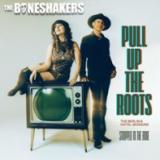
Marking their second release for GULF COAST RECORDS, the collection favours raw performance over polish, capturing the chemistry, spontaneity, and fearless musicianship that have defined the group for more than three decades. Fronted by the unmistakable voice of JERRY LANGER and the soulful guitar work of RANDY JACOBS - formerly of Was (Not Was) - the EP embraces honest, acoustic arrangements where every note and breath remains beautifully exposed. Produced by Jacobs, Langer, and JOHN WOOLER, the project reveals a band confident enough to let the songs speak for themselves. Recorded primarily at Kaleidoscope Studios in Berlin, the sessions continued wherever the road allowed, with additional performances captured in U.S. studios and hotel rooms between shows. This wandering spirit gives the EP a sense of movement and lived experience. A remarkable ensemble of collaborators adds depth throughout, including Holly Montgomery, Arthur Thompson, Joe Sublett, Mark Pender, Jon Gilutin, and Oliver Leiber. Across six tracks - bold reinterpretations and originals - the band blends Detroit soul, New Orleans groove, blues, and rock & roll swagger. Pull Up the Roots celebrates authenticity, proving that great songs and genuine soul need no embellishment.
After a seven-year hiatus following the devastating loss of their beloved bandmate, LINKIN PARK’S remaining members struggle to find their way forward. Their shared history and enduring friendship, combined with the fresh perspective of two new band members spark a renewed creative energy that leads them on a transformative journey of artistic reinvention.
Following the band from intimate 2022 studio sessions through their explosive November 15, 2024 FROM ZERO album release and concert in São Paulo, the film UNSHATTER weaves together rare vault footage, electrifying performances from sold-out shows, and candid interviews with band members and fans—capturing the raw, honest story of what it means to start over.
This accompanying Film Soundtrack (Live in São Paulo) features transcendent performances of songs spanning their entire career, including exclusive recordings not experienced in the film.
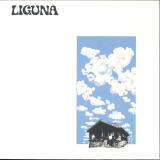
Recorded in a remote mountain cabin,'Liguna' gradually found its form. What began as an open ended collaboration between Tarjei Nygard and Are M. Foss unfolded through recording sessions, splitting firewood and changing seasons. Ideas arrived from many directions: a guitar phrase, a synthesizer line, a change in season, the mood of the forest itself. The result is nine tracks connected less by genre than by atmosphere and a shared sense of place. Debut album by Norwegian duo Liguna. Its members have previously released music on Full Pupp, Eskimo Recordings and ESP Institute.
out of Stock
Last delivered 25 days ago available to reorder, subject to availability
Some recordings herald the future in ways that are impossible to see in real time. Teodros Makonnen With His Organ (ቴዎድሮስ መኮንን ከኦርጋኑ ጋር), by the artist Teodros Makonnen, also known as Teddy Mak, is one of those. Today, electronic sounds, synthesizers, and digital production are taken for granted in Ethiopian music, but in the early 1980s, they were novelties that polarized opinion. Even to this day, the story of Teodros Makonnen’s legacy has never been properly told. He played a decisive role in defining the sound of the digital era of Ethiopian music that emerged in the 1980s and beyond, both as a keyboard player and as a producer, songwriter, performer, and sound designer.
Ethiopian music was at a crossroads in the early 1980s. Much like music in the rest of the world, technology and automation heralded either a quantum leap in musical development or the annihilation of musicianship, depending on who you’d ask. The changes were incremental nonetheless, but with the benefit of hindsight one can clearly see that the changes meant different things in different contexts. Drum machines and electric organs came to replace many hotel bands because, all of a sudden, one musician could control drums, melody, and accompaniment. Teodros was one of the first musicians in Ethiopia to explore the possibilities this opened up.
Teodros’ father, Captain Makonnen Beri, was a chief pilot at Ethiopian Airlines and a music enthusiast at that. This would prove important to his development, as Makonnen brought back a piano from Germany, which would lead to the first steps in Teodros’ long musical career. Captain Makonnen’s work as Head of Flight Operations and as a pilot exposed him to the wider world that was far from commonplace for most Ethiopians. In a house where music captivated the whole family, the piano gave Teodros’ talent an outlet. Not only was a piano at home rare in Ethiopian households, his father also brought an Indian teacher to their home to teach Teodros and his brother, Captain Samuel Makonnen, music theory (solfeggio or ear training) and piano. Teodros and his youngest brother, the late great Dereje, a member of both the legendary Ibex Band and the Ethiopian reggae group Dallol, took up music from that point onward, with Teodros beginning to develop his proficiency at the age of eight. His father encouraged him to practice tirelessly at home, and Teodros later received musical schooling at the German School in Addis Ababa. His obvious talent led to studies and formal education at the Yared School of Music, followed by continued studies in American jazz at Northern Virginia Community College in Virginia. Teodros cut his teeth professionally in his mid-teens, not only as a keyboardist, but also as an arranger for the Wabi Shebelle and Dahlak bands in the 1970s. He mastered electronic sequencing early, rising to prominence through the midnight recording sessions held during the military curfew. The pressures imposed by the curfew required precise and disciplined recordings, and Teodros delivered just that. This, in turn, led to collaborations with iconic artists such as Mulatu Astatke, Aster Aweke, Menelik Wossenachew, Tilahun Gessesse, Mahmoud Ahmed, and Alemayehu Eshete. In those days, he sat in as a keyboardist with the Dahlak Band when Dawit Yifru took a hiatus to study in Russia, and also with the Ethiostar Band. He secured a residency at the Wabi Shebelle Hotel with the Shebele Band, together with Zelalem Tadese (drums), later succeeded by Elias Bekele, Mulugeta Hailu (bass), Teferi ‘Bibisha’ Mengesha (guitar), Kumelachew G/Selassie (trumpet), and Teshome Deneke (saxophone). A friendly competition developed between the bands associated with the Ras Hotel (the Ibex Band), Ghion Hotel (the Dahlak Band), and Wabi Shebelle Hotel (the Shebele Band). The music scene at Wabi Shebelle saw teenagers commanding the spotlight in an industry otherwise dominated by musicians of an older generation. At the Wabi Shebelle Hotel, Teodros met a diplomat from Saudi Arabia and later visited him at his home in Addis Ababa, a meeting that had unexpected musical consequences. The man owned a Yamaha double-deck keyboard. That evening, they recorded Teodros Makonnen With His Organ (ቴዎድሮስ መኮንን ከኦርጋኑ ጋር) in one take. This recording, a cornerstone in the early digital sound of Ethiopian music, came about almost by chance, simply because Teodros got the opportunity. Traditional Ethiopian songs were cast in a wholly electronic style. Once freed from backing duties, Teodros’ keyboards could explore dreamlike soundscapes that took Ethiopian music in new directions. Even though the cassette contained well-known Ethiopian songs, they were given highly original arrangements, performed on an electric organ with drum machine backing and rhythm patterns that left the listener with suggestive, lingering sounds. “Libesh Kabashen” (also known as “Anchi Bale Game”) and “Odu Gol Golesa” wrap you in the very stuff that dreams are made of. Originally released on cassette only, this recording exudes a mystique that surpasses even some of the most obscure Ethiopian recordings of the day. It remained more or less unknown outside of Ethiopia until now. Some of the tracks, like “Addis Fikir,” are permeated with an almost naive buoyancy, free-floating sounds that lost contact with the ground the moment they were conceived. Others, like “Meche New Hageren Yemayew” and “Lelitu Alnega Alegn,” carry a moodier, quirkier timbre, with pulsating rhythms in the background. Yet even the darker pieces contain an unmistakable wave, something essentially Ethiopian. If most recordings of Teodros’s contemporaries at the time were teeming with atmosphere, his songs seem instead at home in the stratosphere, almost ethereal. Some of the music here could be filed under “lullabies,” were it not for the recurring, almost brooding feeling that engulfs the listener on the aforementioned tracks. You could easily be forgiven for drifting into a blissful haze as the music washes over you.
Up to the advent of electronic music production, Ethiopia was totally dominated by big bands on the one hand, and small groups on the other. The former were tied to large institutions such as the military, the latter emerged from the entertainment industry, in hotel bars and nightclubs. These groups were commercially driven, and bands ultimately had to foster a mercenary approach to employment, albeit not to the passion for music. In the light of this, Teodros’ musical legacy can be seen in two ways. On the one hand, he is a key player in Ethiopian music from the 1970s onwards, leaving an indelible mark through hundreds of compositions and arrangements, including soundtracks for numerous documentary films and advertisements for different companies. On the other hand, the way he and others employed electronics brought Ethiopian music onto a fork in the road.
The replacement of traditional instruments with electronic equipment was seen as impending doom by some. Others, like Teodros, saw new avenues for performance, production, and creativity. Just as later producers like Abegasu Shiota of Admas, Teodros was a trailblazer who opened paths that it took Ethiopian music as a whole more than a decade to rush into. The hotel scene had already been pushed toward electronic music by financial necessity and cost-cutting. Today’s revived global interest in Ethiopian music from the seventies and eighties, alongside a broader resurgence, has changed the reasons for using digital means of music production. They have become tools for musical dreaming. This is where the dreaming began.
out of Stock
Last delivered 14 days ago available to reorder, subject to availability
Jazz, Soul, Highlife and spoken reflection co-exist without apology on 13 new songs co-produced with Benjamin James and featuring his group The Cavemen as well as saxophonist Lakecia Benjamin. For the Grammy-nominated vocalist/songwriter Somi, each new album is an act of place-making. The catalogue of the Rwandan/Ugandan-American artist reads like a map of migration and memory, with records rooted in Lagos, in Harlem, and in the spirit and political inheritance of Miriam Makeba. 'What Does It Take To Bloom? Is her ninth album overall and her first collection of original songs in six years. Musically, it also represents a new chapter in collaboration. During sessions in Lagos, Somi connected with Benjamin James, whose partnership would become pivotal. As one-half of the Nigerian duo The Cavemen., James brings a contemporary approach to heritage-centred sound. The collaboration proved so seamless that Somi invited him to co-produce the full album, with moods and rhythms ranging from upbeat Highlife-Soul-Fusion ('Aiwah'), via jazzy statements ('Throw Something'), to soulful reflection ('What Does It Take To Bloom?').
out of Stock
Last delivered 28 days ago available to reorder, subject to availability
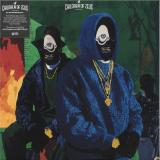
Children of Zeus return with their third studio album ‘As The World Burns…’
Five years on from their highly-acclaimed sophomore album ‘Balance’, Manchester’s kings of hip hop soul, Tyler Daley and Konny Kon, bring us a brand new 16-track opus.
Sonically the duo continue their story where they left off; crafting an amalgamation of street soul, alternative r&b and boom bap hip hop, with a sprinkle of flavours taken from their original multi-genre pirate radio influences, and a dash of forward-thinking new sounds, ensuring all tracks are destined to become future classics.
The features are sparing but powerful, enlisting the talents of revered UK rapper Knucks (‘Before We Drown’), Colorado-native Young Old Soul (‘Dopamine’), MCR family K S R (‘Do You Want To Get High’, & Australian/Mauritian up & comer Anieszka (‘Water & Vibes’).
As with previous projects, this album is largely produced by the duo themselves, though there are guest productions from previous collaborators too, including Grammy Award-winner Beat Butcha, Grammy-nominated Teo, and broken beat pioneer K15, along with an assortment of new players making moves in the underground neo-soul & beats circuit.
Conceptually, this project continues on with the story to date. An eternal search for sunsets and soulfood, as a respite to the anxieties of the modern world; personally, professionally and globally. Assertive swagger is matched with brutal but sincere candidity. As ever, it encapsulates the rough with the smooth, with reflections on where they’ve been, where they’re at and where they’re headed. There’s no preaching to be found here; just an acceptance of things as they are, an embrace of the environment and people they were nurtured by, and a celebration of some of the finer things in life; slow jams, weed & rum, water & vibes. Raps for listeners, blunt heads, fly ladies and prisoners. All packaged together as another perfect sonic love letter to sound system culture. 50 minutes of big people music.
Since the release of their anthemic debut single ‘Still Standing’ a decade ago, to the subsequent EP ‘The Story So Far’, and their critically-lauded debut album ‘Travel Light’, the duo have received numerous accolades, including nominations for AIM Awards & Worldwide Awards both, along with tons of ‘Album of the Year’ nods care of Clash Magazine, Bandcamp, Complex, Wordplay and many more. This along with huge swathes of support from DJs, radio stations, press outlets, tastemakers, luminaries & fellow artists across the globe.
Children of Zeus have performed sessions for COLORS, Soulection (Apple Music), DJ AG, Boiler Room, BBC 6 Music and at the infamous Maida Vale studios for BBC 1Xtra as well as touring across Europe, Australia and South Africa. This is in addition to collaborating & touring with Mercury Award Winner’s Ezra Collective, including a Wembley Arena show. Other collaborations over the years have included Shy FX, Juls, Goldie, Black Milk, Kofi Stone and the late great Lenzman.
From the Broke ’n’ English / Hoodman-era, to the present day, Children of Zeus have been omnipresent in the fabric of British black music. Proud ambassadors of Manchester music, and of UK soul, it really is “Zeus to the world”.
Children of Zeus have been adorned with plenty of flowers over their career. The unbridled quality and poignance of the music and the message on display throughout this project will see the algorithmic needle move some more. It’s undoubtedly set to be a Zeus Summer. As the world burns…
Available on all digital platforms and physical formats, Friday September 4th 2026.
t 07: Do You Want To Get High? (feat. K S R ) - Children of Zeus03:26
t 07: Do You Want To Get High? (feat. [ K S R ]) - Children of Zeus03:26
[t] 07: Do You Want To Get High? (feat. [ K S R ]) - Children of Zeus03:26
[g] B3 | Do You Want To Get High? (feat [ K S R ]) - Children of Zeus03:26
out of Stock
Last delivered 13 days ago available to reorder, subject to availability
With the release of "Wildnis" in autumn 2026, Klangwart celebrate 30 years of the group"s existence. During numerous sessions in their own Inkiek studio in Unna/Germany and a residency in Montoriol/France in 2025, Klangwart have created their new work "Wildnis" ("wilderness"), inviting Sébastien Del Grande to add tenor and alto saxophone, drums, marimba and other various percussion instruments to their electronic textures. Catalan composer and performer Ivan Chin aka Ivan Telefunken also participated in the recording sessions by contributing to a Catalan version of Swiss group Grauzone"s famous new wave hit "Eisbär" under the title "Os Polar". Timo Reuber"s arrangements, production and mastering gave the album its final touch. Klangwart started their musical expedition into for them unknown territories already in 2014 when they went to Bogotá/Colombia in order to record with protagonists of the local music scene: Damián Ponce (drums), César Quevedo (bass) and Eblis Alvarez (violoncello), members of The Meridian Brothers, and singers Juanita and Valentina Añez Rothmann a.k.a. Las Añez. The result, released on Markus Detmer"s Staubgold label in 2019, was Klangwart"s trademark sound permeated by a Latin American pulse and pitch. With "Wildnis" the story continues: field recordings from Latin America are interwoven with delicate electronic structures, Del Grande"s iconoclastic approach to the saxophone meets Klangwart"s familiar organ drones, Catalan folk meets German Krautrock.
NEIL ARDLEY – KALEIDOSCOPE OF RAINBOWS The Definitive 2LP Reissue of a Landmark in British Jazz Fusion
Analogue October Records proudly presents the long-awaited reissue of Kaleidoscope of Rainbows, Neil Ardley’s 1976 masterpiece, originally released on Gull Records. Produced by Neil Ardley and recorded at London’s famed Morgan Studios, the sessions were engineered and mixed by Martin Levan, capturing one of the most ambitious and beloved works in British jazz. Following the acclaimed reissues of Courtney Pine’s Journey to the Urge Within (AOR-001-ST) and Neil Ardley’s Harmony of the Spheres (AOR-002-ST)—both praised by the audiophile press including The Tracking Angle—this third release confirms Analogue October as one of today’s most meticulous and exciting reissue labels.
A Suite of Sound and Colour
Commissioned for the 1975 Camden Jazz Festival, Kaleidoscope of Rainbows is structured as a seven-part suite, each movement reflecting a colour of the spectrum. Ardley’s composition weaves together jazz improvisation, progressive rock energy, and orchestral elegance in one of the most imaginative British jazz recordings of the era. Featuring Ian Carr, Barbara Thompson, Tony Coe, Trevor Tomkins, and Geoff Castle, the album is a who’s who of the UK’s vibrant 1970s jazz scene.
Cut at Abbey Road, Pressed at Record Industry
For this definitive edition, Analogue October worked directly from the original Gull master tapes. Mastering was entrusted to Miles Showell at Abbey Road Studios, using his renowned half-speed process to extract every detail and dynamic from Ardley’s score. To give the music the headroom it deserves, the reissue has been expanded to a deluxe 2LP set, pressed on the highest-quality vinyl at Record Industry in Haarlem, Netherlands. The result is a presentation that finally does justice to the scope and brilliance of Ardley’s vision.
Deluxe Package – Restored from the Source
The artwork has been meticulously restored from the original film elements, ensuring a sleeve of unmatched vibrancy and fidelity. Inside, a 12-page booklet printed on heavyweight card features an in-depth essay on Neil Ardley and the making of Kaleidoscope of Rainbows, written by Jazzwise magazine editor Mike Flynn, alongside rare photographs from the period.
Curated and Produced by Craig Crane
As with every Analogue October release, Kaleidoscope of Rainbows has been curated and produced by label founder Craig Crane with a collector’s eye for detail and a deep respect for the music’s legacy. This reissue is not only the definitive vinyl edition of one of the great British jazz fusion albums—it also continues the label’s mission to restore and celebrate the most vital recordings of the era.
Neil Ardley’s Kaleidoscope of Rainbows—vivid, expansive, and timeless—returns as the essential edition for audiophiles and jazz lovers alike.
Retail-ready product description (short form):
Produced by Neil Ardley and recorded in 1976 at London’s Morgan Studios, engineered and mixed by Martin Levan, Kaleidoscope of Rainbows is a cornerstone of British jazz fusion. This definitive 2LP reissue, mastered at Abbey Road by Miles Showell from the original Gull master tapes and pressed at Record Industry (NL), finally gives the music the dynamic headroom it deserves. The deluxe edition includes restored artwork and a 12-page booklet featuring an in-depth essay by Jazzwise editor Mike Flynn.
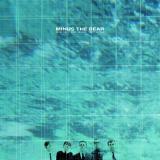
There was an immediate buzz surrounding This Is What I Know About Being Gigantic, the 2001 debut EP by Seattle indie phenomenon Minus the Bear. It wasn’t the kind of viral interest that translated into a string of sold-out tour dates, but it meant that the tuned-in crowd eagerly anticipated their next move. To help stir up the excitement for their first proper full-length, the band followed up Gigantic with a promo CD featuring two tracks from their upcoming album, a short instrumental interlude, an exclusive new song, and a demo version of another album track. Packaged in a cardboard slipcase, it was the kind of cheaply manufactured promotional item that could be handed out for free at shows or thrown in as a bonus in online orders—a relic of the final years of the CD age before the advent of the iPod and mp3. The sampler CD was christened Bands Like It When You Yell “YAR!” At Them in a nod to the upcoming album Highly Refined Pirates.
While these kinds of promotional items typically had an ephemeral existence, filed away in some neglected binder of CDs or tossed out during one of the many apartment-to-apartment moves of the band’s principal demographic of urban twentysomethings, Bands Like It When You Yell “YAR!” At Them had a curiously persistent presence. Perhaps it was because it was packaged more like a proper EP than a sampler. It certainly helped that it was a free release, meaning anyone who came to a show likely walked away from the evening with the cardboard slipcase tucked in their jacket pocket. It’s also noteworthy that the EP showcased three songs from the back half of Highly Refined Pirates rather than the album’s live staples and fan favorites from side A. Whatever the combination of factors at play, “YAR!” took on a life of its own and was ultimately re-packaged in a jewel case and sold as a proper EP in 2004 in the wake of Highly Refined Pirates’ success. And now in 2026, it’s getting its first proper release on vinyl.
Opening with the driving beat, chirping guitars, and funky low-end of “Spritz!!! Spritz!!!,” Bands Like It When You Yell “YAR!” At Them quickly cements Minus the Bear’s foundation of sophisticated revelry, a spirit further emphasized in the Highly Refined Pirates title choice. Part of the Bear’s lore involves them playing their first show three days after 9/11, and just as New York City’s indie rock scene took a sharp turn towards nightclub debauchery and a rejection of ‘90s rock’s dour fatalism in the wake of the World Trade Center tragedy, so did the Bear turn away from the Seattle’s scene’s penchant for gloom and angst towards a cerebral after-hours pop sound. The inclusion of “Women We Haven’t Met Yet” helped elevate what could have otherwise been seen as an album deep cut into a lead track. The fact that these first two songs essentially served as preview singles over future Pirates hits like “Monkey!!!Knife!!!Fight!!!” and “Absinthe Party At The Fly Honey Warehouse” speaks to the high quality of every song the band cranked out in their early years. The EP’s exclusive track “Drop It Like It’s Hot” presaged Snoop Dogg’s mega-hit single of the same name by two years, but whereas Snoop leaned into restrained minimalism, the Bear unleashes some of their fiercest work here, building off of interwoven riffs and electronic layers to a climax of stabbing guitars and hollered vocals. Much like Nirvana’s Hormoaning EP, Minus the Bear’s Bands Like It When You Yell “YAR!” At Them was initially more of a marketing gimmick than a proper release, but given the popularity of the pivotal studio albums that stemmed from the same recording sessions, these extended plays serve as compelling companion pieces that have earned a special spot in their respective fanbases’ hearts. Suicide Squeeze is proud to offer Bands Like It When You Yell “YAR!” At Them on vinyl on September 18, 2026, nearly 25 years after the band’s first show.
Remastered for vinyl by Bernie Grundman with lacquers cut at 45rpm, this limited edition pressing of 1000 copies on Puget Sound-colored vinyl helps document and preserve the exciting early years of one of American indie rock’s most beloved acts.
„Friendship Survival Guide“ vereint Aufnahmen von Adam Wiltzie und Jóhann Jóhannsson, die aus ihrer
engen künstlerischen Zusammenarbeit hervorgegangen sind. Die Stücke entstanden während gemeinsamer
Sessions zwischen 2013 und 2017 und wurden nach Jóhannssons Tod von Wiltzie einfühlsam weitergeführt
und vollendet.
Das Ergebnis ist eine vielschichtige Klanglandschaft, die sich zwischen orchestraler Weite, elektronischen
Texturen und schwebenden Drones bewegt. Die Musik bewahrt die ursprüngliche Intimität ihrer Zusammenarbeit und integriert zugleich subtile Ergänzungen, die den Charakter des Materials respektieren und
erweitern. Beiträge von Künstlern wie Tim Hecker, Francesco Donadello und Steve Albini bereichern und
vertiefen diese Klangwelt zusätzlich.
„Friendship Survival Guide“ ist mehr als nur eine posthum fertiggestellte Veröffentlichung. Es ist ein
Zeugnis einer andauernden Freundschaft und kreativen Verbundenheit – ein Album, das das musikalische
Vermächtnis von Jóhann Jóhannsson fortsetzt und gleichzeitig neue Perspektiven eröffnet.
„Unsere Freundschaft ist hier die Geschichte, (…) Jóhann ist nicht mehr da, aber dieses Werk, das wir
gemeinsam geschaffen haben, lebt und ist unglaublich. Ohne ihn hätte ich das niemals geschafft.“ – Adam
Wiltzie
“A lush, heatwave-friendly piece of dancefloor innovation…” Clash Magazine
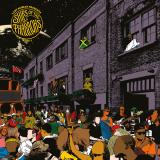
First Word Records is delighted to bring you the debut EP from Ships of the Pharaohs.
Ships of the Pharaohs are a London-based collective led by producer Last Nubian, who’s had releases in his own right on labels like CoOp Presents, Eglo Records & Touching Bass. Blending jazz, soul, bossa nova, d&b and house-influenced grooves, the band also consists of vocalist Achanté, keys player Goldbar & bassist, Dougan.
The 7-track EP kicks off with the high-energy, vitamin D-saturated lead single ‘Sun is Rising’, featuring the guest vocals of brilliant Berlin-based singer Red Bird, who appears on three tracks on this project (‘For You’ and ‘Seasons’). ‘Can’t Quit’ follows on a smooth soulful house/bruk tempo, and invites in the thought-provoking spoken word prose of AKEEM. ‘Seasons’, ‘For You’ and recent single ‘Joys’ add another element to the band’s eclectic take on fusion, leaning heavily into the bossa side of the quartet’s influences. The latter track sees Achanté’s soulful harmonies gracefully float across a warm bed of keys, percussion, guitar picks & synth strings. We take a short jazzy breather on the ‘Interlude’ cut, featuring the resplendent sax of multi-talented Norwegian artist, Bror Havnes, who also features on the outro cut ‘One’ - this one seeing the crew ride out with a sonic salute to jungle/d&b, closing this first opus from the group with the energy levels remaining high.
Tre Wright (aka Last Nubian) explains “Our debut EP is a reflection of who we are, both individually and as a collective. Drawing inspiration from jazz, jungle, bossa nova, house, r&b and the music that's shaped us, we've explored our own interpretation of these sounds and how they come together in a way that feels true to us. It gave us the space to experiment without boundaries, trust our instincts, and create something that genuinely reflects where we are creatively right now.”
Originally conceived to perform Last Nubian material live for a Touching Bass showcase at We Out Here festival in 2023, the project soon took on a life of its own, as the group effort unleashed a unique chemistry & sound of its own merit. Thereafter followed numerous sessions in a studio-converted bedroom of a Brixton flat, developing this new sound. The finishing touches were taken care of at the infamous Total Refreshment Centre in North London, resulting in the formation of captivating new original material, which appears across this first extended release.
Ships of the Pharaohs have additionally performed live across London at Brick Lane Jazz Festival, House of KOKO, Jazz on Wick Festival, Peckham Levels, 91 Living Room & GROW in Hackney. Developing their powerful stage presence has gone hand in hand with the creation of their own material.
The initial singles from this project received praise & support from a variety of DJs, press outlets & tastemakers from the worlds of jazz, soul and clubland, including Shy One (NTS), Tony Minvielle (Jazz FM), Rohan Rakhit (Worldwide FM), Somewhere Soul & Clash Magazine to name a few.
With sonics somewhat reminiscent of Acid Jazz legends Incognito, merged with the class of Nuyorican Soul, and the dynamic fluidity of 4Hero, the 4-piece have cooked up a set of style & flavours uniquely their own, fresh for modern dances, incorporating organic improvisation with more contemporary club sounds.
The Ships of the Pharaohs are about to set sail for what is sure to be an exciting journey ahead.
‘Part 1’ will be released on 12” vinyl & all digital platforms on September 18th 2026.
Wow! Chapter 16 of this successful and influential series. This time compiled by Michael Rütten (Soulpatrol) and Michael Reinboth. After 30 years of sharing the love for music and a friendship it‘s about time for these two to get together for a musical trip around the world. Voted one of the best electronic music compilations by music magazines such as Groove, Mixmag, FAZE and DJ mag. With the launch of the series in 1995, it’s fair to say that Michael Reinboth or Compost essentially pioneered and established the future jazz genre. Further info about the artists upon request.
out of Stock
Last delivered 7 days ago available to reorder, subject to availability
Windy & Carl Meet Optigan Conservatory is a purposefully misleading title for the first collaborative work from four friends who met close to thirty years prior. All active participants in Michigan independent music circles since the early ’90s, Windy & Carl are well-known for their foundational contributions to drift and guitar-born ambient sounds, with songs characterized by deep connections to the natural world and a hard to pin down yet impossible to miss emotional vulnerability.
Optigan Conservatory is another duo, made up of Frank Rotondo (leader of Detroit area free music ensemble Laughing Gas) and Fred Thomas (songwriter and producer most often associated with his band Saturday Looks Good To Me), who have been making minimalistic and time-defiant electro-acoustic sounds since 2016. The album came together almost effortlessly in a very short timeframe, but the idea had been building steam for many a year.
In the last days of 2024, Windy & Carl and Optigan Conservatory got together, falling into a mode of sound creation that was almost hyper-natural. Without any discussion outside of the usual stream of jokes and chatter, the quartet set up and started communicating. Added to Windy & Carl’s hovering augmented chord voicings and vaporous guitar drones were electric piano and synth bedding from Frank & Fred. After the initial sessions, all involved parties took time to consider what they’d made, adding new layers and editing the pieces into more definitive articulations.
A beautiful and hermetic energy larger than the sum of its parts is captured in the process. There are echoes of the earliest releases from Windy & Carl as well as refractions of the same opacity that surfaced in the early kranky catalogue.
out of Stock
Last delivered 4 days ago available to reorder, subject to availability
Music From Memory presents ‘Miraggi’, the debut release by Argento, a new project conceived by composer and producer David August. Written between Berlin and the Tuscan coast, the record unfolds as an imagined soundtrack to the Mediterranean, shaped by memory, longing and a profound connection to landscape.
The earliest sketches emerged during extended periods spent along Italy’s Tyrrhenian coast, where the shifting light, vegetation and ever-changing presence of the sea became lasting creative impulses. At the same time, an immersion in Italian library music of the 1970s and ‘80s quietly informed the project’s tonal language, while traces of jazz fusion and Balearic ambience surfaced not as direct references but as distant echoes.
Built around a dialogue between synthesizers, electronics, acoustic percussion and environmental recordings, ‘Miraggi’ balances rhythmic movement with spacious, cinematic composition. During the recording process, August was joined by drummer and percussionist Lorenzo Setti, whose performances and co-writing became an integral part of the album’s evolving rhythmic language. Across extended improvisations and recording sessions, August and Setti gradually shaped a musical language that feels both deeply personal and quietly transportive, allowing atmosphere and place to become as important as melody or rhythm.
The title ‘Miraggi’ (‘Mirages’) emerged organically, evoking a longing for something that remains just out of reach — something that cannot fully be grasped or lived. It suggests a suspended state between perception and imagination, akin to a hallucination or a dream. In this sense, ‘Miraggi’ reflects the project’s inner narrative: an imagined soundtrack shaped by desire, memory and the spiritual abundance of the Mediterranean Sea.
‘Miraggi’ will be released on vinyl and digitally via Music From Memory on September 10th 2026.
out of Stock
Last delivered 14 days ago available to reorder, subject to availability
Chopping Mountain, das neue Album von Ibibio Sound Machine, ist die bislang deutlichste Umsetzung der langjährigen Mission des Londoner Kollektivs, Liebe, Einheit und Widerstand durch Musik zu fördern. Es ist das sechste Album der Band in voller Länge und das erste, bei dem Max Grunhard seit ,Doko Mien" aus dem Jahr 2019 als Produzent mitwirkt. Nach ihrem von Hot Chip produzierten Durchbruch ,Electricity" (2022) und dem düstereren, clubbigen Einschlag des von Ross Orton produzierten ,Pull the Rope" (2024) fühlt sich ,Chopping Mountain" an, als stamme es direkt aus den Herzen und Erfahrungen der von Eno Williams und Grunhard angeführten Band. Williams ist wie immer eine Sirene - eine Frontfrau, wie sie nur einmal in einer Generation vorkommt, deren Ruf, sowohl auf die Tanzfläche als auch nach einer besseren Zukunft, unmöglich zu widerstehen ist. Wie sie das macht, ist ein Rätsel. Nimm zum Beispiel einen Song wie ,Return to Sender". Inspiriert von einem Autounfall, bei dem sie spürte, wie ihr das Lenkrad buchstäblich aus den Händen sprang - was sie mit ,einem spirituellen Angriff durch unsichtbare Kräfte" verglich -, ist der Track ein kraftvoller, kathartischer Rager, ein Ganzkörper-Workout und eine lautstarke Ablehnung des Bösen in mehreren Sprachen, Englisch und ihrer Muttersprache Ibibio. Sie ist natürlich kaum allein am Fuße des ,Chopping Mountain". Ibibio Sound Machine - Grunhard (Saxophon, Keyboards), Alfred Bannerman (Gitarre), PK Ambrose (Bass, Keyboards), Joseph Amoako (Schlagzeug), Afla Sackey (Percussion), Scott Baylis (Trompete, Keyboards) und Tony Hayden (Posaune, Synth) - sind übernatürlich eingespielt und schöpfen aus ihren Wurzeln und Inspirationen in Highlife, Disco, Afrobeat, Funk, Post-Punk und Electropop, um um ihre Stimme herum gewaltige Klangkathedralen zu errichten. Vor dem Hintergrund einer entmutigenden Welt bleiben Ibibio Sound Machine hoffnungsvoll, auf der Suche nach Bewusstsein und Verbundenheit. Sie setzen den Weg fort, den sie erstmals auf ,Pull the Rope" eingeschlagen haben: Viele Songs auf ,Chopping Mountain" entstanden aus Jam-Sessions, bei denen sie sich auf einen Groove, ein Instrument oder einen Text konzentrierten. Auf ,Concept of Love" formen sie einen Afro-Disco-Song, auf ,Love" vertiefen sie das Konzept und liefern ein ätherisches Stück Highlife. Bei ,Give Me Peace" ist sogar Dele Sosimi von Fela Kutis Egypt 80 zu hören. Diese berauschende Mischung aus unterschiedlichen Stilen und Herkunftsorten verschmilzt über das gesamte ,Chopping Mountain", wobei die Songs darin vereint sind, dass sie die schärfsten Werkzeuge sind, die Ibibio Sound Machine im gegenwärtigen Moment einsetzen können. Sie stellen den Kampf um Freiheit als einen gemeinschaftlichen dar. Der Weg zur Befreiung ist lang und beschwerlich, aber er ist nicht ohne Freude - hier ist ein Album, das vor ihr nur so strotzt.
Turn the page to a warmer chapter. The second instalment of our Seasons 2026 collection has arrived. This carefully curated compilation captures the golden warmth of the season, the laid-back rhythms of lazy afternoons and the soothing atmosphere of endless summer days. Packed with hours of gentle summer lo-fi, this album is your perfect companion for soaking up the sun, focusing on your work sessions, or unwinding after a long day.
Recorded in Los Angeles over the course of a single day at a studio in the Eagle Rock neighborhood, Dois Desertos was produced by Mario Caldato Jr. and emerged without a predetermined plan or schedule. The project took shape during Portuguese musician João Pimenta Gomes' stay in Los Angeles with his family. During that time, through Rodrigo Amarante, João met Mario and Samantha Caldato, as well as musicians Abe Rounds (drums and percussion) and Gabe Noel (bass and cello). From those encounters, the album began to unfold organically.
Working from simple scores—some containing little more than chord progressions—the sessions left plenty of room for improvisation. Every performance was captured live, in a single take, with no overdubs. The mixing process, also carried out live by Mario Caldato Jr., followed the same philosophy: effects and level adjustments were performed in real time and printed directly to the final two-track master.
At the heart of the album's sound is the Cristal Baschet, a rare instrument played by rubbing glass rods with the hands, causing metal resonators to vibrate and produce an ethereal, resonant tone. João describes its sound as "a trace, almost like a shadow." Rather than taking the lead, the instrument serves as a textural foundation, while the bass and cello carry the melodic lines. Some of these melodies are original compositions, while others draw from traditional Portuguese fado, reimagined through an open and exploratory approach.
The album has a dreamlike atmosphere, reflecting the perspective of someone experiencing Los Angeles from the outside—not in a rush to belong, but fully receptive to the city's unique energy. Two films helped shape this imaginary landscape: Model Shop (Jacques Demy, 1969), in which the French filmmaker uses Los Angeles as a pretext to simply observe and inhabit the city, and Thom Andersen's Los Angeles Plays Itself. The result is Dois Desertos, an album that, in João's own words, "could never have been made anywhere else."
With Dois Desertos, João Pimenta Gomes invites listeners into a deeply immersive experience, revealing a more exploratory side of his artistic practice while reinforcing Amor in Sound's commitment to releasing original works that engage with the many languages of contemporary music.
Bonobo alias Simon Green returns with "Distance In Static", his new album, which will be released on September 11, 2026, by Ninja Tune.
On "Distance In Static", Bonobo collaborates with a characteristically impressive lineup of artists, including Arooj Aftab, Joy Crookes, Nilüfer Yanya, Ichiko Aoba, Nicole Miglis (Hundred Waters), and Aanya Martin. The lyrics are written in English, Urdu, and Japanese, while historical Iranian samples and guzheng recordings stand alongside Bonobo's carefully crafted instrumental sounds. These were created during recording sessions in Los Angeles, Tokyo, London, and beyond: a significant part of the album was completed at Neil Young's legendary Broken Arrow Ranch in California, where he had retreated for several weeks earlier this year.
The album's title - "Distance In Static" - aptly describes Bonobo's current situation: it evokes images of distorted transmissions and fleeting frequencies, memory fragments and glimmers of meaning that echo through more than two decades at the forefront of electronic music. He sees the traces of his work reflected in a younger generation rediscovering trip-hop, downtempo, and experimental electronic music of the 1990s from a contemporary perspective. "I think the beginning of my work is relevant to younger people today," he says. "I liked the idea of listening for a distant signal - finding something in the noise," he continues. The entire album conveys the feeling of a search for transcendence: music that hovers between intimacy and vastness, the familiar and the unknown.
Within the universe of "Distance In Static", there is also a sense that this album marks something truly monumental. It is a moment of transition, a celebration of Bonobo's 25th anniversary, but perhaps also his last album in the traditional sense: with numerous guest contributions and a multi-year world tour with a full live band.
Whatever comes next, one thing is certain: "Distance In Static" is arguably Bonobo's best album to date; as ambitious and forward-thinking as ever and a reminder of why he has influenced so many people so strongly for so long.
out of Stock
Last delivered 7 days ago available to reorder, subject to availability
Bondage-Music proudly welcomes back Markus Homm with his latest vinyl EP, "It's Safe To Say." Continuing his long-standing relationship with the label, Homm once again delivers the warm grooves, crisp rhythms, and unmistakable dancefloor sensibility that have become his trademark.
Across four carefully crafted tracks, Markus Homm combines rolling basslines, soulful vocal touches, and refined house grooves with subtle techno influences. From the infectious swing of "My Alibi" and the driving title track "It's Safe To Say" to the soulful energy of "I Got All This Love For You" and the hypnotic flow of "Rush," the EP is built for both peak-time club moments and extended listening sessions.
As a special treat for vinyl collectors and DJs, two exclusive tracks are available on vinyl only, continuing Bondage-Music's tradition of offering unique content for the format.
,AFRO-DISCO MAKOSSA" ist das erste Album auf Linear Labs, das ausschließlich für die Tanzfläche gemacht wurde, und Younge ist wie kein anderer dafür geeignet, es zu produzieren. Er ist nicht als Außenseiter zum Afrobeat gekommen, um ihm Tribut zu zollen. Über sein Schwesterlabel Jazz Is Dead hat er bereits dazu beigetragen, zu definieren, wie moderner Afrobeat klingt. Seine Sessions mit Tony Allen (Mitbegründer des Genres selbst) und dem Highlife-Pionier Ebo Taylor haben nicht nur sein musikalisches Vokabular geprägt; sie brachten zwei gefeierte moderne Klassiker hervor. "Afro-Disco Makossa" ist das, was passiert, wenn derselbe Künstler eine ganz andere Frage stellt: Was hätte ein ghanaischer Produzent im Jahr '76 gemacht, wenn er sich daran gemacht hätte, eine amerikanische Disco-Platte für seine Heimatstadt zu produzieren? Das Ergebnis ist ein klangliches Patchwork aus Afrobeat, Funk und Disco, gemacht für den DJ jeder Ära.
out of Stock
Last delivered 40 days ago available to reorder, subject to availability
The Go’s Free Electricity, the group’s storied, long-lost album, finally gets a proper release! The Go appeared in Detroit in 1996, led by Bobby Harlow and featuring Dave Buick on bass and Jack White on guitar. Following the release of their 1999 debut, Whatcha Doin’, and a few lineup changes, the band hit the studio with Dion Fischer on lead guitar, John Olson (of Wolf Eyes) on saxophone, and Cary Loren (of Destroy All Monsters) to record their sophomore effort. The session found the band and their producer, Matthew Smith (Outrageous Cherry), exploring the outer edges of rock and roll, with blaring lead guitars, copious amounts of reverb, and a heavy jazz influence thanks to a heavy diet of ‘60s free jazz. The results erupt from the speakers with a cavernous sound, like some haunted frequency beamed across the time barrier from the Grande Ballroom circa 1968, often sounding more like records by Pharoah Sanders and Sun Ra than the records being made by The Go’s peers in the ‘00s rock and roll scene.
Free Electricity was written, composed, and arranged by Bobby Harlow (except track one, which was written by Harlow and Dion Fischer; and track five, written by Harlow and Cary Loren). Free Electricity was mixed and produced by Matthew Smith, engineered by Jim Diamond at Ghetto Recorders, and mastered by Jim Kissling at Jim Kissling Mastering in Detroit, Michigan. Guest appearances by folks from Destroy All Monsters and Wolf Eyes only reinforced the album's musical direction. Weird or not, this was an inspired recording made by an inspired group of musicians. There was a feeling of excitement and adventure happening at these sessions, it shines through mightily on this album.
When Drop Nineteens disbanded in the mid-'90s, singer Greg Ackell decided he would never make music again. He wouldn't noodle around on a guitar in his basement. He wouldn't get a group of friends together just to jam. He was done with music entirely. Following the release of the shoegaze masterpiece Delaware in 1992, and the intricate experimentations on National Coma in 1993, the group disbanded. They shared stages with Radiohead, Hole, Blur, PJ Harvey and Smashing Pumpkins. They went from being teenagers in Boston to mid-twenty-somethings with a few MTV videos, a couple BBC sessions and numerous festival appearances under their belt. So when Drop Nineteens ceased to be, Ackell felt content. He had the rest of his life in front of him to figure out what he wanted to do. Music was a closed chapter.That was until 2021, when a friend from the band's early days got Greg on the phone to suggest making some music together, just to see how it felt. Instead of shutting it down like he had been doing over the years, he decided to entertain the prospect. For the first time in nearly 30 years, he picked up a guitar with intent. He immediately called up Steve Zimmerman, the band's bassist and fellow guitarist, and the two got writing. It felt effortless for Ackell, like he never stopped writing music. "We were off to the races," he says, "But also the question came up: what does a Drop Nineteens song sound like today?" Enter Hard Light, the band's stunning third record. It's the band's proverbial follow up to Delaware, a modern Drop Nineteens record that is completely singular in its sound and vision. The first task making Hard Light was, of course, getting the rest of the band back together. Drop Nineteens is an inherently collaborative project. Ackell writes the lyrics, and he works with band members Steve Zimmerman, Paula Kelley, Motohiro Yasue, and Peter Koeplin to create the sonic world. The record came together over the course of a year, recording at a patchwork of studios all around the country: Boston, Brooklyn, San Francisco, Los Angeles. When Kelley and Ackell first heard their vocals recorded together on the opus album closer "T", the chemistry was undeniable. Making music together felt natural, fluid, exciting.Hard Light is a romantic record in the literary sense. Beauty from longing; longing from beauty. You put the album on and want to be clad in a velvet dress sprawled across a fainting couch. You want to be holding someone's hand while you sit back in the tall grass. The guitars are expansive and expressive as ever. Ackell and Kelley's vocals are cool, crystalline, and luminous. "Gal" comes on like a dream. The vocals pour in when you least expect them, once in the middle, where Ackell delivers one of the strangest (and best) lyrics on the record, "And there were snakes/with cats at the wheel." Hard Light's first single, "Scapa Flow" is triumphant and an excellent example of what a modern day Drop Nineteens song sounds like. The guitars glide cloud-like, floor toms shuffle and rumble in the background, searching. Ackell and Kelley's vocals are as toned as they are bound. Hard Light is every bit the ride that Delaware was, diverse in its sounds, with surprises at every turn. Drop Nineteens have brought clarity and cool in 2023 to the genre they helped create. A portrait of a band 30 years later, as talented and dedicated to their craft as ever. To put it more bluntly, they're at the top of their game.
Brixton Heights Records proudly presents the brand new single “Sweet Things”, a radiant lovers reggae release that blends classic roots, soulful warmth and contemporary finesse into a timeless feel‑good anthem.
Fronted by the legendary Keith Coley from The Silvertones, this masterfully crafted track features a heavyweight lineup of musicians and producers: Mafia & Fluxy on drums and bass, The Ital Horns on brass, Gavin Tate-Lovery on Saxophone and Gaudi on Piano and backing vocals, co-production and mixing. The track delivers a smooth, romantic groove rooted in classic Jamaican sound while feeling fresh and modern, making it equally at home on sound systems, radio playlists and summer sessions.
The Silvertones’ vocals remain rich, melodic and instantly recognisable, carrying the emotional warmth that has long defined their sound. The arrangement is layered with a bubbling organ, deep bass and tasteful percussions, guitars and keyboard, making The Brixton Heights Orchestra come together to create an irresistible groove.
Mixed and co‑produced by Gaudi at Metatron Studio in London (UK) and mastered at Anchor Studios in Kingston, Jamaica, “Sweet Things” is a celebration of romance, rhythm and authenticity.
In the B‑side the Brixton Heights Orchestra shines through in a full instrumental version of “Sweet Things”. The brass section takes centre stage throughout, weaving into the fabric of the song soaring trumpet lines, expressive saxophone melodies and rich trombone passages.
With the vocal removed, Gaudi shifts the focus on brass work, rhythm section and layered instrumentation, creating a continuum of different phrases, solos and riffs, carefully carved together into a reggae-jazz theme that executes in a cohesive and coherent way.
GEMINI, a new band formed around Shigetoshi Otake (cro-magnon), creates a unique instrumental jazz-funk sound that fuses diverse musical elements such as 70s jazz and soul, the beat/groove sensibility of hip-hop and beyond, the dynamism of South American music, the essence of smoky reggae/dub, and the thrill of improvisation/jam sessions. Their 1st full album "zed" is being released as a limited edition vinyl by Jazzy Sport.
A new masterpiece has been born, imbued with an exquisite, evergreen, and freshly exciting contemporary jazz-funk sound, created through the interplay of a dynamic rhythm section that incorporates improvisation while centering on a post-hip-hop beat/groove sensibility, and rich performances featuring solos on electric piano, saxophone/flute, and guitar.
Das zweite Studioalbum der amerikanischen Post-Hardcore-Band – ursprünglich im Mai 2011 veröffentlicht
– erscheint nun als Neuauflage auf schwarzem Eco-Vinyl. Die Aufnahmen fanden bei Interlace Audio in
Portland, Oregon, statt. Produziert wurden die Sessions gemeinsam von Kris Crummett (der auch als
Toningenieur fungierte) und der Band. Das Album enthält die Singles „Do It Now, Remember It Later“,
„Fire“, „If You Can’t Hang“ und „A Trophy Father’s Trophy Son“.
012 proudly presents 01211, a release marking the first-ever collaboration between Claudio PRC and CONCEPTUAL. A long-anticipated meeting of two like-minded artists, Syklit unfolds as a shared exploration of depth, restraint, and sonic research, supported by a masterful revisit by Marcal.
Built around the concept of cycles as continuous motion and transformation, Syklit develops through three original cuts that function as interconnected chapters of a single narrative. Hypnotic structures, stripped-back grooves, and carefully sculpted sound design define the EP. It blends techno sensibilities with an introspective, atmospheric approach. On top of that, Marcal delivers a striking reimagining of Sykli I, merging raw tribal energy with cutting-edge, sci-fi-driven sound design to unleash a relentless groove made for peak-time, late-night sessions.
The result is a cohesive and powerful release, equally suited for immersive listening and deep, forward-thinking dancefloors, celebrating a meaningful first-time collaboration and uncompromising shared sonic visions.
out of Stock
Last delivered 45 days ago available to reorder, subject to availability
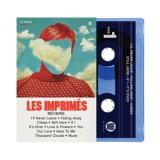
Big Crown Records is proud to present the debut full length offering from Les Imprimés, Rêverie. The stirring and ethereal sounds of Les Imprimés have been making fans of anyone who hears them since their first 7" single hit the speakers. Morten Martens is the man behind the band. Born, raised, and working in Kristiansand, Norway, he keeps a low prole while making his heart felt, highly infectious, and unique music. This album is a long time coming for Martens and it is sure to make him a name to be reckoned with. The first thing you notice listening to Les Imprimés is the high level of musician-ship. Martens plays nearly every instrument on the recordings and handles the production and arranging. He has been making records for decades, winning a Spellemann Award (aka, the Norwegian Grammy) in 2006 for producing a HipHop album as well as getting nominations across three other genres. While awards and accolades speak to the level of his talent, this new album really shows who he is an artist on his own terms. Moving away from being a hired gun on the touring scene naturally led him to start doing more studio work. Slowly collecting gear and getting more experi-ence behind the boards he built his own studio on the island of Odderoya and was making a living playing with and recording other people's music. As the story goes, after those sessions would end he would work on his own project into the wee hours of the night. From these late night sessions, Les Imprimés was born and Rêverie began to take shape. However, "it wasn't until COVID, when things locked down, that I was really able to nd the time to focus on Les Imprimés" Morten says about creating and leading his own solo project. "It was a scary time. But I knew I had to do something with it." He took the sum of his inuences, combined them with his own vibe and got busy writing the music, playing the instruments, and singing the songs. "It's soul music, but I don't exactly have the soul voice," Morten explains humbly. "But I do it my own way, in a way that's mine. "It is his sound, his fingerprint, his sensibility, that makes his music hard to put in a box. The album showcases both Martens' range and his ability to make a cohesive album. The lead single "Falling Away" starts with a raw drum break and turns into a lushly arranged tune that paints the picture of love when it slips away. On "Still Here" he professes his resilience through life's twists and turns over a thundering track that puts a new spin on the B side ballad genre. Songs like "You" and "Our Love" mix tones from 60s and 70s Soul with arrangement nods to Doo Wop records while Martens' lyrics and delivery leave you singing the melodies long after they finish. "Love & Flowers" finds Martens in a moment of clarity with a song that ts the niche sub genre of happy break up tunes, the four on the floor track will move the dancefloor or while the message will resonate with anyone who put too much effort into the wrong situation in their lives. However, it is songs like "Muse" and "Chess" that really encapsulate the uniqueness of Les Imprimés as they push the boundaries of genre, one a profession of love for music and the other a cover of an electronic record respectively. Martens' lyrics, emotion, and delivery truly make the whole thing come together and stand out from any of his peers. There's an infectiousness and a pop sensibility in the writing that is done with the utmost class and taste giving Les Imprimés the rare quality of immediate attraction that only deepens the more you listen.
Andy Bell, Erasure-Frontmann und Electro-Pop-Legende, veröffentlicht mit "Extended Blue" sein Solo-Debütalbum "Electric Blue" (2005) als limitierte Deluxe-Edition auf dreifarbig-blauem Vinyl neu. "Electric Blue" - samt den Duetten mit Claudia Brücken (xPropaganda) und Jake Shears (Scissor Sisters) - wurde gemeinsam mit Manhattan Clique geschrieben und produziert, einem Duo, das zwei Jahrzehnte lang die Welt der Pop-Dance-Club-Remixe dominierte und mit Weltstars (Katy Perry, Britney Spears, Lady Gaga, OneRepublic, Moby) und wegweisenden Electronic-Acts (The Human League, Soft Cell, OMD, The B-52s und natürlich Erasure) zusammenarbeitete.
Die Deluxe-3LP enthält zudem sämtliche Bonustracks & B-Seiten der "Electric Blue"-Sessions erstmals auf Vinyl. Das Deluxe-Booklet kommt mit ausführlichen Liner Notes des Classic Pop-Autors John Earls samt Interviews mit Andy Bell und den Manhatten Clique-Produzenten Philip Larsen & Chris Smith, sowie unveröffentlichten Fotos aus der 2005er Session mit dem renommierten britischen Fotografen Tim Flach. Bei Erasure- und Electro-Pop-Fans zählt "Electric Blue" weithin als 'verlorenes Juwel', da kurz nach Veröffentlichung das damalige Label Sanctuary Records zusammenbrach und dieses herausragende Album sein Potential nicht vollständig ausschöpfen konnte.
Eine streng limitierte Erstauflage der 3LP enthält zusätzlich die CD "Extended Blue" mit dem identischen Tracklisting des Vinylformats.beitete.
In the wake of the acclaimed Inland See, the on-growing analog ecosystem being animated for ten albums now by Bitchin Bajas boasts new high energy views. "Isle Peaks" speaks of directions in beats of time, weather and the heart to wherever coast they found themselves when they got it all laid out. Sourced from Inland See sessions, these cuts were subjected to further edits and tweaks, with electroacoustic textures of sampled kalimba, field recordings, autoharp and EWI to activate and transport divergent quadrants of the Bajas cinematic universe. The first two songs were previously released digitally on Qobuz in Jan "26. "Watch your Step" has been added to balance scales and acidity for the "Isle Peaks" vinyl edition. "Isle Peaks," throbs with the heat and humidity of an unknown landmass, ascending to signal-splitting heights on both atmospheric and ecstatic scales, the most wired ever but calm, then trancing ambiently in heavy modern electronic church thick with drone and atmosphere. High-energy music, first to dance, then to dream! The escaped & wild stepchild of Inland See is a half-hour highlight of the rest of your life to be: "Isle Peaks".
In the wake of the acclaimed Inland See, the on-growing analog ecosystem being animated for ten albums now by Bitchin Bajas boasts new high energy views. "Isle Peaks" speaks of directions in beats of time, weather and the heart to wherever coast they found themselves when they got it all laid out. Sourced from Inland See sessions, these cuts were subjected to further edits and tweaks, with electroacoustic textures of sampled kalimba, field recordings, autoharp and EWI to activate and transport divergent quadrants of the Bajas cinematic universe. The first two songs were previously released digitally on Qobuz in Jan "26. "Watch your Step" has been added to balance scales and acidity for the "Isle Peaks" vinyl edition. "Isle Peaks," throbs with the heat and humidity of an unknown landmass, ascending to signal-splitting heights on both atmospheric and ecstatic scales, the most wired ever but calm, then trancing ambiently in heavy modern electronic church thick with drone and atmosphere. High-energy music, first to dance, then to dream! The escaped & wild stepchild of Inland See is a half-hour highlight of the rest of your life to be: "Isle Peaks".