Claudio PRC's latest album Self Surrender got reworked into a special live A/V show for San Francisco's Endzeit collective. During SF Art Week 2026, Claudio PRC performed a deconstructed version of his latest album originally released on Delsin Records in 2025. A captivating, deep ambient journey deconstructing the album tracks accompanied by a live visual performance by Subset. Four of these works are part of the Self Surrender Deconstructed vinyl release, including two new tracks 'Traces' and 'Sanctuary'. Comes with a postcard featuring a link to watch the full performance.
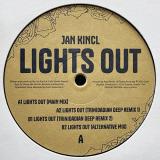
Jan Kincl, a Croatian producer, DJ and live performer with releases on BBE Records, Far Out Recordings, Sonar Kollektiv, and Get Physical, returns to his own Cycle Records with "Lights Out", the label's sixth release. Written and produced at Cycle Studio in Zagreb, it arrives in Main and Alternative mixes. The remixes come from Trinidadian Deep, a deep house producer and DJ mentored by Ron Trent, with releases on Neroli, Vision Recordings, Toto and Makin' Moves, as well as his own Native Bush - Many Moods of Music imprint. "An appropriate title. This is definitely a tune you want to hear when you closes your eyes on the dance floor, the vibe gets deep and you the lights go down." - said DJ Kemit. Intergalactic Gary called the record "Deep, atmospheric and emotional", while DJ Lady D summed up the contrast at the heart of the release: "Love the original, gives classic house vibes and TD offers a modern deep take." Early supporters include DJ Deep, Volcov, Ian Friday, DJ Kemit, Intergalactic Gary, Michael Reinboth, DJ Lady D, Bill Brewster (NTS Radio), Iron Curtis, Delfonic, ?me, Rohan Rakhit (Worldwide FM), Laani (Rinse FM / Worldwide FM / Jazz re:freshed) and Sebastian Hampf (ByteFM), among others.
Following the beginning of its vinyl series, Rinascimento Elettronico returns with its second physical/digital release, a five-track journey shaped around hypnotic tension, bleep-driven patterns and deep, groove-oriented rhythms.
Manuel Di Martino delivers two dancefloor-focused compositions where driving percussion and intricate grooves meet the hypnotic and mental side of techno. Framing the release, an intro and outro create a continuous listening experience, setting the atmosphere and bringing the journey to its conclusion.
Completing the EP, Orbe reinterprets “Materia” through his distinctive hypnotic approach, pushing the sound deeper into a mental and immersive dimension.
out of Stock
Last delivered 7 days ago available to reorder, subject to availability
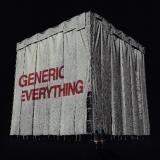
Chase & Status announce their forthcoming album Generic Everything, out 9th October 2026, alongside new single “Gone Too Far” featuring Debbie. The 10-track project brings together an expansive cast of collaborators including J Hus, Little Simz, Skrillex, Giggs, D Double E, Blanco, IRAH, Col3trane and more, continuing the duo’s long-standing ability to connect scenes, generations and sounds across British music.
Generic Everything follows a landmark period for Chase & Status, which has seen “Baddadan” spend over 15 weeks in the UK Top 10 and achieve Platinum status, while “BACKBONE” featuring Stormzy became their first ever UK Number One single. Alongside a BRIT Award for British Producer of the Year, a record-breaking sold-out UK arena tour and their Milton Keynes National Bowl takeover, the duo continue to operate at a career-defining level more than two decades in.
Built around the idea of resisting creative conformity in a world increasingly shaped by algorithms, endless content and more, Generic Everything sees Chase & Status once again refusing to be confined by genre.
Moving between rave, rap, soundsystem culture and electronic music, the album pairs their unmistakable production with some of the most distinctive voices in UK music and beyond, capturing a duo still driven by the instinct to keep evolving, collaborating and pushing their sound forward.
out of Stock
Last delivered 9 days ago available to reorder, subject to availability
Following the success of Naturalisten’s release “Forms”, E2-E8 is back with the latest offering from Milan-based artist Joseph Tagliabue. “Espansione” presents a meticulously crafted sonic exploration that transcends conventional genre boundaries. It is a double LP consisting of four distinct parts: an ambient concept presented in Part 1 & 2, and four techno tracks in Part 3 & 4. This structure makes for a multifaceted listening experience, seamlessly blending organic textures with synthetic manipulations.
Part 1 & 2 delve into immersive, post-natural ambient soundscapes. Tagliabue constructs a vaporous, dreamlike environment through the interplay of modular synthesis, analog effects, and meticulously designed soundscapes. The journey into the forest is not a merely thematic narrative, but rather a visceral sonic realisation. These expansive compositions, devoid of clear demarcations, invite the listener to a lysergic, meditative retreat, where ritualistic and mystical elements converge. The blurring of lines between machine and nature is a central motif, achieved through ethereal layers seamlessly integrated with ambient textures.
The album as a whole is a sophisticated sound collage, highlighting Tagliabue’s mastery of sonic manipulation. The dense sonic flow, characterised by echoes of distant temples and molten synthetic modulations, creates a compelling auditory and potentially visual experience. The interplay between organic and synthetic, combined with the album’s thematic depth, makes Espansione a noteworthy evolution in Joseph’s artistic expression. A work designed to be both deeply listened to, and physically experienced.
Early support comes from Vladimir Ivkovic, Marco Shuttle, Konduku, among others.
03: A Post-Modern Object-Oriented Chaotic Cellular Microtonal Teledildonic Virtual Simulacra! (Buzzwords (that might have gotten you tenure) for sampled orchestra)
01: Martigny (1991) for computer-controlled synthesizer
02: 24 Chorales for Chris Mann (1991) for computer-controlled synthesizer
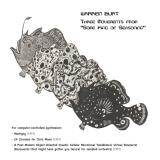
EM Records is proud to release Three Movements from “Some Kind of Seasoning” by the eminent Warren Burt: composer (and performer, writer, instrument builder, educator) of genius. Burt was born in 1949 in the USA, and moved to Australia in 1975. Throughout his long and inspired career, his expansive aesthetic has eagerly embraced microtonality, improvisation and technology, fusing these elements in often humorous and/or irreverent compositions based on live interaction with intelligent or semi-intelligent machine processes. He sets up machine-generated musical environments and then “wanders through” their rules and behaviors, exploring the resulting possibilities in a manner which never results in tech-driven alienation or alienating randomness; Burt’s keen and personable musical intelligence is always evident. This release features music from the final sections of a near-six-hour epic cycle of interactive computer and synthesizer pieces from 1990-91, investigating the magical intermediate space between the human and the mechanical. Dedicated to Kenneth Gaburo, the music draws on wide-ranging inspirations including Sun Ra and Elliott Carter, Quincy Jones’ “Setembro” and Charles Ives, Portsmouth Sinfonia and ancient Greek modes. With good-natured humor, an openness to the excellence of “mistakes” and a wide range of timbres, the music includes progressions of "traditionally musical" pitches, delicate textures of sustained electronic tones, raucous and noisy combinations of sound. Available on 12” LP, CD and DL, with liner notes by the composer.
c 03: A Post-Modern Object-Oriented Chaotic Cellular Microtonal Teledildonic Virtual Simulacra! (Buzzwords (that might have gotten you tenure) for sampled orchestra) 1991 for computer-controlled synthesizer
[c] 03: A Post-Modern Object-Oriented Chaotic Cellular Microtonal Teledildonic Virtual Simulacra! (Buzzwords (that might have gotten you tenure) for sampled orchestra) [1991] for computer-controlled synthesizer
[c] 03: A Post-Modern Object-Oriented Chaotic Cellular Microtonal Teledildonic Virtual Simulacra! (Buzzwords (that might have gotten you tenure) for sampled orchestra) [1991] for computer-controlled synthesizer
Möge es den Menschen im bekannten Universum gefallen, dass das musikalische Ensemble mit zahlreichen Namen, das rechtlich unter dem Namen ,Kay-Bee Funk Music Group" firmiert, sein - alphabetisch gesehen - erstes Album mit dem Titel ,Access All Areas" veröffentlicht. Diese Aufnahmen, die mit der von Karate Boogaloo patentierten ,Lovely Recording Technique" entstanden sind, machen deutlich, dass jeder ein VIP ist, wenn man KB hört. ,Access" war das einzige Wort, das The Old Kar-Boo's bei diesem Projekt philosophisch leitete. Wurde ein Stück zu verworren, landete es im Papierkorb. Nur diejenigen, die von jedem und allen gesummt werden konnten, blieben erhalten. Dieses Sieb kam während des gesamten Prozesses zum Einsatz; Arrangements und Formen wurden straff gehalten, Schnickschnack auf ein Minimum reduziert. War ,Hold Your Horses" aus dem Jahr 2024 noch ein Epos, so ist ,Access All Areas" ein Haiku. Der bewährte Aufnahmeprozess der Band wurde gewissenhaft eingehalten, abgesehen von einer wunderbaren Ergänzung: den großartigen ,Sound Recordings" unter der Leitung ihres Inhabers und außergewöhnlichen Toningenieurs Alex Bennet. Alex, der den 4-Spur-Ampex 440 bei Bedarf abseits der ausgetretenen Pfade steuerte und stets dafür sorgte, dass die Stimmung stimmte, ist ein waschechter Booger. Auch wenn es sich nur wie ein Augenblick anfühlt, sagt uns die Uhr, dass fast 20 Jahre vergangen sind, seit Kay's Bees zum ersten Mal versuchten, die Songs ihrer musikalischen Helden - The Meters, Booker T & The MG's und The JB's, um nur einige zu nennen - zu spielen. Seitdem haben die Famous Flying Karate Boogaloo Brothers einen Schritt nach dem anderen gemacht und ihren eigenen Sound entwickelt - einen, der die Geschichte der instrumentalen Funk- und Soul-Musik respektvoll würdigt und die Zeit widerspiegelt, die sie damit verbracht haben, ihren unverwechselbaren Sound zu entwickeln. So sehr jedes Mitglied auch für sich allein glänzt, ist es doch ein besonderes Ereignis, wenn alle vier Planeten im Booger-System in einer Linie stehen. ,Access All Areas" ist eine solche Finsternis - ein künstlerischer Ausdruck, an dem jedes Mitglied gleichermaßen beteiligt ist und der einen Schatten wirft, der einzigartig für diesen Anlass ist. Jede Sekunde der Musik wurde unter voller Beteiligung aller Mitglieder komponiert und produziert; das Mixing übernahm Henry Jenkins, das Artwork stammte von Hudson Whitlock und Callum Riley, und Darvid Thor vollbrachte Dinge, die man gesehen haben muss, um sie zu glauben. Musik ist ein Mannschaftssport, und es gibt kein ,Ich" im Funk. Das Album erscheint bei den beiden großartigsten Plattenlabels der Galaxie: ,Colemine Records" aus Loveland, USA, und ,College of Knowledge" aus Coburg, Australien. Hören Sie sich bitte das neue Album ,Access All Areas" von Karate Boogaloo an.
Möge es den Menschen im bekannten Universum gefallen, dass das musikalische Ensemble mit zahlreichen Namen, das rechtlich unter dem Namen ,Kay-Bee Funk Music Group" firmiert, sein - alphabetisch gesehen - erstes Album mit dem Titel ,Access All Areas" veröffentlicht. Diese Aufnahmen, die mit der von Karate Boogaloo patentierten ,Lovely Recording Technique" entstanden sind, machen deutlich, dass jeder ein VIP ist, wenn man KB hört. ,Access" war das einzige Wort, das The Old Kar-Boo's bei diesem Projekt philosophisch leitete. Wurde ein Stück zu verworren, landete es im Papierkorb. Nur diejenigen, die von jedem und allen gesummt werden konnten, blieben erhalten. Dieses Sieb kam während des gesamten Prozesses zum Einsatz; Arrangements und Formen wurden straff gehalten, Schnickschnack auf ein Minimum reduziert. War ,Hold Your Horses" aus dem Jahr 2024 noch ein Epos, so ist ,Access All Areas" ein Haiku. Der bewährte Aufnahmeprozess der Band wurde gewissenhaft eingehalten, abgesehen von einer wunderbaren Ergänzung: den großartigen ,Sound Recordings" unter der Leitung ihres Inhabers und außergewöhnlichen Toningenieurs Alex Bennet. Alex, der den 4-Spur-Ampex 440 bei Bedarf abseits der ausgetretenen Pfade steuerte und stets dafür sorgte, dass die Stimmung stimmte, ist ein waschechter Booger. Auch wenn es sich nur wie ein Augenblick anfühlt, sagt uns die Uhr, dass fast 20 Jahre vergangen sind, seit Kay's Bees zum ersten Mal versuchten, die Songs ihrer musikalischen Helden - The Meters, Booker T & The MG's und The JB's, um nur einige zu nennen - zu spielen. Seitdem haben die Famous Flying Karate Boogaloo Brothers einen Schritt nach dem anderen gemacht und ihren eigenen Sound entwickelt - einen, der die Geschichte der instrumentalen Funk- und Soul-Musik respektvoll würdigt und die Zeit widerspiegelt, die sie damit verbracht haben, ihren unverwechselbaren Sound zu entwickeln. So sehr jedes Mitglied auch für sich allein glänzt, ist es doch ein besonderes Ereignis, wenn alle vier Planeten im Booger-System in einer Linie stehen. ,Access All Areas" ist eine solche Finsternis - ein künstlerischer Ausdruck, an dem jedes Mitglied gleichermaßen beteiligt ist und der einen Schatten wirft, der einzigartig für diesen Anlass ist. Jede Sekunde der Musik wurde unter voller Beteiligung aller Mitglieder komponiert und produziert; das Mixing übernahm Henry Jenkins, das Artwork stammte von Hudson Whitlock und Callum Riley, und Darvid Thor vollbrachte Dinge, die man gesehen haben muss, um sie zu glauben. Musik ist ein Mannschaftssport, und es gibt kein ,Ich" im Funk. Das Album erscheint bei den beiden großartigsten Plattenlabels der Galaxie: ,Colemine Records" aus Loveland, USA, und ,College of Knowledge" aus Coburg, Australien. Hören Sie sich bitte das neue Album ,Access All Areas" von Karate Boogaloo an.
Futurismo proudly present a vital compilation born in the shadows of American punk; AMERICAN GRAVE Gothic Punk / Deathrock USA: 1978-1988, the third volume in their Altered Vision anthology series.
Drawing from darkest depths of the American spirit, American Grave is testament to a subculture spawned from late night savagery, graveyard hangouts and suburban isolation. Deathrock, post-punk, goth, whatever term you prefer, this compilation showcases the sounds and aesthetics of a tarnished golden era, an underground movement that took the DIY concepts of punk and the velocity of a burgeoning hardcore scene and immersed it in echoes, distortion, tribal rhythms and macabre vocals, thematically preying upon cult horror flicks, surrealism, and the manipulation of religious iconography. Whilst the UK had a counterpart scene many would hail as Goth, this was different, this was a truly American incarnation, a new breed of youth haunted by the ghosts of old blues, garage and glam, bleak theatrical imagery dressed up to evoke a response, smeared eyeliner, leather, bones…black. This was a backlash against a culture in decay, bucking against a puritanical oppression brought on by the archaic social standards set by their parents. It was aggression manifested as gloom, it was a ceremony, the celebration of death.
American Grave has been co-curated by Wesley Eisold (Cold Cave/American Nightmare/Heartworm Press) in collaboration with Futurismo head honcho Del Jae, to bring you a haunting tracklist ranging from the all important integral mainstays of the genre to those rarer and more elusive artists, including many recordings that have never been reissued before on any format. Featuring the music of Christian Death, T.S.O.L., The Cramps, Of A Mesh, The Gun Club, Twisted Roots, Kommunity FK, The Brainz, Theatre Of Ice, Burning Image, Fur Bible, PSI Com, Shadow Of Fear, Super Heroines, 45 Grave and more.
The music on this compilation is reinstated further from a visual perspective by an array of incredible images by famed punk photographer Edward Colver, and lovingly designed to the level you would expect from a Futurismo release.
2xLP on limited edition ‘Splintered Tomb’ coloured vinyl. It is housed in a gloss laminated outer sleeve with colour inner sleeves and contains a large fold-out poster with unseen photos by the great Edward Colver, words by Lisa Fancher and liner notes by Wesley Eisold of Cold Cave/American Nightmare.
Creole Culture is the triumphant return of Dawn Richard’s King Creole era. Steeped in history but with its flag planted firmly in the future, Creole Culture pulls elements from Richard’s heritage as a Black and Native American woman who has spent a lifetime making and engaging with music. Following New Breed (2019) and Second Line (2021), Creole Culture is akin to a panel of a triptych: a fully-realized sonic and narrative universe in which Richard, as King Creole, rebuilds her hometown of New Orleans in her image. She not only honors her city for what it was or what it gave her, but stakes a claim for it as a cradle of global culture now and for all time.
Creole Culture follows two acclaimed avant-garde R&B albums with composer Spencer Zahn — the later of which, 2024’s Quiet in a World Full of Noise, found Richard exorcising the specters of grief and trauma in the wake of her father Frank Richard’s health struggles and the killing of her cousin Cisco. It is a softer take on the brass-soaked swagger of Richard’s previous King Creole efforts, an evolution brought about when she realized she had left a crucial viewpoint out of her exploration of New Orleans: her own. “New Breed was the story of New Orleans through my father’s eyes,” Richard explains. “I used his samples, his music, his cultures, his work with Chocolate Milk, his side of the family. Second Line was my mom — her interludes riddled the album with her depiction of what is meant to be a Creole woman in New Orleans. The masculine and feminine sides of King Creole had expressed themselves through them, but the story felt unfinished, like my version of the story was untold.”
That story is, for lack of a better word, complex: at turns triumphant and tragic, sexy and mournful, braggadocious and contemplative. Creole Culture presents Richard’s New Orleans as a utopian soundscape — an intoxicating blend of R&B, soul, hip-hop, pop, and jazz — that’s survived and thrived despite the dystopian circumstances visited upon it. Richard presents the melange of influence and artifact on Creole Culture with the care of a botanist nurturing new hybrids in a rose garden.
What emerges from that care is at once delightful and unexpected, enlisting a crew of guest stars including Big Freedia, Anjelika “Jelly” Joseph, Tarriona “Tank” Ball, and Durand Bernarr for features that play against type. Tank’s turn at spoken word verse on “l v r” serves to add dimension to King Creole’s New Orleans, as does Joseph’s undeniable voice on “chuuuurch.” “I’m not normally a features girl,” says Richard, ”but King Creole can’t build a world from scratch without help. What’s beautiful about the features here — which is also true of my band and producers — is they come from people who understand the materials of the world they’re from, they’re people I love, and they’re people who are just extraordinary at what they do. They’re part of the atmosphere of this place. You need them for the record to breathe.”
In the end, that’s what King Creole creates: a space where Dawn Richard can breathe, can be at peace with herself, and let loose with others. From finding love in opening single “enough” to relishing in the Afrocaribbean futurism of “fiesta,” Creole Culture is a tremendous, freeing breath of fresh air. It captures the resolve of a woman and a place who’ve survived the unimaginable and sees the future not as something to be endured, but as something to be created. Dawn Richard has been making that future one album at a time over the course of her career. Creole Culture is her most stunning one yet.
Creole Culture is the triumphant return of Dawn Richard’s King Creole era. Steeped in history but with its flag planted firmly in the future, Creole Culture pulls elements from Richard’s heritage as a Black and Native American woman who has spent a lifetime making and engaging with music. Following New Breed (2019) and Second Line (2021), Creole Culture is akin to a panel of a triptych: a fully-realized sonic and narrative universe in which Richard, as King Creole, rebuilds her hometown of New Orleans in her image. She not only honors her city for what it was or what it gave her, but stakes a claim for it as a cradle of global culture now and for all time.
Creole Culture follows two acclaimed avant-garde R&B albums with composer Spencer Zahn — the later of which, 2024’s Quiet in a World Full of Noise, found Richard exorcising the specters of grief and trauma in the wake of her father Frank Richard’s health struggles and the killing of her cousin Cisco. It is a softer take on the brass-soaked swagger of Richard’s previous King Creole efforts, an evolution brought about when she realized she had left a crucial viewpoint out of her exploration of New Orleans: her own. “New Breed was the story of New Orleans through my father’s eyes,” Richard explains. “I used his samples, his music, his cultures, his work with Chocolate Milk, his side of the family. Second Line was my mom — her interludes riddled the album with her depiction of what is meant to be a Creole woman in New Orleans. The masculine and feminine sides of King Creole had expressed themselves through them, but the story felt unfinished, like my version of the story was untold.”
That story is, for lack of a better word, complex: at turns triumphant and tragic, sexy and mournful, braggadocious and contemplative. Creole Culture presents Richard’s New Orleans as a utopian soundscape — an intoxicating blend of R&B, soul, hip-hop, pop, and jazz — that’s survived and thrived despite the dystopian circumstances visited upon it. Richard presents the melange of influence and artifact on Creole Culture with the care of a botanist nurturing new hybrids in a rose garden.
What emerges from that care is at once delightful and unexpected, enlisting a crew of guest stars including Big Freedia, Anjelika “Jelly” Joseph, Tarriona “Tank” Ball, and Durand Bernarr for features that play against type. Tank’s turn at spoken word verse on “l v r” serves to add dimension to King Creole’s New Orleans, as does Joseph’s undeniable voice on “chuuuurch.” “I’m not normally a features girl,” says Richard, ”but King Creole can’t build a world from scratch without help. What’s beautiful about the features here — which is also true of my band and producers — is they come from people who understand the materials of the world they’re from, they’re people I love, and they’re people who are just extraordinary at what they do. They’re part of the atmosphere of this place. You need them for the record to breathe.”
In the end, that’s what King Creole creates: a space where Dawn Richard can breathe, can be at peace with herself, and let loose with others. From finding love in opening single “enough” to relishing in the Afrocaribbean futurism of “fiesta,” Creole Culture is a tremendous, freeing breath of fresh air. It captures the resolve of a woman and a place who’ve survived the unimaginable and sees the future not as something to be endured, but as something to be created. Dawn Richard has been making that future one album at a time over the course of her career. Creole Culture is her most stunning one yet.
Edge Conditions is a fresh look at the beat-forward electronic music of Jeremiah Chiu. In Electric Time, his 2023 first-thought-best-thought album recorded at theVintage Synth Museum in LA, offered a glimpse a solo process and sound, fast becoming a fan favorite. In many ways this new work is a total reset. Following two ambient-leaning duo albums with Marta Sofia Honer and a pair of improvisatory trance-jazz LPs with LA quintet SML, Edge Conditions settles Chiu into a world of layered, alternately dance-able or chillout-able, rhythm excursions a la classic Four Tet or Aphex Twin.
Edge Conditions is a fresh look at the beat-forward electronic music of Jeremiah Chiu. In Electric Time, his 2023 first-thought-best-thought album recorded at theVintage Synth Museum in LA, offered a glimpse a solo process and sound, fast becoming a fan favorite. In many ways this new work is a total reset. Following two ambient-leaning duo albums with Marta Sofia Honer and a pair of improvisatory trance-jazz LPs with LA quintet SML, Edge Conditions settles Chiu into a world of layered, alternately dance-able or chillout-able, rhythm excursions a la classic Four Tet or Aphex Twin.
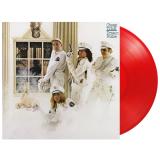
Dream Police is the fourth studio album by the American rock band Cheap Trick, originally released in 1979 and produced by Tom Werman. Following the huge success of At Budokan, the album arrived at a time when Cheap Trick had become one of the biggest new rock bands of the late 1970s.
The album is best known for its memorable title track, "Dream Police", alongside the popular tracks "Voices", "Way of the World" and "Gonna Raise Hell". The songs range from straight-ahead rockers to more melodic and atmospheric songs. Dream Police reached number six on the Billboard 200 and became one of the band's most successful studio albums. It remains a much-loved record from Cheap Trick's classic period and an important part of their 1970s catalogue.
Dream Police is available as a limited edition of 2000 individually numbered copies on red vinyl and comes in a gatefold sleeve. The package also includes an insert with lyrics.
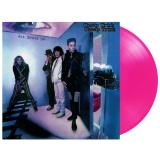
All Shook Up is the fifth studio album by the American rock band Cheap Trick, originally released in 1980 and produced by legendary producer George Martin, best known for his work with The Beatles.
The album followed the huge success of At Budokan and Dream Police and found the band working with a new producer for the first time in several years. George Martin gave the recordings his own touch, while Cheap Trick remained true to the sound and songwriting that had made them popular. The album features memorable tracks like "Stop This Game", "Just Got Back", "Baby Loves to Rock" and "World’s Greatest Lover". All Shook Up reached number 24 on the Billboard 200 and was certified Gold in the United States. It remains a strong album from an important period in Cheap Trick’s career and a great addition to their classic catalogue.
All Shook Up is available as a limited edition of 2000 individually numbered copies on magenta vinyl and includes an insert.
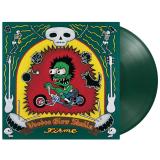
Voodoo Glow Skulls are an American ska punk band formed in 1988 in Riverside, California, by brothers Frank, Eddie, and Jorge Casillas and their longtime friend Jerry O'Neill. Voodoo Glow Skulls first played at backyard parties and later started playing shows with the Angry Samoans, The Mighty Mighty Bosstones, Firehose, Murphy's Law, and The Dickies.
Voodoo Glow Skulls' 1995 album Firme has been one of the high points in popularity for the seven-member band. Unlike some more laid-back performers in the genre, Voodoo Glow Skulls are a bit more heavy-handed on the punk part of the mix, resulting in consistently fast-paced and chugging song structures that occasionally erupt into triumphant horn breakdowns and chanted group vocals. The album also includes "Fat Randy," one of the group's more convincing ska-punk hybrids.
Firme is avavilable as limited numbered edition of 400 copies on green vinyl and includes an insert
The Chronicles of Narnia: The Voyage of the Dawn Treader is a 2010 fantasy-adventure film based on The Voyage of the Dawn Treader (1952), the third novel in C. S. Lewis’ fantasy series The Chronicles of Narnia. It is also the third and final installment in the original Chronicles of Narnia film series. Set three years after the events of Prince Caspian, the film follows the two youngest Pevensie children, Edmund and Lucy, as they return to Narnia to join the new king Caspian in his quest to rescue seven lost lords and to save Narnia from a corrupting evil that resides on a dark island.
Composer David Arnold scored the film, with themes composed by Harry Gregson-Williams (who scored the first two films). It was Arnold’s fourth collaboration with director Michael Apted. He created specific themes for the characters The Dawn Treader and Reepicheep, and used themes from the previous films for the opening and closing scenes as well as recurring characters, to ensure that the film is consistent with the franchise. The score was performed by an 87-piece orchestra and a 40-piece choir, resulting in an epic soundtrack with just the right magical touch to compliment this film.
TEMACHII creates immersive worlds where music, visual art, nature, and emotion blur together. Evoking the hazy surrealism of a once forgotten dream, the San Antonio-based multi-instrumentalist has built a devoted global audience through ethereal soundscapes, hand-crafted visuals, and songs that feel both deeply personal and universally comforting. Her music pairs ambient textures and dream-pop charm with an intimacy that feels like eavesdropping on an artist in conversation with herself—absorbing influences like Radiohead, Fiona Apple, Mitski and Aphex Twin while remaining less guided by genre than by feeling.
Her 2023 debut, flora maniia, was anchored by the 50 million-streamed hit “may you never forget me,” blending hypnotic acoustic guitar, lilting synths, and airy vocals into a reflection on love, memory, and the desire to leave a lasting impression. The follow-up LP, akrasiia, arrived later that same year, revealing a more stripped-back side of her sound while preserving the wonder at the heart of her work. Together with 2024 single “not/lost,” the releases have brought Temachii's art to fans around the world, a reach that feels especially meaningful given her Puerto Rican heritage. More importantly, they have transformed that audience into something more meaningful than simply streams and likes: a space for listeners to feel both safe and seen.
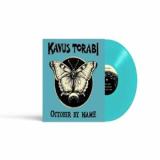
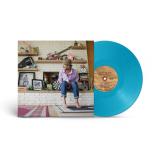
Transparent blue vinyl. October By Name is the latest solo album from Kavus Torabi, marking a luminous new phase for one of Britain's most distinctive psychedelic voices. Written in the wake of significant personal change and shaped by his work with Gong, Cardiacs and The Utopia Strong, the album blends adventurous psychedelia, melodic songwriting and mystical reflection into a sound that is both emotionally direct and unmistakably his own. Completing an autobiographical trilogy of solo records, Torabi once again performs, records, mixes and illustrates every aspect himself, creating a deeply personal work. The result is an intimate, expansive album that feels celestial, transformative and uniquely Kavus Torabi.
A space is often described by its dimensions. The height of the ceiling, the expanse between walls. Division into functional elements of varying density follows. We have ideas of how such dimensions should be balanced to work well for sound — the classical concert hall, a Northward mastering room.
It’s tempting to try and use this idea of space to understand Space the group (Lisa Ullén, Elsa Bergman, Anna Lund). To calculate their cartesian co-ordinates: dynamics that run from whisper soft to punishing, shaking force; Ullén’s piano running the full expanse of the frequency spectrum; the mix of sudden, surprising and suggested variations in density (the space) that generates their musical structures.
But (a) space is a social phenomenon where meaning is accumulated and possibilities created by and through a constantly shifting set of social relations and their histories and entanglement inside and beyond the physical structures of a room or building. Reduced to its raw dimensions, Cafe OTO shouldn’t sound good: the low ceiling, the hollow void underneath the stage-not-stage, the hard glass windows out onto the street. But OTO as a social space — for gathering close to listen; the serious pursuit of a convivial good time (its productive mythology that an OTO audience is both up for it but also expects more); and then the idea of all that has happened before and what will come; that this is also part of ‘the music’ and changes what sounds to the point that none of those cartesian co-ordinates matter.**
It’s less of shock that Space sound good. Lisa Ullén is easily the most singular pianist in Sweden right now and Elsa and Anna’s ability to reroute in realtime reaffirms just how well they function as a group. The trio might have got their shit together holding down the rhythm section for the first incarnation of Anna Högberg Attack — but much like Högberg’s ongoing pursuit of artistic renewal, the trio avoid being shackled to any ideas about what a piano trio should be and there is something that happens (happened) in that room, on that night, with those people that made for something beyond just good.
It’s a gift that the sound of every concert at OTO gets recorded. A choice handful of these transcend their decoupling from that social space and radiate the room’s attendant energies. This record is one of them.
** See Jack Halberstam in Fred Moten & Stefano Harney, The Undercommons (2013): “…we must refuse the idea that music happens only when the musician enters and picks up an instrument; music is also the anticipation of the performance and the noises of appreciation it generates and the speaking that happens through and around it, making it and loving it, being in it while listening."
It took a long time – ten years – for his talismanic song, ‘Ça ira tu verras’, to prove his prophecies right, at a time when, everywhere else in the world, nothing seems to be going right. And if everything is going well for Séverin, it’s because he’s managed to build himself a bulwark, an impregnable citadel, and his records now exude a whiff of simplified idealism, with the influence of Souchon and Voulzy never far from his pen and guitar as he brings his bittersweet moods to life in verses and choruses.
But above all, he knows how to invent new settings for himself, push back the boundaries, step beyond the walls of his Parisian studio to go and see how things sound elsewhere. Recorded at Chale Abbey Studios on the Isle of Wight (UK), Séverin once again wanted to let the collective spirit of his regular collaborators take centre stage. Ambroise ‘Sage’ Willaume and Jérémie Arcache, who featured on the previous album *Nouveaux Dinosaures*, once again form the backbone of the band, on guitar and keyboards respectively. Bassist Théodora Delillez (Astral Bakers) and Canadian drummer Robbie Kuster complete the band’s core line-up, which, in just six days at this electric priory, went on to achieve – judge for yourselves – nothing short of miracles.
Whilst all around us the war on falsehood rages – from AI to post-truth, all these fake debates, hypocrites and false values – here is an album that doesn’t cut corners when it comes to emotions, nor in the way it sets them to music.
Originally released in 2017, Zara McFarlane’s Arise represents a classic moment in Brownswood Recordings catalogue. Just before the global spotlight landed on London's new jazz generation, Zara McFarlane was already forging her own path - connecting jazz, soul, reggae and Afro-Caribbean traditions with a confidence and clarity that remains striking nearly a decade later. Arise captures an artist operating with singular vision, creating a body of work that sounds every bit as fresh and forward-thinking today as it did on release.
The album also stands as an early landmark in the career of Moses Boyd, who produced and co-composed the record while serving as Zara's longtime drummer and musical collaborator. Years before his Mercury Prize-nominated breakthrough, Boyd helped shape Arise into a deeply personal exploration of heritage. The credit list is remarkable: Moses Boyd, Binker Golding, Shabaka Hutchings, Nathaniel Cross, Peter Edwards and Shirley Tetteh all contribute to a record that now reads like a roll call of British jazz royalty. The iconic cover shot was taken by Adama Jalloh, around the corner from Brownswood’s North London HQ.
Upon release, Arise was met with widespread critical acclaim. The Guardian praised “A Class Act" and celebrated its exploration of African-Caribbean musical lineage, while Clash Magazine described it as “enchanting and intriguing”. All About Jazz called the album's fusion of jazz and Jamaican rhythms "spellbinding".
As Brownswood celebrates its 20th birthday, we're proud to return one of the label's defining releases to vinyl, with the original copies being highly sought after. Pressed on limited edition gold vinyl, this special anniversary reissue is both a celebration of Zara McFarlane's artistry and a reminder of a record that was both ahead of its time, and whose influence resonantes today.
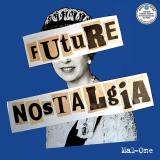
To mark ‘PUNK50’ (1976-2026) Mal-One has pulled his ‘Future Nostalgia’ track for 12” release. To remind us all that there is nothing wrong with nostalgia and looking back at events that have shaped our lives. Our collective futures are built on the actions of our pasts. As the lyric points out in the song:
‘Future Nostalgia we carry all our pasts’ Future Nostalgia
Also to enhance this release he has added an exclusive dub mix of the tune ‘Future Dub’. The flip side has taken two tracks from his forthcoming dub album ‘Punk Dub Sessions’. ‘Dub King’ is a version of his ’God Save The King’ track an update to the Sex Pistols ‘God Save The Queen’ and ‘Holiday Dub’ a version to his ‘Holiday In Someone Else’s Misery’ track. Which tells the story of the Sex Pistols ‘Holiday In The Sun’ release.
Hope you enjoy the Future Nostalgia journey and the dub excursions.
West Coast luxury rap meets corner-store nostalgia on Two4Two, Jay Worthy's ode to late-night cruises and 40oz street dreams. Wrapped in artwork inspired by stacks of classic malt liquor bottles, the project captures the unmistakable G-funk-infused atmosphere that has made Worthy one of the most authentic voices in modern West Coast hip-hop.
For the very first time, Two4Two arrives on vinyl in a deluxe collector’s edition, including an exclusive liquid-filled pressing as bold and distinctive as the project itself.
This first-ever physical release also includes 2 previously unreleased bonus tracks, making this a definitive edition of Two4Two and an essential piece for Jay Worthy collectors.
“When the flesh gets cut off the soul, it’s not the end.”
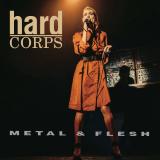
More than forty years after hardCORPS emerged from a Brixton basement, ‘Metal & Flesh’ returns in a new expanded edition on double vinyl and CD, newly remastered with the full involvement of surviving members Rob Doran and Clive Pierce. Born from the collision of punk, analogue synthesisers, sequencers, disco, reggae and experimental studio techniques, hardCORPS created electronic music that was as physical and emotional as it was mechanical. The arrival of French vocalist Regine Fetet gave the group its defining identity, placing her raw, uncompromising voice against the dense machinery of Hugh Ashton, Clive Pierce and Rob Doran. Working mainly with a Roland System 100, several Roland MC4 sequencers and later an additional MC500 and Atari ST 1040 computers, etc. pp., hardCORPS always transformed limitations, accidents, distortion and human imperfection into part of the music itself. Although rooted in the early 1980s, ‘Metal & Flesh’ refuses easy nostalgia, retaining the tension, space and character that made hardCORPS unlike their contemporaries. Yet, shall we eventually mention Kraftwerk, maybe let’s quote Ian Shirley from Record Collector magazine: „’Je Suis Passée‘ was not only a love letter to Kraftwerk but penned with such verve, passion and precision that Ralf and Florian probably would have accepted a blind date at a Düsseldorf cocktail bar (…).“ And as Martin Rushent famously said in 1990: “Hard Corps were ignored in their time. Perhaps it is the burden of the adventurous and the innovative to be ignored in their time, which is sad. Don’t ignore them now.”
This new edition has been carefully remastered to preserve that character and dynamics rather than simply making the recordings louder or more ‘modern’, while the artwork has likewise been developed to reflect the band’s original identity. Metal & Flesh’ is not merely an artefact of the 1980s, but a rare and fiercely individual document of four people discovering what happens when human instinct and machines collide.
Remastered by Martin Bowes. Graphic design by hard CORPS and Steve Lippert.
Gatefold sleeve gloss lamination, printed inner sleeves with lyrics, two double-sided hand-numbered.
Black Truffle is thrilled to announce a second volume of unheard concert performances from legendary Pakistani kyhal singer Salamat Ali Khan, recorded at Berlin’s Neue Nationalgalerie as part of the MetaMusik festival in 1974. Like the first volume, the immaculate recording by Michael Hönig (of krautrock legends Agitation Free) captures Khan performing a single extended raag in the company of Shaukat Hussein Khan on tabla and Hussein Bux Khan on harmonium. In addition to his stunningly inventive and moving vocal performance, Khan is heard accompanying himself on a specially tuned alpine zither (in place of the traditional swarmandal, an Indian style of zither). The lack of an underlying tanpura drone gives the music its characteristic floating quality, with the three instruments and voice masterfully dancing around one another as they sketch the outlines of this grand, 40-minute Raag Chandrakauns.
If anything, this epic performance of the late-night Raag Chandrakauns is even more seductively spacious and psychedelic than the music heard on the first volume. Obeying the traditional shape of Hindustani classical vocal music performance, a gradual rise in both pitch and rhythmic activity, the music hovers for twenty minutes in a reflective calm, the pulse only gently stated by the tabla while harmonium ornamentation and zither strums float by. In this meditative space, Khan gradually orients us to the contours of the raag, beginning with long notes at the bottom of his register. His improvisation at once builds with a stunningly firm sense of internal logic and seems liberated to explore every melodic and ornamental byway that comes up along the way. By the time we turn to the record’s second side, the music has grown into something far more frenetic, with virtuoso tabla passages at times occupying centre stage between Khan’s increasingly rhythmic melodic variations. Concluding with a sequence of unison tabla and voice passages of breathtaking complexity, the performance is met with rapturous applause. Arriving in a blue-toned variant of the first volume’s sleeve, with acclaimed musicologist Peter Pannke’s liner notes in the original German, Metamusik Festival Berlin ’74 Volume II is not to be missed. Essential listening not just for Hidustanti classic aficionados, but for anyone who needs reminding of the magic of collective music making in the moment.
SLOT is the high-energy, dance-punk project of couple Abby Detrich (vocals) and Max Detrich (bass, drum machine), based in Baltimore, Maryland, USA. Their music is a potent, genre-fusing sound described as gritty but flirty pop songs with a punk, in-your-face delivery, and pumping, heavy, danceable beats. Drawing on dance punk, noise pop, and alt-rock, their sound is rooted in Max's transition from drummer to electronic beats via a Boss DR-5 drum machine, with Abby contributing lyrics and dynamic vocals. The band's upcoming album is a bold, flirty, punchy, and raw statement, delving into themes of the intersection of performance and sexuality, self-acceptance, and personal reclamation. It was recorded with collaborator Danny Gibney in Harrisonburg, VA, capturing an experimental sound inspired by Y2K media. SLOT delivers an energetic, bratty, and in-your-face live show, having shared the stage with bands like Brainiac and played festivals like MACROCK. Beyond music, Abby is a floral artist and Max is a graphic designer, and they are both dedicated to progressive community causes in Baltimore.
SLOT is the high-energy, dance-punk project of couple Abby Detrich (vocals) and Max Detrich (bass, drum machine), based in Baltimore, Maryland, USA. Their music is a potent, genre-fusing sound described as gritty but flirty pop songs with a punk, in-your-face delivery, and pumping, heavy, danceable beats. Drawing on dance punk, noise pop, and alt-rock, their sound is rooted in Max's transition from drummer to electronic beats via a Boss DR-5 drum machine, with Abby contributing lyrics and dynamic vocals. The band's upcoming album is a bold, flirty, punchy, and raw statement, delving into themes of the intersection of performance and sexuality, self-acceptance, and personal reclamation. It was recorded with collaborator Danny Gibney in Harrisonburg, VA, capturing an experimental sound inspired by Y2K media. SLOT delivers an energetic, bratty, and in-your-face live show, having shared the stage with bands like Brainiac and played festivals like MACROCK. Beyond music, Abby is a floral artist and Max is a graphic designer, and they are both dedicated to progressive community causes in Baltimore.
GER Erstes Album mit Hopeless der Atlanta Nu-Deathcore-Band LEFT TO SUFFER! Left To Suffer zählen zu den intensivsten und eindringlichsten Acts der modernen Heavy-Musik, eine Band, die mit der Wucht einer Abrissbirne und der Präzision eines Skalpells zuschlägt. Ihr Sound entsteht an der Schnittstelle zwischen Moshpit-tauglicher Brutalität und eindringlicher Melodik; er richtet sich an Hörer, die ihre Katharsis laut, körperlich spürbar und kompromisslos erleben wollen. Von zermalmenden Breakdowns bis hin zu unheimlicher, atmosphärischer Spannung haben sich Left To Suffer eine ganz eigene Nische geschaffen. Hier existieren Wut und Verletzlichkeit unmittelbar nebeneinander, getragen von messerscharfem Songwriting, gewaltigem Tiefenfundament und Hooks, die wie Nachbeben einschlagen. Left To Suffer jagen keinen Trends hinterher. Sie erschaffen etwas, das schwerer, schärfer und unüberhörbarer ist, und dieses Kapitel hat gerade erst begonnen. Oranges Vinyl, Digisleeve CD Hopeless debut from rising Atlanta Nu-Deathcore band LEFT TO SUFFER! Left To Suffer are one of modern heavy music's most visceral acts, a band that hits with the force of a wrecking ball and the precision of a scalpel. Their sound lives at the collision point of pit-starting brutality and haunting melody, built for listeners who want their catharsis loud, physical, and uncompromising. From pulverizing breakdowns to eerie atmospheric tension, Left To Suffer have carved out a lane entirely their own. One where rage and vulnerability coexist in the same breath, anchored by sharp songwriting, massive low-end weight, and hooks that land like aftershocks. Left To Suffer aren't chasing trends. They're building something heavier, sharper, and harder to ignore, and this chapter is just getting started. Orange coloured vinyl, digisleeved CD.
This album is a glimpse into the creative outpouring from Todd in September and October of 2025. He returned to the Purple Building in East Nashville to perfect what he called “the sound of country music 10 years from now”. This meant taking his favorite country music tropes, dismantling and reassembling them over stretched-out, swampy grooves with New Orleans-style horns. He was so sure of this sound, feel, and his studio band's pliability that he insisted on recording his vocal and guitar first, with no accompaniment or click track. Todd wanted the band to record after him, so they would HAVE to follow his lead wherever it went. In his mind, he was attempting to write and record a double album. His excitement over the recordings and the push to capture that much material meant that by mid-October, Todd had recorded his vocal, guitar and the band's rhythm section for at least an album’s worth of material, with plans to continue recording. Sadly, Todd passed away before the remaining overdubs and additional songs could be completed. Fortunately all the notes, directions and encouragement he left behind in the form of emails, voice memos and demos provided an extensive roadmap for his band. Following that roadmap as closely as possible, his band was able to complete Todd's last work, My Second Rodeo, Part 1.
Rathmann spielen dunklen Gitarrenpop. Ungeschliffen und roh. Schmutzig, räumlich und mit einem Sinn für Romantik. Auf ihrem Debütalbum "Die Goldenen Zwanziger" haben sie zu einem klaren Selbstverständnis - einem eigenständigen Sound - gefunden und erzählen darin ehrlich und nahbar. Wenn in ihren Songs ein junges Paar ungewollt schwanger wird, Menschen aus der Bahn geraten oder sich dystopische Zukunftsaussichten breit machen - dann vertonen Rathmann abgründig und introspektiv, eingängig und wunderschön die Zwanziger. Ihre eigenen und das Jahrzehnt, in dem sie sie erleben. Vom Indierocker "Warum tut Liebe so" über den folkigen "Trauriger Geist" bis zum Italo-Western-Titeltrack des Albums - überall ist die klare Handschrift zu erkennen: Eine Band, die sich erlaubt, Band zu sein. Eine Band, die sich nicht am Zeitgeist, sondern ausschließlich an ihren eigenen Interessen orientiert. Und so findet man auf ihrem im Herbst 2026 erscheinenden Debütalbum mehr Anleihen von Leonard Cohen, Big Thief, Dr. Dog und Bands der Hamburger Schule als vom zeitgenössischen, deutschen Indiepop. Bei ihren Konzerten wie auch im Songwriting, Rathmann fangen in ihren Liedern den Moment ein: Die Unsicherheit unserer Zeit und die Tristesse einer soliden Quarter-Life-Crisis - immer aber auch die Freude an der Gemeinsamkeit und die Aufregung eines Lebens, das es noch zu entdecken gilt. Inklusive der Singles Wenn alles vorbei ist, Der Test in Deinen Fingern, Warum tut Liebe so & Trauriger Geist.
Der deutsch-amerikanische Violinist David Garrett veröffentlicht mit Immortal sein neues Album. Ein
zutiefst persönliches Projekt und zugleich eine Hommage an einige der bedeutendsten Komponisten der
Musikgeschichte wie W. A. Mozart, Claude Debussy und John Williams. Alle Stücke wurden von David neu arrangiert und spiegeln sein tiefes musikalisches Verständnis, sowie
seinen Anspruch an Authentizität wider. „Ich bin stolz darauf, sagen zu können, dass dieses Projekt zu
100 % handgemacht ist“, sagt er. „Ich hoffe, dass die Hörerinnen und Hörer nicht nur den Klang genießen,
sondern auch die menschliche Präsenz in der Musik spüren.“
DPRTNDRP make a long-awaited return to Infernal Sounds with 'Byrnei', a release that's been quietly building anticipation across the 140 scene. Following their acclaimed 'What Ya Mean' EP in 2020, the duo are back with five heavyweight cuts that showcase exactly why they've remained one of dubstep's most respected production outfits for well over a decade.
Opening with the title track, 'Byrnei' wastes no time setting the tone. Rolling with DPRTNDRP's unmistakable swing, weight and groove, it's a certified soundsystem weapon - built to lock dancers into its hypnotic rhythm while delivering devastating low-end pressure.
Next up, 'Jiaozi' shifts into overdrive. A relentless barrage of razor-sharp percussion, cavernous basslines and seismic energy, it's an uncompromising slice of peak-time dubstep designed to hit with maximum impact from the first drop to the last.
'Fury' explores a deeper side of the duo's sound, drawing influence from their dub-focused alias, D-Operation Drop. Rich in space, texture and heavyweight sonics, it perfectly blurs the line between traditional dub and modern 140, combining meditative atmospherics with chest-rattling low-end.
Adding another dimension to the EP, Causa steps in to rework 'Fury', twisting the original into a hypnotic, distorted roller. Layered with his unmistakable wobble-heavy aesthetic, the remix pushes the track into darker territory, delivering an immersive journey of oppressive bass weight and razor-sharp sound design.
Bringing the release to a thunderous close, 'Backfire' is pure, uncompromising pressure. Stripped back, direct and devastatingly effective, it's arguably the heaviest moment on the EP; a no-nonsense soundsystem destroyer that leaves a lasting impression.
From start to finish, 'Byrnei' is a statement of intent. It's a masterclass in weight, groove and precision, reinforcing DPRTNDRP's status as true innovators within the 140 landscape. With five expertly crafted cuts destined for dancefloors and soundsystems worldwide, this is another landmark release from two producers operating firmly at the top of their game.
The first Af Ursin album in a decade, this release features extraordinary Belgian vocalist and performer Bénédicte Davin. »Ad Fontes« is a personal response to the fractured reality of our time. Created in the wake of visible social decay, manipulation, and institutional control, the album serves as a sonic mirror to an era defined by corruption and systemic failure. Instead of preaching political manifestos or claiming to have answers, this work is an intimate personal statement – a silent call to embrace spiritual values as the vital, untainted source of human nature.
A quick scan of the world’s favourite crowdsourced discography reveals that Sonic Youth co-founder Lee Ranaldo was not a total stranger to crackling electric experimentation in the years following his songwriting turns of the 20-teens. Yet »The System«, ingeniously culled and sequenced from Ranaldo’s soundtrack work for Dutch filmmaker Joris Postema’s ›eco-doc‹ of the same name, nonetheless feels like a reawakening. Quietly released in a vastly different (and much more ›filmic‹) form by Doxy Music/Riva Media Records in 2025, this LP reimagines and reconfigures the initial release, including unreleased material written and recorded for the film, to lend it new stature as both a return to drone-improv form and a reunion with introspective Downtown angst.
Given the state of the world, it’s not surprising that the film Ranaldo scores – a documentary on three climate activists bruising their fists on the black iron prison of techno-fascist deathkultur – is a study in despair and futility. But rather than wallowing in navel-gazing doom and gloom, the film documents the unstoppable spirit that has animated human resistance since the time of the Pharaohs.
As it turns out, the gorgeous scope of Lee Ranaldo’s guitar palette is a perfect manifestation of the hope and despair that animates the film. But like other high-water marks in the guitar-centric soundtrack canon – the high plains raga of Bruce Langhorne’s »Hired Hand«, Neil Young’s sparse and ghostly solo transmissions on »Dead Man«, or the monolithic mantras of Popol Vuh’s »Nosferatu« – its devotion to spectral gestures and meditative song forms launches it firmly outside of the OST orbit into a universe fully its own.
It might seem like a long journey from the Lower Manhattan rhythmic grime of the album’s opener »Tajikistan (Nice to Meet You)« (reminiscent of guitar opuses like Robert Quine and Jody Harris’s »Escape«) to the ringing cowboy chords of the final track, but the narrative logic of the LP pulls the listener along as solidly as a pack horse. As the LP unwinds, and collaborators like Jim Jarmusch, cellist Leila Boudreil, Yeah Yeah Yeahs snare shaman Brian Chase, and guitarist Yonatan Gat take their places, new vistas unfurl: the ritualistic thrum of »Berlin Blockade«, the haunted overtone palaces of »Bergelmir«, and the cavernous acoustic strumming of »Instruments of Violence«. It all winds up with the high lonesome standard »Cool Water«, each unhurried note trailing off into long-tail reverb, layers of shifting vocal harmonies pulling everything skyward – a hopeful note in an album where existential dread never lurks too deeply below the surface.
In the end, »The System« functions both as a film score and a hallucinatory (mostly) instrumental guitar record, revealing a sensibility not too often spotted in the 21st century – a liminal space where the song, the jam, and the meditation merge into a blurred whole. »The System«’s expansive fabric, emerging from a collective sound circling around Ranaldo’s signature tones, envelops and ampl amplifies the contributions of its community of creators – the perfect antidote to narcissistic despair. Much like the subjects of the film light the way towards intra-generational resistance, the music of »The System« reveals a path through gathering darkness. The world could be yours if you follow.
A quick scan of the world’s favourite crowdsourced discography reveals that Sonic Youth co-founder Lee Ranaldo was not a total stranger to crackling electric experimentation in the years following his songwriting turns of the 20-teens. Yet »The System«, ingeniously culled and sequenced from Ranaldo’s soundtrack work for Dutch filmmaker Joris Postema’s ›eco-doc‹ of the same name, nonetheless feels like a reawakening. Quietly released in a vastly different (and much more ›filmic‹) form by Doxy Music/Riva Media Records in 2025, this LP reimagines and reconfigures the initial release, including unreleased material written and recorded for the film, to lend it new stature as both a return to drone-improv form and a reunion with introspective Downtown angst.
Given the state of the world, it’s not surprising that the film Ranaldo scores – a documentary on three climate activists bruising their fists on the black iron prison of techno-fascist deathkultur – is a study in despair and futility. But rather than wallowing in navel-gazing doom and gloom, the film documents the unstoppable spirit that has animated human resistance since the time of the Pharaohs.
As it turns out, the gorgeous scope of Lee Ranaldo’s guitar palette is a perfect manifestation of the hope and despair that animates the film. But like other high-water marks in the guitar-centric soundtrack canon – the high plains raga of Bruce Langhorne’s »Hired Hand«, Neil Young’s sparse and ghostly solo transmissions on »Dead Man«, or the monolithic mantras of Popol Vuh’s »Nosferatu« – its devotion to spectral gestures and meditative song forms launches it firmly outside of the OST orbit into a universe fully its own.
It might seem like a long journey from the Lower Manhattan rhythmic grime of the album’s opener »Tajikistan (Nice to Meet You)« (reminiscent of guitar opuses like Robert Quine and Jody Harris’s »Escape«) to the ringing cowboy chords of the final track, but the narrative logic of the LP pulls the listener along as solidly as a pack horse. As the LP unwinds, and collaborators like Jim Jarmusch, cellist Leila Boudreil, Yeah Yeah Yeahs snare shaman Brian Chase, and guitarist Yonatan Gat take their places, new vistas unfurl: the ritualistic thrum of »Berlin Blockade«, the haunted overtone palaces of »Bergelmir«, and the cavernous acoustic strumming of »Instruments of Violence«. It all winds up with the high lonesome standard »Cool Water«, each unhurried note trailing off into long-tail reverb, layers of shifting vocal harmonies pulling everything skyward – a hopeful note in an album where existential dread never lurks too deeply below the surface.
In the end, »The System« functions both as a film score and a hallucinatory (mostly) instrumental guitar record, revealing a sensibility not too often spotted in the 21st century – a liminal space where the song, the jam, and the meditation merge into a blurred whole. »The System«’s expansive fabric, emerging from a collective sound circling around Ranaldo’s signature tones, envelops and ampl amplifies the contributions of its community of creators – the perfect antidote to narcissistic despair. Much like the subjects of the film light the way towards intra-generational resistance, the music of »The System« reveals a path through gathering darkness. The world could be yours if you follow.
"Back in 2022, Ban Ban Ton Ton raved about George T’s then digital-only release, “Roll On, Kings Cross”. We described it as a “dynamite dose of poetry and digidub.” Likening the prose – which describes a train journey from the coast to the city – to Michael Smith and Joe Duggan, while comparing the production to Dennis Bovell’s remixes of Jarvis Cocker’s “Swanky Modes”, and The Sabres Of Paradise’s “Wilmot”. Melodica-led with a hefty post-punk flavour, its dub, which focuses on manipulating and morphing the bass-line, we called “hollowed out house.”
These tracks have now been pressed to vinyl for the second release on new imprint Noetic Rhythm, where they’re joined by Leonidas’ “Great Northern” mix. Eschewing his usual futuristic ethno techno jacking, here he drops into roots reggae. Creating something more skanking, more stepping. An extended “discomix” showered in filtered, Mutron Bi-phased percussion, ghostly horns and peppered with the odd syndrum pop. Washes of sampled surf appropriately accompanying George informing us that “to the left there’s the sea.”
The 12 also features, “Dr Doctor”, a fresh collaboration with Yas Mine, The singer / guitarist’s French vocals countering George’s Matt Johnson-esque delivery, and a John Barry / “Midnight Cowboy”-like melodica melody serenading the song’s slow, squelchy, electronic skanking. The dub, instead, showcasing Yas’ fine fretwork." BAN BAN TON TON review
-
"These tracks are massive! I love Roll On King's Cross the best" KAY SUZKI (Time Capsule)
"I played the dub (Dub On, King's Cross) at a club in Oslo alongside some Maurizio and it sounded great. Bit of an oddball." Also played on NTS Radio and in Mixmag mix. JONNIE WILKES // OPTIMO
"Really digging Mr Demure when he drops into dubwise" DR ROB // BAN BAN TON TON
"Yes. Nice" NICK THE RECORD
"Awesome" JONNY ROCK
"I really like this EP... Love the Leonidas dub!" CEDRIC WOO (Beauty & The Beat, LDN)
"Love the blend of Augustus P vibes with a post punk dub feel. Bingo!" DICKY TRISCO
"I love it and will be playing" TREVOR FUNG (Ibiza Legend)
"Yes this is dark but kinda friendly.... brilliant...It's like ghost town ...I love Leo's mix" FOR MANKIND (Pikes Ibiza)
"Love the release and LOVE LOVE LOVE Dr Doctor!!!! Psyched to play this one out all weekend." ZILLAS ON ACID // James Weissinger (Philadelphia, US)
"This is amazing. Dub on kings cross is a banger - really love this one" ARVEENE
"Loving the Leonidas dub" ATEMI (Blackbush Orchestra / Abstrack)
+
PREVIOUSLY
"Melodica heaven" JD TWITCH/OPTIMO (RIP)
"I love this" IVAN SMAGGHE
"It's hot!!" JONNY ROCK
+ plays/support from:
DON LETTS (BBC 6Music)
TOM RAVENSCROFT (BBC 6Music)
HARRI (Sub Club)
[f] Roll On, King's Cross [Leonidas' Great Northern Mix] 06:54
[g] Dr Doctor [Instrumental Mix] 03:25
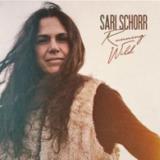
From the discovery of her smoke 'n' honey battlecry, through her baptism of fire in the Bronx blues clubs, onto backup vocals for giants like Joe Louis Walker and Popa Chubby - before finding her own voice with the solo career that exploded in 2016 - the award-winning New York singer-songwriter's road-scuffed leather boots have barely touched the ground. Now, Schorr releases Running Wild: the highly anticipated third album whose songs pulse with empowerment in dark times. "It's about defiance, selfdiscovery, reflection, resilience and freedom," she says. "I want these songs to lift people above the grind.
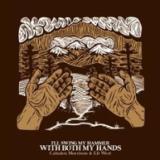
Their music draws from old folk sources, but it sounds vibrantly alive. Produced by Tim O'Brien, I'll Swing My Hammer With Both My Hands is the epic culmination of the duo's original run together. Now, more than a decade later, these beloved recordings are finally being pressed on vinyl for the very first time in special limited- edition releases. Together, Cahalen and Eli tap the root of the old country and bluegrass duets. As the sparse landscapes of Cahalen's vocals reflect the warm glow of Eli's voice, it's clear that this duo was made to sing together