Mischa Blanos - acoustic piano, electric piano, synthesizers.
Khori Ander - bass clarinet, clarinet.
Cezar Lazăr - electronics and sound manipulation on track 7.
"The seven stories unfolded on this album, debugged by a
fabulous clarinet technique and a wonderful piano craft, narrate
about the Universe, about the Chaos and also about the miracle
of the musical sound.
These imaginative stories, made with talent by musicians
Mischa Blanos & Khori Ander, talk about a special attitude
towards a distinguished estate of mind, a unique colour of the
space around us, devoted to a spirit of meditation, introspection
on vast temporal surfaces, each piece representing facets of the
same unique and unrepeatable algorithm of an improvisational
euphonious Universe.
By developing ideas in the process Cezar Lazar engineering
craftsmanship reveals the outcome of a thoughtful recording
and duo's synergy, refining and defying predictable musical
territories."
Dr. Irina Hasnas
Composer, Musicologist , Journalist and Professor
Recorded, engineered, mixed and produced by Cezar Lazăr
Assistant engineer Stefan Mihăilescu
Vinyl & Digital master Cezar Lazăr
Lacquer Cut Mike Grinser @ Manmade Mastering, Berlin
Recorded in 2019 @ Understand Studios, Bucharest
Wenn VOIGT & VOIGT im Studio aufeinander treffen, fliegen die Funken innerhalb dieser einzigartigen Maschinerie namens Kompakt gefährlich tief. Das resultiert oft in der ungewöhnlichen Kombination komplett separierter Elemente, die plötzlich zu lautem Geplauder anheben. Auf ihrem Album-Debüt DIE ZAUBERAFTE WELT DER ANDEREN gehen die Voigt-Brüder einer Vielzahl von Einflüssen nach, um eine unvergleichliche Klangwelt zu formen, die zum ersten Mal das vollständig realisiert, was frühere, inzwischen klassische Tracks auf SPEICHER andeuteten. Zeitgleich produziert zum essentiellen Techno von ERDINGERTRAX, entscheidet dieses Album sich für eine psychedelische Erzählstrategie und führt so auf brilliante Weise die experimentellen Neigungen von Voigt & Voigt vor Ohren... ohne dabei das eigene Wissen um den perfekten Groove aus den Augen zu verlieren.
Kassie Krut is comprised of Kasra Kurt and Eve Alpert — former members of Philadelphia math rock institution Palm — alongside Matt Anderegg (Mothers, Body Meat). On their self-titled debut EP, the newly minted Brooklyn three-piece have retained the fangled snarl of their prior work, outlining sugary melodies with visceral flourishes. Front to back, 'Kassie Krut' smudges starkness & filth, settling into a commanding partnership fit for muddy raves, basement punk spaces, and festival stages alike.
After years of twisting rock instrumentation into unknown shapes, the first release by Kassie Krut represents a transformative refocusing of energies. These tracks evince the kind of wisdom that only comes from experience—and the kind of experience that can only be scored by new sounds, still glittering with the metal filings of their making
Erdgeschoss (The ground floor) makes no distinction between old and new. And certainly not between old and young.
On the new record, two generations of KöPi uninhibitedly indulge in a brand of dirty minimal purism between Schranz and Glanz (glamour) between bouncing and banging.
Romance for everyone, you revelers.
Purity and dirt - from 133 1/3 bpm upwards, things really take off, and another door opens and closes again. Because. Bass drum on, bass drum off.
Kölsch meets Pils.
Trance meets Kraut - Haspel Haze goes loud.
So what. Your backpack is about to burst open.
Erdgeschoss unterscheidet nicht zwischen alt und neu. Und schon gar nicht zwischen alt und jung.
Auf der neuen Scheibe frönen zwei Generationen KöPi hemmungslos dem Dirty-Minimal-Purismus zwischen Schranz und Glanz - zwischen hämmern und pimpern.
Romantik für alle ihr Jecken.
Reinheit und Dreck - ab 133 1/3 bpm plus geht die Post ab und eine andere Tür auf und wieder zu. Denn. Bassdrum an Bassdrum aus .
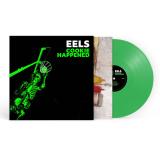
EELS, eine der eigenwilligsten und beständig gefeierten Bands der Rockgeschichte, melden sich mit ihrem 16. Studioalbum zurück. COOKIE HAPPENED findet E (Mark Oliver Everett) dort, wo er am stärksten ist: in den kleinen Siegen des Lebens, den unvermeidlichen Enttäuschungen – und dem stillen Wunder, überhaupt hier gewesen zu sein.
Den Albumtitel erklärt E mit einem Zitat des großen Philosophen unserer Zeit, dem Cookie Monster: „Me no cry because cookie is finished. Me smile because cookie happened." Alles wird vergessen werden – aber war es nicht trotzdem etwas Schönes, dass es geschah?
Die erste Single 'Cap In Hand' gibt einen bittersüßen Vorgeschmack: ein abgeklärt-bewegender Song aus der Perspektive von jemandem, der seine Fehler endlich eingesteht und versucht, die Dinge wieder geradzubiegen.
COOKIE HAPPENED folgt auf das 2024 erschienene und vielgelobte EELS TIME! und beweist einmal mehr, dass kaum ein anderer Künstler so gut darin ist, im Chaos des Lebens Bedeutung zu finden.
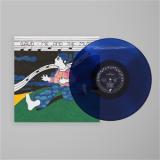
Nine-time GRAMMY® winner Anderson .Paak and GRAMMY®-nominated rapper Cordae have been operating on the same wavelength for years. What started as pure chemical reaction on 2019’s “RNP” slowly turned into one of hip-hop’s most natural, low-ego partnerships, fueled by back-and-forth gems like “Two Tens” and “Summer Drop” and a series of dynamic TV performances that felt more like two best friends hanging out than a polished routine. On their debut collaborative album, Heavy Is The Crown, that organic bond gets the full-length treatment it’s always deserved.
At its core, the project is a tightrope walk between serious real-life stakes and uncompromising fun. The title isn't just bravado—it speaks directly to the shared weight both artists carry as the primary providers and anchors for their families. But instead of letting that pressure crush the vibe, .Paak and Cordae lean into each other. Meeting as total equals, .Paak’s elastic, soul-drenched musicality anchors Cordae’s razor-sharp lyricism, allowing both to unpack the heavy reality of success and family responsibility without ever losing their spark.
That balance is what makes the album tick. To drive the point home, the album art pays homage to the cult comedy Step Brothers—a nod to the silly, irreverent friendship that birthed the music in the first place. Heavy Is The Crown doesn't feel like a forced corporate crossover or a calculated career move. It’s a record about brotherhood, family, and what happens when two masters of their craft step into the studio simply because nobody makes them laugh, rap, or create quite like the other.
Nine-time GRAMMY® winner Anderson .Paak and GRAMMY®-nominated rapper Cordae have been operating on the same wavelength for years. What started as pure chemical reaction on 2019’s “RNP” slowly turned into one of hip-hop’s most natural, low-ego partnerships, fueled by back-and-forth gems like “Two Tens” and “Summer Drop” and a series of dynamic TV performances that felt more like two best friends hanging out than a polished routine. On their debut collaborative album, Heavy Is The Crown, that organic bond gets the full-length treatment it’s always deserved.
At its core, the project is a tightrope walk between serious real-life stakes and uncompromising fun. The title isn't just bravado—it speaks directly to the shared weight both artists carry as the primary providers and anchors for their families. But instead of letting that pressure crush the vibe, .Paak and Cordae lean into each other. Meeting as total equals, .Paak’s elastic, soul-drenched musicality anchors Cordae’s razor-sharp lyricism, allowing both to unpack the heavy reality of success and family responsibility without ever losing their spark.
That balance is what makes the album tick. To drive the point home, the album art pays homage to the cult comedy Step Brothers—a nod to the silly, irreverent friendship that birthed the music in the first place. Heavy Is The Crown doesn't feel like a forced corporate crossover or a calculated career move. It’s a record about brotherhood, family, and what happens when two masters of their craft step into the studio simply because nobody makes them laugh, rap, or create quite like the other.
“Negative Music / The Poorest! If they still know silence at all, then only as holes in the continuum of noise…” — Günther Anders, 1965
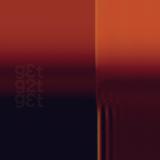
Editions Mego presents GETGETGET, a new release by Thomas Brinkmann which serves as an inquiry into silence, code, and the limits of perception.
The title GETGETGET references the trilogy of ‘Get’ lp’s made by Rehberg under his PITA moniker; Get Out, Get In and Get On. The music is based on material by Rehberg and Brinkmann morphing these two identities into a third colour, a disappearing color.
Emerging from a live performance at the label’s 30th anniversary in Berlin, the work unfolds as both sonic artifact and conceptual system: a study in what remains when sound is reduced, extracted, and reconstituted.
Taking inspiration from Günther Anders’ notion of “negative music”—composition through absence—Brinkmann’s approach aligns with Heinrich Böll’s idea of “collected silence”: silence not as void, but as a material framed against the constant pressure of noise. In GETGETGET, pauses are not gaps but structural elements, cut from a continuum and reinserted as signals.
The two side long tracks weave a dark abstract and ‘twisted’ presence where the ghosts of the machines and their operators fuse into a fantastical whole. One can hear traces of both Brinkmann and Rehberg logic which seems to fuse in a hallucinatory manner.
Brinkmann’s work reflects a broader condition: the translation of material processes into informational ones. As images detach from bodies and code separates from matter, sound too loses its fixed resonance. What remains is circulation—of signals, of data, of meaning—within systems that increasingly define perception itself.
GETGETGET is an album where absence is equal to presence, a metaphor with suggestive tones of the influence Rehberg had and continues to have in the world of the radical experimental electronic avant garde. The “zero” is not empty; it is what makes everything else work.
Muss sich alles ständig so schwer anfühlen? Claud Mintz ringt ständig mit dieser Frage. Und zwar nicht in Form von höflichen kleinen Wortgefechten, sondern in Form von großen, langwierigen, existenziellen Kämpfen - von der Art, die einen letztendlich dazu bringen könnte, den Kurs des gesamten Lebens zu ändern. Die 10 Songs auf seinem facettenreichen und glanzvollen dritten Album ,Me and the Music" zeigen den 27-jährigen Singer-Songwriter und Produzenten aus Brooklyn, wie er sich mit dieser Frage auseinandersetzt und schließlich triumphierend zu etwas gelangt, das einer Antwort nahekommt: Die Dinge können schwer sein, aber das bedeutet nicht, dass man keinen Spaß haben kann. Das Leben kann schwer sein, aber das Bier in Ihrer Hand ist es nicht - warum sollten Sie es nicht für einen Moment in die Höhe recken, mit den Freunden um Sie herum mitsingen und Ihre Sorgen für die Dauer eines perfekten Indie-Pop- Songs vergessen? ,Me and the Music" ist Clauds erstes Album seit drei Jahren, seit dem 2023 erschienenen, hochgelobten ,Supermodels". Sowohl ,Supermodels" als auch ,Super Monster" aus dem Jahr 2021 waren weitgehend inspiriert von ,dieser einen unklaren Beziehung", von der er irgendwann während des Schreibens von ,Me and the Music" erkannte, dass sie ,eigentlich nie wirklich etwas war". ,Supermodels" war ein so ernstes Album, und ,ich habe einfach so lange in meinen Gefühlen geschwelgt", sagt Claud. ,Es gibt einen Unterschied zwischen Aufrichtigkeit gegenüber dem Leben und dem Leben zu ernst zu nehmen." Diese Erkenntnis veränderte alles: Im Titelsong von ,Me and the Music" singen sie: ,Das ist der letzte Song, den ich von dir ruinieren lasse", und das meinten sie auch so. Nachdem Claud diesen Song geschrieben hatte - in den berühmten Electric Lady Studios zusammen mit ihren Freunden Hank Heaven und Annie DiRusso -, begannen sie, sich völlig befreit zu fühlen. ,Dadurch wurde viel Bedauern losgelassen, das ich mit mir herumgetragen hatte, und es ermöglichte mir, zu denken _ das macht so viel Spaß", sagen sie. ,Musik zu machen macht so viel Spaß." Das Markenzeichen von Me and the Music sind also Songs, die die Komplexität des Erwachsenwerdens und des Lebens in der Welt einfangen, ohne dabei den Sinn für Verspieltheit oder Spaß zu verlieren. Es ist ein typisches ,Slice-of-Life"-Album , das neue Romanzen, Insider-Witze, Gap-Werbespots, die Band ,America" und das Land Amerika thematisiert und all diese Dinge mit Sorgfalt und Rücksicht behandelt. Die Lead-Single ,She Doesn't Love Me" von ,Me and the Music" ist in vielerlei Hinsicht der Kern des Albums - ein leichtfühliges Lied darüber, wie es ist, in den 2020er Jahren in Amerika queer und trans zu sein. (Es ist eine kraftvolle, mitreißende Hymne, die vor Schmerz nicht zurückschreckt - und trotzdem Lust macht, wie Claud in dem Titel singt, die ,Biere in die Luft zu recken".) Als Claud den Song gemeinsam mit Heaven und DiRusso schrieb, waren sie fest davon überzeugt, dass es ein Yacht-Rock-Song werden sollte; das Demo klang letztendlich dennoch ,Lo-Fi und Indie". ,Me and the Music" wurde von Claud und John Congleton (Alvvays, St. Vincent) produziert und bedeutet für Claud, dass sich der Kreis schließt: Mit diesem Album hatte Claud endlich das Gefühl, als Produzent selbstbewusst genug zu sein, um die Rolle des Co-Produzenten zu übernehmen (und hat seitdem eine Reihe viraler Singles von Romy Mars produziert). Die Zusammenarbeit ist natürlich ein wesentlicher Bestandteil von Clauds Arbeit - wer wären wir ohne unsere Freunde? Neben Claud gehört er zu einem Viertel zu Shelly, einer Band, die er gemeinsam mit Clairo, Noa Getzug und Josh Mehling gegründet hat. Auf ,Me and the Music" arbeitet Claud bei dem Titel ,The Legend" erneut mit ihrem langjährigen Kollaborateur Dan Nigro (Olivia Rodrigo, Chappell Roan) zusammen. Der Song thematisiert das Gefühl, tief in jemanden verliebt zu sein, der nicht mit einem gesehen werden möchte, sagt Claud: ,Es geht gewissermaßen um eine beschissene Beziehung und den Wunsch, die Liebe zur Schau zu stellen, ohne jedoch dazu in der Lage zu sein ", erklären sie. Doch wenn es auf ,Me and the Music" ein echtes Liebeslied gibt, dann ist es ,I Owe You", ein Dream-Pop-Road-Song, der hingebungsvoll und facettenreich ist. Er fängt den Geist von ,Me and the Music" als Ganzes ein: die Dinge Tag für Tag zu nehmen, Bilanz über das zu ziehen, was einen umgibt, und die schönen Dinge anzunehmen, wenn sie sich bieten. Das fühlt sich gar nicht so schwer an.
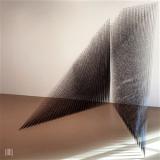
,Prophetic Perfect Tense" ist das neue Album von Oren Ambarchi bei Kou Records. Der australische Gitarrist und Komponist gilt als eine der unermüdlichsten und einfallsreichsten Persönlichkeiten der experimentellen Musik der letzten drei Jahrzehnte. Als Gründer von Black Truffle Records und versierter Kollaborateur, der bereits mit Keiji Haino, Jim O'Rourke, Johan Berthling und Andreas Werliin - präsentiert sich Ambarchi hier in seiner reduziertesten Besetzung: Solo-Gitarre, zwei Seiten, zwei Takes, minimale Effekte. Während seine Studioalben typischerweise konzeptionelle, vielschichtige Werke mit Gastmusikern waren, bricht ,Prophetic Perfect Tense" dieses Muster vollständig - nach seinen eigenen Angaben ist es das konventionellste Soloalbum mit Gitarrenklang, das er je aufgenommen hat, und das, was im Studio der Live-Energie seines ,Ghosted"-Trios am nächsten kommt. Aufgenommen im Studio Dede in Tokio im Januar 2026 und produziert von Randall Dunn, begann das Album als Akt hartnäckiger Zurückhaltung - irgendwo zwischen Joao Gilberts leisem, selbstbetiteltem Album von 1973 und Alemu Agas ,Bägänna"-Sessions. Doch sobald das Band durch eine Leslie-Box, einen Fender Twin und einen Ampeg B-15 in einen Telefunken-24-Spur-Recorder lief, entstand etwas ganz anderes: ein lockerer, abstrakter Shuffle, warm und dreidimensional, bei dem Verstärkerbrummen, Saitenquietschen und Raumgeräusche unverändert blieben. Beide Seiten in einzigen Takes. Ein Gitarren-Overdub wurde auf Randalls Drängen hin hinzugefügt. Eine Platte, die wie ein Raum klingt, nicht wie ein Studio. Aufgenommen, abgemischt und produziert von Randall Dunn. Gemastert von Ben Greenberg. Dolby-Atmos-Mischungen von Ben Greenberg. Lackschnitt von Paul Gold bei Salt Mastering. Cover-Artwork ,Untitled, 1977" von Kazuko Miyamoto, Foto mit freundlicher Genehmigung des Nachlasses von Kazuko Miyamoto / Zürcher Gallery, NY. Porträt auf der Rückseite von Ken Langraf
Für manche zu gewagt, für andere unwiderstehlich - Twin Temple haben sich zu kulturellen Provokateuren und zu einer der meistdiskutierten Crossover-Bands der Musikszene entwickelt. Entstanden in einer der dunkelsten Phasen im persönlichen Leben der Bandmitglieder, ist ,DOOMED LOVERS" ihr bisher intimstes und emotional offenstes Werk. Das Album erweitert die filmische Bandbreite ihres unverwechselbaren Sounds und bleibt dabei doch verwurzelt in den zeitlosen Traditionen des frühen Rock 'n' Roll; es gilt als das bislang ambitionierteste und am besten umgesetzte künstlerische Statement der Band. ,DOOMED LOVERS" markiert das bisher kühnste Kapitel von Twin Temple. Produziert vom GRAMMY-preisgekrönten Produzenten Shooter Jennings im legendären Studio 3 bei Sunset Sound in Hollywood, setzt das Album das Bekenntnis der Band zur klassischen analogen Aufnahme fort und erweitert gleichzeitig ihre Klangpalette durch üppige Orchesterarrangements, die von einem 37-köpfigen Orchester eingespielt wurden.
,Reona" ist das Debütalbum von REONA bei Kou Records - Stepptänzerin, Metal- Percussionistin, Improvisatorin und eine der originellsten Klangkünstlerinnen der heutigen Zeit, weltweit. Das Album wurde im Januar 2026 an zwei Tagen im Studio Dede aufgenommen und von Randall Dunn produziert. Es fängt REONAs ganzkörperliche Performance in Echtzeit ein: Stepptanzschuhe und ein Holzbrett als rhythmische Grundlage, überlagert von Metallblechen, Ketten, Edelstahlschalen, Plastiktüten, Lautsprechern und einem ganzen Arsenal an gefundenen und handgefertigten Objekten, die im Laufe jahrelanger Auftritte gesammelt wurden. Die Instrumente tragen ihre eigene Geschichte in sich - ein Schild aus Okinawa, auf dem die Warnung vor nicht detonierten Bomben steht, ein Schild einer Transportfirma aus dem Jingisukan-Topf-Museum in Iwamizawa, eine Festglocke, die zu Beginn der COVID-Ära erworben wurde, südindische Essgeschirr, ein Ölkännchen aus Taiwan. Stampfen, kratzen, berühren, schlagen, blasen, stöhnen - REONA nutzt alles voll aus, von ihren Beinen bis zu ihrem Mund, und lässt dabei die Grenze zwischen Tanz und Percussion, Körper und Instrument verschwinden. Ihre Praxis befindet sich an einer selten besetzten Schnittstelle: die japanische Noise-Tradition von Merzbow und Otomo Yoshihide auf der einen Seite, die perkussive Körperlichkeit von Milford Graves und Han Bennink auf der anderen - ohne Präzedenzfall dafür, was passiert, wenn diese beiden Welten in einem einzigen Körper aufeinandertreffen. Track 7, M108, enthält einen Gastauftritt von Atsuo - dem Schlagzeuger der legendären japanischen Rockband Boris - in einer Kollision zweier unterschiedlicher, aber verwandter Ansätze zu Rhythmus und Noise.? Aufgenommen, gemischt und produziert von Randall Dunn. Gemastert von Ben Greenberg. Dolby-Atmos-Mischungen von Ben Greenberg. Lackschnitt von Paul Gold bei Salt Mastering. Cover-Artwork ,Legend of the Snow Spirit" von Kazuki Tomokawa; Porträt auf der Rückseite von Allison Brant.
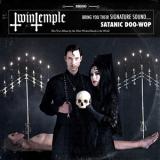
Die lang erwartete, auf 1.000 Exemplare limitierte Neuauflage des begehrten Debütalbums auf durchscheinendem lila ,Ritual Wine"-Vinyl - zum ersten Mal seit über 8 Jahren erhältlich. Erstmals wieder mit dem Original-Cover kehrt die ,Original Messe Noire" zurück. Zum ersten Mal seit ihrer unheiligen Geburt erhebt sich "Twin Temple (Bring You Their Signature Sound... Satanic Doo-Wop)" erneut aus der Gruft. Das Debütalbum von Twin Temple ist ein brillantes, blasphemisches Meisterwerk, das die Grenzen des modernen Rock 'n' Roll neu definiert. Durch die nahtlose Verschmelzung der klassischen amerikanischen Klänge der Girlgroups der 1950er- und 1960er-Jahre mit einem unerbittlich kompromisslosen, zeitgenössischen satanischen Ethos schafft das Duo ein Hörerlebnis, das zugleich schockierend originell und zeitlos ist. Das Album wurde unter Verwendung traditioneller analoger Techniken aufgenommen, unter anderem durch eine Live-Aufnahme auf Band in nur zwei Tagen, die die Essenz der Live-Qualitäten von Twin Temple brilliant einfängt.
Für manche zu gewagt, für andere unwiderstehlich - Twin Temple haben sich zu kulturellen Provokateuren und zu einer der meistdiskutierten Crossover-Bands der Musikszene entwickelt. Entstanden in einer der dunkelsten Phasen im persönlichen Leben der Bandmitglieder, ist ,DOOMED LOVERS" ihr bisher intimstes und emotional offenstes Werk. Das Album erweitert die filmische Bandbreite ihres unverwechselbaren Sounds und bleibt dabei doch verwurzelt in den zeitlosen Traditionen des frühen Rock 'n' Roll; es gilt als das bislang ambitionierteste und am besten umgesetzte künstlerische Statement der Band. ,DOOMED LOVERS" markiert das bisher kühnste Kapitel von Twin Temple. Produziert vom GRAMMY-preisgekrönten Produzenten Shooter Jennings im legendären Studio 3 bei Sunset Sound in Hollywood, setzt das Album das Bekenntnis der Band zur klassischen analogen Aufnahme fort und erweitert gleichzeitig ihre Klangpalette durch üppige Orchesterarrangements, die von einem 37-köpfigen Orchester eingespielt wurden.
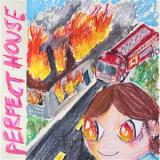
Die EP ,PERFECT HOUSE" von MX Lonely ist der Nachfolger ihres hochgelobten Debütalbums ,ALL MONSTERS". Nach dem Erfolg ihres Albums (gelobt von Pitchfork, Stereogum, Alt Press, POST-TRASH und vielen anderen) kehrten sie zu den Songs zurück, die sie während der Arbeit an dem Album geschrieben hatten, und hauchten den Stücken Leben ein, die nicht auf die ursprüngliche Platte gepasst hatten. Sie haben einen schweren, düsteren Alternative-Rock-Sound entwickelt, der gleichermaßen von Schönheit durchzogen ist und von Stereogum als ,die Art von Indie-Rock, die wir in den 90ern als ,angular` bezeichnet haben und die in eine regelrechte Fuzz-Riff-Eruption ausartet" beschrieben wird. ,ALL MONSTERS" war ihre erste komplett selbst aufgenommene Veröffentlichung, auf der die Band - Synthesizer-Spieler und Sänger Rae Haas, Gitarrist Jake Harms, Bassist Gabriel Garman und Schlagzeuger Andy Rapp - einen lebendigen, unmittelbaren, analogen Sound eingefangen hat, der das Gefühl ihrer Live-Shows verkörpert und gleichzeitig ein länger andauerndes und nuancierteres Erlebnis schafft als je zuvor. Für die Zukunft wollen sie weiterhin auf Tour gehen und eine Community aufbauen, die auf gegenseitiger Katharsis basiert. Auch wenn sie sich der Selbstreflexion verschrieben haben, möchten MX LONELY letztendlich andere in ihre Welt einbeziehen.
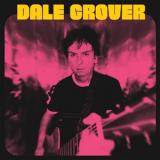
Limitierte Auflage von weltweit 666 Exemplaren. Dale Crover sieht Neil Young sehr ähnlich so sehr, dass Neil ihn selbst engagiert hat, um die, ähm, junge Version von sich selbst im legendären Harvest Moon"-Video zu spielen. Es ist schwer, sich jemanden vorzustellen, der besser geeignet wäre, den Song zu covern als Crover, dank seiner Präsenz im Video und seiner langen Karriere als Solokünstler sowie seiner 43-jährigen Zugehörigkeit als Schlagzeuger bei den Melvins, dieser Rock-Institution aus dem Pazifischen Nordwesten. Crovers Version von Harvest Moon" eröffnet seine neue EP Get Yer Ba-Ba's Out" und geht nahtlos über in eine Interpretation des Melvins-Klassikers The Bit" aus dem Album Stag", denn Crover hat den Gitarrenpart geschrieben er ist in der gleichen Tonart, und warum auch nicht? Die EP enthält außerdem Akustikversionen von drei Songs aus Crovers Soloalbum Glossolalia" (Doug Yuletide", Rings" und Jane"), einen aus dem 2021 erschienenen Rat-A-Tat-Tat!" (I Can't Help You There") und den brandneuen Titelsong. Diese intime Inszenierung von Crovers Songs steht hier im Kontrast zum elektrischen, mit Gastmusikern gespickten Glossolalia", aber man kann diese Musik kaum als ausgemustert" bezeichnen. Es fühlt sich eher wie eine Weiterentwicklung des glam-beeinflussten Power-Pop an, den Crover seit The Fickle Finger of Fate" aus dem Jahr 2017 produziert. Die Arrangements von Produzent Toshi Kasai füllen den verfügbaren Leerrum mit Slide-Gitarre, Maultrommel, verschiedenen Glocken und anderen Idiophonen. Der Geist von Crovers Musik war noch nie deutlicher ein rastloses Verlangen, Neuland zu erkunden, kombiniert mit einer tiefen Liebe zum Rock 'n' Roll, dieselbe, die die Melvins zu einer der interessantesten und einflussreichsten Bands ihrer Generation gemacht hat.
Der 20-jährige in Pretoria lebende Produzent Sam Austin Audebe alias DJ BLACK LOW schickt sich mit seinem Debütalbum "Uwami" an das beliebte Tanzmusikgenre Amapiano aufzumischen. Der Hybrid aus Deep House, Jazz und Kwaito-Musik eroberte sich in den letzten fünf Jahren zunehmend einen Platz in der westlichen Global-Pop-Fangemeinde, während er in Südafrika bereits an jeder Straßenecke allgegenwärtig ist. Der Sound von DJ BLACK LOW ist im Vergleich zu anderen Amapiano Produktionen etwas roher und direkter und basiert auf verzerrte Samples und Synthies. Mit dabei sind auch Gäste wie DJ La Bengwa und DJ Saxo Boy.
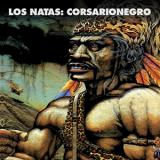
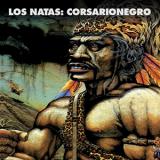
REPRESS of LOS NATAS third album Corsario Negro. Corsario Negro was another milestone in the band's career. A true monolith, build of heavy psych riffs, big grooves and extensive jams, showcasing the pure essence of stoner rock. The album was produced by the mighty Billy Anderson (The Melvins, Neurosis, Acid King & many more) - The Obelisk
Green Vinyl, limited to 300 copies. REPRESS of LOS NATAS third album Corsario Negro. Corsario Negro was another milestone in the band's career. A true monolith, build of heavy psych riffs, big grooves and extensive jams, showcasing the pure essence of stoner rock. The album was produced by the mighty Billy Anderson (The Melvins, Neurosis, Acid King & many more) - The Obelisk
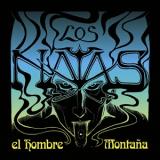
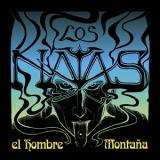
REPRESS of LOS NATAS album El Hombre Montaña This release is an epic slice of doom-laden pie fresh from Argentina, as the first fuzz-a-licious track "El Bolsero" proudly testifies. Waves of riff lick at the shores of melody as the vocals dive in and out of the mix, quite delicately so for this style of music. The production job was handled by one of the stoner scene's greatest recording affeciandos Billy Anderson, who has worked with The Melvins, Neurosis, Acid King, Fantomas and High On Fire previously, to name but a few! The production job is really quite superb, effectively capturing all the elements of the Los Natas sound and bringing each instrument to the fore in turn. - Roadburn Magazine
Blue vinyl, limited to 300 copies. REPRESS of LOS NATAS album El Hombre Montaña This release is an epic slice of doom-laden pie fresh from Argentina, as the first fuzz-a-licious track "El Bolsero" proudly testifies. Waves of riff lick at the shores of melody as the vocals dive in and out of the mix, quite delicately so for this style of music. The production job was handled by one of the stoner scene's greatest recording affeciandos Billy Anderson, who has worked with The Melvins, Neurosis, Acid King, Fantomas and High On Fire previously, to name but a few! The production job is really quite superb, effectively capturing all the elements of the Los Natas sound and bringing each instrument to the fore in turn. - Roadburn Magazine
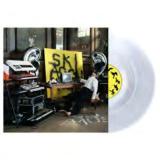
Mit „Ski Aggu Musik“ beginnt Ski Aggu das nächste Kapitel seiner Karriere. Nach seiner Pause präsentiert
er sich erwachsener und facettenreicher, ohne seine unverkennbare Party-DNA zu verlieren. Zwischen dem
roughen, 2016-codierten Dubstep von „GELD“, der melancholischen Club-Euphorie von „Verschwommen“
und dem kompromisslosen Abriss von „Hardtekk Tutorial“ zeigt das Album die ganze Bandbreite seines
Sounds. Laut Aggu steckt darin sein gesamtes Leben – entsprechend persönlich, elektronisch und direkt
fällt die Albumreise aus. „Ski Aggu Musik“ erscheint am 23.10.2026 und ist unter anderem als durchsichtige
1LP-Vinyl erhältlich.
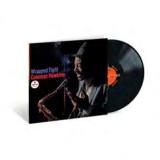
Bereits in den frühen 1920er Jahren hatte sich Coleman Hawkins in der New Yorker Jazzszene als einer
der ersten großen Improvisatoren auf dem Tenorsaxofon etabliert. Bis sich sein Gesundheitszustand 1966
rapide verschlechterte, hielt er stets mit der Entwicklung des Jazz Schritt. In seiner letzten Schaffensphase
zwischen 1960 und 1965 war er unter anderem auf Max Roachs Klassiker “We Insist!” und zusammen mit
Sonny Rollins auf dem gemeinsamen Album “Sonny Meets Hawk!” zu hören. Darüber hinaus spielte er
in diesen Jahren vier Alben für das damals trendsetzende Label Impulse! Records ein. Das letzte dieser
vier Alben, “Wrapped Tight”, war 1965 zugleich auch das letzte Album, das von Coleman Hawkins als
Bandleader noch zu Lebzeiten veröffentlicht wurde. Mit einem Sextett interpretiert er hier ein breitgefächertes Repertoire, das neben klassischen und zeitgenössischen Jazzstandards mit “She’s Fit” auch auch
ein Hawkins-Original enthält. Scott Yanow bewertete das Album in seiner Rezension bei AllMusic mit vier
Sternen und schrieb: “Auf Hawkins’ letzter starker Aufnahme improvisiert der Veteran - 43 Jahre nach
seinem Plattendebüt mit Mamie Smiths Jazz Hounds - kreativ über ein breit gefächertes Repertoire …
Glanzstück ist eine gewagte Version von ‘Out of Nowhere’, die zeigt, dass der Tenorsaxofonist auch 1965
noch neue Ideen hatte.”
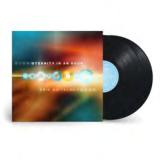
Eric Whitacre verbindet William Blakes Poesie mit Stimmen, Synthesizern, Streichern und Klavier.
Mit *Eternity in an Hour* präsentiert der Grammy-prämierte Komponist ein neues, rund 60-minütiges
Werk. Inspiriert wurde es von William Blakes Gedicht *Auguries of Innocence* und dessen berühmter
Anfangszeile „To see a world in a grain of sand“. Das Album markiert zugleich den Beginn einer erneuerten
Zusammenarbeit mit Decca Classics.
Whitacre dirigiert seine Eric Whitacre Singers sowie Streicher und verbindet ihren Klang mit elektronischen Texturen, Synthesizern und Klavier. Das Werk wurde 2024 bei den BBC Proms uraufgeführt.
Ausgangspunkt der Komposition ist die Granularsynthese: Für jeden Satz werden kleinste Ausschnitte aus
Blakes Versen herausgelöst und musikalisch neu zusammengesetzt.
Zum Einsatz kommen unter anderem ein Lyra-8-Synthesizer, ein Tascam-424-Tonbandgerät und der 125
Jahre alte Flügel von Whitacres Großmutter, dessen Klang ihn seit seiner Kindheit begleitet.
Die digitale Ausgabe und die CD ergänzen das Werk um *Auguries of Innocence*, eine Sammlung atmosphärischer Neubearbeitungen mit IDRA, Jess Gillam und Elin Piel.
Ein facettenreiches Album, das Whitacres musikalische Entwicklung in konzentrierter Form hörbar macht.
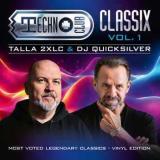
Mit der „TECHNO CLUB CLASSIX VOL. 1 - VINYL EDITION“ erscheint erstmals eine Vinyl-Ausgabe der beliebten Technoclub Classix-Reihe. Welche Tracks auf die farbige Doppel-LP kommen, haben die Technoclub-Fans selbst
entschieden: In einer Umfrage konnten sie für ihre Favoriten abstimmen. Das Ergebnis sind 13 Trance-Klassiker aus einer Zeit, die den Sound des Technoclubs bis heute prägt.
Mit dabei sind Chicane mit „Saltwater“, Nikolai mit „Ready To Flow“, The Thrillseekers mit „Synaesthesia“ und Veracocha mit „Carte Blanche“. Dazu kommen weitere bekannte TranceTracks in ausgewählten Maxi-Versionen und Remixen, unter anderem von Talla 2XLC, DJ Quicksilver und Rank 1. „TECHNO CLUB CLASSIX VOL. 1 - VINYL EDITION“ bringt die von den Fans gewählten Technoclub-Favoriten gemeinsam auf Doppel-Vinyl - für alle, die diese Trance-Klassiker damals gefeiert haben und heute noch feiern
At the foot of the mountain. Our gaze is inclined toward the summit.
Toward the ascent. The destination that awaits us.
From the valley, we look up at the summit: our destination. But also the path: the true destination.
We can already trace our route, and we are already imagining ourselves walking up there. Along the small ridge, just above the tree line. There, we take a short break and look for the exact spot in the valley where we were standing earlier. It is strange to grasp that we have actually climbed this mountain. To look down from up here at the place where we were just moments ago – the same place we looked up from, toward the place where we are standing now.
And now, knowing what it is like to be up here, we remember what we imagined it would be like back then. What we believed it would mean to stand here.
Along the way, our gaze wanders back and forth. Up toward the mountain, down into the valley, sometimes only at our shoes. We keep walking, one step after another. Our thoughts detached. Our body functioning purely mechanically.
Step left. Step right. Step left. Step right.
Our mind has completely detached itself, and our thoughts race at an immense speed. They summon the most different moments. Moments from our lives. Moments that shaped us, that made us who we are. Or are we perhaps simply trying to understand who we are and how we got here?
It is strange that reaching the summit and looking down could make us believe that we have finally reached, or are striving toward, some superior, triumphant position. When in fact, it is really only about looking at the path we inevitably have to take. Processing impressions from a certain distance. Reconsidering what we have experienced, without losing sight of what lies ahead.
Our gaze turns back toward the summit.
Is there a destination?
An ascent? A summit? A descent? The return?
Or is it only about the insights we encounter along the way?
Am Fuß des Berges. Unser Blick ist zum Gipfel geneigt.
Auf den Aufstieg. Das Ziel, das uns erwartet.
Vom Tal aus blicken wir auf den Gipfel: unser Ziel. Aber auch den Weg: das wahre Ziel. Unsere Route kann man jetzt schon abstecken, und wir stellen uns bereits vor, wie wir dort oben laufen. Über den kleinen Grat, leicht oberhalb der Baumgrenze. Dort machen wir eine kleine Pause und suchen genau die Stelle im Tal, an der wir vorhin noch standen. Es ist verrückt, zu begreifen, dass wir diesen Berg tatsächlich hinaufgestiegen sind. Von hier oben auf den Ort hinunterzusehen, an dem wir eben noch waren – an denselben Ort, zu dem wir hinaufgeblickt haben, als wir noch dort unten standen. Und jetzt, da wir wissen, wie es ist, hier oben zu sein, erinnern wir uns daran, was wir uns damals darunter vorgestellt haben. Was wir geglaubt haben, es würde bedeuten, hier zu stehen.
Unterwegs wandert unser Blick hin und her. Hinauf zum Berg, hinunter ins Tal, manchmal nur auf unsere Schuhe. Wir gehen weiter, einen Schritt nach dem anderen. Unsere Gedanken losgelöst. Unser Körper funktioniert rein mechanisch. Schritt links. Schritt rechts. Schritt links. Schritt rechts.
Unser Geist hat sich völlig losgelöst, und unsere Gedanken rasen mit einer ungeheuren Geschwindigkeit. Sie rufen die verschiedensten Momente herauf. Momente aus unserem Leben. Momente, die uns geprägt haben, aus denen wir geworden sind, wer wir sind. Oder versuchen wir vielleicht einfach nur zu verstehen, wer wir sind und wie wir hierhergekommen sind?
Es ist schon seltsam, dass das Erreichen des Gipfels und der Blick nach unten uns glauben lassen könnten, dass wir endlich eine überragende, triumphale Position erreicht haben oder anstreben würden. Dabei geht es doch eigentlich nur um den Blick auf den Weg, den wir zwangsläufig beschreiten müssen. Eindrücke mit etwas Abstand zu verarbeiten. Erlebtes noch einmal Revue passieren zu lassen, ohne den Blick nach vorne zu verlieren.
Unser Blick wendet sich wieder dem Gipfel zu. Gibt es ein Ziel? Einen Aufstieg? Einen Gipfel? Einen Abstieg? Die Rückkehr? Oder geht es nur um die Erkenntnisse, die uns unterwegs begegnen?
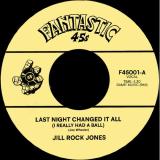
The debut release from DAZ-I-KUE's funk/rare groove label FANTASTIC 45's delivers a pair of covers of ESTHER WILLIAMS classic "LAST NIGHT CHANGED IT ALL". Atlanta's JILL ROCK JONES evokes LYN COLLINS or VICKI ANDERSON, while VINNIE D'AGOSTINO drops his "saxstrumental" version.
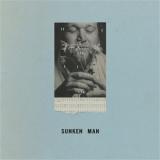
Michael Rawls, Frontmann von Sunken Man, wuchs zwischen Suffolk und Norfolk in Virginia auf. Auf der einen Seite die Stille einer Kleinstadt, auf der anderen der Lärm der Großstadt. Rawls baute sich ein erfülltes Leben abseits der Musik auf: Finanzberater, Unternehmer, Familie _ und trotzdem tauchten die Songs immer wieder auf. Dann ging eine Ehe in die Brüche, und in der Stille eines Hauses, in dem ein Kind schlief, fing er an, ernsthaft zu schreiben. Songs über Liebeskummer und Neuanfänge. Darüber, jemanden neu zu lieben, während man das, was vorher war, immer noch mit sich trägt. Rawls brachte die Songs zu Matthew E. White ins Spacebomb Studio in Richmond. White produzierte das Album; Alan Parker, der unter anderem schon mit Bon Iver, Lucy Dacus und Dijon zusammengearbeitet hat, spielte alle Instrumente selbst. Das Album wurde vom dreifachen Grammy-Gewinner Alex De Jong abgemischt und von TW Walsh gemastert. Das Ergebnis sind neun Songs, die irgendwo zwischen Springsteens emotionaler Direktheit und Wilcos melodischer Intelligenz angesiedelt sind. Liebeskummer, ja - aber auch Hoffnung. Die Art von Hoffnung, die man sich erst verdienen muss.
Emerging in 2023, Die Anstalt are a Berlin-based post-punk and minimal synth trio who quickly established themselves with a blistering fusion of early EBM, synth-punk, and classic post-punk. Their sound channels the grit and tension of 1980s industrial sub cultures while feeling unmistakably contemporary. Recently signed to City Slang worldwide, the band are reissuing their independently released debut album through the label. They have also announced a UK and Ireland tour supporting A Place to Bury Strangers, alongside a hometown headline show at Berlin's legendary SO36 in November 2026.
Die Anstalt sound like no one else, even if everyone hears something different. Depending on who you ask, you'll catch traces of Malaria!, Boy Harsher, DAF, early EBM, synth-punk, or X-Mal Deutschland. Then there's the surf guitar, a detail that shouldn't work but somehow holds the whole thing together. The result is theatrical, confrontational, hypnotic, and relentlessly physical. They write slogans that stick. They're appropriately furious. Live, they're less a concert than a controlled explosion.
Their songs give voice to generational exhaustion, the dystopian absurdities of the present, warmongers, the manosphere, and the constant sense that the world is coming apart at the seams. Somehow, they also sound unmistakably like Berlin. That doesn't happen often, maybe once a decade, if we're lucky.
Most of all, Die Anstalt are proof that beneath the noise, the algorithms, and the endless churn of industry discourse, something vital still burns: rage, conviction, and hope in equal measure. At their core, they are a punk band. No posturing. No compromise. No messing around. They don't ask for permission. They burn it all down.
Die Anstalt, 2023 in Berlin gegründet, bewegen sich zwischen Post-Punk, Minimal Synth und frühem EBM. Innerhalb kürzester Zeit hat sich das Trio mit einer kompromisslosen Mischung aus Synth-Punk, klassischem Post-Punk und der rauen Energie der industriellen Subkulturen der Achtziger einen Namen gemacht – und klingt dabei nie nostalgisch, sondern entschieden gegenwärtig. Kürzlich unterschrieb die Band weltweit bei City Slang, wo nun auch ihr zunächst in Eigenregie veröffentlichtes Debütalbum neu erscheint. Im Herbst 2026 begleiten sie A Place to Bury Strangers auf deren UK- und Irland-Tour, bevor sie im November mit einer Headline-Show im legendären SO36 nach Berlin zurückkehren.Die Anstalt klingen vor allem nach sich selbst – auch wenn jede*r etwas anderes hört. Die einen denken an Malaria!, andere an Boy Harsher, DAF, frühen EBM, Synth-Punk oder X-Mal Deutschland. Und dann ist da diese Surf-Gitarre, die eigentlich nicht funktionieren dürfte und doch alles zusammenhält. Die Anstalt sind theatralisch, konfrontativ und hypnotisch. Sie schreiben Parolen, die hängen bleiben. Ihre Wut ist berechtigt. Live gleichen sie einem kontrollierten Ausbruch.Ihre Songs finden Worte für die Erschöpfung einer Generation, für die dystopischen Exzesse der Gegenwart, für Kriegstreiber, die Manosphere und die Absurditäten unserer Zeit. Irgendwie klingen sie dabei unverkennbar nach Berlin. Das passiert nicht oft – vielleicht einmal pro Jahrzehnt, wenn wir Glück haben.Vor allem aber beweisen Die Anstalt, dass unter dem Lärm, jenseits von Algorithmen, Trends und dem endlosen Gerede der Musikindustrie noch immer etwas brennt: Wut, Haltung und Hoffnung zugleich. Im Kern sind Die Anstalt eine Punkband. Kein Posieren. Keine Kompromisse. Kein Bullshit. Sie bitten nicht um Erlaubnis. Sie reißen alles nieder.
It’s not just since James Bond and the introduction of World Overshoot Day that we’ve known: The world isn’t enough. We need an Extrawelt! Arne Schaffhausen and Wayan Raabe have been tinkering with this celestial body for over two decades, and it seems to be slowly nearing completion. You certainly can’t accuse Extrawelt of lacking ideas. They are, so to speak, the legitimate descendants of the legendary planet designer Slartibartfast from Douglas Adams’ “The Hitchhiker’s Guide to the Galaxy”. No doubt, the downright insanely creative bossa nova-techno bastard “Honey Hunter” will be mentioned in the same breath as Slartibartfast’s award-winning Norwegian coastlines by future civilizations. The other three tracks aren’t half bad either. Take our word for it.
Nicht erst seit James Bond und der Einführung des world overshoot days wissen wir: Die Welt ist nicht genug. Wir brauchen eine Extrawelt! Die Herren Arne Schaffhausen und Wayan Raabe werkeln seit über zwei Jahrzehnten an diesem Himmelskörper und er scheint so langsam bezugsfertig zu sein. Man kann Extrawelt nun wahrlich keine Ideenarmut vorwerfen. Sie sind quasi die legitimen Nachkommen des legendären Planetendesigners Slartibartfast aus Douglas Adam’s “Per Anhalter durch die Galaxis”. Der geradezu irrwitzig kreative Bossanovatechno-Bastard “Honey Hunter” wird von künftigen Zivilisationen in einem Atemzug mit Slartibartfast’s preisgekönten norwegischen Küstenlinien genannt werden. Auch die anderen drei Tracks sind nicht von schlechten Eltern. Glaubt’s und werdet selig.
Downloads
10th Anniversary Edition. Forest Shadow Vinyl. Spricht man MITSKI MIYAWAKI auf Glück an, warnt sie nur: ,Glück fickt dich." Diese Lektion findet sich seit Jahren im düsteren Outsiderindiesound der New Yorkerin, doch wurde noch nie so kraftvoll umgesetzt wie auf ihrem neuesten Album ,Puberty 2". ,Glück ist oben, Traurigkeit ist unten, aber das eine ist fast noch destruktiver als das andere", sagt sie. ,Wenn du feststellst, dass du das eine nicht ohne das andere haben kannst, ist es möglich, Glücksphasen damit zu verbringen, auf die Gegenwelle zu warten." Auf ,Puberty 2" ist diese Spannung spürbar: ein sowohl schönes als auch brutal romantisches Hinterland, in dem eine der neuen Stimmen Amerikas einen mutigen neuen Weg begeht.
Die Band ,The Black Heart Procession" besteht aus den beiden Hauptsongwriter Tobias Nathaniel und Pall A. Jenkins, die beide zuvor bei ,Three Mile Pilot" mitwirkten. Manchmal treten sie als reines Duo auf, zu anderen Zeiten laden sie Freunde ein, mitzuspielen. Mario Rubalcaba (Clikitat Ikitowi), Jason Crane (Rocket from the Crypt) und Kazu Makino (Blonde Redhead) wirkten an der Entstehung von ,Three" mit. ,Three", das ursprünglich im Jahr 2000 erschien, ist das dritte Album der Black Heart Procession in voller Länge. Die Klänge der Instrumente verschmelzen miteinander und untermalen den Rhythmus von Palls ausdrucksstarkem Gesang. Jeder Song scheint sich unaufhörlich vorwärts und rückwärts zu bewegen und spielt dabei mit dem Kontrast zwischen hellen Klängen und dunklen, grüblerischen Themen. The Black Heart Procession brechen Herzen mit der Verschmelzung von Klängen aus Klavier, Säge, Pumporgel, Gitarre, Trompete und Gesang sowie dem einen oder anderen ungewöhnlichen Perkussionsinstrument. Die Klänge mögen bei einigen von Ihnen Schmerz oder Freude auslösen - oder beides -, da ihre Musik von Trauer und Herzschmerz durchdrungen ist, doch es liegt ein unterschwelliges Element der Befreiung darin.
Mit Autobigophonie schuf Françoise Cactus, die unvergessene Sängerin von Stereo Total, einen der charmantesten Klassiker der deutsch-französischen Popliteratur. In diesem autobiografisch inspirierten Roman erzählt sie mit lakonischem Humor, Melancholie und feiner Ironie vom Aufwachsen in der französischen Provinz, von Jugend, Rebellion und dem Aufbruch ins Berlin der Hausbesetzer- und Punkära. Zwischen Schloss, Mädchenpensionat, Revolutionsgeist und Underground-Musikszene entsteht das Porträt einer jungen Frau, die sich gegen Konventionen und Erwartungen behauptet. Fast 30 Jahre nach der Erstveröffentlichung erscheint dieses literarische Juwel nun in einer überarbeiteten Neuausgabe. Ein kluger, witziger und zeitloser Roman über Selbstfindung, Popkultur und die Sehnsucht nach einem anderen Leben.
Vier Jahre brodelte es im Berliner Untergrund: Nach zwei DIY-Tape-Releases durchbrechen SEK die Flanke und präsentieren mit Wallensteins Garage ihr erstes Album auf Vinyl ein Debüt, das gleichermaßen Geschichtserzählung, Konzeptalbum und ausufernde Jam-Session ist. SEK benannt nach den Anfangsbuchstaben der Nachnamen ihrer Mitglieder - Paul-Willy Stoyan (Gavial, Jacke Schwarz), Georg Edert (Elder, Gaffa Ghandi) und Lucas Kazzer (Gaffa Ghandi, Borders Down) - vereint drei Musiker, die seit Jahren in der Berliner Underground-Szene aktiv sind. Ihre gemeinsame Sprache findet sich zwischen Improvisation, historischer Erzählung und druckvollem Rock. Was die drei verbindet, ist weniger ein gemeinsamer Stil als die Lust am Ausprobieren: ausufernde Proben, lange Improvisationen und die Suche nach Klanglandschaften, die ebenso sperrig wie eingängig sein können. Was 2022 während des pandemiebedingten Lockdowns mit stundenlangen Jams begann, entwickelte sich in den vergangenen vier Jahren zu einer eigenwilligen Mischung aus Psychedelic Rock, Krautrock und einer Prise Prog. Die Band selbst nennt diesen Sound augenzwinkernd HOR Historian Oriented Rock: Musik, die historische Stoffe nicht illustriert, sondern in Klang übersetzt. Die Inspiration für die Songs stammt aus dem Dreißigjährigen Krieg (16181648), insbesondere aus dem Leben des böhmischen Feldherrn Albrecht Wenzel Eusebius von Wallenstein und den Ereignissen rund um die Schlacht bei Lützen (1632). Das musikalische Arsenal ist ebenso vielseitig wie die erzählte Geschichte: verfuzzte Gitarren mit wabernden Delays treffen auf einen galoppierenden Bass und treibende Drums, getragen von träumerischen Keyboards. Immer wieder öffnen sich freie, fast chaotische Passagen, in denen Harmonie und Rhythmus auseinanderbrechen wie Schlachtordnungen, die im brutalen Nahkampf ihre Form verlieren. An anderer Stelle schaffen sanfte Mandolinenklänge Momente der Ruhe, bevor sie sich in schwere, schmerzvolle Trauermusik verwandeln, inspiriert von Doom und Drone Metal. Zwischen hypnotischen Grooves, improvisatorischer Freiheit und cineastischer Dramaturgie erschaffen SEK einen Sound, der Vergangenheit nicht nachstellt, sondern neu erfahrbar macht. Die Platte erscheint auf Exile On Mainstream als schwarzes Vinyl mit beigelegter CD. Genre: Krautrock, Psychedelic, Alternative Für Fans von: Elder, Gentle Giant, Amon Düül, Zahn.
NEUES ALBUM MIT DEN PUNK-ROCK-LEGENDEN CHARLIE HARPER (U.K. SUBS) UND DEL GREENING (PETER AND THE TEST TUBE BABIES) Eine wunderbare neue Punkrock-Partnerschaft! Charlie Harper ist ein langjähriger Bewunderer von Del Greenings Gitarrenspiel und beide leben in Brighton. Da Del nicht mehr mit Peter And The Test Tube Babies auf Tour war und Charlie ,etwas" weniger Gigs mit den U.K. Subs spielte, hatten beide Zeit, etwas Neues und Frisches zu starten. Ohne Proben, ohne Vorproduktion und mit nur ein paar groben Songideen machten sich Del und Charlie zusammen mit Vicky Smith von den Ramonas am Bass und Marley Perez (Charlies Enkel) am Schlagzeug im Oktober 2025 auf den Weg zu den Brighton Road Recording Studios und legten los. Die Songs ,Deadlines", ,Divide", ,Cyber War" und ,Lost" wurden in der ersten sechsstündigen Session geschrieben. Nachdem der Großteil von Marleys Schlagzeug bereits aufgenommen war und er nun auf Tour war, zogen die Sessions in das winzige Studio im Hinterhof von (Toningenieur) Ali Gavin im Dorf Aulburn in Mid Sussex um. ,Ali war für die Tontechnik zuständig. Ich habe Gitarren und Gesang überlagert. Charlie saß hinter uns und warf Ideen, Geschichten, Songtexte oder - je nach Tageszeit - völlige Verwirrung ein. Irgendwie nahm das Album aus all dem Chaos langsam Gestalt an.", so Del zum Aufnahmeprozess. Eine kurze Krankheitsphase von Charlie führte jedoch dazu, dass die Disasters an einigen Songs ohne ihn arbeiteten. ,Wir drei haben schließlich ein paar neue Tracks aufgenommen: ,Scars` und ,The Disasters`. Vicky spielte Bass, während Ali das Mixing übernahm, dann setzte er sich ans Schlagzeug, während ich mich um die Gitarren kümmerte. Wir schickten die Rohaufnahmen an Charlie. Er war begeistert. Bei den letzten Sessions war das Album zu etwas geworden, womit keiner von uns gerechnet hatte. Nicht wirklich ein Subs-Album und auch nicht wirklich mein oder Charlies Soloalbum. Etwas völlig anderes." ,Derik & The Disasters" besteht aus vierzehn Songs, die sowohl an Charlies als auch an Dels musikalisches Erbe anknüpfen und gleichzeitig einen einzigartigen, lebendigen Sound schaffen - mit Texten, die sich nicht scheuen, die vielen Probleme anzusprechen, mit denen die Welt heute konfrontiert ist. Das ist Punkrock im Jahr 2026. Laut abspielen.
NEUES ALBUM MIT DEN PUNK-ROCK-LEGENDEN CHARLIE HARPER (U.K. SUBS) UND DEL GREENING (PETER AND THE TEST TUBE BABIES) Eine wunderbare neue Punkrock-Partnerschaft! Charlie Harper ist ein langjähriger Bewunderer von Del Greenings Gitarrenspiel und beide leben in Brighton. Da Del nicht mehr mit Peter And The Test Tube Babies auf Tour war und Charlie ,etwas" weniger Gigs mit den U.K. Subs spielte, hatten beide Zeit, etwas Neues und Frisches zu starten. Ohne Proben, ohne Vorproduktion und mit nur ein paar groben Songideen machten sich Del und Charlie zusammen mit Vicky Smith von den Ramonas am Bass und Marley Perez (Charlies Enkel) am Schlagzeug im Oktober 2025 auf den Weg zu den Brighton Road Recording Studios und legten los. Die Songs ,Deadlines", ,Divide", ,Cyber War" und ,Lost" wurden in der ersten sechsstündigen Session geschrieben. Nachdem der Großteil von Marleys Schlagzeug bereits aufgenommen war und er nun auf Tour war, zogen die Sessions in das winzige Studio im Hinterhof von (Toningenieur) Ali Gavin im Dorf Aulburn in Mid Sussex um. ,Ali war für die Tontechnik zuständig. Ich habe Gitarren und Gesang überlagert. Charlie saß hinter uns und warf Ideen, Geschichten, Songtexte oder - je nach Tageszeit - völlige Verwirrung ein. Irgendwie nahm das Album aus all dem Chaos langsam Gestalt an.", so Del zum Aufnahmeprozess. Eine kurze Krankheitsphase von Charlie führte jedoch dazu, dass die Disasters an einigen Songs ohne ihn arbeiteten. ,Wir drei haben schließlich ein paar neue Tracks aufgenommen: ,Scars` und ,The Disasters`. Vicky spielte Bass, während Ali das Mixing übernahm, dann setzte er sich ans Schlagzeug, während ich mich um die Gitarren kümmerte. Wir schickten die Rohaufnahmen an Charlie. Er war begeistert. Bei den letzten Sessions war das Album zu etwas geworden, womit keiner von uns gerechnet hatte. Nicht wirklich ein Subs-Album und auch nicht wirklich mein oder Charlies Soloalbum. Etwas völlig anderes." ,Derik & The Disasters" besteht aus vierzehn Songs, die sowohl an Charlies als auch an Dels musikalisches Erbe anknüpfen und gleichzeitig einen einzigartigen, lebendigen Sound schaffen - mit Texten, die sich nicht scheuen, die vielen Probleme anzusprechen, mit denen die Welt heute konfrontiert ist. Das ist Punkrock im Jahr 2026. Laut abspielen.
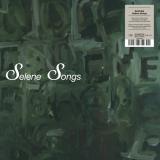
A document of chill-out room dreamscapes transmitted from San Francisco circa 1993-1994.
Rooted in live improvisation and arriving at the sweet spot where nascent dance music collided with dub tradition, Selene Songs marked an early highpoint for Sunshine and Moonbeam Jones' enduring partnership as Dubtribe Sound System. This collection of dreamy, harmonious grooves and ambient excursions were recorded between November 1993 and January 1994, captured live in the chill-out room at the duo's legendary Come-Unity parties held at their home on Bryant Street in San Francisco.
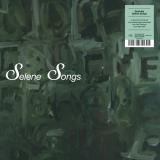
Selene Songs was originally released on Chicago-based label Organico in 1995 as a CD and abridged 12" EP. Now it receives a full reissue that spreads the blissed-out majesty of the full seven-track album across a double vinyl pressing and CD digipak edition. Across all formats, Kristen Anderson's original artwork has been faithfully reproduced.
“… All the elements of classic ambient dub with the Tribe’s own sense of love wonderment. One from the heart." - Muzik Mag - 1995
“ We have faith that the universally accessible warmth oozing from these tracks will eventually entice a larger audience." - Billboard - 1995
Number 1 on the Eastern Bloc shop chart - Muzik Mag - 1995
A document of chill-out room dreamscapes transmitted from San Francisco circa 1993-1994.
Rooted in live improvisation and arriving at the sweet spot where nascent dance music collided with dub tradition, Selene Songs marked an early highpoint for Sunshine and Moonbeam Jones' enduring partnership as Dubtribe Sound System. This collection of dreamy, harmonious grooves and ambient excursions were recorded between November 1993 and January 1994, captured live in the chill-out room at the duo's legendary Come-Unity parties held at their home on Bryant Street in San Francisco.
Selene Songs was originally released on Chicago-based label Organico in 1995 as a CD and abridged 12" EP. Now it receives a full reissue that spreads the blissed-out majesty of the full seven-track album across a double vinyl pressing and CD digipak edition. Across all formats, Kristen Anderson's original artwork has been faithfully reproduced.
“… All the elements of classic ambient dub with the Tribe’s own sense of love wonderment. One from the heart." - Muzik Mag - 1995
“ We have faith that the universally accessible warmth oozing from these tracks will eventually entice a larger audience." - Billboard - 1995
Number 1 on the Eastern Bloc shop chart - Muzik Mag - 1995
Aaron Dilloway kehrt mit ,No Skill Comedy Mind Reading" zu Dais Records zurück - seinem ersten echten Album in voller Länge seit 2017, einer Sammlung von typisch verstörendem, absurdem Material. Geprägt von seinen typischen Verzerrungen und Verformungen - von Feedback umhüllte Fundstücke, Feldaufnahmen und Gesangsimprovisationen - versammelt ,No Skill" fast ein Jahrzehnt ausgewählter Soloarbeiten und wirkt dennoch ganz und gar zeitgemäß: ein sprunghaftes Produkt der Unbeständigkeit, zugleich hart und humorvoll. Nur wenige zeitgenössische Experimental-Künstler des letzten Vierteljahrhunderts sind so produktiv und verehrt wie Dilloway, ein Pionier der amerikanischen Noise-Szene im Mittleren Westen, ehemaliges Mitglied von Wolf Eyes und Gründer des in Oberlin ansässigen Labels und Plattenladens Hanson Records. Doch trotz seines immensen Gesamtwerks hat er nur zwei richtige Solo-LPs veröffentlicht, neben einer regelmäßigeren Produktion von Kassettenveröffentlichungen und Kollaborationsprojekten. Mit ,No Skill" vollendet er nun eine vieldeutige Albumtrilogie, die mit seinem wegweisenden Werk ,Modern Jester" aus dem Jahr 2012 begann. ,Ich habe fast das Gefühl, dass sie irgendwie Teil eines Ganzen sind. Alle drei Alben versuchen, in den schlimmstmöglichen Situationen Humor zu finden. Je nachdem, wer zuhört und wie die jeweilige Einstellung ist, könnten sie als lustig oder einfach nur als grauenhafte, schreckliche Alben empfunden werden." Halb im Ernst fährt Dilloway fort: ,Für mich ist dieses hier das Ergebnis von, na ja, verkorksten Sachen: psychische Erkrankungen, Medikamente, Scheidung, komischer Scheiß. Das Eintauchen in seltsame Dinge fasziniert mich immer auf die eine oder andere Weise." Neben den bereits erwähnten Einflüssen aus der menschlichen Erfahrung greift ,No Skill" auf verschiedene technische und ästhetische Kuriositäten zurück: das methodische Sounddesign von Alvin Lucier, Andy Milligans Low-Budget-Kult-Horrorfilm ,The Weirdo" aus dem Jahr 1989 und die pop-exzentrische Art des Filmkomponisten Hugo Montenegro. Dilloway stieß bei einer Lagerraumversteigerung auf dessen skurrile Habseligkeiten, darunter Notizen zu den frühen elektronischen Experimenten des Komponisten. Einige der beunruhigendsten Momente des Albums, wie das Lachen, das ,Bring Me The Head Of The Unknown Comic" heimsucht - klanglich eine Anspielung auf die Avantgarde-Größen Nurse with Wound und thematisch auf den Komiker aus den 1970er Jahren mit der Papiertüte über dem Kopf -, lassen sich auf den Einfluss dieses wahrhaft ungewöhnlichen Fundes zurückführen. ,No Skill" knüpft zudem an Dilloways jüngste künstlerische Ausflüge an: seine Umsetzung von John Cages 88-Band-Loop ,Rozart Mix"; die Originalmusik für ,The Absence of Milk In The Mouths of the Lost"; Gemeinschaftsalben mit Lucrecia Dalt (Lucy & Aaron) sowie Kim Gordon & Bill Nace (Body/Dilloway/Head). Während er an diesen und anderen Projekten arbeitete, legte er in Gedanken einen Ordner für sein nächstes Dais-Album an und sammelte Aufnahmen, die zu einer ziemlich vagen Vision passten. ,Dieses Album hat mich irgendwie völlig in Beschlag genommen, seit ich ,The Gag File` 2017 fertiggestellt habe. Zuerst dachte ich, es würde eher ein Pop-Album werden, aber dann hat mir das Lucrecia-Projekt diese Idee irgendwie aus dem Kopf getrieben. Es begann, eher wie meine Live-Sets zu fließen." Er entschied sich für eine Abfolge, die den Hörer ein wenig im Ungewissen lässt - ob erschrocken, amüsiert oder verwirrt; der Effekt soll absichtlich den Eindruck erwecken, dass etwas kaputt ist. Das Album beginnt mit schrillen Kreischen, bevor es in Drone-Passagen eintaucht, die durch zwei aneinander geriebene nepalesische Sarangi-Bögen entstehen, begleitet vom ersten Auftauchen seiner ogerartigen stimmlichen Präsenz. Anschließend werden mehrere Minuten von weißem Rauschen verschluckt (,Forced Auctioneer"). Dilloway verweist auf The Weirdos seltsamen Einsatz ausgedehnter Übergänge mit schwarzem Raum und seine lebenslange Liebe zum Bandrauschen. Er bekam Kassetten von älteren Kindern und hörte diese Geräusche als Teil der Songs, nur um später zu erfahren, dass es sich um klangliche Artefakte handelte, die von Generationen des Kopierens auf Kassette übrig geblieben waren. ,Ich stehe total auf die Idee, all diese Schichten aufzubauen und sie in etwas anderes zu verwandeln. Wenn ich zum Beispiel live spiele, kann es rauer zugehen als bei meiner aufgenommenen Musik, und dafür wollte ich genau dieses Gefühl einfangen - dass diese Ausbrüche laut sind, aber ein bisschen gedämpfter. Dieser totale Rauschklang, fast so, als wärst du unter Wasser." Dilloway sammelt Tonpoesie-Platten, und obwohl er seine eigene Arbeit nicht gerne in dieses Genre einordnet, spricht die Absurdität dieses Handwerks - die Verwendung von phonetischen Lauten und nonverbalen Geräuschen als Ersatz für traditionelle semantische Bedeutung - durch sein Werk. Auf ,Possession Audition Tape" liest er verschiedene Passagen aus einem Buch vor, das von einer französischen religiösen Gruppe aus dem 18. Jahrhundert handelt, die zu öffentlichen Unruhen neigte, und schneidet diese digital auseinander, wodurch er im Mix seine eigenen, echoartigen Stotterausbrüche erzeugt. ,No Skill Comedy Mind Reading" endet mit einem Stück aus Synthesizer und Orgel-Rhythmusmaschine, das auf Musik basiert, die er für den Film ,Supporting Actor" von Pieter Schoolwerth und Phil Vanderhyden komponiert hat - in dem ein Avatar von Dilloway in ein Portal gezogen wird. Dort trifft er in einem fantastischen Club auf posthumane Wesen. Die Szene, die sich irgendwie auf Audio übertragen lässt, versetzt das Set in einen passend verwirrenden Traumzustand. Ein Star der Noise-Musik, ein moderner Hofnarr, der aus dem Unbekannten berichtet.
Eine Hommage an innovative mexikanische Musiker, die elektronische und indigene Instrumente mit Minimalismus, Ambient, Jazz und New-Age-Ästhetik verschmolzen haben Mit 12 visionären Künstlern, darunter Luis Pérez, Arturo Meza, Jorge Reyes, Aristeo und Tribu, um nur einige zu nennen Zusammengestellt und produziert vom mexikanischen Journalisten, Musiker und DJ Carlos ,Tropicaza" Icaza sowie dem Gründer von dublab radio und Creative Producer des LA Phil, Mark ,Frosty" McNeill Cover-Artwork vom legendären Künstler Eduardo Terrazas sowie Design und Layout von D.Norsen Design Doppel-LP, gepresst bei Optimal, inklusive Booklet mit Liner Notes Audio remastered vom GRAMMYr-nominierten Toningenieur John Baldwin Limitierte Farbvinyl-Edition, gepresst auf violettem und rosa Vinyl //// ,A LA ALTURA" - oder ,To The Height" - würdigt mexikanische Musiker, die sich in den letzten Jahrzehnten des 20. Jahrhunderts mit elektronischen und indigenen Instrumenten auf experimentelles Terrain wagten und dabei im Dialog mit Minimalismus, Ambient, Jazz und New-Age-Ästhetik standen. Über ein Jahrzehnt in Arbeit und liebevoll kuratiert vom mexikanischen Journalisten, Musiker und DJ Carlos ,Tropicaza" Icaza sowie dem Gründer von dublab radio und Creative Producer des LA Phil, Mark ,Frosty" McNeill, basiert A LA ALTURA auf Originalbändern und Masteraufnahmen mit unveröffentlichten, längst vergriffenen und privat gepressten Aufnahmen. Die Bände 1 & 2 präsentieren 25 visionäre Künstler, die sich aktiv für eine Art Bewusstseinserweiterung einsetzten - sei es durch die Suche nach den Sternen mittels ihrer Musik oder durch die Weiterentwicklung der Kunstform selbst. Ebenso kühn setzen diese beiden Bände ein Zeichen dafür, dass mexikanische Künstler und Komponisten wie Luis Pérez, Arturo Meza, Jorge Reyes, Ana Ruiz und Antonio Zepeda in einem Atemzug mit Michael Rother, Terry Riley, Hiroshi Yoshimura und den vielen anderen Künstlern genannt werden sollten, die zu Recht für ihren Experimentiergeist gefeiert wurden.