This is the story of Joe Meek's first number one hit on Top Rank 1961
Johnny Remember Me was the A side and Side A of this Tea Chest Tapes release
takes you through the whole process from Piano demo to Hit Record with out
takes, early mix attempts and out takes along the way.
Similarly the B-side of this release takes you on a similar journey for the single's
original B side.
Previous releases in this series have sold out fast!
Are you a mannequin in the eyes of your beloved? Does your partner compare your relationship to a factory that emits plumes of smoke? Are you in love with a seductive and destructive Credit Default Swap? Someone who sucks you in with skyrocketing short term erotic returns - only to ghost you until you crash so hard that you end up broke(n) in your own bed? Do you pay $300 an hour out of pocket to a psychiatrist who promises to help you strike a deal with a difcult parent - one that will produce more stable long term returns on your psychic investments? If so, then you, my friend, may be drowning in the sea of Love in the Time of Capital. It's where everyone would love to drown. It's a new album from John Davis of The Folk Implosion that fnds him backed with confdence by Eli Moore and Andrew Dorsett of the indie pop band Lake. It was recorded by Nich Wilbur at the Unknown, a cavernous recording studio in Anacortes, WA that has been a favorite destination for indie rockers around the nation. Ben Brodin recorded Megan Siebe playing strings on two tracks at his Hidden Branch studio in Omaha, and the album was mixed by Scott Solter in Durham NC. Arrangements are based on the classic power pop trio of drums, bass and electric guitar. Those elements are tastefully embellished with organs and pianos that call to mind records by classic rock bands like Tom Petty's Heartbreakers. That is, if the Heartbreakers were fltered through the Northwestern International Pop Underground tradition, and cast a critical eye on how commodity culture shapes the way we think of ourselves and our intimate relationships. The album also features four ballads, three drum and electric guitar free, for all you late night introspective heads.
music to be issued on The Avant Garde (with Don Cherry), Coltrane's Sound and the all-time classic My Favorite Things, he embarked on the making of Coltrane Plays the Blues, a thematic LP consisting of six tunes based on the blues. "Blues for Bechet", one of the two pieces on this album on which Trane plays the soprano sax, is obviously dedicated to the jazzman who brought this instrument to jazz: Sidney Bechet. Pianist McCoy Tyner sits out on "Blues to Bechet" and both takes of "Blues to You", reducing the band to a trio on these tracks.
Recorded in Japan during a tour in 1970. Featuring famous French musicians Eddie Louiss on organ and Daniel Humair on drums. A classy trio album with Louiss’ superb Hammond organ play front and center and a glimmering of the Caribbean dancing in the shadows.
Als Reaktion auf die Nachfrage von Sammlern, Fans und DJs verkündet Decca Records, zwei äußerst
begehrte 7-Inch-Singles wieder verfügbar zu machen. Diese Veröffentlichung lässt jeweils eine seltene Single
aus der Mod-Ära der Sechziger Jahre wieder aufleben, komplett mit ihren Original-B-Seiten. ”Crawling Up
A Hill/Mr. James” von John Mayer & The Bluesbreakers sowie ”Tax Man/That’s It” von Loose Ends sind
ab dem 02.08 erhältlich
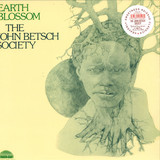
180 Gram, Tip On Sleeve RSD version of this classic. One of the rarer records of the mythical Strata East albums is finally reissued for the first time on Heavenly Sweetness!
The recording of Earth Blossom, the John Betsch Societys one and only album, seems something of an enigma nowadays. For even though Nashville is clearly one of the towns in the US with the highest number of recording studios, who would have thought that the capital of country music would give birth to one of the forgotten masterpieces of 1970s spiritual jazz. The path leading to the album starts in 1963 when John Betsch, originally from Jacksonville in Florida, arrives in Nashville to study at Frisk University. He is a young drummer and joins Bob Holmes trio. Holmes is one of the towns major jazz organists and pianists; he becomes Betschs mentor and, over the space of two years, John will play alternately with him and with the trumpeter Louis Smiths group. However, in 1965, John leaves town to go to the prestigious Berkeley University in Boston and do a two-year course along with his fellow debutants with names like John Abercrombie, Ernie Watts and Alan Broadbent. Two years later, he is invited by a pianist friend, Billy Chilf, to join the legendary singer/songwriter Tim Hardins group. Just after Woodstock, John Betsch and Tim record a psychedelic album Columbia will never release together with the members of the future group Oregon: Colin Walcott, Glen Moore, Paul McCandles and his friend Billy Chilf. But he soon leaves this group to return to Nashville where he hooks up again with his friend Bob Holmes. Two years later, he is accepted on Archie Shepp and Max Roachs famous course at the University of Massachusetts Amherst (UMASS) and for the next four years he participates in this collective of intellectuals and musicians under the aegis of the two masters.
During this period he returns to Nashville to form his Society whose music is obviously influenced by the Afrocentric ideas of the UMASS student and political movement. However, the album, recorded in one day and in one take, also bears the hallmark of their generations psychedelic experiences, and in the themes and playing of the musicians we can hear a less violent form of music than the radical free jazz of New York or Chicago. Nature and environmental themes are the inspiration behind tracks touched by the spirit of Coltrane but also of Flower Power.
After Amherst, John Betsch joins Marion Browns group in 1976, leaves Tennessee for good and makes his home in New York over the next ten years or so. He plays and records with Dollar Brand, Kalaparusha Maurice McIntyre and many others, before heading off to France. He has lived in Paris for the last twenty years and played in Steve Lacy, Mal Waldron and Archie Shepp bands, as well as forming groups of his own. He now lives in Paris and plays with many musicians/bands.
Released in July 1963, "Impressions" is a compilation of recordings from various sessions between 1961 and 1963 of John Coltrane. The album showcases the range of Coltrane's musical interests, from modal jazz and hard bop to ballads, reflecting his evolving style during the early 1960s and received positive reviews for its adventurous spirit and technical brilliance. Critics and fans alike praise the album for capturing a pivotal moment in Coltrane's career as he moved towards more experimental and spiritual jazz. The early 1960s were a period of significant evolution for Coltrane. Having recently left Miles Davis's sextet, Coltrane was delving deeper into modal jazz, a style that focuses on scales (or modes) rather than traditional chord progressions. This period saw Coltrane pushing the boundaries of jazz with extended solos, complex improvisations, and a deeper spiritual search, which would later culminate in his iconic album "A Love Supreme."
In the penultimate episode of his widely popular and critically acclaimed HBO series, Painting with John, its creator, John Lurie, sat in a Manhattan recording studio, working out musical parts for the show’s soundtrack. “After the illness started, I didn’t think I’d ever be able to do this again,” said Lurie.
Even as he occupies an enigmatic, multi-faceted, five-decade career characterized by the unexpected, perhaps even Lurie is surprised by this new release of a double-album collection of music, Painting with John, extracted from the series.
Go back a quarter-century or so: As an exotic saxophonist and composer whose pieces alternately recalled cracked-mirror reflections of Thelonious Monk, or Fela Kuti, or Raymond Chandler, Lurie led the vastly influential, downtown NYC jazz ensemble, The Lounge Lizards, through dazzling albums and tours across the globe. He scored indie films and Hollywood hits, collecting a Grammy nomination for Get Shorty along the way and releasing his own surreality-TV series, Fishing with John.
To celebrate 10 years of one of London’s most loved underground club nights, Tangent, Mr Bongo are thrilled to launch this new compilation series. Crafted by its two residents, John Gómez and Nick the Record, it aims to transmit a taste of Tangent’s spirit. A party rooted in inclusivity and open-mindedness, whose name captures the spontaneous switches in musical direction that are a defining element of their nights. For the compilation, the pair have cherry-picked a selection of their prized, rare and dancefloor-ready tracks from around the globe, that have soundtracked the past decade of parties.
Friends for close to 20 years, music lovers, record obsessives and internationally renowned DJs in their own right, John and Nick have two lifetimes worth of musical knowledge to draw from. John a long-standing NTS Radio resident and compiler for Music From Memory. Nick one of the UK’s go-to record dealers, resident DJ since the ‘90s at one of Japan’s pioneering parties, Life Force, and co-captain / co-edit-expert of Record Mission with Dan Tyler (Idjut Boys).
In 2014, the pair decided to bring some of Life Force’s grassroots principles to the UK, whilst channelling underground clubbing institution Plastic People’s meticulous attitude to sound. Tangent grew from being a small gathering of friends, to an established fixture in London’s nightlife, whilst always maintaining a strict no guest DJ policy. “As London’s clubs have become increasingly reliant on international guests, we wanted to emphasize the importance of a club night growing through its residents”, John and Nick reflect. With 10 years of the duo at the helm, an intimate connection between DJ and dancefloor has been built, allowing for freedom of expression on both sides of the decks.
Tangent reaches around the globe and across different eras to make connections that stimulate emotional reverberations in the unfamiliar. Where the blissfully Balearic ‘Laberinto’ by Miguel Perikás, goes hand-in-hand with the Cameroonian hip-house of King B.’s ‘Love is Crazy’. The thundering ‘Amek Amek’ by L'Innovateur Djoe Ahmed et le Zoukabyle, rubs shoulders with the soulful Caribbean-influenced touch of Champagn’s ‘Bel Ti Négress’. And Pellegrin El Kady’s afro-cosmic ‘Seiva de Carnaval’, crosses paths with Kajou’s Kompa disco anthem ‘Tet Chajé’.
Tangent’s longevity is in part down to it having always embraced contemporary sounds. The sub-rattling bass of Srirajah Sound System’s stunning Molam dub stepper ‘Si Phan Don Lovers Rock’ and the slow, woozy mantra of leftfield dancehall explorer Androo’s ‘Lyriso’, are two shining examples.
This compilation represents an ongoing dialogue between past and present, transporting listeners to the heart of a pure musical experience, where open minds and open hearts are eager to follow the tangent.
out of Stock
Last delivered 2 years ago available to reorder, subject to availability
30 Jahre nach seinem letzten Besuch in Japan ist John Williams für ein besonderes Konzert zurückgekehrt
- er gibt sein Debüt mit dem weltberühmten Saito Kinen Orchestra mit Interpretationen seiner geliebten
Filmmusiken und trifft seinen langjährigen Freund, den weltberühmten Dirigenten Seiji Ozawa (1935-2024),
wieder. ”John Williams In Tokyo” wurde letztes Jahr live in der Suntory Hall aufgenommen und wird nun
von Deutsche Grammophon veröffentlicht. Es folgt auf seine gefeierten Konzertalben ”The Berlin Concert”
und ”John Williams In Vienna”, die weltweit die Charts anführten.
A lost solo piano record from the Night Tripper! Originally put to tape in ‘82 & ‘83 for the Clean Cuts label, these tracks have remained unheard until now.
Two numbers feature the doc's raspy growl while his solo piano navigates us through the rest of the train ride, past touches of blues, jazz, and foot stompin’ boogie-woogie jive. It's the kind of magic that can only come from a dusty tape box.
In 1981, Dr. John began recording his first of two solo piano albums. The “new” performances featured on this release are of the same quality as the music on Dr. John Plays Mac Rebennack and The Brightest Smile In Town.
His left hand creates a three-note rhythmic pattern that forms the foundation for the performance while his right soulfully plays the melody and then builds off of it in the tradition of the New Orleans piano blues masters. In other songs, it begins as a nostalgic and heartfelt ballad, picking up steam during the performance and switching moods several times before returning to where it began.
While it is a real shame that he would never again record a full album of unaccompanied solos (Dr. John enjoyed leading a band too much), the release of Frankie & Johnny gives one an additional opportunity to discover just how brilliant and spirited a pianist Mac Rebennack was during his colorful career.
This may be one of the pearls in the history of jazz recordings, the John Coltrane Quartet featuring; McCoy Tyner, Jimmy Garrison, and Elvin Jones with guest Eric Dolphy. It’s the John Coltrane Quartet at its peak with Elvin Jones confirming once again his rank as one of the all times greatest percussionists. The program on that fiery broadcast night in February 1962 on Symphony Sid’s (a long-time jazz disc jockey in the United States) radio program included three long selections: “Mr. PC,” “Miles’ Mode” (aka “Red Planet”), and a nearly 20-minute reading of “My Favorite Things,” which Trane always performed as an extended jam.
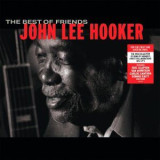
THE BEST OF FRIENDS wurde ursprünglich 1998
veröffentlicht und feiert JOHN LEE HOOKERs späte
Zusammenarbeit mit einem Who's-Who an geschätzten
Gästen, darunter Eric Clapton, Ry Cooder, Carlos
Santana, Van Morrison und Bonnie Raitt. Auch 25 Jahre
später ist es ein lebendiges Porträt von Hookers Vitalität
in dieser Zeit und dem unerschütterlichen Respekt der
Musiker, die er beeinflusste. Das hier erstmals auf
2LP-Vinyl veröffentlichte und auf CD wiederveröffentlichte
Album The Best of Friends ist der perfekte Einstieg für
Hooker-Fans, die sein Schaffen in den 1980er und 90er
Jahren erkunden wollen.
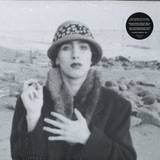
Niandra LaDes And Usually Just A T-Shirt is the first solo record by John Frusciante. Between 1990 and 1992 the guitarist made a series of 4-track recordings, which at the time were not intended for commercial release. After leaving the band Red Hot Chili Peppers in 1992, Frusciante was encouraged by friends to release the material that he wrote in his spare time during the Blood Sugar Sex Magik sessions.
Originally released on Rick Rubin's American Recordings label in 1994, Niandra LaDes is a mystifying work of tortured beauty. Frusciante plays various acoustic and electric guitars, experimenting with layers of vocals, piano and reverse tape effects. Channeling the ghosts of Syd Barrett and Skip Spence, his lyrics are at once utterly personal and willfully opaque.
Frusciante's rapidfire, angular playing shows how key he was in the Chili Peppers' evolution away from their funk-rock roots. His cover of "Big Takeover" perfectly deconstructs the Bad Brains original with laid-back tempo, twelve-string guitar and a fierce handle on melody.
The album's second part - thirteen untitled tracks that Frusciante defines as one complete piece, Usually Just A T-Shirt - contains several instrumentals featuring his signature guitar style. Sparse phrasing, delicate counterpoint and ethereal textures recall Neu/Harmonia's Michael Rother or The Durutti Column's Vini Reilly.
On the front cover, Frusciante appears in 1920s drag - a nod to Marcel Duchamp's alter-ego Rrose Sélavy - which comes from Toni Oswald's film Desert in the Shape.
This first-time vinyl release has been carefully remastered and approved by the artist. The double LP set is packaged with gatefold jacket and printed inner sleeves.
Following his tenure fronting British psychedelic rock act The Web, who cut a couple of likeable albums featuring his bluesy, soulful lead, US-born vocalist Mississippi John L. Watson went solo, working with Pete Wingfield on his 1970 debut, White Hot Blue Black. Superior sophomore set Let’s Straighten It Out was released on Bob Kingston’s Spark label in 1975 and credited to John L. Watson and White Mouse, with Watson headed in a funk direction; along with the potent title track, there’s a fine cut of Gwen McCrae’s ‘Rockin’ Chair,’ making the set a sure-fire winner for Watson fans and lovers of British funk and soul.
Burning Hell was recorded in 1959 in Detroit, MI, but wasn't released until 1964. Even then, it was only available in the U.K.. This 180-gram vinyl pressing marks the first official single LP worldwide release the album has seen. Pressed at QRP as part of the Bluesville Records / Acoustic Sounds series, the album features Hooker solo as he plays originals and classics. AllMusic states that, on this album, "Hooker shows himself to be an excellent interpreter who could have held his own with Delta bluesmen of any era."
Craft Recordings, in partnership with Acoustic Sounds, is releasing Burning Hell as part of the Bluesville Series. Bluesville is a brand-new hub for all things blues, including vinyl reissues, curated playlists, and more! Inspired by the original label imprint established under Prestige Records in 1959, the Bluesville Series will highlight the many trailblazing musicians who contributed to the rich tradition of the blues, including titles from legendary artists on labels such as Vee-Jay, Riverside, Vanguard, Stax, and Rounder Records.
The albums in the Bluesville Series are pressed on 180-gram vinyl at Quality Record Pressings and feature all-analog (AAA) mastering by Grammy-nominated engineer Matthew Lutthans at The Mastering Lab at Blue Heaven Studios, plus a tip-on jacket and obi strip with notes written by Grammy-winning producer, writer and musician Scott Billington.
For this classic encounter, the only collaboration ever between Duke Ellington and John Coltrane, Duke sat in with the John Coltrane Quartet for a set dominated by Ellington's songs; some performances have his usual sidemen (bassist Aaron Bell and drummer Sam Woodyard) replacing Jimmy Garrison and Elvin Jones in the group. Ellington always recognized talent, and Coltrane seemed quite happy to be recording with a fellow genius.
John Grant, der Meister des Zwiespalts zwischen zerreißenden Balladen und progressivem Elektro-Pop veröffentlicht mit 'The Art Of The Lie' sein sechstes Soloalbum.
Obwohl es sich um eine John Grant-Platte handelt, die typischerweise Humor in Tragik einbettet und Wut in Mitgefühl umwandelt, hat 'The Art Of The Lie' eine neue musikalische Ambition, die die politischen und persönlichen Momente in den Songs untermalt. Der harte Kontrast von Schönheit und Grausamkeit macht das sechste Studioalbum des US-amerikanischen Songwriters so zu einem besonderen Hörerlebnis. Die elf Tracks verbinden Kindheitstraumata mit den verhärteten Nachwirkungen im Erwachsenenalter und verknüpfen beides mit der angespannten politischen Situation der Vereinigten Staaten im Jahr 2024.
Ivor Guests Produktionen mit Gastauftritten von Dave Okumu (Gitarre), Robin Mullarkey (Bass), Seb Rochford (Schlagzeug) und der schottischen Sängerin Rachel Sermanni sorgen für die nötige Dramatik auf Grants bisher opulentesten und filmischsten Album, die sich neben der beunruhigenden politischen Aufladung, wie in der ersten geteilten Single 'It's A Bitch' auch manchmal in elegantem Funk entlädt.
John Cale veröffentlicht sein neues Album POPtical Illusion am 14. Juni 2024 über Domino.
Trotz des verspielten Titels enthält Cales zweites Album innerhalb von etwas mehr als einem Jahr immer noch die gleichen Gefühle von heftiger, aber auch neugieriger Wut, die schon in Cales viel gelobtem Album MERCY von 2023 vorhanden waren, "eine tief atmosphärische Sammlung über den herannahenden Untergang und die lebensrettende Kraft von Kunst und Gemeinschaft" (Wall Street Journal). Er ist immer noch wütend, immer noch erzürnt über die mutwillige Zerstörung, die unkontrollierte Kapitalisten und reuelose Betrüger über die Wunder dieser Welt und die Güte der Menschen gebracht haben. Aber es handelt sich keineswegs um MERCY II oder um eine Sammlung von Ablegern, denn in seiner mehr als sechs Jahrzehnte währenden Karriere war Cale nie ein Freund von Wiederholungen. Seine avantgardistische Begeisterung wechselte mit stolzer Unruhe zwischen ekstatischer Klassik und ungebundenem Rock, klassischem Songhandwerk und elektronischer Neuinterpretation hin und her. Und so verzichtet er auf POPtical Illusion auf die illustre Besetzung, um sich größtenteils allein in die Labyrinthe von Synthesizern und Samples, Orgeln und Klavieren zu begeben, mit Worten, die für Cale eine Art wirbelnde Hoffnung darstellen, ein weises Beharren darauf, dass Veränderung noch möglich ist. Produziert von Cale und seiner langjährigen künstlerischen Partnerin Nita Scott in seinem Studio in Los Angeles, ist POPtical Illusion das Werk von jemandem, der versucht, sich der Zukunft zuzuwenden - genau wie Cale es immer getan hat.
out of Stock
Last delivered 2 years ago available to reorder, subject to availability
John Cale veröffentlicht sein neues Album POPtical Illusion am 14. Juni 2024 über Domino.
Trotz des verspielten Titels enthält Cales zweites Album innerhalb von etwas mehr als einem Jahr immer noch die gleichen Gefühle von heftiger, aber auch neugieriger Wut, die schon in Cales viel gelobtem Album MERCY von 2023 vorhanden waren, "eine tief atmosphärische Sammlung über den herannahenden Untergang und die lebensrettende Kraft von Kunst und Gemeinschaft" (Wall Street Journal). Er ist immer noch wütend, immer noch erzürnt über die mutwillige Zerstörung, die unkontrollierte Kapitalisten und reuelose Betrüger über die Wunder dieser Welt und die Güte der Menschen gebracht haben. Aber es handelt sich keineswegs um MERCY II oder um eine Sammlung von Ablegern, denn in seiner mehr als sechs Jahrzehnte währenden Karriere war Cale nie ein Freund von Wiederholungen. Seine avantgardistische Begeisterung wechselte mit stolzer Unruhe zwischen ekstatischer Klassik und ungebundenem Rock, klassischem Songhandwerk und elektronischer Neuinterpretation hin und her. Und so verzichtet er auf POPtical Illusion auf die illustre Besetzung, um sich größtenteils allein in die Labyrinthe von Synthesizern und Samples, Orgeln und Klavieren zu begeben, mit Worten, die für Cale eine Art wirbelnde Hoffnung darstellen, ein weises Beharren darauf, dass Veränderung noch möglich ist. Produziert von Cale und seiner langjährigen künstlerischen Partnerin Nita Scott in seinem Studio in Los Angeles, ist POPtical Illusion das Werk von jemandem, der versucht, sich der Zukunft zuzuwenden - genau wie Cale es immer getan hat.
out of Stock
Last delivered 2 years ago available to reorder, subject to availability
idal Perspectives is an album by Giovanni Di Domenico, Pak Yan Lau, and John Also Bennett. Recorded across a single afternoon in Brussels, Belgium, the album’s four parts are a rippling alchemy of processed Rhodes piano, sizzling ceramics, and liquified bass flute, a rare meeting of three unique voices from the contemporary music landscape that manages to flow with the effortless inevitability of the oceanic tides.
Giovanni Di Domenico, an accomplished composer and prolific collaborator who has released albums with Jim O’Rourke, Eiko Ishibashi and Akira Sakata, among many others, initiated the collaboration with Bennett after the two met at a record fair in Saint-Gilles, Belgium and bonded over a shared inquisitiveness for unconventional sonic combinations. Along with Pak Yan Lau, a Belgian-born sound artist and improviser who has developed her own rich and unique sonic footprint, the trio entered the studio with little, if any, discussion beforehand, jumping right into playing without preconceived structures. The resulting recordings had a depth of sound and emotional resonance surprising even them, with finished pieces emerging from single live takes and minor edits.
Bennett, known for his solo work as well as his collaborations with Christina Vantzou as CV & JAB, gives us here a taste of his bass flute in free flowing form. Unconstricted by concept, joyfully and lazily bouncing off the melodic shimmers of Di Domenico’s Rhodes, Bennett uses his flute’s pitch information to trigger long tones that emerge like rays of light piercing through low hanging clouds - moments of clarity among a clicking world of sonic stimuli. Meanwhile, Lau’s crackling and sometimes dissonant contributions on prepared piano, live hydrophone, and custom ceramic sound objects balance out the triangle, adding a sense of microcosmic intrigue that allows the music to seamlessly ebb and flow between moments of comfort and foggy uncertainty.
The album’s title track and climax, the eighteen minute “Tidal Perspectives”, drifts in with some kind of clarity, Lau’s glinting tonal waves edging in just beyond the horizon lines drawn by Di Domenico’s Rhodes and Bennett’s bass flute. But like the tidal flows of the Atlantic that inspired its title, just as you begin to perceive what’s happening, the currents have already taken you out to sea. Tidal Perspectives will be released on June 14th, 2024, in a limited edition of 300 LPs by Editions Basilic.
Back Home Again was originally released in June 1974 when John Denver was at his peak and is home to several of his most popular and enduring songs – "Annie’s Song" and "Thank God I’m A Country Boy". The album topped the charts in the US and reached No 3 in the UK. The album is presented in a gatefold sleeve as per the original release and makes a welcome return having been unavailable on vinyl for many years. This is the 50th anniversary edition in a x12 trk, Black LP Vinyl in gatefold sleeve. Marketing activity.
The first in a series of archival releases from Cranes, the band’s John Peel Sessions are collected for the first time.
John Peel Sessions (1989-1990) will be available on black vinyl with a worldwide pressing of 500 copies.
Artwork by feted 4AD/v23 sleeve designer Chris Bigg (Cocteau Twins, Pixies etc)
Formed in mid-1980’s Portsmouth by the brother & sister duo of Jim Shaw (drummer, keyboardist, guitarist, programmer) & Alison Shaw (vocalist, guitarist, bassist), Cranes first appeared in 1986 with Fuse, a self-released & now highly sought-after cassette of demos.
Their debut album Self-Non-Self followed in 1989, catching the attention of legendary DJ John Peel, who invited them to record two sessions for his show in 1989 & 1990, the second seeing Mark Francombe (guitarist, keyboardist, bassist) & Matt Cope (guitarist) join ranks to form the line-up who would go on to record multiple albums for Dedicated including the much-loved album, Forever, which enjoys it’s 30th anniversary this year.
Cranes are releasing John Peel Sessions (1989-1990) on their own Dadaphonic label. The first in a series of archival releases, this compilation features original artwork by fêted 4AD & v23 sleeve designer Chris Bigg (Pixies, Cocteau Twins, The Breeders
Originally released in 1963 on Prestige, Kenny Burrell & John Coltrane features Burrell and Coltrane alongside Tommy Flanagan, Paul Chambers and Jimmy Cobb playing across 5 tracks. This new edition is released as part of the Original Jazz Classics Series and is pressed on 180-gram vinyl at RTI with all-analogue mastering from the original tapes by Kevin Gray at Cohearent Audio and presented in a Tip-On Jacket.
Nach einer beeindruckenden Reihe von Alben in den 2010er Jahren, die ihm eine treue Fangemeinde, Auszeichnungen von Zeitungen wie der New York Times, Fresh Air und Pitchfork und einen Platz in der oberen Riege der modernen Americana-Singer-Songwriter eingebracht haben, hat John Moreland in diesem Jahrzehnt bereits zwei unerwartete Wendungen vollzogen, die beide seine starke künstlerische Unabhängigkeit unterstreichen.
Zunächst veröffentlichte er 2022 mit Birds In The Ceiling eine brillante und klanglich vielschichtige Folk-Electronica-Meditation über moderne Entfremdung, die einige seiner Fans überraschte. Nachdem er im November 2022 eine schwierige Tournee hinter sich gebracht hatte, stellte er seine Arbeit komplett ein. Er nahm sich ein ganzes Jahr Auszeit von Auftritten und benutzte 6 Monate lang kein Smartphone.
Nach fast einem Jahrzehnt im Rampenlicht, in dem er ständig von den Erwartungen seines Publikums bedrängt wurde, nahm er sich zum ersten Mal Zeit, sich auszuruhen, zu heilen und zu reflektieren. Das Ergebnis dieses Unplugged-Jahres zu Hause ist 2024 Visitor, ein Folk-Rock-Album, das intim, unmittelbar, zutiefst nachdenklich und verdammt eingängig ist.
Nach einer beeindruckenden Reihe von Alben in den 2010er Jahren, die ihm eine treue Fangemeinde, Auszeichnungen von Zeitungen wie der New York Times, Fresh Air und Pitchfork und einen Platz in der oberen Riege der modernen Americana-Singer-Songwriter eingebracht haben, hat John Moreland in diesem Jahrzehnt bereits zwei unerwartete Wendungen vollzogen, die beide seine starke künstlerische Unabhängigkeit unterstreichen.
Zunächst veröffentlichte er 2022 mit Birds In The Ceiling eine brillante und klanglich vielschichtige Folk-Electronica-Meditation über moderne Entfremdung, die einige seiner Fans überraschte. Nachdem er im November 2022 eine schwierige Tournee hinter sich gebracht hatte, stellte er seine Arbeit komplett ein. Er nahm sich ein ganzes Jahr Auszeit von Auftritten und benutzte 6 Monate lang kein Smartphone.
Nach fast einem Jahrzehnt im Rampenlicht, in dem er ständig von den Erwartungen seines Publikums bedrängt wurde, nahm er sich zum ersten Mal Zeit, sich auszuruhen, zu heilen und zu reflektieren. Das Ergebnis dieses Unplugged-Jahres zu Hause ist 2024 Visitor, ein Folk-Rock-Album, das intim, unmittelbar, zutiefst nachdenklich und verdammt eingängig ist.
Mit ”kühnem und visionärem Geist”, um eine Downbeat-Rezension aus dem Jahr der Veröffentlichung dieses Albums zu zitieren, haben die drei Meisterimprovisatoren John Abercrombie, Dave Holland und Jack DeJohnette auf ihrem ersten gemeinsamen Werk unter dem Namen Gateway einen unvergleichlichen Ansatz des Triozusammenspiels geschmiedet. Das Trio geht die Eigenkompositionen von Dave Holland und Jack DeJohnette feinsinnig und mit innovativem Gespür an.
Wie The Observer seinerzeit in einem Artikel bemerkte, ”machen das telepathische Zusammenspiel und der perfekte Vortrag es schwer zu glauben, dass diese Musik fast vollständig improvisiert ist”. Die jeweils einzigartigen instrumentalen Stilistiken der Musiker hatten sich hier bereits voll herauskristallisiert und deuten außerdem auf die große Musik hin, die von den jeweiligen Individuen noch kommen sollte.
Die Luminessence-Edition des Albums erscheint in einem Tip-on-Klapp-Cover und ist mit bisher unveröffentlichten Archivfotos sowie einem neuen Begleittext des Wilco-Gitarristen Nels Cline ausgestattet. Eine Gemeinsamkeit der meisten Aufnahmen des Labels ist das Einfangen besonderer Momente in Echtzeit.
Das ist es, was ”Gateway” ausmacht, und so fühlt es sich auch so viele Jahre später immer noch an, und solange wir Ohren haben, um zuzuhören. – aus den Liner Notes von Nels Cline.
1973 was an amazing year for the pop/rock duo Hall & Oates as they ushered their superstardom further with the incredible second album masterpiece Abandoned Luncheonette.
Produced by the great Arif Mardin, this nine-song album fused with classic Philly soul, rock and acoustic pop anthems delivered in a big way for the history making duo. Including the huge hit single "She's Gone," as well as the celebrated title track, Abandoned Lunchonette was a watershed album which has rewarded them with non-stop success for the past four decades.
Abandoned Luncheonette is the most commercially successful of the duo's Atlantic Records period; the album reached No. 33 on the Billboard Top LPs & Tapes chart. Twenty-nine years after its release, the album was certified platinum (over one million copies sold) by the Recording Industry Association of America (RIAA).
This top-notch Analogue Productions reissue is pressed at Quality Record Pressings, and housed in tip-on old style gatefold double pocket jackets with film lamination by Stoughton Printing.
These recordings come from the same sessions that produced 1961's My Favorite Things. This is one of the least well-known Coltrane albums, partly because it is an all blues format and partly because it was released at the end of his association with Atlantic records.
Plays The Blues features the talents of McCoy Tyner, Elvin Jones and Steve Davis. It is the beginning of his work with Tyner and Jones in quartet form. For that alone this recording would be important. Although this album is called Plays The Blues, this is by no means the only blues which Coltrane plays. There are blues elements, moods and feelings in all of his best-known recordings. Listen to "Slowtrane," "Blue Train," "Bessie's Blues" among others and one can't help but hear the blues vibe.
The original six tracks are fantastic and have that same blues vibe. They hit the listener right in the heart and soul and don't let go. All six are superb, but "Blues To Bechet," "Mr. Day," "Mr. Knight" and "Blues To Elvin" are absolute classics.
Cut at 45 RPM. Pressed on 180-gram vinyl at Quality Record Pressings, and housed in tip-on old style gatefold double pocket jackets with film lamination by Stoughton Printing.
There is something of Monsieur Rêve in this sweet tekno EP... Sounds is very loud on a system and very cool at home... A true Tekhouse record then... The mabiance is kind of tracy and a bit electro... Nice tunes that do not forget to give reward to the dancefloor. A good space techno record !
Atemberaubender Exotica-Mod-Jazz aus den 1960ern, neu aufgelegt in limitierter, handnummerierter Auflage auf schwarzem Biovinyl im authentischen Tip-On-Cover samt Download-Code. John Lemon war ein vielseitiger, in Louisiana geborener Rohrblatt- und Flötenspieler, der seinen tiefen, klangvollen Tenor für alles zur Verfügung stellte, von Exotica über R&B bis zu Bebop-Jazz und allem dazwischen. Sein einziges Album "Hey Baby" ist ein sensationeller Schatz, den man selten findet - es sei denn, er erscheint auf Mo-Jazz!
out of Stock
Last delivered 2 years ago available to reorder, subject to availability
The Emmy-winning Comeback Kid himself comes back yet again with a blunt, brilliantly quotable stand-up special. "Baby J" takes the form of a wide-ranging conversation between John Mulaney, a kid in the balcony named Henry, and the rest of the sold-out crowd at Boston"s Symphony Hall. And now, you! John dominates the chat, of course - and while his cautionary tales are a bit too convulsive to be functionally preventative, you probably aren"t here to be cautioned. So have at it!
Introducing John Coltrane 'Now Playing' on Translucent Blue Vinyl - Uncover the brilliance of jazz legend John Coltrane through a tracklist uncovering rich gems, such as the iconic "Giant Steps", the soulful "Naima," demonstrating Coltrane's virtuosity and innovation, the enchanting melodies of "My Favorite Things, Pt. 1" and the tender ballad "I'll Wait and Pray" as the perfect start or continuation of your musical journey
His list of collaborators is a who's- who of adventurous improvised music. Recently he's extended into an actual new territory, moving to Lisbon, Portugal in 2021. This new record Beast captures him playing in front of a live audience with a new multi-generational ensemble of musicians from the fertile European improv scene. Rhythm section duties are handled by the Portuguese team of Ze Almeida on bass and drummer Joao Lencastre.
Joining the band on piano is the German musical polymath Samuel Gapp, so that this recording marks the first time in John's prodigious and storied career that he has recorded as a leader with the classic piano quartet line-up. The album presents four extended improvisational settings, with half of these drawing upon John's compositional ideas as inspiration for exploring unknown territory, manipulating timbre and density as well as pitch and rhythm. "My compositions are used as frameworks, with the caveat that they are only to be used to provide cohesion when we sense the need. Otherwise, everything's wide open."
This album presents the next instalment in the journey of one of the music's greatest questing musical innovators, exploring all the possibilities opening up with a new set of collaborators in a new country.
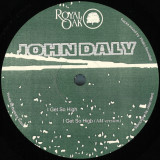
Clone Royal Oak for all things House! This one for the deep house warriors... John Daly delivering two cuts reminiscent of the early 90's NY deep house vibes. On the a-side we got the warm jazzy ''I Get So High'' in the AM mix and the original mix featuring vocals by Barbara Vulso and Saxophone by Jabin Ward. On the flip side we have the dreamy ''Two Days'' in the original version and one of those rare house mixes by Alden Tyrell & Serge who added some bump to this release. John Daly, the og Irish deep house maestro is back!
out of Stock
Last delivered 6 months ago available to reorder, subject to availability
"Stepmom is a 1998 comedy-drama film directed by Chris Columbus and stars Julia Roberts, Susan Sarandon, Ed Harris and Jena Malone. The story follows a terminally ill woman dealing with her ex-husband's new lover, who soon will become their children's stepmother. Susan Sarandon was nominated for a Golden Globe Award for Best Actress in a Motion Picture - Drama for performance. The music was composed and conducted by the legendary John Williams, who already worked together with Columbus on Home Alone and Home Alone 2: Lost in New York. They would also continue to work together on the first two movies of the Harry Potter franchise. For the soundtrack of Stepmom, Williams received a BMI Film Music Award in 1999. Stepmom is available on vinyl for the very first time as a limited edition of 500 individually numbered copies on translucent green coloured vinyl and includes an insert with liner notes by Chris Columbus."
Stepmom by John Williams, released 9 May 2024, includes the following tracks: "Time Spins Its Web", "A Christmas Quilt", "Taking Pictures" and more.
This version of Stepmom comes as a 2xLP. This release comes with (a) Insert(s).
The vinyl is pressed as a translucent, green disc. Another vinyl is pressed as a translucent, green disc.
With words as weapons and public infrastructure as his blank slate, John Fekner's City Squad are always questing for the ineffable, even as they yearn for concrete change - Make no mistake, Idioblast is a serious party where everyone is welcome.
Released in 1984, Idioblast is a lost classic, a future shock narrative ahead of its time, and yet completely of its era, like few artifacts before or since. The cover tips you off from the jump--a crude but effective collage featuring classic Fekner slogans like Toxic Junkie, Growth Decay and Soft Brains Watch The Screen And Buy The Jeans. In an uncanny and tragic coincidence, the very first lyric on the album--"The place to be is on the space shuttle/if you're brave enough to get on it"--seems to anticipate the Challenger disaster just two years later.
But for the most part, the tracks on Idioblast directly reference the concepts that inspired Fekner's visual art. Musically, "Rapicasso" utilizes pneumatic pounding with an industrial edge as Fekner equates the great and controversial painter with risk-taking graffiti kids bombing trains and billboards across the city. Art is in a constant state of exploding--forms, paradigms, outdated ideas.
Splitting the difference between hip-hop and new wave, the Santaniello-sung "The Beat" is like Thomas Dolby meets Run-DMC and should've been a radio staple for at least one sticky summer. It could soundtrack either a couples roller skate or a drug-fueled evening out. Channeling Fekner's slogan-stencil aesthetic, "Travelogue The 80's" is a tour de force reminiscent of Negativland's experiments in audio culture jamming. As Fekner details, "I grabbed all of the sounds via a shortwave radio picking up transmissions from LaGuardia airport and the TV. I recorded and edited on a Sony Pro Walkman and an Aiwa dual cassette deck."
It's been a decade since John Carpenter recorded the material that would become Lost Themes, his debut album of non-film music and the opening salvo in one of Hollywood's great second acts. Those vibrant, synth-driven songs, made in collaboration with his son Cody Carpenter and godson Daniel Davies, kickstarted a musical renaissance for the pioneering composer and director. In the years since, Carpenter, Carpenter, and Davies have released close to a dozen musical projects, including a growing library of studio albums and the scores for David Gordon Green's trilogy of Halloween reboots. With Lost Themes IV: Noir, they've struck gold again, this time mining the rich history of the film noir genre for inspiration. Since the first Lost Themes, John has referred to these compositions as "soundtracks for the movies in your mind." On the fourth installment in the series, those movies are noirs. Like the film genre they were influenced by, what makes these songs "noirish" is sometimes slippery and hard to define, and not merely reducible to a collection of tropes. The scores for the great American noir pictures were largely orchestral, while the Carpenters and Davies work off a sturdy synth-and-guitar backbone. The noir quality, then, is something you understand instinctively when you hear it, as in connected in an emotional way. The trio's free-flowing chemistry means Lost Themes IV: Noir runs like a well-oiled machine_the 1951 Jaguar XK120 Roadster from Kiss Me Deadly, perhaps, or the 1958 Plymouth Fury from John's own Christine. It's a chemistry that's helped power one of the most productive stretches of John's creative life, and Noir proves that it's nowhere near done yielding brilliant results.
It's been a decade since John Carpenter recorded the material that would become Lost Themes, his debut album of non-film music and the opening salvo in one of Hollywood's great second acts. Those vibrant, synth-driven songs, made in collaboration with his son Cody Carpenter and godson Daniel Davies, kickstarted a musical renaissance for the pioneering composer and director. In the years since, Carpenter, Carpenter, and Davies have released close to a dozen musical projects, including a growing library of studio albums and the scores for David Gordon Green's trilogy of Halloween reboots. With Lost Themes IV: Noir, they've struck gold again, this time mining the rich history of the film noir genre for inspiration. Since the first Lost Themes, John has referred to these compositions as "soundtracks for the movies in your mind." On the fourth installment in the series, those movies are noirs. Like the film genre they were influenced by, what makes these songs "noirish" is sometimes slippery and hard to define, and not merely reducible to a collection of tropes. The scores for the great American noir pictures were largely orchestral, while the Carpenters and Davies work off a sturdy synth-and-guitar backbone. The noir quality, then, is something you understand instinctively when you hear it, as in connected in an emotional way. The trio's free-flowing chemistry means Lost Themes IV: Noir runs like a well-oiled machine_the 1951 Jaguar XK120 Roadster from Kiss Me Deadly, perhaps, or the 1958 Plymouth Fury from John's own Christine. It's a chemistry that's helped power one of the most productive stretches of John's creative life, and Noir proves that it's nowhere near done yielding brilliant results.
It's been a decade since John Carpenter recorded the material that would become Lost Themes, his debut album of non-film music and the opening salvo in one of Hollywood's great second acts. Those vibrant, synth-driven songs, made in collaboration with his son Cody Carpenter and godson Daniel Davies, kickstarted a musical renaissance for the pioneering composer and director. In the years since, Carpenter, Carpenter, and Davies have released close to a dozen musical projects, including a growing library of studio albums and the scores for David Gordon Green's trilogy of Halloween reboots. With Lost Themes IV: Noir, they've struck gold again, this time mining the rich history of the film noir genre for inspiration. Since the first Lost Themes, John has referred to these compositions as "soundtracks for the movies in your mind." On the fourth installment in the series, those movies are noirs. Like the film genre they were influenced by, what makes these songs "noirish" is sometimes slippery and hard to define, and not merely reducible to a collection of tropes. The scores for the great American noir pictures were largely orchestral, while the Carpenters and Davies work off a sturdy synth-and-guitar backbone. The noir quality, then, is something you understand instinctively when you hear it, as in connected in an emotional way. The trio's free-flowing chemistry means Lost Themes IV: Noir runs like a well-oiled machine_the 1951 Jaguar XK120 Roadster from Kiss Me Deadly, perhaps, or the 1958 Plymouth Fury from John's own Christine. It's a chemistry that's helped power one of the most productive stretches of John's creative life, and Noir proves that it's nowhere near done yielding brilliant results.
It's been a decade since John Carpenter recorded the material that would become Lost Themes, his debut album of non-film music and the opening salvo in one of Hollywood's great second acts. Those vibrant, synth-driven songs, made in collaboration with his son Cody Carpenter and godson Daniel Davies, kickstarted a musical renaissance for the pioneering composer and director. In the years since, Carpenter, Carpenter, and Davies have released close to a dozen musical projects, including a growing library of studio albums and the scores for David Gordon Green's trilogy of Halloween reboots. With Lost Themes IV: Noir, they've struck gold again, this time mining the rich history of the film noir genre for inspiration. Since the first Lost Themes, John has referred to these compositions as "soundtracks for the movies in your mind." On the fourth installment in the series, those movies are noirs. Like the film genre they were influenced by, what makes these songs "noirish" is sometimes slippery and hard to define, and not merely reducible to a collection of tropes. The scores for the great American noir pictures were largely orchestral, while the Carpenters and Davies work off a sturdy synth-and-guitar backbone. The noir quality, then, is something you understand instinctively when you hear it, as in connected in an emotional way. The trio's free-flowing chemistry means Lost Themes IV: Noir runs like a well-oiled machine_the 1951 Jaguar XK120 Roadster from Kiss Me Deadly, perhaps, or the 1958 Plymouth Fury from John's own Christine. It's a chemistry that's helped power one of the most productive stretches of John's creative life, and Noir proves that it's nowhere near done yielding brilliant results.
180-GRAM VIRGIN VINYL - THE COMPLETE CONCERT. TOTAL TIME: 59 MINUTES - LIMITED EDITION
The complete April 8, 1960 concert at the Kongresshaus in Zurich, Switzerland by the splendid Miles Davis Quintet with John Coltrane on tenor sax, Wynton Kelly on piano, Paul Chambers on bass, and Jimmy Cobb on drums. Along with the frequently heard “All Blues” and “So What”, the Zurich concert has versions of “Fran Dance” and “If I Were a Bell”. “If I Were a Bell” had been first recorded by Miles and Coltrane in a quintet format in the celebrated October 26, 1956 studio session for Prestige and the Zurich version heard here is the only surviving appearance of this song from the 1960 European tour
The ethos behind the Major Keys label is take that originally accomplished Album masterpice and give said slice of jazz brilliance its own side of a vinyl…so following the well recived maiden release of Herbie Hancock's Chameleon/Watermelon Man, what better way than to follow up with THE king 'Trane' himself, and his seminal cut "Naima" backed with My Favourite things. Exclusively on 180g for RSD.
out of Stock
Last delivered 3 years ago available to reorder, subject to availability
. Lodge has been performing and recording with The Moody Blues for more than five decades, selling in excess of 70 million albums, and also enjoys a successful solo career, doing what he loves, performing and playing music. Lodge has been voted one of the “10 most influential bass players on the planet,” and has been the recipient of numerous awards, including ASCAP, and Ivor Novello Awards for Outstanding Contribution to Music. John was inducted into the Hollywood Walk of Fame, and in 2019 was given a star in his hometown ‘Walk of Fame’. In 2018, John and the Moody Blues were inducted into the ‘Rock and Roll Hall of Fame’, and in 2019 John was given the Lifetime Achievement Award in the Prog Awards. John’s latest release is the new studio Album ‘DAYS OF FUTURE PASSED – MY SOJOURN’. The album was recorded over the last year and has grown from John’s current live show as he, and his 10,000 Light Years Band, lovingly recreate this classic album
John Wright’s 1960 debut album “South Side Soul” was originally released on the Prestige label and recorded at Van Gelder Studios. Along with Wright (piano), the album features Wendell Robert (bass) and Walter McCants (drums). This new edition of the album is released as part of the OJC Series and is pressed on 180-gram vinyl at RTI with (AAA) lacquers cut from the original master tapes by Kevin Gray at Cohearent Audio. It is presented in a Tip-On Jacket.
How do you follow up a work described in the Independent on Sunday as “the best debut album since Marquee Moon”? That’s the question facing singer-songwriter John Canning Yates, twenty years on from the critically acclaimed ‘The First Album’ by his band Ella Guru.
‘The Quiet Portraits’ will appeal to anyone who loves the beautiful melodic soundscapes woven by Brian Wilson, Burt Bacharach, and Tom Waits, while Yates’s unique vocals evoke the emotional fragility and compelling narrative of Neil Young, Paul Buchanan, Mark Linkous and Elliott Smith.
Mastered by Jason Mitchell (PJ Harvey, Robert Forster), and featuring guest contributions from pedal steel maestro BJ Cole and friend and multi-instrumentalist Andy Frizell (Kevin Ayers, Wizards of Twiddly), those dedicated followers of Ella Guru who stayed the path will find their patience very well rewarded. ‘The Quiet Portraits’ is a remarkable achievement from an unassuming, yet hugely talented artist.
It’s a welcome relief amid the rapidly changing musical landscape to find that all that has changed in John’s world is the number of musicians around him. The beautiful storytelling, the art of finding those magical musical moments that will remain with you for years to come: all of that has survived the passing of time intact.
Happiest with headphones on, working alone in the small hours from his Liverpool home, Yates has created another masterpiece.
He explains: “In the wee small hours, with loved ones safely asleep and the busy day done, there comes a hush. Within it, you can breathe and listen. Listen for the infinite possibilities. From those possibilities emerged these portraits. I have sought to find those precious moments: of love and peace in turbulent times, of truth and hope for calmer days ahead. I hope you find them too.”
Entitled ‘The Quiet Portraits,’ the new solo album from John Canning Yates tells tales of people and places, of time, family, history, belonging, forgetting and remembering.
, Old fat furry cat-puss , Wake up and look at this thing that I bring, Wake up, be bright , Be golden and light , Bagpuss, Oh hear what I sing. 12th of February, 1974, and for an audience of small children at 1:45pm, a life irrevocably coloured by the wayward wonderings of one saggy cloth cat. Some 44 years later and Earth Recordings opens the door to Bagpuss & Co. once again, revealing for the first time the original music in all its newly-mastered splendour. The 32 tracks that make up the main body of the compositions are – like all good folk music – a patchwork of traditional pieces, half-remembered tunes and pure improvisation. It's testament to Sandra Kerr and John Faulkner's musicianship that the recordings work so well, not only within the context of the television episodes, but as an album in its own right. Of the recording, Oliver Postgate (in his exquisite autobiography 'Seeing Things') says: "Between them Sandra and John could play every sort of instrument from a mountain dulcimer to an Irish fiddle. They knew and could sing every tune in the world and didn't bother with written music, except as a last resort. They were exactly suited to Gabriel the Toad and Madeleine the Rag Doll and in those roles were happy to play whatever music and sing whatever songs would be needed." Those songs manifested themselves as reworkings of familiar tunes ('I Saw A Ship'; 'Row Your Boat'; 'Bucket's Burning'), takes on traditional ballads ('Brian O'Lynn'; 'The Frog Princess'; 'Weaving Song'; 'The Old Woman Tossed Up in a Basket') and delicious flights of fancy ('The Bony King of Nowhere'; 'Turtle Calypso'; 'Uncle Feedle'). The counterpart to Madeleine and Gabriel's more polished ditties are the interludes from the mice; a raggle-taggle chorus that accompanies the creatures' efforts of help (with the mice once famously going on strike when they were not permitted sang as they worked). Again, Postgate muses: "Once I had worked out a few episodes I would make a very rough list of the bits where I though music would be appropriate. I would send it to Sandra and John to think about. Then we would borrow a fairly silent room in a remote house and, taking the various articles that we intended to celebrate with us, would spend a happy day with a tape recorder, thinking up and recording whatever songs and tunes came to mind." The outtakes provide an intimate – and often very humourous – insight into the trio's work ethic, if it can be called such a thing. (By all accounts they sound as though they're having a very jolly time indeed.) Highlights include alternative opening words and end music, as well as Postgate sound-checking in character as Bagpuss. This never-before heard audio provides a real treat for fans (and indeed those new to the Smallfilms stable) – affirmation again to the enduring quality of these special recordings, and the beloved programme that inspired them. "An accidental classic of the folk-roots underground that we never dared hope we’d hear with such clarity."Stewart Lee
New Masada Quartet is one of the best groups Zorn has ever had. Bristling hot guitar master Julian Lage, bass wizard Jorge Roeder and 30- year Zorn veteran Kenny Wollesen perform with a crackling live energy that brings the Masada music to life like never before!
Led by Zorn's versatile sax and stop- and- start conducting, the music is filled with burning solos, telepathic group interaction, heartfelt lyricism and hypnotic grooves. Please purchase this limited edition LP and help Tzadik continue its mission to support and document new music in the 21st century.
s Luminessence, ECM's new audiophile vinyl-reissue series, is a kaleidoscope, shedding light on the jewels of the label's deep catalogue in elegant, high-quality editions - audiophile vinyl pressing, high-grade tip-on gatefold sleeves that include new liner notes Recorded in 1977 and now reissued in ECM's audiophile Luminessence vinyl series, the debut album of the Azimuth trio was truly ahead of its time. Formed by adding Canadian-born trumpeter Kenny Wheeler to the British duo of pianist John Taylor and vocalist Norma Winstone, the group's futuristic musical palette embraced hypnotic, minimalistic pulse patterns, otherworldly synthesizer sounds, songs, collective improvisation and solo flights. In recent seasons, the number of listeners under Azimuth's sway has grown exponentially, as the music has adapted itself to new contexts. The vast international audience that has heard fragments of Azimuth's "The Tunnel" as part of a major rap hit by Drake in 2023 (on his 200M+ streaming "IDGAF"), can now discover the original in its pristine form, still magical after all these years - as is the whole album.
« Lush Life » (1958) is among John Coltrane’s best endeavours on the Prestige (and Music) label. One reason can easily be attributed to the interesting personnel and the
subsequent lack of a keyboard player for the August 16, 1957, session that yielded the majority of the material. Coltrane (tenor sax) had to essentially lead the compact trio of himself,
Earl May (bass) and Art Taylor (drums). The intimate setting is perfect for ballads such as the opener ‘Like Someone in Love ». John Coltrane doesn’t have to supplement the frequent
redundancy inherent in pianists, so he has plenty of room to express himself through simple and ornate passages.
May provides a platform for Coltrane’s even keeled runs before the tenor drops out, allowing both Earl May and then Art Taylor a chance to shine.
The fun cat-and-mouse-like antics continue as Taylor can be heard encouraging the tenor player to raise the stakes and the tempo – which he does to great effect.