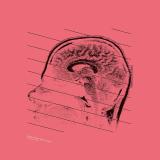
Eight years have passed since 8 regards obliques, the album in which Jaumet reinvented his spiritual jazz classics, letting them drift into other dimensions. Since then, an intense tour alongside Thomas de Pourquery and a new recording adventure with Zombie Zombie have taken him on the road. Yet it is in the inspiring calm of his brand-new studio in Bagnolet that he found the material for Du cortex à l’iris, his new album recorded for his label Versatile Records. Du cortex à l’iris continues this delicate balance that defines Jaumet’s signature: a constant tension between hypnotic abstraction and an almost animal groove. "To reduce the distance between my cortex and my senses, in order to compose mental images with sounds," he says. This intention runs through the entire album: a desire to make people dance, yes, but with echoes of EBM, bursts of cinematic landscapes, and that singular way of slowly inducing trance rather than declaring it. Saxophone, synths, analog drum machines: the arsenal remains familiar, but the approach is even more direct. Playing fast, composing in the moment, letting the hand run before the mind corrects. Capturing something primal, spontaneous, almost raw – as if the sound were really passing, this time, directly from the cortex to the iris.
quête:mat zo
B. Chamber (Stratum A), by B. Close, is the first full length solo release by Los Angeles-based multi-disciplinary artist Brian Close. The first of two volumes assembled from some thirteen hours of music produced by Close while residing in Connecticut from 2021-2025, B. Chamber (Stratum A) offers a vivid, fractal afterimage of a prolific, specific time and space in the artist’s oeuvre.
After leaving New York City early in the pandemic to a farmhouse in the countryside with dedicated spaces for multiple sound stations, Close developed an intensive daily practice of melding with the machines. The vast, pastoral backdrop of rural CT provided inspiration and contrast for his ongoing investigations into dynamic, poly-rhythmic electronic music. The sounds on B. Chamber (Stratum A) range from the machine-modeling of acoustic instruments and natural environments to the utterly unhuman, spinning on the axis between crystalline, pointillist precision and shifty blown-cone distortion. Close’s atypical interpretations of rhythm, noise and other undefined musics land in a hybrid zone of their own.
Throughout B. Chamber (Stratum A), Close’s productions are in perpetual motion. Foxtrot’s shifting hi-hats and disembodied voices rise like cicadas propelled by glitching machines and tangled rhythms, Many Drive draws momentum from dubby stabs and twinkling atmospherics. Character Community’s nimble, drifting snares and erratic static are uplifted by swelling synths, and Mpan’s modular mining forgoes drums but is no less propulsive for it. Acre Voices’ seasick pads and deft drum patterns tap an energizing nerve, and closer 5D Bow’s ambush of pummeling machine gun fire spirals into the tryptamine palace and emerges completely rinsed and refreshed.
Equally powerful in the club as in the outdoors, in the headphones eyes closed or on the move, B. Chamber (Stratum A) grants an immersive temporary trip on B. Close’s unique wavelength, with Stratum B to complete the picture in the summer of 2026.
RIYL - Mark Fell, muay thai, Vladislav Delay, gaming, Errorsmith, modular synthesizer.
+++++
Brian Close (b. 1979, NYC) uses the cold logic of mathematics to trigger states of total sensory displacement. Close co-founded multiple AV studios to explore the "hypnotic"—a ritualistic practice of motional-graphism and improvisational sound. His work is a study in synesthesia and the architecture of trance, using geometric precision to dissolve the sense of time. It is a digital-visceral experience built on heavy logic, designed for large-scale immersion and timelessness.
Close is one half of Georgia who have released records on Palto Flats, Firecracker Recordings, Meakusma, Youth, OOH-Sounds and EM Records, and have a long-running residency on NTS.
B. Chamber was written, produced and mixed by Brian Close.
Mastered by Rashad Becker.
Artwork by Brian Close.
- 1: Lemonade Tycoon
- 2: Anti-Bird-Spike-Bird-Nest
- 3: Interlude (Stride)
- 4: Allcapsallbold
- 5: Pet Boss
Taupe’s latest album release, waxing | waning delivers jazz experimentalism, ‘skronk’, avant-rock, and electronics, by the Glasgow-based trio, due out via Minority Records. Across its seven tracks, waxing | waning captures Taupe’s approach – bold and boundary pushing – shaped by a fresh shift in the band’s dynamic and compositional approach.
Taupe’s waxing | waning, co-composed and realised by its players in a studio that was once an undertaker’s premises in Glasgow, is an absolutely affirmative album, an act of cultural defiance in desperate times.
Comprising Mike Parr-Burman (guitar, bass guitar, electronics), Jamie Stockbridge (alto and baritone saxophones) and Alex Palmer (drum kit, percussion), Taupe work up a storm of skronk, free jazz and harmolodic frenzy whose closest relations include Zu, Melt Banana and John Zorn. However, waxing | waning is from its opening, stuttering blasts, an exercise in seeking out and claiming new territory, finding unique and novel permutations in which jazz, rock, electronics interbreed at breakneck pace. Here is a group determined to say and do things they don’t get to say and do elsewhere in their musical lives.
‘Lemonade Tycoon’ hits the ground skronking. It’s cubistic jazz, cumulative in its impact, avoiding the white lines of the conventional freeway, bridling, bustling, coming at you from all angles – a three way conversation of astonishing rapidity, fast track, telepathic communication – everyone from James Chance to Albert Ayler coming at you at once, before morphing in to a spidery scrawl of electronics and furious percussion. ‘Anti-Bird-Spike BirdNest’s‘ title somehow sums up the sort of mental images evoked by the music – its sheer creative disobedience, as if being chased in vain, like a delivery rider evading capture by ICE agents -– shapeshifting, assuming different shades, sprouting metal quills and, in its midsection, seeming almost to swallow itself alive, before regurgitating itself in a sublime mess.
‘Interlude (Stride)’ is not exactly ambient, more a horizontal enmeshment of percussion, drones, reverberant noise, electronics, a sonic mulch. ‘allcapsallbold' reminds of early Aksak Maboul, in its playfulness, a haywire series of short phrases, subject to mechanical interference, a complex weave of irregular rhythms, increasingly eloquent sax phraseology and caustic guitars, which land heavier and heavier. ‘Pet Boss' is the new jazz equivalent of a highly evolved, mature conversation among brilliant equals, sharp, empathetic, complementary, rising to a collective, joyful noise. On the title track, electronics descend like a shower of bright particles, intensifying in their luminosity, whitening the skies, as sax and drums kick up a tempestuous, spontaneously sculpted noise that summons the ghosts of the great free jazz players, before a dark calm descends slowly. Finally, ‘Turn Push Kick’, a burgeoning chatterstorm of electronics, before the group kicks in, at angles to one another, led by abrasive guitars, reminiscent of Sunn O))) in their ritualistic concussion, riffing, digging deep amid squealing sax and piledriving percussion.
Mathias Kaden returns to Rekids with ‘Fyutr’, featuring Zoë Xenia and a remix from Dennis Ferrer. The single is a preview of Kaden’s upcoming album. Mathias Kaden returns to Rekids with ‘Fyutr’, following his previous four releases on the label and once again linking up with DJ, producer, and vocalist Zoë Xenia, who also featured on his 2022 ‘Blackbird’ EP on the label. Set for release on 27th February 2026, the single offers an early glimpse into Kaden’s forthcoming album on Radio Slave’s flagship imprint, and comes with a remix from New York House legend, Dennis Ferrer.
A slow-burner with real progression, Mathias Kaden’s ‘Fyutr’ unfolds as a mind-melting journey. Dub chords creep in gently before stretching and mutating, while Zoë Xenia’s spoken-word vocal drifts through the mix, and sweeping strings give it a deep, timeless feel. The single is complemented by a remix from Dennis Ferrer, who flips the original into a beefy, pared-back House cut, warping Xenia’s vocals and locking into a rolling groove before resolving in lush chord work.
Active since the mid-90s, Kaden first appeared on Rekids in 2019 and has since built a wide-ranging catalogue across labels such as Cocoon and Vakant, alongside remix work for DJ Koze, KiNK, Monika Kruse, and Trentemøller. ‘Fyutr’ marks his fifth release on the label, following last year’s ‘Freedom’ remix EP, which received support from Ben Sims, Anja Schneider, Kölsch, Honey Dijon, and more.
Warehouse Find! Test Pressing!
Andre Lodemann is a highly regarded producer from Berlin whose debut release dropped in 2004 on Mike Grant's legendary Moods & Grooves label.
Last year saw Andre Lodemann release his Innervisions debut Leaving The Comfort Zone EP.
He has remixed for labels such as Innervisions, Buzzin' Fly, Poker Flat and Rebirth.
Squares is a brand new side-project from Fish Go Deep, focusing on completely hardware-based productions and slightly more experimental, left field deep house.
Tony Lionni continues to impress following his Osgut Ton smash Found A Place (which continues to drive dance floors into a frenzy worldwide) with releases on Versatile, Mule, Wave and Madhouse.
- A1: Everyday Joy
- A2: Supreme Nice
- A3: Family Sketch
- A4: Island Matador (Feat. Oneness)
- A5: A_De_O_1
- A6: Lucky Chen
- B1: Atoho Doggs
- B2: Globe (Olive Oil Remix)
- B3: Zombies Alarm (Feat. Tanaka Hikaru)
- B4: Wishtue
- B5: Happy Verse Day (Feat. W@R)
- B6: Just Want To Be With You
- 1: Unsafe At Any Speed
- 2: Red Asphalt
- 3: Shock Trauma
- 4: Shovelhead
- 5: The Iron Graveyard
- 6: Crawling From The Wreckage
- 7: Signal Thirty
- 8: Death On Four Wheels
- 9: Symphorophilia
- 10: The Fumes
XHUMED hit the blood-soaked road with their new album, Red Asphalt ! The masters of "Gore" Metal rev up and prepare one of 2026's most frenetic, unhinged slabs of sonic obliteration. "We're very stoked to be back in your ear-holes with Red Asphalt. Our recent albums have taken you with us through the graveyards and operating theaters of 19th century Scotland, the horror aisles of the video rental stores of our youths, and through the band's history itself." EXHUMED mastermind Matt Harvey says. "This time around, we're inviting you to accompany us to a place that we spend a disproportionate amount of our lives, someplace familiar yet far more dangerous than it feels, a place that can take you to the hospital or the grave in more ways than you can imagine: the American roadway." The latest wrong turn from the driving force of Gore Metal, EXHUMED, Red Asphalt crashes the band's hook-laden, high-speed deathgrind into whiplash-inducing grooves and dangerous musical curves. Red Asphalt is a love letter to the road - horrific accidents, vehicular homicide, defective cars, gore-filled instructional videos, zombified biker gangs, and more. True to the band's spirit, Red Asphalt drags the listener through a whirlwind of riffy madness. Tracks like the aptly titled "Unsafe at any Speed", the horrifying "Shovelhead" and "The Iron Graveyard" ooze with sleaze and groove while retaining all of the high-octane, full-throttle, white-knuckle madness you've come to demand from EXHUMED. Take the album for a spin, and get your kicks on Route 666! Short: EXHUMED hit the blood-soaked road with their unhinged new album, Red Asphalt! The masters of "Gore" Metal rev up and prepare one of 2026's most frenetic slabs of sonic obliteration. FFO: Carcass, Repulsion, Aborted, Autopsy, Dying Fetus, Impaled, Cannibal Corpse
From the Guts of Essaira claims space in body and time. It follows the path announced with the single ‘Dramla / Xirxe’, expanding its tensions and guiding them towards a more layered, conscious expressive form. It is an album to be listened to without respite, allowing the sonic material to dilate.
The tracks move across a punkstrial terrain rich in synths held in constant tension; sharp guitars and industrial rhythms alternate drive with suspension. The vocals, multiple and layered, do not seek centrality but co‑presence: they enter, disappear, pursue one another, dig deep and steer the listening through zones of friction and release.
The album is released during a period of widespread instability and reflects that mood. The ten pieces construct a compact journey, with darkness and urgency alternating with more rarefied, introspective moments. Nothing is accidental: every segment is functional, every tension is permitted to resonate until the end. From the Guts of Essaira is a physical, visceral record; it works by accumulation and subtraction, strengthened by the fracture between control and abandonment. It breathes, listens, spreads.
ince its opening in spring 2021, JUBG, a still young Cologne gallery for contemporary art, has specialized in the broad field of artists and collaborations working along artistic interfaces, especially those between visual art and experimental and/or electronic music. For example, JUBG has already hosted exhibitions by Markus Oehlen, Kim Gordon, Wolfgang Voigt, Matthias and Aksel "Superpitcher" Schaufler, Sven-Åke Johansson, and Emil Schult. Albert Oehlen, who is a kind of mentor and supporter of the gallery, was also a guest at Albertusstraße this summer, where he presented the exhibition D-I-E ORPHEUSMASCHINE together with Michael Wertmüller, Thomas Stammer and the poet Rainald Goetz.
It is only logical that the gallery now expands its sphere of activity to include its own label, on which music appears that comes from similar contexts as the artists listed above already suggest.
As catalog number 1, JUBG is now releasing the official soundtrack to "The Painter" from 2021. The film, German title "Der Maler", is a mixture of feature film and documentary and a collaboration between German director Oliver Hirschbiegel, best known for his Oscar-nominated film "Downfall", and Albert Oehlen, with whom Hirschbiegel has a long friendship, as they both once studied together at the Hochschule der Bildenden Künste in Hamburg.
The docu-fiction shows Oehlen struggling with a painting and pondering the meaning of his work. Oehlen is played by German actor and musician Ben Becker, accompanied by the off-screen voice of Charlotte Rampling. In the film, Becker makes a painting that Oehlen himself creates step by step behind the camera, while the actor improvises the process in front of the camera.
The wonderful music for this film comes from no less than two outstanding personalities whose individual biographies and musical signatures could hardly be better suited to this project. On the A-side it is Gudrun Gut, icon not only of the German electronic music scene since at least the 90's, singer, composer, DJ, label owner (Monika Enterprise) and of course founding member of the legendary 80's New Wave band Malaria. On the B-side it’s the world famous and award winning US avant-garde trumpeter and improvisational musician Nathan "Nate" Wooley, who has played with Fred Frith and John Zorn among others.
Gudrun Gut's tracks bear such beautiful titles as "Bewegung", "Küste" or "Weinen" and she once again pulls out all the stops of her great skills and decades of experience as a producer of the most diverse electronic music genres. These are unusual and much more experimental musical paintings that she creates here than on her recent solo works. Edgy, angular, raw and unpolished, yet always elegant and clever, she subverts the male artist madness depicted extensively in the film in her own unique way.
Nathan Wooley answers with the instrument he has been familiar with since childhood, the trumpet, with which he is able to create a ravishingly virtuosic noise. His pieces are more like sketches, often only 90 seconds or a few minutes long, but in all their abstractness underpin the narrative of the film almost perfectly.
A limited edition of 20 copies in total, painted and signed by Ben Becker, can be purchased directly through JUBG.
JUBG, eine noch junge Kölner Galerie für zeitgenössische Kunst, hat sich seit ihrer Eröffnung im Frühjahr 2021 auf das weite Feld von Künstler:innen und Kollaborationen spezialisiert, die entlang künstlerischer Schnittstellen tätig sind, insbesondere an denen zwischen bildender Kunst und experimenteller und/oder elektronischer Musik. So hat JUBG bereits Ausstellungen von Markus Oehlen, Kim Gordon, Wolfgang Voigt, Matthias und Aksel "Superpitcher" Schaufler, Sven-Åke Johansson und Emil Schult gezeigt. Auch Albert Oehlen, der eine Art Mentor und stiller Unterstützer der Galerie ist, war im Sommer dieses Jahres zu Gast in der Albertusstraße, wo er zusammen mit Michael Wertmüller, Thomas Stammer und dem Dichter Rainald Goetz die Ausstellung D•I•E ORPHEUSMASCHINE präsentierte.
Es ist nur logisch und folgerichtig, dass die Galerie ihren Wirkungskreis nun um ein eigenes Label erweitert, auf dem Musik erscheint, die aus ähnlichen Zusammenhängen und Sphären stammt, wie es die oben aufgezählten Künstler:innen bereits vermuten lassen.
Als Katalog-Nummer 1 veröffentlicht JUBG nun den offiziellen Soundtrack zu "The Painter" aus dem Jahr 2021. Der Film, deutscher Titel “Der Maler”, ist eine Mischung aus Spiel- und Dokumentarfilm und eine Zusammenarbeit zwischen dem deutschen Regisseur Oliver Hirschbiegel, vor allem bekannt für seinen Oscar-nominierten Film "Der Untergang", und Albert Oehlen, mit dem Hirschbiegel eine lange Freundschaft verbindet, studierten sie doch beide zusammen einst an der Hochschule der Bildenden Künste in Hamburg.
Die Doku-Fiktion zeigt Oehlen, wie er mit einem Gemälde kämpft und über die Bedeutung seines Werks nachdenkt. Oehlen wird vom deutschen Schauspieler und Musiker Ben Becker gespielt und von der Stimme von Charlotte Rampling aus dem Off begleitet. Im Film erstellt Becker ein Gemälde, das Oehlen selbst hinter der Kamera Schritt für Schritt anfertigt, während der Schauspieler den Prozess wiederum vor der Kamera improvisiert.
Die wunderbare Musik zu diesem Film kommt von gleich zwei herausragenden Persönlichkeiten, die mit ihren individuellen Biographien und musikalischen Handschriften kaum besser zu diesem Projekt passen könnten. Auf der A-Seite ist dies Gudrun Gut, Ikone nicht nur der deutschen elektronischen Musikszene seit mindestens den 90er Jahren, Sängerin, Komponistin, DJ, Label-Betreiberin (Monika Enterprise) und natürlich Gründungsmitglied der legendären 80er Jahre New Wave-Band Malaria, auf der B-Seite der weltberühmte und Preisgekrönte US-amerikanische Avantgarde-Trompeter und Improvisationsmusiker Nathan “Nate” Wooley, der u.a. mit Fred Frith und John Zorn zusammengespielt hat.
Gudrun Gut’s Tracks tragen so schöne Titeln wie “Bewegung”, “Küste” oder “Weinen” und sie zieht hier einmal alle Register ihres großen Könnens und ihrer jahrzehntelangen Erfahrung als Produzentin der verschiedensten elektronischen Musikspielarten. Es sind ungewöhnliche und sehr viel experimentellere musikalische Gemälde, die sie hier entwirft als auf ihren jüngsten Solo-Werken. Kantig, eckig, roh und ungeschliffen und dabei immer elegant und schlau, unterläuft sie den im Film ausgiebig dargestellten männlichen Künstlerwahnsinn auf ihre ganz eigene Art und Weise.
Nathan Wooley antwortet mit dem ihm seit Kindesbeinen vertrauten Instrument, der Trompete, mit der er in der Lage ist, einen hinreißend virtuosen Lärm zu erzeugen. Seine Stücke sind eher Skizzen, oft nur 90 Sekunden oder ein paar wenige Minuten lang, die in all ihrer Abstraktheit das Narrativ des Films nahezu perfekt untermalen.
Eine auf insgesamt 20 Exemplare limitierte Edition, bemalt und signiert von Ben Becker, ist direkt über die JUBG zu erwerben.
- Hasiera 00:50
- 2: Iratzarri 0:37
- Sarrakio 02:10
- Dantza Bihurritua 03:50
- Desagertu 03:18
- Meditazioa I 02:09
- Besarkatu Ninduzun (Cdr Y Basandere Ahotsak) 03:50
- Meditazioa Ii 02:53
- Ametza Iii 02:06
- Oroipen 04:04
- Fallen Gaza 03:09
- Atseginzale Dantza 02:14
- Sua Eta Heriotza 00:59
- Agur Maria (Cdr Y Basandere Ahotsak) 03:55
- Bukaerako Dantza 04:03
- Amaiera 00:36
Una interpretación de Soinuarenbidea II debería partir de esta premisa: todo es posible, nada es aleatorio, y en sí mismo es un imposible de aleatoriedades. El escenario planteado explora la idea de realidad aumentada desde una percepción sonora, ambiental y colectiva. La obra transita hacia adelante y hacia atrás recreando experiencias extintas de porvenir incierto, tratando de facilitar un fin pacificador. Cada pieza sonora se crea, se despliega, se repliega y se destruye, en una torsión permanente de toda la realidad que hace posible cada fragmento musical, cada identidad acústica, cada espacio sonoro. Lo onírico, la ficción, y el viaje están continuamente presentes, y es en el transitar de cada fragmento donde se produce el diálogo de la exposición musical. Los elementos de esta ficción se recrean continuamente, en un continuum donde se entrelazan y se van contorsionando a medida que crecen o decrecen con cada fragmento de síntesis concreta. Los temas explícitamente musicales son el magma que conduce a dar voluptuosidad al disco, siendo la piel un contexto o límite que en sí mismo fluctúa indefinidamente en texturas y configuraciones posibles. Y la urdimbre del silencio es la síntesis que está continuamente presente y que trata de cohesionar los fragmentos en continua colisión expresiva. Las grabaciones de campo proporcionan el material sonoro concreto, y como un fractal sonoro cada una de ellas ofrece diferentes grados de interpretación que a su vez conduce a nuevos fragmentos y nuevas creaciones. Así que se puede pensar que esta es una síntesis de una posible realidad, pero interpretable en infinidad de maneras. Un movimiento y una estaticidad implícitas que generan estructuras y dinámicas acústicas. Lo que se escucha no es real, pero en sí mismo forma parte de la realidad, creando un escenario expectante. Lo cinematográfico, plástico y teatral, danzante y dinámico cobra importancia en este juego, porque se trata de contar una historia, una experiencia recreada desde los puntos de vista del arte visual. Es a su vez hilo conductor y entretenimiento, discurso político y puro divertimento. Es desde este espacio de convivencia artística que tiene sentido la totalidad y justifica el formato sonoro planteado. La contradicción de la obra es patente en el formato, y es a su vez el planteamiento de una accidentalidad en el devenir vital. Contenedor de Ruido recoge todas estas contradicciones y las manifiesta en la obra Soinuarenbidea II. Es una historia sonora, es un cuento acústico. Es un fragmento de vitalidad en imágenes audibles. Es una invitación a la reflexión, a la crítica, al disfrute, a la meditación, a la celebración. Y sobre todo es esperanzadora apreciación de la realidad como algo maleable que confeccionamos colectivamente, que requiere de una paciente observación y la participación colectiva global, en un mundo finito pleno de diversidades y del que ignoramos prácticamente todo, al que deberíamos volver con respeto y devoción.
Soinuarenbidea II-ren interpretazio batek premisa honetatik abiatu beharko luke: dena da posible, ezer ez da ausazkoa, eta, berez, ausazkotasun ezinezko bat da. Planteatutako agertokiak errealitate areagotuaren ideia aztertzen du, soinu-, ingurumen- eta talde-pertzepzio batetik abiatuta. Lanak aurrera eta atzera egiten du, etorkizun zalantzagarriko esperientzia desagertuak birsortuz eta helburu baketsua lortzen saiatuz. Soinu-pieza bakoitza sortu, hedatu, tolestu eta suntsitu egiten da, musika-zati bakoitza, identitate akustiko bakoitza eta soinu-espazio bakoitza ahalbidetzen dituen errealitate osoaren etengabeko bihurdura batean. Onirikoa, fikzioa eta bidaia etengabe daude presente, eta pasarte bakoitzaren joan-etorrian gertatzen da musika-erakusketaren elkarrizketa. Fikzio honen elementuak etengabe birsortzen dira, continuum batean, non sintesi zati zehatz bakoitzarekin hazi edo txikitu ahala elkar lotzen eta bihurritzen diren. Esplizituki musikalak diren gaiak diskoari atsegintasuna ematera eramaten duen magma dira, azala testuingurua edo muga izanik, testura eta konfigurazio posibleetan mugarik gabe aldatzen dena. Eta isiltasunaren irazkia etengabe presente dagoen sintesia da, zatiak etengabeko adierazpen-talkan kohesionatzen saiatzen dena. Landa-grabazioek soinu-material zehatza ematen dute, eta soinu-fraktal batek bezala, horietako bakoitzak interpretazio-maila desberdinak eskaintzen ditu, eta horrek, aldi berean, zati eta sorkuntza berrietara eramaten du. Beraz, pentsa daiteke errealitate posible baten sintesia dela, baina hamaika modutan interpreta daitekeena. Egitura eta dinamika akustikoak sortzen dituzten mugimendu eta estatikotasun inplizitu bat. Entzuten dena ez da erreala, baina, berez, errealitatearen parte da, eta agertoki espektakularra sortzen du. Zinematografikoak, plastikoak eta antzerkikoak, dantzariak eta dinamikoak garrantzia hartzen dute joko honetan, ikusizko artearen ikuspegitik birsortutako istorio bat, esperientzia bat, kontatzea baita helburua. Aldi berean, hari gidaria eta entretenimendua da, diskurtso politikoa eta dibertimendu hutsa. Elkarbizitzarako espazio artistiko honetatik osotasunak zentzua du eta planteatutako soinu-formatua justifikatzen du. Obraren kontraesana nabarmena da formatuan, eta, aldi berean, bizi-bilakaeran istripu-tasa bat planteatzea da. Zarata-edukiontziak kontraesan horiek guztiak jasotzen ditu eta Soinuarenbidea II obran adierazten ditu. Soinu istorio bat da, ipuin akustiko bat. Bizitasun zati bat da, irudi entzungarrietan. Hausnarketarako, kritikarako, gozamenerako, meditaziorako eta ospakizunerako gonbidapena da. Eta, batez ere, itxaropentsua da errealitatea modu kolektiboan egiten dugun gauza xaflakor gisa hautematea, behaketa pazientea eta partaidetza kolektibo globala eskatzen dituena, dibertsitatez betetako mundu mugatu batean, ia guztia kontuan hartzen ez duguna, eta errespetuz eta debozioz itzuli beharko genukeena.
An interpretation of Soinuarenbidea II should start from this premise: everything is possible, nothing is random, and in itself is an impossible randomness. The proposed scenario explores the idea of augmented reality from a sonic, environmental, and collective perception. The work moves back and forth, recreating extinct experiences of an uncertain future, seeking to facilitate a peaceful end. Each sound piece is created, unfolds, retreats, and is destroyed, in a permanent twisting of all reality that makes each musical fragment, each acoustic identity, each sonic space possible. The dreamlike, the fictional, and the journey are continually present, and it is in the transit of each fragment that the dialogue of the musical exposition takes place. The elements of this fiction are continually recreated, in a continuum where they intertwine and contort as they grow or diminish with each fragment of concrete synthesis. The explicitly musical themes are the magma that leads to the work's voluptuousness, the skin being a context or boundary that in itself fluctuates indefinitely in possible textures and configurations. And the warp of silence is the synthesis that is continually present and seeks to unite the fragments in a continuous expressive collision. The field recordings provide the concrete sound material, and like a sonic fractal, each one offers different degrees of interpretation that in turn lead to new fragments and new creations. So one can think of this as a synthesis of a possible reality, but interpretable in an infinite number of ways. An implicit movement and staticity that generate acoustic structures and dynamics. What is heard is not real, but in itself is part of reality, creating an expectant scenario. The cinematic, plastic and theatrical, dance and dynamic aspects take on importance in this game, because it is about telling a story, an experience recreated from the perspective of visual art. It is at once a common thread and entertainment, political discourse and pure entertainment. It is from this space of artistic coexistence that the whole makes sense and justifies the proposed sound format. The contradiction of the work is evident in its format, and it is, in turn, the presentation of an accidentality in the course of life. Noise Container gathers all these contradictions and manifests them in the work Soinuarenbidea II. It is a sound story, an acoustic tale. It is a fragment of vitality in audible images. It is an invitation to reflection, to critique, to enjoyment, to meditation, to celebration. And above all, it is a hopeful appreciation of reality as something malleable that we collectively craft, requiring patient observation and global collective participation, in a finite world full of diversity and of which we know practically nothing, to which we should return with respect and devotion.
Paisajes sonoros, diseño sonoro, drones y música grabada, realizada y arreglada para Contenedor de Ruido por David Aranaz. Coro: Basandere Ahotsak. Producido y mezclado por David Aranaz. Mástering: Estanis Elorza. Fotografía: David Aranaz. Texto: David Aranaz. Traducción: Saioa Aranaz Oreja. Trabajo y Diseño artístico: Cristina Martinez. Edición: Contenedor de Ruido Producciones y Sarbide Music. Distribución: Contenedor de Ruido.
Contenedor de Ruido agradece el apoyo en la realización de Soinuarenbidea II al coro Basandere Ahotsak y en especial a Eva Orbara Goicoa.
Soinuarenbidea II está dedicado al pueblo palestino.
Paisajes y objetos Sonoros, samplers y otras músicas transformadas para Soinuarenbidea II
Burlada: Paseos sonoros matinales por Merindad de Sangüesa, Calle Mayor, Capuchinas, Parque Uranga y varias iglesias y plazas. Pasajes del cotidiano: basura de papel, cristal y plástico.
Pamplona: Cementerio de San José. CEIP Sanduzelai /// Quinto Real: Fábrica de Armas, Puerto de Urkiaga y alrededores. Suite del silencio, bosques en movimiento /// Fábrica de armas de Orbaiceta: regatas, biosques, paseo sonoro hasta regata /// Belate: Puerto de Belate y alrededores. Vacas en pradera junto a las turberas /// Bardenas Reales: Suite de guitarra y Suite del silencio, estepa desértica /// Austria: Tranvías de Graz y Viena. Muchedumbre del metro de Viena.
Voces cinematográficas de: Matanza en Texas, Robocop, Espíritu Sagrado, Solo los Amantes Sobreviven, Voces de Gaza, Yojimbo, Terciopelo Azul, Los 7 Magníficos.
La pista A2 está dedicada a la memoria de David Lynch.
La pista B4 está dedicada a Eva Orbara Goicoa.
Pista A4: Contiene interpretaciones de piano de Three Piano Pieces Op.11 de Arnold Schoenberg.
Pista A5: Es una interpretación expandida con síntesis FM del Concerto Op. 24 - Etwas lebhaft - de Anton Webern.
Pista A7: Contiene la canción Besarkatu ninduzun (Letra de Josune López y música de Josu Elberdin) en interpretación de Basandere Ahotsak en la iglesia de Burutain bajo la tormenta.
Pista B2: Contiene la canción Recuerdos de la Alhambra (Fernando Tárrega) en interpretación torsionada de David Aranaz Sarasa.
Pista B14: Contiene la canción Agur María (Letra y Música de Estíbaliz Robles “Estitxu” y arreglo exclusivo de Alfonso Ortiz para Basandere Ahotsak) en interpretación de Basandere Ahotsak.
Equipamiento para Soinuarenbidea II.
Micros de condensador SE7, configuración XY y ORTF; Micros de cinta ORTIZ LUTHIER configuración XY y Blumlein; Grabadoras MARANTZ y ZOOM; Sintetizadores y samplers Elektron MONOMACHINE SPS-1, MACHINEDRUM SFX6 y MODEL:SAMPLES. Dave Smith MOPHO. Torso Electronics S-4. Sintetizador Modular 333 DIY; Guitarra clásica ALHAMBRA 6P; Esculturas Sonoras tipo Baschet, cristal y metales; Mesa Soundcraft FX16ii; Interface de Audio RME Babyface Pro FS; DAW Logic Pro; Procesamiento de modelado analógico con Acústica Audio, Waves, Softube, Brainworx, Sonible, Analog Obsesion, Tokio Dawn. Metering de Logic y RME DigiCheck . Amplificación Hafler PRO2400. Monitorización BW DM602 S3. Mezcla digital; Mastering híbrido.
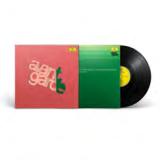
Alan Vegas selbstbetiteltes Debüt-Soloalbum kam 1980 raus, zur gleichen Zeit, als Suicide ihr zweites Album "Suicide: Alan Vega and Martin Rev" veröffentlichten. Während Suicides Plattenlabel ZE Records das Duo in Richtung eines synthetischen Disco-Sounds drängen wollte, der von Moroders Produktion von Donna Summers "I Feel Love" inspiriert war, zog es Vega in eine andere Richtung. Er wollte tiefer in die Wurzeln seiner eigenen musikalischen Identität eintauchen, die von Blues, Rockabilly, frühem Rock ,n' Roll und seiner anhaltenden Liebe zu Elvis Presley geprägt war. Vega nutzte die Zeit zwischen den Aufnahmen mit Suicide, um seine selbst geschriebenen Songs auszuarbeiten, begann mit der Produktion seines ersten Albums und trat live auf, um diesen Sound weiterzuentwickeln. Wie auch in seiner bildenden Kunst schichtete Vega Klänge auf minimalistische, dynamische und bewusste Weise. Das Ergebnis war ein einzigartiges Album, das aus rohen Materialien entstand und tief in Vegas künstlerischer Vision verwurzelt war. Tracks wie die klassische Hymne "Jukebox Babe" mit ihrem schwungvollen Rhythmus und ihrer minimalistischen Selbstsicherheit fingen diesen Ansatz perfekt ein und wurden in Frankreich zu einem Hit. "Kung Foo Cowboy" hat einen südstaatlichen Touch und lehnt sich stark an den Blues an, während der goldene Pop-Glanz von "Ice Drummer" mit melodischem, aber klagendem Gesang, marschierenden Trommeln und einem geschmackvollen Mundharmonika-Solo überzeugt. "Bye Bye Bayou" ist ein eindringlicher Mutant-Rockabilly-Song, der den Rock der 50er Jahre mit Vegas exzentrischem Performance-Stil verbindet und später in der Coverversion von LCD Soundsystem aus dem Jahr 2009 neu interpretiert wurde, wodurch Vegas Solowerk einer neuen Generation vorgestellt wurde. In ähnlicher Weise würdigte die Coverversion von "Ice Drummer" durch The Flaming Lips Vegas Außenseitergeist. Jetzt von Josh Bonati anhand der Originalbänder neu gemastert und erstmals auf Streaming-Diensten verfügbar, wurde Alan Vega von Sacred Bones Records originalgetreu neu aufgelegt, wobei die rohe Intensität von Vegas Originalaufnahmen erhalten blieb und sie gleichzeitig für Hörer auf der ganzen Welt neu zugänglich gemacht wurden. "Alan Vega" ist mehr als ein Solo-Debüt, es ist eine Erklärung der künstlerischen Unabhängigkeit und Freiheit eines der einflussreichsten und kompromisslosesten Künstler New Yorks. Ohne die intensive Elektronik von Suicide, aber mit Vegas Außenseiter-Energie und Schärfe, übersetzt das Album den frühen Rock 'n' Roll durch einen Art-Punk-Filter, der sich als eigenständiges Kult-Meisterwerk bewährt hat.
Announcing Perseverance Flow, the latest album from acclaimed Chicago-based ensemble Natural Information Society (NIS), release date 2024-10-24. After a trilogy of double LPs by expanded manifestations of the band that began in 2018 with Mandatory Reality & continued through Since Time Is Gravity (a Pitchfork Best Jazz & Experimental Album of the Year selection & Mojo’s #1 Underground Album of 2023), NIS returns to its core formation of Lisa Alvarado on harmonium, Mikel Patrick Avery on drums, Jason Stein on bass clarinet, & composer/multi-instrumentalist Joshua Abrams on guimbri for one continuous 37 minute composition across a single LP. As the rocket boosters on spaceship earth sputter closer to burnout, lower your stylus into a soundfield that grows stronger the deeper you travel into it; a dose of the medicine many of us look to music to deliver awaits you inside.
One of the deep contemplations of this natural information (thanks Bill Callahan) is the wide range of source materials Abrams draws from over the band’s more than 15 year history: Ideas from minimalism, modal jazz & traditional musics are regularly reimagined in these compositions. The 2021 double LP descension (Out of Our Constrictions), with guest soloist Evan Parker, reflected aspects of Abrams’ love of party music, Chicago house, & John Coltrane. *But even veteran travelers with the NIS best brace themselves for the Perseverance Flow.
Speaking to the history & the inspirations behind the album, Abrams offers: “We played the piece for a year in concert before the recording. At Electrical (Audio Studios, Chicago) we went in at 11 & were done in time to pick our kids up from school.” Abrams continues: "In a reference world, I imagine Perseverance Flow like a live extended realization of a Jaylib lost instrumental as remixed by Kevin Shields. Or vice versa. I also think it has sympathies to some of the more rhythmically intricate dance musics out of Chicago & Lisbon.”
The core NIS ensemble heard on Perseverance Flow always address Abrams’ writing with the discipline of orchestra musicians & the creativity of improvisers. But this time around, instead of inviting living legend status musicians Evan or William Parker or Ari Brown as honored guests to solo freely over the composed materials, Abrams’ invited guest collaborator was the medium of the recording studio itself. Situated at the board with engineer Greg Norman, Abrams pushed post production techniques found only sporadically on earlier NIS records deep into the heart of the music, distorting & reshaping instruments to subtly &, at times, aggressively mutate timbre & texture, color & time.
Refracting the band’s signature mesmerizing chains of overlapping rhythmic patterns through the sonic funhouse of dub makes Perseverance Flow the most formally experimental NIS album to date. Now a soundworld fully unique to itself is listening to itself, consoling & humoring itself, & consoling & humoring you. A destruction myth & a creation myth of a soundworld together at once —”energetically nutritious” (October 2025 Issue 500 The Wire) supernatural information society.
“Perseverance Flow is skipping rope in slo-mo. A dance of co-operation to rally guts & humors & keep marching through pouring tears” (Abrams).
- Yambere
- O' Look Misery
- Se Formó El Bochinche
- Shrimp & Gumbo
- Santa Isabel De Las Lajas
- A Pali Papá
- Mambo Calypso
- Cumbia Sobre El Mar
- Cumbia Del Caribe
- Jamaicuba
- Strip Tease
- Baila Yemayá
- Peanut Vendor
- Ahora Sí Hay Melao
- Besitos De Coco
- Los Chucos Suaves
Zombie Club presents a re-edition (new sleeve art) of "Mambo Calypso" another volume of sonic Caribbean Cruise. Following the approach of the first volume and understanding the Caribbean as a region is not limited to a strictly geographical demarcation but rather a demographic and cultural space where countries, islands and coastal areas may fall into a common Mare Nostrum even arrives in New Orleans. The influence of African drum and the "Cuban clave" makes different music beyond its specific components be they Latinos, Anglos or Frenchie's - look at themselves and recognize a certain family. This is not a coincidence, since the slave trade brought African music from the port of Havana to Cartagena de Indias, Nassau, Port-au-Prince, Salvador de Bahía and the southern United States. The same Blackness, the same rhythm, the same festive mood, spirit of resistance and struggle. And so, Arsenio Rodriguez can be heard without jumps next to a Calypso of Blind Blake, or a tasty Pacho Galán's coastal Cumbia crossover with Dave Bartholomew's Mambo or a Latin Swing of Lalo Guerrero, where the Dominican Merengue sounds Joseíto Mateo in line with that of its Haitian neighbor Nemour Jean Baptiste. A very spicy musical "melting pot," a gumbo of percussion and languages, to enjoy and dance. Re-board the Zombie Club Cruise, mixing different genres of Caribbean music with a high dance and rhythmic component. This selection designed for collectors, Dj's & calypsofied zombie dancers.
- 1: A Hate Inferior
- 2: Dör För Långsamt
- 3: Repeater Ii
- 4: Backengrillen
- 5: Socialism Or Barbarism
Yellow Vinyl[24,16 €]
“The GRILL will fucking rule things…” – Backengrillen’s debut album out in January "Backengrillen's music is a paean to chaos and destruction. The basic idea is to take a death/doom metal, or noiserock riff and play it until it loses meaning and then break it apart like a ravenous cat would a tiny forest mouse. It's filled to the brim with the self-hatred endemic to the province of Västerbotten from whence the member’s hail. The record was written on a Thursday during their first ever rehearsal, performed live on a Friday and recorded on a Saturday, so what you're hearing is raw, stupid, gut instinct music played by seasoned purveyors of hardcore punk, metal, free jazz, noise et cetera. Record no 2 is in the making, less stupid, more ugly. Stay tuned and fuck the pigs." - Backengrillen, November 2025 Backengrillen is a new ensemble with their roots in HC, punk, noise and free Jazz. All members from Umeå, with roots in the original version of Refused – and one with starting points in the jazz-rock ensemble Nirvana (1980). With a solid and yet varied background in the creativities of Refused, TEXT, INVSN, Fire Orchestra, The International Noise Conspiracy, The End, Serpent, The Thing, Final Exit and other classic jazz combos we will now start our journey of 4 colliding locomotives, creating a new form of beauty and energy. Antifascist, antiracists free form death – jazz – in the memory of Lars Lystedt – Backengrillen arrives with new perspectives on jazz. And punk. In-your-face HC jazz inspired by The Cramps, Little Richard, Albert Ayler, Polly Bradfield, Entombed, John Zorn, Misfits, Stooges, Lars Gullin, Can and much more. Backengrillen’s self-titled debut album is out on January 23rd, 2026 on vinyl, CD, and digitally on Bandcamp via Svart Records. Backengrillen Dennis Lyxzén – vocal and effects Mats Gustafsson – saxophones, flutes and live electronics Magnus Flagge – bass David Sandström – drums and electronics
- 1: A Hate Inferior
- 2: Dör För Långsamt
- 3: Repeater Ii
- 4: Backengrillen
- 5: Socialism Or Barbarism
Black Vinyl[23,32 €]
“The GRILL will fucking rule things…” – Backengrillen’s debut album out in January "Backengrillen's music is a paean to chaos and destruction. The basic idea is to take a death/doom metal, or noiserock riff and play it until it loses meaning and then break it apart like a ravenous cat would a tiny forest mouse. It's filled to the brim with the self-hatred endemic to the province of Västerbotten from whence the member’s hail. The record was written on a Thursday during their first ever rehearsal, performed live on a Friday and recorded on a Saturday, so what you're hearing is raw, stupid, gut instinct music played by seasoned purveyors of hardcore punk, metal, free jazz, noise et cetera. Record no 2 is in the making, less stupid, more ugly. Stay tuned and fuck the pigs." - Backengrillen, November 2025 Backengrillen is a new ensemble with their roots in HC, punk, noise and free Jazz. All members from Umeå, with roots in the original version of Refused – and one with starting points in the jazz-rock ensemble Nirvana (1980). With a solid and yet varied background in the creativities of Refused, TEXT, INVSN, Fire Orchestra, The International Noise Conspiracy, The End, Serpent, The Thing, Final Exit and other classic jazz combos we will now start our journey of 4 colliding locomotives, creating a new form of beauty and energy. Antifascist, antiracists free form death – jazz – in the memory of Lars Lystedt – Backengrillen arrives with new perspectives on jazz. And punk. In-your-face HC jazz inspired by The Cramps, Little Richard, Albert Ayler, Polly Bradfield, Entombed, John Zorn, Misfits, Stooges, Lars Gullin, Can and much more. Backengrillen’s self-titled debut album is out on January 23rd, 2026 on vinyl, CD, and digitally on Bandcamp via Svart Records. Backengrillen Dennis Lyxzén – vocal and effects Mats Gustafsson – saxophones, flutes and live electronics Magnus Flagge – bass David Sandström – drums and electronics
Alan Vegas selbstbetiteltes Debüt-Soloalbum kam 1980 raus, zur gleichen Zeit, als Suicide ihr zweites Album "Suicide: Alan Vega and Martin Rev" veröffentlichten. Während Suicides Plattenlabel ZE Records das Duo in Richtung eines synthetischen Disco-Sounds drängen wollte, der von Moroders Produktion von Donna Summers "I Feel Love" inspiriert war, zog es Vega in eine andere Richtung. Er wollte tiefer in die Wurzeln seiner eigenen musikalischen Identität eintauchen, die von Blues, Rockabilly, frühem Rock ,n' Roll und seiner anhaltenden Liebe zu Elvis Presley geprägt war. Vega nutzte die Zeit zwischen den Aufnahmen mit Suicide, um seine selbst geschriebenen Songs auszuarbeiten, begann mit der Produktion seines ersten Albums und trat live auf, um diesen Sound weiterzuentwickeln. Wie auch in seiner bildenden Kunst schichtete Vega Klänge auf minimalistische, dynamische und bewusste Weise. Das Ergebnis war ein einzigartiges Album, das aus rohen Materialien entstand und tief in Vegas künstlerischer Vision verwurzelt war. Tracks wie die klassische Hymne "Jukebox Babe" mit ihrem schwungvollen Rhythmus und ihrer minimalistischen Selbstsicherheit fingen diesen Ansatz perfekt ein und wurden in Frankreich zu einem Hit. "Kung Foo Cowboy" hat einen südstaatlichen Touch und lehnt sich stark an den Blues an, während der goldene Pop-Glanz von "Ice Drummer" mit melodischem, aber klagendem Gesang, marschierenden Trommeln und einem geschmackvollen Mundharmonika-Solo überzeugt. "Bye Bye Bayou" ist ein eindringlicher Mutant-Rockabilly-Song, der den Rock der 50er Jahre mit Vegas exzentrischem Performance-Stil verbindet und später in der Coverversion von LCD Soundsystem aus dem Jahr 2009 neu interpretiert wurde, wodurch Vegas Solowerk einer neuen Generation vorgestellt wurde. In ähnlicher Weise würdigte die Coverversion von "Ice Drummer" durch The Flaming Lips Vegas Außenseitergeist. Jetzt von Josh Bonati anhand der Originalbänder neu gemastert und erstmals auf Streaming-Diensten verfügbar, wurde Alan Vega von Sacred Bones Records originalgetreu neu aufgelegt, wobei die rohe Intensität von Vegas Originalaufnahmen erhalten blieb und sie gleichzeitig für Hörer auf der ganzen Welt neu zugänglich gemacht wurden. "Alan Vega" ist mehr als ein Solo-Debüt, es ist eine Erklärung der künstlerischen Unabhängigkeit und Freiheit eines der einflussreichsten und kompromisslosesten Künstler New Yorks. Ohne die intensive Elektronik von Suicide, aber mit Vegas Außenseiter-Energie und Schärfe, übersetzt das Album den frühen Rock 'n' Roll durch einen Art-Punk-Filter, der sich als eigenständiges Kult-Meisterwerk bewährt hat.
A student of the Weatherall school of DJing, Asa Tate has showcased an astonishingly mature approach to production over the years that belies his age. You’d be forgiven for thinking these 4 tracks had been discovered from a dusty DAT tape, locked away in the vaults of a northern Italian club and rediscovered after 30 years....Listen more closely and you’ll notice the contemporary production flair and more recent influences that make this EP a perfect reinterpretation of the mid 90s house sound: sitting somewhere between dream house and Morales finest work under the red zone moniker.
The EP wastes no time in setting it’s intentions with the A1 Title Track, “Replica” - after a brief and floaty progressive house intro the refrain “ E-e-e-e-e-e-e-ECSTASY” echoes loudly over sampled vocals, euphorias piano chords, throbbing lead synths and a bouncy tech house bass line.
“89” is a sultry deep house cut featuring rising Spanish star, Dariam Coco on Vocals. It floats like a butterfly, but stings like a bee, as the soft chords are interrupted with huge drum fills deftly transforming an after party jam to a peak time moment.
We continue to “ Unknowns” - a masterclass in building tension and holding it - this track simmers with restrained intensity for almost 6 minutes. It’s trademark Asa Tate production at its most understated and classy. We round of the EP with the fittingly titled “Last Dance” , a wistful composition that brings us back down to earth slowly, safely and gently; always grooving but never pushing - this one is the soundtrack to the end of a long summer day and reaffirms Asa Tate’s claim to be a modern master of Deep House.
- A1: Intro
- A2: The Wonders At Your Feet
- A3: The Treason Wall
- A4: Hedon
- A5: White Noise
- A6: Black Silence
- A7: Haven
- B1: Punish My Heaven
- B2: Monochromatic Stains
- B3: Undo Control
- B4: Indifferent Suns
- B5: Format C For Cortex
- C1: Insanity's Crescendo
- C2: Hours Passed In Exile
- C3: The Sun Fired Blanks
- C4: Damage Done
- C5: Lethe
- D1: Not Built To Last
- D2: Therein
- D3: Zodijackyl Light
- D4: Final Resistance
- D5: Outro - Ex Nihilo
Gold Vinyl[35,08 €]
It's taken over two decades, but at last, the wait is over: Sevan Mater has unleashed the first- ever vinyl pressing of Live Damage , the iconic live performance by DARK TRANQUILLITY, captured during their "Damage Done" era. Pressed on Gold and Black swirl vinyl, limited to just 500 copies, and housed in a stunning gatefold cover, this reissue is nothing short of melodic death metal heaven. Originally released in 2003 as a DVD, Live Damage immortalized one of DT 's most intense and electric live shows - recorded in Krakow, Poland. Now, for the first time ever, that raw energy, that iconic Swedish aggression, and that perfectly balanced blend of melody and brutality has been etched into vinyl grooves for audiophiles and collectors alike. From the soaring leads of The Treason Wall to the punishing drive of Final Resistance, every track explodes with clarity and presence on wax.
The vinyl mastering brings new warmth and immediacy to the performance, giving fans the closest thing to being there, without the sweat and flying beer. And the packaging? Absolutely elite. Sevan Mater delivers a luxurious gatefold, featuring rare tour photos, liner notes, and an aesthetic drenched in cold, melancholic elegance. If you're a fan of At The Gates, In Flames, or if Damage Done was the soundtrack to your early 2000s fury, this release is a must-own. More than just a live album - it's a time capsule of melodic death metal at its peak.
- A1: The Kettle
- A2: Elegy
- A3: Butty's Blues
- A4: The Machine Demands A Sacrifice
- B1: The Valentyne Suite A. January's Search
- B2: B. February's Valentyne
- B3: C. The Grass Is Always Greener
Colosseum was one of England's prime rock-jazz outfits. Most of the members of Colosseum had apprenticed in blues bands and it shows very strongly on some of the material on their second album. Valentyne Suite takes the band out of their bluesy comfort zone into something closer to prog rock. The album is generally seen as their best album and still extremely enjoyable.
- Ben Zanatto
- Stop
- Devil's Dance
- Dead And Gone
- Stranded
- Killing Zone
- 100: Years
- Things To Come
- Blast 'Em
- Endrina
- White Knuckle Ride
- Sick Sick World
- Tattoo
- That's Entertainment
- Clockwork Orange
- The Brothels
- Just A Feeling
- Brixton
- Emperor's Lap Dog
- I Wanna Riot
- Kill The Lights
- Blacklisted
- X-Mas Eve (She Got Up And Left Me)
- Fuck You
Rancid is without question one of the most successful and influential punk bands ever, not to mention being among the most prolific. Their nonstop songwriting and marathon studio sessions often result in far too many songs to fit onto their albums. True Rancid fans know that in addition to their classic long players, many of their finest tracks have been released as single B-sides, bonus tracks, on compilations, or in some cases have remained in the band's vault. That is why B sides and C sides is no mere throwaway record, but an essential part of this classic band's catalog. The songs collected here represent a cross section of everything that has made this band so beloved worldwide, including their creative genre hopping from blazing punk rock to danceable ska, to reggae, rockabilly, and more, all executed with some of the most impressive playing in the history of underground music. The songs range from fan-favorites like "I Wanna Riot" to obscure hidden gems from rare or hard-to-find compilations, and a handful of studio recordings that were completely unreleased before this album, several coming from the fertile recording sessions for the band's sprawling 1998 masterpiece Life Won't Wait. Originally released on CD in 2007, most of the tracks range from the band's early days through their sixth album, Indestructible, although the 2012 track "Fuck You," from the Pirates Press Records compilation Oi! This is Streetpunk! Volume 2 was added to place a definitive final word on the collection when it was pressed on vinyl. With the album being out of print and hard to find in its own right for the past ten years, Pirates Press Records is thrilled to partner with our friends in Rancid to remedy that situation and make this essential piece of punk rock history available to their many fans across the globe - this time as an incredible double 12" with super deluxe coloured vinyl and matching sleeve art!
The scottish singer-songwriter and multi-instrumentalist James Yorkston and the english guitarist with a fluid fingerpicking touch, David A. Jaycock, already played together in the first formation of the experimental folk ensemble Big Eyes Family Players. Their encounter with Swedish saxophonist Lina Langendorf gives rise to a little gem of pure acoustic candour, perfectly balanced between chamber avant-garde and neo-folk. As on an endless autumn evening in front of a lake in Finland or Estonia, the trio's nordic soul creates atmospheres that recall hidden nostalgia. In a process of rarefied sound matter, elegiac paintings spring up, moments that flow slowly and silently in a tension that is always suspended and unresolved. Soft, crepuscular passages, at times sharp and cold guitar, but also the velvety breath of the nickelharpa, combine with a saxophone that still blows dramas of distant Norwegian fjords, but can also become more Mediterranean and arabesque. The music becomes like a warm warmth around the fire, reflecting a hidden twilight zone of the soul, in a quiet, gentle whisper between poetic abstraction and arpeggiated themes of more recognisable narrative melody, typical of a certain Northern folklore.
Co-Release with We are busy bodies.
No Tags is a podcast and newsletter about underground music culture hosted by Chal Ravens and Tom Lea.
Following the original ‘Conversations on underground music culture’ book in 2024, Volume 2 collects the best interviews and discussions from No Tags' second year along with five new pieces exclusive to the book.
Featuring: Paul Woolford, Liz Pelly, Emma Garland, the perfect night out, Field Maneuvers, umru, Derrick Gee, Grace Sands, aya, the zombie internet, Yu Su, the AI slopwave, Shaad D’Souza, Big Beat Cinema, Holly Dicker, boycotts for Palestine, Dan Hancox, the new UK rap underground, Jeff Weiss, erotic trip-hop, Nono Gigsta, Mattie Colquhoun, Henry Bruce-Jones, Finn McCorry and watching DJ AG.
Babau is the pantropical project of Artetetra founders Matteo Pennesi and Luigi Monteanni in which a fascination with exotica, world music 2.0 and field recordings meets the compositional and improvisational techniques of computer music. Their latest work, the album »Stock Fantasy Zone«, was recently released on Discrepant and they have been nominated Shape artists 2023. The duo has participated in various Italian and non-Italian festivals such as Fusion, Club to Club, Nextones, Outernational Days, Camp Cosmic and Saturnalia.
»Flatland Explorations« is an ever-growing collection of completely improvised attempts at mapping the surface and irregular shapes of Babau's sonic flatland by means of audio manipulations and digital sorceries. Joining live recordings with studio material and field recordings, the duo crafts its unique sound made of granular illusions, midi extravaganza, wind instruments' acrobacies, and vocal calembours. The results have been remarkably described as 'the sound of a continent moving, ethnicities, animals, plants and mineral included.
Out of the stack, the flatland has no boundaries.
- Bob (Cousin O.)
- Guilt Within Your Head
- Seaweed
- A Change Is Gonna Come
- Precious Blood
- Beauty Of The Rose
- Drunks
- Italian Song
- Social Love I
- Social Love Ii
- Daily Bread
- Drinking Song
- Sign Of The Crab
"Enter: The Conquering Chicken" ist das zweite und letzte Studioalbum von The Gits. Die Sängerin, Texterin und Frontfrau der Gits, Mia Zapata, wurde 1993 in Seattle ermordet, während die Band ein paar Wochen lang an dem Album arbeitete. Produziert von der Band und ihrem langjährigen Freund Scott Benson, kam "Enter: The Conquering Chicken" 1994 bei C/Z Records raus. The Gits gründeten sich 1986 am Antioch College in Ohio und zogen 1989 zusammen nach Seattle, als die lokale Szene langsam bekannt wurde. Obwohl ihr rauer, blueslastiger Punk, der von Mias unvergesslicher Stimme getragen wurde, nicht ganz in das Schema ihrer Kollegen aus dem Pazifischen Nordwesten passte, fand die Band sofort einen festen Platz und eine große Fangemeinde. "Enter: The Conquering Chicken" zeigt The Gits auf dem Höhepunkt ihrer Schaffenskraft. Aufgenommen am Ende einer ausverkauften Westküsten-Tournee, waren sie in Höchstform. Kreativ, inspiriert und angetrieben von der Aussicht auf ein neues musikalisches Kapitel, das man in diesen Aufnahmen hören kann. 2003 von Jack Endino neu abgemischt, zeigen Songs wie "Bob (Cousin O.)", "Guilt Within Your Head", "Seaweed", "Sign of the Crab", "The Drinking Song" und Mias atemberaubende Interpretation von Sam Cookes "A Change is Gonna Come" eine deutliche Weiterentwicklung nach ihrem erfolgreichen Debütalbum "Frenching The Bully" von 1992. ",Sign of the Crab' war der letzte Song, den wir als Band zusammen geschrieben haben", sagt Bassist Matt Dresdner. "Basierend auf Andys teuflischer Komposition und Mias brillanten, gruseligen Texten war die Musik kraftvoll, komplex und voller lustiger, verdrehter Wut. Die Songs auf Chicken geben nur einen kleinen Einblick in das, was wir damals gemacht haben." Dieses seit langem vergriffene Meisterwerk des Seattle-Punk wurde 2024 von Jack Endino für Sub Pop Records remastert und ist auf farbigem Vinyl mit neuem Artwork und Liner Notes von Tim Sommer erhältlich, der treffend schreibt: "The Gits waren eine wütende, hitzige Band, die voll und ganz im Einklang mit der Bessie Patti Smith ihrer Zeit stand und von ihr beeinflusst war, der einzigen Sängerin, die Joplin, Poly Styrene, Sam Cooke, Iggy Pop und Ian MacKaye in ein und demselben verdammten Song vereinen konnte."
- Mama Ndonga
- Satchmo Okuka Lokole
- Naboyi Ba Jumelle
- Guidado Colamano
- Miso Emona Makambo
- African Bana Ya Kin
- Aya-Ya
- Wachiwara
- Matata Masila Na Congo
- To Yokana Tolimbisana Na Congo
- Ma-Zo ! Dégagez
- Oyeme Querida
- Bana Ya Nwa
- Promenade African Jazz
- Kalejoph Surboum
- Longonia Yaya
- Clair De Lune
- Twist À Leo
- Pachismotou
- Ambiance
- Pasi Die Senorita
- Mutatshi Wa Yombo
- Mwamba Wa Mpatu
- Georgette Ye Ndeko
- Ba Tata Bakenda Kala
- Amor Perdido
- Luna Nokero
- Le Lion Est Mort
- Hallelouia
- 1: Intro
- 2: The Wonders At Your Feet
- 3: The Treason Wall
- 4: Hedon
- 5: White Noise
- 6: Black Silence
- 7: Haven
- 8: Punish My Heaven
- 9: Monochromatic Stains
- 10: Undo Control
- 11: Indifferent Suns
- 12: Format C: For Cortex
- 13: Insanity's Crescendo
- 14: Hours Passed In Exile
- 15: The Sun Fired Blanks
- 16: Damage Done
- 17: Lethe
- 18: Not Built To Last
- 19: Therein
- 20: Zodijackyl Light
- 21: Final Resistance
- 22: Outro - Ex Nihilo
Black Vinyl[35,08 €]
It's taken over two decades, but at last, the wait is over: Sevan Mater has unleashed the first- ever vinyl pressing of Live Damage , the iconic live performance by DARK TRANQUILLITY, captured during their "Damage Done" era. Pressed on Gold and Black swirl vinyl, limited to just 500 copies, and housed in a stunning gatefold cover, this reissue is nothing short of melodic death metal heaven. Originally released in 2003 as a DVD, Live Damage immortalized one of DT 's most intense and electric live shows - recorded in Krakow, Poland. Now, for the first time ever, that raw energy, that iconic Swedish aggression, and that perfectly balanced blend of melody and brutality has been etched into vinyl grooves for audiophiles and collectors alike. From the soaring leads of The Treason Wall to the punishing drive of Final Resistance, every track explodes with clarity and presence on wax.
The vinyl mastering brings new warmth and immediacy to the performance, giving fans the closest thing to being there, without the sweat and flying beer. And the packaging? Absolutely elite. Sevan Mater delivers a luxurious gatefold, featuring rare tour photos, liner notes, and an aesthetic drenched in cold, melancholic elegance. If you're a fan of At The Gates, In Flames, or if Damage Done was the soundtrack to your early 2000s fury, this release is a must-own. More than just a live album - it's a time capsule of melodic death metal at its peak.
- Eternity's Pillars
- Raise The Chalice
- Reverential
Limitierte Sub Pop Loser Edition auf rotem Vinyl. Die Maxi-Single 12", mit "Eternity's Pillars" auf der A-Seite und den zwei Stücken "Raise the Chalice" und "Reverential" auf der B-Seite, ist das erste Werk von sunn O))) für Sub Pop. Es besteht aus drei brandneuen Tracks, die vom legendären Duo Stephen O'Malley und Greg Anderson geschrieben und eingespielt und von Sunn O))) und Brad Wood gemeinsam produziert wurden. Brad Wood hat das Material 2025 in den Bear Creek Studios in Woodinville und Sea Grass in Los Angeles aufgenommen. Die Tracks auf dieser Maxi-12"-Platte sind die ersten offiziellen Studioaufnahmen von Sunn O))), auf denen nur das ursprüngliche Kern-Duo mit stark gesättigten E-Gitarren und Synthesizern zu hören ist. Sunn O))) hat jedem Schritt und Aspekt der Aufnahme, jedem Ton und jeder Sättigungsstufe, jeder Verstärkungsstufe und jedem Lautsprecher, jedem Arrangement und jeder Harmonie extreme Aufmerksamkeit und Sorgfalt gewidmet. Der Wald im Pazifischen Nordwesten ist das Leitbild. ,Eternity's Pillars" ist nach der Fernsehsendung aus der Mitte der 1980er Jahre benannt, die von der Jazz-Visionärin und spirituellen Guruin Alice Coltrane Turiyasangitananda kreiert und moderiert wurde und sich auf ihren unerschütterlichen Glauben an die Fähigkeit der Musik konzentriert, spirituelle Transzendenz zu erreichen. ,Raise the Chalice" ist nach einem Schlachtruf benannt, den die Hardcore Legende des Nordwestens, Ron Guardipee, Mitte der 1990er Jahre oft ausstieß. ,Reverential" zollt denen, die vor uns mit den schwersten Lasten kamen, Respekt und lobt sie lautstark, wobei Musik und Kunst als Materialien für einen Antiphon dienen. Das Cover zeigt das Duo in den Wäldern nordöstlich von Seattle, aufgenommen durch die Linse von Charles Peterson, der für seine ikonischen Fotos der Musikszene von Seattle und klassische Albumcover von Soundgarden, Mudhoney und anderen bekannt ist.
Come Back Down, das neue Album des experimentellen Pop-Duos Total Wife aus Nashville, entstand am Rande des Schlafes. Wenn die Komponistin und Produzentin Luna Kupper während nächtlicher Mixing-Sessions einzuschlafen begann, folgten ihr die Songs in den Zwischenraum zwischen Traum und Wachsein. Wie Dale Cooper in Twin Peaks wachte sie mit einer neuen Perspektive auf das Puzzle auf, das sie gerade zusammensetzte. ,Ich bin eine psychologische Mixerin - ich versuche mir vorzustellen, wie jemand den Klang erlebt, anstatt mich darauf zu versteifen, all diese verschiedenen Töne zu erzeugen und all diese Geräte zu benutzen, um einen bestimmten Klang zu erzielen", sagt Kupper. Und wie eine Spirale vom Wachleben in den Traum sind die Songs auf Come Back Down endlos selbstreferenziell und bauen aus einem einzigen Punkt ganze Universen auf. Kupper hat alle ihre Synthesizer verkauft, um die Miete zu bezahlen, bevor sie mit der Arbeit an dem Album begann, und so wird jeder anorganische Klang stattdessen aus Samples der eigenen Arbeit der Band aufgebaut. Eine Gitarre in einem Song kann in dem nächsten Song neu verarbeitet und als Synthesizer verwendet werden, während überall auf dem Album Gesangs-Samples aus einem einzigen unveröffentlichten Cover von Elliott Smiths ,Between the Bars" verwendet werden. Als Hommage an diesen Prozess hätte das Album beinahe den Namen ,The Julia Set" bekommen, nach der mathematischen Gleichung, die sich immer wieder selbst speist und wunderschöne fraktale Bilder erzeugt. Die Absicht war, etwas Komplexes, aber Zugängliches zu schaffen; experimentell, aber präzise und ohne Abstraktion. Auch in ihren Texten ist die Texterin und Sängerin Ash Richter so direkt wie eh und je. Sie griff auf ihre Erfahrungen mit der Isolation während der Pandemie zurück, um über Verbindung und Trennung zu schreiben, und nutzte ihre Texte als Mittel für die Kommunikation, die im Alltag fehlte. In dem hochfliegenden, shoegazigen Track ,peaches" wurde ein Sturm, der die Absage einer Aufnahmesession erzwang, zur Metapher für emotionale Distanz. ,still asleep" erzählt von Richters Euphorie nach der ersten Tournee von Total Wife und beobachtet, wie diese sich allmählich in Paranoia verwandelt. ,Danke, Vollmond, mein Herz ist übervoll", singt sie, bevor sie fragt: ,Gibt es so etwas wie zu viel Glück?" Die Erfahrung der Isolation veranlasste Richter, an ihre Kindheit zurückzudenken, eine Zeit, die für sie von Einsamkeit und Spielen in der Natur geprägt war - auf Bäume klettern, Matschkuchen backen, sich im Wald verlaufen. In Tracks wie ,in my head" und ,second spring" nutzt sie Bilder aus der Natur, um sich an diese Zeit zu erinnern und eine Verbindung zu ihrem einsamen inneren Kind herzustellen. ,Ich fühle mich mit transzendentalistischer Literatur und magischem Realismus verbunden - dem Versuch, Dinge auf konkrete Weise zu vermitteln, aber mit einem Element von Psychologie und Mysterium", sagt sie. Richter und Kupper, Freunde aus der Highschool, gründeten Total Wife im Jahr 2016 und zogen 2020 von Boston nach Nashville. Beide sind sowohl bildende Künstler als auch Musiker, was sie durch vielschichtige und zielgerichtete Visuals in ihre Arbeit mit Total Wife einfließen lassen. Eine DIY-Ader prägt alles, was sie tun - von der Gestaltung ihrer eigenen Kunstwerke und Musikvideos über die Aufnahme ihrer eigenen Musik bis hin zur Veröffentlichung von Kassetten über ihr Label Ivy Eat Home und der Ausrichtung von Hauskonzerten in ihrem Keller, den sie Ryman 2 getauft haben. In Nashville haben sie sich in einer schrägen Szene niedergelassen, die unter dem Parkett der Plattenindustrie lebt, einem Bienenstock kollaborativer und kreativer Energie, der sie begeistert hat, die Stadt ihr Zuhause zu nennen. Kurz nach ihrem Umzug nach Nashville haben sie auch zum ersten Mal eine Live-Band zusammengestellt, bestehend aus Ryan Bigelow, Sean Booz und Billy Campbell, die ihrem kreativen Prozess eine Portion Spontaneität und Lebendigkeit verleiht, die sich auch in Come Back Down widerspiegelt.
- Advance
- Extended Field
- Suspension
- Impulse Array
Extended Field vereint Horse Lords und Arnold Dreyblatt für die achtzehnte Ausgabe von FRKWYS, einer generationsübergreifenden Zusammenarbeit abenteuerlustiger Musiker, die sich von der klanglich strahlenden Welt der reinen Stimmung angezogen fühlen - einem alten Stimmungssystem, bei dem die Tonintervalle aus ganzzahligen Verhältnissen abgeleitet werden. Dreyblatt tauchte erstmals in den 1970er Jahren in New York in diesen Ansatz ein, während Horse Lords fast vier Jahrzehnte später begannen, dessen Möglichkeiten zu erforschen und anzuwenden. Gemeinsam schaffen sie eine lebendige harmonische Umgebung, die von ihrer gemeinsamen Leidenschaft für Rhythmus angetrieben wird und eine Verbindung von diskreter, aber verwandter Ästhetik für die Ewigkeit herstellt. Dreyblatt ist ein Pionier des psychoakustischen Phänomens und war von 1975 bis 1977 Assistent von La Monte Young, bevor er bei dem legendären Alvin Lucier an der Wesleyan University studierte. Er entdeckte die klangliche Kraft angeregter Saiten, rüstete einen Kontrabass mit Klaviersaiten nach und schlug mit schnellen Schlägen darauf, um einhüllende Wolken metallischer Obertöne zu erzeugen. Dreyblatts Album Nodal Excitation aus dem Jahr 1982 legte einen klanglichen Entwurf fest, der bis heute das Herzstück seiner pulsierenden Musik bildet. Schließlich zog er nach Berlin und leitete im Laufe der Jahre verschiedene Ensembles, die das kompositorische Gerüst, das er um seine klingenden Töne herum aufgebaut hatte, verstärkten und interpretierten. Im Gegensatz zu Dreyblatts hyperfokussierter Praxis haben Horse Lords einen ganz eigenen ekstatischen, hybriden Sound entwickelt: Hard-Driving-Rhythmen unterstützen eine Kollision aus traditioneller Ritualmusik, Free Jazz und spektral brillanten elektronischen Schauern psychoakustischer Klänge. Nachdem sie sich mit ihrem 2020 erschienenen Album ,The Common Task" eine treue Fangemeinde aufgebaut hatten, zog der Großteil der Band 2021 nach Deutschland, wobei sich Gitarrist Owen Gardner und Bassist Max Eilbacher in Berlin niederließen und Saxophonist Andrew Bernstein nur wenige Stunden entfernt in Bayern. Schlagzeuger Sam Haberman blieb in Baltimore, trifft sich aber weiterhin mit der Band für Albumaufnahmen, darunter das 2023 erscheinende Album ,Comradely Objects", und ausgedehnte Tourneen. Ohne es zu wissen, teilten beide Seiten ein gegenseitiges Interesse an der Musik des anderen. Anfang 2017 schlug Dreyblatts langjähriger Kollege und Freund Werner Durand ihm vor, sich die Band anzuhören. Er erinnert sich: ,Nachdem ich sie gehört hatte, antwortete ich schnell: ,Klingt großartig! Ein bisschen wie meine Musik. Ich habe noch nie von ihnen gehört!` Ich schickte ihnen eine Nachricht über ihre Bandcamp-Seite, und sie antworteten: ,Hallo! Danke für die Nachricht, wir sind große Fans deiner Musik!` Aber erst als Dreyblatt die Band im Oktober 2021 in Berlin sah, kreuzten sich ihre Wege endlich. Einige Tage später schlug Bernstein eine Zusammenarbeit vor. Dieser Prozess verlief langsam, aber sicher; beide Seiten waren sehr beschäftigt, und als die Musiker schließlich zusammenkamen, mussten sie unterschiedliche harmonische Vorstellungen miteinander in Einklang bringen und brauchten jemanden, der Haberman am Schlagzeug ersetzte. Dreyblatt schlug Andrea Belfi vor, einen angesehenen italienischen Schlagzeuger und Komponisten, der in Berlin lebt. In den folgenden Kompositionssitzungen lernten Horse Lords und Dreyblatt die Feinheiten der harmonischen Vorlieben des jeweils anderen kennen und fanden Wege, diese zu einem einheitlichen Klang zu verschmelzen. ,Andrew und Owen schlugen Strukturen für die Navigation durch meine Tonsysteme vor", erklärt Dreyblatt, ,während Max in SuperCollider gewichtete algorithmische Frequenzmuster entwickelte." Viele Bewohner des Stimmungsuniversums haben hartnäckige Überzeugungen darüber, was richtig und was falsch ist, daher ist die Geduld und Offenheit beider Seiten ziemlich ungewöhnlich, wobei die Partnerschaft faszinierende Akzente und Veränderungen hervorbringt. ,Als Fans von eingeschränkter/algorithmischer Kunst (nicht der schlechten Art!) haben wir beschlossen, diese Matrix in den Mittelpunkt unserer Entscheidungsfindung zu stellen, um uns sowohl eine nicht willkürliche Möglichkeit zu geben, die ansonsten unendlichen Möglichkeiten zu begrenzen, mit denen man bei der Komposition mit Zahlen konfrontiert ist, als auch einen Ausweg aus festgefahrenen Gewohnheiten", schreibt Gardner über die Schaffung von Grenzen für ihre harmonischen Welten. Anstatt den Prozess einzuschränken, zwang diese Entscheidung die Musiker, ihre Komfortzone zu verlassen, und erforderte mehr Einfallsreichtum und Bedachtsamkeit bei ihren Entscheidungen. Das Endergebnis ist weit mehr als die Summe seiner Teile, da beide Parteien sich auf die Ideen des anderen einlassen, ohne die Vorrangstellung ihrer eigenen Ideen zu opfern. Der galoppierende polyrhythmische Antrieb, der ein charakteristisches Merkmal der Musik von Horse Lords ist, bleibt allgegenwärtig, und ein Stück wie ,Extended Field" nutzt die numerische Matrix von Dreyblatts System sowohl harmonisch als auch rhythmisch. In dem sich endlos wandelnden Drone-Stück ,Suspension" umschmeicheln Horse Lords Dreyblatts gestreifte Bogenstriche mit ihren eigenen pulsierenden Tönen. Obwohl ihre Rolle in den jeweiligen Werken unterschiedlich ist und sie im Verhältnis zu anderen Elementen in unterschiedlichen Anteilen vorkommen, ist die harmonische Erforschung das Herzstück dieser atemberaubenden Zusammenarbeit. Wie man im Schlussstück ,Impulse Array" erkennen kann, führt das Stöbern der Horse Lords in Dreyblatts Matrix zu den klanglichen Entdeckungen, für die sie leben. Wie Gardner bemerkt: ,Jede Wendung offenbart einen überraschenden, aber irgendwie unvermeidlichen neuen Akkord, dessen Verlauf seltsamerweise an einen Bach-Choral erinnert, der sowohl sehr zielgerichtet als auch ohne Ziel ist."
Iptamenos Discos kündigt Houdini an, die neue EP der Labelgründer Local Suicide. Die Platte enthält drei ihrer dunkelsten und kraftvollsten Originaltracks bis heute, ergänzt durch markante Neubearbeitungen des französischen Electroclash-Pioniers David Carretta und der aufstrebenden griechischen EBM-Kraft Alpha Sect. Die Houdini EP entstand im Berliner Studio von Local Suicide während zahlloser nächtlicher Sessions mit Skelesys in derselben kreativen Phase, die auch ihren gemeinsamen Hit Moustache, die Surface Of The Sun EP und Faster Faster auf Curses’ Next Wave Acid Punx-Compilation hervorbrachte. Das Ergebnis ist ihr bisher düsterstes Material, das ihren Technodisco-Sound in noch härteres Terrain führt - mit hypnotischen Basslines, industriellen Texturen und analogen Vintage-Synths. Damit zählt es zu den mutigsten Releases im Katalog von Iptamenos Discos. Die EP eröffnet mit Obsessions, einem Track zwischen Darkwave und Techno, aufgebaut auf einer brutalen Bassline, analogen Synths und eindringlichen, mantraartigen Vocals. Die wiederholte Zeile „Obsessions, they come and go“ spiegelt den unerbittlichen Sog des Stücks wider und unterstreicht seine klaustrophobische, sich ständig wiederholende Energie. Submission, eine Zusammenarbeit mit Langzeitkollaborateur Skelesys, steht dem in nichts nach: ein düsterer Low-End-Sound, verzerrte, stark bearbeitete Vocals und der Sprechgesang „Resistance, no submission“ durchziehen den Track wie eine Trotz-Erklärung, die Spannung in Kraft verwandelt. Der Titeltrack Houdini ist etwas zugänglicher, behält aber die gleiche schattige Atmosphäre. Unheimliche Orgelmelodien und der Text „The great Houdini, the big escape“ beschwören Transformation und Befreiung herauf, zollen dem legendären Illusionisten Tribut und verleihen der Nummer eine theatralische Note. Der französische Kult-DJ und Produzent David Carretta interpretiert Obsessions neu mit seiner unverkennbaren retro-futuristischen Handschrift. Seit den 1990ern bekannt für die Fusion von industrieller Präzision mit Italo-inspirierten Synths, hellt er den Track mit glitzernden Disco-Melodien und einer erhebenden Stimmung auf – eine Version, die sich bewusst vom dunklen Original absetzt und sofort für die Tanzfläche taugt. Der in Straßburg ansässige Alpha Sect, das Projekt des griechischen Künstlers George McCall, führt Submission in kompromisslose Dimensionen. Verwurzelt in Electro und Body Music mit Punk-Einflüssen, beginnt sein Remix als wuchtiger EBM-Stomper und entwickelt sich zu einem clubtauglichen Track, der Intensität mit Katharsis in Balance bringt.
- 1: Be Faster Than Your Own Depression (Roland Alpha Juno-) 03:4
- 2: The Tenderness Of Our Own Autobiography (Roland Alpha Juno-1) 03:8
- 3: Eternal Life Makes Your Past Grow Too Big (Roland Alpha Juno-1) 0:24
- 4: You're Mist To Us (Roland Alpha Juno-1) 02:06
- 5: Blissfully Tired (Roland Alpha Juno-1) 06:28
- 6: Breakfast In A Night Club (Roland Alpha Juno-1) 03:59
- 7: Always Ready To Drop It (Roland Alpha Juno-1) 02:33
- 8: A Visit To The Brion-Vega Tomb (Roland Alpha Juno-1) 03:54
- 9: Don't Ask, Don't Pray (Roland Alpha Juno-1) 04:54
- 10: Keep Your Spirits (Roland Alpha Juno-1) 04:48
One Instrument welcomes Morning Seance, composer and sound artist, originally from Italy and based in Vienna. On this debut LP, Morning Seance traces a drifting narrative composed of unstable harmonies, fluid structures, and ghostlike forms. The album unfolds like a dream told in fragments, oscillating between fluctuating pulses and decaying transmissions, from nocturnal stillness to acoustic mirages. The first half of the record moves through zones of suspended tension and evanescent contours, where tracks like “Be faster than your own depression” and “The tenderness of our own autobiography” sketch fragile architectures of affect. The second half enters a more spectral terrain — “Breakfast in a night club,” “A visit to the Brion-Vega tomb” — not places, but agglomerates of sonic sensation, detached from any personal frame.
With each piece, the music dissolves and reconstitutes itself, resisting finality or form, and doing so with an indestructible joy that hums beneath the wreckage. This is degenerate ambient music: anti-geometric and subject to emotional weather — not a refuge, but a slow collapse of structure and purity, where atmosphere gives way to excess and disobedience.
The album is crafted entirely from a single source: the Roland Alpha Juno-1. Despite this constraint, it achieves a vast sound spectrum, transforming one synthesizer’s voice into a layered landscape of textures and moods.
The electronic music of Morning Seance is built on constant variation and intricate, looping patterns with no clear beginning or end. This variation is not simply applied to an audio element, but enacted as a compositional logic — avoiding mechanical combinations and obvious rhythms. The result is a mutable mass of audio matter and tonal debris, guiding the listener through richly divergent environments.
- Fire (Luke 12:49)
- Nature Is A Song
- Springtime (In Australia)
- Mass-Emmanuel
- Messe Du Saint Esprit
- Light (John 8:12)
- O Brother (Matt. 7:1-5)
- Mary Was Here
- Teenager's Chorus
- O Great Mystery (John 6)
- Christ Our King (Col. 1:13)
- Keshukoran
FIRE VINYL[24,79 €]
Fire of God's Love ist das legendäre Album der australischen Nonne Schwester Irene O'Connor aus dem Jahr 1973 - eine aufrichtige, gefühlvolle und unbewusst psychedelische Songfolge, die der Selbstreflexion und dem Erwachen des inneren Geistes gewidmet ist. Das Album ist eine Sammlung von originellen spirituellen Folksongs, die von O'Connor geschrieben und mit Gitarre, E-Orgel, Drumcomputer und ihrer engelsgleichen Stimme interpretiert wurden. Es wurde von ihrer Mitschwester und Toningenieurin Sister Marimil Lobregat auf erstaunlich futuristische Weise aufgenommen und abgemischt. Freedom To Spend bietet die erste autorisierte Neuauflage dieses heiligen Grals seit 1976; das Album wurde mit Sorgfalt und Bedacht aus den besten verfügbaren Quellen restauriert und remastered. Als junge römisch-katholische Nonne im Orden der Franziskanerinnen von Maria begann Schwester Irene 1953 ihre musikalischen Aktivitäten, als sie von Sydney in ein Kloster in Singapur zog und begann, Kinder mit Lernschwierigkeiten zu unterrichten. Nachdem sie sich eine Akustikgitarre zugelegt und drei einfache Akkorde gelernt hatte, blühten Irenes Lieder dank der Begeisterung der Kinder auf. Durch einen glücklichen Zufall arbeitete ein Elternteil eines Schülers bei einem kommerziellen Radiosender in Singapur, und Irene wurde eingeladen, im Studio des Senders aufzutreten und aufzunehmen. Sie ging hin, trug ihre Ordenstracht und hatte ihre Gitarre dabei, und nahm dort 1965 ihren ersten eigenen Song auf. Unter dem Pseudonym Myiriam Frances, um innerhalb ihres Ordens anonym zu bleiben (,Nonnen machten so etwas nicht", bemerkte O'Connor), veröffentlichte Phillips Ende der 1960er Jahre eine Reihe von Platten von Schwester Irene. Im Kloster in Singapur lernte Schwester Irene Schwester Marimil Lobregat kennen, eine Mitbrüderin aus dem Franziskanerorden, die Anfang der 1960er Jahre von den Philippinen auf die Insel gezogen war. Mehr als ein Jahrzehnt später trafen sie sich, wie durch göttliche Fügung, in einem anderen Kloster in Point Piper in Sydney wieder. Marimil, ebenfalls Musikerin und Klangenthusiastin, arbeitete als Audio- und Videotechnikerin beim Catholic Radio and Television Centre in Homebush im Westen Sydneys. Schwester Irene, die treu an ihren musikalischen Fähigkeiten feilte, und Schwester Marimil schmiedeten den Plan, sich an mehreren Sonntagnachmittagen im Zentrum zu treffen und die Lieder zu komponieren, die später auf ,Fire of God's Love" erscheinen sollten. Die Lieder von ,Fire of God's Love" werden von Schwester Irene mit ihrer engelsgleichen Sopranstimme gesungen (mit Texten in Englisch, Latein und Malaiisch) und von Schwester Marimil produziert und auf einem Teac 3340S 4-Spur-Tonbandgerät aufgenommen. Marimil trug maßgeblich dazu bei, die unheimliche Jenseitigkeit zu zaubern, die das Album durchzieht. Die kristallklare Stimme von Schwester Irene wird exquisit von einem schimmernden Mosaik aus Hall und analogen Synthesizer-Klängen umhüllt, während sie wie eine Glocke in der Dunkelheit erklingt und so lange nachhallt, bis die Wahrheit oder das Göttliche erscheint. Themen wie Barmherzigkeit, Gnade, Licht und Geheimnis werden von sanften Akustikgitarrenklängen und ewigen Pianotönen untermalt, die sich langsam auf vibrierenden Fäden drehen. Bei den Songs mit Keyboards spielte Schwester Irene alle Parts live in Echtzeit, einschließlich der Basspedale. Die Drum Machine wurde von derselben Orgel erzeugt, die sie spielte, und gleichzeitig ausgeführt. All dies trägt zu einer Atmosphäre erhöhter Präsenz bei, einem organischen Blitz, der tief aus dem Unterbewusstsein kommt. Entstanden aus Ideen, die in einem ruhigen Kloster und abgeschieden von weltlichen Einflüssen entstanden sind, wird der liturgische Rahmen des Albums durch die innige Hingabe zweier Schwestern gefiltert - ihre eigene Interpretation von Popmusik, befreit von Anmaßung und oberflächlichem Glamour. Der Titel des Albums stammt, wie viele seiner Songs, aus einem Bibelvers, in diesem Fall Lukas 12:49. Aber Schwester Irene und Schwester Marimil haben ihn in einen Raum gebracht, in dem alle spirituell Suchenden die Übertragung oder: ungewöhnliche Hermeneutik schätzen können. Die Texte sprechen universelle Bedürfnisse, Wünsche und Sehnsüchte an: ewige Liebe und Zuneigung, ein Ende der Einsamkeit, eine neue Form der Erleichterung, Befreiung von der Angst vor dem Tod. Anstelle von Hymnenformeln bedient sich Schwester Irene, vielleicht unbeabsichtigt, der damals modischen Folk- und Psychedelic-Musik, um eine Predigt zu halten, die sich wie Liebesbriefe an eine göttliche Präsenz liest und über jede formale Religion hinaus zur Seele spricht. ,Fire of God's Love" ist ein inspirierendes Archiv früher elektronischer Experimente zwischen zwei befreundeten Frauen und Mystikerinnen, eine Dokumentation ihrer göttlichen Energie, die auf disziplinierte Weise kanalisiert wurde. Bei seiner Erstveröffentlichung war es weder ein durchschlagender Erfolg noch ein Misserfolg, sondern wurde vor allem mit Neugierde aufgenommen. Die beiden haben nie wieder gemeinsam Musik gemacht, und in den 50 Jahren seitdem zieht ihre einmalige Zusammenarbeit weiterhin Zuhörer an, die sie in Plattenläden entdecken (sei es die Originalpressung von Phillips oder die klanglich überlegene Neuauflage von 1976 bei Alba House Communications) oder eher über YouTube, als zufällig entdeckter und heiß diskutierter Kultklassiker. Heute lebt Schwester Irene in Sydney, Australien, und freut sich, dass ein neues Publikum in ihrer Musik mit Schwester Marimil einen Sinn findet. Ihre Geschichte ist ein Beweis dafür, dass man nicht viel braucht, um ein visionäres, zeitloses Album zu schaffen: ein Tonbandgerät, Freundschaft und ,The Fire of God's Love", um den Weg in die Zukunft zu ebnen. Das kann ein spiritueller Freund sein oder ein irdischer Begleiter direkt neben einem. Sister Irene O'Connors ,Fire of God's Love" wird am 14. November über Freedom To Spend auf Vinyl, CD und als digitale Ausgabe veröffentlicht.
- A1: Intro For A Major Motion Picture
- A2: Our Singer (La Rehearsal Session)
- A3: Joe Keery Screen Test (Movie Clip)
- A4: Angel Carver Blues/Mellow Jazz Docent (Live At Cirkus
- A5: You're Killing Me/My Radio/Nothing Ever Happens (Jukebo
- A6: Spizzle Truck (Portland Rehearsal Session)
- A7: It's What I Want (Movie Clip)
- A8: In The Mouth Of The Desert (Live At Le Grand Rex, Paris
- A9: Priceless Art (Movie Clip)
- A10: Fame Throwa (La Rehearsal Session)
- A11: Song Is Sacred (Movie Clip)
- A12: Here (Jukebox Musical Versions)
- A13: Zurich Is Stained (Live At Cirkus, Stockholm)
- B1: When Songs Are Bought (Movie Clip)
- B2: Witchi Tai-To (La Rehearsal Session)
- B3: Don't Fuck With My Rolls Man (Movie Clip)
- B4: Two States (Live At Cirkus, Stockholm)
- B5: I Can't Play Billie Joel/"Range Life" Theme (Movie Clip
- B6: Joe Keery Sings Range Life At Fake Lollapalooza (Delete
- B7: Serpentine Pad (La Rehearsal Session)
- B8: Stairwell Scene (Movie Clip)
- B9: Filmore Jive (Portland Rehearsal Session)
- B10: Circa (John Peel Session)
- C1: We Dance (Jukebox Musical Versions)
- C2: Unfair (Live At Cirkus, Stockholm)
- C3: Harness Your Hopes (Live At Cirkus, Stockholm)
- C4: Still Waiting On That Gold Record (Spiral Interview)
- C5: Snail Mail - Shoot The Singer (Live From The Pavement M
- C6: Endless Loop Of Songs (Deleted Scene)
- C7: No More Absolutes/So Mind Blowing (Movie Clips)
- C8: Grounded (Live At The Fonda Theatre, Los Angeles)
- C9: Fight This Generation (Mud Throwa Musical - Live Mix)
- C10: The Band That Ruined Lollapalooza (Movie Clip)
- D1: The Infrastructure Rots (Movie Clip/Jukebox Musical Ver
- D2: Type Slowly (Live At Cirkus, Stockholm)
- D3: Slanted! Enchanted! Tryouts! (Movie Clip)
- D4: Grave Architecture (Portland Rehearsal Session)
- D5: I Heard Pavement For The First Time Six Weeks Ago (Movi
- D6: Give It A Day (Jukebox Musical Versions)
- D7: I Just Saw A Ghost (Movie Clip)
- D8: Slanted! Enchanted! Finale! (Jukebox Musical Versions)
Der Erfolg von Pavement mit ihrer ausverkauften Reunion-Tour, den goldenen Schallplatten oder jüngst dem von der Kritik gefeierten "Pavements"-Film ist ein Beweis für ihr großes Erbe, welches bis heute junge Newcomer-Bands beeinflusst. Obwohl sie in ihrer ursprünglichen Zeit von 1989 bis 1999 zu einer der einflussreichsten amerikanischen Indie-Rock-Bands wurden, erreichten sie nie den Mainstream-Erfolg anderer Kollegen dieser Zeit. Ihr Lo-Fi-Stil und die oft ironischen, abstrakten Texte haben allerdings eine treue Fangemeinde aufgebaut. Wie seltsam bahnbrechend diese wunderbar verspulte wie verspielte Band ist, wurde einem gerade erst jüngst wieder im Kino durch den Film "Pavements" bewusst, dessen Soundtrack jetzt auf Vinyl und CD erscheinen wird. Der Soundtrack, zusammengestellt vom Pavement-Produzenten/Cutter Robert Greene und der Band selbst, vereint disparate Elemente des Films. Dazu gehören Dialog-Ausschnitte, Szenen aus dem fiktiven Oscar-Köder-Biopic "Range Life", sowie Aufnahmen der Besetzung aus dem Jukebox-Musical "Slanted! Enchanted!". Ergänzt wird das Ganze durch Live- und Probe-Aufnahmen der Reunion-Tour der Gruppe im Jahr 2021. Die Aufnahmen der kompletten Band wurden von Bryce Goggin abgemischt, der bereits an den Pavement-Klassikern "Crooked Rain Crooked Rain", "Wowee Zowee" und "Brighten the Corners" mitgewirkt hat.
- A1: Volume One (Original Mix) - Anjunabeats
- A2: Gravity (Original Mix) - Parker & Hanson
- A3: Northern Lights (Original Mix) - Smith & Pledger
- B1: Gravity (Original Mix) - P.o.s
- B2: Helsinki Scorchin' (Original Mix) - Super8 & Tab
- B3: Amsterdam (Original Mix) - Luminary
- C1: Black Is The Colour (Coco & Green Remix Edit) - Cara Dillon Vs. 2Devine
- C2: Elf (Original Mix Edit) - Bart Claessen
- C3: Chasing Love (Original Mix) - Maor Levi Feat. Ashley Tomberlin
- C4: Sun 2011 (Original Mix Edit) - Slusnik Luna
- C5: My Enemy (Rank 1 Remix Edit) - Super8 & Tab Feat. Julie Thompson
- D1: Downforce (Club Mix 2025 Vinyl Edit) - Nitrous Oxide
- D2: Sushi (Original Mix 2025 Vinyl Edit) - 7 Skies
- D3: Rebound (Original Mix Edit) - Arty & Mat Zo
- D4: Around The World (Original Mix Edit) - Arty
- D5: Easy (Original Mix Edit) - Mat Zo & Porter Robinson
- E1: In And Out Of Phase (Original Mix) - Andrew Bayer & Matt Lange Feat. Kerry Leva
- E2: Bloom (Original Mix) - Norin & Rad
- E3: Wayfarer (Original Mix Edit) - Audien
- F1: The Great Divide (Myon & Shane 54 Summer Of Love Mix Edit) - Velvetine
- F2: Big Ben (Original Mix Edit) - Ilan Bluestone
- F3: The Dark (Original Mix Edit) - Boom Jinx & Meredith Call
- F4: U (Original Mix) - Grum
- F5: Enceladus (Original Mix Edit) - Sunny Lax
- G5: All In (Original Mix) - Fatum, Genix, Jaytech & Judah
- G6: Lost (Original Mix) - Tinlicker Feat. Run Rivers
- H1: The Best Part (Original Mix) - Gardenstate & Anamē Feat. Bien
- H2: Midnight (Original Mix) - Andrew Bayer & Alison May
- H3: Sweet Feeling (Original Mix) - Amy Wiles & Leena Punks
- H4: Remission (Original Mix) - Kasablanca & Lane 8
- H5: Lifetime (Original Mix) - J Ribbon
- I1: Nobody Seems To Care (Original Mix) - 16Bl
- I2: Moth (Original Mix) - Jaytech & James Grant
- I3: A Sort Of Homecoming (Michael Cassette Extended Mix) - Paul Keeley
- J1: To The Six (Martin Roth Remix) - Boom Jinx & Andrew Bayer
- J2: Beautiful Life (Original Mix) - Martin Roth
- J3: Shadow's Movement (Original Mix) - Michael Cassette
- K1: Be Mine (Original Mix) - Lane 8
- K2: Got This Feeling (Original Mix) - Cubicolor
- K3: Wyv Auw Chu (Original Mix) - Tom Middleton
- L1: Mr Man (Original Mix) - Dusky
- L2: Personal Space (Original Mix) - Yotto
- L3: Deep In My Soul (Original Mix) - 16Bl
- M1: Night Blooming Jasmine (Rodriguez Jr. Remix) - Eli & Fur
- M2: Need You (Original Mix) - Luttrell
- M3: Tuesday Maybe (Original Mix) - Way Out West
- N1: Breathing (Original Mix) - Ben Böhmer, Nils Hoffmann & Malou
- N2: Come Together (Original Mix) - Nox Vahn & Marsh
- G1: Nightwalk (Original Mix 2025 Vinyl Edit) - Spencer Brown
- N3: Sleepwalker (Extended Mix) - Tinlicker
- G3: Only Road (Cosmic Gate Remix) - Gabriel & Dresden Feat. Sub Teal
- N4: Room 1.5 (Original Mix) - Joseph Ray
- O1: Nightwhisper (Original Mix) - Jody Wisternoff & James Grant
- O2: Sometimes It's Scary But It's Still Just You And Me (Original Mix) - Leaving Laurel
- O3: Externalizer (Original Mix) - Dosem
- O4: Never Really Get There (Original Mix) - Cri Feat. Jesse Mac Cormack
- O5: Proud (Original Mix) - Qrion
- P1: Overtones (Extended Mix) - Frost
- P2: Points Beyond (Original Mix) - Cubicolor
- P3: Muse (Original Mix) - Rezident Feat. Kate Morgan
- P4: Surge (Proff & Igor Garanin Remix) - Above & Beyond
- P5: Next To You (Original Mix) - Romain Garcia
- Q1: Tri-State (Original Mix 2025 Vinyl Edit) - Above & Beyond
- Q2: Careless Love (Original Mix) - Croquet Club
- Q3: 8 Hours, Still No Rain (Original Mix) - Hosini & Jones Meadow
- Q4: Lose Sight (Original Mix) - Andrew Bayer Feat. Ane Brun
- Q5: Before We Drown (Original Mix) - Boerd Feat. Stella Explorer
- R1: Strength From Inside (Original Mix) - Above & Beyond
- R2: Sleep Is Sacrament (Original Mix) - Cephas Azariah
- R3: Kyoto (京都) (Original Mix) - Mark Barrott
- R4: Happiness (Original Mix) - Omfeel
- R5: Silhouette (Original Mix) - Yotto
- S1: Razorfish (Above & Beyond's Progressive Mix 2025 Vinyl Edit) - Tranquility Base
- S2: Anphonic (Original Mix Edit) - Above & Beyond Vs. Kyau & Albert
- S3: Hello (Original Mix Edit) - Above & Beyond
- S4: There's Only You (Above & Beyond Club Mix) - Above & Beyond Feat. Zoë Johnston
- G2: Higher Love (Original Mix) - Seven Lions & Jason Ross Feat. Paul Meany
- G4: Lovingly (Original Mix) - Oliver Smith Feat. Amy J Pryce
- S5: Screwdriver (Original Mix Edit) - Above & Beyond
- T1: On A Good Day (Above & Beyond Club Mix Edit) - Above & Beyond Pres. Oceanlab
- T2: Sun & Moon (Original Mix) - Above & Beyond Feat. Richard Bedford
- T3: We're All We Need (Original Mix) - Above & Beyond Feat. Zoë Johnston
- T4: Northern Soul (Original Mix) - Above & Beyond Feat. Richard Bedford
- T5: Quicksand (Don't Go) (Original Mix) - Above & Beyond And Zoë Johnston
From its modest beginnings as a university project, Anjuna has grown to become one of the most influential forces in electronic music. What began as, and remains, a passion project has evolved into a global electronic music powerhouse. Led by Jono Grant, Paavo Siljamäki, Tony McGuinness (better known as Above & Beyond) and label exec James Grant - Anjuna now spans three distinctive imprints: Anjunabeats, Anjunadeep and Anjunachill. To mark the label’s 25th anniversary, Above & Beyond and James have carefully curated a selection of picks from its rich catalogue that includes countless genre defining releases to present the label’s most expansive vinyl offering to date.
Covering the full spectrum of that 25 year journey, the ten vinyl box chronicles 84 of the label’s most iconic releases across all three labels, including a vinyl dedicated to label founders Above & Beyond. Encased in a custom outer slipcase box with a debossed foil Anjuna25 logo. Accompanying the ten vinyl is a 48-page perfect-bound booklet printed on premium art paper and textured cover stock, featuring track-by-track insights from artists and Anjuna HQ staffers delving into the stories behind each record and their reflections on 25 years of music. The Anjuna25 anniversary box set is a beautifully presented tribute to 25 years of innovation, artistry and emotional connection.
- 1:
- 2:
- 3:
- 4:
- 5:
- 6:
- 7:
- 8:
The Sludge Of The Land is the new album by digital folklore and post-exoticism Italian duo Babau. Their first full length since 2023’s Flatland Explorations Vol. 2, with The Sludge Of The Land Babau lands on Impatience with their signature audio-prestidigitation at it’s most disorientingly pungent and zonked, a uniquely contemporary approach described as the sound of a continent moving; animals, plants and minerals included.
As part of a residency at Casa degli Artisti, Milan, in 2022, Babau turned their atelier into a recording studio and performing venue thanks to Francesco Piro, who produced the entirety of the album. There, the duo improvised with different acoustic and digital instruments for several hours a day. Returning after ten years to a sound more akin to a band or small orchestra, Babau re-explores tropes and themes of exotica and jazz from their unique and off-kilter perspective of terminally-online diggers-dwellers of the internet flatland.
An homage to digital content consumption and dopamine-infused sensory overloads, The Sludge Of The Land imagines itself as an abstract sonic wunderkammer of online detritus. By diving into the world of ‘sludge content’: audiovisual chaos produced by mixing different content using split screens or dizzying patchworks of videos, Babau celebrates the formless, viscous goo, spam, chum and slop of out-of-context moving image, fast paced digital videos and lo-fi mp4 artifacts. By endlessly spiraling into the non-spaces of The Net, Babau explore the uncharted parageographies of lavacasts, mysterious Chinese anthropozoomorphic legendary beings, vampiric doomscrolling glides and doppelganger, ctrl+c & ctrl+v spiritualism. These ghosts of pointless microevents and traveling-without-moving bedroom boredom are stuffed by Babau with the epic tone and compositional approach of exotica and world music 2.0 reveries, resulting in an absurd, playful narrative of the dangers and allures of the web.
Bringing together the sound of Richard Hayman and Black Dice, Korla Pandit and Sun Araw, Tony Scott and Carl Stone, once again the duo crafts a compelling audio-textual hallucination of transglobal chimera. A multi-fi, extremely layered treasure of fifth world music.
RIYL - Sun Araw, the strangest corners of the internet, Senyawa, digital wind instruments, Nuke Watch, Black Dice, exotica, hallucinating.
Babau is the pantropical project of Artetetra founders Matteo Pennesi and Luigi Monteanni, where their fascination with exotica, world music 2.0, and field recordings merges with the compositional and improvisational techniques of computer music.
Their latest work, All the Gurls were at the Women’s Archo Ashinto, was recently released by Bamboo Shows, while the previous Stock Fantasy Zone and Flatland Explorations Vol.2, were released by Discrepant. They were selected as SHAPE+ artists in 2023, and the duo has performed at various festivals in Italy and beyond, including Fusion, Club to Club, Terraforma, Nextones, Outernational Days, Camp Cosmic, and Saturnalia. For years, they have been striving to synthesize what has been described as the sound of a continent in motion—people, animals, plants, and minerals included.
The Sludge Of The Land was produced and mixed by Francesco Piro at Casa degli Artisti, Milan, and co-produced by Babau
Drums by Giovanni Todisco, bass by Francesco Piro and piano on A4 by Vittorio Cosmo.
Master by Nick Foglia.
Art by Luca Schenardi.
- A1: Illusion
- A2: Ephemeral
- A3: I Cant Wait
- A4: Apology
- A5: Green Meadow
- B1: In It
- B2: Sink
- B3: Volcano
- B4: Silent Seed
- B5: Stimulants
rhi·zome
/ˈrīˌzōm/ • RIGH-zohm • noun
a somewhat elongated usually horizontal subterranean plant stem that is often thickened by deposits of reserve food material, produces shoots above and roots below, and is distinguished from a true root in possessing buds, nodes, and usually scalelike leaves a network that connects any point to any other point
Charmaine Lee ist eine in New York lebende Sängerin, Komponistin und Elektronik-Künstlerin, die für ihre furchtlosen Erkundungen von Stimme, Geräuschen und Improvisation bekannt ist. Zu ihren Kollaborationen zählen Ikue Mori, Conrad Tao, JACK Quartet, Spektral Quartet und Wet Ink Ensemble, mit Auftritten im Lincoln Center, MoMA und Storm King Art Center. Nach ihrem von der Kritik gefeierten Debüt KNVF (Erratum Musical , 2021) kehrt Charmaine Lee mit Tulpaa zurück, einem kühnen neuen Statement, das das Ausdruckspotenzial der menschlichen Stimme und der Elektronik bis an die Grenzen treibt. Während ihre früheren Arbeiten ruhige Texturen und gestische Nuancen erforschten, ist Tulpa viszeral und unmittelbar und verbindet rohe Stimmkraft mit dichten Schichten analoger und digitaler Bearbeitung. Inspiriert von der Körperlichkeit des Rock der 70er Jahre und den esoterischen Eigenschaften von Hochspannungs-Röhrengeräten, schafft Lee eine Klangwelt, die sowohl wild als auch futuristisch ist. Tulpa pulsiert mit gesättigten Obertönen, mikroskopischen Details und dynamischen Verschiebungen in der Skala, die zwischen Intimität und Unermesslichkeit hin- und herpendeln. Produziert und aufgenommen von Randall Dunn (SUNNO))), Kali Malone, Anna von Hausswolff), wurde Tulpa mit einer einzigartigen räumlichen Technik erstellt: Lees Stimme wurde in ein direktes Signal und mehrere Vintage-Röhrenverstärker aufgeteilt, die als Lautsprecher dienten, wodurch eine feedbackreiche, dimensionale Umgebung entstand. Das Ergebnis ist eine Aufnahme, die sich taktil und immersiv anfühlt - gleichzeitig geerdet und spektral. ,Ich war fasziniert von diesem Sound der 70er Jahre - wie lebendig und unvorhersehbar er sich anfühlte und doch so tief verkörpert war", sagt Lee. ,In Tulpa geht es darum, Grenzen aufzulösen: zwischen Körper und Maschine, Raum und Wahrnehmung, Klang und Illusion." Der Titel bezieht sich auf ein Konzept aus der tibetischen Mystik: Ein Tulpa ist ein Wesen, das durch konzentriertes Denken heraufbeschworen wird. Lee verwendet diese Idee als Metapher für ihre Praxis, in der Klang zu einem materiellen Akt der Vorstellungskraft wird, der zwischen Präsenz und Erscheinung wechselt. Das Album endet mit einem meditativen Duett mit dem weltberühmten Reed-Spieler Ned Rothenberg an der Bassklarinette , einem spärlichen und weitläufigen Track, der vom Noh-Theater inspiriert ist. Es bietet einen Moment der Stille, der noch lange nach dem Ende des Albums nachhallt.
- Retinal Rivalry
Retinal Rivalry ist der Soundtrack zu Cyprien Gaillards neuem stereoskopischen Film Retinal Rivalry (2024). ,Es ist eine faszinierende Reise durch die deutsche Stadtlandschaft und ihre vielschichtige historische und soziale Bedeutung. Aufbauend auf seiner früheren Erforschung der skulpturalen Qualitäten dreidimensionaler bewegter Bilder geht das Werk über die Grenzen der Leinwand hinaus. Durch die Ausschöpfung des vollen Potenzials modernster Technologie bietet Gaillard eine erweiterte, geschärfte und tief bewegende neue Sicht auf die Welt um uns herum. Retinal Rivalry ist nach dem Phänomen der visuellen Wahrnehmung benannt, das auftritt, wenn das Gehirn zwei widersprüchliche Bilder gleichzeitig empfängt. Anstatt zu einem 3D-Bild zu verschmelzen, wechselt das neuronale System zwischen der Priorisierung des einen Bildes und der Unterdrückung des anderen, was beim Betrachter Verwirrung und Unbehagen hervorruft. Gaillards Film setzt sich mit diesen Komplexitäten der visuellen Verarbeitung und den Grenzen der Technologie auseinander und sammelt visuelle Informationen durch außergewöhnliche, oft augenzwinkernde Aufnahmen, die das Innere und das Äußere, das Eingeschlossene und das Verstreute sowie das Natürliche und das Gebaute miteinander verflechten. Seine Kamera nimmt ungewöhnliche Blickwinkel ein, wechselt von sanften Luftperspektiven zu einem niedrigen Blickwinkel aus der Perspektive eines Nagetiers, zu schwindelerregenden Ein- und Ausblendungen auf der knolligen Nase einer Skulptur oder zu einer langen Einstellung eines Zuges, der durch eine Landschaft fährt, und zieht uns in eine vielschichtige Erfahrung hinein, die zwischen einem schlechten Trip und unerwarteter Schönheit, die Trost spendet, schwankt. In ,Retinal Rivalry" deuten verschiedene Treppen, Spiralen und Aufzüge auf einen Zustand des ständigen Auf- und Abstiegs hin und betonen das Wechselspiel zwischen Distanz und Nähe, abgrundtiefer Tiefe und lebendiger skulpturaler Darstellung. Der Film pulsiert rhythmisch mit Bildern, die anschwellen und sich zusammenziehen, sich aufblähen und entleeren. Er manipuliert das Gefühl der Zuschauer für Tiefe, Maßstab und Textur und lässt vertraute Materialien und Orte unheimlich erscheinen, wobei er die inhärenten Ungenauigkeiten und Verzerrungen der Darstellung hervorhebt. ,Retinal Rivalry" zeichnet die gewöhnliche Welt in großartigen Details auf und versucht dabei, unter die Oberfläche der Dinge zu blicken. Der Film ist eine Darstellung von Raum und Zeit, die Darstellungsweisen destabilisiert und eine neue Hyper-Vision-Version der Realität bietet. Mit 120 Bildern pro Sekunde aufgenommen und mit derselben Geschwindigkeit projiziert - fünfmal so schnell wie im Kino üblich - fängt Gaillard mehr ein, als das menschliche Auge natürlich wahrnehmen kann. Die Filmmusik greift auf verschiedene klangliche Elemente zurück und unterstreicht so die Erforschung von Dissonanz und Synchronität. Indonesische Instrumentalmusik wird überarbeitet und mit Feldaufnahmen von rumpelnden schweren Maschinen und seltsam melodischem Würgen kombiniert. Der Soundtrack enthält auch die ersten Zeilen aus Werner Herzogs Aguirre, der Zorn Gottes (1972) sowie die dazugehörige Ouvertüre der deutschen Band Popol Vuh. Die Klanglandschaft von Retinal Rivalry steht im Kontrast zu den Bildern - was wir sehen, steht oft im Widerspruch zu dem, was wir hören. Nur in einem Abschnitt verschmelzen Ton und Bild: Ein gebrochenes Bein betätigt das Pedal einer interaktiven Orgel, um ein Stück von Johann Sebastian Bach zu spielen, das immer wieder ins Stocken gerät.
Mehr als 40 Jahre nach seiner Erstveröffentlichung ist Heartbeat City nach wie vor das kommerziell erfolgreichste Album von The Cars, das in den USA mit 4-fach-Platin ausgezeichnet wurde und weltweit die Charts erreichte. Produziert von Robert John „Mutt“ Lange, enthält es sechs Hitsingles, darunter „Drive“, „You Might Think“ und „Magic“.Die Deluxe-Edition zum 40. Jubiläum ist ein 4-CD-Set, das unveröffentlichtes Material enthält, darunter B-Seiten, Remixe, frühe Mixe, alternative Versionen und ein komplettes Konzert aus dem Jahr 1984, das in Houston aufgenommen wurde. Eine Replik der originalen Vinyl-LP sowie ein wunderschönes 16-seitiges, 12x12 Zoll großes Farbbuch sind ebenfalls Teil dieses Sets. Es enthält außerdem Track-by-Track-Kommentare von Keyboarder und Bandmitglied Greg Hawkes.