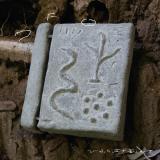
1982 4-Piece Demo' is the first official, fully-licensed and unreleased material to be released under the name Strawberry Switchblade in 30 years. Since disbanding amid major record label acrimony and personal differences in 1986, the already-cult band have since grown in stature and legend. Trailblazers in many ways, the band's mythology justifiably centers around the charismatic duo of Jill Bryson and Rose McDowall, but that isn't a complete picture. Bryson and McDowall's growing friendship, having met some years earlier on the punk scene, became a creative partnership: Bryson's art school background and McDowall's history in avant-punk group The Poets meant Strawberry Switchblade was a band pitted against many established norms. The band's very first incarnation, an all-female 4 piece, recorded one demo at Glasgow's Hellfire Club and played a handful of gigs. Friends Janice Goodlett and Carole McGowan completed the line up on bass and drums respectively. Strawberry Switchblade would eventually pair down to a duo and go on to chart success but it's in these raw, passionate recordings that the songwriting and vocal elements were being hammered out and explored in real time.
Spanish Song' is a previously unreleased song. With Rose McDowall's instantly recognizable lead vocal dovetailing with Bryson's harmonies and lead guitar, it's the first glimpse at an alternative history of Strawberry Switchblade. This incarnation could easily have been featured on a Nuggets compilation or a precursor to the indie-pop revolution that would take over British bedrooms a couple of years later. "Trees & Flowers" is instantly recognizable, a bona fide classic that would earn the band its first record deal. Here it's given a more forceful rhythm section: Goodlett and McGowan's playing is in fact accomplished and doesn't hint at the bands' youth. "Go Away" would also surface later on the band's debut LP but here it is a moody-garage stomper with a psychedelic, haunting refrain. These 3 songs point to a tantalizing future of the band that was never realized.
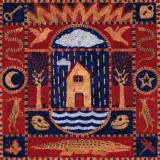
Remastered and restored by Sean Pennycook from the original cassette, with artwork based on a single photographic contact sheet (the only visual evidence of the band in this form) and with a booklet of photographs and new text. Pa
out of Stock
Last delivered 12 days ago available to reorder, subject to availability
opo’s 666ridims (2020 - 2026), compiled by J.TRIPP, brings together tracks from his 666ridims netlabel, reflecting on the singular sound worlds of some of his solo work. Like a discovery made by neutrino sensors, opo’s tracks research the transformation of rhythm, swing, and structure, aiming for a new grid. Sketchy and raw, processing emotions and experiences, regaling stories, and asking questions, opo relates in trance verse. All tracks here breathe his focus on improvisation, experimentation, and collaboration. Some of the beats featured on 666ridims (2020 - 2026) are outlines for freestyles and songwriting ideas, a practice formed during a long-distance music conversation with illustrator, printmaker, painter, designer, and maker Billy Bigwood. Other tracks are more club-oriented, like speculative genres programmed in odd meters. Japanese Barcelona-based DJ Hanakito contributes to one track, using samples and chops sourced from her vinyl imports.
Through Afroelectronic experimentation and diasporic narratives, opo encodes his soul's past and future through his music. Encoded, activated, returned. Initiate only when you receive permission from all your mental fragments. Keep transmissions in mind and dislodge and follow the command cluster's trail. Strongly influenced by sci-fi, ancestral afro musics, jazz, performance art, and food, as musical lines and shards of meaning cascade, 666ridims (2020 - 2026) is a minimalist dive into strange meters, polyrhythm, and the transcendence of ideas. Fast, slow. Exhilarating. We don’t discover physical laws; we just collaborate on them.
out of Stock
Last delivered 13 days ago available to reorder, subject to availability
"The Whole Of The Moon" is a classic. It's a song about awe and hope and love for the people who show us the best of this often broken world, the blessed few who show the way and introduce us to things and thoughts. Keith McIvor aka JD Twitch of Optimo was one of those people, and this version of the track - electronic, euphoric, open-hearted - was made by some members of the broader Optimo community after his terminal brain cancer diagnosis in 2025. The task of making a version that could've been heard on the dance floor at Planet Peach, Mas, or the Sub Club on a Sunday night or Monday morning brought them together across oceans, an act of joy amidst so much loss. It was never intended to be released, but as it made its way to friends and others, it also felt wrong not to. Its sentiment is universal and applies to so many incredible people in music and beyond that are sadly missed. So here is the Watergirls' first and last track, presented as a limited white label with some particularly lethal mixes from Sean Johnston of Hardway Bros and A Love From Outer Space. We're giving all the profits to charity. It's meant to be played out. It's meant to make two friends hug and sing into each other's faces. It's for Keith and for everyone like him.
out of Stock
Last delivered 13 days ago available to reorder, subject to availability
The practice of dub techno and its tendrils is a fundamental for me, both aesthetically and from an engineering perspective.
I start every recording session with a dub inspired jam, the first piece I ever recorded in 1996 was an effort to recreate Phylyps Trak with only a Korg X3 and an Ibanez PUE5 (borrowed from Gary Howell). It was an awesome introduction to jamming, and the footing stones of noise, delay and saturation were explored with my foot hard on the enthusiasm pedal.
These practice jams are in some sense cathartic, the first step taken again & again, which helps me move forwards each session and additionally helps to 'warm the circuits' both of myself and the machines.
After realising the genius of Basic Channel is akin to the genius of peasant food, using every ingredient with nothing left to waste, (up to and including the oft maligned working noise of the machines themselves), this was a watershed moment for my own subjective progression. No longer tied to just emulation of something inspiring, but taking these learned tools into other areas of music helped to break free from a strong current of influence and also to progress into other areas with the new toolbox.
Dub:
The importance of the dub pioneers should never be understated, in modern music and my own practice. Yet with my initial inspiration being two german dudes issuing extreme techno variants with obscured label designs, who then signposted their listeners to their own inspirations (via their Wackies re-issues or nodded to on their Rhythm & Sound/Burial Mix sub-labels), meant that I started late and travelled backwards.
Learning to notice the live mixing of Mikey Dread or Lee Perry when the faders are bleeding through even when turned down, (echoed in BC's Quadrant Dub), or the brash send effects literally thrown into the mix also taught me that 'rough' mixing can inject a recording with life, uniqueness and the most right wrongness. Looking back Basic Channels very few elements helped me realise that the rules to be understood, are also the best ones to be broken.
Push the mixer into the red.
Amp that noise up from the tape delay cos it sounds sick.
Pseudo side-chain effects cos the kicks are way too loud and the mixer can't sum it nicely.
Spam the send knob into the delay units now, now and now.
Carelessness.
Noise:
Once I wrapped my head around the intrinsic 'noise' element that set those records apart, this became a torchlight into the alt noise movements which I was tentatively exploring at the time, and also is evidently a connection or thread into them.
Whether the Industrial/Post Punk UK scene (This Heat, TG, A Tent, F.E.) or the prolific output of the US Noise scene (Wolf Eyes, Live & Shave in LA, and subsequently following the lineage all the way back to Chrome's Alien Soundtracks), I had finally discovered a connection from techno to this 'free for all' corner of music.
This input from the Noise arena of sound is, in my experience, an all important step for a sonic artist, taking it's roots and extending out from Stockhausen/Pierre Henry and utilised/warped/mangled by thousands of adventurous pioneers ever since, I now see the line separating the high brow and the low brow is actually an artery carrying information from the head to the heart.
Vault is a selection of these jams that precede each of my solo recording sessions, for 30 years I've recorded hundreds of these 'workouts'. They are never intended as serious statements, just moments of naive enjoyment, yet most importantly they are time & space captured as practice.
The objective is always a warm up exercise, but sometimes those exercises turn a different corner, with a certain focus or direction dependent on what random samples are left in my machines from the previous session, instead of conscious choices, these unconscious elements can facilitate those 'positive mistakes' that make a piece of sound retain a different feel or colour and thus become special, or at least special to the creator.
I am quite conscious that the 'record everything' aspect of my ethos has been invaluable in cataloguing and saving these jams, while the attitude of carelessness during this process (after all, it's only a warm up jam) invites more enjoyment than seriousness ever could. Even if you don't feel the piece at the time, record it, because some years later it may well fit, or become relevant in a way you never intended.
-Miles
out of Stock
Last delivered 13 days ago available to reorder, subject to availability
Hailing from the West side of St. Louis, Missouri, Mikahl Anthony’s sonic roots spread far across the global Alt-Soul / Hip-Hop scene. A highly soughtafter multidisciplinary artist (who has collaborated with the likes of Mick Jenkins, Chance The Rapper, Joey Purp, Smino and more), as well as being a founding member of Chicago’s THEMpeople collective, he now prepares to unveil his masterful full-length debut Muse via R&S Records.
Accompanied by several beautiful, self-directed film pieces, Muse is a record with storytelling at its core. Interspersed with commentary from a range of sources telling their stories to Mikhal, whilst collaboratively analysing their personal experiences, it speaks a candid and honest narrative, which reinforce the heartfelt lyrics within. With the project’s name anchored around a dual meaning acronym (1. Ms. Using sensual energy and 2. Making use of seclusion every day). The record is an audio version of docufilm, that creatively interprets the idea of self-therapy, an internal/interpersonal reflection of life experiences that serendipitously connect to Mikahl’s personal romantic relationships. Mikahl explains: ‘I wanted to use a unique style of songwriting, arrangement and filming with the intention of soundtracking my self-development/maturation process’.
On the project’s lasting impression on the listener, Mikahl elaborates ’The exploration of inner truth and vulnerability is key to the future of good music. I want this project to act as symbolism that highlights the mantra that honest approaches and authenticity still has the most value. I also want people to see how important the use of community is when you can connect them to your subject matter...I'd like my audience to observe and engage in their own self-reflections, approaches by way of listening or interacting with the story.’
Drifting to an elevated state of consciousness, Muse is a deeply intoxicating and engrossing listening experience from front to back. From the sliding, kaleidoscopic shadows of opening track ‘La Flare’, via the trepidation-laced atmosphere of ‘Polyamorous’ and the hazy, reverb drenched saxophone notes of LP closer ‘Eddie Kane’ - Mikahl channels moments of joy and pain, infused with spirit enriching instrumentation and gritty textures.
Visual stimuli play an integral role within Mikahl’s music. His songs represent transparency and openness dipped in funk. Layers of soft velvety vocals emerge from jazz harmonies, trap rhythms, and social commentary sourced from voiceovers/excerpts. His creations are the musical representation of documentary films. His art is imagery embodied.
out of Stock
Last delivered 13 days ago available to reorder, subject to availability
Leo Gibbon returns to Mudline with barbed, a six-track suite of dust-worn, sample-driven constructions pieced together from a balcony while travelling. Built from fragments that retain the emotional weight of their origins, the EP finds Gibbon paring his sound back to its essentials, letting cracked loops, negative space and tactile percussion carry a quiet sense of intimacy. There's a subtle tension throughout, music suspended between memory and movement, where worn textures and carefully preserved imperfections become part of the composition itself.
James Massiah appears on the record with a characteristically measured performance, his delivery drawing on the cadence and phrasing of archived poet freestyles, less spoken word than an act of excavation, recalling a lineage of recorded voices whose authority comes from rhythm, restraint and lived experience. His presence folds seamlessly into the EP's weathered textures, becoming another fragment in Gibbon's collage rather than a conventional guest appearance.
The first half drifts through reflective, inward-looking terrain before the second side gradually opens towards the dancefloor, never abandoning the emotional pull that defines the record. Even at its most club-focused, barbed favours understated pressure over obvious peaks, allowing atmosphere and texture to carry as much weight as rhythm. Mastered by Miles Whittaker, every grain, scrape and imperfection is left intact, balancing grit with clarity and reinforcing Mudline's instinct for raw, emotionally resonant club music that feels as honest as it does functional.
PRAANA unveil their highly anticipated album Insight Out on Colorize, a deeply immersive body of work that explores reflection, connection and emotional growth through the duo’s signature cinematic lens.
Built around themes of reflection, presence and human connection, Insight Out creates a rich sonic landscape where atmospheric textures, subtle rhythms and emotive songwriting coexist with effortless grace. Featuring collaborations with Susie Ledge, Tina Parol, Freddie Elmberg and Courtney Storm, the album showcases PRAANA’s ability to create music that feels both intimate and expansive. An alias of Tritonal, PRAANA have amassed over 30 million streams, earned sustained support on SiriusXM Chill and recently completed U.S. tour dates in Chicago, Denver and a sold-out Elsewhere Rooftop show in Brooklyn.
Insight Out stands as a fully realised artistic statement, offering a space for stillness, reflection and meaningful escape through sound.
out of Stock
Last delivered 14 days ago available to reorder, subject to availability
Modern Apartments arrive on Dark Entries, with Light on Water, an LP featuring 8 cuts of instrumental cosmic-kosmische analog synth workouts. Modern Apartments is Ryan Ambridge, the musician and producer best known for his work with dark synth projects Linea Aspera and Lust Pattern. While both of those outlets lean towards the greyscale and robotic, Ambridge wanted to explore a more colorful palette with Modern Apartments, a livelier, looser sound. The medium of film plays a major role here; Ambridge works as a projectionist, screening archival prints of 35mm and 16mm films, and the textures and temporality of the medium fed directly into the Modern Apartments aesthetic. But it isn’t all blurry edges and fuzzy optimism on Light on Water. Says Ambridge, “Regular beats from old rhythm boxes and the sharp angles of post-punk found their way in. The contrasting imagery from those old film prints, of dense cities and open countryside, is reflected back in the dialog between looser sounds and rigid stylistic choices.” This tension shines through on tracks like album opener “Completely,” which pairs the icy minimalism of John Foxx with the meandering grooves of Cluster, or the eponymous “Light on Water” which leans even further into the sun-bleached vibes of Roedelius. Artwork for this record was designed by Eloise Shir-Juen Leigh. Light on Water is perfect late-summer listening, as the last gasps of seasonal radiance fade into autumnal splendor.
out of Stock
Last delivered 14 days ago available to reorder, subject to availability
,Dead Meat" ist das Debütalbum der Londoner Band The Tubs, gegründet von den ehemaligen Joanna Gruesome-Mitgliedern Owen Williams und George Nicholls. Musikalisch verbindet die Band Jangle Pop, Post-Punk und britischen Folk-Rock zu einem eigenständigen Sound, der ebenso von Fairport Convention, Richard Thompson und der Canterbury-Folk-Szene geprägt ist wie von modernen Indie-Bands wie The Goon Sax oder Twerps. Charakteristisch sind die hell klingenden, treibenden Gitarren, eingängige Pop-Hooks und die Verbindung von traditioneller britischer Folk-Melodik mit der Energie des Indie-Rock. Über diesen Klangteppich legt Owen Williams seine scharf beobachteten, oft melancholischen Texte, die zwischen Selbstironie, Enttäuschung und emotionaler Verletzlichkeit pendeln. Mit Songs wie ,Round The Bend", ,Duped" und ,I Don't Know How It Works" gelingt The Tubs eine faszinierende Mischung aus Folk-Rock, Jangle-Pop und Post-Punk, die gleichermaßen zeitlos und modern wirkt und ,Dead Meat" zu einem der bemerkenswertesten Gitarrenalben seines Jahrgangs macht.
Meg Lui is a Northern California-born singer-songwriter, based in the Hudson Valley since 2015. In her songs, vivid lyrics and poignant melodies intertwine with a voice that feels both intimate and lasting. Through reflections on love, resilience, and the human experience, she offers listeners a window into her world.
A Californian by birth, Boston-educated at Berklee College of Music, musically raised in Brooklyn, and now settled in the Catskills, Meg has released music under the names M. Lui, Grover, and as part of the trio Ember Isles.
Her influences-ranging from Freddie Mercury, The
Cranberries, No Doubt, Sheryl Crow, and Bonnie Raitt-reflect her love for artists whose fearless individuality continues to shape her dynamic songwriting and performance.
Over the past two years, Meg has lent her voice to records including Sufjan Stevens' Javelin (2023), Sam Evian's Plunge, Denison Witmer's Anything At All, John Legend's My Favorite Dream, Keenan O'Meara's forthcoming record Bathe In The Everlasting Light, and Liam Kazar's Pilot Light. She performs regularly with Keenan O'Meara and Hannah Cohen and occasionally when the stars align, with the Hudson Valley country band Critter Bonus.
Soulful, future-leaning house & hip hop distilled into wax form. Standout cuts by AKA ZEB & LIL DAVE 215, with appearances from J-LIVE, BLU and BLOOMY MEADOWS, bridging the gap between classic andy with contemporary with warmth and depth. Support from CRACKAZAT
,fantastische Songs" - The Sunday Times ,hypnotisch und eingängig" - Brooklyn Vegan ,7ebra sind auf lange Sicht dabei" - So Young Magazine Es gibt keinen Fahrplan für die Mitte bis Ende der Zwanziger, und auf ,How to Land a Plane" verwandeln die schwedischen Zwillingsschwestern Inez und Ella Johansson von 7ebra diese Ungewissheit in ihr bisher fesselndstes Werk. Das zweite Album des Duos aus Malmö erkundet die Unsicherheiten, Frustrationen und stillen Absurditäten des frühen Erwachsenenalters durch ihr bisher direktestes und weitreichendstes Songwriting. Aufbauend auf dem eindringlichen Minimalismus ihres gefeierten Debüts ,Bird Hour" aus dem Jahr 2023 verbindet das neue Album mitreißende Hooks, summende Synthesizer und treibende Rhythmen mit scharfsinnigen Beobachtungen über Identität, Arbeit, Beziehungen und den Druck, in einer zunehmend unwirtlichen Welt seinen Weg im Leben zu finden. Geschrieben im Anschluss an ausgedehnte internationale Tourneen und gemeinsam mit Produzent Jens Lindgård gestaltet, fängt ,How to Land a Plane" eine Band ein, die in ihr Selbstbewusstsein hineinwächst, ohne dabei die Verletzlichkeit zu verlieren, die sie ursprünglich auszeichnete. In Songs, die dunklen Humor, Selbstreflexion und spätkapitalistische Ängste miteinander verbinden, verwandeln 7ebra persönliche Kämpfe in hypnotischen, emotional mitreißenden Indie-Pop. Im Kern ist das Album ein Zeugnis der einzigartigen kreativen Verbindung der Schwestern, zweier Stimmen, die sich verflechten, gegenseitig herausfordern und unterstützen, und bestätigt 7ebra als eine der markantesten und spannendsten Bands, die in den letzten Jahren aus der schwedischen Indie-Szene hervorgegangen sind.
,fantastische Songs" - The Sunday Times ,hypnotisch und eingängig" - Brooklyn Vegan ,7ebra sind auf lange Sicht dabei" - So Young Magazine Es gibt keinen Fahrplan für die Mitte bis Ende der Zwanziger, und auf ,How to Land a Plane" verwandeln die schwedischen Zwillingsschwestern Inez und Ella Johansson von 7ebra diese Ungewissheit in ihr bisher fesselndstes Werk. Das zweite Album des Duos aus Malmö erkundet die Unsicherheiten, Frustrationen und stillen Absurditäten des frühen Erwachsenenalters durch ihr bisher direktestes und weitreichendstes Songwriting. Aufbauend auf dem eindringlichen Minimalismus ihres gefeierten Debüts ,Bird Hour" aus dem Jahr 2023 verbindet das neue Album mitreißende Hooks, summende Synthesizer und treibende Rhythmen mit scharfsinnigen Beobachtungen über Identität, Arbeit, Beziehungen und den Druck, in einer zunehmend unwirtlichen Welt seinen Weg im Leben zu finden. Geschrieben im Anschluss an ausgedehnte internationale Tourneen und gemeinsam mit Produzent Jens Lindgård gestaltet, fängt ,How to Land a Plane" eine Band ein, die in ihr Selbstbewusstsein hineinwächst, ohne dabei die Verletzlichkeit zu verlieren, die sie ursprünglich auszeichnete. In Songs, die dunklen Humor, Selbstreflexion und spätkapitalistische Ängste miteinander verbinden, verwandeln 7ebra persönliche Kämpfe in hypnotischen, emotional mitreißenden Indie-Pop. Im Kern ist das Album ein Zeugnis der einzigartigen kreativen Verbindung der Schwestern, zweier Stimmen, die sich verflechten, gegenseitig herausfordern und unterstützen, und bestätigt 7ebra als eine der markantesten und spannendsten Bands, die in den letzten Jahren aus der schwedischen Indie-Szene hervorgegangen sind.
Jason Dungan (aka Blue Lake) and Johan Carøe find beauty in the rhythms
and repetitions of domestic life for collaborative album, 'Routine' - out September 25
Copenhagen-based multi-instrumentalists Jason Dungan and Johan Carøe didn't set out to make an album. Instead, as the title 'Routine' suggests, they found their way there through a process of habitual making and listening, developing an intuitive musical language to reflect the dreamlike meanderings and creative play of life's quiet moments. 'Routine' blends pop orientated sounds, Avant-garde minimalism, folk and new age with the emotive depth of film-score.
Their meeting was not entirely coincidental. Previously in bands such as Squares and Triangles, Jason Dungan has since recorded multiple albums under the moniker Blue Lake, including the lauded 'Sun Arcs', pursuing his passion for self-built percussion and multi-string instruments. Johan Carøe meanwhile is a composer whose film soundtrack work has seen him collaborate with Angelo Badalamenti, Arp, and Sofie Birch, at whose Andersabo residency (curated by Dungan) the pair first met, resulting in the highly praised album 'Repair Techniques' written by Birch and Carøe.
'Routine' emerged organically over many years against the backdrop of great personal change. As Carøe said goodbye to his father and welcomed his first child, the pair sent each other fragments of melodies and patterns, working up responses when time allowed to assemble a sonic palette that combined acoustic instrumentation of zither, clarinet, cello, saxophone (among others) with the textures of tape, drum machine and Yamaha DX7 synth. Inspired by the vulnerability and DIY ethos of Arthur Russell's home recordings, the vision of labels like Disques de Crepescule, and the art pop, experimentation inherent to late '70s and early '80s recordings from NYC and Japan alike, Dungan and Carøe conjured new forms for their folk, leftfield pop and avant garde influences from the low-lit living rooms of Copenhagen and rural Sweden. "I'm very interested in the ways in which music and art emerge from our wider experiences as people, workers, parents and in the daydreaming activity of making music," Dungan explains of a process which allowed the duo's individual styles to drift apart and merge together seamlessly. "I think the process was definitely capturing moments in time, but over a long time," Carøe adds. "It was a bit like improvisation, but with time stretched."
The music floats with grace and humility, remaining sophisticated yet acutely introverted.
Whether on 'Clouds', where soft layers of zither and clarinet are moved along by a featherlight bass riff and the hypnotic clip-clop of the primitive groovebox, or the gentle grandeur of cello rising and falling through 'Routine 1', the album reveals itself over 10 instrumental tracks, evoking the ineffable calm that descends when the light changes and the world turns inwards. The act of time passing became a key creative ingredient to the evolution of the album, enriched with the exciting challenge to transform their passing rounds of home recordings via a slow release musical dialogue. Jason found creative moments in the twilight hours to lay down zither, melodica, acoustic guitar to name but few, while Johan utilising "line-in and headphones" would manipulate, stretch and pitch Jason's melodic pathways during newly born naptimes.
Carøe rhythmically plucks and slides the stringed cello instrument, leaving palpable foundations on 'Hymn' and 'Chords', in a treated, stylistic approach akin to Mabe Fratti, while 'Silence' draws to a close with a gospel touch. Dungan's harp-motion zither flourishes reveal more classical connotations on 'Reunion' with inspiration of Bedroom Community's Nico Muhly as organs rise with Moogs, culminating with a climatic choral outro from friend, mezzo-soprano Anna Caroline Olesen.
'Routine' then is their first collaboration, an album of deep and sincere reflection with inviting overtones that gesture with unrushed authenticity. A document of a new-found friendship that opens a window into the most personal of spaces, where the daily practices of music and life exist side-by-side to wondrous effect.
The Yummy Fur’s first album of new material in over 25 years is seductive and ambiguous; a fast-paced flip through scenes from art, myth, life and fantasy; a witty whole made from glittering scraps. The band’s original incarnation – fronted by singer, songwriter and guitarist John McKeown from 1992 to 1999 – morphed from making quick-hit cartoon-art songs to Eno and Cale-influenced creepers, populated by characters from McKeown’s life in Glasgow and the films, books and poetry that he lived a parallel life through. Everybody Talks About The Weather delights in using every past iteration of the band as potent collage material: a melee of sounds and ideas existing at once, revealing themselves then dipping back into hiding.
Recorded by the original core trio of McKeown, Brian MacDougall (guitar) and Paul Thomson (drums), Everybody Talks About The Weather comes 17 years after the band reformed for sporadic live shows, and seven years after the release of their sorta-greatest hits compilation Piggy Wings (Rock Action). Ten tracks long with nothing to spare, it is as condensed and vital as their best songs, with a new clarity of sound that allows their ambiguities to come into the light.
The album begins with “Cogs”, a taunting inquisition from within. As McKeown stages a fight between his id and ego, the tension heats up between conversational guitar lines and minimalist repetition; threatening sing-song melody and real, palpable menace. The band members are forced in tandem only to break apart, sustaining a genuine sense of just-hidden danger throughout the whole record – except, arguably, “Headphones”, a looser moment which sees McKeown make an existential something out of nothing while waiting for someone in the car (“I should have brought a book.../My ears are bleeding from the compression on your album”)
The songs are riots of reference: “Unity Over Europe” is a slyly complex two act play about the Mitford sisters – Diana, Unity, and Nancy, in a wink to the YF canon – smashing tragic biographical detail together with allusions to Thomas Pynchon and Francis Bacon. Pynchon is also lifted to serve “Blue Sunshine”, a collision of school shooters, serial killers and fictional fuck-ups (“Fast forward to Compton/Fast forward to Pynchon/Fast forward to Columbine'”) whose buzzy guitar lines are taunting and confrontational like a smarmy teenager. The innocuous title of “My Lasagne” belies a song that exists in several time periods at once: a visit to see Guernica, 50 people with their backs to the portrait of Dora Maar; the time that Picasso painted from; the Reina Sofia and the dirty streets of the Malasaña; myth-making musicians and the myths they’re riffing off overlapping and leering at each other.
All this could be laboured in lesser hands, but cultural verbosity is second nature to The Yummy Fur, who transform all this source material into songs that are weird, sexy, funny and absurd. Meaning is not happily understood or flattened. Susan Sontag's essay Against Interpretation accompanied McKeown as he wrote this album, and she’s paraphrased in “Semolina Ballerina”, the album’s justification of artistic ambiguity. Thomson’s motorik beat leads a gathering of back-and-forth instrumental phrases – including a wiry contribution on saxophone – embodying the futility of trying to parse something definitive from repeated action. “Listen to the very first thing that’s in your head,” Sontag-via-McKeown commands directly, then slinks sideways: “Interpretation is a conversation in an unmade bed”
The album features two more focused portraits, or at least The Yummy Fur’s version of such a thing. “Wanda” merges the life of filmmaker Barbara Loden and the title character of her semi-autobiographical 1970 feature film, with Loden’s then-husband Elia Kazan joining the fray of no-good men in her film. It’s a mix of adaptation and avant-criticism, with McKeown’s wordplay and mannered pronunciation mirroring the way that non-fiction and fiction twist around each other in the song. The title track is a series of vignettes and impressions from the lives of the band’s ‘90s inner circle, positing painter Mac McNaughton as a kind of Falstaffian ringleader. As with Piggy Wings and the recent single “New T-Shirt”, McNaughton painted the cover of Everybody Talks About The Weather – like the album’s music, the image of a coy girl in a white dress is an uncanny amalgamation of styles, suggestions and references just out of reach, as though seen in an art museum in a dream.
The album ends with two reads of the same frustration. “King of Nothing” is the closest The Yummy Fur will ever get to sludge-rock: the band melts together into a dusty, dreary haze as McKeown drowns in a drudgery of personal struggle (“Two jumpers on in Babylon/And only cats to talk to”) and the rhythmic toppling of heroes (Rowlands, Duvall, Munro). The majority of visible dirt is cleaned off for “Say Hello”, an uncharacteristic depiction of throwing the windows open after a dark night of the soul. Here, the situation is still cold and hard (“When the sun burns gold, but the heat never reaches your fingertips”) but it feels surmountable. Everybody Talks About The Weather is an unpredictable album from an unpredictable group, but ending on a moment of almost uncomplicated light is maybe its biggest surprise. - Claire Biddles (2026)
The Yummy Fur’s first album of new material in over 25 years is seductive and ambiguous; a fast-paced flip through scenes from art, myth, life and fantasy; a witty whole made from glittering scraps. The band’s original incarnation – fronted by singer, songwriter and guitarist John McKeown from 1992 to 1999 – morphed from making quick-hit cartoon-art songs to Eno and Cale-influenced creepers, populated by characters from McKeown’s life in Glasgow and the films, books and poetry that he lived a parallel life through. Everybody Talks About The Weather delights in using every past iteration of the band as potent collage material: a melee of sounds and ideas existing at once, revealing themselves then dipping back into hiding.
Recorded by the original core trio of McKeown, Brian MacDougall (guitar) and Paul Thomson (drums), Everybody Talks About The Weather comes 17 years after the band reformed for sporadic live shows, and seven years after the release of their sorta-greatest hits compilation Piggy Wings (Rock Action). Ten tracks long with nothing to spare, it is as condensed and vital as their best songs, with a new clarity of sound that allows their ambiguities to come into the light.
The album begins with “Cogs”, a taunting inquisition from within. As McKeown stages a fight between his id and ego, the tension heats up between conversational guitar lines and minimalist repetition; threatening sing-song melody and real, palpable menace. The band members are forced in tandem only to break apart, sustaining a genuine sense of just-hidden danger throughout the whole record – except, arguably, “Headphones”, a looser moment which sees McKeown make an existential something out of nothing while waiting for someone in the car (“I should have brought a book.../My ears are bleeding from the compression on your album”)
The songs are riots of reference: “Unity Over Europe” is a slyly complex two act play about the Mitford sisters – Diana, Unity, and Nancy, in a wink to the YF canon – smashing tragic biographical detail together with allusions to Thomas Pynchon and Francis Bacon. Pynchon is also lifted to serve “Blue Sunshine”, a collision of school shooters, serial killers and fictional fuck-ups (“Fast forward to Compton/Fast forward to Pynchon/Fast forward to Columbine'”) whose buzzy guitar lines are taunting and confrontational like a smarmy teenager. The innocuous title of “My Lasagne” belies a song that exists in several time periods at once: a visit to see Guernica, 50 people with their backs to the portrait of Dora Maar; the time that Picasso painted from; the Reina Sofia and the dirty streets of the Malasaña; myth-making musicians and the myths they’re riffing off overlapping and leering at each other.
All this could be laboured in lesser hands, but cultural verbosity is second nature to The Yummy Fur, who transform all this source material into songs that are weird, sexy, funny and absurd. Meaning is not happily understood or flattened. Susan Sontag's essay Against Interpretation accompanied McKeown as he wrote this album, and she’s paraphrased in “Semolina Ballerina”, the album’s justification of artistic ambiguity. Thomson’s motorik beat leads a gathering of back-and-forth instrumental phrases – including a wiry contribution on saxophone – embodying the futility of trying to parse something definitive from repeated action. “Listen to the very first thing that’s in your head,” Sontag-via-McKeown commands directly, then slinks sideways: “Interpretation is a conversation in an unmade bed”
The album features two more focused portraits, or at least The Yummy Fur’s version of such a thing. “Wanda” merges the life of filmmaker Barbara Loden and the title character of her semi-autobiographical 1970 feature film, with Loden’s then-husband Elia Kazan joining the fray of no-good men in her film. It’s a mix of adaptation and avant-criticism, with McKeown’s wordplay and mannered pronunciation mirroring the way that non-fiction and fiction twist around each other in the song. The title track is a series of vignettes and impressions from the lives of the band’s ‘90s inner circle, positing painter Mac McNaughton as a kind of Falstaffian ringleader. As with Piggy Wings and the recent single “New T-Shirt”, McNaughton painted the cover of Everybody Talks About The Weather – like the album’s music, the image of a coy girl in a white dress is an uncanny amalgamation of styles, suggestions and references just out of reach, as though seen in an art museum in a dream.
The album ends with two reads of the same frustration. “King of Nothing” is the closest The Yummy Fur will ever get to sludge-rock: the band melts together into a dusty, dreary haze as McKeown drowns in a drudgery of personal struggle (“Two jumpers on in Babylon/And only cats to talk to”) and the rhythmic toppling of heroes (Rowlands, Duvall, Munro). The majority of visible dirt is cleaned off for “Say Hello”, an uncharacteristic depiction of throwing the windows open after a dark night of the soul. Here, the situation is still cold and hard (“When the sun burns gold, but the heat never reaches your fingertips”) but it feels surmountable. Everybody Talks About The Weather is an unpredictable album from an unpredictable group, but ending on a moment of almost uncomplicated light is maybe its biggest surprise. - Claire Biddles (2026)
The Lp is ble marble be released on the 25th September Part celebration, part reflection, THE TIME OF OUR LIVES arrives as both the final release of Lancey’s twenties and the closing chapter of a creative world he has spent the last decade constructing. The most expansive statement of his career to date, moving freely between trap, alternative R&B, dance music, Afro-influenced rhythms and more, Lancey explores triumphant highs and lows of stark vulnerability across the album, interrogating ideas of success, freedom, loneliness and what it truly means to have the time of your life. Lancey Foux stands at the forefront of UK rap’s evolution, blending elements of hip-hop, cloud rap, trap, Jersey club, drill, and more into a sound that’s uniquely his own.
Since emerging from Newham, East London in 2015 with a clutch of freestyles and SoundCloud singles, Lancey has occupied a lane entirely of his own making. As he closes out his twenties, Lancey looks ahead to the next decade full of more unpredictable artistry as he continues to break the rules and change the game.
Knock Off präsentieren ihr siebtes Album "Pain Or Madness" _ ein Album, das nicht nur für die Band selbst in diesen Zeiten wichtig ist. Die Welt ist völlig verrückt und es scheint, als habe die Menschheit vergessen, wie man Konflikte löst, miteinander spricht und den Kreislauf der Selbstzerstörung stoppt. Und wenn die Schläge im persönlichen Umfeld näherkommen und das Schicksal zuschlägt, kann man schnell den Boden unter den Füßen verlieren. Wut, Hass, Aggression zusammen mit Depression, Lustlosigkeit, oder halt "Pain or Madness". Auf dieser Grundlage entstand Knock Offs siebtes Album. Punkrock war schon immer am stärksten, wenn die Zeiten düster sind, und dieses Album ist einfach eine musikalische Therapie und Offensive gegen alles was Dich zerstört. Knock Off spielen immer noch klassischen UK Oi! und Punkrock und haben ihren eigenen Stil über die Jahre perfektioniert, sorgen dabei aber stets aufs Neue für Überraschungen. Mit jeder verdammten Note spürt man, dass die Songs direkt aus dem Herzen kommen! Ein Schlag ins Gesicht, ohne Rücksicht auf Empfindlichkeiten, in Songs wie "Go Fuck yourself". Dieses Gefühl, wenn Hilflosigkeit in "Violence" umzuschlagen droht. Kein Diskutieren oder Erklären über Punk, denn "My Punk!" (is whatever I choose). Wenn die Jungs auf die '70s football youth' oder 'Good Times' zurückblicken, sind keine weiteren Erklärungen nötig, das ist und war deren Leben, hier gibt es nicht zu romantisieren. Selbst heutzutage kann man noch seinen Ärger rauslassen, und Knock Off tun das perfekt mit Songs wie "Anger is an energy" oder der dreckigen kleinen Selbstironie-Hymne "Middle age rage". "Pain or Madness" enthält ein Dutzend neuer Songs: Energiegeladene Punkrock-Hymnen mit großartigen sing-along Refrains und aggressiven Shoutings. Solch ein Album nach sieben Platten rauszubringen, ist ein auf keinen Fall zu verpassendes Statement! Zwei unterschiedlich mehrfarbige Vinyl-LP-Versionen erhältlich
Knock Off präsentieren ihr siebtes Album "Pain Or Madness" _ ein Album, das nicht nur für die Band selbst in diesen Zeiten wichtig ist. Die Welt ist völlig verrückt und es scheint, als habe die Menschheit vergessen, wie man Konflikte löst, miteinander spricht und den Kreislauf der Selbstzerstörung stoppt. Und wenn die Schläge im persönlichen Umfeld näherkommen und das Schicksal zuschlägt, kann man schnell den Boden unter den Füßen verlieren. Wut, Hass, Aggression zusammen mit Depression, Lustlosigkeit, oder halt "Pain or Madness". Auf dieser Grundlage entstand Knock Offs siebtes Album. Punkrock war schon immer am stärksten, wenn die Zeiten düster sind, und dieses Album ist einfach eine musikalische Therapie und Offensive gegen alles was Dich zerstört. Knock Off spielen immer noch klassischen UK Oi! und Punkrock und haben ihren eigenen Stil über die Jahre perfektioniert, sorgen dabei aber stets aufs Neue für Überraschungen. Mit jeder verdammten Note spürt man, dass die Songs direkt aus dem Herzen kommen! Ein Schlag ins Gesicht, ohne Rücksicht auf Empfindlichkeiten, in Songs wie "Go Fuck yourself". Dieses Gefühl, wenn Hilflosigkeit in "Violence" umzuschlagen droht. Kein Diskutieren oder Erklären über Punk, denn "My Punk!" (is whatever I choose). Wenn die Jungs auf die '70s football youth' oder 'Good Times' zurückblicken, sind keine weiteren Erklärungen nötig, das ist und war deren Leben, hier gibt es nicht zu romantisieren. Selbst heutzutage kann man noch seinen Ärger rauslassen, und Knock Off tun das perfekt mit Songs wie "Anger is an energy" oder der dreckigen kleinen Selbstironie-Hymne "Middle age rage". "Pain or Madness" enthält ein Dutzend neuer Songs: Energiegeladene Punkrock-Hymnen mit großartigen sing-along Refrains und aggressiven Shoutings. Solch ein Album nach sieben Platten rauszubringen, ist ein auf keinen Fall zu verpassendes Statement! Zwei unterschiedlich mehrfarbige Vinyl-LP-Versionen erhältlich
HOL1D4Y’s debut album "Topology" explores the invisible connections that bind us together in an increasingly fractured world. Created by Scott Holiday, lead guitarist of Rival Sons, The record blends dreamlike textures with cinematic psych-rock, while embracing dance rhythms and free-form instrumentals, themes of love, technology, identity, and healing. Both expansive and intimate, Topology looks for meaning and human connection beneath the noise of modern life.
The Version of Me You Get is a record about perspective, how life changes you, and who you are on the other side of it. Written and recorded in 2020 alongside longtime collaborator Sean McConnell, the album was born out of a rare stillness - a week spent holed up in the studio, building songs piece by piece with no outside noise and no deadline. Bowen had never had that kind of time with a record before. The result was something unhurried, deeply considered and wholly their own. Then life picked back up, and the album sat. Five years later, Bowen returned to the recordings and found something he didn't expect: the songs had grown. What was captured in 2020 as honest and uncertain had become something richer — shaped by everything that followed, personally and professionally. The distance didn't diminish the record. It deepened it. Spanning love, struggle, redemption, and vulnerability, The Version of Me You Get didn't just capture a moment in time, it gained meaning because of what came after. These songs finally found their moment. And it turns out, the wait made them better.
In 2024, Audrey Powne emerged as a compelling new voice in contemporary jazz with the release of her acclaimed debut album From the Fire; a self-produced and self-composed work celebrated for its lush string arrangements, soaring trumpet performances, and emotionally rich songwriting. Now, two years later, Powne returns with Bodies of Water, a bold and deeply introspective follow-up that continues her elemental exploration: from fire to water. An exploration of what it means to exist alongside others in an increasingly unstable world, Bodies of Water reflects on vulnerability, responsibility, and human interconnectedness. The album’s title and conceptual foundation were inspired by a passage from Caleb Azumah Nelson’s novel Small Worlds: “...to make himself a body, like water, a still surface, but beneath this, a ripple, and beneath this, an ebbing tide, and beneath that, a violent, constant tow…” Throughout the record, lyrics ruminate on the idea that like all bodies of water, we are vulnerable to disruption and catastrophe. Unlike inanimate bodies of water, however, we are conscious participants in both the damage and the repair. That tension between what we are made of and what we are responsible for became a grounding and harmonious thought. This album is a meditation on that idea, both in my personal life and in a broader, collective sense. Swollen, Broken Record, and Karma, reflect on moments of cruelty and error including her own that felt unbearable. Viewing them instead as forces moving through the landscape of a life, violent but temporary to survive their immediate impact. More socially conscious tracks Stay Awake, Creeds, RYV, and Two Sides confront frustration with political polarisation and the emptiness of language unaccompanied by action. The title and final track Bodies of Water brings these ideas together, reimagining both personal and societal upheaval as events shaped by bodies of water moving through the world destructive at times, transformative at others, and always in motion. Blending traditional jazz with Afrobeat rhythms, Dilla-inspired grooves, ambient textures, and expansive arrangements, Bodies of Water reveals the breadth of Powne’s artistic vision. The record moves fluidly between spiritual jazz, warped soul and rhythm-driven experimentation, while layered interludes and meticulous production thread its disparate influences into a unified and immersive sonic world.
Das sechste Studioalbum der amerikanischen Celtic-Punk-Band Dropkick Murphys, ursprünglich 2007 veröffentlicht.
Das Album stieg auf Platz 20 der US-Billboard-200-Charts ein und wurde in die Liste der besten Alben des
Jahres 2007 des *Rolling Stone* aufgenommen.
Errands is the first duo recording from Marja Ahti, Swedish-Finnish sound artist and electroacoustic composer, and John McCowen, a native of Southern Illinois, now residing in Iceland, whose work centres on a radical exploration of clarinet multiphonics. Working without the aid of electronics, McCowen has spent years finessing performance techniques that allow him to layer beating patterns and split tones that belie their source in a monophonic instrument. Ahti, in contrast, has built up a stunning body of work in recent years using a classic electroacoustic palette of electronic, field recordings and instrumental sounds. Sharing a bill at the 2024 iteration of Stockholm’s Edition Festival, the pair discovered a sensibility shared across their different sonic means, beginning the collaborative process that would eventually result in the mercurial side-long pieces heard on Errands.
The word ‘errand’ suggests something purposeful but routine, and Ahti’s and McCowen’s work is suffused with the everyday. Meeting with McCowen to record in Iceland, Ahti used the opportunity to gather field recordings, capturing not the natural sublimity often associated with the country—think Chris Watson’s shifting glaciers—but everyday life in Reykjavik. Snatches of bustling streets and what could be humming engines thread between static sinewaves, stretches of clarinet resonances and fleeting textures, the latter often at once visceral and impossible to identify. Errands: we are a long way from the grandiose framing devices favoured by the pioneers of electroacoustic music, yet many of their principles are at work here. The gradual metamorphosis of one sound into another, the carefully achieved ambiguity between the acoustic and electronic, the treatment of the stereo field as a compositional element: all of these link Ahti and McCowen’s music to the electroacoustic tradition, yet their sensibility is radically different. The overall effect is a kind of stillness, but one at peace with continuous change. Like the unwieldy but somehow stylish everyday forms captured in the Hertta Kiiski photographs that adorn the record's sleeve, the music seems to prize a kind of deliberate awkwardness, interrupting static held textures not with an abrupt cut, but with a quick fade, suddenly revealing background as foreground.
Ahti and McCowen’s world is everyday and unornamented, but also shadowed by the numinous. Halfway through 'Chorales', we hear an arrangement for overdubbed recorders of an early motet of Messiaen’s, O sacrum convivium! Played on recorders, the piece shrinks into delicacy and dim memories of childhood music lessons, while at the same time its harmonies retain the grandeur of their liturgical origin. This double quality inflects much of what follows on Errands, including snatches of field-recorded water or air, which seem at once elemental and domestic. Enlivened with countless details that repay repeated relistening, Errands is a record that leaves the listener ready to open their ears anew to their own sound environment.
The tenth Mindgames release reconnects with the roots — Kloke &Tim Reaper tracing the pulse of jungle through a focused, modern lens. Breaks surge, bass breathes, textures unfold with purpose. Raw yet measured — energy in balance, defining the Mindgames approach..
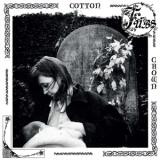
,Cotton Crown" zeigt The Tubs als eine Band, die ihren Indie-Rock-Sound weiter ausbaut und Einflüsse von Jangle Pop, Folk-Rock, Power Pop und Punk miteinander verbindet. Angeführt von Sänger Owen Williams, dessen oft düster-humorvolle Texte persönliche Krisen, Beziehungen und die Herausforderungen des Lebens als Musiker thematisieren, verbindet das Album emotionale Tiefe mit eingängigen Melodien. Im Mittelpunkt stehen Williams' Erfahrungen nach dem Tod seiner Mutter, der Folksängerin Charlotte Greig. Trotz dieser ernsten Themen bleibt die Musik lebendig und melodieverliebt: Gitarrist George Nicholls steuert virtuose Jangle-Gitarren bei, während die Rhythmussektion aus Max Warren und Taylor Stewart mit viel Energie und Dynamik für den unverwechselbaren Bandsound sorgt. Nach dem Erfolg ihres Debüts ,Dead Meat", das von Medien wie Pitchfork, The Guardian und MOJO gefeiert wurde, knüpfen The Tubs mit ,Cotton Crown" an diesen Erfolg an und präsentieren ein ebenso emotionales wie mitreißendes Indie-Rock-Album.
Life Creates Itself is the new album by Bill Baird, releasing September 25th, 2026 on Royal Oakie Records. After years of restless wandering that took him from the Bay Area to India to Abbey Road and back again, Baird has returned home to San Antonio, Texas. Inspired by Lone Star legends Doug Sahm and Roky Erickson, the album inhabits a world where outsider country, avant-garde pop, and psychedelic folk dissolve into one.
Produced by longtime collaborator Jasper Leach (Tony Molina, Color Green) and mastered by indie-rock legend KRAMER (Galaxie 500, Daniel Johnston, Will Oldham), Life Creates Itself was recorded at Sear Sound in New York City in a single remarkable day — fitting for an album as indebted to Arthur Russell and Captain Beefheart as it is to Sir Douglas Quintet and Townes Van Zandt. The sessions brought together a constellation of collaborators around Baird and Leach, including Pedrum Siadatian (Allah-Las, PAINT), Phil Carluzzo, Austin Day, Oliver O'Haver, Jordan Johns, Michael Vattuone, Clara Kennedy, and Carluzzo’s dog Ernie.
Lead single "Yanaguana" — the original Payaya name for San Antonio, meaning either "land of many waters" or simply "where I am right now" — serves as a thesis statement for the album, a restless soul reckoning with what it means to finally come home. Meanwhile, "Karma Loan" is a fuzzy, sprawling psych track that spilled out of Baird during a deep immersion in Bach that features cello by Clara Kennedy and closes with a sound collage of spiritual gurus hawking easy paths to enlightenment. Then there's "Horse Moon" — built around pedal steel that shimmers like rays of moonlight, drifting through vignettes from a late night walk across New York City, with Pedrum Siadatian's lead guitar lending the whole thing an unhurried, dreaming quality. The night they tracked it, Baird climbed to the roof of Sear Sound and watched a full moon wash the city in a warm glow.
Baird has never sounded more at home, and Life Creates Itself may be his most cohesive record yet – a songwriter record through and through that stands apart from the rest of his discography. Royal Oakie Records is proud to release Life Creates Itself on September 25th, 2026, available on vinyl LP, CD, and digital download/streaming worldwide.
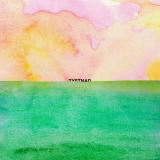
The word ‘Tystnad’ – literally translated – means silence. In this case, the Silence is less that of zen buddhism or that of John Cage, rather the name of the studio where Flowers Must Die – carriers of the torch of Swedish psychedelia for now nearly 20 years – retreated to make their most head-expanding album to date. Located near the Norwegian border in the verdant rural Värmland region, Silence Studios has been a countercultural hub for decades, attaining a legendary status as a residential outpost where bands can retreat to stretch out creatively and focus their psychic powers.
From just such origins, Flowers Must Die have crafted a collection of expansive and incandescent jams that maps out a lysergic trajectory between the idealistic, anything-goes mania of early ‘70s psychedelia and the 21st century. Tystnad is the sound of a band buoyed by the afterglow of their last Rocket release, 2017’s Kompost and its attendant touring, and expanding into extrapolations that marry the wildest free improv with haunting melody.
If Tystnad, as the band claim, is to be their last recording made in one room at the same time, then it displays a formidable escape velocity. Who’s to say whether Flowers Must Die have tapped into a Swedish continuum, one including the like of Pärson Sound, Dungen or Goat. What’s clear is that Tystnad is a timeless treatise, and a potent channeling of spirits –transcending genre in search of enlightenment anew.
Originally conceived as the solo project of Izio Orsini (Rancho Bizzarro), Bantoriak has evolved into a collective sonic ritual, bringing together an impressive cast of friends and collaborators from the Italian and international underground scene. Steeped in warm 70s inspired sounds, hypnotic grooves, expansive jams and heavy psychedelic atmospheres, Vol. II travels from the dusty landscapes of the Californian desert to more mystical and introspective territories. The album features special appearances by Sergio Ch. (Los Natas, Soldati) on "Blu Bus" and Dome La Muerte on "Ritualism" and "La Muerte". For fans of: Kyuss, Los Natas, Colour Haze, Yawning Man, Monster Magnet, Dead Meadow and Black Sabbath.
Violeta García & Hora Lunga return with 4ever, their second album and the follow-up to I’ll Wait For You In The Car Park. Released in 2025 on -ous, their debut received airplay on BBC and NTS and was selected for Bandcamp’s Best Experimental Music year-end list. 4ever picks up where that record left off: in ordinary moments, small scenes and the strange emotional weight of being somewhere between places. But here, these moments are stretched across a much larger, darker screen. A night flight, a terminal, a bad connection. When too many feelings are carried from one place to another, everyday situations begin to feel epic, empty, or apocalyptic.
Built from García’s cello and Hora Lunga’s synths, samples and field recordings, the album pushes further into emotion, letting fragile melodies, orchestral cello gestures, heavy low-end and compressed noise melt into something both dystopian and strangely familiar. Its warmth is not meant to be an escape from this world, but something that appears within it. Acoustically, the album lives through the closeness of the materials, the way sounds stay with each other, and in the feeling that even the most unstable moments are being carried together. The album presents itself in scenes that fade into each other: quiet melodic fragments that are interrupted and restarted, unpredictable changes of direction, held together by an inevitable melody, a bright synth harmony unfolding into an almost orchestral cello arrangement. Later, a broken organ-like sample turning in circles, cello melodies appearing as if they were trying to remember a song that never belonged to one voice alone. An endless loop that is placed under changing lights, briefly opening into emotional chords, then slipping back into emptiness.
It is this instability that Violeta García and Hora Lunga place at the center of their collaboration. They do not decorate the cello with production, or place electronics around an acoustic centre. They explain: “On 4ever, we become part of the same unstable surface. What holds the record together is not resolution, but the trust in staying together as things distort, overload, disappear and return.”
Violeta García, an Argentinian cellist known for her solo work and for her role in the punk band Blanco Teta, brings the instrument close to the body, as melody, pressure, texture, noise and sudden emotional weight. García has brought her distinct musical voice to KEXP, Rewire, Le Guess Who?, Bad Bonn Kilbi, Silent Green, TransMusicales, Roskilde and more.
Hora Lunga, a Zurich-based producer and composer working across unstable song forms, treats electronics less as a frame than as a weather system: something that can hold a scene together, distort it or make it disappear. In recent years, his compositions have ranged from experimental song forms, sound performances, ensemble compositions and film music. His ensemble WIRREN consists of up to fifteen performers.
After a seven-year hiatus following the devastating loss of their beloved bandmate, LINKIN PARK’S remaining members struggle to find their way forward. Their shared history and enduring friendship, combined with the fresh perspective of two new band members spark a renewed creative energy that leads them on a transformative journey of artistic reinvention.
Following the band from intimate 2022 studio sessions through their explosive November 15, 2024 FROM ZERO album release and concert in São Paulo, the film UNSHATTER weaves together rare vault footage, electrifying performances from sold-out shows, and candid interviews with band members and fans—capturing the raw, honest story of what it means to start over.
This accompanying Film Soundtrack (Live in São Paulo) features transcendent performances of songs spanning their entire career, including exclusive recordings not experienced in the film.
“What do you mean? Not everyone sees music in colors?” Paula whispered.
She froze. Tears filled her eyes and trickled down her cheeks as she realized the rainbow symphonies she had always thought were universal had belonged to her alone.
The song was blue, purple, and yellow.
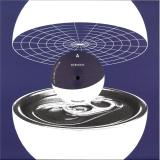
Introducing the second release from Principauté de Bowl-Air — PBAVINYL002
Principauté de Bowl-Air is a label founded by DJ Bowlcut, a key figure in supporting Seoul’s underground scene through Seoul Community Radio. The project presents his vision of deep, glitchy minimal house music, woven with the story of a secret micronation hidden in the heart of Seoul.
Following the debut vinyl release, PBAVINYL002 features an original track by DJ Bowlcut alongside reinterpretations by his friends Slowmouth and Furz.
The cover artwork references one of the first K-pop acts to introduce rave sounds to Korean audiences — Seo Taiji and Boys. Their first techno album featured an image of the top of an aluminum can, and PBAVINYL002 draws from the same visual reference. The track “Dig This” also reworks elements from their song “You in Illusions (Techno Taiji Mix).”
The A-side opens with “Falling”, a hypnotic-groove track built around deep synths and designed for afterhours. It works as a perfect DJ tool for gently guiding the crowd into a subtle trance state, further enhanced by the vocal sample “Everybody Falling, Anybody Feel that Falling?”, which pulls listeners into a slow, spiraling moment.
The second A-side track, “Dig This”, takes direct inspiration from one of the earliest K-pop tracks to feature rave stabs, TB-303, and classic rave elements — “You in Illusions (Techno Taiji Mix)”. DJ Bowlcut reuses many of the same samples that Seo Taiji originally layered, reconstructing them into a deep minimal cut with a distinctive Mentasm stab woven into the minimal house framework.
The B-side features remixes by Slowmouth and Furz.
Slowmouth transforms “Falling” into a brighter, more festive exploration that reveals the hidden layers of the original hypnotic groove.
Furz, meanwhile, turns “Dig This” into a funky, dancefloor-ready banger aimed at a wider crowd.
out of Stock
Last delivered 3 days ago available to reorder, subject to availability
Some recordings herald the future in ways that are impossible to see in real time. Teodros Makonnen With His Organ (ቴዎድሮስ መኮንን ከኦርጋኑ ጋር), by the artist Teodros Makonnen, also known as Teddy Mak, is one of those. Today, electronic sounds, synthesizers, and digital production are taken for granted in Ethiopian music, but in the early 1980s, they were novelties that polarized opinion. Even to this day, the story of Teodros Makonnen’s legacy has never been properly told. He played a decisive role in defining the sound of the digital era of Ethiopian music that emerged in the 1980s and beyond, both as a keyboard player and as a producer, songwriter, performer, and sound designer.
Ethiopian music was at a crossroads in the early 1980s. Much like music in the rest of the world, technology and automation heralded either a quantum leap in musical development or the annihilation of musicianship, depending on who you’d ask. The changes were incremental nonetheless, but with the benefit of hindsight one can clearly see that the changes meant different things in different contexts. Drum machines and electric organs came to replace many hotel bands because, all of a sudden, one musician could control drums, melody, and accompaniment. Teodros was one of the first musicians in Ethiopia to explore the possibilities this opened up.
Teodros’ father, Captain Makonnen Beri, was a chief pilot at Ethiopian Airlines and a music enthusiast at that. This would prove important to his development, as Makonnen brought back a piano from Germany, which would lead to the first steps in Teodros’ long musical career. Captain Makonnen’s work as Head of Flight Operations and as a pilot exposed him to the wider world that was far from commonplace for most Ethiopians. In a house where music captivated the whole family, the piano gave Teodros’ talent an outlet. Not only was a piano at home rare in Ethiopian households, his father also brought an Indian teacher to their home to teach Teodros and his brother, Captain Samuel Makonnen, music theory (solfeggio or ear training) and piano. Teodros and his youngest brother, the late great Dereje, a member of both the legendary Ibex Band and the Ethiopian reggae group Dallol, took up music from that point onward, with Teodros beginning to develop his proficiency at the age of eight. His father encouraged him to practice tirelessly at home, and Teodros later received musical schooling at the German School in Addis Ababa. His obvious talent led to studies and formal education at the Yared School of Music, followed by continued studies in American jazz at Northern Virginia Community College in Virginia. Teodros cut his teeth professionally in his mid-teens, not only as a keyboardist, but also as an arranger for the Wabi Shebelle and Dahlak bands in the 1970s. He mastered electronic sequencing early, rising to prominence through the midnight recording sessions held during the military curfew. The pressures imposed by the curfew required precise and disciplined recordings, and Teodros delivered just that. This, in turn, led to collaborations with iconic artists such as Mulatu Astatke, Aster Aweke, Menelik Wossenachew, Tilahun Gessesse, Mahmoud Ahmed, and Alemayehu Eshete. In those days, he sat in as a keyboardist with the Dahlak Band when Dawit Yifru took a hiatus to study in Russia, and also with the Ethiostar Band. He secured a residency at the Wabi Shebelle Hotel with the Shebele Band, together with Zelalem Tadese (drums), later succeeded by Elias Bekele, Mulugeta Hailu (bass), Teferi ‘Bibisha’ Mengesha (guitar), Kumelachew G/Selassie (trumpet), and Teshome Deneke (saxophone). A friendly competition developed between the bands associated with the Ras Hotel (the Ibex Band), Ghion Hotel (the Dahlak Band), and Wabi Shebelle Hotel (the Shebele Band). The music scene at Wabi Shebelle saw teenagers commanding the spotlight in an industry otherwise dominated by musicians of an older generation. At the Wabi Shebelle Hotel, Teodros met a diplomat from Saudi Arabia and later visited him at his home in Addis Ababa, a meeting that had unexpected musical consequences. The man owned a Yamaha double-deck keyboard. That evening, they recorded Teodros Makonnen With His Organ (ቴዎድሮስ መኮንን ከኦርጋኑ ጋር) in one take. This recording, a cornerstone in the early digital sound of Ethiopian music, came about almost by chance, simply because Teodros got the opportunity. Traditional Ethiopian songs were cast in a wholly electronic style. Once freed from backing duties, Teodros’ keyboards could explore dreamlike soundscapes that took Ethiopian music in new directions. Even though the cassette contained well-known Ethiopian songs, they were given highly original arrangements, performed on an electric organ with drum machine backing and rhythm patterns that left the listener with suggestive, lingering sounds. “Libesh Kabashen” (also known as “Anchi Bale Game”) and “Odu Gol Golesa” wrap you in the very stuff that dreams are made of. Originally released on cassette only, this recording exudes a mystique that surpasses even some of the most obscure Ethiopian recordings of the day. It remained more or less unknown outside of Ethiopia until now. Some of the tracks, like “Addis Fikir,” are permeated with an almost naive buoyancy, free-floating sounds that lost contact with the ground the moment they were conceived. Others, like “Meche New Hageren Yemayew” and “Lelitu Alnega Alegn,” carry a moodier, quirkier timbre, with pulsating rhythms in the background. Yet even the darker pieces contain an unmistakable wave, something essentially Ethiopian. If most recordings of Teodros’s contemporaries at the time were teeming with atmosphere, his songs seem instead at home in the stratosphere, almost ethereal. Some of the music here could be filed under “lullabies,” were it not for the recurring, almost brooding feeling that engulfs the listener on the aforementioned tracks. You could easily be forgiven for drifting into a blissful haze as the music washes over you.
Up to the advent of electronic music production, Ethiopia was totally dominated by big bands on the one hand, and small groups on the other. The former were tied to large institutions such as the military, the latter emerged from the entertainment industry, in hotel bars and nightclubs. These groups were commercially driven, and bands ultimately had to foster a mercenary approach to employment, albeit not to the passion for music. In the light of this, Teodros’ musical legacy can be seen in two ways. On the one hand, he is a key player in Ethiopian music from the 1970s onwards, leaving an indelible mark through hundreds of compositions and arrangements, including soundtracks for numerous documentary films and advertisements for different companies. On the other hand, the way he and others employed electronics brought Ethiopian music onto a fork in the road.
The replacement of traditional instruments with electronic equipment was seen as impending doom by some. Others, like Teodros, saw new avenues for performance, production, and creativity. Just as later producers like Abegasu Shiota of Admas, Teodros was a trailblazer who opened paths that it took Ethiopian music as a whole more than a decade to rush into. The hotel scene had already been pushed toward electronic music by financial necessity and cost-cutting. Today’s revived global interest in Ethiopian music from the seventies and eighties, alongside a broader resurgence, has changed the reasons for using digital means of music production. They have become tools for musical dreaming. This is where the dreaming began.
out of Stock
Last delivered 7 days ago available to reorder, subject to availability
Unncecessary is the first EP released on his own label by Nocturnerror, extremely appreciated by the Bass scene led by Zuli, who many times has played his tracks in Web Radios such as NTS, Rinse FM, etc..
“Unnecessary" is the title of the second release on A Flooded Need. Previously tangled in the most slippery meanders of electronic music with strong punk and wave reminiscences, 1/2 of Hyperlacrimae alongside 11xxx27, Nocturnerror approaches this work in a totally different way. The six tracks of the EP, in fact, represent a melting pot of hybrid influences between audacious bass music, cinematic and cacophonic IDM, totally deconstructed techno - stripped of its dance component - and dirty rave jungle.”
Insert — Web zine
je prie pour que la goutte ne tombe pas
(I pray that the drop does not fall) is the first international release by Japanese trio Chi To Shizuku. While they have released five albums and a 7” in Japan, their spectral, haunted rock songs haven’t yet reached a much wider audience overseas. With this album, then, a live recording taken at Koenji HIGH, Suginami, Tokyo on 23rd November 2021, the unique, quartz-like character of Chi To Shizuku’s music is writ large, the bleak bliss of their songs carved onto twelve-inch vinyl.
Perhaps the best-known member of Chi To Shizuku, at least for audiences with an ear turned to Japanese psychedelia, is drummer Takahashi Ikuro, known for his membership of almost every group worth a damn from that scene – Fushitsusha, Nagisa Ni Te, Ché-SHIZU, Kousokuya, High Rise, Maher Shalal Hash Baz, LSD March, the list goes on. But the core of Chi To Shizuku’s music is the collaboration between vocalist, bassist and lyricist Morikawa Seiichirou, and guitarist and arranger Yamagiwa Hideki. Morikawa is a member of long-running punk/goth group Z.O.A., and has also played with YBO , Zzzoo, and as collaborator with Takeshi and Atsuo of Boris in A/N; he’s also recently been performing with Mitsuru Tabata. Yamagiwa’s history takes in stints with Katsurei and Cock C’ Nell, and he also recently guested with la scene 裸身.
All this contextual information does relatively little, though, to prepare you for the unique vibration of Chi To Shizuku’s lustrous songs. They shimmer in the same half-light, perhaps, as Shizuka and the quieter moments of LSD March, sharing a similar poise and classicism, and there’s a tenderness and wracked poetry to Morikawa’s voice that reminds of the emotional intensities both of traditional Japanese folk, and of British folk music: on “Musuu No Nemuri No Naka De Kumo Wo Tukamu”, the combination of his singing, backed with gorgeously plangent guitar, reminds of no-one so much as it does The Pentangle or Spriguns Of Tolgus. Chi To Shizuku’s love for the ballad as form gifts their music an archaic, sometimes arcane resonance, and from what you can hear on this album, it’s clear they’re in love with graceful melancholy.
But this is not a folk album, by any means; it just shivers with the same eternal spirit. There are also hints of prog rock, and you can catch some passages of scratchy, distended free rock, on the extended spirit invocation of “Nanhito Hanhito”. je prie pour que la goutte ne tombe pas is an extraordinary album, a melancholy surprise, that reminds dedicated listeners of the seemingly bottomless well of great music to be found via the Japanese underground in its many forms. Perhaps Michel Henritzi says it best, though, in his liner notes, when he writes, “Chi To Shizuku’s music reminds us that our life is a dream that lasts only a season, and that oblivion will follow.”
Recorded at Koenji High Suginami, Tokyo, 23 November 2021
Mix & Mastering: Taku Unami, photography : Noriko Akiyama
Liner notes by Jon Dale Printed by Alan Sherry
Te Toca marks a new chapter for Cimafunk. For the first time, the Afro-Cuban funk powerhouse records an album with his electrifying band, La Tribu, capturing the chemistry and funkiness that has made their live performances legendary. Recorded live at Criteria Studios in Miami, the album embraces the raw energy of the full band playing together in real time, bringing the spirit and groove of the stage directly into the recording. Te Toca, which can mean “it’s your turn,” is a gift to Cimafunk & La Tribu’s loyal live show followers who have been asking for recorded versions of “Cocinarte,” “Relajao,” and “Se Acabó,” staples of Cimafunk & La Tribu’s dynamic live performances. It’s also a nod to Cimafunk formally introducing La Tribu as full creative partners. Te Toca features seven new original songs and a reimagined version of “Paciente,” one of Cimafunk’s standout tracks from his debut album Terapia. All eight tracks were recorded over three days with all musicians performing simultaneously in the same room with no rerecording: just raw, authentic, live music. In a time when so much music and communication is developed with technology and filtered through screens, Cimafunk & La Tribu’s Te Toca connects the artist and audience the old-fashioned way with real music.
out of Stock
Last delivered 21 days ago available to reorder, subject to availability
Soul Quest Records proudly welcomes longtime friend and mastering engineer Coflo for his long-awaited debut on the label with the Gimme That EP. A rich collaboration with Egyptian American vocalist, bassist, and multidisciplinary artist, Aya Moor. With this EP, the label continues its commitment to meaningful collaboration, presenting a release that feels timeless, heartfelt, and effortlessly danceable.
DE-CMG / DE15YR Dark EntriesBooks21.09.202621.SEP.26
Dark Entries Collected Music Graphics Compiled by Josh Cheon and Eloise Shir-Juen Leigh To celebrate 15 years of Dark Entries, this zine showcases the label’s visual aesthetic, bringing together some of the most iconic designs that we’ve released. While Dark Entries’ sonic mission has included sounds as diverse as synth-pop, Italo disco, darkwave, house, and techno, it is equally staggering to see the breadth of visuals the label has encountered and collected over the years. Included here are selected typography, logos, and illustrations from the label’s extensive catalog — well over 300 releases to date. Designs have been created using DIY analogue techniques as well as more contemporary digital approaches. A full discography is included at the end for reference and an essay by Shawn O’Sullivan (Led Er Est, Further Reductions). This zine serves as a source of inspiration for artists as well as a means of preserving and documenting these distinct graphics. DARK ENTRIES RECORDS is a San Francisco-based record label that was born in July 2009. Helmed by Josh Cheon, a vinyl-focused DJ and collector, the label has focused largely on excavating the 1980s underground era – but releases have spanned from sultry vintage disco to bleeding-edge contemporary techno. Graphic designer Eloise Shir-Juen Leigh has been responsible for most of the label’s artwork, whether reproducing original designs accurately for reissues or creating exciting new ones. Much care and attention is given to each release to represent the music in a memorable way as well as tell the stories behind these projects. Hand-stamped and limited to 200 numbered copies. 64 pages with neon cardstock covers. Measures 5×7 inches.
Singer-Songwriterin, Multiinstrumentalistin und Produzentin Agnes Obel kehrt mit dem mit Spannung
erwarteten neuen Album ”The Meaning of Flowers” zurück, das auf die gefeierte Veröffentlichung von
”Myopia” (2020) folgt.
Die aus Dänemark stammende Wahlberlinerin hat das neue Werk vollständig in ihrem Berlin Studio
geschrieben, arrangiert, aufgenommen und produziert. Auf 12 atmosphärischen, genreübergreifenden
Tracks fängt ”The Meaning of Flowers” eine Phase tiefgreifender persönlicher und kreativer Transformation ein.
Inspiriert von der Geburt ihres ersten Kindes erkundet Obel Themen wie Neubeginn, Verbundenheit und
Metamorphose und reflektiert darüber, wie neues Leben den Körper, den Geist und die eigene Beziehung
zur Welt verändert.
Ihre neue Musik schöpft dabei aus vielen Quellen – von der Dichtung Enheduannas (der ersten namentlich
bekannten Autorin der Welt) und den philosophischen Ideen von Hannah Arendt und Emanuele Coccia bis
hin zur dänischen Popszene der 80er- und 90er-Jahre.
Shaped in the shadows and sounds of the legendary Topanga Canyon, California. The debut album from Biita Houdei is buoyed by a magic that feels wildly and beautifully untamed; wild-hearted sentiments that are shaped by the world around it, fascinated by the enchantment of it all, and delivered via a collective (harmony layered) voice that understands the complex nature of what it means to be alive in the here and now.
Produced by Haley Heynderickx, 'This Bed Was Made For Me' is a striking collection of stirring, signature folk songs animated by subtle instrumentation and orchestral flourishes. It feels lived in: vocals weave together in a beautiful harmonic dance, seasons shift, sunshine appears and bold psychedelic colours warm the horizon.
In the early stages of making her debut album, Biita Houdei knew two things: that she wanted the recordings to feel distinctly and palpably warm, and that she would sew a unique patch for every song on the album. The first of those things is subjective, though brightness pours in from all corners of This Bed Was Made For Me. The second became a laborious task she undertook throughout the process, the completion of which is testament to the slow process of it all, to the physical commitment and patience required to make a full work of art.
The patches she crafted during the making of This Bed Was Made For Me became a full quilt, one that now adorns the album’s front cover. Beneath it sits a striking collection of Houdei’s stirring, signature folk songs, brought into fruition with the help of fellow songwriter Haley Heynderickx, in her first lead production role, and the album’s producer/engineer Sahil Ansari. It’s also the first release Biita (pronounced “bee-tah”) is releasing under her newly-taken name, one that was gifted to her by her auntie and means "unique" in the Farsi language. “I proudly take this name,” Biita says of the change. “It makes me feel that much closer to my Persian heritage.”
Recorded across ten back-to-back and full days, the album touches on themes of love and heritage, of taking chances, the preciousness of time and the impact we all have on the world around us. A number of the songs were written in Topanga, California, while Biita settled into a new home as wild fires raged, and as she adjusted to a life which no longer held distinct seasonal changes, far from the Ozark Mountain home she felt so attached to. Such themes reveal themselves in a variety of ways across the album’s fourteen songs, that key sense of warmth retained in the bones of the album whether they are stepping into darkness or seeking out light.
The album feels lived in and alive; dust swirls, seasons shift, sunshine appears and is held. Biita calls it ‘psychedelic’ and there is indeed a sense of that in the world building, in the way the bold colours are always shifting. Formed of fourteen songs, and filling nearly forty-five minutes, This Bed Was Made For Me not only builds a whole world for listeners to inhabit but also implores you to stay a while. This was deliberate, indeed it’s Biita’s wish that listeners give the album dedicated time; to learn its shape, to explore it fully, away from the instant grab of playlists and skewed algorithms.
“Many of my favourite albums didn’t reveal themselves instantly to me,” Biita, now based in the Catskill Mountains of New York, explains. “Some did, of course, but I had to work to understand the full scope of the piece as a whole. I encourage people to dive deeper into everything that they choose to consume. It is not my intention to sound pretentious, but instead, I am trying harder to explain the gratitude I have for being able to craft every part of this album— using my hands, my brain, my voice, my visions. To me, it is an all encompassing work of art,” she continues. “Making the quilt was laborious. Taking the cover photo was laborious. No shortcuts, but rather a manual and tangible approach. I am thankful for the time it took.”
My fourth album begins and ends in nature, a space that has continually shaped and inspired my artistic work. I spend much of my time in forests and landscapes, listening, observing, and absorbing the subtle rhythms and structures of the natural environment. These impressions do more than accompany my music; they become an integral part of it, influencing its atmosphere, form, and sonic character. As a result, this has become my most emotional and profound album to date. The journey begins with captured moments from a Mediterranean island. Fragments of distant church bells, the ticking of a clock, and the hum of insects in the sun are gently joined by my piano... In this way, the opening piece, “Time,” serves as an introduction to the central idea behind Ellipsis. The term derives from the Ancient Greek word λλειψις (élleipsis) and refers to the deliberate omission of ἔ words or parts of a sentence.
What remains unsaid can carry just as much meaning as what is spoken. This idea runs like a thread throughout the entire album. A reduction to the essential, yet enriched with the necessary details that continually create space for imagination, personal interpretation, and those emotions that are not prescribed but emerge through the act of listening. Ellipsis exists within this tension between presence and absence, between acoustic and electronic sounds, between nature and the studio, between memory and perception. It is a place where meaning arises not only from what is audible, but also from what remains unspoken.
The record is largely sung in Scots language, one of Scotland’s three official languages along with Gaelic and English. “Scots gives me a way of expressing myself which is connected directly with the landscapes I love. It brings the songs alive and it is a fascinating language. The name of the record is in Scots - Forefowk means the people who came before, or ancestors. When we say ‘mind me,’ we can mean a few things- remind, remember, watch over or care for me. The record explores how tradition needs to be constantly reconnected with, built upon, looked after, and shared.”
Quinie sings with a style inspired by Scottish Traveller singers. “I began singing unaccompanied Scots Song in 2015 after hearing Scots Traveller singer Sheila Stewart on the radio. Initially I felt like I shouldn't sing these songs because I'm not a Traveller, and I saw people around me doing that in a way that made me uncomfortable. But on the other hand this music made sense to me and I felt driven to learn. Over the years I have met Traveller friends who taught me that settled people sharing these songs could contribute to raising awareness. Scottish Travellers are marginalised and discriminated against in modern Scotland, despite being custodians of so many of our important traditions. So I started to perform them and tell this story. From there I built on my repertoire and started writing my own songs”.
To develop this record, Quinie travelled across Argyll with her horse. They went on a pilgrimage of sorts through the ancient landscapes of the West of Scotland to explore the interconnected relationships between people, ancestors, animals, and place. The album’s vinyl release is accompanied by a book and film, documenting this unusual research process.
Forefowk, Mind Me was recorded in August 2024 at The Big Shed in Highland Perthshire with support from Creative Scotland. Quinie is accompanied by an ensemble of musicians: Ailbhe Nic Oireachtaigh (viola), Oliver Pitt (duduk, bouzouki, percussion), Harry Górski-Brown (small pipes, violin), and Stevie Jones (double bass, recording, and mixing). Each of these artists brings their own distinctive voice, bridging contemporary experimental practice with worlds of traditional and early music.
Inspired by a now-demolished artists' collective on the outskirts of Copenhagen, 'The House' is the debut album of Belgian-Dutch singer-songwriter Elis Floreen. Written during her years in the Danish capital, the album grew out of a place filled with decades of forgotten objects, artworks and stories. A temporary refuge for artists, dreamers and people caught between chapters of their lives.
As residents came and went, the house became a world of its own, shaped by shared meals, late-night conversations, evolving traditions and the countless stories left behind by those who passed through. When the building was eventually demolished, Floreen found herself holding on to its spirit through song. The result is an album that explores belonging, memory and the strange ways people become part of one another's lives.
Produced by Jo Francken and Pieterjan Maertens, known from their work with Tamino, 'The House' blends intimate folk, adventurous pop and richly layered arrangements into a musical world that feels both playful and deeply moving. Drawing on the storytelling spirit of Paul Simon, Kate Bush and Aldous Harding, Elis Floreen transforms everyday moments into something timeless, introducing a distinctive new voice with a debut album full of warmth, imagination and heart.
There was an immediate buzz surrounding This Is What I Know About Being Gigantic, the 2001 debut EP by Seattle indie phenomenon Minus the Bear. It wasn’t the kind of viral interest that translated into a string of sold-out tour dates, but it meant that the tuned-in crowd eagerly anticipated their next move. To help stir up the excitement for their first proper full-length, the band followed up Gigantic with a promo CD featuring two tracks from their upcoming album, a short instrumental interlude, an exclusive new song, and a demo version of another album track. Packaged in a cardboard slipcase, it was the kind of cheaply manufactured promotional item that could be handed out for free at shows or thrown in as a bonus in online orders—a relic of the final years of the CD age before the advent of the iPod and mp3. The sampler CD was christened Bands Like It When You Yell “YAR!” At Them in a nod to the upcoming album Highly Refined Pirates.
While these kinds of promotional items typically had an ephemeral existence, filed away in some neglected binder of CDs or tossed out during one of the many apartment-to-apartment moves of the band’s principal demographic of urban twentysomethings, Bands Like It When You Yell “YAR!” At Them had a curiously persistent presence. Perhaps it was because it was packaged more like a proper EP than a sampler. It certainly helped that it was a free release, meaning anyone who came to a show likely walked away from the evening with the cardboard slipcase tucked in their jacket pocket. It’s also noteworthy that the EP showcased three songs from the back half of Highly Refined Pirates rather than the album’s live staples and fan favorites from side A. Whatever the combination of factors at play, “YAR!” took on a life of its own and was ultimately re-packaged in a jewel case and sold as a proper EP in 2004 in the wake of Highly Refined Pirates’ success. And now in 2026, it’s getting its first proper release on vinyl.
Opening with the driving beat, chirping guitars, and funky low-end of “Spritz!!! Spritz!!!,” Bands Like It When You Yell “YAR!” At Them quickly cements Minus the Bear’s foundation of sophisticated revelry, a spirit further emphasized in the Highly Refined Pirates title choice. Part of the Bear’s lore involves them playing their first show three days after 9/11, and just as New York City’s indie rock scene took a sharp turn towards nightclub debauchery and a rejection of ‘90s rock’s dour fatalism in the wake of the World Trade Center tragedy, so did the Bear turn away from the Seattle’s scene’s penchant for gloom and angst towards a cerebral after-hours pop sound. The inclusion of “Women We Haven’t Met Yet” helped elevate what could have otherwise been seen as an album deep cut into a lead track. The fact that these first two songs essentially served as preview singles over future Pirates hits like “Monkey!!!Knife!!!Fight!!!” and “Absinthe Party At The Fly Honey Warehouse” speaks to the high quality of every song the band cranked out in their early years. The EP’s exclusive track “Drop It Like It’s Hot” presaged Snoop Dogg’s mega-hit single of the same name by two years, but whereas Snoop leaned into restrained minimalism, the Bear unleashes some of their fiercest work here, building off of interwoven riffs and electronic layers to a climax of stabbing guitars and hollered vocals. Much like Nirvana’s Hormoaning EP, Minus the Bear’s Bands Like It When You Yell “YAR!” At Them was initially more of a marketing gimmick than a proper release, but given the popularity of the pivotal studio albums that stemmed from the same recording sessions, these extended plays serve as compelling companion pieces that have earned a special spot in their respective fanbases’ hearts. Suicide Squeeze is proud to offer Bands Like It When You Yell “YAR!” At Them on vinyl on September 18, 2026, nearly 25 years after the band’s first show.
Remastered for vinyl by Bernie Grundman with lacquers cut at 45rpm, this limited edition pressing of 1000 copies on Puget Sound-colored vinyl helps document and preserve the exciting early years of one of American indie rock’s most beloved acts.
To be far ahead of your time sometimes means that you have to wait a while for the right moment to be understood. The visionary approach of multi-instrumentalist Johnny Lamas led him to experiment with a world of hybrid jazz-funk, ambient and electronic sounds while keeping the rhythms of Venezuelan traditional music alive. From 1993 to today, small recognition has grown into true admiration for this so specific sound and his "Danza Cósmica" masterpiece.
TrueClass Records are pleased to present as their second release a complete restoration of this gem, beautifully remastered and redesigned, making it available now for the first time in fine audio quality on vinyl and digital formats.
out of Stock
Last delivered 28 days ago available to reorder, subject to availability
Musique Domestique marks the debut full-length from French duo Adiciatz, a project that emerges from the shared musical curiosity of Manon Nogier and Guillaume Lespinasse. Living near Lyon and making music together since before the pandemic, the pair developed their sound during lockdown improvisations at home — a creative process that quickly revealed a unique musical chemistry rooted as much in folk tradition as in experimental exploration.
Drawing on a wide palette of influences — from Occitan poetry, delicate folk to drone and spontaneous sound exploration — Adiciatz makes music that feels both intimate and expansive. Nogier’s voice and amplified taisho koto weave through Lespinasse’s keyboards, machines and percussive touches, forming a sonic world where ritualistic soft folk melodies coexist with subtle electronic textures.
Their live performances, including an appearance at the Meakusma Festival, where their set blurred the line between concert and séance, have already shown how this blend comes to life in front of audiences, with hypnotic vocals, spiralling chords and slow, trance-like rhythms inviting listeners into a space that is both meditative and evocative.
On Musique Domestique, those live-rooted sensibilities are distilled into recorded form. The album moves fluidly between rich pastoral folk and instrumental meanderings. Musique Domestique announces Adiciatz as a compelling new voice at the intersection of folk, experimental and electronic music crafted with care and intuition.
Cities blurred into one another. Borders became routine. Airports, night drives, ferry ports, backstage rooms, festival fields, hotel corridors, and long-distance journeys stitched together into a single continuous life of movement. Success, such as it existed, was measured in miles travelled, crowds gathered, and momentum sustained. The band moved because they had to. Because stopping felt like failure. Because “making it” always seemed to live somewhere just ahead.
Then the world stopped.
Lockdown didn’t just interrupt EYRE LLEW’s trajectory; it dismantled it. The relentless forward motion that had shaped their identity for over a decade disappeared overnight. Tours vanished. Plans dissolved. The infrastructure of their lives as musicians collapsed into silence. For a band built on movement, it felt devastating.
Written across lockdown and the years that followed, the album is not a record about absence; it’s a record about presence. About love that feels like home. About stillness as strength. About devotion without spectacle. About grief without melodrama. About healing without performative optimism. About growth that doesn’t announce itself loudly, but happens slowly, privately, and honestly.
After years of movement, it is EYRE LLEW learning how to stand still and discovering that this is where the real growth starts.
Cities blurred into one another. Borders became routine. Airports, night drives, ferry ports, backstage rooms, festival fields, hotel corridors, and long-distance journeys stitched together into a single continuous life of movement. Success, such as it existed, was measured in miles travelled, crowds gathered, and momentum sustained. The band moved because they had to. Because stopping felt like failure. Because “making it” always seemed to live somewhere just ahead.
Then the world stopped.
Lockdown didn’t just interrupt EYRE LLEW’s trajectory; it dismantled it. The relentless forward motion that had shaped their identity for over a decade disappeared overnight. Tours vanished. Plans dissolved. The infrastructure of their lives as musicians collapsed into silence. For a band built on movement, it felt devastating.
Written across lockdown and the years that followed, the album is not a record about absence; it’s a record about presence. About love that feels like home. About stillness as strength. About devotion without spectacle. About grief without melodrama. About healing without performative optimism. About growth that doesn’t announce itself loudly, but happens slowly, privately, and honestly.
After years of movement, it is EYRE LLEW learning how to stand still and discovering that this is where the real growth starts.
MĀRARA, meaning flying fish, is a musical project born in the heart of a still largely unknown Polynesian island. While Tahiti commands attention and the spotlight, Mārara remains in the shadows, ignored by tourist circuits and dominant cultural narratives. This album aims to put Mārara on the map and give voice to an island that deserves to exist in all its richness.
Through this work, we offer an immersion into our traditions, customs, legends, and myths. These stories, deeply rooted in Polynesian culture, are transformed by the environment: for example, the legends of an atoll differ from those of a mountainous island, shaped by the climate, the terrain, and the elements. MĀRARA captures this diversity and reveals its unique character.
This album is not just a musical creation: it is an act of cultural transmission and visibility. Music becomes a vehicle for identity, a voice for an unknown territory, and a bridge between past and present.
"With MĀRARA, we make our island sing so that its voice resonates beyond its horizon."
Futaishitsu Souzou is the first vinyl album released by Japanese duo la scène 裸身, a duo of Saya on vocals and bass, and Eiji on guitar. They’ve been an understated but deeply impressive presence on the Japanese underground for the best part of a decade now, having self-released a debut album, Ten No Sekido, in 2018, which saw them co-producing by Atsuo of Boris, who also worked with them on the following year’s Corridor EP. The mystery and magic of their songs, which vibrate in a curious space between psychedelic rock, acid folk and slowcore, is at its strongest on Futaishitsu Souzou.
la scène 裸身 have long been interested in art that’s stripped back to its simplest, most elemental form, much as their name represents the Japanese word ‘rashin’, which means naked body. There is something unadorned about the three songs on Futaishitsu Souzou; Saya’s becalmed, unhurried vocal delivery reflects the gentle intensity of the simple, gem-like chord changes strewn through songs like “Futaishitsu Souzou” itself, and the bittersweet, folkish lament of “Reiyou”, a song inspired by the loss of the band’s friend, Gazelle.
Futaishitsu Souzou is steeped in melancholy, but it is not resigned to this emotional state; there are threads of rebirth and transcendence woven through the album’s three lovely, slowly enveloping, and deeply moving songs. Often, you can hear that transcendence in the soaring, sky- burning guitar playing that cleaves these songs in twain, from guest guitarist Hiroshi Kurosawa (of Asylum). At times, the music here recalls the drift-like psych-rock of the Paisley Underground; elsewhere, it explodes with vibrant intensity, swarming with noise and feedback, that runs alongside similarly delirious examples from the Japanese underground.
And yet, la scène 裸身 is entirely its own thing, a unique, singular vibration, a oneiric manifestation of hermetic visionary art.
Josephine Foster's peculiar 2000 home recorded debut There Are Eyes Above is an essential introduction to her music that’s unfolded now for over two decades. Released for the first time on vinyl, this limited edition 10-inch pressing comes packaged with brand new artwork and is adorned by one of Josephine’s illustrations. Lo-fi and unaffected by tradition or commercialism these initial recordings are sepia-tinted, folk-art music with powered by uke minimalism; it’s outsider music that still doesn't fit in. Just 30-minutes caught in time before her 2001 follow up Little Life - this humble first incarnation includes here for posterity super personal lullabies and a glimpse into her songwriting evolution. It’s music from an era that only exists in your mind, with a bow to Tin Pan Alley for good measure. This super rare collection, originally only released on CDR and sold at shows, remains an essential part of the curious oeuvre of this unique songwriter and singer. “A dissonant soprano and lyrics about benevolence and old-time faith, Foster expertly weaves ancient and modern” The Guardian. Track listing: Side A 1 One Hundred Songs I Sing 2 Emily Told Me 3 Teeter Totter 4 Little Life 5 I Am A Guest In Here. Side B 6 Robber Song 7 Hey Matthew 8 There Are Eyes Above 9 Godcake 10 Yippee I'm Leaving 11Two Not One
Could it be that the world is finally ready for the tempestuous folk-rock opera that is "All the Leaves are Gone?" In 2004, only the truly informed and forward-thinking heads "got" this mini masterpiece. Critics scratched their heads and usually resorted to comparisons of past artists, like ol Grace Slick and her Great Jefferson Society, Fairport Convention (but which era? SURELY Judy Dyble's early reign?), and at best, Shirley Collins. A few fans attempted to connect the record to even more obscure "freak folk/rock" like Mellow Candle, Fear Itself, or Trees. "All the Leaves are Gone" was made by unique personalities not concerned with influences or copying any bygone era. Surely, some things are in our DNA or even early childhood, as Josephine Foster's roots in opera manifest themselves as much as any other influence in this organic song cycle. Sure, guitarist Brian Goodman may have heard Richard Thompson before, but his alchemical and molten guitar spray is purely his own, in tunings and intervals still not meant for normal humans to understand, mostly because his 2004 guts were poured into every sublime note (I think even Brian himself never even understood how good he was). That fiery emotion is also in every nuance of Foster's songs--like life, there's disquieting, jagged moments of unease, and there's calm both before and after the storm. There are moments of utter gentleness along the journey---because yes, every concept album should be a voyage, and this is one everyone should take. - Steve Krakow.
When Pouya dropped The South Got Something To Say in the summer of 2019, it wasn’t just a title—it was a definitive statement of growth. Nodding to André 3000’s iconic 1995 Source Awards declaration, the Miami pioneer used his third studio album to prove that his raw, independent formula had mutated into something deeper, more mature, and entirely unmatched in the underground rap landscape. Now, for the first time since its digital release, this pivotal moment in Florida hip-hop history is finally available on wax, offering listeners something tangible they have been anticipating for years.
The South Got Something To Say captures Pouya at a lyrical and sonic turning point. While maintaining the blistering flows, heavy bass, and visceral Florida energy that initially put him on the map, the album opens the door to intense themes of mortality, legacy, and the heavy toll of independent success. It bridges the gap between the frantic energy of the SoundCloud era and a mastery of songwriting, offering fans a remarkably transparent look into the mind of an artist surviving the very chaos that birthed him. Standouts like "Cruisin' in the MIA" and "Florida Thang" showcase his signature rapid-fire delivery, perfectly balancing the record's darker, more introspective moments.
The sonic diversity of the project is anchored by a stellar lineup of collaborators who push Pouya into new creative territory. He enlists Three 6 Mafia royalty Juicy J alongside heavy-hitting underground peers like Ghostemane and City Morgue, while seamlessly pivoting into the melodic, hazy soundscapes of indie-pop artist Cuco and longtime producer Rocci on tracks like "Talk to Me Before I Die" and "Mood Swing Misery." This striking balance of aggressive phonk and melodic vulnerability solidifies the album as a cohesive, genre-bending journey rather than a mere collection of singles.
For years, vinyl collectors and die-hard fans have begged for this underground masterpiece to be immortalized on wax. This first-ever vinyl pressing delivers the booming low-ends and intricate, therapeutic bars exactly how they were meant to be experienced. From the opening nostalgic chords to the final fading beats, this release stands as an essential artifact of the modern underground rap movement, finally giving a landmark Southern album the premium physical presentation it deserves.
Pioneering Ghanaian musician King Ayisobareturns September 4, 2026 with his forthcoming seventh album Pure Confusion, recorded and produced by On-U-Sound’s Adrian Sherwood.
Ayisoba is one of Ghana’s most distinctive musical voices. The world’s foremost player of the kologo - a homemade two-string lute fashioned from a calabash and covered in goatskin - he delivers fiercely political and socially observant songs using three different voices, including the voice of his grandfather that possessed him as a child. Sherwood meanwhile is the pioneering British producer and founder of On-U Sound whose hugely influential career has connected dub, post-punk, industrial, hip hop and experimental music through collaborations with artists including Lee “Scratch” Perry, Mark Stewart, Horace Andy, Sinéad O’Connor, Nine Inch Nails and Depeche Mode.
Ayisoba and Sherwood first collaborated during a BBC Radio 3 Late Junction session at Maida Vale in 2017, organised by Ayisoba’s long-time collaborator Arnold de Boer/Zea of The Ex. The pair immediately connected, and during the pandemic, when Adrian’s long-time African Head Charge collaborator Bonjo Iyabinghi Noah was in Ghana looking for musicians to collaborate with Sherwood suggested Ayisoba, who eventually featured on two tracks on African Head Charge’s 2023 album A Trip To Bolgatanga (Bolgantanga is the region Ayisoba is from). Ayisoba then returned to the UK in late 2024 and travelled to Sherwood’s Ramsgate studio where the pair laid down the songs that would become Pure Confusion: “All the songs were already in my head,” says Ayisoba. “This album is all recorded live, over one afternoon. Adrian only plays live, and I like that. And he works hard - he doesn’t sleep. I woke up in the night and he was still working.”
“In my role producing it, I just let it roll to make a good vibe,” says Sherwood. “We recorded it completely live, did some programming and processing on some tracks, using dub techniques live on the mixing desk and adding some slick touches. We wanted the colours on the album to swing off what Ayisoba was doing, so we invited some friends to participate. Doug Wimbish (Sugar Hill Gang) arrived from America and lent his services playing bass on a couple of tracks; the wonderful Ivan Hussey (Celloman) played bass, keyboards and cello - cello is not really featured on African recordings so we thought it would be really cool to try it. I'd been working with Alex White (Fat White Family/Primal Scream) on my album (The Collapse of Everything) and so he added sax to a few tracks and I brought Alan Glenn down especially - Alan was in Little Axe but also Nine Below Zero and played in the Yardbirds – to add some mouth organ; Mark Bandola added a bit of flavour with his Juno, Ayisoba’s long-time Ghanian collaborator Ayuune Sule added some percussion and vocals and Matt Smith did some programming.”
“King Ayisoba is quite amazing, so unique,” Sherwood continues. “He’s got his own handmade instrument and three different voices - when you’re listening you think it’s three different people. He’s a breath of fresh air, full of love for the music which he wants to share with everybody. Some tracks we kept very straight and others we experimented with - adding dubby psychedelic little touches to trip you out a bit. The added production we did at On-U has given it a shine while still keeping it vibrant, live and spontaneous. I’m really proud of this record”.
On Pure Confusion, Ayisoba documents the anxieties, contradictions and changing social realities of contemporary Ghana. “Land is a problem for everyone,” says Ayisoba of the opening track “Property”. “If you don’t build on your land they will take it away. Plenty corruption in Ghana, plenty confusion. They sell the land to two, three, four people and then everybody fights.”
Elsewhere Ayisoba explores illness, spirituality and social stigma on “Bemba”, warning against hiding sickness out of shame or fear of “bad juju”: “People hide their sickness and the sickness kills them.” “Tewigiloge” reflects on cultural difference and open-mindedness encountered through world travel: “We will tour the whole world and we will see many things we may not like or understand… your eyes will see, but don’t talk - you have to be open-minded.”
Spirituality runs deeply throughout the album. Ayisoba’s grandfather was a respected spiritual healer whose presence the musician says still guides him today. “The grandparents’ spirits are the ones you can contact,” he explains of the spiritual chant “Nkaase”. “This song talks about the forefathers.” The closing track “Leeda-Mampanga (It’s Not My Strength)” acts as a statement of humility and gratitude: “You have to be humble, even if you have talent. God gives you the power.”
For more than two decades, King Ayisoba has been one of Africa’s most distinctive musical innovators, transforming northern Ghanaian kologo traditions into a bold contemporary sound rooted in hypnotic rhythms, social commentary and spiritual intensity. Since the breakthrough success of 2006’s Modern Ghanaians, Ayisoba has built an international following through acclaimed albums, relentless touring and collaborations with artists including Lee “Scratch” Perry, Orlando Julius and African Head Charge. Performances at Roskilde, WOMAD, Le Guess Who? and the Barbican have further cemented his reputation as a singular live performer and cultural force.
I’dgained some notoriety as a music producer and DJ but I hit a horrible case of writers block around 2018.
The problem I was finding was that I was trying to shoe horn every smart arsed clever dick musical reference I had into the music I was making, but the function of dance music is to make people dance, not to show people who broad your musical references are, so I was making pretty shitty music that landed in the middle and didn’t achieve either aim.
To tackle this I ended up committing to just trying to make the most expressive and wanky experimental stuff I could. I was immersed in club culture at the time so the whole enterprise started as a joke, hence the name “Bed Wetter”. However when I fully submitted to just naked exploration the really unexpected thing that happened was that I found myself unavoidably having to deal with a lot of my own bullshit. That bullshit turned into the “Billy Mill is Dead” album, which was essentially the sound of me excavating my own life and looking at how I felt about where I was from, where I was headed, my family, my history, my region and all of the things i have conflicting feelings about.
It was partially catharsis and also a bit of deprogramming around being able to call myself an artist after being raised to believe that wasn’t an option for me.
I self released Billy Mill is Dead in the months before the pandemic and it found it’s fair share of love in the places I hoped would connect with it, and just the right amount of being ignored by people who I’m pleased didn’t feel it. This all lead to me being emboldened enough to apply for an artist in residence position at a big regional opera house months later in the middle of lockdown.
My feeling was that if my DJ career was potentially over for the remainder of my lifetime then there was no harm in exploring this alternative method of expression to see where it could take me.
I submitted a ridiculously ambitious plan for what I would like to do as a project, and to my absolute shock I was selected for the position.
I was 40 years old and from a scarcity background so I had a potentially unique response to that kind of validation for the first time and what followed next was a process of me just coming back with bigger and more ridiculous ideas just to find out at whatstage they’d tell me to stop.
The thing is, nobody did. I got as far as suggesting writing a full symphony to be performed by an orchestra before my own nerve gave out and I decided that was probably as far as I should push things.
The problem with people giving you permission to do things is that you then need to go out and figure out how to do those things.
The biggest issue for me, beyond raising the money to pay for everything, was how does a person actually write a symphony?
I was introduced to Fiona Brice, a multi instrumentalist and orchestral arranger. She’s also a recording artist who releases on Bella Union. On top of that she’s a violinist who used to be part of the band Placebo and who used to appear regularly playing for other bands on things like Top of the Pops.
Not only was Fiona uniquely placed to not look down on the strange provenance of someone from an Acid House background wanting to write a symphony, but more to the point we really hit it off from day one.
Fiona coached me in the essentials of writing for an Orchestra, and then I went off and wrote the 8 movements.
I’d love to say I laboured for years over this bit, but it took about 2 weeks in total. I’d also love to say what I wrote was a complete symphony, but the version of this which is solely me feels like looking at something without your glasses on. The shape,feel and borders were all there, but the definition was absent. Fiona taught me the broad language of a symphony, but without her it would have lacked all intonation, nuance and detail. Where I had shaped ideas with a hammer, she brought out my meaning with precision using a scalpel.
I think the prodigiously quick turnaround for the music is as much proof of how conceptually and musically aligned Fiona and I are. I know we’re both incredibly proud of what we’ve created.
It took nearly 2 more years to stage the debut performance in what was potentially the most traumatic period of my life which saw me embroiled in an international crisis with my own family and the death of my father, all with the backdrop of COVID.
The work itself is inspired by the working class experience, but it’s also a comment on how we get to decide what we are and how we’re defined, and we get to choose what we do to prove these things.
The original recording was contractually impossible to ever share again, so we re-recorded it in a working men’s club with jobbing (albeit world class) players. In many ways it’s a record that feels like it shouldn’t exist, which is why we’re all so happy that it does.
From Berlin to Lagos: Jembaa Groove expand their sound on "Be A Lover"
Berlin-based outfit Jembaa Groove return with "Be A Lover", a four-track EP set for full release on 18 September via global soul imprint Agogo Records. Following two critically acclaimed albums and an intensive period of touring across Europe and the US — including a SXSW showcase and a widely acclaimed KEXP session — this latest release marks a new chapter in the band’s trajectory. Built around highlife rhythms and shaped by Afro-jazz and the more organic edges of Afrobeats, "Be A Lover" unfolds with a warm, languid and deeply soulful feel, capturing different strands of today’s multifaceted Afrofusion scene.
Here, the band strips back from a seven-piece ensemble to its two founding members, while at the same time opening outward into a deeply collaborative space. At its centre is a close creative partnership with celebrated Nigerian highlife revivalists The Cavemen., alongside contributions from London-based, Nigerian born soul artist Azekel, Lagos vocalist Tim Lyre, and Malian icon Fatoumata Diawara.
“This record has a different flavour,” says Owusu. “It’s really about collaboration — different feelings, different thoughts, different energies coming together.” While centred around the Lagos contemporary scene, the record is shaped by a wider diasporic network stretching across London, Lagos, Berlin and Amsterdam, cities producer and bass player Yannick Nolting describes as “the pillars where everything that is happening in today’s highlife and Afro-fusion scene.”
Formed in Berlin in 2020, Jembaa Groove began after a chance meeting between bassist, producer and composer Yannick Nolting and percussionist, vocalist and songwriter Eric Owusu. Drawing on their respective musical journeys — Nolting’s years working with Lusophone artists in Lisbon and Owusu’s deep roots in Ghana’s highlife tradition, including work with Pat Thomas and late highlife legend Ebo Taylor — the project quickly took shape: their debut album Susuma established a powerful, poly-rhythmic sound grounded in highlife, jazz and soul, while 2024’s "Ye Ankasa | We Ourselves" expanded that vision through collaborations with artists across Ghana and its diaspora, including UK based Ghanaian singer, rapper, percussionist, and arranger K.O.G and legendary Ghanaian highlife musician Gyedu-Blay Ambolley.
The collaborative spirit continues on "Be A Lover", most of which grew out of a meeting with sibling duo The Cavemen. at Supersonic Jazz Festival in Amsterdam in 2023, leading to a sustained exchange of ideas between Berlin and Lagos. With two acclaimed albums behind them, The Cavemen. have emerged as central figures in both Lagos’ alternative music scene and the wider contemporary highlife revival, bringing the genre to a new generation through a stripped-back, melody-driven sound. “There was some kind of magnetism towards Lagos,” says Nolting; for Owusu, who is Ghanaian but spent much of his life in Nigeria, the connection runs even deeper. “I feel lucky to be able to bring different cultures together and make something really beautiful,” he says. A key part of that process was a close working exchange between Nolting and The Cavemen.’s Kingsley Okorie, who effectively stepped into a co-producing role on three out of four of the tracks.
The one exception is opener No Pain No Gain, which features Nigerian-born, East London-based Azekel, whose smooth, R&B-leaning vocal moves through a slow-burning arrangement of bright keys, gently rising horns and atmospheric synths, anchored by Owusu’s organic percussion.
The title track Be A Lover, featuring Afro-fusion Lagos artist Tim Lyre, distills the EP’s central message into its most immediate form. Backed by syncopated percussion and a gently smouldering arrangement, Lyre’s voice moves with a laid-back, melodic ease, delivering a simple refrain: “be a lover, not a fighter.” “It’s a very simple message,” says Nolting, “It’s about showing more love, on a personal level but also more broadly… just show love.” That same sense of warmth runs throughout the record, reflecting its core idea.
On Obi, The Cavemen. take centre stage, with Kingsley Okorie leading through melancholic, plaintive vocals rooted in classic highlife. In contrast, his brother Benjamin James punctuates the track with high-pitched vocal interjections, heightening the emotional tension against a backdrop of slow, restrained instrumentation.
Waka follows with a more melodic, hook-led refrain from Eric Owusu, whose loose, almost conversational delivery creates a striking contrast with Fatoumata Diawara’s unmistakably powerful, raspy vocal. The collaboration grew out of a chance meeting while Owusu was on tour, with ideas exchanged quickly and Diawara returning a finished vocal within days. “We are so proud to have her. It’s a privilege” says Owusu. "Be A Lover" is a record shaped by connections like these — between people, scenes, and cities. “It was partly intention, partly destiny,” says Nolting. “We met these people along the way, and somehow Lagos was meant to come into our path.”
With Random Constraint Satisfaction Problems, the ever elusive and shape-shifting Thomas Bush offers up a new album of category scrambling song craft. Since earlier solo efforts like Old And Red (2018), Preludes (2022) and The Next 60 Years (2024), Bush—currently based in Malmö—has traced a digressive path that has proven him capable of everything from murky wobbling dirges to uptight head-bopping laments to crystalline synth chords that hang precariously in the air over your new favourite bass line. Like its title, the album's songs/tunes/opportunities for pleasure offer the listener further evidence of a sensibility that is equal parts ambiguity and clarity.
In addition to his solo work, Bush has worked with a range of collaborators in one-off configurations and longer term projects like RAP (with Guy Gormley) and cATHOLIC CHURGH (with Jon Auman). Critical responses to Bush's output have often focused on his predilection for certain folk-ish impulses and instrumentation, but, judging from releases like 2026's guld, his definition of "folk music" seems to have as much to do with A Guy Called Gerald as it does with Shirley Collins or John Martyn.
For all of its diversity, what unites Bush's ever-expanding body of work is its dual commitment to experimentation and a job well done.
“Random Constraint Satisfaction Problems was recorded at Vista Studio 1, Malmö between 2022 and 2025. After creating an account at academia.edu for the purpose of reading a text now forgotten, I began to get emails asking me questions such as ‘Thomas Bush, did you write “Brucellosis and Sacroiliitis: A Common Presentation of an Uncommon Pathogen”?’ or ‘Are you the Thomas Bush who wrote “ATR-dependent phosphorylation of FANCA on serine 1449 after DNA damage is important for FA pathway function”?’, which began to make me wonder if I was, or if not, perhaps I should.
The resulting work is an attempt to find meaning in this, and other chaotic and ambiguous situations through analysis using materials and equipment available to hand. Being sensitive to signs and following them with enthusiasm. Both the source material and evaluation is presented.”
Moving between lo-fi experimental songwriting, sparse post-punk textures and intimate recordings; Ukrainian artist Regina Collage’s new album ‘Horizont’ is a personal and honest document of rebuilding a life and creative voice in Bristol. The record holds space for themes of burnout, quiet shame, tenderness and the courage of staying emotionally open when the world feels unstable. Sung entirely in Ukrainian, ‘Horizont’ does not ask the listener to understand every word. Feeling carries the songs forward. Across bedroom recordings and borrowed studios, Regina moves between cloudy dissonance and stark minimal arrangements built around bass, fragments of guitar, and an exposed voice. The recordings hold onto their rough edges. Mistakes remain and imperfection becomes part of the story. “Music for me is about not being scared to be vulnerable,” Regina says. “Almost every song I have is about what it means to be open and emotional. I really do not think it is a weakness. I hope people can listen and feel welcome to take a break and just let their emotions exist.” The album takes its name from the Ukrainian word for “horizon,” that unreachable line where sky meets earth. For Regina, the horizon became a quiet metaphor for living with distance and uncertainty. Inspired by one of her collage artworks showing a figure lying in grass and staring toward that far line, the title track reflects a feeling of moving toward something that never quite comes closer. Even without understanding the lyrics, the song carries a slow sense of longing and suspended arrival. m‘Vpiznavaty’, by contrast, initially feels almost light. Beneath that surface is a candid portrait of burnout and depressive exhaustion. The song looks at those moments when even greeting friends feels overwhelming. It captures the quiet embarrassment of withdrawing from people you care about, and the slow recognition that sometimes stepping away is simply how you survive. Other songs reveal different sides of the same emotional landscape. ‘Weak’ strips everything back to bass, a hint of guitar, and a bare vocal. Written and recorded in a single instinctive session, the track circles around the idea that softness might be its own kind of strength. Repetitive and intentionally unpolished, it quietly sets the tone for the whole record. Running through ‘Horizont’ is the reality of Regina’s life between Ukraine and the UK. Her hometown Kharkiv continues to face attacks, and many of her friends remain on the front line.
As has been the case with a number of releases on Punctuality so far, Echo Chambered has already gained notoriety as a sleeper hit for those in the know. Fans of Evan Baggs and Rey Colino’s Radar stream from Dekmantel 2025 will instantly recognise Carousel, pulled from a white-label dubplate about half an hour into the set. Fast forward nine months and a flood of track ID requests later and PNCT011 is finally here: five expertly crafted rollers from a modern master of the craft, Bliss Inc.
It’s easy to see why there has been so much demand for Carousel. Its earworm vocal, delicate percussion programming, undulating low end and spacey sound design land it squarely in the sweet spot between the minimal, progressive and contemporary tech house that so many
diggers are seeking out.
While the A1 is an undeniable hit, each track truly sounds like a hard-to-find early 2000s gem—the kind of record a Discogs shark will flip for extortionate rates. Why? Maybe it’s the rolling basslines, the understated grooves, the organic but club-ready percussion, the vocal samples or the cerebral FX.
Maybe it’s the mature, floor-focused arrangements, or the way Bliss Inc. nods to different corners of the dance music spectrum while maintaining a distinct signature. Or more simply, perhaps it’s because each track is an expertly constructed club tool —built for DJs, but just as rewarding for listeners.
However you want to hear it, Echo Chambered has all the markings of a Punctuality classic. With all five tracks doing damage in equal measures, you know what to do…
out of Stock
Last delivered 20 days ago available to reorder, subject to availability
After meeting and working with Janko Nilovic - the extraordinary French library maestro - on a new album, while traveling and performing together around the world for almost 10 years, Igor Zhukovsky & Romeo Miussky - the multi-instrumentalist production duo, and rhythm core of The Soul Surfers - were inspired to make a record of free, spiritual, esoteric sounds which blended together on tape and made Sound Excitement happen.Drawing on their experience as soundtrack composers and using heavyweight Soviet analog equipment, including a few vintage personal instruments belonging to some legends of the Soviet leftfield music scene, Igor & Romeo started experimenting with genre-blending music. The outcome of their recordings are a mixed bag of different moods and genres."It's something similar to a library record or more like a compilation of many different library records on one LP for a good decade if you know what I mean? It's the work which we're really excited about and excited to share with you! ...oh that's hell of a wordplay!"
out of Stock
Last delivered 25 days ago available to reorder, subject to availability
Von 1964 bis 1980 zauberte Lenny ,King Creole" LaCour auf verschiedenen geheimnisvollen Labels eine knallharte Mischung aus R&B, Keller-Beehive, Hard Funk, Gruppenharmonien und Proto-Disco aus dem Hut. Dieses Deluxe-Doppelalbum versammelt 26 soulige Tricks aus dem Zylinder von Magic Touch, ergänzt durch eine ganze Illusion an Notizen, Fotos und Ephemera im beiliegenden Booklet. Abracadabra.
out of Stock
Last delivered 25 days ago available to reorder, subject to availability
“I like to work with a variety of instruments and set ups,” says Mark Van Hoen, sometimes known as Locust or Autocreation but here working under his own name on the excellent Plan For A Miracle, his first physical release of solo music since 2018’s Invisible Threads. ”Sometimes it’s literally in my studio, with all the hardware electronics available. Sometimes the laptop, using software instruments. Some of the tracks on this record were recorded in the desert (Joshua Tree) using a 4-track tape machine and small modular synthesiser set up. Each track was recorded in different location using different instruments, which accounts for the distinction between each piece. It’s also about my own reaction to my environment, and what’s going on in my life at the time.”
The Croydon-born Van Hoen started musical life in the early 1990s, signing for R&S records in 1993 but developing his own, myriad and distinctive style across a range of releases on Touch, Editions Mego and other labels, using a battery of instruments, including analogue synthesizers and taking a number of different approaches to recording, rather than ploughing a single sonic furrow. He has worked on a number of collaborations, including with Nick Holton and Neil Halstead of Slowdive, under the moniker of Black Hearted Brother - their Stars Are Our Home was released in 2013. “I have known Neil Halstead since 1992,” says Van Hoen. “He shared a house with me for a couple of years, and the music I was making and listening to along with clubs I was attending had an influence particularly on Pygmalion, the final Slowdive album on Creation.”
Each track on Plan For A Miracle does indeed sound like a world unto itself, a mini-environment, a weather condition, an ecosystem created for the moment. It’s a collection of tracks recorded over the past few years, released on Bandcamp - despite his apparent absence, Van Hoen works constantly. Opener “Climates”, in its exquisite limpidity, feels like a homage to Brian Eno, one of his most formative influences in his teen years, commencing with Music For Films, which he bought in 1979. “This Is For Them”, feels like a ghostlike throwback to early drum & bass or electronica, reminiscent of his own, earliest outings. “There have been a number of requests from labels to make some more music like my very early releases on R&S,” says Van Hoen. “This is part of ‘letting go’ and realising that there’s nothing less creative about going back to those styles again.”
“Pencil Of Spheres” is something else again, a magnificent, imaginary glass structure, shimmering, refracting, without visible means of suspension, a thing of impossible beauty. “Electric Lights” evokes an abandoned fairground, its lights still pulsating, its music lingering. “The Underpass”, meanwhile, insofar as it reminds of anything at all, is faintly reminiscent of Cluster or Neu’s! West German ambience, the urban mundane rendered magical, the sodium lights, the whitewashed walls. The reverberant, faintly oriental chimes of “Insight” transport us yet again, burgeoning and intensifying.
The landscapes, the skyscapes rendered on Plan For A Miracle feel unpopulated as a rule - but when he does introduce vocal elements, Van Hoen has a history of doing so to spectacular effect - think of “Real Love” from 1998’s Playing With Time, the seductive intonation of its title recurring throughout like a series of massive holograms, echoing, stuttering, breaking up, surging. Here, there are just the faintest of vocals, barely distinct, disquieting. “There’s been a bit of a game changer in recent times,” explains Van Hoen. “AI software that enables you to extract vocals and instrument parts from virtually any recording. That means sampling individual parts from existing sources is no longer limited to the original mix exposing certain parts soloed. The vocal parts I use are from multiple sources and often pitch shifted altered rhythmically and melodically.“ There’s further vocal chatter on “I Really Do”, proceeding at a faster pace as if giving chase, or being pursued - distant, enigmatic. “The Music”, meanwhile, its beat tolling, lost in its own fog of static, features a curious intonation, like the ghost of a lost Walker Brother.
Sadly, the album’s title is in reference to a personal tragedy on Van Hoen’s part - the loss of his wife. Titles such as “I Won’t Give Up”, which faintly reminds of another Eno masterpiece, Another Green World, in its nautical hurly-bury, or the pastoral strains of “Mrs Who”, heavily clouded with sadness, seem to allude to this. “In fact the record was recorded entirely before she passed away,” says Van Hoen, “most of it before she even became very ill. The title was given to the album when it started to look like she wasn’t going to make it beyond a few months. It was something Osho said - “plan for a miracle” - so it was a statement of hope. Unfortunately it was not to be.” Although the album is non-thematic, non-specific in its atmospheres, sound paintings, elegant structures it most certainly stands as a magnificent monument to Osho’s memory.
-David Stubbs.
out of Stock
Last delivered 28 days ago available to reorder, subject to availability
Bei ihrer Ankunft in den USA anlässlich der ersten landesweiten Tournee von The Tubs sagte Frontmann Owen Williams gegenüber dem ,New Yorker": ,Wir sind hier, um das Land zu vereinen. Wir werden so etwa dreimal kommen. Bis dann, denke ich, wird dieser Ort anfangen zu heilen." Und genau das taten sie dann auch voller Freude: Sie quetschten sich in einen Transporter und durchquerten die Vereinigten Staaten kreuz und quer, um den Massen ihren literarischen, verschlafenen, lebensmüden, ,Nacht-deines-Lebens`- Hochseilakt zu präsentieren, als dieser am dringendsten gebraucht wurde. Den Tubs hat es nie an Ehrgeiz gefehlt - auf ,Hard Life" geht es ihnen darum, das ,Tub-ullar"-Erlebnis zu verkomplizieren. Nachdem sie ihre Chemie über zwei vorherige Alben, Hunderte von Auftritten und ein ständig wachsendes Universum von Bands aus dem Londoner Gob Nation Collective (The TSG, Sniffany & The Nits, Spike und Garden Centre) perfektioniert haben, dringt die in London ansässige keltische Jangle-Boyband - Williams (Gesang, Gitarre, Keyboards, Bass), Dan Lucas (Gitarre), Taylor Stewart (Schlagzeug) und Max Warren (Bass) - dringen noch tiefer in das schillernde Herz des virtuosen Indie-Rocks vor. Zu ihnen gesellen sich die regelmäßigen Mitstreiter Lan McArdle (Gesang), George Nicholls (Gitarre) und Rachel Kenedy (Keyboards), die alle schon seit den Tagen von Joanna Gruesome an verschiedenen Projekten im Umfeld von ,The Tubs" mitgewirkt haben; doch das Geheimnis der Üppigkeit von ,Hard Life" ist die Mitwirkung des Geigers Chris Haigh, eines Musiklehrers und Session-Musikers, der mit dem Steps-Hit ,5, 6, 7, 8" unauslöschliche Spuren im britischen Pop hinterlassen hat. In Anlehnung an Williams' Einsatz von Trillern in den Gesangsmelodien untermalt Haighs Geige den wehmütigen Gesang des Sängers wie ein blauer Fleck. Bei ,Stoop to Me", dem folkigsten und klimperndsten Popsong des Albums, ergänzen Haighs Licks Williams in seinen selbstironischsten Momenten - das schiefe Lächeln eines Mannes, der versucht, nicht zu zeigen, wie sehr ihn die unerwiderte Liebe verletzt. Beim Album-Opener und Titelsong ,Hard Life" ist es die Süße der aufsteigenden Geigenlinien im Mix, die die Härte von Williams' Texten mit den mitreißenden Hymnen von The Tubs verbindet. Die harte Linie, die Williams hier und an anderen Stellen auf ,Hard Life" einschlägt, stellt die Vorstellung vom typischen Tubs-Song weiter auf den Kopf. Die Figur, die den Hörern von ,Cotton Crown" und ,Dead Meat" vertraut ist - um Williams: ,die Nabelschau über romantische Erniedrigung, Londoner Elend und die Demütigungen von Trauer und Zwangsstörungen" - ist nach wie vor präsent, doch ebenso gibt es eine zweite Stimme, die härter und erfahrener ist. ,Die zweite Figur hat nicht viel Zeit für die erste", erklärt Williams, ,und hält ihm oft seine Selbstgefälligkeit und Unreife vor; manchmal zu Recht, manchmal zu Unrecht." Es ist dieser Nörgler, der auf der Lead-Single ,Who's Gonna Love You Now?" im Mittelpunkt steht. Seine Fragen - von der im Titel genannten bis hin zu konkreteren Sorgen wie ,Wer bezahlt die Miete?" - stehen in spöttischem Gegensatz zu Ideen wie dem Umzug in die Stadt und dem Beginn eines wirklich erfüllten Lebens. Obwohl Williams den Griesgram spielt, ist der Song ein echter Raver, bei dem Gitarren über einem von Orgelklängen erhellten Horizont erklingen. ,Es ist dein Leben", singt Williams, während das Leben unter ihm vor sich hin tuckert und dabei außerordentlich lebhaft klingt. Er hätte wohl wenig Mitgefühl für den liebeskranken Williams aus ,If You Don't Love Me" - verdammt, seine gesamte Existenz wirkt wie eine Warnung, dass die Art von romantischen Verstrickungen, unter denen man in jungen Jahren leidet, in Einsamkeit, Scheitern und einem Posteingang enden wird, der mit ungelesenen Substacks überfüllt ist. Auf ,Hard Life" streiten diese Stimmen, bedrängen sich gegenseitig, verschmelzen miteinander und lösen sich wieder voneinander, manchmal sogar im Laufe eines einzigen Songs. Sie sind zwei Seiten derselben Medaille, Menschen, die Trauer, Enttäuschung, Reue und Scham erlebt haben und als veränderte Menschen aus den Trümmern hervorgehen. ,Mich interessiert, wie Mitgefühl und Geduld für jemanden, der leidet, immer irgendwann zu Ende gehen", sagt Williams. ,Wie das sowohl etwas Gutes und Befreiendes als auch etwas Trauriges und Brutales sein kann. Aber im Grunde sind es einfach nur Popsongs." Exquisite, unwiderstehliche Popsongs. Man höre sie sich so lange an, bis die Heilung beginnt, und dann noch einmal.
Bei ihrer Ankunft in den USA anlässlich der ersten landesweiten Tournee von The Tubs sagte Frontmann Owen Williams gegenüber dem ,New Yorker": ,Wir sind hier, um das Land zu vereinen. Wir werden so etwa dreimal kommen. Bis dann, denke ich, wird dieser Ort anfangen zu heilen." Und genau das taten sie dann auch voller Freude: Sie quetschten sich in einen Transporter und durchquerten die Vereinigten Staaten kreuz und quer, um den Massen ihren literarischen, verschlafenen, lebensmüden, ,Nacht-deines-Lebens`- Hochseilakt zu präsentieren, als dieser am dringendsten gebraucht wurde. Den Tubs hat es nie an Ehrgeiz gefehlt - auf ,Hard Life" geht es ihnen darum, das ,Tub-ullar"-Erlebnis zu verkomplizieren. Nachdem sie ihre Chemie über zwei vorherige Alben, Hunderte von Auftritten und ein ständig wachsendes Universum von Bands aus dem Londoner Gob Nation Collective (The TSG, Sniffany & The Nits, Spike und Garden Centre) perfektioniert haben, dringt die in London ansässige keltische Jangle-Boyband - Williams (Gesang, Gitarre, Keyboards, Bass), Dan Lucas (Gitarre), Taylor Stewart (Schlagzeug) und Max Warren (Bass) - dringen noch tiefer in das schillernde Herz des virtuosen Indie-Rocks vor. Zu ihnen gesellen sich die regelmäßigen Mitstreiter Lan McArdle (Gesang), George Nicholls (Gitarre) und Rachel Kenedy (Keyboards), die alle schon seit den Tagen von Joanna Gruesome an verschiedenen Projekten im Umfeld von ,The Tubs" mitgewirkt haben; doch das Geheimnis der Üppigkeit von ,Hard Life" ist die Mitwirkung des Geigers Chris Haigh, eines Musiklehrers und Session-Musikers, der mit dem Steps-Hit ,5, 6, 7, 8" unauslöschliche Spuren im britischen Pop hinterlassen hat. In Anlehnung an Williams' Einsatz von Trillern in den Gesangsmelodien untermalt Haighs Geige den wehmütigen Gesang des Sängers wie ein blauer Fleck. Bei ,Stoop to Me", dem folkigsten und klimperndsten Popsong des Albums, ergänzen Haighs Licks Williams in seinen selbstironischsten Momenten - das schiefe Lächeln eines Mannes, der versucht, nicht zu zeigen, wie sehr ihn die unerwiderte Liebe verletzt. Beim Album-Opener und Titelsong ,Hard Life" ist es die Süße der aufsteigenden Geigenlinien im Mix, die die Härte von Williams' Texten mit den mitreißenden Hymnen von The Tubs verbindet. Die harte Linie, die Williams hier und an anderen Stellen auf ,Hard Life" einschlägt, stellt die Vorstellung vom typischen Tubs-Song weiter auf den Kopf. Die Figur, die den Hörern von ,Cotton Crown" und ,Dead Meat" vertraut ist - um Williams: ,die Nabelschau über romantische Erniedrigung, Londoner Elend und die Demütigungen von Trauer und Zwangsstörungen" - ist nach wie vor präsent, doch ebenso gibt es eine zweite Stimme, die härter und erfahrener ist. ,Die zweite Figur hat nicht viel Zeit für die erste", erklärt Williams, ,und hält ihm oft seine Selbstgefälligkeit und Unreife vor; manchmal zu Recht, manchmal zu Unrecht." Es ist dieser Nörgler, der auf der Lead-Single ,Who's Gonna Love You Now?" im Mittelpunkt steht. Seine Fragen - von der im Titel genannten bis hin zu konkreteren Sorgen wie ,Wer bezahlt die Miete?" - stehen in spöttischem Gegensatz zu Ideen wie dem Umzug in die Stadt und dem Beginn eines wirklich erfüllten Lebens. Obwohl Williams den Griesgram spielt, ist der Song ein echter Raver, bei dem Gitarren über einem von Orgelklängen erhellten Horizont erklingen. ,Es ist dein Leben", singt Williams, während das Leben unter ihm vor sich hin tuckert und dabei außerordentlich lebhaft klingt. Er hätte wohl wenig Mitgefühl für den liebeskranken Williams aus ,If You Don't Love Me" - verdammt, seine gesamte Existenz wirkt wie eine Warnung, dass die Art von romantischen Verstrickungen, unter denen man in jungen Jahren leidet, in Einsamkeit, Scheitern und einem Posteingang enden wird, der mit ungelesenen Substacks überfüllt ist. Auf ,Hard Life" streiten diese Stimmen, bedrängen sich gegenseitig, verschmelzen miteinander und lösen sich wieder voneinander, manchmal sogar im Laufe eines einzigen Songs. Sie sind zwei Seiten derselben Medaille, Menschen, die Trauer, Enttäuschung, Reue und Scham erlebt haben und als veränderte Menschen aus den Trümmern hervorgehen. ,Mich interessiert, wie Mitgefühl und Geduld für jemanden, der leidet, immer irgendwann zu Ende gehen", sagt Williams. ,Wie das sowohl etwas Gutes und Befreiendes als auch etwas Trauriges und Brutales sein kann. Aber im Grunde sind es einfach nur Popsongs." Exquisite, unwiderstehliche Popsongs. Man höre sie sich so lange an, bis die Heilung beginnt, und dann noch einmal.
Erin LeCount returns with the release of EP PAREIDOLIA, now on limited edition transparent glitter vinyl and with the addition of hotly-anticipated track THE CINEMA.
Available for pre-order on the 1st July at 5PM BST and set for release on 11th September 2026.
Erin LeCount is a 23-year-old self-taught artist and producer. A visionary sonic architect and the sole writer and producer of her music, her sound ranges from luscious baroque-pop arrangements to alluring gothic-pop. At the foreground of her music are diaristic lyrics and captivating synths which offer an enchanting interplay of vulnerability and power. The themes within her music explore everything from identity to relationships and the meaning of life. Erin’s influences include Fiona Apple, Kate Bush, Lorde, Imogen Heap, Charli xcx, and Sampha.
STANDING ON THE CORNER wurde 2015 in Brooklyn, New York, gegründet und zählt zu den spannendsten Kollektiven der zeitgenössischen Musik. Die Gruppe verbindet Einflüsse aus Soul, Punk, Salsa, Doo-Wop, Jazz, Funk, Avantgarde und Rap zu einem unverwechselbaren Sound, der die kulturellen Verbindungen zwischen den USA, Puerto Rico und Afrika widerspiegelt. Mit ihrem genreübergreifenden Ansatz und ihrer konsequent unabhängigen Arbeitsweise hat sich die Band als wichtige Stimme der New Yorker Kreativszene etabliert. Mit dem Album "STANDING ON THE CORNER" führt das Kollektiv seine künstlerische Vision auf einen neuen Höhepunkt. Die 15 Songs wurden von Bandleader Gio Escobar gemeinsam mit den Kernmitgliedern Jack "Wacko" Nolan, Buz "Manman" Donald und Clérida "Ca$h Clay" Eltime aufgenommen. Entstanden ist ein intensives, stilistisch grenzenloses Werk zwischen psychedelischem Rock, No-Wave-Rap, R&B und Post- Hardcore-Energie. Das Album spiegelt die Unsicherheit, Entfremdung und Sinnsuche einer ganzen Generation wider. Gleichzeitig unterstreicht es die besondere Bedeutung von STANDING ON THE CORNER als Band, die musikalische Konventionen aufbricht und neue Ausdrucksformen schafft - kompromisslos, herausfordernd und gleichermaßen zeitgeistig wie visionär.
Auf ihrem neuen Album verwandelt Sylvan Esso das gemeinsame Musizieren mit anderen Menschen in Kunst, die man einfach liebt - einen greifbaren und einhüllenden freien Fall. Das Album ,Ow " (ausgesprochen ,Ow Infinity"), das über einen Zeitraum von vier Jahren in den Wäldern von Chapel Hill entstanden ist - die längste Zeit, die die Band jemals mit dem Schreiben eines Albums verbracht hat -, erscheint mit einer intensiven Unmittelbarkeit. Bei den meisten Titeln handelt es sich um Meaths erste Gesangsaufnahmen, und die Klarheit sowie die Menschlichkeit ihrer einzigartigen Stimme verankern das Album in der Realität. Es entstand in einer Zeit des Experimentierens und der Zusammenarbeit und mündete in ein kraftvolles, druckvolles, explosives Werk, aus dem sich die Songs geradezu herauskämpfen wollen. Ein farbenprächtiges Totem persönlicher Zerstörung, das Gefühl, zu Knetmasse zermalmt und wieder zu etwas aufgebaut zu werden, das sich fast menschlich anfühlt, fast vertraut, aber zugleich freakig und neu - ein karikaturhaftes, slapstickartiges Grinsen, das sich über eine Ruine legt. Ein großer Teil des Albums entstand aus Improvisation - stundenlang verbrachte Zeit in ihrem Studio in North Carolina, um gemeinsam mit Gastmusikern wie Glenn Kotche (Wilco), Matt Douglas (The Mountain Goats), Jenn Wasner (Wye Oak, Flock of Dimes), Joe Westerlund (Megafaun), Jake Luppen (Hippo Campus, Samia), Daniel Aged (Frank Ocean, Dijon) und dem Schlagzeuger TJ Maiani (Weyes Blood, Neneh Cherry). ,Ow " markiert den ersten Moment, in dem Sylvan Esso sich damit angefreundet hat , dass sie genau das tun - in dem sie herausgefunden haben, auf welchen Wegen sie die Kontrolle übernehmen und Dinge so veröffentlichen können , wie sie es wollen, mit den Menschen, die sie selbst auswählen, in ihrem eigenen Studio und über ihr eigenes Label. Für ein Album, das sich so intensiv mit der Unberechenbarkeit des Lebens auseinandersetzt, trifft es das Duo zu einem Zeitpunkt, an dem es endlich die vollständige Kontrolle darüber hat, was Sylvan Esso sein kann.
Auf ihrem neuen Album verwandelt Sylvan Esso das gemeinsame Musizieren mit anderen Menschen in Kunst, die man einfach liebt - einen greifbaren und einhüllenden freien Fall. Das Album ,Ow " (ausgesprochen ,Ow Infinity"), das über einen Zeitraum von vier Jahren in den Wäldern von Chapel Hill entstanden ist - die längste Zeit, die die Band jemals mit dem Schreiben eines Albums verbracht hat -, erscheint mit einer intensiven Unmittelbarkeit. Bei den meisten Titeln handelt es sich um Meaths erste Gesangsaufnahmen, und die Klarheit sowie die Menschlichkeit ihrer einzigartigen Stimme verankern das Album in der Realität. Es entstand in einer Zeit des Experimentierens und der Zusammenarbeit und mündete in ein kraftvolles, druckvolles, explosives Werk, aus dem sich die Songs geradezu herauskämpfen wollen. Ein farbenprächtiges Totem persönlicher Zerstörung, das Gefühl, zu Knetmasse zermalmt und wieder zu etwas aufgebaut zu werden, das sich fast menschlich anfühlt, fast vertraut, aber zugleich freakig und neu - ein karikaturhaftes, slapstickartiges Grinsen, das sich über eine Ruine legt. Ein großer Teil des Albums entstand aus Improvisation - stundenlang verbrachte Zeit in ihrem Studio in North Carolina, um gemeinsam mit Gastmusikern wie Glenn Kotche (Wilco), Matt Douglas (The Mountain Goats), Jenn Wasner (Wye Oak, Flock of Dimes), Joe Westerlund (Megafaun), Jake Luppen (Hippo Campus, Samia), Daniel Aged (Frank Ocean, Dijon) und dem Schlagzeuger TJ Maiani (Weyes Blood, Neneh Cherry). ,Ow " markiert den ersten Moment, in dem Sylvan Esso sich damit angefreundet hat , dass sie genau das tun - in dem sie herausgefunden haben, auf welchen Wegen sie die Kontrolle übernehmen und Dinge so veröffentlichen können , wie sie es wollen, mit den Menschen, die sie selbst auswählen, in ihrem eigenen Studio und über ihr eigenes Label. Für ein Album, das sich so intensiv mit der Unberechenbarkeit des Lebens auseinandersetzt, trifft es das Duo zu einem Zeitpunkt, an dem es endlich die vollständige Kontrolle darüber hat, was Sylvan Esso sein kann.
Auf ihrem neuen Album verwandelt Sylvan Esso das gemeinsame Musizieren mit anderen Menschen in Kunst, die man einfach liebt - einen greifbaren und einhüllenden freien Fall. Das Album ,Ow " (ausgesprochen ,Ow Infinity"), das über einen Zeitraum von vier Jahren in den Wäldern von Chapel Hill entstanden ist - die längste Zeit, die die Band jemals mit dem Schreiben eines Albums verbracht hat -, erscheint mit einer intensiven Unmittelbarkeit. Bei den meisten Titeln handelt es sich um Meaths erste Gesangsaufnahmen, und die Klarheit sowie die Menschlichkeit ihrer einzigartigen Stimme verankern das Album in der Realität. Es entstand in einer Zeit des Experimentierens und der Zusammenarbeit und mündete in ein kraftvolles, druckvolles, explosives Werk, aus dem sich die Songs geradezu herauskämpfen wollen. Ein farbenprächtiges Totem persönlicher Zerstörung, das Gefühl, zu Knetmasse zermalmt und wieder zu etwas aufgebaut zu werden, das sich fast menschlich anfühlt, fast vertraut, aber zugleich freakig und neu - ein karikaturhaftes, slapstickartiges Grinsen, das sich über eine Ruine legt. Ein großer Teil des Albums entstand aus Improvisation - stundenlang verbrachte Zeit in ihrem Studio in North Carolina, um gemeinsam mit Gastmusikern wie Glenn Kotche (Wilco), Matt Douglas (The Mountain Goats), Jenn Wasner (Wye Oak, Flock of Dimes), Joe Westerlund (Megafaun), Jake Luppen (Hippo Campus, Samia), Daniel Aged (Frank Ocean, Dijon) und dem Schlagzeuger TJ Maiani (Weyes Blood, Neneh Cherry). ,Ow " markiert den ersten Moment, in dem Sylvan Esso sich damit angefreundet hat , dass sie genau das tun - in dem sie herausgefunden haben, auf welchen Wegen sie die Kontrolle übernehmen und Dinge so veröffentlichen können , wie sie es wollen, mit den Menschen, die sie selbst auswählen, in ihrem eigenen Studio und über ihr eigenes Label. Für ein Album, das sich so intensiv mit der Unberechenbarkeit des Lebens auseinandersetzt, trifft es das Duo zu einem Zeitpunkt, an dem es endlich die vollständige Kontrolle darüber hat, was Sylvan Esso sein kann.
Silver Vinyl
Simon Popp is back on Squama with his fourth album Trio.
At its heart, Trio is a work about collaboration, playfulness and unification. It is music as a means of coming together, a sonic equivalent to the Japanese philosophy of Kintsugi, in which broken ceramics are repaired with a visible golden lacquer. Rather than hiding the breaks, Kintsugi embraces them, making them part of the story, a form of delicate transformation. Popp and his collaborators Flurin Mück and Sebastian Wolfgruber take a similar approach: three distinct drummers, three different temperaments, three personal styles. Fused together into a single expressive instrument.
The album is a celebration of timbre, texture, and touch, its sound palette drawn from across continents and traditions. Human beings at all points of time, across all cultures and continents have used music to celebrate, mourn, worship and bond. Along with our voices, creating rhythm with our bodies. Clapping, stomping, hitting with sticks. A celebration of rhythm as both a shared human memory and an audible expression of close bonds.
Trio is a reflection of the beauty of imperfection and the timeless pull of rhythm as a shared human force. The cracks are not hidden. They are filled with gold.
GoldFord’s soul music is rooted in truth. His raw, unvarnished songs are a balance of introspection and catharsis, grappling with heartbreak, healing, and the quiet revelations that come with growth. After spending a decade in corporate America, the St. Louis native (now based in Los Angeles) turned to music as a means of survival following a devastating personal loss. “I was more afraid of dying with regret than I was of failing,” he says of his decision to finally choose the path at 30, a choice that set his entire trajectory in motion.
That initial fearlessness has since fueled extraordinary momentum. With over 4 million monthly listeners on Spotify, GoldFord has rapidly become one of the most compelling emerging voices in contemporary music.
Early into their collaboration as Turning Jewels Into Water, Val Jeanty and Ravish Momin adopted the Association for the Advancement of Creative Musicians’ longtime credo “Ancient to the Future” as a lodestar. Perhaps it seems like a riddle, but the AACM motto offers instruction to take what is sacred from the past and pull it into the present, using new means to make music that resonates with your lineage. Jeanty emigrated to the United States from Haiti in the mid-’80s, while Momin was born in India but now calls New York home. Since improvising together at Pioneer Works in 2017, Momin and Jeanty have integrated a world of beliefs and sounds—voodoo and hoodoo, mbalax and drum circles—into kinetic music made with cutting-edge electronics, from Sensory Percussions drums to Smart Fabric MIDI controllers. They pull the past into the present, then use it to imagine a better future.
Jess By The Lake’s fully analog sophomore album out in September Jess By The Lake’s highly anticipated second full-length album, HUMAN, will be released on September 11th via Svart Records. Jasmin Lempinen, the former vocalist of Jess And The Ancient Ones, is now focusing on her solo career and has this to say about the upcoming album. “This album is an analog counterattack and a celebration of live band music. It’s a statement against everything that modern society seems to be churning out from every nook and cranny: disposable, soulless, plastic, mindless output meant to be swallowed without question. The album is a carefully crafted work of art from start to finish and a tribute to both its creators and its listeners. In making it, we’ve strived for the best possible performance and sound quality that we were capable of at the moment of recording. And in that moment, we truly lived and channelled all our energy into it, which we hope will also reach the listeners. It unashamedly pays homage to the past, to the traditions of rock music.” The band began working on the album in 2019, when the first songs were written, and it was recorded live on magnetic tape in the summer of 2023 at the legendary Höyrybaari in Lapinlahti, Finland. The recording was handled by Tommi Saikkonen and the band’s guitarist Sampo Leksis, who also mixed the album. The old railway company’s log warehouse resonated beautifully, and at times the tape also picked up the rumbling of a train on the tracks right behind where the band was playing. However, making the album took time due to changing life circumstances and new additions to the family. Keeping the album entirely analog has also delayed the process
Jess By The Lake’s fully analog sophomore album out in September Jess By The Lake’s highly anticipated second full-length album, HUMAN, will be released on September 11th via Svart Records. Jasmin Lempinen, the former vocalist of Jess And The Ancient Ones, is now focusing on her solo career and has this to say about the upcoming album. “This album is an analog counterattack and a celebration of live band music. It’s a statement against everything that modern society seems to be churning out from every nook and cranny: disposable, soulless, plastic, mindless output meant to be swallowed without question. The album is a carefully crafted work of art from start to finish and a tribute to both its creators and its listeners. In making it, we’ve strived for the best possible performance and sound quality that we were capable of at the moment of recording. And in that moment, we truly lived and channelled all our energy into it, which we hope will also reach the listeners. It unashamedly pays homage to the past, to the traditions of rock music.” The band began working on the album in 2019, when the first songs were written, and it was recorded live on magnetic tape in the summer of 2023 at the legendary Höyrybaari in Lapinlahti, Finland. The recording was handled by Tommi Saikkonen and the band’s guitarist Sampo Leksis, who also mixed the album. The old railway company’s log warehouse resonated beautifully, and at times the tape also picked up the rumbling of a train on the tracks right behind where the band was playing. However, making the album took time due to changing life circumstances and new additions to the family. Keeping the album entirely analog has also delayed the process
There is a pivotal scene in “August in the Water” (dir. Sōgo Ishii, 1995) where the surface of a pool turns into a stone wall. The water that gave the protagonist's life its meaning becomes a threat. As you fall through this stone wall, you appear in a set of underwater coral-reef corridors, and one of the most beautiful musical themes begins to play: Aquatic Ambience, composed by David Wise for Donkey Kong Country (1994). It's a theme that represents the weightless vibe of your new deep-sea life, where you go about your mundane errands, collecting bananas while driving on a swordfish, or, as HerzMayhem put it: "Poor monkey... always swimming, never going anywhere..."
Synthetic Water Music is the second of three compilations, following Synthetic Bird Music and timed to mappa's 10th anniversary. As with the birds, it gathers friends of the label, artists who have released with mappa or played our shows. Most of the music is new, made to measure for this compilation, much of it from Central and Eastern European hands. Birds and water mix well, so please feel invited to play them together, creating your own environments.
Where the birds were in one flock, water is dispersed across four chapters. You live your life as a droppity drop: vapour in the heavens, condensing in clouds, falling into a swamp, trickling into the deepest sea.
Tlālōcān (Cassette 1, Side A)
A place of eternal spring, of aquatic energy that nourishes everything and allows all things to bloom. Bubbly and splishy-sploshy, it is full of dripping sounds and moist caverns (“Emerald Pool” by Pauline Anna Strom), a landscape filled with living fountains (“Oh, to be a Fountain” by Eva Sajanová) and winding streams that flow through the area, forming part of its organic architecture. It is also a paradise reserved for those whose deaths were water-related, where the aquatic and terrestrial beings live in symbiosis and perspectives shift rapidly, from observing a single droplet (Shakali, Lau Nau) to dew (Feronia Wennborg & Lucy Duncombe) and on to flowing currents (Visible Cloaks) that gradually transform into river music (Ursula K. Le Guin & Todd Barton).
Nephelora (Cassette 1, Side B)
A celestial anti-gravity sound world made of evaporation, steam and the formation of clouds, as if looking at “The Sky At The Bottom of the Well” (by Natalia Beylis) or at “The Cloud That Never Rains” (by Henrique Vaz).
If a cloud never rains,
it is not a cloud at all, but a veil that parches the earth with its gaze.
It generates only its own shadow —
a looming mass of suspended longing,
a sky that hoards but never yields,
a reservoir that swallows every river and returns nothing but echoes.
The water in this world is often invisible but sometimes all the more present, as Bint Mbareh describes it: “Recently been obsessed with invisible waters because I come from a place where you have to imagine the water is there even though you cannot see a river, a sea, usually no rain, so water is in the air, the voice and the imaginal realm, drought is imagined to be negotiable.”
Žaboglach Zha-bo-glahch (Cassette 2, Side A)
A fusion of Scottish lochs and Slovak ponds: a misty, foul-smelling, swampy realm, the kind of place that swallowed Artax from The NeverEnding Story. Stagnant waters full of decay become a blooming habitat for sirens (“thereby losing the weightless delight of being swept along with it” by Adam Badí Donoval) and beings straddling the line between fauna and flora, inventing their own communication systems (“Water-lily phase” by Action Pyramid).
R'lyeh (Cassette 2, Side B)
A brooding sunken city at the bottom of the ocean. It’s a journey to get there. Let this chapter guide you, from the shore down to the depths, to the gates of an unexplored world that is inherently dark, unfathomable, and beyond the limits of human perception: starting with seasickness ("Seasick" by Nikolaienko), passing through a classic Poe-esque maelstrom ("Flurry at the Whirl-pull" by Atte Elias Kantonen), a gateway into the darkness and emptiness of the ocean floor, and finally traversing the city itself (“last waves of 2025” by Jules Reidy).
But what is pulling you to a place like this that only a few explore and even fewer leave? Maybe “the darkness that water can contain, the expanse of things we don't know and that can trigger fear instincts even as we try to rationalise them and think we are in control of the rest of nature” (“supercritical fluids” by Diane Barbé).
Dive in and surface wherever you like. Always swimming, never going anywhere. Just don’t forget to take water breaks.
P.S. Birds, then water, can you guess what comes next? Synthetic Soil Music, an elegy for insects and worms? Synthetic Glaciers, or maybe Pollinators? Which sounds would you miss the most if they disappeared? Or what if the third one never comes at all, and somebody, or something, makes Synthetic mappa Music instead. Don't you worry, with the right training data, it can all be replicated, better than the real thing.
The Galvanizer/Morbific Split, once trapped in cassette‑only form, erupts again in a remastered version with a blast of rancid Finnish death metal for the first time on CD!
Two of the filthiest underground abominations collide in a whirlwind of chainsaw riffs and grave‑stench vocals and if you missed it the first time on cassette, this is your chance to seize a slab of pure decay before it sinks back into the crypt!
After having paid all their dues in the underground with tapes and eps like we were used back in the 90s, Galvanizer have quickly become one of the most promising underground acts around, their old school approach perfectly combines with their youthful energy and their sound will perfectly please both fans of old school finnish death metal and more modern death-grind approaches.
After "Sanguine Vigil" and "Prying Sight Of Imperception" the band is now ready to embark on a European tour with Malformed and finally launch the third, long awaited, third full length album!
---
Morbific is a death‑metal trio from Kitee, Finland, formed in 2020 by brothers Onni and Olli together with Jusa. They play a rotted, old‑school style steeped in horror, filth and Finnish morbidity, drawing on the spirit of early Autopsy and Undergang. Their debut demo and first album "Ominous Seep of Putridity" quickly pushed them to the forefront of Finland’s new wave of grave‑soaked death metal, followed by "Squirm Beyond the Mortal Realm" and several splits that cemented their reputation for raw, putrid heaviness.
For fans of Xysma, Autopsy, Machetazo, Undergang.
Features Rasco, L da Headtoucha, Edo. G, Esoteric, Pace Won, Young Zee, Danja Mowf, Lonnie B, J-Live, Shabaam Sahdeeq, Lucky Dice, Ripshop and more, plus the first production from Statik Selektah and beats by Soul Searchers, Eddie Bones of Skitzofreniks, Ray Fernandes & Fakts-1.
Along Came the Chosen dropped in 2001 and was the first solo album from Reks, and the first album by a solo artist released on Boston-based Brick Records, which celebrates its 30th anniversary in 2026 too. Its release was a defining building block in the long and storied history of Boston independent hip-hop, and this album set the bar for what was expected from MCs and Beatmakers on the Beatown rap scene and beyond.
Brick Records and Reks are proud to celebrate its 25th anniversary with this deluxe double-vinyl pressing. "Along Came the Chosen reaching its 25 year anniversary, being the piece of art that established my hip hop career, is something monumental to celebrate. The fact that individuals still reach out to me to express how they grew with this album means so much to me. There were so many voices in my ear telling me that being a successful artist in this game required bending to popular trends and styles. This album allowed me to establish my own voice and identity, and I am thankful for Soul Searchers (Magoo and Rockwell) for being the foundational sound bed, Shay Boogs for being my first manager, and Brick Records for being the label that believed in me. I am happy to say we have put out some incredible art together. This album boasts the first-ever Statik Selektah beat placement too! We have come a long way. Here’s to 25 more!" REKS.
They live! If this summer’s endless bout of heatwaves seems an odd setting for a new Altar Of Eden record, maybe we should consider that the fast-accelerating destruction of life on Earth is an appropriate setting for more deathrock. The eagle-eyed among you might recognise guitarist Ben Redman from recent lineups of symphonic noiseniks …And You Will Know Us By The Trail Of Dead, while vocalist Albert Efraim has been making a thrillingly unholy racket with Texan hardcore faves like the Creamers and Nosferatu - and they both played together in gothed-out sensations Altar Duata before that band’s untimely demise. Altar Of Eden have thus far produced two mighty LPs of smartly chilling post-punk for Drunken Sailor - 2020’s wondrous The Grotto Screams and 2022’s superb follow-up Chimeras - but now they return with a sequel to their debut: The Grotto Screams II.
In keeping with their previous offerings, it’s superb. Redman’s guitar is brittle and minimal, but lurches into eardrum-lacerating strafes of deafening, brutal noise without warning, while Jake Cloud brings driving, pulsating basslines to the fore, dripping with the influence of Killing Joke’s Youth as they hold it all together somehow. Efraim intones his lyrics solemnly over the top, drenched in reverb and tucked deep into the mix; as much a texture as a means of delivering hooks. He’s cited the poetry of Jean-Pierre Duprey and Rene Daumal as influences in the past, and tracks like The Erasure and Light And Shade certainly contain their own suffocating sense of surrealism and obfuscated reality. It all builds to the epic finale of closing track The Moon, which handles their signature tricks in moodily grandiose fashion - a bleakly compelling version of post-punk that sears and soars even as it chills the heart. Arguably Duprey’s most famous line goes, “I shouldn't have got stuck in this galaxy,” and as humanity brings about its own destruction, it’s worth suggesting that this applies to us all. But at least Altar Of Eden bring a hell of a soundtrack while we all burn.
Bonobo alias Simon Green returns with "Distance In Static", his new album, which will be released on September 11, 2026, by Ninja Tune.
On "Distance In Static", Bonobo collaborates with a characteristically impressive lineup of artists, including Arooj Aftab, Joy Crookes, Nilüfer Yanya, Ichiko Aoba, Nicole Miglis (Hundred Waters), and Aanya Martin. The lyrics are written in English, Urdu, and Japanese, while historical Iranian samples and guzheng recordings stand alongside Bonobo's carefully crafted instrumental sounds. These were created during recording sessions in Los Angeles, Tokyo, London, and beyond: a significant part of the album was completed at Neil Young's legendary Broken Arrow Ranch in California, where he had retreated for several weeks earlier this year.
The album's title - "Distance In Static" - aptly describes Bonobo's current situation: it evokes images of distorted transmissions and fleeting frequencies, memory fragments and glimmers of meaning that echo through more than two decades at the forefront of electronic music. He sees the traces of his work reflected in a younger generation rediscovering trip-hop, downtempo, and experimental electronic music of the 1990s from a contemporary perspective. "I think the beginning of my work is relevant to younger people today," he says. "I liked the idea of listening for a distant signal - finding something in the noise," he continues. The entire album conveys the feeling of a search for transcendence: music that hovers between intimacy and vastness, the familiar and the unknown.
Within the universe of "Distance In Static", there is also a sense that this album marks something truly monumental. It is a moment of transition, a celebration of Bonobo's 25th anniversary, but perhaps also his last album in the traditional sense: with numerous guest contributions and a multi-year world tour with a full live band.
Whatever comes next, one thing is certain: "Distance In Static" is arguably Bonobo's best album to date; as ambitious and forward-thinking as ever and a reminder of why he has influenced so many people so strongly for so long.
Piano Works 2016-2026 collects fourteen impromptu pieces by composer and producer John Carroll Kirby, written whenever he had the opportunity to sit at a piano while on the road. These mostly solo works for piano were recorded in Los Angeles, Rome, Tokyo, Wollongong (Australia), rural New Zealand and London. Piano Works marks a departure from the full-band sound of recent albums Blowout and Septet, which Kirby has spent the past years performing live around the world. The album is a study in piano repertoire: Baroque, Romantic, Impressionist, jazz, minimalist, atonal, and more. Most of the pieces have an impromptu feel - improvised, or meant to sound improvised, or at least written in one sitting. The collected pieces on Piano Works are a document of Kirby's life as a piano player and touring musician, and "serve as the melodic / harmonic lexicon for what would inform all my other compositions of the past ten years." John Carroll Kirby has scored two feature films, and his solo piano song "Walking Through a House Where a Family Has Lived" formed the score for Oscar-nominated short film Retirement Plan.Fans of John Carroll Kirby's cult favourite solo album Conflict will find plenty to love in Piano Works 2016-2026.
out of Stock
Last delivered 13 days ago available to reorder, subject to availability
There is an important difference between "mature" club vibes (leather porkpie hats) and "adult" club vibes (a post-ego-death experience of the world through the eyes of an Eames chair). Extrawelt's Jamborghini EP exemplifies the latter in ways that extend beyond sophisticated wordplay*. Well beyond.
Sophisticated electro-techno hybrids occupy an incredibly dangerous space. One false move and you corner listeners into an unsolicited conversation about "gain staging." The four tracks on the vinyl EP thread the needle in thrilling fashion, and then use that needle to stab at the sweet spot between sentient cell tower admin software vibes and the kind of architecture hot people like.
And with the digital exclusives, we've once again saved you from the depths of "bonus beats" hell by supplying three tracks that are as good as anything that has ever been pressed to vinyl. If your knee-jerk reaction is to doubt this, we would simply point out you haven't even heard them yet, and here you are talking shit. Go push your hateful agenda somewhere else.
Extrawelt are fast becoming a Turbo Recordings staple, and don't think the globalist EDM cabal hasn't taken notice. Jamborghini has already received heavy DJ support from Jumpin' Josh Junior, Monoburglar, Now or Never, Tiga, Never Say Never, Rumpled Glory, Moment of Truth, and the Hamburg Chamber of Commerce.
*Our best guess is that the title is meant to evoke a Lamborghini you can have a musical "jam session" in, and not the striking metallic purple Diablo SE30 driven by Jamiroquai frontman Jay Kay in the 1996 video for "Cosmic Girl."
out of Stock
Last delivered 27 days ago available to reorder, subject to availability
Just featured on BBC6 Music in the CRAIG CHARLES FUNK & SOUL as part of the ODDBALL CREATIVES “Trunk of Funk Mix “ on Saturday 1st August - and already gaining great DJ feedback from the likes of Greg Caz, Laurent Garnier, Chris Bangs, Rocky, Chico Malo, Starla Recordings and many more ….
Another new collaboration on the Echo Labs label - the subsidiary of Echo Chamber Recordings set up to release tracks and remixes from other artists.
This one is a very special hook-up with Daniel Walls & Joseph Malik in Edinburgh with their new project under their “Oddball Creatives” production monicker. It was truly an honour that they reached out to Echo Chamber Recordings to bring this out on a vinyl 45 , fitting in perfectly with the foundation sounds of the label - combining classic timeless funk, jazz , Latin and soul with 21st Century production techniques
They have recruited the vocal talents of Philadelphia’s Kameela Waheed and the instrumental skills of Scottish jazz legend Colin Steele , to bring us the sound of the summer with a huge soul-jazz-funk cut. It combines elements of a classic early 70s groove with a subtle, up-to-date style, built around Joseph’s vocals and Kameela’s spoken rap.
On the flip you get the purely instrumental take - meaning you could extend the hypnotic groove even longer with two copies !
As ever, on Echo Labs there will be just 300 vinyl copies pressed for worldwide distribution
out of Stock
Last delivered 35 days ago available to reorder, subject to availability
Long Slow Distance is an album about finding peace, and making peace where it can’t be found. It’s inspired by change, grief, acceptance, forgiveness, love, and running.
Dawson began running around the same time he started making records. At this point it’s unclear where one practice ends and the other begins. The album’s title has become the ethos he’s embraced for all things in life.
Long Slow Dance unravels the woven collage of his previous work. Here each song consists of three long guitar takes, panned across the stereo-field with minimal overdubs. “I remember my grandmother always kept a rain barrel on the farm. Just a simple vessel that served as a means for gathering water for the garden and the flowers. I wanted to instill that sentiment on this record. Other than some panning and recreational EQing, the computer was just a vessel to gather sounds.”
There is a distant grace to the album. A soft expanse, a quiet contrast. Guitars dissolve and then recalibrate. Sparse melodic motifs bloom and fracture. Warm chords clash and make amends. Alpenglow textures shimmer against tones that feel weathered by salt air. The songs are lightly propulsive, yet drift at a glacial pace. Fields and artifacts ground the material, like keeping your eyes on the horizon. Long Slow Distance feels intuitive, sentimental, and like Dawson is one step closer to whatever distance he is chasing.
Downloadable Assets
The second volume of this (already) cult series of British proto-metal compilation albums. Every artist on here was a regional band in their local underground scene of the late 1960s/early 1970s. The main thing that differentiates this series to any other, is the fact that none of the artists included had any kind of commercial release during their existence (apart from Fusion Farm, who self-released an extremely rare private press LP titled 'Rush Job' in 1971). All the artists were discovered after extremely lengthy searches of old music magazines, local newspapers, concert posters, government agencies.... By any means possible! It was a lot of work, but the results speak for themselves. The one thing that joins all these bands together (apart from being exclusively British), was their desire to play as loud and heavy as possible. This was a magical era in rock music, where Black Sabbath were the undisputed kings, but the industry simply didn't want to recognise the countless other band that existed in their gloomy wake. All of the recordings on Yeah Man, It's Bloody Heavy! are taken from demos, whether originating from crusty old 1/4 inch tapes, dusty acetate discs or third generation cassette tapes. Basically, whatever format was available. As a result, sound quality varies, though we did our utmost to get these precious artefacts sounding as killer as possible. For instance, Bonehead were close friends of Led Zeppelin. Their guitarist/vocalist Paul Lockey had previously played with Robert Plant and John Bonham in the Band Of Joy. Their track, 'Free To Escape', was actually an audition tape for Atlantic Records, which had been instigated by Robert himself. Unfortunately, the band broke up not long after the recording. So, their recording is top notch, whereas others were taken from rehearsal tapes (such as Fusion Farms' - Keys To Hell). But the main thing is, there's a spirit that unites them all. Sit back, roll up a fat one and let your mind be blown by the obnoxious sounds and sheer weight of vintage gravity that is: 'Yeah Man, It's Bloody Heavy! Vol 2'.
Confessions of a Sinner builds on the foundation of Rebirth and pushes further into the chaos: heavier, sharper, and more confrontational.
Native James continues to carve out his own lane: grime-rooted vocal delivery over full-throttle alt-metal production. Still breaking the mould on his own terms, but now with serious industry attention and a rapidly growing live audience off the back of extensive touring.
PUREST FORM pulls visceral dance-punk music from modern-day angst and unrest. The newly formed Los Angeles trio—vocalist Story Beeson, guitarist/programmer Madi Woodward, and bassist Riley Oikawa-Dahlson—draws on their respective backgrounds in hardcore bands and a shared love of industrial and techno, splicing the intensely heavy with the playful and sensual.
RESISTANCE, their debut with Dais Records, delivers a potent, six-track anarchist assault on the system, fueled by collective anger amidst late-stage capitalism and a year of nonstop trauma in Los Angeles, from the fires to ICE.
RESISTANCE builds on the promise of their self-titled 2024 EP, a sonic blueprint that Stereogum likened to Nine Inch Nails' Broken. RESISTANCE is more agile and charged-up, a cataclysmic set with structural jumps and hard left turns, confronting sonic and societal constructs. Serrated riffs meet fractured breakbeats, basslines, and body-quaking feedback, with nods to death metal and acid house in equal measure, all punctuated by Beeson's urgent, anthemic narration, often shouted to near shreds.
Sister Hazel is the American alternative rock band from Gainesville, Florida, onsisting of band members Ken Block, lead vocals/guitar, Andrew Copeland, guitar/vocals, Ryan Newell, lead guitar, Jett Beres, bass, and Mark Trojanowski on drums.
The band’s name pays tribute to Sister Hazel Williams, a beloved local missionary known for her unwavering compassion and community work....Somewhere More Familiar is the second studio album by Sister Hazel, the title of the album comes from a lyric in the song “We’ll Find It”, and was released in 1997.
Anchoring the album is the band’s song “All for You (which is Sister Hazel's biggest hit to date, hitting #11 on the Billboard Hot 100. Meanwhile “We'll Find It” found a second life on the soundtrack of the 2001 film The Wedding Planner, starring Jennifer Lopez and Matthew McConaughey.
…Somewhere More Familiar finally arrives in its debut vinyl pressing and includes an insert with lyrics.
"There are two versions of this album," says Hollow Hand's Max Kinghorn-Mills. "But there's only one that exists." Kinghorn-Mills is reflecting on a period when he was at something of a crossroads. He had written songs for his forthcoming fourth album but, after coming back off tour, something needed to change. “When I listened back to where I’d left the album, it wasn't exciting enough for me,” he says. “I was like: that's not really what I want to do anymore.” Since releasing 2023’s Your Own Adventure – which drew acclaim from the likes of Mojo, Uncut, and Shindig! – he found himself touring and collaborating with a variety of other artists. Hollow Hand became the house band for Caitlin Rose on tour, while Kinghorn-Mills was also collaborating with Aoife Nessa Frances and playing in her touring band. There was countless exposure to incredible Irish bands along the way, and then came a sold-out European tour with Hollow Hand supporting MJ Lenderman.
A beautifully observed baroque masterpiece, part dream pop, part futuristic psych-folk with ambient synths and Josephine Foster’s plaintive guitar. Godmother is a slowly unfolding song cycle that marries a myriad of previous musical escapades with electronic experiments. Exploring new horizons on this record, it sees Foster at her most expressive and hypnotic. Now back home in the mountains of Colorado, Josephine’s 20-year journey to this new nirvana becomes enthralled further with a symphony of synths that sound like they are played in some neighbouring netherworld, through cotton gauze. It’s music that’s devotional, spiritual, a fitting soundtrack for any journey within or without, a means to experience places and vibrations beyond the boundary of time and space. Discussing the record, Josephine explains “You may notice me travelling a bit further sonically from our precious earth, aspiring to rise into broader astral perspective, to contemplate the light and origins of it all, as I do believe there is a grand source that is the sum of it all, us all. Performing all the parts on this recording, you may sense me focussing gestures of my singing into the instrumentation, which is a very great relief indeed, as the voice has such grand dreams to be set free.” “With her haunted, theatrical delivery, Foster cuts an arresting figure.” Pitchfork // “Out of time yet timeless” The Wire
When one thinks of the terms “mass” and “massive” in music, especially contemporary music, perhaps certain aural images come to mind: generic metal heaviness; dynamics-bereft noise; ear-battering dance floor madness; the multitudinous forms of drone darkness. All of these are massive in their own fashion. However, this newstudio album from 7FO (pronounced “nana f o”), a composer-performer based in northern Osaka, investigates and inhabits a different aspect of the massive. A glorious combination: dense low frequencies; sculpturally condensed blocks of sound, subtly swinging gravitational fields ― and a surprising sense of rolling and rollicking joyfulness and play. “Massive” doesn’t have to mean “dark” ― consider the sun. This is the third 7FO release on EM Records, following the well-received Ryu no Nukegara (Dragon's Husk) (2018). On these 2024-25 recordings, 7FO focuses his drum machines, synths and musical vision into eight compact structures which were partially inspired by the intense essence of American pre-war blues and the shining soul of traditional Ethiopian music, especially the works related to King Solomon and the Queen of Sheba. While not obviously evident, the glowing core of these musics has been captured and condensed here; another inspiration is the massive sculptural 1980s works of Yoshi Wada ― although there are obvious differences, there is a similar material tangibility to the vibration of the air. The final piece, “Shirohebi”, is an update of the b-side of 7FO's 7-inch single "Healing Sword" (2023), featured on Henry Rollins’ radio program. We invite you to experience and enjoy these eight massive blocks of sound, imbued with 7FO’s heartfelt warmth and humour, dense but not dark; shifting, rolling, appearing and disappearing: 7FO once picked up a roadside stone, which split as it sat in his palm. This experience, referenced in the release’s title, hints at the metaphysical magic of music, a realm beyond mere coincidence: even the massive density of stone can split, and reveal the magic within. Available on CD, LP and digital download.
Neues Tea Glass Coloured Vinylformat des erstes Albums von Resavoir auf seinem neuen Label L'UNIVERS - nach drei von der Kritik gefeierten Releases bei International Anthem und Touren mit Khruangbin, BADBADNOTGOOD und Kassa Overall. ""Themes For Dreams"" markiert eine Kehrtwende und zeigt den Chicagoer Musiker/Produzenten Will Miller von seiner meditativen Seite. Auf 13 bemerkenswert stimmigen Tracks verzichtet die LP auf Schlagzeug und setzt stattdessen auf eindringliche Melodien, die schweben, verklingen und nachklingen. Mit Arrangements, die sich wie eine warme Decke anfühlen. Als Gastmusiker dabei sind Marta Sofia Honer, Jeremiah Chiu, Macie Stewart, Matt Gold, William Corduroy und Molly Rife. ""Man denke an die Ambient-Werke von Künstlern des elektronischen Jazz der 70er und 80er Jahre wie Beverly Glenn Copeland und Laraaji."" - Tasha Viets-VanLear, Chicago Reader
Das britische Experimental-Rock-Kollektiv Abrasive Trees bündelt die eindringliche Kraft von Experimental-Rock, Post-Rock und düsterer Psychedelia zu einem fesselnden und emotionsgeladenen Klangerlebnis.
Unter der Leitung von Matthew Rochford (Silver Moth, Rothko) verwebt die Band hypnotische Stimmungen, gewaltige Crescendos, filmische Klangtexturen und überwältigende Dynamik zu Songs, die sich mit Verlust, Verwandlung und spirituellem Erwachen auseinandersetzen. Ihr Debütalbum „Light Remaining“ ist ein zutiefst bewegendes Werk, das zerbrechliche Schönheit mit überwältigender Intensität in Einklang bringt und so eine Reise schafft, die noch lange nach dem letzten Ton nachhallt.
Für Fans von: Swans, Slint, Crippled Black Phoenix, Gutter Twins
Inhibitions are to be checked at the door with the arrival of Farsa on Step Ball Chain. The inconspicuous (for now) Beirut based producer steps up for number 19 with an EP of intentional, timeless club music; deeply intimate, dynamic and understatedly sexy. Promiscuous Dubz is laced with an infectious bounce; that pure unadulterated groove which starts ground up and doesn’t stop til it hits you in the face and leaves you gathering your jaw. The 4 track record (+ exclusive bonus digital) features a bratty breakneck remix from label head(less) Roza T herself, rounding off a chic&freaky collection of introspective, stylish tracks for headphones or heads down in equal measures.
All tracks written, produced & mixed by Farsa in Beirut, Lebanon.
Mastered by Anne Taegert at Dubplates & Mastering.
Distributed by One Eye Witness.
Artwork by Dylan Batelic.
out of Stock
Last delivered 10 days ago available to reorder, subject to availability
012 proudly presents 01211, a release marking the first-ever collaboration between Claudio PRC and CONCEPTUAL. A long-anticipated meeting of two like-minded artists, Syklit unfolds as a shared exploration of depth, restraint, and sonic research, supported by a masterful revisit by Marcal.
Built around the concept of cycles as continuous motion and transformation, Syklit develops through three original cuts that function as interconnected chapters of a single narrative. Hypnotic structures, stripped-back grooves, and carefully sculpted sound design define the EP. It blends techno sensibilities with an introspective, atmospheric approach. On top of that, Marcal delivers a striking reimagining of Sykli I, merging raw tribal energy with cutting-edge, sci-fi-driven sound design to unleash a relentless groove made for peak-time, late-night sessions.
The result is a cohesive and powerful release, equally suited for immersive listening and deep, forward-thinking dancefloors, celebrating a meaningful first-time collaboration and uncompromising shared sonic visions.
out of Stock
Last delivered 38 days ago available to reorder, subject to availability
Ondrǣdan is the second aesthetic proposal by Sediments’ owners Pajaro Dune. This work is the result of a deep artistic experimentation and a thorough compositional refinement. Some of these materials have been distlilling in the studio for almost a decade of sound engineering and constant debate to make the experience much more profound.
From old English language, ondrǣdan it is a direct reference to our most primordial fears. Both an emotional yearning and a postapocalyptic kubriesque tale, the five works of this record capture five shades of rhythm and mood, where ambient, dub and downtempo meet in immersive narrative experiences. All them crowned with the luxurious sculptural artwork by Blanco Anyò who forces us look beyond the visceral to intuit the transcendent.
Pajaro Dune is the product that combines the creative minds of Jaime Romero aka Estrato Aurora and David Ortolà aka Syoqh aka d_o_ppelgaenger. More than half a life producing together from València, their multifaceted approach crystallizes in renowned works for Alpenglühen, Grabaciones Perpendiculares, The Monkey Bar, Eleve Music and now their own label.
|| We
become more from what is left,
deliver else than just the now,
build sound stories for the then. ||
out of Stock
Last delivered 38 days ago available to reorder, subject to availability
“Ruins are the style of our future cities, future cities are themselves ruins.” - Izosaki Arata
A note from Lawrence English: Nostalgia is not an ideology, though in this moment, we could be mistaken for thinking it might be just that. Over the past years, the idea of nostalgia has been filtered through various political and technological lenses and has become a tool used for forgetting, rather than remembering. Instead of embracing histories’ complexities and inconsistencies, this version of nostalgia seeks only singular recollection. This contemporary phenomenon of nostalgia has become a methodology at best, and a weapon at worst, used to erode the past and project forward a collapsed and unimaginably sanitised version of things, places, and ways of being from former times. It’s this projection that sees it playing a mounting role in a social pathology associated with reducing the imagined possibilities of future.
The Rest Is My Ghost is a record that interrogates the manifestations of this reductive futuring and celebrates those that have tried (and failed), and those who continue to push back against decayed and revisionist positions. It’s a record that considers the weaponisation of nostalgia for the purposes of cloaking possible futures.
In recent times, I’ve proposed a term for this weaponised use of nostalgia, something I have called Acid Nostalgia. I offer it as a shorthand to describe the de-contouring of the future through a corrosive fixation on a flatten rendering of the preceding times. It is, in part, a certain type of lazy cultural scripting where tropes of the past are presented in the absolute, as empty pictorials; photocopies without any original from which to draw actual meaning, or useful detail.
Acid Nostalgia describes an increasingly common political projection of nostalgia that exists without any subjective connection to the memory surrounding and contained within it. Like acid poured onto a surface, this use of nostalgia seeks to erodes and smooth out the complexity and texture of lived connection and longing, which has until recently guided contemplations of nostalgia. Acid Nostalgia instead erases the texture of histories and de-contours the past, and in doing so dematerialises the horizon of possibility, which by its very nature marks the beginning point for any (and all) imaginable futures. Acid Nostalgia is a dreamless screen, where uncertainty, restlessness and aspiration are subjected to corrosion, breaking down and neutralising the wellspring of futures which are birthed from within the ambiguously charged, complex and at times chaotic atmospheres of the present.
The Rest Is My Ghost is not however some universal reading of these things and happenings. Rather it draws its breath from a very personal pathway carved through my own fraught experiences of nostalgia and framed through a disparate collage of chance encounters, situations, places and provocations. It takes oblique notes from civic and architectural references such as Japan’s Metabolist movement, Hong Kong’s ‘one line sky’ and Los Angeles’s vanished Sodium Vapour lights. It interpolates texts – factual and fictional – by authors such as Franco Berardi, Kate Crawford, JG Ballard, Katsuhiro Otomo, Mark Fisher and Alexei Yurchak who have each so wonderfully sought to rupture the familiarity of now, and push us towards other ways of imaging ourselves, our surroundings and our very ways of being in this world.
I also owe a debt of thanks to Adam Curtis in helping launch what has become this edition. It was his provocation, in a conversation we shared about an overwhelming and profound sense of uncertainty around being able to predict the immediate future and how to respond to that, which sparked the earliest inklings of this edition.
The Rest Is My Ghost is ultimately a record about the promise of constructions and connections to come, material, social and political. It's a record that accepts the fragility of failure as a source of ultimate potential, and a position from which the deepest freedom of imagination might be sought and summoned forth to conjure even the most unimaginable, (but) possible futures.
out of Stock
Last delivered 40 days ago available to reorder, subject to availability
Manonmars’ 3rd album sees him at his most amorphous and psychedelic, at points sharper and laser focused, and at others more blurred and impressionistic than his previous records. Many of the core players remain the same, all of the production is once again handled by O$VMV$M (the duo of Neek and Amos Childs of Jabu) while Paulina Korobkiewicz (also of Young Echo) makes a return handling both the album’s cover artwork and contributing a series of diaristic field recordings and voice notes.
‘The project references movies, cartoons, fictional characters and video games, among other things. The album title is open to interpretation but all of these elements are forms of visual entertainment which have their own unique ability to transcend things like language barriers and cultural divides. The visual element is key because those details bridge the gap on a communicative level.’ - Manonmars
The album blends abstract, blurred braggadocio with more immediate personal details such as on ‘Volcanic Shield’ a posse cut of sorts featuring Bristol improv luminary Dali de Saint Paul and Franco Franco (½ of cyborg rap duo Kinlaw & Franco Franco) - where Mars recalls;
‘Memories of brighter days, happy meal hit the spot
Mum was spinning vinyl playing Super Ape or Pressure Drop
I would spend the weekend with the Turkish mandem on the block
single parent household, mum was studying or on the job
money came and went always was an on and off
made it back from school time to see what’s on the box’
The beat fades away to leave one of Korobkiewicz’s recordings of Mars’ mum talking about her life in London in the 80s, spending her money on reggae records as an ambient chord fades in like an echo of a jungle intro – stretching out as a link between generations of UK music.
The production by and large is brighter and more kinetic than earlier Manonmars records – with O$VMV$M drawing on everything from modern underground rap and drill through to jazz and acid ambient passages.
London is also a central character here, bustling and constantly shifting, either when bleeding in through field recordings, or as an ever-present backdrop in the lyrics;
‘I’m a fusion of Tippa Irie and Topper Harley
Hit the target like the black Atari
I dropped a tab now shit’s A Scanner Darkly
Got the munchies, Imma yam a sarnie
Pour the Wray and Ting like man at Carni
Exit Peckham Rye and turn left, walk past Hannah Barry
Get your (w)raps up like its January’
‘I've always considered London my home, despite spending some time in the South West of England too. My mum had been living in London for 25 years (...) That was a pretty big deal in some ways because it removed us from multicultural society during the period which overlapped with my teenage years. (...) I never got used to how quiet it was in the countryside (...) Bristol was the closest city to where we lived and it was through travelling there and making connections that I became involved in making music and playing gigs.’ - Manonmars
Mars’ practice as a painter (under his given name Jack Martyn Richardson) and photographer also loom heavy over the album, he cites Paul Verhoeven, Abdul Mati Klariwein and H.R Giger as influences – as well as Miles Davis, Drakeo the Ruler and DJ Rashad.
As with much of Richardson’s work the raps at times feel blurred to a point of almost inscrutability, creating a distance between the audience and himself. A process that ties into his visual work and the way he experiences the world as mainly abstract colour without his glasses. He explores this further in an ongoing visual collaboration with Korobkiewicz, ‘Fun and Games’ which serves as a visual archive of one of London's largest and oldest travelling fairgrounds.
‘I was diagnosed with very severe short-sightedness at the age of seven. I remember my early formative years as visually blurred. Some of my photography reflects this experience of partial vision and uncertainty, referencing memory and perception rather than fixed representation.’
Manonmars’ first public outing as a rapper was at a Young Echo radio event, broadcast shambolically from a practice room just off Jamaica street, Bristol in 2011, as much as things have moved on both stylistically and in terms of focus - strong links back to the city remain a key foundation throughout the collaborations and guest appearances.
‘I have no problem with being an outsider looking in. One of the things I enjoy about London is the anonymity (...) it's easy to be a stranger here when so much is happening. I feel like thats more valuable than people may realise.’
In Walter Benjamin’s seminal essay “Art in the Age of Mechanical Reproduction”, he posits that the aura of art objects is destroyed by the ability to photographically reproduce them. When you had to make a pilgrimage to a work it remained elusive, charged, ever distant; but when you can easily see a reproduction, such aura dissipates. What Benjamin did not anticipate is that in the age of AI and the frictionless fount of digital content, we have imbued mechanical and analog means of media production with aura. Film cameras from the last 100 years are in high demand (the point and shoot Olympus Mju I featured in Wim Wenders film Perfect Days still sells for $200), vinyl sales continue to grow year by year, 35mm and 70mm film screenings have become aura-drenched events people travel across country for, and as to the world of vintage and analog synthesizers, when a friend asked for the price on the Yamaha CS-80 synth used on Toto’s “Africa”, the answer was a cool $60,000.
Despite the ability to simulate almost any synthesizer on a computer, the original physical units retain their mystique. Perhaps this lies in the physical process, many of these synths are temperamental and difficult to fully utilize, and the effort and ingenuity can be felt in ways that will always be absent from easy digital simulacra. Perhaps there is an aura in their imperfection, as Brian Eno wrote: “Whatever you now find weird, ugly, uncomfortable and nasty about a new medium will surely become its signature. CD distortion, the jitteriness of digital video, the crap sound of 8-bit - all of these will be cherished and emulated as soon as they can be avoided.” Some may call this nostalgia, but such sonic imperfections are the sounds of humans interacting with the physical world, and it is understandable to feel a pang of emotion and attachment in a time of exponential alienation.
Marche 22 was recorded over a week at the Museo Del Synth Marchigiano in Macerata, Italy. The museum is filled with rare and obscure synths (especially CRB, GEM & Elka) as well as salvaged materials from a nearby shuttered Farfisa organ factory, including MARS, an unfinished realtime audio processing application developed by IRIS - similar to the now well known MAX/MSP. Kyle Dixon and Michael Stein play a suite of pieces that encompasses the last sixty years of synthesizer music—there are nods to Cluster, Tangerine Dream, Jean Michel Jarre, and Morton Subotnick. Dixon and Stein are like jazz masters playing the American songbook with their own riffs and quotations. What shines through in these varied works that are sometimes rhythmic, sometimes melancholic, and sometimes both, is a soul, a spirit, an emotion vibrating through the tones like the charge of coming rain or the thrum of a distant train on the tracks. - Neil Fauerso
In 2021, Golden Earring announced their parting after more than 60-years as a group. This meant that their last live show, held at the Rotterdam Ahoy on 16th November 2019, was also their final performance as a band. With this knowledge, the excellent audio recordings of this tremendous concert were unshelved in close cooperation with the band and John Sonneveld – the band’s long-time technical assistant and producer. The result: You Know We Love You!
It's the ultimate goodbye of this legendary Dutch rock band and available as a limited edition of 500 individually numbered copies on transparent vinyl. This 3LP is packlaged in a deluxe trifold sleeve featuring a collage of photos that fans of Golden Earring submitted, plus a 4-page booklet including a replica of the original concert poster.
MUCH LOVED LOW ALBUM BACK IN PRINT ON VINYL…NB NEW PRICE.NON -RETURNABLE.
The second Albini recorded and engineered Low album, Things We Lost in the Fire features such hits as Sunflower and Laser Beam.
#14 on Pitchfork 30 Best Dream Pop Albums.
#117 Pitchfork Top 200 Albums of the 2000s.
#93 The Guardian 100 Best Albums of the 21st Century list.
#36 NME Top 50 Darkest Ever Albums.
“Measuring out grief and resilience with a steady hand, these are the best songs of Low's quiet career.” Mojo 9/10
“Low's original stark minimalism has gradually given way to a broader sonic range, without sacrificing their strangely accessible otherness.” Wire
“Low have always sought to make music that can both swell the heart like a gospel tune and capture the amplified absence of a funeral parlour. It's difficult to imagine a more perfect expression of their vision than this.” NME
out of Stock
Last delivered 4 years ago available to reorder, subject to availability
Son Volt’s latest album, Sound Signal Serenades, will be released as a Record Store Day exclusive. Featuring twelve originals, Son Volt return to the elemental strengths that have long defined their sound—restless guitars, melodic clarity, and songs rooted in the lived experience of American landscapes. Anchored by Jay Farrar’s steady, unvarnished voice, the record balances reflection and resolve, drawing lines between personal memory and the wider currents of history, change, and endurance. The songs move fluidly between stripped-down intimacy and full-band drive, blending folk-rock, country, and electric grit with the confidence of a band that knows exactly who they are. There’s a sense of forward motion throughout the album—never nostalgic for its own sake, but deeply aware of where it’s been. Lyrically, Farrar explores themes of connection, resilience, and place, finding meaning in both the ordinary and the unsettled. This album stands as another chapter in Son Volt’s enduring catalog: honest, grounded, and quietly powerful, reaffirming their role as one of America’s most consistent and thoughtful rock bands.
Some people change your life in every way that a life can be changed. David Lynch is one of those people. When Alicia Witt first worked with him at age 7 in his classic Dune (1984) she had no idea what he meant to anyone as a filmmaker, nor that she would work with him 3 more times over the course of his life and that he would become one of her greatest influences. She only knew that she had found a kindred spirit and that she loved him. Between Heaven & Earth is a tribute to his energy, his legacy, and most of all, his love. When Alicia attended his memorial gathering shortly after his passing in 2025, she was struck by the depth of the relationships in that space. The knowing that if you were loved by David, you stayed loved. As those in the room spoke of their shared experience that David was still among them - directing from beyond - Alicia became ever more aware that she was being encouraged to create an album from this space of eternal unconditional love. ‘Use my name,’ David whispered. And so it was. Produced by renowned producer and singer-songwriter Joe Henry (Emmylou Harris; Milk Carton Kids; Bonnie Raitt; Rodney Crowell), this album was recorded live in studio in 5 days in New York City in January 2026. Alicia Witt on piano and vocals, accompanied by a band of 5 musicians, take you on a sonic journey that could never be recreated, channeling the energy that was brought together in this moment to honor the immeasurable effect that David Lynch had and still has on the world. He was palpably present in every moment of the making of this album. The 13 songs that were chosen reflect everything Alicia feels she learned about love from David - the acceptance, the insistent optimism, the curiosity, and the permanence. The final song, The Director, recounts messages he has sent to her from beyond over the year since he passed away.
Mariá Portugal has been active in the music scenes of Brazil and Europe as a drummer, composer, singer, and music producer. After graduating in composition, she has focused her research on free improvisation and its possible intersections with popular song. This exploration resulted in her acclaimed album EROSÃO (2021) and in the formation of two groups: the EROSÃO Septet and the EROSÃO Percussion Trio, both based in Germany.
She is also a member of the group Quartabê and has toured and recorded around the world with various artists, moving between pop, free jazz, free improvisation, and Brazilian popular music. She has performed and recorded with artists such as Elza Soares, Anthony Braxton, Joe McPhee, Fred Frith, and Tomeka Reid. She is a member of Fire! Orchestra, Fire! Trio, Endless Breakfast and MONSTER.
In 2020, Portugal was the 13th Improviser in Residence at the Moers Festival. As a curator, she has participated in the Soundtrips-NRW in Duisburg and currently coordinates the concert series “TOMA CHOCOLATE!” in Berlin, besides being the guest curator for this year's unlimited Wels festival. She also composes music for dance, theater, and film, including the award-winning soundtrack for the film “1976”, which earned her the Chilean Film Academy Award in 2025. She was nominated for the 2025 and 2026 German Jazz Prize in the drums and percussion category.
Emilio Gordoa is a Mexican sound artist, percussionist, and composer whose work focuses on sound and performance as primary means of expresion. Based in Berlin since 2012, he has been an active contributor to the city’s Echtzeitmusik scene and is involved in the international avant-garde music community.
His projects include solo and ensemble performances, sound installations, and compositions for film, theater and dance. He has collaborated with a wide range of artists, including Jérôme Noetinger, Ingrid Schomliner, Yuko Kaseki, Burkhard Beins, Don Malfon, John Butcher and Sabiene Vogel. Gordoa’s approach combines experimental percussive techniques with electronic elements, leading to invitations to perform at events such as the Moers Festival, Meakusma Festival in Belgium, A’larme!, and Maerzmusik in Berlin.
He founded WildSonico, a platform for experimental music, and has been part of artist residencies at institutions like the Akademie der Künste and Kunststiftung NRW. He also worked as the Improviser in Residence for the Moers Festival. His discography includes albums such as Substantial Myths (2022), Balderi Variations (2019), and GRIFF (2021), which reflect his ongoing engagement with music. His work has been supported by organizations such as the Goethe-Institut, Musikfonds e.V., and INM - initiative neue musik berlin, and he has received recognition, including an Honorary Mention at the Prix Ars Electronica.
Burkhard Beins was born in 1964 in Lower Saxony and has been living in Berlin since 1995. He is considered a stylistically influential percussionist as a composer/performer, due to his individually developed playing techniques. Additionally, he works with analog synthesizers and live electronics, plays electric bass, and has created various sound installations.
He collaborates as a soloist, as well as with artists such as Chris Abrahams, Keith Rowe, Sven-Åke Johansson, Axel Dörner, Andrea Neumann, and many others. He is also a member of several ensembles including Sawt Out, Activity Center, Polwechsel, The Sealed Knot, Zone Null, Perlonex, Trio Sowari, Vertigo Transport, the NoWave/Krautrock band Slurge, and the Berlin Splitter Orchestra.
Since the late 1980s, he has performed concerts and participated in international festivals for experimental and contemporary music across Europe, America, Asia, and Australia. He has released more than 70 CDs and LPs in collaboration with various artists.
Burkhard Beins has been an Artist-In-Residence at the Künstlerhäuser Worpswede (2009), EMS Stockholm (2014), Muong Studios, Hoa Binh/Vietnam (2015), the Robert Rauschenberg Foundation, Captiva/Florida (2017), as well as at DAR, Drsukininkai/Lithuania (2018), and the Agosto Foundation, Prague (2019).
Formed in 1981 by two Rockford, Illinois, and two Brookfield, Wisconsin, natives in the midpoint of Milwaukee, Die Kreuzen (pronounced dee kroyt-zen) chose their name specifically to avoid stereotyping because “no one knows what it means. 'Die Kreuzen' roughly translates out of German meaning 'to intersect' or 'to hybridize,' which is exactly what they did on their five LP's for Touch and Go. Their self titled debut is considered one of the most seminal hardcore records of the early 80’s. As far as October File is concerned, remember that flannel shirt movement in the 90's? This is what those guys were listening to.
Formed in 1981 by two Rockford, Illinois, and two Brookfield, Wisconsin, natives in the midpoint of Milwaukee, Die Kreuzen (pronounced dee kroyt-zen) chose their name specifically to avoid stereotyping because “no one knows what it means. 'Die Kreuzen' roughly translates out of German meaning 'to intersect' or 'to hybridize,' which is exactly what they did on their five LP's for Touch and Go. Their self titled debut is considered one of the most seminal hardcore records of the early 80’s. As far as their second album October File is concerned, remember that flannel shirt movement in the 90's? This is what those guys were listening to.
Recorded in Waterloo, Iowa and produced by Michael Cutsforth , the album blends iconic blues storytelling with soulful, lived- in delivery, performed with clarity, conviction, and heart. Burt - long celebrated for his ability to captivate audiences with a raw, acoustic roots style and winner of the International Blues Challenge for solo artist - returns to the core of what makes his music resonate so deeply. After releasing three studio albums with full- band arraignments, This Trip marks a conscious shift toward intimacy and honesty. Burt brings the immediacy of his live performances into the studio, stripping back instrumentation to place the listener directly in the room with the storyteller. The result is a warm, immersive listening experience where every lyric lands with intention and every pause carries meaning - an album that invites you to slow down, lean in, and truly listen. Lyrically, This Trip reflects on life in all its chapters, exploring love, loss, hurt, fear, joy, and the moments that define who we become. These are songs shaped by experience and delivered with empathy, offering comfort as much as truth. Listening to Kevin Burt feels less like consuming music and more like sharing space- it's reflective, grounding, and quietly transformative. This Trip isn't just an album you hear; it's one you feel, and one you'll want to return to again and again.
For more than a decade, Mama's Broke, the Canadian duo of Amy Lou Keeler and Lisa Maria, have forged a style carried across landscapes rather than tied to one Their forthcoming 12- song LP Reunion follows years in near- constant motion, bringing their folk- without- borders approach to small clubs, DIY spaces, and everywhere in between. Reunion reflects a world coming apart in plain sight, tracing fractured communities, the erosion of shared ground, and the growing awareness that the systems we were taught to trust no longer hold or deliver the promises they were meant to keep. The songs don't preach or prescribe; they reflect, holding up a mirror and leaving space for something else to take shape.
With her new album Trespasser, Grace Potter introduces a beautifully unruly cast of characters who step into forbidden spaces with absolute abandon. As the spiritual sequel to 2023’s Mother Road, the four-time Grammy nominee’s seventh studio LP continues the kaleidoscopic storyline shaped by her many road trips from her Topanga Canyon home to her part-time residence in her native Vermont (a journey she’s made eight times in the last five years, usually on her own). But while Mother Road was born from a desperate need for solace in the midst of emotional freefall, Trespasser reveals an artist firmly anchored in her singular vision.
The latest chapter in a career marked by endless transformation and elite recognition—including sharing stages with rock & roll icons like the Rolling Stones & Robert Plant and earning praise from legends like Bob Dylan and Bonnie Raitt—Trespasser ultimately lights the way toward a more unbound and expansive means of moving through the world. Produced by her husband and frequent collaborator Eric Valentine (Queens of the Stone Age, Weezer, Slash) and recorded in a cross-country journey beginning at her home in Topanga with Benmont Tench, continuing in Nashville with Mother Road session players (members of Cage the Elephant, Kings of Leon, and Train), and completed in Vermont with members of her longtime live band, the album echoes its origins with a wayward sound that spans from stripped-bare soul to cosmic country to hellraising rock & roll—all while orbiting Potter’s force- of-nature voice and lavishly imagined storytelling. “We’ve always been taught that the trespassers are the bad guys, but to me it’s not about reckless rebellion,” says Potter. “It’s about exploring, physically and mentally and emotionally, and being willing to step outside the narratives we’ve accepted. Because in my experience, the places we’re told not to go are exactly the ones that show us who we really are.”
With her new album Trespasser, Grace Potter introduces a beautifully unruly cast of characters who step into forbidden spaces with absolute abandon. As the spiritual sequel to 2023’s Mother Road, the four-time Grammy nominee’s seventh studio LP continues the kaleidoscopic storyline shaped by her many road trips from her Topanga Canyon home to her part-time residence in her native Vermont (a journey she’s made eight times in the last five years, usually on her own).
But while Mother Road was born from a desperate need for solace in the midst of emotional freefall, Trespasser reveals an artist firmly anchored in her singular vision. The latest chapter in a career marked by endless transformation and elite recognition—including sharing stages with rock & roll icons like the Rolling Stones & Robert Plant and earning praise from legends like Bob Dylan and Bonnie Raitt—Trespasser ultimately lights the way toward a more unbound and expansive means of moving through the world. Produced by her husband and frequent collaborator Eric Valentine (Queens of the Stone Age, Weezer, Slash) and recorded in a cross-country journey beginning at her home in Topanga with Benmont Tench, continuing in Nashville with Mother Road session players (members of Cage the Elephant, Kings of Leon, and Train), and completed in Vermont with members of her longtime live band, the album echoes its origins with a wayward sound that spans from stripped-bare soul to cosmic country to hellraising rock & roll—all while orbiting Potter’s force- of-nature voice and lavishly imagined storytelling. “We’ve always been taught that the trespassers are the bad guys, but to me it’s not about reckless rebellion,” says Potter. “It’s about exploring, physically and mentally and emotionally, and being willing to step outside the narratives we’ve accepted. Because in my experience, the places we’re told not to go are exactly the ones that show us who we really are.”
The Steel Woods - The Lexington Tapes (Live) This was never meant to be a record. This is exactly how the band sounded in 2017. We found the recording digging through old files and brought it back to life. Recorded live in Lexington, KY, The Lexington Tapes captures The Steel Woods raw, loud and locked in. Jason “Rowdy” Cope is at the center of it. This is the band at full force.
How much love for The Thermals can you squeeze onto a 7"? Turns out: quite a lot. Two bands brought together by their shared love of The Thermals, each putting their own spin on "A Pillar of Salt." It goes without saying that Hutch Harris took care of the artwork, right? Released on the 20th anniversary of The Body, The Blood, The Machine, this split 7" is our little tribute to a record that still means the world to us. Here"s your future!
"Music to be heard with ears. Through and through. Over and over. No coherence or meaning. A slow rotating dial of information. In and out of focus between benches, beams, buffs, busses, butter, bars, bees, bumps, beens and boons. Luminous eyes around a small fire. Waiting for something to happen. These two movements. With 10 eyes divided onto 6 faces. Making small sounds as they roll clockwise. Then over the table... stumbling into everyday ghosts"
Underground Hip Hop vets, Dillon & Paten Locke aroused appetites with their 2016 standout release, 'Food Chain', the follow-up to 2009's cult classic, 'Studies in Hunger' and prequel to 2025's 'Rations'. The flagship release of their fledgling label, FULL PLATE, 'Food Chain' opened many doors (and ears) for the Atlanta, GA /Jacksonville, FL based crew, setting the table for their sprawling catalog today.
Produced entirely by Paten Locke (the Boston-bred triple threat who cut his teeth with Mr. Lif, Akrobatik, Edan and his groups: Asamov + The Smile Rays), Food Chain's recipe starts with rugged chops of impossibly rare samples from Paten's world-renowned vinyl collection. Once that's simmering, just add Dillon's razor sharp rhymes; ranging from aggressively self-sure to deeply self-reflective, then finish with their signature seasoning - comedic relief! Food Chain also boasts an impressive list of guest features including Count Bass D, Homeboy Sandman, Supa Dave West, J-Live, Von Pea of Tanya Morgan, Phill Most Chill, Boog Brown, Malkovich, Tone Tank and their FULL PLATE FAM, Willie Evans Jr. Too many chefs? We say, 'Let 'em cook!!'
Now 10 years later this critically acclaimed album receives the treatment it deserves: a proper double LP pressing of the album in its entirety - including a lost bonus intro + bespoke poster insert. 2016's pressing was an abridged single LP that was missing songs, interludes & skits in order to fit the time limits of the format. With the 2xLP, you finally get to enjoy the full album, they way it was meant to be heard. What makes this 10th Anniversary reissue even heavier is that Paten Locke passed in 2019 and never got to see the full impact of his work, so this release doubles as a delicious celebration of Paten's lifelong creative pursuits & accomplishments.
The Womack Sisters – Kucha, Zeimani und BG Womack – sangen schon, bevor sie laufen konnten. Ihr gleichnamiges Debütalbum „The Womack Sisters“ aus dem Jahr 2026 ist der musikalische Höhepunkt der langen und kurvenreichen Reise der drei Schwestern auf der Suche nach sich selbst. In einer Sammlung von Stücken voller intensiver Soul-Power, die an eine Zeit erinnert, als Popmusik noch Substanz, Atmosphäre und Sinn hatte, kommt jede ihrer unverwechselbaren Stimmen im Rampenlicht zur Geltung.
Die Schwestern wuchsen auf der Straße auf. Ihre Schulen waren Bühnen und Studios auf der ganzen Welt, wo sie hinter ihren Eltern, Zekkariyas & Zeriiya (ehemals Womack & Womack), zusammen mit ihren vier Geschwistern sangen. Nirgendwo waren sie lange zu Hause. Egal, wo sie lebten – London, Thailand, Amsterdam, Kenia, Paris, Sydney, Zürich, Wien, Tansania, New York, Miami, West Virginia, die Bahamas – sie waren immer von Musik und Familie umgeben.
Als Enkelinnen des legendären Sam Cooke und Nichten von Bobby Womack stammen die Schwestern aus einer Soul-Dynastie, die tief in ihrem musikalischen Wesen verwurzelt ist. Das Album „The Womack Sisters“, das am 14. August bei Daptone Records erscheint, blickt nach vorne, indem es zurückblickt: Es ist eine Hommage an die Tradition ihrer Familie und schafft gleichzeitig einen Sound, der ganz und gar ihr eigener ist.
out of Stock
Last delivered 52 days ago available to reorder, subject to availability
Coming in hazy and heady, an end-of-summer cosmic jammer from Nick Mitchell Maiato, full of big choruses, blazing guitars, country honk, and deep grooves—replete with funky horn section. It’s been four years since Poolside, the last release by One Eleven Heavy (Mitchell Maiato’s sometimes-band with James “Wooden Wand” Toth), and that time has clearly been used for some serious woodshedding on the auteur’s part. On Náquera, named after the Spanish pueblo in which he resides, Mitchell Maiato’s songwriting, vocals, and guitar playing all come into sharp focus as he mans the wheel on an ocean drive of interwoven electric guitar dueling, funky multi-movement jams, bittersweet odes to uncomplicatedness, and rolling rockers. Featuring an effortlessly graceful preface by Macon, GA piano prodigy Gavin Rushing, “Riki Rachtman” is a cosmic americana ballad examining the state of heavy metal in contemporary pop culture from the perspective of a disgruntled first-person narrator. “Critical Mass” is a soaring, two-chord ode to dropping out, with an opening organ salvo by Grateful Dead midi-tech Bob Bralove, a monster, key-changing guitar duel at its core, and a fat, snaking bass groove by Otto Wilberg (Mitchell Maiato’s former colleague in Desmadrados Soldados De Ventura).“Flamebait” is one of the record’s big surprises with its almost Lennon-esque rock-and soul slab of technocracy bashing, its woozy, three-part horn section, and its improvised, sun-scorched guitar solo slap-dab in the middle.And, on “The Angle,” we get an homage to rock-and-roll pool hustler narratives framed within an expansive country-funk jam that nods to Mitchell-Maiato’s love of Parliament and Grateful Dead in equal measure.
¡Hola amigos! ¡Dieciséis guarniciones de chile picante, peyote loco y tequila helado! ¡Hermoso!
If there's one thing I'm good at it's finding records. It doesn't matter where in the world I am, I find records, the best records, the rarest records. And always in Mint condition. I have a knack for it. One place I like to hunt for records is South of the Border, in Mexico. You can find great records there, way out in those pequeños pueblos del desierto. Another great thing you can find is cactus.
Mexico is famous for cactus. You got your Ariocarpus, your Turbinicarpus, your Mammillaria. You got cactus of all kinds, big and small. Little ones like Eplithelantha, psychedelic ones like the peyote Lophophora, and rare ones like Aztekium. But my favourite is Mammillaria humboldtii. Now this one is very hard to find. The villagers over in Hidalgo know where it is, and they go high up in the mountains to look for it.
Now these guys, they take their time. But when they come down from those mountains, they bring back the most beautiful specimens. I really mean it, they're beautiful. They're like clumps of fluffy white golf balls, and they have these cute little pink flowers. Beautiful I tell ya. I pay precio alto for a good specimen of Mammillaria humboldtii.
Archaic Vaults is proud to present »Ley Lines«, the debut album by St Circul.
Concise collection of folkloric grime instrumentals to rise from a new moniker taken on by the elusive First Circle. A breadcrumb trail of effortlessly crafted early 2000s-era grime, trap and drill instrumentals can be found on a fairly sparse Soundcloud account and numerous NTS shows spanning the last ten years, on which he is known to play almost entirely his own material. Now a different energy takes hold on »Ley Lines«: ten tracks by the enigmatic producer to be released both on a label and in physical format for the first time.
»Ley Lines« was born from a meandering quest through South London’s more leafy dwellings. These cherished regions became a place of refuge in which to ruminate on the hopes that love and community can outlast the dwindling state of Britain’s social and political climate. Photo documentation was made which would later form the genesis for each track, and a return to the studio resulted in something which could not be fitted into the existing First Circle discography.
Harpsichord and brass samples (»A Plan Is Formed«, »Hilly Fields«) are underpinned by murky bass loops and tight militaristic percussion – motifs recognisable amongst white label grime’s most influential producers (Wiley, Skepta, Lewi White etc.) that push the formula into far more rapturous territories than any of FC’s previous productions. The more introspective moments of the album (»Wares at the Ivy House«, »Blythe Vision«) put local field recordings and devotional reverberant ambience to the forefront, alluding to St Circul’s proto-dungeon synth influences and giving the whole album a unique world all its own.
Archaic Vaults is proud to host an album which shares intrinsic roots with the label’s own South London birthplace. »Ley Lines«’ ten tracks of psychogeographic drifting are available in digital and limited cassette format via Archaic Vaults.
Mastered by Owen Pratt Design by Severin Black Artwork image by St Circul
Sheffield uber-legends Parrot and Jarvis Cocker take the title track off Baxter Dury's hugely acclaimed album Allbarone and take it on a nighttime walk through the industrial heartlands of the city, adding a mercury heavy bassline and a pair of sliced up vocals that bubble up together into something resembling liquid acid. This remix is now available on a highly limited edition 7 (the original version sits on the other side).
out of Stock
Last delivered 4 days ago available to reorder, subject to availability
Scum rock low-lives Louse return with their Sophomore LP, Buyer’s Remorse - an unrefined but levelled-up dip back into the murk, keeping it in the family one more time on Riot Season records (a label which now, fittingly, features genre luminaries Brainbombs).
More cohesive, more negative but no less disgusting than debut record Creep Call, the band have further enhanced their pummelling, single-riff ritual M.O. with even more strop-razor guitars, crank-fuelled slide-bass, strangled sax and sinister missives from the void.
Buyer’s Remorse includes unspeakable meditations on an unmatched litany of losers, including: inept hitmen/serial killers, snuff-flick refund naivety, disturbing fellatio lessons, burying yourself alive to escape the law (“you’ll never get me in the slammer”) and having a damn good time being chopped into luncheon (take a ride on the meat slide!)
Snubbed from all but the best festivals, Louse continue to eke out a steady stream of shows, with highlights such as glorious sweat-boxes in our beloved Torino, Monza and beyond in the EU with BRAK, being the first band to play Mickey Zogg’s Basement in Bristol with Beau Wanzer and multiple distinguished appearances at Café Oto with legend and fellow RS label-mate Shit & Shine.
Right-thinking taste-makers have decreed that Louse “exist in an alternate reality where The Fall and The Birthday Party are one and the same band”, and that their songs are “all at once unsettling, loose, filthy, untamed, distorted and fucked up, but most of all rocking, creative and unique”.
Buyer’s Remorse is no exception, having been wrangled into perfection by long-time collaborator James Atkinson (The Stationhouse Studio) and none other than Rectal Hygienics’ Matt Ibarra (STR Mastering) this is truly scum rock at its finest - all at once punishing, ugly and brutal; but listen to that groove (oh my!)
Louse are
The Captain - Vocals, Septic Pete - Guitar, The King of Sting - Guitar , Uncle Brutus - Guitar Mister P. - Drums, Dieta Di Patate - Slide Bass
The Womack Sisters – Kucha, Zeimani und BG Womack – sangen schon, bevor sie laufen konnten. Ihr gleichnamiges Debütalbum „The Womack Sisters“ aus dem Jahr 2026 ist der musikalische Höhepunkt der langen und kurvenreichen Reise der drei Schwestern auf der Suche nach sich selbst. In einer Sammlung von Stücken voller intensiver Soul-Power, die an eine Zeit erinnert, als Popmusik noch Substanz, Atmosphäre und Sinn hatte, kommt jede ihrer unverwechselbaren Stimmen im Rampenlicht zur Geltung.
Die Schwestern wuchsen auf der Straße auf. Ihre Schulen waren Bühnen und Studios auf der ganzen Welt, wo sie hinter ihren Eltern, Zekkariyas & Zeriiya (ehemals Womack & Womack), zusammen mit ihren vier Geschwistern sangen. Nirgendwo waren sie lange zu Hause. Egal, wo sie lebten – London, Thailand, Amsterdam, Kenia, Paris, Sydney, Zürich, Wien, Tansania, New York, Miami, West Virginia, die Bahamas – sie waren immer von Musik und Familie umgeben.
Als Enkelinnen des legendären Sam Cooke und Nichten von Bobby Womack stammen die Schwestern aus einer Soul-Dynastie, die tief in ihrem musikalischen Wesen verwurzelt ist. Das Album „The Womack Sisters“, das am 14. August bei Daptone Records erscheint, blickt nach vorne, indem es zurückblickt: Es ist eine Hommage an die Tradition ihrer Familie und schafft gleichzeitig einen Sound, der ganz und gar ihr eigener ist.
There is an ecstatic melancholy in Dent May’s music. The bedroom pop auteur’s songs are both bittersweet and exuberant, breaking your heart while you can’t help but sing along.
Over six albums, May has built a wildly diverse discography spanning 17 years. He has typically worked alone, assembling perfect pop gems on his laptop, playing nearly every instrument himself. But when he began preparations for his new album, May’s tried and true process suddenly felt stale.
The Big One brings together both the scrappy DIY ethos of Elephant 6 Collective and early The Magnetic Fields with May’s lifelong affinity for the great ’70s singer-songwriters like Harry Nilsson and Ram-era Paul McCartney. The songs balance a clear-eyed view of the world with a cautious optimism, looking at the everyday experiences of disappointment and heartbreak with a sense of possibility for the good that may still come. Things might seem bleak, May tells us, but that doesn’t mean we can’t be thankful for our brief time here on Planet Earth.
The title track is the beating heart of the record. Over a steady drumbeat, piano, and accordion, a melancholy May sings, “The big one’s coming, the big one’s on its way,” promising disaster. But May won’t wallow in the misery: “Thank the Lord for all my friends/We can make it ’til the end/No we can’t stop now/Who knows? Tomorrow it all could turn around.” For May, hope comes in the form of others.
It’s with this joyful melancholy Dent May draws in the world. Everything might be ending, the planet could be careening off into chaos, but tonight there’s a party down the block and you’re invited. Be sure and bring your friends.
Crossing borders between traditions, sonic territories, and instruments, musicians Tomáš Niesner and Aldana Duoraan created their first collaborative album Plot. The sound of khomus meets guitar melodies simplified into pentatonic scales, intertwining in a dialogue that remains playful while moving between meditative passages and bewitching, hypnotic moments. Solid yet ever-changing, these melodies explore a delicate relationship between the present interactions, their past, and possible futures. “I feel that the essence of our collaboration is not to close the songs off, but to leave them open so that they can develop and be interpreted a little differently each time, depending on the circumstances,” Niesner explains when describing the duo’s artistic approach. The recording therefore captures only the most essential moments and ideas, which continue to unfold in new directions during live performances.
Each segment of Plot, word meaning “fence” in Czech, while also referring in English to a narrative structure or hidden plan, represents a different constellation shaped by the pairing of specific khomuses and guitar tuning. The track titles, such as The Key of Radiance or The Key of Humbling, are inspired by the ancient Chinese text I Ching (usually translated as Book of Changes). Like the classical cosmological text itself, the compositions meditate on similar fundamental principles. The ideas explored in the chapters of the I Ching are thus loosely translated into musical language. Themes of Radiance, Attending, or Nearing thus loom over the reflective realm of Aldana and Tomáš.
The two musicians first met in 2021 through a collaboration organized by Konektiv, an event series that aims to create new connections between genres and musicians with diverse backgrounds. Aldana Duoraan is a Prague-based artist born in the Sakha Republic, whose experiments with the khomus (also known as the jaw harp) draw on the traditional music of her homeland. Tomáš Niesner, a sound artist and guitarist based in Brno, navigates the realms of American primitive guitar while incorporating influences ranging from folk to drone. Because the duo rarely finds themselves in the same city, an important moment in the development of Plot was a showcase at Cafe OTO, organized by mappa. The album, capturing the fleeting energy of this encounter and several others, has now been released on the Slovak experimental label, which helped bring the collaboration to life.
From the heart of the Australian psych scene... rainbow rockers BABE RAINBOW return with their 7th studio album ‘ACID AND HONEY’ recorded on an op shop acoustic on a houseboat in Amsterdam and finished at zen master Mullarky’s Malibu ranch. Exciting country-pop beat production backs wailing Babe rainbow vocals on solid skanking hip-hop hard rocking finger funky sounds. The first single ‘POLYMUCALSACCHARIDE’ is just something Perry Farrell says and it means "drool, like you're dribbling cos the truth is once you hit the road you don’t remember the good shows, they’re just like every other show."
Roy Montgomery, a key figure in the experimental underground rock scene, lives in Christchurch, New Zealand, just a short drive from the sea. Avant-garde vocalist and songwriter Martha Skye Murphy is based in London. Though geographically worlds apart, the pair inhabit an intimate and almost tactile shared sonic world. Their collaboration feels transformative, like the gradual shifting spell from night to day.
What draws them together is the emotional force of each other’s music. Montgomery’s cyclical, decaying compositions are shaped through intricate guitar and piano work, blending post-rock, folk, and drone. Murphy, meanwhile, possesses a rare gift for transformation, from the intimate cracked whispers of 'At Dawn' to the hypnotic drift of 'The Play of Dark and Light'. On the latter, she evokes old maritime folk tales of fishermen lured into the darkness by the sea’s siren call. The song both seduces and warns, finding something magical and frightening in the temptation of drowning. Though her vocals often resemble fragments of words, consonants, or vowels, they frequently function as pure sound, drawing on glossolalia and prioritising feeling over any ‘learnt’ language.
Emotion and intuition are the driving forces behind Nebular, an album that oscillates between the intimate with the unknown. This spirit is reflected in its artwork. Murphy shared a painting by Irish artist Simon English depicting a solitary house bathed in dusky blue light, and the pair quickly settled on it as the cover image. Both were captivated by its atmosphere. Montgomery related it to the isolated, seemingly uninhabited houses he encounters while travelling through rural New Zealand—places that inspire a desire to knock on the door and discover what lies beyond. “Terra incognita springs to mind. A search into the unknown,” Murphy agrees.
The nocturnal and remote nature of the artwork mirrors the process of making Nebular. With Montgomery in New Zealand and Murphy in London, the album was created entirely through remote correspondence, with stems exchanged via email. Their messages were often written and read at different times of day, and, because of the time difference and the demands of daily life, replies usually were sent late at night and the music too often composed at nocturnal hours. Their exchanges took on the quality of pen pals sending letters across great distances. This suspended sense of time is echoed in Nebular’s sound, with its feeling of temporal drift and timelessness.
On Nebular, Montgomery and Murphy have harnessed raw emotion and launched it into a time capsule bound for the stars. It allows you to drift, to be present, and to feel; creating something timeless.
The blissed family band is back! TENGGER have always moved together, through time, space & genre. 'SKY' arrives as a new chapter: a little more still, a little more inward, while keeping all the warmth that's always been at the heart of what they do.
Embodying the band name meaning "endless sky" in Mongolian and "vast sea" in Hungarian, their 8th album 'SKY' centres on the feelings of boundless, infinite expansion. Conceived as one continuous environment rather than a collection of tracks, the album unfolds slowly through luminous synths, patient drones and Itta's breath-like vocals.
Like a soft big sky you can actually float on: 'SKY' is vast, warm, and wide open.
"Rather than a specific emotion, we hope the record opens a certain awareness — that the sky is not just something to be seen. Through it, we sense a connection to something much larger — a feeling of being linked to the wider universe. This sense of connection runs through the entire record."
There are two version of the LP - limited to 100 numbered copies with transparent wax and classic black wax edition. Both 180g with special OBI strip.
Maciej Envee Goliński is an artist who probably needs no introduction. He has been working with U Know Me practically since the label's inception. His last album ("Time & Light") made a huge impact worldwide, but we had to wait eight years for the next vinyl release. In the meantime, Maciej has certainly been busy – he has released numerous club singles under several aliases, and has helped record and mix numerous albums from the world of jazz, soul, and electronica. "Wyszymory" is a carefully crafted concept album, inspired by our roots. "Wyszymory" is an album on which every open-minded listener will find something that has been playing in their soul for a long time...
"Of all things visible and invisible, my life is most filled with music and a fascination with sound. It matters not whether they are natural or artificial, isolated or resonating through space. Sounds that evoke
memories, as well as those entirely new. Some of them have resonated unchanged for thousands of years. Certain resonances and rhythms have remained unaltered for generations so distant that they have left no other trace in human civilization.
This bond with our ancestors truly fascinates me. Ever since I realized it, I have become more attuned to inspiration. Listening to traditional and classical music, I kept finding new anchor points. I was constantly surprised by new invitations to ponder what connects – or divides – the pulse of our region’s traditional music with the rhythms of Africa, the tribes of the vast East, or the frozen North. My great authority, Tomasz Stańko, in interviews conducted by Tomek Michałowski, used beautiful parables of love and creativity to bring me closer to the Cro-Magnon cave artists. The Icelandic literary magician Andri Snær Magnason, in his book On Time and Water, captivated me with the fascinating observation that through emotional contact, words, ideas, or memory, we reach back and forward two or even three generations – spanning a period of about 270 years. Then there is Sam Kowalski, who with his wonderful obereks played on the gitalele, took me on a hypnotic journey, from which one returns with a deep admiration for the art of musical storytelling, passed down from generation to generation. Finally, my own children surprise me with talents, behaviors, and increasingly distinct features of those generations that now dwell only in my hazy memory and on old photographs.
I wanted the protagonists of this album to be the very phenomena that modern humans share with their ancestors, regardless of the level of civilization. Most vital among them is the relationship between humans, nature, and their own emotions. Wyszymory has nothing to do with an academic study, though I did delve into Slavic mythology, archaeology, and history in search of inspiration. Nor is it an album of traditional music, even if such music is present thanks to wonderful instrumentalists. I managed to invite artists who cross boundaries daily, working not only with Polish music but also with Hindu and African traditions, and even jazz, with its long history of blending influences. Naturally, the album became a kind of sonic comic book, where individual scenes and stories – the sounds, pulsations, and ideas on how to use them – came to me over time, often under unique circumstances and in inspiring contexts."
Envee
This is terrific.
Brimming with saudade, an atmospheric, engrossing, organic blend of the gorgeous folk music of northern Ecuador’s indigenous communities, and tentative, crafted, soulful electronica.
‘Mala Fama is a Kichwa sound-artist from Ibarra, Ecuador, inhabiting — and creating — multiple worlds at once, while being rooted in Indigenous pride and power. Jichushka is a Kichwa word meaning lonely, or abandoned. Here, grief is re-cast as a pathway to liberation.
‘The album was recorded between 2016-2022. Home studio sessions facilitated close collaboration with a network of artists drawn from Andean musical lineages such as marimba, vallenato, and cumbia — including Afro-Ecuadorian group Duo Anjoa, vocalist Catalina Ortiz from coastal Esmeraldas, Ibarra-based multi-instrumentalist Luis Lema, and Quixosis. The album builds on peaceful ambient compositions as much as heavy sequencing, inviting melancholic remembrances of times and spaces that no longer exist.’
Warmly recommended. Like nothing else. Check it out!
out of Stock
Last delivered 60 days ago available to reorder, subject to availability
Brand new LIVE ALBUM of the Argentinian cult doom band MEPHISTOFELES. Recorded during the band's first ever European tour in 2025. Twenty live tracks, recorded at their shows in Barcelona and Arnhem that prove this occult doom trio has become an incredible live band. Heavy as Hell!
Neon Pink Vinyl, limited to 350 copies. Brand new LIVE ALBUM of the Argentinian cult doom band MEPHISTOFELES. Recorded during the band's first ever European tour in 2025. Twenty live tracks, recorded at their shows in Barcelona and Arnhem that prove this occult doom trio has become an incredible live band. Heavy as Hell!
Neue Farbvariante der 2021er EP von Hot Mulligan, "I Won't Reach Out To You", die auf das viel gelobte Album "you'll be fine" aus dem Jahr 2020 folgte. Die einseitig bespielte EP enthält 5 Songs, darunter den Fan-Favoriten "Featuring Mark Hoppus".
Longform: Across two decades, the California-born hardcore outfit CEREMONY has earned its standing as one of punk’s most adaptable and unflinching bands, always ready to meet the moment without surrendering its principles. True to form, CEREMONY's seventh album, Tell Me Your Dream pushes the group’s punk-forged intensity all the way to the fore, capturing the quintet at its most expressive, expansive, and timely. “We’re living in an era of mass uncertainty,” says CEREMONY vocalist Ross Farrar. “In punk, I don’t see how you can’t respond. It’s taken over our lives in so many different ways — economically, politically, spiritually. We want people to wake up and get into what’s happening.” Ferociously alert, Tell Me Your Dream reunites CEREMONY — Farrar, guitarist-keyboardist Anthony Anzaldo, guitarist Andy Nelson, bassist Justin Davis and drummer Jake Casarotti — with producer John Reis for ten songs of searing breadth. That means everything from bristling hardcore to moody post-punk — all while taking fundamental inspiration from Discharge, Crass, and other anarcho-punk troupes that first helped certain members of CEREMONY find their own political voices back when they were teenagers. The result is a culmination of the band’s 21 years together, if not some kind of riddle: CEREMONY knows how to make a return-to-form sound like evolution — and vice versa.
Reissue. This is MEPHISTOFELES at their druggiest best - you can practically hear the sizzle of something brown cooking on its grooves - and thankfully, they've kept their doom locked in the garage. Mephistofeles continue to maximize the ROCK aspect of their sound over the doom here, with their swagger truly something to behold as those solos just soar downward into the abyss and the rhythm section push and pull right behind. If anything, Violent Theatre is a sterling example of true ensemble playing. Mephistofeles are nothing if not dependable, but just check out the 14-minute epic "Communion of the Vile" for the band really going for it. No other words needed: MEPHISTOFELES are cult for a reason, and Violent Theatre simply proves it further.
Reissue. Violet vinyl, limited to 350 copies. This is MEPHISTOFELES at their druggiest best - you can practically hear the sizzle of something brown cooking on its grooves - and thankfully, they've kept their doom locked in the garage. Mephistofeles continue to maximize the ROCK aspect of their sound over the doom here, with their swagger truly something to behold as those solos just soar downward into the abyss and the rhythm section push and pull right behind. If anything, Violent Theatre is a sterling example of true ensemble playing. Mephistofeles are nothing if not dependable, but just check out the 14-minute epic "Communion of the Vile" for the band really going for it. No other words needed: MEPHISTOFELES are cult for a reason, and Violent Theatre simply proves it further.
In December 2025, I performed alongside Asmus Tietchens and Jetzmann at the final Hörbar Ausklang Festival. This cassette was produced for that occasion. It contains preliminary studies for my live modular synthesiser performance.
The tape wasn't sold on the night, and its release ended up being postponed until now. At one point I had almost forgotten that I had even produced it. Now it's finally here—but what does that change?
Side A features a 24-minute piece titled Aber Was Ändert Das? (What Does That Change?)
Aber Was ändert Das? – Two oscillators coupled via a comparator and routed through a filter bank form the foundation of this piece. Eight filters within the bank are modulated by a synchronised octal triangle wave. Over time, the modulation gradually unfolds like an abanico (fan), shifting into different patterns. The impulses slowly dissolve into noise. A looping voice tape is added to the texture, and the piece concludes with a melody of comb-filtered sine tones.
Side B presents several variations and adjustments of a self-generative patch.
Quantitative Unbestimmbarkeit I-V (Quantitative Indeterminacy I–IV) – At the core of these pieces is a source of uncertainty and three function generators programmed in mutual feedback. The tonal material is derived from a wave-folded sine wave, a noise source, and a pinged state-variable filter. This type of self-generative patch is commonly known as a Krell patch.
The edition is limited to 50 copies. Release day will be the August 7th, 2026.
The title Miszellen Band is derived from the term Miszelle (plural: Miszellen), which refers to a short informative text or brief scholarly essay, often published in academic journals or collected volumes under a "Miscellanea" section. The word originates from the Latin miscella, meaning "mixed things". Such texts typically explore highly specific subjects without the scope or depth of a full-length study. They often consist of etymological notes, addenda to previously published work, concise discussions, or small discoveries from archives.
Writing and recording the majority of Nocturnes at their home studio in Los Angeles, Leisha and Camila drew inspiration from '70s vinyl — and each other’s company. After finishing the demos, their friend Wendy Melvoin (of Prince and the Revolution) invited Uh Huh Her to continue the production at her treehouse studio in Henson Recording Studios (now Chaplin Studios). "We would just drink wine and record for hours and hours," Camila says of this time. "It was amazing. It was total freedom."
When it came time to mix Nocturnes, Melvoin suggested her friend and super producer Tchad Blake (The Bangles, Arctic Monkeys, Sheryl Crow, Cibo Matto), who put the finishing touches on the record from his studio in the English countryside. “It meant the world that our fans directly supported the mixing of the album through online eBay auctions of memorabilia, vinyl, art, and even a couple private dinners, because that enabled us to enlist the powers of the incredible Tchad Blake,” Cam says. The entirety of those original mixes have never seen the light of day until now, on this 2026.
As they contemplated rereleasing Nocturnes with Kill Rock Stars, Cam started digging around to find the album’s original mixes. “I chose Tchad’s first and second mix attempts because I wanted to preserve his first instincts before we gave him a million notes,” she says. This is truly how he heard it on one or two tries. The songs are longer, they're more rocked out, they're a little more raucous.”
Cam also surfaced a hypnotic song she’d written in 2020 called “Shook” to include on the rerelease, and they also put their own, electrified spin on Sonic Youth’s timeless and gritty “Kool Thing.”
Chloe Lula Announces Syntax: A Singular Vision Connecting Ambient Meditations and Hypnotic Techno San Francisco-born, Berlin-based artist Chloe Lula announces the launch of Syntax, a record label that codifies her unique position within the electronic music landscape. Arriving as the definitive home for her work as a DJ, producer and cellist, Syntax follows her established residency at Tresor and acclaimed releases on foundational labels including Mord, Blueprint and the highly esteemed experimental imprint Subtext. Her label is the culmination of a decade spent as both a participant in and a defining voice in the scene—a space where Lula’s deep and cohesive vision of electronic music finally converge. The label’s name refers to the arrangement of elements to forge new meaning, a philosophy Lula applies to her singular musical grammar. Whether through her slow-burning, exacting techno or her instrumental compositions, Lula’s work is characterized by a patience that understands nuance and counterpoint. This vision is reflected in the label's structure: releases will arrive in thematic series that bypass traditional genre markers to focus on atmosphere, immersion and hypnotica. The imprint’s debut, SYN-PLS01, marks the beginning of the Pulse series, a collection specifically engineered for the floor. For this inaugural release, Lula took recordings from Swiss electroacoustic composer Alexandra Bellon as a jumping-off point, molding Bellon's architectural sense of space into six tracks of driving techno. Future series will expand the catalog into ambient and instrumental territories, reconciling formal acoustic tradition with the raw functionality of the electronic landscape. With a career spanning editorial leadership at Resident Advisor and her work shaping the dialogue of the culture through her writing and interviews, Lula brings a deep, analytical knowledge to her craft. Syntax is the connective tissue between her work in the booth and her critical contributions to the field—a project that formalizes her distinct perspective as both a curator and a creator. SYN-PLS01 arrives on May 8. Follow @syntax.records for updates.
out of Stock
Last delivered 55 days ago available to reorder, subject to availability
* Following on from the hugely popular ‘Klavirni’ (Emika’s first solo piano album in 2015) her second installment of piano solos are a magical cluster of melodies, dreamy effects, obscure production mistakes with tape echo’s and other old analog gear.
* The pieces were recorded during the time she was pregnant with her first child Silvy, to whom she has dedicated this record ‘To Silvy who heard it first from the inside’.
* The collection of ‘Dilo’s’ which means moment in Czech, were recorded ‘in a state of ultra hyped up creativity combined with a massive fear about losing my identity or creativity as an artist once I would become a mother’ - says Emika about the album process.
* A truly personal affair and in keeping with the original style of the first Klavirni, all the Dilo’s were recorded improvisations by the composer on her home piano, this time in Berlin.
* Dilo 7 from the first album has been streamed more than 15 million times on Spotify and there will also be a ‘Red Edition’ repress of the album on vinyl.
* This release marks the 5 year anniversary of Emika Records, celebrating 5 years of independence since her days with Ninja Tune.
* Dilo Variations EP (not released previously before on vinyl) will come with the anniversary releases on a cute little 10’’ with updated artwork.
* This is also the final release in her Emika Records catalog before starting a new venture in 2020 with more details to follow later in the year.
* ‘Klavirni Temna’ which means dark piano in Czech, explores the relationship between dark and light, good and evil, death and rebirth.
* ‘Music is a powerful and sometimes unexplainable force.’ - Emika
out of Stock
Last delivered 67 days ago available to reorder, subject to availability
Leading Danish contemporary jazz label April Records is proud to present Well, actually..., the third album from Polish acoustic jazz quartet O.N.E. Grounded in the spirit of democracy andcollective improvisation, the album offers a tightly woven set of original compositions that blur the lines between modal jazz lyricism and the raw energy of free improvisation.The band name O.N.E. is a clever double entendre: in Polish, "one" (pronounced oh-neh) means "they" in the feminine plural - an apt nod to the all-female lineup. In English, of course, it signifies unity. Both meanings reflect the band"s egalitarian, leaderless approach and cohesive group sound.Almost three years after the recording of their previous release Entoloma(Audio Cave), the group reunited in December 2024 at Studio S4 in Warsaw to record a fresh set of ten compositions. Spread over two sides, the album captures the continued evolution of a band that thrives on interaction, trust, and shared purpose - even in a society fractured by post-pandemic socio-economic uncertainty and political ambiguity. Featuring contributions from all four members - pianist Kateryna Ziabliuk, saxophonist Monia Muc, bassist Kamila Drabek, and drummer Patrycja Wybranczyk - the recordreflects their commitment to artistic democracy. Each voice is given space, yet the music always feels greater than the sum of its parts. Even on the miniature solo track solo form, the other three players remain present, supportive, and responsive. From Ziabliuk"s percussive piano textures and dreamlike voicings on tracks like Osloand Berio, to Muc"s expressive, woody tone on alto and baritone sax, each piece explores dynamic interplay and shifting emotional landscapes. Drabek"s resonant, grounded bass - by turns lyrical and propulsive - provides a central thread, while Wybranczyk"s drumming fizzes with precision and imagination, as heard on Cipherand the angular closer Sneaking Around.Together, these four distinctive creative forces have developed a shared language built on mutual respect, long-term collaboration, and deep listening. Their concerts across Europe (including Jazzahead, B-Jazz, Umea, and the Edinburgh Jazz & Blues Festival) haveaffirmed their standing as a boundary-pushing group with something new to say.
f SOLO FORM
[f] b2 [SOLO FORM]
[f] b2 | [SOLO FORM]
out of Stock
Last delivered 68 days ago available to reorder, subject to availability
Inspired by Kenneth Grahame's 'Wind in the Willows', the sonic endeavours of Mole have so far given us two cassettes (Before I Glare Up At The Sun Through The Top Soil and Mole's Uninvited Guests) and a top class library CD of covers. With ‘For Red Riverbank’, The Sprigs return to bison for their first full length LP, this time joined by Ratty and Badger to form a full three piece band, and to help Mole take on the developers working above ground…
Armed with guitars, pipes, samples and bric-a-brac, it’d be easy for the Sprigs to succumb to a totally romanticised nostalgia for an imagined British folkloric tradition. There’s enough of it going around. Instead, the gang create a ramshackle, ruddy faced blend of introspective hibernation, real-world anxiety and some absolutely knee slapping, joy inducing tunes. It’s a masterwork of folk collage - where beautiful straight-to-tape guitar sketches are cut up amongst British labour history with the help of Leon Rosselson and Ash Reid, giving way to waves of depression and relief in equal measure. Such is life!
In a world currently defined by unrest, uncertainty, and cultural fracture, acclaimed saxophonist, composer, and bandleader Isaiah Collier returns with Joy, a 5-track EP that reframes one of humanity’s most nuanced emotions both as a devotional grounding and political act.
Collier’s deeply personal compositions present joy as an act that isn’t rooted in escapism or abstraction, but rather, as something hard-won rooted in lived experience, shaped by transformation, and sustained through connection. Throughout the album’s five compositions, Collier positions joy as a guiding light during challenging times, an expression of challenging yourself to utilize your gifts, an affirmation of love and discovery, and as an affirmative source of reassurance.
“We are in a paradoxical time, where so much is being revealed to us,” Collier shares. “Everything feels political from every scope… our collective hearts feel the heaviness in the air. Yet I say to you all—don’t despair. For right now, the most political thing we can do is share joy.”
That ethos is made clear in the opening title track and lead single “Joy.” A pulsing rhythmic motif anchors the melody with a sense of both searching and certainty. Collier conceived the piece around 3 years ago reflecting on a time where many people in his life were experiencing loss of family and friends and experiencing profound life transitions. “Everything just felt like it was falling apart with no aim in sight,” he reflects. “Yet, there is a light at the end of it all.”
As he played the chords with a sense of urgency, he could feel the vibration of yellow in the piece. That initial triplet motif serves as the guiding light on the piano and the only word Collier could hear was Joy. In addition to Collier at the helm singing and playing piano and tenor sax on the track, it features an expansive 11-piece ensemble with a full horn and string section allowing Collier’s propensity for composition and arrangement to shine with an eclectic sonic palette.
“Landscape of Dreams” finds Collier serendipitously leaning into utilizing his gifts as a multi-instrumentalist. While he had a sketch of the piece going into the studio, a traffic delay caused musicians to be late arriving at the studio. Never one to waste time in the studio environment, Collier stepped into new creative territory and took up the challenge of executing playing all instruments himself as an act of trust and experimentation. “I’ve never done this before, and so it was a leap of faith for me,” he asserts. “I always dream of doing stuff like this, and being part of the small percentage of people who can do it like Prince, Steve Lacy, Frank Zappa, and Stevie Wonder. The end result finds Collier immersed in a hypnotic soundscape playing layered flutes, drums, Metatron, Wurlitzer, and auxiliary percussion.
Another layer of joy is revealed in “Where I’m Loved” that serves as a love letter and leaning into the process of stepping into the willingness to explore life and love with a partner. On the intimate meditation of vulnerability and connection, Collier's vocal prowess is on full display, exerting effortless falsetto reminiscent of D’Angelo over soulful Wurlitzer and guitar as he crosses over into more R&B-inspired realms. “I believe everyone deserves this feeling or to honor the memories of it. Furthermore, I believe you should also go where you’re celebrated and not tolerated.”
“When the Dust Settles” captures the electricity of live collaboration and Collier further steps out of being confined to any specific genre. He had just gotten a microKORG keyboard from co-producer Sonny Daze and was exploring the vast array of sounds on the instrument. Collier plays synth bass on the microKORG joined by the electrifying improvisation of Cole Runge on guitar and the combustible rhythm of his brother Jeremiah Collier on drums with additional post-production work from Sonny Daze.
The album’s final track “God’s By Your Side” reflects on perseverance and artistic legacy, directly inspired from the passing of D’Angelo, whose life’s work was a huge part of Collier’s childhood growing up in the late 90s and early 00s. With gospel flavor and direct influence both from D’Angelo’s vocal and instrumental arrangements, the track speaks to resilience and persistence in the face of obstacles—an affirmation of source and reassurance. “And what’s better than having God by your side, right?” asserts Collier.
Joy is a through-and-through expression of the arc of joy in its truest form. Joy transcends fleeting happiness and is conscious gratitude shaped by taking chances, leaning into your gifts, fostering community, and lived experiences.
“Joy is partially happiness,” Collier explains. “But to me it means happily being grateful for family, friends, lovers, teachers, and good times. These are the things that anchor us.”
The release of Joy comes off the heels of significant momentum for Collier, whose work continues to garner accolades and resonate across cultural spheres. He was featured on the cover of DownBeat’s April 2025 issue, where he was named “The Next Sax Giant,” and profiled on NPR’s Jazz Night in America for his ambitious 13-movement interdisciplinary suite The Story of 400 Years, that traces 400 years of Black American History. He released two full-length albums in 2024 with The World Is on Fire highlighted in The New York Times’ Fall Arts Preview and The Almighty named among the publication’s Best Jazz Albums of the year.
Beyond performance and recoding, Collier’s influence is recognized in broader cultural and intellectual spaces as he was the recipient of the Jazz Journalists Association’s 2025 Up and Coming Artist of the Year Award, the 2024 Chicagoan of the Year in Jazz, and was named a Steve Jobs Archive Fellow joining an elite cohort of the next generation of artistic visionaries through a yearlong program.
In addition to the release of Joy, Collier is touring his “Collier Plays Coltrane” program throughout 2026 in honor of John Coltrane’s centennial. Rather than presenting Coltrane’s expansive catalog as repertory, Collier approaches this music as something living, reshaping it in real-time with a sense of space and improvisational dialog reflecting both reverence to the past and present times.
out of Stock
Last delivered 63 days ago available to reorder, subject to availability
New album of the US psychedelic rock Legends DEAD MEADOW! "Foundlings" - a 7-track collection that digs deep into the band's archives, spanning over two decades of sessions, tributes and unreleased gems. Known for their hypnotic blend of heavy riffage, dreamy atmospherics, and mesmerising grooves, Dead Meadow have been delivering their organic, masterful and utterly transportive sonic recipe for nearly thirty years now. The Foundlings rarities collection promises to illuminate the band's evolution, featuring previously unheard material that showcases their unique ability to channel classic influences - from Sabbath-inspired heaviness to shimmering Cure-like textures - through their own hazy lens, while also serving as a tribute to bassist and founding member Steve Kille, who passed away two years ago after a long battle against cancer.
Aqua Blue Vinyl. Limited to 250 copies. New album of the US psychedelic rock Legends DEAD MEADOW! "Foundlings" - a 7-track collection that digs deep into the band's archives, spanning over two decades of sessions, tributes and unreleased gems. Known for their hypnotic blend of heavy riffage, dreamy atmospherics, and mesmerising grooves, Dead Meadow have been delivering their organic, masterful and utterly transportive sonic recipe for nearly thirty years now. The Foundlings rarities collection promises to illuminate the band's evolution, featuring previously unheard material that showcases their unique ability to channel classic influences - from Sabbath-inspired heaviness to shimmering Cure-like textures - through their own hazy lens, while also serving as a tribute to bassist and founding member Steve Kille, who passed away two years ago after a long battle against cancer.
Not all tropical escapes are meant to soothe. Some are meant to seduce… and unsettle.
On Haunted Bossa Nova, Creepxotica reimagines the language of classic exotica through a darker, more cinematic lens—where swaying rhythms and lush melodies drift through shadows instead of sunlight. This isn’t background music for a carefree afternoon. It’s a late-night transmission from a hidden lounge at the edge of a dream.
Built on the bones of traditional bossa nova and mid-century exotica, the album pulses with nylon-string guitars, vibraphone shimmer, and hypnotic percussion—but everything feels just slightly off-center, like a memory slipping out of reach. There’s a tension beneath the beauty, a sense that something unseen is moving just beyond the music. Each track unfolds like a scene, contributing to a larger atmosphere that’s immersive, cohesive, and quietly haunting.
What sets Haunted Bossa Nova apart is its intention. This is not nostalgia for nostalgia’s sake—it’s a deliberate evolution. Creepxotica honors the lineage of the genre while pushing it into more mysterious territory, blending tropical warmth with ambient unease and cinematic depth. The result feels less like a throwback and more like a lost soundtrack—discovered, not created.
Sonically rich and meticulously arranged, the album invites deep listening. Every tone, every pause, every echo has purpose. It’s exotica for those who crave mood over kitsch, atmosphere over imitation.
For listeners drawn to the edges of jazz, lounge, and ambient soundscapes, Haunted Bossa Nova offers something rare: a fully realized world that lingers long after the final note fades.
Mr Bongo presents a reissue of the 1619 Bad Ass Band’s self-titled album, originally released in 1976 on the ultra-rare tax-scam imprint TSG Records. Formed by Khalid Abdul Shalid, the record was the only album released by the group, and has since become a mythical, highly sought-after prize for collectors and DJs, ranking among the most coveted albums on the 1970s rare soul scene.
This New Jersey soul-funk gem captures the raw energy of mid-‘70s underground funk and soul. Its journey began in relative obscurity having been released on TSG, one of several US “tax-scam” labels operating at the time. These labels exploited loopholes in the tax system by inflating production costs to create write-offs against their tax bills, meaning commercial success was never the objective. Records were often pressed in extremely limited quantities, with little to no promotion or distribution and in many cases, artists were unaware their music had even been released. While this led to the 1619 Bad Ass Band’s album slipping into obscurity upon release, it later cemented its status as a holy grail for diggers and DJs. Unfortunately, like many releases of its kind, it also meant the band never received the recognition they deserved at the time.
Musically, the album is a unique listen with a varied palette that will appeal to fans of a broad range of tastes. From the luscious, dreamy ballad ‘Rain’, which will melt even the stoniest of hearts, to the raw, drum-heavy funk of ‘Love To Love’, it showcases the group’s depth and versatility. Highlights include the string-laden, floaty stepper ‘Just From You’, and ‘Nothing Can Stop My Loving You’, with its spacey synth lines, which will be a joy for modern soul fans. Elsewhere, ‘Step Out’ opens with a heavy drum break (later sampled on Latyrx’s ‘Interlude’ from their 1997 debut) before unfolding into a brilliant male-female vocal exchange.
Every track on here is a winner and it’s criminal that the band never received the publicity or credit they deserved when it was first released. Alongside the TSG Records release in 1976, the album was later released again in 1978 with alternate cover art on another tax-scam label, Graham International. Both versions have since become highly collectable and over time, the album has steadily gained the recognition it always deserved. This reissue by Mr Bongo offers a wider audience the chance to experience a truly special record, one that stands as a testament to the overlooked brilliance of the era’s underground soul and funk scene.
Sir Richard Bishop returns for a new sponítaneous six-string meshing of people"s music, recollections and psychic intentions. Are y"all ready for some Hillbilly Erotica? Migration from last album"s Ragas to this new Erotica is another chapter in Bishop"s progress, drifting via songs into the further frontiers of his pappy"s hometown sounds, trancing over and out in their hand-me-down clothes. As with the ragas, the "rotica"s hung round the neck of John Fahey"s infamous dubbing of certain tradiítional American folk sounds as "American Primitive." A perfectly good thought, but Sir Richard picks his own axe and chose a separate path. Rushing through gutters & picking pickled brains in the saucy head waters of the down-low & literal American primitive, his hillbilly music is a mash of brined cultural inheritance, mini-ragas and moonshine-drunk savagery breaking out on the frets. As a conception for Sir Rick"s acoustic guitar music, it"s a dynamite means and frame, centering his improvisations in a place overflown with pagan desire and unbound in deliverance. Here he flies up and down the neck, his manner less pristine, yet more exquisite, a flailing, flowing-on-the-river medley through stubborn whitewater turbulence, post-grass and folk"s classical gas. Anybody who takes a snort of this here Hillbilly Erotica will find a frankly spellbinding richness of intent and execution in their ear-mouths. And may thereafter find brain and blightness. It"s fine!
Sir Richard Bishop returns for a new sponítaneous six-string meshing of people"s music, recollections and psychic intentions. Are y"all ready for some Hillbilly Erotica? Migration from last album"s Ragas to this new Erotica is another chapter in Bishop"s progress, drifting via songs into the further frontiers of his pappy"s hometown sounds, trancing over and out in their hand-me-down clothes. As with the ragas, the "rotica"s hung round the neck of John Fahey"s infamous dubbing of certain tradiítional American folk sounds as "American Primitive." A perfectly good thought, but Sir Richard picks his own axe and chose a separate path. Rushing through gutters & picking pickled brains in the saucy head waters of the down-low & literal American primitive, his hillbilly music is a mash of brined cultural inheritance, mini-ragas and moonshine-drunk savagery breaking out on the frets. As a conception for Sir Rick"s acoustic guitar music, it"s a dynamite means and frame, centering his improvisations in a place overflown with pagan desire and unbound in deliverance. Here he flies up and down the neck, his manner less pristine, yet more exquisite, a flailing, flowing-on-the-river medley through stubborn whitewater turbulence, post-grass and folk"s classical gas. Anybody who takes a snort of this here Hillbilly Erotica will find a frankly spellbinding richness of intent and execution in their ear-mouths. And may thereafter find brain and blightness. It"s fine!
The Way I See It puts Raphael Saadiq's love of 60s soul on full display, with Saadiq stating it was "the culmination of a lifetime of experiences informed by the music I grew up on." Recorded on vintage equipment, the set features Motown session musicians, guest appearances from neo-soul singer Joss Stone, R&B vocalist CJ Hilton, New Orleans collective The Rebirth Brass Band, a remixed bonus track from Jay-Z, and even a guest appearance by Stevie Wonder. Throughout the recording process Saadiq immersed himself in the aesthetics and styles of the decade, watching footage of Al Green, The Four Tops, Gladys Knight & The Pops, and others for further inspiration. The end result is an upbeat collection of songs, ranging from the romantic to the mournful, but frequently beaming with hope and positivity. The Way I See It racked up Grammy nominations for Best R&B Album, Best Traditional R&B Vocal Performance, and Best R&B Performance by a Duo or Group with Vocals. To this day it is considered one of the essential records of the classic soul revival, and one of Saadiq's finest career achievements.
2026 marks a historic chapter in his musical journey as Ross prepares for the release of his twelfth studio album, Set In Stone, slated to drop in July 2026. The highly anticipated album rollout was ignited by the Top 10 radio single "Minks In Miami," an opulent track featuring French Montana and Max B. To further commemorate his enduring legacy, Ross is currently celebrating the twentieth anniversary of his debut number-one album, Port of Miami. Honoring the milestone, he is embarking on a grand 17-city orchestra tour, performing his timeless classics alongside the soaring live instrumentation of the Renaissance Orchestra and the powerful vocals of the Sainted Trap Choir. In addition to the new album Rick Ross' also released his 3rd book "Renaissance Of A Boss."
A cold sermon for warm-blooded sinners, Blasphemy pairs Ras Kass’ razor-edged theology with Apollo Brown’s sepia-toned soul loops—an album that feels like scripture rewritten in graffiti and gunpowder. Brown constructs a chapel out of dust-scratched vinyl: ironclad drums, gospel fragments, horns that sound like they’ve survived too many winters. Over that cathedral of grit, Ras Kass steps in like a rogue prophet, dismantling mythologies with scholar-level precision and West Coast snarl. His verses slice through religion, race, politics, and personal apocalypse—part history lecture, part street-corner sermon, part heretic’s prayer.
Guest appearances—Pharoahe Monch, Royce da 5’9”, Xzibit, and more—arrive like fellow priests of the unholy pulpit, sharpening the album’s edges without stealing its center. Blasphemy isn’t built for passive listening; it demands engagement, rewinds, and maybe even a dictionary. But beneath the intellectual shrapnel is feeling, too: bruised pride, survival-mode clarity, the restless search for truth in a world addicted to lies.
This is boom-bap as moral reckoning. A dusty-fingered gospel for those who don’t trust institutions but still crave meaning. A record that questions everything yet stands solid in its craft—Detroit drums welded to L.A. lyricism, both beating against the sanctimonious and the hypocritical with equal force.
Blasphemy is not here to comfort you. It’s here to wake you up.
Summer doesn't announce itself. It creeps in through cracked windows and lingers on skin long after the sun sets. It asks nothing of you but surrender. The South London DJ and producer, born Wilf Auty, raised in the fields of Devon before migrating to the city's sprawl, has crafted four tracks that move like heat haze off tarmac: shimmering, hypnotic, impossible to rush. This is house music stripped of its impatience. Rolling rhythms push forward with the inevitability of tide. Driving basslines push through the mix like warm air through an open car window. Something that feels like the longest day of the year. That moment when you realise the light's been golden for hours and nobody's checked the time. Wigs' sets at Meanwhile have become the stuff of whispered recommendation: progressive, modern, emotionally intelligent selections that build through patience rather than force. This EP is the studio distillation of that philosophy. Four tracks. No filler. Each one: unfurling. The reward comes for those who wait. The groove reveals itself in layers. The pulse becomes a feeling you can't quite name but recognise immediately, that elastic stretch of a summer evening when time loses its edges.
out of Stock
Last delivered 73 days ago available to reorder, subject to availability
This special collector's edition is available in a strictly limited run of only 250 copies. The vinyl version is pressed on transparent vinyl and features metallic paper packaging along with a printed inner sleeve made from dyed paper stock. The entire release was designed by the exceptionally creative graphic designer Weronika Lipniewska, resulting in an edition that is as captivating visually as it is musically.
EY AY (Deluxe Slay Jazz) is the second album by Piotr Checki - an artist who, following the intimate, home-recorded debut PE, returns with something radically different: a living, spontaneous work captured in real time. If PE was a personal document of moments enclosed within a controlled studio environment, EY AY is its opposite - a sonic organism that breathes, pulses, and unfolds in the here and now.
The album was created in just two weeks during a period of intense inspiration. Ch?cki developed a series of compositional sketches which were then expanded together with drummer Tymek Papior and pianist Marcel Balinski during a single six-hour recording session. Crucially, the entire album was recorded as one-take performances. No overdubs, no edits, no second attempts. It is a document of pure presence - a moment that can never be repeated.
The subtitle Deluxe Slay Jazz carries an additional personal layer of meaning. It serves as a subtle yet significant nod to one of Checki's greatest passions: ski jumping. The initials "DSJ" may also evoke the cult classic ski-jumping computer game released in 1999, beloved by an entire generation of players.
With EY AY, Checki redefines his approach to music-making. Instead of constructing rigid structures, he places trust in the process. Instead of production, interaction. Instead of perfection, authenticity. This is music that does not strive to be finished - it simply exists.
out of Stock
Last delivered 73 days ago available to reorder, subject to availability
Enamour returns to Crosstown Rebels with his latest EP ‘What U Said’, featuring SAM SHI. Featuring a remix from recent Crosstown signees Bonafique, the US producer continues his evolving relationship with the label following his 2025 contribution to SPIRITS VII and earlier remix work for bullet tooth.
LA-based DJ/producer Enamour has long operated outside of fi xed lanes and guidelines, shaping a sound defi ned by melodic depth and a psychedelic edge that translates across both club systems and through headphones. With regular support across his work from the likes of Solomun, CamelPhat, Hernán Cattáneo, Lee Burridge, and Damian Lazarus, alongside remixes for RÜFÜS DU SOL, RY X, and Lane 8, his catalogue reflects a balance of reach and individuality.
"What U Said" is about the moment language turns physical; when words create a chemical reaction you can’t take back” says Enamour. “It taps into the same quirky energy as my other records on the label, which I think heightens the feeling of surprise as the instrumental meanders underneath SAM SHI’s vocal It’s a track that pairs Enamour’s textured, immersive production with fellow LA-based artist SAM SHI’s vocal presence, shifting through atmospheres and rhythmic drive.
Making a return to the label, in-demand duo Bonafique step in on remix duties, reworking the original into a more hypnotic, groove-led interpretation built for deeper club moments. Closing track ‘Dip’ has already become a fixture in Enamour’s sets, operating as a trippy counterpoint to the vocal-led A-side and employing commanding drums, oscillating synths and a driving energy made to capture dancefloors. “‘Dip is a fan favourite and secret weapon that’s been a staple in mine and others’ sets for quite a while now,” he adds. “Balancing out the release with this one felt like the right time to finally get it out into the wild.”
out of Stock
Last delivered 6 days ago available to reorder, subject to availability