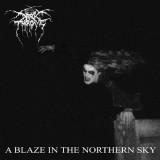
This release will come in 10 alternative sleeves limited to 100 copies of each so the bedroom design of the front cover has been painstakingly adapted for devotee’s of; 1. Sex Pistols 2. The Clash 3. The Jam 4. Buzzcocks 5. The Damned 6. The Stranglers 7. Siouxsie & the Banshees 8. Generation X 9. Ramones and 10. Blondie… and that design comes with a signed and stamped print of that design inside…
Mal-One’s new five track 12’’ offering has broached the tender subject of the bedroom wall and what as a teenager we would cover it with, as we revelled in our teenage glory. During what we now fondly remember as the Punk Rock period, this would have been the promo posters, gig tickets, flyers, badges, t- shirts anything we could find to extend our allegiance to the Punk Rock cause. Track one of this extended play covers this dilemma in fine style:
Side One
1. Punk Rock Pictures on my Wall …from floor to ceiling and ten feet tall !!!
2. JJ’s Alright relates a true story of Mal-One’s run in with the Euroman Cometh himself and finding out first hand that
even if his band The Stranglers were to become Punk’s social outcasts that in fact JJ was Alright and so in fact was
Hugh….
Side Two
1. The Buzz-Cocks Are Coming tells the Buzzcocks connection to this movement and their entry point into the affray.
2. Damned Disciple tells what is required to become a Damned devotee. Which includes amongst other requirements
and as stated on one of their early badges ‘skipping off school to see them play’
3. The Satellite Kid tells the engaging story of Mr Paul Weller coming to London seeing the Sex Pistols for the first time
at the Lyceum Ballroom on The Strand. In doing so he found some likeminded souls and more importantly people the
same age that he could relate to and forge an identity with.
Hopefully to hang on your bedroom wall… it’s never too late Punk….
Buscar:the soul movement
- 1: The Wasteland
- 2: Know Your Honor
- 3: Introduction: "Let's Experiment
- 4: Spiral Jetty
- 5: Rule By Being Just
- 6: Pure Radio Cosplay
- 7: Weight Of The Sun (Or The Post-Modern Prometheus)
- 8: The Ship Impossible
- 9: Summer Of All Dead Souls
- 10: Strange Epiphany
- 11: Pure Radio Cosplay (Reprise)
- 12: Cover The Days Like A Tidal Wave
- 13: Racing And Hunting
- 14: Fall Of The Empire
- 15: Ebb Away
- 16: The Fairlight Pendant
Gold Vinyl[27,31 €]
Reissue of the 2011 album Tao of the Dead by American alternative rock band ...And You Will Know Us By The Trail Of The Dead. First time available on vinyl since its release year. Features a replica of the original comic book insert. Tao of the Dead is their seventh album. The band stripped down to its core four-piece lineup for the record, deviating from the past two records that featured a filled-out six-piece band. This resulted in a stripped-down record with heavy emphasis on guitar. It’s a two-part record, each side with a specific musical tuning; Part One in D and Part Two in F. The album can be listened to as 16 different movements or two lengthy tracks. Part One: Tao Of The Dead is split into eleven tracks, whereas Part Two: Strange News From Another Planet is five songs combined into one. Lead singer Conrad Keely described the album's composition; "It's the way I listened to albums when I was a kid, seeing as some of my favorite records were Pink Floyd's Dark Side of the Moon, Yes' Relayer and Close to the Edge... I always liked listening to records that were just a continuous piece, like an orchestra or a symphony."
Sold out on release in 2020, Asher Gamedze"s Dialectic Soul finally returns as a limited edition clear vinyl press ahead of On The Corner"s 10th anniversary. Dialectic Soul is the debut album from one of Cape Town"s most cutting-edge, visionary artists and musicians, the drummer Asher Gamedze.
What a record! The outstanding Solar Plexus, the much-loved third album from Ian Carr and Nucleus, was first released on Vertigo in 1971. Inevitably, original copies are now very tricky to score and, like all the Nucleus records, it’s aged ridiculously well. This Be With re-issue, re-mastered from the original analogue tapes, shows off just why this deserves to be back in press.
Genius trumpeter and visionary composer Ian Carr was one of the most respected British musicians of his era. He was a true pioneer and saw the potential in fusing the worlds of jazz with rock, just as Miles Davis and The Tony Williams Lifetime did in the US. In late 1969, following the demise of the Rendell-Carr quintet, and tiring of British jazz, Carr assembled the legendary Nucleus. Regarding music as a continuous process, Nucleus refused to “recognise rigid boundaries” and worked on delivering what they saw as a “total musical experience”. We can get behind that.
Under bandleader Carr, Nucleus existed as a fluid line-up of inventive, skilled musicians. This constant evolution and revolution was all part of the continuous musical exploration and discovery that took jazz to new levels. And the music has kept relevant. To steal a line from a review of our re-issue of Roots, when it comes to anything Nucleus “it’s basically already hip-hop”.
We'll let Ian describe this one: "I wrote Solar Plexus' last year with the help of an Arts Council grant. It is based on two short themes which are stated at the beginning (Elements I & I1). The first theme is angular and has a slow, crab-like movement: the second theme is direct, simple and diatonic. CHANGING TIME and SPIRIT LEVEL explore the first theme and BEDROCK DEADLOCK and TORSO explore the second one. SNAKEHIPS DREAM tries to fuse both themes. (The title is a reference to the famous dancer 'Snakehips' Johnson)."
Solar Plexus features the same lineup as Elastic Rock and We'll Talk About It Later, but they're augmented by six guests, three of which play brass. Carr himself had almost full control of the writing and it does feel very different to the previous albums. It's more of a jazz record loosely based on a rock foundation rather than jazz fusion jamming.
The haunting synth-and-bass soundscape "Elements I and II" opens the album in dramatic, experimental fashion. It gives way to the bright, funky feel-good jazz of "Changing Times". An elegant onslaught of horns, courtesy of guests Kenny Wheeler and Harry Beckett, ride a solid groove for the duration. How the brass refrains have eluded samplers is beyond us. The melancholic "Bedrock Deadlock" features the brooding majesty of Jenkins' oboe and Clyne's mournful, skittering double bass. Wah wah guitar, drums and funky percussion then take over before the horns ride us out over frenetic beats. The dark, angular "Spirit Level" is a real highlight, by turns harmonic and beautiful then dissonant and wayward. Wonky jazz with no apparent structure or melodic bones. Regardless, it represents a great showcase for each virtuoso performer.
The breezy soul of "Torso" feels like a breath of fresh air, skipping along in the uptempo style with guitar, horns, drums and bass. A track which truly sounds scintillating, featuring sax solos, fantastic propulsive interplay from all the group around the halfway stage before Marshall gets his chance to really shine in closing out with a polyrhythmic drum solo. Final track "Snakehips' Dream" stretches cooly out over 15 minutes to round out a spellbinding album. An epic, suave groove, it's a relaxing piece with warm electric keys, laconic guitar and languorous horns. Truly sophisticated soulful jazz. An absolute masterclass. We could easily listen to this all day long.
This Be With edition of Solar Plexus has been re-mastered from the original Vertigo master tapes, Simon Francis’ mastering working together with Cicely Balston's cut at AIR Studios to weave their usual magic with these wonderful recordings. The stunning gatefold sleeve has been restored to complete this sensational package.
Drop a needle on Psyché's debut album and you'll see visions, or rather Mediterranean visions, be they of waves of heat shimmering above dunes of sand, or of women dancing around a bonfire on a rocky plain, or of bushy cliffs overlooking emerald-green and turquoise sea. The name Psyché is of course ancient Greek for 'soul' or 'mind', signifying the band's love of psychedelic funk, but also the wide range of Mediterranean influences – from Southern Europe to the Balkan Peninsula, and from Anatolia to the Maghreb – that provide an endless source of inspiration for their hypnotic sound and minimalist style.
Psyché members Marcello Giannini (Guru, Nu Genea, Slivovitz), Andrea De Fazio (Parbleu, Nu Genea, Funkin Machine) and Paolo Petrella (Nu Genea) have been active in the Naples music scene for almost two decades, most notably during the first wave of the new Neapolitan Power movement (Slivovitz, Revenaz Quartet). Over the years they have often crossed paths and collaborated on side projects in various genres (math-rock duo Arduo and, more recently, synth-pop duo Fratelli Malibu), before working together as the rhythm section of Nu Genea's live band. Following their first tour with Nu Genea in 2018, they started Psyché with the intent of exploring more minimalist styles and making music with just a few elements.
A unique combination of psychedelia, groove and improvisation, the music of Psyché goes back to the roots of our future; it evokes visions of a mythical past, blending centuries-old music traditions and mixing them with modern genres. Like a warm Mediterranean breeze, it travels across lands, seas and eras, distilling essential rhythms and cosmic pulsations.
The album's opener "Kuma" (titled after the first ancient Greek colony on the Italian mainland, now an archeological site near Naples) is like a vibrant, magical wave. With its deliberately simple harmony and sharp guitar riffs, it travels across the Mediterranean from Italy to North Africa, first lapping gently on Greek and Turkish shores – with some compositional elements reminiscent of Italian pop legend Lucio Battisti – and then speeding up and landing on the driving, syncopated rhythms of afrobeat. While listening to it your eyes fill with images of small white houses shining in the sun, of fig trees heavy with fruit, of spice bazaars and colourful medinas, and you can almost feel the desert wind blowing in your hair.
The journey continues with two examples of Psyché's bold and elegant approach to contemporary afrobeat and cumbia fusion: "Cumbia Mahàre" and "Amma". The former combines minimal synths and exhilarating rhythmic patterns of drums, percussion, guitar and bass, drawing us into the movements of an imaginary ritual dance (the term mahàre was used in Southern Italian dialects to indicate witches). Next is the cinematic and mysterious ambiance of "Angizia" (a snake goddess worshipped by the Marsi in ancient Italy), another fascinating mixture of different sonic traditions and cultures where hip-hop/funk drums are blended with Maghreb influences, Balkan echoes, and hypnotic, Theremin-like synths that have sort of a sci-fi movie quality to them.
The title track "Psyché", with its uptempo afro-rhythms, ethereal vocalizations and refined percussion, is almost a manifesto of the band's style and confirms the freshness of their minimalism, which is not afraid of taking in the sun of lands confined between the sea and the desert. The following "Manea" (named after the Roman-Etruscan goddess of the dead) is an afro-funk number with smooth and introspective dreamy jazz touches, and with an arrangement dominated by a guitar that, dripping notes like drops of water, creates a delicate, cinematic sound. Next, we come to "Hekate" (the Greek goddess of magic, witchcraft and crossroads), a track that fuses psychedelia, spacious Latin guitars and a fast, tight groove. The album comes to a close with the exquisite melodic ballad "Kelebek", which seamlessly combines hip-hop drums and dreamy guitars, and whose warm, flowing sonorities and evocative atmospheres conjure the image of a butterfly (which is what kelebek means, in Turkish) floating over the Mediterranean and, from there, the world.
The house band at Memphis's legendary Stax Records, Booker T. & the M.G.'s played on some of the most legendary and unforgettable soul recordings in history. Originally released in 1962, the title-track of their debut LP Green Onions is arguably the most recognizable piece of instrumental pop and soul ever to be released; an absolute stone classic of a jam, with Booker T.'s organ at the fore. In addition to being a classic group, Booker T. & the M.G.'s were one of the first soul and rock groups to have both white and black members, and understandably their music is often associated with the Civil Rights Movement that was going on all around them in the American south of the 1960s. Essential American originals from Booker T. & the M.G.'s.
Without a doubt, Kiriku is the hottest upcoming producer of contemporary Balearic Beat music of this year.
Kiriku lives between London and Ibiza, two poles which are well audible in his versatile style, ranging from
groovy Downtempo to clubby House. Uplifting Balearic atmospheres meet jazzy club vibes, featuring loose
drum programming, jazzy chords, bouncy basses, laid back vocals and sophisticated sampling. From song
structures to straight up club track, his tunes always combine electronic and acoustic instruments, which
results in a throughout warm and organic feel.
His new EP for The Magic Movement is co-produced and mixed by The Magic Movement' label head
honcho Noema, who gave "Washingtonia" an extended balearic club treatment. If you liked Dj Gregory's
"Elle" back in the days, this will be right up your alley. "Santa Rita" features the vocalists Monblume , Yalisaxx on Saxophone and comes with an bouncy uptempo club version of Brazil' own Kurup. "Jacaranda" features Hallyx on Vocals and is accompanied by a remix by no one else then legendary Balearic Beat DJ, poducer and label owner Chris Coco, who gave the track a dubby and extended chill-out sunset-sound treatment. Smell the sea, and feel the sky. Let your soul and spirit fly!
- A1: B.t. Express - Express
- A2: Silver Convention - Fly, Robin, Fly
- A3: Instant Funk - I Got My Mind Made Up (You Can Get It Girl)
- A4: The Soul Searchers - Ashley's Roachclip
- A5: All The People Feat. Robert Moore - Cramp Your Style
- B1: Taana Gardner - Heartbeat
- B2: Clarence Reid - Living Together Is Keeping Us Apart
- B3: The South Side Movement - I've Been Watching You
- B4: Detroit Emeralds - Baby Let Me Take You (In My Arms)
- B5: Johnny Guitar Watson - Superman Lover
Sampled Funk : all the pearls of the Groove, sampled by the greatest hip-hop and R&B DJs and producers. From the first block parties of the 1970s to the digital revolution, the organic rhythms of the funk, disco, and soul music craftsmen have provided the DNA for countless rap classics. The new volume of the Give Me The Funk series explores the groove treasures sampled by hip-hop and R&B"s greatest DJs, producers, and other " creative diggers ". Cramp your style, here come the hotsteppers! From Johnny Guitar Watson to Instant Funk to B.T. Express and Clarence Reid, Sampled Funk goes back to the source of must-have tracks from Eric B & Rakim, Kanye West, Beastie Boys, De La Soul, Cypress Hill, Dr. Dre, Snoop Dogg and many more.
Ghost Producer aka Badawi (aka Raz Mesinai aka Bilal ibn Yakub al-Badawi) is a prolific producer and artist who has been on the forefront of underground experimental jazz and electronic music scenes around the world for over thirty years, with a catalog of albums on labels as ROIR, Asphodel and Tzadik under various monikers dating back to the late 1980s.
Ghost Producer released his first albums starting in the late 80’s under the monikers Psy Co. and Ruff Riddim Productions, selling his cassette tapes in NYC. He produced, on average, at least one album per week since 1988 until today. One of the twenty or so monikers was Badawi, later being signed to ROIR Records and releasing the seminal experimental dub, punk albums »Bedouin Sound Clash« and later »The Heretic of Ether« on Asphodel. Spending time as a child between Occupied Jerusalem, the West Bank (Balata) and New York City (Rock Steady Park) during the height of the B-Boy era in the 70s and 80s informed Ghost Producer’s singular sound of heavy driving Sufi rhythms, sonic experiments, percussion, piano playing and sound design which has connected him to a wide variety of artists ranging from Maryanne Amacher to John Zorn, to added elements of darkness to music by such artists as Hanz Zimmer (Black Hawk Down) and rappers Danny Brown (Pneumonia) and Skepta and Double D (Don) among many others.
At age 14, Ghost Producer was discovered by visionary jazz and rock musician, Juma Sultan (Jimi Hendrix) whom later trusted Ghost Producer with producing the archive of over 2000 hours from recordings from »Studio We« and the Free Jazz Loft Movement in NYC in the 60s and 70s. As a composer, he has worked with Kronos Quartet and has had premiers at Carnegie Hall (Cross Fader, The Echo of Decay) and Lincoln Center (String Quartet For Four Turntables). In addition, Ghost Producer has released several albums on John Zorn’s Tzadik label, where he explored producing to the books of Franz Kafka (Before The Law, Resurrections for Goat Skin, Cyborg Acoustics)
As a composer for film, he coined the term »score design» to describe his work in conceiving and producing scores for films with particularly demanding needs, working on such films as A Late Quartet (director Yaron Zilberman composer: Angelo Badalamenti), The Fountain, Black Swan and The Wrestler (Darren Aronofsky/Clint Mansel), Black Hawk Down (Ridley Scott/Hans Zimmer) and many more. In 2014, he was awarded as a fellow in the Sundance Composers Lab.
In 2015, Ghost Producer formed the Underground Producers Alliance, a unique program for developing producers, performers and composers, with co-founders Scotty Hard (Wu Tang Clan, Medeski Martin and Wood, De La Soul), HPrizm aka High Priest (Anti Pop Consortium), Honeychild Coleman (the 1865, The Slits) and Prince Paul (Jungle Brothers, De La Soul), where Ghost Producer produces entire albums with student participation in his master course.
This album, »The Book of Jinn«, is one of many productions done within the course, featuring players/mentors Juma Sultan (percussion), Chandenie (voice) and Shahzad Ismaily (electric bass), with additional student participation from Adam Culbert and Jonah Sollins (aka Goodnight 1500) on synths and percussion as well, then all remixed and rearranged by Badawi into what you hear here, The Book of Jinn.
- A1: Musik 4 Da Soul (Feat Courtney Melody)
- A2: Garden Of Life (Tenor Fly Tribute)
- B1: Athos (Feat Lij Tafari)
- B2: Ancestorz (Jungle Fari)
- C1: Tottenham Story (Feat Akala)
- C2: Jungle Defender
- C3: Postcode Dance (Feat Martha Cecilia, Nãnci Corriea + Phoebs)
- D1: Senegal
- D2: Samurai Junglist (Feat Junglist Youths)
Mikail Tafari aka Congo Natty aka Conquering Lion aka X Project aka Rebel MC is back.
After releasing his acclaimed 31 track album last October on digital platforms, he comes with a 9 track double LP featuring the more uptempo tracks & Mixed Double CD Mixtape.
He created the tracks with his ‘Resistance Band’, featuring a rich talent of the established & new global artists from Brazil, Japan, Jamaica via Deptford & Tottenham. It crosses genres of Drum & Bass, Reggae, Jazz & shows the Rootz of Jungle. The Resistance Band include The cream of reggae: Courtney Melody, Reggie Stepper, Junior Delgado, Daddy Freddie & Carroll Thompson. The new school of uk vocal talent: Maverick Sabre, Eva Lazarus, Akala, Klashnekoff & Logic & the new jazz school : Shabaka Hutchins, Nubya Garcia on sax & Amrit Kaur on sarangi. Plus international artists: from Brazil – Monkey Jhayam, Japan : Junglists Youths, Fikir Amlak & Krar Collective from Ethiopia, but all have their rootz in Jungle.
Set to represent the global diaspora and giving a voice to the people on the upcoming album, Congo tells the most important story jungle music can tell whilst documenting the uprising and reflecting on where mankind, culture and the journey is at in 2023.
With a five decade deep discography spanning seminal and timeless releases like Street Tuff, Tribal Bass & Wickedest Sound (as Rebel MC), Junglist, Get Ready, Code Red, Under Mi Sensei, Get Wild, Kunta Kinte and more, Congo has played a founding and hugely influential role in one of the most phenomenal, boundary breaking music movements the UK has ever known.
Remaining on the front line of the musical rebellion to this day, Mikail understands jungle’s power to unite and break barriers. Weaving positive affirmations of his spiritual life as a Rastafarian into his song writing, he has been an consistent protagonist in the jungle uprising since the early 90s. Forever humble, he seeks to spread more positivity and encourage unity, whilst focusing on the new generation who will carry his torch into the next five decades.
Continuing to spread the Congo Natty message as a performer, musician, label owner, pioneer, revolutionary, humanitarian and father, Ancestorz (Rootz Of Jungle) is set to be his most personal, ambitious, timeless and expert album to date and his finest chapter yet.
The small town of Bremen in Northern Germany has a long musical tradition ever since the Brothers Grimm issued the tale of the Bremen Town Musicians. Now it is the Our Label brothers that bring you music from that very city, which was their own place to be for musical nightlife adventures: Uncle Hammond’s Soul Jazz Movement is a seven piece group honoring the groovy styles of Jimmy Smith and Reuben Wilson. This 45 features their interpretation of two of the bands' favorite tunes. "Greens" is a midtempo boogaloo-ish groove for the dancefloor and "Waltz" was an instant choice by Our Label's Gu for its deep and soulful harmonies. Bothe tracks were recorded live at the famous Studio Nord in Bremen, Germany.
This limited 7“ release comes with a full picture cover.
A great first vinyl release by a great band! Don't miss it!
- A1: Good Love_88 1:11
- A2: Bittersweet_75. 1:24
- A3: Mamas Cooking_88 1:10
- A4: Dropout Years_82 1:19
- A5: Autumn Walk_68 1:34
- A6: Just Sorry_86 1:01
- A7: Moody Jazz Night_73 1:16
- A8: Jazzmen_74 1:38
- A9: Street Life Is A Misery_69 1:00
- A10: Morning Sunrise_82 1:05
- A11: Love Movement_83 1:13
- A12: A Brooklyn Love Story_85 1:07
- A13: Inglewood Sunset_60 1:37
- A14: Funk Doc_82Bpm 1:11
- A15: Ain’t No Love In_82 1:07
- B1: Dark Knight_90 1:06
- B2: A Lonely Street Walk_75 1:40
- B3: Tyler_118 1:17
- B4: Jazzy Sunday_79 1:08
- B5: R&B In My Vein_70 1:13
- B6: Alchemist_70.5 1:18
- B7: In My Closet_88 1:08
- B8: Lonely Streets_76 1:06
- B9: 80S Champagne Lover Boy_100 1:02
- B12: Pan Tao_70 1:12
- B13: Ghost Manor_85 1:13
- B14: King Edward_120 1:14
- B15: Sunlight Kiss_84 1:02
- B16: Mirage_73 1:09
- B10: Lori Heaven_71 1:17
- B11: Gone Till November_70 1:18
Shuko´s new LP is something different. He and the producer Basti (Kanye West, Joey Badass, Timbaland) spent the last 3 years creating samples, learning vintage recordings and putting their knowledge of vintage soul jazz, 60´s and 70´s composer and r&b music into crafting this 31 track album. What makes this release so special is that you now are able to use those samples for your own music and recreating something new without the hustle and pain of clearing samples. Just visit tracklib, pay a little licence fee and register your new work with them. And even if you are not into creating music, this LP is a perfect soundtrack for a calm start into the day or something you will love to relax to.
“Dancing Around Fire” is the new album by LA-based drummer and composer Tommaso Cappellato in partnership with Pavimento Fertile, the Italian break dance collective founded by Paolo “Frigo” Montesi. Inspired by the energy of dance and improvisation, this album serves up a dynamic fusion of experimental soul and timeless grooves that command the body to move. This unique collaboration between dancer and musician was born out of Cappellato’s live performance at the Pavimento Fertile dance jam in 2021.
Seeing how Cappellato’s rhythms brought out new layers in the dancers’ movements inspired Montesi to commission an album of original music that celebrates the culture of drum breaks and sampling which fuel freestyle dance. The album’s seven tracks, composed by Cappellato in as many days, take the listener straight to the dance floor.
Cappellato weaves the soulful vocals of Lalin St. Juste (on “Made of Golden Light”) and Cameron Kinghorn (on “Heart to Mend”) alongside percussive electronic tracks (like “Battle Moves”) that emphasize the importance of the drum in unleashing the power of human expression.
Over the course of a 19-year career, Marshall Watson has released all manner of musical treats for a similarly wide array of labels, yet it’s the effortless beauty of his downtempo works – and particularly his ambient and Balearic excursions – that have often left a lasting impression.
It certainly caught the attention of NuNorthern Soul founder Phil Cooper, who brought the West Coast producer to the label in the summer of 2021. That EP, Sunsets on Larkin Parts 1 & 2, was undeniably special. The same can be said about his belated return to the label, Foothills, an EP packed to the rafters with slow-burn melodies, sustained chords, becalmed textures and gently unwinding grooves.
Watson’s distinctive take on Balearic naturally comes to the fore on EP opener ‘High Desert’, a soft-focus delight where languid electric guitars, starry electric piano lines, echoing chords and gently pulsing electronics stretch out across a shuffling groove. While tailor-made for watching the sun set off his beloved Pacific Coast – and over the Mediterranean Sea – ‘High Desert’ offers a dose of hazy sonic sunshine that can brighten up even the greyest of days.
Fittingly, the accompanying remix comes from long-time friends of the label Seahawks, whose textured, layered and atmospheric productions similarly blur boundaries between Balearic, ambient, pitched-down dancefloor grooves and glassy-eyed psychedelia. Employing opaque, shape-shifting pads, effects-laden guitars, subtle spoken word snippets and yearning, almost melancholic chords – all atop a crunchy, head-nodding beat and toasty bassline – the duo deliver a remix that’s as emotive and sonically stunning as Watson’s original mix.
The EP’s three other tracks amply demonstrate the subtle variety within Watson’s downtempo output. Vocalist Julie Childe makes her mark on ‘Sweet Sounds’, a brilliant blend of warming deep house and laidback Balearic nu-disco that sports subtle hints to his work as one half of synthwave duo Causeway, while ‘Open Sky’ brilliantly wraps undulating TB-303 acid lines and echoing Spanish guitars around a hypnotic, locked-in dancefloor groove.
Then there’s ‘The Landscape’, a deliciously saucer-eyed slab of breakbeat-powered, TB-303-sporting genius that evokes the immersive, early morning waviness of the ambient house era, the beach party psychedelia of San Francisco’s free party movement, and the bleeping wonder of turn-of-the-90s UK dance music. Like the rest of the EP, it’s an enveloping, head-soothing and mind-expanding treat.
e B2 High Desert Seahawks High Sky Remix
Drop a needle on Psyché's debut double-sider – the debut album is out on May 19th – and you'll see visions, or rather Mediterranean visions, be they of waves of heat shimmering above dunes of sand, or of women dancing around a bonfire on a rocky plain, or of bushy cliffs overlooking emerald-green and turquoise sea. The name Psyché is of course ancient Greek for 'soul' or 'mind',signifying the band's love of psychedelic funk, but also the wide range of Mediterranean influences – from Southern Europe to the Balkan Peninsula, and from Anatolia to the Maghreb – that provide an endless source of inspiration for their hypnotic sound and minimalist style.
Psyché members Marcello Giannini (Guru, Nu Genea, Slivovitz), Andrea De Fazio (Parbleu, Nu Genea, Funkin Machine) and Paolo Petrella (Nu Genea) have been active in the Naples music scene for almost two decades, most notably during the first wave of the new Neapolitan Power movement (Slivovitz, Revenaz Quartet). Over the years they have often crossed paths and collaborated on side projects in various genres (math-rock duo Arduo and, more recently, Italo-disco duo Fratelli Malibu), before working together as the rhythm section of Nu Genea's live band. Following their first tour with Nu Genea in 2018, they started Psyché with the intent of exploring more minimalist styles and making musicwith just a few elements.
A unique combination of psychedelia, groove and improvisation, the music of Psyché goes back to the roots of our future; it evokes visions of a mythical past, blending centuries-old music traditions and mixing them with modern genres. Like a warm Mediterranean breeze, it travels across lands, seas and eras, distilling essential rhythms and cosmic pulsations.
"Cumbia Mahàre", on side A of the 7-inch, dives deep into the origins of rhythm, drawing us into the movements of an imaginary ritual dance (the term mahàre was used in Southern Italian dialects to indicate witches). Through the interplay between minimal synths and exhilarating rhythmic patterns of drums, percussion, guitar and bass, Psyché take a fresh and bold approach to contemporary afrobeat and cumbia fusion.
"Ophis", on side B, is a mesmeric blend of African, Balkan and Turkish rhythms and sounds. Ethereal vocalizations and warm, hypnotic bass lines combine with psychedelic riffs and haunting melodies on guitar to evoke ancient cultures whose spiritslithers like a snake across the dunes of a sun-scorched desert.
- A1: Holy Spirit (Prod. By Streetrunner & Tarik Azzouz)
- A2: BeneT (Prod. By Jimmy Dukes)
- A3: Eye On Money (Prod. By The Heatmakerz)
- A4: Find It Out (Prod. By Lt Beats)
- B1: Can’t Show Love Pt. 2 (Prod. By Lt Beats)
- B2: Flour City 3 (Feat. Eto) (Prod. By Thanos Beats)
- B3: Painful (Feat. Che Noir & Freeway) (Prod. By Maki)
- B4: Last Gasp (Feat. Ransom & Tearz)
38 Spesh has quietly become tastemakers’ top pick for “next to blow.” Just ask LeBron James, Kevin Durrant, DJ Premier, Sway, Method Man, or Lloyd Banks, all of which have co-signed this Upstate New York emcee. His 7 Shots EP, the third and final instalment in his fan-favorite “Shots Series,” marked the moment that many caught on to the TRUST movement. The 8 track offering gives underground Hip-Hop fans exactly what they want, hard bars over soulful beats. The project features guest verses from Freeway, Ransom, Eto, and Che Noir, as well as production from Streetrunner, The Heatmakerz, LT Beats, Thanos Beats, and more. Mixed and mastered by Chris Pinset Cover by Laz Art Direction by Jordan Commandeur A&R by Ransom
[h] B4. Last Gasp (feat. Ransom & Tearz) [7 Shots Version] (prod. by Mayor, Ty Jamz & Bernard B. Westwood)
Following in the footsteps of "Mind Palace" and "Lost Spirits", respectively issued in 2018 and 2021, Hidden Empire return to Stil vor Talent with their eagerly anticipated third studio full-length, "Momentum". Going the same route that came to define their sound throughout the years, Branko Novakovic and Niklas Schäfers cook a savvy mix of deep electroid flavours and prog techno magnitude which flourishes in the long-playing format. Orbiting the frontier between proper no-nonsense, floor-focussed effectiveness and a trademark exploratory take on electronics, Hidden Empire here delivers one of their most accomplished slices to date, which not only spans the largest span of their many-faceted influences, from tribal anchorage to hypermodern escapology, but breathes a truly epic wind into it.
Draped in luscious, silken envelopes and easternmost ambiences, "Dawn" gets the ball rolling on a mystique-imbued note, halfway meditation-friendly material and square-shouldered club busting wares. Moving into Afro-infused house grounds, "Modesty" finds Branko and Niklas heading for the deeper end of the spectrum, as they pull out a clinically precise blender of rattling percussions, opaque incantations, lush synth swashes and verbed-out machine talk, tailored for nightly boogie rituals in the forest. "Avalanche" opts for a more brooding, deadlier approach. Cutting its path away from prying eyes, this one finds Hidden Empire pulling the stealth weaponry to absolute hypnotic effect - perfect for serious in-between peak time business with its thick, thriller-like tension, mist-shrouded atmosphere and surgical focus. Featuring Felix Raphael on vocals, "Who We Are", is a pop-influenced chugger that perhaps best defines Hidden Empire's ambivalent style, both hi-NRG and innervated with a melancholy that infuses down to the bass and most functional elements. Geared up for big-room traction with its seesawing synths and clinical drumwork, Raphael's moving timbre does more than offer a sensible counterpoint to the track's overall sturdy backbone, it takes it to a whole other dimension completely.
"Repeat The Good" ft. Wolfson balances out a fast-ticking groove with those subtle melodic lines Hidden Empire champion to astounding vibrancy, offering a particularly satisfying glimpse into their vortical imaginarium, whereas "Last Call" has us journeying to straight out Moroder-esque territories, flush with the aptly configured palette of fuzzy space disco bass, fast-paced Italo churn and vocodized talk for good measure. All in breaks and chopped-up euphoria, "Vivid" runs the hoodoo down in muscular fashion and with impressive levels of energy throughout, all set at cranking up the heat one notch further, while "Rebel" provides us with the kind of rough-around-the-edges EBM horsepower and neon-clad synth engineering that'll get the basement in a state of alert. Encompassing all of the pair's idiosyncratic merger of styles - from pop-laced Italo to spaced-out techno wares, through jagged motorik and heavily mecched-out jacking house, "Alright" shows off Hidden Empire's wide arsenal of pyrotechnics under the most compelling of lights. A more openly jagged and quirky weapon that hatches into a full-fledged solar number around the half, "Momentum" roars up the club's highway at full throttle, proving a formidable asset when it comes to plunging dancers into a state of weird, left-of-centre euphoria.
A stroboscopic eclipse is predicted as "Dark Sun" enters the room, deploying its obscure wingspan over the ravers, not quite a bad omen as it lets more light in with every bar, its brittle piano lines and heart-wrenching vocals cutting a path into the crowd's pulsating hearts. Graceful as Hidden Empire's music can be, a moment of utter exhilarating beauty. "Savasana" wraps up the voyage with a pure slab of cyphered 4x4 seduction, as an ASMR-like voice guides us across the soul-questioning haze that blankets our pathway onto a luminous finale. A piece of elusive nature, clearly designed for the club and yet telling a tale of off-piste initiation through twelve fascinating movements, "Momentum" will undoubtedly etch on the listeners' mind as one of the German pair's most strikingly powerful emanations.
Download:
1. Hidden Empire - Dawn Interlude
2. Hidden Empire - Modesty
3. Hidden Empire - Avalanche
4. Hidden Empire & Felix Raphael - Who We Are
5. Hidden Empire & Wolfson - Repeat the Good
6. Hidden Empire - Last Call
7. Hidden Empire - Vivid
8. Hidden Empire - Rebel
9. Hidden Empire - Alright
10. Hidden Empire - Momentum
11. Hidden Empire - Dark Sun
12. Hidden Empire - Savasana
13. Hidden Empire & Felix Raphael - Who We Are (Instrumental)
Following the release of their 2021's critically acclaimed album The Black Stone Affair, instrumental cinematic-soul outfit Whatitdo Archive Group unleashes two startling new singles: "Forbidden Cove" and "The Cashmere Chamber", out on limited edition 7'' on March 24th via Record Kicks. The 45 is limited to 500 copies worldwide and it is just an appetizer of the upcoming new album Palace Of A Thousand Sounds, scheduled for release on May 5th, 2023. Whatitdo Archive Group previous 45s went sold out in weeks and are currently very in-demand from collectors and djs.
On side A, we find the first single "Forbidden Cove". We are immediately greeted with top-notch production that feels like we stumbled upon yet another lost rarity, but this time from the heyday of American "exotica" music from the mid-century movement of the early '60s (think Martin Denny and Les Baxter). The twist here is that the underlying tone is dark, heavy and cinematic. WAG flexes their compositional chops and maturity with clever arrangements, a tight rhythm section and dreamy vibraphone that lead us to dense Arthur Verocai-esque orchestral arrangements and hypnotizing eastern flavors.
From the first notes of the Javanese metallophone, Whatitdo Archive Group welcomes you into "The Cashmere Chamber", on side B of the 7''. Less a room and more an auditory experience, "Chamber" skillfully guides you deeper into its world complete with menacing drums and bass, sinister vibraphone melodies and a haunting choir. But this driving force of the rhythm section isn't enough for WAG; we see the song quickly blossom into an adrenaline pumping guitar feature layered expertly with a Turkish baglama saz and percussion. This track is a sample-worthy heater for any DJ.
The new album Palace Of A Thousand Sounds will be available May 5th, 2023 on limited edition LP, CD and digital platforms. Palace Of A Thousand Sounds finds Whatitdo Archive Group entrenched deeper in the worlds of mid-century exotica and library music—from the Tropicalia-steeped Amazon to the minor key tonalities of the far-out Near East.
Steeped in obscurity, a cult following of crate-diggers and musical oddity collectors has been brewing over the mysterious releases of the Whatitdo Archive Group. Surfacing in 2009 from the high deserts of Reno, NV USA, this three-piece recording collective (Alexander Korostinsky, Mark Sexton and Aaron Chiazza) focuses solely on curating, performing and preserving esoteric soundtrack, library and deep-groove collections. As an onlooker, it's hard to tell whether the music they are procuring is actually archival, music of their own creation, or both. Their debut LP The Black Stone Affair, the formerly lost soundtrack music of a once-shelved Italian cinematic masterpiece, was released in 2021 and received praise from the likes of Wall Street Journal, Mojo Magazine, Uncut, Shindig and Blues & Soul Magazine, BBC 6 (UK), FIP (FR), KCRW (US), JazzFM (UK) and more. Two years later, the Whatitdo Archive Group is back. Get ready for an exotic adventure with their sophomore full-length effort: Palace of a Thousand Sounds.
Miles Away Records are extremely proud to introduce our latest single by the incredible Howard Lemon Singers. You Are Somebody and For The Children are two blinding tracks cherry-picked from the incredibility rare 1977 album Seasons released on the legendary TK Records subsidiary Gospel Roots.
Both sides of this 45 are oozing with positivity and good sentiment, a fine example of the harmony between sacred and secular sounds, and the experimentation taking place, during the late 1970s as gospel artists were modernizing the soundtrack, and lyrical content of gospel music..
You Are Somebody is a gorgeous modern soul heater. Accomplished vocalist Esther Smith's sublime voice delivers her vocal lines with such confidence and assurance that the words seem to strut over the funky basslines and drumming support. Flip it over and For The Children is a more mid-tempo burner, but don't let this fool you - it's "stop-you-in-your-tracks" good. Smith's vocals once again shine brightly and are delightfully accompanied by the Nile Rodgers-esque 'wacka-wacka' guitar of Lester Snell throughout. Musicianship is of the highest quality as Howard Lemon, group leader, called upon some of the best musicians from STAX Records – Willie Hall and the aforementioned Lester Snell were key components of such groups as the Isaac Hayes Movement and the Bar Kays.
These two nuggets are presented here for the first time on a 45 and complete in our customary teal green labels and sleeve. Remastered and cut by Timmion.
- A1: The Star Of A Story Ft. Lisa Fischer
- B1: Deep Burnt Ft. Axel Tosca
- C1: Change Your Mind Ft. Bernard Fowler
- D1: Another Day In My Life
- E1: Seven Mile Ft. Moodymann
- F1: Come Away Ft. Kerri Chandler
- G1: Music Is My Life Ft. Unlimited Touch
- H1: You Got Me Dancing Ft. Audrey Wheeler & Cindy Mizelle
- I1: Chimi Ft. Elements Of Life
- J1: Love Has No Time Or Place Ft. Elements Of Life (Unreleased Instrumental Dub)
- K1: Atmosphere Strut Ft. Dj Spinna
- L1: Cosmic Witch Ft. Anané
- M1: How He Works Ft. Nico Vega
- N1: A Place Where We Can All Be Free Ft. Janine Lyons
- O1: Touch The Sky Ft. Tony Momrelle
- P1: Dreaming Ft. Cindy Mizelle
- Q1: All My Love Ft. Robyn
- R1: Feel So Right Ft. Honey Dijon
- S1: Free To Love (Louie Vega & Karen Harding)
- T1: It's All Good (Louie Vega Remix) (Bebe Winans Ft. Debbie Winans Lowe & Korean Soul)
There is a global musical movement happening right now, and an integral part of this rhythmic and cultural evolution is the legendary Grammy award-winning DJ / Producer / Artist Louie Vega.The movement is comprised of the Expansions In The NYC album and the Expansions NYC events, and it represents the very best in music, dance and club culture from New York City to London to Miami to Ibiza and every locale around the world where people appreciate the power of house music.
Up next in the continuing series of product releases and events in connection with the Expansions juggernaut, a limited edition Expansions In The NYC 7” boxset on Nervous Records.
“Releasing vinyl has always been part of my mantra, but this is a unique one,” said Louie Vega. “For the first time having our music released on a (10) piece 7” set along with new original art by Andrew Thiele (who also created the Expansions In the NYC Album cover), it’s a highlight in the history of all my vinyl releases. Not too many artists release 10 pieces of vinyl within a set. And what makes it even more special is the calibre of all the amazing artists who worked on the tracks and songs with me. This is a landmark and essential collector’s item. A veritable “Must Have!” Never before have all these artists graced one album together from Honey Dijon to Lisa Fischer, Moodymann to Bernard Fowler, Robyn to Unlimited Touch, and Karen Harding to Kerri Chandler. It’s a dancer’s and vinyl collector’s paradise.
Oriental Beat by Hanoi Rocks gets the redux treatment, officially mixed and revived from the original sessions, and released on March 17th on deluxe vinyl, CD and digital formats. The CD and vinyl come with the song lyrics, checked and approved by Michael Monroe. Dubbed the “re(al) mix”, this 40th anniversary edition was mixed by Petri Majuri at E-Studios in Finland in collaboration with the band. Vocalist Michael Monroe calls this release “the longest and slowest album project ever,” stating that “40 years in the making, it's not just a remix, but the REAL MIX supervised and approved by Hanoi Rocks”. Recorded in London, UK in 1981, for 200 pounds a day, Oriental Beat was made during the height of the British punk + New Wave movement, when the band was hanging out with everyone from Phil Lynott to the Damned. Hanoi Rocks’ original drummer Gyp Casino says of Oriental Beat that: “Back in the days we gave heart, soul and a bit of pain to make this record something else” but the sound of the album, originally released in 1982, did not match their efforts at the time. Bassist Sami Yaffa called it “the worst sounding album of our career” and Michael Monroe said that “the producer of the album didn’t have a clue what the band was about and his mix of the album was horribly wrong”. Oriental Beat’s original engineer Peter Wooliscroft, was not a rock producer, and according to Hanoi Rocks’ manager Richard Bishop he “tried to mix the album to sound like Spandau Ballet”. Released before the band could remix or rerecord it, as the label had run out of money, and the master tapes had gone missing, the band has always considered the original mix of Oriental Beat to be a “disaster”. With the tapes mysteriously showing up in the Universal vault recently, the band was finally able to mix and resequence the album the way they wanted it to sound. Oriental Beat is a defining masterpiece made when Hanoi Rocks was about to explode onto the world scene and written at the absolute peak of lead guitarist Andy McCoy’s creativity as a songwriter. Rhythm guitarist Nasty Suicide says “only now, with stripping it down to the bare essentials and tweaking it to bring out what was really laid down it became our dream come true! THIS is what it's all about” as this definitive edition of Oriental Beat now fully displays the ultimate arrogance and attitude which defined the band.
Created between Palm Springs, California and Hilo, Hawai'i, V is the first double album from the Hawaiian-New Zealand singer-songwriter, multi-instrumentalist and producer Ruban Nielson's Unknown Mortal Orchestra band. Designed to play as one continuous movement and road-tested on dry California freeways, V is the definitive Unknown Mortal Orchestra car record. It's also the fifth full-length album Ruban has released in twelve years. Across fourteen sunbleached songs - written solo or with his brother Kody - Ruban draws from the rich traditions of West Coast AOR, yacht rock, weirdo pop and Hawaiian Hapa-haole music. Over a laidback blend of singalong anthems and cinematic instrumentals, he evokes blue skies, afternoons spent lounging by hotel swimming pools and the alluring darkness that lurks below perfect, pristine surfaces. It's a duality expressed in the dilapidated sunset blues and the saltcorroded soul Ruban explores through tracks like `Layla' and `Nadja. ' During the pandemic's early days, Ruban reunited with Kody at a cousin's wedding in Hawai'i. With assistance from their father, Chris Nielson (saxophone/flute) and longstanding Unknown Mortal Orchestra member Jake Portrait, they brought everything Ruban had been thinking about together. The result was V, due for release on March 3, 2023, through Jagjaguwar. When they talked about records that moved them in that spine-shivering manner, Ruban started thinking about the 70s AM radio rock and 80s pop songs that had lurked on the edge of his subconscious mind for most of his life. He wanted to write his version of records like that, leading to the two glorious uptempo singles Unknown Mortal Orchestra released in 2021, `Weekend Run' and `That Life'. However, the golden good times never last forever. Not long after, health issues began to plague his extended family.Putting his recordings aside, he helped his mother and his uncle move home from New Zealand and Portland to Hawai'i, and began dividing his time between Hawai'i and Palm Springs. During this period he reconnected with his relatives, reassessed his past, and started to look at things with fresh eyes. Hawai'i brought back memories of the darker side of his parents' lifestyle as entertainers. On those trips, he heard those classic AM radio rock records everywhere. They were inextricably intertwined with the palm trees, swimming pools, and glamorized hedonism he'd internalized from his childhood. There's a type of music in Hawai'i called Hapa-haole (Half white). You can hear it expressed in signature Unknown Mortal Orchestra style through the humid guitar-led atmosphere of V's penultimate song, `I Killed Captain Cook'. Although the songs are presented in a traditional Hawaiian manner, they're mostly sung in English. Having been influenced by Hawaiian music since Unknown Mortal Orchestra's first album, Ruban saw a space for himself within the tradition. When he reflected on his success, he realised he had the responsibility and platform to represent Hapa-haole music on the global stage.
Yellow Vinyl
Created between Palm Springs, California and Hilo, Hawai'i, V is the first double album from the Hawaiian-New Zealand singer-songwriter, multi-instrumentalist and producer Ruban Nielson's Unknown Mortal Orchestra band. Designed to play as one continuous movement and road-tested on dry California freeways, V is the definitive Unknown Mortal Orchestra car record. It's also the fifth full-length album Ruban has released in twelve years. Across fourteen sunbleached songs - written solo or with his brother Kody - Ruban draws from the rich traditions of West Coast AOR, yacht rock, weirdo pop and Hawaiian Hapa-haole music. Over a laidback blend of singalong anthems and cinematic instrumentals, he evokes blue skies, afternoons spent lounging by hotel swimming pools and the alluring darkness that lurks below perfect, pristine surfaces. It's a duality expressed in the dilapidated sunset blues and the saltcorroded soul Ruban explores through tracks like `Layla' and `Nadja. ' During the pandemic's early days, Ruban reunited with Kody at a cousin's wedding in Hawai'i. With assistance from their father, Chris Nielson (saxophone/flute) and longstanding Unknown Mortal Orchestra member Jake Portrait, they brought everything Ruban had been thinking about together. The result was V, due for release on March 3, 2023, through Jagjaguwar. When they talked about records that moved them in that spine-shivering manner, Ruban started thinking about the 70s AM radio rock and 80s pop songs that had lurked on the edge of his subconscious mind for most of his life. He wanted to write his version of records like that, leading to the two glorious uptempo singles Unknown Mortal Orchestra released in 2021, `Weekend Run' and `That Life'. However, the golden good times never last forever. Not long after, health issues began to plague his extended family.Putting his recordings aside, he helped his mother and his uncle move home from New Zealand and Portland to Hawai'i, and began dividing his time between Hawai'i and Palm Springs. During this period he reconnected with his relatives, reassessed his past, and started to look at things with fresh eyes. Hawai'i brought back memories of the darker side of his parents' lifestyle as entertainers. On those trips, he heard those classic AM radio rock records everywhere. They were inextricably intertwined with the palm trees, swimming pools, and glamorized hedonism he'd internalized from his childhood. There's a type of music in Hawai'i called Hapa-haole (Half white). You can hear it expressed in signature Unknown Mortal Orchestra style through the humid guitar-led atmosphere of V's penultimate song, `I Killed Captain Cook'. Although the songs are presented in a traditional Hawaiian manner, they're mostly sung in English. Having been influenced by Hawaiian music since Unknown Mortal Orchestra's first album, Ruban saw a space for himself within the tradition. When he reflected on his success, he realised he had the responsibility and platform to represent Hapa-haole music on the global stage.
With his new album, Gecko Turner confirms that he is a standout artist in the global groove scene, a must for the outernational sounds aficionados.
Somebody From Badajoz is the fifth studio album in his much lauded discography and his first in seven years, eagerly anticipated by both his fans and himself: "this business of dedicating yourself to music and making songs... it's a long game."
With the release of his first two, remarkable, albums, Guapapasea! (2003) and Chandalismo Ilustrado (2006), Gecko started cultivating what one astute journalist defined as Afro-maduran soul—the "maduran" bit referencing Extremadura, a region in central-western Spain.
Badajoz, Gecko's birthplace, is the biggest city in the area, on the border with Portugal, by the Guadiana River. It is a place that oozes history, where there is constant movement at the border, and people's character is friendly and open-minded with foreign habits.
Gecko's Afro-maduran soul isbuilt on Afro-American music and drenched in Brazilian, African, Latin American and Jamaican sounds. There are also echoes of a youth marked in equal parts by our man's admiration for the Beatles and the flamenco that could be heard everywhere in Badajoz in the seventies. It makes for a singular sound and a musical language of its own—spicy, succulent, full of nuances, but with a very personal flavour.
The album opens with the Nigerian talking drums of Twenty-twenty Vision, (neo) soul in a magical falsetto, carried by a sumptuous orchestral arrangement with a cinematic flavour: "I'd been thinking about doing something called 'Twenty-twenty Vision' for some time, making a play on words with the vision we have of the world after the year 2020 and the medical expression, which, in ophthalmological terms, means 'normal or complete vision.' Beyond that particular song, I think that's the mood of the album: a look at society in the twenties of the 21st century and the feelings and demons it produces."
It's followed by De Balde, a very special song born from a posthumously discovered lyric by the great writer Carlos Lencero, a regular collaborator of Camarón, Pata Negra, and Remedios Amaya, and also from Badajoz. While conceived as a fandango, Gecko has moulded it into his sound in such a seamless way it now seems as if the words could only have been written to be embraced by the percussion, brass, and backing vocals heard on the album. It's the only lyric on Somebody From Badajoz not written by Turner, still it sits rather comfortably with the rest, sharing the same emotivity and sensitivity, as well as the trademark humour and irony.
Other tracks see more protagonism for the rhythm.The beat-driven Ain't No Fun Preachin' to the Choir features Gecko's vocals walking the thin line between singing and talking over a phenomenal afro-disco-funk-infused trailblazer. In Am I Sad? it's impossible to not bob your head to the queen of Papatosina's mongrel rhythm, as close to the banks of the Guadiana river as it is to the shores of the Mississippi. Qué Siesta Tan Buena, He Babeao Y To! is an ode to the snooze in true Afro-Maduran fashion. And in Come And Try, the Caribbean influence is evident—lovers' rock that invites you to dance in good company.
In these songs, and throughout the album, for that matter, the musicians accompanying Gecko, who himself plays many of the instruments as well, shine brightly. All hailing from Extremadura, Javi Mojave (percussion), Álvaro Fdez 'Dr. Robelto' (bass), and Rafa Prieto (guitar) have been carrying him with delicate forcefulness since he started out as a solo artist. At the same time, the wonderful and essential voices of Deborah Ayo, Astrid Jones, Fani Ela Nsue, and Miriam Solís give the album a sunny variety of colours. And there are many more—a sensational group of musicians contributes dazzling harmonic bursts to many of the songs. The palette of sounds is very diverse and rich in textures and nuances, including, for example, the ngoni, bells, and various repurposed kitchen utensils.
The groove is always around, moving between the magical border sound of Everybody Knows Somebody From Badajoz and Little Dose, the silky soul of The Sibariteo Appreciation Society, and the exultant celebration of End Of The World (which surprisingly sees Gecko turning to the occasional use of autotune), a piece that could be used for the final credits of a Monty Python film and, in fact, closes the album.
Gecko Turner has done it again with Somebody From Badajoz, looking to the future without losing sight of the roots. In times of upheaval all over the globe, when people are looking for purity, he delivers a formidable piece of work: risky, optimistic in spite of everything, and with a decidedly bastard sound. Let's rejoice.
- A1: This Is Your Life
- A2: My Lovin' (You're Never Gonna Get It) (You're Never Gonna Get It)
- A3: Hip Hop Lover
- A4: Free Your Mind
- A5: Desire
- A6: Giving Him Something He Can Feel
- B1: It Ain't Over Till The Fat Lady Sings
- B2: Give It Up, Turn It Loose
- B3: Yesterday
- B4: Hooked On Your Love
- B5: Love Don't Love You
- B6: What Is Love
- B7: Thanks/Prayer
The 1990s were a time when hip-hop infused with R&B became pop music, and at the forefront of this movement was En Vogue. Their most commercially and critically successful album, Funky Divas, stands as one of the best pop/R&B albums to emerge from that time, incorporating soul, hip-hop, pop, dance, and rock to create one of the era’s most diverse, dazzling, and exciting pieces of work. The album scored no less than five hit singles, three of which became Top 10 pop hits. It includes the unstoppable “My Lovin’ (You’re Never Gonna Get It)”, which was one of the biggest hits of 1992 and additionally the remake of “Giving Him Something He Can Feel,” “Give It Up Turn It Loose,” and “Free Your Mind”.
Funky Divas is available as a limited edition of 1500 individually numbered copies on purple coloured vinyl and includes an insert.
First Word Records is extremely proud to welcome the legendary New Sector Movements to the label, and the first new release from this moniker in 15 years! A 5-track EP for 'These Times', comprised of street soul, hip hop, jazz and bruk-tinged vibes.
Founded, headed and produced by DJ & musician IG Culture (CoOp Presents / LCSM), this all-new quasi-group project also features the vocal talents of Allysha Joy, Mike City and Natalie May with additional accompaniment from Wonky Logic, Wayne Francis, Alex Phountzi and the NSM Fusion Starship!
New Sector Movements (aka NSM) were the first out the gate at the dawn of the original broken beat movement, releasing their first single 'Groove Now / New Goya' on the People label in 1997, then releasing several singles and EPs through to the late noughties, and dropping a classic album on Virgin entitled 'Download This'. The previous incarnation featured several other artists from the bruk foundation era, including Kaidi Tatham, Izzy Dunn, Julie Dexter and Eska Mtungwazi amongst others.
Awarded a 'Lifetime Achievement Award' at the 2019 Worldwide Awards, NSM's IG Culture is a hugely pioneering prolific artist in the UK music scene. His catalogue of releases over the years has seen numerous aliases, collaborations, remixes and productions. Appearing on the scene in 1990 as part of Dodge City Productions, to producing several solo albums throughout the noughties, to recent years with his hugely-acclaimed cosmic jazz outfit LCSM (Likwid Continual Space Motion), additionally to co-running the CoOp Presents label, continuing the legacy of the award-winning club night whilst showcasing new artists, IG Culture has been omnipresent at every corner of British black music for three decades deep, influencing many a sound.
This is all additionally to projects like NameBrandSound, Likwid Biskit, Da One Away and Son of Scientist to name just a few. His work has appeared on releases by Roots Manuva, Young Disciples, Les Nubians and Monday Michiru, while remix work over the years has included Gang Starr, Femi Kuti, José James, Miraa May, Slum Village, Digital Underground, Luniz, Naughty By Nature, Airto Moreira & Flora Purim.
As a DJ, he's shut down dances all over the world, recently at places like Fabric, We Out Here festival and Summer Dance Forever in Amsterdam, as well as regularly rocking the airwaves on Worldwide FM and combining the two at BBC 6 Music's All Points East stage in the Summer. IG Culture also founded Selectors Assemble; a collective of forward thinking DJs and producers.
So, as we head towards Winter 2022, New Sector Movements has returned (but don't call it a comeback!). After a turbulent few years in the world, it seemed a poignant moment to reinvigorate the soul, and reflect upon 'These Times'. Here we have five brand new tracks, each illustrating a pertinent mood and attitude representing the current climate. Allysha Joy leads the vocal on EP opener 'These Times', a sumptuous slice of street soul with a deeply infectious horn hook. 'Stand' is next - uptempo boom bap for the dancers, this one featuring the soulful pipes of Mike City. 'Hope' is a midtempo jazz-funk dub again feature vocal licks from Allysha, and introducing the mysterious NSM Fusion Starship into the fold. 'H.E.A.T.' picks up the pace with some infectious jazz-bruk business, this one lead by Natalie May on the vocals, who explains "heat = movement, motion". And finally 'Bless' with closes the set on a four-four riddim with bruk sensibilites, inviting Mike City back with an uplifting vocal requesting we "bless the people just trying to make it".
An essential EP of cross-genre vibes to resonate cross-generations, New Sector Movements do not ramp. IG Culture and crew proceed to give you what you need for 'These Times'.
'These Times' is released on vinyl and digital worldwide via First Word Records late February 2023.
With his new album, Gecko Turner confirms that he is a standout artist in the global groove scene, a must for the outernational sounds aficionados.
Somebody From Badajoz is the fifth studio album in his much lauded discography and his first in seven years, eagerly anticipated by both his fans and himself: "this business of dedicating yourself to music and making songs... it's a long game."
With the release of his first two, remarkable, albums, Guapapasea! (2003) and Chandalismo Ilustrado (2006), Gecko started cultivating what one astute journalist defined as Afro-maduran soul—the "maduran" bit referencing Extremadura, a region in central-western Spain.
Badajoz, Gecko's birthplace, is the biggest city in the area, on the border with Portugal, by the Guadiana River. It is a place that oozes history, where there is constant movement at the border, and people's character is friendly and open-minded with foreign habits.
Gecko's Afro-maduran soul isbuilt on Afro-American music and drenched in Brazilian, African, Latin American and Jamaican sounds. There are also echoes of a youth marked in equal parts by our man's admiration for the Beatles and the flamenco that could be heard everywhere in Badajoz in the seventies. It makes for a singular sound and a musical language of its own—spicy, succulent, full of nuances, but with a very personal flavour.
The album opens with the Nigerian talking drums of Twenty-twenty Vision, (neo) soul in a magical falsetto, carried by a sumptuous orchestral arrangement with a cinematic flavour: "I'd been thinking about doing something called 'Twenty-twenty Vision' for some time, making a play on words with the vision we have of the world after the year 2020 and the medical expression, which, in ophthalmological terms, means 'normal or complete vision.' Beyond that particular song, I think that's the mood of the album: a look at society in the twenties of the 21st century and the feelings and demons it produces."
It's followed by De Balde, a very special song born from a posthumously discovered lyric by the great writer Carlos Lencero, a regular collaborator of Camarón, Pata Negra, and Remedios Amaya, and also from Badajoz. While conceived as a fandango, Gecko has moulded it into his sound in such a seamless way it now seems as if the words could only have been written to be embraced by the percussion, brass, and backing vocals heard on the album. It's the only lyric on Somebody From Badajoz not written by Turner, still it sits rather comfortably with the rest, sharing the same emotivity and sensitivity, as well as the trademark humour and irony.
Other tracks see more protagonism for the rhythm.The beat-driven Ain't No Fun Preachin' to the Choir features Gecko's vocals walking the thin line between singing and talking over a phenomenal afro-disco-funk-infused trailblazer. In Am I Sad? it's impossible to not bob your head to the queen of Papatosina's mongrel rhythm, as close to the banks of the Guadiana river as it is to the shores of the Mississippi. Qué Siesta Tan Buena, He Babeao Y To! is an ode to the snooze in true Afro-Maduran fashion. And in Come And Try, the Caribbean influence is evident—lovers' rock that invites you to dance in good company.
In these songs, and throughout the album, for that matter, the musicians accompanying Gecko, who himself plays many of the instruments as well, shine brightly. All hailing from Extremadura, Javi Mojave (percussion), Álvaro Fdez 'Dr. Robelto' (bass), and Rafa Prieto (guitar) have been carrying him with delicate forcefulness since he started out as a solo artist. At the same time, the wonderful and essential voices of Deborah Ayo, Astrid Jones, Fani Ela Nsue, and Miriam Solís give the album a sunny variety of colours. And there are many more—a sensational group of musicians contributes dazzling harmonic bursts to many of the songs. The palette of sounds is very diverse and rich in textures and nuances, including, for example, the ngoni, bells, and various repurposed kitchen utensils.
The groove is always around, moving between the magical border sound of Everybody Knows Somebody From Badajoz and Little Dose, the silky soul of The Sibariteo Appreciation Society, and the exultant celebration of End Of The World (which surprisingly sees Gecko turning to the occasional use of autotune), a piece that could be used for the final credits of a Monty Python film and, in fact, closes the album.
Gecko Turner has done it again with Somebody From Badajoz, looking to the future without losing sight of the roots. In times of upheaval all over the globe, when people are looking for purity, he delivers a formidable piece of work: risky, optimistic in spite of everything, and with a decidedly bastard sound. Let's rejoice.
Steve Moore's Lovelock is back with Washington Park, a gorgeous suite of instrumental lounge music that can only be described as synth exotica. A real departure for Steve, this is a more mellow, soothing sound and can be regarded as Lovelock's response to these dystopian times.
New York-based multi-instrumentalist/producer/film composer Steve Moore is probably best known for his synthesizer and bass guitar work as Zombi, together with Anthony Paterra. Yet his Lovelock alias has been quietly blowing minds and warming hearts for a decade plus now. His latest effort, Washington Park, was not initially meant to be a Lovelock album. But Steve was posting little snippets of his work on Instagram and people started asking him: "is this new Lovelock?" It was at this point that Steve had an epiphany, of sorts. "It occurred to me that Lovelock can be whatever I want it to be. So yeah, maybe this new lounge/exotica record is, in fact, Lovelock."
Washington Park creeped out in a very low-key, early lockdown fashion and there wasn't much of a reaction. Says Steve, "I just self-released it and all my usual suspects were down with it, but it didn't really make it outside of my own circle." Yet many of the Balearic heads in Europe were indeed on it and Be With were most certainly listening. So, when we struck a deal to do the vinyl version of Burning Feeling, we couldn't resist asking about Washington Park.
Gentle opener "It Means Love" grooves along in the laconic style, conjuring carousel innocence and complimented by dreamy, spiritual sax and syrupy synth strings over a digi-soul beats. Title-track "Washington Park" glides smoothly in much the same vein, almost like a slightly more acidic, squelchier version of the preceding track with more insistent organ. Swoon. Closing out Side A, steady ambient gem "We'll See" is all gorgeous, soft pads with plaintive guitar and organ giving way to soaring digital strings over that metronomic drum machine soul.
Flip for the eerily brilliant "Seduction", a track which starts like a minimalist slice of Tommy Guerrero-esque guitar and drum machine soul but soon takes on a more menacing bent as Steve leans into his long-held predilection for horror by creating a slow-mo haunted house jam. The tempo (and temperature) rises with "Center Square", a Latin rhythm section and a sensual sax rubbing up against hot and heavy organ and string action. Steamy! To round things off, the ominous creeping groove of "Rhythm 77" feels like exotica-in-excelsis.
Washington Park was recorded over the first few months of the pandemic, during the spring of 2020, against the backdrop of his kids being out of school which meant daily walks and bike rides through Washington Park in Albany. It was during these moments of family activity and gentle movements, trying to make sense of the chaos engulfing his world, that Steve formed the ideas that led to this album. To make it manifest, he used all his old Roland beat boxes (CR-78, Rhythm 77 and Rhythm 330, Rhythm Arranger) plus a Chamberlin Rhythmate for all the percussion. Basslines were usually performed with his Moog Source or Minitaur and for pads and brass he used his Sequential Prophet 600 and Roland Juno 60. Strings came via a variety of old stringers - Korg Polysix, Elka Rhapsody, Crumar Orchestrator and Solina String Ensemble - and he also used his Fender Strat and Yamaha Custom saxophone.
Steve is a huge fan of exotica and that's clearly where this album is coming from. The likes of Martin Denny, Les Baxter and Henry Mancini can all be discerned here. As Steve explained, "I spent a lot of time listening to that stuff in the 90s and I figured it was time to let those influences show." You're going to be glad he did.
Mastering for the Washington Park vinyl edition was overseen by Be With regular Simon Francis before being cut by Cicely Blaston of Alchemy Mastering at AIR Studios and pressed in the Netherlands by Record Industry.
- A1: Andrzej Marko - Dhamma (3:33)
- A2: Andre Mikola - Circulation (3:30)
- A3: Andrzej Marko - Magic Scenery (5:12)
- A4: Andre Mikola - Longing For Tomorrow (3:35)
- A5: Andre Mikola - Nocturnal Flowers (3:39)
- B1: Andre Mikola - Fly Me To The Sun (3:46)
- B2: Andre Mikola - Birth Of A Butterfly (3:44)
- B3: Andre Mikola - Riding On A Sunbeam (3:52)
- B4: Andre Mikola - Osmosis (4:33)
- B5: Andre Mikola - Solar Heating (3:36)
Fly Me To The Sun is a breathtaking German library gem from the hallowed Coloursound label. Originally out in 1983 it features two Polish composers, Andrzej Marko and André Mikola. If outré synth-funk is your thing, you need this record.
Almost blindingly luminous with positive vibes and radiant optimism, Fly Me to the Sun is a collection of funky, sun-dappled compositions for synthesizer and live instruments like drums, bass and guitar. A dope blend of beatbox driven future jazz and electro pop.
The wonderfully sleaze-adjacent opener "Dhamma" includes some grandiose piano chords amid floating ambient sounds a la Steve Hillage with slick drums entering the fray at a languid pace. "Circulation" sounds like Bowie ran into Chaz Jankel during an extended stay in Los Angeles, the Thin White Duke emerging out of a studio at 6am, bleary-eyed and clutching this filthy, bleepy instrumental of sonic smut. "Magic Scenery" is as delicate and astounding as the title suggests, a deep ambient movement conjuring halcyon images of rolling fields with abundant fauna and flora; acid-tinged visions of intense colour and natural beauty. Cool, slo-mo breaks adorn the strutting melancholy of “Longing for Tomorrow” and “Nocturnal Flowers” to close out Side A.
Skip the title track, which opens up Side B, and head straight to “Birth of a Butterfly” for a slice of creeping digi-dub-soul niceness. This should've been front and centre of that Personal Space compilation a decade ago. Raising both the tempo and the temperature, “Riding on a Sunbeam” continues in the mesmerising cosmic funk style before "Osmosis", one of the clear stand-outs, presents a fine vintage synth solo over a mellow funky rubberband beat. The closing track, "Solar Heating", warms things up with slapped bass and bold drum machine beats and the synth lends Sci-Fi vibes to the dark dub-funk-reggae rhythm.
As David Hollander, in Unusual Sounds: The Hidden History of Library Music, states, Coloursound was "founded in 1979 by composer, music lawyer, and vibraphonist Gunter Greffenius. A Munich-based library with a reputation for releasing innovative and ambitious music, it catered largely to the market for experimental sounds, its first release was 1980’s Biomechanoid, an abstract synthesizer excursion by Joel Vandroogenbroeck, of the pioneering kosmische band Brainticket. The record — complete with imposing, anonymous title and unearthly H.R. Giger cover art — set the tone for the label’s progressive leanings. The label’s catalogue stands as a tribute to the unfettered creative license that libraries were able to provide to forward-thinking musicians who, frustrated by the whims and constraints of the commercial scene, found complete freedom in the world of production music."
As with all our library music re-issues, the audio for Fly Me To The Sun comes from the original analogue tapes and has been remastered for vinyl by Be With regular Simon Francis. Richard Robinson has brought the original Coloursound sleeve back to life in all its metallic silver glory.
Soul Jazz Records are releasing Count Ossie and The Mystic Revelation’s seminal 1975 album Tales of Mozambique in an expanded double album/single CD/digital format, fully remastered and with the inclusion of two bonus rare single-only tracks, full sleevenotes, exclusive photographs and interview.
Count Ossie is the central character in the development of Rastafarian roots music, nowadays an almost mythical and iconic figure. His importance in bringing Rastafarian music to a populist audience is matched only by Bob Marley’s promotion of the faith internationally in the 1970s.
Count Ossie’s drummers performed on the first commercially released single to integrate Rastafarian traditional music with popular music: the vocal group The Folkes Brothers’ groundbreaking song ‘Oh Carolina’, recorded for producer Prince Buster in 1959. In 1966 his drummers greeted the momentous arrival of Haile Selassie at Kingston airport.
His legendary jam sessions up in his Rastafarian compound in the hills of Wareika, Kingston, are famous for the many Jamaican musicians who attended including The Skatalites players – Roland Alphonso, Don Drummond, Johnny Moore, Lloyd Knibbs – and many others.
The Mystic Revelation of Rastafari formed in Kingston, Jamaica, in 1970, a union of Count Ossie’s Rastafarian drummers – variously known as his African Drums, Wareikas or his Afro-Combo – and the saxophonist Cedric Im Brooks’ horns group, The Mystics.
The Mystic Revelation of Rastafari are the defining group in bringing authentic Rastafarian rhythms into the collective consciousness of popular music, their unique music is at once rooted in the deep traditions and rituals of traditional drumming and chanting alongside a forward-thinking, even avant-garde, artistry influenced by the likes of John Coltrane, Sun Ra, Pharoah Sanders and other pioneering African-American jazz artists radicalised and charged by the civil rights movement of the 1960s.
Tales of Mozambique is a truly unique and fascinating ground-breaking album.
Count Ossie and The Mystic Revelation of Rastafari are the central group featured on Soul Jazz Records recent "Rastafari - The Dreads Enter Babylon” a collection showing the influence of Rastafari in Reggae and Jamaican popular culture.
Soul Jazz Records will also be releasing Count Ossie and The Rasta Family 'Man From Higher Heights’ in the near future.
* Bonus tracks
REVIEWS
" All roads in Rastafarian roots music lead to Count Ossie.He’s the lead character in this compelling subplot, the musician who was one of the first to put Rasta tenets into the heart of popular music.
He did so from his camp in the hills above Kingston, Count Ossie and his drummers casting a spell on the musicians who gathered to check him out and then went on to spread the word about the powerful nyabinghi rhythms and mesmerising percussion.
This is a reissue of the 1975 album Count Ossie made with his Rastafarian drummers and saxaphonist Cedric ‘Im’ Brooks’s group The Mystics.
It’s a groundbreaking, majestic work, by turns righteous in tone and joyous in execution. It’s the sound of Ossie and his ensemble narrating a history lesson and you’d be daft not to want to find out more." IRISH TIMES
Reissue of Amédée Ô Suriam's banger 'Hot Shot' in editted form, comes with two very dope remixes by 'Manoo'.. Sourced from the master tapes and properly remastered!
Amédée Ô Suriam was one of those flamboyant souls touched by grace. Percussionist, author, composer, singer, stylist, sculptor, the Martiniquan put his divine inspiration at the service of a hybrid and visionary creation. His sudden death in 1992, while in his thirties, left behind him "Tension Hot-Shot", his only solo release from 1989. A resolutely avant-garde track, whose fusion of traditional African and Caribbean music with the beginnings of the house movement in Europe is underlined by the subtitle "Afro House" on the A side of the EP, a term that was barely used until then. It is this mysteriously precursory track that Chineurs de House has found, remastered and reissued today, finally shedding light on the fascinating work of an artist who had fallen into oblivion.
Vocals (Tension Hot-Shot) : M.C. Kann, Amédée Ô Suriam & Marie-José FA
Chorus-Keyboard (Tension Hot-Shot) : Luther Pérau
Chorus (Tension Hot-Shot) : Prosper St-Aimé, Rémi Laposte
Synth-Bass (Tension Hot-Shot) : Fred Montabord
Saxophone (Tension Hot-Shot) : Pietro Lacirignola
Structure (Tension Hot-Shot) : Allan Dee, J.C. Broche
Mastering : Perception Mastering
Remix (Tension Hot-Shot) : Manoo
Remix (Laissez Yo) : Jonquera
Remix (Roulé) : Manoo
Written & Composed by Amédée O Suriam
Recto picture : Rail Production
Verso picture : Bruno Resdedant
Graphic Design : Patrick Richard re-arranged by Clara Carpentier
Stylists : Joseph Zim & Amadéus
Special Thanks
Joëlle Suriam, Baptiste Heiles, Gildas Lointier, Aurélien Lévêque
Money Mouse Records moves effortlessly into the neon-hued vibes of 80's boogie culture with their latest 7" offering from Nashville's CA$H BONU$. Made up of some familiar faces from Music City's funk and soul movement, Andrew Muller and Nick DeVan are joined by Amber Woodhouse who lends her powerfully silken vocals to the mix. With the addition of Pittsburgh's synthesist maestro, Buscrates, along with Muller's deftly executed production flourishes; this record goes straight to the sweet spot of post-disco lushness. "Got Me Thinkin Tonight" is designed for the late-nite dancefloor aficionados, taking cues from some of the era's greats and shaking things up into something new and heaving. The synth work and beats weave together with Woodhouse's amorous lyrics to create a dancefloor jam that sounds just as at home in 1982 as it does in 2022. That magic is repeated on the B-side with "Joy & Pain" a straight up hustler of a track, with a driving drums and heady arrangements that, again, are meant to get the dancefloor churning. Woodhouse's vocals deliver a sweet soulful emotion that jives perfectly with a groove that would make Rod Temperton proud. And don't forget the heavy drum break at the end. CA$H BONU$ is bringing the boogie heat to your feet for real.
Jackson Ryland comes in focused and ecstatic with his first vinyl release under his technoid alias JR2K. Jackson is based in Washington DC as one-half of both Superabundance and Rush Plus. He’s recently released on Peach Discs and Pleasant Life, showcasing his knack for presenting energy as a delicacy. JR2K “Walking Backward” is another illustrious highlight in the savvy DC producer’s already-accomplished underground career. Played on Hör Radio by Kush Jones and supported by Peach, Ciel, Clarisa Kimskii, Ryan Elliott, CMD, Davis Galvin, livwutang, Furtive, Golden Medusa, Lychee, Miley Serious, and Jialing!
The A side opens up whooshy and hard with “ExoGeni Approach”. This illustrates perfectly what I love about Jackson’s style(s)...it sounds like the sickest mid-90s techno track, full of energy and movement while taking in the atmosphere with repose. After the rollercoaster intro, the acidic up-ticks, lush synth layering, and perfectly crunchy closed-hats sink your ass straight through the dance-floor to tumbling free-for-all in the green-screen collage of your daydreams. Wake up…A2 “Call Back” splashes you with a glass of refreshing water…you still got hours at the party, and you’re coming up on some healthE shit…time to get back to that business of dancing your soles and soul away to this driving monorail of euphoric acidic techno. Choo choo choose your own dance destiny, baby!
- A1: Mirror (Feat Josue Thomas)
- A2: Lava (Feat Ua)
- A3: The Battle Part 1 (Feat. Emilie Chick)
- A4: Sumimasen Suite Part 1(Feat. Emily Capell & Rebel Dread)
- A5: We Need Power Part 1 (Feat. Josh Milan)
- B1: I'm Thinking, I'm Spacing(Feat Afrika Bambaataa)
- B2: Outer Space (Feat Dj Krush)
- B3: Galactic Beats Part 1
- B4: Hear, There (Feat Kan Takagi & Reck)
- B5: New Beginning
Japanese street music icon, Yasushi Ide released new album featuring Don Letts, Josh Milan, Jeff Mills, DJ Krush and more.
"This is a sound track for rude, underground adults! Amazing mixture of reggae, dub, funk, jazz, rock, afro, house. Masterpiece that goes beyond genres of music created by great producer, Yasushi Ide who has relentless motivation and global network of talents." - Shuya Okino (Kyoto Jazz Massive / Kyoto Jazz Sextet)
"Great album! It is amazing to finish such a big project involved many collaborators at this high quality only in a year and 4 months. The magic of Cosmic Suite is there are variety of styles, and it makes you feel deep and spiritual at one point, but at the same time you can feel relaxed. Also, I have to say that the sound quality is great. It sounds very clear and it can only be done with top level recording and mixing professionals." - Ken Ishii
Yasushi Ide is the Japanese street icon. In the 90's he was called "the Guru of Shibuya-kei" which was the movement of Shibuya style of eclectic pop by the artists such as Cornelius, Pizzcato Five, or Original Love who is once again recognized in City Pop revival of recent years. (Yasushi Ide was a manager of Original Love, and also Kenji Ozawa)
Through his works, he has been creating the global network of musicians such as Josh Milan of the Blaze, house music icon, Don Letts, the pioneer of connecting punk rock with reggae, and Jeff Mills, Detroit techno legend, and released a great amount of hi-quality music on his label, Grand Gallery.
The Cosmic Suite project started in 2020, during the pandemic. It started as a project to reconstruct the parts of music Jeff Mills created for Chieko Kinbara, a violinist which Mills produced. However, it turned out to be 36min of spaced themed original track = Cosmic Suite.
(There are few phrases of Jeff Mills music left in the final version) This masterpiece created a buzz in the music scene in Japan and overseas, and became Yasushi Ide's new beginning.
In June, 2022, Ide released "Cosmic Suite 2". Originally, Cosmic Suite was an instrumental. "Cosmic Suite" is the reconstruction of "Cosmic Suite 2" with the element of vocals. In this project, Don Letts, Josh Milan, DJ Krush are featured as guest musicians. Moreover, drums of Tony Allen, the legendary Afrobeat drummer, and Style Scott, a drummer known for his works in early days of ON-U label, and Gota Yashiki, a Japanese drummer known for his works with Soul II Soul are featured in this album. Also, Japanese brightest talents such as Kan Takagi of Major Force, Kaoru Inoue aka Chari Chari, Tomoyuki Tanaka aka Fantastic Plastic Machine and Calm are featured as artists and engineers. This is the true dream team of the Japanese underground music scene.
The artwork is done by Josue Thomas, the founder of popular fashion brand, Gallery Dept. He is also featured as poetry reading artist in track 1 of "Cosmic Suite 2." Ide and him collaborates in various projects under the concept of "Universal Music Connection."
Yasushi Ide's also well received as a dub artist. (beside his wide range of musical styles)
His dub cover of Bill Withers' "Ain't No Sunshine (Space Dub Mix)" is selected for "Late Night Tales mixed by Don Letts" in 2021.
Highlight of "Cosmic 2" is the unique dub sound in tracks such as "Lava" feat. UA, the Japanese singer often described as "Japanese Bjork", and "Sumimasen Suite" feat. Rebel Dread (= Don Letts).
Tokyo is the melting pot of street music from all around the World such as Dub, Jazz, House, Hip Hop, Afrobeat, Punk rock, Techno,,, You can see the influence of all spectrums of rebel music in this album. This unique avant-garde music can only be created by Yasushi Ide, who has been heavily involved in this truly unique music scene for a long time.
Emotional Response presents Elektronik Body Girl, a musical alter-ego of artist Shelbatra Jashari, with production by soFa elsewhere. Spontaneously born out of 2 souls in an imaginary industrial wasteland of earthly survivors, this Belgo-Albanian postpunk extravaganza is perfectly suited for our unreal times.
Infused with raw attitude and improvisational approach, Shelbatra is an artist, dancer, performer, and singer in search of challenges and expressive forms into new territory, with an individual way in dealing with the ""empowering feminine" and its representation - a vision central to her artistic creation.
Teaming up with Brussels based soFa DJ, they debut an EP of challenging story-telling comes backed with a wonderfully conjured beatdown remix by label associate, Tolouse Low Trax, to act as a seal of (dis)approval.
First known as a DJ and selector and then compilation curator of the "elsewhere" series of albums across multiple labels - including Emotional Response (ERS042) - soFa recent collaborations as Mameen 3 on Bongo Joe, CCCVVV on Strangelove Music and the highly praised album with Houschyar and Okay Temiz on Second Circle, has established him as a producer of repute in an incredibly short time space.
Taking a production backseat to underpin Jashari's performance, his percussive, atmospheric oeuvre allows her vocals to explore roots in both Kosova and Belgium, molding a focus on the art of "the other" or the outsider. Outside the "normality"", a different energy is heard. Exploring elements of the human body, the human condition and its representation in various "thinking" systems and political contexts, EBG is manifestation in sound and movement.
Summer at Land's End is not an interlude or tangent for The Reds, Pinks & Purples but rather a perfect fourth movement following the albums Anxiety Art, You Might Be Happy Someday, and Uncommon Weather. As with these self-recorded records (the primary work of songwriter Glenn Donaldson), the songs on Summer at Land's End were crafted slowly and then drawn together to make a unified statement. But here, and more than before, Summer at Land's End combines Donaldson's rueful pop sensibility with a parallel musical universe, one composed of pictures, dreams, and feelings without words. Even if the underlying theme of this collection is one of conflict or unhappiness, the vision of the music presents an escape to a new world, always fading in and out of sight. For listeners who may not be familiar with Donaldson's corner of San Francisco--the Richmond district--or the current wave of hazy, melodic DIY pop groups performing in the city, Summer at Land's End pulls in images and scenes that feel like a collision of the mundane and the sublime of this present landscape. With this record, The Reds, Pinks & Purples give less focus to the vanities of a subculture and more to the challenge of connecting with someone, to the ordinary goals of being human and finding harmony with others. This deliberate saturation in drama and ambiance, along with some of Donaldson's best songwriting to date, is what gives Summer at Land's End its special class in the project's discography. Of the album's cinematic mood, Donaldson refers to films like Summer of '42 and the influence of the classic 4AD catalogue of the 1990s. This style informs much of Donaldson's prior and current ventures of course (The Ivytree, Vacant Gardens, and a dozen projects in between) but now The Reds, Pinks & Purples have taken the mantle, embracing this instinct for instrumental or dreamier modes of pop songwriting. It's a pleasure to experience Summer at Land's End, as this record finds a thrilling balance between songs and sounds, instruments and voices, and the ironic twin poles of art and life.
PALE GREEN STARS VINYL
Summer at Land's End is not an interlude or tangent for The Reds, Pinks & Purples but rather a perfect fourth movement following the albums Anxiety Art, You Might Be Happy Someday, and Uncommon Weather. As with these self-recorded records (the primary work of songwriter Glenn Donaldson), the songs on Summer at Land's End were crafted slowly and then drawn together to make a unified statement. But here, and more than before, Summer at Land's End combines Donaldson's rueful pop sensibility with a parallel musical universe, one composed of pictures, dreams, and feelings without words. Even if the underlying theme of this collection is one of conflict or unhappiness, the vision of the music presents an escape to a new world, always fading in and out of sight. For listeners who may not be familiar with Donaldson's corner of San Francisco--the Richmond district--or the current wave of hazy, melodic DIY pop groups performing in the city, Summer at Land's End pulls in images and scenes that feel like a collision of the mundane and the sublime of this present landscape. With this record, The Reds, Pinks & Purples give less focus to the vanities of a subculture and more to the challenge of connecting with someone, to the ordinary goals of being human and finding harmony with others. This deliberate saturation in drama and ambiance, along with some of Donaldson's best songwriting to date, is what gives Summer at Land's End its special class in the project's discography. Of the album's cinematic mood, Donaldson refers to films like Summer of '42 and the influence of the classic 4AD catalogue of the 1990s. This style informs much of Donaldson's prior and current ventures of course (The Ivytree, Vacant Gardens, and a dozen projects in between) but now The Reds, Pinks & Purples have taken the mantle, embracing this instinct for instrumental or dreamier modes of pop songwriting. It's a pleasure to experience Summer at Land's End, as this record finds a thrilling balance between songs and sounds, instruments and voices, and the ironic twin poles of art and life.
Limited Metallic Silver Vinyl[10,04 €]
Limited Metallic Silver Vinyl is exclusive to INDIE STORES. "Money Mouse Records moves effortlessly into the neon-hued vibes of 80's boogie culture with their latest 7" offering from Nashville's CA$H BONU$. Made up of some familiar faces from Music City's funk and soul movement, Andrew Muller and Nick DeVan are joined by Amber Woodhouse who lends her powerfully silken vocals to the mix. With the addition of Pittsburgh's synthesist maestro, BusCrates, along with Muller's deftly executed production flourishes; this record goes straight to the sweet spot of post-disco lushness. "Got Me Thinkin Tonight" is designed for the late-nite dancefloor aficionados, taking cues from some of the era's greats and shaking things up into something new and heaving. The synth work and beats weave together with Woodhouse's amorous lyrics to create a dancefloor jam that sounds just as at home in 1982 as it does in 2022. That magic is repeated on the B-side with "Joy & Pain" a straight up hustler of a track, with a driving drums and heady arrangements that, again, are meant to get the dancefloor churning. Woodhouse's vocals deliver a sweet soulful emotion that jives perfectly with a groove that would make Rod Temperton proud. And don't forget the heavy drum break at the end. CA$H BONU$ is bringing the boogie heat to your feet for real!"
Black Vinyl[8,61 €]
Limited Metallic Silver Vinyl is exclusive to INDIE STORES. "Money Mouse Records moves effortlessly into the neon-hued vibes of 80's boogie culture with their latest 7" offering from Nashville's CA$H BONU$. Made up of some familiar faces from Music City's funk and soul movement, Andrew Muller and Nick DeVan are joined by Amber Woodhouse who lends her powerfully silken vocals to the mix. With the addition of Pittsburgh's synthesist maestro, BusCrates, along with Muller's deftly executed production flourishes; this record goes straight to the sweet spot of post-disco lushness. "Got Me Thinkin Tonight" is designed for the late-nite dancefloor aficionados, taking cues from some of the era's greats and shaking things up into something new and heaving. The synth work and beats weave together with Woodhouse's amorous lyrics to create a dancefloor jam that sounds just as at home in 1982 as it does in 2022. That magic is repeated on the B-side with "Joy & Pain" a straight up hustler of a track, with a driving drums and heady arrangements that, again, are meant to get the dancefloor churning. Woodhouse's vocals deliver a sweet soulful emotion that jives perfectly with a groove that would make Rod Temperton proud. And don't forget the heavy drum break at the end. CA$H BONU$ is bringing the boogie heat to your feet for real!"
Timmy Regisford’s discography reads like a virtual timeline in the evolution of House. He’s been a central force since the genre first began in shaping the sound and helping it to become the worldwide cultural phenomenon it is today. Recently inspired by the afro-centric musical movements that have become increasing popular, he has gone back into the lab and created a collection of songs that are destined to move the genre once again.
Highlights of this essential double pack vinyl collection include “Good Morning,” which is an homage to his legendary Shelter parties that always last deep into the morning hours, “Hamballla” which features an inspired vocal performance from future star Toshi and the memorable “Hotel Cali” amongst many others.
This performance by Waylon Jennings was no April Fool's joke - This was the "new" Waylon, both personally and professionally - He had kicked a 20-year drug habit, split with RCA and signed a new deal with MCA Records - He discovered a passion for songwriting, teamed with
legendary producer Jimmy Bowen, and produced some of the best work of his 30-year-plus career
He credited his wife and soul mate, Jessie Colter, for much of his inspiration. This was Waylon's second trip to the ACL stage, but the one that best captures the raw edge and driving urgency that pushed country music way past its
Nashville boundaries starting in the mid-1970's. He was described as the leader
of the country "Outlaw" movement, which he often dismissed as just another
marketing scam, but there's no denying that he turned the music on its head and
took it way beyond its rural southern roots. This West Texas boy who worked as a
DJ and started his own band at 14, then later played with Buddy Holly, left an
indelible mark on the music he loved. He was a class act, this man called Hoss --
Terry Lickona (Producer Austin City Limits).
Widely-loved electronic maestro Gigi Masin returns with ‘Vahinè' – a mini album of beautiful and distinct music that is unmistakably his, sounding better than ever.
Masin always pours his heart into composing, but here it takes on a potent new level of heavy emotion – as it’s a tribute to his late wife, who sadly passed away last year.
“There is a Tahitian dance called ‘Aparima’. It consists of graceful, sinuous and fascinating movements, which tell you stories and legends about love or tradition. The ‘Vahinè' are now dancing, the Tahitian females, with smiles and gestures that could be symbolic or descriptive but are always gentle, harmonious, charming. I was watching this documentary, it was almost 4 in the morning, but I couldn't sleep; I was in front of the television for hours, my wife had passed away the day before, and I was watching hands and arms swaying.
I told myself that maybe it’s so, at the end of the road it’s possible to realize dreams, and I’m sure that she is finally able to dance like never before, and is able to move without any impediment, with no suffering, free to make all the movements that she couldn't make for so long, turning to me with a smile and a wink. So, in the clouds, you will discover and see an extraordinary 'Vahinè', because she will move and dance and smile until the end of time.”
Gigi Masin
A future-retro dreamscape where stripes of early evening sun pour through partially closed venetian blinds; kalimba, piano and steel pans meet on the incredibly evocative ‘Marilene (Somewhere in Texas)’.
The Balearic/Italo house heart of ‘Barumini’ throbs throughout a celestial epiphany, whilst ‘Shadye’ is a sun blinded ambient mirage where angelic voices and electric guitar intertwine, before more heavenly music ensues on the trance-like ‘Malvina’.
A heart-wrenchingly beautiful evocation of transitioning to the other side, ‘Valerie Crossing’ is Gigi’s compelling and inspirational take on death, with a vivid evocation of something spiritual, existential and metaphysical. His exemplary approach shows decease not as a cause for despair, but a philosophical and poetic exploration of where souls go, when they leave their earthly bodies.
Masin closes with ‘Vahinè' – a twitchy, levitational piece of sublime deep techno, which transmits high strength vibrations of powerful emotions. On both this track, and the album of the same name, there’ s no pseudo intellectual ambient posturing with cod academic angles tagged on; This is music of real substance, coming from a real place. It’s saturated with feelings, but turns mourning into affecting art, and even a beacon of hope.
dreamcastmoe is the recording project of singer, songwriter, producer, and DJ Davon Bryant, a lifelong resident of Washington, DC. His music moves freely between moods and modes, hypnotic, romantic, traversing electronic, R&B, funk, soul, and hip-hop... Resident Advisor dubs it "soulful, cross-genre dance music." This ability to adapt and finesse, to twist in different directions while staying true and coherent in vision, can be traced to his home city and its complex cultural history. "Most Black kids in DC don't ever get to this point," he says. "This is what I am making this music for, in the DC tradition of soul and empathy and love that is rooted in this city. My music is for real people dealing with shit every day." A versatile, modern artist and collaborator, dreamcastmoe has thrived in the underground since his first uploads to Soundcloud and Bandcamp in 2017 and subsequent releases with labels like People's Potential Unlimited, Trading Places, and In Real Life Music. Bryant's laid-back personality, emotional honesty, and infectious energy shine through his work and how he talks about it, as Crack Magazine notes in their 2021 Rising feature: "a steady combination of confidence, creativity, and calmness." He grew up playing drums in church; he's worked dead-end jobs, had ups and downs, even sold off all his gear one time, but never stopped reinvesting in himself. He is quick to praise his co-producers, rattle off influences _ the visual feel of NBA 2K, the comedic timing of Bernie Mac, the savvy legacy of Duke Ellington, for starters _ and credit resourceful DC breakouts like Ankhlejohn that showed him the roadmap. His voice, a steady instrument, seemingly connects it all, capable of slow falsetto flow, swaggering talk-rap, and outright croon. His storytelling style is choppy yet fluid, like a mixtape, which is how Bryant sees Sound Is Like Water, his debut on Ghostly's International's freeform label, Spectral Sound. The two-part project culminates as a full-length LP release in November 2022. The first side, released as Part I, opens on the blurred beats of "El Dorado," which dreamcastmoe dedicates to his journey. It's a head-nodder, an off-kilter earworm co-produced by Max D (Future Times, RVNG Intl, etc.), with Bryant harmonizing hooks with synth jabs and a pitched-down presence. "Complicated" is the slow jam, delivered smoothly from a Saturday night crossroads. dreamcastmoe is contemplative and committed... gliding and locking ad-libs into skittering rhythms courtesy of co-producer Zackary Dawson _ but also willing to let something go, "acknowledging that everything in life IS NOT easy." "RU Ready" takes off from the jump as a tribute, challenge, and promise to his partner and his city ("The times you sat with me when I needed you the most / Told me the things that I needed to see / Young black man, really trying to be what I can be / And I'm really from DC). In its potent two-plus minutes, the sonics (co-produced by ZDBT) press the message, all cymbal crashes, breakbeats, and serrated synth lines. "Cloudy Weather, Wear Boots" is a blitzing dance-punk track made in collaboration with Jordan GCZ on Bryant's first trip to Amsterdam. The album's flipside opens on "Much More," the first of two synth-and-beat ballads co-produced by ZDBT. Later on "Long Songz," he claims, "I'm not writing love songs no more," prioritizing the vibe with "all my day ones." He calls it "a cry for more normal moments. Everything doesn't have to be a fantasy love story, more time spent getting to the money, growing, and making a way." He saves two of his most propulsive cuts for the finale, co-produced by Sami, co-founder of DC dance label 1432 R. As their titles suggest, "Take A Moment" and "Make Ya Mind" operate as anthems for movement, with Bryant free-flowing commands above wildly-styled percussion. Per Bryant, the latter is both "wake & bake jam" and a "dance floor bomb." His parting line: "Action / You got to show me action / Reaction." The world of dreamcastmoe straddles virtual reality and the realness of DC, images both imagined and lived-in. Bryant has a knack for unexpected melodies but what makes his music so exciting is his capacity to defy the expectations of genre and image. A fluid ingenuity and vulnerability bottled by Sound Is Like Water, and this is just the beginning.

- A1: Fantastic
- A2: Keep It On (This Beat)
- A3: I Don't Know
- A4: How We Bullshit
- A5: Fat Cat Song
- A6: The Look Of Love
- B1: Estimate
- B2: Hoc N Pucky
- B3: Beej N Dem
- B4: Pregnant (T3)
- B5: Forth & Back (Rock Music)
- B6: Fantastic 2
- B7: Fantastic 3
- C1: Keep It On
- C2: 5 Ela Remix
- C3: Give This Nigga
- C4: Players
- C5: Look Of Love (Remix)
- C6: Pregrent (Baatin)
- D1: Things U Do (Remix)
- D2: Fat Cat (Remix)
- D3: Fantastic 4
- D4: What's Love Gotta Do With It (Look Of Love Remix)
- D5: 2 You 4 You
Available again. Note price increase. The contributions of the late Detroit producer James DeWitt Yancey –better known to the world as J Dilla to the world of hip-hop can't be overstated, and nowhere is his legacy more apparent than his work as a member of Slum Village. A founding member of the trio, (Alongside rappers T3 and Baatin) Dilla provided the group's distinctly esoteric, free-wheeling sound, built around winding basslines, quirky drumbeats, subtle low-end frequencies, and classic jazz & soul samples. Against the backdrop of Dilla's rich production, T3 and Baatin's free-flowing style of rhyming would also earn wide critical praise, leading to comparisons as the successors to A Tribe Called Quest. (A label they themselves have rejected.) It's on Slum Village's 1997 studio debut, Fan-Tas-Tic Vol. 1, that all these elements come together in the most proficient manner. An instant hit among Detroit's underground hip-hop scene, the album seemed to combine all the best elements of the reigning alternative and gangsta styles of hip-hop into one cohesive style that was a hit among critics. Fan-Tas-Tic's influence extended far beyond Detroit, as its sound heavily influenced the sounds of D'Angelo, Erykah Badu, and The Roots just to name a few. (Roots drummer ?uestlove has even declared that: "Hands down this album birthed the neo-soul movement.") Ne'Astra Media Group now presents the album reissued on vinyl, for the first time in several years. Every wobbling bass note of J Dilla's production has been preserved and every freestyle line of T3 and Baatin has been re-created, to maintain the legacy of a late-90s rap classic, and the legend of one of hip-hop's greatest beatsmiths.
Freedom is both an integral and multi-layered topic for improvised music, describing its mechanics, aesthetics, and values and often an underlying political dimension as well. In the case of free jazz specifically, the word carries additional weight given the music's deep connection to the black liberation movement of the 1960's and 70's.
The passionate and unclassifiable work of Calgary-based improviser Jairus Sharif embraces each of these definitions of freedom and others, albeit strictly on its own personal and idiosyncratic terms. Since early 2020, the 34 year-old autodidact has been generating a steady stream of homespun solo recordings that forge unprecedented connections between hip-hop abstraction, cosmic skronk, outsider jazz, and staunch post-punk DIY ethos.
Leading up to the pandemic, Sharif's immersion in spiritual and exploratory jazz had culminated in him deciding to purchase an alto saxophone. Unbeknownst to him this instrument would be a catalyst for him to discover his own ardently individualistic artistic voice.
Prior to that point, he had always been somewhat of a solitary musical traveler. In 2002, he acquired his first instrument—a pair of Technics 1200s — but struggled to find local collaborators that had equal investment in hip hop culture. Ultimately, Sharif picked up the guitar, turning to the resilient local punk community, that had also nurtured both of his mothers some time earlier.
As Black Lives Matter gained momentum in the wake of George Floyd's murder, Sharif was suddenly flooded with an acute awareness of his own identity. It compelled him to zealously plunge headlong into open-ended spontaneous solo creation. Water & Tools, his strange and stirring debut for Toronto's Telephone Explosion Records (home to full-lengths from the likes of Brodie West's Eucalyptus, Mas Aya, and Joseph Shabason), offers a glimpse into this ongoing hermetic journey.
As Sharif dedicated himself to uncovering his own deeper musical truths, he assembled a home studio in his basement, cobbling together a drum kit from bits his bandmate had left at his house pre-pandemic, chaining effects together and outfitting the entire space with microphones. Somewhere between the chaos of child's treehouse and the tidy import of a shrine, this space (pictured on the album's back cover) consecrated his own imagination. He laid it out to maximize access to any and every tool in his arsenal, providing him a freedom to explore that he had never permitted himself to consummate before.
Within this cozy private universe, his recent purchase—the saxophone—assumed new meaning. It furnished a tangible connection to the black radicalism that mobilized free jazz, but also something far more personal. From a technical standpoint, the instrument was completely unfamiliar to him, yet rather than this being a hindrance to Sharif, his inexperience opened fruitful path forward, unencumbered by preconceptions. Resolving to shirk formal training, convention, and build his own understanding of it from scratch, allowed him to access his most raw, fundamental creative impulses. The Saxophone's inseverable bond with breath compounded this effect, echoing revelatory discoveries he had been making about breathing through yoga, research, and psychotherapy. Of course, the parallels with BLM's harrowing rallying cry—“I can't breathe”—were not lost on him either.
Water & Tools is a dense, contradictory statement with a blustery surface that shelters a soulful heart. It's generous music, exuding profound vulnerability—grappling with the loss of one his mothers, Lisa—all the while brimming with electric wide-eyed wonder. Almost every one of the nine pieces seems to carry some semblance of a groove, while remaining completely untethered from pulse. For Sharif, this collection is an expression of newfound lucidity, however for the listener his sonic concoctions act as powerful psychotropics. At points, there's a timelessness that's conveyed through the music's processional, ritualistic tenor, and yet there's an endless amount of wild, futuristic detail waiting to unspool at any given moment. Similarly, while this recording emerges from Sharif's private pilgrimage and personal emancipation, he also leaves room for collaboration. Woven throughout Sharif's one-man-ensemble textures, one finds Maxmilian Turnbull (of Badge Epoque, U.S. Girls, and Cosmic Range infamy) providing sundry keyboards and treatments, as well as his mixing skills.
Whether conjuring effusive psychedelia or plumbing introspective depths, the music that Jairus Sharif produces is singular, visceral, and wondrously unpredictable. Water & Tools sketches a raw, firsthand account of his nascent explorations within his own unbridled imagination.
The Amsterdam-based producer, keyboardist, and music-lover Soul Supreme, known for his covers of classic cuts by the likes of A Tribe Called Quest, Mos Def or MF DOOM steps away from the cover format for a moment, and channels his fresh take into remixes of two INI Movement releases.
Leaving out the brass, both remixes eloquently underline the low-end essence of the compositions and explore new realms in a special way. The upbeat remix of '52 North' by Gallowstreet and LYMA on the A-side brings a percussion-heavy instrumentation & layers of signature keys to an ode to the city of Amsterdam. Staying close to the original composition, the remix expands the richness and depth, bringing the tune even closer to the dancefloor crowd.
On the flipside of the 45, the luscious rework of Shamis & Rebiere's track 'Backpack' brings a laid-back, soulful production to a personal story of co-parenting. We're immersed in a wistful hip hop bounce with a reference to Common, stunning Rhodes solo and an extra guitar layer by Johnny Biner. The vulnerable theme of the original song is accentuated with an alternative ending, leaving us with a feeling of reassurance, love and encouragement. All of that on a limited 7'' with artwork by Dase Boogie, released on Soul Supreme Records in collaboration with INI Movement label.
Those who know, know. This is a man who has both stood on stage in front of thousands of fans and sat silently at the feet of Sufi masters. His journey began as a leading light within the underground club scenes of East London and Soho. There he co-founded the group Galliano and created the template for Acid Jazz - a movement that continues to this day. Having spent 10 years in Africa dedicated to self-development and study of Sufism. He has now returned to London and reconnected to his artistic roots. Writing, singing, producing, directing, designing, and collaborating by way of his new label ITEZ Records - with his own brand of afro folk, spiritual soul, jazz, and reggae, Itez Music marks the long-awaited return of 21st Century Renaissance Man, Constantine Weir a.k.a YAHYA.
For Fans Of : The Black Keys, Otis Rush, J.B. Lenoir, The Ramones, Hound Dog Taylor, Christone Kingfish Ingram, Magic Sam. GA-20 clearly is on to something big. It’s a movement, a new traditional blues revival. The dynamic, throwback blues trio are disciples of the place where traditional blues, country and rock ‘n’ roll intersect. “We make records that we would want to listen to,” says guitarist Matt Stubbs. “It’s our take on the song-based traditional electric blues we love.” Stubbs, guitarist / vocalist Pat Faherty, and drummer Tim Carman have been at the forefront of this traditional blues revival since they first formed in 2018. It’s no wonder they skyrocketed to the top of the Billboard Blues Chart. According to Stubbs, “Since we started the band we’ve focused on the story, the melody, and on creating a mood. Playing live as much as we do, we’re finding more and more that people are discovering how cool it all is. Traditional country, soul and funk music have all had these massive recent revivals, but traditional blues so far has not.” With their new Colemine album, Crackdown, and an intensive tour schedule, that’s all about to change. On Crackdown, GA-20’s third full-length release, the band creates an unvarnished, ramshackle blues that is at once traditional and refreshingly modern. Expanding on their previous releases (2019’s Lonely Soul and 2021’s Try It…You Might Like It! GA-20 Does Hound Dog Taylor) GA-20 finds inspiration on the edges of the genre, where early electric blues first converged with country and rock ‘n’ roll. The album’s nine original songs include the loping, Louisiana-flavored Dry Run, the dirty, and bare-bones Easy On The Eyes and the melodic, garage-tinged Fairweather Friend. With tight, propulsive performances and a brevity and punk energy reminiscent of The Ramones, Crackdown is rowdy and fun, filled with instantly memorable, and well-crafted songs. Tracks: 1. Fairweather Friend 2. Dry Run 3. Easy On The Eyes 4. Crackdown 5.Just Because 6. By My Lonesome 7. I Let Someone In 8. Double Gettin' 9. Gone For Good 10. Fairweather Friend (Final Goodbye)
Oscean comes out firing from the outset on their new 12” entitled Multirays. The Argentinian duo of Andrés Zacco and Sebastián Galante are following up on the first release of their collaboration, Ideoma, also released on Tresor Records. With Multirays, this burgeoning collaboration reveals a promising evolution, moving into
more rhythmically diverse environments and playful structures.
The opening track, Multidimensional, strikes with confronting beats and a searching, woolly bass sound.
Constantly growing, it moves confidently with its skittering percussion work, ebbing and flowing through filter movements and expansive synths. Invisible Rays draws in breathing techno pulses, as Zacco and Galante cast drenches of feedback across the spectrum. A
deceptively mellow melody, recalling Spiral from their debut EP, teases at a deeper melodic progression, but the focus stays locked on the animated rhythms, tempting towards divergent grooves but expertly keeping feet on the floor.
In Drivion, Oscean investigates electro territories, simultaneously bubbling and driving. Echoed arpeggiations and upfront beats funnel impulses between neurons. Broad synth gestures oer gateways into abstraction before, without barely a hint, the rhythms beat once more.
On the closing track, Horizonsz, the duo drive forth through skipping rhythms and soul-searching bass murmurs. Synth pads beckon with fresnel lens reflections and rising warmth, motioning towards a
stunning moment of euphoria, where futurist mirages coexist with distant memories.
- A1: C Brand - Wired For Games (Long Version)
- A2: Ritz - Workin' Out
- B1: Fonda Rae - Live It Up (Short Vocal Version)
- B2: Feel - Got To Have Your Lovin' (Short Vocal Version)
- B3: Mynk - Get Up An' Dance (Dance With Me) (Dance With Me)
- C1: Fatback - Spread Love
- C2: Glory - Let's Get Nice
- C3: Blaze - We Come To Jam
- D1: Body - Have Your Cake
- D2: Lonnie Youngblood - Sing A Song
• 1980s New York was where modern dance music took its first steps; a phoenix rising out of the ashes of disco’s over-exposure and demise. The underground scene was the very opposite of the celebrity-sprinkled commercialism of Studio 54 – “Lofts & Garages” looks at how the Spring label, with its brand new 1980s subsidiary Posse, reacted to the new movement.
• As an independent New York label, it was perfectly placed to understand new trends in the clubs; it worked with some of those who would go on to define the dance music of the era, and for a glorious summer tracked the important early work of Arthur Baker, Maurice Starr and Michael Jonzun. These began their careers with productions that included Ritz, Glory and Blaze – records that sounded perfect for 12-inch singles and mixed electronic instruments with a real feel for the dancefloor.
• Label mainstays Fatback were always searching for a new groove and kept an eye on the floor. Their final single for the label, ‘Spread Love’, was remixed by Morales and Munzibai. Fatback’s Bill Curtis and Gerry Thomas also produced the sought-after boogie single ‘Get Up An’ Dance (Dance With Me)’ for Mynk.
• Others featured include one of the most distinctive voices in dance music, Fonda Rae, with her single ‘Live It Up’, released here in its rare radio edit; veteran soul man Lonnie Youngblood with his gospel-influenced ‘Sing A Song’; Detroit dance pioneers C-Brand’s ‘Wired For Sound’ and Body’s ‘Have Your Cake’, which has an early mixing credit for dance music legend Timmy Regisford.
• These records may not have all worked on the floor of the Paradise Garage, but they were part of the energy that was given off by that and the rest of New York’s vibrant post-disco era.
RENAISSANCE is the highly anticipated new album from global icon Beyoncé. Packed with rousing anthems that resonate with everybody, RENAISSANCE is a culmination of freedom and escape that encourages unimaginable jubilation, agency, and movement with abandon. The singular intent of RENAISSANCE, a reinvention of four on the floor, is to showcase music that stirs you from the soul and encourages your dancing feet. It is a celebration of a club era when anyone who felt like an outsider sought each other and formed a community of freedom-seekers to express themselves creatively through the rhythm, which we still celebrate today.
Includes:
2 black vinyl LPs, 180 Gram, in printed jackets w/ printed inner sleeves, 36 page booklet, and folded collectable 24”x 36” poster (1 of 3 randomized) in a hard slipcase.
- A1: Tenison Stephens - Don&Apos;T Rip Me Off!
- A2: Leontine Dupree - Standing On His Word
- A3: Frankie Staton - Love One Another (Feat Speckled Rainbow)
- A4: Joe Washington &Amp; Wash - Blueberry Hill
- B1: Reno &Amp; The Chosen 3 - Soul Bagg
- B2: Don Patterson Trio - Paddy Wagon
- B3: Bill Cole - Bring It On Back To Me
- B4: Unknown Organist - Untitled
- B5: Roy Long - Mercy Mercy Mercy
- C1: Mckinley Edmonds - Hard Times
- C2: Marva Josie - I&Apos;M Satisfied
- C3: Shirley Wahls - Tell The Truth
- C4: The Echomen - Talk Is Cheap
- C5: Unknown - Damn You Sheriff Black
- D1: Rick Bowen - Snake In The Grass
- D2: 101 Gold Street Band - You Came A Long Way From St Louis
- D3: Bobbi Lane - Black And White
- D4: Dave Stockwell - I Can&Apos;T Get Enough
- D5: Delores Eiler - He Won&Apos;T Love You
** SISTER FUNK, SOUL-JAZZ and BLUE-EYED-SOUL - OBSCURE RARE GROOVES ALL THE WAY THRU! **
- the double vinyl LP comes with a full album download code
- deluxe double-gatefold LP with detailed liner notes & unseen photographs
- ALL songs appear on LP & digital for the very first-time
- sales notes by Joel Ricci (aka Lucky Brown)
When Tramp Records was founded, there really were very few ways in which the music lover could discover new music besides the traditional methods of digging, good luck, and inheritance. First there were torrent sites such as Napster and Limewire where generous collectors might digitize and upload portions of their accessions, and sometimes you could find entire radio show broadcasts of live vinyl curation made by real Disc Jockeys out there, a lot of the Deep Funk I heard for the first time in around 1999 I found this way via Disc Jockeys on radio shows from the UK, tunes were faded and mixed together and of course veiled with that unmistakable Mp3 'whoosh'. And unless you have been living as an off-grid hermit for the past 20 years, you know the rest of the story.
But though our world has changed, and even though everyone from our grandparents to our 5-year old nieces are curating their own internet playlists, I submit that the role of DJ has become even more vital, not less. We as a culture have always relied on our Disc Jockeys to introduce us to sounds that speak to their souls, to control the vibe and most importantly put forth the narrative that speaks to society as a whole. DJs are our tribal storytellers, and the music they bring us are the stories. And when a DJ like Tobias Kirmayer is telling us that story clearly and with conviction, it speaks to our souls as well.
"Countdown to...SOUL" is a compilation series that, much like Tramp Records' other critically-acclaimed comps such as Movements, Feeling Nice, and the Praise Poems Series' examines a unique facet of the Golden Era of Soul, Funk, Jazz and R&B. Perhaps, in this case the dawning of the Soul era, "proto-soul", "primitive soul", or even "pre-soul" if you will. When they were recorded, many of these tunes were still firmly ensconced in the Black Radical Jazz tradition, but there was a change in the air, something happening in the coming years that would revolutionize popular music forever. In fact, Soul had already taken over the world by the time many of these tunes were released on 45, but for various reasons, the artists and their music occupied the fringes of the idiom and therefore remained obscure. Countdown to...SOUL chronicles that beginning, that buildup, those heady moments before the lid blew off and American Black music would explode across the planet, while scouring the outskirts and tide pools for specimens that were emanating in their own respective neighborhoods and communities, so often overlooked by the American pop music machine.
Side A features barrier-breaking pioneer Frankie Staton and her message of "Love One Another" to the world that is as fresh and vital today as it was when it first came out in the late seventies. In that spirit, Tenison Stevens' appeal "Don't Rip Me Off" reminds us to treat each other as brothers and sisters.
Side B meets us at the altar of the formidable Hammond Organ with an Unknown and uncredited Organist found languishing on a one-of-a-kind unreleased acetate and moving on to explore the nexus of Soul, Bebop, and R&B with Don Patterson's "Paddy Wagon".
Side C satisfies our hunger for the blaring horn sections, big beat drums, wailing Hammonds, pleading vocals and gritty guitars of authentic Soul music (both brown and blue-eyed) with Marva Josie, Shirley Wahls and The Echomen, among others, but then takes a hard left turn into undoubtedly uncharted territory with the hybrid folk/country/soul story of Sherrif Black and poor Sally who, though she is tragically met with a terrible fate, thanks to the careful and conscientious mastering of our German engineers, the song itself remains alive and is a genuine addition to the canon.
For the remaining side, I'm gonna just let you discover this music on its own terms, as you won't find these tunes anywhere else, not on Napster, not even on Limewire, or anywhere else. I want to personally thank you for putting your trust in the DJ and for continuing to listen, study, appreciate, and share the work and mission of Tramp Records.
-Joel Ricci (May 2022)
Here at last is the reissue of the most sought-after track by French New Beat band French Theory. Originally released in 2008, this tribute to Boccacio (the revered temple of New Beat and EBM, located in Belgium) struck at the heart of the movement’s soul. It quickly gained cult status for its gloomy atmosphere, heavy industrial beats and catchy melodies that propelled the classic New Beat sound into the 21st century.
Out of print since then, it’s back in a limited edition, with the added energy of a powerful remaster by cult techno and acid master Thomas P. Heckmann (Trope, Drax, etc.), plus a brand new diversion exclusive to this vinyl on the flip. Get ready to wave the white glove again, and get lost in the music!
French theory is the New Beat alias of Guillaume U. Chifflot, one of the few French techno veterans in the New Beat & Techno-house genre, who started releasing tracks in the early 90s on his own multimedia label n9. Relaunched in the mid-2000s, the label releases techno and electronica, while pioneering an upgrade of New Beat in the wake of the Techno Body Music movement.
What do notions of freedom and movement mean to us as we experience unprecedented restrictions on travel, culture and socialisation? Henry Keen’s Freedom In Movement offers a soundtrack to both remember and look forward to freedom through music, movement and community.
The memory and feeling of the Plastic People dancefloor were often in Henry Keen's thoughts as he produced the tracks on this new LP. Inspired by the London club nights he frequented – Balance, CDR, and CoOp – Freedom in Movement is Henry’s first vinyl self-release, an embodiment of self-expression that compliments his contributions to projects Electric Jalaba and Soundspecies.
The soulful tracks on the album pick up where Henry Keen’s 70's Baby (Maddjazz Recordings, 2017) record and EPs as The Room Below on the Don't Be Afraid label left off, bringing a range of tempos to get heads nodding while hips and feet work out. Lovingly made, the collection of songs offer meditations on questions evoked by the record's title and respite from the heaviness of challenging times.
The lead single from the album is Dexter’s Breakfast, featuring London-based woodwind expert, and previous collaborator Ben Hadwen on baritone/tenor saxophone, and flute.
Dexter’s Breakfast was released digitally on 25th June 2021 and gained support from the likes of Adam Rock (Jazz Re:freshed), Kev Beadle (Mind Fluid), Simon Harrsion (Basic Soul), Psycut (Music Is My Sanctuary) and Laani and Papaoul (Worldwide FM) amongst others
Previously unreleased live recording of the iconic of soul jazz musician
Eddie Harris in an outstanding concert
The Montreux recording of the song "Compared to What" together with Les
McCann, made Eddie Harris suddenly a famous jazz musician, located
somewhere between jazz, funk and soul, McCann and Eddie Harris had created
something like a new style.
The hit became the anthem of the civil rights movement. Almost twenty years
later, in January of 1988, at the concert of the Eddie Harris Quartet at the "Fabrik"
of Hamburg-Altona, a fair amount can be felt of the fire that once "set the Casino
on Lake Geneva ablaze". The seething enthusiasm of Montreux continues in the
NDR recordings of January 1988 in Hamburg, where Eddie Harris and his band
played a great concert. An artist to be rediscovered!
Eddie Harris: tenor saxophone, trumpet, piano, vocals
Darryl Thompson: guitar
Ray Peterson: bass
Norman Fearrington: drums
Black Vinyl[21,39 €]
Ghent based psych jazz collective Compro Oro, are set to release new album 'Buy The Dip' on the 2nd September via the groove-obsessed Sdban Ultra label. Having received critical acclaim for their 2020 album 'Simurg' - a collaboration with Murat Ertel, co-founder and frontman of Istanbul's cult psychedelic folk band BaBa ZuLa and his singer partner Esma Ertel - the band's fifth album is less ethno- and more techno-logy, both on a musical and conceptual level.
With tastemaker fans including BBC 6 Music's Gilles Peterson and Stuart Maconie alongside Jazz FM's Jez Nelson, the band's spontaneous quest for psychedelic sounds and jazz grooves has not stopped expanding since their formation in 2014.
After imaginative musical trips to Havana, Mogadishu and Istanbul for previous releases, Compro Oro went looking for sounds and inspirations from other corners of the globe for 'Buy The Dip'. Synthesizers and electronic effects spice up Compro Oro's distinctive musical marriage of vibraphones, electric guitars, jazzfunk rhythms, exotic percussions and dubby bass patterns. Band leader and composer Wim Segers created these new compositions often on piano or vibes in a more analogue way, leaving enough room for his band mates to colour each track when fine tuning the song.
Segers was inspired by the world of crypto markets and the specific concept of 'buying the dip': bitcoin diggers who play the markets at specific 'low' moments to gain higher profits when prices go up again. Are we all reduced to consuming creatures, seeking for nothing more than the thrill of pointless spending and endless profits? It's a fairly philosophical question - especially for an instrumental album - but it's key for the punchy and eclectic sounds on 'Ben Hur' and 'Bitcoins'.
Apart from those synths and fx, a fair bunch of neo-noir western vibes sprout up on this album as well - think detuned piano's, flamenco-like guitars, rattling snare drums, and imminent whistles. Add to that some laid back sunny pop sounds ('Kayak'), off-hook and swaying Turkish psychedelica ('Karsilama') and even some haunted, kraut-ish vocal parts ('Dungeon'), it's evident Compro Oro has a musical voice without any equal in Belgium and beyond.
Compro Oro released their first album 'Transatlantic' in 2015, an ode to jazz vibraphonist Cal Tjader, an icon of the 1950's Latin jazz movement. The release received critical acclaim back home, lauded in the press as a drunken mix of Buena Vista Social Club and guitarist Marc Ribot's, Cubanos Postizos. Subsequent live shows have been called a celebration for the hips, the ear and the soul.
2017 saw the release of 'Bombarda', a bold EP that sailed South and East of Cuba, incorporating different ethnic rhythms and melodies in elaborate jams. No palm trees and cocktails in Havana this time, but instead dingy basements and LSD in West African cities. The critically acclaimed 'Suburban Exotica' followed in 2019 with 'Simurg', released in 2020, earning the band global success.
GA-20 clearly is on to something big. It's a movement, a new traditional blues revival. The dynamic, throwback blues trio are disciples of the placewhere traditional blues, country and rock `n' roll intersect. "We make records that we would want to listen to," says guitarist Matt Stubbs. "It's our take on the song-based traditional electric blues we love." Stubbs, guitarist/vocalist Pat Faherty, and drummer Tim Carman have been at the forefront of this traditional blues revival since they first formed in 2018. It's no wonder they skyrocketed to the top of the Billboard Blues Chart. According to Stubbs, "Since we started the band we've focused on the story, the melody, and on creating a mood. Playing live as much as we do,we're finding more and more that people are discovering how cool it all is.Traditional country, soul and funk music have all had these massive recent revivals, but traditional blues so far has not." With their new Colemine album, Crackdown, and an intensive tour schedule, that's all about to change. On Crackdown, GA-20's third full-length release, the band creates an unvarnished, ramshackle blues that is at once traditional and refreshingly modern. Expanding on their previous releases (2019's Lonely Soul and 2021's Try It_You Might Like It! GA-20 Does Hound Dog Taylor) GA-20 finds inspiration on the edges of the genre, where early electric blues first converged with country and rock `n' roll. The album's nine original songs include the loping, Louisiana-flavored Dry Run, the dirty, and bare-bones Easy On The Eyes and the melodic, garage-tinged Fairweather Friend. With tight, propulsive performances and a brevity and punk energy reminiscent of The Ramones, Crackdown is rowdy and fun, filled with instantly memorable, and well-crafted songs.
Unique and much lauded classic soulful blues-rock band XANDER AND THE PEACE PIRATES will release their hotly anticipated new album Order Out Of Chaos on 6th May. This is preceded by their explosive single “Leave The Light On” released 4th March with an amazing video giving a tantalising taster for the main course of songs to be unleashed on their upcoming album. Order Out Of Chaos is replete with heart-warming songs with soul-searching meanings. There’s also a tumultuous sea of sounds to be discovered on Leave The Light On that will send shockwaves through the ears of connoisseurs of classic rock music. And creating musical shockwaves is something that Xander And The Peace Pirates specialise in ever since brothers Keith and Stu Xander were discovered on YouTube by former Gibson Brands CEO Henry Juszkiewicz and quickly grabbed the attention of music industry figures such as Eddie Kramer (Jimi Hendrix, Led Zeppelin, Kiss, Rolling Stones) and Rick Allen (Def Leppard). After their 5-year tenure as the resident band at Liverpool’s iconic Cavern Club, they went on to support the likes of Joe Bonamassa, Joe Satriani, Manfred Mann’s Earth Band, The Temperance Movement, ex-Whitesnake’s Bernie Marsden and even Bon Jovi at Old Trafford Stadium to name but a few.
DJ Black Low burst on the international scene last year with Uwami, a collection of his early, downright avantgarde amapiano work. The young producer and DJ makes electronic music that sounds like nothing else: glitchy and fierce while smooth and soulful, all under the rubric of South Africa's most-exported dance music movement to date. Now comes Uwami II, which features the rest of the tracks from the acclaimed debut plus a new song "Gijima." The Pretoria, South Africa-based artist has more work in the pipeline as we present these inimitable songs for the first time on vinyl. The song "Gijima" is a previously unreleased track Black Low chose to include in this collection as cremates more work at a furious pace. "This is essential listening from a 20 year-old star." - Resident Advisor Best Tracks of 2021 "Uwami keeps an adventurous spirit at its core and pushes far beyond genre conventions in the process." - The Vinyl Factory "A producer with a fully realized voice." - Bandcamp Best Albums of Winter 2021 "The hard hitting beats of the electronic percussions make the songs seem like they're out of this planet." - AfroPop Worldwide
Recorded in 1971 by a 27-year-old pastor and an after school program choir, Like A Ship is a stirring and powerful meditation on the wayward aftermath of the Civil Rights Movement. Tracked with the help of Chess/Cadet maestros Gene Barge, Phil Upchurch, and Richard Evans, the album is a mix of euphoric gospel and Mayfield-esque political soul, with sleigh bells, hand claps, and jazzy piano stabs. Sampled by T.I., Kanye, and Khaled, Barrett created a rapturous, crossover gospel classic that's still wildly relevant.
A co-founder of the P-Funk movement, Clarence Eugene ""Fuzzy"" Haskins was born in West Virginia in 1941 and started as a singer in the doo-wop vocal group The Parliaments, led by George Clinton in the late 1950s. He was a founding member of the groundbreaking and influential 1970s funk bands PARLIAMENT-FUNKADELIC. Fuzzy Haskins toured and appeared on P-Funk albums as a singer, and occasionally as a guitarist, throughout the 1970s. He is a member of the Rock and Roll Hall of Fame, inducted in 1997. Despite the success of Mothership Connection, Fuzzy Haskins was growing frustrated that his songs were no longer being featured on albums by Funkadelic and Parliament. He also watched as Bootsy Collins, a relative newcomer to the family, embarked upon a solo career. This added to Haskins' frustration and at the height of P-Funk's popularity, Fuzzy left the ensemble to pursue a solo career. Fuzzy Haskins released two landmark solo albums on Westbound Records: `A Whole Nother Thang' in 1976 and `Radio Active' in 1978. With his brand of earthy & heavyweight funk, Fuzzy Haskins' solo works fits right in with many of the other great P-Funk side projects and was sampled by renowned artists and acts from the likes of Prince, The Prodigy, N.W.A and Fatboy Slim.On the album we are presenting you today (Radio Active from 1978) you'll find eight sublime tracks written (or co-written) by Mr. Haskins himself and recorded by Richard Becker at the legendary PAC 3 Recording Studios in Dearborn, Michigan where classic albums from Norman Feels and Dennis Coffey were born. One of the tracks (Woman) was personally mixed for the album by Tom Moulton (the originator of musical revolutions like `the remix', `the breakdown section' and the `12inch single vinyl format').Fuzzy switched between drums and guitar, while taking charge of the lead vocals and production, he was accompanied in the studio by an all-star musician line-up of P-Funk family members such as Jerome `Bigfoot' Brailey (drums), Cordell `Boogie' Mossom (bass), Gary Shider & Michael Hampton (guitars), Glen Goins (piano, drums & guitar)_and of course the fantastic Mr. Bernie Worrell on keyboards. Besides these Parliament/Funkadelic alumni, also present on the recordings are Bruce Nazarian (The Temptations) on Moog and Jazz pianist Gary Schunk (known for his collaborations with Marcus Belgrave & Wendell Harrison).The result of all this musicianship was a record that oozed quality. Despite the quality of the music (and just like with `A Whole Nother Thang') the album didn't sell the vast quantities that were projected and didn't reach the audience it deserved.`Radio Active' is filled with keyboard-driven spacey funk, sharp hooks, popping bass-lines, JB styled soulful (yet sexy) vocals, a hint of disco, fantastic guitar build-ups and breaks that make you shake_a true gem that deserves a place in your record collection (mint vinyl copies are hard to find and pricey these days). If you are a Funkateer_this one's for you! This unique album comes as a deluxe 180g vinyl edition (strictly limited to 500 copies) with obi strip and features the original artwork created by virtuoso Ronald Edwards (known for his graphic work with Parliament-Funkadelic, Bootsy Collins, Fred Wesley, George Clinton, Maceo Parker, Bernie Worrell, Fishbone_and countless others). To top it all off, this release also includes an insert featuring the original liner notes written in 1994 by renowned author and producer Rob Bowman (Otis Redding, Isaac Hayes, Marvin Gaye) who reflects on Fuzzy Haskins' two solo albums.
Clear Vinyl[23,49 €]
Ghent based psych jazz collective Compro Oro, are set to release new album 'Buy The Dip' on the 2nd September via the groove-obsessed Sdban Ultra label. Having received critical acclaim for their 2020 album 'Simurg' - a collaboration with Murat Ertel, co-founder and frontman of Istanbul's cult psychedelic folk band BaBa ZuLa and his singer partner Esma Ertel - the band's fifth album is less ethno- and more techno-logy, both on a musical and conceptual level.
With tastemaker fans including BBC 6 Music's Gilles Peterson and Stuart Maconie alongside Jazz FM's Jez Nelson, the band's spontaneous quest for psychedelic sounds and jazz grooves has not stopped expanding since their formation in 2014.
After imaginative musical trips to Havana, Mogadishu and Istanbul for previous releases, Compro Oro went looking for sounds and inspirations from other corners of the globe for 'Buy The Dip'. Synthesizers and electronic effects spice up Compro Oro's distinctive musical marriage of vibraphones, electric guitars, jazzfunk rhythms, exotic percussions and dubby bass patterns. Band leader and composer Wim Segers created these new compositions often on piano or vibes in a more analogue way, leaving enough room for his band mates to colour each track when fine tuning the song.
Segers was inspired by the world of crypto markets and the specific concept of 'buying the dip': bitcoin diggers who play the markets at specific 'low' moments to gain higher profits when prices go up again. Are we all reduced to consuming creatures, seeking for nothing more than the thrill of pointless spending and endless profits? It's a fairly philosophical question - especially for an instrumental album - but it's key for the punchy and eclectic sounds on 'Ben Hur' and 'Bitcoins'.
Apart from those synths and fx, a fair bunch of neo-noir western vibes sprout up on this album as well - think detuned piano's, flamenco-like guitars, rattling snare drums, and imminent whistles. Add to that some laid back sunny pop sounds ('Kayak'), off-hook and swaying Turkish psychedelica ('Karsilama') and even some haunted, kraut-ish vocal parts ('Dungeon'), it's evident Compro Oro has a musical voice without any equal in Belgium and beyond.
Compro Oro released their first album 'Transatlantic' in 2015, an ode to jazz vibraphonist Cal Tjader, an icon of the 1950's Latin jazz movement. The release received critical acclaim back home, lauded in the press as a drunken mix of Buena Vista Social Club and guitarist Marc Ribot's, Cubanos Postizos. Subsequent live shows have been called a celebration for the hips, the ear and the soul.
2017 saw the release of 'Bombarda', a bold EP that sailed South and East of Cuba, incorporating different ethnic rhythms and melodies in elaborate jams. No palm trees and cocktails in Havana this time, but instead dingy basements and LSD in West African cities. The critically acclaimed 'Suburban Exotica' followed in 2019 with 'Simurg', released in 2020, earning the band global success.
Madfish are extremely proud to present:
LAURA NYRO - AMERICAN DREAMER
An 8LP Deluxe Vinyl Box Set housing 7 of Laura’s breathtaking original albums - More Than A New Discovery, Eli And The Thirteenth Confession, New York Tendaberry, Christmas And The Beads Of Sweat, Gonna Take A Miracle, Smile & Nested, alongside an original LP of Rarities & Live Recordings.
During the singer/songwriter movement in the late ‘60s and early ‘70s, Laura Nyro was one of the most celebrated tunesmiths of her day. She penned soulful, literate songs that took the folky introspection of her peers and infused it with elements of soul, R&B, jazz, and gospel, giving them an emotional heat that set her apart. Nyro was a hugely respected recording artist, whose confident piano work and rich, expressive vocals made other sonic trailblazers such as Miles Davis and Alice Coltrane navigate towards her. She has influenced the greatest of songwriters - Bob Dylan, Joni Mitchell, Elton John, Neil Young, Carole King, Kate Bush and Elvis Costello among them. That influence continues today being heard in the works of Alicia Keys, Tori Amos, Suzanne Vega, Jenny Lewis and more. Nyro’s wonderfully
expressive and poetic songs – of which many became major hits by other artists, most notably The 5th Dimension, Three Dog Night and Barbra Streisand – remain hallmarks of outstanding quality. ‘Eli’s Comin’, ‘Gibsom Street’, ‘Wedding Bell Blues’, ‘And When I Die’, ‘Stoned Soul Picnic’, ‘Map To The Treasure’, ‘Sweet Blindness’ and ‘Stoney End’ are magnificent examples. Nyro was 18 years old when
she signed her first recording contract and wrote the songs for which she is likely to be best remembered. By the time she was 22, she had become one of the most successful composers in American popular music. But at the age of just 24, she drew back from her creativity and fame, battered and drained by the sheer energy and nerve required to sustain her career. Fortunately for those of us who loved her music, that was not the end of the story. She returned briefly to the fray for three turbulent years in the mid-to-late 1970s, and then enjoyed a final decade of artistic achievement and public acclaim, before illness took her from us at the tragically early age of 49 in 1997. Nyro found her early fame challenging yet despite living under an unrelenting spotlight, she was able to create this series of utterly beautiful
and stunningly unique albums.
Limited edition 300 copies. Sababa 5’s debut single features the talented Japanese singer and belly dancer Yurika. The two songs - Crossroad of Love (Ai no Kousaten) and Blue Universe (Aoi Sekai) – blend Yurika's dreamy vocals and texts with the band's 70's sensibility and Israeli soul music. As the band plays a mediterranean groove of both Israeli and Arabic origins, Yurika's Japanese lyrics float effortlessly on top. Sababa 5 and Yurika met in the summer of 2017, when Yurika was in Israel for an internship at the Orly Portal Dance Company. Yurika, performing at the time as a belly dancer with Boom Pam and Ouzo Bazooka, wrote lyrics in Japanese for two melodies composed by Sababa 5 guitarist Ilan Smilan. Both songs on the single are love songs, love that is both personal and universal. The combination of lyrics in Japanese, Yurika's gossamer vocals influenced by the Kayokyoku style and the Israeli sound of Sababa 5 creates a unique and interesting sound. Yurika (vocals), Ilan Smilan (guitar), Amir Sadot (bass) In the recording Lior Romano (keyboards) and Assan (drums).
ABOUT SABABA 5 Sababa 5 was formed in 2016 by Amir Sadot and Ilan Smilan, both members of TIGRIS band and the Hoodna Orchestra. The four members of Sababa 5 are already well known for their work with some of Tel Aviv's top artists/vocalists such as Gili Yalo, Liraz Cherchi, Sari and Reno, Ester Rada and Kutiman - to name but a few. With influences that range from Wrecking Crew and The Funk Brothers recordings from the 60's, to analog Middle Eastern music from the 70's, the sound of the band constantly evolves around different genres and rhythms. Yet, in its core, Sababa 5 remains very much a groove-centric band. The main source of inspiration for the band are "lehakot ketzev" (beat groups) from Israel that played innovative combinations of psychedelic rock mixed with Mediterranean Arab music during the 60’s and 70's. The fusion of East and West, along with the new spirit brought by the band members, creates a unique mix of styles that comes together into a new and original work. The band is currently working on a new instrumental album alongside the production of new songs for local singers. ABOUT YURIKA Born in the Chiba district on the eastern outskirts of Tokyo, Yurika began her journey towards belly dancing at the tender age of five, taking up lessons in jazz dance. After high-school, she applied for belly dancing lessons almost by chance - yet as she quickly fell in love with the music and the nature of the movements, Yurika knew this is what she was meant to do. Before long, Yurika began traveling around the Middle East, learning belly dancing in different cities and countries like Egypt, Morocco and Turkey. Whilst in Turkey, she met the famous Istanbul-New York based female darbuka player Raquy Danziger - who later invited her to perform in Israel. Once in Israel, Yurika began studying with Orly Portal, a master of contemporary folklore dance. After finishing her studies with Orly, Yurika remained in Tel Aviv and joined bands like Boom Pam and Ouzo Bazooka as a dancer. In her work with Sababa 5, Yurika is featured as a vocalist for the first time.
1990 Monster LP Repressed !!
The debut, self-titled album from West London's Brand New Heavies, went onto launch a stunning career which made them one of the most successful soul groups of the 1990s. The Heavies were one of the first soul bands to utilise vintage equipment to reference the classic sounds of jazz and funk, a mantle that is today taken up by the likes of Sharon Jones and the Dap Kings, Lee Fields, Charles Bradley and others. This is where that whole movement started.
The album includes the songs that helped the band to make their name, including 'Dream Come True', 'Stay This Way' and 'BNH' which was sampled by Arrested Development on their international hit 'Tennessee'.
This mega-rare 1969 album pays tribute to the Bronx and Brooklyn neighborhoods where young Latinos had invented the boogaloo a few years earlier. This record highlights the quality of Peruvian boogaloo and the talent of musicians such as pianist Otto de Rojas and percussionist Coco Lagos. First time reissue. In the mid-sixties, when young Latino musicians in New York fused Afro-Cuban rhythms with rock, soul and jazz, they had no idea that their boogaloo bang bang would reverberate just as strong and loud in a distant South American country. From 1955, La Sonora Macedo, took Cuban music to every corner of Peru, backed the leading musicians of the Peruvian tropical universe, such as Ñiko Estrada, Joe di Roma, the double bass player Pepe Hernández, and the trumpet players Tito Chicoma and Charlie Palomares. All diehard fans of Cuban music, always alert to any new artist arriving from the island. In the early sixties, light rock, doo-wop, ballads, Italian songs and bossa nova paraded across Lima's stages, making performances by Cuban bands, previously so frequent, a thing of the past. Moreover, the unanimous success of the Beatles from 1964 onwards, gave the impression that music from the English-speaking world would dominate the rest of the decade. But this was not the case. In large part because of Manuel Guerrero's good relations with U.S Latino labels, such as Alegre Records, which released the initial recordings by Johnny Pacheco and Charlie Palmieri, allowing listeners in Lima to follow the development of the salsa movement almost from the beginning. MAG was undoubtedly the best representative of these new sounds. In 1969, the LP "Acabo con Lima, huyo pa' Nueva York" was released on this label, a project which brought together three figures from Lima's show business world: Manuel Antonio Guerrero, owner and founder of MAG, who wasn't shy of joining in on the chorus and percussion during recordings, Pablo Villanueva "Melcochita", a multifaceted artist from a talented musical family from the popular district of La Victoria, was responsible for the vocals and percussion on the album. And the third Lima show business figure in this project was the musician, singer and comedian Alberto Montroy Laostervened, who gained fame in the sixties while still in his twenties for his imitation of Cantinflas, the Mexican actor. Alberto bore a devilish resemblance to Cantinflas, not only in his gestures but also physically. Under the name of Pepe Moreno "Karamanduka" he also went on to record songs abroad such as "El boogaloo de Cantinflitas". "Acabo con Lima, huyo pa' Nueva York" was immediately re-released in other countries, highlighting the quality of Peruvian boogaloo and talent of musicians such as pianist Otto de Rojas and percussionist Coco Lagos, who feature prominently on the album. Songs such as 'Vuela mi descarga', 'Peruvian boogaloo' and 'Peruvian guajira', pay tribute to the Bronx and Brooklyn, neighborhoods where young Latinos had invented the boogaloo a few years earlier.
The third release from Night Dreamer’s essential “Direct-to-Disc” sessions sees an incredible meeting between legendary US saxophonist Gary Bartz and leading UK spiritual jazz ensemble, Maisha, featuring two Bartz classics and three brand new joint songs written by both Bartz & Maisha in close collaboration.
Having cut his teeth playing with the likes of Charles Mingus, Max Roach, Art Blakey and finally in 1970, Miles Davis at the peak of his electric period, Gary Bartz became a leading figure of the early-to-mid 70s spiritual jazz movement, releasing a string of ground-breaking albums on legendary NYC jazz label Prestige Records with his NTU Troop, featuring classics such as “Celestial Blues”, “Uhuru Dance” and “I’ve Known Rivers”, before collaborating on Blue Note Records with the Mizell Brothers on the anthemic jazz funk of “Music Is My Sanctuary”. An oeuvre much loved by soul jazzers and hip hop fans alike.
Led by drummer Jake Long, Maisha have been central to the UK’s jazz explosion, and have fast become the UK’s most exciting and in-demand young spiritual jazz ensemble, from steller shows at Jazz re:freshed, Total Refreshment Centre & Church of Sound and supporting the Sun Ra Arkestra, to releasing their critically acclaimed debut LP, “There Is A Place” on Gilles Peterson’s Brownswood Recordings in 2018. Theirs is an organic & explosive sound that blends influences from afrobeat and broken beat to Persian music, with a deep love and understanding of jazz, particularly the heritage of spiritual jazz led by titans such as Pharoah Sanders, Alice Coltrane and of course, Gary Bartz.
Which makes this collaboration even more special. Bartz was first invited to share a stage with Maisha by Gilles Peterson to headline the inaugural We Out Here festival. Their chemistry was rich and instantaneous, certainly a two-way street, with the young musicians reinvigorating the legend’s performance and wowing the intergenerational festival audience. A European tour followed, including a London Jazz Festival highlight at the Royal Festival Hall, celebrating the 50th anniversary of his album “Another Earth”, originally featuring fellow legends, Pharoah Sanders, Charles Tolliver, Stanley Cowell, and John Coltrane’s own bassist, Reggie Workman.
Now the relationship has evolved into a special straight-to-disc recording for Night Dreamer Records, that captures the vitality of their collaboration. Whilst Bartz and Maisha reinvent classic Bartz compositions “Uhuru Sasa” and “Dr Follows Dance”, extending the pieces into long piece improvised grooves, their recording session gave birth to three brand new joint compositions, written the very same day. These include the propulsive “Leta’s Dance” that magically combines the Bartz’ soulful musical lyricism with Maisha’s African-jazz influences, and the organic jazz
funk of “Harlem to Haarlem”, featuring a hot solo from guest trumpeter Axel Kaner-Lidstrom of Cykada & Levitation Orchestra fame.
Like previous Night Dreamer efforts from afrobeat star Seun Kuti & Egypt 80, and the beautiful collaboration between Brazilian stars Seu Jorge & Rogê, the album was recorded in Haarlem’s Artone Studio, a stones throw from Amsterdam, in just one-take, straight-to-disc, avoiding post-production embellishments and retaining the purity of the performance lost in modern recording techniques.
This record really is an event, in and of itself, a meeting of talents, minds, generations and zeitgeist moments, captured in a unique and pure manner. The music does not disappoint, as Maisha have been inspired to reach new heights whilst we find Bartz truly reinvigorated, and both artists in tune to the spirit of the other.
Recorded direct-to-disc @ Artone Studio, Haarlem, The Netherlands on Tuesday 29th Wednesday 30th October 2019
The Belgians pimp their fourth album's psychedelic pop with disco funk and there fore groove somewhere between TAME IMPALA and PARCELS.On Movements, the Brussels-based rock quintet Great Mountain Fire lavishly enriches its infectious indie-pop songs with soul grooves. The lively sound and dexterous ensemble dance away our inarticulate sense of disquiet. The laidback funky rhythms, often combined with playful falsetto voices, bring out the dextrous ensemble as much as possible. The band discovered Sly & the Family Stone, Larry Graham. the afro rhythms David Byrne famously tried to embrace in his works, Marvin Gaye and "Strawberry Letter 23", a 1971 song by soul singer Shuggie Otis. Still it's an indie-guitar vibe that's ride GREAT MOUNTAIN FIRE.
Todh Teri is back to make us groove with the tenth and final volume of the Deep In India series. A total double whammy of a record – this one happens to be a limited edition double vinyl that includes the best of the Todh Teri’s tracks from the previous volumes. As this alluring series comes to an end, get ready to shake a leg to some dark & dubby tunes one last time.
It all begins with Sampadan 34, a tune that makes you want to close your eyes and get lost in a musical trance with its intricate elements of this melody. This is followed by Sampadan 35, an iconic tune that takes you down memory lane, bringing back sweet memories of the yesteryears.
Using a historic sample from the 90s Indian cinescape, Todh Teri has added his touch to create Sampadan 36 - a track that you’re sure to get hooked onto. For the grand finale, wehave Sampadan 37, which brings in some old-school percussive beats into play that will
make your soul come alive.
For listeners who missed out, this final EP of the series also includes a second vinyl which has the best-selected tracks from Vol.1 - Vol.4. Deep In India has been Todh Teri’s heartfelt tribute to the golden age of Indian cinema that has given listeners a fresh perspective on its conventional music. Overall, this record has something for each listener with a magnificently illustrated album cover by Costanza Chandra in association with Masala Movement.
TODH TERI
I would like to thank everyone involved in this project from the bottom of my heart for their
constant support and encouragement. With this release we come to an end to this series
Tartelet are proud to introduce the blissful, psychedelic electronic soul sound of ABUNAI on his sophomore album Chrysalis out May
20th. Across 11 songs the Oakland, CA-based multi- instrumentalist lays down a dreamlike style which should chimewith fans of Tame Impala, Khruangbin and James Blake alike. As well as the sun-soaked surrounding of his Californian home, ABUNAI’s family connection to Hawaii casts its influence over an album which has all the makings of a crossover success. Look no further than early support from the likes of Gilles Peterson, Don Letts, and Wayne Snow for further proof this album is set to blow up.
“My sound is definitely influenced by the live music I grew up with in the Bay Area,” says ABUNAI. “There's plenty of musical legacy here, including the '60s psychedelic and counterculture movements, the '90s rave scene, and the hyphy movement. "I'm always trying to connect the dots and blend all of my influences.
Chrysalis was, like so many recent albums, a project made largely in isolation during the pandemic, although ABUNAI did reach out to close collaborators Gravity and Raquel Marie to contribute some guest vocals, Kevin Farzad from Sure Sure for the acoustic drum parts and a few additional production touches from Tartelet regulars Glenn Astro and Max Graef. He bills the songs as an exercise in therapeutic self-care through lockdown as much as a balm for others. “It's music for healing,” ABUNAI explains, “for the listener to be able to marinate in the slow tempos, the dreamy textures, the swirling vocals, and the lush synthesizers. It’s very much about growth, re-emergence, and dreaming of a better future.”
As well as dealing in ear-catching pop melodies and sweet vocals, there’s an underlying theme of the ocean, which stems from his coastal surroundings and his family roots in the Pacific. “I think the album is aquatic,” he reflects, “and it feels like a voyage to me, or like a long shower, being reborn in the water. I played the album for my grandpa, who's a veteran sailor and pilot from Hawaii, and he said it was the perfect music to play when you're sailing on the open ocean at sunset.” Cast in nostalgic, soft-focus tones and endlessly soothing for the soul, Chrysalis is your new favourite record for tender moments, hazy days and starry-eyed reveries alike.
100 copies only
Apron Records has been instrumental in shaping the current landscape of contemporary electronic music coming out of the U.K. since 2014. After almost a decade of pushing their unique vision has made the Apron Records imprint one of the most in-demand labels in most independent record stores. Now more than 45 releases deep in their journey, Apron Records have teamed up with Patta Soundsystem to work on their first various artists release and to celebrate this monumental milestone, both camps have collaborated to create a clothing capsule to accompany this release. After working with the artist formerly known as Funkineven on ‘The Wave’ late last year, it was only right to showcase the diverse talents behind this movement.
Sharing a drawing board with Patta for the first time with Apron Records, together they have created a Trucker Cap and a Graphic T-Shirt that echo the racing theme of the whole project. Better Together is the slogan that runs throughout the entire collaboration, stressing how unity makes us stronger as individuals. Artwork for the record has been provided by Amsterdam based artist Jim Klok. His unique Acetone printing technique has now been immortalised on this LP, juxtaposing vintage cars with checkered racing flags to create a dynamic cover that would be right at home in a picture frame as well as a record bin.
System Olympia’s ‘Passi Mai’ is a beautiful 80’s inspired driving riddim layered with her own vocals that wouldn’t be out of place in an arcade or a sticky nightclub floor. Followed up by ‘Leven’ by Brassfoot, we get a wobbler from the NTS regular. Layed with Jamaican vocal samples and audacious arpeggiated bleeps, Leven is a soulful approach to techno tropes that have been bouncing around Brassfoot’s head. Shamos’ 737363 is a cryptic masterpiece. With dreamy pads as a backdrop for shuffling drum beats, euphoric sweeps and dynamically designed synthesis, this closes off the themes explored in the first half of the record.
Side B kicks off with J M S Khosah’s contribution to the record titled ‘Lessons’ which is a dancefloor filler, adorned with glamorous percussion, vocal samples and syncopated stabs ontop of a driving 4x4 kick pattern. Kicking things into 6th gear is a club-ready production from London's most soulful selector Shy One. Groovy basslines and a 2-step riddim make ‘Candy Floss’ an ode to the grimey and the glittery sides of London nightlife. This project champions one of the people that have been pivotal in the success of the label, Steven Julien whose track E46 is an emotional journey through his synth-laden East London studio. Bookending the project are two compositions from Compton’s-own AshTreJinkins. Showcasing his abilities to approach the project from both an ambient and a pure beat-making perspective in order to hold the whole project together.
The first fully electronic album by the italian DJ/producer becomes physical in a very special vinyl containing 7 tracks of the "WAXTAPE" selected by the artist himself Ceri, alias Stefano Ceri, is currently one of the most influential personalities in the Italian music scenario: an eclectic musician and producer that redefined and “refreshed” the sound of the most recent years through his artistic
sensibility and innovative spirit.
He collaborated with some of the biggest Italian music icons such as Mahmood, Alan Sorrenti, Marco Mengoni, Salmo, Coez, Calcutta, Franco126, Frah Quintale, Crookers, Joan Thiele and many others:
If working as a producer gave him the chance to define the sound of the new urban/pop environment, his solo project got him to explore
more personal and deeper aspects while searching for his own original dimension.
His 2022 new project is named “WAXTAPE”: it’s an album published with a “4 movements structure” where new tracks have been added
each “movement” release, reaching a total number of 29 tracks.
In the 33rpm vinyl version he selected 7 tracks which, according to his vision, represented best the deepest soul of "WAXTAPE". A real journey from light to dark, from intimacy to community.
- A1: Mari Norleen - Knock Me A Kiss
- A2: Jack Carson Combo - Wildwood Jc
- A3: John Lemons Quartet - Ain't It The Truth
- A4: Macy & Company - Sixteen Tons
- A5: Jimmy Wilkins Orchestra - Snatchin' It Back
- B1: Rosie & Eddie - Undun
- B2: Vince Mance Trio - Big Boy
- B3: Junkyard Angels - See How You Are
- B4: Phil Palumbo & Pals - Sidewinder
- B5: Dianne Elliott - When He Speaks
- C1: Rudy Gutierrez & Orchestra - Viva Tirado
- C2: Bill Beau Trio - Blue Jamaica
- C3: Al Duncan - Bawana Jinde
- C4: Sleepy Carrethers - The Creeper
- D1: Reunion - A Brighter Day
- D2: Antelon - Real Life
- D3: Harry Hann - Syrene
- D4: Natral Ridum - Breezy
- E1: Al White & The Hi-Liters - Noise With The Boys
- F1: Al White & The Hi-Liters - Thread The Needle
MOVEMENTS Vol.11 – A bag full of rare rhythm & blues, mod-jazz, soul, and mid 70s funk.
Side A starts with rhythm & blues and jazz from the 1960s. The first three tracks were pulled from hopelessly obscure 7" singles. Macy & Company are responsible for the first 'aha' moment. Their version of "Sixteen Tons" would have certainly astouned even Tennessee Ernie Ford. A truely fantastic version indeed! "Snatchin' It Back" completes the first side with a furious bigband jazz cut.
Side B is all about mod-jazz. "Undun" is just like "Big Boy" a sure-shot for any dancefloor. Rare Groove DJs will have a lot of fun spinning these tunes in a club. Admittedly, the next one is a strange cut. "See How You Are" was recorded on a whim when they two composers were spontaneously pulled into a studio. High time for 'aha' effect #2. Many bands have tried their hands on a cover version of the Lee Morgan jazz classic, one of them being Mr. Palumbo. Listen closely to Dianne Elliott's contribution as it is a highlight for sure despite the fact von Frau Elliott.
Side C begins with 'aha' effect #3 and a fantastic cover version of Gerald Wilson's "Viva Tirado". "Blue Jamaica", is the second track on Movements 11 were a vibraphone is the lead instrument. "Bawana Jinde" is a wild, wailing blast of percussive instrumental explosion while "The Creeper" is the perfect choice to finish this side.
Side D is reserved for proper 1970s funk. The flip side of Reunion's sole 45rpm single was included on a previous Tramp compilation album. "A Brighter Day" has not been compiled yet. "Real Life", "Syrene" and "Breezy" are all prime examples how mid 70s funk has to sound . A dream for B-Boys and B-Girls.
Those of you who have been enjoying the detective work of the people behind the label over the past 18 years know that the Movements series can be easily considered as the flagship compilation series on Tramp. So, after having listened to the entire selection of this brand new volume we sincerely hope that we will have achieved our aim to surprise, delight, and enlighten you once again!
Nuovo singolo per Luca Trevisi con il suo alias LTJ Xperience.
In questo nuovo EP sono stati raccolti quattro dei più riusciti remix prodotti da LTJ dal catalogo IRMA negli ultimi anni.
I brani non sono mai usciti su vinile prima di questa pubblicazione.
Gli artisti remixati sono: Papik & Sarah Jane Morris, The Soultrend Orchestra, Black MIghty Wax e Vasquez. Luca LTJ Trevisi (LTJ Xperience) began his dj/producer career in the 80s. As resident dj in two of the most famous Italian clubs of the time, Kinky in Bologna and Cap Creus in Imola, he was one of the first Italian jocks to spin House and to re-propose those black music, jazz and latin-bossa classics from the 70s that at the end of the same decade would have given birth to the Acid Jazz and Rare Groove movements. His first single
release in 1988, titled First Job, together with Kekkotronics, was also the first release ever on Bologna based Irma Records. It was featured in a lot of compilations of the time and entered several playlists, rapidly reaching cult status for many UK and US djs. During the early 90s LTJ delivered a couple of singles in a kind of pre-breakbeat style: Dont Stop The Sax, released all over Europe, and Funky Superfly. He also produced US singer Tameka Starrs single Going In Circles, always for Irma Records, still a classic in the downtempo/r&b field. In the second half of the nineties Luca began to produce acid jazz bands like Bossa Nostra, still today one of Irma Records main acts. Their first album had Vicky Anderson as special guest and today is still considered one of the most important European acid jazz albums. In the following years he concentrated on developing his activity as collector and rare vinyl merchant, which gave him the chance to get in touch with djs from all over the World and to discover many forgotten gems from the past years. Thanks to this experience he was able to create two extremely successful rarities series on Irma Records:
Groovy and Suono Libero. In the meanwhile LTJ started to dj outside Italy too, performing in important venues like the Blue Note and Jazz Café in London, Giant Step in New York and Montreux Jazz Festival in Switzerland. In 1999 saw the release of his first solo album under the LTJ Xperience moniker. The album was produced with the collaboration of fellow Irma artist and producer Ohm Guru and had Taka Boom and Jackson Sloan among the guests. Two of the main tracks on the album are brazil house classic Sombre Guitar and title track Moon Beat, which became a true hit of the Chill Out genre, featured in dozens of important compilations.
After making countless productions for Irma Records, including their second album When The Rain Begins To Fall (with the participation of the historic Spanish-American singer Joe Bataan), and the recents singles as ORGAN MIND / I LOVE YOU (favorite track by Larry Heard ) & ON THE FLOOR / SOUND MACHINE, LTJ is devoted almost exclusively to re-edit and reconstruct tracks from the past with the addition of sounds and rhythms in post production for labels like SUPER VALUE, SMALL WORLD DISCO, HOT GROOVY RECORDS, OH CRISTO! increasing the production of this new musical genre that is currently defined as beatdown/slo-mo, working with international labels such as Far Out Recordings, Sleazy Beats, Future Classics, E.A.R. Music For Dreams, Apersonal Music, Roam Recordings, !K7.
30th ANNIVERSARY VINYL EDITION OF THE ICONIC 1992 BLACK METAL
CLASSIC FROM DARKTHRONE - PRESENTED ON LIMITED WHITE VINYL
WITH SLEEVE DESIGN REPLICATING THE ORIGINAL PRESSING
'A Blaze In The Northern Sky', Darkthrone's official second album, was originally
released in 1992 & was without question the blueprint for the Black Metal scene,
spearheading the evolution of the early second wave movement in Norway &
beyond. It was hailed on release as an album of true scene- shifting greatness,
following their more death metal focussed debut, 'Soulside Journey'. The rawness
apparent on the album (recorded at Creative Studios, the same location as
Mayhem's legendary Deathcrush was put to tape), was unusual for the time & an
antithesis to the usual metal production values & standards during the period.
With this, Darkthrone's statement of attitude & intent was clear & their status as
masters of Norwegian black metal was set.
This edition of 'A Blaze in the Northern Sky' coincides with the 30th anniversary of
the seminal album's release & is presented on limited white vinyl, with the sleeve
design replicating the original pressing, plus a refresh of the original 1992 audio
master.
30th ANNIVERSARY VINYL EDITION OF THE ICONIC 1992 BLACK METAL
CLASSIC FROM DARKTHRONE - PRESENTED ON LIMITED WHITE VINYL
WITH SLEEVE DESIGN REPLICATING THE ORIGINAL PRESSING
'A Blaze In The Northern Sky', Darkthrone's official second album, was originally
released in 1992 & was without question the blueprint for the Black Metal scene,
spearheading the evolution of the early second wave movement in Norway &
beyond. It was hailed on release as an album of true scene- shifting greatness,
following their more death metal focussed debut, 'Soulside Journey'. The rawness
apparent on the album (recorded at Creative Studios, the same location as
Mayhem's legendary Deathcrush was put to tape), was unusual for the time & an
antithesis to the usual metal production values & standards during the period.
With this, Darkthrone's statement of attitude & intent was clear & their status as
masters of Norwegian black metal was set.
This edition of 'A Blaze in the Northern Sky' coincides with the 30th anniversary of
the seminal album's release & is presented on limited white vinyl, with the sleeve
design replicating the original pressing, plus a refresh of the original 1992 audio
master.
Dark Entries presents a reissue of Shawn Pittman’s 1989 Dreams, an obscure and highly sought-after private press gem produced and written by Art Forest. An undersung figure in the development of the late 80’s Detroit techno sound, Forest collaborated with, produced, or penned material for many of the key players in the movement, including Inner City, Suburban Knight, and the Belleville Three themselves (on Kreem’s “Triangle of Love”). This reissue gives Forest’s own productions some shine while providing a thrill for both dancers and collectors.
Dreams features two songs, both written and produced by Art Forest and featuring Shawn Pittman on vocals. The A-side contains two mixes of “Dreams”, a smooth R&B/modern soul number driven by Pittman’s vocal. While the song is undeniably radio-friendly, it contains some of the hallmarks of the Detroit techno sound – sparse arrangement, lush reverb, and booming bass. On the B-side, we are treated to two different versions of the clubbier “I’m Losing Control”. The original mix leans towards boogie/freestyle, with syncopated 909 beats and sassy synth vamps, and wouldn’t sound out of place next to Forest’s work with Inner City. The Extended-Bass-ment Club Mix strips things down and dubs them out, leaving us with shards of bass synth, brooding strings, and Pittman’s vocals eerily warped to the edge of recognition; a perfect late-night warehouse anthem.
All songs were remastered by George Horn at Fantasy Studios. The sleeve is a replica of the original cover art. Also included is a 2-sided postcard with lyrics and photos of Art.
- A1: Adam
- A2: Fool Of Me
- A3: Faithful
- A4: Satisfy
- A5: Bitter
- B1: May This Be Love
- B2: Sincerity
- B3: Loyalty
- C1: Beautiful
- C2: Eve
- C3: Wasted Time
- C4: Grace
- C5: Wasted Time (Alternate Version - Bonus Track)
- D1: Fool Of Me (Instrumental - Bonus Track)
- D2: Bitter (Instrumental - Bonus Track)
- D3: Beautiful (Instrumental - Bonus Track)
- D4: Wasted Time (Instrumental - Bonus Track)
- D5: Grace (Instrumental - Bonus Track)
Michelle Lynn Johnson, better known as Meshell Ndegeocello (born August 29, 1968), is an American singer-songwriter, rapper, and bassist. Her music incorporates a wide variety of influences, including funk, soul, jazz, hip hop, reggae and rock. She has received significant critical acclaim throughout her career, being nominated for eleven Grammy Awards, and winning one. She also has been credited for helping to "spark the neo-soul movement”.
Meshell is releasing her 1999 third studio album on vinyl for worldwide release in 2022. The album peaked at #105 on the Billboard Top 200 in 1999. The album also peaked at #13 on Billboard's Top Internet Albums chart and #40 on Billboard's R&B Albums chart.
The Croatian humanoid with a Detroit electro soul called N-Ter, with five high voltage tracks filled with bass sequences, analog beats and contrasting melodies that take you on a journey to the unknown. ''Ezzential Electro'' is the biggest project Electro Records has done so far. It consists of 36 vinyl records produced by artists they consider essential for the current underground electro movement. The first six parts of the series come in beautiful white silkscreen printed sleeves on recycled cardboard and include a real puzzle piece on the front cover, indicating which part of the series you have in your hands.
Legendary privately pressed 1979 LP from Scotland. This illusive, super rare and sublimely wonderful percussion album is like no other. Hypnotic, celestial, even cosmic and ambient in parts and totally unique in all ways, it was played by a group of 11 girls with an average age of 14. The group included Evelyn Glennie, who was destined to become one of the world’s greatest percussionists. This is her first ever record.
The Cults Percussion Ensemble was a group formed by percussion teaching legend Ron Forbes in the mid 1970s. The ensemble must have one of the best group names of all time. To many it will immediately come across as something sinister, a touch spooky and possibly a bit dramatic too. They are certainly two of those but the use of the word “Cults” here is easily misinterpreted. Cults, in this case, is the suburb of Aberdeen.
The average age of the students was just 14. They came from a few of the schools in the area, including the Cults Academy, Ellon Academy, Aboyne Academy, Inverurie Academy and Powis.
My original copy of the album came from Spitalfields market in London. I loved the music the second it started, because it reminded me of Carl Orff and peculiar library. So I started to investigate it further, and eventually, thanks to the highly tuned world of percussion, was given the address of Ron Forbes. I got in touch with him and now we have this, a formal release of something quite lovely that was only previously available very briefly in 1979 at concerts when the young girls performed.
The music here is really quite unique, with a celestial swirling hypnotic quality. The blend of glockenspiels, xylophones, vibraphones, marimba and timpani drums is quite intoxicating and can recall the shimmering warmth of the desert sun one minute (“Baia”) or freezing glacial ice caps the next (“Circles”). The Ensemble perform with an effortless tightness and deftness of touch, building textured layers with recurring percussive motives which appear simultaneously dense and yet sparse, almost sounding like modern sampling. In fact, while struggling to find a musical comparison, during the pulsating introduction to "Percussion Suite" I found myself recalling "Gamma Player", a piece of soulful Detroit techno minimalism from Jeff Mills (Millsart - “Humana” EP 1995) with its rhythmic percussion layered with complex emotion. Weirdly enough, other tracks on that EP also prominently feature xylophone and tuned percussion, although obviously synthesised and programmed, a good 20 years after the CPE first recorded.
Sleevenotes also include a letter from Ron Forbes:
“I decided to form a percussion group to provide an outlet for my percussion pupils to play music specially written for them. The group soon became well known in the region and as a result of winning the outstanding award at the National Festival of Music for youth on three occasions, they were invited to play at other festivals within Europe, one being in Erlangen in Germany - hence the Erlangen Polka - and Autun in France - hence the Autun Carillon. During these visits we were often asked if we had any recordings and so it was decided to make an LP”.
Thanks to Ron Forbes and Trunk Records, more people can now enjoy the simple hypnotic musical charms of the Cults Percussion Ensemble
- A1: Tender Leaf - Countryside Beauty
- A2: Aura - Yesterday's Love
- A3: Aina* - Your Light
- A4: Lemuria - Get That Happy Feeling
- B1: Roy & Roe - Just Don't Come Back
- B2: Hawaii - Lady Of My Heart
- B3: Hal Bradbury - Call Me
- B4: Mike Lundy - Love One Another
- C1: Nova - I Feel Like Getting Down
- C2: Nohelani Cypriano - O'kailua
- C3: Brother Noland - Kawaihae
- C4: Marvin Franklin With Kimo And The Guys - Kona Winds
- D1: Greenwood - Sparkle
- D2: Chucky Boy Chock & Mike Kaawa With Brown Co - Papa'a Tita
- D3: Steve & Teresa - Kaho'olawe Song
- D4: Rockwell Fukino - Coast To Coast
‘Aloha Got Soul’ encompasses a vibrant era of contemporary music made in Hawai’i during the 1970s to the mid-1980s as jazz, rock, funk, disco and R&B co-existed alongside Hawaiian folk music. Hawai’i’s identity had undergone huge change: statehood into America in ‘59 and the Vietnam War were the backdrop as Hawai’i’s youth found inspiration in a new wave of international music led initially by The Beatles and Stones and, later, by US R&B bands like Earth Wind & Fire and Tower Of Power. Garage bands flourished during the ‘60s and, by the ‘70s, live music was at its peak. Waikiki was filled with clubs: The Point After, Infinity’s, Hawaiian Hut, Spats and more.
For the ‘70s generation of artists, some came through the talent contest ‘Home Grown’ and its accompanying compilation LP. In 1978, Hawaiian was made the official state language and a huge movement arose to revive hula and traditional music. Steve & Teresa’s ‘Kaho’olawe Song’ longs for an island long gone: the US military had used Kaho’olawe as a bombing range since Pearl Harbor. Nohelani Cypriano sang about the once sleepy town of Kailua, now a popular tourist destination: “Kailua needs no high-rise with her blue skies, not for our eyes. Can you realize?” Leading Hawaiian artists like Aura, Mike Lundy and keyboardist Kirk Thompson’s Lemuria took time in high quality facilities like Broad Recording Studio to make albums. Others grabbed studio time when they could: Tender Leaf’s Murray Compoc worked for the city bus by day and recorded an album during night sessions. Other albums were spontaneous. In 1983, Steve Maii & Teresa Bright recorded an acoustic set in just 3 hours after being invited to a studio following a gig.
For the artists of the ‘70s, the climate for music changed rapidly during the mid-‘80s as DJ culture grew and live venues shut down. Hawai’i’s R&B era shone brightly and relatively briefly but, despite brilliant musicians, regular gigs and LP releases, most of the music barely made it to the mainland. Thanks largely to Aloha Got Soul’s Roger Bong, a new interest in this fertile era of Hawaiian music has grown, culminating in this compilation of overlooked gems. ‘Aloha Got Soul’ is compiled and annotated by Bong and features rare photos and original artwork.
- A1: Marie Knight - That's No Way To Treat A Girl
- A2: Jack Montgomery - Dearly Beloved
- A3: J. B. Troy - Live On
- A4: Porgy & The Monarchs - My Heart Cries For You
- A5: Freddie Chavez - They'll Never Know Why
- A6: Clarence Reid - I'm Your Yes Man
- A7: Lou Lawton - Knick Knack Patty Wack
- A8: The Gentlemen Four - You Can't Keep A Good Man Down
- A9: Betty Moorer - Speed Up
- B1: The Masqueraders - Do You Love Me Baby
- B2: The Ivories - Please Stay
- B3: Leslie Uggams - Love Is A Good Foundation
- B4: Lord Thunder - Thunder
- B5: Maxine Brown - Let Me Give You My Lovin'
- B6: Billy Thompson - Black-Eyed Girl
- B7: Chuck Jackson - Hand It Over
- B8: Stanley Mitchell - Get It Baby
- B9: The Platters - With This Ring
WELCOME to the third volume in our Wigan Casino mini-series exploring the diverse playlist of the world's No.1 Northern Soul venue. The 23rd September 2018 marks the 45th Anniversary of the super club and we have selected 18 tracks that we hope capture the unique atmosphere of the huge ballroom and the mesmerizing dance moves that held us spellbound all those years ago.
WIGAN CASINO finally closed its doors in December 1981 after eight long years of weekly All-Nighters, during which time it came to define Northern Soul. The term had, of course, been coined years earlier, but it was the Casino Soul Club that established the style of music and the scene to the wider public.
The Casino transformed the Northern Soul scene into a mass youth movement with its own sound track, uniform, cultural icons and a 100,000 strong membership. In reality, the stereotype of moustachioed young men in baggy trousers and vest tops, festooned with sew-on patches, was actually quite short lived. Northern Soul was ever evolving and as the Seventies progressed so did the music and the fashion, embracing soulful-disco and jazz-funk. Today, 45 years on, it is still evolving and attracts followers from all over the globe to its international Weekenders and Festivals. Right On!
A masterful mix of timeless American soul with vintage 1970s African samples in a most rewarding way – musical traveler Eamon teams with production duo Likeminds for No Matter The Season, his second album for Now-Again. “I’ve been singing since I was a tike, promoters used to call me ‘the boy wonder’, but with this record it felt new, almost like I was singing every note as if my life depended on it,” says Eamon from his home in Southern California, a far cry from his native Staten Island, New York City. But you wouldn’t know his birthplace from the way he sings, especially on No Matter The Season, where Eamon put a new spin on vintage samples from the Now-Again catalog, crafting beats from various African rhythms such as Amanaz’s Zamrock, the Hygrades Nigerian funk, and Ayalew Mesfin’s Ethiopian tezetas. Shortly after the release of his last Now-Again project, Captive Thoughts, he began working with the production duo on two original compositions that appear on No Matter The Season. But as time went on, he came upon the idea of completing the album by sending the duo samples from the Now-Again catalog to work with. Which were expanded upon with a multitude of live instruments. “There was something special about combing through the African records at Now-Again,” Eamon reflects. “I had never heard the variety of funk and soul that existed in places like Lagos and Addis Ababa, it was like a history lesson in Rhythm & Blues. I was hearing the godfathers of the movement here in the US. I wanted to pay my respect to that lineage. Since singing in my father’s doo-wop group as a kid, I’ve always used music from the past to create and express something new in the present. But to be able to do that across continents and get back to the roots…that was really impactful for me.” Likeminds, helmed by Chris Soper and Jesse Singer, two East Coast transplants to LA who are as comfortable chopping up samples on an MPC as they are playing classic instruments, using vintage microphones, or recording to tape, offer up what could be described as a West Coast spin on the revivalist soul sound championed by Daptone Records. “For sure, the album is soaked in an old school feel, but to still tap into the depths of my soul today is always the end goal,” Eamon states. All but two tracks are based on Now-Again samples, using the classic rhythms as accompaniment to showcase Eamon’s emotional singing style that is still as honest and raw as when he was a 16, singing about heartbreak. The end result, No Matter the Season, is a celebration of the musical relationship between Africa and America and the thrilling soul music that relationship has spawned since the 60s and 70s. “My hope is people know that I’m not leaving anything on the table in this chapter of my career,” Eamon reflects. “Only thing I can do is pour my heart out on every single line. Even though I’m writing and screaming to the heavens about my joy, my pain, my love…these are songs for everyone, everywhere, anytime. You’re gonna walk away feeling something. This is why I titled the album No Matter The Season.”
It was certainly unpredictable that a legendary jazz drummer would record one of spiritual disco's most revered songs twenty-three years into his career, but that's exactly what happened when Idris Muhammad laid down the epic "Could Heaven Ever Be Like This" in 1977. Hailing from New Orleans, Muhammad always had more than a touch of funk to his rhythms, and by the late '70s his collaborations with master engineer Rudy Van Gelder on recordings for the CTI and Kudu labels had gelled perfectly with the reigning jazz-funk sound of the day. Arranger Dave Matthews (famously part of the James Brown stable) collaborated with lyricist and former Long Island record store clerk Tony Sarafino on writing the song, which on the original recording unfolds over a nearly 9-minute build. Appearing at the crest of the disco movement, "Could Heaven Ever Be Like This" was an immediate hit with David Mancuso and the attendees of his loft parties, quickly spreading to other venues and even making a small climb up the Billboard R&B charts. For this new issue on Most Excellent Unlimited, Danny Krivit, whose own career as a dancefloor orchestrator from the DJ booth has paralleled the timeframe of the song's existence, has replaced the original loose introduction with a mix-friendly steady groove that maintains the unstoppable pulse of the song while maintaining the cathartic mid-song break and giving the track potential for even more momentum.
Another percussionist is responsible for our flip side track, "Magic's in the Air." Vince Montana was not only an in-house arranger and producer for Philadelphia International and other Philly soul labels, but was an accomplished vibraphone player. His talents are on display and doubly emphasized by Mr. K in this overlooked cut from Ronnie Walker, a falsetto singer who draws a rather strong comparison to the best songs of fellow Philadelphians Blue Magic with this uptempo, subtly synthy 1975 track. Never having appeared on a 12-inch, and indeed never having appeared even on a full-length album, Krivit's edit is the first extended mix of "Magic's in the Air" to date. Alongside "Could Heaven Ever Be Like This," itself notoriously difficult to find in 12-inch form, this latest from MEU's long running series with Mr. K is a bonafide must-have for the discerning DJ.
A staggering collection Detroit techno-soul music, beamed directly into your consciousness from 1994. Kenny Larkin should need no introduction to those whose ears are trained in the ways of the motor city and her musical sons and daughters. He is one of a handful of artists from the city whose original and unique sonic output has helped shape and advance techno as an art form and as a serious musical movement across the world and it's galaxies beyond, a formidable DJ and producer whose music continues to push the envelope today. 'Azimuth' gives us what would be Larkin's first full length offering, and across 11 tracks of blistering hi-tech machine funk, ambient, soul drenched rhythms and futurist club music he deftly crafted a classic. This is the album you hold in your hands now, here in 2021. Originally released on Warp Records, 'Azimuth' is back here in it's expanded form of a 2 x LP and bonus 10" reissue. A record that effortlessly sounds like it came to earth yesterday while being 25 years old, a true Detroit classic that still makes waves across the planet today. File under - 'Essential'.
'Azimuth' has been legitimately reissued for 2021 on Kenny’s own Art Of Dance imprint. Remastered from DAT tapes and original sources by Curve Pusher. Designed by Atelier Superplus
- A1: Rhythim Is Rhythim - Emanon
- A2: Cybersonik - Technarchy
- B1: Looney Tunes - Just As Long As I Got You (Brooklyn Club Mix)
- B2: Ecstacy Club - Jesus Loves The Acid
- C1: Nightmares On Wax - Aftermath
- C2: Juno - Soul Thunder
- D1: Bodysnatch - Just 4 U London (Kuff Mix)
- D2: Q Project - Champion Sound (Alliance Remix)
Fabio & Grooverider have been at the forefront of UK dance music for over 3 decades. This is the roots of their story told through music. The 2 London DJ's are part of the DNA of the global Jungle / D&B movement and they have remained relevant, cutting edge, authoritative and essential to this truly underground art-form since it's inception. RAGE could arguably be the ground zero of Jungle. The party was started at London's cavernous Heaven club by Fabio & Grooverider in 1988, at the height of Acid House fever that was making it's way up and down the motorways, slip-roads, fields and warehouses of the M25 and further beyond every weekend, troubling the nation, the police, your parents and the press as it went. RAGE was a different beast, it certainly channelled some of that Acid energy but pitted it against the new and exciting sounds emanating from Belgium, Amsterdam, Detroit, Sheffield, Essex and Hackney and in turn created a new style, a new sonic attitude and energy in the process. Rumbling bass-lines, narcotic synth rushes and roughly chopped and sped-up breakbeats all merged into a style that we now know as Jungle. Nothing like this had been heard before, this was a brand new style and it was coming out of London's West End and Fabio & Grooverider were the people firmly behind it. RAGE is approaching its 30th anniversary. Its sonic and cultural legacy is still being felt today, Fabio & Groove are still shutting down raves and festivals every weekend all over the world with their superior DJ sets and musical knowledge guided by their pioneering spirit. This musical selection you hold in your hands, the first of 4 parts, sees them delve into their prodigious memories and record boxes to select a true musical representation of the very beginning of one of the UK's most unique and influential musical movements of the last 50 years. Across 4 x 2 x 12"s compilations we are taken on the journey through the sounds of RAGE, accompanied with track by track notes from Fabio & Groove themselves. This is the sound of the underground, from the inside out. This is a masterclass in the old-school. The roots. There is no filler here, it's simply ALL killer. Lovingly selected and programmed by the masters - 'The Living Shock' & 'The Ladies Choice'. Produced in conjunction with Above Board distribution and Fabio & Grooverider. All tracks mastered from original sources and fully licensed. Mastering by Optimum, Bristol. Artwork and design by Atelier Superplus. 2019
Alt-R&B singer, songwriter, and producer Marshall Vincent announces his new EP 'In No Particular Order', a collection of five tracks on SA Recordings. Inspired by his time living in Berlin, New York, and Chicago, Marshall weaves together a soulful blend of orchestral, electronic, pop and folk elements to tell stories of life and love in vivid colour. Songs that are a mix of heartfelt ballads, haunting basslines, and dramatic strings draw a strong line to the alternative R&B of Moses Sumney, and the folky inspired songs of Kate Bush. Following a series of EPs that have garnered him critical praise - as well as landing him a support set for Kelsey Lu - In No Particular Order draws upon a multidisciplinary background spanning orchestral and theatrical training to explore the idea of ‘provocative healing’ - the use of pain, conflict, and emotional turmoil to create love, honesty, and intimacy. Sonically, Marshall’s music can be defined as intimate R&B, but there are threads of classical, folk, and electronic present, and all woven together with the aim of honest, universal storytelling. More important than genre is the pursuit of clarity and meaning, and as such, the references found within Marshall’s work are abundant. "I have always been quite sensitive, since I was a child. I also experienced hardships that made me closed off, cold and detached. I had to learn to face my pain. This fight manifested itself into creation. The ability and need to create my own world helped me see myself in others. In a way, it feels no different than the creation of a universe… my mania, my intensity, and my stress go into themselves, and they explode in these moments… sonic textures, movements, visual cues… all acting as tools to put me back together." - Marshall Vincent
First Word Records is very pleased to welcome back Quiet Dawn with a brand new EP entitled 'Movements'.
Parisian multi-instrumentalist Will Galland has been with First Word since late 2014, providing several releases for us over the years, from his acclaimed debut album 'The First Day' to his last EP release, the organic opus 'Human Being - The Short Story Of The Reed'. Collaborations have included Makaya McCraven, Oddisee, Miles Bonny and First Word crew such as Eric Lau, Bastien Keb and Sarah Williams White, who he teamed up with on his classic remix of the track 'Hum' and most recently on the track 'One By One' which appeared on the compilation EP 'A Family Affair' at the start of 2021.
For his latest project, 'Movements' sits firmly in the realms of broken beat, after being heavily inspired at First Word's infamous 14th birthday party at Total Refreshment Centre, where he played alongside label-mates such as Kaidi Tatham and Children of Zeus. This delectable six-track EP encompasses a series of deeply percussive grooves and squelchy synths. This is a predominantly instrumental affair, though does feature the supremely soulful vocals of Oliver Night on the track 'Change Must Come', following on from Oliver's work with the CoOp Presents crew amongst others.
Quiet Dawn says "after the birth of my son, I took the time to get back to making new music.
And when I started to work on new tracks, I wanted to compose something without concept, unlike my previous records, just because time is precious and I wanted to find pleasure again when I composeand not be fixed to a concept, or a story.
These new tracks are instinctive; made with my main instruments, rhodes & piano, synths, percussions, vocals, bass and guitars. They are naturally oriented towards my big musical crush, BRUK, along with different rhythms, vibes and grooves. For me, it's definitely a record for the dancers. For this reason, the new EP is called 'Movements'. Aside from the dancer's element, the title relates to everything that is happening in the world at the moment, working on this record over the pandemic. Affecting people in all countries, friendship, mutual aid, solidarity and movements in many instances are very important to me, my family and my musical family, First Word.'
The influences on this particular EP come largely from the West London music scene; DKD, Bugz, Neon Phusion, 2000Black, Domu, IG Culture, Jazztronik, MdCL, the First Word fam and many many more artists. There are also heavy vibes inspired by 70's jazz, funk, disco, latin & african music."
'Movements' by Quiet Dawn is released on First Word Records on vinyl & digital in late 2021.
Soul departure time. Drowning in a dreamlike state where drifting with the current is free movement. Driven by echoes of serious intentions and playfulness. The order of music takes you further. In time, on the floor, under the skin, melting measures and dimensions. On a way back to where the future of your comfort has dawned. Through zones of whispers and expanding beauty. On a memory lane while passing all your favourite things and sentiments. On a straight, gently quantized line through tunnels of love and liberation. To a vanishing point where the soul is exposed to a scattered radiation of joy, content, revival, liveliness, melancholia. Feels like an arrival, no detour or deviation. Soul: its vulnerability becomes a superpower.
Kapingbdi came together in Liberia, West Africa, during the late 1970’s and had their own unique style. This six to seven-piece band played original compositions in a vibrant mix of African Rhythms, Soul, Spiritual Jazz, Funk and Rock. Led by Kojo Samuels on sax, flute and vocals “Born in The Night” presents the essential tracks from their rare studio LPs produced between 1978-1981. The work has been carefully edited and remastered in 2019 for vinyl LP and a 6-Page Digipack CD, which includes two additional recordings. Kapingbdi toured through Europe and the U.S. and were the only Afro funk band to ever come out of Liberia.
Kapingbdi hail from Liberia, West Africa and have their own imitable style. They effortlessly combine traditional African music in a modern mix of Jazz, Funk, Soul and Rock. The band is a fusion of the old and the new.
The word "Kapingbdi" is taken from the Sierra Leone language Mende and means "born in the night". Kojo Samuels was given the name by his Latin teacher whilst attending high school in Freetown, They often meet and debate at night in the city and soon after Kojo is called Kapingbdi. The name serves as a description of his origin. Born In Lagos, Nigeria in 1943. The son of slave children. His mother from Nigeria and father from Sierra Leone who moved the family to Liberia, during the 1950’s.
Kojo has played music for as long as he can remember. He starts with the harmonica and later becomes a drummer and percussionist in his first band at school. During his art studies 1965-1972, he tours Germany and works as an art teacher in the USA. His band Kapingbdi is reorganized five times and consists of up to seven musicians. In a VW-Bulli he drives the group from concert to concert and if the drummer fails, he jumps in himself. Between 1978 and 1981 three Kapingbdi LPs are produced for the independent label Trikont, recorded in Hamburg and Munich. During this creative period, the band plays at festivals in Africa and Europe. In 1984, the band tours the United States and shortly after, they came to an end.
At their best, Kapingbdi would rouse the audience with original compositions like "Human Rights", justice for all, especially for South Africans, and "You Go Go You Go Come". The officials and employees in the government departments have no time for the common man, for any questions such as job search, scholarship or similar, he receives the answer "go, come back tomorrow" and the same thing the following day. Or "Now Is The Time For Cry For Love." Now it is time to scream for love and finally, time for humanity and justice. Despite immense difficulties, the musicians consciously live and work in Africa and are at home in Liberia.
On April 12, 1980, ordinary soldiers and non-commissioned officers organize a coup against the government. This is an attempt to put an end to a policy of exploitation of the Liberian people. Whilst efforts to eradicate poverty, lawlessness and illiteracy are obvious throughout the country, Liberia is still Americanized to a high degree. This is evident, as the radio programs of that time almost exclusively played American disco music. Under these conditions, the people seek a reconnection to their folk music, and Kapingbdi were aware of this. Kojo tried many times to come together with traditional Liberian musicians. This passion takes him north of the country. Meeting and playing with the old hornblowers and playing music on traditional instruments, such as the elephant tusk.
Kapingbdi make high quality tape copies of their own vinyl LPs and patiently try to displace all unauthorized tapes from the domestic "market". Nevertheless, it is hard to make a living through music in Liberia. Kapingbdi, is now celebrated. The radio plays are in abundance, but royalties are not forthcoming. Their musical link is the feeling of Afrobeat and Highlife, which is found in each of the many Kapingbdi pieces. They embody Jazz, which is understood to be the most refined example of black music outside of Africa. In Liberia, Jazz is virtually impossible to hear. Bright shining names such as John Coltrane, Charlie Parker or Miles Davis were widely unknown. Thus, the Black Jazz, including its Back-To-Africa movement of the 60’s and 70‘s, passes by without leaving a trace in Africa itself.
Kojo's claim at the time, was to make African music with the depth, sensitivity and the freedom of the technical level of Jazz. This makes Kapingbdi the torchbeares. The underpaid prophets in small Liberia. It is the passion with which the founder of the band continues to work on their music for years. Tirelessly, stimulating and encouraging his fellow musicians. This is ultimately responsible for the success of Kapingbdi in Liberia itself. The local audience seems to listen to the band in fascinated astonishment. One wonders about the ability to develop as demonstrated by Kapingbdi on the basis of their music. It is African and unusually jazzy, danceable and better than the American disco music heard on the radio.
Rather than chase the money and the job opportunities in Europe, Kapingbdi are firmly rooted in Africa. The musicians live in Monrovia, the capital of Liberia, at the Kabingbdi workshop, located in the Congotown area on the eastern edge of the sprawling city. Kojo works here as a sculptor, painter, batik artist and musician. The sales revenue that his activities generate, gives him the opportunity to support the development of African Jazz music. The highest percentage of funds are from Germany and Kojo’s work ethic is “to work on your own thing“. The stance taken aims to support the welfare of Liberians and Africans. The other musicians of the group live in a second house that is nearby.
For the sake of consistency, Kapingbdi is a full-time band. However, the revenue, from all of the sources, could not keep them afloat. Equally, as important to the group are Kojos's knowledge of traditional African music and his sculpting skills. His knowledge is shared with others at the afternoon workshops. It is here that they discuss new lyrics, engage in political debate and the self-imposed task of improving conditions in Africa. At times the debate became heated, especially during rehearsals. This was regarded as good and integrative, sowing the seeds of innitiative to keep the band together.
From 1980 to 1985 Kojo also opened and ran the club "Panjebota", located on the grounds of the U.S. Consulate in Monrovia. Almost every evening Kapingbdi perform the song "Wrong Curfew Walk", whose lyrics lament the killing of citizens during the curfew imposed by the Liberian government. When the head of state Samuel Doe hears the song, he behaves agressively and forces Kojo to close the "Panjebota". Kojo had already moved on. Soonafter he meets Fela Kuti at the Africa-Festival and plays concerts in Germany with Cecil Taylor's workshop band.
Kapingbdi is for thinking, dreaming, dancing. What they sing about is what they have experienced. Kojo Samuels is 76 years old today and still follows his vocation as a critical musician, artist and activist.
Ekkehart Fleischhammer / Sonorama 2019 (with the help of original press sheets and the memories of Kojo Samuels)
Rare South African Funk/Soul album from 1977 - First vinyl reissue since 1982 - First ever release outside of the African Continent - 180g black vinyl // Harari was a band that was deeply rooted in pan-African politics, the parallel cross-influences of the Black Panther Movement and Black Consciousness. African American soul music and Soweto Soul contributed to the way Harari became purveyors of all the styles we know today as Afro-soul, Afro-pop and Afro-jazz. The Beaters/Harari left behind a body of work that fused traditional African sounds with rock, funk, jazz, soul and psychedelia into a unique and coherent sound. It shows their ability to capture the many genres flying around South Africa during a time of intense political and cultural shifts. The album we are presenting you today (Genesis from 1977) comes swinging right out the gate with a set of six monster anthems, explosive up-tempo jams, gorgeous vocal harmonies and chants, Afro-centric fusions of rock, funk and indigenous influences. The album is packed with mesmerizing drum-grooves, psychedelic improvisations and catchy Afrobeat rhythms. This is a quintessential Harari record that every serious collector or fan needs to have in his collection. Originally released in 1977 on Gallo Records South Africa (and later repressed in 1982 on the same label), Tidal Waves Music now proudly presents the first official reissue of this rare album (original copies tend to go for LARGE amounts on the secondary market_that is if you're lucky enough to come across one). This is also the FIRST time 'Genesis' is being released outside of the African continent. This unique record comes as a deluxe 180g vinyl edition (strictly limited to 500 copies) with obi strip and featuring the original artwork.
Summer at Land’s End is not an interlude or tangent for The Reds, Pinks & Purples but rather a perfect fourth movement following the albums Anxiety Art, You Might Be Happy Someday, and Uncommon Weather. As with these self-recorded records (the primary work of songwriter Glenn Donaldson), the songs on Summer at Land’s End were crafted slowly and then drawn together to make a unified statement. But here, and more than before, Summer at Land’s End combines Donaldson’s rueful pop sensibility with a parallel musical universe, one composed of pictures, dreams, and feelings without words. Even if the underlying theme of this collection is one of conflict or unhappiness, the vision of the music presents an escape to a new world, always fading in and out of sight.
For listeners who may not be familiar with Donaldson’s corner of San Francisco––the Richmond district––or the current wave of hazy, melodic DIY pop groups performing in the city, Summer at Land’s End pulls in images and scenes that feel like a collision of the mundane and the sublime of this present landscape. But settings such as these are the backdrop for personal narratives, expressed as a struggle with love, with companionship and the conflicts of home. With this record, The Reds, Pinks & Purples give less focus to the vanities of a subculture and more to the challenge of connecting with someone, to the ordinary goals of being human and finding harmony with others.
This deliberate saturation in drama and ambiance, along with some of Donaldson’s best songwriting to date, is what gives Summer at Land’s End its special class in the project’s discography. Of the album’s cinematic mood, Donaldson refers to films like Summer of ‘42 and the influence of the classic 4AD catalogue of the 1990s. This style informs much of Donaldson’s prior and current ventures of course (The Ivytree, Vacant Gardens, and a dozen projects in between) but now The Reds, Pinks & Purples have taken the mantle, embracing this instinct for instrumental or dreamier modes of pop songwriting. It’s a pleasure to experience Summer at Land’s End, as this record finds a thrilling balance between songs and sounds, instruments and voices, and the ironic twin poles of art and life.
- A1: Black Slate - "Sticks Man
- A2: Dee Sharp - "Rising To The Top
- A3: Asher Senator - "One Bible
- A4: Cymande - "Fug
- B1: Digital Mystikz - "Misty Winter
- B2: Winston Curtis - "Be Thankful For What You've Got
- B3: Trevor Hartley - "It Must Be Love
- B4: Shut Up & Dance - "Java Bass
- C1: Brown Sugar - "Black Pride
- C2: The Terrorist - "Rk1
- C3: Black Harmony - "Don't Let It Go To Your Head
- D1: Pebbles - "Positive Vibrations
- D2: Ragga Twins - "Ragga Trip
- D3: Janet Kay & Alton Ellis - "Still In Love
- E1: Funk Masters - "Love Money
- E2: Cosmic Idren - "Compelled
- E3: Harry Beckett - "No Time For Hello
- F1: Sandra Reid - "Ooh Boy
- F2: Tabby Cat Kelly - "Don't Call Us Immigrants
- F3: Brown Sugar - "I'm In Love With A Dreadlocks
Soul Jazz Records new ‘Life Between Islands’ collection coincides with the launch of Tate Britain’s exhibition of the same name. This landmark exhibition explores the links between Caribbean and British art and culture from the 1950s to now.
Soul Jazz Records album, sub-titled “Soundsystem Culture – Black Musical Expression 1973-2006,” focuses on the most important Black British musical styles to emerge out of the distinctly Caribbean world of sound systems. The album features an all-star line-up including Dennis Bovell, Shut Up and Dance, Cymande, Digital Mystikz, Brown Sugar, Funk Masters, Janet Kay, Ragga Twins and more.
The album is a lightning-rod journey across Roots Reggae, Jungle/Drum & Bass, Jazz-Funk, Lovers Rock, Jazz, Dubstep and more. Much of Soul Jazz Records’ catalogue comes out of these genres and this album is partly an overview of some of Soul Jazz’s earlier releases (including Digital Mystikz’ long-deleted groundbreaking and now highly-collectible single, ‘Misty Winter’) alongside some choice rare and classic tunes that span over 30 years of sound system culture.
Many of the tracks represent how Black British artists defined their own identity with songs such as Brown Sugar’s righteous ‘Black Pride’, ‘I’m In Love with A Dreadlocks’ and Tabby Cat Kelly’s powerful ‘Don’t Call Us Immigrants’. Aside from being musically rooted in the distinctly Jamaican-born phenomenon of the sound system, much of this identity is also shaped by the triangular relationship of being British-born, of Caribbean heritage, and with an equal love of African-American Jazz, Funk and Soul, as evidenced with many Lovers Rock tunes reggae covers of American soul tunes (such as those of Jean Carn, William de Vaughan and Rose Royce featured here). This stateside influence can also be heard in groups such as the Funk Masters, a group formed by reggae radio DJ Tony Williams, whose jazz-funk music successfully crossed over into New York’s clubland, as well as the great Cymande, whose unique street-funk became staple material for numerous US hip-hop artists in the years that followed.
In the early 1990s, jungle and drum and bass artists took the essence of reggae’s soundsystem culture – MCs, dubplates, crews – and applied them to their own music, applying heavy reggae bass lines to intense double-speed drum breakbeats. At the forefront of this new movement were the duo Shut Up and Dance, working closely with The Ragga Twins, aka Deman Rocker and Flinty Badman, both MCs for North London’s infamous Unity reggae soundsytem. In the early 2000s, dubstep, spearheaded by Digital Mystikz, became the latest instalment in this ever-evolving soundsystem culture.
Dark Soldier is a unique multi-layered tale that shows the true soul behind Ray’s many alias’s. The book reveals more to the jungle pioneer than he has ever revealed before. From his adverse and challenging childhood to narrowly escaping death and completely revolutionising his health via a rich life dedicated to music. From soul, rare groove, disco, jazz-funk and hip-hop to acid house and the jungle and drum and bass movement, he’s been a pinnacle character in the UK club culture since day one.
A story of UK culture, of jungle music, of personal growth and self-development. Dark Soldier is much more than a personal biography, as Ray tells many more stories than his own. Interviewing the pioneers and dear people in his life, including Fabio & Grooverider, Goldie, LTJ Bukem, Bryan Gee and Jumping Jack Frost, A Guy Called Gerald, Dextrous, DJ Trace, GQ, Navigator, Alex P, London Elektricity, Nicky Blackmarket, Micky Finn, Darren Jay, Euphonique and many more….….
Approx 650 pages, 56 Chapters.
- A1: Dick Khoza And The Afro Pedlars - Chapita
- A2: Ensemble Of Rhythm And Art - Pelican Fantasy
- A3: Spirits Rejoice - Sugar Pie
- B1: Makhona Zonke Band- The Webb
- B2: Abacothozi - Night In Pelican
- C1: The Black Pages - There Goes
- C2: The Headquarters - Moshate
- C3: The Shyannes - Asso-Kam
- D1: Almon Memela’s Soweto - Pelican City
- D2: The Drive - I Have A Dream
‘The Afro Modern Seventies Sounds of Soweto’s First Nightclub
• Over ten years in the making, this is the first compilation from South African vinyl re-issue specialists Matsuli Music
• Ten track double gatefold album journey through jazz, funk, fusion and disco, detailing the incredible story and sounds behind the Soweto nightclub during the height of apartheid
• Uniquely South African take on the trans-Atlantic sounds of Philadelphia, Detroit and New York City
• Cover artwork by Zulu Bidi (of Batsumi fame) with unseen photographs, and liner notes by Kwanele Sosibo featuring interviews with key musicians, players and a former president of South Africa
• Audio mastered and cut for vinyl by Frank Merritt at The Carvery with heavyweight 180g vinyl pressed at Pallas in Germany
A night-time haunt in the backstreets of Soweto run by a well-known bootlegger should have been a prime zone for nefarious underworld activities. Instead, it nurtured an underground of a different kind. Soon after its opening in 1973, Club Pelican became a spot where musicians steeped in the tradition of South African jazz began to cook up experimental sounds inspired by communion, competition and the movements in funk and soul blowing in from the West. Located in an industrial park on the western edge of Orlando East, Soweto, Club Pelican was off the beaten track, among a matrix of railway and industrial infrastructure. In a different time and place, this would have been a prototypical nightclub location, except there was no local precedent to follow. This was Soweto’s first night club.
In the intervening years, this location has served to heighten the now-defunct spot’s legendary status as a singular venue, one that ruled the night in the Seventies. Initially called Lucky’s and established in 1973, the Pelican’s impact on the Soweto cultural landscape was immediate. Lorded over by a charismatic figure known as Lucky Michaels, the club became the jewel in a nondescript collection of family businesses. It boasted a diverse pool of talent in its succession of house bands and an A-list of ghetto-fabulous singers as
its cabaret stars. Its VIP section was a veritable who’s who of Soweto society and its stage, hosting a mix of the day’s pop culture infused with the creativity and individual histories of the musicians, the Pelican filled a live music vacuum.
One Night in Pelican captures the halcyon seventies period with a single nightclub embodying an indomitable spirit of its troubadour players. While schooled and rooted in “standards” and local forms, the music could take any direction, at a moment’s notice. This compilation features all the key groups and players of the time: Abacothozi, Almon Memela’s Soweto, The Black Pages, Dick Khoza and the Afro Pedlars, The Drive, Ensemble of Rhythm and Art , The Headquarters, Makhona Zonke Band, the Shyannes and Spirits Rejoice.’
For the past 20 years, Jason Boland & the Stragglers have dazzled audiences all over as one of the leading ambassadors of the Oklahoma and Texas music movement. Millions of fans cheering him on, over 500,000 records sold independently and 10 albums later, Boland is a career musician whose legacy continues to grow. From his early days touring in cramped vans and playing in front of tiny bar crowds to the packed venues he performs in today, Boland’s uncompromising approach has grown his profile dramatically, especially in the past handful of years. Add to that the legions of musicians who are influenced by Boland, and his impact on the scene is undeniable.
After more than a year of strengthening our bodies through workout, our poetic endeavors via the discovery of our inner worlds, and also the life of plants and mushrooms, insects, arachnids, birds and wild mammals, after a year and a half that saw us in lockdown, shattered around the planet, after one a and a half year in which we deepened our production skills and also the meaningfulness of our work, Cómeme returns to a new planet with new music.
The beginning is this unique collaboration between Medellín based musician and DJ Julianna, and Matias Aguayo aka “The Don” himself.
In this deep therapeutical exploration of rhythm and sound, these artists established a magical dialogue on distance, leading up to this EP called “Que si el mundo”, roughly translated: “What if the world”.
Between soulful industrial expressions, emotional breakdowns but also discoveries free of any grids and algorithms, Julianna and Aguayo have created a beautiful piece of work, intense as the movements that we had to experience mentally and economically. “Que si el mundo” is state of the art electronic music of today, a work that is both introspective but also extremely open to the outside world and the universe. Compositions reminiscent of Coil, Angelo Badalamenti, Closer Musik, Steve Pointdexter or Mark Broom, shaped this EP that can be considered a short album in its conceptual layout and narrative. Let’s dive into it...
A1. Hiedra
One of the more danceable tunes, ideal for both a sensual warmup or the very late night to the rising sun sensitivity, is polyrhythmical melancholy and hypnotic inevitability, slow dance, deep trance.
A2. Primer Paso
A fat, slick and modern synth sequence, accompanied by heavy drumming and celestial drops that seem to fall onto the body of the listener or dancer, this post EBM stomper is a manifestation of elegant minimalism and reason. As if Liaisons Dangereuses reincarnated in a cloudy forest, to then pause towards the end of the track, with sentimental and gloomy synth chords that open the view towards the horizon.
B1. Que Si El Mundo
The title track keeps up the more melodic approach - somewhere between ambient, avant- garde and late night jazz. Morphing melodies that are both disturbing and soothing at a time encounter smooth free jazz drumming with drums that seem to have travelled from the sixties to today’s world.
B2. Bajo Tierra
This track continues the deep drumming experience that this record means, between laid back rides and intense taikoesque drumming. Distorted dark pads and subterranean choirs build up to a heavy sadness and intensity. Again, a therapeutical track to send those demons fly.
B3. Micelio
A more hopeful conclusion of the EP is “Micelio”. Open chords, soothing and melancholic, spread over profound drum grooves of champed and house. Nothing seems as it was before. A new life has begun.
- A1: Willie Ninja - I’m Hot (Louie Vega & Josh Milan Remix)
- A2: Willie Ninja - I’m Hot (Expansions Nyc Dub)
- B1: Willie Ninja - Hot (Louie Vega’s Why Because I’m Hot Original Mix)
- C1: Ralph Falcon - Break You (Radio Slave Remix)
- D1: Ralph Falcon - Break You (Original Mix)
- E1: The Messenger - End This Hate (Tensnake Remix)
- E2: The Messenger - End This Hate (Todd Edwards Original Mix)
- F1: Beltram Presents Phuture Trax - Future Groove (Agent Orange Dj Rework)
- F2: Beltram Presents Phuture Trax - Future Groove (Maxed Out Original Mix)
- G1: Kim English - Unspeakable Joy (Dr Packer Remix)
- G2: Kim English - Unspeakable Joy (Maurice Joshua Original Mix)
- H1: Byron Stingily - You Make Me Feel Mighty Real (Kevin Mckay Remix)
- H2: Look Out - Let Your Body Go (Franky Rizardo Remix)
part 2[37,77 €]
Nervous Records, the iconic label synonymous with the rise of house from the streets of New York City, will mark 30 years in the music industry by releasing the celebratory compilation LP ‘Nervous Records: 30 Years’ on October 1st (Part 1) and October 15th (Part 2).
Featuring original mixes of the label’s biggest tracks, plus remixes by some of its most celebrated acts, ‘Nervous Records: 30 Years’ is both a celebration of the past and of the future. Featuring a who’s who of electronic dance music, the long player sees names including Louie Vega, David Morales Darius Syrossian, Tensnake, Monki, Franky Rizardo, Danny Howard and more take on iconic Nervous cuts: ‘You Make Me Feel Mighty Real’, ‘Treat Me Right’, ‘Future Groove’, ‘Feel Like Singing’, ‘Get Up Everybody’, ‘Break You’, ‘Hot’, ‘End This Hate’, ‘Unspeakable Joy’, ‘Can Ya Tell Me’, ‘Jerk It’, ‘The Anthem’, ‘It Makes A Difference’, ‘Learn 2 Luv’ and ‘Don’t You Ever Give Up’.
The album marks one of the most enduring, extraordinary legacies to grace America’s illustrious music history, not just in electronica but far beyond. Founded in 1991 by Michael and his father Sam Weiss, and recognizable immediately by its distinctive character logo, the label grew rapidly, in no small part due to Michael Weiss’ practically unmatched passion for discovering new music.
“Louie Vega and Kenny Dope woke me at 4am on Tuesday night, Wednesday morning from their studio telling me they had something really different that I needed to hear,” Michael recollects. “I asked if they could play it over the phone. They said if I wanted to hear it I had to come to the studio. So of course I got myself up, got dressed and went there. That “really different track” ended up being ‘The Nervous Track’, a tune that became our signature release and was also highly instrumental in the emergency of London’s ‘Broken Beat’ movement.”
The label’s willingness to take chances on fresh sounds and innovative concepts rising up from the melting pot sidewalks of NYC ensured a body of work that has become a living musical history of the city. House cuts ‘Unspeakable Joy’ and ‘Nitelife’ (Kim English), ‘Get Up (Everybody)’ (Byron Stingily) and ‘Feel Like Singing’ (Sandy B) bump up against hip-hop anthems like ‘Who Got Da Props’ (Black Moon) and “Bucktown” (Smif-n-Wessun) and reggae cut ‘Take It Easy’ (Mad Lion); soulful flows from Mood II Swing (Kim English ‘Learn 2 Luv’, Loni Clark “Rushing”), Armand Van Helden (‘The Anthem’) and Nuyorican Soul (‘Mind Fluid’) sit alongside seminal techno singles like Winx’ ‘Don’t Laugh’. The young artists and producers who joined the Nervous Records’ family have gone on to become some of the most hallowed and celebrated dance acts of all time: Louie Vega, Kenny Dope, David Morales, Tony Humphries, Roger Sanchez, Armand Van Helden, Kerri Chandler, Kim English, Byron Stingily, Josh Wink, to name just a handful.
“We did a release with Josh Wink under his Winx alias entitled ‘Nervous Build-Up’,” Michael said. “It did well and it was obvious how talented Josh was. Subsequent to that release I was pretty persistent in asking him to continue to play me his new demos. During one phone conversation he said, “Mike I’m gonna play you something over the phone but don’t laugh when you hear it.” That demo ended up being ‘Don’t Laugh’, which became one of our biggest international hits and still to this day is one of America’s earliest and most impactful techno hits.”
As much a celebration of the label’s future as it is of their past, Nervous Records: 30 Years is but a marker in the imprints’ history, a clear sign of where they’ve been and also where they’re going. With 30 years behind them, the label’s determination to unearth new raw diamonds in the rough is as unwavering as ever.
“I’ve always been one to look at what others are doing (the industry at large) and think, “ok, are they doing this specific thing for a reason, or doing it because everyone else is doing the same thing” and make my decision based on that,” says Nervous Records’ General Manager Andrew Salsano. “In an age where data metrics and analytics reign supreme, I remain steadfast that they should be complementary to your decision and not the sole indicator to make one. So many songs today are written with 15 second hooks in mind for social media, and while there’s nothing wrong with that business model you will always be chasing the wave instead of carving out your own path and identity.
“My primary focus for the sound of the label has and will continue to revolve around signing good songs and music that has the ability to react at the street level first. The best results come from artists that are firstly given a bit of local love that grows into a global impact. Fresh ideas that express child-like curiosity and artists showing vulnerability in their music are also something I look for, artists and producers that are not making music with certain markets in mind, but rather their own style and signature that is unique but able to straddle the fine line of underground and overground.”
Still as raw, as underground and as finely tuned to the dance floor as they ever have been, perhaps the secret to the success - and the longevity - of Nervous Records has something to do with that hard, dogged, no-holds-barred NYC edge that runs through the veins of the label. With the next generation of producers rising from the clubs of New York, one thing is certain; Nervous Records will be there to find them, nurture them and bring them to the world at large, over the next decade and beyond.
REPRESS!
Marcos Valle - Mentira
Valle is a Brazilian singer, instrumentalist, songwriter and record producer of the highest order. His roots lie in Bossa Nova and he was one of the youngest talents in the scene, extensively touring the USA and residing there for many years. Valle's music crosses touches many styles including samba, rock, soul, jazz, boogie and disco.
Signed by Odeon in 1963, he recorded ten studio albums for them between 1964 and 1974. He also recorded for Verve, Warner and Som Livre among others.
Mentira is a re-record of his own song 'Mentira Carioca' - released four years earlier by Odeon - and appears on his 1973 LP 'Previsão Do Tempo' on Odeon.
Toni Tornado - Me Libertei
This is the second track that we have re-issued by the one and only Toni Tornado, master of Brazilian Funk.
His career began as 'Tony Checker', lip syncing to rock 'n' roll hits and touring extensively outside of Brazil. Whilst in New York he met Tim Maia and became involved in the 'Black Rio' movement. Toni also worked with Ed Lincoln and Antonio Adolfo amongst many others. He had a successful acting career and starred in many soap opera's.
It appears alongside 'O Jornaleiro' on his sought after BR-3 LP from 1971 on Odeon. 'Me Libertei' has never been released on a 7.
Morrice is no less than a pioneer of Portuguese techno, churning out high-octane bangers and rave-tinged rollers alike from his hometown of Porto since the mid 90s. Lucky for us he didn't slow down, and his fresh offerings are as enticing as ever - we got our hands on some of the finest crop of Morrice's characteristically deranged, sonic techno and 'Back on Tracks' was born. One can hear the realness of a legend-worthy path in dance music in every tough beat and in every bass line twist and turn: the opener 'Dirty Smack' is a raw, no-frills mutant banger that will throw even the most bashful raver into a frenzy, reminding us all why we miss dancing together so much. 'Stress Will Kill You' is a tense, paranoid techno roller featuring a super effective lead over an economic but super banging technoid beat&bass. 'Synth Lies' is another trip recalling Midwest movements and exuberant composers like Poindexter. On the flip, you'll find the soulful depths of a warm 'Doctor' as well as the wonderfully Detroitian-via-Douro dream of 'Acorda', all silky pads and stabs. The record closes with a 'Dirty Smack' remix by Paraíso regular Violet who infuses the original with broken rhythms and percussive highlights.
Rare and highly sought after in its original format, Os Brazoes self-titled album was originally released on RGE Discos in 1969. It is a psychedelic masterpiece that fuses samba, r'n'b and rock 'n' roll influences using fuzz guitars, synths, percussion, lush vocals and effects.
Os Brazoes formed in Rio de Janeiro in the late 1960's. They backed Gal Costa during her Tropicalia period, yet apparently never recorded in the studio with her. Miguel de Deus, the bands front man, recorded the highly sought after 'Black Soul Brothers' LP in 1977, which became an important record in the 'Black Rio' movement. Mr Bongo released the title track from that LP, on the 'Brazilian Beats: Brooklyn' compilation in 2006 and recently as part of their Brazil 45's re-issue series.
'Os Brazoes' features covers of Gilberto Gil's 'Pega a Voga, Cabeludo' and Jorge Ben and Toquinho's 'Carolina, Carol Bela'
The Mr Bongo LP reissue is manufactured in Japan, presented in a super high quality card sleeve with replica original artwork. The CD is presented in a 4-page digi-pack.
Following the critical acclaim of the 2020 compilation Pyramid Pieces, The Roundtable return with a second offering of modernist jazz from Australia. Another vital document further examining the nation's jazz scene during the late 1960s and 70s. A fertile period that witnessed the birth of an independent movement and the development of a distinct Australian jazz sound. While continuing to focus on the modal forms explored in Volume 1, this second edition shifts direction slightly, this time also surveying other post-bop modes representative of the scene including soul jazz, avant-garde ballet music and Eric Dolphy-inspired free jazz.
Again featuring tracks from the esteemed independent imprints Jazznote and 44 Records, the collection also offers never before published pieces from less obvious Australian jazz groups. Compositions by internationally renowned musicians including Bob Bertles (Nucleus/Neil Ardley), Bruce Cale (The Spontaneous Music Ensemble/Prince Lasha) and Allan Zavod (Frank Zappa) alongside pillars of the local scene, Charlie Munro and Ted Vining plus the lesser-known yet formidable free jazz unit 'Out To Lunch'. Pyramid Pieces 2 is another timely insight into the evolution of the incredible yet obscured Australian modern jazz movement.
A compilation of Australian modern jazz. 1969-1980
Rare modal, soul-jazz and free jazz from artists including The Charlie Munro Trio, Bob Bertles Moontrane, The Bruce Cale Quintet and The Ted Vining Trio.
Tip-on sleeve featuring artwork from renowned Australian modernist painter James Meldrum.
BBE Music is excited to present the long awaited, eponymous debut album from the USA/UK partnership of JTronius and Maverick Quest, aka Sons of the Sun. Delivered remotely following a chance meeting on music-tech networking app ‘Brapp’, the ingenious pair sent files back and forth between Texas and South East London to manifest their shared vision for ‘Sons of the Sun’. Remarkably, the duo are still yet to meet in person. A respected solo artist knighted by Bootsy Collins as an official ‘funkateer,’ Berklee College graduate JTronius is an extravagant entertainer, entrepreneur and lifestyle brand. Self-dubbed The Guvna of the Galaxy, he brings his swaggy, soulful style to all his endeavours. He has shared stages with LL Cool J, The Roots, Talib Kweli, Pharrell, Busta Rhymes and Damian Marley and is an accomplished actor, appearing in a number of successful Hollywood feature films. Genre-blending record producer and multi-instrumentalist Maverick Quest grew up immersed in the aesthetic of hip hop. But in an environment where flipping loops from vinyl was standard, developing his musicianship to create his own sounds was radical, a move that paved the way for his signature sonic. He has previously performed with and produced for Guru, Grandmaster Flash, Ice T, Ibibio Sound Machine, Solo Rosa and Portico Quartet to name but a few, and is firmly rooted in the epicentre of the burgeoning South East London jazz movement. Sons of the Sun’s debut long player features a host of luminary guests and musicians from all over the globe, including guitarist Dai Miyazaki (Bilal, Ms. Lauryn Hill, Tye Tribbett), keyboard player and vocalist Matt Cusson (Christina Aguilera, Brian McKnight), singer Ayesha Brooks (The Voice, Season 6), saxophonist & flautist Jelani M. Brooks (Ghost Note, RC & The Gritz, Erykah Badu), Boston rapper Madame Cruz and Scottish horn collective The Brasscats, among many others. Mixed by Grammy-nominated Clinton “Ubiquity” McCreery and mastered at Grammy-awarded studio The Carvery, this album inks an impressive first chapter in the story of Sons of the Sun.
Truly adventurous and life enhancing music that invigorates your soul. TIP!
Press Release:
Gordan join traditional Serbian singing with abstraction, energy and minimalism. Their music is marked by radical reduction, seemingly endless ascension and a passion for experiments.
The Serbian singer Svetlana Spajić is an internationally recognized and acclaimed artist. She, like almost no other contemporary singer, is a master of all the complex local stylistic variations of singing from Balkan music. Guido Möbius plays bass and various electronic sound generators. Additionally he uses guitar amps, microphones and effects to provoke feedback which either harmonize or are juxtaposed with the song. It is a dialogue between sound and noise which is accentuated or fragmented by means of Andi Stecher’s expressive drumming. With a rich pool of ideas the percussionist drives the sound forward breathlessly and grounds it. Together the trio form a dynamic body of sound.
Gordan recorded their debut during the first wave of the Covid19 pandemic in Europe in March 2020. Due to the lockdown in Berlin at that time the city didn’t have many distractions to offer, so the trio just concentrated on work. The atmosphere of being isolated in a recording studio had a big impact on the musical results. All three band members came up with ideas for new pieces, which were immediately tested, worked out and recorded. On abstract instrumentals provided by Stecher and Möbius, Svetlana Spajic sometimes reacted with personal interpretations of serbian traditionals, and the other way around. Most of the time it was as if the music just happend to the band; playing together felt natural from the first moment on.
Some of the old serbian traditional songs that Spajic sang are extinct forms with a specific local melodic mode. The skillful improvisation of their lyrics and ornaments was of great importance and very estimated among village singers. The title song Down In The Meadow for instance originally is a love song from the village of Odevce in eastern Kosovo, Serbia. The singing manner is of a great intensity and sonority, with lots of specific local ornaments. It disappeared along with the village communities from the area. Oh, my Rose flowers is from the region of Kopaonik mountain (southwest Serbia) and the mode, scale is known as ”kopaonički glas” (Kopaonik mountain air). Svetlana adopted the style from the late singer Veličko Veličković from the village of Ostraće. It is an old mountain solo chant, rich in fast ornamentation movements and microtonal intervals. Don’t ask how I live is Svetlana’s homage to the new popular folk music movement from the 80ies known as Južni Vetar (Southern Wind) led by a musician and composer Mile Ilić, known as Mile Bas (“Mile the Bass”) which revolutionized popular music introducing tabooed oriental music and original arrangements.
All music by Spajic Stecher Möbius except ‘Don’t Ask How I Live’ by Miodrag M. Ilić, original title Što me pitaš
All lyrics are traditional, except ‘Don’t Ask How I Live’
Svetlana Spajic — vocals
Andi Stecher — drums & percussion
Guido Möbius — bass, feedback, electronics
Recorded by Alberto Lucendo at UFO sound studios Berlin in March 2020 mixed by Morphosis
Mastering by Neel at Enisslab, Rome
Artwork by Lorenzo Mason Studio
Summer was conceived as an entry point for Sonae to access and wrestle with difficult themes, to engage with them authentically, artfully, personally. It was also the starting point for a collaborative audio-visual project with video artist Jennifer Trees (the confronting multimedia installation that premiers in September 2021 at Stadtgarten, Cologne).
Summer articulates these ideas using the unique musical and sonic language that Sonae has been developing across previous releases. The expressive textures and tender melodics of 2015’s Far Away is Right Around the Corner; the atmospheric noise and brute unease of 2018’s I Started Wearing Black; the vicious edges of her 2019 remix-tape Music For People Who Shave Their Heads. Summer is haunted by blistered cellos and spectral string drones, the elegant and emotive movement around diatonic harmonies that echo the classicism and bucolic themes of Vivaldi’s The Four Seasons (1775). Like Vivaldi, Sonae’s work is programmatic, presenting a progressive, intensifying narrative and suggesting aural phenomena of the natural world - buzzing insects, breaking rocks, waves crashing, dust and heat rising - and characterising the seasonal spirit as capricious, volatile and punishing. In these ways, Summer is related to pastoral traditions of European classicism, evoking the aura of doomed and dust-blown gothic grandiosity. It also has feet firmly planted within the lean, sound worlds of underground techno - pulsating four-on-the-floor beats with deep, vibrational sine-wave sub kicks; elegantly bleak, distorted atmospherics that straddle the uncanny space between corrosion and euphoria. The result is a visceral and poetic listening experience. Original, highly affecting, fully engaging body, mind and soul. (…)
Sonae’s music evokes imagination, provokes emotion, and disrupts and defies expectations. She explores the edges and intensities of experience, creating audible and embodied sensations that suggest the physical, atmospheric, and psychological effects of global warming on a living organism. We feel the fatigue, the slowness, sweatiness, dizziness, the sensations of uncomfortable warmth and burning; the atmospheres are hazy, dark and heavy, articulations are brutish and tactile, crunchy and sharp; there is restlessness and resignation, desolation and awe.
Summer is not a warning. It is not an explanation or an argument. It offers no answers. Summer simply holds up a mirror and asks us to experience and behold both the beauty and the brutality of our present reality. It is a work of protest, grief and hope, and it functions as a space for the listener to reckon with these truths and sensations for themselves. (Leah Kardos, London, June 2021)
Sonae (Sonia Güttler) is a German electronic producer and DJ, based in Cologne. Her acclaimed debut album was released in 2015 with Monika Enterprise (Berlin) followed on the same label with her second album in 2018 : ‘’I Started Wearing Black’’. Her Third album ‘’Music For People Who Shave Their Heads’’ has been released in 2019 with bit-phalanx (London).
Sonae plays live solo and with the label collective Monika Werkstatt at places like Institut Für Zukunft (Leipzig), Meakusma Festival (Eupen), Ausland (Berlin), Pop Kultur Festival (Berlin), Fusion Festival (Germany), Uh-Fest (Budapest), Cafe Oto (London), 23rpm Festival (London) The Cube (Bristol) and more on the same bill with Squarepusher, Plaid, Darkstar, Kyoka, Frank Bretschneider, Tim Exile.
Forty years ago, on July 8th and 9th in 1981, a group formed by the splintering of some of Bristol’s essential post punk bands, entered the hallowed studio at Berry Street in London to record their debut single. What would emerge was not only an exuberant post funk classic on the A-side, but also a wildly influential dub workout on the flipside, whose reverberations can still be heard today. Both songs have proven essential in very different ways.
A focal point for the unique punk-funk that was coming together in Bristol as the bridge from the 70s to the 80s arrived, Maximum Joy was formed by Glaxo Babies multi-instrumentalist Tony Wrafter and 18 year old vocalist and multi-instrumentalist Janine Rainforth. Soon they drafted in additional Glaxo Babies in the form of drummer Charlie Llewellin and bassist Dan Catsis, along with guitarist John Waddington, fresh from The Pop Group. The group set about making a one-of-a-kind mix of funk, punk, pop, jazz, dub, soul, afrobeat and reggae; creating a brilliant charge of danceable tunes wrapped around elastic basslines and complex percussion, punctuated by melodic horns and stabs of guitar, all of it highlighting Rainforth’s naturally enthusiastic vocal style.
Bursting at the seams, “Stretch” feels like it can barely be contained within the studio walls. Rainforth delivers a vocal performance that can only be found within the freedom of someone recording their first ever single. I’m not lying when I say there isn’t another song that sounds quite like it. The group’s love of funk is evident on “Stretch”, but the heavy influence of dub and reggae from their surroundings shapes the moody skitter of “Silent Street”. Here, the sing song vocals seem to drift across the heavy late night air. The two songs are wildly different, yet both could only have come from this key collection of players. Paired with the likes of The Pop Group, The Slits, The Raincoats and the On-U-Sound collective, Maximum Joy still stands out as a unique voice in the movement.
Y Records head Dick O’Dell would join the sessions and give the release a warm home in the UK while legendary 99 Records in New York took on the US release since Maximum Joy made perfect sense being equal parts ESG and Liquid Liquid. This 12” has been a staple for DJ’s in the know since day one.
Mixed Colored Vinyl
The London label continues to innovate with their biggest release to date.
10 tracks – 10 incredible artists adding to their string of solid releases by new and established art-ists.
Setting fire to the rage of acceptance.
–
Sublime Creatures, defiant of society’s cages, its definitions of power, beauty and status. A higher stance above bitter re-sentment. A pro-active community of thin- kers. A patch-work of empowered souls, ideas and experiences.
Directly related to one of the sentences in our manifesto, Sublime Creatures is a call to our most powerful selves.
–
The name of the label itself is about us working on bettering ourselves and being united in all our differences. “Reptile” is about our relationship with the reptilian brain and our efforts to understand what truly means to be human (tools to perfect your instinct), becoming aware of our-selves and the others around us. “House of” is a direct allusion to the “house and ball culture” movements in NYC in the early 80s.
The sense of a real family of strangers coming together around a shared sense of purpose.
- A1: Gimme Little Sign ~ Brenton Wood
- A2: Another Dirty Deal ~ The Incredibles
- A3: So In Luv ~ Othello Robertson
- A4: I’m On My Way ~ Barbara Dane
- A5: A Little Spark Of Fire ~ Bruce Cloud
- A6: Meet Me At Midnight ~ Cindy Lynn & The In-Sounds
- B1: The Ice Man ~ Billy Watkins
- B2: Gonna Hang On In There Girl ~ Jesse Davis
- B3: One Love ~ Jimmy Lewis
- B4: Backfield In Motion ~ Mel & Tim
- B5: I’ve Arrived ~ Jewel Akens
- B6: The ‘In’ Crowd ~ Dobie Gray
The UK’s love affair with American soul music blossomed in the
mid 1960s, with the launch of the Tamla-Motown record label in
Britain. But by the end of the decade this passion took on a
distinctly homegrown twist with a new movement that grew out
of the North of England and Midlands’ underground soul and
R&B scene. It was here at dancehalls and clubs such as
Manchester’s Twisted Wheel and the Wigan Casino that
devotees danced the night away to uptempo, joyous US soul
records that always came with a heavy beat. Pretty soon the
movement had a name: Northern Soul. This collection is the
next best thing and it is all on vinyl, exactly how the movement’s
fans originally heard them
Sergiu Celibidache was without question one of the most important and original conductors in recent memory. He was a perfectionist who disliked what he perceived to be the synthetic sounds created in the modern recording studio, preferring the immediacy of the concert platform and the interaction with a live audience. This Bruckner recording celebrates the extraordinary legacy of his collaboration with the Münchner Philharmoniker, from which he was Musical Director between 1979 and his death in 1996.
“One of the greatest Bruckner performances I have ever heard – a truly towering act of the re-creative imagination (…). This performance is centred in string playing of astonishing depth, eloquence and homogeneity. As with Giulini, it is the viola and cello sections which seem to harbour the very soul of the music. The viola cantilenas in the slow movement (…) are things of rare beauty.” Gramophone
The new school meets the old school. Riding those crystal-clear waves off the back of their standout EP for WOLF Music, New Zealand duo Manuel Darquart double down with this 10-inch remix package containing a classic reworking from the master of dream house, Don Carlos and a sleazed up street soul workout from themselves.
No introduction is needed when you see Don Carlos’ name in the mix. A legend of the Italian dream house movement that has influenced so much of what we’ve heard since, not least the productions of the Manuel Darquart guys. A dream (house) matchup some might say.
Step one, Carlos sprinkles his magic on ‘Keep It DXy’ switching up the drum programming and adding those Balearic flurries that add a considered dose of dreaminess to whatever he touches, think summery sweeping strings and echoing synth stabs.
On the flip the Manuel D guys go full sleaze, weak at the knees for their ‘Sleazy Sunday Mix’. Imagine a street soul, Balearic lovechild and you’re on the right track. Start suppin’ a margarita and you’re getting closer. Sun-lounger on the sand, Adriatic in front of you, last night’s euphoria still a buzz in the brain and you’ve hit the spot.
The redoubtable renaissance man Barrie K Sharpe is back with a scorching vinyl 45 showing he’s lost none of his edge or ingenuity in producing a potent fusion of funk, soul jazz and beyond. This effusive cut sounds utterly unlike anybody else and is testament to his flamboyant superfly style cementing why he is considered to being one of the burgeoning spearheads in the Acid Jazz movement of yesteryear.
It’s interesting to note he hasn’t stood still either and has been extremely prolific releasing three exceptional albums under the banner of Rhythm Rhyme Revolution and this slow burning dance floor groove is the perfect distillation of his recent body of work.
‘BaDThingz’ falls between the sensual and the spiritual like all good dance music and the direct ‘come on’ lyrics becomes an injunction to move on the facts not just suppositions!
The groove is the epitome of seduction itself with a funkified blessedness as clear as a bell. A fantastic homily signalling the virtues of sexual chemistry whilst highlighting the modern era of cutting edge studio production to sonic perfection. The groove is simply total atomic explosiveness and DJ Tabu is someone you’d definitely want cooing in your ear!
Aided and abetted by multi instrumentalist Gareth Tasker and trumpeter Kenny Wellington it seems your man is riding his groove to glory - with a bit of added polish from Fritz Catlin. This is going to have untold longevity in any DJ’s trunk of funk. Grab it now for a shock of pure pleasure. (Emrys Baird – Blues & Soul)
The Room will be Ricky Reed’s first artist album since becoming a house-hold-name producer, and launching his own label with Nice Life Recording Company. The project features Leon Bridges, Jim James of My Morning Jacket, Dirty Projectors, Terrace Martin, Duendita, Ayoni, Lido Pimienta, St. Panther & John-Robert and more. The Room is a title that came to him in the wake of the death of George Floyd and the galvanizing of the Black Lives Matter movement across America and the world. He wanted to create a communal place where it’s as necessary to cry as it is to rejuvenate; where it’s as vital to be angry as it is to find joy. The music is an invitation to share experiences, commiserate, rejuvenate, and offer hope. It is upbeat in places, meditative always, and has real soul to it. Ultimately, Reed feels fundamentally changed by quarantine, particularly with his process of creating. All the songs were written via text and voice memos. The Room feels like an offering to the world at a time when Reed was back in the process again. Back at a new start. “When this comes out, whether it is well or not, the only thing that matters is that I made it.”
- A1: The Nips - Gabrielle
- A2: Dolly Mixture - New Look Baby
- A3: The Blades- Revelations Of Heartbreak
- A4: The Crooks - Modern Boys
- A5: Inspiral Carpets - Saturn 5
- A6: The Users - Kicks In Style
- A7: Untamed Youth - Untamed Youth
- B1: Les Elite - Get A Job
- B2: The Gents - The Faker
- B3: The Name - Fuck Art Let’s Dance
- B4: The Scene - Something That You Said
- B5: The Killermeters - Why Should It Happen To Me
- B6: The Accidents - Blood Spattered With Guitars
- C1: The Fixations - No Way Out
- C2: The Leepers - Paint A Day
- C3: The Variations - Fight Back
- C4: The Same - Movements
- C5: The Kick - Stuck On The Edge Of A Blade
- C6: Daggermen - Ivor The Engine Driver
- C7: New Hearts - Only A Fool
- D1: The Long Ryders - Looking For Lewis And Clark
- D2: Ocean Colour Scene - The Day We Caught The Train
- D3: Nine Below Zero - Pack Fair & Square
- D4: The Jolt - I Can’t Wait
- D7: The Moment - Sticks & Stones
- D5: The Inmates - Dirty Water
- D6: Scarlet Party - 101 Dam-Nations
In 1979 as a 15-year-old Eddie Piller was perfectly placed to be at the epicentre of the Mod revival. An inquisitive passion
for music, a family connection to Mod royalty The Small Faces, and an attitude that saw him travelling his home city, then
the country and then the world to take in the sounds that were emerging. In the years since, Piller has been a legendary
figure within the music industry setting up and continuing to own the ground-breaking Acid Jazz label, signing multiplatinum artists such as Jamiroquai and The Brand New Heavies collaborating on compilations with Martin Freeman and as
an award winning broadcaster even setting up his own Totally Wired Radio station. In The Mod Revival he looks back at the
movement that set him on his way.
• Mod is a sixties youth movement original built on sharp clothes, American soul music and nights on the town, that has never
really died. The originals added young British groups to their likes and then moved on, but their influence echoed on
through the 1970s in Northern Soul clubs, and in the sixties influenced bands of the pub rock era. When punk arrived, it was
supposed to sweep away the past, but instead the Sex Pistols were covering the Small Faces. The Clash brought in Mod DJ
Guy Stevens to produce London’s Calling, The Buzzcocks sounded closer to the Hollies than The Ramones and in The Jam’s
Paul Weller there was a musical and sartorial nod to the past of The Who, The Beatles and pop art arrows.
• Weller had spent the 1970s becoming obsessed by mod and saw punk as having a similar youthful energy to the era he had
missed by being born a decade too late. For others Weller’s style proved an inspiration, and as the Jam broke through in late
1978, they saw a wave of bands follow in their wake, and they themselves influenced others to form their own groups. But
there were other things. In bleak late 70s Britain the glorious optimism of the 1960s looked bright and shiny, and as it was
only a decade or so in the past, it was easy to pick up original records, clothes and books for pennies, and as you bought
these you met other like-minded souls who did the same. For those a little too young for punk, it was a community of gigs,
scooters, clothes, bands and records, and for many it developed on through.
• Eddie never stopped being a mod and has a unique perspective having now lived through four decades of being intimately
involved in the music that has emerged from the mod scene. In this part two double vinyl edition (Part 1 and its CD
equivalent reached #14 in the UK compilations charts) Ed guides us through some of his favourite music from the scene. He
guides us through a plethora of bands whose influences include The Who, The Kinks and the Jam, to sixties soul and R&B,
those with an eye on psychedelia. The records have a vitality and a certain stylish swagger to them, that marks them out as
mod. In the deluxe booklet, Piller has written a 5000 word note describing what it meant to him and has granted access to
his own scrapbooksfrom his many years of gig-going from which pages and memorabilia are reproduced.
• Eddie Piller’s Mod Revival is a personal appraisal from the founder of The Modcast, on what the mod explosion of the late
70s and 80s means to him…
Soul Jazz Records’ CD / LP (plus digital download code)
reissue of this very rare album, first released as a private-press
LP in 1978 on flautist Lloyd McNeill’s own Baobab Record label
in Washington, DC. The album has been out-of-print for 43
years and is lovingly remastered by Soul Jazz Records.
‘Tori’ is a stunning album that blends Brazilian and Latin flavours
with deep Spiritual Jazz. The album features a strong line up
which includes legendary Brazilian figures like Dom Um Romao,
Nana Vasconcelos and Dom Salvador alongside jazz
heavyweights such as Buster Williams, Howard Johnson, John
La Barbera and more. These A-team musicians were all
regulars in McNeill’s long-running and highly successful resident
live group in New York, all set up to blend deep jazz, Brazilian
and Latin music together.
Lloyd McNeill is an African-American flautist, painter, poet, and
photographer born in Washington, D.C. in 1935. His multidisciplinary creative life led to encounters and friendships with
Nina Simone, Picasso, Eric Dolphy, Nana Vasconceles and
other legendary cultural figures.
Lloyd McNeill’s hypnotic ‘Washington Suite’ was originally
commissioned as a piece of music for the Capital Ballet
Company, in Washington DC.
McNeill grew up through the era of the Civil Rights Movement in
the 1960s and his life and work is a reflection of those ideals. In
the mid-1960s he moved to France where he became friends
with Picasso, working with a number of émigré-jazz musicians
whilst living in Paris. In the late 1960s he taught jazz and
painting workshops at the New Thing Art and Architecture
Center in Washington. In the 1970s he travelled throughout
Brazil and West Africa studying music and taught music
anthropology in the US.
Soul Jazz Records’ new oxblood red coloured vinyl
LP (plus download code) issue of this very rare
deep spiritual jazz album, first released as a
private-press album in 1970 on flautist Lloyd
McNeill’s own Asha Record label in Washington
DC.
Lloyd McNeill is an African-American flautist,
painter, poet and photographer born in Washington
D.C., in 1935. His multi-disciplinary creative life led
to encounters and friendships with Nina Simone,
Picasso, Eric Dolphy, Nana Vasconceles and other
legendary cultural figures. Lloyd McNeill’s hypnotic
‘Washington Suite’ was originally commissioned as
a piece of music for the Capital Ballet Company, in
Washington.
McNeill grew up through the era of the Civil Rights
Movement in the 1960s and his life and work is a
reflection of those ideals. In the mid-1960s he
moved to France where he became friends with
Picasso, working with a number of émigré-jazz
musicians whilst living in Paris. In the late 1960s
he taught jazz and painting workshops at the New
Thing Art and Architecture Center in Washington.
In the 1970s he travelled throughout Brazil and
West Africa studying music and taught music
anthropology in the US.
A fantastic little record – and very much the kind of set that the Strata East label was created to represent! The music here would hardly have found a home on the bigger jazz labels of the period – not because it's too avant-garde or non-commercial, but just because it's so deeply personal and powerful – the boldest vision on record of trombonist John Gordon, who composed a mind blowing suite of tracks for the first side of the album, as well as some equally great tunes for the second half! Gordon leads the group on trombone – with solos that are soaring and soulful, alongside work by the great James Spaulding on alto and flute, Waymond Reed on trumpet, John Miller on piano and keyboards, Lyle Atkinson on bass, and Frank Derrick on drums! If you know some of the other players here from their own work of the time, you know you're in for a treat – as the music has this fantastic sound of strong individual voices coming together, instruments lifted high on a mission of music – with results that are as fantastic all these many years as they were in the 70s.
Repress
Next round for Another Picture. After exploring the highs in electricity and the lows of the deep grounds we go further into things. Sensing vibration of the fire below and turning it into a never-ending evolution of sound and groove. This is what you might know about Losoul tracks - and here you can't go wrong either. There are scattered artefacts of the city bringing vibe and inspiration - the streets, the people, the concrete, the action - it's all in between. Then there's the ever-changing beauty of nature out there on a day to just leave things as they are. Soul, movement and emotion. Again Losoul gives a strong example of experience from his longterm career in house and techno production and performing. Two pieces of music timeless in many ways. See you on the dancefloor. And everywhere else.
Following a limited 7” vinyl release of SunPalace edits in 2020, BBE Music finally delivers the full-length versions of Moodymann and Kenny Dope’s ‘Rude Movements’ remixes, alongside brand new interpretations by François K, Frankie Feliciano and OPOLOPO, plus a special edit by Phil Asher.
François Kevorkian needs no introduction to fans of House and electronic music. Featuring keys by Eric Kupper, his ‘SATS Dub’ and ‘TradMix’ versions of ‘Rude Movements’ are simply classic works, summoning House music’s golden era forward in time, to the here and now.
Bonus spaced-out ‘Flerken Space Bubbles’ and beat-less ‘Atmosphere’ revisions are also included in the digital version: both invaluable tools for DJs. Ricanstruction label founder and
long-time champion of the good groove, Frankie Feliciano delivers a slick and faithful update of ‘Rude Movements’, with a slight Latin soul twist. Swedish mix-king OPOLOPO turns in a typically live-sounding, funky and dancefloor-ready jam (ready whenever the dancefloor is,
anyway) The full, extended version of Moodymann’s remix retains the original ‘jammed’ feel of Rude Movements, adding stellar flute, sax and piano solos to that hypnotic vibe. Kenny Dope’s Afro-Latin inspired ‘Dancefloor Powder’ version is joined this time by a rough’n’ready, street tough ‘O'Gutta’ mix; calling all b-boys and b-girls! For the expanded digital package, we are also including a special edit by our sorely missed brother Phil Asher, created for his
own DJ sets and now available to all.
Made famous by David Mancuso at his New York Loft Parties, ‘Rude Movements’ was an obscure Brit-funk b-side recorded in the home studio of Mike Collins. The track’s unique sound, coupled with pristine sonics and production values caught the audiophile ears of
Mancuso, and the rest is history. Soon the track found its way into the hands of Loft Party denizens Larry Levan, Nicky Siano, Frankie Knuckles and Danny Krivit and continues to influence House and electronic producers through to this day.
Originally released on CD in 2012, Chapter's landmark compilation of 70s gay musical pioneers gets a vinyl release for the first time ever - and on limited baby pink vinyl to boot! Strong Love explores the first wave of openly gay songwriting, emerging after New York's Stonewall Riots kickstarted the modern gay rights movement in 1969. It took just a few years for the defiant chanting and interlocked arms of early 70s pride marches to reverberate onto record, and Strong Love begins with the earliest known example, 1972's A Gay Song by London hippie collective Everyone Involved. Across 15 tracks, the compilation takes in disarmingly personal folk, uplifting soul, outsider country and dark synth-rock. But tellingly, none of its songs could be considered well-known. New York's Steven Grossman released the first major label album by an openly gay artist in 1974, and Tom Robinson hit the UK Top 20 with the fiery Glad To Be Gay in 1978, but these are the exceptions. The coy ambivalence of Lou Reed and David Bowie was about as sexually adventurous as the 1970s music industry got, and most Strong Love artists released their own self-funded recordings in very limited numbers. Unlike their lesbian counterparts, who joined forces to create long-lasting record labels, strong distribution networks and considerable sales figures, gay male musicians in the 1970s existed largely in solitary bubbles. Which doesn't mean they didn't carve out niches of their own. Chris Robison played with the New York Dolls and Elephant's Memory, while LA glam seducer Smokey saw members of the Stooges and Quiet Riot pass through his backing band. Steven Grossman was covered by Twiggy and Scrumbly & Martin are infamous for their work with San Francisco drag hippies the Cockettes. Strong Love illustrate the vision, talent and raw courage that drove 1970s songwriters to sacrifice popular careers for the sake of honesty and selfexpression. Compiled by Chapter Music's Guy Blackman, with an evocative introduction from drummer RIchard Dworkin (who played with Blackberri and Buena Vista), the album is a powerful tribute to pioneering artists whose music has been neglected for too long.
Sinéad O’Connor marks a long-awaited return with a stunning version
of ‘Trouble Of The World’, a traditional song made famous by exalted gospel singer Mahalia Jackson, available as a 7” single backed with an a cappella version on Heavenly Recordings.
It follows somewhat belatedly the-ever-more pertinent ‘Trouble Soon Be Over’, her contribution to 2015’s ‘Tribute To Blind Willie Johnson’ compilation and once more exudes the heart and soul of this extraordinary performer.
Sympathetic to its origins, the heartfelt, evocative tones propel this impassioned rendition to the present its poignancy highlighted by a remarkable artist who leaves her own indelible mark on this topical realisation whilst realigning with a positive viewpoint.
In her own words, she explains; “for me the song isn’t about death or dying. More akin, a message of certainty that the human race is on a journey toward making this world paradise and that we will get there.”
The inspirational lyrical narrative that underpins ‘Trouble Of The World’ bears more relevance than ever today in the context of the death of George Floyd and the highlighting of the persistent racist undercurrents that trouble mixed societies across the globe.
The song sees Sinead joining forces with renowned producer David Holmes and, recorded in Belfast, Northern Ireland at the easing of the lockdown, it shares an uncanny albeit eerie symmetry with our new trouble of the world backdrop and once again Sinéad awakes our souls to the ironies and similarities of our collective past and present. The pair have created a sonic tonic and shout out to the powers that be as a voice of the people still questioning all-toofrequent events such as witnessed over the past few months that ensue decades since the nascent birth of the civil rights movement in the United States.
Embodying a voice with beauty and innocence, a spirit part punk, part mystic with a combined fearlessness and gentle authenticity - unique, uncompromising, a pioneer, a visionary, just some of the descriptions that perhaps merely touch the surface of Sinéad O’Connor.
Deep spiritual jazz recorded in Germany, performed by Jamaican born saxophone player Fitz Gore and his international group The Talismen, featuring a.o. bassist Gérard Ebbo from Morocco and drummer Philippe Zobda-Quitman from Martinique. This is the first reissue of their second album, released in 1976 by the small private label GorBra from Bonn, including "Delilah" and "Requiem For Julian Cannonball Adderley". The rare LP comes in a newly mastered version with original cover design and sleeve notes. Fitz Gore's music is full of tremendous tension and movement between deep seriousness, inwardness and humility; it affects your life, it liberates and heals.
Original sleeve notes from 1976:
"Soundmagnificat" is the successor to "Soundnitia" (GorBra Records F 665 532), the first release from the Talismen, an international group with Jamaican Tenor saxophonist Fitz Gore (born1935) as founder, spiritual and musical leader, main soloist. "Soundnitia" contained concert performances of June, 1975, including compositions by John Coltrane, Horace Silver and one by Gérard "Prof. Dr. Splüm" Ebbo, bassist of the Talismen.
This second offering from the Talismen is more varied. It has four tracks recorded at four different occasions. It presents Fitz Gore as a singer, a composer, as well as, a tenor saxophonist. The opener, Requiem for Julian "Cannonball" Adderley, is a moving tribute to a great American artist, the late alto saxophonist "Cannonball" Adderley. On this track, Hungarian drummer Janos Sudy is heard with the Talismen, for the first time. The playing by the quartet on this slow lament very adequately illustrates the mood of the composition
For the next piece, a concert performance, Gore selected a gem from the American Negro Song Tradition and he displays a mighty, masculine and soulful voice in Steal Away. An example of a modern artist using an old traditional to express his own inner feelings. Delilah is taken from another concert performance, the same concert as the music on "Soundnitia". It has extensive playing by Gore, a bass solo by Gérard Ebbo, leading into some exciting conga playing by Lamont Hampton.
The final track, A Sinner Kissed An Angel, was recorded by another tenor player, Wardell Gray, in 1950, but this version is all Gore's. After the piano introduction, Gore delivers the melody with authority and with an expressive use especially of the high register of his instrument. In his improvisation, Gore's playing becomes more dissonant. Some of his playing here causes me to think of the way the late Albert Ayler sounded on his first recordings done in Sweden, in the beginning of the 60s. No drums here, but nice accompaniment and solo work of Jochen Paul on vibes.
I met Fitz Gore in Copenhagen in the fall of 1975. We were both listening to the trumpet playing of Harry "Sweets" Edison at the now defunct Café Montmartre. Prior to that time, I did not know Gore and his music, but listening to his playing on this album and the earlier one, has once more widened my musical horizon. His music has struck some chords within me. "Music is communication", John Coltrane once said. I feel sure that as you listen to the music of Fitz Gore and his Talismen, you will get the message.
In these notes, I have mentioned a couple of jazz artists and another one ought to be named primarily, because he has meant a lot to Gore: Sonny Rollins. The two met in Paris in 1966. Gore says of Rollins: "He openend my eyes ...big man … phenomenon … my man". As Sonny Rollins's artistry, the music of Fitz Gore holds many aspects, some being aggressive and even hysterical, others being those of beauty and peace. As life itself … (Roland Baggenaes, June 1976)
The music of Fitz Gore, rooted in the blues, is full of tremendous tension and movement between deep seriousness, inwardness, humility and humor, hardness and tenderness; it affects your life, it liberates and heals - a hopeful, a truly groundbreaking, a timeless, a new music - Newsic!
(Gisela Braasch, 1976)
In memory of Fitz Gore.
Mastered 2020 by Roskow Kretschmann at Audiomoto,
kindly supported by Tom Sky. Vinyl cut at SST.
Producer for reissue: Ekkehart Fleischhammer,
reproduction of original cover design by Gisela Gore:
Patrick Haase aka rab.bit.
The debut single from The Resonaires! A group featuring members that have been apart of some of the pivotal artists of the soul revival movement: Sharon Jones, Charles Bradley, Lee Fields. Now striking out on their own with the powerful vocals of Saundra Williams, The Resonaires hope to strike a chord with their debut single "Standing With You"!
black vinyl in mirrorboard gatefold jacket with die-cut! Much like the New Orleans-born artist who created it, Second Line is an unapologetic genre bender that pushes boundaries, expands possibilities, and shatters expectations. It's more than just an album: Second Line is a cohesive sensory experience that questions traditional ideas of sound, production, and visual aesthetics as they relate to music. Its interlocking parts tell an epic story about the quest for artistic expression, with Dawn describing her project as "a movement to bring pioneering Black women in electronic music to the forefront." She elaborates: "You never see women appreciated as producers and artists alike _ especially Black women in the electronic space. The time is now for us to start recognizing their talent, not only in electronic music but in all genres. I wanna be the reason why a young Black girl from the South can be whoever she wants to be musically, visually, and artistically." Second Line cuts to the chase with its opening suite of dancefloor bangers, immediately displaying Dawn's mastery of layered production and melodic hooks. Second Line treats Louisiana Creole culture, New Orleans bounce, and Southern Swag as elemental, allowing Dawn to weave in and out of house, footwork, R&B, and more. As she says, "I am the genre." The story of Second Line centers on Dawn's persona King Creole, assassin of stereotypes, a Black girl from the South at a crossroads in her artistic career. To move forward, she decides to look back, but where previous album New Breed took influence from her father, Second Line is illuminated by Dawn's mother. Her proud repeated proclamation of "I'm a Creole Girl" introduces the ecstatic dancehall pop of "Jacuzzi," and later, on the cinematic album centerpiece "Mornin | Streetlights," she answers Dawn's question of how many times she has been in love. Intimate conversations like this between the two are interlaced throughout Second Line, giving credence to how the protagonist came to be, and direction to build a lane forward. It's no surprise that King Creole's story parallels Dawn Richard's. As a founding member of Danity Kane, and later with Diddy's Dirty Money, Dawn was able to explore the ins and outs of commercial pop music. As a solo artist, she opted to selfrelease her music. Over the span of five critically acclaimed full-length albums, Dawn has made the message clear that she will not bow down or bend to industry norms. All the while, she's built her resume with enough extracurriculars to make your head spin: Cheerleader for the New Orleans Hornets? Check. Animator for Adult Swim? Check. Owner-operator of a vegan pop-up food truck? Check. Martial arts expert? Check! Second Line embodies the heritage of soul music and the roots of New Orleans, all surrounded by the influences of electronic futurism. "The definition of a Second Line in New Orleans is a celebration of someone's homecoming," says Dawn. "In death and in life, we celebrate the impact of a person's legacy through dance and music. I'm celebrating the death of old views in the industry. The death of boxes and limits. I'm celebrating the homecoming of the Future. The homecoming to the new wave of artists. The emergence of all the King Creoles to come." Dawn Richard is bold, confident, purposeful, and a King throughout Second Line. Are you ready to dance?
In many ways, DJ Black Low's debut album, Uwami, shows the signs of an artist's first offering in any musical genre. Showcasing fluency in a broad range of styles and stuffing a number of ideas to the record's brim is the 20 year-old producer's attempt to both introduce himself to a wide listenership and stamp a recognizable sound in their minds. In other ways, somewhat out of the young South African producer's control, Uwami goes against the grain. The album comes at a time when South African electronic music is being fundamentally disrupted. Amapiano, the electronic music movement which first gained popularity with a small, core group of followers, now dominates the mainstream. Well-known and pervasive, amapiano borrows from a diverse palette of musical styles which are popular in South Africa's largely Black townshipsjazz, kwaito, dibacardi, deep and afro house among them. Instead of pandering to the seemingly insatiable local appetite and growing global penchant for amapiano though, on Uwami DJ Black Low seeks out the limits of the sound du jour and tries to stretch them. On his solo productions, he uses the samples and compositional norms that make amapiano hits the bedrock on which to experiment and improvise. With collaborators, DJ Black Low improvises within the boundaries of listener-friendly grooves. The sound he creates has foundations of what could easily have progressed into captivating amapiano songs on their own. But he uses improvised but structured electronic percussion and distortion sounds to drive the tracks in a particular direction. What remains is something like a deconstructed amapiano. For a young producer living in the townships of the greater Pitori area of South Africa's Gauteng province, there were few avenues available for Radebe to pursue a career in music. His trajectory shows the vulnerability of this pursuit. "I had started producing in 2013 and it so happened that I lost my equipment in 2014. I couldn't afford to buy equipment. In 2017, a friend of mine who had been making music found a job and decided to quit music. He gave me his equipment and I was able to start producing again. That's when I started getting back to it. I tried to pick up where I had left off, with hip hop and commercial house but I found that amapiano was the popular music. I liked it, so I started producing it."
- A1: We Are (Feat St. Augustine High School Marching 100, David Gauthier, Gospel Soul Children, Craig Adams, Braedon Gautier, Brennan Gautier & Autumn Rowe)
- A2: Tell The Truth
- A3: Cry
- A4: I Need You
- A5: Whacutalkinabout
- B1: Boy Hood (Feat Pj Morton & Trombone Shorty)
- B2: Movement 11
- B3: Adulthood (Feat Hot 8 Brass Band)
- B4: Mavis
- B5: Freedom
- B6: Show Me The Way (Feat Zadie Smith)
- B7: Sing
- B8: Until
Breites Lächeln, Unmengen von Charisma, Talent ohne Ende und sehr klug: Jon Batiste Der Instrumentalist,
Sänger, Tänzer und Künstler Batiste ist Bandleader in der Show von Stephen Colbert, Aktivist in der BlackLive-Matters-Bewegung, Julliard-Absolvent und nicht zuletzt Sprössling einer Musiker-Dynastie aus New Orleans. Vater, Onkel und allein 30 seiner Cousins sind Musiker. Seine Wurzeln liegen im Jazz, aber sein
jugendliches Temperament vereinigt diesen mit R&B, Soul, Rap und überhaupt allem, das in kulturellen Kontext mit seinem künstlerischen Ursprung steht. Heraus kommt ein bewegendes Album, mit er nun auch
in Europa für Aufsehen sorgen wird.
Favorite Recordings and Charles Maurice proudly present the 5th edition of the AOR Global Sounds compilations series: 8 rare and hidden tracks, produced between 1977 and 1984 in various parts of the world. Started in 2015, the AOR Global Sounds series was born from the will of Charles Maurice (aka Pascal Rioux) to share his longtime love for the AOR and WestCoast movement and highlight its influence for many artists in the late 70s and early 80s. In this 5th volume, he selected again highly forgotten productions, deeply infused with Disco and Soul flavors.
Half of the compilation’s tracklist is naturally coming from the US, homeland of this music style, while the other half is made of productions from all over the globe, from France or United Kingdom to Venezuela. And for most of these beautiful songs, it came from artists and bands rather unknown and often released as private press.
Often, these records will have a special story, sometimes they’re just part of the universal quest of finding true love. Nonetheless, they all carry a wide range of emotions magnified by the music.
For example, “Don’t Take It Away” by Westside is as a love song about a new relationship, recorded in Minnesota and mastered on Sunset Bld. (Hollywood) by Bernie Grundman, who worked on Thriller – funny thing, the original LP is a picture-disc, which was still quite rare back in the days because the singer saw one from Mickael Jackson when visiting the studio. “Til’ Mornin’ Comes”, the only release by The Ferry Brothers, is also a love song, recorded in NYC with notably Gwen Guthrie, Vivian Cherry & Patti Austin singing as backup vocalists. On “What Its Meant To Me”, Jonathon Hansen remembers with emotion the good times spent with the members of his band including the vocalist he was in love with. On “J’Irai Squatter Ton Cœur”, Didier Makaga better-known as a French Boogie & Pop singer, arranger & composer, sings a charming declaration of love on a heavy and groovy eighties production. “You Never Know” by Rhapsody, recorded in Connecticut, sounds more like an East coast fusion of Soul and Jazz-Funk à la James Mason. “What You Do To Me” by Sugar Cane was highlighted on a Pittsburgh Rock Radio compilation: listening to this smooth ballad with its amazing Moog synth break will lift your soul. “Kailua” by Venezuelan Jazz-Funk band Esperanto, is a song about Hawaii which evocates bucolic dreamy nights facing the ocean, a typical AOR vibe. Finally, “I Need You” from Mark Williamson is a blue-eyed soul UK groover ending on a four-on-the-floor climax!
And we could detail stories but our guessing is the best way to learn more about all these gems is to listen to the compilation, fully remastered from originals, and whether your preference is for vinyl or CD formats.
For volume 86 in the Brazil45 series, we return with a pair of stellar 1970s Brazilian-Funk / Black Rio nuggets by two of the greats of the genre, Toni Tornado & Zeca Do Trombone.
'Sou Negro' (I'm Black) is taken from Toni Tornado's (aka Antônio Viana Gomes) sought after 1970 four-track compacto EP on Odeon Records. Already having had some experience in show business as a dancer in the 1960s, Toni started his musical career in 1970 and adopted the stage name 'Toni Tornado'. The influence of James Brown flowed through his music, with Toni becoming one of the first Brazilian artists (alongside Tim Maia) to introduce the soul and funk sound into Brazilian music. Together with other contemporary musicians and bands such as Banda Black Rio, Gerson King Combo and Cassiano, this new sound led to DJ's throwing soul parties. This unique Brazilian take on soul and funk (and later on disco) became coined as 'Black Rio'. A movement that celebrated pride in its Black identity and consciousness.
Zeca Do Trombone has an impressive repertoire which has seen him releasing a handful of solo albums and working with some of the greats of Brazilian music, such as Tim Maia, Ivan Lins, Joyce, and Luis Vagner. The track 'Coluna Do Meio' is taken from his 1976 collaboration project 'Zé Do Trombone E Roberto Sax' with saxophonist Roberto Sax, which additionally features the heavyweight Wilson das Neves on percussion. This catchy Wah-Wah guitar-led dancer has become a favourite with DJ's over the years and will continue to be championed for years to come.
Far Out Recordings is delighted to present Mora!, and for the first time ever on vinyl Mora! II. Mexican-American percussionist and former member of the Sun Ra Arkestra, Francisco Mora Catlett originally recorded and released his debut solo LP as a private press in 1987, but the sequel he recorded over the course of the next few years with an expanded Detroit jazz brass section was shelved for decades to follow. A pan-American melting pot of hypnotic afro-cuban rhythms, frenetic batucadas and fiery sambas, Mora I & II are holy grails of latin jazz, masterminded by an unsung hero of the genre.
Born in Washington DC, 1947, Francisco Mora Jr is the eldest child of two highly prominent Mexican artists, Francisco Mora Sr and Elizabeth Catlett, to whom this project was dedicated. Being born into a mixed heritage bohemian family provided Mora Jr with what he called a “creative, progressive, and healthy arts environment”, building the foundations for a fascinating career journey ahead. Mora grew up in Mexico City where he began working as a session musician for Capitol Records in 1968, before moving to study at Berklee Music College in Boston, MA in 1970. Once he’d completed his studies in 1973, he very briefly returned to Mexico City with the best intentions of cultivating an avant-garde movement in the city, but when the Sun Ra Arkestra came to perform, Mora ended up leaving with the band to tour the world for the next seven years, a decent innings within a group famous for its constantly evolving line up.
Settling in Detroit after his years with the Arkestra, Francisco set to work on his self-titled debut, gathering an ensemble of musicians that included keyboardist Kenny Cox, founder of the legendary Strata Records, esteemed bassist Rodney Whitaker of the Roy Hargrove Quintet and percussionists Jerome Le Duff, Alberto Nacif, and Emile Borde. The album openly embraces and unites the broad spectrum of improvisation, rhythm, and jazz that has thrived throughout the American continents for centuries. In Mora’s own words the album intended to “manifest the African heritage presence in the American continent.” Epitomising this outlook, album opener ‘Afra Jum’ deploys a melody based on Haitian, African and Native American motifs, which is expanded upon by the soulful excellence of the Detroit veterans Cox and Whitaker, amidst a backdrop of afro-cuban inspired percussion.
The sequel Mora II was recorded shortly after with an expanded line up that included trumpet legend Marcus Belgrave, famed for his work with Ray Charles, Charles Mingus, Hank Crawford, Eddie Russ and Wendell Harrison. Continuing the concept of the first album, the follow up moves deeper into South America with the samba jazz dance belter ‘Amazona’, led by the rich vocals of Francisco’s wife Teresa Mora. The ‘Afra Jum’ concept is further explored, with the original motifs beefed up by the additional horns, and interspersions of Sun Ra inspired rumbling free improvisations. This follow up album remained shelved until 2005, when Mora put it out as a now obscure CD titled River Drum, but only now has it been given the high quality vinyl treatment it so deserves, presented as the sequel to Mora! as originally intended.
Through the 90s and into the the 21st century Mora would continue his Pan-American explorations, moving toward a more electronic afro-futurist direction as part of Detroit techno pioneer Carl Craig’s Innerzone Orchestra. Mora also worked with Carl Craig, moog synth wizard Craig Taborn, and his former Arkestra colleague, the legendary Marshall Allen, to form the Innerzone Orchestra spin-off Outerzone, released in 2007 on Premier Cru Records. Mora I & II will be out as two vinyl LPs, CD and digitally 16th April 2021.
- Rumble, Young Man, Rumble! - Terence Blanchard
- Sam Cooke Comes To Stage / Copacabana Introduction - One Night In Miami Band
- Tammy - Leslie Odom Jr
- Howl For Me Daddy - Terence Blanchard, Keb’ Mo’ And Tarriona ‘Tank’ Ball
- Do Us All Proud - Terence Blanchard
- I Believe To My Soul - One Night In Miami Band
- Salah Time - Terence Blanchard
- I'm King Of The World! - Terence Blanchard
- Put Me Down Easy - Hampton House - Leslie Odom Jr
- Put Me Down Easy - L.c. Cooke
- Greazee - Billy Preston
- Ain't Yo Stuff Safe Here - Terence Blanchard
- Malcolm Looks Out The Window - Terence Blanchard
- You Send Me - Leslie Odom Jr
- (I Love You) For Sentimental Reasons - Leslie Odom Jr
- Brother, What Is Going On? - Terence Blanchard
- I Wanna Damn Party - Terence Blanchard
- Lonely Teardrops - Jeremy Pope
- Chain Gang - Leslie Odom Jr
- Good Times - Leslie Odom Jr
- A Change Is Gonna Come - Leslie Odom Jr
- Speak Now - Leslie Odom Jr
One Night in Miami is a 2020 American drama film directed by Regina King (in her feature directorial debut), from a screenplay by Kemp Powers, based on his stage play of the same name.
It had its world premiere at the Venice Film Festival on September 7, 2020 and was the first film directed by an African-American woman to be selected in the festival’s history. It received overwhelmingly positive reviews, with critics praising King’s direction, the performances and the writing.
It is scheduled to be released in a limited release on December 25, 2020, followed by digital streaming on Prime Video on January 15, 2021
On one incredible night in 1964, four icons of sports, music, and pop culture gather to celebrate one of the biggest upsets in boxing history. When underdog Cassius Clay, soon to be called Muhammed Ali, (Eli Goree), defeats heavy weight champion Sonny Liston at the Miami Convention Hall, Clay memorialized the event with three of his friends: Malcolm X (Kingsley Ben-Adir), Sam Cooke (Leslie Odom Jr.) and Jim Brown (Aldis Hodge).
Based on the award winning play of the same name, One Night In Miami is a fictional account of the actual night that these formidable figures spent together in the hotel. It looks at the struggles these men faced and the vital role they each played in the civil rights movement and cultural upheaval of the 1960s.
More than 40 years later, their conversations on racial injustice, religion, and personal responsibility still resonate.
The third in Karate Boogaloo's series of mixtapes exploring hip hop sample material in their off-kilter cinematic soul approach
Includes pieces byMarvin Gaye,Isaac Hayes, Bernard Herrmann, Dolly Partonand themes fromDiamonds Are Forever, Rocky,Psychoand more.
Karate Boogaloo are the quartet at the coalface of Melbourne, Australia's emerging instrumental soul movement
After making a name for itself through acclaimed reissues of forgotten gems, Lyon’s Tunnel Vision Records is back, this time with a previously unreleased cult EP from the Serbian underground: InnVision’s Lake produced by Welljam aka Velja Mijanović, one of the pioneers of electronic music in Serbia and host of the legendary “Liquid” show on Yu Radio.
While it is fairly common these days for tracks to reach cult status after being uploaded to Youtube and picked up by its recommendation algorithm, the story of the Lake EP is truly unique.
Picture this: it’s the summer of 94 in Serbia and despite US sanctions, something was going on in the country’s musical underground with open-air parties on lakesides and other natural locations, fuelled by a feeling of freedom and creativity. At the time, InnVision was a 26-year-old producer inspired by the likes of The Orb, Brian Eno, Underworld, and Spooky. Unconcerned with adhering to trends or finding ways to make commercially-viable music, he created the tracks on this EP with Cubase running on an Atari computer and several synths fairly common at the time.
But the result was beyond anything common or ordinary. Described by its creator as “organic (ambient) house, but you can call it trance”, LAKE is rapture in its highest form. Pure enthusiasm seems to be driving this uplifting track, with an abundance of heavenly arpeggios and positive energy, along with masterful arrangements that make it even more grandiose, while retaining a light and dreamy quality (perhaps it is no coincidence that Lake in Serbian evokes weightlessness). It is one of those rare tracks that have a deep impact on body, mind, and soul and for which the repeat button was created. While adhering to a central theme, it never feels stale and this is explained by the fact that it was arranged live, with InnVision muting and tweaking everything in one go, which makes this track a “deskmix”, to use dub terminology. In fact, the producer remembers jumping around and shedding occasional tears while he recorded the final take.
On the flipside is another previously unreleased track, the forward-thinking NIGHTY. By no means filler, this is a timeless track with a subaquatic feel. With lush pads and elements doused in delay and reverb, you’d think this is a purely ambient cut, but it’s much more than that. Subtle melodic and rhythmic elements are engaged in a dialogue, and distant breakbeat samples can be detected in the background, enough to induce movement but never overtaking the vibe carefully created by InnVision. The result is a track that is at the same time featherlight and impossible to listen to without some sort of movement. Once again, truly unique music that transcends time and place.
Island of the Hungry Ghosts is a hybrid documentary that moves between the natural, human and spiritual worlds. Located off the coast of Indonesia, the Australian territory of Christmas Island is inhabited by migratory crabs traveling in their millions from the jungle towards the ocean, in a movement that has been provoked by the full moon for hundreds of thousands of years. Poh Lin Lee is a trauma therapist who lives with her family in this seemingly idyllic paradise. Every day, she talks with the asylum seekers held indefinitely in a high-security detention centre hidden in the island's core, attempting to support them in a situation that is as unbearable as its outcome is uncertain. As Poh Lin and her family explore the island's beautiful yet threatening landscape, the local islanders carry out their "hungry ghost" rituals for the spirits of those who died on the island without a burial. They make offerings to appease the lost souls who are said to be wandering the jungles at night looking for home. This album presents the original score Aaron Cupples created for the film. Rich in texture and harmonics, the music is characterized by the bespoke instruments and recording techniques employed in its creation. The soundtrack also features sound recordist Leo Dolgan's vivid field recordings. All captured on Christmas Island, the four pieces recall insect choruses, strange and ominous bird calls, erupting blowholes, fire, ocean, and Buddhist prayers for the dead. The album is mastered by Rashad Becker, featuring design by N MRE 08. *LP comes with an obi strip, a booklet containing stills from the documentary & liner notes, as well as a postcard granting access to the full film*
Following on from the success of ‘For the Rest of My Days’ (Obese records, Fat
Beats NYC, 2011) , ‘Outer Circle Movements’ (Obese Records , Soulspazm , 2013)
and more recently Pegz & Silent Titan - ‘Equilibrium’ ( HydroFunk records), The Silent
Titan returns in 2019 with his forthcoming solo EP, ‘Quiet Elevation’.
Titan, who has been making a name for himself as a producer in Australia for the past
15 years, is eager to see how worldwide Hip Hop fans will take to his sound.
“I always want to make records that can’t be pin-pointed or linked directly to one corner
of the globe”, he says. His production style sees him carrying on the legacy of iconic
sample-based producers such as Pete Rock and Madlib, building on the tradition that
the greats have established before him.
He comments, “As a producer who has great honor and devotion for Hip Hop culture,
I'm here to express to the world through my music what these pioneers have taught me
through their production, build on that style and bring something new and fresh to the
table.”
‘Quiet Elevation’ includes collaborations with MED, Blu, Kota the Friend, Raff Alpha
and Ozay Moore, alongside the Australian-based talents of Minx, Luke Dubber
(Hermitude) and world class saxophonist E.Baker.
The drums hit hard, the sample chops are tight and the synths are heavy.
‘Quiet Elevation’ is less reserved than his previous releases and sees The Silent Titan
really coming out of his shell and exploring new sonic landscapes and arriving at a
point where hip hop heads from around the globe will be forced to stop and take
notice.
12" Vinyl with Download Code. Expanding their rich sound palette Forbidden Dance moves on to the next plateau with their third release. After releasing two legends Alton Miller and Vick Lavender, new EP is signed by a young and sound broad producer from Naples - The Mechanical Man. Drawing influences from the sound of Chicago, Philadelphia and Motor City he achieved to catch the multi essence of the house sound into a four-track journey marked with slow and fast-paced soulful corners dominated by toned vocals and stripped-down beats all the way to the underexposed lounge sections and playful intermissions.
Drum programming is a strong point for The Mechanical Man and it can be clearly heard in "A1 - The Streets Of Revelation". Infused with most probably vintage Linn Drum hits, the track intertwines numerous elements in a hoppy and gentle swirl riding on double vocals. Everything takes a full sonic conclusion in the third quarter when the main synth starts to breathe fully.
Residing on almost the same rhythm hits, "A2 - I Keep Thinking" is more of a deep dive into love dreams. Emotional and subtle pads and chords progression are really felt here as the track rubs under soft vocals in need of a response.
The light essence is captured on "B1 - What Your Eyes Don't See". While the delayed vocals are cutting the motion and the rhythm is rougher, it still manages to keep the terrace vibe movement. Rhode-like section carries the track all the way with occasionally reduced percussion hits spicing up the background.
On the other note, "B2 - Take Her In Your Arms" is a gentle dance of maracas and rhodes. The acoustic bass is quite seductive and inviting whilst flutes and other elements riddle the track with a toned-down lounge feel and sway into hypnotic slow-motion.
Diverse, rich and enchanting tunes by The Mechanical Man!
Luca Yupanqui was not yet born when she recorded her debut album. The music on the aptly titled Sounds of the Unborn is the expression of life in its cosmic state _ pre-mind, pre-speculation, pre-influence, and pre-human. It is the first album created by a person while they were still inside the womb, the expression of a soul that hasn't yet seen the light of day nor taken a single breath of air. It is a message that comes from a different realm, a sublayer of our existence. Sounds of the Unborn was made with biosonic MIDI technology, which translated Luca's in utero movements into sound. With the help of her parents, Psychic Ills bassist Elizabeth Hart and Lee Scratch Perry collaborator Iván Diaz Mathé, Luca's prenatal essence was captured in audio. They designed a ritual, a kind of joint meditation for the three of them, with the MIDI devices hooked to Elizabeth's stomach, transcribing its vibrations into Iván's synthesizers. They let the free-form meditations flow without much interference, just falling deeper into trance and feeling the unity. After five hour-long sessions, the shape of an album began to emerge. Elizabeth and Iván then edited and mixed the results of the sessions, respecting the sounds as they were produced, trying to intervene as little as possible, allowing Luca's message to exist in its raw form. This cosmic soul summoning created new sounds, striking into uncharted territory for Elizabeth and Iván as musicians. A new language was being created, a new form of communication. It was a music without intellect or intentionality behind it, with no preconception or attempt to create any specific sound or melody. Every note on Sounds of the Unborn occurred naturally. It is human nature to wonder what life is like inside another human being's consciousness. How does it feel? What does it sound like? All these questions became stronger and more important to Elizabeth and Iván while they were waiting for Luca to come into the world. At a certain point the questions turned into, What would she say if she could speak? How would she react to the outer world? And ultimately, What kind of music would she play if she was able to? This album is an attempt to answer those questions. RIYL: Brian Eno, Mort Garson, Kaitlyn Aurelia-Smith
Guitarist and composer PAT METHENY has won 20 Grammy Awards in 12 different categories including Best Rock Instrumental, Best Contemporary Jazz Recording, Best Jazz Instrumental Solo, Best Instrumental Composition. The Pat Metheny Group won an unprecedented seven consecutive Grammies for seven consecutive albums.
Pat Metheny is one of the few artists in the world who can lay claim to such a description. On his latest album, Road To The Sun, Pat Metheny surprises us once again with his seemingly endless ability to harvest new vistas while retaining the instantly recognizable Metheny sound.
With two major new works, performed by five of the world´s leading guitarists, Metheny charts a new way of obliterating boundaries between genres while simultaneously unveiling new facets of an already expansive personal language.
Grammy-winner Jason Vieaux, described by NPR as “perhaps the most precise and soulful classical guitarist of his generation” was tapped by Metheny to perform his four-movement solo guitar suite Four Paths Of Light.
The centerpiece of this landmark recording is Road To The Sun, a six-movement piece for fellow Grammy-award winning Los Angeles Guitar Quartet LAGQ – Metheny describes them as “one of the best bands in the world”.
The New Philadelphians recorded their sole 45rpm single "Mustang" for the local Quaker City Jazz label in the late 1960s. And what a monster it is. 8 minutes of smokin' soul-jazz at its best. If someone would claim this was an unreleased Jimmy Smith Blue Note recording from 1969, no one would doubt it. More information about Charlie Chisholm and the band can be found on Tramp's "Movements Vol.10" compilation album.
Credited as one of the best late '60s German psych-rock albums, Bokaj Retsiem's ('meister Jakob' in reverse) Psychedelic Underground is an eccentric, soulful, acidn and fuzzy rockin' essay that clearly prefigures a part of the krautrock movement. Featuring Rainer Deigner, former guitar for the '60s beat German group Former Bonds, as the only credited musician and composer on this album (although other musicians assisted him on bass, keyboards, and that B3 Hammond and Leslie sound), this is basically Rainer's freaked-out tribute to his favorite children's song, 'Meister Jakob,' consisting in trippy instrumental sections, furiously savage E-guitar crescendos, amazing psych-rock improvisation, with just a hint of '60s US psych-garage. A real enthusiastic psych-kraut trip for fans of Vanilla Fudge, Hendrix,and Iron Butterfly.
- A1: Oh Me Oh My (I’m A Fool For You Baby)
- A2: Day Dreaming
- A3: Rock Steady
- A4: Young, Gifted And Black
- A5: All The King’s Horses
- A6: A Brand New Me
- B1: April Fools
- B2: I’ve Been Loving You Too Long
- B3: First Snow In Kokomo
- B4: The Long And Winding Road
- B5: Didn’t I (Blow Your Mind This Time)
- B6: Border Song (Holy Moses)
"Do you feel what I feel too?" Brijean Murphy floats the question at the start of Feelings, the full-length Ghostly International debut from Brijean, her collaborative project with Doug Stuart. Guided by a lush mix of charismatic keyboard chords, grooving bass lines, and radiant bongo-driven rhythms, the "Day Dreaming" lyric doubles as an invitation and a statement of intention. Brijean want you to move, physically, mentally, dimensionally; this is dance music for the mind, body, and soul. With Feelings, they've manifested a gentle collective space for respite, for self-reflection, for self-care, for uninhibited imagination and new possibilities. The album cultivates a specific vibe, a softness Murphy has come to call "romancing the psyche." Growing up in a family immersed in jazz, Latin and soul music, Murphy would become an accomplished DJ, session and live player in Oakland's diverse music scene and one of indie's most in-demand percussionists (Poolside, Toro Y Moi, U.S. Girls). In 2018, she began recording songs with multi-instrumentalist and producer Doug Stuart, who shares a background in jazz and pop in bands such as Bells Atlas, Meernaa, and Luke Temple. Following their first sessions, which resulted in the mini-album Walkie Talkie (released in 2019 on Native Cat Recordings), the duo continued freeform hangs in Oakland, inviting friends Chaz Bear, Tony Peppers, and Hamir Atwal. "We improvised on different feels for hours," says Murphy. "Nothing quite developed at first but we had seeds. We re-opened the sessions a couple months later, after returning from tours, and spent a month developing the songs in a little 400 square foot cottage." Aforementioned album opener "Day Dreaming" is a dynamic celebration of newness: the excitement in finding deeper understandings of yourself as you get to know someone, something, or somewhere new. "Wifi Beach" drops a pin in pure psych-pop exotica. With Atwal on drums, Stuart on bass, Peppers on keys, and Bear engineering, the group improvised the track's intro sequence based on the vision of a lavish 1970s pool party. Establishing the scene is a mid-frequency drum kit disco shuffle augmented by tight congas and timbale effect, as Murphy sings in spurts: "I want to be / Deep in love / I want to be / Say you love me too / I want to be / Honey." The stanzas cut between "reflective moments of wants and being overwhelmed by feelings of the present," she explains. "A lot of the `love songs' I write are to my psyche, self-reflections on how to encourage tender perspectives and make more time for the sweet stuff." Though there is a loose, dance-oriented motif throughout, the material gives way to somnolent turns. On "Ocean," Brijean's anodyne lyrics, reminiscent of Astrud Gilberto's airy croon, float atop a brushed drum pattern, sparkling rhodes lines, and pittering and softly funky woodblock bops. The opening line sets up the rest, "In this gentle space we lay" _ among the album's propensity for movement, tracks like "Ocean" stand out by leaning back for momentary sways of blissful introspection. Murphy calls the charming "Hey Boy" a "psychedelic guide _ the exploration of finding what feels good _ through sorrow, anxiety, apathy." This mentality applies to Feelings on the whole: in these nebulous and verdant worlds of hazy melodies, feathery hooks, and percussive details, the songs simply want us to feel alive. They radiate in wonderful abandon and with a sense of devotion to the self. RIYL: Stereolab, Astrud Gilberto, Air, Little Dragon, Broadcast, Khruangbin, Poolside.
LTD. BLUE & PINK SWIRL VINYL
"Do you feel what I feel too?" Brijean Murphy floats the question at the start of Feelings, the full-length Ghostly International debut from Brijean, her collaborative project with Doug Stuart. Guided by a lush mix of charismatic keyboard chords, grooving bass lines, and radiant bongo-driven rhythms, the "Day Dreaming" lyric doubles as an invitation and a statement of intention. Brijean want you to move, physically, mentally, dimensionally; this is dance music for the mind, body, and soul. With Feelings, they've manifested a gentle collective space for respite, for self-reflection, for self-care, for uninhibited imagination and new possibilities. The album cultivates a specific vibe, a softness Murphy has come to call "romancing the psyche." Growing up in a family immersed in jazz, Latin and soul music, Murphy would become an accomplished DJ, session and live player in Oakland's diverse music scene and one of indie's most in-demand percussionists (Poolside, Toro Y Moi, U.S. Girls). In 2018, she began recording songs with multi-instrumentalist and producer Doug Stuart, who shares a background in jazz and pop in bands such as Bells Atlas, Meernaa, and Luke Temple. Following their first sessions, which resulted in the mini-album Walkie Talkie (released in 2019 on Native Cat Recordings), the duo continued freeform hangs in Oakland, inviting friends Chaz Bear, Tony Peppers, and Hamir Atwal. "We improvised on different feels for hours," says Murphy. "Nothing quite developed at first but we had seeds. We re-opened the sessions a couple months later, after returning from tours, and spent a month developing the songs in a little 400 square foot cottage." Aforementioned album opener "Day Dreaming" is a dynamic celebration of newness: the excitement in finding deeper understandings of yourself as you get to know someone, something, or somewhere new. "Wifi Beach" drops a pin in pure psych-pop exotica. With Atwal on drums, Stuart on bass, Peppers on keys, and Bear engineering, the group improvised the track's intro sequence based on the vision of a lavish 1970s pool party. Establishing the scene is a mid-frequency drum kit disco shuffle augmented by tight congas and timbale effect, as Murphy sings in spurts: "I want to be / Deep in love / I want to be / Say you love me too / I want to be / Honey." The stanzas cut between "reflective moments of wants and being overwhelmed by feelings of the present," she explains. "A lot of the `love songs' I write are to my psyche, self-reflections on how to encourage tender perspectives and make more time for the sweet stuff." Though there is a loose, dance-oriented motif throughout, the material gives way to somnolent turns. On "Ocean," Brijean's anodyne lyrics, reminiscent of Astrud Gilberto's airy croon, float atop a brushed drum pattern, sparkling rhodes lines, and pittering and softly funky woodblock bops. The opening line sets up the rest, "In this gentle space we lay" _ among the album's propensity for movement, tracks like "Ocean" stand out by leaning back for momentary sways of blissful introspection. Murphy calls the charming "Hey Boy" a "psychedelic guide _ the exploration of finding what feels good _ through sorrow, anxiety, apathy." This mentality applies to Feelings on the whole: in these nebulous and verdant worlds of hazy melodies, feathery hooks, and percussive details, the songs simply want us to feel alive. They radiate in wonderful abandon and with a sense of devotion to the self. RIYL: Stereolab, Astrud Gilberto, Air, Little Dragon, Broadcast, Khruangbin, Poolside.
Hailing from late-'60s Detroit, Black Merda (pronounced "Murder") were both aesthetically and musically way ahead of their time. When most black groups (including Parliament/ Funkadelic) were still sporting suits, singing about love and using a horn section, Black Merda had already become a tight guitar-heavy freak-funk four piece. By weaving guitar rock and psychedelia into soul and R&B they were the gods of the underground "black rock" movement which fell somewhere between Jimi Hendrix and Parliament and MC5. But it wasn't just about the music, the message was just as important.
Beyond the striking photography of the cover artwork, a cursory glance at this LP may appear misleading. One could be forgiven in thinking that what they had discovered was of a more obvious British provenance, but on closer inspection the truth is revealed… London in fact refers to London, Canada, an artistic hotbed that famously spawned the highly influential insurgent noise ensemble, 'The Nihilist Spam Band'. Less celebrated yet equally remarkable was the improvisational powerhouse 'The London Experimental Jazz Quartet', a short lived group led by the forward thinking saxophonist Eric Stach.
Their debut album, Invisible Roots is an overlooked jewel from the Canadian jazz scene. Inspired by the revolutionary artists from the New York free-jazz movement, (namely Ornette Coleman, Archie Sheep and Cecil Taylor), and fuelled by the exciting possibilities afforded by a completely free approach to music, Invisible Roots is an album of potent spontaneous composition, exhibiting both fiery unharnessed blowing alongside lyrical streams of consciousness. In recent years, the album has achieved notoriety in certain record collecting circles mainly due to the track Destroy The Nihilist Picnic, an infectious piece of vamping avant-funk. Despite the commanding presence of this track, it would be misguided to judge the merits of the album on this piece alone, for Invisible Roots is a much deeper and more complex musical statement. This is confirmed by the Iberian-jazz sketch, Spain Is For Old Ladies, the spiritual introspection of Jazz Widows Waltz or the ferocious yet soulful Eric's Madness, a track which wouldn't be out of place on an ESP-Disk or BYG Actuel album. Behold, a rare piece of fire music from the Canadian Free-Jazz underground.
First LP reissue of rare 1974 Canadian Free Jazz album.
Featuring the Avant-Funk classic 'Destroy The Nihilist Picnic'
Includes liner notes and rare photos.
Tip-on sleeve
Generative music seems to imply a systems approach to music, or a system that once created can utilise randomness in a creative way. The benevolence of nature’s creativity belies this musical term, and can flip the word ‘generative’ to mean to involve constantly flowing creativity with purpose. In Europe there was a time in the Pagan Renaissance when architecture would mirror nature’s generative quality. Sculptures and columns were to imply animation or movement.
That’s where Milan W.’s album comes through in 2020. His music involves the night shadows of Europe’s architecture and its growth. In Bloom personifies itself by showing Antwerp’s influential ‘Night Play’: a term that can relate to many European cities such as Bologna, Vienna, and so on and so on. The leftovers of Renaissance and gothic architecture are everywhere in Europe still; layers of ruins that can generate the impression of simultaneous time periods. Tracks like Spa and Helium Queen reveal and revel in the power of shadow movement that is generated by the night. In Milan W.’s past works, the poignant and simple creative play of dark wave and synth beat music was his vehicle for expression, but now on In Bloom he departs to a touching sidereal impressionism allied with Coil’s instrumental pieces on Horse Rotorvator — an album whose cover portrays the potential powers of the pavilion just as Milan W. is portraying the generative soul and alienation of Europe’s ‘Night Play’. Because of In Bloom we can come to believe that there is a secretive energy in alienation, a playfulness that is alight at Night.
Musa Ancestral Streams remains a relative oddity in the pantheon of jazz's black consciousness movement -- a solo piano set of stunning reach and scope, its adherence to intimacy contrasts sharply with the bold, multi-dimensional sensibilities that signify the vast majority of post-Coltrane excursions into spiritual expression, yet the sheer soulfulness and abandon of Stanley Cowell's performance nevertheless vaults the record into the same physical and metaphysical planes. Cowell's energy and touch are remarkable, as if guided by divine power, and for all the music's structural spaciousness and rhythmic freedom, not a note feels out of place, let alone excessive. Most intriguing is "Travelin' Man," an overdubbed "duet" featuring Cowell on both acoustic and electric piano that underscores his uncommon affinity for space and presence.
Temple Haze joins the rows of Tal der Verwirrung label, presenting his four-track debut vinyl full of mellow guitar, ethereal vocals and an intriguing, nebulous ambience.
A1 Ethereal vocals blend into spheric ambience, lush piano fills the gaps left by a kick drum which is beyond all smoothness. Temple Haze creates a title track which starts as a blurry dream an unfolds into a well known, universal memory.
A2 Straightforward percussive delays and a gentle hum spread good vibes from the start, while catchy guitar riff melts together with a warm baseline, altogether creating an intriguing pull into the track's gravity field. When Temple Haze joins in with marvelously creamy vocals, the story takes another turn and brings us somewhere we have not been before.
B1 Temple Haze invites us to a moment of contemplation and reflection, we swim in a warm cloud of misty thoughts. There is no start and no beginning, only connections and loose ends.
B2 A gentle guitar arpeggio and organic drum cycles immediately bring the heat of the summer with all its tempting sensations. Melodic elements are slowly spiraling towards each other, like two birds dancing together in a dark blue sky.
Created in 2006, Setenta, the Latin Soul Band spreads a unique mix over the world scene. For their fifth album Materia Negra, the Paris-based band returns to its roots: hard Latin funk with plenty of Afro-Latin percussion upfront in the mix contrasted with accents of lush vocal harmony and warm, breezy melody. But at its core, there is something essentially darker, rougher and funkier than their previous releases, especially in the guitar and synth work, bluesy minor key arrangements, and lyrical content. It’s essentially a heavier feel with this record, influenced no doubt on the negative side by the current dark times being experienced across the globe due to the pandemic, subsequent economic downturn and the lack of effective government leadership and global solidarity to deal with the crisis. On the positive tip, the inspiring Black Lives Matter movement and international protests against oppressive governments, systemic racism, corporate greed, global warming and environmental exploitation no doubt have something to do with the serious feel of Materia Negra as well.
Another crucial aspect to this newfound toughness is what band member and Latin Big Note founder and director Osman Jr. states is the group’s desire to address DJs and dancers who appreciate the rawest songs from Setenta’s previous productions. The desire is to leave their mark on the decks and dance floors of the planet with a genre that “we defend by taking the torch extended by our mentors such as Joe Bataan: Latin Funk!” Setenta’s sound has always been soulful, with plenty of tropical Caribbean roots, but this time there is an even stronger Afro-centric theme and gritty psychedelic R&B angle, clothed in galactic, outer-space trappings, bringing to mind another forerunner, Mandrill, as well as the Afro-Futurist mothership vibe of Parliament-Funkadelic.
South African DJ/producer Miz Dee and Zimbabwean house music vocalist Jackie Queens bring music with a message to highlight violence against women in South Africa in their new single ‘Back To Us’. Ignited by the country’s ongoing femicide, and the global #MeToo and #TimesUp movements, the song is a call “to embrace humanity, stand against women's oppression, and fight for the justice that so often eludes us,” explains Queens.
Known and respected for her soulful productions, Miz Dee lays the foundation for a sermon on hard-hitting truths punctuated by hope for a future that is not lost if we act. Enlisting Chymamusique, Mark Francis, and DJ Spinna for remixes, the offering is a mixture of nostalgia and timeliness resounding in a clear voice of musical solidarity, positivity, and protest.
Powerful new spiritual jazz from Chile on Soul Jazz Records!
This album comes as a very limited one-off unique pressing of 1000-edition vinyl, limited editon CD and digital release.
Enrique Rodríguez and the Negra Chiway Band group have an instantly powerful and unique sound that is reminiscent of the ensembles of Sun Ra and his Arkestra as well as Horace Tapscott and his Pan-Afrikan Peoples Arkestra, one that channels the righteous spirits of Alice Coltrane, John Coltrane, Pharoah Sanders, Archie Shepp and McCoy Tyner together with a stunning Latin rhythmical and new consciousness and percussive energy. Added to this are elements of the Samurai film soundtracks of Akira Kurosawa, Popol Vuh’s musical spirituality (especially their work with film director Werner Herzog), Tibetan Buddhism and over-blowing chants, that all combine to give a truly unique new sound.
Enrique Rodríguez is a composer, percussionist, keyboardist, and producer from Santiago, Chile, whose work shows many similarities with the music featured on Soul Jazz Records’ recent collection ‘Kaleidoscope - New Spirts Known and Unknown’, featuring new forward-looking jazz artists including Mathew Halsall, Theon Cross, Emma-Jean Thackray and Makaya McCraven.
Like all these artists, Rodríguez’s work is a progressive and experimental fusion of earlier influences that combine into a new and definitely 21st century ground-breaking sound that, on account of its South American setting, give the group its truly unique feeling. Hypnotic modal piano riffs, powerful brass and flutes, an army of Latin percussion instruments, and addictive vocal chants all combine in this powerful mix of radical 60s Afro-centric jazz, eastern spirituality and cosmology, and Latin American rhythmical movement.
- A1: Xtra Brux - Hot Shot
- A2: Cengiz - Reminiscing
- A3: Entek - Yeye
- B1: Reginald Omas Mamode Iv - 400 Years
- B2: Wonky Logic - Boss Slug
- B3: Trev - Of The Sorcerer
- B4: Turbojazz - Rewind
- C1: Namebrandsound - Home Demo (Feat Aleisha Lee)
- C2: Szajna - Wriggle Shuffle
- C3: Evm128 - Bun Dat
- D1: Lcsm - Virtual Signal
- D2: Sivey - Secret Circuit
- D3: Coach Leo - Give It Up (Groove Chronicles Remix)
CoOp Presents an all-new double-album compilation entitled 'Plug One'. It features a plethora of global talent from in & around the world of bruk and beyond - some already well-established in the field, some very much on the come-up and some brand new artists - this compilation is an acknowledgment of a continually evolving sound from the label formed by IG Culture & Alex Phountzi a few years ago. 'Plug One' affirms this electric movement, with a deeply fluid current running throughout, with tracks ranging from the cosmic psych jazz of LCSM, to the classic UKG tweaks of Groove Chronicles, to the thought-provoking vibes of Reginald Omas Mamaode IV, to a veritable who's who of 2020 bruk talent including Xtra Brux, Sivey, EVM128, Cengiz, Wonky Logic & many more.
From its beginnings as a classic club night and label in the early 2000's, CoOp always carried an undefinable and potent creative energy. A sense of freedom and uninhibited exploration was positioned at the core of CoOp's sprawling community and consciousness, communicated via movement and sound. From this seed and throughout the years that followed, this same energy permeated the worldwide underground music ecosystem. As CoOp's legacy continued to influence new generations of music makers far and wide. The syncopated rhythms, soulful keys and infectious grooves synonymous with the broken beat sound, now known simply as Bruk, became entwined with new concepts and progressions, leading to new movements carrying on the essence of the bruk energy.
IG Culture and Alex Phountzi took the helm of their CoOp Presents label in 2018, with the vision of championing these new waves of emerging artists, continuing the all-important exchange of energy at the heart of the original CoOp movement, but also giving room for the music to be pushed into new and uncharted territories. With burgeoning producers from around the globe being drawn to the explorative and expressive nature of the project, an incubator was created, providing a space and platform for these ideals to take on new shapes and sounds. Just as every generation must rewrite its own history books, CoOp Presents was born from a combination of influences, ideas and personalities, and in turn is now encouraging the next generation to do some re-writing of its own.
'Plug One' will be released on vinyl & digital on CoOp Presents in November 2020.
Fischgeist was recorded in a former water tank in Berlin-Prenzlauer Berg in August 2019. The nineteenth-century brick building consists of five layered circles, with a spiral staircase in the middle leading up to an exit to a hilltop. Inside, it’s humid and cold, the temperature always around 8–10 C°. The building’s acoustics produce a long reverberation that lasts up to 20 seconds.
‘One day between recording sessions, a man, a passerby, wanted to look inside the building. He told me that it used to be full of fish. For a second I imagined a huge round aquarium with loads of fish swimming around in circles. Then I realized that he meant dead fish were kept there, to be sold on markets during the GDR era. But the image of fish swimming in the space stayed with me.’
In conversation with the space of the water tank, Tomoko Sauvage searches beyond the limits of her self-invented ‘natural synthesizers’: porcelain and glass bowls, filled with water and amplified with hydrophones.
While she continues to develop some of the classic techniques heard on her previous album Musique Hydromantique (Shelter Press, 2017) – hydrophonic feedback (Kinetosis Study) and ‘fortune biscuits’ (porous pieces of terracotta that emit tiny singing bubbles) (Deluge) – here new elements are combined with delicate gestures to make curious noises: stroking bowls’ surfaces to imitate the voices of sea mammals (Metamorphosis), drawing dots and circles by rubbing stones against stones underwater (Exit) … The underwater amplification of quasi-inaudible sound is even more magnified in the air by the echo of the water tank. Not only tiny bubbles, but also micro-movements of the bones and veins of the hand holding the sonorous objects in the water, are intensely amplified – sounding like a tempest on the opening Deluge. Sauvage’s longtime research into hydrophonic feedback develops with her new obsession with natural harmonics and sympathetic resonance. In Flying Vessels, the percussive notes of struck bowls resonate and turn into feedback loops before decaying, fueled by electric signal gain. Kinetosis Study is a sonic etude on fluid dynamics – the flow velocity, pressure and density of manually shaped water waves directly controlling the aquatic synthesizer’s parameters.
August, when the mid-summer Ghost Festival is held, is traditionally known as the Ghost Month throughout East Asia. The spirits of the dead visit their living families, who welcome them with feasts, dancing and music. Miniature lantern-laden boats are released in rivers, to help lost ghosts find their way home.
Animated by formless matter – water, electricity, sound – Fischgeist celebrates a phantasmagoric journey, as the souls of aquatic lifeforms find their way out of the labyrinth of the water tank.
Credits
Composed, performed and mixed by Tomoko Sauvage
Recorded and produced by bohemian drips prior to ‘Speicher’ festival in Berlin, August 2019 (binaural recording with a KU-100 dummy head microphone)
Mastered by Andreas Kauffelt in Berlin
Cover drawings by Baien Mōri (1798-1851)
© Tomoko Sauvage and bohemian drips – all rights reserved
- A1: Famous Ward Singers - I'm Getting Richer
- A2: The Harmonizing Five - I Don't Need Nobody But The Lord
- A3: The Sensational Six - Let Freedom Ring
- A4: The Gospel Harmonettes Specials - How Much More
- A5: The Christones - Lord, It's Me
- A6: The Staple Singers - Low Is The Way
- B1: Swindell Brothers - Trouble Of Mine
- B2: The Roberta Martin Singers - I'm Glad I'm A Witness For My Lord
- B3: Jimmy Scott - Sometimes I Feel Like A Motherless Child
- B4: Shirley Caesar And The Caravans - He First Loved Me
- B5: The Blind Boys Of Alabama - On Some Day
- B6: The Hightower Brothers - He That Believed
- C1: North Philadelphia Juniors - There's Something Within Me
- C2: The Selah Singers - The Wicked Race
- C3: The Ward Singers - Let The Train Roll Easy
- C4: The Stars Of Faith - Mean Old World
- C5: Marion Williams - Get Your Business Right
- C6: The Gospel Cavaliers - Are You Listening
- D1: The Caravans - Mercy
- D2: Eddie Williams And The Crusaders - They Won't Believe In Me
- D3: The Davis Sisters - Earnestly Praying
- D4: The Gospel Chimes - My Jesus Love Just Bubbles Over
- D5: The Angelic Gospel Choir - It's The Holy Ghost
- D6: The Angelic Choir - Wade In The Water
The first of three volumes: stomping, rollicking gospel music, intermingling with raw soul, searing blues, hard-rocking doo-wop and jazz, and storming r&b.
Infused and incandescent with the hurting, surging indignation of the Civil Rights movement, here are twenty-four precious scorchers by giants like the Staple Singers and Jimmy Scott, alongside devastating sides by less celebrated names like the Harmonising Five of Burlington, North Carolina, and teen-group the North Philadelphia Juniors, culminating triumphantly with slamming, sanctified versions of Hit The Road Jack and Wade In The Water.
Gatefold sleeve, with full-size booklet; beautifully designed, with stunning, rare photographs and original Savoy artwork.
- A1: 4Hero - Hold It Down (Bugz In The Attic's Co-Operative
- A2: Nsm - Dj Power (Use It)
- A3: Domu Feat Face - Save It
- B1: Jazztronik - Samurai
- B2: Kaidi Tatham - Organic Juggernaut
- B3: Vikter Duplaix - Manhood
- C1: Agent K - Feed The Cat
- C2: Fourth Kind - Take Me To Your Sky
- C3: Taylor Mcferrin - Broken Vibes (Feat Vincent Parker)
- D1: Agent K - Hands
- D2: Nova Fronteira - Baila Conmigo (Atjazz Remix)
- D3: Blakai Feat Bembe Segue - Afrospace
At the end of the 90s, a movement began in West London that birthed a fresh direction in dance music. Though this movement never got mainstream press coverage, never had a crossover chart single, and never really transcended its community roots, there was a unique alchemy at work - a fertile moment of creativity, where a group of friends began to experiment with new cadences, rhythms and distilled influences, crafting a new direction in the attics and bedrooms of their neighbouring postcodes. Their music was a head-on collision between the sounds they had been raised on; the reggae sound system culture of Notting Hill Carnival, the sophistication and sheen of Electro-Funk, Jazz Fusion, Soulful House and Disco, the Afro-Beat sounds of Tony Allen and Fela Kuti, and the raw minimalism of early Hip Hop. Though "Broken Beat" was never a tagline that the producers anticipated, and one that they often publicly resisted, those two words would gradually come to represent the scattered rhythms, rolling basslines and soaring changes that were inherent to this exciting new sound. It's not clear who first coined the term "Broken Beat", but try to imagine how it felt to hear it for the first time; the production was grounded in MPCs and SP1200s, the hand-me-down samplers of the Hip-Hop and Jungle golden eras, and the drums that tumbled out of these machines at the hands of these creators had a jagged, stuttering feel, almost as though the groove was close to collapse.
Along with its sister imprint Fluid Electronics - dedicated to all things more muscularly 4x4 oriented, from house to techno via ambient, Fluid Funk will offer a platform of choice for creators and lovers of soulful house, hip-hop, jazz, funk, disco et al. The goal of the label is to bring a community of like-minded people together, cleared from the complexities that sometimes hamper the good course of the label-artist relationship.
First to grace Fluid Funk's dance floor-ready grooves is Rotterdam-based emerging talent Beau Zwart. Fresh off a choice inaugural sortie on INI Movements that hit the streets a few weeks ago, Beau steps in with his debut 12", "Beyond Two Souls" - an infectiously smooth and solarpowered six-track platter featuring Dutch duo Fouk on remix duty.
Expect lavishly orchestrated cascades of ankle-twisting breaks, prismatic synthwork and summer-flavoured melodies to wrap your ears around as your feet and body give in to the power of that funky bass. Brewing elements of fuzzy pop, pixelated soul and tropicalised rhythms, Beau Zwarts sound takes us on a wildly enjoyable ride across luxuriantly flowered scapes and fluttering cosmic house horizons. Interlaced with sugary Rhodes stabs and 8-bit harmonics a la "Floating Points", Sykes' warm vox intonations shows us the way into a pulsating heart of wonky, bop-infused boogie.
Expanding to further out-there, club-optimised bravura, Fouk's take on the title-track is the kind of track that'll make an impact in the sweatbox as well as in a more cabaret-like setting. Pulling out the weirdo harmonics and left-of-centre jazz aerobatics, "Ixodus" lets its free spirited sense of playfulness take over completely. Flip sides and here's "Marble Book" unbolts the spacious pads and whirling alien riffs as a sturdy sub-bass and gut-churning kicks beat time onto further estranged
dimensions.
A slightly more muscular but thoroughly sensuous workout, "Bustin Out" fuses classical two-step-indebted breaks with lascivious "P-Funk" tropes into one compelling club heater, before the EP's sluggish closer "Illustrate My Way" sends us into orbit for good with its slowed down romanticism and otherworldly piano fantasy.
- A1: Matthew Halsall & The Gondwana Orchestra - When The World Was One
- A2: Yazmin Lacey - 90 Degrees
- A3: Hector Plimmer - Communication Control
- B1: Ill Considered - Long Way Home (Live At The Crypt)
- B2: The Expansions - Mosaic
- B3: Chip Wickham - Red Planet
- C1: Levitation Orchestra - Odyssey
- C2: Emma-Jean Thackray - Walrus
- C3: Tenderlonious & The 22Archestra - The Shakedown
- D1: Joe Armon-Jones & Maxwell Owin - Tanner's Tango (Feat Nubya Garcia)
- D2: Collocutor - Gozo
- D3: Makaya Mccraven - Track 12
- E1: Nat Birchall - Ancient World
- E2: Ruby Rushton - Moonlight Woman
- F1: Ebi Soda - Dimmsdale
- F2: The Cromagnon Band - Thunder Perfect
- F3: Seed Ensemble - Mirrors
3LP + MP3
Soul Jazz Records' new album 'Kaleidoscope - New Spirits Known and Unknown' brings together many of the ground-breaking artists involved in the new jazz scene that has developed in the UK over the last few years. Featured artists include Matthew Halsall, Yazmin Lacey, Ill Considered, Tenderlonious, Theon Cross, Emma-Jean Thackray and many, many more in this ground-breaking release. As well as sharing a pioneering spirit in these new artists' approach to frontier-crossing musical boundaries, a further theme of this album is that many also share a determination to independent practices - and most of these artists' recordings featured here are either self-published or released on independent labels. While the attention of this new wave of jazz artists up until now has been Londonbased, this album shows how this movement is spread across the whole of Britain (and indeed beyond). 'Kaleidoscope - New Spirits Known and Unknown' shows that while there is commonality in these artists' approach to music, there is a wide variety of styles - from deep spiritual jazz, electronic experimentalisation, punk-edged funk, uplifting modal righteousness, deep soulful vocals and much more.